3D Tumor Models in Cancer Research: Bridging the Gap Between Lab Bench and Patient Bedside
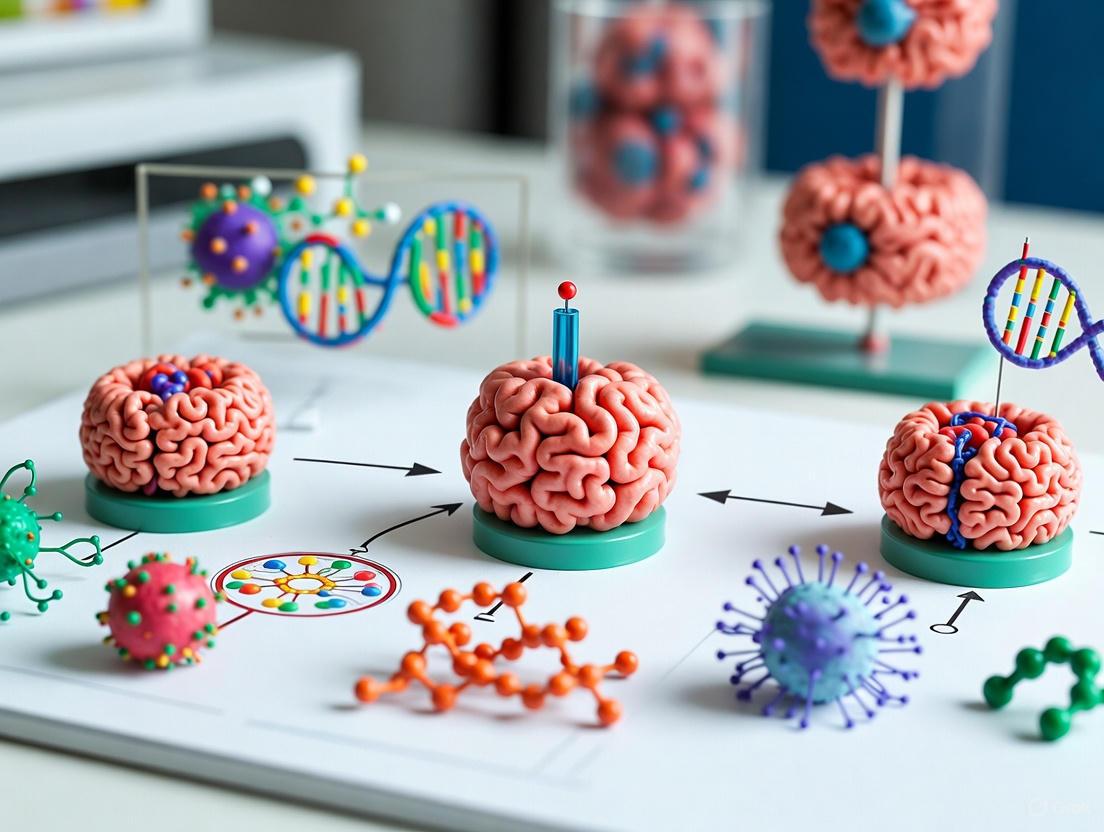
This article provides a comprehensive overview of the transformative role of three-dimensional (3D) tumor models in modern cancer research and drug development.
3D Tumor Models in Cancer Research: Bridging the Gap Between Lab Bench and Patient Bedside
Abstract
This article provides a comprehensive overview of the transformative role of three-dimensional (3D) tumor models in modern cancer research and drug development. It explores the foundational principles that grant 3D models superior physiological relevance over traditional 2D cultures, including their ability to recapitulate critical tumor microenvironment features like hypoxia, nutrient gradients, and cell-extracellular matrix interactions. The content delves into the diverse methodologies—from spheroids and organoids to bioprinted constructs and tumor-on-a-chip systems—and their specific applications in preclinical drug screening, personalized medicine, and immunotherapy research. Furthermore, the article offers a pragmatic analysis of current technical challenges, optimization strategies, and a critical validation of 3D models against conventional 2D and in vivo approaches, synthesizing key insights to guide future biomedical and clinical translation.
Why 3D Models? Unveiling the Tumor Microenvironment and Its Critical Role
The Limitations of Traditional 2D Monolayers in Predicting Clinical Outcomes
The high failure rate of anticancer drugs in clinical trials remains a significant challenge in oncology, despite promising preclinical results. A critical factor contributing to this discrepancy is the continued reliance on traditional two-dimensional (2D) monolayer cell cultures during early drug discovery and development phases. This review systematically examines the fundamental limitations of 2D culture systems, highlighting their inability to accurately mimic the complex tumor architecture, microenvironment, and cellular signaling networks found in vivo. We present quantitative comparisons of cellular behaviors and drug responses between 2D and three-dimensional (3D) models, detail advanced methodologies for establishing physiologically relevant 3D systems, and explore how these improved models are transforming predictive accuracy in cancer research. The integration of 3D tumor models represents a paradigm shift toward more clinically relevant preclinical assessment, potentially accelerating the development of effective cancer therapies.
The process of anticancer drug development is notoriously time-intensive and expensive, with approximately 90% of discovered drugs that reach the clinical trial phase failing to gain FDA approval and commercialization [1]. This alarming attrition rate underscores a critical disconnect between conventional preclinical models and human pathophysiology. For decades, two-dimensional (2D) monolayer cell cultures have served as the cornerstone of in vitro cancer research due to their simplicity, cost-effectiveness, and ease of interpretation [2] [3]. However, a substantial body of evidence now demonstrates that cells cultured on flat, rigid plastic surfaces undergo profound changes in morphology, signaling, and behavior that poorly reflect tumor biology in living patients [3].
The transition from traditional 2D to three-dimensional (3D) culture systems represents a fundamental advancement in cancer modeling, driven by the need for more physiologically relevant platforms that can better predict clinical outcomes [3]. These 3D models, including spheroids, organoids, and tumor-on-a-chip systems, more accurately replicate critical features of the tumor microenvironment (TME), such as cell-cell interactions, cell-extracellular matrix (ECM) interactions, nutrient and oxygen gradients, and spatial organization [2] [4]. This review comprehensively analyzes the specific limitations of 2D monolayers while presenting the scientific basis for how 3D culture systems address these shortcomings, ultimately offering improved predictive value for therapeutic responses in cancer patients.
Fundamental Limitations of 2D Monolayer Cultures
Altered Tumor Morphology and Architecture
In native tissues and tumors, cells exist in complex three-dimensional architectures that profoundly influence their behavior and function. Traditional 2D monolayers fundamentally distort this organizational reality by forcing cells to adhere and spread on flat, rigid surfaces [2]. This artificial configuration induces significant changes in cell morphology, polarization, and division patterns that deviate from in vivo conditions [2].
Loss of Structural Complexity: In 2D cultures, cells are constrained to a single plane and experience uniform exposure to nutrients, oxygen, and signaling molecules throughout the monolayer [2]. This contrasts sharply with solid tumors, which exhibit spatial heterogeneity with proliferating cells at the periphery, quiescent cells in intermediate regions, and necrotic cores in oxygen-deprived areas [4]. The absence of this architectural complexity in 2D systems eliminates critical microenvironmental influences on cellular behavior.
Disrupted Morphology and Polarity: Cells cultured in 2D lose their native morphology and tissue-specific polarity, which can dramatically alter their functional characteristics and signaling pathways [2] [3]. For instance, the change from a 3D to 2D environment can disrupt apical-basal polarization, affecting how cells respond to external stimuli, transport molecules, and maintain tissue barriers [2].
Inadequate Tumor Microenvironment (TME) Representation
The tumor microenvironment comprises a complex ecosystem of cancer cells, stromal cells, immune components, extracellular matrix, and signaling molecules that collectively influence tumor progression and therapeutic responses [3]. Traditional 2D monolayers fail to recapitulate this complexity in several critical aspects:
Deficient Cell-Cell and Cell-ECM Interactions: In 3D tissues, cells maintain intricate contacts with neighboring cells and are embedded within a 3D extracellular matrix network that provides biochemical and mechanical cues [2] [3]. Monolayer cultures significantly reduce these multidimensional interactions to a single plane, altering fundamental cellular processes including differentiation, proliferation, vitality, gene expression, and drug metabolism [2].
Absence of Critical TME Components: Most 2D cultures are monocultures that lack the diverse cellular populations found in actual tumors, including cancer-associated fibroblasts (CAFs), immune cells, endothelial cells, and pericytes [3]. Without these elements, researchers cannot study critical phenomena such as immune cell infiltration, angiogenesis, or stromal-mediated drug resistance [3].
Missing Biochemical and Physical Gradients: Solid tumors develop metabolic gradients due to variable diffusion distances and consumption rates. Unlike 2D monolayers where all cells have equal access to nutrients and oxygen, 3D tumors establish gradients of oxygen, nutrients, metabolites, and signaling molecules that create distinct microenvironments within the same tumor mass [2] [4]. This heterogeneity drives the development of hypoxic regions, altered metabolic states, and heterogeneous cell populations with different proliferative capacities and drug sensitivities [4].
Molecular and Genetic Discrepancies
The artificial conditions of 2D culture systems induce significant molecular and genetic changes that further distance them from in vivo tumors:
Altered Gene Expression and Splicing: Comprehensive transcriptomic analyses reveal significant differences in gene expression profiles between cells cultured in 2D versus 3D environments [1]. Thousands of genes show differential expression, affecting multiple critical pathways including those involved in cell adhesion, metabolism, signal transduction, and drug resistance [1]. For example, genes such as ANXA1 (a potential tumor suppressor), CD44 (involved in cell adhesion), OCT4, and SOX2 (related to self-renewal) show altered expression in 3D cultures compared to 2D [4].
Epigenetic Variations: Studies comparing 2D and 3D cultures of colorectal cancer cell lines alongside patient-derived Formalin-Fixed Paraffin-Embedded (FFPE) samples have demonstrated that 3D cultures and FFPE share similar methylation patterns and microRNA expression, while 2D cells show elevated methylation rates and altered microRNA expression [1]. These epigenetic differences can profoundly affect cellular phenotypes and drug responses.
Table 1: Molecular Differences Between 2D and 3D Culture Systems
| Molecular Feature | 2D Culture Characteristics | 3D Culture Characteristics | Functional Implications |
|---|---|---|---|
| Gene Expression | Altered expression profiles; does not match in vivo patterns [1] | Closer resemblance to in vivo tumor gene expression [1] | More accurate modeling of tumor biology and drug targets |
| Epigenetic Patterns | Elevated methylation rates; altered miRNA expression [1] | Methylation and miRNA patterns similar to patient tumors [1] | Better representation of gene regulation mechanisms |
| Signaling Pathway Activity | Hyperactive AKT-mTOR-S6K signaling; compensatory ERK activation with AKT inhibition [5] | Reduced AKT-mTOR-S6K activity; spatial signaling heterogeneity [5] | More predictive of in vivo drug responses and pathway crosstalk |
| Splicing Patterns | Altered mRNA splicing compared to in vivo [2] | Splicing patterns more closely resemble in vivo conditions [2] | Accurate representation of protein isoforms and functions |
Altered Cellular Signaling and Metabolic Pathways
Signaling networks in cancer cells cultured in 2D differ substantially from those in 3D environments and in vivo tumors:
Rewired Signaling Networks: Systematic comparisons of colon cancer cell lines revealed strong alterations in AKT-mTOR-S6K signaling between 2D and 3D cultures [5]. Spheroids showed relatively lower activities in these pathways compared to 2D-cultured cells. Importantly, drug-induced pathway crosstalk differed significantly between models—inhibition of AKT-mTOR-S6K resulted in elevated ERK phosphorylation in 2D culture, whereas under these conditions, ERK signaling was reduced in spheroids [5].
Metabolic Differences: Research comparing 2D and 3D tumor-on-chip models demonstrated distinct metabolic profiles between these systems [4]. Three-dimensional cultures showed elevated glutamine consumption under glucose restriction and higher lactate production, indicating an enhanced Warburg effect. The microfluidic chip monitoring revealed increased per-cell glucose consumption in 3D models, highlighting the presence of fewer but more metabolically active cells than in 2D cultures [4].
The following diagram illustrates the fundamental architectural and microenvironmental differences between 2D and 3D culture systems:
Impact on Drug Discovery and Development
Drug Response and Resistance Discrepancies
The architectural and microenvironmental limitations of 2D monolayers directly translate to poor predictive value for drug efficacy and resistance mechanisms:
Exaggerated Drug Sensitivity: Cells in 2D culture typically demonstrate heightened sensitivity to chemotherapeutic agents compared to their 3D counterparts and clinical responses [1]. This overestimation of efficacy occurs because drugs have uniform access to all cells in the monolayer, bypassing the diffusion barriers present in solid tumors [2] [4]. For example, comparative studies using colorectal cancer cell lines showed significantly different responsiveness to 5-fluorouracil, cisplatin, and doxorubicin between 2D and 3D cultures [1].
Underestimation of Resistance Mechanisms: The absence of hypoxic regions, quiescent cell populations, and stromal interactions in 2D cultures fails to recapitulate critical drug resistance mechanisms operating in human tumors [4]. Three-dimensional models naturally develop heterogeneous microenvironments containing both proliferating and non-proliferating cells, better modeling the therapeutic resistance observed clinically [4] [1].
Table 2: Quantitative Comparison of Drug Responses in 2D vs. 3D Models
| Parameter | 2D Monolayer Response | 3D Model Response | Clinical Correlation |
|---|---|---|---|
| Proliferation Rate | High, uniform proliferation [4] | Reduced, heterogeneous proliferation [4] | Better matches variable tumor growth rates |
| Drug Penetration | Immediate, uniform access [2] | Limited, gradient-dependent diffusion [2] | Mimics drug penetration barriers in solid tumors |
| Hypoxic Population | Absent [4] | Present in spheroid cores [4] | Recapitulates hypoxia-mediated resistance |
| IC50 Values | Generally lower [1] | Generally higher [1] | More accurately predicts clinical dosing requirements |
| Stromal Protection | Not modeled [3] | Incorporated in advanced co-cultures [3] | Accounts for microenvironment-mediated resistance |
Clinical Validation of 3D Models
Recent clinical validation studies demonstrate the superior predictive power of 3D models for patient-specific therapeutic responses:
Ovarian Cancer Response Prediction: A 2025 study established an ex vivo 3D micro-tumor testing platform using ascites-derived samples from high-grade serous ovarian cancer patients [6]. The platform demonstrated a significant correlation (R = 0.77) between predicted and clinical CA125 decay rates following platinum-based therapy. Importantly, patients with predicted high ex vivo sensitivity to carboplatin/paclitaxel demonstrated significantly increased progression-free survival (PFS) and decreased tumor size, validating the clinical relevance of the 3D model [6].
Nanotoxicology Assessment: Research comparing 2D and 3D models for nanotoxicological studies revealed that spheroids from fibroblasts (L929) and melanoma (B16-F10) cells were more sensitive to the cytotoxic effects of silver nanoparticles (AgNPs) than monolayer cell cultures [7]. Furthermore, 3D cultures internalized nanoparticles differently than 2D cultures, highlighting how model dimensionality affects both toxicological responses and cellular uptake mechanisms [7].
The following workflow illustrates how 3D models are being integrated into personalized cancer treatment prediction:
Advanced 3D Model Methodologies
Experimental Protocols for 3D Culture Systems
Several well-established methodologies enable researchers to transition from 2D to 3D culture systems:
Scaffold-Based 3D Cultures [2]:
- Procedure: Cells are seeded onto biodegradable scaffolds made of materials such as silk, collagen, laminin, or alginate. These scaffolds provide a 3D structure that allows cells to migrate among fibers, attach, and form tissue-like structures.
- Applications: Compatible with commercially available functional tests, DNA/RNA and protein isolation kits, and easy preparation for immunohistochemical analysis.
- Limitations: Cells attached to scaffolds may flatten and spread similarly to adherent 2D conditions, and scaffold materials may influence cell adhesion, growth, and behavior.
Suspension Cultures on Non-Adherent Plates [2]:
- Procedure: Single cells are seeded on non-adherent plates with appropriate medium. 3D structures typically form within 3 days of culture.
- Applications: Simple, easy, and rapid culture establishment; bacterial plates or specialized non-adherent culture plates can be used; cells can be easily extracted for further experiments.
- Limitations: Some cell lines require expensive plates coated with specific materials; formation of aggregates depends on cell movement in medium.
Hydrogel-Based 3D Cultures [2] [4]:
- Procedure: Single cells grow in medium containing substances with gelling properties such as Matrigel or agarose. For agarose, a dissolved low-melting agarose with cell medium is poured on a plate and incubated until solidified to create a base layer, followed by a top layer containing cells.
- Applications: Allows study of single cell growth independent of attachment; cells in Matrigel form tissue-like structures with three-dimensional interactions; useful for studying aggressiveness and metastatic potential.
- Limitations: Time-consuming preparation; potential low reproducibility; difficulty extracting cells from matrix for analysis; Matrigel contains endogenous bioactive ingredients that may influence results.
Microfluidic Tumor-on-Chip Models [4] [3]:
- Procedure: Cells are embedded in a collagen-based hydrogel inside microfluidic chips that mimic ECM mechanical forces, encouraging cells to proliferate and self-organize into spheroids.
- Applications: Enables real-time analysis, low cell number requirements, flexible device design, and creation of nutrient and metabolic gradients.
- Limitations: More complex setup requiring specialized equipment and expertise.
Research Reagent Solutions for 3D Culture
Table 3: Essential Materials and Reagents for 3D Cancer Model Development
| Reagent/Category | Specific Examples | Function and Application |
|---|---|---|
| Scaffold Materials | Silk, collagen, laminin, alginate [2] | Provide 3D structural support for cell attachment and growth |
| Hydrogel Matrices | Matrigel, agarose, collagen-based hydrogels [2] [4] | Mimic extracellular matrix for embedded 3D culture |
| Specialized Plates | Nunclon Sphera super-low attachment U-bottom microplates [1] | Prevent cell attachment, promote spheroid formation |
| Microfluidic Systems | Tumor-on-a-chip devices [4] [3] | Create controlled microenvironment with fluid flow |
| Cell Viability Assays | CellTiter 96 Aqueous MTS assay [1], Alamar Blue [4] | Measure metabolic activity in 3D structures |
| Characterization Tools | Confocal microscopy, H&E staining, immunohistochemistry [6] [7] | Analyze spatial organization and protein expression |
The limitations of traditional 2D monolayer cultures in predicting clinical outcomes stem from fundamental inadequacies in replicating the architectural complexity, cellular microenvironment, and molecular networks of human tumors. The evidence presented demonstrates that 3D model systems—including spheroids, organoids, and tumor-on-chip platforms—offer superior physiological relevance by preserving native cell morphology, establishing critical metabolic gradients, maintaining appropriate signaling pathway activity, and incorporating tumor microenvironment components. The documented discrepancies in drug responses between 2D and 3D systems, coupled with emerging clinical validation studies, strongly support the integration of 3D models into standard preclinical workflows. As these advanced platforms continue to evolve through incorporation of patient-derived materials, microenvironmental components, and analytical technologies such as artificial intelligence [3], they hold significant promise for improving the predictive accuracy of cancer drug development and ultimately enhancing clinical success rates.
The tumor microenvironment (TME) is now recognized as a critical ecosystem that governs cancer progression, therapeutic response, and emergence of drug resistance. Traditional two-dimensional (2D) cell culture models fail to replicate the complex spatial, biochemical, and cellular interactions that characterize human tumors, creating a translational gap between preclinical findings and clinical outcomes [8]. The core hallmarks of the TME—its architecture, biochemical gradients, and stromal interactions—are inherently three-dimensional (3D) properties that require equally sophisticated models for their study.
Three-dimensional tumor models have emerged as indispensable tools that bridge this gap, offering physiologically relevant platforms for investigating tumor biology and therapeutic efficacy [9] [10]. These advanced systems range from biofabricated constructs that precisely control matrix composition and cellular organization to patient-derived organoids that maintain phenotypic and genetic features of original tumors [10] [8]. This technical guide examines the core hallmarks of the 3D TME, framed within the context of cancer research using 3D tumor models, providing researchers and drug development professionals with both theoretical frameworks and practical methodologies.
Hallmark I: The Architectural Framework of the 3D TME
Spatial Organization and Microregions
The 3D architecture of tumors is not a random aggregation of cells but a spatially organized structure with distinct functional regions. Spatial transcriptomic studies of primary untreated tumors have revealed that hallmark activity is spatially organized, with the cancer compartment contributing to seven out of thirteen recognized cancer hallmarks, while the TME governs the remainder [11]. These spatial patterns form the basis of "tumor microregions"—distinct cancer cell clusters separated by stromal components that vary significantly in size and density across cancer types [12].
Table 1: Characterization of Tumor Microregions Across Cancer Types
| Cancer Type | Average Microregion Depth (Layers) | Tumor Fraction | Predominant Microregion Size | Distinctive Architectural Features |
|---|---|---|---|---|
| Colorectal Carcinoma (CRC) | 2.9 | Moderate | Large | Larger microregions; organized spatial subclones |
| Breast Cancer (BRCA) | 2.1 | Variable | Small to Medium | Numerous small regions; ductal growth patterns |
| Pancreatic Dual Adenocarcinoma (PDAC) | 2.37 | Low | Small | High stromal content; numerous small microregions |
| Renal Cell Carcinoma (RCC) | Data Not Specified | High | Variable | Highest tumor fraction among studied cancers |
| Metastatic Tumors (Various) | 3.4 | Variable | Medium to Large | Larger, deeper microregions compared to primary tumors |
The architectural complexity of the TME extends beyond simple compartmentalization. Genomic distance between tumor subclones correlates with differences in hallmark activity, leading to functional specialization where different regions of the same tumor contribute uniquely to overall tumor behavior [11]. This spatial organization creates distinct ecological niches within the tumor that influence therapeutic responses and resistance mechanisms.
Biofabrication Strategies for Architectural Recapitulation
Recapitulating the complex architecture of native tumors requires advanced biofabrication techniques. Granular suspension matrices have emerged as particularly powerful tools for creating tunable microenvironments. These systems use microscale hydrogels (microgels) to create yield-stress fluids that enable precise deposition of cells and materials while allowing control over interstitial spacing and matrix density [13].
Table 2: Biofabrication Techniques for 3D TME Architecture
| Technique | Key Features | Applications in TME Modeling | Limitations |
|---|---|---|---|
| Granular Suspension Matrices | Jammed microgel suspensions with tunable interstitial volume; yield-stress properties | Mimicking porosity and density of healthy and fibrotic microenvironments; studying cancer cell migration [13] | Requires specialized equipment; optimization of microgel properties needed |
| Drop-on-Demand Bioprinting | High-resolution, reproducible cell deposition; amenable to high-throughput screening | Spatially controlled co-culture models; probing invasive processes and heterotypic crosstalk [13] [14] | Limited by bioink properties; potential shear stress on cells |
| Scaffold-Based 3D Culture | Porous scaffolds (hydrogels, microcarriers) supporting 3D cell growth | Simulation of 3D tissue structure; long-term culture; incorporation of biochemical cues [10] | Scaffold composition may influence cell behavior; degradation kinetics variability |
| 3D Bioprinting | Layer-by-layer deposition of bioinks containing cells and biomaterials | Creating complex, multi-cellular structures; precise spatial control over ECM components [9] [8] | Resolution limitations; time-consuming process; cost considerations |
The experimental workflow for creating architecturally relevant 3D TME models involves multiple coordinated steps, as visualized below:
Hallmark II: Biochemical and Physical Gradients
Nature and Significance of Gradients in the TME
The 3D architecture of tumors naturally gives rise to biochemical and physical gradients that profoundly influence cellular behavior and therapeutic efficacy. Nutrient and oxygen gradients emerge as diffusion limitations occur in dense tissue regions, creating heterogeneous microenvironments with distinct phenotypic regions [8]. These gradients drive the formation of proliferative, quiescent, and necrotic zones that mirror in vivo tumor physiology and contribute to therapy resistance.
Spatial transcriptomic analyses have revealed that metabolic activity increases at the center of tumor microregions, while antigen presentation increases along the leading edges [12]. This compartmentalization of biological processes creates functional heterogeneity within seemingly uniform tumor regions. Furthermore, immune cell distributions follow distinct spatial patterns, with T cells showing variable infiltration within microregions and macrophages predominantly residing at tumor-stroma boundaries [12].
Experimental Models for Gradient Analysis
Advanced 3D model systems enable precise investigation of these gradients. Portable imaging systems with custom algorithms for 3D spheroid analysis have demonstrated high sensitivity (98.99%) and specificity (98.21%) in monitoring gradient-driven phenomena such as hypoxia and metabolic adaptation [15]. These systems facilitate real-time monitoring of spheroid generation and response to therapeutic interventions, capturing the dynamic nature of gradient formation.
Table 3: Gradient Phenomena in 3D Tumor Models
| Gradient Type | Measurement Approaches | Biological Consequences | Therapeutic Implications |
|---|---|---|---|
| Oxygen (Hypoxia) | Hypoxia probes (e.g., dicyanocoumarin-fused quinolinium probes); spatial transcriptomics [15] [12] | Altered metabolism; increased invasiveness; stemness promotion | Reduced efficacy of radiation and many chemotherapeutics; activation of hypoxia-targeted pathways |
| Metabolic | NAD(P)H probes; metabolic imaging; spatial analysis of metabolic gene expression [15] [12] | Heterogeneous proliferation rates; regional variation in drug sensitivity | Microregion-specific treatment failure; need for combination therapies targeting different metabolic states |
| Drug Penetration | Fluorescent drug analogs; mass spectrometry imaging; comparative viability assessment [15] [10] | Incomplete tumor cell killing; sanctuary sites for resistant clones | Inadequate dosing in tumor core; requirement for enhanced delivery systems |
| Biomechanical (Stress) | Atomic force microscopy; traction force measurements; cytoskeletal organization analysis [13] | Altered mechanosignaling; enhanced invasion; epithelial-mesenchymal transition | Potential for mechanotherapeutic interventions; matrix-modifying agents |
The relationship between gradient formation and architectural features follows predictable patterns that can be modeled and exploited for therapeutic development:
Hallmark III: Stromal Interactions and Cellular Crosstalk
The Dynamic Stromal Compartment
The stromal compartment of the TME is not a passive bystander but an active participant in tumor progression. Comprising various non-cancerous cell types—including cancer-associated fibroblasts (CAFs), immune cells, adipocytes, and endothelial cells—the stroma engages in complex bidirectional communication with cancer cells that influences all aspects of tumor behavior [13] [11]. This crosstalk is particularly evident in the transformation of normal stromal cells into tumor-promoting entities, such as the differentiation of adipose-derived stromal cells (ADSCs) into CAFs under the influence of cancer-derived signals [13].
Spatial analyses have demonstrated that hallmark activities interrelate specifically at TME-cancer junctions, creating interface zones where stromal-tumor interactions are particularly intense [11]. These specialized regions facilitate the exchange of paracrine signals, direct cell-cell contact, and extracellular matrix remodeling that collectively shape tumor evolution and therapeutic responses.
Modeling Stromal Interactions in 3D Systems
Biofabricated 3D cancer-stroma models enable precise investigation of these critical interactions. In one advanced approach, granular gelatin-methacryloyl (GelMA) microgels create tunable environments where breast cancer cells and ADSCs can be co-cultured to evaluate crosstalk between matrix parameters and heterotypic cell populations [13]. These models have demonstrated that high-density microgel matrices are more conducive to ADSC transformation into CAFs, as indicated by increased α-smooth muscle actin expression [13] [14].
The signaling pathways governing stromal-tumor crosstalk represent promising therapeutic targets, as visualized in the following pathway map:
Stroma-Mediated Therapeutic Resistance
The stromal compartment significantly influences responses to anticancer therapies. Treatment with chemotherapeutic agents like doxorubicin enhances tumor-stroma crosstalk, supporting increased tumorigenicity in co-culture models [13]. This stroma-mediated resistance operates through multiple mechanisms, including physical barrier functions, metabolic adaptations, and paracrine survival signals that collectively protect cancer cells from therapeutic insult.
The critical role of stromal interactions in therapeutic response highlights the limitations of cancer-centric treatment approaches and underscores the need for stromal-targeting strategies. Pharmaceutical screening conducted in sophisticated 3D stroma-tumor models provides more clinically predictive data than traditional monoculture systems, enabling identification of compounds that effectively disrupt protumorigenic stromal functions [10].
The Scientist's Toolkit: Essential Research Reagents and Platforms
Core Materials and Reagents
Table 4: Essential Research Reagents for 3D TME Modeling
| Reagent/Platform | Function | Application Examples | Key References |
|---|---|---|---|
| Gelatin-Methacryloyl (GelMA) | Photocrosslinkable hydrogel for microgel fabrication; tunable mechanical properties | Creating granular suspension matrices with defined porosity and stiffness [13] | [13] [14] |
| Lithium Phenyl-2,4,6-trimethylbenzoylphosphinate (LAP) | Photo-initiator for visible light crosslinking (405 nm) | GelMA crosslinking under cytocompatible conditions [13] | [13] |
| Adipose-Derived Stromal Cells (ADSCs) | Mesenchymal stem cell population with propensity for CAF differentiation | Modeling stroma-tumor interactions; studying CAF transformation [13] | [13] [14] |
| Patient-Derived Organoids (PDOs) | 3D structures from patient tumors maintaining original characteristics | Personalized drug screening; studying tumor heterogeneity [10] | [10] |
| HCS-3DX Platform | AI-driven high-content screening system for 3D models | Automated 3D-oid selection, imaging, and single-cell analysis [16] | [16] |
| Portable Cellular Imaging System | Real-time monitoring and quantitative analysis of 3D spheroids | Tracking spheroid formation and drug response dynamics [15] | [15] |
Advanced Analytical Platforms
Cutting-edge analytical platforms are essential for extracting meaningful data from complex 3D models. The HCS-3DX system represents a next-generation approach that combines an AI-driven micromanipulator for 3D-oid selection, specialized multiwell plates for optimized imaging, and image-based AI software for single-cell data analysis [16]. This integrated system achieves unprecedented resolution in 3D high-content screening, overcoming limitations of current systems and enabling detailed investigation of cellular behavior within 3D structures.
Light-sheet fluorescence microscopy (LSFM) has emerged as particularly valuable for 3D model analysis, offering the combination of high imaging penetration, minimal phototoxicity, and single-cell resolution needed for detailed characterization of complex TME interactions [16]. When coupled with AI-based analysis workflows, these imaging technologies provide quantitative insights into tissue composition, cellular heterogeneity, and drug effects at the single-cell level within intact 3D structures.
The core hallmarks of the 3D tumor microenvironment—its sophisticated architecture, multifaceted gradients, and dynamic stromal interactions—collectively create a complex ecosystem that dictates tumor behavior and therapeutic responses. The advent of advanced 3D tumor models has finally provided researchers with tools capable of capturing this complexity, enabling more physiologically relevant investigation of tumor biology and drug development.
These technological advances come at a critical time, as the field increasingly recognizes that therapeutic failure often stems from TME-mediated protection rather than intrinsic cancer cell resistance. The future of oncology research lies in embracing these sophisticated models to develop stromal-targeting strategies, combination therapies that address TME heterogeneity, and personalized treatment approaches based on patient-specific TME characteristics. As 3D modeling technologies continue to evolve—increasingly integrated with artificial intelligence, high-content screening, and multi-omics approaches—they promise to accelerate the development of more effective anticancer therapies that truly overcome the protective influences of the tumor microenvironment.
In the pursuit of more effective cancer therapies, the transition from traditional two-dimensional (2D) cell cultures to three-dimensional (3D) tumor models represents a paradigm shift in preclinical research. Conventional 2D models fail to replicate the complex pathophysiology of human tumors, a key contributor to the high failure rate of oncology drugs in clinical trials [17] [18]. Three-dimensional models bridge this gap by recapitulating critical physiological features of the tumor microenvironment (TME), including oxygen and nutrient gradients, the development of necrotic cores, and physical barriers to drug penetration [17]. These features are not merely anatomical; they are dynamic, interlinked drivers of tumor progression and therapy resistance. Framing research within the context of these core physiological phenomena is therefore essential for a thesis in modern cancer biology, as it enables the investigation of drug resistance mechanisms and the development of novel therapeutic strategies with enhanced clinical predictive power [17] [19]. This whitepaper provides an in-depth technical guide to modeling and analyzing hypoxia, necrosis, and drug penetration in 3D tumor systems, serving as a foundational resource for researchers and drug development professionals.
Hypoxia: The Cornerstone of Tumor Physiology
Physiological Basis and Mechanistic Drivers
Hypoxia, a state of inadequate oxygen supply, is a hallmark of solid tumors. It arises from an imbalance between rapid cancer cell proliferation and the inefficient, disorganized nature of tumor vasculature [20]. This creates a heterogeneous landscape of oxygen tension, ranging from near-physiological levels to severe anoxia, which can be modeled as a gradient from the perfused vessel to the core of a 3D structure [21]. In 3D models like spheroids and organoids, oxygen consumption by proliferating cells on the periphery spontaneously generates these gradients, leading to a hypoxic core, thereby mimicking the in vivo scenario [17] [20]. The most well-studied molecular response to hypoxia is mediated by the Hypoxia-Inducible Factor (HIF) pathway. Under normoxic conditions, HIF-1α subunits are hydroxylated by prolyl hydroxylases (PHDs), leading to their recognition by the von Hippel-Lindau (VHL) protein and subsequent proteasomal degradation. Under hypoxia, this degradation is halted, allowing HIF-1α to stabilize, dimerize with HIF-1β, and translocate to the nucleus to activate the transcription of hundreds of genes involved in angiogenesis, glycolysis, cell survival, and invasion [20].
Quantitative Assessment of Hypoxia
Accurately quantifying hypoxia is critical for data interpretation. A range of direct and indirect methods is available, each with unique applications and limitations.
Table 1: Methods for Detecting Hypoxia in 3D Tumor Models
| Method | Mechanism of Action | Key Outputs | Suitable 3D Models | Key Advantages & Limitations |
|---|---|---|---|---|
| Immunolabeling of Endogenous Markers (e.g., HIF-1α, CA-IX, GLUT-1) [20] | Antibody-based detection of proteins stabilized or upregulated by HIF activity. | Protein expression/localization (IHC/IF). | Spheroids, Organoids, Bioprinted models. | Adv.: No special equipment; works on fixed samples.Lim.: Indirect measure; affected by factors beyond O₂. |
| Immunolabeling of Exogenous Markers (e.g., Pimonidazole, EF5) [20] [21] | Administered 2-nitroimidazole compounds form irreversible adducts in hypoxic cells (<1.3% O₂). | Hypoxic adducts detected via IHC/IF. | Spheroids, Organoids, in vivo models. | Adv.: Directly marks hypoxic cells; highly specific.Lim.: Requires probe delivery & fixation; not real-time. |
| Phosphorescent Reporters [20] | O₂ quenches the phosphorescence of metal-porphyrin probes (e.g., Ru(II), Pt(II) complexes). | Phosphorescence lifetime linearly correlated with pO₂. | Live spheroids, Organ-on-chip. | Adv.: Direct, real-time, quantitative pO₂ mapping.Lim.: Requires specialized imaging systems. |
| Needle-type Electrodes [21] | Direct electrochemical measurement of oxygen partial pressure (pO₂). | pO₂ in mmHg. | Large spheroids, in vivo tumors. | Adv.: Direct, quantitative gold standard.Lim.: Invasive; not for high-throughput; disturbs sample. |
The selection of a detection method should be guided by the research question, considering the need for resolution, throughput, and real-time analysis.
Experimental Protocol: Hypoxia Validation in Spheroids via Pimonidazole
This protocol details the use of pimonidazole to detect hypoxic regions within 3D spheroids.
- Step 1: Spheroid Formation. Generate spheroids using a high-throughput-compatible method such as the hanging drop technique or ultra-low attachment 96-well plates. Culture until they reach a diameter (typically >500 µm) sufficient to develop a hypoxic core [22].
- Step 2: Pimonidazole Incubation. Prepare a working solution of pimonidazole hydrochloride (e.g., Hypoxyprobe) in culture medium at a recommended concentration (e.g., 100 µM). Replace the spheroid culture medium with the pimonidazole-containing medium and incubate for a period sufficient for uptake and adduct formation (typically 2-4 hours) [20] [21].
- Step 3: Spheroid Processing. After incubation, wash spheroids with PBS. Fix with 4% paraformaldehyde for 1-2 hours at 4°C. Process spheroids for paraffin embedding and sectioning or embed in an optimal cutting temperature (OCT) compound for cryosectioning to obtain thin slices (5-10 µm) for staining.
- Step 4: Immunofluorescence Staining. Perform standard immunofluorescence on sections. Use a primary antibody specific for pimonidazole adducts and a fluorescently conjugated secondary antibody. A nuclear counterstain (e.g., DAPI) should be included.
- Step 5: Imaging and Analysis. Acquire high-resolution images using a confocal or fluorescence microscope. Quantify the hypoxic fraction by measuring the pimonidazole-positive area as a percentage of the total spheroid cross-sectional area. The staining intensity can also be correlated with the degree of hypoxia [21].
Necrosis: The Outcome of Severe Metabolic Stress
Pathophysiological Triggers and Significance
Necrosis is a form of uncontrolled cell death triggered by extreme and prolonged metabolic stress. In the context of 3D tumor models, it results from a critical deficiency of oxygen (severe hypoxia/anoxia) and nutrients (e.g., glucose), coupled with the accumulation of toxic waste products like lactate [17] [23]. In spheroids and organoids, this manifests as a central necrotic core, a phenomenon directly attributable to the diffusion limits of oxygen (~150-200 µm) and nutrients [23]. The presence of necrosis is clinically significant as it is associated with aggressive tumor phenotypes, poor prognosis, and the release of pro-inflammatory molecules that can further fuel tumor progression [17]. In 3D models, the onset of necrosis indicates that the model has successfully recapitulated the diffusion-limited stresses found in vivo, making it a key endpoint for validating model pathophysiological relevance.
Detection and Characterization
Necrosis is readily identifiable and quantifiable through several methods:
- Histological Staining: Standard Hematoxylin and Eosin (H&E) staining of spheroid sections reveals necrotic regions by the presence of pyknotic nuclei (nuclear condensation), karyorrhexis (nuclear fragmentation), and loss of cellular architecture [19].
- Membrane Integrity Dyes: Fluorescent viability dyes, such as propidium iodide (PI) or SYTOX Green, are excluded from live cells with intact membranes but readily enter necrotic cells, providing a simple fluorescent readout for necrosis in live or fixed samples.
- Lactate Dehydrogenase (LDH) Release Assay: The enzyme LDH is released into the culture supernatant upon plasma membrane rupture during necrosis. Measuring LDH activity in the medium provides a quantitative, high-throughput-compatible measure of necrotic cell death.
Table 2: Key Features of Hypoxia and Necrosis in 3D Models
| Feature | Hypoxia | Necrosis |
|---|---|---|
| Primary Trigger | Inadequate oxygen supply (Po₂ < 10 mmHg, ~1.3% O₂) [20] [21]. | Severe metabolic stress: anoxia, nutrient deprivation, waste accumulation. |
| Cellular State | Adaptive, pro-survival. Cells are viable but altered. | Uncontrolled cell death. |
| Key Molecular Markers | HIF-1α stabilization; Upregulation of CA-IX, GLUT-1, VEGF [19] [20]. | Loss of membrane integrity; Release of HMGB1, LDH. |
| Typical Location in 3D Models | Intermediate zone, between the proliferating rim and the necrotic core. | Central core of large spheroids/organoids. |
| Functional Impact on Therapy | Induces resistance to radiotherapy and many chemotherapies [17] [21]. | Can limit drug penetration and create a barrier for effective treatment [23]. |
Diagram 1: Pathophysiological Gradients and HIF Signaling in a 3D Tumor Model. This workflow illustrates the spatial organization of a 3D tumor model and the core HIF-1 signaling pathway activated in hypoxic regions, driving aggressive tumor behaviors.
Drug Penetration: The Delivery Barrier
Physical and Biological Barriers in the TME
The path of a chemotherapeutic drug from the systemic circulation to its intracellular target in a cancer cell is fraught with obstacles, collectively known as the CAPIR cascade (Circulation, Accumulation, Penetration, Internalization, and Release) [24]. In the context of 3D models, "Penetration" is the critical, rate-limiting step. The primary barriers include:
- Elevated Interstitial Fluid Pressure (IFP): Tumors often lack functional lymphatic drainage, and their leaky vasculature leads to a buildup of interstitial fluid, resulting in uniformly high IFP throughout the tumor core. This elevated pressure suppresses pressure-driven convective transport, leaving diffusion as the primary mechanism for drug movement [23] [25].
- Dense Extracellular Matrix (ECM): The tumor ECM is often denser and more crosslinked than normal tissue, primarily due to collagen deposition by cancer-associated fibroblasts (CAFs) (desmoplasia). This dense meshwork physically hinders the diffusion of therapeutic agents, particularly larger molecules like nanoparticles and antibody-drug conjugates [22] [25].
- Heterogeneous and Abnormal Vasculature: The disorganized, leaky, and inefficient tumor vasculature leads to uneven blood flow and, consequently, uneven delivery of drugs to different tumor regions, creating zones that are poorly perfused from the outset [23].
Modeling and Enhancing Drug Penetration
Three-dimensional models are indispensable for studying these barriers, as they recapitulate the dense ECM and diffusion gradients absent in 2D cultures. Computational modeling, often integrated with experimental data, provides powerful insights. These models solve fluid dynamics and mass transport equations to simulate IFP, interstitial fluid velocity (IFV), and drug concentration spatiotemporally, using parameters derived from real tumor images [23] [25].
Strategies to overcome these barriers, often tested first in 3D models, include:
- Size-Shrinkage Nanoparticles: These are designed as large (~100 nm) particles for effective tumor accumulation via the Enhanced Permeability and Retention (EPR) effect. Upon encountering a tumor-specific stimulus (e.g., low pH, MMP enzymes), they disassemble into smaller particles (< 30 nm) for improved tissue penetration [24].
- Stimuli-Responsive Drug Delivery Systems (DDS): "Smart" DDSs are engineered to change their properties (size, surface charge) in response to TME stimuli like acidic pH, high glutathione (GSH), or overexpressed enzymes, facilitating deeper tumor penetration and controlled drug release [24].
- Targeting CAFs and ECM Depletion: Therapeutic approaches aimed at normalizing the ECM by inhibiting CAFs or degrading dense collagen networks can enhance the penetration of co-administered drugs [22].
The Scientist's Toolkit: Essential Reagents and Models
Table 3: Research Reagent Solutions for 3D Tumor Modeling
| Reagent / Model | Function / Purpose | Key Examples & Notes |
|---|---|---|
| Oligomeric Collagen (Oligomer) [22] | Defined, tunable ECM for 3D invasion and drug studies. | Preserves natural crosslinks; allows precise control over stiffness (e.g., 200-500 Pa). Superior reproducibility vs. monomeric collagen or Matrigel. |
| Hypoxia Probes (Exogenous) [20] [21] | Immunohistochemical detection of hypoxic cells. | Pimonidazole (Hypoxyprobe), EF5. Form adducts in hypoxic cells (<1.3% O₂); detected with specific antibodies. |
| Phosphorescent Reporters [20] | Real-time, quantitative pO₂ mapping in live cells. | Pt(II)/Pd(II) porphyrins, Ru(II) complexes. Phosphorescence lifetime is inversely proportional to O₂ concentration. |
| Patient-Derived Organoids (PDOs) [17] | High-fidelity, personalized models for drug screening. | Retain genetic and phenotypic heterogeneity of the patient's tumor; ideal for personalized therapy prediction. |
| Tumor-on-a-Chip (Microfluidic) [17] | Modeling dynamic TME and vascular delivery. | Incorporates fluid flow, endothelial barriers; suitable for studying drug transport, immune cell infiltration. |
| Biomimetic Scaffolds [19] | 3D macroporous structures mimicking in vivo ECM architecture. | Synthetic collagen scaffolds allowing cell penetration and recreation of tissue-like hypoxia and growth dynamics. |
| Size-Shrinkage Nanoparticles [24] | Smart DDS for enhanced tumor accumulation and penetration. | e.g., iCluster/Pt. Large initial size for EPR; shrinks to ~5 nm in response to TME acidity for deep penetration. |
Diagram 2: Integrated 3D Drug Penetration & Efficacy Assay Workflow. A comprehensive experimental pipeline for evaluating drug performance in 3D tumor models, from model selection to multiplexed analysis.
The deliberate modeling of hypoxia, necrosis, and drug penetration in 3D tumor systems is no longer an advanced niche but a fundamental requirement for rigorous, translational cancer research. These interconnected physiological features are key determinants of therapeutic failure, and their recapitulation in vitro provides a critical bridge between simplistic 2D cultures and complex, costly in vivo models. By leveraging the advanced reagents, models, and analytical techniques outlined in this guide, researchers can deconstruct the mechanistic basis of drug resistance with greater fidelity. Integrating these components into a thesis framework ensures that the research is grounded in the pathophysiological reality of human tumors, thereby accelerating the development of more effective and personalized cancer therapies.
The Global Research Landscape and Emerging Hotspots in 3D Cancer Modeling
Cancer remains a leading cause of mortality worldwide, with the failure of promising therapeutic candidates in clinical trials representing a significant bottleneck in oncology drug development [17]. This failure is frequently attributed to the limited predictive accuracy of conventional two-dimensional (2D) cell cultures, which cannot replicate the complex three-dimensional architecture and cellular interactions of human tumors [26]. Over the past decade, three-dimensional (3D) cancer models have emerged as transformative tools that bridge the gap between traditional monolayer cultures and in vivo animal models, offering more physiologically relevant systems for studying tumor biology, drug resistance, and therapeutic screening [27] [3].
The evolution of 3D modeling represents a fundamental shift in preclinical oncology research. These advanced cultures mimic critical elements of the tumor microenvironment (TME), including hypoxia, nutrient gradients, cell-cell interactions, and cell-extracellular matrix (ECM) interactions, which collectively influence drug penetration, therapeutic response, and resistance mechanisms [17] [4]. This whitepaper provides a comprehensive analysis of the current global research landscape, emerging hotspots, and detailed technical methodologies in 3D cancer modeling, framed within the broader context of accelerating therapeutic development and advancing personalized oncology.
Global Research Landscape and Quantitative Analysis
The field of 3D cancer modeling has experienced exponential growth, driven by international collaboration and technological innovation. Bibliometric analyses reveal China as the current global leader in publication output, with 779 scientific articles, followed by the United States and European nations [28]. Sichuan University has emerged as the most prolific institution, contributing 75 publications, while Frontiers in Oncology and Biomaterials serve as key dissemination channels for groundbreaking research in this domain [28].
Table 1: Global Research Output in 3D Cancer Modeling (2000-2024)
| Metric | Quantity | Details/Specifics |
|---|---|---|
| Total Publications | 2,312 | Earliest publication in 2006 [28] |
| Contributing Countries | 82 | Led by China (779 articles) [28] |
| Research Institutions | 2,740 | Sichuan University most prolific (75 articles) [28] |
| Contributing Authors | 13,066 | Tu Chongqi most productive (39 publications) [28] |
| Leading Journal (Output) | Frontiers in Oncology | 49 publications [28] |
| Leading Journal (Citations) | Biomaterials | 3,354 citations [28] |
Research focus areas span multiple applications, including preoperative planning, customized radiotherapy bolus design, malignant bone tumor reconstruction, and increasingly, the development of sophisticated in vitro models for drug screening and resistance studies [28]. The recent integration of advanced technologies such as 3D bioprinting, microfluidic systems, and artificial intelligence represents the next frontier in enhancing the physiological relevance and analytical capabilities of these models [3] [29].
Table 2: Primary Research Applications of 3D Models in Oncology
| Application Area | Specific Uses | Tumor Types Highlighted |
|---|---|---|
| Surgical Planning & Radiotherapy | Preoperative planning, customized brachytherapy applicators, radiotherapy bolus design [28] | Bone tumors, breast cancer, head and neck cancers [28] |
| In Vitro Tumor Modeling | Drug screening, resistance studies, TME investigation [28] [3] | Breast, lung, glioblastoma, pancreatic cancer [28] [30] |
| Tissue Reconstruction & Regeneration | Limb-salvage procedures, prosthetic reconstruction [28] | Malignant bone tumors [28] |
| Personalized Medicine | Patient-derived organoids (PDOs) for treatment selection and biomarker discovery [17] [3] | Colorectal, lung, gastric, pancreatic cancers [30] |
Technical Architectures: Comparative Analysis of 3D Model Systems
Spheroid Models
Overview and Applications: Multicellular tumor spheroids represent one of the most established 3D model systems, consisting of self-assembled aggregates of cancer cells. These models effectively reproduce critical tumor characteristics such as oxygen and nutrient gradients, proliferative zones at the periphery, and hypoxic/necrotic cores that mimic in vivo conditions [17] [26]. Spheroids are particularly valuable for studying hypoxia-induced resistance, metabolic adaptations, and drug penetration kinetics across various solid tumors, including breast, lung, ovarian, and brain cancers [17].
Generation Methodologies: Spheroid formation can be achieved through multiple technical approaches:
- Liquid-Overlay Techniques: Utilizing low-adhesion plates or coatings to promote cell aggregation
- Hanging Drop Method: Exploiting gravity to encourage spheroid formation in suspended droplets
- Agitation-Based Systems: Employing spinner flasks or orbital shakers to prevent cell adhesion
- Magnetic Bioprinting: Using magnetic forces to assemble cells into spheroid structures [4]
Organoid Models
Overview and Applications: Organoids represent a significant advancement in complexity, comprising self-organizing, patient-derived 3D structures that recapitulate the genetic, phenotypic, and functional heterogeneity of original tumors [26]. These models are particularly powerful for personalized medicine applications, including drug sensitivity testing, biomarker identification, and the investigation of patient-specific resistance mechanisms [17] [30]. Pancreatic cancer patient-derived organoids (PDOs), for instance, have enabled the identification of novel therapeutic vulnerabilities and mechanisms of resistance to KRAS inhibition [30].
Generation Methodologies: Organoid culture requires specific conditions:
- Stem Cell Isolation: Sourcing adult stem cells (ASCs), embryonic stem cells (ESCs), or induced pluripotent stem cells (iPSCs) from patient tissues
- Specialized Matrices: Embedding cells in basement membrane extracts such as Corning Matrigel matrix
- Defined Media Formulations: Utilizing culture media containing specific niche factors that maintain stemness and support differentiation [26] [30]
Bioprinted and Microfluidic Models
Overview and Applications: 3D bioprinting technologies enable the precise deposition of cells and biomaterials to create complex, architecturally controlled tumor models with defined spatial organization. These systems can incorporate vascular networks, multiple cell types, and region-specific ECM components to study metastasis, immune cell infiltration, and drug delivery dynamics [28] [29]. At San Diego State University, researchers are leveraging bioprinted tumor models to investigate radiation therapy effects, capturing immune and vascular interactions absent in 2D systems [29].
Microfluidic "tumor-on-a-chip" platforms incorporate continuous perfusion to mimic blood flow, nutrient delivery, and waste removal, while also allowing for the application of mechanical and chemical gradients that influence cancer cell behavior [4] [3]. These systems are particularly suitable for studying drug transport, immune cell trafficking, and metastasis mechanisms.
Generation Methodologies: These advanced models require specialized approaches:
- Bioink Formulation: Developing biocompatible hydrogels containing living cells and supportive biomaterials
- Layer-by-Layer Deposition: Utilizing extrusion, inkjet, or laser-assisted bioprinting technologies
- Microfabrication: Creating miniaturized fluidic channels and chambers using photolithography or soft lithography
- Perfusion Systems: Integrating pumps and fluid reservoirs to maintain dynamic culture conditions [3] [29]
Scaffold-Based Models
Overview and Applications: Scaffold-based systems utilize natural or synthetic polymer matrices to provide structural support and biochemical cues that mimic the native tumor ECM. These models are particularly effective for investigating adhesion-mediated drug resistance, stromal-epithelial interactions, and the impact of matrix stiffness on tumor progression [31] [17]. Researchers at UCSD Moores Cancer Center employ Matrigel/hydrogel overlay systems with calibrated elastic moduli to study how ECM stiffness controls tumor invasion, replicating the mechanical properties ranging from normal breast tissue (150-320Pa) to stiff tumors (1100-5700Pa) [30].
Generation Methodologies: Key technical considerations include:
- Biomaterial Selection: Choosing natural (e.g., collagen, fibrin) or synthetic (e.g., PEG, PLA) polymers
- Mechanical Tuning: Modifying crosslinking density to recapitulate tissue-specific stiffness
- Biofunctionalization: Incorporating adhesion ligands, matrix proteins, and growth factors [17] [30]
Experimental Protocols: Methodologies for 3D Model Development and Analysis
Protocol 1: Establishment of 3D Bone Marrow Niche (BMN) Models for Hematological Malignancies
Background: Traditional suspension assays for hematological malignancies fail to recapitulate the protective bone marrow microenvironment that contributes to drug resistance and disease persistence. Crown Bioscience's recently developed 3D BMN platform addresses this limitation by incorporating key cellular and biochemical components of the bone marrow niche [31].
Methodology Details:
- Hydrogel Preparation: Prepare biofunctional hydrogels with tunable mechanical properties to mimic bone marrow stiffness.
- Stromal Component Seeding: Incorporate stromal cells (e.g., mesenchymal stem cells) and endothelial cells at physiologically relevant ratios (typically 2:1 ratio).
- Tumor Cell Introduction: Seed patient-derived tumor cells (1-5 × 10⁵ cells/mL) from hematological malignancies such as acute myeloid leukemia (AML) or multiple myeloma (MM).
- Immune Component Integration: Optionally supplement with autologous immune cells (e.g., T cells, macrophages) at varying ratios to study immune-tumor interactions.
- Culture Maintenance: Maintain cultures in specialized media containing growth factor cocktails that support both stromal and hematopoietic components (SCF, IL-3, IL-6, TPO).
- Drug Screening: Implement high-content imaging-based screening protocols at days 7-14 of culture when the niche is fully established [31].
Applications: This model enables the study of adhesion-mediated drug resistance, evaluation of hematological toxicity, and investigation of minimal residual disease mechanisms in a physiologically relevant context [31].
Protocol 2: Metabolic Analysis of 3D Tumor Models Using Microfluidic Platforms
Background: Cancer cell metabolism differs significantly between 2D and 3D cultures due to spatial gradients and cell-cell interactions. This protocol enables quantitative comparison of metabolic patterns in 2D versus 3D architectures using microfluidic-based monitoring [4].
Methodology Details:
- Device Fabrication: Utilize PDMS-based microfluidic chips with integrated biosensors or separate culture chambers for parallel 2D and 3D cultures.
- 3D Matrix Embedding: Suspend individual cells in collagen-based hydrogel (2-4 mg/mL concentration) at densities of 5-10 × 10⁶ cells/mL to allow self-organization into spheroids.
- 2D Control Setup: Seed cells on collagen-coated surfaces within the same microfluidic platform at equivalent densities.
- Perfusion Culture: Maintain continuous medium flow (0.1-1 μL/min) to mimic nutrient delivery and waste removal while preventing shear stress.
- Metabolic Monitoring: Collect effluent daily for analysis of glucose, glutamine, and lactate concentrations using colorimetric or electrochemical assays.
- Viability Assessment: Measure metabolic activity using Alamar Blue reagent or similar resazurin-based assays at 48-72 hour intervals.
- Endpoint Analysis: Process cultures for immunohistochemistry, RNA sequencing, or other molecular analyses to correlate metabolic phenotypes with gene expression profiles [4].
Applications: This approach reveals distinct metabolic profiles in 3D models, including elevated glutamine consumption under glucose restriction and enhanced Warburg effect, providing insights into metabolic adaptations that influence therapeutic response [4].
Protocol 3: High-Throughput Drug Screening Using Patient-Derived Organoids
Background: Patient-derived organoids (PDOs) retain the genetic and phenotypic heterogeneity of original tumors, making them valuable platforms for personalized drug testing and biomarker discovery. This protocol outlines their use in high-throughput compound screening [30].
Methodology Details:
- Organoid Establishment: Generate organoids from patient biopsies digested enzymatically (collagenase/dispase) and embedded in Corning Matrigel matrix droplets.
- Expansion Culture: Maintain in specialized media containing niche-specific factors (e.g., R-spondin, Noggin, Wnt3a for gastrointestinal tumors) for 2-4 weeks with weekly passaging.
- Assay Preparation: Harvest and dissociate organoids into single cells or small fragments, then re-embed in Matrigel in 384-well plates optimized for 3D culture.
- Compound Library Addition: Using automated liquid handling, transfer compounds from library plates to assay plates, typically testing 5-8 concentrations in duplicate or triplicate.
- Viability Readout: After 5-7 days of drug exposure, measure viability using CellTiter-Glo 3D or similar ATP-based luminescent assays normalized to DMSO-treated controls.
- Data Analysis: Calculate IC₅₀ values using four-parameter logistic curves and perform hierarchical clustering to identify response patterns and potential biomarkers.
- Validation Studies: Correlate in vitro responses with clinical outcomes when available, and pursue mechanistic studies for hits of particular interest [30].
Applications: This platform enables the identification of effective therapeutic regimens for individual patients, discovery of novel drug combinations to overcome resistance, and correlation of drug sensitivity with molecular biomarkers [30].
Essential Research Reagents and Materials
Successful implementation of 3D cancer models requires specialized reagents and materials that support three-dimensional growth and maintain physiological relevance. The following table details key solutions utilized across various model systems.
Table 3: Essential Research Reagents for 3D Cancer Modeling
| Reagent Category | Specific Examples | Function and Application |
|---|---|---|
| Extracellular Matrices | Corning Matrigel matrix, collagen hydrogels, fibrin matrices | Provide biomechanical support and biochemical cues; essential for organoid culture and scaffold-based models [31] [30] |
| Specialized Media | Stem cell media, defined growth factor cocktails | Maintain stemness and support differentiation in organoids; provide tissue-specific signaling in complex models [26] [30] |
| Microfluidic Platforms | PDMS chips, perfusion systems, organ-on-chip devices | Enable dynamic culture conditions, gradient formation, and vascular perfusion in tumor-on-chip models [4] [3] |
| Bioprinting Materials | Bioinks, crosslinking agents, support materials | Facilitate precise spatial patterning of cells and ECM components in 3D bioprinted constructs [28] [29] |
| Analysis Reagents | CellTiter-Glo 3D, Alamar Blue, live-dead stains | Assess viability and metabolic activity in thick 3D structures where standard assays may fail [4] [30] |
Emerging Research Hotspots and Future Directions
Integration of Artificial Intelligence and Machine Learning
The combination of 3D models with artificial intelligence (AI) and machine learning (ML) represents a transformative emerging hotspot in cancer research. AI algorithms are being deployed to enhance the predictive accuracy of 3D models, analyze complex multidimensional data from high-content imaging, and identify subtle patterns in drug response that may elude conventional analysis [3]. BrainStorm Therapeutics exemplifies this approach with their AI-powered human brain organoid platform, which leverages multimodal biological data to map dysregulated pathways and prioritize therapeutic targets for neurological cancers [30]. These integrated systems enable more efficient drug candidate prioritization and experimental optimization, potentially reducing development timelines and costs while improving clinical translation [3].
Advanced Immune-Competent Models
There is growing emphasis on developing increasingly sophisticated immunocompetent 3D models that recapitulate the complex interplay between cancer cells and both innate and adaptive immune components [32]. Current innovations focus on incorporating functional T and B lymphocytes, macrophages, and natural killer cells to study immune checkpoint blockade resistance, CAR-T cell efficacy, and mechanisms of immune evasion [32]. These models are particularly valuable for investigating the immunosuppressive tumor microenvironment, including the role of regulatory T cells (Tregs) and regulatory B cells (Bregs) in attenuating anti-cancer immunity [32]. The development of these complex co-culture systems addresses a critical limitation of earlier 3D models and provides more physiologically relevant platforms for immunotherapy screening.
3D Bioprinting for Precision Radiation Oncology
An emerging application of 3D models lies in radiation oncology, where bioprinted tumor constructs are being utilized to optimize radiation dosing strategies and understand radiation-immune interactions. Researchers at San Diego State University are employing bioprinted models with vasculature and perfusion systems to test whether higher, spatially focused radiation doses could trigger beneficial immune responses [29]. These models address a significant limitation of conventional 2D systems, which cannot capture the immune and vascular effects critical to radiation response, potentially leading to more precise and effective radiotherapy protocols [29].
Multi-Omic Integration and Personalized Medicine
The integration of 3D models with multi-omic analyses (genomics, transcriptomics, proteomics, metabolomics) is accelerating personalized medicine approaches in oncology. Patient-derived organoids serve as living biobanks that retain the genetic diversity of original tumors, enabling high-throughput pharmacotyping and functional validation of genomic findings [30]. At Cold Spring Harbor Laboratory, researchers are optimizing PDO platforms for high-throughput pharmacotyping, while at the Ontario Institute for Cancer Research, CRISPR screening in human gastric cancer organoids is identifying novel vulnerabilities [30]. This convergence of 3D models with advanced molecular profiling and gene editing technologies enables more precise matching of patients with effective therapies and identifies mechanisms to overcome resistance.
The global landscape of 3D cancer modeling is characterized by rapid technological innovation, increasing international collaboration, and a clear translational focus on addressing clinical challenges in oncology. The emergence of sophisticated model systems that faithfully recapitulate the tumor microenvironment has already begun to transform preclinical drug development, enabling more accurate prediction of therapeutic efficacy and identification of resistance mechanisms. As these technologies continue to evolve—driven by advances in bioprinting, microfluidics, artificial intelligence, and multi-omic integration—their impact on personalized cancer treatment and drug development is poised to expand significantly. The ongoing standardization of these platforms and their integration into industrial drug screening pipelines will be crucial for realizing their full potential to accelerate the development of more effective cancer therapies and reduce the high attrition rates in oncology drug development.
Building Better Tumors In Vitro: A Guide to 3D Model Technologies and Their Applications
Three-dimensional (3D) cell cultures have emerged as indispensable tools in cancer research, bridging the critical gap between traditional two-dimensional (2D) monolayers and in vivo animal models. Scaffold-based systems provide a structural and biochemical framework that mimics the native extracellular matrix (ECM), enabling more physiologically relevant studies of tumor behavior and therapeutic response. This whitepaper provides an in-depth technical guide to two pivotal scaffold-based models: Multicellular Tumor Spheroids (MCTS) and organoids. We detail their methodologies, applications in drug screening and personalized medicine, and provide a curated toolkit of essential reagents, protocols, and analytical frameworks to advance preclinical cancer research.
The tumor microenvironment (TME) is a complex ecosystem comprising cancer cells, stromal cells, immune cells, and the extracellular matrix (ECM). Traditional 2D cell cultures fail to recapitulate the 3D architecture, cell-cell interactions, and cell-ECM signaling that define in vivo tumor biology, leading to a high attrition rate for new anticancer drugs in clinical trials [33] [34] [35]. Scaffold-based 3D models address these limitations by providing a biomimetic support structure that allows cells to organize into tissue-like constructs [35]. Among these, MCTS are spherical clusters of tumor cells that model avascular tumor nodules, while organoids are more complex, self-organizing structures derived from stem cells that can mirror the cellular heterogeneity and functionality of patient tumors [36] [37]. These models have become central to modern efforts in drug discovery, personalized therapy, and fundamental cancer biology.
Multicellular Tumor Spheroids (MCTS)
Core Concepts and Formation Techniques
MCTS are 3D aggregates of cancer cells that replicate key features of solid tumors, including the development of nutrient and oxygen gradients, which lead to distinct concentric zones of proliferation, quiescence, and necrosis [38] [33]. This spatial heterogeneity results in drug penetration barriers and resistance mechanisms that are absent in 2D cultures [33]. The formation of MCTS can be achieved through various scaffold-based and scaffold-free methods; the most common techniques are summarized in Table 1.
Table 1: Key Methods for Generating Multicellular Tumor Spheroids
| Method | Underlying Principle | Key Advantages | Inherent Limitations |
|---|---|---|---|
| Liquid Overlay Technique [38] | Cells are prevented from adhering to the underlying surface by coating it with non-adhesive materials (e.g., agar, agarose, poly-HEMA), forcing aggregation. | Cost-effective, simple, no specialized equipment required; suitable for medium-throughput experiments [38]. | Lacks native cell-matrix interactions; potential for disintegration during handling [38]. |
| Scaffold-Based Systems [38] [35] | Cells are embedded within biopolymer scaffolds (e.g., collagen, Matrigel, synthetic hydrogels) that mimic the composition and porosity of the native ECM. | Enables critical cell-ECM interactions; provides structural support and microenvironmental cues; allows for co-culture with stromal cells [38] [35]. | Scaffold components can be expensive and exhibit batch-to-batch variability (e.g., Matrigel); can influence cell behavior [38] [34]. |
| Hydrogel Microwell Arrays [39] | Use of microfabricated hydrogel wells (e.g., PEG) to confine cells and promote aggregation into spheroids of uniform size and shape. | High-throughput generation of highly uniform spheroids; controllable size; easy retrieval for downstream assays [39]. | Requires initial fabrication of the microwell mold; less suitable for studying invasive phenotypes. |
Advanced Protocol: Generating Uniform MCTS via Hydrogel Microwells
The following protocol, adapted from recent research, details the creation of uniform-sized MCTS for advanced drug screening applications [39].
- Microwell Fabrication: A polydimethylsiloxane (PDMS) stamp is created by pouring PDMS prepolymer over a silicon master mold with the desired microwell features and curing at 85°C for 2 hours. A glass slide is treated with 3-(trimethoxysilyl) propyl methacrylate (TMSPMA) to promote hydrogel adhesion.
- Hydrogel Patterning: An aqueous solution of 10% (w/w) polyethylene glycol (PEG) 1000 dimethacrylate and 1% (w/w) photoinitiator is poured between the silanized glass slide and the PDMS stamp.
- UV Polymerization: The assembly is exposed to UV light (320–350 nm) for 30 seconds to crosslink the PEG hydrogel.
- Cell Seeding: The PDMS stamp is carefully peeled away, leaving the hydrogel microwell array on the glass slide. A single-cell suspension of the target cancer cell line (e.g., HeLa) is prepared at a concentration of 1 × 10^6 cells/mL and seeded onto the microwell array.
- Spheroid Formation and Culture: The seeded array is incubated at 37°C for 24 hours, during which cells within each microwell aggregate to form a single, uniform spheroid. The formed MCTS can be carefully retrieved and replated for experimental use.
Diagram 1: Experimental workflow for generating uniform MCTS using hydrogel microwell arrays.
Organoid Models
Derivation and Key Characteristics
Organoids are 3D, self-organizing structures derived from pluripotent stem cells (PSCs), adult stem cells (aSCs), or patient-derived tumor cells that recapitulate the key architectural and functional properties of their tissue of origin [36] [37] [40]. Unlike MCTS, organoids can model intratumoral heterogeneity and complex organ-specific functions, making them powerful surrogates for native tumors [37]. A critical advancement is the development of Patient-Derived Organoids (PDOs), which preserve the genetic and phenotypic characteristics of a patient's tumor, enabling applications in personalized medicine [36] [40].
Signaling Pathways in Organoid Culture
The successful establishment and long-term culture of organoids depend on the precise activation or inhibition of key signaling pathways to mimic the stem cell niche. These pathways, including WNT, BMP, and EGF, are regulated by specific growth factors and small molecules in the culture medium [40]. Diagram 2 illustrates the core signaling network that guides organoid growth and differentiation.
Diagram 2: Core signaling pathways regulating stemness and proliferation in organoid cultures.
Protocol: Establishing a Patient-Derived Organoid (PDO) Line
This generalized protocol outlines the steps for generating a PDO biobank from patient tumor tissue [37] [40].
- Tissue Acquisition and Processing: Obtain fresh tumor tissue from surgical resection or biopsy under sterile conditions. Mechanically mince the tissue and enzymatically digest it using a cocktail of collagenase and dispase to obtain a single-cell suspension or small cell clusters.
- Matrix Embedding: Mix the cell suspension with a basement membrane extract (BME), such as Matrigel, or a synthetic hydrogel. Plate the cell-BME mixture as small droplets in a pre-warmed culture dish and allow it to polymerize at 37°C for 20-30 minutes to form a 3D scaffold.
- Organoid Culture: Overlay the polymerized droplets with a tissue-specific, serum-free medium. This medium must be optimized for the tumor type and supplemented with a defined cocktail of growth factors, including:
- WNT pathway agonists (e.g., WNT3A, R-spondin)
- BMP inhibitors (e.g., Noggin)
- Mitogens (e.g., Epidermal Growth Factor - EGF)
- Other niche-specific factors (e.g., FGF10 for lung, FGF19 for liver) [40].
- Passaging and Expansion: Culture the organoids for 1-3 weeks, refreshing the medium every 2-3 days. For passaging, harvest organoids, mechanically or enzymatically dissociate them, and re-embed the fragments or single cells into fresh BME for continued growth and expansion.
The Scientist's Toolkit: Research Reagent Solutions
Successful implementation of MCTS and organoid models relies on a suite of specialized reagents and materials. Table 2 catalogs essential solutions for scaffold-based 3D cancer model research.
Table 2: Essential Research Reagents for Scaffold-Based 3D Tumor Models
| Reagent/Material | Function and Application | Key Considerations |
|---|---|---|
| Basement Membrane Extract (BME/Matrigel) [37] [40] | A solubilized basement membrane preparation from murine sarcoma, used as a scaffold for organoid and some MCTS cultures. Provides structural support and biochemical cues. | High batch-to-batch variability; animal-derived origin; requires cold handling. |
| Synthetic Hydrogels (e.g., PEG) [41] [39] | Chemically defined, tunable scaffolds (e.g., PEG-DMA) for MCTS and organoid culture. Allow precise control over mechanical properties and biochemical functionalization. | Improved reproducibility; customizable stiffness and degradability; may lack native bio-signals unless functionalized. |
| Type I Collagen [42] [35] | A major ECM protein used as a scaffold to model the TME, often for studying tumor-stromal interactions (e.g., embedding spheroids with fibroblasts) [42]. | Biocompatible and bioactive; polymerization is sensitive to pH and temperature. |
| WNT3A & R-spondin [37] [40] | Critical growth factors for activating the WNT signaling pathway, essential for the growth and maintenance of many aSC-derived organoids. | Required for long-term expansion of most epithelial organoids; often used in combination. |
| Noggin [37] [40] | A BMP pathway inhibitor. Suppresses differentiation and promotes the undifferentiated, proliferative state of stem cells in organoid cultures. | A standard component in intestinal, gastric, and other organoid media formulations. |
| Hydrogel Microwell Arrays [39] | Microfabricated platforms (e.g., PEG-based) for high-throughput generation of uniform-sized MCTS. | Enables high reproducibility and easy retrieval; compatible with imaging and screening. |
Comparative Analysis and Applications
Model Selection: MCTS vs. Organoids
The choice between MCTS and organoid models depends on the specific research question, as summarized in Table 3.
Table 3: Comparative Analysis of MCTS and Organoid Models
| Feature | Multicellular Tumor Spheroids (MCTS) | Organoids |
|---|---|---|
| Origin & Complexity | Typically from immortalized cell lines; less complex. Can be mono- or hetero-culture [33]. | Derived from stem cells (PSCs, aSCs) or patient tissue; high complexity and self-organization [36] [37]. |
| Tumor Heterogeneity | Models gradients (e.g., oxygen, nutrients) and simple zonation [38] [33]. | Captures patient-specific genetic and cellular heterogeneity [36] [37]. |
| Primary Application | Drug penetration studies, hypoxia research, medium-throughput cytotoxicity screening [38] [33]. | Personalized drug screening, disease modeling, biomarker discovery, studying tumor-immune interactions [36] [41]. |
| Throughput & Cost | Generally higher throughput and lower cost. | Lower throughput, more expensive, and technically demanding. |
| Stromal Components | Can be incorporated via co-culture in scaffold-based systems (e.g., Hetero-MCTS with fibroblasts) [33]. | Requires advanced co-culture systems (e.g., ALI, microfluidic) to preserve native immune and stromal cells [41] [37]. |
Application in Drug Screening and Personalized Therapy
Both MCTS and organoids are revolutionizing preclinical drug development. MCTS are extensively used to evaluate drug efficacy and penetration, often revealing resistance mechanisms rooted in the 3D structure that are missed in 2D assays [33] [39]. Organoids, particularly PDOs, are at the forefront of personalized oncology. By creating biobanks from individual patients, researchers can use PDOs to screen a panel of therapeutics ex vivo to identify the most effective treatment regimen for that specific patient, thereby guiding clinical decision-making [36] [40]. Furthermore, immune-organoid co-culture models are being developed to accurately assess responses to immunotherapies, such as immune checkpoint inhibitors and CAR-T cells [41] [37].
Scaffold-based MCTS and organoids represent a paradigm shift in cancer modeling, offering unprecedented physiological relevance for translational research. MCTS provide a robust and accessible system for studying core tumor pathophysiology and performing intermediate-throughput drug screening. In contrast, organoids offer a higher degree of biological fidelity, enabling patient-specific modeling and personalized therapeutic prediction. The ongoing development of more defined scaffolds, advanced co-culture techniques, and integration with bioengineering platforms like 3D bioprinting and microfluidics will further enhance the predictive power of these models. As these technologies mature and standardize, they are poised to dramatically accelerate the development of effective anticancer strategies and the implementation of precision medicine in clinical oncology.
The field of oncology research faces a significant challenge: traditional two-dimensional (2D) cell cultures and animal models often fail to accurately replicate the complex human tumor microenvironment (TME). This limitation contributes to high failure rates in clinical drug development, which remains below 10% [43]. Three-dimensional (3D) bioprinting has emerged as a transformative technology that enables the creation of physiologically relevant tumor models by precisely depositing living cells, biological molecules, and biomaterials into complex 3D structures [43] [44].
These advanced bioprinting techniques allow researchers to reconstruct the intricate spatial architecture of tumors, including critical cell-cell and cell-matrix interactions that influence cancer progression, metastasis, and treatment response [18]. By closely mimicking the in vivo TME, 3D bioprinted cancer models provide more predictive platforms for drug screening and personalized therapy development while potentially reducing reliance on animal testing [43] [29]. The technology's ability to standardize model production while maintaining biological complexity makes it particularly valuable for preclinical research [29].
Among the various bioprinting technologies available, stereolithography, extrusion, and laser-assisted printing have shown particular promise for creating sophisticated tumor models. Each technique offers unique advantages in terms of resolution, speed, biocompatibility, and ability to incorporate multiple cell types and extracellular matrix components [44] [45]. This technical guide examines these three core bioprinting methodologies, their applications in cancer research, and the experimental protocols that enable their successful implementation.
Comparative Analysis of Bioprinting Technologies
Table 1: Comparative analysis of core 3D bioprinting technologies for cancer research
| Parameter | Stereolithography | Extrusion Bioprinting | Laser-Assisted Printing |
|---|---|---|---|
| Basic Principle | Laser-induced photopolymerization of liquid bioresin [45] | Pneumatic, piston, or screw-driven deposition of continuous bioink filaments [44] [45] | Laser-induced forward transfer of bioink droplets [44] |
| Resolution | High (5-50 μm) [45] | Moderate (100-500 μm) [44] | High (10-50 μm) [44] |
| Speed | Fast | Slow to moderate | Moderate |
| Cell Viability | 85-95%+ (depends on photoinitiator toxicity and UV exposure) [45] | 80-95%+ (depends on shear stress) [44] | 95%+ (minimal shear stress) [44] |
| Bioink Viscosity | Low to medium (liquid resin) [45] | High (viscous hydrogels) [44] | Low to high (various formulations) [44] |
| Key Advantages | High resolution, fast printing speed, smooth surface finish [45] | High cell density, wide range of biomaterials, structural integrity [44] | High cell viability, no nozzle clogging, versatile droplet size [44] |
| Key Limitations | Potential photoinitiator cytotoxicity, limited material options [45] | Shear stress on cells, potential nozzle clogging, lower resolution [44] | Complex setup, low throughput, high cost [44] |
| Ideal Cancer Research Applications | High-precision tumor architecture, vascular network modeling [45] | Dense tumor models, multicellular stroma integration, bone tumor models [44] | Sensitive cell types, patient-derived primary cells, metastatic niche models [44] |
Fundamental Principles and Methodologies
Stereolithography (SLA) Bioprinting
Stereolithography-based bioprinting operates on the principle of photopolymerization, where a laser source selectively solidifies a liquid photopolymerizable bioresin layer by layer [45]. The process begins with a digital model of the desired tumor structure, typically derived from medical imaging data such as CT or MRI scans [43] [46]. A UV or blue light laser beam is precisely directed across the bioresin surface, causing cross-linking in predefined areas that correspond to the tumor model's architecture [45]. The building platform then lowers by one layer thickness, fresh bioresin spreads across the surface, and the process repeats until the complete 3D structure is formed.
The bioresin used in SLA typically consists of photopolymerizable hydrogels such as gelatin methacryloyl (GelMA), polyethylene glycol (PEG)-based polymers, or other acrylic-modified natural polymers combined with photoinitiators [45] [47]. These materials undergo a transition from liquid to solid upon light exposure, creating a stable hydrogel network that encapsulates cells and provides structural support. Recent advances have focused on developing cytocompatible photoinitiators and reducing light exposure times to maintain high cell viability during the printing process [45].
Extrusion Bioprinting
Extrusion bioprinting, currently the most widely used technique in tissue engineering applications, operates by continuously depositing bioink filaments through a nozzle onto a substrate [44]. The bioink, typically a high-viscosity hydrogel containing cells, is loaded into a cartridge and dispensed using pneumatic pressure, mechanical pistons, or screw-driven systems [44] [45]. As the print head moves along predetermined paths, it constructs the 3D tumor model layer by layer. The deposited bioink must maintain its shape after deposition, often achieved through rapid cross-linking mechanisms such as temperature changes, ionic cross-linking, or photopolymerization [44].
The engineering challenge in extrusion bioprinting lies in balancing bioink printability with cell viability. High-viscosity bioinks better maintain structural integrity but impose greater shear stress on cells during extrusion, potentially compromising viability [44]. Researchers address this through optimized bioink formulations that exhibit shear-thinning behavior (reduced viscosity under shear stress during extrusion) and rapid recovery afterward [44]. Common bioinks include alginate, collagen, fibrin, hyaluronic acid, and their composite formulations, often tailored to mimic specific tissue mechanical properties [44].
Laser-Assisted Bioprinting
Laser-assisted bioprinting (LAB) employs a laser-based non-contact approach to transfer bioink from a donor ribbon to a substrate [44]. The system consists of three key components: a pulsed laser source, a donor ribbon coated with the bioink, and a receiving substrate where the bioink is collected [44]. When the laser pulse strikes the absorbing layer of the donor ribbon, it generates a high-pressure bubble that propels a droplet of bioink toward the substrate [44]. This process repeats rapidly to build the 3D structure droplet by droplet.
A significant advantage of LAB is its compatibility with high-viscosity bioinks (up to 30,000 mPa/s) without risking nozzle clogging [44]. The technique also minimizes mechanical stress on cells, resulting in typically high cell viability exceeding 95% [44]. However, LAB systems are complex and expensive, with relatively low throughput compared to other bioprinting methods. The technology is particularly valuable for printing sensitive primary cells or creating complex patterns of multiple cell types to study cell-cell interactions in the TME [44].
Experimental Protocols for Tumor Model Construction
Generalized Bioprinting Workflow
The process of creating 3D bioprinted tumor models follows a systematic workflow comprising three main stages: pre-processing, processing, and post-processing [45]. The diagram below illustrates this comprehensive workflow:
Detailed Protocol for Bioprinted Glioma Models
Based on a recent study demonstrating 3D bioprinted glioma tumor constructs for radiotherapy research [47], the following protocol outlines the specific steps for creating bioprinted brain tumor models:
Bioink Preparation and Optimization [47]:
- Hydrogel Selection: Prepare gelatin methacryloyl (GelMA) hydrogel at concentrations ranging from 5-15% (w/v) in PBS. GelMA concentration determines the final scaffold stiffness, which should mimic native brain tissue (approximately 0.2-1 kPa).
- Photoinitiator Addition: Add lithium phenyl-2,4,6-trimethylbenzoylphosphinate (LAP) as a cytocompatible photoinitiator at 0.1-0.5% (w/v) concentration.
- Cell Incorporation: Mix 9L rat gliosarcoma or U87 human glioma cells with the GelMA solution at densities of 5-20 × 10^6 cells/mL. Maintain the bioink on ice to prevent premature cross-linking.
- Rheological Optimization: Adjust bioink viscosity by modifying GelMA concentration or adding viscosity modifiers like hyaluronic acid to ensure printability.
Bioprinting Process [47]:
- Printer Setup: Utilize an extrusion-based bioprinter equipped with temperature control (maintain at 15-20°C during printing) and a 405 nm UV light source for cross-linking.
- Nozzle Selection: Use sterile 22G-27G nozzles (inner diameter 210-410 μm) to balance resolution and cell viability.
- Printing Parameters: Optimize pressure (15-25 kPa) and printing speed (5-15 mm/s) to achieve consistent filament deposition with minimal shear stress.
- Layer-by-Layer Fabrication: Deposit bioink in predetermined architectures, with simultaneous photocurring using 405 nm light at 5-10 mW/cm² intensity for 30-60 seconds per layer.
Post-Printing Processing [47]:
- Final Cross-Linking: After printing completion, expose the entire construct to 405 nm light at 10-15 mW/cm² for 2-5 minutes for complete cross-linking.
- Culture Conditions: Transfer constructs to cell culture medium and maintain in a humidified incubator at 37°C with 5% CO₂.
- Maturation Period: Culture bioprinted models for 3-7 days to allow for extracellular matrix deposition and establishment of cell-cell interactions before experimental use.
Protocol Adaptation for Different Bioprinting Techniques
The above protocol can be adapted for different bioprinting technologies with specific modifications:
For Stereolithography [45]:
- Replace GelMA with diacrylated PEG or other photopolymerizable resins with lower viscosity
- Optimize photoinitiator concentration (typically 0.05-0.2%) to balance curing speed and cytotoxicity
- Adjust layer thickness (20-100 μm) and exposure time (5-30 seconds per layer) based on resin properties
- Implement multiple washing steps post-printing to remove uncured resin
For Laser-Assisted Bioprinting [44]:
- Prepare bioink with higher viscosity (up to 30,000 mPa/s) to facilitate droplet formation
- Optimize laser energy (typically 50-150 μJ) and spot size (20-100 μm) to control droplet volume
- Adjust the distance between donor ribbon and receiving substrate (50-500 μm) for optimal transfer
- Implement multiple print heads for simultaneous deposition of different cell types
Essential Research Reagents and Materials
The Scientist's Toolkit for Bioprinted Cancer Models
Table 2: Essential research reagents and materials for 3D bioprinted cancer models
| Category | Specific Examples | Function | Application Notes |
|---|---|---|---|
| Hydrogels | GelMA, collagen, alginate, fibrin, hyaluronic acid, Matrigel [45] [47] | Provide 3D scaffold that mimics extracellular matrix | GelMA offers tunable mechanical properties; collagen provides natural cell adhesion sites; alginate allows ionic cross-linking |
| Photoinitiators | LAP, Irgacure 2959, Eosin Y [45] | Initiate photopolymerization in light-based bioprinting | LAP offers better cytocompatibility and curing depth; concentration must be optimized for cell viability |
| Cross-linkers | Calcium chloride (for alginate), transglutaminase (for protein hydrogels) [44] | Stabilize printed structures through chemical or ionic bonds | Concentration and exposure time affect scaffold stiffness and nutrient diffusion |
| Cell Types | Cancer cell lines (MCF-7, U87, A549), patient-derived cells, cancer-associated fibroblasts, endothelial cells [43] [18] | Create heterogeneous tumor models with stromal components | Patient-derived cells maintain tumor heterogeneity; co-culture models better mimic TME |
| Bioink Additives | RGD peptides, growth factors (VEGF, EGF), matrix metalloproteinase-sensitive peptides [18] | Enhance bioactivity and cell-matrix interactions | RGD peptides improve cell adhesion; MMP-sensitive domains enable cell-mediated remodeling |
| Culture Supplements | Basement membrane extracts, defined growth factor cocktails [18] | Support long-term viability and functionality | Enable model maturation and maintenance of tumor phenotype |
Applications in Cancer Research and Drug Development
Specific Cancer Type Applications
3D bioprinting technologies have been successfully applied to model various cancer types, each with specific considerations and applications:
Breast Cancer Models: Bioprinted breast cancer models have been used to study tumor-stroma interactions and drug resistance mechanisms. These models typically incorporate cancer-associated fibroblasts (CAFs), adipocytes, and endothelial cells to recreate the complex breast TME [18]. Researchers have demonstrated that 3D bioprinted breast cancer models show increased resistance to chemotherapeutic agents like doxorubicin compared to 2D cultures, more accurately replicating clinical drug response [18].
Glioma Models: The aggressive nature of glioblastoma and its resistance to conventional therapies makes it a prime candidate for 3D bioprinting approaches. Bioprinted glioma models have been utilized to study radiation response, with research showing that 3D bioprinted constructs more accurately replicate the radioresistance observed in patients compared to 2D cultures [47]. These models have particular value in studying novel radiation approaches like synchrotron microbeam radiotherapy [47].
Colorectal Cancer Models: Bioprinted colorectal cancer models have enabled the investigation of invasion mechanisms and metastatic behavior. These models often incorporate intestinal epithelial cells and stromal components to recreate the gut microenvironment, allowing for study of cancer cell invasion through basement membrane analogs [43].
Integration with Artificial Intelligence
The field of 3D bioprinting is increasingly intersecting with artificial intelligence (AI) to enhance both the printing process and data analysis from bioprinted tumor models [48] [49]. Machine learning algorithms are being employed to optimize printing parameters, predict printability of bioink formulations, and automate quality control during the printing process [48]. AI-assisted image analysis of bioprinted tumor models treated with various therapeutic agents can extract subtle phenotypic changes that might be missed by conventional analysis, providing deeper insights into drug mechanisms [48].
However, the integration of AI with 3D bioprinting specifically for TME modeling remains limited, with only one study explicitly combining these technologies according to a recent scoping review [48]. This represents a significant opportunity for future research, particularly in leveraging AI to analyze the complex data generated from heterogeneous bioprinted tumor models.
Current Challenges and Future Perspectives
Despite significant advances, several challenges remain in the widespread adoption of advanced bioprinting techniques for cancer research. Scalability of the bioprinting process for industrial drug screening applications, standardization across different platforms, and long-term stability of bioprinted constructs represent ongoing hurdles [43]. The reproduction of complex TME features such as functional vasculature, immune cell populations, and nervous innervation continues to challenge researchers [44].
Future developments will likely focus on multi-material printing systems capable of simultaneously depositing multiple cell types and matrix components with spatial precision [44]. The incorporation of dynamic elements such as perfusable vascular networks will enable longer culture periods and more advanced physiological studies [45]. As the field progresses, the integration of bioprinted tumor models with organ-on-a-chip technologies and the development of more sophisticated bioinks that better mimic native tissue mechanical and biochemical properties will further enhance the physiological relevance of these models [49].
The potential impact of these advanced bioprinting technologies on cancer research is substantial, offering more physiologically relevant platforms for drug screening, personalized medicine approaches using patient-derived cells, and reduced reliance on animal models that often poorly predict human therapeutic responses [43] [29]. As these technologies continue to mature, they are poised to become standard tools in the oncologist's arsenal against cancer.
The development of effective anticancer therapies has been persistently challenged by the limited predictive power of conventional preclinical models. Traditional two-dimensional (2D) cell cultures and animal models have served as the cornerstone of cancer research; however, they often fail to recapitulate the complex human tumor microenvironment (TME), leading to high attrition rates when drugs transition to clinical trials [50]. Microfluidic tumor-on-a-chip technology has emerged as a transformative approach that integrates microengineering, 3D cell culture, and tissue engineering to create physiologically relevant models of human tumors [50]. These sophisticated platforms replicate critical aspects of the in vivo TME—including 3D architecture, biochemical gradients, fluid shear stress, and multicellular interactions—enabling more accurate study of tumor biology and significantly improving the predictive validity of drug screening applications [51] [50].
The urgency for such advanced models is underscored by recent cancer statistics and the recognized limitations of existing approaches. Despite extensive efforts, cancer remains a leading cause of mortality worldwide, with conventional models failing to adequately predict human responses to therapeutics [50]. Animal models, while valuable, exhibit species-specific differences that compromise their translational relevance, with one study noting an average concordance rate with clinical trials of only 8% [50]. Similarly, 2D cell cultures lack the complex cell-cell and cell-matrix interactions and gradient formation characteristic of in vivo tumors, potentially misleading drug efficacy assessments [50]. Tumor-on-a-chip systems address these limitations by providing a human-relevant, controllable, and ethical platform for exploring cancer mechanisms and therapeutic interventions [52] [50].
Fundamental Principles and Advantages of Tumor-on-a-Chip Platforms
Core Design Principles
Tumor-on-a-chip systems are bioinspired microdevices that leverage microfluidic technology to mimic the critical structural and functional characteristics of native tumor tissues. These platforms are typically fabricated using soft lithography techniques, which replicate patterns etched into silicon templates using biocompatible materials like polydimethylsiloxane (PDMS) [50]. The fundamental design incorporates microchannels and chambers that house 3D tumor models while enabling precise control over the cellular microenvironment through continuous perfusion of nutrients, oxygen, and biochemical signals [50].
The microfluidic architecture allows for the reconstruction of physiological flow dynamics and shear stress patterns similar to those experienced by tumors in vivo [50]. This perfusion capability is crucial for maintaining long-term culture viability and establishing nutrient and oxygen gradients that drive the formation of proliferative, quiescent, and necrotic zones reminiscent of actual tumors [51]. Furthermore, these systems facilitate the integration of multiple cell types—including cancer cells, fibroblasts, immune cells, and endothelial cells—in spatially defined configurations that emulate the complex cellular interactions within the TME [52] [53].
Comparative Advantages Over Traditional Models
Table 1: Comparative Analysis of Cancer Research Models
| Model Type | Key Advantages | Major Limitations | Physiological Relevance |
|---|---|---|---|
| 2D Cell Cultures | Cost-effective, high-throughput, easy to handle, reproducible [52] [3] | Altered gene expression, no 3D architecture, lacks TME complexity, poor clinical predictive value [52] [50] | Low - fails to recapitulate key TME features [50] |
| Animal Models | In vivo context, partially replicates TME, provides systemic response data [52] [3] | Species-specific differences, expensive, low-throughput, ethical concerns, limited engraftment success [52] [50] | Moderate - exhibits species-specific variations [50] |
| 3D Spheroids/Organoids | 3D architecture, cell-cell interactions, gradient formation, better drug response prediction [3] [53] | Often static, limited vascularization, challenging to control microenvironment [3] [51] | Medium - captures 3D structure but lacks dynamic flow [51] |
| Tumor-on-a-Chip | Dynamic perfusion, human-specific TME, precise microenvironment control, high reproducibility, suitable for high-throughput screening [51] [50] [54] | Technical complexity, requires specialized expertise, standardization challenges [51] [50] | High - recapitulates key physiological features with human cells [50] |
The distinctive advantage of tumor-on-a-chip platforms lies in their ability to replicate human-specific biology while offering unprecedented control over experimental parameters. Unlike static 3D models, these systems incorporate continuous perfusion that mimics blood flow, enables controlled gradient generation of chemicals and oxygen, and permits real-time, high-resolution imaging of cellular responses [51] [50]. This dynamic environment more accurately represents the in vivo conditions where tumor cells interact with flowing blood, circulating immune cells, and endothelial barriers—critical factors influencing metastasis and drug delivery [54].
Technical Implementation: Designing Tumor-on-a-Chip Systems
Fabrication Strategies and Material Selection
The fabrication of tumor-on-a-chip devices typically employs soft lithography with PDMS as the predominant material due to its favorable properties, including optical clarity for microscopy, gas permeability for cell respiration, and flexibility for integration with other components [50]. Recent advancements have introduced alternative materials such as thermoplastics (e.g., PMMA, polystyrene) and hydrogels (e.g., collagen, Matrigel, fibrin) that more closely mimic the native extracellular matrix (ECM) and offer tunable mechanical properties [50]. These biomaterials provide essential biochemical cues and structural support that influence cancer cell behavior, including migration, invasion, and drug resistance mechanisms [50].
Advanced manufacturing techniques, including 3D bioprinting, have further enhanced the spatial precision of tumor model construction [51]. This approach enables the layer-by-layer deposition of multiple cell types and ECM components to create complex, heterotypic tissue architectures with reproducible microanatomical features [51]. The integration of microfluidic networks with these bioprinted structures establishes perfusion pathways that support nutrient delivery and waste removal, maintaining the viability of thicker tissue constructs that better represent in vivo tumors [51] [50].
Key Microfluidic Configurations
Several microfluidic configurations have been developed to address specific research questions in cancer biology:
- Gradient-generating chips utilize microchannel networks to establish stable, quantifiable concentration gradients of chemoattractants, drugs, or growth factors that influence cancer cell migration and invasion [51].
- Barrier function models incorporate endothelial cell layers to study transendothelial migration of cancer cells during metastasis or the transport of therapeutic compounds across biological barriers [51].
- Multi-compartment chips feature physically separated but fluidically connected chambers that enable the co-culture of different tissue types to investigate organ-specific metastasis or drug pharmacokinetics [50].
- Vascularized models include self-organized or patterned microvessels that recapitulate essential aspects of tumor angiogenesis and intravasation/extravasation processes [54].
Table 2: Tumor-on-a-Chip Configurations and Applications
| Chip Configuration | Key Features | Primary Applications | References |
|---|---|---|---|
| Gradient Generators | Parallel microchannels, controlled concentration gradients | Cell migration studies, chemotaxis assays, drug response profiling | [51] |
| Barrier Models | Porous membranes, endothelial cell layers, transepithelial electrical resistance (TEER) measurement | Metastasis research, drug transport studies, blood-brain barrier modeling | [51] [50] |
| Multi-Compartment Systems | Interconnected tissue chambers, separate microenvironments | Organ-specific metastasis, drug toxicity screening, pharmacokinetic studies | [50] |
| Vascularized Platforms | Microvascular networks, perfusion capability, fluid shear stress | Angiogenesis research, immune cell trafficking, drug delivery optimization | [54] |
Experimental Protocols: Establishing Dynamic Tumor Models
Protocol 1: Establishing a Perfused 3D Tumor Spheroid Model
This protocol outlines the methodology for creating a microfluidic platform containing 3D tumor spheroids with continuous perfusion, adapted from recently published work [54].
Materials and Reagents:
- PDMS and curing agent (Sylgard 184)
- SU-8 photoresist and silicon wafers for mold fabrication
- ECM hydrogel (e.g., Collagen I, Matrigel)
- Tumor cell lines or patient-derived cells
- Cell culture medium appropriate for the cell type
- Microfluidic flow control system (e.g., syringe pumps, hydrostatic pressure-driven system)
Procedure:
Device Fabrication:
- Create a master mold using standard photolithography techniques with SU-8 photoresist on a silicon wafer.
- Mix PDMS base and curing agent (10:1 ratio), degas under vacuum, and pour onto the master mold.
- Cure at 65°C for 4 hours, then peel off the PDMS replica from the mold.
- Create access ports using a biopsy punch and bond the PDMS layer to a glass slide using oxygen plasma treatment.
Spheroid Formation:
- Generate tumor spheroids using the hanging drop method or ultra-low attachment plates.
- Culture for 3-5 days until compact spheroids of 200-500 μm diameter form.
Device Loading and Perfusion:
- Mix spheroids with ECM hydrogel solution (e.g., 5 mg/mL collagen I) on ice.
- Pipette the spheroid-hydrogel mixture into the device chamber and incubate at 37°C for 30 minutes for gelation.
- Connect the device to a perfusion system and initiate flow at a low shear stress (0.1-0.5 dyn/cm²).
- Gradually increase flow rates to physiological levels (0.5-2.0 dyn/cm²) over 24 hours.
- Maintain cultures under continuous perfusion with daily medium changes.
Analysis and Assessment:
- Monitor spheroid viability and growth using live/dead staining and brightfield microscopy.
- Assess drug responses by introducing compounds through the perfusion system and quantifying changes in spheroid morphology and viability.
Protocol 2: Immune-Tumor Interaction Studies Using the hiFlow Platform
This protocol describes the use of a specialized microfluidic platform for studying interactions between circulating immune cells and tumor microtissues, based on the recently developed human immune flow (hiFlow) chip [54].
Materials and Reagents:
- hiFlow chip or similar microfluidic device with tilting capability
- Primary immune cells (e.g., PBMCs, T cells)
- Pre-formed tumor spheroids or organoids
- Appropriate cell culture media
- Antibodies or therapeutic agents for testing
- High-resolution live-cell imaging system
Procedure:
Platform Preparation:
- Sterilize the hiFlow chip using UV irradiation or 70% ethanol.
- Pre-coat the device with appropriate ECM proteins if necessary.
Microtissue Loading:
- Generate tumor spheroids (200-300 μm diameter) using standard methods.
- Carefully load up to 7 pre-formed microtissues into the designated compartments of the interaction chamber using a wide-bore pipette tip.
Immune Cell Introduction:
- Isolate primary immune cells (e.g., PBMCs) from blood samples using density gradient centrifugation.
- Resuspend immune cells in culture medium at a concentration of 1-2×10⁶ cells/mL.
- Introduce the immune cell suspension into the device reservoirs, ensuring no air bubbles are trapped.
Gravity-Driven Perfusion:
- Mount the device on a tilting platform capable of ±85° rotation.
- Program the tilting system for continuous bidirectional flow with a cycle time of 2-5 minutes.
- Operate the system in an incubator (37°C, 5% CO₂) for the duration of the experiment (up to 6 days).
Monitoring and Analysis:
- Use high-resolution microscopy to monitor immune cell-tumor interactions in real-time.
- Quantify immune cell attachment, infiltration, and tumor killing efficacy.
- Retrieve cells and microtissues for endpoint analysis (e.g., flow cytometry, immunohistochemistry).
The Scientist's Toolkit: Essential Research Reagents and Materials
Table 3: Essential Research Reagents for Tumor-on-a-Chip Applications
| Reagent/Material | Function/Purpose | Examples/Specifications | References |
|---|---|---|---|
| PDMS | Primary fabrication material for microfluidic devices | Sylgard 184, transparent, gas-permeable, biocompatible | [50] |
| ECM Hydrogels | Provide 3D scaffold that mimics native extracellular matrix | Collagen I, Matrigel, fibrin, hyaluronic acid at concentrations of 3-10 mg/mL | [51] [50] |
| Tumor Cells | Model foundation representing cancer biology | Cell lines (e.g., MCF-7, A549), patient-derived cells, organoid cultures | [52] [53] |
| Stromal Cells | Recreate tumor microenvironment complexity | Cancer-associated fibroblasts (CAFs), endothelial cells, immune cells | [52] [54] |
| Perfusion Media | Nutrient delivery, waste removal, drug administration | Cell-type specific media, often with reduced serum content | [51] [54] |
| Characterization Agents | Assess viability, function, and responses | Live/dead stains, fluorescent dyes, apoptosis markers, metabolic assays | [51] [54] |
Current Applications in Cancer Research and Drug Development
Drug Screening and Therapeutic Assessment
Tumor-on-a-chip platforms have demonstrated significant utility in anticancer drug development by providing more physiologically relevant response data compared to traditional models. These systems enable high-throughput screening of compound libraries while maintaining the complexity of human tumor biology [50]. Studies have shown that drug efficacy (IC₅₀ values) obtained from 3D tumor models often differs significantly from 2D monolayer data, with the former more accurately predicting clinical responses [50]. The perfusion capability allows for pharmacokinetic modeling of drug exposure, including temporal dynamics of drug distribution, penetration barriers, and clearance mechanisms that influence therapeutic efficacy [50].
These platforms particularly excel in evaluating novel therapeutic modalities, including immunotherapies that rely on complex cell-cell interactions. The hiFlow platform and similar systems enable real-time monitoring of immune cell recruitment, tumor infiltration, and cytotoxic activity in response to immune checkpoint inhibitors, CAR-T cells, or bispecific antibodies [54]. This capability addresses a critical gap in conventional models that often lack functional human immune components, which are essential for predicting immunotherapy outcomes [52] [54].
Modeling Metastasis and Tumor-Stroma Interactions
The metastatic cascade—a complex multi-step process involving local invasion, intravasation, circulation, and distant site colonization—is particularly challenging to study using traditional models. Tumor-on-a-chip systems enable reductionist approaches to investigate specific aspects of this process by reconstructing vascular interfaces, tissue boundaries, and organ-specific microenvironments that influence metastatic dissemination [51] [50]. These platforms have been used to elucidate the roles of biomechanical forces, chemokine gradients, and stromal cell interactions in driving metastatic behavior [50].
For example, specialized chips have been developed to study extravasation by incorporating endothelial barriers that separate tumor compartments from secondary site microenvironments [51]. These models have revealed that endothelial integrity, pericyte coverage, and tissue stiffness significantly influence the efficiency of cancer cell escape from vasculature and subsequent colonization [51] [50]. Similarly, chips modeling the blood-brain barrier have provided insights into the particular challenges of treating brain metastases and the limited penetration of many therapeutic compounds across this selective interface [50].
Future Perspectives and Concluding Remarks
Tumor-on-a-chip technology represents a paradigm shift in cancer research, offering an unprecedented ability to recapitulate human-specific tumor biology in a controlled, tunable experimental system. The integration of these platforms with artificial intelligence and machine learning approaches promises to further enhance their predictive power by enabling sophisticated analysis of complex datasets and optimization of experimental parameters [3]. Additionally, the development of multi-organ chips that connect tumor models with representations of liver, kidney, and other organs enables more comprehensive assessment of drug efficacy, toxicity, and pharmacokinetics [50].
Despite remarkable progress, challenges remain in standardizing these platforms, improving their accessibility to non-engineering researchers, and validating their predictive capacity across diverse cancer types [50]. Future developments will likely focus on increasing throughput, enhancing model complexity through incorporation of additional TME components, and developing integrated biosensing capabilities for real-time monitoring of cellular responses [52] [50]. As these technologies mature, tumor-on-a-chip systems are poised to become indispensable tools for bridging the gap between preclinical studies and clinical success, ultimately accelerating the development of more effective, personalized anticancer therapies [52] [3] [50].
The potential impact of these systems extends beyond basic cancer biology to clinical applications, particularly in personalized medicine. Patient-derived tumor cells cultured in microfluidic devices can create "avatars" for individual patients, enabling functional testing of drug susceptibility and resistance patterns to inform treatment selection [52] [53]. This approach represents a promising strategy for overcoming interpatient heterogeneity and developing truly personalized therapeutic regimens based on the unique characteristics of each patient's disease.
Cancer therapy continues to face persistent challenges due to intratumoral heterogeneity, drug resistance, and the poor clinical translation of experimental therapeutics [55]. Conventional preclinical models, including 2D cell cultures and animal systems, often fail to accurately recapitulate the tumor microenvironment, immune contexture, and patient-specific variability, significantly limiting their predictive power [55] [56]. While over 90% of cancer drugs fail to translate from preclinical studies to successful treatments, the pressing need for more biomimetic models that can accurately simulate human tumor environments has become increasingly evident [55]. Patient-derived organoids represent a transformative approach in this landscape. These three-dimensional stem cell-derived models offer a more physiologically relevant representation of tumor biology by preserving complex tissue architecture and cellular diversity of human cancers [36]. This review examines the technical application of PDOs in drug screening for precision oncology, detailing methodological frameworks, validation metrics, and integration with emerging technologies that collectively enhance personalized therapeutic prediction.
Fundamental Advantages of PDOs Over Traditional Models
Comparative Analysis of Preclinical Cancer Models
Patient-derived organoids bridge the critical gap between conventional 2D cell cultures and in vivo models, offering a balanced approach that maintains physiological relevance while enabling scalable experimental designs [57]. The table below summarizes the key comparative advantages and limitations of different preclinical models:
Table 1: Comparison of Preclinical Cancer Models
| Model Type | Advantages | Limitations | Predictive Accuracy |
|---|---|---|---|
| 2D Cell Cultures | Simple, low-cost, short cultivation periods, suitable for high-throughput screening [36] | Lack complexity of real organs, genetic mutations during passaging, unable to replicate tumor microenvironment [36] | Limited physiological relevance [10] |
| Animal Models (PDX) | Provide complete tumor environment, in vivo insights [36] | Costly, time-consuming, ethical concerns, species-specific differences limit human predictability [36] [10] | Good but limited by species differences [58] |
| Patient-Derived Organoids | Preserve tumor structure/heterogeneity, better physiologic relevance, suitable for biobanking and high-throughput screening [36] | Variable establishment rates, incomplete tumor microenvironment in basic forms, lengthy processing times [57] | High clinical correlation (e.g., 85% in pancreatic cancer) [59] |
Biological Fidelity of PDO Systems
PDOs exhibit remarkable biological fidelity to their tumor origins. They stably retain genomic mutations, gene expression profiles, and multiple cell populations from primary tumor tissues [60]. This preservation extends to histological features, with studies demonstrating that PDOs maintain the architectural and functional characteristics of original tumors, including expression patterns of protein markers such as pan-cytokeratin, CDX2, CK20, and Ki67 in colorectal cancer models [61]. The self-renewal and self-organization properties of PDOs enable maintenance of genotypes and phenotypes similar to original tissue, making them highly suitable for studying tumor recurrence, metastasis, and drug resistance mechanisms [61].
Establishing PDOs for Drug Screening: Methodological Framework
Core Protocol for PDO Development
The establishment of PDO cultures follows a standardized workflow with critical optimization at each step to ensure success and reproducibility:
Sample Acquisition and Processing: Tumor tissues are obtained via surgical resection or biopsy from primary or metastatic sites [59] [61]. Samples are manually dissected into fragments of approximately 1mm and subjected to enzymatic digestion using cocktails containing DNAse I, Dispase, Collagenase II, Rho-associated kinase (ROCK) inhibitor, and Amphotericin B to prevent contamination [59]. Digestion times vary from 5-30 minutes for biopsy specimens to 2-3 hours for larger tumor specimens [59].
Matrix Embedding and Culture: Dissociated cells are filtered through 100μm sterile filters, followed by red blood cell lysis [59]. Cells are then plated in extracellular matrix substitutes such as Cultrex Reduced Growth Factor BME Type 2 or Matrigel at densities of approximately 50,000 cells per 30μl dome [59]. The matrix is solidified through incubation at 37°C for 30 minutes before adding tissue-specific culture media [59] [57].
Culture Maintenance and Expansion: Organoids are maintained in specialized media formulations tailored to the cancer type, typically containing essential growth factors such as EGF, Noggin, R-spondin, and Wnt factors [57]. Media is refreshed every 2-3 days, with regular mycoplasma testing to ensure culture purity [59]. When organoids reach sizes exceeding 200μm or densities of 70%, they are passaged mechanically and enzymatically using agents like TrypLE Express and replated at ratios of 1:2 [59]. The first passage is typically achieved within a median of 14 days, with subsequent splitting required weekly [59].
Diagram 1: PDO Establishment Workflow
Quality Control and Validation
Critical quality control measures ensure PDOs faithfully represent original tumors. Histopathological validation through immunohistochemistry confirms maintenance of protein marker expression patterns [61]. Genomic and transcriptomic characterization via sequencing identifies mutations and copy number alterations/variations, with comparison to original tumor tissue to confirm fidelity [61]. Organoids that fail to replicate mutations and CNAs observed in corresponding parental cancer tissue should be excluded from studies [61].
Advanced PDO Screening Methodologies
Drug Response Assessment Metrics
Accurate quantification of drug response in PDOs requires appropriate metric selection. While traditional half maximal inhibitory concentration (IC50) values provide basic potency measures, recent evidence supports that the Area Under the Curve (AUC) of cell viability curves offers superior prediction accuracy [59]. A 2025 study on pancreatic cancer PDOs demonstrated that an AUC-based classification reached 85% accuracy in predicting clinical response compared to conventional metrics [59].
Table 2: Key Metrics for PDO Drug Response Assessment
| Metric | Description | Applications | Advantages | Limitations |
|---|---|---|---|---|
| IC50 | Drug concentration causing 50% inhibition of viability | Initial potency screening, dose-response characterization | Intuitive, widely understood | May not capture response dynamics [59] |
| AUC (Area Under Curve) | Integrated analysis of entire dose-response curve | Clinical response prediction, combination therapy assessment | Comprehensive profile, superior predictive accuracy (85%) [59] | More complex calculation |
| Drug Sensitivity Score (DSS) | Multi-parametric metric incorporating multiple curve features | High-throughput screening, biomarker discovery | Holistic assessment, better stratification | Requires standardized implementation |
| Therapeutic Window | Ratio of toxic to therapeutic concentrations | Safety assessment, personalized therapy optimization | Clinical relevance for tolerability | Requires matched normal organoids |
Single-agent vs. Multi-drug Testing Approaches
While early PDO studies focused primarily on single-agent testing, recent evidence strongly supports multi-drug testing better recapitulates clinical conditions where patients receive combination therapies [59]. A 2025 pancreatic cancer study demonstrated that multi-drug testing yielded higher accuracy than single-agent testing, as it accounts for important pharmacodynamic interactions between drugs used in combination regimens like FOLFIRINOX or gemcitabine/nab-paclitaxel [59].
Technical Implementation: The Scientist's Toolkit
Essential Research Reagent Solutions
Successful PDO culture and drug screening requires optimized reagent systems at each experimental phase:
Table 3: Essential Research Reagents for PDO Drug Screening
| Reagent Category | Specific Examples | Function | Application Notes |
|---|---|---|---|
| Extracellular Matrices | Matrigel, Cultrex BME Type 2, synthetic hydrogels [59] [10] | Provide 3D structural support, biomechanical cues | Matrigel improves gastric cancer organoid establishment to 78% [57] |
| Digestion Enzymes | Collagenase II, Dispase, DNAse I, TrypLE Express [59] | Tissue dissociation, organoid passaging | Concentration and timing vary by tissue type [59] |
| Culture Media Supplements | EGF, FGF10, R-spondin, Noggin, Wnt3a [57] | Support stem cell maintenance, proliferation | Growth factor requirements depend on genetic alterations [57] |
| Viability Assays | ATP-based luminescence, Calcein-AM/EthD-1 live/dead staining [10] | Quantify drug response, cell viability | ATP assays preferred for high-throughput screening |
| Specialized Additives | ROCK inhibitor (Y-27632), Amphotericin B [59] | Enhance cell survival, prevent contamination | ROCK inhibitor critical during initial establishment [59] |
Integration with Microfluidic and Co-culture Systems
Basic PDO models lack full tumor microenvironment complexity, but advanced systems address this limitation. Microfluidic tumor-on-chip devices enable dynamic co-culture environments that capture tumor-stroma-immune interactions with high fidelity [55] [56]. Air-liquid interface (ALI) cultures facilitate improved gas exchange and enable co-culture with immune components [57]. These integrated systems allow real-time assessment of immune cell recruitment and tumor cell killing, particularly valuable for immunotherapy screening [57].
Diagram 2: Advanced PDO Co-culture System
Validation and Clinical Correlation
Predictive Performance Across Cancer Types
Extensive validation studies have demonstrated the clinical predictive value of PDO drug screening platforms:
Colorectal Cancer: PDO sensitivity to 5-fluorouracil, irinotecan, and oxaliplatin showed significant correlation with actual patient treatment responses (correlation coefficients of 0.58, 0.61, and 0.60, respectively) [61]. Patients with oxaliplatin-resistant PDOs had significantly shorter progression-free survival than sensitive individuals (3.3 months vs. 10.9 months) [61].
Pancreatic Cancer: Multi-drug pharmacotyping achieved 85% accuracy in predicting clinical response when using AUC-based classification and pharmacokinetic modeling [59].
Clinical Trials: A phase II clinical study demonstrated feasibility of PDO drug sensitivity testing to guide metastatic CRC treatment, with median progression-free survival of 67 days and median overall survival of 189 days [61].
PDO Biobanks for Drug Discovery
Large-scale PDO biobanks have been established from various malignancies including colorectal, breast, esophageal, pancreatic, and ovarian cancers [61]. These biobanks exhibit stable histopathological, genetic, and epigenetic characteristics similar to original tumors, providing invaluable resources for drug discovery and biomarker identification [61]. The combinatorial approach of high-throughput PDO screening with biobank resources enables rapid correlation of genomic features with therapeutic vulnerabilities, accelerating targeted therapy development.
Integration with Artificial Intelligence and Novel Technologies
AI-Enhanced Drug Response Prediction
The integration of artificial intelligence with PDO data represents a transformative advancement in predictive accuracy. PharmaFormer, a clinical drug response prediction model based on custom Transformer architecture and transfer learning, demonstrates this powerful synergy [60]. This approach initially pre-trains with abundant gene expression and drug sensitivity data from 2D cell lines, then finalizes through fine-tuning with limited organoid pharmacogenomic data [60]. This integration dramatically improves accurate prediction of clinical drug response, with hazard ratios for 5-fluorouracil and oxaliplatin in colon cancer improving from 2.50 and 1.95 to 3.91 and 4.49, respectively, after organoid fine-tuning [60].
3D Bioprinting and Organ-on-Chip Systems
3D bioprinting enables precise spatial organization of PDOs with microenvironment components, allowing creation of more physiologically relevant models for drug screening [10]. Organ-on-chip systems incorporate microfluidic channels to model dynamic nutrient flow, metabolic waste removal, and vascular perfusion, better mimicking in vivo conditions [55] [56]. These systems permit real-time, high-resolution imaging and analysis of drug responses under controlled microenvironmental conditions that more faithfully recapitulate human physiology.
Patient-derived organoids have established themselves as a transformative platform in precision oncology, addressing critical limitations of traditional preclinical models through their enhanced biological fidelity and predictive capability. The standardized methodologies for PDO establishment, quality-controlled expansion, and quantitative drug response assessment provide a robust framework for clinical translation. As evidenced by growing validation across multiple cancer types and emerging integration with AI and microengineering technologies, PDO-based drug screening represents a cornerstone approach in the evolution toward truly personalized cancer therapy. Future developments focusing on standardized implementation, enhanced microenvironment complexity, and computational integration will further solidify the role of PDOs in bridging the gap between laboratory research and clinical care, ultimately improving therapeutic outcomes for cancer patients through more precise treatment selection.
The clinical success of cancer immunotherapies, particularly those targeting adaptive immune cells like T cells, has revitalized tumor immunology research. However, a significant translational gap remains, with many patients failing to respond to treatment. A primary factor limiting progress is the inadequacy of conventional preclinical models. Traditional two-dimensional (2D) cell cultures lack the physiological tissue architecture and cellular interactions found in vivo, while animal models are hampered by species-specific differences in anatomy and physiology that limit their relevance to human immune responses [62]. These limitations underscore an urgent need for models that more accurately recapitulate the human tumor-immune microenvironment (TIME).
Three-dimensional (3D) in vitro constructs have emerged as powerful tools to bridge this gap. By preserving tumor heterogeneity and enabling the co-culture of multiple cell types within an extracellular matrix (ECM), these models provide a physiologically relevant platform for studying the complex dynamics of tumor-adaptive immune interactions [63]. This technical guide explores the current methodologies for incorporating adaptive immunity—specifically T and B lymphocytes—into 3D tumor models, detailing their application within the broader context of cancer research and therapeutic development. The objective is to provide researchers with a foundational understanding of the core techniques, components, and applications of these advanced systems.
Core Components of 3D Tumor-Immune Models
Engineering a robust 3D model that faithfully mirrors the interaction between tumors and the adaptive immune system requires the careful integration of several key biological and engineering components.
The Extracellular Matrix (ECM) Scaffold
The ECM provides not only structural support but also critical biochemical and biophysical cues that guide cell behavior.
- Matrigel: A solubilized basement membrane preparation extracted from Engelbreth-Holm-Swarm mouse sarcoma tumors, Matrigel is a widely used natural hydrogel. It contains adhesive proteins like laminin and collagen IV, and growth factors that support cell growth and organization. However, its batch-to-batch variability and animal origin can affect experimental reproducibility [41] [64].
- Decellularized ECM (dECM): Derived from porcine or human tissues (e.g., small intestinal submucosa), dECM offers a more physiologically relevant and species-specific biochemical composition. Its integration into spheroids has been shown to enhance in vivo-like cancer cell heterogeneity, forming structures termed "MatriSpheres" or SMART (Self-Matrix-Assembly to Recapitulate a Tumor) models [65].
- Synthetic Hydrogels: Materials such as polyethylene glycol (PEG) and gelatin methacrylate (GelMA) are increasingly popular due to their tunable mechanical properties and high reproducibility. They allow researchers to precisely control stiffness, porosity, and the presentation of bioactive ligands, thereby providing a defined environment for mechanistic studies [63] [41].
Incorporating Adaptive Immune Cells
The adaptive immune compartment is primarily incorporated through two approaches, each with distinct advantages.
- Innate Immune Microenvironment Models: These models are established directly from patient tumor tissue fragments. The resulting organoids or spheroids retain the autologous tumor-infiltrating lymphocytes (TILs) present in the original sample, preserving the native T-cell receptor (TCR) repertoire and spatial organization of the TIME [41]. These are ideal for studying existing, patient-specific immune responses.
- Immune Reconstitution Models: This involves the introduction of exogenous immune cells into established tumor organoids or spheroids. The most common sources are peripheral blood mononuclear cells (PBMCs), isolated T cell subsets, or engineered cells like Chimeric Antigen Receptor (CAR)-T cells [63] [64]. This method is highly flexible, allowing for the study of defined immune cell populations and the enrichment of tumor-reactive T cells from peripheral blood [64].
Table 1: Key Research Reagents for 3D Tumor-Immune Models
| Reagent / Material | Function | Examples & Notes |
|---|---|---|
| Basement Membrane Matrix | Provides a 3D scaffold for organoid growth; contains biochemical cues. | Matrigel; subject to batch variability. Consider synthetic alternatives for standardized studies [64]. |
| Synthetic Hydrogel | Defined, tunable scaffold for 3D culture; enhances reproducibility. | Polyethylene glycol (PEG), Gelatin Methacrylate (GelMA) [63]. |
| Growth Factors & Cytokines | Promote stemness, growth, and differentiation of tumor organoids. | Wnt3A, R-spondin-1, Noggin, Epidermal Growth Factor (EGF) [64]. |
| Immune Cells | Reconstitute the adaptive immune compartment in the model. | Peripheral Blood Mononuclear Cells (PBMCs), Tumor-Infiltrating Lymphocytes (TILs), CAR-T cells [63] [64]. |
| Immune Modulators | Stimulate immune cells or block inhibitory pathways. | Anti-CD3/CD28 antibodies (T cell activation), IL-2 (T cell survival), immune checkpoint inhibitors (e.g., anti-PD-1) [63]. |
Established Methodologies and Experimental Protocols
Several core methodologies have been developed to facilitate the co-culture of tumor and immune cells in 3D. The following protocols and workflow diagram outline the key experimental steps.
Diagram 1: Experimental workflow for establishing 3D tumor-immune co-culture models.
Organoid-Immune Cell Direct Co-culture Protocol
This protocol is suitable for assessing immune cell migration and cytotoxicity in a 3D context [63].
Tumor Organoid Generation:
- Mechanically dissociate and enzymatically digest fresh patient tumor tissue or a patient-derived xenograft (PDX) to create a single-cell suspension.
- Resuspend the cell pellet in a reduced-growth-factor basement membrane matrix (e.g., Matrigel) and seed it as droplets in a cell culture plate. Allow the matrix to polymerize at 37°C.
- Overlay with organoid-specific culture medium, supplemented with a tailored cocktail of growth factors (e.g., Wnt3A, R-spondin, Noggin, EGF). Refresh the medium every 2-3 days until mature organoids form.
Immune Cell Introduction:
- Isolate immune cells from the same patient's peripheral blood (PBMCs) or from tumor tissue (TILs). T cells can be further activated and expanded ex vivo using anti-CD3/CD28 antibodies and interleukin-2 (IL-2).
- Once organoids are mature, carefully add the prepared immune cell suspension directly into the culture medium overlaying the matrix.
- To enhance immune cell infiltration, some protocols dilute the matrix to 50% concentration prior to organoid seeding [63].
Monitoring and Analysis:
- Monitor the co-culture over time using live-cell imaging to track immune cell migration and organoid killing.
- At endpoint, the entire construct can be dissociated for flow cytometric analysis of immune cell activation markers (e.g., CD69, CD107a) and tumor cell death.
- Supernatants can be collected for cytokine profiling (e.g., IFN-γ, TNF-α) via ELISA or multiplex assays.
Organoid-Immune Cell Suspended Co-culture Protocol
This method maximizes direct cell-cell contact and is ideal for enriching and testing the specificity of tumor-reactive T cells [63] [64].
Organoid and Immune Cell Preparation:
- Generate tumor organoids as described in the previous protocol.
- Isolate and prepare autologous immune cells (e.g., PBMCs) from the patient.
Co-culture Setup:
- Harvest mature organoids and gently dissociate them into small clusters or single cells.
- Pre-treat the tumor cells with interferon-gamma (IFN-γ) to upregulate MHC-I expression and enhance antigen presentation.
- Co-culture the tumor cells with the immune cells in suspension in a T-cell medium containing IL-2. The addition of immune checkpoint inhibitors (e.g., anti-PD-1) during this step can help counteract immunosuppressive signals and enhance T cell activation.
- Multiple rounds of co-culture (e.g., 2-3 cycles over 2-3 weeks) are often used to selectively expand the population of tumor-reactive T cells.
Functional Assessment:
- The cytotoxic activity of the expanded T cells can be validated by re-challenging them with fresh, matched tumor organoids and measuring specific lysis.
Table 2: Comparison of Primary 3D Tumor-Immune Model Types
| Model Type | Key Features | Advantages | Limitations | Primary Applications |
|---|---|---|---|---|
| Organoid/Immune Cell Co-culture [63] [64] | Exogenous immune cells added to pre-formed tumor organoids. | Preserves tumor heterogeneity; flexible source of immune cells. | May lack native spatial organization; immune infiltration can be variable. | High-throughput drug screening; personalized therapy testing. |
| Air-Liquid Interface (ALI) Culture [63] [41] | Tumor tissue fragments cultured at an interface, retaining native TME. | Maintains autologous, native immune cell populations and architecture. | Limited expansion potential; tissue availability can be a constraint. | Studying native TME interactions; predicting ICI response. |
| 3D Bioprinting [62] [63] | Layer-by-layer deposition of cells and "bioinks" to create structured constructs. | High precision over spatial arrangement of cells and matrix. | Technical complexity; requires specialized equipment. | Studying the impact of spatial organization on immune function. |
| Microfluidic "Organ-on-a-Chip" [63] [36] | Cells cultured in perfusable micro-channels to simulate fluid flow and shear stress. | Enables dynamic culture and introduction of concentration gradients. | Can be low-throughput; complex to operate and image. | Modeling immune cell trafficking and extravasation. |
Applications in Cancer Research and Therapy Development
These advanced 3D models are being deployed across multiple facets of oncology research to address critical translational questions.
Personalized Immunotherapy Screening
Patient-derived organoids (PDOs) co-cultured with autologous immune cells serve as a personalized avatars for therapy testing. This approach can predict individual patient responses to immune checkpoint inhibitors (ICIs) and other immunotherapies, potentially guiding clinical decision-making [36] [41]. For instance, co-culture models have been used to successfully enrich tumor-reactive T cells from peripheral blood, which then demonstrated specific killing of matched tumor organoids, providing a platform for optimizing adoptive cell therapy (ACT) protocols on a patient-specific basis [64].
Deconstructing Mechanisms of Immune Evasion
3D models provide a controlled environment to dissect the cellular and molecular mechanisms by which tumors evade immune destruction. Researchers can manipulate specific variables—such as the composition of the ECM, the presence of specific immune cell subsets, or the expression of checkpoint molecules like PD-L1—to understand their contribution to T cell exhaustion and dysfunction [62]. For example, models have been used to demonstrate how cancer-associated fibroblasts (CAFs) can create a physical barrier that impedes T cell infiltration into tumor nests, a key mechanism of resistance to immunotherapy [62].
Vaccine and Drug Discovery
Organoid biobanks derived from a spectrum of cancer types are a powerful resource for antigen discovery and vaccine development. These organoids, which preserve the antigenic landscape of the original tumor, can be used to screen for highly immunogenic, patient-specific neoantigens [36]. Furthermore, the high physiological relevance of 3D models makes them superior to 2D cultures for the preclinical evaluation of novel immunotherapeutic agents, including small molecules, bispecific antibodies, and next-generation cell therapies, potentially de-risking the drug development pipeline [66].
Current Challenges and Future Perspectives
Despite their significant promise, the broad adoption of 3D tumor-immune models faces several hurdles that guide future development.
A primary challenge is technical standardization. Protocols for generating organoids and co-cultures can vary significantly between labs, and batch-to-batch variability in natural matrices like Matrigel affects reproducibility [62] [41]. There is also a persistent complexity gap; while current models incorporate key immune players, they often lack other critical components of the TIME, such as a functional vasculature, nervous innervation, and the full diversity of myeloid cells [62]. Furthermore, the specialized equipment and expertise required for advanced techniques like bioprinting and microfluidics can limit accessibility for traditional biology labs [62].
Future progress hinges on interdisciplinary collaboration. The field is moving towards integrating these biological models with computational approaches. "Multi-physiology modeling" that combines quantitative systems pharmacology (QSP), omics data, and dynamic systems modeling aims to create digital twins of the immune-tumor interaction, enhancing predictive power [67]. Furthermore, the integration of artificial intelligence (AI) with high-throughput screening platforms is expected to extract deeper insights from complex 3D culture data [41]. Finally, the development of more defined, xeno-free synthetic matrices will be crucial for improving reproducibility and facilitating the clinical translation of findings generated with these sophisticated models [63].
Navigating the Complexities: Technical Challenges and Optimization Strategies for 3D Models
The adoption of three-dimensional (3D) tumor models represents a paradigm shift in cancer research, offering unprecedented physiological relevance over traditional two-dimensional (2D) cultures. These models, including spheroids and organoids, recapitulate critical tumor microenvironment (TME) features such as spatial architecture, cell-cell interactions, nutrient and oxygen gradients, and extracellular matrix (ECM) deposition [68] [69]. However, this enhanced biological complexity introduces significant analytical challenges, particularly regarding reagent penetration and uniform cell lysis within dense, millimeter-scale constructs. The very attributes that make 3D models valuable – their dense cellular packing, ECM deposition, and physiological barriers – also obstruct the diffusion of assay reagents and the efficient lysis required for accurate quantitative analysis [70].
Assays optimized for monolayer cultures, where reagents have direct access to all cells across a mere ~5 μm depth, frequently fail when applied to 3D structures where reagents must penetrate hundreds of micrometers through multiple cell layers and matrix components [70]. This limitation can produce misleading results, particularly for viability assays, molecular analyses, and high-throughput screening campaigns. Consequently, adapting existing protocols and developing novel methodologies to overcome these physical barriers is essential for realizing the full potential of 3D tumor models in drug development and basic cancer biology. This guide provides a technical framework for addressing these challenges, ensuring that data generated from 3D models is both reliable and biologically meaningful.
The Fundamental Barriers in Dense 3D Constructs
Structural and Microenvironmental Complexity
The analytical challenges in 3D models stem directly from their structural complexity. Unlike uniform monolayers, 3D tumor spheroids develop distinct concentric zones: an outer proliferative layer, an intermediate quiescent region, and a central necrotic core, each characterized by different metabolic activities and microenvironments [69] [71]. This spatial heterogeneity is driven by diffusion limitations, creating gradients of oxygen, nutrients, and metabolic waste products that closely mimic the conditions found in avascular regions of solid tumors [69].
The barrier function is further compounded by abundant ECM deposition. In models incorporating stromal components, such as pancreatic stellate cells in pancreatic ductal adenocarcinoma (PDAC) spheroids, the resulting dense fibrous network presents a significant physical obstacle to molecule diffusion [72]. Cells that form tightly packed masses and secrete a dense ECM are inherently more resistant to uniform cell lysis compared to loose aggregates or hollow cyst-like structures [70]. This effect is particularly pronounced in desmoplastic tumors like PDAC, where the ECM can constitute over 90% of the tumor mass [72].
Table 1: Key Differences Between 2D and 3D Cultures Relevant to Assay Performance
| Characteristic | 2D Monolayer Culture | 3D Spheroid/Organoid Culture | Impact on Assay Performance |
|---|---|---|---|
| Architectural Complexity | Flat, uniform monolayer | Structured, multi-layered spherical masses | Creates physical barriers to reagent penetration |
| Cell-ECM Interactions | Minimal, primarily with rigid plastic substrate | Extensive, with biologically relevant ECM components | Increases diffusion resistance and lysis difficulty |
| Analyte Access | Direct, uniform access to all cells | Gradient-dependent, limited central access | Leads to non-uniform signal generation |
| Nutrient/Oxygen Gradients | Absent | Present, with hypoxic cores | Creates metabolic heterogeneity affecting assay readouts |
| Proliferation Zones | Uniformly proliferative | Zoned (proliferative, quiescent, necrotic) | Complicates interpretation of viability/cytotoxicity assays |
| Typical Diffusion Distance | ~5 μm | 150-500 μm (for 300-1000 μm spheroids) | Increases reagent incubation times significantly |
The Penetration Problem: From Reagents to Photons
The core challenge in assaying 3D models is the fundamental limitation of molecular diffusion. For a 300 μm diameter spheroid, reagents must penetrate 150 μm through multiple cell layers to reach the innermost cells, compared to just 5 μm in a monolayer [70]. This penetration problem affects multiple analytical domains:
- Small Molecule Probes: Fluorescent dyes (e.g., calcein-AM, propidium iodide), substrate reagents, and therapeutic compounds exhibit delayed and often incomplete penetration into spheroid cores. The resulting signal predominantly reflects peripheral cells, potentially masking central toxicity or metabolic changes [70].
- Macromolecular Reagents: Antibodies for immunostaining, lysis buffers, and enzymes face even greater diffusion barriers due to their larger hydrodynamic radii. Incomplete penetration can lead to false-negative results for internal antigens or non-uniform lysis for molecular analyses [70].
- Light Propagation: For live-cell imaging, the excitation and emission photons must traverse the same cellular layers, resulting in signal attenuation, scattering, and inner filter effects that distort quantitative measurements [70]. This limitation is particularly problematic for confocal microscopy, which has been shown to be unsuitable for studying nanocarrier penetration in dense spheroids, whereas light sheet microscopy provides superior performance for such applications [72].
Strategic Approaches to Overcome Penetration and Lysis Barriers
Methodological Optimization for Enhanced Reagent Delivery
Successfully interrogating 3D models requires strategic modifications to standard protocols. The following approaches have demonstrated efficacy in improving reagent penetration and lysis efficiency:
Extended Incubation Times: Simply increasing reagent contact time represents the most straightforward adaptation. For immunohistochemistry of spheroids, primary and secondary antibody incubation times may need extension from hours to 24-48 hours to ensure adequate penetration to the core region [70]. Similarly, fluorescent dye incubation for viability assessment often requires 4-6 hours rather than the 30-60 minutes sufficient for monolayers.
Permeabilization Enhancement: Incorporating mild permeabilization agents (e.g., 0.1-0.5% Triton X-100, saponin) during fixation and staining steps can improve antibody penetration without compromising cellular architecture. For particularly dense constructs, optimized detergent concentrations and incubation conditions must be determined empirically [70].
Physical Disruption Methods: For endpoint analyses requiring complete lysis, mechanical disruption techniques significantly improve efficiency. Sonication, bead homogenization, or repeated pipetting through narrow-gauge needles can disrupt the dense cellular and matrix structure, facilitating reagent access. However, these methods must be carefully calibrated to avoid excessive shearing of biomolecules of interest [70].
Size-Optimized Reagents: Utilizing smaller molecular probes can dramatically improve penetration kinetics. For example, using Fab fragments or nanobodies instead of full-length IgG antibodies reduces hydrodynamic radius, enhancing diffusion into spheroid cores. Similarly, selecting smaller fluorescent dyes (e.g., Hoechst vs. DAPI) improves nuclear staining uniformity [70].
Table 2: Research Reagent Solutions for 3D Model Analysis
| Reagent Category | Specific Examples | Function/Application | Optimization Tips for 3D Models |
|---|---|---|---|
| Viability/Cytotoxicity Assays | Calcein-AM, Propidium Iodide, Resazurin | Live/dead discrimination, metabolic activity | Extend incubation to 4-6 hours; validate core penetration with sectioning |
| Cell Lysis Reagents | RIPA buffer, Triton X-100 | Protein extraction, intracellular antigen access | Add mechanical disruption; increase detergent concentration gradually |
| Fixation Agents | Paraformaldehyde (4%), Formalin | Tissue preservation for histology | Use slow, graded fixation; consider perfusion fixation for large spheroids |
| Permeabilization Agents | Triton X-100, Saponin, Tween-20 | Enable macromolecule penetration | Optimize concentration (0.1-0.5%) to balance access with structure preservation |
| Detection Enzymes | Proteinase K, Collagenase | Matrix degradation for nucleic acid extraction | Titrate enzyme concentration and time to avoid over-digestion |
| Small Molecule Probes | Hoechst 33342, CellTracker dyes | Nuclei staining, cell tracking | Pre-validate penetration depth via sectioning; use lower MW alternatives when possible |
Advanced Imaging and Analysis Techniques
Conventional imaging approaches often fail to accurately capture data from 3D models due to the photon penetration issues previously discussed. Advanced microscopy techniques offer solutions:
Light Sheet Fluorescence Microscopy (LSFM): This technique illuminates only a thin plane of the sample at once, significantly reducing photobleaching and phototoxicity while enabling rapid optical sectioning of entire spheroids. LSFM has been shown to be particularly effective for studying nanoparticle penetration in dense spheroids, where confocal microscopy proves inadequate [72].
Clearing Techniques: Tissue clearing methods (e.g., CLARITY, CUBIC) render tissues transparent by replacing water with refractive index-matched solutions, enabling deep imaging of intact spheroids without physical sectioning. While adding procedural complexity, these techniques provide unparalleled access to internal structures and uniform signal detection throughout the entire construct [72].
Automated Image Analysis: The spatial complexity of 3D models necessitates sophisticated analysis approaches. Z-stack imaging followed by 3D reconstruction and segmentation allows for zone-specific analysis (proliferative outer layer vs. quiescent core), providing more biologically relevant data than whole-spheroid averaging [72].
Experimental Protocols for Key Applications
Protocol: Viability Assessment in Dense Spheroids
Background: Standard viability assays (e.g., MTT, resazurin) often fail in 3D models due to incomplete reagent penetration and heterogeneous metabolic zones. This protocol adapts the fluorescence-based live/dead assay for reliable assessment in dense spheroids.
Materials:
- Calcein-AM stock solution (4 mM in DMSO)
- Propidium iodide stock solution (1.5 mM in DMSO)
- Hoechst 33342 stock solution (10 mg/mL in DMSO)
- PBS (phosphate-buffered saline, pH 7.4)
- 96-well U-bottom ultra-low attachment plates
- Light sheet or confocal microscope with environmental control
Method:
- Prepare working solution by diluting calcein-AM to 2 μM, propidium iodide to 4 μM, and Hoechst 33342 to 1 μg/mL in pre-warmed culture medium.
- Carefully remove culture medium from spheroids and add 100 μL of working solution per well.
- Incubate for 6 hours at 37°C, 5% CO₂ to ensure adequate penetration to the spheroid core.
- Image using light sheet microscopy with appropriate filter sets:
- Hoechst: excitation 350 nm, emission 461 nm
- Calcein: excitation 494 nm, emission 517 nm
- Propidium iodide: excitation 535 nm, emission 617 nm
- Acquire z-stacks at 10 μm intervals through the entire spheroid.
- Analyze using 3D segmentation software to quantify live/dead cell ratios in peripheral, intermediate, and core regions separately.
Technical Notes:
- For spheroids >500 μm, consider increasing incubation time to 8 hours.
- Validate penetration by comparing whole spheroid imaging with sectioned and stained controls.
- Avoid using ATP-based viability assays for spheroids >400 μm due to necrotic cores affecting results.
Protocol: Efficient RNA Extraction from Fibrotic Spheroids
Background: Dense, ECM-rich spheroids (e.g., PDAC models with stromal components) present significant challenges for high-quality RNA extraction. This protocol combines mechanical and enzymatic disruption for reliable nucleic acid recovery.
Materials:
- TRIzol reagent or equivalent
- Chloroform
- Isopropanol
- 75% ethanol (in DEPC-treated water)
- RNase-free DNase I
- Collagenase/hyaluronidase mixture
- Precellys homogenizing tubes with 1.4 mm ceramic beads
- Refrigerated centrifuge
Method:
- Pool 10-15 spheroids of interest in a microcentrifuge tube, remove medium completely.
- Add 500 μL of collagenase/hyaluronidase mixture (1 mg/mL in PBS) and incubate for 30 minutes at 37°C with gentle agitation.
- Centrifuge at 500 × g for 3 minutes, carefully remove supernatant.
- Add 1 mL TRIzol to the partially digested spheroid pellet.
- Transfer to Precellys tube and homogenize using three cycles of 20 seconds at 6,500 rpm, with 30-second rests on ice between cycles.
- Transfer homogenate to a fresh microcentrifuge tube and incubate for 5 minutes at room temperature.
- Add 200 μL chloroform, shake vigorously for 15 seconds, incubate 3 minutes.
- Centrifuge at 12,000 × g for 15 minutes at 4°C.
- Transfer aqueous phase to new tube, add 500 μL isopropanol, incubate 10 minutes.
- Centrifuge at 12,000 × g for 10 minutes at 4°C, wash pellet with 75% ethanol.
- Resuspend RNA pellet in RNase-free water and treat with DNase I following manufacturer's protocol.
Technical Notes:
- The enzymatic pre-treatment step is critical for matrix-rich spheroids but may be reduced or omitted for less dense models.
- RNA integrity numbers (RIN) should exceed 8.0 for downstream applications like RNA-seq.
- For single-spheroid RNA extraction, scale down reagents proportionally and use carrier RNA during precipitation.
Validation and Quality Control Measures
Establishing Assay Performance Metrics
Adapted assays require rigorous validation to ensure data reliability. Key performance indicators should include:
Penetration Efficiency: Quantify reagent distribution throughout the spheroid volume. For fluorescent probes, measure intensity gradients from periphery to core, with successful penetration defined as <20% intensity reduction in the center relative to the periphery [70].
Lysis Completeness: Assess whether lysis procedures recover the expected biomolecule yields. Compare nucleic acid or protein yields from adapted protocols with values obtained from completely dissociated single cells from equivalent spheroid numbers. Recovery rates should exceed 85% for critical applications.
Spatial Resolution: For imaging assays, verify that signal detection accurately reflects the spatial distribution of the target. This can be validated by comparing whole-spheroid imaging with physical cryosections stained with the same probes.
Z-Stratified Analysis: Implement analytical approaches that separately quantify signals from different spheroid compartments (outer 50 μm, intermediate zone, core). Significant differences in these zonal readouts indicate successful resolution of spatial heterogeneity, while uniform signals may suggest peripheral bias [69].
Troubleshooting Common Adaptation Failures
- Incomplete Staining: If central regions show weak or absent signal, increase incubation times, add permeabilization steps, or switch to smaller probe variants. For immunohistochemistry, consider antigen retrieval methods optimized for 3D samples.
- Low Biomolecule Yield: For nucleic acid or protein extraction, augment mechanical disruption or increase enzymatic digestion time/concentration. Pre-test different enzyme combinations (collagenase, dispase, hyaluronidase) for matrix-specific optimization.
- High Background in Imaging: Reduce probe concentration while increasing incubation time to improve signal-to-noise ratio. Implement rigorous washing steps with mild detergents (0.1% Tween-20 in PBS) to remove non-specifically bound probes.
- Spheroid Disintegration During Processing: Handle spheroids with wide-bore tips, reduce vortexing, and use carrier matrices during centrifugation to prevent loss of fragile structures.
The successful adaptation of analytical assays for 3D tumor models requires a fundamental shift from 2D methodology. By acknowledging and addressing the unique penetration and lysis barriers presented by dense constructs, researchers can unlock the full potential of these physiologically relevant models. The strategies outlined in this guide – including extended incubations, optimized permeabilization, physical disruption, and advanced imaging – provide a framework for reliable 3D analysis. As the field progresses, continued development of spatially resolved, minimally invasive analytical techniques will further enhance our ability to interrogate the complex biology of the tumor microenvironment, ultimately accelerating the development of more effective cancer therapeutics.
The credibility of scientific knowledge depends on the transparency and repeatability of the evidence supporting its claims. However, cancer research, particularly involving 3D tumor models, faces a significant challenge: the reproducibility crisis. An landmark 8-year, $2 million initiative, the Reproducibility Project: Cancer Biology (RP:CB), systematically attempted to replicate 193 experiments from 53 high-impact cancer papers. The result was a sobering refresh of concerns about translational research quality; only about 46% of the preclinical experiments could be successfully replicated, and the effect sizes observed in the replications were on average 85% smaller than originally reported [73] [74]. This crisis stems from a complex interplay of factors, including failures in reporting key statistics, insufficient experimental detail, and challenges in protocol sharing and implementation [74]. For the field of 3D tumor models—which includes spheroids, organoids, and tumor-on-a-chip systems—these hurdles are compounded by the inherent biological complexity and technical nuances of the models themselves. Addressing these standardization hurdles is not merely an academic exercise; it is a fundamental prerequisite for accelerating the discovery of effective cancer therapies and ensuring that preclinical findings can be reliably translated into clinical benefits.
Quantifying the Problem: Key Barriers to Reproducibility
The challenges in reproducing preclinical cancer research are not anecdotal but are well-documented and quantifiable. The Reproducibility Project: Cancer Biology provided critical data that exposes the specific pain points in the research lifecycle [74]. The project's experience highlights three major categories of barriers that collectively limit the number of experiments that can be independently repeated, thereby casting doubt on the assessment of whether reported findings are credible.
Table 1: Quantified Barriers to Replicating Preclinical Cancer Experiments from the Reproducibility Project: Cancer Biology
| Barrier Category | Specific Challenge | Quantitative Impact (n=193 experiments) |
|---|---|---|
| Data & Statistical Reporting | Publicly accessible data to compute effect sizes | 2% (4 experiments) |
| No data shared, even upon author request | 68% (131 experiments) | |
| Statistical analyses reported in original paper | 40% (78 experiments) | |
| Protocol Clarity & Author Communication | Experiments described with sufficient detail for replication | 0% (0 experiments) |
| Original authors were "extremely" or "very" helpful | 41% of experiments | |
| Original authors minimally helpful or non-responsive | 41% of experiments | |
| Protocol Implementation | Peer-reviewed replication protocols required modifications | 67% of protocols |
| Required modifications could be implemented | 61% of those modifications |
Beyond these broad challenges, the specific transition from traditional 2D cell cultures to more physiologically relevant 3D in vitro models introduces additional layers of variability. While 2D cultures are prized for their cost-effectiveness and ease of interpretation, they suffer from critical limitations: they lose original cell morphology and polarization, undergo extensive clonal selection that reduces genetic heterogeneity, and most critically, fail to replicate the complex network of dynamic interactions present in the three-dimensional tumor microenvironment (TME) found in living tumors [3] [26]. Although 3D models like spheroids and organoids better mimic the TME, they are plagued by their own standardization issues, such as difficulty in using extracellular matrix (ECM) components consistently, low experimental reproducibility, and complex culture protocols that are difficult to apply to high-throughput plates like 96- or 384-well formats [75].
Standardization Frameworks and Quantitative Approaches
To combat the reproducibility crisis, a shift towards rigorous, quantitative frameworks is essential. This involves adopting standardized guidelines for experimental design, data analysis, and reporting. A fundamental step is the clear definition of key terms often used interchangeably but with distinct meanings in the context of experimental validation [76]:
- Repeatability: Precision under identical conditions (same protocol, same operators, same system). This is the most basic level of confirmation.
- Reproducibility: Precision under changing conditions (different locations, operators, or measuring systems). A lack of reproducibility is the core of the current crisis.
- Robustness: The ability to replicate findings under a wider range of conditions, often involving different biological systems or protocols. Findings that are robust offer greater credibility and clinical promise.
Adherence to quantitative guidelines improves experimental design, reduces variabilities, and standardizes datasets, which is crucial for bench-to-bedside translation [77]. For research using 3D models, this means explicitly reporting the following:
- Precise reagent specifications (e.g., Matrigel lot number, collagen concentration).
- Cell culture protocols in sufficient detail (e.g., cell seeding density, medium refresh schedule).
- Method of spheroid/organoid generation (e.g., liquid-over, hanging drop, microfluidic).
- Key assay conditions (e.g., drug exposure time, metrics for viability assessment).
The integration of automation and artificial intelligence (AI) presents a powerful solution for scaling reproducibility assessments and minimizing human-induced variability. One study demonstrated a semi-automated pipeline that used text mining to extract simple causal statements from 12,260 breast cancer papers and laboratory robotics to test them [76]. This approach found statistically significant evidence for repeatability in 43 of 74 statements, and evidence for reproducibility or robustness in 22. Such automated systems can perform replicate measurements with high precision, reducing operator-based variability and generating more reliable, quantitative data [76].
The Scientist's Toolkit: Essential Reagents and Materials for 3D Models
Working with 3D tumor models requires a specific set of reagents and tools designed to support three-dimensional growth and mimic the tumor microenvironment. The selection of these materials directly impacts the reproducibility and physiological relevance of the experiments.
Table 2: Key Research Reagent Solutions for 3D Tumor Models
| Reagent/Material | Function in 3D Models | Application Notes |
|---|---|---|
| Basement Membrane Extract (e.g., Matrigel) | Provides a biologically active extracellular matrix (ECM) scaffold for cell embedding, facilitating 3D structure formation and cell-ECM interactions. | Critical for organoid cultures and matrix-embedded spheroids; high batch-to-batch variability requires careful lot selection and reporting [75] [26]. |
| Hydrogels (Synthetic & Natural) | Define the mechanical and biochemical properties of the 3D culture environment; can be tuned for stiffness and composition. | Includes collagen, fibrin, and alginate; used to create a more defined and reproducible ECM than animal-derived products [26]. |
| Ultra-Low Attachment (ULA) Plates | Prevents cell attachment to the plastic surface, forcing cells to aggregate and form spheroids in a scaffold-free manner. | Common for simple spheroid formation; however, can lead to spheroid loss during media changes [75]. |
| Microfluidic Chips (ToC Systems) | Creates microscale channels and chambers to co-culture cells, control fluid flow, and apply mechanical forces, better simulating in vivo conditions. | Used in Tumor-on-a-Chip (ToC) models to introduce perfusion and spatial organization of multiple cell types [3]. |
| Specialized Pillar/Well Plates | Enables high-throughput formation and analysis of 3D models by spotting cell-ECM mixtures onto pillar tips that fit into standard well plates. | Allows for miniaturization, easy media changes, and high-content imaging; key for 3D-HTS [75]. |
Detailed Experimental Protocol: A Robust 3D-Aggregated Spheroid Model (3D-ASM)
The following protocol, adapted from work published in Scientific Reports, outlines a optimized method for generating a robust 3D-Aggregated Spheroid Model (3D-ASM) in a 384-pillar plate format, designed to enhance reproducibility and facilitate high-throughput drug screening [75].
Materials Preparation
- Cells: Hepatocellular carcinoma (HCC) cell lines (e.g., Hep3B, HepG2).
- Equipment: Automated 3D-cell spotter (e.g., ASFA Spotter DZ), 384-pillar plate, a humidified wet chamber, standard cell culture incubator (37°C, 5% CO₂), and a confocal microscope.
- Reagents: Culture medium (e.g., DMEM with 10% FBS), Basement Membrane Extract (e.g., Matrigel), trypsin/EDTA, phosphate-buffered saline (PBS), calcein AM (for live-cell staining), and drugs for efficacy testing.
Step-by-Step Procedure
- Cell Preparation: Culture HCC cells to 70% confluence. Harvest cells using trypsin/EDTA and create a single-cell suspension. Count cells and adjust concentration.
- Cell-Hydrogel Mixture: On ice, mix the cell suspension with chilled Matrigel to a final concentration of 2-5 x 10³ cells/µL in Matrigel. Keep the mixture on ice at all times to prevent premature gelation.
- Automated Spotting: Load the cell-hydrogel mixture into the automated spotter. Program the spotter to dispense a defined volume (e.g., 50 nL) of the mixture onto the tip of each pillar in the 384-pillar plate.
- Icing and Aggregation: Place the spotted pillar plate into the wet chamber and transfer it to a refrigerator (4°C) for 15-20 minutes. This icing step uses gravity to aggregate the cells into a single spot at the pillar tip before gelation.
- Controlled Gelation: After the icing step, transfer the wet chamber containing the pillar plate to the 37°C incubator for 30-45 minutes. This controlled gelation step is critical for fixing the ECM and forming a stable 3D-ASM.
- Culture and Maintenance: After gelation, combine the pillar plate with a matching 384-well plate containing culture medium. Culture the cells for 7-14 days, changing the medium every 2-3 days by stamping the pillar plate into a new well plate filled with fresh medium.
- Drug Treatment: Prepare drug solutions in a 384-well plate using a serial dilution series. After the spheroids are formed, stamp the pillar plate into the drug-containing well plate.
- Viability Assessment: After a defined treatment period (e.g., 7 days), stamp the pillar plate into a well plate containing a live-cell staining solution (e.g., 1 µM calcein AM in DMEM). Incubate for 1 hour and image using a confocal microscope.
- Image and Data Analysis: Acquire Z-stack images of the spheroids. Use 3D deconvolution software to analyze the 3D confocal images and quantify live-cell signals for dose-response curves.
This protocol emphasizes specific critical steps—the use of an automated spotter, a defined icing period, and controlled gelation in a wet chamber—that significantly improve the uniformity and reproducibility of 3D spheroids compared to manual methods [75].
Visualizing the Workflow: From Model Creation to Data Analysis
The following diagram illustrates the integrated workflow for creating, treating, and analyzing 3D tumor models, highlighting steps critical for standardization and reproducibility.
The path toward robust and reproducible cancer research using 3D tumor models is multifaceted. It requires a cultural shift towards greater transparency, the widespread adoption of quantitative and standardized frameworks, and the strategic integration of new technologies. The hurdles are significant, but the imperative to overcome them is greater. As 3D models continue to evolve in complexity—incorporating immune cells, fibroblasts, and vascular components to more fully mimic the TME—the need for standardized, reproducible protocols becomes ever more critical. By systematically addressing these standardization challenges, the research community can fully leverage the potential of 3D tumor models to revolutionize anticancer drug development and deliver more effective, personalized cancer therapies to patients.
The development of anticancer therapies has increasingly relied on advanced 3D in vitro models, which more accurately mimic the tumor microenvironment (TME) compared to traditional 2D cultures [3]. However, a significant challenge persists: how to maintain this physiological relevance while achieving the scalability required for high-throughput drug screening. Traditional 2D cell cultures, while cost-effective and suitable for high-throughput applications, fail to capture the complex network of dynamic interactions present in the three-dimensional TME of living patient tumors [3]. This limitation often leads to discrepancies between in vitro drug efficacy results and clinical outcomes.
The scientific community is experiencing a significant shift in research approach, guided by the "3Rs" principles (Replacement, Reduction, and Refinement) for animal testing, prompting exploration of alternative avenues for advancing science [3]. Three-dimensional tumor models have emerged as a more physiologically relevant alternative, bridging the gap between traditional monolayer cultures and in vivo tumors [17]. These models better represent the architecture, heterogeneity, and microenvironment of solid tumors, enabling more accurate drug response studies [17]. This technical guide examines the current state of 3D model technologies, focusing on strategies to balance scalability with physiological fidelity to enhance predictive accuracy in oncology research.
The landscape of 3D cancer models is diverse, with different models offering varying levels of complexity, physiological relevance, and suitability for scaling. Understanding the characteristics of each platform is essential for appropriate model selection in drug screening pipelines.
Table 1: Comparison of 3D Cancer Model Platforms for Screening Applications
| Model Type | Key Characteristics | Throughput Potential | Physiological Relevance | Primary Applications in Screening |
|---|---|---|---|---|
| Spheroids | Self-assembled 3D cell aggregates; simple to generate | High (384-well formats) [78] | Moderate (recapitulates cell-cell interactions, nutrient/oxygen gradients) [17] | Hypoxia-induced resistance studies, metabolic adaptation screening [17] |
| Organoids | Patient-derived 3D structures preserving tumor genetics | Medium-High (96-384 well formats) [30] | High (retains genetic and phenotypic characteristics of primary tumors) [17] [10] | Personalized drug screening, biomarker discovery, drug resistance mechanisms [17] [10] |
| Tumor-on-Chip | Microfluidic systems with dynamic flow control | Medium (specialized formats) [3] | High (simulates vascular perfusion, immune cell infiltration) [3] [8] | Drug transport studies, metastasis modeling, immune-oncology applications [3] [8] |
| 3D Bioprinted Models | Precision-placed cells and biomaterials in 3D space | Low-Medium (evolving technology) [8] [10] | High (controlled spatial arrangement of multiple cell types) [8] [10] | Complex TME modeling, stromal interaction studies, vascularized tumor models [8] |
| Scaffold-Based Models | Cells embedded in hydrogel or ECM-based matrices | Medium-High (96-384 well formats) [78] [10] | Moderate-High (ECM interactions, mechanical properties) [78] [10] | EMT studies, matrix-induced drug resistance, invasion assays [78] |
Spheroid Models for High-Throughput Applications
Spheroids represent one of the most accessible entry points into 3D screening, with well-established protocols for scaling. The suspension droplet method promotes spontaneous aggregation of tumor cells without special equipment, making it cost-effective for smaller setups [8] [10]. For higher throughput, liquid-handling robotics can be used to seed cells in 384-well ultra-low attachment plates, enabling uniform spheroid formation suitable for large compound libraries [78]. Spheroids effectively reproduce oxygen and nutrient gradients and have been widely used to study hypoxia-induced resistance and metabolic adaptations across various solid tumor types [17]. However, they are limited in their ability to replicate immune response, fibroblast presence, or vascularization [3].
Organoid Platforms for Personalized Screening
Patient-derived organoids (PDOs) have emerged as a transformative technology that maintains the genetic and phenotypic characteristics of primary tumors while offering scalability potential [17] [10]. These models are particularly valuable for personalized medicine approaches, where organoids derived from patient biopsies can be used to test multiple drug combinations to identify the most effective treatment regimen for an individual [17]. Recent advances have demonstrated the feasibility of medium-to-high throughput screening using PDOs. For instance, research presented at the 2025 3D Cell Culture Summit highlighted work on "Optimizing Patient-derived Organoid Platforms for High-Throughput Pharmacotyping" [30]. The presentation noted that Corning spheroid microplates and various TC-treated or ULA plates are enabling this scaling effort [30].
Advanced Systems: ToC and Bioprinting
Tumor-on-a-Chip (ToC) models incorporate microfluidic technology to better simulate the TME, offering advantages like precise control of conditions, compatibility with analytical techniques, and faster experimental timelines [3]. These systems incorporate dynamic fluid flow and endothelial barriers, making them suitable for studying drug transport, immune cell infiltration, and resistance mechanisms associated with intratumoral drug penetration [17]. While traditionally lower in throughput due to fabrication complexity, recent innovations are improving scalability.
Three-dimensional bioprinting uses bio-inks loaded with cells as printing materials to produce biologically active tissue and organ scaffolds and chips [8]. This approach allows for precise control over the spatial arrangement of multiple cell types and matrix components, enabling creation of more complex TMEs. While currently lower in throughput, advancements in automated bioprinting are gradually improving screening capabilities for this platform [8] [10].
High-Throughput Screening Implementation and Workflow Optimization
Implementing 3D models in high-throughput screening requires careful optimization of both the models themselves and the associated analytical methods. Technical hurdles include the handling and plating of hydrogel-based artificial extracellular matrices and designing image analysis protocols to assess morphological changes in 3D cultures [78].
Automated Screening Workflow
The integration of automated liquid handling systems with advanced imaging and analysis technologies has been critical for scaling 3D models. A representative workflow for a high-throughput screen using 3D models would follow this process:
High-Throughput Screening Workflow
Case Study: Collagen-Based High-Throughput Screening
A 2025 study established a robust high-throughput screen using 3D type I collagen cultures of colorectal cancer (CRC) cells to assess morphological changes in colonies [78]. This research provides an excellent template for balancing physiological relevance with throughput needs:
Experimental Protocol: 3D Collagen Morphological Screen
- Model System: Colorectal cancer (SC cells) with inherent mesenchymal morphology grown in type I collagen [78]
- Format Adaptation: Standard 12/24-well 3D culture adapted to 384-well format using automated liquid handling equipment [78]
- Compound Library: 1,059 FDA-approved drugs screened at appropriate concentrations [78]
- Culture Duration: 8-day incubation to allow morphological development [78]
- Staining: Calcein AM viability staining [78]
- Imaging: Confocal image acquisition with automated analysis [78]
- Analysis Parameters: Multiple morphological characteristics quantified, including colony area, perimeter, circularity, lumen formation, and texture features [78]
This screen successfully identified several FDA-approved drugs that induced re-epithelialization of CRC colonies, including antibiotics azithromycin, clindamycin, and linezolid [78]. The morphological changes predicted increased sensitivity to the chemotherapeutic irinotecan, and retrospective patient data analysis confirmed that azithromycin use in CRC patients receiving irinotecan improved 5-year survival [78]. This demonstrates the powerful predictive potential of well-designed 3D screening platforms.
The Scientist's Toolkit: Essential Research Reagents and Materials
Table 2: Key Research Reagent Solutions for 3D High-Throughput Screening
| Reagent/Material | Function in 3D Screening | Application Examples |
|---|---|---|
| Type I Collagen Matrix | Provides physiological 3D environment for cell growth and morphology development | High-throughput morphological screens for EMT/re-epithelialization [78] |
| Corning Matrigel Matrix | Basement membrane extract supporting organoid growth and differentiation | Pancreatic cancer PDO cultures for therapeutic vulnerability studies [30] |
| Ultra-Low Attachment (ULA) Plates | Promotes spontaneous spheroid formation by preventing cell adhesion | Uniform spheroid production for compound screening in 384-well format [30] [78] |
| Hydrogel Scaffolds | Synthetic or natural polymer networks providing tunable mechanical properties | Stiffness-dependent invasion studies; customized microenvironment modeling [8] [10] |
| Calcein AM Viability Stain | Live-cell fluorescent staining for viability assessment and morphology visualization | Endpoint viability and morphological analysis in high-content screening [78] |
Data Analysis and AI Integration in 3D Screening
The complexity of 3D models generates rich, multi-parameter data that requires sophisticated analysis approaches. Artificial intelligence (AI) and machine learning (ML) have become indispensable tools for extracting meaningful information from these complex datasets.
Image Analysis and Multi-Parameter Quantification
In the collagen-based high-throughput screen discussed previously, researchers employed automated image analysis software (InCarta) utilizing artificial intelligence to analyze 3D confocal images [78]. The analysis quantified multiple parameters, including:
- Colony area and perimeter
- Morphological features (circularity, eccentricity)
- Texture features (energy, entropy, kurtosis, skewness)
- Lumen formation and organization [78]
Principal component analysis (PCA) of these parameters revealed five distinct clusters of drug-induced morphological changes, demonstrating the rich data obtainable from 3D screens [78]. This unsupervised approach allowed identification of novel morphological responses beyond simple viability metrics.
AI-Enhanced Predictive Modeling
The integration of artificial intelligence provides huge improvements in predictive accuracy, data integration, model optimization, and the ability to analyze complex datasets [3]. AI refers to systems programmed to perform tasks that typically require human abilities, such as learning and problem-solving, while machine learning (ML), a subset of AI, involves developing algorithms that analyze data to identify patterns of behavior [3]. ML models are particularly effective when the analyzed system is highly complex with numerous variables and hidden relationships, such as the complex disorder characterized by thousands of genetic and epigenetic variations typical of tumors [3].
Recent applications include AI-powered human brain organoid platforms for precision medicine, where AI tools trained on multimodal biological data enhance the ability to map dysregulated pathways and prioritize therapeutic targets [30]. Similarly, AI/ML analysis of hematoxylin and eosin (H&E) slides can impute transcriptomic profiles of patient tumor samples, potentially identifying treatment response or resistance patterns earlier than conventional methods [79].
Strategic Implementation and Future Directions
Successfully implementing 3D screening platforms requires strategic planning to balance throughput with physiological relevance while considering practical constraints.
Framework for Model Selection
Choosing the appropriate 3D model requires careful consideration of research objectives, available resources, and throughput requirements. The following decision pathway illustrates a systematic approach to model selection:
3D Model Selection Framework
Addressing Current Limitations and Future Enhancements
While 3D models offer significant advantages over traditional 2D cultures, they are not without limitations. Many 3D platforms still fall short in capturing systemic processes such as innervation, hormonal regulation, immune surveillance, and whole-body drug metabolism [17]. Therefore, it is essential to view 3D models not as replacements, but as complementary tools alongside 2D monolayers and animal models [17]. A layered approach that uses 2D for initial screening, 3D for tumor-specific and microenvironmental modeling, and in vivo models for system-wide validation enhances the reliability of preclinical findings [17].
Future developments in 3D screening technologies will likely focus on:
- Increased standardization to improve reproducibility across laboratories
- Enhanced complexity through incorporation of immune components and vasculature
- Multi-organ chips to better model systemic drug effects and toxicity
- Advanced biosensors for real-time monitoring of metabolic and functional endpoints
- Integration of multi-omics data with high-content imaging for deeper mechanistic insights
The field continues to evolve rapidly, with ongoing research addressing current limitations. As these advanced models become more standardized and accessible, they are poised to significantly improve the predictive accuracy of cancer drug screening and reduce the high attrition rates in oncology drug development.
The integration of 3D tumor models into high-throughput screening represents a paradigm shift in cancer drug discovery. By carefully selecting appropriate models, implementing automated workflows, and leveraging AI-powered analysis, researchers can successfully balance the competing demands of physiological relevance and screening throughput. The continued refinement of these technologies promises to enhance the predictive power of preclinical screening, ultimately accelerating the development of more effective cancer therapies and advancing the goal of personalized oncology. As these tools become more sophisticated and accessible, they will play an increasingly central role in bridging the gap between laboratory research and clinical success.
The transition from traditional two-dimensional (2D) cell cultures to three-dimensional (3D) tumor models represents a paradigm shift in cancer research and drug development. While 2D models have been instrumental in elucidating fundamental molecular mechanisms, they fail to replicate the intricate architecture and dynamic microenvironment of human tumors, leading to poor clinical translation [56]. According to recent analyses, the overall success rate of clinical drug development remains below 10%, with preclinical testing alone accounting for approximately one-third of the total drug development cost and lasting up to six years [43]. The tumor models market is rapidly expanding, projected to grow from $1.92 billion in 2024 to $3.23 billion by 2029, reflecting the increasing recognition of their value in predicting therapeutic outcomes [80].
This cost-benefit analysis examines the equipment, expertise, and resource considerations essential for implementing 3D tumor model technologies within research laboratories. By providing a framework for strategic investment decisions, we aim to empower researchers and drug development professionals to navigate the complex landscape of advanced cancer model systems while maximizing return on investment and accelerating the discovery of novel cancer therapeutics.
The Scientific and Economic Rationale for 3D Tumor Models
Limitations of Conventional Preclinical Models
Traditional drug development approaches face significant challenges in accurately predicting human therapeutic responses. Two-dimensional monolayer cultures, while cost-effective and easy to manipulate, lack critical physiological features of in vivo tumors, including:
- Absence of tumor microenvironment (TME): 2D models fail to recapitulate cell-cell and cell-matrix interactions, hypoxia gradients, and metabolic heterogeneity [81]
- Altered cellular behavior: Cells grown on rigid plastic surfaces lose their original morphology and polarization, disrupting critical signaling pathways [3]
- Poor predictive value: Drugs optimized in 2D systems frequently fail in clinical trials due to overestimation of efficacy [82]
Animal models, while providing systemic context, present concerns regarding species-specific differences, ethical considerations, and high costs. The pharmaceutical industry invests approximately $1.3 billion in clinical studies of a newly discovered drug, with poor intercellular communication in 2D models representing a dominant cause of failure [81].
Advantages of 3D Tumor Model Systems
3D tumor models bridge the gap between simple 2D cultures and complex in vivo systems by recreating critical aspects of the tumor microenvironment. The key advantages include:
- Enhanced physiological relevance: 3D models replicate tissue-like architecture, cell differentiation, gene expression patterns, and cell-ECM interactions [82]
- Recapitulation of tumor heterogeneity: These models maintain the genetic diversity of original tumors, enabling study of subpopulations with varying therapeutic sensitivities [56]
- Improved predictive accuracy: 3D systems better forecast drug efficacy, penetration, and resistance mechanisms, potentially reducing late-stage drug attrition [43]
- Reduced animal testing: Advanced 3D models contribute to the implementation of the 3Rs principles (Replacement, Reduction, and Refinement) in cancer research [3]
Table 1: Comparative Analysis of Cancer Model Systems
| Feature | 2D Models | 3D Models | Animal Models |
|---|---|---|---|
| TME Complexity | Low | High | Very High |
| Cost per Experiment | $100-$500 | $500-$5,000 | $10,000-$50,000 |
| Throughput | High | Medium-High | Low |
| Predictive Value | 5-10% | 70-80% | 60-70% |
| Timeline | Days-Weeks | Weeks | Months-Years |
| Regulatory Acceptance | High | Growing | Established |
Classification and Characteristics of Major 3D Model Types
The landscape of 3D tumor models encompasses multiple technology platforms, each with distinct advantages, limitations, and applications:
Spheroid-Based Models Multicellular tumor spheroids (MCTS) are 3D aggregates that self-assemble into structures resembling micrometastases or microregions of tumors. These models typically develop concentric zones with peripheral proliferating cells, deep non-proliferating cells, and often a necrotic core under appropriate culture conditions [82]. Key production methods include suspension cultures, hanging drop plates, liquid overlay technique, and low adhesion plates. Spheroids effectively recapitulate in vivo aspects such as tissue architecture, hypoxic regions, and metabolic gradients, making them valuable for therapeutic screening [82].
Organoids and Tumoroids Organoids are more complex 3D structures typically derived from adult stem cells, embryonic stem cells, or induced pluripotent stem cells (iPSCs) that more closely mimic the organizational and functional characteristics of original cancer tissues [83]. Patient-derived tumor organoids (PDOs) demonstrate high fidelity to source tumors in both mutational profile and morphology, enabling personalized drug screening and the establishment of biobanks representing cancer heterogeneity [83].
Bioprinted Tumor Models 3D bioprinting utilizes additive manufacturing principles to create spatially organized tissue constructs with precise architectural control. Major bioprinting techniques include:
- Inkjet-based bioprinting: Utilizes thermal or acoustic forces to deposit bioink droplets
- Microextrusion bioprinting: Employs pneumatic or mechanical dispensing for continuous filament deposition
- Laser-assisted bioprinting: Uses laser energy to transfer bioink from a donor slide [43]
These approaches enable the incorporation of multiple cell types, vascular networks, and region-specific ECM components to model complex tumor-stroma interactions.
Tumor-on-a-Chip Systems Microfluidic platforms that simulate tissue-level and organ-level functions through precise control of biochemical and biomechanical microenvironments. These systems can incorporate fluid flow, mechanical stimulation, and spatial patterning of multiple cell types to create more physiologically relevant models for studying metastasis and drug delivery [3].
Table 2: Technical Specifications and Resource Requirements for 3D Model Platforms
| Model Type | Key Equipment | Setup Cost | Expertise Requirements | Typical Applications |
|---|---|---|---|---|
| Spheroids | Low-adhesion plates, Hanging drop systems, AggreWell plates | $1,000-$10,000 | Basic cell culture skills | High-throughput screening, Drug penetration studies |
| Organoids | ECM matrices (Matrigel, collagen), Specialized media, Tissue processing equipment | $10,000-$50,000 | Stem cell biology, Developmental biology techniques | Personalized medicine, Biobanking, Disease modeling |
| Bioprinted Models | Bioprinter, Bioink formulation systems, CAD software, Crosslinking equipment | $50,000-$500,000 | CAD/CAM skills, Polymer chemistry, Tissue engineering | TME engineering, Vascularized models, Multi-tissue interfaces |
| Tumor-on-a-Chip | Photolithography equipment, PDMS fabrication tools, Microfluidic pumps, Microscopy | $100,000-$1,000,000 | Microfabrication, Engineering, Computational modeling | Metastasis studies, Immune-tumor interactions, Pharmacokinetics |
Essential Research Reagent Solutions
The successful implementation of 3D tumor model systems requires specialized reagents and materials:
Table 3: Key Research Reagent Solutions for 3D Tumor Models
| Reagent/Material | Function | Examples/Alternatives |
|---|---|---|
| Basement Membrane Extracts | Provides ECM microenvironment for organoid growth | Matrigel, Cultrex BME, Synthetic alternatives |
| Hydrogels | Tunable 3D scaffolds with controllable mechanical properties | Collagen, Fibrin, Alginate, Hyaluronic acid, PEG-based |
| Specialized Media | Supports stem cell maintenance and differentiation | WNT/R-spondin conditioned media, Growth factor cocktails |
| Dissociation Reagents | Gentle dissociation of 3D structures for passaging | Enzyme-free solutions, Gentle collagenase, Accutase |
| Oxygen Indicators | Visualizes hypoxia gradients in 3D structures | Image-iT reagents, Nitroimidazole-based probes |
| Matrix Degrading Enzymes | Models ECM remodeling and invasion | Collagenase, Hyaluronidase, Matrix metalloproteinases |
Detailed Cost-Benefit Analysis of Implementation Strategies
Equipment and Infrastructure Investment Considerations
Establishing a 3D tumor modeling facility requires significant capital investment with varying cost structures based on technological complexity:
Entry-Level Setup (Spheroid-Based Platforms) For laboratories initiating 3D model development, spheroid technologies offer the most accessible entry point. Essential equipment includes low-adhesion plates ($200-$500), rotating wall vessel bioreactors ($2,000-$10,000), or hanging drop systems ($500-$2,000). The total initial investment typically ranges from $1,000 to $15,000, making this approach feasible for most academic laboratories with basic cell culture capabilities [82].
Intermediate-Level Setup (Organoid and Scaffold-Based Systems) Organoid technologies require additional specialized equipment including ECM deposition systems ($5,000-$20,000), specialized incubators with oxygen control ($10,000-$30,000), and advanced imaging systems capable of optical sectioning ($50,000-$150,000). Total implementation costs typically range from $50,000 to $200,000, necessitating more significant budget allocation but offering substantially improved physiological relevance [83].
Advanced Setup (Bioprinting and Microengineering Platforms) State-of-the-art facilities incorporating bioprinting or tumor-on-a-chip technologies face the highest capital costs. Commercial bioprinters range from $50,000 to $300,000, while microfluidic fabrication cleanrooms require $100,000 to $500,000 in equipment. Additional costs include bioink development laboratories, computational resources for design, and specialized personnel. Total implementation regularly exceeds $500,000, requiring strategic partnership and often multi-investigator funding [43] [84].
Expertise and Personnel Requirements
The successful implementation of 3D tumor models demands interdisciplinary expertise across multiple domains:
Cell Biology and Tissue Culture Specialization Personnel require advanced skills in stem cell biology, developmental pathways, and tissue-specific differentiation protocols. For patient-derived organoids, expertise in tissue processing, stem cell isolation, and cryopreservation is essential. Technical capabilities should include 3D model characterization through immunohistochemistry, RNA sequencing, and functional assays [85].
Bioengineering and Computational Skills Advanced platforms necessitate engineering expertise in CAD/CAM for bioprinting, microfabrication for tumor-on-a-chip systems, and computational modeling for system design and analysis. Knowledge of polymer chemistry and biomaterials is critical for bioink development and scaffold fabrication [84].
Data Science and Artificial Intelligence Integration The complexity of 3D model outputs requires expertise in high-content screening analysis, machine learning, and artificial intelligence for pattern recognition and predictive modeling. The integration of AI tools enhances predictive accuracy and enables analysis of complex datasets from 3D model systems [3].
Operational and Maintenance Considerations
Beyond initial setup, laboratories must account for recurring operational expenses:
Reagent and Consumable Costs 3D models typically require 5-10 times higher reagent volumes compared to 2D cultures. Specialty matrices like Matrigel or synthetic hydrogels represent significant ongoing expenses, often exceeding $10,000 annually for medium-throughput screening. Growth factors and specialized media components further increase operational costs [82].
Technical Support and Maintenance Contracts Advanced equipment like bioprinters and high-content imaging systems require annual maintenance contracts ranging from 10-15% of the purchase price. Access to technical support and training programs is essential for maintaining operational continuity [43].
Computational Infrastructure High-content 3D screening generates massive datasets requiring substantial storage capacity and processing power. Investments in computational infrastructure, including high-performance computing resources and cloud storage, represent significant operational expenses often overlooked in initial planning [84].
Experimental Protocols and Methodologies
Protocol 1: Establishing 3D Tumor Model Co-Culture Systems
The development of robust co-culture models requires meticulous attention to cellular composition and environmental conditions:
Step 1: Select and Validate 3D Tumor Models Begin by selecting cancer types and 3D tumor models appropriate for the therapeutic mechanism under investigation. Prioritize models with comprehensive characterization data including transcriptomic profiles, mutation status, and histopathological features. Validate target expression using PCR, western blot, or flow cytometry to confirm protein expression and functionality [85].
Step 2: Account for Donor-to-Donor Variability Source immune cells from multiple donors to minimize results skewed by individual donor-specific traits. Implement thorough donor screening and characterization using flow cytometry to establish comprehensive immune profiles. Consider both autologous (same patient) and allogeneic (different donors) immune cell sources based on research objectives [85].
Step 3: Optimize Tumor-to-Immune Cell Ratios Determine the optimal ratio of tumor cells to immune cells through systematic titration experiments. Typical ratios range from 1:1 to 1:10 (tumor:immune cells) depending on application. Verify necessary stroma and immune cell populations using flow cytometry and expression profiling to ensure correct differentiation markers and activation status [85].
Step 4: Implement Appropriate Assay Controls Include mechanism-based controls selected according to the therapeutic agent's mechanism of action. Implement these controls consistently throughout the assay process to ensure accuracy and reproducibility, minimizing false positive and negative readouts [85].
Step 5: Select Optimal Readout Methods Choose appropriate analytical methods based on research questions:
- Imaging: Utilize high-throughput confocal microscopy for 3D visualization and image quantification pipelines for data extraction
- Flow Cytometry: Assess phenotypes, viability, and target expression at single-cell resolution
- Luciferase-based Assays: Employ luciferase-tagged cells for quantitative measurement of cancer cell killing [85]
Step 6: Analyze Immune Cell Infiltration Track immune cell movement into tumor models to evaluate therapeutic effectiveness. The 3D organization of cells in different compartments informs parameter selection for evaluating cellular mobility and interactions [85].
Step 7: Assess Post-Treatment Cellular Status Analyze immune and stroma cell phenotypes post-treatment using flow cytometry to identify changes in cellular composition. Measure cytokine levels to understand immune response dynamics and stroma cell functions following therapeutic intervention [85].
Protocol 2: Computational Modeling of cm-Scale Tumor Growth
For laboratories implementing computational 3D tumor models, distributed computing approaches enable simulation of clinically relevant tumor sizes:
Computational Framework Design Utilize a two-stage parallelization framework combining CUDA for GPU computation and Message Passing Interface (MPI) for multi-process distribution. This architecture overcomes RAM and processing limitations of single-system parallelization frameworks [84].
Implementation Specifications
- GPU Computation: Implement using Nvidia's CUDA framework to handle Multigrid computations including Gauss-Seidel red-black smoothing, restriction, prolongation, and error correction
- MPI Distribution: Employ MPI for cross-process communication, enabling simulation beyond single-system memory constraints
- Resolution Parameters: Configure point-to-point distance at <100 μm to maintain sub-mm precision while enabling cm-scale domain simulation [84]
Resource Requirements
- Memory Allocation: Approximately 25.5 GB RAM for 512³ domains with eight processes
- Processing Infrastructure: Multiple GPU systems with high-speed interconnects
- Software Stack: CUDA toolkit, MPI implementation, and custom numerical solving algorithms [84]
Signaling Pathways and Experimental Workflows
Tumor Microenvironment Signaling Network
3D Tumor Model Implementation Workflow
Strategic Implementation Recommendations
Phased Adoption Framework
Laboratories should implement 3D tumor modeling technologies through a phased approach to maximize success and manage risk:
Phase 1: Technology Assessment and Pilot Studies (Months 1-6) Conduct comprehensive needs assessment aligned with research priorities. Initiate pilot studies using spheroid models to build foundational expertise while evaluating advanced platforms. Establish cross-functional teams with representation from biology, engineering, and computational science disciplines.
Phase 2: Core Facility Development (Months 7-18) Invest in core equipment based on pilot study outcomes. Develop standardized operating procedures and training programs. Establish quality control metrics and validation pipelines. Pursue collaborative funding opportunities to expand capabilities.
Phase 3: Full Integration and Optimization (Months 19-36) Integrate 3D platforms across research programs. Implement AI-driven data analysis workflows. Establish industry partnerships for technology advancement. Develop specialized applications for personalized medicine and translational research.
Return on Investment Considerations
The economic value proposition for 3D tumor model implementation extends beyond direct research outcomes:
Enhanced Research Productivity
- Accelerated therapeutic screening timelines through improved predictive accuracy
- Reduced late-stage drug attrition costs through earlier failure identification
- Increased publication impact through physiologically relevant findings
Strategic Positioning
- Competitive advantage in grant applications through cutting-edge capabilities
- Attraction of talented researchers and strategic partnerships
- Opportunities for intellectual property generation in model systems and applications
Translational Impact
- Improved clinical trial success rates through better candidate selection
- Development of personalized medicine platforms for clinical deployment
- Contributions to reduced animal testing in accordance with 3Rs principles
The implementation of 3D tumor models represents a significant strategic investment with the potential to transform cancer research and therapeutic development. While requiring substantial resource allocation for equipment, expertise, and operational support, these advanced systems offer unparalleled physiological relevance and predictive capability compared to traditional models. By adopting a structured approach to technology implementation that aligns with research priorities and resource constraints, laboratories can maximize returns while advancing the frontiers of cancer biology and precision medicine. As the field continues to evolve with innovations in bioprinting, microengineering, and AI integration, 3D tumor models will increasingly become indispensable tools in the global effort to combat cancer.
Benchmarking Success: Validating 3D Models Against 2D and In Vivo Data
In the pursuit of novel cancer therapies, the development of physiologically relevant model systems is paramount for bridging the gap between laboratory discoveries and clinical success. For decades, conventional two-dimensional (2D) culture systems have served as the bedrock of cellular studies, enabling foundational insights into cellular behavior and drug efficacy under controlled conditions [86]. However, a significant body of evidence now demonstrates that these traditional models fail to accurately replicate the complex tumor physiology encountered in living organisms, often leading to misleading data [86] [4]. This discrepancy is acutely evident in drug discovery, where approximately 90% of anticancer compounds that show promise in conventional 2D models fail during clinical trials [4] [10].
The transition to three-dimensional (3D) culture systems represents a paradigm shift in cancer research. These advanced models—including spheroids, organoids, and microtumors—allow cells to grow and interact in a three-dimensional space, thereby incorporating critical cell-cell and cell-matrix interactions, nutrient and oxygen gradients, and metabolic dynamics that more closely mimic the in vivo tumor microenvironment [86] [4]. This review provides a head-to-head comparison of drug response discrepancies between 2D and 3D culture systems, framing the discussion within the broader context of enhancing the predictive power of preclinical cancer research and accelerating the development of more effective, personalized cancer therapies.
Fundamental Differences Between 2D and 3D Culture Environments
The architectural dichotomy between 2D and 3D cultures fundamentally governs cellular behavior, gene expression, and, consequently, therapeutic responses. In traditional 2D cultures, cells grow as a monolayer on flat, rigid plastic surfaces, which imposes an unnatural geometric constraint. This environment leads to altered cell morphology, polarized receptor expression, and uniform exposure to nutrients, oxygen, and therapeutic agents [87]. The result is a cellular phenotype that often deviates significantly from its in vivo counterpart.
In stark contrast, 3D culture systems enable cells to assemble into complex structures that recapitulate the spatial organization of native tissues. This architectural superiority fosters the development of physiologically relevant microenvironments characterized by distinct cellular zones. Similar to in vivo tumors, 3D spheroids develop an outer layer of proliferating cells, an intermediate zone of quiescent cells, and a necrotic core driven by diffusion limitations [88]. This structural organization generates heterogeneous microenvironments with gradients of nutrients, oxygen, and metabolic waste products that profoundly influence cellular responses to therapeutic intervention [89] [4]. The 3D architecture restores natural cell signaling pathways and cell-ECM interactions that regulate critical processes such as survival, proliferation, and differentiation—features largely absent in 2D systems [86] [10].
Impact on Cellular and Molecular Phenotypes
The differences in physical environment translate directly to divergent cellular and molecular phenotypes:
- Gene Expression Profiles: Studies reveal significant differences in gene expression between 2D and 3D cultures. For instance, genes such as ANXA1, CD44, OCT4, SOX2, and ALDH1—implicated in cell adhesion, self-renewal, and stemness—are markedly altered in 3D cultures [4]. Similarly, genes involved in drug metabolism (CYP2D6, CYP2E1) are upregulated in 3D hepatocellular carcinoma models [4].
- Metabolic Patterns: 3D cultures exhibit distinct metabolic profiles, including elevated glutamine consumption under glucose restriction and higher lactate production, indicating an enhanced Warburg effect [4]. Quantitative analyses show increased per-cell glucose consumption in 3D models, suggesting the presence of fewer but more metabolically active cells compared to 2D cultures [4].
- Proliferation Dynamics: Reduced proliferation rates are consistently observed in 3D models, attributed to the limited diffusion of nutrients and oxygen that more accurately mirrors the constraints of in vivo tumors [4].
Quantitative Analysis of Drug Response Discrepancies
Empirical evidence consistently demonstrates that drug responses differ substantially between 2D and 3D culture systems. The following tables summarize key quantitative findings from recent studies, highlighting the enhanced drug resistance often observed in 3D models that more closely mimics clinical therapy resistance.
Table 1: Comparison of IC50 Values in 2D vs. 3D Cultures Across Cancer Types
| Cancer Type | Drug Tested | IC50 in 2D | IC50 in 3D | Resistance Increase in 3D | Citation |
|---|---|---|---|---|---|
| Triple-Negative Breast Cancer (Multiple cell lines) | Epirubicin (EPI) | Variable by cell line | Significantly higher in 12/13 cell lines | Average increase: ~3.5-fold (p=0.013) | [88] |
| Triple-Negative Breast Cancer (Multiple cell lines) | Cisplatin (CDDP) | Variable by cell line | Significantly higher in 12/13 cell lines | Average increase: ~2.5-fold (p=0.007) | [88] |
| Triple-Negative Breast Cancer (Multiple cell lines) | Docetaxel (DTX) | Variable by cell line | Significantly higher in 11/13 cell lines | Average increase: ~5.5-fold (p=0.002) | [88] |
| A549 Lung Cancer | Lapatinib | Higher sensitivity | Reduced growth inhibition | Similar drug uptake but enhanced tolerance | [89] |
Table 2: Observed Phenotypic and Functional Differences Impacting Drug Response
| Parameter | 2D Culture Response | 3D Culture Response | Research Implication |
|---|---|---|---|
| Drug Penetration | Direct, uniform access | Limited, gradient-dependent penetration | Heterogeneous cellular exposure and response [89] |
| Proliferation Rate | High, uniform proliferation | Reduced, heterogeneous proliferation | Mimics slow-cycling, therapy-resistant tumor cells [4] |
| Metabolic Activity | Homogeneous metabolism | Heterogeneous, context-dependent metabolism | Altered nutrient sensitivity and drug metabolism [4] |
| Cell Viability under Stress | Rapid cell death in glucose deprivation | Sustained survival and proliferation | Activation of alternative metabolic pathways [4] |
| Gene Expression Profile | Altered, non-physiological | Closer mimicry of in vivo tumors | Impacts drug target expression and efficacy [4] [87] |
Mechanisms Underlying Drug Resistance in 3D Models
The quantitative data revealing increased drug resistance in 3D cultures can be attributed to several interconnected mechanisms:
- Limited Drug Penetration: The dense, organized structure of 3D spheroids acts as a physical barrier to drug diffusion, creating a concentration gradient from the exterior to the interior. This results in sub-lethal drug exposure for cells in the core, a phenomenon confirmed by studies tracking drug penetration patterns [89].
- Microenvironment-Mediated Resistance: The extracellular matrix (ECM) in 3D models not influences drug diffusion but also activates specific cell adhesion-mediated drug resistance (CAM-DR) signals, enhancing cell survival upon drug exposure [89] [10].
- Altered Cellular States: The heterogeneous microenvironment within 3D spheroids supports diverse cellular states, including quiescent and stem-like populations that exhibit innate resistance to conventional chemotherapeutics designed to target rapidly dividing cells [4] [10].
- Metabolic Adaptation: 3D cultures demonstrate distinct metabolic profiles, such as elevated glutamine consumption during glucose restriction and heightened glycolytic activity, which can influence cellular susceptibility to therapeutic agents [4].
Experimental Platforms and Methodologies for 3D Culture
The advancement of 3D culture technologies has yielded a diverse array of platforms, each offering unique advantages for specific research applications. The choice of methodology significantly influences the biological properties of the resulting model and, consequently, the drug response outcomes.
Established 3D Culture Techniques
- Scaffold-Based Systems: These systems utilize biocompatible materials to provide a structural framework that mimics the native extracellular matrix (ECM).
- Hydrogel Scaffolds: Natural (e.g., Matrigel, collagen) or synthetic hydrogels form a water-rich 3D network that supports cell growth and organization. The LSU-developed system uses a unique, temporary hydrogel made from inexpensive resins that degrades after microtumor formation, leaving pure tumor structures for testing [90].
- Microcarrier Scaffolds: Soluble microcarriers provide initial support for cells and facilitate the diffusion of soluble factors, promoting better adhesion, migration, and long-term growth [10].
- Scaffold-Free Systems: These methods promote spontaneous self-assembly of cells into 3D structures without artificial scaffolds.
- Hanging Drop Method: Cells aggregate into spheroids within suspended droplets utilizing gravity and surface tension. This straightforward method requires no special equipment but is limited in scalability and prone to handling errors [10].
- Ultra-Low Attachment Plates: Specialized plates with covalently bound hydrogel coatings prevent cell attachment, encouraging cells to aggregate and form spheroids [91].
- Rotating Cell Culture Systems (RCCS): Culture vessels rotate around a horizontal axis, keeping cells in constant suspension with minimal shear force. This promotes the formation of tissue-like 3D structures and is suitable for large-scale culture, particularly for sensitive cells like neurons [10].
- Advanced and Integrated Systems:
- 3D Bioprinting: This technology allows precise spatial deposition of cells, proteins, and bioactive materials to create complex, biomimetic tissue architectures. It enables precise replication of specific ECM components and their spatial distribution, offering unparalleled control over the tumor microenvironment [10].
- Microfluidic Tumor-on-Chip Platforms: These innovative devices incorporate cells within hydrogels (e.g., collagen) in miniature bioreactors, allowing for real-time, non-invasive monitoring of metabolites (glucose, glutamine, lactate) and cell proliferation. They enable the study of diffusion dynamics and metabolic heterogeneity within the tumor model [4].
- Patient-Derived Organoids (PDOs): Cultured from primary patient tumor samples, PDOs closely replicate the histological features and physiological functions of the original tumor, making them exceptionally valuable for personalized drug sensitivity testing and biomarker discovery [10].
The experimental workflow for a typical comparative drug study involves several critical stages, as illustrated below:
The Scientist's Toolkit: Essential Reagents and Materials
Establishing robust and physiologically relevant 3D culture models requires specialized reagents and materials. The following table details key solutions utilized in the experiments cited within this review.
Table 3: Research Reagent Solutions for 2D vs. 3D Drug Response Studies
| Reagent/Material | Function and Role | Example in Cited Research |
|---|---|---|
| Ultra-Low Attachment (ULA) Plates | Prevents cell attachment to the plate surface, forcing cells to aggregate and form spheroids in a scaffold-free manner. | Used in studies comparing chemosensitivity in triple-negative breast cancer cell lines [91] [88]. |
| Hydrogels (Natural/Synthetic) | Acts as a 3D scaffold mimicking the extracellular matrix (ECM); provides mechanical support and biochemical cues. | Matrigel, collagen [10]; Synthetic, temporary hydrogel (LSU system) [90]; Collagen-based hydrogel in microfluidic chips [4]. |
| Microfluidic Chips | Serves as a miniaturized bioreactor enabling precise control over the microenvironment, real-time monitoring, and high-throughput screening. | Used for daily monitoring of cancer cell metabolites (glucose, glutamine, lactate) and studying diffusion [4]. |
| Stimulated Raman Scattering (SRS) Microscopy | Advanced imaging technique that enables label-free, quantitative mapping of drug uptake and distribution within 3D structures. | Applied to visualize intracellular lapatinib uptake and penetration patterns in 2D vs. 3D A549 cultures [89]. |
| Metabolic Assay Kits | Measure metabolic flux and nutrient consumption (e.g., glucose, glutamine) and waste product generation (e.g., lactate). | Key for identifying distinct metabolic profiles in 2D vs. 3D cultures, such as the enhanced Warburg effect [4]. |
| Viability Assays (e.g., Alamar Blue) | Quantify the number of metabolically active cells in both 2D and 3D formats, allowing for IC50 calculations. | Used to track proliferative patterns and drug response in 3D spheroids over time [4] [88]. |
Molecular Mechanisms of Differential Drug Responses
The observed discrepancies in drug efficacy between 2D and 3D systems are not merely phenomenological but are rooted in fundamental alterations of signaling pathways and molecular networks. The 3D architecture and the resulting tumor microenvironment activate specific signaling cascades that promote survival, stemness, and drug resistance.
The following diagram illustrates key signaling pathways differentially regulated in 3D models that contribute to therapy resistance:
Key Pathways and Processes Illustrated
- Hypoxia-Inducible Factor-1α (HIF-1α) Activation: Generated by oxygen gradients within 3D spheroids, HIF-1α drives a metabolic reprogramming towards glycolysis (the Warburg effect), even in the presence of oxygen [4]. This shift upregulates drug efflux pumps, such as P-glycoprotein, reducing intracellular drug accumulation and contributing directly to chemoresistance [10].
- Integrin-Mediated Survival Signaling: Enhanced cell-ECM interactions in 3D cultures activate integrin signaling, which subsequently stimulates the FAK/PI3K/Akt pathway. This axis delivers potent anti-apoptotic signals that allow cells to survive despite the presence of chemotherapeutic drugs, a mechanism known as cell adhesion-mediated drug resistance (CAM-DR) [10].
- Stemness Pathway Activation: The 3D microenvironment promotes the upregulation of stemness-associated genes like OCT4 and SOX2, enriching for a population of cancer stem cells (CSCs) characterized by high ALDH1 activity [4] [10]. These CSCs possess innate properties—such as quiescence, enhanced DNA repair capacity, and expression of detoxifying enzymes—that make them highly resistant to conventional therapies.
The head-to-head comparison unequivocally demonstrates that 3D culture systems provide a more physiologically relevant and predictive platform for evaluating anticancer drug responses compared to traditional 2D monolayers. The consistent observation of enhanced drug resistance in 3D models—mirroring clinical challenges—underscores their value in de-risking the drug development pipeline [88] [10]. By faithfully replicating critical tumor features such as structural heterogeneity, gradient-driven microenvironments, and authentic cell-ECM interactions, 3D cultures bridge the critical translational gap between in vitro results and in vivo outcomes.
The future of preclinical drug screening lies in the continued refinement and standardization of these advanced models. Promising trends include the integration of microfluidic-based tumor-on-chip platforms for real-time, high-content analysis [4], the application of patient-derived organoids (PDOs) for personalized therapy selection [10], and the utilization of 3D bioprinting to create ever more complex and reproducible tumor architectures [10]. Furthermore, techniques like Stimulated Raman Scattering (SRS) microscopy are providing unprecedented insights into the spatial distribution and pharmacokinetics of drugs within 3D microtissues [89].
While challenges related to standardization, scalability, and cost remain, the scientific consensus is clear: 3D tumor cultures are indispensable tools for the future of cancer research. Their continued adoption and development will accelerate the identification of effective therapeutic candidates, improve our understanding of tumor biology and drug resistance mechanisms, and ultimately pave the way for more successful and personalized cancer treatments.
Patient-derived organoids (PDOs) represent a transformative advancement in preclinical cancer models, demonstrating a remarkable capacity to predict clinical treatment responses. By recapitulating the three-dimensional (3D) architecture and heterogeneity of original tumors, PDOs serve as a powerful platform for functional precision medicine. This review synthesizes evidence from recent clinical studies, revealing strong correlations between PDO drug sensitivity testing and patient outcomes across various cancer types. We further detail standardized methodologies for PDO establishment, quality control, and drug screening, and discuss the integration of this technology with genomic approaches to optimize cancer therapy selection. The collective data position PDOs as a robust predictive biomarker with significant potential to improve therapeutic efficacy and advance personalized oncology.
A significant challenge in modern oncology is the prevalent use of ineffective therapies, where patients often endure toxic side effects without deriving clinical benefit. This problem stems largely from the lack of effective predictive biomarkers to guide treatment selection. While precision medicine has increasingly relied on genomic stratification, less than half of patients are eligible for genetically matched treatment, and for the majority of anticancer agents, no reliable genetic markers exist [92].
The limitations of traditional preclinical models compound this challenge. Two-dimensional (2D) cell cultures fail to replicate the complex tumor microenvironment (TME) and undergo extensive clonal selection, losing the genetic heterogeneity of original tumors [3]. While animal models, particularly patient-derived xenografts (PDXs), offer better physiological context, they are costly, time-consuming, and low-throughput, limiting their utility in functional precision medicine [10] [93].
Patient-derived organoids have emerged as a promising solution to these limitations. PDOs are stem-cell derived, three-dimensional self-organizing structures that mimic the corresponding tumor's cellular composition and architecture [92]. Their key advantages include:
- Retention of tumor heterogeneity and patient-specific phenotypes
- Long-term stability in culture
- Applicability for high-throughput drug screens
- Superior capacity to capture original tumor characteristics compared to previous models [92]
By 2018, research first demonstrated that PDOs could predict treatment response in cancer patients, establishing their potential as a functional predictive biomarker [92]. The following sections will examine the clinical evidence supporting this predictive power, detail methodological approaches for PDO-based drug testing, and discuss the integration of PDOs into precision oncology frameworks.
Establishing and Validating PDOs: Methodological Framework
Culture Establishment and Quality Control
The process of generating PDOs for drug sensitivity testing begins with obtaining tumor tissue from surgical resections or biopsies. The tissue is processed into single cells or small fragments and embedded in a supportive matrix like Matrigel, which provides a 3D scaffold that mimics the extracellular matrix [10]. Cells are cultured in specialized medium formulations optimized for specific tumor types, such as serum-free media with defined growth factors to avoid undefined differentiation-inducing components [92].
Critical to the process is rigorous quality control to verify that PDOs faithfully represent the original tumor without overgrowth of normal tissue. Standard validation approaches include [92]:
- Histopathological assessment to compare morphological features between PDOs and parent tumor
- Genomic analysis (DNA/RNA sequencing) to confirm conservation of mutational profiles and gene expression patterns
- Niche-dependency assays to verify tumor-specific growth requirements
- Engraftment studies in immunodeficient mice to assess tumorigenic potential
Table 1: Key Research Reagent Solutions for PDO Culture and Screening
| Research Reagent | Function and Application | Considerations |
|---|---|---|
| Matrigel | Basement membrane matrix providing 3D scaffold for organoid growth | Contains undefined components; batch-to-batch variability |
| Defined Growth Factors (e.g., EGF, Noggin, R-spondin) | Promote stem cell maintenance and lineage-specific differentiation | Formulations must be optimized for different cancer types |
| Serum-Free Media | Provides defined culture conditions without differentiation-inducing serum components | Essential for maintaining tumor cell proliferation over normal cells |
| Enzymatic Dissociation Reagents (e.g., Trypsin, Accutase) | Dissociate organoids into single cells for passaging or drug screening | Optimization required to maintain cell viability and phenotype |
Analytical Validation of Drug Screening Approaches
PDO drug screens employ various formats, including matrix-embedded, suspension, and co-culture models. Treatment duration typically ranges from 2 to 24 days, with endpoint readouts selected based on the specific research question [92]. The experimental setup must be carefully designed to generate clinically relevant data:
Endpoint Measurements:
- Cell viability assays using luminescence-based methods (e.g., CellTiter-Glo) are most common
- Immunofluorescence staining for live/dead cell discrimination
- Optical metabolic imaging (OMI) to measure single-cell metabolic heterogeneity
- Cytokine secretion profiling in co-culture models, particularly for immunotherapy applications
Response Parameters:
- Area Under the Curve (AUC) of the drug response curve is frequently used as it combines potency and efficacy
- Growth Rate Inhibition Metrics (GR) account for differential proliferation rates, reducing false positives from slow-growing cultures
- IC50 values (50% inhibitory concentration) provide information on drug potency
For combination therapies, studies have employed both individual agent analysis and direct combination treatment assessment, with evidence suggesting that testing the combination directly may better discriminate clinical response [92].
Diagram 1: Experimental Workflow for PDO-based Drug Sensitivity Testing. This diagram illustrates the comprehensive process from tumor sample acquisition to clinical response prediction, highlighting critical quality control steps and drug screening methodologies.
Clinical Validity: Correlation Between PDO Response and Patient Outcomes
Multiple studies have demonstrated the clinical validity of PDOs as predictive biomarkers by showing significant correlations between PDO drug screen results and patient treatment responses. A pooled analysis of 17 oncological studies examining PDO predictive value revealed compelling evidence across various cancer types [92].
Table 2: Clinical Validity of PDOs as Predictive Biomarkers Across Cancer Types
| Cancer Type | Treatment Modality | Key Findings | Statistical Significance | Reference |
|---|---|---|---|---|
| Colorectal Cancer | Irinotecan-based regimens | PDO drug screen parameters predictive of best RECIST response | Significant correlation (TUMOROID trial) | [92] |
| Locally Advanced Rectal Cancer | Neoadjuvant chemoradiation (CAPIRI) | PDO response correlated with clinical response in 80 patients | Significant correlation (CinClare trial) | [92] |
| Various Cancers | Chemotherapy, targeted therapy, immunotherapy | Trend for correlation in 11 of 17 studies; 5 showed statistically significant correlation | Mixed results across studies | [92] |
| Breast Cancer | Multiple treatment modalities | PDOs replicated tumor heterogeneity and drug responses of original tumors | Predictive value demonstrated | [93] |
The evidence landscape reveals that five of the 17 studies reported statistically significant correlations and/or predictive value for PDO-based drug screen results and clinical response for a given treatment, while a trend for correlation was observed in 11 studies for specific treatments [92]. This demonstrates the growing evidence base supporting PDO clinical validity.
Breast Cancer Case Study: Demonstrating Clinical Utility
A notable example of PDO clinical utility comes from breast cancer research. Researchers established a biobank of PDX models and matched PDOs from treatment-refractory and metastatic breast cancers, representing the greatest unmet medical needs [93]. These models included endocrine-resistant ER+ tumors, HER2+ tumors, and triple-negative breast cancer (TNBC) with take rates highest for TNBC metastases (85%) [93].
In a compelling case study, PDOs and PDXs were used for real-time precision oncology for a TNBC patient with early metastatic recurrence. Drug screening of the patient-derived models identified an FDA-approved drug with high efficacy against the models. When the patient was treated with this therapy, they achieved a complete response and a progression-free survival (PFS) period more than three times longer than with previous therapies [93]. This case demonstrates the potential for PDO-guided therapy to significantly improve outcomes for cancer patients with limited treatment options.
Addressing Intra-Tumoral Heterogeneity
A critical consideration in PDO clinical validity is intra-tumoral heterogeneity, which may lead to sampling bias during organoid establishment. Studies have addressed this by establishing multiple PDO lines from different regions of the same tumor and comparing their drug sensitivity profiles [92]. The evidence suggests that while genomic heterogeneity exists within tumors, drug response profiles often remain consistent across different regions, supporting the reliability of PDO-based predictions even with sampling limitations [92].
Clinical Implementation: Practical Considerations and Challenges
Establishment Rates and Timelines
For successful clinical implementation, PDO models must be established with sufficient efficiency and speed to inform treatment decisions. Current data indicate that overall establishment rates for PDOs vary by cancer type and sample source:
- Metastatic lesions generally show higher success rates (36%) compared to primary tumors (25%) [93]
- TNBC exhibits the highest establishment rates (58% for primary, 85% for metastases) [93]
- ER+ breast cancers prove more challenging (9% for primary tumors, 16% for metastases) [93]
The timeline from sample acquisition to drug screen results typically ranges from 4 to 8 weeks, which presents challenges for treatment decisions in rapidly progressive cancers. However, advancements in culture techniques and miniaturized screening platforms are progressively reducing this timeline [92] [93].
Integration with Genomic Approaches
While functional testing with PDOs provides direct assessment of drug sensitivity, integration with genomic approaches offers complementary insights. Studies comparing genomic versus functional precision medicine have found that functional testing identifies therapeutic options for a larger proportion of patients compared to genomics alone [93]. In one study of various advanced cancers, genomics identified therapeutic options for <10% of patients, while organoids or PDXs were successfully grown from 38% of cases [93].
This integrated approach is particularly valuable in breast cancer, where clinically actionable mutations are identified in 40-46% of cases, but clinical benefit from genomically-matched therapy has been limited in trials [93]. PDOs provide a direct functional assessment that can validate genomic predictions and identify effective therapies when no clear genomic biomarkers exist.
The field of PDO research is rapidly evolving, with several promising advancements on the horizon:
Technological Innovations:
- 3D bioprinting of tumor models incorporating multiple cell types to better mimic the TME [43]
- Microfluidic tumor-on-a-chip platforms that enable dynamic control of culture conditions and incorporation of vascular elements [3]
- Advanced imaging modalities like optical metabolic imaging that capture single-cell heterogeneity in drug response [92]
Clinical Translation:
- Standardization of protocols for PDO establishment, quality control, and drug screening across centers
- Prospective clinical trials validating PDO-guided treatment selection against standard approaches
- Development of co-clinical trials where PDO responses are used to guide patient enrollment in targeted therapy trials
In conclusion, PDOs represent a transformative tool in cancer research and precision medicine. The accumulated evidence demonstrates their strong clinical validity in predicting patient treatment responses across various cancer types. While challenges remain in standardization and implementation timelines, the integration of PDO-based functional testing with genomic approaches holds significant promise for improving cancer therapy selection and patient outcomes. As the technology continues to mature, PDOs are poised to become an integral component of the precision oncology toolkit, enabling more effective and personalized cancer treatment.
Computational models are indispensable tools in biomedical research, but their predictive accuracy is fundamentally constrained by the experimental data used for their calibration. This whitepaper examines the critical impact of selecting two-dimensional (2D) versus three-dimensional (3D) tumor models for parameterizing in-silico frameworks in cancer research. Evidence confirms that 3D models—which replicate cell-cell interactions, nutrient gradients, and drug penetration barriers found in vivo—yield computational parameters that differ significantly from those derived from traditional 2D monolayers. Consequently, models calibrated with 3D data demonstrate superior predictive power for therapeutic responses and tumor dynamics, underscoring their essential role in advancing preclinical oncology research and drug development.
The transition from traditional 2D cell cultures to more physiologically relevant 3D models represents a paradigm shift in cancer research. While 2D cultures are characterized by cells growing in a single layer on flat, rigid plastic surfaces, 3D models—including spheroids, organoids, and microfluidic tumor-on-chip systems—allow cells to grow in all directions, establishing natural cell-cell and cell-extracellular matrix (ECM) interactions [94] [95]. This architectural difference is not merely morphological; it creates distinct transcriptional, metabolic, and phenotypic profiles that directly influence the parameters of computational models designed to predict cancer behavior [4] [94].
The central challenge is that many computational models are still calibrated using 2D data or a combination of 2D and 3D datasets due to limited data availability [96]. This practice introduces significant inaccuracies, as parameters identified from 2D systems often fail to capture the complex dynamics of tumor progression, metastasis, and treatment response. This whitepaper provides a comprehensive technical analysis of how the choice of experimental model impacts computational model calibration, with specific guidelines for researchers developing in-silico tools for cancer research.
Fundamental Disparities Between 2D and 3D Tumor Models
Architectural and Microenvironmental Differences
The tumor microenvironment (TME) in 3D models exhibits critical spatial heterogeneity that is absent in 2D monolayers. Spheroids, for instance, develop three distinct cellular zones: an outer layer of proliferating cells, an intermediate layer of quiescent cells, and a hypoxic, necrotic core [94]. This organization creates gradients of oxygen, nutrients, and pH that profoundly influence cellular behavior and drug efficacy [94] [95].
Diagram 1: Architectural differences between 2D and 3D models create distinct microenvironments.
Metabolic and Phenotypic Consequences
The architectural differences between 2D and 3D models drive significant metabolic reprogramming. Research comparing 2D and 3D tumor-on-chip models revealed that 3D cultures exhibit distinct metabolic profiles, including elevated glutamine consumption under glucose restriction and higher lactate production, indicating an enhanced Warburg effect [4]. Reduced proliferation rates in 3D models were attributed to limited nutrient diffusion, mimicking the conditions in avascular tumor regions [4].
Gene expression analysis further confirms fundamental biological differences. Studies have documented significant alterations in the expression of genes implicated in cancer progression, hypoxia signaling, epithelial-to-mesenchymal transition (EMT), and stemness characteristics when cells are cultured in 3D versus 2D conditions [94]. These differences directly impact how cells respond to therapeutic interventions.
Quantitative Impact on Computational Model Parameters
Case Study: Ovarian Cancer Metastasis Model
A definitive comparative study calibrated the same computational model of ovarian cancer cell growth and metastasis using datasets acquired from 2D monolayers, 3D cultures, or a combination of both [96]. The parameters identified in each condition differed significantly, leading to divergent predictions of tumor behavior.
Table 1: Parameter Sets Derived from 2D vs. 3D Calibration Data [96]
| Parameter Description | 2D-Derived Value | 3D-Derived Value | Combined Data Value | Impact on Prediction |
|---|---|---|---|---|
| Proliferation Rate | Higher | Lower | Intermediate | Overestimation of growth in 2D |
| Drug Sensitivity (Cisplatin) | Increased | Reduced | Variable | Overoptimistic therapy response in 2D |
| Adhesion Strength | Weaker | Stronger | Moderate | Altered metastatic potential |
| Invasion Capacity | Limited | Enhanced | Intermediate | Underestimation of spread in 2D |
| Metabolic Consumption | Uniform | Gradient-dependent | Averaged | Inaccurate nutrient modeling |
Experimental Protocols for Parameter Identification
Proliferation Assay Protocol
- 2D Methodology: Cells seeded in 96-well plates at 10,000 cells/well. After 24h, treatment with therapeutic agents. MTT assay conducted after 72h. Absorbance measured at 570nm [96].
- 3D Methodology: 3,000 cells/well printed as "Imaging model" using PEG-based hydrogels functionalized with RGD peptide. Treatment administered 7 days post-printing. Viability measured with CellTiter-Glo 3D after 72h [96].
- Computational Integration: Growth curves fitted to exponential and logistic models. 3D data requires additional parameters for diffusion limitations.
Adhesion and Invasion Protocol
- 3D Organotypic Model: Co-culture system with healthy omentum-derived fibroblasts and mesothelial cells in collagen I matrix. Cancer cells (e.g., PEO4 at 1×10⁶ cells/ml) seeded on top in 2% FBS media [96].
- Quantification: Invasion depth measured via confocal microscopy over 72-96h. Adhesion strength calculated from detachment rates.
- Parameter Extraction: Cell-cell and cell-ECM adhesion parameters calibrated against invasion depth and spatial distribution patterns.
Practical Implementation: A Framework for Researchers
Calibration Workflow for Cancer Models
The process of calibrating computational models requires careful consideration of data sources and their physiological relevance. The following workflow outlines a robust approach for parameter identification.
Diagram 2: Integrated workflow combining 2D and 3D data for robust model calibration.
Research Reagent Solutions for 3D Model Development
Table 2: Essential Materials for 3D Tumor Model Development
| Category | Specific Reagents/Solutions | Function in 3D Culture | Application in Computational Calibration |
|---|---|---|---|
| Scaffold Systems | Collagen I, Matrigel, PEG-based hydrogels | Mimics extracellular matrix; provides mechanical support | Parameterizes cell-ECM interaction terms |
| Microfluidic Platforms | Tumor-on-chip devices | Creates perfusion; enables real-time metabolite monitoring | Provides kinetic data for nutrient consumption |
| Cell Culture Methods | Hanging drop, Ultra-low attachment plates, Magnetic levitation | Promotes spheroid formation without external scaffolds | Quantifies self-organization parameters |
| Assessment Assays | CellTiter-Glo 3D, Alamar Blue, Live/Dead staining | Measures viability in 3D structures | Calibrates proliferation and death rates |
| Imaging Tools | Confocal microscopy, Intravital imaging (IVM), BEHAV3D-TP analysis | Visualizes spatial organization and cell migration | Provides data for spatial gradient models |
Guidelines for Effective Model Calibration
Strategic Data Selection
- Prioritize 3D Data for Key Parameters: Utilize 3D-derived data for parameters related to drug penetration, gradient-dependent metabolism, and spatial invasion, as these processes are poorly represented in 2D systems [96].
- Tiered Approach for Efficiency: Employ 2D systems for initial high-throughput screening and parameter space exploration, then refine critical parameters using targeted 3D experiments [95].
- Context-Dependent Model Selection: Match the experimental model complexity to the research question. For example, use microfluidic tumor-on-chip models when studying metabolic heterogeneity or drug penetration barriers [4].
Validation Best Practices
- Independent Validation Dataset: Always validate computational models against experimental data not used during the calibration phase, preferably from a different 3D model system [96].
- Multiple Endpoint Correlation: Correlate simulation outputs with multiple experimental endpoints (proliferation, metabolism, spatial distribution) to ensure comprehensive accuracy [4] [96].
- Sensitivity Analysis: Conduct rigorous sensitivity analysis to identify which parameters most significantly impact model predictions and prioritize their accurate estimation from 3D data [96].
The calibration of computational models with data from physiologically relevant 3D tumor systems is no longer an optional refinement but a necessity for predictive cancer research. The evidence demonstrates that parameters identified from 3D models differ substantially from those derived from 2D cultures, directly impacting the accuracy of in-silico predictions of tumor growth, metastasis, and therapy response. As the field advances toward more sophisticated multi-model workflows combining 2D, 3D, and patient-derived organoids, computational frameworks calibrated against these relevant systems will become increasingly vital for translating basic research into clinical applications. Researchers are urged to adopt the guidelines and frameworks presented herein to enhance the predictive power of their computational models in oncology.
The high failure rates of oncology drug development, exceeding 90% in many studies, underscore a critical disconnect between traditional preclinical models and human clinical response [97] [98]. While two-dimensional (2D) cell cultures and animal models have long been foundational to cancer research, they suffer from significant limitations in predicting drug efficacy and toxicity in humans [99] [100]. This whitepaper examines how advanced three-dimensional (3D) in vitro models—including organoids, tumor spheroids, organs-on-chips, and 3D-bioprinted constructs—are bridging this critical gap. By better mimicking the human tumor microenvironment (TME), these technologies provide more physiologically relevant data for drug screening and disease modeling, simultaneously advancing the 3Rs principles (Replacement, Reduction, and Refinement of animal testing) while improving the predictive power of preclinical oncology research [100] [98].
The development of anticancer therapies remains slow, expensive, and high-risk. The median time from an investigational new drug application to regulatory approval is approximately 8.1 years, with preclinical testing alone accounting for up to six years and approximately one-third of the total cost [43]. A primary contributor to this inefficiency is the limited predictive value of existing preclinical models.
Traditional 2D cell cultures, where cells grow as monolayers on plastic surfaces, fail to recapitulate the three-dimensional architecture, cell-cell interactions, and cell-matrix interactions characteristic of in vivo tumors [99] [100]. Cells in 2D culture undergo selective pressure, leading to the expansion of aggressive subclones and the accumulation of mutations that diverge from the original tumor biology [99]. Consequently, drug responses observed in 2D often poorly correlate with clinical outcomes.
While animal models, particularly patient-derived xenografts (PDXs), have been considered the gold standard for in vivo efficacy testing, they are expensive, time-consuming to establish, and not suitable for high-throughput screening [99] [10]. More importantly, interspecies differences mean that animal physiology and drug responses often do not translate well to humans, limiting their predictive accuracy [100] [101].
Table 1: Key Limitations of Traditional Preclinical Models
| Model Type | Key Limitations |
|---|---|
| 2D Cell Cultures | Loss of original morphology and polarization [100]; Altered gene expression and metabolism [99]; Limited cell-cell and cell-matrix interactions [99]; Fails to replicate complex TME [100]. |
| Animal Models | Low-throughput, expensive, and time-consuming [99]; Interspecies physiological differences [101]; Ethical concerns regarding animal welfare [43] [10]; Poor clinical translation success rates [100]. |
The Rise of 3D In Vitro Models
Three-dimensional (3D) cell cultures are defined as cultures that "mimic a living organ’s organization and microarchitecture" [100]. Unlike 2D systems, 3D models enable cells to grow and interact in a three-dimensional space, forming structures that more closely resemble in vivo tissues. This allows for better simulation of critical tumor characteristics, such as gradients of nutrients and oxygen, the development of heterogeneous cell populations, and more physiologically relevant drug penetration and response [100] [10].
Comparative Advantages of 3D Models
The fundamental differences between 2D and 3D culture systems lead to distinct cellular behaviors and experimental outcomes, summarized in the table below.
Table 2: Comparison of 2D vs. 3D Cell Culture Parameters
| Parameter | 2D Culture | 3D Culture |
|---|---|---|
| Cell Morphology | Flat, elongated | In vivo-like, volumetric |
| Cell Proliferation | Rapid, subject to contact inhibition | Slower, more physiologically relevant |
| Cell Function | Simplified, often de-differentiated | Closer to native cell function |
| Cell Communication | Limited to adjacent cells on a plane | Enhanced 3D cell-cell and cell-matrix signaling |
| Cell Polarity & Differentiation | Often absent or incomplete | Maintained, enabling proper differentiation |
| Drug & Nutrient Access | Uniform, unlimited exposure | Gradient-dependent, mimicking in vivo conditions |
| Predictive Value for Drug Response | Low, often overestimates efficacy | Higher, better recapitulates clinical resistance [99] |
Categories of 3D Models and Their Methodologies
3D cancer models span a spectrum of complexity, from simple aggregates to highly engineered systems.
Multicellular Tumor Spheroids
These are simple 3D cell aggregates that form through self-assembly. They can be generated via several scaffold-free techniques:
- Hanging Drop Method: Cells are seeded in droplets on the lid of a culture dish; gravity forces cells to aggregate into a spheroid within the droplet. This method is low-cost but can be cumbersome for large-scale studies and is prone to handling errors [10].
- Rotating Cell Culture Systems (RCCS): Culture vessels rotate around a horizontal axis, keeping cells in constant suspension with very low shear forces. This promotes the formation of tissue-like 3D structures and is suitable for larger culture volumes [10].
Patient-Derived Organoids (PDOs)
Organoids are self-organizing 3D structures derived from pluripotent stem cells (PSCs) or adult stem cells (ASCs) that mimic the architecture and function of their organ of origin [99] [10].
- Establishment Protocol: Fresh tumor tissue is collected and dissociated into single cells or small fragments. These are then embedded in a basement membrane extract (e.g., Matrigel) which provides a scaffold rich in extracellular matrix proteins. The embedded cells are cultured in a specialized medium containing growth factors essential for stem cell maintenance and proliferation, such as R-spondin 1, Noggin, and Wnt3a [102]. This allows the stem cells to proliferate and differentiate into structures that retain the genetic and phenotypic heterogeneity of the original patient tumor [99] [102].
- Applications: PDOs are particularly valuable for biobanking, drug sensitivity testing, and studying tumor heterogeneity and drug resistance mechanisms [10].
Organs-on-Chips (OoC) and Tumor-on-Chip (ToC)
These are microfluidic devices that culture living cells in continuously perfused, micrometer-sized chambers. They are designed to simulate the physiological activities, mechanics, and biochemical microenvironments of human organs and tissues.
- Lung-on-a-Chip Example: Developed to reconstitute the critical functional alveolar-capillary interface of the human lung, this model allows for the study of physiological responses and toxicology in a human-relevant system [100] [101].
- Bone Marrow Niche (BMN) Model: A recent advanced 3D model incorporates stromal and endothelial cells within biofunctional hydrogels seeded with patient-derived hematological cancer cells. This provides a dynamic platform for studying liquid malignancies like acute myeloid leukemia (AML) and multiple myeloma, overcoming the previous lag in relevant in vitro models for these cancers [31].
3D Bioprinting
3D bioprinting uses additive manufacturing techniques to deposit cells, biologics, and biomaterials in a spatially controlled pattern to fabricate 3D biological constructs.
- Process: The process typically begins with a digital model (e.g., from a CAD file or CT scan). Bioinks—hydrogels containing living cells and bioactive molecules—are loaded into the printer. Common techniques include:
- Extrusion-based Bioprinting: Bioink is dispensed continuously through a nozzle by mechanical force.
- Drop-based Bioprinting: Bioink is jetted as discrete droplets.
- Laser-assisted Bioprinting: A laser pulse generates pressure to transfer bioink onto a substrate [43].
- Application: This technology allows for the creation of complex, patient-specific tumor models with precise control over the spatial distribution of different cell types (cancer cells, fibroblasts, immune cells) and ECM components, enabling highly personalized drug screening [43] [10].
Table 3: Overview of Major 3D Model Types and Methodologies
| Model Type | Core Methodology | Key Applications in Oncology |
|---|---|---|
| Tumor Spheroids | Scaffold-free self-assembly via hanging drop or rotary culture. | Study of basic cell-cell interactions, nutrient/gradient effects, preliminary drug screening. |
| Patient-Derived Organoids (PDOs) | Culture of patient tumor stem cells in a 3D matrix (e.g., Matrigel) with specific growth factors. | Drug sensitivity testing, biobanking, modeling tumor heterogeneity, personalized therapy prediction. |
| Tumor-on-a-Chip (ToC) | Culture of tumor cells in microfluidic channels with controlled fluid flow and mechanical forces. | Studying metastasis, vascular perfusion, immune-tumor interactions, and high-content screening. |
| 3D Bioprinting | Layer-by-layer deposition of bioinks containing cells and biomaterials based on a digital design. | Creating complex, multi-cellular tumor models with defined architecture for advanced drug testing. |
Complementing and Reducing Animal Studies
The integration of 3D models into the drug development pipeline is a key strategy for adhering to the 3Rs principle.
The 3Rs in Practice
- Replacement: 3D models, particularly human-derived organoids and OoC systems, serve as direct substitutes for animals in many early-stage tests. For instance, the GARDskin DR assay uses human-derived skin cells to assess skin sensitization, replacing traditional guinea pig or mouse tests [101].
- Reduction: By providing more human-predictive data upfront, 3D models help prioritize the most promising drug candidates, thereby reducing the number of compounds that proceed to animal testing. Strategies like the "Single Mouse Trial" use 3D model data to design more efficient in vivo studies, minimizing animal numbers without compromising data quality [97] [98].
- Refinement: When animal studies are still necessary, insights from 3D models can lead to refined protocols, such as better dose selection, which minimizes suffering [100].
Enhanced Predictive Power
The primary driver for adopting 3D models is their superior ability to predict human responses. Patient-derived tumor organoids (PDTOs) maintain greater similarity to the original tumor than 2D-cultured cells and preserve genomic stability [99]. They can accurately detect clonal heterogeneity and have shown clinical predictive value in estimating patient-specific drug responses [99] [102]. This capability bridges the gap between 2D cultures and patient-derived xenografts (PDTX) [99].
Regulatory agencies are now actively encouraging this shift. The U.S. FDA has released a roadmap to reduce animal testing to "the exception rather than the norm" in preclinical safety testing, explicitly encouraging the use of alternative models like organoids [102]. Similarly, the European Medicines Agency (EMA) has published reflection papers outlining non-animal replacement tests for pharmaceutical testing [101].
The Scientist's Toolkit: Essential Reagents and Technologies
Implementing 3D cancer models requires specific reagents and equipment. The table below details key components.
Table 4: Research Reagent Solutions for 3D Cancer Modeling
| Reagent/Technology | Function | Example Applications |
|---|---|---|
| Basement Membrane Extracts (e.g., Matrigel) | Natural hydrogel scaffold providing a 3D structure and biological cues for cell growth and differentiation. | Essential for embedding and growing patient-derived organoids [99] [10]. |
| Synthetic Hydrogels | Tunable, defined-scaffold materials allowing control over mechanical properties (stiffness, porosity) and biochemical composition. | Customizable 3D cell culture environments for studying cell-matrix interactions [10]. |
| Specialized Growth Media | Formulations containing specific growth factors (e.g., R-spondin, Noggin, EGF) to maintain stemness and promote organoid growth. | Long-term expansion of patient-derived organoids [102]. |
| Microfluidic Devices (OoC) | Chip-based platforms with micro-channels for perfusing cell cultures, enabling mechanical and chemical stimulation. | Tumor-on-a-chip models for studying metastasis and drug perfusion [100] [101]. |
| Bioinks | Formulations of living cells, hydrogels, and active biomaterials used as "inks" in 3D bioprinters. | 3D bioprinting of complex, multi-cellular tumor models [43]. |
| High-Content Imaging Systems | Automated microscopy and analysis systems designed to capture and quantify 3D morphological and phenotypic data. | Analysis of complex 3D structures like spheroids and organoids in high-throughput screens [31]. |
The field of 3D cancer modeling is rapidly evolving, with several emerging trends poised to further enhance its impact. The integration of Artificial Intelligence (AI) and Machine Learning (ML) is a major frontier. These technologies can analyze the complex, multi-parametric data generated by 3D models to identify patterns, optimize experimental conditions, and predict therapeutic outcomes with higher accuracy [100]. Furthermore, the development of multi-organ platforms that connect different organ-on-chip models can simulate systemic drug metabolism and toxicology, providing a more comprehensive view of a drug's effect on the human body [101].
Despite the promise, challenges remain in the widespread adoption of 3D models. These include the need for standardized protocols to ensure reproducibility across labs, the scalability of some complex models for high-throughput industrial screening, and the need for further validation to secure full regulatory acceptance [97] [102]. However, the momentum is clear. As these technologies mature, they will collectively contribute to a more ethical, efficient, and predictive framework for developing anticancer drugs.
In conclusion, 3D in vitro models represent a paradigm shift in preclinical oncology research. By providing a more human-relevant platform that faithfully mimics the tumor microenvironment, they effectively bridge the long-standing in vitro-in vivo gap. Their integration into the drug development pipeline is not only reducing the reliance on animal studies but is also paving the way for more successful, personalized cancer therapies.
Conclusion
3D tumor models represent a paradigm shift in cancer research, offering an unprecedented ability to mimic the complex in vivo tumor landscape. By more accurately replicating the tumor microenvironment's architecture, cellular interactions, and physiological gradients, these models are already providing more clinically predictive data for drug discovery and personalized therapy selection. Key challenges remain in standardization, scalability, and the full integration of immune components; however, the rapid advancement in bioprinting, microfluidics, and organoid culture is steadily overcoming these hurdles. The future of 3D modeling lies in creating even more integrated, multi-tissue systems that can model metastasis and systemic drug response, ultimately accelerating the development of effective therapies and solidifying their role as an indispensable tool in the transition toward truly personalized cancer medicine.
References
- 1. Comparative analysis between 2D and 3D colorectal ... [https://www.nature.com/articles/s41598-023-45144-w]
- 2. 2D and 3D cell cultures – a comparison of different types of ... [https://pmc.ncbi.nlm.nih.gov/articles/PMC6040128/]
- 3. The Evolution of Anticancer 3D In Vitro Models: The Potential ... [https://pmc.ncbi.nlm.nih.gov/articles/PMC11853635/]
- 4. 2D versus 3D tumor-on-chip models to study the impact of ... [https://www.nature.com/articles/s41598-025-03504-8]
- 5. Comparison of cancer cells in 2D vs 3D culture reveals ... [https://pubmed.ncbi.nlm.nih.gov/27663511/]
- 6. Ex vivo 3D micro-tumour testing platform for predicting ... [https://www.nature.com/articles/s41698-025-01080-8]
- 7. Monolayer (2D) or spheroids (3D) cell cultures for ... [https://www.sciencedirect.com/science/article/abs/pii/S088723332200159X]
- 8. Advances in the application of 3D tumor models in ... [https://www.frontiersin.org/journals/bioengineering-and-biotechnology/articles/10.3389/fbioe.2022.1021966/full]
- 9. Advances in tumor microenvironment: Applications and ... [https://www.sciencedirect.com/science/article/pii/S0006291X24008751]
- 10. 3D tumor cultures for drug resistance and screening ... [https://molecular-cancer.biomedcentral.com/articles/10.1186/s12943-025-02281-2]
- 11. The spatial landscape of cancer hallmarks reveals patterns ... [https://www.sciencedirect.com/science/article/pii/S2211124724015808]
- 12. Tumour evolution and microenvironment interactions in 2D ... [https://www.nature.com/articles/s41586-024-08087-4]
- 13. A biofabricated 3D cancer-stroma tumor microenvironment ... [https://pmc.ncbi.nlm.nih.gov/articles/PMC12501863/]
- 14. A biofabricated 3D cancer-stroma tumor microenvironment ... [https://pubmed.ncbi.nlm.nih.gov/40987301/]
- 15. Real-time monitoring and quantitative analysis of 3D tumor ... [https://pubmed.ncbi.nlm.nih.gov/40271399/]
- 16. HCS-3DX, a next-generation AI-driven automated 3D-oid ... [https://www.nature.com/articles/s41467-025-63955-5]
- 17. Cancer 3D Models: Essential Tools for Understanding and ... [https://pmc.ncbi.nlm.nih.gov/articles/PMC12494112/]
- 18. 3D bioprinting innovations: a new frontier in breast cancer ... [https://link.springer.com/article/10.1007/s12032-025-03069-6]
- 19. A biomimetic 3D model of hypoxia-driven cancer progression [https://www.nature.com/articles/s41598-019-48701-4]
- 20. Detection of Hypoxia in Cancer Models - PubMed Central - NIH [https://pmc.ncbi.nlm.nih.gov/articles/PMC8869817/]
- 21. Tumor Hypoxia as a Barrier in Cancer Therapy: Why Levels ... [https://pmc.ncbi.nlm.nih.gov/articles/PMC7866096/]
- 22. Development of a Novel 3D Tumor-tissue Invasion Model ... [https://www.nature.com/articles/s41598-018-31138-6]
- 23. Drug delivery to solid tumors with heterogeneous ... [https://www.sciencedirect.com/science/article/abs/pii/S0928098720301883]
- 24. Tumor microenvironment responsive drug delivery systems [https://pmc.ncbi.nlm.nih.gov/articles/PMC7486519/]
- 25. Image-Based Modeling of Drug Delivery during Intraperitoneal ... [https://pmc.ncbi.nlm.nih.gov/articles/PMC10604968/]
- 26. Three-dimensional in vitro culture models in oncology research [https://cellandbioscience.biomedcentral.com/articles/10.1186/s13578-022-00887-3]
- 27. 3D tumor models: history, advances and future perspectives [https://pubmed.ncbi.nlm.nih.gov/24947267/]
- 28. Worldwide research on 3D printing for cancer: a dual- ... [https://pubmed.ncbi.nlm.nih.gov/40905845/]
- 29. Researchers use 3D bioprinted tumor models to transform ... [https://www.sdsu.edu/news/2025/10/researchers-use-three-d-bioprinted-tumor]
- 30. 3D Cell Culture Summit Roadshow 2025 [https://www.corning.com/worldwide/en/products/life-sciences/news-events/events/2025/09/3d-summit-2025.html]
- 31. AACR 2025: Crown Bioscience Unveils 3D Bone Marrow ... [https://www.crownbio.com/about-us/news-and-events/aacr-2025-crown-bioscience-unveils-3d-bone-marrow-niche-in-vitro-models-for-oncology-preclinical-screening-in-hematological-malignancies]
- 32. Opportunities and challenges to engineer 3D models of tumor ... [https://pmc.ncbi.nlm.nih.gov/articles/PMC10110941/]
- 33. Multicellular tumor spheroids: A convenient in vitro model ... [https://www.sciencedirect.com/science/article/abs/pii/S0024320524007744]
- 34. Advances in the application of 3D tumor models ... [https://pmc.ncbi.nlm.nih.gov/articles/PMC9555934/]
- 35. Scaffold-based 3D cell culture models in cancer research [https://jbiomedsci.biomedcentral.com/articles/10.1186/s12929-024-00994-y]
- 36. Organoid models in oncology: advancing precision cancer ... [https://www.cancerbiomed.org/content/early/2025/07/24/j.issn.2095-3941.2025.0127]
- 37. Organoids in cancer therapies: a comprehensive review - PMC [https://pmc.ncbi.nlm.nih.gov/articles/PMC12322668/]
- 38. Applications and Advances of Multicellular Tumor Spheroids [https://pmc.ncbi.nlm.nih.gov/articles/PMC10138394/]
- 39. Generation of uniform-sized multicellular tumor spheroids ... [https://www.nature.com/articles/s41598-018-35216-7]
- 40. Organoids technology in cancer research: from basic ... [https://www.frontiersin.org/journals/cell-and-developmental-biology/articles/10.3389/fcell.2025.1569337/full]
- 41. Breakthroughs and challenges of organoid models for ... [https://www.nature.com/articles/s41420-025-02505-w]
- 42. Protocol to develop A 3D tumor model for drug testing ... [https://www.sciencedirect.com/science/article/pii/S2472555224000686]
- 43. 3D bioprinting of cancer models: A game-changer in drug ... [https://www.sciencedirect.com/science/article/abs/pii/S0378517325007525]
- 44. Advances and Challenges in 3D Bioprinted Cancer Models [https://www.mdpi.com/2073-4360/17/7/948]
- 45. Narrative review of 3D bioprinting for the construction of in ... [https://pmc.ncbi.nlm.nih.gov/articles/PMC11912033/]
- 46. Recent advances in 3D printing applications for CNS tumours [https://eurjmedres.biomedcentral.com/articles/10.1186/s40001-025-02483-w]
- 47. Three-dimensional bioprinted in vitro glioma tumor ... [https://www.nature.com/articles/s41598-025-88793-9]
- 48. 3D Bioprinting and Artificial Intelligence for Tumor ... [https://pmc.ncbi.nlm.nih.gov/articles/PMC12505267/]
- 49. Advances in three-dimensional bioprinting and artificial ... [https://www.accscience.com/journal/AIH/articles/online_first/5418]
- 50. Tumor-on-a-chip: from bioinspired design to biomedical ... [https://www.nature.com/articles/s41378-021-00277-8]
- 51. Tumour-on-a-chip: microfluidic models of ... [https://pmc.ncbi.nlm.nih.gov/articles/PMC5493797/]
- 52. Innovative organ-on-a-chip platforms for exploring ... [https://pmc.ncbi.nlm.nih.gov/articles/PMC12269115/]
- 53. Breaking the mold: 3D cell cultures reshaping the future of ... [https://www.frontiersin.org/journals/cell-and-developmental-biology/articles/10.3389/fcell.2024.1507388/full]
- 54. A microfluidic platform for the co-culturing of microtissues ... [https://www.nature.com/articles/s41378-025-01028-9]
- 55. Advances in precision oncology using patient-derived ... [https://pmc.ncbi.nlm.nih.gov/articles/PMC12518345/]
- 56. the evolution and impact of in vitro tumor models in cancer ... [https://www.nature.com/articles/s41592-025-02769-1]
- 57. The application of organoids in treatment decision-making ... [https://molecular-cancer.biomedcentral.com/articles/10.1186/s12943-025-02429-0]
- 58. The latest progress of personalized drug screening and ... [https://www.sciencedirect.com/science/article/pii/S2095177925000425]
- 59. Multi-drug pharmacotyping improves therapy prediction in ... [https://pmc.ncbi.nlm.nih.gov/articles/PMC12433005/]
- 60. PharmaFormer predicts clinical drug responses through ... [https://www.nature.com/articles/s41698-025-01082-6]
- 61. Patient-derived organoids (PDOs) as a promising platform ... [https://pmc.ncbi.nlm.nih.gov/articles/PMC12530486/]
- 62. Frontiers | Opportunities and challenges to engineer 3D models of tumor-adaptive immune interactions [https://www.frontiersin.org/journals/immunology/articles/10.3389/fimmu.2023.1162905/full]
- 63. Newly developed 3D in vitro models to study tumor–immune interaction | Journal of Experimental & Clinical Cancer Research | Full Text [https://jeccr.biomedcentral.com/articles/10.1186/s13046-023-02653-w]
- 64. Tumor organoid-immune co-culture models: exploring a ... [https://www.nature.com/articles/s41420-025-02407-x]
- 65. Launching SMART 3D Cancer Models [https://pubmed.ncbi.nlm.nih.gov/40313078/]
- 66. Applications and evolution of 3D cancer-immune cell models - PubMed [https://pubmed.ncbi.nlm.nih.gov/39025680/]
- 67. Multi-physiology modeling of the immune system in the era ... [https://www.frontiersin.org/journals/immunology/articles/10.3389/fimmu.2025.1548768/full]
- 68. Three-Dimensional In Vitro Tumor Models for Cancer ... [https://pmc.ncbi.nlm.nih.gov/articles/PMC4171250/]
- 69. Advancing cancer research through 3D cell culture models [https://pmc.ncbi.nlm.nih.gov/articles/PMC12521747/]
- 70. Factors to consider when interrogating 3D culture models ... [https://link.springer.com/article/10.1007/s11626-020-00537-3]
- 71. 3D-floating Culture for Cancer Research: A Mini-review [https://ar.iiarjournals.org/content/45/8/3401]
- 72. A 3D spheroid model for assessing nanocarrier-based ... [https://www.nature.com/articles/s44385-025-00041-x]
- 73. Preclinical cancer research suffers another reproducibility ... [https://www.nature.com/articles/d41573-022-00012-6]
- 74. Reproducibility in Cancer Biology: Challenges for ... [https://elifesciences.org/articles/67995]
- 75. Optimization of 3D-aggregated spheroid model (3D-ASM) ... [https://www.nature.com/articles/s41598-022-23474-5]
- 76. Testing the reproducibility and robustness of the cancer ... [https://pmc.ncbi.nlm.nih.gov/articles/PMC8984295/]
- 77. Quantitative Framework for Bench-to-Bedside Cancer Research [https://pubmed.ncbi.nlm.nih.gov/36358671/]
- 78. 3D collagen high-throughput screen identifies drugs that ... [https://pmc.ncbi.nlm.nih.gov/articles/PMC12373842/]
- 79. Experts Forecast Cancer Research and Treatment ... [https://www.aacr.org/blog/2025/01/10/experts-forecast-cancer-research-and-treatment-advances-in-2025/]
- 80. Tumor Models Market Report 2025 [https://www.researchandmarkets.com/reports/6174345/tumor-models-market-report?srsltid=AfmBOoqz2ZuwTijte3OPXgvUkoAaGITz_cAU5qiCPlufEyRmoVF8YyFy]
- 81. A comprehensive review of 3D cancer models for drug ... [https://pmc.ncbi.nlm.nih.gov/articles/PMC11212324/]
- 82. Cancer 3D Models for Metallodrug Preclinical Testing [https://www.mdpi.com/1422-0067/24/15/11915]
- 83. Cancer 3D Model Development Service [https://www.creative-biolabs.com/suprecision/cancer-3d-model-development.htm]
- 84. Simulation of 3D centimeter-scale continuum tumor growth at ... [https://pmc.ncbi.nlm.nih.gov/articles/PMC8277490/]
- 85. A Step-by-Step Guide to Design a 3D Tumor Model Co- ... [https://blog.championsoncology.com/blog/a-step-by-step-guide-to-design-a-3d-tumor-model-co-culture-study]
- 86. Three-Dimensional Culture System: A New Frontier in ... [https://pmc.ncbi.nlm.nih.gov/articles/PMC12292892/]
- 87. 3D vs 2D Cell Culture: A Comprehensive Comparison and ... [https://cellculturecollective.com/blog/3d-cell-culture-vs-2d-cell-culture/?srsltid=AfmBOooMsxymfsUAHSyyS_NaahZesLB-Ir9dCk13HLG58ENzqOnMUm0H]
- 88. Differences in drug sensitivity between two-dimensional ... [https://www.sciencedirect.com/science/article/abs/pii/S0006291X20316727]
- 89. Assessing Drug Uptake and Response Differences in 2D and ... [https://pubmed.ncbi.nlm.nih.gov/39186736]
- 90. LSU's New 3D Tumor Cell Culturing System Could ... [https://www.lsu.edu/innovation/news/2025/2025.8.20_3d_cancer_cell_system.php]
- 91. Comparison of two-dimensional and three- ... [https://www.sciencedirect.com/science/article/pii/S2405580824002024]
- 92. Patient-derived organoids as a predictive biomarker for treatment response in cancer patients | npj Precision Oncology [https://www.nature.com/articles/s41698-021-00168-1]
- 93. A human breast cancer-derived xenograft and organoid ... [https://www.nature.com/articles/s43018-022-00337-6]
- 94. Mimicking the Complexity of Solid Tumors: How Spheroids ... [https://pmc.ncbi.nlm.nih.gov/articles/PMC11987746/]
- 95. 3D vs 2D Cell Culture: Which Model Suits Your Lab in 2025? [https://www.pharmanow.live/knowledge-hub/research/3d-vs-2d-cell-culture-comparison]
- 96. A comparative analysis of 2D and 3D experimental data for ... [https://www.nature.com/articles/s41598-023-42486-3]
- 97. Advancing oncology drug development: Innovative ... [https://pubmed.ncbi.nlm.nih.gov/41046061/]
- 98. Advancing oncology drug development: Innovative ... [https://www.sciencedirect.com/science/article/abs/pii/S0304419X25002094]
- 99. Bridging the gap: the role of 3D cell cultures in mimicking ... [https://pmc.ncbi.nlm.nih.gov/articles/PMC12378905/]
- 100. The Evolution of Anticancer 3D In Vitro Models [https://www.mdpi.com/2072-6694/17/4/700]
- 101. Non-Animal & Human-Relevant Research News: February ... [https://riseforanimals.org/news/sci-news-february-2025/]
- 102. Beyond animal models: how organoids could transform ... [https://www.nature.com/articles/d42473-025-00219-2]