AAV Manufacturing 2025: Strategies for Scalability, Cost Reduction, and Regulatory Success
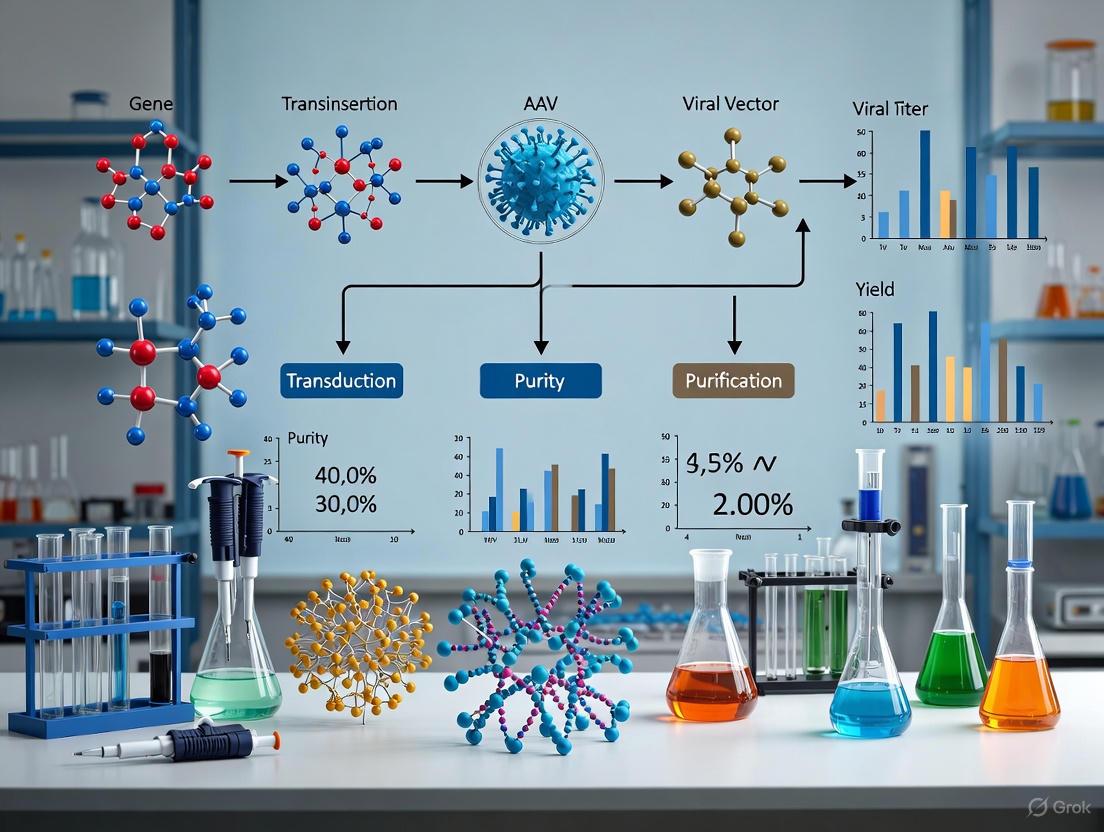
This article provides a comprehensive overview of the current state and future directions of Adeno-associated Virus (AAV) manufacturing for gene therapy.
AAV Manufacturing 2025: Strategies for Scalability, Cost Reduction, and Regulatory Success
Abstract
This article provides a comprehensive overview of the current state and future directions of Adeno-associated Virus (AAV) manufacturing for gene therapy. Tailored for researchers, scientists, and drug development professionals, it covers foundational AAV biology, detailed methodological workflows, and cutting-edge strategies for troubleshooting critical bottlenecks like high costs and empty capsids. By synthesizing the latest advancements in process development, analytical methods, and scalable production platforms, this guide serves as a strategic resource for navigating the complexities of AAV process development, optimization, and regulatory compliance from preclinical to commercial scales.
Understanding AAV: From Viral Biology to Therapeutic Vector
Adeno-associated virus (AAV) has emerged as a leading viral vector for human gene therapy due to its favorable safety profile, non-pathogenic nature, and ability to transduce a wide range of tissues. The structure of the AAV virion is elegantly complex, comprising three essential components: the protein capsid, the single-stranded DNA genome, and the inverted terminal repeats (ITRs) that flank the genome. These components work in concert to mediate cell targeting, efficient gene delivery, and genomic persistence. Understanding the biology and structure of AAV is fundamental to advancing its application in gene therapy, particularly in the context of viral vector manufacturing and capsid engineering strategies designed to overcome current limitations such as pre-existing immunity, suboptimal transduction efficiency, and limited tissue specificity [1] [2].
This application note provides a detailed overview of the AAV capsid, genome, and ITRs, framing their functions within the broader scope of AAV research and manufacturing. It includes structured quantitative data, detailed experimental protocols for key characterization assays, and visual workflows to aid researchers and drug development professionals in the analysis and engineering of AAV vectors.
Core Structural Components of AAV
The Capsid
The AAV capsid is a non-enveloped, T=1 icosahedral shell approximately 25 nm in diameter, assembled from 60 viral protein (VP) monomers [2] [3]. These monomers are derived from the cap gene and are present in a typical stoichiometric ratio of VP1:VP2:VP3 = 1:1:10 [2]. The VP proteins share a common C-terminal region (the VP3 domain), while VP1 and VP2 have unique, extended N-termini that are intrinsically disordered and reside inside the capsid [3].
The exposed surface of the capsid is formed by loops connecting the β-strands of the conserved VP3 β-barrel core structure. These loops are designated as variable regions (VRs I-IX) and are the primary determinants of the virus's interaction with its environment [3]. The variations in these VRs dictate serotype-specific traits, including receptor binding, tissue tropism, and antigenicity, which in turn determine the vector's efficacy and immunogenicity [1] [3].
Table 1: Key Characteristics of the AAV Capsid
| Characteristic | Description |
|---|---|
| Symmetry & Size | T=1 icosahedron, ~25 nm diameter [2] |
| Structural Proteins | VP1 (~82 kDa), VP2 (~67 kDa), VP3 (~60 kDa) [3] |
| Stoichiometric Ratio | Typically 1:1:10 (VP1:VP2:VP3) [2] |
| Key Surface Features | Variable Regions (VR I-IX), 3-fold protrusions, 2/5-fold wall, 5-fold pore [3] |
| Primary Functions | Host cell receptor binding, protection of genome, immune system interaction |
The Genome and Inverted Terminal Repeats (ITRs)
The recombinant AAV (rAAV) genome is a single-stranded DNA molecule, typically limited to a packaging capacity of less than 5 kb. The essential components of the rAAV vector genome are the inverted terminal repeats (ITRs) and the transgene cassette.
The ITRs are 145-base-pair hairpin-forming sequences that flank the transgene. They are the only viral cis-elements required for the AAV life cycle [2]. Their secondary structure formation is topologically dependent, requiring negative superhelicity to facilitate intra-strand base pairing [4]. Functionally, the ITRs serve as:
- Origins of DNA replication
- Primers for DNA synthesis
- Packaging signals for the genome into pre-assembled capsids [2] [4]
The transgene cassette, placed between the ITRs, contains all necessary elements for gene expression in the target cell, including a promoter, the therapeutic gene, and a polyadenylation signal [2].
Table 2: Composition of the Recombinant AAV Genome
| Component | Function | Key Features |
|---|---|---|
| Inverted Terminal Repeats (ITRs) | - Origin of replication- Primer for DNA synthesis- Genome packaging signal [2] [4] | - 145 bp palindromic sequences- Form T-shaped hairpin structures- Derived from AAV2 in most rAAV vectors |
| Promoter/Enhancer | Drives transcription of the transgene | Can be constitutive, inducible, or tissue-specific |
| Transgene | Encodes the therapeutic protein or RNA | Coding sequence for the therapeutic payload |
| Polyadenylation Signal | Ensures proper termination of transcription | Enhances mRNA stability and nuclear export |
The topology of the AAV genome is not limited to a single form. While single-stranded AAV (ssAAV) is the classical configuration, self-complementary AAV (scAAV) vectors are engineered to package an inverted repeat genome that can fold into double-stranded DNA upon uncoating, bypassing the rate-limiting step of second-strand synthesis and leading to faster transgene expression [5] [6]. Advanced sequencing techniques can distinguish these and other genome configurations, such as incomplete genomes (ICG) and genome deletion mutants (GDM) [5].
Figure 1: AAV Structural Component Relationships. This diagram illustrates the core structural components of AAV and their primary functions, highlighting how the capsid, genome, and ITRs contribute to the overall biology of the viral vector.
Quantitative Data and Analytical Methods
Accurate characterization of AAV vectors is critical for assessing the quality, safety, and potency of gene therapy products. Different analytical techniques provide complementary data on key attributes.
Table 3: Key Titers and Analytical Methods for AAV Characterization
| Titer Type | Units | Measurement Method | Significance |
|---|---|---|---|
| Capsid Titer | Capsid particles per mL (cp/mL) | ELISA [2] | Quantifies total assembled capsids (full and empty); important for immunogenicity assessment. |
| Genome Titer | Vector genomes per mL (vg/mL) | qPCR (after DNase treatment) [2] | Quantifies vector genomes available for transduction; used for clinical dosing (vg/kg). |
| Infectious Titer | Infectious Units per mL (IU/mL) | In vitro infectivity assay [2] | Measures biological activity of the vector; difficult to automate and standardize. |
| Full/Empty Ratio | Percentage (%) | Derived from comparison of genome and capsid titers; directly measured by AUC, TEM, or MP [2] [7] [6] | Critical quality attribute; impacts efficacy and safety. State-of-the-art processes achieve 8-30% full capsids [2]. |
The full-to-empty capsid ratio is a particularly critical attribute, as empty capsids not only lack therapeutic benefit but can also elicit immune responses that compromise efficacy and patient safety [2] [7]. Several orthogonal methods are employed to determine this ratio and characterize AAV products.
Table 4: Orthogonal Methods for AAV Capsid Population Characterization
| Method | Principle | Key Advantages | Key Limitations |
|---|---|---|---|
| Quantitative TEM (QuTEM) | Direct visualization and classification of capsids based on internal electron density [6] | - Direct visualization- Preserves structural integrity- High granularity | - Labor-intensive- Requires specialized expertise and equipment |
| Analytical Ultracentrifugation (AUC) | Separates capsids by mass/sedimentation velocity in a gravitational field [7] | - Considered a "gold standard"- High-resolution separation | - Requires large quantities of purified material- Labor-intensive [7] |
| Mass Photometry (MP) | Measures light scattering of individual particles to determine mass [7] [6] | - Fast, robust, and accurate- Requires minimal sample | - Not yet fully validated for commercial GMP use [7] |
| SEC-HPLC | Separates capsid species by size using chromatography [6] | - High-throughput potential- Amenable to automation | - Can lack resolution (baseline separation) [7] |
A recent comparative study demonstrated that QuTEM provides reliable quantification with high concordance to MP and AUC data, while offering the superior advantage of direct visual assessment of the capsids in their native state [6].
Detailed Experimental Protocols
Protocol 1: AAV Genome Sequencing via Nanopore Technology
This protocol outlines the steps for sequencing the AAV genome using Oxford Nanopore Technologies (ONT) to characterize genome integrity, ITR structure, and identify contaminants [5].
1. Pre-sequencing: Plasmid Construct Validation
- Purpose: Confirm the sequence of recombinant AAV (rAAV) plasmids and helper/repcap plasmids to reduce the likelihood of truncations and contaminating genomes in final preparations.
- Method: Use the ONT
Rapid sequencing V14 - Plasmid sequencingprotocol (SQK-RBK114.24 or SQK-RBK114.96) with thewf-clone-validationworkflow for assembly [5].
2. AAV Genome Extraction
- Recommended Method: Use the PureLink Viral RNA/DNA Mini Kit alongside DNase I treatment to remove unencapsidated DNA.
- Methods to Avoid: Heat, proteinase K, or phenol-chloroform treatments alone result in an increase in short reads and a decrease in full-length ITR-ITR genomes compared to the PureLink method [5].
3. Library Preparation
- Recommended Kit: Native Barcoding Kit 24 V14 (SQK-NBD114.24).
- Critical Step: Omit the self-annealing step. Direct ligation without annealing yields a faster library prep time and a higher number of full-length ssAAV genomes compared to high-temperature or low-temperature annealing protocols [5].
4. Sequencing and Analysis
- Sequencing: Perform on a MinION flow cell for ~72 hours using the High-accuracy (HAC) live basecaller.
- Analysis: Use appropriate EPI2ME workflows. The
itr_fl_thresholdparameter can be adjusted to define how many bases from the outer end of each ITR can be missed while still classifying a read as full-length [5].
Figure 2: AAV Genome Sequencing Workflow. The optimized protocol from sample to analysis, highlighting key recommendations for extraction and library preparation to maximize full-length genome recovery.
Protocol 2: Production of Recombinant Porcine AAV Vectors
This protocol describes the production of recombinant AAV vectors using porcine capsids (AAVpo.1, AAVpo.6), which are of interest for their ability to evade pre-existing human neutralizing antibodies and cross the blood-brain barrier [3].
1. Plasmid Construction
- Cap Gene Synthesis: Synthesize the entire cap gene of AAVpo.1 or AAVpo.6 (e.g., GenBank FJ688147, JX896664).
- Vector Plasmid Assembly: Amplify the porcine cap gene and a plasmid containing AAV2 rep and a placeholder cap gene (e.g., AAV5) via PCR. Use Gibson Assembly to replace the placeholder cap gene with the porcine cap gene, creating an
AAV2-rep-AAVpo.1-caporAAV2-rep-AAVpo.6-capplasmid. - Quality Control: Verify correct plasmid assembly by Sanger sequencing [3].
2. Triple Transfection in HEK293 Cells
- Cell Culture: Maintain HEK293 cells in DMEM with 10% FBS and 1% antibiotic-antimycotic at 37°C with 5% CO2.
- Plasmids for Transfection: Co-transfect HEK293 cells using the standard triple transfection method with three plasmids:
- Transgene Plasmid: e.g., pTR-UF3-Luciferase, containing the gene of interest flanked by AAV2 ITRs.
- Helper Plasmid: e.g., pHelper (Stratagene), providing adenoviral helper functions (E1, E2a, E4, VA).
- Packaging Plasmid: The constructed
AAV2-rep-AAVpo.1-caporAAV2-rep-AAVpo.6-capplasmid [3].
3. Harvest and Purification
- Harvest: 72 hours post-transfection, pellet cells by centrifugation.
- Lysis: Resuspend cell pellet in PBS. Lyse cells via three freeze-thaw-vortex cycles.
- Benzonase Treatment: Treat lysate with benzonase (0.1 µL/mL) for 1 hour at 37°C to degrade unpackaged nucleic acids.
- Clarification: Add NaCl to the lysate and clarify by centrifugation. Collect the supernatant containing the crude viral vector.
- Purification: Purify genome-containing particles using iodixanol density gradient ultracentrifugation [3].
- Characterization: Identify AAV-containing fractions via Western blot and determine genomic titer by qPCR.
The Scientist's Toolkit: Essential Research Reagents
Table 5: Key Reagents for AAV Vector Research and Production
| Reagent / Material | Function in AAV Research | Example Use Case |
|---|---|---|
| HEK293 Cell Line | A packaging cell line that provides necessary helper functions for AAV production. | Standard platform for transient transfection-based AAV production [2] [3]. |
| pHelper Plasmid | Plasmid providing adenoviral genes (E1, E2a, E4, VA) required for AAV replication and packaging. | One of the three plasmids in the standard triple transfection protocol [3]. |
| Rep/Cap Plasmid | Plasmid encoding the AAV Rep proteins (for replication) and Cap proteins (for capsid formation). | Can feature capsids from natural serotypes (e.g., AAV8, AAV9) or engineered variants (e.g., AAVpo.1) [2] [3]. |
| ITR-flanked Transgene Plasmid | Plasmid carrying the therapeutic gene of interest flanked by AAV2 inverted terminal repeats (ITRs). | Provides the "cassette" to be packaged into the AAV capsid [2] [3]. |
| Iodixanol | Non-toxic gradient medium used in density gradient ultracentrifugation. | Purification of genome-containing AAV particles from crude cell lysates [3]. |
| DNase I | Enzyme that degrades linear, unencapsidated DNA. | Treatment of AAV samples prior to qPCR to ensure only packaged genomes are measured [2] [5]. |
| Proteinase K | Broad-spectrum serine protease. | Digestion of viral capsids to release the genome for sequencing or titer analysis [5]. |
| Anti-AAV Capsid Antibodies | Antibodies specific to AAV capsid proteins. | Detection and quantification of total capsids (full and empty) via ELISA [2]. |
The structural components of AAV—the capsid, genome, and ITRs—form an integrated system that defines the vector's performance, safety, and manufacturability. Advances in analytical techniques, such as nanopore sequencing and quantitative TEM, are providing unprecedented insights into the complexity of AAV biology, from genome integrity and ITR topology to capsid heterogeneity. Concurrently, the exploration of novel capsids from non-primate sources, like porcine AAVs, offers promising paths to overcome the challenge of pre-existing immunity in human populations [3].
A deep understanding of AAV structure-function relationships is the foundation for the next generation of AAV vectors. As capsid engineering, genome design, and manufacturing processes continue to evolve through rational design, directed evolution, and computational approaches, the potential of AAV-based gene therapies to treat a wider array of genetic disorders will be greatly expanded [1] [2].
Adeno-associated virus (AAV) has emerged as the predominant viral delivery vehicle for in vivo gene therapy, marking a transformative era in the treatment of genetic disorders [8]. As a member of the Parvoviridae family, AAV is a small, non-enveloped virus with a single-stranded DNA genome of approximately 4.7 kilobases [2] [9]. Its journey from being identified as a contaminant in adenovirus preparations in the mid-1960s to becoming a cornerstone of modern gene therapy reflects its unique biological properties [10] [8]. The increasing adoption of AAV vectors is evidenced by the growing number of clinical trials and several approved therapies, such as Luxturna for inherited retinal dystrophy, Zolgensma for spinal muscular atrophy, and Hemgenix for hemophilia B [11] [12].
The fundamental appeal of recombinant AAV (rAAV) vectors lies in their ability to efficiently deliver therapeutic genes to both dividing and non-dividing cells while maintaining a favorable safety profile and enabling sustained transgene expression [9]. These characteristics address critical requirements for successful gene therapies, particularly for monogenic rare diseases requiring long-term correction. This application note examines the scientific foundation underpinning AAV's safety and durability advantages, provides detailed protocols for their evaluation, and discusses current challenges and innovative solutions in the field.
The Safety Profile of AAV Vectors
Non-Pathogenic Nature and Low Immunogenicity
The safety profile of AAV vectors is primarily rooted in their native biological characteristics. Wild-type AAV is naturally replication-deficient, requiring co-infection with a helper virus (such as adenovirus or herpes simplex virus) to complete its lytic cycle [9] [8]. This fundamental dependency is leveraged in vector design; recombinant AAV vectors lack the viral rep and cap genes necessary for replication, rendering them inherently incapable of autonomous replication and causing disease [9]. Unlike wild-type AAV, which can establish latent infection by integrating into a specific site on human chromosome 19 (AAVS1), recombinant AAV vectors are engineered without the rep gene, thus losing site-specific integration capability [9] [8].
The immunogenic properties of AAV vectors are notably favorable compared to other viral vectors. AAVs generally exhibit low immunogenicity, eliciting relatively mild immune responses, which is crucial for both safety and the potential for re-dosing [12]. While the prevalence of neutralizing antibodies against various AAV serotypes in the human population presents a clinical consideration, the capsid itself triggers minimal inflammatory responses [8]. This benign immunological profile has been demonstrated in long-term clinical studies; a 13-year follow-up of patients treated with AAV gene therapy for severe hemophilia B reported no development of factor IX inhibitors, thrombosis, or chronic liver injury, with adverse events primarily limited to transient elevations in aminotransferase levels [13].
Table 1: Key Safety Attributes of AAV Vectors
| Safety Attribute | Biological Basis | Clinical Implication |
|---|---|---|
| Non-pathogenic | Replication deficiency; requires helper virus for replication [9] [8] | No risk of causing viral disease |
| Minimal Genomic Integration | Lack of Rep78/68 proteins prevents site-specific integration into AAVS1 site [9] | Reduced risk of insertional mutagenesis |
| Low Immunogenicity | Limited inflammatory response to capsid and transgene products [8] [12] | Lower risk of immune-mediated adverse events |
| Episomal Persistence | Forms circular concatemers in nucleus without integration [9] | Stable transgene expression without genomic disruption |
Mitigating Genotoxic Risk
A significant safety advantage of AAV vectors is their predominantly episomal behavior in transduced cells. Following cellular entry and nuclear import, the single-stranded AAV genome is converted into double-stranded DNA, which subsequently undergoes ITR-mediated circularization to form stable episomal circular monomers or concatemers [9] [8]. This extrachromosomal persistence allows for long-term transgene expression without disrupting the host genome architecture. While random integration at low frequencies (0.01% to 3%, depending on cell type and vector concentration) can occur, the majority of rAAV DNA remains episomal [9]. This minimal integration profile substantially reduces the risk of insertional mutagenesis that has been associated with other viral vectors, particularly retroviruses.
The field continues to address safety considerations through vector engineering and manufacturing improvements. Concerns regarding immune responses to high systemic doses, potential genotoxicity, and off-target effects are actively being researched [8]. Strategies to mitigate these concerns include further engineering of capsids to evade pre-existing immunity, developing tissue-specific promoters to restrict transgene expression, and implementing advanced purification methods to remove empty capsids that contribute to immunogenicity [2] [14].
Long-Term Transgene Expression
Mechanisms of Persistence
The capacity of AAV vectors to mediate long-term transgene expression represents one of their most valuable therapeutic attributes. This durability stems from multiple biological factors that enable persistent transgene expression without genomic integration. The primary mechanism involves the formation of episomal circular concatemers in the nucleus of transduced cells [9]. Following second-strand synthesis, the linear AAV genome circularizes via its inverted terminal repeats (ITRs), forming stable episomes that are capable of persisting in non-dividing cells for extended periods, often for years [9] [8]. These episomal structures develop chromatin-like organization that protects them from degradation and allows for sustained transcriptional activity.
The stability of these episomal forms has been demonstrated in clinical settings with remarkable outcomes. A landmark study published in 2025 reported stable factor IX expression over 13 years of follow-up in patients with severe hemophilia B who received a single infusion of AAV gene therapy [13]. The mean factor IX levels remained stable across dose cohorts (1.7 IU/dL in low-dose, 2.3 IU/dL in intermediate-dose, and 4.8 IU/dL in high-dose groups), demonstrating the remarkable persistence of transgene expression achievable with AAV vectors [13]. This sustained expression translated directly to clinical benefit, with the median annualized bleeding rate decreasing from 14.0 to 1.5 episodes, representing a reduction by a factor of 9.7 [13].
Clinical Evidence of Durability
The durability of AAV-mediated transgene expression has been observed across multiple target tissues and disease states. In the central nervous system, AAV vectors have demonstrated persistent transgene expression for years in large animal models and human trials. Similarly, in retinal disorders, a single administration of AAV-based therapies has shown maintenance of therapeutic benefit for multiple years. The long-term follow-up data from hemophilia B trials provides particularly compelling evidence, with patients maintaining therapeutic factor IX levels for over a decade without necessitating re-administration [13].
Table 2: Evidence Supporting Long-Term AAV Expression
| Evidence Type | Findings | Therapeutic Implications |
|---|---|---|
| Clinical Evidence (13-year follow-up) | Stable FIX activity (4.8 IU/dL in high-dose group); reduced annualized bleeding rate from 14.0 to 1.5 [13] | Single administration can provide durable clinical benefit for over a decade |
| Molecular Studies | Episomal circular concatemers persist in non-dividing cells; chromatin-like organization [9] | Explains mechanism for long-term expression without genomic integration |
| Tissue-Specific Analyses | Liver biopsy at 10 years post-infusion showed transcriptionally active transgene in hepatocytes without fibrosis [13] | Confirms tissue-specific persistence and safety in relevant target organs |
Several factors influence the duration and stability of transgene expression, including the target cell type (with non-dividing cells typically maintaining expression longer), the specific AAV serotype used, the design of the transgene cassette, and potential immune responses to the transgene product [11]. Promoter selection is particularly important, with tissue-specific promoters often providing more sustained expression than ubiquitously active promoters by minimizing promoter silencing and immune activation [2].
Essential Research Reagents and Materials
The following table outlines key reagents and materials essential for AAV vector research and development, particularly for studies focusing on safety and long-term expression profiles.
Table 3: Essential Research Reagents for AAV Vector Studies
| Reagent/Material | Function | Application Notes |
|---|---|---|
| HEK293 Cell Line | Producer cells; express adenoviral E1 gene essential for AAV replication [2] [9] | Widused platform; can be adapted to suspension culture for scaling |
| Transfer Plasmid (pCis) | Contains ITR-flanked transgene expression cassette [9] [14] | Cloning into ITR regions requires specialized bacterial strains (e.g., NEB Stable) |
| Packaging Plasmid (pTrans) | Provides AAV rep and cap genes in trans [9] [14] | Determines serotype and capsid properties |
| Helper Plasmid (pHelper) | Supplies adenoviral genes (E4, E2a, VA) necessary for replication [9] | Often combined with packaging plasmid in two-plasmid systems |
| AAVPureMfg Plasmids | Two-plasmid system for high-purity production [14] | Reduces prokaryotic DNA contaminants and empty capsids |
| Affinity Chromatography Resins | Purification of AAV vectors based on capsid properties [2] | Critical for removing empty capsids and process impurities |
| Digital PCR Systems | Absolute quantification of vector genome titer without standard curve [12] | More accurate than qPCR for dose determination |
| MiQuant AAV Kits | Ready-to-use kits for AAV vector genome titration [12] | Incorporates TruTiter technology to detect only intact capsids |
Experimental Protocol: Evaluating AAV Safety and Expression Durability
AAV Vector Production Using Triple Transfection Method
The following protocol describes the standard method for producing AAV vectors in research settings, with specific quality control measures to assess safety and potency attributes.
Materials and Reagents
- Cell Culture: HEK293 cells (adherent or suspension adapted) [9]
- Plasmids: Transfer plasmid (pCis), packaging plasmid (pTrans), helper plasmid (pHelper) [9] [14]
- Transfection Reagent: Polyethylenimine (PEI) or comparable transfection reagent
- Cell Culture Medium: DMEM or comparable medium supplemented with serum for adherent cultures; serum-free medium for suspension cultures
- Lysis Buffer: 50 mM Tris, 150 mM NaCl, 2 mM MgCl₂, pH 8.5, supplemented with 0.5% sodium deoxycholate and 50 U/mL benzonase
- Purification Materials: Affinity chromatography resin or iodixanol gradient solutions [2]
Production Procedure
- Cell Seeding: Seed HEK293 cells at appropriate density (e.g., 1×10⁷ cells/mL for suspension culture or 70-80% confluency for adherent culture) in complete medium [9].
- Plasmid Transfection:
- Prepare plasmid DNA mixture at molar ratio of 1:1:1 (pHelper:pTrans:pCis) [14]. For a 150 mm plate, use 10 µg of each plasmid.
- Dilute DNA mixture in opti-MEM or serum-free medium to a total volume of 1.5 mL.
- Dilute PEI transfection reagent (1 mg/mL stock) in 1.5 mL opti-MEM at a 3:1 PEI:total DNA ratio.
- Combine DNA and PEI solutions, mix thoroughly, and incubate for 15-20 minutes at room temperature.
- Add DNA-PEI complex dropwise to cells with gentle swirling.
- Harvest and Lysis:
- Harvest cells 48-72 hours post-transfection by centrifugation.
- Resuspend cell pellet in lysis buffer and incubate for 1 hour at 37°C with gentle agitation.
- Clarify lysate by centrifugation at 10,000 × g for 20 minutes.
- Purification:
- For affinity chromatography: Load clarified lysate onto AAVX or comparable affinity column. Wash with PBS containing 5-10% glycerol, then elute with elution buffer (e.g., 50 mM citrate, 500 mM NaCl, pH 2.5-3.0) and immediately neutralize [2].
- For iodixanol gradient: Layer clarified lysate on step gradient of 15%, 25%, 40%, and 60% iodixanol in PBS. Centrifuge at 350,000 × g for 2 hours. Collect the 40% fraction containing purified AAV [2].
- Formulation and Storage:
- Dialyze purified AAV against formulation buffer (PBS with 5% glycerol or comparable formulation).
- Concentrate if necessary using centrifugal filter devices.
- Aliquot and store at -80°C.
Quality Control and Characterization Assays
Rigorous quality control is essential for evaluating AAV safety and predicting in vivo performance. The following assays should be performed on purified vector preparations.
Vector Genome Titer quantification (qPCR/dPCR)
- Principle: Quantifies encapsulated vector genomes to ensure accurate dosing [12].
- Procedure:
- Treat AAV sample with DNase I (1 U/µL, 30 minutes, 37°C) to remove unencapsidated DNA.
- Inactivate DNase I by heating (65°C, 30 minutes) with EDTA.
- Digest capsid with proteinase K (0.2 mg/mL, 1 hour, 50°C).
- Perform qPCR with transgene-specific primers and compare to standard curve, or use digital PCR for absolute quantification without standard curve [12].
- Interpretation: Accurate genome titer is critical for dose determination in preclinical and clinical studies.
Capsid Titer Determination (ELISA)
- Principle: Quantifies total viral particles (both empty and full capsids) using antibodies specific to AAV capsids [2].
- Procedure:
- Coat ELISA plate with capture antibody specific to AAV serotype.
- Block with protein-based blocking buffer.
- Add AAV standards and test samples, incubate 1-2 hours.
- Add detection antibody conjugated to HRP, incubate 1 hour.
- Develop with TMB substrate, measure absorbance at 450 nm.
- Interpretation: Capsid titer combined with genome titer allows calculation of full-to-empty capsid ratio, a critical quality attribute.
Infectivity Assay (TCID₅₀ or Plaque Assay)
- Principle: Measures functional vector particles capable of transducing target cells.
- Procedure:
- Seed permissive cells (e.g., HeLa or HEK293) in 96-well plate.
- Serially dilute AAV vector in culture medium.
- Infect cells with diluted vector in the presence of adenovirus (MOI 5-10) as helper.
- After 48-72 hours, harvest cells and extract total DNA.
- Quantify vector genomes by qPCR and calculate titer in infectious units (IU)/mL.
- Interpretation: The ratio of IU/mL to vg/mL indicates specific infectivity, typically 1:100 to 1:1000 for rAAV vectors [2].
Assessing Genomic Integration (Southern Blot)
- Principle: Detects potential integration of vector sequences into host genome.
- Procedure:
- Transduce target cells with AAV vector at relevant MOI.
- Culture cells for extended period (2-4 weeks) with regular passaging.
- Extract high molecular weight genomic DNA.
- Digest DNA with restriction enzymes that cut once in vector genome.
- Perform Southern blotting using transgene-specific probe.
- Interpretation: High molecular weight bands indicate potential integration events, though rAAV predominantly persists as episomal forms [9].
Diagram 1: Comprehensive workflow for AAV vector production and quality assessment, highlighting critical steps for evaluating safety and durability.
Advanced Manufacturing: The AAVPureMfg Protocol
Recent advances in AAV manufacturing address significant impurities that can impact both safety and efficacy. The AAVPureMfg system reduces plasmid backbone encapsulation and empty capsid formation through a novel genetic design [14].
Principles and Mechanism
The AAVPureMfg system utilizes a two-plasmid approach that ensures synchronized colocalization of trans and cis constructs in producer cells [14]. The system consists of:
- pHelper-Bxb1: Provides adenoviral helper genes and the recombinase Bxb1.
- pTrans/Cis: Contains an attP/attB-flanked cis construct inserted into the 3' region of the Rep gene.
Upon co-transfection, Bxb1-mediated attP/attB recombination reconstitutes functional pTrans and generates a minicircle cis construct (mcCis) devoid of bacterial DNA sequences [14]. This design ensures that Cap expression only occurs in cells that have undergone recombination, thereby coupling capsid production with genome availability and reducing empty capsid formation.
Protocol
Materials
- Plasmids: pHelper-Bxb1 and pTrans/Cis [14]
- HEK293 cells (adherent or suspension)
- Transfection reagent (PEI or commercial alternative)
- Standard cell culture and purification materials as in Section 5.1.1
Procedure
- Cell Seeding: Seed HEK293 cells at appropriate density as in standard protocol.
- DNA Transfection:
- Prepare DNA mixture at 1:1 mass ratio (pHelper-Bxb1:pTrans/Cis).
- For a 150 mm plate, use 20 µg total DNA (10 µg of each plasmid).
- Complex with PEI at 3:1 ratio as previously described.
- Add to cells with gentle mixing.
- Harvest and Purification: Follow same procedures as in Section 5.1.2.
- Quality Control: Perform standard QC assays with emphasis on:
- Plasmid backbone contamination: Quantify by qPCR with primers specific to bacterial sequences.
- Full-to-empty ratio: Analyze by analytical ultracentrifugation or charge-detection mass spectrometry.
Expected Results
Compared to standard triple transfection, AAVPureMfg typically achieves:
- 10- to 50-fold reduction in prokaryotic DNA contaminants [14]
- Up to threefold improvement in full capsid ratio at harvest [14]
- Reduced plasmid demand while maintaining or improving vector yields
Challenges and Future Directions
Despite the considerable advantages of AAV vectors, several challenges remain in their clinical application. Immunogenicity concerns persist, particularly regarding pre-existing neutralizing antibodies in patient populations and cell-mediated immune responses to capsid antigens [11] [8]. The limited packaging capacity of AAV (approximately 4.7 kb) constrains the size of therapeutic genes that can be delivered, necessitating strategies such as trans-splicing dual vectors for larger genes [8]. Manufacturing complexities contribute to high costs, with therapies like Zolgensma and Hemgenix priced at $2.1 million and $3.5 million per dose, respectively [11].
The field is actively addressing these limitations through multiple innovative approaches. Capsid engineering through rational design, directed evolution, and computational modeling is generating novel variants with enhanced tissue specificity and reduced immunogenicity [10] [15]. Advanced manufacturing platforms like AAVPureMfg are addressing impurity concerns at the production level [14]. Emerging alternative platforms, including lipid nanoparticles (LNPs) and herpes simplex virus (HSV-1) vectors, are being explored for applications where AAV faces limitations, though AAV remains the dominant platform for in vivo gene therapy [11].
As the field progresses, the focus is shifting toward precision targeting to reduce systemic exposure, optimized promoter systems for regulated transgene expression, and improved manufacturing efficiency to enhance accessibility. With continued refinement and innovation, AAV vectors are poised to maintain their central role in the advancing landscape of gene therapy, potentially offering cures for an expanding range of genetic disorders.
Application Notes
Adeno-associated virus (AAV) vectors have emerged as a leading platform for in vivo gene therapy, with over 2,000 therapies in clinical development [16]. However, their path to commercial success is fraught with significant manufacturing hurdles. This document details the core challenges of packaging capacity, immunogenicity, and scalability, providing data-driven insights and practical protocols to guide researchers and drug development professionals in navigating the complex AAV manufacturing landscape.
Challenge: Limited Packaging Capacity
The inherently small size of the AAV capsid imposes a strict limit on the size of the genetic payload it can carry, which is a major constraint for therapies targeting large genes.
The Packaging Limit Barrier: While the wild-type AAV genome is approximately 4.7 kb, research indicates that recombinant AAV (rAAV) can physically package genomes up to 6.0 kb [17]. However, transduction efficiency significantly decreases for genomes larger than 5.2 kb. One study found that vectors with genomes of 5.3 kb and higher transduced cells less efficiently (within a log) than those with wild-type-sized genomes [17]. This creates a practical optimal packaging capacity of around 5.2 kb for most applications, which includes the transgene, promoter, polyadenylation signal, and other regulatory elements, all of which must fit between the two Inverted Terminal Repeats (ITRs) [9].
Underlying Mechanism and a Solution: The reduction in transduction efficiency for oversized genomes is not due to an inability to package, but rather a post-entry block. Virions containing larger-than-wt genomes are preferentially degraded by the proteasome [17]. This block can be overcome, as treatment of transduced cells with proteasome inhibitors can increase transduction to wild-type levels [17].
Table 1: Impact of Recombinant AAV Genome Size on Transduction Efficiency
| Genome Size | Packaging Efficiency | Transduction Efficiency | Notes |
|---|---|---|---|
| 4.1 - 4.9 kb | Efficient | High (Baseline) | Considered the optimum size for AAV2 vectors [17]. |
| ~5.2 kb | Efficient | Moderate | Often cited as a practical upper limit for effective gene therapy. |
| ≥5.3 kb | Efficient | Reduced (up to 1-log) | Preferentially targeted for proteasomal degradation [17]. |
| Up to 6.0 kb | Possible | Significantly Reduced | Demonstration of physical packaging limit; requires mitigation strategies [17]. |
The following diagram illustrates the cellular fate of AAV vectors with standard versus oversized genomes, highlighting the critical role of the proteasome.
Challenge: Host Immunogenicity
Immunogenicity remains a critical barrier to safe and effective AAV gene therapy, capable of diminishing therapeutic efficacy and causing adverse events.
The Dual Components of Immune Response: The immune system can mount responses against both the AAV capsid and the transgene product [18]. Pre-existing neutralizing antibodies (NAbs) from natural AAV exposure can prevent initial transduction, while cell-mediated cytotoxic T-cell responses against the capsid can lead to the clearance of transduced cells [18].
Innate Immune Sensing: The initial innate immune response is a key driver of subsequent adaptive immunity. AAV vectors are sensed as foreign through various Pattern Recognition Receptors (PRRs):
- TLR9 in endosomes recognizes unmethylated CpG motifs in the AAV single-stranded DNA genome [18].
- cGAS, a cytosolic DNA sensor, can be activated by the AAV genome or by mitochondrial DNA released due to cellular stress from transduction [18].
- TLR2 on the cell surface can be activated by empty AAV capsids [18]. This sensing triggers signaling cascades (e.g., NF-ĸB, IRF) that lead to the production of type I interferons and pro-inflammatory cytokines, creating an environment that promotes adaptive immune responses.
The following diagram outlines the key pathways in AAV immunogenicity.
Challenge: Scalability and Manufacturing
The transition from small-scale research production to commercial-scale manufacturing of AAV vectors is a major bottleneck, characterized by complex processes, low yields, and high costs.
The Scalability Bottleneck: Most viral vectors are still produced using transient transfection of HEK293 cells with multiple plasmids, a process that is inherently inefficient, variable, and relies on large amounts of costly plasmid DNA [19]. Downstream purification is equally challenging, often involving customized protocols with poor recovery rates that further drive up the cost of goods [19].
Trends in Manufacturing Innovation: The industry is actively pursuing solutions to overcome these hurdles:
- Moving to Producer Cell Lines: Packaging and producer cell lines, which stably express the necessary viral components, eliminate the need for large-scale plasmid DNA and transfection reagents for every batch. This shift can immediately cut manufacturing expenses by approximately 35% and enable additional savings of up to ~90–100% through higher titers and improved full capsid ratios [20].
- Suspension Bioreactor Systems: Shifting from adherent culture in multilayer vessels to suspension-based bioreactors is critical for closed, automated, and scalable commercial GMP operations [19] [20].
- Synthetic DNA: Replacing plasmid DNA produced by bacterial fermentation with enzymatically produced synthetic DNA avoids bacterial contaminants, shortens production timelines, and reduces costs [19].
- Advanced Formulation: AAV vectors are fragile and susceptible to aggregation, capsid disassembly, and genome ejection. Developing stable liquid or lyophilized (freeze-dried) formulations for storage at 2-8°C, rather than deep-freezing (below -60°C), is a major focus to simplify logistics and global distribution [21].
Table 2: Key Manufacturing Platforms and Their Impact on Scalability
| Manufacturing Approach | Key Features | Impact on Cost & Scalability | Examples/Notes |
|---|---|---|---|
| Transient Transfection | Triple plasmid transfection in HEK293 cells; high plasmid DNA need. | High COGs; difficult to scale; significant batch-to-batch variability. | Current industry standard but inefficient [19]. |
| Stable Producer Cell Lines | Engineered cells for stable virus component expression. | Reduces plasmid needs by ~35%; potential for 90-100% cost reduction via higher yields [20]. | SK pharmteco's platform [20]. |
| Baculovirus/Sf9 System | Uses insect Sf9 cells; scalable. | Scalable production; different host system [9]. | An alternative to mammalian systems [9]. |
| Synthetic DNA | Enzymatically produced; no bacterial fermentation. | Reduces cost and time; eliminates bacterial impurities [19]. | Complementary strategy to stable cell lines. |
The following workflow summarizes a modern, scalable AAV manufacturing process.
Experimental Protocols
Protocol 1: Assessing Packaging Capacity and Transduction of Oversized Genomes
This protocol is adapted from a foundational study on AAV packaging capacity [17].
1. Objective: To produce and characterize rAAV vectors with genomes exceeding 5.0 kb and evaluate the effect of proteasome inhibition on their transduction efficiency.
2. Materials
- Plasmids: pAVCNst packaging cassettes or similar, with inserts to generate recombinant genomes ranging from 4.4 to 6.0 kb [17].
- Helper Plasmids: AAV helper plasmids (e.g., pXR1-5 for various serotypes) and adenovirus helper plasmid.
- Cells: HEK293, HeLa, or COS-1 cells.
- Reagents: Transfection reagent, Dulbecco’s Modified Eagle's Medium (DMEM) with 10% FBS, proteasome inhibitor (e.g., MG132).
3. Methodology
- Vector Production: Transfect HEK293 cells in triplicate with the transfer plasmid (containing the oversized genome), AAV helper plasmid, and adenovirus helper plasmid using a standard calcium phosphate or PEI method.
- Purification: 48-72 hours post-transfection, harvest cells and lysate. Purify vectors via iodixanol gradient centrifugation or affinity chromatography.
- Dot Blot Analysis (Packaging Efficiency):
- Treat purified vector samples with DNase I to remove unencapsidated DNA.
- Inactivate DNase I, then degrade the capsid with Proteinase K.
- Denature the released DNA and spot onto a nitrocellulose or nylon membrane.
- Hybridize with a radiolabeled or digoxigenin-labeled probe complementary to the transgene.
- Quantify the signal to determine the relative quantity of packaged DNA for each vector preparation.
- Transduction Assay:
- Plate target cells (e.g., HeLa) in 24-well plates.
- Pre-treat cells in a subset of wells with a proteasome inhibitor (e.g., 5-10 µM MG132) for 2-4 hours.
- Transduce all wells with an equal genomic titer (e.g., 1x10^4 vg/cell) of the different-sized AAV vectors, maintaining the MG132 in the pre-treated wells.
- 48-72 hours post-transduction, harvest cells and assay for transgene expression (e.g., CAT assay, fluorescence, or luciferase activity).
4. Data Analysis: Compare the transgene expression levels from vectors of different sizes, with and without proteasome inhibitor treatment. Expect to see a recovery of transduction efficiency for oversized genomes (>5.2 kb) in the presence of the inhibitor.
Protocol 2: Immunogenicity Assay for Detecting Pre-existing Neutralizing Antibodies (NAbs)
This protocol outlines the development of a cell-based NAb assay, which is often required for patient screening in clinical trials [22].
1. Objective: To detect and quantify pre-existing neutralizing antibodies in human serum that inhibit AAV transduction.
2. Materials
- Reporter Vector: AAV vector of the desired serotype encoding an easily quantifiable reporter gene (e.g., GFP, luciferase).
- Cell Line: A cell line permissive to the AAV serotype (e.g., HEK293 for AAV2).
- Test Samples: Human serum or plasma samples.
- Controls: A known positive control (serum with anti-AAV antibodies) and a negative control (serum from naive individuals or assay buffer).
3. Methodology
- Serum Heat-Inactivation: Heat-inactivate all serum samples at 56°C for 30 minutes to degrade complement proteins.
- Sample Dilution: Prepare serial dilutions of the test and control sera in cell culture medium.
- Virus-Serum Incubation:
- Mix a fixed titer of the reporter AAV vector (sufficient to give a robust signal in the absence of serum) with an equal volume of each serum dilution.
- Incubate the virus-serum mixtures at 37°C for 1 hour to allow antibodies to bind the virus.
- Transduction:
- Apply the virus-serum mixtures to pre-seeded cells. Include a "virus-only" control (no serum) to define 100% transduction.
- Incubate for 48-72 hours.
- Signal Quantification: Measure reporter gene expression (e.g., fluorescence intensity for GFP, luminescence for luciferase).
4. Data Analysis and Cutpoint Determination
- Calculate the percentage neutralization for each sample:
% Neutralization = [1 - (Signal Sample / Signal Virus-only)] * 100. - For a qualitative (positive/negative) assay, establish a cutpoint using naive serum samples. The cutpoint is typically set as the mean % neutralization of naive sera plus 2 or 3 standard deviations. Samples exceeding this cutpoint are considered positive for NAbs.
- For a semi-quantitative assay, report the titer, often defined as the dilution at which 50% neutralization (ND50) is achieved.
The Scientist's Toolkit: Essential Research Reagents and Materials
Table 3: Key Reagents for AAV Manufacturing and Characterization Research
| Reagent / Material | Function | Key Considerations |
|---|---|---|
| Transfer Plasmid | Contains the transgene of interest flanked by AAV ITRs. | The backbone should be propagated in recombination-deficient bacterial strains (e.g., NEB Stable) to maintain ITR integrity [9]. |
| Packaging Plasmid (Rep/Cap) | Provides the AAV Rep and Cap genes in trans. | Determines the serotype and tropism of the produced vector. Can be wild-type or engineered (e.g., AAV-DJ) [9]. |
| Helper Plasmid | Provides essential adenoviral genes (E4, E2a, VA) for AAV replication. | Often combined with the packaging plasmid in simpler systems [9]. |
| HEK293T Cells | Production cell line. | Expresses the adenovirus E1 gene, which is critical for AAV replication when using standard helper plasmids [9]. |
| Proteasome Inhibitor (e.g., MG132) | Used in research to block proteasomal degradation of viral particles. | Can enhance transduction, particularly for vectors with oversized genomes [17]. For research use only. |
| Stable Producer Cell Line | Cell line engineered to stably express all AAV components. | Eliminates need for transfection and bulk plasmids; improves scalability and consistency; reduces costs [20]. |
| Polysorbate 80 / Poloxamer 188 | Surfactants used in formulation buffers. | Reduce aggregation and surface adsorption of AAV particles during storage and handling [21]. |
| Trehalose / Sucrose | Stabilizing excipients. | Act as cryoprotectants and lyoprotectants, helping to maintain capsid integrity during freezing, thawing, and lyophilization [21]. |
| Reporter Vector (e.g., AAV-GFP) | AAV vector encoding a fluorescent or luminescent protein. | Essential for titrating functional virus and for conducting neutralization assays [22]. |
Adeno-associated virus (AAV) has emerged as a leading viral vector for human gene therapy due to its favorable safety profile, non-pathogenic nature, and ability to transduce a wide range of tissues with long-term transgene expression [23] [24]. The AAV virion is a small, non-enveloped particle with an icosahedral capsid approximately 25 nm in diameter, containing a linear single-stranded DNA genome of about 4.7 kb [2] [24]. The AAV genome is flanked by inverted terminal repeats (ITRs) that serve as origins of replication and packaging signals, while the coding sequence consists of Rep genes (required for replication) and Cap genes (encoding capsid proteins) [24]. For recombinant AAV (rAAV) vectors used in gene therapy, the Rep and Cap genes are replaced by the therapeutic transgene expression cassette, retaining only the ITRs which are necessary for genome packaging [2].
AAV vectors are particularly valuable for neuroscience research and clinical applications because they efficiently transduce neurons, cause minimal immunoreactivity compared to other viral vectors, and have minimal impact on basal cell function [24]. A key advantage is their ability to persist in non-dividing cells as circular episomes for years, enabling long-term transgene expression without genomic integration, though random integration can occur at low frequencies [24]. The primary limitation of AAV is its limited packaging capacity of approximately 4.7-5.0 kb, though strategies like dual or triple AAV co-infection with split genes can overcome this constraint [24].
Natural AAV Serotypes and Their Tissue Tropisms
To date, thirteen natural serotypes of AAV have been identified, each with distinct capsid structures that confer different tissue tropisms and transduction efficiencies [2] [24]. These differences arise from variations in the VP3 capsid protein sequence, which dictates interactions with host cell surface receptors and determines tissue specificity and immunogenicity [2]. The table below summarizes the key characteristics and primary tropisms of the most widely used natural AAV serotypes.
Table 1: Natural AAV Serotypes and Their Tissue Tropisms
| Serotype | Primary Receptor(s) | Tissue/System Tropism | Key Applications and Notes |
|---|---|---|---|
| AAV1 | α2,3 and α2,6 N-linked sialic acid [25] | Skeletal muscle, heart, CNS | Efficient transduction in mouse skeletal muscle and human skeletal muscle [25]; Used in cardiac gene transfer [25] |
| AAV2 | Heparan sulfate proteoglycan [2] | CNS, liver, kidney, retina | Most extensively characterized serotype; Natural neuronotropism [24]; Used in Allen Mouse Brain Connectivity Atlas [24] |
| AAV4 | α2-3 O-linked sialic acid [25] | CNS, retina | Requires sialic acid binding for transduction [25] |
| AAV5 | α2-3 N-linked sialic acid [25] | CNS, lung, retina, pancreas | Requires sialic acid binding for transduction [25]; Efficient transduction of airway epithelial cells [25] |
| AAV6 | α2,3 and α2,6 N-linked sialic acid; Heparin sulfate [25] [2] | Skeletal muscle, heart, lung | Efficient transduction of airway epithelial cells in mouse lungs [25]; Infects epithelial cells and cardiomyocytes well in vitro [2] |
| AAV7 | Not specified | Liver, skeletal muscle, retina | Cardiac gene transfer [25] |
| AAV8 | Laminin receptor [26] | Liver, skeletal muscle, retina, pancreas | Cardiac gene transfer [25]; Efficient in pancreatic beta and alpha cells [25] |
| AAV9 | Laminin receptor [26] | Heart, CNS, liver, skeletal muscle, pancreas | Superior global cardiac gene transfer in mouse and rat [25]; Crosses blood-brain barrier [25] |
| AAV11 | Not specified | Projection neurons, astrocytes | Enables efficient retrograde targeting of projection neurons and enhances astrocyte-directed transduction [25] |
The tropism differences between serotypes are primarily determined by their interactions with specific cell surface receptors. For instance, AAV2 binds to heparan sulfate proteoglycan, while AAV4 and AAV5 require sialic acid binding for transduction, albeit with different linkage specificities [25] [2]. AAV1 and AAV6 both utilize N-linked sialic acid for cell entry [25]. Recent research has identified an alternate receptor for adeno-associated viruses, expanding our understanding of AAV entry mechanisms [25].
Engineering AAV Capsids: Rational Design, Directed Evolution, and Machine Learning
While natural AAV serotypes provide a valuable toolkit for gene delivery, they have limitations including suboptimal transduction efficiency, pre-existing immunity in human populations, and inadequate tissue specificity for many therapeutic applications [1] [26]. To address these challenges, researchers have developed three primary approaches for engineering novel AAV capsids: rational design, directed evolution, and machine learning-guided engineering.
Rational Design
Rational design leverages structural insights from AAV capsids and their interactions with host factors to make targeted modifications that enhance specific properties [1] [26]. This approach requires detailed understanding of AAV biology, including:
- Receptor binding domains: Modifying surface-exposed variable regions to alter receptor binding specificity
- Antigenic epitopes: Mutating residues that are targets for neutralizing antibodies to evade pre-existing immunity
- Phosphorylation sites: Engineering surface-exposed tyrosine residues to reduce ubiquitination and enhance intracellular trafficking
The rational design process begins with structural analysis of capsid-receptor interactions, followed by targeted amino acid substitutions or insertions of peptide ligands, and finally validation of novel capsids in relevant models.
Directed Evolution
Directed evolution applies selective pressure to diverse AAV capsid libraries to identify variants with enhanced properties [1] [26]. This approach involves:
- Library creation through DNA shuffling of cap genes from multiple serotypes, error-prone PCR, or peptide display
- Selection in vitro (on cell lines) or in vivo (in animal models)
- Recovery and amplification of AAV variants that successfully transduce target tissues
- Iterative cycles of selection to enrich for capsids with desired traits
Directed evolution has generated novel AAV variants with enhanced tropism for specific tissues, including the central nervous system, retina, and liver.
Machine Learning-Guided Engineering
Machine learning (ML) represents the cutting edge of AAV capsid engineering, using computational analysis of high-throughput screening data to enable predictive design [1] [26]. ML approaches:
- Analyze large datasets from directed evolution experiments
- Identify sequence-function relationships that would be difficult to detect manually
- Generate predictive models to forecast the properties of novel capsid sequences
- Guide the design of focused capsid libraries with higher probabilities of success
The integration of these three approaches—rational design, directed evolution, and machine learning—creates a powerful engineering pipeline that accelerates the development of novel AAV capsids with optimized properties for specific therapeutic applications [1] [26].
Figure 1: Integrated approaches for engineering novel AAV capsids, combining rational design, directed evolution, and machine learning methodologies.
Experimental Protocols for AAV Serotype Evaluation
Protocol: In Vivo Evaluation of AAV Serotype Tropism
Objective: Systematically compare the transduction efficiency and tissue tropism of different AAV serotypes in a murine model.
Materials:
- Purified AAV vectors (serotypes to be tested) expressing a reporter gene (e.g., eGFP, luciferase)
- Experimental animals (e.g., C57BL/6 mice)
- Sterile PBS for dilutions
- Appropriate injection equipment (syringes, needles, stereotactic apparatus for CNS injections)
- Tissue collection supplies (dissection tools, cryostat, fixation reagents)
Procedure:
- Vector Preparation: Dilute all AAV serotypes to the same genomic titer (e.g., 1×10^12 vg/mL) in sterile PBS. Maintain samples on ice until administration.
- Animal Administration: Administer AAV vectors to animals via the intended route (intravenous, intramuscular, intracerebral, etc.). Include a PBS-injected control group.
- Incubation Period: Allow 2-4 weeks for transgene expression to reach peak levels.
- Tissue Collection: Euthanize animals and harvest target tissues (brain, liver, heart, skeletal muscle, etc.).
- Analysis:
- Imaging: Capture fluorescence images of whole tissues and sectioned samples
- Histology: Process tissues for immunohistochemistry and fluorescence microscopy
- Molecular analysis: Extract DNA/RNA for qPCR analysis of vector biodistribution and transgene expression
- Quantification: Quantify transduction efficiency by counting reporter-positive cells or measuring reporter activity in tissue extracts.
Protocol: Assessing Neutralizing Antibody Activity Against AAV Serotypes
Objective: Evaluate the prevalence of pre-existing neutralizing antibodies against different AAV serotypes in human serum samples.
Materials:
- HEK293 or HeLa cells
- AAV vectors expressing reporter genes (e.g., luciferase)
- Test serum samples
- Control serum (AAV-negative)
- Cell culture media and reagents
- Luciferase assay system
Procedure:
- Serum Heat-Inactivation: Heat-inactivate all serum samples at 56°C for 30 minutes to eliminate complement activity.
- Serial Dilution: Prepare serial dilutions of test and control sera in cell culture medium.
- Virus-Serum Incubation: Mix AAV vectors (1×10^9 vg) with equal volumes of diluted serum and incubate at 37°C for 1 hour.
- Cell Infection: Add virus-serum mixtures to cells and incubate for 48-72 hours.
- Reporter Assay: Measure reporter gene expression (e.g., luciferase activity).
- Data Analysis: Calculate neutralizing antibody titers as the serum dilution that inhibits 50% of reporter gene expression compared to control serum.
AAV Capsid Engineering Workflow
Figure 2: Directed evolution workflow for engineering novel AAV capsids with enhanced properties.
Essential Research Reagents for AAV Studies
Table 2: Essential Research Reagents for AAV Serotype and Capsid Engineering Studies
| Reagent/Category | Specific Examples | Function/Application |
|---|---|---|
| AAV Serotypes | AAV1, AAV2, AAV5, AAV6, AAV8, AAV9, AAV11 [25] | Comparative tropism studies; Baseline for engineering |
| Cell Lines | HEK293, HEK293T, HeLa, Sf9 (for baculovirus system) [2] | AAV production; Transduction efficiency assays |
| Plasmids | pAAV-RC (rep/cap), pHelper, pAAV-GOI (gene of interest) [2] | AAV vector production; Provides essential viral genes |
| Promoters | CAG, CBA, CMV, Synapsin, GFAP, MECP2 [2] [24] | Drive transgene expression; Constitutive vs. cell-specific |
| Reporter Genes | eGFP, mCherry, LacZ, Luciferase [24] | Visualize and quantify transduction efficiency |
| Detection Antibodies | Anti-AAV VP1/2/3, Anti-GFP, Cell type-specific markers [2] | Characterize vector distribution and cell tropism |
| Quantitative Assays | qPCR/ddPCR, ELISA, Western Blot, Immunohistochemistry [2] | Measure genome titers, protein expression, localization |
| Animal Models | Mice, Rats, Non-human primates [25] [24] | In vivo tropism and efficacy studies |
AAV Vector Manufacturing Considerations
The manufacturing process significantly influences AAV vector characteristics and performance. Current platforms include mammalian cell systems (HEK293-based) and baculovirus-insect cell systems, each generating vectors with distinct molecular signatures that affect purity, safety, and potency [2]. A critical challenge in AAV manufacturing is the production of capsids that either lack DNA cargo or contain partial genomes, with state-of-the-art processes typically achieving full/empty ratios of only 8-30% [2].
Key titration metrics for AAV characterization include:
- Capsid titer (cp/mL): Total fully assembled capsids, measured by ELISA
- Genome titer (vg/mL): Vector genomes available for transduction, measured by qPCR after DNase treatment
- Infectious titer (IU/mL): Biologically active vectors, measured by in vitro assays
These parameters collectively determine vector quality and dosing considerations, particularly for systemic administration where empty capsids can contribute to immunogenicity without therapeutic benefit [2].
The AAV serotype landscape has evolved from a collection of naturally occurring variants to an expanding toolkit of engineered capsids with refined properties for specific research and therapeutic applications. Understanding the natural tropisms of AAV serotypes provides a foundation for selecting appropriate vectors for specific targets, while capsid engineering approaches—including rational design, directed evolution, and machine learning—enable the development of novel vectors with enhanced transduction efficiency, reduced immunogenicity, and improved tissue specificity. As these technologies continue to mature alongside advances in vector manufacturing, AAV-based gene therapies will become increasingly targeted and effective for treating a broad range of human diseases.
The AAV Production Workflow: From Plasmid to Purified Drug Product
The growing demand for recombinant adeno-associated virus (rAAV) vectors in gene therapy has exposed significant bottlenecks in traditional manufacturing processes, which are often limited by volumetric productivity and scalability [27]. Upstream process intensification represents a critical strategy to overcome these limitations, with high cell density (HCD) transfection in bioreactors emerging as a promising solution. This application note details the implementation of an intensified upstream process utilizing high-density transient transfection of HEK293 cells in perfusion mode bioreactors. The protocol demonstrates the feasibility of transfecting cells at densities of 50 million cells/mL (MVC/mL) and maintaining cultures at ≥30 MVC/mL throughout production, achieving rAAV production levels per cell comparable to traditional shake flask cultures at standard densities (1 MVC/mL) [27]. This approach offers the potential to significantly enhance rAAV volumetric production capacity to meet the growing demands for gene therapies.
Key Experimental Data and Performance Metrics
The table below summarizes the key quantitative outcomes from implementing high-density transfection in a perfusion bioreactor system compared to a standard shake flask process.
Table 1: Performance Comparison of Intensified vs. Standard AAV Production Processes
| Process Parameter | Standard Shake Flask Process | Intensified Perfusion Bioreactor Process | Improvement/Fold Change |
|---|---|---|---|
| Viable Cell Density at Transfection | 1 - 2 MVC/mL [27] | 50 MVC/mL [27] | 25-50x |
| Culture Maintenance Density | 1 - 2 MVC/mL | ≥ 30 MVC/mL [27] | 15-30x |
| rAAV9 Volumetric Yield | 10^12 - 10^15 vg/L [27] | Comparable cell-specific productivity achieved at HCD [27] | Maintained productivity at significantly higher volume |
| Process Scalability | Limited by surface area/gas exchange | High; demonstrated in 200 mL STR, scalable principle [27] [28] | Significant improvement |
| Production Time | Reference (7.5x longer than Quantum BR) [28] | Reduced (Up to 7.5x reduction vs. stack systems) [28] | Up to 7.5x reduction |
| Cost of Goods (COGs) | Reference (20.7x higher than Quantum BR) [28] | Reduced (Up to 20.7x reduction vs. CellSTACK) [28] | Substantial reduction |
The data demonstrates that process intensification via HCD perfusion culture enables a dramatic increase in production capacity while maintaining product quality and reducing operational costs and timelines.
Detailed Experimental Protocol
Materials and Reagent Solutions
The following table lists the critical reagents and their functions essential for establishing a high-density transfection process.
Table 2: Essential Research Reagent Solutions for High-Density Transfection
| Reagent / Material | Function / Role in the Process | Specific Examples / Notes |
|---|---|---|
| HEK293 Cell Line | Host cell for rAAV production via transient transfection. | HEK293F, Viral Production Cell 2.0 (VPC2) [27]. |
| Plasmids | Provide genetic components for rAAV assembly: genome (GOI), rep/cap, and adenoviral helper functions. | pHelper, pGFP (or other GOI), pRC (serotype-specific, e.g., pR2C9 for AAV9) [27]. A 1:1:2 ratio is common. |
| Transfection Reagent | Facilitates DNA delivery into cells by forming polyplexes. | Polyethylenimine (PEI MAX) is cost-effective for large-scale use [27]. |
| Culture Media | Supports cell growth, viability, and protein expression. | Chemically defined media like BalanCD HEK293, FreeStyle 293, or Viral Production Medium [27]. |
| Perfusion Bioreactor System | Provides a controlled environment for HCD culture with continuous medium exchange and waste removal. | DASBOX bioreactor equipped with an ATF-2 (Alternating Tangential Flow) system for cell retention [27]. |
| Lysis Buffer | Releases packaged rAAV vectors from the cell pellet after harvest. | 50 mM Tris, 150 mM NaCl, 2 mM MgCl2, followed by freeze-thaw cycles [27]. |
Step-by-Step Workflow Protocol
Part I: Pre-culture and Bioreactor Inoculation
- Cell Maintenance: Maintain HEK293F cells in suspension culture using appropriate media (e.g., BalanCD HEK293) in Erlenmeyer flasks or spin tubes. Keep cells in an exponential growth phase in an incubator at 37°C, 5% CO2 with agitation [27].
- Bioreactor Setup & Inoculation: Inoculate a stirred-tank bioreactor (e.g., DASBOX) with cells in the exponential growth phase. The system should be equipped with an ATF-2 device connected to a hollow fiber cartridge (e.g., 0.2 µm pore size, 88 cm² surface area) for cell retention [27].
- Cell Densification: Before transfection, increase the cell density to the target of 50 MVC/mL. This is achieved by retaining cells via the ATF system while performing medium exchanges, or by centrifuging and resuspending the cell pellet in a smaller volume of fresh medium in the case of pseudo-perfusion spin tubes [27].
Part II: Transfection at High Cell Density
- Preparation of DNA-PEI Complexes (Polyplexes):
- DNA Mix: Dilute the three plasmids (pRC, pGOI, pHelper) in a transfection medium (e.g., glucose-free BalanCD) to a total volume of 1 mL per 50 million cells. A typical ratio is 1:1:2, using 1 µg of total plasmid DNA per 1 million cells [27].
- PEI Mix: Dilute PEI MAX in the same transfection medium to a concentration of 2 µg per 1 million cells, in a volume equal to the DNA mix [27].
- Complexation: Combine the DNA and PEI solutions by pipetting. Vortex immediately and incubate at room temperature for 10-15 minutes to allow polyplex formation.
- Transfection: Add the formed polyplexes directly to the bioreactor culture running at 50 MVC/mL. Ensure gentle mixing to distribute the complexes homogeneously throughout the vessel. This point is defined as 0 hours post-transfection (hpT) [27].
Part III: Perfusion Production and Harvest
- Post-Transfection Perfusion: After transfection, initiate or continue perfusion mode to maintain the culture environment. A perfusion rate that sustains a viable cell density of ≥30 MVC/mL throughout the production phase is critical. The hollow fiber filter retains cells and AAV particles while removing waste metabolites and supplying fresh nutrients [27].
- Harvest: At 72 hpT, terminate the production run. Harvest the bioreactor contents by centrifugation (e.g., 200 × g for 5 minutes) to separate the cell pellet from the spent culture medium. The primary yield of rAAV is contained within the cell pellet. Store the supernatant and cell pellet at -80°C for subsequent analysis and purification [27].
- Cell Lysis and Clarification: Thaw the cell pellet and resuspend it in lysis buffer. Perform three cycles of freeze-thaw by alternating between an isopropanol bath (-80°C) and a water bath (37°C). Centrifuge the lysate (3000 × g, 4°C, 10 minutes) to remove cellular debris. The resulting supernatant contains the crude rAAV vector for downstream purification and analytics [27].
The following diagram illustrates the core workflow of this intensified process.
Downstream Considerations and Analytical Methods
Successful upstream intensification necessitates complementary downstream processing and analytical techniques capable of handling the increased product titers and ensuring quality.
Downstream Processing: The full/empty capsid ratio is a critical quality attribute (CQA) for AAV products [29]. As upstream titers increase, traditional anion-exchange chromatography (AEX) with linear gradients can become a bottleneck due to limited loading capacity (~2e13-2e14 cp/mL) [30]. Weak Partitioning AEX combined with isocratic elution has been demonstrated as a superior, next-generation purification step. This method can load >1e15 cp/mL, achieving >80% full capsid purity and >80% genomic yields while reducing processing time by 10-fold compared to standard linear gradient AEX [30].
Analytical Techniques for Capsid Content: Accurate quantification of full and empty capsids is essential for process control and product release. The table below compares key analytical methods.
Table 3: Comparison of Analytical Methods for AAV Capsid Content
| Analytical Method | Measured Attribute | Key Advantages | Key Limitations |
|---|---|---|---|
| dFLISA [31] | Capsid titer and genome titer simultaneously in one assay. | High precision/accuracy; suitable for crude and purified samples; amenable to validation. | Newer method, requires specific reagents (e.g., anti-AAV VHH antibody). |
| AUC-SV [29] | Buoyant density (empty vs. full). | Resolves empty, full, and intermediate species; considered a gold standard. | Low throughput; requires significant sample purification and expertise. |
| CDMS [29] | Mass of individual capsids. | Single-particle analysis; can distinguish between different populations. | Specialized, less widely available instrumentation. |
| SEC-MALS [29] | Size and light scattering. | Provides information on size and aggregation. | May have limited resolution for closely related species. |
| qPCR/dPCR + ELISA [32] [31] | Genome titer (PCR) and capsid titer (ELISA). | Widely used, orthogonal methods. | Prone to variability as two separate assays on different samples [31]. |
The relationship between upstream intensification, downstream processing, and analytics in the context of overall AAV manufacturing is summarized below.
This application note establishes a robust protocol for the intensification of rAAV upstream production using high cell density transfection in perfusion bioreactors. By enabling transfection at 50 MVC/mL and maintaining culture at high densities, this process significantly increases volumetric productivity while reducing operational costs and timelines. The implementation of this intensified approach, coupled with modern downstream purification and analytical techniques like weak partitioning AEX and dFLISA, provides a comprehensive solution to the current manufacturing bottlenecks, facilitating the advancement and scalability of AAV-based gene therapies.
Recombinant adeno-associated virus (rAAV) has emerged as a leading platform for in vivo gene delivery, underpinning a new class of therapeutics for genetic and rare diseases [33] [34]. The successful development and commercialization of these therapies are critically dependent on the foundational elements of production: plasmid design and critical raw materials. These starting materials dictate not only the yield and cost of the final product but also its safety, efficacy, and quality [35] [36]. Current good manufacturing practice (cGMP) production of rAAV faces significant challenges, including low yields, difficult scalability, and high levels of process-related impurities, which often originate from the initial selection and quality of plasmids and other raw materials [33] [34] [36]. This document details the critical considerations for plasmid design and raw material selection, providing structured protocols to establish a robust foundation for high-yielding rAAV manufacturing processes aimed at researchers and drug development professionals.
Plasmid Design Systems for rAAV Production
The choice of plasmid system is a primary determinant in the efficiency, yield, and purity of rAAV production. The field is transitioning from traditional multi-plasmid systems toward more innovative and consolidated designs to overcome inherent limitations of scalability and consistency.
Traditional and Emerging Plasmid Systems
The table below compares the primary plasmid systems used in rAAV manufacturing.
Table 1: Comparison of Plasmid Systems for rAAV Production
| System Type | Key Components & Description | Key Advantages | Reported Yields & Performance | Key Challenges |
|---|---|---|---|---|
| Triple Plasmid Transfection [33] | Three separate plasmids:- Vector genome (pAAV)- Rep/Cap (pRC)- Adenovirus helper (pHelper) | - Flexibility for different serotypes/transgenes.- Shorter timeline than stable cell lines.- Well-established history in clinical manufacturing [33]. | - Yields often >105 vg/cell in crude lysates [33].- Volumetric yields of ~1014 vg/L at bench scale, potentially >1015 vg/L in high-density processes [27]. | - High plasmid DNA cost (>$500,000 for a 500L batch) [19].- Requires fine-tuning of plasmid ratios.- Significant batch-to-batch variability.- High levels of plasmid-derived impurities (e.g., bacterial DNA) [37] [19]. |
| Single Plasmid (AAVone) [37] | Single plasmid consolidating:- AAV vector genome- Rep/Cap genes- Adenovirus helper genes | - 2- to 4-fold increase in yields vs. triple transfection.- Low batch-to-batch variation.- Simplified production process.- Reduced DNA impurities and non-functional genomes [37]. | - Achieves favorable full-to-empty capsid ratios.- Requires significantly less DNA for transfection. | - Upfront development and characterization.- Larger plasmid size may present handling challenges. |
| Synthetic DNA [19] | Enzymatically produced DNA fragments replacing traditional plasmid DNA. | - Eliminates bacterial fermentation and associated impurities (endotoxins, host-cell DNA).- Shorter production timelines.- Can be precisely tailored for efficiency. | - Reduces total DNA mass required for transfection.- Enables higher transfection efficiency. | - Technology is still gaining maturity for large-scale GMP application.- Requires re-development of existing processes. |
Plasmid Topology and Quality
Plasmid DNA topology is a Critical Quality Attribute (CQA). The supercoiled isoform is preferred for its higher transfection efficiency and potency in inducing gene expression compared to open circular or linear forms [36]. Accurate quantification of the percentage of supercoiled plasmid is essential. Analytical methods for topology assessment include:
- Capillary Electrophoresis with Laser-Induced Fluorescence (CE-LIF)
- Agarose Gel Electrophoresis
- Anion Exchange Chromatography [36]
The United States Pharmacopeia (USP) is developing plasmid DNA reference materials to aid in the qualification and validation of in-house topology methods, ensuring consistency and reliability [36].
Critical Raw Materials and the Research Toolkit
The quality and consistency of raw materials are the bedrock of a reproducible rAAV manufacturing process. A controlled and well-understood supply chain for these materials is non-negotiable for clinical and commercial production.
The Researcher's Toolkit: Essential Materials for rAAV Production
Table 2: Critical Raw Materials for AAV Production: Sourcing and Function
| Material Category | Specific Examples | Critical Function in Production | Key Quality Considerations |
|---|---|---|---|
| Host Cell Lines | - HEK293 (adherent/suspension) [33] [27]- Sf9 Insect Cells [33] | - Platform for virus production. HEK293 provide necessary adenovirus E1 function [33]. | - Genetic stability, scalability, growth characteristics, post-translational modification patterns, and compliance with regulatory standards [35]. |
| Transfection Reagents | - Linear PEI, PEI MAX, PEI PRO [27] | - Form polyplexes with plasmid DNA to facilitate cellular uptake via endocytosis [27]. | - Transfection efficiency, cost at scale, variability between batches, and compatibility with serum-free media [27]. |
| Cell Culture Media | - BalanCD HEK293, FreeStyle 293, Viral Production Medium [27] | - Supports cell growth and viability. Chemically defined media reduce variability and enhance safety [35]. | - Formulation (e.g., serum-free, chemically defined), optimal for both growth and transfection, and low batch-to-batch variability [33] [27]. |
| Plasmid DNA | - pRC, pHelper, pAAV (for triple transfection) [33] [27] | - Provides genetic components for AAV replication, packaging, and the therapeutic transgene. | - Topology (% supercoiled), high purity (low endotoxin, host-cell DNA), sequence fidelity, and concentration [35] [36]. |
| Enzymes | - Benzonase [33]- Endonucleases [36] | - Benzonase: Digests unincorporated nucleic acids to reduce impurities and viscosity [33].- Endonucleases: Cleave residual DNA in downstream processing [36]. | - High specificity, activity levels, and purity. For endonucleases, activity must be determined using a controlled method [35] [36]. |
| Purification Materials | - Chromatography Resins (Heparin, Ion Exchange, Affinity) [33]- Filters & Membranes [36] | - Isolation and purification of full AAV capsids from cell lysates and process-related impurities. | - Binding capacity, selectivity for full vs. empty capsids, scalability, and leachables [33] [7]. |
Sourcing and Quality Control
Ensuring consistency in biological raw materials requires a multi-faceted approach:
- Mitigating Biological Variability: Transitioning to synthetic alternatives or chemically defined media reduces variability compared to serum-based components [35].
- Standardization and Characterization: Implementing comprehensive quality assessment protocols using advanced analytical methods (e.g., mass spectrometry, next-generation sequencing) provides deep insight into material characteristics [35].
- Regulatory and Ethical Sourcing: Adherence to guidelines from the FDA and EMA is critical. This involves rigorous supplier qualification, meticulous record-keeping, and ethical sourcing practices that respect environmental sustainability and biodiversity [35].
Experimental Protocol: High-Yield rAAV Production via High Cell Density Transfection
This protocol outlines a process-intensified method for rAAV production using high cell density (HCD) perfusion culture of HEK293 cells, based on a recent proof-of-concept study [27]. This approach is designed to significantly increase volumetric productivity, a key bottleneck in rAAV manufacturing.
The diagram below illustrates the experimental workflow for high cell density rAAV production.
Materials and Equipment
- Cell Line: HEK293F cells (suspension-adapted) [27].
- Plasmids: pHelper, pGFP (vector genome), and pRC1 (for rAAV1) or pR2C9 (for rAAV9) at a 2:1:1 mass ratio [27].
- Transfection Reagent: PEI MAX (linear polyethylenimine), 1 mg/mL stock solution [27].
- Media: BalanCD HEK293 or similar serum-free medium, supplemented as needed [27].
- Bioreactor System: Stirred-tank bioreactor (e.g., DASBOX) equipped with an Alternating Tangential Flow (ATF) perfusion device [27].
- Analytical Tools: ddPCR or qPCR for vector genome (VG) titration, SDS-PAGE/Capsid ELISA for total capsid titer, TCID50 or transduction assay for infectivity.
Step-by-Step Procedure
Cell Culture and Inoculum Expansion
- Thaw HEK293F cells from a qualified working cell bank and expand in shake flasks using serum-free medium.
- Maintain cells in exponential growth phase (viability >95%) at 37°C, 5% CO₂ with agitation.
- Scale up culture to inoculate the stirred-tank bioreactor.
High Cell Density Perfusion Culture
- Transfer the cell culture to the bioreactor and initiate perfusion mode once a high cell density is approached.
- Use the ATF system with a 0.2 µm hollow fiber cartridge to retain cells while removing spent media and adding fresh media continuously.
- Maintain the culture at a viable cell density (VCD) of ≥ 30 million cells/mL throughout the production phase. Optimize perfusion rates to prevent nutrient depletion and waste accumulation [27].
Triple Plasmid Transfection at HCD
- When the target VCD of ~50 million cells/mL is reached, perform transfection without dilution.
- DNA/PEI Complex Preparation:
- For 1 liter of culture, prepare Plasmid DNA Mix: 1 µg of total plasmid DNA per million cells (using a 1:1:2 ratio of pRC:pGFP:pHelper) diluted in transfection medium to a final volume of 10-20 mL. Mix gently.
- Prepare PEI MAX Solution: 2 µg of PEI MAX per million cells diluted in the same volume of transfection medium as the DNA mix.
- Rapidly add the PEI MAX solution to the DNA mix, vortex immediately for 5-10 seconds, and incubate at room temperature for 10-15 minutes to form polyplexes.
- Add the DNA/PEI polyplexes directly to the bioreactor with sufficient mixing to ensure homogeneity.
Post-Transfection Process and Harvest
- Continue the perfusion culture for 72 hours post-transfection (hpt). The ATF system will retain the produced rAAV vectors within the bioreactor as they are primarily cell-associated [27].
- At harvest, separate the cell pellet from the culture supernatant by centrifugation (e.g., 200 × g for 5 minutes). Both fractions can be processed for rAAV recovery, though the majority of vectors will be in the cell pellet.
- Store the harvested material at -80°C until purification.
Cell Lysis and Clarification
- Thaw the cell pellet and resuspend in lysis buffer (e.g., 50 mM Tris, 150 mM NaCl, 2 mM MgCl₂, pH 8.0).
- Perform three rounds of freeze-thaw cycling (alternating between -80°C isopropanol bath and 37°C water bath, 10 min each) to release the viral vectors from the cells.
- Treat the lysate with Benzonase (e.g., 50 U/mL, 37°C for 30-60 min) to digest unencapsulated nucleic acids.
- Clarify the lysate by centrifugation (e.g., 3,000 × g for 10-15 min at 4°C) to remove cell debris. Collect the supernatant containing the crude rAAV.
Downstream Purification and Analytics
- Purify the clarified lysate using a chromatographic method suitable for the AAV serotype (e.g., affinity chromatography, ion-exchange chromatography) [33].
- Concentrate and formulate the purified rAAV using Tangential Flow Filtration (TFF) into the final formulation buffer.
- Determine the vector genome titer (vg/mL) by ddPCR/qPCR, total capsid titer by ELISA or HPLC, and infectivity (e.g., by TCID50 assay). Assess purity (e.g., SDS-PAGE, AUC) and full/empty capsid ratio (e.g., AUC, mass photometry) [7].
The path to efficient and commercially viable rAAV-based gene therapies is fundamentally built upon a foundation of optimized plasmid design and rigorously controlled raw materials. Advances such as the single-plasmid AAVone system and process intensification strategies like high cell density perfusion demonstrate the significant gains achievable by re-engineering these starting materials and processes [37] [27]. Furthermore, the growing availability of reference standards from organizations like USP provides critical tools for standardizing quality assessment and control across the industry [38] [36]. By adopting a science-driven approach to plasmid design and raw material selection—one that prioritizes understanding critical quality attributes, supply chain resilience, and regulatory compliance—researchers and manufacturers can establish a robust foundation for high-yielding, consistent, and safe rAAV production.
In the realm of Adeno-associated virus (AAV) viral vector manufacturing, the harvest and clarification stages are critical downstream unit operations that significantly influence the quality, safety, and yield of the final drug substance. This phase involves the extraction of viral particles from producer cells and the initial purification to remove process-related impurities. Cell lysis and Benzonase treatment are two indispensable steps within this framework, designed to liberate the viral product and degrade contaminating nucleic acids, respectively. Mastering these steps is fundamental to achieving a high-purity intermediate suitable for subsequent chromatographic purification, directly impacting the cost of goods and the clinical efficacy of the gene therapy [39]. This application note provides detailed protocols and data to standardize and optimize these crucial operations for researchers and process development professionals.
The Critical Role of Harvest and Clarification in AAV Manufacturing
The primary objectives of the harvest and clarification stage are the efficient release of intact AAV vectors from the producer cells and the elimination of major impurities, particularly host cell nucleic acids. Following upstream production, a significant portion of AAV vectors remains intracellular [2]. Effective cell lysis is therefore required to maximize product recovery. Concurrently, the lysis process liberates a substantial amount of host cell DNA and RNA, which can increase solution viscosity, hinder subsequent filtration and chromatography steps, and pose a safety risk if not adequately removed [39].
Benzonase, a broad-spectrum endonuclease, is employed to digest these nucleic acids into short oligonucleotides. This digestion is crucial for:
- Reducing Viscosity: Lowering solution viscosity to improve filterability and processability.
- Removing Impurities: Degrading host cell DNA and RNA to levels compliant with regulatory standards (typically below 100 pg per dose) [39].
- Enhancing Safety: Mitigating the risk associated with residual DNA impurities in the final product. The effectiveness of these initial steps lays the foundation for efficient capture and polishing, ultimately influencing critical quality attributes such as full-to-empty capsid ratio and overall product potency [40].
Experimental Protocols
Cell Lysis and Crude Harvest Preparation
This protocol describes a common method for lysing HEK293 cells used in triple-transfection-based AAV production.
Materials:
- RB-TMS Lysis Buffer: 50 mM Tris-HCl, 150 mM NaCl, pH 8.0 [41]
- Producer cell pellet from bioreactor or cell culture vessels
- Freezer (-80°C) and water bath (37°C)
Procedure:
- Harvesting: Separate the production cell culture into a cell pellet and culture supernatant. The supernatant can be retained for further vector recovery, often through methods like PEG precipitation [41].
- Resuspension: Resuspend the cell pellet thoroughly in RB-TMS lysis buffer or a similar appropriate buffer.
- Freeze-Thaw Lysis: Subject the resuspended cell mixture to three cycles of freezing and thawing.
- Freezing: Place the container at -80°C until the suspension is completely frozen.
- Thawing: Rapidly thaw the frozen suspension in a 37°C water bath with gentle agitation.
- Note: The number of cycles may be optimized; three cycles are typically reported as effective [41].
- Clarification: Following lysis, centrifuge the crude lysate (e.g., at 4,000 rpm for 10-20 minutes) or use depth filtration to remove cell debris. The resulting supernatant contains the crude AAV vector harvest.
Benzonase Treatment for Nucleic Acid Digestion
This protocol details the use of Benzonase to degrade host cell nucleic acids in the crude harvest.
Materials:
- Benzonase (e.g., Merck, 70664-4CN), ≥ 90% purity, specific activity ≥ 1,000 kU/mg [39]
- Magnesium Chloride (MgCl₂), e.g., 4.8 M stock solution [41]
- Crude AAV lysate (from Section 3.1)
- Thermostatic water bath or incubator (37°C)
Procedure:
- Sample Preparation: Combine the clarified cell lysate and the harvested medium (if processed).
- Add Cofactor: Add Magnesium Chloride to the mixture to a final concentration of approximately 1-2 mM. Mg²⁺ is an essential cofactor for Benzonase activity [41].
- Enzyme Addition: Add Benzonase to the mixture. A typical dosage is 60 Units (U) per mL of sample, though concentrations from 15-60 U/mL are used depending on the nucleic acid load [41] [39].
- Incubation: Incubate the mixture for 30-60 minutes at 37°C in a water bath with gentle mixing [41] [39].
- Reaction Termination: The Benzonase reaction is typically terminated during subsequent purification steps, such as heat inactivation during capsid lysis for analytics or chromatography. For analytical purposes, it can be inactivated by heating to 65-95°C or by alkaline lysis [41].
Data Presentation and Analysis
Comparative Analysis of Nuclease Treatment Methods
The table below summarizes key parameters for different nucleic acid removal and genome extraction strategies, as applied to rAAV samples.
Table 1: Comparison of Nuclease and Vector Genome Extraction Methods for rAAV
| Method | Typical Incubation Conditions | Key Advantages | Reported Limitations |
|---|---|---|---|
| DNase I & Proteinase K [41] | DNase I: 37°C, 15 min to overnight. Proteinase K: 56°C for 2 hours. | Well-established, widely adopted protocol. | Long total processing time (~3 hours); Proteinase K may be less effective than alkaline lysis for capsid denaturation. |
| Benzonase & SDS-NaOH [41] | Benzonase: 37°C for 1 hour. SDS-NaOH: 65°C for 30 minutes. | Faster than enzymatic protein digestion (1.5 hrs total); effective for all serotypes, including heat-stable AAV5; superior for degrading residual plasmid DNA. | Requires careful handling of alkaline conditions. |
| Thermal Lysis [41] | 95°C for ≥10 minutes. | Simple and rapid. | Not suitable for all serotypes (ineffective for heat-stable AAV1 & AAV5). |
| Alkaline Lysis [41] | NaOH at 80°C for 10 minutes. | Rapid capsid denaturation. | Harsh conditions require precise control. |
Optimization Parameters for Benzonase Treatment
Optimal Benzonase performance is dependent on several critical process parameters that require evaluation during process development.
Table 2: Key Parameters for Optimizing Benzonase Treatment [39]
| Parameter | Typical Operating Range | Impact on Performance |
|---|---|---|
| Enzyme Concentration | 15 - 60 U/mL | Must be sufficient to degrade high nucleic acid load from large-scale production. |
| Incubation Time | 30 - 60 minutes | Must be balanced for complete digestion versus process timeline. |
| Reaction Temperature | 37°C | Standard optimal temperature for enzyme activity. |
| Cofactor (Mg²⁺) | 1 - 2 mM | Essential cofactor; absence drastically reduces efficacy. |
| Buffer Composition | Tris-based, pH ~8.0 | Compatible with AAV stability and nuclease activity. |
Workflow Visualization
The following diagram illustrates the integrated workflow for the harvest, clarification, lysis, and Benzonase treatment process.
The Scientist's Toolkit: Essential Research Reagents
The table below lists key reagents and their functions for executing the cell lysis and Benzonase treatment protocols.
Table 3: Essential Reagents for Harvest, Lysis, and Benzonase Treatment
| Reagent / Material | Function / Role in the Protocol | Key Specifications |
|---|---|---|
| Benzonase [39] | Digests all forms of host cell DNA and RNA (ss, ds, linear, circular) to reduce viscosity and clear impurities. | Specific activity ≥ 1,000 kU/mg; Animal-origin-free (AOF); Low endotoxin. |
| RB-TMS / Tris Buffer [41] | Provides a stable pH environment (pH 8.0) for cell resuspension, lysis, and nuclease activity. | 50 mM Tris-HCl, 150 mM NaCl, pH 8.0. |
| Magnesium Chloride (MgCl₂) [41] | Serves as an essential divalent cation cofactor for Benzonase enzymatic activity. | 4.8 M stock solution for dilution into process. |
| Polyethylenimine (PEI) | A transfection reagent used in the upstream production of AAV via triple-transfection of HEK293 cells [41]. | Varies by vendor; used for plasmid delivery. |
| Plasmid DNA (Rep/Cap, Helper, GOI) | Genetic constructs for AAV production providing replication, capsid, and helper functions, and the therapeutic transgene [42] [41]. | High purity; optimized molar ratios (e.g., 0.2:0.2:0.6). |
In the field of adeno-associated virus (AAV) gene therapy, downstream purification presents a significant bottleneck in manufacturing. The process must efficiently recover functional, full capsids while removing impurities, including empty capsids, host cell proteins, and DNA. Affinity Chromatography (AC) and Tangential Flow Filtration (TFF) have emerged as critical, scalable technologies to address these challenges. AC offers high selectivity for target capsids, while TFF enables gentle concentration and buffer exchange. This application note details integrated protocols for using these technologies to purify AAV vectors, providing researchers with methodologies to enhance yield, purity, and scalability in both research and clinical-grade production.
The following tables summarize key performance metrics for Affinity Chromatography and Tangential Flow Filtration processes as reported in recent studies.
Table 1: Performance Metrics of Affinity Chromatography Resins for AAV Purification
| Chromatography Resin | Target Serotypes | Recovery Efficiency | Empty/Full Capsid Separation Capability | Key Findings | Citation |
|---|---|---|---|---|---|
| POROS CaptureSelect AAVX | AAV2, AAV8, AAV9, PHP.B, Anc80 (Total 15 tested) | 65% - 80% (Overall process) | Higher empty capsid fraction vs. iodixanol, but comparable potency in vivo | Broadly binds divergent serotypes; resin can be re-used repeatedly without efficiency loss. | [43] |
| AVIPure-AAV9 | AAV9 | Not Specified | Enables subsequent AEX to achieve >90% full capsids | Effective as a capture step; eluted fraction is suitable for further polishing. | [44] |
| Serotype-specific AC | AAV6, AAV8, AAV9 | 88-97% (From media supernatant) | Higher transduction efficiency vs. ultracentrifugation | Higher percentage recoveries from media supernatant compared to cell lysate. | [45] |
Table 2: Performance of TFF and SPTFF in AAV Downstream Processing
| Filtration Method | Process Role | Membrane / Cut-off | Key Performance Outcomes | Citation |
|---|---|---|---|---|
| Single-Pass TFF (SPTFF) | Inline concentration of Clarified Cell Lysate (CCL) | 300 kDa NMWCO | Achieved ~9-fold volume reduction; >95% AAV yield; ~50% HCP removal. | [46] |
| Batch TFF | Final Concentration & Formulation | 150 kDa MWCO | Standard method for buffer exchange and final concentration; higher shear stress may promote aggregation. | [47] [46] |
| Techno-Economic Model | Harvesting & Polishing | Simulated TFF & Membrane AEX | Module capacity is a major cost driver; membrane AEX with low DBC and short RT can be economically favorable. | [48] |
Experimental Protocols
Protocol 1: Purification of AAV Serotypes Using AAVX Affinity Chromatography
This protocol utilizes the broad-spectrum POROS CaptureSelect AAVX affinity resin for the initial capture and purification of multiple AAV serotypes from clarified cell lysate [43].
Key Research Reagent Solutions:
- Affinity Resin: POROS CaptureSelect AAVX resin (Thermo Fisher Scientific)
- Chromatography System: HPLC system (e.g., ÄKTA)
- Elution Buffer: 0.1 M Citric Acid (pH ~2.5-3.0), immediately neutralized
- Equilibration & Wash Buffer: Tris-Buffered Saline (TBS) or PBS
- Regeneration Buffer: 6 M Guanidine HCl
- Storage Buffer: TBS with 20% Ethanol
- Concentration Device: 50 kDa MWCO ultrafiltration unit (e.g., Amicon Ultra)
Detailed Methodology:
- Clarification: Harvest transfected HEK293 cells and lysate. Treat the lysate with benzonase (50 units/mL) at 37°C. Clarify via centrifugation and 0.45 µm filtration.
- Column Equilibration: Pack the AAVX resin into a suitable column. Equilibrate with at least 5 column volumes (CV) of TBS or PBS.
- Loading: Load the clarified lysate onto the column at room temperature.
- Washing: Wash the column with 5-10 CV of TBS or PBS to remove unbound contaminants.
- Elution: Elute the bound AAV vectors using 0.1 M citric acid. Collect the eluate in a tube containing a neutralization buffer (e.g., 1 M Tris-HCl, pH 8.0) to immediately adjust the pH to a neutral range.
- Regeneration & Storage: Clean the column with 6 M guanidine HCl, followed by a wash with 20% ethanol in TBS for storage. The resin can be re-used for multiple runs without significant carry-over [43].
- Concentration & Buffer Exchange: Concentrate and exchange the neutralized eluate into the final formulation buffer using a 50 kDa MWCO ultrafiltration device.
Protocol 2: Consecutive Affinity and Anion-Exchange Chromatography for AAV9
This protocol describes a two-step chromatographic method to purify AAV9 and achieve a high percentage of full capsids [44].
Key Research Reagent Solutions:
- Affinity Column: AVIPure-AAV9 (Repligen)
- Anion-Exchange (AEX) Columns: HiTrap Q HP, HiTrap Capto Q, or CIMmultus QA
- Buffers: See Table 3 for specific compositions.
- Concentration Device: 150 kDa MWCO spin concentrators
Table 3: Buffer Compositions for Consecutive AC-AEX Purification
| Buffer Purpose | Composition | pH |
|---|---|---|
| Affinity Equilibration | 20 mM Tris, 150 mM NaCl | 8.5 |
| Affinity Elution | 100 mM Citric Acid, 150 mM NaCl | 3.0 |
| AEX Equilibration | 20 mM Tris, 1 mM MgCl₂, 200 mM NaCl | 9.0 |
| AEX Elution | 20 mM Tris, 1 mM MgCl₂, 400 mM NaCl | 9.0 |
Detailed Methodology:
- Affinity Capture (Capture Step):
- Equilibrate the AVIPure-AAV9 column with 20 mM Tris, 150 mM NaCl, pH 8.5.
- Load the clarified cell lysate.
- Wash with equilibration buffer to remove impurities.
- Elute with 100 mM Citric Acid, 150 mM NaCl, pH 3.0. Collect the fraction and adjust pH to neutral.
- Anion-Exchange Polishing (Empty Capsid Removal):
- Equilibrate the selected AEX column (e.g., HiTrap Q HP) with 20 mM Tris, 1 mM MgCl₂, 200 mM NaCl, pH 9.0.
- Load the neutralized eluate from the affinity column.
- Wash with equilibration buffer.
- Elute the full AAV9 vectors using a step gradient to 20 mM Tris, 1 mM MgCl₂, 400 mM NaCl, pH 9.0. This higher salt concentration selectively elutes genome-containing capsids.
- Concentration and Formulation: Concentrate the AEX eluate using a 150 kDa MWCO spin concentrator and perform buffer exchange into the final storage buffer (e.g., 10 mM Tris, 100 mM sodium citrate, pH 4.75) [44].
Protocol 3: Single-Pass TFF (SPTFF) for AAV Clarified Cell Lysate
This protocol uses SPTFF for the inline concentration and partial purification of AAV from clarified cell lysate, minimizing shear stress and aggregate formation [46].
Key Research Reagent Solutions:
- SPTFF Module: Cassette or hollow fiber module with appropriate membrane area.
- Membrane: Ultrafiltration membrane with 300 kDa Nominal Molecular Weight Cutoff (NMWCO).
- Feed Material: AAV Clarified Cell Lysate (CCL).
- Buffer: Appropriate diafiltration buffer matching downstream process requirements.
Detailed Methodology:
- System Setup: Install a 300 kDa NMWCO membrane into the SPTFF system. Ensure all tubing and the pump are compatible.
- Flux Determination: Perform flux-stepping experiments to identify the critical flux for fouling to ensure stable operation.
- Inline Concentration: Pump the AAV CCL through the SPTFF module in a single pass without recirculation. The permeate, containing water, salts, and small impurities like Host Cell Proteins (HCPs), is removed. The retentate stream is concentrated inline.
- Diafiltration (Optional): For buffer exchange, a diafiltration buffer can be introduced into the retentate line inline at a controlled rate.
- Collection: The concentrated (and optionally diafiltered) AAV retentate is collected for immediate use in the subsequent capture chromatography step. This process achieves high permeate conversion, leading to significant volume reduction (>9x) and HCP removal (~50%) in a single pass [46].
Workflow Visualization
The following diagram illustrates a consolidated downstream purification workflow integrating both affinity chromatography and TFF.
Integrated Downstream Purification Workflow for AAV Vectors
The Scientist's Toolkit
Table 4: Essential Reagents and Equipment for AAV Downstream Purification
| Item | Function/Application | Examples & Specifications |
|---|---|---|
| Broad-Spectrum Affinity Resin | Captures AAV capsids from complex lysates based on conserved capsid features. | POROS CaptureSelect AAVX [43] |
| Serotype-Specific Affinity Resin | High-specificity capture of particular AAV serotypes. | AVIPure-AAV9, POROS AAV8, AAV9 resins [44] |
| Anion-Exchange Resins | Polishing step to separate full (genome-containing) capsids from empty capsids. | HiTrap Q HP, HiTrap Capto Q, CIMmultus QA [44] |
| TFF/SPTFF Systems | Concentration and buffer exchange of AAV samples; SPTFF reduces shear stress. | 300 kDa NMWCO membranes; Hollow fiber or cassette modules [46] [48] |
| Chromatography System | Automated purification system for precise control of AC and AEX steps. | ÄKTA pure system (Cytiva) [44] |
| Ultrafiltration Concentrators | Final concentration and formulation of purified AAV vectors. | 150 kDa MWCO spin concentrators (Orbital Biosciences) [44] |
In the field of adeno-associated virus (AAV) viral vector manufacturing, the separation of empty capsids from those containing the full therapeutic genome (full capsids) represents a critical downstream processing challenge. The presence of empty capsids, which can constitute over 90% of initial preparations, negatively impacts transduction efficiency and can provoke undesirable immune responses in patients [49] [50]. Consequently, regulatory guidance recommends a drug product with greater than 70% full capsids [50]. This application note details established and emerging protocols for empty and full capsid separation, providing researchers and drug development professionals with methodologies to enhance the safety and efficacy of AAV-based gene therapies.
Experimental Protocols
Short-Term Zonal Ultracentrifugation with CsCl Density Gradient
This protocol, adapted from Wada et al. (2023), enables large-scale, short-term purification of functional full-genome AAV particles, reducing ultracentrifugation time and improving separation between empty and full capsids [51].
Materials and Equipment
- Zonal Rotor (e.g., P32CT or P35ZT, Eppendorf Himac Technologies) with 1.7 L capacity [51]
- Ultracentrifuge (e.g., Himac CP 80NX, Eppendorf Himac Technologies) [51]
- Cesium Chloride (CsCl) [51]
- HNE Buffer: 50 mM HEPES, 0.15 M NaCl, 25 mM EDTA, pH 7.4 [51]
- HN Buffer: 50 mM HEPES, 0.15 M NaCl, pH 7.4 [51]
- Dialysis Cassettes (20 kDa molecular weight cut-off) [51]
- Refractometer (e.g., NAR-1T LIQUID or RX 5000i, Atago) [51]
Step-by-Step Procedure
- Sample Preparation: Add 5% CsCl in HNE or HN buffer to the clarified culture supernatant containing AAV vectors [51].
- Gradient Formation in Zonal Rotor: While the zonal rotor is spinning at 3,000 rpm, sequentially load the following solutions to form a discontinuous density gradient [51]:
- 200 mL of HNE or HN buffer
- The AAV sample containing 5% CsCl
- 300 mL of 25–27% CsCl in HNE or HN buffer
- 300 mL of 38–40% CsluidCl in HNE or HN buffer
- Ultracentrifugation: Seal the rotor and perform ultracentrifugation at 30,000–35,000 rpm for 4–5 hours [51].
- Fraction Collection: After separation, slow the rotor to 3,000 rpm. Slowly add 2 L of 42–45% CsCl buffer to the inside of the rotor, displacing the fractions outward for collection from the outside port [51].
- Fraction Analysis: Measure the refractive index of each collected fraction to determine density. AAV genome copies in each fraction should be evaluated via qPCR or ddPCR, and capsid proteins assessed by western blotting using anti-AAV VP1/VP2/VP3 antibody [51].
- Dialysis and Formulation: Pool fractions rich in full capsids. Dialyze using 20 kDa MWCO cassettes against 0.5 mM MgCl₂ in water for ~2 hours at 4°C, followed by dialysis against 0.5 mM MgCl₂ in PBS overnight at 4°C to remove CsCl [51].
Validation and Quality Control
- Analytical Ultracentrifugation (AUC): Confirm the empty-to-full ratio of the purified product [51].
- Droplet Digital PCR (ddPCR): Quantify genome copies and assess packaging of the full AAV vector genome [51].
- Transmission Electron Microscopy (TEM): Visually confirm capsid morphology and purity [51].
- Transduction Efficiency: Evaluate functionality by transducing target cells (e.g., 293EB cells) and measuring transgene expression (e.g., %ZsGreen1-positive cells via flow cytometry) [51].
Membrane Chromatography with Two-Step Isocratic Elution
This chromatography protocol, based on the work of Hernandez et al. (2024), utilizes a Mustang Q membrane absorber and a response surface Design of Experiments (DoE) approach to develop a robust, scalable two-step elution process for enriching full AAV capsids [50].
Materials and Equipment
- Chromatography System equipped with UV detection
- Mustang Q XT Membrane Chromatography Capsules (e.g., 140 mL scale for manufacturing) [50]
- Binding Buffer: Low conductivity buffer, typically 20 mM Tris, pH 8.5, or a proprietary buffer like BIA Separations R0 buffer [50] [52]
- Elution Buffer 1: Low-conductivity buffer for empty capsid elution (e.g., ~11 mS/cm) [50]
- Elution Buffer 2: Higher-conductivity buffer for full capsid elution (e.g., ~17 mS/cm) [50]
- Strip Buffer: High-salt buffer (e.g., 1-2 M NaCl) for cleaning [50]
Step-by-Step Procedure
- Equilibration: Equilibrate the Mustang Q column with at least 5 column volumes (CV) of binding buffer until the UV and conductivity baselines are stable [50].
- Sample Loading: Load the clarified and potentially pre-concentrated AAV sample onto the column in binding buffer. Empty and full capsids will bind to the anion exchanger [50].
- Wash: Wash the column with 5-10 CV of binding buffer to remove unbound contaminants and impurities [50].
- First Isocratic Elution (Empty Capsids): Apply Elution Buffer 1 for 5-10 CV. This lower-salt buffer will selectively elute the empty capsids, which have a slightly higher isoelectric point [50] [53].
- Second Isocratic Elution (Full Capsids): Apply Elution Buffer 2 for 5-10 CV. This higher-salt buffer will elute the full capsids, which have a slightly lower surface charge due to the encapsulated DNA [50] [53].
- Column Strip and Regeneration: Strip the column with 3-5 CV of a high-salt buffer (e.g., 1-2 M NaCl) to remove any tightly bound impurities. Re-equilibrate with binding buffer for storage or subsequent runs [50].
Process Development and Analysis
- DoE Approach: Use a Response Surface Methodology DoE to model the effect of buffer conductivity and pH on separation efficiency. This guides the optimization of Elution Buffers 1 and 2 to achieve maximum resolution [50].
- UV Ratio Analysis: Monitor the elution profile at UV 260 nm (nucleic acid) and 280 nm (protein). Calculate the UV 260/280 ratio for each elution peak. A low ratio indicates empty capsids, while a high ratio confirms the presence of genome-containing full capsids [50].
- Fraction Analysis: Collect fractions during elution peaks and analyze via qPCR (for genome titer) and ELISA (for capsid titer) to determine the full-to-empty ratio and yield of the product pool [49].
Ultrafiltration for Empty and Full Capsid Separation
This novel protocol demonstrates the feasibility of using nanopore membranes to separate empty and full AAV capsids based on their differential deformability, offering a potential unit operation for continuous biomanufacturing [49].
Materials and Equipment
- Stirred Cell Ultrafiltration System
- Polycarbonate Track-Etched (PCTE) Membranes (30 nm pore size) [49]
- Working Buffer: Phosphate-buffered saline (PBS) with 0.1% Pluronic F-68 [49]
Step-by-Step Procedure
- System Setup: Assemble the stirred cell with a 30 nm PCTE membrane and pre-rinse with the working buffer [49].
- Sample Loading: Load the AAV sample (a mixture of empty and full capsids) into the stirred cell [49].
- Ultrafiltration: Apply pressure to drive the separation process. Periodically collect the permeate (which passes through the membrane) and the retentate (which is retained) [49].
- Analysis: Quantify full and empty capsids in the permeate and retentate streams using a combination of ELISA (for total capsid titer) and qPCR (for genome titer) [49].
Performance Quantification
- Sieving Coefficient: Calculate the sieving coefficient (S) for full and empty capsids, where S = Cpermeate / Cretentate [49].
- Infectivity Assay: Confirm the functionality of separated full capsids using a live-cell imaging infectivity assay based on green fluorescent protein (GFP) expression [49].
Data Presentation
Quantitative Comparison of Separation Techniques
Table 1: Performance metrics of different AAV empty-full capsid separation methods.
| Method | Resolution / Purity | Scale & Scalability | Processing Time | Key Advantages | Key Limitations |
|---|---|---|---|---|---|
| Zonal Ultracentrifugation [51] | >80% full capsids | Large-scale (1.7L rotor); Scalable with automation | 4-5 hours (short-term) | Serotype-independent; High purity | High infrastructure cost; CsCl requires removal |
| Membrane Chromatography [50] | High (2-log removal of empty); Meets >70% full FDA guidance | Highly scalable; Batch-to-batch reproducibility within ±3% | Rapid (convective mass transfer) | Direct scalability; Well-suited for cGMP | Performance can be serotype-dependent |
| Anion Exchange Chromatography [49] [50] | High (exploits pI difference) | Scalable | Varies with method | High resolution; No harsh chemicals | Difficult to standardize; Serotype-dependent |
| Ultrafiltration [49] | Sieving coefficient: Full=0.25, Empty=0.49 | Potentially scale-free; Suitable for continuous processing | N/A | Novel, continuous operation; No chemicals | Emerging technology; Not yet widely established |
Research Reagent Solutions
Table 2: Essential materials and reagents for AAV empty-full capsid separation experiments.
| Item | Function / Application | Specific Examples / Notes |
|---|---|---|
| Zonal Rotor | Enables large-volume ultracentrifugation for scalable capsid separation [51]. | P32CT or P35ZT rotors (Eppendorf Himac Technologies) [51]. |
| Chromatography Membranes/Resins | Stationary phase for chromatographic separation based on charge differences [50] [52]. | Mustang Q membrane [50]; CIMmultus HR monolithic columns [52]. |
| Cesium Chloride (CsCl) | Density gradient medium for ultracentrifugation [51]. | Requires careful handling and removal post-purification via dialysis [51]. |
| AAV Quantification Assays | Critical for quantifying total capsids and genome copies to determine full/empty ratio [49]. | ELISA (capsid titer), qPCR/ddPCR (genome titer) [51] [49]. |
| Stabilizing Buffer Additives | Prevents AAV aggregation and adsorption to surfaces during processing [49]. | Pluronic F-68 or polysorbate 80 [49]. |
| Refractometer | Measures the refractive index of density gradient fractions to determine sample density [51]. | Essential for fraction collection in ultracentrifugation protocols [51]. |
Workflow Visualization
Diagram 1: AAV full capsid enrichment and analysis workflow. The process begins with a clarified harvest, which undergoes a primary separation via one of three main techniques. The outputs are characterized by a suite of analytical methods before pooling full capsids and final formulation. Dashed lines indicate optional analytical steps for a given primary method.
Diagram 2: Structural theories enabling AAV capsid separation. Four proposed theories explain the structural changes when a capsid packages a genome. These changes result in physical and chemical differences on the capsid surface, which are exploited by various separation techniques [53].
Discussion
The separation of empty and full AAV capsids remains a cornerstone of producing safe and effective gene therapy vectors. The protocols detailed herein—zonal ultracentrifugation, membrane chromatography, and emerging ultrafiltration—provide a toolkit for researchers to address this challenge at various scales and with different serotypes.
Ultracentrifugation offers a serotype-independent, high-purity route but faces scalability and operational complexity hurdles [51] [54]. In contrast, chromatography, particularly anion exchange using membrane absorbers, presents a more scalable and automatable path for cGMP manufacturing, achieving high yields and the necessary purity to meet regulatory standards [50]. The novel exploration of ultrafiltration highlights the field's drive toward innovative, continuous processing solutions [49].
The choice of method must be informed by the AAV serotype, production scale, and desired product profile. A robust analytical framework, combining techniques like qPCR, ELISA, and infectivity assays, is non-negotiable for accurately quantifying separation efficiency and ensuring vector potency [51] [49]. As the structural differences between empty and full capsids are further elucidated [53], the future promises even more refined and efficient separation methodologies, ultimately advancing the manufacturing landscape for AAV-based gene therapies.
The successful commercialization of adeno-associated virus (AAV)-based gene therapies is critically dependent on overcoming significant challenges in final drug product manufacturing. The formulation and fill-finish stages are paramount, as they must preserve the structural integrity and biological potency of the fragile viral vector while ensuring absolute sterility for patient administration [34] [21]. AAV vectors are inherently unstable, susceptible to a variety of physical and chemical degradation pathways that can compromise therapeutic efficacy and safety [55] [21]. This application note delineates the key instability risks facing AAV drug products and provides detailed, actionable protocols designed to help researchers and development scientists maintain product quality from manufacturing through clinical application.
Understanding AAV Instability and Degradation Pathways
A systematic approach to AAV formulation and fill-finish begins with a thorough understanding of the vector's failure modes. Degradation can be broadly categorized into physical and chemical instabilities, often induced by common process stresses.
- Physical Instability includes aggregation, surface adsorption, and capsid denaturation, often triggered by interfacial stresses (e.g., at air-liquid interfaces during shaking or stirring), adsorption to contact surfaces like filters and tubing, and freeze-thaw cycles [55] [21] [56]. These events can lead to product loss, inconsistent dosing, and potentially increased immunogenicity [21].
- Chemical Instability encompasses protein deamidation, oxidation, and proteolysis, which are accelerated by elevated temperatures and extreme pH conditions [55] [56]. Such modifications can impair capsid function and reduce transduction efficiency, even when genomic and capsid titers appear unchanged [55] [57].
The diagram below illustrates the interconnected stress factors and their impacts on AAV product quality.
Diagram: Logical relationships between process stresses, their impacts on AAV vectors, and the final consequences for the drug product.
Quantitative Stability Data
Data-driven decisions are essential for process development. The following tables summarize key stability findings for different AAV serotypes under various stress conditions.
Table 1: Impact of thermal stress on AAV9 stability in a base formulation over 4 weeks [55].
| Storage Temperature | Capsid Titer | Genome Titer | Biopotency | Key Degradation Observations |
|---|---|---|---|---|
| 5°C | Minimal change | Minimal change | Minimal change | Stable profile |
| 25°C | Minor loss | Minor loss | Significant loss | High level of deamidation detected |
| 40°C | Significant loss | Significant loss | Complete loss | ssDNA release, near-complete aggregation |
Table 2: Effect of multiple freeze-thaw (F/T) cycles on AAV stability [57] [56].
| Serotype | Number of F/T Cycles | Formulation | Impact on Biopotency |
|---|---|---|---|
| AAV9 | Up to 10 | Not specified | No adverse effect [57] |
| AAV9 | 5 | Base formulation | Functionality largely maintained [56] |
| AAV9 | 1 (initial) | PBS + 5% Glycerol + 0.001% Px188 | ~25% drop in potency; stable in subsequent cycles [56] |
Experimental Protocols for Assessing AAV Stability
Robust, standardized protocols are necessary to characterize AAV stability and screen potential formulation candidates.
Protocol: Forced Degradation Study for Formulation Screening
This protocol outlines a systematic approach to stress AAV samples under controlled conditions to rapidly compare the protective effects of different formulation buffers [55] [56].
- Objective: To evaluate the protective capacity of formulation candidates by subjecting AAV vectors to defined stress conditions and measuring critical quality attributes (CQAs).
Materials:
- AAV vector (e.g., AAV9) at a known titer (~1 × 10^13 vg/mL) [55].
- Candidate formulation buffers (e.g., PBS with varying excipients).
- Thermostatic chambers or water baths (5°C, 25°C, 40°C).
- Freezer (-65°C to -80°C) and water bath for thawing.
- Orbital shaker.
- Analytical instruments: ELISA reader, ddPCR machine, cell culture facility for potency assays.
Methodology:
- Sample Preparation: Buffer-exchange the AAV material into each candidate formulation using a gentle method such as dialysis [56]. Confirm initial capsid and genome titers.
- Thermal Stress: Aliquot samples and store them in the dark at 5°C, 25°C, and 40°C. Remove aliquots for analysis at predetermined time points (e.g., 1, 2, and 4 weeks) [55].
- Freeze-Thaw Stress: Subject separate aliquots to multiple F/T cycles (e.g., 1, 5, and 10 cycles). For each cycle, completely freeze samples at < -65°C for >2 hours and thaw at room temperature [57].
- Agitation Stress: Incubate samples at 25°C with constant orbital shaking (e.g., 300 rpm) for a defined period (e.g., 24-72 hours) to induce interfacial stress [56].
- Analysis: Analyze all stressed samples and unstressed controls for:
- Capsid Titer: Using AAV-specific ELISA.
- Genome Titer: Using ddPCR.
- Biopotency: Using an in vitro transduction assay (e.g., in HEK293 cells) with flow cytometry or fluorescence measurement for reporter genes.
- Aggregation: Using dynamic light scattering (DLS) or size-exclusion chromatography (SEC).
- Free DNA: Using an intercalating dye-based assay in conjunction with DNase treatment.
Data Interpretation: Compare the percentage loss of each CQA across formulations. An optimal formulation will show minimal change in all attributes, especially biopotency, across all stress conditions.
Protocol: Aseptic Process Simulation (Media Fill)
Media fills are mandatory to validate the sterility of the aseptic fill-finish process and are a regulatory requirement [58].
- Objective: To demonstrate that the aseptic filling process can consistently produce sterile drug product by simulating the process using microbial growth media.
Materials:
- Tryptone Soya Broth (TSB) or Soybean Casein Digest Medium (SCDM).
- Sterile, depyrogenated vials, stoppers, and seals.
- Production-grade filling line and environment (Grade A LAF in Grade B background).
- Incubators (20-25°C and 30-35°C).
Methodology:
- Preparation: Sterilize the growth medium according to pharmacopeial standards and perform growth promotion tests to confirm its ability to support microbial growth [58].
- Simulation: Perform the entire aseptic process, including:
- Aseptic assembly of equipment.
- Transfer of sterile media to the filling reservoir.
- Filling the media into vials at the slowest planned speed (worst-case challenge).
- Performing all planned routine and non-routine interventions (e.g., stopper replenishment, line clearance, simulated jam remediation) with the maximum number of operators present [58].
- Stoppering and sealing the vials.
- Incubation and Inspection: Incubate 100% of the media-filled units for 14 days: first at 20-25°C for 7 days, then at 30-35°C for 7 days [58]. Visually inspect all units for microbial turbidity.
- Acceptance Criteria: Regulatory guidelines specify acceptance levels based on run size. For fills of 5,000-10,000 units, one contaminated unit triggers an investigation, and two or more require revalidation [58]. Three consecutive successful media fills are typically required for initial process validation.
The Scientist's Toolkit: Essential Research Reagents and Materials
Selecting the right materials and excipients is fundamental to developing a stable and sterile AAV drug product.
Table 3: Key formulation components and their functional roles in stabilizing AAV vectors [21] [56].
| Reagent / Material | Category | Function & Rationale | Example Usage & Notes |
|---|---|---|---|
| Sucrose / Trehalose | Sugar / Cryoprotectant | Protects capsid structure during freezing and thawing by forming a stable glassy matrix; stabilizes against thermal stress. | Commonly used at concentrations of 4-10% (w/v). High concentrations may lead to high osmolality [57] [56]. |
| Polysorbate 20/80 or Poloxamer 188 | Non-ionic Surfactant | Reduces surface adsorption to filters and primary packaging; mitigates aggregation at air-liquid interfaces. | Typical concentration 0.001-0.1% (w/v). Higher concentrations (e.g., 0.04%) are being explored for better protection [21] [56]. |
| Sodium Chloride | Salt / Ionic Strength Modifier | Increases ionic strength to prevent aggregation and improve stability. | Concentrations >150 mM are generally effective. Must be balanced for physiological compatibility [56]. |
| Histidine, Phosphate, or Tris Buffer | Buffer System | Maintains pH in a stable range (often neutral to slightly acidic) to minimize chemical degradation. | Tris buffer may be preferred over phosphate for F/T stability, as phosphate pH shifts upon freezing [56]. |
| Sorbitol / Mannitol | Polyol / Bulking Agent | Acts as a cryoprotectant and can serve as a bulking agent in lyophilized formulations. | Mannitol crystallization can damage the capsid; formulation must be carefully designed [57] [21]. |
| Sterile Filter (0.22 µm PES) | Consumable | Removes microbial contamination during processing to ensure sterility. | AAV8/9 capsids can typically pass through with minimal titer loss; AAV2 is more sensitive [55] [56]. |
Workflow for AAV Formulation and Fill-Finish
Integrating stability considerations and sterility assurance into a cohesive workflow is key to successful drug product manufacturing. The following diagram outlines a recommended process from formulation preparation to final filled product.
Diagram: AAV drug product manufacturing workflow from formulation to final release, highlighting critical steps for stability and sterility.
The path to a stable and sterile AAV-based gene therapy requires a proactive and holistic strategy. As demonstrated, maintaining biopotency is not guaranteed by the stability of capsid or genome titers alone, necessitating the use of functional assays throughout development [55] [57]. By understanding degradation pathways, implementing robust stability-testing protocols, utilizing protective formulation excipients, and rigorously validating the aseptic fill-finish process, developers can significantly de-risk manufacturing. A data-driven approach, initiated early in the product lifecycle, is the most effective means to ensure the delivery of a high-quality, safe, and efficacious gene therapy product to patients.
Solving AAV Manufacturing Bottlenecks: Yield, Cost, and Impurities
The development and manufacturing of Adeno-Associated Virus (AAV) vectors for gene therapies face a significant challenge: high Cost of Goods (COGs). These costs directly impact therapy affordability and patient access [59]. This application note details the primary cost drivers and presents actionable, data-backed strategies focusing on raw material innovation and process intensification. By implementing next-generation transfection reagents, alternative DNA templates, modern bioreactor systems, and high-throughput development tools, researchers and developers can substantially reduce COGs while maintaining product quality.
Table 1: Summary of Key Strategies for COGs Reduction in AAV Manufacturing
| Strategy Category | Specific Approach | Key Impact on COGs & Production |
|---|---|---|
| Raw Material Innovation | Next-generation transfection reagents (e.g., FectoVIR-AAV) [59] | Up to 2-fold titer increase; 10-fold improvement over standard PEI; reduces required batch numbers. |
| Proprietary production enhancers [60] | Up to 3-fold yield increase with no negative impact on critical quality attributes. | |
| Synthetic DNA [19] | Eliminates costly plasmid DNA; reduces upstream material cost by avoiding bacterial fermentation. | |
| Process Intensification | Fixed-bed bioreactors (e.g., iCELLis) [61] | Higher cell density cultures; reduces process duration and labor; increases facility throughput. |
| Suspension culture in stirred-tank bioreactors [61] | Easier scale-up; reduced handling and contamination risk compared to adherent systems. | |
| High-Throughput Process Development [62] | Accelerates purification optimization with 96-well format; uses only 2% of material volume of benchmark methods. |
Raw Material Strategies for Cost Reduction
Optimizing Transfection and Production Enhancers
The transient transfection of HEK293 cells using plasmids and transfection reagents remains a common AAV production method. Enhancing the efficiency of this step is a primary lever for cost reduction.
- Next-Generation Transfection Reagents: Reagents like FectoVIR-AAV are specifically designed to boost productivity in suspension cell cultures. A case study demonstrated that achieving a target of 8.8 × 10^18 VG for 1000 doses of a Zolgensma-like therapy required only 7 batches with FectoVIR-AAV compared to 14 batches with a standard PEI process. This reduction in batch numbers directly lowered the cost per dose from $5,500 to $3,200 [59].
- Proprietary Production Enhancers: Additives like those developed by Ascend can be integrated into existing processes. Data shows they can increase AAV yields by 1.7 to 3-fold in both small-scale (Ambr15) and larger (5L bioreactor) systems without compromising critical quality attributes such as the vg/cap ratio [60]. This allows for more doses per batch, effectively distributing fixed costs.
Table 2: Quantitative Impact of Advanced Transfection Reagents
| Parameter | PEIpro Process | FectoVIR-AAV Process | Impact |
|---|---|---|---|
| Productivity | 2.5 x 10^11 VG/mL | 5.0 x 10^11 VG/mL [59] | 2-fold increase |
| Batches per Year (for 1000 doses) | 14 | 7 [59] | 50% reduction |
| Doses per Batch | 74 | 144 [59] | 95% increase |
| Cost per Dose | $5,500 | $3,200 [59] | 42% reduction |
Adopting Novel DNA Templates
Plasmid DNA (pDNA) is a major raw material cost driver, with GMP-grade pDNA costing approximately $100,000 per gram and accounting for a significant portion of upstream expenses [19] [61].
- Synthetic DNA: This technology enzymatically produces DNA sequences, completely bypassing traditional bacterial fermentation [19].
- Advantages: Eliminates risks of bacterial contaminants (host-cell DNA, endotoxins), shortens production timelines, and allows for precise sequence engineering to include only essential elements. This increases transfection efficiency and reduces the total DNA mass required per batch [19].
- Stable Producer Cell Lines: These are engineered cells that stably express the necessary viral components (Rep/Cap genes). This approach eliminates the need for transfecting large amounts of pDNA in every production run [63] [19]. Although upfront development is resource-intensive, producer cell lines offer superior consistency, higher productivity, and significantly lower recurring material costs for clinical and commercial manufacturing [19].
Process Strategies for Scalability and Efficiency
Upstream Process Intensification
Shifting from traditional, open adherent systems to closed, scalable bioreactors is critical for reducing labor, improving consistency, and lowering COGs.
Table 3: Economic Comparison of Upstream Production Technologies
| Parameter | Adherent Multi-Trays (MT) | Suspension Stirred-Tank Bioreactor (STR) | Fixed-Bed Bioreactor (e.g., iCELLis) |
|---|---|---|---|
| Production Scale | 1000 L (scale-out) | 1000 L (scale-up) | 800 L (equivalent output) [61] |
| Process Duration | 26 days | 22 days | 19 days [61] |
| pDNA requirement | 1.5 μg/10^6 cells | 1.5 μg/10^6 cells | 0.8 μg/10^6 cells [61] |
| Facility Requirement | Extensive Class A/B cleanroom space | Reduced cleanroom time | Minimal cleanroom time; smaller footprint [61] |
| Key Economic Impact | High labor, low scalability | Reduced handling, better scalability | Highest productivity per volume, lower labor [61] |
- Fixed-Bed Bioreactors: Systems like the iCELLis bioreactor support very high cell densities in a compact footprint. An optimized process can increase volumetric titer to 3.125 × 10^13 vg/L while reducing plasmid DNA consumption to 0.8 μg/10^6 cells, directly attacking two major cost drivers [61].
- Suspension Bioreactors: Transitioning to suspension culture in stirred-tank bioreactors is a foundational step for industrialization. It enables easier scale-up, reduces manual handling, and facilitates the use of closed, automated systems [61].
High-Throughput Process Development
Downstream purification is a major bottleneck with typically low recovery rates. Accelerating process development is key to optimizing yields.
- High-Throughput Platforms: Integrated platforms using resin tips (e.g., 25 μL volume) in a 96-well format allow for the rapid screening of hundreds of purification conditions per week [64] [62].
- Impact: This approach uses only 2% of the material volume required by traditional bench-scale methods, drastically reducing the cost of early-stage development. It enables rapid optimization of parameters like binding capacity, resin selection, and buffer composition for critical tasks such as full/empty capsid separation [62].
Diagram 1: High-Throughput Purification Workflow
Experimental Protocol: AAV Production Using a Cost-Effective Transient Transfection Method
This protocol outlines a scalable method for producing AAV in HEK293T cells, emphasizing cost-effectiveness and yielding up to 2 × 10^13 viral particles (vp) within 3-4 weeks at a reagent cost of approximately $1,800-$2,000 for two preparations [65].
Strategic Planning
- Objective: Large-scale production of AAV for in vivo studies.
- Output: A single preparation yields 80-100 units, where 1 unit = 1 × 10^11 vp. Two parallel preps yield ~200 units total [65].
- Timeline: 3-4 weeks.
- Biosafety: AAV is a Biosafety Level 2 pathogen. Follow all institutional guidelines for handling and waste disposal [65].
Materials and Reagents
Table 4: Research Reagent Solutions for AAV Production
| Item | Function in Protocol | Catalog Number & Source |
|---|---|---|
| AAVPro 293T Cells | Production cell line for AAV propagation | Takara, cat. no. 632273 [65] |
| pAAV2/9n | Serotype-specific plasmid containing rep/cap genes | Addgene #112865 [65] |
| pAdDeltaF6 | Helper plasmid providing adenoviral functions | Addgene #112867 [65] |
| rAAV Plasmid | ITR-flanked vector containing the gene of interest | Addgene (backbone vectors) [65] |
| PEI MAX | Transfection reagent for plasmid delivery | Polysciences, cat. no. 24765-100 [65] |
| Benzonase Nuclease | Digests residual nucleic acids to reduce viscosity and impurities | Sigma, cat. no. 71205-3 [65] |
| Optiprep | Density gradient medium for ultracentrifugation purification | Sigma, cat. no. D1556 [65] |
Additional standard cell culture reagents are required, including DMEM F:12 media, Fetal Bovine Serum, and TrypLE Express Enzyme [65].
Step-by-Step Procedure
Basic Protocol 1: AAV Production (Cell Culture, Transfection, and Harvest)
Cell Culture and Seeding:
- Maintain AAVPro 293T cells in Culturing Media (DMEM F:12 supplemented with 10% FBS and antibiotics) [65].
- Passage cells as needed using TrypLE Express Enzyme.
- For one large-scale preparation, seed cells into twenty T-175 flasks or equivalent surface area (e.g., 150 mm dishes) to reach 60-80% confluency at the time of transfection [65].
Transfection:
- For each T-175 flask, prepare the DNA-PEI MAX complex in two separate tubes:
- Tube A (DNA Mix): Dilute the three plasmids (rAAV, pAAV2/9n, pAdDeltaF6 at a predetermined optimal ratio, e.g., 1:1:1 mass ratio) in a reduced-serum medium like Opti-MEM.
- Tube B (PEI MAX Mix): Dilute PEI MAX (5.7 mg/mL stock) in the same volume of reduced-serum medium as Tube A. Use a predetermined optimal PEI:DNA mass ratio (e.g., 3:1).
- Incubate both tubes for 5 minutes at room temperature.
- Combine the contents of Tube A and Tube B by adding the DNA mix to the PEI MAX mix. Vortex immediately and incubate the complex for 15-20 minutes at room temperature.
- Add the DNA-PEI complex dropwise to each flask of cells and gently swirl to mix.
- For each T-175 flask, prepare the DNA-PEI MAX complex in two separate tubes:
Harvest and Lysis:
- 48-72 hours post-transfection, visually inspect cells for transfection efficiency and cytopathic effect.
- Decant the media and wash the cell monolayer with DPBS.
- Add Lysis Buffer (e.g., 150 mM NaCl, 50 mM Tris, pH 8.5) to the cells and freeze-thaw the flasks to release the AAV particles. Typically, freeze at -80°C and thaw at 37°C for 3 cycles.
- After the final thaw, add Benzonase nuclease (e.g., 50 U/mL final concentration) to the lysate and incubate at 37°C for 30-60 minutes to digest unpackaged nucleic acids.
- Pool the lysates from all flasks and clarify by centrifugation to remove cell debris. The supernatant containing the crude AAV is now ready for purification.
Basic Protocol 2: AAV Purification via Iodixanol Density Gradient Ultracentrifugation
Gradient Preparation:
- In an OptiSeal ultracentrifugation tube, carefully layer different densities of iodixanol solutions (e.g., 15%, 25%, 40%, 60%) from bottom to top.
- Slowly load the clarified cell lysate on top of the gradient.
Ultracentrifugation:
- Seal the tubes and centrifuge in a fixed-angle rotor (e.g., Type 70 Ti) at 350,000 × g for 1-2 hours at 18°C [65].
Virus Collection:
- After centrifugation, the AAV particles will band at the interface of the 40% and 60% iodixanol layers.
- Using a syringe and a hypodermic needle, carefully puncture the tube side at the level of the AAV band and collect the virus-containing fraction.
Buffer Exchange and Concentration:
- To remove the iodixanol and exchange the buffer into a physiological solution like Lactated Ringer's, use a centrifugal concentrator (e.g., Vivaspin 20, 100,000 MWCO).
- Concentrate the virus to the desired final volume and titer.
Diagram 2: AAV Production and Purification Workflow
Reducing the COGs for AAV-based therapies is an urgent and achievable goal. A strategic combination of advanced raw materials—including high-efficiency transfection reagents, production enhancers, and synthetic DNA—with scalable, intensified processes in modern bioreactors and high-throughput development platforms presents a clear path forward. By systematically implementing these strategies, the gene therapy industry can overcome critical manufacturing bottlenecks, lower the cost per dose, and ultimately broaden patient access to these transformative medicines.
Strategies to Maximize Full Capsids and Vector Genome Titer
In the field of adeno-associated virus (AAV) gene therapy, the efficiency of viral vector manufacturing is a critical determinant of both therapeutic success and accessibility. The presence of non-genome containing empty capsids presents a major challenge, potentially leading to reduced therapeutic efficacy and an increased risk of immunogenic responses in patients [50]. Consequently, developing robust strategies to maximize the yield of full capsids and the overall vector genome (VG) titer is paramount. This application note details integrated strategies spanning upstream production optimization and downstream purification to achieve this goal, providing researchers and drug development professionals with actionable protocols to enhance their AAV manufacturing platforms.
Upstream Process Optimization for Enhanced Yield
Optimizing the upstream production process is the first step toward increasing the initial yield of full AAV capsids. Moving beyond traditional one-factor-at-a-time (OFAT) approaches allows for a more sophisticated understanding of interacting variables.
Design of Experiment (DOE) Methodology
A DOE methodology was successfully employed to optimize rAAV production in a HEK293T suspension cell system by simultaneously varying multiple parameters [66]. The impact of transgene (pAAV), packaging (pRC), and helper plasmid ratios, total DNA concentration, and cell density was systematically evaluated across 52 conditions.
Table 1: DOE-Optimized Parameters for High-Yield AAV Production in HEK293T Suspension Cells [66]
| Parameter | OFAT-Optimized Value | DOE-Optimized Value | Impact on Yield |
|---|---|---|---|
| pAAV Plasmid Concentration | Higher | Lower | Reduces cellular burden, improves capsid assembly |
| pRC Plasmid Concentration | Lower | Higher | Enhances Rep/Cap expression, improving packaging |
| Cell Density at Transfection | ~0.5-1.0 x 10^6 cells/mL | >1.0 x 10^6 cells/mL | Increases volumetric output |
| Harvest Time | 48-72 hours | 72 hours | Balances yield and cell viability |
| Media Additives | — | Sodium Butyrate (5 mM), Tryptone N1 (0.5%) | Boosts transgene expression and capsid production |
This optimized protocol resulted in unpurified yields approaching 3 × 10^14 VGs/L of cell culture, a significant increase over previous benchmarks [66].
High-Throughput Screening and Rational Design
Hypothesis-free screening approaches are also being leveraged to overcome production bottlenecks. This involves using arrayed targeted libraries for AAV screening in a 96-well format to identify genetic enhancers of AAV production [67]. By combining gain-of-function and loss-of-function screens with transcriptomics, targets for genetic modification of producer cell lines or novel media formulations can be identified, leading to intensified processes that increase cell densities and volumetric yields [67].
Downstream Purification for Full Capsid Enrichment
Even with an optimized upstream process, a significant population of empty capsids is generated, necessitating effective downstream separation. The slight difference in isoelectric point (pI) between empty (slightly higher pI) and full (slightly lower pI, due to the negatively charged DNA genome) capsids can be exploited for their separation using anion exchange chromatography (AEX) [50].
Preparative Strong Anion Exchange Chromatography
A robust workflow using Capto Q resin with an isocratic two-step elution method has been developed for serotypes like AAV8 and AAV9 [68]. The process begins with a preliminary conductivity screening to identify the optimal salt concentration for empty capsid removal.
Protocol: Two-Step AEX for Full Capsid Enrichment [68]
- Equilibration: Equilibrate the Capto Q column with a low-conductivity buffer (e.g., 20 mM Tris, 5 mM MgCl2, pH 8.5).
- Loading: Load the clarified and filtered viral lysate.
- Wash 1 (Empty Capsid Removal): Perform an isocratic wash with a low-to-mid range salt concentration (e.g., 30-40 mS/cm) to elute the majority of empty capsids. This concentration is determined during initial screening.
- Wash 2 (Full Capsid Elution): Apply a higher salt concentration (e.g., 60-80 mS/cm) in an isocratic manner to elute the enriched population of full capsids.
- Strip & Regenerate: Use a high-salt buffer to remove any tightly bound impurities and regenerate the column.
This method has demonstrated recovery of approximately 65% of full AAV8 and AAV9 capsids, with an enrichment to greater than 80% and 90% full capsids, respectively [68].
Membrane Chromatography and Scalable Development
Membrane chromatography, which operates on convective mass transfer, offers a rapid and scalable alternative to resin-based columns for process development. A similar two-step elution strategy can be implemented using Mustang Q membrane absorbers [50].
Protocol: Process Development with Membrane AEX [50]
- Screening: Perform initial isocratic elutions in 1 mS/cm increments to identify conductivity windows where the UV 260:280 nm ratio shifts, indicating full capsid elution.
- DoE Optimization: Use a Response Surface Design of Experiment (DoE) to model the interaction between two key parameters (e.g., elution salt concentration and load mass). This defines the design space for optimal separation.
- Scale-Up: Transfer the optimized two-step elution conditions to manufacturing-scale membrane capsules (e.g., Mustang Q XT 140). This approach has been shown to be reproducible at scale, providing a clear path from development to production [50].
Table 2: Comparison of Downstream Full Capsid Enrichment Techniques
| Technique | Mechanism | Key Advantage | Reported Outcome |
|---|---|---|---|
| Preparative AEX (Resin) | Isocratic two-step elution based on pI | High recovery and purity; robust for many serotypes | ~65% recovery, >80-90% full capsids for AAV8/9 [68] |
| Membrane AEX | Isocratic two-step elution with convective mass transfer | Rapid process development and easy scalability | Reproducible enrichment at manufacturing scale [50] |
| Ultracentrifugation | Density gradient separation | High-resolution separation | Improved methods reduce time to 4-5h; less scalable [50] |
Vector Genome and Capsid Engineering
Beyond process optimization, the intrinsic design of the vector itself plays a crucial role in the safety and potency of the final product, which indirectly impacts the effective titer.
CpG Depletion to Mitigate Immunogenicity
Unmethylated CpG dinucleotides in the AAV vector genome can trigger a TLR9-mediated immune response, leading to the elimination of transduced cells [69] [70]. Clinical evidence shows an inverse relationship between CpG content and long-term therapeutic success [69] [70].
Experimental Approach:
- A CpG-rich AAV8 vector (pVR59) for treating lipoprotein lipase deficiency (LPLD) was optimized by strategically reducing CpG levels, creating the CpG-depleted vector pNC182 [69] [70].
- This was achieved through codon modification and synonymous mutation without altering the amino acid sequence of the transgene.
- The pNC182 vector showed a 38% reduction in total CpG count while maintaining therapeutic efficacy in mouse models, supporting its use as a safer, longer-lasting therapy [69] [70].
Capsid Engineering for Improved Tropism
Engineering the AAV capsid can enhance transduction efficiency to specific tissues, effectively increasing the functional titer at the target site. Screening AAV peptide display libraries in non-human primates (e.g., common marmosets) has identified novel capsid variants, such as the "DWP" motif, that show superior transduction of primary human microvascular endothelial cells compared to natural serotypes [71]. This species-relevant screening is critical for identifying capsids that will perform well in clinical settings.
The Scientist's Toolkit: Essential Research Reagents
Table 3: Key Reagent Solutions for AAV Production and Analysis
| Research Reagent | Function/Application | Example Use Case |
|---|---|---|
| Suspension HEK293T Cells | Production cell line for transient transfection | High-yield AAV production in suspension culture [66] |
| Capto Q Resin | Strong anion exchanger for empty/full capsid separation | Preparative enrichment of full AAV8 and AAV9 capsids [68] |
| Mustang Q Membrane | Membrane chromatography absorber | Scalable, rapid process development for full capsid enrichment [50] |
| PEI-MAX | Transfection reagent | Delivery of pHelper, pRC, and pAAV plasmids into producer cells [66] |
| Sodium Butyrate (HDACi) | Media additive to enhance gene expression | Increasing AAV capsid protein expression and final vector yields [66] |
| AAV Display Peptide Libraries | Identification of novel tropism-modified capsids | Screening for human vascular endothelial-targeted AAV variants [71] |
Workflow and Signaling Pathways
The following diagram illustrates the integrated upstream and downstream workflow for producing AAV with a high percentage of full capsids, incorporating critical quality control checkpoints.
Diagram 1: Integrated AAV Manufacturing Workflow for Full Capsid Enrichment.
The signaling pathway triggered by non-optimal vector components is a key consideration for patient safety and sustained efficacy. The following diagram outlines the immune response pathway activated by CpG motifs in AAV vectors.
Diagram 2: CpG-Mediated Immune Response Pathway and Mitigation Strategy.
Within the field of adeno-associated virus (AAV) vector manufacturing for gene therapies, the selection of a production platform is a critical determinant of scalability, cost, and product quality. While transient transfection has been the traditional method for early-stage development and several approved therapies, the industry is increasingly shifting towards stable producer cell lines to overcome significant commercial bottlenecks [19] [72]. This application note provides a detailed comparison of these two platforms, framed within the broader context of advancing viral vector manufacturing. It includes structured quantitative data, detailed protocols for establishing stable producer cell lines, and visual workflows to guide researchers and drug development professionals in the implementation of this scalable technology.
Platform Comparison: Quantitative Analysis
The choice between transient transfection and stable cell lines impacts nearly every aspect of development and manufacturing. The table below summarizes the key differentiating factors.
Table 1: Comprehensive Comparison of AAV Production Platforms
| Feature | Transient Transfection | Stable Producer Cell Lines |
|---|---|---|
| Core Principle | Transient introduction of multiple plasmids (e.g., Rep/Cap, GOI, helper) into host cells (e.g., HEK293) via chemical or physical methods [19] [72]. | Host cells (e.g., HEK293) with stably integrated genetic elements required for AAV production (vector, Rep/Cap); induced for vector production [73] [74]. |
| Development Timeline | Relatively fast for initial vector production (weeks) [72]. | Longer initial development (e.g., 20 weeks for research cell banks) [74]. |
| Upstream Scalability | Challenged by plasmid supply and transfection inefficiency at large scales; difficult beyond 2,000 L [19]. | Highly scalable; compatible with large-scale bioreactor systems due to defined, consistent process [19] [75]. |
| Typical Harvest Titer (VG/L) | Variable; often lower. | Very high; >1E12 vg/mL to 6E15 vg/L before purification reported [74] [76]. |
| Cost of Goods (COGs) | High; driven by recurrent need for large quantities of GMP-grade plasmid DNA [19] [74]. | Significantly lower; eliminates recurring GMP plasmid costs, reducing overall COGs [19] [74]. |
| Batch-to-Batch Consistency | Lower; inherent variability in transfection efficiency and plasmid quality [19]. | High; defined clonal cell lines ensure superior consistency and product quality [74] [75]. |
| Regulatory Path | Well-established for early-phase and some approved products [72] [77]. | Evolving path; requires comprehensive cell line characterization and comparability studies when transitioning [77]. |
Advantages of Stable Producer Cell Lines
The quantitative benefits of stable cell lines translate into concrete operational and commercial advantages:
- Reduced Supply Chain Risk: Eliminates the complex supply chain for multiple GMP-grade plasmids, mitigating a significant risk for production [19] [74].
- Improved Product Quality: Clonal cell lines minimize genetic heterogeneity, leading to more consistent vector critical quality attributes (CQAs) such as full-to-empty capsid ratios [74] [72].
- Commercial Viability: The combination of lower COGs, high titers, and superior scalability is essential for making gene therapies accessible for larger patient populations and systemic diseases requiring high doses [19] [72].
Protocol: Development of HEK293-Based Stable AAV Producer Cell Lines
This section details a streamlined protocol for generating stable, inducible AAV producer cell lines based on the HEK293 platform.
Background and Principle
A primary challenge in creating 293-based producer cells is the cytotoxicity of constitutive Rep protein expression [73]. This protocol utilizes a tightly regulated, inducible system to control the expression of AAV genes, allowing for stable cell line generation and high-yield AAV production upon induction [73] [72].
Materials and Reagents
Table 2: Key Research Reagent Solutions
| Item | Function/Description |
|---|---|
| HEK293 Cell Line | Parental human embryonic kidney cell line; provides E1A/E1B genes necessary for adenoviral helper functions [73]. |
| Inducible Rep/Cap Plasmid | Plasmid containing Rep and Cap genes under tight transcriptional control (e.g., via Cre-loxP or tetracycline-inducible systems) to prevent cytotoxicity [73]. |
| Gateway Entry Plasmid | Plasmid containing the Gene of Interest (GOI) flanked by AAV Inverted Terminal Repeats (ITRs) for site-specific recombination [73]. |
| Destination Plasmid | Plasmid containing the inducible Rep/Cap genes and a drug resistance marker for selection; recombines with Entry Plasmid to create the final production construct [73]. |
| Selection Antibiotics | (e.g., Hygromycin, Neomycin). Used to select and maintain populations of cells that have successfully integrated the production construct. |
| Helper Adenovirus | E1A/E1B-deleted adenovirus (e.g., Ad5). Provides essential helper functions (E4, E2a, VA RNA) to initiate AAV vector production in the stable cell line [73]. |
Experimental Workflow
The following diagram illustrates the multi-stage process for generating stable producer cell lines.
Detailed Methodological Steps
Construct Generation and Transfection
Utilize recombinase-based cloning technology (e.g., Gateway) for efficient, one-step construction of the final production plasmid [73]. This plasmid contains the inducible Rep/Cap genes, a drug resistance marker, and the GOI flanked by AAV ITRs.
- Procedure:
- Clone the GOI expression cassette (promoter-GOI-polyA) flanked by AAV ITRs into an Entry Plasmid.
- Perform a site-specific recombination reaction between the Entry Plasmid and the Destination Plasmid containing the inducible Rep/Cap package and a selection marker.
- Transfect the final production construct into HEK293 cells using a standard method like polyethyleneimine (PEI) transfection.
- Begin antibiotic selection 48-72 hours post-transfection to eliminate untransfected cells and create a stable polyclonal pool.
Single-Cell Cloning and Screening
This is a critical, resource-intensive phase to isolate a high-producing, clonal cell line.
- Procedure:
- After stable pools are established, detach and count cells.
- Seed cells into 96-well plates at a statistical density of 0.5-1 cell per well in conditioned media to enhance single-cell survival.
- Visually inspect plates (manually or via automated imaging) to identify wells containing exactly one cell. Flag these wells for expansion.
- Over 2-4 weeks, expand positive clones sequentially to larger vessel formats (e.g., 96-well -> 24-well -> 6-well).
- Automation Note: This process is an excellent candidate for automation. Integrated systems with liquid handlers, robotic incubators, and imagers (e.g., IncuCyte, Celigo) can maintain thousands of cultures, monitor cell growth via confluence, and intelligently flag cultures for passaging based on pre-set criteria, drastically reducing manual labor and improving consistency [75].
High-Throughput Titer Screening
Screen hundreds to thousands of clones to identify rare, high-producers.
- Procedure:
- In a 96-well format, infect individual clonal cultures with an E1A/E1B-deleted helper adenovirus at a pre-optimized multiplicity of infection (MOI) to induce AAV production [73].
- 48-72 hours post-infection, harvest the cell culture supernatant and lysate.
- Quantify the AAV genome titer in the samples using quantitative PCR (qPCR) or droplet digital PCR (ddPCR). The target for a high-producing clinical candidate should exceed 200,000 vector genomes (vg) per cell [75].
- Automation Note: Automated liquid handling systems (e.g., from Hamilton, Tecan) are essential for precision and reproducibility in this high-throughput screening phase, especially when working with small volumes in microtiter plates [75].
Lead Clone Characterization and Banking
- Procedure:
- Select the top 3-5 clones based on high titer and robust growth.
- Perform a small-scale production run in shake flasks or small bioreactors to reassess titer and evaluate critical product quality attributes, including:
- Full-to-Empty Capsid Ratio (e.g., via analytical ultracentrifugation or ELISA).
- Potency (e.g., via in vitro transduction assay).
- Assess genetic stability by passaging the leading clone for ~60 generations (or equivalent to production scale) and confirming consistent titer and growth profiles.
- Generate a Master Cell Bank (MCB) from the lead clone under GMP-like conditions. The MCB must undergo comprehensive testing for identity, sterility, mycoplasma, and adventitious agents [77].
Regulatory Pathway for Platform Transition
Transitioning from transient transfection to a stable producer cell line during clinical development constitutes a major manufacturing change that requires careful regulatory planning.
- Risk Assessment: The stage of development dictates the regulatory strategy. Early-stage (Phase I/II) transitions pose a lower risk, requiring a safety-focused comparability study. Late-stage (Phase III) changes require extensive data addressing both safety and efficacy [77].
- Key Regulatory Considerations:
- Cell Line Characterization: Provide comprehensive data on the history, generation, and genetic stability of the producer cell line.
- Leakiness Assessment: Demonstrate the absence of significant Rep/Cap expression or vector production in the uninduced state.
- Comparability Protocol: Develop a side-by-side comparison plan demonstrating that the product from the new stable cell line is highly similar to the previous transiently-produced material in terms of critical quality attributes (CQAs), safety, and efficacy [77].
- Proactive Engagement: Early communication with regulatory agencies (e.g., FDA's CBER) is essential for a successful transition, particularly for late-stage programs [77].
The transition from transient transfection to stable producer cell lines represents a pivotal advancement in AAV manufacturing technology. While transient systems offer flexibility for early research and development, stable cell lines provide a path to commercial viability through superior scalability, significantly lower cost of goods, and enhanced product consistency. By following the detailed protocols and considerations outlined in this application note, researchers and developers can effectively implement this next-generation platform, ultimately accelerating the delivery of transformative gene therapies to a broader patient population.
Leveraging High-Throughput Development and Quality by Design (QbD)
The manufacturing of Adeno-Associated Virus (AAV) vectors for gene therapy faces significant challenges, including high cost of goods, process scalability issues, and inconsistent product quality characterized by variable empty-to-full capsid ratios [42] [2]. A systematic approach combining Quality by Design (QbD) principles with high-throughput development technologies enables a more predictive and controlled optimization of AAV production processes [78] [79] [42]. This methodology aligns with regulatory expectations outlined in ICH Q8, Q9, Q10, and Q14 guidelines, emphasizing science-based and risk-managed development to ensure consistent product quality, safety, and efficacy [78] [79].
The integration of high-throughput technologies allows for rapid exploration of the design space, identifying Critical Process Parameters (CPPs) and their impact on Critical Quality Attributes (CQAs) such as capsid integrity, potency, and purity [79] [42]. This approach accelerates process development from typically 12-24 months to under 2 months in some documented cases, while simultaneously reducing development costs and improving process robustness for clinical and commercial-scale manufacturing [42].
QbD Framework Foundation for AAV Processes
Defining Quality Target Product Profile and Critical Quality Attributes
Implementing QbD begins with defining a Quality Target Product Profile (QTPP) – a prospective summary of the quality characteristics essential for the safety, purity, and efficacy of the AAV-based drug product [79]. Based on the QTPP, specific Critical Quality Attributes (CQAs) are identified and ranked according to their potential impact on product quality and patient safety [79].
For AAV vectors, five core CQAs can be assigned: identity, purity, safety, content, and potency [78]. More specifically, key CQAs include:
- Levels of noninfectious AAVs
- Empty and partial capsid ratios
- Aggregated AAVs
- Encapsulated host-cell DNA [79]
- Vector genome titer and capsid integrity [78]
A risk assessment following ICH Q9 guidelines determines the criticality of each attribute, ranking them according to the likelihood and severity of potential adverse effects on human health [79]. This systematic risk assessment forms the foundation for establishing the control strategy.
QbD Lifecycle Implementation
The following diagram illustrates the comprehensive QbD lifecycle for AAV process development:
High-Throughput Upstream Process Development
Advanced Technologies for Accelerated Development
High-throughput technologies have revolutionized AAV upstream process development by enabling rapid, parallel evaluation of multiple process parameters. The AMBR15 system (Sartorius) represents a key technology, performing as a miniature bioreactor system with monitoring and control capabilities equivalent to large-scale bioreactors [42]. This system allows researchers to screen transfection parameters, cell culture conditions, and media compositions simultaneously, generating statistically significant data with minimal resource investment [80] [42].
Additional high-throughput platforms include:
- Robotic liquid handlers for automated transfection complex formation and sampling
- Ambr 250 systems for intermediate scale screening
- High-throughput analytics for rapid titer and quality assessment
- Automated cell counters and metabolite analyzers (e.g., Vi-Cell XR, Vi-Cell MetaFLEX) [42]
These technologies collectively enable the execution of sophisticated Design of Experiments (DoE) approaches that systematically explore parameter interactions and identify optimal operating conditions [40] [42].
Experimental Protocol: High-Throughput Transfection Optimization
Objective: Optimize transfection conditions for AAV9 production using HEK293-derived suspension cells in AMBR15 systems.
Materials:
- Cell Line: Viral Production Cells 2.0 (HEK293F derivative, Thermo Fisher Scientific)
- Media: LV-MAX Production Medium (Thermo Fisher Scientific)
- Plasmids: AAV9 Rep2Cap9 (6.9 kbp), pALD-X80 helper plasmid (18.9 kbp), and transgene plasmid (7.17 kbp)
- Transfection Reagent: Compatible polymer-based reagent (e.g., FectoVIR-AAV)
- Equipment: AMBR15 system (Sartorius), Vi-Cell XR cell counter, qPCR system for vector genome titration [42]
Methodology:
- Cell Culture Preparation:
- Maintain cells in shake flasks with target seeding density of 3–6 × 10^5 viable cells/mL (Vc/mL)
- Passage every 3–4 days with daily monitoring of viability, metabolites, and gas levels
- Expand culture to sufficient volume for AMBR15 inoculation [42]
AMBR15 Bioreactor Setup:
- Inoculate AMBR15 vessels at target seeding density
- Set control parameters: temperature 37°C, pH 6.8–7.2 (controlled with CO2 sparge and 1M sodium carbonate), dissolved oxygen 30% (controlled with air/O2 sparge)
- Allow cells to adapt to bioreactor environment for 24 hours prior to transfection [42]
DoE Design and Transfection:
- Implement the DoE outlined in Table 1, varying total DNA concentration and viable cell density at transfection
- Prepare transfection complexes using constant plasmid molar ratios (0.2:0.2:0.6 for helper:GOI:Rep/Cap)
- Maintain transfection reagent:DNA ratio of 1:1 and complexation time of 30 minutes across all conditions
- Use total transfection complex volume of 5% per 2 × 10^6 Vc/mL [42]
Harvest and Analysis:
Experimental Workflow: The following diagram illustrates the complete high-throughput development workflow:
Quantitative Results from DoE Studies
Table 1: DoE Conditions and Vector Genome Titer Results for AAV9 Production [42]
| Condition | DNA Concentration (µg/10^6 cells) | Viable Cell Density (10^6 cells/mL) | Vector Genome Titer (vg/mL) | Full/Empty Ratio (%) |
|---|---|---|---|---|
| 1 | 0.25 | 1.0 | 2.1 × 10^10 | 15 |
| 2 | 0.65 | 1.0 | 5.8 × 10^10 | 22 |
| 3 | 1.08 | 1.0 | 7.3 × 10^10 | 28 |
| 4 | 1.50 | 1.0 | 6.9 × 10^10 | 25 |
| 5 | 0.25 | 2.3 | 3.5 × 10^10 | 18 |
| 6 | 0.65 | 2.3 | 1.2 × 10^11 | 30 |
| 7 | 1.08 | 2.3 | 1.8 × 10^11 | 35 |
| 8 | 1.50 | 2.3 | 1.6 × 10^11 | 32 |
| 9 | 0.25 | 3.7 | 4.2 × 10^10 | 20 |
| 10 | 0.65 | 3.7 | 1.1 × 10^11 | 28 |
| 11 | 1.08 | 3.7 | 1.5 × 10^11 | 33 |
| 12 | 1.50 | 3.7 | 1.4 × 10^11 | 30 |
| 13 | 0.25 | 5.0 | 3.8 × 10^10 | 18 |
| 14 | 0.65 | 5.0 | 9.8 × 10^10 | 25 |
| 15 | 1.08 | 5.0 | 1.2 × 10^11 | 29 |
| 16 | 1.50 | 5.0 | 1.1 × 10^11 | 27 |
Key Findings: The DoE results demonstrate that medium DNA concentrations (1.08 µg/10^6 cells) combined with medium cell densities (2.3–3.7 × 10^6 cells/mL) yield optimal vector genome titers while maintaining favorable full/empty ratios. Excessive DNA concentrations (>1.50 µg/10^6 cells) showed diminishing returns or decreased productivity, likely due to cellular toxicity. The highest cell density (5.0 × 10^6 cells/mL) exhibited reduced productivity per cell, consistent with the cell density effect (CDE) phenomenon [42].
Analytical Method Development and Quality Control
QbD-Enabled Analytical Development
Implementing QbD principles in analytical method development ensures robust monitoring of CQAs throughout the AAV production lifecycle. The foundation of this approach is defining an Analytical Target Profile (ATP) that clearly states the method's intended purpose and performance criteria [78]. For AAV vectors, key analytical targets include quantifying viral genome titer, assessing capsid integrity, and measuring potency [78].
Critical Method Attributes (CMAs) are the measurable characteristics that must be controlled to meet the ATP. For example, in a qPCR assay for genome titer, CMAs might include amplification efficiency, specificity, and linearity [78]. Systematic risk assessment tools such as Ishikawa diagrams and Failure Mode and Effects Analysis (FMEA) help prioritize method parameters that influence performance [78].
Mass Photometry for Capsid Ratio Analysis
Mass photometry has emerged as a crucial analytical technology for characterizing AAV capsid populations, endorsed by the United States Pharmacopeia (USP) as a preferred technique for establishing and verifying AAV preparation purity [81]. This label-free method rapidly quantifies empty, partial, full, and overfull capsids by measuring individual particles, providing results in approximately one minute with minimal sample consumption [81].
Experimental Protocol: Mass Photometry Analysis of AAV Capsids
Objective: Quantify empty/full capsid ratios in AEX elution fractions to optimize chromatography conditions.
Materials:
- Instrument: Refeyn TwoMP mass photometer or equivalent
- Sample: AAV capsid samples from AEX chromatography fractions
- Consumables: Gasket slides, microscope coverslips
- Buffer: Appropriate formulation buffer matching sample conditions [81]
Methodology:
- Instrument Calibration:
- Perform daily calibration using protein standards of known molecular weight
- Verify measurement accuracy and sensitivity according to manufacturer specifications
Sample Preparation:
- Dilute AAV samples to appropriate concentration (typically 5–50 nM capsid concentration) in formulation buffer
- Ensure sample is free of aggregates and particulate matter that could interfere with measurements
Measurement:
- Place 15–20 μL of dilution buffer on microscope coverslip
- Focus instrument using the buffer droplet interface
- Add 2–3 μL of diluted AAV sample and mix gently by pipetting
- Record movies of 300–500 frames at 100–500 frames per second
- Repeat for 3–5 technical replicates per sample [81]
Data Analysis:
- Software automatically detects and analyzes individual particle landing events
- Generate mass histogram showing distribution of particle masses
- Identify peaks corresponding to empty capsids (~3.7 MDa), full capsids (~4.7 MDa), and intermediate species
- Calculate percentage of full capsids based on area under curves [81]
Application Example: When optimizing anion-exchange chromatography (AEX) conditions for AAV capsid separation, mass photometry can analyze individual fractions to determine the optimal conductivity window for collecting full capsids while minimizing empty capsid contamination (see Table 2) [81].
Table 2: Mass Photometry Analysis of AEX Elution Fractions Under Different Buffer Conditions [81]
| Fraction | Buffer System | Conductivity (mS/cm) | Empty Capsids (%) | Partial Capsids (%) | Full Capsids (%) | Overfull Capsids (%) |
|---|---|---|---|---|---|---|
| 1 | Buffer 1 | 12.5 | 85 | 8 | 7 | 0 |
| 2 | Buffer 1 | 14.2 | 45 | 15 | 40 | 0 |
| 3 | Buffer 1 | 16.8 | 15 | 20 | 65 | 0 |
| 4 | Buffer 1 | 19.5 | 25 | 25 | 45 | 5 |
| 5 | Buffer 2 | 10.8 | 90 | 5 | 5 | 0 |
| 6 | Buffer 2 | 12.3 | 40 | 10 | 50 | 0 |
| 7 | Buffer 2 | 14.1 | 10 | 15 | 75 | 0 |
| 8 | Buffer 2 | 16.2 | 15 | 20 | 60 | 5 |
The data demonstrates that Buffer 2 provides superior separation performance, achieving 75% full capsids in Fraction 7 compared to 65% in Buffer 1. This resolution enables more effective collection of high-purity full capsids, directly impacting product quality and potential immunogenicity [81].
Research Reagent Solutions for AAV Process Development
Table 3: Essential Research Reagents and Platforms for High-Throughput AAV Development
| Category | Specific Solution | Function | Application Example |
|---|---|---|---|
| High-Throughput Bioreactors | AMBR15 System (Sartorius) | Parallel micro-bioreactor system with monitoring and control | DoE studies for transfection optimization [42] |
| Cell Culture Systems | Viral Production Cells 2.0 (Thermo Fisher) | HEK293F-derived suspension cell line for AAV production | Scalable AAV production in serum-free media [42] |
| Transfection Reagents | Polymer-based Transfection Reagents | Form complexes with plasmid DNA for delivery to cells | Triple transfection in suspension culture [42] |
| Analytical Instruments | Mass Photometry (Refeyn) | Label-free quantification of empty/full capsids | In-process testing during AEX purification [81] |
| Process Automation | Robotic Liquid Handlers | Automated reagent dispensing and complex formation | High-throughput transfection screen setup [80] |
| Cell Analysis | Vi-Cell XR (Beckman Coulter) | Automated cell counting and viability analysis | Daily monitoring of cell growth and health [42] |
| Plasmid Systems | FUEL rep/cap Plasmid System (Forge Biologics) | Engineered plasmid with improved productivity | Enhanced AAV yields with reduced rcAAV risk [40] |
| DoE Software | Statistical Software (JMP, Design-Expert) | Design and analysis of experimental designs | Optimization of multiple interacting parameters [40] [42] |
Overcoming Scalability Hurdles from Bench to 2000L Bioreactors
The transition from small-scale laboratory production to large-scale commercial manufacturing represents one of the most significant challenges in adeno-associated virus (AAV) gene therapy development. As therapeutic programs advance from treating ultra-rare diseases to more common indications, the demand for scalable, cost-effective manufacturing processes has intensified [82] [83]. The journey from bench-scale cultures to 2000L single-use bioreactors requires careful optimization of multiple interdependent parameters to maintain product quality, maximize yield, and ensure consistency [84] [82]. This application note provides a structured framework for overcoming key scalability hurdles in AAV manufacturing, incorporating recent advances in high-throughput process development, analytical monitoring, and scale-up methodologies that have demonstrated success at commercial scales.
Key Scalability Challenges in AAV Production
Process Variability and Characterization
AAV vector production involves complex processes with numerous variables that remain incompletely characterized. Each novel capsid serotype and transgene construct presents unique challenges requiring product-specific optimization [82]. The primary scalability challenges include:
- Transfection Complexity: The process of introducing three different plasmids into cells to generate viral capsids containing the gene of interest is highly sensitive to multiple factors, including plasmid size ratios, transfection timing, and mixing parameters [82].
- Scale-Dependent Parameters: Parameters such as oxygen transfer rates, power input per unit volume, and mixing times change significantly with increasing bioreactor scale and must be carefully optimized [85] [82].
- Full-to-Empty Capsid Ratios: State-of-the-art processes typically achieve full/empty ratios of only 8-30%, with an overproduction of empty capsids that cannot be eliminated through downstream processing alone [2].
Analytical Limitations
Robust analytical methods are essential for characterizing AAV products throughout scale-up. Key limitations include:
- Full/Empty Capsid Analysis: Few commercially available methods for evaluating full versus empty capsids are GMP-compliant, with analytical ultracentrifugation (AUC) considered the gold standard during research and development [82].
- Potency Testing: The complex mode of action of AAV-based gene therapies makes demonstrating the link between analytical results and clinical outcomes challenging [82].
- Genome Integrity Assessment: Standard PCR titer assays cannot distinguish between full-length and partial genomes, requiring advanced methods like digital PCR for comprehensive analysis [84].
Experimental Data and Scale-Up Studies
High-Throughput Process Development
Recent advances have demonstrated that high-throughput technologies can significantly accelerate upstream process development. The AMBR15 system has enabled rapid optimization of productivity and impurity reduction in under two months [85]. The table below summarizes key parameters optimized during high-throughput development:
Table 1: Key Parameters Optimized During High-Throughput Process Development
| Parameter Category | Specific Parameters | Impact on Process Performance |
|---|---|---|
| Plasmid Ratios | Rep/Cap:Helper:GOI plasmid ratios | Vector genome yields, full/empty capsid ratios |
| Transfection Conditions | DNA:PEI ratio, complexation time, mixing intensity | Transfection efficiency, cell viability |
| Process Conditions | pH, dissolved oxygen, temperature, harvest time | Volumetric productivity, product quality |
| Media Components | Supplements, nutrients, metabolic precursors | Cell-specific productivity, impurity profile |
Successful Scale-Up Implementation
Companies with extensive experience in AAV manufacturing have demonstrated linear scalability from 50L to 2000L single-use bioreactors [82]. This achievement leverages historical data from over 1,000 AAV batches and sophisticated digital modeling tools to predict batch performance [82]. The implementation of manufacturing science and technology (MSAT) teams has proven crucial for bridging development and commercial production, ensuring manufacturability considerations are addressed early in process development [82].
Table 2: Comparative Process Performance Across Bioreactor Scales
| Bioreactor Scale | Volumetric Titer (vg/mL) | Full/Empty Capsid Ratio | Cell-specific Yield (vg/cell) | Process Duration (days) |
|---|---|---|---|---|
| AMBR15 (15mL) | 2.5 × 10¹³ | 25% | 4,000 | 7 |
| 50L SUB | 2.8 × 10¹³ | 28% | 4,200 | 7 |
| 500L SUB | 2.6 × 10¹³ | 26% | 3,900 | 7 |
| 2000L SUB | 2.7 × 10¹³ | 27% | 4,100 | 7 |
Application Notes: Protocols for Scalable AAV Production
Protocol 1: High-Throughput Process Optimization Using AMBR15 Systems
Objective: Rapid optimization of AAV upstream production parameters using high-throughput microbioreactor systems.
Materials:
- AMBR15 high-throughput system (Sartorius)
- HEK293 suspension cells adapted to serum-free medium
- Three production plasmids: GOI-ITR, Rep/Cap, Helper
- Transfection reagent (e.g., linear PEI)
- HyClone cell culture transfection medium
Methodology:
- Inoculum Preparation:
- Maintain HEK293 cells in exponential growth phase in serum-free medium for at least five passages
- Seed AMBR15 vessels at 0.8 × 10⁶ cells/mL in 15 mL working volume
Design of Experiments (DoE) Setup:
- Define critical process parameters (CPPs) using historical data and risk assessment
- Establish ranges for DNA:PEI ratios (1:2 to 1:4), total DNA density (1.0-1.5 mg/L), and plasmid ratios
- Program AMBR15 system for automated sampling and monitoring of pH, dissolved oxygen, and cell density
Transfection Execution:
- Complex plasmids with transfection reagent in separate vessel at predetermined ratios
- Add complexes to culture vessels when cell density reaches 1.2-1.5 × 10⁶ cells/mL
- Maintain temperature at 37°C with pH 7.2 and 30% dissolved oxygen
Harvest and Analysis:
- Harvest cell culture 72 hours post-transfection
- Clarify using centrifugation and 0.45μm filtration
- Analyze samples for genomic titer (ddPCR), capsid titer (ELISA), and full/empty ratio (AUC)
Validation: Compare results with historical data and establish statistical models for predicting performance at larger scales.
Protocol 2: Scale-Up Transfection for 2000L Bioreactors
Objective: Execute large-scale transfection while maintaining critical quality attributes established at smaller scales.
Materials:
- 2000L single-use bioreactor
- HEK293 suspension cell bank
- GMP-grade plasmids
- Sterile PEI solution
- In-line mixing system
Methodology:
- Bioreactor Preparation:
- Calibrate pH, dissolved oxygen, and temperature probes
- Pre-equilibrate bioreactor with production medium
- Transfer seed train inoculum at 0.8 × 10⁶ cells/mL
Cell Growth Phase:
- Maintain temperature at 37°C, pH at 7.2, dissolved oxygen at 30%
- Allow cells to grow to 1.2-1.5 × 10⁶ cells/mL (approximately 48 hours)
Large-Scale Transfection:
- Prepare plasmid DNA solution in appropriate volume of medium
- Prepare PEI solution separately in medium
- Combine DNA and PEI solutions using in-line mixing system with controlled mixing energy
- Transfer DNA:PEI complexes to bioreactor with continuous mixing
Post-Transfection Process Control:
- Reduce temperature to 35°C at 24 hours post-transfection
- Implement specific feeding strategy based on nutrient consumption rates
- Monitor lactate and ammonia levels for potential accumulation
Harvest Criteria:
- Harvest when cell viability decreases to 70-80% (typically 72 hours post-transfection)
- Cool bioreactor to 4°C before transferring to harvest hold tank
Critical Considerations: Mixing time, oxygen mass transfer, and power input per unit volume must be maintained within established ranges to ensure consistent product quality.
Protocol 3: Advanced Analytics for Process Monitoring
Objective: Implement comprehensive analytical methods to monitor critical quality attributes during scale-up.
Materials:
- Digital PCR system
- ELISA kits for AAV capsid quantification
- Analytical ultracentrifugation equipment
- Charge-detection mass spectrometry (CDMS) or mass photometry systems
Methodology:
- Vector Genome Titer (ddPCR):
- Treat samples with DNase I to remove unencapsidated DNA
- Extract viral genomes using proteinase K digestion
- Perform absolute quantification using serotype-specific primers and probes
Capsid Titer (ELISA):
- Use AAV capsid ELISA kits according to manufacturer's instructions
- Include standard curve in each run for quantification
- Calculate full capsid percentage by comparing genome titer to capsid titer
Full/Empty Capsid Ratio (AUC):
- Load purified AAV samples into AUC cells
- Run velocity sedimentation at appropriate speed and temperature
- Analyze data to separate full and empty capsid peaks and calculate ratio
Genome Integrity (Capillary Gel Electrophoresis):
- Extract viral genomes as for ddPCR
- Run on capillary gel electrophoresis system with appropriate size standards
- Quantify percentage of full-length genomes versus partial deletions
Data Interpretation: Establish correlation between in-process analytical data and final product quality to enable real-time release testing.
The Scientist's Toolkit: Essential Research Reagents and Solutions
Successful scale-up of AAV manufacturing requires carefully selected reagents and materials that ensure consistency across scales. The following table details essential components for scalable AAV production:
Table 3: Essential Research Reagents for Scalable AAV Manufacturing
| Reagent Category | Specific Product/System | Function in AAV Production |
|---|---|---|
| Host Cell Line | Suspension-adapted HEK293 cells | Producer cell line for AAV generation via transient transfection |
| Culture Medium | Serum-free transfection medium (e.g., HyCell TransFx-H) | Supports cell growth and transfection while reducing impurities |
| Plasmid System | Triple plasmid system (GOI, Rep/Cap, Helper) | Provides genetic components for AAV replication and packaging |
| Transfection Reagent | Linear polyethylenimine (PEI) | Facilitates plasmid DNA delivery into host cells |
| Bioreactor System | Single-use bioreactors (50L-2000L) | Provides controlled environment for scalable vector production |
| Purification Resins | Affinity capture chromatography, anion exchange | Purifies viral vectors and enriches for full capsids |
| Analytical Instruments | AMBR15, AUC, ddPCR, mass photometry | Characterizes product quality and process performance |
Workflow Diagram: Integrated Process for Scalable AAV Manufacturing
The following diagram illustrates the comprehensive workflow for scaling AAV production from high-throughput development to commercial manufacturing:
This integrated approach to scalable AAV manufacturing demonstrates how high-throughput development directly informs commercial production through continuous process verification and model refinement.
Analytics, Compliance, and Technology Comparisons for Clinical Translation
The development of safe and effective adeno-associated virus (AAV) gene therapies depends critically on the rigorous characterization of Critical Quality Attributes (CQAs) throughout the manufacturing process. As defined by ICHQ10 guidelines, CQAs are essential characteristics relating to identity, safety, quantity, purity, and potency that must be maintained within appropriate limits to ensure product quality [86]. For AAV-based biotherapeutics, standardized evaluation is essential yet challenged by analytical techniques with limitations in throughput, sample requirements, measurement variability, and inter-method comparability [87]. This application note provides detailed methodologies for assessing the core CQAs of potency, purity, and safety, framed within the context of AAV vector manufacturing for research and drug development professionals. We summarize analytical approaches, experimental protocols, and emerging safety considerations to support comprehensive AAV vector characterization.
Critical Quality Attributes in AAV Manufacturing
The Framework of CQAs
CQAs for AAV vectors formally define the quality standards necessary for consistent safety and efficacy throughout complex manufacturing processes [86]. These attributes are derived from critical process parameters and must be thoroughly monitored and controlled. The principal CQAs for AAV vectors encompass:
- Identity: Serotype-specific characteristics and genetic identity
- Quantity: Capsid and genome titers
- Potency: Biological activity and transduction efficiency
- Purity: Full/empty capsid ratios and process-related impurities
- Safety: Sterility and adventitious agents
The accurate measurement of these CQAs presents significant challenges, particularly in distinguishing fully packaged therapeutic viruses from impurities and empty capsids [86]. Traditional analytical methods often require substantial optimization for improved detection limits, quantification, and baseline separation.
Analytical Challenges and Emerging Solutions
Current analytical techniques for assessing CQAs face multiple limitations, including low throughput, large sample requirements, poorly understood measurement variability, and lack of comparability between methods [87]. To address these challenges, the establishment of higher-order reference methods is essential for comparability measurements, assay optimization, and reference material development [87].
Highly precise methods are particularly necessary for measuring the empty/partial/full capsid ratios and the titer of AAV vectors, while methods for less-established CQAs—including post-translational modifications, capsid stoichiometry, and methylation profiles—require further development [87]. Additionally, quantification of impurities such as host-cell proteins and DNA contaminants is crucial for regulatory approval [87].
Table 1: Primary Critical Quality Attributes for AAV Vectors
| CQA Category | Specific Attributes | Analytical Methods | Importance |
|---|---|---|---|
| Potency | Transduction efficiency, infectious titer, genomic titer | qPCR/ddPCR, TCID₅₀ assays, cell-based potency assays | Determines therapeutic efficacy and dosing |
| Purity | Full/empty capsid ratio, host cell proteins, DNA impurities | AUC, TEM, ELISA, HPLC | Impacts safety and immunogenicity profile |
| Safety | Sterility, adventitious agents, replication-competent AAV | PCR, in vitro assays, microbiological testing | Ensures patient safety and regulatory compliance |
| Identity | Serotype confirmation, genetic identity | ELISA, PCR, sequencing | Verifies product consistency and authenticity |
| Quantity | Capsid titer, genome titer, concentration | ELISA, qPCR/ddPCR, UV-Vis | Essential for accurate dosing and formulation |
Potency Assessment
Defining and Measuring Potency
Potency represents the quantitative measure of biological activity based on the attribute of the product that is linked to the relevant biological effect [2]. For AAV vectors, potency encompasses multiple factors including infectious titer, genomic titer, and transduction efficiency. The discrepancy between wild-type AAV and recombinant AAV in transduction efficiency is particularly notable—while every single wtAAV particle can be infectious in some cases, frequently only one in a hundred rAAV particles results in gene expression [2]. This necessitates administration at higher doses to achieve therapeutic effects, which in turn can increase immunogenicity.
Genome Titer Quantification Methods
Protocol 1: Droplet Digital PCR (ddPCR) for Genome Titer Quantification
Principle: ddPCR provides absolute quantification of vector genome copies without requiring a standard curve, offering superior precision and accuracy compared to qPCR methods [88].
Materials:
- QX200 Droplet Digital PCR System (Bio-Rad)
- dsDNAse I for digesting unencapsidated DNA
- ITR-specific primers and probes
- Droplet generation oil and DG8 cartridges
- EvaGreen or TaqMan chemistry
Procedure:
- Sample Pretreatment: Dilute AAV sample in PBS buffer. Add dsDNAse I (1 U/µL) and incubate at 37°C for 30 minutes to degrade unencapsidated DNA.
- Virus Lysis: Add lysis buffer (0.5% SDS, 50 mM EDTA, 100 µg/mL proteinase K) and incubate at 56°C for 30 minutes.
- Heat Inactivation: Incubate at 95°C for 10 minutes to inactivate enzymes.
- Dilution Series: Prepare 5-10 fold serial dilutions of the lysate in nuclease-free water.
- Reaction Setup: Prepare 20 µL reactions containing 1× ddPCR supermix, primers (final concentration 900 nM each), probe (250 nM), and 2 µL template.
- Droplet Generation: Transfer 20 µL reaction mix to DG8 cartridge wells. Add 70 µL droplet generation oil. Generate droplets using QX200 droplet generator.
- PCR Amplification: Transfer droplets to 96-well PCR plate. Seal and run thermal cycling: 95°C for 10 min; 40 cycles of 94°C for 30 s and 60°C for 60 s; 98°C for 10 min; 4°C hold.
- Droplet Reading: Place plate in QX200 droplet reader and analyze using QuantaSoft software.
- Calculation: Vector genomes/mL = (Concentration in copies/µL × Dilution Factor × 50) / Volume of template in mL.
Table 2: Comparison of Genome Quantification Methods
| Method | Principle | Dynamic Range | Advantages | Limitations |
|---|---|---|---|---|
| qPCR | Fluorescence-based quantification during PCR cycles | 10³-10¹⁰ vg/mL | High sensitivity, widely established | Requires standard curve, prone to inhibition |
| ddPCR | Endpoint quantification using water-oil emulsion droplet partitioning | 10²-10⁶ vg/mL | Absolute quantification, high precision, resistant to inhibitors | Lower dynamic range, specialized equipment needed |
| UV-Vis Spectrophotometry | Nucleic acid absorption at 260 nm | Limited for crude samples | Rapid, simple workflow | Cannot distinguish encapsulated vs. free DNA, overestimates titer |
Purity Analysis
Full/Empty Capsid Ratio Determination
The full/empty capsid ratio represents one of the most critical purity attributes for AAV vectors. State-of-the-art manufacturing processes typically achieve full/empty ratios of only 8–30%, although recent experimental studies claim near-complete capsid saturation [2]. This attribute significantly impacts product safety, as empty capsids can elicit immune responses without providing therapeutic benefit.
Protocol 2: Analytical Ultracentrifugation (AUC) for Empty/Full Capsid Separation
Principle: AUC separates capsids based on buoyant density differences between empty (lighter) and genome-containing (denser) particles.
Materials:
- Beckman Optima AUC instrument
- UV/Vis detection system
- 2-sector centerpieces
- Sedimentation velocity software
Procedure:
- Sample Preparation: Dialyze AAV sample against PBS overnight. Dilute to appropriate absorbance (0.5-1.0 AU at 260 nm).
- Cell Assembly: Load 400 µL reference buffer and 380 µL sample into 2-sector centerpieces.
- Instrument Setup: Install rotor in chamber and equilibrate at 20°C. Evacuate chamber to vacuum.
- Centrifugation: Run at 10,000-15,000 rpm for 16 hours at 20°C.
- Data Collection: Monitor UV absorbance at 260 nm during sedimentation.
- Data Analysis: Use SEDFIT software to model sedimentation coefficients. Empty capsids sediment at ~60S, full capsids at ~110S.
- Quantification: Integrate peak areas to calculate percentage of full and empty capsids.
Impurity Profiling
Beyond capsid content, comprehensive purity assessment must include quantification of process-related impurities, particularly host cell proteins and DNA contaminants, which are crucial for regulatory approval [87].
Protocol 3: ELISA for Host Cell Protein Impurities
Principle: Sandwich ELISA using antibodies specific to host cell proteins (e.g., HEK293 or Sf9 proteins) remaining from the manufacturing process.
Materials:
- Host cell protein ELISA kit (e.g., Cygnus or Cycle)
- Microplate reader capable of 450 nm measurement
- Wash buffer, stop solution
Procedure:
- Standard Preparation: Reconstitute HCP standards in provided diluent.
- Plate Preparation: Add 100 µL standards or samples to antibody-coated wells. Incubate 2 hours at room temperature with shaking.
- Washing: Wash plate 4 times with wash buffer.
- Detection Antibody: Add 100 µL detection antibody. Incubate 2 hours at room temperature.
- Washing: Repeat wash step.
- Substrate Addition: Add 100 µL TMB substrate. Incubate 30 minutes in dark.
- Stop Reaction: Add 100 µL stop solution.
- Measurement: Read absorbance at 450 nm within 30 minutes.
- Calculation: Generate standard curve and calculate HCP concentration in samples.
Safety Assessment
Emerging Safety Concerns: DNA Damage Responses
Recent research has revealed that AAV vectors can trigger DNA damage response (DDR)-dependent pro-inflammatory signaling in human CNS models and mouse brain [89]. This finding represents a significant advancement in understanding AAV-mediated toxicity mechanisms.
Protocol 4: Assessing DNA Damage Response in Target Cells
Principle: Immunofluorescence detection of γH2AX, a phosphorylated histone that recruits DNA repair proteins to damage sites, indicating DDR activation.
Materials:
- hiPSC-derived neurons or other target cells
- Anti-γH2AX antibody (phospho S139)
- Anti-cleaved caspase 3 antibody
- Fluorescence microscope with imaging system
- Cell culture reagents
Procedure:
- Cell Culture: Plate hiPSC-derived neurons or target cells on poly-D-lysine coated coverslips.
- Transduction: Treat cells with full AAV vectors, empty capsids, or leave untransduced as control.
- Fixation: At 48 hours post-transduction, fix cells with 4% paraformaldehyde for 15 minutes.
- Permeabilization: Treat with 0.1% Triton X-100 for 10 minutes.
- Blocking: Incubate with 5% BSA in PBS for 1 hour.
- Primary Antibody: Incubate with anti-γH2AX (1:1000) and anti-cleaved caspase 3 (1:500) overnight at 4°C.
- Secondary Antibody: Incubate with fluorescent-conjugated secondary antibodies (1:2000) for 1 hour at room temperature.
- Mounting: Mount coverslips with DAPI-containing mounting medium.
- Imaging: Acquire images using fluorescence microscope with 40× objective.
- Quantification: Count γH2AX foci per nucleus and percentage of cleaved caspase 3-positive cells.
AAV-Induced Signaling Pathways
The AAV genome triggers p53-dependent DNA damage responses across CNS cell types followed by induction of inflammatory responses [89]. Additionally, transgene expression leads to MAVS-dependent activation of type I interferon responses [89].
Diagram 1: AAV-induced DNA damage and innate immune signaling pathway (Title: AAV Signaling Pathway)
The Scientist's Toolkit: Research Reagent Solutions
Table 3: Essential Research Reagents for AAV CQA Testing
| Reagent/Category | Specific Examples | Function/Application | Key Features |
|---|---|---|---|
| Capsid Titer Quantitation | Gator AAV Probes, AAV ELISA kits | Capsid particle concentration | Serotype-specific, crude sample tolerance, wide dynamic range (10⁹-10¹³ VP/mL) [88] |
| Genome Quantification | ITR-specific qPCR/ddPCR assays | Vector genome titer determination | Distinguishes encapsulated DNA, absolute quantification [88] |
| Full/Empty Separation | AUC, TEM, HPLC methods | Capsid ratio determination | Density-based separation, quantitative analysis [87] |
| Impurity Detection | HCP ELISA kits, residual DNA kits | Process-related impurity quantification | Host cell-specific, sensitive detection [87] |
| Cell-based Potency Assays | Reporter cell lines, flow cytometry | Biological activity measurement | Functional transduction assessment, clinically relevant |
| DNA Damage Response | γH2AX antibodies, cleaved caspase 3 antibodies | Safety assessment | Detection of DDR activation and apoptosis [89] |
Integrated Testing Workflow
A comprehensive CQA testing strategy requires an integrated approach that combines multiple analytical techniques throughout the AAV manufacturing process.
Diagram 2: AAV CQA testing workflow (Title: CQA Testing Workflow)
Thorough characterization of Critical Quality Attributes—potency, purity, and safety—remains fundamental to the development of effective AAV-based gene therapies. The methodologies outlined in this application note provide researchers with standardized approaches for assessing these essential attributes, while emerging research on AAV-induced DNA damage responses highlights evolving safety considerations [89]. As the field advances, the development and application of refined methodologies will be essential to thoroughly characterize AAV vectors by informing process development and facilitating the generation of reference materials for assay validation and calibration [87]. Implementation of these comprehensive testing protocols supports the advancement of safer, more efficacious AAV gene therapies through rigorous quality assessment.
Recombinant adeno-associated virus (rAAV) has emerged as the vector of choice for in vivo gene delivery, with numerous clinical trials underway for treating various human diseases [90]. The complex biological nature of rAAV presents significant characterization challenges, as production processes yield heterogeneous populations containing fully packaged, partially filled, and empty capsids [91]. The genome integrity of rAAV vectors—referring to the proportion of full-length, intact viral genomes containing the complete therapeutic expression cassette—has been identified as a Critical Quality Attribute (CQA) with direct implications for product potency, efficacy, and safety [92] [93].
Traditional quantification methods like quantitative PCR (qPCR) and analytical ultracentrifugation (AUC) provide limited information about genome integrity. qPCR offers only partial information regarding viral vector genome titer, lacking insights into integrity [90], while AUC, though considered the gold standard for empty/full capsid separation, cannot differentiate between aberrant and intended genomes [91]. Droplet digital PCR (ddPCR) has emerged as a powerful alternative, enabling absolute quantification of nucleic acids without standard curves and providing enhanced precision and resistance to PCR inhibitors [94] [95].
This application note details advanced ddPCR methodologies for comprehensive rAAV characterization, focusing on genome integrity assessment through multidimensional linkage analysis. We provide structured experimental protocols, data analysis frameworks, and technical considerations to support implementation in research and development settings.
Principles of ddPCR for Genome Integrity Assessment
Fundamental Concepts
Digital PCR operates through limiting dilution, partitioning samples into thousands of individual reactions where target sequences are amplified endpoint. The binary readout (positive/negative) from these partitions enables absolute quantification using Poisson statistics [90] [91]. For rAAV characterization, this approach provides significant advantages over qPCR, including improved precision, reduced inter-assay variability, and better performance with partially purified samples [94] [95].
Genome integrity specifically refers to the proportion of viral genomes that contain all essential genetic elements in their proper configuration and orientation. During rAAV production, fragmented or incomplete genomes commonly arise due to packaging limitations, enzymatic degradation, or recombination events [91]. These partial genomes represent product-related impurities that can reduce therapeutic potency and potentially raise safety concerns.
From Singleplex to Multidimensional Analysis
Conventional singleplex ddPCR assays target a single region within the viral genome, providing information about total genome concentration but no insight into completeness [90]. Two-dimensional ddPCR methods, which target both ends of the viral genome, represent a significant advancement by enabling linkage analysis between two distant genetic elements [90] [95].
The most technologically advanced approach—three-dimensional (3D) ddPCR—targets three strategic positions: the 5' end promoter region, the center gene of interest (GOI), and the 3' end Poly(A) region [90]. This comprehensive multi-target assessment enables researchers to distinguish intact full-length genomes from fragmented or partial ones, providing crucial information about therapeutic payload integrity.
Table 1: Evolution of ddPCR Approaches for AAV Characterization
| Method | Target Regions | Information Gained | Limitations |
|---|---|---|---|
| Singleplex ddPCR | Single site (e.g., ITR, promoter, or transgene) | Viral genome titer (absolute quantification) | No information about genome integrity or completeness |
| Two-dimensional ddPCR | 5' and 3' ends of viral genome | Linkage between two ends; basic integrity assessment | Lacks information about middle portion containing therapeutic gene |
| Three-dimensional ddPCR | 5' end, center (GOI), and 3' end | Comprehensive integrity assessment; confirms presence of correct GOI | Complex data analysis requiring advanced statistical modeling |
Advanced ddPCR Methodologies
Three-Dimensional Linkage Analysis
The 3D ddPCR assay represents a significant innovation in rAAV characterization. This method employs three differentially labeled probe sets targeting the 5' promoter region, the central gene of interest, and the 3' polyadenylation signal [90]. The fundamental challenge addressed by this approach is distinguishing true intact genomes from the chance co-partitioning of fragmented DNA segments during droplet generation.
The 3D linkage analysis employs a sophisticated mathematical model to account for random co-partitioning events. When DNA fragments are randomly distributed into droplets, triple-positive droplets may contain either a single intact template (true positive) or multiple fragmented templates that coincidentally contain all three targets (false positive) [90]. The model uses Poisson statistics to correct for these random events, accurately quantifying the concentration of genuine intact genomes.
The 3D linkage workflow has been rigorously validated using controlled DNA mixing experiments, where seven different DNA fragments representing various AAV viral genome populations (3 single partials, 3 double partials, and 1 full-length genome) were combined in known ratios [90]. Across all 37 tested scenarios, the 3D linkage algorithm accurately determined the percentages of fully intact genomes, demonstrating robust performance across diverse mixture compositions.
Diagram 1: 3D ddPCR Workflow for AAV Genome Integrity Analysis. This diagram illustrates the complete experimental workflow from sample preparation through data analysis.
Duplex ddPCR with Advanced Statistical Modeling
For laboratories without capabilities for 3D ddPCR, duplex ddPCR with advanced statistical analysis provides a robust alternative for genome integrity assessment. This approach targets two key regions—typically the 5' and 3' ends of the viral genome—and employs sophisticated statistical models to distinguish linked from unlinked targets.
A Poisson-multinomial mixture distribution model has demonstrated significant improvements in accuracy and quantifiable range over simpler models [91]. This advanced statistical approach specifically addresses the limitation of conventional methods that inaccurately assume most double-positive droplets contain true intact templates.
Experimental validation using plasmid DNA samples with defined integrity values (0-100%) demonstrated that the Poisson-multinomial model maintained accuracy across a wide concentration range (8-5000 copies/μL), while simpler percentage-based formulas showed rapidly declining accuracy, particularly at higher concentrations and lower integrity values [91].
Table 2: Comparison of Statistical Models for Genome Integrity Calculation
| Model | Principle | Accuracy Range | Limitations |
|---|---|---|---|
| Simple Percentage | % double-positive droplets ÷ total positive droplets | Accurate only at low concentrations (≤150 copies/μL) | Fails to account for random co-partitioning; overestimates integrity at higher concentrations |
| 2D Linkage | Calculates excess double-positive droplets beyond chance | Moderate concentration range | Limited to two targets; cannot assess middle genome regions |
| Poisson-Multinomial | Advanced statistical modeling of multi-target distribution | Broad concentration range (8-5000 copies/μL) | Requires specialized statistical expertise; more complex implementation |
| 3D Linkage | Extends linkage concept to three targets with mathematical modeling | Broad concentration range with comprehensive assessment | Complex experimental design and data analysis |
Experimental Protocols
Sample Preparation and Capsid Lysis
Proper sample preparation is critical for accurate genome integrity assessment. The protocol requires optimized buffer conditions to ensure precise quantification, with a low ionic strength buffer containing Pluronic-F68 and polyadenylic acid recommended for diluting AAV into the optimal ddPCR concentration range [95].
Capsid lysis represents a crucial step that must be thoroughly optimized to completely release viral genomes without causing DNA fragmentation. Two primary methods are employed:
- Thermal lysis: Incubation at 85°C for 10 minutes [95] or a shorter 1-minute lysis for specific applications [95]
- Enzymatic lysis: Proteinase K digestion, often included in commercial kits such as the QIAGEN CGT Viral Vector Lysis Kit [96]
Buffer composition significantly affects ITR amplification efficiency in AAV samples, though not for double-stranded plasmid standards [95]. This finding has important implications for titer determination, particularly when using stoichiometric conversion factors based on ITR concentration.
Three-Dimensional ddPCR Experimental Protocol
Materials Required:
- QIAcuity dPCR System (QIAGEN) or QX200 Droplet Digital PCR System (Bio-Rad)
- AAV sample in appropriate buffer
- Three primer/probe sets with distinct fluorophores (FAM, HEX/VIC, ATTO647)
- Digital PCR supermix
- Droplet generation oil (system-dependent)
- Thermal stable plates or nanoplates
- Thermal cycler
Procedure:
Sample Dilution: Dilute AAV samples in low ionic strength buffer containing Pluronic-F68 and polyadenylic acid to target approximately 100-10,000 copies/μL [95].
Capsid Lysis: Perform thermal lysis at 85°C for 10 minutes [95] or use enzymatic lysis according to manufacturer specifications [96].
Reaction Setup:
- Prepare master mix containing digital PCR supermix, three primer/probe sets (final concentration: 900 nM each primer, 250 nM each probe) [95], and nuclease-free water
- Add lysed AAV sample to master mix
- Total reaction volume: 20-40 μL depending on platform
Droplet/Partition Generation:
- For droplet systems: Generate droplets according to manufacturer protocols (approximately 20,000 droplets per reaction) [90]
- For nanoplate systems: Load reaction mixture into appropriate nanoplates
PCR Amplification:
- Initial denaturation: 95°C for 10 minutes
- 40 cycles of:
- Denaturation: 95°C for 30 seconds
- Annealing/Extension: 60°C for 60 seconds
- Final stabilization: 98°C for 10 minutes, then 4°C hold
- Ramp rate: 2°C/second
Droplet Reading: Analyze droplets/nanoplates using appropriate reader with multiple fluorescence channels.
Data Analysis: Apply 3D linkage analysis using platform software or custom algorithms to determine intact genome concentration and percentage [90].
Genome Integrity Calculation
For 3D ddPCR data, implement the linkage analysis algorithm described by [90]:
- Calculate total concentrations for each target (λ₁, λ₂, λ₃)
- Determine observed double-positive and triple-positive droplet counts
- Apply Poisson distribution to estimate expected random co-partitioning
- Calculate true linked concentration using the formula: λlinked = -ln(1 - (Ntriple/Ntotal)) / V - Σλiλj/2! + Σλiλjλk/3! Where Ntriple is triple-positive droplets, Ntotal is total droplets, V is droplet volume, and λ_i are individual target concentrations
For duplex ddPCR, the Poisson-multinomial model provides superior accuracy [91]: % Integrity = (λlinked / λtotal) × 100 Where λ_linked is calculated using multinomial probabilities accounting for all possible combinations of target presence/absence
Data Analysis and Interpretation
Key Performance Parameters
Implementation of 3D ddPCR for rAAV genome integrity assessment has revealed that typically only 20-40% of viral genomes are fully intact, despite analytical ultracentrifugation measurements indicating that up to 95% of capsids contain DNA [96]. This discrepancy highlights the critical difference between capsid filling and genome integrity, with profound implications for product potency.
Experimental data demonstrates that genome integrity values remain independent of sample concentration when proper linkage analysis is applied [95]. This concentration independence is essential for method robustness across diverse samples and preparation methods.
Correlation studies between genome integrity and biological activity have confirmed strong relationships with potency measures [96]. Internal research presentations have revealed that integrity values around 40% explain observed potency data for specific constructs, establishing a direct link between this molecular attribute and biological performance [96].
Diagram 2: 3D Linkage Analysis Logic. This diagram illustrates the decision process for distinguishing true intact genomes from random co-partitioning of fragments.
Comparison with Orthogonal Methods
Orthogonal verification of ddPCR integrity data is essential for method validation. Next-generation sequencing (NGS) has confirmed strong correlations between genome integrity values measured by ddPCR and product potency [96]. However, NGS approaches have limitations for process development due to higher material requirements, cost, and complex data analysis [91].
Analytical ultracentrifugation (AUC) provides complementary information about capsid filling but cannot differentiate between intact and aberrant genomes [91] [96]. The discrepancy between AUC data (showing high percentages of "full" capsids) and ddPCR integrity results (showing lower percentages of intact genomes) highlights that many capsids classified as "full" by density actually contain fragmented or incomplete genomes.
Table 3: Orthogonal Methods for AAV Characterization
| Method | Primary Application | Strengths | Limitations Regarding Genome Integrity |
|---|---|---|---|
| Analytical Ultracentrifugation (AUC) | Empty/full capsid ratio | Gold standard for density-based separation; resolves empty, partial, full capsids | Cannot differentiate between intact and aberrant genomes |
| Transmission Electron Microscopy (TEM) | Capsid morphology and filling | Direct visualization; detects aggregates | Difficult to distinguish full from partially filled capsids; subjective interpretation |
| Mass Photometry | Capsid mass and empty/full ratio | Rapid, label-free, single-particle mass measurement | Limited structural information; newer technology |
| Next-Generation Sequencing (NGS) | Comprehensive genome sequence | Detects sequence variants and contaminants | Higher cost, complexity, and sample requirements |
Research Reagent Solutions
Table 4: Essential Research Reagents for AAV ddPCR Integrity Analysis
| Reagent/Category | Specific Examples | Function/Purpose | Technical Considerations |
|---|---|---|---|
| Digital PCR Systems | QIAcuity (QIAGEN), QX200 (Bio-Rad) | Partitioning and amplification | QIAcuity offers integrated integrity analysis; QX200 requires custom analysis |
| Capsid Lysis Reagents | Thermal lysis, Proteinase K, CGT Viral Vector Lysis Kit (QIAGEN) | Release encapsulated genomes | Optimization required to balance complete lysis vs. genome fragmentation |
| DNase Enzymes | Turbo DNAse, Kit-supplied DNAse | Digest unencapsidated DNA | Critical for removing external DNA contaminants before capsid lysis |
| Reference Standards | rAAV2 RSS (ATCC), Universal AAV Standards | Assay qualification and controls | Enable cross-platform and cross-laboratory comparisons |
| Primer/Probe Systems | Cell and Gene Therapy Assays (QIAGEN), Custom designs | Target-specific amplification | Should span 5', middle (GOI), and 3' regions for complete integrity assessment |
| Buffer Components | Pluronic-F68, Polyadenylic acid | Optimal dilution conditions | Low ionic strength buffers improve ITR amplification efficiency [95] |
Technical Considerations and Troubleshooting
Assay Design Optimization
Effective genome integrity assessment requires careful assay design with particular attention to target selection. Assays should be distributed across the genome, including both the 5' and 3' ends along with critical internal regions such as the therapeutic gene [96]. GC-rich promoter regions pose particular challenges due to secondary structure formation that can hinder replication and amplification [96].
Oligonucleotide design requires meticulous optimization, as minor variations in base pairing can significantly impact amplification efficiency [96]. While in silico evaluations provide valuable guidance, empirical testing is essential to identify unforeseen interactions between multiple primer/probe sets in multiplex reactions.
Recent advancements in dPCR instrumentation, such as the cross-talk compensation matrix in QIAcuity Software v3.1, have significantly reduced signal bleed-through between detection channels [96]. These improvements enable more reliable multiplexing beyond traditional 3-plex or 4-plex formats, though careful validation remains essential.
Dynamic Range and Limitations
The usable dynamic range for integrity analysis varies by platform, with specialized systems offering broader ranges due to integrated analysis features that account for co-localization in multiplex assays [96]. Simpler platforms may have reduced dynamic ranges unless specific corrections are implemented.
A critical finding across multiple studies is that buffer composition significantly affects ITR amplification in AAV samples but not double-stranded plasmid DNA [95]. This has important implications for titer determination, particularly when using theoretical, stoichiometric conversion factors based on ITR concentration.
Advanced ddPCR methodologies, particularly three-dimensional linkage analysis, provide unprecedented capability for comprehensive rAAV genome integrity assessment. These approaches deliver crucial information about the structural intactness of viral genomes that directly impacts product potency and performance.
The implementation of sophisticated statistical models, including Poisson-multinomial distributions and 3D linkage algorithms, enables accurate discrimination between true intact genomes and fragmented species across broad concentration ranges. When correlated with biological activity data, genome integrity measurements provide valuable insights for process optimization and quality control.
As the field advances, integration of ddPCR integrity assessment with orthogonal methods like mass photometry and next-generation sequencing will provide increasingly comprehensive characterization of rAAV products. These technological advances support the continued development of safer, more effective gene therapies by enabling deeper understanding of critical quality attributes throughout product development and manufacturing.
Ensuring cGMP Compliance for Clinical and Commercial Lot Release
For Adeno-associated virus (AAV)-based gene therapies, adherence to current Good Manufacturing Practices (cGMP) is a mandatory regulatory requirement to ensure the safety, identity, purity, potency, and quality of clinical and commercial products [97] [98]. The cGMP framework encompasses the entire product lifecycle, from the starting materials and production cells to the final filled viral product [97]. A robust cGMP program is built upon a foundation of comprehensive documentation, rigorous quality control testing, and a validated manufacturing process that demonstrates consistent production of AAV vectors meeting pre-defined specifications [98]. This application note details the critical protocols and analytical procedures required for the successful cGMP-compliant release of AAV lots.
Foundational cGMP Principles and Regulatory Framework
cGMP Grade Classifications
Different phases of therapy development require different grades of AAV material, each with specific cGMP considerations [97]:
- cGMP-Like Grade: Suitable for pre-clinical studies, this grade adopts cGMP guidelines for production and serves as a small-scale imitation of the final cGMP product, offering a lower cost and faster timeline [97].
- cGMP Grade: This is the industrial production stage for clinical use. Manufacturing must strictly comply with cGMP guidelines, supported by a comprehensive quality assurance system and complete batch production records, including a Certificate of Analysis (COA) and release reports [97].
Quality Management System (QMS)
A robust QMS is the cornerstone of cGMP compliance. It must integrate all critical aspects of production, including document control, change management, deviation management, and Corrective and Preventive Actions (CAPA) [98]. Implementing a Laboratory Information Management System (LIMS) is essential for efficient data capture and traceability, and it must comply with regulations for electronic records and signatures [98]. Furthermore, fostering a culture of continuous improvement through a Continuous Process Verification (CPV) program allows for real-time process monitoring and data-driven enhancements [98].
Critical Quality Attributes (CQAs) and Release Assays
The identity, purity, potency, and safety of AAV vectors are assessed through a panel of rigorous analytical methods. The following table summarizes the key CQAs and their corresponding release assays.
Table 1: Essential Release Assays for AAV cGMP Lot Release
| Critical Quality Attribute (CQA) | Assay Method | Purpose & Specification | Key Quantitative Metrics |
|---|---|---|---|
| Identity | Serotype-specific ELISA [2] | Confirms the correct AAV capsid serotype. | N/A |
| Potency | In vitro infectivity assay [2] | Measures biological activity in infectious units per mL (IU/mL). | ≥ [Value to be set based on process validation] IU/mL |
| Purity & Empty/Full Capsids | Capsid Titer (ELISA) [2] | Quantifies total assembled capsids (cp/mL), including empty capsids. | Total cp/mL |
| Genome Titer (qPCR) [2] | Quantifies vector genomes (vg/mL) after enzymatic degradation of unencapsidated DNA. | Total vg/mL; ≥ [Value] vg/mL | |
| Full/Empty Ratio [2] | Calculated from genome and capsid titers; critical for efficacy and immunogenicity. | Target: 8-30% (State-of-the-art) [2] | |
| Product-Related Impurities | Agarose Gel Electrophoresis | Detects packaging of non-therapeutic DNA (e.g., plasmid fragments). | ≤ [Value] % of total DNA |
| Process-Related Impurities | Residual DNA Assay (qPCR) | Quantifies host cell (e.g., HEK293) DNA. | ≤ [Value] ng/dose |
| Residual Protein Assay (e.g., BCA) | Quantifies host cell protein impurities. | ≤ [Value] ppm | |
| Endotoxin Test (LAL) | Detects bacterial endotoxins. | ≤ [Value] EU/mL | |
| Sterility | Sterility Test | Confirms the absence of microbial contamination. | No growth after 14 days |
| General Safety | Appearance | Visual inspection for color and clarity. | Clear, colorless solution |
| pH | Measures solution pH. | Within validated range (e.g., 7.0-8.5) |
Experimental Protocols for Key Release Assays
Protocol: Determination of Genome Titer by qPCR
Principle: This method quantitatively determines the concentration of encapsulated vector genomes (vg) after digesting any external DNA. The protocol uses sequence-specific TaqMan probes for high specificity [2].
Materials:
- Purified AAV sample
- DNase I (RNase-free)
- DNase I reaction buffer
- Proteinase K
- SDS solution (10%)
- TE buffer
- qPCR system with appropriate primers and probe for the transgene
- Standard curve of a plasmid containing the target sequence
Procedure:
- DNase I Digestion: In a nuclease-free microcentrifuge tube, combine 10 µL of AAV sample with 2 µL of 10x DNase I buffer and 1 µL of DNase I. Bring the total volume to 20 µL with nuclease-free water. Incubate at 37°C for 30 minutes.
- Enzyme Inactivation & Capsid Lysis: Add 2 µL of 0.5 M EDTA (to chelate Mg2+ and inactivate DNase I), 5 µL of 10% SDS, and 2 µL of Proteinase K (20 mg/mL). Mix thoroughly and incubate at 56°C for 60 minutes to degrade the capsid and release the viral genome.
- Heat Inactivation: Incubate the sample at 95°C for 10 minutes to inactivate Proteinase K.
- Sample Dilution: Perform a series of 10-fold dilutions of the processed sample in TE buffer. A typical starting dilution is 1:1000.
- qPCR Setup: Prepare a master mix containing the qPCR reaction buffer, dNTPs, primers, probe, and DNA polymerase. Aliquot the master mix into a qPCR plate and add the diluted sample standards.
- qPCR Run: Place the plate in the real-time PCR instrument and run the following program: 95°C for 2 min, followed by 40 cycles of 95°C for 15 sec and 60°C for 1 min.
- Data Analysis: Use the software to generate a standard curve from the plasmid standards. The genome titer of the original sample (in vg/mL) is calculated based on the cycle threshold (Ct) values, the dilution factor, and the volume of the sample used in the initial digestion.
Protocol: Determination of Capsid Titer by ELISA
Principle: This assay uses serotype-specific anti-AAV antibodies to quantify the total number of intact viral capsids, regardless of whether they contain the genome [2].
Materials:
- Serotype-specific AAV ELISA kit (e.g., AAV9 Titration ELISA)
- Purified AAV sample
- Microplate reader capable of measuring 450 nm absorbance
Procedure:
- Preparation: Equilibrate all kit components and the AAV sample to room temperature. Dilute the AAV sample and the provided capsid standard in the supplied dilution buffer. A starting dilution of 1:100,000 is recommended for purified samples.
- Plate Setup: Add 100 µL of the diluted standard, sample, and blank (dilution buffer) to the designated wells of the antibody-coated microplate. Cover the plate and incubate for 2 hours at room temperature with gentle shaking.
- Washing: Aspirate the liquid from each well and wash the plate 5 times with 300 µL of 1x Wash Buffer per well.
- Detection Antibody Incubation: Add 100 µL of the prepared Detection Antibody to each well. Cover the plate and incubate for 1 hour at room temperature with shaking.
- Washing: Repeat the washing step as in #3.
- Substrate Incubation: Add 100 µL of the Substrate Solution to each well. Incubate the plate for 30 minutes at room temperature in the dark without shaking.
- Stop Reaction & Reading: Add 100 µL of Stop Solution to each well. Gently tap the plate to mix. Measure the absorbance at 450 nm within 15 minutes using a microplate reader.
- Data Analysis: Generate a standard curve by plotting the mean absorbance of the standards against their known concentration. Calculate the capsid titer of the samples (in cp/mL) by interpolating from the standard curve and applying the dilution factor.
Protocol: In Vitro Potency (Infectivity) Assay
Principle: This functional assay measures the ability of AAV vectors to infect permissive cells (e.g., HEK293) and express the transgene, reported as Infectious Units per mL (IU/mL) [99] [2].
Materials:
- HEK293 cells
- Growth medium (DMEM + 10% FBS)
- Serially diluted AAV sample
- Assay reagents for transgene detection (e.g., luciferase assay kit if transgene is luciferase)
Procedure:
- Cell Seeding: Seed HEK293 cells in a 96-well tissue culture plate at a density of 1 x 10^4 cells per well in growth medium. Incubate the plate at 37°C, 5% CO2 for 24 hours until cells are ~70% confluent.
- Infection: Prepare serial 10-fold dilutions of the AAV sample in infection medium (growth medium with reduced serum). Aspirate the medium from the cell plate and add 100 µL of each AAV dilution to the wells, in triplicate. Include wells with infection medium only as a negative control. Incubate for 48-72 hours.
- Transgene Detection: The detection method depends on the transgene.
- For Luciferase Transgene: Aspirate the medium, lyse the cells with the provided lysis buffer, and transfer the lysate to a white-walled plate. Add luciferase assay substrate and measure luminescence immediately with a plate reader.
- For Fluorescent Protein Transgene: Image the plate using a fluorescence microscope or quantify fluorescence with a plate reader.
- Data Analysis: The infectious titer (IU/mL) is calculated using the following formula, where DF is the dilution factor and V is the volume of inoculum (mL):
IU/mL = (Number of positive wells × DF) / VA well is considered positive if its signal is significantly higher than the mean of the negative control wells.
AAV cGMP Manufacturing and Control Workflow
The following diagram illustrates the integrated workflow for cGMP-compliant AAV manufacturing, in-process controls, and final lot release, highlighting the critical decision points.
Diagram: AAV cGMP Manufacturing and Release Workflow. This integrated process from starting materials to final release ensures quality is built into every step.
The Scientist's Toolkit: Essential Research Reagent Solutions
Successful cGMP production and testing rely on a suite of critical reagents and systems.
Table 2: Key Research Reagent Solutions for AAV cGMP Manufacturing
| Reagent / Material | Function in cGMP AAV Production | Critical cGMP Consideration |
|---|---|---|
| cGMP-Compliant Cell Bank (e.g., HEK293) [97] [100] | Production host for AAV vector propagation. | Requires a fully characterized Master Cell Bank (MCB) with a known history and comprehensive testing for purity and viral safety [100]. |
| cGMP-Grade Plasmids (Rep/Cap, ITR-flanked Transgene, Helper) [97] | Provides genetic elements for AAV replication, packaging, and the therapeutic transgene. | Must be produced under cGMP and tested for identity, purity, potency, and sterility to serve as a qualified starting material [97]. |
| cGMP-Grade Cell Culture Media | Supports robust and consistent cell growth and AAV production in bioreactors. | Chemically defined, animal-origin-free formulations are preferred to reduce variability and adventitious agent risk. |
| Chromatography Resins (e.g., Affinity, Ion-Exchange) [2] | Purification of AAV vectors from cell lysates and澄清harvest, removing process-related impurities. | Resins must be qualified for their intended use. Cleaning and sanitization validation is critical for product consistency and prevention of cross-contamination. |
| Serotype-Specific ELISA Kit [2] | Quantification of total capsid titer, a critical release assay. | Assay must be validated for accuracy, precision, specificity, and linearity. Critical reagents should be controlled. |
| Reference Standard | A well-characterized AAV sample used to calibrate potency and physical titer assays. | Essential for assay qualification and demonstrating consistency between batches. Should be stored under controlled conditions. |
Achieving and maintaining cGMP compliance for AAV lot release is a multifaceted endeavor that extends beyond simple analytical testing. It requires a holistic system encompassing a robust QMS, a validated and controlled manufacturing process, and a comprehensive battery of release assays that thoroughly characterize the product's CQAs. The protocols and frameworks outlined in this application note provide a foundation for establishing a cGMP-compliant system capable of producing AAV vectors that meet the stringent regulatory standards required for human clinical trials and commercial marketing, thereby ensuring patient safety and therapeutic efficacy.
The era of genomic medicine has arrived, with viral vectors standing at the heart of unprecedented clinical progress in gene therapy. Steady innovation has moved gene therapy from a theoretical concept in the 1960s to the logarithmic expansion of clinical trials we witness today [101]. Among available delivery systems, adeno-associated virus (AAV), lentivirus (LV), and adenovirus have emerged as leading viral vectors, each with distinct characteristics that make them ideal for different clinically relevant applications [101] [102]. This application note provides a structured comparison of these three viral vector systems, framed within the context of viral vector manufacturing for AAV research, to guide researchers, scientists, and drug development professionals in selecting the optimal vector for their specific applications.
Vector Characteristics and Applications
Fundamental Biological Properties
The selection of an appropriate viral vector begins with understanding their fundamental biological properties, which dictate their experimental and therapeutic applications.
Table 1: Fundamental Characteristics of AAV, Lentivirus, and Adenovirus
| Characteristic | AAV | Lentivirus | Adenovirus |
|---|---|---|---|
| Viral Genome | Single-stranded DNA | Single-stranded RNA | Double-stranded DNA |
| Insert Capacity | ~4.7 kb [2] | ~8 kb [103] | ~8-36 kb [102] |
| Genome Integration | No (primarily episomal) [103] | Yes [103] | No [102] |
| Infection of Non-dividing Cells | Yes [103] | Yes [103] [104] | Yes [103] |
| Typical Titer | >10¹⁰ GC/mL [103] | 10⁷-10⁸ IFU/mL [103] | 10⁹ IFU/mL [103] |
| Protein Expression Level | Moderate | Moderate (unless high MOI) | Very High [103] |
| Duration of Expression | Long-term (months to years) | Long-term (stable integration) | Short-term (weeks) |
| Recommended BSL | BSL-1 [103] | BSL-2 [103] | BSL-2 [103] |
| Immunogenicity | Low | Low | High [102] |
Applications in Research and Therapy
Each vector system has found distinct niches in research and clinical applications based on their inherent properties.
AAV Applications: AAV has emerged as the most popular vector for therapeutic in vivo gene delivery [101]. Its applications include: (1) Gene replacement therapies for monogenic disorders, such as spinal muscular atrophy (Zolgensma) and inherited blindness (Luxturna) [101] [16]; (2) Gene silencing approaches, such as in Huntington's disease [101] [105]; and (3) Delivery of gene editing systems like CRISPR [101]. The flexibility in AAV targeting through different serotypes combined with a strong safety profile has resulted in a wide range of clinical applications [101] [106].
Lentiviral Applications: LVs are the preferred vector for ex vivo gene correction [101]. Their applications include: (1) Cell engineering for adoptive cell therapies; (2) Treatment of monogenic diseases through ex vivo correction of hematopoietic stem cells, as demonstrated by Casgevy for sickle cell disease and β-thalassemia [101]; and (3) Research applications for stable gene expression, gene editing, and modulation of gene expression in hard-to-transfect cells, including primary cells and stem cells [101] [104].
Adenoviral Applications: Adenoviral vectors have found their primary application in vaccine development and cancer immunotherapy [102]. Their robust immunogenicity and ability to elicit potent CD8+ T cell responses make them ideal platforms for: (1) Infectious disease vaccines, as demonstrated by their extensive use during the COVID-19 pandemic [102]; (2) Cancer vaccines and immunotherapies; and (3) Situations requiring high transient transgene expression [103] [102].
Decision Framework and Experimental Workflow
Selecting the appropriate viral vector requires careful consideration of experimental goals, target cells, and required expression characteristics. The following diagram illustrates the key decision-making workflow for vector selection.
Manufacturing and Production Considerations
Production Workflows and Methodologies
The manufacturing processes for viral vectors significantly impact their characteristics, quality, and suitability for different applications. Below is a comparative workflow diagram illustrating key production stages for each vector system.
Detailed Production Protocols
Lentiviral Vector Production Protocol
The following detailed protocol for lentiviral vector production is adapted from established laboratory methods [107]:
Day 0: Seeding
- Seed HEK293T cells in a 10 cm petri dish in DMEM medium supplemented with 2% FCS and 500 μL gentamycin.
- Incubate at 37°C with 5% CO₂.
Day 1: Transfection
- Prepare DNA mixture in a 1.5 mL tube:
- Transfer plasmid: 12.74 μg
- Packaging plasmid: 6.36 μg
- Envelope plasmid: 3.18 μg
- Add autoclaved PBS to the DNA mixture to a final volume of 559.6 μL.
- Prepare linear PEI (323 mg/L) diluted with autoclaved PBS:
- Linear PEI: 245.6 μL
- PBS: 313.6 μL
- Add diluted linear PEI to DNA mixture GENTLY and incubate for 5-10 minutes at room temperature.
- Add 5 mL of cold medium (DMEM 2% FCS + 500 μL gentamycin or OptiMem + 500 μL gentamycin) to DNA-PEI mixture GENTLY and mix.
- Remove medium from HEK293T cells and add transfection medium (approximately 6 mL per plate).
- Incubate at 37°C with 5% CO₂.
Day 2: Medium Change
- Remove transfection medium and replace with room temperature medium (5 mL per plate).
- Incubate at 37°C with 5% CO₂.
Day 3: First Harvest
- Collect supernatant from plates using a 0.45 μM syringe filter and store at 4°C.
- Add pre-warmed medium to cells.
- Incubate at 37°C with 5% CO₂.
Day 4: Second Harvest
- Collect supernatant from plates using a 0.45 μM syringe filter and store at 4°C.
- Concentrate supernatant using vivaspin membranes:
- First wash vivaspin membrane by adding 10 mL PBS and centrifuging at 3000g for 3 minutes.
- Add supernatant to vivaspin membrane and centrifuge at 3000g until 0.5-1.0 mL remains.
- Make aliquots of desired size and freeze at -80°C.
- Important: Do not refreeze aliquots as each freeze-thaw cycle results in loss of lentiviral vector functionality [107].
AAV Production Considerations
AAV production presents unique manufacturing challenges that differ from lentiviral systems:
Empty/Full Capsid Ratio: A critical quality attribute for AAV products is the proportion of capsids containing the complete genetic payload. State-of-the-art processes typically achieve full/empty ratios of only 8-30%, representing a significant manufacturing challenge [2]. Empty capsids not only represent lost productivity but can also elicit immune responses without therapeutic benefit [101] [2].
Titer Measurements: AAV products require multiple titer measurements for complete characterization:
- Capsid titer (cp/mL): Total fully assembled capsids, measured by ELISA
- Genome titer (vg/mL): Vector genomes available for transduction, measured by qPCR after DNase treatment
- Infectious titer (IU/mL): Biologically active vectors, measured by in vitro assays [2]
Manufacturing Platforms: Current AAV manufacturing employs both mammalian cell systems and insect cell-based (baculovirus) platforms, each generating vectors with distinct molecular signatures that can affect purity, safety, and potency [2].
The Scientist's Toolkit: Essential Research Reagents
Successful viral vector experiments require careful selection of reagents and materials. The following table outlines essential components for viral vector research and their functions.
Table 2: Essential Research Reagents for Viral Vector Work
| Reagent/Material | Function | Application |
|---|---|---|
| HEK293/HEK293T Cells | Production cell line for virus packaging | AAV, LV, Adenovirus [107] [2] |
| Transfer Plasmid | Carries transgene of interest flanked by necessary regulatory elements | AAV, LV, Adenovirus [107] [104] |
| Packaging Plasmids | Provide viral genes necessary for particle formation (e.g., gag, pol for LV; Rep/Cap for AAV) | AAV, LV [101] [104] |
| Envelope Plasmid (VSV-G) | Determines tropism; VSV-G provides broad host range | LV [101] [104] |
| Linear PEI | Transfection reagent for delivering plasmids to packaging cells | LV, AAV [107] |
| DMEM/OptiMEM Medium | Cell culture medium supporting production cell growth and transfection | AAV, LV, Adenovirus [107] |
| Vivaspin Membranes | Concentration of viral vectors from supernatant | LV [107] |
| 0.45 μM Filters | Sterile filtration of viral supernatants | LV, AAV [107] |
| Ultracentrifugation | Purification and concentration of viral vectors | AAV, LV [2] |
| Chromatography Resins | Purification of viral vectors from cell lysates | AAV, Adenovirus [2] |
Clinical and Commercial Landscape
Market Trends and Commercial Outlook
The viral vector landscape has experienced significant growth, particularly in the AAV sector:
- The global AAV vector market was estimated at $3.6 billion in 2025 and is projected to reach $6.0 billion by 2035, representing a compound annual growth rate (CAGR) of 5.3% [16].
- Currently, over 2,000 gene therapies are in clinical development, with AAV vectors emerging as the most efficient viral vectors among available gene delivery systems [16].
- The muscle-related disorders segment currently dominates the AAV vector market share (53%), driven by therapies for Duchenne muscular dystrophy (DMD) and spinal muscular atrophy [16].
- Gene augmentation therapies currently drive the AAV vector-based therapies industry, with gene regulation therapies expected to grow at a remarkable CAGR of 61% during the forecast period [16].
Clinical Application Spectrum
Table 3: Clinical Applications of Viral Vector Platforms
| Vector Platform | Approved Therapies | Therapeutic Areas | Clinical Stage Pipeline |
|---|---|---|---|
| AAV | Zolgensma (SMA), Luxturna (blindness), Hemgenix (hemophilia), Elevidys (DMD) [101] [16] | Neuromuscular disorders, ocular disorders, hemophilia, lysosomal storage disorders, cardiovascular disorders [106] | 635+ therapies in development; 42% preclinical, 30% clinical stage [16] |
| Lentivirus | Casgevy (sickle cell disease, β-thalassemia) [101] | Hematological disorders, immunodeficiency disorders, oncology | Extensive ex vivo cell therapy trials, particularly in hematopoietic stem cells and CAR-T cells |
| Adenovirus | COVID-19 vaccines (AZD1222, Ad26.COV2.S), Ebola vaccine [102] | Infectious disease vaccines, cancer immunotherapy | 200+ clinical trials; 8 licensed vaccines [102] |
The selection of an appropriate viral vector—AAV, lentivirus, or adenovirus—represents a critical decision point in designing successful gene therapy experiments and development programs. AAV excels in in vivo applications requiring long-term expression with low immunogenicity, lentivirus is ideal for ex vivo cell engineering applications requiring stable genomic integration, and adenovirus offers superior transient expression and immunogenicity ideal for vaccine applications. Understanding the nuanced strengths, limitations, and manufacturing considerations of each platform enables researchers to strategically align vector selection with their experimental goals and therapeutic objectives. As the field continues to evolve with improvements in manufacturing, capsid engineering, and safety profiles, these viral vector systems will undoubtedly remain indispensable tools in the genomic medicine arsenal.
The development and manufacturing of Adeno-Associated Virus (AAV) vectors represent a cornerstone of modern gene therapy. The journey from research concept to clinical-grade vector is fraught with technical and regulatory complexity, compelling most biopharmaceutical companies to form strategic partnerships with Contract Development and Manufacturing Organizations (CDMOs). The global cell and gene therapy manufacturing market, valued at $32.11 billion in 2025, is projected to grow to $403.54 billion by 2035, reflecting a compound annual growth rate (CAGR) of 28.8% [108]. This explosive growth is underpinned by the critical role of CDMOs, which have evolved from simple service providers into integral strategic partners [108].
This application note provides a structured framework for selecting and implementing a CDMO partnership model for AAV manufacturing. It contrasts this approach with in-house development, offering detailed protocols and data to guide researchers, scientists, and drug development professionals in making evidence-based decisions that accelerate the path to the clinic.
Weighing the Strategic Options: A Comparative Analysis
The choice between insourcing and outsourcing AAV manufacturing is multifaceted. Table 1 summarizes the key strategic considerations, highlighting how CDMO partnerships can mitigate significant development risks.
Table 1: Strategic Comparison of In-house vs. Outsourced AAV Manufacturing
| Factor | In-House Manufacturing | CDMO Partnership Model |
|---|---|---|
| Capital Investment | Requires massive upfront Capital Expenditure (CapEx) for GMP facilities, bioreactors, and analytical equipment [109]. | Converts CapEx into predictable Operational Expenditure (OpEx), de-risking development [109]. |
| Time-to-Market | Lengthy timelines for facility construction, equipment qualification, and team building [109]. | Significantly accelerated; leverages CDMO's ready-to-use equipment, expertise, and streamlined workflows [109]. |
| Technical Expertise | Requires deep, internal expertise in AAV biology, upstream/downstream process development, and analytics [109]. | Provides on-demand access to specialized knowledge and experience across multiple successful programs [109] [110]. |
| Scalability & Flexibility | Fixed internal capacity poses challenges in responding to clinical trial demand fluctuations [109]. | Offers essential flexibility to adjust production volumes based on clinical outcomes and market dynamics [109]. |
| Regulatory Navigation | Burden of regulatory compliance and successful inspections falls entirely on the internal team [109]. | Leverages CDMO's proven track record with FDA/EMA submissions and cGMP inspections [109] [110]. |
| Supply Chain Resilience | Single company must manage and qualify all raw material suppliers, a complex task in a constrained market [111]. | CDMO can leverage its scale, strategic relationships, and vertical integration to ensure material supply [111]. |
The Growing Threat of Insourcing and Strategic Mitigation
A notable trend is the threat of insourcing by large pharmaceutical companies. Some are investing in internal API manufacturing capabilities, which could reduce reliance on CDMOs for certain production stages [111]. To counter this, CDMOs must demonstrate unparalleled value. Mitigation strategies include focusing on biotech clients (who typically outsource a higher percentage of operations), specializing in advanced therapies like AAV manufacturing, and moving beyond transactional relationships to become indispensable strategic partners [111] [112].
Application Note: Implementing a Phased AAV CDMO Partnership
Phase 1: Partner Evaluation and Selection
A rigorous selection process is critical for long-term partnership success. Key criteria for evaluation include:
- Technical Capabilities and Platform Fit: Assess the CDMO's specific AAV production platform (e.g., adherent vs. suspension, transient transfection vs. stable cell line). For example, some platforms can halve the time to GMP, achieving clinical-grade material in as little as 9 months [113]. Evaluate their proprietary technologies, such as optimized HEK293 cell lines and packaging plasmids, which are crucial for achieving high titers [113] [114].
- Quality and Regulatory Track Record: Prioritize CDMOs with a history of successful regulatory inspections and commercial product approvals. Their quality management system and expertise in developing phase-appropriate, commercially viable processes are non-negotiable [115] [110].
- Supply Chain Security and Vertical Integration: In the current geopolitical climate, a CDMO's ability to ensure a steady supply of critical raw materials is paramount. Look for partners who have invested in vertical integration, safety stock, and qualified alternate suppliers [111].
- Analytical and Laboratory Capabilities: A advanced in-house analytical lab is crucial for timeline adherence. Evaluate their capabilities in HPLC/UPLC, cell-based potency assays, and other critical methods. The implementation of digital Laboratory Information Management Systems (LIMS) enhances data transparency and efficiency [115].
Table 2: Key AAV Production and Purification Reagent Solutions
| Research Reagent / Material | Function in AAV Manufacturing |
|---|---|
| Proprietary HEK293 Cell Bank | A GMP-grade, suspension-adapted host cell line forms the foundation of a robust and scalable production process [113] [114]. |
| Serotype-Specific Packaging Plasmids | Plasmids encoding the Rep/Cap genes and providing adenoviral helper functions are critical for efficient AAV particle assembly [113]. |
| Chemically-Defined Cell Culture Medium | Supports high-density cell growth and transfection, ensuring vector yield and consistency while reducing animal-derived components [114]. |
| Chromatography Resins (e.g., AEX, IEC) | Essential for downstream purification. Affinity and ion-exchange chromatography resins are used to isolate and purify full AAV capsids from empty capsids and process impurities. |
| Process-Related Impurity Assays | Analytical tests for host cell DNA (HCD) and host cell proteins (HCP) are critical release assays to ensure product safety and purity [110]. |
Phase 2: Technology Transfer and Process Development
A successful tech transfer sets the stage for all subsequent GMP manufacturing.
Protocol 3.2.1: AAV Upstream Process Knowledge and Scalability Assessment
Objective: To evaluate and demonstrate the scalability of the client's or CDMO's AAV upstream process from small-scale to GMP manufacturing scale.
Materials:
- Proprietary HEK293 cell line and associated cell bank [114]
- Serotype-specific packaging and transgene plasmids [113]
- Chemically-defined suspension culture medium
- Bioreactor system (ambr, wave, or stirred-tank bioreactors)
Methodology:
- Cell Line and Culture Preparation: Thaw a vial from the GMP Master Cell Bank and expand cells in suspension culture using chemically-defined medium to the required biomass.
- Small-Scale Model Qualification: Perform a bench-scale (e.g., 2L) run to establish baseline process parameters and critical quality attributes (CQAs) like cell viability, transfection efficiency, and metabolite profile.
- Scale-Up Experimentation: Transfer the qualified process to a pilot-scale (e.g., 50L) bioreactor. Key parameters to monitor and control include:
- Dissolved Oxygen (DO): Maintain at XX% air saturation through cascaded control of air, O₂, and N₂.
- pH: Maintain at X.X through controlled CO₂ sparging or base addition.
- Temperature: Maintain at 37°C with a shift to XX°C post-transfection.
- Harvest and Clarification: At a predetermined time post-transfection, harvest the culture and clarify using depth filtration and/or centrifugation. Retain samples for in-process analytics.
Expected Outcomes: A scalable, robust upstream process with defined critical process parameters (CPPs) that yields consistent AAV vector titers, ready for tech transfer to GMP manufacturing suites.
The following workflow diagrams the logical decision process for selecting a manufacturing model and the subsequent technical workflow for AAV production with a CDMO.
Diagram 1: Strategic decision workflow for AAV manufacturing paths
Diagram 2: Core technical workflow for AAV production in a CDMO
Phase 3: GMP Manufacturing and Quality Control
The transition to cGMP manufacturing requires meticulous planning and execution.
Protocol 3.3.1: AAV Drug Substance Lot Release and Analytical Control Strategy
Objective: To define the critical quality attributes (CQAs) and corresponding analytical methods required for the release of a cGMP AAV drug substance lot.
Materials:
- Purified AAV drug substance
- Reference standard (if available)
- Qualified/validated analytical methods
Methodology: The following table outlines the essential release assays and their specifications. Each method must be performed according to approved Standard Operating Procedures (SOPs).
Table 3: Essential AAV Drug Substance Release Assays and Specifications
| Critical Quality Attribute (CQA) | Assay Method | Phase-Appropriate Specification | Purpose |
|---|---|---|---|
| Genome Titer (GC/mL) | ddPCR or qPCR | Report Results | Quantifies vector genomes; critical for dosing. |
| Infectious Titer | TCID₅₀ or Cell-Based Assay | Report Results | Measures functional, infectious particles. |
| Potency | Cell-Based Transduction Assay | Report Results / Pass/Fail vs. Reference | Confirms biological activity; lot-to-lot consistency. |
| Purity (Full/Empty Capsids) | AUC, AEX-HPLC, or SEC-MALS | ≥XX% Full Capsids | Determines ratio of genome-containing capsids. |
| Purity (Process Impurities) | ELISA, qPCR | ≤XX ng/dose HCP, ≤XX ng/dose HCD | Ensures removal of host cell proteins and DNA. |
| Sterility | USP <71> | Sterile | Confirms absence of microbial contamination. |
| Endotoxin | LAL | Confirms absence of pyrogenic contaminants. | |
| Appearance | Visual Inspection | Clear, colorless to pale yellow, essentially free of visible particles | General quality and purity assessment. |
Expected Outcomes: A comprehensive analytical package that demonstrates the AAV drug substance meets all pre-defined CQAs for its intended clinical phase, supporting regulatory filings and ensuring patient safety.
The decision to outsource AAV manufacturing is a strategic imperative for most organizations. The CDMO partnership model offers a powerful pathway to de-risk development, accelerate timelines, and access specialized expertise that is both costly and time-consuming to build internally. The industry is moving decisively away from transactional fee-for-service arrangements toward deep, strategic partnerships based on transparency, shared goals, and integrated workflows [112]. By following a structured approach to partner selection, technology transfer, and quality management—as outlined in this application note—biopharmaceutical companies can effectively leverage CDMO partnerships to navigate the complexities of AAV manufacturing and bring transformative gene therapies to patients faster.
Conclusion
The successful manufacturing of AAV vectors for gene therapy hinges on a deep, integrated understanding of virology, process engineering, and analytical science. While challenges in cost, scalability, and product quality remain significant, the field is advancing rapidly through innovations in plasmid and cell line engineering, high-throughput process development, and sophisticated purification analytics. The future of AAV manufacturing will be defined by platforms that enhance yield and consistency while dramatically reducing COGs, ultimately enabling broader patient access to transformative gene therapies. Embracing a holistic, QbD-driven approach from early development, coupled with strategic partnerships, will be crucial for navigating the path from research to robust commercial production.
References
- 1. Advances in AAV capsid engineering: Integrating rational ... [https://www.sciencedirect.com/science/article/pii/S1525001625002655]
- 2. A clinician's guide to AAV production – How manufacturing ... [https://pmc.ncbi.nlm.nih.gov/articles/PMC12268253/]
- 3. Structural and Functional Characterization of Porcine Adeno ... [https://pmc.ncbi.nlm.nih.gov/articles/PMC12474171/]
- 4. AAV Genome Topology Decides ITR Secondary Structure [https://pubmed.ncbi.nlm.nih.gov/40045668/]
- 5. Adeno-associated virus (AAV) sequencing [https://nanoporetech.com/document/requirements/AAV-seq]
- 6. Orthogonal approaches to AAV vector characterization [https://www.sciencedirect.com/science/article/pii/S2329050125001251]
- 7. Decoding AAV Manufacturing [https://custombiotech.roche.com/global/en/post-listing/2025/decoding-aav-manufacturing.html]
- 8. Adeno-associated virus as a delivery vector for gene ... [https://www.nature.com/articles/s41392-024-01780-w]
- 9. Adeno-associated virus (AAV) Guide - Viral Vectors [https://www.addgene.org/guides/aav/]
- 10. AAV vector development, back to the future [https://www.sciencedirect.com/science/article/pii/S1525001625002734]
- 11. Is AAV gene therapy at a turning point? [https://www.drugdiscoverynews.com/is-aav-gene-therapy-at-a-turning-point-16755]
- 12. AAV Gene Therapy Explained: The Critical Role of Accurate ... [https://news.minerva-biolabs.com/informative-articles/2025/09/]
- 13. Sustained Clinical Benefit of AAV Gene Therapy in Severe ... [https://pubmed.ncbi.nlm.nih.gov/40499172/]
- 14. High-purity AAV vector production utilizing recombination ... [https://pmc.ncbi.nlm.nih.gov/articles/PMC12162853/]
- 15. hafoe: an interactive tool for the analysis of chimeric AAV ... [https://www.nature.com/articles/s41434-025-00548-3]
- 16. Adeno-Associated Viral (AAV) Vector Market Research ... [https://finance.yahoo.com/news/adeno-associated-viral-aav-vector-094300442.html]
- 17. Packaging Capacity of Adeno-Associated Virus Serotypes [https://pmc.ncbi.nlm.nih.gov/articles/PMC1181570/]
- 18. Immunogenicity of Recombinant Adeno-Associated Virus ... [https://pmc.ncbi.nlm.nih.gov/articles/PMC9979149/]
- 19. Transformative Advances in Viral Vector Manufacturing [https://www.pharmasalmanac.com/articles/transformative-advances-in-viral-vector-manufacturing-unlocking-commercial-scalability-consistency-and-cost-effectiveness]
- 20. AAV Production and Manufacturing [https://www.skpharmteco.com/gene-therapy/viral-vector-manufacturing/aav-manufacturing/]
- 21. Long-Term AAV Stability Formulation: A Practical Guide [https://www.leukocare.com/blog/longterm-stability-formulation-for-aav-vectors]
- 22. 8 Best Practices for Immunogenicity Assay and Companion ... [https://www.precisionformedicine.com/blog/best-practices-for-immunogenicity-assay-and-companion-diagnostic-development-in-aav-gene-therapy/]
- 23. Viral vector platforms within the gene therapy landscape [https://www.nature.com/articles/s41392-021-00487-6]
- 24. Adeno-Associated Viral Vectors in Neuroscience Research [https://pmc.ncbi.nlm.nih.gov/articles/PMC6931098/]
- 25. Viral Vectors 101: AAV Serotypes and Tissue Tropism [https://blog.addgene.org/aav-serotypes-and-tissue-tropism]
- 26. Advances in AAV capsid engineering: Integrating rational ... [https://pubmed.ncbi.nlm.nih.gov/40176349/]
- 27. Intensification of rAAV Production Based on HEK293 Cell ... [https://pmc.ncbi.nlm.nih.gov/articles/PMC12149485/]
- 28. The manufacture of AAV for gene therapy applications ... [https://www.sciencedirect.com/science/article/pii/S2329050125000919]
- 29. Comparison of analytical techniques to quantitate the ... [https://pmc.ncbi.nlm.nih.gov/articles/PMC8505359/]
- 30. Manufacturing Process Intensification of Adeno-Associated ... [https://pubmed.ncbi.nlm.nih.gov/40677146/]
- 31. Quantification of full and empty particles of adeno- ... [https://pmc.ncbi.nlm.nih.gov/articles/PMC11283060/]
- 32. Systematic Comparison and Validation of Quantitative Real ... [https://pmc.ncbi.nlm.nih.gov/articles/PMC4492554/]
- 33. Manufacturing of recombinant adeno-associated viral ... [https://pmc.ncbi.nlm.nih.gov/articles/PMC4804725/]
- 34. Manufacturing Challenges and Rational Formulation ... [https://www.sciencedirect.com/science/article/pii/S0022354921001933]
- 35. Part 2: Critical Raw Materials for AAV Production: Sourcing, ... [https://www.linkedin.com/pulse/part-2-critical-raw-materials-aav-production-sourcing-kalghatgi-phd-jqcwe]
- 36. New Reference Standards To Support Quality of AAV Raw ... [https://www.cellandgene.com/doc/new-reference-standards-to-support-quality-of-aav-raw-and-starting-materials-0001]
- 37. A cost-effective, single-plasmid solution for efficient AAV ... [https://www.sciencedirect.com/science/article/pii/S2162253125001179]
- 38. USP launches solutions package to support adeno ... [https://www.usp.org/news/usp-launches-solutions-package-to-support-aav-manufacturing]
- 39. The Role of Benzonase (Broad-Spectrum Nuclease) in ... [https://www.tinzyme.com/new/the-role-of-benzonase-broad-spectrum-nuclease-in-aav-vector-purification/]
- 40. Design It Right: Evaluating AAV Manufacturability Through ... [https://insights.forgebiologics.com/design-it-right-evaluating-aav-manufacturability-through-molecular-and-upstream-optimization]
- 41. An SDS-NaOH-based method to isolate genome of ... [https://pmc.ncbi.nlm.nih.gov/articles/PMC11967980/]
- 42. Accelerated Adeno Associated Virus Upstream Process ... [https://pmc.ncbi.nlm.nih.gov/articles/PMC12503008/]
- 43. High-efficiency purification of divergent AAV serotypes using ... [https://pmc.ncbi.nlm.nih.gov/articles/PMC9823220/]
- 44. Consecutive Affinity and Ion-Exchange Chromatography ... [https://www.mdpi.com/2227-9059/13/2/361]
- 45. Improving AAV Production Yield and Quality for Different ... [https://pmc.ncbi.nlm.nih.gov/articles/PMC12163755/]
- 46. Single pass tangential flow filtration (SPTFF) for ... [https://www.sciencedirect.com/science/article/abs/pii/S0376738825006751]
- 47. A simplified purification protocol for recombinant adeno- ... [https://pmc.ncbi.nlm.nih.gov/articles/PMC4420252/]
- 48. Techno‐Economic Analysis of Membrane‐Based ... [https://pmc.ncbi.nlm.nih.gov/articles/PMC12322620/]
- 49. A Novel Method for Separating Full and Empty Adeno ... [https://pmc.ncbi.nlm.nih.gov/articles/PMC11434191/]
- 50. Membrane chromatography for AAV full capsid enrichment: Process development to scale up - ScienceDirect [https://www.sciencedirect.com/science/article/abs/pii/S1570023224002678]
- 51. Large-scale purification of functional AAV particles ... [https://www.nature.com/articles/s41434-023-00398-x]
- 52. New Methods to Separate Empty, Partial, Full and Heavy ... [https://www.biaseparations.com/library_items/new-methods-to-separate-empty-partial-full-and-heavy-aav-capsids/]
- 53. Structural Changes Likely Cause Chemical Differences ... [https://pmc.ncbi.nlm.nih.gov/articles/PMC11430463/]
- 54. AAV vectors in a spin: zonal ultracentrifugation as an ... [https://www.insights.bio/cell-and-gene-therapy-insights/webinars/464/AAV-vectors-in-a-spin-zonal-ultracentrifugation-as-an-effective-automated-and-scalable-downstream-processing-methodology]
- 55. Insight Into the Degradation Pathways of an AAV9 [https://www.sciencedirect.com/science/article/abs/pii/S0022354924002181]
- 56. impact of stress factors on vector stability | AAPS Open [https://aapsopen.springeropen.com/articles/10.1186/s41120-025-00131-5]
- 57. Crucial aspects for maintaining rAAV stability [https://www.nature.com/articles/s41598-024-79369-0]
- 58. Validation of Aseptic Processes Using Media Fill [https://ispe.org/pharmaceutical-engineering/march-april-2022/validation-aseptic-processes-using-media-fill]
- 59. Reduce manufacturing costs of AAV-based therapy ... [https://www.polyplus-sartorius.com/reduce-aav-manufacturing-cost]
- 60. Ascend Unveils Proprietary Enhancers That Significantly ... [https://www.ascend-adv.com/ascend-unveils-proprietary-enhancers/]
- 61. Cost modelling comparison of adherent multi-trays with ... [https://www.insights.bio/cell-and-gene-therapy-insights/journal/article/15/Cost-modelling-comparison-of-adherent-multi-trays-with-suspension-and-fixed-bed-b]
- 62. Accelerating AAV purification process development using ... [https://pubmed.ncbi.nlm.nih.gov/40678841/]
- 63. adeno associated virus vectors manufacturing market size ... [https://www.mordorintelligence.com/industry-reports/adeno-associated-virus-vectors-manufacturing-market]
- 64. Accelerating AAV process development with high ... [https://www.insights.bio/cell-and-gene-therapy-insights/webinars/770/accelerating-aav-process-development-with-highthroughput-strategies]
- 65. Optimization of large-scale adeno-associated virus (AAV) ... [https://pmc.ncbi.nlm.nih.gov/articles/PMC10188212/]
- 66. Creation of a High-Yield AAV Vector Production Platform in ... [https://pmc.ncbi.nlm.nih.gov/articles/PMC7334306/]
- 67. Enhancing AAV production using high-throughput screens ... [http://www.ascend-adv.com/enhancing-aav-production-using-high-throughput-screens-and-rational-design/]
- 68. Enrichment of full AAV capsids by preparative strong anion ... [https://pubmed.ncbi.nlm.nih.gov/40808509/]
- 69. Optimization of adeno-associated viral (AAV) gene ... [https://pubmed.ncbi.nlm.nih.gov/40140720/]
- 70. Optimization of adeno-associated viral (AAV) gene ... [https://www.nature.com/articles/s41434-025-00524-x.pdf]
- 71. Identification of AAV variants with improved transduction ... [https://www.nature.com/articles/s41434-025-00563-4]
- 72. Development of Stable Packaging and Producer Cell Lines ... [https://pmc.ncbi.nlm.nih.gov/articles/PMC10892526/]
- 73. A Versatile Adeno-Associated Virus Vector Producer Cell ... [https://pmc.ncbi.nlm.nih.gov/articles/PMC3081441/]
- 74. Asimov Launches Stable AAV Producer Cell Lines, Setting ... [https://www.asimov.com/news/asimov-launches-stable-aav-producer-cell-lines-setting-a-new-standard-for-viral-vector-manufacturing]
- 75. Advancing AAV production [https://www.cellgenetherapyreview.com/3975-Featured-Articles/617958-Advancing-AAV-production/]
- 76. Development of high-performing stable producer cell lines ... [https://www.lonza.com/knowledge-center/cellgene/post/development-high-performing-stable-aav-vector-manufacturing]
- 77. Regulatory path transitioning from transient to stable cell ... [https://www.insights.bio/cell-and-gene-therapy-insights/journal/article/3626/regulatory-path-transitioning-from-transient-to-stable-cell-lines-for-aav-manufacturing]
- 78. Robust Control Strategies for AAVs: Use of QbD within the ... [https://www.gmp-journal.com/current-articles/details/robust-control-strategies-for-aavs-use-of-qbd-within-the-regulatory-frameworks.html]
- 79. Applying Quality By Design Principles to AAV Manufacturing [https://www.bioprocessintl.com/sponsored-content/applying-quality-by-design-principles-to-aav-manufacturing]
- 80. Surging Demand Reshaping Vector Manufacturing [https://www.genengnews.com/topics/bioprocessing/surging-demand-reshaping-vector-manufacturing/]
- 81. AAV Process Optimization Using Mass Photometry [https://www.bioprocessintl.com/sponsored-content/aav-downstream-processing-an-overview-with-insights-into-optimization-using-mass-photometry]
- 82. Overcoming Variability and Scaling Challenges in AAV ... [https://www.pharmasalmanac.com/articles/overcoming-variability-and-scaling-challenges-in-aav-manufacturing]
- 83. Advancing AAV production with high-throughput screening ... [https://www.insights.bio/cell-and-gene-therapy-insights/journal/article/3254/advancing-aav-production-with-highthroughput-screening-and-transcriptomics]
- 84. Conquering the Complexities of AAV Manufacturing [https://www.genengnews.com/topics/bioprocessing/conquering-the-complexities-of-aav-manufacturing-advances-in-efficiency-scalability-compliance/]
- 85. Accelerated Adeno Associated Virus Upstream Process ... [https://pubmed.ncbi.nlm.nih.gov/40838463/]
- 86. Navigating Critical Quality Attributes And Their Analytics [https://www.cellandgene.com/doc/decoding-aav-manufacturing-navigating-critical-quality-attributes-and-their-analytics-0001]
- 87. Characterization of AAV vectors: A review of analytical ... [https://www.sciencedirect.com/science/article/pii/S2329050124001256]
- 88. The Challenges and Opportunities of AAV Quantitation [https://www.gatorbio.com/the-challenges-and-opportunities-of-aav-quantitation/]
- 89. AAV vectors trigger DNA damage response-dependent pro ... [https://www.nature.com/articles/s41467-025-58778-3]
- 90. Three-dimensional linkage analysis with digital PCR for ... [https://www.nature.com/articles/s41598-024-77378-7]
- 91. A novel method for quantitation of AAV genome integrity ... [https://pmc.ncbi.nlm.nih.gov/articles/PMC10721069/]
- 92. Analytical Methods for Full, Empty and Partial Capsid Ratio ... [https://www.packgene.com/learning-center/053025-precision-methods-for-quantitative-capsid-content-assessment/]
- 93. AAV Manufacturing: Critical Quality Attributes and Analytics [https://www.bioprocessintl.com/sponsored-content/decoding-aav-manufacturing-navigating-critical-quality-attributes-and-their-analytics-webcast-recap]
- 94. Quality control for Adeno-associated viral vector production [https://pmc.ncbi.nlm.nih.gov/articles/PMC10997381/]
- 95. Genome concentration, characterization, and integrity analysis ... [https://journals.plos.org/plosone/article?id=10.1371/journal.pone.0280242]
- 96. A Q&A on Viral Vector Integrity Analysis: Advancements in ... [https://www.isctglobal.org/telegrafthub/blogs/francheska-juliano/2025/10/08/a-qa-on-viral-vector-integrity-analysis-advancemen]
- 97. cGMP Adeno-Associated Virus (AAV) Manufacturing [https://qvirus.creative-biogene.com/cdmo-platform/cgmp-adeno-associated-virus-aav-manufacturing.html]
- 98. A Comprehensive Guide to Establishing an AAV Viral ... [https://www.linkedin.com/pulse/building-excellence-from-ground-up-comprehensive-aav-kalghatgi-phd]
- 99. Females Exhibit Stronger Immunity to AAV Vectors [https://www.marinbio.com/females-exhibit-stronger-immunity-to-aav-vectors-implications-for-sex-based-differences-in-gene-therapy/]
- 100. Guide To Viral Vector Production & Development [https://bataviabiosciences.com/guide-to-viral-vector-production-from-bench-to-bedside-faster/]
- 101. AAV Vs. Lentiviral Vectors - Life in the Lab [https://www.thermofisher.com/blog/life-in-the-lab/aav-vs-lv/]
- 102. Developing the next-generation of adenoviral vector vaccines [https://pmc.ncbi.nlm.nih.gov/articles/PMC12218739/]
- 103. Viral gene delivery systems [https://www.takarabio.com/learning-centers/gene-function/viral-transduction/recombinant-virus-comparison?srsltid=AfmBOop7etUdi61_p2Hmuln5eLlAXq9vGRnX6tLjfkesBuGiDsXimtxu]
- 104. Lentiviral Vector Guide [https://www.addgene.org/guides/lentivirus/]
- 105. Breakthroughs in AAV-Mediated Gene Therapy [https://pubmed.ncbi.nlm.nih.gov/41090742/?utm_source=FeedFetcher&utm_medium=rss&utm_campaign=None&utm_content=1NWuP8eFPUuzygboax_tOBSPOQZGeLNtUYnFiwkPyW12Y44EUy&fc=None&ff=20251023190621&v=2.18.0.post22+67771e2]
- 106. Current clinical applications of AAV-mediated gene therapy [https://www.sciencedirect.com/science/article/pii/S152500162500365X]
- 107. Lentiviral vector production [https://www.protocols.io/view/lentiviral-vector-production-g4zdbyx27.html]
- 108. Contract Manufacturing Outsourcing Trends For Advanced ... [https://www.outsourcedpharma.com/doc/contract-manufacturing-outsourcing-trends-for-advanced-therapies-in-and-beyond-0001]
- 109. The Pros and Cons of Different CDMO Models [https://www.drugpatentwatch.com/blog/the-pros-and-cons-of-different-cdmo-models/?srsltid=AfmBOoqv0xc08wLqs0wwMHmosTpKXLdJWB4mZT9VQkMwBP44iZfg15jY]
- 110. Viral Vectors Manufacturing Services (CDMO) [https://www.lonza.com/specialized-modalities/cell-and-gene/viral-vectors]
- 111. What do you see as the biggest threat to the CDMO ... [https://www.pharmasalmanac.com/articles/what-do-you-see-as-the-biggest-threat-to-the-cdmo-industry-in-2026-or-beyond]
- 112. Pharma outsourcing trends 2025: Partnership, precision, ... [https://pharmaceuticalmanufacturer.media/pharmaceutical-industry-insights/latest-pharmaceutical-manufacturing-industry-insights/pharma-outsourcing-trends-2025-partnership-precision-and-res/]
- 113. Adeno-Associated viral vector production manufacturing [https://www.agcbio.com/capabilities/bravo-adeno-associated-viral-vector-platform-cdmo]
- 114. AAV Vector Production CDMO Services [https://www.probiogen.de/cdmo-services-for-viral-vectors-vaccines/aav]
- 115. CDMO Partnerships for Enhanced Business Growth [https://www.aftonscientific.com/quality-by-design-how-laboratory-capabilities-enhance-cdmo-partnerships/]