Antibiotic-Induced Morphological and Behavioral Shifts in Bacteria: From Mechanisms to Clinical Applications
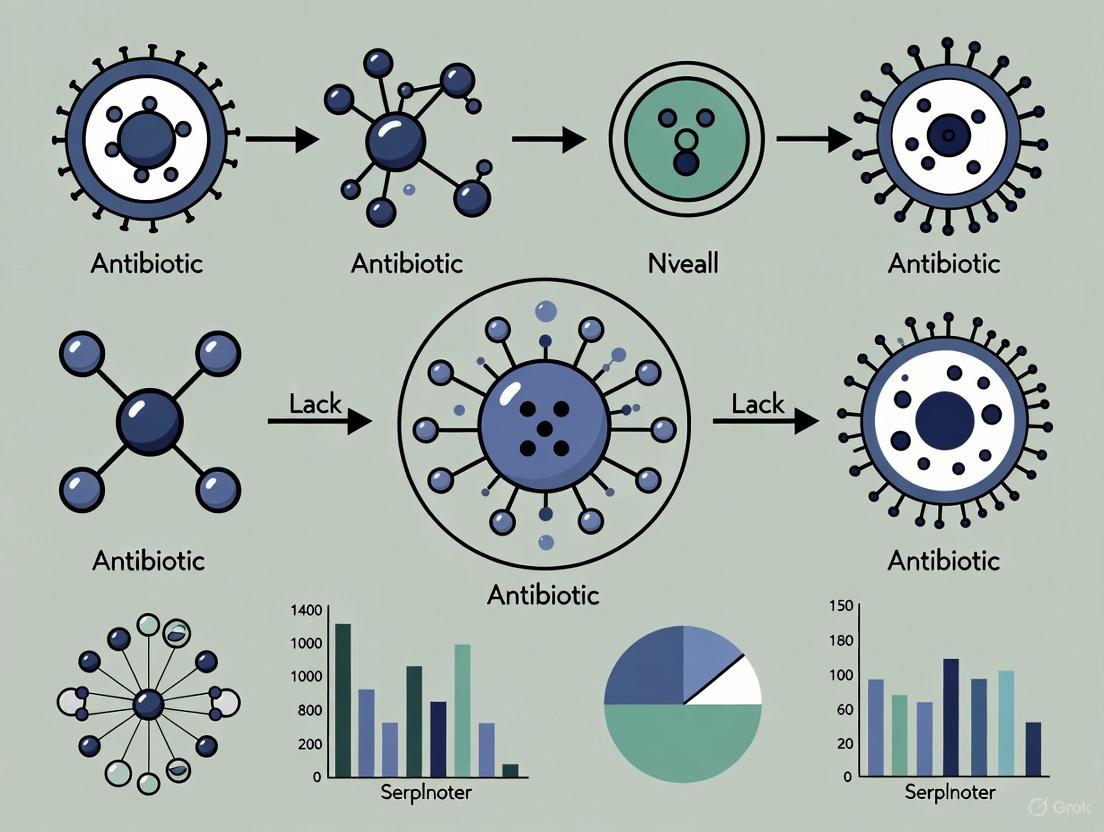
This article synthesizes recent advances in understanding how antibiotics alter bacterial cell morphology and population behavior, directly addressing the needs of researchers and drug development professionals.
Antibiotic-Induced Morphological and Behavioral Shifts in Bacteria: From Mechanisms to Clinical Applications
Abstract
This article synthesizes recent advances in understanding how antibiotics alter bacterial cell morphology and population behavior, directly addressing the needs of researchers and drug development professionals. It explores the foundational principles linking antibiotic mechanisms of action to specific morphological changes, such as filamentation and bloating. The review covers innovative methodological applications, including the use of Bacterial Cytological Profiling (BCP) and the MOR50 parameter for rapid antibiotic susceptibility testing. It also addresses critical troubleshooting aspects, such as confounding antibiotic carryover effects in cell-based assays, and validates findings through comparative analyses across species and preclinical models. The integration of these insights aims to inform the development of novel therapeutic strategies and diagnostic tools in the fight against antimicrobial resistance.
Linking Antibiotic Mechanisms to Systematic Morphological and Physiological Changes
The escalating global health threat of antibiotic resistance necessitates a deeper understanding of the fundamental interactions between antibiotics and bacterial cells. Within this context, research into the effects of antibiotics on cell morphology and behavior provides critical insights that extend beyond mere phenomenological observation. Classifying morphological responses based on an antibiotic's molecular target reveals systematic patterns of cellular disruption, offering a powerful framework for diagnosing antibiotic mechanisms, predicting resistance, and developing novel therapeutic strategies [1] [2]. This guide objectively compares the distinct morphological alterations induced by major antibiotic classes, synthesizing current experimental data to serve as a resource for researchers, scientists, and drug development professionals.
The bacterial cell is a highly coordinated system where targeting one essential process, such as DNA replication or cell wall synthesis, can initiate a cascade of downstream effects, ultimately manifesting as specific and observable changes in cell shape, size, and integrity [1]. By linking these morphological phenotypes to their underlying molecular triggers, we can refine antibiotic susceptibility testing, uncover new vulnerabilities in bacterial pathogens, and optimize the use of combination therapies.
Antibiotic Targets and Corresponding Morphological Responses
The molecular target of an antibiotic dictates the specific physiological pathway that is disrupted, leading to characteristic and often dramatic changes in bacterial morphology. The following sections and comparative table synthesize the primary morphological outcomes associated with major antibiotic targets.
Table 1: Classification of Morphological Responses by Primary Antibiotic Target
| Primary Target & Antibiotic Class | Specific Molecular Target | Key Morphological Response | Underlying Mechanism Linking Target to Morphology |
|---|---|---|---|
| Cell Wall Synthesis [3] [4] [5] | Penicillin-Binding Proteins (PBPs) [3] | Cell filamentation (elongation), spheroplast formation, lysis [6] | Inhibition of cross-linking peptidoglycan synthesis; unchecked activity of autolysins and cell wall hydrolases creates weak points, leading to osmotic lysis [3] [5]. |
| Cell Wall Synthesis [5] | D-Ala-D-Ala terminus of lipid II [3] | Thickened cell walls, potentially impaired cell division. | Binding to cell wall precursors prevents their incorporation into the growing peptidoglycan chain, leading to accumulation of precursors and defective wall structure [3] [5]. |
| Cell Membrane Integrity [7] [8] | Lipopolysaccharide (LPS) in outer membrane [7] [8] | Membrane blebbing, bulge formation, rapid shedding of outer membrane, cell rupture [8]. | "Soap-like" disruption of the outer membrane; triggers a futile cycle of overproducing and shedding cell surface material, compromising integrity [7] [8]. |
| Protein Synthesis [2] | 30S or 50S ribosomal subunit [2] | Pleomorphic effects (variable changes in size and shape), generally lower population heterogeneity [1]. | Inhibition of protein production, including enzymes and structural proteins vital for maintaining cell shape and division fidelity [1] [2]. |
| DNA Replication [2] | DNA gyrase, Topoisomerase IV [2] | Cell filamentation (elongation) [6]. | Blockage of DNA replication and segregation, preventing the completion of cell division while cell growth continues [6] [2]. |
The data reveal that different targets can produce similar morphological outcomes, such as the filamentation caused by both cell wall synthesis inhibitors and DNA replication inhibitors. However, the system-level heterogeneity induced by these targets can differ significantly. For instance, a study monitoring growth rate and morphology in E. coli, S. aureus, and P. aeruginosa found that the level of Population Growth Rate Heterogeneity (PGRH) increases as antibiotic concentration approaches the minimum inhibitory concentration (MIC) [1]. Notably, the magnitude of this heterogeneity correlates with the functional distance between the antibiotic's target and the ribosome. Protein synthesis inhibitors, which target the ribosome directly, cause the lowest PGRH, while heterogeneity progressively increases with RNA synthesis inhibitors, DNA replication inhibitors, and is highest for cell wall synthesis inhibitors [1]. This suggests that damage to core processes like the cell wall propagates through the cellular network, creating more diverse phenotypic outcomes in a population.
Experimental Protocols for Morphological Analysis
To generate the comparative data presented in this guide, researchers employ a range of sophisticated techniques that allow for both high-throughput screening and high-resolution imaging of antibiotic-induced morphological changes.
High-Throughput Morphological Screening with MAP Platforms
A powerful method for system-level analysis involves using Multipad Agarose Plate (MAP) platforms for high-throughput, label-free imaging of live microbes under antibiotic exposure [1].
Protocol Summary:
- Preparation: Subject bacterial species (e.g., E. coli, P. aeruginosa, S. aureus) to a panel of antibiotics across a range of concentrations (from sub-MIC to post-MIC).
- Culturing and Imaging: Culture the bacteria on the MAP platform, which allows for simultaneous testing of multiple conditions. Use brightfield illumination to capture images over time without fluorescent labels.
- Image Analysis: Employ an accompanying analysis pipeline (e.g., the open-source Python package
PadAnalyser) to extract single-cell and colony parameters directly from the images. This includes metrics for cell size, shape, and growth rate. - Data Extraction: From this analysis, derive a novel morphological parameter, MOR50, which is the antibiotic concentration that induces a 50% change in morphology relative to the untreated control. This parameter enables rapid estimation of the MIC with a single snapshot after just 2.5 hours of incubation [1].
Investigating Phage-Antibiotic Synergy (PAS)
Research into how sublethal antibiotic concentrations enhance bacteriophage predation provides clear evidence of morphology-mediated effects.
Protocol Summary:
- Agar Overlay Assay: Conduct standard agar overlay assays with bacteria (e.g., E. coli MG1655) in the presence or absence of sublethal concentrations of antibiotics that induce specific morphological changes (e.g., ciprofloxacin or ceftazidime for filamentation, mecillinam for bloating) [6].
- Plaque Formation: Add phages (e.g., T5 or T7) to form lysis plaques on the bacterial lawn.
- Measurement and Analysis: Measure the radii of the resulting lysis plaques. A significant increase in plaque size in the presence of the antibiotic indicates Phage-Antibiotic Synergy (PAS), which is linked to the antibiotic-induced morphological alteration of the host bacteria [6].
High-Resolution Imaging of Membrane Disruption
Cutting-edge microscopy techniques can visualize the real-time action of antibiotics on bacterial surfaces.
Protocol Summary:
- Sample Treatment: Expose Gram-negative bacteria (e.g., E. coli) to a last-resort antibiotic like Polymyxin B [8].
- Real-Time Imaging: Image the bacterial cells using Atomic Force Microscopy (AFM), a technique that uses a nanoscale needle to "feel" the surface topology of the cell at very high resolution.
- Observation: Capture images in real-time to observe the rapid formation of bumps and bulges on the surface, followed by the shedding of the outer membrane, which reveals the mechanism of antibiotic-induced lethality [8].
Signaling Pathways and Logical Workflows
The relationship between antibiotic target and morphological response can be conceptualized as a causal network. The following diagram maps the primary pathways from initial antibiotic action to final morphological outcome and cellular fate.
Diagram 1: Pathway from antibiotic target to morphological outcome.
The Scientist's Toolkit: Essential Research Reagents
The following table details key reagents and materials essential for conducting research into antibiotic-induced morphological changes.
Table 2: Key Research Reagent Solutions for Morphological Studies
| Research Reagent / Tool | Function in Experimental Protocol |
|---|---|
| Multipad Agarose Plate (MAP) Platform | A high-throughput imaging platform that enables simultaneous, label-free monitoring of bacterial growth and morphology across multiple environmental conditions and antibiotic concentrations [1]. |
| Atomic Force Microscope (AFM) | Used for high-resolution, real-time imaging of the bacterial cell surface to visualize nanoscale morphological disruptions, such as those caused by polymyxins [8]. |
| PadAnalyser (Python Package) | An open-source software analysis pipeline for processing images from the MAP platform, enabling the extraction of single-cell and colony parameters for growth rate and morphology [1]. |
| Sublethal Antibiotic Concentrations | Critical for studying phenomena like Phage-Antibiotic Synergy (PAS) and the induction of specific morphological changes (e.g., filamentation, bloating) without completely inhibiting growth [6]. |
| Ciprofloxacin / Ceftazidime | Antibiotics used as experimental tools to induce bacterial filamentation by respectively targeting DNA replication (DNA gyrase) and cell wall synthesis (PBPs) [6]. |
| Mecillinam | A specific antibiotic tool used to induce cell bloating in Gram-negative bacteria by targeting a distinct PBP (PBP2), facilitating the study of this particular morphological response [6]. |
| Polymyxin B | A last-resort antibiotic used in research to investigate the mechanisms of outer membrane disruption and shedding in Gram-negative bacteria [8]. |
Quantifying Concentration-Dependent Effects on Cell Size, Volume, and Surface-to-Volume Ratio
The morphological parameters of bacterial cells—size, volume, and surface-to-volume ratio—serve as crucial indicators of cellular physiological states, especially under antibiotic stress. Within the broader context of research on antibiotic effects on cell morphology and behavior, quantifying these parameters provides invaluable insights into antibiotic mechanisms of action (MOA), cellular adaptation strategies, and potential pathways to resistance [9] [10]. While the Minimum Inhibitory Concentration (MIC) offers a binary measure of antibiotic efficacy, studying the concentration-dependent morphological changes at sub-inhibitory and inhibitory levels reveals a continuous landscape of physiological perturbations [9] [1]. This guide objectively compares the quantitative effects of major antibiotic classes on bacterial cell morphology, supported by experimental data and detailed methodologies relevant to researchers and drug development professionals.
The surface-area-to-volume ratio (SA:V) is a fundamental biophysical constraint for cells. As a cell's volume increases, its surface area increases at a slower rate, potentially limiting the efficient transport of nutrients and waste [11] [12]. Antibiotics that alter cell size directly impact this ratio, thereby influencing cellular fitness and the transport of molecules, including the antibiotics themselves [9]. Modern high-throughput techniques like Bacterial Cytological Profiling (BCP) and single-cell volume measurements are now enabling the precise and rapid quantification of these morphological changes, accelerating both basic research and antibiotic discovery [13] [14] [10].
Quantitative Comparison of Antibiotic-Induced Morphological Changes
Different antibiotic classes, by virtue of their distinct molecular targets, elicit characteristic and quantifiable changes in bacterial cell morphology. The following tables summarize the concentration-dependent effects of four major antibiotic classes on key morphological parameters in Escherichia coli and other clinically relevant bacteria.
Table 1: Morphological Effects of Antibiotic Classes on E. coli
| Antibiotic Class (Example) | Cellular Target | Effect on Cell Volume | Effect on Surface-to-Volume Ratio (S/V) | Primary Morphological Change |
|---|---|---|---|---|
| DNA Synthesis Inhibitors (Ciprofloxacin) | DNA gyrase | Increase [9] | Decrease [9] | Filamentation (extreme elongation) [9] [6] |
| Cell Wall Synthesis Inhibitors (Mecillinam) | Penicillin-binding proteins | Increase [9] | Decrease [9] | Cell bloating (ovoid spheres) [9] [6] |
| Protein Synthesis Inhibitors (Chloramphenicol) | Ribosome (50S subunit) | Variable (depends on nutrients) [9] | Variable (depends on nutrients) [9] | Mixed; can increase or decrease S/V [9] |
| Membrane-Targeting Antibiotics | Cell membrane | Decrease [9] | Increase [9] | Reduction in cell size [9] |
Table 2: Concentration-Dependent Effects of Chloramphenicol on E. coli Morphology [9]
| Chloramphenicol Concentration (sub-MIC) | Cell Volume | Surface-to-Volume Ratio (S/V) | Aspect Ratio |
|---|---|---|---|
| Low | Begins to increase in nutrient-poor media | Begins to decrease in nutrient-poor media | Gradual change |
| Medium | Significant increase in nutrient-poor media | Significant decrease in nutrient-poor media | More pronounced change |
| Near MIC | Maximal increase in nutrient-poor media | Maximal decrease in nutrient-poor media | Maximal change before growth arrest |
Table 3: Morphological Responses Across Bacterial Species [9]
| Bacterial Species | Gram Stain | Response to DNA/Cell Wall Inhibitors | Response to Membrane Inhibitors |
|---|---|---|---|
| Acinetobacter baumannii | Negative | Increased length, decreased S/V [9] | Mixed S/V response (small increase or decrease) [9] |
| Bacillus subtilis | Positive | Increased length, decreased S/V [9] | Decreased S/V, increased length [9] |
| Staphylococcus aureus | Positive | Increased volume and S/V (ellipsoidal shape) [9] | Increased volume and S/V (ellipsoidal shape) [9] |
Essential Research Reagents and Experimental Tools
The quantification of cell morphological parameters requires a specific toolkit of reagents, dyes, and technological platforms. The table below details key solutions and their applications in this field.
Table 4: Research Reagent Solutions for Morphological Studies
| Research Reagent / Tool | Function in Experimentation | Key Application |
|---|---|---|
| Fluorescent Membrane Dyes | Staining the cell envelope for shape analysis | Bacterial Cytological Profiling (BCP) to assess cell size and shape [10] |
| DNA-Binding Fluorescent Dyes | Visualizing nucleoid structure and integrity | BCP to assess chromosomal segregation and damage [10] |
| Suspended Microchannel Resonator (SMR) | High-precision measurement of single-cell mass and volume | Tracking density changes in T-cells or tumor cells in response to drugs [13] |
| Fluorescence Exclusion Method (FXm) | Measuring cell volume via exclusion of fluorescent dye | Fast, accurate single-cell live volume measurements in bacteria and yeast [14] |
| Agarose/Gelatin Cubes | Modeling diffusion across different surface-area-to-volume ratios | Educational and experimental demonstration of size limitations on material exchange [11] [12] |
| Multipad Agarose Plate (MAP) | High-throughput imaging of microbes under varied conditions | Simultaneously testing growth and morphology across multiple antibiotic concentrations [1] |
Detailed Experimental Protocols
Bacterial Cytological Profiling (BCP) for Mechanism of Action Studies
BCP is a powerful, high-throughput method for classifying antibiotics based on the morphological changes they induce.
- Step 1: Cell Culture and Staining. Grow bacterial cells (e.g., E. coli) to mid-log phase. Treat with a range of antibiotic concentrations (from sub-MIC to supra-MIC) for a defined period. Stain cells with a fluorescent membrane dye (e.g., FM 4-64) to outline cell shape and a DNA dye (e.g., DAPI) to visualize nucleoid morphology [10].
- Step 2: Image Acquisition. Using a fluorescence microscope, capture high-resolution images of the treated cells. Ensure sufficient cell counts are imaged for robust statistical analysis [10].
- Step 3: Image Analysis and Parameter Extraction. Use image analysis software (e.g., CellProfiler or custom Python packages) to extract quantitative morphological parameters from the images. Key parameters include [10]:
- Cell length and width
- Cell area and volume (estimated)
- Solidity (a measure of shape complexity)
- DNA intensity and distribution within the cell
- Step 4: Profile Comparison. Compare the multidimensional morphological profile (the "cytological profile") of the unknown compound to a reference library of profiles generated by antibiotics with known mechanisms of action. Classification is based on the similarity of the induced morphological changes [10].
Agar Cube Diffusion for Demonstrating SA:V Principles
This classic protocol visually demonstrates the relationship between cell size and diffusion efficiency.
- Step 1: Preparation of Agar Cubes. Create a mixture of agar-agar powder and water, often with a pH indicator like phenolphthalein or bromothymol blue. Heat the mixture until it boils and then pour it into a mold to solidify. Cut cubes of specific sizes (e.g., 1 cm, 2 cm, and 3 cm sides) [11].
- Step 2: Diffusion Experiment. Place each cube in a solution containing an agent that will diffuse into the agar and cause a visible color change (e.g., vinegar if a base was used with the indicator). Ensure all cubes are submerged to the same depth [11].
- Step 3: Data Collection. Record the time it takes for the diffusing agent to fully penetrate each cube, indicated by a complete color change. Alternatively, at fixed time intervals, remove the cubes and measure the distance the agent has penetrated. Calculate the volume of the cube that has been penetrated [11].
- Step 4: Data Analysis. For each cube, calculate the surface area, volume, and surface-area-to-volume ratio. Plot the penetration depth or percentage of volume penetrated against time for the different cubes. The results will show that smaller cubes with higher SA:V ratios are penetrated much more rapidly and completely than larger cubes [11].
Single-Cell Density Measurement via SMR and Fluorescence
This advanced protocol measures cell mass and volume to derive density, a sensitive indicator of physiological state.
- Step 1: Device Setup. Utilize a Suspended Microchannel Resonator (SMR), a microfluidic device with a cantilever that vibrates at a specific frequency. The device is coupled with a fluorescence microscope [13] [14].
- Step 2: Volume and Mass Measurement. Suspend cells in a fluorescent dye that cannot enter the cell. As each cell flows past the microscope, the dip in fluorescence is used to calculate its volume. Immediately after, the cell flows through the SMR cantilever, and the shift in the cantilever's resonant frequency is measured to determine its buoyant mass [13].
- Step 3: Density Calculation. The cell's density is derived from its precisely measured mass and volume. This method allows for the rapid measurement of tens of thousands of single cells, providing high-resolution data on population heterogeneity [13].
Visualizing Antibiotic Effects and Experimental Workflows
The following diagrams illustrate the core concepts and methodological workflows discussed in this guide.
Antibiotic Targets and Morphological Outcomes
Bacterial Cytological Profiling Workflow
Surface Area to Volume Ratio Impact
Population Growth Rate Heterogeneity (PGRH) as a System-Level Response to Stress
Population Growth Rate Heterogeneity (PGRH) describes the variation in growth rates observed among individual cells or microcolonies within a genetically identical population exposed to the same environmental conditions. Within the field of antibiotic research, understanding the system-level effects of these drugs on bacterial cells is essential for addressing the growing challenge of antibiotic resistance [1] [15]. When bacterial populations are subjected to antibiotic stress, they do not respond uniformly; instead, significant heterogeneity emerges, which is increasingly linked to persistence and survival after treatment [1].
This guide provides a comparative analysis of how different classes of antibiotics induce PGRH, framed within the broader investigation of antibiotic effects on cell morphology and behavior. We summarize quantitative experimental data, detail the methodologies used to obtain it, and provide visualizations of the underlying concepts to serve researchers and drug development professionals.
Comparative Analysis of Antibiotic-Induced PGRH
The extent of PGRH induced by an antibiotic is not random but correlates with the antibiotic's mechanism of action. Research on three clinically relevant species (E. coli, S. aureus, and P. aeruginosa) exposed to 14 antibiotics across 11 concentrations has revealed a striking pattern [1] [15].
The Functional Distance Hypothesis
A key finding is that the magnitude of PGRH correlates with the functional distance between the ribosome and the specific cellular process targeted by an antibiotic [1]. The ribosome is central to growth rate control, and heterogeneity is hypothesized to arise at the system level from the propagation of cellular damage toward protein synthesis. Antibiotics that target processes closer to the ribosome, such as protein synthesis itself, cause lower heterogeneity. In contrast, antibiotics that target processes functionally distant from the ribosome, such as cell wall synthesis, cause the highest heterogeneity, as the disruptive effects must traverse multiple cellular subsystems before impacting the core growth machinery [1].
Table 1: Population Growth Rate Heterogeneity Induced by Different Antibiotic Classes
| Antibiotic Class | Example Antibiotics | Primary Cellular Target | Induced PGRH Level |
|---|---|---|---|
| Protein Synthesis Inhibitors/Disruptors | Chloramphenicol, Aminoglycosides | Ribosome (directly impacts translation) | Lowest |
| RNA Synthesis Inhibitors | Rifampicin | RNA Polymerase | Low to Moderate |
| DNA Replication Inhibitors | Ciprofloxacin | DNA Gyrase | Moderate |
| Cell Membrane Disruptors | Polymyxins | Cell Membrane | High |
| Cell Wall Synthesis Inhibitors | Penicillins, Cephalosporins | Cell Wall Synthesis Machinery | Highest |
Relationship with Bacterial Persistence
The level of heterogeneity has direct clinical implications. High PGRH is often associated with bacterial persistence and treatment survival [1]. A heterogeneous population is more likely to contain slow-growing or dormant subpopulations (persisters) that can survive antibiotic exposure and lead to infection relapse. Therefore, from a clinical and therapeutic development perspective, antibiotic classes that induce lower PGRH, such as protein synthesis inhibitors, may be less likely to foster persistent populations compared to cell wall synthesis inhibitors, which generate high heterogeneity [1].
Quantitative Profiling of Antibiotic Effects
Beyond growth rate, antibiotics induce pronounced changes in cell morphology, which can be quantitatively measured.
The MOR50 Metric for Rapid Susceptibility Testing
A strong correlation was observed between morphological alterations and growth inhibition across all tested antibiotics and species [1] [15]. This correlation led to the development of a novel morphological parameter, MOR50, which is defined as the antibiotic concentration that induces a 50% change in the distribution of a morphological parameter (e.g., cell area or length) compared to an untreated control [1].
The MOR50 value enables rapid estimation of the Minimum Inhibitory Concentration (MIC) for antibiotic susceptibility testing (AST). This method can provide a result with a single microscopic snapshot after only 2.5 hours of incubation, compared to the 16-24 hours typically required for standard MIC determination [1]. This represents a significant potential advancement for resource-efficient and rapid diagnostic methods.
Table 2: Key Experimental Parameters from PGRH and Morphology Studies
| Parameter | Description | Application/Implication |
|---|---|---|
| PGRH | Heterogeneity in growth rates across microcolonies in a population. | Serves as a biomarker for antibiotic-induced stress and persistence risk. |
| MIC (Minimum Inhibitory Concentration) | The lowest antibiotic concentration that prevents visible growth. | Standard measure for antibiotic susceptibility. |
| MOR50 | The antibiotic concentration causing a 50% morphological change. | Enables rapid AST (within ~2.5 hours) via single-time-point imaging. |
| Functional Distance | The conceptual distance from an antibiotic's target to the ribosome. | Predicts the level of PGRH an antibiotic class will induce. |
Experimental Protocols for PGRH and Morphology Analysis
Core Workflow: The Multipad Agarose Plate (MAP) Platform
The foundational data on PGRH were generated using the Multipad Agarose Plate (MAP) platform, a high-throughput imaging system for live microbes [1].
Protocol Summary:
- Preparation: Assemble the MAP platform, which contains multiple pads allowing for parallel testing of different antibiotic concentrations and species [1].
- Inoculation & Exposure: Spot bacterial suspensions of the target species (E. coli, S. aureus, P. aeruginosa) onto the agarose pads, which have been pre-infused with a range of antibiotic concentrations (e.g., 11 concentrations for each drug) [1].
- Image Acquisition: Incubate the MAP and use automated, time-lapse brightfield microscopy to monitor microcolony growth over time. The system is label-free, requiring no fluorescent tags [1].
- Image Analysis: Use the open-source Python package PadAnalyser (github.com/Cicuta-Group/PadAnalyser) for image preprocessing, single-cell segmentation, and extraction of quantitative statistics, including growth rates and morphological parameters (e.g., cell area, length) for thousands of individual cells [1].
- Data Modeling: Calculate PGRH from the distribution of microcolony growth rates. Fit dose-response curves for growth inhibition and morphological changes to determine MIC and MOR50 values [1].
Diagram 1: Experimental workflow for PGRH analysis using the MAP platform.
The Scientist's Toolkit: Essential Research Reagents
Table 3: Key Reagents and Resources for PGRH and Morphology Research
| Reagent / Resource | Function in Research | Specific Examples / Notes |
|---|---|---|
| Multipad Agarose Plate (MAP) | High-throughput imaging platform for testing multiple conditions in parallel. | Custom-built platform; assembly instructions at github.com/Cicuta-Group/MAP-imaging [1]. |
| PadAnalyser Software | Open-source Python package for image analysis and data extraction. | Critical for segmenting cells and calculating growth statistics from time-lapse images [1]. |
| Clinically Relevant Bacterial Strains | Model organisms for studying antibiotic effects. | Escherichia coli, Pseudomonas aeruginosa, Staphylococcus aureus [1]. |
| Antibiotic Panels | To test a wide range of mechanistic actions and concentrations. | 14 antibiotics from 7 classes (e.g., Aminoglycosides, β-lactams, Fluoroquinolones) [1]. |
Conceptual Framework of PGRH
The emergence of PGRH can be understood as a system-level response where targeted damage propagates through interconnected cellular processes. The following diagram illustrates the "functional distance" hypothesis derived from the experimental data.
Diagram 2: The relationship between antibiotic target and PGRH. Targets closer to the ribosome induce lower heterogeneity.
Antibiotic efficacy has traditionally been assessed through population-level metrics such as the minimum inhibitory concentration (MIC). However, the emergence of bacterial persistence and heteroresistance has highlighted the critical importance of single-cell heterogeneity in treatment outcomes. At the heart of this heterogeneity lies the ribosome, the central hub of protein synthesis and cellular growth coordination. This guide synthesizes recent advances demonstrating how the functional distance between an antibiotic's molecular target and the ribosome correlates with the degree of phenotypic heterogeneity observed in bacterial populations—a key consideration for antibiotic development and susceptibility testing.
Mounting evidence suggests that antibiotics targeting different cellular processes induce varying levels of population growth rate heterogeneity (PGRH), with this variation systematically correlating with the target's position in the cellular network relative to the ribosome. This correlation provides a framework for predicting treatment outcomes and understanding persistence mechanisms that often underlie chronic and relapsing infections.
Quantitative Comparison of Antibiotic-Induced Heterogeneity
Hierarchy of Heterogeneity Based on Functional Target Distance
Recent systematic investigations using high-throughput imaging platforms have quantified how different antibiotic classes induce varying degrees of population heterogeneity. The findings reveal a consistent pattern across multiple bacterial species, including E. coli, S. aureus, and P. aeruginosa [1].
Table 1: Population Growth Rate Heterogeneity (PGRH) Across Antibiotic Classes
| Antibiotic Class | Specific Target/Process | Functional Distance from Ribosome | PGRH Level | Key Implications |
|---|---|---|---|---|
| Protein Synthesis Inhibitors | Ribosome (30S/50S subunits) | Direct target | Lowest | More predictable killing, lower persistence risk |
| RNA Synthesis Inhibitors | RNA polymerase | One step from translation | Low to Moderate | Intermediate heterogeneity profile |
| DNA Replication Inhibitors | DNA gyrase/topoisomerase | Two steps from translation | Moderate | Increased variability in response |
| Cell Membrane Disruptors | Membrane integrity | Multiple steps from translation | High | Significant subpopulation survival |
| Cell Wall Synthesis Inhibitors | Peptidoglycan assembly | Multiple steps from translation | Highest | Maximum heterogeneity, persistence risk |
This hierarchy demonstrates that antibiotics targeting processes functionally distant from the ribosome produce greater heterogeneity in population growth rates, particularly as concentrations approach the MIC [1]. The ribosome's central role in growth control positions it as a critical regulator of homogeneous responses when directly targeted.
Single-Cell Ribosome Content Heterogeneity
Contrary to traditional growth laws that correlate ribosomal content with population growth rates, single-cell RNA sequencing techniques have revealed substantial heterogeneity in ribosome levels among genetically identical cells with equal nutrient access [16].
Table 2: Single-Cell Ribosomal Content Heterogeneity Across Microbial Species
| Species | Cell Type | Average rRNA Reads/Cell | Correlation with Population Growth | Correlation with Single-Cell Growth |
|---|---|---|---|---|
| S. cerevisiae | Haploid/Dipolid yeast | 6,390 | Strong (R² = 0.94) | Not predictive |
| B. subtilis | Gram-positive bacterium | 2,644 | Moderate (R² = 0.69) | Not predictive |
These findings challenge the assumption that single cells precisely optimize ribosome content to match their growth rate, revealing instead that fast-growing populations contain cells with transcriptional signatures of slow growth and stress, and vice versa [16]. This intrinsic heterogeneity in ribosome abundance may represent a bet-hedging strategy that enhances population survival under stress.
Experimental Approaches and Methodologies
High-Throughput Single-Cell Imaging (MAP Platform)
The Multipad Agarose Plate (MAP) platform enables label-free, high-throughput imaging of bacterial growth and morphology under antibiotic exposure [1].
Protocol: Population Growth Rate Heterogeneity Assessment
- Platform Preparation: Fabricate MAP with multiple agarose pads containing gradient antibiotic concentrations
- Bacterial Preparation: Grow overnight cultures of target strains (E. coli, S. aureus, P. aeruginosa)
- Inoculation: Apply bacterial suspensions to each pad and seal to prevent evaporation
- Image Acquisition: Capture time-lapse brightfield images at 5-10 minute intervals for 8-24 hours
- Image Analysis: Use custom software (PadAnalyser) for single-cell segmentation and tracking
- Parameter Extraction: Quantify growth rates, cell dimensions, and division events for each cell
- Heterogeneity Calculation: Compute coefficient of variation for growth rates within populations
This methodology enables simultaneous testing of multiple antibiotic concentrations across different species, revealing how sub-MIC exposures prime heterogeneity as concentrations approach MIC values.
Single-Cell RNA Sequencing (SPLiT-seq)
Split Pool Ligation-based Transcriptome sequencing (SPLiT-seq) enables transcriptomic analysis of individual microbial cells, overcoming limitations of conventional scRNA-seq for small bacterial cells [16].
Protocol: Microbial Single-Cell Ribosome Content Analysis
- Cell Fixation: Harvest cells at different growth phases and fix with formaldehyde
- Permeabilization: Treat with lysozyme and mild detergents to permit probe access
- Barcoding: Use random hexamer primers for rRNA and mRNA capture in a split-pool approach
- Library Preparation: Amplify cDNA and incorporate sequencing adapters
- Sequencing: Perform high-depth sequencing on Illumina platforms
- Bioinformatic Analysis: Map reads to reference genomes, quantify rRNA and mRNA transcripts
- Heterogeneity Assessment: Calculate variation in ribosomal RNA content across single cells
This protocol revealed that ribosomal content variation at single-cell level does not predict growth rate, contrasting with strong correlations observed at population level [16].
Functional Specialization of Ribosome Heterogeneity
While structural heterogeneity in ribosomes is well-established, its functional consequences remain controversial. Recent research has employed cryo-electron microscopy and tomography to visualize structurally distinct ribosomes within bacterial cells [17].
Protocol: Assessing Ribosome Heterogeneity and Function
- Ribosome Purification: Isolate ribosomes from Psychrobacter urativorans via sucrose gradient centrifugation
- Cryo-EM Grid Preparation: Vitrify ribosome samples and acquire high-resolution images
- Cellular Cryo-ET: Process intact cells via cryo-Focused Ion Beam milling and tomography
- Image Processing: Classify ribosomal particles based on structural features
- Stoichiometry Analysis: Quantify protein occupancy via focused classification
- Functional State Assessment: Determine ribosome distribution across translational states
- Polysome Analysis: Visualize ribosome cooperation on single mRNA molecules
This approach demonstrated that structurally heterogeneous ribosomes (with varying bS20 protein copy numbers) can cooperate in general protein synthesis rather than specializing for specific mRNAs [17].
Visualization of Key Concepts and Pathways
Antibiotic Target Distance and Heterogeneity Relationship
Ribosome-Mediated Heterogeneity in Antibiotic Response
The Scientist's Toolkit: Essential Research Reagents
Table 3: Key Research Reagents for Investigating Ribosome Heterogeneity
| Reagent/Platform | Specific Function | Application Context |
|---|---|---|
| Multipad Agarose Plate (MAP) | High-throughput imaging of live microbes across conditions | Population growth rate heterogeneity assessment under antibiotic exposure |
| SPLiT-seq Reagents | Single-cell RNA sequencing of microbial cells | Quantification of ribosomal RNA content variation in individual cells |
| Cryo-EM Grids | High-resolution structural analysis of ribosomes | Visualization of structurally heterogeneous ribosome populations |
| Tandem Mass Tag (TMT) Reagents | Quantitative proteomic analysis of ribosomal proteins | Measurement of RP abundance changes during differentiation or stress |
| B. subtilis TEB1030 | Protease-deficient expression host | Recombinant protein production for translation studies |
| pBSMul1 Vector | E. coli-B. subtilis shuttle vector with strong constitutive promoter | Controlled expression of target genes with modifiable RBS sequences |
Discussion and Research Implications
The correlation between functional target distance from the ribosome and phenotypic heterogeneity provides a unifying framework for understanding antibiotic efficacy and persistence development. This relationship underscores the ribosome's role not merely as a protein synthesis factory, but as a central processing unit that integrates various cellular stresses into coordinated growth responses.
From a therapeutic perspective, the heterogeneity hierarchy suggests that protein synthesis inhibitors may offer more predictable treatment outcomes with lower risks of persister cell formation. Conversely, cell wall inhibitors, while highly effective in population reduction, may promote greater heterogeneity and potentially higher persistence rates. These insights could inform combination therapy strategies that pair high-heterogeneity inducers with compounds that eliminate slow-growing subpopulations.
Future research directions should focus on elucidating the precise molecular mechanisms that link ribosomal sensing to heterogeneous cell fate decisions, potentially identifying novel targets that modulate heterogeneity without exerting direct bactericidal pressure—a strategy that could mitigate resistance development while improving treatment efficacy.
Leveraging Morphological Profiling for AST, Synergy, and Drug Discovery
Antimicrobial resistance (AMR) is a critical global health threat, responsible for approximately 5 million deaths annually and projected to cause cumulative economic losses of up to $100 trillion by 2050 [18] [10] [19]. The antibiotic pipeline has stagnated, with only two new antibiotic classes effective against Gram-positive bacteria developed in the last 20 years, and the last novel class against Gram-negative bacteria discovered in 1962 [18] [10]. This crisis demands innovative approaches to antibiotic discovery that can rapidly identify compounds with novel mechanisms of action (MOA) and accelerate development timelines.
Bacterial Cytological Profiling (BCP) has emerged as a powerful high-throughput solution that links antibiotic-induced morphological changes to specific cellular targets. This method leverages the fundamental principle that antibiotics targeting specific cellular pathways produce reproducible, quantifiable changes in cellular architecture [18] [20] [21]. By capturing these phenotypic fingerprints at single-cell resolution, BCP enables rapid MOA identification, facilitates novel compound discovery, and provides insights into antibiotic resistance mechanisms that traditional methods often miss.
Methodological Comparison: BCP Versus Traditional MOA Determination Techniques
Fundamental Limitations of Conventional Approaches
Traditional methods for determining antibiotic mechanisms of action face significant constraints that hamper antibiotic discovery efforts. Macromolecular synthesis (MMS) assays, which use radioactively labeled precursors to identify inhibited pathways, suffer from low accuracy, low resolution, low throughput, and are time-consuming [18] [10]. While biochemical approaches like affinity chromatography can identify direct biophysical interactions between antibiotics and their targets, they require large amounts of test compound often unavailable during early discovery stages [18] [10]. Genetic approaches such as resistance selection and transcriptional profiling provide valuable insights but cannot always directly pinpoint molecular targets and may miss polypharmacological effects [18] [10].
The BCP Workflow and Technological Basis
BCP utilizes quantitative fluorescence microscopy to measure antibiotic-induced changes in bacterial cellular architecture. The standard workflow involves:
- Treating bacterial cultures with various antibiotic concentrations
- Staining with fluorescent membrane and DNA dyes
- Visualizing cytological changes via automated microscopy
- Extracting morphological parameters using image analysis software
- Classifying MOA through multivariate analysis and machine learning [18] [20]
Advanced BCP implementations now extract up to 156 morphological features from individual cells, with machine learning algorithms selecting optimal feature subsets to achieve classification accuracy exceeding 90% [22]. The integration of artificial intelligence and deep learning has further enhanced BCP's resolution to single-cell level, enabling capture of previously overlooked phenotypic heterogeneity in response to antibiotic treatment [18] [22].
Table 1: Comparison of MOA Determination Methods
| Method | Throughput | Time Required | Compound Quantity | Key Limitations |
|---|---|---|---|---|
| Macromolecular Synthesis (MMS) | Low | Days to weeks | Moderate | Low resolution, accuracy, and throughput; radioactive materials [18] [10] |
| Affinity Chromatography | Medium | Days | Large | Requires purified compound and target knowledge [18] [10] |
| Genetic Approaches | Medium to High | Days | Small to moderate | May not identify direct target; limited to genetically tractable organisms [18] [10] |
| Bacterial Cytological Profiling | High | 1-2 hours | Small | Requires specialized instrumentation and analysis pipelines [18] [20] [21] |
Experimental Evidence and Performance Validation
Quantitative Accuracy in MOA Classification and Susceptibility Testing
BCP has demonstrated exceptional performance across multiple bacterial species and antibiotic classes. In foundational research, BCP discriminated between methicillin-susceptible (MSSA) and methicillin-resistant (MRSA) clinical isolates of S. aureus (n = 71) with 100% accuracy within 1-2 hours [21] [23]. Similarly, BCP correctly distinguished daptomycin susceptible (DS) from daptomycin non-susceptible (DNS) S. aureus strains (n = 20) within just 30 minutes of antibiotic treatment [21].
High-resolution BCP implementing machine learning strategies has achieved over 90% accuracy in classifying individual bacterial cells according to antibiotic MOA [22]. This single-cell resolution enables detection of subpopulations with differential responses to treatment, revealing previously unappreciated heterogeneity in antibiotic action. For example, meropenem-treated Acinetobacter baumannii cells were separated into two distinct subprofiles (C21 and C22), likely reflecting differential affinity for penicillin-binding proteins [22].
Distinct Morphological Signatures Across Antibiotic Classes
BCP libraries catalog the characteristic morphological changes induced by major antibiotic classes, creating reference profiles for MOA identification:
- Cell wall synthesis inhibitors: β-lactams cause cell elongation and ovoid forms; glycopeptides lead to membrane invagination and thickening [18]
- Protein synthesis inhibitors: Aminoglycosides cause chromosome compaction; tetracyclines induce nucleoid condensation [18] [19]
- DNA synthesis inhibitors: Fluoroquinolones trigger filamentation and nucleoid redistribution [18]
- Membrane disruptors: Lipopeptides like daptomycin cause membrane depolarization and delocalization of membrane proteins [18]
These distinct cytological profiles enable rapid classification of unknown compounds by comparing their morphological signatures against reference libraries [18] [20].
Table 2: BCP Performance Across Bacterial Pathogens and Applications
| Bacterial Species | Application | Performance | Time Frame | Citation |
|---|---|---|---|---|
| Staphylococcus aureus | MRSA vs MSSA discrimination | 100% accuracy (n=71) | 1-2 hours | [21] [23] |
| Staphylococcus aureus | Daptomycin susceptibility | 100% accuracy (n=20) | 30 minutes | [21] |
| Acinetobacter baumannii | MOA classification across 6 antibiotic classes | >90% accuracy | 1-2 hours | [22] |
| Escherichia coli | Novel MOA identification (spirohexenolide A) | Target identified (proton motive force collapse) | 2 hours | [18] |
| Multiple ESKAPE pathogens | Pathway-specific morphological signature identification | Distinct profiles for 8 MOA categories | 1-2 hours | [18] [22] |
BCP Experimental Protocol and Workflow
Standardized BCP Methodology
A typical BCP experiment follows this detailed protocol:
Sample Preparation:
- Grow bacterial cultures to mid-log phase (OD600 ~0.3-0.6) in appropriate medium
- Dilute to standardized concentration (e.g., 5 × 10^7 CFU/mL)
- Treat with antibiotic at relevant concentrations (including sub-MIC levels)
- Incubate for predetermined time (30 minutes to 2 hours) [21]
Staining and Imaging:
- Stain with fluorescent dyes:
- Membrane dyes (e.g., FM 4-64) to assess membrane integrity and morphology
- DNA dyes (e.g., DAPI, Hoechst) to visualize nucleoid organization
- Membrane permeability indicators (e.g., SYTOX Green) for viability assessment
- Transfer to microscopy slides or microfluidic chambers
- Image using high-resolution fluorescence microscopy with standardized exposure settings [18] [21]
Image Analysis and Data Processing:
- Automated cell segmentation to identify individual bacteria
- Feature extraction (cell length, width, area, solidity, DNA intensity and distribution, etc.)
- Data normalization and dimensionality reduction using Principal Component Analysis
- Machine learning classification against reference MOA profiles [18] [22]
Figure 1: BCP Experimental Workflow. The complete process from bacterial culture to MOA identification, integrating wet-lab and computational steps.
Advanced Applications and Integration with Complementary Technologies
Single-Cell Resolution and Heterogeneity Analysis
Recent advances in BCP have enabled single-cell resolution analysis, revealing previously unappreciated phenotypic heterogeneity in antibiotic response [22]. For instance, aminoglycoside-treated cells, previously categorized into a single MOA profile of protein translation inhibition, can now be separated into distinct subpopulations with differential responses to membrane perturbation versus translation inhibition [22]. This high-resolution profiling captures the polypharmacology of many antibiotics that simultaneously affect multiple cellular targets.
Synergy Screening and Combination Therapy
BCP provides unique insights into antibiotic combinations by revealing how morphologies change when bacteria are exposed to multiple antibiotics simultaneously [22]. Research has demonstrated that BCP can identify synergistic pairs and reveal their mechanistic basis, such as identifying natural product-derived compounds that become active against Acinetobacter baumannii only in the presence of colistin [22]. This application is particularly valuable for addressing multidrug-resistant pathogens where combination therapy offers the most promising approach.
Natural Products Discovery and Complex Mixtures
BCP is exceptionally well-suited for screening natural product extracts and complex mixtures because it requires only small compound quantities and can identify multiple bioactivities within a single sample [20]. This capability was recognized with the Omura Prize for best article of the year (2017) in the Journal of Antibiotics for work demonstrating BCP's utility in natural products discovery [20]. The technology can pinpoint the cellular target of active components within crude extracts without requiring prior purification.
Essential Research Toolkit for BCP Implementation
Table 3: Essential Research Reagents and Solutions for BCP
| Reagent/Solution | Function | Specific Examples | Application Notes |
|---|---|---|---|
| Fluorescent Membrane Dyes | Visualize cell membrane structure and integrity | FM 4-64, Nile Red | Concentration optimization required for different species [18] [21] |
| DNA Stains | Visualize nucleoid organization and condensation | DAPI, Hoechst, SYTOX Green | SYTOX Green indicates membrane permeability [18] [21] |
| Specialized Growth Media | Support normal morphology while allowing antibiotic activity | Cation-adjusted Mueller-Hinton Broth | Calcium supplementation crucial for daptomycin activity [21] |
| Microscopy Mounting Systems | Immobilize cells for high-resolution imaging | Agarose pads, microfluidic devices | Maintains cell position during imaging [18] [22] |
| Reference Antibiotics | Create standardized MOA profiles for comparison | Known inhibitors for all major cellular pathways | Essential for library building and validation [18] [20] |
Pathway Visualization and Morphological Signatures
Figure 2: Antibiotic Targets and Resulting Morphological Changes. Visualization of how antibiotics targeting different cellular pathways produce distinct, measurable morphological signatures detectable through BCP.
Bacterial Cytological Profiling represents a paradigm shift in antibiotic discovery and MOA determination. By transforming complex cellular responses into quantifiable, high-dimensional data, BCP bridges the gap between phenotypic screening and target identification. The method's rapidity (1-2 hours), accuracy (>90%), and cost-effectiveness address critical bottlenecks in antibiotic development [18] [22] [21].
Future BCP development will likely focus on increased automation, expanded pathogen coverage including WHO Priority Pathogens, and enhanced integration with artificial intelligence for deeper insights into antibiotic resistance mechanisms [18] [22]. As the technology becomes more accessible, BCP promises to play an increasingly central role in global efforts to combat antimicrobial resistance by accelerating the discovery of novel antibacterial compounds with clinically relevant mechanisms of action.
The global health crisis of antimicrobial resistance necessitates not only the development of new antibiotics but also revolutionary advances in diagnostic technologies. Conventional antimicrobial susceptibility testing (AST), which determines the minimum inhibitory concentration (MIC), remains the gold standard in clinical practice but requires 16-24 hours of incubation, creating critical treatment delays [24]. In response to this challenge, a novel morphological parameter termed MOR50 has emerged from cutting-edge research on how antibiotics fundamentally alter bacterial cell structure. This parameter enables MIC estimation through a single microscopic snapshot after just 2.5 hours of incubation, representing a potential paradigm shift in rapid AST [15] [25].
The scientific foundation of MOR50 rests on the systematic observation that antibiotics induce profound and measurable changes in bacterial morphology—changes that are closely correlated with growth inhibition. Recent research has demonstrated that such morphological alterations occur across all major antibiotic classes and bacterial species, though the specific manifestations vary considerably. For instance, polymyxin antibiotics cause bulging and shedding of the outer membrane in Gram-negative bacteria [8], while β-lactams like mecillinam induce cell bloating, and fluoroquinolones such as ciprofloxacin cause filamentation due to impaired cell division [6]. What makes MOR50 particularly innovative is its ability to quantify these morphological changes and establish a direct correlation with the MIC, thereby transforming cellular distortion from a biological curiosity into a quantifiable diagnostic parameter.
MOR50 Technology: Mechanism and Workflow
Theoretical Foundation and Definition
The MOR50 metric is founded on a key discovery: when bacterial cells are exposed to antibiotics, their morphological changes follow a consistent, quantifiable pattern that directly correlates with growth inhibition, regardless of the antibiotic's specific mechanism of action [15] [25]. The MOR50 value is specifically defined as the antibiotic concentration that induces a half-maximal morphological response in a bacterial population. This parameter is derived from dose-response curves where morphology is plotted against antibiotic concentration, analogous to traditional growth-based inhibition curves but with morphological endpoints instead of growth endpoints.
Research across three clinically relevant bacterial species (E. coli, S. aureus, and P. aeruginosa) exposed to 14 different antibiotics from seven classes revealed that morphological alterations consistently occurred at concentrations that impacted growth [25]. Strikingly, when these morphological changes are normalized, they follow a general pattern that remains consistent across antibiotics with different mechanisms of action. This consistency enables the MOR50 to serve as a reliable proxy for the conventional MIC, bypassing the need to wait for visible growth inhibition.
Technical Workflow and Implementation
The MOR50 determination process utilizes an innovative high-throughput platform called the Multipad Agarose Plate (MAP), which consists of 96 individual agarose pads mounted on a single microscope slide [26]. This platform, combined with sophisticated image analysis, enables the rapid morphological assessment essential for the MOR50 approach.
The following diagram illustrates the integrated MOR50 determination workflow:
Figure 1: MOR50 Determination Workflow. The process integrates sample preparation on the MAP platform, antibiotic exposure, imaging, and computational analysis to derive MIC estimates.
The image analysis is performed using PadAnalyser, an open-source Python package specifically developed for automated processing of brightfield microscopy images from the MAP platform [25] [26]. This software performs critical functions including image preprocessing, single-cell segmentation, extraction of morphological features (such as cell area, length, width, and circularity), and calculation of population heterogeneity metrics. The entire analysis pipeline is automated, eliminating subjective interpretation and ensuring reproducible MOR50 determinations.
Comparative Experimental Data: MOR50 vs. Conventional Methods
Performance Comparison
The following table summarizes the key differences in performance between MOR50-based AST and conventional MIC determination methods:
Table 1: Performance comparison between MOR50 and conventional MIC methods
| Parameter | MOR50 Method | Conventional Broth Microdilution | Automated Systems (Vitek 2) |
|---|---|---|---|
| Incubation Time | 2.5 hours [15] | 16-24 hours [24] | 18-24 hours [27] |
| Time to Result | ~3 hours total | 24-48 hours total | 24-48 hours total |
| Throughput | High (96 pads/plate) [26] | Medium (96-well plate) | Variable |
| Imaging Required | Yes | No | No |
| Morphological Data | Extensive quantification | Limited visual inspection | Limited |
| Cost per Test | Low (agarose-based) [26] | Medium | High |
| Species Validated | E. coli, S. aureus, P. aeruginosa [25] | Universal | Universal |
Antibiotic Class Performance
The relationship between morphological changes and antibiotic mechanisms is particularly revealing. The following table summarizes how different antibiotic classes affect bacterial morphology and influence MOR50 determination:
Table 2: Morphological responses by antibiotic class and correlation with MOR50 detection
| Antibiotic Class | Primary Target | Morphological Changes | PGRH* | MOR50 Correlation |
|---|---|---|---|---|
| Protein Synthesis Inhibitors (e.g., chloramphenicol) | Ribosome | Variable cell size changes | Low [15] | Strong |
| RNA Synthesis Inhibitors (e.g., rifampicin) | RNA polymerase | Cell elongation, size alterations | Medium [15] | Strong |
| DNA Replication Inhibitors (e.g., ciprofloxacin) | DNA gyrase | Filamentation [6] | Medium-High [15] | Strong |
| Cell Membrane Disruptors (e.g., polymyxin B) | Outer membrane | Bulging, membrane shedding [8] | High [15] | Strong |
| Cell Wall Synthesis Inhibitors (e.g., mecillinam) | Penicillin-binding proteins | Cell bloating, rounding [6] | Highest [15] | Strong |
*Population Growth Rate Heterogeneity
A crucial finding across all antibiotic classes is the consistent relationship between morphological changes and growth inhibition, which enables the MOR50 to serve as a universal parameter for MIC estimation [25]. The magnitude of morphological response varies by antibiotic class, with cell wall inhibitors causing the most dramatic changes and protein synthesis inhibitors causing more subtle alterations. Nevertheless, the correlation remains robust across all classes.
Research Toolkit: Essential Reagents and Materials
Implementation of the MOR50 assay requires specific reagents and equipment optimized for rapid morphological analysis. The following table details the essential components of the research toolkit:
Table 3: Essential research reagents and materials for MOR50 determination
| Item | Specification | Function/Application | Source/Example |
|---|---|---|---|
| MAP Platform | 96-pad agarose plate | Provides solid support for bacterial growth and imaging | Custom fabrication [26] |
| Growth Medium | Cation-adjusted Mueller-Hinton broth (CAMHB) | Standardized growth conditions | Commercial suppliers [28] |
| Antibiotic Stocks | Analytical grade, various solvents | Create concentration gradients | Prepared per CLSI/EUCAST [28] |
| Imaging System | Brightfield microscope with camera | Time-lapse imaging of microcolonies | Various commercial systems |
| Analysis Software | PadAnalyser | Automated image analysis and MOR50 calculation | Open-source Python package [25] |
| Control Strains | ATCC reference strains | Quality control for assay performance | ATCC collections [24] |
| Agarose | Molecular biology grade | Matrix for bacterial immobilization | Commercial suppliers |
The MAP platform is particularly noteworthy as it can be manufactured using a laser cutter at low cost based on off-the-shelf components, making the technology accessible for research laboratories [26]. The open-source nature of the PadAnalyser software further enhances accessibility and allows for community-driven improvements and customizations.
Technical Protocols and Methodologies
MOR50 Determination Protocol
The experimental protocol for MOR50 determination integrates traditional AST principles with advanced imaging and computational analysis:
MAP Platform Preparation:
- Create agarose pads (1-2% agarose in appropriate growth medium) on the MAP platform
- Spot bacterial suspensions (standardized to ~5 × 10^5 CFU/mL) onto each pad
- Apply antibiotic gradients using serial dilutions across pads [26]
Incubation and Imaging:
- Incubate at 37°C for 2.5 hours to allow microcolony formation
- Capture brightfield images of microcolonies at appropriate magnification
- Maintain consistent environmental conditions throughout incubation
Image Analysis:
- Process images using PadAnalyser for automated segmentation
- Extract morphological parameters (cell area, length, width, circularity)
- Calculate population averages and heterogeneity metrics [25]
MOR50 Calculation:
- Plot morphological response against antibiotic concentration
- Fit dose-response curve to determine MOR50 (concentration producing half-maximal morphological change)
- Correlate MOR50 with reference MIC values for validation [15]
Conventional Broth Microdilution Protocol
For comparative purposes, the standard reference method proceeds as follows:
Inoculum Preparation:
- Standardize bacterial suspension to 5 × 10^5 CFU/mL in cation-adjusted Mueller-Hinton broth [24]
- Verify concentration by colony counting (spot 20 μL of 10^-6 dilution)
Plate Setup:
- Prepare serial two-fold antibiotic dilutions in 96-well microtiter plates
- Include growth control (no antibiotic) and sterility control (medium only)
- Incubate at 37°C for 16-20 hours [28]
MIC Determination:
- Visual assessment: MIC is the lowest concentration with no visible growth
- Alternatively, use spectrophotometric reading (OD600) with predetermined cutoff [24]
Comparative Analysis: Advantages and Limitations
Advantages of MOR50 Technology
The MOR50 approach offers several distinct advantages over conventional AST methods:
Dramatically Reduced Time-to-Result: The most significant advantage is the reduction in incubation time from 16-24 hours to just 2.5 hours, potentially enabling same-day treatment adjustments [15] [25].
Single-Timepoint Measurement: Unlike growth-based methods that require monitoring over time or comparing endpoints, MOR50 estimation requires only a single timepoint measurement after 2.5 hours of incubation [25].
Additional Biological Insights: The method provides rich data on morphological changes and population heterogeneity, which are lost in conventional AST. This heterogeneity in growth rates (PGRH) increases as antibiotic concentrations approach the MIC and varies by antibiotic class [15].
Resource Efficiency: The MAP platform uses minimal reagents and can be produced at low cost, making it economically attractive for both research and potential clinical applications [26].
Limitations and Considerations
Despite its promising advantages, the MOR50 approach has several limitations that require consideration:
Specialized Equipment Requirement: The need for microscopy equipment and image analysis software may limit implementation in resource-limited settings [26].
Limited Validation Scope: Current validation has been performed on only three bacterial species (E. coli, S. aureus, and P. aeruginosa), requiring expansion to other clinically relevant pathogens [25].
Morphology-Based Limitations: Bacteria with intrinsic morphological heterogeneity or those that form aggregates may present challenges for automated segmentation and analysis.
Transition to Clinical Use: While research applications are promising, translation to clinical diagnostics would require extensive validation against standard methods and regulatory approval.
Research Implications and Future Directions
The development of MOR50 represents more than just a technical improvement in AST; it offers new avenues for fundamental research on antibiotic effects on bacterial cells. The strong correlation between morphological changes and growth inhibition suggests that cellular distortion is an integral part of the antibiotic response mechanism rather than merely a side effect [25]. Furthermore, the finding that population growth rate heterogeneity (PGRH) varies systematically with antibiotic class—increasing with the functional distance from the ribosome—provides new insights into how antibiotics perturb cellular systems [15].
Future research directions include expanding the MOR50 approach to additional bacterial species and antibiotic combinations, integrating machine learning algorithms to improve morphological pattern recognition, and developing miniaturized versions of the MAP platform for point-of-care applications. Additionally, the correlation between antibiotic-induced morphological changes and enhanced phage predation (Phage-Antibiotic Synergy) suggests potential applications in designing combination therapies [6].
The MOR50 parameter demonstrates how quantitative analysis of bacterial morphology can transform our approach to antimicrobial susceptibility testing. By shifting from growth-based endpoints to morphological biomarkers, this technology has the potential to accelerate both antibiotic discovery and clinical diagnostics, ultimately contributing to more effective management of antimicrobial resistance.
Exploiting Phage-Antibiotic Synergy (PAS) via Antibiotic-Induced Morphological Changes
The escalating global health crisis of antimicrobial resistance (AMR) necessitates the urgent development of non-traditional antimicrobial strategies [29]. Among these, bacteriophage (phage) therapy has experienced a renewed interest, particularly when used in combination with conventional antibiotics [29] [30]. A sophisticated strategy emerging from this combinational approach is Phage-Antibiotic Synergy (PAS), a phenomenon where sub-inhibitory concentrations of certain antibiotics significantly enhance the antibacterial activity of bacteriophages [29] [31]. While several mechanisms underpin PAS, a compelling body of research highlights that antibiotic-induced morphological changes in bacterial cells are a primary driver for enhanced phage predation [31]. This guide objectively compares the performance of different antibiotic classes based on their ability to induce morphological changes that promote PAS, providing researchers with a structured analysis of experimental data, protocols, and key reagents essential for advancing this promising therapeutic strategy.
Comparative Analysis of Antibiotic-Induced Morphological Changes and PAS
The induction of specific morphological changes in bacteria is highly dependent on the antibiotic's cellular target. The table below systematically compares the effects of major antibiotic classes, summarizing their mechanisms and the resultant impact on PAS.
Table 1: Comparative Analysis of Antibiotic Classes and Their Role in Phage-Antibiotic Synergy
| Antibiotic Class & Example | Cellular Target | Induced Morphological Change | Impact on PAS & Key Evidence |
|---|---|---|---|
| DNA Synthesis Inhibitors(e.g., Ciprofloxacin) | DNA gyrase, inhibiting cell division | Cell filamentation (extended elongation without division) [9] [31] | Strong Synergy. Significantly increases lysis plaque size for phages like T5 and T7 in E. coli [31]. |
| Cell Wall Synthesis Inhibitors(β-lactams: Ceftazidime, Mecillinam) | Penicillin-binding proteins (PBPs), disrupting peptidoglycan synthesis | Filamentation (Ceftazidime) or cell bloating (Mecillinam) [9] [31] | Strong Synergy. Both filamentation and bloating lead to a dose-dependent increase in phage plaque size [31]. |
| Protein Synthesis Inhibitors(e.g., Chloramphenicol, Kanamycin) | Bacterial ribosomes | Variable changes in cell volume and surface-to-volume ratio; no consistent, drastic shape alteration [9] | Indifferent/Antagonistic. Typically shows no significant increase in lysis plaque size, and may even inhibit phage replication which relies on host machinery [31]. |
| Membrane-Targeting Agents(e.g., Polymyxins) | Cell membrane integrity | Reduction in cell surface area and volume [9] | Variable. Not consistently reported as a major inducer of classical PAS related to morphology. |
As evidenced by the data, antibiotics that disrupt cell division or cell wall integrity, leading to filamentation or bloating, are the most consistent inducers of PAS. In contrast, antibiotics that inhibit protein synthesis often fail to produce this synergistic effect, as they may also suppress the bacterial protein synthesis machinery essential for phage replication [31].
Core Experimental Protocols for PAS Research
To evaluate PAS in a laboratory setting, specific protocols are employed to quantify the synergistic interaction, primarily through the metric of lysis plaque enlargement.
Agar Overlay Assay for PAS Assessment
This standard phage methodology is adapted to quantify PAS [31].
- Prepare Bacterial Lawn: Mix a mid-log phase culture of the target bacterium (e.g., E. coli MG1655) with soft agar (e.g., 0.5% agar) containing a sub-inhibitory concentration of the test antibiotic. The highest concentration tested should not significantly reduce lawn density or homogeneity [31].
- Apply Phage Sample: Pour the soft agar-bacteria-antibiotic mixture onto a base agar plate. Once solidified, spot a small, standardized volume (e.g., 5-10 µL) of a serial dilution of the bacteriophage of interest onto the lawn.
- Incubate and Measure: Incubate plates overnight at the optimal temperature for the host bacterium. The following day, measure the radii of the resulting lysis plaques. A statistically significant increase in the mean plaque radius in the presence of the antibiotic compared to an untreated control is indicative of PAS [31].
Checkerboard Assay for Quantitative Synergy
This broth-based method determines the Fractional Inhibitory Concentration (FIC) index to quantify synergy [32].
- Set Up Microtiter Plate: In a 96-well plate, create a two-dimensional dilution series of the antibiotic (varying columns) and the bacteriophage (varying rows).
- Inoculate with Bacteria: Add a standardized inoculum of the target bacterium to each well.
- Incubate and Assess: Incubate the plate and measure bacterial growth (e.g., via optical density). The FIC index is calculated as follows:
FIC = (MIC of antibiotic in combination / MIC of antibiotic alone) + (MIC of phage in combination / MIC of phage alone)An FIC index of ≤0.5 is generally considered synergistic [32].
Signaling Pathways and Logical Workflow
The following diagram illustrates the conceptual pathway through which antibiotic-induced stress leads to morphological changes and ultimately enhances phage predation, providing a logical framework for PAS research.
Diagram 1: Antibiotic-induced PAS pathway.
The Scientist's Toolkit: Key Research Reagents
Successful research into morphology-based PAS requires a curated set of biological and chemical reagents. The following table outlines essential materials and their functions.
Table 2: Essential Research Reagents for Investigating PAS via Morphological Changes
| Reagent Category | Specific Examples | Research Function & Application |
|---|---|---|
| Model Bacterial Strains | Escherichia coli MG1655 (K-12), Pseudomonas aeruginosa PAO1, Acinetobacter baumannii clinical isolates [31] [32] | Well-characterized hosts for initial proof-of-concept studies and infection models. Clinical isolates are crucial for validating effects on relevant pathogens. |
| Lytic Bacteriophages | Phage T5, Phage T7 (for E. coli), Webervirus KPW17 (for Klebsiella), Bruynoghevirus PAW33 (for Pseudomonas) [31] [32] | Obligately lytic phages are preferred for therapy. Different phages allow investigation of how infection mechanisms interact with morphological changes. |
| Morphology-Modifying Antibiotics | Ciprofloxacin (DNA target), Ceftazidime (PBP3 target), Mecillinam (PBP2 target) [31] | Induce distinct, predictable morphological changes (filamentation, bloating) essential for probing the link between cell shape and PAS. |
| Control Antibiotics | Chloramphenicol, Kanamycin [31] | Act as negative controls, as they inhibit growth/protein synthesis without inducing major morphological changes linked to PAS. |
| Specialized Dyes & Microscopy Tools | LIVE/DEAD BacLight Bacterial Viability Kit, FM 4-64 Lipophilic Stain | Enable visualization and quantification of cell morphology, membrane integrity, and lysis via fluorescence microscopy. |
Research Applications and Future Perspectives in Combating MDR Pathogens
The application of PAS is particularly promising for tackling multi-drug resistant (MDR) Gram-negative ESKAPE pathogens such as Pseudomonas aeruginosa, Klebsiella pneumoniae, and Acinetobacter baumannii [32]. For instance, the combination of ciprofloxacin or levofloxacin with the Bruynoghevirus PAW33 has been shown to synergistically eradicate tested P. aeruginosa strains. Similarly, doripenem combined with the Webervirus KPW17 resulted in synergistic activity against K. pneumoniae [32]. These findings highlight the potential for PAS to reintroduce or enhance the efficacy of existing antibiotics against otherwise resistant strains.
Future research must focus on several key areas:
- Mechanistic Deep Dive: Further elucidation of the molecular pathways connecting antibiotic-induced stress, morphological changes, and enhanced phage replication is needed [29] [30].
- Optimization of Combinations: Extensive in vivo studies are required to determine the optimal phage-antibiotic pairings, dosages, and treatment regimens for clinical translation [32].
- Nanotechnology Interventions: Exploring nano-encapsulation of phages and antibiotics could improve stability, targeted delivery, and overall therapeutic efficacy, helping to overcome current pharmacological barriers [30].
In conclusion, the strategic exploitation of antibiotic-induced morphological changes offers a powerful and refined approach to PAS. By understanding and applying the comparative data and methodologies outlined in this guide, researchers and drug developers can systematically advance this promising strategy in the ongoing battle against antimicrobial resistance.
Single-Cell Analysis and Microfluidics in Decoupling Growth and Conjugation Effects
The escalating challenge of antibiotic resistance represents a critical threat to global public health. A pivotal mechanism driving the dissemination of antibiotic resistance genes (ARGs) among bacterial populations is horizontal gene transfer (HGT), with conjugation being the primary route for plasmid-mediated ARG spread [33]. Traditional bulk-cell analysis methods have provided foundational insights but often obscure crucial single-cell heterogeneity and the complex cause-and-effect relationships between antibiotic exposure and gene transfer efficiency. The integration of single-cell analysis and microfluidic technologies is now revolutionizing this field by enabling unprecedented resolution in decoupling the intertwined effects of antibiotic-induced growth inhibition and conjugation dynamics.
Antibiotics exert profound and complex effects on bacterial cell physiology that extend far beyond growth inhibition. Different antibiotic classes induce distinct and predictable morphological changes in bacterial cells, including alterations in cell volume, surface-to-volume ratio, and aspect ratio, depending on their specific cellular targets [9]. For instance, DNA and cell-wall targeting antibiotics typically increase cell length while reducing surface-to-volume ratio, whereas membrane-targeting antibiotics often increase surface-to-volume ratio [9]. These morphological transformations are intimately linked to cellular physiology and fitness, potentially influencing susceptibility to plasmid acquisition. Within this context, advanced microfluidic platforms now provide the technical capability to isolate and investigate these multifaceted effects with precision previously unattainable with conventional methods.
Key Experimental Findings: Disentangling Conjugation from Growth Effects
Antibiotics Modulate Conjugation Primarily Through Growth Effects
A pivotal 2025 study employing single-cell analysis demonstrated that subinhibitory concentrations of antibiotics affect conjugative transfer by modulating bacterial growth rate rather than directly altering conjugation efficiency [34]. This research utilized a custom dual-chamber microfluidic chip combined with Python-based image analysis to dynamically quantify ARG conjugation efficiency at the single-cell level. When investigating Escherichia coli under kanamycin concentrations ranging from 0 to 50 mg l⁻¹, researchers observed no significant variation in conjugation efficiency across these concentrations [34]. Instead, recipient cells with higher growth rates demonstrated a greater propensity for plasmid acquisition, suggesting that the physiological state of cells pre-conjugation critically influences their susceptibility to gene transfer [34].
This finding challenges conventional assumptions that antibiotics directly stimulate conjugation efficiency and reframes our understanding of how antibiotics promote ARG spread. The experimental approach eliminated population growth bias through individual-based modelling, revealing the intrinsic nature of conjugation efficiency independent of growth effects [34].
Plasmid Acquisition Costs Manifest Primarily Through Lag Time Extension
Separate research has illuminated another critical aspect of conjugation dynamics: the immediate physiological cost of plasmid acquisition. Studies reveal that newly generated transconjugants experience a plasmid acquisition cost characterized by significant growth defects immediately following conjugation [33] [35]. This cost manifests primarily through extended lag times rather than reduced growth rates across diverse plasmids, selection environments, and clinical strains/species [35].
Intriguingly, for costly plasmids, clones exhibiting longer lag times also achieve faster recovery growth rates, suggesting an evolutionary tradeoff with important ecological implications [35]. This tradeoff leads to counterintuitive dynamics where intermediate-cost plasmids can outcompete both low and high-cost counterparts in certain environments [35]. These findings suggest that, unlike fitness costs, plasmid acquisition dynamics are not uniformly driven by minimizing growth disadvantages, complicating predictions of plasmid success in microbial communities.
Antibiotic-Induced Morphological Changes Correlate with Target-Specific Heterogeneity
Research on the system-level effects of antibiotics reveals that drug-induced morphological changes correlate with increased population growth rate heterogeneity (PGRH), particularly as concentrations approach the minimum inhibitory concentration (MIC) [1]. Strikingly, the magnitude of this heterogeneity correlates with the functional distance between the ribosome and the specific cellular processes targeted by antibiotics [1]. Protein synthesis inhibitors cause the lowest PGRH, while heterogeneity progressively increases with RNA synthesis inhibitors, DNA replication inhibitors, cell membrane disruptors, and cell wall synthesis inhibitors [1].
This relationship has significant clinical implications, as high heterogeneity is often associated with bacterial persistence and treatment survival [1]. Furthermore, the consistent relationship between morphological alterations and growth inhibition across antibiotics and species enabled the development of MOR50, a novel morphological parameter that allows rapid MIC estimation for antibiotic susceptibility testing with a single snapshot after just 2.5 hours of incubation [1].
Table 1: Quantitative Effects of Antibiotic Classes on Bacterial Morphology and Growth Heterogeneity
| Antibiotic Class | Primary Target | Effect on Cell Volume | Effect on Surface-to-Volume Ratio | Population Growth Rate Heterogeneity |
|---|---|---|---|---|
| Protein Synthesis Inhibitors | Ribosomes | Variable: increases in poor nutrients, decreases in rich nutrients [9] | Variable [9] | Lowest [1] |
| RNA Synthesis Inhibitors | RNA polymerase | Increases [9] | Decreases [9] | Moderate [1] |
| DNA Replication Inhibitors | DNA gyrase/topoisomerase | Increases [9] | Decreases [9] | High [1] |
| Cell Membrane Disruptors | Cell membrane | Decreases [9] | Increases [9] | High [1] |
| Cell Wall Synthesis Inhibitors | Peptidoglycan synthesis | Increases [9] | Decreases [9] | Highest [1] |
Methodological Approaches: Microfluidic Platforms for Single-Cell Analysis
Microfluidic Device Designs for Single-Cell Analysis
Microfluidic technologies have emerged as powerful tools for single-cell analysis by enabling precise manipulation of minute fluid volumes in microscale environments [36]. These platforms are typically fabricated from materials like PDMS (polydimethylsiloxane), which offers optical transparency, flexibility, and gas permeability, though it can absorb small molecules [36]. Alternative materials include thermoplastics like PMMA or COC, which are more chemically inert and better suited for mass production [36]. Key design elements include:
- Channel Geometry: Determines flow behavior, shear stress, and mixing efficiency [36]
- Valve and Pump Integration: Enables fluid routing and precise control in automated systems [36]
- Cell Trapping Structures: Microwells, hydrodynamic traps, or droplet encapsulation designs selected based on application requirements [36]
Advanced fabrication techniques include soft lithography (most common for prototyping), injection molding (for large-scale production), and 3D printing (emerging for complex custom architectures) [36].
Active Microfluidics for Enhanced Single-Cell Manipulation
Active microfluidics represents a significant technological advancement by combining electrical, magnetic, acoustic, or optical technologies with microfluidic platforms to create controlled microenvironments [37]. This approach enables precise, non-invasive, and high-throughput single-cell analysis by addressing limitations of passive microfluidic methods, including poor cell manipulation and high cell damage [37]. These systems facilitate applications in nucleic acid, protein, cellular, and omic analysis through enhanced single-cell isolation and analysis capabilities [37].
Droplet-Based Microfluidic Platforms
Droplet microfluidic methods have fundamentally transformed single-cell RNA-sequencing by dramatically increasing throughput compared to plate-based assays [38]. The spinDrop platform exemplifies recent innovations, combining fluorescence-activated droplet sorting (FADS) with picoinjection technology to maximize single-cell sequencing information content [38]. This approach enriches droplets containing single viable cells, intact nuclei, or specific cell types while reducing background noise from empty droplets or damaged cells [38]. The platform demonstrates fivefold higher gene detection rates compared to previous inDrop methods while significantly reducing noise linked to empty droplets and poor-quality cells [38].
Table 2: Comparison of Microfluidic Platforms for Single-Cell Analysis
| Platform/Technology | Key Features | Advantages | Applications in Conjugation/Growth Studies |
|---|---|---|---|
| Dual-Chamber Microfluidic Chip [34] | Custom design for time-lapse imaging, Python-based analysis pipeline | Enables dynamic quantification at single-cell level, eliminates population growth bias | Decoupling conjugation efficiency from bacterial growth dynamics under antibiotic exposure |
| Active Microfluidics [37] | Integration of electrical, magnetic, acoustic, or optical technologies | Precise, non-invasive, high-throughput single-cell analysis | Creating controlled microenvironments for studying bacterial behavior |
| spinDrop [38] | Droplet-based, combines FADS with picoinjection | High sensitivity, reduced background noise, cost-effective | Potential for studying transcriptional responses in transconjugants |
| Multipad Agarose Plate (MAP) [1] | High-throughput imaging across different conditions | Label-free, single-cell and colony parameter extraction | Monitoring growth rate heterogeneity and morphological changes under antibiotics |
Experimental Protocols: Key Methodologies for Decoupling Growth and Conjugation Effects
Single-Cell Analysis of Conjugation Efficiency Protocol
The protocol for investigating conjugation dynamics at single-cell resolution involves several critical steps [34]:
- Microfluidic Chip Setup: Utilize a custom dual-chamber microfluidic chip fabricated via soft lithography in PDMS [34] [36]
- Bacterial Strain Preparation: Prepare donor and recipient strains with selective markers, often using Escherichia coli as a model organism [34] [33]
- Conjugation Conditions: Mix donor and recipient cells under conditions that minimize overall growth while allowing conjugation, typically at lower temperatures (25°C) [33]
- Time-Lapse Imaging: Employ automated microscopy for continuous monitoring of individual cells throughout conjugation events [34]
- Image Analysis: Apply Python-based analysis pipeline for cell tracking, growth rate quantification, and conjugation event identification [34]
- Individual-Based Modeling: Combine experimental data with computational models to isolate effects on conjugation efficiency from growth-related effects [34]
This methodology enables researchers to dynamically quantify ARG conjugation efficiency at the single-cell level while controlling for population growth biases, ultimately revealing that antibiotics affect conjugative transfer by modulating bacterial growth rather than directly altering conjugation efficiency [34].
Quantifying Plasmid Acquisition Costs at Single-Colony Level
To precisely measure the immediate physiological burden of plasmid acquisition, researchers have developed a scanner-based approach that tracks individual colony growth [35]:
- Transconjugant Generation: Mix donor and recipient cells for a defined conjugation period (e.g., 1 hour at 25°C) [35]
- Plating and Selection: Plate conjugation mixtures onto dual-antibiotic agar plates to uniquely select for transconjugants while inhibiting residual parent cells [35]
- Automated Imaging: Place plates onto a temperature-controlled flatbed scanner collecting images every 15 minutes over 24 hours [35]
- Growth Parameter Extraction: Quantify time-to-threshold (TTT), lag time, and growth rate for individual colonies [35]
- Acquisition Cost Calculation: Compute the ratio between average TTT of de novo transconjugants compared to adapted transconjugants [35]
This method provides superior resolution to liquid culture approaches by minimizing confounding effects of competition between cells and enabling detection of clonal heterogeneity within populations [35].
Visualization of Experimental Workflows and Biological Relationships
Microfluidic Workflow for Single-Cell Conjugation Analysis
Microfluidic Conjugation Analysis Workflow: This diagram illustrates the integrated experimental and computational pipeline for analyzing conjugation dynamics at single-cell resolution.
Antibiotic Targets and Morphological Outcomes
Antibiotic Targets and Morphological Effects: This diagram illustrates the relationship between antibiotic mechanisms and their effects on bacterial morphology and population heterogeneity.
The Scientist's Toolkit: Essential Research Reagents and Materials
Table 3: Essential Research Reagents and Materials for Single-Cell Conjugation Studies
| Reagent/Material | Function/Application | Examples/Specifications |
|---|---|---|
| PDMS (Polydimethylsiloxane) | Primary material for microfluidic device fabrication | Optically transparent, gas-permeable, flexible [36] |
| Dual-Chamber Microfluidic Chip | Platform for single-cell conjugation analysis | Custom design for time-lapse imaging [34] |
| Python-Based Image Analysis Pipeline | Quantifying conjugation events and growth parameters | Custom software for cell tracking and analysis [34] |
| Barcoded Polyacrylamide Microgels | Droplet-based single-cell barcoding | inDrop v3 barcoding scheme [38] |
| Viability Stains (Calcein-AM) | Identifying viable cells for sorting | Fluorescence-activated droplet sorting [38] |
| Antibiotic Selection Markers | Selecting for transconjugants | Kanamycin, spectinomycin, tetracycline resistance genes [33] [35] |
| Temperature-Controlled Scanner | Monitoring single-colony growth | Automated imaging every 15 minutes over 24 hours [35] |
The integration of single-cell analysis and microfluidic technologies has fundamentally transformed our understanding of how antibiotics influence bacterial conjugation and growth dynamics. The key insight emerging from these advanced methodologies is that antibiotics promote conjugative transfer primarily indirectly through growth modulation rather than by directly stimulating conjugation efficiency [34]. Furthermore, the discovery that plasmid acquisition costs manifest mainly through lag time extension rather than growth rate reduction [35] provides a more nuanced understanding of the physiological barriers to horizontal gene transfer.
These findings have profound implications for combating antibiotic resistance. The recognition that different antibiotic classes induce distinct morphological changes and population heterogeneity [9] [1] suggests potentially productive avenues for treatment strategies that minimize resistance spread. As microfluidic technologies continue to evolve, particularly through innovations in active microfluidics [37] and droplet-based platforms [38], researchers will gain increasingly powerful tools to unravel the complex interplay between antibiotic stress, bacterial physiology, and resistance gene dissemination at unprecedented resolution.
The decoupling of growth and conjugation effects represents not merely a technical achievement but a conceptual advance that reframes our fundamental understanding of resistance spread. This paradigm shift enables more accurate predictive models of plasmid dynamics in microbial communities and informs the development of novel intervention strategies to curb the spread of antibiotic resistance.
Addressing Confounding Factors and Technical Pitfalls in Antimicrobial Research
Identifying and Mitigating Antibiotic Carryover Effects in Cell Culture and EV Studies
Antibiotic carryover in cell culture represents a significant confounding variable in biomedical research, particularly in studies investigating the innate antimicrobial properties of conditioned medium (CM) and extracellular vesicles (EVs). Recent findings demonstrate that residual antibiotics retained on tissue culture plastic surfaces can produce false-positive antibacterial activity, misleadingly attributed to cell-secreted factors [39] [40]. This comparative guide evaluates the experimental evidence of carryover effects, outlines protocols for its detection and mitigation, and provides best-practice recommendations for researchers in antimicrobial and EV research.
Table of Experimental Evidence for Antibiotic Carryover
Table 1: Key experimental findings demonstrating antibiotic carryover effects in cell culture systems
| Experimental Observation | Affected Bacterial Strains | Implicated Antibiotic | Significance for Research |
|---|---|---|---|
| Bacteriostatic activity in CM from diverse cell lines | Penicillin-sensitive S. aureus NCTC 6571 | Penicillin | False antimicrobial activity detected across multiple cell types [39] |
| Absence of activity in penicillin-resistant strains | Penicillin-resistant S. aureus 1061A | Penicillin | Confirms antibiotic-specific mechanism, not cell-secreted factors [39] [40] |
| Antimicrobial activity in PBS wash solutions | Penicillin-sensitive S. aureus NCTC 6571 | Penicillin | Direct evidence of antibiotics retained on plastic and released during washing [39] |
| Inverse correlation between cell confluency and antimicrobial activity | Penicillin-sensitive S. aureus NCTC 6571 | Penicillin | Suggests plastic surface area as critical factor in antibiotic retention [39] |
| Elimination of activity after single pre-wash step | Penicillin-sensitive S. aureus NCTC 6571 | Penicillin | Demonstrates simple mitigation strategy effectiveness [39] |
Mechanisms of Antibiotic Carryover and Confounding Effects
Retention on Tissue Culture Plastic
Research demonstrates that antibiotic carryover occurs primarily through retention and release of penicillin and similar antibiotics to tissue culture plastic surfaces [39]. This reservoir effect creates a persistent source of antimicrobial activity that can leach into subsequent antibiotic-free conditioned medium collections. The phenomenon was systematically investigated across nine human cell lines, including dermal fibroblasts, keratinocytes, and progenitor cells, with all showing identical patterns of antibiotic-specific activity rather than genuine cell-secreted antimicrobial factors [39] [40].
Research Implications
The confounding effects of antibiotic carryover extend beyond false antimicrobial activity assessments. Transcriptomic analyses reveal that 209 genes were differentially expressed in HepG2 cells cultured with PenStrep versus antibiotic-free conditions, including several transcription factors suggesting widespread pathway alterations [39]. These findings indicate that antibiotic exposure during cell culture may fundamentally change cellular physiology and secretome composition, potentially affecting EV cargo and functionality.
Experimental Protocols for Detection and Mitigation
Protocol 1: Detecting Antibiotic Carryover
Table 2: Essential reagents for antibiotic carryover detection experiments
| Research Reagent | Function/Application | Experimental Role |
|---|---|---|
| Penicillin-sensitive S. aureus NCTC 6571 | Indicator strain for beta-lactam antibiotics | Detects penicillin carryover through growth inhibition [39] [40] |
| Penicillin-resistant S. aureus 1061 A | Negative control strain | Confirms antibiotic-specific effects versus general antimicrobial activity [39] [40] |
| Antibiotic-free basal medium (BM-) | Control medium | Baseline for comparing antimicrobial effects [39] |
| Sterile PBS wash solutions | Collection of released antibiotics | Detects antibiotics retained on plastic surfaces [39] |
Conditioned Medium Collection: Culture cells following standard protocols with antibiotic-containing medium during expansion phases. Switch to antibiotic-free basal medium for the final conditioning step (typically 72 hours) to collect conditioned medium for EV isolation [39] [40].
Antimicrobial Activity Assessment: Prepare serial dilutions of conditioned medium (50% to 6.25% v/v) in appropriate broth. Inoculate with approximately 10^6 CFU/mL of both penicillin-sensitive (NCTC 6571) and penicillin-resistant (1061 A) S. aureus strains. Incubate for 18-24 hours at 37°C with shaking [39].
Growth Monitoring: Measure optical density at 600nm at predetermined intervals or perform colony counts after plating. Significant growth inhibition of penicillin-sensitive but not resistant strains indicates antibiotic carryover rather than genuine antimicrobial activity [39] [40].
Plastic Binding Assessment: Wash confluent cell monolayers with sterile PBS after antibiotic-containing medium removal. Test these wash solutions for antimicrobial activity against indicator strains as described above [39].
Protocol 2: Mitigating Carryover Effects
Pre-Washing Strategy: After removing antibiotic-containing medium, wash cell monolayers thoroughly with pre-warmed sterile PBS. Research demonstrates that even a single pre-wash effectively removes antimicrobial activity from subsequently collected conditioned medium [39].
Minimizing Uncovered Plastic: Culture cells to high confluency (>90%) before conditioning medium collection. Studies show antimicrobial activity decreases significantly with increasing cellular confluency, indicating that exposed plastic surface area contributes to antibiotic retention [39].
Antibiotic-Free Basal Medium: Utilize basal medium without antibiotic supplements during the entire conditioning phase. For primary cultures where contamination risk is higher, limit antibiotic exposure to initial establishment phases only [39] [40].
Validation with Resistant Strains: Always include antibiotic-resistant bacterial strains as negative controls when assessing antimicrobial properties of CM or EVs to distinguish true bioactive secretion from residual antibiotic effects [39].
Broader Context: Antibiotic Effects on Cellular Systems
Morphological and Behavioral Impacts
Beyond carryover effects, antibiotics directly influence cell morphology and behavior at sublethal concentrations. Research demonstrates that various antibiotics induce distinct morphological changes in bacteria, including filamentation with division inhibitors like ciprofloxacin and ceftazidime, and cell bloating with mecillinam [6]. These morphological alterations significantly impact phage predation efficiency through a phenomenon termed Phage-Antibiotic Synergy (PAS), highlighting the complex interplay between antibiotic exposure, cellular morphology, and susceptibility to biological agents [6].
System-Level Effects and Heterogeneity
Antibiotic exposure induces population-level heterogeneity that correlates with the functional distance between their molecular targets and the ribosome. Studies tracking single-cell responses across 31 microbe-antibiotic combinations reveal that population growth rate heterogeneity (PGRH) increases as antibiotic concentrations approach MIC [1]. Cell wall synthesis inhibitors cause the highest heterogeneity, while protein synthesis inhibitors cause the lowest, suggesting fundamental connections between targeted pathways and population dynamics [1].
Research Reagent Solutions
Table 3: Essential research reagents for studying antibiotic effects in biological systems
| Reagent/Category | Specific Examples | Research Application | Function |
|---|---|---|---|
| Beta-lactam antibiotics | Penicillin, Oxacillin, Ceftazidime | Cell culture contamination control, EV production studies | Inhibit cell wall synthesis; shown to promote EV release in bacteria [41] [42] |
| Protein synthesis inhibitors | Chloramphenicol, Kanamycin | Mechanism of action studies, control of bacterial contamination | Target ribosomal function; induce lower growth rate heterogeneity [1] |
| DNA/RNA synthesis inhibitors | Ciprofloxacin, Rifampicin | Studies of bacterial persistence, cytological profiling | Affect nucleic acid synthesis; induce distinct morphological changes [6] [1] |
| Bacterial indicator strains | S. aureus NCTC 6571 (penicillin-sensitive), S. aureus 1061 A (penicillin-resistant) | Detection of antibiotic carryover, specificity controls | Differential susceptibility confirms antibiotic-specific effects [39] [40] |
| Cytological profiling tools | Membrane dyes, DNA stains, morphological tracking | High-throughput antibiotic screening, mechanism identification | Rapid assessment of antibiotic-induced morphological changes [18] |
The evidence clearly demonstrates that antibiotic carryover represents a significant methodological pitfall in cell culture and EV research. To ensure research validity and reproducibility, investigators should implement the following practices:
- Eliminate antibiotics during conditioning phases for CM and EV collection whenever possible
- Implement thorough pre-washing protocols before switching to antibiotic-free medium
- Utilize differential bacterial indicator strains to distinguish true bioactivity from residual antibiotics
- Monitor cellular confluency as a factor in antibiotic retention on plastic surfaces
- Consider broader antibiotic effects on cellular morphology and population heterogeneity when interpreting results
By adopting these evidence-based practices, researchers can mitigate confounding carryover effects and advance our understanding of genuine cell-derived antimicrobial mechanisms and EV biology.
Optimizing Pre-Washing Protocols and Media Composition to Eliminate False Positives
In the context of research on the effects of antibiotics on cell morphology and behavior, the integrity of experimental data is paramount. False positive results can significantly compromise this integrity, leading to erroneous conclusions about cellular responses to pharmacological agents. A primary source of such inaccuracies in cell-based assays and immunoassays is inadequate pre-washing of equipment and non-optimized media composition. These pre-analytical factors introduce contaminants that interfere with accurate detection and quantification, skewing the interpretation of how antibiotics alter cellular structures and physiological states. For instance, studies have shown that contaminants can mask the subtle morphological changes, such as alterations in cell volume, surface-to-volume ratio, and aspect ratio, induced by sublethal dosages of antibiotics [9]. This article provides a comparative guide on methodologies to eliminate false positives by optimizing pre-washing protocols and media composition, directly supporting research on antibiotic-induced morphological and behavioral changes in bacteria.
Theoretical Foundation: How Contaminants Cause False Positives
Understanding the pathways through which contaminants lead to false positives is the first step in developing effective countermeasures. Contamination can be introduced at multiple points in an experimental workflow, from sample preparation to final detection.
- Cross-Contamination from Laboratory Tools: Improperly cleaned tools are a major source of contamination. Even small residues from previous samples can introduce foreign substances that interfere with assays. For example, reusable homogenizer probes can carry over analytes between samples if not meticulously cleaned, leading to cross-contamination that compromises data integrity [43].
- Interference from Reagents: Impurities in chemicals used for sample preparation or in assay kits can cause significant issues. These impurities may generate non-specific signals or degrade critical assay components, resulting in elevated background noise or false signals [43].
- Amplification Product Carryover: In nucleic acid-based methods like PCR, the primary source of false positives is often the carryover of amplification products (amplicons) from previous reactions. A single PCR can generate as many as 10^9 copies of a target sequence. If aerosolized, these amplicons can contaminate laboratory surfaces, reagents, and ventilation systems, leading to false-positive results in subsequent assays [44].
- Non-Specific Binding in Immunoassays: In ELISA, a lack of specificity in antibody-antigen interactions can lead to cross-reactivity with non-target molecules, generating false positive signals. This is particularly problematic when measuring low-abundance analytes in complex biological matrices [45] [46].
Impact on Research in Antibiotic Effects
The presence of contaminants can profoundly impact research on antibiotic-induced morphological changes. For example, contaminants may:
- Obscure the true, concentration-dependent changes in cell volume and surface-to-volume ratio that occur under sub-MIC antibiotic treatment [9].
- Interfere with the detection of specific morphological determinants, such as filamentation induced by DNA-targeting antibiotics or spheroplast formation by cell-wall inhibitors [9].
- Reduce the sensitivity of an assay, making it impossible to detect the subtle physiological responses of bacterial cells to antibiotic stress [43].
Comparative Analysis of Pre-Washing Protocols
Effective pre-washing is a critical barrier against contamination. The following section compares common sterilization and decontamination methods.
Mechanical and Chemical Decontamination Methods
Table 1: Comparison of Mechanical and Chemical Pre-Washing Barriers
| Method | Mechanism of Action | Efficacy | Advantages | Limitations | Best Use Cases |
|---|---|---|---|---|---|
| Sodium Hypochlorite (Bleach) [44] | Oxidative damage to nucleic acids. | High efficacy against DNA/RNA contaminants. | Inexpensive; widely available. | Corrosive; can damage some equipment; requires ethanol rinse to remove residue. | Surface decontamination (benches, tools); immersion of contaminated items. |
| UV Irradiation [44] | Induces thymidine dimers and other covalent modifications in DNA. | Variable; lower efficacy for short or G+C-rich templates. | Simple; does not require protocol modification. | Nucleotides in reaction mix can protect contaminants; can damage enzymes and primers. | Sterilizing opened disposables (pipettes); use in UV light boxes during reagent prep. |
| Ethanol/Bleach Solutions [43] | Protein denaturation and nucleic acid damage. | Effective for general surface decontamination. | Easy to implement for routine cleaning. | Requires preparation; bleach can degrade over time. | Routine wiping of lab surfaces (e.g., with 70% ethanol, 5-10% bleach). |
| Specialized Decontaminants (e.g., DNA Away) [43] | Chemical degradation of specific contaminants like DNA. | High specificity and efficacy for targeted residues. | Formulated for specific contaminant removal. | Often more expensive than generic solutions. | Creating DNA-free or RNA-free environments for sensitive molecular assays. |
Enzymatic and Workflow-Based Contamination Control
Beyond basic cleaning, specific enzymatic and procedural methods are highly effective.
- Uracil-N-Glycosylase (UNG) System: This is the most widely used contamination control technique for PCR. The method involves substituting dUTP for dTTP in the PCR master mix. Any amplification products from previous reactions (carryover contamination) will contain uracil. Before the new amplification cycle begins, the UNG enzyme hydrolyzes these uracil-containing contaminants, rendering them unamplifiable. The enzyme is then inactivated during the initial denaturation step, allowing the new reaction to proceed with the native, thymine-containing DNA template [44]. This method is highly effective but requires optimization of UNG and dUTP concentrations for each assay.
- Workflow Segregation (Physical Barriers): A fundamental strategy for preventing amplicon carryover is the strict, unidirectional separation of laboratory workflows. This involves designating physically separated rooms or areas for [44]:
- Reagent Preparation: A clean, dedicated space for preparing master mixes, free from DNA or amplicons.
- Sample Preparation: A separate area for processing and extracting samples.
- Amplification Setup: A dedicated space for adding template DNA to the master mix.
- Amplification and Product Analysis: A contained area where amplification equipment is housed and products are analyzed. Traffic must flow unidirectionally from "clean" to "dirty" areas, and personnel must not return to a clean area after entering a contaminated one without proper decontamination [44].
Experimental Protocol: Validating a Pre-Washing Procedure for Reusable Labware
The following protocol is designed to validate the efficacy of a bleach-based cleaning method for reusable homogenizer probes.
Objective: To ensure that a cleaning protocol for a stainless steel homogenizer probe eliminates residual analyte to a level that does not interfere with subsequent assays.
Materials:
- Reusable stainless steel homogenizer probe
- Contaminated sample (e.g., tissue homogenate with known high concentration of target analyte)
- Cleaning agents: 10% sodium hypochlorite (bleach) solution, 70% ethanol
- Assay-specific buffer or solvent
- Equipment for downstream detection (e.g., PCR machine, ELISA plate reader)
Method:
- Contamination Phase: Homogenize a sample with a high concentration of the target analyte using the probe.
- Initial Cleaning: Rinse the probe thoroughly with deionized water to remove gross material.
- Decontamination Wash: Immerse the probe in a 10% bleach solution for 10-15 minutes to degrade any nucleic acid or protein residues [44].
- Bleach Removal and Rinse: Remove the probe from the bleach and rinse extensively with deionized water to eliminate all bleach residue.
- Ethanol Rinse: Wipe the probe with 70% ethanol for general surface disinfection and to remove any remaining bleach [43].
- Final Rinse: Perform a final rinse with the assay-specific buffer or deionized water.
- Validation Test (Blank Run): Homogenize a fresh volume of the assay-specific buffer or a blank solution with the cleaned probe. Process this blank through the entire downstream analytical method (e.g., PCR, ELISA).
- Analysis: The blank sample should yield a negative result (e.g., "not detected" in PCR, or a signal below the limit of detection in ELISA). A positive signal indicates inadequate cleaning and potential for cross-contamination [43].
Comparative Analysis of Media Composition and Additives
The composition of growth media and assay buffers plays a crucial role in minimizing non-specific interactions and supporting assay specificity.
Media and Buffer Composition for Assay Specificity
Table 2: Key Media Components and Additives for Reducing False Positives
| Component/Additive | Function | Impact on Specificity & Background | Example Application |
|---|---|---|---|
| Blocking Buffers (e.g., BSA, non-fat dry milk, casein) [47] [45] | Blocks unsaturated binding sites on microplate wells to prevent non-specific adsorption of proteins. | Critical for reducing background signal in immunoassays like ELISA. | Coating ELISA plates with an irrelevant protein (1-5% solution) after antigen/antibody immobilization. |
| Optimized Capture Antibody Concentration [45] | High-affinity antibodies immobilized on the plate to specifically bind the target analyte. | Prevents "hooking" (non-specific trapping of proteins) and ensures a high signal-to-noise ratio. | Titrating antibody concentration (e.g., 2-10 μg/mL in carbonate buffer) to find the optimal coating level. |
| Chemical Preservatives (e.g., Boric Acid) [48] | Inhibits the overgrowth of contaminating microorganisms in samples prior to testing. | Prevents microbial contamination from altering analyte concentration or generating interfering signals. | Preservation of urine specimens for culture; can be applied to other biological samples prone to microbial growth. |
| Selection of High-Affinity Monoclonal Antibodies [46] | Binds to a single, specific epitope on the target antigen. | Greatly reduces cross-reactivity with related molecules, thereby minimizing false positives. | Preferred detection antibody in sandwich ELISA formats for high specificity. |
| Biotin-Streptavidin with HRP/AP [47] [46] | Signal amplification system; multiple enzymes can be conjugated per detection event. | Increases sensitivity, allowing for lower analyte detection and reducing the need for high sample input that may carry interferents. | Used in indirect or sandwich ELISA detection steps to enhance signal strength. |
Experimental Protocol: Optimizing a Blocking Buffer for Sandwich ELISA
A poorly optimized blocking step is a common cause of high background in immunoassays. This protocol outlines a method to compare different blocking buffers.
Objective: To identify the most effective blocking buffer for a specific sandwich ELISA, minimizing background signal while maintaining a strong specific signal.
Materials:
- Coated ELISA plate (with capture antibody)
- Target antigen (recombinant protein standard)
- Detection antibody and enzyme conjugate
- Substrate solution
- Stop solution
- Microplate reader
- Candidate blocking buffers (e.g., 1% BSA in PBS, 5% non-fat dry milk in PBS, commercial protein-free blocker)
Method:
- Plate Coating: Coat the ELISA plate with a predetermined, optimal concentration of capture antibody overnight.
- Blocking: Divide the plate into sections. Block each section with a different candidate blocking buffer for 1-2 hours at room temperature.
- Antigen Incubation: Add a dilution series of the target antigen to the wells, along with control wells containing zero antigen (blank) and a low concentration of antigen (to test sensitivity).
- Detection: Proceed with the standard ELISA protocol for detection antibody, enzyme conjugate, and substrate incubation. Terminate the reaction with stop solution.
- Signal Measurement: Read the absorbance with a microplate reader.
- Data Analysis: Calculate the signal-to-noise ratio for each blocking condition. The optimal blocker delivers a high specific signal for the low-concentration antigen and the lowest possible signal in the zero-antigen blank wells [45].
Integrated Workflow for False Positive Elimination
The following diagram synthesizes the key protocols and media optimizations into a cohesive workflow for robust experimental design.
Integrated Workflow for Minimizing False Positives
The Scientist's Toolkit: Essential Reagents and Materials
A selection of key reagents and materials is critical for implementing the protocols discussed in this guide.
Table 3: Essential Research Reagent Solutions for Contamination Control
| Item | Function/Benefit | Key Consideration for Selection |
|---|---|---|
| Disposable Homogenizer Probes (e.g., Omni Tips) [43] | Eliminates risk of cross-contamination between samples; ideal for high-throughput workflows. | Balance cost against sample volume and the toughness of sample material. |
| High-Affinity Monoclonal Antibodies [46] | Provides high specificity for target analyte, minimizing cross-reactivity and false positives. | Affinity and specificity must be validated for the specific sample matrix (e.g., serum, lysate). |
| Biotin-Streptavidin Amplification System [46] | Signal amplification (up to 4:1 with streptavidin) increases assay sensitivity, allowing detection of low-abundance targets. | Compatible with your detection enzyme (e.g., HRP or AP). Can add extra steps to protocol. |
| Uracil-N-Glycosylase (UNG) [44] | Enzymatically degrades carryover PCR amplicons from previous reactions, preventing false positives. | Requires substitution of dTTP with dUTP in PCR master mix. Must be optimized for each assay. |
| Specialized Decontamination Solutions (e.g., DNA Away) [43] | Effectively removes specific molecular residues (e.g., DNA, RNA) from lab surfaces and equipment. | Use to create nuclease-free or nucleic-acid-free workspaces for sensitive molecular assays. |
| Chromogenic Media [49] | Contains substrates that produce colored colonies with specific microbes; allows rapid, specific detection. | Select media formulated for the target microorganism and containing inhibitors for non-targets. |
The selection of an appropriate model system is a critical determinant of experimental outcomes in biological research. Substantial discordance frequently exists between data generated in vitro and in vivo, particularly in studies investigating the effects of antibiotics on cell morphology and behavior. This guide objectively compares these experimental approaches, highlighting the systematic inconsistencies that researchers must control for when extrapolating findings from simplified cell cultures to whole organisms. By synthesizing current evidence—including quantitative morphological data, gene expression analyses, and pathway activation studies—we provide a framework for designing robust experiments that account for model-specific limitations, ultimately strengthening the validity and translational potential of research in drug development and microbial physiology.
In biological research, in vitro (Latin for "in the glass") methods involve testing biological components outside their normal biological context, using isolated cells, tissues, or biomolecules in controlled laboratory settings [50] [51]. Conversely, in vivo (Latin for "within the living") studies are conducted within entire living organisms, such as animals, plants, or humans, preserving the full complexity of physiological systems [50] [51]. This distinction is particularly crucial in antibiotic research, where bacterial cell morphology, gene expression, and physiological responses documented in vitro often diverge significantly from those observed in vivo [52] [9] [53]. Understanding the sources, magnitudes, and implications of these discrepancies is essential for researchers aiming to translate mechanistic insights into clinically relevant applications.
Comparative Analysis: Capabilities and Limitations of Each System
Table 1: Fundamental characteristics of in vitro and in vivo model systems.
| Feature | In Vitro Systems | In Vivo Systems |
|---|---|---|
| Definition | Studies performed "in the glass" with isolated biological components [50] [51] | Studies conducted "within a living organism" [50] [51] |
| Physiological Complexity | Low; isolated cells or pathways lack systemic interactions [52] [50] | High; incorporates full organismal complexity and system crosstalk [52] [51] |
| Experimental Control | High; enables manipulation of specific variables in a controlled environment [51] | Low; numerous uncontrollable variables and interactions present [51] |
| Cost & Duration | Relatively low cost and fast results [50] [51] | Very expensive and time-intensive [50] [51] |
| Throughput | High-throughput screening capabilities [51] | Low-throughput; limited by ethical considerations and resource demands [50] |
| Ethical Considerations | Fewer ethical concerns [51] | Significant ethical regulations, especially for animal and human studies [50] [51] |
Documented Discrepancies in Antibiotic Research
Discordance in Gene Regulation and Expression
A primary source of discrepancy lies in transcriptional regulation. DNA constructs tested in cultured cells often show different expression patterns compared to their behavior in transgenic animals [52]. For instance, approximately 1.2 kb of upstream sequence from the liver-specific α1-acid glycoprotein (AGP-A) gene directed transcription efficiently in HeLa cells (where the gene should not be expressed) but demonstrated appropriate liver-restricted expression in transgenic mice [52]. Similarly, a human N-myc minigene was expressed promiscuously in mouse 3T3 fibroblasts in vitro but exhibited expression concordant with the endogenous gene in transgenic animals [52]. These cases illustrate how cell culture environments often lack the precise regulatory mechanisms that enforce tissue-specific gene expression in whole organisms.
Another form of discordance occurs when cis-acting elements suffice for expression in transfected cells but fail to drive transgene expression in the analogous cell type in vivo. An α-fetoprotein minigene demonstrated functional equivalence of three enhancers in hepatoma cells, but constructs with various combinations of these elements showed markedly different capacities to direct transcription in the livers of transgenic animals [52]. These findings underscore that the regulatory information captured in vitro is often incomplete, missing critical chromosomal or tissue-level context.
Quantitative Morphological Responses to Antibiotics
Recent technological advances enable precise quantification of bacterial morphological changes under antibiotic exposure, revealing significant model-dependent variations [9]. The effects are concentration-dependent and vary dramatically based on the antibiotic's cellular target.
Table 2: Antibiotic-induced morphological changes in E. coli based on cellular target [9].
| Antibiotic Target | Effect on Cell Volume | Effect on Surface-to-Volume Ratio | Effect on Aspect Ratio |
|---|---|---|---|
| DNA / DNA Gyrase | Increase | Decrease | Increase (Filamentation) |
| Ribosomes | Variable (context-dependent) | Variable (context-dependent) | Variable |
| Cell Wall (Peptidoglycan) | Increase | Decrease | Increase |
| Cell Membrane | Decrease | Increase | Variable |
These morphological changes are not merely phenotypic observations but are linked to fundamental physiological states. Under sublethal concentrations of chloramphenicol (a ribosome-targeting antibiotic), E. coli exhibits gradual, concentration-dependent changes in cell volume, surface-to-volume ratio, and aspect ratio until reaching the minimum inhibitory concentration (MIC) [9]. This contrasts with the drastic shape changes that occur above MIC. Furthermore, the nutrient environment significantly modulates these morphological responses; in nutrient-poor environments, cell volume increases and surface-to-volume ratio decreases with drug concentration, while the opposite occurs in nutrient-rich environments [9].
Discrepancies in Pathway Activation and Signaling
Systematic inconsistencies extend to pathway-level responses. Analysis of paired in vitro (hepatocyte) and in vivo (liver) experiments from the TG-GATEs toxicogenomic database revealed chemical-independent, model-specific differences in pathway activation [54]. By developing a Modified Jaccard Index (MJI) to quantify genomic pathway similarity, researchers found that accounting for these baseline model-specific differences improved pathway concordance between in vivo and in vitro models by 36% [54]. This suggests that a significant portion of the observed discrepancy is systematic and predictable, rather than random noise.
Mechanisms Underlying Model System Discrepancies
Physiological Divergence in Cell Cultures
Immortalized cell lines and primary cultures often exhibit gene expression patterns that diverge significantly from their tissue of origin [52]. For instance, many hepatoma cell lines express liver-specific genes at very low levels or not at all; the H4AZC2 rat hepatoma cell line expresses glutathione S-transferase at only 5% of the level observed in intact liver, despite culture condition manipulations [52]. Similarly, muscle cell lines like L6J1 initiate a program of muscle-specific gene expression but fail to express the entire program of myogenic regulators, such as MyoD, and do not recapitulate the normal temporal program of myosin heavy chain gene expression [52].
Several factors contribute to this divergence:
- Altered Genotype: The immortalization process often selects for genetic alterations that affect specific gene expression programs [52].
- Absence of Physiological Cues: Cells in culture lack paracrine and mechanical signals from other cell types present in intact tissues [52].
- Simplified Extracellular Environment: The physical substrate and defined media compositions fail to replicate the complex extracellular milieu encountered in vivo [52].
- Missing Developmental History: Cultured cells do not experience the myriad developmental stimuli that shape the subsequent program of gene expression in embryos and adults [52].
Chromatin Context and DNA State
The state and location of foreign DNA significantly influence gene regulation outcomes. In transient transfections, the tested construct exists in an episomal state with a geometric configuration that may differ markedly from its natural configuration in the endogenous locus [52]. Consequently, episomes are not subject to regulatory information residing in the chromatin configuration. In stably transfected cells and transgenic animals, the construct integrates into random chromosomal sites whose chromatin configuration may differ from that of the endogenous locus, potentially subjecting it to position effects that alter its expression [52]. The existence of locus control regions (LCRs), which act at a distance to confer copy number-dependent, position-independent expression, underscores the importance of chromosomal context that is often missing in vitro [52].
Methodological Approaches and Experimental Protocols
Protocol: Quantifying Bacterial Morphology Under Antibiotic Stress
This protocol, adapted from recent studies, details the quantification of morphological changes in bacteria under antibiotic exposure [9] [53].
Bacterial Strains and Culture Conditions:
Antibiotic Exposure:
- Prepare serial two-fold dilutions of antibiotics in 96-well microplates using appropriate medium [53].
- For sub-MIC studies, expose cultures to concentrations below the predetermined MIC to maintain balanced growth while inducing physiological responses [9].
- Include untreated controls in identical medium.
Sample Preparation and Imaging:
- Centrifuge bacterial cultures and wash cell pellets twice with phosphate-buffered saline (PBS) [53].
- Resuspend in PBS and dilute 1:10.
- Mount 1.2 μL of cell suspension on a glass slide and cover with a 22×22 mm coverslip.
- Capture phase-contrast images using a microscope with a 100× objective lens and a high-resolution camera [53].
Image Analysis and Feature Extraction:
- Perform denoising using a Gaussian filter (σ=4) [53].
- Conduct cellular segmentation using tools like Omnipose pretrained for bacterial phase contrast images [53].
- Remove small regions (<96 pixels) to exclude segmentation failures and dead cell remnants.
- Extract key morphological parameters for each cell, including Area, Perimeter, Major Axis, Minor Axis, Circularity, Maximum Feret's Diameter, Minimum Feret's Diameter, Aspect Ratio, Roundness, and Solidity [53].
Data Analysis:
- Remove outliers (e.g., upper and lower 1% of measured parameters) [53].
- Use cluster analysis (e.g., k-means) to group cells based on morphological features.
- Employ histogram intersection to quantify similarities between treated and untreated populations [53].
- Correlate morphological changes with transcriptomic data when available.
Workflow for Integrating In Vitro and In Vivo Data
The following diagram illustrates a recommended workflow for controlling model system-dependent effects in a research pipeline:
Pathway Analysis Using the Modified Jaccard Index (MJI)
To quantitatively address pathway-level discrepancies between model systems, researchers can employ the Modified Jaccard Index [54]:
Data Collection: Obtain transcriptomic data from paired in vitro and in vivo experiments examining the same chemical stressors [54].
Pathway Identification: Use tools like the MoAviz browser to visualize perturbed pathways and identify model-specific responses [54].
Similarity Calculation: Compute the MJI to quantify pathway similarity between systems:
Bias Correction: Apply statistical correction for model-specific, chemical-independent differences to improve concordance between experimental models [54].
The Scientist's Toolkit: Essential Research Reagents and Platforms
Table 3: Key research reagents and platforms for controlling model system effects.
| Tool / Resource | Primary Function | Application in Discrepancy Research |
|---|---|---|
| Organ-on-a-Chip | Microfluidic device simulating organ physiology [50] | Bridges complexity gap between cell culture and whole organisms; studies ADME properties [50] |
| AMR Portal (EMBL-EBI) | Central hub for bacterial genomes and resistance phenotypes [55] | Provides large-scale curated data linking genotypes to antimicrobial resistance [55] |
| Omnipose | Deep learning-based cellular segmentation [53] | Precise bacterial cell segmentation for morphological analysis [53] |
| MoAviz Browser | Visualization of perturbed biological pathways [54] | Exploration of pathway-level discrepancies between model systems [54] |
| TG-GATEs Database | Public toxicogenomic database [54] | Access to paired in vitro-in vivo experiments for systematic discrepancy analysis [54] |
| Modified Jaccard Index (MJI) | Metric for quantitative pathway similarity [54] | Identifies compounds with similar modes of action and quantifies model discordance [54] |
The Gut-Brain Axis: A Case Study in Complex System Discrepancies
Research on the microbiota-gut-brain axis exemplifies the challenges of translating findings across model systems. Antibiotic administration perturbs gut microbiota, potentially affecting nervous system function through multiple pathways, including immune modulation, metabolic changes, and endocrine signaling [56]. However, interpreting these studies is complicated by the potential for antibiotics to have direct neuroactive effects independent of their antimicrobial properties [56]. Many antibiotics—including those poorly absorbed from the gut—can directly affect peripheral, central, or enteric nervous systems, confounding results from studies assuming microbiota-mediated effects alone [56].
The following diagram illustrates the complex pathways involved in antibiotic effects on the nervous system, highlighting potential confounders in model system interpretation:
This complexity necessitates careful experimental design, including the use of lower, more physiologically relevant antibiotic doses and follow-up fecal microbiota transplantation studies to distinguish direct drug effects from microbiota-mediated outcomes [56].
Substantial, systematic discrepancies between in vitro and in vivo models present both challenges and opportunities for research on antibiotic effects and beyond. By acknowledging, quantifying, and accounting for these model system-dependent effects—through approaches like the Modified Jaccard Index, careful morphological quantification, and pathway-level analysis—researchers can enhance the predictive validity of their findings. The strategic integration of both systems, with awareness of their respective limitations and biases, remains essential for advancing our understanding of complex biological phenomena and translating mechanistic insights into effective therapeutic interventions.
Strategies to Differentiate Direct Antimicrobial Activity from Secreted Factors
In the study of antimicrobial mechanisms, a critical challenge faced by researchers is accurately distinguishing whether observed inhibitory effects are due to direct antimicrobial activity of secreted factors or from residual antibiotics and other confounding elements present in experimental systems. This differentiation is particularly crucial in cell-based research, where conditioned medium (CM) and extracellular vesicles (EVs) are frequently investigated for their therapeutic potential. The problem is compounded by the fact that antibiotics included in tissue culture media can persist through experimental procedures, leading to misleading conclusions about antimicrobial properties of cell-secreted products [39]. Within the broader context of how antibiotics influence cell morphology and behavior, this guide objectively compares current methodologies and provides experimental frameworks to address this fundamental diagnostic challenge in antimicrobial research.
The Core Challenge: Antibiotic Carry-Over as a Confounding Factor
Evidence of the Problem
Recent investigations have demonstrated that antibiotic carry-over represents a significant confounding variable in cell-based antimicrobial research. A 2025 study systematically evaluated this phenomenon and found that conditioned medium collected from various cell lines consistently showed bacteriostatic effects against penicillin-sensitive Staphylococcus aureus NCTC 6571, but not against penicillin-resistant S. aureus 1061 A. This differential activity pattern initially suggested cell-secreted antimicrobial properties, but further analysis revealed that the effects were attributable to residual antibiotics—specifically the retention and release of penicillin to tissue culture plastic surfaces [39].
The antimicrobial activity observed was not due to genuine secreted factors but rather to antibiotic residues that persisted despite media changes. This carry-over effect was widespread across multiple cell lines relevant to chronic wound research, including dermal fibroblasts from both healthy skin and venous leg ulcers, immortalized human keratinocytes (HaCaT), and human oral mucosal lamina propria-progenitor cells [39].
Mechanisms of Antibiotic Persistence
Experimental evidence indicates that antibiotic carry-over occurs through specific mechanisms:
- Surface retention: Antibiotics adsorb to tissue culture plastic surfaces during initial exposure and subsequently leach into fresh, antibiotic-free medium
- Cellular retention: Cells pre-exposed to antibiotics can retain these compounds and release them during conditioning periods
- Differential susceptibility: The confounding effects are most apparent when using antibiotic-sensitive bacterial strains while resistant strains show no inhibition [39]
Comparative Methodologies for Differentiation
Researchers can employ several strategic approaches to differentiate true antimicrobial activity from confounding factors. The table below summarizes the purpose, experimental implementation, and interpretation of key methods.
Table 1: Methodologies to Differentiate Direct Antimicrobial Activity from Secreted Factors
| Method | Purpose | Experimental Implementation | Interpretation of Results |
|---|---|---|---|
| Resistant Strain Profiling | Identify antibiotic carry-over | Test CM against isogenic bacterial strains with differential antibiotic susceptibility | Inhibition of only sensitive strains indicates antibiotic contamination [39] |
| Pre-washing Experiments | Remove surface-adherent antibiotics | Wash cell monolayers with PBS prior to CM collection | Elimination of antimicrobial activity suggests antibiotic carry-over rather than secreted factors [39] |
| Cell Confluency Analysis | Assess plastic surface contribution | Collect CM from cultures at varying confluency | Higher antimicrobial activity at lower confluency indicates surface-retained antibiotics [39] |
| Bioluminescence Monitoring | Real-time assessment of antimicrobial effects | Use engineered bioluminescent bacterial strains | Direct correlation between viability and signal provides real-time kinetics of antimicrobial activity [57] |
| Morphological Analysis (MOR50) | Rapid susceptibility assessment | Quantify antibiotic-induced morphological changes | Single-timepoint morphological assessment can predict MIC and mechanism [1] |
Experimental Evidence for Key Strategies
Resistant strain profiling has proven particularly effective. In the 2025 study, when CM from ten different cell lines was tested against both penicillin-sensitive and penicillin-resistant S. aureus, all cell lines showed activity against the sensitive strain but no activity against the resistant strain, clearly indicating antibiotic carry-over rather than genuine secreted antimicrobial factors [39].
Pre-washing protocols demonstrated remarkable efficacy in eliminating confounding effects. The research showed that even a single pre-wash of cell monolayers with PBS effectively removed antimicrobial activity from subsequently collected CM. Furthermore, the antimicrobial activity was recovered in the PBS wash solutions, confirming antibiotic removal from the system [39].
Cell confluency experiments revealed that as cellular confluency increased from 70-80% to >100%, the antimicrobial activity of collected CM significantly decreased, suggesting that the "uncovered" tissue culture plastic surface area contributed to antibiotic retention and release [39].
Advanced Techniques for Real-Time Monitoring
Bioluminescence-Based Approaches
Advanced bioluminescence techniques enable real-time monitoring of antimicrobial effects without requiring endpoint measurements. This method utilizes either naturally luminescent bacteria or engineered strains containing reporter genes like bacterial luciferase. These bacteria emit light at approximately 490 nm, with signal reduction proportional to antimicrobial toxicity [57].
The bioluminescence approach offers several advantages:
- Real-time metabolic monitoring: Continuous assessment of bacterial viability
- Non-invasive measurement: No need for sample disruption or staining
- Enhanced sensitivity: Detection of sublethal effects not apparent in traditional growth assays [57]
Studies validating this method have demonstrated strong concordance between bioluminescence assays and classical minimum inhibitory concentration (MIC) determinations, providing a reliable alternative for antimicrobial evaluation with additional kinetic information [57].
Morphological Profiling (MOR50)
The MOR50 parameter represents a novel approach that leverages antibiotic-induced morphological changes for rapid antimicrobial susceptibility testing. Research has demonstrated a strong correlation between morphological alterations and growth inhibition across multiple antibiotics and bacterial species [1].
This method enables:
- Rapid MIC estimation: Single snapshot analysis after just 2.5 hours of incubation
- Resource efficiency: Reduced need for extended incubation and serial dilutions
- Mechanistic insights: Different antibiotic classes induce distinct morphological changes [1]
The technique utilizes high-throughput imaging platforms like the Multipad Agarose Plate (MAP) to capture single-cell and colony parameters directly from brightfield images, allowing completely label-free analysis of bacterial responses to antimicrobial agents [1].
The Scientist's Toolkit: Essential Research Reagents
Table 2: Key Research Reagents for Differentiating Antimicrobial Activity
| Reagent/Cell Line | Function/Application | Key Characteristics |
|---|---|---|
| S. aureus NCTC 6571 | Penicillin-sensitive control strain | Differentiates antibiotic carry-over from genuine antimicrobial activity [39] |
| S. aureus 1061 A | Penicillin-resistant control strain | Paired with sensitive strain to identify antibiotic contamination [39] |
| P. aeruginosa Xen41 | Bioluminescent reporter strain | Contains chromosomal Photorhabdus luminescens lux operon for real-time monitoring [57] |
| S. aureus SAP229 | Bioluminescent reporter strain | Plasmid-based lux operon for antimicrobial susceptibility testing [57] |
| HaCaT Keratinocytes | Human skin cell model for secretion studies | Relevant for dermatological and wound healing research [39] |
| Dermal Fibroblasts | Primary cell models (healthy and VLUs) | Patient-matched lines from healthy skin and venous leg ulcers [39] |
Experimental Protocols
Standardized Pre-washing Protocol to Minimize Antibiotic Carry-Over
Based on experimental validation, the following protocol effectively reduces antibiotic carry-over:
- Culture cells in antibiotic-containing medium until 70-80% confluency
- Aspirate medium and wash cell monolayer with sterile PBS (1x volume)
- Incubate with fresh, antibiotic-free basal medium for 72 hours
- Collect conditioned medium for antimicrobial testing
- Include PBS wash solutions as controls to detect removed antibiotics [39]
This protocol reduced antimicrobial activity to negligible levels in experimental validation studies, confirming its efficacy in eliminating antibiotic confounding factors [39].
Resistant Strain Profiling Protocol
To identify antibiotic carry-over using differential strain susceptibility:
- Prepare conditioned medium from test cells using pre-washing protocol
- Select matched bacterial strains with known differential antibiotic susceptibility profiles
- Use standard antimicrobial assays (broth microdilution, disk diffusion, or bioluminescence)
- Compare inhibition patterns between sensitive and resistant strains
- Interpret results: Selective inhibition of sensitive strains indicates antibiotic carry-over; comparable inhibition of both strains suggests genuine antimicrobial activity [39]
Bioluminescence Monitoring Protocol
For real-time assessment of antimicrobial effects:
- Prepare bioluminescent bacterial suspensions in appropriate medium
- Adjust concentration to approximately 5×10^5 CFU/mL
- Add 100μL bacterial suspension to 96-well flat-bottom white immunoplates
- Introduce antimicrobial samples or conditioned medium
- Monitor bioluminescence kinetics using appropriate detection systems
- Correlate signal reduction with bacterial viability [57]
Conceptual Framework and Workflow
The following diagram illustrates the strategic workflow for differentiating direct antimicrobial activity from confounding factors, integrating the methodologies discussed in this guide.
Diagram 1: Decision workflow for differentiating antimicrobial activity.
Accurately differentiating direct antimicrobial activity from secreted factors requires a systematic, multi-faceted approach that addresses the pervasive challenge of antibiotic carry-over. The methodologies compared in this guide—resistant strain profiling, pre-washing protocols, confluency analysis, bioluminescence monitoring, and morphological assessment—provide researchers with validated tools to eliminate confounding factors and authenticate genuine antimicrobial properties of cell-secreted products. As research on antibiotic effects on cell morphology and behavior continues to advance, implementing these strategic approaches will ensure greater experimental rigor and more reliable conclusions in antimicrobial discovery and development.
Cross-Species and Cross-Model Validation of Antibiotic-Induced Phenotypes
Comparative Morphological Analysis Across Clinically Relevant Species (E. coli, S. aureus, P. aeruginosa)
The global health crisis of antimicrobial resistance (AMR) necessitates a deeper understanding of how antibiotics affect bacterial pathogens at a physiological level. Beyond simple growth inhibition, antibiotics induce profound, target-specific changes in bacterial cell morphology—altering size, shape, and cellular composition [9] [1]. These morphological changes are not merely secondary effects; they are direct reflections of the underlying physiological stress responses and can influence critical outcomes such as antibiotic susceptibility, bacterial survival, and interactions with other antimicrobial agents [6] [58].
This guide provides a comparative analysis of the morphological changes induced by antibiotics in three clinically significant bacteria—Escherichia coli, Staphylococcus aureus, and Pseudomonas aeruginosa. We focus on quantitative, single-cell data to offer researchers and drug development professionals a detailed resource for interpreting morphological responses, which can serve as biomarkers for antibiotic mechanism of action (MOA) and potential therapeutic synergies.
Core Concepts: Antibiotic Targets and Morphological Profiling
Antibiotics typically exert their effects by targeting one of five essential cellular processes: cell wall synthesis, cell membrane integrity, protein synthesis, DNA replication, or RNA synthesis [10] [18]. The disruption of these primary targets triggers a cascade of system-level physiological responses, which manifest as distinct and measurable changes in cell morphology.
Bacterial Cytological Profiling (BCP) has emerged as a powerful high-throughput method to characterize these changes. BCP uses fluorescent microscopy and image analysis to quantify parameters such as cell length, width, volume, surface area, and DNA content in response to antibiotic treatment [10]. This approach allows for the rapid classification of an antibiotic's MOA based on the unique "cytological profile" it induces.
Furthermore, studies have revealed that as antibiotic concentrations approach the minimum inhibitory concentration (MIC), populations exhibit increased growth rate heterogeneity (PGRH), where individual cells within an isogenic population grow at vastly different rates [1]. This heterogeneity is linked to the functional distance between the antibiotic's target and the ribosome, the central controller of growth.
Comparative Morphological Responses to Major Antibiotic Classes
The morphological response to a given antibiotic class is often conserved across species, but key differences arise from variations in cell wall structure (Gram-positive vs. Gram-negative) and innate physiology. The following tables summarize quantitative morphological data for E. coli, S. aureus, and P. aeruginosa.
Table 1: Morphological Changes Induced by Different Antibiotic Classes in E. coli and S. aureus
| Antibiotic Class (Example) | Primary Target | E. coli Morphological Response | S. aureus Morphological Response |
|---|---|---|---|
| β-Lactams (Ceftazidime) | Cell wall synthesis | Cell filamentation (elongation) [6] | Not specified in search results |
| β-Lactams (Mecillinam) | Cell wall synthesis | Cell bloating (increased width) [6] | Not specified insearch results |
| Fluoroquinolones (Ciprofloxacin) | DNA replication | Cell filamentation (elongation) [9] [6] | Not specified in search results |
| Aminoglycosides (Kanamycin) | Protein synthesis | Complex response; size increases in poor nutrients, decreases in rich nutrients [9] | No significant change in plaque size in PAS assays [6] |
| Amphenicols (Chloramphenicol) | Protein synthesis | Complex response; size increases in poor nutrients, decreases in rich nutrients [9] | No significant change in plaque size in PAS assays [6] |
| Membrane-targeting | Cell membrane | Reduction in cell volume and surface area [9] | Increase in cell volume and surface-to-volume ratio [9] |
Table 2: Summary of Population Growth Rate Heterogeneity (PGRH) and Morphological Changes in E. coli, S. aureus, and P. aeruginosa
| Bacterial Species | PGRH Trend at MIC | Correlation with Target-Ribosome Distance | Key Morphological Metric (MOR50) |
|---|---|---|---|
| E. coli | Increased heterogeneity observed [1] | Yes [1] | Applicable for rapid MIC estimation [1] |
| S. aureus | Increased heterogeneity observed [1] | Yes [1] | Applicable for rapid MIC estimation [1] |
| P. aeruginosa | Increased heterogeneity observed [1] | Yes [1] | Applicable for rapid MIC estimation [1] |
Detailed Experimental Protocols for Morphological Analysis
To ensure reproducibility and standardization in morphological research, this section outlines two key methodologies used to generate the data discussed in this guide.
Bacterial Cytological Profiling (BCP)
BCP is a fluorescence-based method for determining the mechanism of action of antibacterial compounds at a single-cell level [10].
- Cell Culture and Staining: Grow bacterial cells (e.g., E. coli) to mid-log phase. Treat with the antibiotic of interest at a sub-lethal or lethal concentration for a defined period. Subsequently, stain cells with a fluorescent membrane dye (e.g., FM4-64) and a DNA dye (e.g., DAPI).
- Image Acquisition: Immobilize stained cells on an agarose pad and image using a fluorescence microscope equipped with high-resolution objectives and appropriate filter sets.
- Image Analysis: Use image analysis software (e.g., MicrobeJ, Oufti) to extract quantitative parameters for each cell, including:
- Cell length and width
- Cell area and volume
- Surface-to-volume ratio
- DNA content and distribution
- Cell solidity
- Profile Comparison: Compare the compiled profile of these parameters from the test compound to a reference library of profiles generated by antibiotics with known mechanisms of action.
Multipad Agarose Plate (MAP) Imaging for Growth and Morphology
The MAP platform enables high-throughput, label-free imaging to simultaneously monitor growth and morphological changes across many conditions [1].
- Platform Preparation: Fabricate a multi-well agarose plate (MAP) containing a gradient of antibiotic concentrations.
- Inoculation and Imaging: Inoculate each pad with a low density of bacteria. Incubate the MAP within a microscope stage-top incubator and acquire time-lapse brightfield images of each pad over several hours.
- Image Analysis Pipeline:
- Segmentation: Software (e.g., PadAnalyser) identifies and segments individual cells and microcolonies from each image.
- Growth Rate Calculation: The software tracks microcolony expansion over time to determine growth rates for individual colonies, calculating population growth rate heterogeneity (PGRH).
- Morphological Analysis: The same images are analyzed to extract morphological parameters (cell length, width, area) for thousands of cells.
- MOR50 Determination: The morphological data is used to calculate the MOR50—the antibiotic concentration that induces a half-maximal morphological change—which can serve as a rapid proxy for the MIC [1].
Experimental Workflow for Bacterial Cytological Profiling
Advanced Applications and Research Implications
Understanding antibiotic-induced morphological changes has practical implications that extend beyond basic research into therapeutic development.
Phage-Antibiotic Synergy (PAS)
Antibiotic-induced morphological changes can significantly alter the dynamics of phage predation. Sublethal concentrations of antibiotics that cause cell filamentation (e.g., ciprofloxacin, ceftazidime) or cell bloating (e.g., mecillinam) lead to a dramatic increase in the size of bacteriophage lysis plaques for phages like T5 and T7 in E. coli lawns [6]. This Phage-Antibiotic Synergy (PAS) is attributed to the enlarged surface area of the morphologically altered cells, which may facilitate more efficient phage adsorption and spread. In contrast, antibiotics that inhibit protein synthesis without altering shape (e.g., chloramphenicol, kanamycin) do not exhibit this synergistic effect [6].
Polymicrobial Interactions and Antibiotic Susceptibility
In polymicrobial infections, interspecies interactions can modulate both bacterial morphology and antibiotic tolerance. In dual-species biofilms of S. aureus and E. coli on implant materials, E. coli dominates over time, significantly suppressing the viability of both methicillin-susceptible (MSSA) and methicillin-resistant S. aureus (MRSA) [59]. This interaction also influences antibiotic efficacy; for instance, MSSA biofilms become more susceptible to gentamicin in the presence of E. coli, whereas E. coli itself exhibits enhanced resistance to gentamicin in the dual-species setting [59]. These shifts are accompanied by the emergence of small colony variants (SCVs) in S. aureus and altered colony morphology in E. coli, indicating profound physiological adaptations.
Heritable Phenotypic Resistance
Single-cell tracking technologies have revealed that antibiotic susceptibility is heterogeneous and heritable. When E. coli is exposed to cefsulodin (a β-lactam), survival is correlated among kin cells [58]. This "robust" survival phenotype is inherited across generations, leading to the selective enrichment of lineages with higher innate resistance, a phenomenon known as phenotypic resistance. This inheritance is influenced by factors such as efflux pump activity (e.g., TolC) and the age of the cell, with older poles conferring a survival advantage [58].
Relationship Between Antibiotic Target and Population Heterogeneity
The Scientist's Toolkit: Essential Research Reagents and Platforms
Table 3: Key Reagents and Technologies for Morphological and Physiological Studies
| Tool / Reagent | Function/Application | Specific Examples |
|---|---|---|
| FM4-64 Dye | Fluorescent staining of the bacterial cell membrane for visualization of cell boundaries and shape [10]. | Used in Bacterial Cytological Profiling (BCP). |
| DNA-Binding Dyes (DAPI, Hoechst) | Fluorescent staining of nucleoids to assess DNA content, distribution, and integrity [10]. | Used in Bacterial Cytological Profiling (BCP). |
| Multipad Agarose Plate (MAP) | A high-throughput platform for simultaneous, label-free imaging of bacterial growth and morphology under multiple conditions [1]. | Enables MOR50 determination and PGRH analysis. |
| Microfluidics & Single-Cell Tracking | Devices for real-time, long-term observation of individual bacterial cells and their genealogical lineages under controlled environments [58]. | Used to study heritable phenotypic resistance. |
| PadAnalyser Software | An open-source Python package for the analysis of images from MAP experiments, including segmentation and extraction of growth/morphology statistics [1]. | Critical for processing high-throughput MAP data. |
| Image Analysis Software (MicrobeJ, Oufti) | Specialized software for the quantitative analysis of bacterial cell morphology and subcellular localization from microscopy images [10]. | Used to extract parameters in BCP. |
Within the broader context of research on the effects of antibiotics on cell morphology and behavior, selecting an appropriate preclinical model is paramount for generating translatable findings. The study of host-microbiome interactions and their modulation by interventions like antibiotics relies on models that accurately recapitulate the complex ecology of the human gut. Two prominent approaches have emerged: Human Fecal Minibioreactors (also known as stool-derived in vitro communities or SICs) and Human Microbiota-Associated Mice (HMA mice). The former provides a controlled, scalable ex vivo system, while the latter offers the full biological complexity of a living host. This guide provides an objective, data-driven comparison of these models to aid researchers, scientists, and drug development professionals in selecting the optimal system for their investigative needs, particularly for studies concerning antibiotic-induced ecological and morphological shifts.
The core distinction between these models lies in the presence or absence of a live animal host. The table below summarizes their fundamental characteristics.
Table 1: Fundamental Characteristics of Preclinical Microbiome Models
| Feature | Human Fecal Minibioreactors (SICs) | Human Microbiota-Associated (HMA) Mice |
|---|---|---|
| Basic Principle | Complex fecal communities cultured ex vivo in bioreactors [60] | Germ-free or antibiotic-treated mice colonized with human fecal microbiota [61] [62] |
| Host Factors | Absent | Present (immune system, metabolism, bile acids, motility) |
| System Complexity | Simplified, controlled environment | High, includes host-microbe interactions |
| Throughput | High; enables parallel testing of hundreds of communities [60] | Low to medium; limited by animal housing and costs |
| Cost | Relatively low | Relatively high |
Comparative Evaluation of Model Fidelity and Performance
Ecological Recapitulation of Human Microbiota
A primary metric for these models is their ability to stably maintain a human-derived microbial community. Evidence suggests that minibioreactors can achieve high fidelity, while HMA mice are subject to host-specific filtering.
Table 2: Ecological Recapitulation of Human Microbiota
| Performance Metric | Human Fecal Minibioreactors (SICs) | Human Microbiota-Associated (HMA) Mice |
|---|---|---|
| Preservation of Donor Composition | Can preserve inoculum composition in specific media; yields source-specific communities [60] | Limited; mouse gut environment selectively enriches for specific taxa (e.g., Bacteroides), while others (e.g., Clostridia cluster IV) poorly colonize [61] |
| Stability & Reproducibility | Can establish "highly reproducible" and stable communities in vitro [60] | Communities are stable but diverge from the human donor; mice resemble other mice more than their human donors [62] |
| Key Limitation | Lacks host-derived inputs | A "taxonomically restricted set of microbes" reproducibly engrafts, limiting the representation of human diversity [62] |
Predictive Value for Host Physiology and Disease Phenotypes
The inclusion of a live host in HMA models allows for the study of systemic physiological effects, a key advantage over in vitro systems.
- HMA Mice: These models are instrumental in establishing causal links between the microbiome and host phenotypes. Colonizing germ-free animals with human microbiota has been used to study conditions such as obesity, metabolic syndrome, and immune-related pathologies [61] [63]. The presence of the host enables the investigation of microbiome-driven effects on the immune system, metabolism, and barrier function [64]. However, the altered microbial composition in mice may not fully replicate human disease states.
- Human Fecal Minibioreactors: While SICs cannot model whole-host physiology, they can be used to probe host-relevant functions. For instance, upon colonization of germ-free mice, an SIC-derived community was shown to produce a host proteome that resembled the human source from which the community was derived, indicating a retention of functional potential [60]. Their primary value lies in deconvoluting microbe-microbe and microbe-intervention interactions without host interference.
Experimental Protocols and Methodologies
Protocol for Establishing Human Fecal Minibioreactors
The following workflow outlines the standard procedure for creating and validating stool-derived in vitro communities.
Detailed Methodology [60]:
- Inoculum Preparation: Human stool samples are homogenized in an anaerobic chamber under strict anaerobic conditions to preserve oxygen-sensitive microbes.
- Bioreactor Cultivation: The fecal slurry is inoculated into bioreactors containing a chosen culture medium. Studies have validated that certain media are more effective at generally preserving the original inoculum's composition.
- Community Validation: The resulting communities are sequenced over time to confirm they are phylogenetically complex, diverse, stable, and highly reproducible.
- Perturbation Testing: The established SICs are exposed to interventions like ciprofloxacin. The in vitro response, including the resilience and sensitivity of specific taxa like Bacteroides, can be predictive of compositional changes observed in vivo [60].
Protocol for Generating Human Microbiota-Associated Mice
The generation of HMA mice involves transferring the human microbiome to a recipient mouse, with germ-free mice being the gold standard.
Detailed Methodology [61] [62]:
- Recipient Model Selection:
- Germ-Free (GF) Mice: Considered the "blank slate" option, as they lack an endogenous microbiota. This theoretically removes competition for ecological niches, but results in an immune system and metabolism that are developmentally altered [63].
- Antibiotic-Treated SPF Mice: Conventional mice are pre-treated with broad-spectrum antibiotics to deplete the native microbiota. This approach is less expensive than maintaining GF facilities but risks residual antibiotic effects and incomplete eradication of indigenous microbes [63].
- Inoculation: Recipient mice are gavaged with a prepared human fecal slurry. Some protocols also place slurry on the fur and bedding to encourage coprophagic colonization [62].
- Stabilization: Mice are housed under controlled conditions for several weeks to allow the human-derived microbiota to stabilize within the murine gut.
- Phenotyping: The success of engraftment is evaluated by comparing the microbial composition in mouse feces to the original human donor inoculum using techniques like 16S rRNA sequencing or metagenomics.
Model Responses to Antibiotic Perturbation
In the context of antibiotic research, understanding how a model replicates the ecological and functional consequences of treatment is critical. Both systems can capture antibiotic-induced shifts, but with different resolutions and implications.
Table 3: Response to Antibiotic Perturbation
| Aspect | Human Fecal Minibioreactors (SICs) | Human Microbiota-Associated (HMA) Mice |
|---|---|---|
| Utility in Antibiotic Studies | Directly tests antibiotic effects on microbial ecology; predicts in vivo resilience/sensitivity of taxa like Bacteroides [60] | Models the full, host-influenced ecological outcome; can assess collateral effects like increased susceptibility to pathogens (e.g., Salmonella) [60] |
| Insight into Morphology/Behavior | Limited to indirect, population-level outcomes | Can investigate antibiotic-induced morphological changes (e.g., filamentation, bloating) and their impact on community dynamics and host health [6] [1] |
| Key Finding | The in vitro response to ciprofloxacin was predictive of compositional changes observed in vivo [60] | Antibiotics like ciprofloxacin and ceftazidime can induce bacterial filamentation, while mecillinam causes bloating, altering population dynamics and phage predation efficiency [6] |
The Scientist's Toolkit: Essential Research Reagents and Materials
Table 4: Essential Reagents and Materials for Microbiome Model Research
| Item | Function/Application |
|---|---|
| Anaerobic Chamber | Provides an oxygen-free environment for the preparation of fecal slurries and culture of oxygen-sensitive gut microbes [60]. |
| Cryoprotectant (e.g., Glycerol) | Added to fecal suspensions prior to freezing at -80°C to maintain bacterial viability for long-term storage and future use [63] [62]. |
| Gavage Needles | Used for the oral administration of fecal inoculum or microbial consortia to recipient mice [62]. |
| Broad-Spectrum Antibiotics (e.g., Ampicillin, Vancomycin, Neomycin, Metronidazole) | Used in combination to deplete the endogenous microbiota of specific pathogen-free (SPF) mice before microbiota transfer [63]. |
| DNA Extraction Kit (e.g., DNeasy PowerSoil Pro) | Standardized kits for the efficient lysis of microbial cells and extraction of high-quality DNA from stool or culture samples for downstream sequencing [62]. |
| Simulated Gastric/Intestinal Fluids | Used in in vitro tolerance assays to test the survival of bacterial strains or encapsulated consortia during gastrointestinal transit [64]. |
| Microencapsulation Materials (e.g., Alginate, Chitosan) | Used to coat bacterial cells, protecting them from harsh gastric conditions and improving survival during oral administration for FMT [64]. |
The choice between human fecal minibioreactors and human microbiota-associated mice is not a matter of which model is superior, but which is most appropriate for the specific research question.
- Human Fecal Minibioreactors (SICs) excel as a high-throughput, reductionist system for mechanistic studies of microbial ecology and for initial screening of interventions like antibiotics. They offer control and reproducibility, allowing researchers to dissect microbe-microbe and microbe-drug interactions independent of host variables.
- Human Microbiota-Associated (HMA) Mice are indispensable for establishing causal, physiological links between the microbiome and host phenotype. They are the model of choice for studying the systemic effects of antibiotics, including immune modulation, metabolic consequences, and pathogen susceptibility, within the complexity of a whole organism.
For a comprehensive research program, these models can be powerfully integrated. Findings from high-throughput screening in minibioreactors can inform and prioritize subsequent in vivo validation in HMA mice, creating a efficient and translational pipeline for validating the effects of antibiotics and other interventions on the human gut microbiome.
Correlating Morphological Alterations with Growth Inhibition and Persister Cell Formation
Antimicrobial resistance represents one of the most severe threats to global health, with drug-resistant infections contributing to millions of deaths annually [65]. In this landscape, understanding the subtle relationships between antibiotic-induced morphological changes, growth inhibition, and bacterial persistence has become crucial for developing more effective antibacterial strategies. While traditional metrics like minimum inhibitory concentration (MIC) have long guided antibiotic efficacy measurements, they provide limited insight into the complex physiological responses bacteria undergo under antibiotic stress [9].
Recent technological advances have revealed that antibiotics induce distinct, quantifiable morphological changes depending on their cellular targets [66] [9]. These morphological alterations are not merely secondary effects but are intimately linked to fundamental physiological processes including growth rate, protein synthesis, and proteome composition [9]. Perhaps most significantly, emerging evidence suggests that these morphological and physiological responses may create a reservoir of transiently tolerant bacterial subpopulations known as persister cells – metabolically inactive variants that survive antibiotic exposure and contribute to chronic infections and treatment relapse [67] [68].
This review synthesizes current understanding of how antibiotic-induced morphological changes correlate with growth inhibition and facilitate persister cell formation, providing researchers with standardized experimental frameworks and quantitative benchmarks for investigating these critical relationships.
Antibiotic-Induced Morphological Changes Across Cellular Targets
Antibiotics belonging to different classes produce distinct morphological signatures in bacterial cells, reflecting their specific mechanisms of action and the resulting physiological disruptions.
Classification of Morphological Responses by Antibiotic Target
Table 1: Morphological changes induced by different classes of antibiotics in E. coli
| Antibiotic Class | Cellular Target | Effect on Cell Volume | Effect on Surface-to-Volume Ratio | Effect on Aspect Ratio | Key Morphological Signature |
|---|---|---|---|---|---|
| DNA synthesis inhibitors (e.g., ciprofloxacin) | DNA gyrase/topoisomerase | Increased [9] | Decreased [9] | Increased [9] | Filamentation |
| Cell wall synthesis inhibitors (e.g., β-lactams) | Penicillin-binding proteins | Increased [9] | Decreased [9] | Increased [9] | Spheroplast formation, filamentation |
| Protein synthesis inhibitors (e.g., chloramphenicol) | Ribosomes | Variable (medium-dependent) [9] | Variable (medium-dependent) [9] | Variable [9] | Nutrient-dependent size changes |
| Membrane disruptors | Cell membrane | Decreased [9] | Increased [9] | Variable [9] | Shrinking, possible lysis |
The morphological effects of antibiotics are concentration-dependent and follow predictable patterns as concentrations approach the MIC. Research has demonstrated that morphological changes occur only at antibiotic concentrations that impact growth, and normalization reveals a consistent general pattern across antibiotics, irrespective of their mechanism of action [1].
Quantitative Morphological Parameters as Predictive Tools
The relationship between morphological changes and growth inhibition has enabled the development of novel parameters for antibiotic susceptibility testing. The MOR50 value – defined as the antibiotic concentration that induces a 50% change in a selected morphological parameter – enables rapid estimation of MIC with a single snapshot after just 2.5 hours of incubation, significantly accelerating traditional susceptibility testing methods [1].
Table 2: Quantitative morphological parameters for antibiotic susceptibility testing
| Parameter | Definition | Measurement Method | Utility |
|---|---|---|---|
| MOR50 | Antibiotic concentration inducing 50% morphological change | Single time-point imaging after 2.5 hours | Rapid MIC estimation |
| Population Growth Rate Heterogeneity (PGRH) | Variance in growth rates across microcolonies | Time-lapse imaging of microcolonies | Persistence risk assessment |
| Surface-to-Volume Ratio (S/V) | Ratio of cell surface area to volume | Single-cell image analysis | Physiological stress indicator |
| Aspect Ratio | Ratio of cell length to width | Single-cell image analysis | Division impairment indicator |
Methodologies for Correlating Morphology with Growth and Persistence
Experimental Workflow for Simultaneous Morphological and Growth Analysis
Diagram 1: Experimental workflow for morphology-growth-persistence studies. The Multipad Agarose Plate (MAP) platform enables high-throughput imaging across multiple conditions simultaneously.
Key Reagents and Research Solutions
Table 3: Essential research reagents and solutions for morphology-persistence studies
| Reagent/Solution | Function | Application Example | Considerations |
|---|---|---|---|
| Multipad Agarose Plate (MAP) | High-throughput imaging platform enabling simultaneous testing of multiple antibiotic concentrations | Monitoring 14 antibiotics across 11 concentrations in E. coli, S. aureus, P. aeruginosa [1] | Enables label-free, single-cell analysis across controlled environmental conditions |
| PadAnalyser (Python package) | Image analysis pipeline for preprocessing, segmentation, and statistics extraction | Quantifying morphological parameters from brightfield images [1] | Open-source, customizable for specific experimental needs |
| Defined growth media | Controlled nutrient environments to assess medium-dependent effects | Demonstrating differential chloramphenicol effects in rich vs poor media [9] | Critical for studying nutrient-dependent morphological responses |
| Stationary phase cultures | Source of high-persister populations for tolerance studies | isolating persister cells with increased antibiotic tolerance [67] | Stationary cultures contain ~1% persisters vs ~0.01% in exponential phase |
| Fluorescent viability stains | Differentiation of viable vs non-viable cells in heterogeneous populations | Assessing persister cell viability after antibiotic exposure [68] | Complementary to morphological analysis for persistence quantification |
Relationship Between Morphological Changes and Persister Cell Formation
Physiological Pathways Linking Morphology to Persistence
Diagram 2: Pathways linking antibiotic-induced morphological changes to persister formation. Environmental triggers activate stress responses that promote dormancy and tolerance.
Population Heterogeneity as a Bridge to Persistence
As antibiotic concentrations approach the MIC, bacterial populations exhibit increased population growth rate heterogeneity (PGRH) – a phenomenon where genetically identical cells display dramatically different growth rates and metabolic states [1]. This heterogeneity creates a reservoir of slow-growing or non-growing cells that survive antibiotic treatment.
The magnitude of PGRH correlates with the functional distance between the ribosome and an antibiotic's cellular target. Protein synthesis inhibitors (directly targeting ribosomes) cause the lowest PGRH, while heterogeneity progressively increases with RNA synthesis inhibitors, DNA replication inhibitors, cell membrane disruptors, and cell wall synthesis inhibitors [1]. This gradient suggests that heterogeneity arises from system-level damage propagation to protein synthesis.
Notably, this heterogeneity provides the foundation for persister cell formation. Persisters are defined as "non-growing or slow-growing bacteria that can continue to survive under stress conditions such as antibiotic exposure" and can regrow after stress removal [68]. These cells are not genetic mutants but rather phenotypic variants that exhibit antibiotic tolerance – the ability to survive transient antibiotic exposure without genetic resistance mechanisms [67].
Biofilm Environment as a Persister Sanctuary
Biofilms represent a critical environment where morphological adaptations and persistence intersect. Approximately 65% of all infections are associated with biofilms, which provide physical and social protection for embedded bacterial cells [67]. The extracellular polymeric substance (EPS) matrix, comprising about 90% of the biofilm biomass, creates a diffusion barrier for antibiotics and facilitates nutrient limitation-induced dormancy [67].
In biofilm environments, bacterial cells exist in varying metabolic states, with those in the interior often experiencing nutrient and oxygen deprivation that induces a slow-growing or dormant state. This metabolic dormancy is a key persistence mechanism, as most bactericidal antibiotics preferentially kill rapidly growing cells [67] [68]. The proportion of persister cells is low during log phase (~0.01%) but increases significantly in stationary phase and mature biofilms (up to 1%) [67], making eradication particularly challenging in chronic infections.
Research Implications and Therapeutic Applications
Targeting Morphological Pathways to Combat Persistence
The correlation between morphological changes and persistence suggests novel therapeutic approaches. Compounds that preferentially kill filamented cells or prevent morphological adaptations could potentially reduce persister formation and enhance antibiotic efficacy. Additionally, MOR50-based screening approaches may accelerate the identification of such compounds through rapid morphological profiling.
The development of anti-persister compounds represents an active research frontier. While traditional antibiotics often fail against persisters, alternative approaches including phage therapy [69] [70], CRISPR-Cas precision targeting [70], and combination therapies show promise against persistent populations. For instance, phage-antibiotic synergistic (PAS) combinations can exploit morphological changes to enhance bacterial killing – certain antibiotics induce cell filamentation that increases phage replication and spread [69].
Future Research Directions
Key unanswered questions in the field include:
- How do specific morphological changes directly influence cellular decision-making toward persistence?
- Can morphological signatures predict persistence potential in clinical isolates?
- How does the host environment modulate the relationship between morphology and persistence?
- What are the genetic determinants controlling morphology-persistence coupling?
Addressing these questions will require advanced single-cell analysis techniques, microfluidic environments that mimic host conditions, and computational models integrating morphological data with metabolic and transcriptional states.
The correlation between antibiotic-induced morphological alterations and persister cell formation represents a crucial intersection in understanding bacterial survival strategies under therapeutic pressure. Quantitative morphological parameters provide not only rapid diagnostic tools but also fundamental insights into the physiological state of bacterial populations under stress. The emerging paradigm suggests that morphological changes are not merely secondary effects of antibiotic action but active components in bacterial adaptation and persistence programs.
As resistance continues to escalate, leveraging these correlations to develop morphology-targeting anti-persister therapies and rapid diagnostic approaches will be essential for addressing the persistent infection crisis. The integration of quantitative morphology with traditional microbiology and innovative anti-persister strategies offers a promising path forward in the ongoing battle against antibiotic tolerance and resistance.
Mathematical Modeling of Phage Plaque Expansion and Population Heterogeneity
The study of bacteriophage (phage) plaque formation represents a critical frontier in understanding microbial population dynamics, with profound implications for combating antibiotic-resistant bacteria. This guide situates the mathematical modeling of phage plaque expansion within the broader thesis of how antibiotics influence cellular morphology and behavior. While antibiotics directly induce morphological alterations and growth heterogeneity in bacterial populations [1] [8], phages exert ecological pressure that shapes bacterial community structure through distinct mechanistic pathways. The spatial dynamics of phage plaque expansion reveal patterns of population heterogeneity that parallel, yet meaningfully differ from, antibiotic-induced effects. This comparison is not merely academic; it provides a framework for developing combined therapeutic approaches that leverage both phage biology and conventional antibiotics. Understanding these parallel dynamics through mathematical modeling enables researchers to predict treatment outcomes, circumvent resistance mechanisms, and design more effective antimicrobial strategies. The following sections provide a comprehensive comparison of modeling approaches, experimental methodologies, and reagent solutions essential for investigating phage plaque dynamics within this conceptual framework.
Comparative Analysis of Mathematical Modeling Approaches
Mathematical models of phage-bacteria interactions span multiple conceptual frameworks and computational implementations, each offering distinct advantages for investigating plaque expansion and population heterogeneity. The table below summarizes the primary modeling approaches identified in current literature.
Table 1: Comparative Analysis of Mathematical Modeling Frameworks for Phage-Bacteria Dynamics
| Model Type | Key Features | Representative Implementation | Advantages | Limitations |
|---|---|---|---|---|
| Ordinary Differential Equations (ODEs) | System of equations tracking population densities over time; accounts for mutation and competition [71] | SIMPL model for Pseudomonas aeruginosa and phage interactions [71] | Captures essential dynamics with minimal computational resources; suitable for parameter fitting from experimental data | Assumes well-mixed conditions; lacks spatial resolution |
| Biomechanical Individual-Based Models | Treats cells and phages as individual objects with mechanical interactions; incorporates growth, division, and movement [72] | 2D/3D simulation of E. coli or P. aeruginosa colonies with lytic phages [72] | Captures emergent spatial structures and colony morphologies; models individual cell-phage interactions | Computationally intensive; requires extensive parameterization |
| Reaction-Diffusion Equations | Partial differential equations describing spatial-temporal dynamics of densities; incorporates diffusion terms [72] | Models of phage plaque formation in structured environments [72] | Explicitly captures spatial spread and pattern formation; well-established analytical techniques | May oversimplify individual cell properties and stochasticity |
| Pharmacokinetic/Pharmacodynamic (PK/PD) Models | ODE-based frameworks incorporating treatment parameters and regimen strategies [73] | Framework for single, cocktail, and sequential phage treatments against P. aeruginosa [73] | Directly applicable to therapeutic development; predicts treatment efficacy across regimens | Often requires in vivo validation for clinical translation |
The SIMPL ODE framework successfully captures dynamics between susceptible, infected, and mutated bacterial cells while accounting for the significant impact of bacterial debris on optical density measurements—a crucial consideration for experimental validation [71]. In contrast, biomechanical models reveal how phages induce structural reorganization within bacterial colonies, with surviving cells realigning toward phage-affected regions and forming more ordered structures that reduce radial spread [72]. This spatial reordering effect represents a form of population heterogeneity that emerges specifically from phage predation pressure.
Table 2: Key Parameters in Phage-Bacteria Interaction Models
| Parameter Category | Specific Parameters | Biological Significance | Typical Values/References |
|---|---|---|---|
| Phage Kinetic Parameters | Latent period, Burst size, Adsorption rate [72] [73] | Determines replication efficiency and plaque expansion rate | Short latent period correlates with larger plaques [72] |
| Bacterial Growth Parameters | Maximum growth rate, Carrying capacity, Mutation rate [71] | Influences resistance development and population recovery | Varies by bacterial strain and environmental conditions [71] |
| Spatial Parameters | Diffusion coefficients, Colony density, Mechanical forces between cells [72] | Governs spatial spread and self-organization patterns | Dependent on matrix properties and cell morphology [72] |
| Heterogeneity Metrics | Population growth rate heterogeneity (PGRH), Morphological variance [1] | Quantifies subpopulation responses to selective pressure | Increases near minimum inhibitory concentration for antibiotics [1] |
Experimental Protocols for Investigating Phage Plaque Dynamics
Biomechanical Modeling of Spatiotemporal Competition
Objective: To simulate and analyze the interaction dynamics between rod-shaped bacteria (e.g., Escherichia coli, Pseudomonas aeruginosa) and lytic phages within 2D and 3D environments to understand plaque expansion and resulting population heterogeneity [72].
Methodology:
- Initialization: Configure initial conditions with bacterial cells forming a confluent monolayer (approximately 1500 cells) and place phages at specific locations (single or multiple infection points) [72].
- Parameter Setting: Define phage parameters including latent period (time from infection to lysis), burst size (number of virions released per lysed cell), and adsorption coefficient (rate of phage attachment to hosts) [72].
- Simulation Execution:
- Model bacterial growth, division, and movement subject to forces from other cells and the environment
- Simulate phage movement through Brownian diffusion and advection by infected bacterial cells
- Implement infection dynamics: adsorption, replication, bursting, and bacterial death [72]
- Data Collection: Track colony morphology, phage plaque size and shape, cellular alignment patterns, and population heterogeneity metrics over simulated time.
Key Experimental Insights:
- Phage predation induces bidirectional flow patterns where surviving cells reorganize and align toward phage-affected regions [72]
- Large phage plaques correlate with short latent periods rather than large adsorption rates or burst sizes [72]
- Initial phage distribution determines resulting plaque morphology, with peripheral collisions creating wedge-shaped sectors within colonies [72]
Directed Evolution of Phages in Biofilms
Objective: To enhance phage efficacy against bacterial biofilms through experimental evolution and identify mechanisms underlying improved biofilm control [74].
Methodology:
- Phage Selection: Choose a target phage strain (e.g., Pbunavirus phage PE1 for P. aeruginosa biofilms) with characterized genomics and morphology [74].
- Adaptation Protocol:
- Grow 24-hour biofilms of target bacteria in relevant media
- Incubate biofilms with phage inoculum for 24 hours
- Collect resulting phage lysates and iterate process through multiple passages
- Select evolved phages based on improved plaque formation efficiency [74]
- Efficacy Assessment:
- Compare wildtype and evolved phages using efficiency of plating (EOP) assays
- Quantify biofilm reduction using colony forming unit (CFU) counts after phage treatment
- Validate in in vivo-like models (e.g., 3-D lung epithelial cell cultures) [74]
- Mechanistic Analysis:
- Sequence evolved phage genomes to identify mutations
- Map mutations to structural proteins (e.g., tail fibers, baseplate wedge proteins)
- Conduct adsorption assays with bacterial lipopolysaccharide (LPS) variants [74]
Key Experimental Insights:
- Biofilm-adapted phages acquire mutations in tail fiber and baseplate genes that enhance recognition of truncated LPS variants [74]
- Evolved phages demonstrate significantly improved biofilm control in both standard media and synthetic cystic fibrosis sputum medium [74]
- Specific mutations (e.g., T896I in tail fiber gp78) appear to enhance binding capacity to heterogeneous bacterial populations within biofilms [74]
Mathematical Framework for Phage Therapy Regimens
Objective: To develop and parameterize biologically-motivated nonlinear ordinary differential equation models for predicting optimal phage treatment strategies [73].
Methodology:
- Model Structure: Construct ODE systems tracking susceptible bacteria, infected bacteria, phage concentrations, and resistant subpopulations [73].
- Parameter Estimation:
- Conduct in vitro time-kill kinetics with single phages and combinations
- Measure bacterial density (e.g., optical density) and phage titer (PFU/mL) over time
- Fit model parameters to experimental data using optimization algorithms [73]
- Treatment Simulation:
- Simulate single, cocktail, and sequential phage treatment modalities
- Evaluate outcomes based on bacterial reduction, phage population sizes, and resistance emergence [73]
- Validation: Compare model predictions with experimental results for various phage combinations and dosing schedules [73].
Key Experimental Insights:
- Simultaneous administration of two highly potent phages with asymmetric binding provides optimal lysis efficiency and longest resistance suppression [73]
- Phage combinations with polar potencies allow efficiently replicating phages to monopolize hosts, reducing cocktail efficacy [73]
- Modeling reveals treatment failure mechanisms not apparent from empirical observation alone [73]
Visualization of Phage-Bacteria Interaction Concepts
Spatial Dynamics of Phage Plaque Expansion
Table 3: Essential Research Reagents and Computational Tools for Phage-Bacteria Studies
| Category | Specific Resource | Function/Application | Example Use Cases |
|---|---|---|---|
| Bacterial Strains | Pseudomonas aeruginosa PAO1, PA14; Escherichia coli K-12 [74] [75] | Model organisms for phage interaction studies | Biofilm formation, resistance evolution studies [74] |
| Phage Isolates | Pbunavirus phages (PE1, E215, LUZ19, PYO2) [74] [73] | Therapeutic candidates with genomic characterization | Plaque assays, host range determination [74] |
| Specialized Media | Synthetic Cystic Fibrosis Sputum Medium (SCFM2) [74] | Mimics in vivo conditions for clinically relevant models | Biofilm efficacy testing under physiologically relevant conditions [74] |
| Computational Tools | Custom biomechanical simulators [72], PadAnalyser Python package [1] | Image analysis and simulation of population dynamics | Single-cell tracking, growth rate heterogeneity quantification [1] [72] |
| Single-Cell Technologies | Microfluidics platforms, NanoSIMS, BONCAT-FISH [76] [77] | Resolution of phenotypic heterogeneity and metabolic activity | Tracking SOS response variability under antibiotic stress [77] |
| Genetic Tools | Phage genome sequencing, Targeted mutagenesis [74] | Identification of adaptation mechanisms and functional validation | Mapping tail fiber mutations enhancing host recognition [74] |
The comparative analysis presented in this guide demonstrates that mathematical modeling of phage plaque expansion and population heterogeneity provides unique insights complementary to traditional antibiotic research. While antibiotics induce morphological changes and growth heterogeneity through direct chemical inhibition [1], phages drive ecological restructuring through predation pressure and co-evolutionary dynamics [76] [72]. The most promising therapeutic strategies will likely emerge from integrated approaches that combine mechanistic modeling of phage spatial dynamics [72] [73], directed evolution for enhanced efficacy [74], and single-cell resolution of population heterogeneity [77]. These multidisciplinary frameworks enable researchers to anticipate resistance development, optimize treatment regimens, and ultimately design more effective solutions for combating antibiotic-resistant infections. The experimental protocols and reagent toolkit provided here offer practical starting points for investigators entering this rapidly evolving field at the intersection of microbial ecology, biophysics, and therapeutic development.
Conclusion
The systematic study of antibiotic-induced changes in bacterial morphology and behavior provides a powerful lens through which to understand bacterial physiology and develop novel countermeasures against resistance. Key takeaways reveal that morphological changes are not mere side effects but are deeply linked to the antibiotic's mechanism of action and the system-level physiological state of the cell. The development of tools like MOR50 and BCP demonstrates the translational potential of this knowledge, enabling faster diagnostics and high-throughput drug discovery. Furthermore, understanding phenomena like PGRH and PAS opens new avenues for combinatorial therapies. Future research must focus on integrating these quantitative morphological insights with omics technologies to build predictive models of treatment outcome. The ultimate implication is a paradigm shift in antimicrobial development, moving from a purely inhibitory perspective to one that strategically exploits the physiological stress responses of bacteria for more effective and resilient therapeutic strategies.
References
- 1. Antibiotics change the population growth rate heterogeneity ... [https://journals.plos.org/plospathogens/article?id=10.1371/journal.ppat.1012924]
- 2. Antibiotic action and resistance: updated review of ... [https://www.frontiersin.org/journals/pharmacology/articles/10.3389/fphar.2023.1305294/full]
- 3. Antibiotics and Bacterial Resistance—A Short Story of an ... [https://pmc.ncbi.nlm.nih.gov/articles/PMC10056106/]
- 4. 13.2A: Inhibiting Cell Wall Synthesis [https://bio.libretexts.org/Bookshelves/Microbiology/Microbiology_(Boundless)/13%3A_Antimicrobial_Drugs/13.02%3A_Functions_of_Antimicrobial_Drugs/13.2A%3A_Inhibiting_Cell_Wall_Synthesis]
- 5. How Do Antibiotics Affect Cell Wall Synthesis? [https://resources.biomol.com/biomol-blog/how-do-antibiotics-affect-cell-wall-synthesis]
- 6. Antibiotic-induced morphological changes enhance phage ... [https://pmc.ncbi.nlm.nih.gov/articles/PMC12510666/]
- 7. Antibiotics 1: Mechanisms of Action Simplified [https://www.memory-pharm.com/antibiotics-1-mechanisms-of-action-simplified/]
- 8. Stunning images reveal how antibiotics shatter bacterial ... [https://www.sciencedaily.com/releases/2025/09/250929054907.htm]
- 9. Effects of antibiotics on bacterial cell morphology and their ... [https://pmc.ncbi.nlm.nih.gov/articles/PMC10152891/]
- 10. Advancing antibiotic discovery with bacterial cytological ... [https://www.frontiersin.org/journals/microbiology/articles/10.3389/fmicb.2025.1536131/full]
- 11. Agar Cell Diffusion: Biology & Chemistry Science Activity [https://www.exploratorium.edu/snacks/agar-cell-diffusion]
- 12. Limitations on Cell Size: Surface Area to Volume [https://www.vernier.com/experiment/bwv-2_limitations-on-cell-size-surface-area-to-volume/?srsltid=AfmBOope1tvuzYmMPOzrn12wBXTRZEUmZ4Ek1ZH5EBc4xTgXQm9qkTf4]
- 13. Technique rapidly measures cells' density, reflecting health ... [https://news.mit.edu/2025/technique-rapidly-measures-cells-density-reflecting-health-developmental-state-0520]
- 14. Single-cell live volume measurements using the ... [https://www.nature.com/articles/s41580-024-00722-2]
- 15. Antibiotics change the population growth rate ... [https://pubmed.ncbi.nlm.nih.gov/39908318/]
- 16. Single-cell heterogeneity in ribosome content and the ... [https://pmc.ncbi.nlm.nih.gov/articles/PMC11185559/]
- 17. Structurally heterogeneous ribosomes cooperate in protein ... [https://www.nature.com/articles/s41467-025-57955-8]
- 18. Advancing antibiotic discovery with bacterial cytological ... [https://pmc.ncbi.nlm.nih.gov/articles/PMC11865948/]
- 19. Addressing Antibiotic Resistance with Bacterial Cytological ... [https://www.preprints.org/manuscript/202408.2249/v1]
- 20. Bacterial Cytological Profiling [https://linnaeusbio.com/services/bacterial-cytological-profiling/]
- 21. Bacterial Cytological Profiling (BCP) as a Rapid and ... [https://pmc.ncbi.nlm.nih.gov/articles/PMC4776060/]
- 22. High-Resolution Bacterial Cytological Profiling Reveals ... [https://pmc.ncbi.nlm.nih.gov/articles/PMC9933734/]
- 23. Bacterial Cytological Profiling (BCP) as a Rapid and ... [https://www.sciencedirect.com/science/article/pii/S2352396416300160]
- 24. Antibiotic susceptibility testing using minimum inhibitory ... [https://www.nature.com/articles/s44259-024-00051-6]
- 25. Antibiotics change the population growth rate heterogeneity ... [https://journals.plos.org/plospathogens/article?id=10.1371/journal.ppat.1012924&rev=1]
- 26. A Novel High Throughput Platform for Assessing Bacterial ... [https://www.repository.cam.ac.uk/items/84dd2b2b-2b75-4eb4-a609-eaf019bd7807]
- 27. Comparison of Meropenem MICs and Susceptibilities for ... [https://pmc.ncbi.nlm.nih.gov/articles/PMC2897473/]
- 28. Antimicrobial susceptibility testing to evaluate minimum ... [https://pmc.ncbi.nlm.nih.gov/articles/PMC10448204/]
- 29. The Current Landscape of Phage–Antibiotic Synergistic (PAS ... [https://pmc.ncbi.nlm.nih.gov/articles/PMC12190067/]
- 30. Phage-antibiotics synergy and nanotechnology ... [https://www.sciencedirect.com/science/article/pii/S0378517325011366]
- 31. Antibiotic-induced morphological changes enhance phage ... [https://journals.plos.org/plospathogens/article?id=10.1371/journal.ppat.1013546]
- 32. Phage-antibiotic synergy to combat multidrug resistant ... [https://www.nature.com/articles/s41598-025-01489-y]
- 33. Conjugation dynamics depend on both the plasmid ... [https://pmc.ncbi.nlm.nih.gov/articles/PMC7919528/]
- 34. Single-cell analysis reveals antibiotic affects conjugative ... [https://pubmed.ncbi.nlm.nih.gov/40186988/]
- 35. Tradeoff between lag time and growth rate drives the ... [https://www.nature.com/articles/s41467-023-38022-6]
- 36. Microfluidics and Single-Cell Analysis - Medical Micro Molding [https://www.medicalmicromolding.com/microfluidics-and-single-cell-analysis-revolutionizing-precision-biology/]
- 37. Empowering single-cell analysis with emerging active ... [https://pubmed.ncbi.nlm.nih.gov/40818325/]
- 38. spinDrop: a droplet microfluidic platform to maximise single ... [https://www.nature.com/articles/s41467-023-40322-w]
- 39. Antibiotic carry over is a confounding factor for cell-based ... [https://www.nature.com/articles/s41598-025-14186-7]
- 40. Antibiotic carry over is a confounding factor for cell-based ... [https://pmc.ncbi.nlm.nih.gov/articles/PMC12319067/]
- 41. Beta‐Lactam Antibiotics Promote Extracellular Vesicle ... [https://pmc.ncbi.nlm.nih.gov/articles/PMC12046293/]
- 42. Effect of clinically relevant antibiotics on bacterial ... [https://www.sciencedirect.com/science/article/pii/S0924857924003005]
- 43. How to Reduce Sample Contamination [https://blog.omni-inc.com/blog/how-to-reduce-sample-contamination]
- 44. Preventing PCR Amplification Carryover Contamination in ... [https://www.annclinlabsci.org/content/34/4/389.long]
- 45. ELISA Assay Validation: Best Practices, Methods, and Key ... [https://www.nebiolab.com/elisa-assay-validation-guide/]
- 46. Why are Sensitivity and Specificity Important Parameters ... [https://www.enzo.com/note/why-are-sensitivity-and-specificity-important-parameters-for-an-elisa/]
- 47. Overview of ELISA | Thermo Fisher Scientific - US [https://www.thermofisher.com/us/en/home/life-science/protein-biology/protein-biology-learning-center/protein-biology-resource-library/pierce-protein-methods/overview-elisa.html]
- 48. Effectiveness of Preanalytic Practices on Contamination ... [https://pmc.ncbi.nlm.nih.gov/articles/PMC4771218/]
- 49. Rapid methods for hygiene determination [https://www.campdenbri.co.uk/white-papers/rapid-hygiene-determination.php]
- 50. Understanding In Vivo vs In Vitro Methods [https://www.technologynetworks.com/drug-discovery/articles/in-vivo-vs-in-vitro-definition-pros-and-cons-350415]
- 51. In Vitro vs In Vivo: Complete Comparison + Selection Guide [https://www.assaygenie.com/in-vitro-vs-in-vivo-complete-comparison-selection-guide-research-methods/?srsltid=AfmBOor20l_7QWaz-a9JKj0Uv_gWMusH957CeAVIxzZgU4AJX9G_VYst]
- 52. Discordance between gene regulation in vitro and in vivo [https://pmc.ncbi.nlm.nih.gov/articles/PMC6057365/]
- 53. Bioinformatic analysis reveals the association between ... [https://www.frontiersin.org/journals/microbiology/articles/10.3389/fmicb.2024.1450804/full]
- 54. Addressing systematic inconsistencies between in vitro ... [https://www.sciencedirect.com/science/article/pii/S088723331830328X]
- 55. New AMR portal provides large-scale curated data to ... [https://www.news-medical.net/news/20251118/New-AMR-portal-provides-large-scale-curated-data-to-to-advance-antimicrobial-resistance-research.aspx]
- 56. Antibiotics and the nervous system: More than just ... [https://www.sciencedirect.com/science/article/abs/pii/S0889159118305683]
- 57. Real-time evaluation of antibacterial efficacy using ... [https://pmc.ncbi.nlm.nih.gov/articles/PMC12426007/]
- 58. Lineage-dependent variations in single-cell antibiotic ... [https://www.nature.com/articles/s41467-025-59807-x]
- 59. Characterizing interactions of Staphylococcus aureus and ... [https://www.nature.com/articles/s41522-025-00754-2]
- 60. Establishment and characterization of stable, diverse, fecal ... [https://www.sciencedirect.com/science/article/pii/S1931312821005795]
- 61. Comparative evaluation of establishing a human gut microbial ... [https://pmc.ncbi.nlm.nih.gov/articles/PMC3427216/]
- 62. Assessment of ecological fidelity of human microbiome ... [https://pmc.ncbi.nlm.nih.gov/articles/PMC12607873/]
- 63. Comparative Evaluation of Microbiota Engraftment ... [https://www.frontiersin.org/journals/microbiology/articles/10.3389/fmicb.2018.03289/full]
- 64. Improving fecal transplantation precision for enhanced ... [https://microbiomejournal.biomedcentral.com/articles/10.1186/s40168-025-02204-9]
- 65. The Global Challenge of Antimicrobial Resistance [https://pmc.ncbi.nlm.nih.gov/articles/PMC12284435/]
- 66. Effects of antibiotics on bacterial cell morphology and their physiological origins - PubMed [https://pubmed.ncbi.nlm.nih.gov/36093840/]
- 67. Bacterial Persister Cells and Development of Antibiotic ... [https://pmc.ncbi.nlm.nih.gov/articles/PMC11335562/]
- 68. Bacterial persisters: molecular mechanisms and ... [https://www.nature.com/articles/s41392-024-01866-5]
- 69. The Current Landscape of Phage–Antibiotic Synergistic (PAS) Interactions [https://www.mdpi.com/2079-6382/14/6/545]
- 70. The Mechanism of Bacterial Resistance and Potential ... [https://pmc.ncbi.nlm.nih.gov/articles/PMC9495013/]
- 71. A SIMPL Model of Phage-Bacteria Interactions Accounting for Mutation and Competition - PubMed [https://pubmed.ncbi.nlm.nih.gov/40522533/]
- 72. Biomechanical modeling of spatiotemporal bacteria-phage competition | Communications Physics [https://www.nature.com/articles/s42005-025-02078-1]
- 73. Leveraging mathematical modeling framework to guide regimen strategy for phage therapy | PLOS Complex Systems [https://journals.plos.org/complexsystems/article?id=10.1371/journal.pcsy.0000015]
- 74. Directed evolution of phages in biofilms enhances ... [https://www.nature.com/articles/s41467-025-65014-5]
- 75. Filamentous cheater phages drive bacterial and ... [https://www.sciencedirect.com/science/article/abs/pii/S0960982225011984]
- 76. Bacteriophage-driven microbial phenotypic heterogeneity [https://pmc.ncbi.nlm.nih.gov/articles/PMC12095545/]
- 77. Single-cell heterogeneity underpins antagonistic antibiotic ... [https://link.springer.com/article/10.1038/s44320-025-00163-9]