Automated Annotation with Pre-Trained Models: Accelerating Drug Discovery and Development
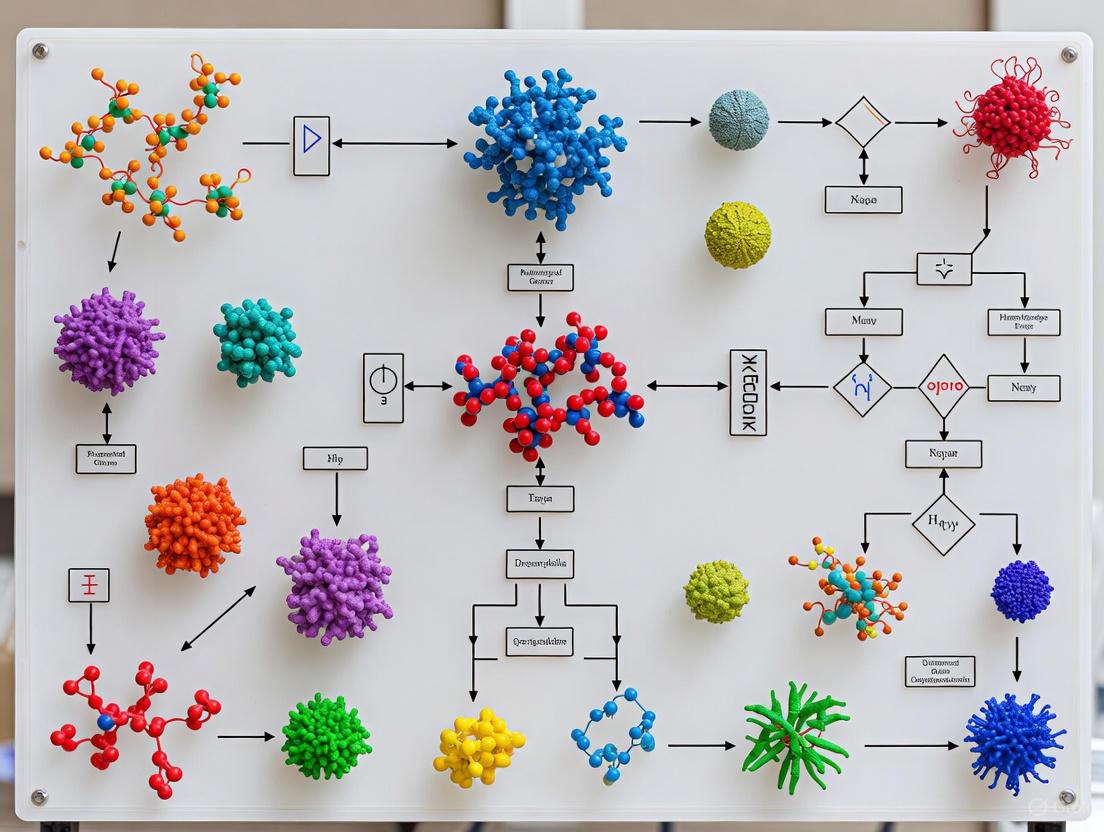
This article provides a comprehensive guide for researchers and drug development professionals on leveraging automated annotation with pre-trained models to revolutionize pharmaceutical R&D.
Automated Annotation with Pre-Trained Models: Accelerating Drug Discovery and Development
Abstract
This article provides a comprehensive guide for researchers and drug development professionals on leveraging automated annotation with pre-trained models to revolutionize pharmaceutical R&D. It explores the foundational concepts of pre-trained AI models and their adaptation for biological data, details methodological applications across key drug discovery stages like target identification and molecule design, addresses critical troubleshooting and optimization strategies for real-world deployment, and offers frameworks for the rigorous validation and comparative analysis essential for clinical translation. By synthesizing these four core intents, the article serves as a strategic roadmap for integrating this transformative technology to reduce timelines, lower costs, and improve the success rate of bringing new therapies to patients.
The New Frontier: Understanding Pre-Trained Models and Automated Annotation in Biomedicine
The emergence of pre-trained models represents a paradigm shift in natural language processing (NLP), offering powerful foundational tools for biomedical research and drug development. These models undergo initial training on massive text corpora to learn general language patterns, which can then be specialized for domain-specific tasks through a process called fine-tuning. In the biomedical domain, this capability enables researchers to process and analyze vast quantities of unstructured text data from scientific literature, clinical notes, and electronic health records with unprecedented efficiency. The transition from general-purpose Large Language Models (LLMs) to biomedical-specific architectures has become crucial for handling the specialized terminology, complex relationships, and high-stakes accuracy requirements inherent to healthcare and life sciences applications.
Biomedical NLP serves as a catalytic element within healthcare, harboring the potential to transform our approach to unraveling and capitalizing on extensive medical text data [1]. Through sophisticated computational methods, biomedical NLP tackles the intricacies of biomedical writings, covering domains like medical literature, clinical notes, research papers, and digital health records. This specialized branch of NLP focuses on gleaning valuable perceptions and insights from unstructured textual data in the sphere of health and life sciences, enabling the extraction of hidden trends, associations, and insights that support informed choices by researchers, medical practitioners, and information analysts [1].
Architectural Foundations of Pre-Trained Models
Core Architectures and Their Characteristics
The design of LLMs typically relies on the Transformer architecture and can be categorized into three main types: encoder-only, decoder-only, and encoder-decoder [2]. Each architecture employs distinct approaches to language processing that make them suitable for different biomedical applications. Encoder-only models like BERT (Bidirectional Encoder Representations from Transformers) process input text bidirectionally, meaning they read and understand words in relation to both preceding and following context [3]. This bidirectional understanding makes them exceptionally strong for tasks requiring deep language comprehension, such as classification, relation extraction, and knowledge discovery. In contrast, decoder-only models such as GPT (Generative Pre-trained Transformer) utilize unidirectional processing, reading text from left to right, which makes them particularly adept at text generation tasks [3]. The encoder-decoder architecture combines both components, making it suitable for complex transformation tasks like translation and summarization.
The evolution of LLMs has been characterized by increasing scale, both in terms of parameter count and training data size [4]. Contemporary models like GPT-4 and LLaMA incorporate billions of parameters, allowing them to capture intricate patterns in language and domain-specific knowledge, including medical terminology and concepts [4]. This scaling has proven crucial for achieving emergent capabilities that smaller models simply cannot manifest, including complex reasoning, nuanced understanding of medical scenarios, and generation of contextually appropriate responses to healthcare queries [4].
From General-Purpose to Biomedical-Specific Models
General-purpose LLMs such as PaLM, LLaMA, and the GPT series have demonstrated remarkable versatility across a wide range of tasks, excelling in complex language understanding and generation including translation, summarization, and nuanced question answering [2]. However, these models face significant challenges when directly applied to biomedical domains due to the highly specialized nature of medical terminology, complex disease relationships, and the critical need for precision in clinical decision-making [2].
To address these limitations, researchers have developed specialized biomedical-specific models through two primary adaptation strategies: domain-specific continued pre-training and task-specific fine-tuning. Domain-specific pre-training involves further training general foundation models on large-scale biomedical corpora, such as PubMed abstracts, clinical notes, and medical textbooks [2]. This process helps the model develop robust representations of medical knowledge while calibrating their outputs to align with clinical standards and practices [4]. Task-specific fine-tuning then adapts these domain-aware models to particular applications or specialties using smaller, annotated datasets specific to the target task [2].
Notable biomedical-specific models include BioMedLM, a specialized decoder-only model trained on biomedical literature [2], and HuatuoGPT, ChatDoctor, and BenTsao, which demonstrate capability for reliable medical dialogue, showcasing the potential of LLMs in clinical communication and decision support [2]. The progression from predominantly unimodal LLMs to an increasing number of multimodal LLM approaches reflects the growing adaptability of LLMs in addressing complex biomedical challenges, enabling the integration of diverse data types such as text, images, and structured clinical data [2].
Figure 1: Adaptation Pathway from General-Purpose to Biomedical-Specific Models
Key Biomedical Model Architectures and Their Applications
Prominent Biomedical Pre-Trained Models
The biomedical NLP landscape features several specialized models that have been adapted for healthcare applications. These can be broadly categorized into encoder-based models, which excel at understanding tasks, and decoder-based models, which excel at generation tasks. BERT-based models like PubMedBERT, BioBERT, and BioLinkBERT leverage bidirectional encoding, meaning the input text is read in both directions, making them especially suitable for language understanding tasks [3]. These models have demonstrated strong performance in classification, relation extraction, and knowledge discovery applications. In contrast, GPT-based models are built on unidirectional decoders, allowing them to excel in text generation tasks [3]. These architectural differences significantly impact their suitability for various biomedical applications.
Recent research has highlighted the superior performance of certain models across multiple biomedical tasks. For instance, one large-scale study across 18 established biomedical and clinical NLP tasks found that BioLinkBERT-large set new state-of-the-art performance in 9 tasks [5]. Similarly, comprehensive evaluations of PLMs for biomedical relation extraction have demonstrated the importance of both the choice of underlying language model and comprehensive hyperparameter optimization for achieving strong extraction performance [6]. These findings underscore that not all biomedical models perform equally across tasks, and careful selection is necessary for optimal results.
Performance Comparison of Biomedical Models
Table 1: Performance Comparison of Biomedical Pre-Trained Models Across Various Tasks
| Model Name | Architecture Type | Primary Applications | Key Strengths | Notable Performances |
|---|---|---|---|---|
| PubMedBERT | Encoder-only | Relation extraction, entity recognition | Pre-trained from scratch on PubMed texts | Strong performance in BC5CDR chemical-disease relation extraction [6] |
| BioLinkBERT-Large | Encoder-only | Relation extraction, knowledge discovery | Models relationships between entities | Superior performance across multiple RE scenarios; SOTA in 9 tasks [6] [5] |
| BioMedLM | Decoder-only | Scientific insight generation, literature analysis | Specialized for biomedical literature | Accelerates scientific insight acquisition [2] |
| HuatuoGPT | Decoder-only | Medical dialogue, patient consultation | Fine-tuned for medical conversations | Demonstrates reliable medical dialogue capabilities [2] |
| Med-PaLM | Decoder-only | Medical question answering | Trained on medical exam questions | 92.9% agreement with clinical experts [2] |
Experimental Protocols for Biomedical Relation Extraction
Baseline Model Implementation
Relation extraction (RE) from biomedical literature represents a critical application of pre-trained models, enabling researchers to automatically identify and analyze complex interactions between genes, diseases, drugs, and other biomedical entities [6]. The following protocol outlines a standardized approach for implementing baseline models for biomedical relation extraction, based on established methodologies from recent research.
Protocol 1: Baseline Model Setup for Biomedical Relation Extraction
Task Formulation: Model relation extraction as a multilabel, sentence-level relation classification problem. Generate one training/testing example per pair of entities that occur together in the same sentence [6].
Entity Marking: Insert special tokens to mark entity pairs under investigation:
[HEAD-S],[HEAD-E],[TAIL-S], and[TAIL-E]to highlight the beginning and end of the head and tail entities respectively [6].Input Preparation: Prepend the
[CLS]token to each input example. This specially designed token aggregates information from the entire input text in pre-trained language models [6].Entity Pair Formation: Form entity pairs that comply with the entity types of the respective relation type. For drug-drug interaction tasks, create only one input instance per drug-drug pair based on the order of occurrence in the input text [6].
Model Fine-tuning: Use a pre-trained language model to obtain contextualized embeddings of each token in the sentence. Represent the sentence using the embedding of the
[CLS]token [6].Classification Layer: Apply a linear layer to the sentence representation and transform the activation score with a sigmoid nonlinearity for multilabel classification [6].
Figure 2: Baseline Model Architecture for Biomedical Relation Extraction
Model Enhancement with Contextual Information
Several studies have explored enhancing RE performance by incorporating additional contextual information during the fine-tuning process. These enhancements include textual entity descriptions, knowledge graph embeddings, and molecular structure encodings [6]. The following protocol outlines methods for augmenting baseline models with contextual information.
Protocol 2: Context Augmentation for Enhanced Relation Extraction
Textual Entity Descriptions:
- Query biomedical databases (CTD Chemicals for chemicals/drugs, CTD Diseases for diseases, NCBI Gene for genes) to retrieve textual descriptions of entities [6].
- Append retrieved information to the input data, separated by the
[SEP]token [6]. - Truncate context information when the total token count exceeds the PLM's maximum sequence length, prioritizing the original input text.
Knowledge Graph Embeddings:
- Leverage embedded information representing an entity's neighborhood in a knowledge graph as well as its mentions in the literature [6].
- Integrate these embeddings with the textual representations using fusion mechanisms.
Molecular Structure Encodings:
- For drug- and chemical-related scenarios, incorporate molecular structure encodings to provide structural information beyond textual descriptions [6].
- Use specialized encoders to transform structural information into compatible representations.
Extended Context Window:
- Add the sentence before and after the target sentence to the input text to provide additional textual context [6].
- This augmentation helps the model make more informed relation decisions based on broader context.
Verbal Task Instruction:
- Prepend a verbal task instruction to the input text: "Is there a
interaction between and ?" [6]. - Replace placeholders with the focused relation type and specific entity mentions of the input example.
- Prepend a verbal task instruction to the input text: "Is there a
Recent research indicates that the benefits of context augmentation vary by model size. While larger PLMs like BioLinkBERT-large show minor improvements with additional context, smaller models benefit considerably from incorporating external information during fine-tuning [6]. This suggests that larger models may implicitly encode the supervision signals provided by additional information.
The Scientist's Toolkit: Research Reagent Solutions
Table 2: Essential Research Reagents for Biomedical NLP Experiments
| Reagent Category | Specific Tools & Resources | Primary Function | Application Examples |
|---|---|---|---|
| Pre-trained Models | PubMedBERT, BioLinkBERT, BioMedLM, HuatuoGPT | Foundation models providing baseline language understanding | Relation extraction, question answering, text classification [6] [2] |
| Biomedical Datasets | BC5CDR, ChemProt, DDI Corpus, ChemDisGene | Benchmark datasets for model training and evaluation | Model validation, performance comparison, task-specific fine-tuning [6] |
| Knowledge Bases | CTD Chemicals, CTD Diseases, NCBI Gene, DrugBank | Source of structured biomedical knowledge | Entity normalization, relation validation, context augmentation [6] |
| Annotation Tools | NimbleMiner, BRAT, Prodigy | Software for manual and automated text annotation | Training data creation, model evaluation, error analysis [7] [8] |
| Evaluation Metrics | F1-score, Precision, Recall, Accuracy | Quantitative performance measurement | Model comparison, ablation studies, progress tracking [6] [7] |
Implementation Considerations and Best Practices
Data Preparation and Annotation Strategies
Effective implementation of pre-trained models in biomedical research requires careful attention to data preparation and annotation. Biomedical text presents unique challenges including specialized terminology, entity ambiguity, and complex relationship structures. Automated data annotation approaches can significantly accelerate the preparation of training data, but require careful validation to ensure accuracy [9].
The Human-in-the-Loop (HITL) approach introduces a collaborative framework between human annotators and AI systems to enhance the annotation process [9]. This method involves initially training a model on an annotated dataset, then using it to annotate new data, followed by human review and correction of results. This iterative process continues, progressively improving the model's performance. HITL is particularly valuable for complex annotation projects like sentiment analysis or medical image annotation, where human expertise is essential for providing accuracy and credibility [9].
When preparing data for biomedical relation extraction, entity normalization is a critical step. This involves mapping entity mentions to standardized ontologies such as NCBI Gene for genes, CTD Diseases for diseases, and CTD Chemicals for chemicals [6]. Different strategies may be required depending on the dataset: some provide gold standard annotations, while others may require leveraging services like PubTator Central or string matching based on standard nomenclature [6].
Model Selection and Optimization Guidelines
Choosing the appropriate model architecture and optimization approach is crucial for success in biomedical NLP projects. Research indicates that BERT-based models are particularly well-suited for knowledge discovery and classification tasks, while GPT-based models excel in communicative applications such as report generation or patient interaction [3]. This architectural specialization should guide model selection based on the target application.
Hyperparameter optimization represents another critical factor in achieving strong performance. Studies have demonstrated the importance of comprehensive hyperparameter optimization for relation extraction performance, in some cases yielding greater benefits than the incorporation of additional context information [6]. Researchers should allocate sufficient resources for systematic hyperparameter tuning, including learning rate, batch size, and training schedule optimization.
For organizations with limited computational resources, Parameter-Efficient Fine-Tuning (PEFT) methods offer a viable alternative to full model fine-tuning [8]. These approaches optimize a small subset of parameters while keeping the majority of the pre-trained model frozen, significantly reducing computational requirements while maintaining competitive performance.
Future Directions and Emerging Trends
The field of biomedical pre-trained models continues to evolve rapidly, with several emerging trends shaping future developments. Multimodal models that can process and integrate diverse data types such as text, images, and structured clinical data represent a significant frontier in biomedical AI [4] [2]. This capability is particularly relevant for healthcare, where diagnostic and treatment decisions often rely on the integration of multiple data modalities, including imaging studies, vital signs, laboratory results, and clinical narratives [4].
Retrieval-Augmented Generation (RAG) has emerged as a promising approach for enhancing LLMs in biomedical applications [10]. This technique allows information to be dynamically retrieved from medical databases during the model generation process, enriching the output with medical knowledge without the need to retrain the model. RAG is particularly valuable for addressing the challenge of keeping models current with the latest medical research and clinical guidelines.
As the field progresses, addressing challenges related to model bias, interpretability, ethics, governance, fairness, equity, data privacy, and regulatory compliance will be essential for the responsible integration of LLMs into healthcare systems [4]. Developing robust evaluation frameworks that can comprehensively assess model performance across diverse populations and clinical scenarios will be critical for building trust in these technologies and facilitating their adoption in real-world healthcare settings.
What is Automated Annotation? Leverging AI to Label Complex Biological Data
Automated annotation is the process of using artificial intelligence (AI) to accelerate and improve the quality of labeling data, a task that is crucial for training supervised machine learning models [11]. In the biological sciences, where datasets from microscopy, genomics, and clinical reports are massive and complex, manual annotation is a significant bottleneck [12] [13]. Automated annotation technologies, particularly human-in-the-loop systems, are transforming this landscape by augmenting human expertise, drastically reducing workload, and enabling the scalable analysis required for modern drug development and biomedical research [14] [12].
Quantitative Performance of Automated Annotation Systems
The efficacy of automated annotation systems in biology is demonstrated through measurable improvements in workload reduction and data quality. The table below summarizes key quantitative findings from experimental implementations.
Table 1: Quantitative Performance of an AI-Augmented Labeling System (HALS) in Biological Imaging
| Performance Metric | Experimental Result | Experimental Context |
|---|---|---|
| Manual Work Reduction | 90.60% | Annotation of cell types in tissue images by seven pathologists [12]. |
| Data Quality Boost | 4.34% (average) | Measured across four use-cases and two tissue stain types (H&E and IHC) [12]. |
| System Initialization | ~30 annotated data points | Number of expert-provided labels required for the classifier to begin providing useful suggestions [12]. |
Experimental Protocols for Automated Biological Annotation
This section provides detailed methodologies for implementing automated annotation in two key biological data modalities: microscopic images and biomedical text.
Protocol: Automated Annotation for Cellular Microscopy Images
This protocol details the methodology for the Human-Augmenting Labeling System (HALS), designed for annotating cells in large microscopy images, such as histopathology whole slide images (WSIs) [12].
- Objective: To efficiently create a high-quality dataset of annotated cells for training AI models in pathology, reducing expert pathologist workload.
- Primary Research Reagents & Solutions:
- Tissue Samples: Formalin-fixed, paraffin-embedded (FFPE) tissue sections.
- Stains: Hematoxylin and Eosin (H&E) or Immunohistochemistry (IHC) reagents.
- Segmentation Model: A pre-trained cellular segmentation model (e.g., HoverNet) for identifying individual cell boundaries [12].
- Classification Model: A pre-trained image classifier (e.g., ResNet-18 on PanNuke dataset) for fine-tuning on specific cell types [12].
- Active Learning Algorithm: An algorithm (e.g., Coreset) for selecting the most informative data points for annotation [12].
- Step-by-Step Procedure:
- Data Pre-processing (Offline):
- Segmentation: Process the whole-slide microscopy image using the segmentation model to identify and generate bounding boxes for every cell.
- Feature Extraction (Optional): Extract feature vectors for each segmented cell to prepare for active learning.
- Human-Augmented Annotation (Interactive Loop):
- Initial Manual Annotation: The pathologist (annotator) begins by manually labeling a small number of cells (e.g., 10-30) within a region of interest, specifying their cell types.
- Model Fine-tuning: The classification model is fine-tuned in real-time on these manually provided labels.
- AI Suggestion Generation: Once the model achieves basic competency, it begins to pre-populate labels (suggestions) for other cells in the image.
- Annotator Review & Correction: The pathologist rapidly reviews these suggestions, accepting correct labels and correcting erroneous ones. These corrections are fed back to the model for continuous learning.
- Active Learning Guidance: The active learning component uses the annotated data to identify and present the most "informative" or uncertain cells to the annotator next, ensuring efficient data sampling.
- Output: A comprehensively annotated cellular dataset, along with a fine-tuned, personalized AI model for the specific annotation task.
- Data Pre-processing (Offline):
Protocol: Automated Semantic Annotation of Biomedical Text
This protocol outlines the use of tools like OnTheFly for the automated Named Entity Recognition and Linking (NER+L) of entities in biomedical documents [15].
- Objective: To automatically identify and link mentions of biological entities (e.g., genes, proteins, chemicals) in text to entries in standardized knowledge bases.
- Primary Research Reagents & Solutions:
- Input Documents: PDF, Microsoft Office, or plain text files containing biomedical literature or clinical reports.
- Tagging Server: A named entity recognition service (e.g., Reflect server) configured with biological ontologies [15].
- Knowledge Bases: Resources like STITCH (for chemical-protein interactions) and domain-specific ontologies (e.g., Gene Ontology) [15].
- Step-by-Step Procedure:
- Document Conversion: Input documents (e.g., PDF) are converted into HTML format while preserving layout elements like tables and figures.
- Entity Recognition & Linking: The HTML text is sent to the tagging server, which identifies and highlights mentions of biological entities.
- Entity Disambiguation & Enrichment: Each recognized entity is disambiguated and linked to its unique entry in the target knowledge base. JavaScript code is attached to generate interactive pop-up windows.
- Output Generation: The system returns a tagged HTML document where clicking on a highlighted entity (e.g., a protein name) invokes a pop-up with a summary of relevant information (e.g., protein description, domains, 3D structure links) [15].
- Network Analysis (Optional): For a set of documents, the extracted entities can be used to automatically generate a graphical representation of their known and predicted association networks from databases like STITCH [15].
Visualizing the Automated Annotation Workflow
The following diagram illustrates the integrated human-AI workflow for annotating complex biological data, as described in the protocols.
The Scientist's Toolkit: Key Technologies for Automated Annotation
Successful implementation of automated annotation relies on a suite of technologies. The table below lists essential "reagent solutions" in the computational toolkit for biomedical researchers.
Table 2: Essential Research Reagent Solutions for Automated Biological Data Annotation
| Tool / Technology | Function | Example Use-Case |
|---|---|---|
| Human-in-the-Loop (HITL) Systems | AI systems that learn from human input in real-time, augmenting rather than replacing expert annotators [14] [12]. | HALS for cellular annotation in pathology, reducing workload by over 90% [12]. |
| Pre-trained Models (BERT, ResNet) | Models previously trained on large datasets (e.g., PanNuke, ImageNet) used as a starting point for specific tasks via fine-tuning, reducing data requirements [12] [16]. | ResNet-18 fine-tuned for specific cell type classification in histology images [12]. |
| Active Learning Algorithms | Selects the most informative data points for an expert to label, maximizing model improvement per annotation effort [12] [16]. | The Coreset algorithm guiding pathologists to the most uncertain cells in a whole-slide image [12]. |
| Synthetic Data Generation | Uses Generative Adversarial Networks (GANs) to create artificial, fully-annotated data, useful when real data is scarce or expensive [14] [16]. | Generating synthetic microscopy images with known cell annotations for training object detection models. |
| Weak Supervision | Generates probabilistic training labels by combining multiple noisy sources (e.g., heuristics, rules, knowledge bases) instead of manual labeling [16]. | Using rules and existing ontologies to auto-annotate mentions of symptoms in clinical text [16]. |
| Specialized Annotation Platforms | Software tools (e.g., MedTAG, SlideRunner) designed for specific biomedical data types, supporting ontologies and collaborative work [12] [13]. | MedTAG for creating richly annotated corpora from clinical reports to train NLP models [13]. |
The Transformer architecture, introduced in the seminal 2017 paper "Attention Is All You Need" by Vaswani et al., represents a fundamental paradigm shift in machine learning, particularly for natural language processing (NLP) and sequential data analysis [17] [18]. This architecture forms the foundational framework for nearly all modern pre-trained models, enabling unprecedented capabilities in context understanding, parallel processing, and transfer learning. Unlike previous approaches like Recurrent Neural Networks (RNNs) that processed data sequentially, Transformers process entire sequences simultaneously through self-attention mechanisms, capturing long-range dependencies and contextual relationships with remarkable efficiency [17] [18].
The core innovation of Transformers lies in their ability to weigh the importance of different elements within input sequences, allowing models to develop a more nuanced and context-aware understanding of data [18]. This architectural breakthrough has enabled the creation of large-scale pre-trained models that can be fine-tuned for diverse applications across numerous domains, from drug discovery and proteomics to medical image analysis and automated research annotation [19] [18]. The scalability of Transformers has facilitated the development of models with billions of parameters, capable of learning complex patterns from massive datasets and demonstrating emergent properties beyond their explicit training objectives [17].
Core Architectural Components
Encoder-Decoder Structure
The Transformer architecture employs an encoder-decoder framework, though many modern implementations utilize encoder-only or decoder-only variations depending on the application [17]. The encoder processes input sequences to create contextualized representations, while the decoder generates output sequences based on these representations [17] [18]. Both components consist of multiple identical layers stacked together, with the number of layers scalable based on model requirements and complexity needs [18].
Encoder Stack: Each encoder layer contains a multi-head self-attention mechanism and a position-wise feed-forward neural network [18]. The encoder processes input embeddings sequentially through these layers, with each layer refining the representations and passing them to the next [18]. Residual connections and layer normalization are applied around each sub-layer to stabilize training and mitigate vanishing gradient problems [18].
Decoder Stack: Decoder layers include three main components: a masked multi-head self-attention mechanism, a multi-head cross-attention mechanism, and a position-wise feed-forward network [18]. The masked self-attention ensures the decoder can only attend to previous positions during output generation, maintaining the autoregressive property [18].
Self-Attention and Multi-Head Attention
The self-attention mechanism is the transformative innovation that differentiates Transformers from previous architectures [17] [18]. For each token in a sequence, self-attention generates three vectors: Query, Key, and Value [18]. The dot product of Query and Key vectors determines attention scores, which are normalized via softmax to produce attention weights [18]. These weights create a weighted sum of Value vectors, producing the self-attention output that captures contextual relationships [18].
Multi-head attention enhances this process by running multiple self-attention operations in parallel, allowing the model to jointly attend to information from different representation subspaces [18]. Each attention head can potentially focus on different types of syntactic or semantic relationships, significantly enriching the model's representational capacity [18].
Positional Encodings and Embeddings
Since Transformers lack inherent recurrence or convolution, they require explicit positional information to understand word order [17] [18]. Positional encodings are added to input embeddings before processing, providing the model with information about token positions in the sequence [18]. These encodings can be implemented using sinusoidal functions or learned positional embeddings, enabling the model to maintain contextual order relationships essential for understanding sequence structure [18].
Table 1: Core Components of Transformer Architecture
| Component | Function | Key Innovation |
|---|---|---|
| Self-Attention Mechanism | Captures relationships between all tokens in a sequence simultaneously | Enables parallel processing and addresses long-range dependency issues better than RNNs [17] |
| Positional Encoding | Embeds token positions into numerical representations | Allows the model to process sequence order without recurrence [17] |
| Multi-Head Attention | Allows the model to focus on different parts of the sequence simultaneously | Captures various contextual relationships in different representation subspaces [18] |
| Encoder-Decoder Structure | Processes input and generates output sequences | Provides flexible framework for various sequence-to-sequence tasks [17] [18] |
| Feed-Forward Networks | Transforms attention outputs with non-linear operations | Adds representational capacity and complexity to each position's representation [18] |
Applications in Scientific Research and Drug Development
Proteomics Data Analysis with DIA-BERT
The DIA-BERT model exemplifies Transformer applications in proteomics, specifically for Data-Independent Acquisition Mass Spectrometry (DIA-MS) analysis [19]. This pre-trained transformer model addresses formidable challenges in quantitative proteomics by leveraging an encoder-only transformer architecture trained on over 276 million high-quality peptide precursors [19]. DIA-BERT employs end-to-end training that eliminates separate handcrafted feature extraction, enabling the model to directly learn from raw peak group information and library data [19].
In comparative evaluations across five human cancer sample sets (cervical cancer, pancreatic adenocarcinoma, myosarcoma, gallbladder cancer, and gastric carcinoma), DIA-BERT demonstrated a 51% increase in protein identifications and 22% more peptide precursors on average compared to DIA-NN, while maintaining high quantitative accuracy [19]. Notably, DIA-BERT showed enhanced capability in detecting low-abundance proteins, with unique precursors and proteins identified having significantly lower abundance than common ones, confirming its improved sensitivity for rare biological signals [19].
Enhanced Interpretability with Contrast-CAT
In classification tasks, the Contrast-CAT framework addresses critical interpretability challenges in transformer-based models [20]. This novel activation contrast-based attribution method refines token-level attributions by filtering out class-irrelevant features through contrasting input sequence activations with reference activations [20]. Experimental results demonstrate that Contrast-CAT consistently outperforms state-of-the-art methods, achieving average improvements of 1.30× in AOPC and 2.25× in LOdds under the MoRF setting compared to competing methods [20].
This enhanced interpretability is particularly valuable for drug development applications, where understanding model decision processes is crucial for regulatory compliance and scientific validation [20]. By generating more faithful attribution maps, Contrast-CAT increases trustworthiness and enables more reliable deployment of transformer models in critical research environments [20].
Table 2: Performance Metrics of Transformer Applications in Scientific Research
| Application Domain | Model/System | Key Performance Improvement | Reference Method |
|---|---|---|---|
| DIA Proteomics Analysis | DIA-BERT | 51% more protein identifications; 22% more peptide precursors [19] | DIA-NN |
| DIA Proteomics Analysis (Library-Free) | DIA-BERT | 73% more proteins; 56% more peptide precursors [19] | DIA-NN (Library-Free) |
| Three-Species Proteomics | DIA-BERT | 6% increase in protein identification; 4% improvement in peptide precursors [19] | DIA-NN |
| Model Interpretability | Contrast-CAT | 1.30× improvement in AOPC; 2.25× improvement in LOdds [20] | AttCAT and other activation-based methods |
Experimental Protocols and Methodologies
Pre-training and Fine-tuning Protocol for DIA-BERT
Objective: To develop a pre-trained transformer model for enhanced identification and quantification in DIA proteomics data analysis [19].
Materials and Reagents:
- 952 DIA proteomics files from various human specimens
- DIA pan-human library (DPHL) v.2 as spectral library
- Training dataset of 276 million high-quality peptide precursors for identification model
- 34 million peptide precursors from synthetic DIA-MS files for quantification model
Procedure:
- Data Preparation: Extract fragment ion peak group information and combine with library information including fragment intensities [19].
- Model Architecture Selection: Implement encoder-only transformer architecture optimized for spectral data analysis [19].
- Pre-training Phase: Train model on large-scale dataset of 276 million training instances using self-supervised learning objectives [19].
- Fine-tuning Phase: Adapt pre-trained model to individual mass spectrometry files using transfer learning to align with file-specific characteristics [19].
- Validation: Evaluate model performance using two-species spectral library method with conservative FDR thresholds below 0.01 [19].
Quality Control:
- Implement false discovery rate (FDR) control at 1% threshold
- Compare against established benchmarks (DIA-NN) using identical dataset
- Assess quantitative accuracy and consistency across technical replicates
Interpretability Analysis with Contrast-CAT
Objective: To generate faithful token-level attribution maps for transformer-based text classification models [20].
Materials:
- Pre-trained transformer-based classification model
- Input text sequences for interpretation
- Reference activation datasets for contrastive analysis
Procedure:
- Activation Extraction: Extract activations from multiple layers of the transformer model for input sequence [20].
- Reference Selection: Identify appropriate reference activations for contrastive analysis [20].
- Contrastive Calculation: Compute differences between target activations and reference activations to filter out class-irrelevant features [20].
- Attribution Generation: Generate token-level attribution maps highlighting features most relevant to classification decision [20].
- Validation: Evaluate attribution quality using AOPC (Area Over the Perturbation Curve) and LOdds metrics under MoRF (Most Relevant First) and LeRF (Least Relevant First) settings [20].
Visualization of Workflows
DIA-BERT Experimental Workflow
Transformer Model Architecture
The Scientist's Toolkit: Research Reagent Solutions
Table 3: Essential Research Reagents and Computational Resources for Transformer Applications
| Resource | Function/Purpose | Example Applications |
|---|---|---|
| DIA-BERT Model | Pre-trained transformer for DIA proteomics analysis | Identification and quantification of peptides and proteins from mass spectrometry data [19] |
| Contrast-CAT Framework | Activation contrast-based attribution method | Interpreting decisions of transformer-based text classification models [20] |
| Spectral Libraries (e.g., DPHL v.2) | Reference databases of known peptide spectra | Peptide identification in proteomics experiments [19] |
| Pre-trained Base Transformers (BERT, GPT) | Foundation models for transfer learning | Starting point for domain-specific fine-tuning [17] [18] |
| DIA-NN Software | Benchmarking and comparison tool | Performance evaluation of novel proteomics analysis methods [19] |
| Quality Control Datasets | Standardized datasets for model validation | Ensuring reproducibility and accuracy in experimental pipelines [19] |
The Transformer architecture has fundamentally reshaped the landscape of pre-trained models for scientific research, enabling breakthroughs in proteomics, drug discovery, and biomedical data analysis. Its core innovations—self-attention mechanisms, positional encodings, and scalable encoder-decoder frameworks—provide the foundation for models that can learn complex patterns from massive datasets and adapt to specialized domains through transfer learning [17] [19] [18].
The continued evolution of transformer-based models promises even greater advances in automated annotation, interpretability, and scientific discovery. As these models scale and incorporate more diverse data types, they offer unprecedented opportunities to accelerate research cycles and enhance analytical precision across the drug development pipeline. Future directions will likely focus on multi-modal transformers that can simultaneously process diverse data types (genomic, proteomic, imaging) and improved interpretability methods that build on approaches like Contrast-CAT to increase trust and adoption in critical research applications [20] [19].
The exponential growth of biomedical literature presents a formidable challenge for researchers and drug development professionals: efficiently extracting accurate and actionable knowledge from massive text corpora. Automated annotation using pre-trained language models has emerged as a pivotal technology to meet this challenge. This application note provides a structured comparison of two prominent domain-specific models, BioBERT and BioGPT, against a leading general-purpose model, Anthropic's Claude, focusing on their applicability to scientific tasks such as literature mining, question-answering, and protocol generation. The performance of these models is critically evaluated within the context of automated annotation workflows, a core component of modern computational biology and drug discovery pipelines.
The models selected for comparison represent distinct architectural paradigms and training philosophies. BioBERT (Bidirectional Encoder Representations from Transformers for Biomedical Text Mining) is a domain-specific adaptation of the BERT architecture. It undergoes further pre-training on large-scale biomedical corpora (like PubMed abstracts and full-text articles) to learn domain-specific language representations. This bidirectional training enables it to achieve state-of-the-art performance on various biomedical natural language processing (NLP) tasks, including named entity recognition, relation extraction, and question-answering [21] [22].
BioGPT is a generative, domain-specific model based on the GPT (Generative Pre-trained Transformer) architecture. It is also pre-trained on biomedical literature and demonstrates a strong capability for generating fluent, domain-aware text. As an autoregressive model, it excels in text generation tasks, making it suitable for applications like generating scientific hypotheses, summarizing research findings, and even producing experimental protocols [21].
In contrast, Claude (specifically versions like Claude 4.5 Sonnet) is a state-of-the-art, general-purpose large language model (LLM) developed by Anthropic. While not exclusively trained on biomedical data, its massive parameter count and broad, high-quality training corpus endow it with powerful reasoning and language understanding capabilities that transfer effectively to specialized domains. Claude 4.5 Sonnet features a context window of up to 1,000,000 tokens, making it particularly well-suited for analyzing large documents or complex, multi-step research problems [23].
Table 1: Core Architectural Characteristics of the Evaluated Models
| Model | Architecture Type | Primary Training Data | Key Strength | Context Window |
|---|---|---|---|---|
| BioBERT | Encoder-only (Bidirectional) | Biomedical Literature (PubMed) | Information Extraction, Text Classification | Limited (e.g., 512 tokens) |
| BioGPT | Decoder-only (Autoregressive) | Biomedical Literature (PubMed) | Text Generation, Summarization | Moderate |
| Claude 4.5 Sonnet | Decoder-only (General-purpose) | Massive-scale, general and high-quality web data | Complex Reasoning, Long-context Analysis | Very Large (up to 1M tokens) |
Quantitative Performance Comparison
Evaluating these models on standardized biomedical benchmarks reveals their relative strengths. A performance assessment on depression-related queries from PubMedQA and QuoraQA datasets showed that while domain-specific models like BioGPT are competent, the latest general-purpose LLMs, including GPT-3.5 and Llama2, exhibited superior performance in generating responses to medical inquiries [21]. This suggests that the scale and advanced reasoning capabilities of general models can compensate for a lack of domain-specific pre-training. However, specialized models retain an edge in tasks requiring deep, precise understanding of biomedical nomenclature and relationships without generation.
Table 2: Performance Comparison on Biomedical Tasks
| Task / Metric | BioBERT | BioGPT | Claude 4.5 Sonnet | Notes |
|---|---|---|---|---|
| PubMedQA (Answer Generation) | Not Designed for Generation | Strong performance, consistent on PubMedQA [21] | Superior performance, particularly in generating "knowledge text" [21] | General LLMs show potential for enhancing knowledge text generation [21] |
| Named Entity Recognition (NER) | State-of-the-Art [22] | Capable | Highly Capable | BioBERT's specialized training gives it an edge in precision. |
| Semantic Similarity to Human Experts | N/A | Moderate | High | Measured via BERT and SpaCy similarity scores on depression-related Q&A [21]. |
| Protocol Generation Logical Sequencing | Not Applicable | Can generate fluent text but may have unordered steps [24] | High (Excels in careful, structured reasoning) [23] | Frameworks like "Sketch-and-Fill" are proposed to improve step ordering [24]. |
| Step Granularity & Semantic Fidelity | Not Applicable | May produce incomplete or inconsistent protocols [24] | High | Evaluated via frameworks like SCORE (Structured COmponent-based REward) [24]. |
Experimental Protocols for Benchmarking Model Performance
Protocol 1: Biomedical Question-Answering (QA) Benchmarking
Objective: To quantitatively evaluate the accuracy, relevance, and semantic fidelity of model-generated answers to complex biomedical questions.
Materials:
- Hardware: Standard workstation or server with GPU acceleration (recommended for local models).
- Software: Python environment with necessary libraries (Transformers, PyTorch/TensorFlow) for BioBERT/BioGPT; API access for Claude.
- Dataset: Curated QA sets from PubMedQA and specialized biomedical textbooks [21] [25].
- Evaluation Metrics: BERTScore, SpaCy similarity for semantic comparison to gold-standard answers; human expert rating on a Likert scale (1-5) for clinical relevance [21].
Procedure:
- Question Curation: Select 50+ questions spanning diverse biomedical topics (e.g., molecular biology, clinical medicine, pharmacology).
- Prompt Formulation: For each question, create a standardized prompt (e.g., "Based on current biomedical knowledge, [question]").
- Answer Generation:
- For BioBERT (non-generative): Use it to extract relevant spans from a pre-retrieved corpus. The corpus should be built from research papers, including full texts for comprehensive QA [25].
- For BioGPT and Claude: Input the prompt directly into the model's inference API to generate free-form answers.
- Evaluation:
- Compute semantic similarity scores between generated answers and reference expert answers.
- Engage at least two domain experts to blindly rate answer quality for factual correctness, completeness, and absence of hallucination.
- Analysis: Compare average similarity scores and expert ratings across models using statistical tests (e.g., ANOVA).
Protocol 2: Experimental Protocol Generation and Evaluation
Objective: To assess the ability of models to generate precise, logically ordered, and executable experimental protocols for a given research objective.
Materials:
- Input Query: A research goal (e.g., "Extract and purify mitochondrial DNA from mouse liver tissue").
- Evaluation Framework: The "Sketch-and-Fill" paradigm and the SCORE (Structured COmponent-based REward) mechanism, which evaluates step granularity, action order, and semantic fidelity [24].
- Judges: Wet-lab scientists with relevant domain expertise.
Procedure:
- Prompting: Provide each model with the same detailed research goal. For optimal results, use a structured prompt: "Generate a step-by-step, reproducible laboratory protocol for [research goal]. Include required materials, safety precautions, and precise parameter settings."
- Generation: Execute the model to produce the protocol.
- Structured Evaluation (SCORE Framework):
- Step Granularity: Count the number of steps and assess if they are atomic and actionable versus vague or composite.
- Action Ordering: Check for logical dependencies between steps (e.g., centrifugation must occur after homogenization). Identify redundant or misplaced steps.
- Semantic Fidelity: Verify that all actions, objects (e.g., specific reagents, equipment), and parameters (e.g., temperature, duration) are factually correct and aligned with established laboratory practice.
- Expert Validation: Scientists score the generated protocol on a scale of 1-5 for executability, reproducibility, and safety.
Diagram 1: Protocol Generation & Eval Workflow
The Scientist's Toolkit: Key Research Reagent Solutions
The following table details essential "reagents" — in this context, data, software, and evaluation resources — required for conducting rigorous experiments in automated annotation with pre-trained models.
Table 3: Essential Research Reagents for Automated Annotation Experiments
| Item | Function/Description | Example Sources / Tools |
|---|---|---|
| Biomedical Benchmark Datasets | Provides standardized, labeled data for training and evaluating model performance on specific tasks (e.g., QA, NER). | PubMedQA [21], SciRecipe (for protocol generation) [24], Custom corpora from full-text papers [25]. |
| Retrieval-Augmented Generation (RAG) Pipeline | Enhances model prompts with dynamically retrieved, up-to-date contexts from a knowledge base, mitigating hallucinations and outdated responses. | Custom frameworks (e.g., WeiseEule [25]), Vector databases (e.g., FAISS), Dense passage retrievers. |
| Structured Evaluation Frameworks | Moves beyond lexical similarity metrics (e.g., BLEU) to assess functional aspects like logical consistency and executability. | SCORE mechanism [24], LLM-as-a-judge [24], Expert human review panels. |
| Annotation & Workflow Management Platforms | Facilitates the management of large-scale annotation projects, team collaboration, and quality control for creating custom datasets. | Encord [26], Labelbox [27], Supervisely [26]. |
| AI-Assisted Labeling Tools | Accelerates the data annotation process through pre-labeling and active learning, essential for scaling dataset creation. | Encord's AI-powered engine [26], CVAT's semi-automated labeling [26], SuperAnnotate's AI-assisted features [27]. |
Analysis and Application Notes
Task-Specific Model Selection
The choice between specialized and general models is not binary but should be dictated by the specific research task and workflow requirements.
- For Precision Information Extraction: BioBERT remains a powerful tool for tasks requiring high-precision identification of entities (e.g., genes, proteins, diseases) and their relationships from text. Its bidirectional nature is inherently suited for understanding context within a passage [22].
- For Generative Tasks within the Domain: BioGPT is a suitable choice for generating text that requires domain-specific fluency, such as summarizing a set of related abstracts or drafting simple procedural descriptions. However, careful validation is required to ensure factual integrity [21].
- For Complex Reasoning and Large-Context Analysis: Claude and similar large general-purpose models excel at tasks that require synthesizing information from multiple sources, following complex instructions, and generating well-structured, reasoned text. Their massive context window makes them ideal for analyzing multi-document research questions or generating detailed protocols where prerequisite knowledge and subsequent steps must be coherently linked [23]. As one analysis notes, Claude 4.5 Sonnet is particularly recognized for its "careful reasoning" [23].
Mitigating Hallucinations and Ensuring Accuracy
A critical challenge in employing generative models for scientific tasks is their tendency to "hallucinate" or generate plausible but factually incorrect content [25]. To mitigate this, a Retrieval-Augmented Generation (RAG) architecture is highly recommended. This strategy enhances the model's prompt with relevant contexts dynamically retrieved from a trusted, up-to-date knowledge base (e.g., a private corpus of full-text journal articles) [25]. This approach, as implemented in tools like WeiseEule, provides users control over the information source, significantly reducing hallucinations and improving the relevance and accuracy of generated outputs [25].
Diagram 2: RAG for Hallucination Mitigation
The landscape of automated annotation for scientific tasks is enriched by both specialized and general-purpose models. BioBERT and BioGPT provide valuable, domain-optimized tools for specific NLP tasks, with BioBERT excelling in extraction and BioGPT in domain-literate generation. However, the advanced reasoning capabilities, vast knowledge, and massive context windows of general-purpose models like Claude 4.5 Sonnet make them increasingly powerful for complex tasks like protocol generation and multi-document research synthesis. The optimal strategy for researchers involves task-specific model selection, coupled with robust frameworks like RAG and SCORE to ensure output fidelity, thereby accelerating the pace of biomedical research and drug development.
The exponential growth of biomedical data presents a critical bottleneck for researchers: the manual curation and annotation of complex datasets is increasingly impractical. Within the broader thesis on automated annotation with pre-trained models, this application note establishes a foundational framework, demonstrating how specialized foundation models are revolutionizing the interpretation of genomic, proteomic, and scientific literature data. These models transition annotation from a labor-intensive task to a scalable, integrated component of the data analysis pipeline, thereby accelerating discovery in genomics, proteomics, and drug development [28]. We detail specific data types, provide structured protocols for implementation, and visualize the standard workflows that enable this transformation.
Genomic Data Annotation
Genomic annotation involves identifying the functional elements within a DNA sequence, such as genes, exons, introns, and regulatory regions. Traditional tools are often limited to specific element classes and struggle with generalization.
Data Types and Models
The application of deep learning, particularly DNA foundation models, has enabled a more unified and accurate approach to genome annotation. These models learn general sequence dependencies from vast amounts of unlabeled genomic data, which can then be fine-tuned for specific annotation tasks.
Table 1: Foundational Models for Automated Genomic Annotation
| Model Name | Primary Function | Sequence Context Length | Key Annotated Elements |
|---|---|---|---|
| SegmentNT [29] | Multilabel semantic segmentation | Up to 50 kb | Protein-coding genes, lncRNAs, UTRs, exons, introns, splice sites, promoters, enhancers, CTCF sites |
| Nucleotide Transformer (NT) [29] | Self-supervised pretraining; provides foundational representations | Model-dependent | Serves as a base encoder for models like SegmentNT |
| Enformer/Borzoi [29] | Supervised learning on thousands of experimental datasets | Up to 500 kb | Enhances performance on regulatory element detection |
Protocol: Genome Annotation with SegmentNT
This protocol outlines the process for annotating genomic elements at single-nucleotide resolution using the SegmentNT framework, which fine-tunes pretrained DNA foundation models [29].
Input Data Preparation
- Format: Obtain DNA sequences in FASTA format.
- Length: The standard SegmentNT model processes sequences up to 30 kb, with capabilities extending to 50 kb. For regulatory elements requiring broader context, use models like Enformer or Borzoi integrated into the framework to handle up to 500 kb.
- Data Partitioning: Split the genome, using human chromosome sets as an example, into training, validation, and test sets, ensuring no homologous sequences are shared between sets to prevent data leakage.
Model Configuration and Training
- Architecture Selection: Employ a one-dimensional U-Net segmentation head on top of a pretrained Nucleotide Transformer model.
- Loss Function: Use a focal loss objective to handle the high class imbalance and scarcity of many genomic elements within the sequence.
- Training: Train the model end-to-end to predict a binary mask for each of the 14 genomic element types at every nucleotide position.
Inference and Output Generation
- Prediction: Input the target DNA sequence into the trained SegmentNT model.
- Output: The model generates 14 separate probability tracks (e.g., for exon, intron, promoter), one for each genomic element type, at single-nucleotide resolution.
- Annotation: Apply a threshold (e.g., 0.5) to these probability tracks to generate the final nucleotide-level annotations.
Research Reagent Solutions: Genomic Annotation
Table 2: Key Resources for Genomic Annotation with SegmentNT
| Item | Function/Description | Example or Source |
|---|---|---|
| Reference Genome | Provides the standardized DNA sequence for annotation. | GENCODE, ENCODE [29] |
| Annotation Datasets | Curated, ground-truth data for model training and validation. | GENCODE (gene elements), ENCODE (regulatory elements) [29] |
| BASys2 Web Server | Rapid, comprehensive bacterial genome annotation and visualization tool. | https://basys2.ca [30] |
| Nucleotide Transformer Model | Pre-trained DNA foundation model serving as an encoder. | Hugging Face Hub / Life Science Archives [29] |
| High-Performance Computing (HPC) Cluster | Infrastructure for training large foundation models and processing full genomes. | Institutional HPC, Cloud Computing (AWS, GCP) |
Proteomic Data Annotation
Proteomic annotation involves adding functional, contextual, and structural metadata to identified proteins and peptides. This is crucial for transforming mass spectrometry output tables into biologically meaningful data.
Data Types and Standards
The core challenge in proteomics is the cumbersome and non-standardized process of annotating output tables with sample metadata, which is essential for downstream analysis.
Table 3: Core Components for Automated Proteomic Metadata Annotation
| Component | Role in Automated Annotation | Key Features |
|---|---|---|
| Sample and Data Relationship Format (SDRF) [31] | Standardized tab-delimited format for sample metadata. | Maps sample properties to data files; enables reproducibility and reusability. |
| MaxQuant [31] | Widely used software for proteomic data analysis. | Integrated "Metadata" tab to generate SDRF files automatically; extracts data file properties from raw files. |
| Perseus [31] | Downstream data analysis platform. | "Read SDRF" function to automatically annotate MaxQuant output tables for immediate statistical analysis. |
Protocol: Metadata Annotation in Proteomics via MaxQuant
This protocol describes an integrated workflow within MaxQuant to create standardized metadata files and automatically annotate analysis outputs, significantly reducing manual effort and improving reproducibility [31].
Experimental Setup and Raw Data Import
- In MaxQuant, load the raw mass spectrometry data files (e.g.,
.raw,.d) and the appropriate protein sequence database (FASTA file). - Configure standard analysis parameters (e.g., digestion enzyme, modifications, quantification settings).
- In MaxQuant, load the raw mass spectrometry data files (e.g.,
SDRF Metadata Generation
- Navigate to the "Metadata" tab in MaxQuant.
- Click "Refresh" to generate the metadata table. The layout automatically adapts to the experiment (e.g., multiplexed or fractionated designs reduce repetitive entries).
- Fill in the required sample properties (e.g., organism, cell type, disease state) for each sample. The "Group" column can be used to define experimental variables.
- Export the completed table as an SDRF file. MaxQuant automatically populates all required data file properties (e.g., instrument, label) using ontology terms.
Automated Output Table Annotation
- After the library search is complete, open the resulting protein/peptide tables in Perseus.
- Use the "Read SDRF" function (under "Annot. rows").
- Select the SDRF file generated in Step 2. Perseus maps the metadata to the corresponding intensity columns, adding them as annotation rows.
- Proceed with downstream analysis (filtering, normalization, statistical testing) using the fully annotated data table.
Research Reagent Solutions: Proteomic Annotation
Table 4: Key Resources for Automated Proteomic Metadata Annotation
| Item | Function/Description | Example or Source |
|---|---|---|
| MaxQuant Software | Performs search-based quantification and integrated SDRF metadata generation. | https://www.maxquant.org/ [31] |
| Perseus Software | Statistical analysis platform with direct SDRF import for table annotation. | https://maxquant.net/perseus/ [31] |
| Proteomics LIMS | Manages sample metadata and workflows, facilitating SDRF creation. | Scispot, Benchling [32] |
| SDRF File Format | Standardized template for encoding sample-to-data relationships. | ProteomeXchange / HUPO-PSI specifications [31] |
Biomedical Literature Annotation
Biomedical literature annotation involves extracting and structuring information from scientific text, such as named entities (genes, drugs) and their relationships. Large Language Models (LLMs) now offer powerful ways to automate and scale this process.
Approaches and Applications
LLMs and biomedical annotations share a symbiotic relationship. While LLMs require high-quality annotations for training, they can also automate and improve the annotation process itself [28]. Key approaches include:
- Retrieval-Augmented Generation (RAG): Grounding LLM responses in curated facts from specific knowledge domains (e.g., UniProt, ontologies) to minimize hallucinations and produce evidence-based annotations [28].
- Information Extraction: Automating the identification of entities (e.g., genes, proteins) and relations (e.g., interactions) from full-text articles [28].
- Text Summarization: Creating concise summaries of functional information from scientific papers, guided by text mined by NLP tools [28].
Protocol: Evidence-Based Protein Functional Annotation using LLMs
This protocol, based on work by Wu et al., describes a RAG framework for using LLMs to create evidence-based protein functional annotations and summaries, leveraging the curated knowledge within the UniProt knowledgebase [28].
Data Retrieval and Preprocessing
- Input: A set of open-access, full-text scientific articles relevant to a target protein.
- Structured Information Extraction: Use a specialized NLP pipeline (e.g., one incorporating named entity recognition and relation extraction) to process the articles and identify structured information about protein function.
LLM Validation and Summarization
- Task 1 - Prepopulating Annotations: Provide the NLP-extracted structured information to an LLM, along with instructions to validate the findings. The LLM's output is formatted for submission to a community resource like UniProt, where it can be verified by human authors.
- Task 2 - Creating Natural Language Summaries: For papers computationally mapped to a protein, input the relevant text segments (identified by the NLP tool) into an LLM. Instruct the model to generate a short, rich natural language summary of the protein's function, grounded only in the provided text.
Knowledge Integration and Query
- Integrate the LLM-generated, evidence-based annotations and summaries into a knowledge graph (KG).
- Use the KG's metadata and structure to further reduce hallucinations and enhance the accuracy of user queries, facilitating protein knowledge discovery.
Research Reagent Solutions: Literature Annotation
Table 5: Key Resources for LLM-based Biomedical Literature Annotation
| Item | Function/Description | Example or Source |
|---|---|---|
| UniProt Knowledgebase | Provides a trusted, structured source of protein information for RAG. | https://www.uniprot.org/ [28] |
| Specialized NLP Pipelines | Extract structured information (entities, relations) from biomedical text. | BioBERT, SciSpacy, Custom Pipelines [28] |
| Annotation Platforms (with team features) | Facilitate human-in-the-loop review and management of LLM outputs. | LightTag, Doccano, Label Studio [33] |
| PubTator Database | A large-scale resource of semantically annotated biomedical literature. | https://www.ncbi.nlm.nih.gov/research/pubtator/ [28] |
The automated annotation of genomic, proteomic, and literature data is no longer a future prospect but a present-day reality, powered by specialized foundation models. As detailed in these protocols, the integration of tools like SegmentNT for genomics, MaxQuant's SDRF for proteomics, and RAG-based LLMs for literature creates a powerful, interconnected toolkit. This paradigm shift addresses the critical bottleneck of data curation, enabling researchers and drug development professionals to scale their efforts and derive biological insights with unprecedented speed and reproducibility. The continued development and application of these pre-trained models will form the core of a new, more efficient data analysis lifecycle in biomedical research.
From Theory to Therapy: Methodologies and Real-World Applications in Drug Discovery
In the field of automated annotation with pre-trained models, a significant challenge arises when general-purpose Large Language Models (LLMs) must be adapted for specialized domains such as biomedical text analysis or drug development. These domains contain unique terminology, structured relationships, and contextual patterns not present in general training corpora. While traditional full fine-tuning can adapt models to these domains, it demands enormous computational resources and can cause catastrophic forgetting, where the model loses valuable general knowledge acquired during pre-training [34] [35].
Parameter-Efficient Fine-Tuning (PEFT) methods, particularly Low-Rank Adaptation (LoRA) and its quantized variant QLoRA, have emerged as transformative solutions. These techniques enable effective domain adaptation by training only a small fraction of a model's parameters, dramatically reducing computational requirements while maintaining—and sometimes enhancing—performance on specialized tasks [36] [35]. For research scientists and drug development professionals, these methods make domain-specific model customization practically feasible without requiring massive computational infrastructure.
Technical Foundations of LoRA and QLoRA
The Core Principles of LoRA
LoRA operates on a key hypothesis: the weight updates during adaptation for a specific domain have a low "intrinsic rank" [37] [35]. This means that despite the original weight matrices having thousands of dimensions, the meaningful updates can be represented using far fewer dimensions. In practical terms, instead of updating the entire pre-trained weight matrix ( W_0 ) (with dimensions ( d \times d )), LoRA freezes this original matrix and represents the weight update ( \Delta W ) as the product of two much smaller matrices ( A ) and ( B ) [37].
The adaptation process modifies the forward pass of a layer as follows: [ h = W0x + \Delta Wx = W0x + BAx ] where ( A ) has dimensions ( r \times d ), ( B ) has dimensions ( d \times r ), and the rank ( r \ll d ) [37]. For example, with a weight dimension of 768, using a rank of 4 reduces trainable parameters from 589,824 to just 6,144—a reduction of 99% [37]. This mathematical approach enables LoRA to achieve parameter efficiency while preserving the expressive power needed for effective domain adaptation.
QLoRA: Enhanced Efficiency Through Quantization
QLoRA extends LoRA's efficiency by introducing 4-bit quantization of the pre-trained model weights [38] [39]. This technique loads the base model as quantized 4-bit weights (compared to 8-bits in standard LoRA) while preserving performance through two innovations: 4-bit NormalFloat (NF4) data type and Double Quantization [38] [35].
The NF4 data type accounts for the zero-centered normal distribution of pre-trained weights by transforming weights to a fixed distribution that optimally uses the 4-bit space [35]. Double Quantization further reduces memory overhead by quantizing the quantization constants themselves [35]. Together, these innovations enable QLoRA to reduce the memory footprint of large models by approximately 4x compared to their 16-bit representations, making it possible to fine-tune models with up to 70 billion parameters on a single 48GB GPU [39].
caption: A simplified comparison of the core architectural differences between standard fine-tuning, LoRA, and QLoRA.
Comparative Advantages for Domain Adaptation
For domain adaptation in scientific research, LoRA and QLoRA offer several distinct advantages over full fine-tuning:
- Reduced Catastrophic Forgetting: By freezing the original weights and learning only small adapter matrices, these methods preserve the general knowledge acquired during pre-training while specializing for the target domain [34] [35].
- Multi-Task Adaptability: Researchers can train multiple domain-specific adapters for different tasks or sub-domains while sharing the same base model, significantly reducing storage requirements [35].
- No Inference Latency: Once merged with the base model, LoRA adapters introduce no additional computational overhead during inference, making them suitable for production systems [37] [35].
Quantitative Comparison of Fine-Tuning Methods
The table below summarizes key performance characteristics of different fine-tuning approaches, particularly relevant for domain adaptation tasks in computational biology and drug development.
Table 1: Performance comparison of fine-tuning methods for a 7B parameter model
| Feature | Full Fine-Tuning | LoRA Fine-Tuning | QLoRA Fine-Tuning |
|---|---|---|---|
| Parameters updated | 100% of weights | Very few (often ~1-5%) | Same as LoRA but with quantization |
| GPU Memory | Very high (tens of GB) | Low (a few GB) | Very low (2-6GB) thanks to 4-bit quantization |
| Compute Requirements | Multi-GPU or TPU for big models | 1-2 high-end GPUs often sufficient | Single 40-48GB GPU can handle 40-70B models |
| Training Speed | Slow (long epochs) | Faster (less data to optimize) | Similar to LoRA, quantization adds slight overhead |
| Accuracy | Highest baseline | Comparable to full tuning | Slightly below full (minor drop from quantization) |
| Ideal Use Case | Max performance, ample compute | Resource-limited setups | Extreme resource limits, very large models |
Data compiled from multiple sources [39] [34] [35]
The efficiency gains are particularly dramatic for larger models. For instance, fine-tuning FLAN-T5-XXL with LoRA required only a single NVIDIA A10G GPU and cost approximately $13 for 10 hours of training, compared to $322 for full fine-tuning requiring 8x A100 40GB GPUs for the same duration [40].
Table 2: Quantitative efficiency gains with LoRA for a model with 768×768 weight matrix
| Parameter Type | Matrix Dimensions | Number of Parameters | Reduction |
|---|---|---|---|
| Original Dense Layer (W₀) | 768 × 768 | 589,824 | - |
| LoRA Layers (A and B) | 768 × 4 + 4 × 768 | 6,144 | 99% |
| QLoRA (4-bit quantized) | Same as LoRA + 4-bit base | ~1,536 equivalent | 99.7% |
Data derived from technical explanation of LoRA [37]
Experimental Protocols for Domain Adaptation
General Workflow for Biomedical Domain Adaptation
Implementing LoRA/QLoRA for domain adaptation in biomedical contexts follows a systematic workflow that can be adapted for various annotation tasks.
caption: End-to-end workflow for domain adaptation using parameter-efficient fine-tuning methods.
Protocol 1: Data Preparation for Biomedical Text
Objective: Prepare domain-specific datasets for effective adaptation.
Data Collection: Gather domain-specific text corpora relevant to the target domain:
Data Preprocessing:
- Clean text by removing irrelevant formatting, tables, and references
- Segment long documents into context windows appropriate for the base model (typically 512-4096 tokens)
- For instruction tuning: Format as instruction-response pairs using templates like Alpaca format [42] Example format:
Tokenization and Dataset Creation:
- Use the base model's tokenizer for consistency
- Split data into training (80%), validation (10%), and test sets (10%)
- Save in efficient formats (e.g., Hugging Face Dataset, JSONL) for rapid loading [42]
Protocol 2: Model Configuration and Hyperparameter Tuning
Objective: Configure optimal LoRA/QLoRA parameters for domain adaptation tasks.
Base Model Selection:
- Choose models pre-trained on relevant corpora (e.g., BioBERT, PMC-LLaMA for biomedical domains)
- Consider model size based on available resources: 7B-13B parameters for single GPU, 70B+ for multi-GPU setups [39]
LoRA Configuration [42]:
- Set rank (r): Typically 8-64 (higher for more complex domain shifts)
- LoRA alpha: 16-32 (scaling factor for learned weights)
- Target modules: Usually query and value projections ("qproj", "vproj"), though targeting all linear layers may improve performance for significant domain shifts [42]
- Dropout: 0.05-0.1 for regularization
QLoRA-Specific Settings [35]:
- Apply 4-bit quantization using NF4 data type
- Use Double Quantization for additional memory savings
- Set bfloat16 computation dtype for stability
Training Hyperparameters:
- Learning rate: 1e-4 to 5e-5 (typically lower than full fine-tuning)
- Batch size: Maximize based on available GPU memory
- Epochs: 3-10, monitoring for overfitting on validation set
- Optimizer: AdamW with cosine learning rate schedule
Example configuration for Hugging Face PEFT library:
Protocol 3: Specialized Adaptation for Cell Type Annotation
Based on the pscAdapt methodology for single-cell RNA-seq data, this protocol details adaptation for automated cell type annotation [41].
Objective: Adapt pre-trained models for accurate cell type classification using structural similarity constraints.
Architecture Modification:
- Inject LoRA adapters into the pre-trained model as detailed in Protocol 2
- Add a projection head that maps embeddings to cell type classes
- Implement structural similarity loss function to enhance discriminability between cell types
Adversarial Domain Alignment (for cross-species/cross-platform adaptation) [41]:
- Train domain discriminator to distinguish source and target domains
- Implement gradient reversal layer to learn domain-invariant features
- Update parameters to maximize domain discriminator loss while minimizing annotation error
Structural Similarity Optimization:
- Implement triplet loss or center loss to minimize intra-class variations
- Maximize inter-class distances in the embedding space
- Balance similarity loss with classification objective using weighting parameter (λ=0.1-0.5)
Validation Strategy:
- Use cross-dataset validation with held-out experimental platforms
- Test generalization to unseen cell types through few-shot evaluation
- Compare clustering metrics (ARI, NMI) before and after adaptation
Implementation Toolkit for Researchers
Table 3: Essential tools and libraries for implementing LoRA/QLoRA domain adaptation
| Tool/Library | Purpose | Key Features | Relevance to Domain Adaptation |
|---|---|---|---|
| Hugging Face Transformers & PEFT | Core model loading and adaptation | 1M+ pre-trained models, LoRA/QLoRA implementations | Standardized interface for various biomedical LLMs [40] [39] |
| bitsandbytes | Quantization utilities | 4-bit and 8-bit model quantization | Enables QLoRA for memory-efficient training [39] [35] |
| Axolotl | Fine-tuning framework | Simplified YAML configurations, optimized training recipes | Rapid experimentation with different domain datasets [39] |
| LLaMA-Factory | Comprehensive fine-tuning | Support for 100+ LLMs, web UI, multiple quantization backends | Research-focused with latest model support [39] |
| DeepSpeed | Distributed training | Memory optimization, multi-GPU training | Scaling to very large models or datasets [39] |
Implementation Example: Drug Mechanism Annotation
Validation and Evaluation Framework
Performance Metrics for Domain Adaptation
Rigorous evaluation is essential for assessing domain adaptation effectiveness:
Task-Specific Metrics:
- For classification: Accuracy, F1-score, AUC-ROC
- For sequence generation: ROUGE, BLEU, semantic similarity
- For cell type annotation: Adjusted Rand Index (ARI), Normalized Mutual Information (NMI) [41]
Domain Adaptation Metrics:
- Domain similarity: Maximum Mean Discrepancy (MMD) between source and target embeddings
- Knowledge retention: Performance on general-domain tasks post-adaptation
- Adaptation efficiency: Time/computational resources versus performance gain
Case Study: pscAdapt for Cross-Species Cell Annotation
In a comprehensive evaluation of the pscAdapt method, researchers demonstrated the effectiveness of domain-adaptive approaches for single-cell RNA-seq data [41]:
Experimental Setup:
- Source domain: Human cell transcriptomes
- Target domains: Mouse, marmoset cell data
- Baseline: Standard fine-tuning without domain adaptation
- Adaptation: pscAdapt with structural similarity constraints
Results:
- pscAdapt improved cross-species annotation accuracy by 15-25% compared to baseline
- Structural similarity loss reduced intra-class variance by 30% while maintaining separation between cell types
- The method successfully aligned feature distributions across different experimental platforms
This case highlights how incorporating domain adaptation specific constraints (structural similarity) enhances performance in biomedical applications where distribution shifts between datasets are common.
LoRA and QLoRA represent paradigm-shifting approaches for domain adaptation in automated annotation systems. By dramatically reducing computational requirements while maintaining performance, these methods make specialized model customization accessible to research teams without extensive GPU resources. The protocols and frameworks presented here provide concrete pathways for implementing these techniques in biomedical and drug development contexts, enabling more accurate and efficient annotation of domain-specific data.
For researchers in automated annotation, these parameter-efficient methods offer a practical solution to the fundamental challenge of adapting general-purpose language models to specialized domains where labeled data is scarce but unlabeled domain text is abundant. As these techniques continue to evolve, they promise to further democratize access to state-of-the-art AI capabilities across scientific disciplines.
The process of drug discovery is notoriously protracted and expensive, often requiring over a decade and costs exceeding two billion dollars per approved drug [43] [44] [45]. A fundamental challenge within this pipeline is the identification and validation of novel drug targets, with the number of empirically validated targets worldwide remaining below 500 as of 2022 [44] [45]. Artificial intelligence, particularly large language models (LLMs), offers a transformative solution to this bottleneck. Originally designed for natural language processing, LLMs are now being adapted to interpret the complex "languages" of biology—from genomic sequences and protein structures to vast scientific literature [43] [46]. This application note details how LLMs can be harnessed for automated drug target discovery, providing researchers with structured protocols, quantitative performance data, and essential toolkits for implementation.
LLM Architectures and Their Application to Biomedical Data
Large language models are deep learning architectures based on the Transformer framework, which utilizes self-attention mechanisms to dynamically weigh the importance of different parts of the input data [44] [45] [47]. Their application in biomedicine primarily falls into two categories: general-purpose natural language models and domain-specific biological models.
General-purpose models like GPT-4, Claude, and BERT are trained on extensive text corpora, enabling them to analyze vast amounts of scientific literature, integrate extracted data into knowledge graphs, and reveal relationships between genes and diseases [44] [45]. Their key advantage lies in broad knowledge coverage and the ability to draw connections across disparate topics [44].
Domain-specific models are pre-trained on specialized biomedical corpora such as PubMed and PubMed Central, granting them superior capabilities in processing complex biomedical terminology. Notable examples include:
- BioBERT: Fine-tuned on biomedical data for named entity recognition, relation extraction, and question answering [44] [45] [48].
- BioGPT: A generative model optimized for biomedical hypothesis generation and literature mining [45] [48].
- ESMFold: A protein language model that predicts protein structure and function from sequences [44] [45].
For multi-omics data integration, specialized frameworks like GeneLLM transform genomic and transcriptomic sequences (e.g., from cfDNA and cfRNA) into tokenized representations that transformer models can process, enabling disease risk prediction and target identification [49].
Table 1: Key Large Language Models for Drug Target Discovery
| Model Name | Type | Primary Application in Target Discovery | Training Data |
|---|---|---|---|
| BioGPT | Domain-specific | Literature mining for drug-target interactions, hypothesis generation | PubMed (15M+ abstracts) [48] |
| BioBERT | Domain-specific | Named Entity Recognition (NER) for genes, drugs, diseases; relation extraction | PubMed, PMC [44] [45] |
| ESMFold | Protein Language Model | Protein structure prediction, function annotation | UniProt, protein sequences [44] [45] |
| GPT-4 | General-purpose | Scientific literature synthesis, knowledge graph generation, report drafting | Diverse web corpora, scientific texts [44] [48] |
| Med-PaLM 2 | Domain-specific | Clinical reasoning, diagnostic support, trial design | Curated medical Q&A, clinical data [44] [48] |
| GeneLLM | Multi-omics Integrator | Modeling genomic (cfDNA) and transcriptomic (cfRNA) data for risk prediction | Genomic sequences, expression data [49] |
Quantitative Performance of LLMs in Target Discovery and Biomarker Prediction
The efficacy of LLMs in drug discovery is demonstrated through both industry applications and rigorous academic validation. Insilico Medicine's end-to-end AI platform, which combines PandaOmics for target discovery and Chemistry42 for compound generation, successfully identified a novel target for idiopathic pulmonary fibrosis and advanced a drug candidate to phase II clinical trials within 18 months—significantly accelerating the traditional timeline [44] [45]. For hepatocellular carcinoma, the platform identified CDK20 as a novel target and generated a inhibitor with an IC50 of 33.4 nmol/L [44] [45].
In multi-omics integration for disease prediction, a transformer-based model leveraging GeneLLM demonstrated superior performance in predicting preterm birth risk. As detailed in Table 2, the integration of cell-free DNA and cell-free RNA data significantly outperformed single-modality approaches [49].
Table 2: Performance of Transformer Models in Preterm Birth Prediction Using Multi-Omics Data
| Model Input | Training AUC | Validation AUC | Test AUC (95% CI) |
|---|---|---|---|
| cfDNA only | 0.995 | 0.840 | 0.822 (0.737-0.907) |
| cfRNA only | 0.994 | 0.886 | 0.851 (0.759-0.943) |
| Combined cfDNA + cfRNA | 0.996 | 0.834 | 0.890 (0.827-0.953) |
Performance metrics demonstrate that integrating multi-omics data (cfDNA + cfRNA) yields significantly better predictive power than single-modality models, highlighting the synergistic effect of combining genomic and transcriptomic information [49].
Experimental Protocols for LLM-Driven Target Discovery
Protocol 1: Literature-Based Target Hypothesis Generation Using BioGPT
Purpose: To identify novel drug-target interactions by mining biomedical literature.
Materials:
- BioGPT model (Microsoft)
- PubMed/MEDLINE database access
- High-performance computing environment with GPU acceleration
- Python programming environment with PyTorch
Procedure:
- Query Formulation: Define a research question using disease-centric terminology (e.g., "novel therapeutic targets for idiopathic pulmonary fibrosis").
- Prompt Engineering: Structure prompts to extract specific relationships:
- "What genes are associated with [disease] pathogenesis?"
- "Identify potential drug targets for [disease] mentioned in recent publications."
- Literature Screening: Process approximately 15 million PubMed abstracts through BioGPT to generate candidate targets.
- Hypothesis Ranking: Filter and rank targets based on:
- Frequency of mention in relevant literature
- Strength of association evidence
- Novelty compared to established targets
- Validation Triage: Prioritize candidates for experimental validation based on pathway analysis and existing chemical tool availability.
Applications: This protocol enabled Insilico Medicine to identify novel targets for idiopathic pulmonary fibrosis and hepatocellular carcinoma [44] [45].
Protocol 2: Multi-Omics Data Integration for Target Discovery
Purpose: To identify candidate drug targets by integrating genomic and transcriptomic data using transformer architectures.
Materials:
- GeneLLM framework or similar multi-omics LLM
- cfDNA variant call format (VCF) files
- cfRNA expression matrices (TPM normalized)
- High-performance computing cluster
- Bioinformatics preprocessing pipelines
Procedure:
- Data Preprocessing:
- cfDNA Processing: Convert VCF files to binary variation profiles across genomic windows. Quantize nucleotides to form pseudo-sequences for model input [49].
- cfRNA Processing: Normalize expression values as transcripts per million (TPM), apply log2(TPM+1) transformation, then linearly scale to integers for token generation [49].
- Sequence Representation:
- For DNA: Represent variations as token sequences within genomic windows.
- For RNA: Generate artificial sequences by proportionally repeating gene tokens based on expression levels [49].
- Model Architecture:
- Input quantized DNA and/or RNA sequences into the transformer encoder.
- Use multi-scale feature extractors with residual connections and adaptive pooling to capture genomic interactions.
- Train with 10-fold cross-validation to ensure robustness [49].
- Target Prioritization:
- Identify genes with significant expression alterations or pathogenic variants.
- Cross-reference with pathway databases to establish biological relevance.
- Rank candidates based on model attention scores and functional impact predictions.
Performance: This approach achieved an AUC of 0.890 for preterm birth prediction, significantly outperforming single-omics models [49].
Protocol 3: Protein Structure-Based Target Validation Using ESMFold
Purpose: To characterize and validate potential drug targets through protein structure and function prediction.
Materials:
- ESMFold protein language model
- AlphaFold database access
- Protein sequence databases (UniProt)
- Structural bioinformatics tools
Procedure:
- Sequence Input: Input protein sequences of candidate targets into ESMFold.
- Structure Prediction: Generate 3D protein structures using the model's evolutionary scale modeling.
- Functional Site Prediction: Identify active sites, binding pockets, and functional domains from predicted structures.
- Druggability Assessment: Evaluate targets based on:
- Presence of well-defined binding pockets
- Similarity to known drug targets
- Conservation across species
- Compound Screening Preparation: Prepare structures for virtual screening campaigns.
Applications: This approach overcame traditional structural similarity analysis limitations and facilitated the identification of novel binding sites [44] [45].
Workflow and Pathway Visualizations
Diagram 1: LLM-Driven Target Discovery Workflow
Diagram 2: Multi-Omics Data Processing Pipeline
The Scientist's Toolkit: Essential Research Reagents and Platforms
Table 3: Essential Research Reagents and Platforms for LLM-Driven Target Discovery
| Tool/Platform | Type | Function in Target Discovery |
|---|---|---|
| PandaOmics | AI Platform | Integrates multi-omics data and literature for target identification; features ChatPandaGPT for natural language queries [44] [45] |
| Chemistry42 | AI Platform | Generates novel molecular structures for identified targets; works synergistically with PandaOmics [44] [45] |
| BioGPT | LLM | Specialized for biomedical literature mining and hypothesis generation about drug-target interactions [45] [48] |
| ESMFold | Protein Language Model | Predicts protein structures from sequences, enabling target characterization and binding site identification [44] [45] |
| Med-PaLM 2 | Medical LLM | Provides clinical reasoning support, helps assess clinical relevance of potential targets [44] [48] |
| BioMANIA | LLM Agent System | Interprets user instructions and automates bioinformatics workflows through API integration [47] |
| DrugBank | Knowledge Base | Provides structured information on existing drugs, targets, and interactions for validation [47] |
| AlphaFold Database | Structural Resource | Offers pre-computed protein structures for comparative analysis and druggability assessment [47] |
The integration of large language models into drug target discovery represents a paradigm shift in biomedical research. By leveraging their ability to process scientific literature, multi-omics data, and protein sequences, LLMs dramatically accelerate the identification and validation of novel therapeutic targets. The protocols and tools outlined in this application note provide researchers with a roadmap for implementing these advanced AI technologies in their discovery pipelines. As these models continue to evolve, particularly with the emergence of sophisticated LLM agents capable of autonomous experimentation, they promise to further compress drug development timelines and increase the success rate of bringing new medicines to patients.
Generative artificial intelligence (GenAI) has emerged as a transformative tool in computational chemistry and drug discovery, fundamentally changing the paradigm of molecular design. These models enable the rapid generation of structurally diverse, chemically valid, and functionally relevant molecules, moving beyond traditional time-intensive and resource-heavy combinatorial synthesis methods [50]. The core value of GenAI lies in its capacity for "goal-directed" synthesis, where specific therapeutic or material properties are directly encoded into the generative process, significantly accelerating the discovery of high-potential compounds while minimizing experimental testing requirements [50].
Framed within the broader context of automated annotation with pre-trained models, molecular generative AI represents a sophisticated application of transfer learning. These models are first pre-trained on vast, unlabeled molecular datasets—such as the 100 million molecules from PubChem used in MLM-FG—to learn fundamental chemical principles and structural patterns [51]. This pre-training creates a foundation model that can then be fine-tuned for specific downstream tasks with limited labeled data, effectively automating the annotation of molecular properties and behaviors that would otherwise require extensive experimental characterization or complex simulations.
Generative Architectures and Pre-Training Strategies
Key Generative Model Architectures
Several neural architectures form the backbone of modern generative molecular AI, each with distinct advantages for molecular representation and generation [50]:
- Variational Autoencoders (VAEs): These generative neural networks encode input data into a lower-dimensional latent representation and reconstruct it from sampled points, ensuring a smooth latent space that enables realistic data generation. Variants like Deep VAEs, InfoVAEs, and GraphVAEs are particularly valuable in bioinformatics, materials science, and molecular design [50].
- Generative Adversarial Networks (GANs): These employ two competing networks—a generator that creates synthetic data and a discriminator that distinguishes real from generated data—operating in an iterative adversarial training manner. This approach is valuable for image synthesis, creative content generation, and domain translation [50].
- Transformer-based Models: Originally developed for natural language processing, these deep learning models efficiently process data with long dependencies through parallelizable architecture incorporating encoder-decoder structures with self-attention layers, positional encoding, and multi-head attention [50].
- Diffusion Models: These work by progressively adding noise to a clean data sample and learning to reverse this process through denoising, based on probabilistic modeling for capturing complex data distributions. Denoising Diffusion Probabilistic Models (DDPMs) and Score-based Generative Models (SGMs) have demonstrated exceptional performance in high-quality image synthesis and generative modeling tasks [50].
Table 1: Comparative Analysis of Generative Model Architectures for Molecular Design
| Architecture | Key Mechanism | Molecular Representation | Advantages | Limitations |
|---|---|---|---|---|
| Variational Autoencoders (VAEs) | Encodes input to latent space, then reconstructs from sampled points | SMILES, Molecular graphs | Smooth latent space enabling interpolation; Stable training | Can generate blurry or invalid structures |
| Generative Adversarial Networks (GANs) | Generator-discriminator competition through adversarial training | SMILES, Molecular graphs | High-quality, sharp molecular structures | Training instability; Mode collapse issues |
| Transformer Models | Self-attention mechanisms capturing long-range dependencies | SMILES, SELFIES | Handles long-range dependencies in sequences; Parallel processing | Computationally intensive for long sequences |
| Diffusion Models | Progressive noising and denoising learning | 3D molecular structures | High generation quality; Training stability | Computationally expensive sampling process |
Advanced Pre-training Strategies
Recent advancements in pre-training strategies have significantly enhanced model performance by incorporating deeper chemical intelligence. The MLM-FG (Molecular Language Model with Functional Group Masking) approach represents a notable innovation over standard masked language modeling [51]. Instead of randomly masking tokens in SMILES sequences, MLM-FG specifically identifies and masks subsequences corresponding to chemically significant functional groups—such as carboxylic acids ("-COOH") and esters ("-COO-") in aspirin ("O=C(C)Oc1ccccc1C(=O)O")—forcing the model to learn the contextual role of these key structural elements that primarily determine molecular activity and properties [51].
This approach differs fundamentally from fragment-based encoding methods that modify input representation by incorporating frequent molecular fragments into tokenization. Instead, MLM-FG maintains standard SMILES syntax while introducing a more chemically intelligent pre-training objective, enabling the model to effectively infer structural information implicitly from large-scale SMILES data without requiring precise 3D structural information that may be costly or challenging to obtain [51].
Experimental evaluations across 11 benchmark classification and regression tasks demonstrate MLM-FG's superiority, outperforming existing SMILES- and graph-based models in 9 of 11 tasks and even surpassing some 3D-graph-based models despite using only 1D SMILES sequences [51].
Diagram 1: MLM-FG Pre-training Workflow with Functional Group Masking
Optimization Frameworks for Molecular Design
Multi-Objective Optimization Strategies
Generative molecular design ultimately aims to produce compounds satisfying multiple, often competing, objectives including binding affinity, solubility, synthetic accessibility, and low toxicity. Reinforcement learning (RL) frameworks have proven particularly effective for this multi-objective optimization challenge [50]. In these frameworks, the generative model acts as an agent that proposes new molecular structures, which are then evaluated by a reward function that quantifies how well the generated molecules satisfy the target properties.
Policy gradient algorithms are commonly employed to optimize the generation policy by maximizing the expected rewards, effectively guiding the model toward regions of chemical space with desirable molecular characteristics [50]. This approach can be further enhanced through multi-objective optimization techniques that balance competing objectives such as potency versus toxicity or synthetic accessibility versus novelty.
Table 2: Key Molecular Optimization Objectives and Metrics
| Optimization Objective | Key Metrics | Benchmark Values | Evaluation Methods |
|---|---|---|---|
| Drug-likeness | Quantitative Estimate of Drug-likeness (QED) | 0-1 scale (higher preferred) | Calculated from molecular properties including molecular weight, lipophilicity, hydrogen bond donors/acceptors [50] |
| Synthetic Accessibility | Synthetic Accessibility Score (SA Score) | 1-10 scale (lower preferred) | Balances molecular complexity and potential synthetic challenges [50] |
| Target Binding | Binding affinity (pIC50, pKi), DRD2 activity | Varies by target | Docking scores, experimental binding assays [50] |
| Solubility & Permeability | LogP, Topological Polar Surface Area (TPSA) | LogP < 5, TPSA < 140 Ų | Calculated descriptors predicting membrane permeability [52] |
| Toxicity & Safety | Tox21, ClinTox screening results | Binary classification | In vitro toxicity screening panels [51] |
Critical Optimization Techniques
Several advanced techniques have been developed to enhance the optimization process:
- Reinforcement Learning (RL): A machine learning approach where agents learn to make decisions by maximizing cumulative rewards, widely used in molecular design [50]. The generative model acts as a policy that is optimized through policy gradient methods to maximize expected rewards based on molecular property predictions.
- Transfer Learning: A technique where a model pre-trained on one task is fine-tuned for a different but related task, widely used in molecular property prediction [50]. This approach is particularly valuable when limited labeled data is available for specific molecular properties.
- Active Learning: A machine learning approach where the model is trained iteratively by selecting the most informative data points (e.g., molecules) for labeling, thus improving efficiency in discovering optimal molecules [50]. This strategy helps focus computational and experimental resources on the most promising candidates.
- Curriculum Learning: A training strategy where the model is initially presented with simpler tasks and progressively with more complex ones, improving learning stability [50]. This approach can be applied to molecular generation by starting with simpler structural motifs before advancing to complex scaffolds.
Experimental Protocols and Methodologies
Protocol: Pre-training MLM-FG with Functional Group Masking
Objective: Create a chemically-aware molecular language model through functional group-focused masking strategy.
Materials:
- Dataset: 10-100 million unlabeled molecules from PubChem [51]
- Software: RDKit for SMILES parsing and functional group identification
- Model Architecture: Transformer encoder (RoBERTa or MoLFormer architecture) [51]
- Computing Resources: GPU cluster with minimum 16GB VRAM per GPU
Procedure:
- SMILES Preprocessing:
- Standardize SMILES notation using RDKit's canonicalization
- Remove duplicates and invalid structures
- Split data into training/validation sets (95:5 ratio)
Functional Group Identification:
- Use SMILES subsequence pattern matching to identify functional groups
- Create comprehensive dictionary of functional group patterns (carboxylic acids, esters, amines, etc.)
- Validate identified groups with molecular substructure matching
Masked Pre-training:
- For each SMILES sequence, identify all functional group subsequences
- Randomly mask 15-30% of functional group subsequences with [MASK] tokens
- Train transformer to reconstruct masked functional groups
- Use AdamW optimizer with learning rate of 5e-5
- Train for 50-100 epochs with early stopping
Validation:
- Monitor reconstruction accuracy on held-out validation set
- Evaluate latent space quality through property prediction tasks
Expected Outcomes: Model achieving 85%+ accuracy in functional group reconstruction, demonstrating improved performance on downstream molecular property prediction tasks compared to random masking approaches.
Protocol: Reinforcement Learning Optimization for Multi-Objective Design
Objective: Optimize generated molecules for multiple property objectives using RL fine-tuning.
Materials:
- Base Model: Pre-trained molecular generator (VAE, Transformer, or GAN)
- Property Predictors: QED, SA Score, target activity predictors
- Reward Function: Weighted combination of property scores
- RL Framework: Policy gradient implementation (e.g., REINFORCE, PPO)
Procedure:
- Reward Function Design:
- Define target properties and relative weights (e.g., QED: 0.4, SA Score: 0.3, target activity: 0.3)
- Normalize individual property scores to 0-1 range
- Create composite reward: R(m) = Σ wi * propertyi(m)
Policy Initialization:
- Initialize generator policy with pre-trained weights
- Set learning rate for policy updates (typically 1e-4 to 1e-5)
Policy Optimization:
- Sample batch of molecules from current policy
- Calculate rewards for generated molecules using property predictors
- Compute policy gradient: ∇J(θ) = E[∇logπ(a|s) * R(m)]
- Update generator parameters using gradient ascent
- Repeat for 1000-5000 iterations
Multi-Objective Balancing:
- Monitor trade-offs between competing objectives
- Adjust reward weights iteratively based on performance
- Employ Pareto optimization techniques to identify optimal compromises
Validation:
- Assess property distributions across generated molecules
- Compare with baseline models using multiple metrics
- Select top candidates for experimental validation
Diagram 2: Reinforcement Learning Optimization Workflow for Molecular Design
The Scientist's Toolkit: Essential Research Reagents and Solutions
Table 3: Key Research Reagents and Computational Tools for Molecular Generative AI
| Tool/Resource | Type | Function | Application Context |
|---|---|---|---|
| RDKit | Open-source Cheminformatics Library | SMILES parsing, molecular descriptor calculation, functional group identification | Preprocessing molecular data, feature engineering, chemical pattern recognition [51] |
| PubChem Database | Public Chemical Database | Source of 100+ million purchasable drug-like compounds for pre-training | Large-scale unsupervised pre-training, transfer learning initialization [51] |
| MOSES Benchmark | Evaluation Framework | Standardized metrics for generative model performance | Comparing model performance across research groups; benchmarking novelty, diversity, and drug-likeness [50] |
| MoleculeNet | Benchmarking Suite | Curated datasets for molecular property prediction | Training and evaluating property predictors for QSAR, toxicity, and activity prediction [51] |
| Transformer Architectures | Neural Network Models | Base architecture for molecular language models (RoBERTa, MoLFormer) | Building pre-trained molecular generators and property predictors [50] [51] |
| SCScore & SA Score | Synthetic Accessibility Predictors | Estimation of compound synthesizability | Optimization objective to ensure generated molecules are synthetically feasible [50] |
| QED Calculator | Drug-likeness Metric | Quantitative estimate of drug-likeness | Reward function component in RL optimization for pharmaceutical applications [50] |
The integration of pre-trained generative models with advanced optimization frameworks represents a paradigm shift in molecular design, dramatically accelerating the discovery of novel compounds with tailored properties. The automated annotation capabilities of these models—enabled through strategic pre-training approaches like functional group masking—allow researchers to effectively leverage vast amounts of unlabeled molecular data, reducing dependency on expensive experimental measurements.
Future advancements will likely focus on improving model interpretability, enhancing multi-objective optimization techniques, and developing better integration between generative models and experimental validation pipelines. As these technologies mature, they promise to further compress design cycles and expand the explorable chemical space, ultimately accelerating the development of novel therapeutics and functional materials.
Application Note: Performance Benchmarks for Automated Annotation Systems
Automated annotation systems, leveraging pre-trained models, are revolutionizing clinical trial data management by introducing unprecedented efficiency and accuracy. The quantitative performance benchmarks below summarize the measurable impact of these technologies on key operational areas.
Table 1: Quantitative Impact of AI-Driven Automation in Clinical Trials
| Application Area | Reported Performance Improvement | Key Metric | Source Technology |
|---|---|---|---|
| Patient Recruitment & Screening | Reduction in patient screening time by 42.6% [53]; Identification of 16 suitable participants/hour vs. 2/6 months conventionally [54] | 87.3% matching accuracy [53]; Enrollment boosts of 10-20% [54] | Predictive Analytics, Natural Language Processing (NLP) on EHRs [53] [54] |
| Protocol Document Generation | Cutting Clinical Study Report timelines by 40% with 98% accuracy [54]; Auto-drafting of trial documents [53] | Substantial reduction in manual effort and errors [55] | Generative AI, R Markdown/Quarto Automation [54] [55] |
| Trial Design & Site Selection | Improvement in identification of top-enrolling sites by 30-50% [56]; Acceleration of enrollment by 10-15% [56] | Higher probability of trial success [56] | AI-powered predictive modeling and feasibility analysis [56] |
| Clinical Data Management | Saving up to 90 minutes per query on identification and generation [54] | Improved data quality and real-time anomaly detection [57] [54] | AI & Machine Learning integration [57] [54] |
The implementation of these systems addresses critical bottlenecks. Traditional clinical trial protocols are manual, time-intensive processes prone to human error [55], while nearly a third of Phase III studies fail due to enrollment issues [54]. Automated annotation provides a data-driven solution, streamlining workflows from patient cohort identification to regulatory submission.
Protocol 1: Automated Annotation of Electronic Health Records for Patient Cohort Identification
Background & Principle
This protocol details the use of a pre-trained Natural Language Processing (NLP) model to automatically annotate unstructured text in Electronic Health Records (EHRs) to identify eligible patients for clinical trials. Manual screening is a major bottleneck, with AI solutions demonstrating the ability to process thousands of patient records in minutes, reducing screening time by over 40% while maintaining high accuracy [53] [54]. The principle relies on a model's ability to extract key information—such as diagnosis, medication history, and lab results—from clinical notes and map it to structured trial eligibility criteria.
Research Reagent Solutions
Table 2: Essential Materials for Automated EHR Annotation
| Item | Function/Explanation |
|---|---|
| Pre-trained NLP Model | A foundation model (e.g., a BERT variant) pre-trained on a large corpus of biomedical literature and clinical text to understand medical terminology and context [53] [58]. |
| Annotation Schema | A defined set of labels (e.g., diagnosis, medication, lab_value, procedure) used to train and guide the model in extracting relevant entities from text. |
| De-identified EHR Dataset | A secure, compliant dataset of electronic health records for model fine-tuning and validation. The roughly 80% of medical data that is unstructured text is the primary target [53]. |
| Computational Environment (GPU-enabled) | A high-performance computing environment with Graphical Processing Units to handle the computational load of running and fine-tuning deep learning models efficiently. |
| Structured Trial Eligibility Criteria | The trial's protocol, with inclusion/exclusion criteria translated into a structured, machine-readable format to enable automated matching [56]. |
Methodological Procedure
- Data Preprocessing and Curation: Obtain a de-identified EHR dataset. Preprocess the text by removing protected health information (PHI), standardizing formatting, and segmenting long clinical notes into manageable passages.
- Model Selection and Fine-Tuning: Select a pre-trained transformer-based NLP model (e.g., a clinical BERT model). Fine-tune the model on a labeled dataset annotated according to the predefined annotation schema. This step adapts the general-purpose model to the specific language and entities found in the target EHR system.
- Inference and Entity Extraction: Deploy the fine-tuned model to process new, unseen EHR data. The model will automatically annotate the text, identifying and classifying relevant medical entities and their attributes (e.g.,
diagnosis: idiopathic pulmonary fibrosis,lab_value: creatinine 1.2 mg/dL). - Cohort Matching and Ranking: Map the extracted structured data from each patient's record to the machine-readable trial eligibility criteria. A scoring algorithm ranks patients based on the number of criteria met, presenting a prioritized list of potential candidates for clinical review. This step can predict the likelihood of a patient both qualifying for and successfully completing the trial [53].
Workflow Visualization
Protocol 2: Automated Analysis and Annotation of Clinical Trial Protocol Documents
Background & Principle
This protocol describes an automated system for generating and analyzing clinical trial protocols using dynamic template generation and annotation. Traditional protocol creation is laborious and prone to inconsistencies, leading to operational inefficiencies and amendments [56] [55]. This method leverages R Markdown/Quarto and React.js to automate document assembly, ensure adherence to guidelines like ICH M11, and annotate key operational elements within the Schedule of Activities (SoA), thereby reducing human error and required effort [55].
Research Reagent Solutions
Table 3: Essential Materials for Automated Protocol Analysis
| Item | Function/Explanation |
|---|---|
| R Markdown/Quarto Framework | An open-source authoring framework that combines narrative text with R/Python code to create dynamic, data-driven documents [55]. |
| ICH M11 Guideline Template | A pre-formatted template structured according to international regulatory standards to ensure protocol completeness and compliance [55]. |
| Web-Based SoA Generator (React.js) | An interactive web application that allows users to dynamically build and annotate the trial's Schedule of Activities, enabling real-time edits and automatic annotation [55]. |
| Dynamic Variable Set | A set of key protocol variables (e.g., drug_name, protocol_number, total_subjects) defined once and propagated automatically throughout the entire document [55]. |
| Automated Abbreviation Glossary Tool | A software function that scans the protocol text to identify and compile abbreviations into a formatted glossary, ensuring consistency [55]. |
Methodological Procedure
- Template and Variable Setup: Begin with an R Markdown (.rmd) or Quarto (.qmd) template pre-configured with ICH M11 headings and structure. In the YAML header and dedicated code chunks, define the dynamic variables for the specific trial (e.g.,
protocol_id: 'X-001',drug: 'Example Drug'). - Dynamic Document Generation: Execute the R Markdown/Quarto script. The system automatically renders the final protocol document (e.g., .docx) by inserting the dynamic variables into the correct locations in the text, tables, and headers. It also generates a table of contents and formatted tables for drug information using integrated R packages like
flextable[55]. - Schedule of Activities (SoA) Annotation: Simultaneously, use the companion web-based SoA generator built with React.js.
- Input trial parameters, including start dates, visit schedules, and procedures.
- The tool automatically generates the SoA table and calculates timelines.
- Use interactive checkboxes to annotate the SoA, automatically marking procedures that require specific annotations (e.g., pharmacokinetic sampling, safety assessments). The application uses state management (e.g., Recoil.js) to maintain these annotations in real-time [55].
- Glossary Generation and Integration: Run the automated abbreviation extraction function. This script uses regular expressions to find acronyms in parentheses within the protocol text, compiles them into a sorted list, and formats them into a glossary table for inclusion in the document's appendix.
Workflow Visualization
The integration of artificial intelligence (AI) into life sciences research, particularly in drug discovery and development, demands robust and scalable infrastructure. Automated annotation using pre-trained models represents a critical workload, enabling researchers to extract meaningful biological insights from complex, high-dimensional data at unprecedented scale. However, realizing this potential requires moving beyond siloed, single-use scripts to a disciplined platform engineering approach. This involves constructing reusable, modular components that standardize workflows, ensure reproducibility, and accelerate the transition from experimental validation to therapeutic impact. This Application Note details the implementation of such a platform, with a specific focus on automated annotation pipelines for biomedical research, providing the protocols and architectural blueprints needed for sustainable AI innovation in scientific domains.
Platform Architecture & Core Components
A scalable AI platform is not a monolithic application but a composable ecosystem of integrated services. Its foundation is a clear vision aligned with both technical and business goals, avoiding pitfalls like scalability limitations and inconsistent data processes [59]. The architecture must be designed for sustainability and reuse, maximizing the longevity of AI assets.
The core of this platform can be decomposed into several interconnected systems, as illustrated below. This high-level architecture ensures a clean separation of concerns, facilitates collaboration between data scientists, ML engineers, and domain scientists, and enables the reuse of components across different projects and annotation tasks.
- Data Management Systems: This layer forms the backbone, handling everything from ingestion to exploration [59]. It encompasses centralized storage (Data Lakes), automated Data Ingestion Pipelines, and robust Data Governance for cataloging, lineage, and quality management. A critical component is the Annotation Hub, which stores and versions ground-truth labels, facilitating the curation of high-quality training data.
- Model Management Systems: This system tracks, versions, and stores models, ensuring they are accessible and reproducible [59]. It includes Experiment Tracking tools (e.g., MLflow), a Model Registry for staging and promoting models, and Model Serving Infrastructures for low-latency inference.
- Orchestration & MLOps: Machine Learning Operations (MLOps) automate the end-to-end AI lifecycle [59]. Key practices include Containerization (e.g., Docker) to package models and dependencies, Automated Pipelines (e.g., using Kubeflow) for continuous training and deployment, and Infrastructure as Code (e.g., Terraform) for reproducible environment setup.
Performance Benchmarks for Automated Annotation
Automated annotation performance is highly task-dependent. The following tables summarize key quantitative findings from recent studies, providing benchmarks for researchers to evaluate potential methods for their own applications.
Table 1: Performance of GPT-4 on Text Annotation Tasks in Computational Social Science (27 tasks across 11 datasets) [60]
| Metric | Median Performance | Performance Range | Notes |
|---|---|---|---|
| Accuracy | 0.850 | Not Reported | General correctness across all labels. |
| F1 Score | 0.707 | Not Reported | Balance between precision and recall. |
| Precision | Generally lower than recall | Below 0.5 in 9/27 tasks | False positives were a significant issue in one-third of tasks. |
| Recall | Generally higher than precision | Below 0.5 in 9/27 tasks | Model is better at finding all relevant instances. |
Table 2: Comparison of Automated Annotation Methods in Biomedical Domains
| Method | Domain | Performance | Key Finding |
|---|---|---|---|
| CRF_ID (Conditional Random Fields) [61] | Cell identification in C. elegans images | Higher accuracy & robustness vs. existing methods | Maximizes intrinsic shape similarity, outperforms under high position/count noise (30-50% missing cells). |
| H&E/mIF Co-registration & Deep Learning [62] | Cell classification in histopathology | 86-89% overall accuracy | Uses mIF for ground truth, avoiding error-prone human annotation; enables spatial biomarker discovery. |
| GPT-4 vs. Fine-tuned BERT [60] | Text classification | GPT-4 superior with minimal training samples | With adequate training data, fine-tuned encoder-only models surpass GPT-4 performance. |
Implementation Protocols
This section provides detailed, actionable protocols for implementing core workflows within the platform.
Protocol: A Human-Centered Automated Annotation Workflow
This protocol defines a hybrid human-AI loop for generating high-quality annotated data, crucial for training and validating models in drug discovery [60].
Task Definition & Ground Truth Establishment
- Input: Raw, unlabeled dataset (e.g., corpus of scientific literature, histopathology images).
- Action: Clearly define the annotation schema (classes, labels) and establish a source of ground truth. For high-stakes domains, this may involve expert curation or leveraging experimental data (e.g., using multiplexed immunofluorescence (mIF) to define cell types for histopathology images, as in [62]).
- Output: A validated "golden" dataset for model training and benchmarking.
AI-Assisted Pre-Labeling & Confidence Thresholding
- Input: Raw data batch; Pre-trained annotation model (e.g., GPT-4, specialized biomedical model).
- Action: a. The model pre-labels the entire batch. b. A confidence score is calculated for each label. c. High-confidence labels are automatically accepted. d. Low-confidence labels are routed for human review [63].
- Output: A partially labeled dataset and a queue of low-confidence samples.
Human Review & Quality Control
- Input: Queue of low-confidence samples.
- Action: Domain experts (e.g., scientists, medical annotators) review and correct the model's proposed labels. This step is critical for managing complex, unstructured data and preventing error amplification [63].
- Output: Corrected labels and a curated, high-quality training dataset.
Model Retraining & Active Learning
- Input: Curated training dataset (from Step 3).
- Action: Use the human-corrected labels to fine-tune and improve the pre-trained model. Actively select the most ambiguous or valuable data points from future batches for human review, creating a continuous feedback loop [63].
- Output: An updated, higher-performance annotation model.
The following workflow diagram visualizes this iterative protocol, showing the seamless integration of automated and human-driven steps.
Protocol: Building a Decoupled, Reusable ML Pipeline on Vertex AI
This protocol outlines a platform engineering strategy for creating modular, scalable training pipelines, using Google Cloud Vertex AI as an example. The "decoupled" architecture separates core logic, component interfaces, and orchestration for maximum reusability [64].
Develop Core Logic Scripts
- Action: Create self-contained Python scripts (e.g.,
prepare_data.py,train_model.py) for each pipeline step. These should useargparseto handle command-line arguments for inputs and outputs. - Reusability: Data scientists own these scripts, focusing purely on the scientific logic without infrastructure dependencies [64].
- Example (
prepare_data.py):
- Action: Create self-contained Python scripts (e.g.,
Define Component Interfaces with YAML
- Action: For each script, create a corresponding YAML file (e.g.,
prepare_data.yaml) that defines the Docker container image, command to run, and the input/output interface for the Vertex AI pipeline. - Reusability: ML engineers own these contracts, defining the execution environment without altering core logic [64].
- Example (
prepare_data.yamlsnippet):
- Action: For each script, create a corresponding YAML file (e.g.,
Orchestrate with the Pipeline Definition
- Action: Write a central pipeline script (e.g.,
pipeline_definition.py) using the Kubeflow Pipelines (KFP) SDK. This script loads the YAML components and defines the execution graph by connecting the outputs of one component to the inputs of another. - Reusability: This orchestrator is highly reusable; new pipelines can be assembled from existing, versioned components [64].
- Example (
pipeline_definition.pysnippet):
- Action: Write a central pipeline script (e.g.,
The Scientist's Toolkit: Research Reagent Solutions
Table 3: Essential Tools and Reagents for Automated Annotation Pipelines in Biomedical Research
| Item / Solution | Function / Application | Relevance to Platform Engineering |
|---|---|---|
| Multiplexed Immunofluorescence (mIF) [62] | Provides high-quality, protein-marker-based ground truth for cell annotation in histopathology images, avoiding error-prone human labeling. | Serves as a critical data generation protocol for building reliable training sets for computer vision models within the platform. |
| Pre-trained LLMs (e.g., GPT-4, Domain-specific models) [65] [60] | General-purpose or fine-tuned engines for automated text annotation of scientific literature, clinical notes, and other biomedical text corpora. | Reusable, pre-trained components in the Model Registry that can be deployed via inference endpoints for various annotation tasks. |
| Conditional Random Fields (CRF) Models [61] | Probabilistic graphical model framework for structured prediction, ideal for cell annotation tasks where spatial relationships and label dependencies exist. | A specialized, reusable algorithmic component for annotation tasks involving topological data, maximizing intrinsic similarity. |
| Containerization (e.g., Docker) [59] [64] | Packages code, model weights, and dependencies into a single, portable unit, ensuring consistent runtime environments from research to production. | The fundamental packaging standard for all reusable components in the platform, enabling versioning and reproducible execution. |
| ML Metadata & Experiment Tracking (e.g., MLflow) [59] | Tracks model parameters, metrics, and data lineage for every training run and annotation experiment. | Core service for Model Management, enabling reproducibility, comparison, and governance of all AI assets. |
| Internal Developer Platform (IDP) [66] | A self-service portal that exposes pre-composed infrastructure templates ("golden paths") and pipeline components to researchers and engineers. | The user-facing layer of the platform engineering system, empowering scientists to deploy standardized AI workflows without managing underlying infrastructure. |
Navigating Challenges: Strategies for Optimizing Performance and Overcoming Adoption Barriers
In the field of artificial intelligence-based drug discovery, the reliability of models, particularly deep learning, is highly dependent on the quantity and quality of training data [67]. A significant constraint is the presence of data silos, where crucial biomedical data is distributed across multiple organizations, impeding effective collaboration and hindering the drug discovery process [67]. Similarly, in emerging fields like spatial proteomics, the challenge of simultaneous peptide quantification and identification in techniques like MALDI-MSI creates a different form of data scarcity, limiting the ability to gain systems-level insights into tissue and organ expression patterns [68]. This application note details proven strategies to overcome data scarcity and dismantle data silos, framed within the context of automated annotation using pre-trained models.
Addressing Data Scarcity in Model Training
Data scarcity can be addressed through several algorithmic and data-centric approaches that optimize learning from limited datasets. The following table summarizes the core strategies.
Table 1: Strategies for Mitigating Data Scarcity in AI-Based Drug Discovery
| Strategy | Core Principle | Application in Drug Discovery |
|---|---|---|
| Transfer Learning (TL) [67] | Transfers knowledge from a source domain with abundant data to a target domain with little data. | Using pre-trained models from related tasks (e.g., molecular property prediction) to enable learning in a new task with a small dataset. |
| Active Learning (AL) [67] | Iteratively selects the most valuable data points from a pool to be labeled by an expert, minimizing labeling cost. | Selecting the most informative compounds for expensive experimental testing to improve predictive models like skin penetration. |
| One-Shot Learning (OSL) [67] | Develops a model using one or a few training instances by transferring information contained in other models. | Identifying new objects or categories from very few examples using Bayesian modeling for prior distributions. |
| Multi-Task Learning (MTL) [67] | Learns several related tasks simultaneously, sharing components and leveraging commonalities. | Simultaneously predicting multiple molecular properties or biological activities to improve generalization and model robustness. |
| Data Augmentation (DA) [69] [67] | Increases the number of data points by adding modified or augmented versions of existing data. | In image-based screening, applying rotations or blurs; in molecule datasets, exploring techniques to generate valid molecular variations. |
| Data Synthesis [67] | Generates artificial data that replicates real-world patterns and characteristics. | Using AI algorithms like Generative Adversarial Networks (GANs) to create synthetic data for rare diseases or hard-to-acquire experimental data. |
| Federated Learning (FL) [69] [67] | Trains a centralized model collaboratively across decentralized data sources without sharing the data itself. | Enabling multiple pharmaceutical organizations to collaboratively train a model on their proprietary datasets without compromising data privacy. |
Experimental Protocol: Implementing Transfer Learning for Molecular Property Prediction
This protocol provides a methodology for applying transfer learning to a low-data drug discovery task.
- Objective: To fine-tune a pre-trained model for predicting a novel molecular property where experimental data is scarce.
- Materials:
- Source Model: A deep learning model (e.g., a Recurrent Neural Network or Transformer) pre-trained on a large, general molecular dataset (e.g., ChEMBL or PubChem) for a related task, such as predicting solubility or bioactivity [67].
- Target Dataset: A small, curated dataset (e.g., a few hundred compounds) with experimentally validated measurements for the target property.
- Software: Python environment with deep learning libraries (e.g., TensorFlow, PyTorch) and cheminformatics toolkits (e.g., RDKit).
- Procedure:
- Data Preprocessing: Standardize the molecular structures in the target dataset (e.g., SMILES notation) to match the representation used for the source model.
- Model Adaptation: Remove the final output layer of the pre-trained source model and replace it with a new layer whose dimensions match the output of the new prediction task (e.g., a single neuron for a regression task).
- Model Fine-tuning:
- Freeze the weights of the initial layers of the model to retain the general molecular features learned from the large source dataset.
- Train (fine-tune) the unfrozen final layers on the small target dataset using an appropriate optimizer and loss function.
- Use a separate validation set for hyperparameter tuning and to monitor for overfitting.
- Model Evaluation: Assess the final fine-tuned model on a held-out test set from the target domain using relevant metrics (e.g., Mean Squared Error for regression, AUC-ROC for classification).
Workflow for Transfer Learning in Drug Discovery
Overcoming Data Silos through Integration and Centralization
Data integration is the process of combining data from multiple, disparate sources to create a unified and consistent view, often stored in a central repository like a data warehouse or data lake [70] [71]. This is critical for achieving a complete picture, such as a 360-degree customer view in eCommerce or a holistic view of drug discovery data [71].
Table 2: Data Integration Techniques and Architectures
| Category | Method | Description | Benefits |
|---|---|---|---|
| Core Techniques | ETL (Extract, Transform, Load) [70] [71] | Data is extracted from sources, transformed on a server, and loaded into a target warehouse. | Enforces strong data quality; well-suited for structured reporting. |
| ELT (Extract, Load, Transform) [70] [71] | Raw data is loaded into the target first, then transformed using its compute power. | Simplifies ingestion; efficient for cloud data warehouses/lakes. | |
| Real-Time Streaming & CDC [70] | Change Data Capture monitors sources for updates and streams changes instantly to targets. | Enables real-time sync and live analytics; low latency. | |
| Data Virtualization [70] [71] | Creates a unified query layer across sources without moving data; data remains in place. | Provides real-time access; fast to implement; no data duplication. | |
| Architectural Patterns | Federated Learning [69] [67] | A centralized model is trained across decentralized data sources without data sharing. | Solves data privacy and silo issues; enables collaborative training. |
| Data Consolidation [71] | The classic ETL approach, combining data into a single store like a data warehouse. | Provides a single source of truth; detailed reporting and analysis. | |
| Uniform Data Access [71] | A form of virtualization providing pre-configured uniform views of data from multiple sources. | Allows multiple users real-time access while data remains protected at sources. |
Experimental Protocol: Implementing a Federated Learning System for Collaborative Drug Discovery
This protocol outlines the steps for setting up a federated learning system to train a model on data siloed across different organizations.
- Objective: To train a predictive model for a specific biological endpoint using data from multiple pharmaceutical companies without centralizing or sharing the underlying data.
- Materials:
- Central Server: A central coordinator responsible for aggregating model updates.
- Client Nodes: Participating organizations (clients) each with their own private dataset.
- Base Model: A pre-defined machine learning model architecture (e.g., a neural network) for the collaborative task.
- Secure Aggregation Protocol: A method to combine encrypted model updates [69].
- Procedure:
- Initialization: The central server initializes a global model and sends a copy to all participating client nodes.
- Client-Side Training: Each client trains the model locally on its own private data for a set number of epochs.
- Update Transmission: Clients send their locally updated model weights (or gradients) back to the central server. To enhance privacy, these updates can be encrypted using techniques like Secure Aggregation or Homomorphic Encryption [69].
- Server-Side Aggregation: The central server aggregates the received model updates (e.g., by averaging them) to create a new, improved global model. This is the core of the Federated Averaging (FedAvg) algorithm.
- Iteration: The server distributes the updated global model to the clients, and steps 2-4 are repeated for multiple rounds until the model converges.
Federated Learning Workflow for Collaborative Research
The Scientist's Toolkit: Essential Research Reagents and Materials
The following table details key computational tools and resources essential for implementing the strategies discussed in this note.
Table 3: Research Reagent Solutions for Data Scarcity and Integration
| Item / Resource | Function / Application | Relevance to Protocols |
|---|---|---|
| HIT-MAP [68] | An open-source R-based bioinformatics pipeline for automated peptide and protein annotation of high-resolution MALDI-MSI datasets. | Enables automated annotation in spatial proteomics, addressing data scarcity in peptide identification. |
| Pre-trained Molecular Models [67] | Deep learning models (e.g., RNNs, Transformers) pre-trained on large chemical libraries for tasks like property prediction or de novo design. | Serves as the Source Model in the Transfer Learning protocol. |
| Federated Learning Framework [67] | Software platforms (e.g., TensorFlow Federated, PySyfte) that provide the infrastructure for implementing federated learning algorithms. | Essential for implementing the Federated Learning protocol, managing communication and aggregation. |
| Synthetic Data Generators [69] [67] | AI models like Generative Adversarial Networks (GANs) or simulators designed to generate realistic, artificial datasets. | Used in the Data Synthesis strategy to create training data for scenarios with limited real data. |
| Data Integration / ELT Platforms [70] | Cloud-native tools (e.g., Fivetran, Matillion) that offer prebuilt connectors to automate data extraction and loading from various sources into a central warehouse. | Key for implementing the ELT data consolidation pattern to break down operational data silos. |
| Secure Aggregation Protocol [69] | A cryptographic technique that combines encrypted results from multiple parties and only decrypts the aggregate. | A critical component in the Federated Learning protocol to ensure privacy by preventing the server from viewing individual client updates. |
For researchers employing automated annotation with pre-trained models, the integrity of downstream analysis is fundamentally constrained by the quality and fairness of the underlying data and the models themselves. Biases embedded within pre-trained models or training datasets can propagate and amplify, compromising the validity of scientific findings in critical fields like drug development. This document outlines application notes and experimental protocols, grounded in established AI governance frameworks, to ensure the reliability of AI-driven research outputs [72] [73].
Foundational Data Governance for Automated Annotation
Robust data governance provides the substrate for reliable AI. For research involving pre-trained models, this extends to both the initial training data and the new data being annotated.
Table 1: Quantitative Metrics for Data Quality Assessment
| Quality Dimension | Metric | Target Threshold | Measurement Protocol |
|---|---|---|---|
| Accuracy | Comparison against a manually curated gold-standard dataset. | ≥ 97% agreement [72] | Calculate percentage of identical annotations between the AI system and the gold standard for a representative sample (e.g., n=1000 data points). |
| Completeness | Proportion of non-null values for critical data fields. | < 5% missing values for critical fields [72] | For a defined dataset, count entries with null values in key annotated fields (e.g., specific protein labels). Report as a percentage of the total. |
| Consistency | Rate of logical or semantic conflicts within the annotated dataset. | < 2% critical conflicts [73] | Run automated rules to flag contradictory annotations (e.g., a cell image annotated as both "apoptotic" and "proliferating"). Manually audit a subset to estimate prevalence. |
Protocol 1.1: Data Lineage and Provenance Tracking Objective: To maintain full traceability of data from origin to annotated output, enabling root-cause analysis of bias or quality issues.
- Cataloging: Ingest all source datasets into a centralized catalog (e.g., a data lakehouse). Record metadata, including source, collection method, license, and known limitations [73].
- Lineage Capture: Use automated lineage tools to track all transformations, including pre-processing steps (normalization, augmentation) and the specific version of the pre-trained model used for annotation [72] [74].
- Documentation: Create a Data Sheet for the annotated dataset, detailing its composition, generation process, and intended use cases [72].
Diagram: Data Provenance and Lineage Workflow
AI Model Governance and Bias Mitigation
Governance must extend to the pre-trained models to assess and mitigate embedded biases that affect annotation fairness.
Protocol 2.1: Pre-deployment Bias Audit and Model Validation Objective: To quantitatively evaluate a pre-trained model for performance disparities across protected classes and ensure its fitness for the research task.
- Stratified Performance Benchmarking:
- Partition a held-out validation dataset by relevant protected variables (e.g., demographic cohorts, cell lines, experimental batches).
- Calculate performance metrics (Accuracy, F1-score, AUC-ROC) for each stratum.
- Validation: A model is considered biased if the F1-score differs by more than 5 percentage points between any two strata [72].
- Bias Mitigation: If bias is detected, employ techniques like re-weighting the training data or using adversarial de-biasing before final deployment [72].
- Documentation: Generate a Model Card that details the model's intended uses, the results of the bias audit, and its known limitations [72] [74].
Table 2: Bias Audit Results for a Hypothetical Histology Image Annotator
| Subgroup (Cell Line) | Accuracy | F1-Score | Bias Status (vs. Reference) |
|---|---|---|---|
| Reference: A375 | 96.5% | 0.96 | --- |
| HT-1080 | 95.8% | 0.95 | Acceptable (ΔF1 < 0.05) |
| MDA-MB-231 | 90.1% | 0.89 | Unacceptable (ΔF1 > 0.05) |
| MCF-10A | 96.2% | 0.95 | Acceptable (ΔF1 < 0.05) |
Protocol 2.2: Operational Monitoring for Model Drift Objective: To detect degradation in model performance over time due to changes in input data distribution (data drift) or concept relationships (concept drift).
- Baseline Establishment: Record the statistical properties (e.g., feature mean, variance) and performance metrics of the model at deployment.
- Continuous Monitoring: Use real-time dashboards to track input data distributions and a sample of model predictions against new ground truth.
- Alerting: Configure alerts to trigger if prediction accuracy drifts beyond ±5% of the baseline or if input data distributions show significant statistical divergence (e.g., using Population Stability Index) [72] [74].
Ethical and Compliance Oversight
A cross-functional framework ensures accountability and aligns AI use with ethical and regulatory standards.
Diagram: Ethical Oversight and Accountability Workflow
Protocol 3.1: Cross-Functional Ethics Review Objective: To formally assess high-risk AI applications before deployment.
- Intake & Tiering: Classify the AI use case according to a risk framework (e.g., EU AI Act: Unacceptable, High, Limited, Minimal Risk) [72] [74].
- Committee Review: A pre-constituted ethics board (with members from Legal, DEI, Bioethics, and domain-specific research leads) reviews the use case, its data provenance, and bias audit results.
- Decision & Documentation: The committee approves, requires modifications, or rejects the use case. Minutes and justifications are formally documented for auditability [72].
Case Study: Automated Quality Assessment in Medical Evidence
The application of these governance principles is exemplified in the development of "EvidenceGRADEr," an ML system designed to automate the quality assessment of bodies of evidence (BoE) for systematic reviews [75].
Experimental Protocol:
- Dataset Curation: The Cochrane Database of Systematic Reviews (CDSR) was algorithmically parsed to extract 13,440 BoEs. Each BoE was defined by PICO criteria and assigned a quality grade (High, Moderate, Low, Very Low) based on the GRADE framework, which includes justifications for ratings based on risk of bias, imprecision, inconsistency, indirectness, and publication bias [75].
- Model Training: Several neural-network model variants were trained on this dataset. Input features included statistical data, review metadata, and textual snippets from the reviews [75].
- Validation & Results: Using 10-fold cross-validation, the best models achieved an F1-score of 0.78 for detecting "risk of bias" and 0.75 for "imprecision." Predicting the overall 4-level quality grade was more challenging (F1=0.5), but casting it as a binary problem (High/Moderate vs. Low/Very Low) achieved an F1-score of 0.74 [75].
Table 3: Performance of EvidenceGRADEr on GRADE Criteria
| GRADE Quality Criterion | Precision (P) | Recall (R) | F1-Score |
|---|---|---|---|
| Risk of Bias | 0.68 | 0.92 | 0.78 |
| Imprecision | 0.66 | 0.86 | 0.75 |
| Inconsistency | ~0.3 | ~0.3 | ~0.3-0.4 |
| Indirectness | ~0.3 | ~0.3 | ~0.3-0.4 |
| Publication Bias | ~0.3 | ~0.3 | ~0.3-0.4 |
The Scientist's Toolkit: Research Reagent Solutions
Table 4: Essential Tools for Governing AI in Research
| Tool / Reagent | Function | Application in Protocol |
|---|---|---|
| Data Lineage Tool (e.g., DataGalaxy, automated trackers) | Provides end-to-end traceability of data and model artifacts. | Protocol 1.1: Tracking data from source to annotated output [74]. |
| Bias Detection Library (e.g., Fairness Indicators, Aequitas) | Quantifies model performance disparities across population subgroups. | Protocol 2.1: Stratified performance benchmarking and bias auditing [72]. |
| Model Registry (e.g., MLflow, Git-based repos) | Manages model versions, artifacts, and metadata in a centralized repository. | Protocol 2.1: Storing model cards, versioned datasets, and change logs [72]. |
| Model Monitoring SaaS (e.g., model-observability platforms) | Automates the tracking of model performance and data drift in production. | Protocol 2.2: Continuous monitoring and alerting for model drift [72]. |
| Explainability (XAI) Toolbox (e.g., SHAP, LIME) | Generates post-hoc explanations for individual model predictions. | Provides transparency for high-impact decisions, supporting ethical oversight [72] [74]. |
Research and development in drug discovery faces a critical talent shortage, with a 2025 analysis revealing three times more job postings for data science roles than available candidates [76]. This scarcity creates significant bottlenecks in extracting value from complex datasets, particularly for AI-driven research requiring extensive data annotation. Low-code and no-code platforms are emerging as a strategic solution, enabling research teams to build custom applications and automate workflows without requiring deep programming expertise. By 2025, 41% of organizations have active citizen development programs, empowering scientists to create their own data solutions [77] [76]. This approach directly addresses the resource constraints in research environments, allowing teams to accelerate project timelines while maintaining scientific rigor through structured upskilling and governed platform access.
Quantitative Impact Assessment
Table 1: Performance Metrics of Low-Code Platform Adoption in Research Environments
| Metric Category | Documented Performance | Source Context | Research Impact |
|---|---|---|---|
| Development Speed | 90% reduction in development time [77] | Vendor case studies | Compression of months-long data tool development into weeks |
| 56-66% faster development vs. traditional methods [77] [76] | Enterprise implementations | Faster iteration on research tools and data pipelines | |
| Return on Investment | 260% ROI over three years [77] | Insurance platform study | Justifiable platform investment for research grants |
| 253% ROI with 7-month payback [76] | Ricoh case study | Rapid value realization for research institutions | |
| Cost Efficiency | 70% reduction in development costs [77] | Vendor case studies | Stretching limited research budgets further |
| $4.4M savings over 3 years via reduced hiring [76] | Business analysis | Mitigating data scientist talent gap financial impact | |
| Productivity Gains | 10x faster application development [77] | Platform documentation | Researchers create tools without IT dependencies |
| 71% of organizations report ≥50% acceleration [76] | Citizen development survey | Significant reduction in research project timelines |
Table 2: Low-Code Adoption Trends in Scientific Organizations (2025)
| Adoption Metric | Adoption Rate | Trend Context |
|---|---|---|
| Active citizen development programs | 41% of organizations [77] [76] | Indicates formalized approach to researcher upskilling |
| Non-IT built custom apps | 60% of custom apps [76] | Demonstrates shift toward researcher-led tool creation |
| Enterprises using multiple low-code tools | 75% (Gartner forecast) [77] | Trend toward platform specialization for different research use cases |
| Business buyers driving adoption | 50% of new clients by 2025 [77] | Movement toward department-led rather than IT-led procurement |
| Non-technical user capability | 70% build proficiency within one month [76] | Critical metric for research team training program planning |
Application Notes: Low-Code Solutions for Research Workflows
Automated Data Annotation and Curation
AI-assisted data labeling has become the 2025 standard, with platforms combining automated pre-labeling with human expert review [63]. This hybrid approach is particularly valuable for research teams building specialized datasets for pre-trained model fine-tuning. The workflow typically involves:
Pre-labeling with Confidence Thresholding: Models pre-label data, with high-confidence predictions auto-approved and low-confidence cases routed to researchers for review [63]. This handles bulk labeling while reserving human effort for complex cases.
Active Learning Integration: Systems flag ambiguous data points to prioritize human review, creating continuous improvement cycles where each correction enhances model performance [63].
Research teams at Scale AI have demonstrated this approach's strategic value, evidenced by Meta's $14.3 billion investment for a 49% stake in 2025, underscoring that enterprise-level data pipelines are core research infrastructure [63].
Custom Research Application Development
Low-code platforms enable research teams to build tailored applications for specific experimental needs without extensive software development resources. The pharmaceutical company Roche exemplifies this potential, increasing their release frequency from quarterly to over 120 monthly using a DataOps platform [77]. Common research applications include:
Data Visualization Dashboards: Creating interactive interfaces for experimental results monitoring, with 33% of organizations using low-code for data modeling and visualization tasks [76].
Workflow Automation Tools: Streamlining repetitive research processes, with 49% of businesses using low-code platforms specifically for workflow automation [76].
Integration Applications: Connecting disparate research systems and instruments, with modern low-code platforms offering pre-built connectors for REST APIs, GraphQL endpoints, and SQL databases [78].
Experimental Protocols
Protocol: Implementing AI-Assisted Data Labeling for Research Datasets
Purpose: Establish a reproducible methodology for leveraging AI-assisted labeling to accelerate dataset preparation for training and validating pre-trained models in research contexts.
Materials:
- Research Reagent Solutions:
- AI Annotation Platform (e.g., Encord, LabelBox, T-Rex Label): Provides pre-labeling capabilities and human review workflow management [79].
- Pre-trained Foundation Models: Domain-specific models for initial annotation (e.g., T-Rex2 for visual prompt annotation in complex scenes) [79].
- Validation Dataset: Gold-standard annotated data for quality control and model calibration.
- Researcher Workstation: Configured with appropriate hardware for model inference and manual review tasks.
Procedure:
- Workflow Configuration:
- Define annotation schema and taxonomy based on research objectives
- Set confidence thresholds (typically 0.7-0.9) for auto-approval versus human review [63]
- Establish quality metrics and inter-annotator agreement standards
Pre-labeling Phase:
- Upload raw research data to the annotation platform
- Execute bulk pre-labeling using pre-trained models appropriate to the data type
- System automatically routes low-confidence predictions to human review queue
Human-in-the-Loop Validation:
- Research team reviews and corrects ambiguous or low-confidence annotations
- Focus human effort on edge cases, rare categories, and quality assurance
- Document challenging cases for model retraining and protocol refinement
Iterative Improvement:
- Incorporate validated annotations into model fine-tuning
- Adjust confidence thresholds based on measured accuracy
- Expand dataset with active learning, prioritizing high-value samples
AI-Assisted Data Labeling Workflow
Protocol: Developing Custom Research Applications via Low-Code Platforms
Purpose: Enable research teams to rapidly design, prototype, and deploy custom software tools for experimental data management, analysis, and visualization without traditional programming requirements.
Materials:
- Research Reagent Solutions:
- Low-Code Development Platform (e.g., Caspio, Appian, Mendix): Provides visual development environment with pre-built components [78] [80].
- Data Connectors: Pre-built integrations for research databases, cloud storage, and instrument outputs.
- Template Library: Reusable application templates for common research use cases.
- Collaboration Environment: Version control and multi-user development capabilities.
Procedure:
- Requirements Definition:
- Identify specific research bottleneck or process inefficiency
- Map current versus ideal workflow, noting integration points with existing systems
- Define success metrics and validation criteria for the application
Rapid Prototyping:
- Select appropriate application template matching research use case
- Configure data model and user interface using drag-and-drop designers
- Connect to research data sources using pre-built connectors
- Implement basic business logic and workflow automation visually
Iterative Refinement:
- Conduct usability testing with research team members
- Refine interface and functionality based on feedback
- Add complex logic through limited code extensions where needed
- Validate data integrity and processing accuracy
Deployment and Governance:
- Deploy to research environment with appropriate access controls
- Establish maintenance and enhancement procedures
- Document application for reproducibility and team adoption
- Monitor usage and performance for continuous improvement
Low-Code Research Application Development Lifecycle
The Scientist's Toolkit: Research Reagent Solutions
Table 3: Essential Platforms and Tools for Research Team Upskilling
| Tool Category | Example Platforms | Research Application | Key Capabilities |
|---|---|---|---|
| Low-Code Development | Caspio, Appian, Mendix [80] | Custom research database applications, workflow automation | Drag-and-drop interfaces, pre-built components, database connectivity |
| Data Annotation | Encord, LabelBox, T-Rex Label [79] | Preparing training data for AI models, specialized dataset creation | AI-assisted labeling, human-in-the-loop workflows, quality control |
| ETL & Data Integration | Matillion, Estuary, Fivetran [77] | Research data pipeline automation, instrument data aggregation | Pre-built connectors, data transformation, processing automation |
| AI-Assisted Development | Platforms with AI integration [80] | Accelerated application development, intelligent workflow optimization | Code generation, intelligent suggestions, automated optimization |
Low-code platforms represent a transformative approach to addressing the critical talent gap in research environments. By implementing structured upskilling programs and leveraging AI-assisted tools, research teams can achieve order-of-magnitude improvements in development speed while reducing dependency on scarce technical resources. The documented 90% reduction in development time and 260% ROI over three years provide compelling evidence for strategic investment in researcher enablement platforms [77]. As quantitative systems pharmacology and AI-driven drug discovery continue to advance, the ability to rapidly create custom research tools and efficiently prepare high-quality datasets will become increasingly critical competitive advantages [81] [82]. Research organizations that successfully implement these approaches will be positioned to accelerate discovery timelines while maximizing the impact of their available scientific talent.
Automated annotation of biological data—such as identifying medication mentions in clinical transcripts or classifying druggable protein targets—is a critical task in modern pharmaceutical research [83] [84]. Pre-trained foundation models offer remarkable capabilities for these tasks, but their general-purpose nature often requires adaptation to specialized biomedical domains and efficient deployment to handle large-scale datasets. This document provides application notes and protocols for optimizing the computational efficiency of fine-tuning and inference processes, enabling researchers to achieve high performance while managing computational costs. We focus on practical methodologies for adapting large language models (LLMs) and other deep learning architectures within the context of drug discovery and clinical data annotation.
Quantitative Comparison of Fine-Tuning Approaches
Table 1: Performance Characteristics of Fine-Tuning Methods
| Method | Trainable Parameters | Memory Requirements | Inference Latency | Best-Suited Applications |
|---|---|---|---|---|
| Full Fine-Tuning | All model parameters (e.g., 7B-70B+) | Very High - requires storing model weights, gradients, and optimizer states | Unchanged from base model | Domain adaptation when ample labeled data and compute resources are available |
| LoRA (Low-Rank Adaptation) | 0.01%-1% of original parameters [85] | Significantly reduced - only small matrices added to layers | Minimal increase - adapters can be merged post-training | Task-specific adaptation with limited data; multiple task specialization |
| QLoRA (Quantized LoRA) | Similar to LoRA (0.01%-1%) | Extremely low - base model quantized to 4-bit precision [85] | Minimal increase after dequantization | Fine-tuning very large models (e.g., 65B parameters) on single GPUs |
| Task-Specific Fine-Tuning | All parameters | Similar to full fine-tuning | Unchanged | Maximum performance on specialized tasks with sufficient data |
Table 2: Inference Optimization Techniques and Impact
| Technique | Resource Savings | Performance Impact | Implementation Complexity |
|---|---|---|---|
| Quantization (8-bit/4-bit) | 2-4x memory reduction for weights [86] | <1% accuracy loss with advanced methods | Low - available in most inference engines |
| Key-Value Cache Optimization | 30-70% memory reduction for long sequences [87] | Reduced latency, especially for long contexts | Medium - requires framework support |
| Dynamic Batching | 2-5x throughput improvement [86] | Increased latency for some requests | Medium - requires batching scheduler |
| Speculative Decoding | 1.5-2x latency improvement [86] | Identical output to standard decoding | High - requires draft model |
Experimental Protocols
Protocol: Parameter-Efficient Fine-Tuning for Clinical Text Annotation
Background: Automated medication mention identification in clinical visit transcripts achieved 85.0% F-score using traditional NLP methods [83]. LLM fine-tuning can potentially improve this performance while reducing feature engineering.
Materials:
- Pre-trained LLM (e.g., Llama-2-7B, BioBERT)
- Clinical transcript dataset (85+ patient visits) [83]
- GPU with ≥24GB VRAM (for 7B parameter model)
- PEFT library (Hugging Face)
- LoRA configuration
Procedure:
- Data Preparation:
- Format annotations as instruction-response pairs: "Extract medication mentions from: [TRANSCRIPT TEXT]" -> "[MEDICATION LIST]"
- Split data into training (70%), validation (15%), and test (15%) sets
- Apply text normalization to address transcription variations
Model Configuration:
Training:
- Batch size: 4-8 (depending on GPU memory)
- Learning rate: 1e-4 to 5e-4
- Maximum sequence length: 2048 tokens
- Training steps: 1000-5000 (monitor validation loss)
Evaluation:
- Calculate precision, recall, and F-score on test set
- Compare against baseline F-score of 85.0% from cTAKES-based method [83]
- Assess inference latency on representative clinical transcripts
Protocol: Optimized Inference for Drug Target Classification
Background: The optSAE + HSAPSO framework achieved 95.52% accuracy in drug classification and target identification but required specialized optimization [84]. LLMs with optimized inference can provide flexible alternatives.
Materials:
- Fine-tuned LLM for biomedical domain
- DrugBank or Swiss-Prot datasets [84]
- Inference optimization framework (vLLM, TensorRT-LLM)
- GPU cluster with ≥40GB aggregate VRAM
Procedure:
- Model Quantization:
- Apply 8-bit quantization to model weights using post-training quantization
- For further compression, use 4-bit quantization with QLoRA
- Validate accuracy drop remains <2% on validation set
KV Cache Optimization:
- Configure PagedAttention for efficient memory management [86]
- Set appropriate block size (e.g., 16 tokens) to balance fragmentation and overhead
- Pre-allocate cache for expected maximum sequence length
Batching Strategy:
- Implement continuous batching to eliminate idle GPU cycles [86]
- Configure maximum batch size based on available VRAM
- Set priority scheduling for interactive vs. batch requests
Performance Evaluation:
- Measure throughput (tokens/second) under various batch sizes
- Record Time To First Token (TTFT) and Time Per Output Token (TPOT)
- Compare accuracy against optSAE + HSAPSO benchmark of 95.52% [84]
Workflow Visualization
Fine-Tuning Optimization Pathway
Optimized Fine-Tuning Workflow
Efficient Inference Architecture
Efficient LLM Inference Pipeline
The Scientist's Toolkit: Research Reagent Solutions
Table 3: Essential Resources for Efficient Model Fine-Tuning and Inference
| Resource | Function | Implementation Examples |
|---|---|---|
| Parameter-Efficient Fine-Tuning Libraries | Enables adaptation of large models with minimal resources | Hugging Face PEFT, LoRA, QLoRA [85] |
| Optimized Inference Engines | Accelerates model serving with memory and compute optimizations | vLLM (PagedAttention), TensorRT-LLM, FlashAttention [87] [86] |
| Biomedical Foundation Models | Provides domain-specific starting point for fine-tuning | BioBERT, ClinicalBERT, BioMed-LM |
| Specialized Biomedical Datasets | Enables domain adaptation for drug discovery | DrugBank, Swiss-Prot, ChEMBL [84] |
| Model Quantization Tools | Reduces memory footprint for deployment | GPTQ, AWQ, bitsandbytes [86] |
| Automated Annotation Frameworks | Provides baselines for clinical text processing | Apache cTAKES, MedEx-UIMA, MedXN [83] |
Computational efficiency in fine-tuning and inference is not merely an engineering concern but a fundamental requirement for practical automated annotation in pharmaceutical research. The protocols and application notes presented here demonstrate that strategic selection of fine-tuning methods—particularly parameter-efficient approaches like LoRA and QLoRA—combined with optimized inference techniques can deliver state-of-the-art performance while maintaining feasible computational requirements. As automated annotation becomes increasingly central to drug discovery pipelines, these efficiency-focused methodologies will play a crucial role in bridging the gap between experimental research and scalable deployment.
Legacy systems continue to form the operational backbone of countless organizations, particularly in highly regulated sectors such as healthcare and pharmaceuticals, where they quietly power critical operations long after their expected lifespan [88]. These technological workhorses often become significant security blind spots—inherently vulnerable to modern threats yet too essential to replace outright [88]. For researchers and drug development professionals engaged in automated annotation with pre-trained models, this creates a critical challenge: how to leverage cutting-edge artificial intelligence while maintaining compliance, security, and operational continuity within entrenched legacy environments.
The integration of large language models (LLMs) and automated annotation systems into drug discovery represents a paradigm shift, offering unprecedented capabilities from target identification to clinical trial optimization [65] [43]. However, these advanced AI tools demand modern computational infrastructure that directly conflicts with the architecture of legacy systems originally designed for structured transactions rather than unstructured data or real-time model inference [89]. This fundamental incompatibility creates significant deployment barriers that must be strategically navigated to harness AI's potential in pharmaceutical research and development.
Security Considerations for Legacy Environments
Critical Risk Exposures
Legacy systems in regulated environments present multiple cybersecurity liabilities that directly impact their suitability for AI integration. These systems often rely on unsupported or obsolete technologies, where vendors have discontinued security patches and updates, leaving organizations wide open to exploitation [90]. Furthermore, they demonstrate incompatibility with modern security tools, as legacy firewalls and endpoint protection tools simply don't integrate well with contemporary security information and event management (SIEM) platforms or penetration resistance technologies [90]. Perhaps most dangerously, their expanded attack surface emerges from legacy infrastructure spread across hybrid environments, where each outdated server, API, or integration represents another potential entry point for attackers [90].
The operational technology (OT) systems prevalent in research and manufacturing environments present additional specialized challenges. These systems, which include hardware and software that monitor and control physical processes, were originally designed for isolation rather than connectivity [91]. As organizations have attempted to network them for modern research workflows, IT workers have assigned IP addresses to OT devices that were never built with security features, making them discoverable and exploitable by malicious actors [91]. Patching these systems often disrupts operational code or damages the devices themselves, with many lacking the memory or application support for security updates [91].
Table 1: Common Legacy System Vulnerabilities and Their Research Impact
| Vulnerability Category | Specific Technical Risks | Impact on Research Integrity |
|---|---|---|
| Unsupported Platforms | Unpatched operating systems, end-of-life software, discontinued vendor support | Compromised data integrity, invalidated research results, regulatory non-compliance |
| Insecure Integrations | Hardcoded credentials, misconfigured APIs, lack of encryption | Unauthorized access to proprietary research data, intellectual property theft |
| Architectural Limitations | Monolithic design, proprietary protocols, lack of modularity | Inability to implement modern security controls, limited audit capabilities |
| Operational Technology Risks | Inability to patch, exploitable IP addresses, outdated firmware | Disruption of laboratory equipment, manipulation of experimental results |
Documented Security Incidents
Historical incidents underscore the critical importance of addressing legacy security before AI integration. The 2017 WannaCry ransomware crippled the UK's National Health Service by exploiting unsupported operating systems in hospitals, directly disrupting patient care and research activities for weeks [90]. Similarly, the Equifax breach of the same year resulted from attackers exploiting a known vulnerability in Apache Struts—a component used in their legacy web infrastructure—despite a patch being available months before the incident [90]. These incidents demonstrate how unaddressed legacy vulnerabilities can lead to catastrophic consequences, particularly in regulated research environments where data integrity and availability are paramount.
Strategic Integration Framework
Pre-Implementation Assessment Protocol
Successful integration begins with comprehensive system assessment and auditing. The following protocol establishes a structured approach to legacy environment evaluation:
Phase 1: System Inventory and Classification
- Conduct complete application, server, database, endpoint, and API mapping across the organization, including shadow IT assets
- Classify each system by age, vendor support status, and operational criticality
- Document all system dependencies and integration points through production monitoring and cross-departmental collaboration [88]
Phase 2: Risk Scoring and Prioritization
- Apply structured scoring methodologies such as the Common Vulnerability Scoring System (CVSS)
- Develop complementary risk matrices that factor in business impact, exploitability, and compliance exposure
- Identify high-priority assets processing research data, intellectual property, or regulated information [90]
Phase 3: Dependency Mapping
- Analyze production network traffic to identify undocumented system dependencies [88]
- Examine transaction logs and failed operations to reconstruct true system architecture
- Interview veteran employees to capture institutional knowledge of critical integrations [88]
Architecture Integration Methodologies
Several proven architectural approaches enable secure AI integration with legacy systems:
Modularization and Microservices: Decouple legacy systems into discrete services wrapped with modern APIs, creating a flexible foundation for AI integration [89] [92]. This approach allows researchers to insert AI-driven functions, such as automated annotation or predictive modeling, into existing workflows without overhauling entire platforms [89]. Microservices enable incremental deployment, permitting teams to test functionality in production environments and scale selectively as value is demonstrated [89].
API-First Abstraction Layers: Implement standardized API layers that ensure legacy systems can perform secure, real-time data sharing with cloud applications, mobile platforms, and third-party services [92]. This approach provides clear abstraction and decoupling of legacy system functions, enhances reusability, improves agility, and future-proofs integration while ensuring scalability [92].
Enterprise Service Bus (ESB) or Integration Platform as a Service (iPaaS): Deploy middleware solutions to manage connections between legacy systems and modern architecture [92]. These solutions avoid costly and time-consuming code refactoring through centralized and standardized interfaces, data transformations, and service orchestrations [92]. ESBs prove particularly effective for complex on-premises environmental integration, while iPaaS better serves hybrid and cloud integration scenarios [92].
Automated Annotation in Legacy Research Environments
AI-Assisted Data Labeling Workflows
Automated data annotation has become essential for modern AI research, particularly in drug discovery where large volumes of biological data require efficient processing [63]. The implementation of AI-assisted labeling within legacy environments follows a structured workflow:
Pre-labeling with Confidence Thresholding: Models initially pre-label data, with high-confidence predictions passing automatically while low-confidence cases route to human reviewers [63]. This hybrid approach handles bulk labeling operations while reserving manual review for complex cases, significantly accelerating annotation throughput.
Active Learning with Feedback Loops: Systems strategically flag ambiguous data points to prioritize human review, ensuring each correction improves model performance through continuous feedback [63]. This methodology redirects human expertise toward the most impactful review tasks rather than eliminating human oversight entirely.
Human-in-the-Loop Validation: Automated annotation cannot replace human judgment, particularly when building robust AI models that require verification, especially with complex unstructured data [63]. In healthcare applications, for instance, pre-labeling may streamline tumor detection in medical images, but radiologists must validate final diagnoses, providing essential oversight for unstructured data like medical imagery [63].
Table 2: Automated Annotation Performance Metrics in Research Environments
| Annotation Methodology | Throughput Volume | Accuracy Rate | Human Oversight Required | Best Application Context |
|---|---|---|---|---|
| Manual Annotation | Low (baseline) | Variable (human-dependent) | 100% | Complex novel tasks, gold standard creation |
| Fully Automated | Very High | Moderate to High | Minimal | High-volume repetitive tasks, pre-labeling |
| Human-in-the-Loop | High | High | Strategic (10-30%) | Mission-critical applications, quality control |
| Active Learning | Medium to High | Continuously Improving | Adaptive (15-25%) | Evolving data types, limited labeled datasets |
Legacy Data Integration Protocols
Effective data annotation and curation form the foundation of successful AI implementation in legacy research environments [63]. The following protocols enable preparation of legacy data for automated annotation:
Data Extraction and Transformation: Implement Extract, Transform, Load (ETL) pipelines to access data from siloed legacy systems and transform it into standardized formats [92]. This process eliminates data duplication, ensures accuracy across systems, and enables data intelligence when legacy systems connect with modern environments [92].
Metadata Standardization: Adopt unified metadata schemas and lineage tracking across data sources to enhance model interpretability and compliance [89]. With a single source of truth and governed access, AI models can be trained and deployed confidently, delivering high-quality insights across the organization [89].
Centralized Data Architecture: Deploy platforms like Microsoft Fabric or Azure Synapse Analytics to break down data silos and consolidate information into governed, query-ready environments [89]. This unified infrastructure proves particularly valuable when paired with AI business automation initiatives, accelerating time-to-value by powering intelligent workflows spanning departments and tools [89].
Security Protocols for Regulated Environments
Access Control and Authentication
Legacy systems often exhibit problematic access patterns that reflect forgotten workarounds rather than carelessness [88]. Implementing effective access control requires balancing security ideals with operational reality:
Transitional Hybrid Authentication: Design authentication systems that allow new logins to use modern identity management while legacy credentials remain valid but with reduced privileges [88]. This approach succeeded in a healthcare case where a 1990s-era patient records system had 75% of clinical staff with administrative rights not because they needed them, but because granular controls didn't exist when the system was originally deployed [88].
Incremental Control Tightening: Gradually enforce privilege restrictions while monitoring operational impact [88]. In the healthcare implementation referenced above, controls were incrementally tightened over six months while monitoring operational impact on patient access times, ensuring security improvements didn't disrupt critical workflows [88].
Role-Based Access Control (RBAC) Implementation: Enforce role-based access controls complemented by detailed audit logging and multi-factor authentication [88] [92]. This approach must be designed to accommodate actual work patterns, implementing group-based access for collaborative documents and streamlined emergency access procedures where necessary [88].
Encryption Implementation
Modern encryption standards present significant compatibility challenges in legacy environments [88]. Successful implementation requires specialized approaches:
Selective Encryption Strategies: Implement selective encryption for sensitive fields while leaving indexable fields unencrypted to maintain application functionality [88]. One financial services implementation encountered failure when column-level encryption disrupted fifteen FoxPro reports that had been automatically generating regulatory filings since the 1990s [88].
Format-Preserving Encryption: Create transformation layers that maintain legacy compatibility while enabling modern security [88]. In the financial services case, the solution required complete redesign of the encryption approach, implementing file-level encryption that maintained data structure compatibility rather than column-level encryption that altered field formats [88].
Performance-Aware Implementation: Conduct performance testing with actual production workloads after encryption implementation [88]. One project discovered a 300% query slowdown during testing that only emerged with production-scale data volumes, necessitating architectural adjustments [88].
Monitoring and Threat Detection
Legacy systems require enhanced monitoring to compensate for their inherent security limitations:
Security Information and Event Management (SIEM): Implement SIEM tools and services to monitor, detect, and respond to security threats in legacy environments, ensuring organizations can respond swiftly, minimize damage, and maintain resilience against evolving cyberthreats [91]. Real-time, 24/7 threat monitoring represents the most effective compensating control for protecting legacy systems [91].
AI-Powered Anomaly Detection: Deploy artificial intelligence-powered anomaly detection to establish baseline behavior for legacy systems and flag subtle deviations that may indicate early-stage intrusions [91]. These advancements provide organizations with the visibility needed to assess risk, though they must be implemented with the recognition that threat actors can utilize similar tools [91].
Network Detection and Response (NDR): Utilize NDR for OT systems to monitor network traffic for unusual patterns and protocol misuse, helping detect real-time threats in operational technology environments [91]. When combined with passive asset discovery tools that automatically inventory and profile OT devices, this enables better security without disrupting sensitive research systems [91].
Experimental Protocol: Legacy Integration for Automated Annotation
Integration Testing Methodology
Objective: Validate the secure integration of pre-trained annotation models with legacy research systems while maintaining regulatory compliance and data integrity.
Materials and Setup:
- Legacy research database (e.g., Oracle 11g, SQL Server 2008 R2)
- Modern LLM annotation service (fine-tuned for biological data)
- API gateway (Apache APISix or AWS API Gateway)
- Security monitoring platform (Splunk or Elastic SIEM)
- Test datasets: Annotated biomedical literature (200+ documents)
- Performance benchmarking suite
Procedure:
Baseline Establishment (Week 1-2)
- Document existing legacy system performance metrics (response times, error rates)
- Capture current data annotation throughput and accuracy using manual methods
- Establish security baseline through vulnerability assessment of legacy environment
Phased Integration (Week 3-6)
- Deploy API abstraction layer with format-preserving encryption
- Implement role-based access control and audit logging
- Configure pre-trained models for automated annotation with confidence thresholding
- Establish human-in-the-loop review workflow for low-confidence predictions
Validation Testing (Week 7-8)
- Execute performance comparison: manual vs. automated annotation
- Conduct security penetration testing of integrated environment
- Validate regulatory compliance (HIPAA, GDPR, 21 CFR Part 11 as applicable)
- Assess system stability under production-equivalent load
Quality Control Measures:
- Implement continuous data integrity verification through checksum validation
- Deploy bias detection in automated annotations through diverse test datasets
- Establish rollback procedures in case of integration failure or security incident
Research Reagent Solutions
Table 3: Essential Research Materials for Legacy System Integration
| Reagent Solution | Function | Implementation Example |
|---|---|---|
| API Abstraction Layer | Islegacy system complexity while exposing modern interfaces | Apache APISix with custom plugins for legacy protocol translation |
| Format-Preserving Encryption | Protects sensitive data while maintaining application compatibility | Microsoft SQL Server Always Encrypted with secure enclaves |
| Enterprise Service Bus (ESB) | Mediates communication between disparate systems | MuleSoft Anypoint Platform with legacy connectors |
| LLM Fine-Tuning Framework | Adapts pre-trained models to specific research domains | NVIDIA NeMo with biomedical corpus training data |
| Active Learning Pipeline | Optimizes human annotation effort through smart sampling | Prodigy with custom uncertainty sampling algorithms |
| Audit Logging System | Tracks data access and modification for compliance | Elastic Stack with custom dashboards for audit reporting |
| Vulnerability Management | Identifies and prioritizes security risks in legacy components | Tenable.io with specialized legacy system plugins |
Compliance and Validation Framework
Regulatory Considerations
Regulated research environments must maintain compliance throughout AI integration projects:
Documentation Requirements: Maintain comprehensive validation documentation including system requirements, design specifications, test protocols, and change control records [90]. This documentation proves essential during regulatory inspections and audits, demonstrating controlled implementation of AI technologies.
Periodic Review Procedures: Establish scheduled reassessments of integrated systems, because today's supported platform can become tomorrow's legacy liability as vendors update support lifecycles or deprecate tools [90]. Continuous monitoring and evaluation ensure ongoing compliance as technology and regulations evolve.
Third-Party Risk Management: Evaluate and manage legacy risks originating from vendors, contractors, and supply-chain partners who may rely on outdated software [90]. Regulators increasingly expect organizations to prove they're addressing not only internal risks but also third-party legacy technology cyber risks [90].
Validation Protocols
Computerized System Validation: Apply CSV methodologies to integrated AI systems, including requirement tracing, test case execution, and discrepancy resolution. This approach ensures that automated annotation systems perform reliably and consistently within legacy environments.
Data Integrity Assurance: Implement technical controls including cryptographic hashing, digital signatures, and write-once-read-many storage for critical research data. These measures demonstrate data integrity throughout the research lifecycle, addressing fundamental regulatory requirements.
Change Control Management: Establish formal change control procedures that evaluate security, compliance, and performance implications before implementing modifications to integrated systems. This controlled approach prevents unauthorized changes that could compromise system validation status.
Ensuring Efficacy: Validation Frameworks and Comparative Analysis of Tools and Models
The integration of pre-trained models, particularly large language models (LLMs), for automated annotation in biomedical research presents a paradigm shift in how we process vast datasets. However, a significant and frequently unspoken truth is that the majority of newly developed artificial intelligence (AI) methods fail to translate into clinical practice [93]. This failure can be largely attributed to flaws in robust and clinically useful validation. In the absence of meaningful performance validation that accounts for the specific properties of the underlying clinical task, progress cannot be measured, and clinical usability cannot be gauged [93]. Establishing rigorous validation frameworks that assess accuracy, stability, and generalizability is therefore not merely an academic exercise but a critical prerequisite for the safe and effective deployment of AI in biomedicine. These frameworks must move beyond single, popular metrics to provide a holistic view of model performance under real-world conditions, including the presence of data shifts, poor data quality, and variations across scanners or institutions [93] [94].
Core Principles for Robust Validation
The Pitfalls of Inadequate Metric Selection
Choosing validation metrics based on popularity rather than their alignment with clinical needs is a prevalent and dangerous practice [93]. For instance, in a study on brain MRI segmentation for tumor detection, a state-of-the-art AI algorithm achieved impressive scores on a popular validation metric yet consistently failed to detect small, clinically significant tumor lesions—an error with potentially fatal consequences for patients [93]. This underscores that an algorithm's performance is only as credible as the metrics used to evaluate it. Each metric has inherent, task-dependent limitations; an overlap-based metric cannot properly capture object shape, while a boundary-based metric may miss holes inside an object [93].
The Metrics Reloaded Framework
The Metrics Reloaded framework is the first comprehensive, task-agnostic recommendation system guiding the problem-aware selection of clinically meaningful performance metrics in medical imaging [93]. Developed by a diverse, multidisciplinary consortium of over 70 international experts, it advocates for a structured approach:
- Creating a "Problem Fingerprint": Researchers answer a series of questions about their specific problem, such as "Are structure boundaries of specific interest?", "Are there small structure sizes?", or "Are classes imbalanced?" [93].
- Multi-Metric Assessment: The framework strongly recommends against relying on a single metric. Using a combination of complementary metrics provides a more complete picture of an algorithm's performance and helps avoid the specific pitfalls of any one measure [93].
- Incorporating Clinical and Non-Reference Metrics: It allows for the inclusion of application-specific metrics that reflect the final medical use case (e.g., absolute liver volume for a clinician). It also encourages reporting non-reference-based metrics, such as a method's runtime, computational complexity, or carbon footprint [93].
Quantitative Performance of Automated Annotation Models
Automated annotation models have demonstrated strong potential across various biomedical tasks. The following table summarizes key quantitative findings from recent studies, highlighting the importance of context and rigorous validation.
Table 1: Performance of Automated Annotation and Analysis Models in Biomedical Contexts
| Model / Framework | Task Description | Performance Highlights | Key Validation Metrics | Source |
|---|---|---|---|---|
| Pretrained BERT Models [95] | Annotating chest radiograph reports for medical devices | AUCs: ETT (0.996), NGT (0.994), CVC (0.991), SGC (0.98. Required small training datasets and short training times. | Area Under the Curve (AUC), Runtime | [95] |
| GPT-4 for Text Annotation [60] | 27 binary classification tasks from computational social science (proxy for biomedical text) | Median accuracy: 0.850; Median F1: 0.707. Significant variation across tasks; 9 of 27 tasks had precision or recall < 0.5. | Accuracy, F1 Score, Precision, Recall | [60] |
| BioALBERT [96] | Various BioNLP tasks (NER, RE, QA, etc.) across 20 benchmarks | Outperformed SOTA on 5/6 tasks. BLURB score improvements: NER (+11.09%), QA (+2.83%). Robust and generalizable across tasks. | BLURB Score, F1-score, Accuracy | [96] |
| CycleGAN-enhanced Radiomics [94] | Grading meningiomas on MRI with external validation | Before style transfer: AUC=0.77, Accuracy=70.7%. After CycleGAN: AUC=0.83, Accuracy=73.2%. Improved generalizability. | AUC, Accuracy, F1 Score | [94] |
| GAVS (LLM for Medical Coding) [97] | Automated ICD-10 coding on MIMIC-IV database | Significantly improved fine-grained coding recall vs. baseline (20.63% vs. 17.95%). | Recall (Weighted and Average) | [97] |
Experimental Protocols for Validation
Protocol: External Validation with Domain Shift Mitigation
This protocol, derived from a study on meningioma grading [94], provides a framework for assessing and improving model generalizability across institutions.
- Objective: To establish a generalizable radiomics model that maintains performance on external validation sets from different institutions, mitigating the effects of inter-institutional imaging heterogeneity.
- Materials:
- Imaging Data: Multi-institutional MRI datasets (e.g., T2-weighted, contrast-enhanced T1-weighted).
- Software: Image preprocessing tools (e.g., ANTs for registration, 3D Slicer for segmentation, PyRadiomics for feature extraction).
- Computational Framework: Cycle-Consistent Adversarial Network (CycleGAN) for unsupervised image-to-image translation.
- Methodology:
- Data Partitioning: Divide data into an institutional training set and one or more external validation sets from different hospitals.
- Image Preprocessing: Perform image resampling to isovoxels, intensity non-uniformity correction, co-registration of sequences, skull stripping, and intensity normalization [94].
- Tumor Segmentation: Manually or semi-automatically segment regions of interest (e.g., entire tumor volume) on all datasets.
- Radiomic Feature Extraction: Extract a standardized set of features (e.g., shape, first-order, second-order textures) adhering to the Image Biomarker Standardization Initiative (IBSI) [94].
- Model Development:
- Train a baseline classifier (e.g., Extreme Gradient Boosting) on the institutional training set using features selected via mutual information and hyperparameter optimization with Bayesian optimization [94].
- Style Transfer with CycleGAN:
- Train CycleGAN to translate the image style of the external validation set to that of the institutional training set, while preserving semantic content [94].
- Apply the trained generator to the external validation images.
- Performance Assessment:
- Validate the baseline model on the original and style-transformed external validation sets.
- Compare performance metrics (AUC, accuracy, F1 score) and quantitative image heterogeneity metrics (e.g., Fréchet Inception Distance) before and after style transfer [94].
Protocol: Human-Centered Validation for LLM-based Annotation
This protocol, based on the workflow proposed by [60], grounds the evaluation of automated annotation in human judgment.
- Objective: To responsibly evaluate the performance of a generative LLM for automated text annotation against human-generated ground truth across a diverse set of tasks.
- Materials:
- Methodology:
- Task Decomposition: For multi-class problems, decompose the task into a series of binary classification tasks to enable granular error analysis [60].
- LLM Annotation:
- Provide the LLM with detailed, task-specific instructions for few-shot classification.
- Execute the annotation process across all data samples.
- Benchmarking: Fine-tune supervised classifier models on varying sizes of the human-annotated training data to establish a performance baseline [60].
- Performance Comparison:
- Conduct direct label-to-label comparisons between LLM annotations and human ground truth.
- Calculate a suite of metrics, including accuracy, F1 score, precision, and recall for both the LLM and the supervised benchmarks [60].
- Robustness Analysis:
- Test various optimization strategies (e.g., prompt tuning, temperature adjustment) and assess their marginal impact on performance.
- Analyze the balance between precision and recall to identify optimal use cases (e.g., using the LLM as a high-recall first-pass filter) [60].
The following workflow diagram illustrates the key stages of this human-centered validation process.
Protocol: Validation of Automated Adverse Event Detection
This protocol outlines a robust method for validating automated detection models using multi-source EHR data, emphasizing generalizability [98].
- Objective: To determine the accuracy and generalizability of automated methods for detecting specific adverse events (AEs) from integrated EHR data.
- Materials:
- EHR Data: Data from at least two institutions, including structured and narrative data from microbiology, laboratory, radiology, vital signs, and pharmacy [98].
- Reference Standard: Manual chart review conducted by clinical experts.
- Methodology:
- Model Development:
- Use a random 60% sample from Institution A (development set).
- Perform reference standard chart review on a random sample of this set.
- Iteratively develop multivariate logistic regression models (or other classifiers) for AE detection, mirroring published clinical case definitions (e.g., CDC/NHSN) by integrating relevant variables from multiple EHR sources [98].
- Internal Validation:
- Apply the optimized models to the remaining 40% of data from Institution A (internal validation set).
- Assess accuracy against a reference standard chart review.
- External Validation:
- Apply the models developed at Institution A to EHR data from Institution B (and C, if available) without any retraining.
- Assess accuracy via chart review at the new site(s).
- Assessment of Generalizability: Compare performance metrics (e.g., AUC, sensitivity, PPV) between the internal and external validation sets to determine the model's generalizability [98].
- Model Development:
The Scientist's Toolkit: Research Reagent Solutions
Table 2: Essential Tools and Frameworks for Validated Automated Annotation
| Tool / Reagent | Type | Primary Function in Validation | Key Consideration |
|---|---|---|---|
| Metrics Reloaded Framework [93] | Conceptual Framework | Guides the selection of a clinically meaningful suite of validation metrics based on a "Problem Fingerprint". | Prevents the common pitfall of selecting metrics by popularity alone. |
| MONAI Framework [93] | Software Library | Provides standardized, validated implementations of medical imaging metrics, ensuring consistency and reproducibility. | Mitigates implementation variability that can lead to differing scores. |
| PyRadiomics [94] | Software Library | Extracts standardized radiomic features from medical images in compliance with the Image Biomarker Standardization Initiative (IBSI). | Ensures feature extraction is reproducible and comparable across studies. |
| CycleGAN [94] | Computational Model | Reduces inter-institutional image heterogeneity through unpaired image-to-image translation, improving model generalizability. | Preserves diagnostic information while altering image style (e.g., scanner-specific appearance). |
| BioALBERT / BioBERT [96] [95] | Pre-trained Language Model | Domain-specific LMs for BioNLP tasks (e.g., NER, relation extraction), providing a robust baseline and superior generalizability in biomedicine. | Outperforms general-domain LMs by learning biomedical terminology and context. |
| Human-Generated Ground Truth Datasets [60] [98] | Data | Serves as the essential benchmark for validating any automated annotation system, enabling measurement of alignment with human judgment. | Quality is paramount; should be created by experienced or expert annotators. |
Establishing robust validation for automated annotation in biomedicine is a multifaceted challenge that extends beyond simple accuracy measurements. It requires a principled approach to metric selection, as championed by the Metrics Reloaded initiative, and a relentless focus on stability and generalizability. As evidenced by the protocols and data presented, techniques such as style transfer for imaging and human-centered workflows for LLMs are critical for bridging the performance gap between internal development and real-world clinical application. The path forward requires the community to prioritize rigorous, transparent, and comprehensive validation—treating it not as an afterthought but as the foundational element upon which trustworthy biomedical AI is built. Widespread adoption of these practices will be essential for translating the promise of pre-trained models into reliable tools that enhance research and patient care.
The integration of artificial intelligence (AI) into drug discovery represents a paradigm shift, offering the potential to drastically reduce development timelines, which traditionally exceed a decade, and costs, which can reach billions of dollars per drug [43] [84]. Central to the success of AI-driven pharmaceutical research is the availability of high-quality, accurately annotated training data. This is particularly critical for complex, multimodal data inherent to the field, such as medical imagery (DICOM, NIfTI), protein structures, chemical compounds, and scientific literature [99] [100]. This application note provides a comparative analysis of three leading data annotation platforms—Encord, SuperAnnotate, and Labelbox—evaluating their capabilities and providing detailed protocols for their application in automated annotation workflows for drug discovery.
Platform Comparative Analysis
A rigorous evaluation of the core features, security, and integration capabilities of Encord, SuperAnnotate, and Labelbox is essential for selecting the appropriate platform for a drug discovery pipeline. The following table summarizes their key characteristics.
Table 1: Core Platform Capabilities and Specifications for Drug Discovery
| Feature | Encord | SuperAnnotate | Labelbox |
|---|---|---|---|
| Core Data Modalities | Images, video, DICOM, NIfTI, audio, text, geospatial [101] [99] | Images, video, text, audio, point clouds [102] [100] | Images, video, text, audio, geospatial, HTML [103] [100] |
| Key Automation & AI Features | AI-assisted labeling (SAM-2, GPT-4o), pre-labels, active learning, model evaluation integrated into the loop [101] [104] | AI-assisted labeling, custom AI model integration via Agent Hub, automated labeling [105] [102] | AI-assisted labeling, active learning, model diagnostics, synthetic data tools [103] [106] |
| Security & Compliance | SOC2, HIPAA, GDPR. Supports SaaS, VPC, and on-prem deployments [101] [99] | SOC2 Type II, ISO 27001, GDPR, HIPAA compliance [102] | Enterprise-grade security with industry-standard privacy and compliance [103] [104] |
| Integrated Services | In-platform curation, annotation, and evaluation [101] [104] | Access to a vetted network of over 400 annotation service teams and domain experts (e.g., for LLM projects) [102] | Alignerr Connect for hiring vetted AI experts and Labeling Services for managed data projects [103] |
| Best For | Enterprise-grade, multimodal projects requiring integrated curation, QA, and model evaluation under strong governance [104] [99] | Teams needing high customizability, a managed workforce, and flexibility for complex enterprise use cases [104] [102] | Cloud-native, SDK-first active learning workflows and teams needing access to expert labelers [103] [104] |
Table 2: Quantitative Performance and Usability Metrics
| Metric | Encord | SuperAnnotate | Labelbox |
|---|---|---|---|
| G2 Rating | 4.8/5 [101] | 4.9/5 [102] | 4.5/5 [103] |
| Notable User Feedback | Robust annotation, ease of use, strong collaboration tools [101] | User-friendly, efficient, comprehensive features for unstructured data [102] | Effective and simple, but can experience lag with large datasets [103] [102] |
| Ideal Project Size | Medium to Large Enterprise [104] | Startups to Enterprises [102] | Startups to Enterprises [103] |
Experimental Protocols for Automated Annotation
Leveraging pre-trained models for automated annotation is a cornerstone of efficient data pipeline creation. The following protocols outline standard methodologies for implementing these workflows.
Protocol: Implementation of AI-Assisted Labeling for Cellular Imaging
Purpose: To rapidly annotate sub-cellular structures in microscopic images using an integrated Segment Anything Model (SAM) to accelerate the creation of training data for phenotypic drug screening [99].
Materials:
- Raw Microscopy Data: High-content screening images (e.g., TIFF format).
- Annotation Platform: Encord Annotate platform with SAM integration [99].
- Computing Environment: Standard workstation with GPU acceleration recommended.
Procedure:
- Data Ingestion & Ontology Setup:
- Create a new project in the Encord Annotate platform.
- Define a custom ontology specifying the object classes (e.g., "nucleus," "mitochondria," "cytosol") and the annotation type (e.g., polygon for segmentation) [99].
- Upload the batch of raw microscopy images to the project.
- Model-Assisted Pre-labeling:
- Navigate to the AI-assisted labeling features within the editor.
- Select the SAM model for segmentation tasks.
- Execute the model on the image batch to generate initial, automated segmentation masks for all detectable objects.
- Human-in-the-Loop Refinement:
- Review the auto-generated masks. Human annotators (biologists) will correct errors, add missing annotations, and refine boundaries using the platform's editing tools [101].
- For complex or ambiguous regions, use the "promptable" features of SAM by clicking on a structure to guide the model to generate a more accurate mask.
- Quality Control & Export:
- A second expert reviewer validates the annotations against pre-defined guidelines.
- Upon passing QC, export the finalized annotations in a format suitable for model training (e.g., COCO JSON, Pascal VOC XML).
Protocol: Fine-Tuning an LLM for Scientific Literature Annotation
Purpose: To customize a Large Language Model (LLM) for extracting and labeling entities (e.g., gene names, protein interactions, chemical compounds) from scientific PDFs using SuperAnnotate's customizable AI environment [105] [102].
Materials:
- Source Documents: Collection of scientific papers in PDF format related to a specific disease pathway.
- Annotation Platform: SuperAnnotate platform with Agent Hub for custom model integration [105].
- Base Model: A pre-trained LLM (e.g.,
claude-haiku-4-5or a custom in-house model) [105].
Procedure:
- Project Configuration:
- Set up a text annotation project in SuperAnnotate.
- Configure the ontology for Named Entity Recognition (NER), defining the entity types to be labeled (e.g., "DrugCandidate," "BiologicalTarget," "AdverseEffect").
- Custom Model Integration:
- Within the Agent Hub, configure a connection to your chosen LLM provider or a custom, on-premises deployment to maintain data control [105].
- Design a prompting strategy that instructs the LLM to identify and classify text spans according to the project's ontology.
- Iterative Annotation & Model Refinement:
- Run the custom LLM on a subset of documents to generate initial annotations.
- Domain expert annotators will review and correct the LLM's outputs. This human-feedback data is collected.
- Use this corrected data to fine-tune the LLM's performance iteratively, improving its accuracy on the specific domain task.
- Evaluation and Scaling:
- Use the platform's insights and metrics to track the model's performance across different document types and entity classes [102].
- Once performance plateaus at a satisfactory level, scale the automated annotation process to the entire document corpus.
Workflow Visualization
The following diagram illustrates the integrated human-in-the-loop workflow for automated annotation, common to the protocols above.
Automated Annotation Workflow
Table 3: Research Reagent Solutions for AI-Driven Annotation
| Reagent / Solution | Function in Experimental Protocol |
|---|---|
| Segment Anything Model (SAM) | Provides foundational, promptable image segmentation to generate initial masks for cellular structures or tissues, drastically reducing manual annotation time [99]. |
| Pre-trained LLM (e.g., Claude Haiku) | Serves as the base model for automated text annotation and entity recognition from scientific literature, which can be fine-tuned with domain-specific data [105]. |
| Custom Ontology | The structured labeling framework that defines object classes, relationships, and annotation types, ensuring consistency and accuracy across the dataset [99]. |
| Platform SDK/API | Enables programmatic integration of the annotation pipeline with in-house data storage, model training systems, and MLOps tools for an automated, end-to-end workflow [101] [102]. |
The selection of an annotation platform is a strategic decision that can significantly impact the velocity and success of AI-driven drug discovery programs. Encord distinguishes itself as a unified solution for enterprises requiring robust governance and tightly integrated curation and evaluation, especially for complex visual data like medical imaging. SuperAnnotate offers superior flexibility and customizability, ideal for projects that demand the integration of custom models or access to a managed workforce. Labelbox excels in cloud-native environments that prioritize an SDK-first approach to active learning and data-centric iteration. By leveraging the detailed protocols and comparisons provided, research teams can deploy these platforms to construct efficient, scalable, and high-quality data annotation pipelines, thereby accelerating the journey from novel target identification to viable therapeutic candidates.
The integration of pre-trained artificial intelligence (AI) models into the drug discovery pipeline represents a paradigm shift, moving away from reductionist, single-target approaches toward a holistic, systems-level understanding of biology [107]. This document frames recent breakthroughs in target identification and compound screening within the broader research thesis of automated annotation with pre-trained models. Automated annotation here refers to the use of foundational AI to label, interpret, and derive meaning from complex, multi-modal biological and chemical data, thereby creating a scalable, knowledge-rich substrate for downstream predictive tasks [63] [107].
The core hypothesis is that pre-trained models, fine-tuned on highly specific experimental data through active or transfer learning loops, can significantly accelerate the design-make-test-analyze (DMTA) cycle and enhance the accuracy of critical decisions [107]. This application note details experimental protocols and benchmarks from recent case studies that validate this approach, providing a practical resource for researchers and scientists aiming to deploy these methodologies.
Case Studies & Data Presentation
Case Study 1: DrugReflector for Phenotypic Screening
DeMeo et al. developed a closed-loop active reinforcement learning framework incorporating a model called DrugReflector to improve the prediction of compounds that induce desired phenotypic changes [108]. This approach directly leverages automated annotation of transcriptomic signatures to guide iterative experimentation.
- Experimental Aim: To move beyond virtual screening for single targets and identify compounds that modulate complex cellular phenotypes, even when targeting several biological pathways.
- Core Methodology: The DrugReflector model was initially trained on compound-induced transcriptomic signatures from a subset of the Connectivity Map. A closed-loop feedback process then used additional experimental transcriptomic data to iteratively improve the model [108].
- Key Results: The study demonstrated an order of magnitude improvement in hit-rate compared to screening a random drug library. Benchmarking also showed it outperformed alternative algorithms used for predicting phenotypic screening outcomes [108].
Table 1: Performance Benchmarking for DrugReflector Framework
| Metric | DrugReflector Performance | Random Library Screening | Alternative Algorithms |
|---|---|---|---|
| Hit Rate | Order of magnitude improvement | Baseline | Outperformed |
| Data Input | Transcriptomic signatures | N/A | Varies by algorithm |
| Learning Framework | Active Reinforcement Learning | N/A | Statistical tests, single-disease models |
Case Study 2: CARA Benchmark for Compound Activity Prediction
The Compound Activity benchmark for Real-world Applications (CARA) was proposed to address the gap between academic benchmarks and the realities of drug discovery. It rigorously evaluates model performance in virtual screening (VS) and lead optimization (LO) scenarios, which are critical applications for pre-trained models [109].
- Experimental Aim: To provide a high-quality dataset and evaluation scheme that reflects the sparse, unbalanced, and multi-source nature of real-world compound activity data, preventing overestimation of model performance.
- Core Methodology: The benchmark carefully distinguishes assay types (VS vs. LO), designs realistic train-test splitting schemes (including few-shot and zero-shot scenarios), and selects appropriate evaluation metrics. It is built on data from ChEMBL, distinguishing assays based on the similarity of their compounds [109].
- Key Results: Evaluations on CARA revealed that model performance varies significantly across different assays. It also showed that popular training strategies like meta-learning and multi-task learning were effective for VS tasks, while training separate QSAR models on individual assays already achieved decent performance in LO tasks [109].
Table 2: Key Findings from the CARA Benchmark Evaluation
| Task Type | Data Characteristics | Effective Training Strategy | Model Performance Insight |
|---|---|---|---|
| Virtual Screening (VS) | Diffused compound pattern, lower pairwise similarities | Meta-learning, Multi-task learning | Effective for improving classical ML methods |
| Lead Optimization (LO) | Aggregated pattern, congeneric compounds with high similarities | Assay-specific QSAR models | Achieves decent performance; different data distribution |
Case Study 3: Generalizable Deep Learning for Binding Affinity
Brown (2025) addressed a key roadblock in AI-driven drug discovery: the failure of machine learning models to generalize to novel chemical structures and protein families not seen during training [110].
- Experimental Aim: To create a deep learning framework for structure-based protein-ligand affinity ranking that generalizes reliably to novel protein families.
- Core Methodology: Instead of learning from entire 3D structures, a task-specific model architecture was designed to learn only from a representation of the protein-ligand interaction space, capturing distance-dependent physicochemical interactions between atom pairs. A rigorous evaluation protocol left out entire protein superfamilies during training to simulate real-world performance [110].
- Key Results: The model provided a clear, reliable baseline that did not fail unpredictably. While current performance gains over conventional scoring functions were modest, the work established a dependable and generalizable modeling strategy, which is a critical step toward trustworthy AI for drug discovery [110].
Experimental Protocols
Protocol: Implementing a Closed-Loop Active Learning Framework for Phenotypic Screening
This protocol is based on the methodology of DeMeo et al. [108].
1. Objective: Establish an iterative, AI-driven workflow to prioritize compounds for phenotypic screening that are predicted to induce a desired transcriptomic signature.
2. Materials and Reagents:
- Base Pre-trained Model: A model capable of annotating transcriptomic data, such as DrugReflector or an equivalent.
- Initial Dataset: A curated set of compound-induced transcriptomic signatures (e.g., from the Connectivity Map).
- Cell Line: Relevant cell line for the disease phenotype under investigation.
- Compounds: A diverse chemical library for initial and iterative screening.
- Transcriptomic Profiling Kit: RNA sequencing or microarray platform.
3. Procedure:
- Step 1: Model Pre-training.
- Train the base model (e.g., DrugReflector) on the initial dataset of transcriptomic signatures to establish a foundational understanding of compound-induced phenotypic changes.
- Step 2: Initial Prediction and Compound Prioritization.
- Use the pre-trained model to screen a virtual compound library.
- Select the top-ranking compounds predicted to induce the target phenotype for the first round of experimental testing.
- Step 3: Experimental Validation.
- Treat the target cell line with the prioritized compounds.
- Extract RNA and perform transcriptomic profiling on the treated samples.
- Step 4: Model Retraining and Feedback Loop.
- Incorporate the new experimental transcriptomic data into the training set.
- Fine-tune the model with this expanded, experimentally validated data.
- Step 5: Iteration.
- Repeat Steps 2-4 for multiple cycles, using the continuously improving model to guide each subsequent round of compound selection. The system flags ambiguous data points for prioritization in the human review process [63].
4. Key Analysis:
- Calculate the hit-rate improvement over sequential cycles, comparing it to the baseline of a random library screen.
- Benchmark the model's performance against alternative phenotypic screening algorithms.
Protocol: Rigorous Benchmarking of Compound Activity Models Using CARA
This protocol is adapted from the CARA benchmark study [109].
1. Objective: Evaluate the real-world applicability of compound activity prediction models for virtual screening (VS) and lead optimization (LO) tasks under realistic data split conditions.
2. Materials and Data:
- CARA Benchmark Dataset: Available from the publishing authors, comprising assays from ChEMBL.
- Computational Models: Models to be evaluated (e.g., classical machine learning, deep learning, pre-trained models).
- Evaluation Framework: Software script to calculate standardized metrics under defined data splits.
3. Procedure:
- Step 1: Assay Classification.
- Classify each assay in the benchmark as either VS or LO based on the pairwise similarities of the compounds within the assay. VS assays have a diffused pattern of compounds, while LO assays contain congeneric compounds with high similarities [109].
- Step 2: Data Splitting.
- VS Task Splitting: Implement a leave-one-assay-out or time-split split to ensure that the model is evaluated on entirely new chemical series or sources.
- LO Task Splitting: Use a scaffold split, where compounds in the test set share a common molecular scaffold that is withheld from the training set. This tests the model's ability to predict activities within a congeneric series.
- Step 3: Model Training and Evaluation.
- Train models on the training set defined by the splitting scheme.
- Evaluate model predictions on the test set using metrics such as ROC-AUC, precision-recall AUC, and mean squared error, as appropriate for the task (classification or regression).
- Step 4: Few-Shot and Zero-Shot Analysis.
- For the few-shot scenario, simulate a setting where only a limited number of data points are available for a specific assay and evaluate the model's learning efficiency.
- For the zero-shot scenario, evaluate the model's performance on a new assay without any task-specific fine-tuning, testing its inherent generalization capability [109].
4. Key Analysis:
- Compare model performance across VS and LO tasks to identify strengths and weaknesses.
- Analyze the effectiveness of different training strategies (e.g., meta-learning, transfer learning) in the few-shot and zero-shot scenarios.
Workflow & Pathway Visualizations
Closed-Loop Active Learning for Phenotypic Screening
CARA Benchmarking for Real-World Generalization
The Scientist's Toolkit: Research Reagent Solutions
Table 3: Essential Research Reagents and Resources for AI-Driven Drug Discovery
| Item Name | Function / Application | Specific Example / Note |
|---|---|---|
| CARA Benchmark | A high-quality dataset for developing and evaluating compound activity prediction models under realistic conditions. | Distinguishes between Virtual Screening (VS) and Lead Optimization (LO) assays to prevent model overestimation [109]. |
| Pre-trained Target ID Model | AI platform for holistic, multi-modal target identification and prioritization. | e.g., PandaOmics; leverages NLP on patents and literature, plus omics data for novel target discovery [107]. |
| Pre-trained Generative Chemistry Model | AI platform for de novo molecular design and optimization. | e.g., Chemistry42; uses GANs and RL for multi-parameter optimization (potency, metabolic stability) [107]. |
| Connectivity Map (LINCS) | A repository of gene expression profiles from drug-treated cells. | Used as a foundational dataset for pre-training phenotypic screening models like DrugReflector [108]. |
| Generalizable Affinity Prediction Model | A specialized deep learning framework for structure-based protein-ligand affinity ranking. | Designed to learn from interaction space, not raw structures, for better generalization to novel protein families [110]. |
For researchers and scientists engaged in automated annotation, the integration of Artificial Intelligence (AI), particularly pre-trained models, presents a transformative opportunity to accelerate discovery and optimize resource allocation. This document provides a rigorous, quantitative framework for evaluating the Return on Investment (ROI) of AI integration within research workflows. It details cost structures, benchmarks ROI timelines, and outlines standardized experimental protocols to validate performance gains, specifically in the context of automated annotation for drug development.
Quantitative Cost-Benefit Analysis of AI Integration
Integrating AI into research workflows involves distinct cost components, but when strategically deployed, it delivers significant and quantifiable returns by reducing manual effort and shortening project timelines.
AI Integration Cost Breakdown
The initial investment for AI integration varies significantly with project complexity, ranging from fundamental automation to advanced, custom-built systems [111]. The following table provides a detailed cost breakdown.
Table 1: Comprehensive AI Implementation Cost Structure (2025)
| Cost Component | Basic Integration ($10k - $30k) | Mid-Level Integration ($30k - $70k) | Enterprise Integration ($70k - $100k+) |
|---|---|---|---|
| Development & Setup | Simple AI features (e.g., chatbots, dashboards) using pre-built APIs [111]. | Advanced use cases (e.g., NLP-driven support, recommendation engines) with custom data pipelines [111]. | Large-scale deployment across systems (e.g., CRMs, ERPs) with heavy data preparation [111]. |
| Common Hidden Costs | Data preparation, cleaning, and initial pipeline setup [111] [112]. | Compliance, security audits, and more extensive data labeling [111] [112]. | Change management, training, performance optimization, and integration with legacy systems [111] [112]. |
| Annual Operational Costs | Cloud infrastructure, basic support, and monitoring [112]. | Model maintenance, updates, and more robust cloud processing [112]. | Full-scale MLOps support, high-volume data storage, and processing [112]. |
Data Preparation: A Critical Cost and Time Factor
In automated annotation, data preparation is a pivotal cost driver, directly impacting model accuracy and the need for costly re-annotation. This phase can account for 15-25% of total project costs [113].
Table 2: Data Preparation Cost & Effort Analysis
| Data Task | Typical Cost (2025) | Effort Estimate | Impact on Annotation |
|---|---|---|---|
| Data Collection & Sourcing | $2,000 - $8,000 [111] | Varies by data scarcity | Foundations for model training. |
| Data Cleaning & Preprocessing | $3,000 - $10,000 [111] | 80-160 hours for a 100k-sample dataset [113] | Reduces noise, improves annotation accuracy. |
| Data Labeling & Annotation | $5,000 - $15,000 [111] | 300-850 hours for 100k samples [113] | Directly creates training data; prime target for AI automation. |
| Data Augmentation | $2,000 - $7,000 [111] | Varies by technique | Expands small datasets, improving model generalizability. |
ROI Timelines and Industry Benchmarks
Strategic AI integration typically yields a positive ROI within 6 to 12 months, with simpler automation projects achieving returns in as little as 3 to 6 months [112]. The following table benchmarks these metrics across relevant sectors.
Table 3: Industry-Specific ROI Timelines and Savings
| Industry | Development Cost | Annual Operational Cost | Typical ROI Timeline | Reported Savings |
|---|---|---|---|---|
| Financial Services | $200K - $500K [112] | $150K - $400K [112] | 6-12 months [112] | 40-60% [112] |
| Healthcare & Drug Development | $300K - $800K [112] | $200K - $500K [112] | 8-18 months [112] | 35-55% [112] |
| Manufacturing | $150K - $400K [112] | $100K - $300K [112] | 4-10 months [112] | 50-70% [112] |
Experimental Protocols for Validating AI-Driven Annotation
To objectively quantify the ROI of AI integration in automated annotation, researchers must employ standardized protocols comparing traditional and AI-augmented workflows.
Protocol: Benchmarking AI-Assisted vs. Manual Annotation
Objective: To quantitatively compare the time, cost, and accuracy of a manual annotation workflow against an AI-assisted workflow using a pre-trained model. Application: Validating the efficiency gains of AI for tasks like annotating cellular structures in microscopy images or entities in scientific literature.
Workflow Overview:
Materials & Reagents:
Table 4: Research Reagent Solutions for Annotation Benchmarking
| Item | Function in Protocol | Specification Notes |
|---|---|---|
| Pre-trained Model (e.g., T-Rex2, DINO-X) | Provides initial "pre-annotations" to accelerate the workflow. Reduces manual labeling time [79]. | Select models specific to your data type (e.g., visual prompts for biological images) [79]. |
| Annotation Platform (e.g., Labelbox, Encord) | Provides the environment for both manual and AI-assisted annotation. Enables collaboration, version control, and QA [79] [33]. | Ensure platform supports AI model integration and active learning features [33]. |
| Gold Standard Test Set | A pre-annotated, high-quality dataset used to evaluate the accuracy of both workflows' final outputs. | Should be annotated by multiple domain experts to establish a ground truth. |
| Inter-Annotator Agreement (IAA) Metrics | Quantitative measures (e.g., Cohen's Kappa, F1-score) to assess the consistency and quality of annotations [33]. | Used to ensure the Gold Standard Test Set is reliable and to benchmark AI output quality. |
Procedure:
- Dataset Preparation: Select a raw dataset of 1000 samples (e.g., images, text passages). Randomly split into two equal, representative sets (Set A and Set B).
- Workflow Execution:
- Manual Arm (Control): Assign Set A to trained human annotators. Record the total person-hours spent on the initial annotation and subsequent quality control (QC) rounds. Calculate the total cost based on hourly rates.
- AI-Assisted Arm (Experimental): Process Set B using a selected pre-trained model to generate initial pre-annotations. Then, have the same annotators review, correct, and validate these pre-annotations. Record the total person-hours spent on review and correction.
- Quality Assessment: Use the held-out Gold Standard Test Set to evaluate the accuracy (e.g., F1-score, mean Average Precision) of the final annotated datasets from both arms.
- Data Analysis: Calculate and compare:
- Time Reduction:
(Time_Manual - Time_AI) / Time_Manual * 100% - Cost Reduction:
(Cost_Manual - Cost_AI) / Cost_Manual * 100% - Accuracy Delta:
Accuracy_AI - Accuracy_Manual
- Time Reduction:
Protocol: Measuring the Impact of AI on End-to-End Research Timelines
Objective: To quantify how AI-integrated annotation accelerates a broader research pipeline, such as a drug target validation screen. Application: Demonstrating project-level ROI by showing how faster data annotation leads to earlier downstream milestones.
Workflow Overview:
Procedure:
- Baseline Establishment: For a historical or control project, document the total time elapsed from raw data generation (Step A) to the final validation readout (Step D). Break down the time spent specifically on the annotation phase (Step B).
- AI-Integrated Project: Run a new, comparable project using an AI-accelerated annotation workflow (as benchmarked in Protocol 2.1).
- Timeline Comparison: Measure the total project duration for the AI-integrated project. The time savings in the annotation phase (Step B) should propagate forward, reducing the wait time for downstream processes (Steps C and D).
- ROI Calculation: Calculate the financial value of the time saved. For example, if a project is completed 30 days faster and the fully burdened cost of the research team is $10,000 per day, the direct cost savings from acceleration is $300,000. This can be weighed against the AI integration costs from Table 1.
The Scientist's Toolkit: Essential Solutions for AI Integration
Table 5: Key Research Reagent Solutions for Automated Annotation
| Category | Solution | Function & Application Notes |
|---|---|---|
| Annotation Platforms | Encord, Labelbox, V7, CVAT [79] [33] | Provide end-to-end environments for managing annotation projects, supporting multiple data types (image, video, text), and integrating pre-trained models for active learning [79] [33]. |
| Pre-trained Models | T-Rex2, DINO-X [79] | State-of-the-art vision models for efficient, precise object annotation in images and video, often available via API for integration into custom platforms [79]. |
| Open-Source Tools | Doccano, Label Studio, Prodigy [33] | Offer flexible, often free-to-use solutions for text classification, sequence labeling, and other NLP tasks, suitable for teams with technical expertise for self-hosting [33]. |
| Quality Control Metrics | Inter-Annotator Agreement (IAA), Consensus Scoring [33] | Critical for ensuring dataset quality. IAA metrics quantify consistency between human annotators or between human and AI, identifying ambiguity in guidelines or model errors [33]. |
The application of automated data annotation with pre-trained models in clinical and drug development research introduces a complex web of regulatory requirements. Medical AI systems are predominantly classified as "high-risk" under frameworks like the EU Artificial Intelligence Act, mandating demonstrably high-quality training and validation datasets with full traceability [114]. Furthermore, the use of protected health information (PHI) brings data annotation workflows under the scope of stringent privacy regulations including the HIPAA Privacy Rule in the U.S. and the GDPR in Europe [114] [11]. This document outlines application notes and experimental protocols to ensure that automated annotation processes comply with these regulatory standards, thereby facilitating the development of safe, effective, and deployable clinical AI models.
Essential Regulatory Framework and Quality Benchmarks
Navigating the regulatory landscape requires a clear understanding of the standards that govern data quality, security, and model performance. The following table summarizes the core regulatory requirements and corresponding annotation quality benchmarks for clinical AI applications.
Table 1: Key Regulatory Standards and Corresponding Annotation Quality Requirements
| Regulatory Standard / Domain | Core Focus | Implication for Automated Annotation & Validation Requirements |
|---|---|---|
| EU AI Act (High-Risk Classification) [114] | Patient safety, model robustness | Requires high-quality training data; mandates traceability of datasets and demonstration of model robustness for clinical validation [114]. |
| U.S. FDA Guidance [114] | Safety and effectiveness for medical devices | Encourages robust quality management systems and planning for algorithm updates; necessitates stringent pre-market validation [114]. |
| Data Privacy (HIPAA, GDPR) [114] [11] | Protection of patient data | Mandates de-identification of Protected Health Information (PHI) before annotation; requires secure data handling and storage, often necessitating on-premise or VPC deployment of annotation tools [114] [11]. |
| Quality Management | Consistent, accurate labels | Implementation of multi-stage review workflows (e.g., multi-pass review, consensus scoring) and clear annotation guidelines to ensure label consistency and accuracy, directly impacting model performance [102] [115]. |
| Bias and Fairness | Generalizability across populations | Requires datasets that are diverse and representative to prevent algorithmic bias; necessitates curation of data from underrepresented populations [114] [115]. |
Experimental Protocol for Validation of Automated Clinical Annotation
This protocol provides a detailed methodology for validating the performance of a pre-trained annotation model against expert-generated ground truth labels, specifically designed for a clinical imaging task (e.g., tumor segmentation in MRI or cell detection in histopathology images).
Research Reagent Solutions
Table 2: Essential Research Reagents and Materials for Validation Experiments
| Item / Tool | Function in Validation Protocol |
|---|---|
| Expert-Annotated Gold Standard Dataset | Serves as the ground truth (reference standard) for evaluating the performance of the automated annotation model. Requires annotation by multiple, independent clinical domain experts (e.g., radiologists, pathologists) [115]. |
| Pre-trained Annotation Model | The model under validation (e.g., based on SAM, DINO-X, or a custom-trained network for medical segmentation). It is used for automated pre-labeling of the test dataset [79] [63]. |
| Data Annotation Platform | A secure, compliant software platform (e.g., Encord, SuperAnnotate, CVAT) that supports AI-assisted labeling, project management, and quality control workflows. Must support DICOM and other medical formats and facilitate human-in-the-loop review [102] [11] [26]. |
| Statistical Analysis Software | For calculating performance metrics (e.g., Python with libraries like SciKit-learn, Pandas; R) to quantitatively compare automated and expert annotations [11]. |
| Quality Control (QC) Checklist | A standardized form used by human reviewers to qualitatively assess annotation quality, noting edge-case errors, and ensuring biological plausibility [115]. |
Step-by-Step Methodology
Dataset Curation and Preparation:
- Select a representative dataset of clinical images (e.g., 300-500 studies) reflecting the target population and disease spectrum.
- Ensure all data is fully de-identified in compliance with HIPAA/GDPR [114]. Split the dataset into a test set and a separate tuning set, ensuring no data leakage.
Establishment of Expert Ground Truth:
- Provide the test set to at least three independent clinical domain experts for manual annotation using the chosen platform.
- Calculate the Inter-Annotator Agreement (IAA) using metrics like Cohen's Kappa or Dice Similarity Coefficient. Resolve discrepancies through a consensus panel to create a single, refined "gold standard" dataset for validation [115].
Automated Pre-labeling Execution:
- Process the test dataset using the pre-trained annotation model to generate automated labels.
Blinded Human Review and Adjudication:
- A separate panel of clinical reviewers, blinded to the annotation source (expert vs. automated), assesses a randomly selected subset (e.g., 20-30%) of the automated labels and an equivalent subset of the expert labels.
- Reviewers use the QC checklist to score each annotation on criteria like accuracy, clinical relevance, and edge-case handling.
Quantitative Performance Analysis:
- Compare the automated labels against the gold standard using the following metrics:
- Dice Similarity Coefficient (DSC): Measures spatial overlap for segmentation.
- Precision and Recall: Assess the model's ability to correctly identify objects without missing true positives.
- Average Precision (AP): Provides a single-figure metric for object detection quality.
- Compare the automated labels against the gold standard using the following metrics:
Statistical and Compliance Reporting:
- Perform statistical tests (e.g., paired t-tests) to determine if the performance of the automated model is non-inferior to the expert ground truth.
- Compile a comprehensive report documenting the entire workflow, IAA scores, quantitative results, QC findings, and evidence of data privacy compliance for regulatory submission.
Workflow Visualization
Diagram 1: Automated Clinical Annotation Validation Workflow.
Implementation Protocol: Integrating Human-in-the-Loop Review
A human-in-the-loop (HITL) workflow is critical for maintaining safety and quality in clinical AI pipelines. This protocol details the integration of expert review with automated pre-labeling.
Research Reagent Solutions
Table 3: Essential Reagents and Tools for HITL Implementation
| Item / Tool | Function in HITL Protocol |
|---|---|
| AI-Assisted Annotation Platform | A platform (e.g., Encord, Labelbox, V7) capable of running pre-trained models for pre-labeling and featuring tools for manual correction, versioning, and task assignment to manage the expert review loop [63] [102] [26]. |
| Pre-labeling Model with Confidence Scoring | The automated model must output a confidence score (e.g., between 0 and 1) for each generated label, which is used to route low-confidence predictions for review [63]. |
| Domain Expert Annotators | Clinical experts (e.g., radiologists, pathologists) who perform the final validation and correction of labels, particularly for low-confidence or ambiguous cases [114] [116]. |
| Configurable Review Thresholds | Defined confidence intervals (e.g., High: >0.95, Medium: 0.8-0.95, Low: <0.8) that automatically trigger specific workflow actions, such as direct approval or mandatory expert review [63]. |
Step-by-Step Methodology
Workflow Configuration:
- Within the annotation platform, configure an automated workflow that triggers based on model confidence scores.
- Set thresholds: High-confidence labels are auto-approved; Medium-confidence labels are sent for single-expert review; Low-confidence labels are flagged for multi-expert review or consensus panel.
AI Pre-labeling and Confidence Thresholding:
- The pre-trained model processes incoming clinical images and generates labels with associated confidence scores.
Expert Review and Correction:
- Experts access a queue of pre-labeled data within the platform, filtered by confidence level.
- The interface allows them to easily correct, refine, or reject the automated labels. All changes are logged for traceability.
Active Learning Feedback Loop:
- Expert-corrected labels are automatically added to a curated training set.
- This set is used to periodically fine-tune and improve the pre-trained model, creating a continuous improvement cycle and reducing the long-term review burden.
Quality Assurance and Audit:
Workflow Visualization
Diagram 2: Human-in-the-Loop Review with Active Learning.
Conclusion
The integration of automated annotation with pre-trained models marks a paradigm shift in drug discovery, offering a tangible path to overcome the field's most persistent challenges of cost, timeline, and high attrition rates. By mastering the foundations, applying robust methodologies, proactively troubleshooting implementation hurdles, and adhering to rigorous validation, research organizations can harness this technology to systematically identify novel targets, design safer and more effective molecules, and streamline clinical development. The future of pharmaceutical R&D lies in the symbiotic partnership between human expertise and AI augmentation, accelerating the delivery of life-changing treatments to patients and heralding a new era of data-driven therapeutic innovation.
References
- 1. Biomedical NLP: State-of-the-Art Medical Language Models [https://www.johnsnowlabs.com/biomedical-nlp/]
- 2. A survey for large language models in biomedicine [https://www.sciencedirect.com/science/article/abs/pii/S0933365725002039]
- 3. Large Language Model Architectures in Health Care [https://www.jmir.org/2025/1/e70315]
- 4. Large Language Models in Healthcare and Medical Applications [https://pmc.ncbi.nlm.nih.gov/articles/PMC12189880/]
- 5. Pretrained Language Models for Biomedical and Clinical ... [https://ai.meta.com/research/publications/pretrained-language-models-for-biomedical-and-clinical-tasks-understanding-and-extending-the-state-of-the-art/]
- 6. Knowledge-augmented pre-trained language models for ... [https://bmcbioinformatics.biomedcentral.com/articles/10.1186/s12859-025-06262-6]
- 7. the application of natural language processing for clinical ... [https://pmc.ncbi.nlm.nih.gov/articles/PMC11879152/]
- 8. Open-source LLMs for text annotation: a practical guide for ... [https://pmc.ncbi.nlm.nih.gov/articles/PMC11655591/]
- 9. Automated Data Annotation – Complete Guide [https://unidata.pro/blog/automated-data-annotation/]
- 10. Current applications and challenges in large language ... [https://www.nature.com/articles/s43856-024-00717-2]
- 11. The Full Guide to Automated Data Annotation [https://encord.com/blog/automated-data-annotation-guide/]
- 12. Biological data annotation via a human-augmenting AI ... [https://www.nature.com/articles/s41746-021-00520-6]
- 13. MedTAG: a portable and customizable annotation tool for ... [https://bmcmedinformdecismak.biomedcentral.com/articles/10.1186/s12911-021-01706-4]
- 14. 5 Data Annotation Trends to keep an eye on in 2025 [https://humansintheloop.org/5-data-annotation-trends-to-keep-an-eye-on-in-2025/]
- 15. OnTheFly: a tool for automated document-based text ... [https://pmc.ncbi.nlm.nih.gov/articles/PMC2660876/]
- 16. What are the automated annotation technologies for large ... [https://www.tencentcloud.com/techpedia/121731]
- 17. An intuitive overview of the Transformer architecture [https://medium.com/@roberto.g.infante/an-intuitive-overview-of-the-transformer-architecture-6a88ccc88171]
- 18. Transformer architecture: redefining machine learning ... [https://toloka.ai/blog/transformer-architecture/]
- 19. DIA-BERT: pre-trained end-to-end transformer models for ... [https://www.nature.com/articles/s41467-025-58866-4]
- 20. Contrasting Activations for Enhanced Interpretability in ... [https://arxiv.org/html/2507.21186v1]
- 21. Performance Assessment of Large Language Models in ... [https://pmc.ncbi.nlm.nih.gov/articles/PMC11888074/]
- 22. Clinical insights: A comprehensive review of language models ... [https://pmc.ncbi.nlm.nih.gov/articles/PMC12061104/]
- 23. The Best AI in October 2025? We Compared ChatGPT, ... [https://felloai.com/2025/10/the-best-ai-in-october-2025-we-compared-chatgpt-claude-grok-gemini-others/]
- 24. Unleashing Scientific Reasoning for Bio-experimental ... [https://arxiv.org/html/2510.15600v1]
- 25. Optimizing biomedical information retrieval with a keyword ... [https://bmcbioinformatics.biomedcentral.com/articles/10.1186/s12859-024-05902-7]
- 26. Best Data Annotation Tools for Physical AI in 2025 [https://encord.com/blog/best-data-annotation-tools-for-physical-ai/]
- 27. Top 10 Data Annotation Tools For Your AI Project In 2025 [https://innovatureinc.com/top-data-annotation-tools-for-your-ai-project/]
- 28. PSB 2025 - NIH - NCBI [https://www.ncbi.nlm.nih.gov/research/bionlp/psb2025]
- 29. Annotating the genome at single-nucleotide resolution with ... [https://www.nature.com/articles/s41592-025-02881-2]
- 30. BASys2: a next-generation bacterial genome annotation ... [https://pmc.ncbi.nlm.nih.gov/articles/PMC12230659/]
- 31. Facilitating analysis and dissemination of proteomics data ... [https://www.nature.com/articles/s41467-025-64089-4]
- 32. Best Proteomics LIMS in 2026: The Ultimate Guide | Trends [https://www.scispot.com/blog/best-proteomics-lims-in-2025-the-ultimate-guide]
- 33. Top Text Annotation Tools in 2025: Features, Collaboration ... [https://encord.com/blog/top-text-annotation-tools-in-2024/]
- 34. LLM Fine-Tuning: A Guide for Engineering Teams in 2025 [https://www.heavybit.com/library/article/llm-fine-tuning]
- 35. Fine-Tuning of Large Language Models with LoRA and ... [https://www.analyticsvidhya.com/blog/2023/08/lora-and-qlora/]
- 36. What is parameter-efficient fine-tuning (PEFT)? [https://www.ibm.com/think/topics/parameter-efficient-fine-tuning]
- 37. LoRA Explained: Parameter-efficient fine-tuning | by John Lu [https://lush93md.medium.com/lora-parameter-efficient-fine-tuning-8b12face1894]
- 38. LoRA vs. QLoRA [https://www.redhat.com/en/topics/ai/lora-vs-qlora]
- 39. Top 5 AI Fine-Tuning Tools 2025: LoRA vs QLoRA vs Full [https://www.index.dev/blog/top-ai-fine-tuning-tools-lora-vs-qlora-vs-full]
- 40. Efficient Fine-tuning with PEFT and LoRA [https://heidloff.net/article/efficient-fine-tuning-lora/]
- 41. pscAdapt: pre-trained domain adaptation network based ... [https://pubmed.ncbi.nlm.nih.gov/39325614/]
- 42. Efficient Fine-Tuning with LoRA for LLMs [https://www.databricks.com/blog/efficient-fine-tuning-lora-guide-llms]
- 43. Large language models for drug discovery and development [https://www.sciencedirect.com/science/article/pii/S2666389925001941]
- 44. Application of artificial intelligence large language models ... [https://www.frontiersin.org/journals/pharmacology/articles/10.3389/fphar.2025.1597351/full]
- 45. Application of artificial intelligence large language models in ... [https://pmc.ncbi.nlm.nih.gov/articles/PMC12279696/]
- 46. Omics-based large language models: A new engine for ... [https://www.sciencedirect.com/science/article/pii/S2211383525007129]
- 47. The rise and potential opportunities of large language model ... [https://pmc.ncbi.nlm.nih.gov/articles/PMC12602188/]
- 48. 7 Best LLMs Transforming the Pharmaceutical Industry in ... [https://www.consainsights.com/blogs/health/best-llms-pharmaceutical-industry]
- 49. A novel sequence-based transformer model architecture ... [https://www.nature.com/articles/s41746-025-01942-2]
- 50. Generative artificial intelligence based models optimization ... [https://pmc.ncbi.nlm.nih.gov/articles/PMC12323263/]
- 51. Pre-trained molecular language models with random ... [https://www.nature.com/articles/s44387-025-00029-3]
- 52. A Survey of Quantitative Descriptions of Molecular Structure [https://pmc.ncbi.nlm.nih.gov/articles/PMC3809149/]
- 53. AI Clinical Trials: Complete Guide for 2025 [https://nwai.co/ai-clinical-trials-complete-guide-for-2025/]
- 54. AI for Clinical Trials: 2025's Revolution [https://lifebit.ai/blog/ai-for-clinical-trials/]
- 55. Automated protocol templates with efficient schedule of ... [https://pmc.ncbi.nlm.nih.gov/articles/PMC12167819/]
- 56. Clinical Trial Planning: How AI is Transforming the Process [https://www.medidata.com/en/life-science-resources/medidata-blog/clinical-trial-planning-ai/]
- 57. Clinical Trial Data Management Tools & Strategies 2025 [https://www.egnyte.com/guides/life-sciences/clinical-trial-data-management-2025]
- 58. Transformative Role of Artificial Intelligence in Drug ... [https://pmc.ncbi.nlm.nih.gov/articles/PMC12406033/]
- 59. Engineering Scalable AI Platforms: Strategies for Sustain ... [https://www.improving.com/thoughts/engineering-scalable-ai-platforms-strategies-for-sustain-and-reuse/]
- 60. Human-Centered Automated Annotation with Generative AI [https://arxiv.org/html/2409.09467v1]
- 61. Graphical-model framework for automated annotation of ... [https://pmc.ncbi.nlm.nih.gov/articles/PMC8032398/]
- 62. Automated cell annotation and classification on ... [https://www.nature.com/articles/s41467-025-61349-1]
- 63. Automated Data Labeling in 2025: Smarter, Faster, Reliable [https://cleverx.com/blog/automated-data-labeling-in-2025-how-to-deploy-ai-assisted-automation-without-losing-quality]
- 64. Build Scalable and Reusable ML Pipelines on Vertex AI [https://medium.com/@avigupta2612/build-scalable-and-reusable-ml-pipelines-on-vertex-ai-a-decoupled-approach-b3922ad4f172]
- 65. Large Language Models and Their Applications in Drug ... [https://pmc.ncbi.nlm.nih.gov/articles/PMC11984503/]
- 66. Building AI-native infrastructure with platform engineering [https://platformengineering.org/blog/building-ai-native-infrastructure-with-platform-engineering]
- 67. Current strategies to address data scarcity in artificial ... [https://www.sciencedirect.com/science/article/abs/pii/S0010482524008199]
- 68. Automated annotation and visualisation of high-resolution ... [https://www.nature.com/articles/s41467-021-23461-w]
- 69. A Comprehensive List Of Proven Techniques To Address ... [https://medium.com/data-science/a-comprehensive-list-of-proven-techniques-to-address-data-scarcity-in-your-ai-journey-1643ee380f21]
- 70. : Complete Guide to Architecture, Tools, Data ... Integration Methods [https://estuary.dev/blog/data-integration/]
- 71. : The Essential Guide Data Integration [https://www.altexsoft.com/blog/data-integration/]
- 72. AI and Data Governance: The Essential 4-Pillar Framework ... [https://www.ewsolutions.com/ai-and-data-governance/]
- 73. Data Governance for AI in 2025: Challenges, Best ... [https://www.quinnox.com/blogs/data-governance-for-ai/]
- 74. AI governance best practices: Policies, teams, and more [https://www.datagalaxy.com/en/blog/ai-governance-best-practices-risk-policies/]
- 75. Automating Quality Assessment of Medical Evidence in ... [https://pmc.ncbi.nlm.nih.gov/articles/PMC10131699/]
- 76. 50+ No-Code and Low-Code Statistics for 2025 [https://www.index.dev/blog/no-code-low-code-statistics]
- 77. Low-Code ETL Platform Benefits Metrics – 42 Statistics ... [https://www.integrate.io/blog/low-code-etl-platform-benefits-metrics/]
- 78. 10 Benefits of Low-Code + Industry Best Practices in 2025 [https://www.superblocks.com/blog/benefits-low-code]
- 79. The 5 Best Data Annotation Tools of 2025 [https://medium.com/@ideacvr2024/the-5-best-data-annotation-tools-of-2025-3f08d21e4a44]
- 80. Low-Code Development: Trends And Predictions For 2025 [https://solutionsafoot.com/articles/low-code-development-predictions/]
- 81. A Perspective on Implementing a Quantitative Systems ... [https://pmc.ncbi.nlm.nih.gov/articles/PMC4917453/]
- 82. Leading AI-Driven Drug Discovery Platforms [https://www.sciencedirect.com/science/article/abs/pii/S0031699725075118]
- 83. Natural language processing for automated annotation of ... [https://pmc.ncbi.nlm.nih.gov/articles/PMC8374372/]
- 84. Automated drug design for druggable target identification ... [https://www.nature.com/articles/s41598-025-18091-x]
- 85. The Fine-Tuning Landscape in 2025: A Comprehensive ... [https://medium.com/@pradeepdas/the-fine-tuning-landscape-in-2025-a-comprehensive-analysis-d650d24bed97]
- 86. LLM Inference Optimization Techniques | Clarifai Guide [https://www.clarifai.com/blog/llm-inference-optimization/]
- 87. A Review of Optimization Techniques for Large Language ... [https://link.springer.com/chapter/10.1007/978-981-95-3061-8_27]
- 88. My Top Five Security Considerations in Legacy System ... [https://www.isc2.org/Insights/2025/08/my-top-five-security-considerations-legacy-systems]
- 89. AI Integration into Legacy Systems: Challenges and ... [https://optimumcs.com/insights/ai-integration-into-legacy-systems-challenges-and-strategies/]
- 90. Legacy Systems and Cybersecurity Risks: What You Need ... [https://modlogix.com/blog/legacy-systems-and-cybersecurity-risks-what-you-need-to-know-in-2025/]
- 91. Securing Legacy OT Systems in the Modern Threat ... [https://www.isaca.org/resources/news-and-trends/industry-news/2025/securing-legacy-ot-systems-in-the-modern-threat-environment]
- 92. Integrating Legacy Systems with Modern Software [https://www.mindinventory.com/blog/how-to-integrate-legacy-system/]
- 93. Advancing standards in biomedical image analysis validation: A perspective on Metrics Reloaded - PMC [https://pmc.ncbi.nlm.nih.gov/articles/PMC12399785/]
- 94. Cycle-consistent adversarial networks improves generalizability of radiomics model in grading meningiomas on external validation - PMC [https://pmc.ncbi.nlm.nih.gov/articles/PMC9055063/]
- 95. Performance of Multiple Pretrained BERT Models to ... [https://pubmed.ncbi.nlm.nih.gov/35923377/]
- 96. Benchmarking for biomedical natural language processing tasks with a domain specific ALBERT | BMC Bioinformatics | Full Text [https://bmcbioinformatics.biomedcentral.com/articles/10.1186/s12859-022-04688-w]
- 97. JMIR Biomedical Engineering - Challenges and Solutions in Applying Large Language Models to Guideline-Based Management Planning and Automated Medical Coding in Health Care: Algorithm Development and Validation [https://biomedeng.jmir.org/2025/1/e66691]
- 98. Accuracy and generalizability of using automated methods for identifying adverse events from electronic health record data: a validation study protocol - PMC [https://www.ncbi.nlm.nih.gov/pmc/articles/PMC5314632/]
- 99. Top Image Annotation Tools for AI Projects in 2025 [https://encord.com/blog/top-image-annotation-tools-for-ai-projects-in-2025/]
- 100. 10 Best Multimodal Annotation Tools 2025 [https://encord.com/blog/top-multimodal-annotation-tools/]
- 101. AI Annotation Platforms with the Best Data Curation (2025) [https://encord.com/blog/ai-annotation-platforms-with-the-best-data-curation/]
- 102. 30 best data labeling tools [2025 Q3 Updated] [https://www.superannotate.com/blog/best-data-labeling-tools]
- 103. Accelerating AI development with new products and services [https://labelbox.com/blog/q1-2025-labelbox-spotlight-new-products-and-services/]
- 104. Best Image Labeling Platform in 2025 [https://encord.com/blog/best-image-labeling-platform-2025/]
- 105. November 16, 2025 [https://doc.superannotate.com/changelog/november-16-2025]
- 106. AI expectations for 2025 and key NeurIPS learnings [https://labelbox.com/blog/ai-predictions-for-2025-and-neurips-2024-learnings/]
- 107. Beyond Legacy Tools: Defining Modern AI Drug Discovery ... [https://www.biopharmatrend.com/business-intelligence/what-is-ai-drug-discovery/]
- 108. Improving phenotypic screening | Nature Chemical Biology [https://www.nature.com/articles/s41589-025-02093-x]
- 109. Benchmarking compound activity prediction for real-world ... [https://www.nature.com/articles/s42004-024-01204-4]
- 110. Vanderbilt scientist tackles key roadblock for AI in drug ... [https://medschool.vanderbilt.edu/basic-sciences/2025/10/16/vanderbilt-scientist-tackles-key-roadblock-for-ai-in-drug-discovery/]
- 111. The Complete Guide to AI Integration Costs in 2025 [https://www.biz4group.com/blog/ai-integration-cost]
- 112. AI Implementation Cost Guide 2025 Complete Breakdown [https://www.agenticdream.com/ai-implementation-cost-guide]
- 113. AI Development Cost Estimation: Pricing Structure, ... [https://www.coherentsolutions.com/insights/ai-development-cost-estimation-pricing-structure-roi]
- 114. Medical Data Labeling: 2025 Market Landscape & ... [https://intuitionlabs.ai/articles/medical-data-labeling-market-regulations]
- 115. Mastering Data Annotation for AI Projects in 2025 - Picsellia [https://www.picsellia.com/post/mastering-data-annotation-for-ai-projects-in-2025]
- 116. Guide to LLM Data Annotation: Best Practices 2025 [https://keymakr.com/blog/complete-guide-to-llm-data-annotation-best-practices-for-2025/]