Automating Organoid Culture and Analysis: Enhancing Reproducibility and Scalability in Biomedical Research
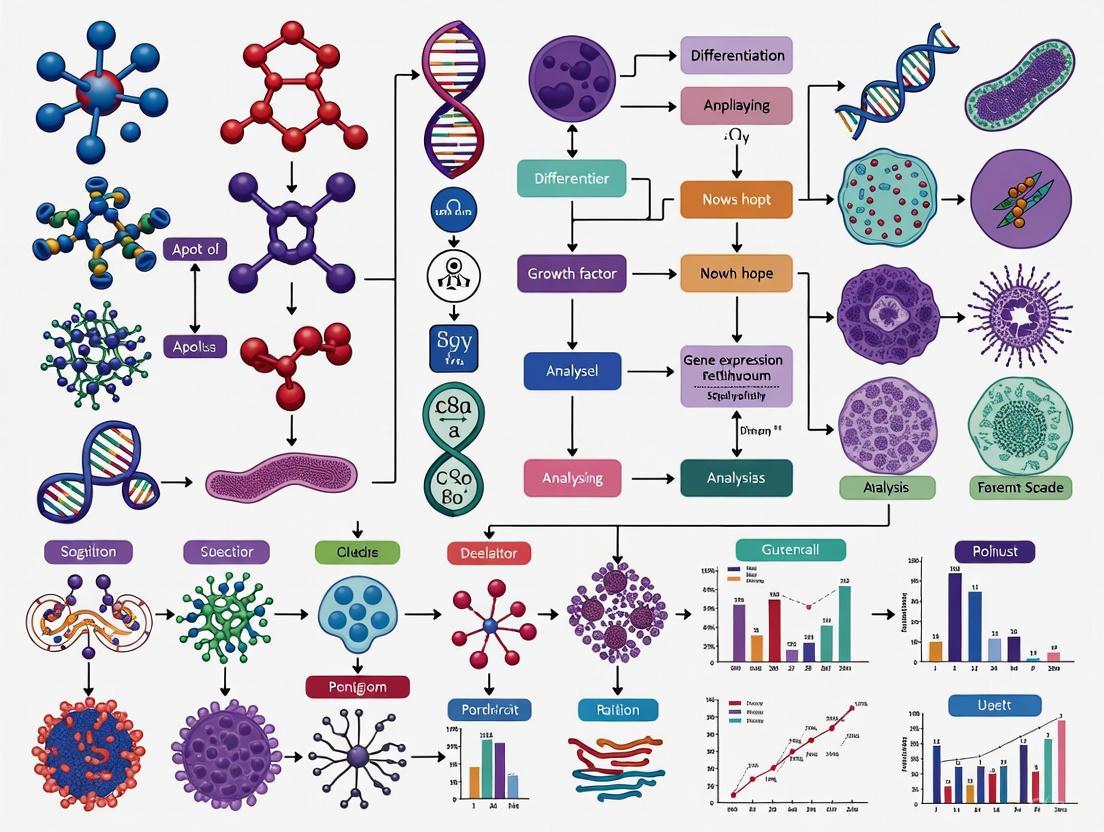
This article explores the transformative role of automation and artificial intelligence in organoid culture and analysis, a critical advancement for researchers and drug development professionals.
Automating Organoid Culture and Analysis: Enhancing Reproducibility and Scalability in Biomedical Research
Abstract
This article explores the transformative role of automation and artificial intelligence in organoid culture and analysis, a critical advancement for researchers and drug development professionals. It covers the foundational reasons for adopting automation, including overcoming the high labor intensity and variability of manual methods. The piece delves into specific automated systems and their applications in high-throughput drug screening and personalized medicine. It also addresses key challenges like standardization and scalability, offering optimization strategies, and validates the technology's impact through comparative analyses with traditional models and regulatory shifts. The goal is to provide a comprehensive resource for scientists looking to implement robust, automated organoid workflows.
The Urgent Need for Automation in Organoid Research
Organoid technology has emerged as a transformative tool in biomedical research, enabling the study of organogenesis, disease mechanisms, and personalized drug screening in a physiologically relevant context. These three-dimensional, self-organizing structures mimic the complexity of human organs more accurately than traditional two-dimensional cultures. However, the manual methods traditionally used to cultivate organoids present significant challenges that can compromise experimental outcomes and hinder scalability. This technical support resource details the core limitations of manual organoid culture—specifically, the intensive labor requirements, issues of variability, and risks of contamination—and frames these challenges within the growing imperative for automation in organoid research and analysis.
Frequently Asked Questions (FAQs)
1. What are the primary limitations of manual organoid culture? The three most critical limitations are high labor intensity, batch-to-batch variability, and susceptibility to contamination.
- Labor Intensity: Manual culture is a highly time-consuming process. For instance, maintaining just 10 brain organoid plates can require nearly 27 hours of hands-on time each week due to daily feeding and imaging [1].
- Variability: The self-organizing nature of organoids, combined with manual handling, leads to striking heterogeneity in cellular composition and morphogenesis. This results in morphological and structural differences between batches, which can affect the reliability of experimental conclusions [2] [3].
- Contamination Risk: The extensive hands-on work over extended culture periods, which can exceed 100 days, significantly increases the risk of microbial contamination [1] [4].
2. How does manual handling contribute to organoid variability? Manual processes introduce multiple sources of variation at key stages of organoid development.
- Initial Construction: Critical factors like initial cell number, cell type proportions, and extracellular matrix (ECM) composition are often difficult to control precisely with manual techniques, leading to differences from the very start of development [2].
- Culture Maintenance: Inconsistent feeding schedules, manual media exchanges, and variable handling during passaging contribute to inter-batch heterogeneity. This variability is due to the stochastic nature of in vitro self-assembly and the technical noise introduced by manual protocols [2] [3].
3. Why is contamination a major problem in organoid research? Contamination can derail weeks or months of painstaking work.
- Source: Organoids derived from microbiota-containing organs, like the colon and rectum, carry an implicit risk of microbial contamination from the source tissue [4].
- Impact: Microbial contamination directly impairs the successful generation and maintenance of organoid cultures, leading to experimental failure and loss of valuable patient-derived samples [4].
4. What are the functional consequences of limited organoid maturation? Manual culture methods often fail to support full organoid maturation, limiting their physiological relevance.
- Incomplete Models: Many organoid models lack key specific cell types, such as immune cells, vascular networks, and nerves, due to the absence of necessary microenvironmental cues [2].
- Short Lifespan: For example, some epithelial organoids have a lifespan of only about one week, which is insufficient to mimic the full differentiation timeline of stem cells in vivo. Brain organoids often only simulate a fetal brain phenotype, rather than maturing into adult brain models [2].
Troubleshooting Guides
Problem: Microbial Contamination in Patient-Derived Organoid Cultures
Application: This guide is essential for researchers working with patient-derived organoids (PDOs), particularly from tissues like the colon and rectum [4].
Background & Objective: Microbial contamination is a frequent obstacle that limits the success rate of PDO generation. The objective is to implement a standardized washing protocol prior to tissue dissociation to eliminate contamination without negatively impacting organoid growth [4].
Experimental Protocol & Reagent Solutions:
- Tissue Collection: Collect human colorectal tissue samples under sterile conditions and place them in cold Advanced DMEM/F12 medium supplemented with antibiotics for transit [4].
- Washing Solution Preparation: Prepare a washing solution of phosphate-buffered saline (PBS) containing Primocin (InvivoGen, #ant-pm-1) [4].
- Washing Step: Upon receipt, wash the tissue thoroughly with the PBS/Primocin-containing solution [4].
- Processing and Culture: Proceed with standard tissue dissociation and organoid culture protocols. The use of Primocin in the wash solution has been shown to effectively prevent culture contamination [4].
Table 1: Efficacy of Different Washing Solutions in Preventing Contamination in Colorectal Cancer PDOs [4]
| Washing Solution | Contamination Rate | Impact on Organoid Growth |
|---|---|---|
| None (Control) | 62.5% | Baseline (defines expected growth) |
| PBS | 50% | Comparable to baseline |
| PBS with Penicillin/Streptomycin (P/S) | 25% | Negative impact; reduces percentage of living cells |
| PBS with Primocin | 0% | No negative impact observed |
Problem: High Labor Burden and Low Reproducibility in Brain Organoid Culture
Application: This guide is designed for laboratories cultivating complex 3D models like brain organoids, where long-term and labor-intensive culture processes are a major bottleneck [1].
Background & Objective: Manually maintaining brain organoids is exceptionally demanding, requiring daily monitoring and feeding for periods often exceeding 100 days, including weekends and holidays. This leads to researcher burnout and introduces variability that compromises data reliability. The objective is to transition from manual to automated culture processes to ensure consistency and free up researcher time [1].
Experimental Protocol & Reagent Solutions:
- System Setup: Implement an automated cell culture system (e.g., the CellXpress.ai system) that integrates a liquid handler, imager, and a rocking incubator controlled by unified software [1].
- Configure Rocking Motion: Ensure the system's incubator provides continuous rocking motion to keep brain organoids in suspension. This is critical for optimal nutrient distribution and to prevent the formation of necrotic cores [1].
- Schedule Automated Workflows: Program the system to perform all feeding, media exchanges, and imaging on a fixed schedule, without requiring manual intervention [1].
- Monitoring and Analysis: Use the system's automated imaging and AI-driven analysis tools to track morphological milestones and perform functional analyses [1].
Table 2: Impact of Automation on Brain Organoid Culture Workflows [1]
| Culture Task | Manual Process (for 10 plates) | Automated Process | Key Benefit of Automation |
|---|---|---|---|
| Weekly Hands-on Time | ~27 hours | Reduced by up to 90% | Frees researchers for higher-value tasks |
| Feeding Schedule | Inconsistent, requires weekend/holiday work | Consistent, pre-programmed, 24/7 | Enhances reproducibility and organoid health |
| Contamination Risk | High (due to frequent handling) | Significantly reduced | Increases success rate and sample integrity |
| Data Collection | Manual, potentially subjective | Automated, unbiased imaging and analysis | Improves data robustness and reliability |
Research Reagent Solutions
Table 3: Essential Materials for Organoid Culture and Their Functions
| Reagent/Material | Function in Organoid Culture |
|---|---|
| Extracellular Matrix (ECM) e.g., Matrigel | Provides a 3D scaffold that mimics the in vivo basement membrane, supporting cell attachment, polarization, and self-organization [5]. |
| ROCK Inhibitor (Y-27632) | Improves cell survival following thawing and passaging by inhibiting apoptosis in dissociated single cells [5]. |
| Noggin | A BMP signaling pathway inhibitor; essential for maintaining the stem cell niche in various organoid types, including intestinal and colon organoids [5]. |
| R-spondin 1 | Activates Wnt signaling by binding to LGR receptors; a critical factor for the long-term expansion of many epithelial stem cell-derived organoids [5]. |
| Primocin | A broad-spectrum antibiotic effective at preventing microbial contamination in primary tissue-derived cultures, such as patient-derived organoids [4]. |
Workflow and Relationships
The following diagram illustrates the manual organoid culture workflow, highlighting the key points where the major limitations of labor, variability, and contamination typically arise.
FAQs: Understanding the Core Challenges
Why is long-term culture of brain organoids so difficult? Extended culture periods (often ≥6 months) are required for brain organoids to achieve late-stage maturation markers, such as synaptic refinement and functional network plasticity. This prolonged culture exacerbates metabolic stress and hypoxia, leading to necrotic cores in the center of the organoids. The resulting microenvironmental instability causes asynchronous tissue maturation, where electrophysiologically active superficial layers coexist with degenerating cores [6].
What causes variability and reproducibility issues in brain organoid experiments? The primary sources of variability are manual, labor-intensive protocols and the inherent complexity of the culture process. Manual methods are prone to human error and contamination, especially over cultures lasting months. Furthermore, the lack of standardized maturity metrics across different labs makes it difficult to compare results and optimize protocols reliably [1] [6].
Why don't brain organoids fully replicate the adult human brain? Even after extended culture, brain organoids typically arrest at fetal-to-early postnatal developmental stages. They often lack key functional structures, such as a functional blood-brain barrier (BBB) and mature supportive cell types like astrocytes. This limits their utility for modeling adult-onset neurological disorders like Alzheimer's disease [6] [7].
How does the absence of a vascular system impact brain organoids? The lack of a functional vascular system is a major bottleneck. It impedes nutrient and oxygen delivery to the core of the organoid and hinders waste removal. This leads to central necrosis, restricts growth, and ultimately limits the organoid's overall maturation and cellular diversity [6] [7] [8].
Troubleshooting Guides
Problem: Central Necrosis and Hypoxia
- Symptoms: Cell death in the organoid's core, increased debris, and failure to grow beyond a certain size.
- Root Cause: Insufficient diffusion of oxygen and nutrients into the core, a direct result of lacking a vascular system [6].
- Solutions:
- Incorporate vascularization strategies: Fuse brain organoids with induced vascular organoids to create a functional blood-brain barrier-like structure [7].
- Use bioreactors and rocking incubators: These systems keep organoids in constant motion, ensuring even distribution of nutrients and oxygen and improving nutrient availability [1].
- Apply engineering interventions: Integrate microfluidic devices ("organ-on-a-chip") to promote the formation of vascular networks and allow for real-time monitoring [6] [7].
Problem: High Heterogeneity and Low Reproducibility
- Symptoms: Significant variation in organoid size, cell type composition, and maturity levels across batches within the same experiment.
- Root Cause: Manual culture processes and the use of ill-defined, animal-derived matrix materials like Matrigel, which have poor reproducibility [1] [9].
- Solutions:
- Automate the culture process: Automated systems handle feeding, media exchange, and monitoring on a fixed schedule, drastically reducing human error and variability [1] [10].
- Adopt microengineered culture devices: Use microcavity arrays for suspension culture, which has been shown to substantially reduce organoid heterogeneity compared to solid matrices [11].
- Implement AI-driven monitoring: Use high-content imaging systems with machine learning software to kinetically track organoid growth and morphology, allowing for objective quality control and defining optimal passaging times [12] [10] [9].
Problem: Immature Functional Properties
- Symptoms: Organoids lack complex neural network activity, show immature synaptic plasticity, and do not express late-stage maturation markers, making them unsuitable for studying learning or adult diseases.
- Root Cause: The culture conditions do not fully recapitulate the in vivo microenvironment needed to drive maturation [13] [6].
- Solutions:
- Provide external stimulation: Use electrical or chemical stimulation to induce synaptic plasticity and activity, which are fundamental to learning and memory [13].
- Create assembloids: Fuse region-specific organoids (e.g., cortical-striatal) to mimic complex neural circuit formation and long-range axonal connections, promoting more mature functional interactions [7].
- Co-culture with other cell types: Integrate microglia or other supporting cells to better mimic the brain's cellular environment and its role in development and function [7].
The Thesis of Automation: Data and Protocols
Automation is a game-changer for addressing the fundamental challenges of brain organoid culture. It directly tackles issues of reproducibility, scalability, and the intensive labor required for long-term experiments.
Quantitative Impact of Automation
The table below summarizes key data on how automation improves the brain organoid culture process.
| Metric | Manual Process | Automated Process | Data Source |
|---|---|---|---|
| Weekly Hands-on Time (for 10 plates) | Nearly 27 hours | Reduced by up to 90% (to ~2.7 hours) | [1] |
| Process Consistency | Variable, prone to human error | Fixed schedule, including weekends and holidays | [1] |
| Contamination Risk | High due to frequent handling | Significantly reduced | [1] |
| Heterogeneity | High | Reduced via standardized protocols and AI monitoring | [11] [10] |
Automated Protocol: Brain Organoid Culture and Analysis
The following workflow is adapted from integrated automated systems like the CellXpress.ai [1] [10].
- Stem Cell Expansion: Expand induced pluripotent stem cells (iPSCs) in an automated CO2 incubator.
- Initiation of Differentiation: Use an automated liquid handler to transfer iPSCs to aggregation plates and add neural induction media.
- Continuous Culture in Rocking Incubator:
- Maintain organoids in a rocking incubator for constant, gentle motion.
- The system performs scheduled, automated media exchanges.
- Real-time, Label-free Imaging:
- At defined intervals, the system automatically moves plates to a high-content imager inside the incubator (e.g., Incucyte).
- Brightfield images are captured without disturbing the culture.
- AI-Driven Image Analysis:
- Software (e.g., IN Carta or MetaXpress) uses machine learning to automatically quantify organoid size, count, and morphology (e.g., eccentricity for budding).
- Functional Assessment:
- For endpoint analysis, use automated systems for high-content confocal imaging of fixed organoids or transfer to multielectrode arrays (MEAs) for electrophysiological recording.
The Scientist's Toolkit: Essential Reagent Solutions
| Item | Function in Brain Organoid Culture |
|---|---|
| Induced Pluripotent Stem Cells (iPSCs) | The starting material; can be derived from patients for personalized disease modeling [7]. |
| Rocking Incubator | Provides constant motion for dynamic culture, preventing necrosis and ensuring even nutrient distribution [1]. |
| Matrigel | An animal-derived extracellular matrix used to provide a 3D scaffold for organoid growth, though it is a source of variability [7] [9]. |
| Neural Patterning Factors | Small molecules and growth factors (e.g., BMPs, WNTs) added to the media to guide regional brain identity (e.g., forebrain, midbrain) [7]. |
| Automated Live-Cell Analysis System | Instruments (e.g., Incucyte) for non-invasive, kinetic monitoring of organoid growth and morphology inside the incubator [12]. |
| High-Content Confocal Imager | Systems (e.g., ImageXpress Confocal) for acquiring high-resolution, 3D images of organoids for detailed structural and functional analysis [10]. |
| Multielectrode Array (MEA) | A device for recording synchronized electrical activity from neural networks within organoids, assessing functional maturation [6]. |
Organoid technology has emerged as a transformative platform for biomedical research, offering unprecedented opportunities for disease modeling, drug discovery, and personalized medicine. These three-dimensional, self-organizing structures mimic the architecture and functionality of human organs more accurately than traditional two-dimensional cultures or animal models. However, the complexity of organoid systems introduces significant challenges in scalability and reproducibility that can hinder their widespread adoption in research and clinical applications. This technical support center resource explores how automated technologies are addressing these critical limitations, providing researchers with practical solutions for implementing robust, standardized organoid workflows.
Frequently Asked Questions (FAQs)
Q1: What are the primary scalability challenges in manual organoid culture? Manual organoid culture presents multiple scalability challenges, including extensive hands-on time requirements, weekend and holiday maintenance needs, and limited capacity for parallel processing. Research indicates that maintaining just 10 brain organoid plates manually requires nearly 27 hours of hands-on time weekly [1]. Furthermore, the complex culture process involving frequent media exchanges, plate format switching, and timed delivery of growth factors creates bottlenecks that restrict the number of experiments a lab can conduct simultaneously [1].
Q2: How does automation specifically improve reproducibility in organoid research? Automation enhances reproducibility through multiple mechanisms: standardized liquid handling eliminates pipetting variability, consistent environmental maintenance ensures stable culture conditions, and scheduled imaging provides objective, quantitative data for analysis. Automated systems perform procedures identically every time, dramatically improving consistency across experiments and between different users [14]. This reduces human-introduced variability that often compromises manual protocols.
Q3: What specific aspects of organoid culture can be automated? Modern automation platforms can handle multiple aspects of the organoid workflow, including: cell seeding, medium exchanges, feeding schedules, passaging, morphological monitoring, and downstream analysis including drug screening and viability testing [15]. Advanced systems like the CellXpress.ai and MO:BOT platforms integrate these functions into unified workflows, significantly reducing manual intervention [1] [15].
Q4: How does constant motion benefit brain organoid culture and how is this maintained in automated systems? Continuous motion is critical for brain organoid development as it ensures even distribution of nutrients and oxygen, prevents settling at plate bottoms, and reduces formation of necrotic cores. Automated systems maintain this motion through integrated rocking incubators that provide consistent movement throughout development [1]. Comparative studies show organoids grown on automated rockers are functionally and morphologically identical to those grown using traditional orbital shakers [1].
Q5: What quantitative improvements can labs expect from implementing automation? Labs implementing automation typically report substantial efficiency gains, including workload reduction up to 90%, production capacity increases of 25x over manual methods, and the ability to generate up to 18 million uniform organoids per batch [1] [16]. These improvements directly address both scalability and reproducibility challenges.
Table 1: Time Savings in Automated vs. Manual Organoid Culture
| Task | Manual Time Required | Automated Time Required | Time Saved |
|---|---|---|---|
| Weekly maintenance (10 plates) | ~27 hours | Few hours | ~90% |
| Medium exchanges | Variable, including weekends | Consistent, scheduled | Significant |
| Imaging and analysis | Subjective, variable | Automated, quantitative | >80% |
Troubleshooting Guides
Issue 1: Variability in Organoid Size and Morphology
Problem: Inconsistent organoid size, shape, and cellular composition between batches.
Root Causes:
- Inconsistent cell seeding density in manual pipetting
- Variable timing in medium exchanges and feeding schedules
- Fluctuations in environmental conditions
- Subjectivity in determining when to passage organoids
Automated Solutions:
- Implement automated cell seeding systems like the MO:BOT platform that dispense cell suspension homogeneously in high-throughput plate formats, generating uniform 3D aggregates [15].
- Utilize integrated imaging systems with AI-driven analysis to monitor organoid development objectively and determine optimal passage times based on quantitative metrics rather than subjective judgment [16].
- Employ automated feeding systems that maintain precise schedules, including weekends and holidays, ensuring consistent nutrient availability and waste removal [1].
Validation Protocol: After implementing automated systems, regularly assess organoid consistency by:
- Measuring organoid diameter across multiple batches (aim for <15% coefficient of variation)
- Comparing gene expression profiles of key markers between batches
- Evaluating structural organization through immunohistochemistry
Issue 2: Contamination and Sterility Challenges
Problem: Increased contamination risk in long-term cultures requiring frequent manual handling.
Root Causes:
- Repeated opening of culture vessels for feeding and maintenance
- Human error in sterile technique over extended culture periods (often >100 days)
- Variable handling techniques between different lab personnel
Automated Solutions:
- Implement closed-system automated platforms that significantly reduce exposure to environmental contaminants [1].
- Utilize integrated incubator systems that maintain optimal temperature and CO2 levels without requiring manual intervention [1].
- Schedule automated media exchanges using liquid handlers with built-in UV sterilization and HEPA filtration [15].
Prevention Protocol:
- Establish regular system sterilization cycles according to manufacturer specifications
- Implement environmental monitoring using settle plates or contact plates in the automated work area
- Use integrated sensors to monitor incubator conditions and receive alerts for deviations
Issue 3: Scalability Limitations in High-Throughput Screening
Problem: Inability to generate sufficient numbers of uniform organoids for drug screening campaigns.
Root Causes:
- Labor-intensive manual processes limiting culture scale
- Technical complexity of handling hundreds to thousands of organoids simultaneously
- Inconsistencies in organoid quality when scaling manually
Automated Solutions:
- Implement bioreactor systems with continuous perfusion capabilities that can generate large batches of patient-derived organoids (6-15 million per batch) with uniform passage, size, and maturity [14].
- Utilize high-throughput plating systems that work with screening-compatible 96-well plates to facilitate drug screening applications [15].
- Integrate automated liquid handling with bright-field imaging to monitor organoid morphology and quality throughout the scale-up process [15].
Scale-Up Protocol:
- Begin with optimized manual protocol for organoid generation
- Transition to automated system for seed train expansion
- Implement quality control checkpoints using integrated imaging
- Harvest and cryopreserve organoids at consistent maturity points for screening applications
Experimental Protocols for Automated Organoid Culture
Protocol 1: Automated Brain Organoid Culture Using Integrated Rocking Incubator
Background: Brain organoids require constant motion for optimal nutrient distribution and prevention of necrotic core formation. This protocol leverages the CellXpress.ai system with rocking incubator technology [1].
Materials:
- CellXpress.ai Automated Cell Culture System with rocking incubator
- Induced pluripotent stem cells (iPSCs)
- Brain organoid differentiation media
- Matrigel or synthetic ECM alternatives
- 96-well or 384-well culture plates
Methodology:
- System Setup: Configure rocking incubator with appropriate motion parameters (typically 15-20° rocking angle at 0.2-0.5 Hz frequency).
- Cell Seeding: Program automated liquid handler to seed iPSCs at optimized density (typically 5,000-10,000 cells/well in 96-well format) in defined patterning media.
- Differentiation Initiation: After neural induction (day 3-5), activate automated media exchange protocol to transition to differentiation media.
- Maintenance Phase: Implement scheduled feeding protocol with media exchanges every 2-3 days, including weekends and holidays.
- Morphological Monitoring: Schedule daily bright-field imaging to track cerebral organoid bud formation (typically around day 10) and overall structural development.
- Maturation Phase: Continue automated culture with weekly media formulations adjustments for 60-100 days, depending on research requirements.
Quality Control Parameters:
- Daily imaging analysis for morphological anomalies
- pH and metabolite monitoring in spent media
- Regular checks for contamination via automated image analysis
- Batch consistency assessment through random sampling for molecular characterization
Protocol 2: High-Throughput Drug Screening Using Automated Organoid Platforms
Background: This protocol enables medium-to-high throughput compound screening using uniform organoids prepared in automated systems, specifically leveraging the MO:BOT platform for organoid production and downstream processing [15].
Materials:
- MO:BOT automated platform or equivalent
- Pre-formed organoids (liver, kidney, or brain)
- 96-well or 384-well screening plates
- Compound libraries
- CellTiter-Glo 3D Kit or other 3D-optimized viability assays
- High-content imaging system
Methodology:
- Organoid Preparation: Generate uniform organoids using automated cell seeding and culture protocols (see Protocol 1).
- Plate Reformating: Use automated system to transfer organoids to screening-compatible plates, ensuring consistent organoid number and distribution per well.
- Compound Dispensing: Program liquid handler for precise compound addition across concentration gradients, including appropriate controls.
- Treatment Incubation: Maintain plates in controlled environment (37°C, 5% CO2) for designated treatment period (typically 72-144 hours).
- Endpoint Analysis: Automate cell viability assessment using CellTiter-Glo 3D Kit or similar 3D-optimized assays.
- High-Content Imaging: Perform automated confocal imaging to capture 3D structures and cellular responses.
Data Analysis Workflow:
- Image Analysis: Utilize AI-driven segmentation algorithms to quantify organoid size, morphology, and viability markers.
- Dose-Response Modeling: Calculate IC50 values using automated curve-fitting algorithms.
- Quality Assessment: Apply Z'-factor calculations to validate assay performance (>0.5 acceptable for screening).
- Hit Selection: Implement statistical thresholds for identifying biologically significant responses.
Table 2: Automated Organoid Culture Systems Comparison
| System | Key Features | Throughput Capacity | Supported Applications | Unique Technologies |
|---|---|---|---|---|
| CellXpress.ai | Integrated liquid handling, rocking incubator, AI monitoring | 154 plates | Brain organoids, iPSC culture, long-term maturation | Unified software, rocking motion, continuous perfusion |
| MO:BOT | Automated seeding, medium changes, screening preparation | 96-well and 384-well formats | Liver spheroids, kidney and brain organoids, toxicology studies | Computer vision algorithms, integrated protocols |
| Galatek O1600 | Workstation format, ready-to-use kits, high-content imaging | Variable based on configuration | Disease modeling, drug screening | CellVue imaging, standardized reagent kits |
Workflow Visualization
The Scientist's Toolkit: Essential Research Reagents and Materials
Table 3: Key Research Reagent Solutions for Automated Organoid Culture
| Reagent/Material | Function | Automation Considerations | Example Applications |
|---|---|---|---|
| Synthetic Hydrogels | Defined extracellular matrix alternative | Consistent viscosity for liquid handling, reduced batch variability | Replacement for Matrigel in standardized protocols [17] |
| 3D-Optimized Media Formulations | Nutrient support for organoid growth | Stable composition for automated dispensing, reduced precipitation | Brain organoid differentiation, long-term maturation [1] |
| CellTiter-Glo 3D Assay | Viability measurement in 3D structures | Compatibility with automated liquid handlers, uniform penetration | High-throughput drug screening [15] |
| Ready-to-Use Organoid Kits | Standardized differentiation protocols | Pre-optimized for automated systems, lot-to-lot consistency | Rapid implementation in screening pipelines [18] |
| CRISPR Editors | Genetic modification | Automated delivery systems, precise editing efficiency | Disease modeling, functional genomics [19] |
Automation technologies are fundamentally transforming organoid research by directly addressing the critical challenges of scalability and reproducibility. Through integrated systems that combine liquid handling, environmental control, and AI-driven monitoring, researchers can now generate organoids with unprecedented consistency and at scales previously unimaginable with manual methods. As these technologies continue to evolve and become more accessible, they promise to accelerate the adoption of organoid models across biomedical research, ultimately enhancing the predictive power of preclinical studies and advancing the development of personalized therapeutic approaches. The protocols and troubleshooting guides provided here offer practical starting points for laboratories seeking to implement these transformative technologies in their own research programs.
What are the primary market and regulatory drivers accelerating the adoption of human-relevant organoid models?
The pharmaceutical industry and regulatory bodies are increasingly driving the adoption of human-relevant organoid models due to the need for more predictive and human-specific data. This shift is largely motivated by the high failure rates of drug candidates in clinical trials, often attributed to the poor predictive power of traditional 2D cell cultures and animal models, which frequently fail to accurately replicate human physiology [2] [20]. Furthermore, regulatory initiatives, such as the FDA Modernization Act 2.0, have reduced the mandatory requirement for animal testing, opening the door for advanced alternative models like organoids in drug safety and efficacy assessments [20].
Organoids, which are complex, multicellular, three-dimensional in vitro cell models that closely mimic in vivo organs, offer a powerful solution [21]. They bridge the critical gap between conventional cell lines and human patients, providing unprecedented insight into development, disease, and therapeutic response [22] [20]. The table below summarizes the key limitations of traditional models and how organoids address them.
Table: Bridging the Model Gap: Traditional Systems vs. Organoids
| Model System | Key Limitations | Organoid Advantages |
|---|---|---|
| 2D Cell Cultures | Lack cellular diversity and tissue architecture; do not replicate the physiological tissue microenvironment or cell-to-cell interactions found in the human body [1] [20]. | Are 3D, multicellular structures that mimic the architectural and functional complexity of human organs, including multiple interacting cell types [1] [21]. |
| Animal Models | Exhibit species differences that limit accurate prediction of human disease mechanisms and drug responses; also involve high research costs and ethical concerns [2]. | Provide a human-specific system for modeling disease and testing therapeutic strategies, yielding more predictive data for human outcomes [1] [20]. |
Frequently Asked Questions (FAQs)
1. How do organoids advance personalized medicine research? Organoids enable ex vivo testing of therapeutic responses using an individual’s own cells [20]. For example, in conditions like cystic fibrosis, which can stem from many different gene mutations, patient-derived intestinal organoids can be dosed with various drugs to determine the most beneficial treatment for that specific individual, moving away from a costly and potentially harmful trial-and-error approach in the clinic [23].
2. What are the major technical challenges in organoid culture that automation aims to solve? Manual organoid culture faces several significant hurdles that automation directly addresses:
- High Variability: The self-assembling nature of organoids leads to striking heterogeneity in cellular composition and morphology between batches, which can compromise experimental conclusions [2]. Automated liquid handling systems perform complex operations with precision, increasing the homogeneity and reproducibility of organoids [2] [24].
- Labor Intensity and Contamination Risk: Manually maintaining cultures, especially for long-term studies like brain organoids which can exceed 100 days, is highly labor-intensive and requires intervention during weekends and holidays, increasing the risk of contamination [1]. Automation handles routine feeding and monitoring, freeing researcher time and reducing errors [1].
- Scalability: Manual methods are a major bottleneck for large-scale drug screening or biobanking. Automated platforms are essential for achieving the reproducible, large-scale organoid generation required for these applications [24].
3. Beyond personalized medicine, what other research areas are being transformed by organoids? Organoids are making a significant impact across a broad spectrum of research [20]:
- Disease Modeling: Investigating complex disease phenotypes for cancer, neurodegenerative disorders, and infectious diseases under physiologically relevant conditions.
- Drug Discovery & Development: Providing more physiologically relevant responses to compounds, enhancing screening accuracy, and helping to weed out failed candidates earlier in the research lifecycle [23].
- Toxicology & Safety Assessment: Replicating human tissue responses to chemicals and toxins for more accurate safety profiling.
- Regenerative Medicine: Offering promise for transplantation therapies and tissue regeneration using an individual’s own stem cells, minimizing risks of immune rejection.
4. What is the difference between an organoid and a spheroid? It is crucial to distinguish these two 3D models, as they differ significantly in complexity and application.
- Organoids are derived from stem cells and contain multiple cell types that self-organize into complex structures resembling an organ. They are cultured in a defined serum-free medium with a supporting matrix (e.g., Matrigel) and can have an unlimited lifespan, leading to high physiological relevance [21] [25].
- Spheroids are simple clusters of a single cell type (typically from immortalized cell lines) that form freely floating aggregates in low-adhesion plates. They develop nutrient and hypoxic gradients, have a limited lifespan, and consequently, lower physiological relevance [21].
Troubleshooting Guides
Challenge: Heterogeneity and Poor Reproducibility
Problem: Organoids show high variability in size, cellular composition, and morphology between batches, leading to inconsistent experimental data [2].
Solutions:
- Adopt Automated Liquid Handling: Utilize robotic liquid handling systems to independently perform precisely controlled tasks such as initial stem cell allocation, media addition/replacement, and drug testing. This minimizes human-introduced variability [2].
- Engineered Matrices: Move beyond purely biological matrices like Matrigel, which can have batch-to-batch differences, by exploring engineered hydrogel systems that offer more consistent chemical and physical properties [2].
- Monitor Morphology with Automation: Implement automated imaging systems to routinely capture high-content data on organoid size, shape, and structure. This allows for quantitative tracking of development and early detection of aberrant morphologies [1] [26].
Challenge: Limited Survival Time and Necrotic Core Formation
Problem: As organoids grow larger, the lack of an integrated vascular system limits the diffusion of nutrients and oxygen to the core, leading to central cell death (necrosis) and compromised functionality [2].
Solutions:
- Incorporate Dynamic Culture Conditions: Use rocking incubators or orbital shakers to keep organoids in constant motion. This agitation ensures even distribution of nutrients and oxygen around the organoid, which is key to optimal maturation and prevents the formation of a necrotic core [1] [2].
- Vascularization Strategies: Investigate emerging engineering strategies, such as organoids-on-chips, which can incorporate fluid flow to mimic blood vessels and enhance nutrient delivery deep into the tissue [2].
- Optimized Passaging: Adhere to a strict passaging schedule once per week (or every 7-12 days) to prevent organoids from becoming too large and necrotic. Use mechanical dissociation or enzyme-free passaging reagents to fragment organoids into small clumps for sub-culturing [21].
Challenge: Functional Monitoring of Complex 3D Structures
Problem: Traditional optical microscopy provides limited information on the functional state of organoids, and their 3D structure makes accurate physiological monitoring difficult [2].
Solutions:
- Utilize Multi-Electrode Arrays (MEAs): For neural organoids, MEAs can monitor network-wide electrophysiological activity, which is difficult with traditional patch-clamp techniques [2].
- Implement High-Content Imaging: Use automated systems capable of z-stack imaging to capture data throughout the full height of the organoid. This can be combined with fluorescence to visualize and quantify complex morphological and biological changes [20] [26].
- Integrate Miniature Biosensors: Employ biochemical sensor technology to monitor metabolite or compound concentrations at very low (micromolar or nanomolar) levels with minimal impact on cellular activity [2].
Table: Quantitative Impact of Automating Brain Organoid Culture
| Manual Process (10 plates) | Automated Process (10 plates) | Efficiency Gain |
|---|---|---|
| ~27 hours of hands-on time per week [1] | Reduced to a few hours per week [1] | Manual workload reduced by up to 90% [1] |
| High risk of contamination and human error [1] | Standardized, sterile handling reduces contamination risk [1] | Improved reproducibility and data reliability |
| Variable feeding times, including weekends [1] | Feeding and imaging on a fixed, consistent schedule [1] | Optimal conditions for organoid maturation |
Experimental Protocols & Workflows
Protocol: Automated Workflow for Robust Brain Organoid Generation
This protocol outlines an automated workflow for generating brain organoids from induced pluripotent stem cells (iPSCs), leveraging a unified automated cell culture system to ensure reproducibility and reduce manual labor [1].
Key Materials:
- CellXpress.ai Automated Cell Culture System (or equivalent integrated system with liquid handler, imager, and incubator) [1]
- Rocking Incubator (for dynamic culture conditions) [1]
- Induced Pluripotent Stem Cells (iPSCs) [1]
- Defined Organoid Culture Media (serum-free, with necessary growth factors) [21]
- Basement Membrane Extract (BME) Hydrogel, e.g., Corning Matrigel [21] [23]
Methodology:
- iPSC Expansion: Culture and maintain iPSCs in a static incubator until the desired confluence is reached.
- Initiation of Differentiation: Seed iPSCs into BME hydrogels and transfer plates to the automated system. The system dispenses differentiation factors to initiate neural induction according to a programmed schedule.
- Automated Dynamic Culture: Place the culture plates in the system's rocking incubator. The constant rocking motion ensures even nutrient distribution and prevents necrosis. The system automatically performs media exchanges on a fixed schedule, including weekends and holidays.
- Automated Monitoring and Imaging: The integrated imager routinely captures full-well, high-content images of the developing organoids. This allows for remote confirmation of key morphological milestones, such as the formation of cerebral organoid buds around day 10, without manual intervention.
- Harvesting and Analysis: At the end of the culture period (which can exceed 100 days), organoids are harvested for downstream morphological and functional analysis.
Protocol: High-Throughput Dispensing for Organoid Assays
This protocol describes how to automate the setup of organoid-based assays, such as the forskolin-induced swelling assay for intestinal organoids, which is used to study cystic fibrosis. It addresses the challenge of dispensing viscous extracellular matrices [23].
Key Materials:
- Liquid Handling System with Positive Displacement, Non-Contact Dispensing (e.g., Dragonfly Discovery) [23]
- Corning Matrigel Matrix for Organoid Culture [23]
- Human Intestinal Organoids [23]
- 96-well or 384-well Microplates [23]
- Assay Reagents (e.g., Forskolin) [23]
Methodology:
- Organoid Dissociation: Gently dissociate the cultured intestinal organoids into small clumps or single cells.
- Suspension in Matrix: Mix the organoid fragments with chilled Corning Matrigel matrix to create a homogeneous suspension. Keep the mixture on ice to prevent premature gelation.
- Automated Dispensing: Program the liquid handler to dispense small, uniform droplets (e.g., 3 µL) of the organoid-Matrigel suspension into each well of a microplate. The non-contact, positive displacement system is crucial for handling the viscous liquid accurately and without clogging.
- Polymerization: Transfer the plate to a 37°C incubator to allow the Matrigel droplets to polymerize into solid domes, encapsulating the organoids.
- Media Addition and Assay: Add culture media supplemented with test compounds (e.g., forskolin) on top of the polymerized domes. Use high-content imaging to monitor and quantify the organoid swelling response over time.
The Scientist's Toolkit: Essential Research Reagents and Materials
Table: Key Reagent Solutions for Organoid Culture and Analysis
| Item | Function | Example & Notes |
|---|---|---|
| Basement Membrane Extract (BME) | Provides a 3D scaffold that mimics the natural extracellular matrix (ECM), offering essential chemical signaling cytokines and structural ECM proteins for organoid growth and polarity [21]. | Corning Matrigel is widely used. It is critical for early establishment of cultures. It is viscous and can be challenging to work with in automation without specialized dispensers [21] [23]. |
| Defined Serum-Free Media | Provides the specific combination of nutrients, growth factors, and signaling molecules required for the survival, proliferation, and differentiation of a specific organoid type. | Formulations are tissue-specific. Common supplements include N-2, B-27, EGF, FGF, Noggin, and R-spondin-1. Using conditioned media (e.g., L-WRN) can be an inexpensive alternative to recombinant proteins [21]. |
| Rho-Kinase Inhibitor (Y-27632) | A small molecule that improves cell survival by inhibiting apoptosis (cell death), particularly during critical stressful steps like passaging, freezing, and thawing of organoids [21]. | ROCKi is often added to the media for 24-48 hours after passaging or thawing to promote the viability of sensitive organoid types [21]. |
| Enzyme-Free Passaging Reagents | Used to gently break down organoids into smaller fragments for sub-culturing (passaging) without using harsh enzymes that can damage cell surface proteins and affect viability. | Reagents like ReLeSR or Gentle Cell Dissociation Reagent allow for mechanical dissociation, helping to maintain the stem cell population and long-term culture health [21]. |
| Cryopreservation Medium | A specialized freezing medium containing cryoprotectants (like DMSO) that protect cells from ice crystal formation damage during the freezing and thawing process, enabling long-term storage. | Commercial formulations are available. Pre-treating organoids with ROCKi before freezing is recommended to enhance post-thaw recovery [21] [25]. |
Implementing Automated Workflows: From Culture to Analysis
This technical support center provides troubleshooting guides and FAQs for the core components of automated systems used in organoid culture and analysis. Automation is revolutionizing this field by enabling the reproducible, large-scale generation of complex 3D models like brain and respiratory organoids, which are crucial for advanced disease modeling and drug screening [1] [24].
Liquid Handler Troubleshooting Guide
Liquid handlers are critical for precision, but several factors can affect their performance. The tables below summarize common pipetting errors and automated liquid handler issues.
Table 1: Common Manual Pipetting Errors and Solutions
| Error | Impact on Experiment | Prevention & Solution |
|---|---|---|
| Loose or leaky pipette tips [27] | Inaccurate aspiration, volume loss, contamination. | Press tip firmly until a "click" is heard; use manufacturer-recommended tips [27] [28]. |
| Introduction of air bubbles [27] | Volume inaccuracy, potential disruption of cell cultures. | Submerge tip slightly below liquid surface; operate plunger slowly and steadily [27]. |
| Using wrong pipette size [27] | Drastically reduced precision and accuracy. | Select a pipette whose volume range is 80-100% of your target volume [27]. |
| Temperature fluctuations [28] | Volume variations due to expansion/contraction of air cushion. | Allow liquids and equipment to equilibrate to lab temperature; use a prewetting step [28]. |
| Pipetting at an inconsistent angle [28] | Alters the aspirated or dispensed volume. | Hold the pipette at a consistent angle, not deviating beyond 20 degrees from vertical [28]. |
Table 2: Automated Liquid Handler Troubleshooting
| Observed Error | Possible Source | Possible Solutions |
|---|---|---|
| Dripping tip or drop hanging from tip [29] | Difference in vapor pressure between sample and water. | Sufficiently prewet tips; add an air gap after aspiration [29]. |
| Droplets or trailing liquid during delivery [29] | Liquid viscosity different from water. | Adjust aspirate/dispense speed; add air gaps or blow-outs [29]. |
| Serial dilution volumes varying from expected concentration [29] | Insufficient mixing of the liquid in the well. | Measure and optimize liquid mixing efficiency in the method [29]. |
| First/last dispense volume difference [29] | Inherent to sequential dispense mode. | Dispense the first and last quantity into a reservoir or waste [29]. |
| Diluted liquid with each transfer [29] | System liquid (e.g., water, air) is contacting the sample. | Adjust the leading air gap to separate the system liquid from the sample [29]. |
Liquid Handler FAQs
Q: What is the two-stop technique and why is it important? A: The two-stop technique is fundamental for accuracy. To aspirate, press the plunger to the first stop. To dispense the entire volume, press the plunger all the way to the second stop. This ensures the full liquid volume is released [27].
Q: How often should I maintain my liquid handler? A: Schedule regular calibration at least once or twice a year. Perform routine visual inspections and cleanings. Keep calibration certificates organized and updated [27]. For automated systems, follow the manufacturer's preventive maintenance schedule to check for worn parts like pistons, seals, and tubing [29].
Q: My automated liquid handler is showing inconsistent results. What should I check first? A: First, determine if the error pattern is repeatable. Then, check the type of liquid handler you have, as troubleshooting steps differ [29]:
- Air Displacement: Check for insufficient pressure or leaks in the lines.
- Positive Displacement: Check for bubbles, kinks, or leaks in tubing; ensure tubing is clean and connections are tight.
- Acoustic: Ensure the source plate has reached thermal equilibrium; centrifuge the source plate before use.
Rocking Incubator Troubleshooting Guide
Rocking incubators provide the constant motion essential for healthy organoid development by ensuring even nutrient and oxygen distribution [1].
Table 3: Common Rocking Incubator Issues
| Problem | Symptoms | Troubleshooting Steps |
|---|---|---|
| No Movement [30] | Unit has power but the platform does not move. | Check for a worn or broken drive belt; listen for motor failure or obstruction; consult service engineer. |
| Temperature Fluctuations [30] | Incubator fails to maintain the set temperature. | Verify door seal is intact; ensure chamber is not overloaded (restricts air flow); allow time to stabilize after door opening; schedule sensor calibration. |
| Unusual Noises/Vibrations [30] | Excessive noise or vibration during operation. | Check for unbalanced load (arrange flasks symmetrically); inspect for loose bolts or platform components; look for foreign objects or debris. |
| Chamber Contamination [30] | Visible residue or microbial growth inside the chamber. | Clean immediately with an appropriate, neutral cleaning agent; schedule regular preventative cleaning and decontamination. |
Rocking Incubator FAQs
Q: Why is constant motion so critical for brain organoid culture? A: Neurons are metabolically active. Constant motion, such as rocking, ensures nutrients and oxygen are evenly distributed, preventing the formation of necrotic (dead) cores inside the organoids and promoting optimal maturation [1].
Q: What are the benefits of automating incubation in a rocking system? A: Automation ensures feeding and imaging on a fixed schedule, including weekends and holidays. This drastically reduces manual workload (by up to 90%), minimizes human error and contamination risk, and leads to more reproducible, reliable organoids for downstream assays [1].
Imager Troubleshooting Guide
Imagers are used for automated monitoring and analysis, such as tracking organoid growth and performing functional assays like the forskolin-induced swelling (FIS) test [1] [31].
Table 4: Common Imager Connection and Operation Issues
| Problem | Possible Cause | Resolution |
|---|---|---|
| Imager Not Recognized by Software [32] | Loose connection, software glitch, power issue. | In software, go to Settings > Administration > Manage Imagers and click "Refresh". Ensure power cord is securely plugged into a working outlet. |
| Imager Not in Available Device List [33] | Faulty USB port/cable, computer network settings. | Try alternate USB ports and cables. For network imagers, check if the computer's IP address is set correctly and that IPv6 is enabled [33]. |
| Firewall Blocking Connection [33] | Computer firewall blocking required ports. | Ensure UDP port 5353 and TCP port 50000 are open on the computer's firewall. Contact your network administrator for assistance [33]. |
| Acquisition Stopped Mid-Image [33] | Computer entering sleep mode during acquisition. | Change computer power settings to prevent it from sleeping during image acquisition [33]. |
Imager FAQs
Q: How can I automate the analysis of organoid images from my experiments? A: Deep learning models, such as the U-Net architecture, can be used for automated, high-throughput image analysis. These AI tools can accurately segment and quantify organoids from bright-field images, for example, by measuring size changes in FIS assays without the need for fluorescent dyes, reducing manipulation and potential cytotoxicity [31].
Q: My imager is connected via USB but not found by the software. What can I do? A: First, use the software's "Refresh" function. If that fails, try unplugging the USB cable and testing every other available USB port on your computer. A different port may resolve the connection issue [32].
The Scientist's Toolkit: Essential Materials for Automated Organoid Culture
Table 5: Key Research Reagent Solutions for Automated Organoid Workflows
| Item | Function in the Protocol |
|---|---|
| Induced Pluripotent Stem Cells (iPSCs) [1] | The starting cellular material for generating patient-specific brain and other organoids. |
| Specialized Growth Media & Differentiation Factors [1] | Provides the necessary nutrients and biochemical cues to direct stem cells to form specific organoid types (e.g., cerebral, respiratory). |
| Rocking Incubator [1] | Provides the dynamic culture conditions needed for healthy organoid development by ensuring constant motion. |
| Filter Pipette Tips [27] | Prevents aerosol contamination during liquid handling, which is critical for long-term sterility over weeks of culture. |
| CellXpress.ai or Similar Automated Culture System [1] | Integrates liquid handling, rocking incubation, and imaging into one platform for an end-to-end automated workflow from iPSCs to analysis. |
| U-Net Based Image Analysis Algorithm [31] | Enables accurate, high-throughput segmentation and quantitative analysis of organoid morphology from bright-field images. |
Automated Organoid Culture Workflow and Support
The following diagram illustrates the integrated workflow of an automated organoid culture system and the technical support pathways for maintaining it.
Technical Support Center
Troubleshooting Guides
CellXpress.ai Automated Cell Culture System
Issue: System not recognizing culture plates during transfer
- Problem Description: The robotic arm fails to pick up or recognize culture plates from the deck location, halting the experiment.
- Potential Causes:
- Plate barcode misalignment or smudging
- Debris on plate sensors or deck locations
- Incorrect plate type or model not registered in the protocol
- Step-by-Step Resolution:
- Pause the system via the touchscreen dashboard to prevent further errors.
- Manually inspect the plate barcode for smudges or damage; clean or replace the plate if necessary.
- Check the designated deck location for any liquid or solid debris and clean with a sterile, lint-free cloth.
- In the software, navigate to the
Protocol Managerand verify that the correct plate type is selected for the protocol step. - Restart the system from the paused step. If the error persists, run the
Plate Detection Calibrationutility.
Issue: Loss of environmental control (CO₂ or temperature) in the incubator
- Problem Description: System alerts indicate that CO₂ or temperature levels in the incubator are outside the set range.
- Potential Causes:
- Empty or faulty CO₂ tank
- Door gasket not sealed properly after maintenance
- Contamination in the incubator gas lines
- Step-by-Step Resolution:
- Check the status of the CO₂ tank and replace it if empty.
- Visually inspect the door gasket for any tears or folds and ensure the door is firmly closed.
- Initiate an automated hydrogen peroxide decontamination cycle if the system alerts suggest microbial contamination [34].
- If the problem is not resolved, check the system's error log for specific failure codes and contact technical support.
Biomek i-Series Automated Workstation
Issue: "Failed to Connect" error on initialization
- Problem Description: The Biomek software cannot connect to the instrument hardware upon startup, displaying a connection error.
- Potential Causes:
- Incorrect software configuration settings
- Loose USB cable connections
- Outdated or corrupted device drivers
- Step-by-Step Resolution:
- Ensure the instrument is powered on and all USB cables are securely connected [35].
- Access the hidden configuration settings via the browser at the localhost address (e.g., port
53401) to verify and correct the instrument's serial number and configuration [35]. - In the host computer's
Device Manager, check for the "Biomek Module controllers"; if they are missing or have a warning symbol, reinstall the drivers. - If the issue persists, run the software installer in "Repair" mode to fix any corrupted installation files [35].
Issue: Liquid handling inaccuracy during organoid media exchange
- Problem Description: Inconsistent or inaccurate pipetting volumes, leading to variability in organoid culture conditions.
- Potential Causes:
- Partially clogged pipette tips
- Calibration drift in the 96-MC pipette head
- Viscous media (e.g., Matrigel) not handled with appropriate liquid class parameters
- Step-by-Step Resolution:
- Visually inspect the pipette tips for any obstructions and replace the tip box if needed.
- Perform a routine performance check using a gravimetric method to verify pipetting accuracy for the specific volumes used in your protocol.
- For viscous fluids, ensure the liquid class parameters in the method (e.g., aspiration/dispense speed, delay times) are optimized for high-viscosity liquids.
- If inaccuracy is confirmed, schedule a recalibration of the pipette head by a qualified service engineer.
Frequently Asked Questions (FAQs)
Q1: How does the CellXpress.ai system specifically improve reproducibility in brain organoid culture?
A1: The system standardizes the entire culture process. It automates feeding and media exchange on a fixed schedule, including weekends, ensuring consistent treatment [1]. Its AI-driven imaging and decision-making remove human bias by determining the optimal time for feeding and passaging based on morphological milestones, leading to more reliable and unbiased results [14].
Q2: What are the key considerations when integrating a Biomek i-Series with an incubator for long-term organoid culture?
A2: The primary considerations are maintaining sterility and physiological conditions during transfers. Ensure the integrated incubator has precise control over temperature, CO₂, and humidity. Use HEPA-filtered enclosures or transfer stations to minimize contamination risk. The Biomek method must be programmed with minimal door-open time and pre-warmed deck locations to protect organoids from environmental stress.
Q3: Can the CellXpress.ai system handle the dynamic motion required for brain organoid maturation?
A3: Yes. The system's optional rocking incubator provides continuous, dynamic motion essential for optimal nutrient distribution and to prevent the formation of necrotic cores in brain organoids. Studies show organoids grown in this system are functionally and morphologically identical to those grown on traditional orbital shakers [1].
Q4: Our lab is new to automation. What support is available for developing protocols for patient-derived organoid (PDO) workflows?
A4: Molecular Devices offers an Organoid Innovation Center, a collaborative space where customers can work with in-house scientists to test and optimize automated workflows for PDOs [36]. Additionally, the CellXpress.ai system features an intuitive protocol wizard with pre-defined, turnkey protocols to help standardize complex culture processes without requiring coding experience [34].
Quantitative System Performance Data
Table 1: CellXpress.ai System Impact on Workflow Efficiency
| Metric | Manual Process | Automated Process with CellXpress.ai | Reference |
|---|---|---|---|
| Weekly hands-on time (10 plates) | ~27 hours | Reduced by up to 90% | [1] |
| Production scale-up of complex cell models | Baseline | Up to 25X increase | [34] |
| Parallel plate processing capacity | Limited | Over 100 plates | [34] |
Table 2: Key Specifications for Integrated Platform Components
| Component | Key Feature | Benefit for Organoid Workflows |
|---|---|---|
| CellXpress.ai Incubator | Rocking racks for dynamic culture; 6-rack capacity [34] | Enables optimal brain organoid maturation; allows mix of static and dynamic cultures |
| CellXpress.ai Imager | Up to 6 fluorescence channels; 2X-40X objectives; Environmental control [34] | Enables deep-penetration 3D imaging of organoids without compromising culture integrity |
| CellXpress.ai Liquid Handler | Heated and cooled media positions; Span-8 pipette head [34] | Maintains media quality; handles viscous matrices and diverse plate formats |
| Biomek i-Series | Custom protocol integration with numerous devices [37] | Flexible automation for specific protocol steps like cell seeding and media exchange in domes |
Experimental Protocol: Automated Generation and Analysis of Brain Organoids
Objective: To robustly generate, maintain, and functionally analyze iPSC-derived brain organoids using an integrated CellXpress.ai and Biomek i-Series platform.
Workflow Overview:
Detailed Methodology:
iPSC Pre-culture (Manual): Maintain human induced pluripotent stem cells (iPSCs) in feeder-free conditions using essential supplements. Ensure cells are >90% viable and free of differentiation before initiating 3D culture.
Automated 3D Aggregate Formation (Biomek i-Series):
- Procedure: Harvest iPSCs to create a single-cell suspension. Using the Biomek i-Series, seed a defined number of cells (e.g., 9,000 cells/well) into a 96-well low-attachment U-bottom plate.
- Critical Parameters: Use integrated orbital shaking to ensure the formation of uniform, round embryoid bodies. The system handles the precise dispensing of small volumes of cell suspension.
Neural Induction: Transfer the plate to a standard incubator. Over 5-7 days, manually change to neural induction media to direct cells toward a neural ectoderm fate, observing the formation of neuroepithelial buds.
Automated Matrigel Embedding (Biomek i-Series):
- Procedure: Use the Biomek i-Series with temperature-controlled deck modules (4°C) to handle Matrigel. The system transfers individual aggregates into cold Matrigel droplets, which are then dispensed into a pre-warmed culture plate to polymerize.
- Critical Parameters: Speed is critical to prevent Matrigel from setting within the tips. The liquid handler must be programmed for fast, precise movements.
Extended Culture in CellXpress.ai:
- Procedure: Transfer the Matrigel-embedded organoids to the CellXpress.ai system, placing them in the rocking incubator for dynamic culture [1].
- Automated Feeding: The system's liquid handler performs media exchanges every 3-5 days on a fixed schedule, including weekends, for over 100 days.
- AI-Driven Monitoring: The integrated imager acquires brightfield and fluorescence images at set intervals (e.g., daily). AI software analyzes morphology (e.g., size, circularity) and confluence, making decisions on feeding timing and flagging contaminated or failed cultures.
Endpoint Confocal Imaging and Analysis (ImageXpress Confocal HT.ai):
- Procedure: After maturation, treat organoids and transfer plates to the confocal imager. Use automated water immersion objectives (e.g., 10x) and spinning disk confocal technology for deep penetration.
- Analysis: Use IN Carta Software with deep-learning models for 3D volumetric analysis, quantifying markers like MAP2 (neurons), GFAP (astrocytes), and DAPI (nuclei).
The Scientist's Toolkit: Essential Research Reagent Solutions
Table 3: Key Reagents and Materials for Automated Organoid Culture
| Item | Function | Application Note |
|---|---|---|
| Geltrex or Matrigel | Extracellular matrix (ECM) providing a 3D scaffold for organoid growth and polarization [17]. | Batch-to-batch variability is a challenge; aliquot and store at -20°C. Use cold tips for handling. |
| iPSC Line | The starting cellular material capable of differentiating into any cell type, including neural lineages. | Use characterized lines with high pluripotency. Regularly test for mycoplasma contamination. |
| Neural Induction Media | A defined cocktail of growth factors (e.g., Noggin) and small molecules to pattern cells toward neural fate. | Prepare fresh aliquots to maintain growth factor activity. Optimize concentrations for your line. |
| B-27 Supplement | A serum-free supplement essential for the survival and maturation of neurons [17]. | Use the "X" version without vitamin A for neural precursor proliferation. |
| Rock Inhibitor (Y-27632) | A ROCK pathway inhibitor that enhances single-cell survival after passaging, reducing apoptosis. | Add to media for the first 24-48 hours after thawing or passaging cells. |
| Accutase | A gentle enzyme solution for dissociating adherent iPSCs into a single-cell suspension for seeding. | Neutralize with complete media containing serum to stop the reaction. |
Troubleshooting Guides
Troubleshooting Performance and Accuracy
| Issue | Possible Causes | Solutions & Verification Steps |
|---|---|---|
| High error rates in tracking results | Poor signal-to-noise ratio in deep imaging volumes; Densely packed nuclei causing undersegmentation; Rapid cell movement or division. | - Verify image quality: detection accuracy should remain above 95% even at depths >40μm or after >50h imaging [38].- Use the adaptive distance map to reduce segmentation errors for closely packed nuclei [38].- Check neural network's ability to identify large-displacement links (3-7μm) crucial for dividing cells [38]. |
| Incorrect cell division detection | Misidentification of division moment; Poor nuclear morphology segmentation. | - Use the division detection network which includes previous/subsequent frames for precise timing [38].- Confirm that division assignment (>50% probability) coincides with division moment in >90% of cases [38]. |
| Software flags too many errors for manual review | Overly sensitive error prediction; Low-confidence tracking steps. | - Leverage context-aware error probabilities to focus manual curation on high-error-rate parts only [38].- For fully automated analysis, filter tracks to retain only high-confidence segments [38]. |
Troubleshooting Installation and Data Handling
| Issue | Possible Causes | Solutions & Verification Steps |
|---|---|---|
| Installation and dependency errors | Incorrect Anaconda environment setup; Outdated dependencies. | - Install strictly using Anaconda as directed [39].- When updating, revisit the installation page as dependencies may have changed [39].- For developers, ensure PyCharm or VS Code uses the correct organoid_tracker Anaconda environment [39]. |
| Problems loading or viewing data | Unsupported file format; Incorrect data loading sequence. | - Always load images first using File -> Load images... [40].- Load tracking data subsequently using File -> Load tracking data... [40].- Use Graph -> Interactive lineage tree... to visualize tracks with links [40]. |
| Inability to segment nuclei | Misunderstanding of software capability. | - Note that the core program views and edits segmentations but does not create them; use provided scripts for automated cell center detection [40]. |
Frequently Asked Questions (FAQs)
General Software and Capabilities
Q: What is OrganoidTracker 2.0 and what are its key innovations? A: OrganoidTracker 2.0 is a machine learning-driven 3D cell tracking tool that represents a fundamental advance over previous versions. Its key innovation is an algorithm that combines neural networks with statistical physics to not only determine cell tracks but also assign accurate error probabilities for each step in the track [38] [41]. This allows researchers to limit manual curation to rare low-confidence steps or perform fully automated analysis using only high-confidence track segments [38].
Q: What biological systems is OrganoidTracker designed for? A: It was specifically created for tracking cells in complex 3D tissues like intestinal organoids, where cells are tightly packed and move rapidly [41]. However, it also performs excellently for other systems including mouse blastocysts and C. elegans embryos, ranking as the best-performing algorithm on the Cell Tracking Challenge for the latter [38].
Q: How does OrganoidTracker relate to the broader trend of automation in organoid research? A: It directly addresses a major bottleneck in automated organoid workflows. By providing reliable, high-throughput single-cell tracking with minimal manual intervention, it enables the large-scale, reproducible analysis required for applications like drug screening and disease modeling, supporting the field's transition away from animal models [14] [42].
Experimental and Technical Setup
Q: What are the computational requirements and installation process? A: OrganoidTracker must be installed using Anaconda [39]. The program includes a Python-based GUI for manual curation and visualization [41]. For editing the source code, PyCharm or Visual Studio Code are recommended, and the correct Anaconda environment must be selected [39].
Q: What imaging and labeling protocols are required? A: The method uses 3D time-lapse microscopy images of organoids with fluorescently labeled nuclei (e.g., H2B-mCherry) [38] [43]. Cell detection is based on a 3D U-Net neural network that predicts cell centers from fluorescence images, avoiding the need for manual 3D segmentation of nuclei [38].
Q: How can I test the software on my data without installation? A: The developers host a Hugging Face space where users can upload microscopy data to quickly test model performance on their specific data [41].
Data Analysis and Interpretation
Q: What output data and statistics does OrganoidTracker provide? A: The software provides cell trajectories, lineage trees, and—uniquely—error probabilities for any tracking feature, from cell cycles to entire lineages [38]. These error probabilities function similarly to P-values in statistical analysis, enabling transparent reporting of results and associated scientific claims [38].
Q: How can I perform custom analysis on the tracking results? A: OrganoidTracker can be used as a Python library to write custom analysis scripts or used from Jupyter Notebooks [39]. All public functions include docstrings explaining their functionality, enabling researchers to perform specialized analyses leveraging the tracked data [39].
Q: What performance metrics can I expect? A: OrganoidTracker 2.0 achieves high tracking accuracy with errors at <0.5% per cell per frame for intestinal organoid data even before manual curation [38]. For a 60-hour movie with over 300 cells, manual curation can be completed in hours rather than days [38].
Key Experimental Protocols and Workflows
Core Cell Tracking Methodology
The OrganoidTracker 2.0 workflow involves two main parts, as illustrated below.
Detailed Methodology:
Cell Detection: A 3D U-Net neural network processes 3D fluorescence images to predict an adaptive distance map. This map assigns increased distance values to pixels nearly equidistant to two cell centers, ensuring well-separated nuclei even in dense tissue [38]. Cell centers correspond to local peaks in this map.
Linking Graph Construction: Each detected cell becomes a node in a graph. Potential links connect nodes between consecutive frames, with unrealistic large displacements culled [38].
Link and Division Probability Estimation:
- A neural network analyzes 3D image crops centered on cell positions at time t and t+1 to predict the likelihood they represent the same cell [38].
- A separate network predicts division likelihood using nuclear morphology changes, including frames before and after the division moment for precise timing [38].
- These likelihoods are converted to "link energies" (negative log likelihoods) for statistical physics-based analysis [38].
Track Assembly: An integer flow solver finds the collection of paths on the graph with minimal associated energy, representing the most probable set of cell tracks [38] [39].
Error Prediction: Using concepts from statistical physics (microstates, partition functions, marginalization), link energies and graph structure are combined into context-aware error probabilities for each link in the predicted tracks [38].
Quantifiable Performance Metrics
The table below summarizes key performance metrics for OrganoidTracker 2.0, demonstrating its capabilities for automated organoid analysis.
| Performance Aspect | Metric Achieved | Experimental Context |
|---|---|---|
| Overall tracking accuracy | <0.5% error rate per cell per frame | Intestinal organoid data, before manual curation [38] |
| Cell detection accuracy | 99% to 95% (decreases slightly with poor SNR or deep imaging) | Prolonged imaging (>50h) or deep volumes (>40μm) [38] |
| Division timing accuracy | >90% coincidence of >50% probability assignment with actual division moment | Various time points relative to division [38] |
| Time savings in manual curation | Hours instead of days for a 60h movie with >300 cells | Compared to fully manual tracking or extensive curation [38] |
| Cell Tracking Challenge ranking | Best-performing algorithm for C. elegans embryos | Independent benchmarking [38] |
The Scientist's Toolkit: Research Reagent Solutions
| Essential Material / Resource | Function in OrganoidTracker Workflow |
|---|---|
| Fluorescent nuclear marker (e.g., H2B-mCherry) | Enables visualization and tracking of cell nuclei in 3D time-lapse microscopy [38] [43]. |
| Pre-trained machine learning models | Provide accurate cell detection and linking for specific systems (intestinal organoids, C. elegans); available for download [41]. |
| OrganoidTracker 2.0 software | Python-based tool with GUI for visualization, manual curation, and automated tracking with error prediction [41] [39]. |
| Anaconda distribution | Required for managing Python dependencies and ensuring reproducible installation [39]. |
| Jupyter Notebooks | Enable custom data analysis and scripting using the OrganoidTracker API [39]. |
| Hugging Face space (online) | Platform for users to upload microscopy data and test model performance without local installation [41]. |
Applications in High-Throughput Drug Screening and Personalized Medicine
Troubleshooting Guides and FAQs
Frequently Asked Questions (FAQs)
Q1: What are the key advantages of using organoids in high-throughput drug screening compared to traditional 2D cell cultures?
Organoids offer significant advantages for high-throughput screening (HTS) because they are three-dimensional, self-organizing structures that better mimic the architecture, cellular diversity, and functionality of human organs. Unlike 2D cultures, which typically contain a single cell type, organoids include multiple interacting cell types that recapitulate the in vivo environment. This complexity allows for more accurate modeling of diseases and more predictive assessment of drug responses, which is crucial for personalized medicine [1]. Furthermore, patient-derived organoids (PDOs) retain the genetic and histological characteristics of the original tumor, enabling personalized drug sensitivity testing and the study of tumor heterogeneity [44] [17].
Q2: Our high-throughput screening assays are producing highly variable results. What are the primary sources of this variability and how can we minimize them?
Variability in HTS can arise from several sources. In organoid culture, key factors include batch-to-batch differences in the extracellular matrix (ECM) like Matrigel, inconsistencies in cell seeding density, and fluctuations in culture conditions [17]. For the screening assay itself, poor plate design, ineffective positive/negative controls, and liquid handling inconsistencies can introduce systematic errors [45]. To minimize variability:
- Implement robust QC metrics like the Z-factor to assess assay quality [45].
- Use synthetic hydrogels instead of animal-derived Matrigel for more consistent ECM properties [17].
- Automate the organoid culture and assay processes to reduce manual handling errors and improve reproducibility [11] [1].
Q3: When establishing a co-culture system to test immunotherapies, what is the critical first step to ensure the model accurately reflects the tumor microenvironment?
The most critical step is the strategic selection and procurement of the starting tissue sample. The anatomical location of the tumor (e.g., proximal vs. distal colon) significantly influences its molecular characteristics, including mutation profiles and immune cell infiltration [44]. To build a representative model, you must first procure human colorectal tissue samples sterilely immediately after a procedure like a colonoscopy or surgical resection. The tissue must be promptly transferred to cold, antibiotic-supplemented medium to preserve cell viability and tissue integrity, which is foundational for successfully generating organoids that retain the complex tumor microenvironment [44].
Q4: What are the main challenges in automating organoid cultures, and how can they be addressed?
Automating organoid cultures faces challenges related to their dynamic culture requirements, complexity, and long-term maintenance. Brain organoids, for instance, require constant motion to prevent the formation of necrotic cores and to ensure even nutrient distribution, which is difficult to achieve with automation systems designed for static cultures [1]. Furthermore, the culture process can extend over 100 days, involving frequent media exchanges and format switching, making it highly labor-intensive and prone to contamination when done manually [1]. These challenges can be addressed by using integrated automated systems like the CellXpress.ai, which combines a liquid handler, imager, and a rocking incubator to maintain constant motion. Automation ensures consistent feeding and handling on a fixed schedule, significantly reducing hands-on time by up to 90% and minimizing variability and contamination risks [1].
Troubleshooting Common Experimental Issues
Table 1: Common Problems and Solutions in Organoid-based High-Throughput Screening
| Problem | Potential Causes | Recommended Solutions |
|---|---|---|
| Low cell viability in newly established organoids [44] | Delays in tissue processing; improper storage medium; microbial contamination. | Process tissue immediately (<6h); use cold antibiotic-supplemented medium during transit; for longer delays, use validated cryopreservation protocols. |
| High well-to-well variability in drug response (HTS) [45] | Inconsistent organoid seeding density; uneven distribution of compounds; edge effects in microtiter plates. | Optimize plate design to identify systematic errors; use effective positive/negative controls; employ robust statistical normalization methods like B-score. |
| Failure to form proper 3D organoid structures [44] [17] | Suboptimal ECM; incorrect growth factor combination; overgrowth of non-tumor cells (in PDOs). | Use a consistent, high-quality ECM (consider synthetic hydrogels); optimize medium composition with essential factors like Wnt3A, R-spondin, and Noggin; use specific cytokines to inhibit fibroblast growth. |
| Inability to model immunotherapy responses [17] | Lack of immune components in the culture system. | Establish innate immune microenvironment models by culturing tumor fragments that retain TILs; or reconstitute the immune system by co-culturing organoids with autologous immune cells. |
| Necrotic core formation in organoids [1] | Insufficient nutrient and oxygen diffusion into the organoid core; static culture conditions. | Use dynamic culture systems (e.g., rocking platforms, orbital shakers) to ensure constant motion and improve nutrient availability. |
Experimental Protocols
Protocol 1: High-Throughput Drug Sensitivity Screening on Patient-Derived Organoids
This protocol is adapted from a study screening pediatric B-cell acute lymphoblastic leukemia (BCP-ALL) samples [46].
1. Primary Cell Sourcing and Organoid Culture:
- Isolate primary cells from patient samples. The referenced study used cells expanded as Patient-Derived Xenografts (PDXs) [46].
- Seed cells in assay-ready microtiter plates (e.g., 384 or 1536-well format). The choice of plate depends on the available library size and liquid handling capabilities [45].
2. Assay Plate Preparation and Compound Library:
- Utilize a pre-coated library of compounds. The referenced study tested 174 compounds under a 6-point concentration range (e.g., 8nM-25µM) [46].
- Use automation and liquid handling devices to transfer nanoliter volumes of compounds from stock plates to assay plates to ensure precision and reproducibility [45].
3. Incubation and Viability Readout:
- Culture the plated organoids with the compound library for a defined period (e.g., 72 hours) [46].
- Assess cell viability using a homogeneous, luminescent method like the CellTiter-Glo assay, which measures cellular ATP content.
4. Data Analysis and Hit Selection:
- Calculate a quantitative Drug Sensitivity Score (DSS) for each compound to quantify the effectiveness [46].
- For primary screens without replicates, use robust hit selection methods like the z-score or SSMD to identify active compounds ("hits") while managing outliers [45].
- Statistically identify efficient compounds (e.g., using Mann-Whitney U-test) and proceed to validation, for example, by analyzing apoptotic potential via Annexin/7AAD cytofluorometric staining [46].
Protocol 2: Automated Organoid Culture in Microcavity Arrays
This protocol describes a scalable, automated method for suspension culture of gastrointestinal organoids, reducing heterogeneity associated with solid matrices [11].
1. Device Fabrication:
- Fabricate microengineered cell culture devices featuring microcavity arrays within a polymer-hydrogel substrate.
2. Stem Cell Aggregation and Seeding:
- Trap thousands of individual gastrointestinal stem cells in the microcavity arrays.
- The absence of a solid ECM matrix is key to reducing organoid heterogeneity.
3. Automated Suspension Culture:
- Culture the organoids in suspension within the microcavity arrays.
- Use an integrated robotic system for automated feeding and medium exchange to maintain consistency, especially in long-term cultures.
4. High-Content Screening and Phenotypic Analysis:
- Treat organoids with drug candidates. The study used patient-derived colorectal cancer organoids for anticancer drug screening [11].
- Apply real-time, high-content image-based phenotypic analyses to monitor organoid growth and morphology, revealing insights into the mechanisms of drug action.
The Scientist's Toolkit: Essential Research Reagents and Materials
Table 2: Key Reagents for Organoid Culture and High-Throughput Screening
| Item | Function/Application | Examples/Specifics |
|---|---|---|
| Basal Medium [44] | Base nutrient solution for organoid culture. | Advanced DMEM/F12. |
| Essential Growth Factors [44] [17] | Promote stem cell maintenance and growth; specific combinations vary by organoid type. | EGF (Epithelial Growth), Noggin (BMP inhibitor), R-spondin (Wnt pathway agonist), Wnt3A. B27 for inhibiting fibroblast overgrowth. |
| Extracellular Matrix (ECM) [44] [17] | Provides a 3D scaffold for organoid growth, mimicking the in vivo niche. | Matrigel (common but variable); Synthetic hydrogels (e.g., PEG-based, GelMA) for improved reproducibility. |
| Assay Kits [46] | Measure cell viability in HTS. | CellTiter-Glo Assay (luminescent, ATP-quantification). |
| Microtiter Plates [45] | The standard labware for HTS, allowing for thousands of parallel tests. | 96, 384, 1536-well plates. |
| Enzymes for Tissue Dissociation [44] | Liberate crypts or single cells from tissue samples for organoid initiation. | Collagenase. |
| Cryopreservation Medium [44] | For long-term storage of tissue samples or established organoid lines. | Typically contains FBS, DMSO, and conditioned medium (e.g., 50% L-WRN). |
Workflow and Signaling Pathway Visualizations
Diagram 1: High-Throughput Drug Screening Workflow with Organoids
Diagram 2: Key Signaling Pathways in Organoid Culture
Overcoming Technical Hurdles in Automated Organoid Systems
Addressing Batch-to-Batch Variability with Standardized Protocols
Troubleshooting Guides
Guide 1: Addressing High Variability in Organoid Morphology and Size
Problem: Significant differences in organoid size, shape, and structural maturity are observed between different production batches.
| Observed Issue | Potential Root Cause | Recommended Solution |
|---|---|---|
| Wide size distribution of organoids | Inconsistent pipetting during cell seeding or feeding [47] | Implement automated liquid handling systems programmed for consistent volume and speed [47]. |
| Necrotic cores inside organoids | Static culture conditions leading to poor nutrient penetration [1] | Use automated platforms with integrated rocking incubators for constant, dynamic motion [1]. |
| Failure to form proper 3D structures | Inconsistent matrix material composition or seeding density [9] | Standardize matrix materials and automate the dispensing process to ensure uniformity [47]. |
| Irregular morphology | Variable timing and execution of media changes, especially on weekends [1] | Utilize automation for scheduled media exchanges, maintaining consistent timing regardless of holidays [1]. |
Guide 2: Managing Inconsistencies in Experimental Readouts
Problem: High data variability from functional assays or imaging between batches, compromising experimental reliability.
| Observed Issue | Potential Root Cause | Recommended Solution |
|---|---|---|
| Variable fluorescence intensity in imaging | Inconsistent compound addition or staining protocols [47] | Automate all compound addition and washing steps to ensure precise timing and volumes [47]. |
| High well-to-well variability in assays | Organoid fragmentation from manual pipetting shear forces [47] | Use robotic systems with optimized, gentle pipetting settings to preserve organoid integrity [47]. |
| Difficulties in image analysis and segmentation | Subjectivity and person-to-person variability in manual analysis [48] | Employ AI-driven image analysis software (e.g., Aivia, IN Carta) for automated, unbiased segmentation [48]. |
| Challenges tracking organoid growth over time | Labor-intensive manual imaging unable to capture consistent time points [1] | Integrate automated, high-content imagers within incubators for continuous, hands-off monitoring [48]. |
Frequently Asked Questions (FAQs)
Q1: Why is manual organoid culture particularly prone to batch-to-batch variation? Manual processes are inherently variable. Key pitfalls include inconsistent pipetting (affecting cell seeding and reagent dosing), shearing forces from manual handling that fragment organoids, difficulty in maintaining precise timing for media changes over long culture periods (including weekends), and subjective analysis. Together, these factors introduce significant person-to-person and day-to-day variability that undermines reproducibility [47].
Q2: How does automation specifically reduce batch-to-batch variability? Automation tackles variability at its root by:
- Eliminating Human Inconsistency: Robots perform every pipetting, feeding, and handling step with identical precision, speed, and angle every time [47].
- Ensuring Uninterrupted Schedules: Automated systems maintain perfect timing for media exchanges and feeding, even overnight and on weekends, providing organoids with a consistent environment [1].
- Reducing Contamination: Minimal human interaction with the cultures lowers the risk of microbial contamination, which can ruin batches and introduce unseen variables [1].
Q3: Our lab is new to automation. What is the simplest way to start reducing variability? A practical starting point is to automate a single, high-impact step such as consistent media exchange or cell seeding. Platforms like the BioAssemblyBot or the CellXpress.ai system use user-friendly software (e.g., BioApps) that allow you to program and standardize these specific protocols without requiring extensive coding experience, providing immediate benefits in reproducibility [1] [47].
Q4: Can AI and machine learning really help with batch-to-batch variation, beyond just robotics? Yes, AI addresses variability in two critical ways:
- Advanced Analysis: AI algorithms can consistently analyze complex organoid images from high-content screens, automatically quantifying features like size, shape, and cell count without human subjectivity [48].
- Predictive Modeling: AI can non-invasively predict organoid differentiation quality from simple bright-field images and even help optimize growth factor combinations and culture conditions, leading to more robust and standardized construction protocols [9].
Q5: Are there quantitative data demonstrating the impact of batch-to-batch variability? Yes. Studies in pharmaceuticals have quantified this issue. For example, a study on Advair Diskus showed that different manufacturing batches failed bioequivalence statistical tests, with between-batch variance accounting for approximately 40-70% of the total estimated residual error [49]. This highlights that batch-to-batch variability is not just a theoretical concern but a major, measurable source of inconsistency that can impact product performance and evaluation.
Quantitative Data on Variability
The following table summarizes key quantitative findings from research on batch-to-batch variability, illustrating its significant impact.
Table: Measured Impact of Batch-to-Batch Variability in Pharmaceutical Products
| Product Analyzed | Key Measured Parameter | Magnitude of Batch-to-Batch Variability | Consequence |
|---|---|---|---|
| Advair Diskus 100/50 (Fluticasone Propionate) [49] | Cmax (Maximum Concentration) | Between-batch variance was 40-70% of total residual error. | Different batches failed PK bioequivalence tests. |
| Advair Diskus 100/50 (Fluticasone Propionate) [49] | AUC (Area Under Curve) | Between-batch variance was a substantial component of total variability. | Demonstrated statistical bio-inequivalence between batches. |
| 5-Aminosalicylic Acid (API) [50] | Liquid Requirement for Extrusion | Systematic variation linked to particle size and packing behavior. | Affected processability and required multivariate analysis for control. |
Experimental Protocol for Assessing Variability
Title: Standardized Protocol for Quantifying Batch-to-Batch Variability in Organoid Morphology
Purpose: To provide a consistent methodology for measuring and comparing key morphological parameters across different batches of organoids, enabling objective assessment of protocol or process changes.
Background: Reproducible organoid culture is fundamental for reliable research outcomes. This protocol leverages automated imaging and AI-based analysis to minimize subjective manual assessment and generate quantitative, high-quality data on batch consistency [48].
Materials:
- Mature organoids from at least three different production batches.
- Automated live-cell imaging system (e.g., Molecular Devices ImageXpress Confocal HT.ai) [48].
- AI-powered image analysis software (e.g., Leica Microsystems Aivia) [48].
- Multi-well plates suitable for high-content imaging.
Procedure:
- Sample Preparation: From each batch, transfer a representative set of organoids into a multi-well plate, ensuring consistent plating density and media volume across all wells and batches. Automation is recommended for this step to minimize technical variation [47].
- Automated Image Acquisition: Place the plate in the automated imaging system. Acquire high-resolution z-stack images from a pre-defined number of random fields per well, using consistent exposure settings across all batches.
- AI-Based Segmentation and Analysis: Use the AI analysis software to automatically identify and segment individual organoids in the images. The software should be trained or configured to recognize the specific organoid type.
- Data Extraction: For each segmented organoid, extract the following quantitative parameters:
- Cross-sectional Area (in µm²)
- Volume (calculated from 3D data)
- Sphericity Index (a measure of roundness, where 1.0 is a perfect sphere)
- Textural Features (to quantify internal complexity)
- Statistical Comparison: Compile the data for each parameter and batch. Perform statistical analysis (e.g., ANOVA) to determine if there are significant differences in the distributions of these morphological parameters between batches.
Visual Workflows and Pathways
Diagram 1: Manual Pitfalls vs. Automated Solutions. This workflow contrasts sources of variability in manual organoid culture with corresponding automated and AI-driven solutions that enhance reproducibility.
The Scientist's Toolkit: Key Research Reagent Solutions
Table: Essential Tools for Standardized and Automated Organoid Workflows
| Item | Function in Workflow | Key Benefit for Reducing Variability |
|---|---|---|
| Automated Cell Culture System (e.g., CellXpress.ai) [1] | Integrates liquid handling, incubation, and imaging for end-to-end culture. | Provides constant motion via rocking incubators and enforces strict timing, reducing manual handling errors by up to 90% [1]. |
| AI-Powered Image Analysis Software (e.g., Aivia, IN Carta) [48] | Automates the segmentation and quantitative analysis of complex 3D organoid images. | Removes observer subjectivity, enabling reproducible and high-throughput quantification of morphology [48]. |
| Robotic Liquid Handler (e.g., BioAssemblyBot) [47] | Programs precise pipetting paths, speeds, and volumes for seeding and feeding. | Eliminates person-to-person pipetting inconsistency and minimizes organoid fragmentation via gentle fluidics [47]. |
| High-Content Imaging System (e.g., ImageXpress Confocal HT.ai) [48] | Automates the acquisition of high-resolution 3D image data from multi-well plates. | Allows continuous, non-invasive monitoring of many organoids under consistent physiological conditions [48]. |
| Defined Extracellular Matrix (ECM) Equivalents | Provides a standardized 3D scaffold for organoid growth. | Moves away from animal-derived, variable matrices like Matrigel toward a more consistent and defined environment [9]. |
Solving the Vascularization and Necrotic Core Challenge
FAQ: Understanding the Core Challenge
Why does a necrotic core form in my brain organoids, and how is this related to vascularization?
Necrotic cores form in organoids due to diffusion limitations of oxygen and nutrients. In living tissues, blood vessels ensure that no cell is more than approximately 150–200 µm from a capillary, enabling efficient delivery of essential substances and removal of waste [51] [52]. Mature brain organoids typically grow to a few millimeters in diameter, far exceeding this natural diffusion limit. Consequently, cells in the organoid's center become hypoxic and starved of nutrients, leading to cell death and the formation of a necrotic core [51] [53] [54]. This core not only compromises the health of the organoid but also negatively impacts neural development, migration, and the overall reliability of the model [51].
What are the functional consequences of a necrotic core for my research?
The development of a necrotic core is associated with several significant experimental limitations:
- Activation of Stress Pathways: Heightened expression of hypoxia- and apoptosis-related genes, along with metabolic stress pathways, which do not accurately represent normal developmental processes [51].
- Limited Maturity: Organoids are often restricted to immature, fetal-stage functionality, with less distinct cell types and rudimentary cortical layer formation [51] [53].
- Compromised Electrophysiology: The presence of dead and dying cells can lead to variable and aberrant electrophysiological activity, complicating functional studies [51] [53].
- Reduced Reproducibility: Variability in the extent and location of necrosis introduces an uncontrolled variable, hindering the consistency and reproducibility of experiments [55].
What key signaling pathways should I target to promote vascularization in cortical organoids?
Successful vascularization requires recapitulating the signaling crosstalk between neural and vascular cells. The key pathways and molecules involved are summarized in the diagram below.
Troubleshooting Guides
Guide 1: Addressing Poor Vascular Network Formation in Co-culture Assays
Problem: Endothelial cells (ECs) fail to form interconnected, lumen-containing networks within cortical organoids.
Solution: Optimize your cell source, ratio, and culture conditions.
Potential Cause 1: Suboptimal Endothelial Cell Source.
- Solution: Carefully select your EC type based on your research goals.
- HUVECs: Commercially available and form tubes effectively. However, they lack brain-specific characteristics and may have difficulty adhering to iPSCs. Some studies note they can exhibit transcriptional plasticity and adopt some brain-specific signatures [51].
- Primary Brain Microvascular Endothelial Cells (BMECs): Offer brain-specific functionality but are difficult to acquire and can lose their characteristics in culture, sometimes forming discontinuous vessels [51].
- Induced Endothelial Cells (iECs): Differentiated from the same iPSC line as the organoid, which may improve integration and developmental relevance.
- Solution: Carefully select your EC type based on your research goals.
Potential Cause 2: Incorrect Cell Seeding Ratio.
- Solution: Adhere to validated co-culture ratios. A high iPSC-to-HUVEC ratio has been shown to enable the formation of hybrid spheroids. A common starting point is an iPSC:HUVEC ratio of 4:1, but this should be optimized for your specific protocol [51].
Potential Cause 3: Insufficient Pro-angiogenic Signaling.
Guide 2: Integrating Vascularized Organoids with Automated Perfusion Systems
Problem: Vascularized organoids are not successfully perfused, or the system suffers from contamination and high failure rates during long-term culture.
Solution: Implement automated, sterile systems to provide dynamic flow and continuous monitoring.
Potential Cause 1: Static Culture Conditions.
- Solution: Transition to a perfused "organoid-on-a-chip" (OOCoid) system. Microfluidic bioreactors provide:
- Controlled Fluid Flow: Mimics physiological shear stress, which enhances endothelial cell differentiation and function [54].
- Improved Nutrient/Waste Exchange: Actively perfuses the core of the organoid, preventing necrosis [54].
- Mechanical Cues: Fluid flow induces the release of endothelial nitric oxide synthase (eNOS), which is crucial for proper angiogenic sprouting [54].
- Solution: Transition to a perfused "organoid-on-a-chip" (OOCoid) system. Microfluidic bioreactors provide:
Potential Cause 2: Manual Handling Leading to Contamination and Variability.
- Solution: Automate the culture process. Automated cell culture systems can reduce manual workload by up to 90% [1]. These systems handle:
- Scheduled Feeding: Ensures consistent media exchange, even on weekends and holidays.
- Continuous Motion: Integrated rocking incubators keep organoids in suspension for optimal nutrient distribution.
- In-line Imaging: Monitors organoid development and vascular network formation without manual intervention, reducing contamination risk [1].
- Solution: Automate the culture process. Automated cell culture systems can reduce manual workload by up to 90% [1]. These systems handle:
Table 1: Comparison of Vascularization Techniques for Cortical Organoids
| Technique | Key Features | Reported Vessel Characteristics | Key Advantages | Key Limitations |
|---|---|---|---|---|
| Biological Self-Assembly (Co-culture) [51] [54] | Co-culture of iPSCs with endothelial cells (e.g., HUVECs, iECs) and supporting pericytes. | Self-organizing networks; may express brain-specific markers like P-glycoprotein over time. | More physiological; recapitulates developmental crosstalk. | Limited control over network architecture; potential for non-brain ECs to disrupt neural patterning. |
| Organ-on-a-Chip (OOCoid) [54] | Integration of organoids into microfluidic devices with controlled perfusion. | Perfusable networks; lower permeability and improved barrier function demonstrated in BBB models. | Prevents necrosis; allows for mechanical stimulation and direct access for sampling. | Increased technical complexity; requires specialized equipment and expertise. |
| 3D Bioprinting [52] | Layer-by-layer deposition of bioinks containing ECs and organoid cells in predefined patterns. | Tubular structures with inner diameters of ~200 µm; creation of vessel-like bifurcations. | High degree of spatial control over vessel placement and architecture. | Limited by nozzle size for resolution; continuous filaments may not mimic intricate in vivo branching. |
Table 2: Essential Research Reagent Solutions for Vascularized Cortical Organoids
| Reagent / Material | Function | Example Use in Protocol |
|---|---|---|
| Induced Pluripotent Stem Cells (iPSCs) | The foundational cell source for generating both neural and vascular components of the organoid. | Differentiated into neural progenitor cells (NPCs) and, optionally, into induced endothelial cells (iECs) [51] [1]. |
| Endothelial Cells (HUVECs, BMECs, iECs) | Forms the lining of the vascular network, capable of forming tubular structures. | Co-cultured with iPSCs at the initial spheroid formation stage (e.g., 4:1 iPSC:HUVEC ratio) to enable integration [51]. |
| Vascular Endothelial Growth Factor (VEGF) | Master regulator of vascular growth; activates ECs and induces tip cell formation and sprouting. | Added to culture media to promote angiogenesis and guide vascular network formation within the organoid [51] [54]. |
| Transforming Growth Factor-Beta (TGF-β1) | Angiogenic factor that promotes EC migration and supports tight junction formation. | Used in culture media to enhance the stability and maturity of the newly formed vascular networks [51] [54]. |
| Pericytes or Mesenchymal Stem Cells (MSCs) | Vascular support cells that stabilize new vessels, increase sprouting, and promote maturation. | Co-cultured with endothelial cells to enhance the formation of robust, lumen-containing vessel-like structures [54]. |
| Gelatin Methacryloyl (GelMA) / Hydrogels | A tunable biomaterial that provides a 3D scaffold for cell growth and can be functionalized with growth factors. | Used as a bioink in 3D bioprinting or as an embedding matrix to support organoid growth and vascular infiltration [52]. |
Detailed Experimental Protocol: Generating a Vascularized Cortical Organoid via Co-culture
This protocol outlines the key steps for generating a vascularized cortical organoid through the co-culture of human iPSCs with endothelial cells.
Workflow Overview:
Step-by-Step Methodology:
Initiation of Co-culture:
- Harvest and count your human iPSCs and the chosen endothelial cells (e.g., HUVECs).
- Combine the cells at a 4:1 ratio (iPSC:EC) in a single-cell suspension. This ratio has been shown to facilitate the formation of integrated hybrid spheroids [51].
- Plate the cell mixture in ultra-low attachment 96-well U-bottom plates to promote 3D aggregate formation.
- Culture with cortical organoid differentiation media, supplemented with initial patterning factors.
Maturation and Vascular Promotion:
- After several days, transfer the emerging organoids to a dynamic culture system. This is a critical step to prevent necrosis and promote maturation.
- Dynamic Culture System Options:
- Orbital Shaker or Rocking Bioreactor: Maintains constant motion, ensuring even nutrient distribution and preventing organoids from settling. Studies show organoids grown on rockers are functionally and morphologically identical to those grown on orbital shakers [1].
- Automated Culture System: For maximum reproducibility and scale, use an integrated system like the CellXpress.ai, which combines a liquid handler, imager, and rocking incubator. This automates feeding and imaging on a fixed schedule, reducing manual workload by up to 90% and minimizing contamination risk [1].
- Switch to a maturation media that contains pro-angiogenic factors, specifically VEGF (e.g., 50 ng/mL) and TGF-β1 (e.g., 1 ng/mL), to actively promote the formation and stabilization of vascular networks from the incorporated ECs [51] [54].
Monitoring and Analysis:
- Automated Imaging: Utilize integrated or standalone high-content imaging systems to track organoid growth and vascular network development over time without disrupting the culture. Monitor for key morphological milestones, such as the appearance of vascular buds [1].
- Functional Validation: At the endpoint, confirm the presence and functionality of the vascular networks. This can include:
- Immunohistochemistry: Staining for endothelial markers (CD31, VE-Cadherin) and tight junction proteins (Claudin-5) to visualize network morphology and barrier properties.
- Perfusion Assays: If using an OOCoid system, perfuse fluorescent dextrans or other tracers to confirm the functionality and permeability of the formed vessels [54].
Advanced Imaging Techniques for Complex 3D Structures
Frequently Asked Questions (FAQs)
FAQ 1: What are the biggest imaging challenges specific to 3D organoids, and how can they be overcome? The primary challenges include difficult image acquisition due to sample depth and opacity, overexposure from long exposure times, and ambiguous results that are difficult to interpret [48]. These can be addressed by implementing advanced hardware and software solutions, such as computational image clearing to reduce background noise, automated imaging systems that maintain culture-like conditions during imaging, and AI-driven tools for automated segmentation and analysis [48] [37].
FAQ 2: How can AI improve the analysis of my 3D organoid images? AI and machine learning transform organoid image analysis by enabling automated segmentation of complex 3D structures, which removes human subjectivity and increases reproducibility [48]. These tools can rapidly quantify phenotypes and analyze large batches of imaging data, turning vast datasets into actionable insights without requiring advanced computational expertise from the researcher [48]. For example, platforms like 3DCellScope use AI-based multilevel segmentation to quantify morphology and topology at nuclear, cytoplasmic, and whole-organoid scales [56].
FAQ 3: Are there label-free imaging options for live organoid monitoring? Yes, holotomography (HT) is a label-free technique that provides high-resolution, three-dimensional visualization of live organoids without fluorescent markers [57]. It uses the refractive index as an intrinsic contrast, allowing for the quantification of biophysical properties like volume, protein density, and protein content. This method minimizes phototoxicity and preserves sample integrity, making it ideal for continuous, real-time tracking of structural and functional changes [57].
Troubleshooting Guides
Common Imaging Issues and Solutions
| Problem | Possible Cause | Solution |
|---|---|---|
| Poor image quality, blurry 3D structures [48] | Sample opacity and depth; long exposure times leading to overexposure | Use confocal imaging systems [14] [37] and computational image clearing (e.g., THUNDER technology) [48]. |
| Difficulty segmenting individual cells in dense organoids [56] | Low signal-to-noise ratio; high cell density; insufficient algorithm accuracy | Employ specialized AI segmentation tools (e.g., DeepStar3D CNN, 3DCellScope) designed for compact organoid cells [56]. |
| Inconsistent results from manual image analysis [48] [37] | Observer subjectivity; high data volume leading to human error | Implement automated, AI-powered analysis software (e.g., Aivia, IN Carta) to remove bias and improve reproducibility [48] [37]. |
| Phototoxicity affecting organoid health during live imaging [57] | Excessive light exposure from fluorescent markers | Adopt label-free imaging techniques like holotomography (HT) [57]. |
| Inability to process large datasets from high-throughput screens [56] [37] | Manual analysis is too slow and unsustainable | Integrate a high-speed 3D analysis pipeline (e.g., 3DCellScope) that leverages AI for rapid, multi-scale segmentation [56]. |
Workflow for Automated Imaging and Analysis
The following diagram illustrates an integrated automated workflow for acquiring and analyzing 3D organoid images, combining hardware and AI.
AI Segmentation Pipeline for 3D Images
This diagram details the multi-level AI segmentation process that deconstructs a 3D organoid image into quantifiable components.
Performance Comparison of AI Segmentation Models
The table below summarizes a benchmark analysis of different AI models for 3D nuclei segmentation, a critical step in organoid digitalization [56].
| AI Model (Based on StarDist) | Key Strength | Overall Performance Note |
|---|---|---|
| DeepStar3D | High robustness across diverse image qualities and nuclei densities [56]. | Consistently ranked first or second; best overall rank [56]. |
| AnyStar | Effective for colon organoid datasets with low signal nuclei [56]. | Performance varied significantly across different datasets [56]. |
| Cellos | Superior precision on the specific data it was trained for [56]. | Did not generalize well; outperformed by DeepStar3D on other datasets [56]. |
| OpSeF | Information not specified in source. | Part of the benchmark study [56]. |
The Scientist's Toolkit: Essential Research Reagents & Materials
This table lists key materials and their functions for establishing and imaging organoid cultures, as derived from the cited protocols.
| Item | Function in Organoid Culture & Imaging |
|---|---|
| Matrigel | Provides a 3D extracellular matrix (ECM) environment for organoid growth and structural support [17]. |
| Noggin & R-spondin | Key growth factors that inhibit differentiation and promote stem cell expansion in intestinal organoids [44] [17]. |
| Wnt3a | A critical growth factor that activates Wnt signaling to maintain stemness [44] [17]. |
| B27 Supplement | Serum-free supplement used to promote the growth of tumour cells and inhibit fibroblast overgrowth [17]. |
| DAPI / NucBlue | Fluorescent stains for nuclei, used for segmentation and analysis [56]. |
| Actin / Membrane Markers | Fluorescent markers (e.g., phalloidin) or genetically encoded reporters used to delineate cell boundaries [56]. |
| Synthetic Hydrogels | Defined alternatives to Matrigel that provide consistent chemical and physical properties for improved reproducibility [17]. |
The Role of AI and Machine Learning in Real-Time Quality Control and Decision-Making
Troubleshooting Guides and FAQs
This section addresses common technical challenges encountered when integrating AI and automation into organoid workflows, providing targeted solutions to ensure robust and reproducible research.
Frequent Anomalies in AI-Assisted Quality Control
Problem: AI model incorrectly flags healthy organoids as anomalous.
- Potential Cause 1: Training data lacks sufficient representation of normal morphological variation (e.g., different sizes, shapes, or opacity levels present in healthy cultures) [58].
- Solution: Expand the training dataset with more diverse examples of "normal" organoids. Employ Generative Adversarial Networks (GANs) to generate synthetic, high-quality organoid images to augment your dataset and improve model robustness [58].
- Potential Cause 2: Image quality issues, such as blurring or uneven illumination, distorting the input data [1].
- Solution: Implement automated image quality control checks before analysis. Ensure consistent imaging protocols, including fixed focus, exposure, and lighting within the automated system [14].
Problem: High contamination rates in long-term automated cultures.
- Potential Cause: Failure in sterile liquid handling or environmental control over extended, unattended runs [1].
- Solution: Automate regular integrity checks for sterility. The system should include sensors to monitor for microbial growth and schedule regular flushes of fluidic lines with sterilizing agents [1].
Problem: Inconsistent differentiation outcomes between batches.
- Potential Cause 1: Subtle, undetected variations in environmental conditions (e.g., pH, dissolved oxygen) during critical differentiation windows [58].
- Solution: Integrate real-time sensors for dissolved oxygen and pH. Use AI-powered predictive models, such as reinforcement learning algorithms, to dynamically adjust gas levels and media composition rather than relying on static setpoints [58].
- Potential Cause 2: Inaccurate timing of growth factor additions or media changes due to imprecise staging by the AI [14].
- Solution: Use CNN-based image analysis to identify key morphological milestones (e.g., formation of cerebral organoid buds around day 10) to trigger process steps, rather than relying solely on a pre-set timer [1].
AI and Machine Learning Integration
Q: How can I validate that the AI's quality assessments are accurate? A: Establish a ground-truthing protocol. Regularly select a subset of organoids flagged by the AI as both high-quality and anomalous for parallel, traditional validation. This includes:
- Immunofluorescence staining for key lineage-specific markers to confirm differentiation status [44].
- Functional assays relevant to your organoid type (e.g., calcium imaging for neural activity) [1].
- Multi-omics analysis (e.g., RNA-seq) to verify genetic and molecular stability [58]. This continuous feedback loop retrains and improves the AI model.
Q: Our AI model works well in development but fails when scaled. What is wrong? A: This often stems from "data drift" – the model encounters new types of variations not present in the initial, smaller training set. To address this:
- Implement a continuous learning framework where the model is periodically retrained on new data from the production environment.
- Use federated learning techniques, which allow models to learn from data across multiple secure instruments or labs without transferring the raw data itself, thus broadening the model's experience while preserving privacy [59].
Q: What are the key parameters the AI should monitor for real-time quality control? A: The AI system should track a suite of Critical Quality Attributes (CQAs) [58]. The following table summarizes these parameters, their monitoring techniques, and the AI tools used for analysis.
Table: AI-Monitored Critical Quality Attributes (CQAs) in Organoid Culture
| Critical Quality Attribute (CQA) | AI-Based Monitoring Strategy | Common AI/ML Tools |
|---|---|---|
| Cell Morphology & Viability | Dynamic tracking of organoid size, shape, and texture from high-resolution images [58]. | Convolutional Neural Networks (CNNs), Automated time-lapse tracking [58] |
| Differentiation Potential & Lineage Fidelity | Classification of differentiation stages and prediction of outcomes from brightfield and fluorescence images [58]. | Support Vector Machines (SVMs) for lineage classification, Regression models for stage prediction [58] |
| Environmental Conditions | Predictive modeling of future parameter dips (e.g., oxygen) and dynamic control of the environment [58]. | Reinforcement Learning (RL), Predictive modeling from IoT sensor data [58] |
| Genetic & Molecular Stability | Detection of instability trajectories by integrating imaging data with multi-omics profiles [58]. | Multi-omics data fusion using Deep Learning, Attention-based models [58] |
| Proliferation Rate | Inference of growth trends and confluency through automated, label-free image segmentation [58]. | CNN-based analysis of live-cell imaging data [58] |
| Contamination Risk | Automated detection of microbial or mycoplasma contamination from microscopy images and sensor data [58]. | Anomaly detection via Random Forest classifiers, CNNs on microscopy images [58] |
Experimental Protocols for AI-Driven Workflows
Detailed Methodology: Automated Brain Organoid Culture and Quality Control
This protocol outlines the generation and AI-assisted monitoring of brain organoids using an integrated automated system, such as the CellXpress.ai [1].
1. Initiation from Induced Pluripotent Stem Cells (iPSCs)
- Procedure: Plate high-quality iPSCs in a defined matrix. The automated liquid handler prepares and dispenses the cell suspension into multi-well plates. The system then moves the plates to the rocking incubator, which is maintained at 37°C with controlled CO₂ [1].
- AI Integration: The integrated imager captures brightfield images of the starting colonies according to a pre-set schedule. A pre-trained CNN model analyzes these images to confirm that the iPSCs are at the correct confluency and display undifferentiated morphology before initiating the differentiation protocol [58] [1].
2. Guided Differentiation and Continuous Agitation
- Procedure: The automated system performs scheduled media exchanges, adding patterning factors to guide cerebral fate. Plates are maintained on the rocking incubator to ensure constant, gentle motion, which is critical for nutrient distribution and preventing necrosis [1].
- AI Integration: At key intervals (e.g., around day 10), the AI analyzes images to identify the formation of characteristic neuroepithelial buds. This morphological milestone is used as a quality control checkpoint and a trigger for the next phase of the protocol [1].
3. Long-Term Maturation and Real-Time Monitoring
- Procedure: The organoids are cultured for extended periods (often over 100 days) with automated, scheduled feeding—including weekends and holidays—ensuring consistency impossible with manual methods [1].
- AI Integration: The system performs daily automated imaging. The AI does not just document growth; it dynamically tracks CQAs. It can detect early signs of deviation, such as the appearance of necrotic cores or undesirable cell types, and alert researchers or, in a closed-loop system, adjust culture parameters [58] [14].
4. Endpoint Analysis and Model Validation
- Procedure: At the end of the culture period, organoids are harvested. A subset is processed for functional analysis (e.g., electrophysiology), and another for molecular validation (e.g., immunofluorescence, RNA sequencing) [1] [44].
- AI Integration: The correlation between the AI's real-time predictions (e.g., "high-quality neural organoid") and the endpoint analytical results is quantified. This data is used to retrain and further validate the AI models, creating a cycle of continuous improvement [58] [14].
Quantitative Data on AI and Automation Impact
The integration of AI and automation delivers measurable improvements in efficiency and reproducibility. The table below quantifies these benefits based on industry and research findings.
Table: Quantitative Impact of Automation and AI in Organoid Workflows
| Metric | Manual Process | Automated/AI-Driven Process | Data Source |
|---|---|---|---|
| Hands-on Time per 10 plates/week | ~27 hours | Reduced by up to 90% (to ~2.7 hours) [1] | Molecular Devices [1] |
| Probability of Clinical Trial Success | ~10% | Increased via AI-driven candidate selection [60] | Industry Analysis [60] |
| Drug Discovery Cost | ~$2.6 billion | Reduced by up to 40% in discovery phases [59] | Lifebit Analysis [59] |
| Time to Preclinical Candidate | 4-5 years | Slashed to 12-18 months [60] | Industry Analysis [60] |
| Culture Consistency | High variability due to human intervention | Dramatically improved via robotic precision and 24/7 monitoring [14] | Industry Expert [14] |
Workflow Visualization
Automated Organoid Culture and AI Quality Control Workflow
AI Feedback Loop for Quality Control
The Scientist's Toolkit: Research Reagent Solutions
This table details essential materials and their functions for establishing robust automated organoid cultures, as referenced in the provided protocols.
Table: Essential Reagents for Automated Organoid Workflows
| Reagent / Material | Function in the Workflow | Protocol Context |
|---|---|---|
| Advanced DMEM/F-12 Medium | Base medium for tissue transport and as a foundation for complex organoid culture media; ensures cell viability during initial processing [44]. | Tissue Procurement and Initial Processing [44]. |
| Penicillin-Streptomycin (Antibiotics) | Added to media during tissue transport and initial stages to prevent microbial contamination [44]. | Tissue Procurement and Initial Processing [44]. |
| L-WRN Conditioned Medium | Conditioned medium containing Wnt3a, R-spondin, and Noggin; critical for long-term growth and maintenance of intestinal and other epithelial organoids [44]. | Crypt Isolation and Culture; Component of cryopreservation medium [44]. |
| Recombinant Growth Factors (e.g., EGF, FGF, BMP) | Key signaling molecules that direct organoid patterning, growth, and differentiation into specific lineages (e.g., neural, hepatic, intestinal) [44]. | Guided Differentiation Protocols [44]. |
| Matrigel or Other ECM Hydrogels | Provides a 3D extracellular matrix environment that supports the self-organization and complex structure formation of organoids [44]. | Culture Establishment for most organoid types [44]. |
| Cryopreservation Medium (FBS, DMSO) | Allows for long-term storage of starting cell lines, tissue fragments, or established organoid lines, enabling biobanking and experimental reproducibility [44]. | Tissue Preservation for Future Processing [44]. |
Assessing the Impact: Automation vs. Traditional Models
Frequently Asked Questions (FAQs)
Q1: What are the quantified time savings when automating brain organoid culture processes?
Automating brain organoid culture can lead to substantial reductions in manual workload. The data below summarizes the time savings achieved by implementing an automated cell culture system.
Table 1: Workflow Efficiency Metrics for Automated Brain Organoid Culture
| Metric | Manual Process | Automated Process | Improvement |
|---|---|---|---|
| Weekly hands-on time for 10 plates | ~27 hours [1] [61] | A few hours [1] [61] | ~90% reduction [1] |
| Process duration | Over 100 days [1] | Over 100 days (minimal hands-on time) [1] | Consistent care without weekend/holiday interventions [1] |
| Key tasks automated | Daily feeding, monitoring, imaging [1] | Feeding, imaging, and monitoring on a fixed schedule [1] | Elimination of repetitive manual tasks and human bias [1] |
Q2: How does automation specifically improve the reproducibility of organoid-based experiments?
Automation enhances reproducibility by standardizing every aspect of the culture process, minimizing human-introduced variability. The following table contrasts manual and automated approaches for key parameters affecting reproducibility.
Table 2: Impact of Automation on Experimental Reproducibility
| Factor | Challenge in Manual Culture | Benefit of Automation |
|---|---|---|
| Protocol Consistency | Prone to variability in timing and technique between operators and experiments [1]. | Executes feeding, media exchanges, and handling on a precise, fixed schedule [1] [61]. |
| Contamination Risk | High risk due to extensive hands-on work over long periods (e.g., >100 days) [1]. | Significantly reduced through standardized, sterile handling by the system [1]. |
| Environmental Control | Fluctuations during manual handling outside incubators [61]. | Maintains optimal media conditions (e.g., 37°C) throughout the process [61]. |
| Data Collection | Subjective or inconsistent imaging and analysis [55]. | Automated, full-well imaging with advanced feature analysis at defined intervals [1] [61]. |
Q3: Are there performance data for AI-driven image analysis tools in organoid research?
Yes, AI models for image analysis demonstrate high accuracy, enabling high-throughput, quantitative assessment. A study on respiratory organoids provides a clear case.
Table 3: Performance Metrics of a Semi-Automated Algorithm for Respiratory Organoid Analysis [62]
| Performance Metric | Score |
|---|---|
| Intersection-over-Union (IoU) | 0.8856 |
| F1-Score | 0.937 |
| Accuracy | 0.9953 |
Application: This U-Net-based algorithm was designed to segment bright-field images of nasal and lung organoids, specifically for the forskolin-induced swelling (FIS) assay used to study Cystic Fibrosis Transmembrane conductance Regulator (CFTR)-channel activity. It successfully quantified functional differences between healthy and cystic fibrosis patient-derived organoids without the need for fluorescent dyes [62].
Troubleshooting Guides
Issue: High Variability in Organoid Size and Morphology
Potential Causes and Solutions:
- Cause: Inconsistent nutrient distribution.
- Cause: Variable timing in media exchanges and feeding.
- Solution: Automate the feeding schedule. An automated system performs media exchanges on a fixed timetable, including weekends and holidays, eliminating this source of variability and reducing contamination risk [1].
- Cause: Subjectivity in morphological assessment.
Issue: Low-Throughput Analysis Becoming a Bottleneck
Potential Causes and Solutions:
- Cause: Labor-intensive manual image analysis.
- Solution: Adopt a semi-automated image analysis pipeline.
- Experimental Protocol (Based on Respiratory Organoid Study [62]):
- Step 1: Image Acquisition. Acquire bright-field images of organoids (e.g., using z-stack fusion and stitching).
- Step 2: AI-Based Segmentation. Process images with a pre-trained U-Net model for semantic segmentation. This model labels each pixel in the image as belonging to an organoid or the background.
- Step 3: Morphometric Quantification. Use image analysis software (e.g., CellProfiler) to calculate key parameters like organoid diameter, area, and circularity from the segmented images.
- Step 4: Functional Assay Analysis. For assays like FIS, track changes in the quantified size parameters over time to measure organoid swelling.
- Experimental Protocol (Based on Respiratory Organoid Study [62]):
- Solution: Adopt a semi-automated image analysis pipeline.
- Cause: Inability to scale culture maintenance.
Experimental Workflows and Signaling Pathways
Automated Organoid Culture and Analysis Workflow
The following diagram illustrates the integrated workflow for the automated culture, maintenance, and analysis of brain organoids.
AI-Based Image Analysis Workflow for Organoid Quantification
This diagram details the specific steps for the semi-automated analysis of organoid images, as used in functional assays.
The Scientist's Toolkit: Research Reagent Solutions
Table 4: Essential Materials for Automated Organoid Workflows
| Item | Function | Example Use Case |
|---|---|---|
| CellXpress.ai System with Rocking Incubator [1] [61] | Integrated automation platform for hands-off cell culture, feeding, and imaging. | Automated long-term (100+ days) culture of brain organoids. |
| Induced Pluripotent Stem Cells (iPSCs) [1] [62] | Starting cellular material for generating patient-specific organoids. | Creating disease-specific models for Alzheimer's or cystic fibrosis research. |
| U-Net-based Segmentation Algorithm [62] | AI model for accurate, high-throughput identification and outlining of organoids in images. | Quantifying organoid size and swelling in forskolin-induced swelling assays. |
| CellProfiler Software [62] | Open-source tool for automated morphometric analysis of segmented images. | Measuring diameter and circularity of thousands of organoids after AI segmentation. |
| Forskolin [62] | Chemical agent used to activate CFTR channels in functional assays. | Inducing swelling in respiratory organoids to study cystic fibrosis drug responses. |
The field of preclinical drug testing is undergoing a fundamental transformation, moving away from traditional animal models toward advanced, automated human-based systems. In Spring 2025, the U.S. Food and Drug Administration (FDA) announced plans to phase out the requirement for animal testing in the development of monoclonal antibodies and other drugs, marking a regulatory turning point [63] [14] [64]. This shift is driven by the recognition that animal models often fail to accurately predict human responses due to inherent species-specific differences [19]. With clinical trial failure rates exceeding 85%, often due to safety and efficacy concerns not detected in animal studies, the industry urgently needs more predictive models [55].
Organoid technology represents the vanguard of this change. Organoids are three-dimensional, self-organizing structures derived from stem cells that recapitulate the architecture and biological functions of human organs [63]. When combined with advanced automation and artificial intelligence, these models offer a more human-relevant, ethical, and individualized approach to biomedical research [19]. This technical support center provides comprehensive guidance for researchers navigating this transition, offering troubleshooting for automated organoid workflows and strategic insights for leveraging these systems to improve drug development outcomes.
Technical Support Center: Automated Organoid Workflows
Frequently Asked Questions (FAQs)
FAQ 1: Why is automation critical for organoid culture, and what are its primary benefits? Automation addresses several critical limitations of manual organoid culture. Unlike traditional cell lines requiring attention every few days, organoids often need monitoring and feeding at 6-8 hour intervals during critical differentiation stages, making manual workflows unsustainable [14]. Automation ensures consistent feeding, handling, and environmental control on a fixed schedule—including weekends and holidays—dramatically improving reproducibility and reducing human error [1] [14]. This leads to more reliable downstream assays and can reduce manual workload by up to 90% [1].
FAQ 2: Our brain organoids develop necrotic cores. What might be causing this, and how can we prevent it? The formation of necrotic cores is typically caused by inadequate nutrient and oxygen diffusion to the organoid's center [1] [65]. Neurons are metabolically highly active, and without proper distribution, the core cells die. To prevent this:
- Ensure constant motion using rocking incubators or orbital shakers to maintain even nutrient and oxygen distribution [1].
- Integrate organoids with microfluidic organ-on-a-chip systems that use perfusable networks to mimic vascular function, enhancing nutrient access and waste removal [65].
- Monitor organoid size and consider controlling growth to prevent exceeding diffusion limits [64].
FAQ 3: We observe high batch-to-batch variability in our organoids. How can we improve consistency? Batch-to-batch variability is a common challenge, often stemming from manual handling inconsistencies, undefined matrices, and fluctuations in culture conditions [55] [19]. Solutions include:
- Implementing automated cell culture systems (e.g., CellXpress.ai) that standardize every process, from seeding to feeding, eliminating human-induced variability [1] [14].
- Using defined, GMP-grade extracellular matrices instead of biologically variable matrices like Matrigel [55] [64].
- Applying AI-driven monitoring to make real-time, data-driven decisions on feeding, passaging, and differentiation, removing subjective human bias [14].
FAQ 4: How can we efficiently analyze complex 3D organoid structures and extract meaningful drug response data? Advanced imaging and AI-powered analysis are essential. Use a combination of:
- Rapid widefield detection for continuous monitoring of the "cell journey." [14]
- High-throughput confocal imaging with advanced lasers for detailed endpoint analysis, penetrating deep into the 3D structure [14].
- AI-powered software with state-of-the-art algorithms to automate image segmentation, clustering, and interpretation of high-dimensional data, transforming complex images into quantifiable drug efficacy and toxicity metrics [14].
FAQ 5: Can organoid models fully replace animal testing for regulatory submissions? The regulatory landscape is rapidly evolving. The FDA Modernization Act 2.0 and the recent FDA announcement empower researchers to use non-animal methods for drug safety evaluation [14] [64]. While full replacement is not yet universal, the FDA has begun accepting data from organoids and organ-on-a-chip systems as the basis for regulatory approval, particularly for specific drug classes like monoclonal antibodies [63] [14]. The current strategy is one of refinement and reduction of animal use, with human-relevant organoid models serving as a complementary bridge to the clinic [14] [19].
Troubleshooting Guides
Issue 1: Poor Reproducibility in High-Throughput Drug Screening
- Problem: Inconsistent organoid size, morphology, and cell composition lead to highly variable drug response data in screening assays.
- Root Cause: Manual culture techniques and lack of standardized protocols [55] [64].
- Solution:
- Adopt Automated Bioreactors: Systems with continuous perfusion can generate large, consistent batches of organoids (e.g., 6-15 million per batch) at the same passage, ensuring identical starting material for all screening plates [14].
- Utilize "Assay-Ready" Organoids: Source or create cryopreserved, validated organoids that have undergone rigorous testing to confirm they reliably mimic biological processes, allowing researchers to bypass the initial, variable culture stages [14].
- Implement Multiplexed scRNA-seq: Use combinatorial barcoding technologies to process numerous samples in a single experiment, reducing technical noise and batch effects while providing an unbiased view of the transcriptional landscape for quality control [63].
Issue 2: Limited Physiological Relevance (Lacking Maturity, Vasculature, Immune Components)
- Problem: Organoids exhibit a fetal phenotype, lack vascular networks, and do not include immune cells, limiting their utility for modeling adult diseases and studying immunotherapy.
- Root Cause: Standard culture conditions do not recapitulate the dynamic in vivo microenvironment [55] [65].
- Solution:
- Integrate with Organ-on-a-Chip Technology: Microfluidic chips provide biomechanical stimulation (flow, pressure) and enable the co-culture of multiple cell types, guiding enhanced cellular differentiation and tissue functionality [55] [65].
- Employ Vascularization Strategies: Co-culture organoids with endothelial cells to induce the formation of vascular networks, which improves nutrient exchange and allows for the study of drug delivery [55] [64].
- Apply the "Organoid Plus and Minus" Framework: Combine technological augmentation ("Plus") with culture system refinement ("Minus"), such as using low-growth factor media to enhance physiological relevance and reduce confounding variables [64].
Quantitative Comparison: Organoids vs. Animal Models
Table 1: Comparative Analysis of Model Systems for Drug Development
| Feature | Traditional Animal Models | Traditional Manual Organoids | Automated/AI-Enhanced Organoids |
|---|---|---|---|
| Predictive Accuracy for Humans | Limited by species differences [19] | More physiologically relevant; retain patient-specific genetics [19] | High; human-specific responses with enhanced reproducibility [14] |
| Throughput & Scalability | Low; time and resource-intensive | Medium; limited by manual labor [1] | High; enabled by 24/7 automation and bioreactors [1] [14] |
| Reproducibility | High within inbred strains, but questions on human translatability | Low; high batch-to-batch variability [55] [19] | High; automated systems perform procedures identically every time [14] |
| Cost & Time Considerations | High long-term maintenance costs | High labor costs; ~27 hrs/week for 10 plates [1] | Reduced manual workload by up to 90% [1] |
| Regulatory & Ethical Alignment | Increasing ethical and regulatory concerns [19] | Aligns with 3Rs principles (Replacement, Reduction) [19] | Supported by FDA Modernization Act 2.0 and new FDA guidance [14] [64] |
| Personalization Potential | Very low | High; can be derived from individual patients [63] | Very High; enables screening for patient-specific treatments at scale [14] [66] |
Table 2: Impact of Automation on Organoid Culture Workflows
| Parameter | Manual Culture | Automated Culture (e.g., CellXpress.ai) | Impact & Benefit |
|---|---|---|---|
| Weekly Hands-on Time | ~27 hours for 10 plates [1] | A few hours [1] | >90% reduction in manual labor, freeing researchers for analysis [1] |
| Process Consistency | Variable; prone to human error | High; identical procedure every time [14] | Dramatically improved reproducibility and data reliability [14] |
| Contamination Risk | Higher due to frequent handling [1] | Significantly reduced [1] | Increased success rates and cost savings |
| Experimental Flexibility | Limited by staff availability and weekends | 24/7 operation, including weekends and holidays [1] [14] | Enables complex, long-term experiments (e.g., >100 days for brain organoids) [1] |
| Data Collection | Manual, episodic | Automated, continuous imaging and monitoring [1] [14] | Rich, unbiased longitudinal data for AI-driven insights [14] |
Essential Methodologies & Workflows
Detailed Protocol: Automated CRISPR-Edited Organoid Screening
This protocol is used for studying disease mechanisms and validating therapeutic targets by introducing genetic modifications into patient-derived organoids.
Organoid Generation:
- Seed induced pluripotent stem cells (iPSCs) or tissue-derived cells into a 3D extracellular matrix (ECM) gel that recreates the stem cell niche [63].
- Transfer culture plates to an automated system (e.g., with a rocking incubator) for dynamic culture under controlled temperature, pH, and oxygen levels [63] [1].
CRISPR Editing:
- Design CRISPR-Cas9 constructs to introduce or correct disease-specific mutations in the organoids [63] [64].
- Critical Note: A seminal study using combinatorial barcoding found a high frequency of off-target effects disrupting downstream genes; therefore, careful design and validation are crucial [63].
High-Throughput Drug Screening:
Analysis via Scalable scRNA-seq:
- Fix and permeabilize organoids from each condition post-treatment. This preserves their biology and allows for long-term storage, decoupling collection from sequencing [63].
- Process using a plate-based combinatorial barcoding scRNA-seq method. This allows massive multiplexing, processing numerous samples in a single experiment with reduced batch effects [63].
- Use the data to:
Workflow Diagram: AI-Driven Drug Response Prediction
This diagram illustrates the integrated experimental and computational pipeline, known as PharmaFormer, which uses transfer learning to overcome the limited availability of large organoid datasets by first training on extensive cell line data [66].
The Scientist's Toolkit: Essential Research Reagents & Solutions
Table 3: Key Reagents and Technologies for Automated Organoid Research
| Item | Function & Application | Key Considerations |
|---|---|---|
| Induced Pluripotent Stem Cells (iPSCs) | Starting material for generating most organ types; enable patient-specific modeling [1] [19]. | Quality control is critical; use validated cell lines to ensure pluripotency and genetic stability. |
| Defined Extracellular Matrix (ECM) | Provides the 3D structural scaffold that supports cell self-organization and growth [63]. | Transitioning from variable Matrigel to defined, GMP-grade hydrogels improves reproducibility [55] [64]. |
| Combinatorial Barcoding scRNA-seq Kits | Enables massively parallel, unbiased transcriptional profiling of thousands of organoids simultaneously [63]. | Allows fixation of samples, decoupling collection from sequencing and reducing batch effects [63]. |
| Microfluidic Organ-on-a-Chip Devices | Provides dynamic flow, mechanical cues, and enables multi-organoid connectivity for enhanced physiological relevance [63] [65]. | Crucial for introducing vascular perfusion and studying complex organ-organ interactions [55] [65]. |
| Rocking Bioreactors / Automated Culture Systems | Maintains constant motion for even nutrient distribution, preventing necrosis; automates feeding and imaging [1] [14]. | Essential for scaling complex cultures (e.g., brain organoids) and ensuring 24/7 consistency [1]. |
| CRISPR-Cas9 Genome Editing Tools | Introduces or corrects disease-associated mutations in organoids for functional studies [63] [64]. | Requires careful validation (e.g., via scRNA-seq) to confirm on-target effects and identify off-target impacts [63]. |
The integration of automation, AI, and organoid technology is fundamentally reshaping the preclinical research landscape. This convergence directly addresses the core challenges of traditional animal models—namely, species-specific discrepancies and poor predictive power for human outcomes. As encapsulated by the "Organoid Plus and Minus" framework, the future lies in both enhancing organoid complexity through technological augmentation and refining culture systems for greater simplicity and reproducibility [64].
The trajectory is clear: the field is moving toward a future where automated, patient-derived organoid platforms will be central to drug discovery and personalized treatment strategies. These systems will leverage AI, like the PharmaFormer model, to predict clinical responses from in vitro data, ultimately accelerating the development of safer, more effective therapies [66]. While challenges in standardization and vascularization remain, interdisciplinary collaboration and continuous technological innovation are rapidly overcoming these hurdles, positioning human-relevant, automated organoid systems as the new cornerstone of modern drug development.
The FDA Modernization Act 2.0 represents a pivotal shift in regulatory science, establishing a new framework for drug development that reduces reliance on traditional animal testing. Enacted in late 2022, this legislation empowers the U.S. Food and Drug Administration (FDA) to accept alternative testing methods that more accurately predict human responses [67]. This act is catalyzing the adoption of New Approach Methodologies (NAMs), which include advanced in silico models, microphysiological systems, and sophisticated cell-based assays like organoids [68] [69].
For researchers engaged in automated organoid culture and analysis, this regulatory evolution provides both new opportunities and new challenges. The FDA has announced an active plan to phase out animal testing requirements for specific classes like monoclonal antibodies, encouraging the use of AI-based computational models and organoid toxicity testing instead [68]. This technical support center is designed to help your laboratory navigate this transition, providing troubleshooting guidance and detailed protocols to integrate these human-relevant models into your automated workflows, thereby enhancing the predictive power of your preclinical research.
Understanding the Regulatory Framework & FAQs
This section addresses common questions about the regulatory changes and their practical impact on your research.
Frequently Asked Questions (FAQs)
Q1: What exactly does the FDA Modernization Act 2.0 allow? The Act explicitly permits drug developers to use certain non-animal tests—including cell-based assays, organ chips, and computer models—to provide evidence of drug safety and effectiveness in lieu of traditional animal studies for Investigational New Drug (IND) applications [67]. It is part of a broader FDA strategy to "reduce, refine, or potentially replace" animal testing [68].
Q2: What are "New Approach Methodologies" or NAMs? NAMs are a broad category of advanced testing strategies. The FDA defines them as methods that can replace or reduce animal use while improving the predictivity of nonclinical testing [69]. In the context of automated organoid research, key NAMs include:
- Microphysiological Systems (MPS): These include organ-on-chip devices that mimic functional human organ units [70].
- Organoids: 3D, self-organising cell cultures containing multiple relevant cell types from the tissue they represent [14].
- In silico Models: AI and computational simulations to predict drug behavior and toxicity [68] [70].
Q3: How does the FDA's "qualification" process for alternative methods work? Qualification is a formal process through which the FDA evaluates and endorses an alternative method for a specific context of use [69] [70]. This means a particular organoid model or computational tool is deemed reliable for answering a defined regulatory question. The FDA has established programs, like the Innovative Science and Technology Approaches for New Drugs (ISTAND), to manage these qualification efforts [69].
Q4: My research uses automated brain organoid culture. What are the key regulatory considerations for using this data? The key is demonstrating that your automated process produces reproducible and physiologically relevant results. Regulators will expect:
- Standardization: Evidence that your automated culture system minimizes variability, a common challenge in manual organoid workflows [1] [14].
- Robust Characterization: Data showing your organoids recapitulate key structural and functional aspects of the human brain [1].
- Defined Context of Use: A clear statement on what specific biological or toxicological question your model is designed to address [69].
Q5: What are the most common technical hurdles when transitioning to automated, organoid-based testing? Based on researcher feedback, the primary challenges are:
- Culture Consistency: Maintaining uniform organoid size, structure, and cellular composition across batches [14].
- Workflow Integration: Seamlessly connecting automated culture systems with high-content imaging and analysis platforms [1] [71].
- Data Complexity: Effectively analyzing the large, multi-parametric datasets generated by 3D organoid models [14].
Troubleshooting Automated Organoid Workflows
This guide addresses specific issues that may arise during automated organoid culture and analysis.
Troubleshooting Common Problems
| Problem Symptom | Potential Cause | Solution |
|---|---|---|
| High variability in organoid size and morphology | Inconsistent feeding schedules; uneven nutrient distribution in static culture. | Implement a rocking incubator to ensure constant motion and optimal nutrient availability [1]. |
| Necrotic core formation | Limited diffusion of oxygen and nutrients into the organoid's center. | Use automated perfusion systems; optimize organoid size; ensure continuous agitation via rocking [1]. |
| Low reproducibility between experimental batches | Manual handling errors; subjective morphological assessments. | Transition to a fully automated cell culture system (e.g., CellXpress.ai) for standardized feeding, passaging, and monitoring [1] [14]. |
| Contamination in long-term cultures | Frequent manual intervention over weeks or months. | Leverage closed, automated systems to significantly reduce hands-on handling and contamination risk [1]. |
| Inconsistent imaging and analysis data | Variable organoid placement; subjective image analysis. | Use AI-driven image analysis for automated segmentation and quantification to reduce human bias [14]. |
Experimental Protocols for Validated Organoid Models
This section provides a generalizable protocol for establishing a reliable, automated organoid culture system suitable for generating regulatory-grade data.
Protocol: Automated Generation and Analysis of Brain Organoids
Objective: To reproducibly generate and characterize patient-derived brain organoids using an integrated automation platform for drug sensitivity testing.
Principle: Induced Pluripotent Stem Cells (iPSCs) are differentiated into 3D brain organoids within an automated system that controls feeding, agitation, and monitoring. This ensures consistent development and enables high-throughput, human-relevant drug screening [1] [14].
Materials & Reagents:
- Induced Pluripotent Stem Cells (iPSCs): Patient-derived cells for personalized disease modeling [72].
- Specialized Differentiation Media: Containing growth factors and morphogens to direct neural lineage commitment.
- Extracellular Matrix (ECM) Substitute: Such as Matrigel, to support 3D structure.
- Automated Cell Culture System: For example, the CellXpress.ai with a rocking incubator [1].
- High-Content Imaging System: Equipped with confocal capabilities for 3D analysis [14].
Procedure:
- Seeding: Dispense iPSCs into 96- or 384-well plates pre-coated with ECM substitute using an automated liquid handler.
- Initiation of Differentiation: Add neural induction media to the plates according to a predefined, automated schedule.
- Automated Culture Maintenance:
- Transfer plates to the rocking incubator module to provide constant motion, preventing necrosis and ensuring even growth [1].
- Program the system to perform complete media exchanges every 2-3 days, including weekends and holidays, to maintain consistency.
- AI-Driven Monitoring: Use integrated brightfield imaging to capture organoid morphology daily. Employ machine learning algorithms to detect key developmental milestones, such as the formation of cerebral buds around day 10 [1] [14].
- Drug Treatment & Screening: At maturity (e.g., day 80-100), expose organoids to compound libraries using the automated system. Include appropriate controls.
- Endpoint Analysis:
- Perform high-throughput confocal imaging to capture 3D structural and functional data deep within the organoids [14].
- Use AI-powered software for automated image segmentation, cell counting, and phenotypic analysis to quantify drug effects.
The workflow from stem cell to analyzed data can be visualized as follows:
The Scientist's Toolkit: Essential Research Reagent Solutions
| Item | Function in Experiment |
|---|---|
| Induced Pluripotent Stem Cells (iPSCs) | The foundational starting material; patient-derived iPSCs enable the creation of personalized organoid models that retain the donor's genetic and disease-specific traits [72]. |
| Rocking Incubator | A critical hardware component that provides constant, gentle motion to organoid cultures, ensuring even nutrient distribution and preventing the formation of a necrotic core [1]. |
| Ready-to-Use Organoid Kits | Standardized differentiation media and reagent kits help reduce batch-to-batch variability and simplify the complex process of organoid generation [71]. |
| AI-Powered Analysis Software | Transforms complex 3D imaging data into quantifiable, objective metrics by automating tasks like organoid segmentation, cell counting, and phenotypic classification [14]. |
| High-Throughput Confocal Imager | An imaging system that rapidly generates high-resolution, z-stack images of entire organoids, allowing researchers to see deep into the 3D structure and analyze internal architecture and cell interactions [14]. |
Quantitative Data & Regulatory Benchmarks
Understanding the performance metrics of new methods is crucial for regulatory acceptance. The table below summarizes key quantitative comparisons between traditional and modern approaches.
Performance Comparison: Animal Models vs. Non-Animal Methodologies (NAMs)
| Parameter | Traditional Animal Models | Organoids & NAMs | Notes & Sources |
|---|---|---|---|
| Predictivity of Human Response | ~92% failure rate in human trials post-animal testing [72]. | Potentially higher; uses human-derived cells and tissues [14] [72]. | Species differences are a major cause of drug failure. |
| Typical Testing Timeline | Months to years. | Can be significantly shortened with high-throughput automated systems [72]. | AI can analyze millions of compounds in days [72]. |
| Relative Cost | High (part of $2.6B avg. drug dev. cost) [72]. | Potential for long-term savings via faster, higher-throughput screening [68] [72]. | Initial investment in automation infrastructure is required [72]. |
| Manual Hands-on Time | ~27 hours/week for 10 plates of manual brain organoid culture [1]. | Reduced by up to 90% with automation (to ~2.7 hours) [1]. | Automation enables 24/7 operation without weekend labor [1] [14]. |
| Regulatory Acceptance Status | Long-standing gold standard. | Actively encouraged for specific contexts of use; pilot programs underway [68] [69]. | FDA is creating new guidelines and qualification pathways [69]. |
The relationship between the key regulatory and technological drivers enabling this transition is summarized in the following diagram:
Patient-derived organoids (PDOs) are complex, multicellular three-dimensional in vitro cell models that closely mimic the architecture and functionality of their corresponding in vivo organs [21]. In oncology, PDOs are established from patient tumor biopsies and have emerged as a powerful predictive biomarker for individualized tumour response testing [73]. The integration of automation technologies—ranging from automated liquid handlers and imaging systems to AI-driven analysis—is transforming PDO workflows. This synergy enhances reproducibility, enables high-throughput drug screens, and facilitates the generation of standardized, clinically actionable data, thereby accelerating the integration of PDOs into personalized medicine and precision oncology [74] [1].
Clinical Validity: Correlating PDO Drug Response with Patient Outcomes
A growing body of evidence demonstrates a significant correlation between PDO drug sensitivity and clinical response in cancer patients. A pooled analysis of multiple studies shows that PDOs can predict patient treatment outcomes with considerable accuracy [73].
Table 1: Predictive Performance of PDOs in Selected Clinical Studies
| Cancer Type | Treatment | Number of Patients | Correlation with Clinical Response | Key Metrics | Reference |
|---|---|---|---|---|---|
| Metastatic Colorectal Cancer (mCRC) | 5-FU & Oxaliplatin | 42 PDOs (Interim Analysis) | Significant Correlation | PPV: 0.78, NPV: 0.80, AUROC: 0.78-0.88 | [75] |
| mCRC | Irinotecan-based regimens | 22 patients | Predictive for lesion response | p-value for GR metrics < 0.05 | [73] |
| Locally Advanced Rectal Cancer (LARC) | Capecitabine ± Irinotecan (CAPIRI) | 80 patients | Statistically Significant Correlation | Association with pathological response | [73] |
| Various Cancers | Systemic Chemotherapy, Targeted Therapy | 17 studies (Pooled) | Correlation/Trend in 16 studies | Varies by study (AUC, IC50, etc.) | [73] |
The clinical validity is evidenced by a 2025 study on metastatic colorectal cancer (mCRC), where PDOs were incubated with a seven-drug panel. The PDOs' response to the combination of 5-FU and oxaliplatin showed high predictive accuracy for patient outcomes and was significantly associated with both progression-free survival (PFS) and overall survival (OS) [75]. These findings confirm that PDOs can accurately predict patient outcomes during systemic treatment.
Technical Support Center: FAQs and Troubleshooting for PDO Workflows
Frequently Asked Questions (FAQs)
Q1: What is the fundamental difference between an organoid and a spheroid? A1: Organoids are derived from stem cells or primary tissue and contain multiple cell types that self-organize into complex structures, providing high physiological relevance and an unlimited lifespan in culture. Spheroids are simple aggregates of a single cell type (usually from immortalized cell lines) cultured in low-adhesion plates; they have limited lifespan and develop nutrient and hypoxic gradients [21].
Q2: What are the critical factors for successfully establishing and maintaining PDO cultures? A2: Key factors include [21]:
- Stem Cell Population: Isolating and expanding the LGR5+ stem cell population is critical for self-renewal.
- Matrix: Using lot-qualified hydrogels, such as Growth Factor Reduced (GFR) Matrigel, is recommended.
- Media: Using defined, serum-free media supplemented with specific growth factors (e.g., EGF, Noggin, R-spondin) is essential.
- Passaging: Adherence to proper passaging techniques (every 7-12 days) to prevent necrosis.
Q3: Can the PDO culture process be automated? A3: Yes, automation is a growing field. Integrated systems like the CellXpress.ai combine a liquid handler, imager, and rocking incubator to automate feeding, media exchanges, and imaging. This can reduce manual workload by up to 90%, improve reproducibility, minimize contamination, and allow for continuous culture over months [1].
Q4: How is drug response typically measured in PDO screens? A4: Common endpoints include [75] [73]:
- Cell Viability: Measured using luminescence-based assays (e.g., CellTiter-Glo).
- Area Under the Curve (AUC): A robust parameter combining drug potency and efficacy.
- Growth Rate Inhibition Metrics (GR): Accounts for the PDO's proliferation rate, providing a more accurate measure.
- High-Content Imaging: Software like Incucyte Organoid Analysis Software enables automated, label-free analysis of organoid size, count, and morphology in real-time [74].
Troubleshooting Common PDO Experimental Challenges
Problem 1: Low PDO Establishment Success Rate
- Potential Cause: Inconsistent tissue processing, suboptimal culture conditions, or sample quality.
- Solution: Standardize the workflow from sample collection to processing. Transfer tissue in cold, antibiotic-supplemented medium and process promptly. Success rates can be improved with optimized culture conditions and increased experience, as demonstrated by one group increasing their success from 22% to 75% [75]. Factors like male sex and optimized conditions were also identified as predictors of success [75].
Problem 2: High Contamination Rates
- Potential Cause: Non-sterile technique during tissue collection or processing.
- Solution: Use antibiotic washes during initial tissue processing. Automation can significantly reduce contamination risk by minimizing hands-on handling [1]. For short-term storage (6-10 hours), store tissue at 4°C in antibiotic-containing medium [76].
Problem 3: Necrotic Core Formation in Organoids
- Potential Cause: Insufficient nutrient and oxygen diffusion into the core, often due to static culture conditions.
- Solution: Implement dynamic culture conditions. Using a rocking incubator provides constant motion, ensuring even nutrient distribution and preventing organoid settling, which is crucial for optimal maturation, especially for metabolically active cells like neurons [1].
Problem 4: Inconsistent Drug Screening Results
- Potential Cause: Variable organoid size, morphology, or assay conditions.
- Solution: Standardize the assay workflow. Use automated platforms like the Incucyte system with 3D Nanowell plates to generate uniformly-sized organoids and perform reproducible, multiparametric analysis [74]. Employing growth rate inhibition metrics (GR) that account for proliferation rates can also reduce variability [73].
The Scientist's Toolkit: Essential Reagents and Materials
Table 2: Key Research Reagent Solutions for Colorectal PDO Culture and Assays
| Item | Function / Application | Specific Examples / Notes |
|---|---|---|
| Extracellular Matrix (ECM) | Provides a 3D scaffold that mimics the in vivo basement membrane, essential for organoid growth and structure. | Growth Factor Reduced (GFR) Matrigel (Corning) at 8 mg/ml or higher for "dome" cultures [21]. |
| Basal Medium | Serves as the nutrient foundation for the culture medium. | Advanced DMEM/F12 [21] [76]. |
| Essential Growth Factors | Replace niche signals to maintain stemness and promote growth. | Recombinant EGF, Noggin, R-spondin-1 [21]. L-WRN conditioned media is a cost-effective source of Wnt3A, R-spondin-3, and Noggin [21]. |
| Small Molecule Inhibitors | Enhance establishment and growth by modulating key signaling pathways. | A-83-01 (TGF-β inhibitor), SB202190 (p38 MAPK inhibitor), CHIR99021 (GSK-3 inhibitor) [21]. |
| Passaging Reagents | Mechanically or enzymatically dissociate organoids for sub-culturing. | Enzyme-free cell dissociation reagents; ROCK inhibitor (Y-27632) can be added to improve viability after single-cell passaging [21]. |
| Cell Viability Assays | Quantify treatment response in drug screens. | Luminescence-based ATP assays (e.g., CellTiter-Glo); Label-free, image-based analysis with systems like Incucyte [74] [73]. |
| Cryopreservation Medium | For long-term storage of PDO biobanks. | Commercially available organoid freezing media; Pre-treatment with ROCK inhibitor is recommended [21]. |
Experimental Protocols: Key Methodologies
Protocol 1: Generating Colorectal PDOs from Tissue
This protocol is adapted from "A Practical Guide to Developing and Troubleshooting Patient-Derived ‘Mini-Gut’ Colorectal Organoids" [76].
Tissue Procurement and Transport:
- Collect human colorectal tissue samples (normal, polyp, or tumor) sterilely during colonoscopy or surgical resection, following IRB-approved protocols.
- CRITICAL STEP: Immediately place the sample in a tube containing 5-10 mL of cold Advanced DMEM/F12 supplemented with antibiotics (e.g., penicillin-streptomycin). Prompt processing is vital for cell viability.
Tissue Processing and Crypt Isolation:
- Wash the tissue thoroughly with cold PBS containing antibiotics.
- Using a dissecting microscope, carefully remove mucus and non-epithelial components if necessary.
- Mechanically mince the tissue into small fragments (approx. 1-2 mm³) using scalpels.
- Further dissociate the fragments chemically using digestive enzymes (e.g., collagenase) to isolate crypts. Gently pipet to create a single-cell or small crypt suspension.
Culture Establishment:
- Mix the isolated crypts/cells with GFR Matrigel kept on ice. A typical ratio is 1:1 to 1:3 (cell suspension:Matrigel).
- Plate the mixture as small drops (domes) in the center of a culture plate well. Allow the Matrigel to polymerize for 10-20 minutes in a 37°C incubator.
- Carefully overlay the dome with pre-warmed, complete organoid culture medium, which is Advanced DMEM/F12 supplemented with the required growth factors (e.g., EGF, Noggin, R-spondin) and small molecule inhibitors [21].
Culture Maintenance:
- Refresh the culture medium every 2-3 days.
- Passage the organoids every 7-12 days, or when they become large and dense, by mechanically breaking them up or using dissociation reagents.
Protocol 2: Drug Sensitivity Assay Using PDOs
This protocol is based on methods described in clinical validity studies [75] [73].
PDO Preparation:
- Harvest and dissociate PDOs into small, uniform fragments or single cells.
- Seed the PDO fragments in a 3D matrix (e.g., Matrigel) in a plate format suitable for high-throughput screening, such as a 96-well plate. The Incucyte 3D Nanowell 96-well plates can be used to ensure uniform organoid size and distribution [74].
- Allow organoids to recover and grow for 3-7 days until they reach a desired size and density.
Drug Treatment:
- Prepare a serial dilution of the anticancer drugs to be screened. A seven-drug panel, including the patient's planned treatment regimen, is common [75].
- CRITICAL STEP: Include vehicle control (DMSO) wells and a baseline viability plate (for GR metric calculation) for accurate normalization.
- Add the drug dilutions to the PDO cultures. Each condition should have technical replicates.
Incubation and Readout:
- Incubate PDOs with the drugs for a defined period, typically 5-10 days, depending on the treatment and organoid type.
- Measure cell viability at the endpoint using a luminescence-based ATP assay (e.g., CellTiter-Glo) [73].
- Alternative/Kinetic Readout: Use a live-cell analysis system (e.g., Incucyte) to perform label-free, kinetic imaging of organoid growth and death throughout the assay duration [74].
Data Analysis:
- Calculate drug response parameters, such as Area Under the drug response Curve (AUC), IC50 (half-maximal inhibitory concentration), or GR values (which account for control growth rates) [75] [73].
- Correlate the in vitro PDO response with the patient's clinical response (e.g., using RECIST criteria for tumor size change).
Visualizing Workflows: Automation and Analysis in PDO Research
Automated PDO Culture and Drug Screening Workflow
PDO-based Treatment Prediction Logic
Conclusion
The integration of automation and AI into organoid workflows marks a paradigm shift in biomedical research, directly addressing the critical challenges of reproducibility, scalability, and human relevance. By standardizing complex culture processes and enabling high-content analysis at scale, this technology is poised to accelerate drug discovery, advance personalized medicine, and reduce reliance on animal models. Future progress hinges on interdisciplinary efforts to further enhance organoid complexity—through improved vascularization and immune component integration—and on the widespread adoption of standardized, automated platforms. As these technologies mature, automated organoid systems are set to become an indispensable, predictive bridge between preclinical research and clinical success.
References
- 1. Automating Brain Organoid Culture Process [https://www.moleculardevices.com/lab-notes/3d-biology/automating-brain-organoid-culture]
- 2. Strategies to overcome the limitations of current organoid ... [https://pmc.ncbi.nlm.nih.gov/articles/PMC12033597/]
- 3. Organoids are not organs: Sources of variation and ... [https://pmc.ncbi.nlm.nih.gov/articles/PMC10277837/]
- 4. Standardizing Patient-Derived Organoid Generation Workflow ... [https://pmc.ncbi.nlm.nih.gov/articles/PMC8784867/]
- 5. ATCC Organoid Culture Guide [https://www.atcc.org/resources/culture-guides/organoid-culture-guide]
- 6. Navigating Brain Organoid Maturation: From Benchmarking ... [https://pmc.ncbi.nlm.nih.gov/articles/PMC12383812/]
- 7. Brain organoids: a new paradigm for studying human ... [https://www.frontiersin.org/journals/neuroscience/articles/10.3389/fnins.2025.1699814/full]
- 8. Emerging brain organoids: 3D models to decipher, identify ... [https://www.sciencedirect.com/science/article/pii/S2452199X25000258]
- 9. AI-enabled organoids: Construction, analysis, and application [https://pmc.ncbi.nlm.nih.gov/articles/PMC10511344/]
- 10. Automated Organoid Cell Cultures: Development, Imaging, ... [https://www.moleculardevices.com/lab-notes/3d-biology/how-automated-organoid-cell-cultures-are-developed-imaged-and-analyzed]
- 11. High-throughput automated organoid culture via stem-cell ... [https://www.nature.com/articles/s41551-020-0565-2]
- 12. Organoid Culture QC [https://www.sartorius.com/en/applications/life-science-research/live-cell-assays/organoid-culture-qc]
- 13. Johns Hopkins Team Finds Lab-Grown Brain Organoids Show ... [https://publichealth.jhu.edu/2025/johns-hopkins-team-finds-lab-grown-brain-organoids-show-building-blocks-for-learning-and-memory]
- 14. Building reliable organoid models for human-relevant drug ... [https://www.drugtargetreview.com/article/189707/building-reliable-organoid-models-for-human-relevant-drug-discovery/]
- 15. LP-57 Standardizing and automating high throughput ... [https://www.sciencedirect.com/science/article/abs/pii/S0378427425026517]
- 16. Scaling Human-Relevant Models with AI Automation [https://lifesciences.danaher.com/us/en/blog/standardizing-organoids-drug-discovery-molecular-devices.html]
- 17. Breakthroughs and challenges of organoid models for ... [https://www.nature.com/articles/s41420-025-02505-w]
- 18. How automation and AI enable reliable, scalable models [https://www.ddw-online.com/how-automation-and-ai-enable-reliable-scalable-models-37587-202510/]
- 19. Stem Cells and Organoids: A Paradigm Shift in Preclinical ... [https://pmc.ncbi.nlm.nih.gov/articles/PMC12299584/]
- 20. Transforming research with organoids and the tools that ... [https://www.revvity.com/blog/transforming-research-organoids-and-tools-make-it-possible]
- 21. Organoid FAQs - your questions answered [https://cancertools.org/resources/faqs/organoids/]
- 22. FAQs: HUMANOID, Organoid Models, and Access ... [https://networkmedicine.ucsd.edu/centers/humanoid/faq.html]
- 23. Enabling organoid research by advancing automation [https://www.sptlabtech.com/resources/enabling-organoid-research-advancing-automation]
- 24. Automation of Organoid Cultures: Current Protocols and ... [https://www.sciencedirect.com/science/article/pii/S2472555222067569]
- 25. Organoids Frequently Asked Questions [https://www.adsbiotec.com/organoids-frequently-asked-questions/]
- 26. Organoids - Stem cells present unique challenges [https://cellmicrosystems.com/research-applications/organoids/]
- 27. 5 Common Liquid Handling Errors and How to Prevent Them [https://pipettetips.com/blogs/blog/5-common-liquid-handling-errors-and-how-to-prevent-them?srsltid=AfmBOop0w6EuE3JbdJ1oKOrlRuShCTr-hznGrC5tEnZlAEWC04lxFI7A]
- 28. 8 common pipetting errors and how to avoid them | INTEGRA [https://www.integra-biosciences.com/united-states/en/stories/8-common-pipetting-errors-and-simple-solutions-address-them]
- 29. Your liquid handling robot is broken. Or is it? (Part 2) [https://www.aicompanies.com/education-training/knowledge-center/your-liquid-handling-robot-is-broken-or-is-it-part-2/]
- 30. A (Mini) Guide to Incubator Shaker Troubleshooting [https://www.marathonls.com/a-mini-guide-to-incubator-shaker-troubleshooting/?srsltid=AfmBOoppD9gzTs9ivxilabEBrcCn7pXCwXjcf83nDs-vtTPns4pg6F9L]
- 31. A semi-automated algorithm for image analysis of respiratory ... [https://journals.plos.org/ploscompbiol/article?id=10.1371/journal.pcbi.1013589]
- 32. Q-View™ Imager Installation Troubleshooting [https://www.quansysbio.com/support/q-view-imager-installation-troubleshooting/]
- 33. Connecting an Imager [https://www.licorbio.com/support/contents/software/licor-acquisition/connecting-an-imager.html]
- 34. CellXpress.ai Automated Cell Culture System [https://www.moleculardevices.com/products/3d-biology/cellxpress-ai-automated-cell-culture-system]
- 35. Error Failed to Connect - Beckman-Coulter [https://labautomation.io/t/error-failed-to-connect/1658]
- 36. Organoid Innovation Center, Automated Drug Discovery ... [https://www.moleculardevices.com/applications/organoid-innovation-center]
- 37. Automating 3D Organoid Cultures for Drug Discovery [https://lifesciences.danaher.com/us/en/blog/automating-3d-organoid-cultures-drug-discovery.html]
- 38. Cell tracking with accurate error prediction [https://www.nature.com/articles/s41592-025-02845-6]
- 39. jvzonlab/OrganoidTracker: Cell tracker designed for ... [https://github.com/jvzonlab/OrganoidTracker]
- 40. OrganoidTracker manual - GitHub Pages [https://jvzonlab.github.io/OrganoidTracker/]
- 41. OrganoidTracker [https://organoidtracker.org/]
- 42. Standardising organoid workflows: How automation and AI ... [https://www.ddw-online.com/standardising-organoid-workflows-how-automation-and-ai-enable-reliable-scalable-models-37583-202510/]
- 43. Efficient cell tracking using machine learning and manual ... [https://journals.plos.org/plosone/article?id=10.1371/journal.pone.0240802]
- 44. A Practical Guide to Developing and Troubleshooting Patient ... [https://pmc.ncbi.nlm.nih.gov/articles/PMC12566426/]
- 45. High-throughput screening [https://en.wikipedia.org/wiki/High-throughput_screening]
- 46. P325: APPLICATIONS OF HIGH-THROUGHPUT DRUG ... [https://pmc.ncbi.nlm.nih.gov/articles/PMC10428381/]
- 47. 5 Pitfalls To Manual Organoid Work [https://www.advancedsolutions.com/post/5-pitfalls-to-manual-organoid-work]
- 48. Advancing 3D Organoid Analysis With AI & Imaging [https://lifesciences.danaher.com/us/en/blog/3d-organoid-analysis-ai-imaging.html]
- 49. Batch‐to‐batch pharmacokinetic variability confounds ... [https://pmc.ncbi.nlm.nih.gov/articles/PMC5102576/]
- 50. Identifying sources of batch to batch variation in ... [https://www.sciencedirect.com/science/article/abs/pii/S0032591007003683]
- 51. Recent advancements and future requirements in vascularization of cortical organoids - PMC [https://pmc.ncbi.nlm.nih.gov/articles/PMC9669755/]
- 52. Engineering Organoid Vascularization - PMC [https://www.ncbi.nlm.nih.gov/pmc/articles/PMC6433749/]
- 53. Frontiers | Limitations of human brain organoids to study neurodegenerative diseases: a manual to survive [https://www.frontiersin.org/journals/cellular-neuroscience/articles/10.3389/fncel.2024.1419526/full]
- 54. Vascularizing Organoids to Promote Long-Term Organogenesis on a Chip | MDPI [https://www.mdpi.com/2674-1172/2/4/19]
- 55. 2025 Trends: Organoids [https://www.genengnews.com/topics/genome-editing/2025-trends-organoids/]
- 56. Digitalized organoids: integrated pipeline for high-speed ... [https://www.nature.com/articles/s41592-025-02685-4]
- 57. Label-free, High-Resolution 3D Imaging and Machine ... [https://pubmed.ncbi.nlm.nih.gov/40889262/]
- 58. AI‐Driven Quality Monitoring and Control in Stem Cell Cultures [https://pmc.ncbi.nlm.nih.gov/articles/PMC12336434/]
- 59. AI-powered drug development: 2025 Revolution [https://lifebit.ai/blog/ai-powered-drug-development-2025-revolution/]
- 60. AI in Pharma and Biotech: Market Trends 2025 and Beyond [https://www.coherentsolutions.com/insights/artificial-intelligence-in-pharmaceuticals-and-biotechnology-current-trends-and-innovations]
- 61. Molecular Devices Upgrades CellXpress.ai System [https://lifesciences.danaher.com/us/en/news/molecular-devices-upgrades-cellxpress-ai.html]
- 62. A semi-automated algorithm for image analysis ... [https://pmc.ncbi.nlm.nih.gov/articles/PMC12558486/]
- 63. From Animal Testing to Organoids: The New Era of Human ... [https://www.parsebiosciences.com/blog/from-animal-testing-to-organoids-the-new-era-of-human-based-drug-development/]
- 64. Iteration of Tumor Organoids in Drug Development [https://pmc.ncbi.nlm.nih.gov/articles/PMC12566727/]
- 65. Organoids-on-a-chip: microfluidic technology enables ... [https://www.frontiersin.org/journals/bioengineering-and-biotechnology/articles/10.3389/fbioe.2025.1515340/full]
- 66. PharmaFormer predicts clinical drug responses through ... [https://www.nature.com/articles/s41698-025-01082-6]
- 67. FDA Announces Plan to Phase Out Animal Testing ... [https://www.hklaw.com/en/insights/publications/2025/04/fda-announces-plan-to-phase-out-animal-testing-requirement]
- 68. FDA Announces Plan to Phase Out Animal Testing ... [https://www.fda.gov/news-events/press-announcements/fda-announces-plan-phase-out-animal-testing-requirement-monoclonal-antibodies-and-other-drugs]
- 69. Implementing Alternative Methods [https://www.fda.gov/science-research/advancing-alternative-methods-fda/implementing-alternative-methods]
- 70. About Alternative Methods [https://www.fda.gov/science-research/advancing-alternative-methods-fda/about-alternative-methods]
- 71. Webinar: How automation and AI can standardise organoid ... [https://www.ddw-online.com/webinar-how-automation-and-ai-can-standardise-organoid-workflows-37594-202511/]
- 72. Will Non-Animal Approaches Replace Some or All of ... [https://www.criver.com/eureka/will-non-animal-approaches-replace-some-or-all-animal-testing]
- 73. Patient-derived organoids as a predictive biomarker for ... [https://www.nature.com/articles/s41698-021-00168-1]
- 74. Incucyte Organoid Analysis Software [https://www.sartorius.com/en/products/live-cell-imaging-analysis/live-cell-analysis-software/incucyte-organoid-analysis-software]
- 75. Patient-derived organoids predict treatment response in ... [https://pubmed.ncbi.nlm.nih.gov/40982295/]
- 76. A Practical Guide to Developing and Troubleshooting ... [https://www.mdpi.com/2409-9279/8/5/121]