Beyond Animal Testing: How 3D Cell Culture is Revolutionizing Drug Discovery and Biomedical Research
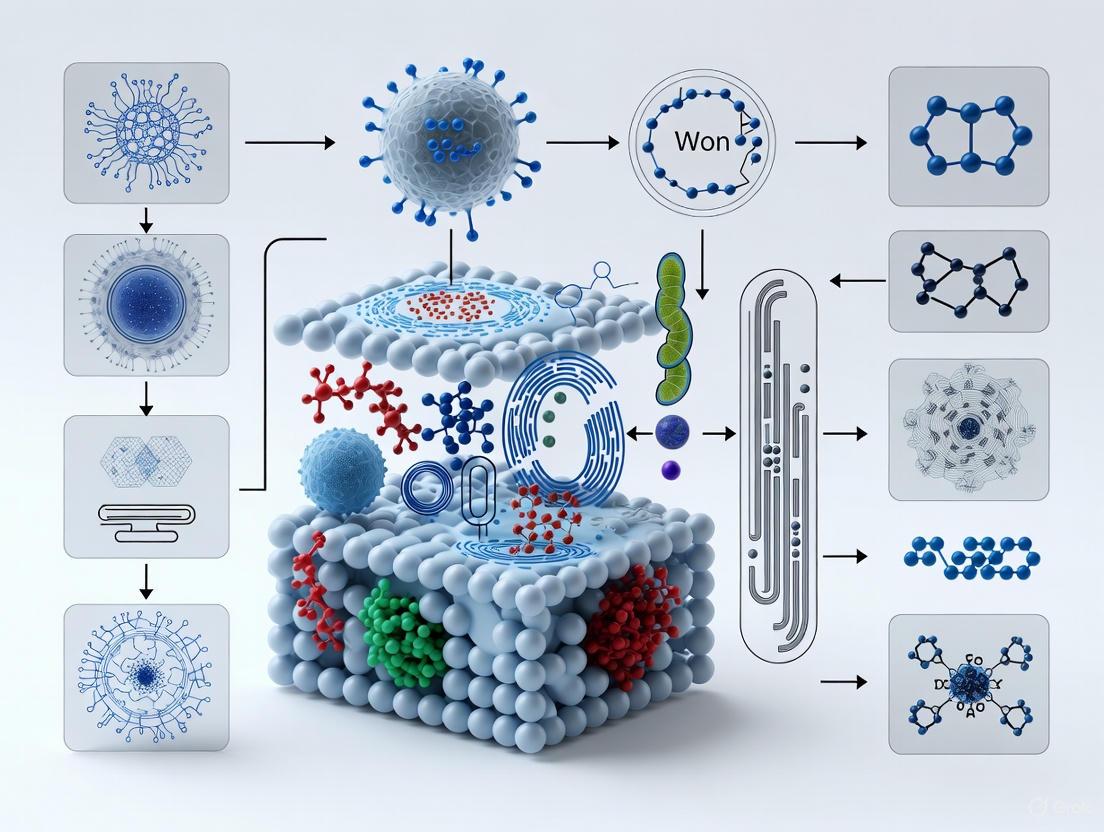
This article explores the pivotal role of three-dimensional (3D) cell culture as a physiologically relevant alternative to animal testing.
Beyond Animal Testing: How 3D Cell Culture is Revolutionizing Drug Discovery and Biomedical Research
Abstract
This article explores the pivotal role of three-dimensional (3D) cell culture as a physiologically relevant alternative to animal testing. Aimed at researchers, scientists, and drug development professionals, it covers the foundational reasons for the shift from 2D and animal models, details the core methodologies and their applications in fields like cancer research and toxicology, addresses key challenges in standardization and reproducibility, and validates the technology through comparative data on its predictive power. The synthesis of these areas provides a comprehensive guide for integrating advanced in vitro models to enhance preclinical predictability, adhere to the 3Rs principles, and accelerate therapeutic development.
Why Move Beyond Animals? The Scientific and Ethical Imperative for 3D Models
The drug development process is plagued by a persistently high failure rate, with approximately 90% of drug candidates failing during clinical trials [1]. A primary reason for this attrition is the poor translatability of data from conventional preclinical models—primarily two-dimensional (2D) cell cultures and animal models—to human patients [2]. These traditional models often fail to recapitulate the complex physiology of human tissues, leading to inaccurate predictions of drug efficacy and safety. This review objectively compares the performance of traditional models against emerging three-dimensional (3D) cell culture technologies, which are positioned as more human-relevant alternatives. By examining quantitative data and experimental methodologies, we demonstrate how 3D cell cultures address critical limitations of existing approaches, potentially reducing the staggering cost of drug development failure.
Limitations of Traditional Preclinical Models
Two-Dimensional Cell Culture Systems
Conventional 2D cell cultures, where cells grow as monolayers on rigid plastic surfaces, suffer from several fundamental limitations that compromise their predictive power.
- Loss of Tissue-Specific Architecture: Cells cultured in 2D lose their natural three-dimensional morphology and polarization, which dramatically alters their signaling behavior, gene expression patterns, and metabolic activity [3].
- Deficient Cell-Cell and Cell-Matrix Interactions: The planar geometry of 2D cultures fails to replicate the complex interactions between cells and their native extracellular matrix (ECM), which are critical for maintaining tissue-specific functions [3].
- Simplified Microenvironment: 2D systems cannot establish the physiological gradients of oxygen, nutrients, and soluble factors that exist in living tissues, eliminating the cellular heterogeneity found in vivo [3].
These limitations manifest in concrete performance gaps. For instance, colon cancer HCT-116 cells cultured in 3D demonstrate significantly higher resistance to anticancer drugs like melphalan, fluorouracil, oxaliplatin, and irinotecan compared to their 2D counterparts—a phenomenon that closely mirrors the chemoresistance observed in human tumors [3].
Animal Models
Despite their longstanding role in preclinical research, animal models present substantial translational challenges due to interspecies differences.
- Genetic and Physiological Disparities: Even genetically close species like mice share only approximately 80% of their genome with humans, leading to fundamental differences in disease manifestation and drug response [4].
- Poor Clinical Predictability: The failure of animal models to accurately predict human responses is evidenced by numerous case studies. For example, promising HIV vaccines that showed efficacy in chimpanzees consistently failed in human trials due to differences in immune system function [4]. Similarly, countless elegant cancer cures that worked in mouse models have proven ineffective in human patients [4].
- Ethical and Economic Concerns: Animal testing raises significant ethical considerations and requires substantial financial investment—factors that have prompted legislative actions worldwide to restrict animal use and promote alternative methods [5].
Table 1: Quantitative Comparison of Traditional vs. 3D Cell Culture Models
| Parameter | 2D Cell Culture | Animal Models | 3D Cell Culture |
|---|---|---|---|
| Physiological Relevance | Low - Lacks tissue architecture | Moderate - Species differences limit translation | High - Mimics human tissue microenvironment |
| Drug Response Prediction | Poor - Lacks chemoresistance mechanisms | Variable - Inconsistent human correlation | Improved - Recapitulates in vivo drug responses |
| Cellular Complexity | Limited - Typically monoculture | High - Whole organism complexity | Customizable - Co-culture systems possible |
| Throughput | High - Suitable for HTS | Low - Time and resource intensive | Moderate to High - Adaptable to HTS formats |
| Cost | Low | Very High | Moderate |
| Ethical Considerations | Minimal | Significant | Minimal |
3D Cell Cultures: A Human-Relevant Alternative
The 3D cell culture industry is experiencing substantial growth, projected to expand at a compound annual growth rate (CAGR) of 15% through 2030, with the market valued at $1.04 billion in 2022 [6]. This growth is driven by increasing recognition of 3D models' superior biological relevance across multiple applications:
- Scaffold-Based Systems: Dominating the market (48.85% of revenue in 2024), these platforms utilize hydrogels, polymeric scaffolds, and nanofibers to simulate extracellular matrices, particularly excelling in tissue engineering and cancer research [6].
- Scaffold-Free Systems: Representing the fastest-growing segment (CAGR of 9.1%), these include spheroids and organoids that self-aggregate, making them ideal for high-throughput drug screening [6].
- Microfluidics and Organ-on-Chip: Emerging technologies that enable precise control over cellular microenvironments, with applications in toxicity testing and disease modeling [6].
Industry adoption is accelerating, with prominent players like Thermo Fisher Scientific, Merck KGaA, and Lonza actively developing innovative 3D platforms through strategic partnerships and product launches [6].
Performance Advantages: Quantitative Evidence
3D cell culture technologies demonstrate measurable improvements in predicting drug responses compared to traditional models:
- Superior Drug Response Modeling: Pharma companies implementing 3D models have reported savings of approximately 25% in R&D costs due to more accurate early-stage screening [6].
- Enhanced Biological Relevance: In cancer research, which accounts for 34% of 3D cell culture applications, these models successfully replicate the tumor microenvironment and phenotypic heterogeneity absent in 2D systems [6].
- Clinical Translation Accuracy: Patient-derived organoids have enabled personalized therapy selection by accurately predicting individual drug responses in conditions like cystic fibrosis and pancreatic cancer [6].
Table 2: Experimental Outcomes Comparison in Drug Screening
| Experimental Metric | 2D Culture Performance | 3D Culture Performance | Clinical Correlation |
|---|---|---|---|
| Drug Resistance | Artificially low | Clinically relevant resistance observed | High correlation in multiple cancer types |
| Proliferation Rates | Artificially high | Physiological rates maintained | Better predicts tumor growth |
| Gene Expression | Aberrant profile | Tissue-like expression patterns | Improved translation to human tissue |
| Metabolic Activity | Hyperactive | Physiological metabolic rates | More accurate toxicity prediction |
| Stem Cell Population | Underrepresented | Appropriate niche maintenance | Critical for cancer therapy resistance |
Experimental Protocols: Implementing 3D Models
Multicellular Spheroid Formation Methods
Several well-established techniques enable robust generation of 3D spheroids for drug screening applications:
- Low-Adhesion Plates: Utilize plates with ultra-low attachment surface coating and defined geometry (round, tapered, or v-shaped bottoms) to promote self-aggregation into single spheroids per well. This method allows spheroid formation, propagation, and assaying within the same plate, making it compatible with high-throughput screening [3].
- Hanging Drop Plates (HDPs): Cells in media are dispensed into wells where they form discrete droplets below aperture openings, naturally aggregating into spheroids. A limitation is the requirement to transfer spheroids to a second plate for assaying [3].
- Bioreactor Systems: Use spinner flasks or microgravity bioreactors to drive cell aggregation under dynamic culture conditions. This approach permits large-scale spheroid production but may introduce shear stress and generate non-uniform spheroid sizes [3].
- Micropatterned Surfaces: Employ nanoscale scaffolds imprinted on flat substrates to control cell adhesion and migration. These plates show little well-to-well variation and are compliant with high-throughput screening, though pipetting may damage the delicate patterned surfaces [3].
Cost-Effective Alternative Methods
Recent advances have introduced more accessible 3D culture platforms that maintain physiological relevance while reducing implementation costs:
- Curvature-Controlled Paraffin Wax Films: A simple, economical method using deformed Parafilm to generate both cell sheets and spheroids without requiring extracellular matrix components or temperature changes. By adjusting substrate curvature, this approach applies gravitational force to promote 3D assembly, with key parameters being cell density, curvature degree, and incubation time [7].
- Human Amniotic Membrane (hAM) Platform: A biologically complex substrate that provides natural ECM components including collagen types III, IV and V, laminin, fibronectin, and various growth factors. The decellularization protocol involves NaOH treatment (40 mg/ml for 30-60 seconds) or trypsin-EDTA (0.25% for 90 minutes) to remove epithelial cells while preserving the underlying bioactive membrane [8].
Experimental Workflow for 3D Cell Culture
The Scientist's Toolkit: Essential Research Reagents and Platforms
Successful implementation of 3D cell culture technologies requires specific materials and reagents optimized for three-dimensional growth environments.
Table 3: Essential Research Reagents for 3D Cell Culture
| Reagent/Platform | Function | Example Applications |
|---|---|---|
| Hydrogels | Provides ECM-mimetic 3D structure for cell growth | Natural (collagen, Matrigel) and synthetic (PeptiGels) variants for tissue engineering |
| Low-Adhesion Plates | Promotes cell self-aggregation into spheroids | High-throughput drug screening; cancer spheroid formation |
| Polymeric Scaffolds | Offers durable 3D framework with optical clarity | Used in 65% of tissue engineering projects |
| Microfluidic Chips | Enables precise control of cellular microenvironment | Organ-on-chip models; dynamic flow cultures |
| Human Amniotic Membrane | Natural biological scaffold with innate ECM components | Stem cell niche modeling; regenerative medicine applications |
| Thermo-responsive Polymers | Facilitates cell sheet harvesting without enzymes | PIPAAm-based platforms for scaffold-free tissue engineering |
The compelling evidence presented in this comparison guide demonstrates that 3D cell culture technologies offer substantial advantages over traditional models for preclinical drug testing. By more accurately mimicking human tissue architecture, cellular interactions, and drug response profiles, 3D models address fundamental limitations of 2D cultures and animal testing. The quantitative data shows improved clinical predictability, potentially reducing the alarming 90% failure rate of drug candidates in clinical trials. As these human-relevant systems continue to evolve through integration with advanced technologies like AI, organ-on-chip systems, and 3D bioprinting, they represent a transformative pathway toward more efficient, ethical, and predictive drug development. The migration toward 3D systems is not merely a technical improvement but a necessary evolution to address the costly challenge of drug attrition.
The pursuit of physiologically relevant and human-based models is a central challenge in biomedical research. For decades, the scientific community has relied on traditional two-dimensional (2D) cell cultures and animal models, despite their well-documented limitations in accurately predicting human physiology and therapeutic responses. This comparison guide objectively evaluates the performance of three-dimensional (3D) cell cultures against these established models. By synthesizing current experimental data, we demonstrate that 3D architectures—including spheroids, organoids, and organs-on-chips—superiorly recapitulate the cellular microenvironment, tissue organization, and molecular gradients found in vivo. Framed within the critical context of the 3Rs (Replacement, Reduction, and Refinement of animal testing), the evidence positions 3D cell culture not merely as an alternative, but as a transformative bridge between conventional in vitro systems and complex in vivo biology for researchers and drug development professionals.
Historically, biomedical research has been strengthened by two foundational pillars: the traditional 2D cell culture and experimental animal models [9]. However, the simplicity of the 2D system, where cells grow in a static monolayer on plastic surfaces, fails to reflect the heterogeneity and complexity of living tissues [10]. This model lacks proper cell-cell and cell-extracellular matrix (ECM) interactions, leading to abnormal cellular morphology, proliferation, and differentiation [11]. Consequently, data obtained from 2D cultures often suffer from limited predictivity, contributing to high attrition rates in drug development pipelines.
On the other end of the spectrum, animal models, while providing a whole-organism context, are costly, time-consuming, and raise significant ethical concerns [12]. More critically, there are profound species-specific differences in physiology, genetics, and immunology that often make animal data poorly translatable to humans [12] [9]. This translation gap, coupled with the ethical drive to adhere to the 3R principles (Replacement, Reduction, and Refinement of animal use) formalized by Russell and Burch in 1959, has underscored the urgent need for more human-relevant tools [10] [11].
Three-dimensional cell cultures have emerged as a powerful bridge, capable of achieving cellular differentiation and complexity that mirrors human tissues while avoiding the use of animals [10]. By allowing cells to grow and interact with their surrounding extracellular framework in three dimensions, 3D models mimic the microarchitecture and organization of living organs, offering a new paradigm for disease modeling, drug discovery, and regenerative medicine [12].
Comparative Analysis: 3D Cell Cultures vs. 2D Cultures vs. Animal Models
The following tables synthesize key experimental data and qualitative findings that highlight the comparative efficacy of each model system.
Table 1: Functional and Physiological Comparison of Research Models
| Parameter | 2D Cell Culture | 3D Cell Culture | Animal Models |
|---|---|---|---|
| Tissue Architecture | Flat monolayer; artificial polarity [10] | Realistic micro-anatomy; cell aggregates/spheroids/organoids [12] [9] | Native, whole-organ architecture |
| Cell-Cell & Cell-ECM Interactions | Limited and unnatural [10] | Promoted, mimicking in vivo conditions [10] | Native and complex |
| Nutrient & Oxygen Gradients | Homogeneous access [10] | Spontaneous gradient formation; mimics diffusion limits in tissues [10] | Physiological gradients present |
| Proliferation & Differentiation | Abnormal; de-differentiation common [11] | Exhibits differentiated cellular function; supports stem cell propagation [10] [9] | Physiological and developmentally regulated |
| Predictivity for Human Drug Response | Low; high false positive/negative rates [10] | Higher; better predicts in vivo efficacy and toxicity [10] [9] | Variable due to species differences [12] |
| Gene Expression Profile | Does not fully reflect in vivo signaling [11] | More closely mirrors gene expression of native tissue [11] | Species-specific, not human |
Table 2: Practical and Ethical Considerations in Research
| Consideration | 2D Cell Culture | 3D Cell Culture | Animal Models |
|---|---|---|---|
| Cost | Inexpensive [10] | Moderately expensive [10] | Very high (housing, care, approval) [12] |
| Experimental Duration | Short (days) | Medium (days to weeks) | Long (months to years) [12] |
| Throughput & Scalability | High; well-suited for screening | Technically challenging but possible with advanced plates [12] | Low |
| Ethical Complexity | Low | Low | High; requires strict justification [12] |
| Human Relevance | Low; lacks human tissue context | High; can be derived from human cells/tissues [12] | Low to moderate; significant species barriers [12] [9] |
| Reproducibility | High standardization [10] | Can be variable; depends on protocol [10] | Subject to biological variability |
Experimental Protocols for Key 3D Models
To harness the potential of 3D cultures, robust and reproducible protocols are essential. Below are detailed methodologies for establishing two fundamental types of 3D models.
Scaffold-Free Spheroid Formation via the Liquid Overlay Technique
The liquid overlay technique encourages cells to self-aggregate by preventing adhesion to the culture vessel surface [10].
Detailed Protocol:
- Coating Preparation: Prepare a solution of agarose (e.g., 1-2%) in ultra-pure water or a serum-free buffer. Sterilize by autoclaving.
- Plate Coating: Coat the wells of a standard multi-well plate with the warm agarose solution, ensuring complete coverage of the well bottom. Allow the agarose to gel at room temperature or 4°C.
- Cell Seeding: Trypsinize and count the cells of interest. Prepare a single-cell suspension in the appropriate spheroid culture medium, which may contain specific factors to encourage aggregation.
- Aggregation: Seed the cell suspension into the agarose-coated multi-well plates. The non-adhesive surface forces cells to interact with each other.
- Culture and Harvest: Culture the plates under standard conditions (37°C, 5% CO2). Spheroid formation can be encouraged by continuous agitation on an orbital shaker or by using centrifugation to pellet the cells initially. Spheroids with a spherical morphology and variable size (50–150 μm) typically form within 24-72 hours [10].
- Downstream Analysis: Spheroids can be harvested for analysis, including immunofluorescence (with optimized protocols for penetration), molecular biology, or drug treatment assays.
Magnetic 3D Bioprinting (M3D) for Simplified Handling
Magnetic 3D cell culture simplifies the manipulation of 3D models, enabling easier media changes, staining, and co-culture creation without disrupting the tissue architecture [12].
Detailed Protocol:
- Cell Magnetization: Incubate cells with a biocompatible magnetic nanoparticle solution, such as NanoShuttle, for several hours to allow for uptake.
- Spheroid Formation: Seed the magnetized cells into a cell-repellent donor plate. Place the plate on a magnetic drive. The magnetic force will aggregate the cells into spheroids at the bottom of each well.
- Transfer with Multi-MagPen:
- Insert the Multi-MagPen Sleeve into the donor plate containing the magnetized 3D cultures.
- Insert the Multi-MagPen Drive into the Sleeve and agitate briefly to collect the spheroids via magnetic force.
- Perform a simple "pick-up-and-drop" transfer of the 3D cultures from the donor plate to a receiver plate.
- Place the receiver plate on a Holding Drive to pull the spheroids to the well bottom and remove the Multi-MagPen Sleeve.
- Application: This system allows for the simultaneous transfer of all spheroids for media changes or the creation of complex co-culture systems by sequentially transferring different cell types [12].
The Scientist's Toolkit: Essential Reagents and Materials
Success in 3D cell culture relies on a specialized set of tools and reagents. The following table details key solutions for establishing and analyzing these models.
Table 3: Key Research Reagent Solutions for 3D Cell Culture
| Research Reagent / Solution | Function and Application |
|---|---|
| Cell-Repellent Plates | Multi-well plates with a hydrophilic, neutrally charged polymer coating (e.g., agar/agarose) that prevents cell attachment, forcing cells to self-assemble into 3D spheroids [10]. |
| Hydrogels & Natural Scaffolds | Matrices (e.g., Matrigel, collagen, alginate) that mimic the native extracellular matrix (ECM), providing biochemical and structural support for cell growth, differentiation, and 3D organization [11]. |
| Magnetic 3D Bioprinting System | A system involving magnetic nanoparticles and specialized drives (e.g., Multi-MagPen) that allows for the facile formation, manipulation, and transfer of 3D cultures without pipetting, preserving tissue architecture [12]. |
| Specialized 3D Culture Media | Media formulations often containing specific growth factors and supplements (e.g., R-spondin, Noggin) that support the long-term growth and self-renewal of complex structures like organoids [9]. |
| Microfluidic Organ-on-a-Chip Devices | Miniaturized devices containing continuously perfused chambers lined with living cells that simulate organ-level physiology and disease responses, allowing for the study of multi-organ interactions [10] [11]. |
Signaling Pathways and Physiological Complexity in 3D
The 3D microenvironment reactivates critical signaling pathways that are often dormant or dysregulated in 2D culture. These pathways drive the self-organization, differentiation, and tissue-specific functionality observed in models like organoids.
The collective body of experimental evidence unequivocally demonstrates that 3D cell culture models offer a more human-relevant and physiologically accurate platform compared to traditional 2D cultures and, in many contexts, animal models. By faithfully mimicking the tissue-like architecture, cellular heterogeneity, and molecular gradients of in vivo organs, 3D systems provide superior predictivity for drug responses and disease modeling. While challenges in standardization and scalability persist, ongoing advancements in bioengineering, scaffold design, and automated handling are rapidly addressing these hurdles. For the research community dedicated to the 3Rs and the development of safer, more effective human therapeutics, the integration of 3D cell cultures is no longer a future aspiration but a present-day necessity, bridging the critical gap between simplistic in vitro systems and the profound complexity of the human body.
The landscape of preclinical research is undergoing a profound transformation, driven by the urgent need for more human-relevant data and strong ethical imperatives. The 3Rs principle (Replacement, Reduction, and Refinement), first introduced in 1959 by William Russell and Rex Burch, has evolved from a theoretical framework to a practical guide reshaping scientific practice and regulatory policy worldwide [13] [14]. International regulatory agencies, including the U.S. Food and Drug Administration (FDA) and European Medicines Agency (EMA), are now actively promoting the adoption of New Approach Methodologies (NAMs) that can reduce or replace animal testing [13]. This shift was significantly accelerated by the passage of the FDA Modernization Act 2.0 in 2023, which removed the mandatory requirement for animal testing before human clinical trials [13]. This article explores how advanced 3D cell culture technologies are driving this paradigm shift, objectively comparing their performance against traditional methods and providing researchers with practical guidance for implementation.
The Imperative for Change: Limitations of Traditional Models
The scientific limitations of animal models have become increasingly apparent, with significant physiological, metabolic, and genetic differences between species making extrapolation to humans uncertain [15]. Approximately 90-95% of drugs that prove safe and effective in animal tests fail in human clinical trials, representing an enormous waste of resources and lost therapeutic opportunities [15]. This poor translatability is particularly evident in case studies like Vioxx, which showed protective effects in mice but caused heart attacks in humans, and penicillin, which is toxic to guinea pigs despite its widespread human use [15].
Beyond scientific limitations, traditional animal testing faces substantial ethical challenges. Globally, millions of animals, including dogs, cats, primates, and rodents, continue to suffer in laboratories each year [15]. The 3Rs framework addresses these concerns through:
- Replacement: Using non-sentient material such as in vitro models or computational approaches
- Reduction: Obtaining comparable information from fewer animals or more information from the same number of animals
- Refinement: Minimizing pain, suffering, and distress while improving animal welfare [14]
3D Cell Culture Technologies: A Comparative Analysis
Advanced 3D cell culture technologies have emerged as powerful tools for implementing the 3Rs, particularly the Replacement principle. These platforms demonstrate superior performance in specific applications while acknowledging current limitations.
Table 1: Comparative Analysis of Major 3D Cell Culture Platforms
| Technology | Key Applications | Advantages | Limitations | Predictive Performance |
|---|---|---|---|---|
| Organoids | Disease modeling, drug screening, personalized medicine [16] [15] | Human-specific, patient-derived, complex architecture [14] [15] | Protocol standardization challenges, limited maturation [14] | Liver organoids show high predictive value for drug-induced liver injury [15] |
| Organ-on-Chip (OoC) | Toxicity testing, ADME studies, disease mechanisms [15] | Human physiology mimicry, controlled environment, multi-organ integration [14] [15] | Technical complexity, high cost, expertise-dependent [14] | Recapitulates human physiological responses better than traditional methods [15] |
| Scaffold-Based 3D Cultures | High-throughput screening, cancer research, regenerative medicine [17] | Reproducibility, scalability, automation compatibility [17] | Material variability (if animal-derived), composition complexity [18] | Improved predictive accuracy for tumor drug responses compared to 2D models [17] |
| 3D Bioprinting | Tissue engineering, disease modeling, regenerative medicine [17] [19] | Precision spatial control, customizable architecture, high reproducibility [17] | Limited resolution for microvasculature, bioink development challenges [17] | Successfully created functional blood vessels and lung models mimicking human physiology [19] |
Table 2: Quantitative Market Growth and Adoption Trends (2025-2035 Projections)
| Segment | Market Value 2025 (USD) | Projected Value 2035 (USD) | CAGR | Leading Adoption Drivers |
|---|---|---|---|---|
| Global 3D Cell Culture Market | $1,494.2 million [17] | $3,805.7 million [17] | 9.8% [17] | Demand for human-relevant models, regulatory support for NAMs [17] |
| Scaffold-Based Technologies | 80.4% market share [17] | Maintained dominance | - | Reproducibility, scalability, automation compatibility [17] |
| Cancer Research Applications | 32.2% market share [17] | Continued leadership | - | Need for predictive tumor models, oncology R&D investment [17] |
| Pharmaceutical Sector Adoption | 44.9% market share [17] | Expanding utilization | - | Improved early screening, reduced late-stage failures [17] |
Experimental Protocols and Workflows
Organoid Generation from Induced Pluripotent Stem Cells (iPSCs)
The development of patient-specific organoids has revolutionized disease modeling and drug screening approaches. The following workflow outlines a standardized protocol for kidney organoid generation, based on successful implementations in nephrology research [19]:
Phase 1: iPSC Culture and Expansion
- Culture iPSCs in vitronectin-coated plates with defined essential medium 8 (E8) medium
- Maintain cells at 37°C with 5% CO₂ with daily medium changes
- Passage cells at 70-80% confluence using EDTA solution
Phase 2: Directed Differentiation
- Initiate differentiation upon reaching 90% confluence
- Transition to APEL-based differentiation medium with CHIR99021 (8-12 μM) for 4 days to induce mesoderm
- Replace with APEL medium containing FGF9 (200 ng/mL) for 8 days to promote nephron progenitor formation
Phase 3: 3D Culture and Maturation
- Dissociate cells with Accutase and seed in 3D culture format
- Embed in synthetic hydrogel (e.g., VitroGel) or other extracellular matrix
- Culture for 18-21 days with medium changes every 2-3 days
- Analyze organoid maturity through immunohistochemistry and functional assays
This protocol has demonstrated success in modeling polycystic kidney disease, with the resulting organoids showing structural and functional characteristics of human kidney tissue [19].
Organ-on-Chip Platform for Toxicology Screening
Microphysiological systems replicate human organ-level responses to compounds, providing superior predictive data compared to traditional models. The following protocol describes a liver-on-chip system for toxicity assessment:
Phase 1: Cell Seeding and Acclimation
- Prime microfluidic channels with coating solution appropriate for primary human hepatocytes
- Seed primary human hepatocytes at density of 5×10⁶ cells/mL through inlet ports
- Allow cell attachment for 4-6 hours without perfusion
- Initiate slow perfusion (2-5 μL/hour) with hepatocyte maintenance medium
Phase 2: System Maturation
- Gradually increase flow rate to 30-60 μL/hour over 3-5 days
- Monitor albumin and urea production as indicators of functionality
- Co-culture with non-parenchymal cells (Kupffer cells, stellate cells) on day 3-5
Phase 3: Compound Exposure and Analysis
- Introduce test compounds through medium reservoir at clinically relevant concentrations
- Maintain exposure for 7-14 days with daily medium collection
- Assess multiple endpoints: viability (ATP content), functional markers (albumin, urea), metabolic capacity (CYP450 activity), and histology
This system has demonstrated superior prediction of drug-induced liver injury compared to static 2D cultures, with concordance to human clinical outcomes exceeding 85% in validated compounds [15].
Diagram 1: Organoid Generation from iPSCs (3 Phases)
Essential Research Reagent Solutions
Successful implementation of 3D cell culture technologies requires specific reagent systems designed to overcome the limitations of traditional materials. The table below details critical solutions for robust and reproducible 3D models.
Table 3: Essential Research Reagent Solutions for 3D Cell Culture
| Reagent Category | Specific Examples | Key Functions | Advantages over Traditional Materials |
|---|---|---|---|
| Synthetic Hydrogels | VitroGel, HyStem [18] | Synthetic extracellular matrix for 3D cell support | Defined composition, room-temperature stability, tunable stiffness, lot-to-lot consistency [18] |
| Animal-Free Media Supplements | Human-derived growth factors, synthetic replacements | Support cell growth and differentiation without animal components | Xeno-free, reduced variability, clinically relevant [18] |
| Specialized Microplates | Corning Spheroid Microplates, U-bottom plates [20] | Promote 3D self-assembly, spheroid formation | Enhanced reproducibility, compatibility with high-throughput screening [17] |
| Bioinks for 3D Bioprinting | Gelatin-based, alginate, synthetic polymer blends [17] | Provide structural support for bioprinted tissues | Printability, cytocompatibility, structural integrity maintenance [17] |
| Cryopreservation Solutions | Specialty DMSO-free, serum-free formulations | Long-term storage of 3D models while maintaining viability | Improved post-thaw recovery, defined composition [17] |
A critical consideration in selecting research reagents is the move away from animal-derived extracellular matrices (ECMs) such as Matrigel. While historically valuable, these materials present significant ethical and scientific challenges. The production of Matrigel requires sacrificing tumor-bearing mice, with global supply chains consuming millions of mice annually [18]. Scientifically, these matrices suffer from undefined composition, high batch-to-batch variability, and contamination with biologically active growth factors that can distort experimental results [18]. Synthetic hydrogels address these limitations while offering additional technical advantages, including room-temperature stability and compatibility with automated liquid handling systems [18].
Implementation Challenges and Strategic Solutions
Despite their considerable promise, 3D cell culture technologies face several implementation challenges that researchers must strategically address:
Standardization and Reproducibility The lack of standardized protocols represents a significant barrier to widespread adoption, with variability in outcomes across different laboratories [17]. This challenge can be mitigated through:
- Implementation of automated liquid handling systems to reduce technical variation
- Adoption of quality control metrics for organoid maturity and functionality
- Utilization of defined, synthetic matrices rather than biologically variable materials [18]
Technical Complexity and Training Organ-on-chip platforms and advanced 3D models require specialized expertise not yet widespread in research communities [14]. Strategic approaches include:
- Development of comprehensive training programs and technical support resources
- Establishment of core facilities with shared equipment and expert staff
- Implementation of user-friendly commercial systems with standardized operating procedures
Regulatory Acceptance and Validation While regulatory agencies are increasingly accepting NAMs, validation frameworks remain in development [13]. Researchers should:
- Engage early with regulatory agencies through pre-submission meetings
- Generate data comparing 3D model performance directly with traditional methods
- Participate in consortium-led validation studies to establish standardized protocols
Integration with Existing Workflows Incorporating 3D technologies into established drug development pipelines requires strategic planning:
- Implement parallel testing of new compounds in both traditional and 3D systems during transition periods
- Develop computational tools for extrapolating in vitro results to predicted human outcomes
- Establish criteria for which compounds advance based on 3D model data alone
Diagram 2: Implementation Challenges and Strategic Solutions
The field of 3D cell culture continues to evolve rapidly, with several emerging trends shaping its future development. The integration of artificial intelligence with 3D culture systems is particularly promising, with AI algorithms now being used to analyze complex organoid data, predict toxicity, and identify novel therapeutic targets [19] [15]. Industry experts estimate that combining AI with advanced 3D models could reduce drug development timelines and expenses by at least half within the next three to five years [19].
Multi-organ systems represent another frontier, with researchers developing interconnected organ chips that can model systemic drug effects and complex disease processes [15]. These human-on-a-chip platforms aim to capture the pharmacokinetic and pharmacodynamic relationships between different tissue types, providing a more comprehensive prediction of human responses [15].
The growing emphasis on personalized medicine is also driving innovation, with patient-derived organoids becoming increasingly used to identify individualized treatment strategies, particularly in oncology [19]. The successful creation of personalized organ chip models for esophageal adenocarcinoma that perfectly mirrored patient responses to chemotherapy demonstrates the considerable potential of this approach [19].
In conclusion, 3D cell culture technologies represent a transformative advancement in implementing the 3Rs principles while simultaneously enhancing the human relevance of preclinical research. While challenges remain in standardization and widespread adoption, the strategic implementation of these technologies, coupled with continued innovation, promises to accelerate drug development, reduce costs, and ultimately deliver more effective and safer therapeutics to patients. As regulatory frameworks continue to evolve and scientific capabilities advance, 3D cell culture systems are poised to become increasingly central to biomedical research, fully aligning scientific practice with the ethical imperatives of Replacement, Reduction, and Refinement.
The landscape of preclinical drug development is undergoing a fundamental transformation driven by significant regulatory changes and technological advancements. The FDA Modernization Act 2.0, signed into law in December 2022, represents a pivotal shift by explicitly permitting the use of alternatives to animal testing for drug safety and efficacy evaluations [21]. This legislation authorizes the use of cell-based assays, organoids, microphysiological systems (such as organs-on-chips), and advanced in silico models (including AI and computational approaches) in investigational new drug applications [21] [22].
In April 2025, the U.S. Food and Drug Administration (FDA) announced a concrete plan to implement this legislation, beginning with phasing out animal testing requirements for monoclonal antibodies and other biologics [23] [22]. The agency outlined that animal testing will be "reduced, refined, or potentially replaced" using a range of New Approach Methodologies (NAMs), including AI-based computational toxicity models and organoid-based toxicity testing [23] [22]. Commissioner Dr. Martin A. Makary described this initiative as a "paradigm shift in drug evaluation" that promises to "accelerate cures and meaningful treatments for Americans while reducing animal use" [23].
This regulatory evolution is supported by a growing global consensus on the need for more human-relevant testing methodologies. The European Union is simultaneously implementing its own roadmap, with targets set for the first quarter of 2026 to mandate the development of non-animal testing methodologies [24]. This coordinated global regulatory push creates substantial tailwinds for adopting 3D cell culture technologies as physiologically relevant alternatives to traditional animal models.
3D Cell Culture Technologies: A Comparative Analysis
Three-dimensional cell cultures represent a diverse category of advanced in vitro models that more accurately mimic tissue-like environments compared to conventional two-dimensional cultures. These technologies are gaining rapid adoption across pharmaceutical development and basic research because they address critical limitations of both traditional 2D cultures and animal models.
Technology Classifications and Performance Characteristics
Table 1: Comparative Analysis of Major 3D Cell Culture Technology Platforms
| Technology Type | Key Characteristics | Primary Applications | Advantages | Limitations |
|---|---|---|---|---|
| Scaffold-Based Systems [24] [6] | Utilizes supportive matrices (hydrogels, polymers, nanofibers) to mimic extracellular matrix (ECM); dominated 48.85% of 2024 revenue [6] | Tissue engineering, cancer research, regenerative medicine | Superior cell support and physiological relevance; tunable mechanical properties [24] | Potential batch-to-batch variability; may impede nutrient diffusion to core |
| Scaffold-Free Systems [6] [25] | Self-aggregating spheroids and organoids; fastest growing segment (9.1% CAGR) [6] | High-throughput drug screening, personalized medicine, developmental biology | Preserve native cell-cell interactions; suitable for automated screening | Limited control over initial architecture; heterogeneity in size/shape |
| Microfluidic Systems & Organ-on-Chip [6] [21] | Microphysiological devices with perfusable channels; projected 21.3% CAGR [6] | Disease modeling, toxicity testing, organ-level studies | Precise microenvironment control; modeling organ crosstalk [21] | Technical complexity; higher cost; limited throughput |
| 3D Bioreactors [25] | Bioreactors (spinner flask, rotating wall, hollow fiber) for large cell populations | Scale-up production, tissue engineering, vaccine development | Scalability; continuous nutrient supply; gas exchange | Specialized equipment required; potential shear stress damage |
| Magnetic 3D Bioprinting [12] | Magnetic levitation for spheroid formation and manipulation | Co-culture studies, drug testing, tissue assembly | Simplified workflow; easy transfer and media changes [12] | Requires specialized nanoparticles; additional optimization |
Quantitative Market Validation and Adoption Trends
The growth metrics for 3D cell culture technologies provide compelling evidence of their accelerating adoption within the research community:
- The global 3D cell culture technologies market reached $3.36 billion in 2024 and is projected to grow to $8.16 billion by 2029, representing a robust 19.8% compound annual growth rate (CAGR) [25].
- The broader 3D cell culture market (encompassing products and services) is estimated at $7.44 billion in 2025, with projections reaching $32.42 billion by 2032 at a 23.4% CAGR [24].
- North America dominates the market with a 42.7% share in 2025, while the Asia-Pacific region demonstrates the fastest growth rate, driven by expanding biotechnology infrastructure and research investment [24].
This market expansion reflects a fundamental shift in research priorities, with 3D cultures increasingly being integrated into mainstream pharmaceutical R&D pipelines. The drug discovery application segment currently holds the largest market share, as 3D models enhance accuracy in preclinical testing and reduce clinical trial failures, potentially saving pharmaceutical companies 25% in R&D costs [6].
Experimental Validation: Protocol for Multicellular Tumor Spheroid Generation
Recent research has demonstrated methodologies for generating robust 3D cancer models that faithfully recapitulate tumor biology. The following protocol, adapted from a 2025 study published in Scientific Reports, provides a comparative analysis of 3D culture techniques for colorectal cancer (CRC) research [26].
Experimental Objectives and Design
This study systematically evaluated different 3D culture methodologies across eight colorectal cancer cell lines (DLD1, HCT8, HCT116, LoVo, LS174T, SW48, SW480, and SW620) to identify optimal conditions for generating multicellular tumor spheroids (MCTS) [26]. The primary objective was to establish standardized, reproducible protocols for creating physiologically relevant CRC models that could enhance drug screening accuracy and reduce animal use in preclinical oncology research.
Detailed Methodologies
Table 2: Comparison of 3D Culture Techniques for Tumor Spheroid Formation
| Method | Protocol Summary | Equipment/Reagents | Cell Line Performance | Output Characteristics |
|---|---|---|---|---|
| Liquid Overlay on Agarose [26] | Cell suspension plated on non-adherent agarose-coated surfaces | Agarose, standard multi-well plates, cell-repellent solutions | Effective for most CRC lines; prevents attachment | Multiple spheroids per well; variable size distribution |
| Hanging Drop [26] | Cell aggregation in droplets suspended from plate lids | Specialized plates or manual droplet creation, low-adhesion lids | Consistent spheroids; technical challenges | Uniform, single spheroids; size control via cell number |
| U-bottom Plates with Matrix [26] | Cell centrifugation in U-bottom plates with ECM components | U-bottom plates, Matrigel, collagen I, methylcellulose | Enhanced compaction; matrix-dependent | Single, compact spheroids; high uniformity |
| Scaffold-Free U-bottom [26] | Cell self-assembly in ultra-low attachment U-bottom plates | Cell-repellent U-bottom plates, centrifugation | Line-dependent; some form loose aggregates | Cost-effective; suitable for high-throughput screening |
Novel SW48 Protocol Development: The study successfully established a novel protocol for generating compact SW48 spheroids, which previously formed only irregular aggregates. The optimized method utilized U-bottom plates with specific hydrogel matrices (Matrigel or collagen type I) to achieve proper spheroid compaction for this challenging cell line [26].
Co-culture System: To enhance physiological relevance, researchers developed co-culture models incorporating immortalized colonic fibroblasts (CCD-18Co) with CRC cell lines. This approach better mimics the tumor microenvironment, including critical tumor-stroma interactions that influence drug response and resistance mechanisms [26].
Key Experimental Findings and Validation Metrics
- Morphological Assessment: Compact spheroids exhibited histological characteristics resembling in vivo tumors, including spatial organization, cell-cell adhesion, and necrotic cores under nutrient gradient conditions [26].
- Viability Analysis: Cell viability assays demonstrated higher resistance to chemotherapeutic agents in 3D MCTS compared to 2D cultures, mirroring the drug resistance observed in clinical tumors [26].
- Cost-Effectiveness: Treatment of regular multi-well plates with anti-adherence solutions generated high-quality CRC spheroids at significantly lower cost than specialized cell-repellent plates, improving accessibility for research laboratories [26].
- Protocol Standardization: The establishment of consistent protocols across multiple cell lines addressed a critical barrier to widespread adoption of 3D models, enhancing reproducibility and inter-laboratory comparability [26].
The Scientist's Toolkit: Essential Research Reagent Solutions
Table 3: Key Research Reagents and Platforms for 3D Cell Culture
| Product Category | Specific Examples | Key Function | Application Notes |
|---|---|---|---|
| Hydrogel Scaffolds [24] [6] | VitroGel Neuron, PeptiGels, Matrigel, collagen I | Mimic native extracellular matrix; provide 3D structural support | Natural hydrogels (e.g., collagen) offer high biocompatibility; synthetic variants (e.g., PeptiGels) provide batch-to-batch consistency |
| Specialized Culture Vessels [12] [26] | Elplasia plates, U-bottom spheroid plates, cell-repellent surfaces | Promote 3D self-assembly by inhibiting cell attachment | U-bottom plates facilitate single spheroid formation; agarose overlay enables multiple spheroids per well at lower cost |
| Microphysiological Systems [6] [21] | Organ-on-chip platforms (DynamicOrgan System, idenTx) | Recreate tissue-tissue interfaces and mechanical forces | Enable real-time monitoring; model multi-organ crosstalk; require specialized equipment |
| Magnetic 3D Bioprinting [12] | Multi-MagPen system, magnetic nanoparticles | Simplify spheroid manipulation and transfer | Enables "pick-up-and-drop" transfer without disrupting 3D architecture; streamlines media changes and staining protocols |
| Advanced Bioreactors [6] [25] | 3D Bioreactors (spinner flask, rotating wall) | Scale up 3D culture production; enhance nutrient/waste exchange | Essential for large-scale production of therapeutic cells; applicable to tissue engineering and vaccine development |
| Characterization Tools [6] | Incucyte CX3 system, high-content imagers | Live monitoring and analysis of 3D cultures | Confocal imaging capabilities crucial for visualizing internal structure of thick spheroids |
Visualizing Experimental Workflows
The following diagram illustrates the logical workflow for selecting and implementing appropriate 3D culture methodologies based on research objectives, integrating both technical and practical considerations:
The convergence of regulatory modernization, compelling market growth, and robust scientific validation positions 3D cell culture technologies as transformative tools in biomedical research. The FDA Modernization Act 2.0 and subsequent FDA implementation plan have created a decisive inflection point, accelerating the transition from animal models to human-relevant systems [23] [21].
The experimental evidence demonstrates that 3D cultures successfully address fundamental limitations of traditional models by preserving human tissue architecture, mimicking tumor microenvironment interactions, and providing more predictive drug response data [12] [26]. As these technologies continue to evolve—enhanced by AI integration, standardized protocols, and increasing accessibility—they are poised to substantially reduce reliance on animal testing while improving the efficiency and success rates of drug development.
For researchers and drug development professionals, the current landscape presents both opportunity and imperative: to actively engage with these innovative platforms, contribute to their refinement, and leverage their capabilities to advance both human health and more ethical research practices. The regulatory tailwinds have clearly shifted in favor of human-relevant methodologies, heralding a new era in preclinical research.
Building Better Models: A Practical Guide to 3D Cell Culture Technologies and Their Uses
The pursuit of physiologically relevant in vitro models is a central goal in modern biomedical research, driven by a critical need to overcome the limitations of animal testing. Traditional animal models are often poor predictors of human outcomes due to species-specific differences in genetics, physiology, and disease manifestation [4]. This has accelerated the development of advanced three-dimensional (3D) cell cultures, which bridge the gap between simplistic two-dimensional (2D) monolayers and complex, ethically challenging animal studies [27]. Scaffold-based systems, particularly those utilizing hydrogels and extracellular matrices (ECMs), are at the forefront of this revolution. They provide a biomimetic architecture that closely mirrors the native cellular microenvironment, enabling more accurate study of cell behavior, drug efficacy, and toxicity [28] [3]. This guide provides a comparative analysis of these scaffold-based systems, framing them as essential tools for implementing the 3R principles (Replacement, Reduction, and Refinement) in preclinical research [4].
The Scientific and Ethical Rationale for Scaffold-Based 3D Models
The Limitations of Animal Models and the 3R Framework
The use of animals in research faces ethical and scientific challenges. Ethically, the 3R principles provide a framework for minimizing animal use [4]. Scientifically, the translational failure rate from animal models to human patients is high [4]. For instance, promising results in animal models for diseases like HIV and cancer have frequently failed in human trials, underscoring a significant lack of human physiological relevance [4]. Furthermore, animal studies are often costly, time-consuming, and low-throughput, creating bottlenecks in drug discovery pipelines [12].
How Scaffolds Recapitulate the Native Microenvironment
Scaffold-based 3D cultures address these limitations by providing a supportive, in vivo-like context for human cells. The key advantage lies in their ability to mimic the native extracellular matrix (ECM) [29] [28]. In a living body, the ECM is a complex, three-dimensional network of proteins and carbohydrates that provides structural support and biochemical signals to cells. It influences nearly every cellular process, from proliferation and differentiation to migration and survival [28]. Scaffold-based systems recapitulate this by:
- Establishing Physiological Gradients: Unlike 2D cultures, 3D scaffolds allow for the formation of oxygen, nutrient, and metabolic waste gradients. This creates heterogeneous cell populations within a single culture, including proliferating, quiescent, and hypoxic cells, which is a hallmark of real tissues and tumors [28] [3].
- Enabling Complex Cell-Cell and Cell-Matrix Interactions: Cells in 3D scaffolds can interact with their neighbors and the surrounding matrix in all directions, activating crucial integrin-mediated signaling pathways that control cell fate and function [28] [30].
- Providing Mechanostructural Cues: The physical properties of the scaffold, such as its stiffness (elastic modulus) and topography, directly influence cell behavior. For example, softer hydrogels promote neurogenic or adipogenic differentiation, while stiffer matrices favor osteogenic commitment [31].
The following diagram illustrates the logical progression from the problem of animal model limitations to the solution offered by advanced 3D scaffold-based systems.
Diagram 1: The scientific and ethical drivers for adopting scaffold-based 3D cell cultures as alternatives to animal models.
A Comparative Guide to Scaffold Types: Hydrogels and ECMs
Scaffolds for 3D cell culture are primarily categorized by their origin, which dictates their properties, advantages, and limitations. The main classes are natural (including both polymer hydrogels and animal-derived ECMs), synthetic, and hybrid scaffolds.
Table 1: Comparison of Major Scaffold Types for 3D Cell Culture
| Scaffold Type | Key Examples | Core Advantages | Primary Disadvantages | Ideal Application Context |
|---|---|---|---|---|
| Natural Polymer Hydrogels [29] [30] | Alginate, Chitosan, Hyaluronic Acid, Collagen, Fibrin | High biocompatibility & biodegradability; inherent bioactivity; excellent cytocompatibility. | Poor mechanical strength; batch-to-batch variability; possible immunogenicity. | Basic biological studies; wound healing; soft tissue regeneration. |
| Animal-Derived ECMs [18] | Matrigel (Basement Membrane Extract) | Complex, natural composition; rich in growth factors; supports demanding cultures (e.g., organoids). | Poorly defined composition; high batch variability; contains confounding growth factors; significant ethical concerns. | Exploratory research where a complex, bioactive environment is needed and variability is acceptable. |
| Synthetic Hydrogels [31] [30] [18] | Polyethylene Glycol (PEG), Polyvinyl Alcohol (PVA), VitroGel | Precisely tunable properties; high reproducibility & lot-to-lot consistency; xeno-free; room-temperature stable. | Lack innate bioactivity (requires functionalization); can exhibit low cell adhesion. | High-throughput screening; mechanistic studies; therapeutic cell delivery; GMP-compliant workflows. |
| Hybrid & Composite Hydrogels [31] [30] | PEG-Alginate, ECM-Synthetic Polymer blends | Optimized performance; combines bioactivity of natural polymers with mechanical strength & reproducibility of synthetics. | More complex fabrication process; potential for residual crosslinker toxicity. | Advanced tissue engineering; creating tailored microenvironments for specific tissues. |
The Critical Case Against Animal-Derived ECMs
While animal-derived ECMs like Matrigel have been historical workhorses in biology labs, their use in future-facing research is problematic. Scientifically, they are ill-defined, highly variable cocktails of proteins, growth factors, and other molecules sourced from mouse tumors [18]. This variability compromises experimental reproducibility and can introduce confounding biological effects, as the matrix itself can actively influence cell signaling in unpredictable ways [18]. Ethically, the production of Matrigel requires the sacrifice of millions of tumor-bearing mice annually, which directly contradicts the core "Replacement" tenet of the 3Rs that underpin the move away from animal testing [18].
Experimental Data and Performance Comparison
Quantitative data from the literature demonstrates how the choice of scaffold directly impacts critical cellular responses and experimental outcomes.
Table 2: Quantitative Comparison of Scaffold Performance in Key Applications
| Experimental Metric | Scaffold Type | Reported Performance / Outcome | Research Context & Implications |
|---|---|---|---|
| Drug Response [3] | 2D Monolayer (No Scaffold) | HCT-116 colon cancer cells showed high sensitivity to chemotherapeutics (e.g., Melphalan, Fluorouracil). | Confirms poor predictive power of 2D models, where drugs appear more effective than in human patients. |
| 3D Spheroid/Scaffold | HCT-116 cells exhibited significantly increased resistance to the same chemotherapeutic agents. | Better mimics the chemoresistance observed in vivo, providing a more clinically accurate drug screening platform. | |
| Cell Differentiation [31] | Soft Hydrogel (~1-10 kPa) | Promoted adipogenic and neurogenic differentiation of Mesenchymal Stromal Cells (MSCs). | Demonstrates the ability to direct stem cell fate by tuning scaffold stiffness to match target tissue mechanics. |
| Stiff Hydrogel (~25-40 kPa) | Promoted osteogenic (bone) differentiation of MSCs. | ||
| Gene Expression [28] | 2D Monolayer | Colorectal cancer cells (HT-29, CACO-2) showed standard expression of EGFR, phospho-AKT, and phospho-MAPK. | 2D culture fails to induce a more disease-relevant cell phenotype. |
| 3D Scaffold | The same cell lines showed varied gene and protein expression of the same signaling molecules. | 3D environments elicit a genotypic and phenotypic profile that is more representative of the in vivo disease state. | |
| Therapeutic Efficacy [31] | Cells Alone (Injection) | Rapid cell death and washout from the target site; limited therapeutic benefit. | Highlights the challenge of delivering fragile cell therapies without a supportive carrier. |
| Cells in Hydrogel Scaffold | Enhanced MSC viability, retention, and paracrine signaling; improved tissue repair in preclinical models. | Hydrogels act as protective niches, significantly improving the functional outcome of cell-based therapies. |
Detailed Experimental Protocols for Scaffold-Based Assays
To ensure reproducibility, here are detailed methodologies for key assays utilizing different scaffold-based systems.
Protocol 1: Establishing 3D Cancer Spheroids for Drug Screening Using Low-Adhesion Plates
This is a widely used, high-throughput compatible method for generating uniform spheroids [3].
- Cell Preparation: Harvest and count your cancer cell line (e.g., HCT-116, PC3, A549). Prepare a single-cell suspension in complete growth medium.
- Seeding: Seed cells into an ultralow attachment microplate with a round or v-shaped bottom. A common seeding density is 500 - 5,000 cells per well, optimized for each cell line to form a single spheroid of desired size.
- Spheroid Formation: Centrifuge the plate at low speed (e.g., 200-500 x g for 1-3 minutes) to aggregate cells at the bottom of each well.
- Incubation: Incubate the plate for 48-96 hours at 37°C with 5% CO₂. Monitor daily; a compact, spherical structure should form.
- Drug Treatment: After spheroid formation, add chemotherapeutic agents (e.g., Paclitaxel, Fluorouracil) in a dose-response manner. Include vehicle controls.
- Viability Assay: After 72-120 hours of drug exposure, assess viability using assays like ATP-based CellTiter-Glo 3D. The 3D structure requires longer incubation times with reagents compared to 2D assays.
Protocol 2: Encapsulating Mesenchymal Stromal Cells (MSCs) in a Synthetic Hydrogel
This protocol details cell encapsulation for therapeutic delivery or tissue engineering studies [31].
- Hydrogel Precursor Preparation: Prepare a sterile solution of a synthetic polymer like PEG or a xeno-free commercial product (e.g., VitroGel), according to manufacturer instructions. This may involve mixing multi-armed PEG macromers with cell-adhesive peptides (e.g., RGD) and crosslinker agents.
- Cell Harvest and Mixing: Trypsinize, count, and centrifuge your MSCs. Gently resuspend the cell pellet in the hydrogel precursor solution to achieve a final density of 5 - 10 million cells/mL.
- Crosslinking and Gelation: Pipette the cell-polymer mixture into the desired mold (e.g., a silicone mold, multi-well plate). Induce gelation as required by the polymer system—this could be via exposure to UV light (for photopolymerizing systems), a change in temperature, or the addition of a chemical crosslinker.
- Culture and Analysis: Once solidified, add complete culture medium. Change the medium regularly. The encapsulated MSCs can be analyzed for viability (Live/Dead staining), differentiation (immunostaining for lineage-specific markers), or secretory profile (ELISA of conditioned media).
The workflow for this encapsulation process is outlined below.
Diagram 2: A generalized workflow for encapsulating therapeutic cells, like MSCs, within a hydrogel scaffold for tissue regeneration studies.
The Scientist's Toolkit: Essential Research Reagents and Materials
Table 3: Key Reagents and Materials for Scaffold-Based 3D Culture
| Item Name | Function / Description | Specific Example(s) |
|---|---|---|
| Ultra-Low Attachment (ULA) Plates | Surface-treated plasticware that prevents cell adhesion, forcing cells to self-assemble into 3D spheroids. | Corning Spheroid Microplates, Nunclon Sphera plates [3]. |
| Synthetic Hydrogel Kit | A defined, xeno-free system for creating reproducible 3D cell cultures. Often room-temperature stable and tunable. | TheWell BioScience VitroGel [18], PEG-based kits [31] [30]. |
| Animal-Derived ECM | A complex, reconstituted basement membrane matrix used for demanding cell culture applications. Note significant variability and ethical concerns. | Corning Matrigel [18]. |
| Natural Polymer Hydrogels | Biocompatible polymers derived from natural sources (e.g., seaweed, shellfish) used to form soft, hydrated scaffolds. | Alginate, Chitosan, Hyaluronic Acid [29] [30]. |
| Bioactive Peptides | Short amino acid sequences incorporated into synthetic hydrogels to confer specific bioactivity (e.g., cell adhesion, matrix degradation). | RGD (for cell adhesion), MMP-sensitive peptides (for cell-mediated degradation) [31]. |
| 3D Viability Assay | Optimized biochemical assays for quantifying cell viability, proliferation, or cytotoxicity within dense 3D structures. | Promega CellTiter-Glo 3D [3]. |
| Magnetic 3D Bioprinting System | A system using magnetism to handle and transfer 3D cell cultures easily, simplifying media changes and assay workflows. | Greiner Bio-One Multi-MagPen / MagPen Drive [12]. |
The evidence clearly demonstrates that scaffold-based 3D cell culture systems, particularly advanced hydrogels, represent a superior platform for predictive human biology research and drug development. While natural polymer hydrogels offer high biocompatibility and animal-derived ECMs provide complex bioactivity, their inherent variability and ethical issues limit their utility in reproducible, forward-looking science. The future lies in engineered synthetic and hybrid hydrogels that offer defined composition, tunable properties, and xeno-free conditions [31] [18]. By adopting these advanced scaffold-based systems, researchers can effectively implement the 3R principles, enhance the predictive power of their preclinical data, and accelerate the development of safer and more effective human therapies.
The landscape of preclinical research is undergoing a fundamental transformation, driven by a concerted global push to reduce reliance on animal testing. Regulatory agencies, including the U.S. Food and Drug Administration (FDA), have announced initiatives to phase out animal testing requirements for various drugs, promoting instead the adoption of New Approach Methodologies that offer greater human relevance [18] [32]. This shift is not merely regulatory compliance but represents a strategic advancement toward more predictive, ethical, and efficient research models. Within this framework, three-dimensional cell cultures have emerged as powerful tools that better mimic the complex in vivo microenvironment of human tissues compared to traditional two-dimensional cultures [33].
Among 3D technologies, scaffold-free techniques represent a particularly advanced approach. Unlike scaffold-based systems that rely on external biomaterials to support cell growth, scaffold-free methods allow cells to self-assemble into tissue-like structures through their own cellular interactions and secreted extracellular matrix [34]. This review provides a comprehensive comparison of three leading scaffold-free techniques: spheroids, organoids, and magnetic levitation. We examine their technical attributes, applications, and experimental protocols to guide researchers in selecting the most appropriate models for their work in drug development and disease modeling.
Comparative Analysis of Scaffold-Free Techniques
The table below provides a systematic comparison of the three primary scaffold-free techniques across multiple technical parameters:
Table 1: Technical Comparison of Scaffold-Free 3D Cell Culture Techniques
| Parameter | Spheroids | Organoids | Magnetic Levitation |
|---|---|---|---|
| Basic Definition | Simple 3D spherical cell aggregates [32] | Complex, self-organizing 3D structures mimicking organ functionality [32] | 3D structures formed by magnetizing cells and assembling them with magnetic fields [35] |
| Cellular Complexity | Low to medium (single or limited cell types) [32] | High (multiple cell types, organ-specific) [33] [32] | Configurable (homotypic or heterotypic) [35] |
| Self-Organization & Differentiation | Limited or none [33] | High (recapitulates organ development) [33] | Limited (depends on original cell programming) [36] |
| Key Formation Methods | Hanging drop, ULA plates, rotary systems [32] | Embedded in ECM scaffolds (e.g., Matrigel) [32] | Magnetic nanoparticles + magnetic fields [35] |
| Formation Time | Rapid (24-72 hours) [33] | Extended (weeks) [33] | Rapid (as quick as 24 hours) [35] |
| Throughput Potential | High [32] | Low to medium [32] | Medium to high [35] |
| Primary Applications | Drug screening, cancer research, basic cell behavior [32] | Disease modeling, personalized medicine, developmental biology [19] [32] | Toxicology studies, therapeutic screening, tissue modeling [35] |
| Ease of Standardization | Moderate (size uniformity can be challenging) [33] | Low (high variability between organoids) [33] | High (controlled aggregation) [35] |
Market Outlook and Adoption Trends
The growing preference for scaffold-free technologies is reflected in market analyses. The broader 3D cell culture market is projected to grow from USD 1,494.2 million in 2025 to USD 3,805.7 million by 2035, registering a compound annual growth rate of 9.8% [17]. Within this expansion, the scaffold-free segment specifically demonstrates particularly vigorous growth, expected to rise from USD 534.7 million in 2025 to USD 1.85 billion by 2035, at a notable CAGR of 14.8% [37]. This accelerated growth is primarily driven by rising demand for physiologically relevant models in drug discovery and the increasing regulatory pressure to reduce animal testing [37].
Detailed Technique Profiles and Experimental Protocols
Spheroids
Spheroids are one of the most established scaffold-free models, consisting of free-floating, spherical cell aggregates that form spontaneously under conditions that prevent cell adhesion [32]. The process of spheroid formation follows three distinct phases: aggregation (initial cell clustering), compaction (increased density and rounding), and growth (proliferation and ECM deposition) [33]. As spheroids mature, they develop physiological gradients of nutrients and oxygen, leading to distinctive concentric zones: an outer layer of proliferating cells, an intermediate zone of quiescent cells, and potentially a necrotic core in larger spheroids (>500 μm) where diffusion limits are exceeded [33]. This internal architecture makes them particularly valuable for studying tumor biology and drug penetration [32].
Experimental Protocol: Hanging Drop Method
The hanging drop method is a widely accessible technique for generating uniform spheroids without specialized equipment [33].
Table 2: Key Research Reagents for Hanging Drop Spheroid Formation
| Reagent/Material | Function | Example Specifications |
|---|---|---|
| Cell Suspension | Source cells for spheroid formation | Concentration typically 1,000-25,000 cells/drop in complete medium |
| Culture Medium | Provides nutrients for cell viability and aggregation | Standard medium supplemented with FBS or specific growth factors |
| Low-Adhesion/Coated Plates | Prevents cell attachment to promote 3D aggregation | ULA plates coated with anti-adhesive polymers (e.g., poly-HEMA) |
| Inverted Microscope | Enables monitoring of spheroid formation and morphology | Standard phase-contrast microscope with 4x-10x objectives |
Step-by-Step Workflow:
- Cell Preparation: Create a single-cell suspension using standard dissociation methods. Determine cell viability (e.g., trypan blue exclusion) and adjust concentration precisely in complete culture medium. Typical working concentrations range from 5,000 to 50,000 cells/mL, depending on the desired final spheroid size [33].
- Drop Generation: Pipette 15-25 μL droplets of the cell suspension onto the inner surface of a culture plate lid. Space droplets evenly to prevent coalescence.
- Inversion and Incubation: Carefully invert the lid and place it over the bottom reservoir, which contains sterile PBS or culture medium to maintain humidity. Culture for 24-72 hours at 37°C with 5% CO₂.
- Harvesting: Return the lid to its normal orientation and carefully collect spheroids using wide-bore pipette tips to prevent structural damage.
- Transfer to Analysis Platforms: Transfer spheroids to low-attachment plates for subsequent experimental applications, such as drug treatment or viability assays.
Organoids
Organoids are sophisticated, self-organizing 3D structures derived from pluripotent stem cells or organ-specific progenitor cells that can recapitulate key aspects of native organ structure and function [32]. Unlike spheroids, organoids demonstrate self-renewal and self-organization capabilities, differentiating into multiple cell types that arrange spatially similar to the originating organ [33]. This complexity makes them invaluable for modeling human development, genetic diseases, and for advancing personalized medicine approaches [19]. For instance, patient-derived kidney organoids are being used to model genetic kidney disorders and provide a more reliable, human-relevant system for drug discovery [19].
Experimental Protocol: iPSC-Derived Organoid Generation
This protocol outlines the generation of organoids from induced pluripotent stem cells, a common approach for creating disease-specific models.
Table 3: Key Research Reagents for iPSC-Derived Organoid Formation
| Reagent/Material | Function | Example Specifications |
|---|---|---|
| iPSCs | Starting cell source with differentiation potential | Patient-derived or established cell lines |
| ECM Hydrogel | Provides 3D support structure for growth and differentiation | Matrigel or synthetic alternatives (e.g., VitroGel) |
| Differentiation Media | Directs lineage-specific development | Sequential media with growth factors (e.g., WNT, BMP, FGF) |
| Tissue Culture Plates | Platform for culture maintenance | Standard multi-well plates (e.g., 24-well or 48-well) |
Step-by-Step Workflow:
- iPSC Culture and Maintenance: Expand and maintain high-quality iPSCs in 2D culture under feeder-free conditions, ensuring colonies remain undifferentiated and healthy.
- Cell Dissociation: Gently dissociate iPSC colonies into small clumps or single cells using enzyme-free dissociation buffers or mild enzymatic treatment.
- ECM Embedding: Resuspend the cell aggregates in a chilled ECM solution (e.g., Matrigel or synthetic hydrogel). Be sure to keep everything on ice to prevent premature gelling. Plate the cell-ECM mixture as central droplets in a culture dish and incubate at 37°C for 20-30 minutes to polymerize the matrix.
- Directed Differentiation: Once the ECM is solidified, carefully overlay with specialized differentiation medium. The specific cytokine and growth factor cocktail must be tailored to the target organ (e.g., intestine, kidney, brain). Change media sequentially according to established differentiation protocols, which may span several weeks.
- Long-Term Maintenance and Expansion: Feed organoids every 2-4 days with fresh medium. As organoids grow and mature, they can be mechanically or enzymatically fragmented and re-embedded in fresh ECM to passage and expand the culture.
Magnetic Levitation
Magnetic 3D cell culture is a relatively recent scaffold-free technology that utilizes magnetic forces to guide cells into 3D assemblies [36] [35]. The process involves pre-incubating cells with magnetic nanoparticles, which bind electrostatically to cell membranes, effectively "magnetizing" the cells [35]. When exposed to magnetic fields, these magnetized cells levitate and aggregate, forming 3D structures within hours [35]. The primary advantages of this system include speed, ease of use, avoidance of synthetic scaffolds, and the ability to create more complex structures like toroidal rings through controlled magnetic fields [36] [35]. Since spheroids form while producing their own endogenous ECM, there is typically no need for an artificial matrix [35].
Experimental Protocol: m3D Levitation
The magnetic levitation method is the most common approach for creating 3D structures using magnetic forces.
Table 4: Key Research Reagents for Magnetic Levitation 3D Culture
| Reagent/Material | Function | Example Specifications |
|---|---|---|
| Magnetic Nanoparticles | Binds to cells to enable magnetic manipulation | NanoShuttle-PL (iron oxide, gold, poly-L-lysine) |
| Cell Culture Plates | Vessel for the levitation process | Standard multi-well plates (e.g., 96-well) |
| Magnetic Drive | Generates magnetic field for levitation | Neodymium magnets placed above the plate |
Step-by-Step Workflow:
- Cell Magnetization: Incubate cells with magnetic nanoparticles (e.g., NanoShuttle-PL) for several hours to overnight in standard 2D culture conditions. This allows the nanoparticles to bind non-specifically to the cell membranes [35].
- Cell Seeding: After magnetization, dissociate cells enzymatically to create a single-cell suspension. Seed the magnetized cells into a standard multi-well plate at the desired density.
- Magnetic Levitation: Place the culture plate atop a magnetic drive that positions neodymium magnets above the wells. The magnetic field will cause the magnetized cells to levitate toward the liquid-air interface, where they accumulate and begin to aggregate [35].
- Spheroid Maturation: Maintain the culture with the magnetic drive in place for 24-48 hours. During this period, cells will form compact, stable 3D spheroids through natural cell-cell interactions and endogenous ECM production.
- Analysis: Spheroids can be analyzed in place or carefully transferred for downstream applications. The magnetic drive is typically removed after the first 24 hours once stable spheroids have formed.
Applications in Drug Development and Toxicity Testing
The adoption of scaffold-free 3D models is significantly impacting the drug development pipeline, from early discovery to preclinical safety assessment. These human-relevant systems are helping to address the high failure rate of compounds in clinical trials, which often stems from the poor predictive power of traditional 2D cultures and animal models [33].
Drug Screening and Efficacy Testing: Spheroids excel in high-throughput screening due to their simplicity and scalability. They are particularly valuable in oncology for evaluating drug penetration and efficacy within a 3D tumor model that mimics the avascular regions of solid tumors [32]. Organoids, with their greater complexity, enable more nuanced studies of drug mechanism of action and patient-specific responses. For example, patient-derived cancer organoids are being used to identify personalized treatment regimens by testing multiple therapeutics on a patient's own cells [19].
Disease Modeling: Organoids have revolutionized the study of human diseases, particularly genetic disorders and infectious diseases. Brain organoids have provided insights into neurodevelopmental disorders, while kidney organoids created from patients with genetic kidney diseases offer a platform to study disease mechanisms at a molecular level without additional patient burden [19]. These models recapitulate the underlying biology driving disease progression more accurately than animal models [19].
Toxicology and Safety Assessment: All three scaffold-free systems contribute to more accurate toxicity prediction. Spheroids can reveal compound toxicity that might be missed in 2D cultures due to their metabolic differences and 3D architecture. Organoids provide tissue-specific toxicity data, such as liver organoids for hepatotoxicity screening or kidney organoids for nephrotoxicity assessment [19]. Magnetic levitation models are increasingly used in toxicology studies due to their rapid formation and reproducibility [35].
The strategic shift away from animal testing in regulatory science has accelerated the development and adoption of human-relevant models in biomedical research [18] [32]. Among these, scaffold-free 3D cell culture techniques represent a critical advancement, offering more physiologically relevant systems for drug development and disease modeling. Each of the three primary scaffold-free approaches—spheroids, organoids, and magnetic levitation—offers distinct advantages and is suited to different research applications.
Spheroids provide a straightforward, scalable system ideal for high-throughput screening and basic research into cellular behaviors. Organoids offer unprecedented biological complexity for studying human development, disease mechanisms, and personalized therapeutic approaches. Magnetic levitation combines the benefits of scaffold-free culture with technical control and rapid formation, making it suitable for standardized assays and toxicity screening.
The future of these technologies will likely involve increased integration, such as combining organoids with organ-on-chip microfluidic systems to better simulate human physiology [19]. As standardization improves and costs decrease, these human-relevant, scaffold-free models will play an increasingly central role in reducing our reliance on animal testing while improving the predictive power of preclinical research.
Animal testing has long been a cornerstone of preclinical cancer research, yet it presents significant challenges including ethical concerns, species-specific differences, and limited predictive value for human responses [4] [38]. The translation of results from animal models to human patients has frequently proven problematic; for instance, many elegant cures that work in mouse cancer models fail to translate to humans, and HIV vaccines that showed promise in primates did not yield the same results in human trials [4]. These limitations have accelerated the adoption of the 3R principles (Replacement, Reduction, and Refinement) in research, encouraging the development of human-relevant alternatives [4].
Among the most promising alternatives are three-dimensional (3D) cell culture systems, which are revolutionizing oncology research by enabling more accurate modeling of the tumor microenvironment (TME) and drug resistance mechanisms [39]. The TME is a highly complex biological community comprising not only cancer cells but also immune cells, stromal fibroblasts, endothelial cells, and extracellular matrix (ECM) components that collectively influence tumor progression and therapeutic response [40]. This review comprehensively compares 2D and 3D culture methodologies, providing experimental data and protocols to guide researchers in implementing these transformative models for advanced oncology applications.
Comparative Analysis: 2D vs. 3D Cancer Models
Fundamental Limitations of 2D Culture Systems
Traditional two-dimensional (2D) cell culture, where cells grow as a monolayer on plastic surfaces, has been the standard in vitro method for decades but possesses critical limitations for cancer research [41]. In 2D systems, cell-cell and cell-ECM interactions are profoundly disrupted, which alters cell morphology, polarity, division patterns, and gene expression [41]. Cells in monolayer cultures have unlimited access to oxygen, nutrients, and signaling molecules, unlike the variable availability encountered in actual tumor masses [41]. Furthermore, 2D cultures typically exist as monocultures, lacking the cellular heterogeneity and specialized microenvironmental niches present in vivo [41]. These limitations collectively result in models that poorly mimic human tumor biology, contributing to the high failure rate of drugs that advance to clinical trials [42].
Advantages of 3D Models in Recapitulating Tumor Biology
Three-dimensional (3D) cell culture systems overcome these limitations by enabling cells to grow and interact in three dimensions, forming structures that more closely resemble in vivo tissues [41] [43]. These models recreate critical tumor characteristics including:
- Physiological gradients of oxygen, nutrients, and metabolites [41]
- Proper cell morphology and polarization [41]
- Enhanced cell-ECM interactions that mimic in vivo signaling [43]
- Heterogeneous cell populations resembling actual tumor composition [40]
- Formation of proliferating, quiescent, and necrotic zones similar to real tumors [42]
Table 1: Fundamental Differences Between 2D and 3D Cell Culture Systems
| Characteristic | 2D Culture | 3D Culture | Biological Significance |
|---|---|---|---|
| Spatial Architecture | Monolayer; flat morphology | Three-dimensional structure; tissue-like organization | Better mimics tissue morphology and cell-cell contacts |
| Cell-ECM Interactions | Limited; unnatural attachment to plastic | Natural; bioactive ECM connections | Influences cell signaling, differentiation, and survival |
| Proliferation Patterns | Uniform; rapid division | Heterogeneous; zonation with proliferating outer layers and quiescent inner cells | Recapitulates tumor growth patterns and treatment resistance |
| Gene Expression Profile | Altered; stress-induced changes | Physiological; closer to in vivo patterns | More predictive of drug response and disease mechanisms |
| Drug Penetration | Immediate; direct exposure | Graded; diffusion-dependent | Models pharmacokinetic barriers in solid tumors |
| Oxygen & Nutrient Availability | Uniform; unlimited access | Gradient; limited in core | Mimics tumor hypoxia and metabolic adaptation |
Quantitative Performance Comparison
Recent comparative studies provide compelling quantitative evidence for the superiority of 3D models in predicting drug responses. A 2023 study comparing 2D and 3D colorectal cancer models demonstrated that cells grown in 3D displayed significant differences (p < 0.01) in proliferation patterns, cell death profiles, expression of tumorgenicity-related genes, and responsiveness to chemotherapeutic agents including 5-fluorouracil, cisplatin, and doxorubicin [42]. Epigenetically, 3D cultures shared the same methylation pattern and microRNA expression with patient-derived Formalin-Fixed Paraffin-Embedded (FFPE) samples, while 2D cells showed elevated methylation rates and altered microRNA expression [42]. Transcriptomic analysis revealed significant dissimilarity (p-adj < 0.05) in gene expression profiles between 2D and 3D cultures involving thousands of genes across multiple pathways for each cell line [42].
Table 2: Experimental Drug Response Differences Between 2D and 3D Cultures
| Parameter | 2D Culture Findings | 3D Culture Findings | Clinical Correlation |
|---|---|---|---|
| Drug IC50 Values | Generally lower; increased apparent efficacy | Higher; reflects physiological resistance | Better predicts clinical dosing and efficacy |
| Apoptosis Induction | Uniform; widespread cell death | Heterogeneous; resistant subpopulations | Mimics variable treatment responses in patients |
| Gene Expression Markers | Altered stress response pathways | Physiological expression of resistance genes | More accurate biomarker identification |
| Phenotypic Heterogeneity | Limited; homogeneous population | Diverse; multiple cell states present | Reflects tumor evolution and clonal dynamics |
| Stem Cell Populations | Underrepresented | Enriched cancer stem cells | Models recurrence and therapeutic resistance |
3D Culture Technologies: Methodologies and Applications
Scaffold-Based 3D Culture Systems
Scaffold-based systems utilize supportive matrices that mimic the natural extracellular matrix (ECM) to provide structural support for cell growth and organization [41] [43]. These systems dominated approximately 48.85% of the 3D culture market revenue in 2024 [6]. Key scaffold technologies include:
Hydrogel Scaffolds: Composed of hydrophilic polymer chains forming 3D networks in water-rich environments [39]. Natural hydrogels (e.g., Matrigel, collagen, alginate) contain bioactive components that support cell signaling, while synthetic hydrogels (e.g., PEG, PLA) offer greater control over mechanical properties and composition [43]. These systems excel in tissue engineering and cancer research by closely mimicking the ECM [6].
Polymeric Hard Scaffolds: Made from durable materials like silk, polystyrene, or other polymers that provide structural integrity [43]. These scaffolds allow for precise control over topography and porosity, enabling researchers to study specific cell-ECM interactions [43].
Microcarrier Scaffolds: Soluble beads that provide initial support for cells while serving as a medium for the diffusion of soluble factors [39]. These enhance cell adhesion, migration, proliferation, and long-term growth [39].
Scaffold-Free 3D Culture Systems
Scaffold-free systems represent the fastest-growing segment of the 3D culture market, with a compound annual growth rate (CAGR) of 9.1% [6]. These systems rely on cell self-assembly and include:
Suspension Cultures on Non-Adherent Plates: Cells are seeded on specially treated plates that prevent attachment, encouraging spontaneous aggregation into spheroids [41]. This simple and efficient method works well for high-throughput screening applications [41].
Hanging Drop Microplates: Utilizing gravity to enable cell aggregation in hanging droplets [43]. This method produces uniform spheroids but can be cumbersome for large-scale cultures and drug handling [39] [43].
Magnetic Levitation (M3D): Cells are injected with magnetic nanoparticles and assembled into spheroids using external magnets [12] [43]. This approach allows for precise manipulation of 3D cultures and facilitates easy media changes and staining procedures [12].
Ultra-Low Attachment (ULA) Coating: Surfaces treated with covalently bound hydrogel or other non-adhesive materials to promote cell aggregation [41] [43]. These systems are particularly valuable for studying tumor cell biology and stem cell populations [43].
Advanced 3D Model Technologies
Organoid Technology: Self-assembled 3D cell clusters that develop through in vitro culture and contain multiple cell types characteristic of corresponding organs [39]. Organoids can be derived from pluripotent stem cells (PSCs) or adult stem cells (ASCs), with patient-derived organoids (PDOs) showing particular promise for personalized medicine applications [39]. These models closely resemble the histological features of parental tumors and reproduce organ physiological functions [39].
3D Bioprinting: A revolutionary technology that precisely arranges cells, proteins, and bioactive materials to construct in vitro biological structures, tissues, or organ models [39]. By controlling the presentation of functional materials, 3D bioprinting can replicate specific ECM components and their spatial distribution [39]. This technology enables the creation of complex, multi-cellular tissue models with defined architecture [38] [39].
Organ-on-a-Chip (OOC): Microfluidic devices that integrate living cells to mimic the structure and function of human organs [6] [38]. These systems introduce fluid flow, mechanical forces, and inter-organ interactions, allowing researchers to model complex physiological responses more effectively than static cultures [38]. The OOC segment is projected to grow at a 21.3% CAGR, significantly reducing drug development costs [6].
Figure 1: Classification of 3D Cell Culture Technologies. This diagram illustrates the three main categories of 3D culture systems and their respective subtypes, highlighting the diversity of available platforms for tumor microenvironment modeling.
Experimental Protocols for 3D Tumor Models
Establishing 3D Colorectal Cancer Spheroids for Drug Screening
The following protocol, adapted from a 2023 comparative study, details the establishment of 3D colorectal cancer spheroids for drug resistance studies [42]:
Materials Required:
- Colorectal cancer cell lines (e.g., Caco-2, HCT-116, LS174T, SW-480, HCT-8)
- Dulbecco's Modified Eagle Medium (DMEM) with HEPES
- Fetal Bovine Serum (FBS)
- Glutamine-Penicillin-Streptomycin solution
- Trypsin-EDTA (0.025%) solution
- Nunclon Sphera super-low attachment U-bottom 96-well microplates
Methodology:
- Cell Preparation: Maintain cells in culture flasks (25 cm²) using complete DMEM medium supplemented with 10% FBS and 1% Glutamine-Penicillin-Streptomycin under a humidified atmosphere of 5% CO₂ at 37°C [42].
- Harvesting: When cells reach 80-90% confluency, detach them using 2-3 mL of trypsin-EDTA (0.025%) solution [42].
- 3D Seeding: Prepare a cell suspension at a concentration of 5 × 10³ cells in 200 µL of complete medium and add to individual wells of the super-low attachment U-bottom 96-well microplates [42].
- Spheroid Maintenance: Culture spheroids in complete medium (37°C, 5% CO₂, humidified) with three consecutive 75% medium changes every 24 hours [42].
- Drug Treatment: After spheroid formation (typically 3-7 days), add chemotherapeutic agents (e.g., 5-fluorouracil, cisplatin, doxorubicin) at relevant concentrations and monitor response over 72-168 hours [42].
Magnetic 3D Cell Culture (M3D) Transfer Protocol
For researchers using magnetic 3D culture systems, the following transfer protocol enables efficient handling of spheroids [12]:
Materials Required:
- Multi-MagPen Drive and Sleeve (Greiner Bio-One)
- Cell-Repellent plates
- Magnetized 3D cell cultures
- Receiver plates
- Holding Drive
Procedure:
- Prepare a Cell-Repellent donor plate containing magnetized 3D cell cultures [12].
- Insert the Multi-MagPen Sleeve into the donor plate [12].
- Insert the Multi-MagPen Drive into the Multi-MagPen Sleeve and agitate briefly [12].
- Perform the "pick-up-and-drop" transfer of 3D cell cultures from the donor plate to the receiver plate [12].
- Remove the Multi-MagPen Drive from the Multi-MagPen Sleeve [12].
- Place the receiver plate on the Holding Drive to pull 3D cell cultures away from the Multi-MagPen Sleeve [12].
- Remove the Multi-MagPen Sleeve from the receiver plate [12].
- All cell cultures have been transferred simultaneously to the receiver plate [12].
Analytical Methods for 3D Model Characterization
Comprehensive characterization of 3D models requires multiple analytical approaches:
Cell Proliferation Assay:
- Utilize colorimetric CellTiter 96 Aqueous Non-Radioactive Cell Proliferation Assay Kit (Promega) [42].
- Culture CRC cells in both 2D and 3D conditions at an initial concentration of 5 × 10³ cells/well [42].
- At desired time points, add 20 µL of tetrazolium/phenazine methosulfate mixture (MTS/PMS, 20:1 v/v) to each well containing 100 µL of culture [42].
- Incubate for 4 hours at 37°C and measure bio-reduction of MTS to formazan at 490 nm absorbance using an ELISA plate reader [42].
Apoptosis Analysis:
- Use FITC Annexin V Apoptosis Detection Kit I (BD Biosciences) [42].
- Harvest cells after appropriate incubation periods (24 hours for 2D, 72 hours for 3D) via gentle trypsinization [42].
- Wash cells twice with ice-cold Hanks Balanced Salt Solution (HBSS) and collect by centrifugation (10 min at 1200 rpm) [42].
- Resuspend cells to 1 × 10⁶ cells mL⁻¹ in Annexin-binding buffer [42].
- Stain 100 µL cell suspension with 5 µL FITC-labeled Annexin V and 5 µL propidium iodide (PI) for 15 minutes at room temperature [42].
- Add 400 µL binding buffer and analyze using a flow cytometer with FacsDiva software [42].
Figure 2: Experimental Workflow for 3D Tumor Model Development and Analysis. This diagram outlines the key steps in establishing, characterizing, and utilizing 3D tumor models for drug resistance studies, highlighting critical quality control checkpoints and analytical methods.
The Scientist's Toolkit: Essential Research Reagents and Materials
Successful implementation of 3D cancer models requires specific reagents and specialized materials. The following table details essential components for establishing robust 3D culture systems:
Table 3: Research Reagent Solutions for 3D Cancer Modeling
| Product Category | Specific Examples | Function & Application | Key Suppliers |
|---|---|---|---|
| Scaffold Matrices | Matrigel, collagen, synthetic PEG hydrogels, alginate | Provide 3D extracellular matrix environment that supports cell growth and signaling | Corning, Thermo Fisher, Merck |
| Specialized Cultureware | Nunclon Sphera U-bottom plates, Elplasia plates, Cell-Repellent surfaces | Prevent cell attachment and promote spheroid formation through surface modification | Thermo Fisher, Greiner Bio-One |
| Cell Culture Media | Organoid growth media, stem cell media, specialized formulations | Support the growth and maintenance of 3D structures with optimized nutrient composition | PromoCell, Lonza, STEMCELL Technologies |
| Analysis Kits | CellTiter 96 AQueous Assay, Annexin V Apoptosis kits, Live/Dead staining | Enable assessment of viability, proliferation, and cell death in 3D structures | Promega, BD Biosciences, Thermo Fisher |
| Magnetic 3D Systems | Multi-MagPen, BioAssay Reader | Facilitate easy manipulation and transfer of magnetized 3D cultures | Greiner Bio-One, Nano3D Biosciences |
| Microfluidic Platforms | Organ-on-chip devices, microfluidic plates | Enable controlled fluid flow and creation of physiological gradients | Emulate, CN Bio, AIM Biotech |
| Bioprinting Solutions | BIO X, LAMININK bioinks, tissue-specific bioinks | Precision deposition of cells and biomaterials for complex tissue models | CELLINK, CytoNest |
3D Models in Drug Resistance and Personalized Medicine Applications
Modeling Mechanisms of Drug Resistance
The tumor microenvironment plays a crucial role in mediating drug response and educating cancer cells to become resistant through extensive molecular crosstalk [40]. 3D models excel at recapitulating key resistance mechanisms:
- Physical Barrier to Drug Penetration: The compact architecture of 3D spheroids creates diffusion barriers that limit drug penetration to inner cell layers, mimicking the limited drug access seen in solid tumors [41] [39].
- Hypoxia-Induced Resistance: Oxygen gradients in 3D models generate hypoxic cores that activate HIF-1α signaling, promoting stemness and resistance to conventional therapies [42] [39].
- Cancer Stem Cell Enrichment: 3D cultures naturally enrich for cancer stem cells (CSCs) that demonstrate enhanced drug efflux capacity, DNA repair mechanisms, and resistance to apoptosis [40] [39].
- ECM-Mediated Protection: Matrix components in 3D models activate integrin-mediated survival signaling and provide physical protection from drug-induced cytotoxicity [40] [43].
- Heterotypic Cell Interactions: Co-culture models incorporating fibroblasts, immune cells, and endothelial cells recreate paracrine signaling that promotes tumor cell survival under therapeutic pressure [40] [39].
Applications in Personalized Oncology
Patient-derived organoids (PDOs) represent a transformative approach for personalized cancer therapy [39]. These models are established from patient tumor samples and maintain the genetic and phenotypic heterogeneity of the original tumor, enabling:
- Drug Sensitivity Testing: High-throughput screening of therapeutic agents on PDOs to identify the most effective treatment regimens for individual patients [39].
- Biomarker Discovery: Identification of predictive biomarkers associated with treatment response or resistance in a patient-specific context [39].
- Tumor Evolution Monitoring: Serial generation of organoids from patients throughout their treatment course to track the development of resistance and adapt therapeutic strategies [39].
- Functional Precision Medicine: Moving beyond genomic analysis to functional assessment of drug responses in physiologically relevant models [39].
The clinical predictive value of PDOs has been demonstrated across multiple cancer types, with studies showing 80-100% predictive accuracy for treatment responses in patients with colorectal, pancreatic, and breast cancers [39].
Market Landscape and Future Perspectives
The 3D cell culture market is experiencing rapid growth, projected to reach $457.9 million by 2025 with a compound annual growth rate (CAGR) of 12.3% throughout the forecast period (2025-2033) [44]. This expansion is driven by:
- Pharmaceutical Industry Adoption: Increasing implementation of 3D models in drug discovery pipelines to reduce attrition rates and improve predictive accuracy [6] [44].
- Regulatory Shifts: Growing encouragement from regulatory bodies for human-relevant testing methods that can reduce reliance on animal models [4] [6].
- Technological Convergence: Integration of artificial intelligence (AI) and machine learning (ML) with 3D culture platforms to analyze complex datasets and identify patterns beyond human capability [6] [44].
- Personalized Medicine Expansion: Rising demand for patient-specific models to guide treatment decisions in oncology and other therapeutic areas [39] [44].
Key players dominating the market include Thermo Fisher Scientific, Corning, and Merck, who are actively expanding their portfolios through strategic acquisitions and partnerships [6] [44]. The cancer research segment currently accounts for approximately 34% of applications and is anticipated to remain the largest growing segment [6].
Despite significant advancements, challenges remain in standardizing 3D culture protocols, improving reproducibility, and validating predictive capacity across diverse cancer types. However, the continuous innovation in biomaterials, microengineering, and analytical technologies promises to address these limitations, further establishing 3D models as indispensable tools for transforming oncology research and clinical practice.
The drug discovery and development process faces significant challenges, including high attrition rates and substantial financial investments, often exceeding $2-3 billion per drug over 10-12 years [45]. A primary reason for this inefficiency lies in the limitations of traditional preclinical models. Animal studies, while longstanding pillars of research, frequently fail to predict human outcomes due to species-specific differences in drug metabolism, transport, and clearance profiles [45] [46]. Consequently, approximately 30% of pharmaceuticals are withdrawn post-marketing, with drug-induced liver injury (DILI) being a leading cause [45]. This translational gap, coupled with ethical concerns surrounding animal use—estimated at nearly 80 million experiments annually—has accelerated the search for human-relevant alternatives [45].
Three-dimensional (3D) cell culture has emerged as a transformative solution, bridging the gap between conventional 2D monolayers and in vivo conditions [47]. By culturing cells within a three-dimensional matrix, these systems better recapitulate the natural cellular environment, fostering realistic cell-cell and cell-extracellular matrix (ECM) interactions [48] [47]. This enhanced physiological relevance provides more accurate data for studying complex diseases, assessing drug safety and efficacy, and advancing regenerative medicine, all while aligning with the 3Rs principle (Replacement, Reduction, and Refinement) for ethical research [46]. This guide explores the application of 3D cell culture technologies beyond oncology, focusing on liver toxicity, neuroscience, and regenerative medicine, providing objective comparisons and detailed experimental data to inform researcher workflows.
3D Cell Culture in Liver Toxicity Assessment
The liver is a prime target for drug toxicity, as it is the primary site of metabolism for most pharmacological agents. DILI remains the leading cause of acute liver failure, accounting for about 15% of cases [45].
Experimental Model: A Bioengineered 3D Organotypic Human Liver Tissue
A novel 3D human liver tissue model was developed by seeding adult primary human hepatocytes (PHHs) onto cell culture inserts under Air-Liquid Interface (ALI) conditions, enabling extended culture periods of up to 23-30 days—significantly longer than conventional 2D monolayers [45].
- Cell Source: Primary Human Hepatocytes (PHHs), ethically sourced from human liver tissue [45].
- Culture Method: PHHs were seeded on permeable cell culture inserts to create a stratified, polarized architecture with distinct apical and basolateral surfaces [45].
- Culture Duration: Tissues were maintained for over 3 weeks in a specially formulated hepatocyte differentiation medium [45].
- Characterization: The model was validated through:
- Transepithelial Electrical Resistance (TEER): To confirm barrier integrity [45].
- Histology: Hematoxylin and eosin (H&E) staining and immunohistochemistry assessed tissue morphology and structure [45].
- Gene Expression: Quantitative PCR (qPCR) evaluated levels of liver-specific genes involved in drug transport and metabolism [45].
- Functional Assays: Metabolism of midazolam (a CYP3A4 substrate) was measured to confirm enzymatic activity [45].
Comparative Performance: 3D Liver Model vs. Conventional Systems
The following table summarizes quantitative data comparing this 3D model's performance with conventional 2D monolayers and liver spheroids.
Table 1: Quantitative Comparison of Liver Culture Models in Toxicity Testing
| Feature | 3D Organotypic Liver Model | Conventional 2D Monolayer | Liver Spheroids |
|---|---|---|---|
| Culture Longevity | 23-30 days [45] | 2 hours to 5 days [45] | Information missing from search results |
| Architectural Features | Polarized, stratified tissue; distinct apical/basolateral surfaces [45] | Flat, monolayer; loss of native architecture [45] | Spherical aggregates; lacks polarity [45] |
| Drug Metabolizing Enzyme Expression | Elevated, physiological levels (confirmed by qPCR) [45] | Rapid dedifferentiation and loss [45] | Information missing from search results |
| Response to Fialuridine (Toxicant) | Time- and concentration-dependent barrier compromise, reduced albumin, increased ALT/AST [45] | Information missing from search results | Information missing from search results |
| Physiological Relevance | High; mimics native tissue microenvironment [45] | Low; does not reflect tissue complexity [45] | Moderate; some cell-cell interactions [45] |
Application: Predicting Drug-Induced Liver Injury (DILI)
The 3D liver model was exposed to Fialuridine, a drug that caused liver failure in human clinical trials after passing animal safety studies. The model successfully predicted its hepatotoxicity, demonstrating:
- Barrier Compromise: Measured by TEER.
- Loss of Function: Reduced albumin production.
- Cytotoxicity: Increased release of liver enzymes Alanine Aminotransferase (ALT) and Aspartate Aminotransferase (AST) in a time- and concentration-dependent manner [45].
This case underscores the model's utility in identifying human-specific toxicities that animal models may miss.
3D Cell Culture in Neuroscience Research
While the provided search results offer less direct experimental data for neuroscience applications compared to liver toxicity, they consistently highlight the field as a key and emerging area for 3D cell culture [49] [47]. The complex cellular organization of neural tissue makes it particularly suited for 3D modeling.
Key Research Directions and Opportunities
Current research focuses on creating more physiologically relevant models of the brain and its disorders.
- Neurodegenerative Diseases: 3D cultures are recognized as superior platforms for studying diseases like Alzheimer's and Parkinson's, as they enable researchers to model the intricate cell interactions and pathology progression in a way that 2D cultures cannot [47].
- Blood-Brain Barrier (BBB) Models: The development of BBB models is noted as an "interesting topic" and an area of active research [49]. Microphysiological systems (MPS) and organ-on-a-chip technologies are particularly promising for replicating the critical barrier function of the BBB, which is essential for predicting central nervous system drug penetration and toxicity [49] [46].
- Brain Metastasis: 3D models are instrumental in studying cancers that metastasize to the brain, such as breast cancer brain metastasis. Research using 3D cultures has helped identify factors like the transcription factor Pax6, which regulates stemness and enhances the formation of brain metastases [50].
3D Cell Culture in Regenerative Medicine
Regenerative medicine aims to repair or replace damaged tissues and organs. 3D cell culture is pivotal in this field, providing a scaffold that mimics the native extracellular matrix (ECM) to support tissue development [47].
Experimental Insight: Adipose-Derived Stem Cells (ASCs) in 3D Culture
Stem cells, particularly mesenchymal stem cells (MSCs), are a primary cell source for regenerative therapies. Adipose-derived stem cells (ASCs) have emerged as a prominent player due to several advantages [47].
- Cell Source: Adipose-derived Stem Cells (ASCs), isolated from human adipose tissue [47].
- Advantages: ASCs offer higher yields and greater resistance to senescence compared to other sources like bone marrow-derived MSCs, making them attractive for therapeutic applications [47].
- 3D Culture Role: 3D scaffolds provide the necessary environmental cues to direct ASC differentiation into specific lineages (e.g., bone, cartilage) and to form functional tissue constructs [47].
- Challenge: A key challenge in the field is the standardization of isolation methods and a full understanding of ASC characteristics, which can vary based on tissue source and isolation technique [47].
Application: Personalized Tissue Engineering
The concept of creating personalized tissue constructs is a major goal of regenerative medicine.
- Patient-Specific Models: Using a patient's own cells (autologous cells), such as ASCs, to seed 3D scaffolds mitigates the risk of immune rejection [47].
- Therapeutic Testing: These patient-derived 3D models can be used to identify the most effective treatment strategy for that individual before it is administered, advancing personalized medicine [47].
- denovoSkin Example: The journey of a personalized skin substitute, denovoSkin, from development to clinical application demonstrates the long-term potential and translational pathway for 3D-bioengineered tissues [49].
The Scientist's Toolkit: Essential Reagents and Materials
Successful implementation of 3D cell culture relies on a suite of specialized materials. The table below details key solutions used in the featured experiments and the broader field.
Table 2: Key Research Reagent Solutions for 3D Cell Culture
| Reagent/Material | Function & Application | Example from Research |
|---|---|---|
| Primary Human Hepatocytes (PHHs) | Gold-standard cell source for creating physiologically relevant liver models; maintains human-specific drug metabolism. | Used to bioengineer the novel 3D organotypic liver tissue [45]. |
| Specialized Differentiation Media | Formulated to maintain phenotype, support long-term culture, and promote functional maturation of specialized cells. | A specially formulated hepatocyte differentiation medium supported PHHs for over 3 weeks [45]. |
| 3D Scaffolds & Hydrogels | Provide a structural and biochemical mimic of the native extracellular matrix (ECM) to support 3D cell growth and signaling. | VitroGel, a xeno-free hydrogel, was used to study glioblastoma invasiveness and EMT [50]. |
| Microfluidic Devices | Chip-based platforms that allow for perfusion, precise control of the microenvironment, and creation of microphysiological systems (MPS). | A PDMS-based device was used to culture HepG2 spheroids and test Aloe vera toxicity [51]. |
| Transepithelial Electrical Resistance (TEER) Measurement | A quantitative technique to monitor the formation and integrity of cellular barriers in real-time. | Used to validate the barrier function of the 3D liver tissue model [45]. |
Visualizing Workflows and Biological Processes
The following diagrams illustrate key experimental workflows and biological concepts discussed in this guide.
Workflow for Establishing a 3D Organotypic Liver Model
The Tumor Spheroid Microenvironment
The adoption of 3D cell culture technologies represents a fundamental shift in preclinical research, offering human-relevant models that bridge the translational gap between animal studies and clinical outcomes. As demonstrated in liver toxicity assessment, these models provide superior physiological relevance and predictive power for human-specific adverse effects like DILI. The growing application of these technologies in neuroscience and regenerative medicine further highlights their versatility and potential to revolutionize our understanding of complex diseases and the development of personalized therapeutic strategies. While challenges in standardization and complexity remain, the integration of 3D models with advancements in bioengineering, microfluidics, and AI analytics promises to accelerate the delivery of safer and more effective medicines to patients, ultimately reducing our reliance on animal testing.
Modern drug development is at a critical juncture. The pharmaceutical industry faces a pressing challenge: bringing a new drug to market takes between 10 to 15 years and costs an average of $2.6 billion, yet approximately 95% of drugs that pass animal tests fail in human clinical trials [52] [53]. This staggering failure rate stems largely from the poor predictivity of existing preclinical models, particularly animal testing, which often fails to accurately mimic human biology and disease pathology [4] [54]. This translation gap has catalyzed a technological revolution in preclinical research, centered on developing more human-relevant testing platforms. Among the most promising alternatives are 3D bioprinting and organ-on-a-chip (OoC) systems—advanced microphysiological systems that replicate human tissue and organ functionality in vitro [52] [55]. These technologies are rapidly converging to create a new generation of high-throughput screening platforms that offer unprecedented physiological relevance, potentially disrupting the traditional drug development pipeline and realizing the "quick win, fast fail" strategy sought by pharmaceutical companies to resolve technical uncertainties earlier in the development process [52].
The drive toward these alternatives is further fueled by ethical imperatives and evolving regulatory landscapes. The 3R principles (Replacement, Reduction, and Refinement) for animal use in research have gained substantial traction [4]. Notably, the U.S. FDA Modernization Act 2.0, enacted in 2023, declared that animal testing is no longer mandatory as evidence before clinical trials, significantly opening the door for advanced non-animal methods [53]. This review objectively compares the performance of bioprinting and OoC technologies as alternatives to animal testing, providing experimental data and methodological details to guide researchers and drug development professionals in adopting these transformative approaches.
Technological Foundations and Comparative Analysis
Organ-on-a-Chip Systems: Microphysiological Mimicry
Organ-on-a-chip technology utilizes microfluidic devices lined with living human cells to recapitrate the structure and function of human organs [56] [54]. These chips, typically the size of a computer memory stick, incorporate perfused microchannels that simulate blood flow and mechanical forces, thereby creating dynamic, physiologically relevant microenvironments for cultured tissues [53]. The technology has evolved from single-organ systems to highly complex multi-organ-chip systems that integrate multiple tissues within a single circulatory flow, enabling the study of inter-organ interactions and systemic drug responses [52] [54].
Key advantages of OoC platforms include their ability to provide more accurate human predictions using human-derived cells, significantly reduce costs compared to maintaining animal models, and accelerate drug development through real-time monitoring of drug responses [56]. For instance, a linked organ-on-chip model of the human neurovascular unit successfully demonstrated metabolic coupling between endothelial and neuronal cells, while gut/liver microphysiological systems have enabled quantitative in vitro pharmacokinetic studies [54].
Table 1: Leading Commercial High-Throughput OoC Platforms
| Company/Platform | Technology Type | Key Features | Throughput Format |
|---|---|---|---|
| MIMETAS OrganoPlate | Hydrogel patterning-based | 3D perfusion culture without artificial membranes, direct apical/basolateral access | 40-, 64-, or 96-independent chips per plate |
| Emulate | Membrane-based | Precision engineered microenvironments with mechanical stretch capabilities | Parallelized chip setups |
| TissUse GmbH | Multi-chamber-based (transwell compatible) | Multi-organ integration in a single circulatory system | Modular multi-organ chips |
| CN Bio | Multi-chamber-based | Physiologically relevant liver and multi-organ models | Standard well plate formats |
| AIM Biotech | Hydrogel patterning-based | Accessible 3D cell culture models for drug discovery | 96-well plate compatible chips |
3D Bioprinting: Precision Biofabrication
3D bioprinting constitutes an emerging technology for constructing artificial tissues or organ constructs by combining state-of-the-art 3D printing methods with biomaterials and living cells [57]. The technology employs various bioprinting techniques to deposit bioinks—cell-laden biomaterials—in precise spatial patterns to create 3D tissue structures that mimic native tissue architecture [55] [38]. The primary bioprinting approaches include nozzle-based methods (inkjet, micro-extrusion) and optical-based methods (stereolithography, laser-induced forward transfer, two-photon polymerization) [57] [58].
The significant advantage of bioprinting lies in its ability to create complex, heterogeneous tissue structures with precise control over cellular positioning and extracellular matrix composition [57] [55]. This capability enables researchers to replicate the intricate microarchitectures found in native human tissues, such as vascular networks, tubular structures, and organ-specific cellular arrangements, which are crucial for proper tissue function but difficult to achieve with conventional cell culture methods [58]. Furthermore, bioprinting processes are becoming increasingly automated, potentially allowing for the scale-up of tissue fabrication from lab scale to production to meet drug development requirements [58].
Table 2: Comparison of Bioprinting Techniques for Organ-on-Chip Applications
| Bioprinting Method | Resolution | Cell Viability | Speed | Key Applications in OoC |
|---|---|---|---|---|
| Micro-Extrusion | 100-500 μm | Moderate (shear stress-dependent) | Medium | Large tissue constructs, vascularized tissues |
| Inkjet | 100-500 μm | High (>85%) | Fast | High-resolution cell patterning, droplet formation |
| Laser-Assisted | <10 μm (single-cell) | High (>95%) | Slow | High-precision cell placement, complex patterns |
| Stereolithography (SLA) | 10-100 μm | 70-90% | Fast | High-resolution scaffolds, vascular networks |
| Volumetric Bioprinting | 50-200 μm | Varies | Very fast (seconds) | Complex geometries with hollow channels |
Experimental Data and Performance Comparison
Predictive Accuracy: Head-to-Head Comparisons with Animal Models
Substantial evidence demonstrates that organ-on-a-chip and bioprinted tissue models can outperform traditional animal models in predicting human responses. In toxicological assessments, computer models analyzing chemical structures predicted human toxicity more accurately than animal models in multiple studies [59] [53]. Specifically:
- Skin allergy tests in guinea pigs and mice predict human reactions only 72-74% of the time, while combined chemistry- and cell-based alternative methods accurately predict human reactions up to 85% of the time [59].
- The Draize rabbit skin irritation test predicts human skin reactions with approximately 60% accuracy, whereas methods using reconstituted human skin achieve up to 86% accuracy [59].
- Tests on animals for developmental toxicity detect only 60% of dangerous substances, while a non-animal test using human stem cells has demonstrated 93% sensitivity at detecting substances known to cause developmental problems [59].
In disease modeling and drug testing, OoC platforms have successfully recapitulated human-specific pathophysiology and drug responses that animal models failed to predict. For instance, a human gut-on-a-chip model reproduced intestinal bacterial overgrowth and inflammation patterns observed in human patients [54]. Similarly, a human small airway-on-a-chip enabled analysis of lung inflammation and drug responses that mirrored clinical observations [54]. These models provide human-specific insights that are often missed in animal models due to species-specific differences in physiology, genetics, and biochemical processes [38].
Throughput and Economic Efficiency
High-throughput screening is essential for early drug discovery, where thousands of candidate chemicals must be evaluated [52]. Traditional animal models are inherently low-throughput due to lengthy experiment durations, high costs, and ethical considerations. In contrast, advanced OoC platforms have made significant strides in scalability:
The OrganoPlate platform from MIMETAS enables parallel culture of 40, 64, or 96 independent microfluidic tissue cultures in a standard microtiter plate format, enabling automated, high-content screening [52]. Each chip features microfluidic channels that permit perfusion and direct access to both apical and basolateral sides of the cultures, supporting various barrier integrity, transport, and migration assays [52].
This high-throughput capability translates to substantial economic advantages. While exact cost comparisons vary by application, maintaining animal models is universally expensive due to housing, care, and regulatory compliance requirements [38]. OoC and bioprinted models offer significantly lower long-term research expenses with the additional benefit of providing human-relevant data earlier in the drug development process, potentially saving millions of dollars in downstream clinical trial failures [56] [53].
Table 3: Throughput Comparison of Preclinical Testing Models
| Model Type | Experimental Duration | Parallelization Capacity | Cost Considerations | Data Human Relevance |
|---|---|---|---|---|
| Conventional Animal Models | Weeks to months | Limited by housing and ethical constraints | High (housing, care, compliance) | Moderate to poor (species differences) |
| 2D Cell Culture | Days to weeks | High (standard well plates) | Low | Low (oversimplified biology) |
| Organ-on-a-Chip (Standard) | Days to weeks | Moderate (multiple chips in parallel) | Medium | High (human cells, 3D structure) |
| High-Throughput OoC | Days to weeks | High (40-96 chips per plate) | Medium | High (human cells, 3D, perfusion) |
| 3D Bioprinted Tissues | Days to weeks | Increasing with automation | Medium to high | High (customizable human tissues) |
Detailed Experimental Protocols
Protocol 1: Establishing a High-Throughput Barrier Integrity Assay Using OrganoPlate
This protocol describes how to perform a high-throughput assessment of endothelial or epithelial barrier function in the OrganoPlate 3-lane 64 platform, adapted from established methodologies [52].
Materials and Reagents:
- OrganoPlate 3-lane 64 (MIMETAS)
- Collagen I solution (3-4 mg/mL in acetic acid)
- Neutralization solution (PBS 10X with NaOH)
- Endothelial or epithelial cell suspension (5-10 × 10^6 cells/mL)
- Cell culture medium appropriate for cell type
- Fluorescent tracer molecules (e.g., 40 kDa FITC-dextran, 0.1-1 mg/mL)
- Phase-contrast and fluorescence-compatible imaging system
- Perfusion system (OrganoFlow or gravity-driven flow)
Methodology:
- ECM Gel Preparation: Mix collagen I solution with neutralization solution on ice according to manufacturer's instructions. Final collagen concentration should be 2-3 mg/mL.
- Chip Loading: Using a multi-channel pipette, add 2 μL of neutralized collagen I to the middle (gel) channel of each chip. Avoid introducing air bubbles.
- Gel Polymerization: Place the OrganoPlate in a 37°C incubator for 20 minutes to allow collagen polymerization, forming a central gel layer.
- Cell Seeding: Add 2 μL of cell suspension to the two side channels (perfusion channels). For endothelial barriers, seed cells in one perfusion channel; for epithelial barriers with basolateral access, seed in both perfusion channels.
- Perfusion Establishment: Connect the OrganoPlate to a perfusion system or place on a rocker platform (rocking at 8° angle with 1-minute intervals) to establish bidirectional flow through the perfusion channels.
- Barrier Formation: Culture cells for 2-5 days with medium refreshment every 24-48 hours until confluent monolayers form.
- Tracer Permeability Assay: Add fluorescent tracer to the apical channel (donor compartment) and monitor its appearance in the basolateral channel (receiver compartment) over time using time-lapse fluorescence imaging.
- Quantitative Analysis: Calculate apparent permeability coefficients (Papp) using the formula: Papp = (dQ/dt) × (1/(A × C0)), where dQ/dt is the tracer flux rate, A is the barrier surface area, and C0 is the initial tracer concentration in the donor compartment.
This assay enables parallel assessment of barrier integrity across 64 independent microtissues, significantly exceeding the throughput possible with conventional Transwell systems or animal models.
Protocol 2: Bioprinting a Vascularized Proximal Tubule Model for Nephrotoxicity Screening
This protocol details the fabrication of a 3D bioprinted renal proximal tubule model within a perfusable microfluidic device, based on published work [55] [58].
Materials and Reagents:
- Extrusion bioprinter with temperature-controlled printheads (e.g., BIO X or similar)
- Sacrificial bioink (Pluronic F-127 or gelatin, 25-40% w/v)
- Renal proximal tubule epithelial cells (RPTECs, 5-10 × 10^6 cells/mL)
- ECM bioink (fibrinogen-collagen blend with thrombin)
- Perfusable microfluidic device or chip platform
- Cell culture medium for RPTECs
- Nephrotoxin candidates for testing (e.g., cisplatin, gentamicin)
Methodology:
- Sacrificial Filament Printing: Load sacrificial bioink into a printing cartridge and maintain at 4°C until printing. Print a branched tubular network pattern onto a temporary substrate, using a nozzle diameter of 150-250 μm.
- ECM Encapsulation: Mix ECM bioink components on ice and encapsulate the sacrificial network by casting around it. Incubate at 37°C for 30 minutes to crosslink the ECM.
- Sacrificial Removal: Cool the construct to 4°C for 30 minutes to liquefy the sacrificial bioink, then gently flush with culture medium to remove it, creating hollow, perfusable tubules within the ECM.
- Cell Seeding: Introduce a suspension of RPTECs into the lumens of the hollow tubules at a density of 5-10 × 10^6 cells/mL. Allow cells to adhere for 4-6 hours.
- Perfusion Culture: Connect the bioprinted construct to a perfusion system and culture under continuous flow (10-50 μL/min) for 7-14 days to allow tubular maturation and polarization.
- Functional Validation: Assess tubular integrity through fluorescent albumin uptake, measure epithelial barrier function using TEER or tracer permeability, and quantify expression of key transporters (e.g., MDR1, OATs).
- Nephrotoxicity Testing: Expose the mature tubules to nephrotoxin candidates for 24-72 hours under continuous perfusion. Monitor cell viability (Live/Dead assay), barrier function, injury biomarkers (KIM-1, NGAL), and morphological changes.
This bioprinting approach generates architecturally complex kidney tubules with perfusable lumens that more accurately mimic the in vivo microenvironment than traditional 2D cultures, enabling more predictive nephrotoxicity screening.
The Scientist's Toolkit: Essential Research Reagents and Materials
Table 4: Key Research Reagent Solutions for Bioprinting and OoC Research
| Reagent/Material | Function | Key Applications | Representative Examples |
|---|---|---|---|
| Bioinks | 3D scaffold material for cell encapsulation and support | Bioprinting of tissue constructs | Collagen I, fibrin, alginate, gelatin methacryloyl (GelMA), decellularized extracellular matrix (dECM) |
| Sacrificial Materials | Temporary structural templates for creating hollow channels | Vascular networks, tubular structures | Pluronic F-127, gelatin, carbohydrate glass |
| Microfluidic Chips | Miniaturized platforms for tissue culture and perfusion | Organ-on-a-chip models | OrganoPlate, Emulate chips, PREDICT96, custom PDMS devices |
| Primary Human Cells | Biologically relevant cell sources for human tissue models | All human tissue models | Primary hepatocytes, renal proximal tubule epithelial cells, endothelial cells, patient-derived stem cells |
| Perfusion Systems | Provide fluid flow and mechanical stimulation | Dynamic culture conditions, nutrient/waste exchange | OrganoFlow, syringe pumps, gravity-driven flow systems |
| Specialized Culture Media | Support specific tissue functions and phenotypes | Maintenance of differentiated tissue models | Hepatocyte maintenance medium, airway epithelial differentiation medium, endothelial growth media |
| Biosensors and Reporter Systems | Real-time monitoring of tissue function and responses | Metabolic activity, barrier integrity, gene expression | TEER electrodes, oxygen sensors, fluorescent reporter cells |
Technological Convergence and Future Directions
The most powerful applications emerge from the convergence of bioprinting and organ-on-chip technologies, where bioprinting provides precise tissue architecture and OoC platforms offer dynamic physiological perfusion [55] [58]. This synergy enables the creation of more sophisticated microphysiological systems that better replicate human organ complexity. For instance, researchers have successfully bioprinted 3D convoluted renal proximal tubules on perfusable chips that recapitulate the reabsorptive functions of the human kidney [54]. Similarly, bioprinted vascular networks have been integrated with OoC platforms to enhance nutrient delivery and enable the study of angiogenesis and vascular permeability [58].
Future developments in this field are focusing on several key areas:
- Multi-organ systems: Connecting multiple bioprinted tissues via microfluidic circulation to study systemic drug responses and organ-organ crosstalk [54].
- Patient-specific models: Using patient-derived cells to create personalized tissue models for precision medicine and customized drug testing [54].
- Advanced biosensing: Integrating real-time sensors for continuous monitoring of metabolic activity, barrier integrity, and contractile force within these systems [55].
- 4D bioprinting: Creating tissue constructs that can change shape or functionality over time in response to stimuli [55].
- AI-driven design: Utilizing artificial intelligence to optimize tissue architecture, printing parameters, and experimental design [55] [53].
Technology Convergence Pathway
The convergence of bioprinting and organ-on-chip technologies represents a paradigm shift in preclinical testing, offering researchers and drug development professionals powerful alternatives to traditional animal models. These technologies provide superior human relevance through the use of human cells in physiologically appropriate 3D contexts, enhanced throughput capabilities that enable more efficient compound screening, and improved predictive accuracy for human responses compared to animal models. While challenges remain in standardization, scalability, and regulatory acceptance, the rapid advancement of these platforms suggests they will play an increasingly central role in drug discovery and development. As these technologies continue to mature and converge, they hold the potential to significantly reduce our reliance on animal testing while simultaneously improving the efficiency and success rate of drug development, ultimately accelerating the delivery of safer, more effective therapies to patients.
Navigating the Challenges: Strategies for Reproducible and Scalable 3D Cultures
The transition to three-dimensional (3D) cell cultures represents a paradigm shift in preclinical research, offering unprecedented physiological relevance over traditional two-dimensional (2D) monolayers and animal models. These advanced models more accurately mimic the complex in vivo microenvironment, including cell-cell interactions, spatial organization, and natural gradients of oxygen, pH, and nutrients [60] [61]. Particularly in the context of replacing animal testing, 3D systems—including organoids and organs-on-chips—provide human-relevant data that can overcome the species translation gap responsible for 90-95% drug failure rates in clinical trials [15] [62]. However, the transformative potential of these technologies is constrained by a critical bottleneck: standardization. Protocol variability and assay validation challenges must be systematically addressed to realize the promise of 3D cell culture as a robust, predictive alternative to animal testing.
The Standardization Landscape: Key Challenges in 3D Culture
Assay Adaptation and Validation Hurdles
Transitioning established biochemical assays from 2D to 3D environments presents significant technical challenges that impact data reliability and interpretation:
Diffusion Limitations: The 3D architecture creates complex diffusion barriers for nutrients, gases, drugs, and assay reagents, leading to uneven gradients that alter cellular responses [63]. This fundamentally changes compound exposure dynamics compared to 2D monolayers where access is uniform.
Viability Assessment Complications: Traditional colorimetric assays like MTT often fail in 3D environments where formazan crystals cannot properly solubilize within dense matrices [63]. This has driven a shift toward ATP-based luminescent assays (e.g., ReadiUse Rapid Luminometric ATP Assay Kit, Cell Meter Live Cell Assay kit) that offer superior penetration and sensitivity [63].
Imaging and Analysis Challenges: The depth and opacity of 3D structures compromise image clarity with conventional microscopy [63]. Advanced techniques like confocal and multiphoton microscopy with z-stack reconstruction are required but demand specialized expertise and infrastructure [63].
Matrix and Scaffold Variability
The extracellular matrix environment profoundly influences cellular behavior but introduces substantial reproducibility challenges:
Table 1: Comparison of 3D Culture Matrix Options
| Matrix Type | Examples | Key Advantages | Standardization Challenges |
|---|---|---|---|
| Animal-Derived | Matrigel, BME | Biologically complex; supports diverse cell types | Poorly defined composition; high batch-to-batch variability; contains confounding growth factors [18] |
| Synthetic | VitroGel, PEG-based hydrogels | Defined composition; tunable properties; room-temperature stable [18] | May lack native biological cues; requires optimization for different cell types [18] |
| Scaffold-Free | Hanging drop, ultra-low attachment plates | Simple cell-cell interactions; no matrix interference | Limited size control; challenging for high-throughput applications [61] |
Animal-derived matrices like Matrigel present particularly significant standardization barriers. Their undefined, tumor-derived nature introduces uncontrollable variables through variable concentrations of TGF-β, EGF, and FGF, which can trigger unwanted cellular responses like epithelial-to-mesenchymal transition [18]. This biological ambiguity has been linked to overestimated drug efficacy in cancer models, potentially contributing to high Phase II failure rates [18].
Culture System Reproducibility
The inherent complexity of 3D models introduces multiple variables that challenge experimental consistency:
Spheroid/Organoid Size Variation: Even minor differences in 3D structure size significantly impact nutrient penetration, creating heterogeneous microenvironments within and between experiments [63]. This affects cellular proliferation rates, gene expression profiles, and drug response patterns [61].
Scalability Limitations: Most 3D formats lack flexible scaling capabilities, complicating translation from small-scale discovery to higher-throughput validation studies [64]. The limited ability to scale a single 3D format up or down remains a fundamental constraint [64].
Technical Reproducibility: Manual production methods introduce operator-dependent variability, while many animal-derived matrices exhibit temperature-sensitive handling characteristics (e.g., Matrigel requiring 4°C handling) that complicate automated workflows [18].
Quantitative Comparison: 2D vs. 3D Standardization Parameters
Table 2: Standardization Metrics Across Culture Platforms
| Parameter | Traditional 2D | 3D Spheroid Models | Organoid Systems |
|---|---|---|---|
| Protocol Standardization | High (established protocols) | Moderate (emerging standards) | Low (significant lab-to-lab variation) [64] |
| Assay Transferability | High (well-characterized) | Moderate (requires optimization) | Low (needs extensive adaptation) [63] |
| Inter-lab Reproducibility | High | Moderate to Low | Low [64] |
| Automation Compatibility | High | Moderate (improving with new technologies) | Low to Moderate [65] [18] |
| Data Consistency | High | Variable | Highly Variable [64] |
| Regulatory Acceptance | Established | Growing | Emerging [62] |
Experimental Protocols for Standardized Assessment
Protocol 1: Automated Viability Assessment in 3D Cultures
Objective: To reliably quantify cell viability in 3D microtissues while minimizing variability introduced by manual processing and diffusion limitations.
Methodology:
- Culture Preparation: Plate 3D spheroids in 96-well ultra-low attachment plates using automated liquid handling systems to ensure consistent seeding density [65].
- Compound Exposure: Utilize robotic pipetting for compound addition with optimized flow rates to minimize shear stress on 3D structures while maintaining process efficiency [65].
- Viability Quantification:
- Replace traditional MTT with ATP-based luminescent assays (e.g., CellTiter-Glo 3D)
- Incubate with equal volume of detection reagent for 30 minutes with orbital shaking
- Record luminescence using plate readers capable of detecting signal from 3D structures [63]
- Data Normalization: Normalize values to untreated controls cultured in parallel to account for organoid-to-organoid variability.
Validation Parameters:
- Establish intra-assay coefficient of variation (<15%) across multiple plates
- Demonstrate linear response to reference cytotoxic compounds
- Verify penetration efficiency using spheroids of varying sizes [63]
Protocol 2: High-Content Imaging and Analysis of 3D Models
Objective: To standardize morphological assessment and multiplexed endpoint analysis in 3D cultures.
Methodology:
- Sample Preparation:
- Fix spheroids with 4% PFA for 30 minutes
- Permeabilize with 0.5% Triton X-100 with gentle agitation
- Stain with nuclear markers (Hoechst 33342), viability indicators (propidium iodide/calcein AM), and target-specific antibodies [63]
- Image Acquisition:
- Utilize confocal or multiphoton microscopy with automated z-stage
- Capture sequential z-stacks at predetermined intervals (recommended: 2-5μm)
- Maintain consistent laser power and gain settings across experiments [63]
- Image Analysis:
- Employ 3D reconstruction software (Imaris, Volocity, or equivalent)
- Implement machine learning-based segmentation for object identification
- Quantify parameters: spheroid diameter, volume, viability core penetration, and marker-specific fluorescence intensity [1]
Standardization Controls:
- Include reference compounds with known effects on morphology
- Establish size exclusion criteria (e.g., 100-300μm diameter) for analysis
- Implement background subtraction protocols specific to 3D autofluorescence [63]
Pathway to Standardization: Technological Solutions
Automation and Robotics
Automated systems address key variability sources in 3D culture workflows:
Liquid Handling Robots: Automated pipetting systems (e.g., epMotion) demonstrate significantly lower variability in cell seeding compared to manual techniques, with equivalent intraday variability and improved process speed [65]. These systems enable precise control over seeding density and spheroid size through consistent liquid handling [63].
Integrated Culture Systems: Automated bioreactor systems reduce batch-to-batch variability and decrease dependence on skilled labor [65]. These systems maintain consistent environmental conditions (pH, oxygen, nutrient delivery) throughout prolonged culture periods essential for mature 3D model development.
Advanced Imaging and Analysis
Machine learning-based image analysis transforms 3D data quantification:
Advanced analysis platforms now leverage artificial intelligence to eliminate subjective human judgments in areas like cell morphology assessment and confluency measurements [65]. These systems provide standardized, quantitative metrics from complex 3D structures that are reproducible across laboratories and experiments.
Defined Culture Materials
The transition to defined, synthetic matrices addresses critical standardization barriers:
Xeno-Free Hydrogels: Fully synthetic platforms (e.g., VitroGel) offer defined composition, room-temperature stability, and tunable mechanical properties [18]. These materials eliminate batch-to-batch variability associated with animal-derived extracts and enhance compatibility with automated systems.
Standardized Differentiation Protocols: As organoid generation becomes more widespread, consensus protocols with defined media formulations and timing schedules are emerging to reduce system-specific variability [66].
The Researcher's Toolkit: Essential Solutions for 3D Standardization
Table 3: Key Reagents and Platforms for Standardized 3D Research
| Solution Category | Specific Examples | Function in Standardization |
|---|---|---|
| Animal-Free Matrices | VitroGel, synthetic PEG hydrogels | Provide defined, consistent ECM environment; eliminate batch variability of animal-derived extracts [18] |
| Automated Liquid Handlers | epMotion systems, integrated robotics | Ensure precise, reproducible reagent dispensing and cell seeding [65] |
| 3D-Optimized Assays | CellTiter-Glo 3D, ATP-based luminescence kits | Overcome diffusion limitations of colorimetric assays; provide uniform signal detection [63] |
| Advanced Imaging Systems | Confocal microscopes with environmental chambers, high-content screening systems | Enable consistent 3D visualization with minimal sample disturbance [63] |
| Analysis Software | Imaris, Volocity, machine learning-based platforms | Standardize quantitative feature extraction from complex 3D structures [1] |
| Standardized Culture Vessels | Ultra-low attachment plates, organoid culture plates | Provide consistent surface properties for reproducible 3D structure formation [60] |
Future Perspectives: The Path to Regulatory Acceptance
The regulatory landscape is increasingly supportive of human-relevant testing platforms. The FDA Modernization Act 2.0 now supports the use of human-relevant models, including organoids and organ-on-chip systems, in drug applications [15] [62]. However, broader regulatory acceptance depends on demonstrating consistent translatability to human responses [62]. Key developments needed include:
- Reference Standards: Establishment of qualified reference compounds and benchmark responses for specific 3D model types
- Validation Frameworks: Cross-laboratory studies demonstrating reproducible performance of standardized 3D protocols
- Data Standards: Consensus on minimum information standards for reporting 3D culture experiments
- Integrated Platforms: Combination of multiple organ systems (body-on-a-chip) to capture systemic effects [15]
Pharmaceutical companies are already generating validation datasets comparing organoid-based results with both animal studies and clinical outcomes [62]. As these efforts mature, the path to regulatory acceptance will accelerate, potentially reducing animal use by up to 90% while providing more predictive human safety and efficacy data [62].
The standardization challenge in 3D cell culture represents a critical bottleneck in the transition to human-relevant research models. By systematically addressing variability sources through automated platforms, defined materials, optimized assays, and computational analysis, the field can overcome these limitations. The coordinated efforts of academic researchers, industry developers, technology providers, and regulatory agencies are essential to establish the robust, reproducible frameworks needed to fully realize the potential of 3D technologies. As these standardization barriers fall, 3D cell culture will increasingly deliver on its promise to provide more predictive, human-relevant data while reducing reliance on animal testing—ultimately accelerating the development of safer, more effective therapeutics.
The biomedical research landscape is undergoing a profound shift, driven by the critical need for more human-relevant and ethical preclinical models. With over 90% of drug candidates failing in clinical trials, often due to the limitations of traditional two-dimensional (2D) cell cultures and animal models, the adoption of three-dimensional (3D) cell culture has become a strategic imperative [2] [67]. These advanced models, including spheroids and organoids, mimic the complex architecture and cellular interactions of human tissues with far greater accuracy than 2D monolayers [60]. This enhanced biological relevance is positioning 3D culture as a cornerstone for replacing animal testing, aligning with the global push for the 3Rs principle (Replacement, Reduction, and Refinement) in research [2] [18].
However, the very complexity that makes 3D models biologically superior also introduces significant workflow challenges. Routine laboratory procedures like media changes, staining, and the transfer of these delicate structures are far more cumbersome than with 2D cultures. Mastering these workflows is not a mere technicality; it is essential for generating reproducible, high-quality, and scalable data that can reliably inform drug development and reduce our reliance on animal testing [26] [67]. This guide provides an objective comparison of the tools and techniques that are simplifying these complex 3D workflows, offering detailed protocols and data to empower researchers in this transformative field.
Comparative Analysis of Core 3D Workflow Tools
Navigating the technical hurdles of 3D cell culture requires a careful selection of tools. The following section compares the key methodologies for handling 3D models, with a focus on spheroids and organoids, across the critical tasks of media change, staining, and transfer.
Media Change Techniques
Efficient and gentle media changes are vital for maintaining model health over time. The table below compares common methods.
Table 1: Comparison of Media Change Techniques for 3D Cell Cultures
| Method | Principle | Best For | Throughput | Risk of Model Loss/Damage | Ease of Use |
|---|---|---|---|---|---|
| Manual Pipetting | Aspirating old media and adding new media with a pipette. | All model types, especially in R&D stages. | Low | Moderate (user-dependent) | Simple, no special equipment needed. |
| Tilt-Based Removal | Tilting plate to pool media away from models before removal. | Large, settled spheroids in U-bottom plates. | Low | Low | Very simple. |
| Automated Liquid Handlers | Robotic, programmed aspiration and dispensing. | High-throughput screening workflows. | High | Low (with optimized protocols) | Complex, requires programming and investment. |
| Microfluidic Perfusion | Continuous flow of fresh media through a micro-chamber. | Organ-on-chip and long-term, dynamic cultures. | Continuous | Very Low | Complex, requires specialized chips and equipment. |
Staining and Imaging Tools
Accurate assessment of 3D models requires reagents and imaging systems capable of penetrating dense structures.
Table 2: Comparison of Staining and Imaging Methodologies for 3D Models
| Method | Key Feature | Penetration Depth | Resolution | Quantitative Data | Throughput |
|---|---|---|---|---|---|
| Standard Chemical Dyes (e.g., H&E) | Standard histology on paraffin-embedded sections. | Full (via sectioning) | High (cellular level) | Limited | Low |
| Whole-Mount Immunostaining | Labeling entire, intact spheroids. | Limited (50-200 µm, reagent-dependent) | Moderate (confocal required) | Yes, with analysis | Medium |
| Light-Sheet Fluorescence Microscopy (LSFM) | Illuminates only a thin plane with a sheet of light. | High (hundreds of µm) | High | Excellent | Medium-High |
| High-Content Screening (HCS) Systems | Automated, multi-well imaging and analysis. | Moderate | High | Excellent | High |
Transfer and Manipulation Tools
Moving 3D models between plates or to analysis platforms is a high-risk step. The choice of tool impacts reproducibility.
Table 3: Comparison of Transfer and Manipulation Tools for 3D Models
| Tool/Method | Principle | Precision | Speed | Risk of Damage | Scalability |
|---|---|---|---|---|---|
| Standard Wide-Bore Pipette Tips | Using low-adhesion, wide-diameter tips. | Low | Fast | High (shear stress, aspiration) | Low |
| Transfer Pipettes/Spoons | Manual tools for "scooping" aggregates. | Very Low | Medium | Moderate (physical contact) | Low |
| Specialized Low-Pressure Aspirators | Gentle, controlled vacuum for aspiration. | Medium | Medium | Low | Medium |
| Automated Bioprinting (e.g., RASTRUM) | Drop-on-demand dispensing of cells and matrix. | High | Fast (once established) | Low | High |
The following diagram illustrates the decision-making workflow for selecting the appropriate tool based on the specific task and required throughput.
Diagram 1: A workflow for selecting tools for 3D cell culture tasks. This decision tree guides the selection of appropriate tools for media changes, staining, and model transfer based on the specific task and required throughput.
Experimental Protocol: Generating and Analyzing Colorectal Cancer Spheroids for Drug Screening
This detailed protocol, adapted from a recent study published in Scientific Reports, provides a robust methodology for creating and testing multicellular tumour spheroids (MCTS) using cost-effective, low-adhesion plates, a key model for reducing animal use in cancer research [26].
Materials and Reagents
Table 4: Research Reagent Solutions for Spheroid Culture and Assay
| Item | Function/Description | Example/Catalog Note |
|---|---|---|
| CRC Cell Lines | Model system for colorectal cancer research. | E.g., HCT116, SW480, SW48 [26]. |
| Anti-Adherence Solution | Renders standard plates non-adherent for spheroid formation. | A cost-effective alternative to specialized plates [26]. |
| Complete Cell Culture Medium | Provides nutrients for cell growth and maintenance. | RPMI or DMEM with FBS and antibiotics. |
| Extracellular Matrix (ECM) | Mimics in vivo microenvironment; can be animal-derived or synthetic. | Matrigel (animal-derived) or VitroGel (synthetic, xeno-free) [18] [26]. |
| Viability Assay Kit | Quantifies metabolic activity as a proxy for cell viability. | e.g., CellTiter-Glo 3D. |
| Test Anticancer Compounds | Agents for evaluating drug efficacy in the spheroid model. | e.g., Doxorubicin, 5-Fluorouracil. |
| Paraformaldehyde (PFA) | Fixes spheroids for histological or staining analysis. | Typically 4% solution in PBS. |
| Microplate Reader | Measures luminescence or fluorescence from assay plates. | For high-throughput viability screening. |
| Confocal Microscope | Captures high-resolution Z-stack images of stained spheroids. | Essential for 3D imaging. |
Step-by-Step Methodology
Part A: Spheroid Generation in U-Bottom Plates
- Plate Coating: Coat the wells of a standard 96-well U-bottom plate with an anti-adherence solution according to the manufacturer's instructions. Incubate, then aspirate the solution and allow the plates to dry completely under a sterile hood.
- Cell Seeding: Trypsinize, count, and resuspend your chosen CRC cell line (e.g., HCT116) in complete medium. Seed a suspension of 5,000 - 10,000 cells in a volume of 150-200 µL into each well of the prepared plate.
- Spheroid Formation: Centrifuge the plate at a low speed (e.g., 300-500 x g for 3-5 minutes) to gently pellet the cells into the bottom of the U-well. This step promotes aggregation.
- Culture Maintenance: Incubate the plate at 37°C with 5% CO₂ for 72-96 hours. Monitor daily for spheroid formation. Perform gentle, partial media changes every 48-72 hours using a tilt-based removal method or careful manual pipetting to avoid disturbing the spheroids.
Part B: Drug Treatment and Viability Assessment
- Treatment Setup: After spheroids have formed (typically day 3-4), prepare serial dilutions of the test anticancer compounds in fresh culture medium.
- Compound Application: Carefully aspirate ~50% of the spent media from each well without disturbing the spheroid. Add an equal volume of the 2X concentrated drug solution to achieve the desired final concentration. Include vehicle-only controls.
- Incubation: Incubate the spheroids with the compounds for a predetermined period (e.g., 72-120 hours).
- Viability Quantification:
- Equilibrate the CellTiter-Glo 3D reagent to room temperature.
- Add a volume of reagent equal to the volume of media in the well.
- Place the plate on an orbital shaker for 5-10 minutes to induce cell lysis.
- Incubate the plate in the dark for 25-30 minutes to stabilize the luminescent signal.
- Transfer the lysate to an opaque-walled plate and measure the luminescence using a microplate reader. The signal is proportional to the amount of ATP present, indicating the number of viable cells.
Part C: Staining and Imaging for Morphological Analysis
- Fixation: At the endpoint of the experiment, carefully transfer spheroids to microcentrifuge tubes. Let them settle, then aspirate the media. Wash with PBS and fix with 4% PFA for 30-60 minutes at 4°C.
- Permeabilization and Blocking: Wash the fixed spheroids with PBS. Permeabilize with 0.5% Triton X-100 for 1-2 hours. Remove and incubate with a blocking solution (e.g., 3% BSA in PBS) for 4-6 hours to prevent non-specific antibody binding.
- Immunostaining: Incubate with the primary antibody (diluted in blocking solution) overnight at 4°C. Wash thoroughly with PBS over several hours. Incubate with fluorophore-conjugated secondary antibodies and a nuclear stain (e.g., Hoechst) overnight at 4°C, protected from light.
- Imaging: After extensive washing, mount the spheroids on a glass-bottom dish for imaging. Acquire Z-stack images using a confocal microscope to visualize the 3D distribution of the target antigens.
Key Experimental Data and Comparative Analysis
The following data, derived from the referenced study, provides a quantitative comparison of different 3D culture techniques and their outcomes.
Table 5: Quantitative Comparison of 3D Culture Techniques for CRC Spheroids [26]
| Cell Line | U-Bottom Plate (Agarose Overlay) | Hanging Drop | Methylcellulose Hydrogel | Collagen Type I Hydrogel | Primary Spheroid Morphology |
|---|---|---|---|---|---|
| HCT116 | High-Efficiency Compact Spheroid | High-Efficiency Compact Spheroid | High-Efficiency Compact Spheroid | Moderate-Efficiency Loose Aggregate | Compact Spheroid |
| SW480 | High-Efficiency Compact Spheroid | High-Efficiency Compact Spheroid | High-Efficiency Compact Spheroid | Moderate-Efficiency Loose Aggregate | Compact Spheroid |
| SW48 | Low-Efficiency (Irregular Aggregate) | Low-Efficiency (Irregular Aggregate) | Novel High-Efficiency Compact Spheroid | Low-Efficiency (Irregular Aggregate) | Compact Spheroid (in Methylcellulose) |
| LoVo | Moderate-Efficiency Loose Aggregate | Moderate-Efficiency Loose Aggregate | High-Efficiency Compact Spheroid | Moderate-Efficiency Loose Aggregate | Compact Spheroid (in Methylcellulose) |
Key Findings and Interpretation:
- U-bottom and hanging drop methods are robust for many standard cell lines (HCT116, SW480), reliably producing compact spheroids suitable for high-throughput drug screening [26].
- The SW48 cell line, which typically forms only irregular aggregates in most standard 3D cultures, successfully formed compact spheroids specifically in methylcellulose hydrogel. This highlights that challenging cell lines may require a tailored extracellular microenvironment [26].
- Cost-Benefit Analysis: The study confirmed that using standard multi-well plates treated with an anti-adherence solution is a significantly lower-cost alternative to commercially available cell-repellent plates, without compromising the quality of spheroid formation for many cell lines [26]. This is a critical consideration for labs aiming to scale up 3D screening efforts.
The transition to 3D cell culture models is fundamental for advancing more predictive and human-relevant research that can systematically replace animal testing. As demonstrated, mastering the associated workflows for media changes, staining, and transfer is achievable through a strategic combination of optimized protocols, specialized tools, and a deep understanding of the trade-offs involved. The experimental data shows that cost-effective, reproducible methods are available and can be successfully applied to a wide range of cancer cell lines for robust drug screening.
The future of these workflows lies in increased automation, integration, and standardization. Platforms like the RASTRUM Allegro, which uses drop-on-demand technology to create highly reproducible 3D models, are already addressing the scalability and reproducibility challenge [67]. Furthermore, the move towards defined, synthetic hydrogels over animal-derived matrices like Matrigel is crucial for reducing variability and aligning with the ethical principles of the 3Rs [18]. As these tools mature and are combined with AI-driven analysis, they will collectively form a new, powerful paradigm for preclinical research—one that is not only more ethical but also vastly more predictive of human clinical outcomes.
The landscape of preclinical drug discovery is undergoing a fundamental transformation, moving away from traditional animal models toward human-relevant, 3D in vitro systems. This shift, championed by regulatory changes like the FDA's Modernization Act 2.0, is driven by the need for more predictive models that can bridge the translational gap between laboratory results and clinical outcomes [68]. While traditional 2D cell cultures—cells grown in a single layer on plastic surfaces—have been the workhorse for early drug screening due to their simplicity and cost-effectiveness, they are increasingly recognized as poor predictors of human response because they lack the tissue-specific architecture and cell-to-cell interactions found in living organisms [60] [3].
The central challenge lies in scaling these sophisticated, physiologically relevant 3D models for high-throughput screening (HTS), the process of quickly testing thousands of drug candidates. This guide provides an objective comparison of the leading 3D cell culture technologies, evaluating their performance and practicality for integration into modern, automated drug discovery pipelines aimed at reducing the reliance on animal testing.
Comparative Analysis of 3D Cell Culture Technologies for HTS
No single 3D model is optimal for every application. The choice depends on the specific research question, balancing biological complexity with the practical demands of screening. The table below compares the key technologies for HTS compatibility.
Table 1: Comparison of Major 3D Cell Culture Technologies for High-Throughput Screening
| Technique | Key Advantages for HTS | Key Limitations for HTS | Reproducibility | Relative Cost |
|---|---|---|---|---|
| Multicellular Spheroids | Easy-to-use protocols; highly scalable to different plate formats; amenable to HTS/HCS [3]. | Simplified tissue architecture; can require careful control to maintain uniform size [3]. | High [3] [69] | Low to Medium [60] |
| Organoids | Patient-specific; high in vivo-like complexity and microanatomy; ideal for personalized therapy testing [60] [3]. | Can be variable; less amenable to HTS; complex assay development; longer culture times [3]. | Variable (patient-derived) [3] | High [60] |
| Scaffolds/Hydrogels | Applicable to microplates; amenable to HTS/HCS; supports diverse cell types [3] [70]. | Simplified architecture; potential for variable composition across lots (e.g., Matrigel) [3]. | High (though lot-to-lot variation possible) [3] | Medium |
| Organs-on-Chips | In vivo-like architecture and microenvironment; precise physical and biochemical gradients [3] [68]. | Difficult and expensive to adapt to true HTS formats; often lack functional vasculature [3]. | Medium to High | Very High |
| 3D Bioprinting | Custom-made, precise architecture; control over chemical and physical gradients; high-throughput production possible [71] [3]. | Challenges with cell-compatible materials; difficult to adapt to HTS; issues with tissue maturation [3]. | Medium to High | Very High |
Key Takeaways for Platform Selection
- For Primary HTS Campaigns: Multicellular spheroids and scaffold-based systems are the most practical choices due to their compatibility with standard microplates (96- to 384-well formats) and established, scalable protocols [3]. Companies like InSphero have commercialized robust, reproducible spheroid models specifically for this purpose [69].
- For Secondary/Tertiary Screening & Validation: Organoids and organ-on-chip systems provide deeper, more human-relevant insights for validating hits identified in primary screens. As noted by researchers, "Organoids are going to become a standard part of the pipeline, probably not for the first screening round, but for validation" [72].
- The Emerging Workflow: Leading pharmaceutical labs are adopting a tiered strategy: using 2D models for initial high-speed screening to narrow compound libraries, followed by 3D models (like spheroids) for predictive profiling, and finally patient-derived organoids for personalization in complex diseases like cancer [60] [72].
Experimental Protocols for 3D Model Integration in HTS
Successfully incorporating 3D models into a screening workflow requires standardized and robust protocols. Below are detailed methodologies for two common approaches: forming spheroids and conducting a drug efficacy assay.
Protocol 1: Generation of Multicellular Tumor Spheroids using Low-Adhesion Plates
This protocol uses ultralow attachment (ULA) plates with round-bottom wells to promote cell self-aggregation, allowing spheroid formation, propagation, and assaying within the same plate—a key advantage for HTS [3].
Table 2: Key Reagents and Materials for Spheroid Formation and Assay
| Research Reagent/Material | Function/Application in the Protocol |
|---|---|
| Ultra-Low Attachment (ULA) Round-Bottom Plates | Coated surface minimizes cell adhesion, forcing cells to aggregate into a single spheroid per well. The round bottom guides spheroid positioning [3]. |
| Appropriate Cell Culture Medium | Provides essential nutrients to support cell viability and spheroid growth. May be supplemented with specific factors to maintain phenotype. |
| Cancer Cell Line (e.g., HCT-116, SW-480) | The biological system of interest. Cancer cells are often used to model solid tumors and study drug penetration and resistance [60] [3]. |
| Liquid Handling Robot / Automated Pipetting System | Enables rapid, accurate, and reproducible dispensing of cell suspensions and compounds into high-density microplates (e.g., 384-well) [72]. |
| Viability Assay Kit (e.g., CellTiter-Glo 3D) | A luminescent assay optimized for 3D models to measure ATP levels, indicating metabolically active cells and thus viability after drug treatment [60]. |
Methodology:
- Cell Suspension Preparation: Harvest and count cells. Prepare a single-cell suspension in complete medium at a pre-optimized density (e.g., 1,000-5,000 cells in 100 µL per well for a 96-well plate). Density must be optimized for each cell type and desired spheroid size [3] [68].
- Plate Seeding: Using an automated liquid handler, dispense the cell suspension into the ULA round-bottom plates.
- Spheroid Formation: Centrifuge the plates at low speed (e.g., 100-500 x g for 1-3 minutes) to gently pellet the cells at the bottom of each well. Incubate the plates at 37°C with 5% CO₂ for 48-72 hours to allow for spheroid self-assembly.
- Quality Control: After 72 hours, visually inspect spheroids using a brightfield microscope to ensure uniform, compact spherical structures have formed in >95% of wells.
Protocol 2: Quantitative High-Throughput Screening (qHTS) of Compound Libraries using 3D Spheroids
This protocol outlines a qHTS approach, which tests compounds across a range of concentrations simultaneously, providing rich data on potency and efficacy early in the screening process [73].
Methodology:
- Spheroid Preparation: Generate uniform spheroids as described in Protocol 1.
- Compound Dilution and Transfer: Prepare a dilution series of test compounds in DMSO or medium. Using an acoustic or pressure-driven liquid handler for nanoliter precision, transfer the compounds into the assay plates containing mature spheroids [72].
- Incubation and Treatment: Incubate the compound-treated spheroids for a predetermined period (e.g., 72-120 hours) to assess efficacy. Include negative (vehicle-only) and positive (e.g., a cytotoxic agent) controls on every plate.
- Viability Readout and High-Content Imaging: At the endpoint, add a viability reagent like CellTiter-Glo 3D. Record luminescence using a plate reader. For high-content screening (HCS), simultaneously fix and stain spheroids with dyes (e.g., Hoechst for nuclei, Phalloidin for actin) to capture phenotypic data via automated imaging [72].
- Data Analysis and Visualization: Normalize data to controls. Generate concentration-response curves and calculate metrics like EC₅₀. Use specialized software, such as the
qHTSWaterfallR package, to create 3D visualizations that plot % activity vs. compound ID vs. concentration, allowing for efficient data interpretation and hit selection from large libraries [73].
The workflow for this integrated process is summarized in the following diagram:
Diagram 1: Integrated qHTS workflow with 3D spheroids.
Data Presentation and Analysis in 3D HTS
The transition to 3D models and qHTS generates complex, multi-parametric data. Moving beyond simple viability readings is crucial to unlock the full predictive power of these systems.
- Multi-Parametric Data Capture: Modern HTS uses high-content imaging (HCI) to extract vast information from each well, including cell morphology, spheroid size, live/dead cell distribution, and specific biomarker expression [72]. This provides a richer profile of compound effects than traditional 2D assays.
- AI-Enhanced Analysis: The terabytes of imaging data produced can be analyzed using artificial intelligence (AI) and machine learning. "Pattern recognition is one area where machine learning could really shine, especially for imaging data," noted one expert, highlighting its potential to spot subtle phenotypic changes invisible to manual analysis [72].
- 3D Data Visualization: For qHTS data, which incorporates compound concentration as a third axis, specialized tools are needed. Software like the
qHTSWaterfallR package creates 3D waterfall plots, allowing researchers to visualize patterns of potency, efficacy, and structure-activity relationships across thousands of compounds simultaneously [73].
The Scientist's Toolkit: Essential Research Reagent Solutions
Building a reliable 3D HTS pipeline requires specific materials and reagents. The following table details key solutions for successful implementation.
Table 3: Essential Research Reagent Solutions for 3D HTS
| Tool Category | Specific Examples | Function in 3D HTS |
|---|---|---|
| Specialized Microplates | Akura ULA plates (InSphero) [69], Hanging Drop Plates [3] | Provide the physical environment (low adhesion, specific well geometry) that enables consistent formation of a single spheroid or organoid per well, which is critical for automation and reproducibility. |
| Scaffolding Matrices | Matrigel, Synthetic Hydrogels, Silk Fibroin Sponges [3] [70] | Mimic the native extracellular matrix (ECM), providing structural support and biochemical cues for complex 3D growth and tissue-specific function. |
| Advanced Cell Models | Patient-Derived Organoids, iPSC-Derived Cells [60] [68] | Offer a genetically relevant and human-specific biological system. iPSCs provide scalability and consistency, while patient-derived organoids enable personalized therapeutic testing. |
| 3D-Optimized Assay Kits | CellTiter-Glo 3D Viability Assay [60] | Chemical reagents specifically formulated to penetrate deeper into 3D microtissues for accurate quantification of endpoints like viability, cytotoxicity, and metabolism. |
| Automation & Analysis Software | Acoustic Liquid Handlers, qHTSWaterfall R Package [72] [73] |
Automation ensures precision and speed in liquid handling. Specialized software is required to manage, analyze, and visualize the complex, high-dimensional data generated. |
The successful scaling of 3D models from bespoke benchtop systems to robust high-throughput screens marks a pivotal advancement in the quest for human-relevant, animal-free drug discovery. No single technology dominates; rather, a strategic, tiered approach that leverages the high-throughput capability of spheroids for primary screening and the biological fidelity of organoids for validation is emerging as the industry standard [60] [72].
The future of HTS is not a choice between 2D and 3D, but an integrated, intelligent workflow combining the speed of flat models with the realism of 3D systems, all enhanced by AI-driven data analysis [60] [72]. As these technologies mature and become more accessible, they promise to de-risk drug development, accelerate the discovery of safer, more effective therapies, and firmly establish a new, more predictive, and ethical paradigm for preclinical research.
The transition to three-dimensional (3D) cell models represents a pivotal advancement in the effort to reduce and replace animal testing in biomedical research. As regulatory agencies like the FDA actively promote New Approach Methodologies (NAMs), the ability to accurately image and extract quantitative data from 3D structures has become increasingly critical [18] [53]. Unlike traditional two-dimensional (2D) cultures, 3D models such as spheroids and organoids better mimic the rich environment and complex processes observed in vivo, offering more predictive value for human biology [74] [75]. However, this biological complexity introduces significant technical challenges in visualization and analysis that require specialized methodologies and tools.
This guide provides a comprehensive comparison of best practices for imaging and data extraction from 3D structures, with a specific focus on how these techniques support the broader thesis of replacing animal models. We objectively evaluate imaging platforms, analytical approaches, and reagent solutions to empower researchers in drug development and basic research to generate reliable, reproducible data from these sophisticated models.
Foundational Concepts: 3D Models as Alternatives to Animal Testing
The Ethical and Scientific Imperative
The drive to develop sophisticated 3D cell models is fueled by both ethical considerations and scientific necessity. Traditional animal testing faces limitations in predicting human responses, with approximately 95% of drugs that pass animal tests failing to reach the market [53]. Regulatory initiatives, including the FDA's 2025 roadmap to phase out animal testing requirements, are accelerating the adoption of human-relevant systems [18] [76]. Within this context, 3D models offer a promising alternative that more accurately recapitulates human tissue architecture, cell-cell interactions, and metabolic gradients found in living organisms [74] [75].
Key 3D Model Types and Their Applications
Spheroids are self-assembled aggregates of cells that maintain cell-cell and cell-extracellular matrix (ECM) interactions. They can mimic the oxygen and nutrient gradients found in solid tumors and are valuable for drug penetration studies [74] [75]. Organoids are more complex structures generated from stem cells that more closely mirror organ physiology and are particularly useful for disease modeling and personalized medicine applications [74] [76]. The imaging requirements and analytical approaches for these models differ significantly from traditional 2D cultures and require specialized methodologies.
Critical Challenges in 3D Model Imaging and Analysis
Imaging 3D cell cultures presents unique technical hurdles that must be addressed to generate meaningful data.
- Optical Limitations: Light scattering and limited penetration in thick samples can obscure internal structures [77] [78]. The imaging depth is often restricted, making it difficult to visualize the core of larger spheroids or dense organoids.
- Sample Handling and Positioning: Maintaining 3D samples in a consistent position and orientation during imaging is challenging. Spheroids in flat-bottom plates frequently drift from the center, complicating automated acquisition and analysis [78].
- Phototoxicity and Photobleaching: 3D imaging requires capturing multiple z-slices, significantly increasing light exposure compared to 2D imaging. This can damage live samples and diminish fluorescent signals over time, particularly in time-series experiments [77].
- Data Management: A single 3D assay can generate terabytes of image data, creating substantial storage and processing challenges [77]. Efficient data handling strategies are essential for practical workflow implementation.
Comparative Analysis of Imaging Modalities and Technologies
Imaging System Selection
Choosing the appropriate imaging technology is fundamental to successful 3D analysis. The table below compares the primary imaging approaches used for 3D cell models:
Table 1: Comparison of Imaging Systems for 3D Cell Models
| Imaging System | Key Strengths | Key Limitations | Best Applications | Throughput Potential |
|---|---|---|---|---|
| Confocal Microscopy | Reduces background haze; optical sectioning; better resolution [77] [78] | Slower acquisition; higher phototoxicity [77] | High-resolution structural analysis; co-localization studies | Medium to High (with automation) |
| High-Content Screening Systems | Automated multi-well imaging; integrated analysis software; target finding algorithms [77] [78] | High equipment cost; complex data management | Drug screening; large-scale phenotypic studies | High |
| Brightfield Microscopy | Simple; low cost; minimal sample preparation; no phototoxicity [79] | Limited internal detail; no molecular specificity | Basic morphology assessment; growth monitoring | High |
Image Acquisition Best Practices
Optimizing acquisition parameters is essential for balancing image quality with sample viability and practical constraints:
- Z-Stack Sampling: The optimal step size between z-slices depends on the objective lens. For a 10× objective, begin with 8-10µm steps; for 20×, use 3-5µm steps [78]. Oversampling increases data volume unnecessarily, while undersampling risks missing critical structural information.
- Targeted Acquisition: Systems with features like Yokogawa's TargetSearch or Molecular Devices' QuickID can significantly improve efficiency by first locating samples at low magnification, then acquiring high-resolution images only from relevant areas [77] [78]. This reduces acquisition time and data storage requirements.
- Immersion Objectives: Water immersion objectives collect more signal from 3D samples, allowing for decreased exposure times and faster acquisition [78].
- Projection Methods: Maximum Intensity Projection (MIP) creates a single 2D image from a z-stack by combining the brightest pixels at each position. While useful for visualization, MIPs can misrepresent 3D morphology, making slice-based analysis preferable for quantitative measurements [77].
Experimental Design for Reproducible 3D Imaging
Robust experimental design is critical for generating statistically relevant data:
- Controls: Include positive and negative controls on every plate to normalize results and account for technical variability [77].
- Pilot Studies: Invest time in test titrations and pilot studies to optimize staining protocols, image acquisition parameters, and analysis methods before running large experiments [77].
- Replication: Image multiple regions within each sample and include sufficient biological replicates to ensure statistical power, considering the inherent variability in 3D models.
Optimized Staining and Sample Preparation Protocols
Staining Methodologies for 3D Structures
Effective labeling of 3D models requires modified protocols to ensure adequate penetration throughout the sample:
- Increased Dye Concentration and Duration: For nuclear stains like Hoechst, use 2-3× greater concentration than for 2D cultures and extend staining duration to 2-3 hours instead of the typical 15-20 minutes [78].
- Antibody Penetration Challenges: Antibody staining is particularly challenging in dense 3D structures. Researchers are still developing effective protocols, which may require extended incubation times, specialized clearing techniques, or the use of nanobodies with better penetration capabilities [78].
- Validation of Stain Penetration: Always verify that markers penetrate consistently throughout the entire structure, not just at the surface. Confirming uniform signal intensity across z-slices is essential before quantitative analysis [77].
Matrix Selection and Microplate Considerations
The choice of extracellular matrix and culture platform significantly impacts imaging quality:
- Low-Autofluorescence Matrices: Select hydrogels with minimal inherent fluorescence to reduce background noise. Synthetic matrices like VitroGel or RASTRUM are specifically engineered for low autofluorescence and high optical clarity [18] [77].
- Specialized Microplates: Use U-bottom ultra-low attachment (ULA) plates for spheroid culture, as they help maintain samples in a consistent, centered position during imaging. Avoid flat-bottom plates, which allow spheroids to drift and complicate automated imaging [78] [79].
Quantitative Data Extraction and Analysis Methods
Analytical Approaches for 3D Data
Extracting meaningful quantitative data from 3D images requires specialized analytical strategies:
- 2D Projection Analysis: The simplest approach involves applying 2D analysis tools to maximum intensity projections. This method works well for basic measurements like spheroid size and circularity but may miss important 3D spatial information [78] [79].
- 3D Volumetric Analysis: More advanced techniques involve segmenting objects in each z-slice and connecting them across slices to create 3D reconstructions. This enables true volumetric measurements, spatial distribution analysis, and internal architecture assessment [78].
- Morphometric Parameters: Key quantifiable features include volume, surface area, sphericity, structural integrity, and the distribution of specific cell types or markers within the 3D structure [79].
Comparative Performance of Analysis Software
Different software platforms offer varying capabilities for 3D image analysis:
Table 2: Comparison of 3D Image Analysis Approaches
| Analysis Method | Key Features | Complexity | Data Output | Suitable Applications |
|---|---|---|---|---|
| 2D Projection Analysis | Applies standard 2D tools to projections; fast processing [78] | Low | Basic morphometrics (size, circularity) | High-throughput screening; basic quality control |
| Slice-by-Slice 3D Analysis | Connects objects between z-slices; "Connect by best match" algorithms [78] | Medium | 3D spatial relationships; volumetric data | Detailed morphological studies; heterogeneous sample analysis |
| Find Round Object Tool | Automated spheroid detection; size and intensity thresholding [78] | Low to Medium | Spheroid count, size, and uniformity | Uniform spheroid cultures; toxicity assays |
| Custom Segmentation Models | Machine learning approaches; trained on specialized datasets like SLiMIA [79] | High | Complex morphometric parameters; classification of structural subtypes | Advanced research; heterogeneous model characterization |
Essential Research Reagent Solutions
Successful 3D imaging requires careful selection of reagents and materials optimized for three-dimensional cultures:
Table 3: Essential Research Reagents for 3D Cell Imaging
| Reagent Category | Specific Examples | Function | Considerations |
|---|---|---|---|
| Synthetic Hydrogels | VitroGel [18], RASTRUM Matrix [77] | Provides 3D scaffolding for cell growth | Low autofluorescence; room-temperature handling; defined composition |
| Specialized Microplates | Corning U-bottom ULA plates [78] [79] | Enables spheroid formation and positioning | U-bottom design centers spheroids; clear bottom for imaging |
| Nuclear Stains | Hoechst (2-3× concentration) [78] | Labels cell nuclei for segmentation and counting | Requires increased concentration and extended incubation in 3D models |
| Cell Viability Assays | Calcein AM (live), Ethidium homodimer (dead) [78] | Distinguishes live and dead cells | Penetration must be validated throughout structure |
| Immunofluorescence Reagents | Validated antibodies [76] | Labels specific proteins and structures | Penetration often limited; may require specialized protocols |
| Immersion Fluid | Type 1 water [78] | Medium for water immersion objectives | Higher signal collection than air objectives |
Case Study: Experimental Protocol for High-Content Spheroid Analysis
Detailed Methodology
This protocol outlines a standardized approach for imaging and analyzing drug-treated spheroids, representative of assays used in compound screening as an alternative to animal testing:
Spheroid Generation: Seed cells in 96-well or 384-well U-bottom ULA plates at optimized densities (e.g., 1,000-5,000 cells/well for most cancer cell lines) in appropriate medium [79]. Culture for 3-7 days until compact spheroids form.
Compound Treatment: Add test compounds in desired concentration range. Include appropriate controls (vehicle-only, reference compounds). Incubate for specified treatment period (typically 24-72 hours).
Staining Protocol:
- Prepare staining solution with 2μg/mL Hoechst 33342, 1μM Calcein AM, and 2μM Ethidium homodimer in culture medium.
- Carefully remove existing medium and add 100μL staining solution per well (96-well plate).
- Incubate for 3 hours at 37°C to ensure complete dye penetration [78].
Image Acquisition:
- Use confocal high-content imaging system (e.g., ImageXpress Micro Confocal or CellVoyager).
- Set acquisition to target spheroids using automated finding algorithms.
- Acquire z-stacks with 10-15 slices at 10-20μm intervals using 10× water immersion objective.
- For each well, capture 3 channels: Hoechst (excitation 350nm/emission 460nm), Calcein (excitation 495nm/emission 515nm), Ethidium homodimer (excitation 528nm/emission 617nm).
Image Analysis:
- Use 3D analysis software (e.g., MetaXpress, CellPathfinder) to create maximum intensity projections.
- Apply "Find Round Objects" algorithm to identify spheroid boundaries.
- Quantify spheroid volume, viability (Calcein+ area/Ethidium+ area), and nuclear density.
Expected Experimental Outcomes and Data Interpretation
When properly executed, this protocol generates quantitative data that enables comparison of compound effects on 3D models. Effective compounds typically show concentration-dependent decreases in viability metrics and changes in spheroid morphology. The 3D context provides more physiologically relevant IC50 values compared to 2D cultures, potentially improving translation to in vivo efficacy.
Advanced imaging and analysis of 3D cell models represent a cornerstone in the transition toward more ethical and human-relevant research systems. As regulatory support for non-animal methodologies grows [18] [53] [76], the ability to extract robust, quantitative data from these complex structures becomes increasingly important. By implementing the best practices outlined in this guide—selecting appropriate imaging modalities, optimizing sample preparation, and applying rigorous analytical methods—researchers can accelerate the adoption of 3D models that ultimately improve the predictive power of preclinical research and reduce reliance on animal testing.
The ongoing development of open-access resources like the Spheroid Light Microscopy Image Atlas (SLiMIA) [79], combined with advances in synthetic matrices [18] and automated analysis algorithms, promises to further standardize and validate these approaches across the research community.
Proof in Performance: Data-Driven Validation of 3D Models Against Traditional Systems
The high failure rate of anticancer drugs in clinical trials, despite promising preclinical results, represents a critical challenge in pharmaceutical development. A significant factor contributing to this problem is the continued reliance on oversimplified two-dimensional (2D) cell cultures for initial screening [42]. In these traditional models, cells grow as unnatural monolayers on flat, rigid plastic surfaces, an environment that fails to recapitulate the complex three-dimensional architecture and cellular microenvironment of human tissues [41] [60].
This recognition has driven the emergence of three-dimensional (3D) cell culture systems as transformative tools that more accurately mimic the structural and functional complexity of in vivo environments [16]. As the scientific community pivots toward New Approach Methodologies (NAMs) to reduce and replace animal testing—a movement strongly supported by recent U.S. Food and Drug Administration (FDA) initiatives [18]—understanding the performance differences between 2D and 3D models becomes scientifically and ethically imperative. This guide provides a objective, data-driven comparison of these systems, focusing specifically on their influence over gene expression profiles and drug response patterns, to inform more predictive and human-relevant research.
Morphological and Functional Differences Between Culture Models
The fundamental differences between 2D and 3D cultures extend far beyond simple geometry, profoundly affecting cell morphology, interactions, and microenvironment.
Table 1: Core Characteristics of 2D vs. 3D Culture Systems
| Feature | 2D Cell Culture | 3D Cell Culture |
|---|---|---|
| Growth Pattern | Monolayer on flat, rigid plastic surfaces [41] | Multi-layered structures, spheroids, or organoids [41] [60] |
| Cell-ECM Interactions | Disturbed, unnatural attachment [41] | Physiologically relevant, complex interactions [41] [80] |
| Cell Polarity | Lost or altered [41] | Preserved, as in native tissue [41] |
| Access to Nutrients/Oxygen | Uniform and unlimited [41] | Variable, creates nutrient/oxygen gradients [41] [60] |
| Tumor Microenvironment | Lacks "niches," typically monoculture [41] | Recreates microenvironmental "niches" [41] |
| In Vivo Imitation | Poor; does not mimic natural tissue structure [41] | High; tissues and organs exist in 3D in vivo [41] [81] |
| Typical Applications | High-throughput screening, basic viability assays, genetic manipulations [60] | Disease modeling, drug penetration studies, personalized therapy testing [60] |
In a 3D context, cells self-assemble into structures that recapitulate tissue-like organization. This allows for the formation of physiological gradients of oxygen, nutrients, and metabolic waste products [60]. For example, in a 3D tumor spheroid, this manifests as an outer layer of proliferating cells, a middle layer of quiescent cells, and a hypoxic, necrotic core—a configuration commonly observed in in vivo tumors but impossible to achieve in 2D monolayers [82].
Visualizing the Core Differences in Cell Culture Models
The following diagram synthesizes the fundamental structural and microenvironmental differences between 2D and 3D culture systems, which underpin the observed variations in gene expression and drug response.
Impact on Gene Expression and Molecular Profiles
The architectural and microenvironmental differences between 2D and 3D cultures exert a powerful influence on cellular transcriptomics and epigenetics, driving 3D models closer to a pathophysiological state.
Transcriptomic and Epigenetic Fidelity
A comprehensive 2023 study on colorectal cancer (CRC) cell lines revealed significant dissimilarity in gene expression profiles between 2D and 3D cultures, involving thousands of up- and down-regulated genes across multiple pathways for each cell line [42]. Importantly, the methylation pattern and microRNA expression in 3D cultures closely matched those found in patient-derived Formalin-Fixed Paraffin-Embedded (FFPE) samples, whereas 2D cultures showed elevated methylation rates and altered microRNA expression [42]. This indicates that 3D systems provide superior epigenetic fidelity to the in vivo situation.
Research using breast cancer cells cultured on patient-derived scaffolds (PDS) further highlights the role of the extracellular matrix (ECM). Cells cultured on tumor-derived ECM showed a significant overexpression of hub genes associated with an aggressive phenotype (CAV1, CXCR4, CNN3, MYB, and TGFB1) and secreted higher levels of IL-6, a cytokine linked to tumor progression, compared to cells on normal ECM [80]. This demonstrates that the biochemical composition of a 3D environment can actively drive a more disease-relevant gene expression profile.
Visualizing the Workflow for Gene Expression Analysis
The following diagram outlines a generalized experimental workflow for comparing gene expression and molecular profiles between 2D and 3D cultures, leading to the identification of differentially expressed genes.
Drug Response and Resistance Mechanisms
Perhaps the most clinically significant difference between 2D and 3D models lies in their response to chemotherapeutic agents, with 3D cultures consistently demonstrating higher resistance that more accurately mirrors clinical outcomes.
Table 2: Quantitative Comparison of Drug Response (IC₅₀ Values)
| Drug / Treatment | Cancer Model | 2D Culture Response | 3D Culture Response | Fold Change (3D/2D) & Notes | Source |
|---|---|---|---|---|---|
| Dacarbazine & Cisplatin | B16F10 Melanoma, 4T1 Breast Cancer | Higher sensitivity | Increased drug resistance | N/A - Qualitative increase in resistance observed [83] | [83] |
| Epirubicin (EPI) | Triple-Negative Breast Cancer (12 of 13 cell lines) | Lower IC₅₀ (more sensitive) | Higher IC₅₀ (more resistant) | Average IC₅₀ significantly higher in 3D (p=0.013) [82] | [82] |
| Cisplatin (CDDP) | Triple-Negative Breast Cancer (all 13 cell lines) | Lower IC₅₀ | Higher IC₅₀ | Average IC₅₀ significantly higher in 3D (p<0.001) [82] | [82] |
| Paclitaxel (TXL) | Triple-Negative Breast Cancer (11 of 13 cell lines) | Lower IC₅₀ | Higher IC₅₀ | Average IC₅₀ significantly higher in 3D (p<0.001) [82] | [82] |
| 5-Fluorouracil, Cisplatin, Doxorubicin | Colorectal Cancer (5 cell lines) | Higher sensitivity | Increased drug resistance | N/A - Qualitative increase in resistance observed [42] | [42] |
| Gemcitabine | Pancreatic Cancer (PANC-1, SU.86.86) | Varies by platform | SU.86.86 spheroids on ULA plates most resistant | Shows platform-specific drug resistance [84] | [84] |
Mechanisms Underlying Drug Resistance in 3D Models
The drug resistance observed in 3D cultures is not an artifact but a reflection of physiological mechanisms:
- Limited Drug Penetration: The compact structure of spheroids and the presence of ECM create physical barriers that hinder drug diffusion, leading to unequal drug distribution [82].
- Altered Cell Proliferation: 3D models contain heterogeneous cell populations, including dormant or slowly proliferating cells in the core that are less susceptible to cycle-dependent chemotherapeutics [82].
- Upregulation of Survival Pathways: The 3D microenvironment can activate specific cell adhesion-mediated drug resistance (CAM-DR) and anti-apoptotic signaling pathways that are not engaged in 2D [83].
- Presence of Hypoxic Cores: The hypoxic regions within large spheroids can activate hypoxia-inducible factors (HIFs), which in turn promote the expression of genes involved in drug efflux and survival [60].
The Scientist's Toolkit: Essential Reagents and Platforms
Selecting the appropriate tools is critical for establishing robust and reproducible 3D cultures. The table below catalogizes key solutions and their applications.
Table 3: Research Reagent Solutions for 3D Cell Culture
| Reagent / Platform | Type | Key Function | Example Use Cases |
|---|---|---|---|
| Ultra-Low Attachment (ULA) Plates | Scaffold-free | Prevents cell adhesion, promotes spheroid self-assembly [84] [42] | Generating uniform spheroids for high-throughput drug screening [84] |
| Poly-HEMA Coating | Scaffold-free | Creates a non-adhesive surface as a cost-effective alternative to ULA plates [84] | Forming spheroids for studies on morphology and drug response [84] |
| Matrigel | Animal-derived ECM | Basement membrane extract from mouse sarcoma; provides complex biological cues [41] [18] | Organoid culture, cell invasion assays; limited by batch variability and undefined composition [41] [18] |
| Synthetic Hydrogels (e.g., VitroGel) | Synthetic ECM | Defined, xeno-free, tunable matrices with high reproducibility and room-temperature stability [18] | Reproducible organoid culture, high-throughput screening, disease modeling [18] |
| Patient-Derived Scaffolds (PDS) | Biological ECM | Decellularized human tissue retaining native ECM architecture and composition [80] | Studying ECM-cell interactions in a highly physiologically relevant context [80] |
| Polyhydroxybutyrate (PHB) Scaffolds | Synthetic Scaffold | Fully synthetic, biodegradable scaffolds (electrospun or SCPL membranes) for 3D cell growth [83] | Cost-effective, reproducible alternative to animal-derived matrices for drug screening [83] |
The body of evidence unequivocally demonstrates that 3D cell culture models provide a more physiologically relevant environment than traditional 2D systems, leading to gene expression profiles and drug response patterns that more closely mirror in vivo biology and clinical outcomes. The consistent finding of enhanced drug resistance in 3D models is not a limitation but a critical advantage, offering a more accurate and predictive platform for preclinical drug screening [83] [42] [82].
The strategic choice for modern labs is not a binary one. A tiered workflow that leverages the speed and simplicity of 2D cultures for initial high-throughput screening, followed by validation in complex 3D models for lead optimization, represents a powerful and efficient approach [60]. As regulatory agencies like the FDA increasingly advocate for human-relevant NAMs to reduce animal testing, the adoption of advanced 3D culture systems is poised to bridge the long-standing gap between preclinical results and clinical success, ultimately accelerating the development of more effective therapeutics.
The pursuit of novel therapies has encouraged the development of new model approaches in cancer research and drug discovery [85]. For decades, conventional two-dimensional (2D) cell culture and animal models have been the standard tools in preclinical studies. However, 2D cultures do not reproduce physiological reality, as they lose defined tissue organization and lack critical cell-to-cell and cell-to-matrix interactions, which can result in cell bioactivities that do not faithfully reproduce in vivo responses to drugs [85]. Similarly, animal models are expensive, time-consuming, raise ethical concerns, and often have limited predictive value for human disease due to physiological differences between species [86].
Three-dimensional (3D) culture systems have emerged as a transformative technology that bridges the gap between traditional in vitro studies and clinical relevance [85]. By simulating the physiological context of an organism—from molecular to cellular, tissue, and organ complexity levels—3D models provide a highly dynamic and variable platform that closely reproduces the natural cellular microenvironment [85]. This enhanced biological relevance translates to superior predictivity in key areas of drug development, particularly in assessing cancer drug resistance and compound toxicity, thereby significantly reducing reliance on animal testing [85] [56].
This comparison guide examines the demonstrated superior performance of 3D cell culture models through specific case studies and experimental data, providing researchers and drug development professionals with objective performance comparisons and detailed methodologies for implementation.
Performance Comparison: 2D vs. 3D Cell Culture Models
The transition from 2D to 3D cell culture represents more than just a technical improvement—it fundamentally enhances the biological relevance of in vitro models. The performance differences between these systems are evident across multiple critical parameters.
Table 1: Comparative Analysis of 2D vs. 3D Cell Culture Systems
| Parameter | 2D Culture System | 3D Culture System |
|---|---|---|
| Cell-Matrix Interactions | Limited, unnatural adhesion to flat, rigid plastic surfaces [85] | Physiologically relevant interactions with natural or synthetic ECM analogs [86] |
| Tissue Architecture | Monolayer, forced apical-basal polarity [87] | Three-dimensional organization resembling native tissue [86] [87] |
| Cell Signaling & Gene Expression | Altered due to unnatural growth conditions [87] | In vivo-like expression patterns preserving tumor heterogeneity [87] |
| Drug Diffusion | Uniform, direct access to all cells [86] | Gradients mimicking in vivo tumor penetration barriers [86] |
| Predictive Value for Drug Response | Limited, often overestimates efficacy [86] | High, accurately predicts clinical drug resistance [86] [88] |
| Toxicity Screening Accuracy | May overestimate nanomaterial toxicity [89] | More accurately reflects in vivo tissue responses [89] [90] |
| Microenvironment Complexity | Limited capacity for co-culture systems [87] | Supports stromal and immune cell integration [88] |
The superiority of 3D models stems from their ability to overcome the limitations of 2D culture by enabling simulation of the 3D structure of cells to the greatest extent, fully utilizing the functional capabilities of tumor cells [86]. This system supports cell adhesion, extension, and differentiation in a manner that closely resembles their behavior in vivo [86].
Table 2: Quantitative Comparison of Predictive Performance in Drug Testing
| Testing Scenario | Model Type | Key Outcome Metrics | Clinical Correlation |
|---|---|---|---|
| Nanoparticle Toxicity (CdTe NPs) | 2D Culture | Significant toxic effects observed [89] | Overestimates human toxicity risk |
| 3D Liver Spheroid | Toxicity significantly reduced [89] | Better reflects tissue-level tolerance | |
| Gemcitabine Resistance in Bladder Cancer | 2D Culture | Limited discrimination of resistance levels [88] | Poor prediction of patient responses |
| 3D Microfluidic Model | 95.2% accuracy in resistance classification [88] | High clinical relevance | |
| Paclitaxel Efficacy Screening | 2D Culture with FBS Media | High drug sensitivity [91] | Often fails in clinical translation |
| 3D Scaffold with Xeno-free Media | Reduced drug sensitivity [91] | More accurately predicts clinical resistance |
Case Study 1: Predicting Cancer Drug Resistance in Bladder Cancer
Experimental Protocol and Workflow
Cell Lines and Resistance Development:
- Utilize human bladder cancer cell line T24 (American Type Culture Collection) as parental cells (P0) [88].
- Develop gemcitabine (GEM)-resistant strains by exposing parental cells to GEM at an initial concentration of 1,500 nM [88].
- Re-culture only surviving cells through repetitive subcultures until 15 phases are reached [88].
- Establish four distinct resistance levels: Parental (P0), Early (P3), Intermediate (P7), and Late (P15), designated as Levels 0, 1, 2, and 3 respectively [88].
Microfluidic Chip Fabrication:
- Fabricate polydimethylsiloxane (PDMS) chips using soft lithography, with a thickness of 5-6 mm, bonded to square cover glass (24 mm × 24 mm) [88].
- Coat microfluidic channels with 1 mg mL−1 of poly-D-lysine hydrobromide for 4 hours, then rinse with distilled water and dry completely before use [88].
3D Cell Culture in Microfluidic System:
- Fill the central channel of the chip with type I collagen (2 mg mL−1, Corning) to create a 3D extracellular matrix environment [88].
- Coat two media channels on both sides with type I collagen solution (35 μg mL−1 in PBS) to enhance cell attachment [88].
- Introduce a suspension of GRC cells (2 × 10^6 cells mL−1) at each resistance level into one media channel and incubate for 2 hours for attachment [88].
- Introduce a suspension of HUVECs (2 × 10^6 cells mL−1) into the opposite media channel to create a co-culture system [88].
- Maintain co-culture for 4 days with a 1:1 mixture of media specific to each cell type [88].
Image Acquisition and Analysis:
- Fix cells with 4% paraformaldehyde for 20 minutes and permeabilize with 0.1% Triton X-100 for 20 minutes [88].
- Stain actin filaments with phalloidin-594 (1:40) and nuclei with Hoechst 33342 (1:1500) [88].
- Acquire fluorescent images using a high-content screening microscope (Celena X) [88].
- Capture images at 16 repetitive regions of interest between trapezium-shaped pillars in the chips [88].
- Collect z-stack images using 27 slices within full thickness, totaling 2,592 raw images per microfluidic chip [88].
Performance Results and Data Analysis
The integration of 3D microfluidic culture with artificial intelligence represents a breakthrough in predicting anticancer drug resistance. In this bladder cancer model, a convolutional neural network (CNN) was trained on a dataset comprising 2,674 cell images derived from the 3D microfluidic chips [88].
Image Preprocessing and Model Training:
- Select slices with z = 1, 3, 5, 14, 23, 25, and 27 from the 27-slice z-stack for deep learning classification [88].
- Employ data augmentation techniques to enhance dataset diversity and model robustness [88].
- Implement a step decay learning rate with an initial value of 0.001 to optimize training efficiency [88].
Model Performance Metrics:
- The CNN achieved 95.2% accuracy in distinguishing between the four levels of drug resistance [88].
- The model demonstrated an average diagnostic sensitivity of 90.5% and specificity of 96.8% [88].
- All area under the curve (AUC) values exceeded 0.988, indicating exceptional discriminatory power [88].
This system successfully established a validation system based on an organ-on-a-chip integrated with AI technologies to predict resistance to anticancer drugs in bladder cancer, providing a valuable tool for personalized treatment selection [88].
Case Study 2: Nanomaterial Toxicity Assessment
Experimental Design and Methodology
3D Liver Tissue Spheroid Model:
- Use hydrogel inverted colloidal crystal (ICC) scaffolds to create a physiologically relevant and standardized 3D liver tissue spheroid model [89].
- Establish the 3D culture system as an intermediate stage bridging in vitro 2D and in vivo testing [89].
Nanoparticle Exposure:
- Test toxicity of CdTe (cadmium telluride) and Au (gold) nanoparticles in both 2D and 3D spheroid cultures [89].
- Maintain consistent nanoparticle concentrations and exposure conditions across both culture systems for direct comparison.
Assessment Methods:
- Evaluate cell viability and morphological changes in both culture systems.
- Analyze tissue-like morphology and phenotypic changes as potential factors influencing toxicity responses.
- Extend cellular level cytotoxicity assessment to the tissue level through the 3D model.
Key Findings and Comparative Toxicity
The comparative assessment of nanoparticle toxicity revealed significant differences between traditional 2D cultures and advanced 3D models:
Differential Toxicity Responses:
- Nanoparticle toxic effects were significantly reduced in the 3D spheroid culture compared to the 2D culture data [89].
- Tissue-like morphology and phenotypic changes were identified as the major factors in diminishing toxicity [89].
Mechanistic Insights:
- The 3D architecture and cell-cell interactions in spheroids more accurately mimic the diffusion/transport conditions found in vivo [89].
- The enhanced predictive power of the 3D model stems from its ability to replicate the physiological barriers and cellular organization that influence nanoparticle-tissue interactions in living systems [89].
This case study demonstrates that 3D cell-culture models can extend current cellular level cytotoxicity to the tissue level, thereby improving the predictive power of in vitro nanomaterial toxicology [89].
Advanced 3D Culture Technologies
Scaffold-Based 3D Culture Systems
Scaffold-based approaches provide physical support structures that facilitate cell adhesion, proliferation, and formation of 3D tissue-like structures.
Hydrogel Scaffolds:
- Composed of hydrophilic polymer chains forming a 3D network structure in a water-rich environment [86].
- Include natural options like Matrigel or synthetic alternatives with tunable properties [86].
- Enable customization of pore size and biodegradation rate by adjusting molecular weight and cross-linking density [86].
Microcarrier Scaffolds:
- Provide initial support for cells while serving as a medium for the diffusion of soluble factors [86].
- Facilitate better adhesion, migration, proliferation, differentiation, and long-term cell growth [86].
Synthetic Biofunctional Hydrogels:
- Offer precisely tunable matrix properties (e.g., stiffness, degradability, peptide motifs) [18].
- Provide room temperature stability, eliminating the need for ice buckets during handling [18].
- Ensure 100% synthetic, xeno-free composition free from animal or human-derived components [18].
- Demonstrate excellent lot-to-lot consistency for reproducible results across experiments and laboratories [18].
Scaffold-Free and Advanced Technologies
Hanging Drop Culture:
- Involves placing droplets of cell suspension on the underside of a culture plate, utilizing surface tension [86].
- Allows cells within droplets to aggregate into 3D structures driven by gravity and intercellular adhesion [86].
- Simple method that does not require special instruments or equipment [86].
- Limited by droplet volume constraints and cumbersome handling for drug testing and morphological observation [86].
Rotating Cell Culture System (RCCS):
- Comprises cell culture vessels and coaxial rotating oxidizers that rotate around a horizontal axis [86].
- Facilitates uniform distribution of nutrients and oxygen while preventing cell sedimentation [86].
- Generates very low shear force, causing minimal damage to cells, making it suitable for sensitive cell types [86].
- Allows scale-up through adjustable fermenter volume, ideal for large-scale cell culture [86].
3D Bioprinting:
- Creates human-like tissues using bio-inks composed of living cells, proteins, and other bioactive materials [56] [86].
- Precisely replicates specific ECM components by controlling the presentation of functional materials [86].
- Enables analysis of ECM composition, spatial distribution, and biological functions [86].
The Scientist's Toolkit: Essential Research Reagents and Materials
Successful implementation of predictive 3D culture models requires specific reagents and materials optimized for three-dimensional cell growth and analysis.
Table 3: Essential Research Reagents for 3D Cell Culture Applications
| Reagent/Material | Function | Application Notes |
|---|---|---|
| Matrigel | Basement membrane extract providing natural ECM environment [86] | Animal-derived, batch-to-batch variability; ethical concerns [18] |
| Synthetic Hydrogels (e.g., VitroGel) | Xeno-free, defined alternative to animal-derived ECM [18] | Tunable stiffness, room-temperature stable, superior reproducibility [18] |
| Type I Collagen | Natural polymer for 3D scaffold formation [88] | Used in microfluidic chip-based cancer models [88] |
| Polycaprolactone (PCL) | Synthetic polymer for electrospun 3D scaffolds [91] | Biocompatible, collagen-mimicking properties [91] |
| OUR Medium (Oredsson Universal Replacement) | Open access, FBS-free chemically-defined medium [91] | Eliminates batch variability and ethical concerns of FBS [91] |
| Fetal Bovine Serum (FBS) | Traditional supplement for cell culture media [91] | High variability, ethical concerns, potential contamination risk [91] |
| Microfluidic Chips (PDMS) | Platform for organ-on-a-chip models [88] | Enable 3D co-culture and dynamic flow conditions [88] |
Advancements in Xeno-Free Culture Systems
The transition to fully defined, animal-free culture systems represents a significant advancement in 3D cell technology. Recent research demonstrates successful adaptation of human cancer cell lines (HeLa and MCF-7) and cancer-associated fibroblasts (CAFs) from FBS-supplemented medium to the OUR medium, an open-access, FBS-free chemically-defined formulation [91].
Adaptation Protocol:
- Implement gradual adaptation procedure from FBS-supplemented medium to OUR medium [91].
- Closely monitor cell attachment, proliferation, and morphology throughout adaptation [91].
- Validate maintained population doubling time and growth kinetics in the new medium [91].
Performance Outcomes:
- Cells grown in 3D cultures with OUR medium showed significantly lower sensitivity to paclitaxel (PTX), consistent with behavior in FBS-supplemented medium [91].
- Demonstrated that animal product-free cell culture medium formulations can effectively support advanced 3D cancer models for research and toxicity testing [91].
The evidence from multiple case studies consistently demonstrates the superior predictivity of 3D cell culture systems in critical areas of drug development. The enhanced biological relevance of 3D models—through preservation of tissue architecture, cell-cell interactions, and proper cell-matrix signaling—translates to more accurate prediction of clinical outcomes for both drug efficacy and safety assessment.
The convergence of 3D culture technologies with other advanced tools like microfluidics, artificial intelligence, and defined culture systems creates an unprecedented opportunity to transform the drug development pipeline. These integrated approaches offer more human-relevant models that can significantly reduce reliance on animal testing while providing superior predictive data for human responses [85] [56].
As regulatory agencies like the FDA modernize requirements to accommodate these new approach methodologies (NAMs), the adoption of 3D culture systems is poised to accelerate [18] [90]. This paradigm shift promises to enhance the efficiency of drug development, improve patient outcomes through better personalized treatment prediction, and advance more ethical approaches to biomedical research.
In the pursuit of novel therapies, the biomedical research community has long relied on traditional two-dimensional (2D) cell cultures and animal models. However, these systems often fail to predict clinical outcomes, contributing to a staggering failure rate where over 90% of drug candidates that show promise in preclinical studies ultimately fail in human trials [67]. This translation gap represents one of the most significant challenges in drug development, leading to enormous financial costs and delays in delivering effective treatments to patients.
Three-dimensional (3D) cell culture models have emerged as a transformative technology that bridges the critical gap between conventional in vitro research and real-world patient biology. By culturing cells in environments that recapitulate the three-dimensional architecture, cell-cell interactions, and cell-matrix relationships found in living tissues, 3D models provide a more physiologically relevant platform for studying disease mechanisms and therapeutic responses [85] [92]. This enhanced biological fidelity is revolutionizing preclinical research across multiple domains, from cancer biology to neurodegenerative diseases and regenerative medicine.
The correlation between 3D model data and clinical outcomes represents a paradigm shift in how researchers approach drug discovery and development. This guide objectively examines the experimental evidence supporting this correlation, compares the performance of various 3D culture systems, and provides detailed methodologies for implementing these advanced models in research workflows, all within the critical context of developing human-relevant alternatives to animal testing.
Physiological Relevance: How 3D Architecture Influences Predictive Value
Key Advantages Over Traditional 2D Cultures
The transition from 2D to 3D cell culture represents more than a technical advancement—it constitutes a fundamental improvement in how we model human biology. Unlike cells grown in monolayer cultures, which experience mechanical forces and biochemical signaling vastly different from their native environments, cells in 3D cultures maintain natural morphology, gene expression patterns, and metabolic functions that closely mirror in vivo conditions [93] [67].
Table 1: Comparative Analysis of 2D vs. 3D Cell Culture Systems
| Parameter | 2D Cell Culture | 3D Cell Culture |
|---|---|---|
| Cell Morphology | Flat, spread-out cells adhering to surface, often resulting in unnatural shapes | Cells grow in all dimensions, forming natural, tissue-like structures [93] |
| Gene Expression | Altered gene expression due to unnatural physical environment, not reflective of in vivo conditions | Closer mimicry of in vivo gene expression profiles due to more relevant physical and biochemical environments [93] |
| Drug Response | Higher sensitivity to drugs due to direct exposure, possibly misleading drug effectiveness and toxicity | More accurate drug response, reflecting true clinical outcomes due to replication of tissue-specific architectures and barriers [93] |
| Cell-Cell Interactions | Limited to horizontal interactions in a single plane | Complex, multi-directional interactions mimicking natural tissue architecture [85] |
| Tumor Microenvironment | Poor representation of tumor heterogeneity and stromal interactions | Recapitulates tumor heterogeneity, oxygen gradients, and cell-matrix interactions [26] |
| Predictive Value for Clinical Outcomes | Low correlation with patient responses for many cancer types | Higher correlation with clinical drug responses and patient outcomes [67] |
The enhanced predictive power of 3D models stems from their ability to replicate critical features of human tissues that influence drug efficacy and safety, including:
- Gradient Formation: Oxygen, nutrient, and drug gradients that create microenvironments similar to those found in human tumors [26]
- Stromal Interactions: Incorporation of multiple cell types (cancer cells, fibroblasts, immune cells) that communicate through paracrine signaling and direct contact [26]
- Barrier Function: Development of physiological barriers that influence drug penetration and distribution [93]
- Metabolic Heterogeneity: Zones of proliferating, quiescent, and necrotic cells that mimic the metabolic diversity of human tissues [92]
Experimental Evidence Linking 3D Models to Clinical Outcomes
Substantial experimental evidence now demonstrates the superior correlation between 3D model data and clinical outcomes. In cancer research, 3D tumor models have shown remarkable accuracy in predicting patient-specific responses to chemotherapy and targeted therapies.
A standout example comes from work by Bristol Myers Squibb, where researchers developed a scalable 3D pancreatic cancer model for high-throughput drug screening. This model reduced cell input requirements by approximately 40%, enabled efficient scale-up, and demonstrated highly reproducible drug responses to both standard-of-care chemotherapy and experimental compounds [67]. The resulting platform provides a more predictive preclinical screening system for evaluating novel therapeutics with greater confidence in their clinical potential.
In neuroscience, Merck/MSD developed a 3D forebrain cortex model to study neuronal connectivity and neurodegenerative disease mechanisms. Their research revealed that traditional 2D cultures failed to capture key Alzheimer's disease phenotypes, while the 3D model successfully demonstrated impairments in neurite and synapse formation, mitochondrial dysfunction, and oxidative stress—pathological features highly relevant to the human condition [67].
Experimental Approaches: Methodologies for Robust 3D Culture
Scaffold-Based versus Scaffold-Free Systems
3D culture technologies can be broadly categorized into scaffold-based and scaffold-free systems, each with distinct advantages and applications. Understanding these differences is crucial for selecting the appropriate platform for specific research questions.
Table 2: Comparison of 3D Culture Technology Platforms
| System Type | Technology | Key Features | Applications | Relative Market Share (2024) |
|---|---|---|---|---|
| Scaffold-Based | Hydrogels (Matrigel, collagen, fibrin, synthetic) | Provide ECM-mimetic support structure, tunable mechanical properties | Tissue engineering, cancer research, stem cell differentiation | 48.85% (dominant segment) [6] |
| Scaffold-Free | Spheroids, organoids, hanging drop, low-adhesion plates | Self-aggregating cell behavior, minimal external manipulation | High-throughput drug screening, basic cancer research | Fastest growing segment (9.1% CAGR) [6] |
| Microfluidics | Organ-on-chip platforms | Precise control of cellular microenvironment, dynamic flow conditions | Toxicity testing, disease modeling, pharmacokinetic studies | Projected 21.3% CAGR [6] |
| Bioprinted | 3D bioprinting of cells and biomaterials | Precision patterning of multiple cell types, architectural control | Complex tissue models, regenerative medicine | Emerging segment with rapid innovation [94] |
Detailed Protocol: Generating Colorectal Cancer Spheroids for Drug Screening
The following methodology, adapted from a recent study comparing 3D-culture techniques for multicellular colorectal tumour spheroids, provides a robust framework for generating consistent spheroids appropriate for drug screening applications [26].
Objective: To generate compact, reproducible multicellular tumor spheroids (MCTS) from colorectal cancer (CRC) cell lines for drug efficacy testing.
Materials:
- Cell Lines: Human colorectal cancer cell lines (e.g., DLD1, HCT116, SW48, SW480)
- Culture Vessels: 96-well U-bottom plates with cell-repellent surface or treated with anti-adherence solution
- Base Medium: Appropriate cell line-specific medium (e.g., RPMI-1640 or DMEM)
- Supplements: Fetal bovine serum (FBS), penicillin-streptomycin, L-glutamine
- Hydrogel Matrices (optional): Matrigel, collagen type I, or fibrin-based hydrogels
- Methylcellulose stock solution for viscosity adjustment
Methodology:
- Cell Preparation:
- Harvest subconfluent 2D cultures using standard trypsinization procedures
- Prepare single-cell suspensions in complete medium at a density of 1-5 × 10³ cells/well (optimize for each cell line)
- For matrix-embedded methods, mix cells with appropriate hydrogel according to manufacturer protocols
Spheroid Formation:
- Transfer 100-200 μL cell suspension to each well of U-bottom plates
- Centrifuge plates at 300-500 × g for 10 minutes to promote initial cell aggregation
- Incubate at 37°C, 5% CO₂ for 3-5 days, allowing spheroid compaction
Quality Control:
- Monitor spheroid formation daily using brightfield microscopy
- Assess spheroid circularity and size uniformity using image analysis software
- Only proceed with experiments when spheroids exhibit compact morphology and consistent size (typically 150-300 μm diameter)
Drug Treatment:
- After spheroid consolidation (day 3-5), add compounds to test in fresh medium
- Include appropriate controls (vehicle-only treatment)
- Incubate for predetermined time periods (typically 72-144 hours)
Viability Assessment:
- Quantify cell viability using ATP-based assays (e.g., CellTiter-Glo 3D)
- Perform imaging-based analyses of live/dead staining (e.g., calcein-AM/ethidium homodimer)
- Process spheroids for histology or immunohistochemistry when needed
Technical Notes: This protocol successfully generated compact spheroids even with challenging cell lines like SW48, which typically form only loose aggregates under conventional 3D culture conditions. The use of U-bottom plates with anti-adherence solution provides a cost-effective alternative to specialized cell-repellent plates [26].
Detailed Protocol: Animal-Free Vascular Organoid Differentiation
Recent advancements in animal-free culture systems address critical limitations of traditional matrices like Matrigel, enhancing the translational potential of 3D models for regenerative medicine applications.
Objective: To establish a completely xeno-free protocol for generating human iPSC-derived blood vessel organoids using defined, animal-free matrices.
Materials:
- hiPSC Lines: Human induced pluripotent stem cells (e.g., SCV1273, UKKi032-C)
- 2D Coating Matrix: Vitronectin XF or other defined, xeno-free coating substrate
- 3D Hydrogel System: Fibrin-based hydrogel (fibrinogen + thrombin) or other animal-free alternatives
- Culture Media:
- Pluripotency maintenance medium (e.g., mTeSR or equivalent)
- Vascular differentiation medium (specific formulations as published)
- Differentiation Factors: Recombinant human proteins for mesoderm induction and vascular specification
Methodology:
- hiPSC Maintenance on Vitronectin:
- Culture hiPSCs on Vitronectin-coated plates in defined, xeno-free maintenance medium
- Passage cells using enzyme-free methods when reaching 70-80% confluence
- Maintain cultures for at least 5 consecutive passages to ensure adaptation to substrate
Mesoderm Induction:
- Initiate differentiation when hiPSCs reach 80-90% confluence
- Switch to mesoderm induction medium containing appropriate growth factors
- Culture for 3-5 days with daily medium changes
3D Vascular Organoid Formation:
- Harvest differentiating cells using gentle dissociation reagents
- Mix cell aggregates with fibrinogen solution and plate in culture vessels
- Add thrombin solution at specified concentration to initiate fibrin polymerization
- Incubate for 15-30 minutes until complete gelation occurs
- Overlay with vascular specification medium
Organoid Maturation:
- Culture vascular organoids for 18-21 days with regular medium changes every 2-3 days
- Monitor endothelial sprouting and network formation using brightfield microscopy
Validation and Analysis:
- Assess pluripotency exit by quantifying downregulation of OCT4 expression
- Evaluate mesoderm commitment using TWIST expression analysis
- Analyze mature vascular markers (CD31 for endothelial cells, PDGFrβ for mural cells) via immunostaining or flow cytometry
- Quantify vascular network formation through surface area measurements and immunohistochemistry
Technical Notes: This animal-free protocol demonstrates equivalent performance to traditional Matrigel-based systems in maintaining hiPSC pluripotency (confirmed by Nanog and OCT3/4 expression) and supporting vascular differentiation. The fibrin-based hydrogels effectively support vascular network formation and endothelial cell sprouting comparable to Matrigel-based cultures while eliminating batch-to-batch variability and tumor-derived components [95].
The Scientist's Toolkit: Essential Research Reagents for 3D Culture
Successful implementation of 3D culture methodologies requires specific reagents and materials optimized for three-dimensional growth environments. The following table details essential solutions for establishing robust 3D culture systems.
Table 3: Research Reagent Solutions for 3D Cell Culture
| Reagent Category | Specific Products | Function & Application Notes |
|---|---|---|
| Animal-Free ECM Alternatives | VitroGel Hydrogel, Fibrin-based hydrogels, Recombinant Vitronectin | Xeno-free, defined matrices for clinical translation; VitroGel maintains liquid form at room temperature for easy handling and closely mimics natural ECM [96] |
| Scaffold-Based Systems | Matrigel, Collagen I, GrowDex, PeptiGels | Provide structural support mimicking native extracellular matrix; natural hydrogels (Matrigel, collagen) offer high biocompatibility while synthetic variants provide batch-to-batch consistency [95] [6] |
| Specialized Culture Vessels | U-bottom spheroid plates, Akura plates, Microfluidic chips | Enable scaffold-free spheroid formation; Akura plates allow automated media exchanges and compound screening without disturbing 3D structures [69] |
| Viability Assays Optimized for 3D | CellTiter-Glo 3D, Live/Dead staining kits | Address penetration and diffusion challenges in 3D structures; ATP-based assays provide sensitive viability readouts for high-throughput screening [26] |
| Cell Lines & Culture Models | Patient-derived organoids, Co-culture systems (e.g., tumor-fibroblast) | Enhance physiological relevance; co-cultures with fibroblasts improve modeling of tumor-stroma interactions and drug resistance mechanisms [26] |
Market Landscape and Future Directions
The 3D cell culture market is experiencing rapid growth and technological evolution, reflecting the increasing adoption of these systems in biomedical research. The market was valued at $2.15 billion in 2024 and is projected to expand at a robust compound annual growth rate (CAGR) of 18.2% from 2025 to 2032, reaching an estimated valuation of $7.03 billion by 2032 [94].
This growth is driven by several key factors:
- Demand for Human-Relevant Models: Increasing recognition of 3D systems' superior predictive value for clinical outcomes
- Regulatory Shifts: Evolving guidelines that favor alternative testing methods over animal models, such as the FDA's new roadmap to phase out animal use in preclinical safety testing [69]
- Technological Convergence: Integration of 3D culture with advanced technologies including bioprinting, microfluidics, and artificial intelligence
Emerging trends point toward more complex, multi-cell-type models, patient-derived tissues, and AI-driven analysis platforms that will further enhance the predictive power of 3D systems. The integration of artificial intelligence is particularly transformative, enabling analysis of complex datasets generated from 3D cultures and optimizing experimental conditions with unprecedented efficiency [94]. These advances collectively position 3D cell culture as a cornerstone technology in the transition toward more predictive, human-relevant research models that effectively bridge the gap between preclinical studies and clinical outcomes.
The correlation between 3D cell culture data and clinical outcomes represents a significant advancement in biomedical research methodology. Through their ability to recapitulate critical aspects of human tissue architecture, cellular heterogeneity, and microenvironmental influences, 3D models provide a more physiologically relevant platform for drug screening, disease modeling, and therapeutic development.
The experimental protocols and comparative data presented in this guide demonstrate that 3D systems—ranging from cancer spheroids to vascular organoids—offer enhanced predictive value compared to traditional 2D cultures. The development of defined, animal-free matrices further strengthens the translational potential of these models by eliminating batch variability and tumor-derived components that complicate clinical applications.
As the field continues to evolve through advancements in bioprinting, microfluidics, and computational integration, 3D cell culture systems are poised to become increasingly indispensable tools for bridging the gap between laboratory research and clinical success, ultimately accelerating the development of safer and more effective therapies for patients.
The global 3D cell culture market is experiencing transformative growth, propelled by the biopharmaceutical industry's urgent need for more predictive and human-relevant preclinical models. With a compound annual growth rate (CAGR) projected between 11.7% and 23.4%, the market is poised to expand from approximately $1.29-$1.49 billion in 2025 to between $2.26 billion and $3.81 billion by 2030-2035 [97] [24] [17]. This surge is fundamentally driven by the strategic pivot of leading biopharmaceutical companies toward 3D cell culture technologies as a superior alternative to traditional animal testing. These advanced models—including organoids, spheroids, and organ-on-a-chip systems—offer enhanced physiological relevance, leading to more accurate assessment of drug efficacy and toxicity [98] [12]. The adoption is further accelerated by regulatory shifts, such as the U.S. FDA Modernization Act 2.0, which removes the mandatory requirement for animal testing in drug development, thereby accepting these advanced models for regulatory submissions [24]. This guide provides a comparative analysis of 3D cell culture performance against traditional models, underpinned by market data and experimental validation, framing its critical role in advancing drug discovery within the context of replacing animal testing.
Market Landscape and Growth Drivers
The 3D cell culture market is characterized by robust growth and consolidation, with key players leveraging both organic and inorganic strategies to expand their technological footprints.
Quantitative Market Outlook
Table 1: Global 3D Cell Culture Market Size and Growth Projections
| Report Source | Market Size (2024/2025) | Projected Market Size | Forecast Period | CAGR |
|---|---|---|---|---|
| MarketsandMarkets [97] [99] | USD 1.29 Bn (2025) | USD 2.26 Bn by 2030 | 2025-2030 | 11.7% |
| Coherent Market Insights [24] | USD 7.44 Bn (2025) | USD 32.42 Bn by 2032 | 2025-2032 | 23.4% |
| Future Market Insights [17] | USD 1.49 Bn (2025) | USD 3.81 Bn by 2035 | 2025-2035 | 9.8% |
| Spherical Insights [100] | USD 2.20 Bn (2024) | USD 6.92 Bn by 2035 | 2025-2035 | 10.98% |
Table 2: 3D Cell Culture Market Share by Segment (2024-2025)
| Segment | Leading Category | Estimated Market Share | Key Drivers |
|---|---|---|---|
| Technology | Extracellular Matrices/Scaffolds [24] [99] | 44.3% [24] | Superior cell support and physiological relevance [24] |
| Application | Drug Discovery & Cancer Research [24] [17] [99] | 32.2% (Cancer Research) [17] | Enhanced predictive accuracy in preclinical testing [24] [17] |
| End User | Biopharmaceutical Companies [24] [17] [99] | 44.9% [17] | Focus on personalized medicine and reducing drug attrition [24] [17] |
| Region | North America [24] [101] [99] | 42.7% - 46.7% [24] | Advanced R&D infrastructure, regulatory support, presence of key players [24] [101] |
Key Market Drivers and Strategic Shifts
The growth of the 3D cell culture market is underpinned by several powerful drivers that align with the strategic objectives of modern biopharmaceutical R&D.
- Regulatory Push for Animal Testing Alternatives: Regulatory changes are a primary catalyst. The FDA Modernization Act 2.0 in the U.S. has removed the long-standing requirement for animal testing, opening the door for advanced 3D models in regulatory submissions [24]. Similarly, the EU's REACH legislation actively promotes and aims to reduce animal testing to a minimum [4]. This regulatory shift is creating a powerful "regulatory pull" for validated 3D cell culture models.
- Demand for Predictive Preclinical Models: A primary driver for adoption is the critical need to address the high failure rate of drug candidates in clinical trials, often due to the poor predictive power of 2D cultures and animal models [4] [98]. 3D cell cultures, which better mimic the in vivo microenvironment, offer a more accurate platform for assessing drug efficacy and toxicity, thereby improving the success rate of clinical trials [98] [12].
- Rise of Personalized Medicine: The focus on personalized medicine is accelerating the use of patient-derived 3D models, such as organoids. These models allow for the testing of drug efficacy and toxicity on individual patient profiles, paving the way for tailored treatment strategies [44] [100].
- Economic and Ethical Considerations: Animal testing is not only ethically contentious but also costly and time-consuming [4]. 3D cell cultures present a compelling alternative by offering better control of variables, improved reproducibility, and the use of human cells, which minimizes the questionable translation of results from animals to humans [4] [12].
Figure 1: Key market drivers accelerating the adoption of 3D cell culture technologies in biopharmaceutical R&D.
Comparative Performance: 3D Cell Culture vs. Traditional Models
The transition from 2D cultures and animal models to 3D cell cultures is justified by significant improvements in physiological relevance and predictive output.
Experimental Data and Performance Metrics
Table 3: Experimental Comparison of 2D, 3D, and Animal Models
| Parameter | 2D Cell Culture | 3D Cell Culture (Spheroids/Organoids) | Animal Models |
|---|---|---|---|
| Physiological Relevance | Low; lacks tissue architecture and cell-ECM interactions [98] | High; recapitulates tissue microarchitecture, cell-cell, and cell-ECM interactions [98] [12] | High but species-specific; may not accurately predict human response [4] |
| Drug Response Prediction | Often inaccurate; fails to replicate in vivo drug efficacy and toxicity [98] | Superior; demonstrates high concordance with in vivo drug responses, including chemoresistance [98] [12] | Gold standard but can be misleading due to interspecies differences (e.g., HIV vaccine failure) [4] |
| Gene Expression & Phenotype | Altered due to unnatural plastic substrate [98] | In vivo-like gene expression and cellular phenotypes [98] | Native context but not human |
| Throughput & Cost | High throughput, low cost [98] | Medium to high throughput (increasing with automation), moderate cost [99] | Low throughput, very high cost and time-consuming [4] |
| Ethical Considerations | Minimal ethical concerns | Minimal ethical concerns (uses human cells) | Significant ethical concerns and regulatory restrictions [4] [12] |
Case Study: Enhancing Oncology Drug Discovery
Cancer research is the leading application segment for 3D cell culture, accounting for over 32% of the market [17]. The limitations of 2D models are particularly pronounced in oncology.
Experimental Protocol: Evaluating Drug Efficacy in Tumor Spheroids
- Spheroid Generation: Seed cancer cells (e.g., from patient-derived cell lines) in ultra-low attachment (ULA) 96-well plates or hydrogel scaffolds to promote self-assembly into 3D spheroids [99]. Culture for 3-7 days to form compact, mature spheroids.
- Drug Treatment: Treat spheroids with a concentration gradient of the anti-cancer drug candidate. Include controls (vehicle-only) and a reference chemotherapeutic agent.
- Viability Assay: After 72-96 hours of exposure, assess cell viability using a assay like CellTiter-Glo 3D. This assay is optimized for 3D structures and measures ATP levels as a marker of metabolic activity [99].
- Invasive Analysis (Optional): For endpoint analysis, spheroids can be fixed, paraffin-embedded, sectioned, and stained (e.g., H&E, immunohistochemistry for proliferation markers like Ki-67) to assess morphological changes and drug effects at a cellular level [12].
- Data Analysis: Calculate IC50 values and compare with 2D culture results. A hallmark of a physiologically relevant 3D model is the consistent observation of higher IC50 values (indicating chemoresistance) compared to 2D, mirroring in vivo tumor responses [98].
Outcome: This protocol reliably demonstrates that cells in 3D spheroids exhibit increased resistance to chemotherapeutic agents compared to their 2D counterparts. This is attributed to recapitulated in vivo features such as gradients of oxygen and nutrients, the presence of quiescent cells in the core, and altered cell signaling—all of which are absent in 2D cultures [98]. This enhanced predictive power directly addresses the high attrition rate in oncology drug development.
Adopted Technologies and Workflows in Biopharma
Leading biopharmaceutical companies are integrating a suite of 3D technologies into their R&D pipelines, with a focus on scalability and reproducibility.
Dominant Technology Segments
The market is dominated by scaffold-based technologies, which hold the largest market share (44.3% in 2025 [24] and over 80% of the scaffold-based segment revenue share [17]). These include:
- Hydrogels (e.g., Corning Matrigel, TheWell Bioscience's VitroGel Neuron [24]): Natural or synthetic polymers that highly hydrate to form a 3D mesh, closely mimicking the native extracellular matrix (ECM) and supporting cell growth and differentiation [98] [99].
- Solid Scaffolds: Made from polymers or other biocompatible materials, these provide structural rigidity and attachment points for cells [99].
Scaffold-free technologies (e.g., ULA plates, hanging drop plates) and advanced systems like microfluidics-based organ-on-a-chip and 3D bioprinting are also gaining rapid traction for their ability to create even more complex and dynamic tissue models [24] [98] [100].
Standardized Workflow for Drug Toxicity Screening
A key application in biopharma is toxicology testing. The following workflow, adaptable for liver, kidney, or cardiac toxicity screening, is widely adopted.
Figure 2: A standardized high-throughput workflow for compound toxicity screening using 3D cell models.
The Scientist's Toolkit: Essential Research Reagent Solutions
Table 4: Key Reagents and Materials for 3D Cell Culture
| Item | Function | Example Products/Brands |
|---|---|---|
| Hydrogel/ECM Matrix | Provides a biomimetic 3D scaffold for cell growth and signaling. Critical for organoid culture. | Corning Matrigel, TheWell Bioscience VitroGel [24], Alginate-based hydrogels [98] |
| Ultra-Low Attachment (ULA) Plates | Prevents cell adhesion, forcing cells to self-assemble into scaffold-free spheroids. | Greiner Bio-One CELLSTAR ULA plates, Corning Elplasia plates [99] |
| Specialized 3D Culture Media | Formulated to support the high metabolic demands and specific differentiation pathways of 3D models. | Thermo Fisher Scientific Gibco Organoid Media, PromoCell GmbH growth media [100] |
| 3D Viability/Cytotoxicity Assays | Chemiluminescent or fluorescent assays optimized to penetrate 3D structures and measure metabolic activity or cell death. | Promega CellTiter-Glo 3D [99] |
| Automated Imaging Systems | Enables non-invasive, real-time monitoring and analysis of 3D model growth and morphology. | Sartorius Incucyte CX3 system [24] |
| Magnetic Transfer Tools | Simplifies medium changes and handling of 3D models to preserve structural integrity. | Greiner Bio-One Multi-MagPen [12] |
The validation of the 3D cell culture market is unequivocal, marked by strong growth projections and rapid integration into the R&D pipelines of leading biopharmaceutical companies. The shift is driven by the compelling need to overcome the limitations of animal models and 2D cultures, thereby reducing the high cost and failure rates of drug development. Technologies such as scaffold-based hydrogels, organoids, and microfluidic systems have proven their superior predictive power in critical applications like oncology drug discovery and toxicology testing. Supported by a favorable regulatory environment and continuous technological innovation, 3D cell culture has firmly established itself as a cornerstone of modern, ethical, and efficient drug discovery and development.
Conclusion
The evidence is clear: 3D cell culture represents a paradigm shift in preclinical research, offering a powerful and human-relevant bridge between simple 2D monolayers and complex, often poorly predictive, animal models. By more accurately recapitulating human tissue architecture, cell-cell interactions, and drug responses, these models directly address the high failure rates in drug development. While challenges in standardization and workflow integration remain, ongoing innovations in bioprinting, microfluidics, and automation are rapidly providing solutions. The convergence of strong scientific rationale, regulatory support, and compelling market growth solidifies 3D cell culture not merely as an alternative to animal testing, but as the foundation for a more efficient, ethical, and predictive future in biomedical research and personalized medicine.
References
- 1. Non-Animal & Human-Relevant Research News: June 2025 [https://riseforanimals.org/news/sci-news-june-2025/]
- 2. Could 3D Cell Cultures and Organoids Replace Animals in ... [https://www.uclsciencemagazine.com/article-b-11/]
- 3. Three-Dimensional Cell Cultures in Drug Discovery and ... [https://pmc.ncbi.nlm.nih.gov/articles/PMC5448717/]
- 4. Innovative Human Three-Dimensional Tissue-Engineered ... [https://pmc.ncbi.nlm.nih.gov/articles/PMC7552665/]
- 5. Alternative experimental approaches to reduce animal use ... [https://www.sciencedirect.com/science/article/abs/pii/S1773224722000405]
- 6. 3d Cell Culture Market: Comprehensive Analysis and ... [https://www.pharmiweb.com/press-release/2025-02-12/3d-cell-culture-market-comprehensive-analysis-and-forecast-2025-2035]
- 7. Simple and Cost-Effective Generation of 3D Cell Sheets and ... [https://nanoconvergencejournal.springeropen.com/articles/10.1186/s40580-024-00451-4]
- 8. A Cost-Effective Method to Assemble Biomimetic 3D Cell ... [https://pmc.ncbi.nlm.nih.gov/articles/PMC5147837/]
- 9. (PDF) Comparative Efficacy of 3Dimensional ( 3 ) D ... Cell Culture [https://www.academia.edu/144456380/Comparative_Efficacy_of_3Dimensional_3D_Cell_Culture_Organoids_Vs_2Dimensional_2D_Cell_Cultures_Vs_Experimental_Animal_Models_In_Disease_modeling_Drug_development_And_Drug_Toxicity_Testing]
- 10. Three-Dimensional Cell Cultures: The Bridge between In Vitro ... [https://pmc.ncbi.nlm.nih.gov/articles/PMC10419178/]
- 11. 3D Cell Cultures: Evolution of an Ancient Tool for New ... [https://www.frontiersin.org/journals/physiology/articles/10.3389/fphys.2022.836480/full]
- 12. are Better than 3 Models - Here´s Why! D Cell Cultures Animal [https://focus.gbo.com/blog/3d/advantages-of-3d-cell-culture-over-animal-models-greiner-bio-one]
- 13. The new paradigm in animal testing – “3Rs alternatives” [https://www.sciencedirect.com/science/article/abs/pii/S0273230024001466]
- 14. 3Rs Principle and Legislative Decrees to Achieve High ... [https://pmc.ncbi.nlm.nih.gov/articles/PMC9854901/]
- 15. THE FUTURE IS ANIMAL-FREE - ACCELERATING ... [https://www.eceae.org/arguments/the-future-is-animal-free-accelerating-humane-and-human-relevant-science]
- 16. Replacing Animal Testing with Stem Cell-Organoids [https://pmc.ncbi.nlm.nih.gov/articles/PMC11319430/]
- 17. 3D Cell Culture Market Size, Share & Growth 2025 to 2035 [https://www.futuremarketinsights.com/reports/3d-cell-culture-market]
- 18. Why animal-based ECMs have no place in the future of 3D ... [https://www.thewellbio.com/news/time-to-cut-the-cord-why-animal-based-ecms-have-no-place-in-the-future-of-3d-cell-models/]
- 19. Non-Animal & Human-Relevant Research News [https://riseforanimals.org/news/sci-news-oct-2025/]
- 20. 3D Cell Culture Summit Roadshow 2025 [https://www.corning.com/worldwide/en/products/life-sciences/news-events/events/2025/09/3d-summit-2025.html]
- 21. FDA Modernization Act 2.0: transitioning beyond animal ... [https://pmc.ncbi.nlm.nih.gov/articles/PMC10617761/]
- 22. FDA Announces Plan to Phase Out Animal Testing ... [https://www.hklaw.com/en/insights/publications/2025/04/fda-announces-plan-to-phase-out-animal-testing-requirement]
- 23. FDA Announces Plan to Phase Out Animal Testing ... [https://www.fda.gov/news-events/press-announcements/fda-announces-plan-phase-out-animal-testing-requirement-monoclonal-antibodies-and-other-drugs]
- 24. 3d Cell Culture Market Trends, Share and Forecast, 2025- ... [https://www.coherentmarketinsights.com/market-insight/3d-cell-culture-market-534]
- 25. 3D Cell Culture Technologies Market Report-2025 |Trends [https://www.thebusinessresearchcompany.com/report/3d-cell-culture-technologies-global-market-report]
- 26. Comparative analysis of 3D-culture techniques for ... [https://www.nature.com/articles/s41598-025-13588-x]
- 27. Scaffold-based 3D cell culture models in cancer research [https://jbiomedsci.biomedcentral.com/articles/10.1186/s12929-024-00994-y]
- 28. Scaffold-based 3D cell culture models in cancer research [https://pmc.ncbi.nlm.nih.gov/articles/PMC10789053/]
- 29. Hydrogel scaffolds for tissue engineering: Progress and challenges - PMC [https://pmc.ncbi.nlm.nih.gov/articles/PMC3963751/]
- 30. New Insights of Scaffolds Based on Hydrogels in Tissue Engineering - PMC [https://pmc.ncbi.nlm.nih.gov/articles/PMC8875010/]
- 31. Mesenchymal stromal cell-laden hydrogels in tissue ... [https://pmc.ncbi.nlm.nih.gov/articles/PMC12464487/]
- 32. What Are Organoids and Spheroids? [https://www.licorbio.com/blog/what-are-organoids-and-spheroids]
- 33. An Overview on Spheroid and Organoid Models in Applied ... [https://www.mdpi.com/2413-4155/7/1/27]
- 34. Scaffold-free 3D culture systems for stem cell-based tissue ... [https://pmc.ncbi.nlm.nih.gov/articles/PMC11446583/]
- 35. Magnetic-Based Human Tissue 3D Cell Culture [https://pmc.ncbi.nlm.nih.gov/articles/PMC9603906/]
- 36. Magnetic 3D cell culture: State of the art and current ... [https://www.sciencedirect.com/science/article/abs/pii/S0024320521010158]
- 37. Scaffold Free 3D Cell Culture Market Size - Growth Report ... [https://www.researchnester.com/reports/scaffold-free-3d-cell-culture-market/3934]
- 38. Alternatives to Animal Testing [https://www.cellink.com/blog/alternatives-to-animal-testing/]
- 39. 3D tumor cultures for drug resistance and screening ... [https://molecular-cancer.biomedcentral.com/articles/10.1186/s12943-025-02281-2]
- 40. The role of tumor microenvironment in drug resistance [https://pmc.ncbi.nlm.nih.gov/articles/PMC10229846/]
- 41. 2D and 3D cell cultures – a comparison of different types of ... [https://pmc.ncbi.nlm.nih.gov/articles/PMC6040128/]
- 42. Comparative analysis between 2D and 3D colorectal ... [https://www.nature.com/articles/s41598-023-45144-w]
- 43. Is It Time to Start Transitioning From 2D to 3D Cell Culture? [https://www.frontiersin.org/journals/molecular-biosciences/articles/10.3389/fmolb.2020.00033/full]
- 44. 3D Cell Culture Report 2025: Growth Driven by ... [https://www.datainsightsmarket.com/reports/3d-cell-culture-959512]
- 45. Bioengineering of novel organotypic 3D human liver tissue ... [https://www.frontiersin.org/journals/toxicology/articles/10.3389/ftox.2025.1574387/full]
- 46. Novel emerging cell and organoid systems for the study of ... [https://www.sciencedirect.com/science/article/pii/S0090955625094978]
- 47. Perspective of 3D culture in medicine: transforming ... [https://www.frontiersin.org/journals/bioengineering-and-biotechnology/articles/10.3389/fbioe.2024.1491669/full]
- 48. Advancing cancer research through 3D cell culture models [https://pubmed.ncbi.nlm.nih.gov/41103502/]
- 49. 3D Cell Culture 2025: Functional Precision Medicine [https://dechema.de/en/3DCC2025.html]
- 50. American Association for Cancer Research (AACR) – 2025 [https://www.thewellbio.com/news/american-association-for-cancer-research-aacr-2025/]
- 51. Assessment of Anticancer Effects of Aloe vera on 3D Liver ... [https://pmc.ncbi.nlm.nih.gov/articles/PMC12322640/]
- 52. State-of-the-art in high throughput organ-on-chip for ... [https://pmc.ncbi.nlm.nih.gov/articles/PMC12149869/]
- 53. Reimagining alternatives to animal testing - JHU Hub [https://hub.jhu.edu/magazine/2024/fall/alternatives-to-animal-testing-advances/]
- 54. Human organs-on-chips for disease modelling, drug ... [https://www.nature.com/articles/s41576-022-00466-9]
- 55. Advances in 3D Bioprinting and Microfluidics for Organ-on- ... [https://www.mdpi.com/2073-4360/17/22/3078]
- 56. Alternatives to Animal Testing: Advancing Science with ... [https://cellculturecompany.com/alternatives-to-animal-testing-advancing-science-with-ethical-solutions/]
- 57. Bioprinting on Organ-on-Chip: Development and Applications [https://pmc.ncbi.nlm.nih.gov/articles/PMC9775862/]
- 58. Bioprinters for Organs-On-Chips - PMC [https://pmc.ncbi.nlm.nih.gov/articles/PMC6756175/]
- 59. Alternatives to animal testing [https://crueltyfreeinternational.org/about-animal-testing/alternatives-animal-testing]
- 60. 3D vs 2D Cell Culture: Which Model Suits Your Lab in 2025? [https://www.pharmanow.live/knowledge-hub/research/3d-vs-2d-cell-culture-comparison]
- 61. Three-Dimensional Cell Culture Systems and Their ... [https://pmc.ncbi.nlm.nih.gov/articles/PMC4026212/]
- 62. Why a human-first approach is the future of drug discovery [https://www.drugdiscoverynews.com/why-a-human-first-approach-is-the-future-of-drug-discovery-16647]
- 63. Unlocking the Potential of 3d Cell Culture: a Guide to ... [https://www.aatbio.com/resources/assaywise/2023-12-1/unlocking-the-potential-of-3d-cell-culture-a-guide-to-assay-optimization]
- 64. 3D Cell Cultures: Next Generation & New Challenges [https://drug-dev.com/cell-culture-market-3d-cell-cultures-next-generation-new-challenges/]
- 65. Automation, Monitoring, and Standardization of Cell Product ... [https://pmc.ncbi.nlm.nih.gov/articles/PMC7381146/]
- 66. 3D Cell Culture: development, challenges, and future trends [https://www.worldhealthexpo.com/insights/medical-laboratory/3d-cell-culture-development-challenges-and-future-trends]
- 67. 3D Cell Culture: The Future of Research and Drug Discovery [https://www.the-scientist.com/3d-cell-culture-the-future-of-research-and-drug-discovery-72919]
- 68. 2D vs 3D Cell Culture: Choosing the Right Model [https://www.tempobioscience.com/2d-vs-3d-cell-culture-choosing-the-right-model-by-tempo-bioscience/]
- 69. InSphero | 3D In Vitro Models for Non-animal Drug Testing [https://insphero.com/]
- 70. Silk sponge 3D culture offers animal testing alternative for ... [https://www.rdworldonline.com/replacing-animal-models-silk-sponge-3d-cell-culture-system-shows-high-potential-for-cancer-diagnostics-and-drug-screening/]
- 71. Bioprinting for drug screening: A path toward reducing ... [https://www.sciencedirect.com/science/article/pii/S2452199X25002993]
- 72. High-Throughput Screening Meets AI and 3D Models [https://www.technologynetworks.com/drug-discovery/articles/how-high-throughput-screening-is-transforming-modern-drug-discovery-405922]
- 73. qHTSWaterfall: 3-dimensional visualization software for ... [https://jcheminf.biomedcentral.com/articles/10.1186/s13321-023-00717-9]
- 74. Harnessing 3D cell models and high-resolution imaging to ... [https://pmc.ncbi.nlm.nih.gov/articles/PMC12277333/]
- 75. 3D Cell Culture Methods and Applications [https://elveflow.com/microfluidic-reviews/3d-cell-culture-methods-and-applications-a-short-review/]
- 76. Beyond animal models: how organoids could transform ... [https://www.nature.com/articles/d42473-025-00219-2]
- 77. Best practices for high-content analysis of 3D neural models [https://inventia.life/resources/blog/best-practices-high-content-analysis-3d-neural-models]
- 78. 7 Tips for Optimizing 3D Cell Imaging and Analysis Workflow [https://www.moleculardevices.com/lab-notes/cellular-imaging-systems/7-tips-for-optimizing-your-3d-cell-imaging-and-analysis-workflow]
- 79. The Spheroid Light Microscopy Image Atlas for ... [https://www.nature.com/articles/s41597-025-04441-x]
- 80. Tumor extracellular matrix enhances invasive gene ... [https://www.nature.com/articles/s41598-025-12196-z]
- 81. A comparative analysis of 2D and 3D experimental data for ... [https://www.nature.com/articles/s41598-023-42486-3]
- 82. Differences in drug sensitivity between two-dimensional ... [https://www.sciencedirect.com/science/article/abs/pii/S0006291X20316727]
- 83. Comparison of 2D and 3D cell culture models for ... [https://pubmed.ncbi.nlm.nih.gov/31761183/]
- 84. Impact of different 3D culture environments on spheroid ... [https://pmc.ncbi.nlm.nih.gov/articles/PMC12570515/]
- 85. Three-Dimensional Culture System: A New Frontier in ... [https://pmc.ncbi.nlm.nih.gov/articles/PMC12292892/]
- 86. 3D tumor cultures for drug resistance and screening ... [https://pmc.ncbi.nlm.nih.gov/articles/PMC11927140/]
- 87. Frontiers | Bridging the gap: the role of 3 in mimicking... D cell cultures [https://www.frontiersin.org/journals/bioengineering-and-biotechnology/articles/10.3389/fbioe.2025.1498141/full]
- 88. Prediction of anticancer drug resistance using a 3D ... [https://www.frontiersin.org/journals/bioengineering-and-biotechnology/articles/10.3389/fbioe.2023.1302983/full]
- 89. In vitro toxicity testing of nanoparticles in 3D cell culture [https://pubmed.ncbi.nlm.nih.gov/19263430/]
- 90. Evolution of toxicity testing platforms from 2D to advanced ... [https://www.sciencedirect.com/science/article/abs/pii/S2405886624000356]
- 91. Advancing humanized 3D tumor modeling using an open ... [https://www.frontiersin.org/journals/toxicology/articles/10.3389/ftox.2025.1529360/full]
- 92. Perspective of 3D culture in medicine [https://pmc.ncbi.nlm.nih.gov/articles/PMC11693738/]
- 93. 3D vs 2D Cell Culture: A Comprehensive Comparison and ... [https://cellculturecollective.com/blog/3d-cell-culture-vs-2d-cell-culture/?srsltid=AfmBOorAt0rpaQ7--YQBh_zrn-Ro0OXv4KS0QWKtiKJZDyp1Xf-wshLd]
- 94. What is 3 Market? Who are Top Players ( D -2032) Cell Culture 2025 [https://www.linkedin.com/pulse/what-3d-cell-culture-market-who-top-players-2025-2032-b5pqc]
- 95. Animal-free alternatives for Matrigel in human iPSC- ... [https://www.nature.com/articles/s41598-025-20091-w]
- 96. An excellent alternative to animal-based ECM for 3D cell ... [https://www.thewellbio.com/news/vitrogel-hydrogel-an-excellent-alternative-to-animal-based-ecm-for-3d-cell-culture/]
- 97. 3D Cell Culture Companies, Top 3D ... [https://www.marketsandmarkets.com/ResearchInsight/3d-cell-culture-market.asp]
- 98. A comprehensive review on 3D tissue models [https://www.sciencedirect.com/science/article/abs/pii/S0142961223004167]
- 99. 3D Cell Culture Market Size & Growth Forecast to 2030 [https://www.marketsandmarkets.com/Market-Reports/3d-cell-culture-market-191072847.html]
- 100. Top 30 Global 3D Cell Culture Market Analysis and ... [https://www.sphericalinsights.com/blogs/top-30-companies-in-global-3d-cell-culture-market-2025-2035-competitive-analysis-and-forecast]
- 101. Market Insights: The Rising Demand for 3D Cell Culture in ... [https://www.barchart.com/story/news/35964694/market-insights-the-rising-demand-for-3d-cell-culture-in-pharma-and-biotech-rd]