Beyond Contamination Control: The Unseen Effects of Antibiotics on Gene Expression in Cell Culture
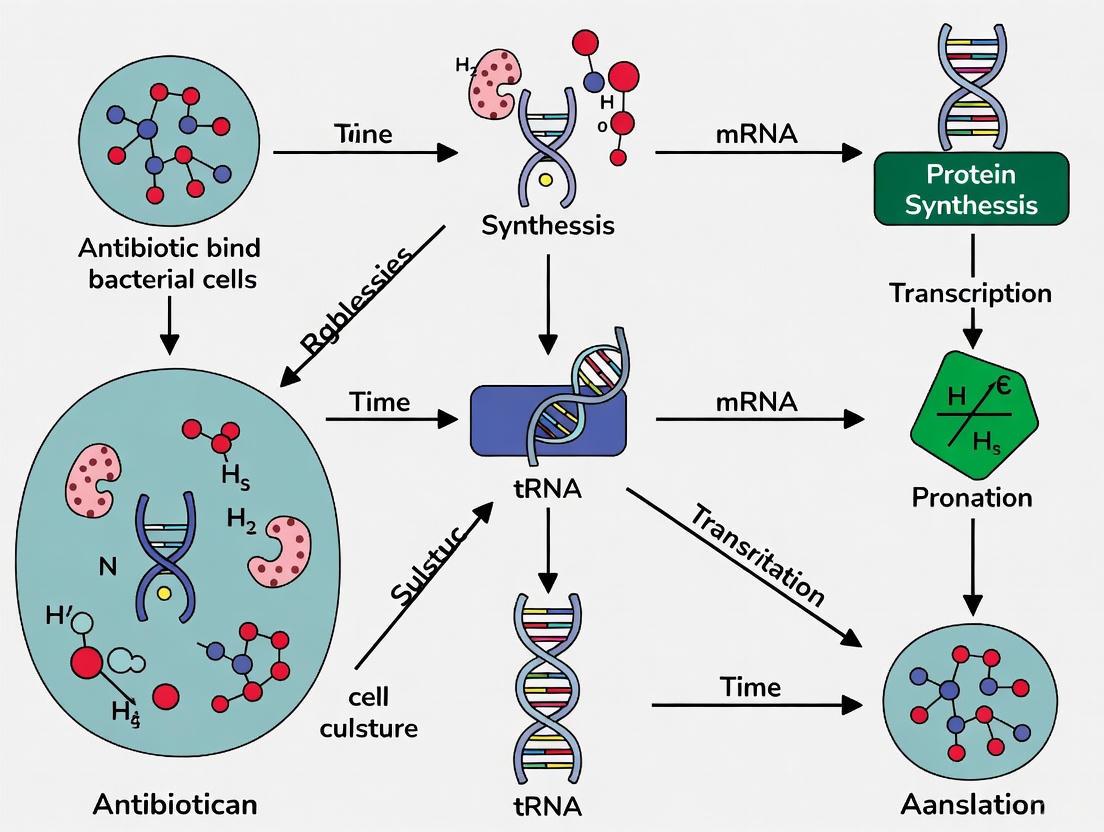
This article provides a comprehensive analysis of how antibiotics, routinely used in cell culture to prevent contamination, exert significant and often overlooked effects on eukaryotic gene expression and regulation.
Beyond Contamination Control: The Unseen Effects of Antibiotics on Gene Expression in Cell Culture
Abstract
This article provides a comprehensive analysis of how antibiotics, routinely used in cell culture to prevent contamination, exert significant and often overlooked effects on eukaryotic gene expression and regulation. Aimed at researchers, scientists, and drug development professionals, we synthesize foundational evidence, methodological best practices, and validation strategies. We explore transcriptomic and epigenomic changes induced by common supplements like penicillin-streptomycin, detailing the activation of stress response and drug metabolism pathways. The content further guides experimental design to mitigate this confounding variable, compares antibiotic-induced effects across cell types, and discusses the critical implications for data reproducibility, interpretation, and the development of robust in vitro models.
Uncovering the Hidden Impact: How Antibiotics Alter Cellular Transcriptomes and Epigenomes
This guide addresses a critical, yet often overlooked, variable in cell culture research: the impact of standard antibiotics on gene expression. RNA-sequencing (RNA-Seq) has provided direct evidence that common antibiotics like penicillin-streptomycin (PenStrep) induce widespread differential gene expression, which can confound experimental results in areas like drug discovery and toxicology [1]. Omics studies have moved this from a theoretical concern to a quantifiable factor that must be accounted for in experimental design.
A pivotal RNA-seq study on HepG2 cells (a human liver cell line) compared cells cultured with standard 1% PenStrep against a control group without antibiotics. The analysis identified 209 differentially expressed genes (DEGs) attributable to PenStrep alone [1]. The breakdown of these genes is summarized in the table below.
Table 1: Summary of PenStrep-Induced Differential Gene Expression in HepG2 Cells [1]
| Category | Count | Key Examples | Implication |
|---|---|---|---|
| Total DEGs | 209 | Widespread transcriptional change | |
| Upregulated | 157 | ATF3, SOX4, FOXO4 | Stress and drug response |
| Downregulated | 52 | Processes like insulin response and cell growth | |
| Altered H3K27ac peaks | 9,514 | Changes in the gene regulatory landscape |
FAQs & Troubleshooting Guides
FAQ 1: How can antibiotic use in cell culture affect my RNA-seq results?
Answer: Antibiotics can act as a hidden variable that systematically alters the transcriptome. The PenStrep study found that these changes are not random but are enriched in specific, high-impact biological pathways [1]. The most significantly affected pathways are listed below.
Table 2: Key Signaling Pathways Altered by PenStrep in Cell Culture [1]
| Pathway or Process Affected | Direction | Biological Significance |
|---|---|---|
| PXR/RXR Activation | Enriched | A central pathway in drug and xenobiotic metabolism |
| Apoptosis | Enriched | Programmed cell death |
| Unfolded Protein Response | Enriched | Cellular stress response |
| Insulin Response | Depleted | Metabolic function |
| Cell Growth & Proliferation | Depleted | Fundamental cellular health |
Troubleshooting Guide: I already have RNA-seq data from cells cultured with antibiotics. What should I do?
- Check for Confounding: Cross-reference your list of differentially expressed genes with known antibiotic-responsive genes from studies like [1]. If there is significant overlap, your results may be confounded.
- Re-analyze with Batch Correction: If your metadata records which samples were treated with antibiotics and which were not, you can include "antibiotic treatment" as a factor in your statistical model (e.g., in
DESeq2) to regress out its effect [2]. - Validate Findings: Use an orthogonal method (e.g., qPCR) on a new set of cells cultured without antibiotics to confirm key results [3].
- Note on Experimental Design: The most robust solution is to avoid this issue altogether by designing future experiments without antibiotics, as detailed in the next FAQ.
FAQ 2: What is the best practice for using antibiotics in cell culture for sensitive genomics studies?
Answer: The best practice is to avoid antibiotics entirely in cell culture when preparing samples for RNA-seq or other genomics assays [1]. If contamination is a major concern, follow these guidelines:
- Use Aseptic Technique: Rigorous sterile technique is the most effective defense against contamination.
- Validate Cell Lines: Regularly test your cell lines for mycoplasma and other contaminants.
- If Antibiotics are Unavoidable:
- Do Not Confound Your Experiment: Ensure that antibiotic use is consistent across all experimental conditions and replicates. For example, do not culture control cells without antibiotics and treatment cells with antibiotics [2].
- Include in Metadata: Meticulously document the type, concentration, and duration of antibiotic treatment for every sample. This information is crucial for later statistical correction attempts.
- Use Pilot Studies: Conduct a small-scale RNA-seq pilot to directly assess the impact of your specific antibiotic protocol on your cell line of interest [4].
FAQ 3: Why is RNA-seq the preferred method for detecting these subtle yet widespread effects?
Answer: RNA-seq offers several technical advantages over legacy technologies like microarrays that make it uniquely suited for this discovery [5] [6] [7].
- Unbiased Discovery: Unlike microarrays, which require species- and transcript-specific probes, RNA-seq can detect novel transcripts, isoforms, and gene fusions without prior knowledge [5] [6].
- Wider Dynamic Range: RNA-seq provides a larger dynamic range (>10^5 vs. 10^3 for microarrays), allowing for more accurate quantification of both highly and lowly expressed genes [5] [6].
- Higher Sensitivity and Specificity: RNA-seq is more effective at detecting differential expression, especially for genes with low expression levels [5] [7].
Table 3: RNA-seq vs. Microarray for Toxicogenomic and Mechanistic Studies [6] [7]
| Feature | RNA-seq | Microarray |
|---|---|---|
| Transcript Discovery | Yes, can identify novel genes/isoforms | No, limited to pre-designed probes |
| Dynamic Range | > 10^5 | ~ 10^3 |
| Sensitivity for Low Expression | High | Lower |
| Dependency on Prior Knowledge | No | Yes |
| Ability to Detect Non-Coding RNAs | Yes | Limited |
Experimental Protocols & Workflows
Detailed Methodology: Reproducing the Key PenStrep RNA-seq Experiment
This protocol is adapted from the study that identified 209 DEGs in HepG2 cells due to PenStrep [1].
1. Cell Culture and Treatment:
- Cell Line: HepG2 (human hepatocellular carcinoma).
- Culture Conditions: Culture cells in standard media (e.g., DMEM with 10% FBS).
- Experimental Groups:
- Treatment Group: Culture media supplemented with 1% Penicillin-Streptomycin (PenStrep).
- Control Group: Culture media without any antibiotics.
- Replicates: Use a minimum of 3 biological replicates per group. A biological replicate is defined as cells from independent cultures (i.e., different passages, seeded on different days) [2] [4].
- Harvesting: Grow cells to ~80% confluence and harvest for RNA extraction.
2. RNA Isolation and QC:
- Extract total RNA using a validated method (e.g., Qiazol extraction with on-column DNase I treatment).
- Assess RNA quality using an Agilent BioAnalyzer. Proceed only with samples having an RNA Integrity Number (RIN) ≥ 9.0 [1] [8].
3. RNA-seq Library Preparation and Sequencing:
- Use 75 ng of total RNA as input.
- Prepare libraries using a stranded mRNA sequencing kit (e.g., Illumina TruSeq Stranded mRNA Library Prep Kit) to enrich for coding mRNAs.
- Perform single-end sequencing (e.g., 1x75 bp) on a platform like the Illumina NextSeq500, aiming for 25-30 million reads per sample [2] [1].
4. Computational Data Analysis:
- Alignment: Align raw sequencing reads (FASTQ) to the appropriate reference genome (e.g., GRCh38 for human) using a splice-aware aligner like STAR [9].
- Quantification: Generate a raw count matrix (genes vs. samples) using tools like
DESeq2orSalmon[10] [9]. - Differential Expression Analysis: Use
DESeq2in R to identify DEGs [10] [1].- The core analysis in R is straightforward:
- Critical Step: Ensure that the "condition" factor levels are set correctly with "Control" as the reference level to ensure log2 fold changes are calculated as PenStrep/Control [10].
The following diagram illustrates the core workflow.
The Scientist's Toolkit: Research Reagent Solutions
Table 4: Essential Materials for RNA-seq Studies on Antibiotic Effects
| Item | Function / Rationale | Example / Specification |
|---|---|---|
| HepG2 Cell Line | A model human liver cell line; commonly used in pharmacokinetic and toxicogenomic studies. | ATCC HB-8065 |
| Penicillin-Streptomycin (PenStrep) | The experimental variable; a common antibiotic cocktail used in cell culture. | Typically used at 0.5-1% final concentration (e.g., 100 U/mL penicillin, 100 µg/mL streptomycin). |
| Stranded mRNA Library Prep Kit | Prepares sequencing libraries from mRNA, preserving strand information for accurate transcript assignment. | Illumina TruSeq Stranded mRNA Prep |
| DESeq2 (R package) | A standard statistical software for differential expression analysis of RNA-seq count data. | Available via Bioconductor |
| SIRV Spike-in Controls | Artificial RNA spike-ins used to assess technical performance, dynamic range, and quantification accuracy across samples. | Lexogen's Spike-In RNA Variant (SIRV) Control Set |
| Agilent BioAnalyzer | A microfluidics-based system to accurately assess RNA quality (RIN) before library prep. | Agilent 2100 BioAnalyzer |
Visualizing the Affected Pathways
The RNA-seq data revealed that PenStrep treatment activates specific signaling pathways. The PXR/RXR activation pathway is a key example, as it is a master regulator of drug metabolism and transport. The following diagram outlines the logical relationship of this finding.
Troubleshooting Guides and FAQs
FAQ 1: My data shows high variability in antibiotic resistance gene expression between replicates. What could be causing this?
Answer: Heterogeneous gene expression within a clonal bacterial population is a common phenomenon and can be influenced by several factors.
- Potential Cause 1: Stochastic Gene Expression. Fluctuations in biochemical reactions can lead to variability in protein expression between individual cells, even in a homogeneous environment. This is often observed in genes controlled by specific regulatory circuits [11].
- Potential Cause 2: Culture Conditions. The nutritional content of your growth medium significantly impacts the expression of many acquired resistance genes. For example, expression of genes like
aac(6')-Ib-cr,qnrB1, andblaOXA-48has been shown to be significantly lower in minimal medium (e.g., M9) compared to rich media (e.g., LB or MHB) [11]. - Troubleshooting Steps:
- Ensure consistent and precise preparation of culture media across all experiments.
- Use flow cytometry or single-cell analysis to determine if the variability stems from a bimodal expression pattern in the population.
- Transition to defined media to better control for nutritional effects on gene expression.
FAQ 2: I am observing unexpected cell death phenotypes in my bacterial cultures after antibiotic treatment. How can I characterize this?
Answer: Bactericidal antibiotics can induce a programmed cell death pathway in bacteria that shares hallmarks with eukaryotic apoptosis.
- Potential Cause: Antibiotic-Induced Apoptosis-Like Death. Treatment with bactericidal antibiotics like ampicillin, norfloxacin, and gentamicin can trigger markers such as [12]:
- DNA fragmentation: Detectable via TUNEL assay.
- Chromosome condensation: Observable with DNA-specific dyes like Hoechst 33342.
- Phosphatidylserine (PS) exposure: On the outer membrane, detectable with fluorescently-labeled annexin V.
- Troubleshooting Steps:
- Protocol: TUNEL Assay for DNA Fragmentation [12]:
- Treat bacterial cells with your antibiotic of interest.
- Fix the cells and permeabilize the membranes.
- Incubate with terminal deoxynucleotidyl transferase (TdT) and FITC-conjugated dUTP to label 3'-hydroxyl termini of fragmented DNA.
- Analyze the percentage of FITC-positive cells using flow cytometry.
- Protocol: Annexin V Staining for PS Exposure [12]:
- Harvest antibiotic-treated bacterial cells.
- Incubate with fluorescently-labeled annexin V.
- Analyze binding using flow cytometry to detect PS externalization.
- Protocol: TUNEL Assay for DNA Fragmentation [12]:
FAQ 3: The environmental pH of my experiments seems to be affecting the SOS response and mutagenesis rates. Is this documented?
Answer: Yes, recent studies confirm that extracellular pH is a critical factor influencing the bacterial DNA damage response.
- Potential Cause: Loss of pH Homeostasis. Treatment with DNA-damaging antibiotics like nalidixic acid can cause a controlled loss of the pH gradient (ΔpH) across the inner membrane, leading the intracellular pH to equilibrate with the environment [13].
- Impact:
- The environmental pH can alter the transcription of key DNA damage response genes (e.g.,
recA,lexA,umuDC) [13]. - The biochemical activity of central proteins like RecA is pH-sensitive [13].
- Mutagenesis rates leading to antibiotic resistance are significantly higher at environmental pH > 6, while lower pH (≤6) promotes filamentation [13].
- The environmental pH can alter the transcription of key DNA damage response genes (e.g.,
- Troubleshooting Steps:
- Tightly control and monitor the pH of your experimental buffers and growth media using Good's buffers (e.g., MES, MOPS, TAPS).
- When comparing mutagenesis or SOS response across conditions, ensure the pH is standardized, as it can be a major confounding variable.
The table below summarizes key quantitative findings on how culture conditions influence the expression of acquired antibiotic resistance genes [11].
| Gene | Promoter Variant | Expression in M9 vs. Rich Media | Key Regulatory Boxes Identified |
|---|---|---|---|
| aac(6')-Ib-cr | Variant 3 | Significantly lower in M9 (p < 0.0001) | crp (Variant 1), fur (Variant 2) |
| qnrB1 | Both Variants 1 & 2 | Significantly lower in M9 (p < 0.0001) | lexA, phoB |
| blaOXA-48 | Variant with fnr/arcA |
Significantly lower in M9 (p < 0.0001) | argR (one variant), fnr & arcA (other variant) |
| blaKPC-3 | Single variant | Significantly lower in M9 (p < 0.0001) | Not specified |
| qnrA1 | Single variant | No significant difference | None found |
| fosA | Variants 1 & 2 | No significant difference | Not specified |
Key Cellular Pathway Diagrams
Bacterial Antibiotic Stress Response
Apoptosis-Like Death in Bacteria
The Scientist's Toolkit: Research Reagent Solutions
| Reagent / Assay | Function / Application | Key Details / Considerations |
|---|---|---|
| Fluorescent Transcriptional Reporters (e.g., pUA66-GFP) | To study promoter activity and heterogeneity of resistance gene expression. | Clone ~250-300 bp promoter region upstream of your gene of interest. Expression can be measured via fluorescence in different growth media [11]. |
| Terminal deoxynucleotidyl transferase dUTP Nick End Labeling (TUNEL) | To detect DNA fragmentation, a hallmark of apoptosis-like death. | Uses terminal transferase to label 3'-OH ends of fragmented DNA with FITC-dUTP. Analyze by flow cytometry [12]. |
| Annexin V (Fluorescently-labeled) | To detect phosphatidylserine (PS) exposure on the outer membrane. | Binds to externalized PS with high specificity. Use in conjunction with flow cytometry [12]. |
| Hoechst 33342 | To monitor chromosome condensation. | A DNA-specific, conformation-sensitive dye that exhibits increased fluorescence with condensed chromatin [12]. |
| Good's Buffers (MES, MOPS, TAPS) | To precisely control environmental pH in experiments. | Essential for studying pH-dependent effects on SOS response, mutagenesis, and RecA activity [13]. |
Frequently Asked Questions (FAQs)
Q1: I use penicillin-streptomycin (PenStrep) in my cell culture media to prevent contamination. Could this be affecting my epigenetics research?
Yes, compelling evidence indicates that routine use of PenStrep can significantly confound epigenetics research. A genome-wide study on HepG2 cells demonstrated that standard 1% PenStrep supplementation induces changes in the epigenetic landscape, identifying 9,514 genomic regions with differential enrichment of H3K27ac, a key mark for active enhancers and promoters [14] [1]. These changes were correlated with alterations in the expression of 209 genes, indicating that antibiotic exposure can induce widespread epigenetic and transcriptional changes that may skew experimental results [14].
Q2: What specific histone modifications are altered by antibiotic exposure in cell culture?
Antibiotics have been shown to induce changes in several histone marks, including:
- H3K27ac: This active enhancer/promoter mark shows widespread differential enrichment after PenStrep treatment [14] [1].
- H3K9me3: The antibiotic geneticin can lead to a decrease in this repressive heterochromatin mark at alpha satellite DNA arrays [15].
- H3K18ac: An increase in this activation-associated mark has been observed at heterochromatic regions following antibiotic treatment [15]. These changes suggest antibiotics can disrupt both active and repressive epigenetic environments [15].
Q3: Are the epigenetic effects of antibiotics consistent across different cell lines?
No, the response can vary significantly. Research on antibiotic-induced overexpression of alpha satellite DNA has demonstrated clear cell-line-specific effects [15]. For instance:
- In A-1235 glioblastoma cells, rifampicin caused the strongest increase in satellite DNA transcription.
- In HeLa cells, geneticin had the maximal effect.
- In immortalized fibroblasts (MJ90hTERT), higher concentrations of geneticin were required to induce a significant change [15]. This variability underscores the importance of validating findings across multiple cell models.
Q4: If I remove antibiotics from the media just before collecting conditioned medium (CM) for extracellular vesicle (EV) studies, is that sufficient to avoid confounding effects?
No, simply removing antibiotics for the final conditioning step is not sufficient. Studies have identified "antibiotic carry-over" as a potent confounding factor. Residual antibiotics can bind to tissue culture plastic and be slowly released into the CM, leading to antimicrobial activity that can be mistakenly attributed to cell-secreted factors or EVs [16]. This activity is abolished when cells are thoroughly pre-washed before the conditioning step [16].
Troubleshooting Guide
Problem 1: Unexpected Antimicrobial Activity in Conditioned Medium or EV Preparations
Suspected Cause: Antibiotic carry-over from tissue culture plastic or cells [16].
Solutions:
- Implement a Pre-Wash Protocol: Thoroughly wash cell monolayers with sterile, antibiotic-free PBS or medium before switching to the antibiotic-free conditioning medium. Research shows that even a single pre-wash can effectively remove the antimicrobial activity [16].
- Minimize Antibiotic Use in Basal Medium: Use the lowest possible concentration of antibiotics necessary for routine maintenance, or transition to antibiotic-free culture for several passages prior to experimental setup [16].
- Validate Findings with Resistant Strains: As a control, test your CM or EVs on an antibiotic-resistant bacterial strain. A study found that CM showed activity against penicillin-sensitive S. aureus but not against a penicillin-resistant strain, confirming the effect was due to antibiotic carry-over [16].
Problem 2: Inconsistent Gene Expression or Chromatin Profiling Results
Suspected Cause: Uncontrolled variation in antibiotic supplementation, leading to batch-to-batch differences in epigenetic and transcriptional states [14].
Solutions:
- Standardize Antibiotic Use: For all genomic and epigenomic experiments (e.g., RNA-seq, ChIP-seq), maintain cells in antibiotic-free media for a defined number of passages prior to analysis to establish a stable baseline [14] [1].
- Document and Report Conditions: Meticulously document the antibiotic history (type, concentration, duration of withdrawal) of cell cultures in your methods section. This is critical for experimental reproducibility.
- Include Control for Antibiotic Effects: If antibiotics must be used, include a control group where cells are treated with the same concentration of antibiotics for the same duration to disentangle drug-induced effects from your experimental variables [14].
The following tables summarize key quantitative findings from research on antibiotic-induced epigenetic changes.
Table 1: Genome-Wide Epigenetic and Transcriptional Changes in HepG2 Cells After PenStrep Treatment [14] [1]
| Assay Type | Antibiotic Treatment | Key Finding | Number of Affected Regions/Genes |
|---|---|---|---|
| H3K27ac ChIP-seq | 1% Penicillin-Streptomycin | Differentially enriched H3K27ac peaks | 9,514 peaks (5,087 enriched, 4,427 depleted) |
| RNA-seq | 1% Penicillin-Streptomycin | Differentially Expressed Genes | 209 genes (157 upregulated, 52 downregulated) |
Table 2: Antibiotic-Induced Overexpression of Alpha Satellite DNA in Different Cell Lines [15]
| Cell Line | Antibiotic (Concentration) | Fold-Increase in Alpha Satellite Transcription |
|---|---|---|
| A-1235 (Glioblastoma) | Rifampicin (82 µg/ml) | 3.0x |
| A-1235 (Glioblastoma) | Geneticin (400 µg/ml) | 1.7x |
| HeLa (Cervix Carcinoma) | Geneticin (400 µg/ml) | 4.9x |
| MJ90hTERT (Fibroblast) | Geneticin (600 µg/ml) | 1.9x |
Experimental Protocols
Protocol 1: Chromatin Immunoprecipitation (ChIP) for H3K27ac
This protocol is adapted from methods used to identify antibiotic-induced changes in the epigenetic landscape [14] [17].
- Cell Culture and Cross-linking: Grow cells under experimental conditions (e.g., with/without antibiotics). Cross-link proteins and DNA by adding 1% formaldehyde directly to the culture medium for 10 minutes at room temperature. Quench the reaction with glycine.
- Cell Lysis and Chromatin Shearing: Harvest cells and lyse to isolate nuclei. Sonicate the chromatin to shear DNA into fragments of 200-600 bp. This requires optimization for each cell type and sonicator.
- Immunoprecipitation (IP): Pre-clear the sheared chromatin. Incubate with an antibody specific for H3K27ac (e.g., Abcam #ab4729) overnight at 4°C. Use Protein A/G beads to capture the antibody-chromatin complexes.
- Washing, Elution, and Reverse Cross-linking: Wash beads stringently to remove non-specific binding. Elute the immunoprecipitated chromatin. Reverse the cross-links by incubating at 65°C with high salt.
- DNA Purification and Analysis: Purify the DNA. The resulting material can be analyzed by qPCR (ChIP-qPCR) for specific loci or sequenced (ChIP-seq) for genome-wide profiling.
Protocol 2: Mitigating Antibiotic Carry-Over in Conditioned Medium Collection
This protocol is designed to prevent the confounding effects of antibiotic retention, as identified in cell-based antimicrobial research [16].
- Culture Cells to 70-80% Confluency: Do not allow cells to become over-confluent. Studies show that lower confluency, with more "uncovered" tissue culture plastic, is associated with greater antibiotic carry-over [16].
- Thorough Pre-Washing: Aspirate the antibiotic-containing growth medium completely. Gently wash the cell monolayer twice with a generous volume of pre-warmed, antibiotic-free PBS or basal medium.
- Collect and Discard Wash Solution: The PBS wash solutions from the previous step will contain eluted antibiotics and should exhibit antimicrobial activity if tested. These must be discarded [16].
- Condition in Antibiotic-Free Medium: Add fresh, antibiotic-free basal medium to the washed cells for the desired conditioning period (e.g., 48-72 hours).
- Collect Conditioned Medium: Collect the CM and centrifuge to remove cells and debris. Aliquot and store at -80°C. This CM should now be largely free of confounding antibiotic activity.
Signaling Pathways and Workflows
Mechanism of Antibiotic-Induced Epigenetic Change. This diagram outlines the proposed pathway by which antibiotics like penicillin-streptomycin (PenStrep) induce cellular stress responses, leading to specific alterations in histone modifications and subsequent downstream effects on the genome and experimental outcomes.
The Scientist's Toolkit: Research Reagent Solutions
Table 3: Essential Reagents for Investigating Antibiotic-Induced Epigenetic Changes
| Reagent / Material | Function / Application | Example from Research Context |
|---|---|---|
| H3K27ac-specific Antibody | Chromatin Immunoprecipitation (ChIP) to map active enhancers and promoters. | Used in ChIP-seq to identify 9,514 PenStrep-responsive peaks in HepG2 cells [14]. |
| Penicillin-Streptomycin (PenStrep) | Common antibiotic supplement; also the primary agent under investigation for its confounding effects. | Used at 1% v/v in cell culture media to demonstrate widespread changes in gene expression and H3K27ac profiles [14] [1]. |
| Geneticin (G418) | Aminoglycoside antibiotic used for selection; can induce epigenetic changes. | Shown to increase alpha satellite DNA transcription and alter H3K9me3/H3K18ac marks [15]. |
| Rifampicin | Antibiotic used to treat bacterial infections; a model compound for studying epigenetic effects. | Induced a 3.0-fold increase in alpha satellite DNA transcription in A-1235 cells [15]. |
| Chromatin Shearing Reagents | For fragmenting cross-linked chromatin to the optimal size for ChIP (200-600 bp). | A critical step in ChIP-seq protocols used to profile H3K27ac [14] [17]. |
| Antibiotic-Free Basal Medium | For conditioning and experimental phases to eliminate carry-over effects. | Essential for collecting valid conditioned medium for extracellular vesicle or antimicrobial studies [16]. |
Frequently Asked Questions
Q1: What is the fundamental issue with using Penicillin-Streptomycin (PenStrep) in cell culture for genomic studies?
- A: The primary issue is that PenStrep is not biologically inert in human cell lines. Research demonstrates that its use can significantly alter the cell's transcriptomic and epigenomic profiles, potentially confounding your experimental results. Specifically, it induces a cellular stress response that changes the expression of key transcription factors and modifies the chromatin landscape, which can make it difficult to distinguish true biological signals from antibiotic-induced artifacts [1].
Q2: Which transcription factors are most notably affected by PenStrep treatment?
- A: RNA-seq analysis in HepG2 cells (a human liver cell line) identified several transcription factors whose expression is altered by PenStrep. A prominent example is Activating Transcription Factor 3 (ATF3), which is significantly upregulated. Other affected factors include SOX4, FOXO4, TGIF1, HOXD1, FOXC1, and GTF3C6 [1]. Among these, ATF3 is a well-documented "hub" gene in cellular stress response pathways [18] [19].
Q3: What are the functional consequences of ATF3 induction by PenStrep?
- A: ATF3 is a stress-inducible transcription factor with diverse roles. Its induction can lead to:
- Altered Immune & Stress Pathways: It can repress inflammatory responses by directly interacting with the p65 subunit of NF-κB and recruiting histone deacetylase 1 (HDAC1) to deacetylate it [20].
- Modulation of Apoptosis: ATF3 can play a role in regulating programmed cell death in response to cellular damage [1] [18].
- Changes in Cell Proliferation: Its expression can influence cell cycle progression and proliferation, which is critical for maintaining cell populations like stem cells [19].
- The exact outcome depends on the cell type and context, but its induction by PenStrep indicates the activation of a broad stress-adaptation program [18] [20].
- A: ATF3 is a stress-inducible transcription factor with diverse roles. Its induction can lead to:
Q4: Does PenStrep only affect gene expression, or does it also impact the regulatory landscape?
- A: It affects both. Beyond gene expression, PenStrep treatment causes widespread changes in the epigenomic regulatory landscape. Chromatin immunoprecipitation sequencing (ChIP-seq) for H3K27ac (a mark of active enhancers and promoters) in HepG2 cells identified 9,514 genomic regions that were differentially enriched following PenStrep treatment. This indicates that the antibiotic directly influences how and when regulatory elements of the genome are activated or silenced [1].
Q5: My experimental readout is not directly related to stress pathways. Should I still be concerned?
- A: Yes. The pathways enriched due to PenStrep treatment are broad and fundamental. They include "xenobiotic metabolism signaling" and "PXR/RXR activation" (directly related to drug metabolism), as well as processes like apoptosis, unfolded protein response, and cell growth [1]. If your research involves any of these biological processes, or if you are conducting unbiased genomic, transcriptomic, or epigenomic screens, the effect of PenStrep is a significant confounding variable that must be controlled for.
Q6: What is the best practice regarding antibiotic use in cell culture for sensitive experiments?
- A: The most stringent best practice is to avoid antibiotics altogether in cell culture media when preparing cells for genomic, transcriptomic, or epigenomic assays. Maintain rigorous sterile technique to prevent contamination. If antibiotics are absolutely necessary, their use should be explicitly documented, and all experimental comparisons should be made between cell cultures treated with the same antibiotic regimen. Furthermore, key findings should be validated in antibiotic-free conditions [1].
Table 1: Summary of Genome-Wide Changes Induced by Penicillin-Streptomycin in HepG2 Cells [1]
| Analysis Type | Total Features Altered | Key Upregulated Elements/Pathways | Key Downregulated Elements/Pathways |
|---|---|---|---|
| RNA-seq (Gene Expression) | 209 Differentially Expressed Genes | • Transcription factors (e.g., ATF3, SOX4) [1]• Apoptosis, Unfolded Protein Response [1]• Xenobiotic Metabolism Signaling [1] | • Insulin Response [1]• Cell Growth & Proliferation [1] |
| ChIP-seq (H3K27ac - Regulatory Elements) | 9,514 Differentially Enriched Peaks | • tRNA modification [1]• Regulation of nuclease activity [1]• Response to misfolded protein [1] | • Stem cell differentiation [1]• Negative regulation of transcription factor activity [1]• Positive regulation of cell cycle [1] |
Table 2: Key Research Reagent Solutions
| Reagent / Material | Function / Description | Application in this Context |
|---|---|---|
| HepG2 Cell Line | Immortalized human hepatocarcinoma cell line. | A common in vitro model for studying liver metabolism, toxicity, and gene regulation [1]. |
| Penicillin-Streptomycin (PenStrep) | Combination antibiotic solution targeting bacterial cell wall synthesis and protein translation. | Standard supplement for preventing microbial contamination in cell culture; the variable under investigation in this case study [1]. |
| RNA-seq | High-throughput sequencing technology for transcriptome analysis. | Used to identify all differentially expressed genes (DEGs) between PenStrep-treated and control cells [1]. |
| ChIP-seq (H3K27ac) | Chromatin Immunoprecipitation followed by sequencing, targeting histone H3 lysine 27 acetylation. | Used to map active enhancers and promoters and identify changes in the regulatory landscape induced by PenStrep [1]. |
| DESeq2 | A statistical software package for differential analysis of count-based sequencing data. | Used for the formal analysis of differential expression in RNA-seq data [1]. |
| ATF3 Antibody | Specific antibody for immunoprecipitation or detection of the ATF3 protein. | Can be used for Chromatin Immunoprecipitation (ChIP) to find ATF3's genomic binding sites [21], or for Western blot/IF to confirm its protein expression. |
Detailed Experimental Protocol: Assessing PenStrep Effects
The following protocol is adapted from the seminal study that uncovered the broad effects of PenStrep [1].
1. Objective: To systematically evaluate the effect of standard Penicillin-Streptomycin (PenStrep) supplementation on gene expression and the regulatory chromatin landscape in a human cell line.
2. Materials:
- Relevant cell line (e.g., HepG2)
- Standard cell culture media and reagents
- Penicillin-Streptomycin solution (e.g., 100x concentration)
- Equipment for cell culture and RNA/DNA extraction
- RNA-seq and ChIP-seq library preparation and sequencing services/platforms
3. Method: 1. Cell Culture & Treatment: * Split cells into two parallel culture conditions. * Experimental Group: Culture in media supplemented with 1% (v/v) PenStrep. * Control Group: Culture in identical media without any antibiotic supplementation. * Maintain both groups for several passages under otherwise identical conditions (e.g., same seeding density, incubation time, and serum batch) to ensure any observed effects are due to the antibiotic.
Experimental workflow for assessing PenStrep effects.
Mechanistic Insight: How PenStrep Induction Leads to Altered Cell States
The induction of transcription factors like ATF3 by PenStrep sits at the center of a complex cellular response. The diagram below illustrates the proposed mechanistic pathway based on the cited research [1] [20] [19].
Mechanistic pathway of PenStrep-induced cellular changes.
Within cell culture research, antibiotics are indispensable tools for maintaining sterility. However, their primary function—targeting prokaryotic life—does not render them inert towards the mammalian cells they are meant to protect. A growing body of evidence confirms that these standard supplements can significantly influence cellular behavior and gene expression, presenting a confounding variable that demands careful consideration. This technical support article, framed within the context of a broader thesis on antibiotic effects, provides troubleshooting guides and FAQs to help researchers identify, mitigate, and control for these unintended effects in their experimental systems.
Mechanisms of Action and Associated Risks
The following table summarizes the primary mechanisms by which common antibiotics can affect mammalian cells and the associated risks for experimental outcomes.
Table 1: Mechanisms of Antibiotic Action on Mammalian Cells and Associated Experimental Risks
| Antibiotic | Primary Mechanism of Interference | Key Experimental Risks & Observed Effects |
|---|---|---|
| Penicillin-Streptomycin (Pen-Strep) | Altered gene expression; Modulation of transcription factors [22] [23]. | Significant transcriptomic changes; Differential expression of >200 genes in HepG2 cells; Altered cellular phenotype [22]. |
| Gentamicin | Induction of oxidative stress; Impairment of membrane function [22]. | Increased production of reactive oxygen species (ROS); DNA damage; Reduced proliferation, especially in sensitive cell types (e.g., stem cells) [22]. |
| Amphotericin B | Direct cytotoxicity via membrane interactions [22]. | Damage to mammalian cell membranes; Reduced cell viability at higher concentrations [22]. |
Troubleshooting Common Experimental Issues
FAQ 1: My cell viability drops drastically after I remove antibiotics from the media. What is happening?
- Likely Cause: Masked Contamination. This is a classic sign that low-level bacterial or mycoplasma contamination was being suppressed, but not eliminated, by the antibiotics. When the "chemical crutch" is removed, the contamination can overgrow and cause cell death [22].
- Solution:
- Discard the current culture, as it is compromised.
- Test a fresh aliquot of your cell stock for mycoplasma using a PCR-based detection method. Do not rely on antibiotics for elimination [22].
- Implement a rigorous, regular mycoplasma testing schedule for all cell lines in your laboratory.
- Review and practice strict aseptic technique to prevent future contamination.
FAQ 2: I am observing high background and variable results in my gene expression study. Could my culture reagents be a factor?
- Likely Cause: Off-Target Gene Modulation. Routine use of antibiotics, particularly Pen-Strep, is a potential confounding factor. Studies show that Pen-Strep can alter the expression of hundreds of genes, including those for transcription factors and metabolic pathways, thereby skewing transcriptomic data [22] [23].
- Solution:
- Transition to antibiotic-free culture conditions for all experiments involving gene expression, epigenetics, or phenotype studies [22].
- Include a control experiment where you directly compare the gene expression profile of your cells cultured with and without antibiotics for several passages.
- Use clean, validated cell lines from a reliable source to minimize the perceived need for continuous antibiotic use.
FAQ 3: My primary cells or stem cells are not proliferating as expected, even with no signs of contamination.
- Likely Cause: Cytotoxicity in Sensitive Cells. Delicate cell types, such as stem cells and primary cultures, are highly susceptible to the cytotoxic effects of antibiotics like Gentamicin and Amphotericin B [22].
- Solution:
- Avoid antibiotics in the long-term culture of sensitive cell types [22].
- If absolutely necessary, restrict antibiotic use to the initial thawing and early expansion phases only, then maintain the cells in antibiotic-free medium.
- Closely monitor cell health and proliferation rates before and after antibiotic removal.
FAQ 4: How can I be sure that an observed antimicrobial effect is from my experimental therapeutic and not from residual antibiotics in my cell culture system?
- Likely Cause: Antibiotic Carryover. Residual antibiotics from routine culture can leach into conditioned media (CM) or adhere to tissue culture plasticware, creating a false positive in antimicrobial assays [23].
- Solution:
- Pre-wash cells during your experimental setup to minimize carryover [23].
- Use antibiotic-free basal medium for producing conditioned media or other materials intended for antimicrobial testing [23].
- Include critical controls: Always test your antibiotic-free conditioned media or vehicle control against the same panel of bacteria. Crucially, include a penicillin-sensitive strain (e.g., S. aureus NCTC 6571) and a penicillin-resistant strain (e.g., S. aureus 1061 A). A positive effect only on the sensitive strain strongly indicates antibiotic carryover is responsible [23].
Essential Experimental Protocols
Protocol 1: Transitioning a Cell Line to Antibiotic-Free Culture
Purpose: To adapt cells to antibiotic-free conditions while ensuring sterility and validating cell health for sensitive experiments.
Materials:
- Validated, mycoplasma-free cell line
- Complete growth medium (with antibiotics)
- Antibiotic-free growth medium (identical formulation)
- Phosphate Buffered Saline (PBS), sterile
- Trypsin-EDTA or other dissociation reagent
- T-25 or T-75 culture flasks
Method:
- Subculture: Passage the cells as usual, using complete medium with antibiotics.
- Initiate Transition: At the next passage, split the cells and seed new flasks. For the experimental flask, wash the cell monolayer twice with sterile PBS. Then, add antibiotic-free growth medium. For the control flask, continue with the standard medium containing antibiotics.
- Monitor Closely: Observe the cells in antibiotic-free medium daily for any signs of contamination (e.g., rapid pH change, cloudiness, fungal spots) or changes in morphology and growth rate.
- Continue Passaging: Passage the cells in the antibiotic-free condition, maintaining the same split ratio. It may take 2-3 passages for the cells to fully acclimate.
- Validate: After the third passage in antibiotic-free medium, perform a mycoplasma test to confirm the culture is clean. Proceed with experiments once cell growth and morphology are stable and contamination is ruled out.
Protocol 2: Testing for Antibiotic Carryover in Conditioned Media
Purpose: To determine if antimicrobial activity in conditioned media (CM) is genuine or due to residual antibiotics from cell culture [23].
Materials:
- Conditioned Media (CM) from test cells, produced in antibiotic-free medium
- Antibiotic-free basal medium (negative control)
- Pure antibiotic solution (e.g., Pen-Strep, positive control)
- Bacterial strains: Penicillin-sensitive S. aureus (e.g., NCTC 6571) and a penicillin-resistant S. aureus (e.g., 1061 A) [23].
- Sterile 96-well plates
- Spectrophotometer (for measuring OD600)
Method:
- Prepare Dilutions: In a 96-well plate, prepare a 2-fold dilution series of the test CM, the basal medium control, and the pure antibiotic solution in a suitable broth (e.g., TSB).
- Inoculate Bacteria: Add a standardized inoculum of either the penicillin-sensitive or penicillin-resistant S. aureus to each well.
- Incubate and Measure: Incubate the plate at 37°C with shaking for 16-20 hours. Measure the optical density (OD600) of each well to quantify bacterial growth.
- Interpret Results:
- Genuine Antimicrobial Effect: CM inhibits growth of both the penicillin-sensitive and penicillin-resistant strains.
- Antibiotic Carryover: CM inhibits the growth of the penicillin-sensitive strain only, while the resistant strain grows unimpeded. The basal medium control should show no inhibition.
Signaling Pathways and Experimental Workflows
Diagram 1: Experimental workflow for investigating antibiotic effects on gene expression.
Diagram 2: Logical pathway of antibiotic-induced effects on mammalian cells.
The Scientist's Toolkit: Key Research Reagents
Table 2: Essential Materials for Investigating Antibiotic Effects in Cell Culture
| Research Reagent | Function & Application in this Context |
|---|---|
| Antibiotic-Free Media | The foundational reagent for all control and experimental cultures when assessing genuine cellular responses without confounding chemical effects. |
| Mycoplasma Detection Kit (PCR-based) | Essential for validating cell line health and ensuring that the removal of antibiotics does not unveil a latent, confounding mycoplasma infection. |
| Penicillin-Sensitive & Resistant S. aureus Strains | Used as a paired control system in bioassays to definitively diagnose antibiotic carryover in conditioned media or other cell-derived samples [23]. |
| Reactive Oxygen Species (ROS) Detection Probe | A key tool for investigating the mechanism of toxicity of antibiotics like Gentamicin, which can induce oxidative stress in mammalian cells [22]. |
| RNA Sequencing Services/Kits | The primary method for conducting unbiased, genome-wide analysis of transcriptomic changes induced by antibiotic exposure in mammalian cells [22] [23]. |
Designing Rigorous Experiments: Best Practices for Antibiotic Use and Omission in Cell Culture
Guidelines for Aseptic Technique as the Primary Contamination Control
Aseptic technique comprises a strict set of procedures healthcare providers and researchers use to prevent the spread of germs that cause infection. These guidelines ensure the environment remains free of pathogens (germs that can make you sick) during biological experiments [24]. In the context of cell culture research, particularly when studying the effects of antibiotics on gene expression, maintaining asepsis is not merely about preventing microbial contamination but also about ensuring that the observed biological effects are solely due to the experimental variables and not external contaminants.
The significance of these techniques is underscored by data from the Centers for Disease Control and Prevention (CDC), which reports that over 2 million patients in America contract a healthcare-associated infection annually. While this statistic pertains to clinical settings, it highlights the pervasive nature of contamination risks and the critical importance of robust infection control practices, which are directly transferable to the research laboratory [25]. Adhering to aseptic technique is therefore fundamental to the integrity of your research, especially when investigating subtle phenomena like antibiotic-induced changes in gene expression.
Core Principles and Definitions
Standard vs. Transmission-Based Precautions
In laboratory settings, the principles of standard and transmission-based precautions are adapted to manage risks.
- Standard Precautions are the minimum infection prevention practices that apply to all patient care and laboratory handling, regardless of the suspected or confirmed contamination status of the sample. They are based on the principle that all blood, body fluids, nonintact skin, and mucous membranes may contain transmissible infectious agents [25].
- Transmission-Based Precautions are used for documented or suspected infection with highly-transmissible pathogens. In a lab, this translates to additional containment measures, such as the use of biological safety cabinets, when working with potentially hazardous samples [25].
Aseptic vs. Sterile vs. Clean Techniques
Understanding the distinction between these terms is crucial for applying the correct level of control.
- Clean Technique: Focuses on reducing the overall number of germs. It involves using clean items that are not sterile, such as boxed gloves from a standard supply room. The goal is to minimize, but not eliminate, microorganisms [24].
- Aseptic Technique: A stricter standard that aims to eliminate pathogens entirely. This involves using sterile gloves, gowns, drapes, and instruments, and placing barriers to create a controlled environment. The term "aseptic" is often used to describe the procedures and methods [24].
- Sterile Technique: This generally refers to the same objective as aseptic technique—the complete elimination of viable microorganisms. The term "sterile" is often used to describe the state of the environment and the instruments used within an aseptic protocol [24].
For cell culture research, particularly involving genomic studies, aseptic/sterile technique is the required standard.
Foundational Practices for Contamination Control
Appropriate Hand Hygiene
Hand hygiene is the single most important practice to reduce the transmission of infectious agents and is an essential element of standard precautions [25]. The "Five Moments for Hand Hygiene" model, defined by the Healthcare Infection Control Practices Advisory Committee (HICPAC), provides a clear framework [25]:
- Immediately before touching a patient or handling cell cultures.
- Before performing an aseptic task or handling invasive devices (e.g., pipettes, vials).
- Before moving from a soiled body site to a clean body site on a patient or between different tasks in the lab.
- After touching a patient, their immediate environment, or after handling cell cultures and their reagents.
- After contact with blood, body fluids, or contaminated surfaces (with or without glove use).
For hand hygiene, either washing with soap and water or using an alcohol-based hand rub with at least 60% alcohol is acceptable. Unless hands are visibly soiled, an alcohol-based hand rub is preferred in most clinical situations due to evidence of better compliance and less skin irritation. However, it is critical to note that alcohol-based rubs do not eliminate some types of germs, such as Clostridium difficile spores; in such cases, washing with soap and water is imperative [25].
Personal Protective Equipment (PPE)
PPE includes gloves, gowns, face shields, goggles, and masks used to prevent the spread of infection to and from samples and researchers [25].
- Gloves: Protect both the researcher and the cell culture from exposure to infectious material that may be carried on the hands. They should be worn for any procedure that involves contact with culture media, cells, or potentially contaminated surfaces [25].
- Other PPE: The specific combination of PPE is determined by the anticipated type of exposure. A fluid-resistant gown, goggles or a face shield, and a mask may be necessary for procedures with a high risk of splashes or aerosol generation.
The Scientist's Toolkit: Research Reagent Solutions
The following table details key reagents and materials essential for maintaining asepsis and conducting research on antibiotic effects in cell culture.
| Item | Function in Aseptic Technique / Research |
|---|---|
| Penicillin-Streptomycin (PenStrep) | A common antibiotic cocktail added to cell culture media to prevent bacterial contamination. Its function is to inhibit peptidoglycan synthesis (Penicillin) and protein synthesis (Streptomycin) in bacteria [26]. |
| Gentamicin | Another aminoglycoside antibiotic commonly used in cell culture to prevent bacterial contamination, acting as a protein synthesis inhibitor [26]. |
| Antiseptic (e.g., Ethanol) | Used for disinfecting work surfaces, gloves, and container exteriors to reduce microbial load before entering the sterile field [24]. |
| Sterile Gloves | A key barrier to prevent cross-contamination between the researcher and the cell culture. They are sterile at the point of use, unlike standard clean gloves [24]. |
| Autoclave | A machine that uses steam and pressure to sterilize tools, instruments, and liquid media, ensuring they are free of viable microorganisms before use [24]. |
| HepG2 Cells | A human liver cell line commonly used for pharmacokinetic, metabolism, and genomic studies to investigate effects like those induced by antibiotics [26]. |
Investigating Antibiotic Effects on Gene Expression: Key Evidence & Protocols
A critical consideration for modern cell culture research is the impact of the reagents themselves on experimental outcomes. Genome-wide studies have demonstrated that the routine use of antibiotics can be a significant confounding variable.
Quantitative Data on Antibiotic-Induced Changes
The table below summarizes key quantitative findings from a study investigating the effects of Penicillin-Streptomycin (PenStrep) on HepG2 cells.
| Measurement Type | Technique Used | Key Quantitative Finding | Number of Features Identified |
|---|---|---|---|
| Differential Gene Expression | RNA-seq | 209 genes were differentially expressed (DE) due to PenStrep treatment (q-value ≤ 0.1) [26]. | 209 DE Genes (157 upregulated, 52 downregulated) [26] |
| Chromatin Landscape Changes | H3K27ac ChIP-seq | 9,514 genomic regions showed differential enrichment of an active regulatory mark due to PenStrep (q-value ≤ 0.1) [26]. | 9,514 DE Peaks (5,087 enriched with PenStrep, 4,427 enriched in control) [26] |
| Pathway Enrichment (Upregulated Genes) | DAVID / IPA | Pathways like "PXR/RXR activation" (p = 9.43E-05) and "xenobiotic metabolism signaling" were significantly enriched [26]. | 157 Genes |
| Upstream Regulator Analysis | Ingenuity Pathway Analysis (IPA) | A significant enrichment was found for the antibiotic gentamicin (p-value = 2.93E-13) as an upstream regulator, suggesting a common mechanism of action [26]. | 209 Genes |
Detailed Experimental Protocol: Identifying Antibiotic-Induced Changes
This protocol outlines the methodology used to generate the data summarized above [26].
Objective: To comprehensively characterize the effect of standard antibiotic treatment on gene expression and regulation in a human liver cell line.
Cell Line and Culture Conditions:
- Cell Line: HepG2 (immortalized human liver cells).
- Culture Conditions: Cells are cultured in parallel under two conditions:
- Experimental Group: Standard media supplemented with 1% Penicillin-Streptomycin (PenStrep).
- Control Group: Media not supplemented with PenStrep (vehicle control).
Methodologies:
- RNA-seq for Gene Expression:
- Extraction: Total RNA is extracted from HepG2 cells cultured with and without PenStrep.
- Library Prep & Sequencing: RNA libraries are prepared and sequenced using a high-throughput platform (e.g., Illumina).
- Differential Expression Analysis: Sequence reads are aligned to the human genome. Differential expression analysis is performed using software like DESeq2 with a false discovery rate (FDR) adjusted q-value cutoff of ≤ 0.1 to identify statistically significant changes in gene expression.
H3K27ac ChIP-seq for Regulatory Changes:
- Chromatin Immunoprecipitation (ChIP): Cells are cross-linked, and chromatin is sheared. An antibody specific to the H3K27ac histone mark (associated with active enhancers and promoters) is used to pull down the associated DNA fragments.
- Sequencing & Analysis: The immunoprecipitated DNA is sequenced. Differential peak enrichment between PenStrep and control conditions is identified using tools like DESeq2 (q-value ≤ 0.1).
Validation and Bioinformatics:
- Validation: A subset of differentially expressed genes can be validated using RT-qPCR.
- Pathway Analysis: Differentially expressed genes are analyzed using tools like the Database for Annotation, Visualization and Integrated Discovery (DAVID) and Ingenuity Pathway Analysis (IPA) to identify enriched biological pathways and upstream regulators.
Troubleshooting Guides and FAQs
Q1: My cell cultures are frequently contaminated with bacteria. What are the most likely points of failure in my aseptic technique? A: The most common points of failure include: inadequate disinfection of the work surface before beginning; improper hand hygiene; touching the sterile interior of pipette tips, bottles, or flask caps with non-sterile gloves; and speaking or coughing over open containers. Re-train on the "Five Moments of Hand Hygiene" and ensure all actions are performed within a validated biological safety cabinet.
Q2: My RNA-seq data shows unexpected activation of stress pathways in my control cells. Could my culture conditions be a factor? A: Yes. As demonstrated in foundational studies, the use of antibiotics like Penicillin-Streptomycin in standard culture media can induce significant changes in gene expression and regulation [26]. Specifically, pathways such as "PXR/RXR activation," "xenobiotic metabolism signaling," and "unfolded protein response" can be activated. To confirm if antibiotics are a confounding variable, compare the expression of key responder genes like ATF3 between cells cultured with and without antibiotics.
Q3: When is it absolutely necessary to use antibiotics in cell culture, and when should they be avoided? A: Antibiotics are necessary when working with primary cultures or samples with a high risk of contamination, or in large-scale, long-term bioreactor cultures. They should be avoided when conducting genomic, transcriptomic, or proteomic studies, during transfections, and when assessing cellular responses to drugs or other stimuli. Their use can alter baseline gene expression and mask or confound the specific biological effects you are trying to study [26].
Q4: How do I safely transport a cell culture that is under transmission-based precautions? A: Transport should be limited to essential purposes only. The sample container should be placed inside a secondary sealed, leak-proof container. The exterior should be disinfected, and the personnel handling the transport should wear appropriate PPE consistent with the risk of transmission. All receiving personnel (e.g., in an imaging facility) must be notified of the precautions in advance [25].
Signaling Pathways and Experimental Workflows
The routine use of antibiotics like penicillin-streptomycin has been a standard practice in cell culture to prevent bacterial contamination. However, a growing body of evidence reveals that antibiotics can significantly alter cellular physiology and gene expression, potentially compromising experimental integrity. For instance, penicillin-streptomycin treatment in HepG2 liver cells has been shown to differentially regulate 209 genes and change the enrichment of 9,514 genomic regions associated with active promoters and enhancers [26]. Furthermore, residual antibiotics in conditioned medium can lead to misleading conclusions in studies investigating antimicrobial properties of cell-secreted factors [23]. This technical support center provides a comprehensive guide for implementing robust, antibiotic-free cell culture practices to ensure the reliability and reproducibility of your research.
FAQs on Antibiotic-Free Cell Culture
1. Why should I transition to antibiotic-free cell culture?
While antibiotics are used to prevent contamination, their continuous use presents several risks:
- Altered Gene Expression and Cellular Physiology: Antibiotics can induce widespread changes in gene expression and chromatin regulation. For example, they can activate pathways involved in drug metabolism (e.g., "xenobiotic metabolism signaling" and "PXR/RXR activation") and trigger cellular stress responses like apoptosis and unfolded protein response [26].
- Masked Low-Level Contamination: Continuous antibiotic use can suppress but not eliminate contaminants, leading to cryptic infections that can flare up once antibiotics are removed and potentially alter cell behavior without visible signs [27].
- Development of Antibiotic-Resistant Strains: The persistent use of antibiotics provides selective pressure for the development of resistant bacterial strains in your laboratory environment [27].
- Experimental Confounders: Antibiotics can interfere with cellular processes, cross-react with experimental treatments, and have been shown to affect the electrophysiological properties of neurons and the action potential of cardiomyocytes [23]. Their carry-over can also be misattributed as antimicrobial activity in conditioned medium or extracellular vesicle preparations [23].
2. What are the most critical steps for preventing contamination without antibiotics?
The cornerstone of antibiotic-free culture is impeccable aseptic technique and laboratory hygiene.
- Work in a Laminar Flow Hood: Always use a properly maintained biological safety cabinet and disinfect it with 70% ethanol before and after use [28] [29].
- Use Sterile Reagents and Materials: Ensure all media, supplements, and plasticware are sterile. Filter media and supplements through a 0.22-micron filter if not purchased pre-sterilized [28].
- Practice Good Personal Hygiene: Wear appropriate personal protective equipment (PPE), including a lab coat and gloves [29].
- Regularly Clean and Monitor Equipment: Routinely clean and disinfect incubators, water baths, and other shared equipment. Monitor equipment performance, such as CO₂ levels and humidity, regularly [30] [27].
- Routine Contamination Screening: Implement a schedule to routinely screen all cell lines for microbial contamination, including bacteria, fungi, and mycoplasma [27] [31].
3. My culture has become contaminated. How can I attempt to salvage it?
Decontamination should only be attempted for irreplaceable cultures, as success is not guaranteed and the process can be labor-intensive.
- Isolate and Identify: Immediately isolate the contaminated culture and identify the type of contaminant (bacteria, yeast, fungus, mycoplasma) [27].
- Determine Antibiotic Toxicity: Before treatment, perform a dose-response test to determine the concentration at which the antibiotic or antimycotic becomes toxic to your specific cell line [30] [27].
- Decontamination Protocol: Culture the cells for 2-3 passages using the antibiotic at a concentration one- to two-fold lower than the toxic level. Then, passage the cells once in antibiotic-free medium, and repeat the antibiotic treatment. Finally, culture the cells in antibiotic-free medium for 4-6 passages to confirm the contamination has been eliminated [30] [27].
4. How do I properly thaw and establish cells in antibiotic-free conditions?
- Source Cells from Reputable Banks: Obtain cells from a reputable cell bank and check if they have been tested for contaminants [29].
- Follow Thawing Protocols: Thaw cells quickly and dilute them slowly using pre-warmed, antibiotic-free growth medium [30].
- Plate at High Density: Plate thawed cells at a higher density than usual to optimize recovery and promote rapid logarithmic growth [30].
- Use Quality Supplements: Use high-quality, pre-screened serum batches, as serum of poor quality can inhibit cell growth [30].
Troubleshooting Guides
Problem: Cells Are Not Growing or Growing Slowly in Antibiotic-Free Medium
| Possible Cause | Recommended Solution |
|---|---|
| Incorrect or poor-quality medium/serum | Verify the medium formulation is appropriate for your cell type. Test a new lot of serum, as quality can vary [30] [29]. |
| Low cell density after passaging | Passage cells at a higher density to ensure sufficient cell-to-cell contact and paracrine signaling [30]. |
| Underlying cryptic contamination | Test for mycoplasma and other microbial contaminants. Discard the culture if contaminated [30] [31]. |
| Cell stress or high passage number | Use healthy, low-passage number cells. Do not allow cells to grow beyond confluency before passaging [30]. |
Problem: Recurring Contamination in Multiple Cell Lines
| Possible Cause | Recommended Solution |
|---|---|
| Compromised aseptic technique | Re-train staff on sterile technique. Avoid working with multiple cell lines simultaneously and do not re-use pipettes [29]. |
| Contaminated equipment or environment | Decontaminate incubators, water baths, and laminar flow hoods. Check HEPA filters and CO₂ line connections for leaks [30] [27]. |
| Contaminated shared reagents | Test media, serum, and other supplements for sterility. Aliquot reagents to avoid repeated use from the same stock bottle [27]. |
Problem: Rapid pH Shifts in the Culture Medium
| Possible Cause | Recommended Solution |
|---|---|
| Incorrect CO₂ tension for bicarbonate buffer | Adjust CO₂ levels to match sodium bicarbonate concentration (e.g., 3.7 g/L NaHCO₃ typically requires 5-10% CO₂) [30]. |
| Overly tight flask caps | Loosen tissue culture flask caps one-quarter turn to allow for gas exchange [30]. |
| High cell density or metabolic activity | Passage cells before they become over-confluent. Increase feeding frequency [30]. |
| Bacterial contamination | Inspect culture for turbidity. Discard if contaminated [30]. |
Experimental Data and Protocols
Quantitative Evidence of Antibiotic-Induced Changes
The following table summarizes key quantitative findings from a genome-wide study on the effects of penicillin-streptomycin (PenStrep) on HepG2 cells [26].
| Assay Type | Number of Dysregulated Features | Key Dysregulated Genes/Pathways |
|---|---|---|
| RNA-seq (Gene Expression) | 209 differentially expressed genes | Upregulated: ATF3, SOX4, FOXO4. Pathways: Apoptosis (p=1.91E-05), Drug Response (p=1.58E-04), Unfolded Protein Response (p=3.84E-04). Downregulated: Pathways in Insulin Response (p=6.85E-04), Cell Growth (p=0.012) [26]. |
| ChIP-seq (H3K27ac - Enhancers/Promoters) | 9,514 differentially enriched peaks | PenStrep-enriched: Near genes for tRNA modification (p=2.0E-08), response to misfolded protein (p=1.1E-07). Control-enriched: Near genes for stem cell differentiation (p=6.8E-22), cell cycle (p=1.2E-14) [26]. |
| Upstream Regulator Analysis | Significant enrichment for Gentamicin targets | p-value = 2.93E-13, indicating a shared mechanism of action among different antibiotics [26]. |
Protocol: Transitioning an Adherent Cell Line to Antibiotic-Free Conditions
This workflow outlines the key steps for establishing a robust antibiotic-free culture.
Detailed Steps:
- Start with a Clean Stock: Begin with cells that have been confirmed free of mycoplasma and other contaminants. It is recommended to use low-passage, healthy cells [30] [31].
- Initial Expansion: Expand the cells using your standard protocol, which includes antibiotics, to generate enough biomass for the transition.
- Split and Transition: Split the culture into two groups. One group (the experimental) will be transitioned to antibiotic-free medium. The other (the control) will be maintained with antibiotics as a reference for comparison [29].
- Intensive Monitoring: Passage the experimental group regularly. Monitor both cultures daily under a microscope for any signs of contamination (e.g., turbidity, unexpected pH changes, or microbial particles) and for changes in cell morphology, growth rate, and viability [27] [31].
- Confirm Stability: After 3-5 successful passages in antibiotic-free conditions with stable growth and no contamination, the cell line can be considered adapted. At this point, create a new, large stock of cryopreserved vials labeled as "Antibiotic-Free" [30].
The Scientist's Toolkit: Essential Reagent Solutions
The table below lists key materials and reagents essential for successful antibiotic-free cell culture.
| Item | Function in Antibiotic-Free Culture |
|---|---|
| High-Efficiency Particulate Air (HEPA) Filtered Biosafety Cabinet | Provides a sterile, particulate-free workspace for handling cells and reagents, critical for preventing airborne contamination [28] [29]. |
| 0.22 µm Sterilization Filters | Used to filter-sterilize media, supplements, or other reagents that are not purchased pre-sterilized [28]. |
| Quality-Tested Fetal Bovine Serum (FBS) | Provides essential growth factors and nutrients. Pre-screening serum lots for optimal growth promotion and absence of contaminants is crucial [30]. |
| Mycoplasma Detection Kit | Essential for routine screening of this hard-to-detect contaminant, which can persist in cultures without causing turbidity [27] [31]. |
| Cell Dissociation Reagents (e.g., Accutase) | Milder, non-enzymatic or enzyme-blend dissociation reagents can be less detrimental to cell surface proteins and health than trypsin, supporting better recovery [32]. |
| Cryopreservation Medium | Used to create backup stocks of your antibiotic-free cell lines, ensuring a return point in case of future contamination [30]. |
Conceptual Diagram of Antibiotic Effects vs. Antibiotic-Free Strategy
This diagram contrasts the conceptual framework of how antibiotics can confound research outcomes versus the clean approach of antibiotic-free culture.
FAQs: Addressing Common Experimental Challenges
FAQ 1: My cell culture-conditioned medium shows unexpected antibacterial activity. What could be the cause?
Unexpected antibacterial activity in conditioned medium is a common confounding factor in cell-based antimicrobial research. This activity is frequently due to antibiotic carryover from the tissue culture process, rather than cell-secreted factors [16].
- Primary Cause: Residual antibiotics, such as penicillin, can be retained and released from the tissue culture plastic surfaces themselves, even after switching to antibiotic-free medium for conditioning [16].
- Evidence: This is confirmed when the conditioned medium inhibits the growth of penicillin-sensitive Staphylococcus aureus but shows no effect on penicillin-resistant strains [16].
- Solutions:
- Pre-wash cells: Washing the cell monolayer with sterile PBS before the conditioning step can effectively remove the antimicrobial activity. A single pre-wash may be sufficient [16].
- Minimize antibiotic use: Use the lowest possible concentration of antibiotics in the basal medium prior to conditioning [16].
- Control for confluency: The antimicrobial carryover effect is more pronounced when cells are at lower confluency (e.g., 70-80%), as more "uncovered" tissue culture plastic is available. Using highly confluent cultures (>90%) for conditioning can reduce this effect [16].
FAQ 2: How do antibiotics in my cell culture affect my research on gene expression?
The inclusion of antibiotics in cell culture media is not biologically neutral and can significantly alter experimental outcomes by inducing widespread molecular changes [15].
- Effects on Non-Coding DNA: Antibiotics like geneticin, hygromycin B, and rifampicin can induce the overexpression of alpha satellite DNA, a major pericentromeric repeat. This transcription is sensitive to environmental stress and is a source of genomic instability [15].
- Epigenetic Alterations: Antibiotic-induced stress is linked to epigenetic changes at heterochromatic regions, including a decrease in the repressive mark H3K9me3 and an increase in the activation-associated mark H3K18ac at alpha satellite arrays [15].
- Impact on Gene Expression: Studies on liver cell lines (HepG2) show that standard Penicillin-Streptomycin (PenStrep) supplementation can alter the expression of hundreds of genes, including those involved in drug response. This is accompanied by differential enrichment of active promoter and enhancer regions marked by H3K27ac [15].
- Recommendation: Researchers should carefully consider medium selection and supplementation during method development. Controlling for antibiotic use is essential for validating the authenticity of observed antimicrobial or gene expression effects from cell-secreted products [16] [15].
The following tables summarize key quantitative findings from recent research on antibiotic effects in experimental models.
| Cell Line | Antibiotic Treatment | Concentration | Fold Increase in Transcription |
|---|---|---|---|
| HeLa (Cervix Carcinoma) | Geneticin | 400 µg/ml | 4.9x |
| Hygromycin B | 50 µg/ml | 3.1x | |
| Rifampicin | 82 µg/ml | 1.5x | |
| A-1235 (Glioblastoma) | Rifampicin | 82 µg/ml | 3.0x |
| 41 µg/ml | 1.8x | ||
| Geneticin | 400 µg/ml | 1.7x | |
| Hygromycin B | 50 µg/ml | 1.6x | |
| MJ90hTERT (Fibroblast) | Geneticin | 600 µg/ml | 1.9x |
| 400 µg/ml | 1.5x | ||
| Hygromycin B | 100 µg/ml | 1.5x |
| Experimental Factor | Condition | Relative Antimicrobial Activity |
|---|---|---|
| Cell Confluency at CM Collection | 70-80% | High |
| 90-95% | Medium | |
| >100% | Low | |
| Number of Pre-Washes | 0 Washes | High |
| 1 Wash | Effectively Removed | |
| 2 Washes | Effectively Removed |
Experimental Protocols
Protocol 1: Mitigating Antibiotic Carryover in Conditioned Medium Collection
This protocol is designed to collect conditioned medium for studying cell-secreted factors, such as extracellular vesicles, while minimizing confounding effects from antibiotic carryover [16].
- Cell Seeding and Expansion: Seed your chosen cell line and allow it to expand in basal medium supplemented with antibiotics (e.g., 1% v/v Penicillin-Streptomycin-Amphotericin B) until the desired confluency is reached.
- Pre-Washing Step:
- Aspirate the antibiotic-containing medium.
- Gently wash the cell monolayer with a sufficient volume of sterile, pre-warmed PBS.
- Aspirate and discard the PBS wash. Note: Research shows that even a single pre-wash can effectively remove antimicrobial activity released from the tissue culture plastic [16].
- For critical applications, a second wash can be performed.
- Conditioning with Antibiotic-Free Medium: Add the specified antibiotic-free basal medium to the washed cells for the desired conditioning period (e.g., 72 hours).
- Collection: Collect the conditioned medium and proceed with centrifugation, filtration, or downstream processing as required for your experiment.
- Control: Always include the antibiotic-free basal medium incubated in an empty, pre-washed tissue culture vessel as a negative control.
Protocol 2: Assessing Antibiotic-Induced Satellite DNA Expression and Epigenetic Changes
This methodology outlines the treatment and analysis of cells to investigate the effects of antibiotics on satellite DNA transcription and associated histone modifications [15].
- Cell Treatment:
- Culture cells (e.g., HeLa, A-1235, fibroblasts) in complete medium.
- Treat experimental groups with antibiotics of interest (e.g., Geneticin at 400-600 µg/ml, Rifampicin at 8.2-82 µg/ml) for 48 hours at 37°C. A vehicle-only treated group serves as the control.
- Note: Response is concentration-dependent and varies by cell line [15].
- RNA Extraction and RT-qPCR:
- After treatment, extract total RNA from cells using a standard method (e.g., TRIzol).
- Synthesize cDNA.
- Perform quantitative PCR (qPCR) using primers specific for tandemly arranged alpha satellite DNA to measure transcription levels. Normalize data to appropriate housekeeping genes.
- Chromatin Immunoprecipitation (ChIP):
- After treatment, cross-link proteins and DNA in cells.
- Lyse cells and shear chromatin to an appropriate fragment size via sonication.
- Immunoprecipitate the cross-linked chromatin using antibodies against specific histone marks: H3K9me3 (repressive), H3K18ac (activation-associated), and H3K4me2 (active euchromatin).
- Reverse cross-links, purify DNA, and analyze by qPCR using primers for tandem alpha satellite arrays and, if desired, for alpha repeats dispersed in gene introns [15].
Signaling Pathways and Experimental Workflows
Diagram: Antibiotic Stress on Cell Epigenome and Transcription
Research Reagent Solutions
The following table details key reagents used in the featured experiments for studying antibiotic effects in cell culture.
Table 3: Essential Reagents for Investigating Antibiotic Effects
| Reagent / Material | Function / Application | Example from Research |
|---|---|---|
| Geneticin (G418) | Aminoglycoside antibiotic used for selection of transfected eukaryotic cells and as a stress inducer in experimental models. | Induced up to 4.9x overexpression of alpha satellite DNA in HeLa cells at 400 µg/ml [15]. |
| Hygromycin B | Aminoglycoside antibiotic used for selection in eukaryotic cell culture and as an experimental stressor. | Caused 3.1x increase in alpha satellite transcription in HeLa cells at 50 µg/ml [15]. |
| Rifampicin | Antibiotic used to treat bacterial infections; used in research to model drug-induced cellular stress. | Induced concentration-dependent alpha satellite overexpression (1.8-3.0x) in A-1235 cells [15]. |
| Penicillin-Streptomycin (PenStrep) | Common antibiotic mixture used to prevent bacterial contamination in cell culture. | Altered gene expression profiles and H3K27ac enrichment in HepG2 cells; source of carryover in conditioned medium [16] [15]. |
| Antibodies for Histone Modifications | Critical for Chromatin Immunoprecipitation (ChIP) to map epigenetic changes. | Anti-H3K9me3, Anti-H3K18ac, Anti-H3K4me2 used to track heterochromatin changes after antibiotic treatment [15]. |
| Primers for Satellite DNA | Quantitative PCR detection of non-coding satellite DNA transcripts. | Primers specific for tandemly arranged alpha satellite DNA to monitor stress-induced pericentromeric transcription [15]. |
Protocol for Transitioning Cell Lines from Antibiotic-Supplemented to Antibiotic-Free Media
Why Transition to Antibiotic-Free Media? Routine use of antibiotics like penicillin-streptomycin (PenStrep) in cell culture is common practice for preventing bacterial contamination. However, a growing body of evidence demonstrates that antibiotic supplements are not biologically inert and can significantly alter your experimental outcomes. Customary antibiotic supplements in cell cultures exhibit cytotoxic and cytostatic activity at standard concentrations, potentially altering the biological behavior of your mammalian cells [33]. More specifically, genome-wide studies have revealed that PenStrep treatment can:
- Alter the expression of 209 genes in HepG2 cells, including transcription factors like ATF3 that regulate broader genetic networks [26]
- Modify the chromatin landscape, creating 9,514 differentially enriched regions in H3K27ac marks associated with active promoters and enhancers [26]
- Activate drug metabolism pathways, notably "xenobiotic metabolism signaling" and "PXR/RXR activation" pathways [26]
These findings strongly advocate that antibiotic treatment should be taken into account when carrying out genetic, genomic, or other biological assays in cultured cells [26]. Transitioning to antibiotic-free media represents a paradigm shift toward more physiologically relevant culture conditions.
Step-by-Step Transition Protocol
Phase 1: Preparation (1-2 Weeks)
Confirm Cell Line Identity and Status
- Authenticate your cell line using STR profiling to ensure no cross-contamination [33]
- Test for mycoplasma contamination using PCR-based methods, as mycoplasmas are common contaminants that don't cause media turbidity and can alter host cell biology [33]
- Create frozen backup stocks of your original antibiotic-supplemented culture before beginning transition
Prepare Media and Reagents
- Prepare your standard culture medium WITHOUT any antibiotic supplements
- Ensure all working reagents (trypsin, PBS, etc.) are sterile and antibiotic-free
- Confirm availability of necessary equipment: laminar flow hood, incubator, microscope
Phase 2: Direct Transition with Increased Surveillance (2-4 Weeks)
For robust, established cell lines, a direct transition may be appropriate:
Thawing or Seeding in Antibiotic-Free Media
- Thaw frozen vials directly into pre-warmed antibiotic-free media OR
- Split existing cultures by standard procedure and resuspend in antibiotic-free media
Enhanced Culture Monitoring
- Examine cultures daily for signs of contamination (turbidity, pH changes, unusual morphology)
- Increase splitting frequency initially to monitor cell health more closely
- Document cell morphology, doubling time, and confluence at each passage
Containment Protocol
- Culture transitioning cells in a separate incubator if possible, or at least spatially separated from other cultures
- Use dedicated media, reagents, and consumables for the transitioning cells
- Handle transitioning cultures after working with other cultures to prevent potential cross-contamination
Phase 3: Weaning Transition (Alternative Approach, 3-4 Weeks)
For sensitive, slow-growing, or valuable cell lines, a gradual weaning approach is recommended:
Table: Weaning Transition Schedule
| Phase | Duration | Antibiotic Concentration | Monitoring Frequency |
|---|---|---|---|
| Initial | 1 week | 50% of standard | Daily visual inspection |
| Intermediate | 1-2 weeks | 25% of standard | Daily, with bi-weekly morphology documentation |
| Final | 1 week | 10% of standard | Daily, with confluence and doubling time tracking |
| Maintenance | Ongoing | 0% (antibiotic-free) | Standard monitoring |
Phase 4: Validation and Quality Control (Ongoing)
Confirm Phenotypic Stability
- Compare growth rates and morphology before and after transition
- Validate key biological functions relevant to your research (e.g., differentiation capacity, receptor expression, metabolic activity)
Implement Rigorous Aseptic Technique
- Review and reinforce sterile technique with all laboratory personnel
- Establish regular cleaning schedules for incubators and work surfaces
- Use proper personal protective equipment (lab coats, gloves) and limit movement in and out of culture areas
Troubleshooting Guide: Frequently Asked Questions
Q: My culture became contaminated during transition. How do I recover? If contamination occurs, the contaminated culture should generally be discarded and a new transition attempt made from your backup stock [33]. For irreplaceable cells, antibiotic treatment might be considered as a last resort, but be aware that this may reintroduce the confounding effects of antibiotics on your experimental system.
Q: How can I verify that my cells are functioning normally after transition?
- Perform growth curve analysis to ensure doubling time remains consistent
- Validate key biomarkers or functions specific to your cell type (e.g., surface marker expression, specialized metabolic activity)
- Consider running a pilot experiment comparing results between your traditional and new antibiotic-free culture conditions
Q: My cells show changed morphology or growth characteristics after transition. Is this normal? Some adaptation period is normal, but significant persistent changes may indicate:
- Underlying contamination (retest for mycoplasma and other pathogens)
- Media component incompatibility (ensure all supplements are appropriate for antibiotic-free conditions)
- Genuine biological response to antibiotic removal, which might actually reflect a more physiologically relevant state
Q: Are certain cell types more difficult to transition? Primary cells and stem cells may be more sensitive to transition conditions. For these valuable cultures:
- Use the gradual weaning approach
- Consider using specialized antibiotic-free media formulations designed for sensitive cell types
- Implement more frequent quality control checks during transition
Key Signaling Pathways Affected by Antibiotics
Antibiotics in cell culture media can activate specific cellular stress response pathways that may confound experimental results:
Diagram: Antibiotic-Induced Signaling Pathways in Cell Culture
Experimental Workflow for Transition
The following workflow provides a systematic approach for transitioning your cell lines:
Diagram: Cell Line Transition Workflow
Research Reagent Solutions
Table: Essential Materials for Antibiotic-Free Cell Culture
| Reagent/Equipment | Function/Purpose | Considerations for Antibiotic-Free Work |
|---|---|---|
| High-quality FBS | Provides essential growth factors | Test lots for optimal growth support without antibiotics |
| Defined serum-free media | Eliminates variability of serum | Choose formulations specifically validated for your cell type |
| Mycoplasma testing kit | Regular contamination screening | Essential for ongoing monitoring; use PCR-based methods for sensitivity |
| Antimycotic-free cryopreservation media | Long-term cell storage | Ensure no antifungal agents are present in freezing media |
| Laminar flow hood | Aseptic processing | Regular certification and proper technique are critical |
| CO2 incubator with HEPA filtration | Contamination-resistant environment | Consider dedicated space for antibiotic-free cultures |
| Personal protective equipment | Minimize introduction of contaminants | Proper lab coats, gloves, and aseptic technique |
Expected Outcomes and Benefits
Successfully transitioning to antibiotic-free media provides multiple significant advantages for your research:
Enhanced Experimental Reproducibility By eliminating the confounding effects of antibiotics on gene expression [26] and chromatin regulation [26], your experimental results will better reflect the true biology of your system rather than representing combined effects of your treatment and antibiotic stress.
Improved Relevance to Physiological Conditions Cell culture media more physiologically representative of in vivo conditions can improve the predictive accuracy of your experimental outcomes [34]. This is particularly important for translation of your findings to clinical applications.
Reduced Risk of Masked Contaminations Removing antibiotics eliminates the risk of low-level, persistent contaminations that can alter cellular responses without showing overt signs of contamination [33].
Cost Reduction Eliminating antibiotics from your media formulation reduces reagent costs over time.
By implementing this comprehensive protocol, your research will benefit from more physiologically relevant culture conditions and reduced confounding variables in your experimental results. The transition requires careful planning and execution but provides substantial long-term benefits for the reliability and translational potential of your findings.
Frequently Asked Questions (FAQs)
Q1: Why is documenting my cell culture medium so critical for gene expression studies involving antibiotics?
The culture medium directly influences cellular metabolism, which can dramatically alter how cells respond to antibiotics and how genes are expressed. Research has shown that the expression of key antibiotic resistance genes (e.g., qnrB1, blaOXA-48, aac(6')-Ib-cr) can be significantly lower in nutrient-poor media (like M9) compared to rich media (like MHB or LB) [11]. Failing to report the medium used makes it difficult to interpret gene expression data and reproduce your findings, as the metabolic state of the cell is a key experimental variable.
Q2: I work with human cell lines. Can antibiotics in my culture media affect my results? Yes, absolutely. Antibiotics used in cell culture, such as geneticin and hygromycin B, have been shown to induce significant biological changes in human cell lines. These changes include the overexpression of non-coding satellite DNA and accompanying epigenetic modifications, such as alterations in histone marks (H3K9me3 and H3K18ac) [15]. These effects are cell-line specific and concentration-dependent, meaning that the choice and dose of antibiotic can be a confounding variable in your research.
Q3: What are the minimum details I need to report about my culture conditions? To ensure transparency and reproducibility, your methods section should explicitly state:
- Medium Type: The specific name and formulation (e.g., DMEM, RPMI-1640, M9, LB).
- Supplements: Include serum percentage (e.g., 10% FBS), growth factors, and any non-essential amino acids.
- Antibiotics: Name, concentration, and supplier. Specify if they were used for selection or just to prevent contamination.
- Passaging Details: The method and reagent used for cell dissociation (e.g., trypsin, Accutase, EDTA) as this can affect surface proteins [32].
Q4: My flowchart illustrating the experimental workflow is complex. How can I make it accessible in my publication? For complex diagrams, a two-pronged approach is recommended [35]:
- Provide a Text-Based Alternative: Describe the flowchart's logic using a nested list or headings in the figure legend or an appendix. This is essential for screen reader users and aids overall comprehension.
- Simplify the Visual: Consider breaking one complex chart into several simpler ones. For the visual version, ensure high color contrast and use patterns or shapes in addition to color to convey meaning.
Troubleshooting Guides
Problem: Inconsistent Gene Expression Data
- Potential Cause: Heterogeneous gene expression within your clonal cell population, potentially driven by fluctuations in the metabolic state of individual cells [11].
- Solution:
- Standardize Culture Conditions: Maintain strict consistency in media, passage number, and confluence at time of harvesting.
- Document Everything: Meticulously record any minor deviations in culture conditions. This transparency helps identify sources of variability during data analysis.
- Consider Single-Cell Analysis: If heterogeneity is a key focus of your research, employ single-cell analysis techniques to capture the full scope of cellular responses [36].
Problem: Suspected Cell Misidentification or Contamination
- Potential Cause: Working with misidentified or cross-contaminated cell lines is a widespread issue that invalidates data [32].
- Solution:
- Authenticate Cell Lines: Regularly authenticate your cell lines using STR profiling.
- Check for Contaminants: Perform routine tests for mycoplasma, bacterial, and fungal contamination.
- Follow GCCP: Adhere to Good Cell Culture Practice (GCCP) guidelines to ensure the identity, purity, and functionality of your cells throughout your study [32].
The following tables summarize key quantitative findings from recent research, highlighting the direct impact of culture conditions on gene expression.
Table 1: Impact of Culture Medium on Resistance Gene Expression (Fluorescence Levels) [11]
| Gene Promoter Variant | Rich Medium (LB/MHB) | Poor Medium (M9) | Statistical Significance (p-value) |
|---|---|---|---|
aac(6')-Ib-cr-3 |
High | Low | < 0.05 |
qnrB1 |
High | Low | < 0.0001 |
blaOXA-48 |
High | Low | < 0.0001 |
blaKPC-3 |
High | Low | < 0.0001 |
Table 2: Antibiotic-Induced Overexpression of Alpha Satellite DNA in Human Cell Lines [15] Note: Fold-increase is relative to untreated control cells after 48 hours of treatment.
| Cell Line | Antibiotic (Concentration) | Fold Increase in Transcription | Statistical Significance (p-value) |
|---|---|---|---|
| HeLa | Geneticin (400 µg/ml) | 4.9x | 0.01 |
| HeLa | Hygromycin B (50 µg/ml) | 3.1x | 0.02 |
| A-1235 | Rifampicin (82 µg/ml) | 3.0x | 0.02 |
| MJ90hTERT | Geneticin (600 µg/ml) | 1.9x | 0.008 |
Experimental Protocols
Methodology Summary: This protocol is used to characterize how different promoter variants and culture conditions influence the expression of a gene of interest.
- Clone Promoter Variants: Isolate ~250-300 bp promoter regions upstream of your target gene's start codon.
- Construct Reporter Plasmid: Clone each promoter variant into a plasmid vector (e.g., pUA66) upstream of a reporter gene like GFP.
- Transform & Culture: Transform the constructed plasmids into a suitable host (e.g., E. coli). Grow the transformed cells in different media (e.g., rich LB/MHB vs. poor M9 medium).
- Measure Expression: Measure fluorescence intensity (GFP) during both the exponential and stationary growth phases to quantify promoter activity.
- Data Analysis: Normalize fluorescence data to cell density and compare expression levels across different media and promoter variants.
Methodology Summary: This protocol is used to evaluate the effect of antibiotic treatment on the transcription of specific genomic elements in mammalian cell lines.
- Cell Culture & Treatment: Culture your chosen cell line (e.g., HeLa, A-1235) and treat with the antibiotic of interest at a standard concentration for a set duration (e.g., 48 hours).
- RNA Extraction: Harvest cells and extract total RNA.
- Reverse Transcription & qPCR: Perform reverse transcription (RT) to generate cDNA, followed by quantitative real-time PCR (qPCR) using primers specific to your target sequence (e.g., alpha satellite DNA).
- Data Analysis: Calculate the fold-change in transcription in treated samples compared to the untreated control using a method like the 2^(-ΔΔCt) method.
Experimental Workflow and Regulatory Mechanisms
Workflow for Gene Expression Study
Gene Regulation by Promoter Variants
Research Reagent Solutions
Table 3: Essential Materials for Cell Culture Gene Expression Studies
| Item | Function/Description | Example from Research |
|---|---|---|
| Rich Culture Media | Supports high cell density and growth; can induce high expression of some genes. | LB Broth, Mueller Hinton Broth (MHB) [11] |
| Defined Minimal Media | Used to study effects of specific nutrients and stress responses. | M9 Medium [11] |
| Selection Antibiotics | For maintaining plasmids with resistance genes or selecting transfected cells. | Geneticin, Hygromycin B [15] |
| Fluorescent Reporter Plasmid | Vector to clone promoter sequences and quantify activity via fluorescence (e.g., GFP). | pUA66 plasmid [11] |
| Non-Enzymatic Dissociation Agent | For passaging adherent cells while preserving cell surface proteins for analysis. | Accutase, EDTA-based solutions [32] |
Mitigating Experimental Confounders: Identifying and Correcting for Antibiotic-Induced Artifacts
Recognizing Artefactual Results in Genomic, Transcriptomic, and Pharmacological Assays
Troubleshooting Guide: Frequently Asked Questions
Antibiotic carryover from tissue culture processes is a significant confounding factor that can produce artefactual results, leading to false positive conclusions about the antimicrobial properties of conditioned medium (CM) or extracellular vesicles (EVs).
- Mechanism of Contamination: Residual antibiotics, particularly penicillin, can bind to tissue culture plastic surfaces and be released into CM during subsequent experimental steps. Research demonstrates that antimicrobial activity observed in CM was due to residual antibiotics rather than cell-secreted factors [16].
- Experimental Evidence: Studies showed that CM from various cell lines exhibited bacteriostatic effects against penicillin-sensitive Staphylococcus aureus NCTC 6571, but not against penicillin-resistant S. aureus 1061 A. This species-specific pattern indicated the effect was due to antibiotics rather than genuine antimicrobial factors [16].
- Mitigation Strategies:
- Pre-washing: Washing cell cultures even once before CM collection effectively removes antimicrobial activity.
- Reduced Antibiotic Use: Minimizing antibiotic concentrations in basal medium.
- Confluency Considerations: Using highly confluent cultures reduces the amount of "uncovered" tissue culture plastic that can retain antibiotics [16].
Q2: What are chimera artifacts in nanopore direct RNA sequencing and how can they be detected?
Chimera artifacts in nanopore direct RNA sequencing (dRNA-seq) can significantly distort transcriptome analyses by creating artificial hybrid reads that join multiple distinct transcripts.
- Artifact Origin: These chimeric reads are formed when internal adapter sequences are misinterpreted during basecalling, leading to the artificial joining of multiple RNA molecules. This results in reads that appear to be genuine fusion transcripts but are actually technical artifacts [37].
- Detection Solution: DeepChopper, a genomic language model, precisely identifies and removes adapter sequences from base-called dRNA-seq long reads at single-base resolution. It operates independently of raw signal or alignment information to effectively eliminate chimeric read artifacts [37].
- Impact Assessment: In validation studies, DeepChopper achieved a 91% reduction in false chimeric alignments while increasing the proportion of cDNA-supported genuine chimeric alignments from 5% to 47%, dramatically improving analysis accuracy [37].
Q3: What experimental design considerations help prevent artefacts in pharmacological assays?
Proper experimental design is crucial for distinguishing genuine biological effects from technical artefacts in pharmacological research.
Table: Key Experimental Design Considerations to Prevent Artefacts
| Consideration | Common Pitfall | Best Practice Solution |
|---|---|---|
| Controls | Inadequate control groups | Include appropriate positive and negative controls for comparison [38] |
| Sample Size | Too few subjects for reliable results | Increase sample sizes; research indicates this can improve reliability by up to 50% [38] |
| Randomization | Non-random subject assignment | Implement proper randomization to minimize bias [38] |
| External Variables | Unaccounted environmental factors | Control for temperature, humidity, timing, and biological variability [38] |
Q4: How can transcriptomic reversal help validate drug discovery targets?
Transcriptome reversal is an emerging approach that identifies compounds capable of reversing disease-associated gene expression signatures, providing a powerful method to validate potential therapeutic targets.
- Methodology: This approach requires three steps: (1) identification of the disease gene expression signature, (2) in silico or experimental screening to prioritize compounds most likely to reverse this signature, and (3) targeted experimental validation of candidate compounds [39].
- Application: This method is particularly valuable for neurodevelopmental disorders where genes encode proteins that regulate gene expression (chromatin-associated proteins, transcription factors, RNA-binding proteins). It helps identify small molecules that can reverse pathological transcriptomic signatures toward a normal state [39].
- Validation: In proof-of-concept studies, researchers compared Connectivity Map L1000 data for 2,103 compounds dosed in various cell types, including iPSC-derived neurons, to identify compounds that reverse disease-specific gene expression patterns [39].
Experimental Protocols for Artefact Detection
Protocol 1: Detecting Antibiotic Carryover in Conditioned Medium
Purpose: To identify and quantify residual antibiotic contamination in cell culture-derived materials [16].
Materials:
- Conditioned medium (CM) to be tested
- Penicillin-sensitive bacterial strain (e.g., Staphylococcus aureus NCTC 6571)
- Penicillin-resistant isogenic strain (e.g., S. aureus 1061 A)
- Appropriate growth media and culture equipment
Procedure:
- Prepare serial dilutions of CM (50% to 6.25% v/v) in basal medium.
- Inoculate each dilution with either penicillin-sensitive or penicillin-resistant bacteria.
- Incubate under appropriate conditions and measure bacterial growth.
- Compare growth inhibition between penicillin-sensitive and resistant strains.
- Include controls with known antibiotic concentrations for quantification.
Interpretation: Significant growth inhibition in penicillin-sensitive but not resistant strains indicates antibiotic carryover rather than genuine antimicrobial activity.
Protocol 2: Identifying Chimera Artifacts in Nanopore dRNA-seq Data
Purpose: To detect and remove chimeric read artifacts from nanopore direct RNA sequencing data [37].
Materials:
- Base-called nanopore dRNA-seq reads in FASTQ format
- DeepChopper software (available as described in preprint)
- Computing resources with appropriate specifications
Procedure:
- Install DeepChopper following the developer's documentation.
- Process FASTQ files through DeepChopper using recommended parameters.
- The model will identify and trim adapter sequences at single-base resolution.
- Split reads containing internal adapters into multiple records.
- Compare chimeric alignment rates before and after processing using alignment tools like minimap2.
- Validate genuine chimeric reads using orthogonal cDNA sequencing data when available.
Interpretation: A significant reduction in chimeric alignments without reduction in cDNA-supported chimeric alignments indicates successful removal of artifacts.
Research Reagent Solutions
Table: Essential Materials for Artefact Prevention and Detection
| Reagent/Resource | Function | Application Context |
|---|---|---|
| Penicillin-resistant and sensitive isogenic bacterial strains | Differentiate antibiotic effects from genuine antimicrobial activity | Validation of conditioned medium and extracellular vesicles [16] |
| DeepChopper genomic language model | Identify and remove adapter sequences in long-read data | Nanopore direct RNA sequencing analysis [37] |
| Single-cell DNA-RNA sequencing (SDR-seq) | Simultaneously profile genomic DNA loci and genes in single cells | Functional phenotyping of genomic variants [40] |
| Connectivity Map L1000 database | Reference for transcriptomic reversal screening | Drug discovery for transcriptome-related disorders [39] |
| Design of Experiments (DOE) statistical frameworks | Systematic evaluation of multiple input variables | Pharmaceutical development process optimization [41] |
Methodological Workflows
Diagram: Antibiotic Carryover Detection Workflow
Diagram: Chimera Artifact Detection in dRNA-seq
Diagram: Transcriptome Reversal Drug Discovery Pipeline
This technical support center provides a structured framework for analyzing data from cell culture experiments involving antibiotics. Within the broader thesis on antibiotic effects on gene expression, a primary challenge is distinguishing genuine cellular responses from experimental artifacts. The following guides and FAQs address specific, common issues to ensure the integrity of your research.
Frequently Asked Questions (FAQs)
FAQ 1: My cell culture-conditioned medium shows antimicrobial activity. How can I determine if this is a true cell-secreted effect or an artifact?
This is a common confounding factor in cell-based antimicrobial research. The observed activity may be due to antibiotic carryover from your tissue culture regimen rather than genuine cell-secreted factors [16].
- Root Cause: Routine inclusion of antibiotics like penicillin and streptomycin (PenStrep) in tissue culture media can lead to the retention and subsequent release of these antibiotics from tissue culture plastic surfaces, even after replacing the medium with antibiotic-free formulations for conditioning [16].
- Key Evidence: If the antimicrobial activity is absent against antibiotic-resistant strains (e.g., penicillin-resistant Staphylococcus aureus) but present against sensitive strains, it strongly indicates antibiotic carryover is the cause [16].
- Solution:
- Pre-washing: Thoroughly wash cell monolayers with sterile PBS before adding antibiotic-free medium for conditioning. Even a single pre-wash can effectively remove the antimicrobial activity, which can then be detected in the collected wash solutions [16].
- Minimize Antibiotic Use: Use the lowest possible antibiotic concentrations during routine cell maintenance and avoid them entirely during the conditioning phase for experiments investigating antimicrobial properties [16].
FAQ 2: Can antibiotics in my culture medium influence gene expression data, even at sub-lethal concentrations?
Yes, absolutely. Exposure to sub-minimum inhibitory concentration (sub-MIC) levels of antibiotics can significantly alter bacterial gene expression, which is a critical consideration for studies on transcriptional regulation [42].
- Mechanism: Sub-MIC antibiotics can induce the SOS response, a global regulatory network in bacteria that responds to DNA damage [42]. A key marker of this response is the upregulation of the recA gene [42].
- Cascade Effect: Induction of the SOS response can, in turn, lead to the increased expression of integron-associated integrase genes and their linked antibiotic resistance gene cassettes (e.g., dfrA1, sat2, aadA1) [42]. This effect varies with the type of antibiotic and its concentration [42].
- Recommendation: Carefully control and report antibiotic concentrations in all culture steps. Consider that gene expression changes may be a direct response to the antibiotic stress itself rather than the experimental variable you are testing.
FAQ 3: What advanced methods can help distinguish true resistance mechanisms from transient adaptive responses?
Proteomics offers a powerful tool to bridge the gap between genetic potential and functional protein-level changes.
- Beyond Genomics: While whole-genome sequencing can identify resistance genes, it cannot capture dynamic, post-transcriptional adaptations. Proteomics, particularly mass spectrometry, allows for the identification and quantification of the full complement of proteins (the proteome) in a bacterial cell under antibiotic pressure [43].
- Application: Proteomic analysis can reveal the upregulation of specific resistance mechanisms, such as efflux pumps, enzymes that degrade or modify antibiotics, and alterations in metabolic pathways that confer survival advantages [43]. This provides definitive molecular evidence of the resistance mechanisms at play.
Troubleshooting Guides
Issue: Unexpected Antimicrobial Activity in Conditioned Medium or EV Preparations
This guide helps diagnose and resolve the problem of antibiotic carryover, as outlined in [16].
Step-by-Step Diagnostic Protocol:
Differential Bacterial Challenge:
- Materials: A penicillin-sensitive S. aureus strain (e.g., NCTC 6571) and a penicillin-resistant S. aureus strain (e.g., 1061 A) [16].
- Method: Test your conditioned medium against both strains using a growth inhibition assay (e.g., broth microdilution or disk diffusion).
- Interpretation: If growth inhibition is observed only in the sensitive strain, antibiotic carryover is the likely cause.
Assess the Effect of Cellular Confluency and Pre-washing:
- Observation: Antimicrobial activity of conditioned medium is often higher when collected from cultures with lower cellular confluency (e.g., 70-80% vs. >90%) because more "uncovered" tissue culture plastic is available to bind and release antibiotics [16].
- Confirmatory Test: Implement a pre-wash step. Wash the cell monolayer (70-80% confluent) 1-3 times with sterile PBS before adding the antibiotic-free conditioning medium. Test both the resulting conditioned medium and the collected PBS wash solutions for antimicrobial activity against the sensitive bacterial strain.
- Interpretation: A significant reduction of activity in the conditioned medium, with a corresponding transfer of activity to the wash solutions, confirms antibiotic carryover from the plastic surface.
Logical Workflow for Diagnosing Antibiotic Carryover:
Issue: Interpreting Gene Expression Changes Induced by Sub-MIC Antibiotics
This guide provides a methodology for studying the induction of bacterial stress responses, based on the principles in [42].
Experimental Protocol for SOS and Integron Response:
Strain Selection and Construction:
- Select or construct bacterial strains containing the genetic elements of interest (e.g., class 1 or 2 integrons, either chromosomal or on recombinant plasmids) [42].
Antibiotic Induction:
- Materials: Sub-MIC concentrations of relevant antibiotics (e.g., ciprofloxacin, ampicillin, kanamycin). Mitomycin C (0.2 µg/ml) is a known SOS inducer and can be used as a positive control [42].
- Method:
- Determine the MIC for each antibiotic and strain.
- Grow experimental strains in liquid medium supplemented with sub-MIC concentrations (e.g., 1/2 MIC and 1/4 MIC) of the inducer antibiotic.
- Perform continuous induction over a set period (e.g., 8 days), passaging daily into fresh medium containing the antibiotic [42].
Gene Expression Monitoring:
- Time Points: Collect samples at key intervals (e.g., days 1, 3, and 8) [42].
- RNA Extraction and qRT-PCR: Extract total RNA and perform quantitative RT-PCR to measure the relative expression levels of target genes [42].
- Key Targets:
- SOS Marker:
recA - Integrase Gene:
intI2(for class 2 integrons) - Resistance Genes:
dfrA1,sat2,aadA1(common integron-associated cassettes) [42].
- SOS Marker:
Phenotypic Confirmation:
- Perform antibiotic susceptibility testing (e.g., Kirby-Bauer disk diffusion or MIC determination) on strains before and after induction to correlate gene expression changes with shifts in resistance profiles [42].
Pathway of SOS-Mediated Gene Induction by Sub-MIC Antibiotics:
Table 1: Gene Expression Changes Under Sub-MIC Antibiotic Induction [42] This table summarizes the typical gene expression profile observed during induction.
| Gene | Function | Expression Trend (Over 8-Day Induction) | Key Change |
|---|---|---|---|
recA |
SOS response regulator | Rises by day 1, peaks at day 3, slightly declines by day 8 | Early and sustained response |
intI2 |
Class 2 integron integrase | Rises by day 1, peaks at day 3, slightly declines by day 8 | Follows SOS activation |
dfrA1 |
Confers trimethoprim resistance | Rises by day 1, peaks at day 3, slightly declines by day 8 | Linked to integron activity |
sat2 |
Confers streptothricin resistance | Increased relative expression | Linked to integron activity |
aadA1 |
Confers aminoglycoside resistance | Increased relative expression | Linked to integron activity |
Table 2: Troubleshooting Antibiotic Carryover Effects [16] This table provides a clear summary of diagnostic and corrective actions.
| Observation | Implication | Recommended Action |
|---|---|---|
| Activity against sensitive but not resistant bacteria | Strong evidence of antibiotic carryover | Implement pre-wash steps; test wash solutions for activity. |
| Higher activity from cultures with lower confluency | Antibiotics are binding to exposed plastic | Standardize cell confluency at collection; increase pre-wash steps for low-confluency cultures. |
| Antimicrobial activity persists in pre-wash solutions | Confirms release of antibiotics from plastic | Eliminate antibiotics from all routine culture media preceding experiments. |
The Scientist's Toolkit: Research Reagent Solutions
Table 3: Essential Materials for Controlling Antibiotic-Related Artifacts
| Item | Function | Consideration for Experimental Design |
|---|---|---|
| Penicillin-Streptomycin (PenStrep) | Common antibiotic supplement to prevent microbial contamination in cell culture. | A major source of carryover artifact. Omit from media during the conditioning phase for antimicrobial studies [16]. |
| Antibiotic-Free Basal Medium | Used for conditioning medium intended for downstream antimicrobial or EV analysis. | Essential for collecting clean, interpretable data free from drug contamination [16]. |
| Isogenic Bacterial Strain Pairs (Sensitive/Resistant) | Tool for diagnosing the mechanism of antimicrobial activity. | A critical control. Use to differentiate between specific antibiotic effects and broad-spectrum antimicrobial activity [16]. |
| Mitomycin C | A potent inducer of the bacterial SOS response. | Useful as a positive control in experiments investigating stress-induced gene expression [42]. |
| Recombinant Strains with Reporter Genes | Strains with promoters of interest (e.g., recA, intI) fused to fluorescent or luminescent reporters. |
Enable real-time, high-throughput monitoring of gene expression changes in response to sub-MIC antibiotic exposure. |
Troubleshooting Unstable Gene Expression and Poor Cell Differentiation Outcomes
This guide addresses the critical, yet often overlooked, impact of routine antibiotic use in cell culture on experimental outcomes. A growing body of evidence indicates that standard antibiotics can significantly alter cellular physiology, leading to confounding results in gene expression studies and differentiation experiments. The following sections provide targeted troubleshooting advice to help researchers identify and mitigate these issues.
Frequently Asked Questions (FAQs)
Q1: Can routine antibiotics in my cell culture media really affect my gene expression results?
Yes, absolutely. Research has demonstrated that supplementing media with standard antibiotics like penicillin-streptomycin (PenStrep) can induce significant, genome-wide changes in gene expression and the epigenetic landscape [1] [26]. One study on HepG2 cells identified 209 genes that were differentially expressed due to PenStrep treatment, including key transcription factors like ATF3 [1]. These changes are not minor side effects; they can directly confound results from genetic, genomic, and pharmacological assays.
Q2: I am working with stem cells and observing poor differentiation efficiency. Could antibiotics be a factor?
Yes, antibiotics are a potential culprit. Studies show that antibiotic exposure can alter the regulatory pathways essential for proper cell differentiation [1] [15]. For instance, in cells cultured without antibiotics, regulatory regions marked by H3K27ac were significantly enriched near genes involved in stem cell differentiation [1]. The use of antibiotics can suppress these native differentiation programs, leading to inefficient or aberrant differentiation outcomes.
Q3: What specific cellular pathways are most affected by antibiotic use?
Antibiotics primarily impact pathways involved in drug metabolism and stress response. The table below summarizes key pathways affected by PenStrep in HepG2 cells [1] [26].
Table 1: Significantly Enriched Pathways in PenStrep-Treated HepG2 Cells
| Pathway Category | Specific Pathway | Significance (p-value) |
|---|---|---|
| Drug Metabolism | Xenobiotic Metabolism Signaling | Significant enrichment |
| Drug Metabolism | PXR/RXR Activation | 9.43E-05 |
| Cellular Stress | Apoptosis | 1.91E-05 |
| Cellular Stress | Unfolded Protein Response | 3.84E-04 |
| Cellular Stress | Nitrosative Stress | 3.98E-04 |
Q4: Beyond genes, do antibiotics cause other changes inside the cell?
Yes, antibiotics can induce profound epigenetic changes. Research has identified 9,514 genomic regions marked by H3K27ac (a mark of active enhancers and promoters) that were differentially enriched in PenStrep-treated cells [1]. Furthermore, antibiotics like geneticin, hygromycin B, and rifampicin can induce overexpression of alpha satellite DNA, a type of repetitive DNA, which is accompanied by changes in histone modifications (H3K9me3 and H3K18ac) [15]. This suggests antibiotics disrupt the heterochromatin environment, which is a potential source of genomic instability.
Q5: How should I handle my cell cultures if I avoid antibiotics?
Maintaining sterile technique is paramount. Reputable cell culture guidelines recommend against the routine use of antibiotics as a substitute for proper aseptic technique [27] [32]. Antibiotics should be considered a last resort for short-term applications only, as their continuous use can promote the development of resistant microbial strains and hide low-level, persistent contaminations like mycoplasma [27]. Culturing cells without antibiotics ensures you are monitoring the true sterility of your techniques.
Troubleshooting Guides
Problem 1: Unstable or Unexplained Gene Expression Profiles
Potential Cause: Direct alteration of transcription and regulatory pathways by antibiotics in the culture medium.
Recommended Steps:
- Switch to Antibiotic-Free Culture: For critical gene expression experiments, transition your cell lines to antibiotic-free media for at least several passages prior to the experiment. This allows the cells to stabilize their transcriptome.
- Include a Control: Always include a parallel, antibiotic-free control culture in your experimental design. This is essential for attributing observed changes in gene expression to your experimental variable rather than the antibiotic background.
- Validate with qPCR: If you observe differential expression via RNA-seq or microarrays, validate key genes using RT-qPCR on RNA from cells cultured with and without antibiotics [1].
Table 2: Antibiotic-Induced Changes in Alpha Satellite DNA Transcription (48-hour treatment)
| Cell Line | Antibiotic | Concentration | Fold Change in Transcription |
|---|---|---|---|
| HeLa | Geneticin | 400 µg/ml | 4.9x [15] |
| HeLa | Rifampicin | 82 µg/ml | 1.5x [15] |
| A-1235 | Rifampicin | 82 µg/ml | 3.0x [15] |
| MJ90hTERT | Geneticin | 600 µg/ml | 1.9x [15] |
Problem 2: Inefficient or Failed Cell Differentiation
Potential Cause: Antibiotic-induced interference with differentiation pathways and chromatin remodeling.
Recommended Steps:
- Differentiate without Antibiotics: Initiate differentiation protocols in media completely free of antibiotics and antimycotics. The stress imposed by antibiotics can prevent cells from committing to the correct differentiation lineage.
- Check Key Markers: Perform immunostaining or qPCR for early and late differentiation markers specific to your cell type. Compare the expression levels and timing between cells cultured with and without antibiotics.
- Assess Epigenetic Marks: If resources allow, consider using ChIP-seq to investigate the status of key histone marks like H3K27ac at the regulatory regions of critical differentiation genes, as these have been shown to be antibiotic-responsive [1].
Essential Experimental Protocols
Protocol 1: Transitioning Cells to Antibiotic-Free Culture
Purpose: To adapt cell lines to antibiotic-free conditions while maintaining cell health and preventing contamination.
- Preparation: Pre-warm antibiotic-free culture medium. Ensure all reagents and equipment are sterile.
- Passaging: Aspirate the medium from the parent culture (which contains antibiotics) and wash the cell layer with sterile PBS.
- Seeding: Detach the cells as usual and seed them at the standard density into a new flask containing the antibiotic-free medium.
- Monitoring: Closely monitor the cells for signs of microbial contamination (e.g., turbid medium, rapid pH change) over the next 2-3 passages.
- Maintenance: Continue passaging the cells in antibiotic-free medium. It is recommended to use these cells for experiments after at least 3-5 stable passages in the new conditions.
Protocol 2: Chromatin Immunoprecipitation (ChIP) for H3K27ac
Purpose: To map the genome-wide changes in active enhancers and promoters in response to antibiotic treatment [1].
Workflow Summary:
- Cell Culture & Crosslinking: Grow cells with and without PenStrep. Crosslink proteins to DNA by adding formaldehyde directly to the culture medium.
- Cell Lysis & Chromatin Shearing: Lyse cells and isolate nuclei. Shear the chromatin to fragments of 200-500 bp using sonication.
- Immunoprecipitation: Incubate the sheared chromatin with an antibody specific to H3K27ac. Use Protein A/G beads to pull down the antibody-bound chromatin complexes.
- Washing & Elution: Wash the beads to remove non-specifically bound chromatin. Elute the immunoprecipitated DNA-protein complexes and reverse the crosslinks.
- DNA Purification & Analysis: Purify the DNA. The resulting DNA can be analyzed by qPCR for specific genomic regions or used to construct libraries for next-generation sequencing (ChIP-seq).
Pathway Diagram: Antibiotic-Induced Stress Signaling
The Scientist's Toolkit: Key Research Reagents
Table 3: Essential Reagents for Investigating Antibiotic Effects in Cell Culture
| Reagent / Material | Function / Description | Example Use |
|---|---|---|
| Penicillin-Streptomycin (PenStrep) | Common antibiotic mixture used to prevent bacterial contamination. | Used as the experimental variable to test its effects vs. antibiotic-free control [1]. |
| Geneticin (G418) | Aminoglycoside antibiotic used for selection of transfected cells. | Studied for its effect on alpha satellite DNA overexpression and epigenetic changes [15]. |
| H3K27ac Antibody | Validated antibody for chromatin immunoprecipitation. | Used to map active enhancers and promoters that change with antibiotic treatment [1]. |
| RNA-seq | Next-generation sequencing for transcriptome analysis. | Used to identify differentially expressed genes in antibiotic-treated cells [1]. |
| Cell Culture Media (DMEM, RPMI) | Base media for supporting cell growth without antibiotics. | Essential for maintaining antibiotic-free control cultures [32]. |
| Mycoplasma Detection Kit | Assay to test for cryptic contamination. | Critical for quality control when not using antibiotics, as recommended by GCCP [32]. |
A core challenge in modern cell culture, particularly for sensitive assays involving 3D cultures, stem cells, and high-content screening, is controlling variables that can confound results. A critical, yet often overlooked, variable is the routine use of antibiotics. Groundbreaking research has firmly established that common antibiotics like penicillin-streptomycin (PenStrep) are not biologically inert in mammalian cell systems. Instead, they can induce significant changes in the cellular transcriptome and epigenome, directly impacting pathways you may be studying [1]. This technical guide is framed within this context, providing troubleshooting and best practices to help you mitigate these effects and ensure the integrity of your most sensitive assays.
FAQ & Troubleshooting Guide
Q1: I use penicillin-streptomycin in all my cell cultures to prevent contamination. Could this be affecting my gene expression results?
A: Yes, substantial evidence indicates that it can. A seminal study on HepG2 cells demonstrated that standard 1% PenStrep supplementation significantly alters gene expression and the regulatory chromatin landscape [1].
- Key Quantitative Findings: The research identified 209 genes differentially expressed due to PenStrep treatment. Furthermore, ChIP-seq revealed 9,514 genomic regions with altered H3K27ac enrichment, a mark for active enhancers and promoters [1].
- Affected Pathways: Pathway analysis showed these genes are involved in critical processes you might be assaying, including:
- Xenobiotic metabolism signaling
- PXR/RXR activation (a known drug response pathway)
- Apoptosis and unfolded protein response [1]
Table 1: Summary of Genomic Changes Induced by PenStrep in HepG2 Cells
| Analysis Method | Number of Significant Changes | Key Affected Pathways and Notes |
|---|---|---|
| RNA-seq (Gene Expression) | 209 differentially expressed genes (157 up, 52 down) [1] | Xenobiotic metabolism, PXR/RXR activation, Apoptosis, Drug response [1] |
| ChIP-seq (H3K27ac - Enhancers/Promoters) | 9,514 differentially enriched peaks (5,087 up, 4,427 down) [1] | tRNA modification, Response to misfolded protein, Cell differentiation (down) [1] |
Recommendation: For sensitive genomic, transcriptional, or epigenetic studies, consider using antibiotic-free media. If contamination is a primary concern, validate that antibiotic removal does not compromise your cell line's health and maintain strict aseptic technique.
Q2: Beyond PenStrep, do other antibiotics cause similar effects?
A: Yes, the effect appears to be a broader class phenomenon. Subsequent research has shown that other antibiotics, including geneticin, hygromycin B, and rifampicin, can induce molecular changes.
- Overexpression of Satellite DNA: A 2025 study showed that these antibiotics can induce the overexpression of alpha satellite DNA, a pericentromeric repeat whose misregulation is linked to genomic instability [15].
- Cell Line Variability: The response can vary by cell line. For instance, in A-1235 glioblastoma cells, rifampicin caused the largest increase in satellite DNA transcription, whereas in HeLa cells, geneticin had the maximal effect [15].
- Epigenetic Accompaniments: This antibiotic-induced transcription is accompanied by epigenetic changes, such as a decrease in the repressive mark H3K9me3 or an increase in the activating mark H3K18ac at alpha satellite arrays [15].
Table 2: Effects of Various Antibiotics on Alpha Satellite DNA Transcription
| Antibiotic | Concentration | Cell Line | Effect on Alpha Satellite Transcription (vs. Control) |
|---|---|---|---|
| Rifampicin | 82 µg/ml | A-1235 | 3.0x increase [15] |
| Geneticin | 400 µg/ml | HeLa | 4.9x increase [15] |
| Hygromycin B | 50 µg/ml | HeLa | 3.1x increase [15] |
| Geneticin | 600 µg/ml | MJ90hTERT (Fibroblasts) | 1.9x increase [15] |
Recommendation: Be aware that the use of any antibiotic, not just PenStrep, represents a potential variable. This is especially critical for studies involving genomic stability, nuclear organization, or heterochromatin biology.
Q3: My high-content screening of 3D organoids shows high variability. Could antibiotic use be a factor?
A: While antibiotic use can be a contributing factor, variability in 3D cultures is multifactorial. The inherent heterogeneity of 3D-oids is a well-documented challenge in the field [44].
- AI-Driven Solutions: Recent advances focus on automated, AI-driven systems to standardize 3D culture workflows. For example, the HCS-3DX platform uses an AI-guided micromanipulator (SpheroidPicker) to select and transfer morphologically homogeneous 3D spheroids, significantly improving reproducibility for high-content screening [44].
- Operator Variability: Studies show that even when three experts use the same protocol and equipment to generate spheroids, significant inter-operator variability in size and shape exists [44].
Recommendation: To minimize variability:
- Standardize Generation: Use automated systems where possible to select uniform 3D-oids for screening [44].
- Control Culture Conditions: Eliminate non-essential variables like antibiotics to isolate the biological effect you are studying.
- Use Sensitive Read-Outs: Image-based phenotypic read-outs are often more sensitive than biochemical viability assays for detecting subtle changes in organoid drug response [45].
Q4: For high-content screening, what are the best practices for microplate-based assays to ensure data quality?
A: Proper microplate selection and reader configuration are essential for reliable data [46].
- Microplate Color:
- Absorbance: Use transparent plates (clear polystyrene or COC for UV light).
- Fluorescence: Use black plates to reduce background noise and autofluorescence.
- Luminescence: Use white plates to reflect and amplify weak signals [46].
- Reduce Meniscus Formation: A meniscus can distort absorbance measurements. Use hydrophobic plates, avoid reagents like TRIS and detergents, or use a path length correction tool on your reader [46].
- Optimize Reader Settings:
- Gain: Adjust to avoid signal saturation for bright signals, or use high gain for dim signals.
- Flashes: A higher number of flashes (e.g., 10-50) averages out noise but increases read time.
- Focal Height: Set the detection point to the layer of interest (e.g., the bottom for adherent cells) [46].
Detailed Experimental Protocols
This protocol outlines the key methodology for comparing cells cultured with and without antibiotic supplementation.
1. Cell Culture and Treatment:
- Select your relevant cell line (e.g., HepG2, HeLa, primary stem cells).
- Split cells into two parallel culture conditions:
- Experimental Group: Culture in standard media supplemented with 1% PenStrep or your antibiotic of interest.
- Control Group: Culture in identical media without any antibiotics.
- Maintain cultures for a minimum of 2-3 passages under these conditions to allow for stable adaptation before analysis. Maintain strict sterility for the antibiotic-free group.
2. RNA Extraction and Sequencing:
- Harvest cells at ~80% confluence.
- Extract total RNA using a kit with a DNase digestion step to remove genomic DNA contamination.
- Assess RNA integrity (RIN > 8.0 is recommended).
- Prepare RNA-seq libraries and perform sequencing on an appropriate platform (e.g., Illumina) to a sufficient depth (e.g., 30-50 million paired-end reads per sample).
3. Data Analysis:
- Align sequencing reads to the reference genome (e.g., GRCh38).
- Perform differential expression analysis using software like DESeq2 [1] with an adjusted p-value (q-value) cutoff of ≤ 0.1.
- Conduct pathway enrichment analysis (e.g., using DAVID, IPA) on the list of differentially expressed genes to identify affected biological processes.
This protocol leverages automation and AI to improve the reproducibility of 3D culture screening.
1. Generation of 3D Spheroids:
- Use low-adhesion 384-well U-bottom plates to promote self-aggregation into a single spheroid per well [47] [44].
- Seed a defined number of cells (e.g., 100 cells/well for monoculture, 40+160 for co-culture) using robotic liquid handling for consistency [45] [44].
- Incubate for 48-72 hours to allow spheroid formation.
2. AI-Driven Spheroid Selection and Transfer:
- Image spheroids using a brightfield microscope with a 5x or 10x objective for a balance of speed and accuracy [44].
- Use an AI-driven tool (e.g., SpheroidPicker) to analyze morphological features (Diameter, Circularity) and automatically select and transfer spheroids of uniform size and shape to the imaging plate [44]. This step minimizes pre-analytical variability.
3. Drug Treatment and Staining:
- Treat spheroids with compounds of interest using robotic handlers.
- Fix, permeabilize, and stain spheroids with fluorescent dyes or antibodies. Note that penetration can be a challenge; optimize staining times and consider using passive clearing agents.
4. High-Resolution 3D Imaging:
- Image spheroids using advanced microscopy like light-sheet fluorescence microscopy (LSFM) in custom FEP foil multiwell plates. LSFM offers high penetration depth, minimal phototoxicity, and fast imaging of 3D samples [44].
5. AI-Based Image Analysis:
- Process the 3D image data using AI-based software (e.g., Biology Image Analysis Software - BIAS) for tasks like single-cell segmentation, classification, and feature extraction within the spheroid [44].
The Scientist's Toolkit: Research Reagent Solutions
Table 3: Essential Materials for Optimized Cell Culture and Screening
| Item | Function/Explanation | Recommendation |
|---|---|---|
| Antibiotic-Free Media | Base media without antibiotics for sensitive genomic/epigenetic assays to prevent confounding gene expression changes [1] [15]. | Use for all experiments where transcriptional/translational integrity is critical. |
| Low-Adhesion U-Bottom Plates | Microplates with a specially treated surface and geometry that promote the formation of a single, uniform multicellular spheroid in each well [47] [44]. | Ideal for reproducible 3D spheroid production in high-throughput formats. |
| Robotic Liquid Handler | Automated pipetting system that provides superior consistency and precision compared to manual pipetting, reducing operator-induced variability [45]. | Essential for any screening campaign to ensure accurate and reproducible compound dosing. |
| AI-Driven Analysis Software | Software capable of segmenting and analyzing 3D image data at the single-cell level within complex structures like spheroids and organoids [44]. | Crucial for extracting maximal, quantitative information from high-content 3D screens. |
| Fluorinated Ethylene Propylene (FEP) Foil Plates | Custom multiwell plates with FEP foil bottoms; FEP has excellent optical properties for high-resolution microscopy, improving image quality in 3D screening [44]. | Use with advanced microscopy techniques like light-sheet fluorescence microscopy. |
The Role of Good Cell Culture Practice (GCCP) in Ensuring Reproducible Results
Good Cell Culture Practice (GCCP) represents a critical framework for maintaining standards in cell-based research, particularly as models advance toward more complex culture systems. The GCCP 2.0 guidance, an update to the original 2005 document, was developed for practical laboratory use to assure the reproducibility of in vitro work [48] [49]. This guidance outlines six fundamental principles: characterization and maintenance of essential characteristics, quality management, documentation and reporting, safety, education and training, and ethics [48] [50] [49]. Within this framework, the routine use of antibiotics in cell culture presents a specific challenge that demands careful consideration under GCCP principles, as emerging evidence demonstrates their significant impact on gene expression and epigenetic regulation [51] [15] [52].
FAQs: Antibiotics in Cell Culture and GCCP
1. Why does GCCP recommend cautious use of antibiotics in cell culture? GCCP emphasizes that all aspects of cell culture should be controlled and documented to ensure reproducibility. Antibiotics are no longer considered benign additives since multiple studies have demonstrated they can significantly alter cellular physiology. For instance, penicillin-streptomycin (PenStrep) treatment in HepG2 cells altered the expression of 209 genes and modified H3K27ac marks at 9,514 genomic regions, affecting pathways like "xenobiotic metabolism signaling" and "PXR/RXR activation" [51]. These findings suggest that antibiotic use constitutes a significant variable that must be controlled and reported according to GCCP principles.
2. What specific genetic changes can antibiotics induce? Different antibiotics induce distinct molecular changes, as summarized in the table below:
Table 1: Documented Effects of Antibiotics on Gene Expression and Epigenetics
| Antibiotic | Concentration | Cell Line/Tissue | Key Genetic/Epigenetic Changes |
|---|---|---|---|
| Penicillin-Streptomycin | 1% (standard) | HepG2 (human liver) | 209 differentially expressed genes; 9,514 H3K27ac peaks altered; ATF3 transcription factor affected [51] |
| Geneticin | 400-600 µg/ml | HeLa, A-1235, MJ90hTERT | 1.7x-4.9x increase in alpha satellite DNA transcription; epigenetic changes at heterochromatin [15] |
| Hygromycin B | 50-100 µg/ml | HeLa, A-1235 | 1.6x-3.1x increase in alpha satellite DNA transcription [15] |
| Rifampicin | 8.2-82 µg/ml | A-1235, HeLa | 1.5x-3.0x increase in alpha satellite DNA transcription; concentration-dependent response [15] |
| Amoxicillin | 100-day treatment | Human whole blood | 28 differentially expressed genes (25 downregulated); 19 immunoglobulin genes suppressed; 4,548 CpG sites with altered methylation [52] |
3. How do antibiotics affect epigenetics and non-coding genomic regions? Recent research demonstrates that antibiotics significantly impact epigenetic regulation and satellite DNA expression. Antibiotics including geneticin, hygromycin B, and rifampicin induce overexpression of alpha satellite DNA (a major human pericentromeric tandem repeat) accompanied by epigenetic changes such as decreased H3K9me3 (a repressive heterochromatin mark) or increased H3K18ac (associated with transcriptional activation of heterochromatin) [15]. These changes are concerning because satellite DNA transcription can promote genomic instability through replication-transcription conflicts and R-loop formation [15].
4. Are the effects of antibiotics consistent across different cell types? No, antibiotic effects display significant cell-type specificity. For example, rifampicin (82 µg/ml) caused the strongest induction of alpha satellite transcription in A-1235 glioblastoma cells (3.0x increase), while geneticin (400 µg/ml) had the maximal effect in HeLa cells (4.9x increase) [15]. Immortalized fibroblasts (MJ90hTERT) showed more modest responses, requiring higher geneticin concentrations (600 µg/ml) for significant effects [15]. This variability underscores the GCCP principle that cell lines must be properly characterized and their responses to culture conditions documented.
5. How long do antibiotic-induced molecular changes persist? Evidence suggests some changes may persist long after antibiotic exposure concludes. A study of 100-day amoxicillin treatment in humans found that differential gene expression (particularly of immunoglobulin genes) and DNA methylation changes (4,548 CpG sites) were still detectable at one-year follow-up, indicating these modifications can be surprisingly persistent [52]. This has important implications for how we document and report cell culture histories under GCCP guidelines.
Troubleshooting Guides
Problem: Unexplained Variation in Gene Expression Data
Potential Cause: Unrecognized effects of antibiotics in culture media.
GCCP-Compliant Solution:
- Audit current practices: Document all antibiotic use including type, concentration, and duration of exposure.
- Implement controls: Include parallel cultures without antibiotics where scientifically appropriate.
- Validate findings: Repeat critical experiments in antibiotic-free conditions to confirm results aren't method-dependent artifacts.
- Enhanced reporting: Following GCCP documentation principles, explicitly state antibiotic usage in all method sections and publications [48] [49].
Problem: Genomic Instability in Long-Term Cultures
Potential Cause: Antibiotic-induced satellite DNA overexpression and epigenetic dysregulation.
GCCP-Compliant Solution:
- Monitor genomic stability: Implement regular STR profiling and periodic checks for satellite DNA expression as part of quality management [53].
- Limit antibiotic exposure: Use antibiotics only during initial establishment of cultures from primary materials or when specifically required for selection.
- Alternative contamination control: Enhance aseptic technique through training and consider using antibiotic-free cultures maintained in dedicated biosafety cabinets.
- Epigenetic monitoring: Where resources allow, track key histone modifications (e.g., H3K9me3, H3K27ac) in critical cell lines [15].
Experimental Protocols for Assessing Antibiotic Effects
Protocol 1: Evaluating Transcriptional Responses to Antibiotics
Purpose: Systematically identify antibiotic-induced changes in gene expression.
Methodology (based on [51]):
- Culture cells in parallel with standard antibiotic supplementation (e.g., 1% PenStrep) and antibiotic-free media for at least 48 hours.
- Extract total RNA using standardized procedures.
- Perform RNA-seq library preparation and sequencing.
- Conduct bioinformatic analysis for differentially expressed genes.
- Perform pathway enrichment analysis (e.g., for xenobiotic metabolism signaling).
GCCP Documentation Requirements:
- Complete records of cell line identity verification (STR profiling)
- Detailed media formulations and antibiotic lot numbers
- Precise exposure durations and cell passage numbers
Protocol 2: Assessing Epigenetic Modifications
Purpose: Determine effects of antibiotics on histone modifications and satellite DNA expression.
Methodology (based on [15]):
- Treat cells with antibiotics at standard concentrations (e.g., geneticin 400-600 µg/ml) for 48 hours.
- Perform chromatin immunoprecipitation (ChIP) for heterochromatin marks (H3K9me3) and activation marks (H3K18ac, H3K27ac).
- Conduct ChIP-qPCR targeting tandemly arranged alpha satellite repeats.
- Analyze genome-wide histone modification changes via ChIP-seq where possible.
- Correlate epigenetic changes with transcription levels via RT-qPCR.
Figure 1: Antibiotic-Induced Molecular Pathway. Antibiotics trigger epigenetic changes that lead to heterochromatin alteration, increased satellite DNA transcription, and potential genomic instability.
The Scientist's Toolkit: Research Reagent Solutions
Table 2: Essential Materials and Their Functions in GCCP-Compliant Research
| Reagent/Resource | Function in GCCP Context | Considerations for Antibiotic Research |
|---|---|---|
| Authentication Services | STR profiling for cell line verification [53] | Essential baseline before attributing genetic changes to antibiotics |
| Mycoplasma Detection Kits | Regular contamination screening | Reduces dependency on antibiotics for contamination control |
| Epigenetic Tools | Antibodies for H3K9me3, H3K27ac, H3K18ac [15] | Critical for detecting antibiotic-induced chromatin changes |
| Satellite DNA Assays | qPCR primers for alpha satellite repeats [15] | Monitors genomic instability markers |
| Documentation Systems | Electronic lab notebooks | Tracks antibiotic exposure history and lot-to-lot variability |
The integration of GCCP principles into cell culture workflows is fundamental for distinguishing true biological signals from methodological artifacts, particularly regarding antibiotic effects on gene expression. The evidence that routine antibiotics alter transcriptional programs, epigenetic regulation, and satellite DNA expression necessitates a more rigorous approach to their use and documentation [51] [15] [52]. By adopting GCCP 2.0 frameworks—including comprehensive characterization, quality management, and detailed reporting—researchers can significantly enhance the reproducibility, reliability, and scientific validity of their in vitro findings [48] [49] [54].
Figure 2: GCCP Framework for Reproducibility. Implementing core GCCP principles leads to reproducible results by controlling for antibiotic-related confounders.
Benchmarking and Contextualizing Effects: A Cross-Cell Type and Antibiotic-Class Analysis
Frequently Asked Questions (FAQs)
FAQ 1: How do antibiotics in cell culture media confound transcriptomic results? The use of antibiotics, a standard practice in many cell culture protocols, can significantly alter the cell's transcriptome. In HepG2 cells, culture with standard 1% Penicillin-Streptomycin (PenStrep) identified 209 differentially expressed genes compared to untreated controls. These include key transcription factors like ATF3 and are significantly enriched in pathways such as PXR/RXR activation and xenobiotic metabolism signaling. Furthermore, this treatment alters the cellular regulatory landscape, changing the enrichment of H3K27ac (a mark of active promoters and enhancers) at 9,514 genomic regions [26]. These changes can mask true biological signals or create false positives, underscoring the need to account for antibiotic use in experimental design and data interpretation.
FAQ 2: To what extent do commonly used liver cell lines (like HepG2) transcriptomically represent primary liver tissue or tumors? The representation varies significantly and must be considered when choosing a model. One comparative transcriptomic analysis of liver cell lines (HepG2, Huh7, Hep3B) and primary hepatocytes (PH) revealed that the expression levels of many important genes differ substantially [55]. A 2024 study provided a more quantitative assessment, identifying:
- 397 genes for which HepG2 is a valuable model for hepatocellular carcinoma (HCC) research.
- 421 genes for which it is a valuable model for primary hepatocyte research [56]. This indicates that HepG2 is a suitable model for specific biological processes but not others. For instance, HepG2 cells have reduced or absent expression of the crucial cytochrome P450 (CYP) superfamily, which is essential for liver metabolic processes, making it a poor model for studies reliant on these enzymes [56].
FAQ 3: What is the major source of transcriptomic variation when comparing cell lines to primary tumors? A primary source of technical variation is tumor purity. Primary tumor samples are a mixture of cancer cells and non-malignant cells (e.g., immune, stromal cells). Analyses have shown that in 75% of solid tumor types, cell lines were significantly more correlated with primary tumor samples in the top quartile of tumor purity than with those in the bottom quartile [57]. Failure to adjust for this confounder in analyses can exaggerate the differences between cell lines and tumors, particularly by inflating the signal of immune-related pathways in tumor samples.
FAQ 4: What experimental factors most influence the HepG2 transcriptomic profile? The degree of transcriptomic variation depends heavily on the experimental factor:
- Lowest Variation: Technical replicates from the same laboratory (
r = 0.99 ± 0.01). - Moderate Variation: Samples from the same cell line cultured in different laboratories using the same protocol (
r = 0.96 ± 0.01). - Higher Variation: Samples prepared from the same cell line using different sample preparation protocols (
r = 0.78). - Highest Variation: Comparison between the HepG2 cell line and actual liver tissue (
r = 0.67 ± 0.02) [58]. This hierarchy highlights that methodological consistency is crucial for reproducible results and that biological differences between cell lines and tissues are the largest source of divergence.
Troubleshooting Guides
Problem: Cell lines and primary tumors cluster separately in transcriptomic PCA. Solution: Apply advanced normalization methods to remove unwanted technical variation.
- Issue: Standard normalization (e.g., by library size) often fails to correct for batch effects and technical artifacts, leading to separate clustering of cell lines and tumors that reflects methodology rather than biology [59].
- Action: Implement normalization methods designed to remove unwanted variation (RUV). Using the RUVg method with control genes has been shown to effectively eliminate this separation, resulting in samples clustering by biological type (e.g., cancer stage) rather than by origin (cell line vs. tumor) [59].
- Workflow:
- Identify a set of stable control genes (e.g., housekeeping genes or empirically derived genes).
- Apply the RUVg normalization procedure using these genes to adjust the read counts.
- Re-run the Principal Component Analysis (PCA) to confirm that technical batch effects have been reduced.
Problem: Inconsistent transcriptomic results for the same cell line between different laboratories. Solution: Standardize culture conditions and authenticate cell lines rigorously.
- Issue: Genetic and transcriptomic profiles of cell lines can drift during culturing and differ between laboratories due to variations in passage number, culture media, and reagents [55].
- Action:
- Authentication: Use short tandem repeat (STR) profiling to confirm cell line identity and check regularly for mycoplasma contamination.
- Documentation: Meticulously record passage numbers, culture media formulations, and the use of supplements like antibiotics.
- Standardization: Where possible, use the same batch of fetal bovine serum (FBS) and other critical reagents for a series of experiments.
- Antibiotic Consideration: For sensitive assays like RNA-seq, consider culturing without antibiotics to avoid their confounding effects on gene expression [26].
Data Presentation
Table 1: Antibiotic-Induced Transcriptomic Changes in HepG2 Cells
Table summarizing key findings from RNA-seq analysis of HepG2 cells treated with Penicillin-Streptomycin. [26]
| Parameter | Findings | Implication |
|---|---|---|
| Total Differentially Expressed Genes | 209 (157 upregulated, 52 downregulated) | Antibiotics induce a widespread transcriptomic response. |
| Key Upregulated Transcription Factors | ATF3, SOX4, FOXO4, TGIF1 | Altered regulation of stress and drug response pathways. |
| Enriched GO Terms (Upregulated Genes) | Apoptosis, drug response, unfolded protein response | Indication of cellular stress and xenobiotic metabolism activation. |
| Enriched Canonical Pathway (IPA) | PXR/RXR Activation | Activation of a central pathway in drug and steroid metabolism. |
| Altered Regulatory Regions (H3K27ac) | 9,514 differentially enriched peaks | Antibiotics cause epigenomic changes at promoters and enhancers. |
Table 2: Transcriptomic Correlation Between Liver Cell Lines and Tissues
Comparative analysis of HepG2 gene expression similarity to primary tissues and other liver cell lines. [58] [56] [55]
| Comparison | Correlation / Findings | Key Biological Notes |
|---|---|---|
| HepG2 vs. Liver Tissue | Spearman correlation: 0.67 ± 0.02 [58] |
Highest variation; reflects cancer-associated and detoxification gene signatures. |
| HepG2 as HCC Model | 397 genes identified as valuable for HCC research [56] | Genes often involved in DNA repair and protein degradation. |
| HepG2 as Primary Hepatocyte Model | 421 genes identified as valuable for PH research [56] | Reduced/absent Cytochrome P450 (CYP) expression is a major limitation. |
| HepG2 vs. Huh7 & Hep3B | Numerous differentially expressed genes and pathways [55] | Highlights significant transcriptional heterogeneity between common liver cancer models. |
Experimental Protocols
Protocol: Assessing Antibiotic Effects on Cell Line Transcriptomics
Objective: To identify gene expression and regulatory changes induced by standard antibiotics in cell culture.
Materials:
- HepG2 cells (or other cell line of interest)
- DMEM culture media supplemented with 10% FBS
- Penicillin-Streptomycin solution (e.g., 100x concentrate)
- TRIzol reagent or equivalent for RNA extraction
- RNA-seq library preparation kit
Methodology:
- Cell Culture & Treatment: Split HepG2 cells into two groups. Culture the experimental group in media supplemented with 1% PenStrep. Culture the control group in an otherwise identical media formulation without any antibiotics. Maintain cells for several passages to ensure stable adaptation [26].
- RNA Extraction & Sequencing: Harvest cells at a similar confluence (e.g., 80-90%). Extract total RNA using a standardized method. Assess RNA integrity (RIN > 8.0 is recommended). Prepare RNA-seq libraries from both groups. Sequence on an appropriate platform (e.g., Illumina) to a sufficient depth (e.g., >30 million reads per sample) [26] [56].
- Bioinformatic Analysis:
- Quality Control: Use FastQC to check raw read quality.
- Trimming & Alignment: Trim adapters and low-quality bases with Trimmomatic, then align reads to the reference genome (e.g., hg38) using STAR [56].
- Normalization & DEG Analysis: Perform read counting with featureCounts. Use DESeq2 for differential expression analysis, applying appropriate thresholds (e.g., adjusted p-value < 0.1 and |log2 fold change| ≥ 0.58) [26].
- Pathway Analysis: Input the list of differentially expressed genes into pathway analysis tools like Ingenuity Pathway Analysis (IPA) or DAVID to identify affected biological pathways and upstream regulators [26].
Protocol: Comparative Transcriptomics Between Cell Line and Primary Tumor Data
Objective: To reliably compare transcriptomic profiles from public repositories (e.g., TCGA, CCLE) to evaluate a cell line's suitability as a disease model.
Materials:
- Publicly available RNA-seq data from The Cancer Genome Atlas (TCGA) for primary tumors.
- Publicly available RNA-seq data from the Cancer Cell Line Encyclopedia (CCLE) for cell lines.
Methodology:
- Data Acquisition: Download raw RNA-seq count data for your tumor type of interest from TCGA and matched cell lines from CCLE.
- Data Pre-processing & Batch Correction: Normalize raw counts using a robust method (e.g., upper-quartile normalization). Correct for batch effects arising from different sequencing platforms using a tool like ComBat [57].
- Tumor Purity Adjustment: Obtain tumor purity estimates for the TCGA samples (available from tools like ESTIMATE). Adjust the primary tumor expression data for tumor purity to avoid confounding by non-malignant cell content [57].
- Correlation Analysis: Calculate correlation coefficients (e.g., Pearson or Spearman) between each cell line and primary tumor sample using the most variable genes. This helps rank cell lines by their similarity to the primary disease [57].
- Subtype Classification (Optional): If molecular subtypes exist for the cancer, use a validated classifier to assign both the primary tumors and cell lines to subtypes to ensure you are comparing biologically similar groups [57].
Mandatory Visualization
Diagram 1: Experimental Workflow for Reliable Cell Line vs. Tumor Analysis
This diagram outlines the critical steps for a robust comparative transcriptomic analysis, highlighting steps that mitigate key confounders.
Diagram 2: Mechanisms of Antibiotic-Induced Transcriptomic Changes
This diagram illustrates the cascade of molecular effects triggered by antibiotic exposure in cell cultures, from initial stress to downstream consequences.
The Scientist's Toolkit
Table 3: Research Reagent Solutions for Comparative Transcriptomics
Essential materials, tools, and datasets for conducting robust comparative transcriptomic studies. [26] [57] [56]
| Item | Function / Application | Example / Note |
|---|---|---|
| Antibiotic-Free Media | Culturing cells for sensitive genomic assays to avoid confounding gene expression effects. | Use for the control group when testing antibiotic effects or for critical RNA-seq experiments. |
| RUVg Normalization | A bioinformatic method to remove unwanted variation (e.g., batch effects) from RNA-seq data. | Crucial for integrating datasets from different sources (e.g., cell lines and tumors) [59]. |
| DESeq2 R Package | A standard tool for differential expression analysis of RNA-seq count data. | Used to statistically identify genes with significant expression changes between conditions [26] [56]. |
| Tumor Purity Estimates | Informing the adjustment of primary tumor transcriptomic data. | ESTIMATE or ABSOLUTE scores for TCGA samples help correct for non-cancerous cell content [57]. |
| Public Data Repositories | Sources of primary tumor and cell line data for comparison. | The Cancer Genome Atlas (TCGA) and Cancer Cell Line Encyclopedia (CCLE) are primary resources [57]. |
| IPA / DAVID | Software for pathway and functional enrichment analysis of gene lists. | Translates lists of DEGs into biologically meaningful pathways and functions [26] [60]. |
Contrasting Eukaryotic Response with Bacterial Transcriptomic Adaptation to Antibiotics
Frequently Asked Questions (FAQs)
Q1: What are the key conceptual differences in how eukaryotic cells and bacteria respond to antibiotics at the transcriptomic level? The fundamental difference lies in the nature of the response: eukaryotic cells, such as those used in cell culture, often exhibit unintended stress responses and alterations to their chromatin landscape when exposed to antibiotics. In contrast, bacterial transcriptomic adaptations are often direct survival mechanisms that lead to genuine antibiotic resistance, involving changes in rRNA modifications, efflux pumps, and core metabolic pathways [26] [61] [43].
Q2: I use Penicillin-Streptomycin (PenStrep) in my mammalian cell cultures. What is the potential impact on my transcriptomic studies? Using standard 1% PenStrep can significantly confound your results. A study in HepG2 cells identified 209 genes that were differentially expressed, including transcription factors like ATF3. Furthermore, 9,514 genomic regions marked by the active enhancer mark H3K27ac showed altered enrichment. It is highly recommended to use antibiotic-free media for all genomic and transcriptomic assays to avoid these confounding effects [26].
Q3: Beyond classic resistance genes, what novel bacterial transcriptomic adaptations are linked to antibiotic resistance? Machine learning models have identified that resistance in pathogens like Pseudomonas aeruginosa can be predicted with high accuracy (96-99%) using minimal gene sets (~35-40 genes). Surprisingly, these predictive gene signatures show limited overlap with known resistance genes in databases like CARD, indicating that resistance involves diverse transcriptional reprogramming of regulatory and metabolic genes beyond the classic markers [62].
Q4: Can antibiotics affect non-coding regions of the eukaryotic genome? Yes. Antibiotics like geneticin, hygromycin B, and rifampicin have been shown to induce the overexpression of alpha satellite DNA, a major component of pericentromeric heterochromatin. This is accompanied by epigenetic changes, such as a decrease in the repressive mark H3K9me3 or an increase in H3K18ac, and could be a source of genomic instability [15].
Troubleshooting Guides
Problem: Unanticipated Gene Expression Changes in Eukaryotic Cell Culture
Potential Cause: Unintended transcriptomic and epigenomic effects of prophylactic antibiotics.
Solutions:
- Validate in Antibiotic-Free Conditions: Repeat the critical experiment using media without antibiotics. Compare the expression of key targets from your initial findings.
- Benchmark Antibiotic-Sensitive Genes: If removing antibiotics is not feasible, quantify the expression of known antibiotic-sensitive genes (e.g., ATF3, SOX4) in your model system to gauge the level of interference [26].
- Monitor Heterochromatin Marks: If studying epigenetic regulation, be aware that antibiotics can alter histone modifications. Assay marks like H3K27ac at enhancers or H3K9me3 at satellite repeats in treated versus control cells [26] [15].
Problem: Bacterial Antibiotic Resistance Evolution in Early-Stage Experiments
Potential Cause: Rapid, recombination-mediated adaptive resistance mechanisms are being initiated.
Solutions:
- Target the Recombination Machinery: Co-administer a RecA inhibitor, such as BRITE-338733, with the primary antibiotic. This has been shown to prevent the upregulation of tRNA and delay the emergence of ciprofloxacin resistance in E. coli in the first 7 generations [63].
- Profile rRNA Modifications: Use direct RNA nanopore sequencing to investigate if resistance is associated with antibiotic-induced loss of specific rRNA modifications in the ribosome's A- and P-sites [61].
Table 1: Documented Transcriptomic and Epigenomic Changes in Eukaryotic Cells Exposed to Antibiotics
| Cell Line / Type | Antibiotic Treatment | Key Quantitative Findings | Primary Functional Enrichment |
|---|---|---|---|
| HepG2 (Liver) [26] | 1% Penicillin-Streptomycin | 209 differentially expressed genes (157 up, 52 down); 9,514 differential H3K27ac peaks | Xenobiotic metabolism signaling; PXR/RXR activation; Apoptosis |
| A-1235 (Glioblastoma) [15] | Rifampicin (82 µg/ml) | 3.0-fold increase in alpha satellite DNA transcription | Heterochromatin transcription / Genomic instability |
| HeLa (Cervix Carcinoma) [15] | Geneticin (400 µg/ml) | 4.9-fold increase in alpha satellite DNA transcription | Heterochromatin transcription / Genomic instability |
| MJ90hTERT (Fibroblast) [15] | Geneticin (600 µg/ml) | 1.9-fold increase in alpha satellite DNA transcription | Heterochromatin transcription / Genomic instability |
Table 2: Key Bacterial Transcriptomic Adaptations to Antibiotic Pressure
| Bacterial Species | Antibiotic / Context | Key Transcriptomic Finding | Implicated Mechanism |
|---|---|---|---|
| E. coli [63] | Ciprofloxacin (with RecA inhibitor) | RecA inhibitor prevented tRNA upregulation and resistance emergence in early generations. | Inhibition of RecA-mediated genome recombination and tRNA rearrangement. |
| E. coli [61] | Streptomycin & Kasugamycin | Antibiotic-specific loss of rRNA modifications (e.g., m7G, m6,6A) at ribosome A- and P-sites. | Altered rRNA modification stoichiometry affecting ribosome function and drug binding. |
| P. aeruginosa [62] | Meropenem, Ciprofloxacin, etc. | Machine learning identified minimal (35-40) non-overlapping gene signatures predicting resistance with 96-99% accuracy. | Diverse transcriptional reprogramming involving regulatory and metabolic genes beyond known resistance markers. |
Experimental Protocols
Protocol 1: Assessing Antibiotic Impact on Eukaryotic Cell Gene Expression and Regulation
Objective: To quantify the effect of standard cell culture antibiotics on the transcriptome and enhancer landscape of a eukaryotic cell line.
Materials:
- Relevant eukaryotic cell line (e.g., HepG2, HeLa)
- Standard culture media with and without 1% Penicillin-Streptomycin
- RNA extraction kit (e.g., Trizol)
- Chromatin Immunoprecipitation (ChIP) kit
- Antibody for H3K27ac
Method:
- Cell Culture & Treatment: Split cells into two parallel cultures. Maintain one in standard antibiotic-supplemented media and the other in antibiotic-free media for at least two passages to ensure acclimatization.
- RNA-seq:
- Harvest cells at ~80% confluency.
- Extract total RNA and check for quality (RIN > 9.5).
- Prepare sequencing libraries and perform 150bp paired-end sequencing on an Illumina platform to a depth of ~30 million reads per sample.
- Perform differential expression analysis (e.g., using DESeq2) with a false discovery rate (FDR) cutoff of < 0.1 [26].
- H3K27ac ChIP-seq:
- Cross-link cells with 1% formaldehyde for 10 minutes.
- Lyse cells and sonicate chromatin to fragments of 200–500 bp.
- Immunoprecipitate with H3K27ac antibody.
- Reverse cross-links, purify DNA, and prepare libraries for sequencing.
- Perform differential peak calling (e.g., using DESeq2 for count data from merged peaks) with an FDR cutoff of < 0.1 [26].
Protocol 2: Investigating rRNA Modification Dynamics in Bacteria using Nanopore Sequencing
Objective: To identify changes in rRNA modification patterns in bacteria upon antibiotic exposure.
Materials:
- Bacterial strain of interest (e.g., E. coli BW25113)
- Target antibiotic (e.g., Streptomycin)
- Direct RNA Sequencing Kit (SQK-RNA002, Oxford Nanopore Technologies)
- NanoConsensus software pipeline [61]
Method:
- Treatment and RNA Extraction:
- Grow bacteria to mid-log phase. Treat experimental culture with a sub-lethal concentration of antibiotic (e.g., 1/2 MIC) for a defined period. Keep an untreated control.
- Harvest cells and extract total RNA using a hot phenol method to ensure integrity.
- Library Preparation and Sequencing:
- Enrich for ribosomal RNA if necessary.
- Prepare libraries for Direct RNA Sequencing according to the manufacturer's protocol.
- Load the library onto a MinION R9.4.1 flow cell and run for ~48 hours.
- Data Analysis with NanoConsensus:
- Base-call the raw fast5 files.
- Map the reads to the reference genome and rRNA sequences.
- Run multiple RNA modification detection algorithms (EpiNano, Nanopolish, Tombo, Nanocompore) on the mapped data.
- Feed the results into the NanoConsensus pipeline, which re-scores and weights the individual algorithm outputs to generate a robust, high-confidence list of differentially modified rRNA sites between treated and control samples [61].
Pathway and Workflow Visualizations
Eukaryotic Cell Stress Response Pathway
Bacterial Transcriptomic Adaptation Pathway
Bacterial rRNA Modification Analysis Workflow
The Scientist's Toolkit: Research Reagent Solutions
Table 3: Essential Reagents for Investigating Antibiotic-Induced Transcriptomic Changes
| Reagent / Tool | Function / Application | Example Use Case |
|---|---|---|
| Penicillin-Streptomycin (PenStrep) | Standard antibiotic supplement for preventing bacterial contamination in cell culture. | Served as the treatment to identify unintended transcriptomic and epigenomic effects in HepG2 cells [26]. |
| H3K27ac Antibody | Validated antibody for Chromatin Immunoprecipitation (ChIP). Used to map active enhancers and promoters. | Identifying 9,514 genomic regions with altered activity in HepG2 cells cultured with PenStrep [26]. |
| BRITE-338733 (BR) | A small-molecule inhibitor of the bacterial RecA protein, which mediates homologous recombination and the SOS response. | Used in combination with ciprofloxacin to prevent early-stage adaptive resistance in E. coli by inhibiting tRNA upregulation [63]. |
| Direct RNA Sequencing Kit (ONT) | Library preparation kit for native RNA sequencing on Oxford Nanopore platforms, preserving base modifications. | Enabling the detection of antibiotic-induced changes in rRNA modification stoichiometry in E. coli [61]. |
| NanoConsensus Software | A robust bioinformatics pipeline that integrates multiple algorithms to identify differentially modified RNA sites from nanopore data with low false positive rates. | Systematically characterizing the loss of rRNA modifications in the ribosome's A- and P-sites after antibiotic exposure [61]. |
| Genetic Algorithm & AutoML | A machine learning framework for identifying minimal, highly predictive gene signatures from high-dimensional transcriptomic data. | Discovering compact (~35 gene) expression signatures that predict antibiotic resistance in P. aeruginosa with >96% accuracy [62]. |
Frequently Asked Questions (FAQs)
What are sub-inhibitory and standard concentrations of antibiotics in cell culture?
- Standard Culture Concentrations: These are the recommended working concentrations of antibiotics, such as 100 U/mL Penicillin and 100 µg/mL Streptomycin (1x Pen-Strep), used to prevent bacterial contamination in cell culture. They are designed to be bactericidal or bacteriostatic. [64] [22]
- Sub-inhibitory Concentrations: These are concentrations below the minimum inhibitory concentration (MIC) that are not sufficient to kill bacteria but can induce significant biological effects. In cell culture research, unintended sub-inhibitory exposure can occur due to antibiotic degradation or improper dosing, leading to altered cellular responses. [65] [66]
Why is understanding this dosage-response relationship critical for gene expression studies?
Using antibiotics, even at standard concentrations, can confound gene expression and epigenetic studies. Research shows that exposure can:
- Alter the transcription of hundreds of genes, including transcription factors and genes involved in drug metabolism and stress response pathways. [1]
- Change the epigenetic landscape, such as the enrichment of histone mark H3K27ac at active promoters and enhancers, thereby affecting gene regulation. [1]
- Induce overexpression of non-coding satellite DNA, which is a source of genomic instability. [15] Sub-inhibitory concentrations can produce similar effects, meaning that even minor deviations from protocol can compromise data integrity. [65] [15] [66]
How can sub-inhibitory concentrations of antibiotics affect my mammalian cell cultures?
Evidence from peer-reviewed studies demonstrates several key effects:
| Cell Line / Type | Antibiotic Treatment | Key Reported Effects on Mammalian Cells |
|---|---|---|
| HepG2 (Human liver cells) [1] | 1% Penicillin-Streptomycin | - 209 differentially expressed genes (157 up, 52 down).- Altered pathways: PXR/RXR activation, apoptosis, unfolded protein response.- 9,514 differential H3K27ac peaks (epigenetic changes). |
| Various (HeLa, A-1235, Fibroblasts) [15] | Geneticin, Hygromycin B, Rifampicin | - Dose-dependent overexpression of pericentromeric alpha satellite DNA.- Associated with decreased H3K9me3 and increased H3K18ac histone marks. |
| Human Peripheral Blood Mononuclear Cells (PBMCs) [15] | Oxytetracycline | - DNA damage features (ATM, p53 activation).- Epigenetic changes (H3K4me2/3 modifications). |
What are the consequences of using antibiotics on bacteria at sub-inhibitory concentrations in co-culture models?
In bacterial models, sub-inhibitory concentrations of antibiotics can act as stressors that promote adaptive responses, which is highly relevant for host-pathogen interaction studies. [65] [66]
- Increased Virulence: Subinhibitory concentrations can alter bacterial susceptibility to host immune defenses and change the ability of bacteria to adhere to epithelial cells. [65]
- Efflux Pump Induction: In Acinetobacter baumannii, subinhibitory levels of rifampicin, meropenem, and tigecycline can significantly increase the promoter activity of RND family efflux pumps (e.g., AdeABC, AdeFGH), a key mechanism in multidrug resistance. [66] The effect is highly dependent on the bacterial strain, specific compound, and growth phase. [66]
When should I use antibiotics in my cell culture experiments?
The following table summarizes best-practice recommendations:
| Scenario | Recommended Practice | Rationale |
|---|---|---|
| Thawing frozen cells or establishing primary cultures [22] | Use antibiotics | Cells are vulnerable during initial recovery. |
| Routine maintenance of validated, uncontaminated cultures [27] [22] | Avoid antibiotics | Prevents masking low-level contamination and avoids chronic exposure effects. |
| Gene expression, epigenomic, or metabolic studies [1] [22] | Avoid antibiotics | Prevents confounding alterations in gene expression and epigenetic marks. |
| Working with sensitive cell types (e.g., stem cells) [22] | Avoid antibiotics | Minimizes risk of cytotoxic and off-target effects. |
| Mycoplasma contamination is suspected [27] [64] | Avoid standard antibiotics; use targeted reagents | Mycoplasma lacks a cell wall and is resistant to common antibiotics like Pen-Strep. [64] |
Experimental Protocols & Troubleshooting
Protocol 1: Determining the Minimum Inhibitory Concentration (MIC) for Bacterial Contaminants
This protocol is essential for defining the "sub-inhibitory" range and is based on standardized methods. [66]
1. Principle The MIC is the lowest concentration of an antibiotic that prevents visible growth of a microorganism. This defines the threshold above which concentrations are inhibitory. [65] [66]
2. Materials
- Mueller-Hinton Broth II (MHB-II) or other appropriate culture medium. [66]
- Cation-adjusted broth may be necessary for certain antibiotics. [66]
- Sterile 96-well plates or culture tubes.
- Antibiotic stock solution of known concentration.
3. Procedure
- Step 1: Prepare Inoculum. Adjust the turbidity of an overnight bacterial culture to a 0.5 McFarland standard. Dilute this suspension in broth to achieve a final inoculum of approximately 5 × 10^5 CFU/mL in the test well. [66]
- Step 2: Serial Dilution. Prepare a two-fold serial dilution of the antibiotic in the culture medium across the wells of a 96-well plate (e.g., from 100 µg/mL to 0.1 µg/mL). [66]
- Step 3: Inoculate and Incubate. Add the prepared bacterial inoculum to each test well. Include a growth control (no antibiotic) and a sterility control (no inoculum). Seal the plate and incub at 37°C for 16-20 hours. [66]
- Step 4: Determine MIC. The MIC is the lowest antibiotic concentration that completely inhibits visible growth, as observed by the absence of turbidity. [66]
The workflow for this protocol is outlined below.
Protocol 2: Assessing Antibiotic-Induced Gene Expression Changes in Mammalian Cells
This protocol describes how to empirically test the effects of an antibiotic on your cell line of interest. [1]
1. Principle Expose cells to standard and sub-inhibitory concentrations of antibiotics and use RNA-seq and ChIP-seq to quantify changes in gene expression and epigenetic markers.
2. Materials
- Mammalian cell line (e.g., HepG2, HeLa).
- Complete cell culture medium with and without antibiotics.
- Antibiotic stock solutions (e.g., Penicillin-Streptomycin, Geneticin).
- RNA extraction kit and RNA-seq services.
- ChIP-grade antibodies (e.g., H3K27ac).
3. Procedure
- Step 1: Cell Culture and Treatment. Culture cells in parallel. One set should be in antibiotic-free medium (control), and others should be supplemented with standard (1x Pen-Strep) or sub-inhibitory (e.g., 0.1x Pen-Strep) concentrations. Maintain for at least 3 passages to ensure sustained exposure. [1]
- Step 2: RNA Extraction and Sequencing. Harvest cells at ~80% confluency. Extract total RNA and prepare libraries for RNA-seq. Perform differential expression analysis (e.g., using DESeq2) to identify genes altered by antibiotic treatment. [1]
- Step 3: Chromatin Immunoprecipitation (ChIP). Cross-link and harvest cells for ChIP analysis using an antibody against an active histone mark like H3K27ac. Sequence the immunoprecipitated DNA and identify differential peaks between treated and control samples. [1]
- Step 4: Data Integration and Pathway Analysis. Integrate RNA-seq and ChIP-seq data to correlate expression changes with epigenetic alterations. Use pathway analysis tools (e.g., DAVID, IPA) to identify affected biological pathways. [1]
The following diagram illustrates the logical relationship between antibiotic exposure and its downstream cellular effects.
Troubleshooting Guide: Addressing Common Scenarios
| Problem | Potential Cause | Recommended Solution |
|---|---|---|
| Widespread contamination upon removing antibiotics from culture media. | Chronic, low-level contamination was being masked by the antibiotics. [27] [22] | Discard the contaminated culture. Start a new stock from a validated, uncontaminated source. Re-evaluate aseptic technique. |
| Unusual gene expression results in control groups. | Unintended effects from routine antibiotic use in the base culture medium. [1] | Validate that all cultures for an experiment are maintained under identical, antibiotic-free conditions for several passages prior to analysis. |
| Bacterial contamination persists despite using standard antibiotics. | Growth of antibiotic-resistant bacteria. [22] | Discard the culture. If working with an irreplaceable line, attempt decontamination with a high-dose, short-term shock treatment using a different class of antibiotic, determined by a toxicity test. [27] |
| Mycoplasma contamination detected. | Standard antibiotics are ineffective against mycoplasma due to its lack of a cell wall. [64] | Use a targeted mycoplasma removal agent (MRA) according to the manufacturer's instructions. Quarantine treated cells and confirm eradication post-treatment. [27] [22] |
The Scientist's Toolkit: Essential Research Reagents
This table details key reagents mentioned in the research, which are critical for designing and executing studies in this field.
| Reagent / Material | Function / Application | Key Considerations |
|---|---|---|
| Penicillin-Streptomycin (Pen-Strep) [64] [22] | Broad-spectrum antibiotic mixture for preventing bacterial contamination. | Common 100x stock; working concentration is typically 1x (100 U/mL Pen, 100 µg/mL Strep). Can alter gene expression. [1] |
| Geneticin (G418) [15] | Aminoglycoside antibiotic; used for selection of transfected cells and studied for its effects at sub-inhibitory levels. | Induces satellite DNA overexpression and epigenetic changes in mammalian cells. [15] |
| Hygromycin B [15] | An aminocyclitol antibiotic; used for selection and studied for its sub-inhibitory effects. | Can induce overexpression of alpha satellite DNA. [15] |
| Rifampicin [15] [66] | An ansamycin antibiotic; used in clinical treatment and as a model compound for sub-MIC studies. | Induces satellite DNA transcription in mammalian cells and efflux pump expression in bacteria. [15] [66] |
| Antibiotic-Antimycotic Cocktails [22] | Pre-mixed solutions containing antibiotics and an antifungal agent (e.g., Amphotericin B). | Provides broader contamination control. Note that Amphotericin B can be cytotoxic to sensitive cells at higher concentrations. [22] |
| Mycoplasma Removal Agents (MRAs) [27] [22] | Targeted reagents for eliminating mycoplasma contamination. | Essential for treating mycoplasma, as standard antibiotics are ineffective. Use as per manufacturer's protocol. [64] |
| H3K27ac Antibody [1] | A ChIP-seq grade antibody for mapping active enhancers and promoters. | Critical for investigating antibiotic-induced epigenetic changes. [1] |
Systematic Comparison of Different Antibiotics (e.g., PenStrep, Gentamicin, Tetracycline)
The routine use of antibiotics in cell culture represents a significant confounding variable in biomedical research, particularly in studies investigating gene expression. While these supplements are invaluable for preventing microbial contamination, a growing body of evidence demonstrates that they exert profound and unintended effects on eukaryotic cells at the transcriptional and epigenetic levels. This technical guide synthesizes recent findings on how common antibiotics, including Penicillin-Streptomycin (PenStrep), gentamicin, and tetracycline derivatives, alter cellular physiology. Understanding these effects is crucial for designing robust experiments and accurately interpreting data related to gene expression, chromatin remodeling, and cellular signaling pathways in cell culture models.
FAQ: Troubleshooting Antibiotic-Related Experimental Issues
Q1: My conditioned medium shows antimicrobial activity, but I suspect it's not from my cells. What could be wrong? A1: Your suspicion is likely correct. A 2025 study identified that antibiotic carry-over from tissue culture plastic surfaces and incomplete washing can cause conditioned medium to exhibit bacteriostatic effects, which can be mistaken for genuine cell-secreted antimicrobial activity [23]. This activity was specifically observed against penicillin-sensitive Staphylococcus aureus but not penicillin-resistant strains, pinpointing residual penicillin as the culprit [23].
- Solution: Implement thorough pre-washing of cell monolayers and minimize antibiotic concentrations in the basal medium used for conditioning. Always include appropriate controls, such as cell-free medium processed identically, to account for this carry-over effect [23].
Q2: Could antibiotics in my culture medium be affecting my RNA-seq results? A2: Yes, significantly. Research has shown that culturing HepG2 cells with standard 1% PenStrep supplementation alters the expression of 209 genes [1]. These include transcription factors like ATF3, SOX4, and FOXO4, which can broadly influence regulatory networks. Pathway analysis indicates enrichment for processes like apoptosis, drug response, and unfolded protein response [1].
- Solution: For all genomic, transcriptomic, and proteomic studies, validate key findings using cells cultured in antibiotic-free conditions for at least one passage prior to experimentation.
Q3: I am studying chromatin modifications. Should I be concerned about my antibiotic regimen? A3: Absolutely. Antibiotics have been demonstrated to induce epigenetic changes. For instance, geneticin, hygromycin B, and rifampicin can increase transcription of pericentromeric alpha satellite DNA, an effect linked to a decrease in the repressive mark H3K9me3 and an increase in the activating mark H3K18ac at these heterochromatic regions [67] [15]. PenStrep has also been shown to alter the landscape of H3K27ac, a mark associated with active enhancers and promoters [1].
- Solution: Maintain strict, consistent antibiotic protocols across compared experimental groups and consider transitioning to antibiotic-free media for epigenetic studies.
Q4: Are there specific concerns for highly sensitive cellular models, like embryos or primary cells? A4: Yes, sensitive models are particularly vulnerable. A study on mouse blastocysts found that exposure to gentamicin, streptomycin, or penicillin in culture media caused a dose-dependent retardation of development and reduced cell numbers in blastocysts [68]. Crucially, RNA-seq revealed the downregulation of genes critical for genomic integrity, including Brca2, Blm, Rad51c, and Rad54l, which are involved in DNA homologous recombination repair [68].
- Solution: For highly sensitive applications like embryonic culture or primary cell work, prioritize impeccable aseptic technique over prophylactic antibiotic use. If antibiotics are absolutely necessary, use the lowest effective concentration for the shortest possible duration.
Systematic Comparison of Antibiotic Effects
The following tables summarize the documented effects of various antibiotics on gene expression and cellular function, based on recent literature.
Table 1: Documented Effects of Common Antibiotics on Gene Expression and Epigenetics
| Antibiotic | Concentration | Cell Line/Model | Key Transcriptional/Epigenetic Effects |
|---|---|---|---|
| Penicillin-Streptomycin (PenStrep) | 1% (Standard) | HepG2 (Liver) | 209 differentially expressed genes; altered H3K27ac enhancer marks; enriched pathways: PXR/RXR activation, apoptosis, drug response [1]. |
| Geneticin (G418) | 400-600 µg/mL | HeLa, A-1235, Fibroblasts | 3.1x to 4.9x increase in alpha satellite DNA transcription; decreased H3K9me3; increased H3K18ac [67] [15]. |
| Hygromycin B | 50-100 µg/mL | HeLa, A-1235, Fibroblasts | 1.6x to 3.1x increase in alpha satellite DNA transcription; associated epigenetic changes at heterochromatin [67] [15]. |
| Rifampicin | 8.2-82 µg/mL | A-1235, HeLa | 1.5x to 3.0x increase in alpha satellite DNA transcription; concentration-dependent effect [67] [15]. |
| Gentamicin | 0.01-1 mg/mL | Mouse Blastocyst | Downregulation of DNA repair genes (Brca2, Rad51c); impairment of homologous recombination pathway [68]. |
Table 2: Functional and Phenotypic Outcomes of Antibiotic Exposure
| Antibiotic | Cellular/Functional Outcome | Potential Impact on Research |
|---|---|---|
| PenStrep | Altered electrophysiology in neurons and cardiomyocytes; transcriptomic shifts [1]. | Confounds studies on neuronal activity, cardiac function, and metabolism. |
| Aminoglycosides (Geneticin, Hygromycin B) | Induced transcription of satellite DNA, linked to genomic instability [67] [15]. | Skews results in cancer biology, genomics, and chromosome stability studies. |
| Penicillin, Gentamicin, Streptomycin | Reduced blastocyst cell count; impaired embryo outgrowth in vitro [68]. | Adversely affects developmental biology and assisted reproduction research. |
| Residual Antibiotics (Carry-over) | False-positive antimicrobial activity in conditioned media or EV preparations [23]. | Leads to incorrect conclusions about antimicrobial properties of cell secretions. |
Experimental Protocols for Mitigating Antibiotic Effects
Protocol 1: Validating Antimicrobial Activity in Conditioned Media
This protocol is designed to distinguish true cell-secreted antimicrobial factors from effects caused by residual antibiotic carry-over [23].
- Cell Conditioning: Culture your donor cells as usual. Before collecting conditioned medium (CM), wash the cell monolayer thoroughly with PBS or antibiotic-free basal medium to remove all traces of growth antibiotics.
- Collect CM: Incubate cells with antibiotic-free basal medium for the desired conditioning period (e.g., 24-72 hours). Collect the CM and centrifuge to remove cells and debris.
- Include Critical Controls:
- Cell-free Control: Incubate antibiotic-free basal medium in an empty tissue culture flask for the same duration and process identically. This controls for antibiotics that may have leached into the plastic.
- Resistance-based Control: Test your CM against both antibiotic-sensitive and antibiotic-resistant bacterial isolates (e.g., penicillin-sensitive and penicillin-resistant S. aureus).
- Interpretation: If antimicrobial activity is seen only against the sensitive strain and is also present in the cell-free control, the activity is likely due to antibiotic carry-over and not cell-secreted factors.
Protocol 2: Transitioning Cells to Antibiotic-Free Culture for Omics Studies
This protocol outlines the steps to transition cell lines to antibiotic-free conditions prior to transcriptomic or epigenomic analysis [1].
- Initiate Transition: Start from a healthy, sub-confluent culture. Aspirate the antibiotic-containing medium, wash the monolayer with PBS, and add fresh, pre-warmed complete medium without any antibiotics.
- Maintain Vigilance: Culture the cells for at least 2-3 passages in antibiotic-free medium. Monitor closely for signs of contamination (e.g., medium turbidity, pH changes, microbial growth under microscopy).
- Confirm Adaptation: Proceed with experiments once cells have demonstrated stable growth and morphology over multiple passages without antibiotics. Always use antibiotic-free medium for the final expansion and experimental setup.
- Note on Primary Cells: For primary cells, it is ideal to isolate and expand them without antibiotics from the outset. If this is not feasible, follow the same transition process as soon as the culture is established.
Signaling Pathways and Molecular Mechanisms
The following diagram illustrates the key cellular pathways and mechanisms affected by antibiotic exposure in cell culture, as documented in recent studies.
Figure 1: Mechanisms of antibiotic-induced effects on eukaryotic cells, based on recent transcriptomic and epigenomic studies [1] [67] [15].
The Scientist's Toolkit: Essential Reagents and Materials
Table 3: Key Research Reagents and Their Functions in Antibiotic Studies
| Reagent / Material | Function / Application | Example Use in Context |
|---|---|---|
| HepG2 Cell Line | A model human liver cell line for pharmacokinetic and genomic studies. | Used to identify 209 PenStrep-responsive genes via RNA-seq [1]. |
| Conditioned Medium (CM) | Medium collected from cell cultures, containing cell-secreted products. | Used to test for genuine antimicrobial factors vs. antibiotic carry-over [23]. |
| Chromatin Immunoprecipitation (ChIP) | Technique to analyze protein-DNA interactions and histone modifications. | Used to measure H3K9me3 and H3K18ac changes at satellite DNA after antibiotic treatment [67] [15]. |
| Penicillin-Sensitive & Resistant S. aureus | Paired bacterial strains used as a bioassay for antibiotic activity. | Critical controls to distinguish specific antibiotic effects from other antimicrobial activities [23]. |
| Antibiotic-Free Basal Medium | Culture medium without antibiotics, used for conditioning and controls. | Essential for preparing clean conditioned medium and for transitioning cells pre-omics analysis [23] [1]. |
| T-Box Sequence Reporter | Tool to study tRNA-dependent transcription regulation in Gram-positive bacteria. | Used in novel strategies to discover antibiotics that target RNA transcription factors [69]. |
Frequently Asked Questions
FAQ 1: What is the biological rationale for correlating H3K27ac ChIP-seq with RNA-seq data? H3K27ac (Histone 3 Lysine 27 acetylation) is a central epigenetic mark found at both active enhancers and promoters. Its presence indicates that a regulatory region of the genome is "open" and accessible to the transcriptional machinery. The level of H3K27ac acetylation is strongly and positively correlated with the transcriptional activity of associated genes. Therefore, integrating these two data types allows researchers to hypothesize that changes in the H3K27ac landscape (the "epigenetic potential") are a key driver of changes in observed gene expression patterns [70] [71].
FAQ 2: I have my differential H3K27ac peaks and differential expression genes lists. How do I link them?
The most common initial approach is genomic proximity. You can annotate your significant H3K27ac peaks to the nearest transcription start site (TSS) of a gene using tools like bedtools closest. A typical window is ± 5 kb from the TSS to focus on promoter-proximal events, though you can extend this to include potential distal enhancers [72] [71]. After annotation, you can look for genes where a significant change in H3K27ac binding (e.g., an increase in signal) correlates with a significant change in the gene's expression (e.g., upregulation) between your experimental conditions.
FAQ 3: A single gene has multiple H3K27ac peaks nearby. How should I handle this? It is common for a gene, especially one with complex regulation, to be associated with multiple enhancers and a promoter, all marked by H3K27ac. Simply selecting the "nearest" peak can discard valuable information. One strategy is to use specialized software tools designed for this purpose, such as the Binding and Expression Target Analysis (BETA) tool. This tool can integrate all significant peaks in a gene's genomic context along with differential expression data to infer direct target genes, taking into account the combined effect of multiple regulatory elements [72].
FAQ 4: Why might I see a discrepancy where a change in H3K27ac does not correlate with the expected change in gene expression? This lack of correlation can occur for several reasons:
- Technical Variation: Differences in experimental sensitivity or statistical power between the two assays.
- Additional Regulatory Layers: Gene expression is the final output of a complex process. The presence of H3K27ac indicates a "poised" state, but transcription can be blocked by other mechanisms, such as repressive transcription factors, DNA methylation, or a lack of necessary co-activators [71].
- Context-Dependent Effects: The relationship can be cell-type or condition-specific.
- Antibiotic Effects in Cell Culture (Critical for your thesis): If your cells were cultured with common antibiotics like penicillin-streptomycin (PenStrep), this can be a major confounder. Studies show PenStrep alone can alter the H3K27ac landscape and the expression of hundreds of genes, including key transcription factors and drug metabolism pathways [26]. This direct effect can obscure the biological phenomenon you are trying to study.
Troubleshooting Common Experimental Issues
Problem: Poor correlation between H3K27ac signal and gene expression changes. Solution:
- Re-examine Cell Culture Conditions: As highlighted in FAQ #4, this is a critical step. Validate whether antibiotics used in your cell culture are influencing your results. Repeating key experiments in antibiotic-free conditions (if feasible) can confirm the specificity of your findings [26].
- Expand Genomic Context: Proximity-based annotation might miss long-range enhancer-gene interactions. Consider using Chromosome Conformation Capture (3C) methods like Hi-C to physically map which enhancers are looping to interact with specific gene promoters [73].
- Validate Key Interactions: Use CRISPR-Cas9 genome editing to delete specific H3K27ac peaks and measure the impact on the expression of the putative target gene. This provides functional, causal evidence for the regulatory relationship [73].
Problem: High background noise in H3K27ac ChIP-seq data. Solution:
- Optimize Antibody and Protocol: Ensure you are using a validated, high-specificity antibody for H3K27ac. Include a positive control (e.g., a known active enhancer region) and a negative control (e.g., a silent genomic region) in your experiments.
- Replicate Experiments: Biological replicates are essential for robust statistical analysis when calling significant peaks. Do not rely on a single sample per condition.
H3K27ac and RNA-seq Correlation: Key Quantitative Findings from Literature
The table below summarizes evidence from published studies that successfully integrated H3K27ac and RNA-seq data.
| Study Context | Key Finding on Correlation | Experimental Insight |
|---|---|---|
| Glioblastoma Stem Cells (GSCs) [70] | H3K27ac signal alone was sufficient to accurately predict gene expression patterns across 12 patient samples using a machine learning model. | Suggests a common enhancer "blueprint" defines transcriptional programs in GSCs, highlighting the mark's predictive power. |
| Myocardial Remodeling (Human Hearts) [71] | The H3K27ac signal level at a promoter (TSS) was positively correlated with RNA Polymerase II occupancy and mRNA expression level within the same sample. | Confirms the direct link between the H3K27ac mark and active transcription in human tissue. |
| Antibiotic Treatment (HepG2 Cells) [26] | Treatment with PenStrep induced 9,514 differential H3K27ac peaks and 209 differentially expressed genes, with significant overlap. | Provides a quantitative example of how a common experimental variable (antibiotics) can concurrently alter both the epigenomic and transcriptomic landscapes. |
The Scientist's Toolkit: Essential Research Reagents and Materials
| Item | Function / Explanation |
|---|---|
| High-Quality H3K27ac Antibody | Critical for specific and efficient immunoprecipitation in ChIP-seq. Use ChIP-grade, validated antibodies. |
| Cell Culture Antibiotics (e.g., PenStrep) | Used to prevent bacterial contamination. Caution: Known to confound genomic studies by altering gene expression and H3K27ac patterns [26]. |
| CRISPR-Cas9 System | Gold-standard for functional validation of enhancer-gene links by enabling targeted deletion of specific H3K27ac peaks [73]. |
| Bioinformatics Tools (e.g., BETA, bedtools) | Software for the computational integration of ChIP-seq peaks (e.g., H3K27ac) with RNA-seq differential expression data [73] [72]. |
| DNase I or ATAC-seq | Assays for mapping chromatin accessibility, which can be combined with H3K27ac to get a more comprehensive view of the active regulome [70] [74]. |
Experimental Workflow for Data Integration
The following diagram outlines a generalized workflow for correlating H3K27ac ChIP-seq and RNA-seq data to uncover regulatory interactions, while accounting for potential confounders like antibiotic use.
Mechanism of Antibiotic-Induced Confounding
The diagram below illustrates how common antibiotics used in cell culture can independently alter both H3K27ac marks and gene expression, creating a confounding effect in your research.
Conclusion
The routine use of antibiotics in cell culture is not a biologically neutral practice. As synthesized from the foundational, methodological, troubleshooting, and validation intents, evidence conclusively shows that antibiotics can significantly alter the very systems we aim to study—inducing widespread changes in gene expression, modifying the epigenome, and activating stress and drug metabolism pathways. For the research community, this necessitates a paradigm shift: prioritizing aseptic technique over chemical prophylaxis and rigorously validating key findings in antibiotic-free conditions. Future directions must include the development of standardized, antibiotic-free culture protocols across model systems and a deeper investigation into how these confounding effects influence disease modeling, drug discovery, and the translation of in vitro findings to clinical applications. Acknowledging and controlling for this variable is paramount for improving the reproducibility, reliability, and physiological relevance of cell culture-based science.
References
- 1. Use antibiotics in cell culture with caution: genome-wide ... [https://pmc.ncbi.nlm.nih.gov/articles/PMC5548911/]
- 2. Experimental design considerations | Introduction to RNA-seq ... [https://hbctraining.github.io/Intro-to-rnaseq-fasrc-salmon-flipped/lessons/02_experimental_planning_considerations.html]
- 3. Common mistakes when analyzing single-cell RNAseq data [https://divingintogeneticsandgenomics.com/post/common-mistakes-when-analyzing-single-cell-rnaseq-data/]
- 4. RNA-Seq Experimental Design Guide for Drug Discovery [https://www.lexogen.com/blog/planning-for-success-a-strategic-design-guide-for-rna-seq-experiments-in-drug-discovery/]
- 5. RNA-Seq vs Microarrays | Compare technologies [https://www.illumina.com/science/technology/next-generation-sequencing/beginners/advantages/rna-seq-vs-arrays.html]
- 6. Microarray vs. RNA Sequencing [https://www.cd-genomics.com/resource-microarray-vs-rna-sequencing.html]
- 7. Comparison of RNA-Seq and Microarray Gene Expression ... [https://pmc.ncbi.nlm.nih.gov/articles/PMC6349826/]
- 8. A Beginner's Guide to Analysis of RNA Sequencing Data [https://pmc.ncbi.nlm.nih.gov/articles/PMC6096346/]
- 9. [Tutorial] Bulk RNA-seq DE analysis [https://informatics.fas.harvard.edu/resources/tutorials/differential-expression-analysis/]
- 10. 06 Differential expression analysis – Introduction to RNA-seq [https://scienceparkstudygroup.github.io/rna-seq-lesson/06-differential-analysis/index.html]
- 11. Implications of gene expression heterogeneity in the ... [https://www.nature.com/articles/s41598-025-10760-1]
- 12. Antibiotic-induced bacterial cell death exhibits physiological ... [https://pmc.ncbi.nlm.nih.gov/articles/PMC3710583/]
- 13. Antibiotic-induced DNA damage results in a controlled loss ... [https://www.nature.com/articles/s41598-020-76426-2]
- 14. Use antibiotics in cell culture with caution: genome-wide identification... [https://www.nature.com/articles/s41598-017-07757-w?error=cookies_not_supported&code=bf817109-35a9-46dd-bb17-5f56888ea027]
- 15. Antibiotics induce overexpression of alpha satellite DNA ... [https://epigeneticsandchromatin.biomedcentral.com/articles/10.1186/s13072-025-00628-z]
- 16. Antibiotic carry over is a confounding factor for cell-based ... [https://www.nature.com/articles/s41598-025-14186-7]
- 17. Characterization of genome-wide H3K27ac profiles reveals ... [https://pmc.ncbi.nlm.nih.gov/articles/PMC4537530/]
- 18. Activating Transcription Factor 3 Is Integral to the ... [https://pmc.ncbi.nlm.nih.gov/articles/PMC321431/]
- 19. ATF3 induction prevents precocious activation of skeletal ... [https://www.nature.com/articles/s41467-023-40465-w]
- 20. Activating transcription factor 3 represses inflammatory ... [https://www.nature.com/articles/srep14470]
- 21. New Synthesized Activating Transcription Factor 3 Inducer ... [https://www.mdpi.com/2227-9059/11/6/1509]
- 22. Antibiotics in Cell Culture: When and How to Use Them [https://www.capricorn-scientific.com/knowledge-center/antibiotics-in-cell-culture]
- 23. Antibiotic carry over is a confounding factor for cell-based ... [https://pmc.ncbi.nlm.nih.gov/articles/PMC12319067/]
- 24. Aseptic Technique: What It Is & What To Know [https://my.clevelandclinic.org/health/treatments/aseptic-technique]
- 25. Chapter 4 Aseptic Technique - Nursing Skills - NCBI Bookshelf [https://www.ncbi.nlm.nih.gov/books/NBK593203/]
- 26. Use antibiotics in cell culture with caution: genome-wide ... [https://www.nature.com/articles/s41598-017-07757-w]
- 27. Cell Culture Contamination | Thermo Fisher Scientific - US [https://www.thermofisher.com/us/en/home/references/gibco-cell-culture-basics/biological-contamination.html]
- 28. How to Prepare Antibiotic-Free Mammalian Cell Culture ... [https://synapse.patsnap.com/article/how-to-prepare-antibiotic-free-mammalian-cell-culture-media]
- 29. Cell culture troubleshooting [https://www.ptglab.com/support/cell-culture-protocol/cell-culture-troubleshooting/?srsltid=AfmBOoqw3BfFRiMt35XD-MgA9sIkbh9uUfYfZVy0cPQgqji2I520RGAy]
- 30. Mammalian Cell Culture Basics Support—Troubleshooting [https://www.thermofisher.com/us/en/home/technical-resources/technical-reference-library/cell-culture-support-center/mammalian-cell-culture-basics-support/mammalian-cell-culture-basics-support-troubleshooting.html]
- 31. Appendix 3: Cell Culture Hygiene Practices [https://www.isscr.org/basic-research-standards/appendix-3]
- 32. A Beginner's Guide to Cell Culture: Practical Advice for ... [https://pmc.ncbi.nlm.nih.gov/articles/PMC10000895/]
- 33. The relevance of antibiotic supplements in mammalian cell ... [https://gulhanemedj.org/articles/the-relevance-of-antibiotic-supplements-in-mammalian-cell-cultures-towards-a-paradigm-shift/doi/gulhane.galenos.2020.871]
- 34. Re-evaluation of FDA-approved antibiotics with increased ... [https://pmc.ncbi.nlm.nih.gov/articles/PMC10213814/]
- 35. Key Considerations for Flowchart Accessibility - MN.gov [https://mn.gov/mnit/about-mnit/accessibility/news/?id=38-436349]
- 36. Single-cell analysis reveals antibiotic affects conjugative ... [https://www.sciencedirect.com/science/article/pii/S0160412025001369]
- 37. A Genomic Language Model for Chimera Artifact Detection ... [https://pmc.ncbi.nlm.nih.gov/articles/PMC11526916/]
- 38. A Guide to Effective Troubleshooting in Experimental Design ... [https://www.bioprecisioncrafted.ca/post/uncovering-the-root-causes-a-guide-to-effective-troubleshooting-in-experimental-design-failures]
- 39. A transcriptome-based drug discovery paradigm for ... [https://pmc.ncbi.nlm.nih.gov/articles/PMC8122510/]
- 40. Functional phenotyping of genomic variants using joint ... [https://www.nature.com/articles/s41592-025-02805-0]
- 41. Design of Experiments in Pharmaceutical Development [https://www.spcforexcel.com/knowledge/experimental-design-techniques/design-experiments-pharmaceutical-development/]
- 42. The expression regulation of recA gene and bacterial class ... [https://www.frontiersin.org/journals/microbiology/articles/10.3389/fmicb.2025.1632813/full]
- 43. Proteomic Insights into Bacterial Responses to Antibiotics [https://www.mdpi.com/1422-0067/26/15/7255]
- 44. HCS-3DX, a next-generation AI-driven automated 3D-oid ... [https://www.nature.com/articles/s41467-025-63955-5]
- 45. Development of an automated 3D high content cell ... [https://www.sciencedirect.com/science/article/pii/S2472555224000443]
- 46. The Ultimate Guide to Troubleshooting Microplate Assays [https://bitesizebio.com/81249/troubleshooting-microplate-assays/]
- 47. Three-Dimensional Cell Cultures in Drug Discovery and ... [https://pmc.ncbi.nlm.nih.gov/articles/PMC5448717/]
- 48. Guidance document on Good Cell and Tissue Culture ... [https://pubmed.ncbi.nlm.nih.gov/34882777/]
- 49. Guidance Document on Good Cell and Tissue Culture ... [https://pure.johnshopkins.edu/en/publications/guidance-document-on-good-cell-and-tissue-culture-practice-20-gcc]
- 50. Guidance on Good Cell Culture Practice (GCCP) [https://publications.jrc.ec.europa.eu/repository/handle/JRC59782]
- 51. Use antibiotics in cell culture with caution: genome ... - PubMed [https://pubmed.ncbi.nlm.nih.gov/28790348/]
- 52. Long-Term Use of Amoxicillin Is Associated with Changes in ... [https://pmc.ncbi.nlm.nih.gov/articles/PMC10376514/]
- 53. Our standards - Evercyte - Forever is just enough [https://evercyte.com/our-standards/]
- 54. Advancing GCCP [https://caat.jhsph.edu/advancing-gccp/]
- 55. Comparative Transcriptomic Analysis of Three Common ... [https://www.mdpi.com/1422-0067/24/10/8791]
- 56. RNA-Sequencing Identification of Genes Supporting ... [https://pmc.ncbi.nlm.nih.gov/articles/PMC11593409/]
- 57. Comprehensive transcriptomic analysis of cell lines as ... [https://www.nature.com/articles/s41467-019-11415-2]
- 58. RNA-Seq gene expression profiling of HepG2 cells [https://bmcgenomics.biomedcentral.com/articles/10.1186/1471-2164-15-1108]
- 59. Comparative transcriptome analysis between patient and ... [https://pmc.ncbi.nlm.nih.gov/articles/PMC8711572/]
- 60. Gene expression signature of human HepG2 cell line [https://pubmed.ncbi.nlm.nih.gov/23357223/]
- 61. Native RNA nanopore sequencing reveals antibiotic ... [https://www.nature.com/articles/s41467-024-54368-x]
- 62. Minimal gene signatures enable high-accuracy prediction ... [https://www.nature.com/articles/s41540-025-00584-0]
- 63. RecA Inhibitor Mitigates Bacterial Antibiotic Resistance - PMC [https://pmc.ncbi.nlm.nih.gov/articles/PMC12473075/]
- 64. Why Use Antibiotics in Cell Culture? [https://www.sigmaaldrich.com/US/en/technical-documents/technical-article/cell-culture-and-cell-culture-analysis/mammalian-cell-culture/antibiotics-in-cell-culture?srsltid=AfmBOoqGNGBvNaBDyR8-ar_CGSTdevLUSauh05u-4Bn4tXa3l3KagSXW]
- 65. Subinhibitory antimicrobial concentrations: A review of in ... [https://pmc.ncbi.nlm.nih.gov/articles/PMC3328040/]
- 66. Subinhibitory Concentrations of Clinically-Relevant ... [https://www.frontiersin.org/journals/microbiology/articles/10.3389/fmicb.2021.780201/full]
- 67. Antibiotics induce overexpression of alpha satellite DNA ... [https://pmc.ncbi.nlm.nih.gov/articles/PMC12465684/]
- 68. The Addition of Antibiotics to Embryo Culture Media ... [https://www.rroij.com/open-access/the-addition-of-antibiotics-to-embryo-culture-media-caused-altered-expression-of-genes-in-pathways-governing-dna-integrity-in-mous.php?aid=93389]
- 69. Targeting Gene Transcription Prevents Antibiotic Resistance [https://www.mdpi.com/2079-6382/14/4/345]
- 70. Machine learning on multiple epigenetic features reveals ... [https://pmc.ncbi.nlm.nih.gov/articles/PMC12352877/]
- 71. H3K27ac acetylome signatures reveal the epigenomic ... [https://clinicalepigeneticsjournal.biomedcentral.com/articles/10.1186/s13148-020-00895-5]
- 72. Combining RNA seq and H3K27ac ChIP seq data [https://www.biostars.org/p/197878/]
- 73. Integrative analysis of RNA-seq and ChIP-seq data [https://geneviatechnologies.com/blog/integrative-analysis-of-rna-seq-and-chip-seq-data/]
- 74. Genome-Wide Analysis of Histone Modifications: H3K4me2 ... [https://pmc.ncbi.nlm.nih.gov/articles/PMC3842134/]