Cell Culture Contamination Troubleshooting: A Complete Guide to Prevention, Detection, and Resolution
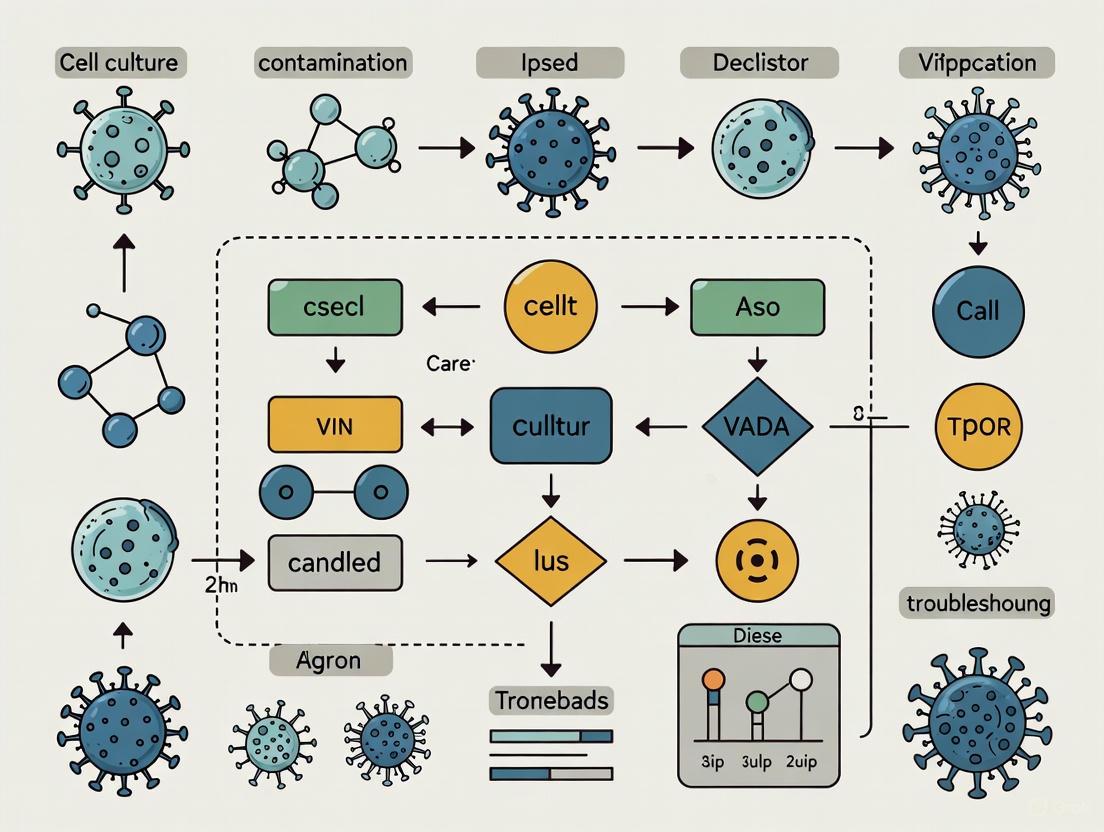
This comprehensive guide addresses the critical challenge of cell culture contamination for researchers, scientists, and drug development professionals.
Cell Culture Contamination Troubleshooting: A Complete Guide to Prevention, Detection, and Resolution
Abstract
This comprehensive guide addresses the critical challenge of cell culture contamination for researchers, scientists, and drug development professionals. It provides a systematic framework covering the foundational knowledge of contamination types and sources, advanced methodological approaches for detection and prevention, practical troubleshooting protocols for immediate issues, and essential validation strategies to ensure data integrity and regulatory compliance. By integrating established best practices with emerging technologies, this article serves as an essential resource for safeguarding research investments and ensuring reproducible, high-quality results in both research and GMP manufacturing environments.
Understanding Cell Culture Contamination: Types, Sources, and Impacts on Research Integrity
Defining the Major Classes of Microbial Contaminants
FAQ: What are the major classes of microbial contaminants in cell culture?
Microbial contaminants in cell culture can be broadly categorized into several major classes, each with distinct characteristics and impacts on your cultures. The table below summarizes the key features of these primary contaminants for easy identification [1].
Table 1: Major Classes of Microbial Contaminants
| Contaminant Class | Size Range | Key Morphological Features | Common Signs of Contamination | pH Change in Medium |
|---|---|---|---|---|
| Bacteria | A few micrometers (e.g., 0.5 µm wide, 0.5-5 µm long) [2] | Tiny, moving granules; shapes include spheres, rods, and spirals [1] [2] | Turbid (cloudy) culture; sometimes a thin film on the surface [1] | Sudden, rapid drop [1] |
| Yeast | A few µm up to 40 µm (rarely) [1] | Ovoid or spherical particles; may bud off smaller particles [1] | Turbid (cloudy) culture [1] | Little change initially; increases when contamination becomes heavy [1] |
| Mold | Filaments can form large mycelia [1] | Thin, wisp-like filaments (hyphae); denser clumps of spores [1] | Turbid culture; visible mycelial mats [1] | Stable initially; rapidly increases with heavy contamination [1] |
| Mycoplasma | ~0.2 - 0.3 µm [1] | Lacks a cell wall; extremely difficult to detect by microscopy [1] | Often no visible change; can cause subtle cellular effects [1] | Variable; often no clear sign [1] |
| Virus | Typically 20 - 300 nm [3] | Microscopic; requires electron microscopy for visualization [1] | No visible change; may not affect cultures from non-host species [1] | No change [1] |
Experimental Protocol: Identification and Confirmation of Contaminants
Routine monitoring and specific testing are essential to confirm the presence and type of microbial contamination.
Visual and Microscopic Inspection
This is the first line of defense.
- Procedure:
- Macroscopic Observation: Check the culture medium daily for turbidity, surface films, or unexpected color changes [1].
- Low-Power Microscopy (100-200X): Observe the spaces between adherent cells for tiny, shimmering granules, which may indicate bacteria [1].
- High-Power Microscopy (400X+): Resolve individual contaminant cells to identify their shape (e.g., rod-shaped bacteria, ovoid yeast) and movement [1].
Microbial Testing Protocols
For contaminants that are difficult to identify visually, such as mycoplasma or viruses, more specialized methods are required [1].
PCR (Polymerase Chain Reaction):
- Application: Highly effective for detecting mycoplasma and specific viral pathogens (e.g., using viral primers) [1].
- Procedure: Extract nucleic acids from a sample of the culture medium and amplify using sequence-specific primers. The amplified DNA is then analyzed for the presence of contaminant-specific sequences.
Electron Microscopy:
- Application: Used for the definitive identification of viral contaminants due to their extremely small size [1].
- Procedure: Culture supernatant is concentrated and prepared on a grid. The sample is then visualized under an electron microscope to identify viral particles based on their distinctive morphologies.
The following workflow outlines the logical process for identifying and addressing cell culture contamination:
Experimental Protocol: Procedure for Culture Decontamination
When an irreplaceable culture becomes contaminated, you may attempt to decontaminate it using antibiotics or antimycotics. The following is a suggested procedure [1]:
Table 2: The Scientist's Toolkit: Key Reagents for Decontamination
| Reagent Category | Example Items | Function & Note |
|---|---|---|
| Dissociation Reagent | Trypsin-EDTA | Dissociates adherent cells for counting and dilution. |
| Antibiotics | Penicillin-Streptomycin (Pen-Strep), Gentamicin | Inhibits bacterial growth. Use at high concentrations for decontamination, but be aware of potential cell toxicity. |
| Antimycotics | Amphotericin B (Fungizone) | Inhibits growth of fungal contaminants like yeast and mold. |
| Culture Vessels | Multi-well plates, small flasks | Used for performing dose-response tests with different antibiotic concentrations. |
Procedure [1]:
- Prepare Cells: Dissociate, count, and dilute the contaminated cells in antibiotic-free medium to the concentration used for regular passaging.
- Dose-Response Test: Dispense the cell suspension into a multi-well plate or several small flasks. Add the chosen antibiotic/antimycotic to each well in a range of concentrations.
- Toxicity Monitoring: Observe the cells daily for signs of toxicity, such as sloughing, vacuole appearance, decreased confluency, and cell rounding.
- Determine Safe Concentration: Identify the concentration at which the antibiotic becomes toxic, then use a concentration one- to two-fold lower for treatment.
- Treatment Phase: Culture the cells for two to three passages using the antibiotic at the determined safe concentration.
- Rest Phase: Culture the cells for one passage in antibiotic-free media.
- Re-treatment (Optional): Repeat the treatment phase (step 5) to ensure eradication.
- Confirmation: Finally, culture the cells in antibiotic-free medium for 4 to 6 passages to verify that the contamination has been eliminated.
The steps for the decontamination protocol are summarized in the following workflow:
FAQ: Should antibiotics be used routinely in cell culture?
No. The continuous use of antibiotics and antimycotics is not recommended for routine cell culture for several critical reasons [1]:
- It encourages the development of antibiotic-resistant strains.
- It can allow low-level, cryptic contaminants (like mycoplasma) to persist undetected.
- These cryptic infections can develop into full-scale contamination once the antibiotic is removed.
- Some antibiotics may cross-react with cells and interfere with the cellular processes under investigation.
Best Practice: Use antibiotics only as a last resort and for short-term applications. They should be removed from the culture as soon as possible. If they must be used long-term, maintain parallel antibiotic-free cultures as a control for cryptic infections [1].
FAQs: Understanding Laboratory Contamination
What are the most common types of cell culture contamination?
The most prevalent contamination types in cell culture are bacterial, fungal, mycoplasma, viral, and cross-contamination from other cell lines [4] [5]. Bacterial and fungal contaminants often cause visible turbidity in the culture medium and can be detected under a microscope [5]. Mycoplasma is more insidious due to its small size (0.2–0.8 µm) and lack of visible effects, requiring specialized detection methods like DNA staining, PCR, or enzymatic assays [5] [6].
Mycoplasma contamination primarily originates from four sources: contaminated culture reagents (like bovine serum), laboratory personnel, cross-contamination from already infected cultures, and rarely, the original tissue isolate [6]. In the 1970s, 25-40% of bovine serum from manufacturers was contaminated; while this has improved, mycoplasma-free reagents cannot be guaranteed [6]. Studies show approximately 80% of laboratory staff carry mycoplasma, which can spread through talking, sneezing, or improperly cleaned equipment [6].
How can I prevent contamination in bioprocessing?
Preventing contamination requires a multifaceted approach: maintaining strict aseptic techniques, carefully assembling and sterilizing bioreactors, selecting appropriate cell lines, implementing quality assurance systems, and comprehensive staff training [7] [8]. Reliable steam sterilization of bioreactors and meticulous checking of all seals are critical, as contamination most frequently originates from the starter culture due to improper handling, inadequate cleaning, or insufficient autoclaving [8].
Troubleshooting Guides
Guide 1: Identifying Contamination Types
- Problem: Cloudy, turbid culture media, or visible fungal mycelia under microscope.
- Problem: Altered cell metabolism, chromosomes, or morphology without visible media changes.
- Problem: Unexpected cell morphology or behavior across different cultures.
Guide 2: Systematic Decontamination Protocol
- For Environmental Surfaces: Wipe contaminated surfaces and equipment with 75% ethanol. For more extensive disinfection, perform formaldehyde fumigation using formaldehyde (40%) at 10 mL/m² and potassium permanganate at 5 g/m² [9].
- For Contaminated Cultures:
- Bacterial: For mild cases, wash cells with 10× Penicillin-Streptomycin Solution. For severe contamination, discard cells and disinfect thoroughly [9].
- Fungal: Treat with Amphotericin B. However, as fungi are difficult to eliminate completely, discarding contaminated cultures is often recommended [9].
- Mycoplasma: If cells remain viable, treat with specific anti-mycoplasma reagents for 2-3 passages while monitoring cell status. If cell condition is poor, discard and disinfect [9].
Contamination Characteristics and Detection Methods
Table 1: Common Contaminants and Their Identification
| Contaminant Type | Common Sources | Visible Signs | Detection Methods |
|---|---|---|---|
| Bacteria | Equipment, reagents, operator's skin/breath [4] | Turbidity, pH change [4] | Microscopy (10x), culture [5] |
| Fungi/Yeast | Air, laboratory surfaces, water baths [4] | Floating mycelia, cloudy media [5] | Microscopy, culture on agar [9] |
| Mycoplasma | Culture reagents (serum), lab personnel, cross-contamination [6] | No visible change; altered cell function [5] [6] | DNA stain, PCR, fluorescent staining [5] [6] |
| Virus | Serum, original tissue, cross-contamination [5] | None visible; safety risk [5] | PCR, ELISA, specialized assays [7] |
| Cross-Contamination | Using same equipment for different cell lines [10] | Altered growth/morphology [10] | DNA fingerprinting, karyotyping [7] [5] |
Experimental Protocol: Routine Contamination Monitoring
Objective
To routinely monitor the laboratory environment and cell cultures for bacterial, fungal, and mycoplasma contamination.
Materials Needed
- Sterile medical-grade cotton swabs
- Sampling solution (saline)
- Agar plates (for bacterial/fungal culture)
- DMEM culture medium
- PCR reagents for mycoplasma detection
- Fluorescence microscope and DNA stain (e.g., Hoechst)
Methodology
Sampling:
Cultivation for Bacteria/Fungi:
Mycoplasma Detection:
- DNA Staining: Fix cell samples on a slide, stain with DNA-specific fluorochrome, and examine under fluorescence microscope. Mycoplasma appears as fluorescent spots on the cell surface or in intercellular spaces [5].
- PCR: Isolate DNA from sample and perform PCR using mycoplasma-specific primers. This is highly sensitive and can detect multiple species [7].
- Culture Method: Inoculate samples into specialized mycoplasma broth and agar, incubate for up to 4 weeks, and observe for colony formation [4].
Analysis:
- Document all findings. Positive results should trigger decontamination procedures and review of aseptic techniques.
Contamination Monitoring Workflow
Research Reagent Solutions for Contamination Control
Table 2: Essential Reagents for Contamination Management
| Reagent/Material | Function | Application Example |
|---|---|---|
| Penicillin-Streptomycin Solution | Antibiotic mixture targeting bacteria [9] | Treatment of mild bacterial contamination; often used prophylactically in culture media [9] |
| Amphotericin B | Antifungal agent [9] | Inhibition of fungal growth in contaminated cultures [9] |
| Anti-Mycoplasma Reagents | Specifically targets mycoplasma organisms [9] | Treatment of mycoplasma-positive cultures for 2-3 passages [9] |
| DNA Stains (e.g., Hoechst) | Fluorescent staining of DNA [5] | Detection of mycoplasma contamination via fluorescence microscopy [5] |
| 70% Ethanol | Surface disinfectant [9] [8] | Wiping down work surfaces, equipment, and gloves [9] [8] |
| Hydrogen Peroxide (Vaporized) | Automated decontamination [11] | Room and enclosure decontamination; highly effective with excellent material compatibility [11] |
Recognizing the Visible and Subtle Signs of Contamination
FAQs on Identifying Contamination
Q1: What are the most common signs that my cell culture is contaminated?
Common signs vary by contaminant but generally include visible changes in the culture medium and alterations in cell health and behavior. Look for cloudiness (turbidity) or a thin film on the surface of the medium, which often indicates bacterial contamination and may be accompanied by a sudden drop in pH, turning phenol-red medium yellow [12] [13] [14]. For fungal contamination, you might see floating, fuzzy patches or filaments [13] [14]. More subtle signs, often linked to mycoplasma or viral contamination, include a decreased rate of cell proliferation, changes in cell morphology, poor transfection efficiency, and overall cell deterioration without an obvious cause [15] [13].
Q2: The culture medium is cloudy. Does this always mean it's contaminated?
While cloudiness (turbidity) is a classic sign of microbial contamination, such as from bacteria or yeast, it is not always a definitive indicator [12] [14]. In suspension cultures, high cell density can also cause a cloudy appearance. To distinguish between the two, examine the culture under a microscope. Contaminating bacteria will appear as tiny, moving granules between your cells, while yeast appears as oval or spherical particles that may show budding [12] [14]. If you observe these signs, the culture is likely contaminated.
Q3: My culture looks clear, but the cells are dying. Could it still be contaminated?
Yes. Some contaminants do not cause visible changes to the culture medium. Mycoplasma, which lacks a cell wall and is too small to be seen with a standard light microscope, is a prime example [15] [13]. It can persist in culture, competing with your cells for nutrients and altering cellular metabolism and function, leading to cell death without clouding the medium [15] [13]. Similarly, some viral contaminants may not cause visible changes but can adversely affect cell health and experimental results [16] [13].
Q4: How can I detect contamination that isn't visible to the eye?
For contaminants like mycoplasma and viruses, specialized detection methods are required. These include [15] [13]:
- PCR: A highly sensitive method to detect genetic material from specific contaminants like mycoplasma or viruses [16] [13].
- DNA Fluorochrome Staining: Uses fluorescent dyes to stain DNA, which can reveal mycoplasma contamination on the cell surface under a fluorescence microscope [15].
- ELISA (Enzyme-Linked Immunosorbent Assay): Can detect viral antigens or antibodies [13].
- Microbiological Culture: Plating samples on specialized growth media to cultivate and identify mycoplasma [15].
- Electron Microscopy: Used for directly visualizing viral particles [13].
Q5: What is cross-contamination, and how can I identify it?
Cross-contamination occurs when one cell line is accidentally replaced by or mixed with a faster-growing cell line (e.g., HeLa cells) [12] [14]. It is not a microbial contaminant but can completely invalidate your research. Signs include sudden, unexpected changes in cell morphology, growth rate, or other characteristics [12]. Confirmation requires specialized tests like DNA fingerprinting, karyotype analysis, or isoenzyme analysis [12] [14].
The table below summarizes the visual and microscopic signs of common contaminants and their typical sources.
Table 1: Identifying Common Cell Culture Contaminants
| Contaminant | Visual & Macroscopic Signs | Microscopic Signs | Common Sources |
|---|---|---|---|
| Bacteria [12] [13] [14] | Cloudy (turbid) medium; sudden drop in pH (yellow color). | Tiny, moving granules; rod or sphere shapes between cells. | Poor aseptic technique, contaminated water baths, operator. |
| Yeast [12] [13] [14] | Turbid medium; little pH change initially, then may increase. | Oval/spherical particles; may show budding of smaller particles. | Poor aseptic technique, environmental spores. |
| Mold [12] [13] | Turbidity in advanced stages; pH stable then rapidly increases; fuzzy patches. | Thin, filamentous hyphae (mycelia); denser spore clusters. | Airborne spores, seasonal factors like air conditioning. |
| Mycoplasma [15] [13] | No visible change to medium; culture can appear normal. | No visible change with standard microscopy; subtle cell changes like decreased growth and aggregation. | Animal-derived reagents (e.g., serum), operator cross-contamination. |
| Virus [16] [13] [14] | Often no observable signs; possible cell death depending on the virus. | Not visible by light microscopy; may cause cytopathic effects (cell rounding, detachment). | Original cell line, infected reagents, laboratory personnel. |
Experimental Protocols for Contamination Detection
Protocol 1: Routine Microscopic Monitoring for Contamination
Regular microscopic examination is the first line of defense.
- Daily Observation: Check cultures by eye and under a microscope at each handling [12].
- Low-Power Scan: Use a low-power objective (e.g., 10x) to scan for signs of turbidity between cells (bacteria) or unusual particles (yeast) [14].
- High-Power Examination: Switch to a higher-power objective (e.g., 40x) to resolve the shape of suspected contaminants (e.g., rod-shaped bacteria, budding yeast, or fungal hyphae) [14].
- Cell Health Check: Simultaneously assess your cells for unhealthy signs like rounding, vacuolization, or detachment that may indicate cryptic contamination [15].
Protocol 2: Machine Learning-Aided UV Absorbance Spectroscopy for Early Microbial Detection
A novel, rapid method for detecting microbial contamination in cell therapy products can provide results in under 30 minutes [17].
- Sample Collection: Collect a small sample of the cell culture fluid without invasive extraction [17].
- UV Analysis: Measure the sample's ultraviolet (UV) light absorbance spectrum [17].
- Machine Learning Analysis: Process the light absorption patterns using a trained machine learning model [17].
- Result Interpretation: The model provides a definitive yes/no assessment of contamination, enabling early corrective actions [17].
This label-free, non-invasive method supports automation and can be used as a continuous safety testing step during manufacturing [17].
Protocol 3: Determining Antibiotic Toxicity for Decontamination Attempts
For irreplaceable cultures, decontamination with antibiotics may be attempted. This protocol determines the safe and effective concentration [18] [14].
- Cell Preparation: Dissociate, count, and dilute the contaminated cells in antibiotic-free medium to your standard passage concentration [18] [14].
- Dose-Response Setup: Dispense the cell suspension into a multi-well plate. Add your chosen antibiotic (e.g., Ciprofloxacin, Plasmocin) to the wells across a range of concentrations [18] [15].
- Toxicity Monitoring: Observe the cells daily for signs of antibiotic toxicity, including cell sloughing, vacuole appearance, decreased confluency, and cell rounding [18] [14].
- Decontamination Cycle: Once the toxic level is identified, culture the cells for 2-3 passages using the antibiotic at a concentration one- to two-fold lower than the toxic level [18] [14].
- Cure Verification: Culture the cells in antibiotic-free medium for 4-6 passages to confirm the contamination has been eliminated [18] [14].
Diagram 1: A workflow for identifying different types of cell culture contamination based on visual, microscopic, and subtle signs.
Research Reagent Solutions for Contamination Control
Table 2: Essential Reagents and Materials for Contamination Control
| Item | Function / Application |
|---|---|
| HEPA-Filtered Incubator | Provides a sterile environment for cell growth by removing airborne contaminants [19]. |
| 70% Ethanol / IMS | Standard laboratory disinfectant used to spray on gloves and wipe down surfaces inside the cell culture hood to kill bacteria and some viruses [20]. |
| Antibiotics/Antimycotics (e.g., Penicillin-Streptomycin, Amphotericin B) | Used as a last resort to treat contaminated irreplaceable cultures; not recommended for routine use [18] [14]. |
| Mycoplasma Detection Kit (e.g., PCR-based) | Essential for detecting cryptic mycoplasma contamination in cell lines [15] [13]. |
| PCR Reagents & Viral Primers | Used for sensitive detection of specific viral contaminants like Epstein-Barr virus (EBV) or ovine herpesvirus 2 (OvHV-2) [16] [13]. |
| Cell Line Authentication Service (e.g., DNA Fingerprinting) | Confirms the absence of cross-contamination by other cell lines [12] [14]. |
Frequently Asked Questions (FAQs)
FAQ 1: What are the most common types of cell culture contamination and their immediate signs? The most common microbial contaminants are bacteria, mycoplasma, yeast, fungi, and viruses [21]. Bacterial contamination often causes the culture medium to become cloudy or turbid and the pH to drop rapidly (medium turns yellow) [20] [22]. Yeast and fungal contamination may appear as floating filamentous threads or fuzzy structures, sometimes with visible colonies [22]. Mycoplasma and viral contamination are more insidious, as they typically cause no visible changes to the medium but lead to unexplained effects on the cells, such as altered growth rates, morphology, or functionality [23] [21] [22].
FAQ 2: How does contamination undermine experimental data and reproducibility? Contamination introduces uncontrolled variables that directly compromise data integrity. Mycoplasma, for instance, can alter DNA, RNA, and protein synthesis, leading to skewed results in gene expression or metabolic assays [22]. Even low-level, undetected contamination can cause inconsistent results between experiments, making it impossible to replicate findings. It has been estimated that over 30,000 studies have reported research with misidentified cell lines, and irreproducible preclinical research costs approximately $28 billion annually [24].
FAQ 3: Beyond microbes, what other contamination concerns should I be aware of? Cross-contamination by other eukaryotic cell lines is a major, often overlooked, concern [21] [24]. The inadvertent mixing of cell lines (e.g., with the rapidly growing HeLa cells) can completely invalidate your research model [21]. Chemical contamination, such as from endotoxins or metal ions leaching from equipment or present in reagents, can also subtly interfere with cell physiology and experimental outcomes [24].
FAQ 4: What are the most critical quality control steps to ensure data integrity? Key quality control steps include [24] [22]:
- Routine Authentication: Use Short Tandem Repeat (STR) profiling for human cell lines.
- Regular Mycoplasma Screening: Conduct tests via PCR, fluorescence staining, or ELISA every 1-2 months.
- Aseptic Technique Training: Ensure all personnel are consistently trained.
- Quarantine New Cell Lines: Test all new lines for contamination before integrating them into your main lab space.
- Detailed Record Keeping: Meticulously log passage numbers, culture conditions, and any observations.
Troubleshooting Guides
Guide 1: Identifying and Addressing Common Contaminants
The table below summarizes the primary characteristics and remedial actions for frequent contamination types.
| Contaminant | Key Identification Signs | Impact on Experiments | Recommended Action |
|---|---|---|---|
| Bacteria [20] [21] [22] | Cloudy medium; rapid pH drop (yellow); possible sour odor; motile particles under microscope. | Depletes nutrients; alters metabolism and pH; induces cellular stress responses. | Discard culture and reagents used; review aseptic technique. Avoid routine antibiotic use to prevent masking. |
| Mycoplasma [23] [21] [22] | No visible medium change; unexplained slow growth; altered morphology; reduced transfection efficiency. | Chromosomal aberrations; alters metabolism, gene expression, and cell viability. | Discard culture is safest. Commercial removal media exist but require long treatment (e.g., 12 weeks) [24]. |
| Yeast/Fungi [21] [22] | Fuzzy, filamentous, or spherical particles; mycelia; fermented odor. | Overgrows culture; competes for resources; can release toxins. | Discard culture; thoroughly decontaminate incubator (shelves, gaskets, water trays). |
| Viral [21] | Often no visible signs; potential cytopathic effects (cell rounding, detachment). | Alters cell function and immunogenicity; major safety risk in bioproduction. | Discard culture; use virus-screened sera; strict quarantine for new lines. |
| Cross-Contamination [21] [24] | Changes in cell behavior/morphology; inconsistent data. | Invalidates cell model; renders data meaningless. | Discard contaminated line; use STR profiling for authentication; handle one cell line at a time. |
Guide 2: Systematic Contamination Investigation Workflow
Follow this logical troubleshooting pathway to diagnose and address contamination issues.
Guide 3: Protocol for Mycoplasma Detection by PCR
Mycoplasma contamination is common and severely impacts data, making regular screening essential [22].
Principle: This protocol uses polymerase chain reaction (PCR) to amplify mycoplasma-specific DNA sequences (e.g., 16S rRNA genes), providing high sensitivity and specificity for detection [22].
Materials:
- Template DNA: Extracted from candidate cell culture supernatant or cell pellet.
- PCR Master Mix: Contains Taq polymerase, dNTPs, and reaction buffer.
- Mycoplasma-Specific Primers: Target conserved genomic regions.
- Positive Control: DNA from a known mycoplasma strain.
- Negative Control: Nuclease-free water.
- PCR Thermocycler
- Gel Electrophoresis System: For visualizing PCR products.
Method:
- Sample Collection: Collect ~1 mL of cell culture supernatant from a test culture that has been without antibiotics for at least 3-5 days.
- DNA Extraction: Isolate DNA from the sample using a commercial DNA extraction kit, following the manufacturer's instructions.
- PCR Setup: Prepare reactions on ice, including test samples and controls.
- PCR Amplification: Run in a thermocycler using parameters similar to:
- Initial Denaturation: 95°C for 5 minutes
- 35 Cycles:
- Denaturation: 95°C for 30 seconds
- Annealing: 55°C for 30 seconds
- Extension: 72°C for 1 minute
- Final Extension: 72°C for 7 minutes
- Analysis: Separate PCR products by agarose gel electrophoresis. A band in the test sample at the same size as the positive control indicates mycoplasma contamination.
Research Reagent Solutions
The following table lists essential reagents and materials for contamination prevention, detection, and management.
| Reagent / Material | Function | Key Considerations |
|---|---|---|
| FCM Lysing Solution [25] | Lyses red blood cells in primary samples (e.g., blood, spleen) for flow cytometry without harming nucleated cells of interest. | Must be used at room temperature; incubation time is critical to avoid lysing white blood cells. |
| Mycoplasma Removal Medium [23] | Contains compounds that inhibit mycoplasma growth to salvage valuable contaminated cell lines. | Considered a last resort; treatment is long (weeks) and may not be 100% effective. Prevention is superior. |
| 70% Ethanol / IMS [20] | Standard disinfectant for spraying gloves and wiping down all surfaces, equipment, and bottles before introducing them into the biosafety cabinet. | The 70% concentration is optimal for bacterial membrane penetration and killing efficacy. |
| HEPA Filter [19] [22] | Used in biosafety cabinets and incubators to provide sterile, particulate-free air to the work environment and cell cultures. | Cabinets and incubators must be regularly serviced and certified to ensure filter integrity and proper function. |
| Sterility Tested FBS [22] | A common culture medium supplement that must be sourced from vendors who test for viruses, mycoplasma, and other contaminants. | Using gamma-irradiated or heat-inactivated serum can further reduce the risk of introducing viral contaminants. |
| Antibiotics & Antimycotics | Used to prevent bacterial and fungal growth. | Use with caution. Recommended for primary culture only. Routine use can mask low-level contamination and promote resistant strains [22]. |
| Paraformaldehyde (PFA) [26] [25] | A fixative used to preserve cells for subsequent analysis (e.g., flow cytometry), stabilizing antigens and inactivating microbes. | Typically used at 1-4% concentrations; requires careful handling and preparation in a fume hood. |
Advanced Monitoring & Prevention Strategies
Technology-Enabled Quality Control
Modern tools are shifting contamination control from reactive to proactive.
- Real-Time Biosensors: Monitor key culture parameters like pH, oxygen, and metabolites continuously without disturbing the cells, allowing for early detection of metabolic shifts caused by contamination [27].
- AI-Driven Image Analysis: Automated microscopy systems can track cell morphology and proliferation in real-time, using machine learning to detect subtle, early-stage contamination that may be missed by the human eye [27].
- CRISPR-Based Monitoring: Emerging techniques use CRISPR-powered biosensors to tag live cells for highly accurate fluorescence-based tracking and even monitor gene expression in real-time [27].
Implementing a Culture Monitoring System
The diagram below outlines the workflow for integrating advanced monitoring tools into a quality control system.
Troubleshooting Guides
Guide 1: Identifying Your Contamination Type
Problem: You've observed an unexpected change in your cell culture, such as cloudiness or a change in pH. What steps should you take to identify the contaminant?
Solution: Follow this systematic identification workflow to diagnose the issue.
Table 1: Common Contamination Types and Identification Methods
| Contamination Type | Visual Signs | Microscopic Signs | Confirmation Tests |
|---|---|---|---|
| Bacterial | Cloudy media, rapid pH change (yellow) | Mobile bacteria visible at 400x | Gram staining, 16S rRNA sequencing [28] [29] |
| Fungal/Yeast | Turbidity developing slowly, visible filaments | Branching hyphae or budding yeast | Fungal culture, PCR [28] |
| Mycoplasma | No media turbidity, subtle cell effects | No visible signs with light microscopy | PCR, fluorescence staining, ELISA [28] |
| Cross-Contamination | Variable growth rates | Unusual morphology | DNA profiling (STR analysis) [30] |
| Viral | No visible changes | Altered cellular metabolism | PCR, viral screening assays [28] |
Experimental Protocol: Bacterial Contamination Confirmation
- Aseptic Sampling: Remove 1-2 mL of culture media using sterile technique
- Microscopic Examination: Examine under 400x phase contrast for mobile bacteria
- Gram Staining:
- Prepare a smear on a glass slide and heat-fix
- Apply crystal violet (30 seconds), rinse with water
- Apply iodine (30 seconds), rinse with water
- Decolorize with alcohol (5 seconds), rinse with water
- Apply safranin (30 seconds), rinse and dry
- PCR Confirmation: Isolate DNA using commercial kits, amplify 16S rRNA gene, and sequence [29]
Guide 2: Immediate Response to Contamination
Problem: You've confirmed contamination in your cell culture. What immediate actions should you take?
Solution: Your response will differ significantly between research and GMP environments.
Table 2: Immediate Response Protocols by Environment
| Action Step | Research Environment | GMP Environment |
|---|---|---|
| Containment | Dispose of contaminated culture following biosafety guidelines [28] | Immediately quarantine the entire batch and isolate affected areas [28] [30] |
| Documentation | Note contamination in lab notebook with details | Initiate deviation report, document all details for regulatory compliance [28] |
| Decontamination | Clean biosafety cabinet, incubators, and affected equipment with appropriate disinfectants [28] | Perform validated deep cleaning and sterilization procedures; decontaminate using extraordinary procedures [28] [30] |
| Impact Assessment | Determine effect on experimental timeline and data | Conduct root cause analysis, assess product impact, and determine batch disposition [28] |
| Communication | Inform principal investigator and lab members | Report to Quality Unit, regulatory affairs, and manufacturing leadership [28] |
Experimental Protocol: Culture Disposal in Research Settings
- Add bleach to contaminated media to achieve 10% final concentration
- Let stand for 30 minutes to ensure complete kill
- Autoclave all contaminated vessels before disposal
- Decontaminate all surfaces with 70% ethanol or 10% bleach solution [28]
Frequently Asked Questions (FAQs)
General Contamination Questions
Q: What are the most common sources of contamination in cell culture? A: Common sources include:
- Human handling: Improper aseptic technique [28]
- Environment: Unfiltered air, unclean surfaces [28]
- Equipment: Non-sterile pipettes, incubators [28]
- Reagents: Contaminated serum, media, or supplements [28]
- Cross-contamination: From other cell lines in shared spaces [28] [30]
Q: Can I save a valuable cell line that has been contaminated? A: In research settings, attempts may be made for irreplaceable cell lines using antibiotic treatments [31]. However, in GMP environments, contaminated products are typically eliminated due to safety regulations and the potential for altered cell characteristics [30]. One research method involves using ofloxacin treatment with multiple washing steps to rescue contaminated cultures [31].
Research vs. GMP Specific Questions
Q: Why are the consequences of contamination more severe in GMP manufacturing? A: The table below highlights the key differences in impact:
Table 3: Consequences of Contamination: Research vs. GMP
| Impact Area | Research Environment | GMP Environment |
|---|---|---|
| Primary Concern | Data integrity and reproducibility [28] | Patient safety and regulatory compliance [28] |
| Financial Impact | Wasted research resources and time [28] | Batch failure costing thousands to millions, production delays [28] |
| Regulatory Impact | Potential institutional biosafety review | Regulatory actions, possible suspension of manufacturing [28] |
| Product Impact | Experimental failure, misinterpreted results [28] | Potential harm to patients, product recall [28] |
Q: What are the key differences in contamination prevention between research and GMP facilities? A: Prevention strategies differ significantly in scope and rigor:
Technical Questions
Q: What advanced techniques can detect less obvious contaminants like mycoplasma or cross-contamination? A: For subtle contamination types:
- Mycoplasma: Regular PCR testing using specific primers, fluorescence staining, or ELISA-based assays [28]
- Cross-contamination: DNA profiling using Short Tandem Repeat (STR) analysis, which compares unique genetic markers between cell lines [30]
- Viral: PCR screening, particularly when using animal-derived reagents [28]
Experimental Protocol: Mycoplasma Detection by PCR
- Sample Collection: Collect 200 μL of cell culture supernatant
- DNA Extraction: Use commercial DNA extraction kits following manufacturer's instructions
- PCR Setup:
- Prepare reaction mix with mycoplasma-specific primers
- Include positive and negative controls
- Run 35-40 amplification cycles
- Analysis: Visualize amplification products on agarose gel [28]
The Scientist's Toolkit: Essential Reagents and Materials
Table 4: Key Reagent Solutions for Contamination Prevention and Management
| Reagent/Material | Function | Application Context |
|---|---|---|
| Antibiotic/Antimycotic | Prevent microbial growth in culture media [31] | Research settings for prevention (not recommended for long-term use) |
| Vectofusin-1 | Enhance viral transduction efficiency in T-cell engineering [32] | GMP-compliant gene modification protocols |
| PCR Kits | Detect mycoplasma and viral contaminants through DNA amplification [28] | Routine screening in both research and GMP |
| STR Analysis Kits | Authenticate cell lines and detect cross-contamination [30] | Essential for GMP manufacturing and cell line validation |
| Validated Disinfectants | Decontaminate surfaces and equipment with proven efficacy [28] [30] | Required for GMP facility maintenance |
| HEPA Filters | Remove airborne particles and microorganisms from cleanrooms [28] [30] | Critical for GMP manufacturing environments |
| Closed System Bioreactors | Minimize exposure to environmental contaminants during processing [28] | GMP manufacturing to reduce contamination risk |
Advanced Detection and Prevention: Implementing Robust Methodologies in Daily Practice
Establishing Unbreakable Aseptic Technique Fundamentals
Core Principles and Definitions
What is the fundamental difference between "sterile" and "aseptic" technique?
The terms "sterile" and "aseptic" are often used interchangeably, but they represent distinct, complementary concepts in the laboratory. Sterilization refers to an absolute state—a process that destroys or eliminates all forms of microbial life, including bacteria, viruses, fungi, and spores. An item is either sterile or it is not; common methods include autoclaving, dry heat, and chemical sterilization. In contrast, aseptic technique is a continuous process. It encompasses the set of practices and procedures performed under controlled conditions to prevent contamination from microorganisms from entering a sterile environment, sample, or product. Think of it this way: sterilization creates the contamination-free zone, while aseptic technique maintains it [33] [34].
Why is a robust aseptic technique non-negotiable in cell culture?
Failure in aseptic technique can compromise weeks or months of work, leading to significant costs in lost time, wasted reagents, and corrupted data [33]. Contamination can affect several cell characteristics, including growth, metabolism, and morphology, which in turn leads to unreliable data, costly setbacks, and potential health hazards [35]. It is estimated that biological contamination is a recurring problem, and over 15% of cell culture studies may be based on misidentified or cross-contaminated cell lines, severely impacting the reproducibility and accuracy of scientific research [36].
Troubleshooting Common Contamination Issues
This section addresses specific problems you might encounter and how to resolve them.
Problem: My culture media has become cloudy or turbid, and sometimes changes color.
- Likely Cause: Bacterial contamination [33] [35]. Bacteria grow quickly and can often cause visible turbidity in the medium within 24–48 hours.
- Immediate Action: Immediately quarantine the culture and any materials used with it. Discard the contaminated culture according to your institution's biohazard waste protocols [34].
- Corrective Action: Review your entire procedure. Pay close attention to handwashing, workspace disinfection, and the sterility of reagents and pipettes. Ensure you are working within a properly functioning biosafety cabinet and that you are not introducing contamination by touching sterile items with non-sterile gloves [33].
Problem: I see fuzzy, off-white, or black floating structures in my culture flask.
- Likely Cause: Fungal contamination, including mold or yeast [33] [35]. These contaminants often grow into clearly visible structures.
- Immediate Action: Discard the contaminated culture safely. Decontaminate the biosafety cabinet thoroughly after disposing of the culture.
- Corrective Action: Fungal spores are often airborne. Ensure the biosafety cabinet is turned on for at least 15 minutes before use to purge airborne contaminants [33]. Check for drafts or through traffic near the hood that could disrupt the laminar airflow [34].
Problem: My cells look unhealthy and are dying, but I see no obvious signs of contamination in the medium.
- Likely Cause: Mycoplasma contamination. This is one of the most insidious forms of biological contamination. Mycoplasma are tiny bacteria that lack a cell wall, making them resistant to many common antibiotics and invisible under routine microscopy. They do not cause turbidity but subtly affect cell growth, metabolism, and gene expression [33] [36] [35].
- Immediate Action: Quarantine the culture. Do not use any media or reagents from this workspace on other cultures.
- Corrective Action: Test for mycoplasma using specialized methods such as PCR, DNA staining, or ELISA. Routine testing is the only way to detect this contaminant. Source your cell lines from reputable banks and quarantine new lines until tested [33] [35].
Problem: I suspect my cell line is not what I think it is; growth and morphology are unexpected.
- Likely Cause: Cell line cross-contamination. This is a widespread and often undetected problem, estimated to affect around one-third of cell lines in use. It is often caused by mislabeling and the use of shared reagents between cell lines [37] [35].
- Corrective Action: Authenticate your cell lines regularly using Short Tandem Repeat (STR) profiling [35]. Always use good labeling practices, do not share media or reagents between different cell lines, and maintain a repository of early-passage, authenticated stocks in liquid nitrogen [35].
The flowchart below outlines a systematic approach for troubleshooting suspected contamination in your cell culture.
Essential Protocols for Detection and Prevention
Protocol 1: Routine Aseptic Workflow in a Biosafety Cabinet (BSC)
- Preparation: Tie back long hair, remove jewelry, and put on a clean lab coat, gloves, and safety glasses. Wash hands thoroughly [33] [34].
- Disinfection: Turn on the BSC and allow it to run for at least 15 minutes to stabilize airflow. Thoroughly disinfect all interior work surfaces with 70% ethanol and wipe with a sterile lint-free cloth [33] [34].
- Material Organization: Gather all necessary sterile materials and place them strategically inside the BSC. Keep items at least six inches from the front grille and never block the rear grille. Wipe the outside of all bottles and flasks with 70% ethanol before introducing them to the BSC [33] [34].
- Sterile Handling:
- Work slowly and deliberately to minimize airflow disruption [33].
- Flame the necks of bottles and flasks to create an upward convection current that prevents airborne particles from falling in [33].
- Keep lids and caps facing downward when placed on the work surface [34].
- Use sterile pipettes and use each one only once to avoid cross-contamination [34].
- Minimize the time that culture vessels are open to the environment [33].
- Cleanup: Discard all waste appropriately. Wipe down the BSC surfaces again with 70% ethanol [33].
Protocol 2: Mycoplasma Detection by PCR Mycoplasma contamination is common (affecting up to 30% of cultures) and often silent, making regular testing crucial [37].
- Sample Collection: A small sample of cell culture supernatant is collected.
- DNA Extraction: Genetic material is extracted from the sample.
- PCR Amplification: Primers specific to conserved regions of mycoplasma DNA are used to amplify the target sequence.
- Analysis: The PCR products are analyzed by gel electrophoresis. The presence of specific bands confirms mycoplasma contamination [37] [35].
Protocol 3: Cell Line Authentication by STR Profiling This is a definitive method to confirm cell line identity and prevent cross-contamination.
- Sample Preparation: DNA is extracted from the cell line in question.
- PCR Amplification: Specific Short Tandem Repeat (STR) loci are amplified.
- Fragment Analysis: The length of the STR alleles is determined using capillary electrophoresis.
- Comparison: The resulting STR profile is compared against reference databases of known cell lines. A match confirms authenticity, while a non-match indicates misidentification or cross-contamination [35].
The Scientist's Toolkit: Essential Research Reagent Solutions
Table 1: Key Reagents and Materials for Aseptic Cell Culture
| Item | Function/Benefit |
|---|---|
| 70% Ethanol | The gold standard for surface disinfection. It denatures proteins and dissolves lipids, effectively killing bacteria and fungi [33] [34] [38]. |
| Sporicidal Agents (e.g., glutaraldehyde, sodium hypochlorite) | Used in rotation with other disinfectants to destroy bacterial and fungal spores, which 70% ethanol cannot eliminate [38]. |
| Sterile Filter Pipette Tips | Prevent aerosols created during aspiration from entering the pipette barrel, protecting against cross-contamination between samples [36]. |
| Personal Protective Equipment (PPE) | Forms a protective barrier; sterile gloves, lab coats, and safety glasses prevent contamination from personnel and protect the user [33] [34]. |
| Mycoplasma Testing Kits (e.g., PCR-based) | Essential for detecting this common, invisible contaminant that can alter cell pathways and compromise data [36] [35]. |
| STR Profiling Kits | Used for cell line authentication to ensure the identity of your cells and prevent the use of misidentified or cross-contaminated lines [35]. |
Frequently Asked Questions (FAQs)
What is the single most critical step in aseptic technique? While all steps are important, the consistent and correct use of the biosafety cabinet, coupled with the meticulous disinfection of all surfaces and materials before starting work, is paramount. This establishes and maintains the sterile field, which is your primary defense against contamination [33].
Is it necessary to use a Bunsen burner inside a biosafety cabinet? No, it is not recommended. The heat from the flame disrupts the delicate laminar airflow that is essential for the BSC's functionality. Sterility is maintained by the constant flow of HEPA-filtered air [34].
How often should I test my cultures for mycoplasma? It is advised to test for mycoplasma regularly as part of a standard quality control procedure. This is especially important for new cell lines, which should be quarantined and tested before being incorporated into your main cell stock [36] [35].
Are antibiotics a suitable long-term solution for preventing contamination? No. The strategic use of antibiotics is not a substitute for good aseptic technique. Overuse can lead to the development of antibiotic-resistant microbes and, more problematically, can mask low-level contamination (like mycoplasma), allowing it to persist undetected and compromise your experiments [35].
What is a Contamination Control Strategy (CCS) and do I need one? A CCS is a formal, documented strategy that reflects a site-wide understanding of all contamination risks and the control measures in place to manage them. While mandatory for licensed manufacturers of sterile medicines, developing a CCS is considered best practice for any research lab to demonstrate that risks are fully understood and effectively managed [39]. It encompasses facility design, equipment validation, personnel training, process controls, and environmental monitoring [38] [39].
Advances in Contamination Detection
Research continues to develop faster and more automated detection methods. A novel approach uses machine learning-aided UV absorbance spectroscopy to analyze cell culture fluids. This method can provide a definitive yes/no contamination assessment within 30 minutes, a significant improvement over traditional 7-14 day sterility tests. It is label-free, non-invasive, and facilitates automation in the manufacturing of critical products like cell therapies [17].
This technical support article supports a broader thesis on cell culture contamination troubleshooting by exploring the evolution of detection technologies. For researchers and drug development professionals, identifying contamination quickly and accurately is paramount for data integrity and patient safety, especially in advanced therapy medicinal products (ATMPs) [40]. This guide compares traditional, well-established methods with emerging, novel techniques, providing detailed protocols to support your experimental troubleshooting.
Frequently Asked Questions (FAQs)
Q1: What are the most common types of cell culture contamination and their visible signs?
Biological contamination can be broadly categorized as follows [41] [42] [35]:
| Contaminant Type | Common Examples | Visible/Microscopic Signs | Effect on Media pH |
|---|---|---|---|
| Bacteria | E. coli, Bacillus spp., Staphylococcus spp. [35] [43] | Turbidity (cloudiness); tiny, moving granules under microscope [41] [14]. | Rapid acidification (turns yellow with phenol red) [42] [14]. |
| Yeast | Candida spp. [43] | Ovoid or spherical particles that may bud; turbidity at advanced stages [14]. | Initially stable, then increases (becomes more purple) with heavy growth [14]. |
| Mold/Fungi | Aspergillus, Penicillium spp. [35] [43] | Thin, filamentous mycelia or fuzzy clumps [42] [14]. | Initially stable, then increases [42]. |
| Mycoplasma | M. orale, M. hyorhinis, M. fermentans [35] [43] | No visible change; requires DNA staining (e.g., Hoechst) or PCR for detection [41] [42]. | Typically no change [42]. |
Q2: Why are traditional methods like microscopy insufficient for detecting all contaminants?
While microscopy is an excellent first line of defense for bacteria and fungi, it has significant limitations [41] [42]:
- Size Limitations: Optical microscopy cannot resolve particles smaller than its resolution limit. Mycoplasma (0.15-0.3 µm) and viruses are too small to be seen with standard brightfield microscopy [41] [42].
- "Silent" Contamination: Some contaminants, like mycoplasma and viruses, do not cause immediate cell death or media turbidity, allowing them to go unnoticed while altering cell metabolism, growth, and gene expression [41] [44].
- Subjectivity: Detection relies on the trained eye of the researcher, which can lead to false negatives, especially with low-level contamination [17].
Q3: What novel methods are emerging for faster, more sensitive contamination detection?
Novel methods focus on automation, speed, and high sensitivity. Key examples include:
- Machine Learning (ML) with UV Spectroscopy: A label-free method that uses UV light absorbance patterns and machine learning to provide a contamination "yes/no" result in under 30 minutes [17] [40].
- Computational Genomics Tools: Tools like ViralCellDetector use RNA-seq data to screen cell lines for viral contamination by mapping unmapped reads to a comprehensive viral genome database [45].
Q4: When should I use antibiotics in my cell culture, and what are the risks?
Antibiotics and antimycotics should not be used for routine cell culture [14]. Their continuous use can lead to:
- Development of antibiotic-resistant strains.
- Masking of low-level contaminants, particularly mycoplasma.
- Toxic effects on certain cell lines and interference with cellular processes under investigation [41] [14]. Use antibiotics only as a last resort for short-term applications, and maintain parallel antibiotic-free cultures as controls [14].
Comparison of Detection Methods
The following table summarizes the key characteristics of traditional versus novel detection methods.
| Method | Typical Time to Result | Key Advantages | Key Limitations | Primary Use Case |
|---|---|---|---|---|
| Microscopy | Minutes | Fast, low-cost, initial screening [41] | Cannot detect viruses or mycoplasma [42] | Routine, daily check of culture health [41] |
| Microbial Culture (USP <71>) | Up to 14 days [17] [40] | Gold standard, regulatory compliance [40] | Slow, labor-intensive, not suitable for short-shelf-life therapies [17] | Final product release testing for traditional pharmaceuticals |
| PCR | Several hours to 1 day | Highly sensitive for specific targets (e.g., mycoplasma, viruses) [41] [21] | Requires knowledge of target; risk of false positives from dead organisms [41] | Specific, sensitive testing for mycoplasma and known viruses [35] |
| ML-aided UV Spectroscopy | < 30 minutes [17] [40] | Very fast, label-free, non-invasive, low sample volume [17] | Emerging technology, may have lower sensitivity than some RMMs [40] | In-process monitoring during CTP manufacturing [17] |
| ViralCellDetector (Computational) | Dependent on sequencing pipeline | Broad, untargeted detection of viral sequences; uses existing RNA-seq data [45] | Requires RNA-seq data and bioinformatics expertise [45] | Screening cell lines for viral contamination in research settings |
Detailed Experimental Protocols
Protocol 1: Traditional Detection of Mycoplasma by DNA Staining (e.g., Hoechst)
This is a standard method for visualizing mycoplasma DNA attached to the surface of host cells [41] [21].
Principle: A fluorescent DNA-binding dye (e.g., Hoechst 33258) binds to DNA in the sample, revealing the characteristic filamentous or speckled pattern of mycoplasma on the cell surface under a fluorescence microscope [41].
Materials:
- Hoechst 33258 stain solution
- Fresh, methanol-free cell culture (test and a known negative control)
- Glass slides and coverslips
- Fixative (e.g., Carnoy's fixative: 3:1 methanol:glacial acetic acid)
- Fluorescence microscope
Procedure:
- Seed Cells: Grow the test cells and a known mycoplasma-negative control on sterile glass coverslips in a culture dish until they are 50-60% confluent.
- Fix Cells: Remove the medium and carefully rinse the cells with PBS. Add the fixative to the cells and incubate for 10-15 minutes at room temperature.
- Stain: Prepare the Hoechst stain solution per manufacturer's instructions. After fixation, remove the fixative, add the stain solution, and incubate for 15-30 minutes in the dark.
- Rinse and Mount: Remove the stain and rinse the coverslip gently with PBS. Mount the coverslip (cell-side-down) onto a glass slide with a mounting medium.
- Visualize: Examine the slides under a fluorescence microscope with a DAPI/FITC filter set. The nuclei of the mammalian cells will be brightly stained. Look for small, speckled or filamentous fluorescence on the cell surface or in the spaces between cells, which indicates mycoplasma contamination.
Protocol 2: Novel Detection Using Machine Learning-Aided UV Spectroscopy
This protocol is based on the recent method developed by SMART CAMP researchers for rapid, in-process monitoring [17] [40].
Principle: Microbial contamination alters the metabolic composition of the cell culture supernatant, which changes its UV absorbance spectrum. A machine learning model (One-Class Support Vector Machine) is trained on the spectra of sterile samples and can then detect spectral anomalies caused by contaminants [40].
Materials:
- Cell culture supernatant from the manufacturing process
- UV-transparent microplate or cuvette
- Commercial UV-Vis spectrophotometer
- Pre-trained One-Class SVM model (training requires spectra from sterile samples)
Procedure:
- Sample Collection: Aseptically extract a small volume (e.g., < 1 mL) of cell culture supernatant at designated intervals during the manufacturing process [17] [40].
- UV Absorbance Measurement: Transfer the sample to a UV-transparent container and place it in the spectrometer. Measure the absorbance spectrum across the UV range (e.g., 220-300 nm) [40].
- Data Pre-processing: The raw spectral data is pre-processed (e.g., normalized) to prepare it for analysis.
- Machine Learning Analysis: The processed spectrum is input into the pre-trained One-Class SVM model. The model compares the test sample's spectrum against the "fingerprint" of sterile samples it was trained on.
- Result Interpretation: The model outputs a simple "yes/no" assessment for contamination, typically within minutes of sample collection [17].
Workflow for ML-aided UV spectroscopy contamination detection.
Research Reagent Solutions
Key materials and reagents essential for implementing the described detection methods.
| Item | Function | Example Use Case |
|---|---|---|
| Hoechst 33258 Stain | Fluorescent DNA dye that binds to AT-rich regions [41]. | Staining for mycoplasma DNA in traditional fluorescence assays [41] [21]. |
| Sterile Phosphate Buffered Saline (PBS) | A balanced salt solution for rinsing cells without causing osmotic damage. | Washing cells during fixation for Hoechst staining or preparing samples for analysis. |
| UV-Transparent Microplate | A microplate made of quartz or specialized plastic that does not absorb UV light. | Holding samples during absorbance measurement in ML-aided UV spectroscopy [40]. |
| PCR Master Mix | A pre-mixed solution containing DNA polymerase, dNTPs, buffers, and salts for PCR. | Amplifying specific sequences of mycoplasma or viral DNA for detection via PCR [35] [21]. |
| RNA-seq Library Prep Kit | A kit to convert RNA into a format compatible with high-throughput sequencing. | Preparing samples for viral screening with tools like ViralCellDetector [45]. |
Designing and Executing a Proactive Monitoring and Screening Schedule
Within the broader context of cell culture contamination troubleshooting research, transitioning from reactive problem-solving to proactive monitoring is a fundamental paradigm shift. Proactive monitoring involves creating and controlling the cell culture environment to prevent contamination rather than just responding to it after it occurs [46]. It is an essential strategy for protecting valuable research, ensuring experimental reproducibility, and maintaining the integrity of bioprocesses in drug development.
Unlike reactive methods that identify failures after they happen, a proactive schedule is designed to continuously identify potential issues before they escalate into significant problems [46]. This approach is critical because certain contaminants, such as mycoplasma, can infect an estimated 5-30% of cell cultures without always causing obvious visual signs, silently compromising metabolic pathways and gene expression data [47] [48]. By implementing a disciplined, scheduled monitoring regime, researchers can detect these subtle early warning indicators, maintain optimal culture conditions, and avoid the costly consequences of widespread contamination.
Establishing Your Proactive Monitoring Schedule
A robust monitoring schedule integrates daily visual checks with periodic, in-depth testing. The frequency of specific tests is guided by the risk and impact of the potential contaminant. The table below summarizes a core proactive monitoring schedule.
Table 1: Proactive Monitoring Schedule for Cell Cultures
| Monitoring Activity | Frequency | Key Parameters & Acceptable Limits | Purpose |
|---|---|---|---|
| Visual & Microscopic Inspection | Daily | Media Color/Phenotype: Stable pH (e.g., phenol red color). Cell Morphology: Consistent, healthy appearance. Clarity: No turbidity or floating particles [47] [48]. | Early detection of gross bacterial/fungal contamination and sudden changes in cell health. |
| Mycoplasma Screening | Monthly + Upon new cell line receipt | Action Level: Any positive result. Use PCR, DNA staining (e.g., Hoechst), or microbial culture [47]. | Detect this common (5-30%), invisible contaminant that alters cell metabolism and gene expression [47]. |
| Environmental Monitoring (Settle Plates) | Weekly (or per experiment) | Alert Level: Varies by zone (e.g., ≥1 CFU in safety cabinet). Action Level: e.g., ≥2 CFU in safety cabinet [49]. | Monitor airborne microbial burden in biosafety cabinets and critical work areas. |
| Equipment Calibration & Certification | Every 6 Months | Biosafety Cabinet: HEPA filter integrity, airflow velocity [49]. Incubator: CO₂, temperature, humidity accuracy. | Ensure core equipment maintains a sterile, stable environment for cells. |
Troubleshooting Guides & FAQs
Troubleshooting Guide: Common Contamination Scenarios
This guide addresses specific contamination issues, their possible root causes, and corrective actions.
Table 2: Troubleshooting Common Contamination Issues
| Problem & Symptoms | Possible Root Cause | Corrective & Preventive Actions |
|---|---|---|
| Rapid pH shift and media turbidity. [48] | Bacterial Contamination. Source often from non-sterile reagents, equipment, or compromised aseptic technique. | Dispose of contaminated cultures immediately. Decontaminate incubators and biosafety cabinets. Review aseptic technique and test reagents for sterility. [48] |
| Filaments or spores visible under microscope; culture appears "fuzzy". [48] | Fungal Contamination. Often from airborne spores or contaminated water baths. | Dispose of cultures. Replace water bath water regularly and add a fungistatic agent. Clean and certify the biosafety cabinet. [20] |
| Culture appears normal, but cell metabolism is altered, or growth rates slow. [47] [48] | Mycoplasma Contamination. Frequent source is human origin via poor technique or contaminated reagents/serum. | Quarantine affected cell lines. Implement a strict monthly mycoplasma testing protocol. Use antibiotics as a last resort, as they can mask issues and induce resistance. [47] |
| Unexplained cell death or altered experimental results without microbial growth. | Viral or Chemical Contamination. Viral source can be the original cell isolate. Chemical source can be detergent residues, endotoxins, or impure water. [47] [16] | Source cells from reputable banks that perform viral testing. Use laboratory-grade water and ensure thorough rinsing of cleaned glassware. Test for specific viruses like Epstein-Barr virus (EBV) if suspected. [47] [16] |
Frequently Asked Questions (FAQs)
Q1: Our culture looks fine under the microscope. Why do we need to test for mycoplasma monthly? Mycoplasma is a common but stealthy contaminant. Because the organisms are small (0.15-0.3 µm) and do not have a cell wall, they often cause no visible turbidity or distinct morphological changes under standard microscopy [47]. However, they can significantly alter cell metabolism, growth rates, and gene expression, compromising your data's reliability. Regular screening is the only way to ensure your cultures are free from this pervasive threat [48].
Q2: Are antibiotics a reliable long-term solution for preventing bacterial contamination? No, routine use of antibiotics is not recommended. While they might seem like a safety net, their continuous use can lead to the development of resistant bacterial strains, which are much harder to eradicate. Furthermore, antibiotics can mask low-level contamination and have been shown to potentially alter gene expression in the cells you are studying, introducing another variable into your experiments [47]. Good aseptic technique is a far more effective and reliable barrier.
Q3: What are the latest technological advances in rapid contamination detection? Emerging methods are significantly speeding up detection. One novel approach uses machine learning and UV absorbance spectroscopy to analyze cell culture fluids. This label-free, non-invasive method can provide a definitive yes/no contamination assessment in under 30 minutes, a vast improvement over traditional sterility tests that take 7-14 days. This is particularly crucial for time-sensitive applications like cell therapy manufacturing [17].
Q4: How do we investigate the source of a contamination outbreak? Troubleshooting requires a systematic review of recent changes and practices. Key areas to investigate include:
- Reagents and Media: Test new lots of serum, media, and buffers.
- Equipment: Check the cleaning records and calibration status of incubators, water baths, and biosafety cabinets.
- Work Practices: Observe and reinforce aseptic technique across the team, including minimizing talking over open vessels and consistent use of 70% ethanol spray.
- Environment: Use settle plates to monitor airborne contamination in biosafety cabinets and other critical zones [49] [48].
Essential Reagents & Materials
The following toolkit is essential for executing an effective proactive monitoring schedule.
Table 3: The Scientist's Toolkit for Proactive Monitoring
| Research Reagent / Material | Function in Monitoring & Screening |
|---|---|
| Tryptone Soya Bean Agar Plates | Used for environmental monitoring via settle plates to capture and culture airborne microorganisms in the lab and biosafety cabinet [49]. |
| Mycoplasma Detection Kit (PCR or DAPI/Hoechst Stain) | Essential for routine screening of mycoplasma contamination. PCR is highly sensitive, while fluorescent DNA stains allow visual detection of mycoplasma DNA under a microscope [47]. |
| 70% Ethanol or Industrial Methylated Spirits (IMS) | The primary disinfectant for decontaminating gloves and all items introduced into the biosafety cabinet to prevent microbial introduction [20]. |
| Ethanol-Resistant Markers | For clear, durable labeling of labware that will not be erased by ethanol spraying during decontamination procedures [20]. |
| Cell Culture-Grade Water | Used for preparing buffers and solutions to prevent chemical contamination from ions, endotoxins, or microorganisms present in lower-grade water [47]. |
| 0.2 µm Filters | For sterilizing heat-sensitive liquids like some media components or reagents by removing bacteria and larger microorganisms [20]. |
Workflow Diagrams for Monitoring & Action
Proactive Monitoring Workflow
The following diagram outlines the core cyclical process of proactive monitoring, from scheduling to action, ensuring continuous health surveillance of cell cultures.
Contamination Response Decision Tree
When monitoring detects a potential issue, this decision tree helps guide the initial investigation and response to contain and resolve the problem.
Leveraging Single-Use Systems and Closed Processing to Minimize Risk
Troubleshooting Guides
Guide 1: Addressing Microbial Contamination
Problem: Suspected microbial contamination (e.g., bacteria, yeast) in a single-use bioreactor. Question: How can I quickly identify if my cell culture is contaminated and what immediate actions should I take?
| Observation/Symptom | Potential Cause | Immediate Action | Investigative Steps |
|---|---|---|---|
| Cloudy culture media, rapid pH change [50] | Bacterial contamination | Isolate the system; quarantine the batch [50]. | Use novel UV absorbance spectroscopy for rapid (30-min) detection [17]. |
| Unexpected cell death or decline in viability [50] | Microbial presence consuming nutrients | Sample for traditional sterility testing [50]. | Perform Gram stain and culture tests; validate with rapid microbiological methods [50]. |
| Visible particulates or biofilm in tubing/bag | Biofilm formation | Do not attempt to salvage batch; discard via validated procedures. | Swab connector points and perform microbial identification. |
Detailed Protocol: Machine Learning Aided UV Absorbance Spectroscopy
- Principle: Measures the unique ultraviolet light absorption "fingerprint" of cell culture fluids, which changes upon microbial contamination [17].
- Materials: Cell culture sample, UV spectrophotometer, machine learning analysis software [17].
- Method:
- Aseptically withdraw a sample from the single-use system.
- Transfer to a cuvette and place in the spectrophotometer.
- Measure the UV absorbance spectrum.
- Analyze the spectral data using a pre-trained machine learning model.
- Interpretation: The model provides a definitive "yes/no" contamination assessment within 30 minutes, enabling early corrective actions [17].
Guide 2: Troubleshooting Aseptic Connection Failures
Problem: Fluid leakage or suspected loss of sterility during or after making a connection in a single-use flow path. Question: My aseptic connector is leaking. What could have gone wrong and how do I safely manage the situation?
| Observation/Symptom | Potential Cause | Immediate Action | Investigative Steps |
|---|---|---|---|
| Fluid leaking at connector joint | Improper engagement or seal failure | Clamp the tubing upstream/downstream; prepare to replace the assembly [51]. | Visually inspect for damage; perform integrity test (e.g., pressure hold) on the connector. |
| Inability to activate connector (e.g., cannot remove membrane) | Connector mechanism jammed or faulty | Abort the connection attempt; use a new, pre-sterilized connector [51]. | Review manufacturer's handling instructions; check for compatibility between connector brands. |
| No positive "click" or tactile feedback upon connection | Incorrect connection sequence | Do not use the flow path; replace the entire single-use assembly. | Retrain staff on proper aseptic connection techniques; audit connection procedures. |
Detailed Protocol: Bacterial Challenge Test for Aseptic Connectors
- Principle: Validates that a connector can maintain a sterile barrier during the connection process by challenging it with a high concentration of bacteria [51].
- Materials: Aseptic connectors, culture of Bacillus atrophaeus spores, sterile growth medium, sterile collection vessels [51].
- Method:
- Assemble a flow path with the test connectors.
- Submerge the connectors in a suspension of the test organism.
- Perform the connection procedure under the challenge conditions.
- Flush sterile medium through the connected path into a sterile vessel.
- Incubate the collection vessel and observe for turbidity indicating growth.
- Interpretation: No growth in the vessel confirms the connector maintained sterility during the connection process [51].
Frequently Asked Questions (FAQs)
Q1: What are the primary contamination risks that single-use systems are designed to control? Single-use systems are specifically engineered to mitigate three major contamination risks [50]:
- Cross-contamination: Eliminated by using virgin, disposable components for each batch, removing the need for cleaning validation between products [50].
- Microbial contamination: Pre-sterilized (e.g., by gamma irradiation) components and integrated aseptic connectors prevent the introduction of bacteria, yeast, and fungi [50] [51].
- Process facility contamination: Closed processing with single-use systems prevents biologic materials from escaping into the facility and external contaminants from entering the process [50] [52].
Q2: How do closed systems and aseptic connectors physically prevent contamination? Closed systems utilize pre-sterilized components with integrated ports. Aseptic connectors maintain a sterile barrier until the moment of connection. They typically function via [51]:
- Barrier-to-Barrier Contact: Each connector half has a sterile membrane.
- Secure Engagement: An interlocking mechanism aligns and seals the halves.
- Membrane Removal/Piercing: Membranes are simultaneously removed or pierced within the protected, sealed environment.
- Contamination-Free Flow: The fluid path is established without exposure to the external environment [51].
Q3: What are extractables and leachables, and why are they critical in single-use systems?
- Extractables: Compounds that can migrate from the single-use plastic material into the process fluid under aggressive laboratory conditions (e.g., with strong solvents, high temperature). Testing for them provides a "worst-case" profile of potential contaminants [53].
- Leachables: A subset of extractables that actually migrate into the specific drug product under normal process conditions. Their assessment is crucial for final product safety, as toxic leachables can pose a patient risk [54] [53]. Regulatory guidance, such as the upcoming USP <665>, mandates rigorous assessment of these compounds to ensure patient safety [54] [53].
Q4: Our single-use tubing showed signs of degradation. What should we check? Review these factors in your process and component selection:
- Chemical Compatibility: Ensure the tubing polymer (e.g., silicone, C-Flex) is resistant to your process fluids, including corrosive solutions like sodium hydroxide [53].
- Process Conditions: Verify the tubing is rated for your application's pressure, temperature, and flow rate. "Off-label" use beyond validated parameters can cause failure [53].
- Exposure Time: Note that prolonged exposure to chemicals, even compatible ones, can lead to degradation. For long processes (e.g., continuous bioprocessing), select tubing validated for extended use [53].
- Mechanical Stress: If used with peristaltic pumps, ensure the tubing is specifically designed for this purpose to withstand external wear [53].
Q5: What are the key qualification steps for a new single-use assembly? End-users should ensure the supplier provides qualification against a comprehensive list of requirements. Key steps include [54]:
- Audit the Supplier: Assess the supplier's manufacturing process, quality controls, and testing practices [54].
- Review Documentation: Obtain and review certificates for sterility, endotoxin, bioburden, particulates, and extractables & leachables (e.g., via an Emprove Program dossier or equivalent) [54].
- Integrity Testing: Confirm the assembly has undergone appropriate leak and/or integrity testing (e.g., Helium Integrity Testing for critical applications) [54].
- Sterilization Validation: Ensure sterilization (e.g., gamma irradiation) is validated and documented with a Certificate of Irradiation [54].
- Shipping Validation: Confirm that packaging has been validated to withstand shipping stresses per standards like ISTA [54].
Table 1: Single-Use System Certification Levels and Testing Focus
| Certification Level | Typical Testing & Validation Focus | Suitable Application Context |
|---|---|---|
| Bronze | Basic integrity testing; Standard particulate and endotoxin testing [54]. | Less critical fluid transfer or holding steps [54]. |
| Silver | Enhanced integrity testing; Basic extractables data per standardized protocols [54]. | Upstream processing (e.g., media preparation); Non-critical buffer holds [54]. |
| Gold | Robust integrity testing (e.g., Restrained Plate); Extensive extractables & leachables data; Full BPOG/USP <665> compliance [54]. | Downstream purification; Final product formulation; Critical process intermediates [54]. |
| Platinum (HIT) | Highest sensitivity integrity testing (e.g., Helium Integrity Testing to 2 μm); Comprehensive, product-specific leachables studies [54]. | Final fill/finish; Product contact with high-risk biologics; Cell and gene therapy products [54]. |
Table 2: Comparison of Contamination Detection Methods
| Method | Principle | Time to Result | Key Advantage | Key Limitation |
|---|---|---|---|---|
| Traditional Sterility Testing [50] | Culture-based growth enrichment | Up to 14 days | Regulatory standard; high sensitivity | Very slow; labor-intensive [50] |
| Rapid Microbiological Methods (RMMs) [50] | Various (e.g., ATP, FACS) | ~7 days | Faster than traditional methods | Still requires days; may need enrichment [50] |
| Novel UV/ML Spectroscopy [17] | UV light absorbance pattern + Machine Learning | < 30 minutes | Label-free, non-invasive, real-time potential | Emerging technology; model training required [17] |
| Visual Inspection (CPE) [16] | Microscopic observation of morphological changes | Hours to days | Low cost; can be rapid for some viruses | Not universal; requires expertise; low sensitivity [16] |
The Scientist's Toolkit: Essential Research Reagent Solutions
| Item | Function in Contamination Control |
|---|---|
| Pre-Sterilized Single-Use Assemblies | Provide a ready-to-use, sterile flow path for fluids, eliminating the need for CIP/SIP and reducing cross-contamination risk [50] [52]. |
| Aseptic Connectors (e.g., Genderless Designs) | Enable the sterile connection of two single-use components without requiring a laminar flow hood, maintaining a closed system [51]. |
| Aseptic Transfer Caps | Allow for the safe addition of media or reagents to, and sampling from, closed system culture vessels like bioreactors and bags [52]. |
| Single-Use Peristaltic Pump Tubing | Specifically formulated to withstand the wear of peristaltic pump heads, preventing particle generation and breaches in the fluid path [53]. |
| Validated Single-Use Bioreactor Bags | Form the core of upstream processes, providing a sterile, scalable environment for cell growth with integrated sensors for monitoring [50] [52]. |
Experimental Workflow Diagrams
Contamination Prevention Workflow
Rapid Contamination Detection Protocol
This technical support center provides targeted troubleshooting guides and FAQs for researchers, scientists, and drug development professionals. The content is framed within the broader context of cell culture contamination troubleshooting research.
Biosafety Cabinets (BSCs) Troubleshooting
FAQ: Common Biosafety Cabinet Issues
Q1: What are the most common airflow issues in a BSC and how are they fixed? Airflow is critical for containment. Common issues include low inflow velocity, uneven airflow, and excessive turbulence. [55]
| Airflow Issue | Possible Cause | Solution |
|---|---|---|
| Low inflow velocity | Clogged HEPA filter | Replace HEPA filter [55] |
| Uneven airflow distribution | Improper calibration | Recalibrate airflow settings [55] |
| Excessive turbulence | Obstructed air grilles | Clear obstructions and clean grilles [55] |
| Motor noise or vibration | Worn motor bearings | Replace or repair motor [55] |
Q2: How can I identify and resolve contamination in my BSC? Signs of contamination include unexpected growth on culture plates, unusual odors, or visible particles. [55] [56] To resolve this:
- Clean thoroughly: Wipe down all interior surfaces (walls, work surface, interior glass) with an appropriate disinfectant (e.g., 70% ethanol, 10% bleach followed by an ethanol rinse to prevent corrosion). Surfaces must remain wet for the full disinfectant contact time. [56] [57]
- Inspect HEPA filters: Contamination can indicate a compromised filter that needs integrity testing and possible replacement. [55]
- Review workflow: Always move from "clean to dirty" items within the cabinet and avoid blocking front grilles or rear vents. [57]
Q3: What indicates HEPA filter failure, and how often should filters be replaced? Key indicators include decreased airflow, increased noise levels, and visible particles in the work area. [55] [56] There is no fixed replacement schedule; lifespan depends on usage, pre-filter maintenance, and environmental conditions. [58] Best practice is condition-based maintenance:
- Perform integrity testing every 6-12 months as required by standards. [58]
- Replace filters immediately if they fail a leak test. [58]
- Monitor pressure drop; a significant increase forces the blower to work harder, raising energy costs and indicating potential clogging. [58]
Q4: What should I do if my BSC alarm is sounding? If the cabinet alarm activates, stop work immediately and exit the work area. [56] Common causes and initial checks include:
- Sash Height: Ensure the sash is at the correct operating height. [56]
- Airflow Obstruction: Check that the front grille is not blocked by papers, gloves, or other materials. [55]
- Professional Help: If the cause is not easily identifiable and resolved, contact a qualified technician for service. [56]
Workflow: Responding to a Biosafety Cabinet Alarm
This diagram outlines the logical steps to take when a BSC alarm sounds to ensure safety and proper resolution.
Laboratory Incubators Troubleshooting
FAQ: Common Incubator Issues
Q1: Why is my CO₂ incubator not stabilizing, and how can I fix it? Fluctuations in CO₂ levels can disrupt medium pH and compromise cell health. [59]
| Symptom | Potential Cause | Solution |
|---|---|---|
| CO₂ level unstable | Defective or inaccurate CO₂ sensor | Calibrate the sensor or use a CO₂ gas analyzer to verify levels. [59] |
| CO₂ level unstable | Blocked gas supply (e.g., partially open valve, clogged regulator) | Inspect the gas supply system, CO₂ cylinder, and connections for blockages or low pressure. [59] |
| Temperature unstable | Frequent or prolonged door openings | Minimize door openings. Organize contents and use viewing windows to reduce recovery time. [59] |
| Temperature unstable | Inner door gasket leakage | Inspect the gasket for gaps, deformation, or tears. Seal gaps or replace the gasket. [59] |
| Humidity unstable | Low water level in humidity pan | Refill the pan with sterile distilled water and check levels weekly. [59] |
Q2: How do I maintain proper humidity to prevent media desiccation?
- Check Water Levels: Regularly refill the humidity pan with sterile distilled water to maintain levels above 90% RH. [59]
- Minimize Door Openings: Each opening replaces warm, humid air with cooler, drier room air, requiring a long recovery period. [59]
- Verify with a Hygrometer: Use a calibrated, digital hygrometer inside the incubator to confirm the accuracy of the system's display. [59]
Q3: What is the proper way to clean and decontaminate an incubator?
- Regular Cleaning: Clean interior surfaces at least monthly (or more frequently) with appropriate disinfectants (e.g., ethanol, bleach) to prevent biofilm formation. [60]
- Decontamination: Some protocols recommend running the empty incubator at a high temperature (e.g., 90°C) for several hours to decontaminate surfaces. [60]
- Use Sterile Water: Always use sterile distilled water in humidity pans to prevent introducing contaminants. [59]
Workflow: Diagnosing an Unstable CO₂ Incubator
This diagram outlines a systematic approach to troubleshoot a CO₂ incubator that fails to maintain stable environmental conditions.
� Cleanrooms Troubleshooting
FAQ: Common Cleanroom Environmental Monitoring Issues
Q1: Our continuous particle count is high. What are the potential causes? High particle counts can originate from personnel, equipment, or failures in the cleanroom system itself. [61]
- Personnel: Improper gowning technique or excessive movement.
- Processes: Introduction of non-cleanroom compatible materials or improper cleaning.
- HVAC/Filtration: Failure of HEPA filters (e.g., leak, damage), improper pressure differentials, or issues with the air handling system. [61]
Q2: How often should HEPA filters in a cleanroom be tested and replaced?
- Integrity Testing: HEPA filters must undergo integrity (leak) testing every 6 months in ISO 1-5 zones and every 12 months in ISO 6-9 environments. [58]
- Replacement: Replacement is not based on time, but on condition. Filters should be replaced if they fail an integrity test or if the pressure drop increases significantly, indicating clogging and reducing energy efficiency. [58]
Q3: What are the key benefits of a real-time online environmental monitoring system? Modern systems provide:
- Immediate Deviation Alerts: Instant notifications allow for rapid corrective action before product quality is affected. [61]
- Automated Compliance Reporting: Reduces manual data logging errors and saves significant time on documentation for audits. [61]
- Data-Driven Optimization: Historical trend analysis helps optimize HVAC performance, potentially reducing energy consumption. [61]
The Scientist's Toolkit: Essential Reagents and Materials
The following table details key reagents and materials essential for maintaining and troubleshooting environmental controls in cell culture.
| Item | Function | Application Notes |
|---|---|---|
| 70% Ethanol | Broad-spectrum disinfectant; effective for surface decontamination and cleaning. | Evaporates quickly without residue; commonly used for routine wiping of BSC and incubator interiors. [57] |
| 10% Bleach (Sodium Hypochlorite) | Powerful oxidizing agent for disinfection and spill cleanup. | Effective against a wide range of biological agents. Must be followed by a rinse with ethanol or water to prevent corrosion of stainless steel. [56] [57] |
| Sterile Distilled Water | Used in incubator humidity pans and for preparing disinfectant solutions. | Prevents the introduction of minerals and microorganisms that can contaminate the environment or damage equipment. [59] |
| PAO (Polyalphaolefin) Aerosol | Aerosol challenge agent for HEPA filter integrity testing. | Used with a photometer to scan for leaks in the filter media and its seals. This is a critical certification procedure. [62] [58] |
This table summarizes quantitative data and recommended frequencies for critical maintenance tasks across different equipment types to help prevent contamination.
| Equipment | Maintenance Task | Recommended Frequency | Key Quantitative Data/Standard |
|---|---|---|---|
| Biosafety Cabinet | Full Recertification | Annually (or after moving/repairs) [62] [57] | Includes airflow velocity, HEPA integrity, and smoke pattern testing. [62] |
| Biosafety Cabinet | Interior Surface Disinfection | Before and after every use [57] | Use EPA-registered disinfectants with appropriate contact time. [57] |
| HEPA Filters (Cleanroom/BSC) | Integrity (Leak) Test | Every 6-12 months [58] | Required by ISO 14644-3 and GMP. Filter must retain ≥99.97% of 0.3µm particles. [58] |
| Pre-Filters | Replacement | Every 3-6 months [58] | Protects the more expensive HEPA filters from premature clogging. [58] |
| CO₂ Incubator | Sensor Calibration | At least annually [59] | Ensures accuracy of temperature, CO₂, and humidity sensors. [59] |
| CO₂ Incubator | Humidification Pan Refill | Check and refill weekly [59] | Use sterile distilled water to maintain >90% RH and prevent contamination. [59] |
| General Incubator | Interior Deep Cleaning | At least monthly [60] | Prevents buildup of contaminants and biofilms. [60] |
Systematic Troubleshooting and Decontamination: From Immediate Response to Long-Term Optimization
Step-by-Step Guide for Contamination Event Response and Triage
FAQs: Contamination Event Response and Triage
Q1: What are the immediate steps I should take upon suspecting a cell culture contamination?
A1: Upon suspecting contamination, immediate action is crucial to prevent spread and identify the source. Your initial response should follow a strict containment protocol [63]:
- Isolate and Label: Immediately remove the suspected culture vessel from the incubator and other equipment. Clearly label the vessel with "CONTAMINATED," the date, and your initials. Place it in a designated quarantine area, such as a sealed container [63].
- Cease All Work: Stop all ongoing cell culture activities in the biosafety cabinet to prevent cross-contamination [63].
- Decontaminate: Thoroughly spray your gloved hands and the exterior of the contaminated vessel with 70% ethanol before removing it from the hood. All contaminated materials should be disposed of according to your institution's biohazard waste protocols, typically by autoclaving [63].
- Document: Record all observations about the culture's appearance (e.g., turbidity, pH change) and the date of discovery. This is critical for the subsequent investigation [64].
Q2: How can I systematically investigate the root cause of a contamination event?
A2: A thorough root cause investigation is essential to prevent recurrence. The process can be visualized in the following workflow and detailed below [63] [65]:
- Confirm and Identify the Contaminant: Use microscopy, culture-based methods, or PCR to determine if the contaminant is bacterial, fungal, or mycoplasma. Identification helps trace the source [63] [65].
- Review Process and Materials:
- Review Personnel and Environment:
Q3: What are the key differences in triaging bacterial vs. fungal vs. mycoplasma contamination?
A3: The response strategy varies significantly depending on the contaminant type. The table below outlines the identification and triage protocols for each.
Table 1: Triage Protocols for Common Contamination Types
| Contaminant Type | Key Identification Methods | Primary Triage Actions | Decontamination Method |
|---|---|---|---|
| Bacteria | Visual/Microscopy: Medium turbidity; fine, granular particles under microscope [64].Culture: Growth in broth media [65]. | Isolate, autoclave, and discard culture. Quarantine and test other cultures handled simultaneously. Review aseptic technique [63]. | Autoclaving (121°C, 15-20 psi). Surface cleaning with 70% ethanol or sporicidal agents [63]. |
| Fungi | Visual/Microscopy: Fuzzy, filamentous mycelia or yeast clusters in culture; pH of medium often increases [64]. | Immediate isolation and disposal. Full decontamination of the incubator is required, as spores become airborne [63]. | Incubator decontamination: spray with 70% ethanol, wipe, then heat to 60°C for 16 hours [63]. |
| Mycoplasma | Microscopy: Not visible with standard microscopy; may cause subtle changes in cell health and morphology [63].Specialized Tests: PCR, ELISA, or specific staining is required for detection [63]. | Discard infected cultures. Quarantine and test all other cell lines in the laboratory. Mycoplasma spreads easily via aerosols and can affect entire labs [63]. | Difficult to eradicate from cells. Prevention is key. Discard all infected stocks. Rigorous cleaning of hoods and incubators is advised [63]. |
Q4: What critical reagents and materials are needed for contamination response and testing?
A4: A dedicated contamination response toolkit should be maintained. Essential items are listed below.
Table 2: Essential Research Reagent Solutions for Contamination Response
| Item | Function/Brief Explanation |
|---|---|
| 70% Ethanol | Surface decontaminant; denatures proteins and dissolves lipids in contaminating organisms [63]. |
| Sterility Test Media (e.g., Fluid Thioglycollate Medium, Soya-bean Casein Digest Medium) | Used in growth-based promotion tests to detect aerobic, anaerobic bacteria, and fungi [65]. |
| Mycoplasma Detection Kit (PCR or ELISA-based) | Sensitive and specific detection of mycoplasma species, which are not visible by light microscopy [63]. |
| Trypan Blue Stain | Dye exclusion test to assess cell viability and count live/dead cells during contamination events [67]. |
| Limulus Amebocyte Lysate (LAL) | Test reagent for detecting bacterial endotoxins, which are pyrogenic fragments from gram-negative bacteria [68]. |
| Membrane Filtration Setups | For sterility testing; filters microorganisms from large volumes of solution for subsequent culture [65]. |
Q5: How do I validate that my decontamination efforts were successful?
A5: Successful decontamination is confirmed through a combination of physical cleaning and rigorous testing.
- Environmental Testing: After decontaminating equipment (biosafety cabinets, incubators), use contact plates or swabs to sample surfaces. Incubate these plates and check for microbial growth [7].
- Cell Line Testing: For cultures that were quarantined but not discarded, perform thorough testing before returning them to use. This includes:
- Sterility Testing: Inoculate culture samples into bacteriological media like Fluid Thioglycollate Medium and Soya-bean Casein Digest Medium. Observe for 14 days for any signs of turbidity, which indicates microbial growth [65].
- Mycoplasma Testing: Test cleared cultures using a validated method like PCR. This is a critical step, as mycoplasma contamination is persistent [63].
- Process Verification: Only resume full cell culture operations once all tests confirm the absence of contaminants and the root cause has been addressed.
Experimental Protocol: Conducting a Sterility Test by Membrane Filtration
This detailed protocol is based on harmonized guidelines from the USP and European Pharmacopoeia for testing biopharmaceuticals and can be adapted for critical cell culture reagents or media [65].
Principle: The test sample is passed through a sterile membrane filter with a pore size small enough to retain microorganisms (typically 0.22 µm or 0.45 µm). The membrane is then incubated in culture media, and any trapped microorganisms will grow and cause turbidity.
Materials Required:
- Test sample (e.g., cell culture media supernatant)
- Sterile membrane filtration apparatus
- Sterile filter membranes (0.45 µm pore size)
- Sterile diluent (e.g., Fluid Thioglycollate Medium, Soya-bean Casein Digest Medium)
- Forceps
- 70% ethanol for disinfection
- Biological safety cabinet
Methodology:
- Aseptic Setup: Perform all steps under strict aseptic conditions within a biosafety cabinet. Disinfect all surfaces and equipment with 70% ethanol [63].
- Apparatus Preparation: Aseptically assemble the sterile filtration unit according to the manufacturer's instructions.
- Filtration: Transfer the specified volume of the test sample into the filtration apparatus and apply vacuum or pressure to pass the entire volume through the membrane.
- Membrane Transfer: After filtration, aseptically open the apparatus. Using sterile forceps, carefully remove the membrane and place it into a container with the appropriate culture medium (e.g., Fluid Thioglycollate Medium for anaerobic bacteria and Soya-bean Casein Digest Medium for fungi and aerobic bacteria) [65].
- Incubation and Observation:
- Incubate the inoculated media at 30-35°C for Fluid Thioglycollate Medium and 20-25°C for Soya-bean Casein Digest Medium for at least 14 days [65].
- Examine the containers visually for evidence of microbial growth (turbidity) at regular intervals throughout the incubation period.
- Interpretation of Results:
- Negative Result (Sterile): The test media remains clear throughout the 14-day incubation period. This indicates no microorganisms were detected in the sample.
- Positive Result (Non-Sterile): The test media shows turbidity, indicating the presence of viable microorganisms in the original sample. The contaminating organism should be identified to aid in root cause analysis [65].
Corrective and Preventive Action (CAPA) Protocols for Common Scenarios
Frequently Asked Questions (FAQs) on CAPA and Cell Culture
1. What is the difference between a Correction, a Corrective Action, and a Preventive Action? Understanding these distinctions is fundamental to an effective quality system [69] [70].
- Correction: Immediate action to eliminate a detected nonconformity (e.g., wiping up a spill). It addresses the symptom, not the cause [69].
- Corrective Action: Action to eliminate the cause of a nonconformity and prevent its recurrence (e.g., investigating why the spill occurred and repairing the faulty equipment that caused it) [71] [69] [70].
- Preventive Action: Action to eliminate the cause of a potential nonconformity (e.g., implementing a predictive maintenance schedule to prevent equipment failure before it happens) [69].
2. Are antibiotics the answer to preventing microbial contamination in cell culture? No, the routine use of antibiotics is not recommended. While they might seem like a preventive action, their continuous use can lead to the development of resistant bacterial strains, mask low-level contamination (especially mycoplasma), and potentially alter gene expression in your cells [41] [72]. Good aseptic technique is the most effective preventive measure.
3. My culture is contaminated. Is the immediate cleanup a CAPA? The immediate cleanup (e.g., discarding the contaminated flask and disinfecting the workspace) is a Correction. A full CAPA begins only when you investigate the root cause of the contamination to prevent it from happening again [69].
4. How can I make my CAPA process more effective and audit-ready?
- Integrate with Risk Management: Use risk assessment to prioritize which deviations warrant a full CAPA [73].
- Verify Effectiveness: After implementing a corrective action, monitor the process to ensure the problem does not recur. This is a crucial but often missed step [70].
- Ensure Transparency: Maintain centralized, clear documentation for all CAPA activities, making it easy to track and present during audits [73].
Troubleshooting Guides for Common Cell Culture Scenarios
Scenario 1: Suspected Mycoplasma Contamination
Problem: Cell growth rates have slowed, and morphology looks abnormal, but the media is not turbid. Routine bacterial tests are negative.
Immediate Correction:
- Quarantine the affected culture immediately.
- Inform lab members to prevent cross-contamination.
- Autoclave the contaminated culture and any waste [41].
Root Cause Analysis & Corrective Action:
- Investigation: Conduct a root cause analysis. Use techniques like the 5 Whys to determine how the contamination was introduced [71]. Common causes include:
- Introduction from a newly acquired cell line or reagent (especially serum) [41].
- Break in aseptic technique by a lab member.
- Use of shared equipment that was not properly sterilized.
- Detection: Confirm the contamination using a dedicated detection method, as mycoplasma cannot be seen with a standard microscope. Common methods are compared below [41]:
| Method | Principle | Time to Result | Key Advantage |
|---|---|---|---|
| DNA Staining (e.g., DAPI) | Fluorescent dye binds to DNA in culture supernatant. | 1-2 days | Rapid and cost-effective [41]. |
| PCR | Amplifies mycoplasma-specific DNA sequences. | A few hours | Highly sensitive and specific [41]. |
| Microbial Culture | Grows mycoplasma on specialized agar. | Up to 4 weeks | Gold standard, but very slow [41]. |
- Elimination: Consider using commercial mycoplasma elimination reagents on irreplaceable cell lines, followed by rigorous re-testing. For most lines, disposal is recommended.
- Systemic Prevention (Preventive Action):
The following workflow outlines the logical process for investigating and addressing this contamination event:
Scenario 2: Recurring Bacterial Contamination
Problem: Multiple cultures across different projects show sporadic bacterial contamination (turbid media), despite initial corrections.
Immediate Correction:
- Discard all contaminated cultures.
- Thoroughly clean and disinfect incubators, water baths, and biosafety cabinets [20].
Root Cause Analysis & Corrective Action:
- Investigation: This is a systemic issue. Form a cross-functional team to investigate [71]. Key areas to examine:
- Technique: Observe aseptic techniques of all users. Look for common errors like not working deep enough inside the hood or improper glove spraying [20].
- Equipment: Check the biosafety cabinet for proper airflow and service status. Check the water bath for cleanliness [20].
- Reagents: Check the sterility of shared media aliquots or other reagents.
- Corrective Actions:
- Retraining: Organize mandatory, hands-on retraining for all personnel on proper aseptic techniques [71] [20].
- Equipment Servicing: Schedule immediate service for the biosafety cabinet if any issues are found [20].
- Process Change: Implement a new policy for regular, documented cleaning of shared equipment (e.g., weekly water bath changes) [20].
Systemic Prevention (Preventive Action):
- Aseptic Technique Audit: Implement periodic peer-to-peer audits of cell culture technique [73].
- Aliquot Management: Enforce a policy of aliquoting all common reagents (like FBS) to minimize contamination of the entire stock [20] [41].
Scenario 3: Preventing Cross-Contamination of Cell Lines
Problem: Cell line identity is compromised, or cultures are contaminated with other cell lines, jeopardizing experimental reproducibility.
Immediate Correction:
- Discard the compromised culture.
- Authenticate the identity of the stock cell line from which it was derived.
Root Cause Analysis & Corrective Action:
- Investigation: Trace back the handling of the affected culture. Common causes include:
- Using the same media bottle or pipette for different cell lines.
- Generating aerosols by pipetting too vigorously [41].
- Improper labeling of flasks.
- Corrective Actions:
- Error-proofing: Introduce color-coded labels for different cell lines.
- Procedure Change: Mandate the use of individually wrapped, sterile pipettes and dedicated media for each cell line [41].
Systemic Prevention (Preventive Action):
- Cell Line Authentication: Institute a policy for regular cell line authentication (e.g., by STR profiling) for all long-term projects [41].
- Standardized SOPs: Develop and enforce a strict SOP for handling multiple cell lines, including a "one cell line at a time" rule in the biosafety cabinet.
The Scientist's Toolkit: Essential Reagent Solutions
The following table details key reagents and materials essential for preventing and managing cell culture contamination, aligned with CAPA principles.
| Item | Function / Purpose | CAPA Context |
|---|---|---|
| 70% Ethanol / IMS | Disinfectant for gloves, work surfaces, and all items entering the biosafety cabinet. The water content enhances efficacy [20] [41]. | Preventive Action: Routine use prevents introduction of contaminants. |
| Mycoplasma Detection Kit | Reagents for PCR, DNA staining, or culture to detect mycoplasma contamination [41]. | Corrective/Preventive Action: Essential for root cause analysis and routine screening programs. |
| Antibiotic/Antimycotic Solutions | Supplements to media to inhibit bacterial and fungal growth. | Correction: For dealing with an active contamination. Use with caution and not as a permanent solution [72]. |
| 0.2 µm Filters | Sterile filters for decontaminating heat-sensitive liquids [20]. | Preventive Action: Used to sterilize reagents, preventing chemical and biological contamination. |
| Autoclave | Uses steam and high pressure to sterilize labware, solutions, and waste [20] [41]. | Preventive Action: Foundational to maintaining a sterile workflow. |
| Sterile, Single-Use Pipettes | For transferring liquids without generating aerosols or cross-contamination [41]. | Preventive Action: Error-proofing measure to prevent cross-contamination between cell lines and samples. |
The CAPA Process: A Strategic Workflow
A well-defined CAPA process is a cycle of continuous improvement. The following diagram illustrates the core steps from identifying an issue to ensuring the solution is effective, which can be applied to any of the scenarios above.
Optimizing Cell Culture Media and Reagents to Enhance Resilience
Frequently Asked Questions (FAQs)
Q1: What are the most common types of cell culture contamination and how can I identify them? The most common contaminants are microbial (bacteria, fungi, yeast, mycoplasma) and chemical [47] [74]. Bacterial contamination often causes rapid pH shifts and cloudy media [74]. Fungal contamination may present as visible filaments or turbidity [74]. Mycoplasma, however, does not cause media turbidity and is not visible under a standard microscope; it requires specific detection methods like PCR, DNA staining, or mycoplasma culture assays [47]. Viral contamination is also invisible and typically requires specialized screening [47].
Q2: How can I prevent microbial contamination in my cell culture workflow? Prevention relies on strict aseptic technique [20]. Key practices include: always working within a properly maintained biosafety cabinet, sterilizing all surfaces and equipment with 70% ethanol or IMS, wearing appropriate personal protective equipment (PPE), using sterile reagents and consumables, and minimizing the time cultures spend outside incubators [20] [36]. Regular cleaning of incubators and water baths is also critical [20].
Q3: Are antibiotics a reliable long-term solution for preventing contamination? Routine antibiotic use is not recommended [47]. While they might seem like a simple solution, their continuous use can lead to the development of antibiotic-resistant bacterial strains, mask underlying contamination (especially mycoplasma), and potentially induce changes in cell gene expression and metabolism, which could compromise your experimental results [47].
Q4: What specific steps can I take to avoid cross-contamination between cell lines? To prevent cross-contamination, use dedicated reagents and media for each cell line, implement strict labeling protocols, and work with only one cell line at a time within the biosafety cabinet [74]. Using filter pipette tips can prevent aerosol-based cross-contamination [36]. Regular cell line authentication is also recommended to ensure identity and purity [74].
Q5: How can I optimize my culture media to enhance cell resilience and reduce costs? Media optimization is a powerful strategy. You can use biology-aware machine learning models to account for biological variability and identify optimal, cell-type-specific formulations [75]. For cultivated meat applications, replacing fetal bovine serum (FBS) with serum-free media (SFM) is a major step, and costs can be reduced by using affordable raw materials, media recycling, and reducing the concentration of expensive growth factors and recombinant proteins [76]. Genetic engineering of cell lines to produce their own growth factors is another emerging approach [76].
Troubleshooting Guides
Microbial Contamination
Problem: Cloudy culture media, unexpected pH changes, or visible fungal structures under the microscope.
- Identification & Analysis: Bacterial contamination often causes media to become turbid within a short time (24-48 hours) [47]. Fungal contaminants may appear as multicellular filaments (molds) or unicellular buds (yeasts) [47].
- Resolution Protocol:
- Immediate Action: Safely dispose of the contaminated culture according to your institution's biosafety guidelines [74].
- Decontaminate: Thoroughly clean all work surfaces, incubators, and equipment involved. Decontaminate incubator water trays with appropriate chemicals [20].
- Review Technique: Reevaluate your aseptic technique. Ensure you are spraying all items and gloves with 70% ethanol before introducing them into the biosafety cabinet and that you are not working too close to the non-sterile edges of the cabinet [20].
- Verify Reagents: Check that your media, sera, and other reagents are sterile and have not passed their expiration dates [20].
Mycoplasma Contamination
Problem: Subtle but persistent issues like slowed cell growth, altered metabolism, and unexplained changes in cell function, without visible signs of contamination [47].
- Identification & Analysis: Mycoplasma cannot be detected by routine microscopy. You must use specific tests such as PCR, fluorescence-based DNA staining (e.g., Hoechst or DAPI), or mycoplasma culture assays [47].
- Resolution Protocol:
- Confirm & Quarantine: Use a validated detection method to confirm mycoplasma presence. Immediately quarantine all cultures and reagents suspected of contamination [47].
- Dispose and Clean: Discard all contaminated cultures. Perform a deep decontamination of all work areas, equipment, and incubators. Mycoplasma can spread easily via aerosols [47] [36].
- Source Investigation: Test your cell banks and frozen stocks to identify the source of contamination. Consider treating contaminated but valuable cells with anti-mycoplasma agents, though this is often challenging and re-culturing from clean stocks is preferable [47].
- Prevention: Implement routine mycoplasma screening (e.g., quarterly) as a standard quality control measure for all cell lines [47].
Chemical Contamination
Problem: Poor cell viability, reduced growth rates, or unusual cellular responses that cannot be linked to biological contaminants.
- Identification & Analysis: Chemical contaminants can include endotoxins, residual detergents on labware, metal ions, or extractables from plastic consumables [47] [74]. Testing may involve assays for endotoxin levels or reviewing your reagent preparation logs.
- Resolution Protocol:
- Replace Reagents: Systematically replace media, buffers, and supplements with fresh, high-quality lots. Use laboratory-grade water for preparing solutions [47].
- Review Labware Cleaning: Ensure all reusable glassware and equipment are thoroughly rinsed and free of detergent residues. Autoclaving does not remove chemical residues [47].
- Source Control: Source reagents and consumables from suppliers that provide purity certifications and perform endotoxin testing, especially for sera and growth factors [47].
Data and Protocol Summaries
Table 1: Common Contaminants and Detection Methods
| Contaminant Type | Key Characteristics | Common Detection Methods |
|---|---|---|
| Bacteria | Cloudy media, rapid pH change, visible under microscope [47] [74] | Visual inspection, microscopy, Gram staining [77] |
| Fungi/Yeast | Visible filaments or turbidity, slower onset than bacteria [74] | Visual inspection, microscopy [47] |
| Mycoplasma | No turbidity; alters cell function, metabolism, and gene expression [47] [74] | PCR, DNA staining (e.g., DAPI, Hoechst), mycoplasma culture assays [47] |
| Virus | No visible change; may alter cellular metabolism or pose safety risk [47] | PCR, ELISA, specialized microscopy (often requires external testing) [47] |
| Chemical | Reduced cell viability/growth; source is often reagents, water, or labware [47] [74] | Endotoxin testing, reagent quality control, conductivity checks for water [47] |
Table 2: Key Reagent Solutions for Contamination Control and Media Optimization
| Reagent / Material | Primary Function in Enhancing Resilience |
|---|---|
| 70% Ethanol / IMS | Surface and equipment disinfectant; effective against bacteria and some viruses [20]. |
| Sterile Filter Tips | Prevent aerosol contamination from entering and contaminating pipette shafts [36]. |
| HEPA-Filtered Biosafety Cabinet | Provides a sterile, particulate-free workspace for cell culture handling [20] [74]. |
| 0.1 µm Filter | Sterile-filtration of media and buffers to remove mycoplasma (standard 0.22 µm filters are insufficient) [47]. |
| Mycoplasma Detection Kit | Routine screening for this common, invisible contaminant (e.g., PCR or fluorescence-based kits) [47]. |
| Species-Specific Growth Factors | For media optimization; enhances cell growth and resilience in serum-free formulations (e.g., FGF2, TGF-β) [76]. |
Experimental Protocols
Protocol 1: Biology-Aware Machine Learning for Media Optimization
This protocol outlines the methodology for using machine learning to develop optimized, serum-free media formulations, accounting for biological variability [75].
- Experimental Design & Data Collection:
- Culture cells (e.g., CHO-K1) in a wide array of media with varying compositions.
- Measure output parameters, such as cell density, to quantify both the media performance and the inherent biological variability (fluctuations in cell behavior, experimental noise).
- Model Training:
- Integrate data on medium composition, quantified biological variability, and cell density into a machine learning framework that combines multiple algorithms.
- Active Learning Cycle:
- Employ an active learning process: the model suggests new promising media formulations for experimental testing.
- The results from these experiments are then fed back into the model to retrain and improve its predictive accuracy iteratively.
- Validation:
- Validate the final model-predicted optimal formulation by culturing cells in it and comparing cell density and viability against commercially available media.
Protocol 2: Aseptic Technique Validation
A core protocol for ensuring sterility during routine cell culture handling [20] [36].
- Preparation:
- Disinfect all surfaces of the biosafety cabinet with 70% ethanol and ensure the airflow is unobstructed.
- Gather all necessary pre-sterilized reagents, consumables, and equipment.
- Personal Protective Equipment (PPE):
- Wear a clean lab coat designated for cell culture work and gloves.
- Surface Decontamination:
- Spray all items, including gloves, with 70% ethanol before introducing them into the cabinet. Re-spray gloves every time they touch anything outside the cabinet.
- Aseptic Handling:
- Work quickly and efficiently inside the cabinet, keeping all containers closed when not in immediate use.
- Use sterile pipettes and filter tips for all liquid handling. Avoid touching the sterile parts of pipette tips or bottle openings.
- Minimize the creation of aerosols and do not generate bubbles.
- Cleanup:
- Dispose of all waste properly. Wipe down the cabinet surfaces with 70% ethanol after use. Turn on the UV light if the cabinet is equipped with one and will not be used for some time.
Workflow Diagrams
Comprehensive Contamination Control Workflow
Media Optimization via Machine Learning
Developing and Reinforcing a Culture of Cleanliness and Vigilance
This technical support center provides targeted troubleshooting guides and FAQs to help researchers maintain the integrity of their cell cultures. The information is framed within the broader context of thesis research on cell culture contamination troubleshooting.
Frequently Asked Questions (FAQs)
Q1: What are the most common types of cell culture contamination and how can I identify them? The most common microbial contaminants are bacteria, yeast, fungi, and mycoplasma [21] [47]. Bacterial contamination often causes the culture media to become turbid (cloudy) and the pH to turn acidic, which can be visually observed if the media contains a pH indicator like phenol red [21] [47]. Yeast and fungal contamination may also cause turbidity, and fungi can appear as filamentous mycelia or fuzzy spherical balls floating in the media [21]. Mycoplasma, however, is more insidious. It does not cause visible turbidity and is too small to be seen with a standard optical microscope. Detection requires specific methods such as PCR, Hoechst DNA staining followed by fluorescence microscopy, or microbial cultures [21] [47].
Q2: My culture is contaminated. What immediate steps should I take? Immediately contain the contamination to protect other cultures. Discard the contaminated culture safely according to your institution's biosafety protocols [47]. Decontaminate any equipment used and thoroughly clean the work area, including the biological safety cabinet (BSC) and incubator, with an appropriate disinfectant like 70% ethanol or a 10% bleach solution [21] [78]. It is also good practice to inform other lab members who share the equipment or incubator space.
Q3: Are antibiotics a reliable long-term solution for preventing contamination? No, routine reliance on antibiotics is not recommended [47]. While they can be useful in specific situations, their continuous use can lead to the development of antibiotic-resistant bacterial strains and may mask low-level or persistent mycoplasma infections [47]. Furthermore, antibiotics can sometimes alter gene expression in your cells, potentially affecting experimental outcomes [47]. The most reliable defense is consistent and meticulous aseptic technique [21] [4].
Q4: How can I prevent viral contamination in my cell cultures? Viral contamination is challenging as viruses are often introduced from the original tissue, serum, or through cross-contamination [21]. Prevention strategies include using ultrafiltration of media, treating sera with gamma-irradiation, sourcing animal-free products when possible, and obtaining cell lines from reputable repositories that provide viral testing certifications [21] [47]. Always handle human or other primate-derived materials with special caution, using appropriate biosafety levels [47].
Troubleshooting Guides
| Problem | Possible Source | Corrective & Preventive Actions |
|---|---|---|
| Bacterial Contamination | Lab personnel, unfiltered air, humidified incubators, non-sterile media/equipment [21]. | Strict aseptic technique; use of 0.22 µm filters on media; regular disinfection of incubators and BSCs; use of antibiotics only as a short-term measure [21] [47]. |
| Fungal/Yeast Contamination | Humidified incubators, lab personnel, unfiltered air, plants, cardboard [21]. | Strict aseptic technique; use of 0.5 µm filters; regular disinfection with 70% ethanol or 10% bleach; use of antimycotics sparingly [21]. |
| Mycoplasma Contamination | Contaminated cell lines, serum, lab personnel [21] [47]. | Quarantine new cell lines; test routinely using PCR, Hoechst stain, or kits; use 0.1 µm ultrafiltration; treat with specific antibiotics if necessary [21] [47]. |
| Viral Contamination | Original tissues, serum, cross-contamination [21]. | Source cells from certified repositories; use gamma-irradiated serum; employ ultrafiltration; use animal-free reagents [21] [47]. |
| Chemical Contamination | Endotoxins in sera, detergent residues on labware, impurities in water [47]. | Use lab-grade water; rinse glassware thoroughly; purchase endotoxin-tested sera and reagents [47]. |
| Cross-Contamination | Working with multiple cell lines simultaneously, sharing media between lines, aerosol generation [21]. | Work with one cell line at a time; clean BSC thoroughly between lines; use separate media and reagents for each line; authenticate cell lines regularly [21]. |
Essential Aseptic Technique Practices
| Practice | Description | Rationale |
|---|---|---|
| Proper BSC Use | Work inside a certified BSC; do not block air grilles; minimize rapid arm movements; allow the BSC to run for several minutes before use [78] [20]. | Maintains a sterile airflow barrier, protecting both the sample and the user [78]. |
| Rigorous Disinfection | Wipe all surfaces, gloves, and equipment with 70% ethanol before introducing them into the BSC [20] [79]. | 70% ethanol is effective at killing microbes and is non-corrosive to stainless steel BSC surfaces [78]. |
| Minimize Aerosols | Avoid bubbling through media; use plugged pipettes; do not forcefully expel liquids [47]. | Preents the generation of contaminated aerosols that can spread through the BSC [47]. |
| Good Glove Hygiene | Spray gloves with 70% ethanol frequently and change them anytime they may have touched a non-sterile surface [20]. | Preents the transfer of contaminants from the environment to your cultures [20]. |
Experimental Protocols for Contamination Control
Routine Monitoring for Mycoplasma via DNA Staining
1. Principle: This method uses a fluorescent DNA-binding dye (e.g., Hoechst stain) to detect mycoplasma DNA, which appears as extranuclear fluorescent spots or filaments on the host cell surface when viewed under a fluorescence microscope [47].
2. Reagents & Materials:
- Hoechst 33258 stain
- Fixed cells grown on a cover slip or in a well plate
- Mounting medium (e.g., glycerol-based)
- Fluorescence microscope
3. Procedure:
- Grow cells on a sterile cover slip in a culture dish until sub-confluent.
- Aspirate the medium and wash the cells gently with DPBS.
- Fix the cells with a fixative (e.g., methanol:acetic acid 3:1) for 5-10 minutes.
- Aspirate the fixative and stain with Hoechst stain (e.g., 1 µg/mL in DPBS) for 5-15 minutes in the dark.
- Aspirate the stain, wash with DPBS, and mount the cover slip on a slide.
- Observe under a fluorescence microscope with a DAPI filter. Uninfected cells will show only nuclear staining, while mycoplasma-contaminated cells will show small, bright extranuclear spots or filaments [47].
Routine Decontamination of Biological Safety Cabinets
1. Principle: Regular cleaning and UV irradiation are used to maintain a sterile work environment within the BSC [78] [20].
2. Reagents & Materials:
- 70% Ethanol
- 10% Bleach solution (for spills)
- Lint-free wipes
3. Procedure:
- Before and after each use, thoroughly wipe down all interior surfaces of the BSC—including the back wall, work surface, and glass sash—with 70% ethanol [20] [79].
- For spills involving biological material, contain the spill and decontaminate with a 10% bleach solution, followed by a rinse with 70% ethanol to prevent corrosion of the stainless steel [78].
- At the end of the day, remove all items from the BSC and wipe the surfaces again.
- Turn on the UV light for a sterilization cycle. Note that UV light is effective at killing microorganisms but requires direct line-of-sight and the bulb must be maintained and checked regularly for output [78].
Workflow for Contamination Prevention
The diagram below outlines the core principles and logical workflow for maintaining a vigilant culture of cleanliness in the cell culture laboratory.
The Scientist's Toolkit: Essential Reagents & Materials
This table details key materials and reagents essential for preventing and detecting cell culture contamination.
| Item | Function | Key Considerations |
|---|---|---|
| 70% Ethanol | Primary disinfectant for gloves, work surfaces, and equipment outside the flame [20] [79]. | Effective against bacteria; less corrosive than bleach; must be replenished regularly as it evaporates [78]. |
| Sterile Serological Pipettes | For sterile transfer of media and other liquids. | Always use plugged pipettes to prevent aerosol contamination and avoid introducing contaminants into pipette controllers [47]. |
| Antibiotics & Antimycotics | To suppress or eliminate bacterial (antibiotics) or fungal/yeast (antimycotics) growth [21]. | Use selectively, not routinely, to avoid masking contamination and developing resistant strains [47]. |
| Mycoplasma Detection Kit | For routine screening of mycoplasma contamination. | Choose from methods like PCR, enzymatic, or DNA staining (e.g., Hoechst stain) [21] [47]. |
| Sterile Filtration Units (0.1-0.22 µm) | For sterilizing heat-labile solutions like certain growth factors or antibiotics. | 0.22 µm filters remove bacteria; 0.1 µm filters are required to remove mycoplasma [21] [47]. |
| Endotoxin-Tested FBS | The most common serum supplement for cell culture media. | Testing ensures low levels of endotoxins, which are chemical contaminants that can affect cell growth [47]. |
Utilizing Data Analysis and Process Monitoring for Continuous Improvement
Troubleshooting Guides
Troubleshooting Cell Thawing and Initial Seeding
Problem: Poor Cell Recovery Post-Thaw
| Concern | Possible Cause | Recommended Solution |
|---|---|---|
| Low cell viability after thawing | Incorrect thawing technique [80] | Thaw cells quickly (<1 minute) by gently swirling in a 37°C water bath until only a small ice crystal remains. [80] |
| Incorrect freezing medium [80] | Ensure proper freezing medium is used; note that glycerol stored in light can become toxic. [80] | |
| Cells were stored incorrectly [80] | Always store cells in liquid nitrogen until the moment of thawing. [80] | |
| Low attachment after plating | Cells plated at too low a density [80] [81] | Plate thawed cells at a high density to optimize recovery. [80] [81] |
| Over-manipulation of cell aggregates [81] | Minimize pipetting and manipulation of cell aggregates after dissociation to prevent excessive break-up. [81] | |
| Use of incorrect culture vessel [81] | Ensure non-tissue culture-treated plates are used with specific coatings (e.g., Vitronectin XF) and tissue culture-treated plates are used with others (e.g., Corning Matrigel). [81] |
Experimental Protocol for Thawing Cells [80]
- Rapid Thawing: Remove cryovial from liquid nitrogen and immediately place it in a 37°C water bath. Gently swirl until the contents are almost completely thawed.
- Decontaminate: Transfer the vial to a laminar flow hood and wipe the outside with 70% ethanol.
- Dilute Slowly: Transfer the thawed cell suspension dropwise into a centrifuge tube containing a pre-warmed complete growth medium.
- Pellet Cells: Centrifuge the suspension at approximately 200 × g for 5–10 minutes.
- Resuspend: Aseptically decant the supernatant and gently resuspend the cell pellet in fresh, pre-warmed complete growth medium.
- Plate: Transfer the cell suspension to an appropriate culture vessel and place it in the recommended culture environment.
Troubleshooting Culture Health and Contamination
Problem: Excessive Differentiation in Pluripotent Stem Cell Cultures [81]
| Concern | Possible Cause | Recommended Solution |
|---|---|---|
| High differentiation rate | Old or degraded culture medium [81] | Use complete cell culture medium that is less than two weeks old when stored at 2-8°C. [81] |
| Cultures over-exposed to suboptimal conditions [81] | Avoid having the culture plate out of the incubator for extended periods (e.g., >15 minutes). [81] | |
| Overgrown colonies [81] | Passage cultures when colonies are large and compact but before they overgrow. Remove areas of differentiation prior to passaging. [81] | |
| Over-sensitive cell line [81] | Decrease incubation time with passaging reagents (e.g., ReLeSR) by 1-2 minutes. [81] |
Problem: Microbial and Viral Contamination
| Concern | Possible Cause | Recommended Solution |
|---|---|---|
| Viral Contamination (e.g., EBV, OvHV-2) | Infected source material or cross-contamination [16] | Implement robust quality control measures, including PCR assays for latent and active viruses. [16] |
| Lack of routine screening [16] | Perform continuous and daily inspections of cell banks for viral contamination to ensure quality and safety. [16] | |
| Cytopathic Effects (CPE) | Viral replication in culture [16] | Regularly observe cell morphology under a microscope for signs of CPE, such as cell rounding, syncytia formation, and cell lysis. [16] |
Experimental Protocol for Monitoring Viral Contamination [16]
- Morphological Observation: Regularly examine cells under a microscope for visible cytopathic effects (CPE), which can include cell rounding, detachment, aggregation, or granulation.
- PCR Testing: Use polymerase chain reaction (PCR) assays for specific viruses of concern, such as Epstein-Barr Virus (EBV) and Ovine Herpesvirus 2 (OvHV-2). PCR can detect both active and latent viral forms.
- High-Throughput Screening: For advanced drug discovery and toxicity analysis, utilize high-throughput screening platforms integrated with 3D cell models to evaluate viral impact and potential antiviral compounds.
Frequently Asked Questions (FAQs)
Q1: What are the most critical parameters to monitor in a cell culture system? Modern cell culture and monitoring systems are vital for tracking key parameters to maintain optimal cell growth. The most critical parameters to monitor in real-time include temperature, pH, oxygen levels, and nutrient supply. These systems use integrated sensors within bioreactors and incubators to provide continuous data on cellular health and environmental conditions, enabling precise control and consistency while reducing contamination risks. [82]
Q2: How can I tell if my cell culture is contaminated with a virus, and what should I do? Viral contamination can be challenging to detect as it doesn't always cause visible changes. However, some viruses induce cytopathic effects (CPE), observable under a microscope, such as cell rounding, syncytia formation, or lysis. [16] For latent or non-cytopathic viruses like Epstein-Barr Virus (EBV) or Ovine Herpesvirus 2 (OvHV-2), specific detection methods like PCR assays are necessary. [16] If contamination is confirmed, the safest course of action is often to discard the contaminated culture, investigate the source (e.g., source material, reagents, technique), and implement stricter quality control protocols to prevent recurrence. [16]
Q3: My pluripotent stem cell colonies are not detaching evenly during passaging. What could be wrong? This is a common issue related to the passaging technique. If colonies remain attached and require significant scraping, you may need to increase the incubation time with the passaging reagent by 1-2 minutes. [81] Conversely, if differentiated cells are also detaching, you should decrease the incubation time by 1-2 minutes or lower the incubation temperature to room temperature. [81] Always ensure you are using the passaging reagents according to the technical manual.
Q4: What is the role of data analysis in modern cell culture? Data analysis is central to continuous improvement in cell culture. Automated monitoring systems collect real-time data on cellular activity and environmental conditions. [82] This data can be analyzed to:
- Identify Trends: Correlate specific culture conditions with cell growth rates or product yield.
- Optimize Processes: Fine-tune parameters like feeding schedules or harvest times for better performance.
- Predict Outcomes: With the integration of AI-driven analytics, these systems can help predict cellular behaviors and potential issues before they occur, enabling proactive intervention. [82]
Essential Research Reagent Solutions
The following table details key materials and reagents essential for successful cell culture experiments, along with their primary functions. [80] [81]
| Item | Function & Application |
|---|---|
| Complete Growth Medium | A pre-warmed mixture of basal medium, serum, and supplements. Provides essential nutrients, growth factors, and hormones for cell survival and proliferation. [80] |
| Passaging Reagents (e.g., ReLeSR, Gentle Cell Dissociation Reagent) | Non-enzymatic or enzymatic solutions used to detach adherent cells from the culture vessel surface for subculturing (passaging). Helps maintain cell health and prevent overgrowth. [81] |
| Extracellular Matrix (ECM) Coatings (e.g., Corning Matrigel, Vitronectin XF) | Proteins and polymers used to coat culture vessels, providing a surface that mimics the natural cellular environment. Critical for the attachment and growth of sensitive cells like pluripotent stem cells. [81] |
| Cryopreservation Medium | A specialized medium containing a cryoprotectant like DMSO. Protects cells from ice crystal formation and damage during the freezing process for long-term storage in liquid nitrogen. [80] |
| Centrifuge Tubes (Sterile) | Disposable tubes used for pelleting cells during subculturing or after thawing. Allows for the removal of old medium or cryoprotectant. [80] |
Process Monitoring and Troubleshooting Workflows
Cell Culture Monitoring System Workflow
Viral Contamination Detection Pathway
Ensuring Authenticity and Compliance: Validation, Authentication, and Regulatory Standards
Core Concepts and Importance
Why is cell line authentication critical for biomedical research?
Cell line authentication is the process of verifying a cell line's identity and confirming it is free from contamination by other cell lines or microorganisms. Using authenticated cell lines is fundamental for ensuring valid, reproducible, and reliable experimental results. It is estimated that 15–20% of cell lines in use may be misidentified or cross-contaminated, potentially compromising research findings and leading to irreproducible data, wasted resources, and retracted publications. [83] [84] Without periodic testing, over-subcultured, misidentified, or cross-contaminated cell lines enter the research arena, producing spurious data. [85] Major organizations, including many scientific journals and funding bodies such as the NIH, now often require authentication as a condition for publication and grant awards. [83] [86]
What is STR profiling and why is it considered the "gold standard"?
Short Tandem Repeat (STR) profiling is a DNA fingerprinting technique that has become the widely accepted "gold standard" for cell authentication, particularly for human cell lines. [87] [83] STRs, or microsatellites, are short sequences of DNA, typically 2 to 6 base pairs long, that are repeated in tandem and scattered throughout the genome. [88] [89] These regions are highly polymorphic, meaning the number of repeats varies significantly between individuals. STR profiling uses multiplex PCR to simultaneously amplify multiple (often 8 or more) polymorphic STR loci. [85] [88] The pattern of repeat lengths creates a unique genetic profile that serves as a powerful tool for confirming a cell line's identity, detecting intra-species cross-contamination, and monitoring cell line stability over time. [87] [83]
Testing Strategies & Schedules
How often should I authenticate my cell lines?
A proactive and regular testing schedule is crucial for maintaining cell line integrity. The following table summarizes the recommended authentication frequencies for different scenarios.
Table: Recommended STR Authentication Schedule
| Scenario | Recommended Frequency | Rationale |
|---|---|---|
| New cells entering a cell bank | Upon acquisition, before creating master stocks | Provides a baseline profile and confirms identity upon receipt. [87] |
| Routine monitoring during long-term culture | Every 3–6 months, or after 5-10 passages [87] | Monitors for genetic drift or emerging cross-contamination. [85] [87] |
| Before starting a new series of experiments | At the beginning of a major project or study | Ensures experimental baseline data is generated with authenticated cells. |
| Upon suspicion of contamination | Immediately if morphology/growth changes unexpectedly | Investigates potential problems to prevent widespread work with contaminated stocks. [85] |
| For primary or newly established cell lines | During the establishment process and before banking | Ensures new lines are not contaminated and establishes a reference profile. [87] |
What are the key quantitative benchmarks for STR analysis?
Understanding the performance metrics of STR profiling is key to interpreting results correctly.
Table: Key Quantitative Benchmarks for STR Profiling
| Parameter | Benchmark / Sensitivity | Explanation |
|---|---|---|
| Cross-contamination detection | Threshold of ~10% [87] | STR profiling can reliably detect contamination when the contaminating cell line constitutes ~10% or more of the total population. |
| Human STR match score | ≥ 80% is generally considered to indicate identity [87] | A match rate of 80% or higher when comparing a test profile to a reference database profile suggests the cell lines are the same. |
| Optimal DNA input for STR-NGS | 70-140 ng (approx. 10,000-20,000 cells) [88] | This input range ensures robust PCR amplification for Next-Generation Sequencing (NGS)-based STR methods. |
| Mouse cell line interpretation | Match rates may exceed 80% due to inbred strains; requires extra caution [87] | High genetic similarity in lab mice means STR results should be supplemented with other data (e.g., phenotype). |
Troubleshooting Common Problems
My STR profile shows minor new peaks. What does this mean?
The appearance of minor new peaks in an STR profile can indicate two main possibilities:
- Low-level cross-contamination: Another cell line is present in your culture. If contamination is suspected, it is recommended to re-perform STR testing after 3-5 passages. Cells with a growth advantage will gradually outcompete others, making the contamination more detectable. [87]
- Somatic genetic variation (genetic drift): The cell line has accumulated genetic changes during extended passaging. This is a form of "genetic drift" and is a known consequence of being in culture for too many passages. [85] [83]
Recommended Solution: First, thaw a new vial from your low-passage working cell bank. If the problem persists, consider re-cloning the cell line to isolate a pure population. Always compare your STR data to an earlier profile from your own lab or the original source (e.g., ATCC) to track changes. [85] [87]
My human cell cultures tested positive for mouse DNA, but RNA-seq shows no mouse gene expression. Why?
This is a known pitfall that can lead to false-positive contamination results. The discrepancy arises because PCR-based methods detect the presence of DNA, but cannot distinguish between:
- Live, contaminating mouse cells (a serious problem).
- Cell-free mouse DNA (cfDNA) present in conditioned media or reagents. [90]
Recommended Solution: If you get a positive mouse DNA signal via PCR:
- Perform RNA-seq: As your results showed, the absence of mouse transcript reads indicates no viable murine cells are present. [90]
- Test your culture reagents directly: Assay samples of your conditioned medium, Matrigel, or other bovine serum albumin-derived reagents for cfDNA. [90]
- Use multiple authentication methods: Correlate DNA-based results with morphology checks and other functional data.
My cell morphology suddenly changed. Could this be an identity issue?
Yes, unexpected changes in cellular morphology can be a warning sign of several problems:
- Cross-contamination: A faster-growing cell line has overgrown your culture. [85] [83]
- Microbial contamination: Mycoplasma or other infections can alter cell health and appearance. [85] [43]
- Genetic drift: Excessive passaging can lead to phenotypic and genotypic changes. [85]
Recommended Solution:
- Immediately check for mycoplasma contamination using a Hoechst stain or other biochemical method. [85]
- Perform an STR authentication test to rule out cross-contamination.
- Review your culture records to ensure you have not been using high-passage cells. If you experience sudden variations in results, replace the cell line with a fresh, low-passage vial from your bank. [85] [86]
Experimental Protocols
Detailed protocol: STR profiling via next-generation sequencing (STR-NGS)
STR-NGS offers advantages over traditional capillary electrophoresis, including the ability to discern sequence context and higher sensitivity. [88]
Workflow Overview:
Materials & Reagents:
- Cells: Harvested in exponential growth phase (~10,000-20,000 cells recommended). [88]
- DNA Isolation Kit: Standard genomic DNA purification kit.
- PCR Master Mix: High-fidelity DNA polymerase (e.g., Platinum SuperFi PCR Master Mix). [88]
- PCR Additive: Tetramethylammonium oxalate (TMAO) to improve specificity at difficult STR loci. [88]
- STR-Specific Primers: Primers targeting CODIS STR loci (e.g., 18 loci for human) and the amelogenin gene for sex determination. [85] [88]
- Indexing Primers: Dual-indexed primers for multiplexing samples. [88]
- NGS System: Illumina MiSeq or similar platform. [88]
Step-by-Step Procedure:
- DNA Isolation: Isolate genomic DNA from your cell pellet using a commercial kit. Quantify DNA and use 70-140 ng as input for the PCR1 reaction. [88]
- Primary PCR (PCR1 - Target Amplification):
- Set up multiplex PCR reactions containing:
- Purified genomic DNA
- High-fidelity master mix
- Primer mix for all target STR loci
- TMAO additive
- Amplify with cycling conditions optimized for your primer set. This step amplifies the STR regions and adds partial Illumina adapters. [88]
- Set up multiplex PCR reactions containing:
- Secondary PCR (PCR2 - Indexing):
- Use the PCR1 product as the template.
- Add primers that contain full Illumina adapter sequences and unique dual indices for each sample.
- Perform a limited-cycle PCR to complete the sequencing library. [88]
- Sequencing:
- Pool the finalized libraries from different samples.
- Load onto an NGS sequencer (e.g., Illumina MiSeq) for sequencing. [88]
- Data Analysis:
- Use a bioinformatics program (e.g., the STRight Python program) to analyze sequencing reads. [88]
- The software will call alleles at each STR locus based on the sequence and number of repeats.
- Generate an STR profile and compare it to a reference database (e.g., ATCC or DSMZ) for authentication. [83]
Essential research reagents for cell line authentication
Table: Key Reagents for Authentication workflows
| Reagent / Material | Function / Application | Key Considerations |
|---|---|---|
| High-Fidelity DNA Polymerase | Amplifies STR loci for sequencing with minimal errors. | Essential for accurate STR-NGS. Platinum SuperFi is noted for high yield. [88] |
| TMA Oxalate (TMAO) | PCR additive that increases specificity and yield of STR amplicons. | Reduces background noise and stutter in NGS results. [88] |
| STR Primer Panels | Set of primers designed to flank specific STR loci for amplification. | For human cells, panels cover at least 8 core loci (ANS/ATCC standard). Mouse panels are also available. [88] [89] |
| Hoechst 33258 Stain | Fluorescent dye that binds DNA to detect mycoplasma contamination. | Reveals characteristic extracellular filamentous patterns of mycoplasma under fluorescence microscopy. [85] |
| Validated Reference Cell Lines | Positive controls for authentication assays and technique validation. | Sourced from certified biorepositories (e.g., ATCC, ECACC) to ensure provenance. [85] [86] |
Validating Sterilization Processes and Equipment Performance
In cell culture laboratories, effective sterilization is a critical defense against contamination that can compromise research integrity and drug development. This technical support center provides targeted troubleshooting guides and FAQs to help you validate sterilization equipment and address process failures, ensuring the reliability of your experimental outcomes.
FAQs: Core Sterilization Concepts
1. What is the difference between cleaning, disinfection, and sterilization?
- Cleaning physically removes organic matter and soil.
- Disinfection reduces microorganisms to a safe level but does not eliminate all bacterial spores.
- Sterilization is a validated process that destroys all forms of microbial life, including highly resistant bacterial spores.
2. Why is validation crucial for sterilization processes? Validation provides documented evidence that your sterilization process consistently produces sterile products. Proper validation is essential for patient safety, product quality, and regulatory compliance with standards from bodies like the FDA and EMA. Without it, you risk contamination, product recalls, and regulatory penalties [91].
3. What is a "wet pack" and why is it a problem? A "wet pack" refers to sterilized loads that remain damp at the end of a cycle. This moisture indicates process failure, as it can recontaminate the load by wicking microorganisms through wet packaging materials. It is a common issue investigated during sterilization process failures [92].
4. How often should I perform biological monitoring? Biological Indicators (BIs) should be used at least weekly, and with every load containing implants. More frequent monitoring is recommended for troubleshooting or after any major equipment repair [93].
Troubleshooting Guides
Guide 1: Addressing Failed Biological Indicators
A failed Biological Indicator (BI) is a critical alarm indicating your sterilizer may not be functioning correctly. Follow this systematic approach [93].
- Immediate Action: Remove the sterilizer from service immediately. Quarantine all items processed in the failed cycle since their sterility cannot be guaranteed.
- Investigate Operator Error:
- Check for incorrect BI placement or handling.
- Verify that the correct cycle type and parameters were selected for the load.
- Confirm proper loading; overloading or improper packaging can prevent steam or vapor penetration.
- Investigate Equipment Issues:
- Check for mechanical failures. Review the sterilizer's preventive maintenance, repair, and alarm history.
- Contact your facilities, biomedical, or service provider for a full inspection if no operator error is found.
- Corrective Action: Only return the sterilizer to service after the root cause is identified and corrected, and subsequent BI tests have passed.
Guide 2: Resolving Common Autoclave/Steam Sterilizer Malfunctions
The table below summarizes common issues and their solutions for steam sterilizers.
Table 1: Troubleshooting Common Steam Sterilizer Problems
| Problem | Possible Causes | Corrective Actions |
|---|---|---|
| Drain Port Blockage | Clogged by debris (e.g., broken glass, agar) [94]. | Open drain valve and clear obstruction with a rubber ear syringe. For agar, run the autoclave to 100°C, shut down, and drain once pressure is at 0 MPa. |
| Sterilization Interrupted Mid-Cycle | Insufficient water in the chamber triggers dry-run protection; power outage [94]. | Refill the chamber with sterilized water to the level indicated on the water gauge; restart the cycle once power is restored. |
| Failure to Start | The lid is not securely closed, engaging the safety lock [94]. | Ensure the lid is properly and securely fastened. |
| Heating Failure | Damaged heating element [94]. | If the unit fails to heat and the circuit breaker trips, contact a qualified service engineer immediately. |
| Wet Packs/Loads | Poor steam quality; overloading; incorrect packaging or cycle selection [92]. | Investigate steam quality, review loading and packaging procedures, and ensure the correct cycle is selected for the load type. |
Guide 3: Troubleshooting Cell Culture Incubator Contamination
Preventing contamination in CO₂ incubators is paramount for high-value cell culture research. Look for equipment with the following validated features [19]:
- Proven Contamination Control: Select incubators with a 12-log Sterility Assurance Level (SAL) for heat sterilization cycles, validated according to US and EU Pharmacopeia guidelines.
- HEPA Filtration: In-chamber HEPA filtration helps remove airborne contaminants.
- Culture Segregation: Use systems like individual, autoclavable chambers (e.g., Cell Locker System) to segregate different users and cell types, preventing cross-contamination.
- Copper Alloy Interiors: Solid copper interiors can inhibit microbial growth.
- Rapid Recovery: After frequent door openings, technology that quickly restores optimal CO₂, temperature, and humidity levels protects sensitive cells.
Sterilization Validation: A Step-by-Step Protocol
This protocol outlines the key stages for validating an irradiation sterilization process for single-use bioprocess systems, a critical practice in biomanufacturing [91].
1. Pre-Validation Preparations
- Define Requirements: Determine the desired Sterility Assurance Level (SAL), typically 10⁻⁶ for sterile products.
- Material Compatibility: Test how the materials (e.g., plastics in single-use systems) react to the sterilization dose to avoid degradation.
- Equipment Qualification: Ensure the sterilization equipment is properly installed and operational (IQ/OQ).
2. Validation Execution
- Dose Mapping: Place dosimeters throughout a representative load to identify the zones of minimum and maximum dose, ensuring the entire product receives sufficient irradiation.
- Cycle Development: Establish the specific process parameters (e.g., time, dose, temperature) required to consistently achieve sterility.
3. Data Analysis and Documentation
- Verification: Analyze dosimeter data to verify the minimum required dose was delivered to all parts of the load.
- Reporting: Prepare a comprehensive report documenting the protocol, execution, and results. This report is vital for audits and proves your system is safe and compliant.
The workflow for this validation process is summarized in the following diagram:
The Scientist's Toolkit: Essential Reagents & Materials
Table 2: Key Reagents and Materials for Sterilization Validation
| Item | Function | Application Notes |
|---|---|---|
| Biological Indicators (BIs) | Contains a known population of highly resistant bacterial spores (e.g., Geobacillus stearothermophilus). Provides the highest level of sterility assurance. | Used for routine monitoring and validation of sterilization cycles. A positive BI indicates process failure [93]. |
| Chemical Indicators | Change color or form when exposed to specific sterilization conditions (e.g., heat, steam). | Used on the outside and inside of packs to provide an immediate, visual assessment that an item has been processed. |
| Dosimeters | Devices that measure the actual dose of radiation absorbed during an irradiation process. | Critical for dose mapping and validation of radiation sterilization cycles [91]. |
| Culture Media | Used to grow microorganisms for bioburden testing and to incubate BIs after a sterilization cycle. | Supports the outgrowth of any surviving spores in a BI test. |
| Manufacturer-Approved Cleaning & Descaling Agents | Specifically formulated to remove residue, biofilm, and mineral buildup from sterilizer chambers. | Using non-approved chemicals can damage the equipment. Regular descaling prevents efficiency loss [95]. |
Proactive Maintenance for Prevention
Preventing failures is more efficient than troubleshooting them. Key maintenance tasks include [95]:
- Daily: Wipe down external surfaces, clean trays/racks, check water levels with distilled water, and verify cycle completion.
- Weekly/Based on Usage: Perform deep cleaning and descaling to remove mineral buildup. Conduct BI testing.
- As Recommended by Manufacturer: Schedule professional preventive maintenance and calibration by qualified technicians.
Frequently Asked Questions (FAQs)
Q1: What are the most critical USP general chapters for contamination control in cell-based products? While many USP chapters are informative, recent proposals are particularly critical. Chapter 〈1110〉, "Microbial Contamination Control Strategy Considerations," outlines comprehensive principles for controlling microbial, endotoxin, and particulate contamination for both sterile and non-sterile products [96]. For advanced therapies, Chapter 〈1114〉 provides cell therapy-specific guidance on managing microbial risks, facility design, and cleanroom classification [96]. It's important to note that USP general chapters numbered above 〈999〉 are informational; for CGMP policy, the FDA is the primary source [97].
Q2: Which FDA CGMP regulation directly addresses controlling microbiological contamination? 21 CFR 211.113, "Control of microbiological contamination," mandates procedures to prevent objectionable microorganisms in drug products not required to be sterile. It also requires validation of any sterilization process for products labeled as sterile [74]. This is a binding enforceable regulation under the FDA's CGMP for finished pharmaceuticals.
Q3: How does contamination control differ between research labs and GMP manufacturing? The focus and consequences of contamination differ significantly, which dictates the stringency of controls [74].
Table: Contamination Control: Research vs. GMP Perspectives
| Aspect | Research Laboratory | GMP Manufacturing |
|---|---|---|
| Primary Goal | Data integrity, reproducibility [74] | Patient safety, batch consistency, regulatory compliance [74] |
| Impact of Failure | Wasted resources, false data [74] | Batch rejection, regulatory action, patient risk [74] |
| Key Strategies | Aseptic technique, routine testing, cell authentication [74] | Validated processes, closed systems, environmental monitoring, strict documentation [74] |
| Documentation | Lab notebooks, protocols [74] | Rigorous batch records, deviation reports, SOPs [74] |
Q4: Are antibiotics a recommended long-term solution for preventing cell culture contamination under GMP? No, the routine use of antibiotics is discouraged [98] [14]. Continuous use can lead to the development of antibiotic-resistant strains, mask low-level cryptic contaminants like mycoplasma, and may interfere with cellular processes or cross-react with cells, potentially impacting product quality and safety [98] [14]. Antibiotics should not be a substitute for proper aseptic technique.
Troubleshooting Guides
Problem 1: Suspected Mycoplasma Contamination Mycoplasma is a common and serious contaminant that can alter cell metabolism and function without causing turbidity in the media [98] [74].
- Detection Protocols:
- PCR-Based Detection: This is a rapid and sensitive method for detecting mycoplasma DNA sequences [98].
- DNA Staining (e.g., Hoechst or DAPI): Use fluorescent dyes that bind to DNA, followed by fluorescence microscopy. Mycoplasma appears as tiny, speckled fluorescence on the cell surface or in the spaces between cells [98] [21].
- Microbial Culture: The traditional method, though it can take several weeks to get results [98].
- Elimination and Regulatory Reporting:
- Isolate the contaminated culture immediately to prevent spread [14].
- For irreplaceable cell banks, decontamination with specific antibiotics can be attempted, but this requires rigorous toxicity testing and subsequent validation to confirm eradication [14].
- In a GMP environment, this event constitutes a major deviation. A full root cause investigation must be documented, and the affected batch should be quarantined [74]. All actions must be recorded per CGMP requirements (21 CFR 211) [97].
Problem 2: Cloudy Culture Medium and Rapid pH Shift This typically indicates bacterial contamination [98] [14] [21].
- Detection Protocols:
- Visual and Microscopic Inspection: The medium appears turbid. Under a microscope, tiny, moving granules (bacteria) will be visible between your cells at low power, and their shape (e.g., rods, spheres) may be resolved at higher magnification [14].
- Microbial Culture Tests: Inoculate a nutrient broth or agar plate with a sample of the culture medium to confirm and identify the contaminant [21].
- Gram Staining: A standard microbiological technique to classify bacteria [21].
- Elimination and Regulatory Reporting:
- The standard practice is to discard the contaminated culture safely [74].
- Decontaminate all affected equipment and surfaces [74].
- In GMP, this leads to a batch failure. A deviation report is required, initiating a root cause analysis to determine if the failure was due to equipment, process, or personnel error [74].
Problem 3: Cell Line Misidentification or Cross-Contamination Using a misidentified cell line compromises all experimental data and product quality [99].
- Detection Protocols:
- Corrective and Preventive Action (CAPA):
- The misidentified cell line must be destroyed [74].
- Obtain a new, authenticated stock from a reputable cell bank [14].
- Under GMP, this is a critical failure. CAPA must address why the contamination occurred and update Standard Operating Procedures (SOPs) to require routine cell line authentication before master cell bank creation and as part of regular quality control [74].
The Scientist's Toolkit: Essential Reagents & Materials
Table: Key Reagents for Contamination Control and Detection
| Reagent/Material | Function in Contamination Control |
|---|---|
| 70% Ethanol (v/v) | Standard disinfectant for gloves, work surfaces, and equipment introduced into the biosafety cabinet. The water content enhances efficacy against bacteria [20]. |
| Mycoplasma Detection Kit | Commercial kits (often based on PCR or fluorescence staining) provide standardized protocols for detecting this hard-to-find contaminant [98] [21]. |
| Sterile, Prescreened Sera | Fetal Bovine Serum (FBS) and other animal sera are potential sources of viral and mycoplasma contamination. Use gamma-irradiated or otherwise pre-screened sera to mitigate this risk [98] [21]. |
| Validated Filtration Systems | 0.1 µm or 0.2 µm filters are used to sterilize media, sera, and other solutions. A 0.1 µm pore size is necessary to remove mycoplasma [98] [74]. |
| Selective Antibiotics & Antimycotics | Used as a short-term measure to rescue critical cultures, not for routine prevention. Always determine toxicity to your cell line first [14]. |
| Hoechst 33258 or DAPI Stain | Fluorescent DNA-binding dyes used in the microscopic detection of mycoplasma contamination [98]. |
Navigating the Regulatory Framework for Contamination Control
The following diagram outlines the interconnected regulatory and practical components of a robust contamination control strategy.
Comparative Analysis of Contamination Control Strategies Across Settings
Troubleshooting Guides
Quick-Reference Contamination Identification Guide
Use the table below to quickly identify common contaminants based on visual and microscopic signs.
| Contaminant Type | Visual/Macroscopic Signs | Microscopic Signs | Common Sources |
|---|---|---|---|
| Bacteria [13] [21] | Media turbidity (cloudiness); color change (yellow) in pH-sensitive media. | Tiny, moving granules or rods between cells. | Lab personnel, unfiltered air, contaminated water baths, non-sterile reagents [13] [21]. |
| Yeast [13] [21] | Media turbidity; possible unusual odor. | Oval particles smaller than cells, often seen "budding" to form chains [13]. | Lab personnel, unfiltered air, humidified incubators, contaminated cell stock [21]. |
| Mold [13] [21] | Fuzzy, filamentous patches (white, yellow, black) floating in media or on flask surfaces. | Long, filamentous hyphae. | Airborne spores, unfiltered air, contaminated HVAC systems [13] [21]. |
| Mycoplasma [13] [21] [100] | No visible change in media; subtle, chronic signs like slowed cell growth or altered cell morphology. | Not visible with a standard light microscope [13]. | Contaminated cell lines, serum, lab personnel [21] [100]. |
| Viral [13] [21] [100] | No visible change; some viruses may cause cell death, while others are "silent" [13]. | Not visible with a light microscope; requires electron microscopy [13] [100]. | Original tissues, serum supplements, cross-contamination [13] [21]. |
| Cross-Contamination (Other Cells) [13] [21] | Overgrowth of cells with unexpected or unfamiliar morphology. | Cells with different shape, size, or density than expected. | Using multiple cell lines in the same session, shared media or reagents, inadequate cleaning between handlings [21]. |
Guide 1: Troubleshooting Bacterial, Fungal, and Yeast Contamination
Problem: You have observed turbidity (cloudiness) in your culture media, a color change (e.g., from red to yellow), or unusual particles under the microscope.
Immediate Actions:
- Isolate: Immediately move the contaminated culture to a quarantined area, if possible, to prevent spread.
- Discard: Safely dispose of the contaminated culture and any media or reagents that came into contact with it, following your lab's biohazard protocols [100].
- Decontaminate: Thoroughly clean the water bath, incubator, and biosafety cabinet with a suitable disinfectant, such as 70% ethanol for daily cleaning and 10% bleach for a monthly deep clean [21].
FAQs:
Q1: The contamination keeps recurring in cultures handled by different people. What could be the systemic issue? A1: Recurring contamination across multiple users often points to an environmental or equipment source rather than individual technique. Focus on these areas:
- Water Baths: Change the water and add a water bath treatment regularly. A contaminated water bath is a common source for bacterial contamination when warming media bottles [20].
- Incubators: Clean and disinfect humidified incubators on a strict, regular schedule. Self-decontaminating cycles are ideal, but manual cleaning is also effective [20] [21].
- Biosafety Cabinet: Ensure the cabinet is recently serviced and certified. Check that air grilles are not blocked, and use UV light (if available) between sessions [20].
Q2: Are antibiotics a reliable long-term solution for preventing bacterial contamination? A2: No. While antibiotics can be useful in specific situations, relying on them chronically is not recommended. They can mask low-level contamination, select for antibiotic-resistant microbes, and potentially have subtle effects on your cells [100]. The best strategy is rigorous aseptic technique. It is good practice to culture cells without antibiotics periodically to reveal any hidden contaminants [100].
Guide 2: Troubleshooting Mycoplasma Contamination
Problem: Your cells are growing slower than usual, showing abnormal morphology, or failing in experiments, but the media looks perfectly clear.
Immediate Actions:
- Stop: Cease all work with the suspected cell line and any cultures handled alongside it.
- Test: Use a dedicated detection method to confirm. Common methods include PCR, enzymatic assays, or Hoechst staining followed by fluorescence microscopy [13] [21] [100].
- Quarantine: Place the entire cell line and its stocks under quarantine until the results are confirmed.
FAQs:
Q1: How can I prevent introducing mycoplasma into my lab's cell lines? A1: Prevention is key, as mycoplasma is difficult to eradicate. Key strategies include:
- Quarantine New Cell Lines: Any new cell line entering the lab, regardless of source, should be quarantined and tested for mycoplasma before being added to your main stock [13].
- Use Certified Reagents: Use gamma-irradiated serum and animal-free products where possible, as serum is a common source [21].
- Proper Cell Banking: Store master cell stocks in the vapor phase of liquid nitrogen, not the liquid phase, to prevent cross-contamination via LN2 [21].
Q2: Can I salvage a cell line that is contaminated with mycoplasma? A2: It is generally recommended to discard the contaminated culture. While commercial mycoplasma-specific antibiotic mixtures are available, they are typically considered for irreplaceable cell lines only. The treatment process is lengthy, may not be 100% effective, and can stress the cells, potentially altering their biology [13]. The safest course of action is to obtain a clean stock or thaw a clean, tested aliquot from your master cell bank.
Guide 3: Troubleshooting Cross-Contamination by Other Cell Lines
Problem: Your cells exhibit unexpected behavior, genetics, or morphology, suggesting they may not be the cell line you think they are.
Immediate Actions:
- Authenticate: Use a DNA-based method to verify the identity of your cell line. Standard methods include STR (Short Tandem Repeat) profiling or DNA fingerprinting with VNTR (Variable Number of Tandem Repeats) loci [101].
- Review Practices: Audit your lab's procedures for handling multiple cell lines.
FAQs:
Q1: What is the most critical practice to prevent cellular cross-contamination? A1: The single most effective rule is to work with only one cell line at a time within the biosafety cabinet. This eliminates the risk of accidentally transferring cells from one flask to another via pipettes, spilled media, or aerosols [21]. Always clean the cabinet thoroughly with 70% ethanol before and after introducing a new cell line.
Q2: How does STR profiling work to authenticate cell lines? A2: STR profiling is a PCR-based DNA fingerprinting technique that amplifies specific regions of the genome known to have variable repeat sequences. The resulting pattern of DNA fragments is unique to each cell line and serves as a genetic "barcode." [101] This method is faster, simpler, and less labor-intensive than older techniques like Southern blotting, making it the gold standard for cell line authentication [101].
Essential Experimental Protocols for Contamination Control
Protocol 1: Cell Line Authentication by STR Profiling
Purpose: To confirm the unique genetic identity of a human cell line and detect cross-contamination [101].
Reagents and Equipment:
- Cell pellet from the culture to be tested
- DNA extraction kit (e.g., using CTAB or phenol/chloroform methods)
- PCR master mix
- Fluorescently-labeled STR primer panels
- Thermal cycler
- Capillary electrophoresis instrument
- Analysis software for comparing results to reference databases
Methodology:
- DNA Extraction: Isolate high-quality genomic DNA from the cell pellet using a standardized method [101].
- PCR Amplification: Amplify multiple selected STR loci using fluorescently-labeled primers in a multiplex PCR reaction [101].
- Fragment Analysis: Separate the amplified PCR products by size using capillary electrophoresis.
- Data Analysis: The software generates an electrophoretic banding pattern (electropherogram) based on the fragment sizes. This profile is compared against a database of known STR profiles to confirm the cell line's identity [101].
Protocol 2: Validation of Sterilizing Grade Filters
Purpose: To demonstrate that a 0.22 µm filter effectively removes bacteria from a solution under worst-case conditions [102].
Reagents and Equipment:
- Filter membrane (0.22 µm)
- Full-scale product formulation or a placebo
- Challenge microorganism: Brevundimonas diminuta at a concentration of 10^7 CFU per cm² of filter surface [102]
- Filtration apparatus
- Sterile collection vessel
- Microbial culture media
Methodology:
- Product Conditioning: First, pass the actual product formulation through the filter. If the product is bactericidal, this step neutralizes the filter membrane [102].
- Challenge Filtration: A suspension of B. diminuta in the product or a placebo is passed through the same filter. The filtration is performed under "worst-case" conditions, such as the maximum allowed filtration time and pressure differential [102].
- Integrity Testing: The filter's integrity is verified post-filtration using a validated method like a bubble point test [102].
- Assay Filtrate: The filtered solution is collected in a sterile vessel and assayed for the presence of the challenge organism. A successful validation shows no growth of the challenge microorganism in the filtrate [102].
Visual Workflows for Contamination Control
Diagram 1: Contamination Identification Workflow
This decision tree helps systematically identify the type of contamination based on initial observations.
Diagram 2: Aseptic Process Validation Pillars
This diagram outlines the four core components required to validate a sterile manufacturing process, as per regulatory guidelines [102].
The Scientist's Toolkit: Key Research Reagent Solutions
| Item | Function/Application | Key Considerations |
|---|---|---|
| 0.22 µm Filter [20] [21] | Sterile-filtration of liquids (media, PBS) to remove bacteria. | For mycoplasma, which is smaller, a 0.1 µm or 0.04 µm ultrafilter is required [21]. |
| 70% Ethanol / IMS [20] | Surface and glove decontamination; widely used for spray-and-wipe cleaning in the hood and on equipment. | The water content is essential for maximizing microbial kill efficacy [20]. |
| PCR-Based Mycoplasma Test Kit [13] [21] [100] | Highly sensitive and specific detection of mycoplasma DNA. | Preferred for speed and sensitivity; alternatives include Hoechst staining or microbial culture [100]. |
| STR Profiling Kit [101] | DNA-based authentication of human cell lines to prevent and identify cross-contamination. | Generates a unique genetic "fingerprint" for the cell line that can be matched against reference databases [101]. |
| Biological Indicators (BIs) [103] | Validation of sterilization cycles (autoclave, VHP, EO). Contains spores of known resistance (e.g., G. stearothermophilus). | Must be placed in the most challenging locations within the sterilizer load to prove effectiveness [103]. |
| Gamma-Irradiated Fetal Bovine Serum (FBS) [21] | Growth supplement for culture media. Gamma-irradiation inactivates potential viral and mycoplasma contaminants. | A key risk mitigation step for reagents of animal origin [21]. |
Documentation and Batch Tracking for Full Traceability and Accountability
Why is full traceability and accountability critical in cell culture processes?
Full traceability—the ability to track the origin, handling, and journey of every cell culture batch—is fundamental for data integrity, reproducibility, and patient safety in research and drug development. It enables you to quickly pinpoint the source of any contamination, manage product recalls efficiently, and comply with stringent regulatory standards [104] [105]. Accountability ensures that every action, from reagent preparation to culture passage, is documented and linked to specific personnel, creating a robust chain of custody that is essential for troubleshooting and quality assurance [106].
Troubleshooting Guides & FAQs
How can I quickly identify the source of a contamination event?
When contamination is suspected, a systematic review of your traceability records is the fastest way to identify the source. Follow these steps:
- Isolate the Affected Batch: Immediately quarantine the contaminated culture and any other batches processed in the same biosafety cabinet or incubator at similar times [48].
- Review the Batch Record: Examine the complete batch record for the affected culture. Pay close attention to the following data points [104] [105]:
- Raw Material Lot Numbers: Check the lot numbers of all media, sera, supplements, and enzymes used.
- Equipment Logs: Review cleaning and usage logs for bioreactors, biosafety cabinets, and incubators.
- Personnel Records: Note which researchers handled the culture.
- Environmental Monitoring Data: Check recent particle counts and microbial air sampling results from your cleanrooms.
- Cross-Reference with Other Batches: Compare the batch record of the contaminated culture with records from uncontaminated batches processed simultaneously. A common factor (e.g., a specific reagent lot or a piece of equipment) often points to the source [48].
- Implement Corrective Actions: Once the source is identified, decontaminate equipment, discard compromised reagents, and retrain staff if the issue originated from a breach in aseptic technique [47] [48].
Table: Common Contamination Sources and Traceability Checkpoints
| Contamination Type | Primary Suspects | Traceability Checkpoints |
|---|---|---|
| Bacterial/Fungal | Contaminated reagents, faulty sterilizing filters, poor aseptic technique [47] [48] | Review lot numbers of media and supplements; check filter sterilization logs and integrity test records; review personnel training records. |
| Mycoplasma | Fetal Bovine Serum (FBS), cross-contamination from infected cell lines [47] | Trace FBS lot back to supplier's certificate of analysis; review cell line authentication and mycoplasma testing records. |
| Chemical/Endotoxin | Impure water, detergent residues on glassware, contaminated raw materials [47] | Review water purity logs (e.g., resistivity); track cleaning logs for reusable glassware; check material certificates for endotoxin levels. |
What is the minimum data set required for effective cell culture batch tracking?
An effective batch tracking system must capture data at every stage of the cell culture lifecycle. The following table summarizes the essential data to collect [104] [105]:
Table: Essential Data for Cell Culture Batch Tracking
| Stage | Core Data to Record | Purpose |
|---|---|---|
| Receipt & Registration | Cell line identity (STR profile), passage number, supplier, date received, vial condition [16] | Establishes a baseline for quality and authenticity. |
| Raw Materials | Material name, lot/batch number, supplier, date of receipt, expiration date, storage conditions [47] [104] | Enables tracing of contaminants to a specific reagent lot. |
| Culture Expansion | Unique Batch ID, start date/passage number, media & supplement lot numbers, technician ID, equipment ID (incubator, biosafety cabinet) [104] [106] | Links the culture process to specific materials, people, and equipment. |
| Monitoring & Testing | Cell count/viability, morphology images, pH/glucose/lactate levels, mycoplasma & sterility test results [47] [17] | Provides a record of culture health and quality control. |
| Harvest & Preservation | Harvest date/time, final cell yield and viability, cryopreservation medium lot numbers, final storage location [104] | Completes the batch history and ensures future usability. |
Which batch tracking method should I implement in my research lab?
The choice of tracking method depends on your lab's scale, budget, and compliance needs. Here is a comparison of common methods:
Table: Comparison of Batch Tracking Methods for Research Labs
| Tracking Method | Setup Complexity | Typical Cost | Scalability | Compliance Support |
|---|---|---|---|---|
| Manual Records & Spreadsheets [107] | Low | Low | Limited | Basic |
| Barcode Systems [107] | Moderate | Low | High | Strong |
| Laboratory Information Management System (LIMS) [107] | High | High | Excellent | Comprehensive |
For most academic and industrial research settings, a barcode system integrated with a cloud-based LIMS offers the best balance of cost, accuracy, and scalability. This setup minimizes manual entry errors and provides real-time, searchable data for full traceability [107] [106].
A novel machine learning method detects microbial contamination in 30 minutes. How does it work?
A 2025 study published by MIT researchers describes a rapid, non-invasive method that combines UV absorbance spectroscopy and machine learning [17].
Experimental Protocol [17]:
- Sample Collection: A small sample of cell culture fluid is taken directly from the bioreactor without any preprocessing or labeling.
- UV Spectroscopy: The sample is exposed to ultraviolet light, and its absorbance spectrum is measured. Different microbial contaminants alter the fluid's composition in unique ways, creating a distinct spectral "fingerprint."
- Machine Learning Analysis: The absorbance spectrum is fed into a pre-trained machine learning model. This model has been trained on thousands of spectra from both sterile and contaminated cultures.
- Result Output: The model analyzes the pattern and provides a simple "yes/no" contamination assessment within 30 minutes.
This workflow allows for near real-time, automated monitoring of cell cultures, a significant advantage over traditional methods that can take up to 14 days [17].
Diagram: Rapid microbial detection via UV spectroscopy and machine learning. [17]
How do I trace a viral contaminant like Epstein-Barr Virus (EBV) back to its source?
Viral contaminants like EBV are particularly challenging as they often do not cause visible changes in the culture [16]. A detailed traceability investigation is required.
Troubleshooting Protocol:
- Confirm and Identify: First, confirm viral presence using a specific detection method like PCR. For EBV, PCR assays can identify both active and latent forms of the virus [16].
- Audit the Cell Line Source: Trace the cell line's provenance. Many human cell lines are derived from tissues infected with EBV. Check the original cell line certificate of analysis from the repository (e.g., ATCC) for its viral status [47] [16].
- Audit Donor Material: If using primary cells, review the donor screening records. EBV is ubiquitous in the human population, so donor material is a potential source [16].
- Review Recent Introductions: If a previously virus-free line tests positive, audit all recently introduced materials, especially new lots of serum or co-cultured cells, which are common vectors for viral introduction [47].
Table: Susceptible Cell Lines and Detection Methods for Viral Contaminants
| Virus | Common Susceptible Cell Lines | Preferred Detection Method [16] |
|---|---|---|
| Epstein-Barr Virus (EBV) | Human B-lymphocytes, HEK-293, various lymphoblastoid cell lines | PCR, Southern Blot |
| Ovine Herpesvirus 2 (OvHV-2) | Ovine and bovine primary cells, certain ruminant cell lines | PCR, Specific Antibody Tests |
The Scientist's Toolkit
Table: Key Research Reagent Solutions for Contamination Control & Traceability
| Item | Function in Traceability & Contamination Control |
|---|---|
| Mycoplasma Detection Kit (e.g., PCR-based) | Essential for routine screening of this common, invisible contaminant that alters cell metabolism and gene expression [47]. |
| STR Profiling Kit | Used for cell line authentication, ensuring cell identity and preventing cross-contamination, a major source of irreproducible results [16]. |
| Sterile, Individually Wrapped Serological Pipettes | Prevents aerosol contamination during media transfer. The packaging ensures sterility, and tracking lot numbers links usage to specific batches [47]. |
| Barcode Labels & Scanner | The core of a digital tracking system. Allows for quick, accurate recording of batch IDs, reagent lots, and equipment use, minimizing human error [107] [104]. |
| Endotoxin Testing Kit (LAL assay) | Detects chemical contamination from endotoxins in water, media, or on glassware, which can severely impact cell health and experimental outcomes [47]. |
| UV Absorbance Spectrophotometer | Enables the use of novel, rapid contamination detection methods by measuring spectral changes in culture media [17]. |
Experimental Protocol: Implementing a Batch Tracking System
This protocol provides a step-by-step methodology for setting up a basic digital batch tracking system in a research laboratory.
- Define Your Format: Establish a consistent, unique Batch ID format (e.g.,
YYMMDD-CELLLINE-PASSAGE). For example,251120-HEK293-P15[104] [105]. - Select and Set Up Technology: Choose a barcode system integrated with a database or LIMS. Install barcode scanner software and configure it to link with your inventory and culture logs [107].
- Label and Record:
- Raw Materials: Upon receipt, assign and label all media, serum, and reagent bottles with a barcode containing the lot number and expiration date.
- Cell Cultures: At the initiation of a new culture or passage, generate a barcode with the unique Batch ID and attach it to the culture vessel or its designated space in the incubator [104] [106].
- Integrate with Workflow: At every key step (e.g., feeding, passaging, sampling), scan the culture's Batch ID barcode and the barcodes of any reagents or equipment used. This automatically logs the action with a timestamp and user identity [106].
- Train Staff: Ensure all personnel are trained on the new system, the importance of consistent scanning, and how to handle exceptions (e.g., an unscannable barcode) [104].
Diagram: Workflow for implementing a batch tracking system. [104] [105]
Conclusion
Effective management of cell culture contamination requires a holistic, multi-layered strategy that integrates foundational knowledge, rigorous methodologies, systematic troubleshooting, and robust validation. The key to success lies not in any single tactic, but in cultivating a culture of continuous vigilance and improvement. Future directions point toward greater adoption of automation, real-time monitoring technologies like UV spectroscopy with machine learning, and advanced data analytics to predict and prevent contamination events before they occur. By embracing these integrated approaches, the biomedical research community can significantly enhance data reliability, accelerate drug development timelines, and ensure the safety and efficacy of cell-based therapies, ultimately strengthening the foundation of translational science.
References
- 1. 细胞培养污染 | Thermo Fisher Scientific - CN [https://www.thermofisher.cn/cn/zh/home/references/gibco-cell-culture-basics/biological-contamination.html]
- 2. 微生物 - 维基百科,自由的百科全书 [https://zh.wikipedia.org/zh-cn/%E5%BE%AE%E7%94%9F%E7%89%A9]
- 3. 病原体 - 维基百科,自由的百科全书 [https://zh.wikipedia.org/zh-hans/%E7%97%85%E5%8E%9F%E4%BD%93]
- 4. Problems in Cell Culture Common [https://www.news-medical.net/life-sciences/Common-Problems-in-Cell-Culture.aspx]
- 5. Can you identify contamination ? - Advancing Cell Culture [https://www.thermofisher.com/blog/cellculture/can-you-identify-contamination/]
- 6. of Mycoplasma in Sources Cell Culture [https://www.news-medical.net/life-sciences/Sources-of-Mycoplasma-in-Cell-Culture.aspx]
- 7. 6 Tips to Prevent in Contamination Bioprocessing [https://www.linkedin.com/advice/1/how-can-you-prevent-contamination-bioprocessing-kydyc]
- 8. Top 3 tips for bioprocessing success | INFORS HT [https://infors-ht.com/en/blog/top-3-tips-for-bioprocessing-success]
- 9. Comprehensive Guide to Laboratory Management Contamination [https://www.linkedin.com/pulse/comprehensive-guide-laboratory-contamination-management-pricella-oelte]
- 10. How to prevent contamination in the cell culture lab [https://www.eppendorf.com/ph-en/lab-academy/life-science/cell-biology/how-to-prevent-contamination-in-the-cell-culture-lab/]
- 11. Control Strategies | Ecolab Contamination [https://www.ecolab.com/articles/2025/04/contamination-control-strategies]
- 12. in Contamination | PPTX Cultured Cells [https://www.slideshare.net/slideshow/contamination-in-cultured-cells/248367078]
- 13. Types of Cell and How... | Technology Networks Culture Contamination [https://www.technologynetworks.com/cell-science/articles/types-of-cell-culture-contamination-and-how-to-prevent-them-397776]
- 14. | Thermo Fisher Scientific - UK Cell Culture Contamination [https://www.thermofisher.com/uk/en/home/references/gibco-cell-culture-basics/biological-contamination.html]
- 15. Mycoplasma contamination of cell | Lonza cultures [https://bioscience.lonza.com/lonza_bs/CH/en/mycoplasma-contamination-in-cell-culture]
- 16. Frontiers | Viral contamination in cell : analyzing the impact of... culture [https://www.frontiersin.org/journals/microbiology/articles/10.3389/fmicb.2025.1442321/full]
- 17. Novel method detects microbial contamination in cell cultures [https://news.mit.edu/2025/novel-method-detects-microbial-contamination-smart-0425]
- 18. Mammalian Cell Basics... | Thermo Fisher Scientific - US Culture [https://www.thermofisher.com/us/en/home/technical-resources/technical-reference-library/cell-culture-support-center/mammalian-cell-culture-basics-support/mammalian-cell-culture-basics-support-troubleshooting.html]
- 19. Mastering tomorrow’s cell challenges - Life in the Lab culture [https://www.thermofisher.com/blog/life-in-the-lab/mastering-tomorrows-cell-culture-challenges/]
- 20. and Avoiding Preventing Cell Culture Contamination [https://www.technologynetworks.com/cell-science/how-to-guides/preventing-and-avoiding-cell-culture-contamination-299231]
- 21. : How to Cell Fungal, Yeast... | Corning Culture Contamination Prevent [https://www.corning.com/worldwide/en/products/life-sciences/resources/stories/at-the-bench/how-to-control-bacterial-contamination-and-other-unwelcome-micro.html]
- 22. : 5 Common Sources and How to Cell ... Culture Contamination Prevent [https://www.capricorn-scientific.com/knowledge-center/cell-culture-contamination]
- 23. Precipitation in Troubleshooting : Causes and Solutions Cell Culture [https://www.linkedin.com/pulse/troubleshooting-precipitation-cell-culture-causes-solutions-zldec]
- 24. Ensuring Reproducibility : Critical Cell ... | Technology Networks Culture [https://www.technologynetworks.com/cell-science/articles/ensuring-reproducibility-critical-cell-culture-quality-controls-354393]
- 25. Santa Cruz Biotechnology | Flow Cytometry [https://www.scbt.com/resources/protocols/flow-cytometry]
- 26. : Step-by-Step Guide for FACS... | Boster Bio Flow Cytometry Protocol [https://www.bosterbio.com/protocol-and-troubleshooting/flow-cytometry-protocol]
- 27. Overcoming Challenges of Cell ... - Culture Collective Cell Culture [https://cellculturecollective.com/blog/overcoming-challenges-of-cell-culture-monitoring/]
- 28. challenges: Cell & prevention culture Contamination [https://www.greenelephantbiotech.com/post/cell-culture-challenges-contamination-prevention]
- 29. CN103627800A - 环 快速检测 境 - Google Patents 微 生 物 方 法 [https://patents.google.com/patent/CN103627800A/zh]
- 30. Measures to minimize cross - contamination risks in Advanced... [https://www.scienceopen.com/hosted-document?doi=10.14293/S2199-1006.1.SOR-LIFE.AEJRV9.v1]
- 31. patents.google.com/patent/CN107312753A/zh [https://patents.google.com/patent/CN107312753A/zh]
- 32. 符合 GMP 的基因修饰T 细 生成程序 胞 [https://www.jove.com/cn/t/65097/a-gmp-compliant-procedure-for-the-generation-of-gene-modified-t-cells]
- 33. Mastering Aseptic : The Foundation of Successful Technique ... Cell [https://www.labmanager.com/mastering-aseptic-technique-the-foundation-of-successful-cell-culture-34208]
- 34. Laboratory Aseptic and Safety in Techniques Cell Culture [https://www.thermofisher.com/za/en/home/references/gibco-cell-culture-basics/aseptic-technique.html]
- 35. Avoiding Cell in the Lab | Technology Networks Culture Contamination [https://www.technologynetworks.com/cell-science/infographics/detecting-and-preventing-cell-culture-contamination-405162]
- 36. How to prevent in contamination | INTEGRA cell culture [https://www.integra-biosciences.com/china/en/stories/tips-preventing-contamination-cell-culture]
- 37. Cell Culture Troubleshooting [https://www.sigmaaldrich.com/US/en/applications/cell-culture-and-cell-culture-analysis/cell-culture-troubleshooting]
- 38. Process Operation.pptx Aseptic [https://www.slideshare.net/slideshow/aseptic-process-operationpptx/255845250]
- 39. Understanding contamination in pharmacy control services aseptic [https://www.sps.nhs.uk/articles/understanding-contamination-control-in-pharmacy-aseptic-services/]
- 40. aided UV absorbance spectroscopy for microbial... Machine learning [https://pmc.ncbi.nlm.nih.gov/articles/PMC11880552/]
- 41. Cell Culture Contamination Troubleshooting [https://www.sigmaaldrich.com/AZ/en/technical-documents/technical-article/cell-culture-and-cell-culture-analysis/mammalian-cell-culture/cell-culture-troubleshooting-contamination]
- 42. | Proteintech Group Cell contamination [https://www.ptglab.com/support/cell-culture-protocol/cell-contamination/]
- 43. Microbial and viral contamination of animal and stem cell ... cultures [https://medcraveonline.com/JSRT/microbial-and-viral-contamination-of-animal-and-stem-cell-cultures-common-contaminants-detection-and-elimination.html]
- 44. How to prevent in contamination | INTEGRA cell culture [https://www.integra-biosciences.com/japan/en/stories/tips-preventing-contamination-cell-culture]
- 45. Frontiers | Detection of viral contamination in cell lines using... [https://www.frontiersin.org/journals/microbiology/articles/10.3389/fmicb.2025.1595180/full]
- 46. eginnovations.com/blog/what-is- proactive - monitoring [https://www.eginnovations.com/blog/what-is-proactive-monitoring/]
- 47. Cell Culture Contamination Troubleshooting [https://www.sigmaaldrich.com/KR/en/technical-documents/technical-article/cell-culture-and-cell-culture-analysis/mammalian-cell-culture/cell-culture-troubleshooting-contamination]
- 48. Common Troubleshooting Issues Cell Culture Contamination [https://cellculturecompany.com/troubleshooting-common-cell-culture-contamination-issues/]
- 49. Keeping Your Cell Safe: A Practical Guide to Effective Lab... Cultures [https://www.cytion.com/Knowledge-Hub/Blog/Keeping-Your-Cell-Cultures-Safe-A-Practical-Guide-to-Effective-Lab-Monitoring/]
- 50. : How Contamination - Prevention Can Ensure... Single Use Systems [https://www.pharmtech.com/view/contamination-prevention-how-single-use-systems-can-ensure-safe-clean-and-efficient-bioprocess-envir]
- 51. How Aseptic Connectors Prevent in Contamination - Single ... Use [https://cobetter.com/technical/how-aseptic-connectors-prevent-contamination-in-single-use-systems.html]
- 52. Benefits of Using a Closed for High-Density System Cell Culture [https://www.corning.com/worldwide/en/products/life-sciences/resources/stories/at-the-bench/the-benefits-of-using-a-closed-system-for-high-density-cell-cult.html]
- 53. How to choose the best single - use for quality and... | WMFTS systems [https://www.wmfts.com/en/pharmaceutical-biotech/news/insights/all-single-use-is-not-created-equal/]
- 54. Best Practices for Qualifying Single - Use Assemblies [https://www.sigmaaldrich.cn/CN/en/technical-documents/technical-article/pharmaceutical-and-biopharmaceutical-manufacturing/best-practices-for-qualifying-single-use-assemblies]
- 55. Issues and Solutions - BioSafe Tech by... Common Biosafety Cabinet [https://qualia-bio.com/blog/common-biosafety-cabinet-issues-and-solutions/]
- 56. Benchtop Biosafety Problems & Easy Maintenance Tips Cabinet [https://rdlaboratoryequipment.com/blogs/all/benchtop-biosafety-cabinet-issues-fixes]
- 57. Month Biosafety : Learn how a 2025 protects you biosafety cabinet [https://www.ehs.washington.edu/about/latest-news/biosafety-month-2025-learn-how-biosafety-cabinet-protects-you]
- 58. : recommended frequency HEPA filter replacement guidelines [https://kleanlabs.com/blog/hepa-filter-replacement-guidelines-recommended-frequency/]
- 59. Why Your CO May Not Be Stabilizing | Blog | Laboratory... 2 Incubator [https://labsup.net/blogs/blog/why-your-co2-incubator-may-not-be-stabilizing]
- 60. How to Maintain and Troubleshoot Your Incubator [https://www.linkedin.com/advice/0/how-can-you-maintain-troubleshoot-your-incubator-0kjqf]
- 61. Online Cleanroom System in the Real... Environmental Monitoring [https://www.linkedin.com/pulse/cleanroom-environmental-online-monitoring-system-real-world-46vlf]
- 62. Everything You Need to Know About Biosafety Certification in... Cabinet [https://toptec.pk/biosafety-cabinet-certification-2025/]
- 63. Techniques and Practices to Avoid Cell by... Culture Contamination [https://www.jove.com/t/64769/cell-culture-techniques-practices-to-avoid-contamination-fungi]
- 64. and maintenance Cell | Abcam culture protocol [https://www.abcam.com/en-us/technical-resources/protocols/cell-culture-and-maintenance-protocol]
- 65. Regulatory Standards for Sterility Testing [https://www.sartorius.com/en/knowledge/science-snippets/regulatory-standards-for-sterility-testing-693916]
- 66. Viral Safety in Bioprocessing [https://www.sigmaaldrich.com/TD/en/technical-documents/technical-article/pharmaceutical-and-biopharmaceutical-manufacturing/monoclonal-antibody-manufacturing/viral-safety-in-bioprocessing]
- 67. | Thermo Fisher Scientific - DE Cell Culture Protocols [https://www.thermofisher.com/de/de/home/references/gibco-cell-culture-basics/cell-culture-protocols.html]
- 68. Three steps to contamination control when utilising single use... - A3P [https://www.a3p.org/en/contamination-control-single-use/]
- 69. vs Correction vs Corrective Action Preventive Action [https://info.degrandson.com/blog/ccapa]
- 70. vs. Corrective : Knowing When to... | Ease.io Action Preventive Action [https://www.ease.io/blog/corrective-action-vs-preventive-action-knowing-when-to-use-them/]
- 71. A Comprehensive Guide to Corrective | SafetyCulture Action [https://safetyculture.com/topics/corrective-action]
- 72. : sources, consequences, Cell , and... culture contamination prevention [https://pubmed.ncbi.nlm.nih.gov/9648099/]
- 73. 5 CAPA best practices for clinical research | Pharmaceutical Commerce [https://www.pharmaceuticalcommerce.com/view/5-capa-best-practices-clinical-research]
- 74. Cell culture challenges: Contamination & prevention - Green Elephant Biotech [https://greenelephantbiotech.com/blog/cell-culture-challenges-contamination-prevention/]
- 75. Biology-aware machine learning enables efficient cell ... culture media [https://www.news-medical.net/news/20250820/Biology-aware-machine-learning-enables-efficient-cell-culture-media-optimization.aspx]
- 76. Exploring cost reduction strategies for serum free media development | npj Science of Food [https://www.nature.com/articles/s41538-024-00352-0]
- 77. Stem Cell Culture Contamination [https://www.numberanalytics.com/blog/stem-cell-culture-contamination-guide]
- 78. in a Preventing Cabinet Contamination Biological Safety [https://www.thermofisher.com/blog/cellculture/preventing-contamination-biological-safety-cabinet/]
- 79. Cell Culture Techniques and Practices to Avoid Contamination by... [https://app.jove.com/t/64769/cell-culture-techniques-practices-to-avoid-contamination-fungi]
- 80. | Thermo Fisher Scientific - GS Cell Culture Troubleshooting [https://www.thermofisher.com/gs/en/home/references/gibco-cell-culture-basics/cell-culture-troubleshooting.html]
- 81. for Human Pluripotent Stem Troubleshooting Guide Cell Culture [https://www.stemcell.com/troubleshooting-tips-for-hpsc-culture.html]
- 82. What is Cell And Culture System? Uses, How It Works... Monitoring [https://www.linkedin.com/pulse/what-cell-culture-monitoring-system-uses-how-works-top-companies-gezbf]
- 83. Line Cell - Cross and Misidentification; Common Contamination ... Cell [https://www.sigmaaldrich.com/GN/fr/technical-documents/technical-article/cell-culture-and-cell-culture-analysis/mammalian-cell-culture/cell-culture-troubleshooting-cell-line-misidentification]
- 84. CeL-ID: cell identification using RNA-seq data | BMC Genomics line [https://bmcgenomics.biomedcentral.com/articles/10.1186/s12864-018-5371-9]
- 85. Recommendations | ATCC Cell Line Authentication Test [https://www.atcc.org/resources/technical-documents/cell-line-authentication-test-recommendations]
- 86. The Challenges of Cell Culture [https://blog.addgene.org/the-challenges-of-cell-culture]
- 87. : The Gold Standard for Ensuring Cell Identity STR Authentication Cell [https://www.linkedin.com/pulse/cell-str-authentication-gold-standard-ensuring-identity-pricella-gzymc]
- 88. Short tandem repeat profiling via next-generation sequencing for cell ... [https://pmc.ncbi.nlm.nih.gov/articles/PMC10618599/]
- 89. - Eppendorf US STR Profiling [https://www.eppendorf.com/us-en/lab-academy/life-science/cell-biology/str-profiling]
- 90. Low-Level Mouse DNA in Conditioned Medium Generates False... [https://pmc.ncbi.nlm.nih.gov/articles/PMC7677229/]
- 91. Comprehensive Guide to Irradiation and Sterilization of... Validation [https://www.linkedin.com/pulse/comprehensive-guide-irradiation-sterilization-systems-kartik-sharma-rnq3f]
- 92. failed Troubleshooting loads: Process failures and wet... sterilization [https://pubmed.ncbi.nlm.nih.gov/27131132/]
- 93. Positive BI Troubleshooting Checklist | STERIS [https://www.steris.com/healthcare/knowledge-center/sterile-processing/positive-bi-troubleshooting-checklist]
- 94. for High Pressure Sterilizer - Zealway... Troubleshooting Guide [https://www.zwautoclave.com/troubleshooting-guide-for-high-pressure-sterilizer.html]
- 95. A Beginner’s Guide to Medical Sterilization Machine Maintenance [https://ebeammachine.com/a-beginners-guide-to-medical-sterilization-machine-maintenance/]
- 96. –NF Proposed Drafts In PF 51(2): Key Highlights... | USP Insiders GMP [https://gmpinsiders.com/uspnf-proposed-drafts-pf-51/]
- 97. Questions and Answers on Current Good Manufacturing Practice Questions and Answers on Current Good Manufacturing Practice Requirements | General Provisions | FDA [https://www.fda.gov/regulatory-information/search-fda-guidance-documents/questions-and-answers-current-good-manufacturing-practice-questions-and-answers-current-good]
- 98. Cell Culture Contamination Troubleshooting [https://www.sigmaaldrich.com/AO/en/technical-documents/technical-article/cell-culture-and-cell-culture-analysis/mammalian-cell-culture/cell-culture-troubleshooting-contamination]
- 99. A Beginner’s Guide to Cell Culture: Practical Advice for Preventing Needless Problems - PMC [https://pmc.ncbi.nlm.nih.gov/articles/PMC10000895/]
- 100. InCelligence - Cell culture contaminations [https://www.incelligence.de/en/cell-culture/cell-culture-contamination]
- 101. Efficient DNA for the fingerprinting of... method identification [https://pubmed.ncbi.nlm.nih.gov/10695022/]
- 102. process Sterile | PPT validation [https://www.slideshare.net/slideshow/sterile-process-validation/62056796]
- 103. Top 3 Mistakes Pharmaceutical and Medical Device Companies Make... [https://mesalabs.com/spore-news-resources/top-3-mistakes-pharma-companies-make-during-sterilization-validation-and-how-to-avoid-them]
- 104. Done Right: Batch & Inventory Systems Tracking Methods [https://katanamrp.com/batch-tracking-guide/]
- 105. Understanding the Basics of Batch in Inventory Management Tracking [https://craftybase.com/blog/batch-tracking]
- 106. Your Complete Track and Trace Solution - Athera Health Care [https://atherahealthcare.com/solutions/how-we-help/your-complete-track-and-trace-solution/]
- 107. 6 Batch for Modern Manufacturing - Procuzy Tracking Methods [https://procuzy.com/blog/6-batch-tracking-methods-for-modern-manufacturing/]