Cell Detachment Techniques: A Comprehensive Viability Comparison for Biomedical Research
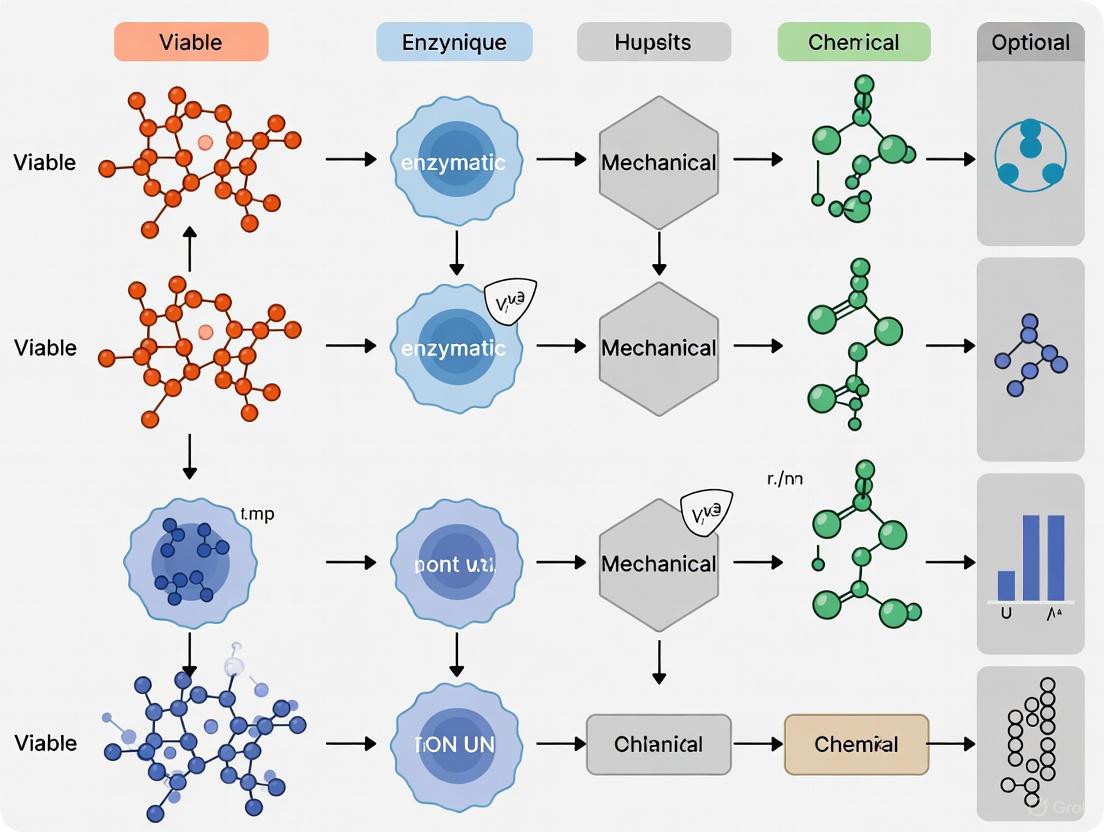
This article provides a critical analysis of common cell detachment methods, including enzymatic, non-enzymatic, and novel electrochemical techniques, for researchers and drug development professionals.
Cell Detachment Techniques: A Comprehensive Viability Comparison for Biomedical Research
Abstract
This article provides a critical analysis of common cell detachment methods, including enzymatic, non-enzymatic, and novel electrochemical techniques, for researchers and drug development professionals. It explores the fundamental principles of cell adhesion and the mechanisms by which detachment impacts cell health, focusing on viability, surface protein integrity, and functional recovery. A detailed comparison of methods such as trypsin, accutase, EDTA, and scraping is presented, supported by data on their specific effects on viability markers and surface receptors. The content includes practical troubleshooting guidance for common detachment issues and outlines best practices for method validation and selection to ensure reliable experimental and manufacturing outcomes in cell-based assays and therapies.
Understanding Cell Adhesion and the Impact of Detachment on Viability
Cell adhesion represents a fundamental biological process essential for tissue integrity, cellular communication, and mechanotransduction. This complex process involves a sophisticated interplay between transmembrane receptors, extracellular matrix (ECM) components, and intracellular signaling networks that collectively govern how cells interact with their environment and neighboring cells. The adhesion cascade begins with initial contact and progresses through increasingly stable interactions, culminating in the formation of mature focal contacts that enable force transmission and biochemical signaling.
The ECM serves as the structural foundation for cell adhesion, comprising a three-dimensional fibrous network of proteins including collagen, fibronectin, and laminin, alongside proteoglycans and glycosaminoglycans [1]. Cells engage with this matrix primarily through integrins—transmembrane receptors composed of alpha and beta subunits that form physical links between the ECM and the intracellular cytoskeleton. The formation of integrin-mediated adhesion complexes is not merely a structural event but a dynamic signaling process that regulates critical cellular functions including migration, proliferation, differentiation, and apoptosis [2] [1].
Recent research has expanded our understanding of adhesion beyond conventional rigid substrates to more physiologically relevant environments. Studies utilizing supported lipid bilayers (SLBs) have demonstrated that cells can spread and form mature integrin adhesions even on fluid substrates when engaged with high-affinity ligands such as Invasin, challenging the traditional paradigm that immobilized ligands are strictly necessary for adhesion maturation [2]. This emerging knowledge highlights the sophisticated adaptability of cellular adhesion machinery and its context-dependent regulation.
Molecular Mechanisms of Adhesion Complex Assembly
Stages of Focal Contact Formation
The assembly of focal contacts follows a hierarchical progression from initial nascent adhesions to mature focal adhesions, with each stage characterized by distinct molecular composition and functional capabilities. Nascent adhesions first appear at the leading edge of migrating cells within minutes of integrin-ligand engagement. These preliminary structures are relatively small (approximately <0.25 μm²) and depend primarily on actin polymerization for their formation [2]. They contain fundamental components including integrins, paxillin, and talin but lack the structural complexity of mature adhesions.
As mechanical tension is applied through actomyosin contraction, nascent adhesions either disassemble or undergo maturation into focal adhesions. This maturation process involves substantial growth in size (often exceeding 5 μm²) and increased molecular density, reaching up to 450 integrins/μm² as observed in advanced adhesion structures [2]. The maturation process recruits additional proteins including vinculin, zyxin, and α-actinin, which reinforce the connection between integrins and actin stress fibers. These mature focal adhesions serve as robust signaling hubs that coordinate cellular responses to extracellular mechanical cues, a process known as mechanotransduction.
Beyond Integrins: Diverse Adhesion Mechanisms
While integrin-mediated focal adhesions represent the primary mechanism for cell-ECM interactions, cells employ additional specialized adhesion structures for specific functional requirements. Hemidesmosomes provide stable epithelial attachment to the basement membrane through integrin α6β4 and play a critical role in tissue integrity [1]. Myotendinous junctions facilitate force transmission between muscle cells and tendon matrix through concentrated integrin clusters [1]. Additionally, cell-cell adhesion structures such as adherens junctions, desmosomes, and tight junctions mediate intercellular connections, enabling tissue cohesion and collective cell behaviors.
Recent research utilizing artificial photoswitchable cell-cell adhesions based on the cyanobacterial phytochrome 1 (Cph1) system has revealed that intercellular adhesion alone can promote collective cell migration through elevated membrane tension, independent of direct cytoskeletal linkages [3]. This innovative approach demonstrates that increased cell-cell connections activate phospholipase D2, resulting in elevated phosphatidic acid that stimulates mTOR signaling—identifying a membrane-based signaling axis that promotes collective cell dynamics [3].
Comparative Analysis of Cell Detachment Techniques
Cell detachment represents an essential technical procedure in cell culture protocols, required for subculturing adherent cells and preparing cells for experimental applications. The optimal detachment method varies significantly depending on cell type, experimental objectives, and downstream applications. Researchers must carefully consider the trade-offs between efficiency, preservation of surface markers, and maintenance of cell viability when selecting a detachment approach.
Table 1: Cell Detachment Techniques: Mechanisms and Primary Applications
| Technique Category | Specific Methods | Mechanism of Action | Primary Applications |
|---|---|---|---|
| Enzymatic | Trypsin, Accutase, Collagenase | Proteolytic cleavage of ECM proteins and surface receptors | Routine subculturing, rapid detachment |
| Calcium Chelation | EDTA, EGTA | Removes Ca²⁺ ions required for integrin-mediated adhesion | Lightly adherent cells, surface protein studies |
| Non-Enzymatic Buffers | Commercial dissociation buffers | Combination of mild proteases and chelators | Flow cytometry, immunostaining |
| Physical Methods | Scraping, mechanical agitation | Physical disruption of cell-substrate interactions | Protein analysis, when chemical methods interfere |
| Advanced Substrates | Thermo-responsive polymers, light-sensitive surfaces | Modifiable surface properties that release cells on demand | Tissue engineering, regenerative medicine |
Enzymatic methods, particularly trypsinization, remain the most widely used approach for routine cell culture due to their effectiveness and cost efficiency. However, the proteolytic activity of trypsin damages cell surface proteins, which can compromise downstream applications that require intact surface markers [4] [1]. Accutase, a mixture of proteolytic and collagenolytic enzymes, is generally considered gentler than trypsin but has been shown to significantly decrease surface expression of specific proteins including Fas receptor and Fas ligand [4]. Non-enzymatic chelating agents such as EDTA function by sequestering calcium ions essential for cadherin function and integrin-mediated adhesion, providing a milder alternative that better preserves surface protein integrity [4].
Quantitative Comparison of Detachment Methods
The selection of an appropriate detachment method requires careful consideration of quantitative metrics including cell viability, surface marker preservation, and functional recovery. Different methods vary significantly in their impact on these critical parameters, necessitating evidence-based selection for specific experimental requirements.
Table 2: Performance Comparison of Cell Detachment Methods
| Detachment Method | Relative Cell Viability | Surface Protein Preservation | Recovery Time Required | Key Advantages | Major Limitations |
|---|---|---|---|---|---|
| Scraping | High (minimal chemical exposure) | Excellent (no enzymatic damage) | Minimal | Preserves surface markers intact | Potential mechanical damage, uneven detachment |
| EDTA-based buffers | High (>95%) | High (non-enzymatic) | <2 hours | Maintains surface protein integrity | Less effective for strongly adherent cells |
| Accutase | High (>90% at 60 min) | Variable (depends on protein) | ~20 hours | Gentle on many surface markers | Cleaves specific proteins (FasL/Fas) |
| Trypsin | Moderate (80-90%) | Poor (cleaves most proteins) | 24+ hours | Fast, effective for tough cells | Damages most surface receptors |
Recent research has provided quantitative insights into the specific effects of detachment methods on surface markers. A comprehensive 2022 study demonstrated that accutase treatment significantly reduced surface levels of FasL and Fas receptor on macrophages compared to EDTA-based detachment, with fluorescence intensity decreases of up to 60% observed [4]. Importantly, these effects were reversible, requiring approximately 20 hours of recovery post-detachment for complete surface protein restoration [4]. Cell viability remains highest with accutase treatment, maintaining >90% viability even after 60 minutes of exposure, compared to significant viability reduction with extended trypsin treatment [4].
Physical detachment methods such as scraping best preserve surface protein expression but risk mechanical damage and population heterogeneity [4]. EDTA-based approaches offer an excellent balance of viability and surface marker preservation but may require mechanical assistance for strongly adherent cell types. The emerging generation of smart biomaterials, including thermoresponsive polymers and light-sensitive surfaces, promises detachment with minimal cellular perturbation, though these approaches remain predominantly in research settings [1].
Experimental Protocols for Detachment Methodology Assessment
Standardized Protocol for Evaluating Detachment Efficiency
To ensure reproducible and comparable results when assessing different detachment methods, researchers should implement standardized protocols with appropriate controls and quantification methods. The following protocol outlines a systematic approach for evaluating detachment efficiency and cellular consequences:
Reagents and Equipment:
- Cell culture of interest (e.g., RAW264.7 macrophages, MEFs)
- Detachment solutions (trypsin-EDTA, accutase, EDTA-based buffer, non-enzymatic buffer)
- Complete culture medium with serum
- Phosphate buffered saline (PBS)
- Centrifuge and appropriate tubes
- Hemocytometer or automated cell counter
- Flow cytometer with antibodies against surface markers of interest
- CCK-8 assay kit or alternative viability assay
Procedure:
- Culture cells to 80-90% confluence under standard conditions.
- Wash cells twice with PBS to remove serum proteins that may inhibit enzymatic activity.
- Apply detachment solutions according to manufacturer recommendations:
- Trypsin-EDTA: 2-5 minutes at 37°C
- Accutase: 10-30 minutes at 37°C
- EDTA-based buffer: 10-30 minutes at 37°C
- Non-enzymatic buffer: as per manufacturer
- Gently tap culture vessels to facilitate detachment and confirm under microscope.
- Neutralize enzymatic activity with complete medium containing serum.
- Collect cell suspensions and centrifuge at 300 × g for 5 minutes.
- Resuspend cells in complete medium and perform cell counting.
- Assess viability using trypan blue exclusion or CCK-8 assay.
- Analyze surface marker expression by flow cytometry using appropriate antibodies.
- Plate cells for recovery assessment and analyze at 2, 6, 12, and 24 hours post-detachment.
Data Analysis: Calculate detachment efficiency as (number of detached cells / total cell number) × 100. Normalize flow cytometry data to scraper-detached controls to determine relative surface marker preservation. Compare viability across conditions using one-way ANOVA with post-hoc testing. This protocol enables systematic comparison across detachment methods and provides comprehensive data on their cellular impacts [4].
Specialized Protocol for Flow Cytometry Applications
For studies requiring optimal surface marker preservation for flow cytometry analysis, the following modified protocol is recommended:
- Culture and wash cells as described in the standard protocol.
- Use EDTA-based non-enzymatic detachment buffer or mild accutase treatment for minimal surface protein damage.
- Incubate for the minimum time required for complete detachment (typically 10-15 minutes).
- Gently dislodge cells using pipetting rather than vigorous tapping.
- Neutralize immediately with complete medium.
- Process cells for staining while maintaining 4°C conditions.
- If using accutase, allow 20 hours recovery post-detachment before analysis for sensitive markers [4].
- Include compensation controls and viability staining in flow cytometry panel.
This specialized approach minimizes artifactual changes in surface marker detection and ensures accurate representation of cellular phenotypes.
Signaling Pathways in Adhesion and Detachment
The molecular signaling governing cell adhesion and detachment involves complex interconnected pathways that respond to both biochemical and mechanical cues. The following diagram illustrates the key pathways involved in integrin-mediated adhesion formation and how detachment methods interfere with these processes:
Signaling Pathway Diagram Title: Adhesion Formation and Detachment Interference Points
This diagram illustrates the sequential process of integrin-mediated adhesion formation, from initial ligand binding to mechanotransduction and gene expression changes. It simultaneously highlights the intervention points of different detachment methods: trypsin degrades both ECM components and integrins themselves; accutase cleaves specific integrin subtypes and surface proteins; while EDTA primarily disrupts integrin-ligand binding without proteolytic damage. These distinct mechanisms of action explain the varying impacts on surface marker integrity and cellular recovery times observed with different detachment approaches.
The mechanical signaling aspects depicted in the diagram are particularly relevant to recent research showing that adhesion formation can occur even on fluid substrates through alternative force generation mechanisms. Studies using supported lipid bilayers functionalized with high-affinity Invasin ligands demonstrate that integrin clusters can mature through dynein pulling forces along microtubules and microtubule pushing forces on adhesive complexes, rather than conventional actomyosin contraction [2]. This alternative mechanotransduction pathway enables cells to form mature adhesions even in the absence of substrate rigidity, expanding our understanding of adhesion plasticity.
Essential Research Reagents and Tools
The experimental study of cell adhesion and detachment requires specific reagents and tools designed to probe particular aspects of these processes. The following table summarizes key research solutions and their applications in adhesion-related research:
Table 3: Essential Research Reagents for Adhesion Studies
| Reagent Category | Specific Examples | Primary Function | Research Applications |
|---|---|---|---|
| Proteolytic Enzymes | Trypsin, Accutase, Collagenase | Cleave adhesion proteins for cell detachment | Routine subculture, harvesting |
| Calcium Chelators | EDTA, EGTA | Bind calcium to disrupt calcium-dependent adhesion | Gentle detachment, surface marker studies |
| Integrin Ligands | RGD peptides, Invasin, Fibronectin | Engage specific integrin receptors | Adhesion mechanism studies, controlled surfaces |
| Cytoskeletal Inhibitors | Latrunculin A (actin), Nocodazole (microtubules) | Disrupt specific cytoskeletal elements | Mechanotransduction studies, force role analysis |
| Supported Lipid Bilayers | Functionalized with adhesion ligands | Model fluid membrane environments | Cell-cell adhesion studies, membrane mechanics |
| Artificial Adhesion Systems | Cph1-PM photoswitchable adhesions | Optogenetically control cell-cell adhesion | Precise temporal control of adhesion dynamics |
The selection of appropriate reagents depends heavily on specific research objectives. For studies requiring preservation of surface markers for flow cytometry or immunostaining, non-enzymatic EDTA-based buffers or specific accutase applications with adequate recovery time are recommended [4]. For research focusing on adhesion mechanisms themselves, supported lipid bilayers provide a versatile platform for controlling ligand mobility and density [2]. The emerging toolkit of optogenetic adhesion systems such as Cph1-PM enables unprecedented temporal precision in manipulating cell-cell adhesion events, allowing researchers to dissect causal relationships in collective cell behaviors [3].
Recent methodological advances have significantly expanded the experimental arsenal for adhesion research. Thermo-responsive polymers allow cell detachment through temperature changes rather than enzymatic or chemical means, preserving surface protein integrity [1]. Similarly, light-sensitive surfaces enable non-invasive cell harvesting with spatial and temporal control [1]. These advanced approaches are particularly valuable for tissue engineering and regenerative medicine applications where maintaining cellular function post-detachment is critical.
The biology of cell adhesion encompasses a sophisticated progression from initial attachment to mature focal contacts, governed by complex molecular interactions and signaling networks. The selection of appropriate cell detachment methods represents a critical methodological consideration that directly influences experimental outcomes and cellular integrity. While enzymatic methods offer efficiency and convenience, non-enzymatic approaches generally provide superior preservation of surface markers and cellular functions. Emerging technologies including smart biomaterials and optogenetic tools promise to further advance our experimental capabilities while minimizing cellular perturbation. As research continues to elucidate the intricate mechanisms governing adhesion dynamics, methodological refinements will enable increasingly precise interrogation of these fundamental biological processes across diverse research applications from basic mechanobiology to translational regenerative medicine.
In biomedical research and biomanufacturing, the process of detaching adherent cells is a fundamental yet critical step. The requirement for physical detachment inherently conflicts with the core objective of preserving cellular integrity. The mechanical and chemical forces required to dissociate cells from culture surfaces can induce significant membrane damage, trigger deleterious stress signaling pathways, and compromise cellular viability and function [5]. The choice of detachment method is therefore not merely a procedural convenience but a decisive factor in experimental outcomes and the success of downstream applications, particularly in sensitive fields like cell therapy and regenerative medicine [6] [4].
This guide provides a objective comparison of prevalent cell detachment techniques, evaluating their impact on cellular integrity through membrane damage and signaling disruption. We present consolidated experimental data and detailed methodologies to support evidence-based protocol selection for researchers, scientists, and drug development professionals.
Mechanisms of Detachment and Associated Cellular Damage
Cell adhesion is a multi-faceted process involving specific integrin-mediated attachments to the extracellular matrix and cell-cell junctions. Detachment methods target these connections through two primary mechanisms: proteolytic cleavage of surface proteins and calcium chelation to disrupt calcium-dependent adhesion molecules like cadherins [6] [7].
The very act of disrupting these connections can initiate damage. For example, impairment of E-cadherin-mediated adherens junctions has been shown to significantly reduce overall cellular stiffness, while tight junctions play a more substantial role in forming a dense monolayer [7]. The table below summarizes the core mechanisms and primary damaging effects of common detachment strategies.
Table 1: Mechanisms and Cellular Impacts of Detachment Methods
| Detachment Method | Primary Mechanism of Action | Primary Site of Damage | Key Signaling or Functional Disruption |
|---|---|---|---|
| Trypsin | Proteolytic cleavage of lysine/arginine bonds [6] | Cell membrane & surface antigens [6] | Significant reduction of CD44, CD73, CD105, CD140a/b [6] |
| TrypLE | Trypsin-like enzymatic cleavage (recombinant) [6] | Milder proteolysis; generally preserves antigens [6] | Minimal impact on surface antigen expression within 30 min [6] |
| Collagenase | Degrades native collagen in extracellular matrix [6] | Extracellular matrix & basement membrane | Reduction in CD140a expression [6] |
| Accutase | Blend of proteolytic and collagenolytic enzymes [4] | Specific surface proteins (e.g., FasL, Fas receptor) [4] | Cleaves Fas ligand/receptor; requires 20h for recovery [4] |
| EDTA / Chelators | Chelates Ca²⁺, disrupting cadherin bonds [4] [7] | Adherens Junctions [7] | Reversible reduction in cellular stiffness; preserves most surface proteins [4] [7] |
| Electrochemical | Alternating current disrupts adhesion interface [5] | Cell-surface interface | Minimal damage reported; >90% viability maintained [5] |
Damage to Surface Proteins and Antigens
Enzymatic methods, while efficient, often inflict collateral damage by cleaving off functionally critical surface proteins. Research on mesenchymal stem cells (MSCs) demonstrates that trypsin treatment rapidly degrades numerous surface markers, including CD44, CD55, CD73, CD105, CD140a, CD140b, and CD201, which are essential for cell identification and function [6]. This degradation is time-dependent, with significant loss occurring within 30 minutes.
Similarly, Accutase, often marketed as a gentle alternative, has been shown to specifically cleave the Fas receptor (Fas) and Fas ligand (FasL) from the surface of macrophages. This cleavage impairs FasL-mediated signaling pathways, and the surface levels of these proteins require up to 20 hours to fully recover after detachment [4]. This finding is critical for immunology research where these pathways are under study.
Disruption of Intercellular Junctions and Mechanics
The integrity of confluent cell layers relies on intercellular junctions. The use of calcium chelators like EDTA directly targets adherens junctions by sequestering Ca²⁺ ions necessary for cadherin function. Studies on MDCK II cell monolayers have shown that disrupting adherens junctions leads to a substantial and reversible reduction in overall cellular stiffness [7]. Conversely, disrupting tight junctions by depleting ZO-1 protein increased the cortical tension of the cells [7]. This demonstrates that the specific type of junction targeted during detachment has distinct and sometimes opposing effects on cellular mechanics.
Comparative Experimental Data on Method Performance
The theoretical mechanisms of damage translate into quantifiable differences in cell viability, yield, and phenotype. The following table consolidates experimental findings from comparative studies to provide a performance benchmark.
Table 2: Quantitative Comparison of Cell Detachment Method Performance
| Detachment Method | Cell Type Tested | Detachment Efficiency | Cell Viability | Impact on Surface Markers | Key Experimental Findings |
|---|---|---|---|---|---|
| Trypsin [6] | Human Synovial MSCs | ~5 minutes [6] | Not specified | Severe Reduction: CD44, CD55, CD73, CD105, CD140a/b, CD201 significantly reduced [6] | Quick but damaging; significantly alters surface antigen profile. |
| TrypLE [6] | Human Synovial MSCs | ~5 minutes [6] | Not specified | Minimal Impact: No significant reduction in tested antigens by 30 min [6] | Fast and gentle; advantageous for flow cytometry and cell transplantation. |
| Collagenase [6] | Human Synovial MSCs | ~60 minutes [6] | Not specified | Moderate Impact: Reduced CD140a expression [6] | Slow process; requires long incubation. |
| Accutase [4] | RAW264.7 Macrophages | ~10-30 minutes [4] | High (maintained over 90 min) [4] | Selective Cleavage: Significantly decreases surface FasL and Fas [4] | Appears gentle for viability but cleaves specific proteins like FasL. |
| EDTA-based [4] | RAW264.7 Macrophages | ~30 minutes (with tapping) [4] | Lower than Accutase at 60/90 min [4] | Well Preserved: Highest surface levels of FasL preserved [4] | Mild but may require mechanical assistance; best for preserving sensitive epitopes. |
| Electrochemical [5] | Human Cancer Cells (Osteosarcoma, Ovarian) | Minutes (frequency-dependent) [5] | >90% [5] | Minimal Damage Reported: Maintains delicate cell membranes [5] | Enzyme-free; enables automated workflows; high viability and efficiency. |
Detailed Experimental Protocols for Viability Assessment
To ensure the reproducibility of cytotoxicity and viability assessments, below are detailed protocols for two common viability assays used in detachment studies.
Flow Cytometry-Based Viability Assay
This protocol is adapted from studies comparing detachment methods and is valued for its high-throughput, quantitative data on viability and surface marker expression [6] [8].
- Step 1: Cell Detachment. Apply the test detachment reagent to adherent cells and incubate under standard culture conditions (e.g., 37°C, 5% CO₂). Terminate the reaction by adding complete medium containing serum [6].
- Step 2: Cell Harvesting. Gently pipette the cells to ensure a single-cell suspension. Transfer the cell suspension to a centrifuge tube [9].
- Step 3: Staining. Resuspend the cell pellet in a staining buffer containing fluorescent dyes.
- Viability Stain: Use a membrane-impermeant dye like Propidium Iodide (PI) (2 µg/mL final concentration) to label dead cells [9].
- Surface Marker Stain: Add fluorochrome-conjugated antibodies against target surface antigens (e.g., CD44, CD105) to assess detachment-induced damage [6].
- Incubate for 10-15 minutes at 4°C in the dark [6].
- Step 4: Flow Cytometry Analysis. Analyze the stained cells on a flow cytometer. Collect forward scatter (FSC), side scatter (SSC), and fluorescence data for PI and the antibody fluorochromes. Viable cells are identified as PI-negative, and surface marker expression is quantified within this population [6] [8].
Fluorescence Microscopy-Based Live/Dead Assay
This method allows for direct visualization of cells and is useful for detecting spatial heterogeneity, though it can be subject to sampling bias and material autofluorescence [8].
- Step 1: Seeding and Treatment. Seed cells onto a suitable substrate (e.g., glass coverslip, well plate). After the experimental treatment, carefully wash the cells with PBS to remove non-adherent debris [8].
- Step 2: Staining. Incubate cells with a live/dead staining solution.
- A common combination is Fluorescein Diacetate (FDA) (5 µg/mL) for live cells (esterase activity produces green fluorescence) and Propidium Iodide (PI) (2 µg/mL) for dead cells (red nuclear staining) [8].
- Incubate for a predetermined time (e.g., 5-15 minutes) at 37°C, protected from light.
- Step 3: Imaging and Analysis. Image the stained cells immediately using a fluorescence microscope with appropriate filter sets. Acquire multiple, random fields of view for statistical robustness. The number of live (green) and dead (red) cells are counted manually or using image analysis software to calculate viability percentage [8].
Visualizing Detachment Mechanisms and Signaling Consequences
The following diagram illustrates the mechanistic pathways through which different detachment methods disrupt cellular integrity and the subsequent downstream signaling consequences.
Mechanisms of Cell Detachment and Downstream Consequences
The Scientist's Toolkit: Essential Reagents for Detachment Studies
Table 3: Key Research Reagents for Cell Detachment and Viability Analysis
| Reagent / Kit | Primary Function | Key Characteristics | Example Use Case |
|---|---|---|---|
| Trypsin-EDTA [6] | Proteolytic cell detachment | Fast-acting; animal-derived; can damage surface antigens [6] | Routine passaging of robust cell lines where surface marker preservation is not critical. |
| TrypLE Select [6] | Proteolytic cell detachment | Recombinant, animal-free; gentler on surface proteins than trypsin [6] | Detaching cells for transplantation or flow cytometry where antigen integrity is paramount. |
| Accutase [4] | Enzymatic cell dissociation | Blend of enzymes; considered mild but can cleave specific proteins like FasL [4] | Detaching sensitive cells, like stem cells or macrophages (if FasL is not being studied). |
| EDTA / Versene [4] | Non-enzymatic cell dissociation | Calcium chelator; preserves most surface proteins but may be slow [4] | Detaching cells for surface marker analysis where enzymatic cleavage is a concern. |
| Propidium Iodide (PI) [9] [8] | Viability staining (dead cells) | Membrane-impermeant DNA dye; stains nuclei of dead cells red. | Flow cytometry and fluorescence microscopy to quantify cell death. |
| SYTOX Green [9] | Viability staining (dead cells) | Membrane-impermeant DNA dye; stains dead cells green. Used in automated imaging. | High-throughput viability assays using automated cell imaging systems. |
| Hoechst 33342 [9] | Nuclear counterstain (all cells) | Cell-permeant DNA dye; stains all nuclei blue. | Total cell count in conjunction with viability dyes in imaging and flow cytometry. |
| Annexin V-FITC [8] | Apoptosis detection | Binds to phosphatidylserine exposed on the outer leaflet of apoptotic cells. | Differentiating early apoptosis from necrosis in flow cytometry assays. |
| Calcein AM [10] | Viability staining (live cells) | Cell-permeant esterase substrate; produces green fluorescence in live cells. | Fluorescence microscopy to label and identify viable cells. |
The data unequivocally demonstrates that all cell detachment methods present a trade-off between efficiency and the preservation of cellular integrity. Traditional enzymatic methods, while rapid, often inflict significant collateral damage to the cell surfaceome and can activate stress pathways. Non-enzymatic chelators are milder on proteins but can weaken mechanical integrity and are less effective for strongly adherent cells.
The emerging electrochemical method represents a paradigm shift by decoupling physical detachment from proteolytic or chelating chemistry, showing exceptional promise for maintaining viability in high-value applications like cell therapy manufacturing [5]. The optimal method is contingent on the specific research goals: where surface marker integrity is critical, TrypLE or EDTA may be preferred, whereas for maximizing viable cell yield in bioprocessing, electrochemical detachment holds distinct advantages. Ultimately, an informed, evidence-based selection of the detachment protocol is a crucial variable in ensuring experimental reproducibility and biological fidelity.
The detachment of adherent cells is an indispensable, yet potentially damaging, step in cell culture processes across research and biopharmaceutical applications. The method chosen to release cells from their substrate can induce significant stress, compromising membrane integrity, altering surface protein expression, and ultimately affecting cellular function [11] [12]. In the context of cell therapies, tissue engineering, and regenerative medicine, where subsequent reattachment and normal metabolic function are paramount, assessing true viability extends beyond simple survival rates [12]. A comprehensive evaluation requires the measurement of key viability metrics, including membrane integrity, the recovery of surface markers, and functional capacity post-detachment. This guide objectively compares the performance of different cell detachment techniques based on experimental data, providing researchers and drug development professionals with a framework for selecting the optimal method for their specific application and accurately interpreting post-detachment viability data.
Comparative Analysis of Cell Detachment Methods
Different detachment strategies exert their effects through distinct mechanisms, each with characteristic advantages and drawbacks that influence critical viability outcomes. The following table summarizes the comparative performance of common techniques based on published experimental data.
Table 1: Comparative Performance of Cell Detachment Methods on Key Viability Metrics
| Detachment Method | Reported Viability | Impact on Surface Markers | Recovery Time for Surface Proteins | Key Experimental Findings |
|---|---|---|---|---|
| Trypsin (Enzymatic) | Variable; decreases with prolonged exposure [6] | Significantly reduces expression of CD44, CD73, CD105, CD140a, CD140b, CD201 in MSCs within 30 min [6] | Not specified in results; cleavage is proteolytic | Rapid detachment (5 min). Trypsin cleaves after lysine/arginine, degrading surface proteins [11] [4]. |
| TrypLE (Enzymatic) | High viability maintained [6] | No significant effect on tested MSC surface antigens within 30 min [6] | Not specified | Rapid detachment (5 min). Animal-free, recommended for clinical studies [6]. |
| Accutase (Enzymatic) | >90% viability; superior to EDTA in some assays [11] [4] | Compromises specific proteins (FasL, Fas); cleaves extracellular region [11] [4] | ~20 hours for full recovery of FasL/Fas [11] [4] | Considered mild but shows protein-specific effects. Can cleave FasL into fragments <20 kD [4]. |
| Collagenase (Enzymatic) | Good viability [6] | Reduces CD140a expression by 30 min [6] | Not specified | Slow detachment (requires ~60 min for max yield) [6]. |
| EDTA (Non-Enzymatic) | Good, but lower than Accutase in some tests; can decrease in MSCs [11] [6] | Preserved FasL/Fas; mildest effect on surface markers overall [11] [6] [13] | Not applicable (effect is reversible chelation) | Ineffective for strongly adherent cells alone; requires mechanical help [11] [12]. Alters adhesion post-detachment [13]. |
| Scraping (Mechanical) | Lower viability; increases necrotic/apoptotic cells [6] [13] | Preserves highest surface levels of FasL [11] | Not applicable | Disruptive; can tear cells [11]. Not feasible for large scale or microcarriers [12]. |
| Electrochemical (Novel, Non-Enzymatic) | >90% viability [5] [14] | Preserved (enzyme-free approach avoids proteolytic damage) [5] [14] | Not specified | High-efficiency (95%) detachment on conductive polymer surfaces. Scalable and automatable [14]. |
Experimental Protocols for Assessing Viability Metrics
To generate comparable data on detachment methods, standardized experimental protocols are essential. The following section details key methodologies cited in the comparative literature.
Flow Cytometry for Surface Marker Integrity
Application: This protocol is used to quantify the impact of detachment on specific cell surface proteins, as demonstrated in studies on macrophages and mesenchymal stem cells (MSCs) [11] [6].
- Cell Preparation: Culture and treat adherent cells with the detachment reagent of interest (e.g., Trypsin, Accutase, EDTA) according to manufacturer's instructions, varying incubation times to assess time-dependent effects [11] [6].
- Staining: Resuspend the detached single-cell suspension in a suitable buffer. Incubate with fluorochrome-conjugated antibodies targeting the surface antigens of interest (e.g., FasL, Fas, CD44, CD73). Include isotype controls for background subtraction [6].
- Analysis: Analyze the cells using a flow cytometer. Quantify the impact by comparing the Mean Fluorescence Intensity (MFI) of the stained population across different detachment treatments. A significant reduction in MFI indicates cleavage or loss of the surface marker [11] [6].
- Recovery Assay: To test if effects are reversible, re-culture the detached cells in complete medium for various periods (e.g., 2-20 hours), then harvest using a standardized, gentle method (e.g., brief EDTA treatment) and re-analyze via flow cytometry to track the return of surface expression [11].
Membrane Integrity Assays via Fluorescent Dyes
Application: These assays distinguish live from dead/damaged cells based on plasma membrane permeability, a core metric for viability [15] [16].
- Dye Selection:
- Propidium Iodide (PI) or 7-AAD: Membrane-impermeant dyes that enter cells with compromised membranes and intercalate into DNA, fluorescing intensely. They are typically used to identify dead cells [15] [6].
- FDA/Calcein-AM: Cell-permeant esterase substrates that are converted into fluorescent products in live cells, marking them with green fluorescence [15].
- Impermeant Hoechst 33258: Enters cells only through membrane wounds, staining nuclei and serving as a direct measure of membrane permeability [16].
- Staining and Detection:
- Flow Cytometry: Mix the cell suspension with the dyes (e.g., PI or 7AAD) and incubate for a short period (e.g., 10 min at 4°C). Analyze immediately on the flow cytometer to quantify the percentage of positive (dead/damaged) cells [15] [6].
- Fluorescence Microscopy/Imaging Cytometry: Seed detached cells or treat them in a well plate. Add a live/dead stain (e.g., FDA/PI or Calcein-AM/PI). Image using a fluorescence microscope or an imaging cytometer (e.g., Celigo) to count total (Hoechst 33342-positive) and dead (PI-positive) cells, providing a visual assessment of membrane integrity [15] [16].
Functional Adhesion and Repair Assays
Application: These assays test the functional capacity of detached cells to re-adhere and repair their membranes, critical for applications requiring subsequent culture or in vivo engraftment [16] [13].
- Post-Detachment Adhesion Kinetics:
- Method: Use a label-free optical sensor or impedance-based system. Detach cells using different methods, seed them onto the sensor surface (coated with ECM proteins or uncoated), and monitor the cell index or adhesion signal in real-time [13].
- Output: The rate and extent of signal increase directly reflect the speed and strength of cellular re-adhesion, revealing functional impairments caused by the detachment process [13].
- Laser-Induced Membrane Wounding and Repair:
- Cell Preparation: Culture cells on glass-bottom dishes and load with a membrane-impermeant dye like FM1-43 or PI [16].
- Wounding and Imaging: Use a high-intensity laser to create a precise, localized injury to the plasma membrane of a single cell. Monitor fluorescence in real-time via live-cell microscopy [16].
- Analysis: Successful repair is indicated by a rapid plateau in dye influx as the membrane is resealed. A continuous increase in fluorescence indicates repair failure. The initial rate of dye influx can quantify the extent of damage [16].
Visualizing Viability Assessment Workflows and Signaling
The following diagrams illustrate the core experimental workflows and cellular signaling pathways involved in assessing post-detachment viability.
Workflow for a Comprehensive Viability Assessment
This diagram outlines a logical sequence for evaluating key viability metrics after cell detachment.
Membrane Repair Signaling Pathway
This diagram visualizes the key molecular events triggered by membrane damage during detachment, a critical determinant of viability.
The Scientist's Toolkit: Essential Reagents and Materials
The following table lists key reagents and materials essential for conducting the experiments described in this guide.
Table 2: Key Research Reagent Solutions for Viability Assessment
| Reagent / Material | Function in Viability Assessment | Example Application Context |
|---|---|---|
| TrypLE Select | Animal-free, recombinant enzyme for cell detachment with minimal surface antigen damage [6]. | Ideal for preparing MSC suspensions for flow cytometry or transplantation where surface marker integrity is critical [6]. |
| Accutase | Mild enzymatic blend for cell dissociation, though requires validation for specific surface proteins [11] [4]. | General cell passaging where high viability is desired; avoid when studying FasL/Fas signaling [11]. |
| Propidium Iodide (PI) | Fluorescent, membrane-impermeant DNA dye used to identify dead cells in a population [15] [6]. | Standard component of flow cytometry and fluorescence microscopy live/dead assays [15] [6]. |
| Annexin V-FITC | Binds to phosphatidylserine externalized on the outer leaflet of the plasma membrane in apoptotic cells. | Used in conjunction with PI (Annexin V+/PI- for early apoptosis) for more detailed viability status in flow cytometry [15]. |
| Fluorescently-Conjugated Antibodies | Target-specific probes for quantifying surface protein expression levels via flow cytometry. | Critical for assessing the impact of detachment on specific markers like CD44, CD73, CD105, Fas, etc. [11] [6]. |
| FM1-43 / FM4-64 Dyes | Lipophilic styryl dyes that fluoresce upon incorporation into the outer plasma membrane leaflet. | Used in real-time, laser-wounding assays to visualize and quantify membrane repair kinetics [16]. |
| Conductive Polymer Nanocomposite Surfaces | Specialized culture surfaces for electrochemical, enzyme-free cell detachment [5] [14]. | Emerging technology for high-throughput biomanufacturing and harvesting sensitive cells (e.g., CAR-T) with high viability [14]. |
The Critical Role of Ion Dependence in Cell-Substrate Adhesion
Cell-substrate adhesion is a fundamental process in cell biology, influencing critical functions such as migration, differentiation, and tissue development [2] [17]. Integrin-mediated adhesion serves as a primary communication hub, transmitting mechanical forces and biochemical signals between cells and their extracellular environment. While substrate stiffness has long been recognized as a crucial factor in adhesion maturation, the specific role of divalent cations in regulating integrin affinity states has emerged as an equally vital component. The metal ion-dependent adhesion site (MIDAS) within integrin structures provides a specific binding pocket where cations exert allosteric control over ligand binding capacity, directly impacting adhesion efficiency and cellular responses [18]. This review examines the critical ion dependence in cell-substrate adhesion mechanisms, comparing experimental findings across different ionic environments and providing researchers with standardized protocols for evaluating adhesion dynamics in various contexts.
Comparative Analysis of Ionic Effects on Adhesion
Manganese (Mn²⁺) as an Integrin Activator
Recent investigations into adhesion mechanisms on fluid substrates like supported lipid bilayers (SLBs) have revealed the profound impact of Mn²⁺ on integrin activation. Studies demonstrate that Mn²⁺ significantly accelerates cell adhesion rates on SLBs functionalized with Invasin, a high-affinity integrin ligand from Yersinia bacteria. While adhesion to RGD-functionalized SLBs remained unchanged with Mn²⁺ treatment, adhesion to Invasin-SLBs accelerated to levels comparable with RGD-SLBs, suggesting Mn²⁺-specific activation pathways for certain integrin-ligand pairs [2] [17].
The functional outcomes extended beyond initial attachment, with Mn²⁺ treatment enhancing cell spreading specifically on Invasin-SLBs. Projected cell areas increased 2-fold with Mn²⁺ treatment compared to untreated conditions, while the percentage of cells developing multiple protrusions and irregular shapes rose from 35% to 75% [2]. This indicates that Mn²⁺ not only facilitates initial adhesion but also promotes subsequent cytoskeletal reorganization and spreading, particularly valuable in challenging adhesion environments like fluid membranes.
Table 1: Quantitative Effects of Mn²⁺ on Cell Adhesion and Spreading
| Parameter | RGD-SLBs (-Mn²⁺) | RGD-SLBs (+Mn²⁺) | Invasin-SLBs (-Mn²⁺) | Invasin-SLBs (+Mn²⁺) |
|---|---|---|---|---|
| Adhesion Rate | Rapid (80% adherent at 45 min) | No significant change | Slower than RGD | Accelerated to RGD levels |
| Projected Area | <200 µm² | <200 µm² | 1.5x RGD-SLBs | 2x RGD-SLBs |
| Cell Circularity | ~1 (round) | ~1 (round) | 35% with irregular shapes (circularity <0.8) | 75% with irregular shapes (circularity <0.8) |
| β1-integrin Cluster Density | 160 integrins/µm² | Similar to untreated | 450 integrins/µm² | Similar to untreated |
Calcium (Ca²⁺) as a Complex Regulator
Calcium ions demonstrate more complex, context-dependent roles in adhesion processes. In direct contrast to Mn²⁺'s activating effects, Ca²⁺ often stabilizes integrins in low-affinity states, particularly in αIIbβ3 systems [18]. This inhibitory function makes Ca²⁺ valuable for experiments requiring precise control over adhesion strength or for establishing baseline low-affinity conditions.
In atomic force microscopy studies of calcite surface interactions, Ca²⁺ demonstrated another facet of its functionality by decreasing adhesion between two (104) calcite surfaces. More hydrated calcium ions sustained relatively thick water films between contacting calcite grains, suggesting a hydration repulsion mechanism that counteracts attractive van der Waals forces [19]. This phenomenon highlights how ions can modulate adhesion through both direct protein interactions and indirect physical mechanisms.
Table 2: Comparative Effects of Divalent Cations on Integrin Function
| Ion Type | Primary Effect | Molecular Mechanism | Experimental Applications |
|---|---|---|---|
| Mn²⁺ | Potent activation of ligand binding | Direct coordination with MIDAS, stabilization of high-affinity conformation | Enhancing adhesion to low-affinity ligands; promoting cell spreading on challenging substrates |
| Ca²⁺ | Context-dependent regulation | Stabilization of low-affinity state (MIDAS/ADMIDAS); hydration repulsion | Establishing baseline adhesion; controlling adhesion strength; studying low-affinity integrin states |
| Mg²⁺ | Physiological activation | Primary MIDAS cation under normal conditions | Mimicking physiological adhesion conditions; reference for comparison with experimental cations |
Molecular Mechanisms of Ion-Dependent Adhesion
Metal Ion Binding Sites in Integrins
The structural basis for ion dependence in integrin adhesion centers on three metal ion binding sites within the βI domain:
MIDAS (Metal Ion-Dependent Adhesion Site): Centrally located, this site typically coordinates Mg²⁺ under physiological conditions and directly participates in ligand binding through association with acidic residues in RGD motifs [18].
ADMIDAS (Adjacent to MIDAS): This site primarily binds Ca²⁺ and allosterically regulates MIDAS activity, stabilizing either open or closed integrin conformations depending on contextual factors.
SyMBS (Synergistic Metal Binding Site): This site coordinates Ca²⁺ and works cooperatively with MIDAS to enhance ligand binding under specific conditions [18].
The specific residue at position 252 (Ala in β1 and β3 integrins vs. Asp in β2 and β7 integrins) significantly influences how ADMIDAS mutations affect ligand binding. This variation explains why identical mutations in different integrin subtypes produce opposing effects on adhesion [18].
Diagram 1: Molecular mechanism of ion-dependent integrin activation. Mn²⁺ promotes transition to high-affinity state by binding to MIDAS, while Ca²⁺ plays complex regulatory roles at ADMIDAS and SyMBS sites.
Microtubule-Mediated Mechanotransduction on Fluid Substrates
On fluid substrates where conventional actin-mediated mechanotransduction is compromised, an alternative microtubule-dependent mechanism emerges. Research using supported lipid bilayers has revealed that integrin clusters on Invasin-SLBs grow in size and complexity comparable to those on solid substrates, but through unexpected mechanisms [2] [17].
Instead of actomyosin contraction, integrin mechanotransduction on fluid membranes relies on dynein pulling forces along microtubules oriented perpendicular to the membrane. These forces, potentially present but masked on non-deformable surfaces, become essential for adhesion maturation in fluid environments [17]. This discovery highlights how ionic effects on adhesion must be understood in the context of specific substrate properties and the resulting cytoskeletal engagement.
Diagram 2: Comparison of adhesion mechanisms on fluid versus solid substrates, showing microtubule-dynein versus actin-myosin force transmission.
Experimental Approaches and Methodologies
Supported Lipid Bilayer Preparation and Functionalization
Protocol for SLB Preparation with Tunable Ionic Conditions [2] [17]:
Supported Lipid Bilayer Formation: Create SLBs on glass substrates using vesicle fusion or Langmuir-Blodgett techniques. Verify bilayer fluidity and uniformity using fluorescence recovery after photobleaching (FRAP).
Ligand Functionalization: Incorporate integrin ligands into SLBs using following approaches:
- RGD Peptide Conjugation: Use thiol- or maleimide-chemistry to conjugate cyclic RGD peptides to lipid heads (e.g., DOPE-cap-PEG2000-maleimide). Achieve densities of ~20,000 molecules/µm².
- Invasin Integration: Incorporate His-tagged Invasin protein via chelating lipids (e.g., DGS-NTA(Ni)) at densities of ~600 molecules/µm².
Ionic Environment Control: Prepare adhesion buffers with specific ionic conditions:
- Activating Conditions: 1 mM MnCl₂ in HEPES-buffered saline (HBS)
- Physiological Conditions: 1 mM MgCl₂ + 1 mM CaCl₂ in HBS
- Inhibitory Conditions: 5 mM EDTA in HBS for cation chelation
Cell Seeding and Imaging: Seed fluorescently-labeled cells (e.g., MEFs expressing HaloTag-β1-integrin) onto functionalized SLBs. Perform time-lapse imaging to quantify adhesion dynamics.
Quantitative Adhesion Assessment Methods
Integrin Clustering Analysis [2] [17]:
Confocal Imaging: Acquire high-resolution images of cell-SLB interface using calibrated imaging conditions.
Fluorescence Calibration: Convert fluorescence intensities to absolute integrin densities using calibration standards with known fluorophore densities.
Image Segmentation: Apply segmentation algorithms with threshold of 300 integrins/µm² (corresponding to minimal spacing of 58 nm between integrin-ligand pairs observed during mechanotransduction).
Cluster Quantification: Extract parameters including:
- Cluster density (ρ, integrins/µm²)
- Cluster area (σ, µm²)
- Total adhesion area per cell above threshold (σ300)
Cell Spreading Metrics:
Projected Area: Calculate two-dimensional spread area from binary cell masks.
Circularity Index: Compute 4π(area/perimeter²) to quantify shape irregularity.
Edge Fluctuation Analysis: Classify cells as "trembling" (fluctuating edges) or "adherent" (stable edges) through time-series analysis.
Research Reagent Solutions
Table 3: Essential Research Reagents for Ion-Dependence Adhesion Studies
| Reagent/Category | Specific Examples | Function/Application | Experimental Considerations |
|---|---|---|---|
| Integrin Ligands | Invasin (Yersinia), RGD peptides | Substrate functionalization; affinity comparison | Invasin provides high-affinity β1-integrin binding; RGD offers broader integrin specificity |
| Divalent Cations | MnCl₂, MgCl₂, CaCl₂ | Modulating integrin affinity states | Mn²⁺ potent activation; Ca²⁺ complex regulation; Mg²⁺ physiological reference |
| SLB Components | DOPE-cap-PEG-maleimide, DGS-NTA(Ni) | Fluid substrate formation and ligand presentation | Enable controlled ligand mobility and density |
| Cell Lines | MEFs with HaloTag-β1-integrin | Fluorescent integrin tracking | Surface-specific labeling without intracellular background |
| Inhibitors | EDTA, EGTA | Cation chelation for control conditions | Establish baseline adhesion without divalent cations |
| Imaging Reagents | Alexa488-HaloTag ligand, membrane dyes | Fluorescent visualization of integrins and membranes | Enable quantitative fluorescence calibration and density calculations |
Implications for Cell Detachment Techniques
Understanding ion-dependent adhesion mechanisms provides critical insights for improving cell detachment techniques in research and therapeutic applications. The differential effects of Mn²⁺ and Ca²⁺ on integrin activation states suggest targeted approaches for controlling adhesion strength:
Enzymatic-Free Detachment: Utilizing Ca²⁺-enriched buffers can promote integrin transition to low-affinity states, facilitating gentle cell release while maintaining surface receptor integrity.
Selective Detachment: The varying ion sensitivity among integrin subtypes (β1 vs. β3) enables development of selective detachment protocols for heterogeneous cell populations.
Fluid Substrate Applications: Microtubule-dependent adhesion on fluid membranes suggests novel detachment strategies targeting dynein function rather than conventional actomyosin inhibition.
These ion-dependent mechanisms offer opportunities for optimizing cell harvesting in biotechnology and tissue engineering while minimizing membrane damage and preserving phenotypic characteristics.
Ion dependence represents a fundamental regulatory layer in cell-substrate adhesion, with Mn²⁺ and Ca²⁺ playing opposing yet complementary roles in controlling integrin affinity states. The integration of quantitative adhesion assessment with controlled ionic environments enables researchers to precisely manipulate cell-surface interactions for specific applications. Furthermore, the discovery of microtubule-mediated mechanotransduction on fluid substrates reveals an alternative adhesion pathway with distinct implications for developmental biology, immune synapse formation, and engineered tissue interfaces. As detachment techniques evolve, incorporating these ion-specific insights will enable more precise control over cell-material interactions, advancing both fundamental research and therapeutic applications in regenerative medicine and drug development.
A Practical Guide to Cell Detachment Methods and Protocols
Cell detachment is a fundamental step in the culture of adherent cells, essential for subcultivation, downstream assays, and cell therapy production. The choice of detachment enzyme can profoundly influence cell viability, surface marker integrity, and subsequent experimental outcomes. Trypsin, Accutase, and collagenase represent three of the most commonly utilized enzymatic agents, each with distinct mechanisms and optimal use cases. For researchers, scientists, and drug development professionals, selecting the appropriate enzyme is critical for maintaining cell health and data integrity, particularly within the rigorous framework of advanced therapeutic medicinal product (ATMP) production. This guide provides an objective, data-driven comparison of these enzymes, summarizing their performance characteristics and providing detailed experimental protocols to inform laboratory practice.
Enzyme Specificity and Mechanisms of Action
The efficacy and specificity of a detachment enzyme are determined by its biological origin and its mechanism for disrupting cell-adhesion complexes.
Trypsin: A serine protease of mammalian origin (typically porcine or bovine) that cleaves peptide bonds after lysine or arginine residues. It aggressively digests a wide range of adhesion proteins and surface receptors. Prolonged exposure can damage cell membranes and cleave critical surface epitopes, necessitating the use of inhibitors like serum or specific trypsin inhibitors to halt its activity [20] [1].
Accutase: A ready-to-use mixture of proteolytic and collagenolytic enzymes derived from non-mammalian, non-bacterial sources. It is considered a gentler alternative to trypsin, acting on a broader spectrum of substrate proteins without requiring an inactivation step. Simply diluting the cell suspension after detachment is sufficient to stop the reaction [20].
Collagenase: A neutral protease that specifically targets collagen, a key component of the extracellular matrix. It is particularly effective for dissociating cells that are firmly anchored within a robust collagen network or for digesting primary tissues. It is noted for having minimal cytotoxic effects [21].
The table below summarizes the core characteristics of each enzyme.
Table 1: Fundamental Characteristics of Cell Detachment Enzymes
| Characteristic | Trypsin | Accutase | Collagenase |
|---|---|---|---|
| Enzyme Type | Serine Protease | Mixture of Proteases & Collagenases | Neutral Protease |
| Origin | Porcine or Bovine Pancreas | Non-Mammalian, Non-Bacterial | Bacterial |
| Primary Specificity | Lysine, Arginine | Broad-spectrum | Collagen |
| Inactivation Required | Yes (e.g., Serum) | No | Typically, Yes |
| GMP-Compatible Variants | Limited (animal origin) | Yes (e.g., TrypZean) | Yes |
The following diagram illustrates the fundamental mechanisms by which these enzymes facilitate cell detachment.
Diagram 1: Mechanism of enzymatic cell detachment. Enzymes cleave the protein bridges in the ECM that connect the cell to the culture surface.
Comparative Performance and Experimental Data
The choice of detachment enzyme has measurable effects on cell viability, recovery, and the preservation of surface markers, which is critical for flow cytometry and functional assays.
Impact on Cell Viability and Yield
Quantitative studies reveal clear differences in how these enzymes affect cell health. In research comparing detachment methods, Accutase demonstrated a significant advantage in maintaining cell viability over extended periods. For instance, one study found that viable cell counts were significantly higher in groups treated with Accutase for 60 and even 90 minutes compared to those treated with EDTA or DPBS buffer [4].
Furthermore, the cultivation system plays a crucial role in detachment efficiency. A study on mesenchymal stromal cells (hMSCs) found that in dynamic bioreactor systems, which lack the beneficial shear forces of tapping in static flasks, only TrypZean (a recombinant trypsin) was suitable for detachment. For the same experimental conditions, detachment yields were lower and cell damage was higher in dynamic systems [21].
Impact on Surface Marker Integrity
The preservation of cell surface proteins is a key differentiator between detachment enzymes. While Accutase is often marketed as a gentle enzyme that preserves surface markers, evidence shows its effect is highly protein-specific.
A critical study demonstrated that Accutase significantly decreased the surface expression of Fas ligand (FasL) and Fas receptor on macrophages compared to EDTA-based detachment or scraping. Immunoblotting revealed that Accutase cleaved the extracellular portion of FasL into small fragments. Importantly, this effect was reversible, with surface levels recovering after 20 hours of post-detachment incubation [4]. In contrast, the surface levels of the macrophage marker F4/80 were not altered by Accutase, highlighting the epitope-dependent nature of the damage [4].
Another study confirmed that enzymatic methods like trypsin and Accutase can heavily influence the structure of the cell membrane and surface antigen detection, potentially leading to experimental bias in flow cytometry [22].
Table 2: Comparative Experimental Performance of Detachment Methods
| Performance Metric | Trypsin | Accutase | Collagenase | Non-Enzymatic (EDTA/Scraping) |
|---|---|---|---|---|
| Typical Viability | >90% (with precise timing) [23] | High; maintains viability over long exposure [4] [20] | ~88% (hESC study) [21] | Varies by method |
| Effect on Surface Proteins | Broad degradation; cleaves receptors [1] | Selective cleavage (e.g., reduces FasL, spares F4/80) [4] | Minimal cytotoxicity reported [21] | Preserves integrity [4] [22] |
| Recommended for Flow Cytometry | Not ideal for surface antigens | With caution and validation for target epitopes [4] [22] | Suitable | Ideal (EDTA) [22] |
| Optimal for Cell Type | Robust, common cell lines | Sensitive cells, stem cells [21] [20] | Tissues, cells in collagen matrix [23] | Cells for surface marker analysis [22] |
Detailed Experimental Protocols
Standardized protocols are essential for achieving consistent and reproducible results in cell detachment. The following are general procedures for enzymatic dissociation.
General Protocol for Enzymatic Dissociation
This is a universal protocol that can be adapted for trypsin, Accutase, or collagenase [23].
- Preparation: Pre-warm the dissociation enzyme and complete growth medium to 37°C. Note: Accutase can often be used at room temperature [20] [23].
- Rinse: Aspirate and discard the spent cell culture medium. Wash the cell monolayer with a balanced salt solution without calcium and magnesium (e.g., DPBS) to remove residual serum and divalent cations that inhibit enzyme activity.
- Enzyme Application: Add an appropriate volume of the dissociation solution to the culture vessel to ensure complete coverage of the cell monolayer. For a T-75 flask, typically 2-3 mL is used [23].
- Incubation: Incubate the culture vessel at 37°C. Monitor the cells under an inverted microscope until they appear rounded and begin to detach. This usually takes 5-15 minutes, but the time should be determined empirically for each cell line.
- Detachment: Once the majority of cells are rounded, gently tap the flask against the palm of your hand to dislodge any remaining adherent cells.
- Neutralization (if required): For trypsin, add complete growth medium (containing serum) to neutralize the enzyme. For Accutase, this step is not strictly necessary but is often performed by adding medium to dilute the enzyme [20].
- Cell Collection: Transfer the cell suspension to a centrifuge tube and centrifuge at 100-200 × g for 5-10 minutes. Discard the supernatant and resuspend the cell pellet in fresh pre-warmed complete medium.
- Cell Counting: Determine viable cell density and percent viability using an automated cell counter or manual method (e.g., Trypan Blue exclusion).
Specialized Protocol for Primary Tissue Dissociation with Collagenase
For dissociating whole tissues into single-cell suspensions, collagenase is frequently the enzyme of choice [23].
- Tissue Preparation: After dissection, mince the tissue into small pieces (3-4 mm) using sterile scissors or a scalpel.
- Wash: Wash the tissue pieces several times with a balanced salt solution containing calcium and magnesium (e.g., HBSS), which is essential for collagenase activity.
- Enzyme Application: Submerge the tissue pieces in a sufficient volume of HBSS and add collagenase to a final concentration of 50-200 U/mL.
- Digestion: Incubate the mixture at 37°C for 4-18 hours on a rocker platform for increased efficiency. Supplementing with 3 mM CaCl₂ can further enhance digestion.
- Dispersion: After incubation, pass the cell suspension through a sterile stainless-steel or nylon mesh (100-200 µm) to separate dispersed cells from undigested tissue fragments.
- Wash and Resuspend: Wash the dispersed cells several times by centrifugation in HBSS without collagenase. After the final wash, resuspend the cell pellet in the appropriate culture medium.
- Seed Cells: Determine viable cell density and seed the cells into culture vessels.
The workflow for a typical detachment experiment, from preparation to analysis, is outlined below.
Diagram 2: Standard workflow for enzymatic cell detachment.
The Scientist's Toolkit: Essential Research Reagents
Successful cell culture and detachment rely on a suite of specialized reagents and tools. The following table details key items for enzymatic detachment protocols.
Table 3: Essential Reagents and Tools for Cell Detachment Experiments
| Reagent / Tool | Function / Description | Example Use Case |
|---|---|---|
| Trypsin-EDTA | Proteolytic enzyme combined with a chelating agent to enhance activity by sequestering Ca2+. | Standard, rapid detachment of robust, adherent cell lines (e.g., HEK-293, HeLa) [23] [22]. |
| Accutase | Gentle, ready-to-use enzyme mixture that does not require inactivation. | Detaching sensitive cells like stem cells (embryonic, neuronal) and for passaging cells with minimal surface protein damage [21] [20]. |
| Collagenase | Enzyme that specifically degrades native collagen. | Dissociation of primary tissues (e.g., liver, tumor) and cells grown in or on collagen matrices [23]. |
| Cell Dissociation Buffer | Non-enzymatic, EDTA-based solution that chelates divalent cations. | Harvesting cells when surface protein integrity is paramount for assays like flow cytometry [23] [22]. |
| DPBS (without Ca2+/Mg2+) | Balanced salt solution for washing cells before dissociation. | Removes inhibitory divalent cations and serum proteins prior to enzymatic treatment [23]. |
| Soybean Trypsin Inhibitor | Specific inhibitor of trypsin and other serine proteases. | Neutralizing trypsin activity in serum-free culture conditions [23]. |
| Cell Scraper | A sterile plastic or rubber blade attached to a handle. | Mechanical detachment of cells that are extremely sensitive to enzymes or when a non-enzymatic method is required [4] [22]. |
The experimental data clearly indicates that no single detachment enzyme is universally superior. The optimal choice is a nuanced decision based on cell type, application, and downstream use.
- For routine subculture of robust cell lines where speed and cost are primary concerns, trypsin remains a viable option, provided incubation times are carefully controlled.
- For sensitive cells, stem cell cultures, and applications where high viability and gentle action are priorities, Accutase is often the best choice. However, researchers must validate that it does not cleave the specific surface proteins under investigation.
- For the dissociation of primary tissues or cells embedded within a collagen-rich matrix, collagenase is the indispensable tool due to its specific substrate targeting.
- For flow cytometry analysis of surface markers where epitope integrity is non-negotiable, a non-enzymatic method such as cell dissociation buffer or gentle scraping, despite potentially lower yield, is the most reliable option.
A critical best practice is to allow adequate recovery time for cells after enzymatic detachment, especially before conducting functional assays. Evidence suggests that surface protein expression can take up to 20 hours to fully regenerate after Accutase treatment [4]. By aligning the enzymatic method with the specific research goals and validating its effects, scientists can ensure the integrity of their cellular samples and the reliability of their experimental data.
In the field of cell culture and biotechnology, the detachment of adherent cells is a fundamental step for subculturing, conducting experiments, and manufacturing cell-based therapies. While enzymatic methods like trypsinization are widely used, they present significant drawbacks, including the degradation of cell surface proteins and receptors, which can compromise subsequent experimental results and cell functionality [1] [24]. Non-enzymatic detachment methods, primarily EDTA-based solutions and mechanical scraping, offer valuable alternatives designed to preserve cell surface integrity. This guide objectively compares the performance, viability, and applications of these two prominent non-enzymatic techniques, providing researchers and drug development professionals with the experimental data necessary to inform their protocol selection.
Core Principles and Mechanisms of Action
Understanding the distinct mechanisms by which EDTA-based solutions and mechanical scraping facilitate cell detachment is crucial for selecting the appropriate method.
EDTA-Based Solutions: Ethylenediaminetetraacetic acid (EDTA) is a chelating agent that operates by binding to divalent cations, such as calcium (Ca²⁺) and magnesium (Mg²⁺), in the cell culture environment [1] [4]. These ions are essential cofactors for cadherins and integrins, the key transmembrane proteins that mediate cell-to-cell and cell-to-extracellular matrix (ECM) adhesion. By sequestering these cations, EDTA disrupts the integrity of these adhesion complexes, leading to a gradual and chemical-mediated dissociation of the cells from the culture surface [1]. This process is generally considered mild and leaves most surface proteins intact.
Mechanical Scraping: This method employs physical force, typically using a handheld tool like a cell scraper or a pipette tip, to physically pry cells off the culture surface [25] [26]. Unlike EDTA, which acts at a molecular level, scraping mechanically shears the points of attachment between the cell and the substrate. The tools are often made from biocompatible materials like silicone or specialized plastics to minimize cell damage during the process [26].
The diagram below illustrates the fundamental mechanisms and workflow for each method.
Comparative Performance Analysis
Direct experimental comparisons reveal significant differences in how these methods affect cell surface markers, viability, and overall cell health.
Impact on Cell Surface Markers
A critical study investigated the effects of various detachment methods on the surface expression of Fas receptor (Fas) and Fas ligand (FasL) on macrophages. The results demonstrated that mechanical scraping best preserved these surface proteins. In contrast, enzymatic methods like accutase significantly cleaved these markers, while EDTA-based solutions showed an intermediate reduction [4].
Table 1: Impact of Detachment Method on Surface Marker Expression
| Detachment Method | Effect on FasL/Fas Surface Expression | Key Findings |
|---|---|---|
| Mechanical Scraping | Best Preservation | Tended to preserve the highest surface levels of FasL and Fas receptor [4]. |
| EDTA-Based Solution | Moderate Reduction | Showed a significant decrease in mean fluorescence intensity (MFI) compared to scraping, but less severe than enzymatic treatments [4]. |
| Accutase (Enzymatic) | Severe Reduction | Associated with significant decreases in MFI; cleaved the extracellular portion of FasL into fragments [4]. |
Cell Viability, Yield, and Recovery
The choice of detachment method also influences the immediate and long-term health of the harvested cells.
EDTA-Based Solutions:
- Viability: Generally maintains high cell viability as it is a mild chemical process [4] [27].
- Yield and Efficiency: A major limitation is its lower efficiency. For many strongly adherent cell types, EDTA alone is insufficient to detach all cells and often requires prolonged incubation times or must be combined with other gentle methods like rigorous pipetting [4] [27]. It is usually not potent enough for strongly adherent cells without mechanical assistance [4].
- Downstream Applications: Cells harvested with EDTA may require a recovery period post-detachment to allow re-expression of certain surface proteins that were internalized or altered during the process [4].
Mechanical Scraping:
- Viability: Carries a higher risk of cell membrane damage and rupture due to the direct physical force applied, potentially reducing viability [4] [25].
- Yield and Efficiency: Highly effective at detaching even strongly adherent cells, ensuring a high yield [25]. It is a simple, cost-effective, and accessible method [25].
- Downstream Applications: The significant physical stress and potential for cell damage make it less suitable for sensitive applications like primary cell culture or regenerative medicine [25]. It is, however, indispensable for harvesting intact cell sheets for tissue engineering, as it preserves the extracellular matrix and cell-cell junctions that enzymes would destroy [25].
Table 2: Comparison of Cell Viability and Practical Workflow Factors
| Parameter | EDTA-Based Solution | Mechanical Scraping |
|---|---|---|
| Typical Cell Viability | High (>90% with optimized protocol) [27] | Variable; can be lower due to physical damage [4] |
| Detachment Efficiency | Low to Moderate for strongly adherent cells [4] | High [25] |
| Process Speed | Slower (requires incubation time) | Rapid (immediate) |
| Cost | Low (inexpensive reagents) | Very Low (reusable or cheap tools) |
| Scalability | Good for large-scale processes | Challenging for industrial-scale automation |
| Risk of Contamination | Low (closed-system handling) | Moderate (open-system manipulation) |
Detailed Experimental Protocols
To ensure reproducibility, below are standardized protocols for evaluating these detachment methods, based on cited research.
Protocol for EDTA-Based Cell Detachment
This protocol is adapted from studies comparing non-enzymatic detachment for flow cytometry and surface marker analysis [4] [27].
- Preparation: Aspirate and discard the culture medium from the adherent cell culture vessel.
- Rinsing: Gently rinse the cell layer with a pre-warmed, protein-free buffer (e.g., PBS or PBS with 2mM EDTA) to remove any residual medium and divalent cations [27].
- Application: Add enough pre-warmed EDTA-based dissociation buffer (e.g., Versene solution or a commercial cell dissociation buffer) to completely cover the cell layer.
- Incubation: Incubate the culture vessel at 37°C for approximately 5-30 minutes. Monitor cells under a microscope. Cells will typically round up but may not fully detach.
- Detachment: Sharply tap the side of the vessel to dislodge the cells. If cells remain adherent, gentle pipetting of the solution across the monolayer is required [4] [27].
- Neutralization & Collection: Add a complete culture medium containing serum (e.g., with 10% FBS) to the vessel to neutralize the EDTA. Gently pipette the medium to collect the cells into a suspension.
- Centrifugation: Centrifuge the cell suspension to pellet the cells and resuspend in fresh complete medium for counting and downstream applications.
Protocol for Mechanical Cell Scraping and Cell Sheet Harvesting
This protocol is common in tissue engineering for harvesting intact cell sheets and is used in research for analyzing surface proteins without enzymatic exposure [4] [25].
- Preparation: Aspirate and discard the culture medium.
- Rinsing: Rinse the cell layer gently with a pre-warmed buffer (e.g., PBS) to remove dead cells and debris.
- Scraping:
- For Single Cells: Use a sterile cell scraper to firmly and systematically scrape the entire surface of the culture vessel. Keep the scraper at a consistent angle and use deliberate strokes to dislodge all cells [26].
- For Intact Cell Sheets: For applications in cell sheet engineering, carefully manipulate the edges of the cell layer with a scraper or pipette tip to initiate detachment. Once an edge is free, gently guide the tool underneath the sheet to peel it away as a single, contiguous layer [25].
- Collection: Add complete culture medium to the vessel and pipette gently to create a cell suspension (for single cells) or to transfer the intact cell sheet.
- Processing: For single cells, the suspension may be passed through a cell strainer (e.g., 70μm) to break up any large clumps generated during scraping [27].
The Scientist's Toolkit: Essential Reagents and Materials
Successful implementation of these methods requires specific tools and reagents.
Table 3: Essential Research Reagents and Materials
| Item | Function/Description | Example Use-Case |
|---|---|---|
| EDTA-Based Dissociation Buffer | A chelating solution that binds calcium and magnesium ions to disrupt cell adhesion [4]. | Mild detachment of semi-adherent cells; preparing cells for surface marker analysis where enzyme sensitivity is a concern [27]. |
| Versene Solution | A commercial EDTA-based solution, often containing PBS, used for cell dissociation [4]. | Used in comparative studies as a standard non-enzymatic detachment agent [4]. |
| Cell Scraper | A sterile tool, often with a handle and a flexible blade, made of silicone or plastic, used to physically dislodge cells [26]. | Harvesting strongly adherent cells; detaching cells for cell sheet engineering where ECM preservation is critical [25]. |
| DNase I Enzyme | An enzyme that degrades free DNA released by damaged cells, which can cause cell clumping [27]. | Added to cell suspensions post-detachment (especially after scraping) to reduce viscosity and clumping for a better single-cell suspension [27]. |
| Serum-Containing Medium | Used to neutralize the action of EDTA after detachment, providing ions and proteins to stabilize cells [27]. | Essential step in the EDTA protocol to stop the chelation reaction and ensure cell health. |
| Cell Strainer | A filter with a defined mesh size (e.g., 70μm) used to separate single cells from clusters and debris [27]. | Filtering a scraped cell suspension to obtain a uniform single-cell suspension for flow cytometry [27]. |
The comparative analysis clearly shows that the choice between EDTA-based solutions and mechanical scraping is not a matter of one being universally superior, but rather depends on the specific research requirements.
- EDTA-based solutions are the preferred non-enzymatic method when the highest cell viability and surface protein integrity for downstream assays like flow cytometry are the primary goals, and when dealing with less strongly adherent cell types [4] [27].
- Mechanical scraping is the necessary alternative for detaching strongly adherent cells or when the objective is to harvest intact cell sheets with their native extracellular matrix preserved, a crucial technique in tissue engineering [25]. This advantage comes with a trade-off of potentially lower viability and greater cell stress.
Future developments in non-enzymatic harvesting are focusing on novel, stimuli-responsive strategies. These include thermoresponsive polymers that release cells upon a temperature shift, and advanced platforms like electrochemical interfaces that achieve high-efficiency detachment without enzymes [1] [5]. These emerging technologies aim to combine the gentle action of EDTA with the efficiency of physical methods, promising further refinement of cell detachment for advanced biomedical applications.
The advancement of cell-based therapies and biomedical research is critically dependent on the ability to culture and harvest adherent cells efficiently. Traditional enzymatic detachment methods, while widely used, often compromise cell viability and function by damaging cell membranes and surface proteins. This guide provides an objective comparison of two emerging non-enzymatic techniques—electrochemical and thermo-responsive platforms—for cell detachment. Framed within broader research on cell detachment viability, this analysis is designed to assist researchers, scientists, and drug development professionals in selecting the appropriate technology for their specific applications, from scalable biomanufacturing to sensitive primary cell culture.
Experimental Protocols & Core Principles
The following section outlines the fundamental working principles and standard experimental procedures for these two platforms as described in recent literature.
Electrochemical Cell Detachment
This technique utilizes a conductive biocompatible polymer nanocomposite surface. The detachment is initiated by applying a low-frequency alternating current (AC) voltage across the surface, which disrupts the cell-surface adhesion forces.
Detailed Experimental Protocol [5]:
- Surface Preparation: A culture surface is coated with a conductive biocompatible polymer nanocomposite.
- Cell Culture: Cells are seeded and cultured on this functionalized surface until they reach the desired confluency.
- Detachment Trigger: The culture medium is replaced with an electrochemically compatible buffer. Low-frequency alternating voltage is applied to the surface.
- Key Parameters: The process is optimized at a specific AC frequency, disrupting cell adhesion within minutes without the use of enzymes.
- Cell Harvesting: Once detached, the cell suspension is gently pipetted and transferred to a collection tube for subsequent washing or analysis.
Thermo-Responsive Cell Detachment
This method relies on smart materials, most commonly poly(N-isopropylacrylamide) (PNIPAM), which undergo a reversible change in hydrophobicity in response to temperature. Cells adhere and proliferate at 37°C but detach when the temperature is reduced below the material's lower critical solution temperature (LCST), typically around 32°C.
Detailed Experimental Protocol [28]:
- Surface/Microcarrier Preparation: Culture surfaces or gelatin methacryloyl (GelMA) microcarriers are grafted with PNIPAM polymer brushes via carbodiimide chemistry (using EDC-NHS) to create a "BrushGel."
- Cell Culture: Cells are cultured on the thermo-responsive surface under standard conditions (37°C).
- Detachment Trigger: To harvest cells, the culture temperature is lowered, often to 4-20°C, for a brief period (e.g., 30-60 minutes). This change causes the polymer chains to hydrate and expand, physically pushing the cell layer off.
- Cell Harvesting: The detached cell sheets or suspended cells are then collected. For microcarriers in bioreactors, the entire mixture is transferred and the cells are separated from the carriers.
Performance Comparison & Experimental Data
The following tables summarize the key performance metrics and characteristics of both platforms, based on experimental findings from recent studies.
Table 1: Quantitative Performance Metrics [5] [28]
| Performance Parameter | Electrochemical Platform | Thermo-Responsive Microcarriers (BrushGel) |
|---|---|---|
| Detachment Efficiency | ≥ 95% | Up to 69% (MSCs); 65% (Fibroblasts) |
| Post-Detachment Viability | > 90% | > 95% (Fibroblasts); ~80% (MSCs with minimal enzyme) |
| Process Duration | Within minutes | ~30-60 minutes (low-temperature incubation) |
| Cell Expansion Factor | Not specified | 4.9x (HNDF); 5.3x (MSCs over 5 days) |
| Upregulation of Markers | Not specified | 12-fold COL1A1 gene expression (HNDF) |
Table 2: Technical and Practical Characteristics [5] [1] [29]
| Characteristic | Electrochemical Platform | Thermo-Responsive Platform |
|---|---|---|
| Key Mechanism | Alternating current disrupts adhesion | Polymer hydration/expansion below LCST |
| Stimulus | Low-frequency AC voltage | Temperature shift (37°C → <32°C) |
| Primary Advantage | High-efficiency, enzyme-free, scalable | Gentle, preserves ECM & cell sheets |
| Primary Challenge | Requires conductive specialty surfaces | Precise control of polymer properties needed |
| Scalability | High potential for uniform large-area application | Well-suited for microcarrier bioreactors |
| Impact on Cells | Preserves membrane integrity & surface proteins | Maintains cell-cell junctions and functionality |
The Scientist's Toolkit: Key Research Reagents & Materials
Successful implementation of these platforms requires specific materials. The table below lists essential reagents and their functions.
Table 3: Essential Research Reagents and Materials [5] [30] [28]
| Item | Function in Research | Platform |
|---|---|---|
| PNIPAM-based Polymer | The active thermo-responsive component that swells/collapses with temperature. | Thermo-Responsive |
| GelMA (Gelatin Methacryloyl) | A natural hydrogel base material for microcarriers that supports cell adhesion. | Thermo-Responsive |
| EDC-NHS Chemistry | A carbodiimide crosslinking method used to graft PNIPAM onto surfaces or microcarriers. | Thermo-Responsive |
| Conductive Polymer Nanocomposite | The specialized culture surface that enables electrochemical redox cycling. | Electrochemical |
| Alternating Current (AC) Power Source | Provides the low-frequency electrical stimulus for cell detachment. | Electrochemical |
| TrypLE/Trypsin | Proteolytic enzymes used in traditional harvesting or as a minimal-aid in some new protocols. | Traditional / Hybrid |
| Cell Viability Assays (e.g., FCM, FM) | Flow Cytometry (FCM) and Fluorescence Microscopy (FM) kits to assess post-harvest cell health. | Analysis / Both |
Analysis & Application Context
The experimental data indicates a clear trade-off between the high detachment efficiency and speed of the electrochemical platform and the gentle, sheet-preserving nature of the thermo-responsive approach. The electrochemical method is particularly promising for large-scale biomanufacturing where automation, high viability, and contamination control are paramount, such as in the production of CAR-T cells and other therapies [5]. Its ability to operate without enzymes or temperature changes simplifies integration into closed-loop systems.
Conversely, the thermo-responsive platform is ideal for applications where preserving complex cellular structures is critical. The ability to harvest intact cell sheets, complete with their native extracellular matrix, makes it invaluable for tissue engineering and regenerative medicine, including the creation of layered tissues for transplantation [1] [28]. While it may be slower and sometimes require minimal enzymatic aid for high confluence cultures, its gentleness on cell surface receptors is a significant advantage.
Both electrochemical and thermo-responsive surface platforms present robust, non-enzymatic alternatives to traditional cell detachment methods. The choice between them is not a matter of superiority but of strategic fit. The electrochemical platform excels in environments demanding high efficiency, speed, and scalability for suspension-based cell harvests. In contrast, the thermo-responsive platform is unmatched for applications requiring the gentle harvest of intact cell sheets and complex extracellular matrices. As the field of cell manufacturing continues to expand, the adoption of these specialized techniques will be crucial for enhancing the yield, quality, and functionality of cells for research and therapeutic applications.
In the field of cell-based research and therapy, the process of cell detachment is a critical yet often overlooked step that can significantly impact experimental outcomes and therapeutic efficacy. The viability, functionality, and phenotypic stability of cells following detachment are paramount concerns for researchers and drug development professionals. Within the broader context of comparing cell detachment technique viability, this guide objectively examines the performance of various dissociation methods, supported by experimental data. As the field advances toward automated biomanufacturing and cell therapy production, optimizing detachment protocols becomes increasingly crucial for maintaining cell integrity throughout scalable processes [5]. This comprehensive analysis provides detailed methodologies, quantitative comparisons, and practical frameworks for selecting and optimizing cell detachment techniques based on concentration, incubation time, and temperature parameters.
Experimental Protocols for Cell Detachment Techniques
Enzymatic Dissociation Protocol
Enzymatic dissociation remains the gold standard for detaching strongly adherent cells, with trypsin and TrypLE Express being the most widely utilized agents. The following step-by-step protocol ensures maintenance of cellular integrity while achieving efficient detachment:
Preparation: Pre-warm dissociation reagents (trypsin, TrypLE Express, or alternatives) and complete growth medium to 37°C before initiation. Minimizing dwell time during reagent preparation is critical for maintaining optimal enzyme activity [23].
Media Removal and Wash: Aspirate and discard spent cell culture media from the culture vessel. Wash cells using a balanced salt solution without calcium and magnesium (approximately 2 mL per 10 cm² culture surface area). Add wash solution to the side of the vessel opposite the attached cell layer to avoid disturbing cells. This step removes traces of serum, calcium, and magnesium that would inhibit trypsin activity [31].
Enzyme Application: Add pre-warmed dissociation reagent to cover the cell layer (approximately 0.5 mL per 10 cm²). Gently rock the container to ensure complete coverage of the cell layer [31].
Incubation: Incubate the culture vessel at 37°C or room temperature for approximately 2-5 minutes. Actual incubation time varies with cell line characteristics and should be determined empirically [23] [31].
Monitoring: Observe cells under microscope for detachment. If less than 90% of cells have detached, increase incubation time incrementally, checking for dissociation every 30 seconds. Gently tapping the vessel may expedite cell detachment [31].
Neutralization: When ≥90% of cells have detached, add the equivalent of 2 volumes of pre-warmed complete growth medium to neutralize the enzyme. Disperse medium by pipetting over the cell layer surface several times [23].
Cell Collection: Transfer cells to a 15 mL conical tube and centrifuge at 200 × g for 5-10 minutes. Resuspend cell pellet in minimal volume of pre-warmed complete growth medium for counting and subsequent applications [23] [31].
Non-Enzymatic Dissociation Protocol
For applications requiring intact cell surface proteins or when working with lightly adherent cells, non-enzymatic dissociation provides a gentler alternative:
Reagent Preparation: Warm all reagents to 37°C prior to use. Cell Dissociation Buffer is specifically formulated for this application [23].
Media Removal: Remove growth medium from cells and thoroughly rinse cell monolayers with 5 mL Ca²⁺- and Mg²⁺-free PBS per T75 flask or 100 mm dish [23].
Buffer Application: Add approximately 5 mL of Cell Dissociation Buffer per T75 flask and gently bathe cells by rocking at room temperature for 1-2 minutes [23].
Mechanical Dislodgement: Firmly tap flask or dish against palm of hand to dislodge cells. If cells do not detach quickly, allow to sit at room temperature for another 2-5 minutes and repeat tapping. For strongly adherent cells, this may require repetition with additional dissociation buffer [23].
Cell Collection: When cells are visibly detached, add at least 5 mL of complete growth medium, resuspend cells, and proceed with centrifugation and counting as in enzymatic protocol steps 6-7 [23].
Electrochemical Detachment Protocol
A novel enzyme-free strategy utilizing alternating electrochemical current on conductive biocompatible polymer nanocomposite surfaces represents a technological advancement in cell detachment:
Surface Preparation: Culture cells on specialized conductive biocompatible polymer nanocomposite surfaces designed for electrochemical detachment [5].
Current Application: Apply low-frequency alternating voltage to disrupt cell adhesion. The optimal frequency must be determined empirically for different cell types [5].
Parameter Optimization: Identify optimal frequency for specific cell type. In studies with human cancer cells (osteosarcoma and ovarian cancer), researchers achieved detachment efficiency increase from 1% to 95% through frequency optimization [5].
Cell Collection: Collect detached cells using standard pipetting techniques. This method maintains over 90% cell viability while eliminating enzyme-associated concerns [5].
Quantitative Comparison of Detachment Methods
Viability and Yield Outcomes
The following table summarizes experimental data comparing key performance metrics across different detachment techniques:
Table 1: Performance Comparison of Cell Detachment Methods
| Detachment Method | Viability Range | Optimal Temperature | Incubation Time | Relative Cost | Scalability | Primary Applications |
|---|---|---|---|---|---|---|
| Trypsin-Based | 90-95% [31] | 37°C [23] [31] | 5-15 minutes [23] [31] | Low | High | Strongly adherent cell lines, routine subculture |
| TrypLE Express | >90% [23] | 37°C or room temperature [23] | 5-15 minutes [23] | Medium | High | Applications requiring animal origin-free reagents |
| Non-Enzymatic Buffer | >90% [23] | Room temperature [23] | 5-10 minutes [23] | Medium | Medium | Lightly adherent cells, surface protein-sensitive applications |
| Electrochemical | >90% [5] | Ambient | Minutes [5] | High (initial) | High | Automated biomanufacturing, cell therapies, sensitive primary cells |
| Collagenase-Based | Varies by tissue | 37°C [23] | 4-18 hours [23] | Medium | Low | Primary tissue dissociation, high-density cultures |
Optimization Parameters for Cell Detachment
Successful detachment requires balancing multiple parameters to achieve optimal yield and viability. The following table outlines key optimization variables across different methodological approaches:
Table 2: Optimization Parameters for Cell Detachment Techniques
| Parameter | Enzymatic Methods | Non-Enzymatic Methods | Electrochemical Method |
|---|---|---|---|
| Concentration Optimization | 0.25% trypsin standard; concentration should be empirically determined for specific cell types [23] | Cell Dissociation Buffer at 2-3 mL/25 cm² [23] | Applied voltage requires optimization for different cell types [5] |
| Temperature Optimization | 37°C standard; some applications at room temperature [23] [31] | Room temperature [23] | Ambient temperature [5] |
| Incubation Time Optimization | 5-15 minutes with monitoring [23] [31] | 5-10 minutes with mechanical assistance [23] | Minutes (varies with frequency) [5] |
| Yield/Viability Balance | High yield/High viability achievable with optimization [32] | Moderate yield/High viability [23] | High yield/High viability (>90%) [5] |
| Troubleshooting Approach | Under dissociation: Increase enzyme concentration/time [32]; Over dissociation: Switch to less digestive enzyme [32] | Under dissociation: Increase mechanical disruption [23] | Under dissociation: Optimize frequency parameters [5] |
Technical Workflows and Decision Pathways
Experimental Workflow for Protocol Optimization
The following diagram illustrates the systematic workflow for optimizing cell detachment protocols:
Decision Pathway for Method Selection
This diagram outlines the logical decision process for selecting an appropriate detachment method based on experimental requirements:
The Scientist's Toolkit: Research Reagent Solutions
Successful implementation of cell detachment protocols requires access to appropriate reagents and equipment. The following table details essential materials and their functions:
Table 3: Essential Reagents and Equipment for Cell Detachment Studies
| Item | Function | Application Notes | Example Vendors |
|---|---|---|---|
| Trypsin-EDTA | Proteolytic enzyme that digests adhesion proteins | Standard for strongly adherent cells; requires concentration optimization [23] | ThermoFisher, Various |
| TrypLE Express | Recombinant fungal-derived trypsin substitute | Animal origin-free; direct trypsin replacement [23] | ThermoFisher |
| Cell Dissociation Buffer | Enzyme-free, salt-based solution | Preserves surface proteins; gentle action [23] | ThermoFisher |
| Collagenase | Digests collagen in extracellular matrix | Essential for primary tissue dissociation [23] [32] | Worthington Biochemical |
| Dispase | Neutral protease that dislodges cell sheets | Maintains cell-cell junctions; useful for epithelial sheets [23] | ThermoFisher |
| Conductive Biocompatible Surfaces | Enables electrochemical detachment | Emerging technology for enzyme-free detachment [5] | Research-specific |
| Automated Cell Counter | Quantifies cell yield and viability | Essential for objective method comparison [23] [31] | Invitrogen, Various |
| Centrifuge | Pellet cells after detachment | Standard equipment; 100-200 × g for 5-10 minutes [23] [31] | Various |
| Flow Cytometer | Precisely quantifies viability and subpopulations | Superior precision for viability assessment [15] | Various |
| Fluorescence Microscope | Visualizes cell adhesion and detachment | Enables monitoring of detachment progress [15] [31] | Various |
Practical Implementation and Troubleshooting
Optimization Guidelines and Troubleshooting
Achieving the optimal balance between cell yield and viability requires systematic optimization and understanding of failure modes. The following guidelines assist in troubleshooting common issues:
Low Yield/Low Viability: Indicates over- or under-dissociation with cellular damage. Correct by changing to a less digestive enzyme type and/or decreasing working concentration. For example, switch from trypsin to collagenase or from Type 2 collagenase to Type 1 [32].
Low Yield/High Viability: Suggests under-dissociation. Increase enzyme concentration and/or incubation time while monitoring both yield and viability response. If yield remains poor, evaluate a more digestive enzyme type or consider adding secondary enzymes [32].
High Yield/Low Viability: Signifies good dissociation but cellular damage. The enzyme may be overly digestive or used at too high concentration. Reduce concentration and/or incubation time while monitoring outcomes. Try diluting proteolytic action by adding bovine serum albumin (0.1-0.5% w/v) or soybean trypsin inhibitor (0.01-0.1% w/v) to the dissociation mixture [32].
Temperature Sensitivity: Different cell types exhibit varying temperature sensitivities during storage and processing. Several studies across different epithelial cell types indicate 4°C and 16°C as suitable short-term storage temperatures, while 37°C is generally suboptimal for storage [33].
Method-Specific Considerations
Each detachment method presents unique considerations for implementation:
Enzymatic Methods:
- Enzymatic treatments can damage delicate cell membranes and surface proteins, particularly in primary cells [5].
- Animal-derived enzymes may introduce compatibility concerns for cells intended for human therapies [5].
- Typical incubation times range from 5-15 minutes at 37°C, but should be determined empirically for each cell type [23] [31].
Non-Enzymatic Methods:
- Ideal for applications requiring intact cell surface proteins [23].
- Generally involve shorter incubation times (5-10 minutes) at room temperature [23].
- May require additional mechanical assistance (tapping) for complete detachment [23].
Electrochemical Methods:
- Emerging technology that enables detachment within minutes while maintaining over 90% viability [5].
- Eliminates enzyme-associated concerns and reduces waste generation [5].
- Particularly suitable for automated, high-throughput applications in cell therapy manufacturing [5].
The optimization of cell detachment techniques through systematic adjustment of concentration, incubation time, and temperature parameters remains fundamental to successful cell-based research and therapy development. This comparative analysis demonstrates that while traditional enzymatic methods provide reliable performance for routine applications, novel approaches like electrochemical detachment offer promising alternatives for scalable biomanufacturing and sensitive cell types. The experimental protocols and optimization frameworks presented herein provide researchers with structured methodologies for objectively evaluating detachment techniques within their specific experimental contexts. As the field advances toward increasingly sophisticated cell-based therapies, continued refinement of these fundamental techniques will support the growing demands of regenerative medicine, drug discovery, and automated bioprocessing.
Solving Common Detachment Problems and Enhancing Cell Recovery
Troubleshooting Poor Detachment Efficiency and Low Cell Yield
This guide objectively compares the performance of various cell detachment techniques, a critical step in workflows ranging from basic cell culture to advanced applications like circulating tumor cell (CTC) analysis and organoid generation. The data provides a framework for researchers to diagnose and resolve common issues of poor detachment efficiency and low cell yield.
Comparative Performance of Cell Detachment Methods
The choice of detachment method significantly impacts cell yield, viability, and the success of downstream applications. The following table summarizes experimental data from recent studies on various techniques.
| Method | Reported Detachment Efficiency | Reported Cell Viability | Key Advantages | Key Limitations |
|---|---|---|---|---|
| TrypLE (Enzymatic) | 91% (LNCaP cells from BMProbe in 10 min) [34] | >90% (LNCaP cells) [34] | Well-established, gentle on cell membranes [5] | Limited dissociation efficiency for some tissues [35] |
| Collagenase (Enzymatic) | High organoid yield (Colorectal Cancer PDOs) [35] | Preserved (superior stem cell population) [35] | Effective on collagen-rich matrices; high stem cell preservation [35] | Can damage surface proteins with prolonged use [36] |
| Hyaluronidase (Enzymatic) | High organoid size/expansion (Colorectal Cancer PDOs) [35] | Preserved (superior stem cell population) [35] | Targets hyaluronic acid; high stem cell preservation [35] | Tissue-specific efficacy; requires protocol optimization [36] |
| Alternating Electrochemical | 95% (osteosarcoma & ovarian cancer cells) [5] | >90% (osteosarcoma & ovarian cancer cells) [5] | Enzyme-free, minimal waste, scalable automation potential [5] | Requires specialized conductive surfaces [5] |
| Hypersonic Levitation & Spinning (HLS) | 90% tissue utilization (in 15 min) [37] | 92.3% (human renal cancer tissue) [37] | Rapid, non-contact, preserves rare cell populations [37] | Specialized equipment required [37] |
| Enzymatic + Mechanical Shear | No significant increase over TrypLE alone (LNCaP cells) [34] | N/S (dependent on shear stress level) [34] | Can be integrated into workflows; may aid in complex tissues [36] | High shear stress can damage cells and reduce viability [34] |
Abbreviations: N/S, Not Specified; PDOs, Patient-Derived Organoids.
Experimental Protocols for Key Detachment Techniques
Protocol 1: Enzymatic Detachment of CTCs from a Coated Surface
This protocol is adapted from a study on detaching LNCaP cells from anti-EpCAM coated BMProbes [34].
- 1. Coating: The BMProbe is coated with an anti-EpCAM antibody to facilitate specific CTC capture [34].
- 2. Cell Binding: A cell line (e.g., LNCaP) is bound to the coated probe surface [34].
- 3. Enzymatic Detachment: Immerse the probe in a solution of TrypLE and incubate for 10 minutes at 37°C [34].
- 4. Assessment: Determine detachment efficiency by counting the released cells using a fluorescence microscope after staining with a DNA-binding dye like Hoechst 33342 [34].
- 5. Optional Shear Stress: To assess if mechanical force improves yield, the enzymatically treated probe can be placed in a flow detachment system. A Computational Fluid Dynamics (CFD) simulation is recommended to determine a flow rate that keeps wall shear stress within a safe range (e.g., below 9 Pa) to avoid cell damage [34].
Protocol 2: Enzymatic Generation of Patient-Derived Organoids
This protocol compares different enzymes for dissociating colorectal cancer tissues for organoid culture [35].
- 1. Tissue Preparation: Freshly resected human colorectal cancer tissue is washed and minced into 0.5-1 mm fragments [35].
- 2. Enzymatic Digestion: The tissue fragments are divided and digested in parallel using one of four enzyme solutions:
- 1 mg/mL Hyaluronidase type IV-S
- 1 mg/mL Collagenase type II
- 1X TrypLE Express
- 0.005% Trypsin-EDTA
- Incubation is performed on a shaking water bath (200 rpm) at 37°C for 30 minutes [35].
- 3. Reaction Halt: The digestion is stopped by adding 10% FBS-enriched DMEM to inactivate the enzymes. The cell suspension is then centrifuged to pellet the cells [35].
- 4. Cell Assessment:
- Viability: Assess using the Trypan Blue exclusion assay and/or 7-AAD staining followed by flow cytometry [35].
- Stem Cell Markers: Quantify cancer stem cell populations (LGR5+, CD133+) using flow cytometry [35].
- Organoid Formation: Seed the isolated cells in a basement membrane extract and monitor organoid formation and growth over 11 days using confocal microscopy [35].
Protocol 3: Enzyme-Free Electrochemical Cell Detachment
This novel method uses an electrochemical redox cycle on a conductive polymer nanocomposite surface [5].
- 1. Surface Preparation: Culture adherent cells (e.g., human osteosarcoma or ovarian cancer cells) on a specific conductive biocompatible polymer nanocomposite surface [5].
- 2. Electrochemical Treatment: Apply a low-frequency alternating voltage to the culture surface. The optimal frequency must be determined experimentally [5].
- 3. Cell Harvesting: Cells detach within minutes due to the disruption of adhesion at the biointerface [5].
- 4. Viability Assessment: Determine cell viability post-detachment using a standard live/dead assay, such as the LIVE/DEAD Viability/Cytotoxicity Kit [38].
Experimental Workflow and Method Selection
The following diagram illustrates a generalized logical workflow for troubleshooting and selecting a detachment strategy based on experimental goals and outcomes.
The Scientist's Toolkit: Key Research Reagent Solutions
This table lists essential reagents and their functions for planning and executing cell detachment experiments.
| Reagent / Material | Primary Function in Detachment |
|---|---|
| TrypLE | Protease enzyme solution used to dissociate adherent cells and disrupt cell-cell adhesion molecules by cleaving peptides [34] [35]. |
| Collagenase | Enzyme that degrades native collagen, a major component of the extracellular matrix, crucial for dissociating tough tissues [36] [35]. |
| Hyaluronidase | Enzyme that targets and breaks down hyaluronic acid, another key glycosaminoglycan in the extracellular matrix [36] [35]. |
| Trypsin-EDTA | Protease (Trypsin) digests proteins while EDTA chelates calcium to disrupt cell adhesions. A traditional but harsher agent [35]. |
| Calcein AM | Cell-permeant fluorescent dye used in viability assays. Converted to green-fluorescent calcein by intracellular esterases in live cells [39]. |
| Propidium Iodide (PI) | Cell-impermeant fluorescent DNA stain used to identify dead cells with compromised membranes. Emits red fluorescence [40]. |
| Hoechst 33342 | Cell-permeant fluorescent DNA stain that labels all nuclei, useful for total cell counting via fluorescence microscopy [34]. |
| 7-AAD | Fluorescent dye that binds to DNA but is excluded by intact membranes. Used in flow cytometry to identify dead cells [35]. |
| Conductive Polymer Surface | Specialized biocompatible surface required for electrochemical detachment methods, enabling the application of alternating current [5]. |
In the cell culture environment, the method used to detach adherent cells is a critical pre-analytical step that can significantly influence experimental outcomes. While essential for cell harvesting, the detachment process can compromise delicate cellular structures, particularly cell surface proteins like the Fas receptor (Fas, CD95) and its ligand (FasL, CD95L). These proteins are not only pivotal for mediating apoptosis in immune regulation and cancer research but also serve as sensitive indicators of cellular integrity following enzymatic treatment. The growing recognition that standard enzymatic methods may damage these key biomolecules has prompted systematic investigation into detachment-induced artifacts, aiming to preserve the native state of surface receptors for accurate downstream analysis. This guide objectively compares the performance of common cell detachment techniques, with a focused examination of their effects on Fas and FasL integrity, providing researchers with evidence-based protocols to minimize surface protein damage.
Comparative Analysis of Cell Detachment Techniques
The following table summarizes the key characteristics and performance metrics of three common cell detachment methods, with specific attention to their impact on Fas and FasL.
Table 1: Comparison of Cell Detachment Methods and Their Impact on Surface Proteins
| Detachment Method | Mechanism of Action | Impact on FasL & Fas Receptor | Cell Viability | Protein Recovery Time | Best Use Cases |
|---|---|---|---|---|---|
| Accutase | Mild enzymatic (protease & collagenase mix) | Significant decrease in surface expression; cleaves extracellular portion of FasL into fragments [4] | >90% (superior viability in long incubations) [4] | ~20 hours for full recovery [4] | High viability requirements when Fas/FasL are not analytes |
| EDTA-based Solutions | Non-enzymatic (calcium chelation) | Minimal impact; preserves surface expression closest to native state [4] | Good, but may require scraping for strongly adherent cells [4] | Immediate use possible [4] | Flow cytometry of Fas/FasL; surface protein studies |
| Mechanical Scraping | Physical dislodgement | Preserves highest levels of surface FasL [4] | Variable (risk of cellular damage) [4] | Immediate use possible [4] | Robust cells where mechanical stress is acceptable |
| Electrochemical | Alternating current on conductive polymer | Not specifically tested for Fas/FasL (novel method) [5] | >90% viability [5] | Not reported | Potential future alternative; automated biomanufacturing |
Detailed Experimental Evidence on Detachment-Induced Protein Damage
Quantitative Impact on Surface Expression
A systematic investigation directly compared accutase, EDTA-based solutions (Versene), and mechanical scraping on murine macrophage cell lines (RAW264.7 and J774A.1). The results demonstrated that accutase significantly decreased the Mean Fluorescence Intensity (MFI) of surface FasL and Fas receptor compared to EDTA-based treatments (p < 0.001). Specifically, mechanical scraping preserved the highest levels of surface FasL, followed closely by EDTA-based solutions. Importantly, the surface level of the murine macrophage-specific marker F4/80 remained unchanged across all detachment methods, indicating that the effect was specific to certain surface proteins like Fas and FasL rather than a global downregulation of all membrane proteins [4].
The duration of exposure to detachment solutions also proved critical. While EDTA-based solutions showed only slight decreases in surface FasL expression even after 30 minutes of incubation, accutase treatment for just 10 minutes resulted in significant reduction of surface FasL levels. Extending accutase exposure to 30 minutes did not cause further significant decrease, suggesting the cleavage occurs rapidly upon exposure [4].
Mechanism of Proteolytic Cleavage
Western blot analysis revealed that accutase cleaves the extracellular region of FasL into several small fragments under 20 kD in size, which were detected in the supernatant after treatment. In contrast, EDTA-treated cells maintained full-length FasL at approximately 40 kD. Immunofluorescence staining further confirmed that most FasL proteins in accutase-treated cells were no longer localized to the cell membrane, whereas EDTA-treated cells preserved membrane localization [4].
This cleavage mechanism has particular relevance for human systems. Recent research has identified that human FasL contains a unique evolutionary substitution (Ser153 instead of Pro153 found in non-human primates) that renders it preferentially susceptible to cleavage by plasmin, a protease frequently elevated in solid tumors. This human-specific susceptibility highlights the importance of selecting detachment methods that minimize additional proteolytic damage [41].
Recovery of Surface Expression
The damage to surface proteins caused by enzymatic detachment is reversible but requires significant recovery time. After accutase treatment and subsequent incubation in complete medium, the signal intensities of surface FasL and Fas receptor gradually increased over 20 hours before returning to normal levels. This recovery timeline is crucial for researchers to consider when planning experiments involving surface protein analysis after cell passaging [4].
Detailed Experimental Protocols for Method Comparison
Protocol: Comparative Assessment of Detachment Methods
Cell Lines and Culture:
- Murine macrophage cell lines RAW264.7 and J774A.1 [4]
- Maintained in standard culture conditions appropriate for each cell type
Detachment Methods Compared [4]:
- Accutase: Incubate for 10 minutes at 37°C (up to 30 minutes for strongly adherent cells)
- EDTA-based solution (Versene): Incubate for 30 minutes at 37°C
- Mechanical scraping: Use cell scraper for rapid detachment
Analysis Workflow:
- Detach cells using each method
- Process for:
- Flow cytometry analysis of surface FasL, Fas receptor, and control marker F4/80
- Western blotting of cell lysates and supernatants
- Immunofluorescence staining
- Cell viability assessment (CCK-8 assay)
Graphical representation of the experimental workflow:
Protocol: Assessing Surface Protein Recovery Post-Detachment
Recovery Time Course Assessment [4]:
- Detach cells using accutase (30 minutes, 37°C)
- Remove accutase and reseed cells in complete medium
- Harvest cells at intervals (0, 2, 8, 20 hours) post-detachment
- Analyze surface expression of FasL and Fas receptor via flow cytometry
- Compare to untreated control cells and EDTA-detached cells
Fas/FasL Signaling Pathway and Functional Consequences of Cleavage
Understanding the biological significance of Fas and FasL necessitates examining their role in normal cellular signaling. The Fas/FasL system is a critical mediator of apoptosis and immune homeostasis.
Graphical representation of the Fas/FasL signaling pathway:
The diagram illustrates the dual nature of Fas signaling. Membrane-bound FasL (mFasL) engagement typically initiates the canonical apoptotic pathway through FADD and caspase-8 activation [42] [43]. In contrast, soluble FasL (sFasL), generated through proteolytic cleavage, preferentially activates non-apoptotic pathways including NF-κB and PI3K, promoting cell survival, inflammation, and migration [41] [44]. This distinction is crucial because detachment methods that cleave surface FasL may inadvertently shift cellular responses toward pro-survival and inflammatory signaling, potentially confounding experimental results.
The Scientist's Toolkit: Essential Research Reagents
Table 2: Key Research Reagents for Cell Detachment and Surface Protein Studies
| Reagent/Category | Specific Examples | Function/Application |
|---|---|---|
| Enzymatic Detachment Reagents | Accutase, Trypsin, TrypLE [45] | Proteolytic cell dissociation; varies in specificity and strength |
| Non-Enzymatic Detachment Reagents | EDTA-based solutions (e.g., Versene) [4] | Calcium chelation disrupts cell adhesion without protein cleavage |
| Viability Assessment Tools | CCK-8 assay, Flow cytometry with Annexin V/PI, Fluorescence microscopy [8] | Quantify cell viability post-detachment; flow cytometry offers superior precision |
| Surface Protein Detection Antibodies | Anti-FasL, Anti-Fas receptor, Isotype controls [4] | Flow cytometry and immunofluorescence analysis of surface expression |
| Specialized Culture Surfaces | Temperature-responsive dishes [25], Electrochemical surfaces [5] | Alternative detachment technologies minimizing enzymatic damage |
Evidence-Based Recommendations for Different Research Scenarios
Table 3: Detachment Method Selection Guide Based on Research Objectives
| Research Objective | Recommended Method | Rationale | Additional Considerations |
|---|---|---|---|
| Flow cytometry of Fas/FasL | EDTA-based solutions | Preserves surface epitopes; most accurate representation of native state [4] | May require gentle scraping for strongly adherent cells |
| Maximizing cell viability | Accutase | Superior viability maintenance, especially in sensitive cells [4] | Allow 20-hour recovery if surface protein analysis will follow |
| Primary immune cells | EDTA-based or novel methods | Preserves critical surface receptors for functional studies [4] | Mechanical methods may damage delicate primary cells |
| Large-scale biomanufacturing | Electrochemical (emerging) | Automated, enzyme-free, high viability [5] | New technology; limited Fas/FasL-specific data available |
| 3D tissue engineering | Mechanical harvesting | Preserves extracellular matrix and cell-cell contacts [25] | Variable viability; optimization required for each cell type |
The selection of cell detachment methods represents a critical decision point in experimental design that can substantially influence data integrity, particularly for studies investigating surface proteins like Fas and FasL. The evidence clearly demonstrates that accutase, despite its advantages for cell viability, significantly compromises the surface expression of these specific receptors through proteolytic cleavage. In contrast, EDTA-based non-enzymatic methods better preserve these delicate surface epitopes. Researchers must align detachment strategies with their specific analytical endpoints, incorporating appropriate recovery periods when enzymatic methods are unavoidable. As the field advances, novel technologies such as electrochemical detachment may offer viable alternatives, though their effects on specific surface proteins require further characterization. By applying these evidence-based practices, researchers can significantly reduce methodological artifacts and generate more reliable, physiologically relevant data in Fas/FasL research and related fields.
Cell detachment is a fundamental step in routine cell culture and subculturing, yet the methods employed to dissociate adherent cells can have profound and lingering effects on cell health. The process of disrupting cellular attachments to the culture surface inevitably induces stress and can compromise membrane integrity, the very barrier that maintains cellular homeostasis. The choice of detachment agent is not trivial; it represents a critical decision point that can dictate the success of subsequent experiments or the viability of cells destined for therapeutic applications. While the immediate goal is to obtain a single-cell suspension, the latent consequences on membrane proteins and cellular function can extend far beyond the detachment event itself, making post-detachment recovery an essential phase in cell handling protocols.
The integrity of the cell membrane and its associated proteins is paramount for accurate experimental outcomes, particularly in flow cytometry, drug screening, and cell-based therapies where surface marker expression is a key metric. Certain detachment methods, though efficient at releasing cells, can cleave or internalize critical surface proteins, leading to inaccurate readings and potentially flawed biological interpretations. Therefore, understanding the mechanisms of detachment-induced damage and implementing robust recovery strategies is not merely a matter of improving cell survival rates, but of ensuring data fidelity and biological relevance. This guide objectively compares common detachment techniques, evaluates their impact on membrane integrity, and provides evidence-based protocols for restoring cellular function, equipping researchers with the knowledge to optimize their cell culture workflows.
Comparative Analysis of Cell Detachment Techniques
The selection of a cell detachment method involves a careful trade-off between dissociation efficiency, preservation of membrane integrity, and post-detachment viability. The table below summarizes the key characteristics of three common approaches.
Table 1: Comparison of Common Cell Detachment Techniques
| Detachment Method | Mechanism of Action | Impact on Membrane Integrity & Surface Proteins | Typical Post-Detachment Viability | Best Use Cases |
|---|---|---|---|---|
| Enzymatic (Trypsin) | Proteolytic cleavage of adhesion proteins | High Impact: Degrades most surface proteins; requires prolonged recovery [11]. | Variable; can be lower with over-digestion | Routine sub-culturing where surface marker analysis is not required. |
| Enzymatic (Accutase) | Mild proteolytic and collagenolytic activity | Moderate Impact: Can cleave specific surface proteins (e.g., FasL, Fas receptor); effects are reversible with recovery [11]. | High; maintains excellent cell viability even with extended incubation [11] | General purpose; suitable for sensitive cells when a gentle enzyme is needed. |
| Non-Enzymatic (EDTA-based) | Calcium chelation, disrupting integrin-mediated adhesion | Low Impact: Preserves surface proteins best; minimal cleavage [11]. | High, but detachment may be inefficient for strongly adherent cells | Flow cytometry analysis of surface markers; strongly adherent cell lines may require scraping. |
| Mechanical (Scraping) | Physical dislodgement | Variable Impact: Can cause physical membrane rupture, but preserves surface proteins from chemical alteration [11]. | Can be lower due to physical shear stress | When chemical alteration of surface markers must be absolutely avoided. |
The data clearly demonstrates that non-enzymatic methods like EDTA-based solutions are superior for preserving membrane protein integrity. A direct comparative study showed that accutase significantly decreased the surface levels of Fas ligand and Fas receptor on macrophages compared to EDTA-based solutions, while mechanical scraping preserved the highest levels [11]. This highlights a critical limitation of enzymatic methods: their lack of absolute specificity. Although accutase is often marketed as a gentle alternative, it can still compromise specific surface antigens.
Quantitative Data on Post-Detachment Recovery
The damage inflicted by cell detachment is often reversible, provided cells are given an appropriate recovery period. The key is to understand the timeframe required for cells to repair their membranes and re-express any compromised proteins.
Table 2: Recovery Timeline for Surface Protein Re-Expression Post-Detachment
| Time Post-Detachment | Observed Cellular State and Protein Recovery | Experimental Recommendations |
|---|---|---|
| 0-2 Hours | Initial recovery phase; cells are re-establishing polarity and membrane integrity. Surface protein levels (e.g., FasL/Fas) remain significantly reduced [11]. | Not suitable for surface marker analysis. Perform essential washes and reseeding immediately after detachment. |
| 2-10 Hours | Active recovery; cells are synthesizing and trafficking proteins to the membrane. Steady increase in surface protein signal intensity observed via flow cytometry [11]. | A minimum 4-hour recovery is recommended before short-term functional assays. |
| ~20 Hours | Full Recovery: Surface expression of FasL and Fas receptor recovers to normal levels after accutase-induced cleavage [11]. | Optimal timepoint for conducting flow cytometry analysis or functional assays to ensure accurate representation of surface markers. |
The recovery process is not passive. It requires active cellular metabolism and protein synthesis to replace cleaved proteins and repair minor membrane lesions. The study by [11] provides a clear experimental basis for this 20-hour recovery window. They treated RAW264.7 macrophages with accutase for 30 minutes and then monitored the return of surface FasL and Fas receptor over time in complete culture medium. The signal intensities for these proteins increased steadily, reaching recovered levels after 20 hours of incubation, while the macrophage-specific marker F4/80 (which was not affected by accutase) remained unchanged [11]. This underscores that recovery is protein-specific and must be determined empirically for critical markers.
Detailed Experimental Protocols for Assessing Detachment Impact and Recovery
To ensure the reliability and reproducibility of research involving cell detachment, standardizing assessment protocols is essential. The following section outlines key methodologies for evaluating the effects of detachment and confirming successful recovery.
Protocol 1: Flow Cytometry-Based Assessment of Surface Protein Integrity
This protocol is designed to quantitatively measure the impact of detachment on specific surface markers, providing the data needed to establish a recovery timeline.
- Primary Antibodies against target surface proteins (e.g., anti-FasL, anti-Fas receptor).
- Fluorescently-labeled Secondary Antibodies if required.
- Flow Cytometry Staining Buffer (e.g., PBS with 1-2% FBS).
- Cell Fixative (e.g., 4% PFA) if analysis is not immediate.
- Control Samples: Untreated cells detached by non-enzymatic means (e.g., EDTA) or scraping to establish a baseline MFI [11].
- Cell Detachment & Testing: Divide a confluent cell culture. Detach cells using the test method (e.g., accutase, trypsin) and the control method (e.g., EDTA, scraping) in parallel [11].
- Neutralization & Washing: Neutralize enzymatic activity with complete medium (containing serum). Wash all cells gently but thoroughly with PBS.
- Recovery Phase: Resuspend the cell pellet from the test method in complete medium and incubate for a predetermined recovery period (e.g., 0h, 2h, 10h, 20h) under standard culture conditions. The control sample is processed immediately for staining.
- Antibody Staining: After recovery, wash the test cells and the control cells. Incubate with primary antibody according to manufacturer's instructions, followed by a wash and incubation with fluorescent secondary antibody if needed. Include unstained and isotype controls.
- Flow Cytometry Analysis: Resuspend cells in staining buffer and analyze using a flow cytometer. Compare the Mean Fluorescence Intensity (MFI) of the recovered test samples to the control sample. Full recovery is indicated when the MFI of the test sample is statistically indistinguishable from the control [11].
Protocol 2: Functional Viability and Proliferation Assay
This protocol assesses the functional recovery of cells beyond surface marker expression, confirming that cells are not only intact but also metabolically active and capable of proliferation.
- Cell Counting Kit-8 (CCK-8) or MTT reagent for metabolic activity.
- Automated Cell Counter or hemocytometer with Trypan Blue.
- Complete Cell Culture Medium.
- Detach and Plate: After detachment with the method under test, seed cells at a standardized density (e.g., 5,000-10,000 cells/well) into a 96-well plate for CCK-8 or a multi-well plate for counting.
- Monitor Viability: At various time points post-seeding (e.g., 0h, 24h, 48h, 72h):
- For metabolic activity, add CCK-8 reagent to the 96-well plate, incubate for 1-4 hours, and measure the absorbance at 450 nm.
- For direct viability and proliferation, trypsinize parallel wells and perform a trypan blue exclusion count using an automated cell counter or hemocytometer. The total viable cell count and the percentage of trypan blue-negative cells are the key metrics [46].
- Data Interpretation: A steady increase in both metabolic activity and total viable cell count over time indicates successful functional recovery. A method that results in a high initial viability but a failure to proliferate suggests sublethal damage that impairs long-term function.
The Scientist's Toolkit: Essential Reagents for Detachment and Recovery Research
Table 3: Key Research Reagents and Their Applications
| Reagent / Kit | Function in Detachment & Recovery Research |
|---|---|
| Accutase | A mild enzymatic detachment solution used to study reversible cleavage of specific surface proteins like FasL [11]. |
| EDTA-based Solution (e.g., Versene) | A non-enzymatic, calcium-chelating detachment agent; serves as a control to assess baseline surface protein integrity with minimal cleavage [11]. |
| Trypan Blue | A vital dye used in viability counting; selectively penetrates dead cells with compromised membranes, staining them blue [46]. |
| Propidium Iodide (PI) | A fluorescent DNA dye that is impermeant to live cells; used in flow cytometry to identify dead cells within a population [15] [46]. |
| Flow Cytometry Antibodies (e.g., anti-FasL) | Essential tools for quantifying the presence and abundance of specific surface proteins post-detachment and recovery [11]. |
| Lactate Dehydrogenase (LDH) Assay Kit | Measures LDH enzyme released from cells with damaged membranes; a colorimetric assay for quantifying cytotoxicity [46]. |
| Cell Counting Kit-8 (CCK-8) | A tetrazolium-based assay that measures the metabolic activity of cells, serving as an indicator of functional viability post-recovery. |
Analytical Workflow for Post-Detachment Recovery Studies
The following diagram illustrates the logical sequence and decision points in a comprehensive study designed to evaluate a cell detachment method's impact and the subsequent recovery of the cells.
The body of evidence clearly indicates that cell detachment is not an endpoint but a transitional state that requires careful management. The choice of detachment method and the implementation of a post-detachment recovery period are critical experimental variables that can significantly influence data quality. Based on the comparative data and experimental findings:
- For surface marker analysis, non-enzymatic detachment with EDTA-based solutions is the gold standard. If enzymatic methods are unavoidable, a recovery period of approximately 20 hours is necessary to allow for the re-synthesis and trafficking of cleaved proteins back to the membrane [11].
- For maximizing initial viability, especially with sensitive cells, accutase is a strong candidate, but researchers must be aware of its potential to compromise specific antigens.
- Validation is key. Researchers should empirically determine the recovery needs of their specific cell line and surface markers of interest using the flow cytometry protocol outlined above, rather than relying on generalized incubation times.
By integrating these evidence-based strategies into cell culture protocols, researchers can mitigate the confounding effects of detachment stress, leading to more reliable and reproducible results in downstream applications.
Optimizing Culture Conditions and Coating Strategies for Sensitive Cell Types
The reliability of in vitro research and the success of drug development pipelines are fundamentally dependent on the health and physiological relevance of the cell models used. Sensitive cell types, including primary cells, stem cells, and specialized differentiated cells, are highly vulnerable to changes in their microenvironment. Suboptimal culture conditions, inappropriate physical manipulation, or insufficient protective strategies can compromise cellular viability, alter gene expression, and ultimately lead to unreliable experimental data. The cultivation of cells in a favorable artificial environment has become a versatile tool in cellular and molecular biology, yet these systems are frequently prone to errors when not properly conducted [47]. This guide provides a systematic comparison of advanced culture techniques, quantitative viability assessment methods, and emerging cytoprotective technologies to empower researchers in making informed decisions for maintaining robust and physiologically relevant cell systems.
Comparative Analysis of Cell Culture Systems: From 2D to 3D
Traditional 2D Culture Systems
Two-dimensional (2D) cell culture, where cells grow as a monolayer on flat surfaces, has been the cornerstone of in vitro biological research for decades. This system allows cells to grow over polyester or glass surfaces with media providing necessary nutrients [48]. While this approach has facilitated countless biological breakthroughs and remains widely used due to its simplicity and lower cost, it cannot accurately depict the rich environment and complex processes observed in vivo. The 2D environment fails to recapitulate critical aspects of native tissue physiology, including proper cell shape, cell-cell signaling, differentiation patterns, and chemical gradients, potentially leading to data that is misleading and non-predictive for in vivo applications [48]. The global cell culture system market reflects this established presence, with 2D systems accounting for approximately 75% of the total market volume (150 million units annually) due to established techniques and lower cost [49].
Advanced 3D Culture Technologies
Three-dimensional (3D) culture systems have emerged as physiologically relevant alternatives that better mimic the natural cellular microenvironment. These models facilitate tissue organization and cell differentiation using micro-assembled structures that recreate aspects of the extracellular matrix (ECM) [48]. Cells cultured in 3D environments exhibit more in vivo-like morphological and physiological characteristics compared to those grown in 2D systems, with repressed genes promoting undesired proliferation and enhanced tissue-specific functionality [48]. The 3D cell culture segment is experiencing significant growth and is projected to reach 50 million units annually within the next five years, representing a substantial market shift toward more physiologically relevant models [49].
Table 1: Comparison of 3D Culture Methodology Performance Characteristics
| 3D Culture Method | Spheroid Morphology | Uniformity | Throughput Potential | Technical Complexity | Cost Considerations |
|---|---|---|---|---|---|
| Scaffold-based (Natural Hydrogels) | Compact, tissue-like | Moderate | High | Moderate | Moderate to high |
| Scaffold-based (Synthetic Polymers) | Controlled architecture | High | High | High | High |
| Hanging Drop | Multiple small spheroids | Variable, may merge | High | Low | Low |
| U-bottom/Low Adhesion Plates | Single spheroids | High uniformity | High | Low | Moderate (commercial plates) |
| Agitation-based | Non-uniform spheroids | Low to moderate | Moderate | Moderate | High equipment cost |
Scaffold-based 3D Culture Systems
Scaffold-based techniques utilize supporting materials that facilitate cell attachment, proliferation, and migration through a porous structure that enables transport of oxygen, nutrients, and waste products [48]. These systems can be categorized based on their material composition:
Natural Hydrogels: Composed of materials such as alginate, gelatin, hyaluronic acid, collagen, or fibrin, these scaffolds are biodegradable, bioactive, and exhibit excellent biocompatibility [48]. They perfectly mimic the native ECM and allow soluble factors like cytokines and growth factors to navigate through the scaffold [48]. However, they may present challenges with poor mechanical properties and potential interference from macromolecules isolated from animal tissues [48].
Synthetic Polymers: Including materials such as polyethylene glycol (PEG), polylactic acid (PLA), polyester, and polystyrene (PS), these scaffolds offer superior control over mechanical properties and construct architecture with higher consistency and reproducibility [48]. Synthetic polymers exhibit excellent biocompatibility with negligible inflammatory response but may show low cell affinity due to hydrophobicity and lack of cell recognition sites [48].
Scaffold-free 3D Culture Systems
Scaffold-free techniques generate spherical cell aggregates known as spheroids through various physical approaches:
Forced-floating Methods: Utilizing low-adhesion polymer-coated well plates, spheroids are generated by filling well plates with cell suspension after centrifugation [48].
Hanging Drop Methods: Cell suspension aliquots placed in micro trays aggregate and form spheroids within droplets, with size control possible by adjusting drop volume or cell density [48].
Agitation-based Approaches: Using constantly rotating bioreactors to recreate microgravity conditions, these systems prevent adhesion to container walls, resulting in broad ranges of non-uniform spheroids [48].
A comparative study evaluating 3D culture methodologies across eight colorectal cancer cell lines demonstrated that compact spheroids are generally more representative of in vivo tumor structure, though morphology heavily depends on the specific cell line and culture conditions employed [50]. The study also developed a novel compact spheroid model using the SW48 cell line, expanding the repertoire of CRC cell lines available for 3D culture studies [50].
Quantitative Assessment of Cell Viability and Function
Comparative Method Performance
Accurate assessment of cell viability is crucial for evaluating culture optimization strategies. A recent systematic comparison of fluorescence microscopy (FM) and flow cytometry (FCM) in evaluating the cytotoxicity of Bioglass 45S5 on SAOS-2 osteoblast-like cells revealed important methodological differences [15]. Both techniques confirmed a clear trend where smaller particles and higher concentrations caused greater cytotoxicity, with the most pronounced effect observed for <38 µm particles at 100 mg/mL, which reduced FM-assessed viability to 9% at 3 h and 10% at 72 h [15]. FCM measurements under the same conditions revealed 0.2% and 0.7% viability, respectively, while controls retained >97% viability across methods [15]. Despite these absolute value differences, a strong correlation between FM and FCM data was observed (r = 0.94, R² = 0.8879, p < 0.0001) [15].
Table 2: Viability Assessment Method Comparison for Particulate Systems
| Parameter | Fluorescence Microscopy (FM) | Flow Cytometry (FCM) |
|---|---|---|
| Viability Reported | 9-10% (<38µm, 100 mg/mL) | 0.2-0.7% (<38µm, 100 mg/mL) |
| Control Viability | >97% | >97% |
| Correlation Between Methods | r = 0.94, R² = 0.8879, p < 0.0001 | r = 0.94, R² = 0.8879, p < 0.0001 |
| Subpopulation Discrimination | Limited to live/dead classification | Distinguishes viable, apoptotic, and necrotic populations |
| Precision Under High Cytotoxic Stress | Moderate | Superior |
| Throughput | Lower (limited fields of view) | High (thousands of cells analyzed) |
| Interference from Biomaterials | Susceptible to autofluorescence | Less susceptible to interference |
Methodological Considerations for Viability Assessment
Flow cytometry demonstrated superior precision, particularly under high cytotoxic stress, and offered enhanced capability to distinguish early and late apoptosis from necrosis through multiparametric staining (Hoechst, DiIC1, Annexin V-FITC, and PI) [15]. In contrast, fluorescence microscopy employs FDA/PI staining primarily to distinguish viable and nonviable cells but faces limitations including shallow depth of field, risks of photobleaching and phototoxicity, interference from autofluorescence, and difficulties in accurately distinguishing between live and dead cells [15]. Biomaterials, especially polymers and glasses, can exhibit strong autofluorescence and light scattering that inhibit fluorescence imaging and limit analysis of attached cells [15]. Flow cytometry potentially overcomes these issues by rapidly analysing large numbers of cells and providing objective quantification, though it requires cells to be in suspension and access to specialized instrumentation [15].
Cell Detachment Techniques: Impact on Surface Marker Integrity
Comparative Analysis of Detachment Methods
The process of detaching adherent cells for subculturing or analysis requires careful consideration as the method selected can significantly impact cell surface markers and subsequent experimental outcomes. Different detachment strategies were systematically evaluated for their effects on the surface expression of Fas receptor and Fas ligand [4].
Table 3: Surface Marker Integrity Following Different Detachment Methods
| Detachment Method | Surface FasL Expression | Surface Fas Expression | Cell Viability | Recovery Time Required | Mechanism of Action |
|---|---|---|---|---|---|
| Scraping (Mechanical) | Highest preservation | Not reported | Lower | Immediate use possible | Physical dislodgement |
| EDTA-based Solutions | Moderate preservation | Moderate preservation | Moderate | Shorter | Calcium chelation |
| Accutase (10 min) | Significant decrease | Significant decrease | Higher | ~20 hours | Proteolytic cleavage |
| Accutase (30 min) | Maximum decrease | Maximum decrease | Highest maintained | ~20 hours | Proteolytic cleavage |
Experimental Evidence and Practical Implications
Research demonstrated that accutase significantly decreased the mean fluorescence intensity of surface Fas ligand protein on RAW264.7 cells compared to cells treated with EDTA-based detachment solutions (p < 0.001) [4]. Similarly, surface Fas receptor expression was compromised by accutase treatment [4]. Importantly, the effects of accutase on surface marker expression were reversible, requiring approximately 20 hours of recovery in complete medium for signal intensities to return to normal levels [4]. Investigation into the mechanism revealed that accutase cleaves the extracellular region of FasL into fragments under 20 kD in size, effectively removing these proteins from the cell surface [4]. Despite its impact on surface markers, accutase demonstrated superior performance in maintaining cell viability, with significantly higher viable cell counts after 60 and 90 minutes of treatment compared to EDTA solutions or DPBS buffer (p < 0.01 and p < 0.001, respectively) [4]. These findings highlight the critical importance of selecting detachment methods aligned with experimental endpoints and allowing adequate recovery time before subsequent analyses.
Advanced Coating and Cytoprotection Strategies
Cell Membrane Coating Technology
Cell membrane coating represents an innovative biomimetic approach that involves using natural cell membranes to camouflage synthetic nanoparticles. This top-down strategy, first reported in 2011, employs intact cell membranes to coat nanoparticles, unifying the natural biological properties of cells with the physical and chemical advantages of synthetic nanocarriers [51]. The preparation process involves three key steps: membrane extraction from source cells, inner core nanocarrier production, and the fusion process between membranes and cores [51]. Red blood cell membranes are particularly valuable for their long systemic circulation time (~120 days in humans) and immune evasion capabilities mediated by CD47 surface expression [51]. Similarly, platelet membranes offer survey for damage capabilities and adhesion at tumor sites, while leukocyte membranes enable amoeboid movement and endothelial adherence [51]. However, a significant challenge in this technology is the prevalence of partially coated nanoparticles, which constitute >90% of the final fusion product when traditional extrusion or sonication methods are employed [52]. Research has shown that limited membrane fluidity leads to failure of fusion of adjacent membrane patches, resulting in partial coating [52]. A novel approach to address this limitation involves introducing external phospholipids to increase membrane fluidity, which has achieved a high ratio of full coating (~23% compared to ~6% with traditional methods) and enhanced tumor targeting ability [52].
Single-cell Nanocoating for Enhanced Cellular Stability
Single-cell nanocoating technologies have emerged as innovative strategies for enhancing cellular stability through the application of protective nanoscale coatings directly onto individual cell membranes. These coatings, typically tens to hundreds of nanometers thick, function as protective barriers without impeding essential cellular processes, preserving cell individuality, motility, and surface functionality [53]. Two primary approaches dominate this field:
Hydrogel-based Nanocoatings: Materials such as alginate, with high water content, tunable mechanical properties, and inherent biocompatibility, provide favorable microenvironments for maintaining cell viability and function [53]. These coatings are particularly effective for creating semi-permeable, cell-conformal layers that allow nutrient and gas exchange while shielding cells from external stressors including shear force, desiccation, and enzymatic degradation [53]. Microfluidic techniques have enabled the fabrication of uniform alginate hydrogel coatings through controlled droplet generation and flow manipulation, allowing high-throughput encapsulation of individual cells [53].
Polyelectrolyte Multilayer (PEM) Coatings: Constructed via layer-by-layer assembly of oppositely charged polymers, PEM coatings offer nanometer-scale precision in controlling coating thickness, architecture, and chemical functionality without the need for chemical crosslinking or external triggers [53]. This technique utilizes spontaneous electrostatic interactions between cationic and anionic polyelectrolytes, resulting in rapid layer formation with reduced toxicity risk and preserved cell viability [53]. Successful implementations include encapsulation of yeast cells with alternating layers of poly(allylamine hydrochloride) and poly(styrene sulfonate), and cytoprotective nanocoatings of poly-l-lysine and hyaluronic acid that prolong cell survival during blood circulation [53].
Experimental Protocols for Critical Procedures
Protocol: Cell Viability Assessment Using Flow Cytometry
This protocol is adapted from the comparative study of fluorescence microscopy and flow cytometry for assessing cytotoxicity in particulate systems [15].
Cell Culture and Treatment: Culture SAOS-2 osteoblast-like cells in appropriate medium. Treat cells with test particles (e.g., Bioglass 4555) across different size ranges (<38 µm, 63-125 µm, and 315-500 µm) and concentrations (25, 50, and 100 mg/mL) for 3 and 72 hours.
Cell Harvesting: Gently detach cells using a minimal-impact detachment method such as mild EDTA-based solution to preserve surface markers. Avoid proteolytic enzymes that might interfere with staining patterns.
Multiparametric Staining: Resuspend cells in appropriate buffer and stain with a cocktail of fluorescent markers:
- Hoechst stain for DNA content assessment
- DiIC1 for membrane potential evaluation
- Annexin V-FITC for detection of phosphatidylserine externalization (early apoptosis)
- Propidium iodide (PI) for necrosis/late apoptosis identification
Incubation and Processing: Incubate stained cells for 15-20 minutes at room temperature in the dark. Wash cells to remove unbound dye and resuspend in fresh buffer for analysis.
Flow Cytometry Analysis: Analyze samples using a flow cytometer equipped with appropriate lasers and filters for the fluorochromes used. Collect data from a minimum of 10,000 events per sample.
Data Interpretation: Use forward scatter (FSC) and side scatter (SSC) properties to gate on viable cells. Analyze fluorescence patterns to classify cells into distinct populations: viable (Hoechst+, Annexin V-, PI-), early apoptotic (Hoechst+, Annexin V+, PI-), late apoptotic (Hoechst+, Annexin V+, PI+), and necrotic (Hoechst+, Annexin V-, PI+).
Protocol: Optimization of 3D Culture for Sensitive Cell Types
This protocol synthesizes methodologies from comparative analyses of 3D culture techniques, particularly for challenging cell lines like SW48 colorectal cancer cells [50].
Matrix Selection and Preparation: Based on cell type requirements, select appropriate hydrogel or scaffold material. For compact spheroid formation with sensitive cells, consider methylcellulose, Matrigel, or collagen type I hydrogels. Prepare matrix according to manufacturer specifications while maintaining sterility.
Cell Seeding Optimization: Harvest cells using gentle detachment methods to preserve viability and surface integrity. Determine optimal seeding density through preliminary titration experiments, typically ranging from 1,000-10,000 cells per spheroid depending on cell size and proliferation rate.
Spheroid Formation Technique Selection:
- For high-throughput applications: Use U-bottom plates treated with anti-adherence solution for cost-effective single spheroid formation.
- For maximum uniformity: Employ hanging drop techniques despite potential lower throughput.
- For complex co-cultures: Implement overlay on agarose methods to facilitate stromal interactions.
Culture Maintenance: Monitor spheroid development daily using brightfield microscopy. Refresh medium carefully to avoid disrupting forming spheroids, typically every 2-3 days with conditioned medium if necessary.
Viability Assessment: For 3D structures, utilize metabolic assays (e.g., Alamar Blue, MTT) adapted for spheroids, or employ histological sectioning and staining with viability markers for more detailed spatial information.
Harvesting and Analysis: Gently collect spheroids using wide-bore tips to prevent mechanical disruption. For analysis requiring single cells, utilize enzymatic dissociation optimized for the specific matrix used, followed by adequate recovery time before subsequent experiments.
Essential Research Reagent Solutions
Table 4: Key Reagents for Optimizing Culture Conditions and Coating Strategies
| Reagent Category | Specific Examples | Function and Application | Considerations |
|---|---|---|---|
| Gentle Detachment Solutions | EDTA-based solutions (e.g., Versene), Accutase, Accumax | Cellular dissociation while preserving surface markers | Accutase requires ~20h recovery for surface marker regeneration [4] |
| Viability Assessment Stains | FDA/PI, Hoechst, DiIC1, Annexin V-FITC, Propidium Iodide | Distinguishing viable, apoptotic, and necrotic populations | Multiparametric staining enables precise subpopulation discrimination [15] |
| Natural Hydrogel Matrices | Alginate, gelatin, hyaluronic acid, collagen, Matrigel, fibrin | Scaffold-based 3D culture mimicking native ECM | Provide cellular support through integrin-binding sites and growth factors [48] |
| Synthetic Polymer Scaffolds | PEG, PLA, polyester, PS, PCL | Customizable scaffolds with controlled mechanical properties | Lack natural integrin-binding sites; may require functionalization [48] |
| Cell Membrane Sources | Red blood cells, platelets, leukocytes, cancer cells | Biomimetic coating of nanoparticles for enhanced targeting | RBC membranes offer immune evasion; platelet membranes enable injury targeting [51] |
| Nanocoating Materials | Alginate, PAH, PSS, PLL, HA, cationic/anionic gelatin | Single-cell encapsulation for enhanced stress resistance | PEM coatings offer nanometer-scale precision without chemical crosslinking [53] |
| Spheroid Formation Aids | Methylcellulose, anti-adherence solutions, agarose | Facilitating scaffold-free 3D culture formation | Enable cost-effective spheroid generation in regular multi-well plates [50] |
Optimizing culture conditions and implementing appropriate coating strategies for sensitive cell types requires a multifaceted approach that considers the specific research objectives and cell characteristics. The comparative data presented in this guide demonstrates that method selection significantly impacts experimental outcomes, from the substantial differences in viability measurements between fluorescence microscopy and flow cytometry to the variable effects of detachment methods on surface marker integrity. Emerging technologies such as cell membrane coating and single-cell nanocoating offer promising avenues for enhancing cellular stability and function, though challenges in standardization and implementation remain. As the field progresses toward more physiologically relevant 3D culture systems and advanced cytoprotective strategies, researchers must carefully evaluate these approaches within the context of their specific applications. By implementing the optimized protocols and strategic comparisons outlined in this guide, scientists can enhance the reliability and translational potential of their cellular models, ultimately advancing drug development and basic research outcomes.
Visual Summaries
Cell Detachment Impact and Recovery
3D Culture Technique Selection
Comparative Analysis and Validation of Detachment Techniques
In the field of biomaterial research and drug development, accurate assessment of cell viability is a critical step in evaluating the cytotoxic effects of new compounds, materials, or detachment techniques. Among the various methods available, fluorescence microscopy (FM) and flow cytometry (FCM) stand as two widely employed techniques for quantifying cell viability. While both methods utilize fluorescent stains to distinguish between live and dead cells, their underlying principles, capabilities, and limitations lead to significant differences in data output and interpretation. This guide provides an objective, data-driven comparison of these two techniques, drawing on recent research to highlight their performance characteristics within the broader context of cell viability research. Understanding these differences is paramount for researchers selecting the most appropriate method for their specific experimental needs, particularly when assessing cellular responses to external stressors.
Core Principles and Technical Comparison
The fundamental difference between these techniques lies in how they detect and quantify fluorescent signals from stained cells.
Fluorescence Microscopy (FM) is an imaging-based technique. It relies on exciting fluorescent dyes with light of a specific wavelength and capturing the emitted light through an objective lens to produce an image [15]. For viability assessment, cells are typically stained with dye combinations like fluorescein diacetate (FDA) and propidium iodide (PI), which allow for the visual distinction of viable (green) and non-viable (red) cells based on membrane integrity [15] [54]. Analysis can involve manual counting or automated image analysis software, but it is often limited to a few fields of view.
Flow Cytometry (FCM) is a laser-based technique that analyzes cells in suspension as they flow single-file past a laser beam [15] [55]. The scattered and emitted light from each cell is detected by photomultiplier tubes (PMTs) or avalanche photodiodes, providing multi-parameter data on a cell-by-cell basis [15] [56]. For advanced viability assessment, multiparametric staining panels (e.g., Hoechst, DiIC1, Annexin V-FITC, and PI) can be used to classify cells not just as live or dead, but to distinguish viable, early apoptotic, late apoptotic, and necrotic populations [15] [54].
Table 1: Fundamental Operational Differences Between FM and FCM.
| Feature | Fluorescence Microscopy (FM) | Flow Cytometry (FCM) |
|---|---|---|
| Basic Principle | Imaging of stationary cells on a substrate | Analysis of cells in suspension in a fluid stream |
| Data Output | 2D images for visual inspection | Quantitative, multi-parameter data for each cell |
| Throughput | Lower; limited by fields of view | Very high; can analyze >10,000 cells per second [57] [58] |
| Resolution | Spatial resolution of cell morphology | No spatial context, but high statistical resolution |
| Key Strength | Visual confirmation and morphological context | High-throughput, quantitative, and multiparametric analysis |
Experimental Data from a Direct Comparative Study
A seminal 2025 study directly compared FM and FCM for assessing the cytotoxicity of particulate Bioglass 45S5 (BG) on SAOS-2 osteoblast-like cells, providing robust experimental data for a head-to-head comparison [15] [54].
Experimental Protocol
- Cell Line and Material: Human osteosarcoma cell line (SAOS-2) exposed to BG particles of three size ranges (<38 µm, 63–125 µm, and 315–500 µm) at concentrations of 25, 50, and 100 mg/mL for 3 and 72 hours [15] [54].
- Staining Protocols:
- FM Staining: Cells were stained with FDA and PI. Viable cells metabolize FDA to green-fluorescent fluorescein, while PI is a red-fluorescent dye that only enters cells with compromised membranes [54].
- FCM Staining: Cells were stained with a multiparametric panel including Hoechst (nuclei staining), DiIC1 (membrane potential), Annexin V-FITC (phosphatidylserine exposure for apoptosis), and PI (membrane integrity) [15] [54].
- Data Acquisition:
- FM: Images were captured and analyzed to determine the percentage of viable (FDA+/PI-) and non-viable (PI+) cells.
- FCM: A flow cytometer was used to analyze tens of thousands of cells, with software gating strategies applied to classify cells into viable, early apoptotic, late apoptotic, and necrotic populations based on the combination of stains [15].
Comparative Viability Results
Both techniques confirmed that smaller particles and higher concentrations caused greater cytotoxicity. However, the absolute viability percentages and depth of information differed significantly.
Table 2: Comparative Viability Data for Most Cytotoxic Condition (<38 µm particles at 100 mg/mL) [15] [54].
| Time Point | Viability by FM (FDA/PI) | Viability by FCM (Multiparametric) |
|---|---|---|
| 3 Hours | 9% | 0.2% |
| 72 Hours | 10% | 0.7% |
| Control Viability | >97% | >97% |
Despite the difference in absolute values, a strong statistical correlation between the datasets from both methods was reported (r = 0.94, R² = 0.8879, p < 0.0001) [15] [54]. The study concluded that FCM demonstrated superior precision, especially under high cytotoxic stress, and could distinguish early and late apoptosis from necrosis, a capability beyond the scope of standard FM live/dead staining [15].
Workflow and Data Interpretation
The following diagram summarizes the key procedural steps and data output differences between the two methods as implemented in the comparative study.
The Scientist's Toolkit: Key Reagent Solutions
The choice of fluorescent reagents is critical for a successful viability assay. The following table details key reagents used in the featured study and their functions.
Table 3: Essential Reagents for Cell Viability Assessment.
| Reagent Name | Function / Target | Assay Type | Key Characteristic |
|---|---|---|---|
| Propidium Iodide (PI) | DNA intercalator / Membrane integrity | FM & FCM | Membrane impermeant; stains only dead cells. |
| Fluorescein Diacetate (FDA) | Esterase substrate / Metabolic activity | FM | Cell-permeant; converted to fluorescent fluorescein in live cells. |
| Annexin V-FITC | Binds Phosphatidylserine / Apoptosis marker | FCM | Identifies cells in early apoptosis (phosphatidylserine externalization). |
| Hoechst 33342 | DNA stain / Nucleus labeling | FCM | Cell-permeant dye that labels all nuclei; used for cell identification. |
| DiIC1(5) | Mitochondrial membrane potential / Health indicator | FCM | Accumulates in mitochondria based on membrane potential; lost in apoptosis. |
Advantages, Limitations, and Emerging Technologies
Consolidated Comparison of Techniques
Table 4: Comprehensive Overview of FM and FCM Strengths and Weaknesses.
| Aspect | Fluorescence Microscopy (FM) | Flow Cytometry (FCM) |
|---|---|---|
| Key Advantages | - Provides visual and morphological context [15].- Allows for spatial localization of staining.- Instrumentation can be more accessible. | - High-throughput, quantitative analysis of thousands of cells [15].- Superior statistical power and precision [15] [54].- Multiparametric capability for detailed cell death mechanism analysis [15]. |
| Inherent Limitations | - Lower throughput and prone to sampling bias [15].- Manual analysis can be labor-intensive and subjective.- Limited power to distinguish apoptosis from necrosis [15].- Material autofluorescence can interfere with imaging [15]. | - Requires cells in suspension, potentially affecting delicate cells.- Provides no spatial or morphological information.- Higher cost and complexity of instrumentation and analysis. |
| Best-Suited Applications | - Initial screening where visual confirmation is key.- Studies of cell adhesion, morphology, and spatial distribution.- Labs with budget constraints or without access to flow cytometry. | - High-throughput screening of compounds or materials.- Detailed mechanistic studies of cell death pathways.- Experiments requiring high statistical confidence and precision. |
Emerging Technological Advancements
The field of cell analysis is rapidly evolving, with new technologies bridging the gap between microscopy and flow cytometry:
- Imaging Flow Cytometry: This technology combines the high-throughput, single-cell analysis of flow cytometry with the morphological information of microscopy, capturing images of cells as they flow past the detector [57].
- High-Throughput Fluorescence Lifetime Imaging Flow Cytometry: This advanced method measures the fluorescence lifetime of dyes, which is independent of intensity and concentration, thereby improving accuracy for heterogeneous samples. Recent systems have achieved throughputs exceeding 10,000 events per second [58].
- Spectral Flow Cytometry: Unlike conventional FCM which uses optical filters to isolate specific wavelengths, spectral flow cytometry captures the full emission spectrum of each fluorophore. This allows for better resolution of overlapping dyes and enables the use of larger panels of fluorescent markers [55].
- Photon Counting / Fluorescence Lifetime Flow Cytometry (FLFC): This technique uses single-photon counting to measure the fluorescence decay time of dyes with picosecond precision. It offers a higher signal-to-noise ratio and can better distinguish dyes with overlapping spectra, even at low signal levels [59].
In cell-based research and therapy development, the integrity of cell surface markers is paramount for accurate phenotyping, functional analysis, and diagnostic accuracy. A critical, yet often overlooked, step that can compromise this integrity is the detachment of adherent cells for analysis or subculturing. The choice of detachment method can significantly cleave and degrade specific surface proteins, leading to erroneous experimental data. This guide objectively compares the performance of common cell detachment techniques, quantifying their specific impacts on surface marker expression and providing the experimental protocols and data necessary for informed methodological selection.
Comparative Analysis of Cell Detachment Techniques
The enzymatic and non-enzymatic methods used to harvest adherent cells have distinct and protein-specific impacts on the cell surfaceome. The data below summarizes the effects of these techniques on various surface markers, based on recent experimental findings.
Table 1: Impact of Cell Detachment Methods on Surface Marker Expression
| Detachment Method | Mechanism of Action | Effect on FasL & Fas Receptor | Effect on Macrophage Marker F4/80 | Typical Cell Viability Post-Detachment | Key Considerations |
|---|---|---|---|---|---|
| Scraping | Mechanical dislodgement | Minimal Loss [4] | Preserved [4] | Variable; can be low due to shear stress [4] | Preserves surface proteins but can cause significant cell damage and is not suitable for all downstream applications [4]. |
| EDTA-based Solutions | Chemical chelation of calcium | Moderate Loss (less than accutase) [4] | Preserved [4] | Good [4] | A mild, non-enzymatic method, but may be insufficient for strongly adherent cells without mechanical assistance [4] [29]. |
| Accutase | Enzymatic cleavage of adhesion proteins | Significant Decrease; cleaves extracellular domain [4] | Preserved [4] | High; maintained better than EDTA after 60-90 minutes [4] | Considered a gentle enzyme blend, but has specific, reversible effects on certain proteins like FasL/Fas [4]. |
| Trypsin | Proteolytic enzyme digestion | Degrades most cell surface proteins [4] | Not Specified | Not Specified in Results | A robust and traditional method, but its broad proteolytic activity damages most surface markers, making it poor for flow cytometry [4]. |
Table 2: Surface Marker Recovery Timeline Post-Accutase Treatment
| Surface Marker | Recovery Status at 2 Hours | Recovery Status at 20 Hours | Experimental Evidence |
|---|---|---|---|
| Fas Ligand (FasL) | Partial Recovery [4] | Full Recovery [4] | Flow Cytometry (Mean Fluorescence Intensity) [4] |
| Fas Receptor | Partial Recovery [4] | Full Recovery [4] | Flow Cytometry (Mean Fluorescence Intensity) [4] |
| Macrophage Marker F4/80 | No Significant Change (remains stable) [4] | No Significant Change (remains stable) [4] | Flow Cytometry (Mean Fluorescence Intensity) [4] |
Experimental Protocols for Quantifying Protein Loss and Recovery
To generate the comparative data presented, researchers employed a set of standardized cellular and biochemical assays. The following protocols detail the key methodologies for replicating such studies.
Protocol 1: Flow Cytometry Analysis of Surface Marker Expression
This protocol is designed to quantify the abundance of specific proteins on the cell surface after different detachment treatments [4].
- Cell Culture and Treatment: Grow adherent cell lines (e.g., RAW264.7 or J774A.1 macrophages) to ~80% confluence.
- Application of Detachment Agents:
- Treat cells with the detachment solutions (e.g., Accutase, EDTA-based solution like Versene) according to manufacturer instructions. Include a control group detached by mechanical scraping.
- Vary incubation times (e.g., 10 min, 30 min) to assess time-dependent effects.
- Cell Harvesting and Recovery: After detachment, neutralize the reaction with complete medium, pellet cells by centrifugation, and wash with PBS.
- For recovery timeline studies, re-seed the detached cells in fresh complete medium and harvest them at various time points (e.g., 2, 6, 20 hours).
- Antibody Staining: Resuspend cell pellets in a staining buffer containing fluorescently-labeled antibodies against the target surface markers (e.g., FasL, Fas, F4/80). Include isotype controls.
- Flow Cytometry Acquisition and Analysis: Analyze the stained cells using a flow cytometer. The key metric is the Mean Fluorescence Intensity (MFI), which is proportional to the surface protein density. Compare the MFI across different treatment groups to quantify protein loss and recovery [4].
Protocol 2: Western Blot Analysis for Protein Cleavage
This method confirms whether a detachment agent directly cleaves the surface protein of interest [4].
- Sample Preparation: Detach cells as described in Protocol 1. Collect the cell culture supernatant and concentrate it to analyze shed proteins. Also, lyse the harvested cell pellets to obtain membrane protein fractions.
- Gel Electrophoresis and Transfer: Separate the proteins from the supernatant and cell lysates using SDS-PAGE. Subsequently, transfer the proteins from the gel onto a nitrocellulose or PVDF membrane.
- Immunoblotting: Block the membrane to prevent non-specific binding, then incubate with a primary antibody specific to the extracellular portion of the protein (e.g., FasL). Follow with an enzyme-linked (e.g., HRP) secondary antibody.
- Detection: Use a chemiluminescent substrate to visualize the protein bands. The presence of smaller fragments (e.g., ~20 kD for FasL) in the accutase-treated samples, compared to the full-length protein (e.g., ~40 kD) in EDTA-treated controls, indicates specific cleavage by the enzyme [4].
Protocol 3: Cell Viability Assessment via Dye Exclusion
This protocol runs in parallel to ensure that observed effects are due to protein loss and not general cell death [60].
- Method: Use a vital dye such as trypan blue or propidium iodide (PI). These dyes are excluded by live cells with intact membranes but are taken up by dead cells [60] [61].
- Automated Analysis: For higher throughput and reproducibility, automated systems like the Vi-Cell BLU Analyzer can be used, which is based on the trypan blue principle [60].
- Flow Cytometry Integration: Viability dyes like 7-AAD or PI can be incorporated directly into the flow cytometry staining protocol for simultaneous assessment of surface markers and cell viability [60].
Visualizing Experimental Workflows and Impacts
The diagrams below outline the logical relationships and experimental pathways discussed in this guide.
Diagram 1: A flowchart comparing cell detachment techniques and their outcomes. Enzymatic methods like accutase and trypsin can cleave or degrade surface proteins, leading to reduced detection. Non-enzymatic methods are gentler on the proteome. Critically, the loss from certain enzymes like accutase is reversible with a recovery period, allowing surface expression to be restored [4].
Diagram 2: A workflow for an experiment quantifying surface protein loss and recovery. After detachment with the agent under study, cells are split for immediate analysis and for a recovery time-course. Flow cytometry analysis at these different stages quantifies the initial loss of surface marker expression and its subsequent recovery over time [4].
The Scientist's Toolkit: Essential Research Reagents
The following table details key reagents and materials required to perform the experiments described in this guide.
Table 3: Essential Reagents and Materials for Surface Marker Integrity Studies
| Reagent / Material | Function / Application | Examples / Specifications |
|---|---|---|
| Cell Detachment Solutions | To harvest adherent cells for analysis or passaging. | Accutase, EDTA-based solutions (e.g., Versene), Trypsin-EDTA [4]. |
| Fluorochrome-Labeled Antibodies | To specifically tag and detect surface proteins for flow cytometry. | Antibodies against Fas Receptor, Fas Ligand, cell-type-specific markers (e.g., F4/80 for macrophages) [4]. |
| Flow Cytometer | To quantify the fluorescence intensity of antibody-tagged cells, measuring surface protein density. | Instruments capable of detecting multiple fluorochromes (e.g., BD FACSCanto) [4] [60]. |
| Viability Stains | To distinguish live from dead cells in a population, ensuring analysis is not confounded by cell death. | Propidium Iodide (PI), 7-Aminoactinomycin D (7-AAD) [60] [61]. |
| Cell Culture Plates | To culture adherent cells and for the re-seeding phase of recovery time-course experiments. | Standard tissue culture-treated plates (e.g., 6-well, 96-well formats). |
| Microplate Reader | To read colorimetric or fluorescent viability assays (e.g., MTS, XTT). | Spectrophotometer or fluorometer capable of reading 96-well plates [62]. |
| Blocking Buffers & Wash Buffers | To reduce non-specific antibody binding and remove unbound reagents in immunoassays. | Buffers containing BSA or casein; phosphate-buffered saline (PBS) with Tween [63]. |
The selection of a cell detachment method is a critical experimental variable that directly influences the integrity of cell surface markers. Data confirms that while accutase offers high cell viability, it can specifically cleave and reduce the surface expression of Fas receptor and Fas ligand, an effect that requires up to 20 hours for full recovery. In contrast, non-enzymatic methods like EDTA-based buffers better preserve these specific markers but may be less effective for strongly adherent cells. The optimal technique is therefore not universal but depends on the specific surface proteins of interest and the constraints of the experimental timeline. Researchers must validate their detachment strategy by quantifying both initial protein loss and recovery kinetics to ensure the biological relevance and accuracy of their data in drug development and cellular research.
Flow cytometry (FCM) has established itself as an indispensable analytical tool throughout the development and manufacturing of cell therapy products (CTPs). Its capacity for high-throughput, multiparametric analysis at the single-cell level provides critical insights that are foundational to ensuring product quality, safety, and efficacy [64] [65]. In the context of a broader thesis comparing cell detachment techniques and their impact on viability, understanding the functional consequences for downstream analytical applications is paramount. The choice of cell detachment and isolation methods directly influences cell viability, surface marker preservation, and functional characteristics—all of which are quantitatively assessed by flow cytometry. This guide objectively compares the performance of flow cytometry with other common viability and potency assessment techniques, providing supporting experimental data to inform researchers and drug development professionals.
Performance Comparison of Viability Assessment Techniques
Quantitative Comparison of Key Techniques
Multiple techniques are employed for assessing cell viability and potency throughout CTP manufacturing. The table below summarizes the core characteristics of the most prevalent methods, based on comparative studies.
Table 1: Comparison of Cell Viability and Potency Assessment Techniques
| Technique | Key Measurable Parameters | Throughput | Key Strengths | Documented Limitations |
|---|---|---|---|---|
| Flow Cytometry | Multiparametric viability (PI, 7-AAD), apoptosis (Annexin V), immunophenotyping, intracellular signaling, oxidative stress [15] [64] [60] | High | Distinguishes early/late apoptosis from necrosis; superior precision under high cytotoxic stress; high-throughput single-cell analysis [15] [60] | Requires cell suspension; expensive instrumentation; potential for subjective gating; complex data analysis [15] [65] |
| Fluorescence Microscopy (FM) | Viable/nonviable cells via stains (e.g., FDA/PI) [15] | Low | Direct cell imaging; allows for morphological assessment [15] | Susceptible to material autofluorescence; sampling bias from few fields of view; low throughput; labor-intensive manual analysis [15] |
| Automated Trypan Blue (e.g., Vi-Cell BLU) | Viability based on membrane integrity [60] | Medium | Automated; provides audit-proof documentation [60] | Based on trypan blue exclusion principle; cannot differentiate apoptosis mechanisms [60] |
| Manual Trypan Blue Exclusion | Viability based on membrane integrity [60] | Low | Simple; cost-effective; versatile [60] | Subjectivity; narrow dynamic range; small number of cells counted; no audit-proof documentation [60] |
Experimental Data: Flow Cytometry vs. Fluorescence Microscopy
A direct comparative study on assessing the cytotoxicity of Bioglass 45S5 (BG) on SAOS-2 osteoblast-like cells provides robust experimental data highlighting the performance differences between FCM and FM.
Both techniques confirmed a clear, dose-dependent trend: smaller particles and higher concentrations caused greater cytotoxicity. The most pronounced effect was observed for < 38 µm particles at 100 mg/mL. However, the methods yielded different absolute viability values, underscoring their differing sensitivities [15]:
- FM-assessed viability was reported as 9% at 3 h and 10% at 72 h.
- FCM measurements under identical conditions revealed 0.2% and 0.7% viability, respectively.
Despite the difference in absolute values, a strong correlation between the datasets was observed (r = 0.94, R² = 0.8879, p < 0.0001). A key differentiator was FCM's ability, using multiparametric staining (Hoechst, DiIC1, Annexin V-FITC, and PI), to distinguish early and late apoptosis from necrosis, and its demonstration of superior precision, particularly under high cytotoxic stress [15].
Detailed Experimental Protocols for Viability Assessment
Protocol: Multiparametric Viability Assessment via Flow Cytometry
This protocol, adapted from a comparative viability study, is suitable for evaluating the health of cells post-detachment or after exposure to cytotoxic substances [15] [60].
1. Staining:
- Prepare a single-cell suspension in a suitable buffer (e.g., PBS or HBSS). The integrity of this suspension is critical and is a direct functional consequence of the detachment method used.
- Stain the cell suspension with a combination of fluorescent probes. A representative panel includes:
- Hoechst: Cell-permeant DNA stain for identifying nucleated cells.
- Annexin V-FITC: Binds to phosphatidylserine exposed on the outer leaflet of the cell membrane during early apoptosis.
- Propidium Iodide (PI) or 7-AAD: Cell-impermeant DNA dyes that stain cells with compromised membrane integrity (necrotic or late-stage apoptotic cells).
- Incubate according to dye-specific protocols (e.g., 15 minutes at room temperature, protected from light).
2. Data Acquisition:
- Acquire samples on a flow cytometer equipped with appropriate lasers and filters.
- Collect a sufficiently high number of events (e.g., 10,000-50,000 events per sample) for statistical robustness.
3. Data Analysis:
- Gate on nucleated cells based on Hoechst signal and exclude doublets using FSC-H vs FSC-A.
- Within the singlet gate, analyze Annexin V and PI fluorescence to classify populations:
- Viable cells: Annexin V-negative, PI-negative.
- Early apoptotic cells: Annexin V-positive, PI-negative.
- Late apoptotic/Necrotic cells: Annexin V-positive, PI-positive.
Protocol: Fluorescence Microscopy for Live/Dead Staining
This protocol provides a direct visual assessment of cell viability, though with lower throughput [15].
1. Staining:
- Seed cells on a suitable substrate (e.g., glass coverslip, culture dish). For cells detached and re-seeded, this step directly tests their recovery.
- Stain with a live/dead dye combination such as Fluorescein Diacetate (FDA) and Propidium Iodide (PI).
- FDA is cell-permeant and converted to fluorescent fluorescein by intracellular esterases in live cells.
- PI enters only dead cells with compromised membranes.
- Incubate for a defined period (e.g., 5-15 minutes).
2. Imaging and Analysis:
- Visualize cells immediately using a fluorescence microscope with appropriate filter sets.
- Capture multiple, random fields of view to mitigate sampling bias.
- Count viable (green fluorescence) and non-viable (red fluorescence) cells manually or using image analysis software. Viability percentage is calculated as (number of live cells / total cells) × 100.
Flow Cytometry Workflow and Data Analysis in Cell Therapy
The application of flow cytometry in cell therapy, from raw data to clinical insight, involves a multi-step workflow. Furthermore, the analysis of the resulting high-dimensional data is increasingly being augmented by machine learning algorithms.
Diagram 1: FCM and ML Workflow in Cell Therapy
Essential Research Reagent Solutions for Flow Cytometry
Successful implementation of flow cytometry assays, particularly in a regulated environment, relies on a suite of essential reagents and tools. The table below details key solutions for robust assay development and validation.
Table 2: Key Research Reagent Solutions for Flow Cytometry
| Reagent / Tool | Function / Description | Application in Assay Development/QC |
|---|---|---|
| Lyophilized PBMCs | Peripheral Blood Mononuclear Cells with a certificate of analysis for predetermined cell population percentages [65] | Serve as a consistent biological control for inter-assay reproducibility and precision testing, addressing challenges of donor heterogeneity [65]. |
| Cell Mimics (e.g., TruCytes, HyParComp) | Polymer-based particles engineered to replicate cellular features (size, granularity, protein expression) with minimal lot-to-lot variability [65] | Used for instrument standardization, compensation, antibody titration, and determining assay linearity and limits of quantification (LOQ) without biological variability [65]. |
| Rainbow Beads | Fluorescent particles with defined emission spectra [65] | Calibrate instrument settings and perform daily quality control; however, their fluorescence spectrum may not perfectly match all fluorophores [65]. |
| Fluorochrome-conjugated Antibodies | Antibodies targeting specific cell surface (e.g., CD markers) or intracellular antigens, conjugated to fluorescent dyes [15] [66] | Enable multiparametric analysis for immunophenotyping, purity assessments, and potency measurements (e.g., CAR expression) [67] [65]. |
| Viability Dyes (PI, 7-AAD) | Cell-impermeant nucleic acid binding dyes [15] [60] | Distinguish cells with compromised plasma membranes (dead cells) from viable cells in a population, a critical quality attribute [15] [60]. |
| Apoptosis Detection Kits (e.g., Annexin V) | Detect phosphatidylserine externalization, a key event in early apoptosis [15] | Provide a more detailed assessment of cellular health beyond simple membrane integrity, identifying early apoptotic states [15]. |
Regulatory and Practical Challenges in T-Cell Therapy
Flow Cytometry in the Regulatory Landscape
Flow cytometry plays a significant role in meeting regulatory requirements for CTPs. An analysis of the 31 US FDA-approved CTPs reveals that 61% (19/31) used measurements of cell viability or cell count as a potency test, while 65% (20/31) used measurements of gene or protein expression, a common application for flow cytometry [67]. This underscores its established role in product release testing. Furthermore, flow cytometric methods are being integrated into regulatory frameworks like the OECD's Test Guideline 442E for identifying skin sensitizers (h-CLAT assay) [64].
Addressing Key Analytical Challenges
Despite its power, the implementation of flow cytometry in a QC environment faces several challenges, which are summarized in the diagram below.
Diagram 2: FCM Challenges and Modern Solutions
Flow cytometry stands as a powerful, quantitative platform for analyzing cellular therapies, offering unparalleled multiparametric insights into viability, phenotype, and function that are critical from development to final product release. When objectively compared to other techniques like fluorescence microscopy, it demonstrates superior precision, statistical robustness, and the unique ability to delineate subtle cell death pathways such as apoptosis. The functional consequences of upstream processes, including cell detachment, are profoundly captured by flow cytometric analysis, making it an essential tool for any comprehensive viability research framework. While challenges in standardization and data analysis persist, the ongoing development of sophisticated reagents and machine learning methodologies is poised to further solidify its central role in advancing reliable and effective cell therapies.
Choosing a cell detachment method is a critical step that can define the success of downstream applications. The optimal choice hinges on the core priorities of your work: maximizing data integrity for research or ensuring scalability and efficiency for biomanufacturing. This guide provides a structured comparison of detachment techniques to help researchers, scientists, and drug development professionals make an informed decision.
Cell detachment is a fundamental laboratory procedure for passaging adherent cells or preparing them for analysis and production. The method used to dislodge cells can significantly impact their viability, surface protein integrity, and functional state [4]. Selecting an inappropriate method can introduce experimental artifacts or reduce the yield and quality of biomanufactured products.
The core challenge lies in balancing the need for efficient detachment with the preservation of cell health and characteristics. This guide compares common detachment methods by examining experimental data on their effects on cell viability and surface markers, providing a clear framework for selection based on application.
Comparative Analysis of Cell Detachment Methods
The following table summarizes the key characteristics of different cell detachment methods, helping to narrow down the choices based on primary mechanism, key advantages, and major limitations.
| Method | Mechanism | Key Advantages | Major Limitations |
|---|---|---|---|
| Trypsinization [4] | Enzymatic proteolysis | High detachment efficiency for most cell lines; fast and well-established [4] | Damages many cell surface proteins; requires precise control and inactivation [4] |
| Accutase [4] | Enzymatic (protease & collagenase) | Gentler than trypsin; maintains higher cell viability over extended incubation [4] | Cleaves specific surface proteins (e.g., FasL, Fas receptor); requires post-detachment recovery time [4] |
| EDTA-based Solutions [4] | Non-enzymatic, chelates calcium | Preserves surface protein integrity; no enzymatic cleavage [4] | Weak action; often requires mechanical assistance (scraping) which can damage cells [4] |
| Electrochemical [5] | Alternating current on a conductive polymer | Enzyme-free; >90% viability & ~95% detachment efficiency; preserves membrane proteins; automatable [5] | Requires specialized equipment and surfaces; newer technology with less established protocols [5] |
| Mechanical Scraping [4] | Physical force | Preserves surface markers effectively [4] | Can significantly reduce cell viability by shearing and tearing cells [4] |
Experimental Data and Impact on Cell Integrity
Beyond general characteristics, the choice of method is guided by its measurable impact on cells. The data below compares the effects on both surface markers and cell viability.
A. Impact on Surface Protein Expression
Surface receptors are crucial for cell signaling, identification, and function. Experimental data shows that detachment methods affect surface protein integrity differently. A study on murine macrophages (RAW264.7 cells) demonstrated that accutase significantly reduced the surface expression of Fas ligand (FasL) and Fas receptor compared to EDTA-based solutions and scraping [4]. The effects of accutase were reversible, but required a 20-hour recovery period for surface levels to return to normal [4].
Table: Mean Fluorescence Intensity (MFI) of Surface Markers Post-Detachment
| Detachment Method | FasL MFI | Fas Receptor MFI | F4/80 (Macrophage Marker) MFI |
|---|---|---|---|
| Scraping | ~1050 | ~155 | ~1475 |
| EDTA-based | ~950 | ~140 | ~1450 |
| Accutase (10 min) | ~550 | ~110 | ~1450 |
| Data extracted from flow cytometry analysis in [4] |
B. Impact on Cell Viability
Maintaining high cell viability is paramount. A cell viability assay (CCK-8) compared accutase and an EDTA-based solution over extended incubation times [4]. While accutase cleaves certain surface proteins, it maintained cell viability significantly better than the EDTA solution after both 60 and 90 minutes of treatment [4]. This highlights a key trade-off: accutase may compromise specific surface markers but is gentler on overall cell survival.
A Decision Matrix for Method Selection
The following flowchart provides a step-by-step decision guide, prioritizing the key questions for research and biomanufacturing contexts.
Essential Reagents and Materials
A successful detachment protocol requires more than just the primary dissociation agent. The table below lists key reagent solutions and their functions in the cell detachment and assessment workflow.
| Research Reagent / Solution | Primary Function in Cell Detachment & Analysis |
|---|---|
| Trypsin [4] | Proteolytic enzyme that efficiently digests adhesion proteins to detach cells. |
| Accutase [4] | A blend of proteolytic and collagenolytic enzymes considered gentler than trypsin. |
| EDTA-Based Solution [4] | Chelates calcium ions, disrupting cell-to-cell and cell-to-surface adhesions without enzymes. |
| Propidium Iodide (PI) [15] [46] | A fluorescent dye that is impermeable to live cells; used to stain and identify dead cells with compromised membranes. |
| Hoechst Stains [15] | Cell-permeable fluorescent dyes that bind to DNA, used for labeling cell nuclei. |
| Annexin V-FITC [15] | Binds to phosphatidylserine (PS) exposed on the outer leaflet of the cell membrane during early apoptosis. |
| Fas Ligand (FasL) Antibody [4] | Used in flow cytometry to detect and quantify the presence of the FasL surface protein post-detachment. |
| Complete Growth Medium [4] | Used to neutralize enzymatic detachment agents and provide nutrients for cell recovery post-detachment. |
Detailed Experimental Protocols
To ensure reproducibility and clarity in method comparison, here are detailed protocols for two key experiments cited in this guide.
This protocol is designed to evaluate the impact of different detachment methods on the preservation of specific cell surface markers.
- Cell Culture: Grow adherent cells (e.g., RAW264.7 macrophages) to 80-90% confluency in standard culture plates.
- Application of Detachment Agents:
- Aspirate the culture medium and wash the cells gently with PBS.
- Add different detachment solutions (e.g., Trypsin, Accutase, EDTA-based solution) to parallel plates as per manufacturer's instructions.
- Include a control plate where cells are detached using a cell scraper.
- Incubation and Detachment: Incubate plates for the recommended time (e.g., 10-30 minutes) at 37°C. Observe under a microscope until cells detach.
- Neutralization and Harvest: Neutralize enzymatic reactions with complete growth medium. Gently pipette the cells and transfer them to centrifuge tubes.
- Washing and Staining: Pellet cells by centrifugation, wash with PBS, and resuspend in a flow cytometry staining buffer. Stain cells with fluorescently-labeled antibodies against the target surface markers (e.g., anti-FasL, anti-Fas receptor) and appropriate isotype controls. Incubate in the dark for 30 minutes on ice.
- Analysis: Wash cells to remove unbound antibody and resuspend in fresh buffer. Analyze samples using a flow cytometer. Compare the Mean Fluorescence Intensity (MFI) between different detachment groups to quantify marker preservation.
This protocol follows the flow cytometry experiment to determine if the effects of a detachment agent are reversible.
- Detachment and Seeding: Detach a population of cells using the method of interest (e.g., Accutase). After neutralization and washing, seed the cells into a new culture plate with fresh complete growth medium.
- Recovery Incubation: Allow the cells to recover in a standard cell culture incubator (37°C, 5% CO₂) for a set period. For a time-course study, set up multiple plates to be harvested at different time points (e.g., 0 h, 2 h, 8 h, 20 h).
- Harvest and Stain: At each time point, harvest the cells using a consistent, gentle method (e.g., a brief EDTA treatment). Stain the cells with antibodies for the surface markers that were initially affected.
- Flow Cytometry Measurement: Analyze the harvested cells by flow cytometry. Plot the MFI of the surface markers against recovery time to visualize and quantify the recovery of protein expression.
The selection of a cell detachment method is a strategic decision with far-reaching consequences. For basic research, where data integrity on surface markers and cellular pathways is paramount, non-enzymatic or milder enzymatic methods are preferable, despite potential trade-offs in efficiency. For biomanufacturing, where scalability, automation, and high viability of cells for therapies are the driving forces, innovative, enzyme-free methods like electrochemical detachment offer a compelling advantage.
By applying the decision matrix and considering the experimental data presented, scientists can systematically select the most appropriate detachment method, ensuring that their starting cell population is optimally prepared for the specific demands of their research or production pipeline.
Conclusion
The choice of cell detachment technique is a critical determinant of experimental reproducibility and therapeutic cell quality. This analysis demonstrates that no single method is universally superior; rather, selection must be guided by the specific requirements of the downstream application. Enzymatic methods, while efficient, can compromise surface protein integrity, whereas non-enzymatic and novel electrochemical methods offer gentler alternatives with higher viability preservation. The emerging paradigm emphasizes the need for technique validation that goes beyond basic viability to include functional recovery and surface marker preservation. Future directions point toward the development of smarter, stimuli-responsive biomaterials and integrated, automated detachment systems that minimize manual handling and variability, ultimately advancing the fields of regenerative medicine, cell therapy, and high-throughput drug screening.
References
- 1. Cell detachment: A review of techniques, challenges, and ... [https://www.sciencedirect.com/science/article/abs/pii/S0079610725000173]
- 2. Cell adhesion and spreading on fluid membranes through ... [https://pmc.ncbi.nlm.nih.gov/articles/PMC11782702/]
- 3. Intercellular adhesion boots collective cell migration ... [https://www.nature.com/articles/s41467-025-56941-4]
- 4. Different methods of detaching adherent cells and their ... [https://www.nature.com/articles/s41598-022-09605-y]
- 5. An improved way to detach cells from culture surfaces [https://news.mit.edu/2025/improved-way-detach-cells-culture-surfaces-1118]
- 6. Effects of Different Cell-Detaching Methods on the Viability ... [https://pmc.ncbi.nlm.nih.gov/articles/PMC5657749/]
- 7. Importance of integrity of cell-cell junctions for the ... [https://www.nature.com/articles/s41598-018-32421-2]
- 8. Evaluating cell viability assessment techniques: a comparative ... [https://biomedical-engineering-online.biomedcentral.com/articles/10.1186/s12938-025-01452-y]
- 9. Comparing automated cell imaging with conventional ... [https://pmc.ncbi.nlm.nih.gov/articles/PMC11441402/]
- 10. Cell viability assays [https://www.abcam.com/en-us/technical-resources/guides/cell-health-guide/cell-viability-assays]
- 11. Different methods of detaching adherent cells and their ... [https://pmc.ncbi.nlm.nih.gov/articles/PMC8983651/]
- 12. Adherent Cell Culture in Biopharmaceutical Applications [https://www.biopharminternational.com/view/adherent-cell-culture-biopharmaceutical-applications-cell-detachment-challenge]
- 13. Optical sensor reveals the hidden influence of cell ... [https://www.nature.com/articles/s41598-024-61485-6]
- 14. Researchers present novel, enzyme-free strategy for ... [https://meche.mit.edu/news-media/researchers-present-novel-enzyme-free-strategy-detaching-cells-culture-surfaces]
- 15. Evaluating cell viability assessment techniques [https://pmc.ncbi.nlm.nih.gov/articles/PMC12492793/]
- 16. Plasma Membrane Wounding and Repair Assays for ... [https://pmc.ncbi.nlm.nih.gov/articles/PMC9244498/]
- 17. Cell adhesion and spreading on fluid membranes through ... [https://www.nature.com/articles/s41467-025-56343-6]
- 18. Variation in One Residue Associated with the Metal Ion ... [https://journals.plos.org/plosone/article?id=10.1371/journal.pone.0076793]
- 19. Ca2+ Ions Decrease Adhesion between Two (104) Calcite ... [https://pmc.ncbi.nlm.nih.gov/articles/PMC8543600/]
- 20. Accutase™ - Capricorn's gentle Detachment Solution [https://www.capricorn-scientific.com/knowledge-center/accutase-trypsin-alternative]
- 21. Enzymatic Detachment of Therapeutic Mesenchymal ... [https://pmc.ncbi.nlm.nih.gov/articles/PMC3905350/]
- 22. Impact of cell harvesting methods on detection ... [https://pmc.ncbi.nlm.nih.gov/articles/PMC7798138/]
- 23. Enzymatic and Non-Enzymatic Cell Dissociation Protocols [https://www.thermofisher.com/us/en/home/references/gibco-cell-culture-basics/cell-culture-protocols/cell-dissociation-protocol.html]
- 24. Impact of trypsin on cell cytoplasm during detachment of ... [https://www.sciencedirect.com/science/article/pii/S0006349524004065]
- 25. Mechanical harvesting of cell sheets: an efficient approach ... [https://pmc.ncbi.nlm.nih.gov/articles/PMC12175405/]
- 26. What is Cell Scraper And Lifter? Uses, How It Works & Top ... [https://www.linkedin.com/pulse/what-cell-scraper-lifter-uses-how-works-top-companies-2025-8vnvf/]
- 27. How To Prepare a Good Single Cell Suspension [https://www.appliedcytometry.com/articles/good-single-cell-suspension/]
- 28. Thermoresponsive BrushGel Microcarriers for Efficient Cell ... [https://pmc.ncbi.nlm.nih.gov/articles/PMC12417781/]
- 29. Cell detachment: A review of techniques, challenges, and ... [https://pubmed.ncbi.nlm.nih.gov/40023326/]
- 30. Thermo-responsive targeting of polymeric micelles by ... [https://www.nature.com/articles/s42004-025-01707-8]
- 31. Adherent Cell Culture Protocol [https://www.thermofisher.com/us/en/home/references/gibco-cell-culture-basics/cell-culture-protocols/subculturing-adherent-cells.html]
- 32. Optimization Techniques: General Guidelines [https://www.worthington-biochem.com/tools-resources/tissue-dissociation-guide/optimization-techniques-general-guidelines]
- 33. Considering Optimal Temperature for Short-Term Storage of ... [https://pmc.ncbi.nlm.nih.gov/articles/PMC8416270/]
- 34. A Novel CTC-Binding Probe: Enzymatic vs. Shear Stress ... [https://pmc.ncbi.nlm.nih.gov/articles/PMC12345868/]
- 35. Impact of enzymatic isolation on the propagation efficiency ... [https://www.nature.com/articles/s41598-025-97650-8]
- 36. Recent advancements in tissue dissociation techniques for ... [https://pmc.ncbi.nlm.nih.gov/articles/PMC12622302/]
- 37. Hypersonic levitation and spinning: paving the way for ... [https://www.nature.com/articles/s44172-025-00497-0]
- 38. LIVE/DEAD Viability/Cytotoxicity Kit for mammalian cells [https://www.thermofisher.com/us/en/home/references/protocols/cell-and-tissue-analysis/protocols/live-dead-viability-cytotoxicity-kit-for-mammalian-cells.html]
- 39. Calcein AM staining: A guide to cell viability [https://www.abcam.com/en-us/knowledge-center/cell-biology/calcein-am-staining]
- 40. How to Measure Cell Viability Using AO/PI [https://logosbio.com/how-to-measure-cell-viability-using-acridine-orange-propidium-iodide-the-principle-and-the-procedure/]
- 41. Evolutionary regulation of human Fas ligand (CD95L) by ... [https://www.nature.com/articles/s41467-025-60990-0]
- 42. FAS mediates apoptosis, inflammation, and treatment ... - PMC [https://pmc.ncbi.nlm.nih.gov/articles/PMC12052831/]
- 43. CD95 (Fas) and CD95L (FasL)-mediated non-canonical ... [https://www.sciencedirect.com/science/article/abs/pii/S0304419X23001531]
- 44. CD95/Fas stoichiometry in future precision medicine [https://www.nature.com/articles/s41418-025-01493-9]
- 45. Microscaled Cell Surface Proteomics for Cryo-preserved ... [https://www.sciencedirect.com/science/article/pii/S1535947625005365]
- 46. An Overview of the Current State of Cell Viability ... [https://pmc.ncbi.nlm.nih.gov/articles/PMC11719996/]
- 47. A Beginner's Guide to Cell Culture: Practical Advice for ... [https://pmc.ncbi.nlm.nih.gov/articles/PMC10000895/]
- 48. 3D Cell Culture Methods and Applications [https://elveflow.com/microfluidic-reviews/3d-cell-culture-methods-and-applications-a-short-review/]
- 49. Cell Culture System 2025-2033 Overview [https://www.archivemarketresearch.com/reports/cell-culture-system-545054]
- 50. Comparative analysis of 3D-culture techniques for ... [https://www.nature.com/articles/s41598-025-13588-x]
- 51. Cell Membrane Coating Technology: A Promising Strategy for ... [https://pmc.ncbi.nlm.nih.gov/articles/PMC7770915/]
- 52. Systematic design of cell membrane coating to improve ... [https://www.nature.com/articles/s41467-022-33889-3]
- 53. Advances in single cell nanocoating strategies for enhancing ... [https://www.kobrareports.org/journal/view.html?pn=mostread&uid=1&vmd=Full&]
- 54. Comparing Cell Viability: Flow Cytometry vs. Microscopy [https://bioengineer.org/comparing-cell-viability-flow-cytometry-vs-microscopy/]
- 55. Spectral Flow Cytometry: The Current State and Future of ... [https://pmc.ncbi.nlm.nih.gov/articles/PMC12193525/]
- 56. New & Emerging Spectral Flow Cytometry Instrumentation [https://fluorofinder.com/new-and-emerging-spectral-flow-cytometry-instrumentation/]
- 57. Imaging flow cytometry with a real-time throughput beyond ... [https://www.nature.com/articles/s41377-025-01754-9]
- 58. High-throughput fluorescence lifetime imaging flow cytometry [https://www.nature.com/articles/s41467-024-51125-y]
- 59. Fluorescence Lifetime Flow Cytometry (FLFC) [https://www.swabianinstruments.com/applications/fluorescence-lifetime-flow-cytometry/]
- 60. Assessment and Comparison of Viability Assays for ... [https://pmc.ncbi.nlm.nih.gov/articles/PMC10872314/]
- 61. Overview of Cell Viability and Survival [https://www.cellsignal.com/science-resources/cell-viability-and-survival?srsltid=AfmBOoo4xQM04AEeFJAdE3wY_17CztRlbZGgHID1Aj9YSu_9UA7pf7w2]
- 62. Drug toxicity assessment: cell proliferation versus cell death [https://www.nature.com/articles/s41420-022-01207-x]
- 63. Guide To Detecting Proteins: ELISA [https://shop.surmodics.com/guide-to-detecting-proteins-elisa]
- 64. Flow Cytometry: A Tool for New Approach Methodologies [https://www.criver.com/eureka/flow-cytometry-tool-new-approach-methodologies]
- 65. Navigating the opportunities and challenges in analytical ... [https://www.insights.bio/cell-and-gene-therapy-insights/journal/article/3366/navigating-the-opportunities-and-challenges-in-analytical-development-of-flowcytometry-for-tcell-therapy]
- 66. Machine Learning Methods in Clinical Flow Cytometry [https://www.mdpi.com/2072-6694/17/3/483]
- 67. Analysis of the measurements used as potency tests for the 31 ... [https://translational-medicine.biomedcentral.com/articles/10.1186/s12967-025-06253-4]