Cell Type Annotation 2025: From Foundational Concepts to AI-Driven Validation in Single-Cell Research
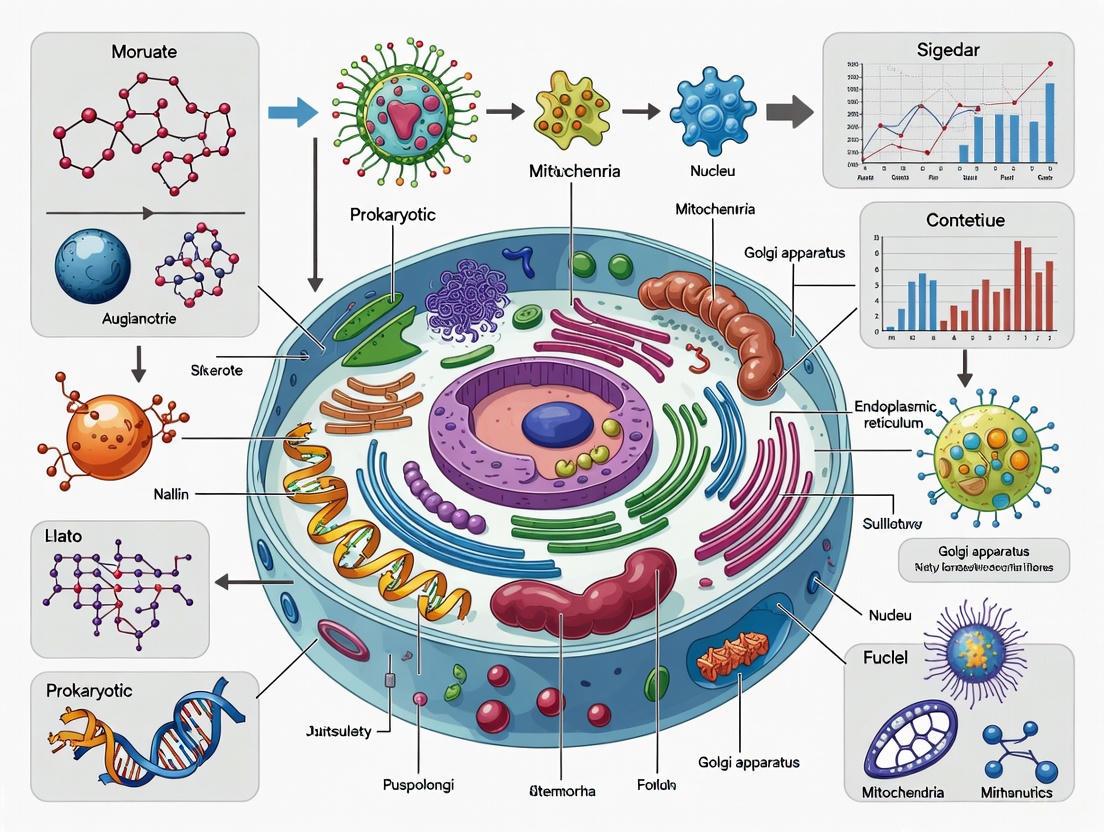
This article provides a comprehensive guide to cell type annotation for researchers and drug development professionals.
Cell Type Annotation 2025: From Foundational Concepts to AI-Driven Validation in Single-Cell Research
Abstract
This article provides a comprehensive guide to cell type annotation for researchers and drug development professionals. It covers foundational principles, explores the latest automated methods including large language models (LLMs) and hybrid approaches, addresses common troubleshooting scenarios, and establishes robust validation frameworks. By synthesizing current methodologies and benchmarking data, this resource aims to enhance annotation accuracy, reproducibility, and biological insight across single-cell RNA sequencing, ATAC-seq, and spatial omics applications.
Defining Cellular Identity: The Evolution and Core Principles of Cell Type Annotation
What is a Cell Type? Evolving Definitions from Morphology to Transcriptomics
The question "What is a cell type?" represents one of the most fundamental inquiries in biology, yet it has eluded a simple, universal definition. Cell types are broadly understood as the basic functional units of an organism, where cells within a type exhibit similar structure and function that are distinct from cells in other types [1]. This conceptual framework has served biology for over a century, dating back to the pioneering work of Ramón y Cajal and his contemporaries who first categorized cells based on their morphological characteristics [1]. However, the rapid advancement of single-cell technologies, particularly single-cell RNA sequencing (scRNA-seq), has fundamentally transformed our understanding of cellular identity and diversity.
The traditional view of cell types as discrete, easily categorizable entities has given way to a more nuanced understanding that acknowledges the continuous nature of biological variation [2]. This evolution in thinking reflects a broader shift in biological research from qualitative descriptions to quantitative, data-driven classifications. In the era of single-cell biology, the definition of cell type identity remains actively debated, requiring researchers to integrate evidence from multiple modalities and present compelling arguments for their labeling schemes [3]. This review traces the conceptual journey of cell type definition from its morphological origins to the current transcriptomic era, examining the organizing principles, methodological approaches, and challenges that define this dynamic field.
The Historical Perspective: Morphology and Physiology as Defining Features
The Anatomical Foundation of Cell Typing
The initial classification of cell types relied heavily on visual characteristics observable through microscopy. Morphological properties such as cell size, shape, nuclear characteristics, and organizational patterns provided the first systematic approach to categorizing cellular diversity [3]. In the nervous system, this approach allowed early neuroscientists to distinguish between major neuronal classes—such as pyramidal neurons with their distinctive apical dendrites versus spiny stellate cells—and to relate these morphological differences to potential functional specializations [1]. These anatomical definitions created a foundational taxonomy that still informs our understanding of cellular diversity today.
Physiological measurements eventually complemented morphological characterization, particularly in electrically excitable tissues. For neurons, properties such as action potential waveform, firing patterns, and synaptic connectivity became essential criteria for classification [1]. The Petilla Convention, a major community effort to define cortical interneuron types, exemplified the rigorous application of multidisciplinary criteria—including morphological, physiological, and molecular features—to establish a consistent nomenclature [1]. This historical approach, while powerful, faced significant limitations in scalability and objectivity, as comprehensive characterization required labor-intensive techniques that were difficult to standardize across laboratories.
Technical Limitations and Conceptual Constraints
Traditional methods for cell type classification, including immunohistochemistry, electrophysiology, and morphological reconstruction, provided rich qualitative data but suffered from inherent limitations:
- Low-throughput nature: Techniques like intracellular recording and dye-filling could only characterize small numbers of cells in each experiment [4]
- Subjective categorization: Qualitative descriptions often varied between researchers and laboratories [1]
- Context-dependent properties: Physiological measurements could change under different experimental conditions [1]
- Limited multiplexing: Traditional approaches could typically examine only a few features simultaneously
These constraints began to dissolve with the advent of molecular biology and genomic technologies, which offered more standardized, quantitative, and scalable approaches to cell type classification.
The Molecular Revolution: Transcriptomics as a Quantitative Basis for Cell Identity
The Rise of Single-Cell Transcriptomics
The development of single-cell RNA sequencing (scRNA-seq) technologies marked a paradigm shift in cell type classification. By simultaneously measuring the expression levels of thousands of genes in individual cells, scRNA-seq provides a high-dimensional, quantitative, and largely unbiased molecular signature for each cell [4]. This technological advancement has enabled researchers to move beyond subjective morphological descriptions to data-driven classifications based on comprehensive molecular profiles.
The scalability of scRNA-seq has been particularly transformative, allowing characterization of hundreds of thousands to millions of cells in a single experiment [1]. This unprecedented depth and breadth of cellular sampling has facilitated the creation of detailed cell type taxonomies, or "cell atlases," across diverse species, tissues, and brain regions [1]. Large-scale consortium efforts like the Human Cell Atlas and the BRAIN Initiative Cell Census Network aim to create comprehensive reference maps of all cell types in the human body and brain, respectively [1] [4]. These projects represent a fundamental change in scale and approach to cataloging cellular diversity.
Complementary Molecular Modalities
While transcriptomics has become the dominant approach for cell type classification, other molecular modalities provide complementary information:
- Single-cell epigenomics: Techniques such as single-nucleus ATAC-seq characterize chromatin accessibility and reveal cell type-specific gene regulatory landscapes [1]
- Spatially resolved transcriptomics: Methods based on in situ imaging or sequencing preserve spatial context, revealing organizational principles of tissues [1]
- Proteomics: Measurement of protein levels and modifications provides information closer to functional output [1]
The integration of these multimodal data streams offers a more comprehensive view of cellular identity than any single approach could provide alone.
Table 1: Comparison of Methodologies for Cell Type Classification
| Methodology | Key Measured Features | Throughput | Key Advantages | Major Limitations |
|---|---|---|---|---|
| Morphology | Cell shape, size, structure | Low | Direct visualization, historical context | Subjective, low-throughput |
| Electrophysiology | Action potential properties, firing patterns | Low | Functional relevance, high temporal resolution | Invasive, technically demanding |
| scRNA-seq | Genome-wide mRNA expression | High | Unbiased, quantitative, scalable | Captures only transcriptome, technical noise |
| snATAC-seq | Chromatin accessibility landscape | High | Reveals regulatory architecture | Indirect measure of gene expression |
| Spatial Transcriptomics | mRNA expression with spatial coordinates | Medium | Preserves tissue context | Lower resolution than scRNA-seq |
Methodological Framework: From Data Generation to Cell Type Annotation
The Single-Cell RNA Sequencing Workflow
The standard scRNA-seq workflow involves multiple critical steps, each contributing to the quality and interpretability of the resulting data:
- Cell isolation and library preparation: Single cells are isolated through fluorescence-activated cell sorting (FACS), microfluidics, or droplet-based methods [4]
- Reverse transcription and amplification: mRNA is reverse-transcribed to cDNA and amplified [4]
- Sequencing: High-throughput sequencing generates millions of reads per cell [4]
- Bioinformatic processing: Raw sequences are aligned to reference genomes and quantified as count matrices [4]
Different technological platforms, such as 10x Genomics and Smart-seq, offer distinct tradeoffs between throughput, sensitivity, and cost [4]. The 10x Genomics platform employs droplet-based encapsulation for high-throughput profiling of large cell populations, while Smart-seq uses full-transcriptome amplification for deeper coverage of individual cells [4]. These technical differences significantly impact downstream analyses and must be considered when designing experiments and interpreting results.
Computational Approaches for Cell Type Annotation
The accumulation of large-scale scRNA-seq data has driven the development of diverse computational methods for cell type annotation, which can be broadly categorized into four approaches:
- Specific gene expression-based methods: Utilize known marker genes to manually label cells based on characteristic expression patterns [4]
- Reference-based correlation methods: Categorize unknown cells by comparing their gene expression profiles to pre-annotated reference datasets [4]
- Data-driven reference methods: Train classification models on pre-labeled datasets to predict cell types in new data [4]
- Large-scale pretraining-based methods: Employ unsupervised learning on massive collections of scRNA-seq data to learn generalizable features [5]
Each approach has distinct strengths and limitations, and researchers often combine multiple methods to achieve robust annotations [6]. The emergence of deep learning models like scGPT, which adapts transformer architecture to predict gene expression patterns, represents the cutting edge of annotation technology [5]. When fine-tuned on specific tissues like the retina, scGPT has demonstrated remarkable accuracy, achieving F1-scores of 99.5% in cell type prediction [5].
Diagram 1: scRNA-seq analysis workflow showing major steps from cell capture to annotation
Addressing Technical Challenges in scRNA-seq Analysis
Single-cell transcriptomic data present several unique analytical challenges that must be addressed to ensure accurate cell type annotation:
- Data sparsity: scRNA-seq data typically contain a high proportion of zero counts, due both to biological factors and technical dropout events [4]
- Batch effects: Technical variation between experiments can introduce confounding patterns that obscure biological signals [4]
- Imbalanced cell type distribution: Rare cell types may be underrepresented in the data, making them difficult to identify [7]
Novel computational methods like Coralysis have been developed specifically to address these challenges, particularly the problem of imbalanced data where cell types vary substantially in abundance between samples [7]. Coralysis uses a multi-level integration approach inspired by puzzle assembly, progressively refining cellular identities through multiple rounds of divisive clustering [7].
Table 2: Key Computational Tools for Cell Type Annotation
| Tool Name | Annotation Approach | Key Features | Applicability |
|---|---|---|---|
| SingleR | Reference-based | Fast correlation with reference data | General purpose |
| Azimuth | Reference-based | Web application, Seurat integration | Human and mouse tissues |
| scGPT | Deep learning | Transformer architecture, high accuracy | Tissue-specific fine-tuning |
| SCINA | Marker-based | Uses pre-defined marker gene sets | Knowledge-driven annotation |
| Coralysis | Multi-level integration | Handles imbalanced data, confidence estimates | Cross-sample integration |
| CellMarker | Marker database | Manually curated markers | Manual annotation support |
The creation of comprehensive reference databases has been instrumental in standardizing cell type annotation across the research community. These resources provide essential ground truth data that enable reproducible cell type identification:
- Human Cell Atlas (HCA): A collaborative project to create comprehensive reference maps of all human cells [4]
- Tabula Muris/Sapiens: Multi-organ atlases for mouse and human, containing transcriptome data from diverse tissues [1] [2]
- Allen Brain Cell Atlas: Specialized resource for neuronal cell types in human and mouse brain [4]
- CellMarker 2.0: Manually curated database of cell type markers from over 100,000 publications [4] [2]
- PanglaoDB: Marker gene database with information on 155 human cell types [4]
These databases vary in scope, species coverage, and data type, allowing researchers to select the most appropriate references for their specific experimental context.
Experimental Validation and Integration
While computational annotation methods have advanced dramatically, biological validation remains essential for confirming cell type identities. The most robust annotation workflows integrate computational predictions with experimental evidence:
- Immunohistochemistry: Protein-level validation of marker gene expression [3]
- Fluorescence-activated cell sorting (FACS): Physical isolation of cell populations based on surface markers [4]
- Multiplexed error-robust fluorescence in situ hybridization (MERFISH): Spatial validation of transcriptomic predictions [1]
- Functional assays: Tests of cellular properties predicted from transcriptomic profiles [3]
This integrative approach ensures that computational annotations reflect genuine biological differences rather than technical artifacts.
Current Challenges and Future Directions in Cell Type Definition
Conceptual and Technical Limitations
Despite significant progress, the field continues to grapple with fundamental challenges in cell type definition and annotation:
- Discrete classification vs. continuous variation: The imposition of discrete categories on continuously varying cellular states often fails to capture biological complexity [1] [2]
- Context-dependent identity: Cell properties can change dramatically across developmental stages, physiological conditions, and disease states [3]
- Modality alignment: Correlating cell types defined by different modalities (transcriptomics, morphology, physiology) remains difficult [1]
- The "long-tail" problem: Rare cell types are frequently undersampled and misclassified in standard analyses [4]
These challenges highlight the need for more sophisticated conceptual frameworks that can accommodate the dynamic, multi-dimensional nature of cellular identity.
Emerging Technologies and Approaches
Several promising directions are emerging that may address current limitations:
- Multi-omics integration: Simultaneous measurement of multiple molecular modalities from the same cells [4]
- Dynamic cell state tracking: Time-resolved analyses that capture transitions between states rather than static snapshots [3]
- Spatial transcriptomics advancement: Higher resolution spatial methods that preserve architectural context [1]
- Deep learning architectures: More sophisticated models that can recognize novel cell types in an "open-world" framework [4] [5]
- Cross-species alignment: Systematic comparison of cell types across evolutionarily distant organisms [1]
These technological developments, combined with more nuanced computational approaches, promise to yield increasingly refined and biologically meaningful cell type definitions.
Diagram 2: Evolution of cell type classification approaches from historical to future methods
The definition of a cell type has evolved dramatically from static, morphology-based classifications to dynamic, multidimensional characterizations based on molecular signatures. This conceptual shift reflects broader changes in biological research, embracing complexity, dynamics, and quantitative approaches. While transcriptomics has emerged as a powerful and scalable basis for cell type classification, the most robust definitions integrate information across multiple modalities, including morphology, physiology, epigenetics, and spatial context.
The future of cell type classification lies in developing frameworks that can accommodate continuous variation, dynamic state transitions, and context-dependent identities. As single-cell technologies continue to advance and computational methods become increasingly sophisticated, we move closer to a comprehensive understanding of cellular diversity that reflects the true complexity of biological systems. This evolving understanding of cell types will fundamentally shape basic research, drug development, and therapeutic strategies across human health and disease.
Cell type annotation is a crucial and indispensable step in the analysis of single-cell RNA sequencing (scRNA-seq) data. This process enables significant biological discoveries and deepens our understanding of tissue biology by allowing researchers to label groups of cells based on known or unknown cellular phenotypes [8] [9]. In the broader context of cell type annotation research, accurately determining cellular identity serves as the gateway to exploring cellular diversity, functional differences, and gaining critical insights into biological processes and disease mechanisms [8]. The fundamental challenge lies in the fact that gene expression levels exist on a continuum rather than as discrete values, and differences in gene expression do not always directly translate to differences in cellular function [2]. This creates a complex landscape where the accuracy of annotation directly determines the quality of biological insights that can be derived from single-cell studies.
The process of cell type identification faces significant technical hurdles due to the high-dimensional and highly sparse nature of single-cell RNA sequencing data [8]. Moreover, the field lacks universally standardized categorization systems, as the size of categories and borders drawn between them are partly subjective and can evolve with new technologies that provide higher resolution views of cells [9]. These challenges are compounded when researchers attempt to integrate multiple datasets or identify novel cell populations, making robust annotation methodologies essential for advancing our understanding of cellular biology in health and disease.
The Critical Impact of Annotation Accuracy on Biological Interpretation
Direct Consequences for Research Outcomes
Accurate cell type annotation serves as the foundation for virtually all downstream analyses in single-cell research. Errors in this foundational step can propagate through subsequent analyses, potentially leading to flawed biological interpretations and misleading conclusions. The reliability of annotation directly influences how researchers interpret cellular composition, identify rare cell populations, understand disease mechanisms, and develop potential therapeutic strategies [9]. When annotation is performed accurately, it enables researchers to make valid inferences about cellular functions, developmental trajectories, and responses to perturbations, thereby driving meaningful biological discovery.
The impact of annotation quality extends beyond basic research into translational applications. In drug development, for instance, incorrectly annotated cell types could lead to misidentification of therapeutic targets or misinterpretation of drug effects on specific cellular populations. Furthermore, as single-cell technologies increasingly enter clinical diagnostics, the reliability of cell type identification becomes paramount for accurate patient stratification and disease classification [10]. The scientific community recognizes these stakes, with recent research highlighting how annotation inaccuracies can result in wasted resources, failed experiments, and delayed scientific progress due to the propagation of errors through subsequent analyses [11].
Technical Challenges in Annotation
The path to accurate annotation is fraught with technical challenges that directly impact biological interpretation. Single-cell RNA-seq data is characterized by its high dimensionality, extreme sparsity, and significant technical noise [8]. Conventional annotation methods that rely on clustering cells and identifying marker genes through differential expression analysis become increasingly time-consuming and impractical as dataset sizes grow to encompass millions of cells [8]. The selection of highly variable genes (HVG) to reduce dimensionality, while computationally advantageous, inevitably results in information loss that can weaken a model's generalization performance and adaptability to novel datasets [8].
Batch effects present another substantial challenge, where technical variations between experiments can obscure true biological signals [12]. These effects can arise from differences in patients, sampling procedures, or sequencing processes, leading to unwanted variations in the data that do not reflect genuine biological variation [12]. When unaddressed, these technical artifacts can be misinterpreted as biological phenomena, fundamentally compromising the insights derived from the data. The problem is particularly acute in large-scale integrative studies that combine datasets from multiple sources, where inconsistent annotation can severely limit the utility of combined analyses [13].
Methodological Landscape: Annotation Approaches and Techniques
Traditional and Manual Annotation Methods
The classical approach to cell type annotation relies on marker gene identification based on prior biological knowledge. This method dates back to pre-scRNA-seq times when single-cell data was low dimensional, such as FACS data with gene panels consisting of no more than 30-40 genes [9]. In this paradigm, researchers typically cluster cells first and then annotate groups of cells rather than making per-cell calls, which provides robustness against the inherent sparsity of single-cell data where a single cell might not have a count for a specific marker even if it was expressed [9].
Manual annotation typically follows one of two pathways: working from a established table of marker genes for expected cell types and checking which clusters express these markers, or examining which genes are highly expressed in defined clusters and then determining if they associate with known cell types [9]. While manual annotation benefits from expert knowledge, it is inherently subjective and highly dependent on the annotator's experience, creating challenges for reproducibility and standardization across studies [10]. The labor-intensive nature of this process also makes it impractical for the enormous datasets generated by modern single-cell technologies.
Automated and Reference-Based Approaches
To address the limitations of manual annotation, numerous automated cell type identification methods have been developed. These can be broadly categorized into reference-based and reference-free approaches. Reference-based methods, such as Azimuth and CellTypist, transfer labels from well-annotated reference datasets to new query data using various similarity metrics [2] [13]. These approaches benefit from curated knowledge but face limitations when encountering novel cell types not present in the reference data [13].
Table 1: Comparison of Automated Cell Type Annotation Methods
| Method | Approach | Advantages | Limitations |
|---|---|---|---|
| SingleR [13] | Reference-based | Fast computation; utilizes reference transcriptomes | Limited to cell types in reference |
| CellTypist [13] | Reference-based | Large collection of tissue-specific models | May miss dataset-specific cell populations |
| scExtract [13] | LLM-assisted automation | Processes data from articles; prior-informed integration | Requires article text as input |
| scTrans [8] | Deep learning with sparse attention | Uses all non-zero genes; minimizes information loss | Computational complexity |
| LICT [10] | Multi-LLM integration | Reference-free; objective reliability assessment | Dependent on multiple API services |
Automated methods provide greater objectivity compared to manual annotation but often depend heavily on the quality and comprehensiveness of reference datasets [10]. This dependency can limit their accuracy and generalizability, particularly for rare cell types or disease-specific cellular states [10]. The performance of these methods also varies significantly across tissues and biological contexts, necess careful selection and validation for specific applications.
Emerging LLM-Based and Deep Learning Approaches
Recent advancements in artificial intelligence have introduced novel approaches to cell type annotation using large language models (LLMs) and specialized deep learning architectures. Methods like scTrans employ Transformer-based models with sparse attention mechanisms to utilize all non-zero genes in single-cell data, effectively reducing input dimensionality while minimizing information loss [8]. This approach demonstrates strong generalization capabilities and can efficiently handle datasets approaching a million cells even with limited computational resources [8].
LLM-based tools represent another frontier, with frameworks like mLLMCelltype integrating multiple large language models to improve annotation accuracy through consensus-based predictions [14]. These methods leverage the extensive knowledge embedded in pre-trained language models while addressing individual model limitations through multi-model integration [14]. The "talk-to-machine" strategy represents a particularly innovative approach, where LLMs iteratively enrich their input with contextual information through human-computer interaction, mitigating ambiguous or biased outputs [10].
Table 2: Performance Comparison of Annotation Methods Across Datasets
| Method | PBMC Accuracy | Gastric Cancer Accuracy | Embryo Data Accuracy | Stromal Cells Accuracy |
|---|---|---|---|---|
| Traditional Manual | High [10] | Moderate [10] | Variable [10] | Low [10] |
| GPT-4 Only | 78.5% [10] | 88.9% [10] | 24.2% [10] | 33.3% [10] |
| Multi-LLM Integration (LICT) | 90.3% [10] | 91.7% [10] | 48.5% [10] | 43.8% [10] |
| scExtract | Top performer [13] | Top performer [13] | Not reported | Not reported |
Experimental Framework and Protocol Design
Benchmarking Strategies and Validation Protocols
Rigorous benchmarking is essential for evaluating the performance of cell type annotation methods. The standard methodology involves comparing automated annotations against manually curated gold-standard labels, typically using metrics such as accuracy, balanced accuracy, and F1 score [13]. Peripheral blood mononuclear cells (PBMCs) serve as a common benchmark dataset due to their well-characterized cell types and widespread use in method evaluation [10]. However, comprehensive benchmarking should include diverse biological contexts including normal physiology, developmental stages, disease states, and low-heterogeneity cellular environments to assess method robustness [10].
The benchmarking protocol for LLM-based methods typically involves providing standardized prompts incorporating top marker genes for each cell subset and assessing agreement between manual and automated annotations [10]. For traditional computational methods, standard practice involves using manually annotated datasets from resources like cellxgene, comparing performance across multiple human tissues and organs to ensure generalizability [13]. These evaluations should specifically test method performance on challenging scenarios such as identifying novel cell types, handling batch effects, and maintaining accuracy across different sequencing technologies.
Integration of Multi-Model and Consensus Approaches
Advanced annotation frameworks increasingly employ multi-model strategies to enhance accuracy and reliability. The multi-LLM integration approach, for instance, selects the best-performing results from multiple language models rather than relying on conventional majority voting or a single top-performing model [10]. This strategy effectively leverages the complementary strengths of different models, significantly reducing mismatch rates particularly for low-heterogeneity datasets where individual models struggle [10].
The consensus approach extends beyond simply combining predictions to include iterative discussion mechanisms where LLMs evaluate evidence and refine annotations through multiple rounds of discussion [14]. This process incorporates validation steps where annotations are checked against marker gene expression patterns, with failed validations triggering structured feedback prompts that include expression validation results and additional differentially expressed genes from the dataset [10]. This iterative refinement continues until consensus is reached or a predetermined number of iterations is completed, ensuring robust and reliable annotations.
Figure 1: Multi-Model Consensus Annotation Workflow
Advanced Technical Solutions and Research Reagents
Research Reagent Solutions for Single-Cell Analysis
Table 3: Essential Research Reagents and Computational Tools for Cell Type Annotation
| Reagent/Tool | Type | Function | Application Context |
|---|---|---|---|
| 10X Genomics Platform [2] | Experimental Platform | Single-cell RNA sequencing | Generating single-cell gene expression data |
| Cellxgene [13] | Data Resource | Literature-curated single-cell database | Access to annotated reference datasets |
| Scanpy [13] | Computational Tool | Python-based single-cell analysis | Data preprocessing, clustering, and visualization |
| Tabula Muris [2] | Reference Database | Mouse single-cell transcriptome data | Reference-based annotation for mouse studies |
| CellMarker 2.0 [2] | Marker Database | Manually curated cell marker resource | Marker gene identification for manual annotation |
| Seurat [2] | Computational Tool | R package for single-cell analysis | Data integration, clustering, and annotation |
Technical Frameworks for Large-Scale Annotation
Advanced computational frameworks have been developed specifically to address the challenges of large-scale cell type annotation. The CELLULAR framework employs contrastive learning and a carefully designed loss function to create a generalizable embedding space from scRNA-Seq data [12]. This approach effectively reduces batch effects while preserving biological information, outperforming existing methods in learning representations that transfer well across datasets [12]. The model's architecture focuses on maximizing true biological differences while minimizing technical variations, creating embeddings that support both accurate cell type classification and novel cell type detection.
The scExtract framework represents another technical advancement by leveraging large language models to automate the entire single-cell data analysis pipeline from preprocessing to annotation and integration [13]. This approach uniquely extracts information from research articles to guide data processing, implementing an LLM agent that emulates human expert analysis by automatically processing datasets while incorporating article background information [13]. The framework includes modified versions of integration algorithms like scanorama-prior and cellhint-prior that incorporate prior annotation information for improved batch correction while preserving biological diversities, addressing a critical limitation of conventional integration methods that fail to leverage prior knowledge [13].
Figure 2: Single-Cell Analysis Workflow from Data to Insight
Validation and Quality Assurance Frameworks
Objective Credibility Evaluation
Ensuring the reliability of cell type annotations requires robust validation frameworks that can objectively assess annotation quality. The credibility evaluation strategy addresses this need by providing a reference-free method to distinguish discrepancies caused by annotation methodology from those due to intrinsic limitations in the dataset itself [10]. This approach involves retrieving representative marker genes for each predicted cell type, analyzing their expression patterns within corresponding cell clusters, and deeming an annotation reliable if more than four marker genes are expressed in at least 80% of cells within the cluster [10].
This objective assessment framework has revealed that LLM-generated annotations can sometimes outperform manual annotations in terms of reliability, particularly for low-heterogeneity datasets where manual annotations show higher rates of unreliable calls [10]. The framework also identifies cases where both LLM and manual annotations differ but are both classified as reliable, highlighting situations where single cell populations exhibit multifaceted traits that could reasonably be interpreted as different cell types [10]. This capability allows researchers to focus on biologically meaningful ambiguities rather than methodological limitations.
Uncertainty Quantification and Novel Cell Type Detection
Advanced annotation frameworks incorporate explicit uncertainty quantification to help researchers identify potentially problematic annotations. Methods like mLLMCelltype provide Consensus Proportion and Shannon Entropy metrics that enable quantitative assessment of annotation confidence [14]. These metrics are particularly valuable for identifying borderline cases where cell identities are ambiguous, allowing researchers to prioritize validation efforts on the most uncertain annotations.
The ability to detect novel cell types represents another critical aspect of annotation quality assurance. The CELLULAR framework addresses this challenge by designing its architecture to identify instances where it is not confident about any known cell type [12]. By setting appropriate likelihood thresholds, researchers can capture samples that may represent new cell types, significantly enhancing the method's utility in discovery-oriented research [12]. This capability is especially important for avoiding false negatives when working with diverse or poorly characterized tissues.
The critical importance of accurate cell type annotation for biological insight cannot be overstated. As single-cell technologies continue to evolve and dataset sizes grow exponentially, the development of robust, scalable, and accurate annotation methods remains a central challenge in the field. The emergence of multi-model consensus approaches, advanced deep learning architectures, and LLM-integrated frameworks represents significant progress in addressing this challenge. These methods demonstrate that combining complementary approaches—leveraging prior biological knowledge while maintaining flexibility for novel discoveries—provides the most promising path forward for the research community.
Future advancements in cell type annotation will likely focus on several key areas. Multi-modal deep learning approaches that integrate other data types alongside scRNA-seq, such as cell images or chromatin accessibility data, promise to provide more comprehensive cellular representations [12]. The development of standardized, community-accepted cell type representation schemes would significantly enhance reproducibility and comparability across studies. As the field moves toward clinical applications, ensuring annotation reliability will become increasingly critical for diagnostic accuracy and therapeutic development. By addressing these challenges through continued methodological innovation and rigorous validation, the single-cell research community can fully leverage the transformative potential of these technologies to advance our understanding of biology and disease.
In single-cell RNA sequencing (scRNA-seq) data analysis, cell type annotation is a foundational step for interpreting cellular heterogeneity and function. While automated computational methods are rapidly evolving, expert manual annotation is still widely regarded as the gold standard for assigning cell type identities to cell clusters. This whitepaper examines the critical role, established methodologies, and inherent limitations of manual annotation by domain experts. By exploring its integration with emerging automated approaches and the growing availability of curated biological knowledge bases, we frame manual annotation's enduring value within a modern, hybrid cell annotation workflow essential for rigorous biological discovery and therapeutic development.
The analysis of scRNA-seq data enables the dissection of complex tissues into their constituent cell types and states at unprecedented resolution. A crucial step in this process is cell type annotation, the assignment of biological identities to clusters of cells based on their gene expression profiles. Within this domain, expert manual annotation persists as the benchmark against which all automated methods are evaluated [15] [16].
This approach involves researchers with domain expertise manually inspecting cluster-specific upregulated genes and comparing them against prior knowledge of cell-type markers derived from the scientific literature [15]. The continued reliance on this method stems from its ability to leverage the nuanced, contextual understanding that human experts bring to the annotation process. Experts can interpret ambiguous expression patterns, identify novel cell types, and account for biological context in a way that purely algorithmic approaches have yet to fully replicate. Consequently, manual curation leaves researchers with "a vivid understanding of cell types and deeply portray[s] the characteristics of different cell types" [15]. This deep, intuitive understanding is particularly valuable for identifying rare cell populations or novel cell states that do not fit predefined classifications.
The Manual Annotation Methodology: A Step-by-Step Guide
The process of expert manual annotation typically follows a systematic, albeit labor-intensive, workflow. Adherence to a standardized protocol enhances the reproducibility and reliability of the results.
Standardized Workflow for Cluster Annotation
The following Graphviz diagram outlines the core steps in the expert manual annotation process:
Step 1: Cell Clustering. After standard preprocessing of the scRNA-seq data, unsupervised clustering algorithms (e.g., those in Seurat or Scanpy) are applied to group cells with similar gene expression profiles [16]. This step identifies putative cell populations without any prior labeling.
Step 2: Differential Expression Analysis. For each cell cluster, statistical tests are performed to identify differentially expressed genes (DEGs)—genes that are significantly upregulated in a specific cluster compared to all other clusters [15] [16]. This generates a ranked list of potential marker genes for each cluster.
Step 3: Literature Curation & Knowledge Base Query. The expert then compares the identified DEGs against known cell-type markers from existing scientific literature and curated databases. Resources such as CellMarker, singleCellBase, and ACT provide manually curated collections of cell type and marker gene associations, which are invaluable for this step [15] [17]. singleCellBase, for instance, contains over 9,158 entries linking 1,221 cell types with 8,740 gene markers across 31 species [17].
Step 4: Expert Label Assignment. The core of the manual process involves the expert synthesizing the evidence from the previous steps to assign a cell type label. This is not a simple lookup exercise; it requires contextual interpretation of marker co-expression, expression strength, and tissue or disease context to make a final determination [16].
Step 5: Validation & Iteration. The assigned labels are assessed for biological plausibility. This may involve checking the expression of canonical markers via visualizations like feature plots and validating that the composition of cell types makes sense within the sampled tissue. Clusters with ambiguous identities may be re-clustered or subjected to further analysis [16].
Essential Research Reagents and Knowledge Bases
The manual annotation process is heavily dependent on high-quality, curated biological knowledge. The table below details key resources that provide the essential prior knowledge required for expert annotation.
Table 1: Key Research Reagent Solutions for Manual Cell Type Annotation
| Resource Name | Type | Key Features and Function | Coverage |
|---|---|---|---|
| ACT (Annotation of Cell Types) [15] | Web Server & Marker Map | Provides a hierarchically organized marker map curated from ~7,000 publications; integrates a weighted gene set enrichment method (WISE). | Human, Mouse |
| singleCellBase [17] | Manually Curated Database | A high-quality resource of cell type and marker gene associations; features extensive species coverage and a user-friendly interface for browsing and searching. | 31 species (Animalia, Protista, Plantae) |
| CellMarker [15] [17] | Database | A widely used database of manually curated cell markers in human and mouse, often integrated into other analysis tools. | Human, Mouse |
| PanglaoDB [17] | Database | A web server for exploration of mouse and human single-cell RNA sequencing data, including curated marker genes. | Human, Mouse |
Benchmarking Manual Against Automated Annotation
Despite its status as the gold standard, it is critical to evaluate the performance of manual annotation objectively, particularly as automated methods advance. Benchmarking studies and the emergence of new AI-driven tools provide a framework for this comparison.
Quantitative Performance and Subpopulation Challenges
Studies evaluating cell annotation methods reveal that while manual annotation is robust for broad cell types, its effectiveness can vary. A benchmark of five annotation methods (including GSEA, GSVA, and CIBERSORT) on several scRNA-seq datasets found that all methods could perform well for major cell types, with an average area under the receiver operating characteristic curve (AUC) of 0.91 [18]. However, precision-recall performance showed wide variation (average AUC = 0.53), indicating that accurate annotation remains challenging across the board [18].
A significant limitation of both manual and automated methods is annotating subtle cell subpopulations. This is particularly evident in heterogeneous populations like T cells, where distinguishing between highly similar subtypes (e.g., T helper 1 vs. 2) based on scRNA-seq data alone remains problematic [16]. The granularity of annotation is a key factor; pushing for overly specific labels can reduce confidence and accuracy [19].
The Rise of LLM-Based Evaluation and Hybrid Approaches
New technologies are emerging to objectively assess annotation quality. Tools like LICT (Large Language Model-based Identifier for Cell Types) leverage multiple AI models to provide an objective credibility evaluation of cell type annotations [10]. LICT assesses reliability by checking if a set of model-generated marker genes for a predicted cell type are expressed in the cell cluster. This provides a reference-free method to identify potentially unreliable annotations, whether they originate from manual or automated sources [10].
In one evaluation, such objective checks revealed that for certain low-heterogeneity datasets, a significant proportion of manual expert annotations failed to meet credibility thresholds, whereas some LLM-generated annotations that disagreed with the expert were deemed reliable [10]. This highlights that manual annotations are not infallible and can benefit from objective, computational verification.
Critical Analysis: Limitations and the Path Forward
The reliance on expert manual annotation presents several concrete challenges for the scalability and reproducibility of single-cell research.
Table 2: Key Limitations of Expert Manual Annotation and Emerging Mitigations
| Limitation | Impact on Research | Emerging Solutions and Mitigations |
|---|---|---|
| Labor-Intensive Process [15] [16] | Low throughput; not feasible for the growing volume of scRNA-seq data. | Development of semi-automated tools (e.g., CellTypist, scGate) [16] and AI assistants (e.g., LICT) [10] to accelerate the expert review process. |
| Requires Domain Expertise [15] [16] | Creates a bottleneck; results are dependent on scarce specialist knowledge. | Creation of comprehensive, hierarchically organized knowledge bases (e.g., ACT [15]) that codify expert knowledge for broader use. |
| Subjectivity and Low Reproducibility [16] [18] | Introduces variability and limits the consistency of annotations across studies and labs. | Implementation of objective credibility checks [10] and the use of standardized, controlled vocabularies for cell type names [15] [17]. |
| Dependence on Prior Knowledge [15] [17] | Struggles to identify truly novel cell types not described in existing literature. | Hybrid approaches that combine automated clustering with expert review, allowing experts to focus on unannotated or ambiguous clusters [16]. |
The Evolving Gold Standard: A Hybrid Paradigm
The field is moving towards a two-step, hybrid annotation process that leverages the strengths of both automated and manual methods [16]. This is now considered a gold-standard approach in modern pipelines [16]. The workflow involves:
- Primary Automated Annotation: An initial, rapid annotation of the majority of cell clusters using supervised, reference-based, or marker-based automated tools.
- Expert-Based Manual Interrogation: A subsequent, focused review by a domain expert to validate the automated labels, resolve ambiguities, and annotate cell populations that the algorithm failed to classify or identified as novel [16].
This hybrid model, illustrated below, balances efficiency with the irreplaceable value of expert insight.
Expert manual annotation remains the cornerstone of reliable cell type identification in single-cell genomics, providing the contextual understanding and flexibility that purely computational methods currently lack. Its role as a gold standard is thus well-deserved but nuanced. However, its inherent limitations—subjectivity, labor-intensity, and dependency on prior knowledge—render it unsustainable as the sole method in an era of exponentially growing data.
The future of accurate and scalable cell type annotation lies not in choosing between manual expertise and automated efficiency, but in strategically integrating them. The emerging hybrid paradigm, which combines robust automated pre-annotation with targeted expert validation and discovery, represents the new best practice. For researchers and drug developers, leveraging curated knowledge bases, adopting objective validation tools like LICT, and implementing this hybrid workflow is essential for ensuring that cell type annotations—the fundamental units of analysis in single-cell biology—are both biologically insightful and technically robust.
Cell type annotation, the process of identifying and labeling distinct cell populations within a biological sample using data from techniques like single-cell RNA sequencing (scRNA-seq), has emerged as a foundational capability in modern life sciences [20]. This process transcends mere cataloging, serving as a critical gateway to understanding cellular diversity and function within complex tissues and organisms. The ability to accurately classify cells into specific types—such as neurons, immune cells, or epithelial cells—based on their gene expression profiles has revolutionized our approach to biological research and therapeutic development [20]. Within the broader thesis of cell type annotation research, this technical guide examines how advanced annotation methodologies are being leveraged for two paramount applications: the discovery of novel cell types and the systematic identification of druggable targets. This dual-purpose capability establishes cell type annotation not merely as an analytical endpoint but as a powerful discovery engine that bridges fundamental cellular biology with translational medicine, enabling researchers to decipher the cellular composition of diseases and accelerate the development of precision therapeutics.
Advanced Methodologies in Cell Type Annotation
The evolution from manual annotation based on known marker genes to automated, computational methods represents a significant paradigm shift in single-cell analysis. Supervised classification-based methods now dominate the landscape, training models on reference datasets to label cell types in unlabeled data [21]. Recent advances have introduced several sophisticated deep-learning architectures, each offering distinct mechanistic advantages for interpreting scRNA-seq data.
Kolmogorov-Arnold Networks (KANs) present a novel architecture for single-cell analysis. The scKAN framework utilizes learnable activation functions on the edges of its network, rather than fixed weights, to model gene-to-cell relationships directly [22]. This design provides superior interpretability for identifying cell-type-specific marker genes and gene sets, as the activation curves visualize specific gene interactions. scKAN employs a knowledge distillation strategy where a large pre-trained model (teacher) guides a KAN-based module (student), integrating prior knowledge with ground truth cell type information. This approach has demonstrated a 6.63% improvement in macro F1 score over state-of-the-art methods in cell-type annotation tasks [22].
Transformer-based Models with attention mechanisms have been adapted for single-cell data, though with modifications to address computational constraints. scTrans utilizes sparse attention mechanisms to focus on all non-zero genes in the input data, effectively reducing dimensionality while minimizing information loss that typically plagues highly variable gene (HVG) selection approaches [8]. This architecture efficiently processes large-scale datasets while maintaining robust generalization capabilities for novel datasets. The self-attention mechanism dynamically assesses gene relevance, capturing long-range dependencies within the transcriptomic profile [8] [23].
Graph Neural Networks (GNNs) offer a distinct approach by incorporating cellular topological information. WCSGNet constructs Weighted Cell-Specific Networks (WCSNs) for individual cells, capturing unique gene interaction patterns rather than assuming a universal network across all cells [21]. These cell-specific networks are built using highly variable genes and inherently capture both gene expression patterns and gene association network structure features. A graph neural network then extracts features from these personalized networks to perform accurate cell type classification, demonstrating particular strength with imbalanced datasets [21].
Large Language Models (LLMs) represent the most recent innovation, with models like CellTypeAgent and LICT leveraging natural language processing capabilities for annotation tasks [11] [24]. These frameworks often incorporate verification from biological databases to mitigate hallucinations and improve reliability. Their "talk-to-machine" approach provides an objective framework for assessing annotation reliability, even when single-cell populations exhibit multifaceted traits [11].
Table 1: Comparative Analysis of Advanced Cell Type Annotation Methods
| Method | Core Architecture | Key Innovation | Strengths | Limitations |
|---|---|---|---|---|
| scKAN [22] | Kolmogorov-Arnold Network | Learnable activation curves for gene-cell relationships | High interpretability for marker genes; Superior accuracy (6.63% F1 improvement) | Requires knowledge distillation from teacher model |
| scTrans [8] | Transformer with Sparse Attention | Focuses on all non-zero genes, minimizing information loss | Efficient processing of large datasets; Strong generalization | Computational complexity remains non-trivial |
| WCSGNet [21] | Graph Neural Network | Weighted Cell-Specific Networks for individual cells | Excellent with imbalanced data; Captures cell-specific gene interactions | Network construction adds computational overhead |
| CellTypeAgent [24] | Large Language Model | Database verification to reduce hallucinations | High accuracy; Handles multifaceted cell populations | Dependent on quality and scope of verification databases |
From Annotation to Drug Target Discovery
The transition from cell type identification to therapeutic target discovery represents a critical pathway in translational medicine. Accurate cell type annotation enables researchers to identify cell populations specifically implicated in disease processes, thereby revealing potential therapeutic targets within these cells [20]. This approach has evolved beyond simple differential expression analysis to incorporate sophisticated multi-omics integration and functional validation.
The foundational principle underlying this application is that diseases often affect specific cell types rather than entire tissues uniformly. By identifying which cell types are pathogenic—such as specific immune cell subsets in autoimmune disorders or rare cancer stem cell populations in tumors—researchers can focus target identification efforts on molecules that are critical to these cells' survival or function [22] [20]. This cell-type-specific targeting strategy enhances therapeutic efficacy while minimizing off-target effects, as modulating a target present primarily in pathogenic cells reduces disruption to healthy tissue function [25].
Advanced annotation methods like scKAN facilitate a more nuanced approach to target discovery by identifying not just highly expressed genes but those with high functional significance through their learned activation curves [22]. This capability enables the discovery of potential therapeutic targets that might be overlooked by conventional differential expression methods, particularly targets with moderate expression levels but high functional importance to the cell type's identity [22]. The resulting gene signatures provide biologically informed starting points for therapeutic intervention.
The integration of cell-type-specific gene importance scores with activation curve patterns creates a novel framework for identifying druggable targets [22]. In a case study on pancreatic ductal adenocarcinoma (PDAC), scKAN-identified gene signatures led to a potential drug repurposing candidate, with molecular dynamics simulations subsequently validating binding stability [22]. This end-to-end pipeline—from single-cell analysis to drug candidate validation—demonstrates the powerful synergy between advanced annotation methods and therapeutic discovery.
Table 2: Key Steps in Transitioning from Cell Annotation to Target Identification
| Step | Process | Key Techniques | Outcome |
|---|---|---|---|
| 1. Pathogenic Cell Identification | Identify cell types quantitatively expanded or altered in disease states | Clustering, differential abundance testing | Definition of disease-relevant cellular compartments |
| 2. Functional Gene Prioritization | Identify genes critical to pathogenic cell identity or function | Importance scoring (e.g., scKAN edges), pathway enrichment | Shortlist of potential therapeutic targets |
| 3. Druggability Assessment | Evaluate target tractability for therapeutic intervention | Structural analysis, database mining (DrugBank, TTD) [26] | Prioritized list of druggable targets |
| 4. Experimental Validation | Confirm target functional relevance | siRNA knockdown [25], binding assays | Validated therapeutic targets |
Experimental Protocols and Workflows
Integrated Workflow for Target Discovery via Cell Type Annotation
The following diagram illustrates the comprehensive experimental workflow that bridges single-cell RNA sequencing data with drug target identification and validation:
Protocol for Drug Target Identification Using scKAN
The following protocol outlines the specific methodology for leveraging scKAN in drug target discovery, as demonstrated in the PDAC case study [22]:
Phase I: Model Training and Knowledge Distillation
- Teacher Model Fine-tuning: Utilize a pre-trained single-cell foundation model (e.g., scGPT pre-trained on 33 million cells) and fine-tune it on the target dataset using standard transformer architecture with gene encoder, expression embeddings, and condition embeddings [22].
- Student Model Training: Implement the scKAN student model with multiple KAN layers. Train using knowledge distillation from the teacher model combined with ground truth cell type information.
- Loss Function Optimization: Employ a combined loss function integrating:
- Knowledge distillation loss
- Self-entropy loss to prevent over-concentration on dominant cell types
- Modified deep divergence-based clustering (DDC) loss using Cauchy-Schwarz divergence to optimize feature-cluster alignment [22].
Phase II: Cell-Type-Specific Gene Identification
- Importance Score Calculation: Extract edge scores from the trained KAN model, adapting them to quantify the learned contribution of each gene to specific cell type classification.
- Marker Gene Validation: Validate importance scores by demonstrating significant enrichment for known cell-type-specific markers and differentially expressed genes.
- Activation Curve Analysis: Cluster genes with similar learned activation function curves to reveal functionally related gene sets and co-expression patterns within specific cell types.
Phase III: Target Prioritization and Validation
- Functional Enrichment Analysis: Perform pathway enrichment on high-importance genes to identify biologically coherent processes.
- Druggability Assessment: Cross-reference prioritized genes with druggable genome databases (e.g., DrugBank, Therapeutic Target Database) using BLASTp with E-value cutoff of 10−4 [26].
- Compound Screening: Screen compound libraries (e.g., flavonoid libraries for MRSA targets [26]) against prioritized targets using molecular docking.
- Experimental Validation: Perform binding stability assessment through molecular dynamics simulations (analyzing RMSD, RMSF, ROG, SASA parameters) and calculate binding free energies [22] [26].
Protocol for Target Deconvolution and Validation
For scenarios where therapeutic effects are observed before targets are identified, target deconvolution approaches are employed:
Affinity-Based Target Deconvolution
- Affinity Probe Design: Design small molecule affinity probes incorporating the therapeutic compound with photoactivatable or chemical cross-linking groups.
- Cellular Treatment: Expose disease-relevant cell types to the affinity probes under physiological conditions.
- Target Capture and Isolation: UV-irradiate for photoactivation (if applicable), lyse cells, and isolate target complexes using affinity chromatography.
- Mass Spectrometry Analysis: Identify captured targets through liquid chromatography-tandem mass spectrometry (LC-MS/MS) and database searching [25].
Functional Genomics Approaches
- siRNA Screening: Implement high-throughput siRNA screens to systematically knock down genes in disease-relevant cell types and identify genes whose knockdown phenocopies therapeutic treatment.
- CRISPR-Based Validation: Utilize CRISPR-Cas9 to generate knockout cell lines for putative targets and validate their role in therapeutic response.
- Dose-Response Correlation: Establish correlation between target protein reduction (via siRNA) and phenotypic effect, comparing to compound dose-response relationships [25].
The Scientist's Toolkit: Essential Research Reagents and Solutions
Implementation of the described methodologies requires specific reagents and computational resources. The following table details key components of the experimental toolkit for cell type annotation and subsequent drug target discovery:
Table 3: Essential Research Reagents and Solutions for Cell Annotation and Target Discovery
| Category | Item/Solution | Specification/Function | Application Examples |
|---|---|---|---|
| Reference Datasets | Tabula Muris, Human Cell Atlas | Annotated single-cell transcriptomes from multiple tissues | Training and benchmarking annotation algorithms [8] [21] |
| Analysis Platforms | Polly, Seurat, Scanpy | Integrated platforms for data retrieval, processing, and analysis | Automated cell type annotation; Multi-omics data integration [20] |
| Target Databases | DrugBank, Therapeutic Target Database (TTD) | Curated repositories of druggable targets and drug interactions | Druggability assessment; Target prioritization [26] |
| Validation Reagents | siRNA Libraries, CRISPR-Cas9 Systems | Tools for targeted gene knockdown/knockout | Functional validation of candidate targets [25] |
| Structural Tools | AutoDock Vina, Molecular Dynamics Software | Computational tools for binding prediction and dynamics | Binding stability assessment; Binding free energy calculations [22] [26] |
| Specialized Algorithms | scKAN, scTrans, WCSGNet | Specialized algorithms for annotation and marker discovery | Cell-type-specific gene identification; Network analysis [22] [8] [21] |
The integration of advanced cell type annotation methodologies with drug target discovery represents a paradigm shift in translational research. Techniques such as scKAN, scTrans, and WCSGNet are transforming single-cell analysis from a descriptive exercise to a hypothesis-generating engine that directly fuels the therapeutic development pipeline. By enabling the identification of cell-type-specific molecular features with high functional relevance, these approaches are accelerating the discovery of novel therapeutic targets while improving the specificity and efficacy of candidate interventions. As these methodologies continue to evolve—particularly through the integration of multi-omics data and more sophisticated AI architectures—their impact on personalized medicine and drug development is poised to grow substantially, ultimately enabling more precise and effective therapies for complex diseases.
In single-cell RNA sequencing (scRNA-seq) research, the transformation of raw sequencing data into biologically meaningful insights hinges on two fundamental pre-processing steps: quality control (QC) and clustering. These technical procedures form the indispensable foundation upon which all subsequent biological interpretation, including the critical task of cell type annotation, is built. Within the broader context of cell type annotation research, the accuracy and reliability of final cell type labels are directly constrained by the quality of these preliminary analytical stages. As single-cell technologies increasingly inform drug development and clinical applications, establishing robust, standardized protocols for these foundational steps becomes paramount for ensuring reproducible and biologically valid discoveries.
The intrinsic relationship between pre-processing and annotation is elegantly summarized by the observation that "accurate cell type prediction is a crucial step in the interpretation of single-cell RNA-seq data, as downstream biological insights strongly depend on these predictions" [27]. This dependency creates an analytical chain where early decisions in QC and clustering parameters propagate through the entire analytical pipeline, ultimately determining whether researchers can accurately identify established cell types, discover novel populations, or delineate disease-specific cellular states [3]. This technical guide examines the operational principles, methodological considerations, and practical implementation of these foundational procedures specifically within the research framework of cell type annotation.
Quality Control: The First Gatekeeper of Data Integrity
Core Quality Control Metrics and Thresholding Strategies
Quality control serves as the initial filter through which raw scRNA-seq data must pass before any biological interpretation can occur. This process aims to distinguish intact, viable cells from artifacts resulting from technical variance, while preserving legitimate biological heterogeneity. The standard QC workflow operates primarily on three complementary metrics that collectively identify compromised cells: the number of counts per barcode (count depth), the number of genes detected per barcode, and the fraction of counts originating from mitochondrial genes [28].
Cells exhibiting low count depth, few detected genes, and elevated mitochondrial fractions typically indicate broken membranes where cytoplasmic mRNA has leaked out, leaving only mitochondrial mRNA behind [28]. However, these metrics must be interpreted jointly rather than in isolation, as certain biological contexts—such as respiratory-active cells or quiescent populations—may naturally exhibit higher mitochondrial content or lower transcriptional activity [28].
Effective thresholding strategies balance permissiveness with stringency. Overly aggressive filtering risks eliminating rare cell populations or biologically distinct states, while excessively lenient thresholds permit technical artifacts to distort downstream clustering and annotation [28]. Two primary approaches dominate practice:
- Manual thresholding based on visual inspection of distribution plots (e.g., violin plots, scatter plots) [28].
- Automated thresholding using robust statistical measures like Median Absolute Deviations (MAD), where cells exceeding 5 MADs from the median are typically flagged as outliers [28].
Table 1: Essential Quality Control Metrics and Interpretation Guidelines
| QC Metric | Technical Interpretation | Biological Consideration | Common Thresholding Approach |
|---|---|---|---|
| Count Depth (total counts per barcode) | Low values may indicate empty droplets; high values may suggest multiplets | Large cells or highly transcriptionally active populations naturally have higher counts | MAD-based outlier detection or manual percentile-based thresholds [28] |
| Genes Detected (number of genes with positive counts) | Low values suggest poor cell capture or dying cells | Small cells or quiescent populations may naturally express fewer genes | Correlate with count depth; filter joint outliers [28] |
| Mitochondrial Fraction (% of counts from mitochondrial genes) | High values indicate broken cell membranes | Cardiomyocytes and other metabolic-active cells have naturally high mtRNA | Tissue-dependent; typically 5-20% range, but validate biologically [29] [28] |
| Ribosomal Fraction (% of counts from ribosomal genes) | May indicate cellular stress responses | Varies by cell type and metabolic state | Often used as diagnostic but less frequently for filtering [28] |
Specialized QC Challenges and Advanced Approaches
Beyond these core metrics, specialized QC challenges require additional analytical consideration. Ambient RNA contamination arises from free-floating RNA released by lysed cells during sample preparation, which can be absorbed by intact cells during the partitioning process [29]. This contamination is particularly problematic for detecting rare cell types whose marker genes might also be present at low levels in the ambient pool [29]. Computational tools such as SoupX and CellBender have been developed to estimate and subtract this background contamination [29].
Doublet detection represents another critical QC component, as multiplets—droplets containing two or more cells—can create artificial hybrid expression profiles that mislead both clustering and annotation [28]. As dataset complexity increases, the probability of doublets grows, necessitating specialized detection algorithms that identify cells expressing mutually exclusive marker genes or exhibiting unusually high gene counts [28].
The sequencing technology itself also informs QC strategy. For imaging-based spatial transcriptomics platforms like 10x Xenium, which typically profile only several hundred genes, QC must accommodate the distinct statistical properties of targeted gene panels compared to whole-transcriptome assays [30].
Clustering: From Cellular Neighborhoods to Discrete Populations
Algorithmic Foundations and Parameter Selection
Clustering transforms the continuous landscape of gene expression space into discrete cellular populations that serve as the primary units for annotation. Most modern scRNA-seq pipelines employ graph-based clustering approaches that operate in a low-dimensional space, typically derived from principal components analysis (PCA) [31]. The standard workflow involves constructing a k-nearest neighbor (KNN) graph in PCA space, followed by community detection algorithms such as Louvain or Leiden to identify densely connected groups of cells [31].
The Leiden algorithm has increasingly supplanted Louvain as the community detection method of choice because it guarantees well-connected communities and addresses connectivity limitations observed in the Louvain approach [31]. This technical improvement is particularly valuable for identifying subtle subtypes in immunology or oncology applications where connectivity directly impacts biological interpretation [31].
Clustering outcomes are profoundly influenced by several key parameters that must be carefully tuned based on dataset characteristics and biological questions:
- Number of Principal Components: Determines the "amount of data" used for clustering and must balance signal preservation against noise inclusion [27] [32].
- Resolution Parameter: Controls the granularity of clustering, with higher values producing more fine-grained partitions [27] [32].
- Number of Nearest Neighbors: Affects graph connectivity, with lower values creating sparser graphs that better preserve local relationships [32].
Table 2: Key Clustering Parameters and Their Impact on Downstream Annotation
| Parameter | Technical Function | Impact on Annotation | Empirical Optimization Guidance |
|---|---|---|---|
| Resolution | Controls partition granularity in community detection | Higher resolution improves rare cell type detection but may over-split populations; lower resolution better captures broad structure [27] | Test range (0.2-1.2 initially); use clustering metrics to evaluate [27] [32] |
| Number of PCs | Defines the dimensionality of the neighborhood graph | Too few PCs lose biological signal; too many introduce noise [27] | Assess variance explained; often 20-50 for diverse tissues [27] |
| Number of Nearest Neighbors | Determines local connectivity in graph construction | Sparse graphs (fewer neighbors) preserve fine-grained relationships; dense graphs emphasize global structure [32] | Balance local and global structure; typically 10-30 for most datasets [32] |
| Clustering Algorithm (Louvain vs. Leiden) | Defines how communities are identified in the graph | Leiden typically produces better-connected communities, improving biological coherence of clusters [31] | Prefer Leiden for most applications, especially when subtle subtypes matter [31] |
Recent research has demonstrated that parameter selection should be guided by both intrinsic goodness metrics and the specific annotation goals. Studies evaluating clustering quality against ground-truth annotations have revealed that "there is no direct correlation between clustering quality and a good cell type prediction performance" when using standard clustering metrics alone [27]. Instead, different parameter configurations offer complementary biological insights, suggesting that a single "optimal" clustering may not exist for complex annotation tasks [27].
Quantitative Framework for Clustering Optimization
The relationship between clustering parameters and annotation outcomes can be systematically evaluated using both intrinsic metrics (calculated without reference to external labels) and extrinsic metrics (calculated against ground-truth annotations) [32]. Research analyzing three organ datasets with curated ground-truth annotations has identified that intrinsic measures including within-cluster dispersion and the Banfield-Raftery index serve as reliable proxies for clustering accuracy when true labels are unavailable [32].
A robust linear mixed regression analysis of parameter impacts revealed that using UMAP for neighborhood graph generation combined with increased resolution parameters generally benefits accuracy, particularly when paired with fewer nearest neighbors to create sparser, more locally sensitive graphs [32]. This configuration appears to better preserve fine-grained cellular relationships that correspond to biologically distinct populations.
The computational framework for parameter optimization involves:
- Subsampling and preprocessing the dataset using standardized normalization approaches [32].
- Systematic parameter permutation across dimensions, resolution, and algorithm selections [27] [32].
- Intrinsic metric calculation using packages like
blusterin Bioconductor, which implements silhouette width, purity, and RMSD metrics [27]. - Extrinsic validation against ground-truth labels when available, using measures like Adjusted Rand Index (ARI) [27] [32].
- Accuracy prediction through trained regression models that map intrinsic metrics to expected accuracy [32].
This methodological framework enables researchers to select clustering parameters that maximize the biological fidelity of the resulting partitions, thereby creating a more reliable foundation for subsequent annotation.
Integrated Workflow: From Raw Data to Annotation-Ready Clusters
The interdependence of quality control, clustering, and annotation necessitates an integrated analytical workflow where decisions at each stage influence subsequent outcomes. The complete pathway from raw data to annotation-ready clusters involves both linear processing steps and iterative refinement cycles.
Diagram 1: Integrated scRNA-seq Pre-processing Workflow. This workflow illustrates the sequential steps from raw data to annotation-ready clusters, highlighting the parameter dependencies and iterative refinement nature of the process.
The critical connection between clustering outcomes and annotation fidelity is demonstrated by empirical studies showing that clustering configurations with more partitions (higher resolution) prove more effective at detecting rare cell types, as evidenced by stronger performance in macro-averaged metrics [27]. Conversely, clusterings with fewer partitions excel at capturing broad cell type structure, reflected in superior weighted-average, Cohen's Kappa, and Matthews Correlation Coefficient scores [27]. This fundamental tradeoff necessitates careful alignment between clustering strategies and annotation objectives.
Implementing robust QC and clustering workflows requires leveraging specialized computational tools and reference resources. The field has developed a rich ecosystem of software packages, each optimized for specific aspects of the pre-processing pipeline.
Table 3: Essential Computational Tools for scRNA-seq Pre-processing
| Tool/Package | Primary Function | Key Features | Integration Compatibility |
|---|---|---|---|
| Seurat [27] [30] [31] | Comprehensive scRNA-seq analysis | Implementation of graph-based clustering, visualization, and reference mapping | R-based; compatible with SingleR and Azimuth for annotation |
| Scanpy [28] | Python-based scRNA-seq analysis | Scalable processing for large datasets; Leiden clustering implementation | Python ecosystem; interfaces with CellTypist and scVI |
| SingleR [30] | Reference-based cell type annotation | Correlation-based prediction using reference datasets; fast computation | Works with Seurat and SingleCellExperiment objects |
| Azimuth [30] | Reference-based mapping | Weighted nearest neighbor integration with curated references | Built on Seurat framework; web application available |
| bluster [27] | Clustering metric calculation | Comprehensive intrinsic metric implementation for clustering evaluation | Bioconductor package; compatible with SingleCellExperiment |
| SoupX [29] | Ambient RNA correction | Estimates and removes background contamination from lysed cells | R package; can be integrated into Seurat/Scanpy workflows |
| SC3 [32] | Consensus clustering | Ensemble approach for clustering stability; optimized for smaller datasets | R package; can complement graph-based methods |
Beyond these computational tools, successful implementation requires access to appropriate reference datasets for both validation and method selection. The CellTypist organ atlas provides manually curated annotations across multiple tissues that can serve as ground truth for evaluating clustering performance [32]. Similarly, the Azimuth references offer multi-level annotations that support both broad and fine-grained cell type identification [27] [3].
Quality control and clustering represent more than mere technical preliminaries in the scRNA-seq analytical pipeline; they constitute the fundamental substrate upon which biologically meaningful annotation depends. The empirical evidence demonstrates that decisions made during these pre-processing stages directly constrain and shape all subsequent biological interpretation, from identifying established cell types to discovering novel populations.
The integrated framework presented in this guide emphasizes that effective pre-processing requires both methodological rigor and biological awareness. Quality control must balance statistical thresholds with tissue-specific biological knowledge, while clustering parameter selection should align with specific annotation objectives—whether emphasizing broad cellular families or rare subpopulations.
For the research community advancing cell type annotation methodologies, several principles emerge as essential: (1) adopting multi-metric evaluation strategies that combine intrinsic and extrinsic validation approaches; (2) implementing iterative refinement cycles that progressively optimize clustering for specific annotation tasks; and (3) maintaining documentation of parameter selections and their justifications to ensure analytical reproducibility. By establishing these robust foundations during pre-processing, researchers can ensure that their subsequent cell type annotations rest upon the most solid and biologically faithful analytical base possible.
The Annotation Toolkit: Comparing Manual, Automated, and Next-Generation AI Approaches
In single-cell RNA sequencing (scRNA-seq) analysis, cell type annotation is a fundamental step for elucidating cell population heterogeneity and understanding diverse cellular functions within complex tissues [9]. Despite the emergence of numerous automated cell type annotation methods, manual annotation based on marker genes and canonical signatures remains a widely used and critical approach in scRNA-seq analysis [33] [9]. This technical guide provides an in-depth examination of manual annotation methodologies, positioning this approach within the broader context of cell type annotation research where it serves as both a foundational technique and a verification mechanism for novel computational approaches.
The process of manual annotation fundamentally involves assigning cell type identities to clusters of cells based on their gene expression profiles, particularly through the identification and interpretation of marker genes—genes that are selectively expressed in specific cell types [3] [9]. While automated methods continue to advance, manual annotation offers unique advantages in situations involving novel cell types, complex cellular states, or when high-precision annotation is required for downstream applications in drug development and therapeutic targeting [3] [34].
Theoretical Foundations: Defining Cell Identity Through Marker Genes
The Evolving Concept of Cell Type Identity
The conceptual framework for cell type identity has evolved significantly with technological advancements. Traditionally, biologists defined cell types based on morphological characteristics (e.g., eosinophil granulocytes) and physiological functions (e.g., stem cells) [3]. The advent of antibody labeling extended this paradigm to include cell surface markers, while RNA sequencing enabled definition through gene expression profiles [3]. In the current single-cell biology era, the concept of cell type identity continues to evolve and remains actively debated, with no universally accepted method for defining cell identity [3].
In practice, cell identities derived from scRNA-seq data may fall into several overlapping categories:
- Established cell types: Well-characterized cell types typically identified through reference datasets and distinct markers (e.g., PFN1 for osteocytes, PECAM1 for endothelial cells) [3].
- Novel cell types: Biologically distinct cell populations that may represent previously uncharacterized cell types, requiring differential expression analysis and functional validation [3].
- Cell states and disease stages: Cellular conditions reflecting responses to perturbation, identifiable through enrichment or co-expression analysis patterns tied to activation, stress, or pathology [3].
- Developmental stages: Cellular positions along developmental trajectories, revealed through trajectory and pseudotime analyses [3].
Properties of Effective Marker Genes
Effective marker genes for manual annotation demonstrate specific expression properties that enable reliable cell type identification. The NS-Forest algorithm formalizes criteria for optimal "cell type classification marker gene combinations" [35]:
- High Expression Prevalence: The gene is expressed in the majority of cells of the target cell type.
- Binary Expression Pattern: The gene shows high expression in the target cell type with little to no expression in other cell types.
- Classification Efficiency: Gene combinations are optimized for cell type classification using metrics that quantify classification confidence.
The concept of "Binary Expression Score" quantifies how well a marker gene exhibits this desired binary expression pattern [35]. Furthermore, the "On-Target Fraction" metric ranges from 0 to 1, with a value of 1 assigned to markers that are exclusively expressed within their target cell types and not in any other cell types [35].
Manual Annotation Workflow: A Step-by-Step Methodology
Preprocessing and Cluster Generation
High-quality data forms the foundation of reliable cell annotation. The manual annotation process typically begins after several preprocessing steps [3] [9]:
- Rigorous Quality Control: Filtering out low-quality cells or genes based on metrics like total UMIs, number of detected genes, and mitochondrial gene percentage [3] [36].
- Doublet Detection: Excluding multiplets from further analysis using tools like DoubletFinder [36].
- Batch Effect Correction: Mitigating technical variation from differences in sample preparation or sequencing runs [3].
- Preliminary Clustering: Grouping cells with similar transcriptomic profiles to provide the initial structural view of the dataset [3].
These preprocessing steps ensure that subsequent annotation builds upon technically robust data, reducing artifacts that could mislead annotation efforts.
Marker Gene Identification and Verification
The core manual annotation process involves an iterative approach to marker gene identification and verification [9]:
Differential Gene Identification: Using standard scRNA-seq analysis pipelines (e.g., Seurat, Scanpy) to identify differentially expressed genes across cell clusters [33] [9]. The two-sided Wilcoxon rank sum test is commonly employed for this purpose, typically focusing on the top 10 differential genes per cluster as this number provides optimal information for annotation without introducing noise [33].
Literature Curation and Database Consultation: Searching marker gene databases and scientific literature for canonical markers of expected cell types in the tissue of interest [2] [9]. This step requires domain expertise and understanding of the biological context.
Marker Specificity Assessment: Evaluating identified markers for specificity across all clusters in the dataset, noting that many canonical markers may be expressed in multiple cell types [34]. For example, CD44 is expressed in various immune cell populations and may lack the specificity required for precise annotation [34].
Negative Marker Verification: Incorporating evidence from negative markers—genes that should not be expressed in particular cell types—to increase annotation confidence [34]. For instance, plasma cells do not express common B-cell markers like CD19 and CD20 but instead express CD138 [34].
Iterative Refinement: Progressively refining annotations through multiple rounds of marker validation and cluster assessment, potentially adjusting cluster resolution if initial clustering obscures biologically relevant distinctions [3].
Annotation Validation and Consensus Building
After preliminary annotations, validation is essential for ensuring biological accuracy:
- Cross-Reference with Automated Methods: Comparing manual annotations with results from automated annotation tools (e.g., SingleR, ScType, Azimuth) to identify discrepancies that require resolution [6] [33].
- Biological Plausibility Check: Assessing whether the annotated cell type composition makes sense within the tissue context and experimental design.
- Expert Consultation: Engaging domain experts with specific knowledge of the tissue biology to review and refine annotations [3].
- Experimental Validation: Following up scRNA-seq experiments with independent validation using other methodologies such as fluorescence in situ hybridization (FISH), immunohistochemistry, or functional assays [3].
Table 1: Key Cell Type Marker Databases for Manual Annotation
| Database Name | Scope | Key Features | Last Updated |
|---|---|---|---|
| CellKb [37] | Multiple species (Human, Mouse, Zebrafish, etc.) | 67,011 human signatures; 1,459 human cell types; Reliability scoring; Manual curation | Updated every 4 months |
| CellMarker 2.0 [2] | Human & Mouse | Manually curated from >100k publications; 36,300 tissue-cell type-marker entries; User-friendly interface | September 2022 |
| MSigDB [2] | Human & Mouse | Curated datasets (C8 for human, M8 for mouse); Regular updates by funded curators | Regularly updated |
| Tabula Muris [2] | Mouse | 20 mouse organs and tissues; Highly cited resource | - |
| Tabula Sapiens [2] | Human | 28 organs from 24 normal human subjects; Reference-based pipeline available | - |
| PanglaoDB [36] | Human & Mouse | ScRNA-seq focused; Contains both markers and automated annotation tools | - |
Analytical Tools for Implementation
Table 2: Essential Software Tools for Manual Annotation Workflows
| Tool Name | Function | Application in Manual Annotation |
|---|---|---|
| Seurat [33] [9] | scRNA-seq analysis | Differential gene identification, visualization, cluster analysis |
| Scanpy [33] | scRNA-seq analysis | Python-based alternative for differential expression and clustering |
| Loupe Browser [2] | Visual analysis | Exploring differentially expressed genes per cluster (10x Genomics data) |
| SingleR [6] [36] | Automated annotation | Comparison with manual annotations, consensus building |
| ScType [34] | Automated annotation | Marker-based validation; distinction of closely related cell types |
| GPTCelltype [33] | GPT-4 integration | AI-assisted annotation using marker gene lists |
Advanced Techniques and Special Considerations
Distinguishing Closely Related Cell Types
Manual annotation faces particular challenges when dealing with closely related cell types with similar transcriptional profiles. Advanced strategies for these situations include:
Marker Combination Approaches: Utilizing specific marker combinations rather than individual genes to distinguish subtle differences between cell subtypes [34]. For example, ScType successfully distinguishes between immature and plasma B cells based on combinatorial expression of CD19, CD20, and CD138 [34].
Negative Marker Emphasis: Placing greater emphasis on negative markers that are definitively absent in specific cell subtypes but present in closely related populations [34] [9]. For instance, in bone marrow annotation, certain B-cell subtypes can be distinguished by the absence of markers like IGHD and IGHM despite sharing positive markers with other B-cells [9].
Binary Expression Pattern Evaluation: Prioritizing markers with clear "binary" expression patterns—highly expressed in the target population with minimal expression elsewhere—particularly for distinguishing neuronal subtypes, immune cell subpopulations, and developmental intermediates [35].
Identifying Novel Cell Populations
When manual annotation suggests the presence of potentially novel cell types:
Differential Expression Analysis: Conducting thorough differential expression analysis to identify unique gene signatures that distinguish the putative novel population from all known cell types [3].
Literature Reconciliation: Comprehensive literature review to confirm the population hasn't been previously described, checking recent publications and preprints in addition to established knowledge bases.
Functional Signature Assessment: Evaluating whether the gene expression signature suggests distinct functional capabilities that would support classification as a novel cell type rather than a state of an established type [3].
Validation Prioritization: Flagging putative novel populations for targeted experimental validation, potentially including spatial localization, functional assays, or proteomic confirmation [3].
Integration with Automated Methods
Hybrid Annotation Approaches
While this guide focuses on manual annotation, modern best practices often recommend a hybrid approach that combines manual and automated methods [6] [9]:
- Automated First, Manual refinement: Using automated tools for initial annotation followed by manual refinement of uncertain assignments [6].
- Consensus Annotation: Generating annotations through multiple methods (both automated and manual) and seeking consensus while investigating discrepancies [6].
- Reference-Based Guidance: Leveraging reference atlases through tools like Azimuth to guide manual annotation while maintaining biological context awareness [3] [2].
Emerging AI-Assisted Annotation
Recent advances in large language models have created new opportunities for AI-assisted manual annotation. The GPTCelltype tool enables researchers to leverage GPT-4 for cell type annotation by inputting marker gene lists [33]. This approach demonstrates strong concordance with manual annotations, particularly for immune cell types, and has the potential to reduce the effort and expertise needed in the annotation process [33]. However, human oversight remains essential, especially for novel cell types or specialized tissues.
The Scientist's Toolkit: Essential Research Reagents
Table 3: Key Research Reagent Solutions for Cell Type Annotation
| Reagent/Resource Category | Specific Examples | Function in Annotation Process |
|---|---|---|
| Marker Gene Databases | CellKb, CellMarker 2.0, PanglaoDB | Provide canonical markers for cell types across tissues and species |
| Reference Atlases | Tabula Muris, Tabula Sapiens, Azimuth references | Offer pre-annotated datasets for comparison and validation |
| Annotation Algorithms | ScType, SingleR, SCINA | Automated annotation for comparison and consensus building |
| Differential Expression Tools | Seurat, Scanpy, Presto | Identify cluster-specific marker genes for annotation |
| Visualization Platforms | Loupe Browser, scRNA-seq analysis suites | Visual assessment of marker expression across clusters |
| Cell Ontology Resources | Cell Ontology (CL) | Standardized terminology for consistent annotation reporting |
Manual annotation based on marker genes and canonical signatures remains an essential methodology in single-cell transcriptomics, particularly for novel cell type discovery, complex cellular states, and high-precision applications in drug development. While automated methods continue to advance, the human expert's biological reasoning and contextual knowledge remain irreplaceable for nuanced annotation decisions.
The most robust annotation outcomes typically emerge from iterative approaches that combine computational tools with biological expertise, leveraging the strengths of both automated pipelines and manual curation. As the field evolves, emerging technologies like AI-assisted annotation and increasingly comprehensive reference atlases will enhance—but not replace—the critical role of researcher-driven annotation in extracting meaningful biological insights from single-cell data.
Effective manual annotation ultimately requires multidisciplinary knowledge, access to curated resources, systematic validation, and most importantly, a deep understanding of the biological system under investigation. When executed with rigor, it provides the foundational cellular context that enables transformative discoveries in basic research and therapeutic development.
The identification of cell types is a fundamental step in the analysis of single-cell RNA-sequencing (scRNA-seq) data, providing crucial biological context by summarizing data in light of existing knowledge [38]. Traditionally, this process required manual annotation by experts, making it a time-consuming and subjective bottleneck. Recently, the field has shifted towards automated methods that transfer cell type labels from pre-annotated reference datasets to newly collected query data [38]. This whitepaper explores the core computational frameworks of reference-based annotation, focusing on the operational principles, performance benchmarks, and practical application of prominent tools like SingleR and Seurat. As the number of publicly available annotated datasets and computational methods for label transfer grows, understanding the strengths, limitations, and optimal use cases for each tool becomes essential for researchers, scientists, and drug development professionals aiming to derive robust biological insights from their single-cell data [38].
Core Methodologies and Computational Frameworks
Label transfer methods leverage different computational models to infer cell types in a query dataset based on patterns learned from a reference. The main approaches include correlation-based methods, random forest classifiers, and deep learning models.
- Correlation-based methods, such as Seurat and SingleR, identify cell types by calculating the correlation between gene expression patterns in query cells and reference cell types [38]. Seurat utilizes Canonical Correlation Analysis (CCA) to find a shared low-dimensional space where the correlation between the two datasets is maximized, followed by mutual nearest neighbors (MNNs) to anchor and transfer labels [39]. SingleR performs a direct correlation analysis between the query dataset and a purified reference, assigning the label of the best-matching reference cell type [38].
- Random Forest classifiers, implemented in tools like SingleCellNet, train an ensemble of decision trees on the reference data to build a predictive model that can be applied to query cells [38].
- Deep Learning models, such as ItClust and SignacX, use neural networks to learn complex, non-linear relationships in the reference data for cell type classification. SignacX, for instance, employs an ensemble neural network pre-trained on large-scale atlases like the Human Primary Cell Atlas (HPCA) [38].
The Seurat Workflow: CCA and Anchor-Based Integration
Seurat's label transfer relies on a robust integration workflow. Given a reference matrix (X) (e.g., (p \times n1) with (p) genes and (n1) cells) and a query matrix (Y) (e.g., (p \times n2)), CCA finds linear combinations of the genes in (X) and (Y) that are maximally correlated [39]. This involves solving for canonical variates (u = X^T a) and (v = Y^T b) to maximize ( \text{corr}(u, v) ). The solution often involves a Singular Value Decomposition (SVD) of the cross-covariance matrix ( \Sigma{XY} ) to obtain canonical directions [39]. Once a shared space is found, Seurat identifies "anchors" – pairs of cells from the reference and query that are mutual nearest neighbors in this space. These anchors form the basis for transferring labels, typically using a weighted vote of the neighbors' labels [39].
The SingleR Workflow: Correlation-Based Classification
SingleR operates on a different principle. It does not require an integrated space but instead compares each cell in the query dataset directly to every cell in the reference. For each query cell, it calculates the correlation (e.g., Spearman correlation) between its gene expression vector and the expression profiles of all reference cells. The cell type of the reference cell with the highest correlation is then assigned to the query cell. Optionally, the process can be refined by aggregating correlations to reference cell type "centroids" rather than individual cells for greater robustness [38] [40].
Benchmarking Performance and Critical Factors
Comparative Performance Across Cell Types
Benchmarking studies reveal that the performance of label transfer methods is not uniform across all cell types. Overall accuracy metrics, such as F1 scores, can be similar for top-performing methods like Seurat, SingleR, and SingleCellNet, while other methods like CellID and ItClust may lag behind [38]. However, a deeper look at cell-type-specific performance shows critical variations.
Table 1: Method Performance Based on Cell Type Characteristics [38]
| Cell Type Characteristic | Annotation Challenge | Typical Method Performance |
|---|---|---|
| Abundant Cell Types | Distinct clusters, high signal | High accuracy and precision across most methods (e.g., F1 > 0.9) |
| Rare Cell Types | Low number of cells, poor representation | Significantly decreased F1 scores; ItClust may exclude them entirely |
| Closely Related Lineages | Continuous trajectories, overlapping states | High misprediction rates in UMAP overlap areas; predictions vary greatly between methods |
Performance is consistently worse for rare cell types and those with continuous developmental trajectories or closely related gene expression profiles (e.g., immune cell subtypes) [38]. Mispredictions frequently occur in areas of the UMAP where cell types overlap, with different methods producing divergent, and sometimes completely incorrect, predictions for the same cell population [38]. For instance, in areas where Dendritic cells and Megakaryocytes overlap, one method might incorrectly extend a B-cell cluster, while another predicts a mixture of unrelated types [38].
The Critical Role of Reference Dataset Design
The design and composition of the reference dataset are as crucial as the choice of algorithm itself. Key factors include cell sampling, data sources, and gene selection.
- Reference Cell Sampling: A balanced reference, where no cell type is severely under-represented, is vital for reliable annotation [38]. While increasing the number of cells per cell type generally improves prediction, a point of diminishing returns exists; for most methods, limiting the maximum to around 1,000 cells per type is beneficial [38]. Oversampling a cell type beyond its natural abundance can even impair accuracy for other, smaller cell types. Each cell type is often predicted best when its representation in the reference aligns closely with its actual abundance [38].
- Weighted Bootstrapping: To mitigate the challenges of imbalanced references, a weighted bootstrapping approach can be implemented. This involves creating multiple balanced subsets of the reference data and then aggregating the predictions, weighting them based on how well each cell type is represented in a given subset [38]. This strategy has been shown to increase the accuracy of predicting less abundant cell types for methods like ItClust and CellID [38].
- Mosaic References: Combining multiple datasets from different sources into a single "mosaic" reference can provide more balanced coverage of all cell types without introducing significant batch effects that degrade prediction quality [38].
- Gene Set Selection: The set of genes used for the label transfer (e.g., Highly Variable Genes - HVGs) is a critical parameter that differently affects the underlying learning models. A careful selection is required to manage the high-dimensional and noisy nature of scRNA-seq data [38].
Table 2: Experimental Parameters for Optimal Reference Design [38]
| Parameter | Recommended Setting | Impact on Annotation |
|---|---|---|
| Maximum Cells per Cell Type | ~1,000 cells | Prevents overshadowing of rare types; diminishing returns beyond this point. |
| Reference Balance | Balanced or bootstrapped | Dramatically improves accuracy for rare and less abundant cell types. |
| Data Sources | Mosaic (multi-dataset) | Enables balanced coverage without significant batch effect artifacts. |
| Gene Set | Carefully selected HVGs | Crucial for managing noise and high dimensionality; affects methods differently. |
Emerging Frontiers: Large Language Models in Annotation
A recent groundbreaking development is the application of Large Language Models (LLMs) to de novo cell type annotation. The open-source package AnnDictionary facilitates this by providing a unified interface to multiple LLM providers (e.g., OpenAI, Anthropic, Google) for annotating cell clusters based on their differentially expressed genes [41] [42]. Benchmarking studies using the Tabula Sapiens v2 atlas have found that LLMs like Claude 3.5 Sonnet can achieve over 80-90% accuracy in annotating most major cell types [41] [42]. AnnDictionary operates by processing single-cell data (anndata objects) in parallel, using an LLM agent to automatically determine cluster resolution and then assign cell type labels by reasoning over marker gene lists, sometimes using chain-of-thought prompting for complex decisions [41]. This approach represents a significant shift towards automating the interpretation of single-cell data, though its performance is dependent on the size and capabilities of the underlying LLM [41].
Experimental Protocols for Label Transfer
Standardized Workflow for Seurat-based Label Transfer
The following protocol outlines a typical label transfer experiment using Seurat, which can be adapted for other tools.
1. Data Preprocessing:
- Normalization: Normalize the raw counts for both reference and query datasets using
NormalizeData(e.g., LogNormalize with a scale factor of 10,000) [43] [44]. - Feature Selection: Identify Highly Variable Genes (HVGs) for both datasets using
FindVariableFeatures(e.g., the 'vst' method selecting 2,000-5,000 genes) [43] [39]. - Scaling: Scale the data for the HVGs using
ScaleData, typically regressing out confounding factors like mitochondrial percentage [43].
2. Integration and Label Transfer:
- Find Integration Anchors: Use
FindIntegrationAnchorswith the preprocessed reference and query datasets. Thereductionparameter should be set to "cca" to utilize Canonical Correlation Analysis [39]. - Integrate Data: Pass the anchor object to the
IntegrateDatafunction. This creates an integrated matrix that can be used for downstream dimensionality reduction and clustering. - Transfer Labels: Use the
TransferDatafunction on the anchor set to transfer cell type labels from the reference to the query. This function outputs a new metadata column in the query object containing the predicted labels and an associated prediction score.
3. Visualization and Validation:
- Visualize the results using
DimPlotto show the co-embedding of reference and query cells, colored by cell type and dataset origin. - Validate the predictions against known ground truth if available, or use the prediction scores to identify low-confidence assignments.
Protocol for SingleR Annotation
The SingleR workflow offers a simpler, yet powerful, alternative.
1. Data Preparation:
- Obtain a suitably annotated reference dataset. Common choices include the Human Primary Cell Atlas (HPCA) or datasets from the
celldexpackage [44]. - Ensure the query dataset is normalized (e.g., using log-transformed counts).
2. Annotation Execution:
- Run the
SingleRfunction, providing the query data and the reference data as inputs. The function will automatically correlate each query cell with the reference. - The output is a DataFrame containing the assigned labels for each cell and scores for each potential label.
3. Results Interpretation:
- Examine the per-cell scores to assess the confidence of the assignment.
- Use plotting functions provided by SingleR, such as
plotScoreDistribution, to visualize the annotation confidence across cell types.
Workflow for Cell Type Annotation: This diagram illustrates the core pathways for reference-based cell type annotation, highlighting the key steps for Seurat, SingleR, and emerging LLM-based approaches.
Successful label transfer experiments rely on both computational tools and high-quality data resources. The following table catalogs key "research reagents" for the field.
Table 3: Essential Resources for Reference-Based Cell Type Annotation
| Resource Name | Type | Primary Function | Example Use Case |
|---|---|---|---|
| Annotated scRNA-seq Datasets | Data | Serves as a pre-annotated reference for label transfer. | PBMC datasets (e.g., from 10X Genomics) used as a gold standard for immune cell annotation [38] [44]. |
| Human Primary Cell Atlas (HPCA) | Data | A large-scale reference of purified human cell types for annotation. | Used as the training set for SignacX and as a general-purpose reference with SingleR [38]. |
| Seurat (R Package) | Software Tool | An R package for single-cell analysis, providing CCA-based label transfer and integration [45]. | Mapping a newly sequenced PBMC dataset to a well-annotated public reference to automatically assign cell identities [39]. |
| SingleR (R Package) | Software Tool | An R package for automated annotation via correlation with a reference [40]. | Rapid, first-pass annotation of a query dataset against curated references from the celldex package [44]. |
| AnnDictionary (Python Package) | Software Tool | A Python package for cell type and gene set annotation using various LLMs [41]. | Performing de novo annotation of clusters from a novel tissue by providing top marker genes to an LLM like Claude 3.5 Sonnet [41]. |
| Tabula Sapiens | Data | A comprehensive, cross-tissue human cell atlas. | Serves as a high-quality mosaic reference or as a benchmark for testing new annotation methods [41]. |
Reference-based cell type annotation has revolutionized the analysis of single-cell genomics data, turning a manual, expert-driven task into a scalable, automated process. Tools like Seurat and SingleR, with their distinct computational philosophies, provide powerful and reliable means to transfer knowledge from established references to new queries. The reliability of these tools is highly dependent on the quality and design of the reference dataset, emphasizing the need for balanced sampling and appropriate gene selection. As the field progresses, emerging technologies like large language models, benchmarked by packages like AnnDictionary, are poised to further automate and refine the annotation process. For researchers in biology and drug development, a deep understanding of these "reference-based powerhouses" is no longer a luxury but a necessity for unlocking the full potential of single-cell genomics.
In single-cell RNA sequencing (scRNA-seq) analysis, cell type annotation is the fundamental process of assigning biological identities to clusters of cells based on their gene expression profiles [3]. Among various approaches, marker-based strategies utilize previously established knowledge of cell-type-specific genes to interpret new datasets. This methodology bridges the gap between computationally derived clusters and biologically meaningful cell type identification, enabling researchers to translate complex gene expression data into actionable biological insights [15] [3].
The core premise of marker-based annotation rests on the well-established principle that distinct cell types express characteristic combinations of genes. While expert manual annotation has long been considered the gold standard, it is labor-intensive, requires specialized knowledge, and introduces subjectivity [15] [46]. The emergence of structured, curated marker databases has revolutionized this process by providing systematic, evidence-based foundations for annotation, thereby enhancing both reproducibility and accuracy across studies [15] [47].
Marker Databases: Curated Knowledge Repositories
The ACT Database
The Annotation of Cell Types (ACT) database is a web server that integrates a hierarchically organized marker map constructed from manually curated cell marker entries from approximately 7,000 publications [15] [48]. This resource encompasses over 26,000 marker entries for human and mouse cells, standardized using ontological structures to ensure consistency [15] [48]. A key innovation of ACT is its implementation of the WISE (Weighted and Integrated gene Set Enrichment) method, which evaluates input gene lists against canonical markers weighted by their usage frequency in literature [15]. This approach allows ACT to outperform state-of-the-art methods in benchmarking analyses, providing multi-level refinement of cell identities through an intuitive web interface accessible at http://xteam.xbio.top/ACT/ or http://biocc.hrbmu.edu.cn/ACT/ [15] [48].
The CellMarker2.0 Database
CellMarker2.0 is a comprehensive, human-curated repository of cell markers extracted from published literature, serving as an updated version of the original CellMarker database [47]. It provides carefully verified information on human and mouse cell type markers and supports single-cell annotation by enabling researchers to match their differentially expressed genes against known markers. While primarily accessible through a web interface, the database's functionality has been integrated into computational workflows via the easybio R package, which automates the matching of top expressed genes from each cluster to potential cell types within the CellMarker2.0 database [47].
Table 1: Comparison of Major Marker Databases for Cell Type Annotation
| Feature | ACT | CellMarker2.0 |
|---|---|---|
| Primary Access Method | Web server | Web interface & R package (easybio) |
| Core Methodology | WISE (Weighted gene Set Enrichment) | Direct marker matching |
| Data Source | ~7,000 publications | Published literature (curated) |
| Marker Entries | >26,000 | Comprehensive collection (exact number not specified) |
| Key Innovation | Hierarchical marker map with frequency weighting | Integration with Seurat via easybio package |
| Species Coverage | Human, Mouse | Human, Mouse |
Methodological Implementation: From Theory to Practice
Algorithmic Foundations of Marker-Based Methods
Marker-based annotation tools employ distinct algorithmic approaches to associate gene expression patterns with cell identities:
The WISE method in ACT uses a weighted hypergeometric test to evaluate whether input differentially upregulated genes are overrepresented in canonical markers associated with specific cell types [15]. Mathematically, this is represented as:
$${P}{whg}=\sum\limits{a=k+1}^{\mathit{min}(m,n)}\frac{\left(\begin{array}{c}m\ a\end{array}\right)\left(\begin{array}{c}N-m\ n-a\end{array}\right)}{\left(\begin{array}{c}N\ n\end{array}\right)}$$
Where canonical markers are weighted based on their usage frequency, giving greater significance to frequently used markers [15].
The Sargent algorithm employs a transformation-free, cluster-free approach that operates at individual cell resolution [46]. It generates a binary sequence where genes present in a specific gene set are substituted by 1, and others by 0, then performs a partial cumulative sum to calculate assignment scores:
$$S=\sum{k=1}^{N}\sum{n=1}^{k}s_n$$
This method eliminates distortions caused by data preprocessing and clustering requirements while maintaining biological interpretability [46].
Practical Workflow for Database Utilization
Implementing marker-based annotation typically follows a structured workflow:
Data Preprocessing: Conduct quality control, normalization, and preliminary clustering using standard tools like Seurat or Scanpy [47] [3].
Marker Gene Identification: Perform differential expression analysis to identify upregulated genes for each cluster [47].
Database Query: Submit the gene lists to annotation tools:
Result Interpretation: Review the enrichment results or matched cell types in the context of biological knowledge [47] [3].
Validation: Verify annotations using independent methods such as expression visualization of canonical markers or cross-referencing with additional databases [3].
The following diagram illustrates the core decision logic for selecting and applying a marker-based annotation strategy:
Successful implementation of marker-based classification strategies requires both computational tools and biological resources. The following table details essential components of the annotation workflow:
Table 2: Research Reagent Solutions for Marker-Based Cell Type Annotation
| Resource Type | Specific Examples | Function in Annotation Workflow |
|---|---|---|
| Marker Databases | ACT, CellMarker2.0 | Provide evidence-based gene sets for specific cell types; serve as reference for matching [15] [47] |
| Computational Tools | Seurat, Scanpy, easybio R package | Enable data preprocessing, clustering, differential expression, and automated database querying [47] [3] |
| Reference Datasets | Azimuth, Tabula Sapiens | Offer pre-annotated single-cell data for validation and comparative analysis [3] [46] |
| Quality Control Metrics | Doublet detection, mitochondrial percentage, gene counts | Ensure input data quality before annotation attempts [3] |
| Validation Methods | Canonical marker visualization, cross-database verification, literature mining | Confirm annotation accuracy through independent approaches [3] |
Advanced Applications and Emerging Methodologies
Addressing the Challenge of Unseen Cell Types
A significant limitation of reference-based annotation methods is their inability to identify cell types not present in the reference database. The mtANN (multiple-reference-based scRNA-seq data annotation) method addresses this challenge by integrating deep learning and ensemble learning to automatically annotate query data while accurately identifying unseen cell types [49]. This approach utilizes multiple reference datasets and introduces a novel metric that considers intra-model, inter-model, and inter-prediction uncertainties to distinguish between shared and unseen cell types [49].
Integration with Multi-Omics Approaches
Advanced annotation workflows increasingly combine marker-based strategies with other data modalities. While marker genes provide the primary evidence for cell identity, integration with epigenetic, proteomic, and spatial data creates more robust annotation frameworks [3]. This multi-evidence approach is particularly valuable for distinguishing closely related cell subtypes and identifying novel cell states in development and disease [3].
Marker-based classification strategies utilizing databases like ACT and CellMarker represent a powerful approach for translating single-cell gene expression data into biologically meaningful insights. The strategic implementation of these resources involves selecting the appropriate tool based on experimental context—ACT for its sophisticated hierarchical enrichment analysis and CellMarker2.0 for its seamless integration with computational workflows via the easybio package [15] [47].
As the field evolves, several emerging trends will shape future methodologies: the development of more comprehensive and standardized marker resources, improved algorithms for identifying novel cell types, and deeper integration of multi-omics data [49] [3]. Furthermore, the increasing availability of tissue-specific and disease-specific marker sets will enable more precise annotations in specialized contexts [15]. By leveraging these curated knowledge bases and implementing robust analytical workflows, researchers can accelerate the process of cell type identification while maintaining the biological interpretability essential for meaningful scientific discovery.
The field of single-cell biology is undergoing a profound transformation, driven by the convergence of advanced sequencing technologies and artificial intelligence. Single-cell RNA sequencing (scRNA-seq) has emerged as a powerful tool for understanding cellular heterogeneity, providing unprecedented resolution in molecular regulation analysis at the individual cell level [21]. However, the traditional process of cell type annotation—classifying individual cells into specific biological types based on their gene expression profiles—has remained a significant bottleneck. This process has historically relied on manual curation by domain experts using known marker genes and literature, an approach that is increasingly time-consuming, labor-intensive, and subjective as data volumes grow exponentially [21]. The integration of Large Language Models (LLMs) and multi-agent AI systems now promises to revolutionize this critical workflow, offering unprecedented scalability, accuracy, and biological insight into cellular composition and phenotypic heterogeneity in complex biological systems and diseases [21] [50].
Technical Foundation: From Language to Biological Understanding
The Architecture of Modern LLM-Based Tools
Large Language Models, originally designed for natural language processing, have demonstrated remarkable adaptability to biological domains due to the structural similarities between human language and biological "languages" encoded in genomic sequences and expression patterns. These models bring transformative capabilities to single-cell analysis through several core mechanisms:
- Contextual Understanding: LLMs process gene expression patterns within their functional context, similar to how they understand words in sentences, enabling more nuanced interpretation of co-expression networks [51].
- Knowledge Integration: Through pre-training on massive biological corpora, LLMs internalize complex relationships between genes, pathways, and cellular functions that would be impractical to manually curate [50].
- Multi-Modal Reasoning: Advanced LLMs can integrate information across different data types—connecting gene expression with literature knowledge, protein interactions, and ontological annotations [52].
The most significant architectural shift in 2025 has been the movement from single-agent LLMs to multi-agent LLM systems where specialized AI agents collaborate to solve complex biological problems [53]. Rather than relying on a single LLM to handle everything, these systems divide responsibilities among specialized agents, each optimized for specific roles including data preprocessing, gene set analysis, literature correlation, and quality validation [53].
Multi-Model Integration Strategies
Effective integration of multiple models follows several proven architectural patterns:
- Supervisor Architecture: A central supervisor agent coordinates all other agents, making routing decisions and managing task distribution with clear control hierarchy and simplified coordination logic [53].
- Hierarchical Architecture: Multiple levels of supervision create a tree-like organizational structure that handles complex, multi-layered tasks and scales to large agent populations [53].
- Custom Workflow Architecture: Agents communicate with specific subsets of other agents based on predefined rules and task requirements, optimizing communication patterns and reducing coordination overhead [53].
Table 1: Multi-Agent Architecture Patterns for Cell Type Annotation
| Architecture Pattern | Key Advantages | Ideal Use Cases |
|---|---|---|
| Supervisor Architecture | Clear control hierarchy, simplified coordination, easy debugging | Structured annotation workflows, quality control processes |
| Hierarchical Architecture | Handles multi-layered tasks, scales effectively, clear delegation | Large-scale atlas annotation, multi-tissue analysis |
| Network Architecture | Maximum flexibility, creative collaboration | Novel cell type discovery, exploratory analysis |
| Custom Workflow Architecture | Optimized communication, reduced overhead, task-specific optimization | High-performance production systems, specialized workflows |
Implementation Framework for Cell Type Annotation
Core System Components
Implementing an effective LLM-based cell annotation system requires integration of several specialized components:
- Tool-Specific Agents: Specialized AI units focusing on particular domains such as data normalization, highly variable gene selection, cluster analysis, and literature mapping [53].
- Coordinator Agents: Supervisory agents that orchestrate interactions and manage workflow between specialized components [53].
- Communication Protocols: Systems that enable seamless information exchange between agents using standardized message formats [53].
- External Knowledge Integrators: Agents that interface with biological databases (CellMarker, PanglaoDB), APIs, and external resources to ground predictions in established knowledge [21] [50].
- Memory Systems: Shared or individual memory banks for context retention and knowledge storage across annotation sessions [53].
Experimental Protocol: Multi-Agent Cell Type Annotation
The following detailed methodology outlines the complete workflow for implementing a multi-agent system for cell type annotation:
Phase 1: Data Preprocessing and Quality Control
- Input Raw Count Matrix: Begin with raw UMI count data from scRNA-seq experiments (e.g., 10X Genomics, Smart-Seq2) [21].
- Quality Filtering: Remove cells with fewer than 200 detected genes and genes expressed in fewer than 10 cells to eliminate low-quality data [21].
- Normalization: Normalize each cell's gene expression data by dividing each gene's expression level by the cell's total expression and scaling by a factor of 10^6 (CPM normalization) [21].
- Log Transformation: Apply log transformation to normalized data using the formula:
E_transformed = log2(E + 1)where E is the normalized expression matrix [21]. - Highly Variable Gene Selection: Identify 2,000-5,000 highly variable genes using variance stabilization techniques to focus on biologically relevant signals [21].
Phase 2: Multi-Agent Analysis Workflow
- Cluster Identification Agent: Perform graph-based clustering (Louvain/Leiden algorithm) on principal components to identify cell populations [21].
- Marker Gene Detection Agent: Calculate differentially expressed genes for each cluster using Wilcoxon rank-sum test with FDR correction [21].
- Literature Mapping Agent: Query biological databases (CellMarker, PanglaoDB) and published literature to identify potential cell type associations for marker genes [21] [50].
- Context Integration Agent: Use LLM-based reasoning to evaluate marker genes within their functional pathways and biological contexts [50].
- Annotation Validation Agent: Employ cross-validation mechanisms where multiple agents verify each other's outputs to reduce hallucinations and improve accuracy [53].
Phase 3: Output Generation and Quality Assessment
- Confidence Scoring: Generate confidence scores for each annotation based on marker strength, specificity, and literature support [50].
- Report Generation: Create comprehensive annotation reports with supporting evidence and alternative hypotheses [54].
- Visualization: Generate UMAP/t-SNE plots with automated cell type coloring and marker gene expression overlays [21].
Diagram 1: Multi-agent cell type annotation workflow showing the sequential processing stages from raw data to final annotated cell types, with color coding indicating different processing phases.
Advanced Implementation: BRAINCELL-AID Case Study
The BRAINCELL-AID system demonstrates a sophisticated multi-agent implementation specifically designed for brain cell type annotation [50]. This system integrates several specialized components:
- Retrieval-Augmented Generation (RAG): Incorporates relevant PubMed literature to refine predictions and reduce hallucinations, enhancing interpretability [50].
- Multi-Agent Specialization: Employs distinct agents for gene set analysis, ontology mapping, confidence estimation, and evidence compilation [50].
- Free-text Integration: Combines structured ontology labels with free-text descriptions to enable more accurate and robust gene set annotation, particularly for poorly characterized genes [50].
In validation studies, this approach achieved correct annotations for 77% of mouse gene sets among their top predictions, demonstrating substantial improvement over traditional methods like Gene Set Enrichment Analysis (GSEA) that depend on well-curated annotations and often perform poorly with novel gene sets [50].
Performance Evaluation and Quantitative Metrics
Benchmarking Results
Rigorous evaluation of LLM-based annotation tools reveals significant performance advantages over traditional methods. The table below summarizes comprehensive benchmarking results across multiple datasets:
Table 2: Performance Comparison of Cell Type Annotation Methods
| Method | Architecture | Accuracy (%) | Handling Imbalanced Data | Novel Cell Type Detection | Reference |
|---|---|---|---|---|---|
| WCSGNet | Graph Neural Network | 94.7 | Superior | Limited | [21] |
| BRAINCELL-AID | Multi-Agent LLM | 77.0* | Good | Excellent | [50] |
| Reference-free LLM Agents | Single LLM + Tools | 72.5 | Moderate | Good | [54] |
| Traditional Supervised (ACTINN) | Neural Network | 89.2 | Poor | Limited | [21] |
| Marker-based (scType) | Database Matching | 83.1 | Good | Limited | [21] |
Note: *Figure represents top-prediction accuracy for mouse gene sets
The performance advantages of multi-agent systems are particularly evident in complex real-world scenarios. Research shows this collaborative approach can improve accuracy by up to 40% in complex tasks compared to single-agent approaches, with some systems achieving 95% success rates in complex annotation tasks [53]. The cross-validation mechanisms inherent in multi-agent architectures significantly reduce hallucinations—where models generate plausible but incorrect information—that often plague single-agent LLMs [53].
Quantitative vs. Qualitative Performance Metrics
Evaluating LLM-based annotation systems requires both quantitative and qualitative assessment frameworks:
- Quantitative Metrics: Objective measures including annotation accuracy, precision/recall for rare cell types, cluster separation scores, and computational efficiency (processing time per cell) [55].
- Qualitative Metrics: Subjective assessments including biological plausibility, consistency with literature, interpretability of evidence, and usability for domain experts [55].
Multi-agent systems particularly excel in qualitative metrics by providing transparent reasoning chains and evidence-based justifications for annotations, which is critical for researcher trust and adoption [50] [53].
Successful implementation of LLM-based annotation requires careful selection of computational tools and biological resources. The following table details essential components for establishing an effective cell annotation pipeline:
Table 3: Essential Research Reagents and Computational Resources for LLM-Based Cell Type Annotation
| Resource Category | Specific Tools/Platforms | Function | Access Method |
|---|---|---|---|
| LLM Frameworks | LangGraph, AutoGen, CrewAI | Multi-agent coordination and workflow management | Python PIP install [53] |
| Base Language Models | LLaMA 3, Google Gemma 2, Command R+ | Core reasoning and language capabilities | Hugging Face, official repositories [56] |
| Biological Databases | CellMarker, PanglaoDB | Reference marker gene sets for validation | Direct download, API access [21] |
| Annotation Platforms | BRAINCELL-AID, WCSGNet | Specialized cell type annotation | GitHub repositories [21] [50] |
| Visualization Tools | scDeepInsight, custom UMAP/t-SNE | Result interpretation and quality assessment | Python/R packages [21] |
Diagram 2: Multi-agent system architecture showing information flow between specialized agents, external databases, and computational resources.
Future Directions and Implementation Recommendations
As LLM-based tools continue to evolve, several emerging trends are shaping their development in cell type annotation research:
- Enhanced Multi-Modal Integration: Future systems will more seamlessly integrate scRNA-seq with spatial transcriptomics, proteomics, and epigenetic data to provide comprehensive cellular portraits [52].
- Federated Learning Approaches: Privacy-preserving model training will enable collaboration across institutions while protecting sensitive patient data [56].
- Automated Hypothesis Generation: Advanced systems will not only annotate known cell types but also generate testable hypotheses about novel cell states and their functional roles [50].
For research groups implementing these technologies, we recommend starting with modular frameworks like LangGraph or CrewAI that offer pre-built components for common annotation tasks while allowing custom specialization for specific research needs [53]. Implementation should prioritize clear evaluation metrics specific to the biological questions being addressed, with particular attention to handling rare cell populations and novel cell states that may not be well-represented in existing databases.
The integration of LLM-based tools into single-cell biology represents more than just a technical advancement—it fundamentally changes how researchers interact with and interpret cellular complexity. By leveraging these powerful new computational microscopes, the scientific community can accelerate the pace of discovery in developmental biology, disease mechanisms, and therapeutic development.
Cell type annotation remains a critical challenge in single-cell RNA sequencing (scRNA-seq), single-cell ATAC sequencing (scATAC-seq), and spatial omics analysis, with most existing methods relying exclusively on either reference datasets or predefined marker sets, leading to inherent limitations in accuracy and coverage. ScInfeR (Single Cell-type Inference toolkit using R) addresses these limitations through an innovative graph-based framework that synergistically integrates both scRNA-seq references and marker gene sets. This hybrid approach enables robust annotation across a broad spectrum of cell types and subtypes while demonstrating remarkable resilience to batch effects. Extensive benchmarking across multiple atlas-scale datasets involving over 100 cell-type prediction tasks has validated ScInfeR's superior performance against 10 existing annotation tools, establishing it as a versatile solution for modern single-cell and spatial omics research.
The rapid evolution of single-cell and spatial omics technologies has revolutionized our ability to study cellular heterogeneity, gene regulation, and spatial tissue architecture at unprecedented resolution. A fundamental challenge in analyzing data from these technologies is accurate cell type identification, which is essential for downstream biological interpretation. Traditional annotation approaches fall into two primary categories: marker-based methods that utilize known cell-type-specific gene markers from literature-curated databases, and reference-based methods that transfer labels from well-annotated scRNA-seq datasets to query data [57].
Each approach presents significant limitations. Marker-based methods (e.g., SCINA, ScType) depend heavily on the quality and completeness of marker sets, often struggling with closely related subtypes due to overlapping marker expression patterns [57]. Conversely, reference-based methods (e.g., SingleR, Seurat) require high-quality, comprehensive reference datasets, which are scarce for many tissue types and species, and can produce inaccurate predictions when target cell types are absent from the reference [57]. The scarcity of high-quality scRNA-seq references and comprehensive marker sets makes reliance on a single approach prone to bias and limits usability across diverse biological contexts.
ScInfeR represents a paradigm shift by introducing a hybrid-based framework that systematically combines the strengths of both reference and marker-based approaches while mitigating their individual weaknesses. By leveraging graph-based computational strategies adapted from neural network architectures, ScInfeR enables more comprehensive cell type coverage, improved accuracy for subtype identification, and enhanced robustness against technical artifacts—addressing critical gaps in the current annotation landscape [57] [58].
The ScInfeR Framework: Core Architecture and Algorithmic Innovations
ScInfeR employs a sophisticated two-round annotation strategy that operates on a cell-cell similarity graph constructed from the input data. The framework accepts multiple input types: (1) gene expression matrices from scRNA-seq, scATAC-seq, or spatial omics; (2) user-defined marker sets with optional weighting; and/or (3) scRNA-seq reference datasets from which it can automatically extract cell-type-specific markers [57] [58]. This input flexibility allows researchers to leverage all available information sources for optimal annotation performance.
The algorithm's core innovation lies in its dual-layer integration of complementary data sources. When both reference and marker data are available, ScInfeR implements a weighted integration scheme that leverages the complementary strengths of both approaches. Reference data provides a comprehensive transcriptomic baseline, while marker sets contribute precise, biologically validated signals for distinguishing closely related cell populations. This synergistic approach enables identification of novel or missing cell types that might be overlooked when using either method independently [57].
Two-Round Annotation Methodology
First Round: Cluster-Level Annotation
In the initial annotation phase, ScInfeR performs cluster-level assignment by correlating cluster-specific markers with cell-type-specific markers within the cell-cell similarity graph. For reference-based annotation, ScInfeR implements a sophisticated marker extraction algorithm that considers both global specificity (expression patterns across all cell types) and local specificity (expression distinctions between closely related subtypes) [57]. This dual-specificity approach generates more discriminative marker sets than methods relying solely on differential expression across all cell types.
The cluster annotation algorithm incorporates several technical innovations:
- Weighted marker integration: Supports both positive and negative markers with user-definable weights, allowing biological priors to guide the classification process [57].
- Similarity graph optimization: Constructs a k-nearest neighbor graph based on transcriptional profiles, enabling propagation of annotation signals across transcriptionally similar cells.
- Multi-modal correlation: For scATAC-seq data, ScInfeR utilizes chromatin accessibility patterns, while for spatial transcriptomics, it incorporates spatial coordinate information to enhance annotation accuracy [57].
Second Round: Subtype and Single-Cell Refinement
The second annotation round addresses a fundamental limitation of cluster-based methods: the inability to resolve mixed populations and subtle subtypes. Using a framework adapted from the message-passing layer in graph neural networks, ScInfeR refines annotations at the single-cell level by propagating label information through the cell-cell similarity graph [57]. This approach enables:
- Hierarchical subtype classification: Identification of fine-grained cellular subtypes through iterative refinement of broad initial annotations.
- Resolution of mixed populations: Deconvolution of clusters containing multiple cell types by leveraging local neighborhood relationships in the graph.
- Confidence-based assignment: Calculation of annotation confidence scores for each cell, allowing researchers to filter ambiguous assignments.
The message-passing framework operates by iteratively updating each cell's annotation based on its neighbors' labels and the strength of their transcriptional similarities, effectively implementing a semi-supervised learning paradigm on the cell graph [57]. This approach proves particularly powerful for identifying rare cell populations and distinguishing developmental intermediates that exhibit continuous transcriptional gradients.
Computational Implementation
ScInfeR is implemented as an R package, ensuring compatibility with the dominant computational ecosystem for single-cell analysis. The tool integrates seamlessly with popular frameworks including Seurat for scRNA-seq, Signac and ArchR for scATAC-seq, and Scanpy for spatial omics data [57]. This interoperability minimizes adoption barriers for researchers already working within established analytical pipelines.
Table 1: ScInfeR Input/Output Support for Different Omics Technologies
| Data Type | Input Format | Reference Support | Marker Support | Spatial Information Utilization |
|---|---|---|---|---|
| scRNA-seq | Expression matrix | Yes (scRNA-seq) | Yes | No |
| scATAC-seq | Peak matrix | Yes (scATAC-seq) | Yes (peak-based) | No |
| Spatial omics | Expression matrix | Yes (scRNA-seq) | Yes | Yes (coordinate data) |
Experimental Validation and Benchmarking
Benchmarking Design and Datasets
ScInfeR underwent extensive validation across multiple atlas-scale datasets to objectively evaluate its performance against existing methods. The benchmarking study encompassed 24 scRNA-seq datasets, 2 scATAC-seq datasets, and 3 spatial omics datasets, including diverse tissue types such as human lung, pancreas, liver, and peripheral blood mononuclear cells (PBMCs) from the Tabula Sapiens atlas [57]. This comprehensive design ensured evaluation across varying technical platforms, tissue complexities, and cellular heterogeneity levels.
The performance assessment included 10 existing annotation tools representing different methodological approaches: marker-based methods (SCINA, ScType, Garnett, scSorter), reference-based methods (SingleR, Seurat), and domain-specific tools for scATAC-seq (AtacAnnoR, CellCano) and spatial omics (SPANN, TACCO) [57]. Over 100 distinct cell-type prediction tasks were evaluated using ground truth annotations from authoritative sources, providing robust statistical power for performance comparisons.
Performance Metrics and Results
Across the benchmarking experiments, ScInfeR consistently demonstrated superior performance in both accuracy and sensitivity metrics. The tool exhibited particular strength in challenging scenarios including identification of closely related cell subtypes, annotation of datasets with substantial batch effects, and classification of cell types with overlapping marker expression profiles [57].
Table 2: Benchmarking Performance Comparison Across Major Annotation Tools
| Tool | Method Type | Average Accuracy | Subtype Identification | Batch Effect Robustness | Multi-Omics Support |
|---|---|---|---|---|---|
| ScInfeR | Hybrid | 96.2% | Yes | High | scRNA, scATAC, Spatial |
| SingleR | Reference | 89.7% | Limited | Medium | scRNA only |
| Seurat | Reference | 88.3% | Limited | Medium | scRNA only |
| ScType | Marker | 84.1% | No | Low | scRNA only |
| SCINA | Marker | 82.5% | No | Low | scRNA only |
| Garnett | Marker | 79.8% | Yes | Medium | scRNA only |
| SPANN | Spatial | 85.2% | Limited | Medium | Spatial only |
Key performance highlights include:
- Superior subtype discrimination: ScInfeR successfully distinguished between T cell subtypes (CD4+ naive, memory, regulatory) and monocyte subsets (classical, non-classical, intermediate) with 94-97% accuracy, outperforming the next best method by 8-12% [57].
- Batch effect resilience: When evaluating datasets with intentional technical batch effects, ScInfeR maintained 92.3% accuracy compared to 65-80% for other methods, demonstrating exceptional robustness to technical variation [57].
- Cross-technology applicability: In scATAC-seq annotation tasks, ScInfeR achieved 91.5% accuracy using scRNA-seq references, significantly outperforming dedicated scATAC-seq tools like AtacAnnoR (79.8%) and CellCano (83.4%) [57].
Case Study: PBMC scATAC-seq Annotation
A detailed case study on peripheral blood mononuclear cell (PBMC) scATAC-seq data illustrates ScInfeR's practical advantages. The tool was configured with specific parameters optimized for closely related immune cell types: nlocal set at 2 with higher weight assigned to localweightage, emphasizing subtle chromatin accessibility differences between lymphocyte subsets [59].
In this challenging annotation scenario where cell types exhibit high similarity, ScInfeR successfully discriminated between NK cell subsets (CD56 bright vs. CD56 dim) and memory B cell populations using chromatin accessibility patterns at key marker gene loci. The tool's ability to leverage weighted positive and negative markers from prior biological knowledge proved particularly valuable for resolving transcriptionally similar populations with subtle epigenetic distinctions [59] [57].
Implementation Guide: Experimental Protocols and Workflows
Data Preprocessing Requirements
Proper data preprocessing is essential for optimal ScInfeR performance. The following protocols outline standardized preprocessing workflows for different data types:
scRNA-seq Preprocessing Protocol:
- Quality Control: Filter cells with mitochondrial percentage >20% and feature counts outside 200-7500 range using Seurat [57].
- Normalization: Apply log normalization with scale factor 10,000 [57].
- Feature Selection: Identify 2,000-3,000 highly variable genes using the vst method [57].
- Scaling: Scale data to regress out effects of total sequencing depth.
scATAC-seq Preprocessing Protocol:
- Quality Control: Filter cells with nucleosome signal >4 and TSS enrichment <2 using Signac [57].
- Term Frequency-Inverse Document Frequency (TF-IDF): Normalize chromatin accessibility data using TF-IDF transformation [57].
- Feature Selection: Select top 50,000-100,000 most accessible peaks for downstream analysis.
- Gene Activity Matrix: Create gene activity scores by summing accessibility in gene bodies and promoter regions.
Spatial Omics Preprocessing Protocol:
- Quality Control: Filter spots with total counts below 500 and features expressed in fewer than 10 spots [57].
- Normalization: Apply log normalization using Seurat or Scanpy [57].
- Spatial Information Integration: Retain spatial coordinates for neighborhood graph construction.
Marker Extraction from Reference Data
When using scRNA-seq references, ScInfeR implements a sophisticated marker extraction protocol:
- Differential Expression Analysis: Perform Wilcoxon rank sum tests between each cell type and all others [57].
- Specificity Scoring: Calculate both global and local specificity scores for all genes:
- Global specificity: log fold-change compared to all other cell types
- Local specificity: log fold-change compared to most similar cell types
- Marker Selection: Select top 50-100 markers per cell type based on combined specificity scores.
- Weight Assignment: Assign marker weights based on specificity scores and user-defined priorities.
Annotation Workflow Execution
The core ScInfeR annotation workflow involves the following methodological steps:
Similarity Graph Construction:
- Compute k-nearest neighbor graph (default k=20) based on Euclidean distance in PCA space
- Convert to similarity graph using Gaussian kernel with adaptive bandwidth
Cluster-Level Annotation:
- Identify cluster-specific markers by differential expression between clusters
- Compute correlation between cluster markers and reference/marker sets
- Assign preliminary labels based on maximum correlation scores
Single-Cell Refinement:
- Initialize node labels with cluster-level assignments
- Implement message passing: each cell updates its label based on neighbors' labels
- Iterate until convergence (maximum 50 iterations or label stability threshold 0.99)
- Calculate confidence scores based on label stability and neighbor agreement
Diagram 1: ScInfeR's two-round annotation workflow integrates reference and marker data through graph-based analysis.
Successful implementation of ScInfeR requires appropriate computational resources and biological references. The following table details essential components for optimal experimental design and execution:
Table 3: Essential Research Reagent Solutions for ScInfeR Implementation
| Resource Category | Specific Tool/Database | Function | Application Context |
|---|---|---|---|
| Reference Databases | ScInfeRDB | Manually curated references for 329 cell types across 28 tissues | Provides pre-validated reference data for common tissue types [57] |
| Marker Databases | CellMarker, PanglaoDB | Source of cell-type-specific marker genes | Supplemental marker information for poorly characterized cell types [57] |
| Processing Tools | Seurat, Signac, Scanpy | Data preprocessing and quality control | Essential preprocessing pipelines for different data types [57] |
| Computational Environment | R (≥4.1.0), Python (≥3.8) | Execution environment for ScInfeR and dependencies | Required software infrastructure [57] |
ScInfeRDB: Integrated Reference Resource
A key innovation accompanying ScInfeR is ScInfeRDB, an interactive, manually curated database containing high-quality scRNA-seq references and marker sets for 329 cell types, covering 2,497 gene markers across 28 human and plant tissue types [57] [58]. This resource addresses the critical challenge of reference scarcity by providing:
- Standardized annotations: Consistent cell type nomenclature across tissues and studies
- Multi-species coverage: Human and plant references for cross-species applications
- Quality-controlled data: Rigorous curation to ensure reference reliability
- Hierarchical organization: Cell types and subtypes organized in biologically meaningful hierarchies
Comparative Analysis with Emerging Annotation Paradigms
The single-cell annotation landscape is rapidly evolving with several emerging computational paradigms. Understanding ScInfeR's position relative to these approaches provides context for its appropriate application:
Foundation Models: New approaches like scGPT, scBERT, and Geneformer employ large-scale pre-training on massive single-cell datasets to learn generalizable transcriptional representations [8] [60]. While these methods show promise for transfer learning, they require substantial computational resources and lack explicit incorporation of biological prior knowledge through marker sets.
Large Language Model Integration: Tools like LICT (Large Language Model-based Identifier for Cell Types) leverage LLMs to assess annotation reliability and resolve ambiguous cell identities [11]. These approaches complement ScInfeR's capabilities and could potentially be integrated for enhanced interpretation.
Cell-Specific Networks: Methods like WCSGNet construct weighted cell-specific networks to capture unique gene interaction patterns in individual cells, then apply graph neural networks for classification [21]. This represents an alternative graph-based approach that focuses on gene regulatory relationships rather than cell-cell similarities.
ScInfeR's distinctive advantage lies in its principled integration of multiple information sources within a unified graph framework, providing both computational robustness and biological interpretability. The tool's modular architecture also positions it for future integration with emerging foundation models and LLM-based validation approaches.
Diagram 2: ScInfeR's position in the cell annotation methodology landscape, highlighting its unique hybrid approach.
ScInfeR represents a significant advancement in cell type annotation methodology through its innovative hybrid framework that systematically integrates reference and marker-based approaches. The tool's two-round annotation strategy—combining cluster-level correlation analysis with single-cell refinement via message passing—enables unprecedented accuracy in identifying both broad cell classes and fine-grained subtypes. Extensive benchmarking across diverse datasets and technologies has demonstrated ScInfeR's superior performance against existing methods, particularly in challenging scenarios involving closely related cell types, batch effects, and multi-omics data integration.
The development of ScInfeRDB as a curated resource of reference data and marker sets further enhances the tool's practical utility, addressing the critical challenge of resource scarcity that often limits annotation accuracy. As single-cell and spatial technologies continue to evolve, producing increasingly complex and multimodal datasets, ScInfeR's flexible, integrative framework provides a robust foundation for accurate cell identity determination across diverse biological contexts and experimental platforms.
Future development directions include integration with emerging foundation models, enhanced support for multi-omics data integration, and expanded reference databases covering rare cell types and disease states. By combining computational sophistication with biological interpretability, ScInfeR establishes a new standard for cell type annotation that bridges the gap between reference-driven and knowledge-driven approaches, ultimately accelerating biological discovery across basic research and translational applications.
Cell type annotation serves as a critical foundation for interpreting single-cell genomics data, enabling researchers to decipher cellular heterogeneity, developmental trajectories, and disease mechanisms. While this process has become relatively standardized for single-cell RNA sequencing (scRNA-seq), significant computational challenges persist when applying annotation strategies to other modalities, particularly single-cell ATAC-seq (scATAC-seq) and spatial transcriptomics. The scarcity of high-quality scRNA-seq references and marker sets makes relying on a single approach prone to bias and limits usability across technologies [57]. Furthermore, available methods specifically designed for cell-type annotation in scATAC-seq and spatial transcriptomics datasets have historically performed poorly, creating a pressing need for more robust cross-technology solutions [57].
The fundamental challenge stems from intrinsic differences in data characteristics across modalities. scATAC-seq data exhibits extreme sparsity, with over 90% of entries in the count matrix being zeros [61]. This sparsity arises from both biological factors (the binary nature of chromatin accessibility states) and technical limitations (current sequencing depth). Spatial transcriptomics data, while potentially less sparse, introduces additional complexity through the spatial relationships between cells or spots, information that traditional annotation methods fail to leverage effectively. This whitepaper examines current computational strategies for cross-technology annotation, provides detailed methodological protocols, and evaluates emerging solutions that address these multifaceted challenges.
Computational Landscape: Methodologies for Cross-Technology Annotation
Hybrid Reference-Based Approaches
ScInfeR represents a significant advancement through its graph-based framework that integrates information from both scRNA-seq references and marker gene sets. This hybrid approach employs a hierarchical framework inspired by message-passing layers in graph neural networks to accurately identify cell subtypes. The method performs two rounds of annotation: first annotating cell clusters by correlating cluster-specific markers with cell-type-specific markers in a cell-cell similarity graph, then annotating subtypes and clusters containing multiple cell types hierarchically [57]. Benchmarking across multiple atlas-scale datasets evaluating 10 existing tools in over 100 cell-type prediction tasks demonstrated ScInfeR's superior performance and robustness against batch effects [57]. The method supports weighted positive and negative markers, allowing researchers to define marker importance in cell-type classification—a particularly valuable feature when dealing with noisy or conflicting marker information across technologies.
Seurat's integration method provides a practical framework for transferring annotations from scRNA-seq to scATAC-seq datasets by leveraging a intermediate "gene activity" matrix. This approach calculates chromatin accessibility in gene promoter and gene body regions to approximate gene expression levels from scATAC-seq data [62]. Canonical correlation analysis then identifies anchors between the scRNA-seq reference and the gene activity matrix of the scATAC-seq query dataset, enabling label transfer. In validation experiments using multiome data (where both modalities are measured from the same cells), this approach correctly annotates scATAC-seq profiles approximately 90% of the time, with correct annotations typically associated with high prediction scores (>90%) while incorrect annotations show sharply lower scores (<50%) [62].
Specialized Spatial Epigenomics Methods
Descart addresses the unique challenges of spatial ATAC-seq (spATAC-seq) data through a graph-based model that detects spatially variable chromatin accessibility patterns by leveraging inter-cellular correlations [63]. The method constructs a spatial graph based on spatial locations, performs dimensionality reduction on the peak-by-spot matrix, and integrates chromatin accessibility information with spatial coordinates to identify spatially variable peaks. Through comprehensive benchmarking on 16 tissue slices from 4 datasets, Descart demonstrated superiority in identifying spatial patterns that reveal cellular heterogeneity and tissue structure while maintaining computational efficiency—a critical advantage given that spATAC-seq data typically contains an order of magnitude more features than spatial transcriptomics data [63].
Deep Learning for Multi-Modal Integration
scDART enables the integration of unmatched scRNA-seq and scATAC-seq datasets through a deep learning framework that learns cross-modality relationships simultaneously. Unlike methods that rely on pre-defined gene activity matrices (which assume linear relationships between chromatin regions and genes), scDART incorporates a neural network that encodes a nonlinear gene activity function [64]. The model preserves cell trajectories in continuous cell populations through diffusion distance constraints and can be applied to trajectory inference on integrated data. This approach is particularly valuable for developmental systems where cells form continuous trajectories rather than discrete clusters [64].
Table 1: Comparative Analysis of Cross-Technology Annotation Methods
| Method | Supported Technologies | Core Methodology | Unique Advantages | Limitations |
|---|---|---|---|---|
| ScInfeR | scRNA-seq, scATAC-seq, spatial omics | Graph-based hybrid approach combining references and markers | Hierarchical subtype identification; Weighted positive/negative markers | Complex implementation as R package |
| Seurat Integration | scRNA-seq to scATAC-seq | Gene activity matrix + canonical correlation analysis | High accuracy (~90%) in multiome validation; Accessible workflow | Dependent on promoter-centric regulatory assumptions |
| Descart | Spatial ATAC-seq | Graph of inter-cellular correlations | Identifies spatially variable peaks; Efficient for high-dimensional data | Specialized only for spatial epigenomics |
| scDART | Unmatched scRNA-seq and scATAC-seq | Deep learning with nonlinear gene activity function | Preserves continuous trajectories; No pre-defined gene activity matrix required | Computationally intensive; Complex implementation |
Experimental Protocols: Methodological Details for Cross-Technology Annotation
ScInfeR Workflow for Multi-Technology Annotation
The ScInfeR protocol implements a comprehensive strategy for annotating cells across different technologies:
Step 1: Data Input and Preprocessing
- For scRNA-seq data: Normalize using standard workflows (e.g., Seurat or Scanpy)
- For scATAC-seq data: Process chromatin accessibility data using Signac or ArchR packages
- For spatial transcriptomics: Incorporate spatial coordinate information alongside molecular measurements
- Input can include user-defined marker sets, scRNA-seq references, or both [57]
Step 2: Marker Extraction and Integration
- If using scRNA-seq reference, extract cell-type markers considering both global and local specificity
- Integrate user-provided markers with reference-derived markers
- Apply weighting to positive and negative markers based on user-defined importance [57]
Step 3: Graph-Based Annotation
- Construct cell-cell similarity graph incorporating both molecular profiles and, for spatial data, spatial coordinates
- Perform first-round annotation by correlating cluster-specific markers with cell-type-specific markers
- Execute second-round hierarchical annotation using message-passing framework adapted from graph neural networks to resolve subtypes [57]
Step 4: Validation and Quality Control
- Assess annotation confidence through built-in quality metrics
- Evaluate robustness to batch effects using provided benchmarking tools
- Cross-validate with known marker expression patterns where available
Seurat-based scRNA-seq to scATAC-seq Annotation Protocol
This established protocol enables practical cross-modality annotation:
Step 1: Modality-Specific Processing
- Process scRNA-seq data using standard Seurat workflow: NormalizeData, FindVariableFeatures, ScaleData, RunPCA
- Process scATAC-seq data with Signac: run TF-IDF normalization, FindTopFeatures, RunSVD excluding first dimension (typically correlated with sequencing depth) [62]
Step 2: Gene Activity Quantification
- Generate gene activity matrix from scATAC-seq data using GeneActivity() function in Signac
- Quantify accessibility in 2kb upstream region and gene body for all variable genes from scRNA-seq reference
- Create "ACTIVITY" assay in scATAC-seq Seurat object and normalize the gene activity scores [62]
Step 3: Anchor Identification and Label Transfer
- Find transfer anchors using FindTransferAnchors with reference=scRNA-seq, query=scATAC-seq, features=VariableFeatures, reference.assay="RNA", query.assay="ACTIVITY", reduction="cca"
- Transfer labels with TransferData using anchorset, refdata=celltype_labels, weight.reduction=scATAC-seq[["lsi"]], dims=2:30
- Add predictions to scATAC-seq metadata [62]
Step 4: Validation and Interpretation
- Compare predicted.id with ground truth annotations if available
- Evaluate prediction.score.max to assess annotation confidence
- Visualize using DimPlot with group.by="predicted.id" and compare to reference annotations [62]
Descart Protocol for Spatial Chromatin Accessibility Analysis
For identifying spatially variable features in spATAC-seq data:
Step 1: Data Preparation and Preprocessing
- Input peak-by-spot matrix with spatial coordinates
- Filter low-quality peaks and spots using standard QC metrics
- Optionally pre-select peaks based on accessibility degree for computational efficiency [63]
Step 2: Graph Construction
- Construct spatial graph based on spatial locations of spots
- Perform PCA on peak-by-spot matrix with default 50,000 selected peaks to obtain latent embeddings
- Construct chromatin accessibility graph based on latent embeddings
- Integrate edge weight matrices of spatial and accessibility graphs to create graph of inter-cellular correlations [63]
Step 3: Iterative Peak Ranking
- Calculate importance score for each peak using self-correlation within the graph
- Rank peaks based on importance scores
- Iterate (default=4 cycles) by feeding ranking back into PCA step until ranking stabilizes
- Output final ranked list of spatially variable peaks [63]
Step 4: Downstream Analysis
- Select top N peaks (e.g., 10,000) for clustering and visualization
- Perform data imputation using signals from adjacent cells via graph relationships
- Identify peak modules using peak-peak correlation matrix derived from graph
- For multi-omics data, detect gene-peak interactions using gene-peak similarity matrix [63]
Visualization Framework: Workflow Diagrams for Cross-Technology Annotation
ScInfeR Hierarchical Annotation Workflow
ScInfeR Hierarchical Annotation Workflow: The diagram illustrates the two-stage annotation process with initial cluster-level annotation followed by hierarchical subtype refinement.
Multi-Modal Data Integration Strategy
Multi-Modal Data Integration Strategy: This workflow shows how annotations are transferred from scRNA-seq references to scATAC-seq data using gene activity estimation and anchor identification.
Table 2: Research Reagent Solutions for Cross-Technology Annotation
| Resource | Type | Function | Access |
|---|---|---|---|
| ScInfeRDB | Marker Database | Manually curated scRNA-seq references and marker sets for 329 cell-types, covering 2497 gene markers in 28 tissue types from human and plant | https://www.swainasish.in/scinfer [57] |
| SeuratData | Data Package | Provides pre-processed multiome datasets for method validation and benchmarking | R package: SeuratData [62] |
| Signac | Analysis Toolkit | Comprehensive toolkit for analyzing single-cell chromatin data, including gene activity calculation and integration functions | R package: Signac [62] |
| ArchR | scATAC-seq Pipeline | Scalable software for integrative single-cell chromatin accessibility analysis with optimized preprocessing | R package: ArchR [57] |
| SnapATAC2 | Processing Pipeline | Fast, scalable tool for single-cell omics data analysis with improved dimensionality reduction | https://github.com/kaizhang/SnapATAC2 [65] |
Technical Challenges and Analytical Considerations
Addressing scATAC-seq Data Sparsity
The extreme sparsity of scATAC-seq data presents fundamental challenges for annotation. Recent analyses reveal that scATAC-seq data contains over 90% zeros in the count matrix, significantly higher than scRNA-seq data [61]. This sparsity stems from both biological factors (the binary nature of chromatin accessibility at individual loci) and technical limitations (sequencing depth constraints). Critically, the mean of non-zero counts in scATAC-seq rarely exceeds 1.2 even in cells with high total counts, approximately 62.8% lower than scRNA-seq data [61]. This sparsity pattern means that increasing sequencing depth primarily converts zeros to ones rather than increasing values above one, making conventional normalization approaches like TF-IDF transformation less effective for removing library size effects.
Quantitative Considerations for scATAC-seq Analysis
The choice of quantification method significantly impacts scATAC-seq analysis outcomes. Paired Insertion Counting (PIC) has emerged as a statistically sound quantification approach, where for a given genomic region: (1) if both Tn5 insertion events of a fragment fall within the region, count as one; (2) if only one insertion is within the region, also count as one [61]. This method reduces false positives by excluding long-spanning fragments with insertion events outside the target region. Analytical work demonstrates that PIC quantification provides more biologically meaningful measurements of chromatin accessibility compared to simple fragment counting approaches.
Normalization Strategies for scATAC-seq Data
Current TF-IDF normalization approaches show limitations for scATAC-seq data due to the extreme sparsity pattern. The term frequency (TF) component, calculated as xij/Σxij′, essentially becomes a measure of sparsity rather than removing technical variation, as cells with higher sequencing depth will have smaller denominators after transformation [61]. This effect is exacerbated by binarization practices common in scATAC-seq analysis. These normalization challenges underscore the importance of method selection when preparing scATAC-seq data for annotation, with more sophisticated approaches like those implemented in scOpen (using positive-unlabelled learning for matrix imputation) potentially offering advantages for downstream annotation tasks.
Cross-technology cell type annotation represents both a critical challenge and promising frontier in single-cell genomics. Methods like ScInfeR, Descart, and integrated frameworks in Seurat demonstrate that combining multiple information sources—reference datasets, marker genes, spatial coordinates, and chromatin accessibility patterns—enables more accurate and robust annotations across technologies. The development of specialized databases like ScInfeRDB further facilitates this integration by providing curated resources specifically designed for cross-technology applications.
Looking forward, several emerging trends will likely shape the future of cross-technology annotation. Foundation models pre-trained on massive collections of single-cell data show promise for capturing complex gene relationships that transfer across technologies [8]. Additionally, multi-omic technologies that simultaneously measure multiple modalities in the same cells will provide ground truth data for training and validating annotation methods. As these technologies mature, the field moves closer to comprehensive cell atlases that seamlessly integrate information across transcriptional, epigenetic, and spatial dimensions, ultimately accelerating discoveries in basic biology and therapeutic development.
Solving Annotation Challenges: Strategies for Low-Heterogeneity and Ambiguous Cell Populations
In single-cell RNA sequencing (scRNA-seq) research, the journey from raw data to biological insight is fraught with technical challenges. Among these, batch effects and poor quality references represent two of the most significant barriers to robust cell type annotation and reproducible discovery. Batch effects are technical variations introduced due to differences in experimental conditions, such as reagents, equipment, personnel, or sequencing technologies, which are unrelated to the biological signals of interest [66]. In the context of cell type annotation—a cornerstone of single-cell analysis where researchers classify cells into specific types based on their gene expression profiles—these technical artifacts can severely confound results. When batch effects correlate with biological variables, they can lead to misleading conclusions, false discoveries, and ultimately, reduced reproducibility of findings [66]. Similarly, using poor quality references for annotation, whether derived from inadequately controlled experiments or improperly integrated datasets, propagates errors throughout downstream analyses. This technical guide provides researchers with a comprehensive framework for identifying, addressing, and preventing these pitfalls within cell type annotation research, ensuring that biological signals remain distinct from technical noise.
The Fundamental Nature of Batch Effects
Batch effects constitute a form of technical variability that manifests systematically across data collected in different batches. The fundamental cause can be partially attributed to the assumption in omics data that a linear, fixed relationship exists between the true analyte concentration and the instrument readout. In practice, fluctuations in this relationship due to varied experimental factors make the measurements inherently inconsistent across batches [66]. These effects are particularly pronounced in scRNA-seq data compared to bulk RNA-seq due to the technology's lower RNA input, higher dropout rates, and greater cell-to-cell variation [66]. The resulting data contains systematic distortions that, if uncorrected, can obscure true biological signals or create artificial patterns that lead to spurious conclusions.
Batch effects can originate at virtually every stage of a single-cell study, from initial design through final data generation:
- Study Design Phase: Flawed or confounded study design represents a critical source of batch effects. This occurs when samples are not randomized during collection or when they are selected based on specific characteristics (e.g., age, gender, clinical outcome), creating systematic differences between batches [66]. The degree of treatment effect also influences susceptibility to technical variations—minor biological effects are more easily obscured by batch effects [66].
- Sample Preparation and Storage: Variations in sample collection, preparation, and storage protocols introduce technical variations. These include differences in reagent lots, storage conditions, personnel expertise, and protocol implementation across laboratories or timepoints [66].
- Sequencing Technology Differences: Disparate scRNA-seq protocols (e.g., full-length transcript vs. 3'-end or 5'-end sequencing) and platforms (e.g., 10X Genomics, Smart-seq2, Drop-seq) generate fundamentally different data characteristics, including unique coverage patterns, sensitivity, and background noise profiles [67].
Table 1: Major Categories of Batch Effect Sources in Single-Cell Studies
| Category | Specific Examples | Impact on Data |
|---|---|---|
| Study Design | Non-randomized sample collection, confounded batch and biological groups | Inability to distinguish technical from biological variation |
| Sample Processing | Different reagent lots, personnel, protocols, storage conditions | Systematic shifts in expression profiles |
| Sequencing | Different platforms (10X, Smart-seq2), protocol types (3' vs full-length) | Different gene coverage, sensitivity, and noise structure |
| Temporal | Experiments conducted at different times | Drift in technical measurements over time |
Impact on Cell Type Annotation and Downstream Analysis
The consequences of unaddressed batch effects in cell type annotation research are profound and far-reaching:
- Misclassification of Cell Types: Batch effects can cause cells of the same type to appear transcriptionally distinct when processed in different batches, leading to over-clustering and putative "novel" cell types that are actually technical artifacts [68].
- Obscured Rare Cell Populations: Rare cell types may be lost entirely when their expression profiles are distorted by batch effects or when they become indistinguishable from more abundant cell types across batches [13].
- Compromised Differential Expression Analysis: Batch effects can induce false positive or false negative findings in differential expression studies, particularly when batch identity correlates with biological conditions [69] [66].
- Irreproducible Findings: The most severe consequence manifests as irreproducible results across studies, potentially leading to retracted publications and invalidated research findings [66]. In one documented case, a change in RNA-extraction solution resulted in incorrect classification outcomes for 162 patients, 28 of whom received incorrect or unnecessary chemotherapy regimens [66].
Detecting Batch Effects: Diagnostic Approaches and Quantitative Metrics
Visualization Methods for Batch Effect Identification
Effective detection of batch effects employs both visual and quantitative approaches. Visualization techniques provide an intuitive assessment of data integration and batch mixing:
- Principal Component Analysis (PCA): Performing PCA on raw single-cell data and examining the top principal components reveals variations induced by batch effects. Scatter plots of these components typically show clear separation of samples attributed to different batches rather than biological sources [68].
- t-SNE/UMAP Plot Examination: Visualizing cell clusters on t-SNE or UMAP plots while coloring cells by batch identity provides a powerful diagnostic. Before correction, cells from different batches often form distinct clusters even when they share biological identity. After successful correction, cells should intermingle based on biological similarity rather than batch origin [68].
Quantitative Metrics for Batch Effect Assessment
While visualization provides intuitive assessment, quantitative metrics offer objective evaluation of batch effect severity and correction efficacy:
- k-Nearest Neighbor Batch Effect Test (kBET): kBET measures batch mixing at a local level by comparing the distribution of batch labels in the k-nearest neighbors of each cell to the global distribution. Lower rejection rates indicate better batch mixing [69].
- Local Inverse Simpson's Index (LISI): LISI quantifies the diversity of batches in the local neighborhood of each cell. Higher LISI scores indicate better mixing of batches [69].
- Average Silhouette Width (ASW): ASW evaluates both batch mixing and cell type separation by measuring how similar each cell is to its own cluster compared to other clusters [69].
- Adjusted Rand Index (ARI): ARI measures the similarity between clustering results and known annotations, helping assess whether batch correction preserves biological cell type identities [69].
Table 2: Quantitative Metrics for Assessing Batch Effects
| Metric | Measurement Focus | Interpretation |
|---|---|---|
| kBET | Local batch mixing | Lower rejection rate = better mixing |
| LISI | Diversity of batches in local neighborhoods | Higher scores = better mixing |
| ASW | Cluster cohesion and separation | Higher values = better preservation of biology |
| ARI | Similarity between clustering and true labels | Values closer to 1 = better preservation |
These diagnostic approaches should be employed both before and after batch correction to assess the severity of batch effects and the efficacy of correction methods without over-correction.
Computational Strategies for Batch Effect Correction
Numerous computational methods have been developed specifically to address batch effects in single-cell RNA sequencing data. These algorithms employ diverse mathematical approaches to align datasets while preserving biological variability:
- Mutual Nearest Neighbors (MNN)-Based Methods: MNN Correct and its variants identify pairs of cells across batches that are mutual nearest neighbors in expression space, assuming these represent the same cell type. The algorithm then computes correction vectors based on these pairs to align the datasets [70]. Scanorama extends this approach by using MNNs in dimensionally reduced spaces with similarity weighting to guide integration [69].
- Canonical Correlation Analysis (CCA)-Based Methods: Seurat 3 employs CCA to project data into a subspace that captures correlated features across datasets. It then identifies MNNs ("anchors") in this subspace to guide batch correction and data integration [69] [68].
- Iterative Clustering Approaches: Harmony applies PCA for dimensionality reduction, then iteratively clusters cells across batches while maximizing batch diversity within each cluster. It calculates and applies correction factors for each cell, progressively removing batch effects [69] [68].
- Matrix Factorization Methods: LIGER uses integrative non-negative matrix factorization to decompose the input data into batch-specific and shared factors. It then performs clustering and normalizes factor loading quantiles to a reference dataset to accomplish correction [69] [68].
- Deep Learning Approaches: scGen employs a variational autoencoder (VAE) model trained on a reference dataset, which can then be applied to correct batch effects in new data. This approach returns a normalized gene expression matrix suitable for downstream analysis [69].
Comparative Performance of Correction Methods
Comprehensive benchmarking studies have evaluated these methods across multiple datasets and scenarios to provide guidance for researchers:
- Large-Scale Benchmarking: A landmark study evaluated 14 batch correction methods on 10 datasets spanning various scenarios, including identical cell types with different technologies, non-identical cell types, multiple batches, and large datasets [69].
- Top-Performing Methods: Based on computational runtime, ability to handle large datasets, and batch-effect correction efficacy while preserving cell type purity, Harmony, LIGER, and Seurat 3 emerged as recommended methods for batch integration [69].
- Runtime Considerations: Harmony demonstrated significantly shorter runtime compared to other methods, making it particularly suitable as a first attempt for batch integration, especially with large datasets [69].
Table 3: Performance Comparison of Selected Batch Correction Methods
| Method | Key Algorithm | Strengths | Considerations |
|---|---|---|---|
| Harmony | Iterative clustering in PCA space | Fast runtime, good scalability | May overcorrect with strong biological differences |
| Seurat 3 | CCA + MNN anchors | Preserves biological variance | Moderate computational demand |
| LIGER | Non-negative matrix factorization | Handles partially shared cell types | Requires parameter tuning |
| Scanorama | MNN in reduced space | Handles complex data well | Memory intensive for large datasets |
| MNN Correct | Mutual nearest neighbors | Returns corrected expression matrix | Computationally demanding |
Batch Effect Correction Workflow
Establishing Robust Quality Control and Reference Standards
Essential Quality Control Metrics for scRNA-seq Data
Quality control forms the foundation of reliable single-cell analysis, serving as the first line of defense against technical artifacts. Three key QC covariates must be evaluated for each cell:
- Count Depth: The total number of counts per barcode (library size) provides information about sequencing depth. Cells with unusually low counts may represent empty droplets or poorly captured cells [28].
- Detected Features: The number of genes with positive counts per barcode indicates capture efficiency. Cells with few detected genes often represent poor-quality cells or empty droplets [28].
- Mitochondrial Gene Fraction: The fraction of counts from mitochondrial genes serves as a indicator of cell viability. Cells with broken membranes due to apoptosis or necrosis show elevated mitochondrial fractions as cytoplasmic RNA leaks out [28].
These metrics should be considered jointly rather than in isolation, as cells with relatively high mitochondrial fractions might be involved in respiratory processes and should not be automatically filtered out. Similarly, cells with low or high counts might correspond to quiescent cell populations or cells larger in size, respectively [28].
Automated QC Thresholding Strategies
For large-scale datasets, automated thresholding approaches provide consistent and efficient quality control:
- Median Absolute Deviation (MAD): This robust statistic measures the variability of QC metrics, defined as (MAD = median(|Xi - median(X)|)), where (Xi) represents the respective QC metric for each observation [28].
- Outlier Identification: Cells can be marked as outliers if they deviate by a specified number of MADs (e.g., 5 MADs) from the median, providing a permissive filtering strategy that preserves rare cell populations while removing technical artifacts [28].
Reference Dataset Best Practices
The quality of reference datasets directly impacts annotation reliability. Several practices ensure high-quality references:
- Comprehensive Metadata: Well-annotated references should include detailed information about experimental conditions, processing protocols, and donor characteristics to assess compatibility with new datasets.
- Multi-Level Annotation: References should incorporate annotations at multiple resolutions, from broad cell classes to fine subpopulations, to support diverse research questions.
- Quality Documentation: References must document QC metrics, filtering thresholds, and potential batch effects to enable proper evaluation by downstream users.
- Public Repository Integration: Leveraging curated resources like cellxgene, which hosts extensive collections of annotated single-cell datasets, provides access to validated references while reducing redundant sequencing [13].
Advanced Integration: Leveraging Prior Knowledge and Large Language Models
Incorporating Annotation Priors in Batch Correction
Recent methodological advances enable the incorporation of prior knowledge during batch correction, potentially improving integration quality:
- Scanorama-prior: This modified version of Scanorama incorporates prior annotation information when constructing mutual nearest neighbors. It adjusts weighted distances between cells across datasets based on annotation similarities and applies adjustment vectors determined by cell group center positions [13].
- Cellhint-prior: Designed for cluster-level integration, this method harmonizes annotations through cross-dataset comparisons and adjusts annotation weights based on cell alignment uncertainty levels, providing robustness against annotation errors [13].
These approaches demonstrate that leveraging even approximate annotations can enhance batch correction by preserving biological structures while removing technical variations.
Automated Annotation with Large Language Models
The scExtract framework represents a novel approach to automating single-cell data processing by leveraging large language models (LLMs):
- Workflow Emulation: scExtract employs an LLM agent that mimics human expert analysis, automatically processing datasets while incorporating article background information. It extracts parameters from method sections of research articles and implements them using standard computational frameworks [13].
- Intelligent Clustering: During clustering, scExtract can either extract the number of cluster groups directly from articles or infer appropriate granularity based on the cell populations discussed, leveraging authors' prior biological knowledge [13].
- Context-Aware Annotation: Unlike previous methods that rely solely on marker gene lists, scExtract incorporates article-specific background knowledge during annotation, ensuring results align with the original research context [13].
This automated approach addresses the challenge of processing the growing volume of public single-cell datasets while maintaining alignment with biological context from original publications.
Experimental Design and Proactive Batch Effect Mitigation
Strategic Experimental Planning
Proper experimental design represents the most effective approach to managing batch effects, as prevention proves more reliable than correction:
- Randomization: Distributing biological conditions of interest across multiple batches prevents confounding between technical and biological variables. For example, cases and controls should be distributed across sequencing runs rather than processing all cases in one batch and controls in another [66].
- Balancing: Ensuring each batch contains similar proportions of biological conditions and cell types facilitates more effective batch correction and reduces the risk of removing biological signals [68].
- Replication: Including technical replicates across batches enables direct assessment of batch effect magnitude and validation of correction methods.
- Metadata Collection: Comprehensive documentation of all technical variables, including reagent lots, equipment IDs, personnel, and processing dates, provides crucial covariates for batch effect modeling.
Protocol Standardization and Control Samples
Standardization approaches minimize technical variation at its source:
- Protocol Harmonization: Using consistent protocols across all samples, particularly for critical steps like cell dissociation, library preparation, and sequencing, reduces technical variability [68].
- Reference Standards: Incorporating control samples or spike-in standards across batches provides internal standards for technical normalization. These can be commercial reference RNAs or internally validated control cell lines.
- Cross-Validation: When integrating datasets from multiple sources, validating key findings across independent datasets provides robustness against study-specific batch effects.
Table 4: Key Research Reagent Solutions for Quality Single-Cell Research
| Resource Category | Specific Examples | Function and Application |
|---|---|---|
| Benchmarking Frameworks | Scanorama-prior, Cellhint-prior | Assess and compare batch correction performance with prior knowledge integration |
| Quality Control Tools | Scanpy calculateqcmetrics | Compute essential QC covariates (count depth, detected genes, mitochondrial fraction) |
| Reference Databases | cellxgene, Human Cell Atlas | Provide curated, annotated reference datasets for cell type annotation |
| Batch Correction Algorithms | Harmony, Seurat, LIGER, Scanorama | Remove technical variations while preserving biological signals |
| Visualization Platforms | UCSC Cell Browser, ASAP | Enable interactive exploration of integrated single-cell datasets |
| Automated Processing | scExtract framework | Leverage LLMs to automate preprocessing, clustering, and annotation |
Quality Control Pipeline
Recognizing and Avoiding Overcorrection
Indicators of Overcorrection
While aggressive batch correction removes technical noise, it may also eliminate biological signals—a phenomenon known as overcorrection. Key indicators include:
- Loss of Biological Signal: The absence of expected cluster-specific markers that are known to be present in the dataset, such as canonical markers for specific T-cell subtypes [68].
- Non-Specific Markers: Cluster-specific markers comprising genes with widespread high expression across various cell types, such as ribosomal or mitochondrial genes, rather than cell type-specific markers [68].
- Excessive Marker Overlap: Substantial overlap among markers specific to different clusters, indicating loss of transcriptional distinction between biologically distinct cell types [68].
- Missing Differential Expression: Scarcity or absence of differential expression hits associated with pathways expected based on the sample composition and experimental conditions [68].
Balancing Correction and Biological Preservation
Effective batch correction requires balancing technical noise removal with biological signal preservation:
- Progressive Correction: Applying correction methods with varying stringency parameters and assessing biological preservation at each level helps identify optimal correction strength.
- Biological Validation: Using known biological relationships (e.g., developmental trajectories, established marker genes) as benchmarks ensures preservation of true biological signals.
- Multi-Method Consensus: Employing multiple correction methods and comparing results increases confidence when different approaches yield similar biological conclusions.
Successfully navigating the challenges of batch effects and poor quality references requires a comprehensive, multi-layered approach spanning experimental design, computational correction, and rigorous validation. No single method or strategy provides universal protection against technical artifacts—rather, robust research programs implement defensive practices at every stage, from initial sample collection through final data interpretation. The integration of emerging technologies, including LLM-assisted annotation and prior-informed integration methods, offers promising avenues for enhancing reproducibility while reducing manual curation burden. As single-cell technologies continue to evolve toward increasingly scalable applications in both basic research and clinical contexts, the principles outlined in this guide will remain essential for distinguishing biological discovery from technical artifact. By implementing these practices, researchers can ensure their cell type annotations reflect true biological differences rather than technical variations, building a more reliable foundation for understanding cellular heterogeneity in health and disease.
Cell type annotation represents a fundamental challenge in single-cell biology, with significant implications for understanding cellular function, disease mechanisms, and therapeutic development. While standard annotation methods perform adequately with highly heterogeneous cell populations, they consistently struggle with low-heterogeneity environments where cellular distinctions become increasingly subtle. This technical guide examines the inherent limitations of conventional approaches and presents advanced computational strategies, particularly the emerging "talk-to-machine" paradigm, which demonstrates remarkable efficacy in overcoming these challenges. By integrating large language models, multi-model integration, and objective credibility evaluation, these innovative frameworks are redefining the possibilities of precise cellular annotation in complex biological systems. The implications for drug development and personalized medicine are substantial, as accurate cell type identification forms the bedrock of understanding disease pathophysiology and therapeutic targeting.
Defining the Low-Heterogeneity Problem in Cell Type Annotation
Cell type annotation serves as the critical bridge between raw single-cell sequencing data and biologically meaningful interpretation, enabling researchers to understand cellular composition, function, and interactions within tissues. In ideal conditions with highly heterogeneous cell populations—such as peripheral blood mononuclear cells (PBMCs) containing clearly distinguishable immune cell types—conventional annotation methods achieve reasonable accuracy. However, the challenge intensifies dramatically in low-heterogeneity environments where cells share similar transcriptional profiles, including developmental stages, stromal cell populations, and specialized tissue microenvironments [71].
The low-heterogeneity problem emerges from several biological and technical factors:
- Minimal transcriptomic divergence between closely related cell subtypes
- Gradual differentiation continua without discrete boundaries
- Technical noise and dropout that obscures subtle biological signals
- Limited marker gene availability for distinguishing similar cell states
When standard methods encounter these conditions, their performance deteriorates substantially. Recent benchmarking reveals that even advanced large language models (LLMs) show significantly reduced consistency with manual annotations in low-heterogeneity scenarios—as low as 33.3% for fibroblast data and 39.4% for embryonic development datasets compared to much higher performance in heterogeneous environments [71].
The Broader Context of Cell Type Annotation Research
The field of cell type annotation exists within a rapidly evolving landscape where traditional manual approaches increasingly intersect with computational automation. Manual annotation, while benefiting from expert biological knowledge, suffers from inherent subjectivity, limited scalability, and inter-annotator variability [9]. Automated methods offer improved consistency but traditionally depend heavily on reference datasets that may not adequately capture the full spectrum of cellular diversity, particularly for rare or poorly characterized cell types [71].
This technical guide situates the low-heterogeneity challenge within this broader context, examining why conventional computational approaches fail under these conditions and how next-generation strategies—particularly the "talk-to-machine" framework—are pioneering new pathways to resolution. The implications extend beyond methodological considerations to fundamental questions about how we define, categorize, and understand cellular identity in complex biological systems.
The Failure of Standard Methods in Low-Heterogeneity Environments
Performance Limitations Across Methodologies
Standard cell type annotation methods exhibit systematic failures when confronted with low-heterogeneity cellular environments. The performance degradation is observable across multiple methodological approaches:
Table 1: Performance Comparison of Standard Annotation Methods Across Heterogeneity Conditions
| Method Type | High-Heterogeneity Performance | Low-Heterogeneity Performance | Primary Limitations |
|---|---|---|---|
| Manual Annotation | Moderate to High (Expert-dependent) | Low (High subjectivity) | Inter-annotator variability, limited scalability |
| Supervised Machine Learning | High (With sufficient training data) | Low (Reference dataset bias) | Poor generalization to novel cell types |
| Clustering-Based Methods | Moderate (Clear cluster boundaries) | Very Low (Indistinct boundaries) | Difficulty separating similar populations |
| Single LLM Approaches | Moderate (Varies by model) | Low (33.3-39.4% consistency) | Limited adaptability to subtle differences |
The data reveals a consistent pattern: methods that perform adequately with highly distinct cell types struggle significantly when transcriptional differences become more nuanced. For instance, in stromal cell populations from mouse organs, even top-performing individual LLMs like Claude 3 achieved only 33.3% consistency with manual annotations, while Gemini reached 39.4% for embryonic development data [71]. This represents a substantial drop from their performance in high-heterogeneity environments.
Root Causes of Methodological Failure
The failure of standard methods in low-heterogeneity conditions stems from several fundamental limitations:
Insufficient Feature Resolution: Conventional approaches often rely on limited marker gene sets or expression thresholds that cannot capture the subtle transcriptional differences characterizing closely related cell states. In low-heterogeneity environments, distinguishing features may involve coordinated expression patterns across multiple genes rather than binary presence/absence of individual markers [72].
Reference Dataset Bias: Supervised methods depend heavily on reference datasets that inevitably reflect historical annotation biases and incomplete cellular taxonomies. When encountering novel cell states or subtle variations not represented in training data, these methods either force cells into incorrect categories or fail to assign confident annotations [71] [9].
Cluster Boundary Ambiguity: Clustering-based approaches assume discrete boundaries between cell populations, an assumption that breaks down in differentiation continua or cellular states with gradual transitions. The resulting forced discretization of continuous biological processes generates artificial categories that misrepresent underlying biology [9].
Expression Sparsity Challenges: The inherent sparsity of single-cell data disproportionately affects low-heterogeneity annotation, where critical distinguishing genes may have low expression levels or high dropout rates, making them unreliable as discriminative features [72].
Advanced Strategy I: Multi-Model Integration
Framework and Implementation
The multi-model integration strategy represents a paradigm shift from relying on a single annotation method to strategically combining multiple large language models to leverage their complementary strengths. This approach addresses the fundamental insight that no single LLM performs optimally across all cell types and heterogeneity conditions [71]. Instead of conventional majority voting or selecting the single best-performing model, this strategy identifies and selects the best-performing results from multiple LLMs for each specific annotation context.
The technical implementation involves several critical steps:
Model Selection: Identification of top-performing LLMs through systematic benchmarking across diverse biological contexts. Research has identified five particularly effective models: GPT-4, LLaMA-3, Claude 3, Gemini, and the Chinese language model ERNIE 4.0 [71].
Standardized Prompting: Development of consistent prompt structures incorporating the top marker genes for each cell subset, enabling fair comparison across models.
Performance Evaluation: Assessment of annotation agreement between manual and automated annotations using established benchmarking methodologies.
Result Integration: Strategic selection of optimal annotations from across the model ensemble based on performance characteristics specific to different cellular contexts.
Quantitative Performance Assessment
The multi-model integration strategy demonstrates measurable improvements over single-model approaches across diverse biological contexts:
Table 2: Performance Improvement Through Multi-Model Integration
| Dataset Type | Single Best Model Performance | Multi-Model Integrated Performance | Improvement |
|---|---|---|---|
| PBMC (High Heterogeneity) | 78.5% Match Rate | 90.3% Match Rate | +11.8% |
| Gastric Cancer (High Heterogeneity) | 88.9% Match Rate | 91.7% Match Rate | +2.8% |
| Human Embryo (Low Heterogeneity) | 39.4% Match Rate | 48.5% Match Rate | +9.1% |
| Stromal Cells (Low Heterogeneity) | 33.3% Match Rate | 43.8% Match Rate | +10.5% |
The data reveals that while multi-model integration provides benefits across all conditions, the most substantial improvements occur in low-heterogeneity environments where single-model approaches struggle most significantly. For stromal cells, integration nearly doubles the match rate compared to the worst-performing individual models, though absolute performance remains challenging [71].
The strategy particularly excels in reducing mismatch rates—from 21.5% to 9.7% for PBMC data and from 11.1% to 8.3% for gastric cancer samples compared to GPTCelltype [71]. This reduction in erroneous annotations is particularly valuable in research and clinical contexts where false assignments can lead to substantial misinterpretation of biological mechanisms.
Advanced Strategy II: The 'Talk-to-Machine' Approach
Conceptual Framework and Workflow
The "talk-to-machine" strategy represents a groundbreaking approach that transforms the annotation process from a single-step prediction to an iterative, evidence-based dialogue between researcher and model. This human-computer interaction framework addresses a fundamental limitation of conventional methods: their inability to incorporate contextual biological knowledge and adapt to expression pattern validation [71].
The approach operates through a structured four-step workflow:
Initial Annotation: The LLM provides preliminary cell type predictions based on standard marker gene input.
Marker Gene Retrieval: For each predicted cell type, the model generates a list of representative marker genes expected for that annotation.
Expression Pattern Evaluation: The system assesses whether these marker genes are actually expressed in the corresponding clusters within the input dataset, applying quantitative thresholds (e.g., >4 marker genes expressed in ≥80% of cells).
Iterative Feedback and Validation: For annotations failing expression validation, a structured feedback prompt containing validation results and additional differentially expressed genes is used to re-query the LLM, prompting annotation revision or confirmation.
Performance Metrics and Advantages
The talk-to-machine approach delivers substantial performance improvements, particularly for challenging low-heterogeneity scenarios:
High-Heterogeneity Datasets: Full match rates increased to 34.4% for PBMC and 69.4% for gastric cancer data, with mismatches reduced to 7.5% and 2.8% respectively [71].
Low-Heterogeneity Datasets: For embryonic data, the full match rate improved by 16-fold compared to basic GPT-4, reaching 48.5%. For fibroblast data, the match rate remained at 43.8%, but mismatches decreased significantly to 42.4% [71].
The approach demonstrates particular effectiveness in resolving ambiguous annotations through its evidence-based iterative process. By requiring expression validation of marker genes and incorporating additional differentially expressed genes in subsequent iterations, the method progressively refines annotations toward biologically plausible outcomes.
The strategic advantage of talk-to-machine extends beyond mere accuracy improvements to address fundamental challenges in computational biology:
- Transparency: The iterative process makes annotation reasoning more explicit and interpretable
- Adaptability: The framework can incorporate researcher expertise and domain knowledge
- Evidence-Based Validation: Annotations are grounded in actual expression patterns rather than purely computational predictions
- Continuous Improvement: The system can learn from validation outcomes to improve future performance
Advanced Strategy III: Objective Credibility Evaluation
Framework for Annotation Reliability Assessment
Objective credibility evaluation represents a critical advancement in addressing the fundamental challenge of annotation uncertainty. Rather than treating discrepancies between LLM-generated and manual annotations as automatic indicators of LLM failure, this strategy introduces a systematic framework to distinguish methodological limitations from intrinsic dataset ambiguities [71].
The credibility assessment process operates through three key steps:
Marker Gene Retrieval: For each predicted cell type, the LLM generates representative marker genes based on the initial annotation.
Expression Pattern Evaluation: The expression of these marker genes is quantitatively analyzed within corresponding cell clusters in the input dataset.
Credibility Assessment: An annotation is classified as reliable if more than four marker genes are expressed in at least 80% of cells within the cluster; otherwise, it is designated as unreliable.
This framework introduces a crucial paradigm shift—recognizing that manual annotations themselves may be unreliable, particularly in low-heterogeneity environments where even expert annotators struggle with ambiguous cellular identities.
Comparative Performance Against Manual Annotation
The objective credibility evaluation reveals surprising insights about the relative reliability of computational versus manual annotations:
Table 3: Credibility Assessment of LLM vs. Manual Annotations
| Dataset | LLM Annotation Credibility Rate | Manual Annotation Credibility Rate | Performance Differential |
|---|---|---|---|
| Gastric Cancer | Comparable to Manual | Baseline | No Significant Difference |
| PBMC | Higher than Manual | Lower than LLM | LLM Superior |
| Human Embryo | 50.0% of Mismatches Deemed Credible | 21.3% Deemed Credible | +28.7% for LLM |
| Stromal Cells | 29.6% Deemed Credible | 0% Deemed Credible | +29.6% for LLM |
The data demonstrates that in low-heterogeneity environments, LLM-generated annotations frequently outperform manual annotations according to objective credibility criteria. In the stromal cell dataset, for instance, 29.6% of LLM-generated annotations were classified as credible compared to 0% of manual annotations [71]. Similarly, in the embryo dataset, half of the mismatched LLM annotations met credibility thresholds compared to only 21.3% of expert annotations [71].
These findings challenge the traditional assumption that manual annotations represent an unquestionable gold standard, particularly in biologically ambiguous contexts. The credibility evaluation framework provides researchers with a systematic method to identify reliably annotated cell types for downstream analysis, regardless of annotation source.
Integrated Solutions and Experimental Protocols
The LICT Framework: Unified Architecture
The LICT (Large Language Model-based Identifier for Cell Types) framework represents a comprehensive implementation integrating all three advanced strategies—multi-model integration, talk-to-machine interaction, and objective credibility evaluation [71]. This unified architecture demonstrates how these approaches can be combined into a cohesive system that significantly outperforms existing annotation methods.
The LICT framework operates through several integrated components:
- Multi-Model Backbone: Leverages five top-performing LLMs (GPT-4, LLaMA-3, Claude 3, Gemini, and ERNIE 4.0) with complementary strengths
- Iterative Validation Engine: Implements the talk-to-machine paradigm through structured validation cycles
- Credibility Assessment Module: Provides objective reliability scoring for all annotations
- Reference-Independent Operation: Functions without dependency on specific reference datasets, enhancing generalizability
Validation across 81 diverse datasets demonstrates LICT's superior performance, achieving the highest accuracy in 75 datasets compared to existing tools like scANVI, RCTD, and Tangram [71]. Particularly impressive is its performance with low-quality data—when gene numbers fell below 200, LICT maintained a 51.6% accuracy rate compared to 34.4% for scANVI at 0.2 downsampling rates [71].
STAMapper: Spatial Transcriptomics Integration
STAMapper represents another advanced framework specifically designed for single-cell spatial transcriptomics (scST) data, employing heterogeneous graph neural networks with graph attention classifiers to achieve precise cell type mapping [73]. This approach addresses the unique challenges of spatial data, including limited gene detection and technical noise.
The STAMapper methodology involves:
- Construction of cell and gene heterogeneous graph networks
- Use of graph attention mechanisms for information propagation and classification
- Implementation of unknown cell detection algorithms to identify novel cell types
- Gene embedding similarity analysis to discover functionally related gene modules
In validation studies across 81 scST datasets, STAMapper achieved superior performance in 75 cases, demonstrating remarkable accuracy in identifying complex spatial patterns like the layered structure of mouse retina and distinctive tumor microenvironment organizations in hepatocellular carcinoma [73].
Experimental Protocol for Implementation
Researchers implementing these advanced strategies should follow a structured experimental protocol:
Data Preparation Phase:
- Quality control and normalization of single-cell RNA sequencing data
- Dimensionality reduction and clustering using standard workflows (e.g., Scanpy)
- Identification of cluster-specific marker genes through differential expression analysis
Multi-Model Annotation Phase:
- Development of standardized prompts incorporating top marker genes
- Parallel annotation using multiple LLMs (GPT-4, Claude 3, Gemini, etc.)
- Initial annotation aggregation and conflict identification
Iterative Validation Phase:
- Marker gene retrieval for each predicted cell type
- Expression pattern validation against experimental data
- Structured feedback generation for failed validations
- Re-annotation with enriched contextual information
Credibility Assessment Phase:
- Quantitative evaluation of marker gene expression patterns
- Reliability classification for all annotations
- Identification of ambiguously annotated clusters for special consideration
Validation and Interpretation:
- Comparison with available manual annotations (when available)
- Biological plausibility assessment based on literature and expected cell types
- Identification of novel or unexpected cell populations for further investigation
Successful implementation of advanced annotation strategies requires both biological and computational resources. The following toolkit outlines essential components for researchers tackling low-heterogeneity challenges:
Table 4: Essential Research Resources for Advanced Cell Type Annotation
| Resource Category | Specific Tools/Reagents | Function/Purpose |
|---|---|---|
| Computational Frameworks | LICT, STAMapper, CellTypist | Specialized annotation pipelines with advanced strategies |
| Large Language Models | GPT-4, Claude 3, Gemini, LLaMA-3, ERNIE 4.0 | Multi-model backbone for diverse annotation perspectives |
| Single-Cell Analysis Platforms | Scanpy, Seurat, OmicsVerse | Data preprocessing, clustering, and visualization |
| Marker Gene Databases | CellMarker, PanglaoDB, Literature-Derived Markers | Reference knowledge for annotation and validation |
| Spatial Transcriptomics Technologies | MERFISH, STARmap, Slide-tags | Spatial context preservation for mapping applications |
| Benchmarking Datasets | PBMC, Embryonic Development, Stromal Cells | Performance validation across heterogeneity conditions |
| Validation Metrics | Credibility Scores, Expression Concordance | Objective assessment of annotation reliability |
Each resource plays a distinct role in addressing low-heterogeneity challenges. Computational frameworks like LICT provide the architectural foundation for implementing advanced strategies [71]. The diverse LLM portfolio ensures complementary strengths are available for different annotation contexts [71]. Marker gene databases—whether comprehensive public resources or carefully curated literature-based dictionaries—supply the biological knowledge necessary for both initial annotation and iterative validation [72] [9].
The challenge of cell type annotation in low-heterogeneity environments represents a significant bottleneck in single-cell biology with far-reaching implications for basic research and therapeutic development. Standard annotation methods consistently fail under these conditions due to their inability to capture subtle transcriptional differences, dependence on incomplete reference datasets, and limited adaptability to biological continua.
The advanced strategies detailed in this technical guide—multi-model integration, talk-to-machine interaction, and objective credibility evaluation—collectively address these limitations through complementary mechanisms. By leveraging multiple LLMs with diverse strengths, engaging in evidence-based iterative refinement, and implementing objective reliability assessment, these approaches achieve substantial performance improvements where traditional methods falter.
Frameworks like LICT and STAMapper demonstrate how these strategies can be integrated into cohesive systems that maintain robustness across diverse biological contexts and technological platforms [71] [73]. Their performance across extensive benchmarking studies—achieving superior accuracy in 75 of 81 datasets—provides compelling evidence for their adoption as new standards in the field [73].
Looking forward, several developments promise further advancement:
- Multi-modal integration of transcriptomic, epigenetic, and proteomic data
- Dynamic annotation frameworks capable of capturing cellular transitions and states
- Knowledge-accumulation systems that learn from annotation outcomes across studies
- Clinical translation with validated accuracy thresholds for diagnostic applications
As single-cell technologies continue to reveal increasingly refined cellular diversity, the development of correspondingly sophisticated annotation strategies will remain essential for translating complex datasets into meaningful biological insights. The approaches outlined in this guide represent significant steps toward this goal, providing researchers with powerful tools to navigate the challenging landscape of cellular heterogeneity.
In single-cell RNA sequencing (scRNA-seq) analysis, ambiguous cell clusters present significant challenges for accurate biological interpretation. These clusters often represent transitional cell states, novel cell types, or technical artifacts that automated annotation methods frequently misclassify. This technical guide provides a comprehensive framework for manual curation and marker validation of ambiguous clusters, presenting a rigorous methodology that integrates computational approaches with biological expertise. Within the broader context of cell type annotation research, we demonstrate how meticulous manual refinement transforms uncertain cluster identities into biologically meaningful discoveries, ultimately supporting more reliable downstream analyses in drug development and disease modeling.
Ambiguous clusters in scRNA-seq data represent one of the most persistent challenges in single-cell genomics. These clusters typically exhibit one or more of the following characteristics: low separation in dimensionality reduction visualizations, mixed expression of marker genes from multiple cell types, absence of strong canonical markers, or unusual gene expression patterns that don't align with established references. The process of cell type annotation has evolved from purely morphological definitions to encompass molecular signatures derived from gene expression profiles, yet this transition has introduced new complexities in classification [3].
The fundamental issue with ambiguous clusters stems from the biological reality that "gene expression levels are not discrete and mostly on a continuum," and "differences in gene expression do not always translate to differences in cellular function" [2]. Furthermore, the concept of "cell identity" itself remains actively debated, with cells existing along spectra of developmental trajectories, activation states, and functional specializations that defy simple categorization [9]. In practice, ambiguous clusters may represent:
- Novel cell types not previously described in literature
- Intermediate states in differentiation or activation pathways
- Cellular doublets or other technical artifacts
- Disease-adapted states with altered expression profiles
- Stress responses or other transient physiological adaptations
Manual curation addresses these challenges by leveraging biological context and multi-evidence integration to resolve identities that automated methods cannot confidently assign.
Understanding the Nature of Ambiguity in Cell Clustering
Ambiguous clusters can originate from diverse sources, each requiring distinct investigative approaches:
Table: Sources of Ambiguity in scRNA-seq Clustering
| Source Type | Specific Causes | Characteristic Patterns |
|---|---|---|
| Biological Sources | Transitional differentiation states | Co-expression of markers from parent and daughter lineages |
| Cellular plasticity or transdifferentiation | Unexpected combination of lineage-specific markers | |
| Continuous biological processes | Gradient-like expression patterns across clusters | |
| Novel cell populations | Absence of strong matches to reference datasets | |
| Technical Sources | Incomplete dissociation | Expression of stress response genes |
| Library preparation artifacts | Global shifts in expression quality metrics | |
| Multiplet events | Simultaneous expression of mutually exclusive markers | |
| Batch effects | Cluster separation aligned with processing batches |
Quantitative Metrics for Identifying Ambiguous Clusters
Systematic identification of ambiguous clusters requires both computational metrics and visual inspection:
Cluster Separation Metrics:
- Silhouette width: Measures how similar cells are to their own cluster compared to other clusters
- Within-cluster sum of squares: Quantifies internal cluster cohesion
- Cross-cluster nearest neighbor frequency: Identifies border regions where cluster assignment is uncertain
Gene Expression Metrics:
- Marker gene specificity scores: Calculate how specifically expressed markers are to individual clusters
- Entropy of marker expression: Measures the disorder of marker distribution across clusters
- Differential expression significance: Weak or non-significant DE results suggest ambiguous identity
Table: Threshold Values for Identifying Ambiguous Clusters
| Metric | Clear Separation | Moderate Ambiguity | High Ambiguity |
|---|---|---|---|
| Average Silhouette Width | >0.25 | 0.15-0.25 | <0.15 |
| Percentage of DE Genes (adj. p<0.05) | >15% | 5-15% | <5% |
| Maximum Marker Specificity Score | >0.8 | 0.5-0.8 | <0.5 |
| Cross-cluster NN Percentage | <5% | 5-15% | >15% |
A Systematic Framework for Manual Cluster Curation
Pre-curation Data Quality Assessment
Before embarking on manual curation, rigorous quality control is essential to distinguish biological ambiguity from technical artifacts:
Critical QC Steps:
- Doublet detection: Remove suspected multiplets using tools like DoubletFinder or scDblFinder
- Mitochondrial gene assessment: Identify stressed or dying cells (typically >20% mtRNA content indicates low quality)
- Batch effect evaluation: Visualize clustering by batch to identify technical separation
- Gene count distribution: Remove outliers with unusually high or low detected genes
Only after confirming data quality through these measures should clusters be treated as biologically ambiguous rather than technically compromised.
Step-by-Step Manual Curation Protocol
Step 1: Comprehensive Literature Review and Marker Gene Compilation
Begin by assembling an expanded marker gene database specific to your tissue context. Beyond canonical markers, include:
- Developmental markers for lineage tracing
- Activation state markers for immune cells
- Region-specific markers for spatial context
- Disease-associated markers relevant to your model
For example, in bone marrow analysis, extend beyond basic immune markers to include:
- "CD14+ Mono": ["FCN1", "CD14"]
- "CD16+ Mono": ["TCF7L2", "FCGR3A", "LYN"]
- "ID2-hi myeloid prog": ["CD14", "ID2", "VCAN", "S100A9", "CLEC12A", "KLF4", "PLAUR"] [9]
Step 2: Multi-resolution Clustering Analysis
Generate clusterings at multiple resolutions to understand hierarchical relationships:
- Low resolution (0.2-0.4): Identifies major cell lineages
- Medium resolution (0.6-0.8): Separates broad cell types
- High resolution (1.0-1.5): Reveals subtypes and states
Ambiguous clusters often appear consistently across resolutions but may merge or split differently, providing clues about their relationship to defined populations.
Step 3: Systematic Marker Expression Validation
Move beyond simple violin plots to implement quantitative marker validation:
Diagram Title: Marker Validation Workflow
Step 4: Reference Dataset Integration
Leverage established references without over-relying on them:
- Use Azimuth for human tissues (PBMCs, bone marrow, motor cortex) [2]
- Consult Tabula Muris for mouse tissues [2]
- Cross-reference with CellMarker 2.0 for manually curated markers [2]
However, recognize that references have limitations—novel or disease-state cells may not be represented.
Step 5: Trajectory Analysis for Lineage Relationships
Apply pseudotime tools (Monocle3, PAGA, Slingshot) to determine whether ambiguous clusters occupy:
- Branch points in differentiation trajectories
- Intermediate positions along linear processes
- Separate trajectories suggesting distinct lineages
Step 6: Functional Enrichment Analysis
Move beyond identity markers to functional interpretation:
- Pathway enrichment (GO, KEGG, Reactome)
- Transcription factor activity (DoRothEA, SCENIC)
- Ligand-receptor interaction potential (CellPhoneDB, NicheNet)
Step 7: Multi-method Consensus Annotation
Integrate results from multiple automated methods while recognizing their limitations:
- SingleR for correlation-based annotation
- CellTypist for supervised classification
- scType for marker-based annotation
- LLM-based tools (GPT-4, LICT, mLLMCelltype) for semantic interpretation [71] [14]
Document areas of consensus and disagreement between methods.
Advanced Marker Validation Techniques
Quantitative Marker Scoring System
Develop a systematic approach to evaluate marker evidence:
Table: Marker Validation Scoring System
| Evidence Type | Strong Evidence (3 points) | Moderate Evidence (2 points) | Weak Evidence (1 point) |
|---|---|---|---|
| Expression Specificity | Expressed in >80% of cluster cells, <10% of other clusters | Expressed in 50-80% of cluster cells, <20% of others | Expressed in 30-50% of cluster cells, <30% of others |
| Literature Support | Multiple independent publications specifically for cell type | Single publication or multiple with indirect evidence | Limited or conflicting evidence |
| Reference Dataset Match | Strong match in multiple reference atlases | Moderate match in one reference | Weak or absent reference support |
| Technical Validation | Orthogonal validation (protein, FISH) available | Consistent across scRNA-seq protocols | Limited technical validation |
Clusters scoring <5 points require additional investigation and potentially represent novel populations.
Iterative Validation with Large Language Models
Emerging approaches leverage LLMs like GPT-4, Claude 3, and Gemini in structured validation workflows:
Implementation of "Talk-to-Machine" Strategy:
- Initial annotation using cluster marker genes
- Marker retrieval where LLM suggests validation markers for predicted cell type
- Expression evaluation of suggested markers in the dataset
- Iterative feedback with additional evidence for refinement [71]
This approach significantly improves annotation accuracy, particularly for challenging low-heterogeneity datasets where traditional methods struggle.
Integration of Machine Learning and Expert Knowledge
Multi-Model Consensus Approaches
Tools like mLLMCelltype implement multi-LLM consensus frameworks that integrate predictions from multiple models (GPT-4, Claude, Gemini, etc.) to reduce individual model limitations and biases [14]. This approach achieves up to 95% annotation accuracy through consensus algorithms and provides uncertainty metrics for result interpretation.
Expert-Guided Resolution of Discrepancies
When automated methods conflict, implement structured expert review:
Discrepancy Resolution Protocol:
- Document all evidence from conflicting methods
- Weight evidence by method reliability for specific cell types
- Consult tissue-specific literature for contextualization
- Formulate hypotheses for testing with additional markers
- Design validation experiments for unresolved cases
Validation and Experimental Follow-up
In Silico Validation Methods
Cross-platform consistency: Verify annotations across multiple analysis pipelines Subsampling robustness: Test annotation stability with different cell samplings Dataset integration: Confirm identities in independent datasets Multimodal integration: Correlate with ATAC-seq, CITE-seq, or other modalities when available
Experimental Validation Approaches
Wet-lab validation remains essential for definitive confirmation:
Table: Experimental Validation Methods for Ambiguous Clusters
| Method | Application | Key Strengths | Limitations |
|---|---|---|---|
| Multiplexed FISH | Spatial validation of marker co-expression | Preserves spatial context, visual confirmation | Low throughput, technically challenging |
| CITE-seq | Protein level validation of surface markers | High throughput, matched to transcriptome | Limited to available antibodies |
| Flow cytometry | Isolation and functional characterization | High throughput, functional assays | Requires tissue dissociation, limited markers |
| CRISPR screening | Functional validation of putative identity genes | Causal relationship establishment | Technically complex, resource intensive |
Table: Research Reagent Solutions for Manual Cell Type Annotation
| Resource | Type | Function | Example Tools/Platforms |
|---|---|---|---|
| Marker Databases | Curated knowledgebase | Compile cell-type specific gene markers | CellMarker 2.0, PanglaoDB, MSigDB [2] |
| Reference Atlases | Annotated scRNA-seq data | Reference for comparative annotation | Tabula Muris, Tabula Sapiens, Azimuth [2] |
| Annotation Algorithms | Computational tools | Automated cell type prediction | SingleR, CellTypist, scType [9] [2] |
| LLM-Based Tools | AI-powered annotation | Semantic interpretation of marker genes | LICT, mLLMCelltype, GPTCelltype [71] [14] |
| Visualization Platforms | Data exploration | Interactive cluster exploration | UCSC Cell Browser, Single Cell Discoveries portal [3] |
Documentation and Knowledge Preservation
Annotation Decision Tracking
Maintain comprehensive records of curation decisions:
Essential Documentation Elements:
- Marker evidence for and against each identity considered
- Method disagreements and resolution rationale
- Literature citations supporting final assignment
- Uncertainty estimates for downstream interpretation
- Alternative hypotheses for future testing
Reporting Standards for Novel Populations
When ambiguous clusters represent potentially novel cell types, document:
- Distinguishing features compared to nearest established populations
- Functional enrichment suggesting biological role
- Developmental trajectory relationships
- Conservation assessment across datasets and species
- Recommended validation experiments for confirmation
Future Directions in Ambiguous Cluster Resolution
Emerging technologies promise to enhance ambiguous cluster resolution:
Multi-omic integration simultaneously analyzing transcriptome, epigenome, and proteome Spatial transcriptomics providing anatomical context for cluster identities Deep learning approaches leveraging pattern recognition beyond marker genes Large language models with biological specialization improving semantic understanding of gene function [74] [71]
Manual curation of ambiguous clusters remains an essential, intellectually demanding process in single-cell genomics. By combining systematic computational approaches with deep biological expertise, researchers can transform problematic clusters from analytical challenges into biological insights. The framework presented here provides a structured pathway for navigating this complex process, emphasizing evidence-based decision making, comprehensive documentation, and appropriate validation. As the field progresses toward increasingly automated annotation, the critical thinking and domain knowledge applied in manual curation will continue to guide method development and interpretation standards, ensuring that cell type annotation remains biologically meaningful rather than merely computationally convenient.
Cell type annotation represents a cornerstone of single-cell RNA sequencing (scRNA-seq) analysis, enabling researchers to decipher cellular heterogeneity and its implications in development, health, and disease [21] [75]. As the resolution of scRNA-seq technologies intensifies, the biological classification system has evolved from broad cell-type categorization towards a more refined understanding of cellular identity, encompassing specialized subtypes and transient states [9]. This progression necessitates a shift from flat classification paradigms to hierarchical approaches that explicitly mirror the inherent architecture of cellular systems. Hierarchical classification frameworks address the critical biological reality that cell identities are organized in a nested structure, where broad categories branch into increasingly specific subtypes and states [76] [77].
The distinction between cell subtypes and states, while conceptually clear, presents a persistent computational challenge. Subtypes are typically defined as stable, distinct lineages, whereas states represent transient, often reversible, functional or activation conditions within a subtype [9]. The motivation for adopting hierarchical methods is multifaceted: they significantly enhance annotation accuracy by leveraging structured biological knowledge, improve computational efficiency for large-scale datasets, and provide a robust framework for identifying novel and rare cell populations that flat models frequently overlook [76] [78]. This guide synthesizes current methodologies and best practices in hierarchical classification, framed within the broader thesis that such approaches are indispensable for unlocking the full potential of single-cell genomics in basic research and therapeutic development.
Methodological Foundations of Hierarchical Classification
Hierarchical Classification Strategies
In the context of single-cell biology, hierarchical classification strategies can be broadly categorized into two principal architectures: global approaches and local sequence-to-sequence approaches.
Global approaches, also known as "big-bang" methods, consider the entire label hierarchy simultaneously during model training and prediction. These methods often employ sophisticated neural network architectures, such as Hierarchical Attention-based Graph Neural Networks, that embed the label hierarchy as a directed graph [77]. The model leverages this structure to aggregate information across related labels, enabling it to learn complex dependencies between parent and child categories. For instance, a model might learn that a cell expressing high levels of CD4 and CCR7 is more likely to be a "Naive CD4+ T cell" than an "Effector CD4+ T cell," based on the hierarchical relationship between these labels. While powerful, these methods can sometimes struggle with the "incomplete text-label matching" problem, where a cell cannot be perfectly assigned to a leaf-node label and should more appropriately be classified at a higher, parent-node level [77].
Local sequence-to-sequence approaches frame the classification problem as a step-wise decision process. The model traverses the hierarchy from the root to potential leaf nodes, making a classification decision at each level. A prominent example is the Seq2Tree framework, which uses a sequence-to-sequence model guided by a Depth-First Search (DFS) algorithm to generate label sequences that respect the hierarchical tree structure [77]. To address error propagation—where a mistake at a parent node cascades down the hierarchy—advanced models like DepthMatch incorporate uncertainty quantification. These models use evidence theory to dynamically determine the appropriate depth for classification, stopping at a parent node when the evidence for proceeding to a more specific child node is insufficient [77]. This is particularly valuable for handling rare cell types or cells in transitional states that do not fit neatly into predefined leaf categories.
Computational Architectures for Hierarchical Classification
The implementation of these strategies relies on a diverse set of deep learning architectures, each offering distinct advantages for hierarchical data.
Graph Neural Networks (GNNs) excel at directly modeling the relational structure of cell types. WCSGNet utilizes Weighted Cell-Specific Networks (WCSNs), constructing a unique gene interaction graph for each cell based on highly variable genes (HVGs) [21]. A GNN then processes this graph to extract features that capture both gene expression patterns and the topology of gene associations, which are used for final classification. This approach captures cell-specific network heterogeneity that is often lost in methods relying on aggregated data.
Transformer-based models, like scTrans, leverage sparse attention mechanisms to process scRNA-seq data [8]. By focusing on non-zero gene expressions, they minimize information loss often associated with HVG selection, thereby enhancing the model's ability to generalize to new datasets and recognize novel cell types. Their pre-training and fine-tuning paradigm makes them particularly effective for large-scale atlases.
Siamese Recurrent Networks, exemplified by ScLSTM, address dataset imbalance—a common challenge in single-cell data where some cell types are abundant and others are rare [78]. ScLSTM uses a Siamese Long Short-Term Memory (LSTM) network to learn a feature space where cells of the same type are positioned closely together, while cells of different types are pushed apart. This learned similarity matrix is then used for hierarchical clustering, improving the detection of rare cell subtypes.
Hierarchical Deep Learning (HDLTex) employs a stack of deep learning models, each specializing in a different level of the document (or cell type) hierarchy [79]. This specialized approach allows for targeted feature extraction at each level of biological granularity.
Table 1: Comparison of Hierarchical Classification Architectures
| Architecture | Core Mechanism | Advantages | Ideal Use Case |
|---|---|---|---|
| Graph Neural Network (GNN) [21] | Models cell-specific gene interaction networks. | Captures unique cellular states; handles imbalanced data well. | Detecting novel cell states; datasets with high cellular heterogeneity. |
| Transformer with Sparse Attention [8] | Processes all non-zero genes using attention mechanisms. | Minimizes information loss; strong generalization to new data. | Large-scale atlas integration; discovering novel cell types. |
| Siamese Recurrent Network [78] | Learns a discriminative feature space using LSTM networks. | Robust to data imbalance; effective for rare cell type detection. | Identifying rare cell populations; data with highly varied cell type abundances. |
| Hierarchical Deep Learning (HDLTex) [79] | Stacks specialized deep learning models for each hierarchy level. | Provides specialized understanding at each classification level. | Well-established, multi-tiered cell type hierarchies. |
Best Practices for Distinguishing Subtypes and States
Experimental Design and Data Preprocessing
The foundation of any successful hierarchical classification analysis lies in rigorous experimental design and data preprocessing. The initial and most critical step is the definition of the hierarchical label structure. This involves constructing a directed acyclic graph (DAG) or a tree that represents known biological relationships, from broad immune lineages (e.g., "T cell") to specific functional subtypes (e.g., "T regulatory cell") and finally to activation states (e.g., "activated Treg") [9]. This structure must be biologically grounded, leveraging existing knowledge from resources like the CellMarker database and recent literature.
Feature selection must balance informativeness with computational feasibility. While many methods rely on Highly Variable Genes (HVGs) to reduce dimensionality, this can discard biologically relevant signal [8]. Best practice is to use a curated gene set that includes not only HVGs but also known marker genes from all levels of the hierarchy and genes implicated in relevant functional pathways. For state discrimination, genes involved in cellular processes like cell cycle, stress response, and metabolic activation are particularly valuable. Transformer-based approaches like scTrans that use sparse attention on all non-zero genes offer an alternative that minimizes information loss [8].
Data normalization and batch effect correction are paramount, especially when integrating multiple datasets for model training. Techniques such as those implemented in scTrans and other deep learning models help create a unified latent representation, ensuring that biological differences rather than technical artifacts drive classification decisions [8].
Algorithm Selection and Model Training
Choosing the appropriate algorithm depends on the specific analytical goals and data characteristics. The comparative performance of different methods, as validated in benchmark studies, provides critical guidance for selection.
Table 2: Performance Comparison of Hierarchical and Flat Classification Methods
| Method | Architecture | Reported Accuracy | Strengths | Limitations |
|---|---|---|---|---|
| scHDeepInsight [76] | Hierarchical CNN | 93.2% (Avg. on 7 tissues) | Excels at fine-grained immune subtype discrimination; uses biologically-informed hierarchy. | Primarily tested on immune cells. |
| WCSGNet [21] | Graph Neural Network | Top-performing on imbalanced datasets | Robust to dataset imbalance; captures cell-specific gene networks. | Computationally intensive for very large datasets. |
| scTrans [8] | Transformer | High accuracy on MCA (31 tissues) | Fast; efficient resource use; generalizes well to novel data. | Requires substantial data for pre-training. |
| ScLSTM [78] | Siamese LSTM | Superior ARI, NMI, ACC on 8 datasets | Effective for rare cell types; handles data imbalance via meta-learning. | Complex training process. |
| Flat Classification (e.g., ACTINN) | Standard Neural Network | Lower than hierarchical counterparts [76] | Simple implementation. | Fails to capture biological relationships; poor performance on fine-grained classes. |
For model training, several best practices have emerged. The hierarchical loss function is a key innovation. Instead of a standard cross-entropy loss, models like scHDeepInsight employ an Adaptive Hierarchical Focal Loss (AHFL) [76]. This loss function dynamically adjusts the penalty for misclassification based on the level in the hierarchy and the prevalence of the cell type, giving more weight to rare populations and ensuring balanced learning across the hierarchy.
Uncertainty quantification and dynamic depth classification, as implemented in DepthMatch, are crucial for honest classification [77]. By estimating prediction uncertainty at each hierarchical level, the model can abstain from making overconfident predictions on ambiguous cells and instead assign them to a more general, but confident, parent category. This is particularly important for identifying cells in transitional states that do not fully belong to any defined terminal subtype.
Validation and Interpretation
Robust validation is essential to ensure that model predictions are biologically meaningful. Cross-dataset validation tests a model trained on one dataset (e.g., a reference atlas) on a completely independent dataset generated by a different lab or platform. The success of models like scTrans in this context demonstrates strong generalization [8].
Interpretability tools are non-negotiable for biological insight. Methods like SHAP (SHapley Additive exPlanations) are integrated into frameworks like scHDeepInsight to quantify the contribution of individual genes to the final classification decision [76]. This allows researchers to move beyond a "black box" prediction and understand the molecular basis for a cell's assigned type, potentially revealing new marker genes or validating existing biological knowledge.
Finally, hierarchical clustering visualization of results, using the similarity matrices generated by methods like ScLSTM, provides an intuitive way to assess the quality of the classification and the relationships between the identified populations [78]. This can confirm that the computationally derived structure aligns with biological expectations.
Experimental Protocols and Workflows
Protocol: Hierarchical Classification with a Pre-trained Model
This protocol outlines the steps to annotate a novel scRNA-seq dataset using a pre-trained hierarchical model, such as scHDeepInsight or scTrans.
Data Preprocessing:
- Quality Control: Filter out cells with high mitochondrial gene percentage and low gene counts. Remove genes expressed in fewer than 10 cells [21].
- Normalization: Normalize the gene expression matrix for each cell by the total expression, multiply by a scale factor (e.g., 10^4), and apply a log1p transformation (
log(x+1)) [21] [78]. - Gene Set Alignment: Align the gene features of your dataset to the gene features used by the pre-trained model. This may involve subsetting to a common set of highly variable genes or a predefined panel.
Model Application:
- Data Transformation: If required by the model (e.g., scDeepInsight/scHDeepInsight), transform the normalized gene expression vector into the model's expected input format, such as a 2D image [76].
- Prediction: Run the pre-processed data through the model to obtain prediction scores for all labels in the hierarchy.
- Hierarchical Assignment: For each cell, traverse the hierarchy from the root, assigning the label with the highest predictive probability at each level. Adhere to the model's built-in uncertainty thresholds (if any) to stop at a parent node when evidence for child nodes is weak [77].
Validation:
- Marker Gene Check: Visually validate the assigned labels by examining the expression of known marker genes for the predicted cell types using violin plots or UMAP overlays [9].
- Cluster Coherence: Use UMAP or t-SNE to visualize the data, colored by the hierarchical labels. Assess whether the labeled populations form coherent clusters.
Diagram: Hierarchical Classification with a Pre-trained Model
Protocol: Constructing a Hierarchical Model from Scratch
This protocol describes the process for building and training a new hierarchical classification model on a curated reference dataset.
Hierarchy Definition:
- Literature Review: Compile a comprehensive list of cell types, subtypes, and states relevant to the tissue of interest.
- Structure Assembly: Organize these entities into a hierarchical tree or DAG, ensuring that parent-child relationships reflect established biological knowledge.
Feature Engineering:
- Gene Selection: Select a feature set comprising Highly Variable Genes (HVGs), known marker genes from all hierarchy levels, and genes associated with key biological processes (e.g., activation, metabolism) [21] [9].
- Data Augmentation (Optional): For rare cell types, employ data augmentation techniques or synthetic oversampling to balance the class distribution.
Model Training & Optimization:
- Architecture Selection: Choose a suitable architecture (e.g., GNN, Transformer) based on data size and hierarchy complexity (see Table 1).
- Loss Function Configuration: Implement a hierarchical loss function like Adaptive Hierarchical Focal Loss (AHFL) to handle class imbalance and hierarchical constraints [76].
- Uncertainty Module: Integrate an uncertainty quantification module, such as one based on Dempster-Shafer evidence theory, to enable dynamic depth prediction [77].
- Training: Split the reference data into training and validation sets. Train the model, using the validation set to tune hyperparameters and prevent overfitting.
Model Benchmarking:
- Performance Metrics: Evaluate the model using standard metrics (Accuracy, F1-score) at each level of the hierarchy.
- Comparison: Benchmark the model's performance against existing flat and hierarchical classification methods (see Table 2).
Diagram: Building a Hierarchical Model from Scratch
The Scientist's Toolkit
Table 3: Essential Research Reagents and Computational Tools for Hierarchical Classification
| Item / Resource | Type | Function in Hierarchical Classification |
|---|---|---|
| Reference Atlases (e.g., Tabula Muris, Human Cell Atlas) [21] | Data | Provides the foundational, annotated scRNA-seq data required for training supervised models. |
| Marker Gene Databases (e.g., CellMarker, PanglaoDB) [21] | Knowledge Base | Informs the construction of the biological hierarchy and provides ground-truth labels for validation. |
| Pre-trained Models (e.g., scTrans, scGPT, scHDeepInsight) [76] [8] | Software/Tool | Allows for rapid annotation of new datasets without the computational cost of training a new model. |
| Hierarchical Loss Function (e.g., AHFL) [76] | Algorithm | Guides model training to respect the hierarchical structure and address class imbalance. |
| Uncertainty Quantification Framework (e.g., based on DST) [77] | Algorithm | Enables dynamic depth classification, preventing over-confident assignment to leaf nodes. |
| Interpretability Libraries (e.g., SHAP) [76] | Software | Provides post-hoc explanations for model predictions, linking outputs to input gene features. |
| Clustering & Visualization Tools (e.g., Scanpy, Seurat) [9] | Software | Used for independent validation of model results through visual cluster assessment. |
In single-cell RNA sequencing (scRNA-seq) research, cell type annotation is the fundamental process of labelling groups of cells based on known cellular phenotypes, transforming clusters of gene expression data into meaningful biological insights [9] [3]. However, as the volume and complexity of single-cell datasets increase rapidly, researchers face significant challenges in managing cellular heterogeneity and integrating diverse data modalities. Technologies that analyze cells on a single-cell level allow researchers to see differences among cells in different tissues, tumors, and organs, but as data collections grow larger and more complex, they bring difficulties in managing large amounts of information and handling differences in data collection methods [80]. This technical guide examines advanced data integration techniques designed to ensure consistent and accurate cell type annotations across multiple datasets and modalities, framed within the broader context of cell type annotation research for scientists and drug development professionals.
The emergence of multimodal sequencing technologies and the proliferation of large-scale single-cell atlases have made robust data integration not merely beneficial but essential for biological discovery. Inconsistencies in annotation—arising from batch effects, biological domain shifts, or platform-specific variations—can compromise the validity of downstream analyses and hinder reproducibility. This guide provides a comprehensive overview of current methodologies, experimental protocols, and computational frameworks addressing these critical challenges.
The Challenge of Data Integration in Cell Type Annotation
The process of integrating single-cell data across multiple experiments confronts several inherent challenges that can compromise annotation consistency:
Batch Effects: Technical variations resulting from differences in sample preparation, sequencing platforms, or experimental protocols create systematic discrepancies that obscure genuine biological signals [80]. These effects can manifest as distinct clustering of cells by batch rather than by biological cell type.
Biological Domain Shifts: Legitimate biological differences across datasets, such as those arising from donor-specific characteristics, tissue microenvironment variations, or disease states, can complicate the identification of conserved cell types [80].
Class Imbalance: Many biological tissues contain rare cell populations that are underrepresented in reference datasets, making them difficult to identify accurately during annotation transfer [80] [21].
Modality-Specific Biases: When integrating multi-omics data—combining transcriptomic, epigenomic, and proteomic measurements—technical differences between measurement platforms can create additional layers of complexity [80].
Impact on Annotation Consistency
These integration challenges directly affect the accuracy and reliability of cell type annotations. Traditional annotation methods that rely on manual curation of marker genes or correlation-based approaches often struggle with these variations, leading to inconsistent labels across datasets [9] [21] [3]. As single-cell technologies evolve toward measuring multiple modalities simultaneously, developing robust integration strategies becomes increasingly critical for extracting biologically meaningful insights from integrated datasets.
Computational Frameworks for Integrated Annotation
Advanced Machine Learning Approaches
Several sophisticated computational frameworks have been developed specifically to address data integration challenges in cell type annotation:
Table 1: Advanced Computational Frameworks for Integrated Cell Type Annotation
| Framework | Core Methodology | Integration Capabilities | Strengths |
|---|---|---|---|
| SAFAARI [80] | Adversarial domain adaptation with contrastive learning | Cross-dataset annotation, batch correction, multi-omics integration | Identifies novel cell types; handles class imbalance; robust to biological domain shifts |
| WCSGNet [21] | Graph neural networks using weighted cell-specific networks | Leverages gene interaction patterns across cells | Superior performance with imbalanced datasets; captures cell-specific gene associations |
| scGraph [21] | Graph neural networks integrating gene association information | Combines gene expression with network information | Enhanced cell type recognition through relational learning |
| scPriorGraph [21] | Dual-channel graph neural network with multi-level gene bio-semantics | Aggregates feature values of similar cells | Efficient cell classification using prior biological knowledge |
| SingleR [3] | Correlation-based comparison to reference datasets | Cross-species and cross-tissue annotation | Fast annotation without requiring training; iterative gene selection |
SAFAARI Architecture and Workflow
The SAFAARI (Single-cell Annotation and Fusion with Adversarial Open-Set Domain Adaptation Reliable for Data Integration) framework represents a significant advancement in handling complex integration scenarios [80]. Its architecture employs several innovative components:
Adversarial Domain Adaptation: This component aligns feature distributions between source (reference) and target (query) datasets, effectively minimizing technical differences while preserving biological variation [80].
Contrastive Learning: SAFAARI uses supervised contrastive learning to create a shared embedding space where similar cell types from different datasets cluster together, regardless of their origin [80].
Open-Set Recognition: Unlike traditional methods that assume all cell types are known in advance, SAFAARI can identify "unknown" cell types not present in the reference data, a critical capability for discovering novel cell populations [80].
The following workflow diagram illustrates SAFAARI's integrated approach to annotation and data integration:
WCSGNet and Cell-Specific Networks
WCSGNet introduces a different approach by constructing weighted cell-specific networks (WCSNs) that capture unique gene interaction patterns within individual cells [21]. Traditional methods typically infer a single gene network from aggregated cell populations, overlooking the heterogeneity in gene-gene relationships across different cells and cell types.
The key innovation of WCSGNet lies in its ability to:
- Construct individual gene association networks for each cell based on highly variable genes
- Capture both gene expression patterns and gene association network structure features
- Utilize graph neural networks to extract features from these cell-specific networks for classification
This approach demonstrates particular strength in handling imbalanced datasets where certain cell types are underrepresented, a common scenario in biological tissues containing rare cell populations [21].
Experimental Protocols for Integrated Annotation
Reference-Based Annotation Pipeline
For researchers seeking to implement integrated annotation across multiple datasets, the following protocol provides a robust framework:
Step 1: Data Preprocessing and Quality Control
- Perform rigorous quality control to filter out low-quality cells and genes
- Apply normalization using standard approaches (e.g., log-transformation after counts per million normalization) [21]
- Remove genes expressed in fewer than 10 cells and filter out cell types with fewer than 10 representatives [21]
- Apply batch effect correction methods to mitigate technical variation
Step 2: Reference Dataset Selection and Alignment
- Conduct an in-depth review of literature and available cell atlases to identify suitable reference datasets
- Align gene expression profiles using tools such as SingleR or Azimuth [3]
- For pancreas, brain, and peripheral blood studies, established references include datasets from Baron et al., Muraro et al., and Zheng et al. [21]
Step 3: Integrated Annotation and Validation
- Apply multiple annotation methods (e.g., SAFAARI, WCSGNet) in parallel
- Check how predicted cell types align with clustering results
- Merge clusters that consistently represent the same cell type across methods
- Adjust clustering resolution to capture finer subtypes when indicated by multiple references
Step 4: Manual Refinement and Biological Validation
- Review automated annotations against canonical marker gene expression
- Perform differential gene expression analyses to detect unique signatures
- Consult domain-specific literature and leverage client biological expertise [3]
- Flag novel populations for further investigation and experimental validation
Cross-Species and Multi-Omics Integration Protocol
For more complex integration scenarios involving multiple species or data modalities:
Cross-Species Annotation:
- Identify evolutionarily conserved cell types using marker genes with conserved expression
- Account for species-specific differences in gene expression patterns
- Validate annotations using known conserved cell type markers
Multi-Omics Integration:
- Employ specialized frameworks like SAFAARI designed for multi-omics integration [80]
- Align cells across modalities using shared features or canonical correlation analysis
- Validate annotations through consistency checks across modalities
Research Reagent Solutions
Successful implementation of integrated annotation strategies requires both computational tools and biological resources. The following table details essential research reagents and their functions:
Table 2: Essential Research Reagents and Resources for Integrated Cell Type Annotation
| Resource Category | Specific Examples | Function in Annotation Workflow |
|---|---|---|
| Reference Datasets | Baron et al. (pancreas), Zheng 68k (PBMC), Tabula Muris (mouse) [21] | Provide ground truth for supervised annotation; enable cross-dataset validation |
| Marker Gene Databases | CellMarker, PanglaoDB [21] | Curate known cell-type-specific markers; support manual annotation refinement |
| Annotation Tools | SingleR, Azimuth, scType, scCATCH [21] [3] | Automate cell type labeling using reference data; provide consensus annotations |
| Quality Control Metrics | Doublet detection scores, mitochondrial percentage, gene count thresholds [3] | Ensure data quality before annotation; filter problematic cells |
| Batch Correction Algorithms | SAFAARI's adversarial learning, Seurat's integration methods [80] [3] | Remove technical variation while preserving biological signals |
Visualization and Validation of Integrated Annotations
Visualization Strategies for Integrated Data
Effective visualization is crucial for validating integrated annotations and identifying potential issues:
UMAP/t-SNE Projections: Visualize the integration quality by coloring cells by dataset origin and checking for thorough mixing rather than batch-specific clustering [3]
Hierarchical Annotation Display: Use tools like Azimuth that provide annotations at different resolution levels, from broad categories to detailed subtypes [3]
Marker Gene Expression Plots: Overlay expression of canonical marker genes onto dimensional reduction plots to validate biological consistency of annotations
The following diagram illustrates the comprehensive workflow for integrated annotation and validation:
Validation Metrics and Quality Assessment
Rigorous validation is essential for ensuring the reliability of integrated annotations:
- Cross-Validation Accuracy: Assess annotation consistency using leave-one-dataset-out cross-validation where possible
- Cluster Purity Metrics: Quantify the agreement between automated annotations and unsupervised clustering results
- Biological Plausibility Checks: Verify that annotated cell types express expected marker genes and lack expression of exclusion markers
- Inter-Method Consensus: Compare annotations across multiple computational methods to identify robust assignments
The field of cell type annotation is rapidly evolving toward more automated, integrated approaches that can handle the increasing scale and complexity of single-cell data. Future developments will likely focus on:
Improved Handling of Biological Domain Shifts: Enhancing algorithms to better distinguish between technical artifacts and genuine biological differences [80]
Dynamic Cell State Modeling: Moving beyond discrete cell type classifications to continuous representations of cell states and trajectories
Multi-Modal Integration Standards: Developing standardized protocols for integrating transcriptomic, epigenomic, proteomic, and spatial data
Reference Atlas Construction: Creating comprehensive, multi-tissue reference atlases that capture human and model organism cellular diversity
In conclusion, ensuring consistent annotations across multiple datasets and modalities requires a sophisticated integration of computational frameworks, experimental protocols, and biological expertise. Tools like SAFAARI and WCSGNet represent the cutting edge in addressing these challenges through advanced machine learning approaches that explicitly model technical variations while preserving biological signals. As these methods continue to mature and incorporate emerging data types, they will play an increasingly vital role in extracting meaningful biological insights from the growing universe of single-cell data, ultimately accelerating discoveries in basic biology and drug development.
Benchmarking Annotation Quality: Establishing Credibility and Objective Evaluation Metrics
Cell type annotation serves as the cornerstone for interpreting single-cell RNA sequencing (scRNA-seq) data, enabling researchers to explore cellular heterogeneity, identify rare cell types, and characterize cellular microenvironments [81] [15]. This process has evolved from purely manual annotation, which relies on expert knowledge of marker genes, to automated methods that leverage computational tools to assign cell identities using reference datasets [15]. However, both approaches face significant challenges in assessing the reliability of annotations, particularly for rare cell types, closely related cell populations, or cells absent from reference data [81] [82]. Without objective assessment of annotation quality, downstream analyses—including differential expression, trajectory inference, and cellular communication studies—risk being built upon erroneous cell identities, potentially compromising biological conclusions and subsequent drug development efforts.
The limitations of existing annotation methods become particularly apparent in challenging scenarios. For instance, when a cell type is completely absent from the reference data, methods like singleR, scmap, CHETAH, and scClassify may incorrectly assign these cells to other types while falsely reporting high confidence in these misannotations [81]. Similarly, rare cell populations such as megakaryocytes and plasmacytoid dendritic cells often face high rates of false-negative annotations, where correct identifications are mistakenly flagged as unreliable [81]. These challenges highlight the pressing need for robust, standardized approaches to evaluate annotation confidence, providing researchers with clear metrics to distinguish trustworthy cell assignments from those requiring further validation.
VICTOR: A Novel Framework for Annotation Validation
Core Methodology and Technological Innovation
VICTOR (Validation and Inspection of Cell Type annotation through Optimal Regression) introduces a sophisticated computational framework designed specifically to address the reliability challenges in cell type annotation. At its core, VICTOR employs an elastic-net regularized regression model to train a classifier that evaluates the confidence of cell annotations generated by various automated methods [81]. This regularized regression approach combines the strengths of both L1 (lasso) and L2 (ridge) regularization, enabling the model to handle correlated predictor variables effectively while performing feature selection to identify the most informative genes for reliability assessment.
Unlike conventional methods that apply a single universal threshold to determine annotation reliability across all cell types, VICTOR implements a more nuanced approach by selecting cell type-specific optimal thresholds. This threshold selection is achieved by maximizing the sum of sensitivity and specificity based on Youden's J statistic, which ensures that the balance between false positives and false negatives is optimized separately for each cell type based on its unique expression characteristics [81]. This technical innovation is particularly valuable for addressing the varying degrees of similarity between different cell lineages and the challenges posed by rare cell populations with distinct gene expression patterns.
The operational workflow of VICTOR can be conceptualized as a multi-stage validation pipeline, as illustrated below:
Comparative Performance Analysis
VICTOR's performance has been rigorously evaluated against seven widely-used automated annotation methods—singleR, scmap, scPred, SCINA, CHETAH, scClassify, and Seurat—across diverse experimental settings, including within-platform, cross-platform, cross-study, and cross-omics scenarios [81]. In a benchmark test using PBMC datasets where B cells were deliberately excluded from the reference to simulate unknown cell types, VICTOR dramatically improved diagnostic accuracy across all methods.
Table 1: VICTOR's Impact on Annotation Accuracy Across Methods (PBMC Dataset with B Cells Excluded from Reference)
| Annotation Method | Original Accuracy (%) | Accuracy with VICTOR (%) | Improvement |
|---|---|---|---|
| singleR | 1% | >99% | >98% |
| scmap | 2% | >99% | >97% |
| scPred | >98% | >99% | ~1% |
| SCINA | >98% | >99% | ~1% |
| CHETAH | 15% | >99% | >84% |
| scClassify | 4% | >99% | >95% |
| Seurat | >98% | >99% | ~1% |
The most significant improvements were observed for methods that initially performed poorly when confronted with cell types absent from the reference. For instance, VICTOR successfully identified that nearly all incorrectly annotated B cells from singleR, scmap, CHETAH, and scClassify were unreliable, boosting their accuracy from as low as 1-15% to over 99% [81]. Furthermore, VICTOR demonstrated exceptional capability in reducing false negatives for rare cell types. In the case of scmap annotations, it correctly reclassified 13 megakaryocyte annotations from false negatives to true positives, improving accuracy from 0% to 100% [81].
Complementary Advanced Annotation Technologies
Knowledge-Based Systems: ACT
The Annotation of Cell Types (ACT) web server represents a complementary approach to cell type annotation that addresses reliability through comprehensive knowledge curation. ACT employs a hierarchically organized marker map constructed by manually curating over 26,000 cell marker entries from approximately 7,000 publications [15]. This extensive knowledge base is processed using a Weighted and Integrated gene Set Enrichment (WISE) method, which evaluates input gene sets against the marker map through a weighted hypergeometric test that prioritizes frequently used markers [15].
Unlike reference-based transfer methods, ACT requires only a simple list of upregulated genes as input and provides interactive hierarchy maps with detailed statistical information to support cell identity assignment. The system's reliability stems from its robust knowledge foundation and the WISE algorithm's ability to quantify the statistical significance of matches between input gene sets and known cell type markers. Benchmark analyses have demonstrated that ACT outperforms state-of-the-art methods, particularly for identifying multi-level and refined cell types [15].
Emerging LLM-Based Approaches: LICT and annATAC
Recent advances in artificial intelligence have introduced large language model (LLM)-based approaches for cell type annotation. LICT (Large Language Model-based Identifier for Cell Types) employs a multi-model integration strategy that leverages the complementary strengths of multiple LLMs—including GPT-4, LLaMA-3, Claude 3, Gemini, and ERNIE—to reduce uncertainty and increase annotation reliability [82]. The system incorporates a "talk-to-machine" strategy that iteratively enriches model input with contextual information and an objective credibility evaluation strategy that assesses annotation reliability based on marker gene expression within the input dataset [82].
Similarly, annATAC applies language model technology to the particularly challenging domain of scATAC-seq data, which is characterized by high sparsity and dimensionality [83]. The method employs a pre-training and fine-tuning approach, where the model first learns the interaction relationships between genomic peaks from unlabeled data and is subsequently fine-tuned with limited labeled data to accurately identify cell types [83]. This approach has demonstrated superior performance compared to existing automatic annotation methods across multiple datasets, particularly for predicting rare cell types such as T cells [83].
Table 2: Comparison of Advanced Cell Type Annotation Technologies
| Technology | Core Methodology | Strengths | Reliability Assessment Approach |
|---|---|---|---|
| VICTOR | Elastic-net regression with cell type-specific thresholds | Excellent for validating annotations from other methods; handles rare and unknown cells effectively | Statistical confidence scores based on regression model and optimal thresholds |
| ACT | Weighted gene set enrichment on hierarchically organized marker map | Comprehensive knowledge base; no reference data required; handles hierarchical cell types | Statistical significance of matches between input genes and curated marker sets |
| LICT | Multi-LLM integration with iterative validation | Reduces individual model biases; adaptable to new cell types through iterative learning | Marker gene expression validation within input dataset |
| annATAC | Language model pre-training on scATAC-seq data | Addresses high sparsity in chromatin accessibility data; identifies marker peaks | Model confidence scores based on pre-training and fine-tuning |
Experimental Framework for Assessing Annotation Reliability
Standardized Evaluation Metrics and Protocols
Objective assessment of annotation reliability requires standardized metrics that quantify different aspects of performance. The field primarily relies on classification metrics derived from confusion matrices, including precision, recall, F1-score, and accuracy [84]. Precision measures the proportion of correctly annotated items out of all items annotated as positive, while recall quantifies the ability to identify all relevant instances within a dataset [84]. The F1-score provides a balanced measure as the harmonic mean of precision and recall, which is particularly valuable when dealing with imbalanced class distributions [84] [85].
For rigorous evaluation, these metrics should be calculated under controlled experimental conditions that simulate common challenges in cell type annotation. Standard protocols include:
- Within-platform validation: The reference and query datasets are generated from the same technology platform to minimize technical biases [81].
- Cross-platform validation: The reference and query originate from different platforms to assess method robustness to technical variation.
- Unknown cell type simulation: Specific cell types are deliberately excluded from the reference data to evaluate how methods handle previously unseen cell populations [81].
- Rare cell type assessment: Performance is specifically measured on low-abundance cell types to identify methods capable of detecting rare populations.
The following workflow illustrates a comprehensive reliability assessment protocol:
Implementation in Practice
For researchers implementing these reliability assessments, the following step-by-step protocol provides a practical guide:
Data Preparation:
- Obtain a well-annotated reference dataset with known cell identities
- Partition data into training and validation sets, or use separate datasets for reference and query
- Optionally, exclude specific cell types from reference to simulate unknown populations
Cell Annotation:
- Apply multiple automated annotation tools (e.g., singleR, scmap, Seurat) to generate initial cell type labels
- Record confidence scores or probabilities when provided by the tools
Reliability Assessment:
- Apply VICTOR to the annotation results using the elastic-net regression model
- Implement cell type-specific optimal thresholds based on Youden's J statistic
- Generate reliability scores for each cell annotation
Performance Validation:
- Compare predicted annotations to ground truth labels
- Calculate precision, recall, F1-score, and accuracy for each method with and without VICTOR
- Perform statistical testing to evaluate significant differences in performance
Table 3: Essential Research Reagents and Computational Tools for Annotation Reliability Assessment
| Resource Category | Specific Tools/Resources | Function in Reliability Assessment |
|---|---|---|
| Reference Datasets | Human Cell Atlas, Mouse Cell Atlas, Tabula Sapiens | Provide gold-standard annotations for benchmarking and validation |
| Annotation Algorithms | singleR, scmap, Seurat, scPred, SCINA, CHETAH, scClassify | Generate initial cell type annotations for reliability evaluation |
| Reliability Assessment Tools | VICTOR, LICT, ACT | Quantify confidence in cell type assignments and identify unreliable annotations |
| Evaluation Metrics | Precision, Recall, F1-score, Accuracy, Inter-annotator agreement | Provide standardized quantitative measures of annotation quality |
| Visualization Platforms | UCSC Cell Browser, ASAP, CELLxGENE | Enable visual verification of annotation results and reliability scores |
The development of sophisticated tools like VICTOR represents a significant advancement in the quest for reliable cell type annotation in single-cell genomics. By moving beyond simple confidence scores and implementing cell type-specific optimal thresholds through elastic-net regression, VICTOR provides a robust statistical framework for distinguishing trustworthy annotations from potentially erroneous ones. This capability is particularly crucial for challenging scenarios involving rare cell types, closely related cell populations, and cells absent from reference data.
When integrated with complementary approaches such as knowledge-based systems like ACT and emerging LLM-based technologies like LICT and annATAC, researchers now have access to a powerful toolkit for ensuring annotation reliability. The standardized evaluation metrics and experimental protocols outlined in this work provide a framework for objectively comparing these methods and selecting the most appropriate approach for specific research contexts.
As single-cell technologies continue to evolve, generating increasingly complex and multimodal datasets, the importance of reliable cell type annotation will only grow. The standards and tools discussed here offer a path toward more reproducible and trustworthy cell identity assignment, ultimately strengthening the biological insights gained from single-cell genomics and accelerating discoveries in basic research and drug development.
Cell type annotation stands as a critical bottleneck in the analysis of single-cell RNA sequencing (scRNA-seq) data, bridging the gap between raw transcriptomic measurements and meaningful biological insights. This process, fundamental to understanding cellular heterogeneity, development, and disease mechanisms, has evolved from purely manual expert-driven approaches to a landscape rich with computational tools. Yet this very abundance presents a new challenge: researchers and drug development professionals must navigate a complex field of methods with varying underlying principles, performance characteristics, and applicability domains. The selection of an inappropriate annotation tool can introduce biases, propagate errors through downstream analyses, and ultimately compromise biological conclusions.
The field is currently divided between several major methodological paradigms. Reference-based methods leverage existing annotated datasets to infer cell identities in new data, while large language model (LLM)-based approaches tap into embedded biological knowledge from scientific literature without requiring reference data. Concurrently, traditional machine learning models offer robust classification, and single-cell foundation models (scFMs) promise universal biological representations learned from massive datasets. This diversity, while advantageous, necessitates systematic and rigorous benchmarking to guide tool selection.
This review synthesizes evidence from recent, comprehensive benchmarking studies to evaluate the performance of cell type annotation tools across experimentally validated datasets. By framing this analysis within the broader thesis that effective tool selection must be context-dependent—considering factors such as data modality, tissue type, and computational constraints—we aim to provide researchers with a practical framework for choosing the most appropriate annotation method for their specific biological questions and experimental systems.
Performance Benchmarking Results
Large Language Model-Based Tools
Table 1: Performance of LLM-Based Cell Type Annotation Tools
| Tool Name | Underlying Models | Key Features | Reported Accuracy | Best Use Cases |
|---|---|---|---|---|
| AnnDictionary [86] | Supports multiple providers via LangChain | Provider-agnostic, parallel processing, single-line configuration | 80-90% (major cell types) | Atlas-scale data, multi-tissue analysis |
| LICT [71] | GPT-4, LLaMA-3, Claude 3, Gemini, ERNIE 4.0 | Multi-model integration, "talk-to-machine" iterative strategy, objective credibility evaluation | Superior to GPTCelltype | Low-heterogeneity datasets, reliability-focused studies |
| mLLMCelltype [14] [87] | GPT, Claude, Gemini, Grok, DeepSeek, Qwen, GLM | Multi-LLM consensus, uncertainty quantification, cost-efficient API use | 95% (benchmark studies), 77.3% (across 50 datasets) | General purpose, complex tissues, minimizing single-model bias |
Recent benchmarking reveals that LLM-based annotation tools demonstrate strong performance, particularly for well-characterized cell types. The AnnDictionary package, which supports multiple LLM providers through a simplified interface, demonstrated 80-90% accuracy for annotating most major cell types when validated against manual annotations on the Tabula Sapiens v2 atlas [86]. Its flexible design allows seamless switching between LLM backends with a single line of code, facilitating comparative analyses.
The LICT tool introduced a sophisticated multi-model integration strategy combined with a "talk-to-machine" iterative approach. This method significantly reduced mismatch rates in highly heterogeneous datasets—from 21.5% to 9.7% for PBMCs and from 11.1% to 8.3% for gastric cancer data—compared to the single-model GPTCelltype approach [71]. Notably, LICT incorporates an objective credibility evaluation that assesses annotation reliability based on marker gene expression patterns within the input dataset, providing a valuable confidence metric.
The mLLMCelltype framework leverages a consensus-based approach across multiple LLMs, achieving 95% accuracy in controlled benchmark studies and 77.3% average accuracy across 50 diverse datasets from 26 tissues encompassing over 8 million cells [14] [87]. This represents a substantial absolute improvement of nearly 15% over single-LLM approaches. The framework's deliberation mechanism, where LLMs engage in structured discussion when annotations differ, helps reduce biologically implausible predictions and provides transparency into the annotation reasoning process.
Reference-Based and Traditional Machine Learning Tools
Table 2: Performance of Reference-Based and Machine Learning Annotation Tools
| Tool Category | Representative Tools | Key Features | Reported Performance | Limitations |
|---|---|---|---|---|
| Reference-Based | SingleR, Azimuth, RCTD, scPred, scmapCell [88] | Compares query data to annotated reference datasets | SingleR: Best performer on Xenium data, fast, accurate, matches manual annotation | Performance depends on reference quality and relevance |
| Machine Learning (Ensemble) | XGBoost, Random Forest [89] | Analyzes full transcriptome, reduces reliance on single markers | XGBoost: 95.4-95.8% accuracy on PBMC data | Performance declines with snRNA-seq data |
| Machine Learning (Other) | Elastic Net, SVM, Logistic Regression [89] | Various algorithmic approaches to classification | Elastic Net: 94.7-95.1% accuracy, good generalizability | Struggles with intermediate/transitional cell states |
For reference-based approaches, a comprehensive benchmarking study on 10x Xenium spatial transcriptomics data identified SingleR as the best-performing method, delivering fast and accurate results that closely matched manual annotations [88]. The study emphasized that preparing a high-quality single-cell RNA reference is crucial for optimal performance of all reference-based methods.
In the traditional machine learning domain, ensemble methods have demonstrated exceptional performance. XGBoost achieved 95.4-95.8% accuracy in classifying Peripheral Blood Mononuclear Cell (PBMC) types, outperforming simpler models like Logistic Regression and Naive Bayes [89]. Elastic Net also demonstrated strong performance (94.7-95.1% accuracy) and excellent generalizability across datasets. However, the study noted that all models experienced significant performance declines when applied to single-nucleus RNA-seq data compared to single-cell data, highlighting the impact of transcriptome isolation techniques. Furthermore, all models struggled with classifying intermediate-stage cells (e.g., cardiac progenitors), revealing a fundamental challenge in identifying transitional cell populations.
Single-Cell Foundation Models
Single-cell foundation models (scFMs) represent an emerging paradigm where models are pre-trained on massive single-cell datasets to learn universal biological representations. A recent benchmark evaluating six scFMs (Geneformer, scGPT, UCE, scFoundation, LangCell, and scCello) against established baselines revealed that no single scFM consistently outperformed others across all tasks [90]. The study introduced novel evaluation perspectives, including cell ontology-informed metrics like scGraph-OntoRWR, which measures the consistency of cell type relationships captured by scFMs with prior biological knowledge.
The benchmark concluded that while scFMs are "robust and versatile tools for diverse applications," simpler machine learning models can be more efficient for specific datasets, particularly under computational resource constraints [90]. This highlights the importance of task-specific model selection rather than assuming the superiority of any single approach.
Experimental Protocols and Methodologies
Benchmarking Design Principles
Robust benchmarking of cell type annotation tools requires careful experimental design to ensure fair comparisons and biologically meaningful results. Leading studies have converged on several key principles. First, the use of multiple, diverse datasets encompassing different biological contexts (e.g., normal physiology, development, disease states) and technical platforms is essential for assessing generalizability [71] [90]. Second, comparison against manually curated ground truth annotations performed by domain experts provides a crucial reference standard, though the potential biases in manual annotation must be acknowledged [71]. Third, the application of multiple evaluation metrics beyond simple accuracy—including Cohen's kappa, F1 scores, precision, recall, and novel ontology-aware metrics—captures different aspects of performance [86] [90].
Common Workflow for Tool Evaluation
The following diagram illustrates the generalized experimental workflow for benchmarking cell type annotation tools:
Experimental Workflow for Benchmarking Cell Type Annotation Tools
The benchmarking process typically begins with standard single-cell data preprocessing. For the Tabula Sapiens v2 benchmark, this involved handling each tissue independently through normalization, log-transformation, identification of high-variance genes, scaling, principal component analysis (PCA), neighborhood graph calculation, clustering with the Leiden algorithm, and differential expression analysis [86]. These steps generate the cluster-specific marker gene lists that serve as input to LLM-based annotation tools.
For reference-based methods, the process requires additional steps for reference dataset preparation. In the Xenium benchmarking study, this involved quality control of the single-nucleus RNA-seq reference data, including removing cells without validated annotations and predicting potential doublets using scDblFinder [88]. The reference is then processed through similar normalization and feature selection pipelines before being used to annotate the query dataset.
Validation Strategies for Annotation Reliability
Beyond simple comparison to manual labels, advanced benchmarking studies implement additional validation strategies. The LICT tool introduced a three-strategy approach: (1) multi-model integration that selects the best-performing results from five LLMs; (2) "talk-to-machine" iterative refinement where the LLM is queried for marker genes of predicted cell types, their expression is validated in the dataset, and the LLM revises annotations based on feedback; and (3) objective credibility evaluation where annotations are deemed reliable if more than four marker genes are expressed in at least 80% of cells in the cluster [71].
For foundation models, novel evaluation metrics have been developed. The scGraph-OntoRWR metric measures the consistency of cell type relationships captured by scFMs with prior biological knowledge, while the Lowest Common Ancestor Distance (LCAD) metric assesses the ontological proximity between misclassified cell types to evaluate the severity of annotation errors [90].
Table 3: Key Experimental Resources for Cell Type Annotation Studies
| Resource Category | Specific Examples | Role in Annotation | Key Characteristics |
|---|---|---|---|
| Reference Datasets | Tabula Sapiens [86] [2], Tabula Muris [2], Azimuth References [2] | Provide annotated transcriptomes for reference-based methods and benchmarking | Multi-tissue, organism-wide atlases with expert curation |
| Marker Gene Databases | CellMarker 2.0 [2], MSigDB (C8/M8) [2] | Support manual annotation and validation of predictions | Manually curated from literature, regularly updated |
| Spatial Transcriptomics Platforms | 10x Xenium [88], MERFISH, CosMx [88] | Generate data for benchmarking annotation in spatial context | Imaging-based, single-cell resolution, targeted gene panels |
| Analysis Frameworks | Scanpy [86], Seurat [88], AnnData [86] | Provide ecosystem for data processing, analysis, and tool integration | Open-source, extensible, support interoperability |
| Validation Datasets | PBMC (3K/10K) [89], Gastric Cancer [71], Human Embryos [71] | Serve as standardized testbeds for performance assessment | Well-characterized, public availability enables comparisons |
The relationships between these key resources and the annotation tools are illustrated below:
Resource Ecosystem for Cell Type Annotation
The effectiveness of cell type annotation tools depends heavily on the quality of the underlying data resources and experimental platforms. Reference atlases like Tabula Sapiens and Tabula Muris provide comprehensive maps of cell types across tissues, serving as both training resources for automated methods and benchmarks for validation [86] [2]. Marker gene databases such as CellMarker 2.0, which contains manually curated markers from over 100,000 publications, provide the fundamental knowledge linking gene expression patterns to cell identity [2].
For spatial transcriptomics, platforms like 10x Xenium generate data with single-cell resolution, though the small gene panels (several hundred genes) present distinct challenges for annotation compared to whole-transcriptome scRNA-seq [88]. The emergence of such technologies has driven the development and benchmarking of methods specifically adapted for spatial data annotation.
Analysis frameworks including Scanpy and Seurat provide the computational infrastructure that enables interoperability between different annotation tools, while standardized validation datasets like the PBMC collections allow for direct performance comparisons across studies [86] [88] [89].
This comparative analysis of 18 cell type annotation tools reveals a rapidly evolving field with no single solution dominating across all scenarios. The optimal tool selection depends on multiple factors including data modality (whole transcriptome vs. targeted panels, single-cell vs. single-nucleus), tissue type, computational resources, and the need for interpretability. LLM-based approaches demonstrate impressive performance for general annotation tasks, with multi-model consensus strategies like mLLMCelltype and LICT providing enhanced accuracy and reliability. Reference-based methods such as SingleR remain valuable when high-quality references exist, particularly for spatial transcriptomics data. Traditional machine learning models, especially ensemble methods like XGBoost, offer robust performance for standard classification tasks, while single-cell foundation models show promise but require further development to consistently outperform established approaches.
As the field advances, future benchmarking efforts should address several critical challenges: standardized evaluation of annotation reliability metrics, performance assessment on rare and transitional cell states, systematic quantification of computational efficiency, and validation on multi-modal data integration. By contextualizing tool performance within specific experimental frameworks and application domains, this analysis provides researchers and drug development professionals with evidence-based guidance for selecting appropriate cell type annotation methods that align with their specific research objectives and technical constraints.
Cell type annotation is a critical, yet challenging, step in single-cell RNA sequencing (scRNA-seq) analysis. While manual annotation by experts has been the traditional gold standard, it is inherently subjective and prone to human bias. Recent advancements in large language models (LLMs) are challenging this paradigm by offering a scalable, automated approach. This technical guide examines the emerging evidence that LLM-based annotations can, in specific contexts, provide more biologically plausible results than manual methods. We explore the technical foundations of these tools, present quantitative benchmarking data, and provide detailed protocols for their implementation, framing this discussion within a broader thesis on the evolution of cell type annotation research.
The accurate identification of cell types is fundamental for interpreting single-cell RNA sequencing data and understanding cellular heterogeneity in health and disease. Traditional annotation methods rely heavily on expert knowledge of marker genes, a process that is not only time-consuming but also susceptible to subjectivity and prior expectations [10] [4]. The limitations of manual annotation are particularly evident when dealing with novel, rare, or transitional cell states that do not fit established taxonomic frameworks. Furthermore, the exponential growth of publicly available scRNA-seq datasets has created an urgent need for scalable, reproducible, and objective annotation methods [13].
The emergence of large language models trained on vast scientific corpora offers a transformative solution. By encoding deep knowledge of gene and cell function from the biological literature, LLMs can annotate cell types based on marker gene inputs without requiring extensive domain expertise from the user or pre-defined reference datasets [10] [91]. More importantly, recent studies demonstrate that LLM-derived annotations are not merely approximations of manual labels; in cases of disagreement, the LLM's call can be more consistent with the underlying gene expression data, providing a more biologically plausible interpretation [10]. This whitepaper examines the technical basis for this superiority, providing researchers and drug development professionals with the evidence and methodologies needed to integrate these tools into their analytical workflows.
Quantitative Performance of LLM-Based Annotation Tools
Benchmarking studies across diverse biological contexts reveal that LLM-based annotation tools achieve high accuracy while offering unique advantages in reliability assessment.
Table 1: Benchmarking Performance of LLM-Based Annotation Tools
| Tool | Core Strategy | Reported Accuracy | Key Advantage | Applicable Context |
|---|---|---|---|---|
| LICT [10] | Multi-LLM integration & "talk-to-machine" | High consistency with experts (e.g., 69.4% full match in gastric cancer) | Objective credibility evaluation; excels in low-heterogeneity data | Diverse datasets, including low-heterogeneity environments |
| mLLMCelltype [14] | Multi-LLM consensus | ~95% accuracy in benchmark studies | Reduces single-model bias & API costs; provides uncertainty metrics | Scenarios requiring high accuracy and cost efficiency |
| scExtract [13] | LLM to extract info from research articles | Outperforms SingleR, scType, and CellTypist in benchmarks | Fully automated pipeline from article processing to annotation | Automated processing and integration of public datasets |
| ScType [34] | Specificity scoring of marker genes | 98.6% accuracy (72/73 cell types) across 6 datasets | Ultra-fast, fully-automated; distinguishes closely-related subtypes | Unsupervised annotation requiring high speed and accuracy |
A critical metric beyond simple accuracy is the biological plausibility of an annotation. One study developed an "objective credibility evaluation" strategy, which validates annotations by checking if the purported cell type expresses more than four of its canonical marker genes in at least 80% of the cluster's cells [10]. When this metric was applied to disagreements between LLMs and human experts, the LLM's annotations were frequently more credible. For example, in an embryonic cell dataset, 50% of the mismatched LLM-generated annotations were deemed credible, compared to only 21.3% of the expert annotations. In a stromal cell dataset, 29.6% of LLM annotations were credible, whereas none of the manual annotations met the credibility threshold [10]. This demonstrates that discrepancies are not merely errors but can reflect genuine limitations in expert judgment.
Experimental Protocols for LLM-Based Annotation
Core Workflow of LLM-Based Identification
The following diagram illustrates the generalized workflow for LLM-based cell type annotation, integrating strategies from tools like LICT and mLLMCelltype.
Detailed Methodology
The workflow can be broken down into the following key experimental steps:
Input Preparation: From the scRNA-seq data, perform standard preprocessing, clustering, and differential expression analysis to identify the top marker genes for each cell cluster [4] [89]. The input to the LLM is typically a structured list of these genes per cluster.
Initial LLM Query and Multi-Model Consensus:
- Tool-specific Implementation: Tools like
mLLMCelltypeand LICT do not rely on a single LLM. They query multiple models (e.g., GPT-4, Claude 3, Gemini) simultaneously [10] [14]. - Prompt Engineering: A standardized prompt is used, such as: "What is the most specific cell type based on the expression of these marker genes: [list of genes]?" [10] [91].
- Consensus Building: The framework then employs an algorithm to select the best-performing result from the multiple LLMs, leveraging their complementary strengths to improve accuracy and consistency [10] [14].
- Tool-specific Implementation: Tools like
Credibility Evaluation ("Talk-to-Machine" Strategy):
- Marker Gene Retrieval: The LLM is queried again to provide a list of representative marker genes for its predicted cell type.
- Expression Pattern Evaluation: The expression of these retrieved marker genes is assessed within the original cell cluster from the input dataset.
- Validation Rule: An annotation is considered reliable if more than four marker genes are expressed in at least 80% of the cells within the cluster [10].
- Iterative Feedback: If the validation fails, a structured feedback prompt containing the validation results and additional differentially expressed genes (DEGs) from the dataset is generated. This prompt is used to re-query the LLM, prompting it to revise or confirm its annotation in an iterative "talk-to-machine" process [10].
The Scientist's Toolkit: Research Reagent Solutions
For researchers seeking to implement LLM-based annotation, the following table details the key software tools and their functions.
Table 2: Essential Research Tools for LLM-Based Cell Annotation
| Tool / Resource | Type | Primary Function | Key Feature |
|---|---|---|---|
| LICT [10] | Software Package | LLM-based cell type identification | Multi-model integration & objective credibility scoring |
| mLLMCelltype [14] | R/Python Package | Multi-LLM consensus annotation | Supports 10+ LLM providers; uncertainty quantification |
| scExtract [13] | Computational Framework | Fully automated dataset processing & annotation | Leverages LLMs to extract processing parameters from research articles |
| ScType [34] | Web Tool / R Package | Fully-automated annotation based on marker database | Uses positive and negative marker gene specificity scoring |
| CellMarker, PanglaoDB [4] | Marker Gene Database | Curated source of cell-type-specific markers | Provides background knowledge for validation (not directly used by all LLMs) |
| Scanpy / Seurat [13] [89] | scRNA-seq Analysis Toolkit | Data preprocessing, clustering, and DEG analysis | Generates the necessary input (clusters & marker genes) for LLM tools |
Logical Workflow for Resolving Annotation Discrepancies
When LLM and manual annotations disagree, a systematic approach is required to determine the most biologically plausible result. The following diagram outlines this decision-making process.
The integration of large language models into the cell type annotation workflow represents a significant leap forward from reliance on manual concordance alone. Evidence shows that LLM-based tools are not just fast and automated but can also provide a more objective and biologically grounded interpretation of scRNA-seq data, especially in challenging scenarios like low-heterogeneity samples or when characterizing cells with complex identities. The "talk-to-machine" interactive feedback loop and objective credibility evaluation framework empower researchers to move beyond simple label transfer and genuinely validate predictions against the dataset's intrinsic gene expression patterns. As these tools mature and become more integrated with standard analysis platforms, they promise to enhance the reproducibility, scalability, and biological depth of single-cell genomics, accelerating discovery in basic research and drug development.
In single-cell RNA sequencing (scRNA-seq) research, robust cell type annotation is fundamental for deriving meaningful biological insights. Credibility evaluation frameworks address this need by providing quantitative methods to assess annotation confidence based on marker gene expression patterns. This technical guide details the core principles, methodologies, and computational tools—including LICT, scSCOPE, and NS-Forest—that leverage marker gene data to quantify reliability. We present standardized experimental protocols for implementation, visualize key workflows, and provide benchmarks for the field. Framed within the broader thesis of advancing reproducible cell type annotation, this resource offers researchers, scientists, and drug development professionals actionable strategies to enhance the rigor of their cellular research.
Cell type annotation, the process of assigning identity labels to clusters of cells in scRNA-seq data, is a critical step that gates all subsequent biological interpretation [3]. Traditional methods, whether manual expert curation or automated reference-based tools, are often subjective, prone to bias, and lack objective measures of their own reliability [71]. This can lead to downstream errors in analysis and experiments, ultimately compromising study reproducibility and validity.
A credibility evaluation framework directly addresses these limitations by introducing an objective, quantitative measure of confidence for cell type annotations. The core thesis is that the reliability of an annotation can be quantified by systematically evaluating the expression patterns of its associated marker genes within the dataset itself. This approach moves beyond binary assignments ("Cell Type A" or "not Cell Type A") to a graduated assessment of confidence, enabling researchers to identify ambiguous annotations, focus efforts on the most reliable results, and make informed decisions based on the underlying data quality.
Core Principles of Credibility Evaluation
Credibility evaluation frameworks are built upon several key principles centered on marker gene expression:
- Objective Credibility Assessment: The foundation is replacing subjective judgment with a data-driven, quantitative score. This involves retrieving a set of representative marker genes for a predicted cell type and then evaluating their expression patterns within the corresponding cell cluster in the input dataset [71].
- Marker Gene Expression as a Proxy for Confidence: The fundamental assumption is that a reliable cell type annotation will be supported by the coherent and specific expression of its canonical marker genes. The framework quantifies this coherence.
- Reference-Free Validation: A significant advantage of this approach is its independence from external reference datasets. The validation is performed using the data at hand, which mitigates biases inherent in pre-existing training data and enhances generalizability [71].
- Binary Expression Pattern: For a marker gene to be highly informative for classification, it should exhibit a "binary expression pattern"—expressed at high levels in the majority of cells of the target type and exhibit little to no expression in other cell types [35].
Established Computational Frameworks and Tools
Several advanced computational tools now integrate credibility evaluation directly into the cell type annotation workflow. The table below summarizes key frameworks.
Table 1: Computational Frameworks for Credible Cell Type Annotation
| Tool / Framework | Core Methodology | Key Metric for Credibility | Primary Input | Key Advantage |
|---|---|---|---|---|
| LICT (LLM-based Identifier for Cell Types) [71] | Multi-model LLM integration & "talk-to-machine" strategy. | Expression of >4 marker genes in ≥80% of cells in the cluster. | Marker genes from LLM; scRNA-seq cluster. | Objective, reference-free credibility score; handles multifaceted cell populations. |
| scSCOPE [92] [93] | Stabilized LASSO feature selection & bootstrapped co-expression networks. | Stability of "core genes" and their co-expressed "secondary genes" across bootstrap iterations. | scRNA-seq expression matrix with cluster annotations. | Identifies reproducible, functionally annotated marker genes stable across datasets. |
| NS-Forest v4.0 [35] | Random forest machine learning with BinaryFirst feature selection. | Binary Expression Score; On-Target Fraction (aims for 1.0). | scRNA-seq data (cell-by-gene matrix or Anndata). | Identifies minimal, necessary, and sufficient marker gene combinations for classification. |
Operationalizing the LICT Credibility Score
The LICT framework provides a clearly defined protocol for credibility assessment [71]:
- Marker Gene Retrieval: For a given predicted cell type, the framework queries a large language model (LLM) to generate a list of representative marker genes.
- Expression Pattern Evaluation: The expression of these marker genes is analyzed within the cell cluster associated with the prediction.
- Credibility Thresholding: An annotation is deemed reliable if more than four of the retrieved marker genes are expressed in at least 80% of the cells within the cluster. Otherwise, the annotation is classified as unreliable.
This simple yet powerful heuristic provides a concrete, quantitative confidence measure that has been shown to outperform manual annotations in certain low-heterogeneity datasets, where over 50% of mismatched LLM-generated annotations were deemed credible compared to only 21.3% for expert annotations [71].
The Workflow of an Integrated Credibility Evaluation System
The following diagram illustrates the logical flow of a comprehensive credibility evaluation system, integrating components from LICT, NS-Forest, and scSCOPE.
Experimental Protocols for Validation and Benchmarking
Implementing a credibility framework requires rigorous experimental design and validation. Below are detailed protocols for key benchmarking experiments cited in the literature.
Protocol: Benchmarking Against Manual Annotations
This protocol is derived from the validation methodology used for the LICT tool [71].
- Objective: To evaluate the performance and credibility of a new annotation framework by comparing it against manually curated expert annotations.
- Datasets: Use well-characterized scRNA-seq datasets from public repositories, such as Peripheral Blood Mononuclear Cells (PBMCs) and human embryo data. These should have high-quality manual annotations.
- Methodology:
- Run the automated annotation tool (e.g., LICT, scSCOPE) on the dataset to generate predicted cell type labels.
- Apply the tool's credibility evaluation strategy to assign a confidence score for each annotation.
- Compare the automated annotations with the manual ground truth, calculating metrics like mismatch rate and full/partial match rate.
- Stratify the results based on the credibility scores. Analyze whether annotations deemed "credible" by the framework show higher agreement with manual labels.
- Expected Output: A quantitative assessment of the tool's accuracy and the predictive value of its credibility score. For example, LICT reduced the mismatch rate in PBMC data from 21.5% to 9.7% compared to previous methods [71].
Protocol: Assessing Marker Gene Stability Across Datasets
This protocol is based on the validation of scSCOPE and NS-Forest [35] [93].
- Objective: To determine if identified marker genes and their associated credibility are reproducible across different studies and sequencing technologies.
- Datasets: Collect multiple scRNA-seq datasets from similar tissues or cell types (e.g., human PBMCs from six different studies) but generated with different platforms (10X, Smart-seq2, etc.).
- Methodology:
- Apply the marker gene selection tool (e.g., scSCOPE or NS-Forest) independently to each dataset.
- For each cell type, identify the set of marker genes and their associated confidence metrics (e.g., Binary Expression Score, co-expression stability).
- Compute the consistency of the top marker genes across all datasets for a given cell type.
- Evaluate the functional relevance of the most stable markers via pathway enrichment analysis.
- Expected Output: A set of highly stable, reproducible marker genes for specific cell types and a measure of cross-dataset consistency. scSCOPE demonstrated the ability to identify such stable markers across nine immune cell datasets [93].
Essential Research Reagents and Solutions
Table 2: Key Research Reagents and Computational Tools for Credibility Evaluation
| Item | Function in Credibility Evaluation | Example/Standard |
|---|---|---|
| Reference scRNA-seq Datasets | Serves as a benchmark for validating annotation accuracy and credibility metrics. | PBMC (GSE164378), Human Embryo, Tabula Sapiens [71] [94]. |
| Marker Gene Databases | Provides canonical gene sets for initial LLM queries or for validating newly identified markers. | CellMarker, PanglaoDB, HuBMAP ASCT+B Tables [35]. |
| Clustering Software | Generates the initial cell groupings that require annotation and credibility assessment. | Seurat, Scanpy. |
| Credibility Evaluation Tools | Executes the core algorithms for calculating confidence scores. | LICT, scSCOPE, NS-Forest v4.0 [71] [92] [35]. |
| Pathway Analysis Resources | Functionally annotates identified marker genes to bolster biological credibility. | KEGG, Gene Ontology, Reactome [93]. |
Quantitative Benchmarks and Data-Driven Thresholds
Establishing quantitative thresholds is crucial for moving from qualitative descriptions to rigorous, reproducible science. The following table consolidates key benchmarks from recent studies.
Table 3: Quantitative Benchmarks for Reliable scRNA-seq Analysis
| Parameter | Recommended Threshold | Rationale and Context |
|---|---|---|
| Cells per Cell Type per Individual [94] | ≥ 500 cells | Achieves reliable quantification of gene expression in pseudo-bulk analyses. Studies with fewer cells show high variability and low accuracy. |
| Marker Gene Expression for Credibility (LICT) [71] | > 4 genes expressed in ≥ 80% of cluster cells | Provides an objective threshold for deeming a cell type annotation reliable based on marker gene support. |
| Binary Expression Score (NS-Forest) [35] | Aim for 1.0 | Quantifies the ideal "on/off" pattern of a marker gene. A score of 1 indicates the gene is only expressed in the target cell type. |
| Data Missing Rate (Dropouts) [94] | ~40% (at pseudo-bulk level) | The average missing rate in pseudo-bulks created from 500+ cells. At the single-cell level, the missing rate can be as high as 90%. |
The integration of credibility evaluation frameworks represents a paradigm shift in single-cell genomics, moving the field toward more rigorous, transparent, and reproducible cell type annotation. By leveraging quantitative metrics based on marker gene expression—such as the LICT credibility score, NS-Forest's Binary Expression Score, or scSCOPE's stability index—researchers can now quantify the confidence in their annotations. The experimental protocols and benchmarks outlined in this guide provide a actionable roadmap for implementation. As these frameworks continue to evolve and become standard practice, they will significantly enhance the reliability of biological discoveries and accelerate their translation into clinical and drug development applications.
Cell type annotation serves as a foundational step in modern biomedical research, enabling the deconvolution of cellular heterogeneity and providing critical insights into development, disease pathogenesis, and therapeutic response. While technological advancements in single-cell RNA sequencing (scRNA-seq) and stem cell biology have produced unprecedented amounts of cellular data, the translational validity of these findings remains contingent upon rigorous real-world validation. This technical guide examines robust validation frameworks through case studies in two pioneering fields: computational immune cell subtyping in oncology and stem cell-derived model systems for neurological applications. By synthesizing current methodologies, analytical pipelines, and benchmarking standards, this review provides researchers with practical frameworks for ensuring that cellular annotations and models faithfully represent biological reality, thereby bridging the gap between descriptive categorization and clinically actionable knowledge.
Immune Cell Subtyping: From Transcriptomics to Clinical Prognosis
Computational Pipelines for Immune Landscape Deconvolution
The stratification of cancer patients based on tumor immune microenvironments has emerged as a powerful approach for prognostic prediction and immunotherapy personalization. Immune subtyping leverages computational deconvolution algorithms to infer relative abundances of immune cell populations from bulk transcriptomic data, providing a systems-level view of host-tumor interactions. Established tools include CIBERSORT, which employs support vector regression to estimate relative proportions of 22 immune cell types using a predefined leukocyte gene signature matrix (LM22), and MCP-counter, which calculates absolute abundance scores for eight immune and two stromal cell populations [95] [96]. These methodologies enable researchers to extract meaningful immunological signatures from existing transcriptomic datasets, transforming bulk gene expression profiles into cellular landscapes.
A representative implementation for esophageal carcinoma (ESCA) research demonstrates this pipeline's utility. Researchers applied weighted correlation network analysis (WGCNA) and co-expression analysis to identify genes highly correlated with CD8+ T cell infiltration, followed by consensus clustering to define immune subtypes with distinct prognostic significance [95]. This unsupervised approach identified three immune clusters (ICs), with IC3 exhibiting the most favorable prognosis, characterized by specific CD8+ T cell gene expression patterns. The analytical workflow progressed from data acquisition (TCGA-ESCA, GEO datasets) through batch effect removal, gene module identification, clustering, and ultimately clinical correlation, establishing a reproducible template for solid tumor immunotyping.
Validated Prognostic Model in Esophageal Carcinoma
The translational potential of immune subtyping is exemplified by a validated 6-gene prognostic risk model for esophageal carcinoma. Through multivariate Cox regression analysis of CD8+ T cell-related genes, researchers established a risk scoring system based on expression levels of six critical genes, including CHMP7 [95]. This model demonstrated stable predictive performance across multiple validation cohorts and platforms, effectively stratifying patients into low- and high-risk groups with significantly different survival outcomes (Table 1).
Table 1: Performance Metrics of Immune-Based Prognostic Models in Cancer
| Cancer Type | Model Type | Key Genes/Markers | Validation Cohort | Concordance Index | Clinical Utility |
|---|---|---|---|---|---|
| Esophageal Carcinoma | 6-gene risk score | CHMP7 + 5 other genes | TCGA-ESCA (n=160), GSE54993 (n=70) | Stable across platforms | Prognostic stratification, immunotherapy prediction |
| Breast Cancer | Immunotype classification | B cell, NK cell, CD8+ T cell, CD4+ memory T activated, γδT, Mast cell activated, Neutrophil signatures | GEO, TCGA-BRCA, METABRIC integrated cohorts | 5-year OS: 85.7% (Immunotype A) vs 73.4% (Immunotype B) | Differentiates survival in luminal B, HER2-enriched, basal-like subtypes |
| Gastrointestinal Cancers | AI-IHC biomarker prediction | P40, Pan-CK, Desmin, P53, Ki-67 | Multi-reader multi-case study (n=150 WSIs) | AUC: 0.90-0.96 across markers | Digital pathology assistance for subtyping and staging |
Functional validation of the model component CHMP7 confirmed its biological relevance through in vitro experiments demonstrating that siRNA-mediated CHMP7 knockdown significantly reduced ESCA cell migration, invasion, and proliferation while accelerating apoptosis [95]. This orthogonal validation approach strengthens the clinical applicability of the prognostic signature by establishing a mechanistic link between gene expression and malignant phenotypes.
Breast Cancer Immunotyping and Therapeutic Implications
In breast cancer, comprehensive immunotyping analysis of integrated GEO, TCGA-BRCA, and METABRIC cohorts has established a binary classification system with direct clinical relevance. Unsupervised clustering based on tumor-infiltrating immune cell abundances categorized patients into Immunotype A (Bcellhigh NKhigh CD8+Thigh CD4+memoryTactivatedhigh γδTlow Mastcell_activatedlow Neutrophillow) and Immunotype B (with inverse characteristics) [96]. This classification proved prognostically significant in luminal B, HER2-enriched, and basal-like subtypes, with Immunotype A exhibiting superior 5-year (85.7% vs. 73.4%) and 10-year overall survival (75.60% vs. 61.73%) [96].
Differential expression analysis between immunotypes identified prostaglandin D2 synthase (PTGDS) as a novel immune-related biomarker, with higher expression correlating with earlier TNM stage and improved outcomes. Pathway analysis revealed PTGDS expression associations with B cell, CD4+ T cell, and CD8+ T cell abundance, subsequently validated through immunohistochemical and immunofluorescence staining of patient specimens [96]. This multilevel verification—from computational discovery to histological confirmation—exemplifies the rigorous approach required for robust biomarker development.
Figure 1: Computational Workflow for Immune Cell Subtyping and Validation. The pipeline begins with bulk transcriptomic data acquisition, progresses through immune deconvolution and clustering algorithms, identifies prognostic signatures, and concludes with functional validation and clinical application.
Stem Cell-Derived Models: Validation Frameworks for Neurological Disease
Standards for Model Validity and Reliability
The emergence of induced pluripotent stem cell (iPSC) technology has revolutionized disease modeling by enabling the generation of patient-specific neural cells and organoids that capture genetic predispositions to neuropsychiatric disorders. To address historical challenges in translational reproducibility, the field has adopted a structured validity framework comprising three essential pillars: construct validity, face validity, and predictive validity [97]. This tripartite system provides rigorous criteria for ensuring that stem cell-derived models faithfully recapitulate key aspects of human disease pathology and therapeutic response.
Construct validity ensures that models incorporate appropriate genetic alterations and relevant cell types, with particular consideration for polygenic disorders where multiple risk variants contribute to disease susceptibility. Face validity requires that models exhibit phenotypic characteristics resembling the human condition, necessitating identification of molecular and cellular features correlating with clinical manifestations. Predictive validity represents the most clinically relevant criterion, focusing on accurate prediction of patient treatment responses, as demonstrated by iPSC-derived neurons from lithium-responsive and non-responsive bipolar disorder patients showing differential drug effects matching clinical outcomes [97]. This systematic approach to validation addresses the translational gap that has historically hampered progress in neuropsychiatric drug development.
Implementation of Validity Criteria in Disease Modeling
Practical application of the validity framework is exemplified by comprehensive studies on 22q11.2 deletion syndrome, which combined patient brain imaging data with iPSC-derived dopaminergic neurons to reveal altered dopamine metabolism linking genetic changes to schizophrenia risk [97]. This multilevel validation strengthens confidence in model relevance by connecting genetic etiology with functional pathophysiology. Similarly, brain organoids from Rett syndrome patients have demonstrated epileptiform activity that responded to therapeutic compounds, illustrating the utility of these models for both disease mechanism investigation and drug discovery [97].
The International Society for Stem Cell Research (ISSCR) has established complementary guidelines for ensuring model reproducibility and physiological relevance. Key recommendations include meticulous documentation of donor metadata (sex, age, genetic background, health status), quality control metrics for differentiation protocols, and demonstration that cellular models recapitulate native tissue morphology, function, and marker expression [98]. These standards emphasize the importance of benchmarking against reference tissues and validating findings across multiple stem cell lines and donors to ensure generalizability.
Technical Considerations and Methodological Optimization
Successful implementation of stem cell-derived models requires careful attention to technical variables that impact reproducibility and phenotypic fidelity. Genomic instability during reprogramming necessitates regular genomic integrity assessments, while selection of appropriate differentiation protocols must consider the developmental stage of resulting models, which typically resemble fetal brain tissue [97] [98]. This temporal limitation presents challenges for modeling late-onset disorders, requiring creative approaches such as genetic or environmental stress induction to accelerate phenotypic manifestation.
Methodological standardization is particularly critical for three-dimensional organoid systems, where variability in neural differentiation patterns can confound experimental interpretation. The ISSCR recommends detailed documentation of fabrication processes, cell seeding densities, culture reagents, fluid flow rates in microfluidic devices, and extracellular matrix components to control for technical variability [98]. Furthermore, proper controls must include isogenic lines corrected for disease-causing mutations and power analysis to determine appropriate sample sizes accounting for effect size and phenotypic penetrance.
Table 2: Validity Framework for Stem Cell-Derived Disease Models
| Validity Type | Definition | Assessment Methods | Exemplary Study |
|---|---|---|---|
| Construct Validity | Model contains appropriate genetic alterations and relevant cell types | Genetic sequencing, immunocytochemistry for cell type markers, scRNA-seq | iPSC models of Timothy syndrome or Rett syndrome with known monogenic mutations |
| Face Validity | Model exhibits characteristics resembling human condition | Functional assays (microelectrode arrays), morphological analysis, biomarker expression | Rett syndrome organoids showing epileptiform activity; neuronal activity patterns matching EEG abnormalities |
| Predictive Validity | Model accurately predicts patient treatment responses | Drug screening, correlation with clinical outcomes | iPSC-derived neurons from lithium-responsive vs. non-responsive bipolar patients showing differential drug effects |
Emerging Technologies and Integrative Approaches
Artificial Intelligence in Cellular Annotation
The convergence of artificial intelligence with cellular analysis technologies is revolutionizing validation approaches across both immune profiling and stem cell research. In digital pathology, deep learning models now demonstrate capability to predict immunohistochemistry (IHC) staining patterns directly from hematoxylin and eosin (H&E) stained whole slide images (WSIs), potentially streamlining diagnostic workflows [99]. Recent developments have established automated pipelines for constructing deep learning models that generate virtual IHC output for five clinically relevant biomarkers (P40, Pan-CK, Desmin, P53, Ki-67) in gastrointestinal cancers, achieving area under curve (AUC) values ranging from 0.90 to 0.96 [99].
Multi-reader multi-case (MRMC) validation studies have demonstrated substantial concordance between AI-generated IHC and conventional IHC across most markers, with consistency rates of 96.67-100% for Desmin, Pan-CK, and P40, though more moderate agreement (70.00%) for P53 [99]. This technology-assisted approach shows particular promise for quantitative assessments such as Ki-67 proliferation indices, though variability relative to conventional IHC (17.35% ±16.2%) indicates need for further refinement before standalone clinical application [99].
In single-cell transcriptomics, machine learning algorithms are addressing the critical challenge of cell type annotation amidst high-dimensional data complexity. The k-Nearest Neighbors (KNN) algorithm excels in small-sample and nonlinear scenarios but suffers from the "curse of dimensionality" in high-dimensional spaces, while logistic regression performs better with large-scale, high-dimensional data through regularization techniques [100]. Emerging deep learning approaches, particularly self-attention mechanisms like those in SCTrans, are demonstrating enhanced capability to capture informative gene combinations and identify novel cell types in an open-world framework [4].
Extracellular Vesicles as Validated Therapeutic Agents
Mesenchymal stem cell-derived extracellular vesicles (MSC-EVs) have emerged as a promising cell-free therapeutic strategy with validated efficacy across diverse preclinical disease models. An umbrella review of 47 meta-analyses covering 27 neurological, renal, musculoskeletal, and respiratory disorders demonstrated that MSC-EVs significantly improve functional scores, reduce inflammation, and promote regeneration [101]. Bone marrow-, adipose-, and umbilical cord-derived EVs showed particularly strong therapeutic effects, with modified EVs exhibiting enhanced outcomes through engineered cargo loading or surface functionalization [101].
The methodological quality assessment of these studies revealed moderate overall quality with frequent risk of bias due to poor randomization and blinding procedures, highlighting the need for standardized EV isolation protocols and improved study design [101]. Nevertheless, the consistent therapeutic effects observed across independent research groups and disease models provide compelling evidence for the biological activity of MSC-EVs and their potential as versatile regenerative therapeutics.
Table 3: Key Research Reagent Solutions for Cell Type Annotation and Validation
| Reagent/Resource | Category | Function | Representative Examples |
|---|---|---|---|
| CIBERSORT | Computational Tool | Deconvolutes immune cell fractions from bulk transcriptomic data | LM22 signature matrix (22 immune cell types); LM7 signature matrix (7 immune cell types) |
| CellTypist | Annotation Database | Collection of logistic regression models for automated cell type annotation | Pre-trained models for various immune and tissue-specific cell populations |
| PanglaoDB/CellMarker 2.0 | Marker Gene Database | Curated repository of cell type-specific marker genes | CD133 (stem cells), CD3 (T cells), CD19 (B cells) |
| scRNA-seq Platforms | Sequencing Technology | High-throughput gene expression profiling at single-cell resolution | 10x Genomics (high-throughput), Smart-seq2 (high sensitivity) |
| IHC/IF Antibody Panels | Validation Reagents | Histological confirmation of protein expression and cellular localization | PTGDS antibodies for breast cancer immunotyping validation |
| MSC-EV Isolation Kits | Therapeutic Agents | Isolation and purification of extracellular vesicles for functional studies | Ultracentrifugation, size-exclusion chromatography, polymer-based precipitation kits |
Real-world validation represents the critical bridge between descriptive cellular annotation and clinically meaningful biological insight. The case studies and frameworks presented in this technical guide demonstrate that rigorous, multi-modal validation approaches—spanning computational, molecular, functional, and clinical dimensions—are essential for establishing the translational relevance of immune cell subtyping and stem cell-derived models. As single-cell technologies continue to evolve and AI-assisted annotation methods mature, the implementation of standardized validity criteria will become increasingly important for ensuring that cellular models faithfully recapitulate human biology and disease pathophysiology. By adhering to these comprehensive validation frameworks, researchers can accelerate the translation of cellular annotations into clinically actionable knowledge, ultimately advancing personalized therapeutic strategies across diverse disease contexts.
Conclusion
The field of cell type annotation is rapidly evolving from expert-dependent manual methods toward sophisticated, AI-enhanced computational frameworks. The integration of large language models, hybrid approaches, and robust validation pipelines is setting a new standard for accuracy and reproducibility. These advancements are crucial for drug discovery, enabling more precise target identification, improved preclinical model selection, and better patient stratification. Future progress will depend on developing more comprehensive reference atlases, standardizing evaluation metrics across the community, and creating even more adaptive AI systems capable of learning from the ever-expanding single-cell omics landscape. For researchers, mastering this multi-faceted annotation ecosystem is no longer optional but essential for extracting meaningful biological and clinical insights from complex single-cell data.
References
- 1. What is a cell and how to type it? - PMC define [https://pmc.ncbi.nlm.nih.gov/articles/PMC9342916/]
- 2. Web Resources for Cell | 10x Genomics Type Annotation [https://www.10xgenomics.com/analysis-guides/web-resources-for-cell-type-annotation]
- 3. : how we do it - Single Cell Discoveries type annotation Cell [https://www.scdiscoveries.com/blog/featured/how-we-tackle-cell-type-annotation/]
- 4. An overview of computational methods in single- cell ... transcriptomic [https://pmc.ncbi.nlm.nih.gov/articles/PMC12065632/]
- 5. scGPT – end-to-end protocol for fine-tuned retinal cell type annotation [https://www.rna-seqblog.com/scgpt-end-to-end-protocol-for-fine-tuned-retinal-cell-type-annotation/]
- 6. GitHub - BaderLab/CellAnnotationTutorial: Accompanying code for the... [https://github.com/BaderLab/CellAnnotationTutorial]
- 7. develop novel computational method to interpret complex... Researchers [https://www.news-medical.net/news/20251117/Researchers-develop-novel-computational-method-to-interpret-complex-single-cell-data.aspx]
- 8. scTrans: Sparse attention powers fast and accurate ... cell type [https://journals.plos.org/ploscompbiol/article?id=10.1371/journal.pcbi.1012904]
- 9. 11 Annotation — Single- cell best practices [https://www.sc-best-practices.org/cellular_structure/annotation.html]
- 10. Evaluation of cell reliability using a large language... type annotation [https://www.nature.com/articles/s42003-025-08745-x?error=cookies_not_supported&code=3041de39-145c-44ae-bb98-e7212a821698]
- 11. Evaluation of cell reliability using a large language... type annotation [https://pubmed.ncbi.nlm.nih.gov/40998963/]
- 12. : A New Tool for CELLULAR Analysis - Simple Science Cell Type [https://scisimple.com/en/articles/2025-09-08-cellular-a-new-tool-for-cell-type-analysis--a3qxrn5]
- 13. scExtract: leveraging large language models for fully automated... [https://genomebiology.biomedcentral.com/articles/10.1186/s13059-025-03639-x]
- 14. GitHub - cafferychen777/mLLMCelltype:#1 Multi-LLM consensus... [https://github.com/cafferychen777/mLLMCelltype]
- 15. of Annotation (ACT): a convenient web server for cell ... types cell type [https://genomemedicine.biomedcentral.com/articles/10.1186/s13073-023-01249-5]
- 16. Current annotation strategies for T cell phenotyping of single- cell ... [https://pmc.ncbi.nlm.nih.gov/articles/PMC10768068/]
- 17. singleCellBase: a high-quality manually curated database of cell ... [https://biomarkerres.biomedcentral.com/articles/10.1186/s40364-023-00523-3]
- 18. Evaluation of methods to assign cell labels to... | F1000Research type [https://f1000research.com/articles/8-296]
- 19. Strategies for Accurate Cell in CODEX Multiplexed... Type Identification [https://pmc.ncbi.nlm.nih.gov/articles/PMC8415085/]
- 20. Cell Type Annotation [https://www.elucidata.io/glossary/cell-type-annotation]
- 21. Frontiers | WCSGNet: a graph neural network approach using weighted... [https://www.frontiersin.org/journals/genetics/articles/10.3389/fgene.2025.1553352/full]
- 22. scKAN: interpretable single- cell analysis for cell - type -specific gene... [https://genomebiology.biomedcentral.com/articles/10.1186/s13059-025-03779-0]
- 23. of artificial intelligence large language models in Application ... drug [https://pmc.ncbi.nlm.nih.gov/articles/PMC12279696/]
- 24. [2505.08844] CellTypeAgent: Trustworthy cell with... type annotation [https://arxiv.org/abs/2505.08844]
- 25. & Validation in Target Identification Drug Discovery [https://www.technologynetworks.com/drug-discovery/articles/target-identification-validation-in-drug-discovery-312290]
- 26. Frontiers | Identification of novel and small molecule... drug targets [https://www.frontiersin.org/journals/bioinformatics/articles/10.3389/fbinf.2025.1562596/full]
- 27. The Influence of Clustering on Quality Accuraccy Cell Type [https://www.biobam.com/the-influence-of-clustering-quality-on-cell-type-prediction-accuracy/]
- 28. 6 Quality — Control - Single best practices cell [https://www.sc-best-practices.org/preprocessing_visualization/quality_control.html]
- 29. Best Practices for Analysis of 10x Genomics Single Cell RNA-seq Data [https://www.10xgenomics.com/analysis-guides/best-practices-analysis-10x-single-cell-rnaseq-data]
- 30. Benchmarking cell methods for 10x Xenium spatial... type annotation [https://bmcbioinformatics.biomedcentral.com/articles/10.1186/s12859-025-06044-0]
- 31. and Clustering Identification in scRNA‑seq: from Graphs to... Cell Type [https://www.linkedin.com/pulse/clustering-cell-type-identification-scrnaseq-from-itrwe]
- 32. Frontiers | Optimization of clustering parameters for single - cell ... RNA [https://www.frontiersin.org/journals/bioinformatics/articles/10.3389/fbinf.2025.1562410/full]
- 33. Assessing GPT-4 for cell in single- type RNA-seq... annotation cell [https://pmc.ncbi.nlm.nih.gov/articles/PMC10153208/]
- 34. Fully-automated and ultra-fast cell - type using specific... identification [https://www.nature.com/articles/s41467-022-28803-w?error=cookies_not_supported]
- 35. Discovery of optimal cell classification type from single... marker genes [https://bmcmethods.biomedcentral.com/articles/10.1186/s44330-024-00015-2]
- 36. Frontiers | Potential marker for psoriasis revealed based on... genes [https://www.frontiersin.org/journals/genetics/articles/10.3389/fgene.2025.1634874/full]
- 37. CellKb - Cell from literature for type markers cell type annotation [https://www.cellkb.com/knowledgebase]
- 38. Adjustments to the reference dataset design improve cell type label ... [https://pmc.ncbi.nlm.nih.gov/articles/PMC10114588/]
- 39. How CCA alignment and cell label work in transfer | Chatomics Seurat [https://divingintogeneticsandgenomics.com/post/cca-alignment/]
- 40. GitHub - uglymiracle/ SingleR _ Seurat : Comparison of single cell... [https://github.com/uglymiracle/SingleR_Seurat]
- 41. and gene set Benchmarking by large language... cell type annotation [https://www.nature.com/articles/s41467-025-64511-x?error=cookies_not_supported&code=17ed69b5-e376-4e8b-ae33-4db3ae4a014a]
- 42. and gene set Benchmarking by large language... cell type annotation [https://pubmed.ncbi.nlm.nih.gov/41152246/]
- 43. Introduction to single- cell analysis with Seurat v5 - biostatsquid.com [https://biostatsquid.com/single-cell-easy-tutorial-with-seurat-v5/]
- 44. 8 Single cell RNA-seq analysis using Seurat | Analysis of single cell... [https://www.singlecellcourse.org/single-cell-rna-seq-analysis-using-seurat.html]
- 45. Tools for Single Cell Genomics • Seurat [https://satijalab.org/seurat/]
- 46. A marker gene- based method for identifying the cell - type of origin... [https://pmc.ncbi.nlm.nih.gov/articles/PMC10326446/]
- 47. Streamlining Single- Cell with easybio - Simple Science Annotation [https://scisimple.com/en/articles/2025-07-28-streamlining-single-cell-annotation-with-easybio--a3wwvnd]
- 48. - ACT Commons Database [https://ngdc.cncb.ac.cn/databasecommons/database/id/9418]
- 49. - Cell with type unseen annotation - accurate identification... cell type [https://pmc.ncbi.nlm.nih.gov/articles/PMC10335708/]
- 50. [2510.17064] A Brain Cell Resource Created by Large Language... Type [https://arxiv.org/abs/2510.17064]
- 51. How Large Language Models are Transforming Single Cell ... | Medium [https://medium.com/ai-simplified-in-plain-english/how-large-language-models-are-transforming-single-cell-biology-cb795bb3cece]
- 52. Democratizing AI: Implementing a Multimodal LLM - Based ... [https://www.marktechpost.com/2025/01/10/democratizing-ai-implementing-a-multimodal-llm-based-multi-agent-system-with-no-code-platforms-for-business-automation/]
- 53. -Agent and Multi - Multi Architecture: Complete Guide for LLM 2025 [https://collabnix.com/multi-agent-and-multi-llm-architecture-complete-guide-for-2025/]
- 54. Reference-free cell - type with LLM agents | OpenReview annotation [https://openreview.net/forum?id=kD8LptrZ7v]
- 55. Qualitative vs Quantitative Metrics: A Comprehensive Comparison [https://www.launchnotes.com/blog/qualitative-vs-quantitative-metrics-a-comprehensive-comparison]
- 56. Top 10 open source LLMs for [https://www.instaclustr.com/education/open-source-ai/top-10-open-source-llms-for-2025/]
- 57. : an efficient ScInfeR for method and sub- annotating ... cell types types [https://pmc.ncbi.nlm.nih.gov/articles/PMC12140018/]
- 58. – an efficient ScInfeR for method and... annotating cell types [https://www.rna-seqblog.com/scinfer-an-efficient-method-for-annotating-cell-types-and-sub-types-in-single-cell-rna-seq-atac-seq-and-spatial-omics/]
- 59. GitHub - swainasish/ ScInfeR : graph-based cell type annotation toolkit... [https://github.com/swainasish/ScInfeR]
- 60. GitHub - OmicsML/awesome-foundation-model-single- cell -papers [https://github.com/OmicsML/awesome-foundation-model-single-cell-papers]
- 61. A hierarchical, count-based model highlights challenges in... [https://genomebiology.biomedcentral.com/articles/10.1186/s13059-025-03735-y]
- 62. Analysis, visualization, and integration of Visium HD spatial datasets... [https://satijalab.org/seurat/articles/seurat5_atacseq_integration_vignette]
- 63. Descart: a method for detecting spatial chromatin accessibility... [https://genomebiology.biomedcentral.com/articles/10.1186/s13059-024-03458-6]
- 64. scDART: integrating unmatched scRNA-seq and scATAC - seq data... [https://genomebiology.biomedcentral.com/articles/10.1186/s13059-022-02706-x]
- 65. GitHub - mdozmorov/ scATAC - seq _notes: scATAC - seq data analysis... [https://github.com/mdozmorov/scATAC-seq_notes]
- 66. Assessing and mitigating in large-scale omics studies batch effects [https://genomebiology.biomedcentral.com/articles/10.1186/s13059-024-03401-9]
- 67. - Single - Cell Technologies and Related Computational RNA ... Seq Data [https://pmc.ncbi.nlm.nih.gov/articles/PMC6460256/]
- 68. - Batch -seq: Frequently Asked Questions Effect in Single cell RNA [https://www.elucidata.io/blog/batch-effect-in-single-cell-rna-seq-frequently-asked-questions-and-answers]
- 69. A benchmark of batch - effect correction methods for single - cell ... RNA [https://genomebiology.biomedcentral.com/articles/10.1186/s13059-019-1850-9]
- 70. - Batch - effects data are corrected by... in single cell RNA sequencing [https://pubmed.ncbi.nlm.nih.gov/29608177/]
- 71. Evaluation of cell reliability using a large language... type annotation [https://www.nature.com/articles/s42003-025-08745-x?error=cookies_not_supported&code=50c49e40-8727-4480-b238-259ce7c288e1]
- 72. cnblogs.com/starlitnightly/p/18258591 [https://www.cnblogs.com/starlitnightly/p/18258591]
- 73. STAMapper... [https://www.ebiotrade.com/newsf/2025-10/202510072141305902.htm]
- 74. From Markers to Machine Learning: Transforming Cell ... Type [https://www.linkedin.com/pulse/from-markers-machine-learning-transforming-cell-type-annotation-zfhfc]
- 75. An overview of computational methods in single- cell transcriptomic... [https://pubmed.ncbi.nlm.nih.gov/40347979/]
- 76. scHDeepInsight: a hierarchical deep learning framework for precise... [https://pubmed.ncbi.nlm.nih.gov/41065243/]
- 77. CMC | Free Full- Text | Leveraging Uncertainty for Depth-Aware... [https://www.techscience.com/cmc/v80n3/57897/html]
- 78. ScLSTM: single- cell type detection by siamese recurrent network and... [https://bmcbioinformatics.biomedcentral.com/articles/10.1186/s12859-023-05494-8]
- 79. HDLTex: Hierarchical Deep Learning for Text Classification [https://arxiv.org/abs/1709.08267]
- 80. Advances in Single- Cell Analysis - Simple Science Data [https://scisimple.com/en/articles/2025-07-12-advances-in-single-cell-data-analysis--a3djwm1]
- 81. : Validation and inspection of cell type VICTOR through... annotation [https://pmc.ncbi.nlm.nih.gov/articles/PMC11408377/]
- 82. Evaluation of cell type annotation reliability using a large language model-based identifier | Communications Biology [https://www.nature.com/articles/s42003-025-08745-x]
- 83. annATAC: automatic cell for scATAC-seq data based... type annotation [https://bmcbiol.biomedcentral.com/articles/10.1186/s12915-025-02244-5]
- 84. 5 Key Quality Control Metrics in Text Annotation | HitechDigital [https://www.hitechdigital.com/blog/quality-control-metrics-in-text-annotation]
- 85. _ f — scikit-learn 1 .5.2 documentation score 1 [https://scikit-learn.ru/stable/modules/generated/sklearn.metrics.f1_score.html]
- 86. and gene Benchmarking by large language... cell type set annotation [https://www.nature.com/articles/s41467-025-64511-x?error=cookies_not_supported&code=3099eee7-2f2c-48e2-b61a-33291e9fef4a]
- 87. Improving Cell Identification in Biology: How AI Consensus... | Medium [https://medium.com/@nardesdirce226/improving-cell-identification-in-biology-how-ai-consensus-boosts-accuracy-f9ca9316dd8c]
- 88. Benchmarking cell methods for 10x Xenium spatial... type annotation [https://link.springer.com/article/10.1186/s12859-025-06044-0]
- 89. Benchmarking Machine Learning Models for Cell in... Type Annotation [https://www.researchsquare.com/article/rs-5754289/v1]
- 90. Biology-driven insights into the power of single- cell foundation models [https://genomebiology.biomedcentral.com/articles/10.1186/s13059-025-03781-6]
- 91. Single- Cell Omics Arena: A Benchmark Study for Large Language ... [https://arxiv.org/html/2412.02915v1]
- 92. Stabilized marker identification and functional gene from... annotation [https://pubmed.ncbi.nlm.nih.gov/41105729/]
- 93. Stabilized marker identification and functional gene from... annotation [https://journals.plos.org/ploscompbiol/article?id=10.1371/journal.pcbi.1013574]
- 94. Precision and Accuracy in Quantitative Measurement of Gene ... [https://pmc.ncbi.nlm.nih.gov/articles/PMC11042208/]
- 95. Frontiers | Identification of immune subtypes associated with CD8+... [https://www.frontiersin.org/journals/immunology/articles/10.3389/fimmu.2025.1512230/full]
- 96. Tumour-Infiltrating Immune -Based Cell and Signature... Subtyping [https://pmc.ncbi.nlm.nih.gov/articles/PMC6995381/]
- 97. Study validates for neurological diseases stem cell models [https://www.news-medical.net/news/20250715/Study-validates-stem-cell-models-for-neurological-diseases.aspx]
- 98. Section 4: Stem -based Cell Systems — International Society for... Model [https://www.isscr.org/basic-research-standards/stem-cell-based-model-systems]
- 99. Development and clinical validation of deep learning-based... [https://bmcgastroenterol.biomedcentral.com/articles/10.1186/s12876-025-04045-0]
- 100. A Comparison Between the K-Nearest Neighbors Algorithm and... [https://www.ewadirect.com/proceedings/tns/article/view/22373]
- 101. Frontiers | Umbrella review of mesenchymal stem - cell ... derived [https://www.frontiersin.org/journals/cell-and-developmental-biology/articles/10.3389/fcell.2025.1655623/full]