CRISPR Screening in Human Gastric Cancer Organoids: A New Paradigm for Personalized Therapy
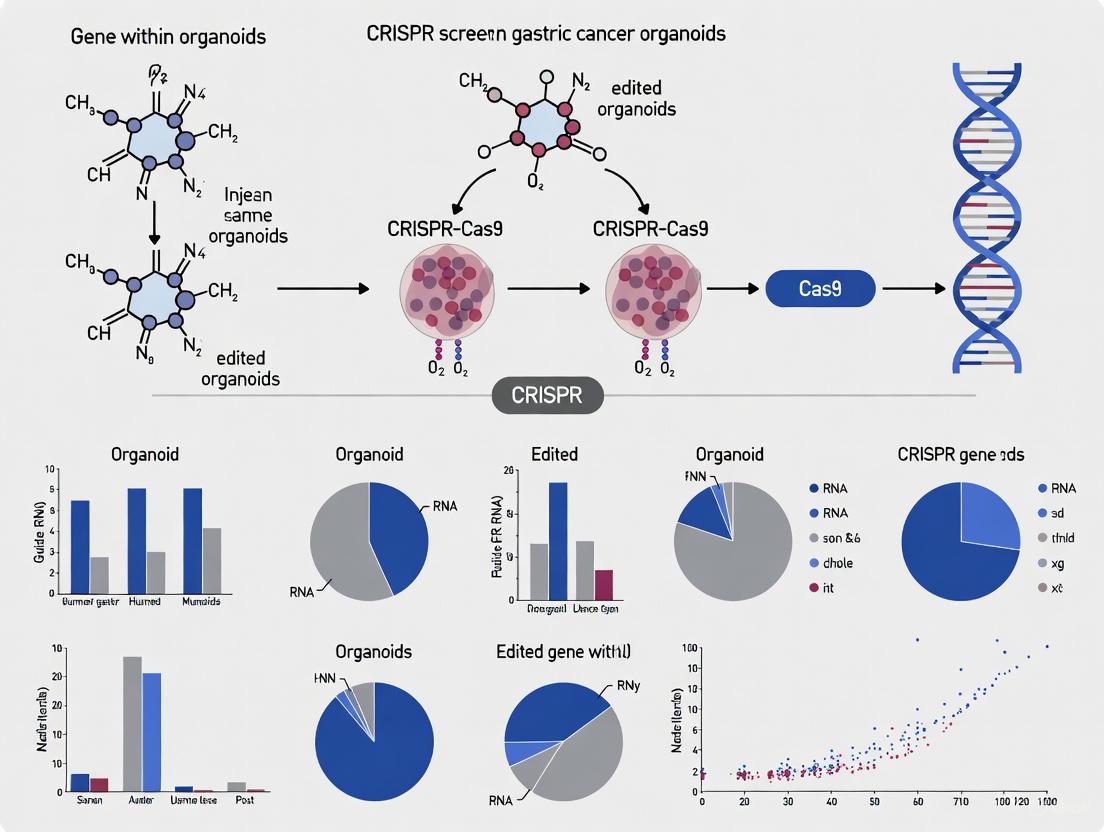
This article explores the transformative integration of CRISPR-based genetic screens with primary human gastric organoids, a physiologically relevant 3D model that recapitulates tumor complexity and heterogeneity.
CRISPR Screening in Human Gastric Cancer Organoids: A New Paradigm for Personalized Therapy
Abstract
This article explores the transformative integration of CRISPR-based genetic screens with primary human gastric organoids, a physiologically relevant 3D model that recapitulates tumor complexity and heterogeneity. We cover the foundational principles of this approach, detailing established methodologies from knockout to activation and single-cell screens. A practical guide addresses key optimization and troubleshooting challenges, while a comparative analysis validates the platform's superiority over traditional 2D models for identifying gene-drug interactions. Aimed at researchers, scientists, and drug development professionals, this resource synthesizes how this powerful combination is accelerating the discovery of therapeutic vulnerabilities and shaping the future of precision oncology in gastric cancer.
Why Gastric Organoids and CRISPR Screening are Revolutionizing Cancer Discovery
The Limitations of Traditional 2D Cell Lines and Animal Models
The exploration of gastric cancer pathogenesis and the development of novel therapeutic strategies have long relied on traditional two-dimensional (2D) cell cultures and animal models. However, these conventional systems possess significant limitations in faithfully recapitulating the complex biology of human tumors. The advent of three-dimensional (3D) organoid technology, particularly when integrated with CRISPR screening, now offers a transformative approach for gastric cancer research. This paradigm shift enables researchers to investigate gene-drug interactions and identify therapeutic targets within a physiologically relevant human system that preserves tumor heterogeneity and microenvironmental interactions impossible to maintain in 2D cultures [1]. This application note details the technical limitations of traditional models and provides established protocols for implementing CRISPR screens in human gastric cancer organoids.
Comparative Analysis of Model Systems
The following tables quantify the key differences between traditional models and advanced organoid systems, highlighting the superior physiological relevance of the latter for gastric cancer research.
Table 1: Qualitative Comparison of Model System Capabilities
| Feature | 2D Cell Lines | Animal Models | Gastric Cancer Organoids |
|---|---|---|---|
| Tumor Architecture | Lacks 3D structure [2] | Preserved in vivo | Preserves glandular structure & polarity [3] |
| Tumor Heterogeneity | Homogeneous, clonal [4] | Preserved, but includes murine stroma | Recapitulates patient tumor heterogeneity [3] [4] |
| Genetic Fidelity | Drifts with passaging, adapted to plastic [5] | Preserved, but cross-species differences | Retains genetic landscape of primary tumor [3] [4] |
| Microenvironment (TME) | Lacks native TME | Complex but species-specific | Can be reconstituted with human immune/stromal cells [6] [3] |
| Throughput for Screening | High | Low | Medium to High [5] |
Table 2: Quantitative Performance Metrics of Model Systems
| Performance Metric | 2D Cell Lines | Animal Models (PDX) | Gastric Cancer Organoids |
|---|---|---|---|
| Predictive Accuracy for Clinical Response | Low (~5-20% clinical alignment [2]) | Variable, but higher than 2D | High (Documented for chemotherapy [3] [4]) |
| Establishment Timeline | Weeks (from existing lines) | 4-12 months [2] | ~4-6 weeks [4] |
| Cost per Drug Screen | Low | Very High [2] | Medium |
| Success Rate of Model Establishment | N/A (pre-established lines) | Variable | Up to 78% for gastric cancer [4] |
| Scalability for High-Throughput Screens | High | Low | Medium to High [1] [5] |
Experimental Protocols for CRISPR Screening in Gastric Cancer Organoids
Protocol A: Establishing Patient-Derived Gastric Cancer Organoids
This protocol is adapted from studies demonstrating successful modeling of gastric cancer heterogeneity and chemoresistance [3].
Key Reagents:
- Growth Factor-Reduced Matrigel (Corning, #356231) [3]
- GC Organoid Culture Medium (Commercial specialized media, e.g., Bio Genous Technology, #K2179-GC-A500) [3]
- Tumor Tissue Dissociation Kit (e.g., Bio Genous Technology, #K601003-A100) [3]
- Penicillin-Streptomycin-Gentamicin (Solarbio, #P1010) [3]
- Organoid Dissociation Reagent (e.g., Bio Genous Technology, #E238001) [3]
Methodology:
- Tissue Processing: Collect fresh gastric tumor tissue from surgical specimens in a sterile, cold solution. Wash the tissue at least 10 times in PBS containing a 1% penicillin-streptomycin-gentamicin solution to minimize contamination.
- Dissociation: Mechanically mince the tissue into 2-3 mm³ fragments using sterile surgical scissors. Subsequently, digest the fragments using a Tumor Tissue Dissociation Kit at 37°C for 30 minutes with gentle agitation.
- Filtration and Washing: Pass the resulting cell suspension sequentially through a 70 μm nylon cell strainer. Centrifuge the filtrate at 250 × g for 3 minutes at 4°C. If the pellet is red, lyse red blood cells using a dedicated lysis buffer.
- Embedding in Matrix: Resuspend the final cell pellet in Growth Factor-Reduced Matrigel. A common density is 1 × 10⁴ cells per 50 μL of Matrigel. Plate the suspension as droplets in a pre-warmed 48-well culture plate.
- Polymerization and Culture: Allow the Matrigel droplets to polymerize for 10 minutes at 37°C in a 5% CO₂ incubator. Carefully overlay each droplet with pre-warmed GC organoid culture medium.
- Maintenance and Passaging: Replace the culture medium every 72-96 hours. For passaging (typically every 7-14 days), dissociate organoids using an Organoid Dissociation Reagent, then re-embed the cells in fresh Matrigel at an appropriate split ratio.
Protocol B: Pooled CRISPR-KO Screening in Cas9-Expressing Organoids
This protocol is based on a large-scale CRISPR screening study in primary human 3D gastric organoids [1].
Key Reagents:
- Validated Pooled sgRNA Library (e.g., library targeting 12,461 sgRNAs and 1093 genes) [1]
- Lentiviral Packaging Plasmids (psPAX2, pMD2.G)
- Polybrene (e.g., 8 μg/mL)
- Puromycin
- NGS Library Prep Kit
Methodology:
- Cell Line Preparation: Use a stable Cas9-expressing gastric tumor organoid line (e.g., derived from a TP53/APC double knockout model to provide a homogeneous genetic background) [1].
- Lentiviral Production: Produce lentivirus for the pooled sgRNA library in HEK-293T cells using standard transfection protocols with psPAX2 and pMD2.G plasmids.
- Organoid Transduction: Dissociate organoids into single cells or small clusters. Transduce the cells with the lentiviral sgRNA library at a low Multiplicity of Infection (MOI ~0.3) to ensure most cells receive a single sgRNA, in the presence of 8 μg/mL Polybrene. Centrifuge the culture plate to enhance infection efficiency.
- Selection and Expansion: At 48 hours post-transduction, begin selection with puromycin to eliminate non-transduced cells. Maintain the culture, ensuring a cellular coverage of >1000 cells per sgRNA throughout the screen to prevent stochastic loss of library representation.
- Harvesting and Sequencing: Harvest a subset of organoids 2 days post-selection as the baseline control (T0). Continue culturing the remaining organoids for the duration of the experiment (e.g., 28 days for a positive selection screen) and harvest as the endpoint (T1). Extract genomic DNA from both T0 and T1 samples and perform PCR amplification of the integrated sgRNA sequences. Analyze the relative abundance of each sgRNA by next-generation sequencing (NGS).
- Data Analysis: Compare sgRNA counts between T0 and T1 samples. Identify significantly depleted or enriched sgRNAs using specialized bioinformatics tools (e.g., MAGeCK). Genes targeted by multiple enriched/depleted sgRNAs are considered high-confidence hits.
CRISPR Screening Workflow in Organoids
The Scientist's Toolkit: Key Research Reagent Solutions
Table 3: Essential Reagents for Gastric Cancer Organoid CRISPR Screens
| Reagent / Material | Function / Application | Example |
|---|---|---|
| Extracellular Matrix (ECM) | Provides a 3D scaffold that supports organoid growth and polarity, mimicking the native basement membrane. | Growth Factor-Reduced Matrigel [3] |
| Specialized Culture Medium | Provides tissue-specific growth factors, nutrients, and signaling pathway modulators to maintain the gastric stem cell niche. | Commercial Gastric Cancer Organoid Medium [3] |
| CRISPR/Cas9 System | Enables precise genome editing. Can be delivered as a stable cell line (Cas9) and a lentiviral library (sgRNA). | dCas9-KRAB (for CRISPRi), dCas9-VPR (for CRISPRa) [1] |
| Pooled sgRNA Library | A collection of lentiviral vectors, each encoding a guide RNA, allowing for parallel perturbation of thousands of genes in a single experiment. | Custom or commercial libraries (e.g., membrane protein-targeting library [1]) |
| Dissociation Reagent | Breaks down the ECM and dissociates organoids into single cells or small clusters for passaging or transduction. | Commercial Organoid Dissociation Reagent [3] |
Signaling Pathways and Genetic Dependencies in Gastric Cancer
Organoid models have revealed key genotype-phenotype relationships in gastric cancer. For instance, specific genetic alterations directly influence growth factor dependencies: mutations in CDH1/TP53 confer independence from R-spondin, RNF43/ZNRF3 mutations confer Wnt independence, and ERBB2 amplifications allow growth without EGF [4]. This knowledge is crucial for designing culture conditions and interpreting CRISPR screen outcomes.
Genetic Alterations Dictate Culture Requirements
Primary human 3D gastric organoids are in vitro, self-organizing three-dimensional tissue cultures derived from adult stem cells isolated from human gastric tissue. These cultures preserve the tissue architecture, stem cell activity, multilineage differentiation, genomic alterations, and histology of the primary gastric epithelium [1] [7]. Unlike traditional 2D cell lines, which accumulate epigenetic adaptations to monolayer culture, gastric organoids provide a robust model that accurately recapitulates the complexity and heterogeneity of the native stomach tissue, making them an indispensable tool for studying gastric biology, disease modeling, and drug development [5] [7].
In the context of gastric cancer research, these organoids offer unparalleled experimental accessibility while mirroring the therapeutic vulnerabilities observed in clinical settings. Their ability to be derived from both normal and tumor tissues of cancer patients makes them particularly powerful for precision medicine applications [1] [5]. Furthermore, the compatibility of gastric organoids with advanced genome editing technologies, such as CRISPR-Cas9, enables unbiased functional genomic screens to investigate gene function and gene-drug interactions directly in a human physiological system [1].
Defining the System: Core Characteristics of Gastric Organoids
Physiological Relevance and Architecture
Gastric organoids closely mimic the in vivo gastric epithelium by developing multiple buds protruding from a central lumen and containing all major gastric epithelial cell lineages [7]. These include mucus-secreting cells, enteroendocrine cells, and acid-secreting parietal cells, which self-organize into a structure bearing remarkable resemblance to the native gastric glands [7]. This complex cellular composition arises from a population of self-renewing stem cells that maintain epithelial homeostasis, just as they do in the living stomach.
The preservation of tissue-specific functionality is a hallmark of the organoid model. For instance, gastric organoids maintain regional identity (corpus vs. antrum) and exhibit appropriate proliferative hierarchies, enabling detailed interrogation of lineage specification [7]. This fidelity makes organoids superior to traditional 2D cultures for studying tissue morphology and physiology, while avoiding the high costs, long latency, and species-specific differences associated with animal models [7].
Molecular Foundation: Key Gastric Stem Cell Markers
The renewal of the stomach epithelium is spearheaded by gastric stem cells, which have been definitively identified through specific molecular markers. Table 1 summarizes key markers defining the gastric stem cell populations that serve as the foundation for organoid cultures.
Table 1: Key Molecular Markers of Gastric Stem Cells in Organoids
| Marker | Cellular Location | Function in Homeostasis | Utility in Organoid Culture |
|---|---|---|---|
| Lgr5 [7] | Base of antral glands | Multipotent stem cell capable of long-term self-renewal and generating all epithelial lineages | Lgr5+ cells can initiate long-term murine and human organoid cultures |
| Lrig1 [1] [7] | Stem/progenitor cells at gland base | Negative regulator of EGFR signaling; marks stem/progenitor cells | Depletion of LRIG1 identified as a top hit contributing to increased cell proliferation in CRISPR screens [1] |
| Cck2r [7] | Located above Lgr5+ compartment | Gives rise to all antral cell types; acts as a "reserve" stem population | Targeted ablation of Lgr5+ cells triggers compensatory proliferation of Cck2r+ cells, demonstrating plasticity |
The presence of these functionally validated stem cell populations in organoids ensures that the models accurately recapitulate the dynamic self-renewal and regenerative capabilities of the native gastric epithelium.
Experimental Workflow: From Tissue to Functional Assays
The process of establishing and utilizing primary human gastric organoids for advanced research applications involves a multi-stage workflow, culminating in sophisticated genetic screens.
Detailed Protocol: Establishing Primary Gastric Organoids
Step 1: Tissue Processing and Stem Cell Isolation
- Obtain human gastric tissue samples from endoscopic biopsies or surgical resections.
- Wash tissue thoroughly in cold PBS supplemented with antibiotics (e.g., Penicillin-Streptomycin).
- Mechanically mince the tissue followed by enzymatic digestion using collagenase or dispase to liberate crypts and single cells.
- Isolate stem cell populations using optional fluorescence- or magnetic-activated cell sorting (FACS/MACS) for specific markers (e.g., Lgr5), or proceed with unsorted epithelial cell populations [5].
Step 2: 3D Organoid Culture in Matrigel
- Resuspend the isolated gastric cells in a reduced-growth-factor basement membrane extract (e.g., Matrigel).
- Plate the cell-Matrigel suspension as domes in pre-warmed culture dishes and polymerize at 37°C for 20-30 minutes.
- Overlay with a defined growth medium containing essential factors for gastric stem cell maintenance and proliferation. A typical medium includes:
- Wnt Agonist (e.g., R-spondin 1)
- EGF (Epidermal Growth Factor)
- Noggin (a BMP inhibitor)
- Gastrin
- FGF10 (Fibroblast Growth Factor 10)
- Wnt3a [7]
- Culture at 37°C in a 5% CO₂ incubator.
Step 3: Organoid Maintenance and Passaging
- Refresh the culture medium every 2-4 days.
- For passaging (typically every 7-14 days), mechanically break up organoids or use enzymatic digestion (e.g., TrypLE) to dissociate them into single cells or small fragments.
- Re-embed the dissociated cells in fresh Matrigel and continue culture with the specified medium [5] [7].
The Toolkit: Integrating CRISPR Screening in Gastric Organoids
The true power of gastric organoids in cancer research is unlocked by combining them with CRISPR-based functional genomics. This allows for systematic dissection of gene function and gene-drug interactions.
Essential Research Reagent Solutions
Table 2: Key Reagents for CRISPR-Organoid Screening
| Reagent / Tool | Function | Application in Featured Study [1] |
|---|---|---|
| Extracellular Matrix (Matrigel) | Provides a 3D scaffold that mimics the basement membrane, essential for organoid growth and polarization. | Used for embedding and culturing primary human gastric organoids. |
| Lentiviral gRNA Library | Delivers pooled guide RNAs for high-throughput gene perturbation. | A library of 12,461 sgRNAs targeting 1,093 membrane proteins was used in a pilot screen. |
| Inducible dCas9 Systems (CRISPRi/a) | Enables precise, temporal knockdown (CRISPRi) or overexpression (CRISPRa) of endogenous genes without DNA cleavage. | iCRISPRi (dCas9-KRAB) and iCRISPRa (dCas9-VPR) systems were engineered into TP53/APC DKO organoids. |
| Single-Cell RNA Sequencing (scRNA-seq) | Simultaneously profiles transcriptomes and perturbs sgRNAs from individual cells. | CROP-seq (Perturb-Seq) was performed to link genetic perturbations to transcriptomic changes under drug treatment. |
Protocol: Implementing a Pooled CRISPR Knockout Screen
Step 1: Generate Cas9-Expressing Organoid Line
- Stably integrate a lentiviral vector expressing Cas9 into the genome of TP53/APC double knockout (DKO) gastric organoids [1].
- Select for successfully transduced cells using antibiotics (e.g., puromycin).
- Validate Cas9 activity through a functional GFP-knockout assay, where >95% of cells should become GFP-negative upon transduction with a GFP-targeting sgRNA [1].
Step 2: Library Transduction and Selection
- Transduce the Cas9-expressing organoids with a pooled lentiviral sgRNA library at a low multiplicity of infection (MOI ~0.3-0.4) to ensure most cells receive only one sgRNA.
- Use a cellular coverage of >1,000 cells per sgRNA to maintain library representation [1].
- After 24-48 hours, initiate puromycin selection to eliminate untransduced cells. Harvest a subset of organoids 2 days post-selection as the "Time 0" (T0) reference point.
Step 3: Screening and Hit Identification
- Culture the remaining transduced organoids under the desired selective pressure (e.g., chemotherapeutic drug like cisplatin) or normal growth conditions for the duration of the screen (e.g., 28 days), maintaining high cellular coverage [1].
- Harvest the final organoid population ("Time 1", T1).
- Extract genomic DNA from both T0 and T1 samples and amplify the integrated sgRNA sequences by PCR.
- Sequence the amplified products using next-generation sequencing (NGS).
- Quantify the relative abundance of each sgRNA in T1 versus T0. Depleted sgRNAs indicate genes essential for growth or drug sensitivity, while enriched sgRNAs indicate genes whose knockout confers a growth advantage or resistance [1] [5].
Advanced Modifications: CRISPRi and CRISPRa
For more precise transcriptional control, inducible CRISPR interference (CRISPRi) and activation (CRISPRa) systems can be established using the following workflow:
Key Steps:
- Generate a stable organoid line expressing the reverse tetracycline-controlled transactivator (rtTA).
- Introduce a second lentiviral vector containing a doxycycline-inducible cassette encoding either dCas9-KRAB (for CRISPRi) or dCas9-VPR (for CRISPRa), along with a fluorescent reporter (e.g., mCherry) [1].
- After induction with doxycycline, sort mCherry-positive cells to establish a pure population expressing the dCas9 fusion protein.
- Validate the system by designing sgRNAs targeting gene promoters (e.g., CXCR4, SOX2) and confirming expected transcriptional repression (CRISPRi) or activation (CRISPRa) via flow cytometry or qPCR [1].
Representative Data Outputs and Analysis
The application of CRISPR screening in gastric organoids yields quantitative data on gene essentiality and drug-gene interactions. Table 3 summarizes key quantitative findings from a large-scale screen investigating cisplatin sensitivity.
Table 3: Representative CRISPR Screen Data for Cisplatin Response in Gastric Organoids [1]
| Gene Target | Perturbation Type | Phenotype | Biological Implication / Function |
|---|---|---|---|
| TAF6L | Knockout | Cisplatin Sensitization | Regulator of cell recovery from cisplatin-induced DNA damage; crucial for proliferation during recovery phase. |
| Fucosylation-related Genes | Knockout | Cisplatin Sensitization | Reveals an unexpected functional connection between protein fucosylation (sugar modification) and drug sensitivity. |
| LRIG1 | Knockout | Increased Proliferation | Validates its role as a negative regulator of ERBB receptor tyrosine kinases and a tumor suppressor. |
| CD151, KIAA1524, TEX10, RPRD1B | Knockout | Growth Defect | Essential genes identified in a pilot screen of 1,093 membrane proteins, validated individually. |
Protocol: Single-Cell CRISPR Screening (CROP-seq / Perturb-Seq)
Step 1: Prepare Perturbed Organoid Pool
- Transduce the iCRISPRi or iCRISPRa organoid line with a pooled CROP-seq library, where each sgRNA is transcribed alongside a unique cellular barcode [8].
- Induce perturbation with doxycycline and apply the desired experimental condition (e.g., cisplatin vs. DMSO control).
Step 2: Single-Cell Library Preparation and Sequencing
- Dissociate the organoids into a single-cell suspension.
- Use a droplet-based single-cell RNA-sequencing platform (e.g., 10X Genomics) to partition individual cells, capture their mRNAs, and generate barcoded cDNA libraries.
- The resulting sequencing data will allow for the simultaneous identification of the expressed sgRNA (revealing the genetic perturbation) and the full transcriptome of each individual cell [1] [8].
Step 3: Data Analysis and Integration
- Process the scRNA-seq data using standard pipelines (e.g., Cell Ranger) for alignment, barcode assignment, and gene counting.
- Assign each cell to its specific perturbation based on the detected sgRNA sequence.
- Perform differential expression analysis comparing transcriptomes of cells with different sgRNAs or under different drug conditions to uncover gene regulatory networks and pathway activities underlying specific phenotypes [1]. This approach can resolve how genetic alterations interact with drugs at the level of individual cells.
The advent of CRISPR technology has revolutionized functional genomics by providing a precise and programmable system for genome engineering. In the context of human gastric cancer research, CRISPR screening platforms have enabled systematic dissection of gene function and gene-drug interactions in physiologically relevant model systems. The integration of CRISPR with primary human 3D gastric organoids represents a particularly significant advancement, as these cultures preserve tissue architecture, stem cell activity, multilineage differentiation, and genomic alterations of primary tissues [1]. This combination allows researchers to explore biological processes in both normal physiology and various pathological states that were previously difficult to study.
CRISPR screening modalities have evolved beyond simple knockout approaches to include sophisticated transcriptional control and single-cell resolution. The core CRISPR-Cas system functions as an adaptive immune mechanism in bacteria and archaea, with the Type II CRISPR-Cas9 system from Streptococcus pyogenes being the most widely applied in genome editing [9]. Cas9, guided by a single-guide RNA (sgRNA), recognizes specific DNA targets via the protospacer adjacent motif (PAM) and introduces double-strand breaks (DSBs) that are repaired through either non-homologous end joining (NHEJ) or homology-directed repair (HDR) pathways [9]. This fundamental mechanism has been engineered to create a versatile toolkit for functional genomics.
CRISPR Knockout (CRISPR-KO) Screening
Principles and Mechanisms
CRISPR knockout screening utilizes the native Cas9 nuclease to introduce double-strand breaks in DNA, resulting in frameshift mutations and gene inactivation through the error-prone non-homologous end joining (NHEJ) repair pathway. The simplicity and effectiveness of this approach have made it the most widely used CRISPR screening modality for identifying essential genes and synthetic lethal interactions [9]. In gastric cancer organoid research, CRISPR-KO enables systematic investigation of gene function in a context that preserves the tissue architecture and cellular heterogeneity of primary tumors.
Implementation in Gastric Organoids
The implementation of genome-wide CRISPR knockout screens in primary human 3D gastric organoids requires careful optimization to address technical challenges. A stable Cas9-expressing TP53/APC double knockout (DKO) gastric organoid line serves as an excellent model system due to its relatively homogeneous genetic background, which minimizes variability and enables precise identification of gene-function relationships [1]. A demonstrated protocol achieved over 95% Cas9 activity efficiency, as measured by GFP reporter disruption [1].
For a typical pooled screening approach, a lentiviral library containing approximately 12,461 sgRNAs targeting 1,093 membrane proteins (with ~10 sgRNAs per gene) alongside 750 negative control non-targeting sgRNAs is transduced into Cas9-expressing gastric organoids [1]. Critical parameters include maintaining cellular coverage of >1,000 cells per sgRNA throughout the screening process and implementing appropriate selection markers (e.g., puromycin resistance) to ensure proper library representation. The screening timeline typically involves harvesting a subpopulation 2 days post-selection (T0) as a baseline, followed by continued culture for 28 days (T1) before measuring relative sgRNA abundance by next-generation sequencing.
Applications in Gastric Cancer Research
CRISPR-KO screens in gastric organoids have successfully identified genes critical for cell growth and cisplatin response. A primary screen revealed 68 significant drop-out genes whose knockout induced growth defects, enriched in pathways related to essential biological processes including transcription, RNA processing, and nucleic acid metabolic processes [1]. Independent validation of selected hits (CD151, KIAA1524, TEX10, and RPRD1B) confirmed the growth defect phenotypes, demonstrating the reliability of this approach in gastric organoid models [1].
Table 1: Key Findings from CRISPR-KO Screens in Gastric Organoids
| Gene Target | Phenotype | Biological Process | Validation Outcome |
|---|---|---|---|
| LRIG1 | Growth advantage | Negative regulator of ERBB receptors | Top hit for increased proliferation |
| CD151 | Growth defect | Membrane protein signaling | Confirmed in validation |
| KIAA1524 | Growth defect | Cellular signaling | Confirmed in validation |
| TEX10 | Growth defect | RNA processing | Confirmed in validation |
| RPRD1B | Growth defect | Transcription regulation | Confirmed in validation |
CRISPR Interference (CRISPRi) Screening
Principles and Mechanisms
CRISPR interference utilizes a catalytically dead Cas9 (dCas9) fused to transcriptional repressor domains such as the Krüppel-associated box (KRAB) to achieve targeted gene repression without altering DNA sequence [1] [9]. This approach enables reversible gene silencing and avoids the potential confounding effects of DNA damage response associated with nuclease-active Cas9. The dCas9-KRAB fusion protein is recruited to specific genomic loci by sgRNAs, where it initiates chromatin remodeling that leads to stable transcriptional repression [9].
Implementation in Gastric Organoids
Establishing an inducible CRISPRi system in gastric organoids involves engineering TP53/APC DKO organoid lines with doxycycline-inducible dCas9-KRAB (iCRISPRi) using a sequential two-vector lentiviral approach [1]. First, organoid lines expressing rtTA are generated, followed by introduction of a doxycycline-inducible cassette containing the dCas9-KRAB fusion protein along with a fluorescent reporter (e.g., mCherry). Successful implementation requires careful optimization of doxycycline concentration and timing to balance efficient gene repression with minimal cellular toxicity.
A validated protocol demonstrates that mCherry-positive dCas9-expressing organoids show no obvious growth defects, indicating low toxicity of the dCas9 fusion proteins [1]. The inducible system shows tight control, with doxycycline withdrawal inducing degradation of dCas9 fusion proteins, and expression quickly restored by re-induction [1]. For functional assessment, sgRNAs targeting gene promoters (e.g., CXCR4) can achieve significant repression within 5 days post-induction, as measured by flow cytometry analysis of target protein expression [1].
Applications in Gastric Cancer Research
CRISPRi screening in gastric organoids enables identification of genes that modulate therapeutic responses. When applied to cisplatin sensitivity screening, CRISPRi can reveal genes whose repression enhances or reduces drug efficacy. This approach is particularly valuable for studying essential genes where complete knockout would be lethal, but partial repression produces informative phenotypes related to drug sensitivity. The reversible nature of CRISPRi also enables temporal studies of gene function during different phases of treatment, including initial response and recovery periods [1].
CRISPR Activation (CRISPRa) Screening
Principles and Mechanisms
CRISPR activation technology employs dCas9 fused to transcriptional activator domains such as VP64-p65-Rta (VPR) to achieve targeted gene upregulation [1] [9]. This approach enables gain-of-function screening that complements knockout and interference approaches. The dCas9-VPR fusion protein is guided to specific promoter regions by sgRNAs, where it recruits transcriptional machinery to initiate and enhance gene expression [9]. CRISPRa is particularly valuable for identifying genes whose overexpression confers therapeutic resistance or drives oncogenic processes.
Implementation in Gastric Organoids
Similar to CRISPRi, implementing CRISPRa in gastric organoids involves engineering doxycycline-inducible dCas9-VPR (iCRISPRa) systems using a two-vector lentiviral approach [1]. The optimization process includes verifying minimal cellular toxicity and testing activation efficiency with control sgRNAs targeting genes with measurable outputs. A demonstrated protocol shows that sgRNAs targeting the CXCR4 promoter can increase the CXCR4-positive cell population from a baseline of 13.1% to 57.6% within 5 days post-induction [1].
The spatial organization and structural rigidity of the dCas9-activator complex can influence the efficiency of CRISPRa, as the intricate structure may affect the spatial orientation of the complex and its ability to function optimally at target loci [9]. Additionally, the complex structure can inadvertently affect expression of neighboring genes, requiring careful sgRNA design to minimize off-target effects [9].
Applications in Gastric Cancer Research
CRISPRa screening in gastric organoids enables systematic identification of genes that confer resistance to chemotherapeutic agents like cisplatin. By overexpressing genes in a pooled format and challenging organoids with chemotherapy, researchers can identify genetic drivers of treatment resistance that may represent therapeutic targets. CRISPRa is also valuable for studying tumor suppressor genes that are frequently silenced in gastric cancer, as their targeted reactivation can reveal which pathways might be therapeutically leveraged to suppress tumor growth.
Single-Cell CRISPR Screening
Principles and Mechanisms
Single-cell CRISPR screening combines pooled CRISPR perturbations with single-cell RNA sequencing (scRNA-seq) to simultaneously capture genetic perturbations and their transcriptomic consequences at single-cell resolution [1] [9]. This integrated approach enables comprehensive analysis of sgRNA-specific effects on genetic regulatory networks and cellular heterogeneity in response to genetic perturbations. The convergence of CRISPR technology with single-cell platforms provides a unique opportunity to investigate gene function and perturbation effects with unprecedented resolution [9].
Implementation in Gastric Organoids
Implementing single-cell CRISPR screens in gastric organoids involves transducing organoids with a pooled CRISPR library followed by single-cell dissociation and partitioning into droplets for parallel sgRNA barcode sequencing and transcriptome profiling [1]. Specialized computational methods are required to map sgRNAs to individual cells and calculate perturbation scores that quantify the functional impact of genetic perturbations on global gene expression patterns [9].
A key application in gastric cancer research involves combining single-cell CRISPR screening with cisplatin treatment to resolve how genetic alterations interact with chemotherapy at the level of individual cells [1]. This approach can reveal distinct cellular states and subpopulations that emerge in response to combined genetic and chemical perturbations, uncovering mechanisms of drug resistance and vulnerability.
Applications in Gastric Cancer Research
Single-cell CRISPR screening in gastric organoids has revealed DNA repair pathway-specific transcriptomic convergence in cisplatin-treated organoids, manifested by distinct high-dimensional gene expression profiles and growth phenotypes [1]. This approach uncovered an unexpected functional connection between protein fucosylation and cisplatin sensitivity, and identified TAF6L as a key gene involved in cell proliferation during the recovery phase following cisplatin-induced DNA damage [1] [10]. The ability to simultaneously track genetic perturbations and their transcriptomic consequences makes this approach particularly powerful for mapping complex gene regulatory networks in gastric cancer.
Table 2: Comparison of CRISPR Screening Modalities in Gastric Organoids
| Screening Modality | Molecular Mechanism | Key Applications | Advantages | Limitations |
|---|---|---|---|---|
| CRISPR-KO | Nuclease-induced indels via NHEJ | Essential gene identification, synthetic lethality | Permanent, complete gene disruption | DNA damage response, confounding effects |
| CRISPRi | dCas9-KRAB transcriptional repression | Essential gene study, drug sensitivity | Reversible, no DNA damage | Partial repression, variable efficiency |
| CRISPRa | dCas9-VPR transcriptional activation | Gene overexpression, resistance mechanisms | Gain-of-function, endogenous expression | Potential overexpression artifacts |
| Single-Cell CRISPR | Combined perturbation & scRNA-seq | Cellular heterogeneity, regulatory networks | High-resolution, multi-parametric | Technical complexity, higher cost |
Integrated Experimental Protocols
Protocol 1: Genome-Wide CRISPR-KO Screening in Gastric Organoids
Step 1: Organoid Line Preparation
- Generate stable Cas9-expressing TP53/APC double knockout gastric organoids using lentiviral transduction [1]
- Validate Cas9 activity (>95%) using GFP reporter disruption assay [1]
- Maintain organoids in defined culture conditions supporting 3D growth
Step 2: Library Transduction
- Transduce with pooled lentiviral sgRNA library (e.g., 12,461 sgRNAs targeting 1,093 genes) at MOI ensuring >1000x coverage [1]
- Implement puromycin selection (2-5 days) to eliminate non-transduced cells
- Harvest baseline population (T0) 2 days post-selection for genomic DNA extraction
Step 3: Phenotypic Selection
- Culture organoids under experimental conditions (e.g., cisplatin treatment vs. vehicle) for 28 days [1]
- Maintain >1000x cellular coverage throughout screening period
- Harvest endpoint population (T1) for genomic DNA extraction
Step 4: Sequencing and Analysis
- Amplify sgRNA sequences by PCR and perform next-generation sequencing
- Calculate sgRNA abundance fold-change (T1 vs. T0) using appropriate normalization
- Identify significantly enriched/depleted sgRNAs using statistical frameworks (e.g., MAGeCK)
Protocol 2: Inducible CRISPRi/a Screening in Gastric Organoids
Step 1: Inducible System Establishment
- Generate organoid lines expressing rtTA using lentiviral transduction [1]
- Introduce doxycycline-inducible dCas9-KRAB (iCRISPRi) or dCas9-VPR (iCRISPRa) with fluorescent reporter
- Sort mCherry-positive cells after induction to establish stable lines [1]
Step 2: sgRNA Library Design and Delivery
- Design sgRNAs targeting promoter regions (-50 to +300 bp from TSS) for CRISPRi/a
- Clone sgRNA library into appropriate lentiviral vector
- Transduce at low MOI to ensure single integration events
Step 3: Induction and Screening
- Induce dCas9 expression with doxycycline (0.5-2.0 μg/mL) for 5-7 days [1]
- Assess repression/activation efficiency by flow cytometry for control targets
- Conduct phenotypic screening under selective pressure
Step 4: Hit Validation
- Validate top hits using individual sgRNAs in secondary screens
- Measure gene expression changes by qRT-PCR and functional assays
Protocol 3: Single-Cell CRISPR Screening in Gastric Organoids
Step 1: Pooled Perturbation
- Transduce organoids with pooled CRISPR library at low MOI (<0.3)
- Culture for 7-14 days to allow perturbation effects to manifest
Step 2: Single-Cell Preparation
- Dissociate organoids to single-cell suspension using enzymatic digestion
- Assess viability (>90%) and count cells
- Partition cells using droplet-based single-cell platform (10x Genomics)
Step 3: Library Preparation and Sequencing
- Prepare single-cell RNA sequencing libraries according to platform specifications
- Sequence to sufficient depth (≥50,000 reads/cell) for transcriptome analysis
- Include feature barcoding for sgRNA capture
Step 4: Computational Analysis
- Process sequencing data using Cell Ranger and perturbation-specific tools
- Map sgRNAs to individual cells and assign perturbations
- Calculate perturbation scores and identify differential expression programs
Research Reagent Solutions
Table 3: Essential Research Reagents for CRISPR Screening in Gastric Organoids
| Reagent Category | Specific Product | Application | Key Features |
|---|---|---|---|
| CRISPR Editors | SpCas9 mRNA | CRISPR-KO screens | High editing efficiency, minimal immune response |
| dCas9-KRAB | CRISPRi screens | Transcriptional repression, inducible systems | |
| dCas9-VPR | CRISPRa screens | Strong transcriptional activation | |
| Delivery Systems | Lentiviral vectors | sgRNA library delivery | Stable integration, broad tropism |
| Lipid nanoparticles (LNPs) | In vivo delivery | Liver tropism, clinical relevance [11] | |
| Screening Libraries | Brunello library | Genome-wide KO | 77,441 sgRNAs, optimized design [12] |
| Custom sgRNA libraries | Targeted screening | Project-specific gene sets | |
| Organoid Culture | Defined media | Gastric organoid growth | Tissue-specific factors, Wnt agonists |
| Basement membrane matrix | 3D support | Physiologically relevant microenvironment | |
| Analysis Tools | Next-generation sequencing | sgRNA quantification | High-throughput, multiplexed |
| Single-cell RNA-seq | Transcriptomic profiling | Cellular resolution, perturbation mapping |
Visualizing Experimental Workflows and Signaling Pathways
Diagram Title: CRISPR Screening Workflow in Gastric Organoids
Diagram Title: Cisplatin Response Pathways in Gastric Cancer
The integration of multiple CRISPR screening modalities in human gastric cancer organoids provides a powerful platform for systematic dissection of gene function and therapeutic mechanisms. CRISPR knockout, interference, activation, and single-cell approaches each offer unique advantages that, when combined, enable comprehensive functional genomics in physiologically relevant models. The application of these technologies to gastric cancer research has already yielded significant insights, including the identification of genes modulating cisplatin sensitivity and the discovery of novel pathways involving fucosylation and TAF6L-mediated recovery from DNA damage [1] [10].
As CRISPR technologies continue to evolve, future directions will likely include the development of more precise base and prime editing screens, enhanced single-cell multi-omics approaches, and improved in vivo delivery methods. The convergence of CRISPR screening with artificial intelligence and machine learning promises to further enhance target identification and validation in gastric cancer research [9]. These advances will accelerate the discovery of novel therapeutic targets and personalized treatment strategies for gastric cancer patients.
The integration of CRISPR-based screening with primary human gastric organoids represents a transformative approach in cancer research, enabling the systematic dissection of gene-drug interactions within a physiologically relevant model system. This platform successfully recapitulates the tissue architecture, stem cell activity, and genomic alterations of primary gastric tissue, bridging the critical gap between conventional 2D cell lines and in vivo models [1] [5]. By applying diverse CRISPR modalities—including knockout, interference (CRISPRi), activation (CRISPRa), and single-cell approaches—in 3D gastric organoids, researchers can now comprehensively identify genetic determinants of drug response, particularly to chemotherapeutic agents like cisplatin [1] [13]. This application note details the experimental protocols and key findings from recent large-scale CRISPR screens investigating cisplatin sensitivity in human gastric organoids, providing a framework for implementing these advanced functional genomics approaches.
Key Experimental Findings: Quantitative Insights from CRISPR Screens
Recent CRISPR screens in gastric organoids have yielded quantitative data on genes modulating cisplatin response, revealing both known DNA repair pathways and novel sensitizing loci.
Table 1: Key Genes Affecting Cisplatin Response Identified in CRISPR Screens
| Gene Target | CRISPR Modality | Functional Effect | Biological Process | Validation Status |
|---|---|---|---|---|
| TAF6L | Knockout | Cisplatin sensitization | Cell recovery from DNA damage | Independently validated |
| LRIG1 | Knockout | Enhanced proliferation | ERBB receptor regulation | Primary screen hit |
| CD151 | Knockout | Growth defect | Membrane signaling | Independently validated |
| KIAA1524 | Knockout | Growth defect | RNA processing | Independently validated |
| TEX10 | Knockout | Growth defect | Nucleic acid metabolism | Independently validated |
| RPRD1B | Knockout | Growth defect | Transcription regulation | Independently validated |
| Fucosylation pathway genes | Single-cell CRISPR | Cisplatin sensitivity | Post-translational modification | Pathway confirmed |
Table 2: CRISPR Screening Platforms Implemented in Gastric Organoids
| Screening Platform | Genetic Perturbation | Readout Method | Library Size | Key Application |
|---|---|---|---|---|
| CRISPR Knockout | Gene knockout | NGS of sgRNA abundance | 12,461 sgRNAs targeting 1,093 genes | Identification of essential genes |
| CRISPRi (dCas9-KRAB) | Gene repression | Single-cell RNA-seq + flow cytometry | Targeted promoter sgRNAs | Endogenous gene suppression |
| CRISPRa (dCas9-VPR) | Gene activation | Single-cell RNA-seq + flow cytometry | Targeted promoter sgRNAs | Endogenous gene activation |
| Single-cell CROP-seq | Combined perturbations | Parallel sgRNA + transcriptome sequencing | Multiplexed sgRNA libraries | Gene regulatory networks |
Experimental Protocols: Implementing CRISPR Screening in Gastric Organoids
Protocol 1: Establishment of CRISPR-Engineered Gastric Organoid Lines
Principle: Generate genetically engineered human gastric organoids with stable integration of Cas9 or dCas9 systems to enable large-scale genetic screens [1] [14].
Materials:
- Primary human gastric organoids (normal or TP53/APC double knockout lines)
- Lentiviral constructs: lentiCas9-blasticidin, lentiGuide-puromycin
- Matrigel for 3D culture
- Organoid culture medium with growth factors (Wnt, R-spondin, Noggin, EGF)
- Selection antibiotics: puromycin (1-2 μg/mL), blasticidin (5-10 μg/mL)
- Flow cytometry sorter for GFP/mCherry-positive cells
Procedure:
- Culture primary human gastric organoids in Matrigel domes with complete organoid medium.
- For Cas9-expressing lines: Transduce organoids with lentiCas9-blasticidin lentivirus, then select with blasticidin for 7-10 days.
- Confirm Cas9 activity using GFP reporter assay: Transduce Cas9-expressing organoids with lentiGuide-GFP virus and measure GFP loss via flow cytometry (>95% knockdown indicates high efficiency).
- For inducible CRISPRi/CRISPRa lines: sequentially transduce with rtTA virus followed by inducible dCas9-KRAB (iCRISPRi) or dCas9-VPR (iCRISPRa) constructs with mCherry reporter.
- Sort mCherry-positive cells by FACS after doxycycline induction (1 μg/mL, 48 hours).
- Validate dCas9 fusion protein expression by Western blotting and functional tests (e.g., CXCR4 or SOX2 targeting).
- Expand validated organoid lines for library transduction, maintaining >1000x coverage of library complexity.
Validation: Test guide RNA efficiency by targeting known essential genes and monitoring growth defects. Verify protein knockdown/upregulation by Western blot or flow cytometry for surface markers.
Protocol 2: Pooled CRISPR Library Screening for Cisplatin Response
Principle: Identify genes modulating cisplatin sensitivity through negative selection screening in pooled CRISPR library-transduced organoids [1].
Materials:
- Validated Cas9-expressing gastric organoid line (e.g., TP53/APC DKO)
- Pooled lentiviral sgRNA library (e.g., 12,461 sgRNAs targeting 1,093 membrane proteins + 750 non-targeting controls)
- Polybrene (8 μg/mL) for enhanced transduction
- Puromycin for selection
- Cisplatin stock solution (1-100 μM working concentrations)
- DNA extraction kit
- Next-generation sequencing platform
Procedure:
- Dissociate organoids into single cells using TrypLE or accutase.
- Transduce cells with pooled sgRNA library at MOI ~0.3-0.5 to ensure majority receive single integrations, spinfect at 1000 × g for 90 minutes with polybrene.
- 24 hours post-transduction, begin puromycin selection (1-2 μg/mL) for 5-7 days.
- After selection, harvest baseline sample (T0) representing initial library representation.
- Split remaining organoids into control and cisplatin-treated groups:
- Control: Maintain in standard organoid medium
- Cisplatin-treated: Culture with sublethal cisplatin concentration (determined by prior dose-response)
- Culture organoids for 28 days, passaging every 5-7 days while maintaining >1000x library coverage.
- Harvest endpoint samples (T1) from both conditions.
- Extract genomic DNA from T0 and T1 samples using column-based kits.
- Amplify integrated sgRNA sequences with barcoded primers for multiplexing.
- Sequence amplified sgRNA pools on Illumina platform (minimum 50-100x coverage per sgRNA).
- Analyze sequencing data: Calculate sgRNA fold-depletion using MAGeCK or similar tools, with normalization to non-targeting controls.
Data Analysis: Identify significantly depleted sgRNAs (FDR < 0.05) in cisplatin-treated versus control conditions. Perform gene set enrichment analysis for pathways like DNA damage response, apoptosis regulation, and fucosylation.
Protocol 3: Single-cell CRISPR Screening with Transcriptomic Readout
Principle: Couple genetic perturbations with single-cell RNA sequencing to resolve how individual mutations alter transcriptional networks in response to cisplatin [1] [8].
Materials:
- Inducible CRISPRi or CRISPRa gastric organoid line
- CROP-seq or Perturb-seq lentiviral library with sgRNA barcoding
- 10x Genomics Chromium Single Cell platform
- Single-cell RNA sequencing reagents
- Cisplatin and DMSO controls
- Cell dissociation reagents
Procedure:
- Induce dCas9 expression in iCRISPRi/a organoids with doxycycline (1 μg/mL, 72 hours).
- Transduce organoids with CROP-seq library at low MOI (<0.3) to ensure single perturbations.
- After puromycin selection, split into DMSO control and cisplatin-treated groups.
- Treat organoids for 96 hours with sublethal cisplatin concentration.
- Dissociate organoids to single-cell suspension, ensuring >90% viability.
- Capture ~10,000 cells per condition using 10x Genomics Chromium controller.
- Prepare single-cell RNA sequencing libraries according to manufacturer's protocol, incorporating sgRNA amplification.
- Sequence libraries on Illumina NovaSeq with sufficient depth (>50,000 reads/cell).
- Process data: Align reads to transcriptome, demultiplex cells, and assign sgRNAs from barcoded reads.
- Cluster cells by transcriptional profiles and identify differentially expressed genes between perturbation conditions.
Data Analysis: Identify perturbation-specific transcriptional signatures and cisplatin-induced expression changes. Construct gene regulatory networks using tools like SCENIC. Reveal pathway convergence in DNA damage response.
Signaling Pathways and Mechanisms: Visualizing Key Findings
The CRISPR screens revealed several critical pathways governing cisplatin response in gastric organoids, illustrated below.
Diagram 1: Cisplatin Response Pathway in Gastric Organoids. CRISPR screens identified TAF6L as critical for cell recovery from cisplatin-induced DNA damage, while fucosylation pathway modulation influences sensitivity [1] [10].
Diagram 2: CRISPR Screening Workflow in Gastric Organoids. Integrated pipeline showing parallel approaches for bulk and single-cell CRISPR screens to identify gene-drug interactions [1] [8].
Research Reagent Solutions: Essential Materials for Implementation
Table 3: Key Research Reagents for CRISPR Screening in Gastric Organoids
| Reagent Category | Specific Product/System | Application Purpose | Key Features |
|---|---|---|---|
| Organoid Culture | Matrigel (Corning) | Extracellular matrix support | Provides 3D structure, basement membrane proteins |
| Organoid Medium | Gastric organoid growth factor cocktail | Maintain stemness and proliferation | Contains Wnt, R-spondin, Noggin, EGF |
| CRISPR Systems | lentiCas9-blasticidin | Stable Cas9 expression | Constitutive Cas9, blasticidin resistance |
| lentiGuide-puromycin | sgRNA delivery | sgRNA expression, puromycin resistance | |
| iCRISPRi/iCRISPRa | Inducible repression/activation | Doxycycline-inducible dCas9-KRAB/VPR | |
| Screening Libraries | Custom sgRNA library (e.g., 12,461 sgRNAs) | Pooled genetic screening | Targets specific gene sets + non-targeting controls |
| CROP-seq library | Single-cell CRISPR screening | Barcoded sgRNAs for transcriptomic coupling | |
| Selection Agents | Puromycin, Blasticidin | Selection of transduced cells | Eliminates non-transduced organoids |
| Drug Compounds | Cisplatin (Sigma-Aldrich) | Chemotherapy treatment | DNA-damaging agent, dissolved in DMSO/saline |
The integration of diverse CRISPR screening platforms with primary human gastric organoids provides an unprecedentedly powerful system for unraveling gene-drug interactions in a physiologically relevant context. The application of CRISPR knockout, interference, activation, and single-cell approaches has successfully identified both known and novel regulators of cisplatin response, including TAF6L-mediated recovery mechanisms and unexpected fucosylation pathway involvement [1] [10]. These findings not only advance our understanding of chemotherapy resistance mechanisms but also highlight potential therapeutic targets for improving gastric cancer treatment outcomes.
The protocols detailed herein enable researchers to implement these cutting-edge approaches in their own investigations of gene function and drug response. As the field progresses, combining CRISPR-organoid screening with emerging technologies like high-content imaging, spatial transcriptomics, and complex tumor microenvironment models will further enhance our ability to dissect the genetic determinants of therapeutic efficacy and resistance, ultimately accelerating the development of personalized cancer treatments.
The integration of CRISPR-based genome editing with three-dimensional (3D) organoid technology has revolutionized the modeling of human cancers, providing unprecedented physiological relevance for studying tumorigenesis and gene-drug interactions. Within this paradigm, TP53 and APC stand out as two of the most frequently mutated tumor suppressor genes in gastrointestinal cancers. Engineering double knockout (DKO) models of these genes in human gastric organoids creates a powerful system for investigating cancer biology and therapeutic vulnerabilities. This application note details the establishment, validation, and utilization of TP53/APC knockout gastric organoids, providing a standardized protocol for researchers aiming to employ this transformative model in cancer research and drug development.
Background and Rationale
Human gastric organoids derived from adult stem cells preserve the tissue architecture, cellular heterogeneity, and genetic characteristics of their tissue of origin, making them superior to traditional 2D cell lines for cancer modeling [1]. TP53 and APC are critical gatekeepers in the stomach; TP53 maintains genomic stability and is mutated in a majority of gastric cancers, while APC is a key negative regulator of the Wnt signaling pathway whose inactivation leads to constitutive pathway activation [1] [15].
Combining these knockouts creates a genetically defined platform that mimics common molecular events in gastric carcinogenesis. This model demonstrates increased proliferative capacity, morphological dysplasia, and reduced dependency on niche factors compared to normal gastric organoids [1] [15]. The relatively homogeneous genetic background of the TP53/APC DKO line minimizes variability, enabling precise identification of gene-function relationships in subsequent CRISPR-based screens [1].
Experimental Protocols
Generation of TP53/APC Double Knockout Gastric Organoids
Materials Required:
- Human primary gastric organoids (from endoscopic biopsies)
- CRISPR-Cas9 ribonucleoprotein (RNP) complexes targeting TP53 and APC
- Electroporation system
- Matrigel or other extracellular matrix
- Organoid culture medium with essential growth factors
- Nutlin-3a for TP53 wild-type selection
Step-by-Step Protocol:
- Culture Establishment: Isolate and culture human primary gastric organoids from endoscopic biopsies in Matrigel with optimized medium containing essential growth factors (e.g., Wnt, R-spondin, Noggin, EGF) [16].
- CRISPR Design: Design and synthesize guide RNAs (gRNAs) targeting critical exons of TP53 (e.g., exon 4) and APC. Combine with purified Cas9 protein to form RNP complexes [16].
- Electroporation: Dissociate organoids into small cell clusters (5-15 cells) and deliver RNP complexes via electroporation using an optimized protocol. Include a non-targeting RNP complex as a control [16].
- Selection and Expansion: Following electroporation, utilize selection strategies such as treatment with Nutlin-3a to enrich for TP53-mutated cells [16]. Culture transfected organoids under standard conditions and expand clonal populations.
- Validation: Confirm successful knockout via Sanger sequencing to detect frameshift mutations and Western blotting to verify loss of protein expression [1] [16].
Lentiviral Transduction for Cas9 Stable Expression
To enable subsequent pooled CRISPR screens, establish Cas9-expressing TP53/APC DKO organoid lines:
- Lentiviral Production: Package lentiviral vectors encoding Cas9 into viral particles using HEK293T cells.
- Transduction: Incubate TP53/APC DKO organoids with lentiviral supernatant at an appropriate multiplicity of infection (MOI). The original study used an MOI of 0.3 [17].
- Selection: Apply antibiotic selection (e.g., puromycin) to establish stable Cas9-expressing organoid lines [1].
- Functional Validation: Validate Cas9 activity by transducing with a GFP reporter and GFP-targeting sgRNA. Successful knockout should result in >95% GFP-negative cells [1].
Pooled CRISPR Screening in Engineered Organoids
The following workflow illustrates the key steps for conducting a pooled CRISPR screen in TP53/APC DKO gastric organoids:
Key Screening Parameters from Literature:
- Library: CRISPRa targeted library targeting 1,952 genes [17]
- Cellular Coverage: >1000 cells per sgRNA [1]
- Selection Duration: 7 population doublings [17]
- Analysis Method: Mann-Whitney U test; complex scoring method incorporating gamma z-score and -log10 p-value [17]
Key Characterization Data
Phenotypic Characterization of TP53/APC Knockout Organoids
TP53/APC DKO gastric organoids exhibit distinct phenotypic changes compared to normal gastric organoids:
Table 1: Phenotypic Characteristics of Engineered Gastric Organoids
| Parameter | Normal GEJ Organoids | TP53/APC DKO Organoids | Experimental Reference |
|---|---|---|---|
| Morphology | Single-layered epithelial cells with normal nuclei | Complex multicellular structures with dysplastic morphology, enlarged atypical nuclei [16] | Histological analysis [16] |
| Proliferation (Ki67+) | 24.9% | 89.4% [16] | Immunofluorescence [16] |
| Organoid Forming Rate | 64% | 92% [16] | Culture observation [16] |
| In Vivo Tumorigenicity | No tumor formation (0/5 mice) | Tumor formation in 3/5 mice within 8 weeks [16] | Xenotransplantation in nude mice [16] |
CRISPR Screening Outcomes in TP53/APC DKO Model
The utility of this engineered model is demonstrated through its application in functional genomics screens:
Table 2: Representative CRISPR Screen Data in TP53/APC DKO Gastric Organoids
| Screen Type | Condition | Library Size (genes) | Significant Hits | Key Identified Genes | Reference |
|---|---|---|---|---|---|
| CRISPRa | Cisplatin (1.6 µg/mL) | 1,952 | 10 | Genes conferring cisplatin sensitivity [17] | [17] |
| CRISPR Knockout | Essentiality screen | 1,093 | 68 dropout genes | LRIG1 (top proliferation hit) [1] | [1] |
The Scientist's Toolkit
Table 3: Essential Research Reagents for TP53/APC KO Organoid Engineering and Screening
| Reagent/Category | Specific Examples | Function/Application |
|---|---|---|
| CRISPR Components | Cas9 protein, TP53/APC sgRNAs, RNP complexes | Precise knockout of target tumor suppressor genes [16] |
| Lentiviral Systems | Cas9 lentivirus, sgRNA library viruses, packaging plasmids (pCMV-VSVG, pMDLg/pRRE, pRSV-Rev) | Stable gene expression and delivery of pooled screening libraries [1] [18] |
| Extracellular Matrix | Matrigel, synthetic hydrogels | 3D support structure for organoid growth and differentiation [5] |
| Cell Culture Media | Advanced DMEM/F12, growth factors (Wnt, R-spondin, Noggin, EGF), B27, N2 | Maintenance and expansion of gastric organoids [16] |
| Selection Agents | Puromycin, Blasticidin, Nutlin-3a | Selection of successfully transduced/edited cells [1] [16] |
| Analytical Tools | Next-generation sequencing, Western blot, flow cytometry, immunohistochemistry | Validation of genetic modifications and phenotypic characterization [1] [16] |
Signaling Pathway Implications
The following diagram summarizes the key molecular consequences of TP53 and APC knockout in gastric organoids and their relevance to CRISPR screening:
Troubleshooting and Optimization
Low Editing Efficiency:
- Optimize RNP concentration and electroporation parameters
- Validate gRNA activity using surrogate reporter systems
- Use Cas9-expressing organoids to enhance editing efficiency [1]
Poor Organoid Viability Post-Electroporation:
- Reduce Cas9 concentration while maintaining RNP ratio
- Optimize cell cluster size before electroporation (5-15 cells recommended) [16]
- Include small molecule inhibitors of apoptosis during recovery
Library Representation Issues in Screens:
- Maintain >1000x cellular coverage per sgRNA throughout screen [1]
- Titrate viral transduction to achieve optimal MOI (~0.3 used in original study) [17]
- Harvest reference sample (T0) immediately after selection
False Positives/Negatives in Hit Calling:
- Include abundant negative control sgRNAs (e.g., 750 non-targeting guides) [1]
- Perform multiple experimental replicates
- Use robust statistical methods (e.g., Mann-Whitney U test with customized scoring) [17]
The TP53/APC double knockout gastric organoid model represents a physiologically relevant and genetically defined platform for studying gastric cancer biology and therapeutic vulnerabilities. This robust system enables comprehensive dissection of gene-drug interactions through various CRISPR screening modalities (KO, i, a) in a human 3D context that closely mimics the native tissue environment. The protocols and characterization data provided herein offer researchers a roadmap for implementing this advanced disease model, with potential applications spanning functional genomics, drug discovery, and personalized medicine approaches for gastric cancer.
A Step-by-Step Guide to Implementing CRISPR Screens in Gastric Organoids
CRISPR-based genetic screening in primary human gastric organoids represents a transformative approach for identifying gene-drug interactions in a physiologically relevant context. This technology enables the systematic dissection of genetic determinants underlying drug response and therapeutic vulnerabilities in gastric cancer [1] [10]. Unlike traditional two-dimensional cell line models, patient-derived gastric organoids preserve tissue architecture, stem cell activity, multilineage differentiation, and genomic alterations of primary tissues, offering unprecedented opportunities for personalized cancer therapeutic development [1] [4]. This application note provides a comprehensive workflow from organoid establishment through hit validation, detailing critical protocols and analytical frameworks for implementing CRISPR screening in gastric organoid models.
Establishment of Gastric Organoid Cultures
Primary Tissue Processing and Culture Initiation
The successful establishment of gastric cancer organoids begins with proper tissue acquisition and processing. Tumor tissues should be obtained from consenting patients through surgical resection or biopsy and promptly processed to maintain viability [19]. The established protocol involves dividing tumor tissue into three portions: one for DNA isolation, one for fixation and immunofluorescence, and the remainder for organoid culture [19].
Key Protocol Steps:
- Tissue Dissociation: Digest tumor tissue using 1 mg/mL Collagenase I, 0.26 U/mL Liberase, and 10 µg/mL DNAse for 30-60 minutes at 37°C with agitation [19].
- Cell Separation: Centrifuge dissociated tissue at 300-500 × g for 5 minutes and resuspend in appropriate culture medium.
- Matrix Embedding: Resuspend cell pellets in cold Matrigel or Cultrex BME at a 3:4 cell suspension-to-matrix ratio and plate in ring formation around well rims to facilitate nutrient exchange [20].
- Culture Initiation: Polymerize matrix at 37°C for 20-30 minutes before adding organoid culture medium.
Culture Media Composition
The culture medium for gastric cancer organoids must be carefully formulated to support growth while maintaining biological relevance [19]:
- Base Medium: Advanced DMEM/F12
- Essential Supplements: 10 mM HEPES, 2 mM GlutaMAX, 100 U/mL penicillin/streptomycin, 1.25 mM N-acetylcysteine, 1× B27 supplement
- Growth Factors: 500 ng/mL R-spondin, 100 ng/mL noggin, 100 ng/mL Wnt3A, 10 nM gastrin, 100 ng/mL IGF1, 10 ng/mL FGF2, 10 ng/mL FGF10, 50 ng/mL EGF
- Additional Components: 1 µM prostaglandin E2, 5 µM SB202190, A83-01, 4 mM nicotinamide
- Initial Supplement: 10 µM Y-27632 (added after seeding and passaging)
Media should be replaced twice weekly, and organoids can be passaged every 7-14 days using mechanical dissociation or enzymatic treatment with Accutase [19].
Quality Assessment and Characterization
Prior to screening applications, organoids must be validated for quality and relevance:
- Morphological Assessment: Regular brightfield imaging to monitor 3D structure formation [19]
- Immunofluorescence Staining: Confirm expression of tissue-specific markers (e.g., epithelial and stromal markers) [19]
- Genomic Analysis: Verify preservation of mutational landscape from original tumor [4]
- Functional Testing: Assess response to known therapeutic agents to confirm predictive value [20]
CRISPR Tool Implementation in Organoids
CRISPR System Selection and Design
Multiple CRISPR modalities can be employed in organoid screening, each with distinct advantages:
Table 1: CRISPR Modalities for Organoid Screening
| CRISPR System | Key Components | Applications | Advantages |
|---|---|---|---|
| CRISPR Knockout | Cas9 nuclease, sgRNA | Gene disruption, essential gene identification | Permanent gene inactivation, comprehensive knockout |
| CRISPRi | dCas9-KRAB fusion, sgRNA | Gene knockdown, essential gene study | Reversible, no DNA damage, reduced toxicity |
| CRISPRa | dCas9-VPR fusion, sgRNA | Gene activation, suppressor screening | Gain-of-function studies, precise transcriptional control |
| Single-cell CRISPR | CROP-seq vector, sgRNA | Combined perturbation & transcriptomics | High-resolution mechanistic insights |
Lentiviral Delivery and Stable Line Generation
Efficient delivery of CRISPR components is crucial for successful screening:
Protocol: Generation of Cas9-Expressing Gastric Organoids
- Lentiviral Production: Package CRISPR constructs in HEK293T cells using standard transfection protocols.
- Organoid Transduction: Dissociate organoids to single cells or small clusters, then incubate with lentiviral supernatant supplemented with 10 µM Y-27632 for 12-24 hours [1].
- Selection: Apply appropriate antibiotics (e.g., puromycin) 48 hours post-transduction for 5-7 days to select successfully transduced cells.
- Validation: Confirm Cas9 activity using GFP reporter assays, where >95% GFP loss indicates robust Cas9 activity [1].
For inducible systems (iCRISPRi/iCRISPRa), a two-vector approach is recommended:
- Generate organoid lines expressing rtTA first
- Introduce doxycycline-inducible cassette containing dCas9 fusion protein with fluorescent reporter
- Sort fluorescent-positive cells after induction to establish stable lines [1]
Guide RNA Library Design and Coverage
Library design considerations for organoid screening:
- Library Size: 12,461 sgRNAs targeting 1,093 membrane proteins with 750 non-targeting controls as demonstrated in published screens [1]
- Coverage Requirements: Maintain >1000 cells per sgRNA throughout screening to ensure library representation [1]
- Control Design: Include non-targeting sgRNAs and target positive and negative essential genes
- Quality Control: Verify >99% library representation at T0 timepoint [1]
High-Throughput Screening Workflow
Pooled Screening Implementation
Protocol: Pooled CRISPR Screening in Gastric Organoids
- Library Transduction: Transduce Cas9-expressing organoids with pooled sgRNA library at MOI of 0.3-0.5 to ensure most cells receive single sgRNAs [1] [21].
- Selection and Expansion: Apply puromycin selection (2-5 µg/mL) for 5-7 days post-transduction, then expand organoids while maintaining >1000x coverage [1].
- Experimental Arms: Split organoids into control and treatment groups (e.g., cisplatin treatment for gene-drug interaction studies).
- Time Points: Harvest reference sample at day 2 post-selection (T0) and experimental endpoints based on phenotypic manifestation (typically 21-28 days, T1) [1].
- Genomic DNA Extraction: Collect 10^7 cells per sample using standard DNA extraction protocols.
- sgRNA Amplification and Sequencing: Amplify integrated sgRNAs with 25 PCR cycles using barcoded primers for multiplexing, followed by next-generation sequencing [1].
Advanced Screening Models
Assembloid Co-culture Systems: For enhanced physiological relevance, incorporate patient-matched stromal components:
- Isolate mesenchymal stem cells, fibroblasts, and endothelial cells from same tumor tissue [19]
- Combine with gastric organoids in optimized ratios (e.g., 1:1 to 1:3 epithelial:stromal ratio) [19]
- Culture in assembloid medium supporting all cell types [19]
- Validate preservation of cellular heterogeneity and cell-cell interactions
Single-cell CRISPR Screening: Combine pooled CRISPR screening with single-cell RNA sequencing:
- Use CROP-seq vectors containing sgRNA barcodes [21]
- Capture both sgRNA identity and whole transcriptome data from individual cells
- Apply analytical frameworks like OSCAR that use regulon activities rather than gene expression alone for enhanced sensitivity [21]
Hit Validation and Prioritization
Primary Screen Data Analysis
Robust analytical approaches are essential for identifying true hits:
Table 2: Key Parameters in Screening Data Analysis
| Parameter | Calculation Method | Threshold for Significance |
|---|---|---|
| sgRNA Abundance | Normalized read counts from NGS | Fold-change >2 or <0.5 compared to controls |
| Gene-level Score | MAGeCK or RSA algorithms | FDR < 0.05, p-value < 0.01 |
| Phenotype Classification | Comparison to control sgRNA distribution | Beyond 2 standard deviations from mean |
| Pathway Enrichment | GSEA or GO term analysis | FDR < 0.25 |
Analytical Workflow:
- Quality Control: Assess sgRNA distribution and library representation
- Read Alignment: Map sequencing reads to reference sgRNA library
- Abundance Calculation: Normalize read counts to total reads per sample
- Enrichment/Depletion Scoring: Compare sgRNA abundance between T1 and T0 using statistical frameworks like MAGeCK
- Hit Identification: Select genes with multiple significantly enriched/depleted sgRNAs and consistent phenotype
Secondary Validation Approaches
Protocol: Hit Validation Using Individual sgRNAs
- sgRNA Cloning: Clone top hit sgRNAs individually into lentiviral vectors
- Organoid Transduction: Transduce wild-type or Cas9-expressing organoids with individual sgRNAs (non-targeting sgRNA as control)
- Phenotypic Confirmation: Assess specific phenotypes in functional assays:
- Growth Defect Validation: Measure organoid size and number over 14-21 days [1]
- Drug Sensitivity: Dose-response curves with relevant therapeutic agents (e.g., cisplatin)
- Molecular Phenotyping: Immunofluorescence, Western blot, or qPCR to confirm target modulation
Advanced Validation Methods:
- Single-cell RNA Sequencing: Resolve transcriptional consequences of individual perturbations [1] [21]
- Lineage Tracing: Track cellular dynamics and fate decisions following genetic perturbation
- Metabolic Profiling: Assess functional consequences on cellular metabolism
- High-content Imaging: Quantify morphological changes using automated image analysis
The Scientist's Toolkit
Table 3: Essential Research Reagents and Materials
| Reagent/Material | Function | Example Products/Specifications |
|---|---|---|
| Extracellular Matrix | 3D structural support for organoids | Matrigel, Cultrex BME |
| Organoid Culture Medium | Support growth and maintenance | Advanced DMEM/F12 with growth factor cocktails [19] |
| Lentiviral Packaging System | CRISPR component delivery | psPAX2, pMD2.G, VSV-G pseudotyped systems |
| CRISPR Vectors | House Cas9/dCas9 and sgRNA | lentiCas9-Blast, lentiGuide-Puro, CROP-seq vectors [1] [21] |
| Selection Antibiotics | Selection of transduced cells | Puromycin (1-5 µg/mL), Blasticidin (5-10 µg/mL) |
| Cell Dissociation Reagents | Organoid passaging and single-cell preparation | Accutase, Collagenase I, Liberase [19] |
| NGS Library Prep Kits | sgRNA amplification and sequencing | Illumina Nextera, Custom sgRNA amplification primers |
| Viability Assay Reagents | Assessment of drug response | ATP-based luminescence assays, Calcein-AM/PI staining [20] |
Workflow Visualization
Workflow Diagram Title: CRISPR Screening in Gastric Organoids
The integrated workflow from organoid establishment to hit validation provides a robust framework for identifying genetic determinants of gastric cancer biology and therapeutic response. The combination of physiologically relevant organoid models with versatile CRISPR screening technologies enables comprehensive dissection of gene function and drug-gene interactions in human gastric systems. As demonstrated in recent studies, this approach can reveal unexpected biological connections—such as the link between fucosylation and cisplatin sensitivity—and identify novel regulators of treatment response like TAF6L [1] [10]. Following the detailed protocols and quality control measures outlined in this application note will ensure generation of reproducible, high-quality data to advance gastric cancer research and therapeutic development.
Within the framework of a broader thesis on CRISPR screening in human gastric cancer organoids, the efficient design and delivery of lentiviral libraries into primary three-dimensional (3D) cultures is a critical technical foundation. The transition from conventional two-dimensional (2D) cell lines to 3D primary human gastric organoids represents a significant methodological advance, as these systems preserve tissue architecture, stem cell activity, and genomic alterations of primary tissues [1]. This application note details a standardized protocol for conducting large-scale pooled CRISPR-knockout screens in oncogene-engineered human gastric organoids, a method that has successfully identified genes modulating response to chemotherapeutic agents like cisplatin [1] [13]. The described methodology enables comprehensive dissection of gene-drug interactions in a physiologically relevant human system, thereby advancing personalized cancer treatment strategies [1] [10].
Research Reagent Solutions
The following table catalogues the essential reagents and materials required for the successful execution of lentiviral CRISPR screens in gastric organoids.
Table 1: Essential Research Reagents for Lentiviral CRISPR Screening in Gastric Organoids
| Reagent Category | Specific Product/Component | Function and Application Notes |
|---|---|---|
| Organoid Culture | Matrigel or other ECM [22] | Provides a 3D scaffold supporting organoid growth and polarization. |
| Advanced DMEM/F12 [22] | Serves as the basal medium for gastric organoid culture. | |
| Essential Growth Factors (Wnt-3A, R-spondin-1, Noggin, EGF) [22] | Maintains stem cell activity and enables long-term organoid expansion. | |
| Small Molecule Inhibitors (Y-27632, A83-01) [22] | Reduces cellular apoptosis and improves organoid viability. | |
| Lentiviral System | Pooled sgRNA Library (e.g., targeting 1,093 genes) [1] | Introduces diverse genetic perturbations for functional screening. |
| Lentiviral Packaging Plasmids (psPAX2, pMD2.G) | Essential for the production of replication-incompetent lentiviral particles. | |
| Polybrene | Enhances viral transduction efficiency in organoid cultures. | |
| Puromycin | Selects for organoid cells that have successfully integrated the viral vector. | |
| Genome Editing | Cas9-Expressing Gastric Organoid Line [1] | Provides the stable, in-situ nuclease activity for CRISPR-mediated gene knockout. |
| dCas9-KRAB (for CRISPRi) or dCas9-VPR (for CRISPRa) [1] | Enables tunable transcriptional repression or activation without DNA cleavage. |
Experimental Protocol
Organoid Culture and Preparation
- Culture Conditions: Maintain human TP53/APC double knockout (DKO) gastric organoids in a 3D Matrigel dome, submerged in a complete culture medium supplemented with Wnt-3A, R-spondin-1, Noggin, EGF, and small-molecule inhibitors [1] [22].
- Passaging: Mechanically or enzymatically dissociate organoids into single cells or small clusters every 5-7 days. For CRISPR screening, use organoids with low passage numbers to ensure genomic stability.
- Generate Cas9-Expressing Line: Establish a stable Cas9-expressing organoid line via lentiviral transduction followed by antibiotic selection. Validate Cas9 activity using a GFP-reporter assay, where >95% loss of GFP signal indicates robust nuclease function [1].
Library Design and Lentiviral Production
- sgRNA Library Design: Utilize a validated, pooled lentiviral sgRNA library. A pilot screen may target ~1,093 genes with approximately 12 sgRNAs per gene, alongside 750 non-targeting control sgRNAs [1].
- Virus Production: Generate high-titer lentivirus by co-transfecting HEK-293T cells with the sgRNA library plasmid and packaging plasmids using a standard polyethylenimine (PEI) protocol. Harvest the virus-containing supernatant at 48 and 72 hours post-transfection, concentrate via ultracentrifugation, and aliquot for storage at -80°C. Determine the functional viral titer on the Cas9-expressing gastric organoids.
Lentiviral Transduction in 3D Matrix
- Preparation: Dissociate Cas9-expressing organoids into single cells.
- Transduction Setup: Plate ~1-2 x 10^6 cells in a Matrigel dome in a 24-well plate. After 24 hours, gently overlay the organoids with the lentiviral library supernatant supplemented with polybrene (e.g., 8 µg/mL).
- Spinfection: Centrifuge the plate at 800 x g for 60-90 minutes at 32°C to enhance virus-organoid contact.
- Incubation: Place the plate in the incubator (37°C, 5% CO2) for 6-24 hours.
- Recovery: After transduction, carefully remove the virus supernatant, wash the organoids with PBS, and re-embed them in fresh Matrigel with complete medium.
Selection and Screening Workflow
- Antibiotic Selection: Initiate puromycin selection (e.g., 2-5 µg/mL) 48 hours post-transduction. Maintain selection for 3-5 days until non-transduced control organoids are completely dead.
- Harvest Reference Sample (T0): Collect a subpopulation of organoids 2 days post-selection. Extract genomic DNA to represent the baseline sgRNA distribution.
- Phenotypic Outgrowth: Continue culturing the remaining organoids for a defined period (e.g., 28 days) under normal conditions or in the presence of a drug like cisplatin. Maintain a cellular coverage of >1,000 cells per sgRNA throughout the screen to prevent library bottlenecking [1].
- Harvest Endpoint Sample (T1): Collect the final organoids and extract genomic DNA.
Next-Generation Sequencing and Data Analysis
- sgRNA Amplification and Sequencing: Amplify the integrated sgRNA sequences from the genomic DNA of T0 and T1 samples via PCR. Subject the amplified products to next-generation sequencing.
- Bioinformatic Analysis: Map the sequenced reads to the original sgRNA library. Normalize sgRNA counts and compare their relative abundance between T1 and T0 using specialized algorithms (e.g., MAGeCK). Significantly depleted or enriched sgRNAs identify genes essential for growth or mediating drug sensitivity/resistance [1].
The following diagram illustrates the complete experimental pipeline for a pooled CRISPR knockout screen in human gastric organoids.
Diagram 1: Workflow for organoid CRISPR screening.
Quantitative Data from a Pilot Screen
A pilot CRISPR knockout screen targeting membrane proteins in TP53/APC DKO gastric organoids yielded the following quantitative results, demonstrating the robustness of the platform.
Table 2: Key Outcomes from a Pilot CRISPR Knockout Screen in Gastric Organoids [1]
| Screen Metric | Result | Description and Implication |
|---|---|---|
| Library Representation | 99.9% (1092/1093 genes) at T0 | Demonstrates excellent initial coverage of the designed library, minimizing sampling bias. |
| Significant Drop-out Genes | 68 genes | Genes whose sgRNAs were depleted, indicating they are essential for organoid growth under screened conditions. |
| Top Validated Hit (Growth Advantage) | LRIG1 knockout | Confirmed that loss of this tumor suppressor confers a proliferative advantage [1]. |
| Pathways Enriched in Essential Genes | Transcription, RNA processing, Nucleic acid metabolic processes | Identifies biological processes critical for the fitness of the gastric organoids. |
This application note provides a detailed protocol for implementing pooled CRISPR-knockout screens in primary human 3D gastric organoids via lentiviral transduction. The power of this platform lies in its ability to uncover gene-drug interactions in a physiologically relevant model, as demonstrated by the identification of TAF6L's role in cellular recovery from cisplatin-induced damage [1] [10]. By integrating this methodology with other CRISPR modalities (CRISPRi/a) and single-cell transcriptomics, researchers can systematically dissect the genetic determinants of therapeutic response in gastric cancer, paving the way for more effective personalized treatments.
Cisplatin-based chemotherapy remains a cornerstone treatment for numerous cancers, including gastric cancer. However, the development of chemoresistance significantly limits its clinical efficacy, leading to poor patient outcomes. A major challenge in oncology is identifying the genetic determinants that modulate a tumor's sensitivity to cisplatin, knowledge that is crucial for developing personalized treatment strategies and overcoming resistance [23] [24].
This case study details the application of a large-scale, multi-platform CRISPR screening within primary human 3D gastric organoids to systematically identify genes that influence sensitivity to cisplatin. The use of a physiologically relevant organoid model, derived from human tissue, provides a critical bridge between traditional 2D cell line studies and the in vivo tumor microenvironment [1] [25]. The research was conducted within the broader context of a thesis focused on advancing CRISPR screening methodologies in human gastric cancer organoid research, aiming to map the complex landscape of gene-drug interactions.
Experimental Setup and Workflow
Key Research Reagent Solutions
The following table catalogues the essential reagents and materials central to the execution of this large-scale screening platform.
Table 1: Essential Research Reagents and Materials
| Reagent/Material | Function/Description | Application in the Study |
|---|---|---|
| Primary Human Gastric Organoids | 3D in vitro cultures that preserve tissue architecture, genomic alterations, and heterogeneity of primary gastric tissue. [1] | Physiologically relevant model for CRISPR screening; TP53/APC double knockout (DKO) line provided a homogeneous genetic background. [1] |
| Lentiviral CRISPR Libraries | Pooled vectors delivering sgRNAs for high-throughput genetic perturbations. [1] | Libraries for knockout, interference (CRISPRi), and activation (CRISPRa) screens were used to target thousands of genes. [1] |
| dCas9-KRAB (CRISPRi) | Catalytically dead Cas9 fused to a transcriptional repressor (KRAB domain). [1] | For inducible, targeted knockdown of endogenous gene expression without causing DNA double-strand breaks. [1] |
| dCas9-VPR (CRISPRa) | Catalytically dead Cas9 fused to a transcriptional activator (VP64-p65-Rta). [1] | For inducible, targeted overexpression of endogenous genes. [1] |
| Cisplatin | Platinum-based chemotherapeutic agent that induces DNA damage. [1] [23] | The selective pressure applied in the screens to identify genetic modulators of drug sensitivity and resistance. |
| Matrigel | Extracellular matrix scaffold. | Used to support the growth and maintenance of 3D gastric organoid cultures. [25] |
The screening process integrated multiple cutting-edge technologies into a cohesive pipeline, from model generation to hit validation. The workflow is summarized in the diagram below.
Key Methodologies and Protocols
Protocol: Pooled CRISPR Knockout Screen in Gastric Organoids
Objective: To identify genes whose loss of function confers a growth advantage or disadvantage in the presence of cisplatin.
Organoid Line Engineering:
- Generate stable Cas9-expressing TP53/APC double knockout (DKO) human gastric organoids via lentiviral transduction. Validate Cas9 activity through a GFP-reporter assay, where >95% GFP loss indicates high editing efficiency. [1]
Library Transduction and Selection:
- Transduce organoids with a pooled lentiviral sgRNA library (e.g., 12,461 sgRNAs targeting 1,093 membrane proteins, plus 750 non-targeting controls) at a low multiplicity of infection (MOI ~0.3-0.5) to ensure most cells receive a single sgRNA. [1] [24]
- Maintain a cellular coverage of >1,000 cells per sgRNA throughout the screen to prevent stochastic loss of library diversity. [1]
- At 48 hours post-transduction, initiate puromycin selection (e.g., 2-5 µg/mL) for 5-7 days to eliminate non-transduced cells. [1] [23]
Baseline and Treatment Sampling:
- Harvest a subset of organoids 2 days post-selection as a baseline reference (Time point T0). Extract genomic DNA. [1]
- Split the remaining organoids into two groups: a cisplatin-treated group and a vehicle-controlled (DMSO) group. Culture organoids in cisplatin (concentration must be determined empirically, e.g., IC50) for a sustained period, typically 2-4 weeks, with regular passaging to maintain coverage. [1] [23]
Next-Generation Sequencing (NGS) and Analysis:
- Harvest organoids at the endpoint (Time point T1). Extract genomic DNA.
- Amplify the integrated sgRNA sequences from T0 and T1 samples using a two-step PCR protocol to add Illumina sequencing adapters and sample barcodes. [23]
- Sequence the PCR amplicons on an Illumina platform (e.g., MiSeq, NextSeq). [23]
- Align sequencing reads to the reference sgRNA library and quantify the abundance of each sgRNA using tools like MAGeCK. [23]
- Compare sgRNA abundances between T1 (cisplatin) and T0 (baseline) to identify significantly enriched or depleted sgRNAs, indicating genes that confer resistance or sensitivity, respectively. [1] [23]
Protocol: Inducible CRISPRi/a for Transcriptional Modulation
Objective: To achieve temporally controlled knockdown or activation of candidate genes without introducing DNA double-strand breaks.
Stable Cell Line Generation:
- Use a sequential two-vector lentiviral approach. First, transduce TP53/APC DKO organoids with a vector expressing the reverse tetracycline-controlled transactivator (rtTA). [1]
- Subsequently, transduce with a second vector containing a doxycycline-inducible cassette for the dCas9-KRAB (for CRISPRi) or dCas9-VPR (for CRISPRa) fusion protein and an mCherry reporter.
- Sort mCherry-positive cells by flow cytometry to establish a stable, homogenous population. [1]
Functional Validation:
- To test system functionality, design sgRNAs targeting the promoter of a well-characterized gene (e.g., CXCR4).
- Transduce iCRISPRi/a organoids with sgCXCR4 and induce with doxycycline (e.g., 1 µg/mL) for 5 days.
- Analyze CXCR4 protein expression by antibody staining and flow cytometry. Successful CRISPRi should reduce the CXCR4+ population, while CRISPRa should expand it. [1]
Key Findings and Data Analysis
The integrated screening approach successfully identified numerous genetic modifiers of cisplatin response. The quantitative results from the primary CRISPR knockout screen are summarized below.
Table 2: Key Genetic Modulators of Cisplatin Sensitivity Identified in CRISPR Screens
| Gene Identified | CRISPR Perturbation | Phenotype | Proposed Mechanism / Pathway | Study/Model |
|---|---|---|---|---|
| TAF6L | Knockout | Sensitivity | Key regulator of cell recovery from cisplatin-induced DNA damage. [1] [10] | Gastric Organoids [1] |
| LRIG1 | Knockout | Resistance | Dropout of this tumor suppressor (negative regulator of ERBB receptors) was a top hit conferring growth advantage/proliferation. [1] | Gastric Organoids [1] |
| Fucosylation-related Genes | Knockout | Sensitivity | Uncovered an unexpected link between protein fucosylation (sugar modification) and cisplatin response. [1] [10] | Gastric Organoids [1] |
| NOTCH1 | Knockout | Resistance | NOTCH signaling pathway identified as a top pathway driving cisplatin resistance; validated in targeted knockout models. [23] | HNSCC Cell Lines [23] |
| NAE1 | Activation (CRISPRa) | Resistance | Overexpression of this NEDD8-activating enzyme E1 subunit conferred resistance, implicating neddylation pathway overactivation. [24] | TGCT Cell Lines [24] |
Signaling Pathways in Cisplatin Resistance
The findings from the screens point to several convergent signaling pathways that mediate cisplatin resistance. The following diagram illustrates the key pathways and their interactions.
This case study demonstrates the formidable power of combining large-scale CRISPR screening with physiologically relevant human 3D organoid models. This approach enabled an unbiased, systematic dissection of the genetic networks governing cisplatin sensitivity in gastric cancer, moving beyond the limitations of 2D cell lines. [1] [25]
The screens revealed both known and novel modulators, underscoring the multifactorial nature of cisplatin resistance. The identification of TAF6L highlights genes involved in the recovery phase from DNA damage as critical determinants of long-term cell fate post-chemotherapy. [1] Furthermore, the unexpected link to fucosylation and the validation of the neddylation and NOTCH pathways in other cancer types suggest both tissue-specific and universal mechanisms of resistance that could be exploited therapeutically. [1] [23] [24]
From a methodological standpoint, the successful implementation of a full suite of CRISPR tools—including knockout, CRISPRi, CRISPRa, and single-cell sequencing—provides a versatile blueprint for functional genomics in complex 3D systems. The tight, inducible control offered by CRISPRi/a is particularly valuable for studying essential genes and avoiding compensatory adaptations. [1]
In conclusion, this research provides a comprehensive resource for understanding cisplatin resistance and a robust platform for identifying synthetic lethal interactions and novel therapeutic targets. The integration of these technologies into patient-derived organoid models paves the way for truly personalized oncology, where functional screens can inform the selection of optimal, patient-specific treatment regimens to overcome chemotherapy resistance. [25]
The ability to precisely modulate endogenous gene expression is a cornerstone of functional genomics. While CRISPR knockout (KO) permanently disrupts genes, CRISPR interference (CRISPRi) and CRISPR activation (CRISPRa) offer reversible, tunable control over transcription without altering DNA sequences. This application note details the integration of these technologies into a robust screening platform for human gastric cancer organoid research, providing a powerful system to dissect gene-drug interactions and identify novel therapeutic targets in a physiologically relevant model [1].
CRISPRi and CRISPRa utilize a catalytically inactive Cas9 (dCas9) fused to effector domains. CRISPRi represses transcription by recruiting repressive complexes like KRAB to gene promoters, while CRISPRa activates it by recruiting activators like VP64 or VPR [26]. Their combined application allows for simultaneous gain-of-function and loss-of-function screening within the same biological system, enabling a comprehensive analysis of gene function [27].
The following diagram illustrates the core mechanisms of these complementary technologies.
Experimental Workflow for CRISPRi/a Screening in Gastric Organoids
Implementing a successful CRISPRi/a screen in primary human gastric organoids involves a multi-stage process, from system engineering to hit validation. The workflow below outlines the key steps established in recent studies [1].
Organoid Line Engineering
A genetically defined model provides a consistent background for screening. Researchers have successfully used a TP53/APC double knockout (DKO) human gastric organoid line, established through sequential CRISPR-Cas9 editing of non-neoplastic gastric organoids [1].
- Parental Line: Non-neoplastic human gastric organoids.
- Engineered Mutations: Sequential knockout of TP53 and APC, two common tumor suppressors in gastric adenocarcinoma, to create a relatively homogeneous cancer model [1].
- Stable Cas9 Expression: Lentiviral transduction is used to generate stable Cas9-expressing lines for initial knockout work. High cleavage efficiency (e.g., >95% GFP loss in a reporter assay) should be confirmed [1].
Inducible CRISPRi/a System Integration
For controllable gene regulation, inducible dCas9-effector systems are stably integrated into the engineered organoid line.
- System Components:
- Inducible dCas9-KRAB for CRISPRi (iCRISPRi).
- Inducible dCas9-VPR for CRISPRa (iCRISPRa).
- Induction Mechanism: A two-vector lentiviral sequential approach is employed. First, integrate a reverse tetracycline-controlled transactivator (rtTA), followed by a doxycycline-inducible cassette containing the dCas9-effector fusion and a fluorescent reporter (e.g., mCherry) [1].
- Validation: Tight control and low leakage are critical. Western blotting confirms doxycycline-dependent dCas9-effector expression. Functional validation is performed using sgRNAs targeting genes with known surface markers (e.g., CXCR4), with flow cytometry confirming efficient repression (iCRISPRi) or activation (iCRISPRa) [1].
Recent advances also offer novel drug-inducible systems, such as iCRISPRa/i that use mutated estrogen receptor (ERT2) domains responsive to 4-hydroxy-tamoxifen (4OHT), providing rapid, reversible transcriptional manipulation with lower baseline leakage [28].
sgRNA Library Design and Cloning
Optimal sgRNA design is crucial for effective CRISPRi/a screens. The rules differ for repression and activation.
- CRISPRi sgRNA Design: Target a window from -50 to +300 bp relative the transcription start site (TSS), with maximal activity typically +50 to +100 bp downstream of the TSS [27]. Protospacer lengths of 18-21 base pairs are often more active than longer ones [27].
- CRISPRa sgRNA Design: Target regions upstream of the TSS for maximal activation [29].
- Library Design Algorithms: Utilize established algorithms that incorporate nucleosome positioning, sequence features, and chromatin accessibility to predict highly active sgRNAs. Genome-scale libraries (e.g., hCRISPRi-v2, hCRISPRa-v2) are available, often with 5-10 sgRNAs per gene [29].
- Cloning and Delivery: For large-scale screens, cloned pooled lentiviral sgRNA libraries are standard. Newer vector systems like the piggyBac transposon-based piggyFlex allow for genomic integration and stable gRNA expression, avoiding recombination during viral packaging [30].
Functional Screening and Hit Identification
The core of the protocol involves conducting the pooled screen under selective pressure.
- Transduction and Selection: Transduce the sgRNA library into the engineered iCRISPRi/a organoids at a high cellular coverage (>1000 cells per sgRNA). Select transduced cells with puromycin [1].
- Applied Pressure:
- Proliferation Screens: Culture organoids over time (e.g., 28 days) and sequence to identify sgRNAs that become over- or under-represented, indicating effects on cell growth or fitness [1].
- Drug-Gene Interaction Screens: Treat organoids with a chemotherapeutic agent like cisplatin. sgRNAs that confer sensitivity or resistance will change in abundance relative to a control group [1] [10].
- Single-Cell CRISPR Screens: Combine CRISPR perturbations with single-cell RNA sequencing (scRNA-seq). This allows you to simultaneously capture the sgRNA identity and the full transcriptomic consequences of each perturbation in thousands of individual cells, resolving how genetic alterations interact with drugs at the cellular level [1] [30].
Quantitative Performance Metrics
The tables below summarize key performance data from published CRISPRi/a studies in various models, including organoids.
Table 1: Efficacy of CRISPRi and CRISPRa in Modulating Gene Expression
| Metric | CRISPRi Performance | CRISPRa Performance | Experimental Context |
|---|---|---|---|
| Knockdown Efficiency | 90-99% repression [27] | N/A | Endogenous genes in K562 cells [27] |
| Activation Efficiency | N/A | ~1000-fold dynamic range [27] | Endogenous genes in K562 cells [27] |
| CXCR4 Modulation | Decrease to 3.3% (from 13.1% baseline) [1] | Increase to 57.6% [1] | Human gastric organoids (TP53/APC DKO) [1] |
| Functional Screen Hit Rate | 68 significant dropout genes (growth defect) [1] | 60% more genes identified vs. v1 library [29] | Growth screen in gastric organoids (CRISPRi) [1]; General comparison (CRISPRa) [29] |
Table 2: Key Reagents and Research Solutions for CRISPRi/a Screening
| Reagent / Solution | Function / Description | Example Source / System |
|---|---|---|
| dCas9 Effector Fusion | Core protein for DNA binding and transcriptional modulation | dCas9-KRAB (for CRISPRi); dCas9-VPR (for CRISPRa) [1] [26] |
| Inducible System | Allows temporal control over dCas9-effector activity | Doxycycline-inducible (rtTA); 4OHT-inducible iCRISPRa/i (ERT2 domains) [1] [28] |
| sgRNA Library | Pooled guides targeting genes of interest | hCRISPRi-v2 / hCRISPRa-v2 libraries (top 5-10 sgRNAs/gene) [29] |
| Delivery Vector | Method for stable integration of genetic elements | Lentivirus; piggyBac transposon (e.g., piggyFlex vector) [1] [30] |
| Organoid Model | Physiologically relevant screening platform | TP53/APC DKO human gastric tumor organoids [1] |
Application in Gastric Cancer Research: A Case Study
A seminal application of this combined approach in gastric cancer organoids successfully dissected gene-cisplatin interactions [1] [10] [13].
- Screen Design: A full suite of CRISPR-based screens (KO, CRISPRi, CRISPRa, single-cell) was applied to TP53/APC DKO gastric organoids treated with cisplatin [1].
- Key Findings:
- Uncovered Genes: Identified previously unappreciated genes that modulate cisplatin response [1].
- Fucosylation Link: Revealed an unexpected functional connection between protein fucosylation (a sugar modification process) and cisplatin sensitivity [1] [10].
- TAF6L Identification: Identified TAF6L as a key regulator of cell proliferation during recovery from cisplatin-induced DNA damage [1] [13].
- Single-Cell Resolution: Combining CRISPR perturbations with scRNA-seq defined DNA repair pathway-specific transcriptomic signatures in cisplatin-treated organoids [1].
This case study highlights the power of CRISPRi/a screens in human organoids to uncover critical gene-drug interactions with direct translational relevance for personalized cancer therapy.
The integration of CRISPRi and CRISPRa technologies into a screening platform for human gastric organoids represents a significant advancement in cancer functional genomics. The detailed protocols and performance metrics outlined here provide a roadmap for researchers to implement this approach, enabling the systematic dissection of complex biological processes, such as gene-drug interactions, in a highly physiologically relevant model. This methodology paves the way for discovering novel therapeutic targets and predictive biomarkers for gastric cancer.
Integrating Single-Cell RNA-seq to Resolve Transcriptomic Landscapes
In the evolving field of gastric cancer research, the combination of CRISPR-based functional screening with single-cell RNA sequencing (scRNA-seq) in primary human 3D gastric organoids represents a transformative approach for dissecting complex gene-drug interactions and tumor heterogeneity. This integrated methodology moves beyond bulk sequencing to reveal the transcriptomic landscape at the resolution of individual cells, capturing diverse cellular responses to genetic perturbations within a physiologically relevant model system. The application of this dual technology platform is enabling unprecedented discovery of therapeutic vulnerabilities and mechanisms of chemoresistance in gastric cancer, thereby accelerating the development of personalized treatment strategies [1] [25].
The power of this integration lies in its ability to simultaneously track CRISPR-induced genetic perturbations and their corresponding transcriptomic consequences across thousands of individual cells within gastric organoid models. This enables researchers to resolve how specific genetic alterations modulate cellular responses to therapeutic agents like cisplatin, a standard chemotherapy drug for gastric cancer, and to identify novel genetic regulators of treatment sensitivity and resistance [1] [13]. Furthermore, as organoids faithfully preserve the genomic stability and tumor heterogeneity of the primary tumor, they provide an ideal biologically relevant context for these high-resolution functional genomics studies [31] [25].
Key Applications in Gastric Cancer Research
The integration of scRNA-seq with CRISPR screening in gastric organoids has enabled several critical applications that advance both basic science and translational medicine. Researchers can systematically identify genes that influence sensitivity to chemotherapeutic agents, map transcriptional networks underlying drug responses, and discover novel biomarkers for patient stratification.
Table 1: Key Discoveries from Integrated scRNA-seq and CRISPR Screening in Gastric Organoids
| Application Area | Key Finding | Experimental Approach | Significance |
|---|---|---|---|
| Gene-Drug Interactions | Identification of TAF6L as regulator of cell recovery from cisplatin-induced cytotoxicity [1] [10] | CRISPR knockout screen + scRNA-seq in cisplatin-treated organoids | Reveals new mechanisms of chemoresistance and potential therapeutic targets |
| Metabolic Regulation of Chemosensitivity | Uncovered link between fucosylation (sugar modification) and cisplatin sensitivity [1] [13] | Single-cell CRISPR screening with transcriptomic profiling | Identifies novel metabolic pathways influencing drug response |
| Tumor Microenvironment Interactions | Analysis of cancer cell-immune cell interactions and immune evasion mechanisms [31] [25] | scRNA-seq of gastric cancer organoids co-cultured with immune cells | Informs development of more effective immunotherapies |
| Cell Type-Specific Drug Responses | Resolved DNA repair pathway-specific transcriptomic convergence in cisplatin-treated organoids [1] | scRNA-seq following CRISPR-based perturbations | Enables understanding of heterogeneous treatment responses within tumors |
These applications demonstrate how the integrated platform provides both systematic genetic screening and deep mechanistic insights by connecting genetic perturbations to their functional transcriptomic outcomes at single-cell resolution. This approach is particularly valuable for understanding the molecular heterogeneity of gastric cancer, which exhibits substantial variation in treatment response and clinical outcomes [31].
Experimental Protocols
Establishing CRISPR-Ready Human Gastric Organoids
The foundation of successful integrated screening lies in the robust generation of genetically engineered gastric organoids that maintain physiological relevance while enabling precise genetic manipulation.
Procedure:
- Source Material Preparation: Obtain human gastric tissue from surgical resections or biopsies. For the TP53/APC double knockout (DKO) model used in foundational studies, start with non-neoplastic human gastric organoids [1].
- Tissue Dissociation: Process tissues using an optimized enzymatic digestion protocol. For adult tissues with dense extracellular matrix, employ a two-step process beginning with Collagenase II pretreatment (30-60 minutes at 37°C), followed by further dissociation with TrypLE (10-20 minutes at 37°C). For embryonic or newborn tissues, TrypLE alone may be sufficient to preserve cell viability [32].
- Organoid Culture Establishment: Embed dissociated cells in Matrigel domes and culture with tailored media formulations. For gastric organoids, essential media components include EGF, Noggin, R-spondin, WNT agonists, B27 supplement, N-acetylcysteine, and A83-01 (TGF-β inhibitor) [32] [33].
- CRISPR System Integration: Introduce stable Cas9 expression via lentiviral transduction into TP53/APC DKO gastric organoids. Generate control organoid lines with inducible dCas9-KRAB (for CRISPRi) or dCas9-VPR (for CRISPRa) using a sequential two-vector lentiviral approach [1].
- Validation: Verify Cas9 activity through GFP reporter assays (achieving >95% knockout efficiency) and confirm inducible system functionality via Western blotting for dCas9 fusion proteins and flow cytometry for target gene modulation (e.g., CXCR4) [1].
Pooled CRISPR Screening in Gastric Organoids
This protocol enables genome-scale functional screening directly in the 3D organoid context to identify genes influencing drug response and cellular fitness.
Procedure:
- Library Design and Delivery: Select a validated pooled lentiviral sgRNA library (e.g., targeting 1093 membrane proteins with ~10 sgRNAs/gene plus 750 non-targeting controls). Transduce the library into Cas9-expressing gastric organoids at a low MOI (<0.3) to ensure most cells receive only one sgRNA [1].
- Selection and Expansion: Apply puromycin selection (2-5 days post-transduction) to eliminate non-transduced cells. Maintain organoids with >1000x cellular coverage per sgRNA throughout the screening duration to preserve library representation [1].
- Experimental Arms and Timepoints: Split organoids into vehicle control and drug-treated arms (e.g., cisplatin at appropriate IC50 concentration). Harvest reference samples 2 days post-selection (T0) and continue culturing remaining organoids for 28 days (T1), maintaining minimum coverage throughout [1].
- Sample Processing and Sequencing: Extract genomic DNA from T0 and T1 organoid samples. Amplify sgRNA sequences via PCR and sequence using high-throughput platforms (Illumina). Analyze sgRNA abundance changes between timepoints to identify hits affecting growth or drug sensitivity [1].
- Hit Validation: Select top candidate genes for validation using individual sgRNAs in secondary screens, assessing phenotypic effects on organoid growth, morphology, and drug sensitivity compared to non-targeting controls [1].
Single-Cell RNA Sequencing of CRISPR-Perturbed Organoids
This critical component enables resolution of transcriptomic consequences from genetic perturbations at single-cell resolution, connecting genotype to phenotype.
Procedure:
- Single-Cell Suspension Preparation: Dissociate CRISPR-screened organoids into single cells using optimized enzymatic treatment (TrypLE or collagenase/TrypLE combination). Filter through 40μm strainers to remove aggregates [32].
- Viability and Quality Control: Assess cell viability (>85% required) using trypan blue or automated cell counters. Adjust cell concentration to 700-1,200 cells/μl in appropriate buffer [32].
- Single-Cell Partitioning and Library Preparation: Load cells onto single-cell partitioning systems (10x Genomics Chromium). Perform reverse transcription, cDNA amplification, and library construction following manufacturer protocols with incorporation of sgRNA-specific sequences [1] [32].
- Sequencing and Data Processing: Sequence libraries on Illumina platforms (minimum 20,000 reads/cell recommended). Process data through alignment, cell calling, gene expression quantification, and sgRNA assignment to individual cells [1] [33].
- Integrated Data Analysis: Perform quality control, normalization, and clustering. Integrate gene expression data with sgRNA identities to map transcriptional consequences of specific genetic perturbations. Analyze differential expression, pathway enrichment, and cellular heterogeneity within and across experimental conditions [1] [33].
Integrated CRISPR-scRNA-seq Experimental Workflow
Spatial Validation of scRNA-seq Findings
This complementary protocol verifies single-cell sequencing discoveries within their native spatial context in gastric tissues and organoids.
Procedure:
- Sample Preparation: Fix organoids or gastric tissue sections in 4% paraformaldehyde (15-30 minutes for organoids, 24 hours for tissues). Process through ethanol dehydration series and embed in paraffin [32].
- Sectioning and Deparaffinization: Cut 5μm sections using microtome. Deparaffinize with xylene substitutes and rehydrate through graded ethanol series to water [32].
- Protease Treatment: Apply RNAscope protease IV for 30 minutes at 40°C to permit probe access while preserving tissue morphology [32].
- Multiplexed Detection: Hybridize target-specific probes (designed against scRNA-seq-identified markers). For simultaneous RNA-protein detection, combine RNAscope 2.5 HD Reagent Kit (Fast Red detection) with immunofluorescence using validated primary antibodies [32].
- Imaging and Analysis: Capture high-resolution images using confocal or fluorescence microscopy. Quantify signal localization and co-expression patterns to validate cell-type-specific expression identified in scRNA-seq data [32].
The Scientist's Toolkit: Essential Research Reagents
Successful implementation of integrated scRNA-seq and CRISPR screening in gastric organoids requires carefully selected reagents and systems optimized for 3D culture models.
Table 2: Essential Research Reagents for CRISPR-scRNA-seq in Gastric Organoids
| Reagent Category | Specific Product/System | Key Function | Application Notes |
|---|---|---|---|
| Organoid Culture | Matrigel (Corning) | Extracellular matrix scaffold for 3D growth | Provides structural support and biochemical cues for gastric organoids [32] |
| CRISPR Systems | Lentiviral sgRNA libraries (e.g., membrane protein library) | High-throughput genetic perturbation | Enables pooled screening with 10+ sgRNAs/gene for statistical robustness [1] |
| CRISPR Modulation | Inducible dCas9-KRAB (CRISPRi) / dCas9-VPR (CRISPRa) | Precise transcriptional repression/activation | Enables temporal control without DNA damage; uses doxycycline-inducible systems [1] |
| Single-Cell Platform | 10x Genomics Chromium | Single-cell partitioning & barcoding | Enables simultaneous capture of transcriptome and sgRNA identity in thousands of cells [1] [34] |
| Spatial Validation | RNAscope HD / Multiplex | RNA in situ hybridization | Enables spatial validation of scRNA-seq findings with single-molecule sensitivity [32] |
| Dissociation Reagents | TrypLE / Collagenase II | Tissue dissociation to single cells | Optimized combination preserves viability while effectively dissociating gastric organoids [32] |
Signaling Pathways in Gastric Organoid Biology
Understanding the key signaling pathways that govern gastric epithelial biology is essential for proper experimental design and interpretation of CRISPR screening results in organoid models.
Key Signaling Pathways in Gastric Organoid Biology
The integration of single-cell RNA sequencing with CRISPR screening in human gastric organoids represents a powerful technological synergy that is transforming our approach to understanding gastric cancer biology and therapeutic development. This multi-faceted platform enables the systematic identification of genetic determinants of drug response while simultaneously revealing the underlying transcriptomic mechanisms at single-cell resolution. As demonstrated through key discoveries of TAF6L in cisplatin recovery and the unexpected role of fucosylation in chemosensitivity, this approach provides unprecedented resolution for mapping gene-function relationships in a physiologically relevant human model system [1] [10].
Looking forward, continued refinement of these integrated methodologies—including enhanced spatial transcriptomics, improved organoid-immune co-culture systems, and computational methods for multi-omic data integration—will further accelerate their impact on precision oncology. By preserving the genetic and phenotypic heterogeneity of primary tumors while enabling systematic genetic perturbation analysis, the CRISPR-organoid-scRNA-seq platform offers a robust framework for identifying novel therapeutic targets and developing personalized treatment strategies for gastric cancer patients [31] [25]. As these technologies become more accessible and standardized, they hold tremendous promise for bridging the gap between functional genomics discovery and clinical translation in oncology.
Overcoming Critical Challenges in Organoid CRISPR Screens
In the field of functional genomics, particularly for CRISPR screening in human gastric cancer organoids, successful transfection is the cornerstone of discovery. It enables researchers to elucidate gene function, identify therapeutic targets, and model disease mechanisms. However, a significant technical challenge persists: achieving high delivery efficiency of CRISPR components without compromising the health and viability of precious primary cells. This protocol details optimized methods for transfection in 3D human gastric organoids, providing a critical toolkit for studies aiming to dissect gene-drug interactions and identify novel therapeutic vulnerabilities in gastric cancer [1].
Transfection Method Comparison
Selecting the appropriate transfection method is a critical first step. The table below summarizes the performance characteristics of two primary techniques used in gastric organoid research.
Table 1: Comparison of Transfection Methods for Gastric Organoid Research
| Method | Key Application in Gastric Organoid Research | Typical Efficiency | Impact on Viability | Key Parameters |
|---|---|---|---|---|
| Electroporation [35] | Delivery of CRISPR/Cas9 ribonucleoproteins (RNPs), plasmid DNA, and mRNA. | >95% (for mRNA) [35] | <2% loss vs. control (for mRNA) [35] | Electric field strength, pulse duration, buffer conductivity, cell concentration. |
| Lentiviral Transduction [1] [14] | Stable gene knockout, interference (CRISPRi), or activation (CRISPRa) for large-scale genetic screens. | >95% (reporter knockout) [14] | Can exhibit toxicity; requires careful selection [1]. | Multiplicity of infection (MOI), transduction enhancers (e.g., Polybrene), duration of selection. |
Essential Research Reagent Solutions
A successful transfection experiment relies on a suite of specialized reagents and materials. The following table lists key solutions for setting up a transfection workflow for gastric organoids.
Table 2: Essential Research Reagents and Materials for Organoid Transfection
| Research Reagent/Material | Function and Application |
|---|---|
| Primary Human Gastric Organoids | Physiologically relevant 3D model system that preserves the genomic alterations, histology, and pathology of primary gastric tissue [1] [14]. |
| Low-Conductivity Electroporation Buffer | Specialized buffer that minimizes heat generation and cell death during electroporation by reducing ionic strength [35]. |
| Polyethyleneimine (PEI) | A cationic polymer used for chemical transfection, forming complexes with nucleic acids for delivery; optimal N/P (nitrogen/phosphate) ratio is crucial for efficiency [36]. |
| Lentiviral Vectors (e.g., Cas9, dCas9-KRAB, dCas9-VPR) | Engineered viruses for stable and efficient gene delivery; enable diverse CRISPR applications including knockout, interference, and activation [1] [14]. |
| Transfection Complex Formation Media | A medium optimized for forming stable complexes between nucleic acids and transfection reagents like PEI; often a mixture like calcium-free DMEM and FreeStyle 293 Expression Medium [36]. |
Detailed Experimental Protocols
High-Efficiency Electroporation of Gastric Organoid-Derived Cells
This protocol is adapted for a continuous-flow electroporation platform, which offers high reproducibility and scalability, enabling transfection parameters identified at a small scale to be directly applied to large-scale cell manufacturing [35].
- Cell Preparation: Dissociate 3D gastric organoids into single cells using standard enzymatic methods. Resuspend cells at a concentration of 5 × 10^6 cells/mL in a low-conductivity electroporation buffer containing the cargo (e.g., 20-40 µg/mL of mRNA or CRISPR RNP complexes) [35].
- Platform Setup: Load the cell suspension into a syringe pump. Use a planar flow chip with a thin slab geometry (e.g., 80 µm channel height) to ensure a uniform electric field [35].
- Parameter Optimization: Perform a rapid parameter sweep. A bipolar rectangular waveform is effective for primary T cells. Key parameters to optimize are voltage amplitude, pulse duration, and frequency [35].
- Electroporation Execution: Flow the cell suspension through the chip. Set the waveform frequency so that cells receive, on average, three pulses as they transit the electrode region (e.g., t = 100 µs, f = 100 Hz) [35].
- Post-Transfection Handling: Collect transfected cells directly into pre-warmed culture medium. Allow cells to recover for a specified period before analysis or re-forming into 3D organoids.
Lentiviral Transduction for Stable Genetic Modification
This protocol describes a two-vector, sequential lentiviral system for generating clonal knockout organoid lines, a fundamental technique for forward genetic modeling in human gastric organoids [14].
Stable Cas9 Cell Line Generation:
- Transduce TP53 knockout gastric organoids with a lentiviral vector conferring constitutive Cas9 and blasticidin resistance.
- Select with blasticidin to generate a stable Cas9-expressing organoid line. Verify Cas9 protein expression by Western blot [14].
sgRNA Delivery and Clonal Selection:
- Transduce Cas9-expressing organoids with a second lentivirus containing a BFP reporter and a puromycin resistance gene. For knockout screens, use a pooled sgRNA library with high cellular coverage (>1000 cells per sgRNA) [1]. For clonal lines, use a virus with a single sgRNA.
- Select transduced cells with puromycin. For clonal isolation, dissociate organoids into single cells and sort BFP-positive cells into 96-well plates for expansion [14].
- Confirm successful gene editing by Sanger sequencing of the targeted genomic region and by Western blot for loss of protein expression (e.g., ARID1A) [14].
Sequential Genome Editing Workflow for Generating Clonal Knockout Gastric Organoids [14]
Signaling Pathway and Analytical Framework
CRISPR screening in transfected organoids enables the dissection of complex biological pathways. The diagram below illustrates a simplified analytical framework for identifying and validating hits from a cisplatin sensitivity screen.
Analytical Framework for CRISPR-Cisplatin Screening [1]
Ensuring Adequate Library Representation and Cellular Coverage
In the context of CRISPR screening using primary human gastric cancer organoids, ensuring adequate library representation and cellular coverage is not merely a technical detail but a fundamental prerequisite for generating biologically meaningful data. The complex three-dimensional architecture of gastric organoids, which preserves the tissue's structural and functional characteristics, introduces unique challenges for genetic screens compared to conventional two-dimensional cell lines [1] [5]. Proper coverage ensures that each sgRNA in the library is sufficiently represented in the cell population, minimizing stochastic effects and enabling robust identification of genes influencing drug responses, such as cisplatin sensitivity in gastric cancer models [1] [10]. Inadequate coverage can lead to false positives or failure to identify genuine hits, compromising screen quality and subsequent validation efforts.
Key Concepts and Quantitative Benchmarks
Defining Library Representation and Cellular Coverage
Library representation refers to the proportion of unique sgRNAs from the original library that are successfully delivered and maintained in the cell population at the start of the screen. Cellular coverage denotes the number of cells containing each unique sgRNA, which determines the statistical power to detect phenotypic effects [37] [38]. In pooled CRISPR screens, the gold standard approach involves creating a mixed population of cells, each harboring a different genetic perturbation, followed by applying selective pressure and quantifying sgRNA abundance changes through next-generation sequencing [38].
Establishing Quantitative Standards
Table 1: Quantitative Benchmarks for CRISPR Screening in Gastric Organoids
| Parameter | Minimum Recommended Value | Optimal Value | Rationale |
|---|---|---|---|
| Cells per sgRNA | 500 cells [38] | 1000 cells [1] | Ensures statistical power to detect phenotype |
| Library Representation | >90% of sgRNAs [1] | >99% of sgRNAs [1] | Minimizes library drop-out and false negatives |
| MOI (Lentiviral) | 0.3 [38] | 0.2-0.3 [38] | Limits multiple infections per cell |
| sgRNAs per Gene | 4-6 [37] | 6-10 [1] | Increases knockout confidence and reproducibility |
Experimental Protocol for Optimized Screening
Pre-Screen Preparation and Library Design
Step 1: Organoid Line Engineering
- Generate stable Cas9-expressing TP53/APC double knockout (DKO) gastric organoids using lentiviral transduction, as established by Lo et al. [1].
- Validate Cas9 activity through GFP reporter assay, achieving >95% knockout efficiency [1].
- For CRISPRi/a screens, engineer organoid lines with doxycycline-inducible dCas9-KRAB (iCRISPRi) or dCas9-VPR (iCRISPRa) using sequential two-vector lentiviral approach [1].
Step 2: Library Selection and Design
- Select a validated pooled lentiviral sgRNA library targeting genes of interest. The membrane protein library with 12,461 sgRNAs targeting 1093 genes (approximately 10 sgRNAs/gene) plus 750 non-targeting controls serves as an excellent model [1].
- Include appropriate controls: non-targeting sgRNAs, safe-targeting controls, and positive controls targeting genes with known effects when available [38].
Library Delivery and Coverage Optimization
Step 3: Lentiviral Transduction
- Culture Cas9-expressing gastric organoids under standard conditions in Matrigel with appropriate growth factor cocktails [1] [5].
- Transduce organoids with lentiviral library at MOI of 0.2-0.3 to ensure most infected cells receive only one sgRNA [38].
- Apply puromycin selection 48 hours post-transduction to eliminate uninfected cells [1].
Step 4: Harvest Baseline Sample (T0)
- Harvest a subpopulation 2 days post-selection as a baseline reference point [1].
- Ensure >1000 cells per sgRNA are present at this stage [1].
- Extract genomic DNA for sequencing to verify initial library representation.
Step 5: Maintain Coverage During Screen
- Continue culturing remaining organoids while maintaining cellular coverage of >1000 cells per sgRNA throughout the screening period [1].
- For a 28-day screen as performed in gastric organoid studies, passage organoids regularly to maintain optimal density and prevent differentiation [1].
- Apply selective pressure (e.g., cisplatin treatment for gene-drug interaction studies) during appropriate phases [1] [10].
Quality Control and Validation
Step 6: Endpoint Analysis and Sequencing
- Harvest endpoint sample (T1) after 28 days or appropriate duration for phenotype development [1].
- Extract genomic DNA and amplify sgRNA regions for next-generation sequencing [1] [38].
- Sequence to sufficient depth to detect minimum 500X coverage per sgRNA [38].
Step 7: Data Analysis and Hit Validation
- Calculate sgRNA abundance by comparing T1 versus T0 read counts [1].
- Normalize read counts and identify significantly depleted or enriched sgRNAs using statistical frameworks like MAGeCK [1].
- Validate top hits using individual sgRNAs in secondary screens to confirm phenotype reproducibility [1].
Research Reagent Solutions
Table 2: Essential Reagents for CRISPR Screening in Gastric Organoids
| Reagent/Category | Specific Examples | Function | Implementation Notes |
|---|---|---|---|
| CRISPR Effectors | Cas9, dCas9-KRAB (CRISPRi), dCas9-VPR (CRISPRa) [1] | Enables genetic perturbation | Use stable cell lines; inducible systems recommended for CRISPRi/a |
| sgRNA Library | Membrane protein library (12,461 sgRNAs) [1] | Targets genes of interest | Include 750+ non-targeting controls; 6-10 sgRNAs/gene |
| Delivery System | Lentiviral vectors (VSVG-pseudotyped) [1] [37] | Efficient sgRNA delivery | Optimize titer for MOI=0.2-0.3; consider AAV-transposon hybrids for difficult targets |
| Selection Markers | Puromycin resistance [1] | Enriches transfected cells | Apply 48h post-transduction; determine optimal concentration beforehand |
| Extracellular Matrix | Matrigel [5] | Supports 3D organoid growth | Use growth factor-reduced for consistency |
| Cell Viability Assays | Flow cytometry, Incucyte imaging [1] | Monitors phenotypic outcomes | Combine with sgRNA sequencing for pooled screens |
Workflow Visualization
Screening Workflow: This diagram outlines the sequential steps for performing a CRISPR screen in gastric organoids with proper coverage.
Coverage Analysis: This diagram illustrates the process for verifying library representation and cellular coverage in screening data.
Troubleshooting Common Coverage Issues
Problem: Incomplete Library Representation at T0
- Cause: Insufficient viral titer or low transduction efficiency.
- Solution: Optimize viral concentration through pilot transductions; consider spinfection; use high-quality viral preparations with titers >10^8 IU/mL.
Problem: Loss of Coverage During Screen
- Cause: Organoid overgrowth or differentiation; insufficient passaging.
- Solution: Maintain strict passage schedule; monitor organoid size and morphology; ensure consistent culture conditions.
Problem: High Variance Between Replicates
- Cause: Inconsistent cell numbers during passage; uneven drug treatment.
- Solution: Standardize organoid dissociation and counting methods; use automated dispensers for drug addition; include technical and biological replicates.
Problem: Inadequate Sequencing Depth
- Cause: Insufficient genomic DNA input or library amplification bias.
- Solution: Extract sufficient genomic DNA (>1μg per 1M cells); optimize PCR cycles during library preparation; pool multiple technical replicates for sequencing.
The protocols and standards outlined here, validated in primary human gastric organoid models, provide a robust framework for ensuring adequate library representation and cellular coverage in CRISPR screens. By adhering to these guidelines, researchers can maximize screen quality and reliability when investigating gene-drug interactions in gastric cancer and other malignancies.
Addressing Cas9 Toxicity and Employing Inducible Systems (iCRISPRi/a)
The application of CRISPR-based technologies in physiologically relevant human gastric cancer organoids represents a transformative approach for functional genomics and therapeutic target discovery. However, the persistent expression of CRISPR machinery, particularly in sensitive primary cell cultures, introduces significant technical challenges. Constitutive Cas9 expression can lead to pronounced cellular toxicity and selection pressures that confound experimental results, especially in delicate systems like patient-derived organoids (PDOs) [39]. This cytotoxicity manifests as reduced viral titers during lentiviral packaging and substantial cell death in transduced target cells, ultimately compromising screening outcomes and limiting the broader adoption of CRISPR technologies in these advanced model systems [39].
The emergence of inducible CRISPR systems (iCRISPRi/a) offers a sophisticated solution to these challenges by enabling temporal control over CRISPR activity. When framed within the context of gastric cancer research – a disease with limited treatment options and high mortality – addressing these technical hurdles becomes paramount for unlocking the potential of organoid models in personalized medicine approaches [40] [1]. This application note details standardized protocols for implementing inducible CRISPR systems in gastric cancer organoids, enabling precise genetic perturbation studies while mitigating the confounding effects of Cas9-associated toxicity.
Establishing Inducible CRISPR Systems in Gastric Organoids
System Components and Mechanism
Inducible CRISPR interference and activation (iCRISPRi/a) systems utilize a doxycycline-regulated expression platform to control the timing and duration of CRISPR activity [1] [41]. The core components include:
- dCas9 fusion proteins: For iCRISPRi, dCas9 is fused to the KRAB repressor domain; for iCRISPRa, dCas9 is fused to the VPR activator complex [1] [26]
- rtTA component: A reverse tetracycline-controlled transactivator that activates expression in response to doxycycline [1]
- sgRNA expression: Constitutively expressed sgRNAs programmed for specific genetic targets
- Reporter integration: Fluorescent markers (e.g., mCherry) for tracking system activation and efficiency [1]
The system's inducibility provides crucial experimental control, allowing researchers to initiate genetic perturbations after organoids have stabilized in culture, thereby minimizing the impact of CRISPR machinery on cell viability and growth dynamics [1] [41].
Quantitative Assessment of Cytotoxicity in Conventional Systems
Recent investigations have systematically quantified the cytotoxic effects associated with conventional CRISPRa systems. The Synergistic Activation Mediator (SAM) system, which employs dCas9-VP64 with additional activator domains (p65 and HSF1), demonstrates particularly pronounced toxicity [39].
Table 1: Cytotoxicity Profile of Conventional CRISPRa Systems
| System Component | Toxicity Manifestation | Experimental Impact |
|---|---|---|
| SAM CRISPRa vectors | Low lentiviral titers (qRT-PCR) | Reduced transduction efficiency [39] |
| p65-HSF1 activators | Severe cell death post-transduction | Confounding selection pressures [39] |
| Constitutive expression | Ongoing transgene toxicity | Limited pool of viable transduced cells [39] |
| PPH activator fusion | ~5-fold expression reduction in survivors | Compromised long-term activation [39] |
In one study, when transduced at a standard multiplicity of infection (MOI) of ~0.3, SAM-based CRISPRa systems resulted in "dramatically fewer" surviving cells compared to controls, with toxicity being independent of the specific sgRNA sequence and target gene [39]. This underlying toxicity persisted even in the absence of dCas9-VP64 and its associated gene activation function, pointing to intrinsic cytotoxicity of the activator domains themselves [39].
Experimental Protocols for iCRISPRi/a Implementation
Protocol 1: Establishing Stable iCRISPRi/a Gastric Organoid Lines
This protocol outlines the sequential process for generating gastric organoid lines with tightly regulated, inducible CRISPR capabilities [1].
Materials:
- Human gastric organoids (non-neoplastic or tumor-derived)
- Lentiviral vectors: rtTA, TRE3G-dCas9-KRAB (iCRISPRi) or TRE3G-dCas9-VPR (iCRISPRa)
- Polybrene (8 μg/mL)
- Doxycycline (1-2 μg/mL)
- Flow cytometry sorting capabilities
- Organoid culture media
Procedure:
- Day 1: Initial Transduction
- Dissociate organoids into single cells using gentle enzymatic digestion
- Transduce with rtTA-expressing lentivirus in the presence of 8 μg/mL polybrene
- Culture for 72 hours with appropriate selection antibiotics
Day 4: Secondary Transduction
- Transduce rtTA-expressing organoids with TRE3G-dCas9-KRAB (iCRISPRi) or TRE3G-dCas9-VPR (iCRISPRa) lentivirus
- Include fluorescent reporter (mCherry) for tracking
Day 7: System Activation & Validation
- Induce dCas9 expression with 1-2 μg/mL doxycycline
- After 48-72 hours, sort mCherry-positive cells using flow cytometry
- Confirm dCas9 fusion protein expression by Western blotting
Validation Steps:
- Test inducibility by doxycycline withdrawal and re-addition
- Assess tightness of control via fluorescence monitoring
- Verify low basal toxicity in uninduced state [1]
Protocol 2: CRISPR Screening in iCRISPRi/a Gastric Organoids
This protocol adapts large-scale genetic screening approaches for inducible systems in 3D gastric organoid cultures, based on established methodologies [1].
Materials:
- Stable iCRISPRi/a gastric organoid lines
- Pooled lentiviral sgRNA library
- Puromycin (concentration optimized for organoid line)
- Doxycycline
- DNA extraction kit
- Next-generation sequencing capabilities
Procedure:
- Library Transduction:
- Dissociate stable iCRISPRi/a organoids to single cells
- Transduce with pooled sgRNA library at MOI ~0.3 to ensure single sgRNA incorporation
- Include >1000 cells per sgRNA for maintained representation [1]
- Culture with puromycin for 5-7 days for selection
Baseline Sample (T0):
- Harvest subpopulation 2 days post-selection for genomic DNA extraction
- This serves as reference for initial sgRNA distribution
Induction and Selection:
- Add doxycycline to activate dCas9 fusion proteins
- Culture organoids for phenotype development (14-28 days depending on screen type)
- Maintain >1000 cells per sgRNA throughout culture period
- Passage organoids as needed while preserving complexity
Endpoint Analysis (T1):
- Harvest remaining organoids for genomic DNA extraction
- Amplify sgRNA sequences via PCR
- Perform next-generation sequencing
- Analyze sgRNA abundance changes between T0 and T1 to identify hits [1]
Hit Validation:
- Select significant hits from primary screen
- Validate using individual sgRNAs in separate experiments
- Confirm phenotype reproducibility across biological replicates [1]
Research Reagent Solutions for iCRISPRi/a Implementation
Table 2: Essential Research Reagents for iCRISPRi/a in Gastric Organoids
| Reagent / System | Function | Application Notes |
|---|---|---|
| dCas9-KRAB (iCRISPRi) | Transcriptional repression | Enables gene knockdown without DNA cleavage; minimal toxicity [1] |
| dCas9-VPR (iCRISPRa) | Transcriptional activation | Allows endogenous gene overexpression; monitor for cytotoxicity [39] [1] |
| rtTA | Doxycycline-responsive activator | Essential for temporal control; enables induction after organoid establishment [1] [41] |
| Lentiviral Vectors | Delivery of CRISPR components | Optimize titer for organoid transduction; consider integrase-deficient for transient expression [1] |
| Fluorescent Reporters | Tracking system activation | Enables FACS sorting and monitoring of induction efficiency [1] |
| Pooled sgRNA Libraries | Genome-wide screening | Design with organoid-specific considerations; ensure high coverage [1] |
Signaling Pathways and Workflows
The following diagram illustrates the experimental workflow for implementing and utilizing inducible CRISPR systems in gastric organoid screening, highlighting the critical steps that address Cas9 toxicity:
Application in Gastric Cancer Research: Case Studies
Epigenetic Vulnerability Discovery in GC PDOs
The implementation of CRISPR screening in gastric cancer PDOs has enabled the discovery of novel therapeutic targets. A pioneering negative selection CRISPR screen in GC PDOs identified KDM1A as a critical vulnerability [40]. This approach demonstrated feasibility in primary organoid culture while preserving the physiological characteristics of the original tumors.
Key Findings:
- Both genetic and pharmacological inhibition of KDM1A caused significant organoid growth retardation
- KDM1A's oncogenic function primarily centers on repression of NDRG1
- NDRG1 de-repression inhibits Wnt signaling and induces G1 cell cycle arrest
- NDRG1 upregulation predicts KDM1A inhibitor response with 100% sensitivity and 82% specificity in tested cohorts [40]
This case study highlights how CRISPR-based functional screening in organoids can identify clinically actionable targets and associated biomarkers for patient stratification.
Gene-Drug Interaction Mapping
Recent advances have enabled comprehensive dissection of gene-drug interactions in 3D gastric organoid models through multiple CRISPR modalities [1]. A large-scale screening platform incorporating CRISPR knockout, CRISPRi, CRISPRa, and single-cell approaches has been successfully applied to identify genes affecting sensitivity to cisplatin, a standard chemotherapy agent [1].
Technical Achievement:
- Established inducible iCRISPRi and iCRISPRa systems in TP53/APC double knockout gastric organoids
- Demonstrated efficient gene repression (CXCR4-positive population decreased from 13.1% to 3.3%)
- Showed effective gene activation (CXCR4-positive population increased to 57.6%)
- Identified TAF6L as a key regulator of cell recovery from cisplatin-induced DNA damage [1]
This multi-modal approach provides a robust framework for understanding genetic determinants of drug response in gastric cancer, enabling more effective therapeutic strategies.
The implementation of inducible CRISPR systems (iCRISPRi/a) represents a critical advancement for functional genetic studies in human gastric cancer organoids. By addressing the fundamental challenge of Cas9-associated toxicity, these approaches enable more accurate genetic screening outcomes while maintaining the physiological relevance of patient-derived models. The standardized protocols outlined in this application note provide researchers with a roadmap for implementing these systems, from initial cell line development to large-scale genetic screens. As gastric cancer organoid models continue to bridge the gap between conventional cell lines and clinical reality, leveraging iCRISPR technologies will be essential for uncovering novel therapeutic vulnerabilities and advancing personalized medicine approaches for this devastating disease.
Within the field of functional genomics, CRISPR screening in primary human 3D gastric organoids has emerged as a powerful method for identifying gene-drug interactions in a physiologically relevant context [1]. The initial pooled screening phase generates extensive candidate gene lists; however, the transformation of these high-throughput findings into biologically validated targets requires a critical secondary step: the rigorous confirmation of individual screening hits using dedicated sgRNAs. This protocol details the comprehensive process for transitioning from pooled library screening to targeted validation, specifically within the framework of gastric cancer research using primary human gastric organoid models.
Hit Identification from Primary Pooled Screens
The initial phase involves conducting a genome-wide pooled CRISPR screen to identify genes modulating the phenotype of interest, such as response to chemotherapeutic agents like cisplatin in gastric organoids [1].
Essential Bioinformatics Tools
Following next-generation sequencing of the sgRNAs from the screened organoid population, specialized algorithms are employed to identify significantly enriched or depleted genes. The following table summarizes key analytical tools:
Table 1: Key Bioinformatics Tools for Analyzing Pooled CRISPR Screen Data
| Tool Name | Primary Function | Statistical Method | Key Output |
|---|---|---|---|
| MAGeCK [42] | Identifies positively and negatively selected sgRNAs/genes | Robust Rank Aggregation (RRA) on negative binomial p-values | Ranked list of significant genes |
| MAGeCK-VISPR [42] | Integrated workflow for CRISPR screen QC and analysis | Maximum likelihood estimation | Quality-controlled hit list |
| BAGEL [42] | Classifies essential genes using a Bayesian framework | Bayes factor compared to reference gene sets | Probability of gene essentiality |
| DrugZ [42] | Specifically designed for drug-gene interaction screens | Normalized sum of z-scores | Gene-level enrichment scores |
Interpretation of Primary Screen Data
In a pooled CRISPRko screen targeting membrane proteins in TP53/APC-deficient human gastric organoids, the analysis successfully identified 68 significant "drop-out" genes whose disruption impaired cellular growth, along with a smaller set of genes whose knockout conferred a growth advantage [1]. The tumor suppressor LRIG1 was identified as a top hit, with its depletion increasing cell proliferation [1].
Protocol for Hit Validation with Individual sgRNAs
Validation is crucial to confirm that observed phenotypes are due to on-target effects of the sgRNAs and not false positives from the pooled screen.
Design and Cloning of Individual sgRNAs
- sgRNA Selection: For each gene target selected for validation, choose 2-3 distinct sgRNAs from the original library that demonstrated high efficiency. If possible, include one sgRNA not present in the primary screen.
- Cloning into Expression Vectors: Clone each individual sgRNA sequence into a lentiviral vector containing a fluorescent reporter (e.g., GFP) and a puromycin resistance gene for selection. Use the same backbone as the original screen for consistency [1].
Lentiviral Production and Transduction
- Virus Production: Produce high-titer lentivirus for each individual sgRNA vector and a non-targeting control (NTC) sgRNA in HEK293T cells.
- Transduction of Gastric Organoids:
- Culture primary human gastric organoids (e.g., TP53/APC DKO line) in Matrigel under standard conditions [1].
- Dissociate organoids into single cells or small clumps.
- Transduce cells with individual sgRNA lentiviruses at a low Multiplicity of Infection (MOI < 0.3) to ensure most infected cells receive only one sgRNA.
- Include controls: Non-targeting sgRNA (negative control) and a sgRNA targeting an essential gene (positive control for growth defect).
Phenotypic Validation and Assessment
- Selection and Expansion: After 48 hours, initiate puromycin selection (e.g., 1-2 µg/mL) for 5-7 days to eliminate non-transduced cells. Maintain control and experimental organoids under identical conditions.
- Functional Assays:
- Cell Growth/Proliferation: Monitor organoid growth and size over 14-28 days. Compare the growth of organoids with target gene knockout to NTC controls. A validated hit should recapitulate the phenotype from the primary screen [1].
- Drug Sensitivity (for gene-drug screens): Challenge validated knockout organoids with the drug of interest (e.g., cisplatin). Measure IC50 values and compare to control organoids to confirm modulated sensitivity [1].
Molecular Validation of Editing Efficiency
Phenotypic validation must be coupled with molecular confirmation of successful gene editing.
- Genomic DNA Extraction: Harvest a subset of transduced and selected organoids for genomic DNA extraction.
- PCR Amplification: Design primers flanking the target site for each gene and amplify by PCR.
- Sequencing and Analysis:
- Sanger Sequencing: Sequence the PCR amplicons and analyze the resulting chromatograms using a tool like Synthego's ICE (Inference of CRISPR Edits) [43]. ICE uses Sanger data to quantify editing efficiency and characterize the spectrum of induced indels.
- Next-Generation Sequencing (NGS): For the highest accuracy, perform deep amplicon sequencing to precisely quantify the indel percentage and spectrum for each sgRNA.
Table 2: Key Metrics from ICE Analysis for CRISPR Validation
| Metric | Description | Interpretation |
|---|---|---|
| Indel Percentage | Overall percentage of sequences with non-wild type edits [43] | General editing efficiency. |
| Knockout (KO) Score | Proportion of cells with a frameshift or 21+ bp indel [43] | Best predictor of functional gene knockout. |
| Model Fit (R²) | Quality of fit between observed and inferred indel data [43] | Confidence in the ICE results (≥0.9 is excellent). |
Advanced Validation: Integrating Single-Cell Transcriptomics
For a deeper understanding of the mechanistic consequences of gene knockout, combine individual sgRNA validation with single-cell RNA sequencing (scRNA-seq).
- Workflow: Transduce organoids with validated individual sgRNAs, select, and then dissociate into single cells for scRNA-seq [1].
- Analysis: Use tools like scMAGeCK [42] to link the genetic perturbation to the transcriptomic profile of individual cells.
- Outcome: This approach can resolve how a specific genetic alteration interacts with drug treatment at the transcriptome level, revealing affected pathways and cellular states. For example, it can uncover links between gene knockouts and processes like fucosylation in cisplatin response or identify regulators of cell recovery like TAF6L [1].
The Scientist's Toolkit: Research Reagent Solutions
Table 3: Essential Reagents for CRISPR Validation in Gastric Organoids
| Reagent / Material | Function | Example & Notes |
|---|---|---|
| Primary Human Gastric Organoids | Physiologically relevant 3D disease model [1] | TP53/APC DKO line provides a defined genetic background [1]. |
| Lentiviral sgRNA Vectors | Delivery of individual genetic perturbations. | Use all-in-one vectors with fluorescent (e.g., GFP) and selection (e.g., PuroR) markers. |
| CRISPR Analysis Software (MAGeCK) | Bioinformatics analysis of primary screen data [42]. | Identifies significant candidate hits from pooled screens. |
| ICE Software | Molecular validation of editing efficiency from Sanger data [43]. | Provides cost-effective, NGS-quality indel characterization. |
| Multiplexed Imaging Barcodes (Pro-Codes) | For spatial tracking of multiple perturbations in complex cultures. | Nuclear or membrane-localized epitope tags to identify sgRNA-specific cell populations [44]. |
Strategies for Off-Target Effect Detection and Mitigation
In the rapidly advancing field of CRISPR screening using physiologically relevant human gastric cancer organoids, addressing off-target effects has transitioned from a technical consideration to a fundamental requirement for generating reliable data. The application of pooled CRISPR screens—including knockout, interference (CRISPRi), and activation (CRISPRa)—in primary human 3D gastric organoids provides unprecedented opportunities for dissecting gene-drug interactions in gastric cancer [1]. However, the utility of these sophisticated models depends entirely on the specificity of the CRISPR system employed. Off-target activity occurs when the CRISPR machinery induces edits at genomic sites with sequence similarity to the intended target, potentially confounding experimental results and compromising therapeutic safety [45] [46]. This document provides a comprehensive framework for detecting and mitigating off-target effects specifically within the context of CRISPR screening in human gastric cancer organoid research, enabling researchers to maximize the validity of their findings while advancing toward personalized cancer therapeutic development.
Detection Methods: Comprehensive Identification of Off-Target Events
A multi-tiered approach to off-target detection is essential, combining computational prediction with empirical validation to identify potential unintended editing events across the genome.
Computational Prediction Tools
Table 1: Computational Tools for Off-Target Site Prediction
| Tool Name | Methodology | Key Output | Strengths | Limitations |
|---|---|---|---|---|
| GuideScan | Aggregated Cutting Frequency Determination (CFD) | Specificity score (lower = better) | Excellent correlation with GUIDE-Seq data (ρ = -0.84) [47] | Limited by reference genome quality |
| MIT Specificity Score | Algorithm based on off-target site identification | Score (0-100, higher = better) | Early established benchmark | Lower predictive power than CFD [47] |
| CRISPOR | Incorporates multiple algorithms | Off-target score & ranking | Comprehensive output including multiple metrics | Requires technical expertise to interpret all parameters [48] |
Experimental Validation Methods
Table 2: Experimental Methods for Off-Target Detection
| Method | Principle | Sensitivity | Relevance to Organoids | Key Application |
|---|---|---|---|---|
| GUIDE-Seq | Integration of oligonucleotides at DSB sites | High (unbiased) | Moderate (requires sufficient cells) | Genome-wide identification in cell lines [46] [47] |
| CIRCLE-Seq | In vitro screening of cell-free genomic DNA | Very high | Complementary (uses extracted DNA) | Comprehensive pre-screening [46] |
| Targeted Sequencing | Deep sequencing of predicted off-target sites | Moderate (0.2-1% indel frequency) [46] | High (compatible with organoid-derived DNA) | Validation of computational predictions [46] [48] |
| Whole Genome Sequencing | Comprehensive sequencing of entire genome | Ultimate (theoretically detects all variants) | Cost-prohibitive for routine use | Gold standard for clinical applications [48] |
Integrated Detection Workflow
The following workflow represents a comprehensive strategy for off-target detection in gastric cancer organoid screens:
Mitigation Strategies: Minimizing Off-Target Effects in Organoid Screens
Implementation of a multi-layered mitigation strategy is crucial for reducing off-target effects while maintaining high on-target activity in gastric cancer organoid models.
CRISPR System Selection and Engineering
High-Fidelity Cas Variants: Engineered Cas9 variants with reduced off-target activity while maintaining robust on-target editing are essential. eSpCas9 and SpCas9-HF1 demonstrate significantly reduced off-target effects by incorporating mutations that destabilize non-specific binding to DNA [45]. These high-fidelity variants utilize a proofreading mechanism that traps the Cas9 in an inactive state when bound to mismatched targets [45].
Cas9 Nickase Approaches: Utilizing paired nickases that generate single-strand breaks rather than double-strand breaks dramatically reduces off-target effects. This approach requires two guide RNAs in close proximity to generate a functional double-strand break, significantly increasing specificity [45].
Alternative CRISPR Systems: CRISPR systems from different bacterial species often have more complex PAM requirements, naturally reducing potential off-target sites. For example, SaCas9 from Staphylococcus aureus requires a longer PAM sequence (5'-NNGRRT-3') compared to SpCas9 (5'-NGG-3'), substantially decreasing the number of potential off-target sites in the human genome [45].
Guide RNA Design and Optimization
Table 3: Guide RNA Optimization Strategies
| Strategy | Implementation | Effect on Off-Target | Considerations for Organoids |
|---|---|---|---|
| Specificity-First Design | Select guides with highest GuideScan specificity scores | Primary reduction method | Essential for limited library complexity in organoids [47] |
| Truncated Guides | Shorter guide sequences (17-19 nt instead of 20 nt) | Reduced mismatch tolerance | Must verify on-target efficiency in gastric cells [45] |
| GC Content Optimization | Maintain 40-60% GC content in guide sequence | Optimizes on-target vs off-target ratio | Higher GC in seed region improves specificity [45] [48] |
| Chemical Modifications | 2'-O-methyl-3'-phosphonoacetate modifications | Reduces off-target cleavage | Particularly beneficial for therapeutic applications [45] [48] |
| GG20 Strategy | Inclusion of two guanines at 5' end | Enhances specificity | Simple modification with significant impact [45] |
Delivery and Expression Control
Transient Expression Systems: Limiting the duration of CRISPR component expression reduces the window for off-target activity. mRNA or ribonucleoprotein (RNP) delivery, as opposed to plasmid-based expression, significantly shortens the active period of Cas9 in cells [48]. In gastric organoid systems, lentiviral transduction with inducible promoters provides temporal control, allowing researchers to precisely control the timing and duration of CRISPR activity [1].
Dosage Optimization: Titrating the amount of CRISPR components delivered to the minimum required for efficient on-target editing reduces off-target effects. Research demonstrates that lower concentrations of Cas9-gRNA complexes can maintain on-target efficiency while dramatically reducing off-target activity [48].
Experimental Protocols: Practical Implementation in Gastric Organoid Research
Protocol: Off-Target Assessment in Gastric Cancer Organoid CRISPR Screens
Based on: Large-scale CRISPR screening in primary human 3D gastric organoids [1] [13]
Materials:
- TP53/APC double knockout human gastric organoid line [1]
- Lentiviral vectors for Cas9/dCas9 delivery
- Pooled sgRNA library (e.g., membrane protein-targeted library with 12,461 sgRNAs) [1]
- Matrigel for 3D culture
- Next-generation sequencing platform
- GuideScan software for specificity scoring [47]
Procedure:
Organoid Engineering:
Library Design and Filtering:
Organoid Transduction and Screening:
- Transduce organoids with pooled sgRNA library at MOI 0.3-0.5 to ensure single integration.
- Maintain cellular coverage >1000 cells per sgRNA throughout screening duration [1].
- Apply selection (e.g., puromycin) 48 hours post-transduction.
- Harvest reference sample (T0) after selection completion.
- Culture remaining organoids for 28 days under experimental conditions (e.g., cisplatin treatment for gene-drug interaction studies) [1].
- Harvest endpoint sample (T1) with equivalent cellular coverage.
Sequencing and Analysis:
- Extract genomic DNA from T0 and T1 organoid samples.
- Amplify integrated sgRNA sequences with dual-indexed PCR for multiplexing.
- Sequence on appropriate NGS platform (minimum 20M reads per sample).
- Map sgRNA counts to reference library.
- Calculate fold-change (T1/T0) and statistical significance for each sgRNA.
- Compare essential gene targeting sgRNAs to non-targeting controls to assess screen quality.
Off-Target Validation:
- Select top 5-10 candidate hits from primary screen.
- Design individual sgRNAs for validation.
- Perform CIRCLE-seq or GUIDE-seq on candidate sgRNAs using organoid-derived DNA.
- Validate potential off-target sites identified through targeted sequencing in edited organoid clones.
Protocol: Specificity-Focused CRISPRi/a in Gastric Organoids
Based on: Inducible CRISPRi/a systems in gastric organoids [1]
Materials:
- Doxycycline-inducible dCas9-KRAB (iCRISPRi) or dCas9-VPR (iCRISPRa) gastric organoid lines [1]
- Flow cytometry system with sorting capability
- CXCR4 antibody for validation (or target-specific antibody)
- Western blot equipment for dCas9 fusion protein detection
Procedure:
Organoid Line Development:
- Engineer TP53/APC DKO gastric organoids with sequential lentiviral transduction:
- First, introduce rtTA using constitutive promoter.
- Second, introduce doxycycline-inducible dCas9-KRAB (CRISPRi) or dCas9-VPR (CRISPRa) with mCherry reporter [1].
- Sort mCherry-positive cells after doxycycline induction to establish stable lines.
- Engineer TP53/APC DKO gastric organoids with sequential lentiviral transduction:
System Validation:
- Induce dCas9 expression with doxycycline (1 μg/mL) for 5 days.
- Confirm dCas9 fusion protein expression by Western blot [1].
- Test system functionality with control sgRNAs targeting CXCR4 or SOX2 promoters.
- Assess gene repression (CRISPRi) or activation (CRISPRa) via flow cytometry (CXCR4) or qPCR (SOX2) [1].
Specificity-Optimized Screening:
- Design sgRNA library with emphasis on specificity:
- Filter all sgRNAs through GuideScan (specificity score >0.2) [47].
- Prioritize guides with 40-60% GC content.
- Avoid continuous stretches of identical nucleotides.
- Transduce optimized library into iCRISPRi/a organoids.
- Include non-targeting controls (minimum 10% of library).
- Perform screen with appropriate controls and replicates.
- Design sgRNA library with emphasis on specificity:
Hit Confirmation:
- Validate top hits with individual sgRNAs.
- Assess off-target transcriptional effects by RNA-seq of validated hits.
- Confirm on-target effects by ChIP-qPCR for dCas9 binding and H3K27ac or H3K27me3 modifications as appropriate.
Table 4: Essential Research Reagents for Off-Target Assessment in Gastric Organoid CRISPR Screens
| Reagent/Resource | Function | Example/Specification | Application Notes |
|---|---|---|---|
| High-Fidelity Cas9 | Reduced off-target nuclease | eSpCas9, SpCas9-HF1 [45] | Maintains on-target efficiency while reducing off-targets |
| Inducible dCas9 Systems | CRISPRi/a without DSBs | dCas9-KRAB (iCRISPRi), dCas9-VPR (iCRISPRa) [1] | Enables temporal control; reduces DNA damage-related toxicity |
| GuideScan Software | Specificity scoring | GuideScan specificity score [47] | Critical for pre-screen guide filtering; superior to MIT score |
| Gastric Organoid Line | Physiologically relevant model | TP53/APC DKO human gastric organoids [1] | Provides homogeneous genetic background for screening |
| CIRCLE-Seq Kit | In vitro off-target identification | Cell-free DNA-based screening [46] | High-sensitivity pre-screen for potential off-target sites |
| Next-Generation Sequencing | sgRNA abundance quantification | Illumina platforms | Essential for pooled screen deconvolution |
| Chemically Modified sgRNAs | Enhanced stability & specificity | 2'-O-methyl-3'-phosphonoacetate modifications [45] [48] | Reduces off-target effects while maintaining on-target activity |
| Prime Editing System | Precise editing without DSBs | PE2/PE3 systems [45] [49] | Alternative approach minimizing off-target concerns |
The integration of comprehensive off-target detection and mitigation strategies is essential for generating reliable data from CRISPR screens in human gastric cancer organoids. As demonstrated in recent large-scale studies, the combination of computational prediction, careful CRISPR system selection, guide RNA optimization, and empirical validation creates a robust framework for identifying genuine biological signals rather than technical artifacts [1] [47]. The implementation of these protocols within the context of 3D gastric organoid models will accelerate the discovery of authentic gene-drug interactions in gastric cancer, ultimately advancing the development of personalized therapeutic strategies. By adopting these standardized approaches, the research community can ensure that the promising field of organoid-based functional genomics produces findings that reliably translate to clinical applications.
Validating Hits and Comparing Organoid Models to Standard Preclinical Systems
In the field of functional genomics, CRISPR-based genetic screens have revolutionized the systematic identification of genetic dependencies. However, transitioning from initial screening hits to biologically and therapeutically relevant insights requires rigorous functional validation. This process is particularly critical in physiologically relevant models, such as primary human 3D organoids, which preserve the tissue architecture, genomic alterations, and pathology of primary tissues better than conventional 2D cell lines [50].
This Application Note details the experimental frameworks and protocols for validating genetic hits identified through CRISPR screening in human gastric cancer organoids. We focus specifically on the validation of TAF6L, a regulator of cell recovery from cisplatin-induced cytotoxicity, and genes involved in protein fucosylation, an unexpected modulator of cisplatin sensitivity, as identified in a recent large-scale study [50] [10]. The protocols provided herein are designed to equip researchers with the tools to confirm genotype-phenotype relationships, elucidate underlying molecular mechanisms, and assess translational potential.
Key Screening Findings and Quantitative Profile
A large-scale CRISPR screen in primary human 3D gastric organoids, encompassing knockout, interference (CRISPRi), activation (CRISPRa), and single-cell approaches, identified novel genes modulating response to the chemotherapy drug cisplatin [50]. The key findings from this screen are summarized in the table below.
Table 1: Key Quantitative Findings from the CRISPR Screen in Gastric Organoids
| Category | Gene/Phenotype | Experimental System | Key Quantitative Result | Biological/Clinical Implication |
|---|---|---|---|---|
| Primary Screen Statistics | Membrane Protein Library | CRISPR-KO in TP53/APC DKO organoids [50] | 12,461 sgRNAs targeting 1,093 genes; 99.9% library representation at T0 [50] | Identified 68 significant dropout genes essential for growth [50] |
| Cisplatin Response | Fucosylation Pathway | Single-cell CRISPR screen [50] | Uncovered unexpected functional link [50] | Novel pathway influencing chemotherapy sensitivity [50] [10] |
| Cisplatin Recovery | TAF6L | CRISPR perturbations + single-cell transcriptomics [50] | Identified as key regulator of cell recovery [50] [10] | Potential therapeutic target to prevent recovery from chemotherapy-induced damage [50] |
| Validation Hit Rate | Selected Growth Defect Genes (CD151, KIAA1524, TEX10, RPRD1B) | Arrayed validation with individual sgRNAs [50] | 4/4 selected hits reproduced growth defect phenotype [50] | Confirmed high fidelity and reliability of the primary screening platform [50] |
Experimental Models & Workflows
Establishment of the CRISPR Screening Platform in Gastric Organoids
The foundation for successful hit validation is a robust and efficient primary screening platform. The following workflow was established in oncogene-engineered human gastric tumor organoids (TP53/APC double knockout, or DKO) to ensure a homogeneous genetic background for precise functional analysis [50].
Protocol: Pooled CRISPR Knockout Screening in 3D Gastric Organoids
Principle: A pooled library of single guide RNAs (sgRNAs) is introduced into Cas9-expressing organoids at a high cellular coverage to ensure each sgRNA is represented in hundreds of cells. Changes in sgRNA abundance following a phenotypic selection (e.g., prolonged culture or drug treatment) are quantified by next-generation sequencing (NGS) to identify genes affecting the phenotype [50] [51].
Materials:
- Cell Model: TP53/APC DKO human gastric organoids stably expressing Cas9 [50].
- sgRNA Library: A pooled lentiviral library (e.g., a membrane protein library with 12,461 sgRNAs, 10 sgRNAs/gene, and 750 non-targeting control sgRNAs) [50].
- Culture Reagents: Appropriate 3D organoid culture media (e.g., Matrigel for embedding, growth factors) [50].
- Selection Agents: Puromycin [50].
- NGS Kits: For library preparation and sequencing.
Procedure:
- Lentiviral Transduction: Dissociate Cas9-expressing organoids into single cells. Transduce with the pooled lentiviral sgRNA library at a low multiplicity of infection (MOI ~0.3-0.5) to ensure most cells receive only one sgRNA. Maintain a cellular coverage of >1000 cells per sgRNA [50] [52].
- Selection and T0 Sampling: After 48 hours, begin puromycin selection to eliminate non-transduced cells. After selection is complete, harvest a representative subset of organoids (~1000 cells per sgRNA) as the baseline reference time point (T0). Isolve genomic DNA [50].
- Phenotypic Selection: Culture the remaining transduced organoids for the duration of the experiment (e.g., 28 days for a proliferation screen, or with cisplatin treatment for a drug-response screen), maintaining high cellular coverage throughout [50].
- T1 Sampling: Harvest the final organoid population (T1) and isolate genomic DNA.
- Sequencing and Analysis: Amplify the integrated sgRNA sequences from the genomic DNA of T0 and T1 samples by PCR for NGS [50]. Map the sequences to the reference library and count the abundance of each sgRNA.
- Hit Calling: Compare sgRNA abundances between T1 and T0 using bioinformatic tools (e.g., MAGeCK). sgRNAs significantly depleted or enriched in T1 indicate genes that are essential for growth or confer a growth advantage under the selection condition, respectively [50].
Hit Validation using Arrayed CRISPR Format
Primary pooled screen hits require confirmation in a secondary, arrayed format to unequivocally link the phenotype to the genetic perturbation.
Protocol: Arrayed Validation of Growth Phenotypes
Principle: Individual sgRNAs targeting candidate genes are delivered to organoids in a well-by-well format (e.g., 96-well plate). This allows for direct phenotypic assessment of each knockout without the need for complex deconvolution via NGS [53] [51].
Materials:
- Vectors: LentiGuide-Puro-P2A-EGFP or similar sgRNA expression vector [53].
- Cloning Reagents: BsmBI-v2 restriction enzyme, T4 DNA ligase, Antarctic phosphatase, NEB stable competent E. coli [53].
- Cell Culture: Sterile 96-well plates, polybrene transfection reagent [53].
- Analysis Instrument: Flow cytometer (e.g., IQue Screener Plus) [53].
Procedure:
- sgRNA Cloning: Design and clone individual validated sgRNA sequences (e.g., for TAF6L, fucosylation genes, and positive/negative controls) into the lentiviral vector using Golden Gate or restriction-ligation cloning with BsmBI [53].
- Lentivirus Production: Produce lentiviral supernatants for each sgRNA individually by co-transfecting the sgRNA vector with packaging plasmids (psPAX2, pMD2.G) into Lenti-X 293T cells using polyethylenimine (PEI) [53].
- Arrayed Transduction: Seed Cas9-expressing gastric organoids as single cells in a 96-well plate. Transduce each well with the lentiviral supernatant for a single sgRNA, including non-targeting sgRNA controls in replicate wells.
- Phenotypic Monitoring: After puromycin selection, monitor the organoids for the relevant phenotype.
- Growth/Viability: Use a competition-based proliferation assay monitored by flow cytometry (via the P2A-EGFP reporter) or by measuring metabolic activity (e.g., CellTiter-Glo) [53].
- Drug Sensitivity: Treat organoids with a dose range of cisplatin. Measure viability after 5-7 days to determine IC50 shifts compared to control sgRNA organoids [50].
- Validation: A hit is considered validated if organoids with at least two independent sgRNAs targeting the same gene show a consistent and significant phenotypic change compared to controls.
In-depth Mechanistic Investigation
Elucidating the Role of TAF6L in Cisplatin Recovery
TAF6L was identified as a key regulator of cell recovery from cisplatin-induced cytotoxicity [50]. The following approaches can be used to dissect its mechanism of action.
Protocol: Functional Characterization of TAF6L
Principle: Combine genetic perturbation with single-cell RNA sequencing to resolve how TAF6L loss influences transcriptional programs during recovery from DNA damage.
Materials:
- CRISPRi Organoids: TP53/APC DKO organoids with doxycycline-inducible dCas9-KRAB (iCRISPRi system) [50].
- sgRNAs: sgRNAs targeting the TAF6L promoter.
- Cisplatin
- Single-cell RNA-seq Kit (e.g., 10x Genomics)
Procedure:
- Inducible Knockdown: Generate organoid lines with stable integration of the iCRISPRi system (dCas9-KRAB) and rtTA [50]. Transduce with a lentivirus carrying a sgRNA targeting the TAF6L promoter and a unique barcode.
- Cisplatin Treatment and Recovery: Differentiate three groups: i) uninduced, ii) doxycycline-induced (TAF6L knockdown), and iii) non-targeting sgRNA control. Treat all groups with a pulse of cisplatin. Allow organoids to recover in fresh media, with doxycycline maintained in the induced group.
- Single-cell Multi-omics: At various time points during recovery, dissociate organoids into single cells and profile using a single-cell RNA-sequencing platform that also captures sgRNA barcodes (e.g., CITE-seq) [50].
- Bioinformatic Analysis: Cluster cells based on transcriptomic profiles and identify differentially expressed genes (DEGs) between TAF6L-knockdown and control cells within each cluster. Perform gene set enrichment analysis (GSEA) to identify pathways controlled by TAF6L, such as DNA damage response, apoptosis, or cell cycle regulation. This can reveal, for instance, if TAF6L promotes recovery by activating pro-survival transcriptional networks.
Table 2: Strategies for Mechanistic Investigation of Fucosylation and TAF6L
| Target | Key Hypothesis | Experimental Approach | Readout |
|---|---|---|---|
| Fucosylation Pathway | Modulates cisplatin sensitivity by altering cell surface receptor activity or protein stability [50]. | 1. Lectin staining (e.g., AAL) to assess global fucosylation levels in sensitive vs. resistant organoids.\n2. Metabolomic analysis of sugar nucleotides.\n3. Co-knockout of fucosylation genes with candidate receptors. | Flow cytometry, Mass Spectrometry, Cisplatin IC50 |
| TAF6L | Regulates transcriptional programs essential for recovery from DNA damage [50] [54]. | 1. scRNA-seq post-cisplatin treatment (as above).\n2. Immunofluorescence for DNA damage markers (γH2AX, 53BP1).\n3. Western blot for key DNA repair pathway proteins. | Differential Gene Expression, Foci counting, Protein abundance |
| General Mechanism | Genetic interaction (synthetic lethality) with cisplatin. | Combinatorial CRISPR screening: knockout of TAF6L or fucosylation genes in combination with other DNA repair genes. | Synergy scores from Bliss or Loewe additivity models |
Pathway Mapping and Logical Workflow
The journey from initial screening to mechanistic understanding involves a structured, multi-step process, as visualized below.
The Scientist's Toolkit: Essential Research Reagents
The following table catalogues key reagents and their applications for conducting CRISPR screens and validation in gastric organoid models.
Table 3: Essential Research Reagents for CRISPR Screening in Organoids
| Reagent / Tool Type | Specific Example | Function & Application in Validation |
|---|---|---|
| Organoid Model | TP53/APC DKO human gastric organoids [50] | Provides a genetically defined, homogeneous background for screening; can be engineered from normal human gastric organoids. |
| CRISPR Systems | Lentiviral all-in-one Cas9 + sgRNA constructs [14]; Doxycycline-inducible dCas9-KRAB (CRISPRi) and dCas9-VPR (CRISPRa) [50] | Enables stable gene knockout, knockdown, or activation for functional studies and hit validation. |
| sgRNA Libraries | Focused library (e.g., 12,461 sgRNAs vs. membrane proteins) [50]; Whole-genome library | For targeted or genome-wide loss-of-function screens. |
| Validation Vectors | LentiGuide-Puro-P2A-EGFP [53] | Allows arrayed validation; P2A-EGFP reporter enables tracking of transduced cells by flow cytometry. |
| Bioinformatics Tools | VBC Score online tool [53]; MAGeCK [50] | For sgRNA design efficiency prediction and analysis of NGS screen data for hit calling. |
| Phenotypic Assays | Competition-based proliferation assay with flow cytometry [53]; High-throughput viability assays (CellTiter-Glo) | To quantitatively assess the impact of gene knockout on cell fitness and drug sensitivity. |
| Advanced Profiling | Single-cell RNA-sequencing (10x Genomics) [50] | To unravel transcriptomic changes and heterogeneity in response to genetic perturbation at single-cell resolution. |
The integration of large-scale CRISPR screening in physiologically relevant human gastric organoids with rigorous validation protocols provides a powerful pipeline for uncovering genetic determinants of drug response. The application of these detailed protocols—from arrayed confirmation to deep mechanistic studies using single-cell technologies—enables researchers to move beyond mere correlation to establish causal relationships. The case studies of TAF6L and fucosylation demonstrate how this comprehensive approach can reveal novel biology and pinpoint potential therapeutic vulnerabilities in gastric cancer, ultimately accelerating the development of personalized cancer therapies.
Correlating Organoid Drug Response with Patient-Derived Data
The pursuit of personalized cancer treatments is often hampered by a limited understanding of how individual genetic makeup influences therapeutic outcomes. A powerful convergence of technologies is now providing a path forward. The integration of patient-derived organoids (PDOs) with CRISPR-based functional screens enables the systematic dissection of gene-drug interactions within physiological models that mirror patient-specific tumor complexity [55] [25]. This protocol details the application of this combined approach specifically in the context of gastric cancer, providing a framework to directly correlate organoid drug response with the genetic perturbations introduced by CRISPR screening.
Background
Patient-Derived Organoids (PDOs) as Preclinical Avatars
Patient-derived organoids are three-dimensional (3D) cell culture systems derived from patient tumor tissue. They retain the genetic variability, phenotypic diversity, and cellular heterogeneity of the primary tumor, including cancer stem cells and differentiated cells [55] [25]. Unlike traditional 2D cell lines, PDOs mimic the structural and functional characteristics of native tissue, providing a more accurate platform for studying tumor biology and drug response [5]. For gastric cancer research, PDOs have been successfully established from patient biopsies and used for disease modeling and drug susceptibility assessments [55] [5].
CRISPR Screening for Functional Genomics
CRISPR technology has revolutionized cancer research by enabling precise gene editing and high-throughput functional screening [55]. The system utilizes a Cas9 nuclease and a guide RNA (gRNA) to introduce targeted DNA double-strand breaks, leading to gene knockouts [25]. Beyond simple knockout, CRISPR interference (CRISPRi) and activation (CRISPRa) systems allow for tunable gene repression or activation using a catalytically inactive Cas9 (dCas9) fused to repressive or activating domains [1]. Pooled CRISPR libraries, containing thousands of unique gRNAs, can be introduced into cells to systematically identify genes that affect cell viability, drug sensitivity, or other phenotypes of interest [1] [56].
Experimental Workflow and Protocol
The following section outlines a comprehensive protocol for correlating drug response in human gastric organoids with genetic perturbations using pooled CRISPR screening.
Establishment of CRISPR-Ready Gastric Organoids
- Organoid Line Derivation and Culture:
- Source: Obtain human gastric tissue from patient biopsies or surgical specimens. For a more homogeneous genetic background, an oncogene-engineered model (e.g., with TP53 and APC knockout) can be used [1].
- Culture: Embed processed tissue in an extracellular matrix (e.g., Matrigel) and culture with a defined medium containing essential growth factors (e.g., EGF, Noggin, R-spondin) to support 3D organoid growth [55] [5].
- Engineering for CRISPR Screening:
- Stable Cas9 Line Generation: Lentivirally transduce gastric organoids to stably express Cas9 (for knockout), dCas9-KRAB (for CRISPRi), or dCas9-VPR (for CRISPRa) [1]. For inducible systems, use a doxycycline-regulated cassette.
- Validation: Confirm high editing efficiency and tight control of inducible systems, for example, by targeting a GFP reporter and monitoring fluorescence loss via flow cytometry [1].
Pooled CRISPR Library Delivery and Screening
- Library Selection: Choose a genome-wide or targeted pooled gRNA library. For example, the SAM CRISPRa library targets over 23,000 human genes with ~3 sgRNAs per gene [56].
- Lentiviral Transduction:
- Transduce the Cas9-expressing organoids with the pooled lentiviral gRNA library at a low Multiplicity of Infection (MOI ~0.3) to ensure most cells receive a single gRNA.
- Maintain a high cell coverage (>1000 cells per sgRNA) throughout the screen to preserve library representation [1].
- Select transduced cells with appropriate antibiotics (e.g., puromycin) for 5-10 days.
- Drug Treatment and Phenotypic Selection:
- Control Sample (T0): Harvest a subset of organoids 2 days post-selection for genomic DNA extraction. This serves as the baseline gRNA representation.
- Experimental Sample: Split the remaining organoids into control and drug-treated cohorts. Culture the treated cohort with the chemotherapeutic agent of interest (e.g., Cisplatin or Apatinib) at a predetermined IC50 concentration for one to two weeks, or through multiple treatment cycles [1] [56].
- Collect organoids from both cohorts at the endpoint (T1) for analysis.
Next-Generation Sequencing and Hit Identification
- Genomic DNA Extraction and Sequencing: Extract genomic DNA from all samples (T0 and T1). Amplify the integrated gRNA sequences by PCR and subject them to next-generation sequencing (NGS) to determine gRNA abundance in each sample [1] [56].
- Bioinformatic Analysis:
- Map sequenced reads to the reference gRNA library.
- Compare gRNA abundance between T0 and T1 samples, or between drug-treated and control samples, to identify enriched or depleted gRNAs.
- Calculate a gene-level phenotype score (e.g., using MAGeCK or similar tools) to identify "hit" genes whose perturbation confers resistance or sensitivity to the drug [1].
Validation and Correlation with Patient Data
- Hit Validation: Select top candidate genes for validation. Using individual sgRNAs (not pooled), independently recreate the genetic perturbation in organoids and reassess the drug response phenotype (e.g., via cell viability and apoptosis assays) [1] [56].
- Correlation Analysis:
- Compare the gene-drug interactions identified in your screen with existing genomic and clinical data from gastric cancer patients (e.g., from TCGA).
- Investigate whether the expression levels of hit genes in patient tumors correlate with their response to the corresponding drug in clinical settings.
The entire workflow, from organoid establishment to data correlation, is summarized in the diagram below.
Key Findings and Data Synthesis
The application of this integrated approach has yielded significant insights into gene-drug interactions in gastric cancer. The table below summarizes quantitative findings from key studies.
Table 1: Summary of Gene-Drug Interactions Identified via CRISPR Screening in Gastric Cancer Models
| Target Gene | CRISPR Modality | Drug Intervention | Phenotype Observed | Key Findings/Mechanistic Insight | Citation |
|---|---|---|---|---|---|
| TAF6L | Knockout / Interference | Cisplatin | Enhanced Sensitivity / Impaired Recovery | Regulates cell recovery from cisplatin-induced DNA damage. | [1] [10] |
| Fucosylation-related Genes | Knockout / Interference | Cisplatin | Modulated Sensitivity | Uncovered an unexpected link between protein fucosylation and cisplatin response. | [1] [10] |
| ESPL1 | Activation (CRISPRa) | Apatinib | Induced Resistance | Interacts with MDM2; its inhibition sensitizes GC cells to apatinib. | [56] |
| LRIG1 | Knockout | None (Fitness Screen) | Growth Advantage | Top hit as a negative regulator of ERBB receptors; knockout promotes proliferation. | [1] |
Further analysis of screening results involves comparing the distribution of phenotype scores for all targeted genes against control sgRNAs. The table below outlines the core reagents required to implement this technology.
Table 2: Research Reagent Solutions for CRISPR Screening in Gastric Organoids
| Reagent / Tool | Function / Description | Example Use Case |
|---|---|---|
| Pooled gRNA Library | A collection of lentiviral vectors, each encoding a unique gRNA, designed to target thousands of genes simultaneously. | Genome-wide SAM activation library (70,290 sgRNAs) for gain-of-function screens [56]. |
| Lentiviral Vectors | Delivery system for stably integrating the Cas9/dCas9 and gRNA constructs into the genome of organoid cells. | Transduction of Cas9-expressing TP53/APC DKO gastric organoids with a pooled sgRNA library [1]. |
| Extracellular Matrix (Matrigel) | A scaffold derived from basement membrane proteins that supports the growth and 3D structure of organoids. | Embedding and culturing primary human gastric organoids to maintain tissue architecture [55] [5]. |
| Inducible dCas9 Systems (iCRISPRi/a) | Doxycycline-regulated systems for temporal control of gene repression (KRAB) or activation (VPR). | Controlled modulation of endogenous gene expression (e.g., CXCR4, SOX2) in gastric organoids [1]. |
| Next-Generation Sequencing (NGS) | High-throughput sequencing platform used to quantify the relative abundance of each gRNA in a population before and after selection. | Identification of enriched/depleted sgRNAs in cisplatin-treated vs. control organoids [1] [56]. |
Discussion
The integration of CRISPR screening with patient-derived gastric organoids represents a paradigm shift in functional genomics and precision oncology. This approach moves beyond correlation to establish causality by directly linking specific genetic perturbations to drug response outcomes in a highly relevant human model system [55] [25].
A key strength of this protocol is its adaptability. The use of inducible CRISPRi and CRISPRa systems allows for the reversible regulation of endogenous gene expression, enabling the study of essential genes and temporal aspects of drug response [1]. Furthermore, coupling CRISPR screens with single-cell RNA sequencing can resolve how genetic alterations interact with drugs at the transcriptomic level, uncovering heterogeneous cell states and mechanisms of resistance [1].
While challenges in standardization and scalability remain, the continued refinement of these protocols promises to accelerate the discovery of novel therapeutic targets and predictive biomarkers. By bridging the gap between patient-specific models and systematic genetic interrogation, this methodology provides a powerful strategy to advance personalized cancer therapies for gastric cancer patients.
The transition from traditional two-dimensional (2D) cell cultures to three-dimensional (3D) organoid models represents a paradigm shift in cancer research. Organoids derived from patient tumors preserve tissue architecture, genomic stability, and cellular heterogeneity that more accurately mimic the in vivo tumor microenvironment (TME). This application note details quantitative benchmarking data and provides standardized protocols for implementing CRISPR screening in human gastric cancer organoids, enabling more physiologically relevant investigation of gene-drug interactions and therapeutic vulnerabilities.
Quantitative Benchmarking of 2D vs. 3D Model Systems
The following tables summarize key structural and functional differences between 2D cultures and 3D organoid models, with specific emphasis on their capacity to recapitulate the gastric tumor microenvironment.
Table 1: Fundamental Characteristics of 2D vs. 3D Culture Systems [57] [58] [59]
| Parameter | 2D Monolayer Cultures | 3D Organoid Cultures |
|---|---|---|
| Spatial Architecture | Monolayer; forced apical-basal polarity | 3D structure; self-organized native tissue polarity |
| Cell-Cell & Cell-ECM Interactions | Limited to horizontal plane; disrupted | Physiologically relevant; preserved |
| Cellular Heterogeneity | Homogeneous; clonal selection | Heterogeneous; multiple differentiated cell lineages |
| Proliferation & Gradient Formation | Uniform nutrient/gas exposure | Hypoxic cores; metabolic and nutrient gradients |
| Genomic & Transcriptomic Profile | Altered through adaptation to plastic | Recapitulates original tumor genetics; stable over passages |
| Stem Cell Niche | Absent | Maintains stem and progenitor populations |
| Drug Penetration | Direct, unimpeded access | Mimics in vivo drug diffusion barriers |
| Typical Culture Formation Time | Minutes to hours | Several hours to days |
Table 2: Functional Drug Response Differences in Gastric Cancer Models [1] [57] [59]
| Feature | 2D Monolayer Cultures | 3D Gastric Organoids |
|---|---|---|
| Therapeutic Response Predictivity | Poor clinical translatability | Replicate patient response in the clinic |
| Microenvironmental Signaling | Lacks stromal paracrine signaling | Includes CAF, immune cell, and endothelial crosstalk |
| Resistance Mechanisms | Does not model therapy-resistant niches | Captures innate and acquired resistance (e.g., higher temozolomide resistance in 3D) |
| Phenotypic Assay Flexibility | Limited to monoculture | Amenable to co-culture with stromal components |
| Long-term Biobanking | Possible, but prone to drift | Robust cryopreservation and revival with genetic stability |
Experimental Protocols
Protocol: Establishing Human Gastric Cancer Organoids for CRISPR Screening
This protocol is adapted from studies demonstrating successful large-scale CRISPR screening in primary human 3D gastric organoids [1] [40].
Primary Tissue Digestion and Culture Initiation
- Sample Source: Use human gastric tumor tissue from surgical resections or patient-derived xenografts (PDX).
- Digestion: Mince tissue finely and digest in a solution of Collagenase XI (1-2 mg/mL) and Dispase (1 mg/mL) in Advanced DMEM/F12. Incubate at 37°C for 30-60 minutes with gentle agitation.
- Cell Processing: Pellet digested tissue, resuspend in Matrigel, and plate as 30-40 μL droplets in pre-warmed culture plates. Polymerize Matrigel for 20 minutes at 37°C.
- Culture Medium: Overlay with gastric organoid culture medium. Essential components include [1] [59]:
- Advanced DMEM/F12 (basal medium)
- B-27 and N-2 supplements
- N-Acetylcysteine (antioxidant)
- Growth Factors: EGF (50 ng/mL), Noggin (100 ng/mL), R-spondin-1 (500 ng/mL), FGF-10 (100 ng/mL), Gastrin I (10 nM)
- Wnt Agonist: e.g., Wnt3A-conditioned medium or CHIR99021 (GSK3 inhibitor)
- ROCK Inhibitor: Y-27632 (10 μM), for initial 2-3 days to suppress anoikis
Organoid Maintenance and Expansion
- Passaging: Mechanically and enzymatically dissociate organoids every 7-14 days using TrypLE Express. Re-embed fragments in fresh Matrigel.
- Cryopreservation: Resuspend organoids in Recovery Cell Culture Freezing Medium, cool at -1°C/minute, and store in liquid nitrogen.
Protocol: Pooled CRISPR-Cas9 Knockout Screening in Gastric Organoids
Stage 1: Generating Cas9-Expressing Gastric Organoid Line [1]
- Lentiviral Transduction: Incubate dissociated gastric organoid cells with lentivirus encoding Cas9 and a selection marker (e.g., blasticidin resistance) in the presence of polybrene (8 μg/mL) for 12-24 hours.
- Selection and Validation: Culture transduced cells under blasticidin selection (5-10 μg/mL) for 7-10 days. Validate Cas9 activity via a surrogate reporter assay (e.g., GFP-targeting sgRNA) and western blotting.
Stage 2: Library Delivery and Screening [1] [40]
- sgRNA Library Transduction: Use a pooled lentiviral sgRNA library (e.g., targeting 1000+ genes). Transduce dissociated Cas9-expressing organoid cells at a low MOI (~0.3) to ensure most cells receive a single sgRNA. Include 750+ non-targeting control sgRNAs.
- Puromycin Selection: Begin puromycin selection (1-2 μg/mL) 48 hours post-transduction. Maintain for 3-5 days. Harvest a reference sample (
T0) representing the initial library diversity. - Screening and Phenotyping: Culture the remaining organoids for the experimental duration (e.g., 28 days for a fitness screen), maintaining a coverage of >1000 cells per sgRNA. For drug sensitivity screens (e.g., with cisplatin), treat organoids with the drug at a relevant IC50 concentration.
- Genomic DNA Extraction and Sequencing: Harvest organoids at endpoint (
T1). Extract genomic DNA and perform PCR amplification of the integrated sgRNA sequences. Sequence the amplicons using next-generation sequencing (NGS).
Stage 3: Data Analysis
- sgRNA Abundance Quantification: Count reads for each sgRNA in
T0andT1samples. - Phenotype Score Calculation: Using specialized algorithms (e.g., MAGeCK), normalize read counts and calculate a gene-level phenotype score based on the enrichment or depletion of targeting sgRNAs compared to controls.
CRISPR Screening Workflow in Gastric Organoids
The Scientist's Toolkit: Essential Research Reagents
Table 3: Key Reagents for Gastric Organoid CRISPR Screens [1] [58] [59]
| Reagent / Solution | Function / Application | Example Products / Components |
|---|---|---|
| Extracellular Matrix (ECM) | Provides a 3D scaffold for organoid growth and polarization | Matrigel, Cultrex BME, synthetic hydrogels |
| Specialized Medium Formulation | Supports stem cell maintenance and differentiation in gastric organoids | Advanced DMEM/F12, B-27, N-2, N-Acetylcysteine, Recombinant Growth Factors (R-spondin-1, Noggin, EGF, FGF) |
| CRISPR-Cas9 System | Enables targeted genetic perturbations | Lentiviral vectors for Cas9/dCas9, Pooled sgRNA libraries (e.g., genome-wide, epigenetic-focused) |
| Lentiviral Packaging System | Production of viral particles for efficient gene delivery | psPAX2, pMD2.G packaging plasmids, 293T cells |
| Cell Dissociation Agents | Passaging and preparation of organoids for transduction | TrypLE Express, Accutase, Collagenase/Dispase mix |
| Selection Antibiotics | Selection of successfully transduced organoids | Puromycin, Blasticidin, Hygromycin |
| Next-Generation Sequencing (NGS) Kits | Quantification of sgRNA abundance pre- and post-screen | NGS library preparation kits (e.g., Illumina) |
Signaling Pathways in the Gastric TME and Organoid Biology
Understanding the signaling pathways active in the gastric TME and essential for organoid growth is critical for interpreting CRISPR screen data.
Key Signaling in Gastric TME and Organoids
The diagram illustrates the dual signaling input that governs gastric organoid biology: core pathways required for stem cell maintenance (Wnt, EGF, BMP inhibition) and paracrine signals from the TME (e.g., from CAFs and immune cells) that influence cancer cell fate. CRISPR screens can identify genes operating at the intersection of these pathways, revealing vulnerabilities like the KDM1A-NDRG1 axis, where KDM1A inhibition de-represses NDRG1, leading to suppression of Wnt signaling and cell cycle arrest [40]. Single-cell CRISPR screens can further resolve how these genetic perturbations interact with the TME at a cellular level [1].
The Power of Patient-Derived Organoids (PDOs) for Personalized Profiling
Patient-derived organoids (PDOs) represent a transformative advancement in cancer research, serving as three-dimensional (3D) cell culture systems derived directly from patient tumor tissue. These innovative models retain the genetic variability, phenotypic diversity, and heterogeneous characteristics of the primary tumor, providing a more accurate platform for studying tumor biology than traditional two-dimensional (2D) cultures [55] [25]. When integrated with CRISPR genome editing technology, PDOs create a powerful synergistic platform for identifying cancer driver genes, uncovering novel therapeutic targets, and advancing personalized cancer treatment strategies [55].
The integration of PDOs with CRISPR screening is particularly valuable in the context of gastric cancer, where tumor heterogeneity and treatment resistance present significant clinical challenges. This combination enables researchers to systematically dissect gene-drug interactions within a physiologically relevant human system that reflects the complexity and heterogeneity among individuals [1]. By performing functional genetic screens in PDOs that mimic the gastric tumor microenvironment, scientists can identify genetic determinants of drug response and uncover mechanisms of resistance, ultimately guiding more effective treatment strategies for gastric cancer patients [1] [10].
Scientific Foundations of PDOs and CRISPR Integration
Biological Basis of Patient-Derived Organoids
PDOs are classified based on their cellular origin and application. They can be derived from tumor tissue or healthy normal tissue, and are further categorized by their specific research applications, including drug testing, disease modeling, and personalized medicine [55] [25]. The establishment of PDOs involves isolating cells from tumor biopsies and cultivating them in specialized media that support growth and differentiation while preserving tumor heterogeneity [55].
Successful PDO culture requires meticulous optimization of conditions, including:
- Extracellular matrix (typically Matrigel) to provide structural support
- Tissue-specific growth factor cocktails that mimic the stem cell niche
- Proper medium composition to maintain viability and function [55]
These 3D cultures maintain the structural integrity and cellular heterogeneity of the primary tumor, including cancer stem cells, differentiated cells, and stromal components, making them essential for studying tumor behavior and evaluating drug efficacy [25]. PDOs have been successfully established from numerous cancer types, including gastric, pancreatic, colorectal, and breast cancers, demonstrating their utility as universal models for cancer research [55] [25].
Table 1: Key Characteristics of PDO Culture Systems
| Characteristic | Description | Research Significance |
|---|---|---|
| 3D Architecture | Self-organizing structures that mimic organ morphology | Preserves cell polarity and tissue organization absent in 2D cultures |
| Tumor Heterogeneity | Retains genetic and phenotypic diversity of original tumor | Enables study of subpopulations and clonal evolution |
| Stem Cell Capacity | Contains cancer stem cells with self-renewal capability | Models tumor initiation, progression, and recurrence |
| Microenvironment | Can incorporate stromal and immune components | Allows study of tumor-stroma interactions and immune evasion |
| Biobanking Potential | Can be cryopreserved and expanded | Facilitates creation of living tumor libraries for high-throughput screening |
CRISPR Technology and Screening Modalities
The CRISPR-Cas9 system has revolutionized genetic engineering through its precise and efficient gene editing capabilities. The technology utilizes guide RNA (gRNA) sequences that direct the Cas9 nuclease to specific DNA sequences, where it introduces double-stranded breaks [55]. This mechanism enables various genetic modifications, including gene knockouts, knock-ins, and transcriptional regulation [55].
Beyond standard CRISPR knockout approaches, several advanced screening modalities have been developed:
- CRISPR Interference (CRISPRi): Utilizes catalytically inactive Cas9 (dCas9) fused to transcriptional repressors (e.g., KRAB) for precise gene silencing without DNA damage [1]
- CRISPR Activation (CRISPRa): Employs dCas9 fused to transcriptional activators (e.g., VPR) to enhance gene expression [1]
- Single-Cell CRISPR Screening: Combines CRISPR perturbations with single-cell RNA sequencing to resolve genetic effects at cellular resolution [1]
These technologies enable unbiased functional genomics screens that can identify genetic vulnerabilities in cancer cells and reveal interactions between genetic alterations and therapeutic responses [55] [1].
Diagram 1: CRISPR screening workflow for functional genomics in PDOs. This pipeline enables systematic identification of genes influencing drug response and tumor biology.
Experimental Protocols and Methodologies
Protocol for Establishing Gastric Cancer PDOs
The successful generation of gastric cancer PDOs requires careful attention to tissue processing, culture conditions, and maintenance. The following protocol adapts methodologies from recent studies demonstrating robust gastric organoid culture [1] [60]:
Materials Required:
- Fresh gastric tumor tissue from endoscopic biopsies or surgical resection
- Digestion solution: Collagenase/Dispase in Advanced DMEM/F12
- Wash medium: Advanced DMEM/F12 with 10 mM HEPES, 1× GlutaMAX, 100 U/mL penicillin-streptomycin
- Complete culture medium: Advanced DMEM/F12 supplemented with:
- 1× B27 supplement
- 1.25 mM N-acetylcysteine
- 10 mM nicotinamide
- 50 ng/mL recombinant human EGF
- 100 ng/mL recombinant human Noggin
- 100 ng/mL recombinant human R-spondin 1
- 10% (v/v) RSPO1-conditioned medium
- 1× Gastrin I
- 500 nM A83-01 (TGF-β inhibitor)
- 10 μM Y-27632 (ROCK inhibitor)
- Extracellular matrix: Growth factor-reduced Matrigel
- 24-well and 48-well cell culture plates
Procedure:
Tissue Processing and Digestion
- Transfer fresh tumor tissue to cold wash medium immediately after collection
- Mince tissue into approximately 1 mm³ fragments using sterile scalpels
- Transfer fragments to digestion solution (5 mL per 0.5 g tissue)
- Incubate at 37°C with gentle agitation for 30-60 minutes until tissue is dissociated
- Pipette vigorously every 15 minutes to facilitate dissociation
Cell Isolation and Seeding
- Add cold wash medium to stop digestion and filter through 100 μm strainer
- Centrifuge filtrate at 300 × g for 5 minutes at 4°C
- Resuspend pellet in cold wash medium and centrifuge again
- Aspirate supernatant and resuspend cell pellet in ice-cold Matrigel (50-100 μL per well)
- Plate Matrigel-cell suspension as droplets in pre-warmed 24-well plates (10 μL per droplet)
- Polymerize Matrigel droplets for 20-30 minutes at 37°C
Organoid Culture and Maintenance
- Carefully add 500 μL complete culture medium per well after Matrigel polymerization
- Culture at 37°C in a humidified 5% CO₂ incubator
- Refresh culture medium every 2-3 days
- Passage organoids every 7-14 days based on growth density:
- Remove culture medium and dissolve Matrigel in cold wash medium
- Mechanically dissociate organoids by pipetting or chemical digestion with TrypLE
- Centrifuge, resuspend in fresh Matrigel, and replate as above
- Cryopreserve organoids in freezing medium (90% FBS, 10% DMSO) for long-term storage
Protocol for CRISPR Screening in Gastric PDOs
The following protocol outlines the steps for conducting large-scale CRISPR screens in gastric cancer organoids, based on recently established methods [1]:
Materials Required:
- Cas9-expressing gastric cancer PDO line
- Pooled lentiviral sgRNA library
- Polybrene (8 μg/mL)
- Puromycin (1-5 μg/mL)
- DNA extraction kit (HiPure Tissue DNA Mini Kits)
- PCR amplification primers for sgRNA sequencing
- Next-generation sequencing platform
Procedure:
Library Transduction and Selection
- Dissociate PDOs to single cells using TrypLE Express
- Count cells and plate 2 × 10⁷ cells per screening condition
- Transduce cells with pooled lentiviral sgRNA library at MOI ~0.3 in presence of polybrene
- Centrifuge at 1000 × g for 90 minutes at 32°C (spinoculation)
- After 24 hours, replace medium with fresh organoid medium containing puromycin
- Maintain selection for 5-7 days until non-transduced control cells are eliminated
Phenotypic Screening and Sample Collection
- After puromycin selection, collect baseline sample (T0, ~1000 cells per sgRNA)
- Split remaining cells into experimental conditions (e.g., drug treatment vs. vehicle control)
- Culture organoids for 3-4 weeks, maintaining >1000 cells per sgRNA representation
- Refresh medium and drugs every 3-4 days
- Collect final sample (T1) at endpoint for genomic DNA extraction
Sequencing and Analysis
- Extract genomic DNA using HiPure Tissue DNA Mini Kits
- Amplify sgRNA sequences using PCR with indexing primers for multiplexing
- Purify PCR products using QiaQuick kit
- Sequence pooled libraries on Illumina platform to determine sgRNA abundance
- Calculate phenotype scores using MAGeCK or similar analysis tools
- Identify significantly enriched or depleted sgRNAs in experimental conditions
Table 2: Key Parameters for CRISPR Screening in Gastric PDOs
| Parameter | Specification | Purpose |
|---|---|---|
| Library Size | 12,461 sgRNAs targeting 1,093 genes + 750 non-targeting controls | Ensures comprehensive coverage with appropriate controls |
| Cellular Coverage | >1,000 cells per sgRNA | Maintains library representation throughout screen |
| Transduction Efficiency | MOI ~0.3 | Minimizes multiple sgRNA integrations per cell |
| Selection Duration | 5-7 days with puromycin | Eliminates non-transduced cells |
| Screen Duration | 28 days | Allows phenotypic manifestations |
| Sequencing Depth | >500 reads per sgRNA | Ensures accurate quantification |
Research Reagent Solutions for PDO-CRISPR Workflows
Table 3: Essential Research Reagents for PDO Culture and CRISPR Screening
| Reagent Category | Specific Examples | Function | Application Notes |
|---|---|---|---|
| Extracellular Matrix | Growth factor-reduced Matrigel | Provides 3D structural support for organoid growth | Must be kept on ice to prevent polymerization; concentration optimization required |
| Stem Cell Niche Factors | R-spondin 1, Noggin, Wnt3A, EGF | Mimics native stem cell microenvironment | Conditioned media can be used as cost-effective alternative to recombinant proteins |
| CRISPR Components | Lentiviral sgRNA libraries, Cas9/dCas9 variants | Enables targeted genetic perturbations | CRISPRi/a systems allow tunable gene expression without DNA damage |
| Selection Agents | Puromycin, Blasticidin, Hygromycin | Enriches for successfully transduced cells | Concentration must be optimized for each organoid line |
| Dissociation Reagents | TrypLE Express, Accutase, Collagenase | Dissociates organoids to single cells | Critical for efficient transduction and clonal analysis |
| Cell Survival Enhancers | Y-27632 (ROCK inhibitor) | Prevents anoikis in single cells | Essential for post-dissociation viability |
Signaling Pathways in Gastric Organoid Biology
Understanding the signaling pathways that govern gastric stem cell maintenance and differentiation is essential for successful organoid culture. The Wnt/β-catenin, Notch, and BMP pathways play particularly critical roles in gastric homeostasis and tumorigenesis [60].
Diagram 2: Key signaling pathways regulating gastric stem cell maintenance and differentiation in organoid culture. Green nodes represent pathways promoting proliferation and stemness, while red nodes indicate differentiation-promoting signals that are typically inhibited in culture.
Applications and Research Findings
Case Study: CRISPR Screening for Cisplatin Response in Gastric Cancer
A recent landmark study demonstrated the power of integrated PDO-CRISPR screening by investigating genetic determinants of cisplatin response in gastric cancer [1] [10]. Researchers established a large-scale screening platform incorporating multiple CRISPR modalities—including knockout, interference (CRISPRi), activation (CRISPRa), and single-cell approaches—in primary human 3D gastric organoids.
Key findings from this study included:
- Identification of TAF6L as a critical regulator of cell recovery from cisplatin-induced cytotoxicity
- Discovery of an unexpected link between protein fucosylation and cisplatin sensitivity
- Resolution of how genetic alterations interact with cisplatin at single-cell resolution
- Uncovering distinct transcriptional responses in DNA repair pathways following cisplatin treatment
This comprehensive approach highlighted how CRISPR screens in physiologically relevant organoid models can reveal novel gene-drug interactions with potential clinical significance for gastric cancer treatment [1].
Application in Drug Resistance Mechanisms
CRISPR screening in gastric cancer PDOs has proven particularly valuable for understanding and overcoming drug resistance. In a separate study investigating apatinib resistance in gastric cancer, genome-wide CRISPR activation screening identified ESPL1 as a key mediator of resistance mechanisms [56]. Follow-up validation experiments demonstrated that:
- ESPL1 inhibition suppressed cell proliferation and migration while promoting apoptosis
- ESPL1 knockdown sensitized gastric cancer cells to apatinib
- ESPL1 interacted with MDM2, and MDM2 inhibition could reverse ESPL1-mediated resistance
These findings not only revealed a novel mechanism of apatinib resistance but also suggested potential combination therapy strategies to overcome this resistance in clinical settings [56].
The integration of patient-derived organoids with CRISPR screening technologies represents a powerful platform for advancing personalized cancer therapy. This approach enables systematic functional genomics within physiological relevant models that capture tumor heterogeneity and microenvironmental interactions. As these technologies continue to evolve, several exciting directions emerge:
- Integration with single-cell multi-omics to resolve cellular heterogeneity in genetic screens
- Development of immune-competent co-culture systems to study tumor-immune interactions
- High-content phenotypic screening combined with genetic perturbations
- Application to rare cancer subtypes where traditional models are limited
- Biobanking of PDOs with associated genomic and drug response data
For gastric cancer research specifically, PDO-CRISPR platforms offer unprecedented opportunities to dissect the genetic dependencies underlying treatment response and resistance. The ability to perform systematic functional genomics in patient-specific models that recapitulate tumor complexity will accelerate the identification of novel therapeutic targets and biomarkers, ultimately advancing toward more effective and personalized treatment strategies for gastric cancer patients.
The protocols and applications detailed in this document provide a foundation for researchers to implement these cutting-edge approaches in their investigations of gastric cancer biology and therapeutic development.
Leveraging Organoid Biobanks for Reproducible and Scalable Research
The emergence of patient-derived organoid (PDO) biobanks represents a transformative advance in cancer research, providing physiologically relevant in vitro models that faithfully recapitulate the histological, genetic, and functional features of primary tissues [61]. These living biobanks, when integrated with CRISPR-based functional genomics, enable systematic dissection of gene function and drug-gene interactions directly in human systems with preserved tissue context [1]. This application note details protocols for leveraging gastric cancer PDO biobanks for reproducible, large-scale CRISPR screening to identify genetic determinants of therapeutic response.
Gastric cancer organoids derived from patient tumors maintain disease-associated genetic mutations and drug response profiles observed in clinical settings, making them particularly valuable for translational research [61]. The implementation of comprehensive CRISPR screening toolkits—including knockout (CRISPRko), interference (CRISPRi), and activation (CRISPRa) approaches—in 3D organoid models enables unbiased discovery of genes modulating sensitivity to chemotherapeutics like cisplatin [13] [1]. This protocol outlines the complete workflow from biobank establishment to hit validation, with emphasis on standardization for reproducibility across research teams.
Establishing Qualified Gastric Cancer Organoid Biobanks
Biobank Composition and Characterization
A well-characterized gastric cancer organoid biobank should encompass the molecular heterogeneity of gastric adenocarcinoma, including intestinal and diffuse subtypes, with varying statuses of key oncogenic drivers. The biobank must undergo rigorous validation to ensure fidelity to original tumors and stability during culture expansion.
Table 1: Essential Characterization Parameters for Gastric Cancer Organoid Biobanks
| Parameter | Validation Method | Acceptance Criteria | Frequency |
|---|---|---|---|
| Genomic Integrity | Whole exome sequencing (WES) / Whole genome sequencing (WGS) | Preservation of driver mutations (TP53, APC, etc.); >90% concordance with parental tumor | Pre-banking, every 10 passages |
| Transcriptomic Profile | RNA sequencing | Maintained expression signature; correlation with gastric cancer subtypes | Pre-banking, every 10 passages |
| Histological Architecture | H&E staining, immunohistochemistry | Preservation of glandular structures; expression of gastric markers (MUC5AC, TFF1) | Pre-banking, every 5 passages |
| Drug Response Profile | Viability assays (cisplatin, 5-FU) | IC50 values consistent with clinical response ranges | Pre-banking, quarterly QC |
| Microbiological Status | Mycoplasma testing, sterility cultures | Negative for contamination | Monthly |
Culture Standardization and Quality Control
Standardized culture protocols are essential for reproducible CRISPR screening outcomes. All organoid lines should be maintained in defined media optimized for gastric epithelium, with regular quality control checks:
- Culture Medium: Advanced DMEM/F12 supplemented with Noggin, R-spondin, EGF, Wnt3a, FGF10, Gastrin I, and A83-01 [1] [61]
- Matrix: Growth factor-reduced Matrigel or synthetic hydrogels with lot-to-lot consistency testing
- Passaging Protocol: Enzymatic dissociation (TrypLE Express) every 7-10 days at 1:3-1:5 split ratio
- Cryopreservation: Recovery viability >70% with maintained differentiation capacity post-thaw
CRISPR Screening in Gastric Organoids: Experimental Workflow
The following section details the complete protocol for performing pooled CRISPR screens in gastric cancer organoids, from library design to hit identification.
Protocol 1: Implementation of Pooled CRISPR Screening
sgRNA Library Design and Preparation
Purpose: To design and clone a pooled sgRNA library targeting genes of interest for gastric cancer research.
Materials:
- Human genome-wide CRISPR knockout library (e.g., Brunello, Toronto KnockOut)
- Oligonucleotide pool for custom library design
- Lentiviral backbone plasmid (lentiGuide-Puro)
- Electrocompetent E. coli (Endura ElectroCompetent cells)
- QIAprep Spin Miniprep Kit
- LB agar plates with carbenicillin (100 µg/mL)
Procedure:
- Library Selection: For genome-wide screens, use validated libraries (e.g., Brunello: 77,441 sgRNAs targeting 19,114 genes). For focused screens, design custom libraries with 10-12 sgRNAs per gene plus 500 non-targeting controls [1] [51].
- Cloning: Amplify sgRNA oligonucleotide pool via PCR and clone into BsmBI-digested lentiGuide-Puro vector using Golden Gate assembly.
- Library Transformation: Electroporate assembled library into Endura cells with recovery in 1L SOC medium for 1 hour at 37°C, then outgrow in 250mL LB with carbenicillin for 16 hours.
- Plasmid Preparation: Harvest bacteria and extract plasmid DNA using Maxiprep kit. Determine library complexity by sequencing >1000 colonies – aim for >200x coverage of original library.
- Quality Control: Verify sgRNA representation by NGS of the plasmid library.
Critical Parameters:
- Maintain >1000x colony representation during cloning to preserve library diversity
- Confirm uniform sgRNA distribution with Pearson correlation >0.9 between technical replicates
- Sequence final plasmid library to verify sgRNA integrity
Lentivirus Production and Organoid Transduction
Purpose: To generate high-titer lentivirus and establish Cas9-expressing gastric organoids for screening.
Materials:
- LentiCas9-Blast plasmid
- Packaging plasmids (psPAX2, pMD2.G)
- HEK293T cells
- Polyethylenimine (PEI), 1 mg/mL
- Ultracentrifuge and ultracentrifuge tubes
- Polybrene (8 µg/mL final concentration)
- Puromycin (1-5 µg/mL) and blasticidin (5-10 µg/mL)
Procedure:
- Stable Cas9 Organoid Line Generation:
- Dissociate gastric organoids to single cells using TrypLE Express
- Transduce with LentiCas9-Blast virus in suspension with polybrene (8 µg/mL)
- Spinfect at 800 × g for 60 minutes at 32°C
- Plate in Matrigel and culture for 48 hours
- Select with blasticidin (5-10 µg/mL) for 7-10 days
- Validate Cas9 activity using GFP-reporter assay [1]
Lentivirus Production:
- Plate HEK293T cells at 70% confluence in 15-cm dishes
- Co-transfect with sgRNA library plasmid, psPAX2, and pMD2.G using PEI
- Replace medium after 16 hours with organoid culture medium
- Collect supernatant at 48 and 72 hours post-transfection
- Concentrate virus by ultracentrifugation (25,000 RPM, 2 hours, 4°C)
- Resuspend in organoid medium, aliquot, and store at -80°C
- Determine titer by transducing HEK293T cells with serial dilutions
Organoid Transduction:
- Dissociate Cas9-expressing gastric organoids to single cells
- Transduce with sgRNA library virus at MOI ~0.3-0.5 to ensure most cells receive one sgRNA
- Include 1000x library representation (e.g., 100 million cells for 100,000 sgRNA library)
- Spinfect at 800 × g for 60 minutes at 32°C
- Plate in Matrigel and culture for 48 hours
- Select with puromycin (1-5 µg/mL) for 5-7 days until control (non-transduced) cells die
- Harvest reference sample (T0) for genomic DNA extraction
Critical Parameters:
- Maintain MOI <0.5 to minimize multiple sgRNA integrations per cell
- Ensure >1000x library coverage at all stages to prevent bottleneck effects
- Confirm >90% transduction efficiency by flow cytometry for fluorescent markers
Screening Execution and Phenotypic Selection
Purpose: To identify genes modulating response to therapeutic agents through competitive growth assays.
Materials:
- Cisplatin (or other chemotherapeutics of interest)
- Cell recovery solution for Matrigel dissociation
- Genomic DNA extraction kit (QIAGEN Blood & Cell Culture DNA Maxi Kit)
- sgRNA amplification primers with Illumina adapters
- Next-generation sequencing platform
Procedure:
- Selection Phase:
- Split transduced organoids into vehicle control and treatment groups (e.g., cisplatin IC50 concentration)
- Culture for 14-21 days, passaging every 7-10 days while maintaining >1000x coverage
- Harvest cells at multiple timepoints (T1: 7 days, T2: 14 days, T3: 21 days)
Genomic DNA Extraction and Sequencing Library Preparation:
- Pool organoids from each condition and extract genomic DNA using Maxi Kit
- Amplify integrated sgRNA sequences via PCR (25 cycles) using barcoded primers
- Purify PCR products and quantify by qPCR or Bioanalyzer
- Pool equal amounts of each sample for multiplexed sequencing
- Sequence on Illumina platform to achieve >500 reads per sgRNA
Bioinformatic Analysis:
- Demultiplex sequencing reads and align to reference sgRNA library
- Count sgRNA reads for each sample using tools like MAGeCK count [42]
- Normalize read counts and identify differentially enriched/depleted sgRNAs using MAGeCK test or BAGEL2 [42]
- Apply false discovery rate (FDR) correction (FDR <0.1 for significant hits)
- Pathway enrichment analysis using GO, KEGG, or Reactome databases
Critical Parameters:
- Maintain consistent organoid culture conditions throughout screening period
- Include biological replicates (n≥3) to ensure statistical power
- Sequence T0 sample to confirm uniform sgRNA representation pre-selection
Protocol 2: Inducible CRISPRi/a for Gene-Drug Interaction Studies
Establishing Inducible CRISPRi/a Gastric Organoid Lines
Purpose: To create doxycycline-inducible CRISPR interference (CRISPRi) and activation (CRISPRa) systems for temporal control of gene expression.
Table 2: Comparison of CRISPR Modalities for Organoid Screening
| Parameter | CRISPRko | CRISPRi | CRISPRa |
|---|---|---|---|
| Mechanism | Cas9-induced DSBs, NHEJ repair | dCas9-KRAB transcriptional repression | dCas9-VPR transcriptional activation |
| Efficiency | High (>90% protein knockout) | Moderate (70-90% knockdown) | Variable (2-10x activation) |
| Kinetics | Permanent, delayed (protein degradation) | Rapid (24-48h), reversible | Rapid (24-48h), reversible |
| Applications | Essential genes, synthetic lethality | Essential genes, hypomorphic alleles | Gene activation, enhancer screens |
| Toxicity | Higher (DNA damage response) | Lower (no DNA damage) | Lower (no DNA damage) |
Materials:
- Inducible dCas9-KRAB (iCRISPRi) and dCas9-VPR (iCRISPRa) lentiviral constructs
- Doxycycline hyclate (1-2 µg/mL working concentration)
- rtTA-expressing gastric organoid line
- Flow cytometer with cell sorting capability
- Western blot equipment and dCas9 antibodies
Procedure:
- Generate rtTA-Expressing Organoids:
- Transduce wild-type gastric organoids with lentivirus encoding rtTA
- Select with appropriate antibiotic for 7-10 days
- Validate with doxycycline-inducible GFP reporter
Introduce iCRISPRi/a Constructs:
- Transduce rtTA organoids with iCRISPRi or iCRISPRa lentivirus
- Induce with doxycycline (1 µg/mL) for 48 hours
- Sort mCherry-positive cells by FACS
- Expand sorted population and validate dCas9 expression by Western blot
Functional Validation:
- Design sgRNAs targeting promoter regions of control genes (CXCR4, SOX2)
- Transduce iCRISPRi/a lines with validation sgRNAs
- Induce with doxycycline for 5 days
- Assess knockdown/efficiency by flow cytometry (surface markers) or qPCR
Critical Parameters:
- Use early-passage organoids (< passage 15) for highest transduction efficiency
- Titrate doxycycline concentration (0.1-2 µg/mL) for optimal induction with minimal toxicity
- Include non-induced controls to assess leakiness of inducible system
The Scientist's Toolkit: Essential Research Reagents and Solutions
Table 3: Research Reagent Solutions for Organoid CRISPR Screening
| Reagent Category | Specific Products | Function | Application Notes |
|---|---|---|---|
| CRISPR Libraries | Brunello, TKO, Calabrese | Targeted gene perturbation | 10 sgRNAs/gene + non-targeting controls; human genome-wide coverage |
| Lentiviral Systems | lentiGuide-Puro, lentiCas9-Blast | Delivery of CRISPR components | Second-generation packaging system; VSV-G pseudotyping |
| Extracellular Matrix | Growth Factor-Reduced Matrigel, Synthetic hydrogels | 3D structural support | Lot-to-lot variability requires pre-screening; synthetic alternatives improve reproducibility |
| Culture Supplements | Noggin, R-spondin, EGF, Wnt3a | Maintenance of stemness | Recombinant proteins or conditioned media from stable cell lines |
| Selection Agents | Puromycin, Blasticidin, G418 | Selection of transduced cells | Concentration must be titrated for each organoid line |
| Dissociation Reagents | TrypLE Express, Accutase | Organoid dissociation to single cells | Gentle enzymatic treatment preserves viability |
| gDNA Extraction Kits | QIAGEN Blood & Cell Culture DNA Kit | High-quality genomic DNA isolation | Scalable from mini- to maxi-preps depending on cell number |
| NGS Library Prep | Illumina Nextera XT, Custom primers | sgRNA amplification and sequencing | Dual indexing to enable sample multiplexing |
Data Analysis and Hit Validation
Bioinformatics Analysis Pipeline
Purpose: To identify significantly enriched or depleted genes from CRISPR screening data.
Software Requirements:
- MAGeCK (version 0.5.9 or higher) [42]
- R/Bioconductor with CRISPR analysis packages
- Python with scikit-learn and pandas for custom analyses
Procedure:
- Read Processing and Alignment:
Differential Analysis:
Hit Calling Criteria:
- Genes with FDR <0.1 and log2 fold change >1 (sensitizers) or <-1 (resistors)
- At least 3 independent sgRNAs showing consistent phenotype direction
- Exclusion of common essential genes in control conditions (except for essentiality screens)
Hit Validation Protocols
Purpose: To confirm screening hits using orthogonal approaches.
Procedure:
- Individual sgRNA Validation:
- Clone top 5-10 candidate sgRNAs into lentiGuide-Puro vector
- Transduce Cas9-expressing organoids with individual sgRNAs
- Assess phenotype in duplicate assays with non-targeting sgRNA controls
- Include rescue experiments with cDNA overexpression for essential genes
Orthogonal Validation:
- siRNA-mediated knockdown for comparison with CRISPRi results
- Small molecule inhibitors where available for pharmacological validation
- Assessment of protein-level changes by Western blot or flow cytometry
Mechanistic Follow-up:
- Single-cell RNA sequencing to transcriptomic consequences of gene perturbation
- Immunofluorescence for morphological and protein localization changes
- Functional assays specific to hypothesized mechanisms (e.g., DNA repair assays for cisplatin sensitivity hits)
Troubleshooting and Quality Control
Table 4: Troubleshooting Guide for Common Issues
| Problem | Potential Causes | Solutions |
|---|---|---|
| Low viral titer | Inefficient transfection, poor plasmid quality | Use fresh PEI preparation, maxiprep DNA, optimize plasmid ratios |
| Poor organoid transduction | Suboptimal MOI, inadequate polybrene | Titrate MOI (0.1-1.0), increase polybrene to 8-10 µg/mL, optimize spinfection |
| Incomplete selection | Incorrect antibiotic concentration | Kill curve titration for each organoid line, extend selection period |
| High variance between replicates | Insufficient library coverage, technical variability | Maintain >1000x coverage, pool multiple independent transductions |
| No phenotype detection | Inefficient editing, weak selection pressure | Validate editing efficiency, optimize drug concentration, extend treatment duration |
| Essential gene dropout in controls | Overgrowth of non-transduced cells | Ensure complete selection, include essential gene positive controls |
The integration of well-characterized gastric cancer organoid biobanks with CRISPR screening technologies provides a powerful platform for identifying genetic dependencies and gene-drug interactions in a physiologically relevant human system. The protocols outlined herein enable systematic functional genomics with applications in target discovery, biomarker identification, and personalized medicine. Standardization across biobanking, culture conditions, and screening workflows is essential for generating reproducible, translatable findings that can advance gastric cancer therapeutics.
Conclusion
The synergy between CRISPR screening and human gastric organoids marks a pivotal advancement in cancer research, moving beyond the constraints of traditional models. This approach has proven highly effective in uncovering novel gene-drug interactions, such as the unexpected link between fucosylation and cisplatin sensitivity and the role of TAF6L in recovery from DNA damage. The methodology provides a physiologically relevant, scalable, and patient-specific platform for target discovery and validation. Future directions will focus on incorporating more complex tumor microenvironment elements, such as immune cells and fibroblasts, into screening platforms. Furthermore, the ongoing standardization of protocols and the expansion of organoid biobanks will solidify this technology's role in streamlining drug development and ultimately guiding personalized therapeutic strategies for gastric cancer patients, bringing us closer to the promise of true precision medicine.
References
- 1. Large-scale CRISPR screening in primary human 3D ... [https://www.nature.com/articles/s41467-025-62818-3]
- 2. 3D tumor cultures for drug resistance and screening ... [https://pmc.ncbi.nlm.nih.gov/articles/PMC11927140/]
- 3. Patient-derived gastric cancer organoids model ... [https://www.frontiersin.org/journals/molecular-biosciences/articles/10.3389/fmolb.2025.1631168/full]
- 4. The application of organoids in treatment decision-making ... [https://molecular-cancer.biomedcentral.com/articles/10.1186/s12943-025-02429-0]
- 5. Integration of Organoids With CRISPR Screens: A Narrative ... [https://pmc.ncbi.nlm.nih.gov/articles/PMC11995251/]
- 6. Breakthroughs and challenges of organoid models for ... [https://www.nature.com/articles/s41420-025-02505-w]
- 7. Breaking and Remaking: Using Organoids to Model Gastric ... [https://www.mdpi.com/2674-1172/4/3/20]
- 8. GSE280506 - GEO Accession viewer - NIH [https://www.ncbi.nlm.nih.gov/geo/query/acc.cgi?acc=GSE280506]
- 9. Unraveling the future of genomics: CRISPR, single-cell ... [https://www.frontiersin.org/journals/genome-editing/articles/10.3389/fgeed.2025.1565387/full]
- 10. Large-scale CRISPR screening in stomach organoids ... [https://www.mdanderson.org/newsroom/research-newsroom/large-scale-crispr-screening-in-stomach-organoids-reveals-gene-drug-interactions.h00-159778812.html]
- 11. CRISPR Clinical Trials: A 2025 Update [https://innovativegenomics.org/news/crispr-clinical-trials-2025/]
- 12. Systematic discovery of CRISPR-boosted CAR T cell ... [https://www.nature.com/articles/s41586-025-09507-9]
- 13. Large-scale CRISPR screening in primary human 3D ... [https://pubmed.ncbi.nlm.nih.gov/40813572/]
- 14. A CRISPR/Cas9-engineered ARID1A-deficient human ... [https://pmc.ncbi.nlm.nih.gov/articles/PMC8346515/]
- 15. Divergent Routes toward Wnt and R-spondin Niche Independency... [https://pubmed.ncbi.nlm.nih.gov/30096312/]
- 16. Generation and multiomic profiling of a TP53/CDKN2A ... [https://pmc.ncbi.nlm.nih.gov/articles/PMC10026384/]
- 17. - Lo YH ( CRISPR ) - 4-PMID40813572 | BioGRID ORCS Screen 2025 [https://orcs.thebiogrid.org/Screen/2481]
- 18. Genome-wide CRISPR screen identifies ESPL1 limits the ... [https://pmc.ncbi.nlm.nih.gov/articles/PMC10893712/]
- 19. Patient-Derived Gastric Cancer Assembloid Model Integrating ... [https://pmc.ncbi.nlm.nih.gov/articles/PMC12293640/]
- 20. A simple high-throughput approach identifies actionable ... [https://www.nature.com/articles/s42003-019-0305-x]
- 21. In-organoid single-cell CRISPR screening reveals ... [https://genomebiology.biomedcentral.com/articles/10.1186/s13059-023-03084-8]
- 22. Organoids: Construction and Application in Gastric Cancer [https://www.mdpi.com/2218-273X/13/5/875]
- 23. A Genome Wide CRISPR Profiling Approach Identifies ... [https://pmc.ncbi.nlm.nih.gov/articles/PMC10925415/]
- 24. Genome-scale CRISPR screen reveals neddylation to ... [https://www.nature.com/articles/s41416-023-02247-5]
- 25. Transforming cancer treatment: integrating patient-derived ... [https://www.frontiersin.org/journals/pharmacology/articles/10.3389/fphar.2025.1563198/full]
- 26. CRISPRa and CRISPRi [https://www.synthego.com/guide/crispr-methods/crispri-crispra/]
- 27. Genome-Scale CRISPR-Mediated Control of Gene ... [https://pmc.ncbi.nlm.nih.gov/articles/PMC4253859/]
- 28. Novel drug-inducible CRISPRa/i systems for rapid and ... [https://pmc.ncbi.nlm.nih.gov/articles/PMC12185803/]
- 29. Compact and highly active next-generation libraries for ... [https://elifesciences.org/articles/19760]
- 30. Multiplex, single-cell CRISPRa screening for cell type ... [https://www.nature.com/articles/s41467-024-52490-4]
- 31. The application of organoids in investigating immune evasion ... [https://molecular-cancer.biomedcentral.com/articles/10.1186/s12943-025-02328-4]
- 32. Integrated protocol for single-cell RNA sequencing ... [https://bmcmethods.biomedcentral.com/articles/10.1186/s44330-025-00035-6]
- 33. An integrated transcriptomic cell atlas of human endoderm- ... [https://www.nature.com/articles/s41588-025-02182-6]
- 34. New Single cell Methods Guide 2025 [https://www.rna-seqblog.com/new-single-cell-methods-guide-2025/]
- 35. Scalable continuous-flow electroporation platform enabling ... [https://www.nature.com/articles/s41598-023-33941-2]
- 36. Optimizing the transient transfection process of HEK-293 ... [https://pmc.ncbi.nlm.nih.gov/articles/PMC3973801/]
- 37. A roadmap toward genome-wide CRISPR screening ... [https://pmc.ncbi.nlm.nih.gov/articles/PMC11960495/]
- 38. Introduction to CRISPR screening | IDT [https://www.idtdna.com/page/support-and-education/decoded-plus/overview-what-is-crispr-screening/]
- 39. Cytotoxicity of activator expression in CRISPR-based ... [https://pmc.ncbi.nlm.nih.gov/articles/PMC12394647/]
- 40. CRISPR/Cas9 Screen in Gastric Cancer Patient-Derived Organoids Reveals KDM1A-NDRG1 Axis as a Targetable Vulnerability - PubMed [https://pubmed.ncbi.nlm.nih.gov/36908010/]
- 41. Inducible in vivo genome editing with CRISPR/Cas9 - PMC [https://pmc.ncbi.nlm.nih.gov/articles/PMC4390466/]
- 42. Bioinformatics approaches to analyzing CRISPR screen data [https://pmc.ncbi.nlm.nih.gov/articles/PMC10019185/]
- 43. How To Use ICE: A Detailed Guide for Analyzing CRISPR ... [https://www.synthego.com/guide/how-to-use-crispr/ice-analysis-guide/]
- 44. Spatial CRISPR genomics identifies regulators of the tumor ... [https://pmc.ncbi.nlm.nih.gov/articles/PMC8992964/]
- 45. Recent Advancements in Reducing the Off-Target Effect of ... [https://pmc.ncbi.nlm.nih.gov/articles/PMC10802171/]
- 46. CRISPR nuclease off-target activity and mitigation strategies [https://www.frontiersin.org/journals/genome-editing/articles/10.3389/fgeed.2022.1050507/full]
- 47. Mitigation of off-target toxicity in CRISPR-Cas9 screens for ... [https://www.nature.com/articles/s41467-019-11955-7]
- 48. CRISPR Off-Target Editing: Prediction, Analysis, and More [https://www.synthego.com/blog/crispr-off-target-editing/]
- 49. CMN Weekly (17 October 2025) [https://crisprmedicinenews.com/news/cmn-weekly-17-october-2025-your-weekly-crispr-medicine-news/]
- 50. Large-scale CRISPR screening in primary human 3D ... [https://pmc.ncbi.nlm.nih.gov/articles/PMC12354852/]
- 51. CRISPR Screens: Approaches, Strategies, and Workflow [https://www.synthego.com/guide/crispr-methods/crispr-screen/]
- 52. CRISPR Screening Protocol: A Step-by-Step Guide [https://www.cd-genomics.com/biomedical-ngs/resource/crispr-screening-protocol-genetyping.html]
- 53. Arrayed CRISPR/Cas9 Screening for the Functional ... [https://pmc.ncbi.nlm.nih.gov/articles/PMC9797365/]
- 54. TAF5L and TAF6L maintain self-renewal of embryonic stem ... [https://pmc.ncbi.nlm.nih.gov/articles/PMC6671628/]
- 55. integrating patient-derived organoids and CRISPR screening ... [https://pmc.ncbi.nlm.nih.gov/articles/PMC11975957/]
- 56. Genome-wide CRISPR screen identifies ESPL1 limits the ... [https://cancerci.biomedcentral.com/articles/10.1186/s12935-024-03233-4]
- 57. 2D and 3D cell cultures – a comparison of different types of ... [https://pmc.ncbi.nlm.nih.gov/articles/PMC6040128/]
- 58. How Are Organoids Different from 3D Primary Cell Cultures? [https://blog.crownbio.com/how-are-organoids-different-from-3d-primary-cell-cultures]
- 59. 3D and organoid culture in research: physiology ... [https://pmc.ncbi.nlm.nih.gov/articles/PMC8973959/]
- 60. Organoids technology in cancer research: from basic ... [https://www.frontiersin.org/journals/cell-and-developmental-biology/articles/10.3389/fcell.2025.1569337/full]
- 61. Patient-Derived Organoid Biobanks for Translational ... [https://pmc.ncbi.nlm.nih.gov/articles/PMC12387782/]