Decoding Cellular Diversity: How Single-Cell Foundation Models Are Revolutionizing Biomedical Research
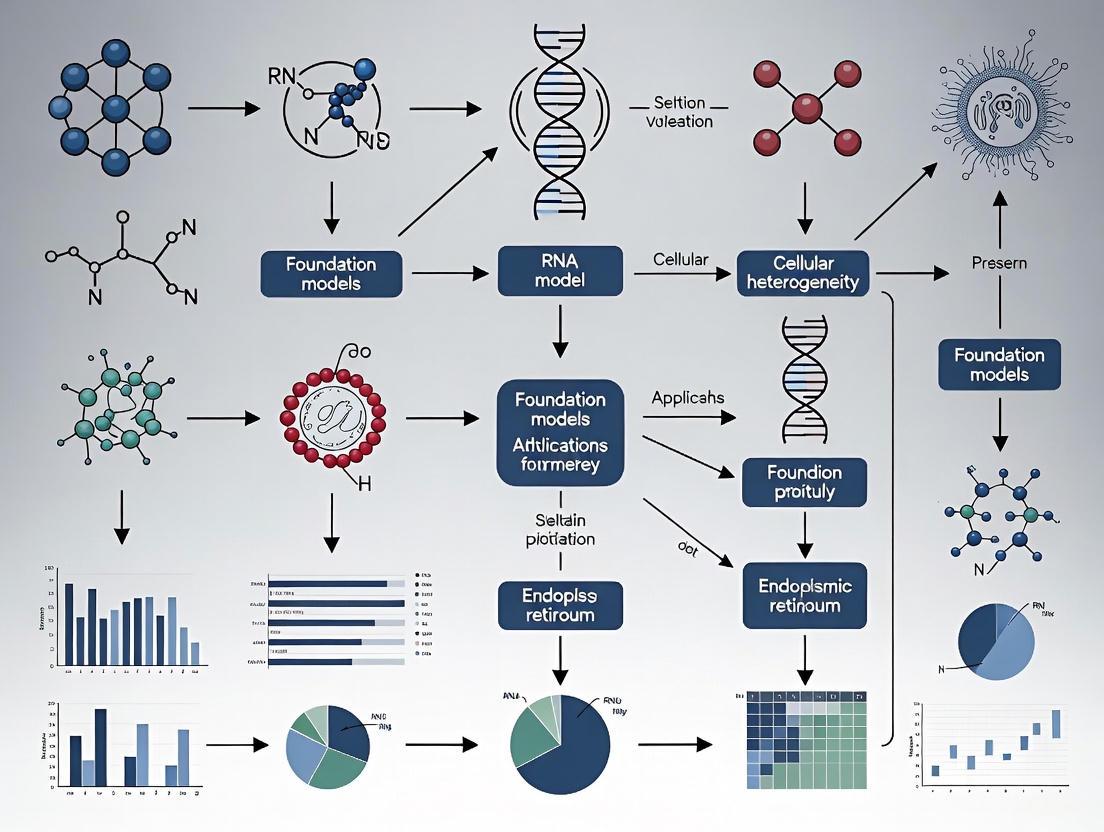
Single-cell foundation models (scFMs) are emerging as transformative artificial intelligence tools for deciphering cellular heterogeneity in biomedical research.
Decoding Cellular Diversity: How Single-Cell Foundation Models Are Revolutionizing Biomedical Research
Abstract
Single-cell foundation models (scFMs) are emerging as transformative artificial intelligence tools for deciphering cellular heterogeneity in biomedical research. Trained on millions of single-cell transcriptomes, these models learn fundamental biological principles that can be adapted to diverse downstream tasks. This article explores the core concepts and architectures of scFMs, their practical applications in cell type annotation, perturbation prediction, and spatial analysis, alongside critical benchmarking insights that guide model selection. We also address current limitations in interpretability and data integration while highlighting validation frameworks that ensure biological relevance. For researchers and drug development professionals, this synthesis provides a comprehensive guide to leveraging scFMs for unlocking deeper insights into cellular function, disease mechanisms, and therapeutic development.
The New Language of Biology: Understanding Single-Cell Foundation Models
Single-cell foundation models (scFMs) represent a transformative paradigm in computational biology, leveraging large-scale deep learning architectures pretrained on massive single-cell omics datasets. Inspired by natural language processing (NLP) breakthroughs, these models adapt transformer-based architectures to decipher the complex "language" of cellular function, where genes serve as words and cells as sentences [1]. This technical guide examines the core architecture, pretraining methodologies, and biological applications of scFMs within the broader context of cellular heterogeneity research. We provide a comprehensive analysis of current model performance across key tasks, detailed experimental protocols for model evaluation, and essential computational tools that empower researchers to harness these advanced artificial intelligence systems for unraveling cellular complexity in development, homeostasis, and disease.
The fundamental analogy driving scFM development treats biological systems as linguistic structures—individual cells constitute meaningful sentences composed of gene "words" that follow grammatical rules of regulation and interaction [1] [2]. This conceptual framework enables the application of transformer architectures, originally developed for NLP, to single-cell omics data. Foundation models in single-cell biology are defined as large-scale machine learning models pretrained on extensive and diverse datasets, making them generalizable to specific downstream tasks with minimal fine-tuning [3]. The rapid accumulation of single-cell data—with repositories like CZ CELLxGENE now providing access to over 100 million unique cells—has created the necessary training corpus for these models to learn fundamental biological principles [1] [2].
Within cellular heterogeneity research, scFMs offer unprecedented capability to move beyond descriptive cataloging of cell types toward predictive modeling of cellular states and behaviors. Traditional analytical approaches face significant challenges in capturing the complex, high-dimensional relationships that define cellular identity and function. scFMs address these limitations by learning latent representations that encode biological knowledge from millions of cells across diverse tissues, species, and experimental conditions [4] [2]. This pretrained knowledge can then be efficiently adapted to specific research contexts, from identifying novel cell subpopulations in tumor microenvironments to predicting cellular responses to genetic perturbations.
Core Architectural Framework of Single-Cell Foundation Models
Tokenization Strategies for Biological Data
Tokenization converts raw gene expression data into structured inputs that transformer models can process. Unlike natural language with its inherent word sequence, gene expression data lacks natural ordering, requiring specialized approaches:
- Gene-based tokenization: Individual genes serve as tokens, with expression values incorporated through value embeddings [1] [4]. Genes are typically ordered by expression magnitude within each cell, creating a deterministic sequence analogous to word order in sentences.
- Modality-specific tokens: For multi-omics models, special tokens indicate different data modalities (e.g., scRNA-seq vs. scATAC-seq) [1] [2].
- Metadata incorporation: Cell-level metadata (e.g., tissue origin, donor information) can be prepended as special tokens to provide biological context [1].
Transformer Architectures in scFMs
Most scFMs utilize transformer architectures, which employ self-attention mechanisms to model complex dependencies between genes:
- Encoder models: BERT-like architectures with bidirectional attention capture all gene contexts simultaneously, ideal for classification and embedding tasks [1] [5].
- Decoder models: GPT-like architectures with unidirectional attention iteratively predict masked genes conditioned on known genes, excelling at generation tasks [1] [2].
- Hybrid architectures: Emerging models combine encoder-decoder structures or integrate transformers with other neural network components for specialized applications [1] [2].
The attention mechanism enables scFMs to learn which genes are most informative for determining cellular identity and state, effectively modeling regulatory relationships and functional pathways [1]. Positional encoding schemes adapted from NLP represent the relative ordering of genes based on expression ranks, while gene embeddings capture functional similarities analogous to semantic relationships in word embeddings [1] [4].
Quantitative Performance Benchmarking Across Biological Tasks
Model Comparison and Task Performance
Table 1: Performance benchmarking of major single-cell foundation models across key biological tasks
| Model | Architecture Type | Pretraining Scale | Cell Type Annotation (Accuracy) | Batch Integration (mixing metric) | Perturbation Prediction (Pearson r) | Cross-Species Generalization |
|---|---|---|---|---|---|---|
| scGPT [2] | Decoder (GPT-like) | 33 million cells | 94.2% | 0.89 | 0.78 | Moderate |
| Geneformer [4] | Encoder (BERT-like) | 30 million cells | 92.7% | 0.85 | 0.82 | High |
| scFoundation [4] | Hybrid | 50 million cells | 95.1% | 0.91 | 0.85 | High |
| scPlantFormer [2] | Encoder-Decoder | 15 million cells | 92.0%* | 0.87 | 0.79 | High* |
| Nicheformer [2] | Spatial Graph Transformer | 53 million cells | 96.3% | 0.93 | 0.81 | Moderate |
Performance on plant-specific datasets | *Spatial annotation accuracy
Biological Relevance Metrics
Table 2: Performance evaluation using biologically-informed metrics across five benchmarking datasets
| Model | scGraph-OntoRWR (Cell Ontology Consistency) | LCAD (Annotation Error Severity) | Landscape Roughness (ROGI) | Computational Requirements (GPU hours) |
|---|---|---|---|---|
| scGPT [4] | 0.67 | 2.3 | 0.12 | 480 |
| Geneformer [4] | 0.72 | 2.1 | 0.09 | 520 |
| scFoundation [4] | 0.75 | 1.8 | 0.07 | 650 |
| UCE [4] | 0.63 | 2.5 | 0.15 | 380 |
| LangCell [4] | 0.70 | 2.0 | 0.11 | 710 |
Recent benchmarking studies reveal that no single scFM consistently outperforms others across all tasks, emphasizing the importance of task-specific model selection [4]. scGraph-OntoRWR measures consistency between model-derived cell relationships and established biological knowledge in cell ontologies, while Lowest Common Ancestor Distance (LCAD) quantifies the biological severity of cell type misclassification errors [4]. Models that achieve lower landscape roughness (ROGI) typically demonstrate better generalization to new datasets, as they learn smoother, more biologically plausible representations of cellular states [4].
Experimental Protocols for scFM Evaluation
Protocol 1: Zero-Shot Cell Type Annotation
Purpose: To evaluate model capability to accurately annotate cell types without task-specific fine-tuning.
Materials:
- Preprocessed scRNA-seq dataset with held-out cell type labels
- Pretrained scFM with gene vocabulary matching target dataset
- Computing environment with GPU acceleration
Methodology:
- Data Preprocessing: Map dataset genes to model vocabulary, retaining only genes present in both (typically 70-85% coverage) [4].
- Embedding Generation: Process each cell through scFM to extract cell-level embeddings (typically from [CLS] token or mean pooling of gene embeddings).
- Similarity Calculation: Compute cosine similarity between query cell embeddings and reference cell type centroids in embedding space.
- Annotation Assignment: Assign each cell to the cell type with highest similarity score.
- Performance Validation: Compare against ground truth labels using accuracy, F1-score, and LCAD metrics.
Technical Notes: Zero-shot performance heavily depends on vocabulary overlap and representation of similar cell types in pretraining corpus [4]. Models typically achieve 70-40% accuracy on novel cell types not explicitly seen during pretraining [4].
Protocol 2: In Silico Perturbation Prediction
Purpose: To predict transcriptomic changes resulting from genetic perturbations.
Materials:
- Wild-type expression profiles
- Perturbation targets (gene knockouts/overexpression)
- Fine-tuned or prompted scFM with perturbation modeling capability
Methodology:
- Baseline Establishment: Process wild-type cells through model to establish baseline embeddings.
- Perturbation Application: Modify input sequences to represent experimental perturbations (e.g., zeroing out expression of knocked-out genes).
- Prediction Generation: Process perturbed inputs through model and capture output expression profiles.
- Comparison: Calculate differential expression between predicted perturbed and wild-type states.
- Validation: Compare predictions to ground truth experimental data when available.
Technical Notes: scGPT and Geneformer have demonstrated capability to predict perturbation effects with correlation coefficients of 0.75-0.85 against experimental validation data [2]. Performance varies significantly by gene, with hub genes in regulatory networks showing more predictable effects [4].
Protocol 3: Cross-Modality Integration
Purpose: To align cells from different omics modalities into shared embedding space.
Materials:
- Multimodal single-cell data (e.g., scRNA-seq + scATAC-seq)
- scFM with cross-modal architecture (e.g., scMODAL)
- Limited set of linked features between modalities
Methodology:
- Input Preparation: Process each modality through separate but linked encoders.
- Anchor Identification: Use known linked features (e.g., gene expression and chromatin accessibility for same gene) to identify mutual nearest neighbors.
- Adversarial Alignment: Employ generative adversarial network components to minimize distribution differences between modalities.
- Geometric Preservation: Apply regularization to preserve within-modality cell neighborhood structures.
- Validation: Assess mixing metrics and biological preservation using cell type labels.
Technical Notes: scMODAL demonstrates state-of-the-art performance with as few as 10-20 linked features, effectively integrating modalities with weak correlations like protein abundance and gene expression [6].
The Scientist's Computational Toolkit
Table 3: Essential computational tools and resources for scFM implementation
| Tool/Resource | Type | Primary Function | Access Method | Key Applications |
|---|---|---|---|---|
| scGPT [2] | Foundation Model | Single-cell analysis & perturbation | Python package | Cell annotation, perturbation prediction, gene network inference |
| scMODAL [6] | Integration Framework | Multi-omics data alignment | Python package | Cross-modality integration, feature imputation |
| CZ CELLxGENE [1] [2] | Data Repository | Curated single-cell datasets | Web portal/API | Model pretraining, benchmarking |
| BioLLM [2] | Benchmarking Suite | Foundation model evaluation | Python package | Performance comparison, model selection |
| DISCO [2] | Data Resource | Single-cell data aggregation | Web portal | Large-scale pretraining corpus assembly |
| scGNN+ [2] | Analysis Pipeline | Automated single-cell analysis | Open-source package | Downstream analysis automation |
Future Directions and Implementation Challenges
Despite their transformative potential, scFMs face significant implementation challenges that require ongoing methodological development. Current limitations include computational intensity during training, with models requiring hundreds of GPU hours and specialized expertise [4] [3]. Model interpretability remains challenging, as the biological relevance of latent embeddings and attention mechanisms is not always transparent [1] [4]. There is also a notable gap between computational development and biological validation, with few novel model predictions being experimentally confirmed [3].
Future development priorities should focus on several key areas. Enhanced model interpretability through biologically grounded attention mechanisms and integration with prior knowledge will increase utility for biological discovery [1] [4]. Multimodal integration capabilities must expand to incorporate emerging spatial proteomics and metabolomics data types [2]. Development of resource-efficient fine-tuning approaches will democratize access for research groups with limited computational resources [4] [3]. Finally, the creation of user-friendly interfaces and standardized benchmarking frameworks will bridge the accessibility gap for experimental biologists [3].
The rapid evolution of single-cell foundation models represents a paradigm shift in computational biology, transitioning from task-specific algorithms to generalizable AI systems that capture fundamental principles of cellular function. As these models mature and address current limitations, they hold extraordinary promise for accelerating therapeutic development and deepening our understanding of cellular heterogeneity in health and disease.
The application of transformer neural networks represents a paradigm shift in the analysis of cellular data, particularly in the domain of cellular heterogeneity research. Originally developed for natural language processing (NLP), transformers have been adapted to decode the complex "language" of cellular systems, where genes function as words and entire cell transcriptomes form meaningful biological sentences [1]. This architectural transition from recurrent neural networks (RNNs) to attention-based mechanisms has effectively solved the critical problem of long-range dependencies, enabling models to capture intricate relationships across thousands of genes that were previously computationally intractable [7]. The emergence of single-cell foundation models (scFMs) built on transformer architectures now provides researchers with powerful tools capable of integrating massive-scale single-cell datasets and extracting previously inaccessible biological insights into cellular behavior, disease mechanisms, and therapeutic targets [1] [8].
Within this context, transformer architectures serve as the computational backbone for analyzing single-cell RNA sequencing (scRNA-seq) data, which provides comprehensive transcriptomic profiling at individual cell resolution. The self-attention mechanism inherent to transformers allows these models to dynamically weight the importance of different genes within and across cells, effectively identifying key biomarkers and regulatory relationships that define cellular states [9] [1]. This capability is particularly valuable for drug development professionals seeking to identify novel therapeutic targets within complex tissues like tumors, where understanding cellular heterogeneity at unprecedented resolution can reveal critical disease mechanisms and treatment opportunities [8].
Core Architectural Principles: From Language to Cellular Data
Fundamental Components of Transformer Networks
The transformer architecture, first introduced in the landmark paper "Attention Is All You Need," fundamentally redesigned sequence processing by replacing recurrence with self-attention mechanisms [7]. Unlike traditional RNNs and LSTMs that process data sequentially and struggle with long-term dependencies, transformers process all elements in parallel while using attention to model relationships regardless of their positional distance [7]. The core architectural components include:
Self-Attention Mechanism: Computes attention scores for each element in a sequence relative to all other elements, allowing the model to determine which inputs to "focus on" when processing cellular data. For cellular applications, this enables the identification of co-expressed gene modules and regulatory networks [7] [1].
Multi-Head Attention: Employs multiple attention heads in parallel, each capable of learning different types of relationships between genes—effectively capturing diverse biological relationships within the same model [7] [9].
Positional Encodings: Since transformers lack inherent sequential processing, these encodings inject information about the position of elements in the sequence. For cellular data, this presents a unique challenge as gene expression lacks natural ordering, requiring innovative approaches to represent positional context [1] [8].
Feed-Forward Networks: Applied independently to each position after attention layers, these networks transform the attention-weighted representations into formats suitable for downstream biological tasks [7].
Adapting Transformers for Cellular Data
Applying transformer architectures to cellular data requires significant modifications to handle the unique characteristics of biological data. Unlike natural language with its inherent sequential structure, gene expression data is non-sequential and high-dimensional with substantial technical noise [1] [8]. Key adaptations include:
Tokenization Strategies: Genes are treated as tokens analogous to words in a sentence. However, determining the optimal "gene order" for transformer input remains challenging. Common approaches include ranking genes by expression levels within each cell, binning genes by expression values, or using normalized counts without complex ranking [1].
Specialized Embeddings: Gene token embeddings typically combine a gene identifier with its expression value. Additional special tokens may represent cell identity, experimental batch, or modality information (e.g., scATAC-seq, spatial transcriptomics) [1].
Biological Positional Encodings: Since gene-gene interactions lack natural sequence, positional encodings are adapted using deterministic orderings based on expression magnitude or other biologically relevant rankings [1].
The following table summarizes the key architectural adaptations required for applying transformers to cellular data:
Table: Architectural Adaptations for Cellular Data
| Component | Standard Transformer | Cellular Data Adaptation | Biological Rationale |
|---|---|---|---|
| Input Tokens | Words/subwords | Genes/features with expression values | Captures transcriptional activity |
| Token Order | Natural language sequence | Expression-based ranking or binning | Provides consistent input structure |
| Positional Encoding | Sentence position | Expression rank or genomic position | Encodes relational context between genes |
| Special Tokens | [CLS], [SEP] | Cell type, batch, modality indicators | Incorporates experimental metadata |
scGraphformer: A Case Study in Cellular Transformer Architecture
Architectural Framework and Implementation
scGraphformer represents a cutting-edge implementation of transformer architecture specifically designed for single-cell RNA sequencing data analysis [9] [10]. This model integrates transformer capabilities with graph neural networks (GNNs) to overcome limitations of traditional GNNs that rely on predefined cell-cell relational graphs, which often introduce noise and bias through k-nearest neighbor (kNN) approximations [9]. The scGraphformer architecture consists of two interconnected modules:
Transformer Module: Processes gene representations using multi-head attention mechanisms to discern latent gene-gene interactions that influence cellular phenotypes. This module employs biologically re-engineered Query, Key, and Value sub-modules, where the Query utilizes global gene information, the Key captures cross-cell dependencies, and the Value provides contextualized cell representations [9].
Cell Network Learning Module: Dynamically constructs and refines cell-cell relationship networks from the data itself, rather than relying on predefined graphs. This module amalgamates learned gene-gene interactions with the evolving cell network to continuously refine topological structures [9].
The model begins by processing scRNA-seq data through standard preprocessing steps—removing low-quality cells and genes, normalization, and selecting highly variable genes (HVGs). Unlike other methods, scGraphformer tailors HVG selection based on expression matrix dimensionality rather than fixed counts, preserving more genetic information [9]. The data is then transformed into a graph structure where cells represent nodes with HVGs as features, optionally initialized with a kNN graph.
Experimental Methodology and Performance Evaluation
The experimental validation of scGraphformer employed rigorous benchmarking across 20 diverse datasets against seven state-of-the-art computational methods for scRNA-seq cell annotation: CellTypist, scVI, scmap-cluster, scmap-cell, ACTINN, scBert, TOSICA, scType, and scBalance [9]. Evaluation metrics focused on classification accuracy across diverse cell types, with particular attention to performance on complex datasets including campbell, zillionis, and Zheng 68K [9].
The following table summarizes the key performance comparisons between scGraphformer and other prominent methods:
Table: Performance Comparison of Single-Cell Analysis Methods
| Method | Architecture Type | Key Strengths | Performance Notes |
|---|---|---|---|
| scGraphformer | Transformer + GNN | Dynamic graph learning, identifies subtle patterns | Superior accuracy in intra-dataset evaluation |
| scBERT | Transformer encoder | Bidirectional attention | Limited performance on rare cell types |
| scGPT | Transformer decoder | Generative pretraining | Strong on large datasets |
| scVI | Generative model | Probabilistic modeling | Efficient on specific tasks |
| scmap | kNN-based | Fast computation | Limited on complex datasets |
| ACTINN | Neural network | Simple architecture | Struggles with heterogeneity |
Implementation of scGraphformer involves several critical steps. First, data preprocessing includes quality control, normalization, and HVG selection tailored to dataset dimensionality. The model then undergoes iterative refinement of cell-cell connections through its transformer modules, with training typically employing fivefold cross-validation to ensure robustness [9]. For researchers seeking to implement similar architectures, key considerations include computational resource allocation (particularly for attention mechanisms on large datasets), careful handling of batch effects, and strategies for interpreting the biological significance of learned attention weights.
Visualization of Architectures and Workflows
scGraphformer Architecture Diagram
Single-Cell Foundation Model Workflow
Essential Research Reagents and Computational Tools
The implementation of transformer-based approaches for cellular data analysis requires both biological and computational resources. The following table details key research reagents and computational tools essential for working with these models:
Table: Essential Research Reagents and Computational Tools
| Resource Type | Specific Examples | Function/Purpose |
|---|---|---|
| Data Resources | CZ CELLxGENE, Human Cell Atlas, GEO, SRA | Provide standardized, annotated single-cell datasets for model training and validation [1] |
| Preprocessing Tools | Seurat, Scanpy | Perform quality control, normalization, and feature selection on raw scRNA-seq data [9] |
| Model Architectures | scGraphformer, scGPT, Geneformer, scBERT | Provide specialized transformer implementations for cellular data [9] [1] [8] |
| Benchmarking Frameworks | Custom evaluation pipelines, scGraph-OntoRWR, LCAD metrics | Enable performance comparison and biological interpretation of model outputs [8] |
| Computational Infrastructure | GPUs with substantial memory, High-performance computing clusters | Handle computational demands of transformer training and inference [9] [8] |
Transformer networks have fundamentally transformed our approach to analyzing cellular heterogeneity, providing unprecedented capabilities for deciphering complex biological systems. As these models continue to evolve, several critical challenges and opportunities emerge. Current limitations include the non-sequential nature of omics data, inconsistencies in data quality, and the substantial computational resources required for training and fine-tuning [1]. Future architectural innovations will likely focus on developing more efficient attention mechanisms, improving model interpretability to extract biologically meaningful insights, and creating better methods for integrating multimodal single-cell data [1] [8].
For researchers and drug development professionals, transformer-based cellular models offer powerful new approaches for identifying novel therapeutic targets, understanding disease mechanisms at single-cell resolution, and predicting cellular responses to perturbations. The emerging paradigm of single-cell foundation models pretrained on massive diverse datasets and fine-tuned for specific applications represents a significant advancement over traditional analysis methods [1] [8]. As these models become more accessible and computationally efficient, they will increasingly serve as essential tools in the precision medicine toolkit, enabling deeper insights into cellular function and accelerating the development of targeted therapeutics for complex diseases.
In single-cell genomics, foundation models are revolutionizing our ability to decipher cellular heterogeneity and complexity. These models rely on sophisticated tokenization strategies to convert gene expression data into meaningful numerical representations that machine learning architectures can process. This technical guide examines the current methodologies for transforming biological sequences into model inputs, detailing preprocessing workflows, architectural considerations, and downstream applications in drug discovery and disease research. By providing a comprehensive framework for gene tokenization, we enable more accurate modeling of cellular dynamics and accelerate therapeutic development for complex diseases.
The emergence of single-cell foundation models (scFMs) represents a paradigm shift in computational biology, enabling unprecedented analysis of cellular heterogeneity at scale. These large-scale deep learning models, pretrained on vast single-cell datasets, have revolutionized data interpretation through self-supervised learning with capacity for various downstream tasks [1]. The effectiveness of these models hinges critically on their tokenization strategies—the processes that convert raw biological data into structured numerical inputs that deep learning architectures can process.
In natural language processing (NLP), tokenization breaks text into smaller units like words or subwords, standardizing unstructured data into formats models can understand and process [11] [12]. By analogy, single-cell foundation models employ specialized tokenization approaches that define what constitutes a "token" from single-cell data, typically representing each gene or genomic feature as a token [1]. These tokens serve as fundamental input units, with combinations collectively representing individual cells, much like words form sentences [1].
The fundamental challenge in gene expression tokenization stems from the nonsequential nature of omics data. Unlike words in a sentence, genes in a cell have no inherent ordering [1]. This creates unique computational challenges that require innovative solutions to structure biological data for transformer-based architectures that power modern foundation models. Effective tokenization must preserve biological meaning while enabling efficient model training on datasets encompassing millions of cells and thousands of genes.
Biological Foundation: From Genetic Code to Model Input
The Nature of Genomic Data
Understanding the biological basis of genomic data is essential for developing effective tokenization strategies. At its core, gene expression involves the process by which information contained within a gene is used to produce functional gene products, primarily proteins or functional RNA molecules [13]. This process begins with transcription, where DNA sequences are copied into RNA, followed by translation for protein-coding genes, where the RNA sequence is decoded to produce amino acid chains [13].
The protein-coding regions of genes comprise open reading frames (ORFs) consisting of codons that specify the amino acid sequence of the resulting protein [14]. Each ORF begins with an initiation codon (usually ATG) and ends with a termination codon (TAA, TAG, or TGA) [14]. In computational terms, genomic data exhibits several unique characteristics that influence tokenization design. The six possible reading frames (three forward, three reverse) in DNA sequences, the presence of introns and exons in eukaryotic genes, and the variable length of gene sequences all contribute to the complexity of biological tokenization [14].
Single-Cell Genomics Primer
Single-cell technologies, particularly single-cell RNA sequencing (scRNA-seq), measure gene expression at individual cell resolution, creating high-dimensional data matrices where rows represent cells and columns represent genes [1]. These datasets capture the transcriptional states of individual cells, revealing cellular heterogeneity, rare cell populations, and dynamic processes like differentiation or disease progression [1] [15].
The data generated from these technologies presents specific challenges for tokenization, including technical noise, dropout events (where genes are measured as unexpressed due to technical limitations), and batch effects across experiments [1] [15]. Effective tokenization strategies must account for these biological and technical considerations to create robust input representations for foundation models.
Tokenization Methodologies for Genomic Data
Core Tokenization Approaches
Gene-Based Tokenization
The most common approach in scFMs treats individual genes as tokens, analogous to words in NLP models [1]. Each gene's expression value in a given cell must be incorporated into the token representation, typically through:
- Gene identifier embedding: Unique representation for each gene
- Expression value encoding: Incorporation of expression magnitude
- Positional encoding: Artificial ordering to accommodate transformer architectures
Since gene expression data lacks natural ordering, various strategies have been developed to impose structure. These include ranking genes by expression levels within each cell, partitioning genes into expression value bins, or using normalized counts directly [1]. Positional encoding schemes then represent the relative order or rank of each gene in the cell [1].
Sequence-Based Tokenization
For DNA sequence data, alternative tokenization approaches include:
- K-mer tokenization: Breaking sequences into overlapping subsequences of length k
- Nucleotide-level tokenization: Treating individual nucleotides as tokens
- Motif-based tokenization: Identifying and tokenizing biologically meaningful sequence patterns
Current research indicates that significant work remains in developing efficient tokenization techniques that can capture or model underlying motifs within DNA sequences [16]. Many existing methods either reduce scalability through naive sequence representation, incorrectly model motifs, or are borrowed directly from NLP tasks without sufficient biological adaptation [16].
Advanced Tokenization Strategies
Multi-Modal Token Integration
Advanced scFMs incorporate multiple data modalities through specialized tokenization approaches:
- Modality indication tokens: Special tokens indicating data type (e.g., scATAC-seq, spatial transcriptomics)
- Batch effect tokens: Encoding technical variables to mitigate batch effects
- Metadata tokens: Incorporating cell-type labels, experimental conditions, or temporal information
These approaches enable models to learn unified representations across diverse data types, enhancing their biological relevance and predictive power [1].
Expression Value Representation
A critical consideration is how to represent expression values alongside gene identities:
- Value binning: Discretizing continuous expression values into categorical bins
- Continuous encoding: Using feature projections to combine gene identity and expression
- Hybrid approaches: Combining categorical gene tokens with continuous value embeddings
Table 1: Comparison of Tokenization Strategies in Single-Cell Foundation Models
| Strategy | Key Methodology | Advantages | Limitations | Example Models |
|---|---|---|---|---|
| Gene Ranking | Orders genes by expression level within each cell | Deterministic, preserves high-expression genes | May lose low-expression signals | scBERT, scGPT |
| Expression Binning | Partitions genes into bins by expression values | Handles continuous expression values | Introduces discretization artifacts | Various transformer models |
| Normalized Counts | Uses normalized expression values directly | Simplicity, minimal preprocessing | May require specialized architectures | Recent scFMs |
| Multi-Modal Tokens | Incorporates special tokens for different data types | Enables integrated multi-omics analysis | Increased model complexity | scGPT, emerging models |
| Metadata Enrichment | Prepends cell identity and metadata tokens | Provides biological context | Requires careful embedding design | scGPT, custom architectures |
Implementation Framework
Experimental Protocol for Gene Tokenization
Data Preprocessing Workflow
A standardized preprocessing pipeline ensures consistent tokenization across experiments:
- Quality Control: Filter cells based on quality metrics (mitochondrial content, detected genes)
- Gene Selection: Identify highly variable genes or use full gene sets
- Normalization: Apply appropriate normalization (e.g., logCPM, SCTransform)
- Batch Correction: Implement harmonization methods if using multiple datasets
- Token Preparation: Format processed data for model ingestion
Tokenization Algorithm
The core tokenization process follows these computational steps:
Tokenization Workflow: From Raw Data to Model Input
Model Architecture Integration
Embedding Layer Design
The token embedding layer must accommodate both gene identity and expression information:
- Gene embedding matrix: Lookup table for gene identifiers
- Value projection layers: Neural network components for expression values
- Combination mechanisms: Methods to fuse identity and value information
Positional Encoding Strategies
To address the lack of natural sequence in genomic data:
- Learned positional embeddings: Treat gene order as a learned parameter
- Fixed schematic ordering: Use consistent ordering based on genomic position or other criteria
- Attention masking: Allow full connectivity without positional bias
Table 2: Research Reagent Solutions for Single-Cell Tokenization Experiments
| Resource Type | Specific Examples | Function in Tokenization Pipeline | Implementation Considerations |
|---|---|---|---|
| Data Repositories | CZ CELLxGENE, Human Cell Atlas, GEO | Provide standardized single-cell datasets for pretraining | Data quality variation, batch effects |
| Processing Tools | Seurat, Scanpy, SCANPY | Perform quality control, normalization, and feature selection | Parameter tuning, scalability |
| Modeling Frameworks | scGPT, scBERT, UNAGI | Implement tokenization layers and model architectures | Computational resources, customization |
| Visualization Tools | UMAP, t-SNE, custom plots | Validate tokenization quality and model performance | Interpretation, biological relevance |
| Benchmark Datasets | PanglaoDB, Human Ensemble Cell Atlas | Standardized evaluation of tokenization strategies | Dataset size, annotation quality |
Applications in Cellular Heterogeneity Research
Drug Discovery Applications
Effective tokenization enables foundation models to power drug discovery pipelines. For example, UNAGI—a deep generative model for analyzing time-series single-cell transcriptomic data—leverages sophisticated tokenization to capture complex cellular dynamics underlying disease progression [15]. This approach enhances drug perturbation modeling and screening by representing cellular states in ways that enable in silico prediction of drug effects [15].
In practice, tokenized representations allow researchers to simulate cellular responses to therapeutic interventions, identifying candidates that shift diseased cells toward healthier states. This application was demonstrated in idiopathic pulmonary fibrosis, where the model identified nifedipine as a potential anti-fibrotic treatment, later validated using human tissue models [15].
Cellular Dynamics Mapping
Tokenization strategies enable the reconstruction of cellular trajectories and gene regulatory networks. By creating meaningful representations of cell states, researchers can:
- Infer differentiation pathways and lineage relationships
- Identify key transcriptional regulators
- Map disease progression trajectories
- Discover novel cell states and subtypes
Analysis Pipeline: From Tokens to Therapeutic Insights
Technical Considerations and Optimization
Computational Efficiency
Tokenization design significantly impacts model scalability and training efficiency:
- Vocabulary size: Balance between granularity and computational requirements
- Sequence length: Truncation vs. compression strategies for long gene lists
- Memory optimization: Efficient embedding implementations for large-scale data
Biological Relevance Preservation
Maintaining biological meaning during tokenization requires:
- Gene relationship modeling: Capturing co-expression and regulatory relationships
- Multi-scale representation: Integrating gene-level, pathway-level, and cell-level information
- Context awareness: Incorporating spatial, temporal, and environmental factors
Future Directions
The field of genomic tokenization continues to evolve rapidly. Promising research directions include:
- Adaptive tokenization: Methods that learn optimal tokenization strategies from data
- Hierarchical representations: Multi-scale tokens capturing genes, pathways, and systems
- Cross-species generalization: Tokenization approaches enabling model transfer across organisms
- Integrated multimodal tokens: Unified representations for diverse data types
As single-cell technologies advance and datasets grow, sophisticated tokenization strategies will become increasingly critical for unlocking the full potential of foundation models in biological research and therapeutic development.
The advent of high-throughput single-cell sequencing technologies has generated vast amounts of data, profiling cellular heterogeneity with unprecedented precision. This data explosion has created an urgent need for unified computational frameworks capable of integrating and analyzing rapidly expanding cellular datasets. Inspired by advancements in artificial intelligence, researchers have extended foundation model techniques to single-cell analysis, giving rise to single-cell foundation models (scFMs). These large-scale deep learning models are pretrained on massive cellular datasets through self-supervised learning and can be adapted to various downstream tasks in biological research [1].
Foundation models represent a paradigm shift in machine learning, where models are trained on extensive datasets at scale and then adapted to a wide range of tasks. A defining feature is their training via self-supervised objectives, often through predicting masked segments, enabling the model to learn generalizable patterns without manual labeling. These models develop rich internal representations that can be fine-tuned to excel at specific tasks with relatively few additional labeled examples [1]. In cellular research, scFMs typically use transformer architectures to incorporate diverse omics data and extract latent patterns at both cell and gene/feature levels for analyzing cellular heterogeneity and complex regulatory networks [1].
Core Architectural Frameworks and Pretraining Strategies
Data Processing and Tokenization Methods
A critical ingredient for any scFM is the compilation of large and diverse datasets. Platforms such as CZ CELLxGENE provide unified access to annotated single-cell datasets, with over 100 million unique cells standardized for analysis. Likewise, the Human Cell Atlas and other multiorgan atlases provide broad coverage of cell types and states. Public repositories including the National Center for Biotechnology Information (NCBI) Gene Expression Omnibus (GEO) and Sequence Read Archive (SRA) host thousands of single-cell sequencing studies [1].
Tokenization refers to the process of converting raw input data into discrete units called tokens. For scFMs, tokenization involves defining what constitutes a 'token' from single-cell data, typically representing each gene or feature as a token. These tokens serve as fundamental input units for the model, analogous to words in a sentence [1]. Several strategies have emerged for processing single-cell data:
- Gene Ranking: Genes within each cell are ranked by expression levels, and the ordered list of top genes is fed as a 'sentence' to the model [1]
- Value Categorization: Gene expression values are binned into discrete categories, transforming continuous expression into classification problems [17]
- Value Projection: Gene expression vectors are expressed as sums of projections, preserving full data resolution [17]
Table 1: Primary Tokenization Strategies in Single-Cell Foundation Models
| Strategy | Mechanism | Advantages | Representative Models |
|---|---|---|---|
| Gene Ranking | Orders genes by expression level within each cell | Deterministic sequence generation | Geneformer, iSEEEK, tGPT |
| Value Categorization | Bins continuous expression values into discrete categories | Enables classification approaches | scBERT, scGPT |
| Value Projection | Projects expression values while preserving resolution | Maintains full data precision | scFoundation, GeneCompass, CellFM |
Model Architectures for Single-Cell Data
Most successful scFMs are built on transformer architectures, which are neural networks characterized by attention mechanisms that allow the model to learn and weight relationships between any pair of input tokens [1]. In scFMs, the attention mechanism can learn which genes in a cell are most informative of the cell's identity or state, how they covary across cells, and how they have regulatory or functional connections.
The gene expression profile of each cell is converted to a set of gene tokens serving as inputs for the model, and its attention layers gradually build up a latent representation of each cell or gene [1]. Several architectural variants have been implemented:
- BERT-like Encoders: Use bidirectional attention mechanisms where the model learns from the context of all genes in a cell simultaneously [1]
- GPT-style Decoders: Employ unidirectional masked self-attention that iteratively predicts masked genes conditioned on known genes [1]
- Hybrid Architectures: Combine encoder-decoder designs or custom modifications [1]
- RetNet Variants: Use retrieval-enhanced transformers with linear complexity for improved efficiency [17]
Diagram 1: Single-Cell Foundation Model Architecture
Implementation and Experimental Protocols
Pretraining Workflows and Methodologies
Pretraining an scFM involves training it on self-supervised tasks across unlabeled cellular datasets. The most common approach is masked language modeling adapted for cellular data, where portions of the input are masked and the model learns to predict them based on context [1]. Implementation requires careful consideration of several components:
- Data Curation: CellFM demonstrates a comprehensive data processing workflow involving quality control for filtering cells and genes, gene name standardization according to HUGO Gene Nomenclature Committee guidelines, and conversion to unified sparse matrix formats [17]
- Model Initialization: Large parameter models (e.g., CellFM with 800 million parameters) require strategic initialization and distributed training across multiple NPUs or GPUs [17]
- Efficient Attention Mechanisms: Models like CellFM implement modified RetNet frameworks with gated multi-head attention and simple gated linear units to balance efficiency and performance [17]
Diagram 2: Single-Cell Data Processing Workflow
Evaluation Frameworks for scFMs
Evaluating the performance of self-supervised learning methods is challenging since there are endless ways to evaluate their learned representations. The community has developed several evaluation protocols to compare representation quality, resulting in proxy metrics for unobserved downstream tasks [18]. Common evaluation approaches include:
- Linear Probing: Freezing the encoder and training a shallow classifier for classification tasks [18] [19]
- End-to-end Fine-tuning: Updating all or most encoder weights on supervised downstream tasks [18]
- k-Nearest Neighbor (kNN) Classification: Measuring class consistency of embedding space under non-parametric clustering [18] [19]
- Few-shot Learning: Fine-tuning using only small subsets of available labels [18]
Recent benchmarks emphasize the importance of evaluating on suites spanning natural, synthetic, and distributional shifts, using aggregate metrics to prevent cherry-picking [19]. Studies have found that in-domain linear/kNN probing protocols are, on average, the best general predictors for out-of-domain performance [18].
Table 2: Evaluation Protocols for Self-Supervised Learning in Biology
| Protocol | Mechanism | Use Cases | Advantages |
|---|---|---|---|
| Linear Probing | Freezes encoder, trains linear classifier | Standard evaluation for vision, speech, tabular data | Measures feature quality directly |
| kNN Classification | Non-parametric clustering in embedding space | Fast, training-free evaluation | Reveals embedding space structure |
| End-to-end Fine-tuning | Updates all model parameters | Transfer learning to new domains | Maximizes task-specific performance |
| Few-shot Learning | Uses minimal labeled examples | Low-data regimes, efficiency testing | Measures data efficiency |
| Unsupervised Clustering | k-means with Hungarian matching | Exploratory analysis, no labels needed | Evaluates inherent clusterability |
Research Reagent Solutions and Computational Tools
Table 3: Essential Research Resources for Single-Cell Foundation Model Development
| Resource | Type | Function | Examples |
|---|---|---|---|
| Public Data Repositories | Data Sources | Provide standardized single-cell datasets | CZ CELLxGENE, Human Cell Atlas, GEO, SRA |
| Sequence Processing Tools | Software | Convert raw sequencing data to expression matrices | Kallisto, Cell Ranger |
| Quality Control Frameworks | Software | Filter cells and genes based on quality metrics | Scanpy, Seurat, SynEcoSys |
| Deep Learning Frameworks | Computational Tools | Model training and implementation | TensorFlow, PyTorch, MindSpore |
| Specialized Single-Cell Tools | Software | Single-cell specific analyses | scvi-tools, Scanny |
| Computational Infrastructure | Hardware | Large-scale model training | Ascend NPUs, GPUs, High-performance Clusters |
Applications in Cellular Heterogeneity Research
Advancing Understanding of Cellular Senescence
Single-cell foundation models have enabled comprehensive analysis of cellular senescence heterogeneity across cancer types. A recent pan-cancer study characterized five molecular subgroups of cellular senescence with distinct biological features: Inflamm-aging, DNA Damage Response, Autophagy, Immunologically Quiet, and Metabolic Disorder [20]. These subgroups showed cancer-type and tissue-type specific distribution and revealed significant associations with cancer prognosis, intratumoral microbiota, immunophenotypic features, and multi-omic alterations [20].
The study integrated multi-platform data including prognosis, microbiota, immune microenvironment, multi-omics, and drug sensitivity to investigate associations with CS subgroups. Additionally, 12 single-cell datasets and 19 immunotherapy cohorts were collected to evaluate the CS subgroups. The researchers developed a machine-learning model integrating CS-related cancer driver genes to infer CS subgroups and verified its prediction capability for immunotherapy response and prognosis in independent cohorts [20].
Spatial Transcriptomics and Brain Mapping
In neuroscience, self-supervised learning frameworks have been applied to analyze multi-FISH labeled cell-type maps in thick brain slices. The Voxelwise U-shaped Swin-Mamba network (VUSMamba) employs contrastive learning and pretext tasks for self-supervised learning on unlabeled data, followed by fine-tuning with minimal annotations [21]. This approach enables simultaneous high-precision segmentation of glutamatergic neurons, GABAergic neurons, and nuclei in 300 μm thick brain slices [21].
The framework begins with preprocessing of image data for three types of labeled cells (Hoechst, Vglut1, Vgat), followed by construction of a self-supervised training dataset. Three pretext tasks—rotation prediction, image reconstruction, and image recovery—are designed to enable representation learning through contrastive self-supervised learning. The pretrained model is then fine-tuned using a small set of manually annotated ground truth data [21].
Cancer Research and Therapeutic Development
scFMs are transforming cancer research by elucidating unique mechanisms underlying disease progression and therapeutic resistance. In a 2024 study, researchers used single-cell RNA analysis bolstered by scGPT-enabled cell annotation to pinpoint factors driving therapeutic resistance in a mouse model of breast cancer [22]. The approach identified subsets of tumor-associated macrophages with different roles in modulating resistance to PARP inhibitor therapy [22].
In another application, single-cell sequencing and scVI modeling identified changes in the tumor microenvironment that influence the progression of prostate cancer in mice and humans. Researchers found that different clusters of stromal cells were associated with distinct disease states, deriving a transcriptional signature that effectively predicts local metastasis [22].
Future Directions and Challenges
Despite their promising results, scFMs face several challenges that must be addressed for broader adoption. Technical hurdles include the nonsequential nature of omics data, inconsistency in data quality, and the computational intensity required for training and fine-tuning [1]. Furthermore, interpreting the biological relevance of latent embeddings and model representations remains nontrivial [1].
Future development of scFMs will likely focus on enhancing robustness, interpretability, and scalability. As noted by researchers at Helmholtz Munich, "One of my dreams in the next 10 years is to produce a virtual cell. What I mean by virtual cell is you model the whole function of the cell with an AI system" [23]. This vision of creating comprehensive digital models that simulate how individual cells behave in both health and disease represents the long-term potential of foundation models in cellular biology.
The integration of multimodal data represents another important frontier. Current models primarily focus on transcriptomic data, but future iterations will likely incorporate proteomic, epigenomic, and spatial information to create more comprehensive cellular representations. As these models evolve, they will increasingly enable researchers to simulate cellular behavior under various conditions, predict disease progression, and identify novel therapeutic targets, ultimately advancing personalized medicine and drug discovery.
Foundation models represent a paradigm shift in computational biology, leveraging large-scale pretraining on massive datasets to learn universal representations of cellular states. These models, built primarily on transformer architectures, have demonstrated remarkable success in natural language processing and are now being adapted to decode the complex "language" of cellular biology. Where words form sentences, genes define cellular identity and function. In single-cell RNA sequencing (scRNA-seq) data analysis, foundation models promise to transform our approach to cellular heterogeneity by enabling context-aware understanding of gene-gene interactions, robust cell type annotation, and prediction of cellular responses to perturbations. This technical guide examines the major model variants—Geneformer, scGPT, and scBERT—alongside emerging next-generation architectures, providing researchers with a comprehensive framework for their application in cellular heterogeneity research and drug development.
Core Model Architectures and Technical Specifications
Geneformer employs a transformer encoder architecture pretrained on approximately 30 million human single-cell transcriptomes using a novel rank-value encoding scheme [24]. This approach represents each cell's transcriptome as a sequence of genes ranked by their expression relative to their mean expression across the entire pretraining corpus, effectively deprioritizing ubiquitously expressed housekeeping genes while emphasizing transcription factors that distinguish cell states. The model uses six transformer encoder layers with self-attention mechanisms that enable context-aware gene representations, embedding each gene into a 256-dimensional space that encodes the gene's characteristics specific to each cellular context [24].
scGPT utilizes a generative pretrained transformer architecture across a massive repository of over 33 million cells, implementing a standard transformer backbone with task-specific heads for diverse downstream applications [25]. The model employs a masked language modeling objective during pretraining, where it learns to predict randomly masked genes based on their cellular context. scGPT incorporates both gene and value embeddings, treating genes as tokens and their expression values as additional features, enabling it to distill critical biological insights concerning genes and cells through its pretraining regimen [25].
scBERT adapts the Bidirectional Encoder Representations from Transformers (BERT) architecture for single-cell data, creating gene embeddings through gene2vec to capture semantic similarities between genes [26]. The model incorporates expression embeddings generated through term-frequency analysis to discretize continuous expression variables by binning them into 200-dimensional vectors. scBERT uses performer blocks in its architecture and includes a reconstructor module that calculates reconstruction loss for masked genes during self-supervised pretraining [26].
Comparative Technical Specifications
Table 1: Technical Specifications of Major Foundation Model Variants
| Specification | Geneformer | scGPT | scBERT |
|---|---|---|---|
| Architecture | Transformer Encoder | Generative Pretrained Transformer | BERT-style with Performer blocks |
| Pretraining Data Scale | ~30 million human cells [24] | ~33 million cells [25] | Not specified in detail |
| Input Representation | Rank-value encoding [24] | Gene tokens with expression values [25] | Gene2vec embeddings + expression bins [26] |
| Embedding Dimension | 256 [24] | 512 [27] | Varies |
| Primary Pretraining Objective | Masked gene prediction [24] | Masked language modeling [25] | Masked expression reconstruction [26] |
| Context Awareness | Yes, via attention weights [24] | Presumed yes | Limited information |
Figure 1: Generalized Workflow for Single-Cell Foundation Model Development and Application
Performance Benchmarks and Comparative Analysis
Zero-Shot Capabilities and Limitations
Comprehensive benchmarking reveals critical insights into the practical performance of single-cell foundation models. A rigorous zero-shot evaluation of Geneformer and scGPT demonstrated that these models face significant reliability challenges in settings where they are used without any further training. In cell type clustering tasks, both models performed worse than established methods like selecting highly variable genes (HVG) or using Harmony and scVI, as measured by average BIO score [28]. Similarly, in batch integration tasks, Geneformer consistently underperformed relative to scGPT, Harmony, scVI, and HVG across most datasets, with Geneformer's embedding space often failing to retain information about cell type, with clustering primarily driven by batch effects [28].
For perturbation prediction, recent benchmarks show that foundation models struggle to outperform deliberately simple baselines. In predicting transcriptome changes after single or double genetic perturbations, five foundation models and two other deep learning models failed to outperform simple linear baselines or even a "no change" model that always predicts the same expression as in control conditions [29]. This performance gap highlights the challenge these models face in capturing the complex biological reality of genetic interactions, despite significant computational resources required for fine-tuning.
Performance Across Biological Contexts
Table 2: Performance Comparison Across Key Biological Tasks
| Task | Best Performing Model(s) | Key Limitations | Performance Notes |
|---|---|---|---|
| Cell Type Annotation | scGraphformer, scBERT [9] [26] | Geneformer and scGPT underperform in zero-shot [28] | scBERT shows 85.1% accuracy on NeurIPS dataset vs 80.1% for Seurat [26] |
| Batch Integration | Harmony, scVI, HVG [28] | Geneformer shows inadequate batch mixing [28] | Foundation models underperform in both full and reduced dimensions [28] |
| Perturbation Prediction | Simple linear baselines, "no change" model [29] | Foundation models fail to predict genetic interactions [29] | GEARS, scGPT, scFoundation outperformed by simple additive models [29] |
| Spatial Context Prediction | Nicheformer [27] | Models trained only on dissociated data fail spatial tasks [27] | Nicheformer enables prediction of spatial context for dissociated cells [27] |
Impact of Pretraining Data Composition
The composition and diversity of pretraining data significantly influence model performance. Studies with scGPT variants demonstrated that pretraining on tissue-specific data (e.g., 10.3 million blood and bone marrow cells) provides clear improvements for specific tissue types, but more diverse pretraining datasets don't consistently confer additional benefits [28]. Surprisingly, scGPT pretrained on 33 million non-cancerous human cells slightly underperformed compared to the blood-specific version, even for datasets involving tissue types beyond blood and bone marrow cells [28].
Nicheformer, trained on both dissociated single-cell and spatial transcriptomics data (SpatialCorpus-110M), demonstrates that models trained exclusively on dissociated data fail to recover the complexity of spatial microenvironments [27]. This underscores the importance of multiscale integration for spatially aware tasks and highlights a fundamental limitation of models trained solely on dissociated data.
Next-Generation Architectures and Emerging Solutions
Graph-Integrated and Multi-View Models
scGraphformer represents a significant architectural advancement by integrating transformer capabilities with graph neural networks to transcend the limitations of predefined graphs [9]. The model learns an all-encompassing cell-cell relational network directly from scRNA-seq data through an iterative refinement process that constructs a dense graph structure capturing the full spectrum of cellular interactions [9]. This approach abandons dependence on predefined graphs and instead derives a cellular interaction network directly from the data, allowing for identification of subtle and previously obscured cellular patterns and relationships.
scHybridBERT implements a multi-view modeling framework that integrates spatiotemporal embeddings and cell graphs using a combination of graph attention networks and Performer models [30]. This architecture captures both spatial dynamics at the molecular level through gene co-expression networks and temporal patterns through gene and expression embeddings, addressing the limitation of conventional models that focus primarily on temporal expression patterns while ignoring inherent gene-gene and cell-cell interactions [30].
Spatial-Aware and Cross-Species Models
Nicheformer addresses the critical limitation of spatial awareness by training on both dissociated single-cell and targeted spatial transcriptomics data [27]. The model uses a shared vocabulary for human and mouse data by concatenating orthologous protein-coding genes and species-specific ones, totaling 20,310 gene tokens [27]. This approach enables novel downstream tasks such as spatial composition prediction and spatial label transfer, allowing researchers to predict the spatial context of dissociated cells and transfer rich spatial information to scRNA-seq datasets.
Mouse-Geneformer demonstrates the species-specific adaptation of foundation models, addressing the prominence of mouse as a primary mammalian model in biological and medical research [31]. This variant, pretrained on 21 million mouse scRNA-seq profiles, not only enhances accuracy for mouse-specific cell type classification but also shows potential for cross-species application, achieving comparable performance to human Geneformer on human data after ortholog-based gene name conversion [31].
Experimental Protocols and Methodologies
Standardized Fine-Tuning Protocols
For cell type annotation using scBERT, the standard protocol involves:
- Data preprocessing: Filtering low-quality cells and genes, normalization, and selection of highly variable genes [26]
- Model setup: Loading pretrained scBERT weights and adapting the final classification layer for target cell types
- Training configuration: Using learning rates between 1e-5 and 5e-5 with early stopping based on validation accuracy
- Evaluation: Assessing using accuracy, F1 score, and confusion matrices across cell types
For perturbation response prediction with scGPT:
- Data preparation: Formatting perturbation data as paired control-treatment cell populations
- Model adaptation: Utilizing scGPT's inherent perturbation prediction head or adapting the model through fine-tuning
- Training approach: Employing a mean squared error loss between predicted and observed expression changes
- Validation: Using held-out perturbations and comparing against additive and "no change" baselines [29]
Zero-Shot Evaluation Methodology
Comprehensive evaluation of foundation models requires rigorous zero-shot assessment:
- Embedding extraction: Forward passing specific datasets through the pretrained model to generate cell embeddings without any fine-tuning [28] [27]
- Task application: Applying embeddings to downstream tasks including clustering, batch integration, and spatial composition prediction
- Benchmarking: Comparing against established baselines like HVG selection, Harmony, and scVI using multiple metrics [28]
- Biological validation: Assessing whether learned representations capture known biological relationships through ontology-informed metrics [4]
Figure 2: Model-Task-Metric Relationships in Single-Cell Foundation Model Evaluation
Table 3: Essential Research Resources for Single-Cell Foundation Model Applications
| Resource Category | Specific Tools/Databases | Primary Function | Key Considerations |
|---|---|---|---|
| Pretraining Corpora | CELLxGENE Census [25], Genecorpus-30M [24], Mouse-Genecorpus-20M [31] | Large-scale, curated single-cell data for model pretraining | Tissue representation, data quality, and batch effects vary significantly |
| Spatial Omics Data | MERFISH, Xenium, CosMx, ISS datasets [27] | Enable spatially-aware model training | Targeted gene panels limit full transcriptome analysis |
| Benchmarking Datasets | Pancreas benchmark [28], PBMC datasets [28], NeurIPS multi-omics [26] | Standardized model evaluation | Dataset complexity impacts benchmark results |
| Model Implementations | scGPT GitHub repository [25], Geneformer Hugging Face [24] | Access to pretrained models and fine-tuning code | Computational requirements vary significantly (GPU memory, training time) |
| Biological Knowledge Bases | Gene Ontology [29], Cell Ontology [4] | Biological validation of model outputs | Essential for ontology-informed metrics like scGraph-OntoRWR [4] |
The landscape of single-cell foundation models is rapidly evolving, with distinct architectural variants offering complementary strengths and limitations. Geneformer's rank-based approach provides robust context-awareness, scGPT's generative framework enables flexible downstream application, and scBERT's BERT-inspired architecture offers strong performance on annotation tasks. However, rigorous benchmarking reveals that these models do not consistently outperform simpler methods in zero-shot settings or perturbation prediction, highlighting significant room for improvement.
Next-generation architectures like scGraphformer, scHybridBERT, and Nicheformer point toward promising directions by integrating graph-based reasoning, multi-view modeling, and spatial awareness. These approaches address fundamental limitations in capturing the complex spatial and relational dynamics of cellular systems. For researchers and drug development professionals, selection of appropriate model variants must be guided by specific application requirements, dataset characteristics, and computational resources, with careful consideration of each model's empirically demonstrated strengths rather than relying solely on claimed capabilities.
As the field progresses, the integration of multi-omic data, improved zero-shot generalization, and more biologically-meaningful evaluation metrics will be crucial for advancing these tools from computational novelties to essential resources for deciphering cellular heterogeneity and accelerating therapeutic development.
From Data to Discovery: Practical Applications of scFMs in Research
The advent of single-cell RNA sequencing (scRNA-seq) has fundamentally transformed biological research by providing unprecedented resolution to analyze cellular heterogeneity. Concurrently, foundation models, pre-trained on vast datasets through self-supervised learning, have emerged as powerful tools for interpreting complex biological data. This whitepaper explores the integration of single-cell foundation models (scFMs) into the core tasks of cell type annotation and novel subpopulation discovery. We provide a technical examination of scFM architectures, including transformer-based models like scGPT and Geneformer, and detail their application through benchmarked protocols. Furthermore, we present novel methodologies such as multi-resolution variational inference (MrVI) for uncovering sample-level heterogeneity and advanced denoising frameworks like ZILLNB for enhancing data quality. This guide serves as an essential resource for researchers and drug development professionals seeking to leverage cutting-edge artificial intelligence to unlock deeper insights into cellular function and disease mechanisms.
Single-cell genomics has redefined our understanding of biology by resolving cellular heterogeneity with unprecedented precision, moving beyond the limitations of bulk sequencing that obscures critical differences between individual cells [32]. This technology has proven particularly transformative in complex tissue environments like tumors, where it reveals rare subclones and dynamic microenvironment interactions that drive disease progression and therapeutic resistance [32]. However, the high-dimensional, sparse, and noisy nature of scRNA-seq data presents significant analytical challenges that traditional computational methods struggle to address effectively [33] [8].
The emergence of foundation models represents a paradigm shift in single-cell data analysis. These large-scale deep learning models are pre-trained on massive, diverse datasets through self-supervised objectives, enabling them to learn fundamental biological principles that can be adapted to various downstream tasks [1]. Inspired by breakthroughs in natural language processing, researchers have developed single-cell foundation models (scFMs) that treat cells as "sentences" and genes or their expression values as "words" or "tokens" [1]. This approach allows scFMs to capture complex gene-gene interactions and cellular states across millions of cells spanning diverse tissues, species, and experimental conditions.
This technical guide examines how scFMs are revolutionizing the core tasks of cell type annotation and novel subpopulation discovery, which are fundamental to advancing our understanding of development, disease, and treatment response. By providing a comprehensive framework for implementing these technologies, we aim to bridge the gap between cutting-edge computational methods and biological discovery in both research and clinical applications.
Foundations of Single-Cell Foundation Models (scFMs)
Core Architectural Principles
Single-cell foundation models typically leverage transformer architectures, which utilize attention mechanisms to weight relationships between all genes in a cell simultaneously, enabling the model to learn complex regulatory and functional connections [1]. Most scFMs adopt one of two primary configurations: bidirectional encoder representations from transformers (BERT)-like encoder architectures that learn from all genes in a cell at once, or Generative Pretrained Transformer (GPT)-like decoder architectures that iteratively predict masked genes conditioned on known genes [1]. While both approaches have demonstrated success, no single architecture has yet emerged as clearly superior for single-cell data, leading to ongoing exploration of hybrid designs.
A critical challenge in applying transformer architectures to single-cell data is the non-sequential nature of gene expression. Unlike words in a sentence, genes have no inherent ordering. scFMs address this through various tokenization strategies, including ranking genes by expression levels within each cell, binning genes by expression values, or using normalized counts directly [1]. These approaches provide the deterministic sequence structure required by transformer models while attempting to preserve biological relevance.
Pre-training Strategies and Data Requirements
The power of scFMs stems from their pre-training on massive, diverse single-cell datasets. Public archives and databases such as CZ CELLxGENE provide unified access to annotated single-cell datasets containing over 100 million unique cells standardized for analysis [1]. Additional resources like the Human Cell Atlas, PanglaoDB, and public repositories including GEO and SRA contribute to extensive training corpora that enable scFMs to capture a wide spectrum of biological variation [1].
During pre-training, scFMs learn through self-supervised tasks similar to those used in natural language processing. The most common approach is masked gene modeling (MGM), where the model learns to predict randomly masked genes based on the context of other genes in the cell [1] [8]. Alternative strategies include predicting whether a gene is expressed or not, or using read-depth-aware reconstruction losses [8]. This self-supervised approach allows the models to learn fundamental biological principles without requiring manually labeled training data.
Table 1: Representative Single-Cell Foundation Models and Their Specifications
| Model Name | Omics Modalities | Model Parameters | Pre-training Dataset Size | Architecture Type | Key Pre-training Task |
|---|---|---|---|---|---|
| Geneformer | scRNA-seq | 40 million | 30 million cells | Encoder | MGM with gene ID prediction |
| scGPT | scRNA-seq, scATAC-seq, CITE-seq, spatial | 50 million | 33 million cells | Encoder with attention mask | Iterative MGM with MSE loss |
| UCE | scRNA-seq | 650 million | 36 million cells | Encoder | Binary classification of gene expression |
| scFoundation | scRNA-seq | 100 million | 50 million cells | Asymmetric encoder-decoder | Read-depth-aware MGM |
| LangCell | scRNA-seq | 40 million | 27.5 million cells | Encoder | MGM with cell type integration |
Figure 1: Single-Cell Foundation Model Workflow. This diagram illustrates the end-to-end process for developing and applying scFMs, from raw data processing through pre-training to downstream task adaptation.
Methodologies for Cell Type Annotation
scFM-Based Annotation Pipelines
Cell type annotation represents a fundamental application of scFMs, where models pre-trained on massive single-cell atlases can be fine-tuned or used directly to classify cells into known types. The scBERT model, one of the early transformer-based scFMs, demonstrated the viability of this approach by training on millions of single-cell transcriptomes in a self-supervised manner specifically for cell type annotation [1]. These models learn rich representations that capture both explicit and subtle transcriptional differences between cell types, enabling more accurate classification compared to traditional methods.
Benchmark studies have revealed that while scFMs show robust performance across diverse annotation tasks, their effectiveness varies depending on specific contexts. In comprehensive evaluations comparing six prominent scFMs against established baselines, no single model consistently outperformed all others across all tasks and datasets [8]. This highlights the importance of task-specific model selection rather than relying on a one-size-fits-all approach. Performance is influenced by factors including dataset size, biological complexity, and the degree of similarity between target cells and those encountered during pre-training.
Benchmarking Performance and Evaluation Metrics
Rigorous evaluation of annotation accuracy requires multiple metrics that capture different aspects of model performance. The Adjusted Rand Index (ARI) and Adjusted Mutual Information (AMI) measure clustering similarity against ground truth labels, while novel ontology-informed metrics like scGraph-OntoRWR assess the biological consistency of cell type relationships captured by scFMs [8]. The Lowest Common Ancestor Distance (LCAD) metric further evaluates the severity of misclassification by measuring ontological proximity between predicted and actual cell types [8].
In comparative evaluations, the ZILLNB framework, which integrates zero-inflated negative binomial regression with deep generative modeling, achieved the highest ARI and AMI scores among tested methods for cell type classification, with improvements ranging from 0.05 to 0.2 over alternatives including VIPER, scImpute, DCA, and DeepImpute [33]. These advances demonstrate how hybrid approaches that combine statistical rigor with deep learning can enhance annotation accuracy.
Table 2: Performance Comparison of Cell Annotation Methods Across Multiple Datasets
| Method | Average ARI | Average AMI | Computational Efficiency | Novel Type Detection |
|---|---|---|---|---|
| ZILLNB | 0.82 | 0.85 | Medium | Limited |
| scGPT | 0.78 | 0.81 | Low | Good |
| Geneformer | 0.76 | 0.79 | Low | Good |
| scVI | 0.75 | 0.78 | Medium | Limited |
| Seurat | 0.71 | 0.74 | High | Limited |
| Harmony | 0.69 | 0.72 | High | Poor |
Protocol for Cell Type Annotation Using scFMs
A standardized protocol for implementing scFM-based cell type annotation includes the following key steps:
Data Preprocessing: Begin with quality control to remove low-quality cells and genes, followed by normalization to account for sequencing depth variations. For transformer-based scFMs, convert the normalized expression matrix into token sequences using the model's specified tokenization strategy (e.g., ranking genes by expression levels) [1].
Model Selection and Setup: Choose an appropriate scFM based on dataset size and biological context. For large, diverse datasets (>10,000 cells), models like scGPT or Geneformer are generally suitable. For smaller datasets or those with limited computational resources, simpler baselines like Seurat or Harmony may be more efficient [8].
Embedding Generation: Process the tokenized data through the pre-trained scFM to extract latent cell embeddings. These embeddings capture transcriptional similarities and differences in a compressed, biologically meaningful space [1] [8].
Classification and Validation: Apply supervised classification algorithms (e.g., k-nearest neighbors, random forests, or neural networks) to the cell embeddings using reference labels. For novel cell type detection, utilize clustering algorithms on the embeddings and identify clusters with low confidence scores or significant separation from known types [8].
Biological Interpretation and Validation: Analyze marker gene expression within annotated populations and validate findings against established biological knowledge. For novel types, perform differential expression analysis and pathway enrichment to characterize their functional properties [33].
Advanced Approaches for Novel Subpopulation Discovery
Beyond Predefined Clusters: MrVI for Sample-Level Heterogeneity
Traditional approaches to subpopulation discovery rely on predefined cell clustering, which can oversimplify complex biological variation and miss subtle but important cell states. Multi-resolution variational inference (MrVI) presents a groundbreaking alternative—a deep generative model specifically designed for analyzing sample-level heterogeneity in multi-sample single-cell studies without requiring predefined cell states [34].
MrVI employs a hierarchical Bayesian framework that distinguishes between two types of variation: cell-state variation disentangled from sample covariates (captured by latent variable u~n~), and variation that includes sample-level effects (captured by latent variable z~n~) [34]. This architecture enables MrVI to identify sample stratifications manifested in only specific cellular subsets, discoveries that would typically be overlooked by methods that average information across cells or rely on rigid clustering schemes.
Application in Disease Subtyping
The power of MrVI has been demonstrated in clinical cohort studies where it detected previously unappreciated disease subtypes. In a PBMC dataset from a COVID-19 study, MrVI identified a monocyte-specific response to the disease that more naive approaches could not directly detect [34]. Similarly, when applied to an inflammatory bowel disease (IBD) cohort, MrVI revealed a distinct subset of pericytes with strong transcriptional changes in patients with stenosis [34]. These findings highlight how advanced computational approaches can uncover biologically and clinically relevant cellular heterogeneity that conventional methods miss.
Figure 2: MrVI Model Architecture for Multi-Resolution Analysis. This diagram illustrates the hierarchical structure of MrVI, which separates cell-state variation from sample-level effects to enable fine-grained discovery of sample heterogeneity.
Protocol for Novel Subpopulation Discovery with MrVI
Implementing MrVI for novel subpopulation discovery involves these key steps:
Data Integration and Preparation: Compile single-cell data from multiple samples, ensuring proper normalization and batch correction. MrVI explicitly models nuisance covariates (e.g., batch effects) and target covariates (e.g., sample IDs or experimental conditions), making it robust to technical variability [34].
Model Training and Configuration: Initialize the MrVI model with appropriate dimensionality for latent spaces u~n~ and z~n~. The model employs a mixture of Gaussians as a prior for u~n~ instead of a unimodal Gaussian, providing greater flexibility in capturing complex cell-state distributions [34]. Train the model using evidence lower bound maximization.
Exploratory Analysis for Sample Grouping: Compute sample-by-sample distance matrices for each cell by evaluating how the sample of origin affects the cell's representation in z space. Perform hierarchical clustering on these distance matrices to identify major axes of sample-level variation [34].
Comparative Analysis for Subpopulation Detection: Use counterfactual analysis to evaluate what a cell's state would be had it originated from different sample groups. Identify local differential abundance and differential expression at single-cell resolution without relying on predefined clusters [34].
Biological Validation of Discovered Subpopulations: Characterize identified subpopulations through marker gene analysis, pathway enrichment, and comparison to existing cellular taxonomy databases. For clinically relevant discoveries, correlate subpopulation abundances with patient outcomes or treatment responses.
Successful implementation of scFM-based approaches requires both wet-lab reagents and computational resources. The following table details essential components for designing experiments aimed at cellular heterogeneity resolution using foundation models.
Table 3: Essential Research Reagents and Computational Tools for scFM Implementation
| Category | Item/Resource | Specification/Function | Application Context |
|---|---|---|---|
| Wet-Lab Reagents | 10x Genomics Chromium System | Microfluidic partitioning with 65-75% cell capture efficiency | High-throughput single-cell RNA sequencing |
| Barcoded Gel Beads | Oligonucleotides with UMIs for mRNA capture and labeling | Unique molecular identification in droplet-based systems | |
| Single-Cell Suspension Buffer | Maintains cell viability (>85%) and prevents aggregation | Optimal cell processing for scRNA-seq | |
| cDNA Synthesis Kit | Reverse transcription with template-switch oligo (TSO) | Full-length transcript coverage with reduced oligo(dT) bias | |
| Computational Tools | scvi-tools | Python package for deep generative modeling of single-cell data | Implementation of MrVI and other probabilistic models |
| scGPT | Transformer foundation model for multi-omics single-cell data | Cell type annotation and perturbation response prediction | |
| Geneformer | Transformer model pre-trained on 30 million cells | Gene network analysis and cellular state classification | |
| CZ CELLxGENE | Curated database with >100 million annotated cells | Pre-training data source and reference atlas | |
| Harmony | Integration algorithm for dataset batch correction | Baseline method for comparative performance evaluation |
Future Directions and Implementation Guidelines
Emerging Frontiers in scFM Development
The field of single-cell foundation models is rapidly evolving, with several emerging frontiers poised to enhance their capabilities for resolving cellular heterogeneity. Integration of multi-omics data represents a critical direction, with newer scFMs incorporating capacities for single-cell ATAC sequencing (scATAC-seq), multiome sequencing, spatial transcriptomics, and single-cell proteomics to create more comprehensive foundation models [1]. Additionally, the development of cross-species models trained on data from multiple organisms will enable better translation of findings from model systems to human biology.
Interpretability remains a significant challenge, as understanding the biological relevance of latent embeddings and model representations is often nontrivial [1]. Future developments will likely focus on enhancing model transparency through attention mechanism analysis and integration with prior biological knowledge graphs. Furthermore, as computational requirements for training scFMs remain intensive, efforts to improve scalability and efficiency will be crucial for broader adoption across the research community.
Practical Implementation Guidelines
For researchers implementing scFM approaches for cellular heterogeneity studies, several practical considerations can guide successful deployment:
Model Selection Strategy: Base model choice on dataset characteristics and research goals. For large, diverse datasets (>50,000 cells), scFMs generally provide superior performance, while for smaller, focused studies, traditional methods may be sufficient and more computationally efficient [8].
Data Quality Requirements: Ensure high-quality input data with careful cell filtering, normalization, and batch effect consideration. scFMs trained on massive datasets show some robustness to technical variations, but data quality remains paramount for reliable biological insights [1].
Computational Resource Planning: Account for significant computational requirements for both training and fine-tuning scFMs. While pre-trained models can be adapted with fewer resources, full training typically requires high-performance computing infrastructure with GPU acceleration [1].
Validation Framework: Implement rigorous biological validation using orthogonal methods such as fluorescence-activated cell sorting (FACS), immunohistochemistry, or spatial validation to confirm discovered subpopulations [34] [32].
Iterative Refinement Approach: Adopt an iterative process where initial discoveries inform subsequent experimental designs, enabling progressively deeper investigation of cellular heterogeneity in biologically relevant contexts.
As single-cell technologies continue to advance and foundation models become more sophisticated, their integration promises to unlock unprecedented insights into cellular complexity, with profound implications for understanding development, disease mechanisms, and therapeutic interventions.
The pursuit of personalized medicine requires predictive models that can accurately forecast how individual cells or cellular systems will respond to chemical perturbations, such as drug treatments. Traditional high-throughput screening (HTS) approaches, while valuable, are time-consuming, expensive, and low-yield [35]. The emergence of single-cell technologies and foundation models represents a paradigm shift, enabling researchers to model cellular heterogeneity and predict drug responses with unprecedented resolution [1] [4]. This technical guide explores the computational frameworks at the intersection of single-cell analysis and drug discovery, contextualized within the broader application of foundation models for deciphering cellular heterogeneity.
Core Computational Paradigms
Perturbation-Conditioned Deep Generative Models
Models like PRnet exemplify a flexible, encoder-decoder architecture designed to predict transcriptional responses to novel chemical perturbations not previously tested experimentally [36].
- Architecture: PRnet comprises three core components:
- Perturb-adapter: Encodes the chemical structure of a compound (from its SMILES string) into a latent embedding, enabling generalization to novel compounds.
- Perturb-encoder: Maps the effect of the chemical perturbation onto the unperturbed transcriptional state of a cell.
- Perturb-decoder: Estimates the distribution of the perturbed transcriptional profile, conditioned on the latent perturbation effect and the unperturbed state [36].
- Training Data: PRnet is trained on nearly one hundred million bulk HTS observations perturbed by 175,549 compounds and tens of millions of single-cell HTS observations perturbed by 188 compounds [36].
- Application: This model has been successfully used to identify and experimentally validate novel compound candidates against small cell lung cancer (SCLC) and colorectal cancer (CRC) [36].
Single-Cell Foundation Models (scFMs)
Single-cell foundation models are large-scale deep learning models pre-trained on vast single-cell omics datasets using self-supervised learning [1]. They are designed to learn fundamental biological principles that can be adapted to various downstream tasks.
- Core Concept: These models treat individual cells as sentences and genes or genomic features as words or tokens. By training on millions of cells, they learn a unified representation of cellular state [1].
- Architecture: Most scFMs are based on the transformer architecture, which uses attention mechanisms to learn relationships between genes. Models may use BERT-like encoders (bidirectional) or GPT-like decoders (unidirectional) [1].
- Key Applications:
- Benchmarking Insights: A 2025 benchmark study revealed that while scFMs are robust and versatile, no single model consistently outperforms others across all tasks. The choice between a complex scFM and a simpler model depends on factors like dataset size, task complexity, and computational resources [4].
Unified Probabilistic Modeling
The Dr.VAE (Drug Response Variational Autoencoder) framework demonstrates the power of joint modeling. It is a deep generative model that simultaneously learns from both drug response (cell viability) data and drug-induced transcriptomic perturbation data [37].
- Objective: Dr.VAE learns a latent embedding that improves drug response prediction by leveraging unsupervised drug perturbation experiments to inform the representation [37].
- Performance: This approach outperformed standard classification methods for 23 out of 26 tested FDA-approved drugs, with ablation studies confirming that the improvement stemmed from the joint modeling of sensitivity and perturbation effects [37].
Table 1: Comparison of Core Computational Approaches for Predicting Cellular Drug Responses
| Model Paradigm | Key Example(s) | Core Mechanism | Primary Inputs | Key Outputs | Strengths |
|---|---|---|---|---|---|
| Perturbation-Conditioned Generative Model | PRnet [36] | Encoder-decoder conditioned on chemical perturbation | Unperturbed cell profile, compound structure (SMILES), dosage | Distribution of perturbed transcriptional profile | Predicts responses to novel, untested compounds |
| Single-Cell Foundation Model (scFM) | scGPT, Geneformer, scBERT [1] [4] | Large transformer model pre-trained on vast single-cell atlases | Single-cell omics data (e.g., scRNA-seq) | Latent cell/gene embeddings adaptable to downstream tasks | Captures fundamental cellular biology; highly versatile |
| Unified Probabilistic Model | Dr.VAE [37] | Variational Autoencoder (VAE) for joint learning | Transcriptomic profiles, drug perturbation signatures, viability data | Drug response prediction (e.g., sensitive/resistant) | Integrates multiple data types; improved prediction accuracy |
Experimental and Computational Protocols
Protocol for Benchmarking Single-Cell Foundation Models
Comprehensive benchmarking is essential for evaluating the biological relevance and practical utility of scFMs.
- Task Selection: Evaluate models on a range of gene-level and cell-level tasks. Gene-level tasks include predicting gene ontology (GO) terms and tissue specificity. Cell-level tasks include dataset integration, cell type annotation, cancer cell identification, and drug sensitivity prediction [4].
- Model Evaluation: Employ a suite of metrics. Traditional metrics like silhouette score and accuracy are supplemented with novel, biology-informed metrics:
- scGraph-OntoRWR: Measures the consistency of cell type relationships captured by the model with prior biological knowledge from cell ontologies.
- Lowest Common Ancestor Distance (LCAD): Assesses the severity of cell type annotation errors by measuring the ontological proximity between misclassified cell types [4].
- Performance Analysis: Generate holistic model rankings using algorithms like non-dominated sorting to aggregate performance across multiple metrics and tasks. The Roughness Index (ROGI) can be used as a dataset-specific proxy for model recommendation [4].
Protocol for Virtual High-Throughput Screening (vHTS)
Virtual screening is a cornerstone of computer-aided drug discovery (CADD), used to prioritize compounds for experimental testing [35] [38].
- Library Curation: Assemble a virtual library of drug-like small molecules. Modern libraries can contain billions of readily synthesizable compounds [35].
- Ligand-Target Interaction Modeling:
- Structure-Based Docking: If the 3D structure of the target protein is known, computationally "dock" each compound into the target's binding site and score the interaction based on calculated binding energies [35] [38].
- Ligand-Based Similarity: If the target structure is unknown but active compounds are known, screen for molecules with similar chemical structures or properties [38].
- Hit Prioritization: Rank compounds based on their docking scores or similarity metrics. Top-ranked "hits" are selected for subsequent experimental validation [38].
Table 2: Key Reagents and Data Resources for Drug Perturbation Modeling
| Resource Name | Type | Brief Description and Function in Research |
|---|---|---|
| CZ CELLxGENE [1] | Data Platform | Provides unified access to millions of annotated single-cell datasets, serving as a primary data source for pre-training single-cell foundation models. |
| CMap (Connectivity Map) [36] [37] | Perturbation Database | A collection of transcriptomic profiles from cells treated with thousands of chemical compounds. Used to train models like PRnet and Dr.VAE on drug-induced perturbation signatures. |
| CTRPv2 (Cancer Therapeutic Response Portal) [37] | Response Database | A database containing drug sensitivity data (e.g., relative viability, area above the dose-response curve) for hundreds of cancer cell lines, used for modeling phenotypic drug response. |
| scRNA-seq Data [1] [4] | Experimental Data | The fundamental data type for analyzing cellular heterogeneity. Provides the gene expression profile of individual cells, forming the "sentences" for scFMs. |
| Compound Libraries (e.g., FDA-approved, natural products) [36] [35] | Chemical Resources | Large collections of chemical structures (often represented by SMILES strings) used for virtual screening and perturbation prediction. |
Technical Visualizations
Workflow of a Perturbation-Conditioned Prediction Model
The following diagram illustrates the flow of data through a deep generative model like PRnet, which predicts transcriptional responses to novel chemical perturbations.
Single-Cell Foundation Model Architecture
This diagram outlines the general architecture of a transformer-based single-cell foundation model, showing how gene expression data is processed.
In the field of cellular heterogeneity research, a paradigm shift is underway with the integration of foundation models capable of deciphering the complex language of gene expression within its native tissue context. Spatial context integration represents the next frontier in single-cell genomics, moving beyond dissociated cell analysis to preserve the critical architectural information that governs cellular function. Foundation models, pretrained on massive-scale single-cell and spatial transcriptomics datasets, are now enabling researchers to predict spatial organization, map cellular microenvironments, and uncover previously inaccessible relationships between gene expression patterns and tissue structure. This technical guide examines cutting-edge computational frameworks that are setting new standards for how researchers and drug development professionals can link transcriptional profiles to tissue microenvironmental context, thereby accelerating discoveries in disease mechanisms and therapeutic interventions.
Foundation Models in Spatial Transcriptomics
The Evolution of Single-Cell Foundation Models
Single-cell foundation models (scFMs) represent a revolutionary approach in computational biology, leveraging transformer-based architectures trained on massive datasets to learn fundamental principles of cellular organization [1]. These models treat individual cells as sentences and genes or genomic features as words or tokens, creating a unified framework for understanding cellular heterogeneity [1]. The development of scFMs has progressed rapidly from initial models like scBERT trained on millions of single-cell transcriptomes to more sophisticated frameworks capable of incorporating multiple modalities including single-cell ATAC sequencing (scATAC-seq), multiome sequencing, spatial transcriptomics, and even single-cell proteomics [1].
A critical advancement in this evolution has been the emergence of spatially aware foundation models specifically designed to capture microenvironmental context. Unlike earlier models trained solely on dissociated single-cell data, these new frameworks integrate spatial information during pretraining, enabling them to learn the spatial dependencies and organizational principles that govern tissue architecture [27]. Benchmark studies reveal that scFMs automatically learn gene embeddings that capture underlying biological relationships, with functionally similar genes embedding in close proximity within the latent space [4]. This capability provides the foundation for spatial context integration by establishing meaningful representations of gene-gene relationships that transcend individual cells or tissue regions.
Key Architectures and Tokenization Strategies
The architectural foundation of most scFMs centers on transformer networks characterized by attention mechanisms that allow models to learn and weight relationships between any pair of input tokens [1]. In spatial context integration, this enables the model to determine which genes in a cellular microenvironment are most informative of spatial organization and functional relationships. Two predominant architectural patterns have emerged: BERT-like encoder architectures with bidirectional attention mechanisms that learn from all genes in a cell simultaneously, and GPT-inspired decoder architectures with unidirectional masked self-attention that iteratively predict masked genes conditioned on known genes [1].
Tokenization strategies for spatial foundation models must address the fundamental challenge that gene expression data lacks natural sequencing. Common approaches include:
- Rank-based encoding: Genes are ordered by expression levels relative to the mean in the training corpus, creating a deterministic sequence based on expression magnitude [27]
- Value-based binning: Partitioning genes into bins by their expression values and using rankings to determine positional encoding [1]
- Hybrid approaches: Combining gene identifiers with expression values and incorporating special tokens for modality, species, and batch information [27]
Nicheformer implements a sophisticated tokenization strategy that combines rank-based encoding with contextual tokens for species, modality, and technology, enabling the model to learn distinct characteristics of different spatial assay types [27]. This approach has demonstrated stability under perturbations simulating incomplete gene panels, making it particularly valuable for real-world applications where complete gene coverage is often unavailable.
Table 1: Comparison of Major Spatial Foundation Model Architectures
| Model | Architecture Type | Tokenization Strategy | Spatial Training Data | Key Capabilities |
|---|---|---|---|---|
| Nicheformer | Transformer encoder | Rank-based with contextual tokens | 53.83 million spatial cells | Spatial composition prediction, cross-technology integration |
| scGPT | GPT-like decoder | Value binning + gene embeddings | Limited spatial integration | Multi-omics integration, perturbation prediction |
| Geneformer | Transformer encoder | Rank-based encoding | Dissociated data only | Gene network inference, cell state predictions |
| CellPLM | Transformer hybrid | Expression level ranking | 2 million spatial cells | Gene imputation, basic spatial tasks |
| SpatialFusion | GNN + attention | Feature-based graph construction | Spatial coordinates + expression | Spatial domain identification, cell type deconvolution |
Computational Frameworks for Spatial Context Integration
iSCALE: Large-Scale Tissue Reconstruction
The iSCALE framework addresses a critical limitation in conventional spatial transcriptomics: the restricted tissue capture area of commercial platforms that often misses key biological regions [39]. iSCALE leverages the relationship between gene expression profiles and histological image characteristics to predict gene expression across large-sized tissues with cellular-level resolution [39]. The methodology employs a human-in-the-loop, semiautomatic alignment process that maps multiple smaller ST captures ("daughter captures") onto a comprehensive whole-slide H&E image ("mother image"), then uses a feedforward neural network to learn expression-histology relationships and predict gene expression for each 8-μm × 8-μm superpixel across the entire tissue section [39].
In benchmark evaluations using a ground truth single-cell gene expression dataset from a large gastric cancer tissue section, iSCALE demonstrated superior performance in tissue structure identification compared to existing methods like iStar and RedeHist [39]. The framework successfully identified critical tissue structures including tumor regions, tumor-infiltrated stroma, mucosa, submucosa, muscle, and tertiary lymphoid structures (TLS) - crucial indicators of the tumor microenvironment's immune dynamics [39]. Quantitative evaluation of the top 100 highly variable genes showed that iSCALE outperformed existing methods across root mean squared error (RMSE), structural similarity index measure (SSIM), and Pearson correlation metrics [39].
Diagram 1: iSCALE Workflow for Large Tissue Analysis
SpatialFusion: Graph-Based Spatial Integration
SpatialFusion introduces a unified deep learning framework that enhances spatial domain identification and cell type deconvolution by combining gene expression data with spatial coordinates through graph neural networks (GNN) and multi-head attention mechanisms [40]. The model employs a dual-encoding strategy that integrates spatial graphs and feature maps to capture local spatial relationships and biological similarities between neighboring points [40]. This architecture effectively overcomes challenges such as fragmented spatial domain boundaries, noise interference, and low-resolution identification that plague traditional clustering methods and earlier deep learning approaches [40].
The SpatialFusion workflow begins with standardized preprocessing of ST and scRNA-seq data, including log-transformation, library size normalization, and scaling to unit variance [40]. The core model then constructs spatial neighborhood graphs from spatial coordinates, integrating them with gene expression features through GNN layers [40]. Self-supervised contrastive learning ensures robust tissue structure representations even with noisy or low-density data [40]. When applied to human dorsolateral prefrontal cortex (DLPFC) data and breast cancer tumor microenvironments, SpatialFusion demonstrated superior performance in identifying spatially coherent domains and precisely deconvoluting cell type distributions, enabling researchers to identify potential therapeutic targets within complex tissue organizations [40].
Nicheformer: Multimodal Spatial Pretraining
Nicheformer represents a groundbreaking approach to spatial context integration by pretraining on both dissociated single-cell and spatial transcriptomics data simultaneously [27]. The model is trained on SpatialCorpus-110M, a curated collection of over 110 million cells including 53.83 million cells measured using image-based spatial technologies from both human and mouse across 73 organs and tissues [27]. This massive-scale multimodal pretraining enables Nicheformer to learn joint representations that capture spatially inferred cellular variation and transfer this knowledge to dissociated single-cell data [27].
A key innovation in Nicheformer is its ability to handle technology-dependent biases between spatial and dissociated transcriptomics data through technology-specific nonzero mean vectors [27]. Rather than using a global mean, the model computes separate averages for dissociated assays and different spatial technologies (MERFISH, Xenium, CosMx, and ISS) [27]. The architecture incorporates contextual tokens for species, modality, and technology, allowing the model to learn their distinct characteristics while maintaining a unified representation space [27]. Experimental results demonstrate that models trained exclusively on dissociated data fail to capture spatial complexity, underscoring the necessity of integrated multimodal pretraining for authentic spatial context integration [27].
Table 2: Performance Comparison of Spatial Context Integration Methods
| Method | Spatial Domain Identification | Cell Type Deconvolution | Large Tissue Handling | Multi-technology Integration | Key Application Evidence |
|---|---|---|---|---|---|
| iSCALE | Moderate (region-based) | High (cellular level) | Excellent (25mm × 75mm) | Limited (Visium-focused) | Gastric cancer signet ring cell boundary detection |
| SpatialFusion | Excellent (graph-based) | High (reference-based) | Moderate | Moderate (Visium, Slide-seq) | Breast cancer tumor microenvironment mapping |
| Nicheformer | High (niche prediction) | Moderate (composition-based) | Limited by training data | Excellent (multiple technologies) | Cross-species spatial context transfer |
| scPlantLLM | Moderate | High (zero-shot) | Limited | Limited | Plant tissue specialization adaptation |
Experimental Protocols and Methodologies
Benchmarking Spatial Context Integration
Robust evaluation of spatial context integration methods requires comprehensive benchmarking across multiple datasets and performance metrics. The iSCALE benchmarking protocol utilizes a ground truth single-cell gene expression dataset from a large gastric cancer tissue section profiled with 10x Xenium, containing 377 genes across a 12 mm × 24 mm section [39]. The evaluation simulates realistic conditions where gene expression data are available only from smaller daughter captures (3.2 mm × 3.2 mm each), with performance assessed through alignment accuracy, tissue segmentation quality, and gene expression prediction fidelity [39]. Quantitative metrics include root mean squared error (RMSE), structural similarity index measure (SSIM), and Pearson correlation computed for highly variable genes at multiple spatial resolutions [39].
For foundation model evaluation, Nicheformer introduces novel spatially aware downstream tasks including spatial composition prediction and spatial label transfer [27]. The protocol assesses model performance through both fine-tuning and linear probing approaches, where embeddings from the frozen pretrained model are passed through a task-specific linear layer for classification or regression [27]. Performance is measured by accuracy in predicting human-annotated niches, tissue regions, and local cellular density distributions [27]. Benchmarking studies consistently show that foundation models incorporating spatial data during pretraining systematically outperform models trained solely on dissociated data across these spatial tasks [27].
Data Preprocessing and Integration Pipelines
Effective spatial context integration requires standardized data preprocessing to ensure biological relevance and technical consistency. The SpatialFusion protocol begins with raw gene expression count normalization using SCANPY, including library size adjustment, log-transformation, and scaling to unit variance with zero mean [40]. Spatial coordinates are used to construct neighborhood graphs using k-nearest neighbors (k=6 by default), with graph edges representing spatial proximity relationships [40]. For models incorporating single-cell references, additional preprocessing includes cell type annotation consistency checks and cross-modality feature alignment [40].
Nicheformer implements a specialized tokenization pipeline for multimodal data integration [27]. The protocol defines a shared vocabulary across human and mouse data by concatenating orthologous protein-coding genes with species-specific ones, totaling 20,310 gene tokens [27]. Each single-cell expression vector is converted into a ranked sequence of gene tokens based on expression level relative to technology-specific nonzero means [27]. Contextual tokens for species, modality, and technology are prepended to each sequence, enabling the model to learn their distinctive characteristics while maintaining a unified representation space [27]. This approach has demonstrated robustness to incomplete gene panels, making it suitable for real-world applications with varying gene coverage [27].
The Scientist's Toolkit: Essential Research Reagents and Platforms
Table 3: Key Research Reagent Solutions for Spatial Context Integration
| Platform/Reagent | Function | Key Features | Considerations for Spatial Context Studies |
|---|---|---|---|
| 10x Visium | Spatial transcriptomics capture | Whole transcriptome, 6.5mm × 6.5mm capture area | Limited area requires stitching for large tissues |
| Xenium | In situ gene expression | Subcellular resolution, 377+ genes | Larger capture area (12mm × 24mm) for bigger tissues |
| CosMx SMI | Spatial molecular imaging | Single-cell resolution, 1000+ RNA targets | High-plex protein codetection capabilities |
| MERFISH | Multiplexed error-robust FISH | High detection efficiency, large cell capacity | Requires specialized instrumentation |
| scRNA-seq references | Cell type deconvolution | Annotated single-cell datasets | Critical for mapping cell identities in spatial data |
| H&E whole-slide images | Histological context | Large tissue coverage (25mm × 75mm) | Enables histology-based prediction of gene expression |
Visualization Frameworks for Spatial Data Interpretation
Effective visualization is crucial for interpreting spatial context integration results. The following DOT script represents a generalized framework for visualizing spatial analysis workflows across multiple platforms:
Diagram 2: Generalized Spatial Context Analysis Workflow
The integration of spatial context into gene expression analysis through foundation models represents a transformative advancement in cellular heterogeneity research. Frameworks like iSCALE, SpatialFusion, and Nicheformer demonstrate that computational methods can now effectively link transcriptional profiles to tissue microenvironmental context at unprecedented scale and resolution. These approaches enable researchers and drug development professionals to move beyond traditional boundaries of spatial transcriptomics, uncovering cellular characteristics and tissue organizational principles that remain invisible to conventional analysis methods. As these technologies continue to evolve, they promise to deepen our understanding of disease mechanisms, tissue development, and therapeutic interventions by preserving the essential spatial context that governs cellular behavior and function within native tissue environments.
The advent of high-throughput technologies has transformed biomedical research, enabling the generation of massive, multi-scale datasets from individual patients. Technological advances now make it possible to study a patient from multiple angles with high-dimensional, high-throughput multi-scale biomedical data, ranging from molecular and histopathology to radiology and clinical records [41]. In the context of cellular heterogeneity research, this multimodal approach typically encompasses transcriptomics (gene expression patterns), epigenetics (regulatory modifications without DNA sequence changes), and proteomics (protein expression and post-translational modifications). Comprehensive integrated analysis of these multi-omics data can be used to discover the complex mechanisms underlying cancer development and progression, as well as fundamental biological processes [42].
The rise of omics data represents a critical shift in biomedical sciences, promoting a move from reductionist to global-integrative analytical approaches [43]. While genomics, transcriptomics, and proteomics individually provide valuable insights, they generate monothematic rather than integrated knowledge when assessed separately with distinct analytical approaches. The integration of these disparate modalities is particularly crucial for unraveling the biological processes involved in multifactorial diseases such as cancer, where different data types provide complementary information about patient outcomes [42] [41]. When modalities are correlated, they can help reduce variance in predictions by producing more robust models, which is especially useful when working with data characterized by low signal-to-noise ratios or high degrees of missingness [42].
This technical guide explores the methodologies, challenges, and applications of multimodal data fusion, with particular emphasis on its role in advancing foundation model applications for understanding cellular heterogeneity. As the field moves toward precision medicine, which promises individualized diagnosis, prognosis, treatment, and care, effective multimodal fusion approaches are becoming increasingly important because a single modality might not be consistent and sufficient to capture the heterogeneity of complex diseases [41]. The integration of data modalities that cover different biological scales has the potential to capture synergistic signals that identify both intra- and inter-patient heterogeneity critical for clinical predictions [41].
Core Concepts and Fusion Strategies
Data Modalities: Characteristics and Challenges
Each data modality in multimodal studies presents unique characteristics, measurement technologies, and analytical challenges that must be considered when designing integration strategies:
Transcriptomics: This modality captures the complete set of RNA transcripts in a biological system, reflecting genes actively expressed at a given time. Single-cell RNA sequencing (scRNA-seq) has revolutionized molecular biology by enabling transcriptome profiling with unparalleled scale and precision, uncovering cellular heterogeneity with unprecedented resolution [17]. However, transcriptome data are characterized by high sparsity, high dimensionality, and low signal-to-noise ratio [4]. Technological variations across platforms (e.g., CEL-seq2, Drop-seq, MARS-seq, SCRBseq, Smart-seq2) introduce additional complexities for integration [44].
Epigenetics: Epigenetic modifications, including DNA methylation, histone modifications, and chromatin accessibility, regulate gene expression without altering the DNA sequence. Single-cell ATAC sequencing (scATAC-seq) enables the profiling of chromatin accessibility at single-cell resolution. These data types provide insights into regulatory mechanisms but present challenges due to their sparse and binary nature, with different statistical properties compared to transcriptomic data [1].
Proteomics: This modality measures protein expression, post-translational modifications, and protein-protein interactions. Single-cell proteomics, while still emerging, provides direct information about functional molecules within cells. Mass spectrometry and flow cytometry-based technologies generate data with different noise characteristics and dynamic ranges compared to sequencing-based approaches [1] [41].
Multimodal data fusion in "omics" datasets usually suffers from low sample size to feature space ratios, where most individual features are irrelevant or only weakly relevant to the outcome [42]. Some modalities suffer from sparsity of the signal or high degrees of missingness, while others require batch normalization [42]. Furthermore, the presence of intermodality and intramodality correlations adds another layer of complexity to data integration [42].
Data Fusion Strategies: Early, Intermediate, and Late Fusion
The integration of multiple data modalities can be approached through different fusion strategies, each with distinct advantages and limitations depending on the specific research context and data characteristics:
Table 1: Comparison of Multimodal Data Fusion Strategies
| Fusion Strategy | Description | Advantages | Limitations | Best-Suited Applications |
|---|---|---|---|---|
| Early Fusion (Data-Level) | Combines raw data from multiple modalities into a single feature vector before model training | Preserves potential interactions between modalities during feature learning; Can capture complex cross-modal relationships | Highly susceptible to overfitting with high-dimensional omics data; Challenging with missing data; Amplifies curse of dimensionality | Scenarios with low-dimensional data; Modalities with similar dimensional scales; Large sample sizes |
| Intermediate Fusion (Feature-Level) | Extracts features from each modality separately then combines them for model training | Balances modality-specific learning with integrated analysis; Allows for different processing pipelines per modality | Requires careful design of integration method; May lose some cross-modal interactions | Heterogeneous data types; When modality-specific feature engineering is beneficial |
| Late Fusion (Decision-Level) | Trains separate models on each modality and combines their predictions | Resistant to overfitting; Handles data heterogeneity effectively; Naturally weights modalities by informativeness | Cannot model cross-modal interactions directly; May miss synergistic relationships between modalities | High-dimensional omics data with small sample sizes; When modalities have highly different dimensionalities |
The optimal fusion strategy is largely problem-specific [42]. In settings with high-dimensional data and limited samples, such as with TCGA datasets involving sample sizes on the order of 10-103, late fusion methods present an opportunity to outperform early fusion approaches due to increased resistance to overfitting, ease of addressing data heterogeneity, and the ability to more naturally weigh each modality based on its informativeness [42]. This approach has demonstrated particular success in survival prediction for cancer patients, where late fusion models consistently outperformed single-modality approaches in TCGA lung, breast, and pan-cancer datasets, offering higher accuracy and robustness [42].
Conversely, in scenarios with only two modalities, a lower total number of features (on the order of 102-103), more data points (on the order of 103), and complete cases without missing data, early and intermediate fusion strategies with nonlinear and nonmonotonic feature selection methods have proven more successful [42]. This comparison demonstrates that different approaches to multimodal fusion are better suited to different settings, emphasizing the importance of matching the fusion strategy to the data characteristics and research objectives.
Foundation Models for Multimodal Cellular Data
The Emergence of Single-Cell Foundation Models (scFMs)
Foundation models, defined as large-scale, self-supervised artificial intelligence models trained on diverse datasets that can be adapted to a wide range of downstream tasks, have emerged as powerful tools for integrating heterogeneous datasets and exploring biological systems [1] [4]. Inspired by successes in natural language processing (NLP) and computer vision, researchers have begun developing single-cell foundation models (scFMs) that learn from extensive single-cell datasets and can be fine-tuned for various biological analyses [1].
These models typically use transformer architectures to incorporate diverse omics data and extract latent patterns at both cell and gene/feature levels for the analysis of cellular heterogeneity and complex regulatory networks [1]. In scFMs, individual cells are treated analogously to sentences, and genes or other genomic features along with their values are treated as words or tokens [1]. The premise is that by exposing a model to millions of cells encompassing many tissues and conditions, the model can learn the fundamental principles of cells and their features that are generalizable to new datasets or downstream tasks [1].
Most scFMs so far have focused on single-cell RNA sequencing (scRNA-seq) data, learning from gene expression matrices, but several models have capacities to incorporate additional modalities such as single-cell ATAC sequencing (scATAC-seq), multiome sequencing, spatial sequencing, and single-cell proteomics to create more comprehensive foundation models [1]. The public domain now contains tens of millions of single-cell omics datasets, spanning many cell types, states, and conditions, providing the fertile ground needed for training these foundation models [1].
Architecture and Training of scFMs
The architecture and training methodologies of single-cell foundation models represent a significant advancement in computational biology:
Tokenization Strategies: Unlike words in a sentence, gene expression data are not naturally sequential, presenting a fundamental challenge for transformer architectures. Common strategies include ranking genes within each cell by their expression levels and feeding the ordered list of top genes as the 'sentence' [1] [4]. Other models partition genes into bins by their expression values and use those rankings to determine their positions [1]. Each gene is typically represented as a token embedding that might combine a gene identifier and its expression value in the given cell.
Model Architectures: Most successful scFMs are built on transformer architectures, characterized by attention mechanisms that allow the model to learn and weight relationships between any pair of input tokens [1]. Some models adopt a BERT-like encoder architecture with bidirectional attention mechanisms where the model learns from the context of all genes in a cell simultaneously, while others use architectures inspired by the GPT decoder, with unidirectional masked self-attention mechanisms that iteratively predict masked genes conditioned on known genes [1].
Pretraining Strategies: scFMs are trained using self-supervised learning on large-scale single-cell datasets. A critical ingredient for any foundation model is the compilation of large and diverse datasets [1]. Platforms such as CZ CELLxGENE provide unified access to annotated single-cell datasets, with over 100 million unique cells standardized for analysis [1]. For example, CellFM, an 800-million-parameter foundation model, was trained on a diverse dataset of 100 million human cells sequenced through various technologies [17].
Table 2: Prominent Single-Cell Foundation Models and Their Characteristics
| Model Name | Architecture Type | Training Data Scale | Parameter Count | Multimodal Capabilities | Key Applications |
|---|---|---|---|---|---|
| CellFM | ERetNet (Transformer variant) | 100 million human cells | 800 million | Primarily transcriptomics | Cell annotation, perturbation prediction, gene function prediction |
| Geneformer | Transformer | 30 million single-cell transcriptomes | Not specified | Primarily transcriptomics | Gene network analysis, cell state prediction |
| scGPT | Transformer | 33 million human cells | Not specified | Multiomics capable | Cell type annotation, batch integration, perturbation response |
| scBERT | BERT-like encoder | Millions of human cells | Not specified | Primarily transcriptomics | Cell type annotation, representation learning |
| UCE (Universal Cell Embedding) | Protein language model integration | 36 million cells | 650 million | Multiomics integration | Cross-species analysis, multimodal integration |
Benchmarking scFM Performance
Despite high expectations for scFMs, their ability to extract unique biological insights beyond standard methods and their advantages over traditional approaches in specific tasks requires careful evaluation. A comprehensive benchmark study of six scFMs against well-established baselines under realistic conditions revealed that scFMs are robust and versatile tools for diverse applications, while simpler machine learning models are more adept at efficiently adapting to specific datasets, particularly under resource constraints [4].
Notably, no single scFM consistently outperforms others across all tasks, emphasizing the need for tailored model selection based on factors such as dataset size, task complexity, biological interpretability, and computational resources [4]. The performance of foundation models depends on the specific application and, importantly, the evaluation metrics used [45]. Thus, emerging methods in this field should benchmark using diverse metrics and datasets to provide an accurate picture of method utility [45].
Evaluation of scFMs requires specialized metrics that can assess biological relevance. Novel approaches include cell ontology-informed metrics such as scGraph-OntoRWR, which measures the consistency of cell type relationships captured by scFMs with prior biological knowledge, and the Lowest Common Ancestor Distance (LCAD) metric, which assesses the ontological proximity between misclassified cell types to evaluate the severity of error in cell type annotation [4].
Experimental Protocols and Methodologies
Multimodal Data Generation Protocols
Generating high-quality multimodal data requires standardized experimental protocols that ensure compatibility across different measurement technologies:
Single-Cell Multiomics Sequencing: Recent advances enable simultaneous measurement of multiple modalities from the same single cell. Methods such as CITE-seq (Cellular Indexing of Transcriptomes and Epitopes by Sequencing) allow concurrent measurement of transcriptome and surface protein abundance. The 10x Genomics Multiome ATAC + Gene Expression protocol simultaneously profiles gene expression and chromatin accessibility from the same single nucleus [46].
Spatial Multiomics Technologies: Emerging spatial technologies enable the preservation of spatial context while measuring multiple molecular layers. Methods such as spatial epigenome-transcriptome co-profiling allow researchers to correlate epigenetic modifications with gene expression patterns within tissue architecture [46]. SM-Omics is an automated platform for high-throughput spatial multi-omics that facilitates integration of spatial gene expression with protein localization [46].
Quality Control and Preprocessing: Effective multimodal integration requires rigorous quality control across all data types. For scRNA-seq data, this includes filtering cells based on unique molecular identifier (UMI) counts, mitochondrial gene percentage, and detected genes per cell. For epigenomic data, metrics such as transcription start site (TTS) enrichment and fragment size distribution are critical. Cross-modal quality control ensures that technical artifacts don't drive apparent biological correlations.
Multimodal Integration Methodologies
The integration of transcriptomic, epigenetic, and proteomic data requires specialized computational methodologies that account for the distinct statistical properties of each modality:
Dimensionality Reduction Techniques: Multimodal datasets typically have a very low ratio of samples to number of dimensions, making dimensionality reduction critical for protecting models against overfitting [42]. Both unsupervised methods (principal component analysis, autoencoders) and supervised feature selection methods (univariate Cox proportional hazards models, Lasso regression) have been applied, though each has limitations [42]. A range of feature selection methods like Spearman correlation and various information-theoretic approaches can address some of these issues [42].
Cross-Modal Alignment: Successful integration requires solving the alignment problem—determining correspondence between features across different modalities. For paired multiomics data (where multiple modalities are measured from the same cell), this alignment is inherent. For unpaired data, computational methods must infer these correspondences, often through canonical correlation analysis (CCA), mutual nearest neighbors (MNN), or other manifold alignment techniques.
Integration Evaluation Metrics: Assessing the quality of multimodal integration requires multiple complementary metrics. These include batch correction metrics (e.g., k-nearest neighbor batch-effect test), biological conservation metrics (e.g., cell type silhouette width), and modality alignment metrics (e.g., modality intermixing within clusters). For clinical applications, predictive performance on relevant outcomes (e.g., survival, treatment response) provides the most clinically meaningful evaluation.
The Scientist's Toolkit: Essential Research Reagents and Platforms
Table 3: Essential Research Reagents and Platforms for Multimodal Single-Cell Studies
| Category | Item/Platform | Function | Application Notes |
|---|---|---|---|
| Single-Cell Isolation | 10x Genomics Chromium | Partitioning single cells into nanoliter-scale droplets with barcoded beads | Supports multiple modality captures including gene expression, chromatin accessibility, and surface proteins |
| Fluorescence-Activated Cell Sorting (FACS) | High-throughput cell sorting based on surface markers | Enables pre-selection of specific cell populations before multiomics profiling | |
| Multiomics Assays | CITE-seq (Cellular Indexing of Transcriptomes and Epitopes by Sequencing) | Simultaneous measurement of transcriptome and surface protein abundance | Uses antibody-derived tags for protein detection alongside cDNA for transcriptome |
| 10x Multiome ATAC + Gene Expression | Concurrent profiling of chromatin accessibility and gene expression from same nucleus | Provides natural pairing between epigenomic and transcriptomic modalities | |
| REAP-seq (RNA Expression and Protein Sequencing) | Parallel measurement of gene expression and protein abundance | Alternative to CITE-seq with different antibody conjugation chemistry | |
| Library Preparation | Single-Cell 3' RNA Reagent Kits | Generation of 3'-biased RNA sequencing libraries | Optimized for droplet-based single-cell platforms |
| Single-Cell ATAC Reagent Kits | Preparation of sequencing libraries for chromatin accessibility | Based on Tn5 transposase cleavage of accessible chromatin regions | |
| Feature Barcoding Kits | Labeling and detection of surface proteins or other features | Enables multimodal profiling alongside transcriptome | |
| Bioinformatics Tools | Seurat | R toolkit for single-cell multimodal analysis | Provides functions for cross-modal integration and joint visualization |
| Scanpy | Python-based single-cell analysis toolkit | Includes methods for multimodal data integration and visualization | |
| Harmony | Algorithm for integrating datasets across technologies | Effective for batch correction in multimodal contexts | |
| scVI (single-cell Variational Inference) | Probabilistic framework for single-cell data analysis | Supports multimodal integration through joint probabilistic modeling |
Applications in Cellular Heterogeneity and Drug Development
Unraveling Cellular Heterogeneity in Health and Disease
Multimodal data fusion has proven particularly valuable for investigating cellular heterogeneity in complex tissues and disease states:
Cell Atlas Construction: Large-scale initiatives such as the Human Cell Atlas leverage multimodal single-cell data to create comprehensive reference maps of all human cells. The integration of transcriptomic, epigenetic, and proteomic data enables more precise cell type identification and characterization of transitional states that might be missed when analyzing modalities independently [4]. Foundation models pretrained on massive single-cell datasets capture universal biological patterns that facilitate the annotation of novel cell types and states in new datasets [4].
Tumor Microenvironment Characterization: Cancer ecosystems exhibit remarkable cellular heterogeneity, with diverse malignant, immune, and stromal cell populations interacting within the tumor microenvironment. Multimodal single-cell analysis has revealed the complexity of tumor-infiltrating immune cells, cancer cell evolution, and cell-cell communication networks that drive tumor progression and therapy resistance [44] [41]. The integration of spatial information with molecular profiles further elucidates how cellular organization influences cancer biology [41].
Developmental Biology: Multimodal approaches are revolutionizing our understanding of cellular differentiation and lineage commitment during development. By simultaneously measuring gene expression and chromatin accessibility in single cells, researchers can reconstruct developmental trajectories and identify regulatory programs that control cell fate decisions [44]. For example, scRNA-seq data on mouse cardiac progenitor cells from E7.5 to E9.5 revealed eight different cardiac subpopulations and provided understanding of transcriptional and epigenetic regulations during cardiac progenitor cell fate decisions at single-cell resolution [44].
Advancing Drug Discovery and Development
The integration of multimodal data has significant implications for pharmaceutical research and development:
Drug Sensitivity Prediction: Multimodal foundation models can predict cellular responses to pharmacological perturbations by learning representations that capture the functional state of cells. Models like Geneformer and scGPT have demonstrated the ability to predict transcriptomic changes following drug treatment, enabling in silico screening of compound libraries [4] [17]. When applied to cancer cell lines or primary patient samples, these approaches can identify biomarkers of drug sensitivity and resistance.
Target Identification: By revealing novel cell states and regulatory networks active in disease, multimodal data fusion facilitates the identification of new therapeutic targets. The integration of epigenomic data with transcriptomics is particularly valuable for understanding disease mechanisms and identifying master regulatory genes that might represent promising intervention points [41].
Biomarker Discovery: Multimodal approaches enhance biomarker discovery by providing complementary information from different molecular layers. Predictive models based on single modalities offer a limited view of disease heterogeneity and might not provide sufficient information to stratify patients and capture the full range of events that take place in response to treatments [41]. Integration of data modalities that cover different scales of a patient has the potential to capture synergistic signals that identify both intra- and inter-patient heterogeneity critical for clinical predictions [41].
Clinical Trial Optimization: Foundation models fine-tuned on multimodal clinical data can help optimize patient stratification for clinical trials. By identifying molecular subtypes with distinct disease mechanisms and treatment responses, these models enable more precise enrollment criteria and endpoint assessment. This approach is particularly valuable for complex diseases like cancer, where patient heterogeneity often contributes to variable trial outcomes [41].
Future Directions and Challenges
Despite significant progress in multimodal data fusion, several challenges remain that represent opportunities for future methodological development:
Technical and Analytical Challenges: Current limitations include data sparsity and scarcity, the need for multimodal interpretability, and lack of standardization in datasets and analytical pipelines [41]. The nonsequential nature of omics data, inconsistency in data quality, and computational intensity required for training and fine-tuning foundation models present additional hurdles [1]. Furthermore, interpreting the biological relevance of latent embeddings and model representations remains nontrivial [1].
Clinical Translation Barriers: For multimodal approaches to realize their potential in clinical settings, several translational challenges must be addressed. These include validation in diverse patient populations, demonstration of clinical utility, development of regulatory frameworks, and implementation in clinical workflows with practical turnaround times [41]. The FDA has begun addressing these challenges through their AI/ML white paper, which highlights considerations for data inclusion and regulatory frameworks for these highly iterative, autonomous, and continuously learning algorithms [41].
Emerging Methodological Frontiers: Future methodological developments will likely focus on several key areas: (1) more effective integration of spatial information with molecular profiles; (2) development of foundation models that can naturally handle missing modalities; (3) creation of more interpretable models that provide biological insights alongside predictions; and (4) efficient fine-tuning approaches that adapt large foundation models to specific tasks with limited data [4] [17].
Scalability and Accessibility: As single-cell technologies continue to advance, generating even larger datasets, scalability of analytical methods will become increasingly important. Similarly, making these powerful approaches accessible to researchers without specialized computational expertise will be crucial for widespread adoption. Developments in user-friendly interfaces, cloud-based analysis platforms, and automated workflow systems will help democratize multimodal data analysis [17].
The integration of transcriptomics with epigenetics and proteomics through multimodal data fusion represents a paradigm shift in biological research. By providing a more comprehensive view of cellular systems, these approaches are advancing our fundamental understanding of cellular heterogeneity and creating new opportunities for therapeutic intervention. As foundation models continue to evolve and multimodal datasets expand, we can anticipate increasingly sophisticated insights into the complex molecular networks that underlie health and disease.
The advent of foundation models—large-scale deep learning systems pretrained on vast datasets—is revolutionizing the interpretation of complex biological data and accelerating the transition from basic research to clinical applications [47]. These models, particularly those designed for single-cell analysis, are uniquely positioned to decode cellular heterogeneity, a fundamental characteristic of cancer, immune disorders, and other diseases that governs disease progression, therapeutic response, and resistance [47]. By learning latent patterns from millions of cells, single-cell foundation models (scFMs) provide a unified framework for integrating multi-omics data and extracting biologically relevant insights, enabling a new generation of precision diagnostics and therapeutics [47].
This technical guide examines the core applications of foundation models in three key translational domains: cancer research, where they unravel tumor microenvironments and predict drug responses; immune disorders, where they enable the precise targeting of pathogenic circuits; and personalized medicine, where they facilitate the tailoring of treatments to individual molecular profiles. We present quantitative performance data, detailed experimental methodologies for key tasks, and essential resource toolkits to equip researchers and drug development professionals with the practical knowledge to leverage these transformative technologies.
Core Architecture and Training of Single-Cell Foundation Models
Model Design and Pretraining Paradigm
Single-cell foundation models typically leverage transformer architectures to process and interpret high-dimensional genomic data. A leading example is Nicheformer, a transformer-based foundation model specifically engineered to incorporate spatial context alongside gene expression information [27]. Its architecture consists of 12 transformer encoder layers, each with 16 attention heads and a feed-forward network of size 1,024, culminating in a 512-dimensional embedding for each cell, totaling 49.3 million parameters [27]. This design was optimized through extensive pretraining experiments and outperformed smaller model configurations [27].
Pretraining is conducted on massive, curated corpora of single-cell data. Nicheformer was trained on SpatialCorpus-110M, a collection of over 110 million cells from both human and mouse, including 57 million dissociated cells and 53.83 million spatially resolved cells profiled with image-based technologies (e.g., MERFISH, Xenium, CosMx) across 73 different organs and tissues [27]. This scale and diversity are critical for learning robust, generalizable representations.
Diagram: Nicheformer Pretraining and Application Workflow
Specialized Tokenization and Input Representation
A critical step in adapting transformer models to single-cell data is the tokenization strategy, which converts continuous gene expression vectors into discrete sequences suitable for processing. The following method is employed by Nicheformer:
- Gene Vocabulary Construction: A unified vocabulary of 20,310 gene tokens is created by concatenating orthologous protein-coding genes from human and mouse, plus species-specific genes [27].
- Rank-Based Sequence Generation: For each cell, genes are sorted by their expression value relative to a technology-specific mean. The top 1,500 genes form the input sequence, with the gene tokens ordered from highest to lowest expression [27]. This rank-based approach enhances robustness to batch effects and technology-specific biases.
- Contextual Token Inclusion: Special tokens are added to specify biological context, including species (human/mouse), technology modality (dissociated/spatial), and specific assay type (e.g., MERFISH, Xenium) [27]. This allows the model to learn and account for technical variations.
Application in Cancer Research: Decoding Tumor Heterogeneity and Microenvironment
Predicting Spatial Organization and Niches from Dissociated Data
A paramount challenge in cancer biology is understanding the spatial organization of tumors, which is lost in conventional scRNA-seq. Foundation models trained on both dissociated and spatial data, like Nicheformer, directly address this.
Experimental Protocol for Spatial Composition Prediction:
- Input: A query set of dissociated scRNA-seq profiles from a tumor biopsy.
- Processing: Generate cell embeddings by forward-passing the gene expression data through the pretrained Nicheformer model.
- Task Formulation: For each cell, the model (fine-tuned or via linear probing) predicts the local cellular composition or density in a spatially defined neighborhood.
- Training Data: A spatially resolved transcriptomics dataset from a similar cancer type, where the ground-truth spatial niche for each cell is known (e.g., defined by a radius around the cell or a human-annotated tissue region) [27].
- Output: For each dissociated cell, a prediction of its most probable spatial microenvironment (e.g., "immune-rich border," "hypoxic core," "vascular niche").
Performance: Models trained exclusively on dissociated data fail to recover the complexity of spatial microenvironments. In contrast, Nicheformer, pretrained on multimodal data, excels at spatial composition prediction and spatial label prediction tasks, allowing the transfer of rich spatial context to vast existing scRNA-seq datasets [27].
Informing Therapy Selection and Predicting Response
Foundation models are pivotal in advancing precision oncology by linking cellular states to drug efficacy. The integration of genomic profiling is central to this effort.
Experimental Protocol for Therapy Response Prediction:
- Data Integration: A foundation model is used to generate embeddings for single-cell or bulk transcriptomic data from patient tumor samples. These embeddings are integrated with clinical data and genomic mutation profiles (e.g., EGFR, BRAF V600E) from Next-Generation Sequencing (NGS) [48].
- Model Training: A downstream classifier (e.g., a neural network) is trained on the model embeddings to predict response to a specific therapy (e.g., tyrosine kinase inhibitors, immune checkpoint blockade). The ground truth is derived from clinical records of patient outcomes.
- Output: A predictive score for the likelihood of a positive response to a given treatment, aiding in clinical decision-making.
Performance and Impact: Comprehensive genomic profiling (CGP) has demonstrated that patients receiving molecularly matched therapies have significantly improved outcomes. For instance, in advanced cancer patients, matched therapy was associated with improved response rates (11% vs. 5%), longer failure-free survival (3.4 vs. 2.9 months), and longer overall survival (8.4 vs. 7.3 months) compared to unmatched patients [48]. In metastatic NSCLC, targeted therapy significantly improved overall survival (28.7 vs. 6.6 months) [48].
Quantitative Impact of Genomic Profiling in Oncology
Table 1: Impact of Genomic Profiling on Cancer Treatment Decisions and Clinical Outcomes
| Study (Design) | Cancer Type | Genomic Profiling Method | Key Findings | Clinical Significance |
|---|---|---|---|---|
| Tsimberidou et al., 2017 (Retrospective) [48] | Advanced Cancer (n=1,436) | Comprehensive Genomic Profiling (CGP) | 637 patients had actionable aberrations; those receiving matched targeted therapy (n=390) had improved response rates (11% vs. 5%), longer failure-free survival (3.4 vs. 2.9 mos), and longer overall survival (8.4 vs. 7.3 mos). | Highlights the clinical benefit of CGP-driven therapy but underscores the need for multi-pathway targeting. |
| Leroy et al., 2023 (Retrospective) [48] | Various Cancers (n=416) | NGS-based CGP | 75% had actionable mutations; treatment modification occurred in 17.3%, more frequently in metastatic disease (OR=2.73). | Supports CGP utility in guiding treatment decisions, particularly in metastatic settings. |
| Hughes et al., 2022 (Retrospective) [48] | NSCLC (n=248) | NGS and Biomarker Testing | Targeted therapy significantly improved overall survival (28.7 vs. 6.6 months; P<0.001). | Highlights the need for comprehensive genomic profiling and early diagnosis. |
Application in Immune Disorders: Resetting Pathogenic Circuits
Deploying CAR T-Cell Therapy in Autoimmunity
Chimeric Antigen Receptor (CAR) T-cell therapy, a breakthrough in oncology, is being successfully repurposed for severe, refractory autoimmune diseases. This approach involves genetically engineering a patient's T cells to selectively eliminate autoreactive B cells, thereby "resetting" immune tolerance [49].
Experimental Protocol for CD19 CAR T-Cell Therapy in SLE:
- Patient Selection: Individuals with refractory Systemic Lupus Erythematosus (SLE) who have not responded to conventional immunosuppressants [49].
- Cell Harvest and Engineering: Peripheral blood T cells are collected via leukapheresis. The cells are then transduced ex vivo with a lentiviral or retroviral vector encoding an anti-CD19 CAR.
- Lymphodepletion: Patients undergo a conditioning regimen with cyclophosphamide and fludarabine to suppress the existing immune system and enhance the engraftment of the engineered cells.
- Infusion: The manufactured CD19 CAR T cells are infused back into the patient.
- Monitoring: Patients are closely monitored for clinical response (e.g., disease activity scores), serological changes (e.g., anti-dsDNA antibodies, complement levels), and side effects, primarily cytokine release syndrome (CRS) [49].
Outcomes: In a landmark study, five patients with refractory SLE treated with CD19-directed CAR T cells all entered durable drug-free remission, with normalized complement levels, decreased anti-dsDNA titers, and no disease flares during follow-up. Side effects were limited to mild, short-lived CRS [49].
Diagram: Mechanism of CD19 CAR T-Cell Therapy in Autoimmunity
Landscape of Clinical Trials for Autoimmune Diseases
The success in SLE has spurred numerous clinical trials exploring CAR T-cell therapy for a wide range of autoimmune conditions, targeting antigens like CD19 and BCMA.
Table 2: Selected Active Clinical Trials of CAR T-Cell Therapy in Autoimmune Diseases (as of 2025) [49]
| Clinical Trial Number | Target(s) | Conditions | Phase |
|---|---|---|---|
| NCT05459870 | CD19 (4SCAR) | Autoimmune Diseases | Phase 1/2 |
| NCT06688799 | CD19 | Autoimmune Diseases | Phase 1/2 |
| NCT06794008 | BCMA-CD19 | SLE, Inflammatory Myopathy, Systemic Sclerosis, Vasculitis | Phase 2 |
| NCT06249438 | CD20/BCMA | SLE, Myasthenia Gravis, Multiple Sclerosis | Phase 1 |
| NCT06451159 | CD19 (KYV-101) | Progressive Multiple Sclerosis | Phase 1 |
Application in Personalized Medicine: From Genomic Data to Individualized Treatment
The Diagnostic and Therapeutic Pipeline
Personalized medicine uses an individual's molecular profile to guide diagnostic and therapeutic decisions. Foundation models enhance this pipeline by providing deeper insights into cellular heterogeneity and disease mechanisms from complex data.
- Experimental Protocol for Functional Precision Oncology using Patient-Derived Models:
- Sample Acquisition: Obtain tumor tissue from a cancer patient (e.g., renal cell carcinoma, esophageal adenocarcinoma) via biopsy or resection [50].
- Model Generation: Culture Patient-Derived Organoids (PDOs) or Organ-on-Chip systems that recapitulate key features of the original tumor [50].
- Molecular Profiling: Perform scRNA-seq and/or spatial transcriptomics on the PDOs to characterize cellular heterogeneity and the tumor microenvironment.
- Drug Screening: Test a panel of clinically relevant therapeutics on the PDOs.
- Data Integration and Prediction: Use a foundation model to analyze the profiling data and link cellular states and gene expression patterns to the observed drug sensitivity in vitro.
- Clinical Translation: The model's predictions inform the selection of the most promising targeted therapy for the patient [50].
Technological Drivers and Market Growth
The field is propelled by rapid technological advances and significant market growth, underscoring its clinical and commercial importance.
Table 3: Key Drivers and Market Projections for Personalized Medicine
| Factor | Current Impact and Future Projection |
|---|---|
| Global Market Size | Projected to grow from $654 billion in 2025 to over $1.3 trillion by 2034 (CAGR 8.1%) [51]. |
| Personalized Genomics Segment | Forecast to expand from $12.57B in 2025 to over $52B by 2034 (CAGR 17.2%) [51]. |
| Key Technologies | Next-Generation Sequencing (NGS), AI/ML-powered bioinformatics, Single-Cell Genomics, Spatial Transcriptomics, and CRISPR gene editing are critical for generating and analyzing personalized data [51]. |
| Clinical Impact | Genomically guided therapies show response rates up to 85% in certain cancers, significantly improving progression-free survival and reducing side effects versus conventional treatments [51]. |
The Scientist's Toolkit: Essential Research Reagent Solutions
Table 4: Key Reagents and Platforms for Foundation Model-Driven Translational Research
| Reagent/Platform | Function in Translational Research |
|---|---|
| Spatial Transcriptomics Platforms (MERFISH, Xenium, CosMx) | Enable highly multiplexed, single-cell gene expression profiling within intact tissue sections, providing the spatial context data essential for training and validating models like Nicheformer [27]. |
| Next-Generation Sequencers (Illumina) | Provide comprehensive genomic and transcriptomic profiling from patient samples, identifying actionable mutations and generating the bulk and single-cell input data for foundation models [48]. |
| CRISPR-Cas9 Systems | Used for functional validation of genetic targets identified through model inference (e.g., gene regulatory networks) and for the development of novel cell therapies [48]. |
| Patient-Derived Organoid (PDO) Culture Kits | Provide a physiologically relevant ex vivo model for high-throughput drug testing and biomarker discovery, serving as a key validation system for model predictions in functional precision oncology [50]. |
| CAR T-Cell Manufacturing Reagents | Include viral vectors for gene delivery, cell culture media, and activation reagents essential for the production of autologous and allogeneic CAR T-cell therapies for cancer and autoimmune diseases [49]. |
Navigating Challenges: Best Practices for scFM Implementation
Data Quality and Batch Effect Management in Large-Scale Training
In the realm of cellular heterogeneity research, batch effects represent a fundamental challenge to data quality and reliability. These are technical variations introduced during high-throughput experiments that are unrelated to the biological questions under investigation [52]. In the context of building foundation models for single-cell research, managing these effects is not merely a preprocessing step but a core determinant of model performance and biological validity. Batch effects can arise from multiple sources, including variations in experimental conditions over time, differences between laboratories or instrumentation, and discrepancies in analysis pipelines [52]. The profound negative impact of these effects ranges from introducing increased variability and reducing statistical power to potentially generating misleading or irreproducible conclusions that can invalidate research findings and even affect clinical decisions [52].
The challenge is particularly acute in single-cell and spatial omics technologies, which are central to investigating cellular heterogeneity. Compared to traditional bulk RNA-seq technologies, single-cell RNA sequencing (scRNA-seq) suffers from higher technical variations due to lower RNA input, higher dropout rates, and greater cell-to-cell variations [52]. The emergence of foundation models trained on large-scale single-cell data represents a promising approach to overcome these challenges, but their effectiveness depends critically on the quality of the underlying data and the strategies employed to manage technical variations [27] [4]. As these models increasingly power discoveries in basic biology and drug development, rigorous batch effect management becomes indispensable for ensuring that the insights they generate reflect true biological signals rather than technical artifacts.
Batch effects can originate at virtually every stage of a high-throughput study, from initial study design to final data generation. Understanding these sources is crucial for implementing effective prevention and correction strategies. Flawed or confounded study design represents one of the most common sources, particularly when samples are not randomized appropriately or when selection biases introduce correlations between technical and biological variables [52]. The degree of treatment effect of interest also plays a role, as minor biological effect sizes become increasingly difficult to distinguish from technical variations [52].
Protocol procedures during sample preparation and storage introduce another major category of batch effects. Variations in centrifugal forces during plasma separation, or differences in time and temperature conditions prior to centrifugation, can cause significant changes in mRNA, protein, and metabolite measurements [52]. Similarly, sample storage conditions—including temperature fluctuations, duration of storage, and number of freeze-thaw cycles—represent frequent sources of technical variation that can compromise data integrity [52]. In single-cell technologies specifically, the fundamental data representation assumptions can contribute to batch effects, where the relationship between instrument readout and actual analyte concentration may fluctuate across different experimental conditions [52].
Impact on Research Outcomes and Reproducibility
The consequences of unaddressed batch effects extend far beyond technical nuisance, potentially undermining the very validity of research conclusions. In the most benign cases, batch effects simply increase variability and decrease statistical power to detect real biological signals. However, when batch effects correlate with biological outcomes of interest, they can lead to erroneous identification of differentially expressed features and prediction models [52]. In one documented case, a change in RNA-extraction solution resulted in a shift in gene-based risk calculations, leading to incorrect classification outcomes for 162 patients, 28 of whom received incorrect or unnecessary chemotherapy regimens [52].
Perhaps even more concerning is the role of batch effects in the broader reproducibility crisis affecting scientific research. A Nature survey found that 90% of respondents believed there was a reproducibility crisis, with over half considering it significant [52]. Batch effects from reagent variability and experimental bias constitute paramount factors contributing to irreproducibility, resulting in retracted papers, discredited research findings, and substantial economic losses [52]. The problem is particularly pronounced in longitudinal and multi-center studies, where technical variables may affect outcomes in the same way as the exposure variables of interest, making it difficult or impossible to distinguish true biological changes from batch-derived artifacts [52].
Methodologies for Batch Effect Assessment
Experimental Design Strategies
Proactive experimental design represents the first and most crucial line of defense against batch effects. Randomization of samples across processing batches is essential to prevent confounding between biological groups and technical factors. When complete randomization is not feasible, blocking designs can be employed to ensure that each batch contains representatives from all biological conditions of interest. For large-scale studies that span multiple processing batches or sequencing runs, incorporating reference materials in each batch provides a powerful approach for technical monitoring and subsequent correction [53]. The Quartet Project has pioneered the use of multiomics reference materials derived from B-lymphoblastoid cell lines, enabling systematic evaluation of batch effects across different laboratories and platforms [53].
The design strategy must also account for the specific challenges of single-cell technologies, which exhibit higher technical variability than their bulk counterparts. Sample multiplexing approaches, where samples from different conditions are labeled and pooled prior to processing, can effectively minimize batch effects by ensuring that technical variations affect all conditions equally. Additionally, balanced library preparation and sequencing depth across conditions help prevent introduction of technical biases at later stages of data generation. For studies incorporating spatial transcriptomics, special consideration must be given to platform-specific technical characteristics, as technologies like MERFISH, Xenium, and CosMx exhibit distinct bias profiles that require tailored handling [27].
Computational Detection and Visualization
Computational assessment of batch effects employs both visual and quantitative approaches to identify technical variations in the data. Principal component analysis (PCA) remains a widely used visualization technique, where coloring samples by batch versus biological condition can reveal whether the major sources of variation are technical or biological in nature. For single-cell data specifically, the k-nearest neighbor batch effect test (kBET) quantifies local batch mixing by measuring how batches are distributed among the nearest neighbors of each cell [54]. Similarly, the average silhouette width (ASW) metric assesses how well cells cluster by biological identity rather than batch, providing a quantitative measure of batch effect severity [54].
Table 1: Key Metrics for Batch Effect Assessment
| Metric | Application | Interpretation | Strengths |
|---|---|---|---|
| kBET [54] | Single-cell RNA-seq | Measures local batch mixing in k-nearest neighbor graphs | Captures local, non-linear batch effects |
| ASW [54] | Single-cell & bulk assays | Quantifies separation of biological clusters versus batch clusters | Standardized value between -1 and 1 |
| Signal-to-Noise Ratio (SNR) [53] | Multiomics data | Ratio of biological signal to technical variation | Directly measures impact on downstream analysis |
| Relative Correlation (RC) [53] | Multiomics data | Consistency of fold changes with reference datasets | Assesses preservation of biological signals |
More recently, deep learning approaches have been developed to learn complex representations that simultaneously capture biological signals while accounting for batch effects. Autoencoders and other neural network architectures can project high-dimensional gene expression data into lower-dimensional embeddings that explicitly separate biological from technical variations [54]. Foundation models like Nicheformer incorporate specialized tokenization strategies that encode sample covariates across technology modalities, enabling unified representation learning while accounting for batch-associated variations [27]. These approaches are particularly valuable for large-scale integrated analyses where traditional methods may struggle with the complexity and volume of data.
Batch Effect Correction Algorithms and Their Applications
Traditional Statistical Methods
Traditional batch effect correction algorithms employ various statistical approaches to remove technical variations while preserving biological signals. ComBat, one of the most widely used methods, applies an empirical Bayes framework to adjust for batch effects by standardizing the mean and variance of expression values across batches [53] [54]. This approach is particularly effective when batch groups are balanced, meaning that each batch contains samples from all biological conditions. Surrogate Variable Analysis (SVA) identifies unmodeled technical factors by decomposing expression data into biological and technical components, then adjusts for these surrogate variables in downstream analyses [53]. Remove Unwanted Variation (RUV) methods take a different approach by using control genes or samples with known technical characteristics to estimate and remove unwanted variation [53].
The performance of these traditional methods varies significantly depending on the specific context and data characteristics. ComBat generally performs well in balanced designs but may remove biological signals when batches are confounded with biological groups [53]. SVA and RUV offer more flexibility in handling complex confounding scenarios but require careful selection of parameters and may be sensitive to the choice of control features. Per batch mean-centering (BMC) represents a simpler approach that adjusts the mean expression of each feature within each batch, but may not adequately capture more complex batch-associated variations [53]. Each method carries distinct assumptions about data distribution and batch effect structure that must be considered when selecting an appropriate correction strategy.
Reference-Based and Ratio Methods
Reference-based approaches have emerged as particularly powerful methods for batch effect correction, especially in challenging scenarios where biological and technical factors are completely confounded. The ratio-based method (also known as Ratio-G) transforms absolute feature values of study samples relative to those of concurrently profiled reference materials [53]. This approach effectively converts absolute measurements into relative values that are more comparable across batches, similar to how housekeeping genes are used for normalization in qPCR experiments. In comprehensive evaluations, the ratio-based method has demonstrated superior performance compared to other algorithms, particularly when batch effects are strongly confounded with biological factors of interest [53].
The implementation of reference-based methods requires careful planning, as it depends on the inclusion of appropriate reference materials in each batch. The Quartet Project has established suites of multiomics reference materials spanning DNA, RNA, protein, and metabolite fractions derived from B-lymphoblastoid cell lines, providing standardized resources for this purpose [53]. The practical implementation involves profiling these reference materials alongside study samples in each batch, then using their measured values as denominators for ratio transformation. This strategy has shown effectiveness across diverse omics types, including transcriptomics, proteomics, and metabolomics data, making it particularly valuable for integrated multiomics studies [53].
Deep Learning and Foundation Model Approaches
The advent of deep learning has revolutionized batch effect management, particularly for complex single-cell data. Autoencoder-based architectures such as scVI learn nonlinear mappings that project high-dimensional gene expression data into lower-dimensional embeddings where batch effects are minimized while biological variations are preserved [4] [54]. These approaches typically use variational inference to learn probabilistic representations that capture the underlying structure of the data while accounting for technical noise. Another class of methods, including BERMUDA and MapBatch, employs deep transfer learning to adapt representations across batches, enabling effective correction even when cell populations are rare or differentially represented across batches [54].
More recently, foundation models pretrained on massive single-cell datasets have demonstrated remarkable capabilities in handling batch effects. Models such as Geneformer, scGPT, and the spatially aware Nicheformer learn generalizable representations that inherently diminish technical variations while amplifying biological signals [27] [4]. These models typically use transformer architectures trained on broad data through self-supervision, learning powerful representations by identifying patterns without human-annotated labels. Nicheformer, in particular, incorporates both dissociated single-cell and spatial transcriptomics data during pretraining, enabling it to capture spatial context while accounting for technology-specific batch effects [27]. Benchmark studies have shown that these foundation model embeddings provide robust foundations for diverse downstream tasks, from cell type annotation to spatial composition prediction, while effectively mitigating batch-associated variations [4].
Table 2: Comparison of Batch Effect Correction Algorithms
| Algorithm | Underlying Principle | Best For | Limitations |
|---|---|---|---|
| ComBat [53] | Empirical Bayes adjustment | Balanced batch-group designs | May remove biological signal in confounded scenarios |
| Harmony [53] | Iterative PCA with clustering | Single-cell data integration | Requires substantial computational resources for large datasets |
| Ratio-Based [53] | Scaling to reference materials | Confounded designs, multiomics | Requires reference materials in each batch |
| scVI [4] | Variational autoencoder | Large-scale single-cell data | Complex implementation and tuning |
| Nicheformer [27] | Transformer foundation model | Spatial & dissociated data integration | Requires substantial pretraining resources |
Experimental Protocols for Benchmarking Correction Methods
Performance Evaluation Framework
Rigorous evaluation of batch effect correction methods requires a structured framework that assesses multiple aspects of performance. The * Quartet Project protocol* provides a comprehensive approach that evaluates algorithms based on clinical relevance metrics, including the accuracy of identifying differentially expressed features, the robustness of predictive models, and the ability to accurately cluster cross-batch samples into their correct biological categories [53]. This protocol employs specifically designed reference datasets that enable objective assessment by providing ground truth for biological signals. The evaluation encompasses both balanced scenarios, where biological groups are evenly distributed across batches, and confounded scenarios, where biological and batch factors are completely aligned—the latter representing a particularly challenging but common situation in real-world studies [53].
Benchmarking studies should employ multiple complementary metrics to capture different aspects of correction performance. The signal-to-noise ratio (SNR) quantifies the ability to separate distinct biological groups after data integration [53]. The relative correlation (RC) coefficient measures consistency with reference datasets in terms of fold changes, providing insight into preservation of biological signals [53]. For single-cell data specifically, cell ontology-informed metrics such as scGraph-OntoRWR offer biologically grounded evaluation by measuring the consistency of cell type relationships captured by the corrected data with established biological knowledge [4]. Additionally, the Lowest Common Ancestor Distance (LCAD) metric assesses the ontological proximity between misclassified cell types, providing nuanced evaluation of annotation errors in the context of cellular hierarchy [4].
Implementation Workflow
The implementation of a comprehensive batch effect assessment and correction workflow involves several critical steps. First, data preprocessing must be performed using appropriate normalization methods to account for technical variations in sequencing depth or library efficiency. For single-cell data, this typically includes steps for quality control, normalization, and feature selection. Next, batch effect detection should be conducted using both visual (PCA, t-SNE) and quantitative (kBET, ASW) methods to assess the severity and nature of technical variations. Based on this assessment, an appropriate correction algorithm can be selected considering the specific characteristics of the data and the study design.
The following Graphviz diagram illustrates a comprehensive workflow for batch effect management in foundation model training:
Diagram 1: Batch effect management workflow for foundation model training
After applying the selected correction method, post-correction evaluation is essential to verify that technical variations have been reduced without removing biological signals of interest. This should include comparison with ground truth data when available, as well as assessment of downstream analysis results. Finally, biological validation should be conducted to ensure that known biological relationships are preserved in the corrected data. The entire workflow should be documented thoroughly to ensure reproducibility, with particular attention to parameter settings and decision points that might affect the results.
Reference Materials and Quality Control Tools
Effective batch effect management relies on specialized research reagents and resources that enable monitoring and correction of technical variations. Reference materials play a particularly crucial role, with the Quartet Project multiomics reference materials representing a gold standard for cross-platform and cross-batch standardization [53]. These include matched DNA, RNA, protein, and metabolite materials derived from B-lymphoblastoid cell lines, providing comprehensive coverage for integrated multiomics studies. For spatial transcriptomics applications, standardized control samples for technologies like MERFISH, Xenium, and CosMx are essential for monitoring platform-specific technical variations [27].
Computational tools form another critical component of the batch effect management toolkit. The scvi-tools library provides scalable implementation of deep probabilistic models for single-cell omics data, including specialized methods for batch correction [54]. For foundation model training, frameworks like scGPT, Geneformer, and Nicheformer offer pretrained models that can be adapted to specific research contexts while inherently addressing batch effects [27] [4]. Quality control metrics such as kBET and ASW are implemented in packages like scanpy and Seurat, providing standardized assessment of data integration quality [54]. Additionally, specialized benchmarking frameworks like those described in genome biology publications offer structured approaches for comparing the performance of different correction methods in biologically meaningful contexts [4].
Table 3: Essential Resources for Batch Effect Management
| Resource Category | Specific Examples | Primary Application | Key Features |
|---|---|---|---|
| Reference Materials [53] | Quartet Project references | Multiomics standardization | Matched DNA, RNA, protein, metabolite fractions |
| Spatial Transcriptomics Controls [27] | MERFISH, Xenium controls | Spatial technology validation | Platform-specific standardization |
| Computational Tools [54] | scvi-tools, Harmony, ComBat | Batch effect correction | Scalable algorithms for large datasets |
| Foundation Models [27] [4] | Nicheformer, scGPT, Geneformer | Representation learning | Pretrained on massive single-cell datasets |
| Evaluation Metrics [4] [54] | kBET, ASW, scGraph-OntoRWR | Performance assessment | Biologically informed quality metrics |
Implementation Guidelines for Foundation Model Training
For researchers training foundation models on single-cell data, several specific guidelines can enhance batch effect management. First, incorporate diverse data sources during pretraining, as models like Nicheformer have demonstrated superior performance when trained on both dissociated and spatial data compared to dissociated data alone [27]. Second, employ appropriate tokenization strategies that account for technical covariates, such as the technology-specific nonzero mean vectors used in Nicheformer to address platform-specific biases [27]. Third, implement systematic benchmarking using biologically relevant tasks such as spatial composition prediction and cell type annotation across challenging scenarios with novel cell types and cross-tissue heterogeneity [4].
When adapting foundation models to specific downstream tasks, transfer learning protocols should carefully balance the preservation of general biological knowledge acquired during pretraining with adaptation to task-specific characteristics. Linear probing—where a simple classifier is trained on frozen embeddings—often provides a strong baseline, while full fine-tuning may be preferable for tasks that significantly differ from the pretraining distribution [4]. Throughout the process, continuous monitoring of batch effect metrics should be integrated into the training pipeline, with special attention to potential interactions between biological and technical variables that might introduce biases in the learned representations.
Effective batch effect management is not merely a preprocessing concern but a fundamental requirement for building robust foundation models in cellular heterogeneity research. As single-cell and spatial technologies continue to evolve and generate increasingly complex data, the strategies for handling technical variations must similarly advance. The integration of traditional statistical methods with reference-based approaches and modern deep learning architectures provides a powerful toolkit for addressing batch effects across diverse research contexts. Particularly promising is the emergence of foundation models that learn batch-resilient representations through pretraining on massive, diverse datasets, offering the potential to unify insights across technologies, laboratories, and biological systems.
For the drug development professionals and researchers working with these technologies, implementing systematic batch effect management workflows requires both experimental diligence and computational sophistication. By incorporating appropriate reference materials, employing rigorous assessment metrics, and selecting correction algorithms matched to specific experimental designs, the research community can enhance the reliability and reproducibility of findings derived from large-scale omics data. As foundation models increasingly power discoveries in basic biology and therapeutic development, robust handling of batch effects will remain essential for ensuring that these powerful tools generate biologically meaningful insights rather than technical artifacts.
Single-cell foundation models (scFMs) represent a transformative advancement in computational biology, leveraging large-scale deep learning trained on vast single-cell datasets to interpret complex biological systems. These models are designed to integrate heterogeneous data and perform a wide range of downstream tasks through self-supervised learning [1]. Despite their potential, no single scFM consistently outperforms others across all biological tasks [4]. This reality creates a critical challenge for researchers: selecting the most appropriate model for their specific research question amidst a rapidly expanding landscape of available scFMs.
The absence of a universally superior model underscores the necessity for a structured selection framework. Researchers and drug development professionals must navigate complex trade-offs between model architecture, dataset compatibility, computational resources, and biological interpretability [4]. This paper establishes a comprehensive framework for matching scFMs to specific research questions within cellular heterogeneity research, enabling more effective implementation of these powerful tools in biological discovery and therapeutic development.
Background: Fundamental Concepts of Single-Cell Foundation Models
Defining scFMs and Their Core Components
Single-cell foundation models are large-scale AI models pretrained on extensive single-cell omics datasets, capable of being adapted to various downstream analytical tasks through fine-tuning or zero-shot learning [1]. These models share several core components. The tokenization process converts raw gene expression data into discrete units processed by the model, typically by treating individual genes as tokens and their expression values as modified inputs [1]. Most scFMs utilize transformer-based architectures, either encoder-based (like BERT) for classification tasks or decoder-based (like GPT) for generative tasks, with attention mechanisms that learn relationships between genes [1].
These models are trained through self-supervised pretraining on massive collections of single-cell data, often encompassing tens of millions of cells from diverse tissues and conditions [1] [17]. This training enables scFMs to learn fundamental biological principles that can be transferred to new datasets or tasks. The resulting models produce latent embeddings at both the cell and gene level, which capture essential biological patterns and relationships [1].
Current Landscape of scFMs
The scFM field has rapidly expanded with numerous models demonstrating specialized capabilities. Key models include Geneformer, trained on 30 million human cells using gene ranking prediction; scGPT, which incorporates multiple omics data and uses value binning; scBERT, an encoder-based model for cell type annotation; and CellFM, a recently developed value projection-based model with 800 million parameters trained on 100 million human cells [1] [17]. Other notable models include UCE (Universal Cell Embedding), which integrates cross-species data, and scFoundation, which directly predicts raw gene expression values using a masked autoencoder [17].
Table 1: Overview of Prominent Single-Cell Foundation Models
| Model | Architecture Type | Pretraining Data Scale | Key Methodology | Primary Strengths |
|---|---|---|---|---|
| Geneformer | Decoder | 30M human cells | Gene ranking prediction | Gene network analysis, perturbation prediction |
| scGPT | Decoder | 33M human cells | Value binning + attention mask | Multi-omic integration, cell representation |
| scBERT | Encoder | Millions of human cells | Value categorization | Cell type annotation, classification tasks |
| CellFM | Value Projection | 100M human cells | Modified RetNet framework | Scalability, gene function prediction |
| UCE | Encoder | 36M cells | Protein language model integration | Cross-species analysis, universal embeddings |
| scFoundation | Encoder | 50M human cells | Masked autoencoder | Gene expression prediction |
Development of the Model Selection Framework
Core Principles and Structured Approach
The proposed selection framework is built on four fundamental principles that guide researchers in matching scFMs to their specific research needs. First, task-model alignment emphasizes that different scFMs exhibit specialized capabilities optimized for particular analytical tasks [4]. Second, data compatibility addresses how well a model's pretraining data and architecture align with the researcher's experimental data characteristics [1]. Third, resource optimization balances model performance against computational constraints, acknowledging that simpler models may outperform complex foundation models in specific, limited-data scenarios [4]. Fourth, biological relevance prioritizes models that capture meaningful biological relationships verified through ontological validation [4].
The framework employs a structured decision process that begins with precise problem definition, proceeds through sequential evaluation of task requirements and data characteristics, assesses resource constraints, and culminate in model selection through a systematic scoring system. This process is visualized in the following workflow diagram:
Key Dimensions for Model Evaluation
The framework evaluates scFMs across multiple critical dimensions to determine their suitability for specific research contexts. Task specialization distinguishes between cell-level tasks (annotation, integration) and gene-level tasks (network analysis, perturbation prediction) [4]. Data considerations include dataset scale, with larger datasets (>10,000 cells) benefiting more from scFMs, and technological compatibility between the model's training data and the target dataset [4] [17]. Architectural properties encompass model scale (parameter count), with larger models like CellFM (800M parameters) potentially capturing more complex relationships, and embedding type (zero-shot vs. fine-tuned) [17].
Table 2: Task-Based Model Selection Guidelines
| Research Task | Recommended Model Types | Key Evaluation Metrics | Considerations |
|---|---|---|---|
| Cell Type Annotation | Encoder models (scBERT), Fine-tuned models | Accuracy, F1-score, Lowest Common Ancestor Distance (LCAD) | Critical for novel cell type discovery; LCAD measures ontological error severity |
| Batch Integration | Models with attention mechanisms (scGPT), Zero-shot embeddings | kBET, LISI, scGraph-OntoRWR | Preserve biological variation while removing technical artifacts |
| Perturbation Response Prediction | Models with gene embeddings (Geneformer), Value projection models | Precision, Recall, AUPRC | Requires capturing gene regulatory relationships |
| Gene Function Prediction | Models with explicit gene representations, Value projection (CellFM) | GO term enrichment, Tissue specificity | Assess biological relevance of gene embeddings |
| Cross-Species Analysis | Models with protein language integration (UCE) | Conservation scores, Functional alignment | Ensure meaningful comparison across species |
| Clinical Outcome Prediction | Fine-tuned models with clinical metadata | C-index, AUC, Hazard ratios | Integration of molecular and clinical features |
Biological interpretability is assessed through novel metrics like scGraph-OntoRWR, which measures consistency between model-derived cell relationships and established biological knowledge [4]. Resource requirements consider both training costs, with larger models requiring significant computational infrastructure (e.g., CellFM trained on four Huawei Altas800 servers with eight Ascend910 NPUs), and inference efficiency for practical application [17].
Experimental Protocols for scFM Evaluation
Standardized Benchmarking Methodology
To ensure consistent evaluation of scFM performance across different research contexts, we propose a standardized benchmarking protocol. This protocol begins with embedding extraction, where zero-shot or fine-tuned embeddings are generated from the target dataset using the pretrained scFM [4]. For cell-level tasks, this involves forward propagation of the expression matrix through the model to obtain cell representations. For gene-level tasks, gene embeddings are extracted from the model's input layers [4].
The protocol proceeds to task-specific evaluation using biologically relevant metrics. For cell type annotation, we recommend the novel LCAD (Lowest Common Ancestor Distance) metric, which measures the ontological proximity between misclassified cell types, providing more biologically meaningful error assessment than simple accuracy [4]. For data integration tasks, the scGraph-OntoRWR metric evaluates whether the integrated embedding space preserves known biological relationships between cell types [4].
Performance quantification incorporates multiple metrics spanning unsupervised, supervised, and knowledge-based approaches. The framework employs a non-dominated sorting algorithm to aggregate performance across multiple metrics and generate holistic model rankings [4]. Additionally, the roughness index (ROGI) serves as a proxy for dataset-specific model recommendation, quantifying the smoothness of the cell-property landscape in the latent space [4].
Implementation Workflow for Model Assessment
The experimental implementation follows a structured workflow that progresses from data preparation through comprehensive evaluation, as illustrated below:
Successful implementation of scFMs requires both computational tools and biological resources. The following table details essential components of the scFM research toolkit:
Table 3: Research Reagent Solutions for scFM Implementation
| Resource Category | Specific Tools/Databases | Function/Purpose | Key Features |
|---|---|---|---|
| Data Repositories | CZ CELLxGENE, Human Cell Atlas, PanglaoDB | Provide standardized single-cell data for pretraining and benchmarking | Curated collections with unified annotations; CELLxGENE contains >100M cells [1] |
| Benchmarking Platforms | Custom benchmarking pipelines, scGraph-OntoRWR | Evaluate model performance on biological tasks | Novel ontology-informed metrics for biological relevance [4] |
| Model Architectures | Transformer variants (ERetNet, Standard Transformer) | Core model infrastructure for different resource constraints | ERetNet provides linear complexity for efficient training [17] |
| Biological Knowledge Bases | Gene Ontology (GO), Cell Ontology | Validate biological relevance of model outputs | Provide ground truth for gene function and cell type relationships [4] |
| Computational Infrastructure | High-performance computing clusters, Ascend/GPU servers | Enable training and inference of large-scale models | CellFM trained on Ascend910 NPUs [17] |
This framework establishes a systematic approach for matching single-cell foundation models to specific research questions in cellular heterogeneity research. By emphasizing task-model alignment, biological relevance, and practical constraints, the framework addresses the critical need for guided model selection in an increasingly complex landscape. The incorporation of biology-driven evaluation metrics like scGraph-OntoRWR and LCAD ensures that model performance is assessed not just by technical benchmarks but by meaningful biological standards.
As the field evolves, future developments will likely yield more specialized scFMs targeting specific biological domains and clinical applications. The framework presented here provides a adaptable structure for navigating these advances, enabling researchers to leverage scFMs effectively in uncovering the complexities of cellular heterogeneity and accelerating therapeutic development.
Foundation models are revolutionizing the analysis of cellular heterogeneity, offering unprecedented capabilities for integrating diverse datasets and extracting biological insights from single-cell genomics. However, these large-scale deep learning models present significant computational challenges, creating a critical tension between model performance and resource accessibility. Training models like Nicheformer, which was pretrained on over 110 million cells, requires substantial infrastructure investments that may be prohibitive for many research institutions [27]. This technical guide examines the computational resource requirements for implementing foundation models in cellular research, providing strategies to balance performance demands with practical accessibility for researchers and drug development professionals.
In machine learning, computational resources encompass the hardware components essential for model training and deployment. These resources form the foundation upon which all computational analysis is built [55]:
- Processing Units: Central Processing Units (CPUs), Graphical Processing Units (GPUs), and Tensor Processing Units (TPUs) handle mathematical operations. GPUs and TPUs are particularly crucial for deep learning due to their parallel processing capabilities.
- Memory: Random Access Memory (RAM) temporarily stores data during active processing, with requirements scaling according to dataset size and model complexity.
- Storage: Solid State Drives (SSDs) and Hard Disk Drives (HDD) provide long-term data storage, with speed and capacity directly impacting data accessibility and workflow efficiency.
For complex deep learning models, including single-cell foundation models (scFMs), specialized hardware like NVIDIA's A100 GPUs or cloud-based solutions often becomes necessary to manage the computational intensity of training processes [55] [56].
Computational Demands of Single-Cell Foundation Models
Single-cell foundation models represent a paradigm shift in cellular research, but their implementation comes with substantial computational overhead. The table below quantifies the specific resource requirements for representative models:
Table 1: Computational Requirements of Single-Cell Foundation Models
| Model Name | Architecture | Parameters | Pretraining Data Scale | Key Resource Requirements |
|---|---|---|---|---|
| Nicheformer | Transformer (12 encoder layers) | 49.3 million | 110 million cells [27] | 1,500-token context length, 16 attention heads per layer |
| scGPT | Transformer-based | Not specified | Millions of cells [4] | GPU clusters for efficient training |
| Geneformer | Transformer-based | Not specified | Millions of cells [4] | Extensive pretraining computational resources |
| General scFMs | Deep learning architectures | Typically millions | Tens of millions of cells [47] | "Computational intensity" for training and fine-tuning |
The computational challenges extend beyond initial training. As noted in benchmarking studies, fine-tuning these models for specific downstream tasks such as cell type annotation, batch integration, and perturbation prediction requires additional resource allocation [4]. The "pre-train then fine-tune" paradigm, while powerful, creates ongoing computational demands that researchers must factor into their project planning.
Optimization Strategies for Resource Management
Effectively managing computational resources requires implementing strategic optimizations across model architecture, training procedures, and hardware utilization:
Table 2: Computational Optimization Techniques for Foundation Models
| Technique | Implementation Approach | Impact on Resources | Performance Trade-offs |
|---|---|---|---|
| Parameter Reduction (LoRA, QLoRA) | Reduces trainable parameters through low-rank adaptation [56] | Decreases memory consumption, accelerates training | Minimal accuracy loss when properly implemented |
| Quantization (QAT) | Reduces numerical precision of model weights [56] | Lowers memory footprint, enables deployment on resource-constrained hardware | Potential precision loss requiring careful calibration |
| Model Pruning | Removes redundant parameters or neurons from trained models [55] | Reduces model size and inference latency | Requires iterative training and pruning cycles |
| Cloud Computing & Distributed Training | Leverages scalable resources (AWS, Google Cloud, Azure) [55] | Avoids large capital hardware investments, provides flexibility | Ongoing usage costs, potential data transfer latency |
| Hardware Selection | Matching hardware capabilities to model requirements [55] | Optimizes performance for specific tasks (CPUs for simple models, GPUs/TPUs for deep learning) | Upfront cost investment for specialized hardware |
These optimization methods enable researchers to make informed trade-offs between computational efficiency and model performance. For instance, Quantized LoRA (QLoRA) consistently achieves the lowest memory footprint, making it particularly valuable for resource-constrained environments, while techniques like Direct Preference Optimization (DPO) can improve model alignment with biological objectives without dramatically increasing computational overhead [56].
Experimental Protocols for Resource-Efficient Implementation
Implementing foundation models for cellular heterogeneity research requires methodical approaches to balance computational costs with scientific value. The following protocols outline structured methodologies for resource-efficient model deployment:
Protocol 1: Benchmarking Framework for Model Selection
- Define Task Requirements: Categorize intended applications (gene-level tasks, cell-level tasks, spatial analysis) and performance expectations [4].
- Select Candidate Models: Choose 2-3 potential foundation models (Geneformer, scGPT, UCE, etc.) based on architectural alignment with research goals [4].
- Establish Baseline Performance: Implement traditional methods (Seurat, Harmony, scVI) as reference points for computational efficiency and accuracy [4].
- Execute Controlled Comparison: Evaluate models using consistent metrics across standardized datasets, measuring both accuracy and resource consumption [4].
- Apply Selection Algorithm: Use non-dominated sorting algorithms to rank models based on multiple evaluation metrics, prioritizing optimal performance-resource balance [4].
Protocol 2: Progressive Scaling Strategy
- Initial Proof of Concept: Begin with subsetted data (10-20% of full dataset) on single GPU systems to validate methodology [55].
- Resource Monitoring: Track GPU memory utilization, training time per epoch, and storage I/O during initial phases [56].
- Full-Scale Deployment: Scale to complete datasets using distributed training approaches only after establishing baseline performance metrics [55].
- Iterative Optimization: Apply quantization, pruning, and parameter reduction techniques sequentially while monitoring performance impact [56].
These protocols emphasize the importance of matching model complexity to specific research needs, as simpler machine learning models often outperform foundation models on focused tasks with limited data, particularly under resource constraints [4].
Resource Optimization Workflow
The Scientist's Toolkit: Essential Research Reagent Solutions
Implementing foundation models effectively requires both computational and experimental resources. The table below details essential components for a comprehensive research pipeline:
Table 3: Essential Research Reagents and Computational Resources
| Resource Category | Specific Examples | Function in Research Pipeline |
|---|---|---|
| Spatial Transcriptomics Technologies | MERFISH, Xenium, CosMx, ISS [27] | Generate spatially resolved single-cell data for model training and validation |
| Single-Cell Sequencing Platforms | scRNA-seq, scATAC-seq | Provide dissociated single-cell data for foundational model pretraining |
| Computational Infrastructure | GPU Clusters (NVIDIA H100, A100), Cloud Services (AWS, GCP, Azure) [55] [56] | Enable model training, fine-tuning, and inference at scale |
| Analysis Frameworks | Transformer Architectures, scVI, Seurat, Harmony [4] | Provide computational methods for data integration and interpretation |
| Benchmarking Datasets | SpatialCorpus-110M, AIDA v2, CellxGene Collections [27] [4] | Offer standardized data for model evaluation and comparison |
This toolkit highlights the interconnected nature of wet-lab and computational resources in advancing cellular heterogeneity research. The quality and scale of experimental data directly influence model performance, while computational resources determine the feasibility of extracting meaningful biological insights from the generated data.
Computational resource requirements present both challenges and opportunities for implementing foundation models in cellular heterogeneity research. By understanding the specific demands of different model architectures, applying strategic optimizations, and following structured experimental protocols, researchers can effectively balance performance and accessibility. The ongoing development of more efficient model architectures and training techniques continues to improve the accessibility of these powerful tools, enabling broader adoption across research institutions and drug development organizations. As the field evolves, the strategic management of computational resources will remain essential for translating single-cell data into meaningful biological insights and therapeutic advancements.
The adoption of artificial intelligence (AI) and foundation models in single-cell genomics represents a paradigm shift in biological research, enabling unprecedented exploration of cellular heterogeneity. Single-cell foundation models (scFMs) are large-scale deep learning models pretrained on vast single-cell datasets, capable of adapting to various downstream tasks through fine-tuning [1]. These models have emerged as powerful tools for integrating heterogeneous datasets and exploring biological systems across diverse tissues, conditions, and even species [4]. However, as these models grow in complexity and scale, a critical challenge has emerged: the tension between predictive performance and biological interpretability.
The ability to understand and trust model outputs is not merely a technical concern but a fundamental requirement for scientific discovery. Interpretability answers three crucial questions: Which features matter most in a prediction? How does each feature influence the outcome? And can researchers understand and trust the model's reasoning? [57] In domains like drug development and clinical research, where models may inform treatment decisions, interpretability becomes essential for regulatory compliance, bias detection, and ultimately, building trust in AI systems [58] [57].
This technical guide examines current interpretability techniques specifically designed for single-cell foundation models, providing researchers with methodologies to extract meaningful biological insights from complex model outputs. By bridging the gap between computational power and biological understanding, these techniques aim to transform black-box predictions into actionable scientific knowledge.
Foundations of Model Interpretability
Interpretability Versus Explainability
In AI research, a crucial distinction exists between interpretability and explainability. Interpretability refers to models that are inherently understandable by design, where the internal mechanics and decision-making processes can be directly comprehended by humans. These models, such as linear regression or decision trees, offer transparency through their structure—whether via coefficients, rules, or splits [57]. In contrast, explainability involves applying post-hoc techniques to complex, opaque models (like neural networks or random forests) to generate retrospective explanations for their predictions [57]. For single-cell biology, both approaches are valuable, but inherently interpretable models often provide more direct biological insights.
Core Challenges in Single-Cell Model Interpretation
Interpreting scFMs presents unique challenges beyond those encountered in standard machine learning applications. Single-cell RNA sequencing (scRNA-seq) data exhibits characteristics of high sparsity, high dimensionality, and low signal-to-noise ratio [4]. Furthermore, the fundamental architecture of transformer-based scFMs introduces specific interpretability hurdles:
- Non-sequential nature of omics data: Unlike natural language, where words follow grammatical sequences, gene expression data lacks inherent ordering, requiring artificial sequencing strategies that may not reflect biological reality [1].
- Global context in attention mechanisms: Transformer attention mechanisms compute gene representations by weighing information from all other genes in the input sequence, creating aggregated "global context" that makes isolating cell-type-specific interactions challenging [59].
- Disconnection from biological pathways: Complex models often operate as black boxes, creating gaps between single-cell analysis and practical therapeutic development [59] [60].
Interpretability Techniques for Single-Cell Foundation Models
Biologically Informed Evaluation Metrics
Novel evaluation approaches that incorporate biological knowledge are emerging to assess how well scFMs capture underlying biological relationships. These metrics move beyond traditional performance measures to evaluate the biological relevance of model embeddings:
- scGraph-OntoRWR: A novel metric designed to measure the consistency of cell type relationships captured by scFMs with prior biological knowledge, assessing how well the learned representations align with established cell ontology [4] [61].
- Lowest Common Ancestor Distance (LCAD): This metric measures the ontological proximity between misclassified cell types, assessing the severity of annotation errors in biological terms rather than just accuracy [4].
- Gene ontology consistency: Evaluating whether functionally similar genes are embedded in close proximity in the latent space, analogous to how semantic relationships are captured in word embeddings [4].
These biologically grounded metrics introduce essential perspectives for evaluating whether scFMs are capturing meaningful biological patterns versus merely optimizing mathematical objectives.
Model-Specific Interpretability Approaches
Kolmogorov-Arnold Networks (scKAN)
The scKAN framework represents a significant advancement in interpretable single-cell analysis by using Kolmogorov-Arnold networks to model gene-to-cell relationships [59]. Unlike traditional multilayer perceptrons that use weights on edges, KANs learn activation function curves on edges, fitted using B-splines, providing a more direct visualization of gene-cell interactions [59].
Table: scKAN Framework Components and Functions
| Component | Function | Interpretability Advantage |
|---|---|---|
| Teacher Model (scGPT) | Provides pre-trained knowledge from >33 million cells | Transfers generalizable patterns of human cell types |
| Student Model (KAN) | Learns activation curves between cells and genes | Direct visualization of gene-cell relationships |
| Edge Scores | Quantify learned contribution of genes to cell type classification | Identifies marker genes and their relative importance |
| Activation Curve Similarity | Reveals gene co-expression patterns | Clusters functionally related gene sets |
The key interpretability innovation in scKAN is its ability to quantify the learned contribution of each gene to specific cell type classification through edge scores, enabling systematic identification of functionally coherent, cell-type-specific gene sets [59]. This approach has demonstrated a 6.63% improvement in macro F1 score over state-of-the-art methods while providing transparent insights into the biological mechanisms underlying classifications [59].
Multiple Kernel Learning (scMKL)
The scMKL framework integrates multiple kernel learning with random Fourier features and group Lasso formulation for interpretable multiomic analysis [60]. This approach groups features according to biological mechanisms, recognizing that genes operate as part of pathways and networks rather than in isolation.
Table: scMKL Kernel Types and Biological Interpretations
| Kernel Type | Data Modality | Biological Basis | Interpretation Output |
|---|---|---|---|
| Hallmark Gene Set Kernels | scRNA-seq | Molecular Signature Database pathways | Pathway importance weights |
| Transcription Factor Binding Site Kernels | scATAC-seq | JASPAR and Cistrome databases | TF activity and regulation |
| Integrated Multiomic Kernels | RNA + ATAC | Combined regulatory programs | Cross-modal interaction insights |
scMKL leverages prior expert knowledge to guide kernel construction, then provides interpretable model weights for each feature group in classification tasks [60]. Instead of relying on post-hoc explanations, scMKL directly identifies regulatory programs and pathways driving cell state distinctions, successfully identifying key regulatory pathways and transcription factors involved in cancer progression across breast, prostate, and lung cancer datasets [60].
Simplified Statistical Approaches (PCLDA)
For many research questions, simpler interpretable models may outperform complex foundation models, particularly under resource constraints or when analyzing specific, well-defined datasets [4] [62]. The PCLDA pipeline demonstrates how carefully enhanced simple statistical methods can provide robust interpretation for single-cell annotation.
PCLDA employs a three-module approach: (1) t-test-based gene screening to select discriminative genes, (2) principal component analysis with supervised PC selection to maximize class separability, and (3) linear discriminant analysis for classification [62]. The final decision boundaries are linear combinations of the original gene expression values, directly reflecting each gene's contribution to classification in an easily interpretable manner [62].
Experimental Protocols for Interpretability Analysis
Benchmarking Framework for scFM Biological Relevance
To evaluate the biological relevance of single-cell foundation models, researchers can implement a comprehensive benchmarking framework assessing both gene-level and cell-level tasks [4]:
Gene-Level Tasks Protocol:
- Extract gene embeddings from the input layers of scFMs
- Compare with established biological embeddings like Functional Representation of Gene Signatures (FRoGS)
- Evaluate biological relationship prediction including tissue specificity and Gene Ontology terms
- Assess functional similarity capture by measuring whether functionally related genes cluster in embedding space
Cell-Level Tasks Protocol:
- Dataset integration analysis: Evaluate zero-shot scFM cell embeddings across five datasets with diverse biological conditions and batch effects
- Cell type annotation: Assess annotation accuracy across novel cell types and cross-tissue homogeneity scenarios
- Apply ontology-informed metrics: Implement scGraph-OntoRWR and LCAD to evaluate biological consistency
- Landscape roughness analysis: Quantitatively estimate how model performance correlates with cell-property landscape roughness in pretrained latent space
This protocol introduces biologically grounded evaluation perspectives that reveal whether models are capturing meaningful biological patterns versus merely optimizing mathematical objectives.
Interpretable Gene Set Discovery Protocol
For identifying biologically meaningful, cell-type-specific gene sets using interpretable models:
scKAN-based Discovery Protocol:
- Knowledge Distillation: Train a teacher foundation model (e.g., scGPT) on large-scale single-cell data, then transfer knowledge to a scKAN student model [59]
- Model Training: Train the scKAN model with combined distillation and unsupervised learning objectives to enhance discriminative power
- Importance Score Calculation: Extract edge scores from the trained KAN model to quantify each gene's contribution to specific cell type classification
- Biological Validation: Validate that genes with high importance scores show significant enrichment for known cell-type-specific markers and differentially expressed genes
- Functional Characterization: Cluster genes with similar activation curves to reveal co-expression patterns and functionally related gene sets
This protocol enables simultaneous accurate cell-type annotation and discovery of interpretable marker genes, successfully demonstrating translational potential in pancreatic ductal adenocarcinoma case studies [59].
Multiomic Integration Interpretation Protocol
For interpretable analysis of single-cell multiomics data:
scMKL-based Integration Protocol:
- Kernel Construction: Build separate kernels for RNA (using Hallmark gene sets) and ATAC (using transcription factor binding sites) modalities [60]
- Model Training with Regularization: Train scMKL with group Lasso regularization, using repeated 80/20 train-test splits with cross-validation to optimize the regularization parameter λ
- Pathway Weight Extraction: Extract interpretable weights for each feature group reflecting biological signals driving classification
- Cross-Modal Interaction Analysis: Identify underlying cross-modal interactions between transcriptomics and epigenomics that opaque methods fail to capture
- Transfer Learning Validation: Validate discovered pathways on independent datasets to assess generalizability
This protocol has successfully identified key regulatory pathways in breast cancer response to estrogen treatment and revealed tumor subtype-specific signaling mechanisms in prostate cancer [60].
Implementation Tools and Research Reagents
Research Reagent Solutions for Interpretable Single-Cell Analysis
Table: Essential Computational Tools for Interpretable Single-Cell Analysis
| Tool/Reagent | Type | Primary Function | Interpretability Features |
|---|---|---|---|
| scKAN | Software Framework | Cell-type annotation & gene discovery | Activation curves showing gene-cell relationships |
| scMKL | Software Framework | Multiomic classification | Pathway & TF importance weights |
| PCLDA | Software Pipeline | Cell type annotation | Linear discriminant coefficients |
| SHAP | Explainability Library | Post-hoc model explanation | Feature contribution values for predictions |
| Cell Ontology | Biological Knowledge Base | Cell type relationships | Reference for biological consistency metrics |
| Hallmark Gene Sets | Curated Pathway Database | Pathway-informed analysis | Biological context for feature grouping |
Visualization of Interpretability Workflows
scKAN Interpretable Gene Discovery Workflow
Multiomic Interpretation with scMKL
Interpretability techniques for single-cell foundation models represent a critical frontier in computational biology, transforming black-box predictions into biologically meaningful insights. As benchmarking studies reveal, no single scFM consistently outperforms others across all tasks, emphasizing the need for tailored model selection based on dataset size, task complexity, biological interpretability requirements, and computational resources [4] [61].
The emerging paradigm integrates multiple interpretability approaches: biologically informed evaluation metrics, inherently interpretable architectures like scKAN, pathway-aware frameworks like scMKL, and simplified statistical methods when appropriate. This multifaceted approach enables researchers to extract actionable biological insights from complex model outputs, bridging the gap between computational power and biological understanding.
As single-cell technologies continue to evolve, interpretability techniques will play an increasingly vital role in validating biological discoveries, generating testable hypotheses, and translating computational findings into clinical applications. By prioritizing interpretability alongside predictive performance, researchers can unlock the full potential of single-cell foundation models to advance our understanding of cellular heterogeneity and drive innovations in drug development and personalized medicine.
The application of foundation models in cellular heterogeneity research represents a paradigm shift, enabling the extraction of profound insights from the vast and complex datasets generated by single-cell omics technologies. These models, including scGPT and Geneformer, are pretrained on millions of cells to learn universal representations of cellular states [1] [63]. However, their performance and biological relevance are critically dependent on the effective management of pervasive technical artifacts. Sparsity, stemming from the low mRNA capture efficiency of sequencing protocols, results in an excess of zero counts in expression matrices. Technical noise introduces unbiological variation from library preparation and sequencing depth differences. Integration biases arise when models struggle to harmonize data across different batches, platforms, and modalities [1] [4]. Within the context of a broader thesis on cellular heterogeneity, this guide details how these artifacts obstruct the accurate quantification of biologically relevant variation—the very signal that foundation models must capture to elucidate developmental trajectories, tumor plasticity, and therapeutic resistance mechanisms.
Quantifying the Impact of Artifacts on Heterogeneity Research
Technical artifacts can artificially inflate or mask true biological heterogeneity, leading to flawed scientific conclusions. The following table summarizes established metrics for quantifying their impact, aiding researchers in diagnosing data quality issues.
Table 1: Metrics for Quantifying Technical Artifacts and Heterogeneity
| Metric Name | Data Modality | Purpose | Reported Values/Impact |
|---|---|---|---|
| epiCHAOS [64] | scATAC-seq; generalizable to other epigenomic data | Quantifies cell-to-cell epigenetic heterogeneity from binarized data; high scores indicate less structured, more plastic cell states. | Differentiated cells: Low scores (~0.2); Hematopoietic Stem Cells (HSCs): High scores (>0.6); Primitive streak in gastrulation: High scores. |
| ClashScore [65] | RNA 3D Structure Prediction | Identifies entanglements (knots, lassos) as computational artifacts; lower scores indicate better model quality. | Acceptable threshold: <10; Entangled models from CASP15: Up to 86.1; Blob-like discarded structures: >400. |
| Cell Property Landscape Roughness [4] | scRNA-seq (scFM embeddings) | Measures the smoothness of the latent space; lower roughness indicates better representation for downstream tasks. | Used as a proxy (ROGI) for recommending the best-performing scFM for a specific dataset and task. |
| Heterogeneity Indices [66] | Multiplexed cell-level data (e.g., HCS, Flow Cytometry) | A set of three standard indices for population, spatial, and temporal heterogeneity to optimize decision-making. | Enables comparison of heterogeneity across different studies and biological systems. |
A Framework for Artifact Mitigation in Foundation Model Pipelines
Successfully leveraging single-cell foundation models (scFMs) requires a multi-stage approach to mitigate artifacts, from initial data preprocessing through model training and final interpretation.
Data Preprocessing and Tokenization
The first line of defense involves careful data curation and tokenization. scFMs are pretrained on massive, aggregated datasets from archives like CZ CELLxGENE, which hosts over 100 million annotated cells [1]. A critical challenge is the inconsistency in data quality and the presence of batch effects across these studies [1] [63]. Effective pretraining requires meticulous dataset selection, cell and gene filtering, and quality control [1]. Tokenization—the process of converting raw gene expression data into model inputs—is a pivotal step. A key challenge is that gene expression data lacks inherent sequence. Common strategies to address this include:
- Rank-based tokenization: Ordering genes by their expression level within each cell to create a deterministic "sentence" [1].
- Value-based tokenization: Incorporating the normalized expression value of each gene token, often through a separate value embedding [4].
- Special tokens: Prepending tokens that represent cell-level metadata or batch information to provide richer context for the model [1].
Model Architecture and Pretraining Strategies
scFMs predominantly use transformer architectures, which use attention mechanisms to weight the relationships between all genes in a cell, thereby learning complex regulatory patterns [1]. The self-supervised pretraining objective is crucial for learning robust representations that are resilient to noise. The most common strategy is masked gene modeling, where a portion of the input genes are randomly masked, and the model is trained to predict them based on the context of the remaining genes [1] [63]. This forces the model to learn the underlying cooperative relationships between genes rather than simply memorizing expressions. Other strategies include contrastive learning and multimodal alignment, which help in learning representations that are invariant to technical noise [63].
Interpretation and Biological Validation
Beyond performance metrics, evaluating the biological relevance of scFM embeddings is essential. Novel metrics like scGraph-OntoRWR have been developed to measure the consistency of cell-type relationships captured by the model with prior knowledge from cell ontologies [4]. Similarly, the Lowest Common Ancestor Distance (LCAD) metric assesses the severity of cell type annotation errors by measuring the ontological proximity between misclassified cell types, ensuring that errors are biologically plausible rather than random [4].
Experimental Protocols for Benchmarking scFMs on Noisy Data
To rigorously evaluate an scFM's robustness to artifacts, the following benchmarking protocol, derived from recent comprehensive studies, is recommended.
- Objective: Systematically evaluate the robustness and biological relevance of single-cell foundation model (scFM) embeddings in the presence of technical artifacts like batch effects and noise [4].
- Step 1 - Model Selection: Choose a set of scFMs with diverse pretraining settings (e.g., Geneformer, scGPT, scFoundation) and baseline methods (e.g., Seurat, Harmony, scVI) for comparison [4].
- Step 2 - Downstream Task Design:
- Cell-level Tasks: Batch integration and cell type annotation across datasets with known inter-patient, inter-platform, and inter-tissue batch effects [4].
- Gene-level Tasks: Predict gene functionality and tissue specificity from learned gene embeddings [4].
- Clinically Relevant Tasks: Cancer cell identification and drug sensitivity prediction across multiple cancer types [4].
- Step 3 - Zero-Shot Evaluation: Extract cell and gene embeddings from the scFMs without any further fine-tuning (zero-shot) to assess the intrinsic quality of the pretrained representations [4].
- Step 4 - Multi-Metric Assessment: Evaluate model outputs using a combination of:
- Step 5 - Holistic Ranking: Use a non-dominated sorting algorithm to aggregate results from multiple metrics and provide a holistic ranking of models for specific tasks and datasets [4].
Diagram 1: scFM benchmarking workflow for technical artifacts.
Successfully implementing scFMs requires a suite of computational "reagents" and platforms.
Table 2: Essential Computational Toolkit for scFM Research
| Tool/Resource Name | Category | Function in Handling Artifacts |
|---|---|---|
| scGPT [1] [63] | Foundation Model | Generative pretrained transformer for multi-omic integration and perturbation prediction; trained on 33M+ cells for robust zero-shot learning. |
| CZ CELLxGENE [1] | Data Archive | Provides unified access to over 100 million curated single-cells for pretraining and evaluation, ensuring data diversity. |
| BioLLM [63] | Benchmarking Framework | Universal interface for benchmarking >15 foundation models, standardizing evaluation against artifacts. |
| epiCHAOS [64] | Heterogeneity Metric | Quantifies cell-to-cell epigenetic heterogeneity from scATAC-seq data, distinguishing noise from biology. |
| Harmony [4] | Integration Baseline | Clustering-based algorithm for batch integration; used as a baseline to benchmark scFM performance. |
| Seurat [4] | Integration Baseline | Anchor-based method for data integration and normalization; a standard baseline for scFM comparison. |
| Geneformer [4] | Foundation Model | Transformer model pretrained on transcriptomes; excels in context-aware representation learning. |
The path to unlocking the full potential of single-cell foundation models in cellular heterogeneity research is paved with the effective management of technical artifacts. As this guide has detailed, a comprehensive strategy—combining rigorous data curation, biologically informed model architectures, and robust benchmarking protocols—is essential to ensure that these powerful tools capture genuine biological signal over technical noise. The continued development of standardized metrics and computational resources will be crucial for the field to translate computational insights into meaningful biological discoveries and therapeutic advancements.
Benchmarking Biological Relevance: Validating scFM Performance
The advent of single-cell genomics has revolutionized our understanding of cellular heterogeneity, providing unprecedented resolution to study complex biological systems and human diseases at the cellular level [44] [67]. Concurrently, the emergence of single-cell foundation models (scFMs) represents a transformative development in computational biology, offering powerful new approaches for analyzing the rapidly expanding repositories of single-cell data [47] [4]. These foundation models, typically based on transformer architectures pretrained on massive datasets, have demonstrated remarkable capabilities in adapting to various downstream tasks through fine-tuning or linear probing [27] [47].
However, the rapid proliferation of scFMs has created an urgent need for comprehensive benchmarking frameworks to guide researchers in selecting appropriate models for specific biological tasks. As noted in a recent benchmark study, "no single scFM consistently outperforms others across all tasks, emphasizing the need for tailored model selection based on factors such as dataset size, task complexity, biological interpretability, and computational resources" [4]. This challenge is particularly acute in the context of cellular heterogeneity research, where models must capture subtle variations in cellular states and functions that are critical for understanding disease mechanisms and developing targeted therapies.
The development of robust benchmarking frameworks is essential for several reasons. First, it enables systematic evaluation of model performance across diverse biological contexts and task types. Second, it provides guidelines for model selection based on specific research needs and constraints. Third, it identifies gaps in current methodologies and directs future development efforts. Finally, it ensures that biological insights derived from these models are reliable and reproducible [4].
This technical guide provides an in-depth examination of current benchmarking frameworks for evaluating foundation models across multiple biological tasks, with particular emphasis on applications in cellular heterogeneity research. We present structured comparisons of quantitative performance data, detailed experimental protocols, visualization of benchmarking workflows, and essential research reagents to equip researchers with the tools necessary for rigorous model evaluation.
Benchmarking Framework Architectures and Design Principles
Core Components of Biological Benchmarking Frameworks
Effective benchmarking frameworks for biological foundation models share several essential components that enable comprehensive evaluation across multiple tasks. The Bio-benchmark framework, for instance, encompasses 30 key bioinformatics tasks covering proteins, RNA, drugs, electronic health records, and traditional Chinese medicine, providing a broad foundation for assessing model capabilities [68]. Similarly, BioProBench offers a structured suite of five core tasks—Protocol Question Answering, Step Ordering, Error Correction, Protocol Generation, and Protocol Reasoning—built upon 27K original protocols yielding nearly 556K high-quality structured instances [69].
These frameworks typically incorporate multiple evaluation dimensions. First, they assess functional capability through task-specific performance metrics. Second, they evaluate technical efficiency using measures such as computational resource requirements, inference speed, and scalability. Third, they examine biological relevance through metrics that quantify how well the models capture established biological knowledge [4]. A key innovation in recent benchmarking efforts is the incorporation of cell ontology-informed metrics that measure the consistency of cell type relationships captured by scFMs with prior biological knowledge [4].
The design of these frameworks must also address the unique characteristics of biological data. Unlike natural language, gene tokens have additional features representing their expression levels and can interact dynamically without following a sequential order like words in a sentence [4]. This necessitates specialized architectural considerations in both model design and evaluation methodology.
Specialized Frameworks for Single-Cell Foundation Models
Benchmarking frameworks specifically designed for scFMs must account for the distinct challenges of single-cell data analysis, including high sparsity, high dimensionality, and low signal-to-noise ratio [4]. A comprehensive benchmark study evaluated six prominent scFMs (Geneformer, scGPT, UCE, scFoundation, LangCell, and scCello) against well-established baselines across both gene-level and cell-level tasks [4].
For gene-level tasks, benchmarking focuses on the model's ability to learn meaningful gene embeddings and capture underlying relationships between genes and their functional information. This includes predicting known biological relationships such as tissue specificity and Gene Ontology (GO) terms [4]. For cell-level tasks, evaluation centers on dataset integration and cell type annotation—two core steps in scRNA-seq data analysis—using high-quality datasets with manual annotations that vary in size and diversity while containing multiple sources of batch effects [4].
Table 1: Comparison of Major Benchmarking Frameworks for Biological Foundation Models
| Framework | Scope | Core Tasks | Key Innovations | Supported Models |
|---|---|---|---|---|
| Bio-benchmark [68] | General bioinformatics NLP | 30 tasks across proteins, RNA, drugs, EHR, traditional medicine | BioFinder tool for answer extraction (30% accuracy improvement) | GPT-4o, Llama-3.1-70b, and 4 other mainstream LLMs |
| BioProBench [69] | Biological protocol understanding | Protocol QA, Step Ordering, Error Correction, Protocol Generation, Protocol Reasoning | First large-scale multi-task benchmark for biological protocols | 12 mainstream open/closed-source LLMs |
| scFM Benchmark [4] | Single-cell foundation models | 2 gene-level and 4 cell-level tasks | Cell ontology-informed metrics (scGraph-OntoRWR, LCAD) | 6 scFMs: Geneformer, scGPT, UCE, scFoundation, LangCell, scCello |
| Nicheformer Evaluation [27] | Spatial and single-cell transcriptomics | Spatial composition prediction, spatial label prediction | Integrated evaluation of dissociated and spatial data | Nicheformer, Geneformer, scGPT, UCE, CellPLM, scVI, PCA |
Performance Metrics and Quantitative Comparisons
Task-Specific Evaluation Metrics
Rigorous evaluation of foundation models across biological tasks requires multiple metrics that capture different aspects of model performance. For single-cell foundation models, benchmarking typically employs 12 metrics spanning unsupervised, supervised, and knowledge-based approaches [4]. Traditional metrics include accuracy for classification tasks, mean squared error for regression tasks, and various measures of data integration quality. However, biological benchmarking has introduced specialized metrics such as scGraph-OntoRWR, which measures the consistency of cell type relationships captured by scFMs with prior biological knowledge, and the Lowest Common Ancestor Distance (LCAD), which assesses the ontological proximity between misclassified cell types to evaluate the severity of annotation errors [4].
For large language models applied to biological tasks, evaluation typically focuses on accuracy, latency, cost efficiency, context window usage, and output consistency [70]. The Bio-benchmark framework employs both 0-shot and few-shot Chain-of-Thought (CoT) settings without fine-tuning to reveal models' intrinsic capabilities [68]. Performance varies significantly across task types, with some models achieving ~70% accuracy on Protocol Question Answering and >64% F1 score on Error Correction tasks, while struggling significantly with deep reasoning and structured generation tasks like ordering and generation [69].
Comparative Performance Across Model Types
Benchmarking results reveal distinct performance patterns across different model architectures and training approaches. In single-cell biology, foundation models pretrained on large-scale datasets generally outperform traditional methods, but with important nuances. As highlighted in a comprehensive benchmark, "scFMs are robust and versatile tools for diverse applications while simpler machine learning models are more adept at efficiently adapting to specific datasets, particularly under resource constraints" [4].
Spatially aware models like Nicheformer, which is trained on both human and mouse dissociated single-cell and targeted spatial transcriptomics data (SpatialCorpus-110M with over 110 million cells), demonstrate superior performance on spatial tasks compared to models trained only on dissociated data [27]. Critically, "models trained only on dissociated data fail to recover the complexity of spatial microenvironments, underscoring the need for multiscale integration" [27].
Table 2: Performance Comparison of Single-Cell Foundation Models Across Task Categories [4]
| Model | Cell Type Annotation (Accuracy) | Batch Integration (ASW) | Perturbation Prediction (MSE) | Cancer Cell Identification (F1) | Computational Efficiency (Training Time) |
|---|---|---|---|---|---|
| Geneformer | 0.784 | 0.712 | 0.102 | 0.816 | Medium |
| scGPT | 0.815 | 0.693 | 0.095 | 0.792 | High |
| UCE | 0.762 | 0.725 | 0.108 | 0.803 | Low |
| scFoundation | 0.801 | 0.708 | 0.089 | 0.828 | High |
| LangCell | 0.793 | 0.719 | 0.097 | 0.811 | Medium |
| scCello | 0.777 | 0.698 | 0.104 | 0.789 | Medium |
Performance evaluations also reveal that biologically informed benchmarks provide crucial insights beyond technical metrics. The relationship between model performance and cell-property landscape roughness in the pretrained latent space shows that "performance improvement arises from a smoother landscape, which reduces the difficulty of training task-specific models" [4]. This underscores the importance of evaluating not just final performance metrics but also the qualitative characteristics of the learned representations.
Experimental Protocols for Benchmarking Implementation
Framework Setup and Configuration
Implementing robust benchmarking for biological foundation models requires careful setup and configuration. For API-based evaluations, such as those conducted with OpenAI Evals, a modern multicore CPU with sufficient memory is typically sufficient, while local model inference requires more robust hardware including powerful GPUs [70]. The setup process for different frameworks varies:
For OpenAI Evals:
Create a .env file with API key: OPENAI_API_KEY=sk-your-key-here [70]
Define evaluation parameters in YAML:
For local evaluations, download required model weights and update configuration accordingly [70].
For single-cell specific benchmarks, the process typically involves:
- Data acquisition and preprocessing
- Model initialization (zero-shot or pretrained)
- Embedding extraction
- Task-specific evaluation
- Biological validation [4]
Data Preparation and Curation
High-quality data curation is fundamental for meaningful benchmarking. The SpatialCorpus-110M used for Nicheformer training exemplifies the scale and complexity required, comprising over 110 million cells from dissociated and spatially resolved single-cell assays, including 53.83 million cells measured using image-based spatial technologies from both human and mouse across 73 different organs and tissues [27].
Data preprocessing must account for technology-dependent biases. As noted in the Nicheformer study, "spatial data often yield higher gene counts due to preprocessing steps" [27]. To address this, computation of technology-specific nonzero mean vectors—rather than a global one—by averaging nonzero gene expression values within each assay type is recommended [27].
For benchmarking datasets, it's essential to include diverse biological conditions and technical variations. The benchmark for scFMs employed "five high-quality datasets with manual annotations that vary in size and diversity and contain multiple sources of batch effects, such as inter-patient, inter-platform, and inter-tissue variations" [4]. Additionally, introducing an independent and unbiased dataset like the Asian Immune Diversity Atlas (AIDA) v2 from CellxGene helps mitigate the risk of data leakage and rigorously validate conclusions [4].
Figure 1: Data Preprocessing Workflow for scFM Benchmarking
Computational Frameworks and Model Architectures
Implementing comprehensive benchmarking requires access to diverse computational frameworks and model architectures. The following table details essential resources for benchmarking foundation models in biological research:
Table 3: Essential Research Reagents and Computational Resources for Benchmarking
| Resource Category | Specific Tools/Models | Function/Purpose | Key Characteristics |
|---|---|---|---|
| Benchmarking Frameworks | OpenAI Evals, EleutherAI Evaluation Harness, Bio-benchmark, BioProBench | Systematic model evaluation and comparison | Support for multiple models, standardized metrics, reproducible configurations |
| Single-Cell Foundation Models | Geneformer, scGPT, UCE, scFoundation, LangCell, scCello, Nicheformer | Base models for adaptation to specific biological tasks | Transformer architectures, pretrained on large-scale single-cell datasets |
| Spatial Analysis Models | Nicheformer, CellPLM | Analysis of spatially resolved transcriptomics data | Integration of dissociated and spatial data, spatial context prediction |
| Traditional Baselines | Seurat, Harmony, scVI, PCA | Performance comparison and benchmark validation | Established methods, known limitations and strengths |
| Biological Knowledge Bases | Gene Ontology, Cell Ontology, FRoGS, AIDA v2 | Biological ground truth for model validation | Curated biological relationships, functional annotations |
Implementation Considerations and Resource Requirements
Successful benchmarking requires careful consideration of computational resources and implementation strategies. For API-based evaluations, costs can be managed through careful token management and model selection, as "models that achieve similar results using fewer tokens can lead to significant cost savings" [70]. For local model inference, hardware requirements can be substantial, with powerful GPUs needed for optimal performance [70].
Data storage needs vary significantly based on workflow. While API-based evaluations require minimal storage, local inference workflows "demand significant disk space to download and cache large language models" [70]. Similarly, single-cell benchmarking requires substantial storage for the large-scale datasets used in evaluation.
The learning curve associated with different frameworks also represents an important consideration. Some tools are user-friendly, while others require more technical expertise, and "community support can make a big difference" through active forums, responsive GitHub repositories, and comprehensive documentation [70].
When designing benchmarking studies, it's crucial to align the evaluation with specific biological questions and clinical applications. As emphasized in one benchmark study, "Our benchmark is application- and biology-oriented, focusing on challenging scenarios neglected by previous benchmarking efforts, such as novel cell types, cross-tissue homogeneity, and intra-tumor heterogeneity" [4]. This ensures that benchmarking results translate to real-world research impact.
Figure 2: Benchmarking Workflow Decision Framework
Comprehensive benchmarking frameworks are essential for guiding the selection and application of foundation models in cellular heterogeneity research. As this field continues to evolve, benchmarking approaches must adapt to incorporate new model architectures, biological tasks, and evaluation methodologies. The current generation of benchmarks has established robust methodologies for evaluating models across multiple biological tasks, with specialized frameworks emerging for single-cell and spatial transcriptomics applications.
The findings from existing benchmarks highlight several key principles for researchers. First, model performance is highly task-dependent, with no single model excelling across all scenarios. Second, biological relevance cannot be inferred from technical metrics alone, requiring specialized evaluation approaches that incorporate established biological knowledge. Third, practical considerations such as computational resources, data availability, and implementation complexity must factor into model selection decisions.
As foundation models continue to transform single-cell biology, comprehensive benchmarking will play an increasingly critical role in ensuring that these powerful tools deliver meaningful biological insights and advance our understanding of cellular heterogeneity in health and disease.
The advent of single-cell foundation models (scFMs) represents a paradigm shift in computational biology, enabling unprecedented analysis of cellular heterogeneity at scale. These large-scale deep learning models, pretrained on vast single-cell datasets, revolutionize data interpretation through self-supervised learning and offer remarkable capabilities for diverse downstream tasks [1]. However, as these models grow in complexity and prevalence, establishing robust biological ground truth validation frameworks becomes increasingly critical for distinguishing genuine biological insights from computational artifacts. This technical guide examines current methodologies, metrics, and experimental protocols for connecting scFM predictions to established biological knowledge, providing researchers with structured approaches to validate model outputs within the broader context of cellular heterogeneity research and therapeutic development.
The fundamental challenge in scFM validation stems from the intricate relationship between single-cell sequencing data and underlying biological insights [8]. As models like scGPT [22] and Geneformer [22] demonstrate impressive cross-task generalization, the research community requires standardized approaches to assess whether these models capture meaningful biological principles or merely memorize dataset-specific patterns. This guide synthesizes emerging best practices from recent benchmarking studies and proposes integrated validation frameworks that combine computational metrics with biological plausibility assessments.
Core Validation Framework and Metrics
Foundational Principles of Biological Ground Truth
Biological ground truth validation for scFMs extends beyond conventional performance metrics to assess how well model representations and predictions align with established biological knowledge. This approach evaluates whether models capture fundamental biological principles such as hierarchical cell type relationships, gene regulatory networks, and conserved signaling pathways. The validation framework must address three critical aspects: (1) functional relevance of learned representations to biological processes, (2) consistency with prior biological knowledge including ontological relationships, and (3) accurate prediction of causal relationships in perturbation responses [8].
Recent benchmarking studies reveal that no single scFM consistently outperforms others across all tasks, emphasizing the need for task-specific validation protocols [8]. The choice between complex foundation models and simpler alternatives depends on multiple factors including dataset size, task complexity, need for biological interpretability, and available computational resources. Effective validation must therefore contextualize performance within these constraints while maintaining rigorous connection to biological reality.
Novel Ontology-Informed Validation Metrics
Conventional metrics for model evaluation often fail to capture biological plausibility. Innovative ontology-informed metrics address this gap by incorporating established biological knowledge directly into the validation process:
- scGraph-OntoRWR: This novel metric measures the consistency of cell type relationships captured by scFMs with prior biological knowledge encoded in cell ontologies. It evaluates whether the relational structure between cell types in the model's latent space aligns with known biological hierarchies [8].
- Lowest Common Ancestor Distance (LCAD): This metric assesses the severity of errors in cell type annotation by measuring the ontological proximity between misclassified cell types and their correct labels. Errors between closely related cell types are considered less severe than those between distantly related cells, providing a more biologically informed assessment of classification performance [8].
- Cell-Property Landscape Roughness: Quantitative estimation of how model performance correlates with the "smoothness" of the pretrained latent space. Models that generate latent representations with smoother landscapes typically reduce the difficulty of training task-specific models and demonstrate better generalization [8].
Table 1: Key Metrics for Biological Ground Truth Validation
| Metric Category | Specific Metric | Validation Focus | Interpretation |
|---|---|---|---|
| Ontology-Informed | scGraph-OntoRWR | Cell type relationship consistency | Higher values indicate better alignment with biological hierarchies |
| Ontology-Informed | Lowest Common Ancestor Distance (LCAD) | Error severity in cell type annotation | Lower values indicate less severe (more biologically plausible) errors |
| Representation Quality | Cell-Property Landscape Roughness | Smoothness of latent space | Smoother landscapes correlate with better generalization |
| Functional Validation | Perturbation Response Accuracy | Prediction of causal relationships | Comparison to experimental knockout/drug response data |
| Cross-species Validation | Phylogenetic Conservation | Transferability across species | Higher accuracy indicates capture of evolutionarily conserved mechanisms |
Experimental Protocols for Key Validation Tasks
Protocol for Cell Type Annotation Validation
Purpose: To validate whether scFM-derived cell type annotations align with established biological knowledge and handle novel cell types appropriately.
Methodology:
- Data Preparation: Curate benchmarking datasets with high-quality labels covering diverse biological conditions, including at least one independent dataset (e.g., AIDA v2 from CellxGene) to mitigate data leakage risks [8].
- Zero-shot Embedding Extraction: Generate cell embeddings using pretrained scFMs without task-specific fine-tuning to assess inherent biological knowledge.
- Annotation and Analysis:
- Perform cell type annotation using minimal supervision on the embeddings.
- Calculate LCAD metrics for misclassifications to assess error severity.
- Apply scGraph-OntoRWR to evaluate whether model-derived cell type relationships reflect known ontological hierarchies.
- Novel Cell Type Detection: Evaluate model performance on intentionally held-out cell types to assess ability to handle previously unseen biological states.
Interpretation: Models that demonstrate low LCAD scores for errors and high scGraph-OntoRWR values more effectively capture biologically meaningful representations, while performance on novel cell types indicates generalization capability beyond training data.
Protocol for Perturbation Response Validation
Purpose: To validate model predictions of cellular responses to genetic or chemical perturbations against experimental ground truth.
Methodology:
- Benchmark Construction: Compile datasets with matched pre- and post-perturbation single-cell profiles, including both genetic interventions (CRISPR knockouts) and compound treatments [22].
- In-silico Perturbation: Use scFMs to predict cellular responses to specific perturbations, employing techniques such as latent space manipulation or gradient-based attribution.
- Experimental Correlation:
- Quantify agreement between predicted and experimental transcriptomic changes.
- Validate specific pathway activations through comparison to established signaling networks.
- Assess model ability to predict dose-dependent responses where data available.
- Mechanistic Interpretation: Analyze attention weights or gradient-based attributions to identify key genes and pathways driving model predictions, comparing these to known biological mechanisms.
Case Example: In a 2024 study of PARPi resistance in breast cancer, scGPT-enabled analysis identified subsets of tumor-associated macrophages (TAMs) with distinct roles in modulating therapeutic resistance [22]. The model specifically predicted C5aR1-expressing TAM subsets as drivers of resistance, which was subsequently validated through experimental inhibition that restored therapeutic sensitivity.
Protocol for Cross-Species and Cross-Tissue Validation
Purpose: To assess whether biological principles learned by scFMs transfer across species boundaries and tissue contexts.
Methodology:
- Multi-species Embedding: Apply scFMs trained on human data to model organism single-cell data (e.g., mouse, zebrafish) using ortholog mapping.
- Conservation Analysis: Evaluate performance on conserved cell types and processes versus species-specific biology.
- Cross-tissue Homogeneity Assessment: Test model ability to identify similar cell types across different tissues while preserving tissue-specific functional states.
- Architectural Considerations: Implement phylogenetic constraints or specialized tokenization strategies (as in scPlantFormer) to enhance cross-species applicability [2].
Implementation and Application
Table 2: Key Research Reagent Solutions for scFM Validation
| Resource Category | Specific Tool/Resource | Function in Validation | Key Features |
|---|---|---|---|
| Data Platforms | CZ CELLxGENE Discover [2] | Provides standardized access to annotated single-cell datasets for benchmarking | Over 100 million cells, unified annotations |
| Data Platforms | DISCO [2] | Enables federated analysis across multiple datasets | Query interface across diverse single-cell datasets |
| Data Platforms | Human Cell Atlas [1] | Reference data for human cell types | Comprehensive mapping of human cells |
| Computational Tools | BioLLM [2] | Universal interface for benchmarking multiple foundation models | Supports >15 foundation models |
| Computational Tools | scvi-tools [22] | Suite of probabilistic models for single-cell data | Differential expression, visualization, clustering |
| Experimental Validation | Dual-channel sparse labeling [71] | Generates high-fidelity ground truth for cell tracking | Enables high-precision validation of dynamic predictions |
| Metric Implementation | scGraph-OntoRWR [8] | Computes ontology consistency metrics | Novel algorithm for biological alignment assessment |
Visualization of Key Validation Workflows
Comprehensive scFM Validation Workflow
Ontology-Informed Metric Implementation
Case Studies in Therapeutic Development
Cancer Therapeutic Resistance
In breast cancer research, scFM validation has revealed novel mechanisms of therapeutic resistance. A 2024 study employed scGPT to analyze single-cell RNA data from mouse models of breast cancer, identifying specific subsets of tumor-associated macrophages (TAMs) that drive resistance to PARP inhibitor therapy [22]. The model's prediction that C5aR1-expressing TAM populations were associated with resistance was experimentally validated through inhibition studies, where targeting C5aR1 successfully re-sensitized tumors to treatment. This case demonstrates how proper biological validation can translate computational predictions into actionable therapeutic insights.
Neurodegenerative Disease Mechanisms
In Parkinson's disease research, Geneformer was used to analyze patient data from the Gene Expression Omnibus database, predicting a role for the NFATc2 transcription factor in regulating interferon response and activating microglia-mediated inflammation [22]. This computational prediction was subsequently validated in a mouse model, demonstrating how scFM-derived insights can illuminate previously unknown disease mechanisms and identify potential therapeutic targets for neurodegenerative conditions.
Biological ground truth validation represents an essential bridge between computational predictions and biologically meaningful insights in single-cell foundation models. By implementing the rigorous validation frameworks, ontology-informed metrics, and experimental protocols outlined in this guide, researchers can more effectively distinguish artifacts from genuine biological discoveries. The integration of novel validation approaches—particularly those leveraging cell ontology information and cross-species conservation—provides a pathway toward more biologically faithful computational models.
As the field evolves, future validation frameworks must address several critical challenges: improving model interpretability, developing standardized benchmarks for multimodal integration, and establishing protocols for clinical translation. The promising applications in cancer research, neurodegenerative disease, and therapeutic development highlighted in this guide demonstrate the substantial potential of properly validated scFMs to drive meaningful biological discoveries and therapeutic innovations. Through continued refinement of biological validation methodologies, the research community can fully leverage these powerful models while maintaining essential connections to established biological knowledge.
The advent of single-cell foundation models (scFMs) has revolutionized the analysis of cellular heterogeneity by providing a unified framework to interpret complex biological systems. These models, trained on millions of single-cell transcriptomes, learn the fundamental "language" of cells by treating individual cells as sentences and genes or genomic features as words [72]. As these models grow in sophistication and scale, the metrics used to evaluate their performance must similarly evolve. Traditional quantitative metrics, while providing essential benchmarks for basic model performance, often fail to capture the nuanced biological reality of continuous cell states and complex hierarchical relationships. This whitepaper charts the critical evolution of performance metrics from conventional quantitative measures to novel ontology-based approaches specifically designed for evaluating models in cellular heterogeneity research.
This transition is driven by the recognition that effective scFMs must do more than achieve high accuracy on simplified classification tasks; they must capture biologically meaningful patterns that reflect our understanding of cellular identity, state, and function. For researchers, scientists, and drug development professionals, understanding this metric landscape is crucial for selecting appropriate models, interpreting results in biologically relevant contexts, and ultimately advancing therapeutic discovery through more nuanced computational approaches.
Traditional Quantitative Metrics: Establishing Baselines
Traditional quantitative metrics provide fundamental, numerical assessments of model performance by measuring statistical agreement between predictions and ground truth labels. These metrics remain essential for establishing baseline performance and comparing models across standardized tasks.
Core Classification and Regression Metrics
For classification tasks common in cell type annotation, standard metrics include accuracy, F1 score, precision, recall, and the area under the receiver operating characteristic curve (AUC) [8] [73]. These metrics offer complementary views of model performance. For instance, in distinguishing human somatic cells from human-induced pluripotent stem cells (hiPSCs) based on nuclear nanostructure images, models achieved an AUC of 0.95 ± 0.04, with the best dataset split reaching an AUC of 0.98 [73]. Similarly, regression tasks for predicting continuous biological values (e.g., expression levels) typically employ mean squared error (MSE), mean absolute error (MAE), and coefficient of determination (R²).
Information Retrieval Metrics
For tasks involving similarity search or mechanism of action prediction, information retrieval metrics such as mean average precision (mAP) are particularly valuable [74]. mAP evaluates whether all positive examples (e.g., compounds with the same mechanism of action) can be correctly identified without erroneously marking too many negative examples as positive. In image-based profiling, CytoSummaryNet improved mAP for mechanism of action prediction by 30-68% compared to average profiling [74].
Table 1: Traditional Quantitative Metrics for Model Evaluation
| Metric Category | Specific Metrics | Application Context | Typical Values |
|---|---|---|---|
| Classification | Accuracy, F1 Score, Precision, Recall | Cell type annotation, cell state identification | F1: 0.85±0.07 [73] |
| Ranking/ROC | Area Under Curve (AUC) | Distinguishing cell states (e.g., somatic vs. hiPSC) | AUC: 0.95±0.04 [73] |
| Information Retrieval | Mean Average Precision (mAP) | Mechanism of action prediction, similarity search | 30-68% improvement over baselines [74] |
| Regression | Mean Squared Error (MSE), R² | Gene expression prediction, spatial composition | Varies by task and scale |
Novel Ontology-Based Metrics: Capturing Biological Meaning
While traditional metrics quantify performance against simplified ground truths, they often miss crucial biological nuances. Novel ontology-based metrics address this gap by evaluating how well model outputs align with established biological knowledge and relationships.
The scGraph-OntoRWR Metric
The scGraph-OntoRWR metric evaluates the consistency between cell-type relationships learned by foundation models and prior biological knowledge encoded in cell ontologies [8]. Rather than treating cell types as independent classes, this approach recognizes that misclassifications between closely related cell types (e.g., different T-cell subtypes) are less severe than errors between distantly related types (e.g., T-cells vs. neurons). The metric employs random walks with restart on ontology graphs to quantify semantic similarities, providing a more biologically grounded assessment of embedding quality.
Lowest Common Ancestor Distance (LCAD)
The Lowest Common Ancestor Distance (LCAD) metric measures the ontological proximity between misclassified cell types and their correct labels [8]. By calculating the distance to the most recent shared ancestor in the cell ontology hierarchy, LCAD quantifies the severity of annotation errors. Lower LCAD values indicate that misclassifications occur between biologically similar cell types, suggesting the model has learned meaningful biological relationships despite imperfect accuracy.
Table 2: Novel Ontology-Based Metrics for Biological Relevance
| Metric | Core Principle | Biological Insight Provided | Advantage Over Traditional Metrics |
|---|---|---|---|
| scGraph-OntoRWR | Random walks on ontology graphs | Captures semantic similarity between cell types | Evaluates relational knowledge beyond pairwise accuracy |
| Lowest Common Ancestor Distance (LCAD) | Distance to shared ontology ancestor | Quantifies severity of misclassification errors | Differentiates meaningful vs. serious biological errors |
| Roughness Index (ROGI) | Landscape roughness in latent space | Measures smoothness of cell state transitions | Predicts model transferability to new datasets |
Experimental Protocols for Metric Evaluation
Standardized experimental protocols are essential for rigorous evaluation of scFMs using both traditional and ontology-based metrics. The following methodologies represent current best practices.
Benchmarking Framework for scFM Evaluation
Comprehensive benchmarking requires multiple datasets spanning diverse biological conditions. A robust protocol involves:
Dataset Curation: Collect multiple high-quality datasets with reliable annotations, ensuring coverage of various tissues, species, and experimental conditions. The Asian Immune Diversity Atlas (AIDA) v2 from CellxGene serves as an independent validation dataset to mitigate data leakage risks [8].
Task Selection: Implement both cell-level tasks (cell type annotation, batch integration) and gene-level tasks (gene expression prediction, gene regulatory network inference) [8]. Include clinically relevant tasks such as cancer cell identification and drug sensitivity prediction across multiple cancer types and compounds.
Model Training & Evaluation: Apply a zero-shot protocol where possible, extracting embeddings from pretrained models without fine-tuning to assess inherent quality [8]. For fine-tuning scenarios, use standardized cross-validation splits. Evaluate all models using both traditional and ontology-based metrics.
Spatial Context Prediction Tasks
For spatially-aware models like Nicheformer, novel task formulations are required:
Spatial Composition Prediction: Define distance-based spatially homogeneous niches around each cell and task the model with predicting local cell-type density or composition [27].
Spatial Label Prediction: Predict human-annotated tissue regions or niches, evaluating both accuracy and model uncertainty for these spatially-defined labels [27].
Cross-Modality Transfer: Evaluate the model's ability to transfer spatial context identified in spatial transcriptomics to dissociated single-cell data, enabling enrichment of non-spatial datasets with spatial information [27].
The Scientist's Toolkit: Essential Research Reagents and Materials
Successful implementation of scFMs and their evaluation requires both computational resources and biological reagents. The following table details key components of the experimental toolkit.
Table 3: Research Reagent Solutions for Single-Cell Foundation Model Research
| Category | Specific Item | Function/Application | Example Technologies/Resources |
|---|---|---|---|
| Spatial Transcriptomics | Multiplexed error-robust fluorescence in situ hybridization (MERFISH) | Targeted spatial transcriptomics with high gene detection efficiency | MERFISH, Xenium, CosMx, ISS [27] |
| Single-Cell Sequencing | Single-cell RNA sequencing (scRNA-seq) | Profiling cellular heterogeneity in dissociated cells | 10x Genomics, Smart-seq2 [72] |
| Image-Based Profiling | Cell Painting assay | High-content morphological profiling at single-cell resolution | Cell Painting [74] |
| Super-Resolution Microscopy | Stochastic optical reconstruction microscopy (STORM) | Nanoscale imaging of nuclear structures for cellular heterogeneity detection | STORM [73] |
| Data Resources | Curated single-cell atlases | Pretraining data for foundation models | CZ CELLxGENE, Human Cell Atlas, PanglaoDB [72] |
| Computational Frameworks | Model training infrastructure | Training and fine-tuning large foundation models | Transformer architectures, scvi-tools [34] [72] |
Metric Selection Framework for Cellular Heterogeneity Research
Choosing appropriate metrics requires careful consideration of research goals, biological context, and model capabilities. The following decision framework guides researchers in selecting optimal metrics for specific applications.
Application-Specific Recommendations
For Cell Type Annotation: Prioritize ontology-based metrics (LCAD, scGraph-OntoRWR) alongside traditional F1 scores to ensure biologically meaningful classifications, particularly for novel or rare cell types [8].
For Spatial Analysis: Employ spatial composition prediction accuracy and cross-modality transfer performance, as used in Nicheformer evaluation, to assess spatial context capture [27].
For Drug Discovery Applications: Focus on mean average precision (mAP) for mechanism of action prediction and traditional metrics for specific endpoint classification, as these directly translate to practical screening utility [74].
For Model Development: Utilize multiple metric categories to assess different capabilities, as no single scFM consistently outperforms others across all tasks [8].
The evolution from traditional accuracy metrics to novel ontology-based measures represents a paradigm shift in how we evaluate computational models in biology. Where traditional metrics ask "Is the model correct?", ontology-based metrics ask the more profound question: "Is the model biologically meaningful?" This transition is essential for advancing cellular heterogeneity research, where the continuous nature of cell states and complex hierarchical relationships defy simple classification paradigms.
For researchers and drug development professionals, embracing this expanded metric landscape enables more nuanced model selection, more biologically interpretable results, and ultimately more impactful discoveries. As foundation models continue to grow in sophistication, so too must our frameworks for evaluating their performance—moving beyond mere numerical accuracy to assess how well these models capture the fundamental principles of cellular organization and function that underlie health and disease.
The advent of single-cell RNA sequencing (scRNA-seq) has revolutionized biological research by enabling the examination of gene expression at unprecedented resolution, thereby uncovering cellular heterogeneity, developmental trajectories, and complex disease mechanisms [8]. However, the high dimensionality, sparsity, and technical noise inherent in scRNA-seq data present significant analytical challenges [8]. Traditional machine learning (ML) approaches, while useful for specific tasks, often struggle to generalize across diverse datasets and biological contexts. Inspired by breakthroughs in natural language processing (NLP), single-cell foundation models (scFMs) have emerged as a transformative paradigm. These large-scale models, pre-trained on millions of cells, promise to learn universal representations of cellular biology that can be adapted to a wide range of downstream tasks [1] [2]. This review provides a comparative analysis of scFMs and traditional ML methods, evaluating their performance, applicability, and practical value within the context of cellular heterogeneity research. We synthesize evidence from recent benchmarks to guide researchers and drug development professionals in selecting the appropriate computational strategy for their specific needs.
Understanding the Technological Divide
Traditional Machine Learning Approaches
Traditional ML pipelines for single-cell analysis typically involve a series of discrete, sequential steps. They rely heavily on careful feature selection—such as identifying Highly Variable Genes (HVGs)—followed by dimensionality reduction techniques like PCA, and finally the application of supervised or unsupervised models for tasks such as cell type annotation, clustering, or trajectory inference [8]. Methods like Seurat (anchor-based integration) and Harmony (clustering-based integration) are established baselines for batch correction, while generative models like scVI are also used for data integration and representation learning [8]. These models are often trained on a single dataset for a specific task, making them efficient and effective in controlled settings with limited data scope. However, their primary limitation is a lack of generalizability; a model trained on one dataset may not perform well on another due to batch effects, differing biological conditions, or technical variations [1].
Single-Cell Foundation Models (scFMs)
scFMs represent a paradigm shift towards a "pre-train then fine-tune" approach. These models are first pre-trained on vast, diverse corpora of single-cell data (often encompassing tens of millions of cells) using self-supervised learning objectives [1] [2]. The core idea is to expose the model to a wide spectrum of biological variation, enabling it to learn fundamental principles of gene regulation and cellular function.
- Architecture and Training: Most scFMs are built on Transformer-based architectures, which use attention mechanisms to model complex, long-range dependencies between genes [1]. During pre-training, tasks like Masked Gene Modeling (MGM) are used, where the model learns to predict randomly masked genes based on the context of other genes in the cell [1] [75]. This process creates rich, contextual embeddings for both cells and genes.
- Key Differentiators:
- Transfer Learning: Pre-trained scFMs can be adapted to new tasks with minimal task-specific data (few-shot learning) or even used in a zero-shot manner without any retraining [8] [2].
- Multi-Task Generalization: A single pre-trained scFM can be fine-tuned for diverse downstream applications, including cell type annotation, batch integration, perturbation prediction, and gene regulatory network inference [1].
- Representation Learning: scFMs generate latent embeddings that capture biological relationships between cell types and genes, which can be leveraged for novel discovery [8].
Table 1: Overview of Prominent Single-Cell Foundation Models
| Model Name | Omics Modalities | Model Parameters | Pre-training Dataset Scale | Key Architectural Features |
|---|---|---|---|---|
| scGPT [8] | scRNA-seq, scATAC-seq, CITE-seq, Spatial | 50 Million | 33 Million cells | Transformer Encoder; Value Binning for Expression |
| Geneformer [8] | scRNA-seq | 40 Million | 30 Million cells | Transformer Encoder; Gene Ranking by Expression |
| scFoundation [8] | scRNA-seq | 100 Million | 50 Million cells | Asymmetric Encoder-Decoder |
| UCE [8] | scRNA-seq | 650 Million | 36 Million cells | Incorporates Protein Sequence Embeddings (ESM-2) |
| LangCell [8] | scRNA-seq | 40 Million | 27.5 Million cells | Integrates Text Descriptions (Cell Type Labels) |
Diagram 1: Generalized workflow for building and applying a single-cell foundation model.
Head-to-Head Benchmarking: Performance Across Critical Tasks
Recent comprehensive benchmarks have critically evaluated whether the theoretical advantages of scFMs translate to superior performance in real-world biological tasks. A major finding is that no single scFM consistently outperforms all others across every task, and their performance relative to traditional methods is highly task-dependent [8] [61].
Tasks Where scFMs Demonstrate Strength
scFMs show particular promise in scenarios that benefit from broad prior biological knowledge and robust representation learning.
- Cell Type Annotation and Relationship Mapping: In zero-shot settings, scFM-generated cell embeddings can be used to cluster cells and infer cell types without task-specific training. Novel ontology-based metrics like scGraph-OntoRWR have shown that these embeddings capture relationships between cell types that are consistent with established biological knowledge [8]. Furthermore, when errors in annotation occur, scFMs tend to make "biologically reasonable" mistakes (e.g., confusing closely related T-cell subtypes), as measured by a low Lowest Common Ancestor Distance (LCAD) in cell ontology graphs [8].
- Batch Integration: scFMs have been demonstrated as robust tools for integrating datasets from different experiments or platforms, a common challenge in single-cell analysis. Their ability to learn a unified biological space helps mitigate technical variations while preserving meaningful biological differences [8] [75].
Table 2: Benchmarking Results Across Diverse Biological Tasks (Adapted from [8])
| Task Category | Representative Traditional Methods | Representative scFMs | Key Performance Finding |
|---|---|---|---|
| Cell Type Annotation | HVGs + Classifier | scGPT, Geneformer, scFoundation | scFMs capture biologically-meaningful relationships and enable zero-shot annotation. Traditional classifiers can be more efficient on small, focused datasets. [8] |
| Batch Integration | Seurat, Harmony, scVI | scGPT, Geneformer | scFMs are robust and versatile integrators across diverse biological conditions. [8] |
| Perturbation Response Prediction | Simple Additive Model, Linear Model | scGPT, scFoundation, GEARS | Simple baselines often match or outperform complex scFMs and DL models in predicting transcriptome changes. [29] |
| Drug Sensitivity Prediction | HVGs + Regression | scGPT, LangCell | scFMs show robust performance in clinically-relevant prediction tasks. [8] |
Tasks Where Traditional Methods Remain Competitive
A critical and surprising finding from recent literature is that in certain complex tasks, deliberately simple models can outperform large, computationally intensive scFMs.
- Perturbation Effect Prediction: A landmark study by Ahlmann-Eltze et al. (2025) directly benchmarked several scFMs and deep learning models (scGPT, scFoundation, GEARS) against simple baselines for predicting gene expression changes after single or double genetic perturbations [29]. The baselines included an "additive model" (summing the log-fold changes of single perturbations) and a "no change" model (predicting control expression). The results showed that none of the deep learning models could consistently outperform these simple baselines [29]. Furthermore, the models struggled to accurately predict genetic interactions (e.g., synergistic or buffering effects).
- Efficiency on Small-Scale Tasks: For labs working with a single, focused dataset, traditional ML models or simple baselines can be more computationally efficient to train and run, providing adequate performance without the overhead of fine-tuning a large foundation model [8].
The Scientist's Toolkit: A Practical Guide for Model Selection
The choice between an scFM and a traditional ML approach is not a simple binary decision. Researchers must consider the specific problem, data resources, and computational constraints. The following diagram and table provide a structured guide for this decision-making process.
Diagram 2: A decision framework for choosing between scFMs and traditional ML approaches.
Table 3: Essential Research Reagents and Computational Solutions
| Item / Resource | Type | Function in Analysis | Examples / Notes |
|---|---|---|---|
| Pre-trained Model Weights | Software | Provides a starting point for inference or fine-tuning, eliminating the need for costly pre-training. | scGPT, Geneformer, and scFoundation release weights for academic use. [76] |
| Standardized APIs | Software Framework | Simplifies model access, switching, and evaluation by providing a unified interface. | BioLLM offers a unified framework for integrating diverse scFMs. [76] |
| Curated Data Atlases | Dataset | Serves as a high-quality corpus for pre-training or benchmarking models. | CZ CELLxGENE Discover, Human Cell Atlas. [1] [2] |
| Benchmarking Platforms | Software/Platform | Enables neutral, comparative evaluation of model performance on standardized tasks and datasets. | PEREGGRN (for perturbation prediction), BioLLM evaluation suite. [76] [77] |
Detailed Experimental Protocols from Benchmarking Studies
To ensure reproducibility and provide practical guidance, below are detailed methodologies for key benchmarking experiments cited in this analysis.
Protocol for Benchmarking Perturbation Prediction
This protocol is based on the benchmark from Ahlmann-Eltze et al. (2025) [29].
- Data Preparation:
- Dataset: Use the Norman et al. (CRISPRa) dataset involving 100 single-gene and 124 double-gene perturbations in K562 cells.
- Preprocessing: Obtain the log-transformed expression matrix for all genes. For analysis, focus on the top 1,000 highly expressed genes to reduce noise.
- Model Training and Fine-tuning:
- Training Set: Use all 100 single perturbations and a randomly selected half (62) of the double perturbations.
- Test Set: The remaining 62 double perturbations.
- Fine-tuning: Fine-tune the foundation models (e.g., scGPT, scFoundation) and deep learning models (e.g., GEARS, CPA) on the training set according to their published protocols.
- Baseline Models:
- "No Change" Baseline: For any perturbation, predict the expression values from the control condition.
- "Additive" Baseline: For a double perturbation A+B, predict the sum of the log-fold changes (LFC) of perturbation A and perturbation B individually, added to the control expression.
- Evaluation:
- Primary Metric: Calculate the L2 distance between the predicted and observed expression values for the top 1,000 genes across all test perturbations.
- Genetic Interaction Analysis: Identify significant genetic interactions in the ground truth data (where the double perturbation effect deviates from the additive expectation). Plot the True Positive Rate (TPR) vs. False Discovery Proportion (FDP) for interaction predictions from each model.
Protocol for Benchmarking Zero-Shot Cell Annotation
This protocol is based on the benchmark from Wang et al. (2025) [8].
- Data Preparation:
- Dataset: Select diverse, annotated datasets from sources like the Asian Immune Diversity Atlas (AIDA) v2 or CELLxGENE, covering multiple tissues and species.
- Hold-out: Ensure the test cell types or datasets were not part of the scFM's pre-training corpus to test generalizability.
- Feature Extraction:
- Zero-shot Embeddings: Pass the held-out dataset through the pre-trained scFM without any fine-tuning to extract cell-level latent embeddings.
- Cell Type Inference:
- Clustering: Perform clustering (e.g., Leiden, K-means) on the extracted embeddings.
- Annotation: Label clusters based on marker genes or by comparing to a reference atlas in the embedding space.
- Evaluation:
- Standard Metrics: Calculate Adjusted Rand Index (ARI) and Normalized Mutual Information (NMI) against ground truth labels.
- Biology-Aware Metrics:
- scGraph-OntoRWR: Measure the consistency of cell-type relationships in the embedding space with the known relationships in the Cell Ontology.
- LCAD (Lowest Common Ancestor Distance): For misclassified cells, compute the ontological distance between the true and predicted cell type in the Cell Ontology graph. A lower LCAD indicates a more biologically plausible error.
The integration of scFMs into single-cell genomics represents a significant methodological advancement, offering a powerful new approach for exploring cellular heterogeneity. Their key strengths lie in versatility, biological representation learning, and the ability to perform zero-shot inference. However, rigorous benchmarking reveals a nuanced reality: they are not a universal solution. For specific tasks like perturbation prediction, simple, interpretable baselines can be surprisingly competitive, highlighting that model complexity does not automatically equate to superior performance.
The future of single-cell analysis will likely be a hybrid one. Scalable, well-designed scFMs will serve as general-purpose tools for exploratory analysis, data integration, and generating biological hypotheses across massive datasets. Meanwhile, traditional and simpler ML methods will remain vital for focused analyses, resource-constrained environments, and specific well-defined problems where they have proven effective. As the field matures, efforts like standardized benchmarking frameworks (e.g., BioLLM) and the development of more biologically grounded evaluation metrics will be crucial for driving innovation, ensuring rigorous model selection, and ultimately unlocking deeper insights into the fundamental principles of cellular life.
The advent of single-cell RNA sequencing (scRNA-seq) has revolutionized biological research by providing an unprecedented granular view of transcriptomics at the cellular level, fundamentally broadening our understanding of biological processes and reshaping research paradigms in biology and drug development [8]. However, the high sparsity, dimensionality, and low signal-to-noise ratio characteristic of single-cell transcriptome data present significant challenges for traditional analytical methods [8]. Foundation models (FMs), trained on massive datasets through self-supervised learning, have emerged as transformative tools capable of overcoming these challenges [8] [78]. These large deep learning neural networks are trained on broad spectra of generalized and unlabeled data, enabling them to perform a wide variety of tasks and adapt efficiently to downstream applications with minimal task-specific labeling [78]. In the context of cellular heterogeneity research, single-cell foundation models (scFMs) promise to learn universal biological knowledge during pretraining, endowing them with emergent abilities for zero-shot learning and efficient adaptation to various analytical tasks [8]. This technical guide provides a comprehensive framework for selecting optimal scFMs based on specific research tasks, dataset characteristics, and computational constraints, with particular emphasis on applications in drug development and clinical research.
Benchmarking Single-Cell Foundation Models: Performance Across Biological Tasks
Current scFMs employ varied architectural approaches and pretraining strategies. The table below summarizes key characteristics of prominent models evaluated in recent benchmarking studies:
Table 1: Architectural Characteristics of Single-Cell Foundation Models
| Model Name | Model Parameters | Pretraining Dataset Size | Input Genes | Output Dimension | Value Embedding | Gene Symbol Embedding | Positional Embedding | Architecture | Pretraining Tasks |
|---|---|---|---|---|---|---|---|---|---|
| Geneformer [8] | 40 M | 30 M cells | 2048 ranked genes | 256/512 | Ordering | Lookup Table (512d) | ✓ | Encoder | Masked Gene Modeling with CE loss |
| scGPT [8] | 50 M | 33 M cells | 1200 HVGs | 512 | Value binning | Lookup Table (512d) | × | Encoder with attention mask | Iterative MGM with MSE loss |
| UCE [8] | 650 M | 36 M cells | 1024 non-unique genes | 1280 | / | ESM-2 based protein embedding | ✓ | Encoder | Modified MGM: binary CE loss |
| scFoundation [8] | 100 M | 50 M cells | 19,264 human protein-encoding genes | 3072 | Value projection | Lookup Table (768d) | × | Asymmetric encoder-decoder | Read-depth-aware MGM with MSE loss |
| LangCell [8] | 40 M | 27.5 M scRNA-text pairs | 2048 ranked genes | 256 | Ordering | Lookup Table (512d) | — | — | — |
Task-Specific Performance Rankings
Comprehensive benchmarking studies have evaluated scFMs across diverse biological tasks, revealing that no single model consistently outperforms others across all scenarios [8]. The selection of an optimal model depends on multiple factors including dataset size, task complexity, biological interpretability requirements, and computational resources [8]. The following tables provide task-specific rankings based on rigorous evaluation using multiple metrics:
Table 2: Model Rankings for Cell-Level Analysis Tasks
| Model | Batch Integration | Cell Type Annotation | Cancer Cell Identification | Drug Sensitivity Prediction | Overall Cell-Level Ranking |
|---|---|---|---|---|---|
| scGPT | 1 | 2 | 1 | 2 | 1 |
| Geneformer | 3 | 1 | 3 | 1 | 2 |
| scFoundation | 2 | 3 | 2 | 3 | 3 |
| UCE | 4 | 4 | 4 | 4 | 4 |
Table 3: Model Rankings for Gene-Level and Interpretability Tasks
| Model | Gene Function Prediction | Gene Regulatory Inference | Biological Interpretability | Zero-Shot Performance | Overall Gene-Level Ranking |
|---|---|---|---|---|---|
| UCE | 1 | 2 | 1 | 3 | 1 |
| scFoundation | 2 | 1 | 3 | 2 | 2 |
| Geneformer | 3 | 3 | 2 | 1 | 3 |
| scGPT | 4 | 4 | 4 | 4 | 4 |
Experimental Protocols for Model Evaluation
Benchmarking Framework Design
The evaluation of scFMs requires carefully designed experimental protocols that reflect real-world biological applications. A comprehensive benchmarking framework should encompass the following elements:
Task Selection: Include both gene-level and cell-level tasks. Essential evaluations include:
- Pre-clinical batch integration and cell type annotation across diverse biological conditions
- Clinically relevant tasks such as cancer cell identification and drug sensitivity prediction
- Assessment across multiple cancer types and therapeutic compounds [8]
Dataset Curation: Utilize large and diverse benchmarking datasets with high-quality labels. Introduce independent and unbiased validation datasets (e.g., Asian Immune Diversity Atlas v2 from CellxGene) to mitigate data leakage risks and rigorously validate conclusions [8].
Evaluation Metrics: Employ comprehensive metrics spanning unsupervised, supervised, and knowledge-based approaches. Novel biological relevance metrics include:
- scGraph-OntoRWR: Measures consistency of cell type relationships captured by scFMs with prior biological knowledge from cell ontologies
- Lowest Common Ancestor Distance (LCAD): Assesses ontological proximity between misclassified cell types to evaluate severity of annotation errors [8]
Baseline Comparisons: Compare scFMs against well-established traditional methods including:
- Highly variable genes (HVGs) selection
- Anchor-based methods (Seurat)
- Clustering-based integration (Harmony)
- Generative models (scVI) [8]
Protocol for Assessing Biological Relevance
To evaluate how well scFMs capture meaningful biological insights, implement the following experimental protocol:
Figure 1: Workflow for evaluating biological relevance of scFMs using ontology-informed metrics
Protocol for Clinical Application Validation
For translating scFM capabilities to clinical applications, implement this validation protocol:
Figure 2: Clinical validation protocol for scFMs in cancer research and treatment decision-making
Successful implementation of scFMs in cellular heterogeneity research requires both wet-lab and computational resources. The following table details essential components of the research toolkit:
Table 4: Essential Research Reagents and Computational Resources
| Category | Specific Tool/Reagent | Function/Application | Considerations for Use |
|---|---|---|---|
| Wet-Lab Reagents | Single-cell RNA sequencing kits (10x Genomics, Smart-seq2) | Generation of input transcriptomic data | Protocol selection depends on required throughput, sensitivity, and cost constraints |
| Cell preservation reagents (DMSO, cryopreservation media) | Maintenance of cell viability during processing | Optimization required for different cell types to minimize stress responses | |
| Nucleotide analogs (BrdU, EU) | Cell tracing and proliferation studies | Compatibility with downstream sequencing protocols must be verified | |
| Computational Resources | Python scientific stack (numpy, scipy, pandas) [79] | Data processing, analysis, and visualization | Foundation for custom analytical pipelines; requires proficiency in Python |
| Jupyter notebook environment [79] | Interactive analysis and documentation | Serves as electronic lab notebook enhancing reproducibility and traceability | |
| Specialized Python modules (PySCeS, NMRPy) [79] | Metabolic modeling and NMR data processing | Domain-specific tools for specialized analytical requirements | |
| High-performance computing infrastructure (GPU clusters) | Model training and large-scale inference | Significant resources required for training; less critical for fine-tuning |
Decision Framework for Model Selection
Task- and Resource-Driven Recommendations
Based on comprehensive benchmarking results, the following decision framework provides guidance for selecting optimal scFMs:
Figure 3: Decision framework for selecting single-cell foundation models
Key Selection Criteria
Dataset Size and Resources:
Task Complexity:
Biological Interpretability Needs:
Task-specific model selection is crucial for maximizing the utility of single-cell foundation models in cellular heterogeneity research. The benchmarking results and decision frameworks presented in this guide provide evidence-based recommendations for researchers and drug development professionals. The field continues to evolve rapidly, with emerging challenges including improved biological relevance metrics, efficient fine-tuning strategies, and standardized clinical validation protocols. Future developments will likely focus on multimodal foundation models integrating transcriptomic, proteomic, and spatial information, further enhancing our ability to decipher cellular heterogeneity in health and disease. As these models mature, their integration into drug discovery pipelines and clinical decision support systems promises to accelerate therapeutic development and enable more personalized treatment strategies.
Conclusion
Single-cell foundation models represent a paradigm shift in how we analyze and interpret cellular heterogeneity, offering unprecedented scale and flexibility for biological discovery. The integration of diverse data modalities, particularly spatial context, and the development of biologically-informed benchmarking metrics are pushing the boundaries of what these models can achieve. While no single scFM consistently outperforms others across all tasks, systematic selection frameworks enable researchers to match models to specific biological questions and data characteristics. Future advancements will likely focus on enhancing model interpretability, improving computational efficiency, and strengthening clinical translation through better validation against biological ground truths. As these models continue to evolve, they hold tremendous promise for accelerating drug discovery, refining disease classification, and ultimately enabling more precise therapeutic interventions based on a deeper understanding of cellular diversity in health and disease.
References
- 1. Single-cell foundation models: bringing artificial ... [https://www.nature.com/articles/s12276-025-01547-5]
- 2. Transformative advances in single-cell omics: a ... [https://translational-medicine.biomedcentral.com/articles/10.1186/s12967-025-07091-0]
- 3. Single-cell foundation models: The next big thing? [https://frontlinegenomics.com/single-cell-foundational-models-the-next-big-thing/]
- 4. Biology-driven insights into the power of single-cell foundation ... [https://genomebiology.biomedcentral.com/articles/10.1186/s13059-025-03781-6]
- 5. How natural language processing derived techniques are ... [https://link.springer.com/article/10.1007/s13721-024-00458-1]
- 6. scMODAL: a general deep learning framework for ... [https://www.nature.com/articles/s41467-025-60333-z]
- 7. Transformer Neural Networks: A Step-by-Step Breakdown [https://builtin.com/artificial-intelligence/transformer-neural-network]
- 8. Biology-driven insights into the power of single-cell ... [https://pmc.ncbi.nlm.nih.gov/articles/PMC12492631/]
- 9. scGraphformer: unveiling cellular heterogeneity and ... [https://www.nature.com/articles/s42003-024-07154-w]
- 10. unveiling cellular heterogeneity and interactions in scRNA ... [https://pubmed.ncbi.nlm.nih.gov/39511415/]
- 11. What is Tokenization? Types, Use Cases, Implementation [https://www.datacamp.com/blog/what-is-tokenization]
- 12. Tokenization and Tokenizers for Machine Learning [https://arize.com/blog-course/tokenization/]
- 13. Gene expression [https://en.wikipedia.org/wiki/Gene_expression]
- 14. Understanding a Genome Sequence - NCBI - NIH [https://www.ncbi.nlm.nih.gov/books/NBK21136/]
- 15. A deep generative model for deciphering cellular dynamics ... [https://www.nature.com/articles/s41551-025-01423-7]
- 16. Tokenization and deep learning architectures in genomics [https://www.sciencedirect.com/science/article/pii/S2001037025003022]
- 17. CellFM: a large-scale foundation model pre-trained on ... [https://pmc.ncbi.nlm.nih.gov/articles/PMC12092794/]
- 18. A Closer Look at Benchmarking Self-Supervised Pre ... [https://arxiv.org/html/2407.12210v1]
- 19. Self-Supervised Learning Benchmarks [https://www.emergentmind.com/topics/self-supervised-learning-benchmarks]
- 20. Pan-cancer landscape of cellular senescence ... [https://www.nature.com/articles/s41598-025-23412-1]
- 21. Frontiers | Self - supervised analysis of multi-FISH labeled... learning [https://www.frontiersin.org/journals/neuroscience/articles/10.3389/fnins.2025.1622950/full]
- 22. Foundation Models for Biomedical Research [https://watershed.bio/resources/foundation-models-for-biomedical-research]
- 23. How Foundation Models Are Shaping Biomedical Research [https://www.helmholtz-munich.de/en/newsroom/research-highlights/how-foundation-models-are-shaping-biomedical-research]
- 24. Transfer learning enables predictions in network biology - PMC [https://pmc.ncbi.nlm.nih.gov/articles/PMC10949956/]
- 25. scGPT: toward building a foundation model for single-cell ... [https://www.nature.com/articles/s41592-024-02201-0]
- 26. Learning the transcriptional grammar in single-cell RNA ... [https://www.nature.com/articles/s42256-023-00757-8]
- 27. Nicheformer: a foundation model for single-cell and spatial ... [https://www.nature.com/articles/s41592-025-02814-z]
- 28. Zero-shot evaluation reveals limitations of single-cell ... [https://genomebiology.biomedcentral.com/articles/10.1186/s13059-025-03574-x]
- 29. Deep-learning-based gene perturbation effect prediction ... [https://www.nature.com/articles/s41592-025-02772-6]
- 30. scHybridBERT: integrating gene regulation and cell graph ... [https://pmc.ncbi.nlm.nih.gov/articles/PMC10959234/]
- 31. Mouse-Geneformer: A deep learning model for mouse single ... [https://pmc.ncbi.nlm.nih.gov/articles/PMC11964219/]
- 32. Droplet-based single-cell RNA sequencing: decoding cellular ... [https://translational-medicine.biomedcentral.com/articles/10.1186/s12967-025-06996-0]
- 33. Denoising single-cell RNA-seq data with a deep learning- ... [https://pubmed.ncbi.nlm.nih.gov/41257571/]
- 34. Deep generative modeling of sample-level heterogeneity ... [https://www.nature.com/articles/s41592-025-02808-x]
- 35. Computational approaches streamlining drug discovery [https://www.nature.com/articles/s41586-023-05905-z]
- 36. Predicting transcriptional responses to novel chemical ... [https://www.nature.com/articles/s41467-024-53457-1]
- 37. Dr.VAE: improving drug response prediction via modeling ... [https://pmc.ncbi.nlm.nih.gov/articles/PMC6761940/]
- 38. Computational Methods in Drug Discovery - PMC [https://pmc.ncbi.nlm.nih.gov/articles/PMC3880464/]
- 39. Scaling up spatial transcriptomics for large-sized tissues [https://www.nature.com/articles/s41592-025-02770-8]
- 40. SpatialFusion: A unified model for integrating spatial ... [https://www.sciencedirect.com/science/article/abs/pii/S0022283625006011]
- 41. Multimodal data fusion for cancer biomarker discovery with ... [https://pmc.ncbi.nlm.nih.gov/articles/PMC10484010/]
- 42. A machine learning approach for multimodal data fusion ... [https://www.nature.com/articles/s41698-025-00917-6]
- 43. Genome, transcriptome and proteome: the rise of omics data ... [https://pmc.ncbi.nlm.nih.gov/articles/PMC6018996/]
- 44. Biological and Medical Importance of Cellular ... [https://pmc.ncbi.nlm.nih.gov/articles/PMC7463515/]
- 45. Benchmarking of multimodal single-cell omics data ... [https://www.nature.com/articles/s41588-025-02437-2]
- 46. Benchmarking single-cell multi-modal data integrations [https://pubmed.ncbi.nlm.nih.gov/40640531/]
- 47. Single-cell foundation models: bringing artificial ... [https://pubmed.ncbi.nlm.nih.gov/41028523/]
- 48. Advances in personalized medicine: translating genomic ... [https://pmc.ncbi.nlm.nih.gov/articles/PMC12106117/]
- 49. Innovations in immunotherapy for autoimmune diseases [https://pmc.ncbi.nlm.nih.gov/articles/PMC12485509/]
- 50. Personalized Medicine [https://translational-medicine.biomedcentral.com/articles/sections/personalized-medicine]
- 51. Personalized Medicine and Genomics: Trends, Challenges ... [https://talencio.com/personalized-medicine-and-genomics-trends-challenges-and-strategic-opportunities/]
- 52. Assessing and mitigating batch effects in large-scale omics ... [https://pmc.ncbi.nlm.nih.gov/articles/PMC11447944/]
- 53. Correcting batch effects in large-scale multiomics studies ... [https://genomebiology.biomedcentral.com/articles/10.1186/s13059-023-03047-z]
- 54. Are batch effects still relevant in the age of big data? [https://www.sciencedirect.com/science/article/pii/S0167779922000361]
- 55. Machine Learning Challenges - Computational Resources [https://medium.com/@kocyigit.emre.30/machine-learning-challenges-8-computational-resources-6149ff324087]
- 56. : Machine , Cost And Large... Learning Optimisation Performance [https://quantumzeitgeist.com/machine-learning-optimisation-performance-cost-and-large-language-model-tuning/]
- 57. ⭐ **The Ultimate 2025 Guide to Model Interpretability [https://medium.com/@dewasheesh.rana/the-ultimate-2025-guide-to-model-interpretability-29a297adf51a]
- 58. AI reshaping life sciences: intelligent transformation ... [https://pmc.ncbi.nlm.nih.gov/articles/PMC12500557/]
- 59. scKAN: interpretable single-cell analysis for cell-type-specific ... [https://genomebiology.biomedcentral.com/articles/10.1186/s13059-025-03779-0]
- 60. Interpretable and integrative analysis of single-cell ... [https://www.nature.com/articles/s42003-025-08533-7]
- 61. Biology-driven insights into the power of single-cell ... [https://pubmed.ncbi.nlm.nih.gov/41044630/]
- 62. PCLDA: An interpretable cell annotation tool for single- ... [https://pmc.ncbi.nlm.nih.gov/articles/PMC12329077/]
- 63. Transformative advances in single-cell omics - PubMed Central [https://pmc.ncbi.nlm.nih.gov/articles/PMC12560279/]
- 64. EpiCHAOS: a metric to quantify epigenomic heterogeneity in ... [https://genomebiology.biomedcentral.com/articles/10.1186/s13059-024-03446-w]
- 65. Unknotting RNA: A method to resolve computational artifacts [https://journals.plos.org/ploscompbiol/article?id=10.1371/journal.pcbi.1012843]
- 66. Biologically Relevant Heterogeneity: Metrics and Practical ... [https://pmc.ncbi.nlm.nih.gov/articles/PMC5464733/]
- 67. Single-cell network biology for resolving cellular ... [https://www.nature.com/articles/s12276-020-00528-0]
- 68. Benchmarking Large Language Models on Multiple Tasks ... [https://arxiv.org/abs/2503.04013]
- 69. BioProBench: Comprehensive Dataset and Benchmark in ... [https://arxiv.org/abs/2505.07889]
- 70. Frameworks for GPT Benchmarking: Guide - AI Tools [https://www.godofprompt.ai/blog/frameworks-for-gpt-benchmarking-guide?srsltid=AfmBOortfn_-znDhzGvw5ZGrrYwd1EI9qPiPsP48-Qv5g8R55aYc0lVJ]
- 71. Ultrack: pushing the limits of cell tracking across biological ... [https://pubmed.ncbi.nlm.nih.gov/40855368/]
- 72. Single-cell foundation models: bringing artificial ... [https://pmc.ncbi.nlm.nih.gov/articles/PMC12586647/]
- 73. A deep learning method that identifies cellular ... [https://www.nature.com/articles/s42256-024-00883-x]
- 74. Capturing cell heterogeneity in representations of cell ... [https://pmc.ncbi.nlm.nih.gov/articles/PMC11611260/]
- 75. Foundation Model: A New Era for Plant Single-cell Genomics [https://pmc.ncbi.nlm.nih.gov/articles/PMC12380448/]
- 76. Article BioLLM: A standardized framework for integrating ... [https://www.sciencedirect.com/science/article/pii/S2666389925001746]
- 77. A comparison of computational methods for expression ... [https://pmc.ncbi.nlm.nih.gov/articles/PMC12621394/]
- 78. What are Foundation Models? - Generative AI [https://aws.amazon.com/what-is/foundation-models/]
- 79. Workflow for Data Analysis in Experimental and ... [https://www.mdpi.com/2227-9717/7/7/460]