Fibroblast-Organoid Co-Culture Systems: Modeling Tissue Complexity for Disease Research and Drug Development
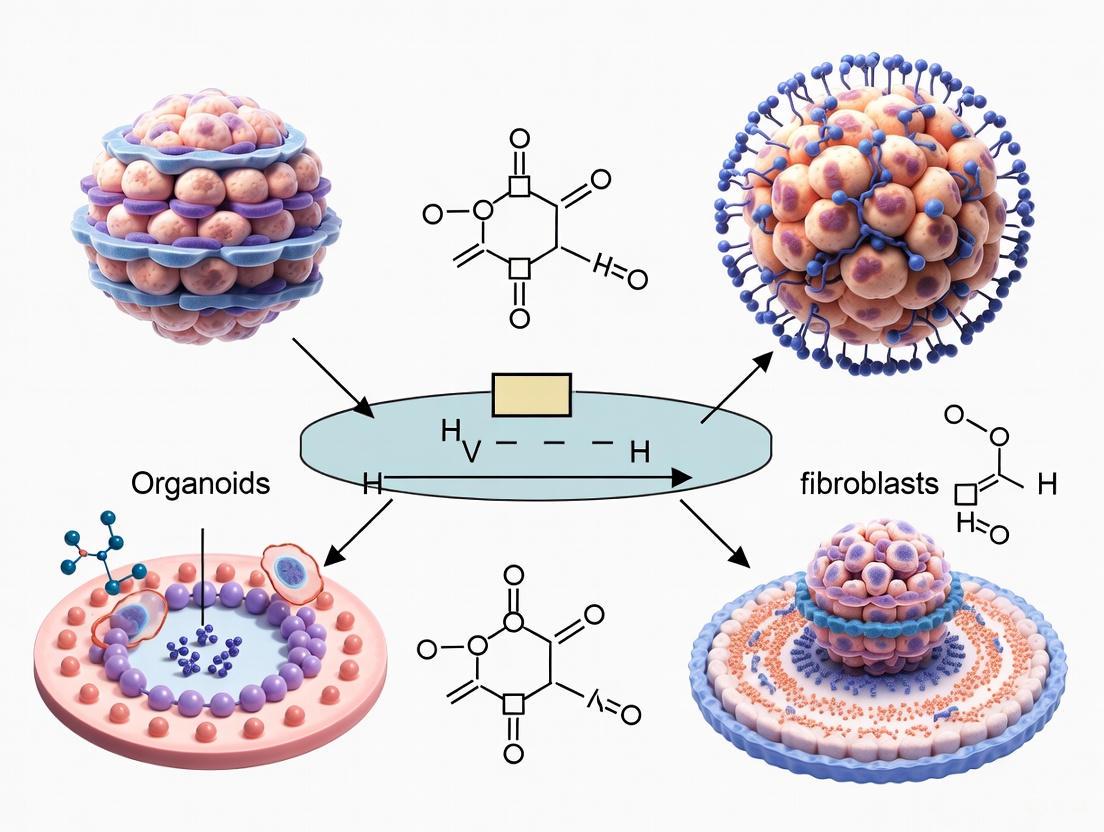
This article provides a comprehensive overview of the establishment, application, and validation of co-culture systems combining organoids with fibroblasts.
Fibroblast-Organoid Co-Culture Systems: Modeling Tissue Complexity for Disease Research and Drug Development
Abstract
This article provides a comprehensive overview of the establishment, application, and validation of co-culture systems combining organoids with fibroblasts. Designed for researchers and drug development professionals, it explores the foundational biology of fibroblast-epithelial interactions, detailed methodologies for robust 3D model setup, solutions for common technical challenges, and rigorous validation approaches. By synthesizing recent advances and case studies from cancer and inflammatory bowel disease research, this resource serves as a guide for leveraging these physiologically relevant models to recapitulate disease hallmarks, study mechanisms of drug resistance, and advance preclinical drug discovery.
The Biological Foundation: Understanding Fibroblast Roles in Tissue and Disease Microenvironments
The Evolution of Organoid Models in Biomedical Research
Organoids are three-dimensional (3D) miniature structures derived from stem cells or tissue-derived cells within a 3D culture matrix that replicate critical architectural, genetic, and functional characteristics of human organs [1] [2]. These self-organizing systems represent a transformative advancement over conventional two-dimensional (2D) cell cultures, preserving tumor heterogeneity and microenvironmental features that more accurately reflect in vivo biological conditions [1] [3]. The development of organoid technology has progressed significantly over the last two decades, driven by advances in stem cell biology and tissue engineering [1]. A seminal study by Sato et al. demonstrated that single Lgr5+ stem cells from the mouse intestine could generate crypt-villus structures in vitro without a mesenchymal niche, providing a foundational model for organoid culture across various tissues [1].
The establishment of robust organoid culture systems requires careful optimization of both the extracellular matrix (ECM) and culture medium components. Matrigel, extracted from Engelbreth-Holm-Swarm tumors, remains a widely used ECM material that forms a 3D gel at 37°C, providing structural support and biochemical cues for organoid development [1]. However, its animal origin introduces significant batch-to-batch variability, prompting the development of synthetic alternatives such as hydrogels and gelatin methacrylate (GelMA) with more consistent properties [1]. Culture media must be precisely formulated with specific growth factors, cytokines, and inhibitors tailored to the organoid type, typically including molecules like Wnt3A, R-spondin-1, Noggin, and B27 to maintain stemness and inhibit non-tumor cell overgrowth [1].
Despite their considerable advantages, traditional organoid models face a critical limitation: they typically consist primarily of epithelial cells and lack the complex cellular microenvironment present in native tissues, including immune cells, fibroblasts, vascular networks, and neural elements [4] [2]. This simplification restricts their ability to fully recapitulate the dynamic intercellular interactions that govern tissue homeostasis, disease progression, and therapeutic responses in living systems [3].
Fibroblasts and Cancer-Associated Fibroblasts (CAFs) in the Tumor Microenvironment
The tumor microenvironment (TME) comprises all non-tumor elements of cancer tissue, including immune cells, fibroblasts, endothelial cells, adipocytes, and extracellular matrix, which collectively strongly influence disease progression and phenotype [4]. Among these components, cancer-associated fibroblasts (CAFs) constitute a particularly abundant and functionally diverse cell population that plays multiple crucial roles in tumor biology [4] [5].
CAFs are mesenchymal cells found within tumors that typically lack mutations present in cancer cells but exhibit activated phenotypes [5]. They originate from various sources, primarily through activation of local tissue-resident fibroblasts, though conversion from adipocytes, pericytes, endothelial cells, and bone marrow-derived mesenchymal stem cells has also been documented [5]. In normal physiology, fibroblasts are major producers of connective tissue ECM and play key roles in tissue repair, becoming activated myofibroblasts following tissue damage [5]. In cancers, CAFs maintain these functions but often with altered regulation that supports tumor progression.
CAFs demonstrate remarkable functional plasticity and heterogeneity, with diverse subtypes exhibiting distinct properties [4] [5]. Myofibroblastic CAFs (myCAFs) typically express high levels of α-smooth muscle actin (α-SMA) and contribute to ECM remodeling and tissue stiffness, while inflammatory CAFs (iCAFs) secrete various cytokines and growth factors that influence immune cell activity and cancer cell behavior [4]. The specific CAF composition varies across cancer types and even within individual tumors, creating complex microenvironmental niches.
Functionally, CAFs contribute to multiple hallmarks of cancer through various mechanisms:
- ECM remodeling: CAFs deposit and reorganize extracellular matrix components, creating physical barriers that can impede drug delivery while promoting cancer cell invasion [5].
- Metabolic support: They provide metabolic substrates to fuel cancer cell growth and survival under nutrient-limited conditions [5].
- Therapy resistance: CAF-secreted factors can protect cancer cells from chemotherapy, radiation, and targeted therapies [4] [6].
- Imm modulation: They produce cytokines and chemokines that shape the immune landscape, often creating an immunosuppressive environment [5].
- Angiogenesis: CAFs secrete pro-angiogenic factors like VEGFA that stimulate new blood vessel formation to support tumor growth [5].
The critical roles of CAFs in tumor progression and therapy resistance underscore why incorporating these cells into organoid models is essential for creating physiologically relevant experimental systems.
Quantitative Assessment of Organoid Systems
Table 1: Organoid Similarity Assessment Using Organ-Specific Gene Expression Panels
| Organ-Specific Panel | Number of Genes in Panel | Target Tissue | Validation Method | Reference Database |
|---|---|---|---|---|
| LiGEP (Liver-specific Gene Expression Panel) | Not specified | Liver | RNA-seq comparison | GTEx |
| HtGEP (Heart-specific Gene Expression Panel) | 144 genes | Heart | RNA-seq comparison | GTEx |
| LuGEP (Lung-specific Gene Expression Panel) | 149 genes | Lung | RNA-seq comparison | GTEx |
| StGEP (Stomach-specific Gene Expression Panel) | 73 genes | Stomach | RNA-seq comparison | GTEx |
Table 2: Key Growth Factors and Inhibitors for Organoid Culture
| Component | Function in Organoid Culture | Commonly Used Concentrations | Primary Signaling Pathway |
|---|---|---|---|
| Wnt3A | Maintains stemness and promotes proliferation | Varies by organoid type | Wnt/β-catenin |
| R-spondin-1 | Enhances Wnt signaling | 1 μg/mL (intestinal organoids) | Wnt/β-catenin |
| Noggin | Inhibits BMP signaling | 50-100 ng/mL | BMP |
| EGF (Epidermal Growth Factor) | Promoves epithelial proliferation and survival | 50 ng/mL | EGFR |
| B27 Supplement | Provides essential nutrients and antioxidants | 1X | Multiple |
| N-acetylcysteine | Antioxidant, reduces oxidative stress | 1 mM | - |
| Y-27632 (ROCK inhibitor) | Inhibits anoikis, improves cell survival after passage | 10 μM | Rho/ROCK |
A significant advancement in organoid technology is the development of quantitative methods to assess the fidelity of organoids to their native tissue counterparts. The Web-based Similarity Analytics System (W-SAS) represents one such approach, calculating organ-specific similarity scores based on organ-specific gene expression panels (Organ-GEPs) derived from the GTEx database [7]. These panels enable researchers to quantitatively evaluate how closely their organoid models resemble target human organs, providing a standardized metric for quality control and model optimization [7].
The creation of Organ-GEPs involves a rigorous multi-step analytical process. First, differential expression analysis identifies genes with significant expression in target tissues compared to other tissues. Second, confidence interval filtering selects genes specifically highly expressed in particular tissues. Finally, quantile comparison eliminates false positives by ensuring expression values in the target tissue exceed those in all other tissues [7]. This systematic approach has yielded validated gene panels for multiple organs, including a heart-specific panel (HtGEP) with 144 genes, a lung-specific panel (LuGEP) with 149 genes, and a stomach-specific panel (StGEP) with 73 genes [7].
Protocols for Establishing Fibroblast-Organoid Co-Culture Models
Esophageal Adenocarcinoma (EAC) Assembloid Generation
A robust protocol for generating EAC assembloids co-culturing patient-derived organoids (PDOs) with cancer-associated fibroblasts (CAFs) has been developed by Sharpe et al. [4]. This method creates a physiologically relevant model that recapitulates the differentiation status of EAC and different CAF phenotypes found in the patient TME.
Materials and Reagents:
- Patient-derived EAC organoids
- Primary EAC CAFs derived from explant outgrowth
- Basement membrane extract (BME)
- Rat collagen I
- Complete DMEM medium
- Esophageal organoid growth media (for monoculture controls)
Procedure:
- Cell Preparation: Harvest and dissociate EAC PDOs into single cells or small clusters. Trypsinize CAFs to create a single-cell suspension.
- Cell Seeding: Combine PDOs and CAFs in a 1:2 ratio (e.g., 2.5 × 10^4 organoid cells with 5 × 10^4 CAFs) in a low-attachment plate.
- Aggregation: Culture overnight in complete DMEM under low-attachment conditions to facilitate cell aggregation.
- Matrix Embedding: The following day, embed the aggregates in a 3:1 mixture of rat collagen I:BME.
- Culture Maintenance: Feed assembloids with complete DMEM every 2-3 days for 7-8 days total.
- Endpoint Analysis: At day 7-8, process assembloids for histological, immunofluorescence, or RNA-seq analysis.
Key Considerations:
- EAC PDOs do not survive when grown in BME with complete DMEM alone, confirming that CAFs provide essential factors for survival and proliferation [4].
- The co-culture system eliminates the need for expensive esophageal organoid growth media containing factors that maintain epithelial stem cell niches, which might affect CAF phenotypes [4].
- Assembloids typically contract initially after embedding, then develop round bud-like structures on the periphery by day 3, which continue developing until endpoint analysis [4].
Intestinal Organoid-Fibroblast Co-Culture System
For modeling intestinal epithelial-mesenchymal interactions, a established co-culture system enables the study of fibroblast support in epithelial organoid growth [8].
Materials and Reagents:
- Primary intestinal fibroblasts or CAFs
- Intestinal epithelial organoids
- Advanced DMEM/F12 media
- Growth factor-reduced Matrigel
- Co-culture media: basal organoid media supplemented with 10% FBS and 50 ng/mL recombinant mouse EGF
- Additional supplements: 10 μM Y-27632 (for fresh crypt isolations), 1X amphotericin B (initial culture)
Procedure:
- Fibroblast Isolation: Isolate primary intestinal fibroblasts through mechanical and enzymatic digestion of intestinal tissue using collagenase/dispase enzyme mixture.
- Crypt Isolation: Separate intestinal crypts from mouse small intestine using EDTA chelation and mechanical dissociation.
- Monoculture Establishment: Culture intestinal organoids in growth factor-reduced Matrigel with ENR media (EGF, Noggin, R-spondin 1).
- Co-culture Setup: Combine dissociated organoid cells with fibroblasts in Matrigel domes.
- Culture Maintenance: Feed with co-culture media every 2-3 days, observing fibroblast-mediated support of epithelial growth.
Validation Methods:
- Whole-mount immunofluorescence for 3D visualization of cell interactions
- Histological analysis (H&E, Alcian blue/PAS for mucins, picrosirius red for collagen)
- RNA sequencing to compare co-cultures with parental organoids and fibroblasts
Figure 1: Experimental Workflow for Establishing Fibroblast-Organoid Co-Culture Models. The process involves establishing organoids from tissue samples, combining them with fibroblasts in optimized ratios and matrices, and validating the resulting models through morphological and molecular analyses.
The Scientist's Toolkit: Essential Research Reagents
Table 3: Essential Research Reagents for Organoid-Fibroblast Co-Culture Systems
| Reagent Category | Specific Examples | Function | Considerations & Alternatives |
|---|---|---|---|
| Extracellular Matrices | Matrigel, BME (Basement Membrane Extract), Rat Collagen I, Synthetic Hydrogels (GelMA) | Provide 3D structural support, biochemical cues | Matrigel has batch variability; synthetic hydrogels offer consistency |
| Growth Factors & Cytokines | Wnt3A, R-spondin-1, Noggin, EGF, HGF, FGF | Maintain stemness, promote proliferation, direct differentiation | Concentrations vary by organoid type; "minus" strategies reducing factors are emerging |
| Cell Culture Media | Advanced DMEM/F12, Complete DMEM, Organoid-specific media formulations | Nutritional support, physiological environment | Co-culture may allow simplified media vs. monoculture requirements |
| Dissociation Reagents | Collagenase, Dispase, Trypsin-EDTA, Gentle Cell Dissociation Reagent | Tissue processing, organoid passaging | Enzyme selection and concentration critical for cell viability |
| Supplements | B27, N2, N-acetylcysteine, Y-27632 (ROCK inhibitor) | Enhance cell survival, reduce stress, inhibit differentiation | Essential for initial plating and passaging |
| Characterization Tools | Pan-cytokeratin antibodies, Vimentin antibodies, α-SMA antibodies, Tissue clearing reagents | Cell type identification, model validation | Whole-mount IF requires specialized protocols for 3D structures |
Signaling Pathways in Fibroblast-Organoid Interactions
Figure 2: Signaling Pathways in Fibroblast-Organoid Crosstalk. Cancer-associated fibroblasts (CAFs) communicate with tumor organoids through multiple signaling mechanisms, including ECM deposition, growth factor secretion, and cytokine production, activating corresponding pathways in organoids that influence proliferation, differentiation, therapy resistance, and invasive behavior.
The co-culture of tumor organoids with fibroblasts activates numerous signaling pathways that mediate critical interactions between epithelial and mesenchymal compartments. These signaling networks underlie the functional benefits of complex co-culture systems and explain why mono-culture organoids fail to recapitulate key aspects of in vivo biology.
A prominent mechanism of fibroblast-mediated support involves Wnt signaling provision. In pancreatic cancer models, Seino et al. demonstrated that CAFs supply Wnt ligands to support the growth of a Wnt-non-secreting subtype of PDAC PDOs [4]. Similarly, in colorectal carcinoma, CAFs maintain key survival pathways through direct cell-cell interactions and paracrine signaling [4]. These observations highlight how fibroblasts create trophic support systems that maintain cancer cell proliferation under conditions that would otherwise be non-permissive.
Beyond trophic support, fibroblasts activate resistance pathways that protect tumor cells from therapeutic interventions. In EAC models, CAF positivity is associated with worse tumor stage, higher metastasis rates, and shorter survival [4]. Markers of myofibroblast CAF differentiation (α-SMA and periostin) correlate with poor prognosis, and targeting this differentiation state can sensitize tumors to chemotherapy [4]. Similar findings in ovarian cancer co-culture models demonstrate that CAFs confer resistance to standard chemotherapeutic agents through mechanisms that remain partially elucidated but likely involve both physical barrier formation and biochemical signaling [6].
The signaling reciprocity in these systems is equally important, with tumor organoids influencing CAF phenotypes in return. Tsai et al. observed activation of myofibroblast-like CAFs in co-culture models of peripheral blood mononuclear cells with pancreatic cancer organoids [2]. This bidirectional communication creates dynamic feedback loops that more accurately mimic the evolving tumor microenvironment during disease progression.
The development of complex co-culture models integrating organoids with fibroblasts represents a significant advancement in our ability to model human biology and disease in vitro. These systems address fundamental limitations of traditional organoid cultures by incorporating crucial stromal components that influence virtually all aspects of tumor behavior, from proliferation and differentiation to therapy resistance and immune evasion.
Future developments in this field will likely focus on increasing model complexity even further by incorporating additional cellular components, including immune cells, endothelial cells, and neural elements, to create truly comprehensive microenvironmental models [1] [3]. Technological innovations such as 3D bioprinting, microfluidic organ-on-a-chip platforms, and advanced synthetic matrices will enhance the precision, reproducibility, and scalability of these systems [1] [9]. The integration of artificial intelligence and multi-omics approaches will further strengthen the analytical power of co-culture models, enabling deeper insights into the molecular mechanisms underlying cell-cell interactions [1] [3].
As these advanced models become more widespread and standardized, they are poised to transform biomedical research and drug development. The U.S. Food and Drug Administration's recent announcement outlining plans to phase out traditional animal testing in favor of organoids and organ-on-a-chip systems for drug safety evaluation signals a major shift in regulatory science that will accelerate the adoption of these technologies [3]. By providing more human-relevant preclinical models that better predict clinical outcomes, organoid-fibroblast co-culture systems offer tremendous potential to enhance drug development efficiency, advance personalized medicine approaches, and ultimately improve patient care.
Fibroblasts, once considered a uniform population of structural cells in connective tissue, are now recognized as highly heterogeneous players in organ development, homeostasis, and disease. These cells constitute one of the most widespread cell types in the body, residing in all dense and loose fibrous connective tissues and functioning as critical components of the tissue microenvironment [10]. The advent of single-cell transcriptomics has revolutionized our understanding of fibroblast diversity, revealing a complex landscape of subtypes with specialized functions that vary across anatomical locations and physiological states [10]. This heterogeneity extends to pathological contexts, where fibroblasts adopt distinct activation states that significantly influence disease progression, particularly in cancer and fibrotic disorders.
In the context of cancer, Cancer-Associated Fibroblasts (CAFs) emerge as key stromal components that actively participate in tumor progression, metastasis, and therapeutic resistance [11]. Similarly, in benign conditions such as endometriosis, fibroblast subpopulations drive fibrosis and immune remodeling through specific signaling pathways [12]. The study of fibroblast heterogeneity has been greatly enhanced by advanced co-culture models that incorporate patient-derived organoids, enabling researchers to recapitulate critical tumor-stromal interactions in vitro [6] [13]. This Application Note explores the transition of fibroblasts from homeostatic to disease-associated phenotypes, with a specific focus on experimental approaches for defining and targeting fibroblast heterogeneity in organoid co-culture systems.
Deciphering Fibroblast Heterogeneity Through Single-Cell Technologies
Molecular Definitions of Fibroblast Subpopulations
Single-cell RNA sequencing (scRNA-seq) has been instrumental in moving beyond morphological classifications to establish molecular definitions of fibroblast heterogeneity. These technologies have revealed that no single marker can universally identify all fibroblasts across organs; instead, combinations of markers are required for accurate discrimination [10]. Traditionally used markers include vimentin (VIM), fibroblast specific protein 1 (FSP1/S100A4), platelet derived growth factor receptor-alpha (PDGFRA), fibroblast activation protein-alpha (FAP), and CD90 (Thy1) [10].
In healthy tissues, fibroblasts demonstrate remarkable organ-specificity while also sharing conserved subtypes across anatomical locations. For instance, transcriptomic analyses have identified Pi16+Col15a1+ fibroblast subtypes present in multiple organs, as well as distinct populations defined by Tnc+Cd34- and Tnc-Cd34+ expression patterns in both colon and bladder [10]. Functional specialization is equally diverse, with some subtypes specializing in extracellular matrix (ECM) production, while others engage in immunological activities or provide developmental signaling cues [10].
In disease states, fibroblasts undergo dramatic phenotypic shifts. In endometriosis, scRNA-seq analyses of patient lesions have identified five transcriptionally distinct fibroblast subtypes, with the C2 CXCR4+ subpopulation exhibiting high proliferative capacity, stemness characteristics, and a key role in driving fibrosis through FN1-mediated signaling [12]. In breast cancer, CAFs have been categorized into four functional subtypes (S1-S4) based on marker expression profiles, with CAF-S1 (FAP-high) associated with immunosuppression and CAF-S4 (FAP-low, αSMA-high) linked to invasion and metastasis [11].
Table 1: Key Fibroblast Subpopulations in Homeostasis and Disease
| Tissue Context | Subpopulation | Key Markers | Primary Functions |
|---|---|---|---|
| Multiple Healthy Organs | Pi16+ Col15a1+ | PI16, COL15A1 | Conserved across-tissue stromal support |
| Healthy Intestine & Bladder | Tnc+ Cd34- | TNC, CD34- | Distinct tissue-specific niche functions |
| Healthy Intestine & Bladder | Tnc- Cd34+ | TNC-, CD34+ | Distinct tissue-specific niche functions |
| Pubertal Mammary Gland | Contractile Niche Fibroblasts | Specialized contractile proteins | Form transient niche for branching epithelium [14] |
| Endometriosis Lesions | C2 CXCR4+ Fibroblasts | CXCR4, High FN1 signaling | Fibrosis driver, high proliferation/stemness [12] |
| Breast Cancer (CAF-S1) | Immunosuppressive CAF | FAP-high, αSMA | Immune suppression, wound healing [11] |
| Breast Cancer (CAF-S4) | Pro-invasive CAF | FAP-low, αSMA-high | Invasion, metastasis [11] |
Functional Heterogeneity in Disease
The functional implications of fibroblast heterogeneity are particularly evident in disease contexts. Mathematical modeling of CAF heterogeneity has demonstrated that distinct phenotypic proportions can significantly impact treatment outcomes, suggesting that assessing patient-specific CAF landscapes could guide more effective therapeutic choices [15]. These models typically categorize CAFs into four functional phenotypes: antiimmune (expressing PD-L1 and FASL to exhaust T cells), proimmune (supporting T cell infiltration and activation), anticancer (inducing cancer cell death via TRAIL), and procancer (promoting growth via PGE2 and PI3K activation) [15].
In breast cancer, CAF heterogeneity directly influences drug sensitivity patterns. Research using patient-derived CAF cultures has revealed that CAF-S2 cells exhibit the highest resistance to antitumor agents like doxorubicin, cisplatin, and tamoxifen, while CAF-S4 and CAF-S1 demonstrate greater sensitivity [11]. This differential response highlights the importance of defining CAF subpopulations for predicting treatment efficacy.
Application Notes: Experimental Models for Fibroblast-Organoid Co-culture
Protocol 1: Establishing 3D Assembloids for Tumor-Stromal Interaction Studies
The co-culture of patient-derived organoids (PDOs) with cancer-associated fibroblasts (CAFs) in 3D assembloid models provides a robust platform for investigating tumor-stromal crosstalk while preserving patient-specific characteristics.
Workflow Overview:
Detailed Methodology:
Sample Processing and Cell Isolation:
- Obtain patient tumor samples from surgical resections or biopsies, ideally from tumor margins with minimal necrosis [2].
- Mechanically dissociate tissue using scalpels or forceps, followed by enzymatic digestion with collagenase (1-2 mg/mL) and dispase (1-2 mg/mL) in PBS for 30-60 minutes at 37°C with gentle agitation [2].
- Filter the cell suspension through 70-100μm strainers to remove undigested fragments.
- Use differential centrifugation or fluorescence-activated cell sorting (FACS) to separate epithelial cells from stromal components based on EpCAM/CD326 (epithelial) and Thy1/CD90 (fibroblast) surface markers [13].
Establishment of Monocultures:
- Patient-Derived Organoids (PDOs): Seed epithelial cells in growth factor-reduced Matrigel domes. Culture with organoid medium supplemented with tissue-specific growth factors (e.g., Wnt3A, R-spondin-1, Noggin, EGF) and small molecule inhibitors (e.g., TGF-β receptor inhibitors) to support stem cell maintenance and growth [2]. Passage every 1-2 weeks by mechanical disruption and re-embedding in Matrigel.
- Cancer-Associated Fibroblasts (CAFs): Culture fibroblast-containing stromal fraction in adherent flasks using fibroblast medium (DMEM/F12 supplemented with 10% FBS, 1% Penicillin-Streptomycin, and 1% GlutaMAX) [12] [11]. Isolate pure CAF populations through successive passaging, as fibroblasts will outgrow other stromal components.
Assembloid Co-culture:
- Harvest PDOs by dissolving Matrigel in cold PBS or cell recovery solutions and collect by gentle centrifugation.
- Dissociate PDOs into small clusters or single cells using TrypLE or accutase, as required by the experiment.
- Trypsinize CAFs and resuspend in appropriate culture medium.
- Combine PDO-derived cells and CAFs at optimized ratios (typically ranging from 1:1 to 1:5 PDO:CAF cells) [13].
- Mix the cell suspension with ice-cold growth factor-reduced Matrigel and plate as domes in pre-warmed culture plates.
- After Matrigel polymerization, overlay with assembloid culture medium, typically a 1:1 mixture of organoid and fibroblast media, or a customized formulation supporting both cell types.
- Refresh the medium every 2-3 days and monitor assembloid development for 7-14 days before experimental analysis.
Characterization and Validation:
- Whole-Mount Immunofluorescence: Fix assembloids in 4% paraformaldehyde, permeabilize with Triton X-100, and clear using tissue-clearing reagents. Perform immunostaining for architectural markers (e.g., E-cadherin for epithelium, vimentin for fibroblasts) and functional markers (e.g., αSMA for activated fibroblasts, Ki-67 for proliferation) to visualize spatial relationships and cell states in 3D [13].
- Transcriptomic Analysis: Isemble RNA from assembloids for bulk RNA-seq to investigate global transcriptional changes and pathway activation. Alternatively, recover single cells for scRNA-seq to deconvolute cellular heterogeneity and intercellular communication networks [12] [13].
- Functional Assays: Treat assembloids with therapeutic agents to investigate drug response, resistance mechanisms, and the role of specific fibroblast subpopulations in treatment outcomes [11] [6].
Protocol 2: Functional Interrogation of Specific Fibroblast Subpopulations
For investigators focusing on specific fibroblast functions, such as the pro-fibrotic C2 CXCR4+ subpopulation in endometriosis or the contractile fibroblasts in mammary morphogenesis, targeted experimental approaches are required.
Signaling Pathway Interrogation:
Detailed Methodology for Functional Studies:
Genetic Manipulation of Target Genes:
- siRNA Transfection: Design CXCR4-targeting siRNAs or non-targeting control siRNAs. Seed fibroblasts (e.g., ihESC or hEM15A cell lines) in appropriate culture vessels to reach 30-50% confluency at time of transfection [12].
- Use Lipofectamine RNAiMAX transfection reagent according to manufacturer's instructions, with typical siRNA concentrations of 10-50nM [12].
- Replace transfection medium with fresh culture medium 6-24 hours post-transfection.
- Assess knockdown efficiency 48-72 hours post-transfection by qRT-PCR for CXCR4 mRNA levels and, if possible, Western blot for protein validation.
Functional Assays for Phenotypic Characterization:
- Cell Proliferation Assay (CCK-8): Seed transfected or treated cells at 5×10³ cells per well in 96-well plates. At designated time points (24, 48, 72, 96 hours), add 10μL of CCK-8 reagent to each well and incubate at 37°C for 2 hours. Measure absorbance at 450nm using a microplate reader and plot growth curves from optical density measurements [12].
- Colony Formation Assay: Plate transfected cells at low density (1×10³ cells per well) in 6-well plates and culture for 10-14 days. Fix colonies with 4% paraformaldehyde for 15 minutes, stain with 0.1% crystal violet for 10 minutes, photograph under a microscope, and count colonies to evaluate long-term proliferative capacity [12].
- Transwell Migration Assay: Assess cell migration capacity using Transwell chambers with 8-μm pore size. Seed transfected cells in serum-free medium in the upper chamber, with complete medium containing chemoattractant (e.g., 10% FBS) in the lower chamber. After 12-24 hours of incubation, fix and stain cells that migrate through the membrane, then count under a microscope [12].
Table 2: Key Research Reagent Solutions for Fibroblast-Organoid Co-culture Studies
| Reagent Category | Specific Examples | Function/Application | Experimental Context |
|---|---|---|---|
| Extracellular Matrix | Growth Factor-Reduced Matrigel | Provides 3D scaffold for organoid and assembloid culture | General organoid/assembloid culture [2] [13] |
| Digestion Enzymes | Collagenase, Dispase | Tissue dissociation for primary cell isolation | Initial processing of patient samples [2] |
| Cell Culture Media | DMEM/F12 with supplements; Organoid-specific media with growth factors (Wnt3A, R-spondin-1, Noggin, EGF) | Supports growth and maintenance of fibroblasts and organoids | Maintenance of monocultures and co-cultures [12] [2] |
| Transfection Reagents | Lipofectamine RNAiMAX | Delivery of siRNA for gene knockdown | Functional studies of specific targets (e.g., CXCR4) [12] |
| Cell Separation | EpCAM/CD326, Thy1/CD90 antibodies | Isolation of specific cell populations by FACS | Separation of epithelial and stromal fractions [13] |
| Detection Assays | CCK-8 reagent, Crystal violet | Assessment of cell proliferation and viability | Functional characterization post-treatment [12] |
Discussion and Future Perspectives
The integration of fibroblast-organoid co-culture models with single-cell technologies and spatial transcriptomics represents a paradigm shift in stromal biology research. These approaches have moved the field beyond descriptive heterogeneity cataloging toward functional mechanistic studies that elucidate how specific fibroblast subpopulations influence epithelial behavior, immune responses, and therapeutic outcomes. The experimental frameworks outlined herein provide actionable methodologies for researchers to investigate these complex interactions in physiologically relevant contexts.
Future directions in this field will likely focus on increasing model complexity by incorporating additional microenvironmental components, particularly immune cells and vascular elements, to create more comprehensive tissue mimics [2]. Integration with microfluidic organ-on-chip platforms will further enhance physiological relevance by introducing mechanical forces and dynamic nutrient flow [16]. From a therapeutic perspective, the systematic characterization of patient-specific CAF heterogeneity holds promise for developing fibroblast-targeted therapies and personalizing treatment strategies based on individual stromal compositions [15]. The protocols and applications detailed in this document provide a foundation for these advancing areas of investigation, enabling researchers to systematically decode the complexities of fibroblast heterogeneity in health and disease.
Crucial Signaling Pathways in Fibroblast-Organoid Cross-Talk
The integration of fibroblasts into organoid cultures has emerged as a transformative approach for modeling human diseases and advancing drug discovery. These sophisticated 3D co-culture systems recapitulate critical aspects of the native tissue microenvironment by enabling direct cell-cell contact and dynamic paracrine signaling between epithelial and mesenchymal compartments. Understanding the crucial signaling pathways that mediate this cross-talk is essential for leveraging these models to study disease mechanisms and therapeutic interventions. This application note provides a detailed experimental framework for investigating key pathways such as IL-6/STAT3, WNT, and inflammatory signaling in fibroblast-organoid co-cultures, with specific protocols and analytical methods optimized for robustness and reproducibility.
Key Signaling Pathways and Functional Outcomes
Fibroblast-organoid interactions are governed by a complex network of signaling pathways that direct epithelial differentiation, proliferation, and functional specialization. The table below summarizes the primary pathways, their functional consequences, and relevant experimental models.
Table 1: Crucial Signaling Pathways in Fibroblast-Organoid Cross-Talk
| Signaling Pathway | Key Effector Molecules | Functional Outcome in Organoids | Experimental Validation Context |
|---|---|---|---|
| IL-6/STAT3 | IL-6, STAT3, PI3K-Akt | Induces cystic organoid growth, reduced SFTPC expression, and increased MUC5B expression [17] | Co-culture of primary lung fibroblasts with AT2 cells [17] |
| WNT Signaling | WNT ligands, FGF | Regulates AT2 progenitor cell growth, self-renewal, and differentiation [17] | Human lung organoid models [17] |
| Pro-inflammatory Signaling | Multiple chemokines (e.g., CXCL8) | Decreased epithelial proliferation, organoid swelling, increased cell death [18] | IBD patient-derived organoids co-cultured with inflamed fibroblasts [18] |
| PI3K-Akt | PI3K, Akt | Activated in fibroblasts; supports STAT3 signaling in epithelial cells [17] | Lung organoid-fibroblast co-cultures [17] |
Detailed Experimental Protocols
Protocol 1: Establishing Robust Fibroblast-Organoid Co-Cultures
This protocol outlines the steps for generating reproducible 3D co-cultures suitable for signaling pathway analysis.
Materials
- Primary Cells: Patient-derived organoids (PDOs) and primary fibroblasts (from target tissue).
- Basal Medium: Organoid-specific basal medium (e.g., IntestiCult for intestinal organoids, specialized AT2 medium for lung organoids).
- Matrix: Cultrex Reduced Growth Factor Basement Membrane Extract (BME), Type 2 or Matrigel.
- Cytokines & Reagents: Recombinant human IL-6 (for stimulation), inflammatory trigger (e.g., cytokine cocktail: TNF-α, IL-1β, IFN-γ).
- Inhibitors/Drugs: Dasatinib (STAT3 inhibitor), Tofacitinib (JAK/STAT inhibitor).
Procedure
Organoid and Fibroblast Pre-Culture:
- Culture and expand PDOs in BME domes with appropriate medium for 5-7 days until they reach a size of 150-300 µm.
- Maintain primary fibroblasts in 2D culture using fibroblast growth medium (e.g., DMEM + 10% FBS). Use fibroblasts between passages 3-8.
Co-Culture Setup:
- Harvest and dissociate organoids into single cells or small clusters (<10 cells).
- Trypsinize and resuspend fibroblasts to a concentration of 1-2 x 10^5 cells/mL.
- Combine organoid cells and fibroblasts in a 1:1 ratio in a chilled tube [19].
- Centrifuge the cell mixture, aspirate supernatant, and resusdate the pellet in cold BME on ice. A final BME volume of 10-15 µL is typical.
- Plate the BME-cell suspension as domes in the center of pre-warmed 24-well culture plates.
- Polymerize the domes for 20-30 minutes at 37°C, then carefully add 500 µL of co-culture medium.
Culture Maintenance:
Protocol 2: Inducing and Monitoring an Inflammatory Phenotype
This protocol describes how to mimic a disease-like environment, such as Inflammatory Bowel Disease (IBD) or fibrosis, within the co-culture system.
Inflammatory Fibroblast Priming:
- Pre-treat fibroblasts for 24-48 hours with an inflammatory trigger. The specific cocktail must be titrated for robustness; a suggested starting point is 10-50 ng/mL each of TNF-α and IL-1β [18].
Co-Culture under Inflammatory Conditions:
- Establish co-cultures as in Protocol 3.1.2, using the primed fibroblasts.
- Include the inflammatory trigger in the co-culture medium for the duration of the experiment.
Phenotypic Readouts:
- Organoid Swelling: Quantify the change in organoid cross-sectional area over time using brightfield or confocal microscopy. A Z' factor of >0.5 confirms a robust and reproducible assay [18].
- Cell Death: Assess via dyes like DRAQ7 or assays for caspase activity.
- Proliferation: Measure using EdU (5-ethynyl-2'-deoxyuridine) incorporation, quantified by mean nuclear intensity [18].
Protocol 3: Pathway Perturbation and Drug Testing
This protocol is used to validate the role of a specific pathway or to test candidate therapeutics.
Therapeutic Intervention:
Endpoint Analysis:
- After 3-7 days of treatment, harvest assembloids for downstream analysis.
- Key analyses include:
- Immunofluorescence (IF): Stain for MUC5B, SFTPC, KRT20, KI67, and cleaved caspase-3.
- Gene Expression: Perform qRT-PCR for markers like MUC5B, SFTPC, CXCL8.
- Single-Cell RNA Sequencing (scRNA-seq): To comprehensively map shifts in cell states and pathways [17].
The Scientist's Toolkit: Essential Research Reagents
The table below lists critical reagents for successfully implementing the described fibroblast-organoid co-culture models.
Table 2: Key Research Reagent Solutions for Co-Culture Studies
| Reagent/Category | Specific Examples | Function in Co-Culture Model |
|---|---|---|
| Extracellular Matrix | Cultrex BME, Type 2; Matrigel | Provides a 3D scaffold for organoid and fibroblast growth and interaction. |
| Cytokines & Growth Factors | Recombinant Human IL-6; TNF-α; IL-1β | Used to stimulate specific pathways (e.g., STAT3) or induce an inflammatory fibroblast phenotype. |
| Small Molecule Inhibitors | Dasatinib; Tofacitinib | Validated inhibitors to block specific signaling pathways (e.g., STAT3, JAK) and assess their functional role. |
| Cell Lineage Markers | Anti-PanCK (Epithelial); Anti-Vimentin (Fibroblasts); Anti-αSMA (Myofibroblasts) | Essential for identifying and distinguishing cell types in multiplexed imaging and spatial analysis [19]. |
| Functional Assay Kits | EdU Cell Proliferation Kits; Caspase-3 Assay Kits | For quantifying changes in cell proliferation and apoptosis in response to co-culture conditions or drugs. |
| Spatial Biology Platforms | Multiplexed IF (e.g., PhenoCycler) | Enables quantitative analysis of cell-cell colocalization and spatial organization in assembloids [19]. |
Signaling Pathway and Experimental Workflow Visualizations
Diagram 1: IL-6/STAT3 signaling from fibroblasts drives aberrant organoid differentiation, a key mechanism in fibrotic modeling [17].
Diagram 2: End-to-end experimental workflow for generating and analyzing fibroblast-organoid assembloids.
Fibroblasts as Architects of the Extracellular Matrix in 3D Cultures
In the evolving field of 3D cell culture, fibroblasts have emerged as master architects of the extracellular matrix (ECM), critically shaping the structural and biochemical landscape of the tumor microenvironment (TME). The ECM is not merely a passive scaffold but a dynamic, three-dimensional network that provides structural support and regulates key biological processes, including cell adhesion, migration, differentiation, and signal transduction [20]. Its mechanical properties, such as stiffness, topology, and viscoelasticity, are crucial in normal and pathological conditions, influencing cell behavior through mechanotransduction pathways [20]. In vitro models that fail to recapitulate these complex cellular connections and TMEs, as often seen in conventional two-dimensional (2D) cell cultures, limit their physiological relevance [21]. The development of 3D in vitro models, particularly scaffold-free organoid systems co-cultured with fibroblasts, enables cells to self-assemble into complex structures that mimic the complex architecture and physiological circumstances of native tissues, advancing our understanding of disease pathophysiology and drug response [21]. This protocol details the application of fibroblast-organoid co-culture systems to study how fibroblasts, as active architects, direct ECM composition and organization, thereby creating a more physiologically relevant model for research and drug development.
Background
The Extracellular Matrix as a Dynamic Entity
The ECM is a complex arrangement of macromolecules including collagens, elastin, fibronectin, laminins, and glycosaminoglycans (GAGs) [20]. Beyond providing structural integrity, the ECM is a highly dynamic system that constantly offers physical, biological, and chemical signals to embedded cells. Mechanical signals derived from the dynamic cellular microenvironment are essential controllers of cell behaviors [20]. Physical properties of ECM such as stiffness, viscoelasticity, pore size and porosity, topology and geometry, dimensionality, and dynamic properties regulate various important biochemical and biophysical processes, such as cell adhesion, spreading, migration, growth, and differentiation [20].
Fibroblasts as Master Regulators
Cancer-associated fibroblasts (CAFs) are a key component of the tumor stroma and are among the most critical secretors of ECM components and modulators [21]. They synthesize and remodel the ECM, depositing collagens (e.g., Collagen I), fibronectin, and laminins (e.g., Laminin-111, Laminin-332) [21]. They also secrete ECM-modifying enzymes such as matrix metalloproteinases (MMPs) and lysyl oxidases (LOX), which crosslink collagen fibers, increasing ECM stiffness and promoting tumor progression [20]. Through these activities, fibroblasts directly control the biomechanical properties of the 3D environment, influencing cancer cell invasiveness, immune cell infiltration, and therapeutic resistance [21] [20].
The Power of Co-culture Systems
Integrating fibroblasts into 3D organoid cultures creates a synergistic system that more accurately mimics in vivo conditions. This co-culture approach allows for the study of live dynamics between fibroblasts and epithelial cells that have been previously difficult to visualize and parse apart [8]. Such models have demonstrated that fibroblast-derived signals are indispensable for supporting epithelial organoid growth and for modeling the complex epithelial-mesenchymal crosstalk that defines tissue homeostasis and disease [8]. The development of these advanced co-culture models provides a more physiologically relevant and comprehensive platform for studying the diverse characteristics and behaviors of different types of cancer [2].
Quantitative Data on ECM Properties and Fibroblast-Directed Remodeling
The following tables summarize key quantitative data on ECM properties and their alteration in pathological states, which can be engineered and studied through fibroblast-organoid co-culture systems.
Table 1: Mechanical Properties of ECM in Normal and Diseased Tissues
| Tissue or Condition | ECM Stiffness (Elastic Modulus) | Key ECM Components and Alterations |
|---|---|---|
| Normal Breast Tissue | 0.167 ± 0.031 kPa [20] | Balanced composition of Collagen I, III, IV; Laminin-111 [21] |
| Breast Cancer Tumor | 4.04 ± 0.9 kPa [20] | Increased collagen I crosslinking, alignment, and density; aberrant Laminin-332 expression [21] [20] |
| Brain (Soft Tissue) | < 2 kPa [20] | High glycosaminoglycan (GAG) and proteoglycan content [20] |
| Bone (Hard Tissue) | 40–55 MPa [20] | Mineralized collagen matrix [20] |
| Pulmonary Fibrosis | ~16.52 ± 2.25 kPa (5-10x increase) [20] | Excessive collagen deposition (Collagen I, III) [20] |
Table 2: Key ECM Components and Their Functional Roles in 3D Cultures
| ECM Component | Primary Functional Role | Impact of Fibroblast-Driven Remodeling |
|---|---|---|
| Collagen I | Provides tensile strength; structural scaffold for 3D cell growth [21]. | Increased deposition and cross-linking leads to matrix stiffening, promoting invasive branching in mammary organoids and epithelial-mesenchymal transition (EMT) [21] [20]. |
| Fibronectin | Mediates cell adhesion and migration; crucial for initial matrix assembly [20]. | Upregulated expression enhances integrin-mediated adhesion and signaling (e.g., via α5β1, αV-class integrins), facilitating cell spreading and migration [22]. |
| Laminin-332 (111) | Maintains basement membrane integrity; regulates cell polarity and differentiation [21]. | Aberrant expression linked to tumor invasiveness; essential for normal breast acini formation and cancer stem cell self-renewal [21]. |
| Elastin | Confers tissue resilience and stretchability [20]. | Dysregulated degradation contributes to loss of tissue compliance in diseases. |
| Hyaluronic Acid (GAG) | Regulates hydration, osmotic pressure, and cell signaling [20]. | Increased levels create a pro-proliferative and migratory microenvironment. |
Experimental Protocol: Establishing a 3D Fibroblast-Organoid Co-culture System
This protocol outlines a methodology for co-culturing primary intestinal fibroblasts with epithelial organoids, adapted from established procedures [8]. It can be modified for other tissue types, such as mammary gland or breast cancer organoids.
Materials and Reagents
Table 3: Research Reagent Solutions for Fibroblast-Organoid Co-culture
| Reagent / Material | Function / Application | Example / Specification |
|---|---|---|
| Advanced DMEM/F12 | Basal medium for organoid and fibroblast culture [8]. | Gibco #12634-010 [8] |
| Growth Factor Reduced (GFR) Matrigel | Provides a biomimetic 3D scaffold for epithelial organoid growth [8]. | Store at -80°C [8] |
| Fetal Bovine Serum (FBS) | Supplements media for fibroblast growth and maintenance [8]. | Use at 10% for fibroblast culture [8] |
| N-2 & B-27 Supplements | Provide essential hormones and proteins for stem cell maintenance in serum-free organoid media [8]. | |
| Recombinant Growth Factors (EGF, Noggin, R-spondin 1) | Critical for intestinal stem cell self-renewal and organoid formation (ENR media) [8]. | E.g., Mouse EGF (Gibco), Human Noggin (R&D Systems) [8] |
| Collagenase / Dispase Enzyme Mix | Enzymatic digestion of tissue for isolation of mesenchymal cell population (fibroblasts) [8]. | 1.5 mg/mL Collagenase Type II + 1 mg/mL Dispase II in DMEM [8] |
| Y-27632 (ROCK inhibitor) | Improves survival of freshly isolated epithelial crypts and single cells by inhibiting apoptosis [8]. | Use at 10μM in co-culture media initially [8] |
| EDTA Solution | Chelating agent used to separate epithelial crypts from the mesenchymal tissue [8]. | 2-20 mM in PBS or HBSS, depending on tissue [8] |
- Tissue Isolation: Euthanize an adult mouse according to institutional animal protocols. Open the abdominal cavity and excise the small intestine. Flush the lumen thoroughly with ice-cold PBS to remove contents.
- Mesenchymal Tissue Preparation: Cut the intestine into ~2 cm pieces. longitudinally to open the gut tube. Transfer the tissue to a tube containing 10 mM EDTA in HBSS (pre-warmed to 37°C). Incubate for 20 minutes at 37°C on a nutating mixer.
- Epithelial Removal: Vortex the tube vigorously at maximum speed for 1 minute. This will release large epithelial sheets. Replace the EDTA solution with fresh pre-warmed solution and repeat the incubation and vortexing until the tissue appears translucent and no more epithelium is released. The remaining tissue is the mesenchymal layer, enriched for fibroblasts.
- Enzymatic Digestion: Mince the remaining mesenchymal tissue finely with scissors. Transfer the tissue fragments to a pre-warmed enzyme mixture (1.5 mg/mL Collagenase Type II and 1 mg/mL Dispase II in DMEM complete media). Incubate for 30-60 minutes at 37°C with vigorous shaking or vortexing every 10 minutes.
- Cell Collection and Plating: Triturate the digested tissue mixture up and down with a serological pipette to dissociate the cells. Pass the cell suspension through a 40μm cell strainer to remove debris. Centrifuge the filtrate and resuspend the pellet in Fibroblast Plating Media. Plate the cells in a tissue culture dish and culture at 37°C. Fibroblasts will adhere and proliferate.
- Crypt Isolation: Following Step A.2, the supernatant containing the released epithelial sheets from the EDTA vortexing steps is collected on ice. Allow the large fragments to settle by gravity for 1 minute. Collect the supernatant, which contains crypts, and centrifuge. The pellet contains epithelial crypts.
- Embedding in Matrigel: Resuspend the crypt pellet in cold GFR Matrigel. Plate small droplets (e.g., 20-30 μL) of the Matrigel-crypt suspension into the center of a culture dish. Polymerize the Matrigel by incubating at 37°C for 10-20 minutes.
- Organoid Culture: Overlay the polymerized Matrigel droplets with ENR media (Basal organoid media supplemented with 50 ng/mL EGF, 50 ng/mL Noggin, and 1 μg/mL R-spondin 1). Change the media every 2-3 days. Crypts will form organoids within 3-5 days.
- Passaging: For passaging, mechanically break up organoids or use a gentle cell dissociation reagent. Dissociate into small fragments or single cells, re-embed in Matrigel, and continue culture with ENR media.
- Preparation:
- Trypsinize and harvest primary intestinal fibroblasts (from Part A). Count and resuspend in Co-culture Media (Basal organoid media supplemented with 10% FBS and 50 ng/mL EGF).
- Harvest intestinal organoids (from Part B) by mechanically breaking up the Matrigel and gently dissociating organoids into small clusters using Gentle Cell Dissociation Reagent or pipetting.
- 3D Co-culture Setup:
- Option 1 (Mixed 3D): Mix the fibroblast suspension with the organoid fragments in cold GFR Matrigel. Plate as droplets and polymerize. Overlay with Co-culture Media.
- Option 2 (Conditioned Media): Culture fibroblasts in a separate vessel to generate conditioned media. Use this fibroblast-conditioned media (50-100% v/v) to culture organoids in Matrigel.
- Maintenance: Culture the co-culture system at 37°C. Change the Co-culture Media every 2-3 days. Monitor organoid growth and morphology, which should be enhanced compared to organoid-only cultures due to fibroblast-derived niche signals.
Key Signaling Pathways in Fibroblast-ECM-Organoid Crosstalk
The following diagram illustrates the core signaling pathways through which fibroblasts sense, remodel, and respond to the ECM, ultimately influencing epithelial organoid behavior.
This diagram shows how fibroblasts sense ECM stiffness via integrins, triggering a mechanotransduction cascade that leads to transcriptional changes via YAP/TAZ. This drives a feed-forward loop of CAF activation and ECM remodeling, which in turn shapes epithelial organoid behavior.
Application Notes
- Validation of the Model: After establishing the co-culture, validate the model by confirming active ECM remodeling. Techniques include immunofluorescence staining for key ECM components (e.g., Collagen I, Fibronectin), second harmonic generation (SHG) imaging to visualize collagen fiber organization, and quantitative PCR (qPCR) to assess expression of ECM-related genes (e.g., COL1A1, FN1, LOX, MMPs) in fibroblasts [21] [20].
- Intervention Studies: This co-culture system is ideal for testing therapeutic interventions. For example, to study the role of ECM stiffness, you can add small molecule inhibitors targeting mechanotransduction pathways (e.g., YAP/TAZ inhibitor Verteporfin) or ECM-crosslinking enzymes (e.g., LOX inhibitor β-aminopropionitrile (BAPN)) [20]. Assess subsequent changes in organoid growth, invasion, and drug sensitivity.
- Adapting for Other Tissue Types: While this protocol uses intestinal tissues, the principles can be applied to other organs. For breast cancer studies, include relevant growth factors in the organoid media and source CAFs from breast tumor biopsies [21] [2]. The core principle of reconstituting epithelial-mesenchymal crosstalk in a 3D matrix remains the same [8].
The integration of fibroblasts into 3D organoid cultures is transformative, moving beyond simple epithelial models to systems where the stromal compartment actively architects its own environment. This co-culture approach provides an indispensable, physiologically relevant tool for deconstructing the complex reciprocity between fibroblasts, the ECM, and epithelial cells. By implementing the detailed protocols and application notes provided, researchers can leverage these advanced models to uncover novel disease mechanisms, particularly in cancer and fibrosis, and to perform more predictive drug screening in a high-throughput format [21]. Ultimately, mastering these systems will accelerate the development of therapies that target the tumor stroma and its mechanical architecture.
Application Notes
Organoid-fibroblast co-culture models have emerged as transformative tools for modeling human diseases, offering unprecedented physiological relevance over traditional two-dimensional cultures. These systems recapitulate critical aspects of the tumor microenvironment (TME) and diseased tissue niches, enabling more accurate investigation of disease mechanisms, drug screening, and personalized therapeutic approaches [2] [23]. The integration of fibroblasts into organoid models addresses a fundamental limitation of conventional organoids—the lack of a complex stromal compartment—thereby providing a more complete platform for studying cell-cell interactions, drug resistance mechanisms, and disease progression across cancer, fibrotic, and inflammatory disorders [2] [6].
Cancer Modeling Applications
In oncology research, tumor organoid-fibroblast co-culture models have demonstrated significant value for investigating tumor-stroma interactions and mechanisms of drug resistance. These systems preserve tumor heterogeneity and replicate critical in vivo characteristics, making them particularly suitable for personalized medicine applications and therapy response prediction [23] [1].
Table 1: Key Findings from Cancer Organoid-Fibroblast Co-Culture Studies
| Cancer Type | Co-Culture Components | Key Findings | Reference |
|---|---|---|---|
| Ovarian Cancer | Cancer-associated fibroblasts (CAFs) + Tumor organoids | Established mechanism of drug resistance in co-culture model | [6] |
| Colorectal Cancer | Peripheral blood lymphocytes + Tumor organoids | Effective enrichment of tumor-reactive T cells; assessment of cytotoxic efficacy | [2] |
| Non-Small Cell Lung Cancer | Peripheral blood lymphocytes + Tumor organoids | Platform for evaluating T cell-mediated killing at individual patient level | [2] |
| Pancreatic Cancer | Peripheral blood mononuclear cells + Organoids | Activation of myofibroblast-like CAFs and tumor-dependent lymphocyte infiltration | [2] |
| Prostate Cancer | Patient-derived organoids + TME components | Personalized cancer therapy platform preserving tumor heterogeneity | [1] |
The co-culture of tumor organoids with cancer-associated fibroblasts (CAFs) has been instrumental in uncovering mechanisms of therapy resistance. These models demonstrate how fibroblast-derived signals protect tumor cells from chemotherapeutic agents, providing insights for developing combination therapies that simultaneously target both malignant and stromal compartments [6] [24]. Furthermore, patient-derived organoids co-cultured with autologous fibroblasts have served as predictive avatars for individual drug response, highlighting their potential in clinical treatment planning and personalized oncology [23] [1].
Fibrosis Modeling Applications
Organoid-based fibrosis models represent advanced tools for studying progressive tissue scarring mechanisms and anti-fibrotic drug screening. These systems successfully mimic the cellular and molecular features of fibrotic diseases, enabling detailed investigation of epithelial-mesenchymal interactions that drive pathological extracellular matrix deposition [25] [26].
Table 2: Quantitative Parameters in Lung Fibrosis Organoid Models
| Parameter | Lung Organoid-Based Fibrosis (LOF) Model [25] | Ex Vivo Lung-Organoid Model [26] |
|---|---|---|
| Induction Method | Self-organization from lung organoids + fibroblasts | Bleomycin stimulation |
| Culture Duration | 21 days for organoid development | Not specified |
| Fibroblast Ratio | 1:3 (lung organoid cells:fibroblasts) | Co-culture of epithelial cells + fibroblasts |
| Key Readouts | H&E staining, immunohistochemistry, single-cell sequencing | scRNA-seq, size reduction, structural disorganization |
| Drug Testing | Pirfenidone, Nintedanib (3-day treatment) | Not specified |
The lung organoid-based fibrosis (LOF) model exhibits characteristic pulmonary fibrosis structures and recapitulates the fibrotic process at cellular and molecular levels, as validated by single-cell sequencing [25]. These models have proven effective for sensitivity testing of approved anti-fibrotic medications, demonstrating their utility in preclinical drug evaluation. Similarly, the ex vivo murine lung-organoid model designed to induce aberrant basaloid cells (ABCs)—a hallmark of idiopathic pulmonary fibrosis—provides insights into TGF-β2-mediated fibrotic activation and Ephrin A signaling pathways involved in disease progression [26].
Inflammatory Disorder Modeling Applications
Organoid-fibroblast co-culture systems enable the exploration of immune-epithelial interactions central to inflammatory disease pathogenesis. These models facilitate the study of mucosal immunity, chronic inflammatory responses, and autoimmune processes in previously inaccessible ways [27].
Advanced co-culture platforms incorporating mechanical stimulation further enhance the physiological relevance of inflammation models. The Flexcell tension system applied to alveolar epithelial-fibroblast models demonstrates how pathological mechanical strain induces pro-inflammatory cytokine release (IL-6, IL-8), disrupts tight junction proteins (ZO-1), and promotes cell death—recapitulating key features of inflammatory lung diseases [28]. These systems provide valuable platforms for investigating strain-induced cellular responses relevant to inflammatory mechanisms, particularly in exploring epithelial-mesenchymal interactions that may underlie disease progression [28].
Experimental Protocols
General Tumor Organoid Establishment Protocol
The foundation of robust co-culture models begins with reliable organoid establishment from patient-derived materials [24]:
- Sample Collection: Obtain tumor samples via surgical resection or non-surgical methods (pleural effusions, ascitic fluid, bronchoalveolar lavage, urine, or blood)
- Tissue Processing:
- Remove non-epithelial tissue (muscle, fat) with surgical instruments
- Cut primary tumor tissues into 1-3 mm³ pieces
- Digest with collagenase/hyaluronidase and TrypLE Express enzymes with agitation
- For overnight digestions, add 10 µM ROCK inhibitor to improve growth efficiency
- Cell Strainer Filtration: Pass cell suspension through 70µm/100µm filters to obtain appropriately sized single cells or cell clusters
- ECM Embedding:
- Mix cells with extracellular matrix (Matrigel, BME, or Geltrex)
- Plate 10-20µL drops in 98/48/24-well plates
- Invert plates to prevent cell settling
- Incubate at 37°C, 5% CO₂ for 15-30 minutes for ECM solidification
- Culture Maintenance:
- Use organoid-specific medium with growth factors (Wnt3A, R-spondin-1, Noggin, EGF)
- Replace medium every 2-3 days
- Passage every 1-2 weeks using enzymatic or mechanical dissociation
Lung Organoid-Based Fibrosis (LOF) Model Protocol
This protocol establishes a physiologically relevant pulmonary fibrosis model for anti-fibrotic drug testing [25]:
Materials:
- Primary lung organoid cells from C57BL/6 mice
- Lung-derived fibroblasts (P3-P5 passages)
- Organoid culture medium: DMEM/F12 supplemented with 100 ng/ml FGF10, 50 ng/ml human EGF, B27, 1µM A8301, 10 µM ROCK inhibitor, 1% penicillin/streptomycin
- Fibroblast expansion medium: DMEM with 10% fetal bovine serum
- Matrigel for 3D culture
Methods:
- Lung Organoid Culture:
- Isolate primary cells from mouse lung tissue through enzymatic digestion (0.1% Collagenase Type IV)
- Plate cell suspension onto 6-well plates for 10-20 minutes to allow fibroblast attachment
- Collect suspension and resuspend in organoid culture medium
- Mix thoroughly with Matrigel and plate onto 24-well ultra-low adherence plates
- Culture for 3-4 days between passages
Fibroblast Expansion:
- Expand attached fibroblasts from initial plating in DMEM with 10% FBS
- Change medium every other day
- Passage at 80% confluence using 0.25% Trypsin-EDTA
LOF Self-Assembly:
- Option O-F: Pre-form lung organoids before adding fibroblasts for co-culture
- Option C-F: Mix cells from lung organoids directly with fibroblasts at 1:3 ratio to form LOFs
- Culture assembled LOFs for 21 days with medium replenishment every 2 days
Drug Sensitivity Testing:
- Treat LOFs with anti-fibrotic drugs (Pirfenidone, Nintedanib) for 3 days
- Assess morphological changes daily via phase-contrast microscopy
- Analyze endpoints via H&E staining and immunohistochemistry (CK7, α-SMA, vimentin, desmin)
Dynamic Mechanical Stimulation Protocol for Inflammatory Modeling
This protocol utilizes the Flexcell system to model strain-induced inflammatory responses in alveolar models [28]:
Materials:
- Human A549 alveolar epithelial cells and MRC-5 lung fibroblasts
- Collagen-I-coated BioFlex 6-well plates
- Rat tail collagen I (2 mg/mL)
- Matrigel
- DMEM with 10% FBS and 1% penicillin-streptomycin
Methods:
- 2D Co-Culture Establishment:
- Co-seed 50,000 A549 cells and 50,000 MRC-5 fibroblasts in collagen-I-coated BioFlex plates
- Allow attachment for 24 hours in DMEM with 10% FBS
- Replace with DMEM containing 1% FBS before experiments
3D Co-Culture Model:
- Resuspend 100,000 MRC-5 fibroblasts in 2 mg/mL rat tail collagen I
- Polymerize in Tissue Train culture plates for 1 hour at 37°C
- Seed 200,000 A549 cells on top of polymerized gels in 2 mL DMEM/10% FBS
- Incubate for 24 hours to form confluent epithelial layer
3D Organoid Model:
- Coat 24-well plate with 40% Matrigel/60% DMEM and polymerize at 37°C for 1 hour
- Prepare mixture of 300,000 A549 cells and 30,000 MRC-5 cells in 5% Matrigel/DMEM
- Plate cell mixture onto solidified Matrigel layer
- Culture for 21 days with media replenishment every 2 days
Mechanical Stimulation:
- Apply cyclic equibiaxial strain at 18% amplitude, 0.4 Hz for 24 hours using Flexcell system
- Maintain control models under identical conditions without strain
Endpoint Analysis:
- Assess cell proliferation via total cell counts
- Evaluate morphological changes using cytoskeletal staining (F-actin)
- Measure tight junction integrity (zonula occludens-1 expression)
- Quantify inflammatory mediators (IL-6, IL-8 release via ELISA)
- Determine cell death via apoptosis/necrosis assays
The Scientist's Toolkit
Table 3: Essential Research Reagent Solutions for Organoid-Fibroblast Co-Culture Models
| Reagent/Material | Function | Application Examples | Key Considerations |
|---|---|---|---|
| Matrigel | ECM substitute providing structural support and biochemical cues | 3D culture of tumor organoids, lung organoids | Batch-to-batch variability; animal origin [2] [1] |
| Collagenase Type IV | Tissue digestion and cell isolation | Primary cell isolation from tumor and lung tissues | Concentration and digestion time optimization required [25] |
| FGF10 (100 ng/mL) | Growth factor for lung epithelial proliferation and differentiation | Lung organoid culture medium component | Critical for maintaining lung epithelial phenotype [25] |
| ROCK Inhibitor (10 µM) | Enhances cell survival after dissociation | Added during digestion and initial plating phases | Prevents anoikis in single cells [24] |
| Wnt3A, R-spondin-1, Noggin | Stem cell niche factors maintaining progenitor cells | Tumor organoid culture, particularly gastrointestinal | Concentration varies by tumor type [2] [1] |
| Recombinant EGF (50 ng/mL) | Epithelial cell proliferation stimulus | Universal component of organoid culture media | Concentration optimization needed for different organoids [25] |
| B27 Supplement | Serum-free growth supplement providing hormones and lipids | Essential for neuronal and epithelial organoid cultures | Standard component in defined media formulations [25] |
| Dispase II/Collagenase-Hyaluronidase | Enzymatic dissociation for organoid passaging | Routine subculture of established organoids | Gentler alternative to trypsin for 3D structures [24] |
Signaling Pathways in Disease Models
TGF-β Signaling in Fibrosis Models
The lung organoid-based fibrosis models have elucidated key signaling pathways driving disease progression, particularly highlighting the role of TGF-β2 in aberrant basaloid cell activation [26]:
Tumor-Immune-Fibroblast Crosstalk in Cancer Models
Co-culture models have revealed complex signaling networks between tumor cells, fibroblasts, and immune components within the tumor microenvironment [2] [6] [1]:
Building the Model: A Step-by-Step Guide to Establishing Robust Co-Culture Systems
Within the context of a broader thesis on organoid-fibroblast co-culture research, the selection between patient-derived fibroblasts and immortalized fibroblast cell lines represents a fundamental methodological consideration that significantly influences physiological relevance. Patient-derived organoids (PDOs) have emerged as powerful tools that recapitulate the histological, genetic, and functional features of primary tissues, serving as essential platforms for drug screening and disease modeling [29]. However, traditional organoid cultures often lack critical components of the tumor microenvironment (TME), particularly fibroblast populations that play crucial roles in cancer progression and therapy resistance [30] [2].
The integration of fibroblasts into organoid systems creates more physiologically relevant models for studying human pathology. These advanced co-culture models enable researchers to investigate complex intercellular interactions that drive disease progression, epithelial-to-mesenchymal transition (EMT), and drug resistance mechanisms [30] [31] [32]. This application note provides a comprehensive comparison of fibroblast sources and detailed protocols for establishing robust organoid-fibroblast co-culture systems, framed within the broader research context of mimicking human tissue complexity in vitro.
Key Characteristics of Patient-Derived vs. Immortalized Fibroblasts
Table 1: Comprehensive Comparison of Fibroblast Sources for Organoid Co-culture
| Characteristic | Patient-Derived Fibroblasts | Immortalized Fibroblast Lines |
|---|---|---|
| Physiological Relevance | High - maintain patient-specific genetic background and pathophysiological state [30] [32] | Low - standardized genetic background lacking disease-specific characteristics |
| Heterogeneity | Preserves native heterogeneity including CAF subtypes (myCAF, iCAF, apCAF) [30] | Limited to homogeneous population without subtype diversity |
| Extracellular Matrix Production | Produces patient-specific ECM components that mimic native tissue [30] | Limited or altered ECM production capability |
| Experimental Reproducibility | Higher variability between donors | High reproducibility between experiments |
| Technical Complexity | High - requires tissue processing, characterization, and limited lifespan [30] | Low - simple maintenance and unlimited expansion capacity |
| Cost and Accessibility | Higher cost, limited availability | Commercially available, cost-effective |
| Functional Applications | Disease modeling, personalized medicine, drug development [31] [32] | Basic mechanistic studies, protocol optimization |
Functional Outcomes in Co-culture Systems
Table 2: Experimentally Observed Outcomes by Fibroblast Source
| Experimental Outcome | Patient-Derived Fibroblasts | Immortalized Fibroblast Lines |
|---|---|---|
| EMT Induction | Strong induction of EMT markers (N-cadherin, vimentin, Twist-1) [30] | Limited or altered EMT induction |
| Organoid Morphology | Significant morphological changes; induces cystic growth in alveolar organoids [32] | Moderate effects on morphology |
| Drug Resistance | Clinically relevant resistance mediated by ECM deposition [30] | Less pronounced resistance patterns |
| Cytokine Secretion | Patient-specific secretory profile (e.g., IL-6) activating STAT3 pathways [32] | Standardized secretory profile |
| Therapeutic Response | Better predicts clinical outcomes | Limited predictive value |
| Transcriptomic Changes | Drives expression of disease-associated genes (e.g., MUC5B in IPF models) [32] | Minimal disease-relevant transcriptomic alterations |
Materials and Reagents
The Scientist's Toolkit: Essential Research Reagents
Table 3: Key Reagent Solutions for Organoid-Fibroblast Co-culture
| Reagent Category | Specific Examples | Function and Application |
|---|---|---|
| Extracellular Matrices | Matrigel, Geltrex, Collagen I | Provide 3D structural support mimicking basement membrane [30] [2] |
| Basal Media | Advanced DMEM/F12, DMEM | Foundation for specialized culture media formulations |
| Essential Growth Factors | Wnt3A, R-spondin-1, Noggin, FGF10, EGF, Gastrin | Maintain stem cell viability and promote organoid growth [30] [2] |
| Small Molecule Inhibitors | A83-01 (TGF-β inhibitor), Y-27632 (ROCK inhibitor) | Enhance organoid formation and survival |
| Cell Tracking Reagents | CellTracker dyes, GFP/RFP-labeled cells | Enable visualization and tracking of different cell populations [33] |
| Dissociation Reagents | Collagenase II, Trypsin-EDTA, Accutase | Tissue processing and organoid passage |
| Serum Alternatives | B-27 Supplement, N-2 Supplement | Defined serum-free culture conditions |
Experimental Protocols
Protocol 1: Establishment of CAF-Integrated Pancreatic Cancer Organoids (CIPCO)
This protocol adapts the methodology from Yonsei University Hospital (IRB 3-2017-0369) for creating pancreatic cancer organoids integrated with cancer-associated fibroblasts (CAFs) [30].
Workflow Description: The process begins with processing human pancreatic tumor tissue through mincing and collagenase II digestion to isolate cells. These cells are embedded in Matrigel and cultured in a specialized medium containing Wnt3A, R-spondin-1, and other growth factors to establish pancreatic cancer organoids (PCOs). Separately, CAFs are isolated from the same tissue sample through explant culture. For co-culture, PCOs are dissociated into clumps and combined with CAFs at a 1:3 ratio (PCOs:CAFs) in Matrigel, creating the CAF-integrated pancreatic cancer organoid (CIPCO) model for downstream applications.
Materials and Reagents:
- Human pancreatic tumor tissue (fresh surgical specimens)
- Collagenase II (5 mg/mL in DMEM/F12)
- Matrigel (Corning)
- Organoid culture medium: Advanced DMEM/F12 supplemented with:
- 50% Wnt3A conditioned medium
- 10% R-spondin-1 conditioned medium
- 1× B-27 supplement
- 100 ng/mL FGF10
- 50 ng/mL recombinant human EGF
- 100 ng/mL recombinant human Noggin
- 500 nM A83-01
- 10 nM [Leu15]-Gastrin I
- Additional components as detailed in [30]
Procedure:
- Tissue Processing: Mince pancreatic tumor tissue into 1-2 mm³ fragments using sterile surgical blades. Wash fragments 3× in DMEM supplemented with 1% FBS and 1× penicillin/streptomycin.
- Enzymatic Digestion: Digest minced tissue in collagenase II solution (5 mg/mL) at 37°C for 60 minutes with gentle agitation.
- Cell Isolation: Neutralize digestion with complete medium, then filter through 100 μm strainers. Centrifuge at 300 × g for 5 minutes and resuspend pellet in organoid culture medium.
- Organoid Culture: Mix cell suspension with Matrigel (1:1 ratio) and plate in 48-well culture plates (50 μL droplets). Incubate 20 minutes at 37°C for polymerization, then overlay with organoid culture medium.
- CAF Isolation: Culture tissue explants in DMEM with 10% FBS, 1× GlutaMAX, and 1× penicillin/streptomycin. Outgrown fibroblasts are passaged upon reaching 80% confluence.
- Co-culture Establishment: Dissociate established PCOs into small clumps using mechanical disruption. Trypsinize CAFs to single cells. Combine PCOs (3.3 × 10⁴ cells) and CAFs (1 × 10⁵ cells) at 1:3 ratio in organoid culture medium. Embed in Matrigel and culture as described.
Protocol 2: Colorectal Cancer Organoid-Fibroblast Co-culture Model
This protocol incorporates methodologies for modeling colorectal cancer (CRC) heterogeneity through patient-derived organoid-fibroblast co-cultures [31].
Materials and Reagents:
- Colorectal cancer patient-derived organoids
- Patient-derived cancer-associated fibroblasts or normal fibroblasts
- OncoPro Tumoroid Culture Medium (or equivalent)
- Geltrex (2% v/v supplementation)
- CellTracker dyes (for cell type identification)
- Advanced DMEM/F12 basal medium
- Growth factor-reduced Matrigel
Procedure:
- Organoid Maintenance: Culture CRC PDOs in OncoPro Tumoroid Culture Medium supplemented with 2% Geltrex. Passage every 7-14 days using mechanical dissociation.
- Fibroblast Preparation: Culture patient-derived CAFs or normal fibroblasts in DMEM with 10% FBS. For tracking, stain with CellTracker dyes (e.g., Green CMFDA for fibroblasts, Red CMTPX for organoids) for 45 minutes in serum-free medium prior to co-culture.
- Co-culture Setup: Dissociate CRC organoids to small clusters. Combine with fibroblasts at 1:1 or 1:0.5 ratios (organoids:fibroblasts). For tri-cultures with endothelial cells, maintain endothelial cells at approximately 25% of total cell number.
- Media Optimization: Use a 1:1 mixture of organoid-specific medium and fibroblast medium to support all cell types. Refine based on experimental requirements.
- Monitoring and Analysis: Monitor co-cultures for up to 10-11 days post-seeding. Analyze using confocal microscopy to assess spatial organization and cell-type distribution.
Signaling Pathways in Organoid-Fibroblast Interactions
Molecular Mechanisms of Fibroblast-Mediated Phenotypic Changes
Co-culture systems reveal critical signaling pathways that mediate fibroblast-organoid interactions. Research demonstrates that fibroblasts, particularly those from fibrotic environments, activate STAT3 signaling in epithelial cells through IL-6 secretion, driving phenotypic changes including cystic organoid growth and MUC5B expression [32]. Simultaneously, fibroblasts exhibit activated PI3K-Akt signaling, promoting their pro-fibrotic characteristics. In pancreatic cancer models, CAF integration induces epithelial-mesenchymal transition (EMT) through upregulation of N-cadherin, vimentin, and Twist-1, which can be reversed by CAF inhibition with all-trans retinoic acid (ATRA) [30].
Applications and Discussion
Translational Applications in Disease Modeling and Drug Development
Organoid-fibroblast co-culture systems have enabled significant advances in disease modeling and therapeutic development:
- Drug Resistance Mechanisms: CIPCO models demonstrate that CAF-derived collagen I creates physical barriers that impair gemcitabine delivery to cancer cells, with collagenase treatment restoring drug efficacy [30].
- Fibrotic Disease Modeling: Co-culture of AT2 cells with fibrotic fibroblasts recapitulates IPF features, including STAT3-driven MUC5B expression, enabling screening of anti-fibrotic drugs like dasatinib [32].
- Personalized Medicine: Patient-specific co-culture models predict individual drug responses, supporting clinical decision-making in oncology [29] [2].
- Tumor Microenvironment Studies: These models elucidate complex stromal-epithelial interactions, including immune exclusion mechanisms and angiogenesis regulation [33] [2].
Technical Considerations and Limitations
While organoid-fibroblast co-cultures offer enhanced physiological relevance, several technical challenges require consideration:
- Culture Medium Optimization: Balancing nutritional requirements of different cell types often necessitates customized medium formulations or blending established media [33].
- Cell Ratio Optimization: Maintaining appropriate organoid-fibroblast ratios is critical, with 1:1 to 1:3 (organoids:fibroblasts) typically providing robust results [30] [33].
- Experimental Duration: Most co-culture systems maintain viability for 10-14 days, requiring careful temporal planning for experimental endpoints [33].
- Characterization Complexity: Comprehensive analysis requires single-cell RNA sequencing, proteomics, and spatial imaging to fully characterize multicellular interactions [31] [32].
The selection between patient-derived and immortalized fibroblasts represents a critical decision point in organoid co-culture research, with significant implications for physiological relevance and translational potential. Patient-derived fibroblasts preserve disease-specific characteristics and generate more clinically predictive models, while immortalized lines offer practical advantages for standardized screening applications. The protocols and analyses presented herein provide a framework for implementing these advanced culture systems within the broader context of organoid-fibroblast research, enabling more accurate modeling of human tissue complexity and disease mechanisms. As these technologies continue to evolve, they promise to bridge critical gaps between traditional in vitro models and in vivo physiology, accelerating therapeutic development across multiple disease areas.
In organoid technology, the extracellular matrix (ECM) serves as far more than an inert scaffolding material. It functions as a dynamic, instructive microenvironment that delivers crucial biochemical and mechanical signals to direct organoid development, maturation, and function. This role becomes exponentially more complex in co-culture systems incorporating fibroblasts, which actively interact with and remodel their matrix surroundings. The choice between biologically derived matrices like Matrigel and engineered synthetic hydrogels is therefore fundamental, influencing not only organoid growth but also the reciprocity between epithelial and stromal components.
For researchers investigating epithelial-stromal interactions, the scaffold forms the primary arena where these interactions unfold. It must facilitate bidirectional signaling, support heterogeneous cell populations, and permit the dynamic remodeling characteristic of native tissues. This application note provides a structured comparison between Matrigel and synthetic hydrogels, offering protocols and guidelines to inform scaffold selection for robust and reproducible organoid-fibroblast co-culture.
Matrix Comparison: Matrigel vs. Synthetic Hydrogels
Table 1: Comprehensive Comparison of Matrigel and Synthetic Hydrogels for Co-culture Research
| Property | Matrigel (Basement Membrane Extract) | Synthetic Hydrogels |
|---|---|---|
| Composition | Complex, ill-defined mixture of >1,000 proteins (laminin, collagen IV, entactin, perlecan) and growth factors [34] [35] | Chemically defined, typically based on PEG, peptide sequences, and other polymers [36] [34] |
| Batch-to-Batch Variability | High, leading to significant experimental uncertainty and reproducibility challenges [37] [34] | Low, offering high reproducibility and lot-to-lot consistency [37] [34] |
| Mechanical Properties (Stiffness, Viscoelasticity) | Limited tunability; stiffness varies with protein concentration (~9.1 Pa to 288 Pa) but not independently from biochemistry [36] [35] | Highly tunable; stiffness and stress relaxation can be precisely and independently controlled [38] [39] |
| Biochemical Functionalization | Fixed, native biochemistry; cannot be easily altered or simplified [34] | Highly customizable; adhesion ligands (e.g., RGD, IKVAV) and MMP sensitivity can be incorporated designably [39] [34] |
| Clinical Translational Potential | Low; tumor-derived, xenogenic composition raises immunogenicity concerns [40] [34] | High; xeno-free, chemically defined nature is suitable for therapeutic cell manufacturing [40] [36] |
| Cost & Ease of Use | Readily available, relatively low cost, and easy to use [35] | Generally higher cost and requires expertise in material synthesis and characterization [35] |
| Support for Fibroblast Co-culture | Supports fibroblast growth but its complex, fixed composition makes it difficult to dissect specific cell-matrix interactions. | Excellent for reductionist studies; matrix signals for fibroblasts (e.g., stiffness, adhesive ligands) can be systematically presented. |
Decision Workflow and Key Signaling Pathways
The following diagram outlines a strategic workflow for selecting an appropriate scaffold based on research objectives, particularly in the context of organoid-fibroblast studies.
Matrix-Activated Signaling Pathways in Organoids and Fibroblasts
The selected matrix directly activates key signaling pathways that govern cell fate and behavior in co-culture systems, as illustrated below.
Detailed Experimental Protocols
Protocol 1: Establishing Co-cultures in Matrigel
This protocol is adapted from established methods for culturing vascular and intestinal organoids [40] [36].
- Step 1: Thawing and Handling. Thaw Matrigel aliquots on ice overnight at 4°C. Pre-chill all tubes and pipette tips. Keep the matrix on ice at all times to prevent premature gelation.
- Step 2: Embedding Organoids.
- Centrifuge the desired number of organoids and carefully remove the supernatant.
- Resuspend the organoid pellet in cold Matrigel (typically 50-80% v/v in cold medium) at a density of 100-500 organoids per 50 µL of dome.
- Pipette the suspension onto a pre-warmed culture dish and transfer to a 37°C incubator for 20-30 minutes to allow for complete polymerization.
- Step 3: Adding Fibroblasts and Medium.
- After the Matrigel domes have solidified, gently overlay with pre-warmed culture medium.
- For co-culture, fibroblasts can be pre-mixed with the organoid-Matrigel suspension before plating, or seeded on top of the polymerized dome to study paracrine interactions.
- Step 4: Maintenance. Change the medium every 2-3 days. Monitor organoid growth and fibroblast distribution using phase-contrast microscopy.
Protocol 2: Implementing a Defined Fibrin-Based Synthetic Hydrogel System
This animal-free protocol has been validated for human iPSC-derived blood vessel organoids and serves as an excellent template for co-culture [40].
- Step 1: Preparing Stock Solutions.
- Fibrinogen Solution: Dissolve human fibrinogen in PBS at a concentration of 10-20 mg/mL.
- Thrombin Solution: Dilute human thrombin in PBS to a concentration of 1-5 U/mL.
- Step 2: Polymerizing the Fibrin Gel with Cells.
- Mix the organoid pellet with the fibrinogen solution. Keep on ice.
- Add the required volume of thrombin solution to the mixture and pipette gently to mix. A typical thrombin-to-fibrinogen ratio is 1:10 (v/v).
- Immediately pipette the mixture into the culture dish and transfer to a 37°C incubator. Gelation occurs within 5-15 minutes.
- Once polymerized, gently overlay with organoid culture medium.
- Step 3: Integrating Fibroblasts. For 3D embedding, resuspend fibroblasts with the organoids in the fibrinogen solution before adding thrombin. To study stromal-epithelial boundaries, fibroblasts can be seeded in a secondary layer of hydrogel.
- Step 4: Culture Maintenance. Change the medium every 2-3 days. The fibrin matrix supports robust network formation and endothelial sprouting comparable to Matrigel [40].
Protocol 3: Using a Tunable PEG-Based Synthetic Hydrogel
This protocol provides maximum control over the mechanical and biochemical microenvironment [36] [34].
- Step 1: Hydrogel Precursor Preparation.
- Prepare a multi-arm PEG macromer (e.g., PEG-maleimide, PEG-vinyl sulfone) in a buffered solution.
- Functionalize the PEG precursor with cell-adhesive peptides (e.g., RGD, 0.5-2.0 mM) and MMP-sensitive crosslinker peptides (e.g., GPQ-W↓, 2-5 mM).
- Step 2: Encapsulating Cells and Polymerization.
- Mix the organoid and fibroblast pellet with the PEG precursor solution.
- Initiate crosslinking. For light-initiated polymerizations, add a photoinitiator (e.g., LAP, 0.05% w/v) and expose to UV light (365 nm, 5-10 mW/cm²) for 2-5 minutes. For chemical initiation, use a crosslinking enzyme like Factor XIIIa.
- After gelation, add culture medium.
- Step 3: Optimization and Analysis. Systematically vary the PEG concentration or crosslinking density to modulate stiffness (e.g., 0.5-5 kPa) and study the resulting impact on organoid morphology and fibroblast activation.
The Scientist's Toolkit: Essential Reagent Solutions
Table 2: Key Reagents for Advanced Organoid-Fibroblast Co-culture Systems
| Reagent Category | Specific Examples | Function & Application Notes |
|---|---|---|
| Natural Matrices | Matrigel, Geltrex, Cultrex [35] | Gold-standard, bioactive matrices for initial protocol establishment and phenotypic screening. |
| Animal-Free Natural Matrices | Fibrin Hydrogels, Recombinant Laminin (e.g., LN-511) [40] | Defined, human-derived alternatives for translational research; fibrin supports angiogenic sprouting. |
| Synthetic Hydrogel Systems | PEG-based hydrogels (e.g., PEG-maleimide, PEG-acrylate) [36] [34] | Offer precise, independent control over mechanical properties and biochemical functionalization. |
| Functionalization Peptides | RGD (for integrin binding), IKVAV (for neural differentiation), MMP-sensitive peptides (for cell-mediated degradation) [39] [34] | Customize synthetic hydrogels to present specific adhesive and remodeling signals to cells. |
| Decellularized ECM (dECM) | Liver dECM, Intestinal dECM Hydrogels [41] [35] | Retain tissue-specific biochemical complexity while offering more reproducibility than Matrigel. |
| Stimuli-Responsive Hydrogels | Thermo-sensitive (e.g., Mogengel), Photo-sensitive Hydrogels [41] | Allow for dynamic changes in matrix properties or for gentle cell recovery after culture. |
The decision between Matrigel and synthetic hydrogels is not merely a technical choice but a strategic one that defines the scope and clinical relevance of organoid-fibroblast co-culture research. Matrigel offers a convenient, bioactive environment ideal for exploratory studies and robust initial growth. However, for research demanding precision, reproducibility, and clinical translation, synthetic hydrogels represent the future. Their tunable nature allows researchers to deconstruct the complex language of the ECM, systematically probing how specific mechanical and biochemical cues from the matrix and fibroblasts collectively guide organoid development, homeostasis, and disease progression. As the field advances, the integration of these defined matrices with bioprinting and organ-on-a-chip technologies will further enhance the physiological fidelity of co-culture models [38] [42].
The co-culture of organoids with fibroblasts has emerged as a powerful tool to more accurately model the physiological and pathological interactions between epithelial cells and their surrounding stromal microenvironment. A central challenge in these systems is the development of a culture medium that adequately supports the viability, growth, and function of both cell types simultaneously. Fibroblasts, as key components of the stroma, secrete crucial factors that influence organoid differentiation, morphology, and drug response. Conversely, organoids can modulate fibroblast behavior, creating a dynamic, reciprocal relationship. This application note details optimized protocols and medium formulations for establishing robust organoid-fibroblast co-cultures, enabling researchers to more effectively recapitulate in vivo conditions for advanced drug screening and disease modeling.
Experimental Protocols
Protocol 1: Establishing a Matrix-Free Coculture for High-Throughput Drug Testing
This protocol enables the direct coculture of patient-derived organoids (PDOs) with fibroblasts without additional matrix components like Matrigel, simplifying the setup and making it amenable to high-throughput screening [43] [44].
Materials:
- Biological Samples: Patient-derived colorectal cancer organoids, fibroblast cell line (e.g., CCD-18Co) or primary fibroblasts [44].
- Basal Medium: Advanced DMEM/F12 [44].
- Key Supplements: B-27 supplement, N-Acetyl-L-cysteine (freshly prepared), N-2 supplement, HEPES (1M stock) [44].
- Growth Factors: Epidermal Growth Factor (EGF, 100 µg/mL stock), Recombinant human FGF-basic [44].
- Other Reagents: Rho kinase inhibitor Y-27632 (10 mM stock), Fetal Calf Serum (FCS, heat-inactivated) [44].
Method:
- Preparation: Thaw all reagents and pre-warm media. Coat pipette tips and tubes with a BSA solution to prevent organoid adhesion [44].
- Organoid Dissociation: Harvest organoids and dissociate them into single cells or small clusters using TrypLE Express enzyme. Neutralize the enzyme with medium containing FCS [44].
- Fibroblast Preparation: Trypsinize fibroblasts and resuspend them in the coculture medium [44].
- Seeding: Combine the dissociated organoids and fibroblasts in a predefined ratio (e.g., 1:1). Seed the cell mixture into ultra-low attachment plates [43] [44].
- Culture Maintenance: Culture the cocultures in the supplemented medium described above. Refresh the medium every 2-3 days.
- Drug Testing: After coculture establishment, expose the system to drug compounds. Viability can be assessed using a luminescence-based assay (e.g., CellTiter-Glo 3D) or flow cytometry (using markers like EpCAM to distinguish organoids from fibroblasts) [43] [44].
Protocol 2: Matrigel-Embedded Co-culture for Modeling Inflammatory Bowel Disease (IBD)
This protocol describes a 3D system where intestinal organoids and fibroblasts are co-embedded in Matrigel to study inflammatory processes and epithelial-stromal cross-talk [18].
Materials:
- Biological Samples: IBD patient-derived intestinal organoids, primary human intestinal fibroblasts [18].
- Matrix: Growth factor-reduced Matrigel [18].
- Inflammatory Trigger: Cytokine cocktail (e.g., TNF-α, IL-1β) to activate fibroblasts [18].
- Therapeutic Agent: For validation, use standard-of-care drugs like Tofacitinib [18].
Method:
- Organoid Preparation: Dissociate established intestinal organoids into single cells or small fragments [18].
- Fibroblast Activation: Pre-treat fibroblasts with an inflammatory trigger for 24-48 hours to induce a pro-inflammatory phenotype [18].
- Co-embedding: Mix the dissociated organoids with the activated fibroblasts. Resuspend the cell mixture in cold Matrigel and plate it as domes in a culture plate. Allow the Matrigel to polymerize at 37°C [18].
- Culture: Overlay with organoid culture medium. The medium can be further supplemented with damage-inducing cytokines to mimic mucosal damage in IBD [18].
- Readouts:
- Morphology: Monitor organoid growth and swelling using live-cell imaging. A significant increase in organoid area indicates a response to inflammatory fibroblasts [18].
- Proliferation: Assess cell proliferation via EdU incorporation assays [18].
- Cell Death: Quantify cell death using fluorescent dyes or caspase assays [18].
- Soluble Mediators: Analyze chemokine and cytokine production in the supernatant via ELISA or multiplex assays [18].
Quantitative Data and Medium Composition
The table below summarizes key medium components and their optimized concentrations for supporting organoid-fibroblast co-cultures, compiled from established protocols.
Table 1: Essential Medium Components for Organoid-Fibroblast Co-culture
| Component | Function | Typical Concentration | Notes |
|---|---|---|---|
| B-27 Supplement | Provides hormones, vitamins, and antioxidants; supports neuronal and epithelial survival [44]. | 1x - 2% (v/v) [44] | Serum-free replacement; critical for organoid growth. |
| N-Acetyl-L-Cysteine (NAC) | Antioxidant; reduces oxidative stress and supports cell viability [44]. | 1.25 mM [44] | Should be prepared fresh. |
| EGF | Promotes epithelial cell proliferation and growth [44]. | 50 ng/mL [44] | Essential for maintaining organoid stemness. |
| FGF-basic | Stimulates fibroblast growth and proliferation; involved in tissue repair [44]. | 100 ng/mL [44] | Key for fibroblast maintenance in co-culture. |
| Rho Kinase Inhibitor (Y-27632) | Inhibits ROCK; reduces anoikis (cell death after detachment) in dissociated organoid cells [44]. | 10 µM [44] | Especially important during initial seeding after passaging. |
| HEPES | Buffering agent; maintains stable pH in the culture medium [44]. | 10 mM [44] | Important for extended culture periods outside a CO2 incubator. |
| N-2 Supplement | Supports growth of neural crest-derived and other specialized cells [44]. | 1x [44] | Often used in combination with B-27. |
| Fetal Calf Serum (FCS) | Provides a broad spectrum of growth factors and adhesion factors [44]. | 10% (v/v) [44] | Supports fibroblast growth; heat-inactivation is recommended. |
Signaling Pathways in Co-culture Interactions
Co-culture systems induce specific signaling crosstalk that alters cell behavior. A key pathway identified in lung AT2 organoid-fibroblast co-cultures involves IL-6/STAT3 driving a mucin-secreting phenotype [32].
Diagram 1: IL-6/STAT3 signaling in co-culture.
The Scientist's Toolkit: Key Research Reagents
The table below lists essential materials and reagents required for establishing and analyzing organoid-fibroblast co-cultures.
Table 2: Essential Reagents for Organoid-Fibroblast Co-culture Research
| Reagent/Category | Specific Examples | Function in Co-culture |
|---|---|---|
| Extracellular Matrices | Matrigel, Geltrex, Hydrogel [45] [18] | Provides a 3D scaffold for organoid growth and cell-ECM interactions. Matrix-free methods also exist [43]. |
| Basal Media | Advanced DMEM/F12 [44] | The foundational nutrient solution for the culture medium. |
| Critical Growth Factors | EGF, FGF-basic, R-spondin-1, Noggin [44] | Supports proliferation and maintenance of both epithelial organoid cells and fibroblasts. |
| Specialized Supplements | B-27, N-2, N-Acetyl-L-Cysteine [44] | Provides essential vitamins, antioxidants, and hormones for cell survival and function. |
| Enzymes for Dissociation | TrypLE Express, Collagenase [44] | Gently dissociates organoids into smaller clusters or single cells for passaging or seeding new co-cultures. |
| Cell Type Markers (for Flow Cytometry) | Anti-EpCAM (organoids) [43] [44] | Enables distinction and independent analysis of each cell type in the co-culture, e.g., for quantifying cell-specific drug effects. |
| Viability/Cytotoxicity Assays | CellTiter-Glo 3D, Annexin V/Propidium Iodide [43] [44] | Measures overall or cell-type-specific viability and death in response to experimental conditions like drug treatment. |
| Inflammatory Inducers | TNF-α, IL-1β [18] | Used to stimulate fibroblasts to mimic an inflammatory disease state (e.g., IBD, fibrosis). |
Within the field of 3D cell culture, the co-cultivation of organoids with stromal cells, particularly fibroblasts, has emerged as a vital methodology for creating physiologically relevant models of human tissues and tumors. A critical design consideration in establishing these systems is the mode of interaction between the different cell types, primarily categorized into direct contact and soluble factor-based systems [2]. The decision between these approaches fundamentally shapes the biological questions that can be addressed. Direct contact systems facilitate integrin-mediated adhesion and direct cell-cell signaling through junctions, thereby closely mimicking the structural intimacy found in vivo [46]. In contrast, soluble factor-based systems, often employing transwell setups, allow for the study of paracrine signaling via cytokines, growth factors, and metabolites in a controlled manner [47]. This application note provides a detailed comparison of these two co-culture paradigms, complete with quantitative data, executable protocols, and essential resource guides to empower researchers in implementing these advanced models within their research on organoid-fibroblast interactions.
System Comparison and Quantitative Data
The choice between direct contact and soluble factor-based co-culture systems influences the resulting model's morphology, cellular heterogeneity, and transcriptional profile. The table below summarizes the key characteristics and outcomes of each system based on published research.
Table 1: Quantitative and Qualitative Comparison of 3D Co-culture Systems
| Feature | Direct Contact System | Soluble Factor-Based System |
|---|---|---|
| Spatial Configuration | Cells cultured together in a single 3D matrix (e.g., Matrigel) [46]. | Cells cultured in separate compartments, often using transwell inserts, sharing the same medium [47]. |
| Primary Interaction Mode | Integrin-mediated adhesion, gap junctions, direct cell-cell contact [46]. | Paracrine signaling via secreted factors (e.g., cytokines, metabolites) [47]. |
| Impact on Organoid Morphology | Induces higher cellular heterogeneity; organoids more closely resemble in vivo tumor morphology with irregular, invasive structures [46]. | Can enhance organoid-forming ability and promote stem-like properties (e.g., increased expression of CD44 and OCT-4) [47]. |
| Key Demonstrated Outcomes | • Mutual crosstalk leading to deregulated pathways in cell-cell communication and ECM remodeling [46].• Fibroblasts support tumor organoid growth without niche factor supplementation [46]. | • Lactate from Cancer-Associated Fibroblasts (CAFs) identified as a key soluble mediator promoting cancer stem cell properties [47].• Allows for specific inhibition of metabolite uptake to study pathway mechanisms [47]. |
| Typical Readouts | Histomorphology (IHC), gene expression profiling (scRNA-seq), bioinformatics deconvolution of cellular proportions [46]. | Organoid-forming efficiency, Western blot for protein expression (e.g., CD44, OCT-4), inhibitor studies [47]. |
Experimental Protocols
Below are detailed protocols for establishing direct contact and soluble factor-based co-culture systems, derived from studies on colorectal and oral cancer models [46] [47].
Protocol 1: Direct Contact Co-culture in a Single 3D Matrix
This protocol is adapted from a colorectal cancer model co-culturing patient-derived epithelial organoids with matched fibroblasts [46].
Key Application: Studying the full spectrum of tumor-stroma crosstalk, including ECM remodeling and morphological changes.
Materials and Reagents:
- Patient-derived tumor organoids and patient-matched fibroblasts (normal or cancer-associated)
- Advanced DMEM/F12
- Matrigel, growth factor-reduced
- Organoid culture medium (e.g., without niche factors like EGF, R-Spondin1, Noggin to test fibroblast support)
- Fibroblast medium
Methodology:
- Cell Preparation: Generate single-cell suspensions from both tumor organoids and fibroblasts. Determine cell viability using trypan blue exclusion.
- Mixing: Combine the organoid and fibroblast cells at a predetermined optimal ratio (e.g., 1:1) in a tube. Gently pellet the mixed cells via centrifugation.
- Matrix Embedding: Resuspend the mixed cell pellet in cold Matrigel. Pipette the cell-Matrigel suspension as droplets into the center of a pre-warmed culture plate.
- Polymerization: Incubate the plate at 37°C for 20-30 minutes to allow the Matrigel to solidify.
- Culture: Carefully overlay the polymerized Matrigel droplets with organoid culture medium. Refresh the medium every 2-3 days.
- Monitoring: Culture for 7-14 days and monitor organoid growth and morphology using bright-field or confocal microscopy.
Functional Assay:
- Drug Screening: Treat co-cultures with standard-of-care chemotherapeutics (e.g., 5-Fluorouracil, Oxaliplatin). Use high-content image analysis to quantify phenotypic endpoints such as organoid size, roundness, and invasion index [48].
Protocol 2: Soluble Factor-Based Co-culture Using Conditioned Medium
This protocol is adapted from a study on oral squamous cell carcinoma, where CAF-derived soluble factors influenced cancer stem cell properties [47].
Key Application: Isolating and investigating the role of specific paracrine signals, such as metabolic byproducts.
Materials and Reagents:
- Cancer-associated fibroblasts (CAFs) and sorted CD44+ cancer stem cells
- Organoid base medium
- Lactate assay kit
- Lactate transporter inhibitors (e.g., α-cyano-4-hydroxycinnamate)
Methodology:
- Conditioned Medium Generation: Culture CAFs in their standard medium until 70-80% confluent. Replace with fresh organoid base medium and incubate for 48-72 hours. Collect the supernatant, which is now CAF-conditioned medium (CAF-CM). Centrifuge to remove cell debris and store at -80°C.
- Target Cell Culture: Embed sorted CD44+ cancer cells in Matrigel as standard organoid cultures.
- Co-culture Setup: Overlay the CD44+ organoid cultures with the prepared CAF-CM. Refresh the conditioned medium every other day.
- Control Setup: As a control, culture CD44+ organoids in standard organoid medium or conditioned medium from normal fibroblasts.
Functional Assay:
- Mechanistic Inhibition: To confirm lactate's role, add lactate transporter inhibitors to the CAF-CM during the co-culture period [47].
- Organoid Forming Efficiency: After 5-7 days, dissociate the organoids and re-plate at clonal density. Count the number of new organoids formed after one week to quantify the enhancement of stemness.
- Protein Expression Analysis: Harvest organoids and perform Western blot analysis to detect upregulation of stemness markers like OCT-4 and CD44 [47].
Visualizing Co-culture Workflows and Signaling
The following diagrams illustrate the fundamental setups and a key signaling pathway for the two co-culture systems.
Diagram 1: 3D Co-culture System Workflows. This flowchart outlines the parallel processes for establishing direct contact and soluble factor-based co-cultures from patient tissue.
Diagram 2: Lactate Signaling in Soluble Factor Co-culture. This diagram depicts a key mechanistic pathway where CAF-derived lactate promotes stemness in cancer cells, an effect that can be blocked with specific inhibitors [47].
The Scientist's Toolkit: Essential Research Reagents
Successful implementation of 3D co-culture models relies on a suite of specialized reagents and materials. The following table details essential components for these experiments.
Table 2: Key Reagent Solutions for Organoid-Fibroblast Co-cultures
| Reagent/Material | Function & Application | Specific Examples & Notes |
|---|---|---|
| Extracellular Matrix (ECM) | Provides a 3D scaffold that supports cell growth, polarization, and signaling; critical for both direct and indirect cultures. | Matrigel: Gold standard, but animal-derived [49] [46]. Synthetic ECM: Defined, tunable composition; enables study of specific cell-matrix interactions [50]. |
| Patient-Derived Cells | The core biological components of the co-culture model, ensuring physiological relevance and retaining patient-specific characteristics. | Tumor Organoids: Derived from patient tissue or PDX models [46] [51]. Fibroblasts: Normal Fibroblasts (NFs) from adjacent tissue or Cancer-Associated Fibroblasts (CAFs) from tumor [46]. |
| Specialized Culture Media | Provides nutrients and specific factors to support the survival and growth of multiple cell types simultaneously. | May require media without niche factors (e.g., EGF, Noggin) to reveal supportive role of fibroblasts [46]. |
| Metabolites & Inhibitors | Tools for probing mechanistic pathways in soluble factor-based systems. | Lactate: Key metabolite from CAFs that promotes stemness [47]. Lactate Transporter Inhibitors: e.g., α-cyano-4-hydroxycinnamate, used to block lactate uptake and validate its function [47]. |
| Analysis Kits & Assays | Enable quantification of co-culture outcomes and interactions. | Lactate Assay Kit: Measures lactate concentration in conditioned medium [47]. High-Content Imaging Systems: For automated, quantitative analysis of organoid morphology and growth [48]. |
The co-culture of organoids with fibroblasts has emerged as a powerful methodology to bridge the gap between simplistic monolayer cultures and complex in vivo environments. These advanced three-dimensional (3D) models recapitulate critical epithelial-mesenchymal interactions, providing a more physiologically relevant platform for studying stem cell dynamics, disease modeling, and drug response mechanisms [8]. However, the full potential of these co-culture systems can only be realized through the application of robust, quantitative readouts that accurately capture the complex biological processes underway. The multidimensional nature of organoid-fibroblast interactions demands an integrated analytical approach spanning spatial imaging, functional assessment, and molecular profiling.
This application note provides a comprehensive framework for the analysis of organoid-fibroblast co-cultures, with detailed protocols for imaging technologies, functional assays, and molecular analyses. We focus specifically on standardized methodologies that enable quantitative assessment of co-culture outcomes, ensuring reproducibility and translational relevance across research and drug development applications. By implementing these validated readouts, researchers can extract maximum biological insight from their co-culture systems, accelerating both basic research and preclinical development.
Imaging Technologies for Spatial Analysis
Advanced imaging technologies form the cornerstone of co-culture analysis, enabling researchers to visualize and quantify spatial relationships, cellular organization, and morphological changes within 3D structures.
Multiplexed Immunofluorescence and Spatial Analysis
Multiplexed immunofluorescence enables simultaneous detection of multiple markers within co-culture systems, providing comprehensive cellular phenotyping while preserving spatial context. The PhenoCycler technology allows for imaging with panels of 15 or more markers, characterizing both epithelial (EpCAM, pan-cytokeratin, MUC1) and fibroblast (α-SMA, FAP, PDGFR-β, CD90, vimentin) compartments [52]. This approach is particularly valuable for identifying distinct fibroblast subpopulations and their spatial relationships with organoid structures.
For quantitative spatial analysis, the colocatome framework provides a standardized methodology for assessing cell-cell colocalization patterns. This approach utilizes the colocation quotient (CLQ) spatial metric to identify statistically significant colocalizations between cell subpopulations [52]. The analytical workflow proceeds as follows:
- Cell Segmentation and Phenotyping: Process raw imaging data to identify individual cells and assign cell type identities using machine learning tools like CELESTA, which uses prior knowledge of marker expression without requiring manual clustering [52].
- Spatial Permutation Testing: Generate null distributions through spatial permutation (randomly shuffling cell type labels while maintaining spatial coordinates) to establish significance thresholds for observed colocalizations.
- CLQ Calculation: Compute colocation quotients for each cell type pair, normalized to enable cross-condition and cross-study comparisons.
- Catalog Generation: Create comprehensive catalogs of significant colocalizations that characterize the spatial organization of the co-culture system.
Table 1: Key Antibody Markers for Organoid-Fibroblast Co-culture Imaging
| Target | Protein Name | Cell Type | Biological Role |
|---|---|---|---|
| EPCAM | EpCAM | Epithelial | Transmembrane glycoprotein for intercellular adhesion [52] |
| KRT | Pan-cytokeratin | Epithelial | Epithelial marker for diagnostic applications [52] |
| ACTA2 | α-SMA | Myofibroblast | Marker of myofibroblast differentiation and contractile function [52] |
| FAP | FAP | CAF | Cell surface antigen for extracellular matrix remodeling [52] |
| PDGFRB | PDGFR-β | Myofibroblast | Tyrosine kinase receptor for platelet-derived growth factors [52] |
| THY1 | CD90 | CAF | Heavily glycosylated cell surface protein for cell communication [52] |
| VIM | Vimentin | Pan-fibroblast/EMT | Pivotal marker for tumorigenesis, metastasis, and invasion [52] |
High-Content Imaging and 3D Reconstruction
High-content imaging platforms coupled with fluorescence microscopy and live-cell imaging techniques enable dynamic monitoring of co-culture systems [53]. These systems employ automated image acquisition pipelines and AI-driven analysis tools to extract quantitative data on morphological parameters, proliferation rates, and spatial relationships. For 3D reconstruction, confocal and two-photon microscopy facilitate imaging at multiple z-stacks, allowing for volumetric analysis of organoid-fibroblast interactions throughout the entire co-culture structure.
Implementation of microfluidic devices integrated with live-cell imaging platforms enables continuous, real-time monitoring of co-cultures under controlled conditions [53]. This approach is particularly valuable for capturing dynamic processes such as fibroblast-mediated contractility, epithelial invasion, and response to therapeutic perturbations.
Figure 1: Workflow for quantitative spatial analysis of organoid-fibroblast co-cultures using multiplexed imaging and colocatome analysis.
Functional Assays for Biological Characterization
Functional assays provide critical insights into the biological consequences of organoid-fibroblast interactions, quantifying changes in growth, viability, and functional behavior.
Growth and Viability Assessment
The co-culture of intestinal epithelial organoids with fibroblasts demonstrates enhanced growth and viability compared to epithelial-only cultures [8]. This supportive effect can be quantified through several methodological approaches:
- Organoid Forming Efficiency (OFE): Count the number of successfully formed organoids per plated crypt or single cell after 3-7 days in co-culture. Calculate OFE as (number of organoids formed / number of crypts or cells plated) × 100%.
- Size Distribution Analysis: Measure organoid cross-sectional area or diameter from brightfield or fluorescence images using automated image analysis pipelines. Compare size distributions between co-culture and control conditions.
- Metabolic Activity Assays: Employ assays such as Alamar Blue, MTT, or CellTiter-Glo to assess metabolic activity. Note that these assays require normalization to cell number when comparing co-culture with monoculture systems.
- Time-Lapse Proliferation Monitoring: Utilize live-cell imaging systems to track organoid growth kinetics over time, quantifying expansion rates and morphological changes.
Fibroblast-Mediated Contractility Assays
Cancer-associated fibroblasts (CAFs) exert mechanical forces on their microenvironment that influence tumor progression and therapeutic response. These functional properties can be quantified in co-culture systems using the following approach:
- Embedded Co-culture Setup: Seed organoids and fibroblasts together in a 3D extracellular matrix (such as Matrigel or collagen) in multi-well plates.
- Matrix Contraction Quantification: Capture brightfield images at 24-hour intervals over 5-7 days. Measure the reduction in gel area using image analysis software (e.g., ImageJ).
- Contractility Inhibition Testing: Incorporate inhibitors of contractility signaling pathways (e.g., ROCK inhibitor Y-27632) to confirm the specificity of observed effects.
- Traction Force Microscopy: For advanced mechanical characterization, employ embedded biomarker beads to quantify traction forces at the organoid-fibroblast interface.
Table 2: Key Functional Assays for Organoid-Fibroblast Co-cultures
| Assay Category | Specific Readouts | Measurement Technique | Information Gained |
|---|---|---|---|
| Growth & Viability | Organoid forming efficiency, Size distribution, Metabolic activity | Brightfield/fluorescence imaging, Spectrophotometry/luminescence | Fibroblast support of epithelial growth and stem cell maintenance [8] |
| Contractility | Matrix contraction area, Contraction kinetics, Traction forces | Time-lapse imaging, Embedded biomarker analysis | Mechanical remodeling of microenvironment and force transmission [52] |
| Drug Response | Viability inhibition, Morphological changes, Spheroid disintegration | High-content screening, Dose-response curves | Therapeutic efficacy, Resistance mechanisms, Combination strategies [53] |
| Invasion & Migration | Invasion area/distance, Migration tracks, Leader-follower dynamics | Live-cell tracking, Confocal microscopy | Metastatic potential, Fibroblast-mediated invasion promotion [52] |
Molecular Analysis for Mechanism Elucidation
Molecular profiling techniques enable deep characterization of the signaling pathways and transcriptional programs modulated by organoid-fibroblast interactions.
Gene Expression Profiling
Transcriptomic analysis provides comprehensive insights into the molecular crosstalk between epithelial and fibroblast compartments in co-culture systems:
- Co-culture Establishment: Establish organoid-fibroblast co-cultures alongside monoculture controls in parallel. Include appropriate conditioning controls to distinguish contact-dependent from paracrine signaling.
- Cell Type-Specific Sorting: For compartment-specific analysis, employ fluorescence-activated cell sorting (FACS) to separate epithelial (EpCAM+) and fibroblast (CD90+ or PDGFR-β+) populations prior to RNA extraction.
- RNA Sequencing: Extract high-quality RNA using kits optimized for 3D cultures. Prepare libraries for bulk or single-cell RNA sequencing. For scRNA-seq, process unsorted co-cultures to capture heterogeneity within and between cellular compartments.
- Pathway Analysis: Identify differentially expressed genes between co-culture and control conditions. Perform pathway enrichment analysis (e.g., GSEA, Ingenuity Pathway Analysis) to identify activated signaling networks.
Signaling Pathway Activation Mapping
Organoid-fibroblast interactions activate multiple critical signaling pathways that regulate epithelial behavior. The following key pathways can be assessed through targeted molecular approaches:
- Wnt/β-catenin Signaling: Monitor nuclear β-catenin localization via immunofluorescence and measure expression of target genes (AXIN2, LGR5, ASCL2) by qRT-PCR.
- EGF Receptor Signaling: Assess phospho-EGFR and downstream MAPK/ERK activation through Western blotting or phospho-specific immunofluorescence.
- TGF-β Signaling: Evaluate Smad2/3 phosphorylation and nuclear translocation, along with expression of TGF-β target genes (PAI-1, SERPINE1).
- Hedgehog Signaling: Measure expression of GLI1 and PTCH1, canonical transcriptional targets of Hedgehog pathway activation.
Figure 2: Key signaling pathways in organoid-fibroblast crosstalk and their functional readouts.
Integrated Protocol: Drug Perturbation Analysis in Co-culture Systems
This integrated protocol describes a comprehensive approach for evaluating drug responses in lung adenocarcinoma (LUAD) organoid-fibroblast co-culture systems, incorporating spatial, functional, and molecular readouts.
Co-culture Establishment and Drug Treatment
Materials:
- Patient-derived LUAD organoids [54]
- Regionally distinct cancer-associated fibroblasts (TAFs from tumor edge, TCFs from tumor core) [52]
- Growth factor reduced Matrigel [8]
- Organoid-fibroblast co-culture media [8]
- Drug compounds for screening
Procedure:
- Prepare Single Cell Suspensions: Dissociate LUAD organoids to single cells using Gentle Cell Dissociation Reagent. Harvest fibroblasts at 70-80% confluence using standard trypsinization.
- Establish Co-culture Models: Combine organoid cells (5,000-10,000) with fibroblasts (2,000-5,000) in a 1:1-1:2 ratio in Matrigel domes in 48-well plates. Include organoid-only and fibroblast-only controls.
- Culture Maintenance: Culture in organoid-fibroblast co-culture media (advanced DMEM/F12 with 10% FBS, EGF, and necessary supplements) at 37°C with 5% CO2. Change media every 2-3 days.
- Drug Treatment: After 5-7 days, when organoids are established, treat with drug compounds across a concentration range (typically 8-point dilution series). Include DMSO vehicle controls.
- Endpoint Processing: After 96-120 hours of drug exposure, process co-cultures for downstream analysis.
Multiplexed Readout Acquisition
Spatial Imaging Analysis:
- Fix co-cultures in 4% PFA for 30 minutes at room temperature.
- Perform multiplexed immunofluorescence staining using markers in Table 1 following standard protocols.
- Acquire images using high-content imaging system or confocal microscope.
- Process images through the colocatome analysis pipeline (Figure 1) to quantify drug-induced spatial rearrangements.
Functional Assessment:
- Capture brightfield images before drug addition and at endpoint.
- Quantify organoid size and viability using high-content analysis algorithms.
- Measure metabolic activity using CellTiter-Glo 3D according to manufacturer's instructions.
- Calculate IC50 values from dose-response curves for each co-culture condition.
Molecular Profiling:
- Recover organoids and fibroblasts from Matrigel using cold PBS and gentle centrifugation.
- Separate epithelial and fibroblast populations using FACS with EpCAM and CD90 antibodies.
- Extract RNA from sorted populations for transcriptomic analysis (bulk or single-cell RNA-seq).
- Perform pathway analysis to identify mechanisms of drug response and resistance.
Data Integration and Interpretation
Integrate data across spatial, functional, and molecular domains to build comprehensive models of drug response. The colocatome framework enables direct comparison of spatial features between in vitro models and clinical samples, validating the physiological relevance of observed drug-induced spatial rearrangements [52]. Correlate drug sensitivity with specific fibroblast subpopulations and spatial organization patterns to identify microenvironmental determinants of therapeutic efficacy.
The Scientist's Toolkit: Essential Research Reagents
Table 3: Essential Research Reagents for Organoid-Fibroblast Co-culture Studies
| Reagent Category | Specific Products | Function | Application Notes |
|---|---|---|---|
| Extracellular Matrices | Growth factor reduced Matrigel, Collagen I, Synthetic hydrogels | 3D structural support for organoid and fibroblast growth | Matrigel batch variability requires optimization; synthetic alternatives reduce variability [55] |
| Culture Media Components | Advanced DMEM/F12, B-27 supplement, N-2 supplement, N-acetylcysteine, Recombinant EGF, Noggin, R-spondin | Support stem cell maintenance and differentiation | Serum-free conditions preferred for epithelial culture; add FBS for fibroblast co-culture [8] |
| Dissociation Reagents | Gentle Cell Dissociation Reagent, Collagenase/Dispase mixtures, Trypsin-EDTA | Organoid passaging and single cell preparation | Gentle enzymes preserve viability for reassembly; harsher enzymes for fibroblast isolation [8] |
| Cell Separation Tools | EpCAM microbeads, CD90 antibodies, Fluorescence-activated cell sorting (FACS) | Isolation of specific cellular compartments from co-cultures | Enables compartment-specific molecular analysis after co-culture experiments [52] |
| Imaging Reagents | Multiplex immunofluorescence antibodies, Cell viability dyes, Nuclear stains | Spatial characterization and viability assessment | Validated antibodies for 3D imaging essential; consider penetration depth in optimization [52] |
| Analysis Tools | CELESTA algorithm, Colocatome analysis pipeline, High-content imaging software | Quantitative spatial and functional analysis | Open-source tools available; commercial platforms offer integrated workflows [52] |
The comprehensive analytical framework presented herein enables robust quantification of organoid-fibroblast co-culture systems through integrated spatial, functional, and molecular readouts. Implementation of these standardized methodologies will enhance reproducibility across laboratories and facilitate meaningful comparisons between studies. As organoid-fibroblast co-culture models continue to evolve toward greater physiological complexity, these analytical approaches will be essential for unlocking their full potential in basic research and drug development applications.
The integration of advanced computational approaches, particularly artificial intelligence-powered image analysis and data integration tools, will further enhance the information extractable from these sophisticated model systems [53] [55]. By adopting these comprehensive analytical workflows, researchers can accelerate the translation of organoid-fibroblast co-culture findings into clinically relevant insights and therapeutic advancements.
Solving Common Challenges: Strategies for Enhancing Model Reproducibility and Relevance
Addressing Batch-to-Batch Variability in Matrix Materials
In the context of organoid-fibroblast co-culture research, the extracellular matrix (ECM) serves as a fundamental biological scaffold that provides not only structural support but also essential biochemical and biophysical cues that direct cell behavior, differentiation, and morphogenesis. Traditional organoid culture techniques, including co-culture systems, heavily depend on mouse-tumour-derived scaffolds such as Matrigel or other animal-derived acellular ECM as culture matrices [56]. While these natural matrices provide a complex microenvironment, their extremely complex composition, batch-to-batch variability, and potential immunogenicity significantly affect the reproducibility, scalability, and standardization of co-culture conditions [56] [57]. This variability presents a substantial challenge for drug development professionals seeking consistent, interpretable results from organoid-fibroblast co-culture models.
The integration of fibroblasts into organoid cultures introduces additional complexity, as fibroblast-ECM interactions are critical for recreating authentic tumor microenvironments. These interactions influence disease modeling accuracy and therapeutic response predictions [2]. Batch-to-batch variability in matrix materials can alter fibroblast signaling behavior, potentially compromising experimental outcomes and translational relevance. Addressing these inconsistencies is therefore essential for advancing co-culture methodology in precision medicine applications.
The Variability Problem in Traditional Matrices
Matrigel and similar animal-derived ECM materials exhibit substantial compositional uncertainty that directly impacts organoid-fibroblast co-culture systems. This variability stems from their biologically sourced nature, resulting in inconsistent concentrations of growth factors, glycoproteins, and other bioactive molecules between production lots [56]. For co-culture research, this translates to uncontrolled experimental variables that can affect critical outcomes including organoid formation efficiency, fibroblast activation states, and the reproducibility of drug response data.
The table below summarizes the key limitations of animal-derived matrices and their specific impacts on organoid-fibroblast co-culture research:
Table 1: Challenges of Animal-Derived Matrices in Co-culture Research
| Challenge | Impact on Organoid-Fibroblast Co-cultures |
|---|---|
| Batch-to-batch variability | Compromised experimental reproducibility and inconsistent fibroblast signaling behavior |
| Complex, undefined composition | Difficulty attributing observed effects to specific biological mechanisms |
| Potential immunogenicity | Risk of immune responses in translational applications |
| Tumor origin | Introduction of confounding biological activity from matrix itself |
| Limited tunability | Inability to precisely control mechanical and biochemical properties |
These limitations are particularly problematic in drug development contexts, where the FDA and other regulatory bodies are increasingly accepting non-animal testing platforms, such as organoids, for drug safety evaluation [3]. Standardized, defined matrix materials are essential to meet the rigorous reproducibility standards required for regulatory acceptance.
Defined Hydrogel Systems as a Solution
Hydrogels have emerged as highly promising biomimetic materials in organoid and co-culture research due to their well-defined chemical compositions, tunable physical properties, and high biocompatibility [56] [57]. These water-swollen, three-dimensional (3D) polymer networks can be engineered to replicate key functions of the native extracellular matrix, providing a controlled microenvironment for organoid development and fibroblast interaction.
The fundamental advantage of defined hydrogels lies in their capacity to replace the variable composition of traditional matrices with a reproducible, designer microenvironment. Researchers can systematically investigate the specific effects of individual biochemical and biophysical cues on organoid-fibroblast crosstalk without the confounding variables introduced by commercially available basement membrane extracts [56].
Types of Hydrogels for Co-culture Applications
Both natural and synthetic hydrogel platforms offer distinct advantages for organoid-fibroblast co-culture systems:
Table 2: Hydrogel Platforms for Organoid-Fibroblast Co-culture
| Hydrogel Type | Key Characteristics | Applications in Co-culture |
|---|---|---|
| Natural (Alginate, Chitosan, Hyaluronic Acid) | Biologically recognizable, enzymatically degradable, inherent biocompatibility | Mimicking natural ECM remodeling; supporting fibroblast infiltration |
| Synthetic (PEG, PLA, PLGA) | Highly defined composition, tunable mechanical properties, reproducible | Reductionist studies; precise control over biochemical and biophysical cues |
| Hybrid/Composite | Combines advantages of natural and synthetic materials | Balanced bioactivity and controllability; enhanced mechanical stability |
Natural hydrogels like alginate and chitosan offer bioactivity and cellular recognition sites, while synthetic alternatives such as polyethylene glycol (PEG) provide exceptional control over network structure and properties [56]. Composite hydrogels are increasingly popular for co-culture applications, as they can be tailored to support both epithelial organoid growth and fibroblast functionality.
Protocol: Implementing Defined Hydrogel Platforms for Organoid-Fibroblast Co-culture
Hydrogel Selection and Customization Protocol
This protocol outlines the process for implementing a defined hyaluronic acid (HA)-based hydrogel system for intestinal organoid-fibroblast co-culture, adaptable to other organoid types with modification.
Materials Required:
- Methacrylated hyaluronic acid (Me-HA)
- Photoinitiator (Lithium phenyl-2,4,6-trimethylbenzoylphosphinate, LAP)
- Peptide adhesion ligands (e.g., RGD, GFOGER)
- Matrix metalloproteinase (MMP)-sensitive crosslinkable peptides
- Organoid medium with appropriate growth factors
- Primary fibroblasts or fibroblast cell line
- UV light source for crosslinking (365-405 nm)
Procedure:
- Hydrogel Precursor Preparation:
- Dissolve Me-HA in PBS to a final concentration of 3-5% (w/v)
- Add LAP photoinitiator to a final concentration of 0.05% (w/v)
- Incorporate RGD adhesion peptides at 1-2 mM concentration
- Add MMP-sensitive peptides at 2-3 mM to enable cell-mediated remodeling
Co-culture Hydrogel Fabrication:
- Mix dissociated organoid cells (500-1000 cells/μL) with fibroblast suspension (100-200 cells/μL) in the hydrogel precursor solution
- Pipette 20-40 μL droplets of the cell-hydrogel mixture into culture plates
- Crosslink under UV light (365 nm, 5-10 mW/cm²) for 30-60 seconds
- Culture in organoid medium with reduced growth factors to assess matrix functionality [3]
Culture Maintenance:
- Replace medium every 2-3 days
- Monitor organoid formation and fibroblast distribution over 7-14 days
- For analysis, hydrogels can be degraded using hyaluronidase for cell recovery
Mechanical and Biochemical Tuning
The mechanical properties of HA hydrogels can be tuned by varying the polymer concentration (1-5% w/v) and degree of methacrylation (20-60%), enabling systematic investigation of matrix stiffness effects on organoid-fibroblast interactions. Biochemical customization can include spatial patterning of adhesion ligands or incorporation of fibroblast-derived ECM components to create regional heterogeneity within the construct.
Protocol: Quality Control and Validation Methods
Quantitative Assessment of Matrix Consistency
Implementing rigorous quality control measures is essential for ensuring hydrogel reproducibility. The following parameters should be monitored for each hydrogel batch:
Table 3: Quality Control Parameters for Defined Hydrogels
| Parameter | Assessment Method | Target Specification |
|---|---|---|
| Polymer Concentration | Gravimetric analysis | ±2% of target concentration |
| Degree of Functionalization | NMR spectroscopy | ±5% of target value |
| Gelation Kinetics | Rheometry (time sweep) | Gelation within 30-60 seconds under UV |
| Compressive Modulus | Uniaxial compression testing | ±10% of target stiffness value |
| Swelling Ratio | Mass measurement in PBS | Consistent Q value (swelling ratio) between batches |
| Bioactivity | Cell spreading assay | Consistent fibroblast spreading within 24 hours |
Functional Validation in Co-culture Systems
Functional validation should confirm that defined hydrogels support key aspects of organoid-fibroblast co-culture biology:
- Organoid Formation Efficiency: Compare the percentage of single cells that form organoids in defined hydrogels versus traditional matrices
- Fibroblast Viability and Distribution: Assess using live/dead staining and immunohistochemistry
- Gene Expression Profiling: Analyze expression of organoid differentiation markers and fibroblast activation markers
- Drug Response Consistency: Compare variability in drug sensitivity assays across multiple hydrogel batches
Research Reagent Solutions
The table below outlines essential materials for implementing defined hydrogel platforms in organoid-fibroblast co-culture research:
Table 4: Essential Research Reagents for Defined Hydrogel Co-culture Systems
| Reagent Category | Specific Examples | Function in Co-culture System |
|---|---|---|
| Hydrogel Polymers | Methacrylated hyaluronic acid, PEG-diacrylate, GelMA | Forms tunable 3D scaffold for organoid and fibroblast growth |
| Crosslinking Initiators | LAP, Irgacure 2959 | Initiates photopolymerization to form stable hydrogel networks |
| Adhesion Ligands | RGD, IKVAV, GFOGER peptides | Promotes cell-matrix adhesion and signaling |
| Degradable Crosslinkers | MMP-sensitive peptides | Enables cell-mediated matrix remodeling and invasion |
| Mechanical Modifiers | PEG spacers, clay nanoparticles | Fine-tunes hydrogel stiffness and viscoelastic properties |
| Solubility Enhancers | Cyclodextrins, sulfobutyl ethers | Improves dissolution of hydrophobic drugs in screening applications |
Expected Outcomes and Validation Benchmarking
Properly implemented defined hydrogel systems should deliver:
- Improved reproducibility with inter-batch variability in organoid formation efficiency reduced to <10% compared to >30% with traditional matrices
- Controlled fibroblast distribution enabling formation of physiologically relevant stromal compartments
- Enhanced signaling clarity through selective incorporation of specific ECM components
- Consistent drug response profiles across multiple experimental replicates and batches
Validation studies should benchmark defined hydrogel performance against traditional matrices using quantitative metrics of organoid morphology, fibroblast activation state, and transcriptional profiles to confirm biological relevance alongside improved reproducibility.
Visual Guide: Experimental Workflow
The following diagram illustrates the complete workflow for implementing defined hydrogels in organoid-fibroblast co-culture:
Workflow for Defined Hydrogel Co-culture
Addressing batch-to-batch variability in matrix materials through defined hydrogel systems represents a critical advancement for organoid-fibroblast co-culture research. By replacing compositionally complex and variable matrices with tunable, reproducible biomaterials, researchers can achieve unprecedented experimental control while maintaining biological relevance. The protocols outlined herein provide a roadmap for implementing these systems, promising enhanced reproducibility in drug screening applications and improved mechanistic understanding of organoid-stromal interactions in development and disease.
Preventing Fibroblast Overgrowth and Maintaining Cellular Balance
The study of cancer biology and therapeutic response has been revolutionized by the development of patient-derived organoids (PDOs), which preserve the genetic and phenotypic heterogeneity of original tumors [1] [2]. These three-dimensional models provide a more physiologically relevant platform compared to traditional two-dimensional cell cultures. However, a significant limitation of conventional organoid models is their lack of a complete tumor microenvironment (TME), particularly the stromal and immune components that critically influence tumor behavior [2] [58]. To address this gap, researchers have developed co-culture systems that incorporate fibroblasts alongside tumor organoids to better mimic the in vivo TME [59] [33].
A central challenge in these co-culture systems is preventing fibroblast overgrowth, as fibroblasts typically exhibit faster proliferation rates than epithelial-derived organoid cells [1] [60]. This imbalance can lead to the eventual domination of fibroblasts in the culture, compromising the organoid populations and invalidating experimental results. Within the context of a broader thesis on organoid-fibroblast co-culture research, this application note provides detailed protocols and strategies for maintaining cellular balance, enabling more robust and reproducible modeling of tumor-stromal interactions.
Mechanisms of Fibroblast-Mediated Effects and Overgrowth Challenges
Understanding Fibroblast-Organoid Interactions
Fibroblasts play a multifaceted role in the TME, providing structural support through extracellular matrix production, secreting growth factors and cytokines that influence epithelial behavior, and directly engaging in cell-cell signaling [58] [33]. In co-culture systems, fibroblasts have been shown to significantly influence organoid morphology and differentiation. For instance, research has demonstrated that co-culturing human alveolar type 2 (AT2) cells with primary fibroblasts leads to a shift from grape-like organoid structures to cystic morphology, accompanied by increased organoid diameter and induction of a secretory phenotype characterized by MUC5B expression [32].
The signaling pathways mediating these fibroblast-epithelial interactions include IL-6/STAT3, TNF-α/NFκB, and PI3K-Akt pathways [32]. Single-cell RNA sequencing analyses of co-culture systems have revealed that fibroblasts express high levels of collagens and fibrosis-specific markers such as CTHRC1, SERPINH1, and TNFRSF12A, which subsequently drive epithelial cells toward an aberrant phenotype [32]. Understanding these interactions is crucial for designing effective strategies to control fibroblast overgrowth while preserving their physiological relevance.
Consequences of Fibroblast Overgrowth
Fibroblast overgrowth in co-culture systems leads to several experimental challenges:
- Loss of organoid populations: Faster-growing fibroblasts outcompete organoids for space and nutrients [1] [60]
- Altered signaling environments: Excessive fibroblast ratios create non-physiological signaling conditions that skew organoid behavior [32]
- Compromised drug screening: Stromal-dominated cultures yield false negatives in therapeutic efficacy assessments [44] [58]
- Reduced model fidelity: The TME representation becomes unbalanced, diminishing translational relevance [2]
Strategic Approaches for Controlling Fibroblast Overgrowth
Culture Medium Optimization
Strategic optimization of culture medium composition represents the most effective approach for controlling fibroblast proliferation while supporting organoid growth. Different optimization strategies can be employed based on the specific research requirements.
Table 1: Culture Medium Optimization Strategies for Controlling Fibroblast Overgrowth
| Strategy | Key Components | Mechanism of Action | Applications |
|---|---|---|---|
| Selective Factor Omission | Omission of specific growth factors that stimulate fibroblast proliferation [1] | Creates selective pressure against fibroblast expansion while maintaining organoid growth | Long-term co-culture maintenance |
| Factor Inhibition | Addition of Noggin, B27 [1] | Inhibits fibroblast proliferation while promoting tumor cell expansion | Primary culture establishment |
| Serum-Free Formulations | Defined serum-free media with specific growth factors [44] | Eliminates serum-derived fibroblast growth stimulants | Drug screening applications |
| Media Blending | 1:1 ratio of organoid medium and fibroblast medium [33] | Provides balanced environment supporting all cell types | Short-term interaction studies |
Physical and Microenvironmental Control Methods
Beyond chemical control through media composition, physical separation methods and microenvironmental manipulation can help regulate fibroblast-organoid interactions and prevent overgrowth:
- Matrix-free culture systems: Some protocols eliminate additional matrix components like Matrigel to reduce supportive niches for fibroblast expansion [44]
- Cell ratio optimization: Maintaining precise tumor organoid to fibroblast ratios (typically 1:1 or 1:0.5) helps preserve balance [33]
- Short-term culture duration: Limiting experiment duration to 10-14 days prevents gradual fibroblast domination [44] [33]
- Spatial separation techniques: Using transwell systems or microfluidic devices to allow paracrine signaling while preventing physical overgrowth [1]
Quantitative Comparison of Fibroblast Control Method Efficacy
Evaluating the effectiveness of different fibroblast control strategies requires quantitative assessment of cellular balance and organoid viability. The following table summarizes key performance metrics for various approaches based on established protocols.
Table 2: Quantitative Comparison of Fibroblast Control Methods in Co-culture Systems
| Control Method | Optimal Cell Ratio (Organoid:Fibroblast) | Culture Duration | Relative Organoid Viability | Fibroblast Growth Reduction | Technical Complexity |
|---|---|---|---|---|---|
| Selective Media [1] | 1:1 | Long-term (>14 days) | High (>80%) | Moderate (~50%) | Medium |
| Matrix-Free Culture [44] | 1:0.5 | Medium-term (7-14 days) | Medium (60-80%) | High (>70%) | Low |
| Serum-Free Formulations [44] | 1:1 | Medium-term (7-14 days) | High (>80%) | Moderate (~50%) | Medium |
| ROCK Inhibition [44] | 1:1 | Short-term (<7 days) | Medium (60-80%) | Low (~30%) | Low |
| Microfluidic Systems [1] | 1:1 | Long-term (>14 days) | High (>80%) | High (>70%) | High |
Detailed Experimental Protocols
Protocol 1: Matrix-Free Co-culture System for High-Throughput Drug Testing
This protocol enables coculture of patient-derived organoids (PDOs) with fibroblasts without additional matrix components such as Matrigel, ideal for high-throughput drug screening applications [44].
Materials and Reagents
- Patient-derived organoids (PDOs) and fibroblast cell line (e.g., CCD-18Co for colorectal cancer) or primary fibroblasts
- Advanced DMEM/F12 medium
- Essential growth factors: EGF (100 μg/mL stock), Noggin (250 μg/mL stock), R-spondin 1 (250 μg/mL stock)
- Supplements: N-acetyl-L-cysteine (NAC, 500 mM stock), B-27 supplement (50X), N-2 supplement (100X)
- Rho kinase inhibitor Y-27632 (10 mM stock)
- Phosphate buffered saline (PBS)
- CellTiter-Glo 3D Cell Viability Assay reagent
- Flow cytometry antibodies: Anti-human EpCAM, Annexin V-APC, Propidium Iodide
Procedure
Preparation of Organoids and Fibroblasts
- Harvest and dissociate PDOs into single cells using Gentle Cell Dissociation Reagent or TrypLE Express
- Culture fibroblasts in DMEM complete media (10% FBS) until 70-80% confluent
- Serum-starve fibroblasts for 24 hours before co-culture establishment
Co-culture Establishment
- Combine dissociated PDOs and fibroblasts at optimized ratios (1:1 or 1:0.5) in suspension
- Plate cell mixture in ultra-low attachment plates to prevent matrix attachment
- Use coculture media: basal organoid media supplemented with 10% FBS and 50 ng/mL EGF [44]
- For initial plating after dissociation, supplement with 10 μM Y-27632 (ROCK inhibitor) to enhance cell survival
- Culture at 37°C with 5% CO2 for duration of experiment
Monitoring and Maintenance
- Monitor cell growth daily using inverted microscopy
- Refresh medium every 2-3 days, gradually reducing serum content if necessary to control fibroblast proliferation
- For long-term culture, passage co-cultures when organoids reach 150-200 μm diameter
Assessment and Analysis
- Viability assay: Use CellTiter-Glo 3D reagent following manufacturer's protocol for luminescence-based viability measurement
- Flow cytometry analysis: Harvest co-cultures, dissociate to single cells, and stain with EpCAM to distinguish epithelial and fibroblast populations
- Apoptosis assessment: Use Annexin V-APC and Propidium Iodide staining to quantify cell death in each population
Figure 1: Matrix-Free Co-culture Workflow - This diagram illustrates the sequential steps for establishing a matrix-free co-culture system for drug testing applications.
Protocol 2: Primary Intestinal Fibroblast and Epithelial Organoid Co-culture
This stepwise protocol describes the isolation and co-culture of primary intestinal fibroblasts with epithelial organoids to model epithelial-mesenchymal crosstalk [8].
Materials and Reagents
- Intestinal tissue samples (mouse or human)
- Dissection tools: Dumont #5 forceps, dissection scissors
- Enzyme mixture: 1.5 mg/mL collagenase type 2, 1 mg/mL dispase II in DMEM complete media
- EDTA solution (10-20 mM in HBSS)
- Fibroblast plating media: Advanced DMEM/F12 with 10% FBS, 1X GlutaMAX, 10 mM HEPES
- Organoid culture: Growth factor reduced Matrigel, ENR media (EGF, Noggin, R-spondin)
- Coculture media: Basal organoid media with 10% FBS and 50 ng/mL EGF
Procedure
Isolation of Primary Intestinal Fibroblasts
- Euthanize mouse and isolate small intestine following institutional guidelines
- Cut intestinal tissue into 2 cm pieces and open longitudinally to expose epithelial surface
- Transfer tissue to prewarmed EDTA solution and incubate at 37°C for 20 minutes with agitation
- Vortex vigorously to remove epithelial sheets (crypts and villi)
- Transfer remaining tissue material (containing mesenchymal cells) to enzyme mixture
- Incubate at 37°C for 30-60 minutes with periodic agitation
- Filter through 40 μm cell strainer and collect flow-through containing isolated fibroblasts
- Plate fibroblasts in fibroblast plating media and culture until confluent
Isolation and Culture of Intestinal Epithelial Organoids
- Collect epithelial sheets released during initial vortex step
- Wash with cold PBS and resuspend in 3 mM EDTA in PBS
- Incubate on tube rotator for 30 minutes at 4°C
- Pellet crypts by gentle centrifugation and resuspend in growth factor reduced Matrigel
- Plate Matrigel drops in pre-warmed plates and overlay with ENR media
- Culture for 5-7 days until organoids form, refreshing media every 2-3 days
Establishment of Co-culture System
- Dissociate primary intestinal fibroblasts and resuspend in coculture media
- Harvest organoids by mechanical disruption or brief enzymatic digestion
- Combine fibroblasts and organoids at optimized ratio (typically 1:1)
- Embed in thin Matrigel layer or use matrix-free approach depending on experimental needs
- Maintain in coculture media, refreshing every 2-3 days
- Monitor cellular balance daily using microscopy; adjust culture conditions if fibroblast overgrowth is observed
The Scientist's Toolkit: Essential Research Reagents
Successful implementation of organoid-fibroblast co-culture systems requires specific reagents and materials optimized for maintaining cellular balance. The following table details essential solutions and their functions.
Table 3: Essential Research Reagents for Organoid-Fibroblast Co-culture Systems
| Reagent Category | Specific Examples | Function | Considerations for Fibroblast Control |
|---|---|---|---|
| Basal Media | Advanced DMEM/F12 [44] [8] | Nutrient base for culture media | Supports both organoid and fibroblast growth |
| Growth Factors | EGF, Noggin, R-spondin [1] [8] | Promote stemness and organoid growth | Concentration optimization critical for fibroblast control |
| Extracellular Matrices | Growth factor reduced Matrigel [8] | Provides 3D structural support | Matrix-free alternatives reduce fibroblast niches |
| Enzymatic Dissociation Reagents | TrypLE Express, Collagenase/Dispase mixtures [44] [8] | Tissue dissociation and organoid passage | Gentle formulations preserve organoid viability |
| Signaling Pathway Inhibitors | Y-27632 (ROCK inhibitor) [44] | Enhances cell survival after passage | Temporary use recommended |
| Serum Alternatives | B-27, N-2 supplements [1] [44] | Defined replacement for serum | Reduce fibroblast stimulation compared to FBS |
| Cell Tracking Reagents | CellTracker dyes, fluorescent antibodies [33] | Distinguish cell types in co-culture | Essential for monitoring cellular balance |
Signaling Pathways in Fibroblast-Organoid Crosstalk
Understanding the molecular pathways governing fibroblast-epithelial interactions is essential for developing targeted strategies to control cellular balance in co-culture systems.
Figure 2: Fibroblast-Induced Signaling Pathways - This diagram illustrates key molecular pathways through which fibroblasts influence epithelial organoid behavior in co-culture systems.
Maintaining cellular balance in organoid-fibroblast co-culture systems requires a multifaceted approach combining strategic media formulation, optimized culture conditions, and careful monitoring. The protocols and strategies outlined in this application note provide researchers with evidence-based methods to prevent fibroblast overgrowth while preserving physiologically relevant interactions between tumor and stromal components. By implementing these techniques, scientists can enhance the fidelity and reproducibility of their co-culture models, advancing our understanding of tumor microenvironment biology and improving preclinical drug evaluation.
Optimizing Inflammatory Triggers to Recapitulate Disease States
The advent of three-dimensional (3D) organoid technology has revolutionized the study of human physiology and disease by providing in vitro models that recapitulate the cellular diversity and functionality of original tissues [61]. A significant advancement in this field involves the integration of multiple cell types, such as fibroblasts, to create more physiologically relevant co-culture systems [8] [62]. Within these complex models, the precise application of inflammatory triggers is paramount for accurately mimicking disease states, enabling researchers to investigate pathogenesis and therapeutic interventions with high fidelity [2] [62]. This application note provides detailed protocols and methodological frameworks for optimizing inflammatory stimuli in organoid-fibroblast co-cultures, with a specific focus on recapitulating the inflammatory microenvironment of diseases such as asthma and inflammatory bowel disease.
Fibroblasts, once considered merely structural cells, are now recognized as highly active participants in inflammatory and fibrotic processes [62]. They respond to and produce a variety of inflammatory signals, growth factors, and extracellular matrix components that profoundly influence the behavior of surrounding cells [62]. In co-culture systems, the interaction between fibroblasts and organoids creates a dynamic microenvironment that more closely mirrors in vivo conditions, making it an ideal platform for studying disease mechanisms and screening potential therapeutics [8].
Quantitative Data on Inflammatory Mediators
The tables below summarize key inflammatory mediators and the quantitative effects of inflammation on micronutrient levels, providing essential reference data for designing inflammatory triggers.
Table 1: Key Inflammatory Mediators and Their Cellular Sources in Co-culture Systems
| Inflammatory Mediator | Primary Cellular Source | Key Functions in Inflammation | Effect in Co-culture Systems |
|---|---|---|---|
| IL-6 | Fibroblasts, Immune Cells | Neutrophil chemotaxis, Acute phase response | Upregulated in fibroblast-eosinophil co-cultures [62] |
| IL-8/CXCL8 | Fibroblasts, Epithelial Cells | Neutrophil recruitment & activation | Increased in fibroblast co-cultures with eosinophils [62] |
| TNF-α | Macrophages, Mast Cells | Pro-inflammatory cytokine, Apoptosis regulation | Used in inflammatory trigger models [63] |
| IL-1α | Eosinophils, Epithelial Cells | Pro-inflammatory, Fibroblast activation | Induces IL-6 and IL-8 in human bronchial fibroblasts [62] |
| Leukemia Inhibitory Factor (LIF) | Fibroblasts | IL-6 family cytokine, Pro-inflammatory | Released by fibroblasts, activates eosinophils [62] |
| Nitric Oxide (NO) | Macrophages, Epithelial Cells | Vasodilation, Oxidative stress | Measured as inflammatory marker in RAW 264.7 cells [63] |
Table 2: Effect of Systemic Inflammation on Plasma Micronutrient Concentrations
| Micronutrient | CRP Threshold for Reliable Interpretation (mg/L) | Median Decrease at Highest Inflammation | Remarks |
|---|---|---|---|
| Zinc | <20 | >40% | Requires knowledge of inflammatory status [64] |
| Selenium | <10 | >40% | Decreases with slightly increased CRP [64] |
| Vitamin A | <10 | >40% | Requires knowledge of inflammatory status [64] |
| Vitamin D | <10 | >40% | Requires knowledge of inflammatory status [64] |
| Vitamin B-6 | <5 | >40% | Decreases with slightly increased CRP [64] |
| Vitamin C | <5 | >40% | Decreases with slightly increased CRP [64] |
| Copper | Varies | Minimal decrease or increase | Behaves differently from other micronutrients [64] |
Experimental Protocols
Establishing Intestinal Organoid-Fibroblast Co-culture Systems
Principle: This protocol describes the establishment of a co-culture system combining primary intestinal epithelial organoids with fibroblasts to model epithelial-mesenchymal crosstalk, which can be leveraged to study inflammatory processes [8].
Materials:
- Growth factor reduced Matrigel (Note: Store at -80°C) [8]
- Basal organoid media: Advanced DMEM/F12 supplemented with 10 mM HEPES, 1X GlutaMAX, 1X penicillin-streptomycin, 1X N-2 supplement, 1X B-27 supplement, and 1 mM N-acetyl-L-cysteine [8]
- ENR media: Basal organoid media supplemented with 50 ng/mL mouse recombinant EGF, 50 ng/mL human recombinant Noggin, 1 μg/mL mouse recombinant R-spondin 1 [8]
- Coculture media: Basal organoid media supplemented with 10% FBS and 50 ng/mL recombinant mouse EGF protein [8]
- DMEM complete media: DMEM high glucose with pyruvate, 10% fetal bovine serum (FBS), 1X penicillin-streptomycin [8]
- Enzyme mixture: 1.5 mg/mL collagenase type 2 and 1 mg/mL dispase II in DMEM complete media [8]
- 20 mM EDTA in HBSS (calcium ion free, magnesium ion free) [8]
Procedure:
- Isolation of Primary Intestinal Fibroblasts:
- Isolate small intestine from adult mouse following approved IACUC protocols [8].
- Cut intestinal tissue into ~2 cm pieces and open longitudinally to expose epithelial surface [8].
- Transfer tissue to prewarmed 20 mM EDTA solution and incubate at 37°C for 20 minutes on a nutating mixer [8].
- Vortex tissue vigorously at maximum speed for 1 minute to remove epithelial sheets [8].
- Transfer remaining tissue to enzyme mixture and incubate at 37°C for 30-45 minutes with vortexing every 10 minutes [8].
- Filter cell suspension through 40 μm cell strainer and centrifuge at 300-400 × g for 5 minutes [8].
- Resuspend cell pellet in fibroblast plating media and plate in tissue culture dishes [8].
Establishment of Primary Intestinal Organoids:
- For fresh crypt isolation, incubate intestinal tissue in 3 mM EDTA in PBS on a tube rotator at 4°C for 30 minutes [8].
- Release crypts by vigorous shaking and pellet crypts by centrifugation at 200 × g for 5 minutes [8].
- Resuspend crypts in growth factor reduced Matrigel and plate as droplets in prewarmed culture dishes [8].
- Polymerize Matrigel at 37°C for 10-20 minutes and overlay with ENR media [8].
- Culture organoids with media changes every 2-3 days, passaging every 7-10 days using Gentle Cell Dissociation Reagent [8].
Co-culture Establishment:
- Combine dissociated intestinal organoids with primary intestinal fibroblasts in growth factor reduced Matrigel [8].
- Plate as droplets in prewarmed culture dishes and polymerize at 37°C for 10-20 minutes [8].
- Overlay with coculture media supplemented with 10 μM Y-27632 and 1X amphotericin B for fresh cultures [8].
- Culture at 37°C with 5% CO₂, changing media every 2-3 days [8].
Application of Inflammatory Triggers in Co-culture Systems
Principle: This protocol outlines methods for applying inflammatory stimuli to co-culture systems to model disease states, utilizing specific cytokine combinations and concentration ranges to recapitulate different inflammatory environments.
Materials:
- Recombinant cytokines: TNF-α, IL-1β, IL-6, IL-4, IL-13, IFN-γ
- Lipopolysaccharide (LPS)
- Conditioned media from immune cells (e.g., eosinophils, neutrophils)
- Farfarae Flos extracts (purplish-red variant shows superior anti-inflammatory activity) [63]
- Cell viability assay reagents (e.g., alamarBlue) [63]
- ELISA kits for inflammatory markers (IL-6, IL-8, TNF-α, IL-10)
Procedure:
- Pre-optimization of Inflammatory Stimuli:
- Prior to co-culture experiments, perform dose-response and time-course experiments with individual inflammatory stimuli in monoculture systems.
- Test cytokine concentrations ranging from 0.1-100 ng/mL and LPS concentrations from 0.001-10 μg/mL.
- Assess cell viability using alamarBlue assay after 24, 48, and 72 hours of exposure [63].
- Measure inflammatory mediator release (IL-6, IL-8, NO) at 6, 12, 24, and 48 hours [63].
Application of Inflammatory Triggers in Co-culture:
- Culture organoid-fibroblast co-cultures for 5-7 days to establish mature structures before applying inflammatory stimuli.
- Prepare inflammatory trigger cocktails in co-culture media based on the specific disease model:
- Asthma-like inflammation: IL-4 (10-20 ng/mL) + IL-13 (10-20 ng/mL) + TNF-α (5-10 ng/mL)
- IBD-like inflammation: TNF-α (10-50 ng/mL) + IL-1β (5-20 ng/mL) + IFN-γ (10-25 ng/mL)
- Generalized inflammation: LPS (0.1-1 μg/mL) + TNF-α (10-20 ng/mL)
- Replace existing media with inflammatory trigger-containing media.
- Incubate for predetermined time periods based on pre-optimization experiments.
Assessment of Inflammatory Responses:
- Collect conditioned media at various time points for cytokine analysis via ELISA.
- Assess epithelial barrier integrity using transepithelial electrical resistance (TEER) measurements or permeability assays.
- Fix co-cultures for immunohistochemical analysis of inflammatory markers and structural changes.
- Extract RNA for transcriptomic analysis of inflammatory pathway activation.
- For anti-inflammatory drug testing, add compounds like Farfarae Flos extracts after inflammatory trigger application and assess reduction in inflammatory markers [63].
Signaling Pathways and Experimental Workflows
Diagram 1: Inflammatory signaling pathway in organoid-fibroblast co-culture. This diagram illustrates the key molecular and cellular events in inflammatory trigger application, showing how external stimuli initiate a cascade of interactions between immune cells, fibroblasts, and organoids that ultimately establishes disease phenotypes.
Diagram 2: Experimental workflow for inflammatory trigger optimization. This diagram outlines the sequential steps for establishing, optimizing, and validating inflammatory triggers in organoid-fibroblast co-culture systems, from initial system establishment through final data analysis and model refinement.
The Scientist's Toolkit: Essential Research Reagents
Table 3: Essential Research Reagents for Organoid-Fibroblast Co-culture and Inflammatory Studies
| Reagent Category | Specific Examples | Function | Application Notes |
|---|---|---|---|
| Extracellular Matrix | Growth factor reduced Matrigel | Provides 3D structural support for organoid growth | Store at -80°C; keep on ice during handling [8] |
| Essential Growth Factors | EGF, Noggin, R-spondin 1 | Maintain stem cell proliferation and organoid growth | Typically used at 50 ng/mL for EGF and Noggin, 1 μg/mL for R-spondin 1 [8] |
| Basal Media Components | Advanced DMEM/F12, B-27, N-2 supplements | Provide nutritional support for epithelial cells and fibroblasts | Include N-acetyl-L-cysteine (1 mM) as antioxidant [8] |
| Inflammatory Cytokines | TNF-α, IL-1β, IL-4, IL-6, IL-13, IFN-γ | Mimic inflammatory microenvironment | Concentration-dependent effects (typically 1-100 ng/mL) [63] [62] |
| Inflammatory Inducers | Lipopolysaccharide (LPS) | Activates TLR4 pathway, general inflammation | Use at 0.1-1 μg/mL for robust response [63] |
| Cell Viability Assays | alamarBlue assay | Assess cytotoxicity of inflammatory triggers | Validate inflammatory trigger concentrations [63] |
| Inflammatory Readout Assays | ELISA for IL-6, IL-8, TNF-α | Quantify inflammatory mediator production | Use time-course measurements for kinetic studies [63] [62] |
| Natural Product Extracts | Farfarae Flos (purplish-red variant) | Anti-inflammatory testing compound | Shows superior anti-inflammatory activity compared to yellowish-white variant [63] |
Ensuring Assay Robustness and High-Throughput Compatibility
The integration of fibroblasts into patient-derived organoid (PDO) models has revolutionized the study of the tumor microenvironment (TME) by providing more physiologically relevant systems for drug discovery and development [2] [46]. However, the transition from establishing basic co-culture systems to implementing them in robust, high-throughput screening pipelines presents significant methodological challenges. This protocol details the establishment of a fibroblast-organoid co-culture system specifically optimized for high-throughput drug testing while maintaining assay robustness and reproducibility through standardized quality metrics and analytical frameworks [44].
The critical importance of incorporating stromal components like fibroblasts is underscored by research demonstrating that cancer-associated fibroblasts (CAFs) and normal fibroblasts (NFs) significantly influence tumor cell proliferation, cellular heterogeneity, and therapy response [46]. Unlike traditional organoid monocultures that lack TME complexity, fibroblast-enhanced co-cultures better recapitulate in vivo tumor morphology and pathophysiological interactions, making them superior platforms for preclinical drug evaluation [46] [19].
Materials and Reagents
Research Reagent Solutions
Table 1: Essential reagents for organoid-fibroblast co-culture establishment
| Reagent Category | Specific Examples | Function/Purpose |
|---|---|---|
| Basement Membrane Matrix | Matrigel (Corning, 356231) [44], Cultrex BME [65] | Provides 3D structural support for organoid growth; critical for proper morphology |
| Cell Culture Media | Advanced DMEM/F12 [44], RPMI-1640 [66] | Base nutrient medium for cell survival and growth |
| Growth Factors & Supplements | B-27 Supplement, N2 Supplement [44], N-Acetyl-L-cysteine (NAC) [44] | Provides essential growth signals and antioxidant support |
| Enzymatic Dissociation Agents | TrypLE Express [44] [66], Accumax [66] | Gentle dissociation of organoids into single cells for passaging and seeding |
| Fibroblast Culture Supplements | Fetal Calf Serum (FCS) [44] | Supports fibroblast attachment and proliferation in 2D culture |
| Viability Assay Kits | CellTiter-Glo 3D [44] | Luminescence-based viability measurement in high-throughput formats |
| Flow Cytometry Reagents | Anti-human EpCAM antibodies [44], Annexin V-APC [44] | Distinguishes and analyzes specific cell populations and apoptosis |
Protocol: Establishing Robust Co-Cultures for High-Throughput Screening
Preparation of Fibroblasts and Organoids
Timing: 3-7 days
- Fibroblast Expansion:
- Culture primary fibroblasts (e.g., CCD-18Co line or patient-derived CAFs/NFs) in standard 2D culture flasks using DMEM or RPMI-1640 medium supplemented with 10% FCS [44] [46].
- Prior to co-culture, dissociate fibroblast monolayers using TrypLE Express or 0.25% trypsin-EDTA to create single-cell suspensions [44] [66].
- Organoid Generation and Passaging:
- Culture patient-derived organoids in Matrigel domes with organoid-specific medium (e.g., Advanced DMEM/F12 supplemented with B-27, N2, growth factors like EGF, and other niche factors) [44] [46].
- For passaging or assay setup, dissociate organoids using TrypLE Express or Accumax into single cells or small clusters [44] [66].
- Critical Step: Use BSA-coated pipette tips and low protein-binding tubes when handling organoids to prevent cell loss [44].
Co-Culture Establishment Using a Compartmentalized System
Timing: 1-2 days
This protocol utilizes a compartmentalized chamber system to allow paracrine signaling while preventing uncontrolled cell mixing, enhancing assay reproducibility [66].
- Day 0: Seeding Fibroblasts:
- Seed 1.0 × 10⁴ dissociated fibroblasts per well in a 24-well plate in fibroblast medium. Allow cells to adhere overnight [66].
- Day 1: Seeding Organoids:
- Place cell culture inserts (1.0 μm pore size) into a companion 24-well plate.
- Pipette 20 μL of ice-cold Matrigel onto the membrane of each insert and polymerize at 37°C for 15-20 minutes.
- Resuspend dissociated organoids at a density of 1.0 × 10⁴ cells in 200 μL of organoid medium.
- Seed the cell suspension onto the polymerized Matrigel in the insert.
- Add 620 μL of organoid medium to the basal compartment of the well and incubate for 24 hours [66].
- Day 2: Initiating Co-Culture:
- Remove apical and basal media from the organoid plate.
- Cover the organoids with an additional 20 μL of Matrigel and polymerize at 37°C for 15 minutes.
- Transfer the inserts containing the organoids to the fibroblast-containing plate, replacing the fibroblast medium with 820 μL of fresh organoid medium.
- Culture the assembled system at 37°C in a CO2 incubator for the desired duration (e.g., 96 hours for drug testing) [66].
High-Throughput Drug Testing and Viability Readout
Timing: 3-7 days of drug exposure
- Drug Treatment:
- Viability Assay (Luminescence-based):
- At the assay endpoint, add an equal volume of CellTiter-Glo 3D reagent directly to the culture medium.
- Shake the plate orbially for 5 minutes to induce cell lysis and then incubate at room temperature for 25 minutes to stabilize the luminescent signal.
- Record luminescence using a multimode plate reader [44].
- Alternative Readout (Flow Cytometry):
- To distinguish toxic effects on organoids versus fibroblasts, dissociate the entire co-culture system into a single-cell suspension using TrypLE Express.
- Stain the cells with fluorescent antibodies (e.g., anti-EpCAM to label epithelial-derived organoid cells) and viability dyes (e.g., Propidium Iodide) or Annexin V-APC.
- Analyze by flow cytometry to quantify cell-type-specific death and apoptosis [44].
Figure 1: Experimental workflow for establishing and analyzing fibroblast-organoid co-cultures, from cell preparation to final readouts.
Quality Control and Validation Metrics
Ensuring assay robustness requires implementing rigorous quality control (QC) checks throughout the protocol. Key validation metrics are summarized in Table 2.
Table 2: Key quality control metrics for robust co-culture assays
| QC Parameter | Target Metric | Validation Method | Purpose |
|---|---|---|---|
| Organoid Viability Post-Dissociation | >90% viability | Trypan Blue exclusion [44] | Ensures healthy starting material for reproducible growth |
| Fibroblast Purity | >95% purity (e.g., Vimentin+/EpCAM-) | Flow Cytometry [46] | Confirms absence of epithelial cell contamination |
| Assay Reproducibility (Z'-factor) | >0.5 | Z'-factor calculation from positive/negative controls [18] | Quantifies assay robustness for HTS; >0.5 indicates excellent assay [18] |
| Co-culture Morphology | Recapitulation of in vivo tumor architecture | Histology (H&E), Immunofluorescence [46] [19] | Confirms physiological relevance of the model |
| Spatial Organization | Significant cell-cell colocalizations | Colocatome analysis (CLQ metric) [19] | Quantifies reproducible spatial interactions between cell types |
Calculating Assay Robustness (Z'-factor)
The Z'-factor is a critical statistical parameter for evaluating the quality and robustness of high-throughput assays [18]. It is calculated as follows: [ Z' = 1 - \frac{3(\sigmap + \sigman)}{|\mup - \mun|} ] where (\sigmap) and (\sigman) are the standard deviations of positive and negative controls, and (\mup) and (\mun) are their respective means. A Z'-factor > 0.5 is considered an excellent assay, indicating a wide separation between control signals and low data variability [18]. For example, in a co-culture model of inflammatory bowel disease, a Z'-factor of >0.5 was achieved for organoid area change, validating its use for drug screening [18].
Spatial Analysis Framework
Advanced image analysis is required to quantify the complex cellular interactions in 3D co-cultures. The colocatome framework provides a quantitative method to catalog significant colocalizations between pairs of cell subpopulations (e.g., specific organoid and fibroblast subtypes) using the colocation quotient (CLQ) metric [19]. This analysis, applied to multiplexed immunofluorescence images, validates that assembloids recapitulate human tumor-stroma spatial organization, a key indicator of a physiologically relevant model [19].
Figure 2: Quantitative spatial analysis workflow (Colocatome Framework) for validating physiological relevance in co-culture models.
Troubleshooting and Technical Notes
- Matrigel Handling: All pipette tips and tubes that contact Matrigel must be pre-cooled. Work rapidly on ice to prevent premature polymerization, which can create variability in organoid growth [44].
- Fibroblast-to-Organoid Ratio: A 1:1 initial cell ratio is commonly used and often conserved during culture [19]. However, this ratio should be optimized for specific research questions.
- Matrix Composition: While standard protocols use Matrigel, the core co-culture method can be adapted for matrix-free conditions, which can simplify downstream analysis like flow cytometry [44].
- Imaging Challenges: For accurate high-throughput imaging of organoids in co-cultures, machine learning-based image analysis tools (e.g., StrataQuest, Incucyte Organoid Analysis Module) are recommended to distinguish organoids from dense immune or fibroblast cell clusters [67].
- Culture Medium: A significant advantage of co-culture with fibroblasts is that they can provide essential niche factors (e.g., EGF, Wnt). This may allow for the reduction or omission of expensive recombinant growth factors from the medium, making large-scale screening more cost-effective [46].
The integration of microfluidic technology and real-time monitoring represents a paradigm shift in organoid research, particularly for co-culture systems with fibroblasts. Traditional organoid culture methods face significant limitations, including diffusion constraints that limit organoid size and complexity, lack of dynamic microenvironmental control, and inadequate representation of organ-level interactions [68]. The incorporation of fibroblasts into organoid models is crucial for recapitulating the native tissue microenvironment, as fibroblasts provide essential structural support, paracrine signaling, and biomechanical cues that guide epithelial development and function [69] [32]. Microfluidic organ-on-chip platforms address these limitations by enabling precise spatial control over co-culture configurations, dynamic medium perfusion that mimics vascular flow, and integration of sensors for non-invasive monitoring of microenvironmental parameters and cellular responses [68] [70]. This technological convergence creates more physiologically relevant models for studying development, disease mechanisms, and drug responses.
Technological Foundations and Key Applications
Microfluidic Platforms for Advanced Co-Culture
Microfluidic technology enables sophisticated co-culture models that maintain vital interactions between organoids and fibroblasts while providing enhanced experimental control. The "organoids-on-chip" approach allows multiple integration methods: pre-formed organoids can be embedded in hydrogel matrices within microfluidic chambers, single cells can self-assemble into organoids directly on-chip, or organoids can be adhered to matrix-coated surfaces under continuous perfusion [68]. These configurations facilitate the establishment of physiological gradient systems for oxygen, nutrients, and signaling molecules, while simultaneously applying relevant biomechanical forces such as fluid shear stress and cyclic strain [68].
For fibroblast co-culture, microfluidic systems enable both direct contact models, where fibroblasts and organoids are embedded together, and compartmentalized approaches that allow paracrine communication while maintaining cellular separation. This spatial control is particularly valuable for delineating contact-dependent versus soluble factor-mediated interactions in real-time [69] [32]. The incorporation of patient-derived cancer-associated fibroblasts (CAFs) into tumor organoid models on chip platforms has demonstrated enhanced pathophysiological relevance, better preserving the heterogeneity and functional states of fibroblasts that are often lost in conventional 2D culture systems [71].
Real-Time Monitoring and Analysis Capabilities
Advanced imaging and sensing technologies integrated with microfluidic platforms enable comprehensive, non-invasive monitoring of organoid-fibroblast co-cultures. High-content live-cell imaging systems provide temporal data on morphological changes, proliferative activity, and cellular dynamics within 3D structures [53]. When combined with fluorescence labeling of specific cell types or intracellular pathways, these platforms can track complex processes such as immune cell infiltration, epithelial-mesenchymal transition, and fibroblast-mediated contractility [53].
For signaling pathway analysis, biosensor-integrated chips enable monitoring of pathway activation dynamics in response to co-culture conditions. For instance, STAT3 activation in alveolar type 2 cells induced by fibroblast-derived IL-6 has been visualized in real-time using phospho-STAT3 reporters [32]. Similarly, microelectrode arrays and metabolic sensors can track functional responses to pharmacological perturbations, providing quantitative readouts of treatment efficacy and toxicity [70]. The integration of AI-powered image analysis tools further enhances data extraction from complex 3D cultures, enabling automated quantification of organoid size, counting, and morphological classification that would be impractical through manual analysis [53].
Table 1: Quantitative Performance Comparison of Culture Platforms for Organoid-Fibroblast Co-Culture
| Parameter | Conventional Co-Culture | Microfluidic Co-Culture | Reference |
|---|---|---|---|
| Organoid Viability | Limited by diffusion (necrotic cores >100-200μm) | Enhanced via perfusion (maintained viability in 300-500μm structures) | [68] [70] |
| Culture Duration | Typically 1-2 weeks | Extended to 4+ weeks with maintained function | [68] |
| Fibroblast Phenotype Stability | Rapid phenotypic drift by passage 3 | Maintained heterogeneous subtypes through multiple passages | [71] |
| Response Time to Stimuli | Hours to days (diffusion-limited) | Minutes to hours (direct perfusion) | [68] [70] |
| Data Acquisition Resolution | Endpoint analysis only | Real-time (minute-to-hour temporal resolution) | [70] [53] |
Application Notes: Organoid-Fibroblast Signaling in Pulmonary Models
Experimental Findings and Functional Insights
Research utilizing microfluidic co-culture systems has revealed critical insights into fibroblast-mediated regulation of epithelial fate and function. In pulmonary models, co-culture of alveolar type 2 (AT2) cells with primary fibroblasts induces a distinct phenotypic shift characterized by cystic organoid morphology and induction of MUC5B expression – a key mucin associated with idiopathic pulmonary fibrosis (IPF) pathogenesis [32]. Single-cell RNA sequencing analysis of these co-cultures identified the emergence of an "aberrant AT2 cell" population with reduced expression of the surfactant protein C (SFTPC) and increased expression of secretory factors including MUC5B and CXCL8 [32].
Mechanistic investigations identified IL-6/STAT3 signaling as a primary pathway mediating this fibroblast-dependent epithelial reprogramming. Fibroblasts isolated from both healthy and fibrotic lungs consistently activated this pathway in AT2 cells, demonstrating the power of the co-culture system to reveal conserved signaling mechanisms [32]. Importantly, these models have enabled drug testing in a physiologically relevant context, demonstrating that dasatinib – a broad-spectrum kinase inhibitor – can prevent the formation of MUC5B-expressing cystic organoids, highlighting the potential of these platforms for therapeutic discovery [32].
Technical Protocols for Microfluidic Co-Culture
Protocol 1: Establishing Pulmonary Organoid-Fibroblast Co-culture in Microfluidic Devices
Equipment and Reagents:
- Microfluidic organoid chip (e.g., OrganoidChip design [70])
- Low-viscosity matrix (LVM) for suspension culture [70]
- Primary human alveolar type 2 cells [32]
- Primary human lung fibroblasts (from diseased or control tissue) [32]
- Co-culture media: DMEM/F12 with appropriate growth factors and 10% FBS [32]
Procedure:
- Device Preparation: Prime microfluidic channels with LVM and allow to gel at 37°C for 30 minutes.
- Cell Preparation: Isolate AT2 cells and fibroblasts using magnetic-activated cell sorting (MACS) or fluorescence-activated cell sorting (FACS) with appropriate surface markers.
- On-Chip Seeding: Mix AT2 cells and fibroblasts in a 2:1 ratio in LVM and load into culture chambers at a density of 100-200 cells per chamber.
- Perfusion Establishment: Connect chips to pneumatic or syringe pump system and begin medium perfusion at 0.1-1 μL/min to mimic physiological flow.
- Culture Maintenance: Exchange 50% of medium every 3 days while maintaining continuous perfusion.
- Monitoring: Image organoids every 24 hours using integrated microscopy to track morphological development.
Quality Control:
- Confirm fibroblast identity via flow cytometry for CD29, PDGFRβ, and FSP-1 [71]
- Verify AT2 cell purity through SFTPC immunostaining [32]
- Monitor for contamination weekly using PCR-based mycoplasma detection
Protocol 2: Real-Time Monitoring of STAT3 Signaling in Co-Culture
Equipment and Reagents:
- Microfluidic platform with live-cell imaging capabilities
- STAT3 biosensor (FRET-based or GFP reporter)
- IL-6 neutralizing antibodies (for inhibition experiments)
- Recombinant human IL-6 (for stimulation experiments)
Procedure:
- Biosensor Integration: Transduce AT2 cells with STAT3 reporter construct prior to co-culture establishment.
- On-Chip Culture: Establish co-culture as described in Protocol 1.
- Time-Lapse Imaging: Acquire images every 30 minutes for 72 hours using automated microscopy.
- Pathway Modulation: After 24 hours, introduce IL-6 neutralizing antibodies (10μg/mL) or recombinant IL-6 (50ng/mL) via separate microfluidic inputs.
- Image Analysis: Quantify STAT3 activation kinetics using automated image analysis software to track nuclear translocation or FRET efficiency.
Data Interpretation:
- Compare STAT3 activation dynamics between mono-culture and co-culture conditions
- Correlate STAT3 activation with subsequent MUC5B expression via endpoint immunostaining
- Validate findings through phospho-STAT3 western blotting of retrieved organoids
Visualization of Experimental Systems and Signaling Pathways
Microfluidic Co-Culture Workflow
Diagram 1: Experimental workflow for microfluidic co-culture
Fibroblast-Induced Signaling in Pulmonary Organoids
Diagram 2: Fibroblast-mediated signaling pathway in pulmonary organoids
Research Reagent Solutions and Essential Materials
Table 2: Key Research Reagents for Organoid-Fibroblast Co-Culture Studies
| Reagent/Category | Specific Examples | Function/Application | Reference |
|---|---|---|---|
| Extracellular Matrices | Low-viscosity matrix (LVM), Matrigel, Synthetic hydrogels | Provides 3D scaffold for organoid growth, enables nutrient diffusion | [70] [32] |
| Cell Type Markers | EPCAM (epithelial), COL1A1 (fibroblasts), SFTPC (AT2 cells), αSMA (myofibroblasts) | Identification and purification of specific cell populations | [69] [71] [32] |
| Signaling Modulators | Recombinant IL-6, STAT3 inhibitors, Dasatinib | Pathway manipulation to establish mechanism of action | [32] |
| Microfluidic Platforms | OrganoidChip, Multi-well microplate systems | Provides perfused culture environment for enhanced viability | [68] [70] |
| Analysis Tools | scRNA-seq platforms, High-content imagers, Metabolic sensors | Enables multidimensional assessment of co-culture outcomes | [53] [32] |
The integration of microfluidic technology with real-time monitoring represents a transformative approach for organoid-fibroblast co-culture systems, enabling unprecedented resolution in studying dynamic cellular interactions. These advanced platforms successfully address critical limitations of conventional culture methods by maintaining physiological relevance, supporting long-term culture, and preserving cellular heterogeneity that is essential for modeling tissue-level functions [68] [71]. The ability to precisely control microenvironmental conditions while monitoring signaling dynamics in real-time has already yielded significant insights into disease mechanisms, particularly in pulmonary fibrosis where fibroblast-epithelial interactions drive pathogenic transitions [32].
Future developments in this field will likely focus on increasing system complexity through incorporation of additional tissue compartments, immune components, and functional vascular networks to better recapitulate organ-level physiology [68] [27]. Advances in biosensor technology will enable monitoring of additional signaling pathways simultaneously, while machine learning approaches will enhance data extraction from complex multidimensional datasets [53]. Standardization of these platforms across laboratories will be essential for broader adoption, as will continued refinement of culture matrices that support both epithelial and mesenchymal components without introducing undefined variables [70]. These technological advances position microfluidic organoid-fibroblast co-culture systems as powerful tools for both fundamental biological discovery and translational applications in drug development and personalized medicine.
Proving Utility: Validating Model Physiology and Application in Drug Discovery
Benchmarking Against In Vivo Physiology and Patient Data
The transition from traditional two-dimensional (2D) cell cultures to three-dimensional (3D) organoid models represents a paradigm shift in preclinical research, offering a more physiologically relevant platform for studying human disease and drug responses [16]. However, a significant limitation of conventional organoid cultures is their lack of a complex microenvironment, which includes crucial stromal components such as fibroblasts [59] [2]. The integration of fibroblasts into organoid systems, creating sophisticated co-culture models, has emerged as a powerful approach to better recapitulate the in vivo tissue architecture and cellular crosstalk [18] [6]. A critical step in validating these advanced models is rigorous benchmarking against native human physiology and patient data to ensure their predictive validity for basic research and drug development applications [72]. This application note details the strategies, protocols, and quantitative tools for effectively benchmarking organoid-fibroblast co-cultures, providing a framework for researchers to confirm the physiological relevance of their models.
Benchmarking Strategies and Methodologies
A multi-faceted approach is essential for holistically evaluating how faithfully organoid-fibroblast co-cultures mimic in vivo conditions. This involves assessing molecular, cellular, functional, and architectural similarities to native tissues.
Molecular and Cellular Characterization
Single-Cell Omics Profiling: The gold standard for molecular benchmarking involves comparing the transcriptomic and epigenomic profiles of co-culture components to reference data from original human tissues [72].
- Procedure:
- Generate Single-Cell Suspensions: Dissociate the co-culture system into single cells using enzymatic (e.g., collagenase, trypsin) and/or mechanical methods.
- Cell Sorting (Optional): Use Fluorescence-Activated Cell Sorting (FACS) to isolate specific cell populations (e.g., epithelial cells from organoids, fibroblasts) for separate omics analysis if required.
- Library Preparation and Sequencing: Perform single-cell RNA sequencing (scRNA-seq) or single-nuclei RNA sequencing on the cells according to standard protocols (e.g., 10x Genomics) [72]. For epigenomic analysis, single-cell ATAC sequencing (scATAC-seq) can be performed in parallel.
- Bioinformatic Analysis: Map the resulting gene expression data to publicly available human cell atlases, such as the Human Cell Atlas or the GTEx database [72] [7]. Use clustering algorithms to identify cell types and compare their transcriptional signatures to in vivo counterparts.
Quantitative Similarity Scoring: Computational algorithms can be employed to generate a quantitative score of similarity between the in vitro model and the target human organ [7].
- Web-based Similarity Analytics System (W-SAS): This tool calculates an organ-specific similarity percentage based on RNA-seq data (TPM, FPKM/RPKM values) from the co-culture [7].
- Procedure:
- Isolate total RNA from your co-culture system or sorted cell populations.
- Perform bulk RNA-seq.
- Upload the normalized expression data (TPM/FPKM) to the W-SAS platform (https://www.kobic.re.kr/wsas/).
- The system uses pre-defined organ-specific gene expression panels (Organ-GEPs) to compute a similarity percentage, providing an objective metric for quality control [7].
Functional and Phenotypic Benchmarking
Functional assays are crucial for confirming that the model not only looks like the native tissue but also behaves like it.
Drug Response Profiling: A key application of co-culture models is predicting patient-specific drug responses [73] [18].
- Procedure:
- Treatment: Expose the organoid-fibroblast co-culture to a range of drug concentrations, including standard-of-care therapeutics (e.g., Tofacitinib for IBD models [18]) and novel compounds.
- Viability/Growth Assessment: After a predetermined period (e.g., 72-96 hours), measure viability using assays like ATP-based luminescence (CellTiter-Glo 3D). Alternatively, track organoid growth and morphology over time via live-cell imaging [74] [18].
- Dose-Response Analysis: Generate dose-response curves to calculate IC₅₀ values. Compare the sensitivity of co-cultures to monocultures to elucidate the fibroblast's role in drug resistance [6].
- Correlation with Patient Data: Where possible, compare the in vitro drug response data with the clinical outcomes of the patient from whom the organoids were derived [73].
Phenotypic Hallmark Recapitulation: The model should reproduce key pathological features of the disease being studied [18] [75].
- Procedure for Inflammation/Fibrosis Models:
- Stimulation: Introduce an inflammatory trigger (e.g., a cytokine cocktail like TNF-α, IL-1β, IL-6) to the co-culture system to induce a disease-like state [18].
- High-Content Imaging: Fix the co-cultures at various time points and stain for key markers:
- Image Quantification: Use automated image analysis software to quantify changes in organoid area (swelling), number, and the expression levels of the aforementioned markers [74] [18]. A decrease in proliferation coupled with increased swelling and cell death can recapitulate IBD hallmarks [18].
Table 1: Key Quantitative Metrics for Benchmarking Co-culture Models
| Benchmarking Category | Specific Metric | Measurement Technique | Target Outcome |
|---|---|---|---|
| Molecular Similarity | Organ-specific similarity score | W-SAS algorithm [7] | High percentage match to target human organ |
| Cell-type composition | scRNA-seq clustering [72] | Presence of all expected cell types from reference atlases | |
| Functional Response | Drug IC₅₀ | Dose-response curves from viability assays [73] | Correlation with known patient clinical response |
| Pathway activation | Phospho-specific flow cytometry, Western Blot | Appropriate signaling upon stimulation (e.g., JAK-STAT by Tofacitinib [18]) | |
| Phenotypic Fidelity | Organoid area change / Swelling | High-content live-cell imaging [18] | Recapitulation of disease-specific morphology (e.g., swelling in inflammation) |
| Proliferation index | EdU/Ki67 staining and quantification [18] | Disease-relevant change (e.g., decreased proliferation in IBD models) | |
| Assay Quality | Z'-factor | Statistical analysis of positive/negative controls [18] | >0.5 indicates an excellent, robust assay for screening |
Experimental Protocol: Establishing and Validating an IBD Organoid-Fibroblast Co-culture
The following protocol, adapted from a published case study, outlines the steps for creating a robust co-culture model of inflammatory bowel disease (IBD) and benchmarking it against pathological hallmarks [18].
Materials and Reagents
Table 2: Essential Research Reagents for Organoid-Fibroblast Co-culture
| Reagent / Material | Function / Application | Example / Note |
|---|---|---|
| Matrigel | Extracellular matrix (ECM) scaffold providing structural support and biochemical cues for 3D growth. | Basement membrane extract, growth factor reduced. |
| Intestinal Fibroblasts | Stromal component for modeling epithelial-mesenchymal crosstalk in the gut microenvironment. | Can be derived from patient intestinal tissue. |
| IBD Patient-Derived Organoids (PDOs) | Patient-specific epithelial component that retains genetic and phenotypic features of the original disease. | Derived from intestinal biopsies of IBD patients. |
| Pro-Inflammatory Cytokine Cocktail | Inflammatory trigger to induce a disease-like state in the co-culture (e.g., TNF-α, IL-1β). | Used to activate fibroblasts and mimic mucosal inflammation. |
| Tofacitinib | Small molecule JAK inhibitor; standard-of-care drug used for model validation. | Serves as a positive control to demonstrate assay relevance. |
| EdU (5-ethynyl-2'-deoxyuridine) | Thymidine analog for labeling and quantifying proliferating cells (Click-iT chemistry). | Incorporated into DNA during synthesis. |
| Culture Medium with Growth Factors | Supports survival and growth of both organoids and fibroblasts. | Typically includes Wnt3A, R-spondin-1, Noggin, EGF [2] [18]. |
Step-by-Step Workflow
Diagram 1: Co-culture Experimental Workflow
Step 1: Establish Monocultures
- IBD Patient-Derived Organoids (PDOs): Culture intestinal organoids from patient biopsies in Matrigel domes using a standard IntestiCult or similar medium, supplemented with essential growth factors (e.g., Wnt3A, R-spondin-1, Noggin) [2] [18]. Maintain and expand organoids for 5-7 days before co-culture.
- Human Intestinal Fibroblasts: Culture fibroblasts in a standard fibroblast growth medium (e.g., DMEM + 10% FBS). Passage upon reaching 80-90% confluence.
Step 2: Optimize Co-culture Setup
- Harvest and dissociate IBD PDOs into single cells or small fragments.
- Mix dissociated PDOs with fibroblasts at a pre-optimized ratio (e.g., 1:1 to 1:5 organoid cells:fibroblasts). This ratio requires empirical determination for each model system.
- Embed the cell mixture in a Matrigel dome and plate in a suitable culture vessel (e.g., 24-well plate).
- Overlay with a co-culture medium that supports both cell types, often a 1:1 mix of organoid and fibroblast media.
Step 3: Induce Disease State and Apply Intervention
- After 24-48 hours of co-culture establishment, add a titrated concentration of an inflammatory cytokine cocktail (the "inflammatory trigger") to the medium to activate the fibroblasts and create a pro-inflammatory microenvironment [18].
- To validate the model, include a treatment arm where a therapeutic agent like Tofacitinib (e.g., 1 µM) is added concurrently or after inflammation is established.
Step 4: Assess Phenotypic and Functional Readouts
- Live-Cell Imaging: Monitor organoid growth and morphological changes (e.g., swelling) over 3-5 days using a live-cell imager. Quantify the change in organoid area.
- Endpoint Staining and Imaging:
- Add EdU to the culture medium for 4-6 hours before fixation to label proliferating cells.
- Fix co-cultures and perform immunofluorescence staining for Phalloidin (F-actin), KI67 (proliferation), KRT20 (differentiation), and DAPI (nuclei) [18].
- Image using confocal microscopy.
- Image Quantification: Use image analysis software (e.g., ImageJ, CellProfiler) to quantify:
- Mean organoid area.
- EdU or KI67 positive nuclei (proliferation index).
- Organoid number and size distribution.
Step 5: Molecular and Soluble Factor Analysis
- For molecular benchmarking, harvest a subset of co-cultures for scRNA-seq to analyze cell-type composition and cross-talk, comparing it to single-cell atlases of human intestine [72].
- Collect conditioned medium and analyze secreted chemokines and cytokines using a Luminex or ELISA assay to profile the inflammatory secretome.
Signaling in Co-culture Inflammation Model
Diagram 2: Inflammation Model Signaling
Data Interpretation and Validation
Successful benchmarking is demonstrated by the co-culture model's ability to recapitulate key in vivo features and respond to interventions in a physiologically relevant manner.
- Assay Robustness: The assay should be highly reproducible. Calculate the Z'-factor using positive (e.g., cytokine-stimulated) and negative (e.g., unstimulated) controls. A Z' > 0.5 indicates an excellent assay suitable for drug screening [18].
- Recapitulation of Hallmarks: A successfully benchmarked IBD co-culture will show a significant increase in organoid swelling and a decrease in epithelial cell proliferation upon inflammatory stimulation, but only when fibroblasts are present [18]. This demonstrates critical epithelial-stromal cross-talk.
- Validation with Therapeutics: The model's clinical relevance is confirmed when a standard-of-care drug like Tofacitinib effectively reduces the pathological phenotypes (swelling, cell death) induced by inflammation [18]. This functional response to a knownmechanism-of-action drug is a powerful validation of the model's predictive power.
The integration of fibroblasts into organoid cultures creates a more physiologically complex system that better mirrors the in vivo tissue microenvironment. The rigorous benchmarking protocols outlined herein—encompassing molecular similarity scoring via tools like W-SAS, functional drug response profiling, and quantitative assessment of disease-relevant phenotypes—provide a comprehensive framework for validating these advanced models. A properly benchmarked organoid-fibroblast co-culture system serves as a powerful tool for deconvoluting stromal-epithelial interactions, elucidating disease mechanisms, and ultimately, improving the predictive accuracy of preclinical drug development.
Ovarian cancer remains one of the most lethal gynecologic malignancies, largely due to the development of therapy resistance. The tumor microenvironment (TME) plays a crucial role in this process, with cancer-associated fibroblasts (CAFs) emerging as key mediators of drug resistance through complex paracrine signaling and metabolic reprogramming [76]. This case study explores the establishment and application of CAF-ovarian cancer co-culture models to investigate underlying resistance mechanisms and identify potential therapeutic vulnerabilities.
These advanced 3D model systems more accurately recapitulate the in vivo TME compared to traditional 2D monocultures, preserving critical cell-cell interactions and spatial relationships found in native tumors [77]. By integrating CAFs with ovarian cancer organoids, researchers can systematically investigate how stromal components influence treatment response, particularly to standard chemotherapeutics like paclitaxel and cisplatin [78].
CAF-Mediated Resistance Mechanisms in Ovarian Cancer
Key Biological Pathways
CAFs promote ovarian cancer progression and therapeutic resistance through multiple interconnected mechanisms:
Metabolic Reprogramming: CAF-derived GLUT1 promotes glucose uptake, glycolysis, and lactate production, driving cancer cell proliferation and migration via the TGF-β1/p38/MMP2/MMP9 signaling axis [79]. This metabolic coupling creates a favorable microenvironment for tumor growth and confers survival advantages under therapeutic stress.
Multiple Signaling Pathways: CAFs mediate organoid growth and promote resistance through the PI3K-Akt signaling pathway and cytokine-cytokine receptor interaction [78]. Additionally, extracellular vesicles secreted by ovarian cancer cells carry miR-630 into normal fibroblasts, activating CAFs through the NF-κB pathway and establishing a positive feedback loop that promotes metastasis [76].
Immune Modulation: CAFs contribute to an immunosuppressive TME by secreting factors like TGF-β, IL-10, and PGE2 that inhibit T-cell proliferation and activation [76]. This immune evasion partially explains the limited response to immunotherapy in ovarian cancer patients.
The following diagram illustrates the major signaling pathways involved in CAF-mediated drug resistance:
Quantitative Assessment of Co-culture Effects
Table 1: Experimental Characterization of Ovarian Cancer-Fibroblast Co-culture Spheroids
| Parameter | Monoculture Spheroids | Co-culture Spheroids | Biological Significance |
|---|---|---|---|
| Spheroid Size (A2780) | 0.869 mm² | 0.376 mm² (with 2000 fibroblasts) | Increased compaction and density [77] |
| Spheroid Compactness | Loose aggregates | Compact, rounded structures | Enhanced cell-cell interactions [77] |
| Fibroblast Distribution | N/A | Even distribution throughout spheroid, slight core enrichment | Recreation of tumor stromal architecture [77] |
| Proliferation (Ki-67 Index) | A2780: 37%; OvCar8: 26.0% | A2780: 38.3%; OvCar8: 21.7% | Maintained proliferative capacity [77] |
| Drug Resistance | Sensitive to paclitaxel/cisplatin | Protected from therapy | CAF-mediated chemoprotection [78] |
Table 2: Documented CAF-Mediated Resistance Patterns in Ovarian Cancer Models
| Therapeutic Agent | Resistance Mechanism | Experimental Evidence |
|---|---|---|
| Paclitaxel & Cisplatin | Multiple pathways including PI3K-Akt and cytokine-cytokine receptor interaction | CAFs promote organoid growth and protect from treatment [78] |
| PARP Inhibitors | Midkine (MDK) signaling activation | Upregulated in resistant patients; associated with poor survival [80] |
| Platinum-based Therapy | Metabolic reprogramming involving glycolysis | Methylglyoxal (MGO) induces BRCA2 dysfunction [81] |
| Multiple Agents | Enhanced physical barrier formation | Compact spheroid structure reduces drug penetration [77] |
Experimental Protocols
Establishment of 3D Co-culture Models
CAF and Organoid Isolation
Primary Cell Isolation Protocol:
- Collect ovarian cancer tissues from patient surgeries under sterile conditions [78]
- Mechanically dissociate tissues into 1-3 mm³ pieces using surgical scissors
- Digest tissue fragments using collagenase/hyaluronidase mixture with 10 µM ROCK inhibitor for 2 hours at 37°C with agitation [24]
- Filter digested suspension through 70-100 µm strainers to obtain single cells and small clusters
- Resuspend pellets in appropriate medium and count viable cells using trypan blue exclusion
CAF Enrichment:
- Culture digested cells in fibroblast-selective medium containing 10% FBS
- Isolate CAFs using magnetic-activated cell sorting (MACS) with anti-THY1 (CD90) antibodies [79]
- Validate CAF phenotype through positive staining for FAP, α-SMA, and PDGFR [82] [76]
3D Co-culture Setup
Simultaneous Seeding Method:
- Prepare cell suspension mixture at optimized ratios (typically 2:1 cancer cells:fibroblasts) [77]
- Combine cells with extracellular matrix material (Matrigel or BME) at 1:1 ratio
- Plate 10-20 µL drops of cell-ECM mixture in ultra-low attachment (ULA) plates
- Invert plates and incubate at 37°C for 15-30 minutes to allow ECM solidification
- Add pre-warmed organoid medium after gelation
- Culture for 96 hours with medium changes every 48 hours [77]
Sequential Seeding Method:
- Pre-form ovarian cancer spheroids in ULA plates for 24-48 hours
- Isolate and trypsinize fibroblasts to single-cell suspension
- Add fibroblasts to pre-formed spheroids in fresh ECM
- Continue culture for additional 48-72 hours to allow fibroblast integration
The experimental workflow for establishing and analyzing these co-culture models is summarized below:
Drug Resistance Assays
Chemotherapy Resistance Testing:
- Culture mono- and co-culture spheroids for 96 hours until mature structures form
- Treat with clinically relevant doses of paclitaxel (5-100 nM) and cisplatin (1-50 µM) for 72 hours [78]
- Assess viability using CellTiter-Glo 3D luminescent assay
- Quantify apoptosis through caspase-3/7 activation and annexin V staining
- Calculate IC₅₀ values and resistance fold-change compared to monocultures
Metabolic Interference Studies:
- Target CAF metabolic programming with GLUT1 inhibitors (2-10 µM) [79]
- Combine metabolic inhibitors with standard chemotherapeutics
- Measure lactate production and glucose consumption in conditioned media
- Analyze mitochondrial function via Seahorse XF Analyzer
The Scientist's Toolkit: Research Reagent Solutions
Table 3: Essential Reagents for Ovarian Cancer CAF Co-culture Models
| Reagent Category | Specific Products | Application Purpose | Key Considerations |
|---|---|---|---|
| Extracellular Matrix | Matrigel, BME, Geltrex | 3D structural support | Batch variability concerns; consider synthetic alternatives [24] |
| Cell Separation | Anti-THY1 (CD90) MACS beads, anti-FAP antibodies | CAF isolation and purification | Validate with multiple CAF markers [79] [76] |
| Culture Media | Advanced DMEM/F12 with Noggin, B27, growth factors | Organoid maintenance | Optimize cytokine combinations for ovarian cancer [1] [24] |
| Metabolic Inhibitors | GLUT1 inhibitors, LDH inhibitors | Target CAF metabolic reprogramming | Confirm specificity and assess off-target effects [79] [81] |
| Signaling Modulators | TGF-β pathway inhibitors, PI3K/Akt inhibitors | Pathway perturbation studies | Use multiple inhibitors to confirm mechanism [78] [76] |
| Viability Assays | CellTiter-Glo 3D, caspase-3/7 reagents | Drug response quantification | Optimize for 3D culture conditions [78] [77] |
Discussion and Future Perspectives
The integration of CAFs into ovarian cancer models represents a significant advancement in drug resistance research. These co-culture systems successfully recapitulate critical aspects of the tumor microenvironment that drive treatment failure in patients. The documented chemoprotective effects of CAFs across multiple therapeutic classes highlights the importance of targeting stromal components in combination therapy approaches [78] [76].
Future directions should focus on increasing model complexity by incorporating immune cell populations and vascular components to better mimic the complete TME [1] [83]. Additionally, the application of spatial transcriptomics technologies enables unprecedented resolution in mapping cellular crosstalk and identifying novel resistance mechanisms [80]. These advanced models will be crucial for developing effective stromal-targeting strategies to overcome drug resistance in ovarian cancer.
The consistent findings across multiple research groups regarding CAF-mediated protection against paclitaxel and cisplatin underscores the translational relevance of these models for preclinical drug testing. As co-culture technologies continue to evolve, they offer promising platforms for identifying patient-specific resistance mechanisms and developing personalized combination therapies that simultaneously target malignant cells and their supportive stroma.
Inflammatory Bowel Disease (IBD) is a chronic gastrointestinal disorder characterized by complex pathophysiology involving epithelial barrier dysfunction, dysregulated immune responses, and altered epithelial-stromal interactions. Traditional two-dimensional cell cultures and animal models have proven insufficient for fully recapitulating human disease mechanisms, creating an urgent need for more physiologically relevant models [84]. The emergence of three-dimensional patient-derived organoid (PDO) systems co-cultured with stromal components represents a transformative approach for IBD research and drug development [85].
This application note details a case study utilizing a sophisticated 3D co-culture model combining intestinal fibroblasts with IBD patient-derived organoids to replicate key disease hallmarks. The system enables direct investigation of fibroblast-epithelial cross-talk within a microenvironment that closely mimics the intestinal mucosa [18]. By incorporating primary human cells from IBD patients, this platform maintains patient-specific genetic, epigenetic, and phenotypic characteristics, providing unprecedented opportunities for mechanistic studies and therapeutic screening [86] [85].
Background: Intestinal Stem Cells and IBD Pathogenesis
Intestinal stem cells (ISCs) residing at the base of crypts are responsible for the continuous renewal of the intestinal epithelium, generating various specialized cell types including absorptive enterocytes, goblet cells, enteroendocrine cells, and Paneth cells [87]. The rapid turnover of intestinal epithelial cells (approximately every 3-5 days) makes the epithelium particularly vulnerable to disruptions in ISC function during inflammation [84].
In IBD patients, ISCs demonstrate persistent epigenetic alterations even after inflammation resolution, creating a "primed" state that may predispose to disease relapse [86]. Research has revealed that colonic organoids derived from previously inflamed regions of ulcerative colitis patients maintain accessible chromatin regions associated with stress response and inflammatory genes, despite normal baseline gene expression [86]. Upon re-challenge with inflammatory stimuli, these "primed" organoids exhibit heightened transcriptional responses and altered wound healing capacity [86].
The intestinal epithelial barrier, comprised of secretory and absorptive lineages differentiated from ISCs, provides a critical physical and immunological barrier between the host and luminal environment [88]. Goblet cells, which produce protective mucus, are particularly crucial for maintaining barrier integrity, and their loss represents a hallmark feature of IBD pathology [88]. Recent investigations have identified specific molecular regulators of ISC differentiation, including fibroblast growth factor 1 (FGF1), which drives ISC commitment toward goblet cells via the FGFR2-TCF4-ATOH1 signaling axis [88].
Experimental Platform Design
The established co-culture system integrates intestinal fibroblasts with IBD patient-derived organoids in a three-dimensional matrix environment compatible with high-content screening and various analytical readouts [18]. The platform was specifically designed to model the complex interactions between epithelial and stromal compartments that drive IBD pathogenesis.
Table: Core System Components and Functions
| Component | Source | Function in Co-culture System |
|---|---|---|
| Patient-Derived Organoids (PDOs) | Intestinal crypts from IBD patients (both inflamed and uninflamed regions) | Retain patient-specific genetic, epigenetic, and disease characteristics; form 3D structures with crypt-like domains |
| Intestinal Fibroblasts | Primary human intestinal fibroblasts | Provide stromal niche signals; participate in epithelial-mesenchymal cross-talk; ECM remodeling |
| Extracellular Matrix | Matrigel or synthetic hydrogels | Provides 3D scaffolding that mimics basal lamina; supports polarized epithelial structures |
| Inflammatory Triggers | Cytokine cocktails (e.g., TNF-α, IL-1β, IFN-γ) | Induce inflammatory fibroblast phenotype; mimic mucosal IBD environment |
The platform incorporates multiple technical innovations to enhance physiological relevance, including optimized cell ratios (typically 70:30 epithelial:fibroblast ratio), dynamic signaling environments, and direct cell-cell interactions in a 3D format [18] [89]. System robustness was validated through rigorous assessment of reproducibility, achieving Z' factor >0.5 for organoid swelling metrics across experimental replicates [18].
Key Methodological Advancements
Several critical methodological improvements were necessary to establish this physiologically relevant model. First, the development of fully synthetic hydrogels with tunable stiffness has enhanced crypt formation and reduced batch variability compared to traditional Matrigel [85]. These defined matrices allow for standardized culture conditions while preserving stem cell functionality [85]. Second, the integration of mechanical cues through organ-on-a-chip technology incorporates fluid flow and peristalsis-like deformations, which significantly influence mucus production, epithelial differentiation, and fibroblast activation [90]. Third, the implementation of sophisticated co-culture protocols enables precise investigation of paracrine signaling between epithelial and stromal compartments [18].
Quantitative Assay Readouts and Validation
Key Performance Metrics
The co-culture platform was validated using multiple quantitative readouts that correspond to established IBD hallmarks. Systematic optimization of inflammatory triggers enabled precise induction of disease-relevant phenotypes while maintaining assay robustness and reproducibility.
Table: Primary Quantitative Readouts for IBD Hallmark Assessment
| IBD Hallmark | Assay Readout | Measurement Technique | Key Findings |
|---|---|---|---|
| Epithelial Barrier Dysfunction | Organoid swelling | Confocal microscopy + area quantification | Inflammatory fibroblasts induced significant increase in organoid area (diameter increase of 1.5-2.5 fold) [18] |
| Cell Death | Epithelial cell viability | Caspase activity assays; membrane integrity staining | Cytokine challenge increased epithelial cell death by 40-60%; reduced by standard-of-care therapeutics [18] |
| Proliferation Defects | Cell proliferation | EdU incorporation; KI67 staining | Inflammatory stimuli reduced epithelial proliferation by 30-50% only when inflammatory fibroblasts were present [18] |
| Goblet Cell Deficiency | Goblet cell differentiation | Muc2 staining; PAS-AB staining | FGF1-deficient cultures showed 60-70% reduction in goblet cells; rFGF1 treatment restored population [88] |
| Inflammatory Signaling | Cytokine secretion | Multiplex ELISA; transcript analysis | IBD fibroblasts secreted 3-5x higher levels of IL-6, IL-8, MCP-1 compared to healthy controls [90] |
Platform Validation with Therapeutic Compounds
The translational relevance of the co-culture system was demonstrated through pharmacological intervention with established and experimental therapeutics. Treatment with tofacitinib, a clinically relevant JAK inhibitor, resulted in significant reduction of both organoid swelling (30-40% decrease) and cytokine-induced cell death (50-60% reduction) [18]. Similarly, administration of recombinant FGF1 enhanced goblet cell differentiation and improved epithelial barrier function, highlighting the potential for novel therapeutic strategies targeting ISC differentiation [88].
Extracellular vesicles (EVs) derived from mesenchymal stromal cells have also been investigated using similar 3D models, demonstrating increased expression of anti-inflammatory IL-10 and stemness marker LGR5+, suggesting potential regulatory roles in reducing inflammation and promoting epithelial repair [89].
Detailed Experimental Protocols
Protocol 1: Establishment of IBD Patient-Derived Organoid-Fibroblast Co-cultures
Objective: To generate physiologically relevant 3D co-cultures of IBD patient-derived intestinal organoids and primary intestinal fibroblasts for disease modeling and drug screening.
Materials:
- Intestinal crypt isolates from IBD patients (inflamed and uninflamed regions)
- Primary human intestinal fibroblasts
- Matrigel or synthetic hydrogel (e.g., PEG-based hydrogels)
- Advanced DMEM/F12 medium
- Essential niche factors: R-spondin-1, Noggin, EGF, Wnt-3a
- Inflammatory cytokine cocktail: TNF-α, IL-1β, IFN-γ
- 24-well or 96-well culture plates suitable for imaging
Procedure:
- Organoid Derivation and Expansion:
- Isolate crypts from IBD patient intestinal biopsies or surgical resections using chelation and mechanical dissociation
- Embed crypts in Matrigel droplets (30-50 crypts/μL) and plate in 24-well plates
- Culture with complete intestinal organoid medium containing R-spondin-1 (10-20% v/v), Noggin (10-20% v/v), EGF (50 ng/mL), and Wnt-3a (100 ng/mL)
- Passage organoids every 7-10 days by mechanical dissociation and re-embedding in fresh matrix
- Use organoids between passages 3-10 for experiments to maintain genetic stability
Fibroblast Preparation:
- Culture primary intestinal fibroblasts in DMEM with 10% FBS
- Prior to co-culture, serum-starve fibroblasts for 24 hours in DMEM with 0.5% FBS
- Optional: Pre-activate fibroblasts with inflammatory cytokine cocktail (10-100 ng/mL each of TNF-α, IL-1β) for 24 hours to induce inflammatory phenotype
Co-culture Establishment:
- Dissociate organoids to single cells or small clusters using enzyme-free dissociation buffer
- Mix organoid cells with fibroblasts at optimized ratio (typically 70:30 epithelial:fibroblast ratio)
- Resuspend cell mixture in ice-cold Matrigel at density of 1-2×10^4 cells/μL
- Plate 20-40 μL droplets per well in 24-well plates and solidify at 37°C for 20 minutes
- Overlay with co-culture medium: advanced DMEM/F12 with reduced growth factors (5% R-spondin, 5% Noggin, 25 ng/mL EGF) and 1% FBS
- Culture for 3-7 days before experimental manipulations, with medium changes every 2-3 days
Quality Control:
- Confirm organoid viability and 3D structure formation by brightfield microscopy
- Verify fibroblast integration by immunofluorescence staining for vimentin and epithelial markers
- Assess basal cytokine secretion profile to establish baseline inflammatory state
Protocol 2: Induction and Assessment of IBD Hallmarks
Objective: To induce IBD-relevant pathology in established co-cultures and quantify hallmark disease features.
Materials:
- Established organoid-fibroblast co-cultures (from Protocol 1)
- Pro-inflammatory cytokine cocktail: TNF-α (100 ng/mL), IL-1β (50 ng/mL), IFN-γ (100 ng/mL)
- Therapeutic compounds for validation: tofacitinib (1-10 μM), recombinant FGF1 (50-100 ng/mL)
- Fixation buffer: 4% paraformaldehyde in PBS
- Permeabilization buffer: 0.5% Triton X-100 in PBS
- Blocking buffer: 5% normal goat serum, 1% BSA in PBS
- Primary antibodies: anti-MUC2, anti-KI67, anti-KRT20, anti-vimentin, anti-ZO-1
- EdU proliferation assay kit
- Cell death detection kit (annexin V/propidium iodide)
- Confocal microscopy-compatible plates
Procedure:
- Inflammatory Challenge:
- After 5-7 days of co-culture, replace medium with fresh co-culture medium containing inflammatory cytokine cocktail
- Include vehicle controls without cytokines
- Incubate for 24-72 hours depending on readout parameters
Therapeutic Intervention:
- Add therapeutic compounds (tofacitinib, rFGF1, or test compounds) simultaneously with or after inflammatory challenge
- Include appropriate vehicle controls for each compound
- Incubate for 24-72 hours based on experimental design
Quantitative Readouts:
- Organoid Morphometrics: Acquire brightfield images daily; quantify organoid area and circularity using ImageJ or similar software
- Proliferation Assessment: Pulse with EdU (10 μM) for 4 hours before fixation; process using Click-iT EdU protocol; quantify EdU+ cells per organoid
- Cell Death Analysis: Stain with annexin V and propidium iodide according to manufacturer's protocol; quantify by flow cytometry or confocal microscopy
- Immunofluorescence: Fix with 4% PFA for 30 minutes, permeabilize with 0.5% Triton X-100 for 15 minutes, block for 1 hour, incubate with primary antibodies overnight at 4°C, then with appropriate fluorescent secondary antibodies for 1 hour at room temperature
- Cytokine Secretion: Collect conditioned medium and analyze using multiplex ELISA or Luminex assays
Data Analysis:
- Normalize all measurements to vehicle controls
- Calculate Z' factor for key assays to confirm robustness: Z' = 1 - (3σpositive + 3σnegative)/|μpositive - μnegative|
- Perform statistical analysis with appropriate tests (ANOVA with post-hoc testing for multiple comparisons)
Troubleshooting:
- Poor organoid formation: Optimize cell density and matrix composition; verify growth factor activity
- Excessive cell death: Titrate cytokine concentrations; reduce serum concentration
- High background in immunofluorescence: Optimize blocking conditions; include appropriate controls
Signaling Pathways in Epithelial-Stromal Cross-talk
Fibroblast-Epithelial Communication Network
The co-culture system enables detailed investigation of signaling pathways that mediate critical communication between stromal fibroblasts and intestinal epithelium. Several key pathways have been identified through transcriptomic and functional analyses.
Diagram 1: Signaling network governing fibroblast-epithelial cross-talk in IBD co-culture models. The pathway highlights key pathological mechanisms and potential therapeutic intervention points.
Molecular Regulation of Goblet Cell Differentiation
Recent research has identified specific molecular mechanisms controlling ISC commitment to goblet cells, which is critically impaired in IBD. The FGF1-FGFR2-TCF4-ATOH1 axis represents a key regulatory pathway that can be targeted for therapeutic intervention.
Diagram 2: Molecular pathway regulating goblet cell differentiation from intestinal stem cells. The FGF1-FGFR2-TCF4-ATOH1 axis represents a therapeutic target for restoring epithelial barrier function in IBD.
The Scientist's Toolkit: Essential Research Reagents
Successful establishment of IBD organoid-fibroblast co-culture systems requires carefully selected reagents and materials. The following table details critical components and their functions in supporting physiologically relevant models.
Table: Essential Research Reagents for IBD Organoid-Fibroblast Co-culture Systems
| Reagent Category | Specific Examples | Function | Application Notes |
|---|---|---|---|
| Stem Cell Niche Factors | R-spondin-1, Noggin, Wnt-3a, EGF | Maintain ISC self-renewal and proliferative capacity; mimic crypt microenvironment | Concentration optimization required; recombinant human proteins preferred for consistency [18] [85] |
| Extracellular Matrices | Matrigel, synthetic PEG hydrogels, collagen-based hydrogels | Provide 3D scaffolding; support polarized growth and crypt formation | Synthetic hydrogels offer batch consistency; tunable mechanical properties [85] |
| Inflammatory Activators | TNF-α, IL-1β, IFN-γ, LPS | Induce inflammatory fibroblast phenotype; replicate mucosal inflammation | Concentration titration critical; typically 10-100 ng/mL each cytokine [18] [89] |
| Epithelial Markers | KRT20, E-cadherin, ZO-1, MUC2 | Identify epithelial cells; assess differentiation status and barrier integrity | KRT20 for differentiated epithelium; MUC2 for goblet cells [18] [88] |
| Stromal Markers | Vimentin, α-SMA, PDPN, OSMR | Identify fibroblasts; characterize activation state | PDPN+/OSMR+ subset associated with IBD pathology [90] |
| Therapeutic Compounds | Tofacitinib, recombinant FGF1, extracellular vesicles | Validate model; test novel therapeutics | Tofacitinib (JAK inhibitor) as positive control; rFGF1 for goblet cell restoration [18] [88] [89] |
| Analysis Reagents | EdU proliferation kit, annexin V/PI, multiplex cytokine assays | Quantify hallmarks: proliferation, cell death, inflammation | Multiplex platforms enable comprehensive cytokine profiling [18] [90] |
The establishment of robust IBD patient-derived organoid-fibroblast co-culture systems represents a significant advancement in gastrointestinal disease modeling. By faithfully recapitulating key disease hallmarks including epithelial barrier dysfunction, goblet cell deficiency, proliferation defects, and inflammatory signaling, these platforms enable unprecedented investigation of IBD mechanisms and therapeutic interventions.
The integration of patient-specific cells with stromal components in a 3D microenvironment captures critical aspects of IBD pathophysiology that are lost in traditional models. The demonstrated responsiveness to established and experimental therapeutics validates the utility of these systems for drug discovery and development. Furthermore, the identification of specific regulatory pathways, such as FGF1-FGFR2-TCF4-ATOH1 signaling in goblet cell differentiation, highlights how these models can reveal novel mechanistic insights.
Future developments in this field will likely focus on increasing model complexity through incorporation of immune cells, vasculature, and enteric nervous system components, as well as implementation of more sophisticated bioreactor systems that incorporate fluid flow and mechanical strain [90] [85]. Standardization of protocols and analytical readouts across research groups will enhance data comparability and accelerate clinical translation. As these technologies mature, patient-derived organoid-fibroblast co-culture systems are poised to become indispensable tools for personalized medicine approaches in IBD, ultimately improving therapeutic outcomes for patients with this challenging chronic condition.
The transition from preclinical drug screening to successful clinical application remains a significant challenge in oncology, with a high failure rate for new therapeutic compounds. Patient-derived organoids (PDOs) have emerged as transformative tools that bridge this gap, offering a more physiologically relevant platform for predicting treatment efficacy. These three-dimensional (3D) in vitro models preserve the architectural integrity, cellular heterogeneity, and molecular profiles of parent tumors, enabling more accurate prediction of clinical therapeutic responses [3] [23]. When enhanced through co-culture with fibroblasts and other stromal cells, organoids more faithfully recapitulate the tumor microenvironment (TME), providing critical insights into cell-cell interactions and drug resistance mechanisms that traditional two-dimensional cultures cannot capture [2] [58] [78]. This Application Note details standardized protocols for establishing fibroblast-enhanced organoid co-culture models and quantitatively correlating their drug response profiles with clinical outcomes to advance precision oncology and drug development.
Established Correlations Between Organoid Drug Responses and Clinical Outcomes
Substantial evidence demonstrates that patient-derived organoid models can accurately predict individual patient responses to anticancer therapies. The predictive validity of these models stems from their ability to maintain tumor histopathology, cellular heterogeneity, and patient-specific molecular profiles of the original malignancies [3].
Table 1: Clinical Correlation of Patient-Derived Organoid Drug Responses
| Cancer Type | Therapeutic Class | Correlation Metric | Clinical Outcome Correlation | Reference |
|---|---|---|---|---|
| Colorectal Cancer | Chemotherapeutics | Strong positive correlation | PDO responses predicted patient clinical responses in mismatch repair-deficient tumors | [3] |
| Non-Small Cell Lung Cancer | T-cell Mediated Cytotoxicity | Enrichment of tumor-reactive T cells | PDOs assessed cytotoxic efficacy at individual patient level | [2] |
| Ovarian Cancer | Paclitaxel and Cisplatin | Reduced drug sensitivity in CAF co-culture | CAFs mediated resistance through PI3K-Akt signaling | [78] |
| Multiple Solid Tumors | Immunotherapies | Evaluation of tumor sensitivity to T-cell attack | Correlation to individual patient-level responses | [2] |
The integration of cancer-associated fibroblasts (CAFs) into organoid models significantly enhances their physiological relevance, mimicking critical in vivo resistance mechanisms. In ovarian cancer co-culture models, CAFs promote organoid growth and confer protection against paclitaxel and cisplatin treatment, with transcriptome analysis revealing that this mediated resistance occurs through multiple pathways, including PI3K-Akt signaling and cytokine-cytokine receptor interaction [78]. Patients exhibiting high expression of these CAF-mediated resistance signatures demonstrate poorer prognosis in clinical cohorts, validating the predictive value of these advanced co-culture systems [78].
Experimental Protocols
Protocol 1: Establishing Fibroblast-Enhanced Organoid Co-culture Models
This protocol describes the isolation and co-culture of patient-derived organoids with cancer-associated fibroblasts for drug screening applications.
Materials and Reagents
- Tumor tissue sample (fresh surgical or biopsy specimen)
- Collagenase/Dispase enzyme mixture
- Advanced DMEM/F12 medium
- Growth factor-reduced Matrigel or similar ECM scaffold
- Complete organoid culture medium (with Wnt3A, R-spondin-1, Noggin, EGF)
- Fibroblast culture medium (DMEM with 10% FBS)
- Cell strainers (100μm and 40μm)
- Low-adhesion culture plates
Procedure
- Tissue Processing: Mechanically dissociate tumor tissue using surgical scissors followed by enzymatic digestion with collagenase/dispase (1-2 mg/mL) for 30-60 minutes at 37°C with gentle agitation.
- Cell Separation: Filter digested tissue through 100μm cell strainers to remove undigested fragments. Collect flow-through and sequentially filter through 40μm strainers.
- Fibroblast Isolation: Plate single-cell suspension in fibroblast culture medium. CAFs preferentially adhere within 4-6 hours, after which remove non-adherent cells (primarily epithelial cells).
- Organoid Establishment: Culture non-adherent cell fraction in Matrigel domes with complete organoid medium. Initial organoid formation should be visible within 3-7 days.
- Co-culture Setup: After 2-3 organoid passages, mix dissociated organoids with early-passage CAFs in Matrigel at optimized ratios (typically 2:1 to 2:4 organoid:fibroblast ratio) [91] [78].
- Maintenance: Culture in minimal growth factor medium to reduce confounding factors and preserve tumor heterogeneity [3]. Refresh medium every 2-3 days and passage every 7-14 days as needed.
Quality Control
- Verify organoid morphology and growth characteristics throughout culture period
- Confirm fibroblast phenotype using α-SMA and FAP staining
- Validate retention of original tumor markers through immunohistochemistry
Protocol 2: High-Content Drug Screening and Image Analysis
This protocol enables quantitative assessment of drug responses in co-culture models using high-content imaging and analysis.
Materials and Reagents
- Matrigel-coated 96-well microplates
- Automated liquid handling system
- Compound library with appropriate controls
- Cell tracker dyes (e.g., CellTracker Green CMFDA, CellTracker Blue CMHC)
- Paraformaldehyde (4%) for fixation
- Permeabilization buffer (0.1% Triton X-100)
- Immunofluorescence staining antibodies
- Hoechst 33342 nuclear stain
- High-content imaging system (confocal or equivalent)
Procedure
- Experimental Setup: Plate co-culture organoids in Matrigel-coated 96-well plates at standardized density (500-1000 organoids/well).
- Compound Treatment: Using automated liquid handling, transfer compound library across plates with appropriate controls (DMSO vehicle, positive cytotoxicity controls). Include multiple concentrations (typically 5-point dilution series) for each compound.
- Cell Labeling: Prior to fixation, incubate with cell tracker dyes (30-60 minutes at 37°C) to distinguish cell populations - different trackers for fibroblasts versus cancer cells [91].
- Fixation and Staining: At endpoint (72-120 hours post-treatment), fix with 4% PFA, permeabilize, and stain with Hoechst 33342 and appropriate antibodies for phenotypic markers.
- Image Acquisition: Acquire z-stack images using high-content confocal microscopy (minimum 10X objective, 6μm step sizes, 50 slices totaling 300μm) to capture entire organoid structures [91].
- Image Analysis: Process images using CellProfiler or deep learning-based segmentation (Cellpose) to extract quantitative features [92].
Analytical Methods
- Segment individual cell types using fluorescence markers
- Extract morphological features (size, shape, texture) and viability metrics
- Calculate drug sensitivity metrics (IC50, AUC) for each condition
- Employ mechanism-of-action enrichment analysis to classify compound effects [92]
Table 2: Research Reagent Solutions for Organoid-Fibroblast Co-culture
| Reagent Category | Specific Product | Function in Co-culture System |
|---|---|---|
| Extracellular Matrix | Growth Factor Reduced Matrigel | Provides 3D scaffold for organoid growth and signaling |
| Cell Tracking | CellTracker Green CMFDA | Labels fibroblasts in co-culture for visualization |
| Cell Tracking | CellTracker Blue CMHC | Labels cancer cells in co-culture for visualization |
| Culture Media Supplement | Wnt3A | Maintains stemness and proliferation in organoids |
| Culture Media Supplement | R-spondin-1 | Activates Wnt signaling pathway for growth |
| Culture Media Supplement | Noggin | BMP pathway inhibitor for phenotype maintenance |
| Culture Media Supplement | Epidermal Growth Factor (EGF) | Promoves epithelial proliferation and survival |
| Enzymatic Dissociation | Collagenase/Dispase | Tissue digestion and organoid passage |
| Nuclear Stain | Hoechst 33342 | Nuclear counterstain for viability assessment |
Quantitative Analysis and Data Interpretation
Image Processing and Feature Extraction
Advanced image analysis is crucial for extracting meaningful quantitative data from complex 3D co-culture models. The following workflow ensures robust quantification:
- Preprocessing: Convert images from RGB to L*a*b* color space for improved uniformity in perception [91].
- Segmentation: Apply hybrid segmentation approaches combining traditional algorithms (CellProfiler) with deep learning methods (Cellpose, EfficientNetB0) to identify individual cells and subcellular compartments [92].
- Feature Extraction: Extract both hand-crafted morphological features (size, shape, texture) and deep learning-derived features from pre-trained neural networks.
- Regional Analysis: Implement region estimation algorithms to quantify cellular distribution patterns from core to peripheral regions of organoids [91].
Comparative studies demonstrate that traditional feature extraction using CellProfiler achieves an average mechanism-of-action (MOA) enrichment score of 62.6%, while pre-trained neural networks (EfficientNetB0 and MobileNetV2) reach 61.0% and 62.0%, respectively, highlighting the robustness of both approaches for different co-culture conditions [92].
Correlation with Clinical Response
To establish predictive validity of co-culture drug responses:
- Calculate Drug Sensitivity Metrics: Determine IC50 values and area under the curve (AUC) for each drug in the co-culture system.
- Compare with Patient Outcomes: Correlate in vitro sensitivity data with observed clinical responses (tumor shrinkage, progression-free survival) from matched patients.
- Validate Predictive Accuracy: Calculate positive predictive value, negative predictive value, and overall accuracy of the co-culture model in forecasting clinical responses.
Studies have demonstrated that PDO-based drug sensitivity assays facilitate patient stratification by identifying genetic or epigenetic signatures correlated with therapeutic efficacy, thus refining precision oncology strategies [3].
Visualizing Experimental Workflows and Signaling Pathways
Organoid-Fibroblast Co-culture Workflow
CAF-Mediated Drug Resistance Signaling
Fibroblast-enhanced organoid co-culture models represent a significant advancement in predictive oncology, bridging the critical gap between traditional preclinical models and clinical outcomes. Through the standardized protocols detailed in this Application Note, researchers can establish physiologically relevant systems that faithfully recapitulate tumor-stroma interactions and their impact on therapeutic efficacy. The integration of quantitative image analysis with clinical response data enables robust correlation of in vitro drug sensitivity with patient outcomes, supporting more informed go/no-go decisions in drug development and personalized treatment selection. As these technologies continue to evolve with advancements in automated biomanufacturing, multi-omics integration, and computational analytics, co-culture organoid platforms are poised to become indispensable tools in precision oncology, ultimately improving the efficiency of cancer drug development and clinical success rates.
Traditional two-dimensional (2D) cell cultures and animal studies have long been foundational to biomedical research. However, their limitations in replicating human physiology are increasingly apparent. 2D cultures fail to recapitulate the three-dimensional architecture, cell-cell interactions, and physiological gradients of natural tissues, while animal models suffer from interspecies differences, high costs, and ethical concerns [16] [93]. The emergence of organoid technology represents a transformative approach, enabling the creation of three-dimensional (3D) miniaturized structures that self-organize and mimic the architecture and functionality of native organs [16]. When these organoids are co-cultured with fibroblasts—key components of the tumor microenvironment—they bridge the critical gap between traditional in vitro models and human pathophysiology, offering unprecedented opportunities for mechanistic studies and therapeutic development [2] [94].
The integration of fibroblasts into organoid cultures addresses a significant limitation of conventional organoid systems: the lack of a complex microenvironment. Fibroblasts, particularly cancer-associated fibroblasts (CAFs) in tumor contexts, play pivotal roles in regulating epithelial cell behavior, immune responses, and therapeutic resistance [94] [93]. This application note provides a comparative analysis of the advantages of organoid-fibroblast co-culture models over traditional systems, supported by quantitative data, detailed protocols for establishing these advanced models, and visualization of key signaling pathways involved in fibroblast-epithelial crosstalk.
Advantages of Organoid-Fibroblast Co-culture Models
Quantitative Comparison of Model Systems
Table 1: Comparative analysis of model systems for cancer research
| Feature | 2D Models | Animal Models | Organoid-Fibroblast Co-cultures |
|---|---|---|---|
| Architectural Complexity | Low (monolayer) [53] | High (native tissue) | High (3D structure with glandular organization) [94] |
| Tumor Microenvironment | Lacks critical components [93] | Preserved but species-specific | Can be engineered with human components [2] [94] |
| Success Rate Establishment | ~90% (cell lines) | 10-30% (PDXs) [93] | 50-90% (PDOs) [93] |
| Predictive Value for Clinical Response | Poor correlation | Moderate correlation | PPV: 68%, NPV: 78% (for PDOs) [93] |
| Immunosuppressive Milieu | Cannot replicate | Preserved | Recapitulated (e.g., T cell inhibition) [94] |
| Experimental Timeline | Days to weeks | Months to years | Weeks (2-4 weeks for co-culture) [94] [32] |
| Cost Efficiency | High | Low (high cost per model) | Moderate (improving with automation) [16] |
| Human Relevance | Limited | Limited (interspecies differences) | High (patient-specific) [16] |
Key Functional Advantages
Beyond the quantitative metrics outlined in Table 1, organoid-fibroblast co-cultures demonstrate superior functional relevance:
Recapitulation of Aggressive Cancer Phenotypes: Co-culture of colon cancer organoids with CAFs induces a partial epithelial-to-mesenchymal transition (EMT) in a subpopulation of cancer cells, mirroring the aggressive mesenchymal-like consensus molecular subtype 4 (CMS4) colon cancer. This phenotype is characterized by enhanced extracellular matrix (ECM) remodeling, glycolysis, hypoxia, and expression of immunosuppressive genes [94].
Modeling Fibrotic Diseases: In pulmonary research, co-culture of alveolar type 2 (AT2) cells with fibrotic fibroblasts leads to STAT3 signaling activation, aberrant secretory activity characterized by MUC5B expression, and cystic organoid growth—key features of idiopathic pulmonary fibrosis (IPF) [17] [32].
Generation of Immunosuppressive Microenvironments: Medium conditioned by colon cancer organoid-CAF co-cultures contains high levels of immunosuppressive factors (TGFβ1, VEGFA, and lactate) and potently inhibits T cell proliferation, providing a platform for testing immunotherapeutic strategies [94].
Experimental Protocols
Protocol 1: Establishing Colorectal Cancer Organoid-CAF Co-cultures
This protocol adapts established methods for generating patient-derived organoids and CAFs into a robust, long-term co-culture system that recapitulates the immunosuppressive features of aggressive colon cancer [94].
Materials:
- Patient-derived colorectal cancer organoids: Isolated from tumor tissue and maintained in organoid culture medium [94]
- CAFs: Isolated from colorectal liver metastases and immortalized with hTERT and BMI1 to prolong lifespan and improve reproducibility [94]
- Extracellular Matrix (ECM): Matrigel or other optimized ECM [94]
- Serum-free Co-culture Medium: Supports growth of both organoids and CAFs [94]
Procedure:
- Prepare Single-Cell Suspensions:
Establish Co-cultures:
- Mix organoid cells and CAFs in a ratio optimized for your experimental setup (e.g., 1:1).
- Resuspend the cell mixture in an appropriate ECM, such as Matrigel.
- Plate the ECM-cell mixture in pre-warmed culture plates and polymerize at 37°C for 20-30 minutes.
- Carefully overlay with serum-free co-culture medium.
Maintain Cultures:
- Refresh the medium every 2-3 days.
- Monitor organoid growth and morphological changes daily using brightfield microscopy.
- Culture for 21 days to allow full development of organized superstructures capable of contracting and stiffening the ECM [94].
Functional Validation:
- Histological Analysis: Process co-cultures for immunofluorescence staining to verify glandular structures with cancer cells forming lumens surrounded by CAF tracks [94].
- Single-cell RNA Sequencing: Perform to validate co-culture-induced phenotypic changes, including EMT in cancer cells and activation of ECM-related pathways in CAFs [94].
- Immunosuppression Assay: Collect conditioned medium and test its ability to inhibit T cell proliferation in response to standard activation stimuli [94].
Protocol 2: Lung AT2-Fibroblast Co-culture for Fibrosis Modeling
This protocol details the co-culture of primary human alveolar type 2 (AT2) cells with fibroblasts to model impaired epithelial-mesenchymal interactions in idiopathic pulmonary fibrosis, with a focus on STAT3-driven MUC5B expression [17] [32].
Materials:
- Primary Human AT2 Cells: Isolated from lung tissue and validated by immunostaining for AT2 markers (e.g., SFTPC) and absence of airway epithelial markers (KRT5, CCSP) [32]
- Primary Human Fibroblasts: Isolated from disease-free regions of lung tissue [32]
- Culture Medium: Optimized for AT2 cell differentiation [32]
Procedure:
- Isolate and Validate Cells:
- Isolate primary human AT2 cells from lung tissue samples using established protocols.
- Confirm AT2 identity and purity through immunostaining for pro-SFTPC and absence of airway markers KRT5 and CCSP [32].
Establish Co-cultures:
- Seed AT2 cells in ECM with or without primary fibroblasts (control: AT2 cells alone).
- Culture in differentiation medium for 21 days to allow organoid formation [32].
Monitor Morphological Changes:
- Assess organoid morphology daily. Note that co-culture with fibroblasts typically transforms grape-like organoids (≥95% in controls) into cystic structures with increased diameter [32].
Analyze Signaling Pathways:
Therapeutic Testing:
- Treat co-cultures with potential therapeutic agents (e.g., dasatinib) to assess prevention of MUC5B-expressing cystic organoid formation [32].
Signaling Pathways in Organoid-Fibroblast Crosstalk
Molecular Mechanisms of Fibroblast-Mediated Epithelial Reprogramming
The functional advantages of organoid-fibroblast co-culture systems stem from their ability to recapitulate critical signaling pathways that drive disease pathogenesis. Research has identified several key pathways mediating the crosstalk between fibroblasts and epithelial cells in these 3D models.
Table 2: Key signaling pathways in organoid-fibroblast crosstalk
| Pathway | Role in Co-culture System | Functional Outcome | Therapeutic Targeting |
|---|---|---|---|
| IL-6/STAT3 | Fibroblast-derived IL-6 activates STAT3 in epithelial cells [32] | Induction of MUC5B expression and cystic growth in lung organoids [32] | Dasatinib prevents cystic organoid formation [32] |
| TGF-β | CAF-derived TGFβ1 contributes to immunosuppression [94] | Inhibition of T cell proliferation; induction of EMT in cancer cells [94] | TGFβ inhibition restores anti-PD1 response in MSI-L colon cancer [94] |
| Wnt Signaling | Regulates growth and differentiation of AT2 progenitor cells [32] | Normal lung homeostasis; imbalanced in IPF progression [32] | Under investigation for fibrosis treatment |
| PI3K-Akt | Activated in fibroblasts in co-culture systems [32] | Promotes fibroblast survival and metabolic reprogramming [32] | Multiple inhibitors in clinical development |
The Scientist's Toolkit: Essential Research Reagents
Table 3: Essential reagents for organoid-fibroblast co-culture research
| Reagent Category | Specific Examples | Function | Application Notes |
|---|---|---|---|
| Extracellular Matrices | Matrigel, Geltrex, Collagen-based hydrogels [94] [45] | Provides 3D structural support mimicking basement membrane | Batch-to-batch variability requires quality control; concentration affects stiffness and organoid growth [94] |
| Growth Factors & Cytokines | Wnt3A, R-spondin-1, EGF, Noggin, FGF-10 [2] [45] | Maintain stemness and support differentiated cell growth | Specific combinations depend on tumor type; growth factor-reduced media minimize clone selection [2] |
| Cell Culture Supplements | N2, B-27, N-Acetyl L-Cystein, Nicotinamide [45] | Provide essential nutrients and antioxidants | Serum-free formulations improve reproducibility and reduce undefined components [94] |
| Signaling Inhibitors | A83-01 (TGF-β receptor inhibitor), Y-27632 (ROCK inhibitor) [2] [45] | Enhance cell survival and control differentiation | Y-27632 particularly useful during initial plating to prevent anoikis [45] |
| Immortalization Factors | hTERT, BMI1 [94] | Extend CAF lifespan for long-term studies | Improves robustness and reproducibility of co-culture models [94] |
Organoid-fibroblast co-culture models represent a significant advancement over traditional 2D cultures and animal studies by more accurately recapitulating human tissue architecture, cellular heterogeneity, and molecular signaling pathways. These models demonstrate superior predictive value for clinical responses, successfully model complex disease processes including cancer progression and fibrosis, and provide physiologically relevant platforms for therapeutic testing and drug development. As protocol standardization improves and analytical technologies advance, organoid-fibroblast co-cultures are poised to become indispensable tools in translational research, bridging the critical gap between bench discoveries and bedside applications.
Conclusion
Fibroblast-organoid co-culture systems represent a paradigm shift in disease modeling, successfully bridging the gap between simplistic 2D cultures and complex in vivo environments. By faithfully recapitulating critical disease mechanisms—from CAF-mediated chemoresistance in ovarian cancer to inflammatory fibroblast-driven epithelial damage in IBD—these models provide an unparalleled platform for mechanistic studies and therapeutic development. Future progress hinges on standardizing protocols to enhance reproducibility, integrating additional microenvironmental components like immune cells and vasculature to create even more holistic models, and leveraging these systems for high-throughput personalized medicine applications. As these technologies mature, fibroblast-organoid co-cultures are poised to become indispensable tools for de-risaking drug discovery pipelines and developing more effective, targeted therapies for a wide range of diseases.
References
- 1. Breakthroughs and challenges of organoid models for ... [https://www.nature.com/articles/s41420-025-02505-w]
- 2. Tumor organoid-immune co-culture models: exploring a ... [https://www.nature.com/articles/s41420-025-02407-x]
- 3. Iteration of Tumor Organoids in Drug Development [https://pmc.ncbi.nlm.nih.gov/articles/PMC12566727/]
- 4. Patient-derived tumor organoid and fibroblast assembloid ... [https://pmc.ncbi.nlm.nih.gov/articles/PMC11704619/]
- 5. A framework for advancing our understanding of cancer ... [https://www.nature.com/articles/s41568-019-0238-1]
- 6. Constructing a co-culture model of cancer-associated ... [https://www.sciencedirect.com/science/article/pii/S0014482725002563]
- 7. Development of a quantitative prediction algorithm for ... [https://www.nature.com/articles/s41467-021-24746-w]
- 8. A Coculture System for Modeling Intestinal Epithelial ... - PMC [https://pmc.ncbi.nlm.nih.gov/articles/PMC11938088/]
- 9. Novel emerging cell and organoid systems for the study of ... [https://www.sciencedirect.com/science/article/pii/S0090955625094978]
- 10. Identification, discrimination and heterogeneity of fibroblasts [https://www.nature.com/articles/s41467-022-30633-9]
- 11. Exploring the Heterogeneity of Cancer-Associated ... [https://www.mdpi.com/1422-0067/26/16/7789]
- 12. Fibroblast heterogeneity and FN1-mediated signaling in ... [https://pmc.ncbi.nlm.nih.gov/articles/PMC12554657/]
- 13. Patient-derived tumor organoid and fibroblast assembloid ... [https://www.sciencedirect.com/science/article/pii/S2667237524002996]
- 14. Contractile fibroblasts form a transient niche for the ... [https://pubmed.ncbi.nlm.nih.gov/41022819/]
- 15. Ordinary differential equation model of cancer-associated ... [https://www.nature.com/articles/s41540-025-00578-y]
- 16. Stem Cells and Organoids: A Paradigm Shift in Preclinical ... [https://pmc.ncbi.nlm.nih.gov/articles/PMC12299584/]
- 17. Co-culture of human AT2 cells with fibroblasts reveals a ... [https://pmc.ncbi.nlm.nih.gov/articles/PMC11585087/]
- 18. IBD Case Study | Patient-Derived Organoids co-cultures [https://www.huborganoids.nl/ibd/organoid-fibroblast-co-culture-case-study]
- 19. A quantitative spatial cell-cell colocalizations framework ... [https://www.nature.com/articles/s41467-024-55129-6]
- 20. Extracellular Matrix Signaling Cues: Biological Functions ... [https://pmc.ncbi.nlm.nih.gov/articles/PMC12271642/]
- 21. Exploring the interaction between extracellular matrix ... [https://pmc.ncbi.nlm.nih.gov/articles/PMC10724947/]
- 22. Mammalian cells measure the extracellular matrix area and ... [https://www.nature.com/articles/s41467-025-62153-7]
- 23. Organoid models in oncology: advancing precision cancer ... [https://www.cancerbiomed.org/content/early/2025/07/24/j.issn.2095-3941.2025.0127]
- 24. Modeling methods of different tumor organoids and their ... [https://www.oaepublish.com/articles/cdr.2025.34]
- 25. Modeling of lung organoid-based fibrosis for testing the ... [https://stemcellres.biomedcentral.com/articles/10.1186/s13287-025-04251-3]
- 26. Ex vivo lung-organoid model for aberrant basaloid cell ... [https://pmc.ncbi.nlm.nih.gov/articles/PMC12574287/]
- 27. Organoids as models of immune-organ interaction [https://www.sciencedirect.com/science/article/pii/S2211124725009854]
- 28. Dynamic mechanical stimulation of alveolar epithelial ... [https://www.frontiersin.org/journals/medicine/articles/10.3389/fmed.2025.1552803/full]
- 29. Patient-Derived Organoid Biobanks for Translational ... [https://pmc.ncbi.nlm.nih.gov/articles/PMC12387782/]
- 30. Modeling Pancreatic Cancer with Patient-Derived ... [https://pmc.ncbi.nlm.nih.gov/articles/PMC9103557/]
- 31. Mimicking Tumor Cell Heterogeneity of Colorectal Cancer ... [https://www.sciencedirect.com/science/article/pii/S2352345X2300036X]
- 32. Co-culture of human AT2 cells with fibroblasts reveals a ... [https://molmed.biomedcentral.com/articles/10.1186/s10020-024-00990-w]
- 33. Co-culturing patient-derived cancer organoids with ... [https://www.thermofisher.com/blog/behindthebench/co-culturing-patient-derived-cancer-organoids-with-fibroblasts-and-endothelial-cells/]
- 34. Synthetic alternatives to Matrigel - PMC - PubMed Central [https://pmc.ncbi.nlm.nih.gov/articles/PMC7500703/]
- 35. Developments in gastrointestinal organoid cultures to ... [https://www.frontiersin.org/journals/bioengineering-and-biotechnology/articles/10.3389/fbioe.2025.1521044/full]
- 36. ENGINEERED SYNTHETIC MATRICES FOR HUMAN ... [https://pmc.ncbi.nlm.nih.gov/articles/PMC10922691/]
- 37. Reproducible extracellular matrices for tumor organoid ... [https://pmc.ncbi.nlm.nih.gov/articles/PMC12044958/]
- 38. Dynamic hydrogel mechanics in organoid engineering [https://www.sciencedirect.com/science/article/pii/S2452199X2500427X]
- 39. Effects of hydrogel stiffness and viscoelasticity on organoid ... [https://pmc.ncbi.nlm.nih.gov/articles/PMC11877758/]
- 40. Animal-free alternatives for Matrigel in human iPSC- ... [https://www.nature.com/articles/s41598-025-20091-w]
- 41. Organoid scaffold materials: research and application [https://www.frontiersin.org/journals/bioengineering-and-biotechnology/articles/10.3389/fbioe.2025.1637456/full]
- 42. Organoid technology in colorectal cancer treatment [https://www.sciopen.com/article/10.26599/CO.2025.9410017]
- 43. Protocol for establishing a coculture with fibroblasts and colorectal cancer organoids - PubMed [https://pubmed.ncbi.nlm.nih.gov/37542715/]
- 44. Protocol for establishing a coculture with fibroblasts and ... [https://pmc.ncbi.nlm.nih.gov/articles/PMC10430577/]
- 45. Analysis of organoid and immune cell co-cultures by machine ... [https://pmc.ncbi.nlm.nih.gov/articles/PMC10827864/]
- 46. Mimicking Tumor Cell Heterogeneity of Colorectal Cancer in a ... [https://pmc.ncbi.nlm.nih.gov/articles/PMC10141529/]
- 47. 3D Co-culture of Cancer-Associated Fibroblast with Oral ... [https://pubmed.ncbi.nlm.nih.gov/32881601/]
- 48. A high-content image analysis approach for quantitative ... [https://www.nature.com/articles/s41598-017-06544-x]
- 49. Generating Free-floating Normal Human Epithelial ... [https://pubmed.ncbi.nlm.nih.gov/40690416/]
- 50. Organoid co-culture model of the human endometrium in a ... [https://www.sciencedirect.com/science/article/pii/S2666634023002271]
- 51. 3D Ready Organoid, Patient-derived Organoid [https://www.moleculardevices.com/products/3d-biology/3d-ready-organoids]
- 52. A quantitative spatial cell-cell colocalizations framework ... [https://pmc.ncbi.nlm.nih.gov/articles/PMC11802768/]
- 53. From Organoid Co-Cultures to Functional Tumoroids [https://blog.crownbio.com/from-organoid-co-cultures-to-functional-tumoroids]
- 54. Bridging the gap: how patient-derived lung cancer organoids ... [https://pmc.ncbi.nlm.nih.gov/articles/PMC12037501/]
- 55. Examining the Market for Organoid Culture Systems in 2025 [https://eureka.patsnap.com/report-examining-the-market-for-organoid-culture-systems-in-2025]
- 56. Research progress and potential of organoids based on ... [https://www.sciencedirect.com/science/article/abs/pii/S0927776525006757]
- 57. Research progress and potential of organoids based on ... [https://pubmed.ncbi.nlm.nih.gov/41033245/]
- 58. Patient-derived organoid co-culture systems as next- ... [https://www.sciencedirect.com/science/article/abs/pii/S030438352500360X]
- 59. Organoid, Fibroblast, and Immune Cell Co-Culture [https://www.crownbio.com/model-systems/in-vitro/organoids/organoid-fibroblast-and-immune-cell-co-culture]
- 60. the role of organoids in studying the gut microbiota-tumor ... [https://pmc.ncbi.nlm.nih.gov/articles/PMC12555020/]
- 61. Intestinal organoid models as tools to interrogate the ... [https://pmc.ncbi.nlm.nih.gov/articles/PMC12379590/]
- 62. Understanding fibroblast-immune cell interactions via co ... [https://pmc.ncbi.nlm.nih.gov/articles/PMC9996007/]
- 63. Comparison of the difference in the anti-inflammatory activity ... [https://pmc.ncbi.nlm.nih.gov/articles/PMC11459686/]
- 64. Quantitative data on the magnitude of the systemic ... [https://www.sciencedirect.com/science/article/pii/S000291652302631X]
- 65. Organoids in cancer therapies: a comprehensive review - PMC [https://pmc.ncbi.nlm.nih.gov/articles/PMC12322668/]
- 66. Co-culture of organoids with fibroblasts using a chamber ... [https://bio-protocol.org/exchange/minidetail?id=8793593&type=30]
- 67. Analysis of organoid and immune cell co-cultures by ... [https://www.frontiersin.org/journals/medicine/articles/10.3389/fmed.2023.1274482/full]
- 68. Organoids-on-a-chip: microfluidic technology enables ... [https://www.frontiersin.org/journals/bioengineering-and-biotechnology/articles/10.3389/fbioe.2025.1515340/full]
- 69. Contractile fibroblasts form a transient niche for the ... [https://pmc.ncbi.nlm.nih.gov/articles/PMC12480840/]
- 70. Precision medicine research progress based on colorectal ... [https://pmc.ncbi.nlm.nih.gov/articles/PMC12185829/]
- 71. Patient derived cancer-associated fibroblasts from non- ... [https://www.nature.com/articles/s44276-025-00159-w]
- 72. Approaches to benchmark and characterize in vitro human ... [https://pmc.ncbi.nlm.nih.gov/articles/PMC10906492/]
- 73. Patient-Derived Organoids as a Model for Cancer Drug ... [https://pmc.ncbi.nlm.nih.gov/articles/PMC8038043/]
- 74. Comparison of Cell and Organoid-Level Analysis of Patient ... [https://www.sciencedirect.com/science/article/pii/S2472555222066059]
- 75. Patient-Derived Organoids Recapitulate Pathological ... [https://www.mdpi.com/2073-4409/13/9/729]
- 76. Cancer-associated fibroblasts in ovarian cancer: research ... [https://www.frontiersin.org/journals/oncology/articles/10.3389/fonc.2025.1504762/full]
- 77. Multicellular ovarian cancer spheroids: novel 3D model to ... [https://www.nature.com/articles/s41598-024-73680-6]
- 78. Constructing a co-culture model of cancer-associated ... [https://pubmed.ncbi.nlm.nih.gov/40562199/]
- 79. CAF-derived GLUT1 and its role in modulating ovarian ... [https://pmc.ncbi.nlm.nih.gov/articles/PMC12238383/]
- 80. Exploring drug resistance via intercellular crosstalk using ... [https://www.nature.com/articles/s41698-025-01122-1]
- 81. Organoid models of ovarian cancer: resolving immune ... [https://www.frontiersin.org/journals/immunology/articles/10.3389/fimmu.2025.1573686/full]
- 82. Interaction of tumor cells and Cancer-associated fibroblasts ... [https://www.sciencedirect.com/science/article/pii/S0898656825006023]
- 83. Tumour-on-Chip Models for the Study of Ovarian Cancer [https://www.mdpi.com/2072-6694/17/19/3239]
- 84. Insights into Modeling Inflammatory Bowel Disease from Stem ... [https://pmc.ncbi.nlm.nih.gov/articles/PMC12316813/]
- 85. Intestinal organoids in inflammatory bowel disease [https://www.frontiersin.org/journals/cell-and-developmental-biology/articles/10.3389/fcell.2025.1517121/full]
- 86. Intestinal Stem Cells from Patients with Inflammatory Bowel ... [https://pubmed.ncbi.nlm.nih.gov/40501986/]
- 87. The emerging role of intestinal stem cells in ulcerative colitis [https://www.frontiersin.org/journals/medicine/articles/10.3389/fmed.2025.1569328/full]
- 88. Colonic epithelial-derived FGF1 drives intestinal stem cell ... [https://www.nature.com/articles/s41467-025-58644-2]
- 89. Three-dimensional multicellular layer structure [https://www.nature.com/articles/s41598-025-24612-5]
- 90. Human Organ Chips Reveal New Inflammatory Bowel ... [https://pmc.ncbi.nlm.nih.gov/articles/PMC11643285/]
- 91. Quantitative and Qualitative Image Analysis of In Vitro Co- ... [https://www.mdpi.com/2076-3417/11/10/4636]
- 92. Evaluating feature extraction in ovarian cancer cell line co ... [https://www.nature.com/articles/s42003-025-07766-w]
- 93. The Role of Organoids in Advancing Colorectal Cancer ... [https://pmc.ncbi.nlm.nih.gov/articles/PMC12248773/]
- 94. Co-cultures of colon cancer cells and cancer-associated ... [https://www.frontiersin.org/journals/immunology/articles/10.3389/fimmu.2023.1053920/full]