High-Throughput Drug Screening with Organoids: A Complete Guide from Foundations to Clinical Translation
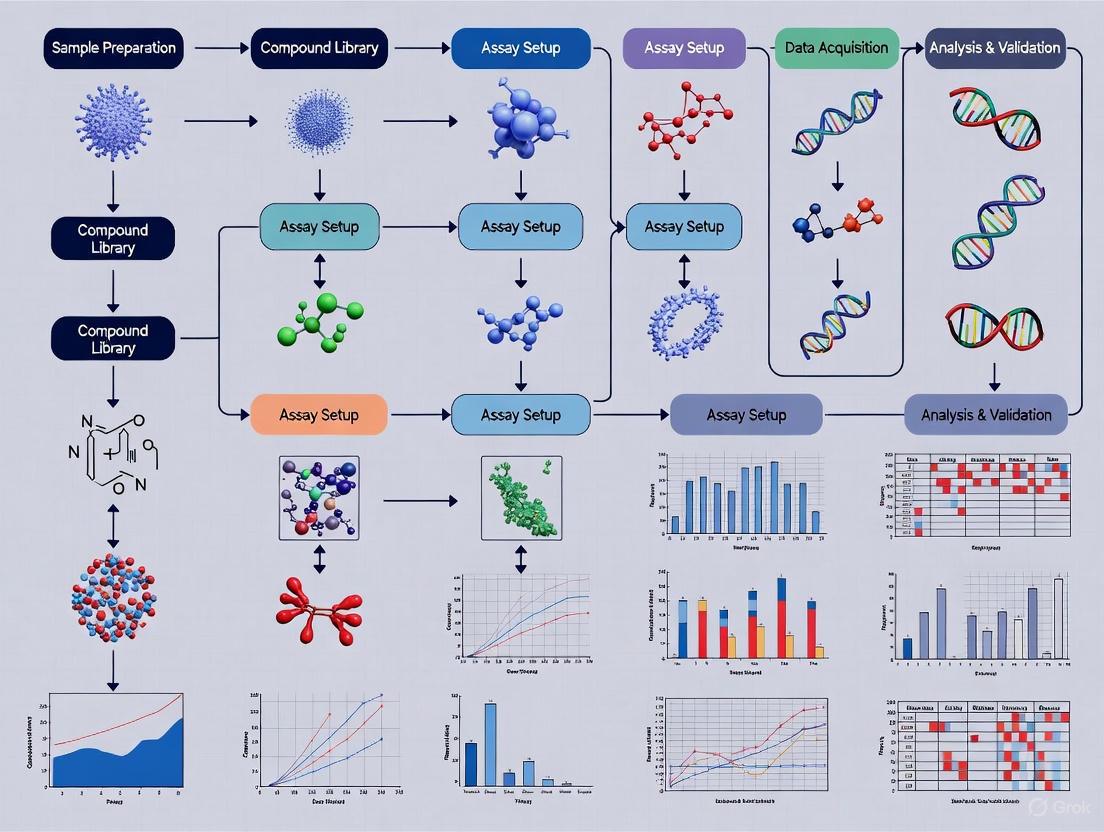
This article provides a comprehensive overview of high-throughput drug screening using patient-derived organoids (PDOs), a transformative technology in oncology and drug discovery.
High-Throughput Drug Screening with Organoids: A Complete Guide from Foundations to Clinical Translation
Abstract
This article provides a comprehensive overview of high-throughput drug screening using patient-derived organoids (PDOs), a transformative technology in oncology and drug discovery. It explores the foundational principles that make organoids physiologically relevant models, details cutting-edge methodological workflows and automated platforms for large-scale screening, and addresses key challenges in standardization and image analysis. Furthermore, it examines the growing body of evidence validating PDOs as predictive avatars for patient treatment response. Designed for researchers, scientists, and drug development professionals, this guide synthesizes current advancements and practical strategies to harness organoid technology for accelerating precision medicine.
Why Organoids? Building a Physiologically Relevant Foundation for Drug Screening
Patient-derived tumor organoids (PDOs) have emerged as transformative tools in cancer research, enabling the study of tumor biology and immunology in a physiologically relevant, three-dimensional (3D) in vitro environment. Derived from patient tumor samples, these self-organizing structures recapitulate the histological and genetic heterogeneity of tumors and their microenvironment, offering significant advantages over traditional two-dimensional (2D) cell cultures and animal models [1]. This protocol details the establishment and application of esophageal squamous cell carcinoma (ESCC) organoids for high-throughput drug screening, providing a framework to accelerate precision medicine.
Key Characteristics of Tumor Organoids
Table 1: Organoids vs. Traditional Models
| Feature | Traditional 2D Models | Patient-Derived Organoids (PDOs) |
|---|---|---|
| Architectural Fidelity | Monolayer; lacks tissue structure | Forms 3D structures with crypt-villus domains [2] |
| Tumor Heterogeneity | Poorly represented | Recapitulates histological and genetic heterogeneity of parent tumor [3] [1] |
| Genetic Stability | Often genetically drifts | Retains genetic signatures of the donor over passages [3] [2] |
| Microenvironment | Limited to no stroma or immune cells | Supports immune cell infiltration and simulates immunosuppressive environments [1] |
| Clinical Predictive Value | Low; high failure rate in translation | High correlation with patient clinical response [3] |
Protocol: A Two-Step Drug Screening Pipeline for ESCC Organoids
This protocol outlines a rapid, high-throughput method for drug sensitivity testing (DST) using ESCC PDOs, significantly shortening the experimental timeline to align with clinical decision-making windows [3].
Step 1: Establishment of ESCC Organoid Biobank
Materials & Reagents
- Tumor Specimen: Fresh ESCC tissue from surgical resection (0.5–0.8 cm³) [3].
- Digestion Solution: Tumor tissue digestion solution (e.g., BioGenous) [3].
- Extracellular Matrix (ECM): Organoid culture ECM (e.g., Corning Matrigel) [3] [2].
- Complete Medium: Advanced DMEM/F-12 supplemented with growth factors (e.g., B-27, N-2, EGF, WNT3A-conditioned medium) [3] [2].
- Dissociation Solution: Organoid dissociation solution (e.g., BioGenous) or 0.05% trypsin/0.5 mM EDTA [3] [2].
Procedure
- Tissue Processing: Mince tumor tissue into fragments (0.5–1 mm³) using sterile scissors. Wash fragments three times with ice-cold DPBS [3].
- Enzymatic Digestion: Incubate tissue fragments in digestion solution at 37°C for 30–60 minutes. Dissociate until a single-cell suspension is achieved [3].
- Cell Strainer Filtration: Pass the digested cell suspension through a 100 µm nylon cell strainer to remove undigested fragments [3].
- Erythrocyte Lysis: Centrifuge at 300×g for 5 min at 4°C. Resuspend pellet in 1x RBC lysis buffer for 10 min at 4°C [3].
- ECM Embedding: Mix cells with ECM and plate into 24-well plates. Incubate at 37°C for 30–40 min for solidification [3].
- Culture Maintenance: Add organoid complete medium. Refresh medium twice weekly and passage organoids at 1:1.5–3 dilution every 7–14 days [3].
- Validation: Confirm consistency with parental tumors via histopathological (H&E staining), genomic, and transcriptomic analysis [3].
Step 2: Two-Step Drug Sensitivity Test (DST) Based on Growth Rate (GR)
Materials & Reagents
- 96-well Plates: Collagen-IV coated plates for 2D monolayers or ultra-low attachment plates for 3D cultures [2].
- Drug Library: Compounds for screening (e.g., chemotherapeutics, targeted therapies).
- Staining Reagents: Fluorescent dyes for cell viability (e.g., Calcein-AM, Propidium Iodide) or antibodies for immunolabeling [2].
- High-Throughput Imaging System: Spinning disk confocal microscope [2].
- Image Analysis Software: Open-source software for quantitative analysis (e.g., ImageJ, CellProfiler) [2].
Procedure
- Organoid Preparation for Screening
- For 3D screening: Dissociate organoids into single cells or small clusters and re-embed in ECM in 96-well plates [3].
- For 2D monolayer screening: Dissociate organoids into single cells, seed onto collagen-IV coated 96-well plates, and culture until confluent [2]. This method offers better scalability and reproducibility for high-throughput applications.
Two-Step Drug Treatment & Incubation
- Step 1 (Primary Screening): Treat organoids with a library of single agents or combinations at a single concentration (e.g., Cmax, the maximum plasma concentration in humans) for 5–7 days [3].
- Step 2 (Secondary Validation): Re-test hits from primary screening in a dose-response format (e.g., 8-point dilution series) to calculate GR100 (the concentration that completely inhibits growth) [3].
Endpoint Staining and High-Throughput Imaging
Quantitative Image Analysis
- Use automated analysis pipelines to quantify fluorescence intensity, organoid size, and count [2].
- Calculate the Growth Rate Inhibition (GR) metric to quantify drug sensitivity, which is more robust than traditional viability metrics [3].
- Apply the Cmax/GR100 index for drug prioritization; a lower ratio indicates higher efficacy at clinically achievable doses [3].
Workflow Diagram: Two-Step Drug Screening Pipeline
Two-step drug screening pipeline accelerates therapeutic profiling.
Quantitative Validation and Clinical Correlation
Table 2: Validation Metrics of the ESCC Organoid Screening Platform
| Validation Parameter | Result | Methodological Detail |
|---|---|---|
| Histopathological Concordance | High consistency with parent tumor | H&E and IHC staining [3] |
| Genomic/Transcriptomic Concordance | High consistency with parent tumor | Whole exome sequencing (WES) and RNA-seq [3] |
| Screening Timeline | 23.08 ± 2.42 days (vs. 45.75 ± 7.19 days for traditional methods) | Two-step GR method [3] |
| Clinical Predictive Accuracy | 83.3% overall accuracy | Comparison to patient response [3] |
| Sensitivity | 80% | Compared to clinical response [3] |
| Specificity | 85.7% | Compared to clinical response [3] |
The Scientist's Toolkit: Essential Research Reagents
Table 3: Key Reagent Solutions for Organoid Culture and Screening
| Reagent | Function & Application | Example Product/Catalog |
|---|---|---|
| Basement Membrane Extract (BME) | Provides 3D scaffold for organoid growth; mimics in vivo ECM. | Corning Matrigel, BioGenous ECM [3] [2] |
| Advanced Culture Medium | Supports stem cell maintenance and differentiation. | Advanced DMEM/F-12 with B-27, N-2 supplements [3] [2] |
| Essential Growth Factors | Dictate cell fate and maintain tissue-specific functions. | EGF, Noggin, R-spondin-1, WNT3A [3] [2] |
| Tissue Dissociation Enzymes | Gentle digestion of tissue and organoids into single cells. | Tumor digestion solution, Trypsin/EDTA [3] [2] |
| ROCK Inhibitor (Y-27632) | Prevents anoikis (cell death after dissociation); improves plating efficiency. | StemCell Technologies [2] |
Tumor-Immune Microenvironment Modeling
A key advancement is the use of organoids to model the tumor-immune microenvironment (TIME). Co-culture systems incorporating immune cells allow for the evaluation of immunotherapies, such as immune checkpoint inhibitors [1].
Diagram: Recapitulating the Tumor-Immune Microenvironment
Organoid-immune co-culture enables immunotherapy research.
The protocols detailed herein demonstrate that patient-derived tumor organoids are robust, clinically relevant models that faithfully recapitulate tumor heterogeneity and the microenvironment. The two-step, GR-based drug screening method provides a validated pipeline for rapid therapeutic profiling, achieving high predictive accuracy for patient responses. This approach enables the identification of novel therapeutic options for resistant patients, positioning organoid technology as a cornerstone of high-throughput screening and precision oncology.
Organoid technology represents a paradigm shift in preclinical oncology and biomedical research. These three-dimensional (3D) in vitro models are derived from adult stem cells (AdSCs) or pluripotent stem cells and have revolutionized our approach to studying human biology and disease. The foundational breakthrough came in 2009 with the establishment of intestinal organoid culture technology, which utilized rapidly proliferating Lgr5+ adult stem cells from mouse intestinal crypts to create "mini-intestines" with consistent villus–crypt structure and specialized cell types [4]. This innovation demonstrated that by combining extracellular matrix components with specific growth factors, researchers could partially recreate healthy tissue or tumor niches that closely resemble in vivo conditions while retaining patient-specific characteristics [4].
The transition from traditional two-dimensional (2D) cell cultures to 3D organoid systems has addressed critical limitations in biomedical research. Conventional 2D cultures fail to capture the complexity of in vivo tumor biology, whereas organoids maintain architectural integrity, in vivo-like microenvironmental cues, and essential cellular heterogeneity of parental tumors [5]. Patient-derived organoids (PDOs) recapitulate tissue-specific histological features, preserve the full spectrum of differentiated cell types and stem-cell hierarchy, maintain disease-associated genetic mutations and related drug responses, and exhibit cell–cell and cell–matrix interactions that replicate organ-level processes [4]. These advances have positioned organoids as essential tools for predicting therapeutic responses and advancing precision oncology, with established correlations between PDO therapeutic responses and clinical outcomes [5].
From Simple Cultures to Living Biobanks
The Foundation: Adult Stem Cell-Derived Organoids
The evolution of organoid technology is rooted in the groundbreaking discovery of induced pluripotent stem cells (iPSCs) by Professor Shinya Yamanaka in 2006, which demonstrated that somatic cells could be reprogrammed to a pluripotent state using defined factors [5]. This discovery, coupled with the identification of specific adult stem cell populations like Lgr5+ intestinal stem cells, provided the fundamental building blocks for organoid development. The self-organizing capacity of these cells, when provided with appropriate niche components, enables the formation of complex 3D structures that mirror native tissue architecture and functionality.
The methodology for establishing AdSC-derived organoids involves isolating stem cells from tissue samples and embedding them in a supportive extracellular matrix (such as Matrigel), followed by culture in a specialized medium containing specific growth factors and signaling molecules that mimic the native stem cell niche. For intestinal organoids, this typically includes Wnt agonists, R-spondin, Noggin, and growth factors such as EGF [4]. These components activate signaling pathways essential for stem cell maintenance, proliferation, and differentiation, ultimately yielding structures that contain all the major cell types of the original tissue, organized in a physiologically relevant manner.
Establishment of Patient-Derived Organoid Biobanks
The recognition that PDOs faithfully maintain the genetic and phenotypic characteristics of their tissue of origin has led to the creation of living biobanks—repositories of diverse organoid lines derived from various tumor types and patient populations. These biobanks serve as essential platforms for drug screening, biomarker discovery, and functional genomics [4]. Major research institutions worldwide have established PDO biobanks encompassing various cancer types, creating invaluable resources for translational research.
Table 1: Global Distribution of Representative Patient-Derived Organoid Biobanks
| System or Body District | Organ | Number of Samples | Country | Diagnosis | Primary or Metastatic | Main Translational Applications |
|---|---|---|---|---|---|---|
| Digestive | Colorectal | 55 | Japan | Colorectal carcinoma | Primary and metastatic | Disease modeling [4] |
| Digestive | Colorectal | 151 | China | Colorectal carcinoma | Primary and metastatic | Drug response prediction [4] |
| Digestive | Colorectal | 106 | Germany | Colorectal carcinoma | Primary and metastatic | High-throughput screening, gene-drug response correlation [4] |
| Digestive | Stomach | 46 | China | Gastric tumor | Primary and metastatic | High-throughput screening, drug response prediction [4] |
| Digestive | Pancreas | 31 | Switzerland | Pancreatic carcinoma | Primary and metastatic | Disease modeling, high-throughput screening [4] |
| Reproductive | Mammary gland | 168 | The Netherlands | Breast carcinoma | Primary and metastatic | Drug response prediction [4] |
| Reproductive | Ovaries | 76 | The United Kingdom | High-grade serous ovarian carcinoma | Primary and metastatic | Disease modeling, drug response prediction [4] |
| Urinary | Kidney | 54 | The Netherlands | Kidney carcinoma | Primary | Disease modeling, drug response prediction [4] |
The development of these biobanks has enabled unprecedented opportunities for large-scale drug screening and personalized medicine approaches. The classification and global distribution of these biobanks reflect a growing international effort to standardize protocols and broaden accessibility, supporting both basic and translational research [4]. However, establishing and maintaining PDO biobanks remains technically demanding, particularly regarding optimizing long-term culture conditions, preserving sample viability, and mimicking the tumor microenvironment [4].
The "Organoid Plus and Minus" Framework for High-Throughput Screening
Conceptual Framework and Regulatory Context
The "Organoid Plus and Minus" framework represents an integrated research strategy that combines technological augmentation with culture system refinement to improve screening accuracy, throughput, and physiological relevance [5]. This approach has gained significant importance in light of the U.S. Food and Drug Administration's (FDA) April 2025 policy shift, which outlined plans to phase out traditional animal testing in favor of laboratory-cultured organoids and organ-on-a-chip (OoC) systems for drug safety evaluation [5]. This regulatory change permits pharmaceutical companies to submit non-animal experimental data derived from these advanced platforms as the basis for regulatory approval, accelerating the adoption of organoid technologies in drug development pipelines.
The "Minus" component focuses on minimizing exogenous growth factors or culturing under physiologically restrictive conditions to better preserve tissue-specific characteristics and mitigate confounding factors such as tumor heterogeneity [5]. Recent advances have established low-growth factor culture systems that overcome the limitations of conventional media. For example, studies on colorectal cancer organoids (CRCOs) have demonstrated that activation of the Wnt and EGF signaling pathways, as well as inhibition of BMP signaling, are not essential for the survival of most CRCOs [5]. A medium formulated without R-spondin, Wnt3A, and EGF not only sustained CRCO proliferation but also preserved the intratumoral heterogeneity of the original samples and generated drug response data with improved predictive validity [5].
The "Plus" component involves augmenting organoid systems through the integration of advanced technologies such as artificial intelligence (AI), automated biomanufacturing, multi-omics analytics, and vascularization strategies [5]. This approach addresses traditional limitations in organoid biology, including inter-batch variability and microenvironmental simplification, which can undermine their reliability and scalability in large-scale drug screening [5].
Advanced Protocol: Implementing the "Minus" Strategy for High-Throughput Screening
Objective: Establish a robust, reduced-growth factor culture system for colorectal cancer organoids (CRCOs) suitable for high-throughput drug screening applications.
Materials:
- Biological Source: Patient-derived colorectal cancer tissue
- Basal Medium: Advanced DMEM/F12
- Supplements:
- B-27 Supplement (1X)
- N-2 Supplement (1X)
- N-Acetylcysteine (1.25mM)
- Recombinant Human EGF (Optional: 50ng/mL for comparative arms)
- Recombinant R-spondin 1 (Optional: 500ng/mL for comparative arms)
- Recombinant Wnt3A (Optional: 100ng/mL for comparative arms)
- Matrix: Cultrex Reduced Growth Factor Basement Membrane Extract, Type 2 (or equivalent defined matrix)
- Antibiotics: Primocin (100μg/mL)
- Dissociation Reagent: TrypLE Express or Accutase
Procedure:
Tissue Processing and Initial Culture:
- Mechanically dissociate tumor tissue into fragments <1mm³ using surgical scalpels.
- Enzymatically digest tissue fragments using collagenase/hyaluronidase solution (1-2mg/mL) for 30-60 minutes at 37°C with gentle agitation.
- Filter through 100μm cell strainer, centrifuge at 300×g for 5 minutes, and resuspend in cold basal medium.
- Mix cell suspension with ice-cold reduced growth factor BME at 1:1 ratio (final density: 5,000-10,000 cells/μL).
- Plate 20μL droplets onto pre-warmed tissue culture plates, polymerize for 30 minutes at 37°C, then overlay with minimal medium.
Culture Medium Formulation:
- Prepare basal medium with standard supplements (B-27, N-2, N-Acetylcysteine).
- Omit R-spondin, Wnt3A, and EGF for test condition ("Minus" approach).
- Include these factors in control condition (conventional approach).
- Add Primocin for primary culture (remove after first week if contamination-free).
Passaging and Expansion:
- Mechanically disrupt organoids by pipetting when structures reach 100-300μm in diameter (typically 7-14 days).
- Collect fragments, centrifuge at 300×g for 5 minutes, and resuspend in cold BME for re-plating.
- Split ratios of 1:3 to 1:6 every 10-21 days depending on growth rate.
Quality Control and Characterization:
- Monitor organoid morphology daily using brightfield microscopy.
- Confirm preservation of tumor heterogeneity through:
- Histological analysis (H&E staining) compared to original tissue
- Immunofluorescence for cancer stem cell markers (Lgr5, CD44, CD133)
- Genetic fidelity assessment via whole-exome sequencing
- Validate predictive capability using known chemotherapeutic agents with established clinical response data.
Applications in High-Throughput Screening:
- Scale optimized protocol to 384-well format for compound screening
- Implement automated imaging and analysis pipelines
- Correlate drug response with multi-omics data from original tumor tissue
Standardization and Biobanking Protocols
International Standards for Organoid Biobanking
The rapid expansion of organoid research has highlighted the pressing need for standardized biobanking practices to ensure consistency, reproducibility, and quality. In response, the International Society of Organoid Research (ISoOR) officially released the ISoOR International Standard for Organoid Biobanking (ISoOR-ISOB) in March 2025, representing the first global framework dedicated to organoid biobanking [6]. This standard establishes comprehensive requirements for the entire organoid biobanking process, covering sample collection, processing, preservation, storage, quality control, traceability, and ethical considerations [6].
Similarly, the International Organization for Standardization (ISO) is developing ISO/WD 25630-1, which will specify requirements for biobanking of human intestinal organoids (HIOs) and intestinal cancer organoids (HICOs), including collection of biological source materials and associated data, establishment, characterization, quality control, maintenance, preservation, storage, thawing, disposal, distribution, and transport [7]. These standardization efforts address critical challenges in the field, including variability in sample quality, regulatory and ethical concerns, limited interoperability and data sharing, and barriers to clinical translation [6].
Comprehensive Protocol: Biobanking Patient-Derived Organoids
Objective: Establish and maintain a standardized biobank of patient-derived tumor organoids compliant with emerging international standards.
Materials:
- Cryopreservation Medium: Basal medium supplemented with 10% DMSO and 20% FBS (or defined alternatives)
- Storage System: Controlled-rate freezing apparatus, liquid nitrogen storage tanks
- Documentation System: Electronic database with sample tracking capability
- Quality Control Reagents:
- Viability stains (Calcein-AM/Ethidium homodimer-1)
- Mycoplasma detection kit
- DNA/RNA extraction kits
- PCR/qPCR reagents
- Immunofluorescence staining reagents
Procedure:
Informed Consent and Ethical Compliance:
- Obtain comprehensive informed consent specifically covering organoid derivation, biobanking, and potential research applications.
- Ensure compliance with local and international regulations regarding human tissue research.
- Establish protocols for donor anonymity and data protection.
Sample Processing and Organoid Establishment:
- Process tissue samples within 1-2 hours of collection.
- Divide tissue for: (1) organoid establishment, (2) snap-freezing for omics analyses, (3) formalin-fixation and paraffin-embedding (FFPE) for histology.
- Follow standardized establishment protocols specific to tissue type.
- Document establishment efficiency and initial growth characteristics.
Expansion and Quality Control:
- Expand organoids through 3-5 passages to obtain sufficient material for banking.
- At passage 3-5, perform comprehensive quality control assessments:
- Viability and proliferation: Quantify using metabolic activity assays and growth curve analysis
- Identity verification: STR profiling to confirm donor matching
- Microbiological safety: Mycoplasma testing, sterility testing
- Genetic characterization: Whole-genome sequencing to identify key driver mutations and copy number variations
- Functional characterization: Drug response profiling to reference compounds
- Only bank organoid lines that pass all quality control checkpoints.
Cryopreservation and Inventory Management:
- Harvest organoids at mid-log phase growth (typically 5-7 days after passaging).
- Dissociate to small fragments or single cells depending on organoid type.
- Resuspend in cold cryopreservation medium at 1-5×10^6 cells/mL.
- Aliquot 1mL per cryovial and cool at controlled rate (-1°C/minute to -80°C).
- Transfer to liquid nitrogen vapor phase for long-term storage.
- Document precise location in inventory management system.
Distribution and Shipping:
- Revial frozen aliquots for viability assessment prior to distribution.
- Ship on dry ice with appropriate documentation including certificate of analysis.
- Maintain chain of custody records for all distributed samples.
Table 2: Essential Research Reagent Solutions for Organoid Technology
| Reagent Category | Specific Examples | Function | Application Notes |
|---|---|---|---|
| Extracellular Matrices | Matrigel, Cultrex BME, Defined synthetic hydrogels | Provides 3D scaffolding mimicking native extracellular matrix | Matrigel has undefined composition; defined matrices preferred for standardized protocols [5] |
| Basal Media | Advanced DMEM/F12, IntestiCult, StemPro | Nutrient foundation supporting organoid growth | Must be supplemented with specific factors depending on organoid type [4] |
| Growth Factors | R-spondin, Wnt3A, Noggin, EGF, FGF10 | Activate signaling pathways for stem cell maintenance and differentiation | "Minus" approach reduces or eliminates specific factors [5] |
| Enzymatic Dissociation Reagents | TrypLE, Accutase, Collagenase/Dispase | Gentle dissociation for organoid passaging | Critical for maintaining viability while generating smaller fragments for expansion [4] |
| Cryopreservation Solutions | DMSO-containing medium, Serum-free alternatives | Maintain viability during frozen storage | Standardized protocols essential for biobanking reproducibility [6] [7] |
Advanced Applications in High-Throughput Drug Screening
Integration with Cutting-Edge Technologies
The convergence of organoid technology with advanced engineering and computational approaches has dramatically expanded their utility in high-throughput drug screening. Microfluidic organ-on-a-chip (OoC) platforms represent a particularly promising avenue, providing fine-tuned control of the culture microenvironment, including nutrient and growth factor gradients, thereby decreasing reliance on supraphysiological concentrations of exogenous supplements [5]. These systems enable precise regulation of both physical and biochemical cues, enhancing the translational relevance of organoid models for pharmacological testing [8].
The integration of artificial intelligence and machine learning has revolutionized organoid-based screening in several key areas. Computational approaches can predict optimal culture conditions, identify subtle phenotypic changes in response to treatment, and analyze complex multi-omics data generated from organoid screens [5] [9]. The iteration of recognition and mimicry algorithms has transformed the evaluation and application of organoid models in precision medicine, enabling more accurate prediction of clinical responses from in vitro data [5].
Genetic engineering tools, particularly CRISPR-Cas9 and prime editing, have greatly enhanced the utility of organoids for functional genomics and disease modeling [10]. These technologies enable precise introduction of disease-associated mutations, creation of reporter lines for high-content screening, and systematic functional genetic screens to identify novel drug targets [10]. The development of inducible expression systems and optogenetic tools further allows temporal control over gene expression and signaling pathway activation, facilitating more dynamic studies of drug effects [10].
Protocol: High-Throughput Drug Screening Using Patient-Derived Organoids
Objective: Implement an automated, high-throughput screening platform using patient-derived organoids to identify novel therapeutic compounds and synergistic drug combinations.
Materials:
- Liquid Handling System: Automated pipetting station capable of 384-well format
- High-Content Imaging System: Confocal or spinning disk microscope with environmental control
- Analysis Software: Image analysis pipelines for 3D organoid quantification
- Compound Libraries: FDA-approved drugs, targeted agent collections, natural product libraries
- Assay Reagents:
- Viability indicators (CellTiter-Glo 3D, Calcein-AM)
- Apoptosis markers (Caspase 3/7 substrates)
- Cell cycle reporters (FUCCI, EdU incorporation)
- Immunofluorescence staining reagents for key biomarkers
Procedure:
Organoid Preparation and Miniaturization:
- Harvest and gently dissociate organoids to fragments of 30-50 cells using mechanical disruption.
- Resuspend in appropriate BME at optimized density (empirically determined for each organoid line).
- Using automated dispenser, plate 5μL BME droplets containing ~1000 organoid fragments per well in 384-well plates.
- Centrifuge plates briefly (200×g, 1 minute) to ensure contact with well bottom.
- Polymerize 30 minutes at 37°C, then overlay with 50μL culture medium.
Compound Library Management:
- Prepare compound stocks in DMSO at 1000× final target concentration.
- Using acoustic dispensing or nanoliter pin tools, transfer compounds to assay plates.
- Include appropriate controls: DMSO-only (viability control), reference chemotherapeutics (response benchmarks), and cytotoxicity controls.
- Use quadrant-based plating strategies to minimize edge effects and position bias.
Treatment and Incubation:
- Culture organoids with compounds for 5-7 days to capture both immediate and delayed responses.
- Refresh medium and compounds at day 3 for extended treatments.
- Maintain precise environmental control (37°C, 5% CO2, controlled humidity).
Endpoint Assessment and Multiparametric Phenotyping:
- Add viability reagent (CellTiter-Glo 3D) to appropriate wells following manufacturer's protocol.
- For fixed endpoint analysis:
- Aspirate medium and fix with 4% PFA for 30 minutes at room temperature.
- Permeabilize with 0.5% Triton X-100, block with 5% BSA.
- Stain with primary antibodies targeting key biomarkers (e.g., cleaved caspase-3, Ki67, differentiation markers).
- Add appropriate fluorescent secondary antibodies and nuclear counterstain.
- For live imaging:
- Add vital dyes and reporters 4-24 hours before imaging.
- Maintain environmental control throughout imaging process.
Image Acquisition and Analysis:
- Automatically acquire z-stacks (10-15 slices at 10μm intervals) covering entire organoid volume.
- Use high-content analysis software to extract multiple parameters:
- Organoid size and morphology
- Viability and apoptosis metrics
- Proliferation indices
- Spatial heterogeneity of biomarker expression
- Structural integrity and differentiation status
- Apply machine learning algorithms to identify subtle phenotypic patterns not captured by conventional metrics.
Data Integration and Hit Selection:
- Normalize data to plate controls to account for inter-plate variability.
- Calculate multiple effect size metrics (viability inhibition, phenotypic scores, etc.).
- Apply statistical rigor using Z'-factor and strictly standardized mean difference (SSMD) for quality assessment.
- Integrate screening data with molecular profiling data (genomic, transcriptomic) from original tumors.
- Select hits based on efficacy, organoid line specificity, and correlation with molecular features.
Future Perspectives and Concluding Remarks
The evolution of organoid technology from simple AdSC cultures to complex, standardized biobanks represents a transformative advancement in biomedical research. The continued refinement of the "Organoid Plus and Minus" framework, combined with emerging technologies such as AI-driven analysis, sophisticated OoC platforms, and advanced genetic engineering tools, promises to further enhance the physiological relevance and screening capabilities of these models [5] [8] [10]. The growing regulatory acceptance of organoid-based data, exemplified by the FDA's 2025 policy shift, underscores the increasing confidence in these systems to predict clinical responses [5].
Looking forward, several key developments will shape the next evolution of organoid technology. Increased complexity through the incorporation of immune cells, vascular networks, and neural elements will create more physiologically relevant models for studying the tumor microenvironment and metastatic processes [5] [9]. The integration of multi-omics technologies with high-content screening data will enable more comprehensive molecular understanding of drug response mechanisms [4]. Standardization efforts led by organizations like ISoOR and ISO will be crucial for ensuring reproducibility and comparability across different laboratories and platforms [11] [6] [7].
Perhaps most importantly, the convergence of organoid biobanks with personalized medicine initiatives holds tremendous promise for revolutionizing cancer treatment. As the field moves toward clinical implementation, PDO-based drug sensitivity assays are increasingly facilitating patient stratification by identifying genetic or epigenetic signatures correlated with therapeutic efficacy, thus refining precision oncology strategies [5]. The vision of using a patient's own organoids to guide their treatment selection represents the ultimate fulfillment of the potential inherent in this revolutionary technology.
Patient-derived organoids (PDOs) are three-dimensional (3D) multicellular structures grown in vitro from stem cells or patient tissue samples that self-organize to mimic key architectural and functional aspects of their corresponding in vivo organs [12]. Over the past decade, these advanced cellular models have emerged as transformative tools in biomedical research, particularly for high-throughput drug screening applications in oncology and other disease areas [4] [12]. Unlike traditional two-dimensional (2D) cell cultures that grow as monolayers on plastic surfaces, organoids recapitulate the structural complexity, cellular heterogeneity, and cell-cell interactions of native tissues, providing unprecedented physiological relevance for preclinical research [5] [12].
The foundational breakthrough in modern organoid technology came in 2009 with the establishment of intestinal organoid cultures from single Lgr5+ stem cells embedded in Matrigel with essential niche factors [4] [12]. This methodology has since been adapted to generate organoids from numerous tissues including brain, liver, pancreas, kidney, lung, and breast [4] [12]. Currently, organoids representing over 30 human organs or systems can be consistently produced, including disease-state models of cancer [13].
For high-throughput drug screening, PDOs offer significant advantages by preserving the genetic, phenotypic, and functional characteristics of their tissue of origin [4]. They maintain patient-specific molecular profiles, histopathological features, and drug response patterns, enabling more accurate prediction of clinical therapeutic outcomes [5] [4]. This application note details the key advantages of PDOs in high-throughput screening contexts, with specific focus on their capacity to retain genetic fidelity, architectural complexity, and clinically relevant drug sensitivity profiles from source tissues.
Key Advantages of Patient-Derived Organoids
Retention of Genetic and Molecular Profiles
Patient-derived organoids maintain the genetic landscape of their parental tumors through multiple passages in culture, preserving specific mutational patterns, gene expression profiles, and molecular heterogeneity [4]. Multi-omics analyses have confirmed that PDOs closely mirror the genomic, transcriptomic, and proteomic features of their source tissues, making them reliable models for studying disease mechanisms and drug responses [4].
Table 1: Molecular Characterization of Patient-Derived Organoid Biobanks
| Organ System | Organ | Number of PDOs | Molecular Validation Methods | Genetic Concordance | References |
|---|---|---|---|---|---|
| Digestive | Colorectal | 55 | WGS, RNA microarray | Preserved mutational spectrum and gene expression | [4] |
| Digestive | Colorectal | 32 | WES, WGS, RNA-seq, scRNA-seq | Maintained early-onset CRC genetic profiles | [4] |
| Digestive | Stomach | 46 | WES, RNA-seq | Retained primary and metastatic genetic features | [4] |
| Reproductive | Mammary gland | 168 | WGS, RNA-seq | Preserved subtype-specific signatures | [4] |
| Reproductive | Ovaries | 76 | WES, RNA-seq | Maintained HGSOC genomic landscape | [4] |
| Urinary | Kidney | 54 | Genomics, transcriptomics | Conserved genetic alterations from source tissue | [4] |
The fidelity of PDOs extends beyond static genomic preservation to dynamic functional responses. A landmark study demonstrated that organoids generated from wild-type stem cells, coupled with phenotype-oriented gene editing, provide powerful avenues for modeling metastasis and drug resistance mechanisms [5]. Furthermore, protocols utilizing adult stem cells enable rapid in vitro drug response testing while maintaining the genetic integrity of the original sample [5].
Recapitulation of Tissue Architecture and Cellular Heterogeneity
Organoids replicate the 3D architecture and multicellular composition of native tissues, exhibiting polarization, functional cell-cell junctions, and appropriate basement membrane organization [12]. This structural fidelity enables the formation of physiological gradients for oxygen, nutrients, and signaling molecules that more accurately mimic in vivo conditions compared to 2D cultures [4].
The cellular complexity within organoids includes the full spectrum of differentiated cell types and stem-cell hierarchy present in the original tissue [4]. For instance, intestinal organoids develop distinct crypt-villus structures containing enterocytes, goblet cells, Paneth cells, and enteroendocrine cells [4], while cerebral organoids contain various neuronal subtypes, astrocytes, and other supporting cells that self-organize into structures resembling developing brain regions [14].
This preservation of architectural integrity and cellular heterogeneity is crucial for modeling tissue-level responses to therapeutic agents, as drug penetration, metabolism, and mechanism of action often depend on structural context and cellular diversity [5] [12]. The 3D organization creates microenvironments with differential access to nutrients, oxygen, and drug compounds, generating physiological conditions more predictive of in vivo responses [4].
Preservation of Clinical Drug Sensitivity Profiles
Numerous studies have established strong correlations between drug responses in PDOs and clinical outcomes in cancer patients, positioning organoids as valuable predictive platforms for personalized oncology [5] [15]. PDOs maintain the drug sensitivity patterns of original tumors, enabling ex vivo prediction of patient-specific therapeutic responses [4].
Table 2: Clinical Correlation of Drug Responses in Patient-Derived Organoids
| Cancer Type | Number of PDOs | Therapeutic Agents Tested | Concordance with Clinical Response | Applications | References |
|---|---|---|---|---|---|
| Colorectal | 30 | FOLFOX, FOLFIRI | 71-86% | Treatment response prediction | [16] |
| Colorectal | 29 | 5-fluorouracil, oxaliplatin | Significant correlation | AI model training for response prediction | [15] |
| Bladder | 9 | Cisplatin, gemcitabine | Identified predictive biomarkers | Drug efficacy prediction | [15] [16] |
| Various GI cancers | 30 | Multiple chemotherapies | 64% overall concordance | High-throughput screening | [16] |
| Pancreatic | 77 | Various agents | Correlation with patient outcomes | Drug response prediction | [4] |
| Breast | 168 | Chemotherapies, targeted therapies | Stratified responses | Personalized therapy selection | [4] |
The predictive validity of PDO-based drug testing has been demonstrated across multiple cancer types. For example, in a study of gastrointestinal cancers, organoid responses to FOLFOX and FOLFIRI chemotherapy regimens showed 71% and 86% concordance with respective patient clinical responses [16]. This preservation of patient-specific drug sensitivity enables functional precision medicine approaches where treatments are selected based on ex vivo organoid response profiling [4] [16].
Established Protocols for Organoid-Based High-Throughput Screening
Patient-Derived Organoid Generation and Biobanking
The establishment of living PDO biobanks from diverse tumor types and patient populations serves as essential platforms for drug screening, biomarker discovery, and functional genomics [4]. The following protocol outlines standardized methods for generating and biobanking PDOs for high-throughput screening applications.
Materials and Reagents
- Tissue Source: Surgical resections, biopsies, or fluid samples from patients [16]
- Dissociation Enzymes: Collagenase, elastase, or trypsin for tissue digestion [16] [12]
- Extracellular Matrix: Matrigel or other defined hydrogels [16] [12]
- Basal Media: Advanced DMEM/F12 or other tissue-specific basal media [4]
- Essential Growth Factors: Tissue-specific combinations (e.g., EGF, Noggin, R-spondin, Wnt3A for intestinal organoids) [4] [16]
- Supplements: B27, N2, N-acetylcysteine, gastrin [4]
- Antibiotics: Primocin, penicillin-streptomycin for contamination prevention [16]
Step-by-Step Protocol
Tissue Procurement and Processing:
- Obtain fresh tumor tissue from surgical resections or biopsies under sterile conditions [16]
- Transport tissue in cold preservation medium (e.g., AdDF+++ medium) within 24 hours of collection [16]
- Remove surrounding fat or connective material using sterile surgical tools [16]
- Mechanically dissect tissue into small fragments (1-3 mm³) using a scalpel [16]
Enzymatic Digestion:
- Incubate tissue fragments with appropriate dissociation enzymes (e.g., collagenase/dispase for intestinal tissue) at 37°C for 30-120 minutes with agitation [16] [12]
- Terminate digestion with cold buffer containing serum or enzyme inhibitors [16]
- Dissociate remaining clusters by gentle pipetting to obtain single cells or small clusters [4] [16]
- Filter cell suspension through 70μm strainer to remove undigested fragments [16]
Extracellular Matrix Embedding:
Organoid Culture Expansion:
- Overlay polymerized matrix droplets with tissue-specific complete medium containing essential growth factors and supplements [4] [16]
- Culture at 37°C in a humidified 5% CO₂ incubator with medium changes every 2-4 days [16]
- Passage organoids every 7-21 days based on growth density using mechanical disruption or enzymatic digestion [16]
Biobanking and Cryopreservation:
- Harvest organoids at optimal growth phase (typically 3-7 days after passage) [16]
- Dissociate organoids into small clusters or single cells using appropriate enzymes [16]
- Resuspend in cryopreservation medium containing DMSO and fetal bovine serum [16]
- Freeze gradually using controlled-rate freezer or isopropanol chamber at -80°C [13]
- Transfer to liquid nitrogen for long-term storage [4]
High-Throughput Drug Screening with PDOs
The following protocol describes standardized methods for implementing PDOs in high-throughput drug screening campaigns, enabling the evaluation of hundreds to thousands of compounds in parallel.
Materials and Reagents
- PDO Cultures: Established organoid lines or freshly prepared organoids [16]
- Extracellular Matrix: Matrigel or other defined hydrogels [16] [12]
- Basal Media: Appropriate tissue-specific basal media without growth factors [16]
- Compound Libraries: FDA-approved drugs, investigational compounds, or targeted agent collections [4] [16]
- Assay Reagents: Cell viability indicators (e.g., CellTiter-Glo 3D), apoptosis markers, or functional probes [16]
- Automation Equipment: Liquid handlers, robotic dispensers, and high-content imaging systems [16] [14]
Step-by-Step Protocol
Organoid Preparation and Plating:
- Harvest and dissociate PDOs into single cells or small uniform clusters (approximately 50-100 cells) [16]
- Resuspend organoid fragments in cold extracellular matrix at optimized density (typically 1-5 × 10⁴ cells/mL) [16]
- Dispense matrix-cell suspension into multiwell plates (96-well or 384-well format) using automated liquid handling systems [16] [14]
- Polymerize matrix by incubating at 37°C for 20-30 minutes [16]
- Overlay with appropriate culture medium and pre-culture for 24-48 hours to restore cell-cell contacts [16]
Compound Library Preparation:
- Prepare compound stocks in DMSO or aqueous solutions at 1000× final test concentration [16]
- Using automated liquid handlers, perform serial dilutions in appropriate solvent [16] [14]
- Transfer compound dilutions to intermediate plates containing culture medium [16]
- Further dilute to 2× final concentration in culture medium [16]
Drug Treatment:
- Remove culture medium from organoid plates [16]
- Add equal volume of 2× compound solutions to wells, resulting in final desired concentrations [16]
- Include appropriate controls (DMSO vehicle, positive cytotoxicity controls) [16]
- Incubate organoids with compounds for predetermined duration (typically 3-7 days) at 37°C [16]
Viability and Functional Assessment:
- After treatment period, equilibrate plates to room temperature [16]
- Add cell viability reagent (e.g., CellTiter-Glo 3D) and incubate with shaking for 30-60 minutes [16]
- Record luminescence using plate readers or automated imaging systems [16] [14]
- For high-content analysis, fix organoids and stain with specific antibodies or fluorescent probes [16] [14]
- Acquire images using automated microscopy and analyze with appropriate software [16] [14]
Data Analysis and Hit Selection:
- Normalize raw data to vehicle control (0% inhibition) and positive control (100% inhibition) [16]
- Calculate percentage viability or growth inhibition for each compound concentration [16]
- Generate dose-response curves and determine IC₅₀ values using nonlinear regression [16]
- Apply statistical methods to identify significant hits based on predetermined thresholds [16]
- Correlate drug sensitivity with genomic features using integrated multi-omics data [4] [15]
Workflow Visualization
Diagram Title: High-Throughput Screening Workflow with PDOs
Advanced Applications and Integration with Cutting-Edge Technologies
Artificial Intelligence and Machine Learning Integration
The integration of artificial intelligence with organoid technology has significantly enhanced drug response prediction capabilities. PharmaFormer, a recently developed clinical drug response prediction model based on a custom Transformer architecture and transfer learning, demonstrates how AI can leverage organoid data for improved clinical predictions [15]. This model was initially pre-trained with abundant gene expression and drug sensitivity data from 2D cell lines, then fine-tuned with limited organoid pharmacogenomic data, resulting in dramatically improved accuracy for predicting clinical drug responses [15].
In validation studies, PharmaFormer achieved Pearson correlation coefficients of 0.6012 and 0.6185 for predicting responses to 5-fluorouracil and oxaliplatin in colorectal cancer, and 0.6557 and 0.6275 for cisplatin and gemcitabine in bladder cancer [15]. When applied to TCGA patient data, the organoid-fine-tuned model demonstrated superior performance, with hazard ratios for 5-fluorouracil and oxaliplatin improving to 3.9072 and 4.4936, respectively, in colon cancer patients [15].
Diagram Title: AI-Driven Drug Response Prediction
CRISPR Screening in 3D Organoid Models
Large-scale CRISPR-based genetic screens in primary human 3D organoids enable comprehensive dissection of gene-drug interactions in physiologically relevant systems [17]. Recent advances have demonstrated the feasibility of implementing full suites of CRISPR technologies—including knockout, interference (CRISPRi), activation (CRISPRa), and single-cell approaches—in gastric organoids to systematically identify genes that affect sensitivity to chemotherapeutic agents like cisplatin [17].
These screens have uncovered previously unappreciated genes that modulate cisplatin response, including an unexpected link between fucosylation and cisplatin sensitivity, and identified TAF6L as a regulator of cell recovery from cisplatin-induced cytotoxicity [17]. The ability to conduct such functional genomic screens in organoids provides unprecedented opportunities to identify synthetic lethal interactions and therapeutic vulnerabilities in specific genetic contexts [17].
Technical Considerations and Reagent Solutions
Research Reagent Solutions for Organoid Screening
Table 3: Essential Research Reagents for Organoid-Based High-Throughput Screening
| Reagent Category | Specific Examples | Function in Workflow | Technical Notes |
|---|---|---|---|
| Extracellular Matrices | Matrigel, Cultrex BME, synthetic hydrogels | Provides 3D scaffolding for organoid growth and signaling | Lot-to-lot variability requires quality control; defined alternatives in development [13] [5] |
| Digestion Enzymes | Collagenase, dispase, trypsin-EDTA | Tissue dissociation and organoid passaging | Concentration and timing optimization required for different tissues [16] |
| Growth Factors | EGF, R-spondin, Noggin, Wnt3A, FGF10 | Maintains stemness and promotes tissue-specific differentiation | "Minus" strategy explores reduced growth factor requirements [5] |
| Basal Media | Advanced DMEM/F12, organ-specific media | Nutrient foundation for culture media | Must be supplemented with tissue-specific factors [4] |
| Cryopreservation Media | DMSO-containing solutions with serum | Long-term storage of organoid biobanks | Controlled-rate freezing improves viability [13] |
| Viability Assays | CellTiter-Glo 3D, ATP-based assays | Quantification of drug responses in HTS | Optimized for 3D structures; account for size variability [16] |
Automation and Standardization Solutions
Automation of organoid culture and screening processes addresses critical challenges in reproducibility and scalability. Advanced systems like the CellXpress.ai Automated Cell Culture System combine intelligent automation, AI-driven monitoring, and rocking incubator technology to standardize complex 3D biology workflows [14]. This system reduces manual workload by up to 90% while ensuring consistent feeding, monitoring, and handling—particularly valuable for brain organoids that require constant motion and extended culture periods exceeding 100 days [14].
Automated platforms integrate liquid handling, imaging, and incubation into unified systems, eliminating variability introduced by manual processes and enabling reproducible organoid generation at scale [14]. This standardization is essential for generating high-quality, comparable data across large-scale drug screening campaigns and multi-center studies [13] [14].
Patient-derived organoids represent a transformative model system for high-throughput drug screening, offering unprecedented retention of genetic profiles, tissue architecture, and clinically relevant drug sensitivity patterns. Their capacity to preserve patient-specific biology while enabling scalable screening platforms positions them as indispensable tools for precision medicine and drug development.
The integration of PDOs with advanced technologies—including artificial intelligence, CRISPR screening, automated culture systems, and complex microenvironment engineering—continues to enhance their predictive validity and translational relevance. As standardization improves and regulatory acceptance grows, exemplified by the FDA's recent endorsement of organoid-based approaches for drug safety evaluation, these sophisticated cellular models are poised to accelerate the development of more effective, personalized therapeutic strategies.
The ongoing establishment of comprehensive PDO biobanks connected to detailed clinical data will further empower drug discovery efforts, enabling robust correlation of genomic features with therapeutic responses across diverse patient populations. Through continued refinement and adoption, organoid technology promises to reshape the preclinical drug development landscape, bridging the gap between traditional models and human clinical response.
A critical challenge in modern oncology is the variability of drug responses among cancer patients, with median response rates for many therapies remaining suboptimal [15]. Patient-derived organoids (PDOs) have emerged as a transformative preclinical model that stably retains the genomic mutations, gene expression profiles, and cellular heterogeneity of primary tumor tissues [15] [18]. These three-dimensional (3D) ex vivo constructs faithfully recapitulate parental tumor characteristics, providing a compelling platform for predicting clinical outcomes and advancing personalized treatment strategies [18] [5]. When established as biobanks, PDOs capture the radiological and therapeutic heterogeneity across patient populations, enabling high-throughput drug screening that bridges the gap between conventional 2D cell cultures and in vivo models [18] [5]. This document outlines detailed application notes and protocols for leveraging PDOs as patient avatars in high-throughput drug screening campaigns within precision oncology research.
Quantitative Benchmarking: Predictive Performance of Organoid-Based Models
Performance Comparison of Drug Response Prediction Algorithms
Table 1: Benchmarking accuracy of drug response prediction models using Pearson correlation coefficients [15]
| Model / Algorithm | Pearson Correlation Coefficient | Key Features |
|---|---|---|
| PharmaFormer (Pre-trained) | 0.742 | Transformer architecture; transfer learning from cell line to organoid data |
| Support Vector Machines (SVR) | 0.477 | Classical machine learning approach |
| Multi-Layer Perceptrons (MLP) | 0.375 | Neural network-based prediction |
| Random Forests (RF) | 0.342 | Ensemble decision tree method |
| k-Nearest Neighbors (KNN) | 0.388 | Instance-based learning |
| Ridge Regression | 0.377 | Regularized linear regression |
Clinical Predictive Power of Organoid-Informed Models
Table 2: Hazard ratios for clinical drug response prediction in cancer patients [15]
| Cancer Type | Therapeutic Agent | Pre-trained Model HR (95% CI) | Organoid-Fine-Tuned Model HR (95% CI) |
|---|---|---|---|
| Colon Cancer | 5-Fluorouracil | 2.50 (1.12–5.60) | 3.91 (1.54–9.39) |
| Colon Cancer | Oxaliplatin | 1.95 (0.82–4.63) | 4.49 (1.76–11.48) |
| Bladder Cancer | Gemcitabine | 1.72 (0.85–3.49) | 4.91 (1.18–20.49) |
Experimental Protocols for Organoid-Based High-Throughput Screening
Protocol 1: Establishment of a Patient-Derived Organoid Biobank
Principle: Generate and characterize a biobank of patient-derived organoids that maintain histopathological and genomic features of original tumors for high-throughput drug screening [18].
Materials:
- Fresh tumor tissue from surgical resection or biopsy
- Matrigel (Corning, Cat. No. 356230) or similar extracellular matrix
- Basal medium: Advanced DMEM/F12 (Gibco, Cat. No. 12634010)
- Growth factors and supplements (see Scientist's Toolkit for complete list)
- Cell strainers (Miltenyi, Cat. No. 130-098-462)
- Tissue culture plates (Corning, Cat. No. CLS3548)
Methodology:
- Tissue Processing: Mechanically dissociate tumor tissue followed by enzymatic digestion using collagenase (Sigma, Cat. No. C9891) at 37°C for 30-60 minutes.
- Cell Isolation: Filter dissociated cells through cell strainers (70-100μm) to obtain single-cell suspensions or small cell clusters.
- Matrix Embedding: Resuspend cells in Matrigel (approximately 10,000-50,000 cells/50μL dome) and plate in pre-warmed tissue culture plates. Polymerize for 20-30 minutes at 37°C.
- Culture Maintenance: Overlay with appropriate culture medium (see pathway diagram for formulation logic). For cervical cancer biobanking:
- Use Wnt-excluded medium (without R-spondin) for squamous cell carcinomas (SqC)
- Use Wnt-included medium (with R-spondin and CHIR 99021) for adenocarcinomas (AdC)
- Passaging: Mechanically and enzymatically dissociate organoids (every 7-14 days) using TrypLE when organoids reach optimal size and density.
- Cryopreservation: Resuspend organoids in freezing medium (90% FBS + 10% DMSO), cool at controlled rate, and store in liquid nitrogen.
- Quality Control: Validate organoids through histopathology, genomic analysis, and drug response profiling against parental tumor characteristics.
Validation: A cervical cancer PDO biobank established using this protocol achieved a 77% success rate (67/87 patients), with 90.5% formation rate for AdC organoids and 72.7% for SqC organoids [18].
Protocol 2: High-Content Imaging and Analysis of Organoid-Immune Cell Co-Cultures
Principle: Quantify organoid growth and response in co-culture systems using automated image analysis to model tumor-immune interactions [19].
Materials:
- Established organoids (e.g., extrahepatic cholangiocyte organoids)
- Primary immune cells (e.g., tumor-infiltrating lymphocytes, T cells)
- Matrigel or similar extracellular matrix
- 48-well plates (Corning, Cat. No. CLS3548)
- Live-cell imaging system (e.g., Incucyte SX5 or TissueFAXSiPLUS)
- StrataQuest software (TissueGnostics) or Incucyte Organoid Analysis Module
Methodology:
- Co-Culture Establishment: Plate organoids in Matrigel as described in Protocol 1. After 3-5 days of growth, add polarized human immune cells (e.g., effector T cells at optimized ratio) in appropriate medium.
- Image Acquisition:
- For endpoint analysis: Use TissueFAXSiPLUS system with TissueFAXS-plates software to capture brightfield images of entire wells.
- For live monitoring: Use Incucyte SX5 system with time-lapse imaging every 4-6 hours.
- Image Analysis with Organoid App:
- Load images into StrataQuest platform (v7.1.1.138)
- Apply segmentation algorithm to distinguish organoids from immune cell clusters based on morphological parameters
- Set detection thresholds for organoid size (50-500μm diameter) and circularity (0.3-1.0)
- Quantify organoid number, size distribution, and morphological changes over time
- Data Validation: Manually verify automated counts for accuracy, particularly in dense co-culture regions where immune cell clusters may resemble small organoids.
Validation: This methodology successfully quantified ECOs in co-culture with polarized human effector T cells, enabling investigation of immune cell impact on organoid growth and development [19].
Protocol 3: AI-Enhanced Drug Response Prediction Using PharmaFormer
Principle: Implement transfer learning to predict clinical drug responses by integrating large-scale cell line data with limited PDO pharmacogenomic data [15].
Materials:
- Bulk RNA-seq data from patient tumor tissues
- Drug sensitivity data (AUC values) from organoid screening
- Drug structures in SMILES format
- Pre-trained PharmaFormer model (available upon request from authors)
- Computational resources (GPU recommended)
Methodology:
- Data Preparation:
- Process RNA-seq data to generate normalized gene expression profiles
- Encode drug molecules using Byte Pair Encoding of SMILES structures
- Organize drug response data as area under the dose-response curve (AUC) values
Model Architecture:
- Implement custom Transformer encoder with 3 layers and 8 self-attention heads
- Process gene expression and drug features through separate extractors
- Concatenate features before transformer layers
- Output predictions through linear layers with ReLU activation
Transfer Learning Implementation:
- Stage 1: Pre-train model on GDSC dataset (900+ cell lines, 100+ drugs) using 5-fold cross-validation
- Stage 2: Fine-tune pre-trained model on tumor-specific organoid drug response data (e.g., 29 colon cancer PDOs) with L2 regularization
- Stage 3: Apply fine-tuned model to predict clinical responses in specific tumor cohorts (e.g., TCGA data)
Clinical Validation:
- Stratify patients into drug-sensitive and resistant groups based on prediction scores
- Compare overall survival between groups using Kaplan-Meier analysis and hazard ratios
Validation: PharmaFormer demonstrated superior prediction accuracy (Pearson correlation: 0.742) compared to classical machine learning models and significantly improved hazard ratios for clinical drug response prediction in colon and bladder cancer patients [15].
Signaling Pathways and Experimental Workflows
Diagram 1: Organoid establishment and AI prediction workflow illustrating the pathway from tissue sample to drug response prediction, highlighting critical decision points in medium formulation based on pathology.
The Scientist's Toolkit: Essential Research Reagents and Materials
Table 3: Key reagents and materials for organoid culture and high-throughput screening [18] [19]
| Category | Reagent/Material | Function | Example Source |
|---|---|---|---|
| Extracellular Matrix | Matrigel | Provides 3D scaffold for organoid growth | Corning (Cat. No. 356230) |
| Base Medium | Advanced DMEM/F12 | Nutrient foundation for culture medium | Gibco (Cat. No. 12634010) |
| Essential Growth Factors | R-spondin 1 | Wnt pathway agonist for AdC cultures | Peprotech (Cat. No. 120-38) |
| Recombinant EGF | Epithelial growth and proliferation | Peprotech (Cat. No. AF-1000) | |
| FGF-10 | Fibroblast growth factor signaling | Peprotech (Cat. No. 100-26) | |
| Signaling Inhibitors | A83-01 | TGF-β pathway inhibitor | BioGems (Cat. No. 9094360) |
| Y-27632 | ROCK inhibitor; reduces apoptosis | BioGems (Cat. No. 1293823) | |
| Supplements | N-Acetyl L-Cysteine | Antioxidant; improves cell viability | Sigma (Cat. No. A9165) |
| Nicotinamide | Promotes stemness and proliferation | Sigma (Cat. No. N0636) | |
| B-27 Supplement | Serum-free supplement for neural cultures | Gibco (Cat. No. 12587-010) | |
| N-2 Supplement | Serum-free supplement for epithelial cultures | Gibco (Cat. No. 17502-048) | |
| Imaging & Analysis | StrataQuest Software | High-content image analysis platform | TissueGnostics |
| Incucyte System | Live-cell analysis and imaging | Sartorius |
The protocols outlined herein provide a comprehensive framework for establishing PDO biobanks, implementing complex co-culture systems, and applying advanced AI models for drug response prediction. The quantitative data demonstrates that organoid-based approaches, particularly when enhanced with transfer learning models like PharmaFormer, significantly improve the accuracy of clinical response predictions compared to traditional methods. The "Organoid Plus and Minus" framework—which combines technological augmentation with culture system refinement—further enhances screening accuracy, throughput, and physiological relevance [5]. As regulatory agencies increasingly accept non-animal testing data [5], these protocols position organoids as a cornerstone technology for personalized drug discovery and therapeutic optimization in high-throughput screening environments.
From Bench to Screen: Establishing Robust High-Throughput Workflows and Assays
Within high-throughput drug screening, the adoption of three-dimensional (3D) patient-derived tumor organoids (PDTOs) has marked a significant evolution from traditional two-dimensional (2D) cultures. While organoids better recapitulate the histology, heterogeneity, and drug response of native tumors, their complex 3D nature has posed challenges for standardization and scale [20] [12]. Automated platforms and miniaturized formats have emerged as critical solutions to these bottlenecks, enabling the rapid, large-scale testing essential for functional precision medicine and pharmaceutical development [21]. This Application Note details two pivotal technological advances: the "mini-ring" culture methodology and assays conducted in 384-well plates. These approaches are designed to integrate seamlessly with automated liquid handling systems, significantly reducing operational time, minimizing reagent use, and generating robust, quantitative data compatible with clinical decision-making timelines [21] [22].
The mini-ring system is an elegant solution that addresses the practical limitations of traditional 3D culture methods. It involves plating a single-cell suspension pre-mixed with a cold matrix, such as Matrigel, in a ring geometry around the rim of each well in a standard microtiter plate [21]. This technique offers several key advantages over conventional "drop" methods: the thin ring structure facilitates rapid and uniform penetration of drugs and biologics; media changes and treatment additions can be performed by pipetting directly into the center of the well without disturbing the gel; and the format is inherently compatible with automated plate handling and high-content imaging [21]. Furthermore, the ring configuration prevents two-dimensional growth in the well center, ensuring the development of authentic 3D organoids [21].
Simultaneously, the shift to 384-well plate formats represents a cornerstone of high-throughput screening. Compared to standard 96-well plates, 384-well plates quadruple the experimental density, dramatically reducing the required cell numbers, reagent volumes, and associated costs per data point while enabling the testing of extensive compound libraries [23] [22]. The successful culture and drug sensitivity and resistance testing (DSRT) of patient-derived cancer cells (PDCs) as spheroids in Matrigel within 384-well plates has been demonstrated, with cell viability measured via luminescence-based assays or high-content imaging [22]. The combination of the mini-ring geometry with the 384-well footprint creates a powerful platform for scalable, automated organoid-based screening.
Table 1: Key Advantages of Mini-Ring and 384-Well Systems
| Feature | Mini-Ring System | Traditional 3D Drop Method |
|---|---|---|
| Geometry & Manipulation | Ring around well rim; easy medium changes without gel disruption [21] | Central dome; manual aspiration required, prone to damage [21] |
| Drug Penetration | Excellent due to thin gel layer [21] | Can be limited in thick gel domes [21] |
| Automation Compatibility | High; suited for robotic liquid handling [21] | Low; extensive manual manipulation needed [21] |
| Throughput | High, especially when used in 384-well plates [21] [22] | Lower, typically limited to 96-well plates [23] |
| Reagent/Cell Consumption | Low (e.g., 10 µl gel ring) [21] | Higher (e.g., 50 µl gel dome) [24] |
Experimental Protocols
Protocol 1: Mini-Ring Organoid Culture and Drug Screening in 96-Well Plates
This protocol, adapted from a study screening 240 kinase inhibitors in ovarian cancer PDTOs, is designed for simplicity and robustness, with results available within a week of surgery [21].
- Step 1: Sample Preparation. Generate a single-cell suspension from patient-derived tumor tissue via enzymatic digestion (e.g., using collagenase) and mechanical disruption. Centrifuge the suspension and remove the supernatant [20] [21].
- Step 2: Matrix Mixture. On ice, mix the cell pellet with cold, liquid Matrigel or other proteinaceous matrices (e.g., Cultrex BME) at a recommended ratio of 3:4 (cells:Matrigel) [21].
- Step 3: Mini-Ring Seeding. Using a single-channel or multi-channel pipette, plate 10 µL of the cell-Matrigel mixture in a ring shape around the rim of each well in a 96-well plate. The ring is held in place by surface tension.
- Step 4: Gel Polymerization. Incubate the plate at 37°C for 20-30 minutes to allow the Matrigel to solidify.
- Step 5: Medium Addition. After polymerization, carefully add 100-150 µL of the appropriate organoid culture medium to the center of each well. Refresh the medium every 2-3 days.
- Step 6: Drug Treatment. On day 2-3 post-seeding, perform the first drug treatment by completely removing the old medium and adding fresh medium containing the compound of interest. A second consecutive daily treatment is recommended for optimal drug penetration [21].
- Step 7: Endpoint Analysis. On day 5-7, assess viability. For a metabolic readout, use a luminescence-based ATP assay after releasing organoids with dispase [21]. For high-content analysis, use live-cell staining (e.g., Calcein-AM for live cells, Propidium Iodide for dead cells) followed by automated imaging and analysis [21] [24].
Protocol 2: High-Throughput 3D Drug Sensitivity and Resistance Testing (DSRT) in 384-Well Plates
This protocol is optimized for high-throughput DSRT of patient-derived cancer cells (PDCs) directly after isolation or following brief expansion [22].
- Step 1: Cell Preparation. Use a single-cell suspension of PDCs, either freshly isolated or cryopreserved and thawed. Determine cell count and viability.
- Step 2: Matrix Seeding in 384-Well Plate. Mix the PDCs with cold Matrigel. Using an automated liquid handler, plate a small volume (e.g., 20-40 µL) of the cell-Matrigel suspension into each well of a 384-well plate. Centrifuge the plate briefly to ensure the mixture settles evenly at the bottom.
- Step 3: Culture and Spheroid Formation. Incubate the plate at 37°C for 30 minutes for polymerization. Then, overlay with organoid culture medium. Culture for 3-5 days to allow spheroid formation.
- Step 4: Compound Library Addition. Using an automated pin-tool or nanodispenser, transfer compounds from a library stock plate to the assay plate. Include positive (e.g., 100 µM Staurosporine) and negative (DMSO-only) controls on each plate.
- Step 5: Incubation and Viability Readout. Incubate the drug-treated plate for 72 hours. Measure cell viability directly by adding a cell viability assay reagent, such as a luminescence-based ATP assay, and read on a plate reader [22].
- Step 6: Optional High-Content Imaging. For phenotypic analysis, prior to viability measurement, fix and stain organoids for specific markers, or perform live-cell imaging using automated high-content microscopes. Z-stack imaging is recommended to capture the entire 3D structure [2] [24].
Table 2: Quantitative Comparison of Drug Responses in Mini-Ring Screening
| Cell Model | Drug Treatment | EC50 / IC50 Value | Assay Readout | Reference |
|---|---|---|---|---|
| MCF7 (Breast Cancer) | ReACp53 (Peptide) | 10 µM | ATP Assay | [21] |
| MDA-MB-468 (Breast Cancer) | ReACp53 (Peptide) | 2.5 µM | ATP Assay | [21] |
| MCF7 (Breast Cancer) | Staurosporine | 100 nM | ATP Assay | [21] |
| PANC 03.27 (Pancreatic Cancer) | Staurosporine | 800 nM | ATP Assay | [21] |
| SK-NEP (Renal Cancer) | Doxorubicin | 0.9 µM | ATP Assay | [21] |
| MCF7 (Breast Cancer) | Doxorubicin | 12 µM | ATP Assay | [21] |
The Scientist's Toolkit: Essential Reagents and Materials
The successful implementation of these automated platforms relies on a standardized set of reagents and materials. The following table details the key components.
Table 3: Essential Research Reagent Solutions for Organoid Screening
| Item | Function/Description | Example Use Case |
|---|---|---|
| Matrigel / BME | Basement membrane extract providing a 3D scaffold for organoid growth and differentiation. | Serves as the support matrix for mini-ring formation and 384-well spheroid culture [20] [21]. |
| L-WRN Conditioned Medium | Contains Wnt-3A, R-spondin-3, and Noggin, essential for sustaining stemness in intestinal organoids. | Used for culturing human intestinal organoid (HIO) monolayers in 96-well plates for screening [2]. |
| CHIR99021 (GSK-3β Inhibitor) | A small molecule that activates Wnt signaling, crucial for the initial induction and differentiation of certain organoid lineages. | Titrated in 384-well plates to optimize kidney organoid differentiation from hPSCs [23]. |
| Calcein-AM / Propidium Iodide (PI) | Fluorescent live/dead cell stains. Calcein-AM (green) marks live cells, PI (red) marks dead cells. | Used for live imaging of mini-rings to quantify drug-induced cytotoxicity [21] [24]. |
| Dispase / Collagenase | Enzymes for the gentle dissociation of organoids from Matrigel without single-cell dissociation. | Used to release mini-rings for endpoint staining and analysis while maintaining 3D structure [21]. |
| A83-01 (TGF-β Inhibitor) | Inhibits epithelial-mesenchymal transition, helping to maintain the epithelial phenotype in culture. | Added to organoid culture medium to improve growth and viability [20] [2]. |
Workflow Integration and Data Analysis
Integrating mini-ring and 384-well systems into a fully automated pipeline is key for high-throughput applications. This involves using liquid handling robots for all steps—plating, medium changes, drug addition, and sample preparation for analysis [23]. For data acquisition, high-content confocal microscopes are used for rapid whole-well imaging of 3D structures [2]. Subsequent image analysis utilizes software to automatically identify organoids and quantify features like size, number, and fluorescence intensity of stains [2] [24].
A critical step for 3D organoid analysis is the use of Z-stack imaging, which involves capturing multiple images at different focal planes and compiling them into a single composite image. This ensures all organoids within the Matrigel are captured for accurate quantification [24]. The analysis pipeline must be validated against established methods like flow cytometry to ensure reliability [2].
In the field of high-throughput drug screening (HTS) with organoids, the transition from traditional two-dimensional (2D) cultures to more physiologically relevant three-dimensional (3D) models necessitates a parallel evolution in the readout technologies used to evaluate drug response. Advanced readouts—encompassing sophisticated viability assays, high-content 3D imaging, and deep transcriptomic profiling—are critical for extracting meaningful, predictive data from these complex biological systems. These technologies move beyond simple cell death metrics to provide a multi-parametric view of drug effects, capturing subtle phenotypic changes and genome-wide molecular shifts [25]. This document details standardized protocols for implementing these advanced readouts, framed within the context of a high-throughput screening workflow for organoid-based drug discovery.
Core Readout Technologies: Principles and Applications
The following table summarizes the three core advanced readout technologies, their underlying principles, and primary applications in organoid screening.
Table 1: Overview of Core Advanced Readout Technologies
| Readout Technology | Principle | Key Applications in HTS | Information Depth |
|---|---|---|---|
| Multiplexed Viability Assays | Simultaneous measurement of multiple cell health parameters (e.g., mitochondrial membrane potential, cell membrane integrity) using live-cell imaging and fluorescent dyes [26]. | Distinguishing cytostatic from cytotoxic effects; identifying heterogeneous responses within organoid cultures. | Medium - Provides quantitative data on several functional biological states. |
| 3D Imaging (Z-stack) | Automated confocal microscopy capturing multiple focal planes through a 3D object, which are reconstructed into a single, in-focus image or a 3D volume for analysis [27]. | Quantifying organoid morphology, volume, and integrity; detecting spatial heterogeneity of drug response (e.g., peripheral vs. core effects). | High - Reveals complex spatial and phenotypic information. |
| Transcriptomic Profiling (DRUG-seq) | High-throughput, bulk RNA-sequencing applied to drug-treated cells to capture genome-wide expression changes resulting from compound treatment [26]. | Uncovering mechanisms of action (MoA); identifying biomarker signatures of response and resistance. | Very High - Captures genome-wide molecular changes. |
Quantitative Performance Metrics of Advanced Readouts
Data derived from these advanced platforms must be robust and reproducible for high-throughput settings. Systematic benchmarking, as exemplified by a recent study, provides critical performance metrics [28]. The following tables summarize key quantitative data on the sensitivity and performance of various high-content readouts.
Table 2: Benchmarking of Imaging-Based Spatial Transcriptomics Platforms for High-Resolution Analysis
| Platform | Technology Type | Spatial Resolution | Gene Panel Size | Key Performance Finding |
|---|---|---|---|---|
| Xenium 5K | Imaging-based (ISS) | Subcellular | 5,001 genes | Demonstrated superior sensitivity for multiple marker genes (e.g., EPCAM) compared to other platforms [28]. |
| CosMx 6K | Imaging-based (ISH) | Subcellular | 6,175 genes | Detected a high total number of transcripts, though gene-wise counts showed substantial deviation from matched scRNA-seq references [28]. |
| Visium HD FFPE | Sequencing-based | 2 μm | ~18,000 genes | Outperformed Stereo-seq v1.3 in sensitivity for cancer cell marker genes within shared regions of interest [28]. |
| Stereo-seq v1.3 | Sequencing-based | 0.5 μm | Unbiased whole-transcriptome | Showed high gene-wise correlation with scRNA-seq data, enabling robust whole-transcriptome analysis [28]. |
Table 3: Performance of a Live-Cell Imaging Viability Assay in a Functional Precision Medicine Platform
| Assay Parameter | Metric | Performance Value | Context |
|---|---|---|---|
| Assay Window (Z'-factor) | TMRM (Cell Health) | 0.59 | Measured in patient-derived cell (PDC) models, indicating an excellent assay for HTS [26]. |
| Assay Window (Z'-factor) | POPO-1 (Cell Death) | 0.57 | Measured in patient-derived cell (PDC) models, indicating a good assay for HTS [26]. |
| Operational Success Rate | Platform Success | >90% | 20 of 22 primary patient samples successfully profiled within 6 days of sample receipt [26]. |
| Clinical Correlation | Carboplatin DSS | p < 0.05 | Drug Sensitivity Scores (DSS) significantly differentiated patients with short vs. long progression-free intervals [26]. |
Experimental Protocols
Protocol 1: Multiplexed Live-Cell Imaging for Viability Assessment in Organoids
This protocol enables the simultaneous quantification of cell health and cell death in organoids cultured in a multi-well format, adapted from the DET3Ct platform [26].
Workflow Diagram Title: Multiplexed Viability Assay Workflow
Materials & Reagents
- Organoids: Cultured in a 384-well plate format [27].
- Dye Cocktail:
- Tetramethylrhodamine Methyl Ester (TMRM): 100 nM final concentration. Measures mitochondrial membrane potential as an indicator of cell health [26].
- POPO-1 Iodide: 1 μM final concentration. A cell-impermeant dye that binds nucleic acids upon loss of cytoplasmic membrane integrity, marking dead cells [26].
- Hoechst 33342: 5 μg/mL final concentration. A cell-permeant nuclear stain for total cell counting and segmentation.
- Drug Library: Compounds prepared in a 5-point concentration range (e.g., 1 nM - 100 μM) [26].
- Imaging Equipment: Confocal high-content imaging system (e.g., PerkinElmer Opera Phenix) equipped with environmental control for long-term live-cell imaging [27].
Step-by-Step Procedure
- Plate Preparation: Plate organoids embedded in Matrigel into 384-well imaging plates using automated liquid handling for consistency. Allow Matrigel to solidify [27].
- Recovery: Add pre-warmed organoid culture media and incubate plates at 37°C, 5% CO₂ for 72 hours to allow for organoid recovery and re-aggregation [26].
- Dye Staining: Prepare the live-cell dye cocktail in pre-warmed assay medium. Gently add the dye solution to each well using a robotic liquid handler to minimize disturbance.
- Baseline Imaging: Immediately image the plates using a confocal high-content imager. Acquire Z-stacks (detailed in Protocol 2) for each channel (Hoechst, TMRM, POPO-1). This serves as the T=0h reference.
- Drug Addition: Using an automated system (e.g., Hamilton Microlab VANTAGE), transfer the drug library from source plates to the organoid assay plates. Include positive (e.g., 1-10 μM Staurosporine) and negative (DMSO vehicle) controls on each plate.
- Incubation and Final Imaging: Incubate plates for 72 hours. After incubation, acquire final Z-stack images for all channels without additional staining.
- Image Analysis: Use an analysis pipeline (e.g., in-house or commercial software like Harmony) to:
- Segment organoids and identify nuclei using the Hoechst channel.
- Calculate the mean TMRM intensity per organoid (cell health metric).
- Calculate the ratio of POPO-1 volume to Hoechst volume per organoid (cell death metric).
- Normalize data to positive and negative controls to generate viability and death percentages.
- Data Modeling: Fit normalized dose-response data to curve models to calculate Drug Sensitivity Scores (DSS) or IC₅₀ values for each compound [26].
Protocol 2: 3D High-Content Imaging (Z-stack) for Phenotypic Profiling
This protocol details the acquisition and analysis of 3D image data from organoids to extract rich morphological data.
Workflow Diagram Title: 3D Imaging and Phenotypic Analysis Workflow
Materials & Reagents
- Organoids: Fixed and immunostained or live-cell stained organoids in 384-well plates.
- Fixation and Staining Reagents (if fixed): 4% Paraformaldehyde (PFA), Permeabilization Buffer (e.g., 0.5% Triton X-100), Blocking Buffer (e.g., 5% BSA), Primary and Fluorescently-labeled Secondary Antibodies.
- Imaging Equipment: Confocal high-content screening system (e.g., PerkinElmer Opera Phenix) with high-precision Z-stage and water-immersion or long-working-distance objectives.
Step-by-Step Procedure
- Sample Preparation: For fixed samples, culture organoids, apply drug treatments, then fix with 4% PFA. Permeabilize, block, and stain with antibodies of interest (e.g., Cleaved Caspase-3 for apoptosis, Ki-67 for proliferation) and counterstain with Hoechst. For live samples, proceed from Protocol 1, Step 3.
- Microscope Configuration:
- Select a 20x or 40x water-immersion objective suitable for 3D imaging.
- Define the top and bottom of the organoids using the Hoechst or brightfield channel to set the Z-stack range. Ensure the entire depth of the largest organoids is captured.
- Set the Z-step size. A step of 2-5 μm provides a good balance between resolution and file size/acquisition time.
- Image Acquisition: Automate the acquisition to capture Z-stacks from all wells of the 384-well plate for all fluorescent channels.
- Image Processing and 3D Reconstruction: Use the imager's software to project Z-stacks into a single 2D maximum intensity projection (MIP) for initial analysis, or retain the 3D volume for advanced analysis.
- 3D Segmentation and Analysis: Apply 3D segmentation algorithms to identify individual organoids within the Matrigel. Extract the following quantitative parameters for each organoid:
- Morphology: Volume (from 3D voxels), surface area, sphericity.
- Count and Size: Total organoid count per well, mean diameter.
- Viability/Marker Readouts: Intensity of fluorescent markers (e.g., TMRM, POPO-1, antibody signals) within the entire 3D volume.
- Data Integration: Correlate the multiparametric phenotypic data with treatment conditions to identify compound-induced morphological signatures.
Protocol 3: DRUG-seq for Transcriptomic Profiling of Treated Organoids
This protocol describes a method for high-throughput, bulk RNA-sequencing of organoids following drug treatment to uncover gene expression changes, based on concepts from functional precision medicine platforms [26].
Workflow Diagram Title: DRUG-seq Transcriptomic Profiling Workflow
Materials & Reagents
- Organoids: Treated in a scalable format (e.g., 96-well plate with larger Matrigel domes or 384-well plates with pooled wells).
- RNA Stabilization Reagent: e.g., RNAlater.
- Cell Recovery Solution: For dissolving Matrigel (e.g., Corning Cell Recovery Solution) [27].
- RNA Extraction Kit: A kit suitable for small RNA yields (e.g., column-based or magnetic bead-based).
- Library Preparation Kit: A bulk RNA-seq library prep kit with dual-index barcoding for multiplexing (e.g., Illumina Stranded mRNA Prep).
- Sequencing Platform: e.g., Illumina NovaSeq or NextSeq.
Step-by-Step Procedure
- Treatment and Harvest:
- Treat organoids with compounds of interest and appropriate controls (DMSO) for a predetermined time (e.g., 24-72h).
- Pool organoids from multiple wells if necessary to obtain sufficient RNA yield.
- Dissolve Matrigel using ice-cold Cell Recovery Solution, incubating on ice for 30-45 minutes [27].
- Centrifuge to pellet organoids and carefully aspirate the supernatant.
- RNA Extraction: Lyse the organoid pellet and extract total RNA according to the manufacturer's protocol. Include a DNase I digestion step to remove genomic DNA. Assess RNA quality and quantity using an instrument like a Bioanalyzer.
- Library Preparation and Sequencing:
- Using a robotic workstation, convert total RNA into sequencing libraries. This typically involves mRNA capture via poly-dT beads, cDNA synthesis, adapter ligation/indexing, and PCR amplification.
- Multiplex libraries from different treatment conditions and replicates.
- Perform shallow sequencing (e.g., 5-10 million reads per library) on an appropriate high-throughput sequencer.
- Bioinformatic Analysis:
- Quality Control and Alignment: Use tools like FastQC and STAR to assess read quality and align reads to a reference genome.
- Quantification: Generate gene count matrices using featureCounts or similar tools.
- Differential Expression: Identify significantly dysregulated genes between treatment and control groups using packages like DESeq2 or edgeR.
- Pathway and Enrichment Analysis: Input gene lists into tools like GSEA or Ingenuity Pathway Analysis (IPA) to identify affected biological pathways and infer mechanism of action.
The Scientist's Toolkit: Essential Research Reagents and Solutions
The successful implementation of the above protocols relies on a suite of specialized reagents and instruments.
Table 4: Essential Research Reagent Solutions for Advanced Organoid Readouts
| Item | Function/Application | Example Product/Catalog |
|---|---|---|
| Corning Matrigel Matrix | Provides a basement membrane mimic for 3D organoid growth and embedding, crucial for maintaining physiological structure [29] [27]. | Corning #356231 |
| TMRM | Cell-permeant dye that accumulates in active mitochondria based on membrane potential; used as a live-cell health indicator [26]. | Thermo Fisher Scientific T668 |
| POPO-1 Iodide | Cell-impermeant nucleic acid stain used to identify dead cells with compromised membranes in multiplexed viability assays [26]. | Thermo Fisher Scientific P3580 |
| Cell Recovery Solution | Chills and dissolves the Matrigel matrix without disrupting cell-cell contacts, enabling harvesting of intact organoids for downstream assays like RNA-seq [27]. | Corning #354253 |
| Robotic Liquid Handler | Automates plate replication, drug dilution, and reagent dispensing, ensuring precision and reproducibility in high-throughput workflows [27]. | Hamilton Microlab VANTAGE |
| Confocal High-Content Imager | Automated microscope capable of rapid Z-stack acquisition across multi-well plates for 3D phenotypic analysis [27]. | PerkinElmer Opera Phenix |
| Spatial Transcriptomics Panel | Pre-designed gene panels for platforms like Xenium or CosMx allow targeted, high-resolution in situ gene expression analysis within the organoid and its microenvironment [28]. | 10x Genomics Xenium Human Gene Panel |
The integration of advanced readouts—multiplexed viability assays, 3D imaging, and transcriptomic profiling—into high-throughput organoid screening platforms represents a paradigm shift in preclinical drug discovery. These methods provide a depth of information that moves beyond simple viability, enabling researchers to deconvolute complex phenotypes, identify novel mechanisms of action, and ultimately select more promising drug candidates with improved translational potential. The standardized protocols and benchmarking data provided here offer a framework for the robust implementation of these powerful technologies.
The pursuit of effective drug combinations represents a frontier in overcoming therapeutic resistance and improving cancer treatment outcomes. Patient-derived tumor organoids (PDOs) have emerged as a physiologically relevant platform for this task, as they retain tumor heterogeneity and the three-dimensional microenvironment of the source tissue [30]. High-throughput screening (HTS) approaches enable the systematic testing of numerous drug combinations across concentration ranges, generating rich datasets for synergy quantification [31]. This application note provides comprehensive protocols and analytical frameworks for researchers investigating drug combinations using organoid models, with emphasis on practical implementation within high-throughput screening workflows.
The transition from traditional single-drug testing to combination screening introduces significant methodological complexity. Synergy evaluation requires specialized experimental designs, robust viability assays, and rigorous computational tools to distinguish truly synergistic interactions from merely additive effects [30] [32]. This guide integrates established protocols with emerging technologies to support reliable synergy assessment in organoid-based screening campaigns.
Experimental Workflow and Key Signaling Pathways
High-Throughput Screening Workflow for Drug Combinations
The complete workflow for evaluating drug combinations in organoids encompasses several stages, from model establishment to data interpretation. The following diagram illustrates this process:
Key Signaling Pathways Targeted in Combination Screening
Rational design of drug combinations often focuses on co-targeting oncogenic signaling pathways. The following pathways are frequently investigated in high-throughput combination screens:
Detailed Experimental Protocols
Organoid Culture and Maintenance
Protocol: Establishing Fine-Needle Aspiration-Derived Cancer Organoids for HTS
Culture Medium Preparation: Combine Advanced DMEM/F12 with 10 mM HEPES and 2 mM L-Glutamine. Supplement with 1% B27 Supplement, 1% N2 Supplement, 1.25 mM N-Acetylcysteine, 10 mM Nicotinamide, 500 nM A83-01 (TGF-β inhibitor), 10 μM SB202190 (p38 MAPK inhibitor), 50 ng/ml EGF, 100 ng/ml FGF10, 10 ng/ml FGF2, 500 ng/ml R-spondin 1, 100 ng/ml Noggin, 10 nM Gastrin, 10 μM Y-27632 (ROCK inhibitor), and 1X Primocin (antibiotic) [33] [34].
Matrix Embedding: Utilize peptide-based hydrogels such as RFC peptide scaffolds (predicted using AlphaFold for optimal self-assembly properties) or commercial basement membrane matrices. For RFC hydrogel preparation, dissolve RFC peptide in ultrapure water to create a 10 mg/ml stock solution, then mix with PBS to achieve final working concentration of 4-6 mg/ml [33].
Passaging and Dissociation: For high-throughput screening applications, dissociate organoids into single cells using enzymatic digestion. Quench the reaction with complete medium containing Y-27632 to prevent anoikis. Count cells and assess viability before plating [34].
High-Throughput Drug Combination Screening
Protocol: Matrix Design Drug Combination Treatment
Plate Format and Seeding: Plate dissociated organoid cells in 384-well plates at optimized densities (typically 500-2000 cells/well depending on cell line growth characteristics). Allow cells to attach overnight before drug addition [31].
Drug Stock Preparation: Prepare drug stocks at 20 mM concentration in DMSO. Create intermediate plates at 400× final concentration in DMSO. For combination treatments, mix drugs 1:1 before dilution in medium [31].
Treatment Scheme: Implement matrix design testing all possible combinations of five concentrations (e.g., 10, 2, 0.4, 0.08, and 0.02 μM) for each drug pair. Include single-agent treatments and controls (DMSO vehicle, positive cytotoxicity control). Final DMSO concentration should not exceed 0.5% [31].
Viability Assessment: After 48-72 hours of drug exposure, measure cell viability using CellTiter-Glo 2.0 assay according to manufacturer's instructions. Record luminescence using a plate reader capable of high-throughput processing [31].
Synergy Calculation and Data Analysis
Quantitative Analysis of Combination Effects
Protocol: Calculating Synergy Scores from Viability Data
Data Preprocessing: Normalize raw luminescence values to percentage viability relative to DMSO controls (100% viability) and positive cytotoxicity controls (0% viability) [32].
Synergy Models: Apply multiple reference models to assess combination effects:
- Bliss Independence: Classify combinations as synergistic when observed combination effect exceeds the expected effect calculated as EAB = EA + EB - EA×EB [31].
- Zero Interaction Potency (ZIP): Implemented in SynergyFinder software to identify synergistic combinations by comparing the change in the potency of the dose-response curves between individual drugs and their combinations [32].
- HSA (Loewe): Calculate expected effect based on the concept of dose equivalence [30].
Software Implementation: Utilize specialized tools for synergy calculation:
Statistical Considerations for High-Throughput Screening
Quantitative high-throughput screening (qHTS) presents specific statistical challenges for reliable parameter estimation:
Table 1: Statistical Considerations for qHTS Data Analysis
| Parameter | Challenge | Solution | Impact on Synergy Assessment |
|---|---|---|---|
| AC50 Estimation | Highly variable when concentration range doesn't capture both asymptotes [35] | Extend concentration range; include additional replicates | Incorrect potency estimation affects expected combination effect |
| Hill Slope Variability | Shape parameter estimation unstable with limited data points [35] | Use robust fitting algorithms; implement quality control metrics | Alters dose-response curve shape and synergy scores |
| False Positives/Negatives | Truly null compounds may show apparent activity due to random variation [35] | Apply multiple comparison corrections; use stringent significance thresholds | Misclassification of synergistic interactions |
| Data Normalization | Systematic plate-based effects can bias results [35] | Implement plate-wise normalization; include control reference compounds | Ensures comparability across screening runs |
Research Reagent Solutions and Materials
Table 2: Essential Research Reagents for Organoid Drug Combination Screening
| Category | Specific Product | Function/Application | Considerations |
|---|---|---|---|
| Culture Media Supplements | B27 Supplement, N2 Supplement | Provide essential growth factors and hormones | Serum-free defined components support consistent organoid growth |
| Growth Factors | EGF, FGF10, FGF2, R-spondin 1, Noggin | Maintain stemness and promote proliferation | Concentration optimization required for different organoid types |
| Signaling Inhibitors | A83-01 (TGF-β inhibitor), SB202190 (p38 MAPK inhibitor) | Modulate signaling pathways to support growth | Critical for long-term culture of certain organoid types |
| Viability Assays | CellTiter-Glo 2.0 | ATP-based quantification of cell viability | Optimize lysis incubation time for 3D structures |
| Extracellular Matrix | RFC peptide scaffolds, Commercial basement membrane matrices | Provide 3D support structure for organoid growth | Peptide scaffolds offer defined composition vs. complex commercial matrices |
| Drug Libraries | Targeted inhibitors (PI3K, MEK, JAK, etc.) | Specific pathway modulation for combination studies | Select based on relevance to tumor type and pathway dependencies |
Advanced Applications and Integrative Technologies
AI-Driven Prediction of Drug Combination Responses
The integration of artificial intelligence with organoid screening data addresses scalability limitations of pure experimental approaches. PharmaFormer represents a transformer-based architecture that predicts clinical drug responses through transfer learning guided by patient-derived organoid data [15]. This model is initially pre-trained on extensive cell line pharmacogenomic data (e.g., from GDSC database) then fine-tuned with limited organoid drug response data, dramatically improving prediction accuracy for clinical outcomes [15]. This approach demonstrates how computational methods can extend the utility of experimental screening data.
Microfluidic and Automation Technologies
High-throughput solutions for tumor organoids increasingly incorporate automation and microfluidics to improve scalability and reproducibility. Organs-on-chips and automated plate handling systems enable multiple labor-intensive experimental steps to be streamlined, addressing a major bottleneck in organoid-based screening [36]. Three-dimensional printing technologies further contribute to standardized organoid culture systems by enabling precise fabrication of custom scaffolds [36]. These technological advances support the transition from small-scale combination testing to large-scale screening efforts required for comprehensive synergy mapping.
The convergence of functional genomics and three-dimensional (3D) tissue modeling represents a transformative approach in biomedical research. Large-scale CRISPR-based genetic screens in primary human organoids are now enabling the systematic dissection of gene-drug interactions within physiologically relevant microenvironments [17]. This protocol details the application of a full suite of CRISPR technologies—including knockout (CRISPRko), interference (CRISPRi), activation (CRISPRa), and single-cell RNA-sequencing screens—in human gastric organoids to identify genetic modifiers of cisplatin response [17]. The provided methodology offers a framework for uncovering therapeutic vulnerabilities and understanding drug resistance mechanisms, with particular utility for cancer research and precision medicine applications.
Key Research Reagent Solutions
Table 1: Essential research reagents for CRISPR screening in organoids
| Reagent Category | Specific Example | Function and Application |
|---|---|---|
| Organoid Line | TP53/APC double knockout (DKO) human gastric organoids [17] | Provides a genetically defined, homogeneous background for screening; models common mutations in gastric adenocarcinoma. |
| CRISPR Systems | Lentiviral Cas9, iCRISPRi (dCas9-KRAB), iCRISPRa (dCas9-VPR) [17] | Enables diverse perturbation modalities: gene knockout (Cas9), transcriptional repression (iCRISPRi), and activation (iCRISPRa). |
| Screening Library | Pooled lentiviral sgRNA library (e.g., 12,461 sgRNAs targeting 1093 membrane proteins) [17] | Introduces genome-wide perturbations into a cell population; each sgRNA barcodes a specific genetic alteration. |
| Extracellular Matrix | Matrigel or EHS extract substitutes [37] | Provides a 3D scaffold supporting organoid growth, polarization, and self-organization, mimicking the native tissue structure. |
| Selection Agents | Puromycin [17] | Selects for organoid cells successfully transduced with the lentiviral CRISPR constructs, ensuring high screening representation. |
| Bioinformatics Tools | MAGeCK, MAGeCK-VISPR, BAGEL, CRISPRAnalyzeR [38] | Analyzes next-generation sequencing data from screens to identify significantly enriched/depleted sgRNAs and genes. |
Established Experimental Workflow
The following diagram illustrates the comprehensive workflow for conducting a large-scale CRISPR screen in gastric organoids.
Detailed Protocol
Organoid Culture and CRISPR Tool Engineering
- Culture of Primary Human Gastric Organoids: Maintain TP53/APC double knockout (DKO) human gastric organoids in Matrigel domes with a defined growth factor cocktail. The culture medium should be refreshed every 2-3 days, and organoids should be passaged every 7-10 days using enzymatic dissociation to single cells [17] [37].
- Generation of Stable Cas9-Expressing Lines: Transduce TP53/APC DKO organoids with lentivirus encoding Cas9, dCas9-KRAB (for CRISPRi), or dCas9-VPR (for CRISPRa). For inducible systems (iCRISPRi/iCRISPRa), use a two-vector lentiviral approach: first, introduce rtTA, followed by the inducible dCas9 fusion protein with a fluorescent reporter (e.g., mCherry). Select transduced cells using fluorescence-activated cell sorting (FACS) and confirm protein expression via Western blotting [17].
- Validation of CRISPR Activity: Test the functionality of the engineered lines by transducing with a lentiviral construct containing a GFP reporter and a GFP-targeting sgRNA. Efficient Cas9 activity is confirmed by a >95% reduction in GFP-positive cells. For iCRISPRi/iCRISPRa, validate by targeting genes with known surface markers (e.g., CXCR4) and measuring population shifts via flow cytometry after doxycycline induction [17].
Pooled Lentiviral CRISPR Screen
- Library Transduction: Transduce Cas9-expressing organoids at a low multiplicity of infection (MOI ~0.3) with the pooled lentiviral sgRNA library to ensure most cells receive a single sgRNA. For the described screen, a library of 12,461 sgRNAs targeting 1,093 genes (with ~10 sgRNAs/gene) and 750 non-targeting control sgRNAs was used [17].
- Selection and Expansion: Begin puromycin selection (e.g., 2-3 µg/mL) 48 hours post-transduction. Maintain the culture for the duration of the screen, ensuring a cellular coverage of >1,000 cells per sgRNA at all stages to prevent stochastic loss of library representation [17].
- Phenotypic Induction: Split the transduced organoid population into control and treatment arms. For the cisplatin sensitivity screen, treat organoids with a relevant dose of cisplatin (e.g., IC50 concentration) during the expansion phase. Culture organoids for a predetermined period (e.g., 28 days) to allow for phenotypic divergence [17].
- Sample Harvesting: Harvest a representative portion of organoids 2 days post-selection as the baseline reference (T0). Harvest the remaining organoids from both control and treatment arms at the experimental endpoint (T1). Pellet and freeze organoids for genomic DNA extraction [17].
Genomic DNA Extraction and Next-Generation Sequencing
- Extract genomic DNA from all harvested organoid pellets using a method suitable for large-scale preparations (e.g., phenol-chloroform extraction).
- Amplify the integrated sgRNA sequences from the genomic DNA via PCR using primers that add Illumina adapters and sample barcodes. Use a high-fidelity polymerase and perform sufficient PCR cycles to maintain library complexity.
- Purify the PCR amplicons and quantify the final library. Pool libraries from T0 and T1 samples and perform next-generation sequencing on an Illumina platform to a depth that ensures >500 reads per sgRNA for robust quantification [17] [38].
Computational Analysis of Screening Data
- Sequence Demultiplexing and Quality Control: Demultiplex sequenced reads based on sample barcodes. Use tools like
MAGeCK-VISPRto assess raw read quality and map sequences to the reference sgRNA library [38]. - sgRNA Count Normalization: Generate a count matrix for all sgRNAs in each sample. Normalize counts to adjust for differences in library size and distribution across samples [38].
- Differential Abundance Testing: Compare sgRNA abundances between T1 and T0 samples, or between treatment and control arms, to identify sgRNAs that are significantly enriched or depleted. The
MAGeCKalgorithm uses a negative binomial model to test for significance and a Robust Rank Aggregation (RRA) method to rank genes based on the collective behavior of their targeting sgRNAs [38]. - Hit Identification and Pathway Analysis: Select "hit" genes based on statistical significance (FDR < 0.05) and effect size (log2 fold-change). Perform gene set enrichment analysis (GSEA) on the ranked gene list to identify biological pathways enriched among the hits [17] [38].
Hit Validation and Mechanistic Follow-up
- Validation with Individual sgRNAs: Clone 3-4 top-ranking sgRNAs for selected hits into a lentiviral vector. Independently transduce organoids and quantify the phenotype (e.g., growth defect or drug sensitivity) relative to non-targeting control sgRNAs [17].
- Single-Cell CRISPR Screens (Optional): For high-resolution mechanistic insights, perform a single-cell CRISPR screen (e.g., Perturb-seq, CROP-seq). Transduce organoids with a pooled sgRNA library where sgRNAs are transcribed with a poly-A tail and unique molecular identifiers (UMIs). Prepare single-cell RNA-sequencing libraries (using 10x Genomics platform) to simultaneously capture sgRNA identities and the whole transcriptome of individual cells. Analyze data with tools like
scMAGeCKto link genetic perturbations to transcriptional consequences [17] [38].
Anticipated Results and Data Interpretation
A successful CRISPR knockout screen will identify genes whose loss affects cell fitness or modulates response to a drug. In a viability screen, sgRNAs targeting essential genes will be progressively depleted over time, while sgRNAs conferring a resistance phenotype will be enriched in the drug-treated arm.
Table 2: Representative quantitative results from a pilot CRISPRko screen in gastric organoids
| Gene Target | Phenotype | Number of Significant sgRNAs | Phenotype Score | Biological Process/Pathway |
|---|---|---|---|---|
| CD151 | Growth Defect | 4 | -2.1 | Cell adhesion & migration |
| KIAA1524 | Growth Defect | 3 | -1.8 | Transcriptional regulation |
| TEX10 | Growth Defect | 4 | -2.3 | RNA processing |
| RPRD1B | Growth Defect | 3 | -1.9 | Nucleic acid metabolic process |
| LRIG1 | Growth Advantage | 4 | +1.7 | Negative regulator of ERBB signaling |
The relationship between key screening outcomes can be visualized in the following pathway, which connects a specific genetic perturbation to a cellular phenotype and its potential therapeutic implication.
Troubleshooting and Optimization
- Low Viral Titer or Transduction Efficiency: Concentrate lentivirus by ultracentrifugation. Optimize transduction by adding a polycation like polybrene and centrifuging plates (spinoculation).
- Poor Organoid Viability Post-Selection: Titrate puromycin concentration and duration to determine the minimal lethal dose for uninfected organoids. Ensure >1000x cellular coverage per sgRNA to minimize drift.
- High Noise in Sequencing Data: Increase sequencing depth. Include more non-targeting control sgRNAs for better normalization. Use bioinformatic tools like
MAGeCK-VISPRfor comprehensive quality control to identify and exclude low-quality samples [38]. - Weak Phenotype in Validation: Confirm CRISPR editing efficiency at the genomic DNA and protein level. Use multiple sgRNAs per gene to rule out off-target effects. Optimize drug treatment concentrations and duration to maximize dynamic range.
Navigating Technical Challenges: Strategies for Standardization and Reproducibility
Three-dimensional (3D) organoids have emerged as transformative models in high-throughput drug screening, bridging the critical gap between traditional two-dimensional (2D) cell cultures and in vivo human physiology [39] [40]. These structures recapitulate tissue architecture and cellular composition with remarkable fidelity, offering more predictive power for drug efficacy and toxicity testing [40]. However, their 3D nature presents significant imaging challenges, primarily due to difficulties in capturing entire organoids distributed across different focal planes within extracellular matrix and identifying viable structures after therapeutic treatment [39].
This application note addresses these challenges by detailing integrated methodologies combining Z-stack imaging techniques with optimized fluorescent live-cell staining protocols. These solutions enable high-content, high-throughput quantitative analysis of organoids, facilitating more accurate and predictive drug screening platforms [39] [41].
Core Imaging Methodologies
Z-Stack Imaging for 3D Reconstruction
Z-stack imaging, which involves continuous scanning of different Z-axis levels to acquire multiple images of the same field, is fundamental for capturing 3D organoid architecture [39]. The acquired image series is computationally reconstructed into a comprehensive 3D representation using specialized algorithms.
Table 1: Z-stack Imaging Configuration for Organoid Screening
| Parameter | Recommended Configuration | Alternative Options | Application Context |
|---|---|---|---|
| Z-step size | 5 μm [42] | 0.5-1 μm for high-resolution | Adapted based on organoid size and resolution requirements |
| Imaging depth | Up to 500 μm [42] | 140 μm with holotomography [43] | Varies with microscope system and organoid size |
| Objective lens | Water immersion (NA=1.27) [44] | Silicone immersion objectives [44] | Minimizes spherical aberration in 3D cultures |
| Microscope systems | Spinning disk confocal (e.g., Yokogawa CSU-W1) [44] | Point-scanning confocal (e.g., Opera Phenix) [42] [41] | Spinning disk ideal for live imaging; point-scanning for flexibility |
The selection of appropriate immersion media is critical for image quality. While high numerical aperture (NA) oil objectives work well for imaging near the coverslip, they suffer from spherical aberration when imaging deeper into samples due to refractive index (RI) mismatch. Water or silicone immersion objectives with RIs closer to the cellular environment (approximately 1.33-1.4) provide superior performance for 3D organoid imaging [44].
Figure 1: Z-stack Imaging and Analysis Workflow for 3D Organoids
Fluorescent Live-Cell Staining for Viability Assessment
Fluorescent dyes enable specific labeling of cellular components and assessment of viability in living organoids, which is crucial for evaluating treatment responses in drug screening.
Table 2: Fluorescent Staining Reagents for Organoid Analysis
| Reagent | Excitation/Emission | Staining Target | Working Concentration | Incubation Time | Key Applications |
|---|---|---|---|---|---|
| Calcein-AM [39] | 495/515 nm | Intracellular esterases (live cells) | 1:1000 dilution from stock | 30-45 min at 37°C | Primary viability marker; often combined with 0.1 mM CuSO₄ to reduce Matrigel background |
| Hoechst 33342 [39] [43] | 350/461 nm | Nuclear DNA | 1:200 dilution | 15-20 min at 37°C | Nuclear counterstain; cell counting |
| Propidium Iodide (PI) [39] | 535/617 nm | DNA in membrane-compromised cells | Dilute 1:10 from stock | 8 min at 37°C | Dead cell indicator |
| CFDA SE [39] | 492/517 nm | Cytoplasmic proteins | 1:500 dilution from stock | 15-20 min at 37°C | Cell tracing and proliferation |
| CellTracker Dyes [42] | Varies by color | Cytoplasm | 2 μM | 30 min + 15 min wash | Long-term cell tracking; multiple colors available |
The combination of Calcein-AM and Propidium Iodide is particularly valuable for simultaneous assessment of live and dead cells within organoids following drug treatment [39]. Calcein-AM is a non-fluorescent cell-permeant compound that is hydrolyzed by intracellular esterases to produce green fluorescent calcein, which is retained in live cells. Propidium iodide, conversely, is excluded by intact plasma membranes but enters dead cells and intercalates with DNA to produce red fluorescence.
Integrated Experimental Protocols
Protocol: High-Throughput Organoid Viability Assay
This protocol combines Z-stack imaging with Calcein-AM staining for quantitative assessment of organoid viability after drug treatment, adapted from established methodologies [39].
Materials Required:
- Intestinal or tumor organoids embedded in Matrigel in 96-well plates [39]
- Calcein-AM stock solution (prepare as 50 μg in 10 μL DMSO, store at -20°C) [39]
- Phosphate-buffered saline (PBS)
- Cell culture medium appropriate for organoid type
- 0.1 mM CuSO₄ solution (for reducing background fluorescence) [39]
- High-content imaging system with confocal capabilities and environmental control (e.g., Opera Phenix, Nikon BioPipeline LIVE) [42] [44]
Procedure:
- Organoid Culture and Treatment:
- Culture mouse small intestinal organoids or patient-derived tumor organoids in Matrigel in 96-well plates [39].
- For drug screening, apply compounds (e.g., 5-fluorouracil, irinotecan) at desired concentrations when organoids reach approximately 100 μm in diameter (typically 2-3 days of culture) [39].
- Refresh drug-containing medium every 2-3 days during treatment period.
Staining Procedure:
- After treatment period (e.g., 10 days for chemotherapy assessment), gently wash organoids twice with PBS [39].
- Prepare Calcein-AM working solution by diluting stock 1:1000 in PBS, optionally supplemented with 0.1 mM CuSO₄ to quench non-specific Matrigel staining [39].
- Add working solution to each well and incubate at 37°C for 30-45 minutes.
- Remove staining solution and wash twice with PBS before imaging.
Z-Stack Image Acquisition:
- Configure microscope with appropriate water immersion objective (e.g., 20x water objective) [42].
- Set Z-stack parameters to cover entire organoid volume with 5 μm step size [42].
- For Calcein-AM, use 488 nm excitation and appropriate emission filter.
- Acquire images from multiple fields per well to capture representative organoid population.
Image Analysis:
- Use computational tools (e.g., Cellos pipeline, ImageJ) to process Z-stacks and create maximum intensity projections [39] [41].
- Segment individual organoids and quantify parameters: number, size, morphology, and fluorescence intensity.
- Normalize data to untreated controls to determine treatment effects.
Protocol: Multi-color Live-Cell Imaging for Dynamic Processes
This protocol enables simultaneous tracking of multiple cell populations and viability assessment in co-culture organoid systems.
Materials Required:
- Organoids with fluorescently labeled subpopulations (e.g., EGFP and mCherry-labeled clones) [41]
- Calcein-AM and Hoechst 33342 staining solutions
- Cell culture medium
- CO₂-independent imaging medium (for extended imaging sessions)
Procedure:
- Sample Preparation:
- Prepare organoids with differentially labeled cell populations (e.g., drug-sensitive and resistant clones) [41].
- For homogeneous organoids, mix genetically identical but differently labeled subclones (e.g., A50-EGFP with A50-mCherry).
- For heterogeneous organoids, mix different subclones (e.g., drug-resistant A50-EGFP with sensitive B-mCherry) [41].
- Culture in Matrigel in multi-well plates until desired size is reached.
Staining and Live-Cell Imaging:
- Gently wash organoids with PBS.
- Prepare staining solution containing Calcein-AM (1:1000) and Hoechst 33342 (1:200) in PBS or imaging medium [39] [43].
- Incubate for 20-30 minutes at 37°C, then wash with PBS.
- Add fresh pre-warmed imaging medium to wells.
- Transfer plate to microscope with environmental control (37°C, 5% CO₂).
- Acquire time-lapse Z-stack images at regular intervals (e.g., every 30-60 minutes) over desired duration.
Image Processing and Analysis:
- For each time point, process Z-stacks to generate 3D reconstructions.
- Use computational pipelines (e.g., Cellos) to segment organoids and nuclei [41].
- Track individual cells across time points and generations.
- Quantify population dynamics, spatial relationships, and morphological changes in response to treatments.
Advanced Technical Considerations
Addressing Imaging Limitations in 3D Models
Imaging 3D organoids presents unique challenges including light scattering, signal attenuation, and spherical aberration. Understanding these limitations is essential for accurate data interpretation and protocol optimization.
Table 3: Quantitative Limitations in 3D Organoid Imaging
| Parameter | Impact on Imaging | Compensation Strategies | Experimental Evidence |
|---|---|---|---|
| Signal attenuation with depth | Fluorescence decreases as function of Z-depth into spheroid [42] | Ratio imaging; optical clearing (fixed samples); reference standards [42] | 30-50% signal loss at center of 200μm spheroids [42] |
| Non-uniform signal loss | "Bowl-like" appearance in 3D renderings due to curved structure [42] | Computational correction; normalization to surface signal | Greatest signal loss in center, least at edges [42] |
| Refractive index mismatch | Spherical aberration reducing resolution [44] | Silicone/water immersion objectives; RI matching media | Silicone immersion objectives (RI≈1.4) improve deep imaging [44] |
| Phototoxicity in live imaging | Compromised viability and physiology [44] | Red-shifted fluorophores; hardware triggering; reduced exposure [44] | Pulsed illumination reduces photobleaching [44] |
Emerging Label-Free Technologies
While fluorescent staining provides specific labeling, label-free technologies offer complementary approaches that minimize perturbation and enable long-term imaging without phototoxicity.
Low-Coherence Holotomography (HT) is an advanced quantitative phase imaging modality that measures refractive index distributions within unlabeled samples [43]. This technology:
- Provides lateral resolution of 155 nm and axial resolution of 947 nm [43]
- Enables continuous monitoring of organoids over >120 hours without phototoxicity [43]
- Quantifies physical parameters including cellular volume, protein concentration, and dry mass [43]
- Distinguishes viable and nonviable cells based on morphological criteria [43]
LabelFreeTracker represents another label-free approach that uses machine learning (U-Net neural networks) to predict 3D cell membrane and nuclear locations from bright-field images [45]. This method:
- Eliminates need for fluorescent reporter engineering
- Allows automated quantification of cell movement, shape changes, proliferation, and lineage tracing [45]
- Particularly valuable for patient-derived organoids where genetic engineering is challenging [45]
Figure 2: Complementary Imaging Approaches for Organoid Analysis
Computational Analysis Pipelines
The complexity and scale of 3D image data from organoid screening requires robust computational tools for high-throughput analysis. The Cellos pipeline provides a comprehensive solution for 3D organoid analysis at cellular resolution [41].
Key Components of Cellos Pipeline:
- Organoid Segmentation:
Nuclear Segmentation:
- Employs Stardist-3D convolutional neural network with ResNet backbone [41]
- Trained on manually annotated 3D nuclei (3,862 nuclei from 36 organoids) [41]
- Generates measurements for each nucleus (centroid, volume, intensity, etc.) [41]
- Achieves F1 score of 0.853 at IoU threshold of 0.4 in cross-validation [41]
Downstream Applications:
- Quantification of drug response based on cellular counts and viability
- Analysis of morphological changes in organoids and nuclei
- Assessment of spatial relationships and cell-cell interactions
- Tracking of clonal dynamics in mixed populations
This pipeline enables analysis of approximately 100,000 organoids with over 2.35 million cells, demonstrating scalability for high-throughput drug screening applications [41].
The Scientist's Toolkit
Table 4: Essential Research Reagent Solutions for 3D Organoid Imaging
| Category | Product/Reagent | Key Function | Application Notes |
|---|---|---|---|
| Viability Stains | Calcein-AM [39] | Live cell indicator | Use with CuSO₄ to reduce Matrigel background; 30-45 min incubation |
| Propidium Iodide [39] | Dead cell indicator | 8 min incubation; membrane-impermeant | |
| Nuclear Stains | Hoechst 33342 [39] [43] | DNA counterstain | 15-20 min incubation; cell-permeant |
| Cell Trackers | CellTracker Dyes [42] | Long-term cell tracing | Multiple colors available; 30 min staining + 15 min wash |
| Extracellular Matrix | Matrigel [39] | 3D growth support | 4-10 μL domes in 96-well plates; keep cold before polymerization |
| Imaging Media | CO₂-independent medium | pH maintenance during imaging | Essential for extended live-cell imaging outside incubators |
| Analysis Software | Cellos Pipeline [41] | 3D segmentation and analysis | Open-source; specialized for organoid high-content screening |
| ImageJ [39] | General image analysis | Open-source; plugins for Z-stack analysis |
The integration of Z-stack imaging techniques with optimized fluorescent live-cell staining protocols provides a powerful solution to the 3D imaging problem in organoid-based high-throughput drug screening. These methodologies enable quantitative, high-content analysis of treatment responses while maintaining physiological relevance. As the field advances, combining these approaches with emerging label-free technologies and sophisticated computational pipelines like Cellos will further enhance our ability to extract meaningful pharmacological data from 3D organoid models, ultimately improving the predictive power of preclinical drug screening.
The adoption of organoid technologies in high-throughput drug screening represents a paradigm shift in pharmaceutical research, offering models that more accurately reflect human physiology, genetic variability, and disease mechanisms compared to traditional 2D cultures and animal models [46]. However, the transformative potential of organoids is constrained by significant challenges in standardization and scalability. Recent surveys conducted with the scientific community highlight that the main research challenges associated with using human-relevant models include scaling up, scaling out, and achieving reproducibility [47]. These challenges stem from batch-to-batch variability, manual processing inconsistencies, and the lack of unified protocols that collectively hinder the industrial adoption of organoid models in drug discovery pipelines.
Variability in organoid generation protocols remains a critical technical hurdle impacting assay consistency and regulatory acceptance [46]. The manual nature of traditional organoid culture introduces human pipetting errors and operator-to-operator variability, limiting applicability in pre-clinical research [48]. As the field moves toward increasingly sophisticated models, the trade-offs between translatability and scalability become increasingly apparent. While patient-derived organoids offer high physiological relevance and better prediction of therapeutic outcomes, they present significant scalability limitations compared to immortalized cell lines [47]. This application note examines current technological solutions and methodologies that address these critical challenges, providing researchers with standardized frameworks for implementing organoid-based screening platforms.
Automated Culture Systems for Industrialized Production
Bioreactor-Based Culture Platforms
The development of automated bioreactor systems represents a significant advancement in organoid standardization. Molecular Devices has secured a U.S. patent for a novel bioreactor-based method that produces organoids with unprecedented consistency and scale [49]. This controlled bioreactor workflow generates organoids in large batches under tightly controlled culture conditions, substantially reducing reliance on manual culture methods. The technology standardizes organoid development by controlling cell cluster size and culture environment, resulting in defined organoid sizes that ensure batches perform consistently across assays and laboratories [49].
The Cellexpress.ai Automated Cell Culture System exemplifies this automated approach, integrating liquid handling and a high-capacity incubator (up to 154 plates) to automate feeding, seeding, and passaging [47]. This system boosts production capacity by 25× over manual methods and supports large-scale production of up to 18 million organoids per batch, all uniform in passage, size, and maturity [47]. A key innovation of this system is its unified software environment that incorporates image-guided decision-making, leveraging machine learning, K² analysis, and neural networks to automatically guide cell culture progression based on transmitted light and fluorescence images [47].
Laboratory Automation Platforms
Beyond bioreactor systems, dedicated laboratory platforms like the MO:BOT have been developed to automate, scale up, and standardize organoid culture and downstream processing [48]. This platform automates cell seeding and subsequent medium changes in 3D cell cultures following integrated validated protocols. Computer vision algorithms enable continuous monitoring of cell culture, replacing qualitative decisions with quantitative, tractable, and traceable data [48]. Research demonstrates that this automated approach dispenses cell suspension homogeneously in high-throughput plate formats, generating uniform 3D aggregates while maintaining their area, roundness, and solidity throughout culture periods [48].
Table 1: Comparison of Automated Organoid Culture Systems
| System | Technology | Throughput | Key Features | Output |
|---|---|---|---|---|
| Cellexpress.ai | Automated fed-batch bioreactor | 154 plates | Continuous perfusion, AI-driven image analysis | 18 million organoids/batch [47] |
| MO:BOT | Laboratory automation platform | 96-well plates | Integrated computer vision, validated protocols | Homogeneous 3D aggregates [48] |
| Bioreactor-based method (Molecular Devices) | Controlled bioreactor | Large batches | Defined cluster size, controlled environment | Standardized organoids with consistent size [49] |
Advanced Screening Methodologies and Analytical Approaches
High-Throughput Screening Technologies
Innovative screening technologies have emerged to address the limitations of traditional organoid assessment methods. Bioprinting integrated with high-speed live cell interferometry (HSLCI) enables precise, reproducible deposition of cells in bioinks onto solid supports, creating uniform geometries suitable for quantitative imaging applications [50]. This approach positions cells in mini-squares of Matrigel rather than traditional rings, allowing sampling of a larger area and limiting imaging artifacts. The bioprinting parameters (extrusion pressures of 7-15 kPa) maintain cell viability while supporting automated liquid-handling for high-throughput applications [50].
When coupled with HSLCI, this platform enables non-invasive, label-free, time-resolved quantification of growth patterns and drug responses at single-organoid resolution. HSLCI measures phase shifts of light transmitted through samples to calculate mass density of each organoid, providing a crucial metric of organoid fitness that reflects biosynthetic and degradative processes within cells [50]. This methodology identifies organoids that are transiently or persistently sensitive or resistant to specific therapies, information that could guide rapid therapy selection in clinical settings.
Quantitative Imaging and Analysis
Optical coherence tomography (OCT) systems provide another powerful approach for non-invasive 3D imaging of organoids with high spatial resolution [51]. When combined with deep learning networks (EGO-Net) for organoid segmentation and morphological quantification, this technology enables comprehensive analysis of multiple morphological parameters under drug effects. Research demonstrates that an aggregated morphological indicator (AMI) established using principal component analysis based on correlation between OCT morphological quantification and ATP testing shows strong correlation (correlation coefficient >90%) with standard bioactivity measurements [51].
This analytical approach quantifies volume, surface area, sphericity, and other morphological parameters of organoids, with the introduction of time-dependent morphological parameters reflecting drug efficacy with improved accuracy compared to single-time-point measurements [51]. The method has proven effective for determining optimum drug concentrations and measuring differential responses among different patient-derived organoids using the same drug combinations.
Table 2: Analytical Techniques for Organoid Screening
| Technique | Principles | Resolution | Advantages | Applications |
|---|---|---|---|---|
| High-speed live cell interferometry (HSLCI) | Measures phase shift of light to calculate mass density | Single-organoid | Label-free, non-invasive, time-resolved | Mass density tracking, therapy selection [50] |
| Optical coherence tomography (OCT) | Interferometric imaging | 4.6 μm axial, 13 μm lateral | Non-destructive 3D imaging, continuous monitoring | Multi-parameter morphological analysis [51] |
| EGO-Net deep learning | Convolutional neural networks | 85.4% recognition accuracy | Automated segmentation, morphological quantification | Organoid boundary recognition [51] |
Experimental Protocols for Standardized Organoid Screening
Protocol: Bioprinting and HSLCI Screening
Purpose: To establish a standardized pipeline for high-throughput drug screening of tumor organoids using bioprinting and label-free interferometry.
Materials:
- Extrusion bioprinter with 25-gauge needle (260 μm inner diameter)
- Bioink composition: 3:4 ratio of medium to Matrigel
- 96-well glass-bottom plates, oxygen plasma-treated
- High-speed live cell interferometry (HSLCI) system
- Cell lines or patient-derived tumor cells
Methodology:
- Prepare cell suspension in bioink at appropriate density
- Transfer material to print cartridge and incubate at 17°C for 30 minutes
- Bioprint into each well at extrusion pressure between 7-15 kPa
- Culture bioprinted structures under standard conditions
- Perform HSLCI imaging with legs of bioprinted mini-square construct aligned with imaging path
- Acquire time-resolved mass measurements of individual organoids
- Apply machine learning-based segmentation and classification tools
- Analyze biomass dynamics to identify transient or persistent drug responses
Validation: Verify that bioprinting parameters do not alter cell viability using ATP release assay. Confirm that bioprinted cells maintain histological features and molecular profiles comparable to manually seeded cultures through H&E staining and immunohistochemistry [50].
Protocol: CRISPR Screening in Gastric Organoids
Purpose: To perform large-scale CRISPR-based genetic screens in primary human 3D gastric organoids for comprehensive dissection of gene-drug interactions.
Materials:
- TP53/APC double knockout gastric organoid line
- Lentiviral vectors for Cas9, CRISPRi (dCas9-KRAB), or CRISPRa (dCas9-VPR)
- Pooled lentiviral sgRNA library (e.g., targeting 1093 membrane proteins with 12,461 sgRNAs)
- Puromycin for selection
- Chemotherapy agents (e.g., cisplatin)
Methodology:
- Generate stable Cas9-expressing organoids using lentiviral transduction
- Transduce with pooled sgRNA library ensuring >1000 cells per sgRNA coverage
- Harvest subpopulation 2 days post-puromycin selection (T0)
- Culture remaining organoids maintaining cellular coverage until day 28 (T1)
- Treat with drug compounds at appropriate stages
- Measure relative sgRNA abundance by next-generation sequencing at T0 and T1
- Calculate gene-level phenotype scores based on sgRNA representation changes
- Validate significant hits using individual sgRNAs
Validation: Independently validate screening hits using individual sgRNAs rather than pooled library. Confirm phenotype reproducibility for selected genes (e.g., CD151, KIAA1524, TEX10, RPRD1B) compared to control organoids harboring negative control sgRNA [17].
CRISPR Screening in 3D Organoids Workflow
The Scientist's Toolkit: Essential Research Reagents and Solutions
Table 3: Essential Research Reagents for Standardized Organoid Screening
| Reagent/Solution | Function | Application Notes | Key Features |
|---|---|---|---|
| Matrigel | Extracellular matrix mimic | Mixed 3:4 with medium for bioink; 2:1 with cell suspension for culture | Supports 3D structure, cell-ECM interactions [50] [51] |
| BioMed Amber Resin | 3D masking for surface functionalization | Used with oxygen plasma treatment for hydrophilic surfaces | Enables thinner (<100 μm) constructs for HSLCI [50] |
| CellTiter-Glo 3D Kit | Cell viability testing | Automated preparation for toxicological studies | Optimized for 3D culture models [48] |
| dCas9-KRAB/dCas9-VPR | CRISPRi/CRISPRa systems | Doxycycline-inducible for temporal gene regulation | Precise transcriptional control without DNA damage [17] |
| Pooled sgRNA libraries | Genetic screening | 12,461 sgRNAs targeting 1093 genes with 750 controls | High-representation coverage [17] |
| Oxygen plasma treatment | Surface modification | Increases hydrophilicity of glass-bottom plates | Enables uniform thin-layer printing [50] |
Standardization and automation technologies are revolutionizing organoid-based drug screening by addressing the critical challenges of scalability and variability. The integration of automated culture systems, advanced screening methodologies, and standardized analytical approaches provides a robust framework for implementing organoid models in high-throughput pharmaceutical research. These technological advances collectively enhance the translational relevance of preclinical testing while aligning with ethical principles of the 3Rs (replacement, reduction, and refinement) by reducing reliance on animal experimentation [46].
Future developments in organoid research will likely focus on further increasing throughput while maintaining physiological relevance. The convergence of automation, artificial intelligence, and multi-omics integration promises to accelerate the clinical and industrial adoption of organoid technologies. Collaborative efforts across academia and industry will be essential to establish standardized methodologies and fully realize the potential of these models in bridging preclinical and clinical drug development [46]. As these technologies mature, organoid-based screening platforms are poised to become indispensable tools in precision medicine and pharmaceutical development.
In the context of high-throughput drug screening, tumor organoids have emerged as an ideal in vitro model that recapitulates the characteristics of source tumor tissue, offering significant potential for personalized therapy and pharmaceutical development [20]. However, the establishment and application of this model involve multiple labor-intensive steps and lack standardized protocols, creating a critical need for optimized and reproducible systems [20] [52]. The extracellular matrix (ECM) serves as the fundamental scaffold for organoid culture, providing not only structural support but also critical biochemical and biophysical cues that direct organoid growth, differentiation, and drug response [52].
The transition from traditional two-dimensional (2D) cultures to three-dimensional (3D) organoid models has revealed the profound influence of matrix properties on drug penetration and efficacy. Tumor organoids cultured in 3D matrices maintain cell-cell interactions, heterogeneity, and microenvironmental influences that better simulate in vivo conditions [21] [53]. For high-throughput screening platforms, consistency in organoid growth and predictable drug diffusion through the matrix are paramount for generating reliable, actionable data. This application note details optimized matrices and culture methodologies to address these challenges, ensuring robust and reproducible results in organoid-based drug screening pipelines.
Matrix Composition and Properties: Biochemical and Biophysical Considerations
The ideal matrix for high-throughput organoid culture must fulfill a dual purpose: providing a physiologically relevant microenvironment while ensuring batch-to-batch consistency for reproducible screening outcomes.
Traditional and Engineered Matrices
Traditional matrices like Matrigel, a basement membrane extract derived from Engelbreth-Holm-Swarm (EHS) mouse sarcoma, have been widely adopted for organoid culture [52]. These matrices contain a complex mixture of ECM components such as collagen, laminin, and entactin, along with growth factors that collectively provide a biologically active scaffold [20] [52]. However, their inherent batch-to-batch variability and limited tunability present significant challenges for standardized high-throughput applications [52].
To address these limitations, synthetic and engineered matrices have been developed, offering precise control over mechanical properties and biochemical composition [52]. These defined systems can be tailored to mimic tissue-specific stiffness, which is particularly important as matrix stiffness varies significantly across tumor types. For instance, pancreatic carcinoma requires a softer microenvironment (~4 kPa), while lung solid tumors thrive in stiffer conditions (20-30 kPa) [52]. This tunability is crucial for accurate drug response modeling, as increased matrix stiffness can directly hinder drug delivery and activate mechanosensitive pathways that promote cancer progression [52].
Key Matrix Parameters for Organoid Culture
Table 1: Critical Matrix Properties and Their Impact on Organoid Culture and Drug Screening
| Matrix Property | Biological Significance | Impact on Drug Screening | Optimization Guidelines |
|---|---|---|---|
| Stiffness | Influences cell proliferation, migration, and differentiation through mechanotransduction [52] | Alters drug penetration and efficacy; stiffer matrices may impede drug diffusion [52] | Match to native tissue stiffness: ~4 kPa for pancreatic cancer, 20-30 kPa for lung tumors [52] |
| Ligand Presentation | Cell-adhesive ligands (e.g., RGD sequences) mediate integrin binding and cell signaling [52] | Affects cell survival and proliferation, indirectly influencing drug response metrics | Incorporate defined densities of adhesion peptides (e.g., 0.5-2 mM RGD) in synthetic hydrogels |
| Degradation Rate | MMP-sensitive sites allow cell-mediated remodeling and expansion [52] | Impacts organoid growth kinetics and accessibility of internal structures to drugs | Include MMP-cleavable crosslinkers (e.g., 1-3 mM VPM peptide) in synthetic matrices |
| Pore Size | Governs nutrient diffusion, waste removal, and organoid spatial organization [20] | Directly affects drug penetration kinetics and uniform distribution | Control via polymer concentration and crosslinking density; target 5-20 nm for Matrigel alternatives |
| Growth Factor Sequestration | Native matrices contain bound growth factors; engineered systems can incorporate controlled release [20] | Influences baseline proliferation rates, potentially confounding drug response interpretation | Use heparin-mimicking polymers for controlled growth factor delivery in defined systems |
High-Throughput Culture Optimization Protocols
Mini-Ring Culture Method for High-Throughput Screening
A significant advancement in high-throughput organoid screening is the mini-ring culture method, which uses a specific geometry to overcome limitations of traditional droplet-based approaches [21]. This technique involves seeding single-cell suspensions premixed with cold Matrigel (3:4 ratio) in a ring shape around the rim of 96-well plates, creating a thin matrix layer that supports organoid formation while facilitating drug penetration [21].
Protocol: Mini-Ring Organoid Culture for Drug Screening
- Single-Cell Suspension Preparation: Digest tumor tissues using collagenase/hyaluronidase and TrypLE Express enzymes appropriate for the specific cancer type. Digestion times vary significantly (1-2 hours for gastrointestinal tumors, 4-6 hours for fibrous breast tumors) [20].
- Cell Viability Assessment: Perform cell counting and viability assessment using trypan blue exclusion or automated cell counters. Adjust concentration to desired density.
- Matrix-Cell Mixture Preparation: Combine single-cell suspension with cold Matrigel at a 3:4 ratio (e.g., 60μL cells + 80μL Matrigel for 20 wells). Maintain mixture on ice to prevent premature gelling.
- Plate Seeding: Using a multichannel pipette or automated dispenser, deposit 10μL of the cell-matrix mixture around the rim of each well in a 96-well plate. The combination of small volume and surface tension maintains the ring configuration.
- Matrix Solidification: Incubate plates at 37°C for 15-30 minutes to allow matrix polymerization.
- Medium Addition: Carefully add 150-200μL of organoid-specific culture medium to the center of each well, avoiding disruption of the matrix ring.
- Organoid Culture: Culture at 37°C, 5% CO2 with medium changes every 2-3 days. Organoids typically form within 2-3 days and are ready for drug screening at 100-200μm diameter [21] [24].
The mini-ring configuration provides significant advantages for high-throughput applications: minimal matrix volume reduces costs and drug penetration barriers, the geometry enables easy media changes without matrix disruption, and compatibility with automated liquid handling systems increases reproducibility [21].
Extracellular Matrix Optimization Workflow
The following diagram illustrates the decision-making process for selecting and optimizing extracellular matrices for organoid culture:
Drug Penetration Assessment and Screening Methodologies
Quantifying Drug Penetration in 3D Organoid Cultures
The 3D architecture of organoids presents unique challenges for drug delivery compared to traditional 2D cultures. Assessment methods must account for diffusion barriers through the matrix and into the organoid core. The mini-ring method directly addresses penetration concerns by creating a thin matrix layer that facilitates uniform drug access [21].
Protocol: Drug Penetration and Efficacy Assessment
- Treatment Protocol:
- Prepare drug solutions in organoid culture medium at 2-10× final desired concentration.
- Remove spent medium from organoid cultures and add drug-containing medium directly to wells.
- For extended treatments, perform complete medium change with fresh drug solutions after 24 hours to maintain consistent concentration [21].
Viability Assessment Options:
ATP-based Luminescence Assay:
- Lyse organoids with cell lysis reagent compatible with ATP detection.
- Add ATP substrate and measure luminescence using plate readers.
- Normalize to untreated controls to calculate viability percentage [21].
Live/Dead Fluorescence Imaging:
- Stain with Calcein-AM (1:1000 dilution in PBS) for 45 minutes at 37°C to identify live cells.
- Optionally include 0.1 mM CuSO4 to reduce nonspecific matrix staining [24].
- Counterstain with Propidium Iodide (PI) for 8 minutes to identify dead cells.
- Image using Z-stack microscopy to capture entire organoid volume.
- Quantify live vs. dead cells using image analysis software (e.g., ImageJ) [24].
High-Content Imaging and Analysis:
- Utilize Z-stack imaging to capture multiple focal planes through the entire organoid volume.
- Merge images using computational algorithms to create complete organoid representation.
- Quantify organoid number, size, and viability metrics using automated analysis pipelines [24].
High-Throughput Screening Workflow
The following diagram outlines the integrated workflow for high-throughput drug screening using optimized organoid cultures:
Research Reagent Solutions for Organoid-based Screening
Table 2: Essential Research Reagents for Organoid Culture and Drug Screening Applications
| Reagent Category | Specific Examples | Function & Application Notes |
|---|---|---|
| Basement Membrane Matrices | Corning Matrigel, Cultrex BME, Geltrex [53] [52] | Provides 3D scaffold for organoid growth; choice impacts organoid formation efficiency and morphology; batch-to-batch variability requires qualification [52] |
| Digestive Enzymes | Collagenase/Hyaluronidase, TrypLE Express [20] [53] | Tissue-specific digestion protocols critical for high-viability single-cell suspensions; digestion time varies by tissue type [20] |
| Growth Factors & Supplements | EGF, R-Spondin-1, Noggin, FGF7/10, A83-01, SB202190 [20] | Maintain stemness and promote lineage-specific differentiation; exact cocktail varies by organoid type [20] |
| Viability Stains | Calcein-AM, Propidium Iodide, CFDA SE, Hoechst 33342 [24] | Live/dead discrimination and cellular tracking; Calcein-AM with CuSO4 reduces matrix background [24] |
| Specialized Media | Intestinal Organoid Media, Tumor Organoid Media [20] [24] | Tissue-specific formulations containing essential growth factors and supplements [20] |
| Matrix Engineering Components | Synthetic PEG hydrogels, MMP-sensitive peptides, RGD adhesion ligands [52] | Create defined microenvironments with tunable mechanical and biochemical properties [52] |
Troubleshooting and Quality Control Metrics
Consistent organoid growth and drug response in high-throughput screening requires rigorous quality control and troubleshooting of common issues.
Addressing Variability in Organoid Formation
Low Organoid Formation Efficiency: Optimize initial cell seeding density through titration experiments (typically 500-5000 cells/well in 96-well format) [21]. Include Rho-kinase inhibitor Y-27632 during initial plating to enhance cell survival [52].
Inconsistent Organoid Size Distribution: Standardize digestion protocols to ensure consistent initial cell cluster size. Use filtration through 70μm/100μm strainers to remove overly large aggregates [53].
Poor Drug Response Reproducibility: Implement standardized treatment protocols with complete medium changes to ensure consistent drug concentrations. Include reference compounds with known efficacy in each screening plate for normalization [21].
Quality Control Metrics for High-Throughput Screening
Table 3: Key Quality Control Parameters for Organoid-Based Screening
| QC Parameter | Acceptance Criteria | Corrective Actions |
|---|---|---|
| Organoid Formation Efficiency | >70% of wells contain organoids after 3 days culture | Optimize cell viability, matrix composition, or growth factor supplementation |
| Size Uniformity | Coefficient of variation <30% in diameter measurements | Standardize digestion protocol and initial cell cluster size distribution |
| Vehicle Control Viability | >85% viability in DMSO controls | Check medium freshness, contamination, and appropriate feeding schedule |
| Reference Compound Z' Factor | Z' >0.5 for control compounds | Optimize assay signal-to-noise ratio and reduce well-to-well variability |
| Matrix Consistency | <20% batch-to-batch variation in control organoid growth | Pre-qualify matrix lots or transition to defined synthetic matrices |
Optimization of matrix composition and culture methodologies is fundamental to achieving consistent organoid growth and reliable drug penetration in high-throughput screening applications. The mini-ring culture method represents a significant advancement by addressing key limitations of traditional approaches, particularly regarding drug accessibility and compatibility with automation [21]. As the field progresses, the development of defined, tunable synthetic matrices will further enhance reproducibility while enabling precise dissection of how specific matrix parameters influence drug response [52].
Integration of these optimized platforms with advanced imaging modalities and automated analysis pipelines will continue to increase the throughput and predictive power of organoid-based screening. Furthermore, the incorporation of additional microenvironmental elements, including immune cells and stromal components, through co-culture systems will enhance physiological relevance while maintaining the standardization required for robust drug screening [53] [52]. By implementing the protocols and quality control measures outlined in this application note, researchers can establish reliable, high-throughput organoid screening platforms that generate clinically actionable data for drug development and personalized medicine.
High-content screening (HCS) of organoids generates rich, high-dimensional datasets that capture a wide variety of cellular phenotypes, presenting significant challenges for data extraction and interpretation. The core hurdle lies in effectively analyzing the sheer volume of quantitative morphological data to distinguish meaningful biological signals from technical artifacts. While HCS provides detailed cytological information at single-cell resolution, these complex datasets are often improperly reduced to oversimplified summary statistics, failing to leverage critical patterns of biological variability within cell populations [54]. This article details standardized protocols for overcoming these analytical obstacles by integrating ImageJ's robust image processing capabilities with advanced AI/ML models, creating a streamlined workflow for high-content phenotypic analysis within high-throughput organoid-based drug screening.
Core Data Analysis Hurdles in Organoid Phenotyping
Beyond Well-Averaged Data: The Subpopulation Challenge
A primary limitation in conventional analysis is the reliance on well-averaged measurements, such as means or medians. These aggregate estimators fail to capture critical heterogeneity in organoid cultures. For example, the distribution of total DNA content, an indicator of cell cycle phase, typically follows a bimodal distribution under control conditions. Treatments can cause progressive shifts in the ratios of these subpopulations (e.g., G1 and G2 peaks), changes that are completely obscured by well-level averages [54]. Different treatments may also induce distinct subpopulation responses, such as a global feature shift in one subset of organoids versus a stretching of a distribution tail in another, nuances that are invisible to ensemble measurements.
Technical Variability: Positional and Plate Effects
High-throughput, multi-well plate assays are notoriously susceptible to technical artifacts. Positional effects manifest as distinct spatial patterns across rows, columns, and plate edges, potentially confounding biological interpretations [54]. Fluorescence intensity features are particularly vulnerable, with nearly 45% exhibiting significant row or column dependency in some studies, compared to only 6% of morphological features like shape and texture [54]. These effects often stem from automated liquid handling systems and the sequence of plate scanning, necessitating robust detection and correction methods prior to biological analysis.
The Integrated Toolbox: ImageJ and AI/ML Solutions
Research Reagent Solutions for High-Content Phenotypic Screening
Table 1: Essential Materials and Reagents for Organoid HCS
| Item Name | Function/Description | Application Context |
|---|---|---|
| Extracellular Matrix (e.g., Matrigel) | Provides a 3D scaffold supporting organoid growth, polarity, and self-organization. | Essential for embedding organoids during culture and serial passaging [55]. |
| Tumor-Type-Specific Medium | Formulated medium supplying nutrients, growth factors, and hormones specific to the organoid tissue of origin. | Maintains organoid viability and phenotype during expansion and drug testing [55]. |
| Multiplexed Fluorescent Reporters | Antibodies or dyes labeling cellular compartments (e.g., DNA, actin, tubulin, membrane). | Enables multi-parameter feature extraction from different cellular structures [54]. |
| Validated Compound Libraries | Annotated sets of small molecules (e.g., kinase inhibitors, receptor antagonists). | Used for perturbation screens to generate phenotypic fingerprints [56]. |
ImageJ Ecosystem: Core Functions for Image Analysis
The open-source platform ImageJ is foundational for scientific image analysis due to its accessibility, extensibility, and vibrant community [57]. Its utility in an HCS pipeline includes:
- Visualization and Preprocessing: ImageJ offers extensive tools for pseudocoloring images with Look-Up Tables (LUTs) like
mpl-viridisfor quantitative display, adjusting brightness/contrast, and visualizing complex 3D data through plugins like 3D Viewer and ClearVolume [58]. - Batch Processing and Automation: The ability to record and replay macros allows researchers to automate repetitive image processing tasks, ensuring reproducibility and documenting the exact analysis workflow [57].
- Handling Large Datasets: Plugins like BigDataViewer enable the interactive browsing of arbitrarily large image datasets, which is critical for HCS projects generating millions of images [58].
- Segmentation and Tracking: Advanced analysis plugins, such as TrackMate (integrated into tools like MaMuT), provide capabilities for segmenting and tracking objects over time in large 3D datasets [58].
AI/ML Integration for Advanced Phenotypic Profiling
Artificial intelligence, particularly deep learning, transforms HCS data from qualitative images into quantitative, actionable insights.
- Convolutional Neural Networks (CNNs): These are used for tasks like automated organoid segmentation and classification, directly from raw microscopy images, reducing human bias and improving reproducibility [59] [60].
- Dimensionality Reduction: Unsupervised learning techniques like Principal Component Analysis (PCA) are employed to reduce the high-dimensional feature space into a lower-dimensional latent space for visualization and analysis [54] [60].
- Generative Models: Variational Autoencoders (VAEs) and Generative Adversarial Networks (GANs) can learn a compressed representation of organoid morphology, which can be explored to generate novel structures with specific properties or to identify subtle phenotypic states [60].
- Phenotypic Fingerprinting: AI/ML models can cluster organoids based on multivariate feature profiles, assigning them to specific phenotypic classes (e.g., 'regenerative', 'enterocyst', 'Wnt hyperactivation') to create a quantitative fingerprint for each treatment condition [56].
Application Notes & Protocols
Protocol: A Statistical Workflow for High-Content Phenotypic Profiling
This protocol outlines a broad-spectrum analysis system for quantifying phenotypic responses in organoids, adapted from established statistical frameworks [54].
I. Image Acquisition and Data Preprocessing
- Acquire images of organoids using high-throughput microscopy across multiple fluorescent channels (e.g., DNA, membrane, actin).
- Export images to ImageJ and run a preprocessing macro to perform flat-field correction, background subtraction, and channel alignment.
- Segment organoids and single cells using an appropriate ImageJ plugin or AI-based segmentation tool within ImageJ. Extract ~150-200 features per object, including intensity, texture, shape, and count metrics from each cellular compartment [54].
II. Quality Control and Positional Effect Adjustment
- Generate a heatmap of a basic metric like cell count across all well positions to visually inspect for spatial patterns.
- Detect significant positional effects by applying a two-way ANOVA model to the control well data (using well medians) for each feature, with row and column as factors [54].
- Apply correction to the entire plate using the median polish algorithm if significant positional effects (e.g., p < 0.0001) are detected. This algorithm iteratively calculates and removes row and column effects [54].
III. Data Standardization and Feature Reduction
- Standardize cell-level data to account for biological replicates and different assay panels.
- Perform feature reduction using PCA to identify the most informative features and reduce dimensionality for downstream analysis [54].
IV. Phenotypic Profiling and Fingerprinting
- Compare feature distributions between treatment and control conditions. Utilize metrics sensitive to distribution shape, such as the Wasserstein distance, which has been shown to be superior for detecting differences in cell feature distributions compared to other measures [54].
- Generate a phenotypic fingerprint for each compound by aggregating the normalized values or distribution distances across all reduced features.
- Visualize dose-dependent phenotypic trajectories by plotting the fingerprints in the low-dimensional latent space (e.g., the first two principal components) to map the path of phenotypic change.
Diagram 1: High-content phenotypic analysis workflow integrating ImageJ and AI/ML.
Protocol: Inferring Genetic Interactions from Phenotypic Fingerprints
This protocol describes how to use phenotypic data from organoid screens to map functional genetic interactions [56].
I. Large-Scale Phenotypic Screening
- Treat organoids with a library of mechanistically diverse compounds (e.g., inhibitors of kinases, nuclear hormone receptors).
- Stain and image organoids using markers for key cell types (e.g., enterocytes, Paneth cells).
- Profile hundreds of thousands of organoids using the multivariate feature set described in Protocol 4.1.
II. Phenotypic Clustering and Fingerprint Generation
- Cluster all organoids by phenotypic similarity into a defined number of classes (e.g., 15 classes).
- Assign classes to broader, interpretable phenotypes (e.g., 'wild-type', 'Paneth cell hyperplasia', 'regenerative').
- Generate a phenotypic fingerprint for each compound, represented as a vector of its distribution across all phenotypic classes [56].
III. Functional Interaction Mapping
- Calculate a Hierarchical Interaction Score (HIS) for pairs of genes targeted by the screened compounds, based on the similarity of their phenotypic fingerprints [56].
- Set an optimal HIS threshold to create a map of significant functional genetic interactions.
- Validate the network by examining connectivity of known key players (e.g., β-catenin/CTNNB1 in Wnt signaling) and identifying novel, highly interconnected subnetworks [56].
Diagram 2: Workflow for mapping genetic interactions from phenotypic fingerprints.
Case Study: Analyzing Retinoic Acid Signaling in Intestinal Organoids
The power of this integrated approach is exemplified by research that unraveled the role of retinoic acid (RA) signaling in intestinal organoid regeneration [56]. A high-content screen of ~2,789 compounds identified an RXR antagonist (RXRi) that induced a strong 'regenerative' phenotype, characterized by homogenous nuclear retention of YAP1 and a lack of enterocyte differentiation. Subsequent analysis revealed that endogenous RA metabolism, driven by the enzyme ALDH1A1 in enterocytes, is crucial for initiating transcriptional programs that guide cell-fate transitions. Inhibition of ALDH1A1 or vitamin A depletion phenocopied the RXRi treatment, resulting in fewer enterocytes and more cycling cells. This case demonstrates how quantitative phenotypic profiling can pinpoint novel regulators of cell-fate decisions and exit from the regenerative state.
Table 2: Key Pathways and Phenotypes from Organoid Screening [56]
| Pathway / Target | Phenotype Induced | Biological Interpretation |
|---|---|---|
| RXR Inhibition (RXRi) | 'Regenerative' Phenotype: Nuclear YAP1, no enterocytes, active cell cycle. | Blocks exit from the regenerative state, preventing differentiation. |
| Retinoic Acid (atRA) Treatment | Increased enterocyte differentiation. | Promotes cell-fate transition toward enterocytes. |
| ALDH1A1 Inhibition / Vitamin A Depletion | Fewer enterocytes, more cycling cells. | Confirms crucial role of endogenous RA metabolism in differentiation. |
| Wnt Hyperactivation (GSK3B Inhibitor) | 'Wnt Hyperactivation' Phenotype. | Recapitulates known developmental pathway; validates screening accuracy. |
The integration of ImageJ for robust image processing and AI/ML for advanced pattern recognition creates a powerful, scalable framework for overcoming the primary data analysis hurdles in high-content phenotypic screening. By moving beyond well-averaged data to distribution-based analysis, proactively managing technical variability, and employing AI to decode complex phenotypic fingerprints, researchers can fully leverage the human-relevant potential of organoid models. This streamlined workflow enables the precise quantification of subtle phenotypic shifts, the inference of functional genetic interactions, and the acceleration of drug discovery and development in the era of precision medicine.
Proving Predictive Power: Clinical Concordance and Comparative Analysis with Traditional Models
A central challenge in clinical oncology is the variability of patient responses to anticancer drugs. Despite advances in precision medicine, the overall response rates for many treatments remain suboptimal, highlighting the need for more predictive preclinical models [15]. Over the past decade, patient-derived organoids (PDOs) have emerged as a powerful 3D ex vivo model that closely recapitulates the histological, genetic, and functional features of primary tumors [4]. This Application Note synthesizes recent clinical evidence demonstrating the correlation between PDO drug sensitivity and patient outcomes, providing validated protocols and analytical frameworks for researchers and drug development professionals engaged in high-throughput drug screening.
Clinical Validity of PDO-Based Predictions
Key Evidence from Metastatic Colorectal Cancer
A pivotal 2025 prospective study in metastatic colorectal cancer (mCRC) provides strong evidence validating PDOs as predictive biomarkers. The study demonstrated that drug sensitivity in PDOs significantly correlated with patient clinical response [61].
Table 1: Predictive Performance of mCRC PDOs for 5-FU & Oxaliplatin Treatment
| Metric | Value | Significance |
|---|---|---|
| Correlation with Biopsied Lesion | R=0.41-0.49 | p < 0.011 |
| Correlation with All Target Lesions | R=0.54-0.60 | p < 0.001 |
| Positive Predictive Value (PPV) | 0.78 | - |
| Negative Predictive Value (NPV) | 0.80 | - |
| Area Under ROC Curve (AUROC) | 0.78-0.88 | - |
| Association with Progression-Free Survival | - | p = 0.016 |
| Association with Overall Survival | - | p = 0.049 |
This study established an overall PDO generation success rate of 52%, which improved to 75% with optimized culture conditions and growing experience. Factors predictive of successful PDO establishment included male sex, increased lactate dehydrogenase levels, biopsy performed in academic hospitals, and technical expertise [61].
AI-Enhanced Prediction Models
The integration of artificial intelligence with PDO data represents a frontier in improving predictive accuracy. PharmaFormer, a Transformer-based AI model, uses a transfer learning strategy to predict clinical drug responses [15].
Table 2: PharmaFormer Performance for Clinical Response Prediction
| Cancer Type | Treatment | Hazard Ratio (Pre-trained) | Hazard Ratio (Organoid-Fine-Tuned) |
|---|---|---|---|
| Colon Cancer | 5-Fluorouracil | 2.50 (95% CI: 1.12-5.60) | 3.91 (95% CI: 1.54-9.39) |
| Colon Cancer | Oxaliplatin | 1.95 (95% CI: 0.82-4.63) | 4.49 (95% CI: 1.76-11.48) |
| Bladder Cancer | Gemcitabine | 1.72 (95% CI: 0.85-3.49) | 4.91 (95% CI: 1.18-20.49) |
The model was pre-trained on extensive cell line pharmacogenomic data from GDSC (over 900 cell lines and 100 drugs) then fine-tuned with a limited dataset of 29 patient-derived colon cancer organoids, demonstrating how hybrid approaches can overcome the current limitation of organoid data scarcity [15].
Experimental Protocols
Protocol for PDO Generation from Multimodal Specimens
This protocol enables the generation of PDOs from various clinically accessible specimens, expanding applications to patients ineligible for surgery [62].
Specimen Collection and Transport
- Specimen Types: Endoscopic ultrasound-guided fine needle biopsy (EUS-FNB), percutaneous liver biopsy (PLB), ascites, and pleural fluid.
- Transport Medium: Use cold, serum-free transport medium supplemented with antibiotics and antifungals.
- Processing Time: Process specimens within 24 hours of collection, maintaining cold chain.
Tumor Cell Isolation
- Biopsy Cores: Mechanically dissociate using sterile scalpels, then enzymatically digest with collagenase (1-2 mg/mL) and dispase (1 mg/mL) for 30-60 minutes at 37°C.
- Liquid Specimens (ascites/pleural fluid): Centrifuge at 400-500 × g for 5 minutes to pellet cells. Resuspend in PBS and separate tumor cells from non-malignant cells using density gradient centrifugation or red blood cell lysis buffer.
- Washing: Wash isolated cells 2-3 times with PBS containing antibiotics.
3D Culture and Biobanking
- Basement Membrane Matrix: Resuspend cell pellets in reduced-growth factor basement membrane extract (BME).
- Plating: Plate BME-cell suspensions as droplets in pre-warmed culture plates. Polymerize for 30-60 minutes at 37°C.
- Culture Medium: Overlay with organoid-specific medium containing essential growth factors (e.g., Wnt-3A, R-spondin, Noggin for colorectal tissues).
- Passaging: Passage organoids every 7-21 days using mechanical fragmentation or enzymatic dissociation.
- Biobanking: Cryopreserve organoids in freezing medium containing 10% DMSO and a Rho-associated kinase (ROCK) inhibitor, using controlled-rate freezing.
High-Throughput Drug Screening Protocol
This protocol describes a standardized approach for assessing drug sensitivity in PDOs [61] [62].
Organoid Preparation and Drug Treatment
- Harvesting: Harvest organoids at 70-80% confluence, dissociate to single cells or small fragments, and resuspend in appropriate culture medium.
- Plating for Screening: Plate 5,000-10,000 cells per well in 384-well plates embedded in BME or ultra-low attachment plates.
- Drug Preparation: Prepare a 7-drug panel including the patient's planned treatment. Use a minimum of 6 concentrations for each drug in 3-5 fold serial dilutions.
- Incubation: Incubate organoids with drugs for 5-7 days, refreshing medium if necessary.
Viability Assessment and Data Analysis
- Viability Measurement: Use the CyQUANT cell proliferation assay or similar cell viability assays (e.g., CellTiter-Glo 3D) according to manufacturer's protocols.
- Dose-Response Curves: Generate dose-response curves and calculate the following metrics:
- Area Under the Curve (AUC)
- Half-maximal Inhibitory Concentration (IC50)
- GR-values (normalized growth rate inhibition) and GR-based metrics (GRAUC, GR50)
- Response Classification: Classify organoids as sensitive or resistant based on established cut-offs for each metric, validated against clinical response data.
The Scientist's Toolkit
Table 3: Essential Research Reagent Solutions for PDO Generation and Screening
| Reagent | Function | Application Notes |
|---|---|---|
| Basement Membrane Extract (BME) | Provides 3D scaffold for organoid growth | Use reduced-growth factor formulations for tumor organoids; keep liquid at 4°C during handling. |
| Advanced DMEM/F12 | Basal culture medium | Supplement with GlutaMAX, HEPES, and penicillin/streptomycin. |
| Growth Factor Cocktail | Supports stem cell maintenance and proliferation | Typically includes EGF, Noggin, R-spondin; organ-specific variations required. |
| ROCK Inhibitor (Y-27632) | Prevents anoikis in dissociated cells | Essential during passage and after thawing (10 µM); can be removed after 2-3 days. |
| Collagenase/Dispase | Enzymatic digestion of tissue specimens | Optimize concentration and incubation time for different tissue types to maximize viability. |
| Cell Recovery Reagent | Extracts organoids from BME for analysis | Enables gentle recovery of organoids for downstream applications like flow cytometry or RNA extraction. |
| CyQUANT Assay Kit | Quantifies cell viability in 3D cultures | Preferred over MTT for organoids due to better penetration and linearity with cell number. |
Workflow Visualization
PDO Generation and Drug Screening Pipeline
AI-Enhanced Clinical Response Prediction
The accumulating clinical evidence demonstrates that PDOs represent a physiologically relevant and predictive model for translational oncology research. When integrated with advanced computational approaches like PharmaFormer, PDO-based drug sensitivity testing provides a robust framework for personalized therapy selection and drug development. The standardized protocols presented herein enable researchers to establish reproducible PDO cultures and screening pipelines, accelerating the integration of these innovative models into precision medicine initiatives. As PDO biobanks continue to expand and culture methodologies improve, these living biomarkers are poised to play an increasingly central role in bridging the gap between preclinical discovery and clinical application.
High-throughput drug screening is essential for identifying therapeutic candidates, but traditional models—2D cell lines and animal models—exhibit significant translational limitations. Two-dimensional cultures lack physiological complexity, while animal models often fail to recapitulate human-specific biology due to interspecies differences [63] [64]. Organoids, which are three-dimensional (3D) self-organizing structures derived from stem cells or patient tissues, bridge this gap by mimicking human organ architecture and functionality [12] [65]. This Application Note provides a comparative analysis of these models, detailing protocols for organoid-based screening and quantitative performance metrics to guide researchers in preclinical drug development.
Comparative Analysis of Model Systems
The table below summarizes key parameters of organoids, 2D cell lines, and animal models in drug screening:
Table 1: Model System Comparison for Drug Screening
| Parameter | 2D Cell Lines | Animal Models | Organoids |
|---|---|---|---|
| Physiological Relevance | Low (monolayer, no tissue context) | Moderate (systemic biology but species-specific) | High (3D architecture, human-specific) [63] [65] |
| Throughput | High (amenable to HTS) | Low (cost/time-intensive) | Moderate to High (scalable with automation) [66] [67] |
| Genetic Manipulation | <1 month [66] | 3–6 months [66] | <1 month [66] |
| Human Relevance | Limited (adapted to plastic) | Low (interspecies differences) | High (retains patient-specific genetics) [46] [64] |
| Cost | Low | High | Moderate [66] |
| Ethical Compliance | N/A | Animal committee approval | Ethical committee approval [66] |
Key Insights:
- Organoids replicate human tissue heterogeneity, enable patient-specific drug testing, and enable high-throughput screening (HTS) with improved clinical predictability [46] [12].
- 2D lines remain valuable for initial screens due to simplicity and cost-effectiveness but often yield false positives/negatives [63] [68].
- Animal models provide systemic response data but are limited by species-specific pathways and high attrition rates in translation [64].
Experimental Protocols for Organoid-Based Screening
Patient-Derived Tumor Organoid (PDTO) Establishment
Materials:
- Tumor Tissue: Surgically resected specimens (e.g., colorectal cancer).
- Dissociation Reagents: Collagenase (1.5 mg/mL), hyaluronidase (20 µg/mL), and Y27632 (10 µM) [69].
- Extracellular Matrix (ECM): Cultrex Reduced Growth Factor BME Type 2 [69].
- Culture Medium: Advanced DMEM/F12 supplemented with EGF (50 ng/mL), Noggin (100 ng/mL), and WNT agonists [66] [69].
Workflow:
- Tissue Processing: Mince tumor tissue and digest in enzyme solution at 37°C for 30 minutes.
- Cell Isolation: Filter through a 100 µm strainer and centrifuge at 900 rpm for 5 minutes.
- Embedding: Resuspend pellet in BME and plate as domes in 24-well plates.
- Culture: Add medium and incubate at 37°C/5% CO₂. Passage every 7–10 days using gentle dissociation reagents [69].
High-Throughput Drug Screening Protocol
Materials:
- Bioprinter: Extrusion-based system for uniform organoid seeding [50].
- HSLCI Imaging: High-speed live cell interferometry for label-free biomass quantification [50].
- Drug Library: Small molecules or targeted therapies (e.g., irinotecan for CRC PDTOs) [69].
Workflow:
- Bioprinting: Suspend organoids in bioink (3:4 medium-to-Matrigel ratio) and print into 96-well plates at 7–15 kPa pressure [50].
- Drug Treatment: Add compounds to wells after 4 days of culture. Use DRAQ7/H2B-GFP labeling for live/dead cell tracking [69].
- Image Acquisition: Capture time-resolved biomass changes via HSLCI over 24–72 hours.
- Analysis: Apply machine learning tools to segment organoids and calculate IC₅₀ values from growth curves [50].
Signaling Pathways in Organoid Self-Organization
Organoid morphogenesis relies on key pathways mimicking in vivo development:
- WNT/β-Catenin: Activated by R-spondin to maintain stemness and drive crypt formation in intestinal organoids [66] [12].
- BMP Inhibition: Noggin blocks BMP signaling, promoting epithelial proliferation [66].
- EGF Signaling: Supports cell survival and growth through MAPK/ERK cascades [66] [65].
Research Reagent Solutions
Table 2: Essential Reagents for Organoid Screening
| Reagent | Function | Example Application |
|---|---|---|
| Cultrex BME | ECM substitute for 3D structure support | Intestinal and tumor organoid culture [69] |
| Noggin | BMP pathway inhibition | Promoves epithelial proliferation [66] |
| R-spondin | WNT pathway activation | Stem cell maintenance in intestinal organoids [66] |
| Y27632 | ROCK inhibitor; enhances cell survival | Prevents apoptosis after dissociation [69] |
| H2B-GFP Lentivirus | Nuclear labeling for live imaging | Cell tracking and proliferation analysis [69] |
Organoids outperform 2D cell lines and animal models by combining human physiological relevance with scalability for HTS. Integrating bioprinting, automated imaging, and ML-based analysis accelerates robust drug screening pipelines. Future directions include vascularization and immune cell incorporation to enhance translational predictive power [50] [65].
This application note details the successful implementation of patient-derived organoid (PDO) models in high-throughput drug screening (HTS) platforms for gastrointestinal, ovarian, and colorectal cancers. These case studies demonstrate how organoid technology bridges the gap between genomic profiling and functional therapeutic assessment, enabling true precision oncology with documented clinical impact.
Colorectal Cancer with Peritoneal Metastases (CRPM)
Case Study: APOLLO Trial
The APOLLO multicentre Australian study addressed the critical unmet need for effective treatments in colorectal cancer patients with peritoneal metastases (CRPM), who have a median survival of only 12-16 months [70].
Experimental Protocol:
- Tissue Source: Peritoneal deposits obtained during staging laparoscopy, cytoreductive surgery, or percutaneous biopsies
- Organoid Culture: Samples were minced and enzymatically digested in organoid digestion media, then cultured in low oxygen conditions in CRC-specific media containing advanced DMEM/F12, B27, growth factors (hEGF, Gastrin), and small molecule inhibitors (A83-01, SB202190, Y27632) [70]
- Validation: Organoids were validated via short tandem repeat DNA profiling, immunohistochemistry (CDX2, CK20), and in vivo tumorigenicity assays in NSG mice
- Screening Platform: Medium-throughput drug panel testing conducted on passage 4 peritonoids
Key Outcomes: The platform achieved a 68% success rate (19/28 patients) for peritonoid generation, with genomic and drug profiling completed within 8 weeks. Upon failure of standard care, formal reports ranking drug sensitivities were provided to oncology teams, resulting in treatment changes for patients. One patient achieved a partial response despite previously progressing on multiple rounds of standard chemotherapy [70].
Table 1: CRPM Organoid Drug Screening Outcomes
| Parameter | Result | Clinical Impact |
|---|---|---|
| Success rate of organoid generation | 68% (19/28 patients) | Enabled functional testing for majority of patients |
| Time to cultivation and profiling | 8 weeks | Clinically relevant timeline for treatment decisions |
| Treatment changes based on screening | 2 patients | Direct clinical application of findings |
| Documented patient response | 1 partial response | Clinical benefit in treatment-resistant disease |
Ovarian Cancer Organoids for Drug Sensitivity Resistance Testing
Case Study: Genomically-guided Therapy Selection
This study developed expandable ovarian cancer organoids within 3 weeks that captured histological cancer subtypes and replicated the mutational landscape of primary tumours, with an 80% success rate (28/35) across various histological subtypes [71].
Experimental Protocol:
- Tissue Processing: Tumour tissues dissociated using enzymatic digestion (collagenase, dispase, hyaluronidase)
- Culture Conditions: Matrigel embedding with cocktail medium containing niche factors (WNT-3A, R-Spondin)
- Genomic Validation: Targeted capture sequencing of 1,053 cancer-related genes performed on organoid-primary tumour pairs
- Drug Screening: 23 FDA-approved drugs tested with sensitivity profiling
Key Findings: Organoids shared 59.5% (range: 36.1-73.1%) of DNA variants with parental tumours, including key drivers like BRCA1, ARID1A, and TP53. Copy number variation patterns were similarly conserved. In drug sensitivity testing, a BRCA1-mutated organoid (p.L63*) showed significantly higher sensitivity to the PARP inhibitor olaparib compared to other organoids (p < 0.01), while a clear cell carcinoma-derived organoid demonstrated resistance to conventional ovarian cancer drugs including platinum agents, paclitaxel, and olaparib [71].
Table 2: Ovarian Cancer Organoid Genomic Fidelity and Drug Response
| Analysis Type | Finding | Significance |
|---|---|---|
| Variant conservation | 59.5% (36.1-73.1%) shared variants | Maintains genomic landscape of primary tumour |
| BRCA1 mutant (p.L63*) response | Enhanced sensitivity to olaparib | Predictive of PARP inhibitor efficacy |
| Clear cell carcinoma profile | Resistance to platinum, paclitaxel, olaparib | Identifies intrinsically resistant subtypes |
| Copy number variations | Similar patterns in organoids and tumours | Preserves chromosomal instability features |
Metastatic Colorectal Cancer (mCRC) Living Biobank
Case Study: PDO-based Chemotherapy Response Prediction
This study established a living biobank of 42 organoids from primary and metastatic lesions of mCRC patients with an 80% success rate, maintaining genetic and phenotypic heterogeneity of parental tumors [72].
Experimental Protocol:
- Organoid Establishment: Tumor tissues from surgical resections digested and cultured in complete mCRC medium containing R-spondin 1, Noggin, EGF, N2, B27, and small molecules
- Characterization: H&E and IHC staining for markers including MSH2, PMS2, MLH1, MSH6, Ki-67, CDX2, CK20
- Drug Sensitivity Assays: Dose-response curves for 5-fluorouracil (5-FU), oxaliplatin, and irinotecan (CPT11) as monotherapies and in combinations (FOLFOX, FOLFIRI)
Key Outcomes: The mCRC organoids demonstrated patient-specific drug sensitivity patterns, with IC50 values enabling chemotherapy response prediction. The platform showed potential for clinical application in predicting chemotherapy response and outcomes in mCRC patients, guiding personalized treatment decisions for end-stage CRC [72].
High-Throughput Screening Methodologies
Advanced Screening Platforms
Mini-Ring Screening Technology: A simplified geometry approach seeds cells around the rim of wells (mini-rings), enabling high-throughput screening compatible with automation. This method requires minimal manipulation, allows treatment by direct pipetting into the well center, and accommodates various readouts including luminescence-based ATP assays, calcein-release/PI staining, and caspase 3/7 cleavage assays [21].
Automated Microfluidic Platform: This system provides dynamic and combinatorial drug screening of tumor organoids with capabilities for:
- 200-well array format with 20 independent experimental conditions
- Programmable fluidic control for temporal drug sequences
- Continuous monitoring via phase contrast and fluorescence deconvolution microscopy
- Compatibility with Matrigel and large organoids (~500μm) [73]
Essential Research Reagent Solutions
Table 3: Key Research Reagents for Organoid Culture and Screening
| Reagent Category | Specific Examples | Function |
|---|---|---|
| Basal Media | Advanced DMEM/F12 | Foundation for organoid culture media |
| Growth Factors | R-spondin 1, Noggin, EGF, Wnt-3A, FGF10 | Maintain stemness and promote growth |
| Small Molecule Inhibitors | A83-01 (TGF-β inhibitor), Y-27632 (ROCK inhibitor), SB202190 (p38 MAPK inhibitor) | Inhibit differentiation and apoptosis |
| Matrix | Matrigel, Cultrex RGF BME Type 2 | 3D scaffold mimicking extracellular matrix |
| Supplements | B27, N2, N-acetylcysteine, Nicotinamide | Provide essential nutrients and antioxidants |
Experimental Workflow and Signaling Pathways
Organoid Drug Screening Workflow
Morphological Response Pathways in CRC Organoids
Discussion and Future Perspectives
These case studies demonstrate that patient-derived organoid models successfully recapitulate the genomic and phenotypic characteristics of primary gastrointestinal, ovarian, and colorectal tumors. The implementation of high-throughput screening platforms including mini-ring technologies [21] and automated microfluidic systems [73] has enabled robust drug sensitivity and resistance testing with clinically actionable results.
The morphological profiling of organoids has revealed biologically interpretable features linked to underlying mechanisms, where organoid size correlates with IGF1 receptor signaling and cystic versus solid architecture associates with LGR5+ stemness [74]. These findings highlight the value of image-based profiling beyond simple viability assessment, providing insights into drug mechanisms of action.
Current challenges include the need for standardized protocols [20], improved matrix compositions, and addressing the complexity of tumor microenvironments. Future developments will likely focus on integrating immune components, enhancing automation, and establishing more sophisticated multi-organ systems for comprehensive drug evaluation.
Patient-derived tumor organoids (PDOs) are revolutionizing cancer drug screening and personalized oncology by faithfully replicating the structural and genetic features of cancer tissues [75]. These three-dimensional multicellular cultures represent a significant advancement over traditional two-dimensional models, providing enhanced physiological relevance for preclinical drug testing [12] [46]. However, the full potential of organoid technology in high-throughput screening has been limited by traditional drug response metrics like relative viability (RV) and IC50 values, which fail to distinguish between cytostatic and cytotoxic effects and are sensitive to variations in seeding density and cellular growth rates [75]. These limitations have driven the development of more sophisticated assessment platforms that better capture the complexity of organoid responses to anticancer treatments.
The evolution from basic endpoint assays to dynamic, growth-rate-based metrics represents a paradigm shift in how researchers quantify drug efficacy in organoid models. Traditional ATP-based assays, while useful, offer only a bulk readout that limits analysis of heterogeneous drug responses within organoid populations [75]. Similarly, conventional metrics like Normalized Growth Rate Inhibition (GR) and Normalized Drug Response (NDR), though improvements over RV, still face challenges in accurately quantifying cytostatic and cytotoxic effects across organoid models with varying baseline growth rates [75]. This application note examines how novel assay platforms stack up against these established gold standards, providing researchers with validated methodologies for implementing advanced screening approaches in their organoid-based drug discovery pipelines.
Novel Screening Platforms and Metrics
Normalized Organoid Growth Rate (NOGR) Metric
The Normalized Organoid Growth Rate (NOGR) metric represents a significant advancement for brightfield imaging-based organoid assays [75]. This approach utilizes a label-free image analysis model that precisely segments organoids, tracks their growth rates over time, and classifies viable versus dead organoids based on morphological characteristics. Dying organoids are identified through their distinct dark and granulated appearance in brightfield images, eliminating the need for fluorescent markers that often provide incomplete coverage [75].
The NOGR metric was specifically developed to address critical limitations of previous growth-rate metrics. Testing across eleven phenotypically distinct pancreatic cancer organoid models treated with five chemotherapeutics demonstrated that NOGR more effectively captures both cytostatic (growth-inhibiting) and cytotoxic (cell-killing) drug effects compared to existing methods [75]. The metric provides an expanded dynamic range of observable growth rates—from 1 (no growth effect) to 0 (completely inhibited)—offering superior resolution of drug responses compared to fluorescence-based detection methods [75].
Optical Coherence Tomography with Aggregated Morphological Indicators
An alternative advanced platform combines optical coherence tomography (OCT) with an aggregated morphological indicator (AMI) for label-free, continuous monitoring of organoid drug responses [51]. This method utilizes a self-developed spectral-domain OCT system that acquires 3D images of organoids every 24 hours throughout drug treatment. The platform employs a deep learning network (EGO-Net) for organoid segmentation and morphological quantification, followed by principal component analysis to establish an AMI that integrates multiple morphological parameters [51].
Validation studies demonstrated a strong correlation (correlation coefficient >90%) between AMI results and standard ATP testing, confirming its reliability for drug efficacy assessment [51]. This approach enables quantification of multidimensional morphological changes in organoids under drug effects, including volume, surface area, sphericity, and temporal fluctuations of these parameters. The incorporation of time-dependent morphological parameters significantly improves accuracy in reflecting drug efficacy compared to single-time-point measurements [51].
Comparative Analysis of Drug Response Metrics
Table 1: Comparison of Drug Response Metrics for Organoid Screening
| Metric | Key Advantages | Limitations | Optimal Use Cases |
|---|---|---|---|
| Relative Viability (RV) | Simple implementation; compatible with standard plate readers [75] | Cannot distinguish cytostatic/cytotoxic effects; sensitive to seeding density [75] | Initial high-throughput screening with homogeneous cell populations |
| Normalized Growth Rate (GR) | Accounts for cell division rates; more consistent across growth conditions [75] | Requires reference well measurement; limited dynamic range [75] | 2D cell culture and endpoint organoid assays |
| Normalized Drug Response (NDR) | Incorporates positive and negative controls; improved dynamic range [75] | Less effective for organoids with varying baseline growth rates [75] | Luminescence-based screening with fluorescence markers |
| Normalized Organoid Growth Rate (NOGR) | Distinguishes cytostatic/cytotoxic effects; expanded dynamic range; insensitive to seeding density [75] | Requires brightfield live-cell imaging capabilities [75] | Longitudinal organoid drug screening with phenotypic diversity |
| Aggregated Morphological Indicator (AMI) | Multi-parameter morphological assessment; label-free; continuous monitoring [51] | Requires specialized OCT equipment and deep learning analysis [51] | Research requiring detailed morphological profiling of drug effects |
Experimental Protocols
Protocol 1: Implementing NOGR Metric for Brightfield Imaging-Based Assays
Principle: This protocol employs the OrBITS (Organoid Brightfield Identification-based Therapy Screening) method for label-free segmentation and tracking of organoid growth rates, enabling calculation of the NOGR metric for drug response assessment [75].
Materials:
- Patient-derived tumor organoids
- Matrigel or similar basement membrane extract
- Organoid culture medium with appropriate growth factors
- 96-well or 384-well plates compatible with live-cell imaging
- Brightfield live-cell imaging system with environmental control
- Anticancer drugs for screening
Procedure:
- Organoid Culture and Seeding:
- Plate organoids in Matrigel domes in appropriate well plates, ensuring uniform distribution.
- Culture for 4-5 days until organoids reach appropriate size and maturity [76].
- For apical-out organoid generation (optional): Solubilize domes in PBS with 5 mM EDTA for 1 hour at 4°C, pellet organoids, and resuspend in growth medium in ultra-low-attachment plates for 72 hours to achieve polarity reversal [76].
Drug Treatment and Image Acquisition:
- Prepare drug dilutions in organoid culture medium at desired concentrations.
- Treat organoids with drug solutions, including appropriate vehicle controls.
- Place plates in live-cell imaging system maintained at 37°C and 5% CO₂.
- Acquire brightfield images every 12-24 hours for the duration of the experiment (typically 5-7 days).
Image Analysis and NOGR Calculation:
- Process images using OrBITS or similar algorithm for organoid segmentation.
- Classify viable versus dead organoids based on morphological features (viable: bright with clear borders; dead: dark and granulated).
- Track individual organoid growth rates over time using the segmented area measurements.
- Calculate NOGR values using the specialized metric that normalizes growth rates to control conditions and accounts for baseline growth variations.
Validation:
- Compare NOGR values with traditional metrics (RV, GR, NDR) for reference compounds.
- Confirm cytotoxic effects through complementary viability assays when necessary.
Protocol 2: OCT with AMI for Drug Response Quantification
Principle: This protocol uses spectral-domain optical coherence tomography for non-invasive 3D imaging of organoids combined with deep learning-based segmentation to extract multiple morphological parameters aggregated into a single drug response indicator [51].
Materials:
- Patient-derived colorectal cancer organoids or other PDOs
- 96-well plates with clear bottoms
- Spectral-domain OCT system (central wavelength: 1310 nm)
- EGO-Net deep learning segmentation software
- ATP assay kit for validation
Procedure:
- Organoid Culture and Drug Treatment:
- Culture organoids in 96-well plates using standard protocols.
- Ensure organoids show observable budding at 4× magnification with equivalent diameter ≥50μm [51].
- Apply drug treatments in predetermined concentration gradients or combinations.
- Include three replicate wells for each condition and appropriate controls.
OCT Image Acquisition:
- Acquire 3D OCT images (4 × 4 × 3.5 mm) every 24 hours for 6 days.
- Maintain consistent imaging parameters: 800 (x) × 800 (y) × 1024 (z) pixels with sensitivity of 111 dB [51].
- Ensure proper calibration of the OCT system before each imaging session.
Image Processing and AMI Calculation:
- Pre-process OCT images to enhance organoid contrast.
- Segment organoids using EGO-Net deep learning network.
- Quantify multiple morphological parameters: volume, surface area, sphericity.
- Calculate daily mean values and inter-day standard deviations.
- Perform principal component analysis to integrate parameters into a single AMI.
Validation with ATP Assay:
- On day 6, perform ATP assay following manufacturer's protocol.
- Correlate AMI values with ATP results to confirm accuracy (expected correlation >90%) [51].
Troubleshooting:
- For low-contrast images, adjust pre-processing parameters or retrain segmentation model.
- If correlation with ATP is low, incorporate additional morphological parameters or time-dependent fluctuations.
The Scientist's Toolkit: Essential Research Reagents and Solutions
Table 2: Key Research Reagent Solutions for Advanced Organoid Screening
| Reagent/Equipment | Function | Application Notes |
|---|---|---|
| Matrigel/ECM Substitute | Provides 3D scaffold for organoid growth [75] [20] | Batch variability requires standardization; concentration optimization needed for different organoid types |
| L-WRN Conditioned Media | Source of essential growth factors for gastrointestinal organoids [76] | Supports long-term organoid culture; suitable for polarity reversal protocols |
| Ultra-Low-Attachment Plates | Prevents cell attachment for suspension culture [76] | Essential for apical-out organoid generation; enables polarity studies |
| Brightfield Live-Cell Imaging System | Enables longitudinal organoid monitoring without labels [75] | Must maintain physiological conditions (37°C, 5% CO₂) throughout experiment |
| Spectral-Domain OCT System | Non-invasive 3D imaging of organoid morphology [51] | Requires 1310 nm central wavelength, 4.6 μm axial resolution for optimal organoid imaging |
| EGO-Net Segmentation Software | Deep learning-based organoid identification in OCT images [51] | Achieves 85.4% recognition accuracy for organoids ≥32μm equivalent diameter |
| TRITC-Dextran | Barrier integrity assessment in epithelial organoids [76] | Use at 2 mg/mL concentration; EDTA treatment serves as positive control for barrier disruption |
| Growth Factor Cocktails | Maintain stemness and promote organoid proliferation [20] | Tissue-specific formulations required (e.g., EGF for lung, R-Spondin-1 for intestinal organoids) |
Signaling Pathways and Workflow Integration
The benchmarking data presented in this application note demonstrates that novel assay platforms like NOGR and OCT-AMI outperform traditional gold standards in key aspects of organoid-based drug screening. The NOGR metric provides superior quantification of both cytostatic and cytotoxic drug effects while being insensitive to technical variables like seeding density [75]. Similarly, the OCT-AMI approach enables comprehensive morphological assessment through non-invasive, label-free monitoring [51]. These advanced platforms address critical limitations of conventional metrics, particularly in handling the phenotypic diversity and heterogeneous growth rates inherent in patient-derived organoid models.
Looking forward, the integration of these novel metrics with emerging technologies points to several exciting developments. The combination of organoids with microfluidic organ-on-chip systems promises enhanced physiological relevance through controlled perfusion and mechanical stimuli [77]. Similarly, automation and standardization initiatives are addressing current challenges in scalability and reproducibility [20]. As these technologies mature, they will further bridge the gap between preclinical testing and clinical outcomes, accelerating the adoption of organoid-based platforms in personalized medicine and drug development pipelines.
Conclusion
High-throughput drug screening with organoids represents a paradigm shift in preclinical research, successfully bridging the long-standing gap between traditional 2D models and clinical reality. By providing a physiologically relevant, scalable, and patient-specific platform, organoids enable the unbiased discovery of therapeutic combinations, the dissection of gene-drug interactions via CRISPR, and the prediction of clinical outcomes with remarkable accuracy. For the widespread clinical adoption of this technology, future efforts must focus on achieving full automation, establishing universal standard operating procedures, and integrating artificial intelligence for data analysis. Overcoming these hurdles will firmly establish organoid-guided functional precision therapy as a cornerstone of modern drug development and personalized medicine, ultimately accelerating the delivery of effective treatments to patients.
References
- 1. in immunotherapy: from disease modeling to... Tumor organoids [https://pubmed.ncbi.nlm.nih.gov/40664453/]
- 2. A pipeline for rapid, high-throughput imaging and quantitative ... [https://journals.plos.org/plosone/article?id=10.1371/journal.pone.0332418]
- 3. Organoid‐based two‐step drug screening for rapid ... [https://pmc.ncbi.nlm.nih.gov/articles/PMC12635425/]
- 4. Patient-Derived Organoid Biobanks for Translational ... [https://pmc.ncbi.nlm.nih.gov/articles/PMC12387782/]
- 5. Iteration of Tumor Organoids in Drug Development [https://pmc.ncbi.nlm.nih.gov/articles/PMC12566727/]
- 6. Introduction to the ISoOR-ISOB & Why This Standard Matters [https://www.linkedin.com/pulse/introduction-isoor-isob-why-standard-matters-isoor-tspwe]
- 7. ISO/WD 25630-1 - Biotechnology — Biobanking of Organoids [https://www.iso.org/standard/90957.html]
- 8. Organoids and organs-on-chips: Recent advances ... [https://www.sciencedirect.com/science/article/abs/pii/S2666634025000947]
- 9. Novel emerging cell and organoid systems for the study of ... [https://www.sciencedirect.com/science/article/pii/S0090955625094978]
- 10. Evolution of organoid genetics [https://www.sciencedirect.com/science/article/pii/S0171933525000068]
- 11. Organoid Regulatory Policy - Standards [https://www.isoor.org/initiation-of-isoor-standards/]
- 12. Organoids in high-throughput and high-content screenings [https://www.frontiersin.org/journals/chemical-engineering/articles/10.3389/fceng.2023.1120348/full]
- 13. The need for an organoid manufacturing, preservation, and ... [https://pmc.ncbi.nlm.nih.gov/articles/PMC12236065/]
- 14. Automating Brain Organoid Culture Process [https://www.moleculardevices.com/lab-notes/3d-biology/automating-brain-organoid-culture]
- 15. PharmaFormer predicts clinical drug responses through ... [https://www.nature.com/articles/s41698-025-01082-6]
- 16. Patient-Derived Organoids for High-Throughput Drug ... [https://becytes.com/patient-derived-organoids/]
- 17. Large-scale CRISPR screening in primary human 3D ... [https://www.nature.com/articles/s41467-025-62818-3]
- 18. Patient-derived organoids as personalized avatars and a ... [https://pmc.ncbi.nlm.nih.gov/articles/PMC10679865/]
- 19. Analysis of organoid and immune cell co-cultures by machine ... [https://pmc.ncbi.nlm.nih.gov/articles/PMC10827864/]
- 20. High-throughput solutions in tumor organoids: from culture ... [https://pmc.ncbi.nlm.nih.gov/articles/PMC11811636/]
- 21. A simple high-throughput approach identifies actionable ... [https://www.nature.com/articles/s42003-019-0305-x]
- 22. Protocol for 3D drug sensitivity and resistance testing of ... [https://www.sciencedirect.com/science/article/pii/S2472555222137081]
- 23. High-throughput automation enhances kidney organoid ... [https://pmc.ncbi.nlm.nih.gov/articles/PMC5984728/]
- 24. Assay establishment and validation of a high-throughput ... [https://stemcellres.biomedcentral.com/articles/10.1186/s13287-022-02902-3]
- 25. Organoid Technology: A Reliable Tool for Drug Screening [https://blog.crownbio.com/organoid-technology-a-reliable-tool-for-drug-screening]
- 26. The drug efficacy testing in 3D cultures platform identifies ... [https://www.nature.com/articles/s41698-023-00463-z]
- 27. Development of an automated 3D high content cell ... [https://pmc.ncbi.nlm.nih.gov/articles/PMC12380041/]
- 28. Systematic benchmarking of high-throughput subcellular ... [https://pmc.ncbi.nlm.nih.gov/articles/PMC12534522/]
- 29. 3D Cell Culture Summit Roadshow 2025 [https://www.corning.com/worldwide/en/products/life-sciences/news-events/events/2025/09/3d-summit-2025.html]
- 30. High-Throughput Drug Testing and Synergy Evaluation in ... [https://pubmed.ncbi.nlm.nih.gov/41217623/?utm_source=FeedFetcher&utm_medium=rss&utm_campaign=None&utm_content=0GaYCevddEDAfC5HA0wlElkFqaKqOUgRmbLrsDcYiaD&fc=None&ff=20251111124307&v=2.18.0.post22+67771e2]
- 31. A high-throughput drug combination screen of targeted ... [https://www.nature.com/articles/s41597-019-0255-7]
- 32. Protocol to calculate the synergy of drug combinations in ... [https://pubmed.ncbi.nlm.nih.gov/39356638/]
- 33. Predicted peptide scaffolds for drug screening in ... [https://www.nature.com/articles/s41598-025-21282-1]
- 34. High-throughput drug screening of fine-needle aspiration ... [https://medschool.vanderbilt.edu/cdb/publication/high-throughput-drug-screening-of-fine-needle-aspiration-derived-cancer-organoids/]
- 35. Quantitative high-throughput screening data analysis [https://pmc.ncbi.nlm.nih.gov/articles/PMC4375054/]
- 36. High-throughput solutions in tumor organoids: from culture ... [https://pubmed.ncbi.nlm.nih.gov/39460616/]
- 37. Integration of Organoids With CRISPR Screens: A Narrative ... [https://pmc.ncbi.nlm.nih.gov/articles/PMC11995251/]
- 38. Bioinformatics approaches to analyzing CRISPR screen data [https://pmc.ncbi.nlm.nih.gov/articles/PMC10019185/]
- 39. Assay establishment and validation of a high-throughput ... [https://pmc.ncbi.nlm.nih.gov/articles/PMC9137096/]
- 40. Advancements, Strategies, and Challenges in Organoid ... [https://www.sciencedirect.com/science/article/pii/S2095809925006083]
- 41. High-throughput deconvolution of 3D organoid dynamics at ... [https://www.nature.com/articles/s41467-023-44162-6]
- 42. Quantitative Live-cell Confocal Imaging of 3D Spheroids in a ... [https://pmc.ncbi.nlm.nih.gov/articles/PMC5962438/]
- 43. Long-term three-dimensional high-resolution imaging of ... [https://www.nature.com/articles/s12276-024-01312-0]
- 44. Live Cell Imaging | Life Sciences | Solutions [https://www.microscope.healthcare.nikon.com/applications/life-sciences/live-cell-imaging]
- 45. Label-free cell imaging and tracking in 3D organoids [https://www.sciencedirect.com/science/article/pii/S2666386425001213]
- 46. Stem Cells and Organoids: A Paradigm Shift in Preclinical ... [https://pmc.ncbi.nlm.nih.gov/articles/PMC12299584/]
- 47. Scaling Human-Relevant Models with AI Automation [https://lifesciences.danaher.com/us/en/blog/standardizing-organoids-drug-discovery-molecular-devices.html]
- 48. LP-57 Standardizing and automating high throughput ... [https://www.sciencedirect.com/science/article/abs/pii/S0378427425026517]
- 49. U.S. Patent for Scalable, Standardized Organoid Culture ... [https://www.moleculardevices.com/newsroom/news/us-patent-for-scalable-standardized-organoid-culture-method]
- 50. Drug screening at single-organoid resolution via ... - Nature [https://www.nature.com/articles/s41467-023-38832-8]
- 51. Quantifying the drug response of patient-derived organoid ... [https://pmc.ncbi.nlm.nih.gov/articles/PMC10110317/]
- 52. Reproducible extracellular matrices for tumor organoid culture [https://translational-medicine.biomedcentral.com/articles/10.1186/s12967-025-06349-x]
- 53. Modeling methods of different tumor organoids and their ... [https://pmc.ncbi.nlm.nih.gov/articles/PMC12366422/]
- 54. A statistical framework for high-content phenotypic profiling ... [https://www.nature.com/articles/s42003-022-04343-3]
- 55. Patient-Derived Cancer Organoids: Standardized Protocols ... [https://pubmed.ncbi.nlm.nih.gov/41196498/]
- 56. Phenotypic landscape of intestinal organoid regeneration [https://pmc.ncbi.nlm.nih.gov/articles/PMC7116869/]
- 57. The ImageJ ecosystem: an open platform for biomedical ... [https://pmc.ncbi.nlm.nih.gov/articles/PMC5428984/]
- 58. Visualization [https://imagej.net/imaging/visualization]
- 59. Building reliable organoid models for human-relevant drug ... [https://www.drugtargetreview.com/article/189707/building-reliable-organoid-models-for-human-relevant-drug-discovery/]
- 60. Integrating artificial intelligence into small molecule ... [https://www.nature.com/articles/s44386-025-00029-y]
- 61. Patient-derived organoids predict treatment response in ... [https://pubmed.ncbi.nlm.nih.gov/40982295/]
- 62. Protocol for generation and utilization of patient-derived ... [https://pubmed.ncbi.nlm.nih.gov/40833858/]
- 63. Advanced Cellular Models for Preclinical Drug Testing [https://pmc.ncbi.nlm.nih.gov/articles/PMC9367322/]
- 64. Could Organoids Make Animal Models Obsolete in ... [https://www.news-medical.net/health/Can-Organoids-Replace-Animal-Models-in-Human-Disease-Research.aspx]
- 65. Human organoids: model systems for human biology and ... [https://www.nature.com/articles/s41580-020-0259-3]
- 66. Organoid vs In Vivo Mouse Model: Which is Better ... [https://pmc.ncbi.nlm.nih.gov/articles/PMC8593653/]
- 67. Why Organoids Are Superior for Drug Screening [https://blog.crownbio.com/why-organoids-are-superior-for-drug-screening]
- 68. Organoids vs. Traditional Cell Lines: Is Drug Screening ... [https://www.accegen.com/blog/organoids-vs-traditional-cell-lines-is-drug-screening-entering-the-3d-era/]
- 69. Comparison of Cell and Organoid-Level Analysis of Patient ... [https://pmc.ncbi.nlm.nih.gov/articles/PMC7372585/]
- 70. Medium-throughput drug screening of patient-derived ... [https://pmc.ncbi.nlm.nih.gov/articles/PMC8366292/]
- 71. Patient-derived ovarian cancer organoids capture the ... [https://www.nature.com/articles/s41598-020-69488-9]
- 72. Patient-derived organoids as a platform for drug screening ... [https://pmc.ncbi.nlm.nih.gov/articles/PMC10239948/]
- 73. Automated microfluidic platform for dynamic and ... [https://www.nature.com/articles/s41467-020-19058-4]
- 74. The drug-induced phenotypic landscape of colorectal ... [https://www.nature.com/articles/s41467-022-30722-9]
- 75. Development and validation of the Normalized Organoid ... [https://www.nature.com/articles/s42003-024-07329-5]
- 76. Protocol Guide: Generation of Apical-Out Gastrointestinal ... [https://www.sigmaaldrich.com/US/en/technical-documents/protocol/cell-culture-and-cell-culture-analysis/3d-cell-culture/apical-out-organoids?srsltid=AfmBOorV0-T6yk5eARsnRGnT0cZlxLwJ_vK8WzPUW8l-LtM1fTUrW2uN]
- 77. Organoids VS Organ-on-a-chip: A Comparative Review ... [https://elveflow.com/microfluidic-reviews/organoids-vs-organ-on-a-chip/]