Ice Nucleators vs. Inhibitors: Mechanisms, Performance, and Applications in Biomedical Research
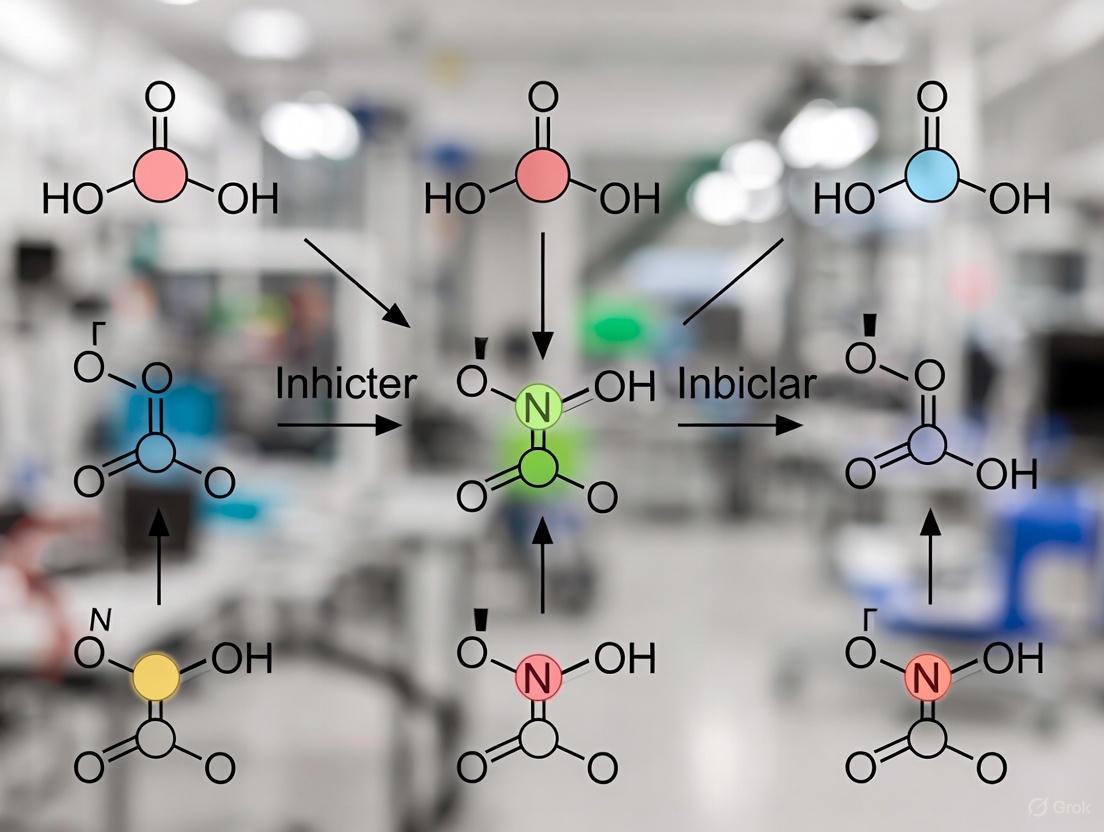
This article provides a comprehensive analysis of the competing roles of ice nucleators and ice nucleation inhibitors, crucial agents in controlling ice formation.
Ice Nucleators vs. Inhibitors: Mechanisms, Performance, and Applications in Biomedical Research
Abstract
This article provides a comprehensive analysis of the competing roles of ice nucleators and ice nucleation inhibitors, crucial agents in controlling ice formation. Tailored for researchers and drug development professionals, it synthesizes foundational mechanisms, cutting-edge methodological approaches, and performance optimization strategies. We explore the structural basis of efficient ice-nucleating agents—from bacterial proteins to engineered materials—alongside the molecular action of inhibitors like antifreeze proteins. The content further delves into experimental validation, comparative efficacy, and troubleshooting, highlighting direct implications for cryopreservation, biopharmaceutical stabilization, and therapeutic intervention.
Uncovering Core Mechanisms: The Structural and Molecular Basis of Ice Control
The precise initiation and suppression of ice formation are critical processes in fields ranging from pharmaceutical development and cryopreservation to climate science and materials engineering. Central to these processes are two opposing classes of agents: ice nucleators and ice nucleation inhibitors. Ice nucleators are substances that provide a template to facilitate the initial formation of ice crystals from supercooled water, thereby raising the temperature at which freezing occurs. In contrast, ice nucleation inhibitors act to suppress or delay this initial formation, allowing water to remain in a liquid state at temperatures far below its equilibrium freezing point. The competition between these agents determines the freezing behavior of aqueous systems, a balance with profound implications for drug stability, cell viability, and industrial processes. This guide provides a comparative analysis of their performance, supported by experimental data and methodologies relevant to researchers and drug development professionals.
Fundamental Mechanisms of Action
How Ice Nucleators Work
Ice nucleators function by providing a surface that mimics the lattice structure of ice, thereby reducing the energy barrier (ΔG) for the phase transition from liquid water to solid ice. This process, known as heterogeneous ice nucleation, occurs at significantly higher temperatures than homogeneous nucleation, where ice forms spontaneously in pure water only below approximately -38°C [1].
The efficacy of an ice nucleator is determined by its crystallographic lattice matching with ice Ih (the hexagonal form of ordinary ice). A high-quality match allows water molecules to arrange themselves into an ice-like structure with minimal interfacial energy. Beyond simple lattice parameters, modern data-driven approaches evaluate the fit between ice Ih and nucleator slabs cleaved along various Miller index planes, addressing structural complexities by examining crystal morphology features such as faces, edges, and corners [2]. The presence of active sites on the nucleator surface—such as defects, cracks, or specific chemical functional groups—can significantly enhance nucleation efficiency by providing optimal water-binding locations [3] [4].
How Ice Nucleation Inhibitors Work
Ice nucleation inhibitors operate through several distinct mechanisms to prevent the initial formation of ice crystals:
- Surface Adsorption: Ice-binding proteins (IBPs) and antifreeze proteins (AFPs) adsorb onto the surfaces of ice nuclei or dust particles that would otherwise act as nucleators. This adsorption increases the ice nucleation barrier and desolvation kink kinetics barrier, effectively preventing critical ice crystal formation [1] [5].
- Structural Disruption: Some inhibitors create a disordered hydration layer around nascent ice crystals, preventing further water molecules from joining the crystal lattice. This mimics the function of non-ice-binding sites (NIBS) in natural antifreeze proteins [4].
- Surface Blocking: In anti-icing coatings, inhibitors can block defect sites where heat transfer rates and water adsorption are heightened, thereby preventing the preferential ice nucleation that typically occurs at these locations [4].
The following diagram illustrates the opposing mechanisms of nucleators and inhibitors:
Performance Comparison of Ice Nucleators
Nucleator Efficacy Across Material Classes
Ice nucleators span diverse material classes including inorganic compounds, organic biological particles, and engineered surfaces. Their performance is typically quantified by the nucleation temperature, with higher temperatures indicating greater potency.
Table 1: Comparative Performance of Selected Ice Nucleators
| Nucleator Category | Specific Agent | Nucleation Temperature (°C) | Experimental Context | Key Findings |
|---|---|---|---|---|
| Metal Oxides | CuO | -3 to -5 | Bulk water immersion [2] | Potent nucleator; used as positive control |
| CeO₂, WO₃, Bi₂O₃, Ti₂O₃ | -4 to -8 | Bulk water immersion [2] | Newly identified via data-driven screening | |
| Silver Halides | AgI | ≈-4 | Bulk water immersion [2] | Classic nucleator with well-known efficacy |
| Biological | Pseudomonas syringae | -3 to -5 | Laboratory studies [1] | Highly potent biological nucleator |
| Poor/Inactive | BaF₂, CaCO₃, Al(OH)₃ | <-12 | Bulk water immersion [2] | Used as negative controls |
Structural Determinants of Nucleation Efficiency
The efficiency of ice nucleators is governed by specific structural and chemical properties:
- Crystallographic Match: A high-throughput data-driven workflow screening 3,500 simple metal oxides and halides found that only 7% of oxides and 3% of halides were predicted to nucleate ice based on geometric slab matching alone. Subsequent experimental testing of 22 compounds showed a 64% correct prediction rate [2].
- Surface Chemistry: Beyond lattice matching, surface hydrophobicity, morphology, and the adsorption energy landscape significantly impact nucleation efficiency. Surfaces that bind ice more strongly than liquid water function as effective nucleators [1].
- Atmospheric Aging: For aerosol particles, atmospheric aging processes (chemical reactions, physical modifications) can fundamentally alter ice-nucleating activity by changing surface properties and creating or destroying active sites [3].
Performance Comparison of Ice Nucleation Inhibitors
Inhibitor Efficacy Across Material Classes
Ice nucleation inhibitors include biological molecules, synthetic compounds, and engineered surfaces that delay or prevent ice formation.
Table 2: Comparative Performance of Selected Ice Nucleation Inhibitors
| Inhibitor Category | Specific Agent | Experimental Context | Key Findings |
|---|---|---|---|
| Ice-Binding Proteins | RmAFP1 (beetle) | Test tube freezing assays [1] | Definitively decreased ice nucleation temperature |
| mIBP83 (mutant moth protein) | Test tube freezing assays [1] | Decreased nucleation temperature raised by potent nucleators | |
| Antifreeze Proteins | Type III (fish) | Micro-sized ice nucleation technique [5] | Inhibits nucleation by adsorbing onto ice nuclei and dust particles |
| Synthetic Coatings | PDSB copolymer | Anti-icing coating tests [4] | Inhibits ice nucleation (nucleation temperature < -29.4°C) and reduces ice adhesion |
| Small Molecules | Amino acids & derivatives | Splat cooling assay [6] | Machine learning identified novel IRI-active small molecules |
Key Performance Metrics for Inhibitors
The effectiveness of ice nucleation inhibitors is evaluated through several key metrics:
- Nucleation Temperature Suppression: Effective inhibitors can significantly lower the temperature at which ice nucleation occurs. For example, the ice-binding protein RmAFP1 decreased the nucleation temperature in test tubes where ice would normally form at much higher temperatures due to the presence of inherent nucleators [1].
- Inhibition of Defect-Induced Ice Nucleation: Surface defects dramatically promote ice nucleation by increasing water adsorption energy and heat transfer rates. On intact PDMS coatings, the heterogeneous ice nucleation temperature was -22.6°C, but this increased to -9.5°C on coatings with three defects—even higher than on an uncoated steel surface (-13.6°C) [4].
- Interaction with Potent Nucleators: The most crucial test for inhibitors is their ability to counteract already potent nucleators. Both mIBP83 and RmAFP1 significantly decreased the ice nucleation temperature that had been raised to -3°C to -5°C in the presence of potent ice nucleators (CuO powder and Pseudomonas syringae bacteria) [1].
Experimental Protocols for Evaluation
Bulk Water Immersion Nucleation Assay
This protocol evaluates ice-nucleating ability under immersion freezing conditions, particularly relevant for pharmaceutical and cryopreservation applications.
Methodology [2]:
- Sample Preparation: Prepare a 1 wt% suspension of the test compound in 10 mL ultra-pure water.
- Temperature Cycling: Load samples into a temperature-controlled apparatus (e.g., Polar Bear apparatus) and subject to multiple freeze-thaw cycles.
- Temperature Monitoring: Monitor and record freezing onset temperatures for each cycle.
- Data Analysis: Calculate mean freezing temperatures and standard deviations across cycles. Classify compounds as "good" nucleators if they initiate freezing at ≥ -4°C and "poor" nucleators if they initiate at lower temperatures.
Key Controls:
- Include known effective nucleators (e.g., AgI, Cu₂O) and poor nucleators (e.g., BaF₂, CaCO₃) as benchmarks.
- Use ultra-pure water alone to establish baseline supercooling behavior (typically -12 ± 3°C).
Splat Cooling Assay for Ice Recrystallization Inhibition
This assay quantitatively evaluates a material's ability to inhibit ice crystal growth after initial nucleation.
Methodology [6]:
- Sample Preparation: Dissolve test compound in appropriate solvent at desired concentration.
- Splat Cooling: Droplet samples are splatted between two pre-cooled surfaces to generate numerous small ice crystals.
- Annealing: Samples are held at a specific sub-zero temperature (-6°C to -8°C) to allow ice recrystallization.
- Imaging and Analysis: Ice crystals are imaged, and mean grain size (MGS) is determined following recrystallization.
- Quantification: MGS values are normalized against a negative control to produce relative (%) MGS, with lower values indicating stronger inhibition.
Experimental Workflow for Nucleator Discovery
The following diagram illustrates a data-driven workflow for identifying novel ice nucleators:
The Scientist's Toolkit: Essential Research Reagents and Materials
Table 3: Key Research Reagents and Materials for Ice Nucleation Studies
| Category | Specific Reagents/Materials | Function/Application | Key Considerations |
|---|---|---|---|
| Reference Nucleators | AgI, CuO, Cu₂O [2] | Positive controls for nucleation assays | Well-characterized efficacy; establish baseline performance |
| Pseudomonas syringae [1] | Potent biological nucleator | Handle under appropriate biosafety conditions | |
| Reference Inhibitors | Antifreeze Protein Type III [5] | Positive control for inhibition assays | Commercial availability may be limited |
| RmAFP1, mIBP83 [1] | Ice-binding protein inhibitors | Recombinant expression may be required | |
| Experimental Materials | Polar Bear apparatus [2] | Temperature-controlled freezing measurements | Enables multiple simultaneous measurements |
| SPectrometer for Ice Nucleation (SPIN) [7] | Aerosol ice nucleation measurements | Specialized for atmospheric science applications | |
| PDSB copolymer coating [4] | Self-healing anti-icing surface | Mimics AFP mechanism; inhibits defect-induced nucleation |
Ice nucleators and inhibitors represent two fundamental approaches to controlling ice formation, each with distinct mechanisms and performance characteristics. Nucleators, such as metal oxides and biological particles, function by providing structural templates that reduce the energy barrier for ice formation, with efficacy determined by crystallographic matching and surface properties. In contrast, inhibitors, including ice-binding proteins and engineered materials, operate by blocking nucleation sites, disrupting ice crystal growth, or creating disordered hydration layers.
The comparative data presented in this guide enables researchers to select appropriate agents for specific applications, whether the goal is to promote controlled freezing in lyophilization processes or prevent ice formation in cryopreserved biologics. Future research directions include the development of data-driven discovery approaches, such as machine learning models to predict nucleator and inhibitor activity, and the design of smart materials that can autonomously respond to changing environmental conditions to provide optimal ice control.
}}
Structural Secrets of Bacterial Ice Nucleators: The Role of Self-Assembling Fibers and Megadalton Multimers
In both natural environments and industrial applications, the control of ice formation represents a significant scientific challenge. Pure water can remain in a supercooled liquid state down to approximately -38°C, a phenomenon known as homogeneous nucleation [8]. Above this temperature, ice formation requires the presence of heterogeneous nucleating agents that template the crystallization of water molecules. Among the most effective biological ice nucleators known are those produced by bacteria such as Pseudomonas syringae and Pseudomonas borealis, which can elevate ice formation temperatures to as high as -2°C [9] [8]. This remarkable efficiency stems from specialized ice nucleation proteins (INPs) that self-assemble into large, functional aggregates on bacterial outer membranes. The size and organization of these megadalton multimers directly determine their ice-nucleating proficiency, with the largest assemblies demonstrating the highest nucleation temperatures [8] [10]. This review examines the structural basis of bacterial ice nucleators, focusing on their self-assembly into fibrous multimers, and contextualizes their performance against other nucleating and inhibitory agents within the broader field of ice control research.
Molecular Architecture and Hierarchical Assembly Mechanism
Domain Organization and Functional Motifs
Bacterial INPs exhibit a conserved modular architecture essential for their ice-nucleating function. The central structural domain comprises a β-solenoid fold composed of tandem 16-residue repeats [9]. Bioinformatics analysis of 120 INP sequences reveals two functionally distinct subdomains within this solenoid: the water-organizing coils (WO-coils) and the arginine-rich coils (R-coils) [9]. The WO-coils contain conserved Thr-X-Thr (TxT) and similar motifs that form parallel arrays thought to organize water molecules into ice-like structures, while the C-terminal R-coils (typically 10-12 coils) lack these water-organizing motifs but feature critical arginine residues at position 12 of each coil [9]. This charge distribution creates an electrostatic landscape crucial for higher-order assembly, with the WO-coils typically containing acidic residues (Asp and Glu) at position 12, while the R-coils present basic arginine residues, facilitating complementary interactions for multimerization [9].
Hierarchical Assembly Pathway
The functional form of bacterial INPs emerges through a hierarchical assembly process that transforms individual monomers into potent ice-nucleating complexes:
This assembly pathway progresses from INP monomers forming dimers primarily through tyrosine interactions [10]. These dimers then serve as building blocks for larger oligomers, with electrostatic interactions between INP dimers driving the formation of tetramers and higher-order structures [9] [10]. The bacterial outer membrane plays a crucial role in this process by providing a platform that facilitates proper alignment and reduces electrostatic repulsion between subunits [10]. Environmental factors such as pH and ionic strength significantly influence this assembly process, with optimal conditions promoting the formation of the largest and most active multimers [8] [10].
Experimental Evidence: Decoding the Self-Assembly Code
Quantitative Analysis of Mutagenesis and Environmental Studies
Table 1: Key Experimental Evidence for INP Self-Assembly and Function
| Category | Experimental System | Key Manipulation | Key Finding | Molecular Interpretation |
|---|---|---|---|---|
| Structural Mutagenesis | Pseudomonas borealis INP (PbINP) | Incremental replacement of R-coils with WO-coils | Severe diminishment of ice nucleating activity | Disruption of essential multimerization interface [9] |
| Domain-Charge Modification | Recombinant PbINP in E. coli | Alteration of charge in C-terminal positively charged subdomain | Catastrophic loss of ice nucleation ability | Disruption of electrostatic interactions crucial for self-assembly [9] |
| In Situ Tomography | Cryo-ET of recombinant E. coli | Direct visualization of INP multimers | Observation of fibrillar structures ~5 nm across, up to 200 nm long | Direct evidence for self-assembled fibrous architecture [9] |
| Environmental Modulation | P. syringae INPs | pH titration from neutral to acidic conditions | Progressive loss of Class A activity; conversion to Class C activity at pH ~4.5 | Environmental factors control interconversion of multimer sizes [8] |
| Membrane-Assisted Assembly | Bacterial outer membrane | Modulation of membrane fluidity and electrostatic screening | 200-fold increase in Class A/B aggregates with DPBS buffer; dimer preservation with increased fluidity | Membrane environment and charge screening critically enhance functional multimerization [10] |
Experimental Methodologies
High-Throughput Droplet Freezing Assays
Functional characterization of INP activity primarily employs high-throughput droplet freezing assays such as the Twin-plate Ice Nucleation Assay (TINA) [8]. These assays measure the freezing spectrum of bacterial INs by analyzing complete dilution series (typically from 0.1 mg/mL to 1 ng/mL) with robust statistics. The fraction of frozen droplets (f~ice~) is recorded as a function of temperature, and the cumulative IN concentration (N~m~) is calculated using Vali's equation, representing the number of ice nucleators per unit weight active above a specific temperature [8]. This method enables discrimination between different classes of INs based on their characteristic activation temperatures.
Cryo-Electron Tomography (Cryo-ET) for Structural Analysis
Cryo-focused-ion-beam (cryo-FIB) milling combined with cryo-electron tomography (cryo-ET) enables direct visualization of INP multimers in situ within cells recombinantly expressing INPs [9]. This technique preserves native cellular structures and reveals the fibrillar morphology of INP assemblies without requiring purification or isolation that might disrupt fragile complexes. The resulting tomograms show INP fibers approximately 5 nm in diameter and up to 200 nm in length, corresponding to megadalton-sized multimers visible in their cellular context [9].
Spectroscopic Approaches for Molecular Insights
Interface-specific vibrational sum-frequency generation (SFG) spectroscopy probes the molecular-level details of the INP-water interface and protein secondary structure [8]. This technique combines a broadband infrared beam to probe molecular vibrations with a visible beam at the sample surface to generate sum-frequency light, providing information about the isoelectric point of bacterial surfaces and molecular arrangements at interfaces. Additional spectroscopic methods including circular dichroism and infrared spectroscopy complement SFG by providing information on protein secondary structure under different environmental conditions [8].
The Researcher's Toolkit: Essential Reagents and Methodologies
Table 2: Key Research Reagent Solutions for INP Investigation
| Reagent | Function | Application |
|---|---|---|
| Snomax (P. syringae extract) | Commercial source of standardized bacterial INPs for experimental benchmarking and calibration | Positive control in freezing assays; source for INP purification [8] |
| High-Throughput Droplet Freezing Assays (e.g., TINA) | Quantifies ice nucleation efficacy (T~50~) and characterizes INP class distribution across dilution series | Functional profiling of INP activity under different conditions [8] |
| Cryo-Electron Tomography (Cryo-ET) | Direct visualization of INP multimer structure and organization in near-native cellular state | Structural analysis of INP fibers and multimers in situ [9] |
| Interface-Specific Spectroscopy (e.g., SFG) | Probes molecular-level details of INP-water interface and protein secondary structure | Investigating molecular mechanisms of water ordering and environmental effects on INP structure [8] |
| Ice-Affinity Purification Methods | Isolates ice-binding proteins directly from natural sources with high purity | Preparation of purified INP samples for biochemical and biophysical studies [8] |
| DPBS (Dulbecco's Phosphate Buffered Saline) | Enhances formation of Class A/B aggregates via electrostatic screening of repulsive charges | Experimental enhancement of most potent bacterial INs for stability studies [10] |
Comparative Performance in Ice Nucleation Landscape
Structural and Functional Comparison of Ice Nucleators
Bacterial INPs occupy the pinnacle of ice nucleation efficiency among known heterogeneous nucleators. Their capacity to initiate freezing at temperatures as high as -2°C surpasses the performance of mineral dust nucleators such as feldspars (typically -15°C to -20°C) and other biological nucleators including fungal proteins (approximately -10°C to -2°C) [3] [8] [11]. This superior performance originates from the unique self-assembling nature of bacterial INPs, which form extensive surfaces templated for ice formation through precisely aligned water-organizing motifs. The megadalton-scale multimers of bacterial INPs create nucleation sites far larger than those found in mineral nucleators or smaller protein assemblies, enabling them to stabilize critical ice embryos at significantly warmer temperatures [9] [8].
Performance Against Ice Nucleation Inhibitors
Within the broader context of ice control research, bacterial INPs represent the most potent natural ice-promoting agents, standing in direct functional opposition to ice nucleation inhibitors such as antifreeze proteins (AFPs). While both INPs and AFPs interact with ice surfaces and share similar β-solenoid structural motifs in some cases, their functional outcomes are diametrically opposed [8]. INPs template ice formation by organizing water molecules into ice-like arrays through their extensive TxT motifs, whereas AFPs inhibit ice growth by binding to specific crystal faces and preventing further water molecule addition. The hierarchical assembly of INPs into large multimers magnifies their ice-promoting effect, contrasting with the action of AFPs which typically function as monomers or small oligomers. This fundamental distinction highlights the specialized adaptations that evolution has produced for controlling ice formation in different biological contexts.
The structural secrets of bacterial ice nucleators reveal a sophisticated biological solution to the physical challenge of ice formation. The hierarchical self-assembly of INP monomers into megadalton multimers represents a remarkable evolutionary adaptation that enables efficient ice nucleation at near-zero temperatures. The conserved domain architecture, with its specialized WO-coils and R-coils, provides both the water-organizing capacity and the assembly interface necessary for building functional fibrous structures. When compared to other nucleating agents, bacterial INPs demonstrate superior efficiency, while their environmental responsiveness offers insights into how biological systems regulate ice formation.
Future research directions should focus on resolving high-resolution structures of complete INP multimers, elucidating the precise mechanisms of water ordering at the molecular level, and developing artificial ice nucleators inspired by the bacterial assembly principle. Additionally, understanding how environmental factors modulate the equilibrium between different oligomeric states will be crucial for predicting ice nucleation activity in natural settings. As research continues to decode the structural secrets of bacterial ice nucleators, this knowledge promises to advance diverse fields including atmospheric science, cryopreservation, and climate modeling.
In the pharmaceutical industry, the precise control of ice formation is not merely a scientific curiosity but a critical parameter determining the quality, stability, and efficacy of biopharmaceutical products. During freeze-drying (lyophilization), the temperature at which ice nucleates and the subsequent crystal structure directly impact key product characteristics, including porosity, specific surface area, reconstitution time, and the stability of sensitive biological actives [12] [13]. The fundamental process underpinning this control is heterogeneous nucleation, where ice crystals form on the surface of foreign particles or impurities. The efficiency of this process is largely governed by the geometric and crystallographic compatibility between the nucleating agent (nucleator) and ice, a principle known as geometric matching [2].
This guide objectively compares the performance of ice nucleators against ice nucleation inhibitors, framing the discussion within the critical research on how crystallographic alignment at the interface dictates nucleation efficiency. For researchers and drug development professionals, understanding these principles is paramount for designing robust and reproducible freezing processes, particularly for vaccines and monoclonal antibodies where process consistency is directly linked to product safety and performance [12].
The Geometric Matching Principle in Heterogeneous Nucleation
Theoretical Foundations of Interfacial Matching
The core premise of geometric matching, or lattice matching, is that a foreign surface will be an effective ice nucleator if its atomic arrangement closely mirrors that of a specific crystal plane of ice Ih (the common hexagonal form of ice). A strong match minimizes the interfacial energy required to form a stable ice "embryo," thereby lowering the kinetic barrier to nucleation and raising the temperature at which freezing can initiate [2] [14].
Early models focused on a simple "zero-lattice mismatch" between the unit-cell dimensions of the nucleator and ice, which successfully explained the potency of well-known nucleators like silver iodide (AgI) [2]. However, contemporary research acknowledges this as an oversimplification. The nucleation process is now understood to be influenced by a complex interplay of crystallographic similarity, surface chemistry, hydrophobicity, and morphology [2] [15]. Advanced models, therefore, evaluate the geometric "docking" of multiple crystal planes, not just the most basic ones.
Table 1: Key Concepts in Geometric Matching for Ice Nucleation.
| Concept | Description | Research Insight |
|---|---|---|
| Lattice Mismatch/Disregistry | A measure of the geometric fit between the atomic spacings of the nucleator and ice. | Lower disregistry (typically <10%) correlates with more potent nucleation [14]. |
| Miller Index Planes | A notation system to describe the orientation of a crystal plane within a lattice. | Modern workflows assess matching for high-index planes (e.g., up to (333)) to account for complex crystal morphology [2]. |
| Interfacial Energy | The energy associated with the boundary between the nucleator and the forming ice crystal. | A better geometric match reduces interfacial energy, facilitating the formation of a critical ice nucleus [14]. |
| Adsorption-Mediated Pathway | A nucleation mechanism where water molecules first form an ordered layer on the nucleator surface. | Cryo-TEM studies show amorphous ice adsorption can precede spontaneous ice Ih nucleation on substrates [16]. |
Visualizing the Nucleation Workflow and Pathways
The following diagram illustrates the general data-driven workflow for identifying potential ice nucleators through geometric interface matching, as implemented in a 2025 study [2].
Figure 1: Workflow for Predicting Ice Nucleators via Geometric Matching [2].
At the molecular level, heterogeneous ice nucleation on a substrate follows a specific pathway, as revealed by advanced imaging techniques. The diagram below maps this pathway from vapor deposition to a stable ice crystal.
Figure 2: Molecular Pathway of Heterogeneous Ice Deposition [16].
Comparative Performance: Ice Nucleators vs. Inhibitors
Experimental Data on Nucleator and Inhibitor Performance
The effectiveness of geometric matching is validated by experimental data comparing the freezing onset temperatures of various materials. The following table summarizes key findings from immersion nucleation studies.
Table 2: Experimental Ice Nucleation Performance of Selected Materials [2] [12] [1].
| Material / Condition | Role / Mechanism | Average Freezing Onset Temperature (°C) | Supercooling (ΔT from 0°C) | Inter-Vial Variability |
|---|---|---|---|---|
| Silver Iodide (AgI) | Potent Nucleator (Geometric match with ice Ih) | ~ -7 to -4 [2] [12] | ~ 7 K | Very Low [12] |
| Copper Oxide (CuO) | Potent Nucleator (Geometric match) | ~ -7 to -4 [2] | ~ 7 K | Low |
| Tap Water (with impurities) | Nucleator (Particulate-dependent) | ~ -14 [12] | ~ 14 K | Intermediate [12] |
| Particulate-Free Solution | Baseline (Homogeneous nucleation suppressed) | ~ -22 [12] | ~ 22 K | High [12] |
| RmAFP1 (Ice-Binding Protein) | Nucleation Inhibitor (Blocks potent nucleator sites) | Suppresses nucleation from -5°C to below -10°C [1] | > 10 K | Data not specified |
Detailed Experimental Protocols
To ensure reproducibility, the following subsections detail the methodologies used to generate the comparative data.
Bulk Water Immersion Test for Nucleant Screening
This protocol is adapted from the high-throughput screening of metal oxides and halides [2].
- Apparatus: A "Polar Bear" apparatus or similar temperature-controlled bath is used. Temperature is typically monitored for multiple samples simultaneously.
- Sample Preparation: The nucleating agent (e.g., a metal oxide powder) is mixed with ultra-pure water at a defined solid loading (e.g., 1 wt%). The mixture is agitated to ensure suspension.
- Identity Verification: The identity and phase purity of all solid nucleators are verified via Powder X-ray Diffraction (PXRD) cross-referenced against standard databases.
- Freezing Cycle: Samples are subjected to multiple (e.g., 4) freeze-thaw cycles. The temperature is lowered from above 0°C to a target minimum (e.g., -12°C to -18°C) at a controlled rate.
- Data Collection: The freezing onset temperature for each cycle is detected by an exothermic peak in the temperature profile. The mean and standard deviation of these temperatures are calculated for each compound.
- Classification: A decision boundary temperature (e.g., -4°C) is established to classify compounds as "good" or "poor" nucleators based on the benchmarking data from known materials.
Quantifying Pharmaceutical Solution Nucleation
This protocol, used to assess the impact of particulate impurities, employs a commercial instrument [12] [13].
- Apparatus: A customized Crystal16 instrument or similar chemical process analyzer that uses optical transmissivity to detect phase changes in multiple vials simultaneously.
- Sample Preparation (Three Conditions):
- Standard Lab: Solutions are prepared under standard laboratory conditions.
- Particulate-Free: Solutions are prepared using sterile techniques and filtration in a cleanroom environment to minimize particulate impurities.
- Spiked with AgI: A known mass of a potent nucleator (e.g., 50.0 mg of AgI) is added to the solution.
- Freezing Cycle: A large number of freeze-thaw cycles (e.g., 12 cycles across 16 vials, totaling 576 events) are run to gather robust statistical data.
- Data Analysis: The nucleation temperature for each event is recorded. The internal (within-vial) and external (between-vial) variance is calculated to determine the primary source of variability.
Inhibitor Assay Using Potent Ice Nucleators
This protocol tests the efficacy of ice-binding proteins (IBPs) as nucleation inhibitors [1].
- Apparatus: A thermostat capable of precise cooling and heating (e.g., at 0.24°C/min) with a sample temperature probe.
- Sample Preparation: A potent ice nucleator (e.g., CuO powder or Pseudomonas syringae bacteria) is suspended in a buffer solution with and without the addition of the IBP (e.g., RmAFP1 or mIBP83).
- Freezing Cycle: The sample is cooled from a temperature above 0°C (e.g., +10°C) to a low target (e.g., -18°C) while monitoring its temperature.
- Data Collection: The nucleation event is marked by a sharp exothermic temperature spike. The experiment is repeated for multiple cycles.
- Analysis: The nucleation temperature in the presence of the nucleator is compared to the nucleation temperature when both the nucleator and IBP are present. A statistically significant decrease indicates inhibitory activity.
The Scientist's Toolkit: Essential Research Reagents and Materials
Table 3: Key Reagents and Materials for Ice Nucleation Research.
| Item | Function / Application | Specific Examples |
|---|---|---|
| Known Nucleators | Experimental positive controls for benchmarking. | AgI, CuO, Cu₂O [2] [12] |
| Ice-Binding Proteins (IBPs) | To study and exploit nucleation inhibition. | RmAFP1 (beetle protein), mIBP83 (mutant moth protein) [1] |
| Potent Ice Nucleators | To create a high nucleation baseline for inhibitor tests. | CuO powder, Pseudomonas syringae bacteria [1] |
| Crystallographic Databases | Source of crystal structures for geometric matching predictions. | Inorganic Crystal Structure Database (ICSD) [2] |
| High-Throughput Screening Tools | For efficient experimental validation of nucleation temperatures. | Crystal16 chemical process analyzer [13] |
| Model Biopharmaceuticals | For testing nucleation in pharmaceutically relevant formulations. | Sucrose solutions, Viral Vector Vaccines, Monoclonal Antibodies (mAbs) [12] |
Discussion and Research Implications
The data unequivocally demonstrates that particulate impurities are the primary driver of heterogeneous ice nucleation and the resulting variability in pharmaceutical freezing processes [12] [13]. Geometric matching provides a powerful, predictive framework for understanding why certain impurities, like metal oxides, are such potent nucleators. The success of the data-driven workflow in identifying new nucleators like CeO₂ and WO₃ with a 64% correct prediction rate underscores the validity of this approach [2].
For drug development professionals, this translates to a critical need to account for and control particulate levels. While spiking with a potent nucleator like AgI can drastically reduce process variability, it is not a practical solution for commercial products [13]. Therefore, the focus must be on controlling vial surface properties and the biopharmaceutical formulation itself to achieve consistent nucleation behavior. Furthermore, the presence of intrinsic nucleation inhibitors, such as certain ice-binding proteins, opens a potential avenue for protecting sensitive biologics from ice-induced damage, although their application in large-scale manufacturing requires further research [1].
Future research, as identified by international workshops, must continue to uncover the molecular identity of active nucleation sites and further integrate geometric matching models with other critical factors like surface chemistry and hydrophobicity [15]. The integration of advanced experimental techniques, such as in-situ cryo-TEM [16] and computational modeling, will be key to developing a truly predictive understanding of heterogeneous ice nucleation, enabling tighter control over pharmaceutical freezing processes.
Ice nucleation proteins (INPs) are remarkable biological macromolecules produced by certain bacteria, such as Pseudomonas syringae and Pseudomonas borealis, that serve as the most efficient ice nucleators known in nature [17] [8]. These large, membrane-associated proteins possess the unique ability to catalyze ice formation at temperatures as high as -2°C to -4°C, whereas pure water requires cooling to approximately -38°C to freeze homogeneously [8] [11]. This exceptional capacity positions INPs as crucial agents in environmental processes ranging from frost damage to crops to precipitation formation in atmospheric science [18] [8]. The molecular foundation of this activity has been elucidated through recent advances in structural biology, revealing that INPs employ sophisticated molecular mimicry through specific protein motifs that organize water molecules into ice-like patterns, effectively templating ice crystal formation [17] [19]. This guide provides a comprehensive comparison of INP performance mechanisms, focusing on the critical TxT motif and water-organizing arrays that define their function, with supporting experimental data and methodologies essential for researchers investigating ice nucleators versus ice nucleation inhibitors.
Structural Basis of INP Activity: The Beta-Helical Fold and Key Motifs
The exceptional ice-nucleating capability of INPs derives from their unique protein architecture. Bacterial INPs are large proteins (110-180 kDa) characterized by three principal domains: an N-terminal domain, a C-terminal membrane anchor, and an extensive central repetitive domain (CRD) that comprises approximately 81% of the sequence [18] [8]. The CRD consists of 50-80 tandem repeats of a consensus 16-amino-acid sequence that folds into a beta-solenoid or beta-helical structure [17] [19].
Advanced structural modeling using AlphaFold and trRosetta has revealed a novel beta-helical structure for the central repeat domain, where each 16-residue repeat forms one coil of the solenoid [17] [18]. This architecture creates extended, flat surfaces ideal for water organization and ice templating. The structural model identifies two critical β-strands within each repeat: one containing a Threonine-x-Threonine (TxT) motif and the other featuring a Serine-x-Leucine-Threonine/Isoleucine (SxL[T/I]) motif, where "x" represents variable residues [18] [19]. These motifs form parallel arrays that create the ice-nucleating active surface.
Table 1: Key Structural Motifs in Bacterial Ice Nucleation Proteins
| Structural Element | Consensus Sequence | Location in Beta-Helix | Proposed Function |
|---|---|---|---|
| TxT Motif | Threonine-x-Threonine | Outward-facing β-strand | Organizes water molecules into ice-like patterns via hydroxyl groups |
| SxL[T/I] Motif | Serine-x-Leucine-Threonine/Isoleucine | Adjacent outward-facing β-strand | Complementary water organization; forms ice-binding surface with TxT in dimers |
| Tyrosine Ladder | Conserved tyrosine residues | Dimerization interface | Mediates protein-protein interaction and oligomerization |
| Internal Serine Ladder | Inward-pointing serine residues | Structural core | Stabilizes beta-helical fold through hydrogen bonding |
| Internal Glutamine Ladder | Inward-pointing glutamine residues | Structural core | Provides structural stability through side-chain interactions |
The stability of this beta-helical structure is maintained by internal serine and glutamine ladders that form extensive hydrogen-bonding networks within the protein core [19]. Molecular dynamics simulations have demonstrated that this fold remains remarkably stable, with the model stabilizing within 2 nanoseconds and maintaining structural integrity throughout 5-nanosecond simulations [19].
Molecular Mechanism: Water Organization and Ice Templating
The current model for INP activity proposes that the regularly spaced threonine and serine residues on the protein surface create a template that organizes water molecules into an ice-like pattern, effectively serving as an initial seed for ice crystal formation [17] [19]. This molecular mimicry reduces the energy barrier for nucleation, allowing ice to form at significantly higher temperatures than would occur spontaneously.
The TxT motif is particularly crucial for this process, as the threonine side chains present hydroxyl groups at regular intervals that match the spacing of oxygen atoms in the ice lattice [17]. This arrangement facilitates the formation of anchored clathrate waters (ACWs) that align across the protein surface, creating an ice-like layer that templates further ice growth [19]. Molecular dynamics simulations show that each ice-nucleating site is capable of ordering water molecules into an ice-like lattice, supporting the ACW mechanism of action [19].
Table 2: Experimental Evidence Supporting the Water-Organizing Mechanism
| Experimental Approach | Key Findings | Impact on Nucleation Temperature | Reference |
|---|---|---|---|
| Site-directed mutagenesis of TxT motifs | Substitution of threonine residues decreases nucleation efficiency | Reduction of up to several degrees Celsius | [17] |
| Central domain deletions | Shorter INPs with fewer repeats nucleate at lower temperatures | Decrease from -8°C (full-length) to -10°C (29 repeats) | [17] |
| Insertion of bulky domains | Disruption of repeat continuity reduces activity | Significant decrease in nucleation temperature | [17] |
| Dimerization disruption | Preventing oligomerization eliminates high-temperature nucleation | Loss of Class A activity (up to -2°C) | [18] [8] |
| C-terminal deletion | Removal of C-terminal region eliminates activity | Complete loss of nucleation function | [17] |
The efficiency of this water-organizing mechanism depends critically on the continuity and extent of the nucleating surface. Research has demonstrated that inserting bulky domains that disrupt the continuity of the water-organizing repeats significantly decreases ice nucleation activity—more than even deleting entire sections—highlighting the importance of an uninterrupted water-organizing surface [17].
Functional Aggregation: The Role of Oligomerization in Potent Ice Nucleation
A crucial aspect of INP activity is their propensity to form functional aggregates in the bacterial outer membrane. Studies have revealed that INPs do not function as isolated monomers but rather form dimers and higher-order oligomers that dramatically enhance their ice-nucleating efficiency [18] [8]. This aggregation phenomenon explains the existence of distinct classes of ice nucleators with different activation temperatures.
Computational docking of INP models based on rigid-body algorithms has reproduced a homodimer structure with an interface along a highly conserved tyrosine ladder [18]. In this dimeric configuration, the TxT motif of one monomer aligns with the SxL[T/I] motif of the other monomer, creating an widened surface that enhances interaction with water molecules and substantially boosts ice nucleation activity [18]. The dimerization effectively doubles the ice-active surface area while increasing its length, permitting the alignment of sufficient anchored clathrate waters to nucleate freezing [19].
Table 3: Classes of Bacterial Ice Nucleators Based on Aggregation State
| Class | Nucleation Temperature Range | Aggregation State | Proposed Structure | Sensitivity to Environmental Conditions |
|---|---|---|---|---|
| Class A | -2°C to -5°C | Large aggregates (>30 INPs) | Extensive ordered arrays | pH-sensitive; diminished at low pH |
| Class B | -5°C to -7°C | Intermediate aggregates | Moderate assemblies | Rarely observed |
| Class C | -7°C to -10°C | Small aggregates (5-10 INPs) | Minimal oligomeric units | Stable across pH range |
Environmental conditions significantly impact INP aggregation and activity. Studies manipulating pH conditions demonstrate that lowering solution pH gradually decreases Class A activity while increasing Class C activity, suggesting an interconversion of Class A species into Class C species under acidic conditions [8]. At approximately pH 4.5, only Class C INPs remain active, indicating that the highly efficient Class A aggregates require specific conditions for formation and stability [8].
Comparative Experimental Protocols for INP Characterization
Droplet Freezing Assays for Ice Nucleation Activity
Droplet freezing assays represent the fundamental methodology for quantifying ice nucleation activity across research studies. The Twin-plate Ice Nucleation Assay (TINA) enables high-throughput measurement of complete dilution series with robust statistics, facilitating cumulative representation of the full range of INPs present in a sample [8]. These assays typically involve suspending INP-containing samples in numerous nanoliter- to microliter-sized droplets and gradually cooling them while monitoring freezing events.
Two specialized systems have been developed for precise measurements:
- WISDOM (Water Ice Suspension DROplet Monitoring): Utilizes monodisperse nanoliter-sized droplets suspended in an oil mixture [17]
- BINARY (Bulk Ice Nucleation ARraY): Involves microliter-sized droplets sealed in individual compartments [17]
In both systems, ice nucleation activity is quantified by determining the fraction of frozen droplets (fice) as a function of temperature. Since droplet freezing typically occurs over a narrow temperature range of 1-2°C for active samples, nucleation curves can be readily compared between constructs and apparatuses [17]. The T50 value—the temperature at which 50% of droplets are frozen—provides a standardized metric for comparing ice nucleation efficacy across different samples and studies [17] [8].
Structural Characterization Techniques
Multiple complementary approaches have been employed to elucidate INP structure:
- Machine Learning-Based Structure Prediction: AlphaFold 2 and trRosetta have been used to generate ab initio structural models of full-length and truncated INPs, revealing the novel beta-helix structure of the central repeat domain [18]
- Synchrotron Radiation Circular Dichroism: Validates β-strand content of the central repeat domain in structural models [18]
- Interface-Specific Vibrational Sum-Frequency Generation (SFG) Spectroscopy: Investigates molecular-level details of the interface between INPs and water, providing insights into water ordering [18] [8]
- Molecular Dynamics Simulations: Assess model stability and water organization capabilities, with simulations showing stabilization of INP models within 2 nanoseconds and maintenance of structural integrity throughout 5-nanosecond trajectories [19]
Mutagenesis and Deletion Studies
Systematic structure-function analyses involve creating targeted modifications to INP sequences to determine the contribution of specific residues and domains to ice nucleation activity. Researchers have developed synthetic INP genes containing silent mutations that introduce pairs of restriction sites at specific matching locations within the repeats coding for solenoid coils [17]. This strategic design enables precise deletion of multiple repeats—for example, digestion with SacI followed by ligation removed 47 of 65 central repeats to produce a construct with only 18 repeats remaining [17]. Fusion with green fluorescent protein (GFP) confirms construct expression and rules out frame-shift mutations as causes of activity loss [17].
Diagram 1: Experimental Workflow for INP Characterization. This flowchart outlines the multidisciplinary approach required to investigate ice nucleation protein structure and function, combining computational, biochemical, and biophysical methods.
The Scientist's Toolkit: Essential Research Reagents and Materials
Table 4: Key Research Reagent Solutions for INP Investigations
| Reagent/Material | Specifications | Research Application | Example Use Case |
|---|---|---|---|
| Snomax | Inactivated P. syringae extracts | Commercial source of standardized INPs | Positive control for ice nucleation assays [8] |
| Synthetic INP Genes | Codon-optimized with restriction sites | Deletion and mutagenesis studies | Systematic analysis of repeat requirements [17] |
| GFP Fusion Constructs | C-terminal GFP fusions | Expression confirmation | Verification of proper protein expression [17] |
| Deuterated Water (D₂O) | High purity D₂O | Solvent isotope effects | Investigation of water ordering mechanisms [8] |
| Ice-Affinity Purification | Custom chromatography | INP isolation and purification | Recovery of active INPs from complex mixtures [8] |
| Heterologous Expression Systems | E. coli expression vectors | Recombinant INP production | Functional studies of modified INP variants [17] |
Comparative Performance: INPs versus Other Ice Nucleators
INPs demonstrate exceptional performance compared to other ice nucleators, both biological and abiotic. While mineral dusts and crystalline materials like AgI and Cu₂O can nucleate ice, their temperatures of activation are typically lower than those of efficient biological INPs [2]. The unique combination of extensive water-organizing surfaces and precise molecular mimicry enables INPs to achieve ice nucleation at temperatures much closer to the melting point than any known synthetic material.
Recent high-throughput screening of metal oxides and halides from the Inorganic Crystal Structure Database identified only 7% of oxides and 3% of halides as potential ice nucleators based on geometric slab matching alone, with subsequent experimental testing showing only a 64% correct prediction rate [2]. This highlights the exceptional efficiency of biological INPs, which have evolved through natural selection to optimize their ice-nucleating capabilities beyond what is readily achievable with simple inorganic compounds.
The performance gap between INPs and synthetic nucleators is particularly evident in the temperature ranges of activity. While the most effective synthetic nucleators like AgI and Cu₂O typically activate in the -4°C to -6°C range in immersion freezing experiments, bacterial INPs reach activation temperatures as high as -2°C, representing a significant advantage for applications requiring ice formation close to the melting point [2] [8].
Diagram 2: INP Structure-Activity Relationship. This diagram illustrates the hierarchical organization of INP structures from monomeric units to functional aggregates, highlighting key structural elements responsible for ice nucleation activity.
The comprehensive understanding of INP structure and function, particularly the role of the TxT motif and water-organizing arrays, provides critical insights for both fundamental research and applied technologies. For atmospheric science, these findings elucidate how biological particles influence cloud formation and precipitation processes. For agricultural applications, they suggest strategies for developing frost protection methods through targeted inhibition of INP activity.
The demonstrated importance of functional aggregation for high-temperature ice nucleation presents unique opportunities for interference strategies. Disrupting the oligomerization interface or the continuity of water-organizing arrays represents promising approaches for developing potent ice nucleation inhibitors. Similarly, the pH sensitivity of Class A aggregates suggests environmental conditions could be manipulated to reduce frost damage in agricultural settings.
Future research directions should focus on leveraging these structural insights to design synthetic mimics for cloud seeding applications or to develop specific inhibitors for crop protection. The combination of high-throughput screening methods with detailed molecular understanding of INP activity mechanisms will continue to advance both fundamental knowledge and practical applications in the ongoing research between ice nucleators and inhibitors.
The control of ice formation is a critical challenge across numerous fields, from cryobiology and pharmaceutical development to aerospace engineering and climate science. Within this landscape, ice nucleators and ice nucleation inhibitors represent two fundamental classes of actors governing the phase change of water. Ice nucleators, which can be biological (e.g., certain bacteria) or abiotic (e.g., mineral dust), provide templates that facilitate the organization of water molecules into ice, effectively raising the temperature at which freezing occurs [1]. In contrast, ice nucleation inhibitors, such as antifreeze proteins (AFPs), work to suppress or delay this process, allowing water to remain in a liquid state at temperatures far below its equilibrium freezing point [20]. This guide focuses on the mechanism of one particularly effective class of inhibitors—antifreeze proteins—and objectively compares the performance of different AFP types based on their ability to suppress ice nucleation by adsorbing to key interfaces.
The prevailing mechanistic framework, termed "adsorption inhibition," posits that AFPs exert their function by binding to specific surfaces critical to the nucleation process. As this guide will demonstrate through a comparison of experimental data, this includes binding directly to the surfaces of nascent ice crystals (ice nuclei) and to the surfaces of potent ice-nucleating particles, such as dust [5]. The performance of different AFPs in this inhibitory role is not uniform but is intrinsically linked to their structural properties and their resulting affinity for different ice planes.
Performance Comparison of Antifreeze Agents
The following tables synthesize quantitative data on the nucleation inhibition performance and interfacial characteristics of various antifreeze agents, from fish-derived AFPs to hyperactive insect AFPs and synthetic analogues.
Table 1: Ice Nucleation Inhibition Performance of Selected Antifreeze Agents
| Antifreeze Agent | Source | Primary Experimental Model | Key Performance Metric | Reported Value | Reference |
|---|---|---|---|---|---|
| Type III AFP | Ocean Pout (Macrozoarces americanus) | Micro-sized ice nucleation technique | Increase in Ice Nucleation Barrier | Quantitatively measured (specific value not stated) | [5] |
| PDSB Copolymer | AFP-inspired synthetic coating | Coating on steel substrate | Ice Nucleation Temperature (TH) | < -29.4 °C | [4] |
| PDSB Copolymer | AFP-inspired synthetic coating | Coating on steel substrate | Ice Adhesion Strength | < 38.9 kPa | [4] |
| RmAFP1 | Longhorn Beetle (Rhagium mordax) | Test tube with potent ice nucleators (CuO, P. syringae) | Depression of Ice Nucleation Temperature | Definite decrease (specific value not stated) | [1] |
| PVCap | Synthetic Kinetic Inhibitor | Tetrahydrofuran (THF) Hydrate Formation | Samples Uncrystallized after 24 hours | 41% | [21] |
| PVP | Synthetic Kinetic Inhibitor | Tetrahydrofuran (THF) Hydrate Formation | Samples Uncrystallized after 24 hours | 3% | [21] |
Table 2: Interfacial Adsorption and Structural Properties of Antifreeze Proteins
| Antifreeze Protein | Source | Molecular Characteristics | Adsorbed Layer Thickness (on SiO₂) | Relative Interfacial Adsorption | Reference |
|---|---|---|---|---|---|
| AFP III | Ocean Pout (Fish) | Globular, 7 kDa, 66 amino acids | 32 Å (uniform layer) | Lower, concentration-dependent packing | [22] |
| cfAFP-501 | Spruce Budworm (Insect) | β-helix, larger ice-binding surface | ~100 Å (complex multi-layer at high conc.) | Significantly stronger | [22] |
| Type III AFP Monomer | Engineered (Based on Fish AFP) | Single subunit | N/A | Slowest adsorption rate | [23] |
| Type III AFP Multimer | Engineered (Based on Fish AFP) | 12-subunit assembly | N/A | 11-fold faster adsorption than monomer | [23] |
Mechanisms of Action: Experimental Evidence
The Dual Adsorption Inhibition Model
The "inhibition by adsorption" model is supported by direct experimental evidence. A quantitative study on Type III AFP demonstrated that its activity stems from a dual adsorption mechanism:
- Adsorption onto Ice Nuclei: The protein binds to the surface of tiny ice crystals, increasing the energy barrier (ice nucleation barrier) that must be overcome for the crystal to grow to a critical size [5].
- Adsorption onto Dust Particles: The protein also adsorbs to the surface of dust particles, which are common heterogeneous nucleators. This adsorption increases the desolvation kink kinetics barrier, hindering the ability of water molecules to configure into an ice lattice on the dust's surface [5].
This dual action effectively suppresses ice nucleation from both homogeneous and heterogeneous pathways.
The Critical Role of Basal Plane Affinity
A key differentiator between moderately active (e.g., fish-type) and hyperactive AFPs (e.g., from insects) is their affinity for different planes of an ice crystal. Hyperactive AFPs, such as those from the spruce budworm (C. fumiferana) and longhorn beetle (R. mordax), exhibit binding to the basal plane of ice [24] [22]. The basal plane is the dominant face of a hexagonal ice crystal, and binding to this plane provides superior inhibition of ice growth and nucleation. This affinity is a major contributor to the "hyperactivity" observed in insect AFPs compared to most fish AFPs, which typically do not bind the basal plane [24]. This difference is clearly reflected in their interfacial adsorption; neutron reflection studies show that insect cfAFP forms denser, more complex adsorbed layers on model surfaces compared to fish Type III AFP, correlating with its greater thermal hysteresis activity [22].
Cooperativity in Ice Binding
The question of whether AFPs function independently or cooperatively on the ice surface has been investigated. While early research, including studies with Type III AFP fusion proteins, suggested that AFPs can bind independently to ice without requiring specific protein-protein interactions [25], more recent engineering approaches reveal a nuanced picture. Studies on engineered multimers of Type III AFP show that a multivalent structure with 12 subunits exhibits an 11-fold higher adsorption rate to ice and superior thermal hysteresis activity compared to its monomeric counterpart [23]. The mechanism for this enhanced activity was identified as cooperative ice binding, where the binding of one subunit facilitates and accelerates the binding of subsequent subunits [23]. This suggests that while independence of function is possible, strategic multivalency and cooperativity can produce superior inhibitors.
Detailed Experimental Protocols
To contextualize the data presented in the performance tables, this section outlines the key methodologies used to generate them.
- Objective: To quantitatively examine the effect of Type III AFP on ice crystallization by measuring changes in the ice nucleation barrier.
- Procedure:
- Sample Preparation: A solution containing Type III AFP is prepared.
- Temperature Control: The sample is subjected to controlled cooling.
- Nucleation Detection: A "micro-sized ice nucleation" technique is employed to detect the precise moment of ice crystal formation in the presence of the AFP.
- Data Analysis: Based on a modern nucleation model, the temperature data at the point of nucleation is used to calculate the increase in the ice nucleation barrier and the desolvation kink kinetics barrier attributed to the AFP.
- Key Measurement: The quantitative increase in the nucleation barrier, derived from the supercooling point depression.
- Objective: To determine the ice-binding ability and adsorption rate of AFPs.
- Procedure:
- Protein Labeling: AFPs are fused or tagged with a fluorescent protein, such as Green Fluorescent Protein (GFP).
- Ice Binding Assay:
- A buffer solution is partially frozen to create a piece of ice surrounded by liquid.
- The AFP-GFP solution is added to the tube.
- The tube is irradiated with appropriate light, and fluorescence is observed.
- Observation: If the AFP binds ice, the ice piece will fluoresce more intensely than the surrounding liquid, as the protein concentrates on the ice surface. A control with GFP alone shows no specific ice fluorescence [1].
- Adsorption Kinetics: For adsorption rate measurements (e.g., for multimers), fluorescence microscopy is used to monitor the coverage of the ice surface over time, and the data is fitted with a Langmuir adsorption model [23].
- Key Measurement: Qualitative confirmation of ice binding via fluorescence, and quantitative measurement of adsorption rates and thermal hysteresis.
- Objective: To characterize the structural features of AFP layers adsorbed at a solid/liquid interface.
- Procedure:
- Substrate Preparation: An optically flat, hydrophilic silicon oxide (SiO₂) surface is used as a model substrate.
- Sample Chamber: A solution containing the AFP (e.g., Type III AFP or cfAFP) is placed in a trough against the silicon block.
- Neutron Scattering: A white neutron beam is directed at the interface over a range of incidence angles.
- Reflectivity Profiling: The reflected intensity is measured as a function of momentum transfer (κ).
- Model Fitting: The resulting neutron reflectivity profiles are modeled to determine the thickness and density (volume fraction) of the adsorbed protein layer.
- Key Measurement: The thickness and packing density of the adsorbed AFP layer, revealing differences in the interfacial behavior of various AFPs.
Visualization of Mechanisms and Workflows
Diagram: Dual Mechanism of Ice Nucleation Inhibition by Antifreeze Proteins
The following diagram illustrates the two primary inhibitory pathways of AFPs, as established by the experimental evidence.
Diagram: Experimental Workflow for Measuring Nucleation Inhibition
This diagram outlines a generalized experimental workflow for assessing the ice nucleation inhibition efficacy of a candidate substance.
The Scientist's Toolkit: Key Research Reagents and Materials
Table 3: Essential Reagents and Materials for Ice Nucleation Inhibition Studies
| Item Name | Function/Application in Research | Example from Search Results |
|---|---|---|
| Type III Antifreeze Protein (AFP) | A model, moderately active globular AFP used to study the fundamental mechanics of ice adsorption and nucleation inhibition. | Purified from ocean pout (Macrozoarces americanus); used in micro-sized ice nucleation and neutron reflection studies [5] [22]. |
| Hyperactive Insect AFP (e.g., cfAFP, RmAFP1) | A high-activity model protein used to investigate basal plane binding and superior inhibitory performance, often serving as a benchmark. | Spruce budworm cfAFP and longhorn beetle RmAFP1, used in nucleation temperature depression experiments [1] [22]. |
| Ice-Nucleating Particles (e.g., CuO powder, P. syringae) | Potent heterogeneous nucleators used to challenge and quantify the efficacy of nucleation inhibitors in a controlled environment. | Used to demonstrate that IBPs/AFPs can lower the nucleation temperature raised by such potent nucleators [1]. |
| Fluorescent Protein Tags (e.g., GFP) | A molecular tool for visualizing and quantifying the adsorption and localization of AFPs on ice surfaces. | Used to create fusion proteins (e.g., mIBP83-GFP) for direct observation of ice binding in solution [1]. |
| Hydrophilic Silicon Oxide (SiO₂) Substrate | A model, well-defined solid surface used in techniques like neutron reflection to study the interfacial adsorption behavior of AFPs in the absence of ice. | Enabled the measurement of adsorbed AFP layer thickness and density, correlating structure with activity [22]. |
| Nanolitre Osmometer / Controlled Thermostat | A precision instrument for observing ice crystal morphology and for accurately measuring the temperature of nucleation events and thermal hysteresis. | Used to monitor ice crystal habits and to perform controlled cooling/heating cycles for nucleation studies [1] [24]. |
The controlled formation and inhibition of ice growth are critical challenges across diverse fields, including pharmaceutical development, food science, and biotechnology. Within this landscape, two distinct classes of agents emerge: ice nucleators, which template and promote the initial formation of ice crystals, and ice recrystallization inhibitors (IRIs), which suppress the growth of existing ice crystals. This guide provides a comparative analysis of their performance, focusing on a novel collective mechanism where small molecules function as IRIs through self-assembly into nanocrystals.
The inhibition of ice recrystallization is vital for preserving cell viability in cryopreservation and maintaining product quality in frozen foods. Recent research reveals that certain small molecules inhibit recrystallization not through direct interaction with ice, but via a collective action [26]. In this mechanism, when ice forms in an aqueous solution, solute molecules become concentrated in liquid pockets between ice grains, reaching supersaturation and driving the self-assembly of nanocrystals that subsequently bind to ice and inhibit its recrystallization [26] [27]. This stands in contrast to the action of potent ice nucleators, such as specific fungal proteins or metal oxides, which provide structured surfaces to initiate ice formation at relatively high sub-zero temperatures [11] [2]. The following sections compare these mechanisms and their outcomes through experimental data and detailed methodologies.
Performance Comparison: Inhibitors vs. Nucleators
The table below summarizes the core characteristics, mechanisms, and performance of ice recrystallization inhibitors and ice nucleators, highlighting their distinct roles.
Table 1: Comparative Overview of Ice Recrystallization Inhibitors and Ice Nucleators
| Feature | Ice Recrystallization Inhibitors (IRIs) | Ice Nucleators |
|---|---|---|
| Primary Function | Suppress the growth of existing ice crystals [26]. | Initiate the formation of new ice crystals [2] [1]. |
| Key Mechanism | Self-assembly of solute molecules into nanocrystals in supersaturated liquid pockets; these nanocrystals then bind to ice grains [26]. | Provide a templating surface that mimics the ice crystal structure, facilitating the organization of water molecules into an ice lattice [2] [11]. |
| Critical Performance Parameters | Solubility; Nanocrystal-Ice binding energy [26]. | Crystallographic lattice matching with ice; Surface chemistry & hydrophobicity [2]. |
| Typical Active Substances | Small organic molecules [26]. | Metal oxides (e.g., CuO, WO₃), fungal proteins, mineral dust [2] [11]. |
| Impact on Freezing Temperature | Minimal impact on the temperature at which ice first forms. | Signfully raises the nucleation temperature, reducing supercooling (e.g., from below -30°C to as high as -2°C to -4°C) [2] [1] [11]. |
The following table provides quantitative performance data for various known and newly discovered ice nucleating agents, illustrating their effectiveness in raising nucleation temperatures.
Table 2: Experimental Ice Nucleation Performance of Selected Agents
| Nucleating Agent | Classification | Experimental Nucleation Onset Temperature (°C) | Source / Context |
|---|---|---|---|
| AgI | Known Effective | ≈ -4 to -6 | Benchmark compound [2] |
| Cu₂O | Known Effective | ≈ -4 to -6 | Benchmark compound [2] |
| CeO₂ | New Nucleator | > -4 | Identified via data-driven screening [2] |
| WO₃ | New Nucleator | > -4 | Identified via data-driven screening [2] |
| Pseudomonas syringae | Biological Nucleator | ≈ -3 to -5 | Potent bacterial nucleator [1] |
| Fusarium protein | Biological Nucleator | ≈ -10 to -2 | Fungal protein [11] |
| Al(OH)₃ | Poor Nucleator | < -12 | Benchmark poor nucleator [2] |
| BaF₂ | Poor Nucleator | < -12 | Benchmark poor nucleator [2] |
Experimental Insights and Protocols
Investigating the Collective Inhibition Mechanism
The collective mechanism of ice recrystallization inhibition was established through a theoretical model that links molecular self-assembly to inhibitory function [26].
- Core Workflow: The process initiates when an aqueous solution freezes. Solute molecules are excluded from the growing ice lattice, becoming concentrated in the residual liquid pockets. Upon reaching supersaturation, the solute molecules collectively self-assemble into ordered nanocrystals. Finally, these nanocrystals bind to the surfaces of ice grains, physically blocking their growth and inhibiting recrystallization [26].
- Key Measured Parameters: The model identifies two parameters as critical for inhibition efficiency: the solubility of the small molecule and the binding energy between the formed nanocrystal and the ice surface [26]. A lower solubility promotes nanocrystal formation at lower concentrations, while a higher binding energy strengthens the attachment to ice.
The following diagram illustrates this multi-step mechanism.
Data-Driven Screening for Ice Nucleators
A high-throughput, data-driven workflow was developed to identify potential heterogeneous ice nucleating agents from structural databases [2].
- Experimental Workflow: The process begins with the selection of candidate compounds from a crystal structure database (e.g., ICSD). An algorithm then performs geometric "docking," assessing the fit between multiple crystallographic planes (Miller indices up to (333)) of the candidate material and ice Ih. The number of matching interfaces is calculated against set tolerance limits. Candidates with a sufficient number of matches are predicted to be good nucleators. The final, critical step is experimental validation via bulk water immersion freezing assays to confirm nucleation ability [2].
- Outcome and Validation: This workflow screened 3,500 simple metal oxides and halides, predicting that only 7% of oxides and 3% of halides would be good nucleators based on geometric matching alone. Experimental testing of 22 predicted compounds validated four new ice nucleators (CeO₂, WO₃, Bi₂O₃, Ti₂O₃) and achieved a 64% correct prediction rate [2].
The workflow for this screening process is mapped below.
The Scientist's Toolkit: Essential Reagents and Materials
Table 3: Key Research Reagents and Materials for Ice Control Studies
| Reagent/Material | Function in Research | Experimental Context |
|---|---|---|
| Ice-Binding Proteins (e.g., RmAFP1, mIBP83) | Model biological agents to study inhibition of nucleation and recrystallization; used to probe interaction with ice and other nucleators [1]. | Protein solutions are tested in freezing assays with and without potent nucleators to measure their impact on nucleation temperature [1]. |
| Potent Ice Nucleators (e.g., CuO powder, Pseudomonas syringae) | Used as benchmarks to raise the ice nucleation temperature in controlled experiments, creating a system where antinucleators can be tested [1]. | Added to water samples to establish a high nucleation baseline (e.g., -5°C); subsequently used to test the inhibitory effect of other substances like AFPs [1]. |
| Simple Metal Oxides/Halides (e.g., AgI, CeO₂) | Act as heterogeneous nucleating agents; used to validate prediction models and study the structural basis of nucleation [2]. | Sourced as powders; identity and phase purity verified by powder X-ray diffraction. Tested in immersion freezing experiments at 1 wt% loading [2]. |
| Stabilizers (e.g., Poloxamers, Tween 80) | Essential for the preparation and stabilization of nanocrystal and nano-co-crystal suspensions, preventing aggregation [28]. | Used in wet bead milling processes to produce stable nano-suspensions for solubility and dissolution rate studies [28]. |
| Co-crystal Formers (e.g., Succinic Acid) | Coformers used to create pharmaceutical co-crystals and nano-co-crystals, primarily to enhance drug solubility and dissolution rate [28]. | Combined with poorly soluble APIs (e.g., itraconazole) via solvent evaporation or grinding methods to form co-crystals, which can then be nano-sized [28]. |
The comparative data and methodologies presented underscore a fundamental divergence in function: ice nucleators are engineered to initiate freezing through structural templating, while ice recrystallization inhibitors like those operating via the collective mechanism are designed to stabilize a frozen system by halting Ostwald ripening. The emerging understanding of the collective mechanism provides a powerful framework for the rational design of novel inhibitors, where the key parameters of solubility and nanocrystal-ice binding energy can be optimized. Simultaneously, data-driven screening methods are accelerating the discovery of new nucleating materials by moving beyond simple lattice matching to consider complex crystal morphologies. For researchers in drug development and biotechnology, these advances offer a more precise toolkit for controlling ice in processes from cryopreservation to the formulation of biopharmaceuticals, ultimately aiming to improve stability, efficacy, and recovery.
The controlled formation and inhibition of ice nucleation represent a significant challenge and opportunity across diverse fields, from cryopreservation and materials science to aerospace engineering. The performance of materials in controlling ice formation is fundamentally governed by their interfacial properties and molecular interactions with water. Within this context, metal oxides, halides, and organic glasses constitute three primary material classes with distinct characteristics and mechanisms of action. Metal oxides and halides often function as potent heterogeneous nucleators that template ice crystal formation through structural matching, while organic glasses, particularly those incorporating ice-binding protein mimics, act as effective inhibitors that suppress ice nucleation and propagation [4] [2]. This comparative guide examines the experimental performance, underlying mechanisms, and practical applications of these key material classes to inform research and development efforts aimed at controlling ice formation.
Performance Comparison of Key Material Classes
The efficacy of materials in ice nucleation control varies significantly across chemical classes and specific compounds. The following comparison summarizes the key characteristics and performance metrics of representative materials from each class.
Table 1: Comparative Performance of Ice-Nucleating and Anti-Icing Materials
| Material Class | Representative Materials | Key Mechanism | Freezing Onset Temperature | Ice Adhesion Strength | Primary Applications |
|---|---|---|---|---|---|
| Metal Oxides | AgI, CuO, Cu₂O, MnO, FeO, WO₃, CeO₂, Bi₂O₃ | Structural templating via lattice matching with ice Ih [2] | -2.5°C to -8°C (highly active) [2] | Not Typically Reported | Cloud seeding, thermal energy storage [2] |
| Halides | AgI, AgCl, BaF₂ | Limited lattice matching; surface chemistry dependent [2] | -4°C to < -12°C (variable) [2] | Not Typically Reported | Atmospheric science, fundamental studies |
| Organic Glasses (Anti-Icing) | PDSB copolymer, mIBP83, RmAFP1 | Hydration layer formation, ice-binding site blocking [4] [1] | < -29.4°C (nucleation inhibition) [4] | < 38.9 kPa [4] | Anti-icing coatings, cryopreservation |
Table 2: Detailed Experimental Data for Selected Metal Oxide Ice Nucleators
| Metal Oxide | Average Freezing Onset (°C) | Standard Deviation (°C) | Classification | Number of Predicted Matching Interfaces with Ice Ih |
|---|---|---|---|---|
| AgI | -2.5 | 0.5 | Good | ≥10 [2] |
| Cu₂O | -3.5 | 0.4 | Good | ≥10 [2] |
| CuO | -4.0 | 0.3 | Good | ≥10 [2] |
| MnO | -4.2 | 0.6 | Good | ≥10 [2] |
| WO₃ | -5.1 | 0.5 | Good | ≥10 [2] |
| CeO₂ | -5.3 | 0.7 | Good | ≥10 [2] |
| SiO₂ (quartz) | -6.5 | 0.8 | Good | ≥10 [2] |
| Bi₂O₃ | -7.2 | 0.4 | Good | ≥10 [2] |
| Ti₂O₃ | -7.9 | 0.6 | Good | ≥10 [2] |
Fundamental Mechanisms of Action
Metal Oxides and Halides as Ice Nucleators
Metal oxides and halides facilitate ice nucleation through heterogeneous templating, where their crystalline surfaces provide a structural match for the formation of ice nuclei. The effectiveness of these materials depends significantly on the crystallographic alignment between the nucleator surface and specific planes of hexagonal ice (ice Ih) [2]. Advanced prediction workflows now evaluate the geometric docking between ice Ih and potential nucleators by examining Miller index planes up to (333), moving beyond the traditional focus on low-index planes alone [2]. This approach accounts for the complex morphology of real crystals, where ice crystallites may seed on various surface features, including faces, edges, corners, and defects.
The surface chemistry and hydrophobicity of these materials also play crucial roles in their nucleation efficiency. Surfaces that bind ice more strongly than liquid water create favorable conditions for ice nucleation by providing a template that reduces the energy barrier to ice formation [1] [2]. This explains why certain metal oxides like AgI, Cu₂O, and CuO demonstrate exceptional ice-nucleating capabilities, with freezing onset temperatures as high as -2.5°C to -4.0°C [2].
Organic Glasses as Ice Nucleation Inhibitors
Organic glasses, particularly those incorporating ice-binding protein mimics, function through fundamentally different mechanisms aimed at suppressing ice formation. These materials typically contain specialized molecular motifs that mimic either the ice-binding sites (IBS) or non-ice-binding sites (NIBS) found in natural antifreeze proteins [4]. The NIBS form hydration layers with disordered structures that depress ice nucleation, while IBS can adsorb to ice crystals to inhibit their growth through the Kelvin effect [4].
Advanced organic glasses like the PDSB copolymer demonstrate multiple anti-icing functionalities, including inhibition of ice nucleation (nucleation temperature < -29.4°C), prevention of ice propagation (propagation rate < 0.00048 cm²/s), and reduction of ice adhesion (adhesion strength < 38.9 kPa) [4]. These materials may also incorporate self-healing capabilities through dynamic bonds in their supramolecular network, enabling them to autonomously repair mechanical damage that could otherwise promote icing [4].
Experimental Protocols and Methodologies
Ice Nucleation Assessment (Metal Oxides/Halides)
The evaluation of ice-nucleating activity for metal oxides and halides typically employs bulk water immersion experiments following standardized protocols:
Sample Preparation: Compounds are ground and characterized for phase purity using powder X-ray diffraction with reference to known structures in crystallographic databases [2].
Experimental Setup: A 1 wt% suspension of the test material in ultrapure water (10 mL volume) is prepared and subjected to controlled temperature cycles [2].
Temperature Protocol: Samples are cooled from +10°C to -18°C at a constant rate of 0.24°C/min, then heated at the same rate, with the sample temperature continuously monitored [2].
Nucleation Detection: The freezing event is identified by a sharp increase in sample temperature during cooling due to the release of latent heat of fusion. The onset temperature of this event is recorded as the nucleation temperature [2].
Data Analysis: Multiple freeze-thaw cycles (typically 4) are performed for each compound, and the average nucleation temperature with standard deviation is calculated. Materials with nucleation temperatures above -4°C are classified as "good" nucleators under these experimental conditions [2].
Anti-Icing Performance Assessment (Organic Glasses)
The evaluation of organic glasses for anti-icing applications involves multiple complementary techniques:
Ice Nucleation Temperature Measurement: Water droplets are placed on coated surfaces and cooled at 5°C/min. The heterogeneous ice nucleation temperature (T_H) is recorded when the entire droplet freezes within 1 second [4].
Ice Propagation Testing: The rate of ice propagation from frozen droplets to adjacent liquid droplets is measured, with specific attention to defects that may act as ice bridges [4].
Ice Adhesion Strength: Ice shear adhesion strength is quantified using customized instrumentation that measures the force required to detach ice from coated surfaces [4].
Adsorption Energy Calculations: Density functional theory (DFT) simulations compute the adsorption energy (E_ad) of water molecules on intact and defective surfaces to understand molecular-level interactions [4].
Heat Transfer Analysis: Finite element simulations model heat transfer processes at coating-air and coating-water interfaces to identify preferential sites for condensation and freezing [4].
Research Reagents and Materials
Table 3: Essential Research Reagents for Ice Nucleation Studies
| Reagent/Material | Function/Application | Key Characteristics |
|---|---|---|
| Silver Iodide (AgI) | Reference ice nucleator | High efficacy (nucleation at -2.5°C); well-characterized lattice matching with ice Ih [2] |
| Copper Oxides (CuO, Cu₂O) | Metal oxide nucleators | Effective nucleation at -3.5°C to -4.0°C; readily available [2] |
| PDSB Copolymer | Anti-icing organic glass | Mimics AFP functionality; combines PDMS (IBS-mimic) and PSBMA (NIBS-mimic) segments [4] |
| RmAFP1 Protein | Biological ice-binding reference | Hyperactive antifreeze protein from Rhagium mordax beetle [1] |
| mIBP83 Mutant | Engineered ice-binding protein | Modified version of spruce budworm AFP; reduced aggregation tendency [1] |
Comparative Workflow: Ice Nucleation vs. Inhibition
The following diagram illustrates the competing pathways of ice nucleation facilitation by metal oxides/halides versus inhibition by organic glasses.
Ice Control Pathways: This diagram illustrates the competing mechanisms of ice nucleation facilitation by metal oxides/halides versus inhibition by organic glasses.
Metal oxides, halides, and organic glasses represent complementary material classes with distinct capabilities in controlling ice formation. Metal oxides, particularly AgI, CuO, and Cu₂O, demonstrate exceptional efficacy as ice nucleators through structural templating mechanisms, with nucleation temperatures as high as -2.5°C to -4.0°C. In contrast, advanced organic glasses like the PDSB copolymer function as potent inhibitors, suppressing ice nucleation to temperatures below -29.4°C while simultaneously reducing ice adhesion and propagation. The selection between these material classes depends fundamentally on the application requirements—whether the goal is to promote controlled ice formation (e.g., in thermal energy storage or cloud seeding) or to prevent ice accumulation (e.g., in aerospace applications or cryopreservation). Future research directions include the development of more sophisticated predictive models that integrate both geometric and chemical factors in nucleation efficiency, and the design of multifunctional organic glasses with enhanced self-healing capabilities and environmental stability.
From Bench to Application: High-Throughput Screening and Practical Implementations
The precise control of ice formation presents a significant challenge and opportunity across diverse fields, from climate science to biopharmaceuticals. Within this context, research bifurcates into two complementary strategies: the discovery of ice nucleators, which facilitate and template ice crystal formation, and the development of ice nucleation inhibitors, which suppress it. The former is crucial for applications such as cloud seeding, artificial snow production, and the preservation of cellular structures, while the latter is vital for preventing freeze damage in biological tissues and stored products. This guide focuses on the data-driven discovery of ice nucleators, a process that leverages computational power to screen vast material databases, thereby accelerating the identification of promising candidates and enriching the broader thesis of nucleation performance research. Traditional experimental methods for identifying nucleators are often slow, serendipitous, and resource-intensive. The emergence of high-throughput, data-driven workflows represents a paradigm shift, enabling the systematic and rational design of nucleating agents from the ground up [29].
These modern approaches move beyond simplistic rules, such as the zero-lattice mismatch registry, by incorporating complex crystallographic matching, surface chemistry, and multi-scale simulation. The core principle involves using computational models to predict a material's ice-nucleating ability in silico before committing to laborious lab synthesis and testing. This guide provides an objective comparison of a leading data-driven workflow, detailing its experimental protocols, performance against alternatives, and the essential toolkit required for its implementation. By framing this within the larger narrative of nucleator versus inhibitor performance, we aim to equip researchers with the knowledge to deploy these powerful discovery engines.
Core Experimental Protocol: A Geometric Interface-Matching Workflow
A prominent data-driven approach for discovering heterogeneous ice nucleators involves a geometric interface-matching workflow, as detailed by Wang et al. This protocol uses crystallographic data to assess the geometric "fit" between a candidate material and ice Ih (the hexagonal phase of ice) [2].
Workflow and Methodology
The following diagram illustrates the high-throughput screening process.
Step 1: Input and Surface Generation. The process begins with Crystallographic Information Files (CIFs) for candidate materials, typically sourced from structural databases like the Inorganic Crystal Structure Database (ICSD) [2]. A Python workflow, underpinned by libraries such as ASE and Pymatgen, generates all possible crystallographic surfaces for each candidate, defined by Miller indices up to (333). This high-index approach captures potential nucleation sites on crystal faces, edges, and defects, moving beyond simple low-index planes [2].
Step 2: Geometric Docking and Matching. The algorithm then docks these candidate surfaces against various cut planes of ice Ih. The quality of fit for each candidate-ice pair is evaluated against a set of geometric tolerance criteria, which include [2]:
- Area Overlap: The degree of spatial coincidence between the two surface slabs.
- Angle: The alignment of crystallographic axes between the material and ice.
- Unit Cell Mismatch: The difference in the dimensions of the repeating unit cells.
Step 3: Classification and Validation. The number of matching slab interfaces is tallied for each candidate. A threshold is applied to this count to classify candidates as "good" or "poor" nucleators. This classification threshold is derived from benchmarking against known nucleators (e.g., AgI, Cu₂O) and poor nucleators (e.g., BaF₂, Al(OH)₃) via bulk water immersion experiments. Candidates predicted to be good are then advanced to experimental validation [2].
Performance Comparison with Other Nucleators and Methods
This data-driven geometric approach must be evaluated against both traditional nucleators and other modern computational methods. The table below summarizes a quantitative performance comparison based on experimental and predictive data.
Table 1: Performance Comparison of Ice Nucleators and Discovery Methods
| Nucleator / Method | Discovery Basis | Experimental Freezing Onset (°C) | Prediction Accuracy/Note | Key Advantage |
|---|---|---|---|---|
| Data-Driven Workflow | Geometric interface matching | N/A (Screening method) | 64% correct prediction rate [2] | High-throughput; identifies new candidates from databases |
| Silver Iodide (AgI) | Historical discovery | ≈ -4 to -6 °C [2] | Gold standard for cloud seeding | Well-established, high efficiency |
| Copper Oxide (Cu₂O) | Historical discovery | ≈ -4 °C [2] | Known effective nucleator | Good performance, readily accessible |
| Potassium Feldspars | Mineral abundance | Varies by specific type | Considered most important mineral INP [3] | Naturally abundant, highly active |
| Biological INPs (e.g., P. syringae) | Biological function | ≈ -2 °C or warmer [3] | Most efficient known nucleators | Exceptional efficiency at warm temperatures |
| Glassy Organics (e.g., Citric Acid) | Phase state | ≈ -45 to -40 °C [7] | Active only at very low temperatures | Relevance for atmospheric SOA and cirrus clouds |
The data-driven workflow identified four new ice nucleators—CeO₂, WO₃, Bi₂O₃, and Ti₂O₃—that were previously unknown or not characterized for their ice-nucleating ability under immersion conditions [2]. This demonstrates its capability to expand the known library of functional nucleators beyond historically serendipitous finds.
Comparison with Other Predictive Models
The geometric matching model is one of several modern computational approaches. Its performance is contextualized by other models:
- Zero-Lattice Mismatch: An older, simplified model that only considers the alignment of the basal plane of ice with a single, low-index plane of the nucleator. It successfully explains the activity of AgI but is now considered an over-simplification that fails for many other materials [2].
- Machine Learning (IcePic): A more recent model trained on images of water-contact layers to predict ice-nucleating behavior. It offers high accuracy and speed but requires a different type of training data [2].
- Kinetic Flux Modeling: Used to understand the phase state and water diffusion timescales of glassy organic aerosols. This approach revealed that a glass transition temperature (T𝑔) alone is insufficient to predict ice nucleation, as highly hygroscopic glasses liquefy too rapidly to act as heterogenous nuclei [7].
The geometric workflow's primary advantage is its utility as a rapid, first-stage high-throughput screen that requires only crystallographic data, making it ideal for screening thousands of compounds from structural databases with no prior experimental data [2].
The Scientist's Toolkit: Essential Research Reagents and Materials
Implementing the data-driven discovery pipeline for ice nucleators requires a combination of computational tools, chemical reagents, and experimental apparatus. The following table details the key components.
Table 2: Essential Research Reagent Solutions for Ice Nucleator Screening
| Item Name | Function / Application | Specific Examples / Notes |
|---|---|---|
| Inorganic Crystal Structure Database (ICSD) | Source of crystallographic data for high-throughput screening [2] | Contains thousands of inorganic structures for input CIF files. |
| Python with ASE & Pymatgen | Core computational framework for the workflow [2] | Used for generating surfaces, docking slabs, and applying geometric criteria. |
| Known Nucleator Benchmark Set | Experimental validation and model training [2] | Includes AgI, Cu₂O, CuO, SiO₂ (quartz) as good nucleators; BaF₂, CaCO₃, Al(OH)₃ as poor nucleators. |
| Bulk Water Immersion Apparatus | Standardized experimental testing of nucleation onset temperature. | Setup like the "Polar Bear" apparatus; uses ultra-pure water with 1 wt% solid loading [2]. |
| Powder X-Ray Diffractometer (PXRD) | Verification of compound identity and phase purity before testing [2] | Cross-referenced against ICDD database (e.g., PDF-5+). |
| Proxy SOA Compounds | For studying atmospheric ice nucleation of organic aerosols [7] | Includes citric acid, methyl sulfate, ethyl sulfate, and dodecyl sulfate. |
The data-driven workflow for screening nucleators from structural databases represents a powerful and efficient complement to traditional discovery methods. By leveraging high-throughput geometric matching, it successfully identifies new ice-nucleating materials with a 64% prediction accuracy, as validated by immersion experiments [2]. When framed within the broader thesis of nucleator versus inhibitor performance, this methodology provides a systematic foundation for understanding the structural and chemical features that govern ice formation.
Future research will likely focus on integrating this geometric approach with other models, such as machine learning (IcePic) and simulations of surface hydrophobicity and water adsorption energies [2]. Furthermore, accounting for complex real-world factors like atmospheric aging—which can alter the surface chemistry and ice-nucleating ability of aerosols through processes like sulfation and coating with organic matter—will be crucial for developing predictive models that are accurate in both laboratory and environmental conditions [3]. For researchers and drug development professionals, mastering these computational workflows is becoming indispensable for the rational design of next-generation nucleators and inhibitors.
The experimental investigation of ice nucleation is critical for understanding a wide range of natural phenomena and technological applications, from climate science and atmospheric cloud formation to cryopreservation and pharmaceutical development [30]. Within this field, droplet-freezing assays and bulk water immersion studies represent two fundamental methodological approaches for quantifying the efficiency of ice-nucleating particles (INPs) and the potency of ice nucleation inhibitors [31] [1]. These techniques enable researchers to characterize the temperature-dependent activity of biological, mineral, and synthetic nucleators, providing essential data for climate modeling and the development of anti-icing technologies [30] [32]. This guide objectively compares the performance, applications, and experimental considerations of these core methodologies within the broader research context of ice nucleators versus inhibitors.
Methodology and Instrumentation Comparison
Droplet-freezing techniques and bulk water immersion studies, while sharing the common goal of quantifying ice nucleation activity, employ distinct experimental setups and operational principles. Droplet-freezing assays typically involve the analysis of numerous microliter-sized water droplets containing suspended INPs, either supported on a cold stage or levitated contact-free, while the temperature is progressively lowered [31] [33]. The freezing events are detected optically or through thermal signatures, allowing researchers to calculate the fraction of frozen droplets as a function of temperature. In contrast, bulk water immersion studies investigate ice nucleation within larger volumes of water, often in the milliliter range, where the sample is cooled under controlled conditions until the phase transition occurs [1]. This approach is particularly valuable for studying the fundamental kinetics of nucleation and the efficacy of inhibitors in a more integrated system.
Technical Specifications and Performance Data
The table below summarizes the key characteristics and performance metrics of the primary techniques discussed in the literature, highlighting their respective advantages and limitations.
Table 1: Comparative Performance of Droplet-Freezing and Immersion Techniques
| Technique | Typical Sample/Droplet Size | Temperature Range | Freezing Detection Method | Key Applications | Reported Advantages | Reported Limitations |
|---|---|---|---|---|---|---|
| Single-Droplet Levitation (Wind Tunnel) | 700 µm diameter droplets [31] | -5 to -30 °C [31] | Optical observation under isothermal conditions [31] | Stochastic analysis of nucleation rate; studying atmospheric particle INP efficiency [31] | Contact-free levitation; simulation of atmospheric airflow conditions; natural droplet shape and heat conduction [31] | Limited number of simultaneous measurements; requires long-term experiments for statistics; complex operation [31] |
| Single-Droplet Levitation (Acoustic) | 2 mm diameter drops [31] | +20 to -28 °C [31] | Direct surface temperature measurement during cooling [31] | Singular approach analysis; INAS density determination [31] | Contact-free levitation; direct drop temperature measurement; simple setup [31] | Does not simulate atmospheric airflow; limited number of droplets [31] |
| Droplet Freezing Assay (DFA) | Multiple droplets (µL volume) [33] | Not specified (down to at least -25°C) [33] | Optical observation of freezing during cooling [33] | Quantifying ice nucleating abilities of water samples (e.g., SML, BSW); immersion freezing [33] | Inexpensive; easy operation; high throughput with many simultaneous droplets; good count statistics [31] [33] | Potential surface contact effects in supported droplets; less atmospheric heat conduction [31] |
| Bulk Water Immersion (Test Tube) | 1 mL sample [1] | +10 °C to -18 °C [1] | Temperature jump from latent heat release during freezing [1] | Studying ice nucleation inhibition by IBPs/AFPs; kinetics of nucleation in bulk solution [1] | Direct measurement of nucleation temperature shift due to additives; simple experimental setup [1] | Less relevant to aerosol/cloud droplet scales; single nucleation event per experiment [31] |
Experimental Protocols
Protocol for the Droplet Freezing Assay (DFA)
The DFA has been validated for quantifying the ice nucleating abilities of various water samples, including marine environments [33]. The following protocol outlines the key steps:
- Sample Preparation: Collect and prepare water samples containing INPs. For marine studies, this includes samples from the sea surface microlayer (SML) and bulk surface water (BSW) [33]. Serial dilutions are often prepared to quantify INP concentrations.
- Droplet Arraying: Using a micropipette, array multiple aliquots (typically 20-100 droplets of µL volumes) of the sample onto a hydrophobic-coated cold stage [33]. The number of droplets depends on the desired statistical significance.
- Temperature Control: Place the cold stage inside a sealed chamber and initiate a controlled cooling ramp (e.g., 1-10 °C per minute). The temperature is precisely monitored by a calibrated probe.
- Freezing Detection: Monitor droplets continuously via a camera. Freezing is detected by the sudden change in optical appearance from transparent to opaque due to ice crystal formation [33].
- Data Analysis: For each temperature interval, calculate the fraction of frozen droplets, ( f{ice}(T) ). The ice nucleation active site (INAS) density, ( ns(T) ), is then calculated using the formula: ( ns(T) = -\frac{\ln(1 - f{ice}(T))}{A} ), where ( A ) is the total particle surface area per droplet [31] [33]. The temperature at which 50% of the droplets are frozen (( T_{50} )) is a common metric for comparison [33].
Protocol for Bulk Water Immersion Freezing
This protocol is adapted from experiments testing the effect of ice-binding proteins (IBPs) on ice nucleation in bulk solution [1].
- Sample Preparation: Prepare the test solution, which may include a buffer and the substance of interest (e.g., ice-nucleating bacteria, mineral dust suspension, or IBPs/AFPs as potential inhibitors) [1].
- Experimental Setup: Place a 1 mL sample into a polypropylene test tube. Insert a temperature probe into the center of the sample.
- Thermal Cycling: Load the sample tube into a programmable thermostat. Cool the sample from a starting temperature (e.g., +10 °C) to a target minimum (e.g., -18 °C) at a controlled rate (e.g., 0.24 °C/min) [1].
- Nucleation Detection: Record the sample temperature continuously. The nucleation event is marked by a sharp, sudden increase in the sample temperature due to the release of the latent heat of fusion, even as the thermostat continues cooling [1].
- Data Analysis: The temperature at which the exothermic peak begins is recorded as the nucleation temperature for that cycle. Experiments are typically repeated for multiple cycles and with different sample concentrations to determine the statistical significance of the results and the impact of additives on the nucleation temperature [1].
Data Interpretation and Analysis
The interpretation of data from freezing experiments depends on the experimental conditions. The two primary theoretical frameworks are the stochastic approach and the singular approach [31]. The stochastic approach is based on classical nucleation theory and is applied to isothermal experiments. It treats nucleation as a probabilistic, time-dependent process, yielding a nucleation rate coefficient (probability per unit time per unit surface area) [31]. The singular approach, in contrast, is an empirical description used for cooling ramp experiments. It assumes that each INP has a characteristic nucleation temperature, independent of time, and yields the ice-nucleation-active-site (INAS) density, ( n_s(T) ), which represents the cumulative number of sites active at warmer than or equal to temperature ( T ) per unit surface area of the INP [31].
A critical consideration for intercomparison is the freezing-temperature shift observed when the same sample is analyzed using different cooling rates or methods. A comparative study using levitation methods found that a change in cooling rate induces a material-dependent shift in mean freezing temperatures, which must be accounted for when comparing data from different instruments [31].
The Researcher's Toolkit
Table 2: Essential Research Reagent Solutions and Materials
| Item | Function/Description | Example Use Case |
|---|---|---|
| Ice-Nucleating Particles (INPs) | Solid particles that facilitate heterogeneous ice formation at temperatures warmer than homogeneous nucleation [31]. | Used as the active nucleator in assays. Common examples include mineral dusts (e.g., feldspar, kaolinite), biological INPs (e.g., Pseudomonas syringae bacteria, cellulose), and natural dusts (e.g., Sahara dust) [31] [1]. |
| Ice-Binding Proteins (IBPs) / Antifreeze Proteins (AFPs) | Proteins that interact with ice crystals. Some AFPs inhibit the growth and recrystallization of ice, while others can also act as "antinucleators" by suppressing ice nucleation [1]. | Studied as potential ice nucleation inhibitors. Examples include the mutant mIBP83 and the hyperactive RmAFP1 from beetles, which have been shown to depress the ice nucleation temperature raised by potent ice nucleators [1]. |
| Potent Ice Nucleators | Highly effective substances used to raise the nucleation temperature in inhibition studies, providing a strong signal to test antifreeze substances. | Used in bulk immersion studies to test the efficacy of IBPs/AFPs. Examples include CuO powder and ice-nucleating bacteria Pseudomonas syringae [1]. |
| Hydrophobic Substrates | Coatings (e.g., paraffin or commercial coatings) that create a water-repellent surface. | Used in droplet freezing assays to prevent droplet spreading and ensure formation of discrete, spherical droplets on the cold stage [33]. |
| Anodized Aluminum Oxide (AAO) Membranes | Porous membranes with highly uniform, nanoscale pores. | Used to form and study confined water nanodroplets for investigating size-dependent freezing phenomena, allowing probing down to 2 nm droplet sizes [32]. |
Decision Framework for Technique Selection
The following diagram illustrates the logical workflow for selecting an appropriate experimental assay based on research objectives and practical constraints.
Diagram 1: A workflow for selecting ice nucleation assays. The path highlights that for high-throughput analysis of environmental INPs, the Droplet Freezing Assay (DFA) is often the most efficient choice [31] [33]. However, if contact-free conditions are essential for simulating atmospheric heat and mass transfer, levitation methods (Acoustic or Wind Tunnel) are required [31]. Bulk immersion is suited for fundamental studies of inhibitors in solution [1], while nanoscale confinement is used for probing extreme size effects [32].
The competition between ice nucleators and ice nucleation inhibitors represents a fundamental scientific battle with significant implications for climate science, cryopreservation, and materials engineering. Ice nucleators facilitate the phase transition of water from liquid to solid by lowering the activation energy required for nucleation, while inhibitors suppress this process, preventing or delaying ice formation even under supercooled conditions. Within this context, computational modeling, particularly Molecular Dynamics (MD) simulations, has emerged as an indispensable tool for probing the molecular-scale mechanisms governing both phenomena. MD simulations provide unparalleled atomic-scale spatial resolution and femtosecond temporal resolution, enabling researchers to observe nucleation events and intermediate phases that are often inaccessible to experimental techniques alone [16]. This guide objectively compares the performance of various computational approaches and their experimental validations, providing researchers with a structured framework for selecting appropriate methodologies to investigate ice nucleation pathways.
Table 1: Core Objectives in Computational Ice Nucleation Research
| Research Focus | Key Question | Primary Computational Method |
|---|---|---|
| Heterogeneous Nucleation Pathways | How do foreign substrates template ice formation? | Classical MD with coarse-grained/explicit water models |
| Intermediate Phases | What is the role of amorphous, cubic, or pre-structured water? | Metadynamics, Forward-Flux Sampling |
| Inhibitor Mechanisms | How do antifreeze proteins and suppressants operate? | Steered MD, Umbrella Sampling |
| Material Screening | Which materials show high ice-nucleating ability? | High-throughput MD screening with interface matching |
Computational Methodologies: Mapping the Molecular Landscape
Force Fields and Water Models
The predictive accuracy of MD simulations hinges critically on the selection of appropriate force fields and water models. The monoatomic water (mW) model has been extensively applied in ice nucleation studies due to its computational efficiency and ability to reproduce key thermodynamic properties, despite its limitation of not explicitly representing hydrogen atoms and electrostatic interactions [16]. For systems where biomolecular inhibitors like antifreeze proteins (AFPs) are studied, all-atom models such as CHARMM or AMBER with explicit water representations (e.g., TIP4P/Ice) are essential for capturing specific protein-water interactions. A comparative analysis of model performance reveals critical trade-offs between computational cost and physical accuracy.
Table 2: Comparison of Molecular Dynamics Water Models for Nucleation Studies
| Water Model | Representation | Computational Efficiency | Key Strengths | Significant Limitations |
|---|---|---|---|---|
| mW (monoatomic) | Coarse-grained (single particle) | Very High | Reproduces melting point, local tetrahedrality; Excellent for nucleation pathway observation [16] | No explicit hydrogens or electrostatics |
| TIP4P/Ice | Explicit (4-site) | Low | Accurate phase diagram; Excellent for ice polymorph studies | Computationally intensive; Limited to smaller systems |
| SPC/E | Explicit (3-site) | Medium | Good balance of efficiency/accuracy for aqueous systems | Less accurate for nucleation barriers |
| 6-Site Models | Explicit (6-site) | Very Low | Highly accurate hydrogen bonding geometry | Prohibitively slow for full nucleation events |
Advanced Sampling Techniques
Capturing rare nucleation events requires sophisticated sampling methods that enhance the efficiency of traversing energy landscapes. Metadynamics has proven effective for mapping free energy surfaces of ice nucleation, allowing researchers to identify intermediate states and transition barriers. For studying the kinetics of nucleation, Forward-Flux Sampling (FFS) provides a powerful approach for simulating the stochastic nature of nucleation events without biasing the system. Recent work on cobalt solidification has revealed a two-stage crystallization mechanism involving undercooled dense liquids with short-range order (particularly icosahedral clusters) followed by transformation into long-range FCC/HCP crystalline phases [34]. This approach can be adapted for water to understand similar precursor phenomena in ice nucleation.
Experimental Validation: Bridging Simulation and Observation
Cryogenic Electron Microscopy (Cryo-EM)
Recent advances in in-situ cryogenic transmission electron microscopy (cryo-TEM) with millisecond temporal and picometer spatial resolution have enabled direct experimental mapping of ice nucleation pathways, providing critical validation for MD simulations [16]. This technique has visualized the complete process from amorphous ice adsorption through spontaneous nucleation and growth of ice I, to Ostwald ripening and final Wulff construction of equilibrium crystals. The experimental workflow for these validation studies typically involves:
- Sample Preparation: Vapor deposition of water on cryogenically cooled translucent graphene substrates at approximately 102 K and 10⁻⁶ Pa pressure [16].
- Real-time Imaging: Acquisition of sequential TEM images with associated Fast Fourier Transform (FFT) analysis to identify crystalline structures and orientations.
- Phase Identification: Differentiation between hexagonal ice (Ih) and cubic ice (Ic) nuclei based on lattice spacing measurements (ice Ih: a = 4.5 Å, c = 7.3 Å; ice Ic: FCC lattice constant of 6.4 Å) [16].
- Quantitative Analysis: Measurement of critical nucleus sizes (typically 0.93-5.0 nm), growth rates, and phase distribution.
These experiments have confirmed MD predictions of amorphous ice adsorption-facilitated spontaneous nucleation and revealed unexpected phenomena such as the formation of coherent ice Ih/ice Ic heterostructures driven by interfacial free energy minima [16].
Diagram: Cryo-TEM experimental workflow provides molecular-scale validation for MD simulations.
Bulk Water Immersion Experiments
Complementary to cryo-TEM, bulk water immersion experiments provide thermodynamic and kinetic data for validating computational predictions of nucleation efficiency. The standardized protocol includes:
- Sample Preparation: Dispersion of nucleator materials (1 wt% loading) in 10 mL ultra-pure water [2].
- Temperature Control: Use of apparatus such as the Polar Bear system to precisely control cooling rates.
- Freezing Detection: Measurement of ice nucleation onset temperatures with multiple cycles (typically 4) to account for stochastic variation.
- Classification: Compounds with nucleation temperatures above -4°C are classified as "good" nucleators, while those below this threshold are "poor" nucleators under these specific experimental conditions [2].
This approach was used to validate a high-throughput computational screening of 3,500 simple metal oxides and halides, achieving a 64% correct prediction rate and identifying four new ice nucleators (CeO₂, WO₃, Bi₂O₃, Ti₂O₃) [2].
Performance Comparison: Nucleators Versus Inhibitors
Ice Nucleators
Computational studies have revealed that effective ice nucleators share common molecular features, including crystallographic lattice matching with ice Ih planes, appropriate surface hydrophobicity, and the presence of molecular-scale topographic features that template the ice structure. The geometric docking model developed by Wang et al. evaluates the fit between ice Ih and nucleator slabs cleaved along Miller index planes up to (333), addressing structural complexities by examining crystal morphology features [2]. Performance data for prominent ice nucleators from both computational and experimental studies are summarized in Table 3.
Ice Nucleation Inhibitors
Ice nucleation inhibitors operate through diverse mechanisms including competitive binding to active sites, surface blocking, and modification of water structure. Antifreeze proteins (AFPs) represent a particularly effective class of biological inhibitors, with the global market projected to grow from USD 15.7 million in 2025 to USD 86.9 million by 2035, reflecting their expanding applications in cryopreservation, food processing, and medicine [35]. MD simulations have revealed that AFPs inhibit ice formation through adsorption-inhibition mechanisms whereby the proteins bind to specific crystal faces and prevent further ice growth.
Table 3: Performance Comparison of Selected Ice Nucleators and Inhibitors
| Material | Type | Nucleation Temp. / Efficiency | Molecular Mechanism | Experimental Validation |
|---|---|---|---|---|
| AgI | Nucleator | -4 to -8°C [2] | Epitaxial lattice matching with ice Ih basal plane | Bulk immersion freezing assays |
| CuO | Nucleator | -4 to -6°C [2] | Surface templating with multiple matching planes | Bulk immersion; Copper tubing tests |
| CeO₂ | Nucleator | -3.5°C (predicted) [2] | Geometric slab matching with high interface compatibility | High-throughput screening validation |
| Type I AFP | Inhibitor | Thermal hysteresis >1°C [35] | Ice surface adsorption and growth inhibition | Cryomicroscopy; Thermal hysteresis measurements |
| Lignin | Surfactant Inhibitor | Concentration-dependent suppression [36] | Partitioning to air-water interface; membrane disruption | Droplet freezing assays (FINC) |
| Snomax | Biological Nucleator | -2°C (Class A) to -8°C (Class C) [36] | Protein aggregates of specific sizes | High-speed cryo-microscopy |
The Scientist's Toolkit: Essential Research Reagents and Materials
Table 4: Essential Research Reagents and Materials for Ice Nucleation Studies
| Reagent/Material | Function | Application Context |
|---|---|---|
| Translucent Graphene Substrates | Cryo-TEM imaging substrate for vapor deposition studies | Experimental validation of nucleation pathways [16] |
| mW Water Model | Coarse-grained representation for efficient MD sampling | Computational screening of nucleators; Pathway analysis [16] |
| TIP4P/Ice Water Model | All-atom model for accurate phase behavior | Detailed inhibitor mechanism studies |
| Ice-Nucleating Bacteria (P. syringae) | Biological nucleator for controlled experiments | Fundamental studies of protein-mediated nucleation [37] |
| Recombinant Antifreeze Proteins | Highly pure inhibitors for mechanism studies | Pharmaceutical cryopreservation; Food science applications [35] |
| Organosulfate Compounds | Proxy for secondary organic aerosol (SOA) | Atmospheric ice nucleation studies [7] |
Integrated Workflow: From Computation to Application
The most powerful approaches integrate computational prediction with experimental validation in a cyclical workflow. The data-driven methodology described by Wang et al. demonstrates this integration, beginning with high-throughput screening of structural databases using geometric interface matching, followed by experimental immersion testing of predicted candidates [2]. This workflow successfully identified several new ice nucleators with a 64% prediction accuracy, highlighting both the promise and limitations of current computational approaches.
Diagram: Integrated workflow combining computational screening with experimental validation.
Computational modeling, particularly Molecular Dynamics simulations, has fundamentally advanced our understanding of ice nucleation pathways and intermediate phases, providing critical insights that bridge molecular-scale mechanisms with macroscopic phenomena. The continuing development of more accurate water models, enhanced sampling algorithms, and tightly integrated computational-experimental workflows will further accelerate the discovery and optimization of both ice nucleators and inhibitors. As these tools mature, researchers will be better equipped to design tailored solutions for applications ranging from cryopreservation of biological materials to climate modeling and thermal energy storage systems. The ongoing battle between ice nucleators and inhibitors at the molecular level represents not only a fascinating scientific challenge but also a frontier with significant practical implications across multiple industrial and environmental domains.
Leveraging Ice-Affinity Purification for Isolating and Studying Biological INPs
The controlled formation and inhibition of ice are fundamental processes in fields ranging from atmospheric science to cryobiology and materials science. This guide focuses on the pivotal role of biological Ice Nucleating Particles (INPs), primarily proteins, and the analytical techniques used to isolate and study them. Ice nucleators are substances that catalyze ice formation at high sub-zero temperatures, while ice nucleation inhibitors are compounds that suppress this process, thereby deepening supercooling. The competition between these antagonistic agents governs the freezing behavior of aqueous systems in nature and industrial applications.
Biological INPs, especially those produced by bacteria like Pseudomonas syringae and fungi like Fusarium, are the most efficient ice nucleators known, capable of inducing freezing at temperatures as high as -2 °C [38] [18]. Their exceptional activity stems from their unique macromolecular structures and oligomeric states, which provide extensive surfaces for templating ice crystal formation. Conversely, ice nucleation inhibitors, such as certain synthetic coatings and antifreeze proteins, operate by creating physical or chemical barriers that prevent water molecules from organizing into an ice lattice, with some advanced coatings demonstrating the ability to delay ice formation for over 65 minutes at -15 °C [39]. Understanding the precise mechanisms of both nucleators and inhibitors requires sophisticated purification and analytical methods, among which ice-affinity purification stands as a critical tool for isolating biologically active INPs for subsequent functional and structural analysis.
Comparative Analysis of Biological Ice Nucleators
The efficacy of an ice nucleator is determined by its molecular structure, its ability to oligomerize, and the temperature at which it initiates freezing. The following table compares the key characteristics of major classes of biological INPs, which are the primary targets for ice-affinity purification.
Table 1: Comparison of Key Biological Ice Nucleating Particles (INPs)
| INP Type | Source Organism/Origin | Reported Nucleation Temperature Range | Key Structural Features | Oligomerization State for Activity |
|---|---|---|---|---|
| Bacterial INPs (e.g., InaZ) | Pseudomonas syringae, Pantoea spp. | -2 °C to -10 °C [38] [18] | Beta-helical central repeat domain with TxT and SxL[T/I] motifs [18] | Dimers and higher-order oligomers are key to high-temperature activity [18] |
| Fungal INPs | Fusarium spp., other Ascomycota and Basidiomycota | Up to -13.5 °C [40] | Small (~5.3 kDa) protein subunits that assemble into larger complexes [40] | Larger assemblies are critical for activity [40] |
| Glassy Organic/SOA | Secondary Organic Aerosol (SOA) | Below -35 °C (e.g., Citric acid at -40 °C) [7] | Non-liquid, glassy (high-viscosity) state [7] | Not specified; activity linked to particle surface area and phase state [7] |
The following table summarizes the performance of these biological INPs against prominent ice nucleation inhibitors, highlighting the direct competition between these two classes of materials.
Table 2: Ice Nucleators vs. Ice Nucleation Inhibitors: A Performance Comparison
| Material / Agent | Primary Function | Key Performance Metric | Mechanism of Action |
|---|---|---|---|
| Bacterial INP (InaZ) | Ice Nucleation | Nucleates ice at temperatures as high as -2 °C [38] | Beta-helical protein template orders interfacial water molecules [38] [18] |
| Fungal Spores | Ice Nucleation | Strong correlation with INPs active at -13.5 °C [40] | Protein complexes on spore surface act as ice nucleation sites [40] |
| Self-Lubricating Ionic Salts Layer (SISL) | Ice Inhibition | Delays ice formation for 65.0 ± 1.5 min at -15 °C [39] | Creates a dynamic liquid interface that suppresses heterogeneous nucleation [39] |
| Slippery Liquid-Infused Porous Surfaces (SLIPS) | Ice Inhibition | Ice adhesion strength of 0.2–10 kPa [39] | Liquid lubricant layer eliminates solid nucleation sites and facilitates ice shedding [39] |
Ice-Affinity Purification and Analysis of Biological INPs
Ice-affinity purification is a powerful technique that leverages the intrinsic property of INPs to bind to and promote the growth of ice crystals. This method allows for the isolation of active INPs from complex biological mixtures.
Experimental Protocol for Ice-Affinity Purification
While a specific step-by-step protocol for INP purification is not detailed in the search results, the general workflow can be inferred from the methodologies used to study these proteins. The process typically involves the following stages, derived from experimental contexts describing INP handling and analysis:
- Cell Lysis and Membrane Preparation: Bacterial cultures (e.g., P. syringae) are grown and harvested. Cells are lysed using methods like sonication or French press to release membrane-bound INPs. The membrane fraction is often isolated via ultracentrifugation [18].
- Crude Protein Extraction: INPs are solubilized from the membrane fraction using mild detergents. Insoluble debris is removed by centrifugation to obtain a crude protein extract [18].
- Ice-Affinity Purification: The crude extract is subjected to a controlled freezing process. One common method is to slowly freeze the solution in a cold bath. The active INPs are incorporated into the growing ice lattice, while inactive proteins and contaminants are excluded and concentrated in the unfrozen fraction. This fraction is removed.
- Thawing and Concentration: The ice crystal fraction, enriched with INPs, is carefully thawed. This process may be repeated through multiple freeze-thaw cycles to increase purity.
- Buffer Exchange and Storage: The purified INP solution is dialyzed or buffer-exchanged into a suitable storage buffer (e.g., PBS) and stored at low temperatures for subsequent analysis [38].
Workflow for Isolation and Validation of INPs
The journey from a biological source to a validated ice nucleator involves a multi-step process that integrates purification with rigorous functional and structural analysis. The following diagram outlines this comprehensive workflow.
Diagram 1: Workflow for INP Isolation and Validation
Experimental Methodologies for INP Characterization
After purification, a suite of experimental techniques is employed to validate the ice-nucleating activity and determine the structure of the isolated INPs.
Droplet Freezing Assays
Objective: To quantitatively measure the ice-nucleating activity of purified INP samples across a range of sub-zero temperatures. Protocol:
- Sample Preparation: A series of dilutions of the purified INP solution is prepared. Aliquots (typically volumes of 1-50 µL) of each dilution are dispensed into the wells of a hydrophobic multi-well plate (e.g., a PCR plate) [2] [41].
- Supercooling: The plate is placed onto a temperature-controlled cold stage or into a specialized instrument like the "Polar Bear" apparatus [2] or a microfluidic device [41]. The temperature is ramped down at a controlled rate (e.g., 1 °C per minute).
- Detection: The freezing of each individual droplet is detected automatically, often by a sudden change in optical transparency or by an exothermic temperature spike. The fraction of frozen droplets (f_ice) is recorded at each temperature.
- Data Analysis: The data is plotted as frozen fraction vs. temperature. The ice nucleation onset temperature and the temperature at which 50% of droplets are frozen (T_50) are key metrics for comparing activity [2].
Structural Analysis of INPs
Objective: To determine the secondary and tertiary structure of the purified INP, which is crucial for understanding its mechanism. Protocols:
- Vibrational Sum-Frequency Generation (SFG) Spectroscopy: This laser-based technique is used to probe the structure of INPs at interfaces, such as the air-water interface. The purified INP is placed at the interface, and SFG spectra in the amide-I region (reporting on protein secondary structure) and the O-D/O-H stretch region (reporting on ordered water) are collected. Cooling the interface to near 0 °C can reveal temperature-dependent structural changes and water ordering, which is a hallmark of INP activity [38].
- Synchrotron Radiation Circular Dichroism (SRCD): This technique provides high-quality data on the secondary structure composition (e.g., alpha-helix, beta-sheet) of proteins in solution. The purified INP sample is placed in a cuvette, and the differential absorption of left- and right-handed circularly polarized light is measured in the far-UV region. This method has been used to validate the high beta-strand content predicted by structural models of bacterial INPs [18].
- Computational Modeling (AlphaFold 2 & trRosetta): When experimental structure determination is challenging, ab initio modeling with machine-learning-based software like AlphaFold 2 can predict the 3D structure of INPs from their amino acid sequence. These models can then be validated against experimental data from SRCD or SFG [18].
Relationship Between INP Structure and Water Ordering
The remarkable efficiency of biological INPs is rooted in their unique atomic-scale structure and its interaction with water molecules. The following diagram illustrates the proposed mechanism by which a bacterial INP's structure templates ice formation.
Diagram 2: Structural Mechanism of Bacterial INP Activity
The Scientist's Toolkit: Key Research Reagents and Materials
Successful research into biological INPs relies on a suite of specialized reagents, instruments, and computational tools.
Table 3: Essential Research Toolkit for Biological INP Studies
| Tool / Reagent | Function / Application | Specific Examples / Notes |
|---|---|---|
| Cold Stage / Freezing Assay Instrument | Quantifies ice-nucleating activity by monitoring droplet freezing vs. temperature. | Polar Bear apparatus [2]; SPectrometer for Ice Nucleation (SPIN) [7]; custom microfluidic devices [41]. |
| Microfluidic Chips | High-throughput droplet generation and freezing analysis; minimizes contamination. | Used for automated analysis of hundreds to thousands of droplets per experiment [41]. |
| Vibrational SFG Spectrometer | Probes protein secondary structure and water ordering at interfaces under controlled temperature. | Critical for studying INP structure and mechanism at the air-water interface [38]. |
| Synchrotron Radiation CD (SRCD) | Determines protein secondary structure content in solution with high signal-to-noise. | Validated the beta-strand content of a bacterial INP model [18]. |
| Structure Prediction Software | Predicts 3D protein structures from amino acid sequences when experimental structures are unavailable. | AlphaFold 2 and trRosetta were used to generate the first ab initio models of full-length bacterial INPs [18]. |
| Phosphate-Buffered Saline (PBS) | Standard buffer for maintaining protein stability and pH in solution during experiments. | Used in SFG and other spectroscopic studies of INPs [38]. |
| Detergents | Solubilize membrane-associated INPs from bacterial cell membranes for purification. | Specific detergents not named, but essential for initial extraction [18]. |
Cryopreservation serves as a cornerstone technology for the long-term storage of biological materials, enabling the preservation of cells, tissues, and organs by halting biochemical and metabolic processes at extremely low temperatures [42]. Within food science, effective cryopreservation is paramount for maintaining the quality, texture, and nutritional value of frozen products. A critical challenge in this field is controlling the freezing process itself, as the random and slow formation of ice crystals can cause significant mechanical damage to cellular structures, leading to degraded product quality upon thawing [43].
The controlled initiation of ice formation using Ice Nucleation-Active (INA) bacteria presents a promising bio-inspired strategy to overcome this challenge [44]. These bacteria, most notably strains of Pseudomonas syringae, produce specialized ice-nucleating proteins (INPs) that self-assemble into large, functional aggregates on their outer membranes. These aggregates provide a template that organizes water molecules into an ice-like structure, efficiently triggering heterogeneous ice nucleation at temperatures as high as -2 °C to -4 °C [45] [46]. By elevating the nucleation temperature, INA bacteria promote the rapid formation of numerous small ice crystals throughout a sample, in contrast to the few large, damaging crystals that typically form during slow, spontaneous nucleation [44]. This review provides a comparative analysis of the performance of bacterial INPs against other cryopreservation strategies, detailing experimental data, protocols, and molecular mechanisms underpinning their application in food science models.
Performance Comparison: INA Bacteria vs. Conventional Methods
The efficacy of cryopreservation strategies is largely determined by their ability to minimize freezing-induced damage. The following table compares the core characteristics of INA bacteria with other common approaches in the context of food preservation.
Table 1: Performance Comparison of Cryopreservation-Enhancing Agents
| Strategy | Mechanism of Action | Optimal Nucleation Temperature | Impact on Ice Crystal Size | Key Advantages | Reported Limitations |
|---|---|---|---|---|---|
| INA Bacteria (e.g., P. syringae) | Proteinaceous template for water ordering; hierarchical assembly of INPs [45] [46] | -2 °C to -4 °C [45] [46] | Promotes smaller, more uniform crystal size [44] | Highest known nucleation temperatures; bio-derived and potent [45] | Potential pathogenicity concerns; aggregation stability can be sensitive to environmental conditions [45] |
| Fungal INPs (e.g., F. acuminatum) | Assembly of small (5.3 kDa) protein subunits into large, cell-free complexes [47] | Up to -4 °C [47] | Promotes smaller crystal size | Cell-free application; proteins are secreted and soluble [47] | Lower peak nucleation temperatures compared to top bacterial INs; activity can be heat-labile [47] |
| Cryoprotectants (e.g., DMSO, Glycerol) | Colligative depression of freezing point; penetration into cells to prevent ice formation [42] | Not applicable (does not initiate nucleation) | N/A (aims to inhibit crystallization) | Protects against intracellular ice damage; well-established protocols [42] [48] | Can be cytotoxic at high concentrations; does not control nucleation location or speed [48] |
| Anti-Freeze Proteins (AFPs) | Adsorption to ice crystal surfaces to inhibit growth and recrystallization [46] | Not applicable (inhibits growth) | Suppresses growth of existing crystals | Excellent for long-term storage stability; inhibits recrystallization [46] | Does not initiate nucleation; can be expensive to source [46] |
The data reveals that INA bacteria occupy a unique niche by actively controlling the very initiation of the freezing process at warm subzero temperatures. This is a fundamentally different approach from cryoprotectants, which primarily mitigate the effects of ice once it forms, and AFPs, which manage crystal growth post-nucleation. The functional superiority of bacterial INs stems from the large, hierarchical aggregates of their INPs. Research has shown that the most potent ice-nucleating activity (Class A, > -4.4 °C) requires hexamers or larger multimers of INPs, while smaller aggregates like tetramers (Class B, -4.4 to -7.6 °C) and dimers (Class C, < -7.6 °C) are less efficient [45]. This structure-function relationship directly dictates their performance in freezing applications.
Experimental Data from Food Science Models
The application of INA bacteria in food models has demonstrated quantifiable benefits. A 2025 study directly investigated the application of INA bacteria to the mince of greater lizardfish (S. tumbil) and Indian mackerel (R. kanagurta), which represent low-fat and high-fat fish models, respectively [37]. The study subjected the samples to multiple freeze-thaw cycles, a stressor that typically exacerbates quality loss.
Table 2: Experimental Data from INA Bacteria Application in Fish Mince [37]
| Experimental Variable | Measured Parameter | Key Finding | Implication for Food Quality |
|---|---|---|---|
| Fish Type (Low-fat vs. High-fat) | Protein Oxidation | High-fat fish (Indian mackerel) showed different protein oxidation patterns | INA bacteria may interact differently with muscle matrices based on lipid content. |
| Freeze-Thaw Cycles | Ice Nucleation Activity | Class A INs (most potent) degraded over cycles, while Class C INs increased | Functional aggregation of INPs can be disrupted by repeated freezing, reducing efficacy. |
| Addition of INA Bacteria | Freezing Behavior | Significant modification of the freezing profile was observed | Confirms the ability of INA bacteria to alter the primary freezing event in complex food systems. |
These findings highlight that while INA bacteria are effective, their performance is influenced by the food matrix and process conditions. The degradation of the most potent Class A aggregates during freeze-thaw aligns with fundamental research showing that large INP multimers can disassemble into smaller, less active units under physical stress [45]. This underscores the importance of stabilizing these aggregates for consistent industrial application.
Detailed Experimental Protocols
Protocol for Evaluating INA Bacteria in Food Models
To obtain results comparable to those in current literature, researchers can adapt the following methodology based on recent studies [37] [45].
- Preparation of INA Bacteria: A common source is the commercial product Snomax, which contains freeze-dried Pseudomonas syringae cells [45]. Prepare a stock suspension in a sterile buffer like Dulbecco's Phosphate-Buffered Saline (DPBS), which has been shown to enhance the stability of INP aggregates [45]. Determine the protein concentration and serially dilute the suspension for dose-response studies.
- Sample Preparation: Obtain fresh food samples, such as fish mince. Divide the sample into uniform portions. For the experimental groups, homogenously mix in different concentrations of the INA bacterial suspension. A control group should receive an equivalent volume of sterile buffer without bacteria.
- Freezing and Thawing Cycle: Subject the samples to controlled freeze-thaw cycles. A typical protocol involves freezing at a standard industrial freezing temperature (e.g., -18 °C to -25 °C) for 24 hours, followed by thawing in a refrigerated environment (e.g., 4 °C) for several hours. This cycle is repeated multiple times to simulate temperature fluctuations in the cold chain.
- Ice Nucleation Activity Measurement: Use a droplet freezing assay to quantify activity. Place multiple droplets (e.g., 3 µL) of the sample or a homogenized supernatant on a chilled plate. Lower the temperature at a controlled rate (e.g., 1 °C per minute) and record the temperature at which each droplet freezes. The cumulative concentration of ice nuclei active above a given temperature,
N_m(T), can then be calculated [45] [47]. - Quality Assessment: After thawing, analyze the samples for indicators of quality loss.
- Protein Oxidation: Measure carbonyl content and sulfhydryl group loss.
- Texture Analysis: Use a texture analyzer to measure parameters like hardness, springiness, and chewiness.
- Drip Loss: Measure the amount of fluid expelled upon thawing, which correlates with cellular damage.
Protocol for Enhancing INA Bacterial Potency
Recent research has identified methods to enhance the ice nucleation potency of bacteria. The following protocol, derived from fundamental studies, can be applied to pre-treat INA bacteria for increased efficacy [45]:
- Suspension Medium: Suspend the INA bacteria (e.g., Snomax or a cultured strain of P. syringae) in Dulbecco's Phosphate-Buffered Saline (DPBS) instead of pure water.
- pH Adjustment: Adjust the pH of the DPBS suspension to a neutral or slightly alkaline range (pH 7.0-7.5). This optimizes the electrostatic interactions critical for forming large INP aggregates [45] [46].
- Incubation: Incubate the suspension for a period (e.g., 1-2 hours) at room temperature to allow for the enhanced assembly of INP multimers. Studies have shown that DPBS can increase the population of highly potent Class A and B aggregates by up to 200-fold by screening electrostatic repulsion between INP dimers and promoting better alignment in the bacterial outer membrane [45].
Mechanisms and Workflows: A Visual Guide
Hierarchical Assembly of Bacterial Ice Nucleation Proteins
The exceptional activity of bacterial INPs stems from their ability to form large, ordered multimers. The following diagram illustrates this hierarchical assembly process, which is critical for achieving high nucleation temperatures.
Diagram Title: Hierarchical Assembly of Bacterial INPs
The assembly begins with individual INP monomers, which are anchored to the bacterial outer membrane via their N-terminal domain [46]. The initial step involves the formation of dimers (Class C INs), primarily mediated by interactions through tyrosine residues [45]. These dimers then serve as building blocks for larger aggregates. Electrostatic interactions, particularly involving a positively charged C-terminal subdomain rich in arginine (R-coils), drive the assembly of dimers into tetramers (Class B INs) and subsequently into hexamers and even larger multimers (Class A INs) [45] [46]. These large multimers can further assemble into the extensive fibrillar structures observed via cryo-electron tomography, which are ultimately responsible for triggering freezing at temperatures closest to 0 °C [46].
Experimental Workflow for Food Model Analysis
A standard workflow for evaluating INA bacteria in a food science context involves the following interconnected steps, which integrate the protocols described above.
Diagram Title: Food Model Evaluation Workflow
The Scientist's Toolkit: Key Research Reagents
The following table catalogues essential materials and reagents used in the featured experiments for studying and applying INA bacteria.
Table 3: Essential Research Reagents for INA Bacteria Studies
| Reagent / Material | Function in Research | Specific Examples & Notes |
|---|---|---|
| INA Bacterial Strain | Source of ice-nucleating proteins (INPs). | Pseudomonas syringae strains (e.g., Cit7) are the gold standard [45]. Snomax is a commercially available, freeze-dried preparation [45]. |
| Buffered Solutions | To suspend and stabilize INP aggregates. | Dulbecco's Phosphate-Buffered Saline (DPBS) enhances multimer stability and potency by screening electrostatic repulsion [45]. |
| Cryoprotectants | Used as a comparative control to assess mechanisms based on freeze-point depression. | Dimethyl Sulfoxide (DMSO), Glycerol. Note: DMSO is cytotoxic, driving research into DMSO-free formulations [42] [48]. |
| Model Food Systems | Representative matrices for testing application efficacy. | Minced fish (low-fat S. tumbil, high-fat R. kanagurta) are used to study matrix effects [37]. |
| Droplet Freezing Apparatus | To quantitatively measure ice nucleation activity and temperature. | Consists of a temperature-controlled cold stage or bath and a camera to monitor freezing events in microliter-sized droplets [45] [47]. |
Bacterial ice nucleation represents a powerful, bio-inspired technology for enhancing cryopreservation protocols in food science. The exceptional ability of INA bacteria to initiate freezing at high subzero temperatures promotes the formation of smaller ice crystals, which directly translates to reduced structural damage in frozen food models. When compared to alternative strategies like cryoprotectants or antifreeze proteins, INA bacteria are unique in their proactive control over the nucleation event itself.
However, challenges remain, including the stability of the large INP aggregates during repeated freeze-thaw cycles and the need to fully optimize their application across diverse food matrices. Future research should focus on engineering more stable, cell-free INP formulations, perhaps leveraging the recently elucidated hierarchical assembly mechanism, and conducting large-scale industrial trials to validate quality improvements. By integrating this natural nucleation mechanism into food processing, the path is paved for achieving superior quality in frozen products, reducing energy consumption, and ultimately enhancing the efficiency of the global cold chain.
The study of ice nucleation—the process by which water molecules transition into ice—is a critical field of research with profound implications across disciplines, from atmospheric science to biomedical cryopreservation. This process is predominantly catalyzed by ice-nucleating particles (INPs) and can be inhibited by specialized ice-binding proteins and other antinucleators. In the atmosphere, INPs significantly influence cloud formation, precipitation patterns, and global climate dynamics. Concurrently, understanding and controlling ice nucleation is paramount in biomedicine for improving the cryopreservation of cells, tissues, and pharmaceuticals. This guide objectively compares the performance of various ice nucleators and inhibitors, drawing on experimental data from both field and laboratory studies to provide researchers with a comprehensive resource for interdisciplinary applications.
Performance Comparison of Ice Nucleators
Ice nucleators are heterogeneous surfaces that facilitate the formation of ice crystals at temperatures higher than the homogeneous freezing point of pure water (approximately -38°C). Their efficiency is primarily measured by their onset freezing temperature, with warmer temperatures indicating greater potency.
Atmospheric Ice Nucleators
Table 1: Comparison of Atmospheric Ice-Nucleating Particle Performance
| Nucleator Category | Specific Type | Onset Temperature (°C) | Key Characteristics | Experimental Context |
|---|---|---|---|---|
| Biological Proteins | RuBisCO protein [49] | -7.9 ± 0.3 | One of the most abundant proteins on Earth; highly effective immersion INP | Immersion freezing, 2 µL droplets |
| InaZ protein (P. syringae) [49] | -1.8 (reported) | Bacterial ice-nucleating protein; one of the most efficient known | Literature data | |
| Whole Bacteria | Pseudomonas syringae [1] | ≈ -3 to -5 | Potent ice-nucleating bacteria; used in lab studies | Test tube freezing assays |
| Amino Acids | Aspartic Acid [49] | -19.1 ± 2.0 | Effective INP among amino acids | Immersion freezing, 5 mg mL⁻¹ |
| Threonine [49] | -26.2 ± 2.7 | Weakly effective INP among amino acids | Immersion freezing, 5 mg mL⁻¹ | |
| Nucleic Acids | DNA [49] | -18 to -25 (range) | Effective INP; detected in ambient aerosol | Immersion freezing |
| RNA [49] | -12.6 to -26.8 (range) | Effective INP with a wide freezing range | Immersion freezing | |
| Minerals | K-feldspar (Microcline) [50] | ≈ -25 to -15 (varies) | Key dust mineral; high IN efficiency | Immersion freezing, emulsified droplets |
| Metal Oxides | CuO [1] [2] | ≈ -10 to -4 (varies) | Potent ice nucleator; used in lab studies | Bulk water immersion |
| CeO₂, WO₃, Bi₂O₃, Ti₂O₃ [2] | > -4 (classified "good") | New nucleators identified via data-driven screening | Bulk water immersion | |
| Secondary Organic Aerosol (SOA) | Citric Acid (glassy) [7] | -45 to -40 (at 1.2 | Requires deep supercooling; nucleates heterogeneously | SPIN chamber measurements |
Biomedical and Synthetic Nucleators
In biomedicine, controlled nucleation is used in cryopreservation and lyophilization to manage ice crystal size and formation. Heterogeneous nucleation is vital in lyophilization (freeze-drying), where it controls the size and distribution of ice crystals, which subsequently affects the efficiency of water sublimation and the structural integrity of the preserved material [51]. While specific synthetic nucleators used in commercial biomedical applications are often proprietary, the principles of their performance align with the data presented in Table 1.
Performance Comparison of Ice Nucleation Inhibitors
Ice nucleation inhibitors are compounds that suppress or prevent the formation of ice crystals. They are crucial for cryopreservation, where they protect biological samples from freezing damage.
Table 2: Comparison of Ice Nucleation Inhibitor Performance
| Inhibitor Category | Specific Type | Experimental System | Key Findings | Reference |
|---|---|---|---|---|
| Ice-Binding Proteins (IBPs) | RmAFP1 (Beetle AFP) [1] | Water in test tubes | Decreased the ice nucleation temperature of water | [1] |
| mIBP83 (Moth AFP mutant) [1] | Water with potent nucleators (CuO, P. syringae) | Decreased the raised ice nucleation temperature | [1] | |
| Cryoprotectants (CPAs) | Sucrose [51] | Bacterial cells during lyophilization | Formed a solid hydrate shell, leading to high survival rates | [51] |
| Dimethyl Sulfoxide (DMSO) [51] | General cryopreservation | Penetrating CPA; lowers freezing point but can be toxic at high concentrations | [51] | |
| Organic Solutes | Neutralized Amino Acids [50] | Microcline in solution | Decreased heterogeneous onset temp. (Thet) by up to 10 K and reduced frozen fraction (Fhet) by up to 60% | [50] |
| Neutralized Citric Acid [50] | Microcline in solution | Caused a decrease in Thet and a reduction in Fhet, indicating active site deactivation | [50] |
Experimental Protocols for Key Studies
Protocol: Testing Ice Nucleation Activity of Proteins and Biomolecules
- Objective: To determine the immersion mode ice nucleation efficiency of biological molecules like RuBisCO and amino acids [49].
- Materials: Custom-built ice microscope apparatus, purified sample (e.g., RuBisCO, amino acids), high-performance liquid chromatography (HPLC) grade water.
- Procedure:
- Prepare solutions of the test compound at a specified concentration (e.g., 5 mg mL⁻¹).
- Pipette 2 µL droplets of the solution onto a hydrophobic slide.
- Place the slide on a temperature-controlled stage within the apparatus.
- Cool the stage at a constant rate (e.g., 1-10 K min⁻¹).
- Monitor and record the temperature at which each droplet freezes using a camera.
- Perform a minimum of 5 independent replicates with up to 25 freeze-thaw cycles each.
- Include procedural blanks (HPLC water) to account for background freezing.
- Data Analysis: Calculate the mean freezing temperature and standard deviation for each compound. Statistically compare results to the procedural blank (e.g., using Kruskal-Wallis test).
Protocol: Evaluating the Impact of Solutes on Mineral Ice Nucleation
- Objective: To assess how organic solutes deactivate the ice nucleation activity of minerals like microcline (a K-feldspar) [50].
- Materials: Differential scanning calorimeter (DSC), purified microcline, solute compounds (e.g., carboxylic acids, amino acids, polyols), ultrapure water.
- Procedure:
- Prepare suspensions of microcline in various solute solutions at different concentrations.
- Emulsify the suspensions to create numerous isolated droplets within an inert oil.
- Load the emulsion into the DSC sample pan.
- Run a cooling cycle (e.g., from +10°C to -40°C) at a constant rate.
- Measure the heat flow to detect the freezing events of the droplets.
- Data Analysis: Determine the heterogeneous onset temperature (Thet) and the heterogeneously frozen fraction (Fhet) for each suspension. Compare results against the water activity criterion to identify solute-specific effects.
Protocol: Data-Driven Screening for New Ice Nucleators
- Objective: To identify potential heterogeneous ice nucleators from structural databases using a geometric interface-matching model [2].
- Materials: Inorganic Crystal Structure Database (ICSD), Python workflow with ASE and Pymatgen libraries, Polar Bear apparatus for experimental validation.
- Procedure:
- Extract crystal structures (CIFs) from the ICSD for metal oxides and halides.
- Run the algorithm to generate and evaluate the geometric "fit" between ice Ih and the candidate nucleator across multiple Miller index planes (up to (333)).
- Rank compounds based on the number of predicted matching interface models.
- Experimentally test predicted "good" and "poor" nucleators via bulk water immersion experiments.
- Cool 10 mL of ultra-pure water with 1 wt% of the test compound from +5°C to -15°C and record the freezing onset temperature.
- Data Analysis: Classify a compound as a "good" nucleator if its freezing onset temperature is above a set boundary (e.g., -4°C).
Visualizing Experimental Workflows
The following diagram illustrates the typical workflow for a data-driven screening and experimental validation of ice nucleators, integrating computational and laboratory methods.
The Scientist's Toolkit: Key Research Reagents & Materials
Table 3: Essential Reagents and Materials for Ice Nucleation Research
| Item Name | Function/Application | Example Use-Case |
|---|---|---|
| K-feldspar (Microcline) | A highly ice-active mineral dust standard for atmospheric INP studies. | Used as a benchmark to test the deactivating effects of organic solutes [50]. |
| Pseudomonas syringae | A bacterial strain known for its highly efficient, protein-based ice nucleation. | Used as a potent biological INP in lab studies to test the efficacy of inhibitors [1]. |
| RuBisCO Protein | An abundant plant protein identified as a highly effective immersion INP. | Used to study the ice-nucleating potential of complex biological macromolecules [49]. |
| Ice-Binding Proteins (e.g., RmAFP1, mIBP83) | Antifreeze proteins that inhibit ice crystal growth and nucleation. | Used to study suppression of ice nucleation in the presence of potent nucleators [1]. |
| Custom Ice Nucleation Apparatus | Specialized setups (e.g., ice microscopes, DSC, SPIN spectrometer) to control cooling and detect freezing. | Essential for measuring the precise freezing temperature of droplets or emulsions under controlled conditions [7] [49]. |
| Differential Scanning Calorimeter (DSC) | Instrument to measure heat flow associated with phase transitions in materials. | Used for high-throughput immersion freezing experiments with emulsified samples [50]. |
| Inorganic Crystal Structure Database (ICSD) | A comprehensive database of inorganic crystal structures. | Used for data-driven screening of potential new ice nucleators based on crystal lattice matching [2]. |
This comparison guide synthesizes performance data and methodologies for ice nucleators and inhibitors, highlighting a robust interdisciplinary framework. Key findings demonstrate that biological entities, such as the RuBisCO protein and P. syringae bacteria, are among the most efficient nucleators, while specific ice-binding proteins and cryoprotectants like sucrose can effectively inhibit this process. The experimental protocols and tools detailed herein provide a foundation for researchers in both atmospheric and biomedical fields to systematically evaluate and control ice formation. By leveraging insights from atmospheric studies, biomedical scientists can discover new cryoprotective strategies, and vice versa, fostering innovation in the critical control of ice nucleation.
Overcoming Challenges: Optimizing Performance and Managing Variables
Ice formation processes are fundamentally stochastic, driven by random molecular fluctuations that lead to the formation of a critical ice nucleus. This inherent variability presents a significant challenge for researchers comparing the performance of ice nucleators (substances that promote ice formation) and ice nucleation inhibitors (substances that suppress it). Traditional deterministic approaches often fail to capture the true statistical nature of these phenomena, leading to inconsistencies in data interpretation and performance assessment across different experimental platforms [52]. The core of the issue lies in the fact that nucleation is a stochastic process based on fluxes of molecules to and from a critical cluster, making it inherently time-dependent [52]. This article provides a comprehensive comparison of strategies to manage this variability, enabling more reliable and reproducible comparison of ice nucleator and inhibitor performance in pharmaceutical and biopreservation applications.
The statistical nature of nucleation means that even under identical conditions in the same solution, the measured induction times for nucleation can vary significantly [53] [54]. This variability is not experimental error but rather a fundamental property of the nucleation process itself. Consequently, performance assessments of ice nucleators and inhibitors based on single or few measurements can be highly misleading. Understanding and quantifying this stochasticity is therefore not merely an academic exercise but a practical necessity for accurate performance ranking and mechanism elucidation in nucleation research.
Theoretical Foundations: From Classical to Modern Stochastic Frameworks
Limitations of Traditional Approaches
The traditional framework for interpreting ice nucleation experiments has relied heavily on the concept of ice nucleation active site (INAS) densities. This approach employs a mathematical normalization that describes the number of observed nucleation events per unit INP surface area at a given temperature [52]. However, this framework neglects the time-dependent nature of nucleation, treating it as deterministic rather than stochastic. The INAS-based description employs an ad hoc parameter that can be used to compare studies but is not physically rooted, making it theoretically untestable and limiting its predictive power for atmospheric models and pharmaceutical applications [52].
When applied to time-dependent freezing processes, the INAS density approach demonstrates significant limitations. In isothermal immersion freezing experiments where droplets continuously freeze over time while temperature remains constant, the INAS density framework inherently cannot explain the continuous freezing observed, as it lacks a time-dependent component [52]. Attempting to force time-dependent data into this time-independent framework leads to large predictive uncertainties that would not arise when using properly formulated stochastic approaches.
Modern Stochastic Nucleation Theory
Classical nucleation theory provides a more robust foundation through the concepts of homogeneous and heterogeneous ice nucleation rate coefficients. These parameters (Jhom in units of cm−3 s−1 for homogeneous nucleation, and Jhet in units of cm−2 s−1 for heterogeneous nucleation) explicitly account for the dependence of nucleation probability on liquid volume, ice nucleating surface area, and time [52]. For a population of droplets under isothermal conditions, the fraction of unfrozen droplets as a function of time is described by:
[ \text{UnF}(t) = \frac{N{\text{ufz}}(t)}{N{\text{tot}}} = e^{-J_{\text{het}} A t} ]
Where Nufz is the number of unfrozen droplets, Ntot is the total droplet number, A is the ice nucleating surface area in a droplet, and t is time [52]. This formulation directly captures the stochastic nature of nucleation, with the logarithm of the unfrozen fraction versus time following a straight line for systems with identical droplet volumes and ice nucleating surface areas.
For more complex systems with time-varying supersaturation, a Master equation approach can be employed. The probability Pn(t) that a droplet contains n crystals at time t is described by:
[ \frac{dP0(t)}{dt} = -\kappa(t)P0(t), \quad P_0(0) = 1 ]
[ \frac{dPn(t)}{dt} = \kappa(t)(P{n-1}(t) - Pn(t)), \quad Pn(0) = 0, \quad n = 1, 2, \ldots ]
Where κ(t) > 0 is the nucleation rate in a whole droplet (#/s) [54]. The solution to these equations for a non-stationary Poisson process provides the statistical framework for analyzing nucleation in systems where supersaturation varies with time, such as in evaporation-based crystallization platforms.
Table 1: Comparison of Traditional vs. Stochastic Approaches to Nucleation Analysis
| Feature | Traditional INAS Density Approach | Modern Stochastic Approach |
|---|---|---|
| Theoretical basis | Empirical, phenomenological | Physically rooted in nucleation theory |
| Time dependence | Neglected | Explicitly accounted for |
| Key parameter | ns(T) (cm⁻²) | Jhet (cm⁻² s⁻¹) |
| Statistical foundation | Deterministic | Stochastic (Poisson process) |
| Predictive capability | Limited for time-dependent processes | High for both isothermal and cooling conditions |
| Experimental requirements | Less stringent | Large number of replicates needed |
Experimental Platforms and Methodologies for Robust Statistics
High-Throughput Microfluidic Systems
Droplet-based microfluidic systems have emerged as powerful platforms for nucleation studies as they enable the observation of a large number of independent nucleation events using minimal sample volumes. These systems typically manipulate picoliter to nanoliter droplets containing the material of interest, allowing hundreds to thousands of parallel experiments under identical conditions [54]. The small volumes significantly reduce the probability of heterogeneous nucleation, providing clearer insight into the fundamental nucleation process while generating the large datasets necessary for robust statistical analysis.
The key advantage of microfluidic platforms lies in their ability to capture the full distribution of nucleation events rather than just average values. This distribution contains valuable information about the nucleation mechanism that is lost in bulk experiments. When a large number of droplets are analyzed, the cumulative distribution function for the time when at least one crystal has nucleated follows:
[ P(T1 \leq t) = F(t) = 1 - e^{-\int{t_{\text{sat}}}^t \kappa(s)ds} ]
Where tsat is the time when the solution first becomes supersaturated [54]. Fitting experimental induction time distributions to this equation allows extraction of the nucleation rate κ(t), providing quantitative kinetics for performance comparison between different nucleators or inhibitors.
Automated Lag Time Apparatus
For hydrate formation studies, the High-Pressure Stirred Automated Lag Time Apparatus (HPS-ALTA) has been developed to conduct high-throughput measurements of independent formation events, generating high-fidelity maps of formation probability [55]. This system employs stirred volumes of high-pressure gas-water mixtures with precise thermal control via thermoelectric elements, enabling automated detection of formation events and measurement of initial growth rates.
The HPS-ALTA can operate in both ramped temperature and isothermal modes, each providing complementary information about nucleation kinetics. In ramped temperature experiments, the system maps formation probability as a function of subcooling (ΔT = Teq - Tf), which is proportional to the Gibbs Free Energy of formation under isobaric conditions [55]. Isothermal experiments at constant subcooling provide induction time distributions that can be directly compared to fluid residence times in practical applications, offering more accurate performance differentiation between inhibition strategies.
Diagram 1: Experimental workflow for stochastic nucleation analysis. Multiple experimental platforms enable high-throughput data collection required for robust statistical analysis of stochastic nucleation processes.
Quantitative Comparison of Experimental Strategies
Statistical Analysis Methods
Different statistical approaches have been developed to extract meaningful parameters from stochastic nucleation data. For systems at constant supersaturation, the induction times typically follow an exponential distribution if the nucleation process follows classical nucleation theory. However, in the presence of kinetic inhibitors, the distribution often deviates to a gamma distribution, described by:
[ P(t; \kappa, J) = \frac{\gamma(\kappa, Jt)}{\Gamma(\kappa)} ]
Where γ(κ, Jt) is the lower incomplete gamma function, Γ(κ) is the gamma function, and κ is the shape parameter [55]. The shape parameter κ can be interpreted as equal to the average number of critical nuclei that had formed upon detection, providing insight into the inhibition mechanism.
For systems with time-varying supersaturation, such as evaporation-based crystallization platforms, the non-stationary Poisson process model provides the most appropriate statistical framework. The probability Pn(t) that a droplet contains n crystals at time t is given by:
[ Pn(t) = \frac{1}{n!}\left[\int0^t \kappa(s)ds\right]^n e^{-\int_0^t \kappa(s)ds}, \quad n = 0, 1, 2, \ldots ]
This formulation allows extraction of nucleation kinetics from experimental data collected under realistic conditions where supersaturation varies with time [54].
Table 2: Statistical Methods for Analyzing Stochastic Nucleation Data
| Experimental Condition | Statistical Distribution | Key Equations | Applications |
|---|---|---|---|
| Constant supersaturation | Exponential distribution | P(T₁ ≤ t) = 1 - e^(-κt) | Fundamental nucleation studies, inhibitor screening |
| Constant supersaturation with inhibitors | Gamma distribution | P(t;κ,J) = γ(κ,Jt)/Γ(κ) | Kinetic hydrate inhibitor evaluation |
| Time-varying supersaturation | Non-stationary Poisson process | Pₙ(t) = [∫κ(s)ds]ⁿe^(-∫κ(s)ds)/n! | Evaporation-based crystallization, microfluidic systems |
| Isothermal freezing | Poisson process with surface area | UnF(t) = e^(-Jₕₑₜ A t) | Immersion freezing, ice nucleating particle characterization |
Performance Assessment of Ice Nucleators and Inhibitors
The stochastic framework enables quantitative comparison of ice nucleators and inhibitors based on their effects on nucleation kinetics. For ice nucleators, the key parameter is the heterogeneous nucleation rate coefficient Jhet, which describes the probability of nucleation per unit surface area per unit time. Effective ice nucleators exhibit higher Jhet values at a given temperature, indicating greater efficiency at promoting ice formation.
For ice nucleation inhibitors, several performance metrics can be derived from stochastic analysis:
- Nucleation Rate Suppression: The ratio of nucleation rates with and without inhibitor provides a direct measure of inhibition efficiency.
- Induction Time Shift: The increase in mean induction time in the presence of inhibitor quantifies the delay in nucleation onset.
- Distribution Shape Change: The change in the shape parameter κ of the gamma distribution reveals whether the inhibitor works by deactivating specific nucleation sites or by generally reducing nucleation probability.
Recent studies have identified several potent small molecule ice recrystallization inhibitors using machine learning approaches trained on large experimental datasets [6]. These inhibitors can mitigate cellular damage during transient warming events in cryopreserved red blood cells, demonstrating the practical importance of accurate performance assessment through stochastic analysis.
The Scientist's Toolkit: Essential Research Reagents and Materials
Table 3: Key Research Reagents and Materials for Nucleation Studies
| Reagent/Material | Function | Application Examples |
|---|---|---|
| Ice-binding proteins (e.g., mIBP83, RmAFP1) | Modulate ice nucleation and growth | Study of biological antifreeze mechanisms [1] |
| Kinetic hydrate inhibitors (e.g., Luvicap 55W, Inhibex 501) | Suppress hydrate nucleation | Oil and gas pipeline flow assurance [55] |
| Mineral dust particles (e.g., potassium feldspar) | Potent ice nucleating particles | Atmospheric science, cloud physics [3] |
| Microfluidic device materials (e.g., PDMS) | Enable high-throughput droplet generation | Statistical nucleation studies [54] |
| Model compounds (e.g., lysozyme, paracetamol) | Well-characterized nucleation behavior | Method validation and fundamental studies [54] |
| Silver iodide (AgI) | Classical ice nucleating agent | Benchmarking ice nucleation efficiency [2] |
| Copper oxide (CuO) | Potent ice nucleator | Study of heterogeneous nucleation mechanisms [1] |
Implications for Pharmaceutical and Cryopreservation Applications
The stochastic approach to nucleation analysis has significant implications for pharmaceutical development and cryopreservation protocols. In cryopreservation, ice recrystallization inhibitors can dramatically improve post-thaw cell viability by controlling ice formation during transient warming events [6]. Accurate assessment of inhibitor performance through stochastic analysis enables optimization of cryoprotectant formulations while reducing or eliminating the need for toxic cosolvents like DMSO.
For pharmaceutical compounds, understanding and controlling polymorphic nucleation is critical for ensuring product stability and efficacy. The stochastic Master equation approach allows researchers to map the probability of different polymorphs nucleating under specific conditions, guiding process development toward the desired crystal form [54]. This is particularly important for active pharmaceutical ingredients with multiple polymorphic forms that exhibit different bioavailability and stability characteristics.
The data-driven discovery pipeline for ice recrystallization inhibitors represents a paradigm shift from traditional trial-and-error approaches to rational design based on large experimental datasets and machine learning models [6]. This approach has successfully identified novel small molecule inhibitors that can be incorporated into next-generation cryopreservation solutions for cell-based therapies and biologics storage.
Diagram 2: Research applications of stochastic nucleation analysis. A proper accounting of nucleation stochasticity enables advances across multiple scientific and engineering disciplines, from pharmaceutical development to climate science.
Effectively addressing the inherent stochasticity in nucleation experiments requires a fundamental shift from deterministic to statistical frameworks. The strategies compared in this article demonstrate that robust management of nucleation variability enables more accurate performance assessment of both ice nucleators and inhibitors across pharmaceutical, cryopreservation, and atmospheric science applications. By implementing high-throughput experimental platforms, applying appropriate statistical models, and extracting quantitative kinetic parameters, researchers can transform variability from a source of noise into valuable information about nucleation mechanisms.
The comparison of approaches reveals that microfluidic droplet systems and automated lag time apparatus provide the experimental foundation for statistical analysis, while Master equation approaches and Poisson process statistics offer the theoretical framework for data interpretation. As nucleation research increasingly focuses on designing materials with specific ice-forming or inhibition properties, these stochastic strategies will play an essential role in bridging fundamental molecular-scale interactions with macroscopic performance outcomes in real-world applications.
Ice nucleation, a fundamental phase transition with critical implications in cryobiology, atmospheric science, and materials engineering, occurs predominantly on foreign surfaces. While the ice-nucleating ability of various materials is well-documented, recent research reveals that surface physical characteristics—specifically atomic-scale irregularities and the resulting electromagnetic fields—can dramatically alter nucleation pathways and efficiency. This guide objectively compares the performance of different nucleating surfaces by examining how their roughness and dipole fields control ice formation mechanisms. Understanding these parameters is essential for selecting or designing materials that either promote or inhibit ice formation, a crucial consideration in applications ranging from cryopreservation to anti-icing technologies.
Experimental Approaches for Investigating Nucleation Pathways
Molecular Dynamics (MD) Simulations
Protocol Overview: MD simulations model the behavior of water molecules interacting with engineered surfaces at the atomic level over time, revealing nucleation mechanisms inaccessible to direct observation.
- System Setup: Construct models of nucleating surfaces (e.g., β-AgI slabs) with controlled geometries (wedges, cracks). Fill the space with water molecules (typically >20,000 molecules) [56] [57].
- Water Models: Employ established models like TIP5P to represent water molecules and their dipole characteristics [56].
- Simulation Conditions: Run simulations under NVT (constant number of particles, volume, and temperature) conditions. A common temperature range is 230 K to 265 K, relevant for heterogeneous nucleation [56].
- Analysis: Use methods like environmental similarity analysis to identify and differentiate emerging ice phases (e.g., ice I, ice E) based on molecular arrangement [56].
Shear Adhesion Testing for Ice-Substrate Interfaces
Protocol Overview: This method quantitatively measures Ice Adhesion Strength (IAS), which correlates with interfacial bonding mechanisms influenced by surface properties [58].
- Sample Preparation: Prepare substrates with varying controlled roughness, often achieved by sandblasting with different quartz sand mesh sizes. Functional coatings (e.g., superhydrophobic) may be applied [58].
- Icing Protocol: Freeze water droplets on substrate surfaces under controlled environmental conditions (temperature, humidity) [58].
- Shear Test: Apply a linearly increasing shear force via a motorized platform until ice detaches. Record the failure force [58].
- Data Analysis: Calculate IAS as the failure force divided by the iced area. Correlate values with surface characterization data (roughness, wettability) [58].
Comparative Performance Data of Ice Nucleators
The following tables consolidate experimental and simulation data on the nucleation behavior influenced by surface properties.
Table 1: Impact of Surface Irregularity and Dipole Fields on Nucleation Pathways
| Nucleating Surface | Key Surface Feature | Induced Nucleation Pathway | Experimental Evidence | Proposed Dominant Mechanism |
|---|---|---|---|---|
| Irregular β-AgI (Wedge) [56] | Spatially inhomogeneous dipole field (1–3 V/nm) | Concurrent formation of Ice I and metastable Ice E (Q, Y, Y') phases | MD Simulations (230-265 K) | Water dipole alignment with local electric field |
| Aged Polystyrene Nanoplastics [59] | Surface fractures & pores from ageing | Pore Condensation and Freezing (PCF) | Horizontal Ice Nucleation Chamber | Inverse Kelvin effect in nanopores |
| Smooth/Planar β-AgI [56] | Uniform outward dipole field | Classical heterogeneous nucleation of Ice I | MD Simulations | Low lattice mismatch with ice |
| Rough Aluminum Substrate [58] | Increased mechanical interlocking sites | Significant increase in Ice Adhesion Strength (IAS) | Shear Adhesion Test | Mechanical interlocking at interface |
Table 2: Thermodynamic and Kinetic Properties of Ice Phases
| Ice Phase | Stability (above convex hull) | Structural Characteristics | Nucleation Context | Dipole Order |
|---|---|---|---|---|
| Ice Ih | Stable at ambient pressure | Standard hexagonal structure | Classical pathway on planar surfaces [56] | Proton-disordered |
| Ice E (Q, Y, Y') [56] | Metastable (13.4 - 24.8 meV/H₂O) | Zigzag chains connected by bridge molecules | Irregular AgI surfaces, dense dipole fields [56] | Proton-ordered |
| Ice III [56] | Metastable (Reference for comparison) | Tetragonal structure | High-pressure phase | - |
Mechanisms and Pathways: A Visual Synthesis
The interplay between surface properties and nucleation pathways can be visualized as a decision tree, where surface characteristics dictate the molecular arrangement of water and the subsequent ice phase.
Diagram 1: Nucleation Pathway Decision Tree. Surface morphology dictates the local dipole field, which in turn determines the nucleation mechanism and final ice phase.
Diagram 2: Mechanism of Unconventional Nucleation on Irregular AgI. The wedge geometry creates an intense, varying dipole field that forces water dipoles to align, leading to the formation of metastable, proton-ordered ice E phases instead of conventional ice I.
The Scientist's Toolkit: Key Research Reagents and Materials
Table 3: Essential Materials for Ice Nucleation Research
| Material/Reagent | Function in Research | Application Context |
|---|---|---|
| Silver Iodide (β-AgI) | Model ice nucleating agent; generates strong surface dipole fields [56] | Investigating dipole-induced nucleation pathways [56] |
| Polystyrene & Polyacrylonitrile Nanoplastics | Model polymers for studying surface morphology and ageing effects [59] | Pore Condensation and Freezing (PCF) mechanism studies [59] |
| Aluminum/Stainless Steel Substrates | Versatile substrates for controlled surface roughness studies [58] | Ice adhesion strength measurement & mechanical interlocking studies [58] |
| Superhydrophobic/Sustained-Release Coatings | Surface modifiers to reduce ice adhesion [58] | Evaluating ice-phobic properties and de-icing efficiency [58] |
| Sodium Dodecyl Sulfate (SDS) | Surfactant to prevent agglomeration in nanoparticle suspensions [59] | Preparation of monodisperse nanoplastic suspensions for INP tests [59] |
Discussion and Performance Outlook
The data demonstrate that surface irregularities are not merely defects but active design parameters controlling nucleation. Roughness operates through two primary, potentially interconnected, mechanisms: mechanical interlocking, which enhances ice adhesion strength on macroscopic scales [58], and dipole field generation, which directs molecular-scale water assembly into unconventional ice phases [56].
The performance of a material as an ice nucleator versus an inhibitor hinges on the application of these principles. Irregular AgI exemplifies a superior nucleator, leveraging intense, localized dipole fields to induce rapid crystallization of metastable phases [56]. In contrast, surface roughness on metals can be a detriment, creating robust ice-solid interfaces that complicate de-icing [58]. Emerging slippery liquid-infused porous surfaces (SLIPS) and superhydrophobic coatings represent the inhibitory direction, designed to minimize mechanical anchoring and interfacial contact [58] [57].
Future research will focus on quantifying the precise relationship between specific topographic features (pore size, crack geometry, roughness amplitude) and the resulting dipole field strength to facilitate the rational design of surfaces for targeted nucleation control.
The efficiency of ice nucleation is a critical factor in numerous scientific and industrial fields, from optimizing lyophilization (freeze-drying) processes in pharmaceutical development to modeling cloud formation in atmospheric sciences. The aggregation state of ice-nucleating particles (INPs) and macromolecules is a fundamental physicochemical property that profoundly influences their ice nucleation efficiency [36]. While some aggregation states can create highly active ice-nucleating sites, others can mask these sites and inhibit activity. This guide objectively compares how different sample handling and processing techniques—specifically those used in freeze-drying—can manipulate these aggregation states to either enhance or diminish ice nucleation performance. Framed within the broader research on ice nucleators versus inhibitors, this analysis provides researchers and drug development professionals with actionable experimental data and protocols to control this critical variable.
The Critical Link Between Aggregation and Ice Nucleation Efficiency
Ice nucleation is not solely an intrinsic property of a material but is highly dependent on its physical configuration. The assembly of ice-nucleating macromolecules into aggregates can create structures that template ice formation more effectively than individual molecules [36]. For instance, in proteinaceous INPs like those from Pseudomonas syringae (commercially available as Snomax), the size of the aggregate directly determines the nucleation temperature. Class A aggregates nucleate ice at a warm -2 °C, Class B at -5 °C, and Class C at -8 °C [36]. This demonstrates a direct structure-function relationship where specific aggregation states are linked to defined levels of efficiency.
Conversely, aggregation can also be detrimental. In complex samples like fertile soils, aggregation can hide ice-active sites rather than create them. Some studies have shown that heating organic samples can increase their ice-nucleating ability, likely because thermal energy dissolves aggregates and redistributes the material, thereby exposing previously blocked active sites [36]. This dual nature of aggregation—as both an enhancer and an inhibitor—underscores the importance of controlled sample handling.
Table 1: How Aggregation States Affect Ice Nucleation Efficiency for Different Materials
| Material | Aggregation State | Effect on Ice Nucleation | Key Evidence |
|---|---|---|---|
| Snomax (Ice Nucleating Proteins) | Class A, B, or C aggregates | Enhancement: Dictates nucleation temperature (-2°C, -5°C, -8°C) | Aggregate size defines ice-nucleating class [36] |
| Lignin | Concentration-dependent micelles | Enhancement/Variable: Ice nucleation ability cannot be normalized to mass, suggesting aggregates have different activities [36] | |
| Polysaccharides (e.g., from pollen) | Aggregates > 100 kDa | Enhancement: Exhibit ice-nucleating properties | Smaller aggregates (< 100 kDa) only show ice-binding [36] |
| Complex Soil Organic Matter | Coagulated particles & adsorbed organics | Inhibition/Diminishment: Can hide ice-active sites | Heating can increase activity by dissolving aggregates [36] |
| Mineral Dust with Organic Coatings | Surfactant monolayers/micelles | Inhibition/Diminishment: Coatings block active sites on mineral surfaces [36] |
Experimental Comparison: Freeze-Drying and Sample Handling Techniques
Controlled Ice Nucleation in Lyophilization
In pharmaceutical lyophilization, controlling the ice nucleation temperature is paramount for achieving consistent product quality and process efficiency. Several technologies have been developed to induce nucleation at a defined, warm temperature, which generally creates a larger ice crystal structure. This reduces resistance to water vapor flow during primary drying, significantly shortening the cycle time [60].
A comparability study of three mechanistically different controlled nucleation techniques—depressurization, partial vacuum, and ice fog—demonstrated that when nucleation is induced at the same temperature, all three methods produce lyophilized products with comparable critical quality attributes (e.g., residual moisture, stability) for both monoclonal antibody and enzyme formulations [60]. The key is achieving robust nucleation at the target temperature, regardless of the method.
Table 2: Comparison of Controlled Ice Nucleation Techniques in Lyophilization
| Technique | Mechanism | Operational Considerations | Impact on Process |
|---|---|---|---|
| Depressurization (e.g., ControLyo) | Rapid pressure drop induces supercooling, triggering nucleation. | Requires a robust chamber design capable of withstanding pressure cycles. | Shorter primary drying time due to larger ice crystals from warmer nucleation [60]. |
| Partial Vacuum (e.g., SynchroFreeze) | Holding the product under a partial vacuum at the nucleation temperature. | Simpler pressure control but may have limitations in nucleation temperature. | Comparable cycle time reduction and product quality to other methods when nucleated at same temperature [60]. |
| Ice Fog (e.g., FreezeBooster) | Introduction of a stream of cold, ice-crystal-laden nitrogen into the chamber. | Risk of incomplete nucleation if the ice fog does not uniformly reach all vials. | Creates a tight distribution of nucleation temperatures, improving batch homogeneity [60]. |
Using Ice Nucleation Proteins as Enhancers
Beyond controlling when nucleation occurs, the intrinsic efficiency of nucleation can be boosted by adding ice nucleation proteins (INPs). A study directly demonstrated that adding INPs from Pseudomonas syringae to solutions before freeze-drying significantly improved process efficiency [61]. The mechanism was directly linked to a modification of ice morphology: INPs promoted the formation of a lamellar ice structure with larger crystal size, which facilitated water vapor flow during sublimation. This resulted in a higher primary drying rate and an estimated total energy saving of 28.5% [61]. This approach proved effective across multiple systems, including model solutions, coffee, and milk.
The Role of Surface Activity and Sample Preparation
Sample preparation profoundly affects the aggregation of ice-nucleating entities. Research on lignin and Snomax has shown that these amphiphilic macromolecules act as ice-active surfactants [36]. They preferentially reside at the air-water interface, and their ice-nucleating activity increases with concentration as they form aggregates and micelles. This highlights that sample handling parameters such as concentration, dilution, and mixing must be carefully controlled to achieve the desired aggregation state for optimal nucleation.
Detailed Experimental Protocols
Droplet Freezing Technique (DFT) for quantifying INP Activity
Principle: This offline technique measures the temperature-dependent frozen fraction of an array of droplets containing the sample of interest, allowing for the deduction of cumulative INP concentration [62] [36].
Detailed Protocol (based on FINDA-WLU instrument):
- Sample Preparation: Prepare aqueous suspensions of the INP material (e.g., Snomax, lignin, soil extracts). Serial dilution is often performed to study concentration dependence.
- Droplet Generation: Pipette multiple droplets (typically 0.2 µL volume) of the suspension into the wells of a sterile, non-treated 96-well PCR plate. For statistical significance, a large number of droplets (e.g., >50) should be analyzed.
- Freezing Experiment: Place the PCR plate onto a pre-cooled aluminum cold stage within an insulated cabinet. The stage temperature is controlled by a refrigerated circulator. A transparent lid prevents frost.
- Cooling & Monitoring: Cool the stage linearly at a controlled rate (e.g., 1.0 °C/min) from 0.0 °C to below -30.0 °C. A CCD camera continuously monitors the droplets, detecting the change in optical properties upon freezing.
- Temperature Calibration: The stage temperature is precisely measured using embedded Pt100 sensors with an accuracy of ±0.15 °C. The system's overall temperature uncertainty, considering heterogeneity, is about ±0.60 °C [62].
- Data Analysis: The freezing temperature of each droplet is recorded. The frozen fraction (f(T)) is calculated as the ratio of frozen droplets to the total number of droplets at each temperature. The cumulative INP concentration is then calculated using the formula: NINP(T) = - ln(1 - f(T)) × (C / Vdroplet), where C is the total mass concentration of the sample in the suspension and Vdroplet is the droplet volume [62].
Protocol for Testing INPs in a Lyophilization Context
Objective: To evaluate the effect of a substance (e.g., INPs, an additive) on freeze-drying efficiency and ice morphology.
- Formulation: Prepare the formulation (e.g., a buffered sucrose solution for a biologic) with and without the additive.
- Freezing & Nucleation: Fill vials and load them into the lyophilizer. For controlled nucleation, equilibrate the shelf to the target nucleation temperature (e.g., -5 °C to -10 °C) and trigger nucleation using one of the technologies (depressurization, partial vacuum, ice fog). For stochastic nucleation, simply ramp the shelf temperature down.
- Primary Drying: After complete freezing, initiate primary drying under defined conditions (e.g., shelf temperature of -10 °C, pressure of 133 µbar). Monitor the process until the Pirani pressure gauge converges with the Capacitance Manometer, indicating the endpoint of primary drying.
- Secondary Drying: Ramp the shelf temperature to a higher setpoint (e.g., 25 °C or 42 °C) to desorb bound water.
- Efficiency Analysis:
- Primary Drying Rate: Calculate the rate of water removal by measuring the weight loss over time or by determining the endpoint of primary drying.
- Total Drying Time: Record the total time to complete primary and secondary drying.
- Energy Consumption: Estimate total energy savings based on reduced cycle times [61].
- Ice Morphology Analysis (ex-post):
- X-ray Computed Tomography (X-ray CT): Use non-destructive X-ray CT to image the porous structure (cake) of the lyophilized product. This allows for 3D analysis of pore size and structure, which is directly related to the ice crystal morphology formed during freezing [61].
- Scanning Electron Microscopy (SEM): Analyze the cake microstructure at a higher resolution using SEM to visualize the lamellar structure and crystal size influenced by INPs [60] [61].
Visualization of Mechanisms and Workflows
Aggregation-Dependent Ice Nucleation Pathways
This diagram illustrates the molecular pathways through which aggregation states enhance or inhibit ice nucleation efficiency.
Experimental Workflow for Analysis
This diagram outlines the core experimental workflow for preparing samples and analyzing the impact of aggregation on ice nucleation.
The Scientist's Toolkit: Key Research Reagents and Materials
Table 3: Essential Reagents and Materials for Ice Nucleation Research
| Item | Function & Application in Research |
|---|---|
| Snomax | A commercial, standardized preparation of inactivated Pseudomonas syringae bacteria. Serves as a benchmark biological ice nucleator in both atmospheric science (e.g., [62] [36]) and freeze-drying research (e.g., [61]) to test instruments and enhance efficiency. |
| Arizona Test Dust (ATD) | A well-characterized mineral dust used as a reference material for comparing the ice nucleation activity of atmospheric mineral particles [62]. |
| Lignin | A common biopolymer used as a proxy for studying the ice-nucleating behavior of organic macromolecules found in agricultural soils and plant matter [36]. |
| PCR Plates (96-well) | Used as sample holders for droplet freezing assays (DFTs). Their small well volume is ideal for generating arrays of droplets for statistical analysis of freezing events [62]. |
| Pt100 Temperature Sensors | High-accuracy platinum resistance thermometers used for precise temperature measurement and calibration in custom-built freezing instruments [62]. |
| Ice Nucleation Proteins (INPs) | Purified proteins from ice-nucleating bacteria. Used as active additives in freeze-drying experiments to modify ice crystal morphology and improve process efficiency [61]. |
The aggregation state of ice-nucleating materials is a pivotal, yet controllable, factor determining their efficiency. Within the context of freeze-drying and sample handling, the evidence clearly shows that:
- Intentional aggregation, as seen with INPs, can be harnessed to enhance freeze-drying efficiency by creating favorable ice morphology.
- Uncontrolled aggregation in complex samples can inhibit nucleation by masking active sites.
- Process control technologies like depressurization and ice fog can standardize the initial nucleation event in lyophilization, mitigating the stochasticity of aggregation.
For researchers, this underscores that sample history—including concentration, thermal treatment, and mixing—is not a mere detail but a central variable in ice nucleation experiments. The choice between using an ice nucleator or an inhibitor often boils down to understanding and controlling the physical state of the material, not just its chemical identity. Mastery over aggregation states provides a powerful lever for optimizing processes across pharmaceuticals, food science, and climate modeling.
In nature, the formation of ice at temperatures just below 0°C is primarily mediated by specialized bacterial ice nucleation proteins (INPs) produced by common environmental bacteria like Pseudomonas syringae and Pseudomonas borealis [63] [9]. These proteins solve a fundamental physical problem: individually, a 100-kDa INP monomer is too small to organize the tens of thousands of water molecules needed to stabilize an ice embryo at high sub-zero temperatures [9]. The solution lies in the formation of massive, megadalton-sized multimers that create extensive surfaces for water organization [63]. The architecture of these multimers depends critically on two distinct subdomains within the INP structure: the water-organizing coils (WO-coils) that directly interact with water molecules, and the arginine-rich coils (R-coils) that facilitate multimer assembly [9]. This guide examines the experimental evidence defining the optimized balance between these functional domains, providing researchers with comparative data and methodologies essential for advancing nucleator design in biotechnological applications.
Structural Domains of Ice Nucleation Proteins: A Comparative Analysis
The ice nucleation activity of bacterial INPs depends on a multi-domain architecture within a β-solenoid structure. Each domain serves a distinct function, and their balanced integration enables efficient ice formation at elevated sub-zero temperatures.
Domain Architecture and Functional Segmentation
- N-terminal domain: A folded domain of approximately 100 residues followed by a flexible linker of about 50 residues [9]. This domain anchors the protein to the bacterial outer membrane in natural systems [9].
- Central β-solenoid domain: Comprises the core structural framework composed of 16-residue tandem repeats that form the solenoid structure [63] [9]. This domain is functionally segmented into:
- WO-coils (Water-Organizing Coils): Characterized by conserved TxT, SxT, and Y motifs that form parallel arrays for organizing ice-like water molecules [9]. The number of WO-coils varies considerably across INP sequences (approximately 30-70 coils) [63].
- R-coils (Arginine-rich Coils): Located at the C-terminal end of the solenoid, typically 10-12 coils characterized by arginine residues at position 12 of the 16-residue coil [63] [9]. This region lacks water-organizing motifs but is crucial for multimerization.
- C-terminal cap: A small 41-residue capping structure that completes the β-solenoid [9].
Table 1: Comparative Analysis of INP Structural Domains
| Domain | Conserved Motifs | Key Residues | Function | Length Variability |
|---|---|---|---|---|
| WO-coils | TxT, SxT, Y | Thr, Ser, Tyr | Water molecule organization | High (30-70 coils) |
| R-coils | Lack of WO motifs | Arg at position 12 | Protein multimerization | Low (10-12 coils) |
| N-terminal | - | - | Membrane anchoring | Moderate |
| C-terminal cap | - | - | Structural completion | Low |
The Molecular Mechanism of Water Organization and Multimerization
The WO-coils create extensive surfaces that organize water molecules into ice-like patterns through their regularly arranged Thr-Xaa-Thr (TxT) motifs, where Xaa is an inward-pointing amino acid residue [63]. These motifs occupy identical positions in each coil, forming long parallel arrays that template ice formation [9]. Similar but shorter arrays have convergently evolved in insect antifreeze proteins, though INPs have dramatically expanded this architecture [9].
The R-coils facilitate multimerization through electrostatic interactions, primarily via their conserved arginine residues at position 12 [9]. This contrasts with WO-coils, where position 12 is typically occupied by negatively charged residues (Asp and Glu), creating complementary charge distributions that enable interprotein interactions [63] [9]. This molecular complementarity allows INPs to self-assemble into the large fibrillar structures (approximately 5 nm across and up to 200 nm long) necessary for efficient ice nucleation [9].
Experimental Evidence: Quantifying the WO-coil/R-coil Balance
Systematic Replacement Studies and Functional Impact
Recent research has employed precise genetic manipulations to quantify how alterations to the WO-coil/R-coil ratio affect ice nucleation efficiency. The following experimental protocol has been instrumental in establishing structure-function relationships:
Experimental Protocol: Incremental Domain Replacement
- Construct Design: Create INP mutants in which R-coils are incrementally replaced with WO-coils, systematically shortening the R-coil subdomain from 12 to 10, 8, 6, 4, or 1 coil(s) while maintaining the overall protein length [63].
- Expression System: Express constructs in Escherichia coli with GFP tags to control for expression variability [63].
- Activity Assay: Perform ice nucleation assays on intact E. coli cells expressing wild-type and mutant PbINP using droplet freezing assays [63].
- Temperature Monitoring: Quantify nucleation temperatures across multiple experimental replicates [63].
- Structural Validation: Use cryo-electron tomography (cryo-ET) to visualize multimer formation in recombinant E. coli [9].
The results from these systematic replacements demonstrate that rather than enhancing function by increasing water-organizing surface area, reducing the R-coil region progressively diminishes ice nucleation activity [63]. Even a single R-coil truncation measurably reduces nucleation temperature, with more extensive replacements causing catastrophic loss of function [63].
Quantitative Comparison of INP Mutants
Table 2: Ice Nucleation Activity of R-coil Replacement Mutants
| R-coils | WO-coils | Overall Length | Nucleation Temperature | Multimer Formation | Relative Activity |
|---|---|---|---|---|---|
| 12 (Wild-type) | 53 | Unchanged | Highest (-2°C to ~-4°C) | Extensive fibrils | 100% |
| 10 | 55 | Unchanged | High | Moderate | ~85% |
| 8 | 57 | Unchanged | Moderate | Reduced | ~60% |
| 6 | 59 | Unchanged | Low | Minimal | ~30% |
| 4 | 61 | Unchanged | Very Low | Minimal | ~10% |
| 1 | 64 | Unchanged | None detected | None detected | 0% |
The data reveal a striking sensitivity to R-coil count, with activity dropping precipitously once the number falls below 8 coils, despite the concomitant increase in WO-coils [63]. This underscores the specialized role of R-coils in multimer assembly that cannot be compensated by additional water-organizing capacity.
Visualizing the Molecular Assembly Mechanism
The following diagram illustrates the molecular mechanism by which WO-coils and R-coils coordinate to enable ice nucleation through protein multimerization:
The diagram illustrates how the complementary charge distributions between WO-coils (negative) and R-coils (positive) enable the self-assembly of INP monomers into functional multimers. These large fibrous structures provide the extensive surface area necessary to organize sufficient water molecules for ice embryo stabilization at high sub-zero temperatures [63] [9].
The Researcher's Toolkit: Essential Reagents and Methodologies
Table 3: Essential Research Tools for INP Studies
| Reagent/Technique | Function/Application | Experimental Considerations |
|---|---|---|
| PbINP (Pseudomonas borealis INP) | Model protein for structure-function studies | 53 WO-coils + 12 R-coils; expresses functionally in E. coli [63] |
| InaZ (P. syringae INP) | Alternative model INP | Similar domain organization; findings generally applicable across INP family [9] |
| E. coli expression system | Recombinant INP production | Enables multimer formation without native bacterial membrane association [9] |
| Cryo-electron Tomography | Visualizing multimer structures in situ | Resolves ~5nm fibers up to 200nm long; requires cryo-FIB milling [9] |
| Droplet Freezing Assay | Quantifying ice nucleation temperature | Standardized assessment of INP activity across mutants [63] |
| Site-directed Mutagenesis | Testing domain function | Critical for probing R-coil length requirements and charge effects [63] |
| AlphaFold Prediction | Structural modeling of INP monomers | Accurately predicts β-solenoid fold and domain organization [9] |
Comparative Performance in Applied Contexts
The optimized WO-coil/R-coil balance in native INPs represents a remarkable evolutionary solution to the challenge of ice nucleation at high sub-zero temperatures. When compared to other nucleation systems, bacterial INPs demonstrate exceptional efficiency:
Table 4: Performance Comparison Across Nucleation Systems
| Nucleator Type | Optimal Nucleation Temperature | Key Active Components | Assembly Requirements |
|---|---|---|---|
| Bacterial INPs (Wild-type) | -2°C to -4°C | WO-coils + R-coils (12) | Self-assembling multimers |
| R-coil Deficient Mutants | -8°C to -38°C (depending on severity) | WO-coils + Reduced R-coils | Impaired multimerization |
| Particulate Impurities | Variable (-5°C to -25°C) | Silver iodide, minerals | Particle size/surface area |
| Antifreeze Proteins | May inhibit nucleation | Varied ice-binding surfaces | Monomeric or small oligomers |
The performance advantage of native INP architecture becomes particularly evident when compared with particulate nucleators used in pharmaceutical applications. While silver iodide particles can elevate nucleation temperatures, they lack the precise structural templating capability of INP multimers [12]. Similarly, certain antifreeze proteins demonstrate paradoxical nucleation effects at high concentrations, but their activity is orders of magnitude less efficient than optimized INP multimers [64].
The experimental evidence unequivocally demonstrates that the exceptional ice nucleation activity of bacterial INPs depends on a critically balanced architecture that segregates water-organizing and multimerization functions into distinct domains. The WO-coils provide the templating surface for ice formation, while the R-coils enable the assembly of sufficiently large multimeric structures to stabilize ice embryos at high sub-zero temperatures. Neither domain alone can recapitulate the function of the intact system, as demonstrated by the catastrophic loss of activity when the R-coil region is truncated, relocated, or its charge characteristics are modified [63] [9].
For researchers developing synthetic nucleators for biotechnological applications, these findings suggest key design principles: (1) functional segregation between templating and assembly domains, (2) maintenance of sufficient length in assembly domains (approximately 10-12 repeated units), and (3) incorporation of complementary charge distributions to enable self-assembly. The conserved architecture across diverse bacterial INPs indicates that this design represents an evolutionary optimized solution to the physical challenges of ice nucleation, providing a robust blueprint for synthetic biology approaches aiming to harness this remarkable natural phenomenon.
The stability and performance of ice nucleators and ice nucleation inhibitors are critical parameters in fields ranging from cryopreservation and pharmaceutical development to climate science and materials engineering. These agents do not function in isolation; their efficacy is profoundly modulated by the environmental conditions in which they operate. Understanding how factors such as pH, ionic strength, and temperature influence nucleator and inhibitor stability is therefore fundamental to both basic research and applied technologies. This review synthesizes current experimental data to objectively compare the performance of various nucleators and inhibitors across different environmental contexts, providing researchers with a structured analysis of their stability and functional boundaries. By framing this discussion within the broader thesis of ice nucleator versus inhibitor performance, this guide aims to equip scientists with the predictive understanding needed to select and optimize these agents for specific applications.
Comparative Analysis of Environmental Effects on Nucleators and Inhibitors
The following tables summarize quantitative data on the stability and performance of various ice nucleators and inhibitors under different environmental conditions, as reported in recent experimental studies.
Table 1: Effects of Environmental Factors on Ice Nucleation Inhibitors and Anti-Icing Coatings
| Inhibitor/Coating | Temperature Range | pH Conditions | Ionic Strength/Environment | Key Performance Findings |
|---|---|---|---|---|
| PAPEMP Phosphonate [65] | 50°C to 90°C | ~6.75 | 1 m NaCl | Inhibited CaCO3 nucleation even at 0.7 ppm concentration; Metastability zone independent of heating rate. |
| Self-healing PDSB Coating [4] | Down to -29.4°C | Not specified | Various extreme conditions | Inhibited ice nucleation, prevented propagation (rate < 0.00048 cm²/s), and reduced ice adhesion (< 38.9 kPa). |
| RmAFP1 (Ice-binding protein) [1] | Below -10°C to -15°C | Not specified | Buffer solution | Decreased ice nucleation temperature in the presence of potent ice nucleators (CuO, P. syringae). |
| mIBP83 (Ice-binding protein) [1] | Below -10°C to -15°C | Not specified | Buffer solution | Hindered action of potent ice nucleators, significantly lowering the raised nucleation temperature. |
Table 2: Effects of Environmental Factors on Ice Nucleators and Aerosols
| Nucleator/Aerosol | Temperature Range | pH Conditions | Ionic Strength/Environment | Key Performance Findings |
|---|---|---|---|---|
| Citric Acid (Proxy SOA) [7] | -45°C and -40°C | Not specified | Ice saturation ratio (Sice) of 1.2-1.4 | Nucleated ice heterogeneously, required pre-cooling to -70°C (below its glass transition temperature). |
| Methyl/Ethyl Sulfate (Proxy SOA) [7] | -45°C to -35°C | Not specified | Ice saturation ratio (Sice) of 1.0-1.6 | Did not nucleate ice; rapid liquefaction due to high hygroscopicity prevented heterogeneous nucleation. |
| Mineral Dust (e.g., K-feldspar) [66] | 0°C to ~-37°C (Immersion-mode) | Not specified | Global atmospheric distribution | A globally important INP; simulated concentrations agree with measurements when treated as a mixture of mineralogical and organic components. |
| Biotite (Phyllosilicate) [67] | 40°C and 60°C | pH 5 to 9 (buffered) | 0.001, 0.01, or 0.1 M NaClO4 | Sorption of Cs and Ba decreased with increased ionic strength; temperature increase had a positive effect on sorption for most elements. |
Experimental Protocols and Methodologies
Protocol for Evaluating Inorganic Scale Inhibition
- Objective: To quantify the inhibition kinetics of scale-forming minerals like calcite under a regime of increasing supersaturation, simulating conditions in industrial processes [65].
- Brine Preparation: Prepare three separate brines: a cationic brine (e.g., CaCl2 in 1m NaCl), an anionic brine (e.g., NaHCO3), and a reaction cell brine (1m NaCl). The pH is adjusted to the target (e.g., ~6.75) using HCl [65].
- Experimental Setup: Equip a transparent reaction cell with a laser system to continuously monitor solution turbidity. The cell should be placed in a temperature-controlled bath (e.g., 50°C, 70°C, 90°C) [65].
- Induction Time Measurement: Simultaneously pump the cationic and anionic brines into the reaction cell to initiate the supersaturation ramp. The induction time (tind) is defined as the time lapse between the creation of supersaturation and the first detectable appearance of crystals, identified by a sharp change in laser intensity [65].
- Inhibitor Testing: Introduce the scale inhibitor (e.g., PAPEMP) at varying concentrations (e.g., 0–0.7 ppm active ingredient) into the reaction cell brine prior to mixing. Compare the tind and the resulting crystal polymorphs and habits to control experiments without inhibitor [65].
Protocol for Assessing Ice Nucleation Inhibition by Proteins
- Objective: To determine the ability of ice-binding proteins (IBPs) to hinder ice nucleation in the presence of potent ice nucleators [1].
- Sample Preparation: Express and purify the IBPs of interest (e.g., RmAFP1, mIBP83) in a buffer solution. Prepare sample solutions with and without the IBPs [1].
- Introduction of Potent Nucleators: Add known potent ice nucleators, such as CuO powder or ice-nucleating bacteria Pseudomonas syringae, to the sample solutions to artificially raise the nucleation temperature [1].
- Freezing Assay: Place 1 mL samples in a polypropylene test tube within a programmable thermostat. Cool the samples from a positive temperature (e.g., +10°C) to a low target (e.g., -18°C) at a controlled, slow rate (e.g., 0.24°C/min) while continuously monitoring the sample temperature [1].
- Data Analysis: The nucleation event is marked by a sharp temperature increase due to the release of latent heat. The nucleation temperature is identified as the onset of this peak. Compare the nucleation temperatures of samples with IBPs against control samples without IBPs to quantify the inhibitory effect [1].
Protocol for Characterizing Ice-Nucleating Properties of Aerosols
- Objective: To characterize the ice-nucleating properties of proxy secondary organic aerosols (SOA) under upper-tropospheric conditions [7].
- Aerosol Generation & Conditioning: Generate aerosol particles from proxy compounds (e.g., citric acid, organosulfates) using an atomizer. Condition the aerosol to a specific phase state (e.g., glassy) using a pre-cooling unit to achieve target temperatures (Tg as low as -70°C) [7].
- Ice Nucleation Measurement: Introduce the conditioned aerosol into a continuous flow diffusion chamber (e.g., SPectrometer for Ice Nucleation - SPIN). Expose the particles to conditions relevant to cirrus clouds, typically temperatures between -45°C and -35°C and a range of ice saturation ratios (Sice ~1.0 to 1.6) [7].
- Detection & Analysis: Use an optical particle counter to discriminate between water droplets and ice crystals based on their scattered light intensity. The ice-nucleating ability is reported as the fraction of aerosol particles that activate as ice nuclei at a given temperature and supersaturation [7].
- Supporting Modeling: Employ a kinetic flux model to numerically estimate water diffusion timescales, which helps verify experimental observations and predict the aerosol phase state during the experiment [7].
The Scientist's Toolkit: Key Research Reagent Solutions
Table 3: Essential Reagents and Materials for Nucleation and Inhibition Studies
| Reagent/Material | Function in Research | Example Application |
|---|---|---|
| Polyamino Polyether Methylene Phosphonic Acid (PAPEMP) | A thermally stable, efficient scale inhibitor compatible with high calcium brines [65]. | Inhibition of CaCO3 scale formation in desalination and energy production [65]. |
| PDSB Copolymer | A self-healing anti-icing coating material mimicking the non-ice-binding and ice-binding sites of antifreeze proteins [4]. | Development of coatings that inhibit ice nucleation, propagation, and adhesion, even with mechanical injuries [4]. |
| Ice-Binding Proteins (e.g., RmAFP1, mIBP83) | Proteins that interact with ice crystals or potential ice nucleators to inhibit ice nucleation and growth [1]. | Studying fundamental mechanisms of ice nucleation inhibition and application in cryopreservation [1]. |
| Proxy SOA Compounds (e.g., Citric Acid, Organosulfates) | Well-defined model compounds used to simulate the complex behavior of atmospheric secondary organic aerosols [7]. | Investigating the role of aerosol phase state and composition in atmospheric ice nucleation [7]. |
| Potent Ice Nucleators (e.g., CuO, P. syringae) | Substances with known high ice-nucleating ability used as positive controls or challenges in inhibition studies [1]. | Benchmarking and testing the efficacy of anti-nucleation agents and materials [1]. |
Visualizing Experimental Workflows and System Relationships
The following diagrams illustrate the core experimental workflows and logical relationships described in this review, providing a visual guide to the key methodologies.
Diagram 1: Scale Inhibition Assay Workflow. This diagram outlines the protocol for testing inorganic scale inhibitors under increasing supersaturation, from brine preparation to data analysis [65].
Diagram 2: Defect-Induced Icing Mechanism. This chart illustrates the cascade of events through which mechanical defects on a surface promote icing, highlighting the critical need for self-healing materials [4].
Diagram 3: Ice Nucleation Inhibition Bioassay. This flowchart shows the key steps in evaluating the anti-nucleation activity of ice-binding proteins against potent ice nucleators [1].
The glass transition temperature (Tg) has long served as a fundamental parameter for predicting nucleation behavior in supercooled liquids and glasses. This review synthesizes recent experimental and theoretical evidence demonstrating that Tg alone provides an insufficient predictor of nucleation kinetics and ice formation across materials science and cryobiology applications. Through systematic analysis of quantitative data from contemporary studies, we reveal how factors including material composition, structural relaxation dynamics, surface defects, and molecular functionality dominate nucleation processes in ways not captured by Tg considerations. Our findings establish that effective prediction of nucleation behavior requires a multifactorial framework integrating thermodynamic, kinetic, and surface-specific properties beyond conventional Tg-based models.
The accurate prediction of nucleation behavior represents a cornerstone of materials science with critical implications for pharmaceutical development, cryopreservation, atmospheric science, and anti-icing technologies. For decades, the glass transition temperature (Tg) has served as a primary parameter for estimating nucleation kinetics in supercooled liquids and glassy systems, operating under the fundamental assumption that molecular mobility barriers below Tg sufficiently dictate crystallization propensity. This paradigm permeates both classical nucleation theory (CNT) and its contemporary modifications.
However, emerging evidence across disparate scientific domains reveals significant deviations from Tg-centric prediction models. Contemporary research demonstrates that nucleation behavior frequently diverges from theoretical expectations based solely on Tg, with observed nucleation rates varying by orders of magnitude among materials with identical or similar glass transition temperatures. This analytical review examines the mechanistic underpinnings of these discrepancies through systematic comparison of experimental data across organic and inorganic systems, with particular emphasis on ice nucleation phenomena relevant to pharmaceutical and biological applications.
Experimental Evidence: Quantitative Discrepancies in Nucleation Behavior
Ice Nucleation Studies in Atmospheric Aerosols
Recent investigations of atmospheric aerosol analogs demonstrate the limited predictive power of Tg for ice nucleation behavior. As shown in Table 1, systematic measurements of proxy secondary organic aerosols reveal striking discontinuities between glass transition temperature and observed ice nucleation activity.
Table 1: Ice Nucleation Properties of Glassy Organic Aerosols
| Compound | Glass Transition Temperature (°C) | Heterogeneous Ice Nucleation Observed? | Nucleation Temperature Range (°C) | Ice Saturation Ratio (Sice) |
|---|---|---|---|---|
| Methyl sulfate | -70 | No | - | - |
| Ethyl sulfate | -65 | No | - | - |
| Dodecyl sulfate | >20 | No | - | - |
| Citric acid | -70 | Yes | -45 to -40 | 1.2-1.4 |
Contrary to theoretical expectations, methyl, ethyl, and dodecyl sulfates demonstrated no heterogeneous ice nucleation capability despite spanning a Tg range exceeding 90°C. Conversely, citric acid nucleated ice heterogeneously at -45 to -40°C despite possessing a Tg similar to the non-nucleating methyl and ethyl sulfates. These findings directly challenge the sufficiency of Tg as a nucleation predictor and underscore the critical influence of molecular-specific interactions at nucleation sites. As Rapp et al. concluded, "Tg alone is not sufficient for predicting heterogeneous ice formation for proxy SOA" [7].
Defect-Mediated Ice Nucleation on Functional Coatings
Research on anti-icing coatings further elucidates the dominance of surface-specific properties over bulk material characteristics like Tg. Studies of polydimethylsiloxane (PDMS)-based coatings revealed that surface defects dramatically accelerate ice nucleation through multifaceted mechanisms independent of the bulk material's glass transition properties.
Table 2: Defect-Induced Ice Nucleation Promotion on Coating Surfaces
| Surface Condition | Heterogeneous Ice Nucleation Temperature (°C) | Ice Propagation Rate (cm²/s) | Ice Adhesion Strength (kPa) |
|---|---|---|---|
| Intact PDMS coating | -22.6 | <0.00048 | 38.9 |
| 1 defect | -19.5 | Increased | 58.7 |
| 2 defects | -12.9 | Increased | 83.2 |
| 3 defects | -9.5 | Increased | 105.9 |
| Uncoated steel | -13.6 | - | - |
As quantified in Table 2, ice nucleation temperatures increased dramatically (from -22.6°C to -9.5°C) with increasing surface defects, with three defects yielding even higher nucleation temperatures than uncoated steel. Experimental and computational analyses identified that defects promote ice nucleation through three synergistic mechanisms: increased water adsorption energy (Ead increased from 1.51 eV on intact surface to 2.64 eV at defect sites), enhanced heat transfer rates, and ice-defect interlocking that increases adhesion strength [4]. These surface-specific factors operate independently of the bulk material's Tg, explaining the failure of Tg-based models to predict nucleation behavior in practical applications where surface imperfections are inevitable.
Thermal Stress Cracking in Cryopreservation Solutions
The relationship between Tg and mechanical stability in vitrified aqueous systems further demonstrates the limitations of single-parameter prediction. As shown in Table 3, systematic investigation of binary cryoprotective solutions revealed no direct correlation between Tg and cracking behavior during vitrification.
Table 3: Thermal Stress Cracking in Aqueous Solutions During Vitrification
| Solution Composition | Glass Transition Temperature Tg (°C) | Normalized Cracked Area (%) | Thermal Expansion Coefficient α |
|---|---|---|---|
| 49 wt% DMSO | -131 | 12.4 ± 3.2 | Highest |
| 79 wt% Glycerol | -102 | 8.7 ± 2.1 | High |
| 65 wt% Xylitol | -87 | 4.5 ± 1.5 | Medium |
| 63 wt% Sucrose | -82 | 3.1 ± 1.2 | Lowest |
While Tg varied by 49°C across the solutions, cracking behavior was primarily governed by thermal expansion coefficients, which exhibited an inverse relationship with Tg [68]. This inverse correlation between Tg and thermal expansion directly contradicts simplistic models that would predict mechanical stability based solely on glass transition temperature. Instead, the solution with the lowest Tg (DMSO) exhibited the most extensive cracking, while the highest-Tg solution (sucrose) demonstrated superior crack resistance, highlighting the complex interplay of multiple material properties in determining nucleation-related phenomena.
Beyond Tg: Key Factors Governing Nucleation Behavior
Molecular Functionality and Surface Chemistry
The critical role of specific molecular interactions in governing nucleation processes emerges as a primary factor limiting Tg's predictive capability. Ice-binding proteins (IBPs) exemplify this principle, where specialized surface architectures dictate nucleation behavior independently of global thermal transitions. Research demonstrates that IBPs like RmAFP1 from the longhorn beetle Rhagium mordax significantly depress ice nucleation temperatures even in the presence of potent ice nucleators, while other IBPs such as mIBP83 show concentration-dependent effects on ice nucleation temperatures [1].
The mechanistic basis for this protein-specific behavior lies in molecular recognition capabilities rather than bulk thermodynamic properties. As illustrated in Figure 1, IBPs function through surface complementarity with ice crystals, where specific spatial arrangements of hydroxyl and methyl groups create ice-binding sites (IBS) that inhibit nucleation through the Kelvin effect, while charged groups form non-ice-binding sites (NIBS) that generate disordered hydration layers to depress ice nucleation [4]. This molecular-scale functionality explains why materials with nearly identical Tg values can exhibit dramatically different nucleation behaviors.
Figure 1: Molecular mechanisms of ice-binding protein function. IBS directly bind to ice crystals, while NIBS form disordered hydration layers that inhibit ice nucleation through mechanisms independent of overall protein thermal transitions.
Structural Relaxation Dynamics
The kinetics of structural relaxation below Tg represents another critical factor undermining simple Tg-based nucleation predictions. Theoretical treatments reveal that nucleation often proceeds concomitantly with structural relaxation rather than after its completion, as assumed in classical nucleation theory [69]. This simultaneity creates a complex time-dependent scenario where the thermodynamic driving force and surface tension evolve during the nucleation process itself.
As described by Schmelzer and colleagues, "In the application of classical nucleation theory (CNT) and all other theoretical models of crystallization of liquids and glasses it is always assumed that nucleation proceeds only after the supercooled liquid or the glass have completed structural relaxation processes towards the metastable equilibrium state. Only employing such an assumption, the thermodynamic driving force of crystallization and the surface tension can be determined in the way it is commonly performed" [69]. When relaxation and nucleation occur simultaneously, the resulting time-dependent parameters (ΔG(t), σ(t), Wc(t)) deviate substantially from predictions based on equilibrium assumptions tied to Tg.
This decoupling between diffusion (controlling nucleation) and viscosity (controlling α-relaxation) becomes particularly significant near and below Tg, where relaxation timescales can exceed nucleation timescales. The resulting "breakdown" of classical nucleation theory at temperatures below the maximum steady-state nucleation temperature (Tmax) directly reflects this complex interplay between relaxation dynamics and nucleation kinetics - a phenomenon not captured by Tg alone.
Surface Properties and Defect Architecture
As demonstrated in Section 2.2, surface-specific characteristics including defects, porosity, and chemical heterogeneity frequently dominate nucleation behavior through mechanisms independent of bulk Tg. The multi-faceted role of surface defects in promoting ice nucleation exemplifies this principle, operating through at least three distinct pathways:
Enhanced water adsorption: Defects increase water adsorption energy (Ead) from 1.51 eV on intact surfaces to 2.64 eV at broken Si-O bond sites, promoting preferential water condensation [4].
Accelerated heat transfer: Finite element simulations reveal dramatically increased cooling rates at defect sites, with air temperatures above defects dropping to -14.98°C versus -12.46°C above intact surfaces after 0.002 ms of cooling [4].
Ice-defect interlocking: Surface imperfections create mechanical interlocking sites that increase ice adhesion strength from 38.9 kPa to 105.9 kPa, further promoting ice retention and growth [4].
These surface-mediated processes operate independently of bulk material properties like Tg, explaining why materials with identical glass transition temperatures can exhibit dramatically different nucleation behaviors based solely on surface morphology and defect density.
Experimental Methodologies for Comprehensive Nucleation Analysis
Standardized Protocols for Ice Nucleation Characterization
The comparative analysis of nucleation inhibitors requires standardized methodologies to enable meaningful cross-study comparisons. Based on experimental approaches from multiple studies, the following protocols represent current best practices for quantitative ice nucleation characterization:
Thermal Hysteresis Measurement: Utilizing a thermostat-controlled stage, samples are cooled from +10°C to -18°C at 0.24°C/min then heated at the same rate while monitoring sample temperature. Nucleation events manifest as sharp temperature increases during cooling due to latent heat release, with nucleation temperature defined as the onset of this exotherm [1].
Ice Recrystallization Inhibition Assay: Samples are flash-frozen then maintained at constant subzero temperatures (-6°C to -8°C) for 12-24 hours. Ice crystal growth is quantified microscopically, with effective inhibitors demonstrating significant reduction in crystal size increase compared to controls [70].
Ice Propagation Rate Analysis: Using high-speed camera systems, ice propagation between droplets is tracked at frame rates ≥1000 fps. Propagation rates are calculated from frontier advancement velocities, with defects specifically analyzed for their bridge effects on inter-droplet ice spread [4].
Adsorption Energy Calculation: Density functional theory (DFT) simulations model water molecule interactions with surface structures, calculating adsorption energy (Ead) as the energy difference between adsorbed and separate states, with higher absolute Ead values indicating stronger water-surface interactions that promote nucleation [4].
The Scientist's Toolkit: Essential Research Reagents and Materials
Table 4: Key Research Reagents for Nucleation Studies
| Reagent/Material | Function in Nucleation Research | Representative Application |
|---|---|---|
| Poly(dimethylsiloxane-co-sulfobetaine methacrylate) (PDSB) | Self-healing anti-icing copolymer mimicking antifreeze proteins | Anti-icing coatings with ice nucleation inhibition [4] |
| Ice-binding proteins (mIBP83, RmAFP1) | Biological nucleation inhibitors | Fundamental studies of protein-ice interactions [1] |
| Organosulfate compounds (methyl, ethyl, dodecyl sulfate) | Proxy secondary organic aerosols | Atmospheric ice nucleation studies [7] |
| Citric acid | Glassy organic aerosol proxy | Heterogeneous ice nucleation studies [7] |
| DMSO/Glycerol/Xylitol/Sucrose solutions | Cryoprotectants with varying Tg | Thermal stress cracking studies [68] |
| CuO powder | Potent ice nucleator | Positive control for ice nucleation assays [1] |
| Pseudomonas syringae | Biological ice nucleator | Ice nucleation activity benchmarking [1] |
Figure 2: Experimental workflow for comprehensive nucleation analysis. Integrated approaches combining thermal cycling, multiple detection modalities, and computational simulations provide robust characterization beyond Tg-based predictions.
The collective evidence examined in this review definitively establishes that glass transition temperature alone provides an inadequate predictor of nucleation behavior across diverse material systems and applications. From atmospheric aerosol science to cryopreservation technology, observed nucleation phenomena consistently deviate from Tg-based models due to the overriding influence of surface chemistry, molecular functionality, defect architecture, and relaxation dynamics.
This comprehensive analysis demonstrates that accurate prediction of nucleation behavior requires integrated assessment of multiple material characteristics including:
- Surface adsorption properties and defect density
- Molecular recognition capabilities for crystalline structures
- Structural relaxation timescales relative to nucleation kinetics
- Thermal expansion coefficients and mechanical properties
- Chemical heterogeneity at interfaces and in bulk phases
The experimental methodologies and comparative data presented herein provide researchers with a framework for moving beyond Tg-centric models toward multifactorial prediction approaches that accurately capture the complex interplay of factors governing nucleation processes. Future advances in nucleation inhibition and control will necessitate this comprehensive perspective, particularly in pharmaceutical development and cryopreservation applications where precise nucleation management is critical to success.
Benchmarking Efficacy: Validating Predictions and Comparative Performance Analysis
The pursuit of reliable predictive models is a cornerstone of advanced materials and pharmaceutical science. In the specific context of a broader thesis on ice nucleators versus ice nucleation inhibitors, the performance of these predictive tools has direct implications for thermal energy storage, climate science, and cryopreservation. This guide objectively compares the experimental success rates of different computational approaches used to discover new heterogeneous ice nucleators. By presenting quantitative validation data and detailed methodologies, it provides researchers with a clear framework for assessing model efficacy, highlighting that while current geometric matching models show promise, their predictive accuracy presents significant opportunities for improvement through integration with more complex machine learning techniques.
Comparative Analysis of Predictive Model Performance
The following table summarizes the performance of a data-driven geometric model specifically designed to identify heterogeneous ice nucleating agents, based on a study that screened thousands of compounds [2].
Table 1: Experimental Validation of a Geometric Prediction Model for Ice Nucleators
| Model Characteristic | Details and Performance Metrics |
|---|---|
| Prediction Approach | Geometric interface matching assessing fit between ice Ih and nucleator slabs cleaved along Miller index planes up to (333) [2]. |
| Screening Scale | High-throughput screening of ~3,500 simple metal oxides and halides from the Inorganic Crystal Structure Database (ICSD) [2]. |
| Initial Prediction Rate | 7% of metal oxides and 3% of halides were predicted to be potential nucleators based on geometric matching alone [2]. |
| Experimental Validation | 22 predicted compounds were subjected to bulk water immersion experiments to test their ice-nucleating ability [2]. |
| Experimental Success Rate | 64% (14 out of 22 tested compounds were correctly predicted) [2]. |
| Key Discoveries | Identification of four new ice nucleators: CeO2, WO3, Bi2O3, and Ti2O3 [2]. |
For context, predictive models in other domains, such as pharmaceuticals, often achieve higher accuracy. For instance, a random forest model developed to predict the drug loading (DL) and encapsulation efficiency (EE) of poly(lactic-co-glycolic) acid (PLGA) nanoparticles demonstrated R² values of 0.93 and 0.96, respectively, indicating exceptionally strong predictive performance [71]. Similarly, an artificial neural network (ANN) model for predicting parameters in creep age forming (CAF) achieved R² values of 0.99 for both precipitate radius and yield strength [72]. The comparatively lower success rate of the geometric ice nucleator model underscores the complex nature of ice nucleation, which depends not only on crystallographic matching but also on surface chemistry and hydrophobicity [2].
Detailed Experimental Protocols for Validation
A critical component of assessing any predictive model is a robust and standardized experimental validation protocol. The following methodologies were employed to generate the validation data cited in this guide.
Bulk Water Immersion Experiment for Ice Nucleators
This protocol was used to establish a benchmark dataset and validate predictions for ice-nucleating ability [2].
- Objective: To classify compounds as "good" or "poor" ice nucleators under immersion conditions.
- Materials Preparation: The identity and phase purity of all solid compounds were first verified using powder X-ray diffraction (XRD) measurements, cross-referenced against known structures in the International Centre for Diffraction Data (ICDD) database [2].
- Experimental Setup: A slurry was created by dispersing the test compound at a 1 wt% solid loading in 10 mL of ultra-pure water [2].
- Freezing Protocol: The temperature of the slurry was controlled, and the freezing onset temperature was monitored for four temperature cycles for each compound. The experiment was conducted using a "Polar Bear" apparatus, which affords sufficient reliability to differentiate between effective and weak nucleators [2].
- Classification Criteria: A decision boundary temperature of -4 °C was set to delineate between "good" and "poor" nucleators. Compounds inducing freezing at or above this temperature were classified as good nucleators, while those that did not were classified as poor [2]. In the absence of any nucleator, the experimental setup reliably achieved super-cooling to -12 ± 3 °C [2].
Microfluidic Preparation and Analysis of Nanoparticles
This protocol exemplifies the experimental validation used for predictive models in pharmaceutical development [71].
- Objective: To validate machine learning predictions of Drug Loading (DL) and Encapsulation Efficiency (EE) for PLGA nanoparticles.
- Material and Data Sourcing: A dataset of over 300 PLGA nanoparticle formulations was compiled from the literature, encompassing 25 key features related to their preparation on microfluidic platforms. These features included polymer molecular weight, drug and solvent types and concentrations, and microfluidic operational parameters (e.g., flow rates, chip geometry) [71].
- Model Training and Validation: Various machine learning algorithms (including Random Forest, Support Vector Machines, and Neural Networks) were applied to the dataset. The models' predictions for DL and EE were then compared against experimentally reported values from the literature to calculate performance metrics like R² [71].
- Validation Metrics: The Random Forest model demonstrated the best performance, with high R² values indicating a strong correlation between predicted and actual experimental results [71].
Workflow of the Predictive and Validation Process
The process of predicting and experimentally validating new ice nucleators involves a structured, data-driven workflow, from initial screening to final classification. The diagram below illustrates this multi-stage process.
Diagram Title: Ice Nucleator Prediction and Validation Workflow
This workflow, developed by Wang et al., starts with crystallographic information files (CIFs) from structural databases [2]. An algorithm constructed in Python, underpinned by ASE and Pymatgen, generates potential interface slabs and assesses their geometric fit. The model's numerical tolerance limits, derived from testing ten known nucleators, enable the ranking of candidates based on the number of predicted matching interfaces [2]. Top-ranked candidates are then selected for experimental validation via the bulk water immersion protocol to determine the model's real-world success rate [2].
The Scientist's Toolkit: Essential Research Reagents and Materials
Successful prediction and validation of nucleators rely on specific reagents, materials, and software tools. The following table details key components of the experimental toolkit as derived from the cited studies.
Table 2: Key Research Reagent Solutions and Materials for Nucleator Studies
| Item Name | Function / Application | Specific Example / Note |
|---|---|---|
| Inorganic Crystal Structure Database (ICSD) | A critical source of crystallographic information files (CIFs) used as input for high-throughput geometric screening of potential nucleators [2]. | Used to screen ~3,500 simple metal oxides and halides [2]. |
| Known Nucleators (for calibration) | Used to derive the numerical tolerance limits and the decision boundary temperature for the predictive model [2]. | Set included AgI, Cu2O, CuO (good) and BaF2, CaCO3, Al(OH)3 (poor) [2]. |
| Polar Bear Apparatus | Equipment used for bulk water immersion experiments to measure the freezing onset temperature of a sample [2]. | Provides a reliable setup to differentiate between effective and poor nucleators under defined conditions [2]. |
| Powder X-ray Diffraction (XRD) | Analytical technique used to verify the identity and phase purity of solid compounds before their use in nucleation experiments [2]. | Cross-referenced against the ICDD database to ensure material quality [2]. |
| Python with ASE & Pymatgen | Core software environment for building the geometric interface-matching prediction workflow and automating the high-throughput screening process [2]. | Enables the algorithmic assessment of slab docking and fit [2]. |
| Poly(lactic-co-glycolic) acid (PLGA) | A biodegradable polymer used as a key material in drug delivery systems, featured in comparative predictive modeling studies [71]. | Its nanoparticles' drug loading and encapsulation efficiency were predicted with high accuracy (R² > 0.93) by machine learning [71]. |
The experimental validation of predictive models remains the ultimate benchmark for their utility in scientific discovery. The 64% success rate achieved by the geometric interface-matching model in identifying new ice nucleators demonstrates a significant and valuable predictive capability, successfully guiding the discovery of four new materials [2]. However, this rate also leaves room for improvement, suggesting that factors beyond simple lattice matching, such as surface chemistry and hydrophilicity, play a critical role [2]. When compared to the higher accuracy of machine learning models in adjacent fields like pharmaceutical formulation [71] and materials engineering [72], a clear path forward emerges. The integration of geometric matching with advanced, data-driven machine learning techniques that can incorporate a wider array of physicochemical properties promises to be the next frontier in developing more robust and accurate predictive models for ice nucleation and beyond.
The initiation of ice formation, a process pivotal to climate science, cryopreservation, and various industrial applications, is governed by a diverse array of ice-nucleating agents. These agents can be broadly categorized into biological, organic, and inorganic types, each with distinct mechanisms and efficiencies. This guide provides a systematic, data-driven comparison of the ice nucleation performance of these agents, focusing on one of the most critical performance metrics: the characteristic nucleation temperature. The data presented herein, synthesized from recent peer-reviewed studies, is framed within a broader thesis on ice nucleators versus ice nucleation inhibitors, providing researchers and drug development professionals with an objective benchmark for selecting agents for specific applications.
Quantitative Performance Comparison
The following tables summarize the characteristic ice nucleation temperatures of various biological, organic, and inorganic agents, as reported in recent experimental studies.
Table 1: Characteristic Ice Nucleation Temperatures of Biological Agents
| Biological Agent | Source/Type | Characteristic Nucleation Temperature (°C) | Experimental Context |
|---|---|---|---|
| Class A Bacterial INPs | Pseudomonas syringae (large aggregates) | -2.9 to -5 [73] [18] | Immersion freezing |
| Class B Bacterial INPs | Pseudomonas syringae (intermediate) | ~ -5 [73] | Immersion freezing |
| Class C Bacterial INPs | Pseudomonas syringae (small aggregates) | -7.5 to -10 [73] [18] | Immersion freezing |
| Fungal INPs | Fusarium, Mortierella | Up to -2 [3] [18] | Not specified |
| Birch Pollen INMs | Betula pendula (large aggregates) | -8.7 [74] | Droplet freezing assay |
| Birch Pollen INMs | Betula pendula (smaller aggregates) | -15.7 to -17.4 [74] | Droplet freezing assay |
| Marine Biological INPs | Primary Marine Organic Aerosol (PMOA) | Comparable to dust in remote regions [66] | Field measurements & model |
Table 2: Characteristic Ice Nucleation Temperatures of Organic and Inorganic Agents
| Non-Biological Agent | Source/Type | Characteristic Nucleation Temperature (°C) | Experimental Context |
|---|---|---|---|
| K-feldspar | Mineral Dust | Below -15 [66] | Immersion freezing |
| General Mineral Dust | Global dust source regions (e.g., Sahara) | Dominates global INP spectrum, active at higher temperatures [66] | Global model simulation |
| Glassy Citric Acid | Proxy Secondary Organic Aerosol (SOA) | Heterogeneous nucleation at -40 to -45 [7] | Deposition/Immersion freezing (Cirrus conditions) |
| Copper Oxide (CuO) | Potent Inorganic Nucleator | Raises nucleation to -3 to -5 in pure water [75] | Bulk water immersion |
| New Inorganic Nucleators | CeO₂, WO₃, Bi₂O₃, Ti₂O₃ | Identified as active, specific temperatures not provided [2] | Bulk water immersion |
| Silver Iodide (AgI) | Well-known inorganic nucleator | Effective nucleator, specific temperature varies [2] | Bulk water immersion |
Detailed Experimental Protocols and Methodologies
The comparative data presented is derived from rigorous, domain-specific experimental methods. Understanding these protocols is essential for interpreting the results and selecting appropriate methodologies for future work.
Droplet Freezing Assays for Biological and Soluble Agents
This method is widely used to quantify immersion freezing nucleation and was employed in studies on bacterial proteins [73], birch pollen INMs [74], and the screening of metal oxides [2].
- Solution Preparation: The ice-nucleating material (e.g., purified protein, pollen wash water, or metal oxide powder) is suspended or dissolved in a purified water buffer. Concentrations are carefully controlled, often using serial dilutions.
- Droplet Dispensing: Dozens of microliter-sized droplets of the solution are dispensed onto a hydrophobic or chilled substrate.
- Controlled Cooling: The platform containing the droplets is cooled at a controlled, linear rate (e.g., 1°C per minute).
- Temperature Monitoring: The freezing of each individual droplet is detected automatically, typically by a sudden change in its optical properties or temperature. The temperature at which each droplet freezes is recorded.
- Data Analysis: The cumulative number of frozen droplets is plotted against temperature. The resulting spectrum is used to calculate the fraction of frozen droplets at a given temperature or the temperature at which 50% of droplets are frozen (T₅₀).
Spectrometer for Ice Nucleation (SPIN) for Aerosols
The SPIN chamber, used in studies on glassy organic aerosols [7], simulates cloud formation conditions for aerosol particles.
- Aerosol Generation: The test substance (e.g., citric acid, organosulfates) is atomized to generate a fine aerosol.
- Conditioning and Pre-cooling: The aerosol stream is dried and can be passed through a pre-cooling unit to set the initial phase state of the particles (e.g., inducing a glassy state).
- Exposure to Cloud Conditions: The conditioned aerosol is introduced into the SPIN's main chamber, which is held at a constant low temperature (e.g., -45°C to -35°C). The humidity is precisely controlled to achieve a desired ice saturation ratio (S_ice).
- Ice Crystal Detection and Counting: A laser-based optical particle counter distinguishes between unfrozen droplets and ice crystals based on their differential scattering properties. The number of ice crystals formed per liter of air is measured as a function of temperature and saturation.
Bulk Water Immersion and Thermal Analysis
This method is suitable for screening the potency of macroscopic nucleators and was used to test the action of ice-binding proteins and common nucleators like CuO [75].
- Sample Setup: Test tubes are filled with the sample solution, which may contain potential nucleators or inhibitors.
- Controlled Ramp Cooling and Heating: The samples are cooled slowly from a temperature above 0°C (e.g., +10°C) to a low target (e.g., -18°C) and then warmed back up at the same rate.
- High-Resolution Temperature Logging: A precision thermometer records the temperature at the center of the sample throughout the cycle.
- Nucleation Event Identification: The release of latent heat during the abrupt phase change from water to ice causes a distinct spike in the temperature trace, clearly identifying the nucleation temperature.
Ice Nucleation Pathways and Protein Action
The following diagram synthesizes the core mechanisms by which the most efficient biological nucleators operate and how inhibitory proteins interfere with the process, connecting structure to function.
Diagram 1: Mechanism of bacterial ice nucleation and its inhibition. The pathway highlights that efficient nucleation requires large protein aggregates formed on membranes, while antifreeze proteins can inhibit nucleation by binding to potent nucleators.
The Scientist's Toolkit: Key Research Reagents & Materials
Table 3: Essential Reagents and Materials for Ice Nucleation Research
| Reagent/Material | Function and Application in Research |
|---|---|
| Snomax | A commercial preparation of inactivated Pseudomonas syringae cells, used as a standard and well-characterized source of biological ice-nucleating proteins for benchmarking studies [73]. |
| Birch Pollen (Betula pendula) | A source of ice-nucleating macromolecules (INMs) used to study the role of plant-based biogenic aerosols and the impact of aggregate size on nucleation temperature [74]. |
| K-feldspar Mineral Dust | Represents a major class of atmospheric inorganic ice-nucleating particles. Used in global climate models and experiments to simulate the impact of mineral dust on cloud formation [66]. |
| Copper Oxide (CuO) Powder | A potent inorganic ice nucleator used in controlled experiments to test the efficacy of ice-nucleation inhibitors, as it raises the nucleation temperature of pure water significantly [75]. |
| Citric Acid | A proxy compound for secondary organic aerosol (SOA) used to study the ice-nucleating properties of glassy/viscous organic aerosols under upper-tropospheric conditions [7]. |
| Deuterated Water (D₂O) | Used as a tool to probe the mechanism of ice nucleation. Its higher melting point and stronger hydrogen bonds can stabilize protein assemblies and shift nucleation temperatures, providing insights into the role of water structuring [73]. |
| Ice Affinity Purification (IAP) | A purification technique that exploits the inherent ice-binding property of INPs. The protein of interest incorporates into a growing ice lattice, while impurities are excluded, allowing for purification without denaturation [73]. |
Ice formation is a fundamental process with profound implications across atmospheric science, cryobiology, and climate modeling. The dynamics of ice crystallization are governed by the competing influences of ice-nucleating particles (INPs) that promote freezing and ice nucleation inhibitors that suppress it. This guide provides a comparative analysis of their performance, focusing on the quantitative increases they impart to the ice nucleation barrier (a thermodynamic property) and the desolvation kink kinetics barrier (a kinetic property). Antifreeze proteins (AFPs) and antifreeze glycoproteins (AFGPs) function as inhibitors by adsorbing to ice nuclei and dust particles, thereby raising these barriers [5] [76]. In contrast, efficient INPs like potassium feldspar provide templates that structurally match ice, effectively lowering the nucleation barrier [77]. Accurate quantification of these parameters is essential for developing predictive climate models, designing advanced cryopreservation protocols, and formulating anti-icing technologies.
Comparative Performance Data
The following tables summarize experimental and simulation data quantifying the performance of major ice nucleation inhibitors and ice nucleators.
Table 1: Quantitative Increases in Energy Barriers by Ice Nucleation Inhibitors
| Inhibitor | Target of Action | Measured Increase in Ice Nucleation Barrier | Measured Increase in Desolvation/Kinetics Barrier | Key Experimental Method |
|---|---|---|---|---|
| Antifreeze Protein Type III [5] [76] | Surfaces of ice nuclei and dust particles | Quantitatively measured [5] [76] | Quantitatively measured [5] [76] | Micro-sized ice nucleation technique |
| RmAFP1 (Beetle AFP) [1] | Potent ice nucleators (e.g., CuO, P. syringae) | Lowered nucleation temp from -3 °C/-5 °C to much lower [1] | Implied from nucleation temperature suppression [1] | Thermostat cooling of sample in test tubes |
| AFGPs with High T* Content [78] | Ice surface | N/A | Increased adsorption barrier due to higher desolvation penalty [78] | Molecular dynamics simulations & facial amphiphilicity index |
Table 2: Ice Nucleation Efficiency of Selected Ice Nucleators
| Ice Nucleator (INP) | Key Active Site / Mechanism | Nucleation Temperature / Efficiency | Key Experimental/Modeling Method |
|---|---|---|---|
| K-Feldspar [77] | (110) surface at defects | Exceptional efficiency; structures water to match ice Ic (110) surface [77] | Machine-learning molecular dynamics (MLP-MD) |
| CuO Powder [1] | Not specified | Raises nucleation temp to -3 °C to -5 °C [1] | Droplet freezing in a thermostat |
| Pseudomonas syringae [1] | Not specified | Raises nucleation temp to -3 °C to -5 °C [1] | Droplet freezing in a thermostat |
| Test Tube Walls / Dust [1] | Weak ice-binding surfaces | Nucleation at approx. -10 °C to -15 °C [1] | Droplet freezing in a thermostat |
Experimental Protocols for Quantification
Micro-Sized Ice Nucleation Technique for AFPs
This method quantitatively examines the antifreeze mechanism of proteins like AFP Type III.
- Principle: The technique directly probes the very early stages of ice crystallization, allowing for the quantification of how additives affect the initial formation of ice nuclei [5] [76].
- Procedure: The effect of the antifreeze protein on ice crystallization is examined based on the technique. The adsorption of AFP onto ice nuclei and dust particles is observed.
- Measurement: Based on the latest nucleation model, the consequent increases in the ice nucleation barrier (thermodynamic) and the kink kinetics barrier (kinetic) are quantitatively measured [5] [76].
Droplet Freezing Techniques (DFTs)
DFTs are widely used to measure the immersion freezing ability of INPs and the efficacy of inhibitors.
- Principle: A large number of droplets containing the sample are cooled, and their freezing is monitored. The frozen fraction as a function of temperature is used to deduce the cumulative INP number spectrum [62].
- Protocol (FINDA-WLU):
- Sample Preparation: Dilutions of INP suspensions (e.g., Arizona Test Dust, Snomax) or solutions containing inhibitors are prepared. For inhibitors, samples are often mixed with potent INPs like CuO or P. syringae [1].
- Droplet Generation: Multiple droplets (e.g., 96-well PCR plate) are dispensed using a pipette [62].
- Cooling & Monitoring: The plate is placed on a precision-cooled aluminum block (cold stage). A refrigerated circulator controls the cooling rate (e.g., 0.1–1.0 °C/min). The temperature of the block is monitored with high-accuracy sensors (e.g., Pt100) [62].
- Freezing Detection: A CCD camera detects the change in droplet opacity or light reflection upon freezing. Software automatically identifies the freezing temperature of each individual droplet [62].
- Data Analysis: The freezing temperature spectrum and the fraction of frozen droplets are used to calculate INP concentrations or quantify the freezing point depression caused by an inhibitor [62] [1].
Machine-Learning Molecular Dynamics (MLP-MD) Simulations
This computational approach provides atomistic-level insight into nucleation mechanisms and energy landscapes.
- Principle: An interatomic potential trained on quantum-mechanical calculations drives MD simulations, allowing accurate simulation of rare events like ice nucleation [77].
- Protocol for Identifying Active INP Surfaces:
- System Setup: Construct large simulation cells of different crystallographic surfaces of the nucleator (e.g., K-feldspar (100), (010), (110)) in contact with water [77].
- Equilibration: Run MD simulations to equilibrate the system at the desired temperature and pressure.
- Structural Analysis: Analyze the density profile and structure of interfacial water, comparing it to known ice surfaces (e.g., Ice Ic (110)) to identify surfaces that induce ice-like order [77].
- Enhanced Sampling: Use advanced sampling techniques to overcome the timescale limitation and directly observe the nucleation of ice clusters. The structure and orientation of the nucleated ice are then analyzed [77].
- Protocol for Quantifying Inhibitor Kinetics:
- System Setup: Simulate the inhibitor (e.g., AFGP) in aqueous solution near an ice surface.
- Free Energy Calculation: Use methods like metadynamics or umbrella sampling to compute the free energy landscape as a function of the distance or orientation of the inhibitor relative to the ice surface.
- Barrier Analysis: Identify the free energy barrier associated with the adsorption process, which includes the desolvation penalty. This kinetic barrier can be correlated with experimental activity [78].
Mechanisms of Action: Pathways and Barriers
The following diagrams illustrate the core mechanisms through which inhibitors and nucleators operate, highlighting the critical energy barriers involved.
Mechanism of Ice Nucleation Inhibition
Role of Surface Chemistry in Ice Nucleation
The Scientist's Toolkit: Key Research Reagents & Materials
Table 3: Essential Reagents and Instruments for Ice Nucleation Research
| Item | Function / Relevance | Example Use-Case |
|---|---|---|
| Arizona Test Dust (ATD) | Standardized mineral dust INP for calibrating and comparing instruments and experiments [62]. | Used as a reference material in DFTs to validate measurement system performance [62]. |
| Snomax | Commercial product containing proteins from Pseudomonas syringae, a potent biological INP [62]. | Serves as a well-characterized biological INP standard for immersion freezing studies [62]. |
| Antifreeze Protein Type III | Model fish AFP for studying inhibition mechanisms [5] [76]. | Used in micro-sized ice nucleation experiments to quantify increases in nucleation and kinetics barriers [5] [76]. |
| RmAFP1 / mIBP83 | Insect AFPs/IBPs for studying inhibition of potent ice nucleators [1]. | Used in thermostat freezing assays to demonstrate suppression of nucleation by CuO and P. syringae [1]. |
| FINDA-WLU Instrument | Freezing Ice Nucleation Detection Analyzer for droplet immersion freezing measurement [62]. | Precisely measures the frozen fraction of many droplets over a controlled temperature ramp to determine INP concentrations [62]. |
| High-Performance Chiller | Refrigerated/heating circulator providing precise temperature control for cold stages [62]. | Maintains a stable, homogeneous cooling rate for DFTs (e.g., in FINDA-WLU), critical for accurate nucleation temperature detection [62]. |
| Pt100 Temperature Sensors | High-accuracy platinum resistance thermometers for temperature measurement [62]. | Embedded in the cold stage for precise temperature calibration and monitoring during freezing assays [62]. |
In the study of ice nucleation, the ability to accurately classify materials as effective or poor ice nucleating agents (INs) is fundamental to both understanding atmospheric processes and developing applications in cryopreservation and anti-icing technologies. The establishment of a precise decision boundary, such as the -4°C threshold used in bulk water immersion experiments, provides researchers with a standardized framework for evaluating heterogeneous nucleating agents [2]. This binary classification system enables systematic screening of potential INs, from inorganic materials to complex biological macromolecules, facilitating direct comparison of their nucleation potency. Within the broader context of ice nucleator versus ice nucleation inhibitor research, robust classification protocols are essential for quantifying the efficacy of both natural and synthetic agents, ultimately driving innovation in freezing-related technologies and atmospheric science.
Theoretical Framework: Binary Classification in Ice Nucleation
Fundamental Classification Concepts
Binary classification in ice nucleation research operates on the principle of distinguishing between "good" and "poor" nucleators based on a clearly defined temperature threshold. This approach transforms the continuous variable of nucleation temperature into a discrete classification system, enabling straightforward comparison of diverse materials. The classification model follows these core principles:
- Decision Boundary: A specific temperature value serves as the critical threshold for classification. Materials that initiate freezing at or above this temperature are classified as "good" nucleators, while those active only below this threshold are categorized as "poor" nucleators [2].
- Stochastic Considerations: Ice nucleation is inherently stochastic, with the same material potentially exhibiting variation in nucleation temperatures across experimental replicates. Effective classification systems must account for this natural variability through statistical analysis of multiple measurements [2].
- Context Dependence: The classification outcome depends on experimental conditions including droplet volume, cooling rate, and the specific measurement technique employed. Therefore, the decision boundary must be validated within consistent experimental parameters [2].
The -4°C Decision Boundary: Experimental Validation
Recent research has established -4°C as a scientifically grounded decision boundary for distinguishing between good and poor ice nucleators in bulk water immersion experiments. This threshold was determined through experimental testing of ten known nucleators, including both effective performers (AgI, Cu₂O) and poor performers (BaF₂, Al(OH)₃) [2]. The boundary was set based on the demonstrated accuracy limitations of the Polar Bear apparatus and sample preparations using 1 wt% solid loading in 10 mL ultra-pure water [2]. This classification temperature provides sufficient reliability to differentiate between effective nucleators and weak or inactive ones within the specified experimental system.
Experimental Protocols for Nucleator Classification
Bulk Water Immersion Methodology
The bulk water immersion protocol provides a standardized approach for classifying ice nucleators using the -4°C decision boundary:
- Sample Preparation: Compounds are mixed with ultra-pure water at a concentration of 1 wt% solid loading in 10 mL volumes. The identity and phase purity of all compounds must be verified by powder X-ray diffraction measurements before testing [2].
- Experimental Setup: Samples are tested using a Polar Bear apparatus or similar freezing detection system. The system achieves reliable sub-cooling to -12 ± 3°C in the absence of a nucleator, establishing the lower baseline for measurements [2].
- Temperature Monitoring: Samples undergo multiple temperature cycles with continuous monitoring for freezing events. The freezing onset temperature for each cycle is recorded, with standard deviations calculated across typically four replicates [2].
- Classification Determination: Materials demonstrating freezing onset at -4°C or warmer are classified as "good" nucleators, while those only active below this threshold are classified as "poor" nucleators within this experimental framework [2].
Droplet Freezing Assays for Bacterial and Biological INs
Biological ice nucleators, including bacterial proteins and pollen macromolecules, require specialized freezing assays to evaluate their classification:
- Sample Preparation: Bacterial INs (e.g., Pseudomonas syringae) are typically diluted in water or buffer to concentrations of 0.1 mg/mL. Biological INMs (Ice Nucleating Macromolecules) from birch pollen are extracted by mixing pollen with water (50 mg/mL), followed by centrifugation and filtration through 0.2 µm syringe filters to remove particulate matter [45] [74].
- Freezing Protocol: Multiple aliquots of the sample are subjected to controlled cooling ramps. For bacterial INs, consecutive freeze-thaw cycles are often performed to evaluate stability, with freezing spectra analyzed after each cycle [45].
- Data Analysis: Cumulative freezing spectra are analyzed using methods like the Heterogeneous Underlying-Based (HUB) approach, which fits experimental data with Gaussian subpopulations to identify distinct IN classes based on their nucleation temperatures [45].
Table 1: Key Experimental Parameters for Ice Nucleator Classification
| Parameter | Bulk Water Immersion [2] | Droplet Freezing Assay [45] | Pollen INM Analysis [74] |
|---|---|---|---|
| Sample Volume | 10 mL | 10-fold dilution series | Variable aliquots |
| Sample Concentration | 1 wt% solid loading | 0.1 mg/mL bacterial concentration | 50 mg pollen/mL water extraction |
| Temperature Cycles | 4 replicates | Consecutive freeze-thaw cycles | Multiple measurements |
| Classification Threshold | -4°C | Class A: > -4.4°C, Class B: -4.4 to -7.6°C, Class C: < -7.6°C | Multiple classes identified at -8.7°C, -15.7°C, -17.4°C |
| Key Measurements | Freezing onset temperature | Cumulative freezing spectra, differential freezing spectra | Ice nucleation activity after treatments |
Comparative Performance of Ice Nucleating Agents
Inorganic Nucleators: Geometric Matching Principles
The ice nucleating ability of inorganic materials has been extensively evaluated using the binary classification framework, revealing the importance of structural compatibility with ice crystals:
- Effective Inorganic Nucleators: AgI, Cu₂O, CuO, MnO, FeO (Wüstite), and SiO₂ (quartz) have been experimentally confirmed as good nucleators, with freezing onset temperatures above the -4°C decision boundary [2]. These materials demonstrate the significance of crystallographic matching with ice Ih structure, though lattice alignment alone is insufficient to predict nucleation ability [2] [79].
- Poor Inorganic Nucleators: BaF₂, CaCO₃ (calcite), and Al(OH)₃ (gibbsite) consistently classify as poor nucleators, with activity only below the classification threshold [2]. Despite BaF₂ having a lattice mismatch with ice similar to AgI, it fails to function as an effective nucleator, highlighting the limitations of relying solely on geometric matching [2] [79].
- Newly Identified Nucleators: Recent screening of metal oxides and halides using geometric interface matching has identified CeO₂, WO₃, Bi₂O₃, and Ti₂O₃ as new ice nucleators, expanding the library of classified materials [2].
Biological Nucleators: Hierarchical Assembly Determines Efficiency
Biological ice nucleators exhibit distinct classification patterns based on their structural organization and assembly mechanisms:
- Bacterial Ice Nucleating Proteins (INPs): Pseudomonas syringae demonstrates the highest nucleation efficiency, with activity up to -2°C. The nucleation potency directly correlates with the size of INP aggregates, following a hierarchical assembly mechanism [45]:
- INP dimers constitute class C INs (active below -7.6°C)
- INP tetramers constitute class B INs (active between -4.4 and -7.6°C)
- INP hexamers and larger multimers form class A INs (active above -4.4°C) [45]
- Pollen Ice Nucleating Macromolecules (INMs): Birch pollen INMs exhibit three distinct classes active at -8.7°C, -15.7°C, and -17.4°C, with larger aggregates nucleating ice at higher temperatures [74]. These INMs demonstrate sensitivity to sample handling, with freeze-drying and freeze-thaw cycles altering their ice nucleation capability and classification [74].
- Enhancement Strategies: Bacterial IN activity can be significantly enhanced through environmental manipulation. Dulbecco's Phosphate-Buffered Saline buffer increases the population of multimeric class A and B aggregates 200-fold, improving stability through repeated freeze-thaw cycles [45].
Table 2: Classification of Ice Nucleating Agents by Type and Efficiency
| Nucleator Category | Specific Examples | Classification | Nucleation Temperature Range | Key Determining Factors |
|---|---|---|---|---|
| Effective Inorganic | AgI, Cu₂O, CuO, MnO, FeO, SiO₂ | Good Nucleators | Above -4°C | Crystallographic matching, surface chemistry, local water ordering [2] |
| Poor Inorganic | BaF₂, CaCO₃, Al(OH)₃ | Poor Nucleators | Below -4°C | Despite lattice match potential, ineffective at templating ice [2] |
| Newly Discovered Inorganic | CeO₂, WO₃, Bi₂O₃, Ti₂O₃ | Good Nucleators | Above -4°C | Identified through geometric interface matching screening [2] |
| Bacterial INPs | Pseudomonas syringae | Class A/B/C | -2°C to below -7.6°C | Aggregate size: dimers (Class C), tetramers (Class B), hexamers+ (Class A) [45] |
| Pollen INMs | Betula pendula (birch) | Multiple classes | -8.7°C, -15.7°C, -17.4°C | Aggregate size, sensitive to freeze-drying and freeze-thaw cycles [74] |
Visualizing Binary Classification in Ice Nucleation
The conceptual framework for binary classification of ice nucleators can be visualized through the following decision process:
The Researcher's Toolkit: Essential Materials and Reagents
Table 3: Essential Research Reagents for Ice Nucleation Studies
| Reagent/Material | Function/Application | Experimental Context |
|---|---|---|
| Dulbecco's Phosphate-Buffered Saline | Enhances multimeric aggregate formation 200-fold; improves stability in freeze-thaw cycles | Bacterial INP enhancement [45] |
| AgI (Silver Iodide) | Reference good nucleator; establishes baseline for comparison | Validation of experimental classification systems [2] |
| BaF₂ (Barium Fluoride) | Reference poor nucleator; demonstrates lattice mismatch limitations | Control for classification studies [2] |
| Molecular Weight Cutoff Filters (10, 30, 50, 100, 300 kDa) | Size characterization of INMs; separation of aggregates by size | Determination of size-activity relationship in biological INs [74] |
| Polar Bear Apparatus | Standardized freezing detection; temperature cycle monitoring | Bulk water immersion experiments [2] |
| Ultrahigh-Quality (UHQ) Water | Preparation of sample solutions; eliminates interference from impurities | All ice nucleation experiments [74] |
| Centrifugal Filtration Devices | Concentration and purification of INMs; sample preparation | Processing of biological ice nucleators [74] |
The establishment of a standardized binary classification system with a defined decision boundary at -4°C provides an essential framework for comparing diverse ice nucleating agents. This systematic approach enables researchers to categorize materials based on their nucleation efficiency, revealing fundamental structure-activity relationships that govern ice formation. The comparative data presented demonstrates that effective nucleation requires more than simple lattice matching with ice, encompassing factors such as local water ordering, surface chemistry, and—for biological nucleators—hierarchical assembly of macromolecular structures. As research progresses in both ice nucleators and ice nucleation inhibitors, this classification standard will facilitate the development of more predictive models and the discovery of novel materials with tailored freezing properties for atmospheric science and technological applications.
The study of ice formation is critical across numerous fields, from climate science to cryopreservation. Within this domain, a fundamental distinction exists between substances that promote ice formation (ice nucleators) and those that suppress it (ice nucleation inhibitors). This guide provides a objective comparison between two major classes of these substances: macromolecular assemblies and small molecules. We define macromolecular assemblies as large, complex structures—often proteins, protein complexes, or large polysaccharides—with molecular weights typically exceeding 10 kDa [80] [74]. In contrast, small molecules are low molecular weight organic compounds, generally below 1 kDa, which include synthetic inhibitors and various probe compounds [81] [82]. Their differences in size, complexity, and mechanism of action lead to distinct performance characteristics, experimental considerations, and optimal application areas, which are detailed in the following sections.
Fundamental Comparison of Properties and Performance
The inherent physicochemical differences between macromolecules and small molecules dictate their respective roles in interacting with ice surfaces. The table below summarizes their core characteristics and a performance profile for ice nucleation activity.
Table 1: Fundamental Properties and Ice Nucleation Performance Profile
| Characteristic | Macromolecular Assemblies (Ice Nucleators) | Small Molecules (Typically Inhibitors) |
|---|---|---|
| Molecular Weight | High (≥ 100 kDa) [74] | Low (Generally < 0.5 kDa) |
| Structural Complexity | High; often hierarchical aggregates [74] | Low to Medium |
| Primary Role in Ice Nucleation | Efficient Ice Nucleators [2] [74] | Ice Nucleation Inhibitors / Profiling Agents [81] |
| Typical Ice Nucleation Temperature | As high as -2°C to -8°C for biological INMs [74] [3] | Not Applicable (Suppress nucleation) |
| Key Mechanism | Template matching via large, structured surfaces and active sites [2] [3] | Disruption of water structuring; binding to active sites on nucleators |
| Specificity | High specificity for particular ice crystal planes [2] | Varies; can be specific or promiscuous [82] |
| Stability | Can be sensitive to denaturation (heat, pH) [74] | Generally high stability |
| Experimental Throughput | Lower (complex assays, aggregation-sensitive) [2] | High (amenable to HTS and profiling) [81] [82] |
Macromolecular Assemblies as Ice Nucleators
Key Mechanisms and Examples
Macromolecular ice nucleators (INMs) function by providing a surface that templates the structure of ice, reducing the energy barrier for nucleation. A key concept is the "active site," a specific region on the particle surface where freezing is preferentially triggered [3]. Their efficiency is often linked to their size and state of aggregation.
- Biological INMs: A prime example is Ice-Nucleating Macromolecules (INMs) from Betula pendula (birch) pollen. These are not single molecules but size-varying aggregates, where larger aggregates nucleate ice at significantly higher temperatures (e.g., -8.7°C) compared to smaller ones (e.g., -17.4°C) [74]. This aggregation is a crucial factor in their performance.
- Inorganic Nucleators: Materials like metal oxides (e.g., CeO₂, WO₃) can also act as efficient ice nucleators. Their activity is often explained by geometric interface matching, where the crystallographic planes of the nucleator closely match the lattice dimensions of specific ice planes (e.g., basal plane of ice Ih) [2].
Experimental Data and Protocols
Experimental data on macromolecular nucleators is often gathered through droplet freezing assays. The following table quantifies the performance of several characterized macromolecular and inorganic nucleators.
Table 2: Experimental Ice Nucleation Data for Selected Macromolecular Assemblies and Inorganic Nucleators
| Nucleator | Type | Characteristic Nucleation Temperature (°C) | Key Experimental Finding | Source |
|---|---|---|---|---|
| Birch Pollen INMs (Class 1) | Biological Macromolecule (Aggregate) | -8.7 °C | Largest aggregates show highest temperature activity. | [74] |
| Birch Pollen INMs (Class 2) | Biological Macromolecule (Aggregate) | -15.7 °C | Intermediate-sized aggregates. | [74] |
| Birch Pollen INMs (Class 3) | Biological Macromolecule (Aggregate) | -17.4 °C | Smallest characterized aggregates. | [74] |
| Cerium Dioxide (CeO₂) | Metal Oxide | -4 °C (Decision Boundary) | Identified as a new ice nucleator via geometric screening. | [2] |
| Tungsten Trioxide (WO₃) | Metal Oxide | -4 °C (Decision Boundary) | Identified as a new ice nucleator via geometric screening. | [2] |
| Silver Iodide (AgI) | Inorganic Halide | > -4 °C (Decision Boundary) | Classic, effective ice nucleator used as a benchmark. | [2] |
| Copper Oxide (CuO) | Metal Oxide | > -4 °C (Decision Boundary) | Known effective nucleator, used for benchmarking. | [2] |
Detailed Experimental Protocol: Ice Affinity Purification of INMs [74]
A key methodology for studying biological INMs is their purification from complex mixtures based on their affinity to ice.
Diagram 1: Ice affinity purification workflow.
Protocol Steps:
- Sample Preparation: Birch pollen is mixed with ultra-high-quality (UHQ) water (e.g., 50 mg/mL) and extracted for several hours. The suspension is centrifuged and filtered (0.2 µm) to remove pollen grains and fragments, obtaining Birch Pollen Washing Water (BPWW) [74].
- Ice Affinity Purification: The BPWW is continuously pumped to flow down a metal plate cooled by a cryostat to approximately -3.5°C. As the sample flows, an ice layer forms, selectively trapping and concentrating the INMs [74].
- Collection and Storage: The ice sheet is collected, frozen at -20°C, and then lyophilized (freeze-dried) to obtain a dry residue of purified INMs. This residue can be reconstituted for further ice nucleation assays [74].
Small Molecules in Ice Nucleation Research
Roles and Profiling Techniques
In the context of ice nucleation, small molecules are primarily investigated for their potential to inhibit the process, which has applications in preventing frost damage in agriculture and cryopreservation. The primary approach for studying them is small-molecule profiling, which simultaneously annotates the biological consequences of many compounds using multiplexed assays [81].
The core principle is that compounds with similar mechanisms of action will have similar performance profiles across multiple assays. This allows researchers to connect uncharacterized "hit" compounds from a screen to molecules with known targets or functions [82]. Profiling can link biological consequences directly to decisions made during chemical synthesis, aiding in the rational design of more effective inhibitors [81].
Experimental Data and Protocols
Data for small-molecule profiling is typically generated from High-Throughput Screening (HTS) campaigns. The analysis involves sophisticated normalization and similarity scoring to generate robust assay performance profiles.
Detailed Experimental Protocol: Assay Performance Profiling [82]
This protocol outlines the computational method for generating and comparing assay performance profiles from primary HTS data.
Diagram 2: Small-molecule profiling data analysis workflow.
Protocol Steps:
- Data Normalization: For each compound measurement in an assay, a dimensionless D-score is calculated. This score is a weighted average of deviations from appropriate negative-control (e.g., DMSO-treated) distributions, scaled by the uncertainty in this distance. This corrects for assay-specific dynamic ranges and variability [82].
- Transformation: D-scores are transformed using a double-sigmoid function that maps highly active compounds to values near +1 or -1 (depending on whether they enhance or suppress signal) and inactive compounds to values near zero. This prevents similarities being dominated by shared inactivity and equalizes weight across assays [82].
- Similarity Calculation: A symmetric similarity score (like a correlation coefficient) is computed between the transformed profiles of every pair of compounds. The method is explicitly designed to handle the sparse nature of HTS data matrices (where not all compounds are tested in all assays) without introducing bias [82].
- Community Detection: Compounds are grouped into "communities" based on their profile similarities. Bayesian modeling can then distinguish between compounds that are broadly bioactive across many assays and those with narrow, specific mechanisms—a crucial step for hit prioritization [82].
The Scientist's Toolkit: Essential Research Reagents and Materials
This section lists key reagents, materials, and software tools essential for conducting research in this comparative field.
Table 3: Key Reagents and Tools for Ice Nucleation and Profiling Research
| Item Name | Function / Purpose | Specific Example / Note |
|---|---|---|
| Birch Pollen (Betula pendula) | Source for biological ice-nucleating macromolecules (INMs). | Commercial suppliers (e.g., Pharmallerga); used to prepare BPWW [74]. |
| Inorganic Crystal Libraries | Source for discovering new inorganic ice nucleators. | Sourced from structural databases like the Inorganic Crystal Structure Database (ICSD) [2]. |
| Ultra-High-Quality (UHQ) Water | Critical for preparing solutions in ice nucleation assays to avoid contamination by background nucleators. | Prepared by autoclaving and filtration (0.1 µm) of Milli-Q water [74]. |
| Droplet Freezing Array / Cloud Chamber | Core instrument for measuring ice nucleation activity. | Used to determine characteristic freezing temperatures of samples in immersion mode [2] [3]. |
| Centrifugal MWCO Filters | For size fractionation and characterization of macromolecular nucleators. | Polyether sulfone filters with nominal cutoffs (e.g., 10, 30, 100 kDa); used to study INM aggregates [74]. |
| Compound Libraries | Collections of small molecules for profiling and inhibitor screening. | Can be internal or public (e.g., ChemBank); used in HTS campaigns [81] [82]. |
| Profiling & Analysis Software | For processing HTS data, calculating similarity scores, and clustering. | Custom databases and algorithms for generating assay performance profiles [82]. |
| Lyophilizer (Freeze Dryer) | For sample concentration and purification (e.g., after ice affinity purification). | Used to stabilize and concentrate INM samples [74]. |
The comparative analysis reveals that macromolecular assemblies and small molecules occupy distinct and complementary niches in ice nucleation research. Macromolecular assemblies, such as aggregated proteins from birch pollen or specific metal oxides, are unparalleled as efficient ice nucleators. Their activity is driven by large, structured surfaces that template ice formation, with performance highly dependent on factors like aggregate size. In contrast, small molecules are leveraged primarily as tools for profiling and inhibition. Their strength lies in their suitability for high-throughput screening and the ability to connect cellular phenotypes to potential mechanisms of action via performance profiling.
The choice between studying one class over the other is not a matter of superiority but is dictated by the research goal: promoting ice formation requires the complex, structured surfaces of macromolecules, while understanding and inhibiting the process is more effectively tackled using the versatile toolkit of small-molecule science. Future research may see these paths converge, for example, through the use of small molecules to selectively inhibit specific biological ice nucleators or the application of profiling techniques to understand the downstream cellular effects of ice nucleation.
The study of ice formation is a field marked by contrasting objectives: the pursuit of efficient ice nucleators to control solidification, and the development of potent inhibitors to prevent it. Central to both endeavors is a sophisticated understanding of the pathways water takes to become ice. Recent research has fundamentally challenged the classical view of a direct freezing process, revealing instead a landscape rich with metastable ice phases—transient, energetically intermediate structures that form under specific kinetic conditions. The validation of these unconventional pathways is not merely an academic exercise; it is crucial for advancing technologies in cryopreservation, climate modeling, and anti-icing materials. This guide objectively compares the performance of various nucleating agents and inhibitors, with a specific focus on their role in facilitating or suppressing the formation of metastable ice phases on complex surfaces. The data presented herein provides a comparative framework for researchers evaluating these materials within the broader context of phase-change control.
Experimental Protocols for Probing Metastable Pathways
The investigation of metastable ice requires specialized, often cutting-edge, experimental techniques to capture transient phenomena and complex crystalline structures.
High-Pressure Freezing with X-ray Free Electron Laser (XFEL)
This protocol was used to discover the new metastable ice XXI phase and elucidate multiple freezing-melting pathways at room temperature [83] [84].
- Core Principle: Subject water to rapid, extreme pressure cycles while using ultra-fast X-ray pulses to probe the atomic structure in real time.
- Procedure:
- A dynamic diamond anvil cell (DAC) generates pressures of up to 2 gigapascals (GPa) within 10 milliseconds.
- The pressure is then released over a period of approximately 1 second. This compression-decompression cycle is repeated over 1,000 times.
- Simultaneously, the European XFEL facility delivers microsecond-interval X-ray pulses to capture diffraction patterns, effectively creating a "movie" of the structural evolution.
- The resulting diffraction data is analyzed to identify crystal structures and phase transitions.
- Key Application: Direct observation of metastable phases and their transition pathways under extreme conditions, relevant for planetary science and high-pressure physics.
Molecular Dynamics (MD) Simulations of Heterogeneous Nucleation
This computational protocol revealed an unconventional ice nucleation pathway induced by irregular surfaces of silver iodide (AgI), leading to a newly identified metastable phase, ice E [56].
- Core Principle: Use atomic-level computer simulations to model the behavior of water molecules in contact with a defined substrate.
- Procedure:
- Construct atomistic models of the nucleating agent (e.g., β-AgI) with specific surface geometries, such as wedges, edges, or microcracks.
- Solvate the substrate with water molecules, using established water models (e.g., TIP5P).
- Run simulations under NVT (constant Number of particles, Volume, and Temperature) conditions, typically across a temperature range (e.g., 230 K to 265 K).
- Analyze trajectories using methods like the environmental similarity technique to identify and characterize emerging ice phases based on their hydrogen-bonding patterns and dipole alignment.
- Key Application: Uncovering nucleation mechanisms and metastable phases at the molecular level, which are difficult to observe experimentally.
Geometric Interface-Matching Workflow
This data-driven approach was developed to screen large structural databases for potential heterogeneous ice nucleators based on crystallographic matching [2].
- Core Principle: Algorithmically assess the geometric fit between various crystal planes of a potential nucleator and the common crystalline form of ice (ice Ih).
- Procedure:
- Obtain Crystallographic Information Files (CIFs) for candidate compounds from databases like the Inorganic Crystal Structure Database (ICSD).
- Using a Python workflow underpinned by ASE and Pymatgen, generate and "dock" slabs of the candidate material and ice Ih, cleaved along Miller index planes up to (333).
- Evaluate the docked interfaces based on criteria including area overlap, angle, and unit cell mismatch.
- Rank candidates by the number of matching interface models. A threshold (e.g., ≥10 matches) is used to predict "good" nucleators.
- Validate predictions experimentally via bulk water immersion freezing assays.
- Key Application: High-throughput screening for new ice-nucleating agents, successfully identifying CeO₂, WO₃, Bi₂O₃, and Ti₂O₃ [2].
Droplet Freezing Assays for Ice-Nucleating Ability
This experimental protocol measures the freezing temperature of water droplets in the presence of a test material, classifying it as a good or poor nucleator [2] [36].
- Core Principle: The freezing onset temperature of a water sample containing a nucleator indicates its efficacy; better nucleators freeze at warmer temperatures.
- Procedure:
- Prepare a suspension of the test compound (e.g., at 1 wt% loading) in ultrapure water.
- Load the suspension into a controlled cooling apparatus (e.g., a "Polar Bear" instrument).
- Cool the samples from 0°C to -12°C at a controlled rate.
- Monitor and record the temperature at which freezing occurs for multiple cycles.
- Classify compounds with a freezing onset warmer than -4°C as "good" nucleators under these specific immersion conditions [2].
Comparative Performance Data: Nucleators, Inhibitors, and Metastable Pathways
The following tables synthesize quantitative data on the performance of various ice nucleators and inhibitors, with a focus on their association with metastable phases.
Table 1: Performance of Selected Heterogeneous Ice Nucleators
| Nucleator | Reported Freezing Onset (°C) | Nucleation Pathway / Phase | Key Characteristics | Experimental Support |
|---|---|---|---|---|
| β-AgI (Irregular Surfaces) [56] | - | Unconventional pathway to metastable ice E & ice I | Induces dipole-ordering; nucleation occurs in dense, inhomogeneous surface dipole fields. | MD Simulations |
| Ice XXI [83] [84] | ~Room Temp (under high pressure) | Metastable intermediate in pathways to ice VI | Body-centred tetragonal structure; forms via multiple freezing-melting pathways of supercompressed water. | Dynamic DAC & XFEL |
| CeO₂, WO₃, Bi₂O₃, Ti₂O₃ [2] | > -4 (Classified as "good") | Heterogeneous nucleation of ice Ih | Identified as new nucleators via geometric interface-matching workflow. | Immersion Freezing Assay |
| Cu₂O [2] | > -4 (Classified as "good") | Heterogeneous nucleation of ice Ih | Known effective nucleator; used for benchmarking. | Immersion Freezing Assay |
| Fungal Ice Nucleators [11] | -10 to -2 | Heterogeneous nucleation of ice I | Ultra-minute protein subunits that assemble into larger particles. | Multidisciplinary Study |
Table 2: Performance of Ice Nucleation Inhibition Strategies
| Inhibition Strategy/Material | Key Performance Metric | Proposed Mechanism | Experimental Context |
|---|---|---|---|
| Self-Lubricating Ionic Salts Layer (SISL) [39] | Delayed ice formation for 65.0 ± 1.5 min; Ice adhesion strength of 30 ± 7 kPa at -15°C. | Suppresses heterogeneous nucleation by presenting a liquid-like, self-regenerating interface; reduces intrinsic nucleation rate. | Coating on substrate |
| Slippery Liquid-Infused Porous Surfaces (SLIPS) [39] | Ice adhesion strength of 0.2–10 kPa; limited longevity. | Liquid lubricant eliminates solid nucleation sites; ice shedding. | Coating on substrate |
Research Reagent Solutions
The following materials are essential for experimental work in this field.
Table 3: Essential Research Reagents and Materials
| Reagent/Material | Function in Research |
|---|---|
| Dynamic Diamond Anvil Cell (DAC) | Generates extreme pressures (GPa range) to replicate conditions for high-density ice phase formation [83] [84]. |
| X-ray Free Electron Laser (XFEL) | Provides ultra-fast, intense X-ray pulses to resolve the atomic structure of transient metastable phases during nucleation [83] [84]. |
| Silver Iodide (β-AgI) | A model and highly efficient ice nucleating agent; used to study the impact of surface irregularities and dipole fields on nucleation pathways [56]. |
| Inorganic Crystal Structure Database (ICSD) | A primary source for crystallographic information files (CIFs) used in high-throughput, data-driven screening of potential nucleators [2]. |
| Snomax | A commercial product containing inactive Pseudomonas syringae bacteria, used as a proxy for studying biological ice-nucleating proteins [36]. |
| Geometric Docking Algorithm (Python/ASE/Pymatgen) | A computational workflow to predict ice-nucleating ability by evaluating crystallographic lattice matching between a substrate and ice Ih [2]. |
Visualizing Pathways and Workflows
The following diagrams illustrate the logical relationships between different nucleation pathways and the workflow for discovering new nucleators.
Conclusion
The dynamic interplay between ice nucleators and inhibitors is governed by a complex set of molecular, geometric, and environmental factors. Key takeaways reveal that efficient nucleators often rely on large, self-assembled structures and precise interfacial matching, while inhibitors function by strategically disrupting the ice interface and kinetics. The successful application of high-throughput screening and molecular dynamics simulations is bridging the gap between prediction and experimental validation. For biomedical and clinical research, these insights pave the way for designing next-generation cryoprotectants, optimizing the freeze-drying of biologics and vaccines, and developing novel therapies that target pathological ice formation. Future work must focus on uncovering the full molecular identity of active nucleation sites, understanding the impact of aging on nucleator performance, and engineering synthetic biomimetics that offer precise control over ice formation for therapeutic and preservation applications.
References
- 1. Physics of Ice Nucleation and Antinucleation [https://pmc.ncbi.nlm.nih.gov/articles/PMC10813080/]
- 2. Finding heterogeneous nucleating agents for ice using a ... [https://pubs.rsc.org/en/content/articlehtml/2025/cp/d5cp02701b]
- 3. Atmospheric aging effects on aerosol ice nucleation [https://www.sciencedirect.com/science/article/pii/S0012825225001370?dgcid=rss_sd_all]
- 4. Inhibition of Defect-Induced Ice Nucleation, Propagation, ... [https://pmc.ncbi.nlm.nih.gov/articles/PMC10194051/]
- 5. Ice Nucleation Inhibition: MECHANISM OF ANTIFREEZE ... [https://www.sciencedirect.com/science/article/pii/S0021925820834012]
- 6. Data-driven discovery of potent small molecule ice ... [https://www.nature.com/articles/s41467-024-52266-w]
- 7. Ice-nucleating properties of glassy organic and organosulfate ... [https://acp.copernicus.org/articles/25/5519/2025/]
- 8. Toward Understanding Bacterial Ice Nucleation - PMC [https://pmc.ncbi.nlm.nih.gov/articles/PMC8919256/]
- 9. Ice nucleation proteins self-assemble into large fibres to trigger freezing at near 0 °C - PMC [https://pmc.ncbi.nlm.nih.gov/articles/PMC10727499/]
- 10. Hierarchical Assembly and Environmental Enhancement of Bacterial Ice Nucleators | Physical Chemistry | ChemRxiv | Cambridge Open Engage [https://chemrxiv.org/engage/chemrxiv/article-details/663be41f91aefa6ce184835b]
- 11. Forming ice: There's a fungal protein for that [https://www.nsf.gov/news/forming-ice-theres-fungal-protein]
- 12. Quantifying the effect of particulate impurities on the ice ... [https://pubmed.ncbi.nlm.nih.gov/39755345/]
- 13. Impact of impurities on ice nucleation in pharma solutions [https://www.crystallizationsystems.com/news/impact-of-impurities-on-ice-nucleation-in-pharma-solutions/]
- 14. Harnessing heterogeneous nucleation to control tin ... [https://pmc.ncbi.nlm.nih.gov/articles/PMC5715011/]
- 15. Perspectives on the Future of Ice Nucleation Research [https://www.mdpi.com/2073-4433/8/8/138]
- 16. Molecularly resolved mapping of heterogeneous ice ... [https://www.nature.com/articles/s41467-025-62900-w]
- 17. Water-organizing motif continuity is critical for potent ice ... [https://www.nature.com/articles/s41467-022-32469-9]
- 18. Structure and Protein-Protein Interactions of Ice Nucleation ... [https://pmc.ncbi.nlm.nih.gov/articles/PMC9247515/]
- 19. Novel dimeric β-helical model of an ice nucleation protein with ... [https://bmcstructbiol.biomedcentral.com/articles/10.1186/1472-6807-11-36]
- 20. Control of ice nucleation: freezing and antifreeze strategies [https://pubs.rsc.org/en/content/articlelanding/2018/cs/c8cs00626a]
- 21. Differences in nucleator adsorption may explain distinct ... [https://www.sciencedirect.com/science/article/abs/pii/S0009250908002546]
- 22. Interfacial Adsorption of Antifreeze Proteins: A Neutron ... [https://pmc.ncbi.nlm.nih.gov/articles/PMC2480683/]
- 23. Cooperative Ice Binding of Engineered Antifreeze Protein ... [https://chemrxiv.org/engage/chemrxiv/article-details/684c8d0ac1cb1ecda0a0754a]
- 24. New insights into ice growth and melting modifications by ... [https://pmc.ncbi.nlm.nih.gov/articles/PMC3481565/]
- 25. Antifreeze Proteins Bind Independently to Ice [https://www.sciencedirect.com/science/article/pii/S0006349598778622]
- 26. Collective mechanism of ice recrystallization inhibition by ... [https://pubs.rsc.org/en/content/articlehtml/2025/cc/d5cc05435d]
- 27. Collective mechanism of ice recrystallization inhibition by ... [https://read.qxmd.com/read/41186328/collective-mechanism-of-ice-recrystallization-inhibition-by-small-molecules]
- 28. Combination of co-crystal and nanocrystal techniques to ... [https://pmc.ncbi.nlm.nih.gov/articles/PMC9160134/]
- 29. Data-driven discovery and intelligent design of artificial ... [https://www.sciencedirect.com/science/article/pii/S2590238523002989]
- 30. A comprehensive review of modeling water solidification ... [https://www.sciencedirect.com/science/article/abs/pii/S1364032123006251]
- 31. Comparative study on immersion freezing utilizing single ... [https://acp.copernicus.org/articles/21/3289/2021/]
- 32. Freezing of few nanometers water droplets [https://www.nature.com/articles/s41467-021-27346-w]
- 33. The UNAM-droplet freezing assay: An evaluation of the ice ... [https://www.redalyc.org/journal/565/56580878007/html/]
- 34. Atomic-scale insights into two-stage nucleation and ... [https://www.sciopen.com/article/10.26599/MAS.2025.9580017]
- 35. Antifreeze Proteins Market | Global Market Analysis Report [https://www.factmr.com/report/antifreeze-proteins-market]
- 36. The role of surface-active macromolecules in the ice ... - ACP [https://acp.copernicus.org/articles/25/6179/2025/]
- 37. Application of ice nucleation-active bacteria to unwashed ... [https://www.sciencedirect.com/science/article/pii/S0023643825003512]
- 38. Ice-nucleating proteins are activated by low temperatures ... [https://www.nature.com/articles/s41467-021-21349-3]
- 39. Ultralong Inhibition of heterogeneous ice nucleation by ... [https://www.sciencedirect.com/science/article/abs/pii/S1385894723042687]
- 40. Locally emitted fungal spores serve as high-temperature ice ... [https://acp.copernicus.org/articles/25/12007/2025/]
- 41. Microfluidics for the biological analysis of atmospheric ice- ... [https://pubmed.ncbi.nlm.nih.gov/40041008/]
- 42. Cryopreservation of biological materials: applications and ... [https://link.springer.com/article/10.1007/s11626-025-01027-0]
- 43. Current State and Challenges of Tissue and Organ ... [https://www.mdpi.com/1422-0067/25/20/11124]
- 44. Bacterial ice nucleation and its potential application in the ... [https://www.sciencedirect.com/science/article/pii/S0924224400891104]
- 45. Hierarchical assembly and environmental enhancement of ... [https://pmc.ncbi.nlm.nih.gov/articles/PMC11513900/]
- 46. Ice nucleation proteins self-assemble into large fibres to ... [https://elifesciences.org/articles/91976]
- 47. Functional aggregation of cell-free proteins enables fungal ... [https://pmc.ncbi.nlm.nih.gov/articles/PMC10655213/]
- 48. Cryopreservation practices in clinical and preclinical iPSC ... [https://pubmed.ncbi.nlm.nih.gov/40171754/]
- 49. Ice nucleation catalyzed by the photosynthesis enzyme ... [https://www.nature.com/articles/s43247-023-00707-7]
- 50. The impact of (bio-)organic substances on the ice nucleation ... [https://acp.copernicus.org/articles/22/3655/2022/]
- 51. DFT-based evaluation of cryoprotectants and their role in ... [https://www.sciencedirect.com/science/article/abs/pii/S0011224025000884]
- 52. Stochastic nucleation processes and substrate abundance ... [https://www.nature.com/articles/s41612-020-0106-4]
- 53. A statistical understanding of nucleation [https://www.sciencedirect.com/science/article/pii/S0022024898008306]
- 54. A Stochastic Model for Nucleation Kinetics Determination ... [https://pmc.ncbi.nlm.nih.gov/articles/PMC2953805/]
- 55. High-resolution performance tests of nucleation and growth ... [https://www.sciencedirect.com/science/article/abs/pii/S0009250921003419]
- 56. Unconventional ice nucleation pathway induced by ... [https://www.nature.com/articles/s42005-024-01929-7]
- 57. Ice nucleation behavior and pathways in water films under ... [https://www.sciencedirect.com/science/article/abs/pii/S0017931025002121]
- 58. Experimental and mechanistic study on ice adhesion ... [https://www.sciencedirect.com/science/article/abs/pii/S0927775725020953]
- 59. Ice nucleation onto model nanoplastics in the cirrus cloud ... [https://pubs.rsc.org/en/content/articlehtml/2025/ea/d4ea00132j]
- 60. Comparison of Techniques to Control Ice Nucleation ... [https://www.mdpi.com/2227-9717/8/11/1439]
- 61. Improved freeze drying efficiency by ice nucleation proteins ... [https://pubmed.ncbi.nlm.nih.gov/29580002/]
- 62. An improved Freezing Ice Nucleation Detection Analyzer ... [https://amt.copernicus.org/articles/18/5823/2025/]
- 63. Ice nucleation proteins self-assemble into large fibres ... - PMC [https://pmc.ncbi.nlm.nih.gov/articles/PMC10418271/]
- 64. Paradoxical effects on ice nucleation are intrinsic to a small ... [https://www.sciencedirect.com/science/article/abs/pii/S1570963923000870]
- 65. An experimental and modeling study of CaCO3 nucleation ... [https://www.sciencedirect.com/science/article/abs/pii/S0883292725000459]
- 66. Gaps in our understanding of ice-nucleating particle sources ... [https://acp.copernicus.org/articles/25/291/2025/]
- 67. Effects of pH, ionic strength, and temperature on Cs, Ba, Co ... [https://pubmed.ncbi.nlm.nih.gov/40306026/]
- 68. Higher glass transition temperatures reduce thermal stress ... [https://www.nature.com/articles/s41598-025-13295-7]
- 69. Effects of Glass Transition and Structural Relaxation on ... [https://pmc.ncbi.nlm.nih.gov/articles/PMC7597199/]
- 70. Ice-binding proteins and bioinspired synthetic mimics in ... [https://www.sciencedirect.com/science/article/pii/S2589004222005569]
- 71. Intelligence prediction of microfluidically prepared ... [https://www.nature.com/articles/s41598-025-21471-y]
- 72. Predictive modelling of creep age forming parameters ... [https://link.springer.com/article/10.1007/s42452-025-07518-9]
- 73. Membranes Are Decisive for Maximum Freezing Efficiency of ... [https://pmc.ncbi.nlm.nih.gov/articles/PMC8591660/]
- 74. Aggregation of ice-nucleating macromolecules from Betula ... [https://bg.copernicus.org/articles/22/103/2025/]
- 75. Physics of Ice Nucleation and Antinucleation: Action of Ice- ... [https://www.mdpi.com/2218-273X/14/1/54]
- 76. Ice Nucleation Inhibition: Mechanism of Antifreeze by ... [https://pubmed.ncbi.nlm.nih.gov/12829706/]
- 77. The (110) surface is the key to the high ice nucleation ... [https://arxiv.org/html/2511.13402v1]
- 78. Adsorption Barrier Limits the Ice Inhibition Activity of Glycan ... [https://arxiv.org/abs/2509.08360]
- 79. Predicting heterogeneous ice nucleation with a data-driven ... [https://www.nature.com/articles/s41467-020-18605-3]
- 80. Macromolecular versus small-molecule therapeutics: drug ... [https://pubmed.ncbi.nlm.nih.gov/8645449/]
- 81. Small-molecule Profiling [https://www.broadinstitute.org/project-small-molecule-profiling/small-molecule-profiling]
- 82. Connecting Small Molecules with Similar Assay Performance ... [https://pmc.ncbi.nlm.nih.gov/articles/PMC5554958/]
- 83. Multiple freezing-melting pathways of high-density ice through ice XXI phase at room temperature - PubMed [https://pubmed.ncbi.nlm.nih.gov/41073658/]
- 84. New Form of Ice Discovered: Ice XXI | Sci.News [https://www.sci.news/othersciences/physicalchemistry/ice-xxi-14285.html]