Microfluidic 3D Cell Culture: Techniques, Applications, and Future Directions in Biomedical Research
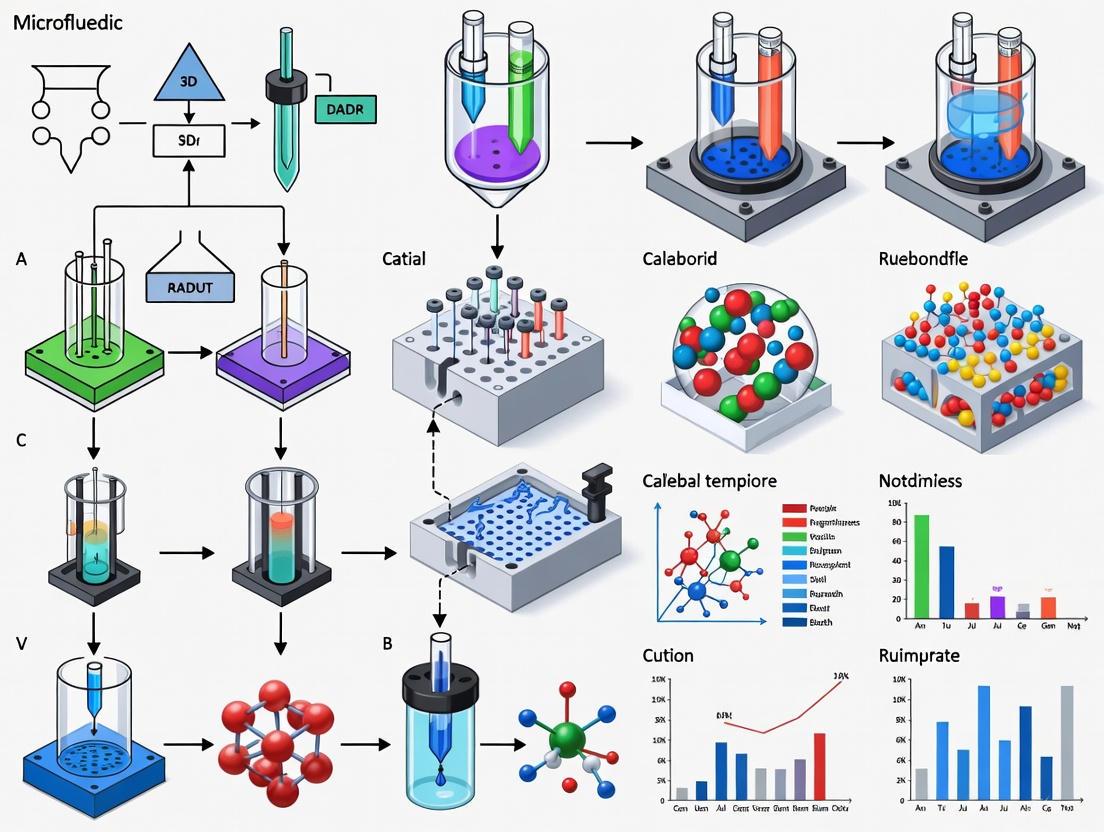
This article provides a comprehensive overview of microfluidic 3D cell culture techniques, a transformative technology bridging the gap between traditional 2D cultures and in vivo models.
Microfluidic 3D Cell Culture: Techniques, Applications, and Future Directions in Biomedical Research
Abstract
This article provides a comprehensive overview of microfluidic 3D cell culture techniques, a transformative technology bridging the gap between traditional 2D cultures and in vivo models. Tailored for researchers, scientists, and drug development professionals, it explores the foundational principles that grant these systems superior physiological relevance, detailing scaffold-based and scaffold-free methodological approaches. The content further addresses critical troubleshooting aspects for robust experimentation and offers a balanced validation perspective by examining performance data against conventional models. By synthesizing current capabilities with future potential, this review serves as an essential resource for leveraging microfluidic 3D cultures to enhance predictive drug screening, disease modeling, and the development of personalized medicine platforms.
Why 3D Microfluidics? Overcoming the Limitations of Traditional Cell Culture
For decades, two-dimensional (2D) monolayer culture has served as the cornerstone of in vitro biological research, contributing to countless scientific breakthroughs due to its simplicity, cost-effectiveness, and ease of use [1]. However, a growing body of evidence demonstrates that cells cultivated on rigid, flat plastic surfaces undergo profound alterations in morphology, signaling, and function that poorly mirror their behavior in living tissues [2] [3]. This application note delineates the critical physiological gaps between traditional 2D monolayers and the complex in vivo environment, framing these limitations within the context of advancing three-dimensional (3D) microfluidic technologies. We provide quantitative comparisons and detailed protocols to empower researchers in validating these differences within their own laboratories, thereby supporting the transition to more physiologically relevant models that bridge the translational divide in drug development.
Critical Limitations of 2D Monolayer Culture
The following sections detail the specific ways in which 2D culture systems fail to emulate human physiology, supported by recent experimental data.
Altered Cellular Morphology and Polarity
In vivo, cells exhibit complex three-dimensional architectures with established apical-basal polarity, which is fundamental to their specialized functions. Under 2D conditions, this innate morphology is dramatically distorted.
Experimental Evidence: A comparative study using HER2-positive breast cancer cell lines (BT474, HCC1954, EFM192A) demonstrated via scanning electron microscopy that cells cultured in 2D adopt a flattened, spread-out morphology, growing in patches or independently on plastic. When transitioned to 3D conditions, the same cells spontaneously reorganized into tight, multicellular spheroids with a smooth surface, closely resembling in vivo tumor nodules [4]. Similarly, human skeletal muscle cells cultured in 2D lacked the structural alignment seen in native tissue, whereas in 3D hydrogels, they formed aligned myotubes that more accurately mimicked natural muscle architecture [5].
Disrupted Cell-Cell and Cell-ECM Interactions
The tissue microenvironment is defined by intricate, three-dimensional interactions between cells and their surrounding extracellular matrix (ECM). These interactions regulate critical processes including differentiation, proliferation, and survival [2]. In 2D monolayers, these natural contacts are profoundly disturbed.
Quantitative Data: Transcriptomic analysis of A549 and BEAS-2B cells revealed significant upregulation of genes involved in cell adhesion (e.g., FN1, ACTB) and inflammatory signaling (e.g., IL6) in 3D cultures compared to their 2D counterparts [3]. This suggests 3D environments actively promote the establishment of a more native interaction network. Furthermore, research on human skeletal muscle cells demonstrated that 3D cultures, but not 2D monolayers, exhibited enhanced ECM remodeling, a process critical for tissue maturation and function [5].
Table 1: Molecular-Level Disturbances in 2D Monolayers
| Cellular Process | Observation in 2D vs. 3D/In Vivo | Experimental Method | Significance |
|---|---|---|---|
| Gene Expression | Significant dissimilarity in gene expression profile involving thousands of genes [6]. | RNA sequencing | Altered transcriptional landscape affects disease modeling and drug response prediction. |
| Drug Metabolism | Substantially reduced CYP3A4 enzyme activity in 2D [4]. | Enzyme activity assay | Compromised ability to predict drug metabolism and toxicity. |
| Apoptosis & Proliferation | Altered cell death phase profile and proliferation pattern [6]. | MTS assay, Flow Cytometry | Misrepresents native tissue turnover and response to cytotoxic agents. |
| Methylation & Epigenetics | Elevated methylation rate and altered microRNA expression in 2D; 3D cultures shared pattern with patient FFPE samples [6]. | Methylation analysis | Epigenetic dysregulation contributes to loss of tissue-specific functionality. |
Unphysiological Nutrient and Oxygen Gradients
In living tissues, cells experience variable access to oxygen, nutrients, and signaling molecules due to diffusion limitations imposed by the tissue architecture. This creates metabolic gradients and hypoxic regions, which are particularly relevant in tumor biology [2]. In 2D monolayers, all cells are directly exposed to the culture medium, resulting in uniform, unlimited access to these factors—a condition that rarely exists in vivo.
Experimental Insight: The development of necrotic cores in 3D spheroids, a hallmark of advanced solid tumors, directly results from these physiologically relevant oxygen and nutrient gradients [2]. This critical feature cannot be modeled in 2D systems and has profound implications for drug delivery and efficacy testing.
Poor Predictive Power in Drug Development
Perhaps the most consequential limitation of 2D monolayers is their failure to accurately predict drug efficacy and resistance, contributing to the high failure rate of compounds in clinical trials.
Quantitative Evidence: In breast cancer models, 3D cultures demonstrated significantly higher innate resistance to both targeted therapy (neratinib) and classical chemotherapy (docetaxel). For instance, BT474 3D spheroids showed 90.8% cell survival after neratinib treatment, compared to only 62.7% in 2D cultures—a 28.1% increase in survival [4]. Similarly, colorectal cancer (CRC) cell lines grown in 3D showed markedly reduced responsiveness to 5-fluorouracil, cisplatin, and doxorubicin compared to 2D cultures [6]. Furthermore, A549 lung cancer cells cultured in 3D Matrigel displayed radio-resistance compared to 2D cultured cells, highlighting how the 3D environment alters responses to diverse treatment modalities [3].
Table 2: Functional Disparities in Drug Response Between 2D and 3D Cultures
| Cell Line / Model | Treatment | Response in 2D | Response in 3D | Implication |
|---|---|---|---|---|
| BT474 (Breast Cancer) | Neratinib (HER2 inhibitor) | 62.7% Cell Survival | 90.8% Cell Survival [4] | 3D models reveal innate drug resistance. |
| A549 (Lung Cancer) | Radiation | Radiosensitive | Radio-resistant [3] | Microenvironment alters therapeutic efficacy. |
| Colorectal Cancer Cell Lines | 5-FU, Cisplatin, Doxorubicin | Significant cytotoxicity | Reduced responsiveness [6] | 2D models overstate drug potency. |
| Human Skeletal Muscle | N/A (Functional Measure) | Low Contractile Force | High Contractile Force [5] | 3D preserves physiological function. |
Protocols for Demonstrating the 2D-3D Gap
The following protocols can be implemented to empirically validate the physiological discrepancies between 2D and 3D culture systems.
Protocol 1: Assessing Morphological Differences via SEM
Objective: To visualize the distinct morphological architectures of cells grown in 2D monolayers versus 3D spheroids using scanning electron microscopy (SEM).
Materials:
- Cell line of interest (e.g., BT474, HCC1954 breast cancer cells)
- Poly-HEMA coated plates (for 3D forced-floating culture) [4]
- Standard tissue culture plasticware (for 2D culture)
- Glutaraldehyde (2.5% in cacodylate buffer)
- Ethanol gradient (30%, 50%, 70%, 90%, 100%)
- Critical point dryer
- Sputter coater
Method:
- Culture Setup: Seed the same number of cells in both 2D and 3D culture conditions simultaneously.
- Fixation: After 6 days in culture, carefully fix the 3D spheroids and 2D monolayers with 2.5% glutaraldehyde in 0.1 M cacodylate buffer for a minimum of 2 hours at 4°C.
- Dehydration: Subject samples to a series of ethanol washes (30%, 50%, 70%, 90%, 100%), allowing 15 minutes per concentration.
- Drying and Coating: Critical point dry the samples and sputter coat with a thin layer of gold/palladium.
- Imaging: Observe and capture images using a scanning electron microscope. Compare the surface topography and overall structure of the 2D monolayers versus the 3D spheroids [4].
Expected Outcome: 2D cultures will appear as a flat, spread-out monolayer. In contrast, 3D cultures will form organized, spherical structures with a complex surface topology, often appearing smoother and secreting their own ECM.
Protocol 2: Evaluating Drug Response Disparity
Objective: To compare the sensitivity of cells cultured in 2D and 3D to a standard chemotherapeutic agent.
Materials:
- Colorectal cancer cell lines (e.g., HCT-116, Caco-2)
- Nunclon Sphera U-bottom 96-well plates (for 3D spheroid formation)
- Standard 96-well tissue culture plates (for 2D culture)
- 5-Fluorouracil (5-FU) or other chemotherapeutic drug
- CellTiter 96 AQueous MTS assay kit [6]
Method:
- Culture Establishment: Seed 5,000 cells/well in both 2D and 3D formats.
- Spheroid Formation: Allow 3D cultures to form compact spheroids over 72 hours with three consecutive 75% medium changes every 24 hours.
- Drug Treatment: Add a serial dilution of 5-FU to both culture systems. Include untreated controls.
- Incubation and Assay: Incubate for a predetermined period (e.g., 72 hours). Add 20 µL of MTS/PMS mixture to each well and incubate for 1-4 hours at 37°C.
- Analysis: Measure the absorbance at 490 nm. Calculate the percentage cell survival relative to the untreated control for both 2D and 3D cultures [6].
Expected Outcome: A significant rightward shift in the dose-response curve will be observed for 3D spheroids, indicating higher resistance to 5-FU compared to 2D monolayers, consistent with in vivo drug resistance patterns.
The Microfluidic 3D Solution
Microfluidic 3D cell culture platforms represent a transformative advancement by integrating the physiological relevance of 3D models with precise environmental control. These systems bridge the critical gap left by 2D monolayers.
Key Advantages:
- Precise Microenvironment Control: They allow for the regulation of fluid shear stress, chemical gradients, and mechanical cues [7].
- Enhanced Physiological Mimicry: Cells encapsulated in hydrogels like collagen-BGNs (Bioactive Glass Nanoparticles) within microfluidic channels maintain high viability and form structures that closely mimic native tissue [7].
- Human-Specific Modeling: Using immortalized human cell lines (e.g., AB1167 skeletal muscle cells) in 3D microfluidic systems provides a robust, reproducible, and physiologically relevant model that circumvents species-specific differences associated with animal models [5].
Research Reagent Solutions for 3D Microfluidic Culture
| Product Category | Example | Function | Application Note |
|---|---|---|---|
| Natural Hydrogel | Corning Matrigel Matrix [8] | Basement membrane extract providing a biologically active 3D scaffold. | Ideal for organoid culture; requires cooling during handling. |
| Synthetic Hydrogel | Polyethylene Glycol (PEG)-based hydrogels [1] | Tunable, defined scaffolds with minimal batch variability. | Good mechanical control; often requires functionalization with RGD peptides for cell adhesion. |
| Microfluidic Chips | Collagen-BGNs loaded chip [7] | Platform with microchannels for housing 3D ECM and applying fluid flow. | Recreates dynamic tissue microenvironment and shear stresses. |
| Scaffold-Free Tools | Millicell Microwell 96-well plates [8] | U-bottom wells with low adhesion coating to promote uniform spheroid formation. | Generates spheroids in a single focal plane, ideal for high-throughput imaging. |
| Tissue Clearing Reagents | Corning 3D clear tissue clearing reagent [8] | Renders 3D samples transparent for deep imaging without sectioning. | Enables comprehensive 3D visualization and analysis. |
The evidence is unequivocal: 2D monolayer cultures suffer from fundamental limitations that distort native cellular physiology, from morphology and gene expression to drug response. The quantitative data and protocols provided herein serve as a roadmap for researchers to systematically characterize these discrepancies. The integration of 3D models with microfluidic technology represents the future of pre-clinical research, offering a powerful, human-relevant platform that can significantly improve the predictive accuracy of drug screening and disease modeling. Adopting these advanced systems is not merely a technical upgrade but a necessary step to enhance translational success and bridge the critical gap between in vitro findings and in vivo reality.
The transition from traditional two-dimensional (2D) cell culture to three-dimensional (3D) microfluidic systems represents a paradigm shift in biomedical research. While 2D cultures on flat plastic surfaces have been a laboratory staple for decades, they cannot replicate the complex architecture and cellular interactions of human tissues [9] [10]. This limitation is particularly problematic in cancer research and drug development, where physiological relevance is paramount for predicting clinical outcomes.
Three-dimensional microfluidic cell culture models have emerged as powerful tools that bridge the gap between simple 2D monolayers and complex, expensive animal models [11] [12]. By providing a controlled microenvironment that mimics key aspects of in vivo conditions, these systems enable researchers to study cellular behaviors with unprecedented accuracy. This application note details how 3D microenvironments within microfluidic devices confer significant advantages in cellular morphology, viability, and function, and provides practical protocols for their implementation in cancer research and drug development.
Core Advantages of the 3D Microenvironment
Enhanced Morphological Relevance
Cells cultured in 3D microenvironments exhibit natural morphological characteristics and architectural organization that are absent in 2D systems.
- Preservation of Native Cellular Structure: Unlike 2D cultures where cells are flattened and stretched, 3D cultures maintain natural cell shape and polarity, preserving the typical cuboidal or columnar epithelial morphology found in tissues [9] [11].
- Recapitulation of Tissue-Specific Architecture: 3D models facilitate the formation of tissue-like structures, including acini, tubular networks, and stratified layers that closely resemble in vivo organization [9] [10].
- Establishment of Physiological Cell-Cell and Cell-Matrix Interactions: The 3D spatial arrangement enables proper cell adhesion mechanisms and gap junction formation, creating communication networks that mirror those in native tissues [9] [1].
Table 1: Morphological Differences Between 2D and 3D Culture Systems
| Morphological Characteristic | 2D Culture | 3D Culture | Biological Significance |
|---|---|---|---|
| Cell Shape | Flat, stretched | Natural, polarized | Maintains proper receptor expression and signaling |
| Spatial Organization | Monolayer | Multi-layered, tissue-like structures | Mimics glandular and tissue organization in vivo |
| Cell-Cell Contacts | Limited, aberrant | Extensive, physiologically relevant | Enables proper cell communication and differentiation |
| Nuclear Cytoplasm Ratio | Altered | Physiological | Preserves normal gene expression patterns |
| Cytoskeleton Organization | Stress fibers prominent | Organized naturally according to 3D context | Affects cell mechanics, migration, and division |
Improved Cellular Viability and Proliferation Dynamics
The 3D microenvironment supports more physiologically relevant proliferation patterns and viability compared to 2D systems.
- Physiological Proliferation Gradients: 3D cultures replicate the heterogeneous proliferation patterns observed in vivo, with actively dividing cells typically located at the periphery and quiescent cells in the core regions [11] [12].
- Enhanced Survival and Reduced Anoikis: By providing appropriate cell-matrix interactions, 3D cultures prevent anoikis (detachment-induced apoptosis) and support long-term cellular viability, enabling extended experimental timelines [9] [12].
- Metabolic Heterogeneity: The spatial organization in 3D cultures creates metabolic zones similar to in vivo tumors, including aerobic glycolysis in oxygen-rich areas and anaerobic metabolism in hypoxic regions [11].
Experimental evidence from colorectal cancer studies demonstrates significant differences in proliferation patterns between 2D and 3D cultures. Cells grown in 3D conditions showed a significantly (p < 0.01) different proliferation pattern over time compared to 2D monolayers, with a more gradual growth curve that better mimics in vivo tumor growth kinetics [6].
physiologically Relevant Functionality
The structural and organizational advantages of 3D cultures translate directly to enhanced functional relevance at cellular and molecular levels.
- Improved Differentiation Capacity: Cells in 3D environments demonstrate superior differentiation potential compared to 2D cultures, expressing tissue-specific markers and functions that more closely resemble in vivo phenotypes [9] [11].
- Gene Expression and Signaling Fidelity: Transcriptomic analyses reveal that 3D cultures exhibit gene expression profiles that more closely mirror original tissues than 2D cultures. RNA sequencing of colorectal cancer cells showed significant (p-adj < 0.05) dissimilarity in gene expression profiles between 2D and 3D cultures, involving thousands of genes across multiple pathways [6].
- Drug Response Predictive Value: The presence of physiological barriers, gradients, and heterogeneous microenvironments in 3D cultures creates more accurate drug penetration and response patterns. Spheroids consistently demonstrate higher survival rates after exposure to chemotherapeutic agents like paclitaxel compared to 2D monolayers, better simulating in vivo chemosensitivity [11] [12].
Table 2: Functional Capabilities of 2D vs. 3D Culture Systems
| Functional Aspect | 2D Culture | 3D Culture | Research Implications |
|---|---|---|---|
| Gene Expression Profile | Altered, dedifferentiated | Physiological, tissue-specific | More accurate transcriptomic and proteomic data |
| Drug Sensitivity | Hyper-sensitive | Clinically relevant resistance | Better prediction of drug efficacy and toxicity |
| Metabolic Activity | Homogeneous | Heterogeneous, zoned | Recapitulates metabolic heterogeneity of tumors |
| Cell Differentiation | Moderate to poor | Well-differentiated | Improved tissue-specific function modeling |
| Stem Cell Maintenance | Limited | Enhanced niche preservation | Better cancer stem cell and normal stem cell studies |
Signaling Pathways in 3D Microenvironments
The architectural and mechanical cues of the 3D microenvironment profoundly influence cellular signaling pathways, driving more physiologically relevant behaviors compared to 2D cultures.
- Integrin-Mediated Signaling: In 3D cultures, proper spatial organization enables correct integrin receptor engagement with extracellular matrix components, activating downstream signaling cascades including FAK (Focal Adhesion Kinase) and Src family kinases that regulate cell survival, proliferation, and migration [9] [11].
- Mechanotransduction Pathways: The physical properties of the 3D matrix, including stiffness and compliance, are sensed by cells through mechanosensitive pathways involving YAP/TAZ (Yes-associated protein/Transcriptional coactivator with PDZ-binding motif) and MRTF (Myocardin-Related Transcription Factor), which translocate to the nucleus to regulate genes controlling cell growth and differentiation [11].
- Receptor Tyrosine Kinase Signaling: Growth factor receptors including EGFR (Epidermal Growth Factor Receptor) exhibit differential activation and trafficking in 3D environments. Studies demonstrate variations in gene and protein expression of EGFR, phospho-AKT, and phospho-MAPK in colorectal cancer cell lines grown in 3D versus 2D cultures [11].
- Hypoxia-Inducible Pathways: The development of oxygen gradients in 3D structures activates HIF-1α (Hypoxia-Inducible Factor 1-alpha) signaling, which drives expression of genes involved in angiogenesis, metabolic adaptation, and invasion—critical aspects of tumor biology absent in 2D cultures [12].
Protocol: Establishing a Microfluidic 3D Cancer Model
Materials and Reagents
Table 3: Research Reagent Solutions for Microfluidic 3D Culture
| Category | Specific Product/Type | Function/Application |
|---|---|---|
| Microfluidic Device | Organ-on-a-chip platforms (e.g., Emulate, TissUse) | Provides microscale architecture for 3D culture and fluid control |
| Natural Hydrogels | Collagen Type I (rat tail), Matrigel, fibrin | Mimics natural ECM, supports cell attachment and signaling |
| Synthetic Hydrogels | Polyethylene glycol (PEG), polylactic acid (PLA) | Defined mechanical properties, customizable biochemistry |
| Composite Materials | Collagen-BGNs, alginate-polymer blends | Combines advantages of natural and synthetic materials |
| Cell Sources | Established cell lines, patient-derived cells | Disease modeling with relevant genetic background |
| Stromal Components | Fibroblasts, endothelial cells, immune cells | Recapitulates tumor microenvironment complexity |
Step-by-Step Protocol
Phase 1: Microfluidic Device Preparation
- Device Fabrication: Utilize polydimethylsiloxane (PDMS) chips created via soft lithography with channel dimensions optimized through fluid flow simulations. Typical configuration includes two lateral media channels (width: 650µm, length: 6600µm) separated by a central gel channel (width: 900µm) [7].
- Surface Treatment: Expose device to oxygen plasma for 30-60 seconds to enhance hydrophilicity, followed by immediate use to prevent surface property decay.
- Sterilization: Treat device with UV light for 30 minutes per side under sterile conditions.
Phase 2: Hydrogel Preparation and Cell Encapsulation
- Hydrogel Precursor Solution: Prepare collagen solution (3.0 mg/mL) in neutralization buffer on ice. For enhanced mechanical properties, incorporate 3% (w/v) bioactive glass nanoparticles (BGNs) [7].
- Cell Suspension: Trypsinize and count cancer cells of interest. Centrifuge at 300 × g for 5 minutes and resuspend in appropriate medium to desired concentration (typically 5-10 × 10^6 cells/mL).
- Cell-Hydrogel Mixing: Combine cell suspension with chilled hydrogel precursor at 1:4 ratio (cell suspension:hydrogel) maintaining temperature at 4°C to prevent premature gelling. Gently mix by pipetting to avoid bubble formation.
Phase 3: Device Loading and Culture Establishment
- Microfluidic Loading: Introduce cell-laden hydrogel mixture into central gel channel using precision pipette or syringe pump, allowing capillary action to distribute hydrogel uniformly between trapezoidal posts.
- Hydrogel Polymerization: Transfer device to 37°C incubator with 5% CO2 for 20-30 minutes to facilitate complete hydrogel cross-linking.
- Medium Perfusion: Once hydrogel polymerized, introduce appropriate culture medium into lateral channels using syringe pump system at physiological flow rates (typically 0.1-1.0 µL/min).
- Culture Maintenance: Replace 50% of medium in reservoirs every 24-48 hours while maintaining continuous perfusion. Monitor spheroid formation daily using inverted microscopy.
Expected Outcomes and Quality Control
Within 24-72 hours post-seeding, cells should begin forming 3D aggregates within the hydrogel matrix. By day 5-7, well-defined spheroids with compact morphology should be evident. Quality control metrics include:
- Spheroid Size Uniformity: Coefficient of variation < 15% across device
- Viability: >85% viable cells as determined by live/dead staining
- Proliferation Gradient: Evidence of Ki67+ proliferating cells primarily at spheroid periphery
- Hypoxic Core: Development of hypoxic region in spheroids >200µm diameter, detectable with HIF-1α staining or hypoxyprobe
Applications in Drug Development
The enhanced biological relevance of 3D microfluidic cultures translates directly to improved predictive value in pharmaceutical applications.
- More Predictive Drug Screening: 3D microfluidic models demonstrate intermediate drug sensitivity between 2D cultures and in vivo models, providing more clinically relevant data. Studies with 5-fluorouracil, cisplatin, and doxorubicin in colorectal cancer models showed significantly different response profiles in 3D compared to 2D cultures [6].
- Assessment of Penetration Kinetics: The structured microenvironment of 3D cultures enables evaluation of drug diffusion and penetration barriers—critical factors in solid tumor therapy that cannot be modeled in 2D systems [10] [12].
- Microenvironment-Mediated Resistance Modeling: 3D systems recapitulate stroma-mediated drug resistance mechanisms, including ECM-mediated protection and stromal cell-secreted factors that promote cancer cell survival [11] [10].
- High-Content Analysis Compatibility: Advanced imaging modalities including 3D confocal microscopy, light-sheet imaging, and CLARITY processing enable detailed spatial analysis of drug effects within the structural context of the microtissue [13].
The market for 3D microfluidic technologies is projected to reach $250 million by 2025, growing at a CAGR of 15% from 2025 to 2033, reflecting strong adoption in pharmaceutical research and development [14].
Three-dimensional microfluidic cell culture systems represent a significant advancement over traditional 2D methods by providing microenvironments that closely mimic physiological conditions. The core advantages—enhanced morphological relevance, improved viability dynamics, and physiologically accurate functionality—make these systems particularly valuable for cancer research, drug discovery, and personalized medicine applications.
As the field advances, integration of additional microenvironmental elements such as immune components, vascular networks, and multiple tissue interfaces will further enhance the biological relevance and predictive power of these systems. The protocols and analyses presented herein provide researchers with practical guidance for implementing 3D microfluidic cultures to obtain more clinically relevant data in their investigative workflows.
The evolution of in vitro cell culture models has been significantly accelerated by the integration of microfluidic technologies. These systems provide unprecedented control over the cellular microenvironment, moving beyond traditional static cultures to better mimic in vivo conditions. The synergy of dynamic perfusion, precise shear stress application, and spatial control within microfluidic devices has enabled researchers to create more physiologically relevant models for studying human physiology, disease mechanisms, and drug responses. This application note details the core principles, quantitative parameters, and practical protocols for implementing these critical features in biomedical research, with particular emphasis on their application in vascular biology, barrier function studies, and 3D cell culture models.
Core Principles and Quantitative Parameters
Shear Stress in Physiological and Pathological Contexts
Shear stress, the frictional force exerted by fluid flow parallel to a surface, is a critical regulator of cellular behavior in various physiological systems. The following table summarizes shear stress values across different biological contexts and microfluidic applications:
Table 1: Shear Stress Parameters in Physiological Systems and Microfluidic Devices
| Context/Device | Shear Stress Range (dyn/cm²) | Biological/Experimental Significance |
|---|---|---|
| Human Veins | 1–6 [15] | Physiological baseline for venous circulation |
| Human Arteries | 10–70 [15] | Physiological baseline for arterial circulation |
| Atherosclerosis Risk | <3 [15] | Prolonged exposure associated with elevated disease risk |
| Endothelial Cell Alignment | 4–20 [16] | Induces morphological changes and cytoskeletal reorganization |
| Blood-Brain Barrier Function | 4–20 [16] | Increases tight junction expression and barrier integrity |
| Pathological Stenosis | >1000 [15] | Severely constricted arteries (e.g., 95% constriction) |
| VitroFlo Platform | 0.01–10 [16] | Tunable, unidirectional flow for barrier modeling |
| Passive Microfluidic Devices | 0.01–10 [15] | Gradient generation via channel geometry |
| Active Microfluidic Devices | 0.4–15 [15] | Dynamic control via micropumps and microvalves |
| High-Range Chip | Up to 1000 [15] | Covers full pathological spectrum (e.g., 929-fold variation) |
Fabrication Technologies for Microfluidic Devices
The selection of fabrication methods significantly impacts device capabilities, feature resolution, and applicability for specific biological questions.
Table 2: Comparison of Microfluidic Device Fabrication Methods
| Fabrication Method | Typical Resolution | Key Advantages | Key Limitations | Common Applications |
|---|---|---|---|---|
| Photolithography/Soft Lithography | ~100-200 μm depth [17] | High surface smoothness, well-established protocol | Limited to primarily 2D features, requires cleanroom | Standard PDMS-based OoC, shear stress devices [15] |
| Micro Milling | Millimeter to submicron scale [17] | Rapid prototyping, complex 3D curved shapes, no cleanroom needed | Greater surface roughness, limited nanoscale resolution | Master mold creation, organs-on-a-chip [17] |
| 3D Bioprinting | 10-500 μm [18] | Multi-material constructs, direct cell encapsulation | Nozzle clogging, shear stress on cells during printing | Vascularized tissue models, organ-on-a-chip platforms [18] |
Experimental Protocols
Protocol: Investigating Shear Stress Effects on Endothelial Cells Using a High-Gradient Chip
This protocol utilizes the microfluidic chip described in [15] to study cellular responses to a wide range of shear stresses.
1. Device Fabrication and Preparation
- Mold Fabrication: Fabricate molds for top and bottom layers via photolithography using SU8-2025 photoresist to achieve 50 μm feature height [15].
- PDMS Replication: Prepare PDMS using Sylgard 184 elastomer base and curing agent at a 10:1 weight ratio. Pour onto molds and spin-coat uncured PDMS (25:1 or 10:1 ratio) at 5500 rpm to form a ~10 μm thick membrane for the middle layer. Bake to complete curing [15].
- Device Assembly: Plasma etch the top layer and membrane for 30 s and bond. Repeat plasma etching to bond this assembly to the bottom layer [15].
- Channel Constriction: Fill top-layer channels with UV-curable resin (BV007) using a precision pressure controller (0-500 mbar). Expose to UV light for 15 min to create permanent membrane deformation (0-50 μm constriction) [15].
2. Cell Seeding and Culture
- Cell Type: Human Umbilical Vein Endothelial Cells (HUVECs) are recommended [15].
- Seeding: Introduce cell suspension at a density of 2-3 million cells/mL into the main channel inlet. Allow cells to adhere for 4-6 hours under static conditions.
- Culture: Maintain cells in standard endothelial cell growth medium. For long-term experiments (up to 24 hours), ensure continuous perfusion of fresh medium [15].
3. Shear Stress Application and Real-Time Monitoring
- Flow Control: Use a precision pressure controller or syringe pump to initiate flow. Calculate flow rates needed to achieve desired shear stress using the following relationship for rectangular channels: τ = (6μQ)/(wh²) where τ is shear stress (dyn/cm²), μ is dynamic viscosity, Q is flow rate (mL/s), w is channel width (cm), and h is channel height (cm) [15].
- Experimental Groups:
- Acute High Stress: Apply rapid increase to 1000 dyn/cm² for short durations (minutes) to study detachment.
- Chronic Low Stress: Expose cells to shear stress levels below 8.3 dyn/cm² for up to 24 hours to monitor proliferation and morphological changes [15].
- Live-Cell Imaging: Use an inverted microscope with environmental control for time-lapse imaging. Monitor cell detachment, alignment, and confluency.
4. Post-Experiment Analysis
- Morphological Analysis: Quantify cell aspect ratio and orientation angle using image analysis software (e.g., ImageJ). Cells exposed to ≥8.3 dyn/cm² typically exhibit significant alterations following a normal distribution [15].
- Immunostaining: Fix cells with 4% PFA, permeabilize with 0.1% Triton X-100, and stain for F-actin (phalloidin), nuclei (DAPI), and tight junction proteins (ZO-1) to visualize cytoskeletal reorganization and barrier integrity.
- Detachment Quantification: Calculate the percentage of detached cells by comparing pre- and post-flow images. A rapid increase to 1000 dyn/cm² can detach 88.2% of cells [15].
Protocol: Modeling Biological Barriers with a Pumpless Microfluidic System
This protocol adapts the VitroFlo device [16] for studying endothelial, blood-brain, and intestinal epithelial barriers under physiologically relevant shear stress.
1. Device Setup
- Device Assembly: The VitroFlo device consists of a polystyrene reservoir frame, laser-cut tape layers, a porous PET membrane (for 3D models), and a cyclic olefin copolymer (COC) capping layer. Assemble layers as per manufacturer's instructions [16].
- Sterilization: Sterilize the assembled device under UV light for 30 minutes per side.
2. Cell Seeding and Co-Culture Establishment
- Surface Coating: Coat the membrane or channel surface with appropriate extracellular matrix (e.g., Collagen I for vascular models) for 1 hour at 37°C [16].
- Seeding Top Channel: For a blood-brain barrier model, seed human brain microvascular endothelial cells in the top channel at a density of 2×10^6 cells/mL. Allow to adhere for 2 hours.
- Seeding Bottom Channel: For co-culture models, seed astrocytes or pericytes in the bottom chamber at a lower density (0.5-1×10^6 cells/mL) [16].
- Barrier Maturation: Culture under static conditions for 3-5 days until a tight monolayer forms, confirmed by trans-endothelial electrical resistance (TEER) if electrodes are integrated.
3. Gravity-Driven Perfusion and Shear Stress Application
- Device Operation: Place the device on a programmable plate rocker. The rocker tilts the device forward over a specified time (e.g., 65 s for 10 dyn/cm²), directing media from the top reservoir through the cell culture channel [16].
- Backflow Prevention: The design incorporates a backflow channel and wall. During reverse tilting (1.5 s), media flows through the backflow channel, minimizing shear stress reversal on cells [16].
- Shear Stress Calibration: Refer to manufacturer's tables to select rocker angles and tilt durations for specific shear stresses (0.01-10 dyn/cm²). Validate flow rates using particle tracking velocimetry if needed [16].
4. Barrier Function Assessment
- Permeability Assay: Add a fluorescent tracer (e.g., 70 kDa FITC-dextran) to the top reservoir. Collect samples from the bottom reservoir at timed intervals and measure fluorescence to calculate apparent permeability (P_app) [16].
- Immunofluorescence: After experiment, fix cells and stain for tight junction proteins (claudin-5, occludin), adherens junctions (VE-cadherin), and F-actin to assess barrier integrity and cell morphology.
- Gene Expression Analysis: Harvest cells for RNA extraction and qPCR analysis of shear-responsive genes (e.g., inflammatory markers, tight junction components) [16].
The Scientist's Toolkit: Essential Research Reagent Solutions
Table 3: Key Reagents and Materials for Microfluidic Cell Culture Applications
| Reagent/Material | Function/Application | Examples/Specifications |
|---|---|---|
| PDMS | Device fabrication; biocompatible elastomer for gas permeable culture chambers | Sylgard 184 Kit (10:1 base:curing agent ratio) [15] [17] |
| UV-Curable Resin | Creating permanent, adjustable constrictions in channels for flow resistance control | BV007 resin [15] |
| Extracellular Matrix Proteins | Surface coating to promote cell adhesion and mimic basement membrane | Collagen I (rat tail) [17] [16] |
| APTES | Surface functionalization for enhanced coating and cell adhesion | (3-Aminopropyl) triethoxysilane [17] |
| Porous Membranes | Enables co-culture and barrier function studies in 3D devices | Polycarbonate or PET membranes, 0.4 μm pore size [16] |
| Cyclic Olefin Copolymer (COC) | Alternative to PDMS; prevents small molecule absorption for drug studies | Transparent capping layer in pumpless devices [16] |
Conceptual Framework and Signaling Pathways
The following diagram illustrates the integrated conceptual framework of microfluidic control over the cellular microenvironment and the subsequent intracellular signaling cascades that influence cell behavior and phenotype.
The strategic integration of dynamic perfusion, precise shear stress control, and spatial manipulation within microfluidic devices represents a paradigm shift in cell culture methodologies. The protocols and data presented herein provide researchers with practical frameworks for implementing these technologies to create more physiologically relevant models. As these platforms continue to evolve, particularly through integration with advanced biosensors and AI-driven analysis [19], their potential to transform drug discovery, disease modeling, and personalized medicine continues to expand. The future of microfluidic 3D cell culture lies in further refining the synergy between these fundamental physical parameters to ever more accurately recapitulate the complexity of living systems.
Key Biological Findings Enabled by 3D Microfluidic Cultures
Microfluidic-based 3D cell culture represents a transformative approach in biomedical research, enabling the creation of physiologically relevant in vitro models that closely mimic human tissues. This technology synergizes the benefits of three-dimensional cell culture—which recapitulates tissue-like morphology, cell-cell interactions, and signaling—with the precise fluid control and dynamic perfusion capabilities of microfluidics [20] [21]. These advanced platforms have yielded significant biological insights across multiple disciplines, fundamentally enhancing our understanding of disease mechanisms, drug responses, and developmental processes. This application note details key scientific discoveries enabled by these systems and provides detailed protocols for their implementation, serving researchers and drug development professionals seeking to leverage these sophisticated models.
Key Biological Findings and Data Synthesis
The integration of 3D microenvironments with microfluidic control has generated quantitative data across several biological domains, revealing critical insights not obtainable through traditional 2D models.
Table 1: Key Biological Findings from 3D Microfluidic Culture Studies
| Biological Area | Key Finding | Experimental Model | Quantitative Outcome | Significance |
|---|---|---|---|---|
| Drug Screening & Toxicology | Enhanced prediction of chemotherapeutic efficacy and penetration [22]. | U87 glioblastoma cells in PEG-based hydrogels with perfusion. | Generated dose-response curves for Temozolomide and Carmustine; measured drug diffusion kinetics. | Overcomes limitations of 2D models, which account for ~97% of oncology drug failures in clinical trials [22]. |
| Personalized Medicine | Patient-specific tissue models predict individual response to therapies [23]. | Patient-derived cells (e.g., from tumors) cultured in 3D microfluidic chips. | Adoption metrics show 30% faster screening and a 20% reduction in false positives [23]. | Enables tailored treatment strategies, reducing clinical trial-and-error. |
| Disease Modeling (Cancer) | Recreation of the tumor microenvironment reveals mechanisms of metastasis [23]. | Microfluidic models of tumor invasion incorporating cancer and stromal cells. | Identification of specific genes and signaling pathways activated in 3D invasion. | Provides a platform for identifying novel therapeutic targets against cancer spread. |
| Cellular Mechanobiology | Microfluidic gradients guide cell migration (chemotaxis) [24] [25]. | Cells (e.g., cancer, immune) exposed to stable, diffusive chemical gradients in a "microfluidic palette". | Quantitative tracking of migration speed and directionality toward chemokines. | Illuminates mechanisms in wound healing, inflammation, and cancer metastasis. |
| Tissue Engineering | Precise control over scaffold properties directs stem cell differentiation [26]. | Human mesenchymal stem cells on synthetic nanofiber scaffolds within PDMS chips. | Demonstrated increased cell proliferation and differentiation markers under optimized conditions. | Accelerates development of implantable tissues for regenerative medicine. |
Table 2: Impact of 3D Microfluidic Culture on Research and Development Efficiency
| Parameter | Traditional 2D/Animal Models | 3D Microfluidic Models | Impact Reference |
|---|---|---|---|
| Physiological Relevance | Low to Moderate (2D); High but ethically challenging (Animals) | High (Mimics tissue morphology and physiology) [20] [21] | More reliable data for human translation. |
| Drug Screening Speed | Baseline | Up to 30% faster than conventional methods [23] | Accelerates pre-clinical development. |
| Animal Testing Reliance | High | Reduces and refines animal use (aligns with 3Rs principles) [20] | Ethical improvement and cost reduction. |
| Screening Accuracy | Prone to false positives/negatives in 2D | ~20% reduction in false positives [23] | More efficient candidate selection. |
Detailed Experimental Protocols
Protocol: Drug Screening in a 3D Glioblastoma Model
This protocol is adapted from a study using a hydrogel-based, multiplexed microfluidic device to assess chemotherapeutic efficacy [22].
A. Device Fabrication and Preparation
- Fabricate a multilayer PDMS device using soft lithography. The device consists of a top perfusion layer and a bottom layer containing an array of cell culture wells (250 µm deep) and cell loading channels (50 µm high) [22].
- Cap each cell culture well with a porous polyester (PETE) membrane (0.2 µm pores) to separate the cell chamber from the perfusion channel while allowing molecular diffusion [22].
- Bond the assembled PDMS layers to a glass support slide using oxygen plasma treatment.
- Sterilize the entire device by UV exposure for 30 minutes per side.
B. Cell Encapsulation and Loading
- Prepare hydrogel-cell precursor mix: Suspend U87 glioblastoma cells at a desired density (e.g., 10 million cells/mL) in a sterile polyethylene glycol (PEG) precursor solution. For a PEG-diAcrylate (PEGDA) hydrogel, use a 5 kDa PEGDA polymer with 0.05% (w/v) Irgacure 2959 photoinitiator in culture media [22].
- Load the hydrogel-cell mix: Using a pipette, introduce the precursor mixture into the device's loading channels, filling the array of membrane-capped wells. Ensure no air bubbles are introduced.
- Crosslink the hydrogel: Expose the device to UV light (365 nm, 5-10 mW/cm²) for 2-5 minutes to polymerize the PEGDA and encapsulate the cells in the 3D hydrogel matrix.
C. Perfusion Culture and Gradient Generation
- Connect the device's inlets to a microfluidic perfusion system or syringe pumps containing culture media.
- Initiate perfusion of culture media at a low, constant flow rate (e.g., 0.5-5 µL/hour) to nourish the cells and remove waste, maintaining viability for up to 4 days or longer [22].
- For drug testing, use the integrated Microfluidic Concentration Gradient Generator (MCGG). The tree-like mixer design creates a serial fractional dilution of the drug from the inlet, supplying four adjacent cell culture chambers with concentrations of 1, ½, ¼, and 0 of the input drug concentration [22].
D. Viability and Efficacy Analysis
- After a defined treatment period (e.g., 48-72 hours), introduce a live/dead viability assay (e.g., Acridine Orange for live cells, Propidium Iodide for dead cells) via the perfusion system.
- Image each chamber using fluorescence microscopy. Cells with intact membranes will fluoresce green, while dead cells with compromised membranes will fluoresce red.
- Quantify the fluorescence signals to generate dose-response curves and calculate IC₅₀ values for the drugs tested, such as Temozolomide and Carmustine [22].
Diagram 1: Drug Screening Experimental Workflow.
Protocol: Establishing Chemical Gradients for Migration Studies (Chemotaxis)
This protocol utilizes the "microfluidic palette" principle to create stable, diffusion-based gradients for studying directed cell migration [24] [25].
A. Device Operation
- Utilize a device with a central circular microchamber (~1.5 mm diameter) surrounded by multiple radially distributed access ports acting as convection units [24].
- Prior to introducing cells, fill the central chamber with a buffer solution to balance internal pressure.
B. Gradient Generation and Cell Seeding
- Generate gradients: Using syringe pumps with carefully matched flow rates, introduce different chemical solutions (e.g., a chemokine in one port and buffer in others) into the peripheral convection units. The balanced pressure prevents convective flow in the central chamber, allowing solutes to diffuse inward and create stable, overlapping concentration gradients [24] [25].
- Seed cells: Introduce a suspension of the cells under study (e.g., neutrophils or cancer cells) into the central microchamber. The absence of convective flows ensures cells are not swept away and experience no shear stress.
C. Imaging and Quantification
- Acquire time-lapse images of the microchamber using a phase-contrast or fluorescence microscope over several hours.
- Track individual cell paths using cell tracking software.
- Quantify migration parameters: Calculate speed (total path length/time), directionality (net displacement/total path length), and chemotactic index (a measure of directedness toward the gradient source).
The Scientist's Toolkit: Essential Research Reagents & Materials
Successful implementation of 3D microfluidic cell culture requires specific materials and reagents, each serving a critical function.
Table 3: Essential Research Reagent Solutions for 3D Microfluidic Culture
| Category | Specific Item / Solution | Critical Function | Application Notes |
|---|---|---|---|
| Scaffold/Matrix | Polyethylene Glycol (PEG)-based Hydrogels (e.g., PEG-DA, 4-arm PEG-Ac) [22] | Synthetic, tunable hydrogel that mimics ECM; provides a bioinert but customizable 3D scaffold. | High consistency and reproducibility; can be functionalized with RGD peptides to promote cell adhesion [22] [1]. |
| Natural Polymer Hydrogels (e.g., Collagen, Fibrin, Matrigel) [26] [1] | Closely resembles native ECM composition; contains natural bioadhesive ligands. | Batch-to-batch variability can occur; optimal for models requiring high biological activity. | |
| Device Material | Polydimethylsiloxane (PDMS) [22] [21] | Elastomeric polymer; gas-permeable (enables O₂/CO₂ exchange); optically transparent. | Industry standard but can absorb small hydrophobic molecules; requires plasma bonding [21]. |
| Alternative Polymers (e.g., Flexdym, Thermoplastics) [26] [27] | Offer reduced drug absorption, higher rigidity, and potential for industrial scale-up via hot embossing or 3D printing. | Emerging as solutions to PDMS limitations for specific applications [26]. | |
| Cell Culture | Microfluidic Concentration Gradient Generator (MCGG) [22] [25] | Creates precise, stable concentration gradients of drugs or chemokines for high-throughput screening within the device. | Eliminates pipetting errors and allows testing multiple conditions simultaneously on a single chip [22]. |
| Perfusion System | Syringe/Peristaltic Pumps [22] | Provides continuous, low-flow-rate perfusion of media and reagents to cell cultures. | Mimics physiological shear stress and nutrient/waste exchange; essential for long-term culture. |
| Analysis | Live/Dead Viability/Cytotoxicity Assays (e.g., Calcein-AM/Propidium Iodide, Acridine Orange/Propidium Iodide) [22] | Fluorescent stains to quantitatively assess cell viability in 3D constructs post-treatment or over time. | Allows for direct visualization and quantification of live versus dead cells within the hydrogel. |
Signaling Pathways Elucidated by 3D Microfluidic Models
These advanced models have been instrumental in delineating signaling pathways that are dysregulated in diseases and in response to therapy, pathways often misrepresented in 2D cultures.
Diagram 2: Drug Resistance Mechanisms in 3D Micro-Environments.
A Practical Guide to Microfluidic 3D Culture Techniques and Their Applications in Drug Development
The transition from conventional two-dimensional (2D) cell culture to three-dimensional (3D) models represents a pivotal advancement in biomedical research. Traditional 2D monolayers, cultivated on flat surfaces, fail to accurately depict and simulate the rich environment and complex processes observed in vivo, such as proper cell morphology, signaling, differentiation, and chemistry [1]. Consequently, data gathered from 2D cultures can be misleading and non-predictive for in vivo applications [1].
Scaffold-based 3D cell culture techniques have emerged as a powerful alternative, offering a biomimetic environment that more closely replicates the in vivo cellular microenvironment [1]. Among the various scaffolding materials, hydrogels have gained significant prominence as synthetic extracellular matrices (ECMs) due to their unique physicochemical properties. These highly hydrated polymeric networks serve as exceptional artificial ECMs, providing mechanical support and biochemical cues that direct cell behavior, including growth, proliferation, and migration [28]. The integration of hydrogel-based scaffolds with microfluidic technology has further enhanced their application, enabling the creation of dynamic, perfusable 3D cell culture systems that more faithfully mimic physiological conditions for drug screening, disease modeling, and tissue engineering [28] [29].
Hydrogel Fundamentals and Classification
Structural Similarity to Native Extracellular Matrix
Hydrogels are hydrophilic three-dimensional networks composed of cross-linked polymeric chains that can absorb biological fluids up to 99% of their volume, resulting in high water content and swollen structures [28]. This key characteristic, coupled with their soft, porous architecture, makes them structurally and mechanically similar to native mammalian tissues [28]. The native extracellular matrix (ECM) is a non-cellular ensemble of macromolecules—including glycosaminoglycans and fibrous proteins such as collagen, fibronectin, and laminin—that provides structural support and regulatory modulation for critical cellular functions [28]. Hydrogels successfully mimic this natural environment by offering spatial orientation, facilitating gas and nutrient exchange, removing metabolic waste, and regulating signal transduction pathways [28].
Classification of Hydrogel Systems
Hydrogels for 3D cell culture can be broadly classified based on their origin and cross-linking mechanisms. The table below outlines the primary classifications and their characteristics.
Table 1: Classification of Hydrogels for 3D Cell Culture
| Classification | Subtype | Common Examples | Key Characteristics | Applications |
|---|---|---|---|---|
| Natural Hydrogels | Protein-based | Collagen, Fibrin, Gelatin | Biocompatible, bioactive, contain integrin-binding sites, susceptible to batch-to-batch variation [1] [28]. | Fundamental cell biology, tissue regeneration, drug screening [7]. |
| Polysaccharide-based | Alginate, Hyaluronic acid, Chitosan, Agarose | Biodegradable, tunable mechanical properties, may lack cell adhesion motifs without modification [1] [28]. | Cartilage engineering, wound healing, encapsulation. | |
| Synthetic Hydrogels | Polymeric | Polyethylene glycol (PEG), Polylactic acid (PLA), Polyacrylamide | High consistency, reproducibility, tunable mechanical properties, biologically inert without functionalization [1] [28]. | Mechanobiology studies, fundamental biofabrication. |
| Cross-linking Method | Physical | Ionic, Hydrogen bonds, Thermal | Reversible, mild gelation conditions, potentially lower mechanical stability [28]. | Cell encapsulation, biofabrication. |
| Chemical | Covalent bonds | Stable, irreversible networks, tunable gelation time; potential cytotoxicity from initiators [28]. | Long-term 3D culture, bioprinting. |
The following diagram illustrates the hierarchical classification and key characteristics of different hydrogel types used as synthetic ECMs.
Figure 1: Classification of Hydrogels for Synthetic ECMs. Hydrogels are categorized by their material origin (Natural vs. Synthetic) and cross-linking mechanism (Physical vs. Chemical), each with distinct characteristics and common examples.
Application Notes: Hydrogels in Microfluidic 3D Cell Culture
Rationale for Microfluidic Integration
Combining hydrogel scaffolds with microfluidic technology creates powerful "organ-on-a-chip" platforms that offer several advantages over static 3D cultures. Microfluidic systems allow for precise manipulation of picoliter to nanoliter fluid volumes within microchannels, enabling:
- Dynamic Perfusion: Continuous nutrient supply and waste removal that mimics blood flow in vivo [29] [18].
- Shear Stress Application: Exposing cells to physiologically relevant mechanical forces [28] [29].
- Spatiotemporal Gradient Control: Creating precise biochemical (e.g., growth factors) and biophysical (e.g., stiffness) cues that direct cell behavior [29].
- High-Throughput Screening: Enabling parallel testing of multiple conditions with minimal reagents [30].
These capabilities enhance cell viability, function, and tissue organization within hydrogel scaffolds, leading to more physiologically relevant models for drug testing and disease modeling [28] [18].
Quantitative Analysis of Hydrogel Performance
The performance of hydrogels in 3D cell culture applications is quantified through various physical and biological parameters. The following table summarizes key quantitative data from recent studies, particularly focusing on collagen-based hydrogels enhanced with bioactive glass nanoparticles (BGNs) for microfluidic applications.
Table 2: Quantitative Performance of Collagen-Bioactive Glass Nanoparticle (BGN) Hydrogels in Microfluidic 3D Culture
| Parameter | Collagen Only (3 mg/mL) | Collagen + 1% BGNs | Collagen + 2% BGNs | Collagen + 3% BGNs | Measurement Technique |
|---|---|---|---|---|---|
| Storage Modulus (G') | Baseline | ~1.5x increase | ~2x increase | ~2.5x increase | Rheological analysis [7] |
| Compressive Strength | Low | Moderate improvement | Significant improvement | Highest among groups | Mechanical testing [7] |
| Swelling Ratio | High | Moderately reduced | Reduced | Most reduced | Gravimetric analysis [7] |
| Degradation Rate | Fast (~hours) | Slowed | Significantly slowed | Slowest (~days) | In vitro degradation assay [7] |
| Fibroblast (L929) Viability | High (>80%) | High (>85%) | High (>90%) | Highest (>95%) | Live/Dead assay in microfluidic chip [7] |
| Apoptotic Cells | Moderate | Reduced | Significantly reduced | Lowest | Fluorescence imaging [7] |
The data reveal that the incorporation of BGNs into collagen hydrogels produces a dose-dependent improvement in mechanical properties and biological performance. The Collagen3-BGNs3 formulation (3 mg/mL collagen + 3% w/v BGNs) was identified as the optimal composition for microfluidic 3D cell culture applications, demonstrating superior mechanical strength and the highest cell viability [7].
Advanced Fabrication Techniques
The convergence of hydrogels with advanced fabrication technologies has significantly enhanced their utility in creating complex tissue models.
Microfluidic-Assisted Hydrogel Engineering: Microfluidic platforms enable the fabrication of hydrogel microspheres and fibers with precise control over size, morphology, and composition. Techniques such as T-junction, flow-focusing, and co-flow geometries allow for the production of monodisperse hydrogel droplets that can be crosslinked to form microspheres serving as modular tissue building blocks [29]. Similarly, microfluidic spinning using co-axial channels facilitates the creation of core-shell hydrogel fibers that can mimic anisotropic tissue structures like blood vessels [29].
3D Bioprinting: Hydrogels serve as primary bioinks in 3D bioprinting, where they are deposited layer-by-layer to create complex, predefined tissue architectures. Extrusion-based bioprinting is the most widely used technique, offering versatility in processing various bioinks and creating large-scale constructs [18]. Stereo lithography (SLA) bioprinting uses light to crosslink photopolymerizable hydrogels with high resolution (down to 10 µm), making it particularly suitable for creating intricate vascular networks [18].
Experimental Protocols
Protocol: Microfluidic 3D Cell Culture with Collagen-BGNs Hydrogel
This protocol details the procedure for encapsulating fibroblast cells (L929 line) within a collagen-BGNs composite hydrogel in a microfluidic device for 3D culture and viability assessment [7].
Research Reagent Solutions
Table 3: Essential Materials for Collagen-BGNs Microfluidic 3D Culture
| Item | Function/Description | Example/Specification |
|---|---|---|
| Collagen Type I | Main hydrogel matrix, provides bioactive motifs for cell adhesion. | Rat tail tendon, 3.0 mg/mL concentration [7]. |
| Bioactive Glass Nanoparticles (BGNs) | Enhance mechanical strength, degradation profile, and bioactivity. | Sol-gel synthesized, 1-3% (w/v) in final gel [7]. |
| Microfluidic Chip | Platform for 3D culture under perfusion. | PDMS device with central gel channel and lateral media channels [7]. |
| L929 Fibroblast Cells | Model cell line for viability and proliferation studies. | Cultured in standard DMEM medium with serum [7]. |
| Live/Dead Viability Assay | Fluorescent staining to quantify cell viability within the construct. | Calcein-AM (live, green) and Ethidium homodimer-1 (dead, red) [7]. |
| PBS Buffer | Sterile, pH 7.4. For rinsing cells and preparing solutions. | - |
| NaOH Solution | Used to neutralize collagen solution for gelation. | 1M concentration. |
Step-by-Step Procedure
Microfluidic Device Preparation: Fabricate polydimethylsiloxane (PDMS) microfluidic chips featuring a central gel channel (900 µm width) flanked by two lateral media channels (650 µm width), separated by trapezoidal microposts. Sterilize the chips using UV light or autoclaving [7].
BGNs Suspension Preparation: Suspend synthesized BGNs in sterile PBS at a concentration sufficient to achieve the desired final w/v percentage (e.g., 3%) in the hydrogel composite. Sonicate to ensure homogeneous dispersion [7].
Collagen-BGNs-Cell Mixture Preparation:
- Trypsinize, count, and centrifuge L929 cells. Resuspend the cell pellet in cold PBS at twice the desired final density.
- Mix the following components on ice in the listed order to prevent premature gelation:
- a. Collagen Type I solution (rat tail, ~5-10 mg/mL stock)
- b. BGNs suspension (from Step 2)
- c. Concentrated cell suspension (e.g., 2x10^6 cells/mL for final density of 1x10^6 cells/mL)
- d. 10x PBS to ensure physiological osmolarity
- e. NaOH solution (e.g., 1M) to adjust pH to ~7.4
- Gently pipette to mix thoroughly without introducing air bubbles. The final collagen concentration should be 3.0 mg/mL [7].
Microfluidic Chip Loading:
- Pipette the cold collagen-BGNs-cell mixture into the inlet of the central gel channel.
- Utilize capillary forces or slight negative pressure to draw the mixture into the channel, ensuring complete filling of the central compartment between the microposts.
- Transfer the loaded chip to a 37°C incubator for 15-30 minutes to allow complete thermo-gelation of the collagen hydrogel, encapsulating the cells in 3D.
Perfusion Culture:
- Once the hydrogel is set, connect the lateral media channels to a syringe pump via tubing.
- Begin perfusing pre-warmed complete cell culture medium (e.g., DMEM with 10% FBS) through the lateral channels at a low flow rate (e.g., 0.1-10 µL/min) to nourish the encapsulated cells without imposing excessive shear stress.
- Culture the device in an incubator (37°C, 5% CO₂) for the desired duration (e.g., 3-7 days) [7].
Viability Assessment (Live/Dead Assay):
- After the culture period, stop the flow and carefully introduce a Live/Dead staining solution prepared in PBS into the lateral channels, allowing it to diffuse into the hydrogel.
- Incubate for 30-45 minutes at 37°C protected from light.
- Image the stained construct using a confocal fluorescence microscope. Acquire z-stack images to assess viability throughout the 3D construct.
- Viable cells will fluoresce green (Calcein-AM), while dead cells will fluoresce red (Ethidium homodimer-1). Quantify the percentage of viable cells using image analysis software [7].
The workflow for this protocol is summarized in the following diagram:
Figure 2: Workflow for Microfluidic 3D Cell Culture. The experimental procedure for creating a 3D cell-laden hydrogel construct within a microfluidic device, from chip preparation to final viability analysis.
Hydrogels, as synthetic extracellular matrices, have fundamentally transformed scaffold-based 3D cell culture by providing a physiologically relevant microenvironment that bridges the gap between traditional 2D cultures and in vivo conditions. Their structural and functional similarity to the native ECM, coupled with tunable mechanical and biochemical properties, makes them indispensable tools for modern biomedical research. The integration of hydrogel scaffolds with microfluidic technology and advanced biofabrication methods like 3D bioprinting has further amplified their potential, enabling the creation of sophisticated, human-relevant models for drug discovery, disease modeling, and tissue engineering. As research continues to refine hydrogel formulations and fabrication techniques, these synthetic matrices are poised to play an increasingly critical role in advancing personalized medicine and reducing reliance on animal models.
Within the field of three-dimensional (3D) cell culture, scaffold-free techniques have emerged as powerful tools for creating spheroids that better replicate the complex in vivo cellular microenvironment compared to traditional two-dimensional (2D) monolayers [31]. By relying on the innate ability of cells to self-assemble, these methods promote intricate cell-cell and cell-extracellular matrix (ECM) interactions, leading to the formation of 3D microtissues with physiological relevance [31] [1]. Among the various approaches, hanging drop and agitation-based methods are established as accessible and effective techniques for generating spheroids. This application note details the protocols and quantitative comparisons for these two scaffold-free methods, providing a framework for their application in foundational research that can be integrated with advanced microfluidic systems.
Comparative Analysis of Scaffold-Free Methods
Selecting an appropriate spheroid generation method requires careful consideration of experimental goals. The table below summarizes the key characteristics of the hanging drop and agitation-based methods to guide this decision.
Table 1: Quantitative Comparison of Hanging Drop and Agitation-Based Methods
| Parameter | Hanging Drop | Agitation-Based Methods |
|---|---|---|
| Principle | Uses surface tension and gravity to aggregate cells in suspended droplets [32] [33] | Uses constant stirring or rotation to create dynamic suspension for cell aggregation [1] [34] |
| Spheroid Uniformity | High; produces relatively uniform spheroids based on droplet size and cell number [31] | Low to Moderate; generates a broad range of non-uniform spheroids [1] |
| Throughput | High; easily scalable and compatible with multi-well formats [31] | High; suitable for large-scale spheroid generation [31] [34] |
| Cell Viability | Good for ≤2 weeks; typically >92% live cells [31] | Varies; viability can be high but is method-dependent [1] |
| Specialized Equipment | No; simple and accessible [31] [32] | Yes; requires bioreactors like spinner flasks [1] [34] |
| Advantages | Low cost, short generation time, low cell volume required, optimal gas exchange [31] [34] | Simple scaling, suitable for long-term culture, homogenous environment [1] [34] |
| Disadvantages | Labor-intensive media changes, high cross-contamination risk, challenging for mass production [34] | Spheroids can be heterogeneous, requires specialized equipment, potential for high shear stress [1] |
Experimental Protocols
Hanging Drop Protocol for Spheroid Formation
The hanging drop technique is a widely used scaffold-free method that facilitates spheroid formation through self-assembly in suspended droplets [32] [33]. The following protocol, adapted for cardiac spheroid generation, can be modified for other cell types [34].
Table 2: Key Reagents and Materials for Hanging Drop Protocol
| Item | Function/Description | Example |
|---|---|---|
| Cell Lines | Source cells for spheroid formation; often used in co-culture. | iPSC-derived cardiomyocytes, cardiac fibroblasts, endothelial cells [34] |
| Culture Medium | Provides nutrients for cell growth and spheroid formation. | DMEM/F-12 supplemented with FBS, L-glutamine, and Penicillin/Streptomycin [35] |
| Hydration Buffer | Prevents evaporation of hanging drops during incubation. | 1X PBS or sterile water [34] |
| Petri Dish | Platform for creating hanging drops. | Standard 100 mm dish [33] |
Procedure:
- Preparation of Cell Suspension: Harvest and count your cells. For a tri-culture cardiac spheroid, prepare a combined cell suspension at a predefined ratio, such as 2:1:1 (iPSC-derived cardiomyocytes : iPSC-derived cardiac fibroblasts : coronary artery endothelial cells) [34]. A common cell density is 2.5 x 10^4 to 1 x 10^5 cells per 20 µL drop, which requires optimization for specific cell types and desired spheroid size [32] [34].
- Dispensing Droplets: Pipette 20 µL aliquots of the cell suspension onto the inner side of a sterile petri dish lid. Space the droplets evenly to prevent coalescence [33].
- Hydration and Inversion: Carefully add approximately 5-10 mL of sterile 1X PBS to the bottom of the petri dish to create a hydration chamber that minimizes droplet evaporation [32] [34]. Gently invert the lid and place it securely over the bottom of the dish. The droplets will now be suspended from the lid.
- Incubation: Transfer the entire assembly to a cell culture incubator (37°C, 5% CO₂) for 24-72 hours to allow for cell aggregation and spheroid compaction. The orbital shaker can be used at 70 RPM to improve nutrient exchange [33].
- Harvesting: Following incubation, carefully return the dish lid to its upright position. Using a wide-orifice pipette tip to avoid damaging the spheroids, collect the individual spheroids from each droplet [33] [34]. The spheroids are now ready for downstream applications or further culture in ultra-low attachment plates.
Agitation-Based Protocol Using Spinner Flasks
Agitation-based methods use continuous stirring to maintain cells in suspension, promoting aggregation through constant motion [1] [34]. The protocol below utilizes a spinner flask bioreactor.
Procedure:
- Preparation of Cell Suspension: Detach and count the cells. Prepare a single-cell or co-culture suspension in an appropriate volume of culture medium. The initial cell density is critical and should be optimized; a range of 0.5 - 5 x 10^5 cells/mL is a common starting point [34].
- Loading the Bioreactor: Transfer the cell suspension into the vessel of the sterile spinner flask.
- Initial Incubation: Place the spinner flask in a 37°C, 5% CO₂ incubator. Initiate stirring at a low speed (e.g., 20-40 RPM) for the first 24 hours to facilitate the initial aggregation of cells without subjecting them to excessive shear stress.
- Continued Culture and Feeding: After 24 hours, increase the stirring speed to 50-80 RPM to prevent further aggregation and the settling of formed spheroids. Culture the spheroids for the desired duration, typically 7-10 days. Feed the spheroids every 2-3 days by allowing them to settle, removing 50-80% of the spent medium, and replacing it with fresh, pre-warmed culture medium [34].
- Harvesting: Once the spheroids have reached the desired size and maturity, harvest them by transferring the contents of the spinner flask to a sterile container and allowing the spheroids to settle by gravity or gentle centrifugation.
The Scientist's Toolkit: Essential Research Reagents
Successful implementation of scaffold-free spheroid cultures relies on a set of key materials and reagents. The following table outlines these essential components and their functions.
Table 3: Essential Research Reagents and Materials for Scaffold-Free Spheroid Culture
| Category/Item | Function & Application Notes |
|---|---|
| Cell Culture Plasticware | |
| Ultra-Low Attachment (ULA) Plates | Hydrophilic polymer-coated surfaces prevent cell attachment, forcing cell aggregation into spheroids in well formats [31] [34]. |
| Standard Petri Dishes | Used as a platform for creating hanging drops; a low-cost and accessible tool [33]. |
| Culture Media & Supplements | |
| Base Medium (e.g., DMEM/F-12) | Provides essential nutrients and salts for cell survival and growth [35]. |
| Fetal Bovine Serum (FBS) | Supplies a complex mixture of proteins, growth factors, and hormones to support cell proliferation [35] [32]. |
| Methylcellulose | Increases medium viscosity to enhance spheroid compaction and circularity, and reduce image blur during live imaging [34]. |
| Specialized Equipment | |
| Spinner Flask Bioreactor | A specialized vessel with an integrated magnetic stirrer system for large-scale, agitation-based spheroid culture [1] [34]. |
| Orbital Shaker | Provides gentle, continuous shaking for spheroid culture in dishes or plates to improve nutrient mixing [33]. |
| Protocol-Enabling Kits | |
| Magnetic 3D Bioprinting Nanoshuttles | Nanoparticles that attach to cell membranes, enabling rapid spheroid assembly under a magnetic field as an alternative aggregation method [35] [36]. |
The transition from conventional two-dimensional (2D) cell culture to three-dimensional (3D) models represents a pivotal advancement in biomedical research, enabling more accurate simulation of in vivo conditions for drug discovery, disease modeling, and toxicity testing [1] [19]. Microfluidic technology has emerged as a critical enabling platform for 3D cell culture, providing precise control over the cellular microenvironment through miniaturized fluid handling, gradient generation, and tissue-relevant spatial organization [37] [38]. These microphysiological systems, often referred to as "organ-on-a-chip" platforms, facilitate the creation of human-relevant tissue models that better predict drug efficacy and safety while reducing reliance on animal testing [37] [14].
The material composition of microfluidic devices fundamentally determines their performance, compatibility, and applicability in biological research. Material selection influences critical parameters including optical clarity for imaging, gas permeability for cell viability, chemical resistance for assay compatibility, and fabrication feasibility for prototyping and production [39] [40]. No single material excels in all categories, necessitating careful consideration of trade-offs between material properties and experimental requirements. This application note provides a comprehensive comparison of the primary materials used in microfluidic device fabrication—polydimethylsiloxane (PDMS), glass, and thermoplastics—to guide researchers in selecting optimal platforms for specific 3D cell culture applications.
Material Properties and Comparative Analysis
Quantitative Material Comparison
The selection of an appropriate material for microfluidic 3D cell culture requires careful evaluation of multiple physicochemical properties. The table below provides a quantitative comparison of key parameters for PDMS, glass, and common thermoplastics.
Table 1: Comparative properties of microfluidic fabrication materials
| Material | Young's Modulus | Gas Permeability | Optical Transparency | Auto-fluorescence | Biocompatibility | Protein Absorption | Fabrication Cost |
|---|---|---|---|---|---|---|---|
| PDMS | 0.3-4 MPa [41] [42] | High (ideal for cell culture) [42] | Excellent [39] | Low to Moderate [41] | Excellent [42] | High (requires treatment) [39] | Low (prototyping) to Moderate (production) [42] |
| Glass | 50-90 GPa [39] | Very Low (unsuitable for long-term culture) [39] | Excellent [39] | Low [39] | Excellent [39] | Low [39] | High [39] |
| PS (Polystyrene) | 3-3.5 GPa [40] | Low [40] | Excellent [40] | High [40] | Excellent [40] | Medium (with treatment) [39] | Low [39] |
| PMMA | 2.4-3.4 GPa [40] | Low [40] | Excellent [40] | Low [40] | Excellent [40] | Low to Medium [40] | Low to Moderate [39] |
| COC/COP | 1.7-3.2 GPa [40] | Low [40] | Excellent [40] | Low [40] | Excellent [40] | Very Low [40] | Moderate [39] |
| PC | 2.6 GPa [40] | Low [40] | Excellent [40] | High [40] | Excellent [40] | Medium [40] | Moderate [39] |
Material-Specific Advantages and Limitations
PDMS remains the dominant material for research-scale microfluidic devices, particularly for prototyping and specialized cell culture applications. Its exceptional oxygen and carbon dioxide permeability far exceeds that of thermoplastics and supports high cell viability in perfusion-free cultures [42]. PDMS is optically transparent, biocompatible, and exhibits elastomeric properties suitable for integrating valves and pumps [39] [42]. However, PDMS has significant limitations including hydrophobic recovery after surface treatment, absorption of small hydrophobic molecules and drugs that can compromise assay accuracy, and batch-to-batch variability in soft lithography fabrication [43] [42]. Recent advances in liquid silicone rubber injection molding (LSR-IM) have improved the reproducibility of industrial-scale PDMS production, decreasing variance in Young's modulus by 30-fold and oxygen permeation by 10-fold between production batches [42].
Glass offers excellent optical properties, high chemical resistance, and minimal non-specific binding, making it ideal for analytical applications and electrophoretic separations [39]. However, its high rigidity, brittleness, difficult processing, high fabrication cost, and minimal gas permeability limit its utility for long-term 3D cell culture [39]. Glass is often used in hybrid devices combined with other materials to leverage its advantageous surface properties while mitigating its limitations for biological applications [39].
Thermoplastics provide a diverse range of materials with varying properties suitable for different applications. Polystyrene (PS) is particularly valuable for cell culture as it is the standard material for conventional tissue culture plates and offers familiar surface chemistry [39]. Cyclic olefin copolymers (COC) and cyclic olefin polymers (COP) exhibit low autofluorescence and water absorption, making them ideal for high-sensitivity imaging applications [40]. Polymethyl methacrylate (PMMA) offers good optical clarity and mechanical properties but suffers from poor chemical resistance to alcohols and acetone [40]. While thermoplastics generally have lower gas permeability than PDMS, they provide superior chemical resistance, reduced small molecule absorption, and excellent manufacturability for mass production through injection molding or hot embossing [39] [40].
Table 2: Application-specific material recommendations
| Application | Recommended Material | Rationale | Key Considerations |
|---|---|---|---|
| Prototyping & Organ-on-Chip | PDMS [39] [42] | High gas permeability, optical transparency, ease of rapid prototyping | Pre-treat for hydrophilicity; account for small molecule absorption [41] [42] |
| High-Throughput Drug Screening | PS or COC/COP [39] [40] | Chemical compatibility, low binding, scalability | Surface modification may be required for cell adhesion [39] |
| Single-Cell Analysis & Imaging | COC/COP or Glass [40] | Low autofluorescence, excellent optical properties | Glass has minimal gas permeability [39] |
| Mass Production & Commercial Devices | Thermoplastics (PS, COC, PMMA) [39] [40] | Cost-effectiveness, manufacturability, consistency | Limited gas permeability requires active perfusion [40] |
Experimental Protocols
PDMS Device Fabrication and Surface Treatment
This protocol describes the fabrication of PDMS microfluidic devices via soft lithography and subsequent surface treatment to enhance biocompatibility for 3D cell culture applications.
Materials and Equipment
Table 3: Reagent solutions for PDMS device fabrication
| Item | Function | Specifications/Alternatives |
|---|---|---|
| Sylgard 184 Elastomer Kit (PDMS) | Primary device material | Other variants: Sylgard 527 for softer substrates; injection-moldable grades (MS1002, MS1003) for mass production [41] [42] |
| SU-8 Master Mold | Pattern definition | Fabricated via photolithography on silicon wafer [42] |
| Plasma Treater | Surface activation for bonding and hydrophilicity | Oxygen plasma; alternative: UV/ozone treatment [41] |
| Extracellular Matrix Proteins | Surface coating for cell adhesion | Collagen I, fibronectin, laminin, or Matrigel [41] |
| Ethanol (70%) | Sterilization | Filtered through 0.22 μm filter for sterilization [41] |
| Vacuum Desiccator | Bubble removal | Alternative: centrifugation [41] |
Step-by-Step Procedure
Device Fabrication:
- Prepare PDMS base and curing agent at 10:1 ratio (standard) or adjust ratio to modify stiffness (e.g., 15:1 for softer substrates) [41].
- Mix thoroughly for 5-10 minutes until homogeneous, then degas in vacuum desiccator until all bubbles are removed (approximately 30-60 minutes) [41].
- Pour mixture over SU-8 master mold to desired thickness (typically 3-5 mm) and cure at 80°C for 60 minutes or according to manufacturer specifications [42].
- Carefully peel cured PDMS from mold and cut to size. Create inlet/outlet ports using biopsy punches (typically 0.5-1.5 mm diameter) [42].
Bonding and Sterilization:
- Clean PDMS and glass substrate (or another PDMS layer) with ethanol and dry with nitrogen.
- Treat bonding surfaces with oxygen plasma (50-100 W for 30-60 seconds) [41].
- Immediately bring treated surfaces into contact and apply gentle pressure to form irreversible bond.
- Sterilize assembled device by immersion in 70% ethanol for 15-30 minutes, followed by UV exposure for 30 minutes per side [41].
Surface Treatment:
- Introduce extracellular matrix solution (e.g., 50-100 μg/mL collagen I in weak acetic acid) through inlet ports and incubate overnight at 4°C or 1-2 hours at 37°C [41].
- Rinse channels with sterile PBS before cell seeding.
Expected Results and Quality Control
Properly fabricated PDMS devices should exhibit complete bonding without delamination, clear microchannels without obstructions or debris, and hydrophilic surfaces that facilitate uniform cell distribution. Verify sterility by incubating devices with cell culture medium for 24-48 hours and checking for contamination [41]. Confirm coating efficiency by observing uniform droplet spreading in channels.
3D Cell Culture in Microfluidic Platforms
This protocol describes the process of establishing 3D cell cultures within microfluidic devices, with specific considerations for different material platforms.
Materials and Equipment
- Cell suspension (appropriate concentration for specific cell type)
- Extracellular matrix hydrogel (e.g., collagen, Matrigel, fibrin)
- Cell culture medium optimized for specific cell type
- Microfluidic syringe pump or pressure-driven flow system
- Sterile syringes and tubing compatible with device connections
Step-by-Step Procedure
Device Preparation:
- For thermoplastic devices: Treat with oxygen plasma or UV/ozone to enhance wettability if necessary [40].
- Coat channels with appropriate adhesion promoters if not already done during fabrication.
- Equilibrate device with cell culture medium for at least 2 hours before cell seeding.
3D Culture Formation:
- Scaffold-based approach: Mix cells with hydrogel precursor at 4°C to maintain liquid state. Quickly inject cell-hydrogel mixture into device channels before polymerization. Incubate at 37°C for gelation [1].
- Scaffold-free approach (spheroid formation): Introduce concentrated cell suspension into microfluidic chamber designed for spheroid formation (e.g., microwells, hanging drop arrays, or agitation-based systems) [1].
- Allow cells to aggregate (typically 24-72 hours) with minimal flow to prevent disruption.
Perfusion Culture:
- Connect device to perfusion system (syringe pump or pressure controller) once 3D structures are formed.
- Set flow rate to appropriate shear stress for specific cell type (typically 0.1-10 dyn/cm²) [38].
- Refresh medium according to experimental timeline, typically every 24-48 hours for long-term cultures.
Expected Results and Quality Control
Successful 3D cultures should demonstrate high cell viability (>85-90%), appropriate morphological organization, and stable size distribution over culture duration. Monitor constructs regularly using microscopy and assess viability with live/dead staining at experimental endpoints. For organ-on-chip models, validate tissue-specific functions through immunohistochemistry, gene expression analysis, or functional assays [19] [38].
Visual Workflows and Decision Pathways
Material Selection Decision Pathway
Diagram 1: Material selection pathway
PDMS Device Fabrication Workflow
Diagram 2: PDMS fabrication workflow
The selection of an appropriate material platform for microfluidic 3D cell culture requires careful consideration of experimental requirements, fabrication constraints, and biological applications. PDMS remains the gold standard for prototyping and specialized organ-on-chip applications due to its exceptional gas permeability and ease of fabrication, despite challenges with small molecule absorption and batch-to-batch variability [43] [42]. Thermoplastics offer superior chemical resistance and manufacturability for high-throughput screening and commercial applications, with polystyrene providing particular advantages for cell culture due to its established use in traditional platforms [39] [40]. Glass continues to serve niche applications requiring optimal optical properties and chemical resistance, though its poor gas permeability limits utility for long-term cell culture [39].
Emerging technologies such as industrial-scale PDMS injection molding are bridging the gap between prototyping and production, enabling mass fabrication of devices with improved reproducibility while maintaining the beneficial properties of silicone elastomers [42]. Future developments in material science and fabrication technologies will likely yield hybrid approaches and novel polymers that further optimize the trade-offs between biological performance, manufacturing scalability, and experimental practicality. By aligning material properties with specific application needs, researchers can leverage the full potential of microfluidic platforms to create physiologically relevant 3D cell culture models that advance drug discovery, disease modeling, and personalized medicine.
The drug development process is notoriously inefficient, with over 90% of drug candidates failing during clinical trials, largely due to inaccurate predictions of human efficacy and toxicity by traditional preclinical models [44]. This high attrition rate, coupled with costs often exceeding $2.4 billion per approved drug, has created an urgent need for more physiologically relevant testing platforms [45]. Microfluidic 3D cell culture technologies, particularly organ-on-a-chip (OoC) systems, have emerged as transformative solutions that bridge the critical gap between conventional laboratory models and human clinical outcomes.
Regulatory reforms have accelerated the adoption of these human-relevant models. The FDA Modernization Act 2.0 (2022) and subsequent updates have removed the mandatory animal testing requirement for Investigational New Drug applications, explicitly authorizing non-animal alternatives like OoC systems [44]. Similar initiatives by international regulatory bodies including ICH, OECD, ECVAM, and ICCVAM have further accelerated the validation of these advanced models [45]. This paradigm shift recognizes that traditional two-dimensional (2D) cell cultures oversimplify biological systems by lacking three-dimensional tissue structure, essential cell-cell interactions, and the complexity of native microenvironments [44].
Microfluidic 3D culture platforms address these limitations by supporting dynamic perfusion, mechanical cues, and tissue-level complexity that more accurately mimic human physiology. These systems enable real-time study of tissue-level function under physiologically relevant conditions, providing superior predictive capability for both drug efficacy and safety assessment [44]. By combining patient-derived organoids with microengineered systems, OoC technology represents a pivotal advancement in preclinical drug testing that promises to reduce both costs and development timelines while improving patient outcomes.
Technical Applications and Validation Data
Skin Permeability and Toxicity Assessment
Microfluidic skin-on-chip (SoC) models represent a significant advancement over traditional testing methods for transdermal drug delivery and dermal toxicity. Validated against OECD Test Guidelines, these systems support 3D skin constructs using primary human dermal fibroblasts and epidermal keratinocytes within Matrigel that remodel into native-like extracellular matrix [45]. The SoC platform enables multi-modal functional assessment of barrier integrity through transepithelial electrical resistance (TEER) and fluorescent marker permeability, providing quantitative metrics for skin health and function.
Research has demonstrated the capacity of SoC models to replicate human skin barrier function through permeability studies of compounds with diverse physicochemical properties. The technology has shown particular utility in quantifying API diffusion for caffeine, salicylic acid, hydrocortisone, and clotrimazole, covering a wide range of lipophilicity and molecular characteristics [45]. This capability enables researchers to establish reliable correlations between compound properties and transdermal transport rates, supporting more accurate predictions of human pharmacokinetics.
Table 1: Quantitative Permeability Data from Validated Skin-on-Chip Models
| Compound Tested | Permeability Pattern | Key Findings | Validation Method |
|---|---|---|---|
| Caffeine | Rapid penetration | Confirmed model capacity to replicate human skin barrier function | OECD TG 428, Correlation with lipophilicity |
| Salicylic Acid | Intermediate penetration | Demonstrated predictive utility for transdermal transport | Benchmark against international guidelines |
| Hydrocortisone | Slow penetration | Supported structural and functional validation | TEER, FITC-dextran permeability |
| Clotrimazole | Compound-dependent | Correlation between lipophilicity and drug diffusion | Biomechanical analysis, high-content imaging |
Beyond permeability assessment, SoC platforms incorporate advanced imaging capabilities including confocal and high-content scanning microscopy for subcellular mapping and biomarker analysis at depths up to 3 mm in constructs >500 μm thick [45]. This allows comprehensive evaluation of tissue architecture and cellular responses that cannot be achieved with traditional models. Furthermore, systematic biomechanical characterization through amplitude and frequency sweep tests quantifies viscoelastic properties, providing additional functional metrics for model validation and compound effects assessment.
Multi-Organ Toxicity and Absorption, Distribution, Metabolism, Excretion (ADME) Profiling
Multi-organ chips represent the cutting edge of microfluidic 3D culture technology, enabling the simulation of systemic human responses by fluidically linking specialized organ modules. These platforms have demonstrated remarkable capability for quantitative in vitro-in vivo translation (IVIVT) of human pharmacokinetics using interconnected gut, liver, kidney, and bone marrow modules under vascular perfusion [44]. This integrated approach achieves human-like predictions for absorption, distribution, metabolism, and toxicity that significantly outperform traditional animal models.
A compelling validation of this technology comes from studies using multi-organ chips for oral drug administration of nicotine and intravenous administration of cisplatin, which successfully predicted human pharmacokinetic parameters quantitatively similar to real-world clinical observations [44]. This demonstration of predictive power for compounds with different administration routes and metabolic pathways highlights the transformative potential of microfluidic systems in preclinical development.
The application of these systems for drug-induced liver injury (DILI) assessment is particularly significant, as hepatotoxicity remains a major cause of drug failure and post-approval withdrawal. Microfluidic gut-liver systems model the first-pass metabolism of orally administered drugs, which constitute approximately 80% of best-selling medications [46]. By incorporating human-relevant tissue models and physiological flow conditions, these platforms provide unprecedented insight into metabolic pathways and toxicity mechanisms that often remain undetected in animal studies.
Table 2: Organ-on-a-Chip Applications in Preclinical Testing
| Organ System | Primary Application | Key Advancements | Validation Outcome |
|---|---|---|---|
| Skin-on-Chip | Transdermal drug permeability | Dynamic perfusion, 3D architecture with primary cells | Correlation with human skin permeability data |
| Gut-Liver-on-Chip | First-pass metabolism, DILI prediction | Models oral drug administration pathway | Human-relevant hepatotoxicity detection |
| Multi-Organ Chip | Systemic toxicity, ADME profiling | Fluidically linked organ modules | Quantitative prediction of human PK parameters |
| Tumor-on-Chip | Immunotherapy evaluation | Co-culture of tumor and immune cells | Over 87% accuracy in predicting patient response |
For oncology applications, patient-derived tumor organoids (PDOs) cultured in microfluidic platforms retain key histopathological, genetic, and phenotypic features of the parent tumor, accurately reflecting its unique cellular heterogeneity [44]. In studies of colorectal cancer, PDOs demonstrated a remarkable drug-response accuracy of over 87% compared to the patient's original clinical outcome, enabling truly personalized treatment selection [44]. When combined with immune cell co-cultures, these systems provide unique platforms for evaluating immunotherapies, including PD-1/PD-L1 checkpoint inhibitors, under physiologically relevant perfusion conditions that mimic the tumor microenvironment.
Experimental Protocols
Skin-on-Chip Model for Drug Permeability Studies
Microfluidic Device Preparation: Fabricate polydimethylsiloxane (PDMS)-based microfluidic devices with appropriate channel architecture using soft lithography techniques. The optimal design should support 3D tissue constructs and enable controlled perfusion. Sterilize devices using autoclaving or ethylene oxide treatment before cell culture [45].
3D Skin Construct Formation: Isolate primary human dermal fibroblasts and epidermal keratinocytes from tissue samples or commercial sources. Seed fibroblasts within Matrigel at a density of 2-5×10^6 cells/mL in the dermal compartment of the microfluidic device. Allow matrix remodeling for 3-5 days under static conditions, then introduce keratinocytes at a similar density to the epidermal compartment. Culture under dynamic perfusion at flow rates of 50-200 μL/hour to enhance tissue maturation and barrier function [45].
Barrier Integrity Validation: Measure transepithelial electrical resistance (TEER) using microelectrodes integrated into the device or external measurement systems. Acceptable TEER values should exceed 1000 Ω·cm² for valid permeability studies. Confirm barrier function using fluorescent tracer molecules (e.g., FITC-dextran) by quantifying permeability coefficients and comparing to established benchmarks [45].
Compound Permeability Assessment: Prepare drug solutions at physiologically relevant concentrations in appropriate buffer. Apply to the epidermal compartment and collect perfusate from the dermal compartment at timed intervals. Quantify compound concentration using analytical methods such as HPLC-UV, LC-MS, or fluorescence detection depending on compound properties. Calculate permeability coefficients and compare to established human skin permeability data [45].
Structural and Functional Analysis: Fix constructs in the device using 4% paraformaldehyde for immunohistochemical analysis. Process for cryosectioning and stain for key differentiation markers (involucrin, filaggrin, loricrin) to confirm stratified epidermal structure. Image using confocal microscopy to assess 3D architecture and biomarker distribution throughout the tissue construct [45].
Multi-Organ Chip for ADME and Toxicity Assessment
Organoid Generation: Generate patient-derived organoids from target tissues (e.g., liver, gut, kidney) using established protocols. For hepatic organoids, differentiate induced pluripotent stem cells (iPSCs) or use primary hepatocytes co-cultured with non-parenchymal cells in 3D matrices. Similarly, establish intestinal organoids containing epithelial and stromal components to model the gut barrier and metabolic functions [44] [46].
Chip Priming and Module Integration: Prime microfluidic devices with appropriate extracellular matrix components in different compartments to support specific organoid types. Seed organoids in their respective compartments at optimized densities. For liver modules, use collagen-based matrices; for intestinal modules, use Matrigel with embedded crypt structures. Connect modules through microfluidic channels designed to replicate physiological flow rates and shear stresses [44].
System Stabilization and Validation: Culture connected systems under continuous perfusion with organ-specific medium mixtures for 7-14 days to establish stable tissue functions. Monitor metabolic activity (e.g., albumin production for liver, barrier integrity for gut) and tissue-specific markers to confirm functional maturation before compound testing [46].
Compound Dosing and Sampling: Introduce test compounds to the intestinal module or directly into the common circulation medium for oral or intravenous administration simulations, respectively. Collect medium samples from each organ module at predetermined time points for kinetic analysis. Monitor metabolic conversion, tissue accumulation, and generation of toxic metabolites using appropriate analytical platforms [44].
Endpoint Analysis: Assess tissue viability and functional integrity post-exposure using ATP-based assays, mitochondrial activity markers, and tissue-specific function tests. Process tissues for histology, gene expression analysis, or proteomic profiling to identify mechanisms of toxicity and metabolic pathways. Compare results to known clinical outcomes for validation compounds to confirm predictive capability [46].
Visualization of Experimental Workflows
Experimental Workflow for Microfluidic 3D Culture Systems
ADME and Toxicity Assessment Pathway
The Scientist's Toolkit: Research Reagent Solutions
Table 3: Essential Research Reagents for Microfluidic 3D Culture Systems
| Reagent/Material | Function | Application Notes |
|---|---|---|
| Primary Human Cells (keratinocytes, fibroblasts, hepatocytes) | Physiologically relevant tissue constructs | Superior to cell lines for predictive toxicology |
| Matrigel / ECM Hydrogels | 3D scaffold for tissue development | Supports tissue-specific organization and function |
| Polydimethylsiloxane (PDMS) | Microfluidic device fabrication | Biocompatible, gas-permeable polymer |
| Tissue-specific Culture Media | Maintenance of differentiated functions | Often require custom formulations for multi-organ systems |
| TEER Measurement Electrodes | Barrier integrity assessment | Critical for quality control of epithelial/endothelial barriers |
| Fluorescent Tracers (FITC-dextran) | Paracellular permeability quantification | Validate barrier function before compound testing |
| Multiplex Cytokine Assays | Inflammatory response monitoring | Assess immunotoxicity and immune cell activation |
| Metabolic Activity Probes (ATP, MTT) | Cell viability and function assessment | Prefer multiplexed approaches for comprehensive assessment |
Organ-on-a-Chip (OoC) technology represents a transformative approach in biomedical research, bridging the critical gap between traditional in vitro models and human physiology. These microfluidic devices contain engineered or natural miniature tissues grown within precisely controlled microenvironments, replicating key functional units of human organs [47]. By mimicking the complex physiological conditions that cells experience in vivo, OoC platforms provide more physiologically relevant models for studying human health, disease progression, and drug responses [48]. The integration of microfluidic technology with three-dimensional (3D) cell culture techniques enables researchers to simulate organ-level functions through the strategic incorporation of living cells, mechanical forces, and controlled fluid flow within a chip-based platform [48] [49].
The fundamental advantage of OoC systems lies in their ability to overcome the limitations of conventional models. Traditional 2D cell cultures fail to recapitulate the tissue-specific architecture and cellular interactions found in living organs, while animal models often poorly predict human physiological responses due to species-specific differences [50] [49]. OoC technology addresses these challenges by providing a human-relevant experimental platform that offers greater control over the cellular microenvironment compared to traditional in vitro systems, while avoiding the ethical concerns and species translation issues associated with animal testing [49]. This capability is particularly valuable for drug discovery and development, where OoC systems can potentially accelerate the transition of therapeutic compounds into clinical trials by providing more predictive human safety and efficacy data [50] [49].
Recent regulatory changes have further amplified the importance of these advanced models. The FDA Modernization Act 2.0 (2022) removed the legal requirement for animal testing in certain applications, and in April 2025, the U.S. Food and Drug Administration announced a phased plan to prioritize non-animal testing methods including OoCs and organoids for drug evaluation [50]. This regulatory shift reflects growing confidence in these New Alternative Methods (NAMs) to predict human-specific responses more accurately than traditional animal models [50].
Fundamental Principles and Design Considerations
Core Microfluidic Principles
The operation of Organ-on-a-Chip devices relies on several fundamental principles of microfluidics that govern fluid behavior at the microscale. Understanding these principles is essential for proper OoC design and operation:
- Laminar Flow: At microscale dimensions, fluids typically move in parallel layers with minimal mixing between them, characterized by low Reynolds numbers [49] [37]. This laminar flow regime enables precise control over fluid transport and gradient formation within OoC devices.
- Diffusion-Based Mixing: In the absence of turbulence, mixing between adjacent fluid streams occurs primarily through molecular diffusion, allowing controlled chemical gradient formation that mimics physiological conditions [37].
- Capillary Action: Surface tension forces can drive fluid movement through microchannels without external pumping, enabling simpler device operation in certain applications [37].
- High Surface-to-Volume Ratio: The large relative surface area of microchannels enhances mass transfer, improving nutrient delivery and waste removal efficiency—critical for maintaining viable tissue models [49].
These principles enable OoC devices to replicate key aspects of the cellular microenvironment, including shear stresses, mechanical forces, and biomolecular gradients that influence cell behavior and tissue function [50]. The miniaturized format also offers practical advantages, including reduced reagent consumption, faster analysis times, and the potential for parallel experimentation through device multiplexing [37].
Device Architecture and Materials
The architectural design and material selection for OoC devices significantly impact their performance, biological relevance, and experimental utility:
Table 1: Common Materials Used in Organ-on-a-Chip Fabrication
| Material | Properties/Advantages | Disadvantages | Applications |
|---|---|---|---|
| Polydimethylsiloxane (PDMS) | Transparency, flexibility, gas permeability, biocompatibility | Drug absorption, hydrophobic | Standard OoC fabrication [49] |
| Polyethylene Glycols (PEGs) | Relatively inexpensive, biocompatible | Less cell adhesive, limited biodegradation | Microfluidic valves, lifetime improvement [49] |
| Gelatin Methacrylate (gel-MA) | Photopolymerizable, porous membrane | Weak mechanical properties, fast degradation | Vascular and valvular biology [49] |
| Collagen | Biocompatibility, control of structure | Lacks mechanical strength when hydrated | Biosensing, film assembly [49] |
| Polylactic Acid (PLA) | Biodegradability | High degradation rate | Porous scaffolding, better adhesion [49] |
Modern OoC devices typically incorporate multiple microchambers or channels separated by porous membranes that allow communication between different tissue compartments while maintaining structural organization [49]. These platforms often include integrated sensors for real-time monitoring of tissue responses and may incorporate mechanical actuation systems to apply physiological relevant forces such as cyclic stretching to simulate breathing motions or peristalsis [50] [47].
Device fabrication has evolved significantly, with techniques ranging from traditional soft lithography using PDMS to more advanced approaches such as 3D bioprinting, which enables the creation of complex, customized architectures with integrated fluidic networks [49]. This technology allows precise spatial patterning of multiple cell types and extracellular matrices, facilitating the construction of more physiologically realistic tissue models [49].
Protocol: Establishing a Human Joint Inflammation Model
This protocol details the establishment of a microfluidic co-culture system for modeling human joint inflammation, based on recently published research [51]. The model incorporates four key cell types present in human joints—osteoblasts, chondrocytes, fibroblasts, and macrophages—enabling the study of osteoarthritis pathophysiology and therapeutic interventions.
Experimental Workflow and Design
The following diagram illustrates the complete experimental workflow for establishing the human joint co-culture model:
Materials and Reagents
Table 2: Essential Research Reagents for Joint-on-a-Chip Model
| Reagent/Cell Type | Specification | Function/Application |
|---|---|---|
| Primary Human Osteoblasts (HOBs) | Isolated from cancellous bone, passages 4-6 | Bone tissue representation [51] |
| Primary Human Chondrocytes (HCHs) | Isolated from tibial head cartilage, passages 3-5 | Cartilage tissue representation [51] |
| Primary Human Dermal Fibroblasts (HDFs) | Isolated from adult skin | Synovial membrane representation [51] |
| Macrophages (M0 and M1 phenotypes) | Primary or cell line-derived | Immune response modeling [51] |
| Combined Cell Culture Media | Custom formulation supporting all cell types | Maintain viability of multiple cell types [51] |
| IFN-γ and LPS | Inflammatory stimuli | Induce M1 macrophage polarization [51] |
| NucBlue Live/NucGreen Dead | Fluorescent viability stains | Quantify cell viability [51] |
| PrestoBlue Assay | Resazurin-based metabolic indicator | Measure cellular metabolic activity [51] |
| LDH Assay Kit | Lactate dehydrogenase measurement | Assess cytotoxicity [51] |
| Microfluidic Co-culture Device | Multi-chamber design with shared flow | Enable paracrine signaling between cell types [51] |
Step-by-Step Protocol
Primary Cell Expansion and Preparation
- Culture Primary Cells: Expand each cell type (HOBs, HCHs, HDFs, and macrophages) separately in their recommended growth media in T-75 flasks at 37°C in a 5% CO₂ humidified incubator.
- Cell Passage: Maintain cells according to manufacturer recommendations, using HOBs between passages 4-6, HCHs between passages 3-5.
- Harvest Cells: Detach cells using appropriate enzymatic methods (trypsin/EDTA) and resuspend in their respective media for counting.
- Prepare Cell Suspensions: Adjust cell concentrations to appropriate densities for seeding: HOBs at 40,000 cells/cm², HCHs at 80,000 cells/cm².
Microfluidic Device Preparation and Cell Seeding
- Device Sterilization: Sterilize the microfluidic co-culture device using UV irradiation or appropriate method.
- Surface Treatment: Treat device surfaces with pluronic acid to prevent unwanted cell attachment that could disrupt 3D tissue architecture [49]. Alternatively, apply tissue-specific extracellular matrix (ECM) coatings to promote cell adhesion where needed [49].
- Cell Loading: Seed different cell types into their respective chambers according to the experimental design:
- Load osteoblasts into bone-mimicking chambers
- Load chondrocytes into cartilage-mimicking regions
- Load fibroblasts into synovial membrane compartments
- Initial Attachment: Allow cells to adhere for 4-6 hours under static conditions before initiating perfusion.
Co-culture Establishment and Disease Induction
- Initiate Perfusion: Begin flow of combined cell culture media at physiological flow rates (typically 50-100 µL/hour) using a precision perfusion system.
- System Equilibrium: Maintain the co-culture system for 24 hours to establish stable cellular interactions and paracrine signaling.
- Disease Model Induction: For osteoarthritis modeling, induce pro-inflammatory conditions by supplementing media with IFN-γ (50 ng/mL) and LPS (100 ng/mL) to polarize macrophages toward the M1 phenotype [51].
- Maintain Control Model: For healthy joint controls, maintain M0 macrophages without inflammatory stimuli.
Functional Assessment and Analysis
- Viability Assessment: At experimental endpoints (typically 24-72 hours), assess cell viability using NucBlue Live and NucGreen Dead fluorescent stains according to manufacturer protocols [51].
- Metabolic Activity Measurement: Apply PrestoBlue reagent to the culture medium and incubate for 1-2 hours before measuring fluorescence/absorbance to quantify cellular metabolic activity [51].
- Cytotoxicity Evaluation: Collect culture medium and measure lactate dehydrogenase (LDH) release using a commercial LDH assay kit to assess cell membrane integrity and cytotoxic effects [51].
- Imaging and Morphological Analysis: Fix and immunostain cells for tissue-specific markers followed by confocal microscopy to evaluate tissue organization and morphology.
Expected Outcomes and Quality Controls
When successfully established, this co-culture model should demonstrate:
- Cell Viability: ≥80% viability for all cell types under both healthy and diseased conditions [51]
- Metabolic Activity: 5-6 times increase in metabolic activity compared to monolayer cultures, indicating enhanced cellular crosstalk [51]
- Inflammatory Response: Significant increase in inflammatory cytokine production in disease models compared to healthy controls
- Tissue-Specific Function: Maintenance of osteogenic, chondrogenic, and fibroblastic properties confirmed through marker expression
Advanced Multi-Organ Integration
The integration of multiple organ models on a single microfluidic platform represents the cutting edge of OoC technology. These multi-organ systems, sometimes called "human-on-a-chip" platforms, enable the study of complex inter-organ interactions and systemic responses that cannot be captured by single-organ models [50] [49].
Design Principles for Multi-Organ Systems
The following diagram illustrates the conceptual framework for integrated multi-organ systems:
Implementation Considerations
Successful implementation of multi-organ systems requires careful attention to several technical and biological factors:
- Physiological Scaling: Ensure proper size relationships between different organ compartments based on their relative masses and functions in the human body [50] [47].
- Flow Rate Optimization: Adjust perfusion rates to match the specific requirements of each tissue type while maintaining physiological relevance [50].
- Communication Maintenance: Preserve tissue-specific phenotypes and functions while enabling communication across endothelial barriers through recirculating vascular flow [50].
- Real-time Monitoring: Incorporate integrated sensors for continual measurement of metabolic parameters, barrier integrity, and functional outputs [47].
These advanced systems are particularly valuable for studying pharmacokinetic and pharmacodynamic processes, including the absorption, distribution, metabolism, and excretion (ADME) of compounds, as they can replicate organ-specific processing and sequential multi-organ interactions [50]. The ability to model these complex processes with human cells provides unprecedented opportunities for predicting human-specific responses to drug candidates and environmental toxins.
Technical Challenges and Future Directions
Despite significant advances, several technical challenges remain in the development and implementation of complex OoC and co-culture systems. Addressing these limitations represents the current frontier of OoC research and development.
Table 3: Current Challenges and Emerging Solutions in OoC Technology
| Challenge | Impact on Research | Emerging Solutions |
|---|---|---|
| Material Limitations (PDMS drug absorption) | Altered drug pharmacokinetics, inaccurate dosing | Alternative materials (SEBS, Flexdym), surface treatments [49] [37] |
| Lack of Standardization | Limited reproducibility between labs | Development of standardized protocols, reference materials [50] |
| Limited Cellular Complexity | Incomplete tissue representation | Incorporation of immune, nervous, and vascular components [50] [51] |
| Scalability and Throughput | Limited drug screening applications | Multi-well plate formats, automated systems [37] |
| Integration with Analytical Methods | Limited functional readouts | Embedded sensors, real-time monitoring systems [47] |
| Vascular Integration | Limited nutrient penetration in 3D tissues | Endothelialized channels, perfusable vascular networks [50] |
Future developments in OoC technology are likely to focus on several key areas. Enhanced vascularization strategies will enable better nutrient delivery to thick tissues and more realistic modeling of hematogenous metastasis and immune cell trafficking [50]. The integration of patient-specific iPSC-derived cells will facilitate personalized medicine applications, allowing prediction of individual patient responses to therapies [50] [49]. Automation and high-content screening compatibility will expand the utility of OoC platforms in drug discovery and toxicity testing [37]. Finally, the development of standardized validation frameworks will be essential for regulatory acceptance and broader adoption of OoC technology in pharmaceutical development and chemical safety testing [50].
As these advanced models continue to evolve, they hold tremendous potential to transform biomedical research, drug development, and personalized medicine by providing more human-relevant, predictive, and ethical alternatives to traditional experimental models.
Navigating Technical Challenges: A Troubleshooting Framework for Robust 3D Microfluidic Culture
Air Bubble Formation and Mitigation
Origins and Experimental Consequences
Air bubbles are among the most recurring and detrimental issues in microfluidic systems, capable of compromising experimental outcomes through multiple physical and biological pathways [52] [53].
Table 1: Sources and Effects of Air Bubbles in Microfluidic Systems
| Source Category | Specific Origin | Primary Experimental Consequence |
|---|---|---|
| Fluid Handling | Dissolved gases coming out of solution | Flow instability and pressure fluctuations [52] |
| Fluid switching or setup priming | Introduction of large air volumes [52] | |
| Temperature changes affecting gas solubility | Bubble nucleation, especially with refrigerated reagents [53] | |
| Device Material | Porous materials (e.g., PDMS) | Gradual bubble accumulation in long-term experiments [52] [53] |
| Hydrophobic channel surfaces | Air pocket trapping at nucleation sites [53] [54] | |
| Physical Setup | Leaking fittings | Unintentional air introduction [52] |
| Abrupt channel geometry changes | Pressure fluctuations inducing bubble formation [53] | |
| Chemical reactions producing gas | Byproduct gas release in the solution [53] |
The mechanical and flow-related effects of bubbles include increased flow resistance, pressure absorption leading to delayed system response, and complete channel clogging [52] [53]. Biologically, bubbles exert interfacial tension that can damage cell membranes, cause cellular death, and provide surfaces where proteins and particles aggregate, creating experimental artifacts [52] [53]. They can also damage chemical grafting on channel walls [52].
Prevention and Removal Protocols
Preventive Measures:
- Liquid Degassing: Degas all liquids prior to experiments using vacuum degassing, helium sparging, or sonication to reduce dissolved gas content [53].
- System Design: Avoid acute angles and sudden expansions/contractions in microchannel design. Use smooth transitions to minimize pressure fluctuations [52] [54].
- Material Selection: Treat PDMS and other hydrophobic materials with oxygen plasma to create hydrophilic surfaces, or select inherently hydrophilic materials to prevent air pocket trapping [55] [54].
- Leak Prevention: Ensure all fittings are leak-free using Teflon tape or appropriate sealants [52].
- Temperature Equilibration: Allow refrigerated liquids to reach room temperature before introduction to the system to prevent bubble nucleation due to changing gas solubility [53].
Corrective Actions:
- Pressure Pulses: Apply square-shaped pressure pulses using a pressure controller to detach adherent bubbles from channel walls [52].
- Bubble Dissolution: Apply increased pressure at chip inlets to force air bubbles to dissolve into the liquid [52] [54].
- Surfactant Use: Flush the system with a buffer containing soft surfactants (e.g., 0.1-0.5% Tween 20 or SBS) to reduce surface tension and help detach bubbles [52].
- High Flow Rate Flushing: Temporarily increase flow rates to dislodge and remove trapped bubbles [54].
- Ethanol Flushing: For stubborn bubbles in hydrophobic chips, flush with ethanol or ethanol:water mixtures to improve wetting before the experiment [54].
Specialized Equipment Solutions:
- Bubble Traps: Integrate commercial bubble traps or custom microfabricated traps into the fluidic path. These devices typically use hydrophobic membranes or buoyancy principles to capture and remove bubbles [52] [53] [56].
- Active Degassing Units: Implement inline degassers that use gas-permeable membranes to remove dissolved gases from liquids before they enter the microfluidic device [53].
Gel Collapse and Confinement Failure
Fundamental Challenges in Hydrogel Patterning
Biological hydrogel patterning within microfluidic devices presents significant challenges in maintaining geometrical confinement and mechanical stability. Conventional approaches using micropillars or phaseguides often require costly cleanroom fabrication and expose cells to non-physiological, mechanically stiff structures [55]. Gel collapse typically occurs due to insufficient adhesion between the hydrogel and channel walls, poor mechanical properties of the hydrogel itself, or disruptive fluidic forces during operation [55] [7].
Innovative Hydrogel Patterning Without Physical Confinement
Surface Patterning Protocol via Laminar Flow Patterning:
This protocol enables precise hydrogel geometry control without traditional physical constraints [55].
Materials Required:
- PDMS or glass microfluidic device (standard 3-inlet, 3-outlet design)
- (3-Aminopropyl) triethoxysilane (APTES)
- Glutaraldehyde (GA)
- Collagen I solution (10 µg/mL for patterning; 4 mg/mL for gel formation)
- Phosphate Buffered Saline (PBS)
- Nitrogen gas stream
Procedure:
- Device Pre-Treatment:
- Render all channel surfaces hydrophobic and protein-reactive by sequential treatment with APTES and glutaraldehyde.
- Flush device with 2% (v/v) APTES in distilled water for 15 minutes.
- Rinse thoroughly with distilled water.
- Flush with 2% (v/v) glutaraldehyde in PBS for 15 minutes.
- Rinse with PBS and dry with nitrogen gas.
Hydrophilic Path Patterning:
- Set up syringe pumps to deliver equal flows through all three inlets.
- Introduce collagen I (10 µg/mL) in the middle stream, with buffer solutions in the side streams.
- Maintain flow for 10 minutes to allow collagen binding to the central channel region.
- Stop flow and air-dry the channel, creating a permanent hydrophilic path.
Hydrogel Loading and Confinement:
- Through the middle inlet, introduce high-concentration collagen I (4 mg/mL).
- The liquid hydrogel preferentially wets the hydrophilic path while being repelled by hydrophobic surrounding regions.
- Incubate at 37°C for 30-45 minutes to cure the gel.
- Fill fluidic access channels with cell culture media.
This technique enables creation of various gel geometries including straight channels, meandering paths, and tapered designs, all without pillars or phaseguides [55]. The covalent bonding between collagen and glutaraldehyde-treated surfaces provides strong adhesion that prevents gel detachment during subsequent perfusion.
Mechanical Reinforcement of Hydrogels
Collagen-Bioactive Glass Nanoparticle (BGN) Composite Protocol:
For applications requiring enhanced mechanical properties, collagen hydrogels can be reinforced with bioactive glass nanoparticles [7].
Table 2: Collagen-BGN Composite Formulations for Mechanical Enhancement
| Component | Concentration | Function | Effect on Properties |
|---|---|---|---|
| Collagen Type I | 3.0 mg/mL | Primary structural matrix from rat tail tendon | Provides base scaffold for cell encapsulation [7] |
| Bioactive Glass Nanoparticles (BGNs) | 1-3% (w/v) | Mechanical reinforcement | Concentration-dependent increase in storage modulus and compression resistance [7] |
| NaOH | 0.1-0.5 M | pH neutralization | Enables collagen fibrillogenesis and gelation [7] |
| Buffer Medium | 10× concentration | Physiological osmolarity | Maintains cell viability during encapsulation [7] |
Fabrication Steps:
- Synthesize BGNs using sol-gel method (SiO₂-CaO-P₂O₅ composition) and characterize with XRD, FTIR, DLS, and FE-SEM/EDX [7].
- Mix collagen solution with BGNs at desired concentration (1%, 2%, or 3% w/v) while maintaining collagen at 3.0 mg/mL.
- Neutralize the mixture with NaOH and concentrated buffer to initiate gelation.
- Immediately inject into microfluidic device and incubate at 37°C for complete polymerization.
- Characterize composite structure using SEM and rheological analysis.
The optimal formulation (Collagen 3 mg/mL + BGNs 3% w/v) demonstrates high cell viability (L929 fibroblasts) and significantly improved mechanical stability under flow conditions, making it suitable for long-term perfusion cultures [7].
Inconsistent Gradient Generation
Principles of Physiological Gradient Formation
In vivo, cells experience complex chemical gradients that influence migration, differentiation, and function. Conventional in vitro systems often fail to recreate these gradients with physiological relevance and temporal stability [20]. The micro-scale dimensions of microfluidic channels enable precise gradient generation through controlled diffusion and convection.
Physiological Basis: In living tissues, the average distance between adjacent capillaries is 30-40 μm (approximately 1-3 cell widths), creating minimal diffusion distances for nutrients, oxygen, and signaling molecules [20]. Molecules exit capillaries through filtration (arterial end) and reabsorption (venous end) processes driven by hydraulic and osmotic pressure gradients, while simultaneously diffusing down concentration gradients [20].
Mathematical Foundation: Molecular flux due to diffusion follows:
JdM = -P × ΔC
Where P = (D × α) / Δx, with D being the diffusion coefficient, α the partition coefficient, Δx the membrane thickness, and ΔC the concentration gradient [20].
Microfluidic Gradient Generator Protocol
Device Design and Operation: The geometry of the gel-filled region directly determines gradient steepness and stability [55]. For simple linear gradients, a standard three-channel design (two medium channels separated by a gel channel) is effective. For more complex gradients, multiple inlets or varying gel widths can be implemented.
Table 3: Gradient Generation Parameters and Optimization Strategies
| Parameter | Effect on Gradient | Optimization Approach | Typical Values |
|---|---|---|---|
| Gel Width | Determines gradient steepness and stability | Adjust based on target gradient slope | 100-900 μm [55] [7] |
| Gel Permeability | Affects molecular penetration rate | Modify hydrogel concentration or composition | Collagen 2-4 mg/mL [7] |
| Flow Rate | Controls convective vs. diffusive transport | Balance to maintain stable interface | 0.1-10 μL/hour [55] |
| Channel Architecture | Influences initial concentration profile | Use multiple inlets or complex networks | 3-5 parallel channels [7] |
| Pillar Spacing | Defines gel-media interface integrity | Optimize via CFD simulation | 50-200 μm spacing [7] |
Experimental Workflow:
- Device Fabrication: Create PDMS device with defined channel geometries using soft lithography. Critical dimensions include gel channel width (900 μm in demonstrated devices) and pillar spacing (optimized via CFD simulation) [7].
- Surface Treatment: Apply hydrophilic/hydrophobic patterning as described in Section 2.2 to ensure precise gel confinement.
- Gel Loading: Inject collagen or collagen-BGN composite into central channel and polymerize.
- Flow Establishment: Perfuse different media through side channels at controlled flow rates using precision syringe pumps or pressure controllers.
- Gradient Validation: Use fluorescent dyes (e.g., FITC-dextran) of appropriate molecular weight to visualize and quantify gradient formation and stability over time.
- Cell Response Monitoring: Image cell migration or differentiation in response to established gradients using time-lapse microscopy.
The Scientist's Toolkit: Essential Research Reagents and Materials
Table 4: Key Reagents and Materials for Robust Microfluidic 3D Cell Culture
| Category | Specific Material/Reagent | Function | Application Notes |
|---|---|---|---|
| Hydrogel Matrix | Collagen Type I (rat tail) | Primary 3D scaffold mimicking native ECM | Use at 2-4 mg/mL; concentration affects pore size and stiffness [7] |
| Matrigel | Basement membrane matrix for organoid culture | Contains endogenous growth factors; use for sensitive primary cultures [56] | |
| Fibrin | Polymerizable hydrogel for vascular models | Supports angiogenesis and endothelial network formation [57] | |
| Mechanical Enhancers | Bioactive Glass Nanoparticles (BGNs) | Mechanical reinforcement of hydrogels | Incorporate at 1-3% (w/v); improves compressive strength [7] |
| Hyaluronic Acid | Viscoelastic matrix component | Enhances water retention and cell migration [1] | |
| Surface Chemistry | (3-Aminopropyl)triethoxysilane (APTES) | Surface silanization for protein binding | Creates reactive amine groups on glass/PDMS surfaces [55] |
| Glutaraldehyde (GA) | Crosslinker for covalent protein attachment | Links amine groups from APTES to collagen [55] | |
| Polyethylene glycol (PEG) | Anti-fouling surface treatment | Prevents non-specific protein and cell adhesion [1] | |
| Bubble Management | Surfactants (SBS, Tween 20) | Reduce surface tension | Use at 0.1-0.5% to prevent bubble formation and adhesion [52] |
| Degassed Buffers | Minimize bubble nucleation | Prepare using vacuum degassing or helium sparging [53] | |
| Cell Culture | Growth factor-reduced matrices | Control exogenous signaling | Essential for defined differentiation studies [56] |
| ROCK inhibitor (Y-27632) | Enhance cell viability after dissociation | Critical for single-cell encapsulation in hydrogels [56] |
The transition from conventional two-dimensional (2D) cell culture to three-dimensional (3D) models is a pivotal trend in developing better biomimetic tissue models for drug discovery and basic biological research [58]. Within this field, microfluidic technology has emerged as a powerful tool to enhance physiological relevance by providing precise control over the cellular microenvironment, enabling spatially controlled co-cultures, perfusion flow, and defined signaling gradients [58]. A critical challenge in the development of these microfluidic 3D cell culture systems is ensuring the stable and reproducible confinement of hydrogel-based matrices, which act as synthetic extracellular matrices (ECMs). The design of pillar geometries and channel architectures is fundamental to achieving this gel stability, which in turn is crucial for maintaining reliable fluid flow, controlling shear stress, and ensuring high cell viability [59] [60]. This application note details optimized designs and protocols for creating robust microfluidic platforms for 3D cell culture, providing a framework for academic and industrial researchers aiming to develop more predictive in vitro models.
The Role of Pillars and Channels in Microfluidic 3D Culture
In microfluidic devices, pillars serve as geometric capillary burst valves, creating interfaces that control the filling of hydrogel precursors into designated gel channels [59]. The successful filling of these gels relies on a careful balance between capillary forces and the surface tension of the hydrogel precursor solution [59]. The key variables governing this process are:
- The spacing between posts
- The surface properties of the device material
- The viscosity of the hydrogel precursor solutions [59]
Once the gel is polymerized, the channel architecture dictates the mass transport of nutrients, oxygen, and metabolic waste, as well as the application of physiologically relevant fluid shear stress to the encapsulated cells [61] [62]. Perfusion-based systems are particularly advantageous as they prevent the accumulation of metabolic byproducts and maintain nutrient concentrations, thereby reducing cellular stress and more accurately mimicking in vivo mass transport compared to static cultures [62] [22]. Furthermore, specific channel designs, such as those incorporating concentration gradient generators, enable high-throughput screening applications by exposing cell cultures to a range of solute concentrations within a single device [22].
Quantitative Design Parameters
The following tables summarize critical quantitative data for optimizing pillar and channel designs to ensure gel stability and functionality.
Table 1: Optimized Microfluidic Channel Dimensions for 3D Cell Culture
| Channel Function | Width (µm) | Height (µm) | Length (µm) | Key Feature | Purpose |
|---|---|---|---|---|---|
| Media Channel [59] | 650 | - | 6600 | Two lateral channels | Supply nutrients and remove waste |
| Central Gel Channel [59] | 900 | - | - | Interconnected with media channels via pillars | Hosts 3D ECM and encapsulated cells |
| Cell Culture Chamber [22] | - | 250 | - | Larger than an individual cell | Accommodates 3D cell-laden hydrogels |
| Perfusion/Loading Channel [22] | - | 50 | - | Low height to control flow | Controls shear stress and enables efficient loading |
| Open Microfluidic Channel [60] | 400 - 4000 (Diameter) | - | - | Semi-cylindrical, open-top | Facilitates easy access and vessel mimicry |
Table 2: Pillar Geometries and Functions for Gel Stability
| Pillar Geometry | Spacing | Primary Function | Key Consideration |
|---|---|---|---|
| Trapezoidal Posts [59] | Optimized via CFD simulation | Act as capillary burst valves; define gel compartment borders | Critical for surface tension-driven hydrogel filling and creating cell-gel/cell-cell interaction interfaces. |
Experimental Protocols
Protocol 1: Device Fabrication and Hydrogel Loading for Capillary-Driven Systems
This protocol is adapted from methods used to create microfluidic platforms with integrated collagen-bioactive glass nanoparticle (BGN) hydrogels [59].
Research Reagent Solutions
| Item | Function in the Protocol |
|---|---|
| Polydimethylsiloxane (PDMS) | Material for microfluidic chip fabrication due to its gas permeability and prototyping versatility [62]. |
| Collagen Type I (Rat Tail) | Primary hydrogel material mimicking the natural extracellular matrix (ECM) [59]. |
| Bioactive Glass Nanoparticles (BGNs) | Additive to enhance the mechanical properties of the collagen hydrogel [59]. |
| Fibroblast (L929) Cells | Model cell line for encapsulating within the hydrogel to create a 3D cell culture model. |
Step-by-Step Procedure
- Device Fabrication: Fabricate the PDMS microfluidic chip using standard soft lithography techniques. The device design should incorporate two lateral media channels (650 µm width) and a central gel channel (900 µm width), separated by trapezoidal pillars whose dimensions have been optimized through computational fluid dynamics (CFD) simulations [59].
- Hydrogel Precursor Preparation: a. Incorporate Bioactive Glass Nanoparticles (BGNs) into a neutralized collagen type I solution (3.0 mg/mL) at varying concentrations (e.g., 1%, 2%, and 3% w/v) on ice to slow polymerization [59]. b. For cell-laden hydrogels, trypsinize and resuspend L929 fibroblast cells in the collagen-BGN mixture at the desired density.
- Gel Loading: Pipette the cold hydrogel precursor solution into the central gel channel. The trapezoidal pillars will function as capillary burst valves, facilitating surface tension-driven filling of the compartment [59].
- Gelation: Transfer the filled device to an incubator (37°C, 5% CO₂) for 15-60 minutes to complete the gelation process of the collagen hydrogel [59] [60].
- Perfusion Culture: Once the hydrogel is set, introduce cell culture media into the two lateral media channels. The pillars will maintain gel stability while allowing for diffusion of nutrients and soluble factors to the encapsulated cells.
Protocol 2: Creating Open Microfluidic Channels via 3D-Printed Molds
This protocol describes a method for generating open microfluidic systems in hydrogels, which improves sample accessibility and simplifies manufacturing [60].
Research Reagent Solutions
| Item | Function in the Protocol |
|---|---|
| 3D Printer (e.g., Prusa i3 MK3S+, Stratasys Eden260VS) | Fabricates high-resolution molds for imparting architecture into hydrogels [60]. |
| PLA Filament or VeroBlue Resin | Materials for printing the molds; PLA is lower cost, while VeroBlue offers higher resolution [60]. |
| Collagen Type I (Rat Tail) | Hydrogel for creating tissue mimics and open channels. |
| Human Umbilical Vein Endothelial Cells (HUVECs) | Used for seeding open channels to create blood vessel mimics. |
Step-by-Step Procedure
- Mold Design and Fabrication: Use CAD software (e.g., SolidWorks) to design a mold consisting of a base piece with the desired pattern (e.g., semi-cylindrical open channel) and a post piece for stabilization. The mold should be dimensioned to fit into a single well of a standard multiwell plate. Print the mold using a high-resolution 3D printer [60].
- Mold Sterilization: Sterilize the assembled mold by exposing it to UV light for 30 minutes [60].
- Hydrogel Preparation: On ice, prepare a collagen type I solution at the desired concentration (e.g., 2-4 mg/mL). Adjust the pH to 7.4 using a neutralizing solution [60].
- Hydrogel Casting: Place the sterile mold into a well of a multiwell plate. Pipette the cold collagen solution (e.g., 300 µL) through the crescent-shaped openings on the side of the mold until the cavity is completely filled [60].
- Gelation: Allow the collagen to gel at room temperature for 15 minutes, then transfer it to a 37°C incubator for 1 hour to complete gelation [60].
- Mold Removal: Carefully remove the mold to reveal the gelled collagen containing the molded open-channel architecture.
- Cell Seeding (for Vessel Mimics): Seed Human Umbilical Vein Endothelial Cells (HUVECs) directly into the open channels to create blood vessel mimics. Culture under normoxia or hypoxia conditions to study environmental effects [60].
Workflow and Pathway Diagrams
The following diagram illustrates the logical workflow for designing, fabricating, and implementing a microfluidic device with optimized gel stability, integrating the two protocols described above.
Diagram 1: Microfluidic 3D culture design and implementation workflow.
Optimizing pillar geometries and channel architectures is not merely an engineering exercise but a biological imperative for creating reliable and physiologically relevant microfluidic 3D cell culture models. The use of trapezoidal pillars as capillary burst valves ensures consistent and stable hydrogel confinement, which is the foundation for any subsequent biological experiment [59]. Furthermore, the choice between closed and open microfluidic systems presents researchers with a strategic trade-off: closed systems offer superior control over perfusion and shear stress [59] [22], while open systems provide enhanced accessibility for sampling and manipulation, often with simpler fabrication [60].
The field of microfluidic 3D culture is demonstrably shifting its focus from pure tool-building to the implementation and validation of specific, complex tissue models, particularly in areas like cancer and vasculature [58]. The protocols and design parameters outlined here provide a concrete toolkit for researchers to contribute to this trend. By implementing these optimized designs, scientists can create more predictable in vitro platforms that better capture in vivo functionality. This advancement is crucial for improving the success rates of drug development pipelines and for developing more accurate models for personalized medicine applications [58] [62]. The future of the field will heavily rely on the full validation of these advanced microfluidic models against known physiological and pathological outcomes.
Within the broader thesis investigating advanced microfluidic 3D cell culture techniques, this application note addresses two critical technical challenges: the reliable loading of cells into microfluidic devices and the subsequent maintenance of high cell viability. The transition from traditional 2D cell culture to more physiologically relevant 3D models, such as spheroids and organoids, represents a pivotal advancement in biomedical research for drug discovery and disease modeling [19]. However, the complexity of microfluidic systems introduces specific technical hurdles. This protocol provides detailed methodologies to overcome these hurdles, ensuring the creation of robust and reproducible human-based in vitro assays for preclinical drug development.
Key Quantitative Comparisons in Microfluidic Cell Culture
The decision to implement perfused microfluidic cultures is often based on the premise that they better recapitulate human physiology. A quantitative meta-analysis of the literature provides insights into the actual benefits of perfusion compared to static cultures. The following table summarizes key findings regarding biomarker responses under flow conditions.
Table 1: Quantitative Meta-Analysis of Perfused vs. Static Cell Culture Responses
| Cell Type | Biomarker | Average Fold-Change (Flow/Static) | Key Observation | Reference |
|---|---|---|---|---|
| CaCo2 (Intestinal) | CYP3A4 Activity | >2-fold induction | One of the most consistent biomarker responses to flow. | [63] |
| Hepatocytes (Liver) | PXR mRNA Levels | >2-fold induction | Strongly induced by perfusion. | [63] |
| Various Cell Types | 95 other biomarkers | Varied | 52 out of 95 articles showed inconsistent responses to flow for a given biomarker. | [63] |
| 2D Cultures | General Biomarkers | Very little improvement | Overall, perfusion showed minimal benefits in traditional 2D setups. | [63] |
| 3D Cultures | General Biomarkers | Slight improvement | High-density 3D cultures showed a more pronounced benefit from perfusion. | [63] |
This data underscores that while the advantages of perfusion are not universal, significant and physiologically relevant enhancements can be achieved, particularly for specific cell types and functions within 3D models. The improved nutrient delivery and waste removal in perfused systems are crucial for maintaining the viability of larger, denser 3D microtissues [63] [64].
Detailed Experimental Protocols
Protocol A: Gravity-Driven Priming and Cell Loading for the hiFlow Platform
This protocol is adapted from the "human immune flow (hiFlow) chip" platform, which is designed for the co-culturing of microtissues with continuously recirculating suspension cells, such as immune cells [65].
Key Principle: Utilizing gravity-driven hydrostatic pressure for gentle, pump-free priming and cell loading, minimizing shear stress on cells.
Materials:
- hiFlow microfluidic chip (or similar gravity-driven device)
- Cell suspension (e.g., primary PBMCs or other suspension cells)
- Culture medium
- Sterile pipettes and tips
- Programmable tilting platform (e.g., a tilter capable of ±85° motion)
Procedure:
- Chip Priming: Place the chip on the tilting platform in a horizontal position. Slowly pipette the culture medium into the device's inlet reservoirs, ensuring no air bubbles are trapped within the microfluidic network. Allow capillary action to draw the medium through the channels.
- Cell Introduction: Introduce the cell suspension into the designated medium reservoir. Ensure the cell density is optimized for your application to prevent aggregation.
- Initiation of Perfusion: Start the tilting program. The platform should tilt the chip to extreme angles (e.g., ±85°), creating a hydrostatic pressure difference that drives bi-directional, recirculating flow.
- Sedimentation Prevention: The nearly vertical tilting is critical. It ensures that cells which sediment to the temporary bottom of a channel are resuspended when that surface becomes the ceiling in the next tilting cycle. This motion prevents nonspecific attachment and forced sedimentation, maintaining cells in a physiologically relevant suspended state [65].
- Validation: Monitor the flow and cell distribution using integrated, high-resolution microscopy to confirm uniform cell suspension and absence of clogging.
Protocol B: Open-Access Loading and Retrieval for Modular Spheroid Devices
This protocol utilizes a modular, reconfigurable microfluidic device with a reversible seal, ideal for spheroid cultures where easy access is a priority [64].
Key Principle: Leveraging a reversibly sealed adhesive layer for direct pipetting access to load pre-formed spheroids and retrieve them for endpoint analysis.
Materials:
- Modular microfluidic device (bottom well layer, laser-cut adhesive layer, top PDMS cover)
- Pre-formed 3D spheroids
- Culture medium
- Sterile pipettes and tips
- Syringe pump (for continuous perfusion after sealing)
Procedure:
- Device Assembly (Open State): Place the bottom layer containing the culture wells on a sterile surface. Align and attach the adhesive middle layer, which defines the microfluidic channel configuration (serial, parallel, or independent).
- Spheroid Loading: With the top cover still off, directly pipette individual pre-formed spheroids into the designated wells of the bottom layer. This open access guarantees precise spheroid placement and prevents damage caused by flowing through narrow channels.
- Device Sealing: Carefully place the top PDMS cover layer, which contains the inlet and outlet ports, onto the adhesive layer. Apply gentle, uniform pressure to ensure a leak-proof seal.
- Initiation of Perfusion: Connect the device's inlet to a syringe pump containing fresh culture medium. Begin continuous perfusion at a low flow rate to nourish the spheroids without exposing them to excessive shear stress.
- Spheroid Retrieval: After the culture period, stop the flow and carefully detach the top cover and adhesive layer. The open wells now allow for facile retrieval of spheroids using a pipette for downstream analyses such as histology, genomics, or high-resolution imaging [64].
Protocol C: Viability Assessment via Non-Invasive Optical Coherence Tomography (OCT)
Longitudinal monitoring of cell viability is essential without disrupting the culture. This protocol outlines a label-free method.
Key Principle: Using OCT for non-invasive, 3D, label-free monitoring of spheroid viability based on optical attenuation and internal structure.
Materials:
- Microfluidic device with spheroids (compatible with microscopy)
- Optical Coherence Tomography system
Procedure:
- Baseline Imaging: After spheroid loading and a brief stabilization period, acquire a baseline 3D OCT image of the spheroids within the microfluidic device.
- Longitudinal Monitoring: Repeat OCT imaging at regular intervals (e.g., every 24 hours) throughout the culture period. The device can be opened for this purpose if it features a reversible seal [64].
- Viability Analysis: Analyze the OCT images. Viable, healthy spheroids typically display a homogeneous, signal-rich core. The emergence of a dark, signal-poor core indicates the development of necrotic regions, a common phenomenon in large spheroids due to diffusion limitations [64]. This structural assessment serves as a powerful, non-destructive proxy for viability.
Workflow for Reliable Microfluidic 3D Culture
The following diagram illustrates the critical decision points and steps for establishing a robust microfluidic 3D culture, from device selection to analysis.
The Scientist's Toolkit: Essential Research Reagent Solutions
Successful implementation of microfluidic 3D cell culture relies on a suite of specialized materials and reagents. The following table details key components and their functions.
Table 2: Essential Materials and Reagents for Microfluidic 3D Cell Culture
| Item | Function/Description | Application Note |
|---|---|---|
| Collagen-Based Hydrogel | Extracted from rat tail tendon; serves as the primary scaffold mimicking the natural extracellular matrix (ECM). | Often blended with additives like BGNs to enhance mechanical properties [7]. |
| Bioactive Glass Nanoparticles (BGNs) | Synthesized by the sol-gel method; when added to collagen hydrogel (e.g., 3% w/v), they improve the scaffold's mechanical strength and bioactivity [7]. | Prevents the collapse or excessive degradation of the hydrogel under flow, providing a stable 3D microenvironment. |
| PDMS (Polydimethylsiloxane) | A transparent, gas-permeable elastomer used to fabricate the microfluidic chip itself [64]. | Its transparency allows for high-resolution, in-situ microscopy, and its biocompatibility makes it suitable for cell culture. |
| Reversible Adhesive Film | A laser-cut, double-sided adhesive layer that acts as the middle layer in modular devices [64]. | Enables open access for loading and retrieval, and allows the microfluidic network (serial, parallel) to be reconfigured for different experiments. |
| Primary Peripheral Blood Mononuclear Cells (PBMCs) | A mixture of immune cells (lymphocytes, monocytes) used as a model for circulating suspension cells [65]. | Used in interaction studies with 3D microtissues (e.g., to model immune response to tumors) in platforms like the hiFlow chip. |
Troubleshooting and Technical Notes
- Low Viability in 3D Spheroids: This is often due to diffusion limitations leading to necrotic cores. Ensure perfused systems are used for larger spheroids (>500 µm). The flow rate must be optimized—too high can cause shear damage, while too low is ineffective [64]. Non-invasive monitoring with OCT can help identify this issue early [64].
- Cell Sedimentation and Clogging: In systems for suspension cells, this indicates insufficient resuspension mechanics. In gravity-driven systems, verify that the tilting angle is sufficient (e.g., ±85°) to actively resuspend cells from channel surfaces [65].
- Inconsistent Biomarker Expression: Refer to Table 1. The functional gains from perfusion are cell-type and biomarker-specific. Do not assume universal improvement. Focus on biomarkers known to be flow-sensitive, such as CYP3A4 in intestinal models or albumin in hepatocytes [63].
- Hydrogel Filling Issues: In devices requiring gel patterning, the spacing between microposts (acting as capillary burst valves) and the viscosity of the hydrogel precursor are critical. Use computational fluid dynamics (CFD) simulations to optimize these parameters for complete and consistent gel filling [7].
Microfluidic technology has revolutionized three-dimensional (3D) cell culture by providing unprecedented control over the cellular microenvironment. These platforms enable the creation of biomimetic tissues that more accurately recapitulate in vivo conditions compared to traditional two-dimensional (2D) cultures [20]. The material composition of these microfluidic devices is paramount, as it directly influences cellular behavior, experimental reproducibility, and translational potential. For years, polydimethylsiloxane (PDMS) has been the dominant polymer in academic microfluidics research due to its favorable characteristics for prototyping. However, significant material limitations have prompted the development of alternative substrates that overcome these constraints while maintaining the benefits of microfluidic 3D cell culture. This application note details the critical limitations of PDMS and provides a systematic evaluation of emerging alternative materials, supported by quantitative data and practical experimental protocols for their implementation.
Fundamental Limitations of PDMS in Biological Applications
Despite its widespread adoption, PDMS possesses several intrinsic properties that can compromise biological experiments and industrial application.
Small Molecule Absorption
The porous nature of PDMS renders it highly susceptible to absorbing small, hydrophobic molecules from the cell culture medium. This phenomenon is particularly detrimental in fields like drug discovery and single-cell analysis.
- Impact: Loss of analytes, signal dampening, and inaccurate dose-response data [66].
- Quantitative Evidence: Studies have demonstrated that over 90% of a common dye like Rhodamine B can be absorbed into the PDMS bulk within a 24-hour period [66]. This absorption can also deplete critical medium components like lipids and hydrophobic growth factors, forcing cells to alter their metabolic activity, such as increasing glucose consumption, to compensate [67].
Leaching of Uncrosslinked Oligomers
The PDMS polymer is not fully crosslinked, leading to the gradual leaching of low molecular weight, uncured silicone oligomers into the microfluidic environment.
- Impact: Introduces a source of chemical contamination that can cause cell toxicity, alter gene expression patterns, and interfere with fluorescence-based assays [66] [68]. This leaching effect has been directly shown to alter gene expression in cultured cells, confounding experimental results [66].
Hydrophobic Recovery and Surface Instability
While plasma treatment can temporarily make PDMS hydrophilic, the surface rapidly reverts to its native hydrophobic state—a process known as hydrophobic recovery.
- Impact: This instability leads to poor and inconsistent cell adhesion, instability in droplet generation, and unreliable capillary-driven flow [66]. The unpredictable surface chemistry makes long-term experiments and standardized functionalization protocols challenging.
Challenges in Scalability and Reproducibility
The standard soft lithography process for PDMS device fabrication is manual, time-consuming, and prone to batch-to-batch variability.
- Impact: The multi-step process involving mixing, degassing, curing, and plasma bonding is not suitable for high-throughput or mass production, limiting the translation of microfluidic technologies from academic research to clinical or industrial settings [26] [66].
Table 1: Key Limitations of PDMS in Microfluidic 3D Cell Culture
| Limitation | Primary Experimental Consequence | Impacted Research Areas |
|---|---|---|
| Small Molecule Absorption | Altered drug/hormone concentrations; skewed dose-response curves [66] | Drug screening, pharmacokinetics, signaling studies |
| Oligomer Leaching | Cellular toxicity; altered gene expression; interference with assays [66] [68] | Long-term cell culture, omics studies, high-content screening |
| Hydrophobic Recovery | Unreliable cell adhesion; unstable surface modifications [66] | Organ-on-a-chip, tissue barrier models, droplet assays |
| Low Scalability | Poor device-to-device reproducibility; inability to mass-produce [26] [66] | Pre-clinical validation, diagnostic device manufacturing |
Diagram 1: PDMS limitations and biological consequences.
Emerging Alternative Materials and Substrates
To overcome the constraints of PDMS, several innovative materials have been developed, offering enhanced physicochemical stability and scalability.
Flexdym (Thermoplastic Elastomer)
Flexdym is a thermoplastic elastomer (TPE) designed specifically as a high-performance replacement for PDMS.
- Key Advantages:
- Minimal Absorption: Exhibits significantly reduced absorption of small molecules compared to PDMS, leading to more accurate quantitative assays [66].
- Scalable Fabrication: Devices are fabricated via hot embossing using systems like SUBLYM, enabling rapid, reproducible production without a cleanroom and making it suitable for mass production [26] [66].
- Stable Surface Chemistry: Does not suffer from hydrophobic recovery, providing a consistent platform for surface functionalization and long-term cultures [66].
- Applications: Ideal for organ-on-a-chip, diagnostic devices, and cell culture applications requiring high reproducibility [66].
3D Printed Thermoplastic Polyurethane (TPU)
Fused deposition modeling (FDM) 3D printing with TPU represents a rapid and flexible fabrication route for microfluidic devices.
- Key Advantages:
- Design Flexibility: Allows for the creation of complex, multi-layer device architectures that are difficult to achieve with soft lithography [69].
- Biocompatibility: Demonstrated to support the culture and differentiation of sensitive primary cells, including human myoblasts and iPSC-derived optic vesicle organoids, which maintained viability and expressed key markers like PAX6 [69].
- Cost-Effectiveness: The one-step printing and bonding process to substrates like PVC reduces fabrication time and cost [69].
Advanced Hydrogel Composites for 3D Matrices
The 3D cell culture matrix itself is a critical "material" in the system. Recent advances focus on enhancing natural hydrogels with composite materials to improve their mechanical and bioactive properties.
- Collagen-Bioactive Glass Nanoparticles (BGNs): Incorporation of BGNs (e.g., at 3% w/v) into collagen type I hydrogel (3.0 mg/mL) significantly improves the mechanical strength of the matrix without compromising cytocompatibility. Fibroblasts (L929) encapsulated in this composite showed high viability within a microfluidic platform [7].
- Synthetic Hydrogels: Polyethylene glycol (PEG) and other synthetic polymers offer high consistency, reproducibility, and tunability of mechanical properties, though they often require modification to incorporate cell-adhesion motifs [1].
Table 2: Comparison of PDMS and Alternative Materials for Microfluidics
| Material Property | PDMS | Flexdym (TPE) | 3D Printed TPU | Hydrogel Composites (e.g., Collagen-BGNs) |
|---|---|---|---|---|
| Small Molecule Absorption | High [66] | Minimal [66] | Information Missing | Low (Matrix-dependent) |
| Scalability/Manufacturing | Low (Soft Lithography) [66] | High (Hot Embossing) [66] | High (FDM 3D Printing) [69] | Medium (Casting) |
| Surface Stability | Unstable (Hydrophobic Recovery) [66] | Stable [66] | Stable [69] | Hydrophilic |
| Biocompatibility | Good, but confounded by leaching [66] [67] | High [66] | High (Supports primary cells & organoids) [69] | High (Often ECM-mimetic) [7] |
| Primary Application | Academic Prototyping | Industrial & Clinical Devices [66] | Complex & Customized OoC Models [69] | 3D Cell Encapsulation & Tissue Mimicry [7] |
Experimental Protocols
Protocol: Assessing Molecule Absorption to Device Materials
This protocol is designed to quantify the absorption of key molecules by a candidate material, a critical step in material validation.
I. Research Reagent Solutions
- Material Under Test: PDMS, Flexdym, or other polymer substrates.
- Test Molecules: Rhodamine B (hydrophobic dye), a fluorescently-labeled drug relevant to your research.
- Equipment: Microplate reader, confocal fluorescence microscope, oxygen plasma cleaner (for PDMS activation).
II. Methodology
- Device Fabrication: Fabricate simple, flat slabs or sealed channels of the materials to be tested (e.g., ~1 mm thick). For PDMS, mix base and curing agent (10:1), degas, cure at 65°C for 2 hours, and plasma treat if studying surface effects.
- Solution Incubation: Prepare a solution of a known concentration of your test molecule (e.g., 10 µM Rhodamine B) in PBS or cell culture medium. Incubate the material samples in this solution at 37°C.
- Time-Point Sampling: At predetermined time points (e.g., 1, 6, 24, 48 hours), remove an aliquot of the solution from contact with the material.
- Quantitative Analysis:
- Fluorescence Measurement: Measure the fluorescence intensity of the solution aliquots using a microplate reader. Compare to a standard curve and a control solution not exposed to any material.
- Calculation: Calculate the percentage of molecule loss due to absorption into the material bulk over time.
- Imaging (Optional): For fluorescent molecules, image the material itself using confocal microscopy to visualize the distribution and extent of absorption within the polymer matrix.
Protocol: 3D Cell Culture in a Collagen-BGN Composite Hydrogel within a Microfluidic Device
This protocol details the process of creating a bioactive, mechanically reinforced hydrogel for 3D cell culture in microfluidics, based on the work of [7].
I. Research Reagent Solutions
- Collagen Type I: Acid-extracted from rat tail tendon (3.0 mg/mL final concentration).
- Bioactive Glass Nanoparticles (BGNs): Synthesized via sol-gel method, 3% (w/v) [7].
- Cells: Fibroblast cell line (e.g., L929) or other relevant cell type.
- Microfluidic Device: A chip with a central gel channel flanked by two media channels [7].
- Neutralization Solution: e.g., NaOH and HEPES-buffered solution.
II. Methodology
- Hydrogel Precursor Preparation:
- Chill all components and tubes on ice.
- In a sterile tube, mix the following in order: Collagen solution (to achieve 3.0 mg/mL), cell suspension in culture medium, BGNs suspension (to achieve 3% w/v), and neutralization solution.
- Mix gently but thoroughly by pipetting to avoid introducing air bubbles and to ensure homogeneous distribution of cells and BGNs. Do not vortex.
Device Loading and Gelation:
- Pipette the collagen-BGNs-cell precursor mixture into the central gel channel of the microfluidic device.
- Carefully place the device in a humidified incubator at 37°C, 5% CO2 for 20-30 minutes to allow for complete polymerization of the collagen hydrogel.
Perfusion and Culture:
- Once the hydrogel is set, gently add culture medium to the two lateral media channels.
- Connect the media channels to a microfluidic perfusion system or perform manual medium changes every 24 hours to provide nutrients and remove waste.
Viability Assessment (Live/Dead Assay):
- After an appropriate culture period (e.g., 3 days), introduce a solution of Calcein AM (2 µM) and Ethidium homodimer-1 (4 µM) in PBS into the media channels.
- Incubate for 30-45 minutes in the incubator.
- Image the 3D gel using a confocal microscope. Viable cells will fluoresce green (Calcein), while dead cells will fluoresce red (Ethidium homodimer).
Diagram 2: 3D cell culture workflow in collagen-BGN hydrogel.
The Scientist's Toolkit
Table 3: Essential Research Reagent Solutions for Material Evaluation and 3D Culture
| Item | Function/Application | Example & Notes |
|---|---|---|
| Flexdym | A PDMS alternative for scalable, reproducible device fabrication. | Hot-embossed chips; minimal molecule absorption; ideal for quantitative studies and industrial translation [66]. |
| Thermoplastic Polyurethane (TPU) | Filament for 3D printing flexible, custom microfluidic devices. | Used in Fused Deposition Modeling (FDM); bonds well with PVC; excellent for prototyping complex organ-on-a-chip models [69]. |
| Collagen Type I | Natural hydrogel matrix for 3D cell encapsulation. | Extracted from rat tail; mimics the native ECM; requires neutralization for polymerization [7]. |
| Bioactive Glass Nanoparticles (BGNs) | Additive to enhance mechanical properties of soft hydrogels. | Sol-gel synthesized; incorporated at 1-3% (w/v) into collagen; improves stiffness and bioactivity [7]. |
| Calcein AM / Ethidium Homodimer-1 | Viability assay kit for 3D cultures within microfluidic devices. | Stains live cells green and dead cells red; crucial for evaluating cytocompatibility of new materials and constructs [7] [69]. |
The selection of materials is a foundational consideration in the design and execution of robust microfluidic 3D cell culture experiments. While PDMS remains a useful tool for initial prototyping, its significant drawbacks in molecule absorption, leaching, and scalability limit its utility for quantitative biology and translational applications. The emergence of new materials like Flexdym and 3D-printable TPU, alongside advanced hydrogel composites, provides a powerful toolkit for researchers to build more reliable and physiologically relevant models. By critically evaluating material properties and adopting these advanced substrates, scientists in drug development and basic research can enhance the predictive power of their in vitro systems, ultimately accelerating the path to clinical breakthroughs.
Evidence and Efficacy: Validating Microfluidic 3D Models Against Static and Animal Systems
The transition from traditional static cell culture to perfused microfluidic systems, particularly for three-dimensional (3D) models, represents a significant evolution in biomedical research. Organ-on-a-chip (OOC) and microphysiological systems aim to better replicate human physiology by introducing dynamic fluid flow, thereby improving nutrient delivery, waste removal, and the application of physiologically relevant shear stresses [63] [61]. This application note provides a quantitative meta-analysis of perfused versus static culture systems, framing the findings within the context of microfluidic 3D cell culture techniques. It synthesizes current evidence, summarizes key performance metrics in structured tables, and offers detailed protocols for implementing these advanced culture models, serving as a practical resource for researchers and drug development professionals.
Quantitative Meta-Analysis of Key Performance Biomarkers
A comprehensive meta-analysis of 2828 screened articles, culminating in data from 146 qualified studies, provides a quantitative foundation for comparing perfused and static cultures [63] [70]. The analysis evaluated 1718 ratios of biomarkers measured under flow versus static conditions. The overall findings indicate that the benefits of perfusion are not universal but are highly dependent on cell type and the specific biomarker measured.
Table 1: Cell Types with Biomarkers Showing Strongest Response to Perfusion [63]
| Cell Type/Tissue Origin | Examples of Highly Responsive Biomarkers | Typical Fold Change (Flow vs. Static) |
|---|---|---|
| Blood Vessel Walls | Morphology, alignment, activation markers [63] | Variable; among the most responsive |
| Intestine | CYP3A4 activity (in CaCo2 cells), mucus secretion, 3D growth [63] | >2-fold for CYP3A4 in CaCo2 |
| Liver (Hepatocytes) | PXR mRNA levels, albumin secretion, urea secretion, CYP p-450 activity [63] [61] | >2-fold for PXR mRNA |
| Tumors | Viability, proliferation, drug response, tissue architecture preservation [63] [71] | Enhanced maintenance |
| Pancreatic Islets | Specific biomarker responses | Highly responsive |
The meta-analysis revealed that only 26 out of all analyzed biomarkers were reported in at least two different articles for a given cell type, underscoring a challenge in reproducibility and direct comparison across studies [63]. For instance, only 43 out of 95 articles showed a consistent response to flow for a given biomarker. A key finding was that perfusion provided overall minimal improvement in conventional two-dimensional (2D) cultures but offered a more pronounced benefit in 3D cultures, suggesting that high-density tissue-like constructs derive greater advantage from enhanced mass transport [63] [70].
Experimental Workflows for Perfused 3D Culture
Workflow Diagram Description
The experimental process for establishing a perfused 3D cell culture model involves two main pathways: the Hydrogel-Based 3D Model Setup and the Tissue Explant Culture Setup. The hydrogel-based path begins with the preparation of a hydrogel precursor mixture, which is then injected into a microfluidic device. After gel polymerization, culture medium is perfused through adjacent channels, allowing for continuous nutrient supply. The tissue explant path involves cutting a patient-derived tissue sample into chunks, which are then loaded into a bioreactor chamber for perfusion culture. Both pathways converge on downstream applications, including immunofluorescence/immunohistochemistry analysis, functional assays, and genetic analysis, to evaluate the success of the culture.
Protocol 1: Establishing a Hydrogel-Based 3D Culture in a Microfluidic Chip
This protocol details the process for creating a 3D cell culture within a collagen-based hydrogel inside a microfluidic device, adapted from recent research [7].
Materials:
- Microfluidic Chip: Polydimethylsiloxane (PDMS) or similar, featuring a central gel channel (e.g., 900 µm wide) flanked by two media channels (e.g., 650 µm wide), separated by trapezoidal posts to act as capillary burst valves [7].
- Collagen Type I Solution: Acid-extracted, from rat tail tendon or commercial source, concentration ~3.0 mg/mL [7].
- Bioactive Glass Nanoparticles (BGNs): Synthesized via sol-gel method, characterized using XRD and FTIR. Used at 1-3% (w/v) to enhance mechanical properties [7].
- Cells: Fibroblasts (e.g., L929 line) or other relevant cell types.
- Cell Culture Medium: Appropriate for the cell type, supplemented with serum and antibiotics.
Method:
- Hydrogel Precursor Preparation:
- Mix collagen solution, 10X PBS, and 0.1M NaOH on ice to neutralize the collagen. The final collagen concentration should be 3.0 mg/mL.
- Add BGNs to the neutralized collagen solution at the desired concentration (e.g., 3% w/v) and mix gently.
- Add a cell suspension to the collagen-BGN mixture to achieve the desired cell density (e.g., 1-5 x 10^6 cells/mL). Keep the mixture on ice to prevent premature polymerization.
Device Loading and Gel Polymerization:
- Pipette the cell-laden hydrogel precursor mixture into the inlet of the gel channel.
- Due to capillary forces, the solution will fill the central channel and stop at the trapezoidal posts.
- Place the entire microfluidic device in a humidified incubator (37°C, 5% CO2) for 20-30 minutes to allow for complete gelation.
Initiation of Perfusion:
- After polymerization, slowly add culture medium to the inlets of the two lateral media channels.
- Connect the outlet of the media channels to a peristaltic or syringe pump, or a gravity-driven flow system.
- Begin perfusion at a low flow rate (e.g., 0.1-10 µL/min, optimized for the specific tissue model) to provide nutrients without generating excessive shear stress.
Culture Maintenance and Analysis:
- Maintain the culture under continuous perfusion for the desired duration, replacing the medium reservoir as needed.
- Assess cell viability using a live/dead assay kit by perfusing the staining solutions through the media channels, followed by imaging under a fluorescence microscope [7].
- For endpoint analysis, the hydrogel can be extracted from the chip for further molecular biology or histological examination.
Protocol 2: Perfusion Culture of Patient-Derived Tissue Explants
This protocol describes the use of a perfusion bioreactor (U-CUP system) to maintain patient-derived tissue chunks, preserving the native tumor microenvironment (TME) ex vivo, as demonstrated for ovarian cancer [71].
Materials:
- U-CUP Bioreactor: A perfusion-based system designed to hold multiple tissue chunks in a chamber with continuous medium flow.
- Patient-Derived Tissue: Fresh or slow-frozen (cryopreserved) tissue specimens (e.g., ovarian cancer biopsies).
- Culture Medium: Formulated to support the specific tissue type, often with specific supplements to maintain stromal and immune cells.
Method:
- Tissue Preparation:
- For fresh tissue, process immediately upon receipt. For slow-frozen tissue, thaw rapidly and remove cryoprotective agents carefully, preferably under perfused flow in the bioreactor to enhance viability [71].
- Using a scalpel, cut the tissue into small, uniform chunks (e.g., 1-2 mm^3). Ensure a sufficient starting neoplastic cell area (aim for >10% post-culture) for meaningful analysis [71].
Bioreactor Loading and Perfusion:
- Load several tissue chunks (e.g., 3-5) into the bioreactor chamber.
- Connect the bioreactor to the perfusion system and initiate flow with pre-warmed culture medium.
- Culture the tissues under perfusion for up to 6 days, maintaining standard cell culture conditions (37°C, 5% CO2).
Assessment of Tissue Viability and Proliferation:
- Histology: Fix and paraffin-embed tissue chunks after culture. Section and stain with Haematoxylin and Eosin (H&E) to evaluate tissue architecture and quantify the neoplastic cell area [71].
- Immunofluorescence (IF): Stain sections for markers like PAX8 (epithelial cancer cells), E-cadherin (epithelial integrity), and Ki67 (proliferation). Compare perfused cultures to static controls and uncultured tissue (d0) [71].
- Viability Metrics: Quantify coagulative necrosis in H&E sections. A significant reduction in necrosis is a key indicator of successful perfusion culture compared to static control [71].
Signaling Pathways Modulated by Perfusion and 3D Culture
The transition from static 2D to perfused 3D culture activates critical signaling pathways that drive cells toward a more in vivo-like phenotype. The core mechanism involves integrin-mediated adhesion to the 3D extracellular matrix (ECM) and cellular response to fluid shear stress. These inputs activate key signaling hubs, including FAK (Focal Adhesion Kinase) and PIEZO1 (a mechanosensitive ion channel). This leads to downstream regulation of the cytoskeleton, gene expression, and ultimately, enhanced tissue-specific functionality, drug metabolism, and cell survival.
Research Reagent Solutions and Essential Materials
Table 2: Key Reagents and Materials for Perfused 3D Cell Culture [1] [61] [7]
| Item | Function/Application | Examples & Notes |
|---|---|---|
| Natural Hydrogels | Scaffold to mimic native ECM; supports 3D cell growth and signaling. | Collagen Type I: Most abundant ECM protein; excellent biocompatibility [1] [7]. Other options: Fibrin, alginate, hyaluronic acid, Matrigel. |
| Synthetic Hydrogels | Provides tunable mechanical properties and high reproducibility. | Polyethylene Glycol (PEG): Highly customizable, bioinert [1]. Other options: Polylactic acid (PLA). |
| Scaffold Enhancers | Improves mechanical strength and bioactivity of natural hydrogels. | Bioactive Glass Nanoparticles (BGNs): Enhances collagen stiffness; can be ion-doped for added functionality [7]. |
| Microfluidic Chips | Platform for housing 3D culture and enabling controlled perfusion. | PDMS-based chips: Common for OOC; gas-permeable [63] [7]. Design: Often feature multiple channels and posts for gel containment. |
| Perfusion Systems | Generates continuous, controlled flow of culture medium. | Pump systems: Syringe or peristaltic pumps. Pumpless systems: Gravity-driven flow [63]. |
| Viability Assays | Assesses cell health and function in 3D culture. | Live/Dead Assay: Distinguishes live from dead cells in situ [7]. MTT Assay: Measures metabolic activity [7]. |
Liver-on-a-chip (LoC) technology represents a revolutionary advancement in microphysiological systems, offering a biomimetic environment that surpasses the limitations of traditional two-dimensional (2D) cell cultures and animal models for drug safety assessment [72]. By integrating microfluidic engineering with three-dimensional (3D) cell culture, these platforms recapitulate the liver's unique microstructure, including its multicellular architecture, vascular perfusion, and physiological mechanical cues [72] [44]. This enhanced physiological relevance is critical for predicting human-specific drug metabolism and toxicological outcomes, thereby addressing the high attrition rates in pharmaceutical development caused by unforeseen safety issues [73] [44]. This document presents detailed application notes and experimental protocols for leveraging LoC models in predictive toxicology, providing researchers with actionable methodologies to integrate these advanced systems into their drug discovery pipelines.
Case Study 1: Elucidating Immune-Mediated Drug-Induced Liver Injury (DILI)
Application Note
Drug-induced hepatotoxicity, clinically recognized as DILI, is a leading cause of drug withdrawal from global markets, accounting for approximately 50% of acute liver failure cases [74]. A significant challenge in predicting DILI is that over 80% of cases involve immune mechanisms, which are poorly captured by traditional hepatocyte-only models [74]. An immunocompetent liver-on-a-chip platform was developed to dissect cell-type-specific contributions to hepatotoxicity using a targeted cellular depletion strategy [74]. The platform integrated six distinct cell types—HepG2 hepatocytes, LX-2 hepatic stellate cells, EA.hy926 endothelial cells, U937 Kupffer cells, HuT-78 T cells, and HL-60 neutrophils—to recreate a human liver sinusoid with an integrated immune system [74]. The platform successfully recapitulated immune cell migration dynamics and stress-responsive behaviors under chemokine induction. It was validated using four mechanistically diverse compounds (acetaminophen, ethinyl estradiol, sulfamethoxazole, and abacavir) and a known immune-mediated DILI drug, allopurinol [74]. The targeted depletion of specific immune cell populations enabled the identification of dominant factors driving toxicological processes, providing unprecedented resolution into immune-dependent toxicity pathways.
Key Data and Performance
Table 1: Key Performance Metrics of the Immunocompetent LoC Platform
| Parameter | Result / Value | Significance / Implication |
|---|---|---|
| Platform Configuration | 6 cell types (HepG2, LX-2, EA.hy926, U937, HuT-78, HL-6) in a tri-layer PDMS chip [74] | Recapitulates liver sinusoid multicellular architecture and immune compartment [74] |
| Fluidic Flow Rate | 1 µL/min (bidirectional perfusion for blood and biliary channels) [74] | Ensures physiologically relevant hemodynamics and mass transport [74] |
| Key Functional Readout | Immune cell chemotaxis; MRP2 and BSEP transporter localization; biomarker release [74] | Confirms phenotypic polarization and functional immune response to xenobiotics [74] |
| Toxicological Resolution | Cell-type-specific contribution to DILI via targeted depletion strategy [74] | Identifies dominant hepatotoxicity-inducing factors and immune-mediated mechanisms [74] |
| Validation Compounds | Acetaminophen, Ethinyl Estradiol, Sulfamethoxazole, Abacavir, Allopurinol [74] | Demonstrates utility across diverse hepatotoxicity mechanisms, including immune-mediated DILI [74] |
Experimental Protocol
Protocol 1: Establishing the Immunocompetent LoC and Targeted Depletion Assay
Objective: To fabricate and seed the immunocompetent LoC and perform a toxicological assessment with a targeted cellular depletion strategy.
Part A: Device Fabricration and Preparation
- Materials: Polydimethylsiloxane (PDMS) layers, polycarbonate (PC) porous membranes, plasma cleaner, oxygen plasma.
- Procedure:
- Fabricate the Tri-layer Device: Assemble three patterned PDMS layers. Incorporate two PC porous membranes between the layers to create separate channels [74].
- Create Microfluidic Networks: The top layer should contain two lateral chambers (1.5 mm x 10 mm) for immune cells (HuT-78 and HL-60), connected to a central perfusion channel by 20-µm-wide microbarriers [74].
- Sterilize: Sterilize the fully assembled device using UV light or ethylene oxide.
Part B: Sequential Cell Seeding
- Materials: Cell lines (HepG2, LX-2, EA.hy926, U937, HuT-78, HL-60), appropriate cell culture media.
- Procedure:
- Seed Hepatic and Stromal Cells:
- Seed EA.hy926 (endothelial) and U937 (Kupffer) cells on the upper surface of the top PC membrane.
- Seed LX-2 (stellate) cells on the lower surface of the same membrane.
- Seed HepG2 (hepatocyte) cells on the top surface of the bottom PC membrane [74].
- Seed Adaptive Immune Cells: Introduce HuT-78 (T cells) into the left lateral chamber and HL-60 (neutrophils) into the right lateral chamber [74].
- Initiate Perfusion: After cell attachment, seal all ports and initiate bidirectional perfusion at 1 µL/min to the central (blood) and bottom (biliary) channels. Maintain co-culture for several days to allow 3D microtissue formation and polarization [74].
- Seed Hepatic and Stromal Cells:
Part C: Toxicological Assessment with Targeted Depletion
- Materials: Test compounds, cell-type-specific depletion agents (e.g., neutralizing antibodies).
- Procedure:
- Depletion Group Setup: For the targeted depletion group, selectively remove a specific cell population (e.g., Kupffer cells or T cells) from the established chip using a validated method (e.g., immunodepletion) prior to compound exposure. Maintain a fully intact chip as a control [74].
- Dosing: Perfuse the test compound dissolved in culture medium through the blood channel at the desired concentration and flow rate.
- Endpoint Analysis:
- Imaging: Fix and stain cells for markers like MRP2 and BSEP to assess hepatocyte polarity and bile canaliculi function [74].
- Biomarker Assays: Collect perfusate at timed intervals to quantify biomarkers of injury (e.g., ALT, AST) and inflammation (e.g., cytokines) [74].
- Viability Staining: Perform live/dead staining (e.g., Calcein-AM/7-AAD) at the endpoint to quantify cell death [75].
Diagram 1: Immunocompetent LoC experimental workflow for DILI assessment.
Case Study 2: Integrated Intestinal Absorption and Hepatic Metabolism
Application Note
Orally administered drugs must first be absorbed through the intestine and then undergo metabolism in the liver before entering systemic circulation—a sequential process poorly modeled by isolated cell systems [75]. A genome-edited intestine-liver-on-a-chip system was developed to bridge this gap, incorporating high drug metabolism capacity into a microfluidic device [75]. The top channel of the device was seeded with genome-edited Caco-2 cells (CYP3A4-POR-UGT1A1-CES2 KI and CES1 KO) to model the small intestine, while the bottom channel contained CYPs-UGT1A1 KI-HepG2 cells, which exhibit drug-metabolizing capacity comparable to 48-hour cultured primary human hepatocytes [75]. This system enabled simultaneous evaluation of drug absorption and metabolism, with metabolite concentrations decreasing as expected upon co-administration with known CYP3A4 inhibitors like itraconazole or bergamottin [75]. The platform provides a convenient, cost-effective, and physiologically relevant tool for evaluating the integrated pharmacokinetic and toxicological behavior of drug candidates.
Key Data and Performance
Table 2: Key Features of the Genome-Edited Intestine-Liver-on-a-Chip
| Component | Description | Key Advantage |
|---|---|---|
| Intestinal Module | Genome-edited Caco-2 cells (CYP3A4-POR-UGT1A1-CES2 KI; CES1 KO) seeded on a fibronectin-coated top channel, cultured for 10 days before HepG2 seeding [75] | Enhanced expression of key drug-metabolizing enzymes (e.g., CYP3A4) for improved metabolic competence [75] |
| Hepatic Module | CYPs-UGT1A1 KI-HepG2 cells (CYP3A4, POR, UGT1A1, CYP1A2, CYP2C19, CYP2C9, CYP2D6 KI) seeded on a collagen I-coated bottom channel [75] | Drug-metabolizing capacity comparable to short-term cultured Primary Human Hepatocytes (PHHs); overcomes donor variability [75] |
| Device Fabrication | PDMS-based microfluidic device with two layers of microchannels separated by single or double polyethylene terephthalate (PET) membranes (3.0 µm pores) [75] | Physically separates intestinal and hepatic cells while permitting molecular transport and communication [75] |
| Primary Application | Simultaneous evaluation of drug permeability (absorption) from the top channel and metabolite formation/clearance in the bottom channel [75] | Mimics first-pass metabolism, enabling integrated ADME (Absorption, Distribution, Metabolism, Excretion) evaluation [75] |
Experimental Protocol
Protocol 2: Establishing the Genome-Edited Intestine-Liver-on-a-Chip
Objective: To co-culture genome-edited intestinal and hepatic cells in a microfluidic device for integrated drug absorption and metabolism studies.
Part A: Device Preparation and Intestinal Epithelium Formation
- Materials: PDMS-based microfluidic device with PET membranes, fibronectin, collagen I, genome-edited Caco-2 cells.
- Procedure:
- Coat the Top Channel: Introduce a fibronectin solution (1.6 µg/cm²) into the top channel of the device and incubate [75].
- Seed Caco-2 Cells: Inject 10 µL of a Caco-2 cell suspension (1 x 10⁷ cells/mL) into the coated top channel. Incubate the device for 1 hour to allow cell attachment [75].
- Initiate Monoculture: Fill both the top and bottom channels with culture medium. Maintain the culture for 10 days, changing the medium every 2 days, to allow the formation of a differentiated, polarized intestinal epithelium [75].
Part B: Hepatic Module Integration
- Procedure:
- Coat the Bottom Channel: After 10 days of Caco-2 culture, introduce a collagen I solution (1.6 µg/cm²) into the bottom channel [75].
- Seed KI-HepG2 Cells: Prepare a suspension of CYPs-UGT1A1 KI-HepG2 cells (1 x 10⁷ cells/mL). Inject 10 µL into the collagen-coated bottom channel. Turn the device upside down and incubate for 1 hour to facilitate attachment to the membrane [75].
- Establish Co-culture: Return the device to its normal orientation and fill both channels with fresh medium. Culture for an additional 4 days (14 days total from Caco-2 seeding) to establish a stable intestine-liver co-culture before initiating experiments [75].
Part C: Drug Absorption and Metabolism Assay
- Materials: Test drug, CYP3A4 inhibitors (e.g., itraconazole), LC-MS/MS equipment.
- Procedure:
- Dosing: Introduce the test compound into the top (intestinal) channel. For inhibition studies, co-perfuse with a CYP3A4 inhibitor [75].
- Sample Collection: Collect effluent from both the top (intestinal outlet) and bottom (hepatic outlet) channels at predetermined time points [75].
- Bioanalysis: Use LC-MS/MS to quantify the parent drug and its metabolites in the samples from both channels.
- Data Analysis: Calculate apparent permeability (Pₐₚₚ) from the disappearance of the drug in the top channel. Calculate metabolic conversion by quantifying metabolite formation in the bottom channel [75].
- Viability Check (Post-Assay): Perform a live/dead stain (e.g., Calcein-AM/7-AAD) to confirm cell viability throughout the experiment [75].
Diagram 2: Integrated intestine-liver chip assay workflow for drug absorption and metabolism.
The Scientist's Toolkit: Essential Research Reagent Solutions
Table 3: Key Reagents and Materials for Liver-on-Chip Models
| Reagent / Material | Function / Application | Example / Specification |
|---|---|---|
| PDMS-based Microfluidic Device | Serves as the foundational scaffold for housing cell cultures and microfluidic networks; offers gas permeability and optical clarity [74] [75]. | Custom tri-layer design with integrated porous membranes [74]. |
| Porous Membranes | Provides a physical substrate for 3D cell culture and creates a barrier for polarized tissue formation (e.g., blood-bile separation) [74] [75]. | Polycarbonate (PC) or Polyethylene Terephthalate (PET) membranes with 3.0 µm pores [74] [75]. |
| Engineered Cell Lines | Provides enhanced and consistent metabolic competence for predictive toxicology and metabolism studies. | Genome-edited Caco-2 and CYPs-UGT1A1 KI-HepG2 cells [75]; Immortalized lines (HepG2, U937, etc.) for immunocompetent models [74]. |
| Primary Human Hepatocytes | Gold-standard cells for maintaining native liver functions; used in more physiologically relevant models [76]. | Can be co-cultured with non-parenchymal cells (Kupffer, Stellate) in validated commercial systems [76]. |
| Extracellular Matrix (ECM) Proteins | Pre-coats microfluidic channels to promote cell attachment, spreading, and formation of 3D microtissues. | Collagen I, fibronectin [75]. |
| Bioanalytical Tools (LC-MS/MS) | Enables sensitive and precise quantification of parent drugs and their metabolites from the small-volume perfusate samples [77]. | Critical for generating pharmacokinetic and metabolism data [75] [77]. |
The pharmaceutical industry faces a dual challenge: the exorbitant cost of drug development and the ethical concerns associated with animal testing. On average, bringing a new drug to market requires over 10 years and $2.6 billion, with approximately 90% of drugs that work in mice failing in human trials [78]. This high attrition rate is largely due to the poor predictive power of traditional two-dimensional (2D) cell cultures and animal models, which often fail to recapitulate human-specific physiology and pathology [20] [79]. Microfluidic 3D cell culture technologies are emerging as a transformative solution, directly addressing these economic and ethical imperatives by providing more physiologically relevant human in vitro models that adhere to the 3Rs principles (Replacement, Reduction, and Refinement of animal testing) while significantly reducing research and development costs [20] [80].
Economic Impact Analysis
The adoption of 3D cell culture models, particularly those integrated with microfluidics, generates substantial economic benefits across the drug discovery pipeline by enhancing predictive accuracy and operational efficiency.
Market Growth and Financial Projections
The 3D cell culture market is experiencing rapid growth, demonstrating strong industry adoption and financial viability. Table 1 summarizes key market metrics and projected economic impacts.
Table 1: 3D Cell Culture Market Overview and Economic Impact
| Metric | 2015-2022 Market Data | 2025-2035 Projections | Source |
|---|---|---|---|
| Market Size | $765 million (2015) to $4.69 billion (2022) | - | [78] |
| Market Size | $1.04 billion (2022) | - | [81] |
| Projected CAGR | - | 15% through 2030 | [81] |
| R&D Cost Savings | - | Up to 25% for pharmaceutical companies | [81] |
| Primary Drivers | Demand for alternatives to animal testing, personalized medicine, drug discovery efficiency | - | [81] |
Cost Reduction Mechanisms
Microfluidic 3D cell cultures contribute to cost savings through several key mechanisms:
- Reduced Clinical Trial Failures: By providing more human-predictive data early in development, these models help eliminate non-viable drug candidates before they enter costly clinical phases. They replicate human tissue responses more accurately, thereby improving the prediction of therapeutic efficacy and safety [81] [78].
- High-Throughput Capabilities: Microfluidic platforms enable multiplexed and automated screening, allowing for more compounds to be tested rapidly and with smaller reagent volumes, reducing overall consumable costs [82].
- Streamlined Preclinical Workflows: These technologies can reduce reliance on slow, expensive animal studies, accelerating the transition from in vitro analysis to clinical trials [82].
Ethical Imperatives and 3R Principles Adoption
Microfluidic 3D cell culture systems align closely with the 3Rs ethical framework, which is a cornerstone of modern humane animal research.
Direct Alignment with the 3Rs
- Replacement: Organ-on-a-chip and other advanced 3D models provide a human-relevant alternative to animal models for toxicity testing and disease research [20]. The establishment of these models is "strongly recommended as fundamental ethical aspects in the use of animals in scientific experiments" [20].
- Reduction: The high predictive power of these models means fewer animal studies are required to obtain reliable data, directly reducing the number of animals used [80]. Micro-bioreactors and organ-on-chip systems require "low amounts of chemicals and cells" to generate robust data [20].
- Refinement: When animal studies remain necessary, the preliminary data from human-relevant 3D models can help refine experimental designs, minimizing animal suffering by ensuring that only the most promising leads proceed to in vivo testing [20].
Application Notes: Key Protocols and Workflows
The following section provides detailed methodologies for implementing microfluidic 3D cell culture systems, with a focus on a specific biomaterial-based platform.
Protocol: Establishing a Collagen-Bioactive Glass Nanoparticles (BGNs) Microfluidic 3D Culture
This protocol details the creation of a biomimetic tissue microenvironment within a microfluidic device, enhancing mechanical properties and bioactivity for long-term culture studies [7].
Research Reagent Solutions
Table 2: Essential Materials for Collagen-BGNs Microfluidic Culture
| Item | Function/Description | Key Characteristics |
|---|---|---|
| Collagen Type I | Main component of the hydrogel, mimics the natural extracellular matrix (ECM). | Biocompatible, low immunogenicity, promotes cell proliferation and tissue regeneration [7]. |
| Bioactive Glass Nanoparticles (BGNs) | Enhance the mechanical strength and bioactivity of the collagen hydrogel. | Sol-gel synthesized; improves composite's elastic modulus and compression; can be ion-doped to enhance cellular response [7]. |
| Microfluidic Chip | Platform for housing the 3D culture and enabling perfusion. | Features two lateral media channels and a central gel channel (e.g., 900 µm wide), interconnected by trapezoidal posts that act as capillary burst valves [7]. |
| Fibroblast (L929) Cells | Model cell line for viability and microenvironment mimicry assessment. | Encapsulated within the collagen-BGNs hydrogel for testing [7]. |
Step-by-Step Procedure
- Synthesis of BGNs: Synthesize bioactive glass nanoparticles using the sol-gel method. Characterize the resulting BGNs using XRD, FTIR, DLS, and FE-SEM/EDX to confirm composition and size [7].
- Hydrogel Precursor Preparation: Combine collagen type I (at a final concentration of 3.0 mg/mL) with different concentrations of BGNs (e.g., 1%, 2%, and 3% w/v) to create the composite hydrogel. Maintain the mixture on ice to prevent premature polymerization [7].
- Cell Encapsulation: Trypsinize, count, and resuspend L929 cells in the collagen-BGNs hydrogel precursor solution. Ensure uniform cell distribution within the solution.
- Microfluidic Device Loading:
- Pipette the cell-laden hydrogel precursor into the inlet of the central gel channel of the microfluidic chip.
- Leverage surface tension and capillary forces driven by the chip's trapezoidal post geometry to fill the gel channel completely.
- Transfer the chip to an incubator (37°C, 5% CO₂) for 15-20 minutes to allow for complete hydrogel polymerization.
- Perfusion Culture: Once the hydrogel is set, introduce cell culture media into the two lateral channels. The design of the chip allows for nutrient and waste exchange between the media channels and the central cell-laden hydrogel, maintaining a dynamic 3D culture environment.
- Viability Assessment: After a desired culture period (e.g., 3-7 days), assess cell viability within the chip using a live/dead assay, typically by perfusing calcein-AM and ethidium homodimer-1 through the lateral channels [7].
Workflow: Integrating Microfluidic 3D Models into Drug Discovery
The following diagram illustrates the strategic role of microfluidic 3D culture within a streamlined, human-relevant drug discovery pipeline.
Diagram 1: Drug discovery workflow.
This workflow demonstrates how microfluidic 3D models serve as a critical, human-relevant filter early in the process, enabling data-driven decisions that increase the likelihood of clinical success.
Technological Synergies: AI and Organ-on-Chip
The convergence of microfluidic 3D culture with other advanced technologies is amplifying its economic and ethical benefits.
- AI and Machine Learning Integration: AI algorithms analyze complex, high-content data generated from 3D models (e.g., imaging, transcriptomics) to optimize culture conditions, identify subtle phenotypic patterns, and predict drug responses with greater accuracy, thereby reducing research timelines and improving reproducibility [81] [19].
- Organ-on-a-Chip (OoC) Systems: These microfluidic devices culture living cells in 3D architectures that mimic organ-level physiology. They are projected to grow at a CAGR of 21.3% and can reduce drug development costs by an estimated 25% by providing unparalleled insight into human pathophysiology and drug metabolism [81]. These systems are a prime example of the Replacement principle in action.
Microfluidic 3D cell culture represents a paradigm shift in biomedical research, strategically positioned at the intersection of economic necessity and ethical responsibility. By providing human-relevant, predictive models that adhere to the 3Rs principles, this technology directly addresses the core inefficiencies and ethical dilemmas of the traditional drug development pipeline. The integration of these platforms with AI, organ-on-chip systems, and personalized patient-derived models paves the way for a more efficient, cost-effective, and humane future for pharmaceutical development and disease research.
In the evolving landscape of in vitro modeling, the transition from traditional two-dimensional (2D) static cultures to three-dimensional (3D) perfused systems represents a paradigm shift aimed at bridging the gap between conventional cell culture and human physiology. While the advantages of 3D cultures in mimicking the native tissue architecture and cell-to-cell interactions are well-established, the incremental benefits conferred by the addition of perfusion—a key feature of microfluidic organs-on-chips—are often less clear and highly context-dependent [63] [20]. A quantitative, data-driven analysis of the literature reveals that the gains of perfusion are not universal; they are relatively modest in 2D cultures but become more pronounced in specific 3D contexts and for particular cell types and biomarkers [63]. This Application Note delineates the specific biological and technical niches where perfusion provides a decisive advantage, supported by quantitative data and detailed protocols for its implementation. The objective is to guide researchers and drug development professionals in strategically deploying perfusion to enhance the physiological relevance and predictive power of their in vitro models.
The Quantitative Case for Perfusion: A Meta-Analysis
A comprehensive meta-analysis of 1,718 ratios between biomarkers measured in cells under flow versus static cultures provides critical insight into the value of perfusion. The overarching finding is that perfusion does not universally enhance all cellular functions; instead, its benefits are highly specific.
Key Findings from the Meta-Analysis
- Selective Biomarker Response: Across all cell types, many biomarkers were unaffected by flow. Significant responses were confined to specific biomarkers in particular cell types [63].
- Most Responsive Cell Types: Cells from blood vessel walls (endothelial), intestine, tumours, pancreatic islets, and the liver exhibited the strongest reactions to perfusion [63].
- 3D Cultures Benefit More: The analysis concluded that "flow showed overall very little improvements in 2D cultures but a slight improvement in 3D cultures suggesting that high density cell culture may benefit from flow" [63].
- Specific Biomarkers with Strong Responses: Among the few biomarkers analysed in multiple studies, CYP3A4 activity in CaCo2 cells and PXR mRNA levels in hepatocytes were induced more than two-fold by flow [63].
- Reproducibility Challenge: The reproducibility between studies was low, with 52 out of 95 articles not showing the same response to flow for a given biomarker, highlighting the need for standardized protocols [63].
Table 1: Cellular Functions Enhanced in 3D versus 2D Culture Systems
| Cellular Function | Key Findings in 3D vs. 2D Culture |
|---|---|
| Morphology | Cells in 3D are ellipsoidal (10–30 µm), resembling in vivo shapes, unlike the flat morphology (~3 µm) in 2D [61]. |
| Differentiation | Enhanced and more accurate cellular differentiation, e.g., osteogenesis in mesenchymal stem cells marked by collagen type I expression [61]. |
| Viability | Cells in 3D are more viable and less susceptible to apoptosis, even under suboptimal conditions like nutrient depletion [61]. |
| Drug Metabolism | Variable cytotoxicity and chemosensitivity; hepatocytes show increased urea/albumin secretion and CYP p-450 activity [61]. |
| Gene Expression | Altered expression of thousands of genes relevant to cytoskeleton, ECM, and cell adhesion [61]. |
Niches of Maximum Perfusion Advantage
Perfusion transitions a 3D model from a static tissue mimic to a dynamic, interconnected pseudo-organ. The principal niches where it offers a decisive advantage are detailed below.
Modeling Vascularized Tissues and Barrier Function
The continuous flow of medium generates physiological shear stress, a critical cue for endothelial cells lining blood vessels. Perfusion is indispensable for:
- Maintaining Differentiated Phenotype: Shear stress activates signaling pathways in endothelial cells that are essential for their mature, anti-inflammatory state and alignment in the direction of flow [63] [83].
- Enhanced Barrier Function: Perfused endothelial barriers often demonstrate improved tight junction formation and abluminal basal lamina deposition, leading to more accurate trans-endothelial electrical resistance (TEER) measurements and molecular transport studies [61] [20].
- Angiogenesis Studies: The application of controlled shear stress allows for the investigation of capillary growth and endothelial cell migration in co-culture systems, which is not possible in static conditions [26] [83].
Enhancing Mass Transport in Dense 3D Constructs
In static 3D cultures, passive diffusion is often insufficient, leading to the formation of nutrient and oxygen gradients and an accumulation of waste products in the core of larger cellular aggregates (e.g., spheroids, organoids). This results in a necrotic core, which may or may not be physiologically relevant. Perfusion addresses this by:
- Convective Mass Transfer: Continuous medium flow actively delivers nutrients and oxygen deep into the 3D construct while removing metabolic wastes, thereby promoting uniform viability and function [20] [83].
- Preventing Hypoxic Cores: This is particularly critical for large tissue constructs and for maintaining high metabolic activity in cells such as hepatocytes [20].
Recapitulating Mechanosensitive Environments
Many tissues in vivo are exposed to dynamic mechanical forces. Perfusion in microfluidic chips enables the application of these forces in a controlled manner.
- Intestinal Models: Low levels of shear stress, mimicking fluid flow in the gut lumen, have been shown to induce specific cell functions like increased mucus secretion and 3D growth of intestinal epithelial cells [63].
- Renal Models: Kidney proximal tubular epithelial cells experience significant fluid shear stress in vivo. Perfused models can replicate this environment, leading to more physiologically relevant responses to nephrotoxic compounds [63] [83].
Generating Stable Soluble Gradients
Unlike static cultures where gradients are transient and unstable, perfusion systems can establish and maintain stable, long-term soluble gradients. This is essential for studying:
- Immune Cell Migration: Directed migration (chemotaxis) of dendritic cells or neutrophils in response to chemokine gradients can be precisely quantified [84].
- Cancer Cell Invasion: The invasion of cancer cells through a 3D matrix towards a gradient of growth factors or chemokines can be modeled with high fidelity [85] [84].
The logical relationships and experimental workflows that leverage these advantages are summarized in the following diagram.
Experimental Protocols for Leveraging Perfusion
Protocol 1: Establishing a Perfused 3D Hydrogel Culture for Drug Screening
This protocol details the process of embedding cells in a hydrogel within a microfluidic device and maintaining them under perfusion to assess drug response [85] [21] [83].
Research Reagent Solutions
| Item | Function/Description |
|---|---|
| PDMS Microfluidic Chip | A transparent, gas-permeable device with a central gel chamber and separate medium channels. |
| Extracellular Matrix (ECM) Hydrogel | Natural (e.g., Collagen I, Matrigel) or synthetic (e.g., PEG-based) hydrogel to mimic the 3D cellular microenvironment [85]. |
| Cell Culture Medium | Phenol-red free medium is recommended for enhanced imaging clarity. |
| Pressure-Driven Flow Pump | Provides precise, pulseless control over medium flow rates to generate physiological shear stress. |
| Air Bubble Removal Solution | A soft surfactant like SDS used to pre-flush the system and remove detrimental air bubbles [86]. |
Step-by-Step Procedure:
- Chip Preparation: Sterilize the PDMS microfluidic chip via autoclaving or UV irradiation.
- Hydrogel-Cell Mixture Preparation:
- Trypsinize and count the cells of interest (e.g., hepatocytes, cancer cells).
- Centrifuge the cell suspension and carefully resuspend the pellet in the liquid, unpolymerized hydrogel solution on ice. A final cell density of 5-10 million cells/mL is typically used for 3D cultures.
- Gently mix to ensure a homogeneous cell suspension without introducing air bubbles.
- Trypsinize and count the cells of interest (e.g., hepatocytes, cancer cells).
- Chip Loading:
- Using a pipette, slowly introduce the cell-hydrogel mixture into the designated gel loading inlet of the microfluidic chip.
- Allow the hydrogel to polymerize under controlled conditions (e.g., 37°C for 15-60 minutes, depending on the hydrogel).
- Initiation of Perfusion:
- Connect the chip's medium inlets to the flow control system primed with culture medium.
- Initiate perfusion at a low flow rate (e.g., 0.1 - 1 µL/min) to prevent excessive shear stress during cell adaptation. The flow rate can be gradually increased to the desired setpoint over 24-48 hours.
- Drug Treatment & Analysis:
- For drug testing, switch the perfusion medium to one containing the compound of interest at the desired concentration.
- Real-time analysis can be performed via integrated sensors or by collecting effluent for off-chip analysis (e.g., LC-MS for metabolite identification). Endpoint analysis involves extracting the hydrogel for cell viability assays (e.g., Live/Dead staining) or fixation for immunohistochemistry.
Protocol 2: Measuring Cell Migration under a Superimposed Soluble Gradient
This protocol, adapted from a study on dendritic cell migration, describes how to create and utilize a microfluidic system to study cell migration in response to a soluble chemokine gradient superimposed on a haptotactic (surface-bound) gradient [84].
Step-by-Step Procedure:
- Device Fabrication & Coating:
- Use a two-layer PDMS device with membrane valves and multiple inlets/outlets for precise fluidic control.
- Coat the migration chambers with an extracellular matrix protein like fibronectin (10 µg/mL for 1 hour at 37°C) to promote cell adhesion.
- Generating a Surface-Bound (Haptotactic) Gradient:
- Employ a laser-assisted protein adsorption technique (LAPAP) or micro-patterning.
- Flush the chamber with a biotinylated reagent. Use a movable UV laser to pattern a gradient of the desired shape.
- Wash and then introduce streptavidin, which binds to the patterned biotin.
- Finally, load the biotinylated chemokine (e.g., CCL21), which will bind to streptavidin, creating an immobilized gradient.
- Cell Loading:
- Load fluorescently labelled cells (e.g., dendritic cells) via a dedicated cell inlet. Use integrated valves to position the cells precisely within the migration chamber.
- Establishing a Soluble (Chemotactic) Gradient:
- After stopping the flow, introduce a chemokine (e.g., CCL19) through a source channel and buffer through a sink channel.
- Open the ports connecting these channels to the migration chamber. A stable, flow-free diffusion-based gradient will form within 2.5 hours.
- Image Acquisition and Analysis:
- Place the chip on a confocal or time-lapse microscope within a humidified environmental chamber set to 37°C and 5% CO₂.
- Acquire images every 5-10 minutes for 2-12 hours.
- Use cell tracking software to analyze parameters like migration velocity, directionality, and persistence.
The Scientist's Toolkit: Key Research Reagent Solutions
Successful implementation of perfused 3D cultures requires specific materials and tools. The following table catalogues essential components.
Table 2: Essential Reagents and Tools for Perfused 3D Cell Culture
| Category/Item | Specific Examples | Critical Function |
|---|---|---|
| Microfluidic Chips | PDMS chips, thermoplastic chips (e.g., Flexdym), organ-on-a-chip models | Provide the physical platform with micro-channels and chambers for 3D culture and controlled perfusion [26] [83]. |
| Scaffolds & Hydrogels | Natural (Collagen, Matrigel, Hyaluronic Acid), Synthetic (PEG, PLGA, PHEMA) | Mimic the extracellular matrix (ECM), providing a 3D scaffold for cell growth, adhesion, and mechanotransduction [85] [78]. |
| Flow Control Systems | Pressure-driven flow controllers, syringe pumps, peristaltic pumps | Generate precise, continuous, or pulsed medium flow to control shear stress and mass transport [86]. |
| Specialized Media & Reagents | Chemoattractants (e.g., CCL19, CCL21), ECM proteins (e.g., Fibronectin), viability assay kits | Enable specific biological assays (e.g., migration, toxicity) and support cell health in a dynamic environment [84]. |
| Real-Time Monitoring Tools | In-line pH/O₂ sensors, live-cell imaging systems, effluent collection for LC-MS/MS | Allow for non-invasive, continuous monitoring of the culture environment and cellular responses [86] [21]. |
Perfusion is not a one-size-fits-all solution but a powerful tool whose value is maximized in specific, well-defined niches. The quantitative evidence indicates that its greatest advantages are realized when modeling vascularized and barrier tissues, sustaining high-density 3D constructs, studying mechanosensitive biological processes, and investigating directed cell migration. For researchers in drug development, strategically applying perfusion to these areas can significantly enhance the predictive power of in vitro models, enabling a more efficient "fail early, fail cheaply" paradigm. As the field progresses towards standardization and higher throughput, a nuanced understanding of when and how to use perfusion will be instrumental in bridging the gap between preclinical models and human clinical outcomes.
Conclusion
Microfluidic 3D cell culture represents a paradigm shift in preclinical research, successfully creating in vivo-like tissues in vitro by integrating three-dimensional architecture with dynamic fluid flow. The synthesis of evidence confirms that these systems offer significant improvements in cellular morphology, differentiation, drug response, and functional gene expression over traditional 2D cultures. While the field has matured, offering a diverse toolkit of scaffold-based and scaffold-free methods, attention to design and fabrication details remains critical for overcoming technical challenges and ensuring experimental reproducibility. The validation data, though sometimes showing modest overall gains, highlights profound improvements for specific cell types and biomarkers, solidifying the technology's value. The future of microfluidic 3D culture is inextricably linked to its application in human-specific organ-on-a-chip and multi-organ systems, which promise to revolutionize drug discovery, pave the way for personalized medicine by using patient-derived cells, and substantially reduce the reliance on animal testing in biomedical research.
References
- 1. 3D Cell Culture Methods and Applications [https://elveflow.com/microfluidic-reviews/3d-cell-culture-methods-and-applications-a-short-review/]
- 2. 2D and 3D cell cultures – a comparison of different types of ... [https://pmc.ncbi.nlm.nih.gov/articles/PMC6040128/]
- 3. Three-dimensional cell culture in vitro could better ... [https://www.sciencedirect.com/science/article/pii/S0040816625005282]
- 4. The relevance of using 3D cell cultures, in addition to 2D ... [https://www.oncotarget.com/article/9935/text/]
- 5. A comparison of human skeletal muscle cell maturation in ... [https://pmc.ncbi.nlm.nih.gov/articles/PMC12166125/]
- 6. Comparative analysis between 2D and 3D colorectal ... [https://www.nature.com/articles/s41598-023-45144-w]
- 7. Microfluidic 3D cell culture: potential application of ... [https://www.nature.com/articles/s41598-024-84346-8]
- 8. 2D vs 3D Cell Cultures [https://fluorofinder.com/2d-vs-3d-cell-cultures/]
- 9. 3D Cell Culture Systems: Tumor Application, Advantages, and ... [https://pmc.ncbi.nlm.nih.gov/articles/PMC8618305/]
- 10. In Vitro 3D Cultures to Model the Tumor Microenvironment [https://pmc.ncbi.nlm.nih.gov/articles/PMC8231786/]
- 11. Scaffold-based 3D cell culture models in cancer research [https://jbiomedsci.biomedcentral.com/articles/10.1186/s12929-024-00994-y]
- 12. 3D Cell Culture Models as Recapitulators of the Tumor ... [https://pmc.ncbi.nlm.nih.gov/articles/PMC8749977/]
- 13. Three-dimensional imaging and quantitative analysis in ... [https://www.nature.com/articles/s41598-019-41957-w]
- 14. 3D Microfluidic Cell Culture Analysis Report 2025 [https://www.archivemarketresearch.com/reports/3d-microfluidic-cell-culture-553566]
- 15. A tempo-spatial controllable microfluidic shear-stress ... [https://pmc.ncbi.nlm.nih.gov/articles/PMC11022418/]
- 16. A pumpless microfluidic co-culture system to model the effects ... [https://pubs.rsc.org/en/content/articlehtml/2025/lc/d4lc00835a]
- 17. A Protocol Guide to Micro Milling for Bio-Microfluidics - PMC [https://pmc.ncbi.nlm.nih.gov/articles/PMC12514131/]
- 18. Advances in 3D Bioprinting and Microfluidics for Organ-on- ... [https://www.mdpi.com/2073-4360/17/22/3078]
- 19. Leveraging 3D cell culture and AI technologies for next- ... [https://www.sciencedirect.com/science/article/pii/S3050562325000418]
- 20. Microfluidics for 3D Cell and Tissue Cultures - PubMed Central [https://pmc.ncbi.nlm.nih.gov/articles/PMC9139493/]
- 21. Review of 3D Cell Culture with Analysis in Microfluidic Systems [https://pmc.ncbi.nlm.nih.gov/articles/PMC7015157/]
- 22. Hydrogel-based microfluidic device with multiplexed 3D in ... [https://www.nature.com/articles/s41598-022-22439-y]
- 23. Microfluidics-based 3 Cell D in the Real World: 5 Uses You'll... Culture [https://www.linkedin.com/pulse/microfluidics-based-3d-cell-culture-real-world-5-ophkf/]
- 24. 'Microfluidic Palette' May Paint Clearer Picture of Biological ... [https://www.nist.gov/news-events/news/2009/07/microfluidic-palette-may-paint-clearer-picture-biological-processes]
- 25. Microfluidic gradients generation for cell biology [https://elveflow.com/microfluidic-reviews/gradients-generation-for-cell-biology-in-microfluidics/]
- 26. Four Methods of 3D Cell Culture in Microfluidic Devices [https://eden-microfluidics.com/news-events/four-methods-for-3d-cell-culture-in-microfluidic-devices/]
- 27. Fabrication of cell culture devices with integrated microfluidic ... [https://pubs.rsc.org/en/content/articlelanding/2025/tb/d5tb01601k]
- 28. Hydrogels as artificial matrices for cell seeding in microfluidic ... [https://pmc.ncbi.nlm.nih.gov/articles/PMC9058401/]
- 29. Microfluidic-assisted engineering of hydrogels with ... [https://www.sciencedirect.com/science/article/abs/pii/S1742706125003502]
- 30. Harnessing 3D cell models and high-resolution imaging to ... [https://pmc.ncbi.nlm.nih.gov/articles/PMC12277333/]
- 31. Three-dimensional spheroid models for cardiovascular ... [https://pmc.ncbi.nlm.nih.gov/articles/PMC12270648/]
- 32. Hanging drop culture reprograms mesenchymal stem cell ... [https://link.springer.com/article/10.1007/s13346-025-01927-4]
- 33. Scaffold-free development of multicellular tumor spheroids ... [https://link.springer.com/article/10.1007/s44164-024-00074-3]
- 34. Generation and applications of cardiac spheroids [https://www.nature.com/articles/s44385-025-00024-y]
- 35. Formation and Characterization of Two Magnetic Three ... [https://pmc.ncbi.nlm.nih.gov/articles/PMC12286017/]
- 36. Enhancing scaffold-free spheroid models: 3D cell ... [https://www.sciencedirect.com/science/article/pii/S2472555224000200]
- 37. Microfluidics in 2025: Applications, Trends & How It Work [https://eden-microfluidics.com/news-events/microfluidics-overview/]
- 38. Microfluidic devices for cell cultivation and proliferation - PMC [https://pmc.ncbi.nlm.nih.gov/articles/PMC3829894/]
- 39. Materials for microfluidic chips fabrication : a review 2017 [https://elveflow.com/microfluidic-reviews/materials-for-microfluidic-chips-fabrication-a-review-2017/]
- 40. Advances in microfluidic devices made from thermoplastics ... [https://pmc.ncbi.nlm.nih.gov/articles/PMC5654984/]
- 41. A comprehensive protocol for PDMS fabrication for use in ... [https://pmc.ncbi.nlm.nih.gov/articles/PMC12068733/]
- 42. Mass fabrication of PDMS microfluidic devices by injection ... [https://www.nature.com/articles/s41598-025-16863-z]
- 43. Advantages and challenges of microfluidic cell culture in ... [https://www.sciencedirect.com/science/article/pii/S0956566314005302]
- 44. Revolutionizing Drug Testing: Microfluidic Organoid Models [https://www.news-medical.net/life-sciences/Microfluidic-3D-Organoid-Platforms-for-Drug-Screening-and-Toxicology.aspx]
- 45. A 3D microfluidic model for preclinical drug permeation ... [https://www.sciencedirect.com/science/article/abs/pii/S073170852500528X]
- 46. Advanced In Vitro Models for Preclinical Drug Safety [https://pmc.ncbi.nlm.nih.gov/articles/PMC11763796/]
- 47. A guide to the organ - on - a - chip | Nature Reviews Methods Primers [https://www.nature.com/articles/s43586-022-00118-6?error=cookies_not_supported&code=d8e6fe06-1c20-4d34-9969-21745cfe63a8]
- 48. - Organs - on and Chip Models: Applications & Benefits 3 D [https://elveflow.com/organs-on-chip-3d-cell-culture/]
- 49. A Comprehensive Review of Organ - on - a - Chip Technology and Its... [https://pmc.ncbi.nlm.nih.gov/articles/PMC11118005/]
- 50. Organ-on-a-Chip: A Roadmap for Translational Research in ... [https://pmc.ncbi.nlm.nih.gov/articles/PMC12610883/]
- 51. Microfluidic chip-based co-culture system for modeling ... [https://www.frontiersin.org/journals/pharmacology/articles/10.3389/fphar.2025.1579228/full]
- 52. Air bubbles and microfluidics, how to deal with it [https://elveflow.com/microfluidic-reviews/air-bubbles-and-microfluidics/]
- 53. Addressing Air Bubble Issues in Microfluidic Systems [https://www.fluigent.com/resources-support/expertise/avoid-air-bubbles/]
- 54. Bubbles in Microfluidics: How They Form and How to Avoid ... [https://www.ufluidix.com/circle/bubbles-in-microfluidics-how-they-form-and-how-to-avoid-them/]
- 55. Patterning Biological Gels for 3D Cell Culture inside ... [https://pmc.ncbi.nlm.nih.gov/articles/PMC7765499/]
- 56. An integrated microfluidic bubble pocket for long-term ... [https://pmc.ncbi.nlm.nih.gov/articles/PMC7892199/]
- 57. Microfluidic 3D cell culture: potential application for tissue ... [https://pmc.ncbi.nlm.nih.gov/articles/PMC3909686/]
- 58. Microfluidic 3D cell culture: from tools to tissue models [https://www.sciencedirect.com/science/article/pii/S0958166915000713]
- 59. Microfluidic 3D cell culture: potential application ... [https://pmc.ncbi.nlm.nih.gov/articles/PMC11696724/]
- 60. Open Microfluidic Cell Culture in Hydrogels Enabled by 3D ... [https://www.mdpi.com/2306-5354/12/2/102]
- 61. Microfluidics‐based 3D cell culture models: Utility in novel ... [https://pmc.ncbi.nlm.nih.gov/articles/PMC5689508/]
- 62. Modular automated microfluidic cell culture platform ... [https://www.nature.com/articles/s41598-022-20096-9]
- 63. A quantitative meta-analysis comparing cell models in ... [https://www.nature.com/articles/s41598-023-35043-5]
- 64. A modular and reconfigurable microfluidic device for culturing ... [https://pmc.ncbi.nlm.nih.gov/articles/PMC12352930/]
- 65. A microfluidic platform for the co-culturing of microtissues ... [https://www.nature.com/articles/s41378-025-01028-9]
- 66. Why You Should Think Twice Before Using PDMS in ... [https://eden-microfluidics.com/news-events/why-not-pdms-microfluidics-alternative/]
- 67. PDMS in biology research | Critical overview on ... [https://elveflow.com/microfluidic-reviews/pdms-in-biology-researches-a-critical-review-on-pdms-lithography-for-biological-studies/]
- 68. Biological implications of polydimethylsiloxane-based ... [https://pubs.rsc.org/en/content/articlelanding/2009/lc/b903043c]
- 69. Development of a flexible 3D printed TPU-PVC microfluidic ... [https://www.nature.com/articles/s41598-025-90470-w]
- 70. A quantitative meta-analysis comparing cell models in ... [https://orbit.dtu.dk/en/publications/a-quantitative-meta-analysis-comparing-cell-models-in-perfused-or]
- 71. Perfusion-based ex vivo culture of frozen ovarian cancer ... [https://pmc.ncbi.nlm.nih.gov/articles/PMC12102267/]
- 72. Developments and Applications of Liver-on-a-Chip ... [https://pmc.ncbi.nlm.nih.gov/articles/PMC12189686/]
- 73. Advancing predictive toxicology: overcoming hurdles and ... [https://pubs.rsc.org/en/content/articlehtml/2025/dd/d4dd00257a]
- 74. Targeted cellular depletion in an immune-liver-on-a-chip ... [https://www.nature.com/articles/s42003-025-08928-6]
- 75. Genome edited intestine liver on a chip system for ... [https://www.nature.com/articles/s41598-025-22425-0]
- 76. Predictive Liver on a chip in vitro organ models [https://cn-bio.com/organ-models/liver-on-a-chip/]
- 77. Advances in Bioanalytical Techniques for Toxicological ... [https://pubmed.ncbi.nlm.nih.gov/41232910/]
- 78. 3D cell culture: market and industrial needs [https://elveflow.com/microfluidic-reviews/3d-cell-culture-market-industrial-needs/]
- 79. Stem Cells and Organoids: A Paradigm Shift in Preclinical ... [https://pmc.ncbi.nlm.nih.gov/articles/PMC12299584/]
- 80. Three-Dimensional (3D) in vitro cell culture protocols to ... [https://journals.plos.org/plosone/article?id=10.1371/journal.pone.0276248]
- 81. 3d Cell Culture Market: Comprehensive Analysis and ... [https://www.pharmiweb.com/press-release/2025-02-12/3d-cell-culture-market-comprehensive-analysis-and-forecast-2025-2035]
- 82. Microfluidic cell culture models for tissue engineering [https://www.sciencedirect.com/science/article/abs/pii/S0958166911006161]
- 83. Advances in microfluidic 3D cell culture for preclinical drug ... [https://www.sciencedirect.com/science/article/abs/pii/S1877117321001629]
- 84. A microfluidic device for measuring cell migration towards ... [https://www.nature.com/articles/srep36440]
- 85. Recent Advances of Biologically Inspired 3D Microfluidic ... [https://www.heraldopenaccess.us/openaccess/recent-advances-of-biologically-inspired-3d-microfluidic-hydrogel-cell-culture-systems]
- 86. Perfusion for live cell imaging: Methods and techniques [https://elveflow.com/microfluidic-reviews/methods-and-techniques-perfusion-cell-culture/]