Multicellular Tumor Spheroids (MCTS): A Comprehensive 3D Model for Advancing Cancer Research and Drug Development
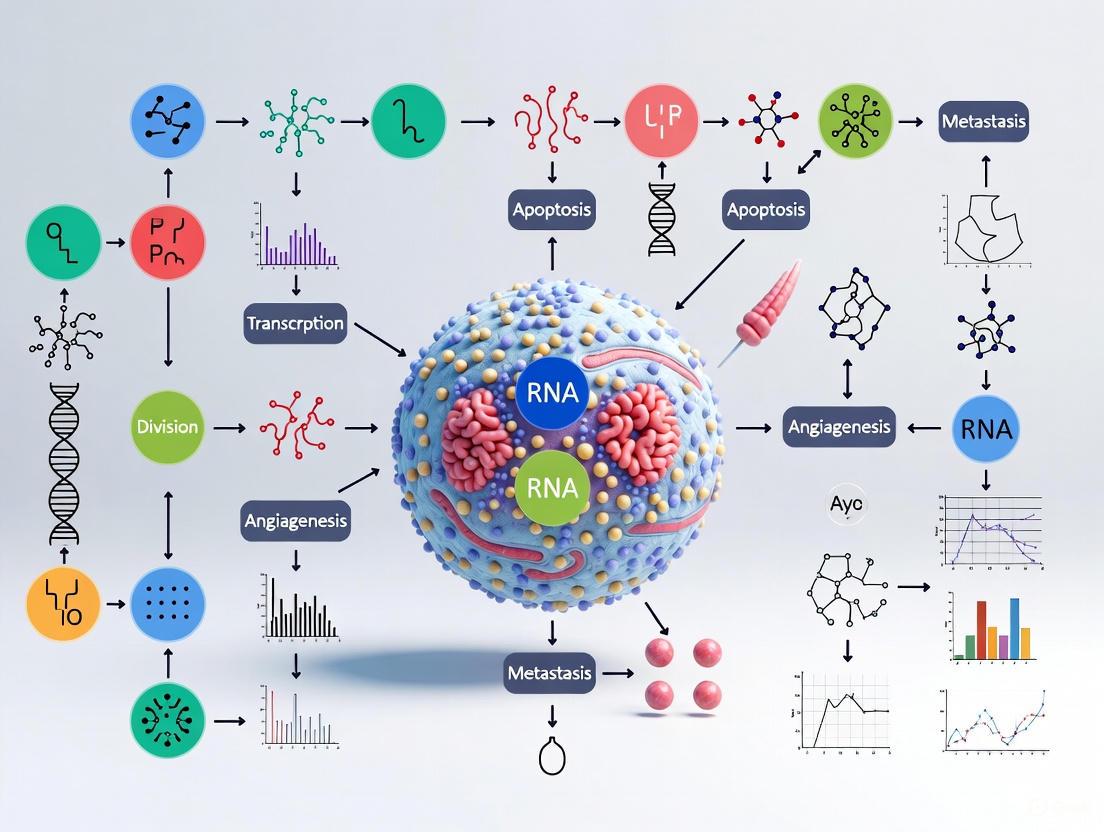
Multicellular Tumor Spheroids (MCTS) have emerged as an indispensable three-dimensional (3D) in vitro model that bridges the gap between traditional 2D cell cultures and in vivo animal models.
Multicellular Tumor Spheroids (MCTS): A Comprehensive 3D Model for Advancing Cancer Research and Drug Development
Abstract
Multicellular Tumor Spheroids (MCTS) have emerged as an indispensable three-dimensional (3D) in vitro model that bridges the gap between traditional 2D cell cultures and in vivo animal models. By closely mimicking the structural organization, pathophysiological gradients, and cell-cell interactions of solid tumors, MCTS provide unparalleled insights into tumor biology, drug penetration, and therapeutic resistance. This article delivers a comprehensive resource for researchers and drug development professionals, covering the foundational biology of MCTS, state-of-the-art formation and analysis methodologies, strategies to overcome common experimental challenges, and rigorous validation against clinical data. We explore how MCTS are revolutionizing preclinical screening, personalized medicine, and our fundamental understanding of the tumor microenvironment.
Understanding MCTS Biology: From Basic Architecture to Physiological Relevance in Tumor Modeling
Defining Multicellular Tumor Spheroids (MCTS) and Their Key Characteristics
Multicellular Tumor Spheroids (MCTS) are three-dimensional (3D) in vitro cell culture models that are formed by the aggregation and self-assembly of tumor cells. These structures serve as an essential intermediate model system between conventional two-dimensional (2D) monolayer cultures and in vivo tumors, providing enhanced biological relevance for tumor biology studies and drug screening research [1] [2]. MCTS closely mimic the architecture and microenvironment of in vivo solid tumors, including critical cell-cell and cell-extracellular matrix (ECM) interactions, tumor heterogeneity, and pathophysiological gradients that influence cancer cell behavior and therapeutic response [3] [4]. The use of MCTS has significantly advanced our understanding of cancer progression, metastasis, and drug resistance mechanisms, establishing them as a valuable tool in translational cancer research and preclinical drug development [3].
The historical development of MCTS spans several decades, with early research recognizing the limitations of 2D cultures in accurately representing the complex 2D cultures in accurately representing the complex tumor microenvironment. Over time, various techniques have been developed to generate MCTS, ranging from simple scaffold-free methods to more sophisticated scaffold-based and microfluidic approaches [1] [2]. These advancements have positioned MCTS as a cornerstone technology in cancer research, bridging the gap between traditional in vitro models and animal studies while adhering to the 3Rs principles (Replacement, Reduction, and Refinement) in animal research [5].
Key Structural and Functional Characteristics of MCTS
Architectural Organization and Zonal Heterogeneity
MCTS exhibit a characteristic structural organization that closely resembles avascular tumor nodules in vivo. When MCTS exceed a critical diameter of approximately 400-500 μm, they develop distinct concentric zones that result from diffusion limitations of oxygen, nutrients, and metabolic waste [1] [6]. This architectural organization comprises three main layers:
- Proliferating Zone: The outermost layer consists of highly proliferative cells that have ample access to oxygen and nutrients from the culture medium. These cells typically display active cell cycling and represent the growing edge of the spheroid [2] [4].
- Quiescent Zone: An intermediate layer contains viable but non-dividing cells that exist in a state of dormancy or senescence. These cells experience reduced access to nutrients and oxygen and contribute to therapeutic resistance mechanisms [1] [2].
- Necrotic Core: The central region develops hypoxic and acidic conditions that lead to cell death and necrosis. This area mimics the necrotic regions commonly observed in solid tumors and serves as a reservoir for cellular debris and inflammatory mediators [2] [6].
This spatial heterogeneity recapitulates the complex cellular landscape of in vivo tumors and creates differential responses to therapeutic interventions, making MCTS particularly valuable for drug penetration and efficacy studies [4].
Pathophysiological Gradients
The structural organization of MCTS generates substantial pathophysiological gradients that significantly influence cellular behavior and drug response. Key gradients include:
- Oxygen Gradient: Oxygen tension decreases progressively from the periphery to the core, creating hypoxic conditions in the inner regions. This hypoxia induces stabilization of Hypoxia-Inducible Factors (HIFs) and activation of downstream signaling pathways that promote angiogenesis, metabolic adaptation, and therapy resistance [1].
- Metabolic Gradient: Nutrient availability (glucose, amino acids) follows a similar radial distribution, forcing cells in different zones to adapt their metabolic programs accordingly. Proliferating cells typically exhibit glycolytic and oxidative phosphorylation metabolism, while quiescent and necrotic cells display altered metabolic profiles [1].
- pH Gradient: Accumulation of lactic acid and other metabolic waste products in the central regions creates an acidic microenvironment that influences drug efficacy, cellular signaling, and invasive behavior [1] [4].
These gradients collectively generate a microenvironment that closely mimics the conditions found in human solid tumors, providing a more physiologically relevant context for evaluating therapeutic interventions than traditional 2D cultures [4].
Gene Expression and Protein Profiling
MCTS demonstrate gene expression and protein profiles that more closely resemble in vivo tumors compared to 2D cultures. Transcriptomic analyses have revealed significant alterations in the expression of genes associated with cancer progression, including:
- Upregulation of hypoxia-responsive genes (e.g., HIF1α, VEGF) [4]
- Enhanced expression of epithelial-to-mesenchymal transition (EMT) markers [4]
- Alterations in cell cycle regulators and matrix organization molecules [4]
- Increased expression of drug resistance genes and proteins across various tumor types [4]
These expression differences contribute to the enhanced clinical predictive value of MCTS models in drug development and personalized medicine approaches [4].
Diagram 1: MCTS Architectural Organization and Microenvironment showing the characteristic zonal structure and key pathophysiological gradients.
MCTS Formation Techniques and Methodologies
Scaffold-Free Formation Methods
Scaffold-free techniques represent the most widely used approaches for MCTS generation, relying on preventing cell adhesion to substrate surfaces to promote cell-cell interactions and self-assembly.
Liquid Overlay Technique: This method utilizes artificial vessels coated with non-adhesive materials such as agar, agarose, Matrigel, poly-HEMA (hydroxyethyl methacrylate), or hyaluronic acid to prevent cell attachment [1] [2]. Cells are seeded onto these non-adhesive surfaces, where they aggregate and self-assemble into spheroids through enhanced cell-cell contact. The liquid overlay technique allows for the formation of MCTS of different sizes starting from either single cells or variable cell numbers in a cost-effective and straightforward manner [2]. This method can produce both single-cell type MCTS and co-culture systems, with single-cell-originated MCTS being particularly suitable for medium-throughput experiments [2].
Hanging Drop Method: This technique involves depositing a drop of cell suspension on a sterile tray or dish lid, which is then inverted to allow cells to aggregate at the free liquid-air interface through gravity and surface tension [1] [2] [6]. The hanging drop method enables precise control over spheroid size through cell suspension density adjustment, with size variation in replicates typically ranging between 10-15% [2]. Advanced versions of this method utilize specialized bioassay dishes or 384-well plates adapted for high-throughput screening devices to improve reproducibility and culture control [2]. While inexpensive and not requiring specialized instruments, the hanging drop method is labor-intensive and offers limited liquid volume, restricting spheroid size and flexibility [2].
Agitation-Based Methods: These approaches utilize agitating bioreactors, including spinner flasks and rotational culture systems, to maintain cell suspension in continuous motion, preventing attachment to substrate surfaces and promoting aggregation [2] [6]. Spinner flasks employ stirring mechanisms, while rotational culture systems rotate on a horizontal axis to maintain suspension [2]. These methods are suitable for large-scale spheroid production and offer advantages in nutrient enhancement, waste disposal, and culture medium homogeneity [2]. However, they typically require expensive instruments, utilize large quantities of culture media, produce heterogeneous MCTS populations, and may cause mechanical cell damage [2]. Rotation wall vessels (RWV) developed by NASA simulate microgravity conditions and employ low shear forces to minimize cell damage during culture [2].
Scaffold-Based Formation Systems
Scaffold-based systems utilize three-dimensional matrices that mimic the structure and mechanochemical properties of the native extracellular matrix (ECM) to support MCTS formation and growth.
Natural Polymer Scaffolds: These include materials such as Matrigel, collagen, gelatin, and alginate, which are preferred for their biocompatibility, formability, and similarity to native ECM components [1] [2]. Natural polymers provide mechanical support and biochemical cues that influence cellular behavior, including adhesion, migration, and differentiation [2]. For example, MDA-MB-231 breast cancer cells adapt their characteristics through interactions with ECM components like collagen type I and Matrigel as a survival mechanism in different microenvironments [4].
Synthetic Polymer Scaffolds: These encompass materials such as poly(lactic-co-glycolic) acid (PLGA), polycaprolactone (PCL), polyethylene glycol (PEG), and methylcellulose [5] [1]. Synthetic polymers offer advantages including abundant availability, uniform production, metabolic neutrality, and the ability to tailor specific applications through chemical modification [1]. These materials can be engineered to control porosity, degradation rates, and mechanical properties to match specific research requirements [1].
Table 1: Comparison of Major MCTS Formation Techniques
| Method | Principle | Advantages | Limitations | Common Applications |
|---|---|---|---|---|
| Liquid Overlay | Prevents cell adhesion using non-adhesive surfaces | Cost-effective, easy operation, suitable for co-cultures | High size/shape variability, requires optimization | Medium-throughput screening, basic research |
| Hanging Drop | Uses gravity and surface tension in suspended droplets | Controlled size uniformity, inexpensive, no specialized equipment | Labor-intensive, limited culture volume, difficult long-term culture | High-precision studies, controlled size experiments |
| Agitation-Based | Continuous motion prevents adhesion | Large-scale production, homogeneous culture conditions, nutrient/waste management | Expensive equipment, heterogeneous spheroids, potential cell damage | Industrial scale production, large sample needs |
| Scaffold-Based | Provides 3D ECM-mimicking support | Enhanced microenvironment modeling, tunable properties | Potential batch variability, interference with analysis | Complex TME studies, invasion/migration assays |
Advanced and Emerging Techniques
Recent technological advancements have introduced more sophisticated approaches for MCTS generation:
Microfluidic Systems: These platforms offer precise control over the cellular microenvironment, allowing for long-term culture and controlled handling of spheroids under precisely regulated conditions [1]. Microfluidic devices enable high-throughput screening capabilities and integration with analytical systems for real-time monitoring [1] [4].
Magnetic Levitation: This technique involves mixing cells with magnetic nanoparticles and applying magnetic forces to induce levitation and aggregation [6]. The system utilizes negative magnetophoresis to simulate weightless conditions, promoting cell-cell contact and spheroid formation [6]. Magnetic levitation facilitates multi-cellular co-culturing with different cell types but presents challenges including potential nanoparticle toxicity and limited production scale [6].
Microencapsulation: This method involves entrapping cells within semi-permeable membranes, typically composed of alginate-poly-L-lysine-alginate beads [6]. Microencapsulation provides precise control over spheroid size and shape and enables the study of cell lines that are unable to form MCTS using conventional techniques [6]. Core-shell microcapsules with different chemical and physical properties for core and shell components have been developed to optimize nutrient diffusion and cell proliferation conditions [6].
Analytical Methods for MCTS Characterization
Morphological and Structural Analysis
Comprehensive characterization of MCTS requires multiple analytical approaches to assess structural, functional, and biochemical parameters:
Optical Microscopy: Conventional light microscopy represents the most fundamental method for monitoring MCTS development, growth kinetics, and basic morphology [7]. Periodic imaging enables the study of spheroid volume expansion and provides preliminary morphological information about MCTS viability and reliability [7].
Scanning Electron Microscopy (SEM): SEM provides high-resolution surface morphological information at micrometer and nanometer resolution [7]. For SEM analysis, MCTS samples undergo fixation, dehydration, and coating with conductive materials such as gold-palladium to obtain precise topological details [7].
Transmission Electron Microscopy (TEM): TEM enables detailed characterization of the internal ultrastructure of MCTS [7]. Sample preparation involves fixation, dehydration, thin-sectioning, and conductive coating [7]. TEM has been particularly valuable in visualizing drug delivery processes, including the internalization of anticancer therapeutics such as doxorubicin, quantum dots, and micelles within MCTS [7].
Functional and Viability Assessment
Histological Analysis: Standard histological techniques including sectioning, staining (H&E, immunohistochemistry), and microscopic examination provide detailed information about cellular distribution, viability, and zonal organization within MCTS [1].
Viability Assays: Methods such as the acid phosphatase assay provide reliable assessment of cell viability within complex 3D cultures [3]. These assays typically measure metabolic activity as a surrogate for viability and can be adapted for medium-throughput screening applications [3].
Metabolic Profiling: Analysis of oxygen consumption, glucose utilization, and metabolic waste accumulation provides insights into the metabolic heterogeneity within MCTS and responses to therapeutic interventions [1].
Mathematical Modeling and Quantitative Analysis
Advanced mathematical modeling approaches have been developed to quantify MCTS growth dynamics and biophysical properties:
Biophysical Mathematical Modeling: Image data-driven biophysical mathematical modeling enables the estimation of phenotypic growth and tumor microenvironment properties from standard microscopy imaging [8]. This approach can quantify parameters including cellular diffusion coefficients, proliferation rates, and cellular traction forces exerted on the surrounding ECM [8].
Reaction-Diffusion Modeling: Mechanically-coupled reaction-diffusion models can describe breast tumor response to therapies using noninvasive imaging data [8]. These models characterize tumor changes through biophysical parameters describing cell diffusion and proliferation rates, providing better prediction of therapeutic response [8].
Go-or-Grow Modeling: Recent mathematical frameworks incorporate the "Go-or-Grow" hypothesis, which postulates that cells alternate between migratory and proliferative states in a mutually exclusive manner [9]. These models utilize systems of partial differential equations with distinct parameters for migratory and proliferative subpopulations, more accurately capturing the heterogeneity observed in patient-derived MCTS [9].
Table 2: MCTS Analytical Techniques and Their Applications
| Analytical Category | Specific Techniques | Measured Parameters | Applications |
|---|---|---|---|
| Structural Analysis | Optical microscopy, SEM, TEM, histology | Size, morphology, ultrastructure, zonal organization | Growth kinetics, architectural assessment, quality control |
| Viability & Metabolism | Acid phosphatase assay, resazurin reduction, ATP detection | Metabolic activity, cell viability, cytotoxicity | Drug screening, treatment efficacy, toxicity assessment |
| Molecular Analysis | Immunohistochemistry, gene expression profiling, protein analysis | Marker expression, signaling pathway activation, genetic alterations | Mechanism of action studies, biomarker identification |
| Mathematical Modeling | Reaction-diffusion models, Go-or-Grow models, biomechanical models | Growth parameters, migration rates, biomechanical properties | Predictive modeling, parameter quantification, theoretical studies |
Diagram 2: MCTS Analytical Workflow illustrating the multidisciplinary approaches required for comprehensive spheroid characterization.
Essential Research Reagents and Materials
The following table summarizes key reagents and materials commonly used in MCTS research, based on methodologies cited in the literature:
Table 3: Essential Research Reagents and Solutions for MCTS Research
| Reagent/Material | Function/Application | Specific Examples | References |
|---|---|---|---|
| Ultra-Low Attachment Plates | Prevents cell adhesion, promotes spheroid formation | CellCarrier spheroid ULA 96-well plates (Perkin Elmer), Corning Elplasia Plates | [8] [5] |
| Extracellular Matrix Components | Provides 3D scaffolding, mimics tumor microenvironment | Matrigel (Corning), collagen type I (2.25 mg/ml), alginate, fibronectin | [8] [5] [4] |
| Natural Polymer Scaffolds | Support cell growth and organization in scaffold-based systems | Agarose, methylcellulose, hyaluronic acid | [5] [1] [2] |
| Synthetic Polymer Scaffolds | Tunable 3D support systems with defined properties | Poly-HEMA, PLGA, PEG, PCL | [1] [2] |
| Fluorescent Tracking Beads | Monitor extracellular matrix deformation and remodeling | FluoSpheres Carboxylate-Modified Microspheres (2 μm, 580/605) | [8] |
| Cell Labeling Reagents | Enable cell tracking and visualization in complex co-cultures | Fluorescent histone H2B lentiviral vectors (H2B-GFP) | [8] |
| Microscopy Media | Maintain viability during extended imaging sessions | Phenol-free medium with appropriate supplements | [8] |
Applications in Cancer Research and Drug Development
Drug Screening and Therapeutic Evaluation
MCTS have become invaluable tools in preclinical drug development due to their enhanced predictive capability compared to traditional 2D models. Key applications include:
Drug Penetration Studies: The compact 3D structure of MCTS creates physical barriers to drug penetration that more accurately mimic the diffusion limitations observed in solid tumors [3] [6]. Studies utilizing MCTS have demonstrated that the half-maximal inhibitory concentration (IC50) of established anticancer drugs can increase by an order of magnitude or more when moving from 2D to 3D models, highlighting the importance of penetration barriers in therapeutic efficacy [6].
Therapeutic Resistance Mechanisms: MCTS replicate multiple therapy resistance mechanisms observed in clinical tumors, including:
- Proliferative Gradients: The presence of quiescent cell populations in intermediate zones that are less susceptible to cell cycle-active therapeutics [1]
- Hypoxia-Mediated Resistance: Reduced efficacy of radiation and certain chemotherapeutic agents in hypoxic regions [1] [4]
- Adaptive Stress Responses: Activation of survival pathways in response to nutrient and metabolic stress [1]
Combination Therapy Evaluation: The cellular heterogeneity within MCTS enables more realistic assessment of combination therapies targeting different cellular subpopulations within tumors [3]. This capability is particularly valuable for evaluating targeted therapies, immunotherapies, and nanoparticle-based delivery systems [6].
Personalized Medicine and Translational Applications
MCTS platforms have enabled significant advances in personalized medicine approaches:
Patient-Derived Spheroids (PDS): MCTS generated directly from patient tumor samples maintain the original tumor's cellular heterogeneity, gene expression profiles, and drug response patterns [4]. These models serve as functional surrogates of native tumors, providing a translational tool for studying cell-matrix interactions, drug development, and precision medicine approaches [4].
Co-culture Systems: MCTS can be co-cultured with various stromal cells, including cancer-associated fibroblasts (CAFs), endothelial cells, and immune cells, to better mimic the tumor microenvironment [3] [5]. These complex models recapitulate critical tumor-stroma interactions that influence therapeutic response and disease progression [5]. For example, co-cultures of CRC organoids and immortalized CAFs significantly alter the transcriptional profile of cancer cells, recapitulating the histological and immunosuppressive characteristics of aggressive mesenchymal-like colorectal tumors [5].
* Biomarker Discovery*: Comparative analysis of gene and protein expression profiles between 2D cultures, MCTS, and original tumor tissues has facilitated the identification of novel biomarkers associated with treatment response and disease progression [4].
Current Challenges and Future Perspectives
Technical Limitations and Standardization Needs
Despite significant advancements, several challenges remain in the widespread implementation of MCTS technologies:
Uniformity and Reproducibility: Consistent production of MCTS with homogeneous shape and size remains challenging due to variations in factors such as cell type, culture technique, medium composition, and cell density [1]. This variability complicates comparative analyses and requires rigorous standardization protocols [1].
High-Throughput Screening: The development of robust high-throughput MCTS culture and drug screening methods represents an essential requirement for commercial applications [1]. While progress has been made with specialized microplates and automated imaging systems, further technological innovations are needed to fully integrate MCTS into industrial drug discovery pipelines [1].
Analytical Complexity: The quantitative analysis of MCTS presents substantial challenges compared to 2D cultures, particularly in imaging penetration, data extraction, and interpretation [1] [2]. Advanced analytical techniques, including computational modeling and artificial intelligence-based image analysis, are being developed to address these limitations [8] [9].
Integration with Emerging Technologies
Future advancements in MCTS research will likely focus on integration with cutting-edge technologies:
Microfluidic and Organ-on-a-Chip Platforms: These systems enable precise control over the cellular microenvironment and allow for the creation of more physiologically relevant models with controlled fluid flow, mechanical stimulation, and multi-tissue interactions [4].
Advanced Imaging Modalities: Techniques such as light-sheet microscopy, multiphoton imaging, and real-time live-cell imaging provide unprecedented insights into dynamic processes within MCTS, including cell migration, division, and death [7].
Multi-Omics Integration: Combining MCTS with genomics, transcriptomics, proteomics, and metabolomics approaches will enable comprehensive characterization of tumor biology and therapeutic responses at unprecedented resolution [4].
Mathematical Modeling and Predictive Simulation: Continued development of sophisticated mathematical frameworks, such as the Go-or-Grow models that incorporate population heterogeneity, will enhance the predictive power of MCTS-based studies and facilitate translation to clinical applications [9].
In conclusion, Multicellular Tumor Spheroids represent a sophisticated experimental platform that bridges the critical gap between conventional 2D cultures and in vivo models. Their ability to recapitulate key features of the tumor microenvironment, including architectural organization, pathophysiological gradients, and therapeutic resistance mechanisms, makes them invaluable tools in basic cancer research, drug discovery, and personalized medicine. While technical challenges remain ongoing advancements in formation techniques, analytical methods, and computational integration continue to enhance the relevance and applicability of MCTS models in translational cancer research.
The tumor microenvironment (TME) is a highly dynamic and complex ecosystem surrounding tumor cells, playing a pivotal role in cancer progression, metastasis, and therapeutic response [10] [11]. This microenvironment comprises diverse cellular components, including cancer-associated fibroblasts (CAFs), endothelial cells, adipocytes, pericytes, and various immune cells, all embedded within an extracellular matrix (ECM) that provides structural support and biochemical signals [11] [3]. The TME is not merely a passive scaffold but actively participates in tumor development through continuous cell-cell and cell-ECM interactions that regulate cell adhesion, migration, proliferation, and differentiation [3]. Understanding these complex interactions is critical for developing effective anti-cancer therapies, as aberrant immune responses and stromal remodeling within the TME significantly contribute to tumor initiation, progression, and metastasis [10] [11].
In recent years, multicellular tumor spheroids (MCTS) have emerged as invaluable three-dimensional (3D) models that better replicate the pathophysiology of native tumors compared to conventional two-dimensional (2D) monolayer cultures [3]. These 3D models recapitulate critical physicochemical properties of in vivo tumors, including cell-cell and cell-ECM interactions, cellular heterogeneity, limited drug penetration, drug metabolism, and differential cell differentiation and proliferation patterns [3]. By incorporating the maximum possible clinical variables, MCTS provide a unique platform in cancer research that bridges the gap between in vitro studies and clinical relevance, significantly improving the translation rate of potential anti-cancer compounds from pre-clinical to clinical stages [3] [12].
Core Components of the Tumor Microenvironment
Cellular Components and Their Functions
The cellular composition of the TME is diverse, with each component contributing uniquely to tumor progression. Cancer cells are the primary drivers of tumor growth, supported and influenced by their surrounding environment [3]. Cancer-associated fibroblasts (CAFs) significantly contribute to the ECM and secrete various growth factors, actively aiding tumor progression and promoting a supportive niche [3]. Endothelial cells form the blood vasculature that supplies nutrients and oxygen, facilitating both tumor growth and metastasis [3]. Immune cells, including T cells, macrophages, and dendritic cells, can either inhibit or promote tumor growth based on their activation states and cytokine profiles [3]. Myeloid cells, particularly tumor-associated macrophages, can differentiate into immune-suppressive M2-like phenotypes instead of immune-activating M1-like states, effectively switching signals in the TME from an anti-cancer to a pro-cancer state [13]. Adipocytes contribute to tumor progression by supplying fatty acids and inflammatory signals, while pericytes play crucial roles in stabilizing blood vessels and modulating immune responses within the TME [3]. Together, these elements create a dynamic niche that profoundly influences tumor progression and metastasis.
Extracellular Matrix Composition and Biomechanical Properties
The extracellular matrix provides not only structural support but also critical biochemical signals that influence tumor cell behavior [14]. The ECM is primarily comprised of collagen, fibronectin, and laminin, which regulate cell adhesion, migration, and proliferation [3]. ECM stiffness, primarily mediated by collagen crosslinking, regulates immune cell trafficking and tumor invasiveness, with lysyl oxidases (LOX) serving as key enzymes in this process [14]. For instance, LOXL4 in triple-negative breast cancer induces matrix metalloproteinase-9 (MMP-9) expression through NF-κB activation, promoting cancer cell invasiveness [14]. The ECM also influences tumor angiogenesis and immune cell infiltration and activation, thereby impacting pivotal aspects such as hypoxia, cancer cell dissemination, and the tumor immune microenvironment [14]. Matrix metalloproteinases (MMPs) are central to ECM degradation and remodeling, directly influencing cancer progression through their overexpression in chronic inflammation-induced colorectal cancer [14].
Table 1: Key Cellular Components of the Tumor Microenvironment
| Cell Type | Primary Functions | Pro-Tumor Mechanisms | Therapeutic Targeting |
|---|---|---|---|
| Cancer-Associated Fibroblasts (CAFs) | ECM production, growth factor secretion | Stromal remodeling, metabolic rewiring, therapy resistance | Stromal modulators, CAF reprogramming |
| Tumor-Associated Macrophages | Phagocytosis, antigen presentation | M2-like polarization, immunosuppressive cytokine release | CSF1R inhibitors, repolarization agents |
| T Cells | Cytotoxic activity, immune surveillance | Exhaustion, impaired activation | Immune checkpoint inhibitors, CAR-T therapy |
| Endothelial Cells | Angiogenesis, nutrient delivery | Abnormal vessel formation, hypoxia induction | Anti-angiogenic agents |
| Adipocytes | Energy storage, adipokine secretion | Fatty acid supply, inflammatory signals | Metabolic inhibitors |
Multicellular Tumor Spheroids (MCTS) as Advanced 3D Models
Advantages Over Conventional 2D Cultures
Traditional 2D culture systems contain adequate oxygen, growth factors, and other nutrients but do not entirely replicate the native TME, potentially impacting the accuracy of research results [3]. Significant inconsistent results are often observed when experimental parameters established in 2D cultures are used in downstream analyses, and directly extrapolating results from 2D cultures to animal models often leads to complete failure or increased attempts on animals to achieve desirable outcomes [3]. This raises ethical concerns regarding the excessive use of laboratory animals [3].
In contrast, MCTS are more cost-effective and simpler to cultivate while closely resembling in vivo tumors in terms of tissue architecture, cellular organization, gene expression profile, and metabolic distribution [3]. The 3D culture system provides a highly dynamic and variable model to understand tissue formation and function better, closely reproducing the natural cell microenvironment [12]. MCTS replicate critical physicochemical properties of the tumor in vivo, such as cell-cell and cell-ECM interactions, cell heterogeneity, limited drug penetration, drug metabolism, and cell differentiation and proliferation [3]. As these physiological properties can influence how tumor cells respond to treatment, MCTS are deemed a more suitable model for the pre-clinical investigation of anti-cancer compounds, with higher clinical relevance than 2D cultures [3].
Classification of MCTS Models
Several 3D cancer models have been developed, including tumorospheres (TSs), tissue-derived tumor spheres (TDTSs), organotypic multicellular spheroids (OMSs), and multicellular tumor spheroids (MCTSs) [3]. Each type of MCTS model replicates the pathophysiology of the patient's tumor differently and hence has distinct applications in a broad spectrum of cancer research, such as drug responses, cell-cell interaction, invasion, and metastasis [3].
Mono-MCTSs consist of a single cell type and have been shown to exhibit hypoxia, acidic pH, drug resistance, penetration barriers, and cell-cell interaction to a limited extent [3]. Hetero-MCTSs incorporate multiple cell types, including stromal and immune cells, thereby better representing the cellular heterogeneity and structural complexity of clinical tumors [3]. Hetero-MCTSs can be further categorized into scaffold-free and scaffold-based models, with the latter providing more controlled ECM environments [3]. Among the various MCTS models, scaffold-free and scaffold-based Hetero-MCTSs are particularly suitable for assessing drug efficacy, mode of action, diffusion, invasion, and metastasis, surpassing Mono-MCTSs in mirroring the cellular heterogeneity and structural complexity of clinical tumors due to the presence of various stromal components [3].
Table 2: Types of Multicellular Tumor Spheroid Models
| MCTS Type | Composition | Key Applications | Advantages | Limitations |
|---|---|---|---|---|
| Mono-MCTS | Single cancer cell type | Preliminary drug screening, hypoxia studies | High reproducibility, simplicity | Limited TME complexity |
| Scaffold-free Hetero-MCTS | Multiple cell types without artificial matrix | Cell-cell interactions, paracrine signaling | Natural cell-organized structure | Less control over ECM composition |
| Scaffold-based Hetero-MCTS | Multiple cell types with hydrogel or scaffold | Cell-ECM interactions, drug penetration studies | Controlled microenvironment, tunable stiffness | Introduces artificial matrix components |
| Patient-Derived MCTS | Cells directly from patient tumors | Personalized therapy screening, biomarker discovery | Maintains patient-specific heterogeneity | Technically challenging, variable success rates |
Methodologies for Establishing and Analyzing MCTS
Experimental Protocols for MCTS Formation
Liquid Overlay Technique: This method involves seeding cells on non-adherent surfaces to promote cell aggregation and spheroid formation [3]. Low-adhesion plates coated with agarose, poly-HEMA, or other anti-adhesive materials are used to prevent cell attachment to the substrate, forcing cells to aggregate and form 3D structures [3]. The protocol typically involves: (1) preparing a non-adhesive surface by coating tissue culture plates with 1-2% agarose or poly-HEMA; (2) seeding single-cell suspensions at appropriate densities (typically 500-10,000 cells per well depending on desired spheroid size); (3) centrifuging plates at low speed (300-500 × g for 5-10 minutes) to enhance cell aggregation; and (4) maintaining cultures with regular medium changes every 2-3 days [3].
Hanging Drop Method: This technique utilizes gravity to aggregate cells in droplets suspended from a surface [3]. The protocol includes: (1) preparing a single-cell suspension in culture medium; (2) dispensing droplets (typically 20-40 μL) containing a defined cell number onto the lid of a tissue culture dish; (3) inverting the lid and placing it over the bottom chamber containing PBS to maintain humidity; (4) incubating for 2-4 days to allow spheroid formation; and (5) harvesting mature spheroids for experimental use [3]. The hanging drop method produces highly uniform spheroids with controlled initial cell numbers.
Scaffold-Based Methods: These approaches utilize natural or synthetic matrices to support 3D cell growth and organization [12]. Common scaffolds include Matrigel, collagen, hyaluronic acid, and synthetic hydrogels. The protocol typically involves: (1) preparing the scaffold material according to manufacturer specifications; (2) mixing cells with the scaffold solution before gellation; (3) plating the cell-scaffold mixture and allowing it to solidify under appropriate conditions; and (4) maintaining with culture medium optimized for 3D growth [12]. Scaffold-based methods allow precise control over mechanical properties and ECM composition.
Analytical Techniques for MCTS Characterization
Advanced analytical methods are required to fully characterize the complex structure and function of MCTS. Spatiopath is a recently developed null-hypothesis framework that distinguishes statistically significant immune cell associations from random distributions in the TME [15]. Using embedding functions to map cell contours and tumor regions, Spatiopath extends Ripley's K function to analyze both cell-cell and cell-tumor interactions [15]. This method enables researchers to extract spatial patterns within the TME that are statistically relevant, going beyond simple counting-based measures to describe interactions within a robust, statistical framework [15].
Single-cell RNA sequencing (scRNAseq) has revolutionized the analysis of cellular heterogeneity and communication networks within the TME [13]. By assessing the changing diversity of cell types and their communication within treatment-sensitive and resistant tumors, researchers can identify ecosystem-wide variations in TME composition and cancer-immune communication [13]. Computational methods to infer cell-cell interactions (CCI) from scRNAseq data typically involve identifying cell-type pairs that express cognate ligand-receptor pairs, suggesting potential interactions [16]. Popular tools for this analysis include CellPhoneDB, SingleCellSignalR, and scTensor [16].
Spatial transcriptomics and proteomics provide spatial context to CCI analysis, preserving the spatial context of cells and allowing researchers to understand how cancer cells interact with neighboring non-cancerous cells [16]. Technologies such as Xenium, STomics, and PhenoCycler achieve single-cell spatial resolution and measure dozens of proteins or thousands of transcripts per tissue [16]. Computational tools like Giotto, stLearn, and Squidpy leverage these data by integrating spatial adjacency with known ligand-receptor pairs to construct spatial cell graphs linking neighboring cells [16].
Diagram 1: Comprehensive Analysis Workflow for MCTS Characterization. This workflow illustrates the multi-modal approach required to fully characterize MCTS, integrating imaging, omics, spatial, and functional analyses.
Key Signaling Pathways in Tumor-Immune and Cell-ECM Interactions
Immune Modulation Pathways
The communication between cancer cells and immune cells within the TME involves complex signaling pathways that can either promote or inhibit tumor growth. In estrogen receptor-positive (ER+) breast cancers treated with CDK4/6 inhibitors, resistant tumors exhibit distinct immune communication patterns [13]. Cancer cells in these resistant tumors upregulate cytokines and growth factors that stimulate immune-suppressive myeloid differentiation, resulting in reduced myeloid cell-CD8+ T-cell crosstalk via IL-15/18 signaling [13]. Subsequently, tumors growing during treatment show diminished T-cell activation and recruitment [13]. This discovery has therapeutic implications, as exogenous IL-15 has been shown to improve CDK4/6 inhibitor efficacy by augmenting T-cell proliferation and cancer cell killing by T cells [13].
Checkpoint inhibitor pathways, such as PD-1/PD-L1 and CTLA-4, represent another critical immune communication mechanism within the TME [16]. These pathways are exploited by cancer cells to suppress anti-tumor immunity and represent major targets for immunotherapy. The spatial distribution of these immune checkpoints within the TME, as revealed by spatial proteomics and transcriptomics, can predict response to immunotherapy and patient outcomes [16].
ECM-Mediated Signaling Networks
The extracellular matrix influences tumor behavior through both biomechanical and biochemical signaling pathways. Integrin-mediated signaling is a key mechanism by which cells sense and respond to the ECM [14]. For example, LAMA4, an ECM-related gene overexpressed in cervical cancer, increases ECM rigidity and activates integrin-mediated pro-survival signaling, fostering immune resistance by preventing T-cell infiltration [14]. High LAMA4 expression correlates with poor overall and progression-free survival, as well as reduced immunotherapy response [14].
Matrix stiffness activates various signaling cascades that promote tumor progression. In triple-negative breast cancer, LOXL4 induces matrix metalloproteinase-9 (MMP-9) expression through NF-κB activation [14]. LOXL4 promotes annexin A2/integrin-β1 accumulation on the cell surface, which triggers the TRAF4–TAK1–NF-κB signaling pathway, enhancing MMP-9 transcription and secretion and consequently increasing cancer cell invasiveness [14].
Diagram 2: Key Signaling Pathways in TME Interactions. This diagram illustrates major signaling networks involving ECM-integrin interactions and immune modulation pathways that influence therapy response.
Applications in Drug Discovery and Therapeutic Development
Predictive Drug Screening Using MCTS
MCTS have demonstrated significant value in predictive drug screening due to their ability to replicate critical aspects of in vivo tumor behavior. The development of various MCTS models has provided a diverse range of options for replicating the pathophysiology of a patient's tumor, with each type of MCTS model having distinct applications in drug response assessment [3]. Hetero-MCTSs are particularly valuable for this purpose, as they incorporate stromal components that influence drug response through multiple mechanisms, including creating physical barriers to drug penetration, altering drug metabolism, and providing survival signals to cancer cells [3].
In studying drug response, MCTS have revealed important insights into therapy resistance mechanisms. For example, in breast cancer research, MCTS models have been used to evaluate drug and drug-device combinations, demonstrating how the 3D architecture of tumors influences therapeutic efficacy [3]. Similarly, embedded multicellular spheroids of MCF-7 cells have been developed as biomimetic 3D models for evaluating therapeutic responses [3]. These models have shown that resistance to cell cycle inhibitors like CDK4/6 inhibitors involves not only cancer-cell-intrinsic mechanisms but also complex interactions with the immune component of the TME [13].
Personalized Medicine Approaches
The use of patient-derived MCTS represents a promising approach for personalized medicine in oncology. Patient-derived MCTS can be expanded from individual patient tumors and used to test multiple therapeutic options, potentially predicting clinical response and guiding treatment selection [12]. This approach is particularly valuable for assessing interpatient heterogeneity and developing tailored therapeutic strategies [12].
In colorectal cancer liver metastasis (CRLM), a thorough understanding of the dynamic interplay of cellular subtypes and phenotypic characteristics in the TME is essential for developing effective anti-cancer therapies and improving prognosis [17]. Bibliometric analysis of CRLM research has shown that immune-related keywords such as "immunotherapy," "immune microenvironment," and "PD-L1" have gradually emerged as research hotspots since 2020, reflecting the growing importance of TME-focused therapeutic approaches [17].
Table 3: Research Reagent Solutions for MCTS Studies
| Reagent Category | Specific Examples | Primary Function | Application Notes |
|---|---|---|---|
| Scaffold Matrices | Matrigel, Collagen I, Hyaluronic Acid | Provide 3D extracellular environment | Vary in composition and stiffness; selection depends on cancer type |
| Non-Adhesive Surfaces | Agarose, Poly-HEMA, Ultra-Low Attachment Plates | Promote spontaneous cell aggregation | Enable scaffold-free spheroid formation |
| Cell Culture Media | StemCell Media, Organoid Media | Support 3D cell growth and maintenance | Often require specific growth factor cocktails |
| Analysis Kits | CellTiter-Glo 3D, Live-Dead Staining Kits | Assess viability and proliferation in 3D models | Optimized for penetration in 3D structures |
| Imaging Reagents | Deep-Red Membrane Dyes, H2B-GFP Lentivirus | Enable visualization of spatial organization | Must account for light penetration in 3D |
| Protease Inhibitors | MMP Inhibitors, Serine Protease Inhibitors | Control ECM degradation | Critical for maintaining structural integrity |
Emerging Technologies and Future Perspectives
Advanced Analytical Frameworks
The field of TME research is rapidly evolving with the development of sophisticated analytical frameworks. Cellular social network analysis (SNA) represents a novel approach to quantify spatial interactions within the TME [18]. This method constructs cell graphs from tissue images, classifying cells as epithelial, inflammatory, mitotic, or connective, and applies SNA metrics to quantify spatial interactions [18]. Across multiple cancer types, microsatellite instability (MSI) tumors have been shown to exhibit increased epithelial cell density and stronger epithelial-inflammatory connectivity, with subtle, context-dependent changes in stromal organization [18]. These features suggest the presence of a conserved MSI-associated microenvironmental phenotype that can be identified through SNA [18].
Spatial transcriptomics and proteomics technologies are becoming increasingly accessible and automated, with significant potential applications in the clinical setting [16]. Mass spectrometry-based spatial proteomic approaches can quantify metabolites and proteins directly, surpassing traditional methods in sensitivity, specificity, and the ability to measure a broader range of analytes [16]. Multiplex immunofluorescence-based spatial proteomics, such as PhenoCycler, allows for the simultaneous detection and quantification of hundreds of proteins within a single tissue sample, providing subcellular spatial information about protein localization and abundance [16].
Integration of Artificial Intelligence and Computational Methods
Artificial intelligence is increasingly being adopted in clinical settings to assist pathologists in analyzing complex TME patterns [16]. Computational methods for inferring cell-cell interactions from different omics data are rapidly advancing, with tools like drug2cell that integrate CellPhoneDB with the ChEMBL database to identify high-confidence drug-target associations [16]. These tools filter associations by potency and clinical approval status and overlay the resulting targets onto cell-type-resolved ligand-receptor pairs, enabling researchers to prioritize potential pharmacological modulators of each interaction [16].
Multi-cancer training approaches are improving model generalization by exposing algorithms to diverse manifestations of TME patterns, enabling robust learning of transferable, domain-invariant histological patterns [18]. For example, in MSI prediction, multi-cancer training improved generalization by 3% compared to cancer-specific models [18]. These advances in computational analysis are crucial for identifying conserved TME patterns across different cancer types and for developing robust predictive models that can inform therapeutic decisions.
Multicellular tumor spheroids have established themselves as indispensable tools for recapitulating the complex cell-cell and cell-ECM interactions that define the tumor microenvironment. These 3D models bridge the critical gap between traditional 2D cultures and in vivo tumors, providing more physiologically relevant platforms for studying cancer biology and therapeutic response. The continued refinement of MCTS technologies, coupled with advanced analytical methods such as spatial transcriptomics, single-cell RNA sequencing, and computational frameworks for analyzing cell-cell interactions, is dramatically enhancing our understanding of TME dynamics. As these technologies become more accessible and standardized, their integration into drug discovery pipelines and personalized medicine approaches will undoubtedly accelerate the development of more effective cancer therapies that target not only cancer cells but also their supportive microenvironment.
Multicellular tumor spheroids (MCTS) have emerged as a crucial three-dimensional in vitro model that bridges the gap between conventional two-dimensional cell cultures and in vivo tumor studies [19]. These spherical cell aggregates replicate the pathophysiological gradients found in solid tumors, exhibiting remarkable spatial heterogeneity that mirrors the complex microenvironment of actual cancers [20]. The development of distinct cellular zones within MCTS occurs as a direct consequence of differential access to essential nutrients and oxygen, creating a micro-gradient that dictates cellular behavior and function [21] [22].
When MCTS reach critical dimensions (typically 200-500 μm in diameter), the diffusion limitations of oxygen and nutrients establish a predictable spatial organization [23]. This organization consists of three concentric layers: an outer proliferating zone, an intermediate quiescent zone, and a central necrotic zone [21]. This zonal arrangement more closely mimics the in vivo tumor environment compared to 2D monolayers, enabling more physiologically relevant studies of cancer biology, drug screening, and therapeutic development [19]. The presence of these distinct zones recapitulates key aspects of tumor pathobiology, including hypoxia-driven responses, metabolic adaptation, and cell death mechanisms [20] [23].
Quantitative Characterization of MCTS Zones
Structural and Functional Properties
The micro-gradient within MCTS creates clearly demarcated regions with specific structural and functional characteristics, as outlined in Table 1. Understanding these parameters is essential for proper experimental design and interpretation of results in MCTS-based research.
Table 1: Structural and Functional Characteristics of MCTS Zones
| Zone | Location | Oxygen Level | Nutrient Availability | Primary Cellular Activities | Key Biochemical Features |
|---|---|---|---|---|---|
| Proliferating Zone | Outer region, directly exposed to medium | Normoxic (>5% O₂) | High glucose and nutrients | Active cell division, migration | High ATP, RNA synthesis, protein production |
| Quiescent Zone | Intermediate layer between proliferating and necrotic zones | Hypoxic (0.5-5% O₂) | Limited nutrients | Cell cycle arrest (G₀ phase), viability maintenance | Reduced metabolism, autophagy activation |
| Necrotic Zone | Central core | Severely hypoxic/anoxic (<0.5% O₂) | Nutrient-depleted (glucose <0.08 mM) [20] | Cell death, membrane breakdown, apoptosis | ATP depletion, lysosomal release, acidosis |
Critical Threshold Values and Quantitative Parameters
The formation and maintenance of MCTS zones are governed by specific biophysical thresholds that can be quantitatively measured. These parameters enable researchers to standardize MCTS cultures and improve experimental reproducibility.
Table 2: Quantitative Parameters and Critical Thresholds in MCTS Zones
| Parameter | Proliferating Zone | Quiescent Zone | Necrotic Zone | Measurement Techniques |
|---|---|---|---|---|
| Glucose Threshold | >0.5 mM | 0.08-0.5 mM | <0.08 mM [20] | Fluorescence microscopy, biosensors |
| Oxygen Partial Pressure | >38 mmHg | 8-38 mmHg | <8 mmHg | Hypoxyprobe staining, electrode measurement |
| Cell Density | Variable, lower than inner zones | Highest cell density [21] | Reduced due to cell death | Light sheet fluorescence microscopy, segmentation |
| Proliferation Rate | High (labeling index 30-60%) | Very low (<1%) | None | Ki-67 staining, BrdU incorporation |
| pH Level | Physiological (7.4) | Slightly acidic (7.0-7.2) | Acidic (6.5-6.8) | pH-sensitive fluorescent dyes |
Methodologies for Zone Analysis and Detection
Experimental Protocols for Zone Identification
Hypoxia Detection Using Hypoxyprobe-1
The identification of hypoxic regions corresponding to the quiescent and necrotic zones can be achieved through pimonidazole hydrochloride staining followed by immunodetection [23].
Detailed Protocol:
- Spheroid Formation: Generate MCTS using liquid overlay technique by coating 96-well plates with 1.5% agarose in PBS, adding 50 μL per well, allowing to set for 30 minutes, then seeding 5,000 cells in 200 μL medium per well [23].
- Hypoxyprobe Incubation: Add pimonidazole to spheroid culture medium to a final concentration of 100 μM and incubate for 2 hours under standard culture conditions (37°C, 5% CO₂).
- Spheroid Processing: Transfer spheroids to microcentrifuge tubes using wide-bore tips to prevent damage, allow spheroids to settle by gravity, carefully remove supernatant without disturbing spheroids.
- Fixation and Sectioning: Fix spheroids with 4% paraformaldehyde, embed in OCT compound, and cryosection at 10-20 μm thickness.
- Immunofluorescence Staining: Incubate sections with anti-pimonidazole primary antibody (Hypoxyprobe-1 MAb1) followed by appropriate secondary antibody with fluorescent conjugate.
- Imaging and Analysis: Image using confocal microscopy and quantify fluorescence intensity relative to distance from spheroid center using Fiji-ImageJ software.
Necrotic Zone Delineation via Pair-Correlation Functions (PCF)
For precise quantification of necrotic zone boundaries, particularly when cell density differences between zones are minimal, one-dimensional pair-correlation functions provide a robust statistical approach [21].
Mathematical Framework: The projected one-dimensional PCF for analyzing three-dimensional spatial point patterns in spherical coordinates is derived as:
Analytical Procedure:
- Image Acquisition: Obtain high-quality three-dimensional images of MCTS using light sheet-based fluorescence microscopy (LSFM) combined with optical clearing.
- Cell Segmentation: Process images with three-dimensional segmentation methods to generate point clouds representing cell distributions.
- Radial Projection: Project three-dimensional point patterns onto one-dimensional radial coordinates using spherical transformation.
- PCF Estimation: Calculate the pair-correlation function using the equation:
( g(r) = \frac{1}{N(N-1)h} \sum{i=1}^N \sum{j\neq i}^N K\left(\frac{r - |qi - qj|}{h}\right) / \int0^L fA(s)f_A(s+r)ds )
where ( qi ) represents projected positions, ( h ) is bandwidth, and ( fA ) is probability density function.
- Boundary Identification: Identify necrotic zone boundary as the radial distance where PCF shows significant deviation from complete spatial randomness.
Research Reagent Solutions for MCTS Analysis
Table 3: Essential Reagents and Materials for MCTS Zone Analysis
| Reagent/Material | Function/Application | Example Usage | Key Considerations |
|---|---|---|---|
| Hypoxyprobe-1 (Pimonidazole) | Hypoxia marker forming protein adducts in hypoxic cells (<1.5% O₂) | Detection of quiescent and hypoxic zones [23] | Requires immunodetection; 2-hour incubation sufficient |
| DRAQ7 | Far-red fluorescent DNA dye impermeant to live cells | Cell death identification and necrotic zone delineation [23] | Compatible with multi-parametric analysis; 3 μM working concentration |
| Agarose | Non-adhesive surface for spheroid formation via liquid overlay technique | MCTS production in 96-well plates [23] [19] | 1.5% solution in PBS; prevents cell attachment |
| Collagen I Matrix | 3D extracellular matrix mimic for invasion assays | Studying cell migration from proliferative zone [22] | 2 mg/mL concentration optimal for CT26 cell invasion |
| Optical Clearing Agents | Reduce light scattering for deep tissue imaging | Visualization of internal spheroid architecture [24] | Quadrol-urea combination effective for LSFM |
| Anti-pimonidazole Antibodies | Immunodetection of hypoxyprobe adducts | Fluorescent labeling of hypoxic regions [23] | IgG1 monoclonal antibody most specific |
Mathematical Modeling of MCTS Micro-gradients
Computational Frameworks for Zone Dynamics
Mathematical modeling provides powerful tools for quantifying and predicting the dynamics of MCTS zone formation and evolution. Recent advances incorporate multiple physical phenomena including nutrient diffusion, growth dynamics, and cellular migration.
Multiphysics COMSOL-based Model: A comprehensive model integrating Gompertzian growth dynamics, nutrient diffusion, uptake kinetics, and porosity evolution successfully reproduces MCTS growth patterns, glucose consumption, and necrotic core development [20]. This model identified a critical glucose concentration threshold of approximately 0.08 mM as essential for necrosis initiation, while oxygen gradients alone were insufficient to induce necrosis in HER2-positive BT-474 breast cancer spheroids.
Reaction-Diffusion-Advection (RD-ARD) Model: For capturing population heterogeneity and "Go-or-Grow" behavior observed in patient-derived glioblastoma spheroids, a two-population model outperforms traditional Fisher-KPP equations [9]. The system is described by:
[ \frac{\partial u1}{\partial t} = \frac{1}{r^2}\frac{\partial}{\partial r}\left(r^2 D1 \frac{\partial u1}{\partial r}\right) + \rho1 u1 \left(1 - \frac{u1 + u2}{K1}\right) ]
[ \frac{\partial u2}{\partial t} = \frac{1}{r^2}\frac{\partial}{\partial r}\left(r^2 D2 \frac{\partial u2}{\partial r}\right) + \rho2 u2 \left(1 - \frac{u1 + u2}{K2}\right) - \frac{\partial}{\partial r}\left(A2 u2\right) ]
where ( u1 ) and ( u2 ) represent proliferative and migratory subpopulations, ( Di ) are diffusion coefficients, ( \rhoi ) proliferation rates, ( Ki ) carrying capacities, and ( A2 ) advection coefficient accounting for directed migration [9].
Gradient-Induced Instability and Pattern Formation
Nutrient gradients not only establish zonal organization but also drive morphological instability in MCTS, leading to invasive fingering and branching patterns under certain conditions [22].
Experimental Evidence: Microfluidic chemotaxis chambers with stable FBS gradients demonstrate that higher serum concentrations (∇C 100%) significantly increase tumor invasiveness compared to uniform concentrations (ISO 10%) or nutrient-depleted environments (ISO 0%) [22]. Finite element modeling of glucose diffusion correlates experimentally observed invasion patterns with computed nutrient gradients, establishing a quantitative relationship between gradient steepness and invasive potential.
Technical Protocols for MCTS Generation and Analysis
Scaffold-Free MCTS Formation Methods
Several well-established techniques enable reproducible generation of MCTS with consistent zonal organization, each with distinct advantages and limitations.
Table 4: Comparison of Scaffold-Free MCTS Formation Techniques
| Method | Protocol Overview | Optimal Applications | Advantages | Limitations |
|---|---|---|---|---|
| Liquid Overlay Technique | Coat wells with non-adhesive materials (agarose, poly-HEMA); seed cell suspension; culture 3-7 days | Medium-throughput drug screening, co-culture studies [23] [19] | Simple, cost-effective, size control, single spheroid monitoring | Lack of cell-matrix interaction |
| Hanging Drop Method | Dispense cell suspension as hanging drops; invert plate; culture 3-5 days for aggregation | High-precision size control, developmental studies | High reproducibility, minimal equipment, controlled size | Labor-intensive, limited medium volume, difficult manipulation |
| Agitation-Based Methods (Spinner Flasks) | Continuous motion of cell suspension in spinner flask or rotational system | Large-scale spheroid production, bioprocessing | Scalability, homogeneous culture conditions, waste removal | Expensive equipment, heterogeneous sizes, mechanical stress |
Advanced Imaging and Analysis Workflow
Comprehensive analysis of MCTS micro-gradients requires specialized imaging approaches to overcome light penetration limitations in three-dimensional samples.
Optical Clearing and Light-Sheet Microscopy Protocol:
- Spheroid Fixation: Fix MCTS with 4% PFA for 2-4 hours at room temperature.
- Clearing: Apply optical clearing protocol (e.g., Quadrol-urea solution) for 24-48 hours to reduce light scattering [23] [24].
- Staining: Implement immunostaining with penetration enhancers (0.1-0.5% Triton X-100).
- Image Acquisition: Utilize light-sheet fluorescence microscopy (LSFM) for volumetric imaging with minimal phototoxicity.
- Quantitative Analysis: Apply three-dimensional segmentation algorithms and radial analysis to quantify fluorescence intensity, cell density, and zone boundaries as functions of distance from spheroid center.
Validation Metrics: When comparing optical clearing protocols, quantitative metrics such as signal-to-background ratio, intensity preservation, and structural integrity scores provide objective assessment criteria for determining the most appropriate method for a particular experimental context [24].
The micro-gradient establishing proliferating, quiescent, and necrotic zones within multicellular tumor spheroids represents a fundamental aspect of their utility as physiological tumor models. The quantitative characterization, experimental methodologies, and mathematical frameworks summarized in this technical guide provide researchers with comprehensive tools for investigating this zonal heterogeneity. As MCTS continue to bridge the gap between conventional 2D cultures and in vivo models, understanding and leveraging these micro-gradients will remain crucial for advancing cancer biology, drug discovery, and personalized medicine approaches. The integration of advanced imaging, computational modeling, and robust experimental protocols enables increasingly precise analysis of the spatial and temporal dynamics governing MCTS development and drug response.
MCTS as a Model for Avascular Tumor Nodules and Micro-Metastases
Multicellular Tumor Spheroids (MCTS) have emerged as a crucial three-dimensional (3D) in vitro model that closely mimics key characteristics of avascular tumor nodules, micro-metastases, and inter-vascular regions of large solid tumors [25]. Unlike conventional two-dimensional (2D) monolayer cultures, MCTS replicate the complex cell-cell and cell-matrix interactions found in vivo, providing a more physiologically relevant platform for studying tumor biology and therapeutic response [25] [26]. The 3D architecture of MCTS introduces critical microenvironmental factors such as pH and oxygen gradients, distinct zones of proliferating and quiescent cells, and limited accessibility to therapeutic agents—features that closely resemble the challenges of drug delivery in human solid tumors [26]. Within the broader context of MCTS research, these models serve as an essential bridge between simple monolayer cultures and complex in vivo systems, enabling more accurate prediction of drug efficacy and penetration while maintaining experimental control and reproducibility [27] [28].
Quantitative Characterization of MCTS Models
The value of MCTS in drug development and tumor biology research stems from their ability to recapitulate specific physiological properties of solid tumors. The tables below summarize key characteristics and experimental findings that highlight the relevance of MCTS as models for avascular tumor nodules and micro-metastases.
Table 1: Key Characteristics of MCTS as Tumor Models
| Characteristic | Significance in Tumor Modeling | Reference |
|---|---|---|
| 3D Architecture | Mimics avascular tumor nodules and micro-metastases; enables cell-cell and cell-matrix interactions absent in 2D cultures | [25] [26] |
| Oxygen & Nutrient Gradients | Creates proliferating, quiescent, and necrotic zones similar to in vivo tumors | [26] |
| Drug Penetration Barrier | Represents limited drug accessibility in poorly vascularized tumor regions | [26] |
| Compact Structure | Rigid, integrated structure where individual cells become indistinguishable | [26] |
| Expression of ECM Markers | Higher expression of Type I and IV collagen compared to 2D cultures | [25] |
Table 2: Experimental Drug Response in MCTS Models
| Experimental Factor | Observation/Measurement | Biological Significance | |
|---|---|---|---|
| Size Control | Enables highly reproducible results in drug screening assays | Homogeneous biological activities; consistent drug response assessment | [25] |
| Fibroblast Coculture | Increased expression of TGFβ, αSMA, Type I/IV collagen, angiogenesis markers | Enhanced modeling of tumor microenvironment and tumorigenesis | [25] |
| Tamoxifen Response (MCF-7) | Cytotoxicity effect with high consistency in MCTS | Correlates with apoptosis events; more representative of in vivo response than 2D | [26] |
| MTT Assay Application | Modified protocol enables high-throughput screening of 3D cultures | Facilitates drug screening on metabolically active cells in 3D format | [26] |
MCTS Generation Methodologies
Cell-Loss-Free Concave Microwell Array Technique
The cell-loss-free (CLF) concave microwell array represents an advanced method for generating size-controlled MCTS with high reproducibility [25]. The fabrication process begins with creating a master mold by laser carving a poly(methyl methacrylate) (PMMA) sheet with a rectangular pattern approximately 1.5 mm in depth. A poly(dimethylsiloxane) (PDMS) microstructure is then replicated from this master mold. The key innovation involves pouring a PDMS prepolymer (10:1 ratio of precursor to curing agent) into the PDMS well array, then removing approximately 80% of the mixture. The remaining prepolymer forms a self-organized meniscus within the cylindrical microwells, creating a concave well structure with a contact angle of approximately 20° between the prepolymer meniscus and the PDMS sidewall [25]. This design prevents false trapping of cells and enables the simultaneous production of over 600 size-controlled spheroids.
For MCTS generation, the CLF concave microwell array is first coated with 4% bovine serum albumin (BSA) for 24 hours to prevent cell adhesion. After BSA removal and rinsing with phosphate-buffered saline (PBS), cell mixtures are gently plated on the array. For tri-culture MCTS modeling the tumor microenvironment, researchers have successfully combined A549 human lung adenocarcinoma cells (5,000 cells/well in microwell array), MRC-5 human lung fibroblasts (5,000 cells/well), and HUVECs (human umbilical vein endothelial cells, 2,500 cells/well) suspended in ECM medium [25]. The array is then centrifuged at 1,000 revolutions per minute (RPM) for 1 minute to settle cell mixtures into the microwell bottoms, followed by incubation at 37°C for 3 hours before gradual nutrient supplementation.
Agar-Coated Liquid Overlay Technique
An alternative established method for MCTS generation utilizes agar-coated liquid overlay cultivation [26]. This technique involves creating non-adherent conditions by pre-coating 96-well plates with 1% (w/v) agar. A single-cell suspension (e.g., MCF-7 human breast adenocarcinoma cells at a density of 5×10⁴ cells in 200 μl of DMEM) is loaded into each well. Cell aggregation is facilitated by centrifuging the plate at 1,000 × g for 5 minutes, followed by incubation at 37°C in a 90% humidified incubator with 5% CO₂ for 3 days to form compact spheroids with rigid integration where individual cells become indistinguishable [26]. This method generates MCTS with the characteristic well-rounded shape and capacity for free-floating culture that defines relevant spherical cancer models [28].
Analysis and Drug Screening Protocols
Modified MTT Assay for 3D Cultures
The standard MTT assay requires modification for accurate assessment of metabolic activity in MCTS [26]. After drug treatment (e.g., 4 days of tamoxifen exposure for MCF-7 MCTS), 20μl of MTT solution is added to each well containing spheroids. Following incubation, the formazan product is dissolved using an appropriate solvent, with critical modifications to the standard protocol to account for the 3D structure [26]. This adapted method correlates well with apoptosis events measured by flow cytometric analysis and demonstrates superior performance compared to LDH release assays, which often show high basal background readings in 3D cultures [26]. The MTT assay emerges as a better indicator of apoptosis events in MCTS compared to LDH release assay [26].
Immunohistochemical and Microscopic Analysis
Comprehensive characterization of MCTS requires detailed imaging and protein expression analysis. For morphological assessment, Nikon Diaphot-TMD inverted light microscopes equipped with phase-contrast condensers enable observation of structural changes following treatment [26]. Scanning electron microscopy (SEM) provides ultra-structural details, requiring sample preparation through fixation with 2% glutaraldehyde in PBS overnight, followed by dehydration in increasing ethanol concentrations (35%, 50%, 75%, 95%, and 100%), critical point drying, and gold sputter coating before examination under LEO 1450VP scanning electron microscopes at 15 kV [26]. Immunohistochemical analysis of MCTS can reveal enhanced expression of extracellular matrix components (Type I and IV collagen) and angiogenesis-related markers, particularly in tri-culture systems incorporating fibroblasts, providing evidence of more physiologically relevant tumor microenvironment modeling [25].
Experimental Workflow and Signaling Pathways
The following diagrams illustrate key experimental workflows and signaling relationships in MCTS generation and analysis.
Diagram 1: MCTS Experimental Workflow
Diagram 2: MCTS Signaling Pathways
Essential Research Reagent Solutions
Table 3: Key Research Reagents for MCTS Generation and Analysis
| Reagent/Material | Function in MCTS Research | Application Example |
|---|---|---|
| Poly(dimethylsiloxane) (PDMS) | Fabrication of concave microwell arrays for size-controlled spheroid formation | Creating cell-loss-free platforms for reproducible MCTS generation [25] |
| Agar/Gelrite | Creates non-adherent surfaces to promote 3D cell aggregation | Coating multiwell plates in liquid overlay technique [26] |
| Basement Membrane Matrix (Matrigel) | Provides extracellular matrix support for invasion and migration studies | Modeling tumor cell invasion in transwell-based assays [27] |
| Type I Collagen | ECM component for 3D culture; promotes matrix remodeling studies | Assessing tumor cell invasion and angiogenesis [27] [25] |
| Fetal Bovine Serum (FBS) | Source of growth factors and chemoattractants in migration assays | Creating chemoattractant gradients (typically 10% in bottom chamber) [27] |
| MTT Reagent | Tetrazolium salt for assessing metabolic activity in viable cells | Modified protocol for cytotoxicity screening in 3D cultures [26] |
| Tamoxifen | Anti-estrogen agent for cytotoxicity studies in hormone-responsive models | Drug screening using MCF-7 breast cancer MCTS [26] |
| Taxol & Gemcitabine | Anti-cancer agents for therapeutic response assessment | Drug screening on A549 lung cancer MCTS models [25] |
Multicellular Tumor Spheroids represent a technologically advanced and biologically relevant model for studying avascular tumor nodules and micro-metastases. Through sophisticated generation techniques such as cell-loss-free concave microwell arrays and agar-coated liquid overlay methods, researchers can create 3D tumor models that faithfully recapitulate critical aspects of the in vivo tumor microenvironment. The integration of specialized assay protocols, comprehensive imaging techniques, and structured analytical approaches enables robust drug screening and tumor biology investigation. As MCTS research continues to evolve within the broader context of cancer modeling, these systems provide an essential platform for advancing our understanding of tumor progression and therapeutic resistance while facilitating the development of more effective anti-cancer strategies.
The Role of MCTS in Studying Cancer Stem Cells and Tumor Heterogeneity
Multicellular Tumor Spheroids (MCTS) have emerged as a crucial three-dimensional (3D) culture model that better mimics the structural and functional characteristics of solid tumors compared to traditional monolayer cultures [26]. Unlike monolayer cells, MCTS recapitulates key tumor microenvironmental properties such as pH and oxygen gradients, distribution of proliferating and quiescent cells, and limited penetration of therapeutic agents [26]. This advanced model system has become particularly valuable for studying cancer stem cells (CSCs) and their contribution to tumor heterogeneity - a fundamental challenge in cancer therapeutics [29] [30]. CSCs represent a subpopulation of tumor cells with stem-like properties including self-renewal capacity, differentiation potential, and enhanced resistance to therapies [30] [31]. The MCTS platform provides a biologically relevant context to investigate CSC behavior, plasticity, and their role in driving intratumor heterogeneity, thereby enabling more predictive screening of anticancer drug candidates [32] [26].
Theoretical Framework: Linking CSCs, Tumor Heterogeneity, and MCTS Relevance
Cancer Stem Cells as Drivers of Tumor Heterogeneity
CSCs are recognized as key drivers of both intertumor and intratumor heterogeneity through their ability to establish cellular hierarchies within tumors [29]. These cells are characterized by their self-renewal capability and differentiation potential, creating phenotypically diverse daughter cells that contribute to tumor complexity [30]. The presence of CSCs is closely associated with poor clinical prognosis due to their role in tumorigenesis, therapeutic resistance, metastasis, and tumor recurrence [30] [31].
CSCs demonstrate remarkable plasticity, dynamically transitioning between states in response to environmental cues [29] [30]. This plasticity is regulated by both intrinsic factors (transcription factors, signaling pathways, genetic and epigenetic modifications) and extrinsic factors (tumor microenvironmental components) [29]. The resulting heterogeneity presents significant challenges for cancer therapy, as diverse CSC subclones may exhibit differential sensitivity to treatments [29] [30].
Table 1: Key CSC Markers and Their Significance in Different Cancer Types
| Cancer Type | CSC Markers | Functional Significance | Reference |
|---|---|---|---|
| Breast Cancer | CD44+CD24-/L, ALDH+ | Tumor initiation, metastasis, therapy resistance | [29] |
| Glioblastoma | CD133, CD44, CD15, A2B5 | Self-renewal, tumorigenicity, radiation resistance | [29] |
| Leukemia | CD34+CD38- | Leukemia initiation, relapse | [29] [30] |
| Lung Cancer | CD133, CD44, ALDH, CD166 | Tumor propagation, drug resistance | [29] |
| Multiple Cancers | OCT4, SOX2, NANOG | Pluripotency maintenance, cellular reprogramming | [29] [30] |
MCTS as a Physiologically Relevant Model System
MCTS closely mimics in vivo tumor conditions through the development of physicochemical gradients (oxygen, nutrients, pH) and the recreation of cell-cell and cell-matrix interactions that regulate cancer cell behavior [32] [26]. The 3D architecture of MCTS establishes distinct regional variations: proliferating cells in the outer layers, quiescent cells in intermediate regions, and necrotic cores in large spheroids - mirroring the microenvironments found in avascular tumors or microregions of solid tumors [26].
This spatial organization is particularly relevant for CSC studies, as different niches within MCTS can support and maintain CSC populations through hypoxic conditions, metabolic adaptations, and cell signaling interactions [31]. The limited penetration of therapeutic agents into MCTS core regions replicates the drug distribution challenges observed in clinical tumors, making MCTS an excellent platform for evaluating drug efficacy and penetration [26]. Furthermore, the ability to generate MCTS with controlled sizes and compositions enables high-throughput screening applications for anti-CSC drug discovery [32] [26].
MCTS Methodology: Generation and Characterization Techniques
Established Protocols for MCTS Generation
The liquid overlay method is a widely used technique for generating uniform MCTS cultures. This protocol involves creating non-adherent conditions to promote spontaneous cell aggregation and spheroid formation [26].
Table 2: Key Reagent Solutions for MCTS Generation and Analysis
| Research Reagent | Composition/Type | Function in MCTS Research |
|---|---|---|
| Agar-coated Plates | 1% (w/v) agar in appropriate buffer | Creates non-adherent surface to promote 3D aggregation |
| DMEM with FBS | Dulbecco's Modified Eagle Medium with 10% FBS | Provides nutrient support for spheroid growth and maintenance |
| MTT Reagent | 3-(4,5-dimethylthiazol-2-yl)-2,5-diphenyl tetrazolium bromide | Assesses metabolic activity and cell viability in spheroids |
| Tamoxifen | Selective estrogen receptor modulator | Positive control for cytotoxicity assays in hormone-responsive models |
| Glutaraldehyde | 2% in phosphate buffer | Fixes spheroid architecture for electron microscopy |
Detailed Protocol for MCTS Generation from Breast Cancer Cells [26]:
Surface Preparation: Coat 96-well plates with 1% (w/v) agar to create a non-adherent surface. The agar solution should be sterilized and added to cover the well bottom completely before solidification.
Cell Seeding: Prepare single-cell suspension of MCF-7 cells at a density of 5×10⁴ cells in 200μl of DMEM supplemented with 10% FBS, 100 I.U./ml penicillin, and 100 ng/ml streptomycin.
Aggregation Facilitation: Centrifuge the plate at 1,000 × g for 5 minutes to encourage cell-cell contact and initiate aggregation.
Spheroid Maturation: Incubate the plate at 37°C in a 90% humidified incubator with 5% CO₂ for 3 days to allow compact spheroid formation.
Quality Assessment: Examine spheroid morphology using phase-contrast microscopy. Well-formed MCTS should appear compact with rigidly integrated cells where individual cells are indistinguishable.
This method produces MCTS with homogeneous sizes and compact structures suitable for high-throughput screening applications. The centrifugal step significantly improves the uniformity and reproducibility of spheroid formation [26].
MCTS Characterization and Analysis Methods
Morphological Assessment:
- Phase-contrast microscopy enables routine monitoring of spheroid structure, compactness, and overall morphology [26].
- Scanning electron microscopy (SEM) provides detailed ultrastructural information about cell-cell junctions and surface topography. Sample preparation for SEM involves fixation with 2% glutaraldehyde, dehydration through ethanol series, critical point drying, and gold sputter coating [26].
Viability and Cytotoxicity Testing:
- Modified MTT Assay: The standard MTT protocol requires modification for MCTS applications. After treatment, add 20μl MTT solution to each well and incubate for 2-4 hours. Carefully remove medium and dissolve formed formazan crystals in DMSO. Measure absorbance at 570nm with a reference filter of 630nm [26].
- LDH Release Assay: Quantifies membrane integrity by measuring lactate dehydrogenase release from damaged cells. This method shows good correlation with MTT results but may have higher basal background readings [26].
- Flow Cytometric Apoptosis Analysis: Provides quantitative assessment of cell death mechanisms using annexin V/propidium iodide staining [26].
Diagram 1: MCTS generation and analysis workflow
Applications of MCTS in CSC and Heterogeneity Research
Investigating CSC Plasticity and Heterogeneity Mechanisms
MCTS models provide an ideal platform for studying CSC plasticity - the dynamic transition between stem-like and differentiated states - which is increasingly recognized as a key contributor to functional heterogeneity within tumors [30] [31]. The 3D architecture of MCTS recreates microenvironmental niches that maintain CSC populations through mechanisms including:
Hypoxic Gradients: The development of oxygen gradients within MCTS creates hypoxic regions that stabilize hypoxia-inducible factors (HIFs), which promote stemness maintenance and drive epithelial-mesenchymal transition (EMT) [30]. This mimics the perivascular and hypoxic niches found in in vivo tumors that support CSC survival [30] [31].
Metabolic Heterogeneity: MCTS models demonstrate regional variations in metabolic activity, with CSCs exhibiting metabolic plasticity to adapt to different microenvironments [31]. Studies using MCTS have revealed that CSCs can utilize both glycolytic and oxidative phosphorylation pathways depending on their spatial location within the spheroid and available nutrient conditions [31].
Therapeutic Resistance Modeling: MCTS have been instrumental in demonstrating the enhanced resistance of CSCs to conventional therapies. When used to test tamoxifen efficacy against breast cancer MCTS, researchers observed significantly reduced sensitivity compared to monolayer cultures, reflecting the clinical challenge of eradicating therapy-resistant CSC populations [26].
Drug Screening and Therapeutic Development
The application of MCTS in high-throughput screening has enabled more predictive assessment of anti-cancer compounds, particularly those targeting CSCs [32] [26]. The modified MTT assay protocol for MCTS has been validated as a reliable method for cytotoxicity testing, showing dose-dependent responses to tamoxifen in MCF-7 derived spheroids [26]. Key advantages of MCTS in drug screening include:
- Better Prediction of Drug Penetration: The limited penetration of compounds into MCTS cores more accurately replicates drug distribution challenges in solid tumors compared to monolayer cultures [26].
- Identification of CSC-Targeting Agents: Compounds that effectively reduce spheroid formation and growth may target self-renewal pathways critical for CSC maintenance [32].
- Combination Therapy Evaluation: MCTS enable testing of therapeutic strategies that combine conventional chemotherapy with CSC-targeting approaches to address tumor heterogeneity [29] [30].
Diagram 2: CSC regulation and heterogeneity mechanisms
Advanced MCTS Applications and Future Directions
Integration with Biosensing Technologies
Recent advances have combined MCTS platforms with various biosensing techniques for real-time, non-invasive monitoring of spheroid responses to therapeutic interventions [32]. These integrated approaches enable:
- Continuous Viability Assessment: Real-time monitoring of metabolic activity and cell viability without requiring spheroid destruction [32].
- Microenvironmental Parameter Tracking: Dynamic measurement of oxygen tension, pH changes, and nutrient availability within different spheroid regions [32].
- High-Content Screening: Automated imaging and analysis systems that quantify multiple parameters simultaneously in MCTS-based assays [32].
Modeling the Tumor Microenvironment
Next-generation MCTS models are increasingly incorporating additional tumor microenvironment components to better replicate in vivo conditions [31]. These advanced models include:
- Stromal Cell Co-cultures: Incorporating cancer-associated fibroblasts, endothelial cells, and immune cells to recreate cell-cell interactions that influence CSC behavior [31].
- Extracellular Matrix Integration: Embedding spheroids in biologically relevant matrices to better mimic mechanical cues and biochemical signaling present in native tumors [32].
- Microfluidic Systems: Using organ-on-a-chip technologies to create dynamic nutrient and waste exchange conditions that more accurately replicate tissue physiology [32].
MCTS technology represents a critical advancement in cancer research methodology, providing a biologically relevant platform for investigating CSC biology and tumor heterogeneity. The 3D architecture and microenvironmental gradients present in MCTS closely mimic key aspects of solid tumors that influence CSC maintenance, plasticity, and therapeutic resistance. The development of standardized protocols for MCTS generation and analysis, including the modified MTT assay for high-throughput screening, has enabled more predictive drug evaluation and facilitated the identification of CSC-targeting compounds. As MCTS models continue to evolve through integration with biosensing technologies and more complex microenvironmental recreation, they promise to yield increasingly insights into CSC-driven tumor heterogeneity and accelerate the development of more effective therapeutic strategies to overcome treatment resistance in clinical oncology.
Building and Analyzing MCTS: A Guide to State-of-the-Art Techniques and Applications
Multicellular tumor spheroids (MCTS) have emerged as an essential three-dimensional (3D) in vitro model that bridges the gap between conventional two-dimensional (2D) monolayer cultures and in vivo solid tumors [33] [1]. These structures closely mimic key aspects of tumor biology, including heterogeneous architecture, internal gradients of signaling factors, nutrients, and oxygenation [33] [4]. The physiological relevance of MCTS provides great potential for studying biological properties of tumors and offers a promising platform for drug screening and therapeutic efficacy evaluation [33].
Scaffold-free methods represent a fundamental approach for generating MCTS without incorporating artificial extracellular matrices [19]. These techniques rely on promoting cell-cell interactions through physical means that encourage self-assembly of dissociated cells into 3D aggregates [34]. The three primary scaffold-free techniques—liquid overlay, hanging drop, and agitation-based methods—each provide distinct advantages and limitations for MCTS formation [19] [1]. These methods have become increasingly valuable in cancer research as they enable the creation of tumor models that exhibit growth kinetics, metabolic rates, and resistance to chemotherapy and radiotherapy more similar to in vivo tumors compared to 2D cultures [1].
Biological Principles of MCTS Formation
The formation of MCTS in scaffold-free systems is driven primarily by the inherent tendency of cells to self-assemble and aggregate [1]. This process initiates through integrin-mediated attachment to extracellular matrix molecules, followed by E-cadherin mediated compaction that forms tightly bound cellular structures [33] [1]. The success and morphology of resulting spheroids depend significantly on the cell-to-cell adhesion properties of different cancer cell lines, which vary based on adhesion molecule expression [33].
As MCTS develop beyond a critical size (typically ~500 µm), they establish characteristic features of avascular tumors with distinct cellular zones: an external proliferating zone with active cell division, an internal quiescent zone containing dormant cells, and a necrotic core resulting from gradients of nutrient and oxygen concentration [33] [19] [1]. This organizational structure creates pathophysiological gradients that closely resemble those found in in vivo solid tumors, making MCTS particularly valuable for studying tumor biology and therapeutic responses [33] [4].
The morphology of MCTS can be classified into three main categories based on compactness: compact spheroids where cells are tightly bound making individual cells difficult to distinguish, tight aggregates that lack complete spherical formation and may disintegrate easily, and loose aggregates of cells that maintain minimal cohesion [33] [1]. The specific morphology achieved depends on factors including cell type, culture technique, medium composition, and cell density [33].
Liquid Overlay Technique
Principle and Mechanism
The liquid overlay technique operates on the principle of "forcing" cells to aggregate by preventing attachment to the underlying culture surface [19] [34]. This is achieved by coating culture vessels with non-adhesive materials such as agar, agarose, Matrigel, poly-HEMA (hydroxyethyl methacrylate), or more recently, hyaluronic acid [19] [1]. The non-adhesive surface promotes cell-cell contact rather than cell-substrate attachment, leading to spontaneous cellular aggregation followed by compaction into spheroids [19].
The technique begins with cells aggregating loosely on the non-adherent surface, gradually forming increasingly compact structures over several days [33]. The liquid overlay method allows formation of MCTS of different sizes starting from either single cells or variable cell numbers, providing a cost-effective and technically straightforward approach to 3D culture [19]. This method can be used with both single cell types and co-culture systems combining cancer cells with other cell types such as fibroblasts, endothelial cells, or immune cells to better mimic the tumor microenvironment [19].
Experimental Protocol
The standard protocol for liquid overlay MCTS formation involves the following steps [1]:
Surface Preparation: Coat culture plates with a thin layer of non-adhesive material. For agar/agarose coating, prepare 1-2% solution in water or culture medium, sterilize by autoclaving, and add to plates to create a 1-2 mm thick layer. Allow to solidify under sterile conditions [34] [1].
Cell Seeding: Harvest cells using standard trypsinization procedures and prepare single-cell suspension in appropriate culture medium. Seed cells at optimized density (typically 1,000-10,000 cells per well for 96-well plates) in coated plates. Optimal cell density requires empirical determination for different cell lines [5].
Spheroid Formation: Centrifuge plates at 300×g for 5-10 minutes to encourage initial cell aggregation. Incubate at 37°C with 5% CO₂ for 3-7 days to allow spheroid self-assembly. Monitor daily for spheroid formation and compactness [8].
Medium Exchange: Carefully replace 50-70% of culture medium every 2-3 days to maintain nutrient supply while minimizing disruption to forming spheroids [1].
Harvest and Analysis: Spheroids are typically ready for experimentation within 3-10 days, depending on cell type and desired size. For drug testing, mature spheroids can be transferred to new plates or used directly in the formation plate [5].
Applications and Limitations
The liquid overlay technique is particularly valuable for medium-throughput experiments and applications requiring single MCTS monitoring [19]. It provides high reproducibility and is considered simple, cost-effective, and does not require specialized equipment [19]. However, this method lacks native cell-matrix interaction and may require optimization to form MCTS with uniform size and morphology across different cell lines [1]. Some cell lines, particularly those with weak cell-cell adhesion properties, may form loose aggregates rather than compact spheroids using this technique [33] [5].
Hanging Drop Technique
Principle and Mechanism
The hanging drop technique utilizes surface tension and gravity to induce cell aggregation and spheroid formation [33] [19] [1]. In this method, drops of cell suspension are dispensed onto the lid of a culture dish, which is then inverted, causing the drops to hang from the surface. Cells settle at the bottom of the droplet due to gravity and aggregate into spheroids over time [19]. The technique was initially applied for embryonic stem cell cultures by Johannes Holtfreter in 1944 and has since been adapted for tumor spheroid formation [19].
This approach provides excellent control over spheroid size through regulation of cell suspension density, with variation in size between replicates typically as low as 10-15% [19]. The hanging drop method enables direct observation of spheroid formation and growth without disturbance, as the droplets remain stable throughout the culture period due to surface tension [34]. Advanced versions of this technique utilize specialized bioassay dishes or 384-well plates adapted to high-throughput screening devices to increase throughput and standardization [19].
Experimental Protocol
The standard hanging drop protocol includes these key steps [19] [1]:
Cell Suspension Preparation: Create a single-cell suspension at appropriate concentration (typically 10,000-50,000 cells/mL depending on desired spheroid size). The concentration can be adjusted to control final spheroid dimensions [19].
Droplet Formation: Pipette precise volumes (typically 10-50 µL) of cell suspension onto the lid of a sterile culture dish. Ensure droplets are evenly spaced to prevent coalescence [19] [1].
Inversion and Incubation: Carefully invert the lid and place over a chamber containing phosphate-buffered saline or culture medium to maintain humidity. This prevents evaporation during the culture period. Incubate at 37°C with 5% CO₂ [19].
Spheroid Formation: Cells aggregate at the bottom of the droplet within 24-72 hours, forming compact spheroids. Culture typically continues for 3-7 days to allow maturation [19].
Spheroid Harvesting: Carefully transfer spheroids by pipetting or by inverting the lid and washing droplets with medium. For high-throughput applications, specialized plates with access ports can be used [35].
Applications and Limitations
The hanging drop technique is particularly valued for producing spheroids with high uniformity and excellent size control [19] [34]. It is considered cost-effective and does not require specialized equipment for basic applications [19]. However, the method presents challenges including difficulties in medium renewal, limitations on spheroid size due to droplet volume constraints, and labor-intensive processes for large-scale experiments [19] [1]. Additionally, like other scaffold-free methods, it lacks native cell-matrix interactions present in the tumor microenvironment [19]. Recent advancements including digital microfluidic platforms have begun to address some of these limitations by automating liquid-handling protocols for hanging drop cultures [35].
Agitation-Based Methods
Principle and Mechanism
Agitation-based methods utilize continuous motion of cell suspensions to prevent attachment to substrate surfaces, thereby promoting cell aggregation and self-assembly into spheroids [19] [1]. These approaches include two main systems: spinner flasks that use magnetic stirring to maintain suspension, and rotational culture systems that rotate on a horizontal axis to keep cells in constant motion [19]. The continuous movement maintains cells in suspension while encouraging collisions that initiate aggregation, eventually leading to spheroid formation [1].
These systems are designed to enhance culture nutrient distribution, waste removal, and maintain homogeneity of the culture medium [19]. The rotary cell culture systems, particularly rotation wall vessels (RWV) developed by NASA to simulate microgravity, employ low shear forces on cells while in culture, minimizing mechanical damage that can occur in more aggressive agitation systems [19]. Agitation-based methods are primarily used for large-scale spheroid production rather than single spheroid analysis, making them suitable for applications requiring substantial quantities of MCTS [19].
Experimental Protocol
The general protocol for agitation-based MCTS formation includes [19] [1]:
System Preparation: Sterilize spinner flasks or rotational chambers according to manufacturer instructions. Add appropriate culture medium to the system.
Cell Seeding: Harvest cells and prepare single-cell suspension. Seed cells at optimized density (typically 0.5-2 × 10⁶ cells per 100 mL medium, depending on cell type and desired spheroid size).
Agitation Initiation: For spinner flasks, set stirring speed to 50-100 rpm. For rotational systems, set rotation speed to 10-25 rpm. Optimal speed should maintain cells in suspension without causing excessive shear stress.
Culture Maintenance: Incubate systems at 37°C with 5% CO₂. Monitor spheroid formation daily. Culture typically continues for 5-14 days depending on cell type and application.
Medium Exchange: Replace 50-70% of culture medium every 2-3 days while maintaining sterile conditions. For spinner flasks, this can be done through sampling ports without stopping agitation.
Spheroid Harvesting: Collect spheroids by allowing them to settle by gravity or using low-speed centrifugation. Size-based separation may be necessary due to heterogeneous populations.
Applications and Limitations
Agitation-based methods excel in large-scale spheroid formation for industrial applications or high-volume screening [19]. They provide excellent culture homogeneity and efficient nutrient/waste exchange [19]. However, these systems require expensive instruments, use large quantities of culture medium, typically produce heterogeneous populations of MCTS, and may cause mechanical damage to cells from shear forces [19] [1]. Additionally, they are not ideal for direct drug testing and lack native cell-matrix interactions [19]. The heterogeneous size distribution of resulting spheroids may require additional sorting steps for standardized experiments [19].
Comparative Analysis of Scaffold-Free Methods
Technical Comparison
Table 1: Comparative Analysis of Scaffold-Free MCTS Formation Techniques
| Parameter | Liquid Overlay | Hanging Drop | Agitation-Based |
|---|---|---|---|
| Equipment Requirements | Low (standard plates) | Low (specialized lids) | High (spinner flasks, bioreactors) |
| Cost Efficiency | High | High | Low |
| Throughput Capacity | Medium | Low to Medium | High |
| Size Uniformity | Moderate | High | Low to Moderate |
| Reproducibility | High | High | Moderate |
| Spheroid Size Control | Moderate | High | Low |
| Ease of Medium Exchange | Moderate | Difficult | Easy |
| Handling Complexity | Low | Moderate | High |
| Scalability | Medium | Low | High |
| Cell-Matrix Interactions | None | None | None |
Method Selection Guidelines
Choosing an appropriate scaffold-free method depends on research requirements, cell line characteristics, and application goals. The following decision pathway provides guidance for method selection:
Cell Line-Specific Considerations
Different cancer cell lines exhibit varying capabilities for spheroid formation based on their intrinsic adhesion properties [33]. The following table illustrates this variability across common cancer cell lines:
Table 2: MCTS Morphology Classification by Cell Line [33]
| Tumor Type | Cell Line | MCTS Morphology | Culture Method |
|---|---|---|---|
| Breast Cancer | MCF-7 | Compact Spheroid | Liquid Overlay, Hanging Drop |
| BT-474 | Compact Spheroid | Liquid Overlay | |
| T47D | Compact Spheroid | Liquid Overlay | |
| MDA-MB-231 | Loose Aggregate | Liquid Overlay, Hanging Drop | |
| MDA-MB-468 | Loose Aggregate | Liquid Overlay | |
| SK-BR-3 | Loose Aggregate | Liquid Overlay, Hanging Drop | |
| Colon Cancer | HCT116 | Compact Spheroid | Liquid Overlay |
| DLD-1 | Tight Aggregate | Liquid Overlay | |
| SW620 | Loose Aggregate | Liquid Overlay | |
| Gastric Cancer | RF-1 | Compact Spheroid | Liquid Overlay |
| MKN-28 | Tight Aggregate | Liquid Overlay | |
| SNU-5 | Loose Aggregate | Liquid Overlay |
Cell lines that form compact spheroids typically express high E-cadherin levels, while those forming tight aggregates show accelerated expression of N-cadherin [33]. When cells lose adhesion molecules, they also lose the ability to aggregate into spheres [33]. These inherent differences significantly impact method selection, with difficult-to-aggregate cell lines often requiring hanging drop or optimized liquid overlay techniques rather than agitation-based methods [5].
Research Reagent Solutions and Essential Materials
Table 3: Essential Research Reagents and Materials for Scaffold-Free MCTS Culture
| Category | Specific Products | Function/Application |
|---|---|---|
| Non-Adhesive Coatings | Agarose, Poly-HEMA, Hyaluronic Acid | Prevents cell attachment to substrate in liquid overlay method |
| Specialized Culture Plates | Ultra-low attachment (ULA) plates, Spheroid microplates | Provides ready-to-use non-adhesive surfaces for spheroid formation |
| Culture Media Supplements | Methylcellulose, Growth factors (EGF, bFGF) | Enhances spheroid compactness and maintains cell viability |
| Agitation Systems | Spinner flasks, Rotary cell culture systems, Bioreactors | Large-scale spheroid production through continuous suspension |
| Extracellular Matrix Components | Collagen Type I, Matrigel (for invasion assays) | Provides surrounding matrix for invasion studies after spheroid formation |
| Analysis Tools | Live-dead staining kits, Metabolic assay reagents | Assesses spheroid viability and functionality |
Advanced Applications and Future Perspectives
Scaffold-free MCTS models have evolved beyond basic spheroid formation to address increasingly complex research questions. Advanced applications include co-culture systems incorporating fibroblasts, endothelial cells, or immune cells to better mimic the tumor microenvironment [5] [4]. These complex models provide insights into tumor-stroma interactions that significantly influence cancer progression and therapeutic responses [5].
Innovative approaches such as microfluidic platforms are being developed to automate hanging drop cultures, addressing limitations in throughput and handling [35]. Digital microfluidic devices enable automated liquid-handling protocols for formation, maintenance, and analysis of multicellular spheroids in hanging drop culture, demonstrating excellent viability (>90%) and size uniformity (% coefficient of variation <10% intraexperiment, <20% interexperiment) [35].
The integration of computational modeling with experimental MCTS data represents another advancement. Image data-driven biophysical mathematical modeling utilizes standard microscopy imaging of MCTS to estimate phenotypic growth and tumor microenvironment properties [8]. Similarly, COMSOL-based multiphysics models integrating growth dynamics, nutrient diffusion, uptake kinetics, and porosity evolution can successfully reproduce MCTS growth dynamics, nutrient uptake, and necrotic core development [20].
Future developments in scaffold-free MCTS research will likely focus on standardizing protocols across different cell types, enhancing high-throughput capabilities for drug screening, and improving the integration of these models with other advanced technologies such as organ-on-chip systems and patient-derived cells for personalized medicine approaches [5] [4].
The study of cancer has been historically reliant on two-dimensional (2D) cell cultures. However, these models fail to replicate the complex three-dimensional architecture, cell-cell interactions, and cell-extracellular matrix (ECM) interactions that characterize in vivo tumors [19] [3]. This limitation contributes to the high failure rate of anti-cancer drugs in clinical trials, as responses in 2D cultures often do not correlate with clinical outcomes [36] [3]. To bridge this gap, multicellular tumor spheroids (MCTSs) have emerged as a critical tool, offering an intermediate level of complexity between simple 2D cultures and in vivo animal models [19] [1]. A pivotal advancement in MCTS research is the use of scaffold-based systems, particularly natural and synthetic hydrogels, to mimic the tumor microenvironment (TME) [37] [38]. These hydrogel scaffolds provide a 3D supportive environment that recapitulates essential physicochemical properties of the native ECM, enabling more physiologically relevant studies of tumor behavior, drug screening, and therapeutic development [39] [38]. This technical guide explores the composition, properties, and applications of these vital biomaterials within the context of MCTS research.
The Tumor Microenvironment and Rationale for Hydrogel-Based Models
The TME is a dynamic ecosystem comprising cancer cells, stromal cells, immune cells, and a complex ECM [3] [38]. The ECM is not merely a structural scaffold; it is a bioactive entity that regulates key tumorigenic processes. It secretes growth factors, modulates gene expression, controls telomerase expression, promotes angiogenesis, induces epithelial-to-mesenchymal transition (EMT), and tempers immune responses [38]. The basement membrane (BM), a specialized ECM, is primarily composed of type IV collagen, laminin, nidogen, and perlecan, which provide structural stability and biochemical cues through interactions with cell surface integrins [40].
Solid tumors are characterized by increased ECM density, leading to altered mechanical stiffness and a abundance of bioactive sites [36]. Traditional 2D cultures cannot replicate these critical cell-ECM interactions, and naturally derived matrices like Matrigel, while useful, suffer from batch-to-batch variability, complex and undefined composition, and the inability to independently tune biochemical and mechanical properties [36] [41]. Hydrogel-based scaffold systems address these limitations by offering tunable, reproducible, and physiologically relevant platforms for cultivating MCTSs that accurately mimic the pathophysiological gradients of oxygen, nutrients, and waste products found in vivo [19] [38].
Hydrogel Materials for ECM Mimicry
Hydrogels are water-swollen, crosslinked polymer networks that can be engineered to mimic the chemical and physical properties of the native ECM. They are categorized based on the origin of their polymer backbone.
Natural and Semi-Synthetic Hydrogels
Naturally derived hydrogels are prized for their inherent biocompatibility and bioactivity, as they often contain cell-adhesive motifs and enzyme-degradable sites found in native tissues.
- Gelatin Methacryloyl (GelMA): Gelatin, a denatured form of collagen, is modified by grafting methacryloyl groups to its backbone, allowing it to be photo-crosslinked into stable hydrogels [36]. GelMA retains the arginine-glycine-aspartate (RGD) integrin-binding motif and matrix metalloproteinase (MMP) cleavage sites, facilitating cell adhesion and degradation [36] [42]. Its stiffness can be tuned via polymer concentration or crosslinking density, making it suitable for modeling various cancer types, including glioblastoma, ovarian cancer, and soft-tissue sarcomas [36] [42].
- Hyaluronic Acid (HA) Derivatives: HA is a major polysaccharide component of the ECM, especially prevalent in brain tissue [36]. Functionalization with groups like methacrylate (MA) or norbornene (NorHA) enables covalent crosslinking [36]. Since HA primarily binds cells through CD44 and RHAMM receptors, integrin-binding peptides like RGD are often incorporated to support long-term survival of many cell types [36]. HA-based hydrogels are particularly valuable for studying brain cancers and cancer metastasis [36].
- Alginate: A polysaccharide derived from brown algae, alginate forms hydrogels through ionic crosslinking, typically with divalent cations like calcium [36]. It is inherently non-adhesive, so cell-adhesive motifs must be incorporated to enable cell-matrix interactions. Its utility lies in its high tunability of mechanical properties and its bioinert nature, which allows for the controlled introduction of specific bioactive cues [36].
- Biomimetic Composites (EKGel): Recent advances include composite materials like EKGel, which is formed from aldehyde-modified cellulose nanocrystals crosslinked with gelatin [41]. This system creates a nanofibrillar architecture mimicking native collagen and offers independently tunable mechanical properties with significantly reduced batch-to-batch variability compared to Matrigel [41]. It has proven effective for growing patient-derived organoids (PDOs) that maintain the donor tumor's histology, gene expression, and drug response [41].
Synthetic Hydrogels
Synthetic hydrogels, such as those based on poly(ethylene glycol) (PEG), offer unparalleled control over material properties. They are highly reproducible and allow for the precise decoupling of mechanical and biochemical cues [40].
- Design Principles: Synthetic hydrogels are "blank slates" that can be functionalized with specific bioactive components, such as adhesive peptides (e.g., RGD) and enzyme-degradable crosslinkers (e.g., MMP-sensitive peptides) [40]. This enables researchers to create reductionist microenvironments to study specific cellular processes.
- Advantages: The primary advantages are exceptional tunability, high reproducibility, and precise control over network structure, stiffness, and degradability. This makes them ideal for investigating the independent roles of specific TME cues in tumor progression and drug resistance [36] [40].
Table 1: Comparison of Common Hydrogels for MCTS Research
| Polymer | Origin | Key Features | Functionalization | Applications in Cancer Research |
|---|---|---|---|---|
| GelMA [36] [42] | Semi-Synthetic (Natural) | Contains innate RGD & MMP sites; tunable stiffness | Methacryloyl for photo-crosslinking | Glioblastoma, ovarian cancer, sarcoma spheroid models |
| HA-MA/NorHA [36] | Semi-Synthetic (Natural) | Native CD44 binding; brain ECM mimicry | Methacrylate or Norbornene for crosslinking | Brain cancer models, breast cancer metastasis |
| Alginate [36] | Natural | Bioinert backbone; requires functionalization | Ionic crosslinking; RGD peptide coupling | Fundamental studies on mechanotransduction |
| PEG [40] | Synthetic | Highly tunable & reproducible; bio-inert base | Peptide conjugation (RGD, MMP-sensitive) | Reductionist models to dissect specific TME cues |
| EKGel [41] | Composite Biomimetic | Nanofibrillar structure; low batch variability | Schiff base formation (CNC-Gelatin) | Patient-derived organoid (PDO) initiation and growth |
Experimental Protocols for MCTS Generation in Hydrogels
The following section details a standard protocol for generating and analyzing MCTSs within a hydrogel scaffold, exemplified by a GelMA-based system for studying sarcoma invasion [42].
The general process for creating hydrogel-embedded MCTSs involves spheroid formation, encapsulation within the hydrogel, culture, and subsequent analysis as shown in the diagram below.
Detailed Methodology
Protocol 1: Spheroid Formation via Ultra-Low Attachment (ULA) Plates [42]
- Cell Preparation: Culture the human fibrosarcoma cell line HT1080 (or cell line of interest) in Dulbecco's Modified Eagle Medium (DMEM) supplemented with 10% v/v fetal bovine serum (FBS) and 1% v/v Penicillin/Streptomycin under standard conditions.
- Seeding: Prepare a single-cell suspension. Seed cells into a round-bottom, non-adherent 96-well ULA plate at a density of (1 \times 10^4 ) cells/well in a 200 µL cell suspension.
- Centrifugation: Centrifuge the ULA plate at 2500 rpm (approximately (850 \times g )) for 5 minutes. This uses centrifugal force to aggregate cells at the bottom of the wells, promoting spheroid formation.
- Incubation and Monitoring: Culture the plate for 3 days. Monitor spheroid formation and quantify parameters like diameter and roundness using image analysis software (e.g., ImageJ).
Protocol 2: Spheroid Encapsulation in GelMA Hydrogel and Culture [42]
- GelMA Solution Preparation: Prepare a sterile GelMA solution in a suitable buffer (e.g., PBS). Add a photoinitiator (e.g., Irgacure 2959) to the solution at a recommended concentration (e.g., 0.5% w/v) to enable subsequent UV crosslinking.
- Spheroid Harvest: Carefully harvest the pre-formed spheroids from the ULA plate.
- Mixing and Encapsulation: Gently mix the spheroid suspension with the GelMA solution to achieve a uniform distribution. Pipette the spheroid-laden GelMA mixture into the desired culture vessel (e.g., a multi-well plate or a microfluidic chip).
- Photo-Crosslinking: Expose the construct to UV light (e.g., 365 nm wavelength) at a controlled intensity for a specified duration (e.g., 30 seconds) to crosslink the hydrogel and immobilize the spheroids.
- 3D Culture: Add cell culture medium on top of the crosslinked hydrogel. Maintain the cultures at 37°C in a 5% CO₂ incubator. The medium can be refreshed periodically. For advanced models, the hydrogel construct can be integrated into a perfused microfluidic system to better mimic vascular transport [42].
Protocol 3: Analysis of MCTS Invasion and Gene Expression [42]
- Imaging and Morphometric Analysis: Regularly image the MCTSs using bright-field or fluorescence microscopy. Quantify the extent of cell invasion by measuring the area of the spheroid core and the invasive protrusions over time.
- Immunostaining: Fix the hydrogel constructs, permeabilize cells, and perform immunofluorescence staining for proteins of interest (e.g., focal adhesion protein vinculin, actin filaments via phalloidin) to visualize cell-matrix interactions and cytoskeletal organization.
- Gene Expression Analysis (RT-qPCR): Extract total RNA from the hydrogel-embedded MCTSs. Synthesize cDNA and perform reverse transcription-quantitative polymerase chain reaction (RT-qPCR) to analyze the expression of genes associated with invasion, hypoxia, and stemness (e.g., HIF-1α, CD44, MMP2). Compare expression levels across different hydrogel conditions (e.g., varying stiffness).
Analytical Methods and Data Interpretation in MCTS Research
Rigorous characterization of both the hydrogel properties and the biological response of MCTSs is crucial for generating meaningful data.
Characterization of Hydrogel Properties
- Mechanical Properties: The stiffness of hydrogels is typically characterized by the shear storage modulus (G') or Young's modulus (E). This is measured using rheometry for soft hydrogels [41]. Stiffness is modulated by varying polymer concentration or crosslinking density [36].
- Architectural Properties: Techniques like scanning electron microscopy (SEM) are used to visualize the internal microstructure, porosity, and fiber architecture of the hydrogel, which significantly impact nutrient diffusion and cell migration [41].
Assessing MCTS Phenotype and Response
- Morphology and Invasion: Light microscopy is used to track spheroid growth and circularity. Invasion is quantified by measuring the area of cell dissemination from the spheroid core into the surrounding hydrogel matrix over time [42].
- Gene and Protein Expression: RT-qPCR and immunostaining, as detailed in Protocol 3, provide molecular insights into how ECM cues influence tumor cell behavior. For instance, a lower polymer density in GelMA has been correlated with higher expression of HIF-1α, CD44, and MMP2, indicating a more invasive and hypoxic phenotype [42].
- Drug Response Screening: Hydrogel-embedded MCTSs are exposed to chemotherapeutic agents. Viability is assessed using assays like Alamar Blue or CellTiter-Glo. A key metric is the IC₅₀ value, which is often higher in 3D hydrogel cultures compared to 2D, mirroring the drug resistance observed in vivo [36] [38].
Table 2: Key Analytical Techniques for Hydrogel-Embedded MCTSs
| Analysis Target | Technique | Measurable Outputs | Biological/Clinical Relevance |
|---|---|---|---|
| Matrix Stiffness | Rheometry | Shear Storage Modulus (G'), Young's Modulus (E) | Models tissue compliance; linked to metastasis [41] |
| Matrix Microstructure | Scanning Electron Microscopy (SEM) | Pore size, fiber diameter, porosity | Affects nutrient diffusion, drug penetration, cell migration [41] |
| Cell Invasion | Time-lapse Microscopy / ImageJ Analysis | Invasion area, distance from core | Direct measure of metastatic potential [42] |
| Gene Expression | RT-qPCR | mRNA levels of HIF1A, CD44, MMP2, etc. | Molecular pathways for stress, stemness, ECM remodeling [42] |
| Protein Expression & Localization | Immunofluorescence / Confocal Microscopy | Protein expression (e.g., Vinculin), spatial distribution | Visualizes cell-matrix adhesions, cytoskeleton, signaling [42] |
| Drug Efficacy | Viability Assays (e.g., CellTiter-Glo) | IC₅₀, Dose-response curves | Preclinical drug screening; models in vivo drug resistance [38] |
The Scientist's Toolkit: Essential Research Reagents and Materials
Successful implementation of hydrogel-based MCTS models requires a suite of specialized reagents and equipment.
Table 3: Essential Research Reagents and Materials
| Item Category | Specific Examples | Function in Experiment |
|---|---|---|
| Base Polymers | GelMA, Hyaluronic Acid (MA/NorHA), PEG, Alginate | Forms the backbone of the hydrogel scaffold for 3D support [36] [40] |
| Crosslinkers & Initiators | Photoinitiators (Irgacure 2959), LAP; Thiolated crosslinkers | Initiates and forms covalent bonds to solidify the hydrogel [36] [42] |
| Functional Peptides | RGD (Arg-Gly-Asp), MMP-sensitive peptides (e.g., VPMS↓MRGG) | Confers bioactivity; enables cell adhesion and cell-mediated degradation [40] |
| Cell Culture Ware | Ultra-Low Attachment (ULA) Plates (round-bottom) | Prevents cell adhesion, forcing aggregation into spheroids [42] [1] |
| Characterization Equipment | Rheometer, Scanning Electron Microscope (SEM) | Measures mechanical properties and visualizes internal microstructure [41] |
| Analysis Instruments | qPCR System, Confocal Microscope | Quantifies gene expression and visualizes 3D protein localization [42] |
Scaffold-based systems using natural and synthetic hydrogels represent a paradigm shift in modeling the tumor microenvironment for multicellular tumor spheroid research. These materials provide the necessary architectural, mechanical, and biochemical cues to closely mimic the in vivo ECM, leading to more clinically predictive models. While natural hydrogels offer excellent biocompatibility, synthetic and engineered composite hydrogels address the critical needs of reproducibility and independent tunability of material properties [36] [41]. The ongoing development of biomimetic hydrogels, such as EKGel, alongside standardized protocols for MCTS generation and analysis, is poised to further enhance the translational impact of this technology. As these tools evolve, they will deepen our understanding of tumor biology and accelerate the development of effective, personalized anti-cancer therapies.
Multicellular tumor spheroids (MCTS) have emerged as indispensable tools in cancer research, bridging the gap between conventional two-dimensional (2D) monolayer cultures and complex in vivo models. However, traditional MCTS composed solely of cancer cells lack the physiological cellular heterogeneity present in the actual tumor microenvironment (TME). The TME is constructed by cancer cells and the surrounding stroma, containing diverse cell types including cancer-associated fibroblasts (CAFs), immune cells, endothelial cells, and an extracellular matrix (ECM) that collectively shape tumor biology and therapeutic responses [43] [44]. Advanced co-culture models that incorporate these stromal components provide a more biologically relevant platform for investigating tumor-stromal interactions, drug resistance mechanisms, and therapeutic efficacy.
The development of sophisticated co-culture models addresses a critical limitation in traditional cancer modeling: the disheartening statistic that the vast majority of therapeutics developed against 2D tumor cell cultures fail to translate to the clinic or even animal models [43] [44]. By better recapitulating the in vivo TME, co-culture MCTS systems offer improved predictive value for drug screening and cancer biology studies. These models enable researchers to delineate the complex paracrine relationships and physical interactions between cancer cells and various stromal components, providing mechanistic insights into tumor progression and treatment resistance [45] [43].
The Scientist's Toolkit: Essential Reagents and Materials
Successful implementation of co-culture MCTS models requires careful selection of research reagents and materials. The table below summarizes key components essential for establishing robust co-culture systems.
Table 1: Essential Research Reagent Solutions for Co-culture MCTS Models
| Reagent/Material | Function/Application | Examples/Specific Types |
|---|---|---|
| Non-Adhesive Coatings | Prevents cell attachment to promote 3D aggregation; enables scaffold-free spheroid formation [46] [19] | Agarose [46], Poly-HEMA [19], Hyaluronic Acid [19] |
| Extracellular Matrices (ECM) | Provides biomechanical and biochemical cues; supports 3D architecture and cell-matrix interactions [47] [8] | Matrigel [8], Collagen Type I [8], Synthetic ECM [48] |
| Stromal Cell Types | Recapitulates cellular complexity of the TME; enables study of heterotypic cell interactions [46] [45] [43] | MRC-5 Fibroblasts [46], Cancer-Associated Fibroblasts (CAFs), Peripheral Blood Lymphocytes [49] |
| Cell Tracking Reagents | Facilitates distinction and visualization of different cell types within co-cultures [46] | Fluorescent membrane markers (e.g., PKH67) [46], Lentiviral fluorescent vectors (e.g., H2B-GFP) [8] |
| Cytokines/Growth Factors | Induces specific cellular responses and phenotypes; models signaling within TME [46] [45] | TGF-β (fibrosis induction) [46] [45], IL-5/IL-3 (eosinophil degranulation) [45] |
Experimental Workflows: From Conceptualization to Implementation
The construction of a biologically relevant co-culture system requires integration of three key aspects: (i) the cell types and interactions to model, (ii) their physical arrangement and ECM context, and (iii) their media environment [43] [44]. The following workflow diagrams and protocols outline standardized methodologies for establishing co-culture MCTS models.
Co-culture Model Design and Setup Workflow
Protocol 1: Scaffold-Free Co-culture Spheroid Formation via Liquid Overlay
Principle: The liquid overlay technique forces cells to aggregate by preventing attachment to the underlying surface, promoting cell-cell contact and spheroid self-assembly [46] [19].
Materials:
- Ultra-low attachment 96-well plates (e.g., CellCarrier spheroid ULA plates)
- Alternatively, standard plates coated with 1% agarose (prepared in water, sterilized)
- Co-culture cell suspension (cancer cells + stromal cells in desired ratio)
- Appropriate culture medium
Method:
- Surface Preparation: If not using commercial ULA plates, coat wells with 1% agarose solution (50-100 µL/well) and allow to solidify under sterile conditions [46].
- Cell Seeding: Prepare co-culture cell suspension at optimized densities. For MCF-7/MRC-5 fibroblast co-cultures, effective ratios include 1:1 and 1:3 (cancer cells:fibroblasts) with 1,000-2,500 cancer cells/well [46].
- Spheroid Formation: Plate 200 µL cell suspension per well. Centrifuge plate at 300×g for 5 minutes in a swinging bucket rotor to initiate aggregation [8].
- Culture Maintenance: Cultivate spheroids for 4-7 days, monitoring formation daily. Medium changes may be performed carefully by partial exchange every 2-3 days.
- Characterization: Analyze spheroid size, morphology, and cellular organization using brightfield and fluorescence microscopy (if using pre-stained cells).
Table 2: Optimization Parameters for Co-culture Spheroid Formation
| Parameter | Optimized Conditions | Biological Impact |
|---|---|---|
| Initial Cell Density | 1,000-5,000 cells/well (cancer cells) [46] | Determines final spheroid size; high densities (>10,000 cells/well) may cause extensive necrosis [46] |
| Cancer:Stroma Ratio | 2:1 to 1:5 (MCF-7:MRC-5) [46] | Affects spatial organization; extreme ratios may cause dissociation or imbalance [46] |
| Seeding Timing | Simultaneous vs. sequential (24h delay) [46] | Influences spatial arrangement and cell positioning within spheroid |
| Culture Duration | 4-10 days [46] [8] | Allows development of metabolic gradients and mature phenotypes |
Protocol 2: Embedded Co-culture Models in 3D Matrices
Principle: Embedding co-culture spheroids in ECM scaffolds mimics the biomechanical and biochemical context of the in vivo TME, enabling study of invasion and matrix remodeling [8].
Materials:
- Pre-formed co-culture spheroids
- Collagen Type I solution (2.0-2.25 mg/mL, neutralized)
- Alternatively, Matrigel or other ECM hydrogels
- 96-well ultra-microplates with optically clear bottoms
Method:
- Spheroid Preparation: Generate co-culture spheroids using liquid overlay or hanging drop method as described in Protocol 1.
- Matrix Embedding: Chill microplate on ice for 15 minutes. Mix 25 µL containing spheroid with 200 µL collagen solution (final collagen concentration 2 mg/mL) [8].
- Polymerization: Transfer mixture to chilled plate. Allow to polymerize at room temperature for 1 hour, then at 37°C for 1 hour.
- Culture Initiation: Overlay with 100 µL appropriate culture medium. For invasion studies, include fluorescent beads (2 µm) in collagen matrix to track ECM deformation [8].
- Imaging and Analysis: Acquire time-lapse images using automated microscopy. Analyze invasive outgrowth, matrix remodeling, and traction forces.
Key Cellular Interactions and Signaling Pathways in Co-culture Systems
Co-culture models enable detailed investigation of specific cellular crosstalk that drives tumor progression. The following section highlights key interactions with corresponding experimental data.
Cancer Cell-Fibroblast Interactions
Fibroblasts, particularly when activated into cancer-associated fibroblasts (CAFs), play crucial roles in tumor progression and fibrosis. In MCF-7/MRC-5 co-culture spheroids, α-SMA staining confirmed the differentiation of healthy fibroblasts into myofibroblasts upon co-culturing with cancer cells, demonstrating the reciprocal activation between these cell types [46]. The induction of fibrosis can be further studied in spheroids treated with external stimuli such as TGF-β (10 ng/mL) and/or X-ray irradiation (2 Gy) [46].
Table 3: Quantitative Analysis of Fibroblast-Cancer Cell Interactions
| Experimental Condition | Observed Effect | Measurement Technique |
|---|---|---|
| Co-culture Spheroids | Fibroblast differentiation into myofibroblasts (α-SMA+); Increased ECM production [46] | Immunohistochemistry; Fluorescence imaging |
| TGF-β Treatment (10 ng/mL) | Enhanced fibrosis induction; Myofibroblast activation [46] [45] | α-SMA staining; ECM component analysis |
| Radiation (2 Gy) | Promotion of radiation-induced fibrosis (RIF) mechanisms [46] | Histological analysis; Cytokine profiling |
| Direct vs. Indirect Contact | Differential activation of pro-fibrotic and pro-inflammatory pathways [45] | Cytokine array; Gene expression analysis |
Immune Cell-Stromal Interactions
Immune cells engage in complex crosstalk with stromal components in the TME. Co-culture models have been instrumental in delineating these interactions.
Fibroblast-Eosinophil Crosstalk: When human lung fibroblasts (HLFs) were exposed to conditioned medium from eosinophils isolated from asthmatic patients, researchers observed upregulation of C3, CXCL1, IL-8/CXCL8, ICAM1 and IL-6 in HLFs – cytokines that promote neutrophil chemotaxis [45]. In direct co-culture models, normal human lung fibroblasts (NHLF) cultured with degranulating eosinophils showed high expression of IL-6, IL-8, GM-CSF and ICAM1 [45].
Tumor-Immune Co-cultures: Dijkstra et al. developed a co-culture platform combining peripheral blood lymphocytes and tumor organoids to enrich tumor-reactive T cells from patients with mismatch repair-deficient colorectal cancer and non-small cell lung cancer [49]. This approach demonstrated that T cells could effectively assess cytotoxic efficacy against matched tumor organoids, providing a methodology to evaluate tumor cell sensitivity to T cell-mediated attacks at an individual patient level [49].
Signaling Pathways in Co-culture Systems
Advanced Applications and Future Perspectives
Microfluidic and Organ-on-a-Chip Platforms
The integration of co-culture models with microfluidic technologies represents the cutting edge of MCTS research. Microfluidic models help simulate the effect of local vasculature by continuously refreshing nutrients and clearing waste, moving beyond traditional static cultures [43] [44]. These platforms enable establishment of well-defined diffusion gradients that more accurately mimic in vivo conditions. For instance, Zeng et al. utilized an open microfluidic model to co-culture normal human lung fibroblasts with degranulating eosinophils, identifying elevated expression of IL-6, IL-8, GM-CSF and ICAM1 [45]. The continued development of organ-on-a-chip and body-on-a-chip initiatives, where multiple organ models are linked via microfluidics, provides unprecedented opportunities for studying systemic signaling and metastatic processes [43].
Patient-Derived Models and Personalized Medicine
Patient-derived organoids (PDOs) have advanced drug screening and development by simulating individual patient tumor characteristics [19]. When co-cultured with autologous immune cells or stromal components, these models offer powerful platforms for personalized therapy testing. From 2017 to 2023, 42 clinical trials have utilized tumor organoids derived from cancer patients to aid in optimizing clinical decision-making [49]. The continued refinement of patient-specific co-culture models holds significant promise for precision oncology, enabling functional testing of therapeutic responses in a physiologically relevant context before treatment administration.
Mathematical Modeling and Biophysical Analysis
Mathematical models provide quantitative frameworks for characterizing co-culture MCTS dynamics. Recent work has extended mechanically-coupled reaction-diffusion modeling to MCTS systems, enabling estimation of biophysical parameters including cellular diffusion, proliferation rates, and traction forces [8]. One novel approach involves a system of two partial differential equations (PDEs) incorporating both migration and growth terms to account for population heterogeneity in glioblastoma MCTS [9]. These computational tools complement experimental findings by providing mechanistic interpretation of observed phenomena and generating testable hypotheses regarding tumor-stromal interactions.
Advanced co-culture models that incorporate fibroblasts, endothelial, and immune cells within MCTS architectures represent a significant evolution in cancer modeling. By more faithfully recapitulating the cellular heterogeneity and molecular crosstalk of the tumor microenvironment, these systems provide enhanced physiological relevance for studying tumor biology and therapeutic responses. The standardized protocols, analytical frameworks, and computational integration outlined in this technical guide provide researchers with comprehensive methodologies for implementing these powerful models. As co-culture technologies continue to advance through microfluidics, patient-derived systems, and sophisticated computational analysis, they offer increasingly transformative potential for bridging the gap between in vitro findings and clinical translation in cancer research and drug development.
High-Throughput Screening (HTS) Platforms for Drug Discovery
High-Throughput Screening (HTS) represents a cornerstone technology in modern drug discovery, enabling the rapid testing of thousands to millions of chemical or biological compounds for activity against therapeutic targets. This automated methodology transforms what was traditionally months of laboratory work into a process that can be completed in days, dramatically accelerating the pace of drug development [50]. The fundamental definition of HTS involves conducting over 10,000 assays per day, with ultra-high-throughput screening pushing this capacity to 100,000 assays daily [50]. The primary objective of HTS is to identify "hits" – active compounds, proteins, genes, or antibodies that modulate specific biomolecular pathways – from extensive compound libraries, providing the essential starting points for therapeutic development [50].
Within the context of multicellular tumor spheroid (MCTS) research, HTS technologies have become increasingly vital for advancing cancer drug discovery. MCTS provide a three-dimensional (3D) model that closely mimics the in vivo tumor microenvironment (TME), including critical features such as cell-cell interactions, hypoxia, nutrient gradients, and drug penetration barriers that are absent in conventional 2D monolayer cultures [3]. The integration of MCTS with HTS platforms enables researchers to conduct more physiologically relevant screening campaigns, improving the clinical predictive value of early-stage drug discovery and reducing attrition rates in later development stages. This technical guide explores the current HTS platforms, methodologies, and applications specifically within the framework of MCTS research, providing drug development professionals with the comprehensive knowledge needed to implement these advanced systems.
The Essential Role of MCTS in Cancer Drug Discovery
Limitations of Traditional 2D Models and Advantages of MCTS
Traditional drug discovery has relied heavily on 2D monolayer cancer cell cultures, which suffer from significant limitations in replicating the native tumor microenvironment. The 2D in vitro environment, with adequate oxygen, growth factors, and nutrients, fails to capture the complex physicochemical properties of actual tumors, potentially compromising the accuracy of therapeutic efficacy assessments [3]. This discrepancy often leads to inconsistent results when parameters established in 2D cultures are applied to animal models, sometimes resulting in complete failure and increased animal testing with associated ethical concerns [3].
Multicellular tumor spheroids address these limitations by replicating critical tumor characteristics in a 3D architecture that closely resembles in vivo conditions. MCTS demonstrate several advantages over monolayer cultures [3]:
- Replication of Tumor Microenvironment: MCTS mimic the cellular heterogeneity, cell-cell interactions, and cell-extracellular matrix (ECM) interactions found in actual tumors
- Physiologically Relevant Barriers: They exhibit hypoxia, acidic pH regions, drug resistance mechanisms, and penetration barriers that significantly influence therapeutic response
- Clinical Predictive Value: MCTS models show higher clinical relevance for pre-clinical investigation of anti-cancer compounds compared to 2D cultures
- Reduced Animal Testing: More accurate in vitro models can reduce reliance on animal studies during early drug development phases
The tumor microenvironment replicated in MCTS includes diverse cellular components such as cancer-associated fibroblasts, endothelial cells, adipocytes, pericytes, and immune cells, all embedded within an extracellular matrix primarily comprised of collagen, fibronectin, and laminin [3]. This complex ecosystem influences tumor progression, metastasis, and therapeutic response, making it essential for meaningful drug screening.
Types of 3D Cancer Models in Screening
Several 3D cancer models have been developed to address the limitations of 2D cultures, each with distinct characteristics and applications in drug screening [3]:
- Tumorospheres (TSs): Spherical structures often used in cancer stem cell research
- Tissue-derived Tumor Spheres (TDTSs): Derived directly from patient tumor tissue
- Organotypic Multicellular Spheroids (OMSs): Incorporate multiple cell types in tissue-like organization
- Multicellular Tumor Spheroids (MCTSs): Cost-effective, reproducible models resembling in vivo tumors in tissue architecture, cellular organization, gene expression profiles, and metabolic distribution
Among these, MCTS have emerged as particularly valuable for HTS applications due to their balance of physiological relevance, reproducibility, and practical handling characteristics. MCTS can be further categorized into Mono-MCTS (single cell type) and Hetero-MCTS (multiple cell types), with Hetero-MCTS providing superior representation of tumor heterogeneity and stromal interactions [3].
HTS Platforms and Technologies: Current Landscape
Core HTS Infrastructure and Automation Systems
Modern HTS platforms incorporate sophisticated automation and instrumentation to enable the rapid processing of thousands of samples. The core infrastructure typically includes [51] [50]:
- Robotic Liquid Handling Systems: Automated pipetting stations that ensure precise reagent dispensing across multi-well plates. Leading systems include Beckman Coulter's Echo Liquid Handlers and Tecan's Fluent Automation Workstation [51]
- Microplate Handling and Storage: Robotic arms and carousels that manage plate movement between instruments, storage, and incubation
- Detection and Readout Systems: Advanced detection technologies including fluorometry, luminescence, absorbance, and high-content imaging. Notable platforms include PerkinElmer's Opera Phenix Plus HCS System and BMG LABTECH's CLARIOstar Plus plate readers [51]
- Environmental Control: Integrated incubators that maintain optimal temperature, humidity, and gas concentrations during assay procedures
- Data Management Systems: Software platforms that collect, store, and process the massive datasets generated by HTS campaigns
The trend toward miniaturization has advanced from traditional 96-well plates to 384-well, 1536-well, and even higher density formats, significantly reducing reagent consumption and costs while increasing throughput [50]. This miniaturization is particularly valuable for MCTS screening, where spheroid culture and maintenance can be resource-intensive.
Leading HTS Technology Providers and Specifications
Table 1: Leading Companies in the High-Throughput Screening Market (2025)
| Company | Key HTS Innovations | Regional Focus | Revenue (2024) |
|---|---|---|---|
| Thermo Fisher Scientific | CellInsight HCS platforms, Cloud-based data analytics | North America, Europe, Asia-Pacific | $45.8 billion |
| PerkinElmer Inc. | Opera Phenix Plus HCS System, AI-driven assay development | Global diagnostics and life sciences | $5.3 billion |
| Merck KGaA (MilliporeSigma) | Automated screening libraries, CRISPR screening platforms | Europe, North America, Asia | $23 billion |
| Agilent Technologies | BioCel Systems for integrated workflows, Advanced microplate readers | North America, Europe, APAC | $7.1 billion |
| Beckman Coulter Life Sciences | Echo Liquid Handlers, Fully automated plate management | Global, strong North American base | $32 billion (Danaher) |
The global HTS market continues to expand significantly, growing from USD 25.01 billion in 2024 to a projected USD 62.37 billion by 2032, representing a compound annual growth rate of 12.1% [51]. This growth is driven by increasing demands for rapid drug development, personalized medicine approaches, and technological advancements in automation and detection systems.
Detection Technologies for MCTS Screening
HTS platforms employ diverse detection technologies tailored to specific assay requirements and readout parameters. For MCTS screening, several technologies are particularly relevant:
- High-Content Imaging Systems: These platforms combine automated microscopy with image analysis to extract multiparametric data from MCTS, including spheroid size, morphology, viability, and protein expression localization [51]
- Mass Spectrometry Imaging: Emerging techniques enable molecular profiling and drug distribution analysis within intact MCTS, providing spatial information about compound penetration and metabolism [52]
- Label-Free Technologies: These systems monitor cellular responses without fluorescent or luminescent labels, often detecting changes in impedance, electrical fields, or other physico-chemical parameters [51]
- Luminescence and Fluorescence Detection: Standard workhorses for HTS that measure viability, cytotoxicity, and pathway activation through standard assay chemistries
The integration of multiple detection modalities within screening workflows provides complementary data streams that enhance the reliability and information content of MCTS screening campaigns.
HTS Assay Development for MCTS Research
Assay Design Considerations for 3D Models
Developing robust HTS assays for MCTS requires careful consideration of several factors distinct from 2D culture systems. Key design elements include [3] [53]:
- Spheroid Size and Uniformity: Standardized spheroid size is critical for reproducible screening results, as size influences nutrient penetration, hypoxia development, and drug accessibility
- Cell Composition and Heterogeneity: Hetero-MCTS incorporating stromal elements (fibroblasts, endothelial cells) better replicate the tumor microenvironment but increase assay complexity
- Endpoint Selection: Appropriate assay endpoints must account for 3D-specific responses such as invasive capacity, spatial viability patterns, and morphology changes
- Interference Mitigation: Compounds may exhibit auto-fluorescence or other interference properties that require counter-screening approaches [53]
- Miniaturization Compatibility: Assay protocols must maintain performance when adapted to high-density microplate formats (384-well, 1536-well)
Assay validation for MCTS screening should demonstrate precision (Z' factor >0.5), robustness to handling variations, and appropriate dynamic range for detecting meaningful biological effects [53].
MCTS Production Methods for HTS Applications
Several technical approaches facilitate the production of uniform MCTS compatible with HTS workflows:
- Agarose Microarray Molds: Agarose-based microarrays created from specialized molds (e.g., Microtissues molds) enable high-throughput production of uniformly-sized spheroids. This method recently demonstrated capacity for profiling up to 81 larger MCTS (500-800 µm) or 256 smaller MCTS (200-300 µm) in a single section for mass spectrometry imaging [52]
- Hanging Drop Plates: Gravity-enforced self-aggregation in hanging droplets produces highly uniform spheroids without scaffold interference
- Ultra-Low Attachment Plates: Surface-treated plates prevent cell adhesion, promoting spontaneous spheroid formation through self-aggregation
- Liquid Overlay Technique: Coating plates with non-adhesive substrates such as agarose or poly-HEMA facilitates spheroid formation [3]
Table 2: Essential Research Reagent Solutions for MCTS HTS Workflows
| Reagent/Category | Function in MCTS HTS | Specific Examples/Applications |
|---|---|---|
| Agarose Microarray Molds | High-throughput spheroid production with uniform size | Microtissues molds for 81-256 spheroids per array [52] |
| Extracellular Matrix Components | Provide structural support and biochemical signaling | Collagen, fibronectin, laminin in Hetero-MCTS [3] |
| 3D Viability Assay Kits | Measure cell viability in thick spheroid structures | Acid phosphatase assay, ATP-based luminescence assays [3] |
| Metabolic Detection Reagents | Monitor spheroid hypoxia and metabolic gradients | Fluorometric imaging plate reader assays [51] |
| Cell Line-Specific Media | Support co-culture systems in Hetero-MCTS | Media formulations for fibroblast, endothelial, immune cell co-cultures [3] |
Advanced Workflow for High-Throughput MCTS Processing
Recent methodological advances have addressed key bottlenecks in MCTS processing for screening applications. A notable innovation enables direct transfer of MCTS grown in agarose microarrays for high-throughput mass spectrometry imaging analysis [52]. This protocol involves:
- MCTS Culture in Agarose Microarrays: Spheroids are cultured in agarose-based microarrays created from specialized molds
- Direct Embedding: The entire agarose microarray containing MCTS is extracted from the culture well and directly embedded in 5% gelatin, eliminating individual spheroid handling
- Sectioning and Analysis: The embedded array is sectioned, enabling simultaneous processing of dozens to hundreds of spheroids
This approach significantly enhances throughput compared to traditional methods requiring individual spheroid manipulation, while improving sectioning quality by maintaining spheroid orientation within the supporting agarose matrix [52].
Diagram Title: MCTS HTS Screening Workflow
Data Analysis and Computational Modeling in MCTS Screening
Mathematical Modeling of MCTS Growth and Invasion
Advanced mathematical models provide powerful tools for quantifying MCTS behavior and drug responses. Recent work has established sophisticated modeling frameworks that capture the complexity of spheroid dynamics beyond traditional approaches. A novel system of partial differential equations (PDEs) effectively describes MCTS growth and invasion by incorporating two distinct cell populations [9]:
- Population 1 (Reaction-Diffusion): Governed by standard reaction-diffusion dynamics representing less migratory cells
- Population 2 (Advection-Reaction-Diffusion): Incorporates additional advection terms to model actively migrating cells
This RD-ARD (Reaction-Diffusion Advection-Reaction-Diffusion) model can be represented mathematically as:
∂u₁/∂t = ∇·(D₁∇u₁) + ρ₁u₁(1 - (u₁ + u₂)/K₁)
∂u₂/∂t = ∇·(D₂∇u₂) + ρ₂u₂(1 - (u₁ + u₂)/K₂) - ∇·(A₂u₂)
Where u₁ and u₂ represent the two subpopulation densities, D₁ and D₂ are diffusion coefficients, ρ₁ and ρ₂ are proliferation rates, K₁ and K₂ are carrying capacities, and A₂ is the advection coefficient [9].
This modeling approach has demonstrated superior fit to experimental MCTS data compared to simpler models, successfully capturing observed heterogeneity in patient-derived cell lines and correlating specific parameters with patient survival outcomes [9].
AI and Machine Learning in HTS Data Analysis
The massive datasets generated by HTS campaigns demand sophisticated analytical approaches. Artificial intelligence and machine learning technologies have become indispensable for [50] [54]:
- Hit Identification: AI algorithms rapidly identify active compounds from primary screening data, recognizing complex patterns that may escape conventional analysis
- Hit Expansion: Machine learning models trained on primary screening data can predict additional active compounds from virtual libraries, expanding the chemical space beyond physically screened collections
- Structure-Activity Relationships: AI systems accelerate the understanding of SAR by identifying subtle correlations between chemical features and biological activity
- Image Analysis: Deep learning approaches automatically extract quantitative features from high-content images of MCTS, including morphology, invasion, and viability patterns
- Multi-parameter Optimization: ML algorithms balance multiple drug properties (potency, selectivity, pharmacokinetics) to prioritize the most promising candidates
These computational approaches significantly enhance the value extracted from HTS campaigns, particularly when applied to the complex, multi-parametric data generated from 3D MCTS models.
Diagram Title: HTS Data Analysis Pipeline
Implementation Strategies and Future Directions
Selecting Appropriate HTS Approaches for MCTS Research
Choosing optimal screening strategies requires careful consideration of research objectives, available resources, and biological context. Key decision factors include [53]:
- Target Biology: Well-defined molecular targets enable target-based screening approaches (biochemical, reporter gene), while complex phenotypes demand phenotypic screening in relevant MCTS models
- Compound Library Characteristics: Library size, diversity, and quality influence screening design. Large diverse libraries (>100,000 compounds) suit primary discovery, while focused libraries support targeted approaches
- Technical Capabilities: Available instrumentation, automation, and expertise determine feasible screening formats and detection technologies
- Therapeutic Context: The disease model and intended clinical application guide model selection, with Hetero-MCTS providing greater physiological relevance for solid tumors
For comprehensive drug discovery programs, integrated screening cascades typically progress from primary HTS through dose-response analysis, orthogonal confirmation, and secondary functional assays in increasingly complex MCTS models [53].
Emerging Trends and Future Outlook
The HTS landscape continues to evolve rapidly, with several emerging trends particularly relevant to MCTS research [51] [50] [55]:
- AI Integration: Artificial intelligence and machine learning are transforming HTS from data generation to decision support, enabling predictive modeling and enhanced hit identification
- Mass Spectrometry Imaging: Advanced MSI platforms enable high-throughput molecular profiling of drug distribution and metabolism within intact MCTS, providing spatial pharmacokinetic information [52] [55]
- Organ-on-Chip Platforms: Microfluidic systems that integrate MCTS with vascular and stromal components create more physiologically realistic screening environments
- Multi-omics Integration: Combining HTS data with genomic, proteomic, and metabolomic profiles enables systems-level understanding of drug responses
- Quantitative HTS (qHTS): Screening compounds at multiple concentrations rather than single points provides richer datasets for structure-activity relationship analysis [50]
These technological advances, combined with the increasing adoption of MCTS models, promise to enhance the clinical relevance of early drug discovery and improve translation of screening hits to effective therapies.
High-Throughput Screening platforms integrated with multicellular tumor spheroid models represent a powerful approach for advancing cancer drug discovery. The sophisticated automation, detection technologies, and computational tools now available enable researchers to conduct physiologically relevant screening at unprecedented scale and efficiency. As 3D culture methods continue to mature and computational analytics become increasingly sophisticated, the integration of HTS with MCTS models will likely become standard practice in oncology drug development. This evolution promises to enhance the predictive value of pre-clinical screening, ultimately accelerating the delivery of effective cancer therapeutics to patients.
Multicellular Tumor Spheroids (MCTS) represent a critical advancement in vitro cancer modeling, bridging the gap between conventional two-dimensional monolayer cultures and complex in vivo tumors. These three-dimensional structures replicate many complexities of solid tumors, including cell-cell interactions, gradient formations, and heterogeneous microenvironments that mimic in vivo conditions more faithfully than traditional models [9] [8]. The MCTS platform provides an invaluable tool for studying cancer pathobiology, evaluating novel antitumor drugs, and understanding fundamental cancer mechanisms through integrated experimental-computational frameworks [8] [20].
The significance of MCTS research extends across multiple domains of oncology. For drug development, MCTS systems allow for high-throughput screening of therapeutic agents in an environment that mimics the architectural and biological behaviors observed in vivo [8]. For basic cancer biology, they enable detailed investigation of tumor growth dynamics, invasion patterns, and heterogeneity. When combined with advanced imaging technologies and mathematical modeling, MCTS becomes a powerful platform for quantifying biophysical parameters that drive tumor progression and treatment response, enabling more precise evaluation of antineoplastic drugs [8].
Mathematical Modeling Frameworks for MCTS
Reaction-Diffusion and Advanced PDE Models
Mathematical modeling provides a quantitative framework to describe and predict MCTS growth and invasion dynamics. The simplest approach utilizes the Fisher-Kolmogorov-Petrovsky-Piskunov (Fisher-KPP) equation, a reaction-diffusion partial differential equation (PDE) that describes the spatial and temporal spreading of cell populations [9]:
Where u represents cell density, D is the diffusion coefficient characterizing random cell migration, ρ is the proliferation rate, and K is the carrying capacity [9]. While clinically relevant, this homogeneous model fails to capture population heterogeneity often observed in MCTS, where distinct regions such as a core and invasive rim expand at different velocities [9].
To address these limitations, more sophisticated models have been developed. A novel Reaction-Diffusion-Advection-Reaction-Diffusion (RD-ARD) model incorporates two distinct cell populations with different phenotypic characteristics [9]:
This two-population model accounts for the "Go-or-Grow" hypothesis, where cells transition between proliferative and migratory phenotypes, and incorporates advection to model directed cell movement in response to microenvironmental factors such as nutrient gradients or chemotaxis [9].
Table 1: Key Parameters in MCTS Mathematical Models
| Parameter | Description | Units | Biological Significance |
|---|---|---|---|
| D | Diffusion coefficient | μm²/day | Quantifies random cell migration invasiveness |
| ρ | Proliferation rate | day⁻¹ | Measures rate of cell division |
| K | Carrying capacity | cells/mm³ | Maximum sustainable cell density |
| A | Advection coefficient | μm/day | Directed cell migration velocity |
| Necrotic threshold | Critical nutrient level | mM | Microenvironmental limitation (e.g., ~0.08 mM glucose) [20] |
Model Selection and Fitting Considerations
Selecting the appropriate model depends on the specific MCTS system and research questions. The Fisher-KPP model provides a baseline for homogeneous populations, while multi-population models like RD-ARD better capture heterogeneity and different expansion velocities observed in MCTS cores versus invasive rims [9]. For nutrient-driven dynamics, multiphysics models incorporating Gompertzian growth with nutrient diffusion and uptake kinetics can simulate necrosis development and porosity evolution [20].
Parameter estimation typically involves fitting models to experimental data—often time-series measurements of spheroid size, shape, and internal structure from microscopy imaging [8]. This process quantifies biophysical properties that are challenging to measure directly, enabling mechanistic characterization of MCTS systems and revealing differences between treated and untreated conditions that traditional morphometric analysis might miss [8].
Experimental Protocols and Workflows
MCTS Generation and Culture
The liquid overlay technique represents a standard protocol for generating consistent MCTS. For MDA-MB-231 breast cancer cells, the protocol involves [8]:
- Cell Seeding: Prepare a total suspension volume of 200 μl containing 5,000 cells in cell-specific medium with 0.35 mg/ml concentration of Matrigel
- Spheroid Formation: Transfer suspension to ultra-low attachment 96-well microplates and centrifuge in a swinging bucket rotor at 300×g for 5 minutes
- Culture: Incubate cells for 4 days to allow for spheroid self-assembly at 37°C with 5% CO₂
- Matrix Embedding: For invasion assays, chill spheroid generation plate on ice for 15 minutes, then transfer 25 μl containing the spheroid to 200 μl of collagen solution (2.25 mg/ml neutralized collagen type I co-polymerized with 2 μm fluorescent microsphere beads for tracking ECM deformation)
- Polymerization: Allow collagen to polymerize at room temperature for 1 hour followed by incubation at 37°C for 1 hour, then overlay with 100 μl of culture medium
This protocol produces MCTS embedded within an extracellular matrix (ECM) that recapitulates crucial cell-ECM interactions observed in vivo, creating a more biologically relevant model for studying invasion and drug response [8].
Imaging and Data Acquisition
Time-lapse fluorescent microscopy provides the primary data for quantitative analysis of MCTS dynamics [8]:
- Image Acquisition: Begin imaging 24 hours after embedding MCTS in collagen and continue every 12 hours for 72 hours total
- Z-Stack Imaging: Acquire Z-stack images of MCTS and surrounding ECM using a 3×3 imaging grid with a 10X objective on a fully-automated time-lapse fluorescent microscope maintained at 37°C, 5% CO₂
- Multi-Channel Imaging: Capture both cell fluorescence (e.g., H2B-GFP labeled nuclei) and ECM fluorescence (bead displacement) to simultaneously track both cell positions and matrix deformation
- Environmental Control: Maintain samples in an on-stage incubator controlling CO₂ (5%), O₂, temperature (37°C), and humidity throughout the imaging period to ensure physiological conditions
This imaging protocol generates rich, quantitative data on both MCTS growth and the mechanical interactions with the surrounding microenvironment, providing essential inputs for mathematical model fitting [8].
Diagram 1: MCTS experimental workflow
Biophysical Parameter Estimation Techniques
Quantitative Analysis of Imaging Data
Image processing transforms raw microscopy data into quantitative metrics for model fitting. For MDA-MB-231 breast cancer MCTS, this involves [8]:
- Cell Density Mapping: Segment fluorescently-labeled nuclei to create spatial density maps
u(r,t)at each time point - ECM Deformation Tracking: Monitor displacement of fluorescent beads to calculate traction forces exerted by cells on the surrounding matrix
- Boundary Detection: Identify the spheroid core, invasive rim, and overall boundary using intensity thresholding and edge detection algorithms
- Radial Averaging: Compute radially-averaged cell density profiles
u(r)from the spheroid center to the invasive front to simplify analysis for radially-symmetric models
These processed data provide the experimental measurements needed to estimate biophysical parameters through mathematical model fitting, moving beyond conventional morphometric analysis that merely tracks overall spheroid size [8].
Parameter Estimation Methodology
Parameter estimation follows a structured computational pipeline [8]:
- Model Selection: Choose appropriate mathematical model (e.g., Fisher-KPP, RD-ARD, or multiphysics models) based on MCTS characteristics and research questions
- Initialization: Set initial conditions for model simulations based on measured cell density at the first time point
- Forward Simulation: Solve the model equations numerically (using spherical coordinates for radially-symmetric cases)
- Objective Function: Compute the difference between simulated and experimental cell density profiles using sum of squared errors or likelihood-based approaches
- Optimization: Adjust model parameters to minimize the objective function using optimization algorithms (e.g., gradient-based methods or evolutionary algorithms)
- Validation: Assess model fit quality and predictive capability on held-out data
This approach has successfully estimated parameters including cellular diffusion coefficients (D), proliferation rates (ρ), and cellular traction forces, revealing significant differences between untreated and drug-treated MCTS systems [8].
Table 2: Experimentally-Determined Biophysical Parameters from MCTS Studies
| Parameter Type | Exemplary Values | Experimental System | Impact of Treatment |
|---|---|---|---|
| Cell Diffusion (D) | Varies by cell line | Patient-derived GBM [9] | Associated with invasion heterogeneity |
| Proliferation Rate (ρ) | Varies by cell line | Patient-derived GBM [9] | Correlated with survival outcomes |
| Cellular Traction Forces | Significant forces measured | MDA-MB-231 Breast Cancer [8] | Reduced with Abraxane treatment |
| Necrotic Threshold | ~0.08 mM glucose | HER2+ BT-474 [20] | Critical for necrosis prediction |
Integrated Analysis and Applications
Correlations with Clinical Outcomes
Advanced analysis of MCTS systems extends beyond basic parameter estimation to reveal clinically relevant insights. In patient-derived glioblastoma (GBM) MCTS, parameters estimated from mathematical models show significant associations with patient outcomes [9]:
- Wave Speed Analysis: Traveling-wave speeds calculated from model fits are strongly associated with population heterogeneity in GBM cell lines
- Survival Correlations: Specific combinations of proliferation and migration parameters correlate with patient survival data, highlighting the potential clinical relevance of in vitro MCTS assays
- Go-or-Grow Phenotype: A subset of cell lines exhibit exclusive "Go-or-Grow" behavior where cells switch between proliferative and migratory states, captured by specific parameter relationships in the RD-ARD model [9]
These findings demonstrate how integrating mathematical modeling with MCTS experiments can extract clinically actionable information from in vitro systems, potentially guiding personalized medicine approaches.
Diagram 2: Integrated analysis logic flow
The Researcher's Toolkit
Table 3: Essential Research Reagents and Materials for MCTS Studies
| Reagent/Material | Function | Exemplary Specifications |
|---|---|---|
| Ultra-Low Attachment Plates | Enable spheroid formation by preventing cell adhesion | CellCarrier spheroid ULA 96-well plates [8] |
| Extracellular Matrix | Provide 3D environment for invasion studies | Collagen Type I (2.0-2.25 mg/ml) [8] |
| Fluorescent Reporters | Cell labeling for tracking and quantification | H2B-GFP lentiviral vector (nuclear labeling) [8] |
| Deformation Trackers | Monitor ECM remodeling and cellular traction forces | Carboxylate-modified FluoSpheres (2μm, 580/605) [8] |
| Therapeutic Agents | Drug efficacy testing | Nanoparticle albumin-bound paclitaxel (Abraxane) [8] |
The integration of advanced imaging, mathematical modeling, and biophysical parameter estimation represents a transformative approach to MCTS research. This multidisciplinary framework enables mechanistic characterization of tumor growth and invasion dynamics that traditional observational methods cannot provide. By quantifying parameters such as cellular diffusion, proliferation rates, and traction forces, researchers can uncover fundamental biological insights and identify clinically relevant patterns associated with patient outcomes [9] [8].
Future directions in MCTS analysis will likely involve even more sophisticated models incorporating additional microenvironmental factors such as pH, metabolic gradients, and immune cell interactions. As these experimental-computational frameworks mature, they hold significant potential to accelerate drug development and enable more personalized treatment strategies by characterizing individual patient tumor characteristics through in vitro models. The continued refinement of these integrated approaches will further establish MCTS as an essential platform bridging in vitro experiments and in vivo clinical reality.
Overcoming MCTS Challenges: Strategies for Reproducibility, Standardization, and Scalability
In the field of cancer research, three-dimensional multicellular tumor spheroids have emerged as an essential tool that bridges the gap between conventional two-dimensional monolayer cultures and in vivo models. MCTS more accurately mimic the complex in vivo tumor microenvironment through their heterogeneous architecture, internal gradients of signaling factors, and cell-cell interactions [33]. However, a significant challenge impedes their broader adoption in preclinical drug screening: variability in size, shape, and compactness. This variability introduces confounding factors that compromise experimental reproducibility and data interpretation [33] [1].
The morphological heterogeneity of MCTS stems from multiple sources, including cell line-specific characteristics, culture techniques, and environmental factors. Without standardized protocols for generating uniform spheroids, researchers face challenges in comparing therapeutic efficacy across studies and establishing reliable high-throughput screening platforms [1]. This technical guide addresses these challenges by providing evidence-based strategies and detailed protocols to achieve consistent MCTS production, thereby enhancing the reliability of data generated in cancer research and drug development.
Biological Determinants of Spheroid Morphology
The inherent biological properties of different cancer cell lines significantly influence their ability to form compact, uniform spheroids. Research has demonstrated that cell lines vary dramatically in their spheroid-forming efficiency and the resulting morphology, which can be categorized into three distinct classes:
- Compact spheroids: Characterized by tightly bound cells that form complete spheres where individual cells are difficult to distinguish. Cell lines exhibiting this morphology typically show high E-cadherin expression, which facilitates strong cell-cell adhesion [33] [1].
- Tight aggregates: Form coherent but incomplete spherical structures that may disintegrate more easily than compact spheroids. These often show accelerated N-cadherin expression compared to E-cadherin [33] [1].
- Loose aggregates: Display weak cell-cell connections and cannot form complete spheres, making them prone to disintegration during handling [33] [1].
Table 1: Spheroid Morphology Classification Across Cancer Cell Lines
| Tumor Type | Cell Line | MCTS Morphology | Key Adhesion Molecule |
|---|---|---|---|
| Breast Cancer | MCF-7, BT-474, T47D | Compact Spheroid | High E-cadherin |
| Breast Cancer | MDA-MB-435S | Tight Aggregate | Accelerated N-cadherin |
| Breast Cancer | MDA-MB-231, MDA-MB-468 | Loose Aggregate | Reduced adhesion molecules |
| Gastric Cancer | RF-1, RF-48, Hs-746T | Compact Spheroid | High E-cadherin |
| Gastric Cancer | MKN-28, MKN-74, N87 | Tight Aggregate | Moderate E-cadherin |
| Gastric Cancer | SNU-5, SNU-6 | Loose Aggregate | Reduced adhesion molecules |
Impact of Size and Structure on Drug Screening
The structural heterogeneity of MCTS directly influences their response to therapeutic interventions, creating challenges in drug efficacy evaluation. As spheroids grow beyond approximately 500 µm in diameter, they develop characteristic avascular tumor features with an external proliferating zone, internal quiescent zone, and necrotic core due to oxygen and nutrient gradients [33] [1]. This pathophysiological gradient affects drug penetration and activity, meaning that size variations can lead to significantly different treatment responses independent of the actual therapeutic efficacy.
Additionally, the compactness of spheroids influences drug penetration barriers. Compact spheroids with dense cell packing may limit drug diffusion, creating false negatives in screening assays, while loose aggregates might overestimate drug efficacy due to better compound accessibility [56]. These factors underscore the necessity of standardizing MCTS physical parameters to obtain reliable, reproducible drug screening data.
Technical Strategies for Standardization
Culture Method Selection and Optimization
The choice of culture technique significantly impacts the uniformity, reproducibility, and physiological relevance of generated MCTS. Each method offers distinct advantages and limitations that researchers must consider based on their specific application requirements and available resources.
Table 2: Comparison of MCTS Formation Techniques
| Culture Method | Principle | Uniformity | Throughput | Technical Requirements |
|---|---|---|---|---|
| Liquid Overlay | Prevents adhesion using non-adhesive surfaces | Moderate | High | Low (agar/agarose-coated plates) |
| Hanging Drop | Uses gravity and surface tension in suspended drops | High | Low | Moderate (specialized plates) |
| Agitation-Based | Prevents adhesion through continuous stirring | Moderate | Medium | Low (orbital shaker) |
| Microfluidic | Confines cells in microchambers for controlled aggregation | High | High | High (specialized equipment) |
| Dispase-Assisted | Enzymatic detachment followed by shaking | High with sieving | High | Moderate (enzyme, sieves) |
The dispase-assisted method described by [57] offers a novel approach for producing large quantities of uniform spheroids. This protocol involves sparsely seeding cells onto Petri dishes, allowing formation of separate cellular islets, detaching these islets using dispase (which cleaves cell-extracellular matrix junctions), and then transferring them to dispase-doped media under orbital shaking. The shear flow under shaking conditions promotes the curling of cell sheets into spherical structures, with size controlled by adjusting the cell sheet culture period and shaking duration [57].
Size Control and Uniformization Techniques
Achieving precise size control is essential for generating reproducible MCTS. Multiple parameters can be manipulated to obtain spheroids of desired dimensions:
- Initial cell seeding density: Higher densities typically yield larger spheroids, though the relationship may not be linear across all cell lines [57].
- Culture duration: Extended culture periods allow for increased spheroid growth, though growth rates typically decrease as spheroids reach larger sizes due to diffusion limitations [57] [58].
- Nutritional factors: Medium composition and volume influence growth kinetics and maximum achievable size [57].
For applications requiring high uniformity, mechanical sieving provides an effective post-formation size selection method. [57] demonstrated this approach using homemade stainless steel meshes to filter spheroids into specific size ranges. Their results showed that spheroids filtered through 300-400 μm sieves exhibited a narrow size distribution (370-570 μm) with significantly reduced variance compared to pre-sieved populations. Commercially available sieves with increments of 20-30 μm can achieve even greater uniformity, with coefficient of variation (CV) values below 10% [57].
Advanced Microfluidic Approaches
Microfluidic technologies represent the cutting edge in MCTS production, offering unparalleled control over spheroid size and uniformity. [59] described a droplet-based microfluidics system where breast tumor cells suspended in culture media were encapsulated in droplets by an oil-phase solution and cultured for three days to form fully developed MCTS. This approach achieved remarkable consistency, with 95.9% of 272 MCTS having a diameter of 330 μm ± 10% [59].
The microfluidic platform enables high-throughput production of uniform spheroids while precisely controlling the cellular microenvironment. This method is particularly valuable for applications requiring exact replication of spheroid size and structure across large experimental arrays, such as high-content drug screening campaigns.
Experimental Protocols for Reproducible MCTS Formation
Standardized Liquid Overlay Protocol for Co-Culture Spheroids
The liquid overlay technique remains one of the most accessible methods for producing high-quality MCTS. The following protocol, adapted from [56], details the process for generating stroma-rich co-culture spheroids containing both cancer cells and cancer-associated fibroblasts (CAFs):
Preparation of agarose-coated plates:
- Prepare 1% agarose (w/v in purified water) and autoclave.
- Coat each well of a 96-well plate with 50-100 μL of agarose solution and allow to solidify under sterile conditions.
- Expose plates to UV light for 30 minutes for sterilization.
Cell preparation and seeding:
- Harvest FaDu (pharynx squamous cell carcinoma) and MeWo (cancer-associated fibroblast) cells at 70-80% confluence.
- Prepare FaDu cell suspension at 5 × 10⁴ cells/mL in complete RPMI-1640 medium.
- For co-culture spheroids, prepare MeWo cell suspension at varying concentrations (0.5-10 × 10⁴ cells/mL) in MEM medium.
- Combine 100 μL of FaDu cell suspension with 100 μL of MeWo cell suspension in each agarose-coated well.
- Alternatively, for mono-culture spheroids, combine 100 μL of FaDu cell suspension with 100 μL of complete medium.
Spheroid formation and culture:
- Centrifuge plates at 200 × g for 5 minutes to promote cell aggregation.
- Culture at 37°C with 5% CO₂ for 3-10 days, monitoring formation daily by bright field microscopy.
- Replace 50% of medium every 2-3 days to maintain nutrient supply.
This protocol typically yields spheroids of 450-500 μm diameter within 5-7 days, suitable for drug penetration studies and therapeutic efficacy evaluation [56].
High-Throughput Dispase-Assisted Protocol with Size Uniformization
For applications requiring large quantities of uniform spheroids, the dispase-assisted method offers significant advantages [57]:
Cell sheet formation:
- Sparsely seed HCT-116 cells (or other cell lines) onto tissue culture-treated Petri dishes at low density (500-1000 cells/cm²).
- Culture for 6-13 days without disturbance to allow formation of separated cellular islets.
- Monitor cell sheet growth until they reach desired size (typically 1-2 mm²).
Cell sheet detachment and spheroid formation:
- Prepare dispase solution in culture medium at 2-4 U/mL.
- Remove culture medium and add dispase solution to cover cell sheets.
- Incubate at 37°C for 30-60 minutes until cell sheets detach.
- Gently transfer detached cell sheets to dispase-doped media in Erlenmeyer flasks.
- Place flasks on orbital shaker at 60-80 rpm and culture for 24-72 hours.
Size uniformization:
- Construct sieves using stainless steel meshes of desired pore sizes (e.g., 300 μm and 400 μm for 300-400 μm spheroids).
- Filter formed spheroids through sieve series to select desired size range.
- Transfer size-selected spheroids to dispase-free medium for subsequent experiments.
This method enables production of hundreds to thousands of spheroids with controlled size and high uniformity, making it particularly suitable for high-throughput drug screening applications [57].
The Scientist's Toolkit: Essential Reagents and Materials
Table 3: Key Research Reagent Solutions for MCTS Research
| Reagent/Material | Function | Application Example | Considerations |
|---|---|---|---|
| Dispase | Cleaves cell-ECM junctions; prevents sheet stacking | Detaching cell sheets in dispase-assisted method [57] | Concentration 2-4 U/mL; minimal cytotoxicity on cell-cell junctions |
| Agarose | Creates non-adhesive surfaces for spheroid formation | Coating plates in liquid overlay technique [56] | High purity (low sulfate content); 1% concentration typically used |
| Matrigel | Provides ECM scaffold for cell signaling | Scaffold-based MCTS formation [1] | Lot-to-lot variability; temperature-sensitive |
| Collagen Type I | Natural polymer for 3D scaffold fabrication | Scaffold-based culture for enhanced ECM deposition [1] | Concentration affects stiffness and porosity |
| PKH67 Cell Linker | Fluorescent membrane labeling for cell tracking | Distinguishing co-cultured cell types in spheroids [56] | Stable membrane incorporation; minimal transfer between cells |
Quality Assessment and Validation Methods
Structural and Viability Characterization
Rigorous quality assessment is essential for validating MCTS uniformity and functionality. Multiple complementary techniques provide comprehensive characterization:
- Viability assessment: Dual staining with live/dead fluorescence markers (e.g., Calcein-AM for live cells, propidium iodide for dead cells) reveals viability distribution throughout spheroids. As demonstrated by [57], robust spheroids typically show high surface viability with occasional dead cells, while larger spheroids (>500 μm) develop characteristic necrotic cores.
- Structural analysis: Histological sectioning and staining (e.g., H&E) enable visualization of internal architecture. Smaller spheroids (~250 μm) typically lack central necrosis, while larger spheroids (~580 μm) develop central cell death with viable cell shells of approximately 200 μm thickness [57].
- 3D imaging: Optical Coherence Tomography (OCT) provides non-destructive assessment of spheroid shape and internal structure without requiring sectioning [57].
Functional Heterogeneity Assessment
Advanced techniques like single-cell RNA sequencing (scRNA-seq) enable deep characterization of functional heterogeneity within MCTS. [58] applied scRNA-seq to MCF-7 spheroids at different time points, revealing three major cellular clusters with distinct functional specializations: proliferative, invasive/evasive, and reservoir populations. This analysis demonstrated that despite temporal progression, these subpopulations coexisted throughout MCTS development, highlighting the importance of functional standardization alongside morphological uniformity.
Signaling Pathways and Molecular Regulation of Spheroid Assembly
The formation of compact, uniform spheroids is governed by molecular signaling pathways that regulate cell-cell and cell-ECM interactions. The following diagram illustrates key pathways and their relationships in the context of spheroid assembly and heterogeneity:
Molecular Regulation of MCTS Assembly
The diagram illustrates how E-cadherin promotes compact spheroid formation through strong cell-cell adhesion, while N-cadherin expression is associated with invasive phenotypes and less compact aggregates [33] [1]. Integrin-mediated attachment to ECM components initiates cell aggregation, with subsequent compaction facilitated by E-cadherin [33]. As spheroids increase in size, oxygen and nutrient gradients activate HIF-1α signaling, leading to proliferation arrest, quiescence, and ultimately necrosis in the core region [33] [58] [1]. These molecular pathways collectively determine the final MCTS architecture and directly influence drug penetration and response.
Achieving uniform size, shape, and compactness in multicellular tumor spheroids is not merely a technical concern but a fundamental requirement for generating physiologically relevant and reproducible data in cancer research and drug development. By understanding the biological determinants of spheroid morphology, implementing appropriate culture techniques, applying rigorous quality control, and leveraging advanced microfluidic technologies when possible, researchers can significantly reduce experimental variability.
The standardized protocols and characterization methods outlined in this technical guide provide a framework for generating highly uniform MCTS that faithfully replicate key features of in vivo tumors. As the field moves toward more complex co-culture systems incorporating stromal and immune components, maintaining this standardization will become increasingly challenging yet ever more critical. Through continued refinement of these techniques and adoption of robust quality control measures, MCTS will fulfill their potential as reliable, predictive platforms in the preclinical drug development pipeline.
Within the context of multicellular tumor spheroid (MCTS) research, the selection of an appropriate cell line represents one of the most fundamental and critical decisions in experimental design. As three-dimensional (3D) models continue to bridge the gap between traditional two-dimensional (2D) monolayers and in vivo studies, their ability to accurately mimic the tumor microenvironment hinges upon the consistent formation of spheroids that recapitulate key physiological characteristics [19] [4]. Not all cancer cells possess equal capability to form spheroids, and even closely related cell lines can exhibit dramatic differences in aggregation efficiency, compactness, and ultimate spheroid stability [1] [60]. These variations directly impact experimental outcomes in drug screening, metabolic studies, and therapeutic response evaluation, making a thorough understanding of spheroid-forming efficiency an essential prerequisite for robust MCTS research.
The inherent differences in spheroid-forming capacity among cell lines stem from complex biological factors, including the expression of specific cell adhesion molecules, epithelial versus mesenchymal characteristics, and genetic backgrounds that influence cell-cell and cell-matrix interactions [1]. Research has demonstrated that cell lines with high E-cadherin expression typically form compact, well-defined spheroids, whereas those with accelerated N-cadherin expression or undergoing epithelial-to-mesenchymal transition (EMT) often result in loose aggregates or fail to form cohesive structures altogether [1] [60]. This technical guide provides a comprehensive framework for researchers to systematically evaluate and select cell lines based on their spheroid-forming efficiency, supported by quantitative data, standardized methodologies, and practical tools to enhance reproducibility in MCTS-based studies.
Quantitative Analysis of Spheroid-Forming Efficiency Across Cell Lines
The efficiency of spheroid formation varies significantly across different cancer types and even among cell lines derived from the same cancer. This variability necessitates careful consideration during experimental planning. The following table synthesizes experimental data from multiple studies to provide a comparative overview of spheroid-forming characteristics across common cancer cell lines.
Table 1: Spheroid-Forming Efficiency and Morphological Characteristics of Various Cancer Cell Lines
| Cell Line | Cancer Type | Spheroid Morphology | Formation Efficiency | Key Molecular Features | References |
|---|---|---|---|---|---|
| MCF-7 | Breast Cancer | Compact Spheroid | High | High E-cadherin expression | [1] |
| BT-474 | Breast Cancer | Compact Spheroid | High | High E-cadherin expression | [1] |
| T47D | Breast Cancer | Compact Spheroid | High | High E-cadherin expression | [1] |
| MDA-MB-231 | Breast Cancer | Loose Aggregate | Low | Low E-cadherin; Mesenchymal phenotype | [1] |
| MDA-MB-468 | Breast Cancer | Loose Aggregate | Low | Low E-cadherin | [1] |
| HT-29 | Colorectal Cancer | Compact Spheroid | High | Upregulation of SOX2, C-MYC, NANOG, OCT4 | [60] |
| Caco-2 | Colorectal Cancer | Compact Spheroid | High (with optimization) | Upregulation of SOX2, C-MYC, KLF4 | [60] |
| A549 | Lung Cancer | Compact Spheroid | Moderate to High | Used in biophysical characterization studies | [61] [62] |
| LoVo | Colorectal Cancer | Compact Spheroid | Moderate to High | Used in biophysical characterization studies | [62] |
| U-251 | Astrocytoma | Information Missing | Information Missing | Used in morphology-based classification | [61] |
| A-498 | Renal Cancer | Information Missing | Information Missing | Used in morphology-based classification | [61] |
The data reveals clear patterns in spheroid-forming capability. For instance, among breast cancer cell lines, distinct morphological classes emerge: compact spheroids (MCF-7, BT-474, T47D), tight aggregates (MDA-MB-435S), and loose aggregates (MDA-MB-231, MDA-MB-468, SK-BR-3) [1]. Similar heterogeneity is observed in gastric cancer cells, where RF-1, RF-48, and Hs-746T form compact spheroids; MKN-28, MKN-74, and N87 form tight aggregates; and SNU-5 and SNU-16 form loose aggregates [1]. These morphological differences correlate strongly with molecular profiles, particularly the expression of cell adhesion proteins like E-cadherin, which facilitates strong cell-cell contacts necessary for forming compact structures [1].
Table 2: Impact of Culture Methods on Spheroid Formation Efficiency for Select Cell Lines
| Cell Line | Liquid Overlay | Hanging Drop | Agitation-Based | Scaffold-Based | References |
|---|---|---|---|---|---|
| MCF-7 | Moderate size | Larger size, higher collagen I | Larger size, higher collagen I | Improved structure with ECM | [1] |
| MDA-MB-231 | Poor formation | Improved aggregation | Improved aggregation | Significant improvement with collagen I | [63] [1] |
| HT-29 | High efficiency | High efficiency | Not specified | Not required for basic formation | [60] |
| Caco-2 | Moderate efficiency | High efficiency | Not specified | Not required for basic formation | [60] |
The choice of culture method significantly influences the formation efficiency and final characteristics of MCTS, particularly for cell lines with inherent aggregation challenges. For example, the MDA-MB-231 cell line, which typically forms loose aggregates in standard liquid overlay systems, demonstrates dramatically improved spheroid formation with the addition of collagen I [63]. Studies show that MCF-7 and MDA-MB-231 spheroids grown using agitation-based (nutator) and hanging drop techniques achieve larger sizes and exhibit higher collagen type I levels compared to those formed using the liquid overlay technique [1]. This highlights that optimal protocol selection must be cell line-specific.
Fundamental Mechanisms Governing Spheroid Formation
The efficiency with which a cell line forms spheroids is governed by intrinsic molecular mechanisms that mediate cell-cell and cell-matrix interactions. Understanding these mechanisms provides a scientific basis for interpreting the observed differences in spheroid-forming efficiency across various cell lines.
The diagram above illustrates the key molecular pathways that determine spheroid formation efficiency and characteristics. Cell lines with strong epithelial characteristics, particularly high E-cadherin expression, typically form compact, regular spheroids through stable cell-cell adhesions [1]. In contrast, cell lines with mesenchymal traits, often expressing N-cadherin and other EMT markers, tend to form loose aggregates due to weaker intercellular cohesion [1]. The transition to 3D culture itself induces significant molecular changes, including upregulation of stemness factors (SOX2, OCT4, NANOG, C-MYC) and drug resistance genes (ABCB1, ABCG2), which further reinforces the spheroid structure and contributes to its physiological relevance [60].
Standardized Experimental Protocols for Evaluation
To systematically evaluate the spheroid-forming potential of different cell lines, standardized protocols are essential. Below are detailed methodologies for the most common and effective approaches.
Hanging Drop Protocol for Initial Screening
The hanging drop technique is particularly valuable for initial screening of cell lines due to its ability to produce spheroids of consistent size with minimal equipment [19] [60].
- Step 1: Cell Preparation - Detach cells using standard trypsin/EDTA procedure. After trypsin inactivation, wash the resulting single cells twice with PBS and pre-warmed serum-free media. Resuspend cells at appropriate density in serum-free medium supplemented with growth factors (typically 20 ng/mL EGF, 10 ng/mL bFGF) and B27 supplement [60].
- Step 2: Droplet Dispensing - Dispense 25 μL droplets of cell suspension (containing 5,000-10,000 cells) onto the inverted lid of a 9 cm petri dish. Carefully place the lid onto the dish bottom, which has been pre-filled with 5 mL of PBS to maintain humidity [60].
- Step 3: Incubation and Monitoring - Incubate the cultures for 72-96 hours at 37°C with 5% CO₂. During this period, cells aggregate at the bottom of the droplet due to gravity and form a single spheroid per droplet [19] [60].
- Step 4: Spheroid Harvesting - After spheroid formation, carefully add medium to the dish lid and collect the spheroids using a pipette for further experimentation and characterization [60].
Liquid Overlay Technique with Poly-HEMA Coating
For larger-scale production and longer-term maintenance, the liquid overlay technique provides a reliable approach, particularly for cell lines that form spheroids efficiently.
- Step 1: Surface Coating - Prepare a 1.2% poly-HEMA solution by dissolving 1.2 g poly-HEMA in 100 mL of 96% ethanol with overnight rotation. Centrifuge the solution at 400 × g for 30 minutes, filter through a 0.22 μm filter, and coat culture dishes with this solution [60].
- Step 2: Coating Finalization - Allow the coated dishes to dry overnight in a sterile tissue culture hood at room temperature to evaporate ethanol completely. Wash the plates with phosphate-buffered saline (PBS) before use [60].
- Step 3: Cell Seeding - Seed single-cell suspensions onto the poly-HEMA coated dishes at optimized densities (e.g., 1,500-10,000 cells/well for 96-well plates). Centrifuge the plates at 290 × g for 3 minutes to facilitate initial cell aggregation [63].
- Step 4: Medium Supplementation - For challenging cell lines like MDA-MB-231, add collagen I to the medium on day 1 at a final concentration of 3 μg/mL to improve spheroid compaction and stability [63].
- Step 5: Maintenance - Culture spheroids for 4-7 days, monitoring formation and compactness daily through brightfield microscopy. Refresh medium every 2-3 days by carefully replacing 50% of the volume to avoid disrupting aggregates [63].
Characterization and Analysis Methods
Comprehensive characterization of formed spheroids is essential for evaluating the success of formation protocols and selecting appropriate cell lines.
- Viability Assessment - Use PrestoBlue HS cell viability reagent added directly to the culture medium (20 μL reagent per 200 μL medium). Incubate for 6 hours at 37°C, then measure fluorescence at 560/590 nm (excitation/emission) [63]. Alternatively, use CellTiter-Glo 3D Cell Viability Assay for more accurate 3D viability measurement [62].
- Live/Dead Staining - Prepare working solution with Calcein AM (1 μM) for live cells and EthD-1 (2 μM) for dead cells in fresh medium. Add NucBlue Live ReadyProbes Reagent for nuclear staining. Incubate spheroids with working solution for 3 hours at 37°C, wash twice with PBS + 5% FBS, and image using a high-content screening platform with z-stacking capability [63].
- Morphological Analysis - Capture brightfield images at regular intervals (e.g., 24, 48, 72, 96 hours). Use image analysis software to measure diameter, circularity, and contrast at spheroid edges. Implement Recognition Fitness Deviation (RFD) scoring to standardize morphological analysis and reduce operator-dependent variability [61].
- Advanced Biophysical Characterization - For sophisticated applications, employ the W8 system or similar approaches to measure mass density, weight, and size simultaneously. Couple this with Principal Component Analysis (PCA-BC method) to classify variability within and across spheroid populations, providing quantitative insights into heterogeneity [62].
Essential Research Reagent Solutions
Successful MCTS formation and characterization requires specific reagents and materials tailored to 3D culture requirements. The following table outlines key solutions and their applications in spheroid research.
Table 3: Essential Research Reagents for Spheroid Formation and Characterization
| Reagent Category | Specific Examples | Function in Spheroid Research | Application Notes |
|---|---|---|---|
| Surface Coating Reagents | Poly-HEMA, Agarose, Hyaluronic Acid | Create non-adhesive surfaces for scaffold-free spheroid formation | Poly-HEMA at 1.2% in ethanol is widely used for liquid overlay technique [19] [60] |
| Extracellular Matrix Components | Collagen I, Matrigel, Basement Membrane Extract (BME) | Enhance spheroid compaction and mimic tumor ECM | Critical for challenging lines like MDA-MB-231; used at 3μg/mL for collagen I [63] [4] |
| Specialized Culture Media | Serum-free media with B27 supplement, EGF, bFGF | Support stemness and proliferation in 3D culture | Essential for hanging drop and serum-free spheroid formation [60] |
| Viability Assay Kits | PrestoBlue HS, CellTiter-Glo 3D | Assess metabolic activity and cell viability in 3D structures | CellTiter-Glo 3D is specifically validated for 3D models [63] [62] |
| Live/Dead Staining Kits | Calcein AM, Ethidium homodimer-1, Propidium Iodide | Differentiate between live and dead cells within spheroids | Require z-stack imaging for accurate 3D assessment [63] |
| Molecular Biology Reagents | PCR primers for stemness genes (OCT4, SOX2, NANOG), EMT markers | Characterize molecular profile of spheroids | Spheroids show upregulation of stemness markers compared to 2D cultures [60] |
The selection of appropriate cell lines for MCTS research requires a systematic approach that considers both intrinsic cellular properties and methodological adaptations. Cell lines with epithelial characteristics and high E-cadherin expression, such as MCF-7, HT-29, and Caco-2, generally provide the most consistent results for initial MCTS studies, forming compact spheroids with high efficiency across multiple culture platforms [1] [60]. For cell lines with inherent aggregation challenges, such as MDA-MB-231, methodological modifications—including the incorporation of ECM components like collagen I and careful selection of culture techniques—can significantly improve spheroid formation and stability [63] [1].
A standardized evaluation workflow, beginning with hanging drop screening and progressing to more scalable liquid overlay systems with appropriate characterization endpoints, provides the most reliable path to successful MCTS implementation. Furthermore, embracing advanced analytical approaches like PCA-coupled biophysical characterization can transform heterogeneity from a challenge into a quantifiable parameter, ultimately enhancing the predictive value of MCTS models in translational cancer research [62]. As the field continues to evolve, the strategic selection of cell lines based on comprehensive efficiency data and appropriate protocol matching will remain fundamental to advancing our understanding of tumor biology and therapeutic development through MCTS research.
Quality Control and Standardization in 3D Culture Protocols
Multicellular tumor spheroids (MCTS) have emerged as a pivotal in vitro model that bridges the gap between conventional two-dimensional (2D) cell cultures and complex in vivo environments [64]. These three-dimensional (3D) structures replicate critical aspects of solid tumors, including physiological gradients of oxygen and nutrients, the presence of quiescent and necrotic zones, and robust cell-cell and cell-extracellular matrix (ECM) interactions [19]. This physiological relevance makes MCTS exceptionally valuable for preclinical drug screening and cancer biology research. However, the full potential of MCTS technology remains constrained by significant challenges in quality control and standardization. Reproducible generation of spheroids with uniform size, shape, and cellular composition is paramount for obtaining reliable, interpretable data, yet many cultivation techniques are cumbersome, time-consuming, and yield heterogeneous populations [26]. This technical guide addresses these challenges by providing a detailed framework for standardizing MCTS protocols, ensuring the generation of high-quality, consistent 3D models that can robustly inform drug development pipelines.
Core MCTS Generation Methods and Standardization
The generation of MCTS can be broadly classified into scaffold-free and scaffold-based systems. Each method presents distinct advantages, disadvantages, and specific requirements for standardization to ensure experimental reproducibility.
Scaffold-Free Systems
Scaffold-free methods rely on preventing cell adhesion to a solid substrate, thereby promoting cell-cell adhesion and self-assembly into spheroids. The table below summarizes the key parameters for standardizing the primary scaffold-free techniques.
Table 1: Standardization Parameters for Scaffold-Free MCTS Generation Methods
| Method | Key Standardization Parameters | Optimal Cell Seeding Density | Incubation Time | Expected Spheroid Size | Quality Assessment Metrics |
|---|---|---|---|---|---|
| Liquid Overlay Technique | Coating consistency (e.g., 1% agar [26]), plate surface hydrophilicity, centrifugal force (e.g., 1,000 × g [26]) | ( 5 \times 10^4 ) cells/well (96-well plate) [26] | 3-7 days | 150-500 µm | Sphericity, compactness, absence of a single-cell halo |
| Hanging Drop Plate | Drop volume (10-20 µl [64]), cell concentration, ambient humidity control | Varies with target size; density determines final spheroid size [64] | 2-4 days | High uniformity, smaller size | Size uniformity (≤15% variation [19]), shape regularity |
| Agitation-Based Methods | Stirring speed (spinner flasks) or rotation rate (RWV bioreactors), shear force control, gas exchange | Large-scale, from ( 1 \times 10^5 ) to ( 1 \times 10^6 ) cells/ml | 7-14 days | Heterogeneous population | Size distribution analysis, viability gradient confirmation |
Detailed Protocols:
- Liquid Overlay Technique: A 96-well plate is pre-coated with 1% (w/v) agar to create a non-adherent surface. A single-cell suspension (e.g., ( 5 \times 10^4 ) MCF-7 cells in 200 µl of medium) is loaded into each well. Aggregation is facilitated by centrifuging the plate at 1,000 × g for 5 minutes. The plate is then incubated at 37°C in a 5% CO₂ humidified incubator for 3 days to form compact, rigid spheroids [26].
- Hanging Drop Method: A single-cell suspension is diluted to the appropriate density, and a precise volume (e.g., 20 µl) is dispensed onto the lid of a sterile culture dish. The lid is inverted, and cells aggregate within the droplet via gravity and surface tension. Spheroid size is directly controlled by the initial cell density [64] [19].
Scaffold-Based Systems
Scaffold-based systems employ natural or synthetic matrices to provide a physical 3D structure that mimics the extracellular matrix (ECM), supporting cell growth and organization.
Table 2: Comparison of Scaffold Types for MCTS Generation
| Scaffold Type | Examples | Key Standardization Parameters | Advantages | Disadvantages |
|---|---|---|---|---|
| Natural | Collagen, Matrigel, Alginate, Chitosan, Fibrin [64] [19] | Polymerization time/temperature, concentration, batch-to-batch consistency, bioactivity | High biocompatibility, mimics native ECM, contains natural adhesion ligands | Poor mechanical control, potential immunogenicity, variable composition |
| Synthetic | Polyethylene glycol (PEG), Polylactic acid (PLA), Polycaprolactone (PCL) [64] | Porosity, stiffness (elastic modulus), degradation rate, functionalization | High reproducibility, tunable physical properties, defined chemical composition | Lack of native bioactive signals, may require functionalization with peptides (e.g., RGD) |
Quality Control and Characterization of MCTS
Rigorous quality control is non-negotiable for reliable MCTS-based research. This involves monitoring key morphological and functional metrics.
Morphological and Viability Assessment
- Size and Shape Uniformity: Bright-field or phase-contrast microscopy is used to monitor spheroid formation and measure diameter and sphericity daily. High-quality spheroids for screening should exhibit a low coefficient of variation (e.g., <15%) in size [19].
- Viability and Metabolic Assays: Standard colorimetric assays like MTT require modification for 3D cultures. For MCTS, the protocol involves adding 20µl of MTT solution directly to the well after treatment, followed by incubation and careful dissolution of the formed formazan crystals, often with extended periods or mild detergents, to accurately assess metabolic activity [26].
- Histological and Microstructural Analysis: Confocal microscopy of sectioned or cleared spheroids is used to visualize the distinct concentric zones: an outer proliferating zone, an intermediate quiescent zone, and a hypoxic/necrotic core. Immunofluorescence staining for markers like Ki67 (proliferation) and HIF-1α (hypoxia) validates the physiological gradient [19].
Table 3: Essential Reagents for MCTS Generation and Quality Control
| Research Reagent / Material | Function in MCTS Protocol | Example & Notes |
|---|---|---|
| Ultra-Low Attachment (ULA) Plates | Prevents cell adhesion, forcing cell-cell aggregation into spheroids. | Hydrophilic polymer-coated plates (e.g., Corning Costar). Critical for liquid overlay technique. |
| Agarose/Agar | Creates a non-adherent coating for scaffold-free methods. | Typically used at 1-2% (w/v) to coat well surfaces [26]. |
| Natural Scaffolds (e.g., Matrigel) | Provides a biologically active 3D matrix that mimics the in vivo ECM. | Basement membrane extract; requires cold handling. Batch-to-batch variation is a key concern. |
| Synthetic Scaffolds (e.g., PEG) | Provides a defined, tunable 3D structure for cell growth. | Polyethylene glycol; mechanical properties and porosity can be precisely controlled [64]. |
| MTT Reagent | Assesses cellular metabolic activity as a proxy for viability in 2D and 3D cultures. | Protocol requires modification for MCTS (e.g., extended reagent incubation, mechanical disruption) [26]. |
Standardized Workflows and High-Throughput Screening
Implementing standardized workflows is critical for transitioning MCTS models from basic research to high-throughput screening (HTS) applications in drug discovery.
MCTS Generation and Screening Workflow
The diagram above outlines a generalized, standardized workflow for MCTS generation and subsequent application. A key application is drug screening, where standardized MCTS enable more physiologically relevant cytotoxicity readouts compared to 2D models. The standard MTT assay protocol requires modification for MCTS, such as prolonged incubation with the reagent and careful solubilization of the formazan product to ensure accurate quantification that reflects the viability of the entire 3D structure [26]. This modified MTT protocol has been successfully applied in HTS formats, demonstrating consistent and reliable results that correlate well with other apoptosis detection methods [26].
The integration of robust quality control and standardization protocols is the cornerstone for harnessing the full potential of MCTS in cancer research and drug development. By meticulously controlling the generation methods—whether scaffold-free or scaffold-based—and implementing rigorous characterization of the resulting spheroids, researchers can ensure the production of highly reproducible and physiologically relevant models. The adoption of standardized workflows, including modified assays for high-throughput screening, is imperative for generating reliable, translatable data. As these practices become universally adopted, MCTS will undoubtedly play an increasingly critical role in bridging the gap between in vitro studies and clinical success, ultimately accelerating the development of novel cancer therapeutics.
The pursuit of effective cancer therapeutics relies on pre-clinical models that accurately recapitulate the complexity of human tumors. Multicellular tumor spheroids (MCTSs) have emerged as a crucial advancement beyond conventional two-dimensional cultures, better mimicking the pathophysiological characteristics of in vivo tumors, including cell-cell interactions, hypoxia, nutrient gradients, and drug penetration barriers [3]. However, the full potential of MCTSs in drug discovery and translational research remains constrained by throughput limitations. The integration of microfluidics and automation technologies addresses these constraints by enabling scalable, high-throughput platforms for MCTS generation, manipulation, and analysis. This technical guide examines the core principles, quantitative performance, and experimental methodologies through which microfluidics and automation enhance the scalability of MCTS research, thereby accelerating therapeutic development for researchers, scientists, and drug development professionals.
Scalable Microfluidic Technologies for MCTS Research
High-Throughput Microfluidic Separation Technologies
Effective MCTS research often requires the isolation and analysis of specific cell types, including circulating tumor cells (CTCs) for initial spheroid formation or the separation of various cellular components within the tumor microenvironment. Traditional separation methods face significant challenges in processing speed, purity, and integration with downstream analysis. Microfluidic technologies have emerged as powerful solutions for these bottlenecks, offering precise, high-throughput separation capabilities based on the physical properties of cells and particles.
Inertial microfluidics represents a particularly promising approach for scalable cell separation. This passive method operates at intermediate Reynolds numbers, leveraging a combination of inertial lift forces and Dean drag forces to focus and separate particles based on size in a continuous, high-throughput manner [65]. In a recent development, a triangular microchannel device demonstrated the ability to separate and focus circulating tumor cells from white blood cells with exceptional efficiency. Numerical optimization using finite element method (FEM) simulations and surrogate modeling enabled the design of a system capable of processing flow rates from 1-3 mL/min, achieving a remarkable 99% focusing efficiency for 15.5 μm particles and over 90% efficiency for smaller particles (7.3-9.9 μm) [65]. This level of performance, combined with the elimination of complex external fields or labeling procedures, makes inertial microfluidics particularly suitable for scalable MCTS research workflows.
Magnetic separation systems have also seen significant advances in throughput capabilities. A conceptual shift from "microfluidic-centered" to "magnet-centered" systems has enabled dramatic improvements in processing capacity. By employing a rotating permanent magnet and two-dimensional arrays of micromagnets, researchers have demonstrated a collective transport speed of magnetic microparticle swarms that reaches two orders of magnitude higher than conventional gradient-based separation methods [66]. This enhanced speed operates over a wide range of frequencies and distances, making the technology particularly valuable for high-throughput applications such as blood purification, water remediation, and the recovery of magnetic nanorobots used in targeted drug delivery within MCTS systems.
Table 1: Performance Comparison of High-Throughput Microfluidic Separation Technologies
| Technology | Separation Principle | Throughput | Efficiency | Key Applications in MCTS Research |
|---|---|---|---|---|
| Inertial Microfluidics | Size-based separation via inertial and Dean forces | 1-3 mL/min | >90-99% focusing efficiency | CTC isolation, cell fractionation |
| Magnetic Separation | Dynamic magnetic field using rotating magnets and micromagnet arrays | ~100x faster than conventional methods | High swarm transport efficiency | Immunomagnetic cell sorting, particle recovery |
| Droplet-Based Microfluidics | Hydrodynamic encapsulation in immiscible phases | 1000-10,000 cells per run [67] | High single-cell specificity | Single-cell analysis, compound screening |
Droplet-Based Microfluidics for Scalable MCTS Analysis
Droplet-based microfluidics has revolutionized high-throughput screening capabilities in MCTS research by enabling the compartmentalization of individual cells or spheroids in picoliter-to-nanoliter volumes. This technology leverages immiscible phase systems to create discrete reaction vessels at rates of thousands per second, allowing massive parallelization of experiments.
The fundamental operational principles of droplet generators include flow-focusing, co-flow, cross-flow, and step emulsification geometries [68]. Each geometry offers distinct advantages for specific applications in MCTS research. For instance, flow-focusing generators (FFGs) operate in either squeezing or dripping regimes, producing highly uniform droplets (CV<5%) in the size range of 10-100 μm with dispersed phase flow rates typically below 1 mL/h [68]. This precision is particularly valuable for generating monodisperse MCTSs of consistent size, a critical factor in obtaining reproducible drug screening results.
The throughput limitations of individual droplet generators have been effectively addressed through parallelization strategies. Pioneering work by Nisisako et al. and subsequent advancements have led to the development of chips incorporating up to 10,000 microfluidic generators on a single device [68]. These highly parallelized systems can achieve commercially relevant production rates of approximately 10 L/h, representing a 10,000-fold increase in throughput compared to single devices while maintaining the precise control over emulsion properties that makes microfluidics valuable for MCTS research.
Experimental Protocols for High-Throughput MCTS Analysis
Protocol: High-Throughput Drug Screening Using MCTSs in Microfluidic Platforms
Objective: To evaluate compound efficacy against MCTSs in an automated, high-throughput format that mimics in vivo tumor conditions more accurately than 2D cultures.
Materials and Reagents:
- Microfluidic device with parallelized droplet generators or spheroid culture chambers
- MCTSs (100-300 μm diameter) [3]
- Test compounds in DMSO stock solutions
- Cell culture media appropriate for the MCTS type
- Viability assay reagents (e.g., resazurin, Calcein-AM/Ethidium homodimer)
- Inlet reservoirs and tubing compatible with microfluidic device
- Precision syringe pumps for fluid handling
- Automated imaging system with environmental control
Procedure:
- Device Priming: Prime the microfluidic channels with culture media using a syringe pump at a flow rate of 50-100 μL/min to remove air bubbles and ensure complete wetting of surfaces.
- MCTS Loading: Introduce the MCTS suspension into the device inlet reservoir. Using pressure-driven flow at 10-20 μL/min, load spheroids into individual culture chambers or droplet compartments. Monitor loading microscopically to ensure single spheroid per chamber.
- Compound Treatment: Prepare a concentration series of each test compound in culture media, ensuring final DMSO concentration does not exceed 0.1%. Introduce compounds sequentially or in parallel through designated inlets at flow rates of 5-10 μL/min for 2 hours to ensure proper compound distribution.
- Incubation: Maintain continuous perfusion of culture media at low flow rates (1-5 μL/min) to provide nutrients while maintaining compound exposure for 72-96 hours. Maintain environmental control at 37°C, 5% CO₂ throughout the experiment.
- Viability Assessment: Introduce viability assay reagents according to manufacturer specifications through separate inlets. After appropriate incubation, acquire fluorescence images using an automated microscope.
- Image Analysis: Utilize automated image analysis software to quantify viability metrics based on fluorescence intensity, spheroid size, and morphology.
Protocol: Single-Cell RNA Sequencing of MCTSs Using Microfluidic Platforms
Objective: To characterize cellular heterogeneity within MCTSs at single-cell resolution using high-throughput microfluidic partitioning.
Materials and Reagents:
- Droplet-based single-cell RNA sequencing microfluidic device (e.g., 10x Genomics Chromium system)
- Dissociated MCTS single-cell suspension
- Single-cell 3' or 5' reagent kit with barcoded beads
- Partitioning oil and surfactant
- Cell viability dye (e.g., Trypan blue)
- Nuclease-free water and reagents
- Magnetic bead-based cleanup reagents
- cDNA amplification reagents
Procedure:
- MCTS Dissociation: Harvest MCTSs and enzymatically dissociate into single-cell suspension using appropriate enzyme combination (e.g., trypsin-EDTA with collagenase). Filter through 40 μm strainer to remove aggregates.
- Cell Quality Control: Assess cell viability and concentration using automated cell counter. Adjust concentration to 500-1,000 cells/μL targeting 10,000 cells per run.
- Microfluidic Partitioning: Load cell suspension, barcoded beads, and partitioning oil into designated reservoirs on droplet generation device. Run partitioning protocol to encapsulate single cells and barcoded beads in emulsion droplets at rates of 10,000-100,000 cells per run [67].
- RNA Capture and Barcoding: Perform cell lysis within droplets to release RNA, which binds to barcoded beads. Break emulsion and recover barcoded beads.
- Library Preparation: Reverse transcribe captured RNA to create barcoded cDNA. Amplify cDNA and construct sequencing libraries following manufacturer protocol.
- Sequencing and Analysis: Sequence libraries on appropriate sequencing platform. Process data using single-cell analysis pipelines (e.g., Cell Ranger, Seurat) to identify cell subpopulations and heterogeneity within MCTSs.
Analytical Frameworks for MCTS Data
Mathematical Modeling of MCTS Growth and Heterogeneity
The analysis of MCTS development and treatment response requires sophisticated mathematical frameworks that can quantify complex growth dynamics and cellular heterogeneity. Traditional models like the Fisher-Kolmogorov-Petrovsky-Piskunov (Fisher-KPP) equation have provided foundational understanding but often fail to capture the intricate heterogeneity observed in patient-derived MCTSs [9].
A novel two-population model incorporating reaction, diffusion, and advection terms has demonstrated superior performance in characterizing MCTS dynamics:
Where u₁ and u₂ represent distinct cellular subpopulations, D₁ and D₂ are diffusion coefficients, ρ₁ and ρ₂ are proliferation rates, K₁ and K₂ are carrying capacities, and A₂ is the advection coefficient accounting for directed cell movement [9]. This model successfully captures the "Go-or-Grow" hypothesis observed in a subset of glioblastoma cell lines, where cells exhibit mutually exclusive migration and proliferation phenotypes.
When fitted to experimental MCTS data, this modeling approach has revealed significant correlations between model parameters and patient outcomes, marking the first time partial differential equation parameters from MCTS experiments have been connected to patient survival [9]. This quantitative framework enables researchers to extract clinically relevant insights from high-throughput MCTS screening campaigns.
Automated Image Analysis for High-Content MCTS Screening
The integration of automated imaging systems with microfluidic MCTS culture platforms generates large, complex datasets that require sophisticated computational tools for extraction of biologically meaningful information. Automated image analysis pipelines typically include:
- Spheroid Identification: Segmentation of individual MCTSs within microfluidic chambers using edge detection or machine learning-based approaches.
- Morphometric Analysis: Quantification of size, circularity, and structural integrity for each spheroid.
- Viability Mapping: Spatial analysis of live/dead fluorescence signals to characterize treatment-induced heterogeneity.
- Invasion Assessment: Quantification of cellular migration from spheroid core into surrounding matrix.
These automated pipelines enable the processing of thousands of MCTSs across multiple experimental conditions, providing statistical power that would be infeasible with manual analysis approaches.
The Scientist's Toolkit: Essential Research Reagents and Materials
Table 2: Key Research Reagent Solutions for Scalable MCTS Research
| Item | Function | Application Notes |
|---|---|---|
| Microfluidic droplet generator chips | High-throughput encapsulation of single cells or MCTSs | Parallelized designs with 100-10,000 generators enable ml/h to L/h throughput [68] |
| Triangular inertial microchannels | Size-based separation of CTCs and other rare cells | Optimized designs provide >99% focusing efficiency for cells up to 15.5 μm [65] |
| Dynamic magnetic separation systems | High-throughput recovery of magnetic particles and labeled cells | Rotating magnet systems with micromagnet arrays enhance throughput 100-fold [66] |
| Single-cell RNA sequencing reagents | Characterization of cellular heterogeneity within MCTSs | Microfluidic partitioning enables analysis of 10,000+ individual cells per run [67] |
| Automated liquid handling systems | Precision dispensing for assay miniaturization | Enables nanoliter-scale reagent delivery to thousands of MCTS cultures in parallel |
| 3D extracellular matrix hydrogels | Physiological support for MCTS growth and invasion | Mimics native tumor microenvironment; composition affects drug penetration [3] |
Workflow Integration for Automated MCTS Screening
Microfluidic Scaling Strategies
The integration of scalable microfluidic technologies and automation frameworks represents a paradigm shift in MCTS research, enabling unprecedented throughput while maintaining physiological relevance. The quantitative data, experimental protocols, and analytical frameworks presented in this technical guide provide researchers with the foundational knowledge to implement these advanced approaches in their own laboratories. As these technologies continue to evolve, with increasing parallelization and more sophisticated analytical capabilities, they promise to further accelerate the translation of MCTS-based discoveries into clinically effective cancer therapeutics. The future of MCTS research lies in the seamless integration of biological models with engineering innovations, creating scalable platforms that bridge the gap between in vitro models and patient outcomes.
Advanced Imaging and Data Analysis for Complex 3D Structures
The study of Multicellular Tumor Spheroids (MCTSs) represents a pivotal advancement in cancer research, bridging the gap between conventional two-dimensional (2D) monolayer cultures and the intricate in vivo tumor microenvironment (TME). MCTSs are three-dimensional (3D) cellular aggregates that closely replicate the tissue architecture, cellular organization, gene expression profiles, and metabolic distribution found in native tumors [3]. Unlike 2D cultures, which grow on flat surfaces with adequate oxygen, growth factors, and nutrients, MCTSs mimic critical physicochemical properties of tumors in vivo, including cell-cell and cell-extracellular matrix (ECM) interactions, cellular heterogeneity, limited drug penetration, and distinct metabolic gradients [3]. This physiological relevance makes MCTSs an indispensable tool for pre-clinical investigation of anti-cancer compounds, with significantly higher predictive value for clinical outcomes than traditional 2D systems [3] [69].
Advanced imaging and data analysis technologies are fundamental to unlocking the full potential of MCTS research. These complex 3D structures require sophisticated visualization and quantification methods that can penetrate their depth, resolve their internal architecture, and accurately interpret the spatial relationships and biological processes within them. The transition from 2D to 3D culture systems introduces unique challenges for analysis, including altered diffusion dynamics, imaging depth limitations, and increased structural complexity [69]. This technical guide explores the cutting-edge imaging modalities, data analysis frameworks, and experimental protocols that enable researchers to extract meaningful, clinically relevant information from these sophisticated 3D cancer models, thereby enhancing drug discovery and personalized medicine approaches.
Advanced Imaging Modalities for MCTS Characterization
Volumetric Medical Imaging Technologies
Advanced volumetric medical imaging techniques, adapted from clinical radiology, provide powerful tools for non-destructively visualizing the 3D architecture of MCTSs. These modalities enable researchers to comprehend complex anatomical structures within spheroids and monitor their responses to therapeutic interventions with high precision. Traditional imaging modalities including Computed Tomography (CT), Magnetic Resonance Imaging (MRI), and Ultrasound (US) present fixed two-dimensional images which are difficult to conceptualize for complex anatomy [70]. Advanced volumetric medical imaging allows for three-dimensional image post-processing and segmentation to be performed, enabling the creation of 3D volume renderings and enhanced visualization of pertinent anatomic structures [70].
These 3D imaging techniques translate medical imaging information into a visual story, rendering complex data and abstract ideas into easily understood and tangible concepts [70]. In MCTS research, the information derived from these imaging modalities can also be used to generate 3D printed models and extended reality (augmented reality and virtual reality) models for enhanced analysis and visualization [70]. The application of these technologies to MCTS research represents a convergence of clinical radiology and basic cancer research, providing unprecedented insights into tumor morphology and behavior.
Optical Microscopy and Image Acquisition Techniques
The inherent depth of 3D MCTS structures poses significant challenges for traditional microscopy techniques optimized for observing shallow 2D layers. Cells situated deeper within 3D structures can lead to potential misinterpretations or omissions in data acquisition [69]. To address these limitations, researchers employ advanced optical microscopy methods capable of capturing high-resolution images throughout the entire spheroid volume.
Confocal and multiphoton microscopy stand out due to their capacity to capture sequential z-stack images, which when reconstructed, offer comprehensive 3D views [69]. These techniques enable researchers to gain deeper insights into cellular organization, viability, and protein localization within the complex 3D environment. The integration of these imaging technologies with high-content screening (HCS) systems is particularly beneficial when dealing with MCTSs, as they furnish a comprehensive array of information extending beyond conventional viability assays [69]. By marrying automated imaging with advanced data analysis, HCS extracts intricate details about cellular morphology and spatial relationships that are essential for accurate MCTS characterization.
Table 1: Advanced Imaging Techniques for MCTS Analysis
| Imaging Technique | Key Applications in MCTS Research | Resolution Range | Penetration Depth | Key Advantages |
|---|---|---|---|---|
| Confocal Microscopy | 3D reconstruction, cell viability assessment, protein localization | Sub-micrometer | 50-100 μm | Optical sectioning, reduced out-of-focus blur |
| Multiphoton Microscopy | Deep tissue imaging, metabolic activity, drug penetration studies | Sub-micrometer | Up to 1 mm | Superior penetration, reduced phototoxicity |
| High-Content Screening Systems | Automated quantification, morphological analysis, drug screening | Varies with objective | Typically <100 μm | High-throughput, multiparametric analysis |
| Mass Spectrometry Imaging | Drug distribution, metabolite profiling, molecular characterization | 10-100 μm | Surface analysis | Label-free, molecular specificity |
| Micro-CT | Spheroid morphology, volumetric analysis, internal structure | 1-10 μm | Full spheroid | Non-destructive, quantitative 3D data |
Mass Spectrometry Imaging for Molecular Analysis
Mass spectrometry imaging (MSI) has emerged as a powerful tool for molecular profiling and drug distribution analysis within MCTSs, leveraging its superior sensitivity and molecular specificity [52]. Conventional methods for MSI sample preparation of MCTSs often suffer from low throughput, as spheroids are typically individually transferred from cell culture into an embedding media and sectioned individually [52]. Recent advancements have addressed this limitation through innovative sample preparation approaches.
A groundbreaking methodology enables high-throughput MCTS analysis by utilizing agarose-based microarrays created from specialized molds during MCTS culturing [52]. The entire MCTS agarose microarray is transferred from the cell culture well and directly embedded in 5% gelatin, eliminating the need for individual transfer of each spheroid into embedding media [52]. This approach enables rapid profiling of up to 81 MCTSs for larger spheroids (500-800 μm) or up to 256 MCTSs for smaller spheroids (200-300 μm) in a single section, remarkably improving the throughput possible for MSI MCTS workflows [52]. Sectioning MCTSs together in the agarose microarray also improves visualization during sectioning, eliminating the need to stain each MCTS section to ensure presence within the embedding media [52].
Diagram 1: High-Throughput MSI Workflow for MCTS Analysis
Mathematical Modeling and Data Analysis Frameworks
Quantitative Analysis of MCTS Growth and Invasion
The complex dynamics of MCTS growth and invasion require sophisticated mathematical models to accurately describe and predict their behavior. Simple exponential or logistic growth models often fail to capture the intricate spatial and temporal patterns observed in experimental data. Advanced mathematical frameworks that account for multiple cellular populations and their interactions provide more accurate representations of MCTS dynamics, enabling better predictions of therapeutic responses [9].
Mathematical modeling of multicellular tumor spheroids has revealed significant inter-patient and intra-tumor heterogeneity, which can be quantified through careful parameter estimation [9]. The growth of such spheroids depends on the combined effects of proliferation and migration of cells, but it is challenging to make accurate distinctions between increase in cell number versus the radial movement of cells [9]. To address this limitation, novel models incorporating both migration and growth terms have been developed that more accurately fit experimental data compared to simpler partial differential equation (PDE) models [9].
Advanced PDE Models for MCTS Dynamics
Sophisticated mathematical models have been formulated to describe the spatial and temporal dynamics of MCTS growth and invasion. These models typically take the form of systems of partial differential equations that incorporate proliferation, migration, and interaction terms. The simplest of these is the Fisher-Kolmogorov-Petrovsky-Piskunov (Fisher-KPP) equation, a type of reaction-diffusion equation that describes the spatial and temporal in vitro or in vivo spreading of glioblastoma [9]. However, this model assumes intratumor homogeneous cellular behavior that might not accurately represent the heterogeneity present in MCTS populations [9].
More advanced models account for population heterogeneity through multiple distinct populations whose governing differential equations include reaction, diffusion, and advection terms [9]. One such novel model is a spatiotemporal system that consists of two PDEs describing cell densities of two populations of cells: a reaction-diffusion equation and an advection-reaction-diffusion equation [9]. This model, referred to as the RD-ARD model, incorporates the "Go-or-Grow" hypothesis, which postulates that cells are either migrating or proliferating, and that the two processes are mutually exclusive [9]. The equations for this model in radially-symmetric spherical coordinates are:
$$ \frac{\partial u1}{\partial t} = \frac{1}{r^2}\frac{\partial}{\partial r}\left(r^2 D1 \frac{\partial u1}{\partial r}\right) + \rho1 u1 \left(1 - \frac{u1 + u2}{K1}\right) $$
$$ \frac{\partial u2}{\partial t} = \frac{1}{r^2}\frac{\partial}{\partial r}\left(r^2 D2 \frac{\partial u2}{\partial r}\right) + \rho2 u2 \left(1 - \frac{u1 + u2}{K2}\right) - \frac{\partial}{\partial r}(A2 u2) $$
where u₁ and u₂ represent the densities of the two subpopulations, D₁ and D₂ are diffusion coefficients, ρ₁ and ρ₂ are proliferation rates, K₁ and K₂ are carrying capacities, and A₂ is the advection coefficient [9].
Table 2: Key Parameters in Mathematical Models of MCTS Dynamics
| Parameter | Biological Significance | Typical Units | Measurement Methods |
|---|---|---|---|
| Diffusion Coefficient (D) | Random migration capacity of cells | μm²/day | Time-lapse imaging, particle tracking |
| Proliferation Rate (ρ) | Cell division frequency | day⁻¹ | BrdU assay, Ki67 staining, cell counting |
| Carrying Capacity (K) | Maximum sustainable cell density | cells/μm³ | Volumetric analysis, DNA quantification |
| Advection Coefficient (A) | Directed migration velocity | μm/day | Invasion assays, front velocity measurement |
| Wave Speed (c) | Overall expansion rate of spheroid | μm/day | Radius measurement over time |
| Heterogeneity Index | Degree of phenotypic diversity | Unitless | Single-cell analysis, parameter distributions |
Correlation with Clinical Outcomes
The parameters derived from mathematical modeling of MCTSs demonstrate significant clinical relevance, particularly in their correlation with patient outcomes. Research has shown that certain model parameters are indicative of spheroid growth patterns that associate with patient survival, highlighting the potential clinical relevance of mathematical frameworks for a more nuanced understanding of growing tumor spheroids [9]. To the best of our knowledge, this is the first time PDE model parameters from MCTS experiments have been connected to patient survival [9].
Traveling-wave speeds calculated from these models have been strongly associated with population heterogeneity [9]. Furthermore, a subset of cell lines are best described by the "Go-or-Grow"-type model, which constitutes a special case of more comprehensive models [9]. The ability of these mathematical frameworks to provide meaningful insights is exemplified by their correlation with patient age and survival, positioning them as valuable tools for personalized medicine strategies [9].
Diagram 2: MCTS Data Analysis and Modeling Workflow
Experimental Protocols for MCTS Imaging and Analysis
High-Throughput MCTS Preparation for Advanced Imaging
The preparation of MCTSs for advanced imaging requires careful attention to methodology to ensure reproducibility and physiological relevance. Scaffold-free and scaffold-based Hetero-MCTSs are particularly suitable for assessing drug efficacy, mode of action, diffusion, invasion, and metastasis, surpassing Mono-MCTSs in mirroring the cellular heterogeneity and structural complexity of clinical tumors due to the presence of various cell types [3]. Different MCTS models replicate the pathophysiology of patient tumors differently, with each having distinct applications in broad spectrum cancer research such as drug responses, cell-cell interaction, invasion and metastasis [3].
For high-throughput applications, agarose-based microarrays created from specialized molds provide an efficient platform for MCTS culturing and subsequent analysis [52]. These systems enable the parallel processing of numerous spheroids under consistent conditions, significantly enhancing experimental throughput while maintaining physiological relevance. The use of such standardized platforms facilitates more reliable comparisons between experimental conditions and reduces inter-experiment variability, which is crucial for drug screening applications and personalized medicine approaches.
Sample Preparation for Mass Spectrometry Imaging
The sample preparation protocol for MSI analysis of MCTSs has been optimized for high-throughput applications while maintaining sample integrity and molecular preservation. The key steps in this protocol include:
MCTS Culture in Agarose Microarrays: Culture MCTSs using agarose-based microarrays created from Microtissues molds appropriate for the desired spheroid size (200-300 μm or 500-800 μm) [52].
Direct Transfer: Remove the entire MCTS agarose microarray from the cell culture well without individual spheroid manipulation [52].
Embedding: Embed the complete microarray in 5% gelatin without the need for individual transfer of each spheroid into embedding media [52].
Cryosectioning: Section the embedded microarray using standard cryosectioning techniques. The maintained spatial organization of MCTSs within the array facilitates sectioning without requiring staining verification during the process [52].
MSI Analysis: Perform mass spectrometry imaging using appropriate ionization techniques (such as MALDI) and parameter settings for the analytes of interest [52].
This method provides a more direct, convenient strategy to achieve high-throughput sections, significantly advancing pharmaceutical testing of MCTSs and characterization of microfluidic and complex in vitro models [52].
Image Processing and Data Extraction Workflow
The processing and analysis of images obtained from MCTS experiments require specialized computational approaches to extract meaningful quantitative data. The workflow typically involves:
Image Acquisition: Capture high-resolution images using confocal, multiphoton, or other appropriate microscopy techniques, often as z-stacks to encompass the entire 3D structure [69].
Preprocessing: Apply noise reduction, background subtraction, and contrast enhancement algorithms to improve image quality while preserving biological information.
Segmentation: Implement automated or semi-automated segmentation algorithms to identify and delineate individual cells, subcellular structures, or spheroid regions based on intensity thresholds, edge detection, or machine learning approaches.
Feature Extraction: Quantify morphological parameters (size, shape, texture), intensity measurements (fluorescence markers), and spatial relationships (cell-cell distances, distribution patterns).
Data Integration: Combine imaging data with other experimental measurements (viability assays, molecular analyses) to build comprehensive models of spheroid behavior.
Statistical Analysis and Modeling: Apply appropriate statistical tests and mathematical models to identify significant patterns, correlations, and predictive relationships within the data.
Advanced software tools incorporating machine learning algorithms have become essential for handling the complexity and volume of data generated from 3D MCTS imaging, enabling more accurate and efficient analysis than traditional manual approaches.
Essential Research Tools and Reagents
The successful implementation of advanced imaging and data analysis for MCTS research requires access to specialized tools, reagents, and computational resources. The selection of appropriate materials significantly influences experimental outcomes and data quality.
Table 3: Essential Research Reagent Solutions for MCTS Studies
| Reagent/Material | Function in MCTS Research | Application Examples | Key Considerations |
|---|---|---|---|
| Agarose Microarrays | Scaffold for spheroid formation | High-throughput screening, uniform spheroid generation | Microwell size determines spheroid dimensions |
| Basement Membrane Matrix | ECM mimic for invasive assays | Invasion studies, angiogenesis models | Composition affects cell behavior and signaling |
| ATP-Based Assay Kits | Cell viability quantification | Drug efficacy testing, toxicity assessment | Superior penetration in 3D vs. colorimetric assays |
| Live-Cell Fluorescent Dyes | Viability, apoptosis, tracking | Real-time monitoring, endpoint assessment | Penetration depth, toxicity, photostability |
| Cryo-Embedding Media | Sample preservation for sectioning | Histology, MSI sample preparation | Compatibility with analytical techniques |
| Primary Patient-Derived Cells | Physiologically relevant models | Personalized medicine, translational studies | Culture requirements, genetic stability |
The choice between natural matrices (like collagen or Matrigel) and synthetic alternatives represents a critical consideration, as the matrix composition significantly influences assay outcomes [69]. Researchers must carefully fine-tune matrix components to strike the right balance, providing adequate support for cellular activities while avoiding unintended interference with assay results [69]. This consideration underscores the multifaceted nature of assay optimization in the transition from 2D to 3D experimental setups, where researchers must address not only assay methods but also the intricacies of the matrix environment itself [69].
For computational analysis, specialized software packages for image analysis (such as ImageJ/Fiji with 3D plugins, Imaris, or Volocity) and mathematical modeling (MATLAB, Python with SciPy, or R) are essential tools for extracting meaningful information from complex MCTS datasets. The integration of these computational resources with experimental platforms enables comprehensive characterization of MCTS properties and behaviors.
Future Perspectives and Emerging Technologies
The field of MCTS research continues to evolve with emerging technologies that promise to enhance both imaging capabilities and analytical frameworks. Advancements in cellular biology suggest that the future of 3D cultures lies in even more sophisticated models [69]. Concepts like organ-on-a-chip and multi-tissue systems are on the horizon, designed to simulate multiple organ systems simultaneously and deliver unparalleled physiological relevance [69]. These intricate models will bring about new challenges in assay optimization, necessitating an interdisciplinary melding of cell biology, materials science, engineering, and computational analytics [69].
Emerging imaging technologies, including light-sheet microscopy and super-resolution techniques, offer potential solutions to current limitations in imaging depth and resolution. These methods enable rapid, high-resolution visualization of entire MCTSs with minimal photodamage, providing unprecedented insights into dynamic processes within living spheroids. Similarly, advancements in artificial intelligence and machine learning are revolutionizing image analysis through automated feature recognition, pattern detection, and predictive modeling, reducing analytical bottlenecks and enhancing objectivity.
The integration of multi-omics approaches (genomics, transcriptomics, proteomics, metabolomics) with spatial information from advanced imaging creates unprecedented opportunities for comprehensive MCTS characterization. These integrated datasets will fuel the development of increasingly sophisticated mathematical models that can predict drug responses and tumor behavior with higher accuracy, ultimately accelerating drug discovery and personalized medicine approaches for cancer treatment.
Validating MCTS Models: Comparative Analysis with 2D Cultures, Organoids, and Clinical Data
The development of effective anticancer therapeutics faces a significant challenge: the poor predictive power of conventional two-dimensional (2D) cell culture models. While 2D monolayers have served as a foundational tool in cancer research, they fail to replicate the complex pathophysiology of human solid tumors, contributing to high failure rates in clinical trials. Three-dimensional (3D) multicellular tumor spheroids (MCTS) have emerged as a critical bridge between simple 2D systems and complex in vivo models, offering a more physiologically relevant platform for studying drug response and resistance mechanisms.
MCTS are three-dimensional aggregates of tumor cells that recapitulate several architectural and biological features of in vivo tumors, including cell-cell interactions, cell-extracellular matrix (ECM) interactions, and pathophysiological gradients of oxygen, nutrients, and waste products [19] [1]. These characteristics significantly impact how tumor cells respond to therapeutic interventions, making MCTS an invaluable tool in preclinical drug development. This review provides a comprehensive technical analysis of how MCTS models mimic the drug response and resistance profiles observed in clinical settings, contrasting these findings with the limitations of traditional 2D monolayer cultures.
Fundamental Differences Between MCTS and 2D Models
Architectural and Microenvironmental Complexity
The structural disparity between 2D monolayers and 3D MCTS underlies their differential response to therapeutic agents. Conventional 2D cultures grow as flat monolayers on rigid plastic surfaces, exposing all cells uniformly to nutrients, oxygen, and drugs [3]. This environment induces artificial polarity, cytoskeletal rearrangements, and altered cell signaling that poorly reflect native tumor biology [71].
In contrast, MCTS develop a complex three-dimensional architecture with distinct concentric zones that mimic avascular tumor nodules [19] [1]. As illustrated in Figure 1, a fully developed MCTS features:
- An outer proliferating zone with actively dividing cells exposed to ample nutrients and oxygen
- An intermediate quiescent zone containing viable but non-dividing cells under mild nutrient and oxygen stress
- A central necrotic core characterized by cell death resulting from severe hypoxia and nutrient deprivation [19] [1]
This spatial organization generates physiological gradients that influence drug penetration, cellular metabolism, and proliferative activity—critical factors in therapeutic response that are absent in 2D systems [1].
Molecular and Gene Expression Profiles
The distinct microenvironment of MCTS drives significant differences in gene expression patterns compared to 2D cultures. Transcriptomic analyses reveal that cells in MCTS exhibit expression profiles more closely aligned with in vivo tumors than their 2D counterparts [72]. A comprehensive study comparing 2D and 3D colorectal cancer models found significant dissimilarity in gene expression profiles involving thousands of genes across multiple pathways for each cell line [72].
Epigenetic analyses further demonstrate that 3D cultures and patient-derived formalin-fixed paraffin-embedded (FFPE) samples share similar methylation patterns and microRNA expression, while 2D cultures show elevated methylation rates and altered microRNA expression [72]. These molecular differences directly impact cellular phenotypes relevant to drug response, including proliferation, apoptosis, and DNA repair mechanisms.
Table 1: Comparative Analysis of 2D vs. 3D Culture Systems
| Characteristic | 2D Monolayer Culture | 3D MCTS Model |
|---|---|---|
| Architecture | Flat monolayer | Three-dimensional with gradient-dependent zoning |
| Cell-Cell Interactions | Limited to peripheral contact | Extensive, omnidirectional interactions |
| Cell-ECM Interactions | Artificial, substrate-dependent | Physiological, self-produced ECM |
| Proliferation | Uniform, high proliferation rate | Heterogeneous, gradient-dependent |
| Gene Expression | Artificial, differs significantly from in vivo | More closely mimics in vivo profiles |
| Drug Penetration | Direct, uniform access | Limited, diffusion-dependent |
| Metabolic Environment | Homogeneous | Hypoxic gradients present |
| Clinical Predictive Value | Limited | Enhanced physiological relevance |
Drug Response and Resistance Mechanisms in MCTS
Limited Drug Penetration and Distribution
The compact structure of MCTS presents a physical barrier to drug penetration, mimicking one of the key resistance mechanisms observed in solid tumors [3]. In 2D cultures, therapeutic agents have direct, uniform access to all cells, resulting in potentially overstated efficacy. In MCTS, drugs must diffuse through multiple cell layers and ECM components, creating concentration gradients that diminish toward the core [3]. This limited penetration is particularly problematic for macromolecular therapeutics and nanoparticle-based drug delivery systems, whose size and chemical properties can significantly impede diffusion [73].
The penetration barrier leads to heterogeneous drug exposure within MCTS, with outer layers receiving therapeutic concentrations while inner regions experience sublethal exposure. This phenomenon helps explain why drugs that show promising activity in 2D screens often demonstrate reduced efficacy against 3D models and in clinical applications [3] [73].
Physiological Resistance Mechanisms
Beyond physical barriers, MCTS exhibit multiple physiological resistance mechanisms mirroring those observed in clinical tumors:
Altered Cell Cycle Distribution: The heterogeneous microenvironment within MCTS results in varied proliferative states. While cells in the outer zone proliferate actively, those in intermediate and inner regions enter quiescence (G0 phase) [1]. Since many conventional chemotherapeutic agents target rapidly dividing cells, this quiescent population demonstrates inherent resistance to these compounds [3].
Hypoxia-Mediated Resistance: The development of hypoxic regions within MCTS activates hypoxia-inducible factors (HIFs) and their downstream targets, promoting survival pathways and enhancing resistance to radiotherapy and many chemotherapeutic agents [19] [1]. Hypoxia also contributes to genomic instability, potentially selecting for more aggressive, treatment-resistant clones.
Upregulation of Drug Efflux Transporters: Cells in MCTS often show increased expression of ATP-binding cassette (ABC) transporters such as P-glycoprotein, which actively pump chemotherapeutic drugs out of cells, reducing intracellular accumulation and efficacy [3].
Enhanced DNA Repair Capacity: The stressful microenvironment within MCTS can induce upregulation of DNA repair mechanisms, enabling cells to better withstand DNA-damaging agents [3].
Table 2: Quantitative Comparison of Drug Response in 2D vs. 3D Models
| Parameter | 2D Monolayer | 3D MCTS | Experimental Context |
|---|---|---|---|
| Proliferation Rate | High, uniform | Heterogeneous, overall reduced | Colorimetric MTS assay in CRC cell lines [72] |
| Apoptosis Rate | Higher baseline | Reduced baseline | Flow cytometry with Annexin V/PI staining [72] |
| IC50 Values | Generally lower | 2- to 100-fold higher | Multiple cancer types with various chemotherapeutics [74] [72] |
| Drug Penetration | Immediate, complete | Delayed, gradient-dependent | Imaging of fluorescent compounds and nanoparticles [73] |
| Gene Expression | Altered, less physiological | More similar to in vivo tumors | RNA sequencing and bioinformatic analysis [72] |
Experimental Methodology for MCTS Drug Screening
MCTS Formation Techniques
Various technical approaches have been developed for generating MCTS, each with distinct advantages and limitations for drug screening applications:
Liquid Overlay Technique: This method involves seeding cells on non-adhesive surfaces coated with materials like agarose, poly-HEMA, or commercially available low-attachment plates to force cell aggregation [19] [1]. The liquid overlay technique is cost-effective, simple to perform, and allows for medium-throughput experiments. However, it can produce MCTS with variable sizes and shapes unless using U-bottom or microcavity plates that promote single spheroid formation per well [1] [73].
Hanging Drop Method: In this approach, drops of cell suspension are deposited on a dish lid, which is then inverted, allowing cells to aggregate at the liquid-air interface through gravity [19] [1]. The hanging drop method produces uniform, size-controlled spheroids but presents challenges for long-term culture and medium exchange. Commercial solutions like Akura PLUS and Perfecta3D plates have been developed to overcome these limitations [73].
Agitation-Based Methods: Techniques using spinner flasks, gyratory rotation systems, or rotary wall vessels maintain cells in suspension through continuous motion, preventing adhesion and promoting spheroid formation [19] [1]. These systems enable large-scale spheroid production but require specialized equipment, large media volumes, and can generate heterogeneous spheroid populations with potential for mechanical cell damage [19] [75].
Scaffold-Based Systems: These methods utilize natural or synthetic polymers (e.g., Matrigel, collagen, alginate, PEG) to provide structural support that mimics the extracellular matrix [19] [1]. Scaffold-based systems enhance physiological relevance by facilitating cell-matrix interactions but may introduce variability and complicate drug response interpretation [19].
Microwell Arrays: Microfabricated platforms using hydrogel, PDMS, or other materials contain precisely sized cavities that confine cells, promoting formation of uniform spheroids [71]. These systems enable high-throughput production of size-controlled MCTS with minimal equipment requirements, making them ideal for standardized drug screening [71].
Protocol for Drug Screening Using MCTS
A standardized protocol for assessing drug efficacy in MCTS models includes the following key steps:
MCTS Generation: Select an appropriate formation method based on cell line characteristics and screening requirements. For high-throughput screening, U-bottom low-attachment plates or microwell arrays are recommended for uniformity [71]. Seed cells at optimized densities (typically 1,000-10,000 cells per spheroid, cell line-dependent) in appropriate medium.
MCTS Maturation: Culture spheroids for 4-7 days to allow compact structure development and establishment of physiological gradients. Monitor spheroid size and morphology daily using microscopy. Most cell lines form compact spheroids within 3-5 days, though some may require longer culture periods [74] [8].
Drug Treatment: Administer therapeutic compounds once MCTS reach desired size (typically 200-500 μm diameter). Include appropriate controls (vehicle-only treatments). For comparative studies, parallel treatments of 2D cultures should be conducted using the same cell lines and passages [72].
Endpoint Assessment: After treatment (typically 72-96 hours), evaluate drug effects using multiple complementary methods:
- Viability Assays: Adapt standard assays (MTS, Alamar Blue, ATP-based luminescence) for 3D cultures by extending incubation times and including appropriate controls for penetration limitations [8] [72].
- Morphological Analysis: Monitor changes in spheroid size, structure, and integrity using brightfield or phase-contrast microscopy [8].
- Cell Death Assessment: Utilize fluorescent staining (e.g., LIVE/DEAD assays with calcein-AM/propidium iodide) combined with confocal microscopy to visualize spatial distribution of live and dead cells within MCTS [71] [8].
- Advanced Imaging: Employ techniques like light sheet fluorescence microscopy (SPIM) to overcome penetration limitations in thicker spheroids [19].
- Molecular Analysis: For mechanistic studies, process MCTS for gene expression (RNA sequencing, qRT-PCR) or protein analysis (western blot, immunohistochemistry) [72].
Figure 1: MCTS Drug Screening Workflow. This diagram illustrates the standardized protocol for evaluating drug efficacy using multicellular tumor spheroid models, from initial cell seeding to comprehensive data integration.
The Scientist's Toolkit: Essential Research Reagents and Platforms
Successful implementation of MCTS-based drug screening requires specialized materials and platforms. Table 3 details key research reagent solutions essential for MCTS research.
Table 3: Essential Research Reagents and Platforms for MCTS Research
| Reagent/Platform | Function | Application Notes |
|---|---|---|
| Ultra-Low Attachment Plates (e.g., Corning Spheroid Microplates, Nunclon Sphera) | Prevent cell adhesion, force aggregation | U-bottom designs promote single spheroid formation per well; ideal for high-throughput screening [8] [72] |
| Microwell Arrays (e.g., AggreWell, PEG-based hydrogels) | Generate uniform-sized spheroids | Enable control over spheroid size and cell number; compatible with various cell lines [74] [71] |
| Extracellular Matrix Components (e.g., Matrigel, collagen I) | Provide scaffold for invasion studies | Used for embedding MCTS to model invasion; concentration affects matrix density and drug penetration [8] |
| Hanging Drop Systems (e.g., 3D-printed hanging drop drippers, Perfecta3D) | Produce size-controlled spheroids | Excellent for spheroid uniformity; modern systems address media exchange challenges [75] |
| Viability Assays Adapted for 3D (e.g., CellTiter-Glo 3D) | Measure metabolic activity | Extended incubation times and shaking improve signal penetration; ATP-based assays often preferred [8] |
| Live/Dead Staining Kits (e.g., calcein-AM/propidium iodide) | Distinguish viable and dead cells | Require confocal microscopy for spatial assessment; penetration enhancers may be needed [71] |
| Rotary Cell Culture Systems (RCCS, NASA bioreactors) | Large-scale spheroid production | Generate many spheroids but with size heterogeneity; useful for bulk analysis [75] |
Advanced MCTS Models and Future Directions
Complex Co-culture Systems
Basic MCTS composed solely of cancer cells provide valuable but incomplete models of tumor biology. Recent advances focus on developing complex co-culture systems that incorporate additional cell types present in the tumor microenvironment:
Stromal Components: Incorporating cancer-associated fibroblasts (CAFs), endothelial cells, and immune cells creates MCTS that better mimic tumor-stroma interactions [5] [3]. These heterotypic spheroids (Hetero-MCTS) demonstrate how non-malignant cells influence drug response through paracrine signaling, direct cell-cell contact, and ECM remodeling [5].
Patient-Derived Models: MCTS generated directly from patient tumors maintain the original tumor's heterogeneity and molecular characteristics, offering powerful tools for personalized medicine approaches [19]. While more challenging to establish and maintain, these models potentially offer superior predictive value for individual patient responses.
Integration with Advanced Analytical Techniques
Cutting-edge MCTS research increasingly incorporates sophisticated analytical approaches:
Mathematical Modeling: Biophysical mathematical models applied to standard microscopy images of MCTS can estimate parameters such as cellular diffusion rates, proliferation gradients, and traction forces, providing mechanistic insights into drug effects [8].
High-Content Imaging: Advanced microscopy techniques like light sheet fluorescence microscopy (SPIM) enable detailed 3D visualization of drug distribution and effects throughout intact spheroids without physical sectioning [19].
Microfluidic Platforms: "Lab-on-a-chip" systems integrate MCTS culture with continuous media perfusion, allowing real-time monitoring and creating more dynamic, physiologically relevant microenvironments [75].
Figure 2: MCTS Structure and Gradients. This diagram illustrates the structural organization and key physiological gradients within mature multicellular tumor spheroids that contribute to drug resistance.
Multicellular tumor spheroids represent a significant advancement over traditional 2D monolayer cultures for studying drug response and resistance mechanisms. By recapitulating critical features of the tumor microenvironment—including three-dimensional architecture, physiological gradients, and complex cell-cell interactions—MCTS provide more clinically predictive models for preclinical drug screening. The documented disparities in drug sensitivity between 2D and 3D systems underscore the importance of incorporating MCTS models early in the drug development pipeline to better identify compounds with genuine therapeutic potential.
While MCTS technology continues to evolve, current methodologies already offer robust platforms for evaluating drug efficacy, penetration, and resistance mechanisms. As the field advances toward more complex heterotypic systems and integrates with sophisticated analytical techniques, MCTS are poised to play an increasingly vital role in bridging the gap between in vitro studies and clinical applications, potentially improving the success rate of cancer therapeutics in clinical trials.
In the field of oncology research, the transition from traditional two-dimensional (2D) cell cultures to more physiologically relevant three-dimensional (3D) models represents a significant advancement for studying tumor biology and therapeutic responses. Multicellular Tumor Spheroids (MCTS) and Patient-Derived Organoids (PDOs) have emerged as two pivotal technologies bridging the gap between conventional in vitro systems and in vivo animal models [76] [77]. While both systems share the fundamental principle of three-dimensional architecture, they differ substantially in their complexity, applications, and biological relevance.
The limitations of traditional models are increasingly apparent in modern precision oncology. Conventional 2D cultures lack the complex tissue architecture and cellular diversity of human cancers, while animal models face challenges including long cultivation cycles, high costs, and species-specific differences that limit their predictive accuracy for human therapeutic responses [76] [78] [79]. It is estimated that over 90% of cancer drugs fail to translate from preclinical studies to successful clinical treatments, highlighting the pressing need for more biomimetic models [79]. Within this context, MCTS and PDOs have developed as complementary rather than competing tools, each offering distinct advantages for specific applications across the drug development pipeline.
This technical guide provides an in-depth comparison of MCTS and PDO technologies, detailing their foundational methodologies, characteristic features, and strategic implementation in precision oncology research. By examining their respective strengths and limitations, we aim to provide researchers and drug development professionals with a framework for selecting the appropriate model system based on specific research objectives and resource considerations.
Fundamental Concepts and Definitions
Multicellular Tumor Spheroids (MCTS)
Multicellular Tumor Spheroids (MCTS) are three-dimensional cell clusters typically formed through the aggregation of cancer cell lines, either through self-assembly or forced growth methods starting from single-cell suspensions [1]. These structures closely mimic avascular tumors or micrometastases and develop pathophysiological gradients when they exceed approximately 500 μm in diameter, resulting in an external proliferating zone, an internal quiescent zone, and a necrotic core due to limited diffusion of oxygen and nutrients [1]. The morphology of MCTS can vary significantly based on cell type and culture method, ranging from compact spheroids with tightly bound cells to loose aggregates that disintegrate easily [1].
Patient-Derived Organoids (PDOs)
Patient-Derived Organoids (PDOs) are more complex three-dimensional structures derived directly from patient tumor tissues, embryonic stem cells (ESCs), induced pluripotent stem cells (iPSCs), or adult stem cells (aSCs) [76] [77]. Unlike MCTS, PDOs demonstrate self-renewal and self-organization capabilities while preserving the structural and functional characteristics of their tissue of origin [77]. They are cultivated in specialized 3D culture systems with tailored growth factor combinations that support the development of organ-specific features and maintain the genetic and phenotypic heterogeneity of the original tumor [76] [80].
Table: Core Characteristics of MCTS and PDO Models
| Feature | Multicellular Tumor Spheroids (MCTS) | Patient-Derived Organoids (PDOs) |
|---|---|---|
| Origin | Established cancer cell lines [1] | Patient tumor tissues, stem cells [76] [77] |
| Cellular Complexity | Primarily cancer cells; can be co-cultured with other cell types [1] | Heterogeneous cell populations preserving original tumor diversity [76] |
| Self-Organization | Limited; aggregate formation [1] | High; self-renewal and self-organization capacity [77] |
| Genetic Stability | Subject to mutations during long-term passaging [1] | High preservation of original tumor genetics during culture [77] |
| Typical Applications | Drug penetration studies, hypoxia research, preliminary drug screening [1] | Personalized therapy prediction, biomarker discovery, immunotherapy research [76] [80] |
Comparative Analysis: Technical Specifications and Methodologies
MCTS Formation Techniques
MCTS formation employs either scaffold-based or scaffold-free approaches, each with distinct advantages and limitations [1]. The hanging drop technique utilizes gravity and surface tension to induce cell aggregation in suspended droplets, producing uniform spheroids but with limitations in scalability and labor intensity [1]. Liquid overlay techniques depend on non-adhesive surfaces (e.g., agar/agarose-coated plates) to prevent cell attachment and promote aggregation, offering simplicity but potential variability in size homogeneity [1]. Agitation-based methods (e.g., spinner flasks, rotary systems) maintain cells in constant motion to prevent adhesion, enabling large-scale production though with concerns about mechanical stress on cells [1]. Microfluidic platforms provide precise control over the cellular microenvironment, allowing formation of uniform spheroids under controlled conditions ideal for high-throughput applications, albeit with higher technical requirements and cost [1].
Scaffold-based MCTS cultures utilize natural polymers (e.g., Matrigel, collagen, alginate) or synthetic polymers (e.g., PLGA, PCL, PEG) to provide extracellular matrix (ECM)-mimetic support that facilitates cell-matrix interactions and enhances structural integrity [1]. The choice of matrix significantly influences spheroid properties, with natural polymers offering superior biocompatibility while synthetic alternatives provide better tunability and batch-to-batch consistency.
PDO Establishment and Culture
The establishment of PDOs begins with processing patient tumor samples through enzymatic and/or mechanical digestion to create cell suspensions [77]. These cells are then embedded in a basement membrane extract (BME) or cultured at the air-liquid interface (ALI) using Transwell inserts [77]. A critical aspect of PDO culture is the precisely formulated medium containing tissue-specific growth factors and signaling regulators. Essential components typically include R-spondins (Wnt signaling agonists supporting stem/progenitor cell function), Noggin or Gremlin 1 (BMP pathway inhibitors preventing differentiation), and additional factors like epidermal growth factor (EGF), nicotinamide, and various pathway inhibitors tailored to the specific cancer type [77].
PDO cultures are typically passaged every 1-2 weeks and can be cryopreserved in biobanks for long-term storage and future research applications [77]. The success of PDO establishment depends on multiple factors including sample viability, processing timing, culture conditions, and the presence of necrotic tissue in the original sample. Genetic and phenotypic characterization through techniques such as whole exome sequencing, transcriptome analysis, and single-cell RNA sequencing (scRNA-seq) is essential for verifying fidelity to the original tumor [77].
Structural and Functional Characteristics
The structural differences between MCTS and PDOs significantly influence their functional applications in cancer research. MCTS typically develop concentric zones when exceeding critical size (approximately 500μm): an outer proliferating zone with adequate nutrient access, an intermediate quiescent zone, and a necrotic core resulting from oxygen and nutrient gradients [1]. This architecture makes them particularly valuable for studying drug penetration, hypoxia, and radiation resistance mechanisms.
In contrast, PDOs maintain the histopathological architecture, genetic mutations, and cellular heterogeneity of the original tumors throughout long-term culture [77]. They demonstrate more complex tissue organization that includes various cell types and more authentic cell-ECM interactions, better replicating the native tumor microenvironment. This preservation of tumor complexity enables more clinically predictive modeling of therapeutic responses and resistance mechanisms.
Table: Technical Comparison of MCTS and PDO Methodologies
| Parameter | MCTS | PDOs |
|---|---|---|
| Formation Time | Days [1] | 1-2 weeks per passage [77] |
| Success Rate | Variable depending on cell line [1] | High for most cancer types [77] |
| Scalability | High for scaffold-free methods [1] | Moderate; requires optimization [77] |
| Cost | Low to moderate [1] | Moderate to high [77] |
| Key Limitations | Size uniformity challenges, limited genetic complexity [1] | Cost, time-consuming culture, unstandardized protocols [77] |
| Throughput Capacity | High for screening applications [1] | Moderate but improving with automation [76] |
Applications in Precision Oncology and Drug Development
Drug Screening and Therapeutic Validation
Both MCTS and PDOs serve crucial but distinct roles in drug development pipelines. MCTS provide an excellent intermediate platform between 2D cultures and in vivo models for preliminary high-throughput compound screening [1]. Their ability to mimic tumor diffusion barriers and microenvironmental gradients allows for more physiologically relevant assessment of drug penetration, efficacy, and toxicity compared to traditional 2D models. The relative simplicity and cost-effectiveness of MCTS formation enable screening of larger compound libraries at early discovery stages.
PDOs have emerged as powerful tools for personalized therapy prediction and biomarker discovery [76] [78]. Their preservation of patient-specific tumor characteristics enables functional precision medicine approaches where drug sensitivity testing in PDOs can inform clinical treatment decisions. Multiple studies have demonstrated strong correlation between PDO drug responses and patient clinical outcomes across various cancer types, including colorectal, pancreatic, and breast cancers [77]. PDO biobanks representing diverse patient populations and molecular subtypes facilitate the identification of subpopulation-specific vulnerabilities and novel therapeutic targets.
Modeling Tumor Microenvironment and Immuno-Oncology
The tumor microenvironment (TME) plays a critical role in cancer progression and therapeutic response. MCTS can be co-cultured with various stromal cells, including fibroblasts, endothelial cells, and immune cells, to create more sophisticated TME models [1]. These co-culture systems enable investigation of tumor-stroma interactions, immune cell infiltration, and response to immunotherapies in a controlled, reproducible manner.
PDOs offer superior capability for modeling patient-specific immune interactions when combined with autologous immune cells [76] [80]. Organoid-immune cell co-culture systems enable evaluation of individual responses to immunotherapy and facilitate the development and testing of novel immune-based therapies, including cancer vaccines [76] [80]. These models allow for screening tumor-specific antigens with high immunogenicity and assessing vaccine-induced immune responses, positioning PDOs as essential tools for advancing immuno-oncology research [76].
Integration with Advanced Technologies
The combination of both MCTS and PDOs with emerging technologies represents the cutting edge of cancer model development. Microfluidic-based "organ-on-a-chip" platforms enable dynamic control of the cellular microenvironment, incorporation of fluid flow, and creation of multi-tissue interfaces that better mimic in vivo conditions [76] [78]. These systems allow real-time monitoring of tumor behavior and response to therapies under more physiologically relevant conditions.
Mathematical modeling and AI-driven approaches are being increasingly integrated with both MCTS and PDO platforms to quantify and predict tumor growth and treatment responses [9] [81]. For instance, recent mathematical frameworks incorporating proliferation, migration, and "Go-or-Grow" behaviors (where cells exclusively migrate or proliferate but not both simultaneously) have been applied to MCTS data to better quantify inter-patient and intra-tumor heterogeneity [9]. These computational approaches enhance the information extracted from 3D culture systems and improve predictive accuracy for clinical translation.
The Scientist's Toolkit: Essential Research Reagents and Materials
Successful implementation of MCTS and PDO technologies requires specific reagent systems and culture materials. The table below details essential components for establishing and maintaining these 3D culture systems.
Table: Essential Research Reagents and Materials for 3D Cancer Models
| Reagent/Material | Function | Application |
|---|---|---|
| Basement Membrane Extract (BME) | Provides extracellular matrix mimic for 3D structural support [77] | PDO, Scaffold-based MCTS |
| Natural Polymers (Collagen, Alginate) | Biocompatible scaffolds for cell-matrix interactions [1] | Scaffold-based MCTS |
| Synthetic Polymers (PLGA, PEG, PCL) | Tunable, reproducible synthetic matrices [1] | Scaffold-based MCTS |
| R-spondin | Wnt signaling agonist supporting stem/progenitor cells [77] | PDO Culture Medium |
| Noggin/Gremlin 1 | BMP pathway inhibitors preventing differentiation [77] | PDO Culture Medium |
| Epidermal Growth Factor (EGF) | Promotes cell proliferation and survival [77] | PDO, MCTS Culture |
| A83-01 | TGF-β/Activin signaling pathway inhibitor [77] | PDO Culture Medium |
| Nicotinamide | Supports growth of human gastrointestinal cells [77] | PDO Culture Medium |
| Non-Adhesive Surfaces | Prevents cell attachment to promote spheroid formation [1] | Scaffold-free MCTS |
| Microfluidic Devices | Enables precise control of microenvironment and high-throughput culture [1] | MCTS, PDO |
Multicellular Tumor Spheroids and Patient-Derived Organoids represent complementary rather than competing technologies in the precision oncology toolkit. MCTS offer advantages in accessibility, scalability, and cost-effectiveness for preliminary drug screening and basic tumor biology research, particularly when studying diffusion-limited phenomena such as drug penetration and hypoxia-induced resistance [1]. In contrast, PDOs provide superior biological fidelity for personalized therapy prediction, biomarker discovery, and immuno-oncology applications, maintaining patient-specific tumor characteristics throughout long-term culture [76] [77].
The strategic integration of both models throughout the drug development pipeline offers a powerful approach to enhance preclinical prediction and reduce attrition rates in clinical trials. MCTS serve as excellent tools for early-stage, high-throughput compound screening, while PDOs enable more clinically predictive assessment of lead compounds in patient-relevant contexts. Future advancements in standardized protocols, automation, and integration with emerging technologies like organ-on-chip systems and AI-driven analysis will further strengthen the position of these 3D models as indispensable tools in precision oncology research.
By understanding the distinct strengths, limitations, and appropriate applications of both MCTS and PDO technologies, researchers can make informed decisions about model selection to address specific research questions, ultimately accelerating the development of more effective, personalized cancer therapies.
Correlating In Vitro MCTS Data with In Vivo Patient Outcomes and Survival
Multicellular Tumor Spheroids (MCTS) have emerged as a critical three-dimensional (3D) in vitro model that effectively bridges the gap between conventional two-dimensional (2D) monolayer cultures and in vivo tumor biology. These structures replicate essential features of solid tumors, including heterogeneous architecture, internal nutrient and oxygen gradients, and complex cell-cell and cell-extracellular matrix (ECM) interactions that more closely mimic the pathophysiological conditions found in human tumors [1] [3]. The growing importance of MCTS in preclinical research stems from their demonstrated ability to better predict therapeutic response compared to traditional 2D models, thereby offering the potential to enhance the translational success of anticancer drugs from laboratory findings to clinical applications [4] [82].
The central challenge in modern oncology drug development remains the high attrition rate of compounds that show promise in conventional in vitro models but fail in clinical trials. This disconnect often arises from the inability of 2D cultures to replicate the tumor microenvironment (TME) and its profound influence on drug penetration, metabolism, and efficacy [3]. MCTS address this limitation by reproducing critical TME features such as hypoxic regions, quiescent cell populations, and drug penetration barriers that contribute to treatment resistance mechanisms observed in patients [1] [4]. By incorporating these essential elements, MCTS provide a more physiologically relevant platform for evaluating drug candidates and their mechanisms of action before advancing to costly clinical trials.
Mathematical Modeling: Quantifying the MCTS-Patient Outcome Relationship
Biophysical Modeling of MCTS Growth and Invasion
Advanced mathematical modeling approaches have enabled researchers to extract quantitative parameters from MCTS systems that show direct relevance to clinical outcomes. Image data-driven biophysical models can estimate critical parameters such as cellular diffusion rates, proliferation kinetics, and cellular traction forces by analyzing standard microscopy images of MCTS [8]. These parameters provide mechanistic insights into tumor behavior that extend far beyond traditional size-based measurements. In studies using MDA-MB-231 breast cancer MCTS, such models have demonstrated the ability to detect significant differences in these biophysical parameters between untreated and paclitaxel-treated spheroids, whereas conventional morphometric analysis proved inconclusive [8]. This approach functionalizes observational data to characterize the underlying biophysics of cancer cell growth and therapeutic response, offering a more precise framework for drug evaluation.
The foundation of these models often builds upon mechanically-coupled reaction-diffusion frameworks that describe how cancer cells proliferate and invade their surrounding environment. These models can be represented by the equation:
$$\frac{\partial u}{\partial t} = \nabla \cdot (D\nabla u) + \rho u(1-\frac{u}{K})$$
where $u$ represents cell density, $D$ is the diffusion coefficient characterizing random cell movement, $\rho$ is the proliferation rate, and $K$ is the carrying capacity [9]. By fitting these models to experimental MCTS data, researchers can extract quantitative parameters that describe fundamental aspects of tumor biology.
Incorporating Population Heterogeneity through Advanced PDE Models
Recent modeling advances have addressed tumor heterogeneity through systems of partial differential equations (PDEs) that account for distinct cellular subpopulations within MCTS. For glioblastoma multiforme (GBM) research, a novel "RD-ARD model" (Reaction-Diffusion Advection-Reaction-Diffusion) has been developed that successfully correlates MCTS parameters with patient survival outcomes [9]. This model incorporates two cellular populations:
- A less invasive population governed by reaction-diffusion dynamics
- A more migratory population influenced by both diffusion and advective forces
The model equations are represented as:
$$\frac{\partial u1}{\partial t} = \nabla \cdot (D1\nabla u1) + \rho1 u1(1-\frac{u1+u2}{K1})$$
$$\frac{\partial u2}{\partial t} = \nabla \cdot (D2\nabla u2) + \rho2 u2(1-\frac{u1+u2}{K2}) - \nabla \cdot (A2 u2)$$
where $u1$ and $u2$ represent the two subpopulation densities, $D1$ and $D2$ their diffusion coefficients, $\rho1$ and $\rho2$ their proliferation rates, $K1$ and $K2$ their carrying capacities, and $A_2$ the advection coefficient [9]. This modeling approach captures the "Go-or-Grow" hypothesis, where cellular migration and proliferation are mutually exclusive behaviors, which has been observed in a subset of patient-derived cell lines.
Table 1: Key MCTS Model Parameters with Clinical Correlations
| Parameter | Biological Significance | Clinical Correlation |
|---|---|---|
| Wave Speed | Combined effect of proliferation and migration | Strongly associated with population heterogeneity in GBM [9] |
| Diffusion Coefficient (D) | Random cell motility | Predictive of invasive potential in gliomas [9] |
| Proliferation Rate (ρ) | Rate of cell division | Correlates with tumor aggressiveness [8] [9] |
| Necrosis Threshold | Critical nutrient/oxygen level for cell viability | ∼0.08 mM glucose identified for BT-474 breast cancer spheroids [20] |
| Advection Coefficient (A) | Directed cell migration | Associated with microenvironmental influences in GBM [9] |
Computational Simulation of Microenvironmental Gradients
Multiphysics models integrating Gompertzian growth dynamics, nutrient diffusion, uptake kinetics, and porosity evolution have further advanced our ability to simulate critical aspects of the TME. For HER2-positive BT-474 breast cancer MCTS, such models have successfully predicted necrotic core development and identified a critical glucose concentration threshold of ∼0.08 mM required for necrosis initiation [20]. These models incorporate an expanding mesh to accurately simulate diffusion phenomena and have been validated against experimental data on spheroid size, necrotic core formation, and glucose consumption [20]. The ability to quantify such thresholds provides crucial insights into the metabolic constraints of tumor growth and their implications for therapeutic targeting.
Experimental Methodology: Establishing MCTS-Patient Correlations
MCTS Generation Protocols
Scaffold-Free Liquid Overlay Technique
The liquid overlay technique on ultra-low attachment surfaces provides a robust method for generating reproducible MCTS. The standard protocol for MDA-MB-231 breast cancer cells involves seeding 5,000 cells in 200 μl of medium containing 0.35 mg/ml Matrigel in ultra-low attachment 96-well plates, followed by centrifugation at 300×g for 5 minutes to initiate spheroid formation [8]. Cells are then cultivated for 4 days to allow for complete spheroid self-assembly. This method leverages the inherent tendency of cancer cells to aggregate when prevented from adhering to a surface, forming 3D structures that recapitulate many aspects of in vivo tumor architecture [1] [8].
Matrix Embedding for Invasion Studies
For invasion assays, MCTS are embedded in collagen I matrices (2.25 mg/ml) co-polymerized with fluorescent microsphere beads (2 μm, 2×10^6 beads/ml) to enable tracking of extracellular matrix deformation [8]. The embedding process involves chilling spheroid generation plates on ice for 15 minutes, transferring spheroids to the collagen solution, and allowing polymerization at room temperature for 1 hour followed by 37°C for 1 hour. This approach creates a 3D environment that permits observation of invasive behavior, cellular traction forces, and cell-ECM interactions that mirror key aspects of metastasis [8].
Imaging and Data Acquisition
Time-lapse fluorescent microscopy with automated imaging systems (e.g., EVOS FL Auto 2 Cell Imaging System) equipped with on-stage incubators maintaining 5% CO₂, 37°C, and controlled humidity provides optimal conditions for monitoring MCTS dynamics [8]. Z-stack images acquired every 12 hours using 10X objectives capture both structural changes and fluorescent bead displacements for traction force calculations. This imaging regimen generates the quantitative data necessary for parameterizing mathematical models and establishing correlations with patient outcomes.
Analytical Framework for MCTS-Based Prognostication
The analytical workflow for correlating MCTS data with patient outcomes involves multiple steps:
- Image Processing: Segmentation of MCTS boundaries and tracking of matrix deformation markers
- Parameter Estimation: Fitting mathematical models to experimental data using optimization algorithms
- Statistical Correlation: Relating model parameters to clinical endpoints (survival, treatment response)
- Validation: Verifying predictions in independent patient cohorts
For glioblastoma research, this approach has successfully identified correlations between MCTS model parameters and patient survival, representing the first instance where PDE model parameters from MCTS experiments have been connected to patient outcomes [9].
Case Studies: Successful Correlation of MCTS Data with Clinical Outcomes
Glioblastoma MCTS Predicting Patient Survival
In a landmark study utilizing patient-derived glioblastoma MCTS, researchers established direct correlations between mathematical model parameters and clinical outcomes [9]. The study demonstrated that traveling-wave speeds derived from MCTS growth and invasion models were strongly associated with population heterogeneity and patient survival. A subset of cell lines exhibited "Go-or-Grow" behavior, where cells alternate between proliferative and migratory states, and this phenotypic characteristic had prognostic significance [9]. The model parameters obtained from MCTS experiments provided insights that extended beyond what could be determined from conventional histopathological analysis, highlighting the potential of integrated experimental-computational approaches in prognostic assessment.
Breast Cancer MCTS Revealing Treatment Response Mechanisms
Research using triple-negative breast cancer MDA-MB-231 MCTS has demonstrated how biophysical parameters can reveal treatment response mechanisms that are not apparent through traditional assessment methods [8]. The study combined MCTS with image data-driven mathematical modeling to estimate parameters such as cellular traction forces – a potential biomarker for metastasis – in addition to standard proliferation and diffusion metrics [8]. This approach detected significant differences in these parameters between untreated and nab-paclitaxel-treated spheroids throughout the treatment time course, whereas traditional size-based morphometric analysis proved inconclusive. These findings suggest that MCTS-based biophysical profiling could provide earlier and more mechanistic indicators of treatment response than conventional volumetric measurements.
Table 2: Essential Research Reagent Solutions for MCTS Studies
| Reagent/Category | Specific Examples | Function in MCTS Research |
|---|---|---|
| Ultra-Low Attachment Plates | CellCarrier Spheroid ULA 96-well plates (Perkin Elmer) | Prevents cell adhesion, forcing 3D self-assembly [8] |
| Hydrogel Matrices | Collagen Type I (2.25 mg/ml), Matrigel (0.35 mg/ml) | Mimics extracellular matrix for invasion studies [8] |
| Fluorescent Reporters | H2B-GFP lentiviral vector, FluoSpheres carboxylate-modified microspheres | Cell labeling and matrix deformation tracking [8] |
| Microfluidic Devices | Custom-designed microfluidic channels | Enables high-throughput screening under controlled conditions [1] |
| Patient-Derived Cells | Glioblastoma, breast cancer PDX-derived cells | Maintains tumor heterogeneity and clinical relevance [9] |
Implementation Framework: Integrating MCTS in Preclinical Workflows
The Scientist's Toolkit: Essential Materials and Methods
Successful implementation of MCTS-based correlative studies requires specific reagents and equipment:
- Scaffold Materials: Natural polymers (gelatin, alginate, collagen, Matrigel) or synthetic polymers (PLGA, PCL, PEG) for matrix-based MCTS culture [1]
- Culture Systems: Agitation-based bioreactors, hanging drop platforms, or microfluidic devices for scaffold-free approaches [1]
- Analytical Tools: Automated imaging systems, custom MATLAB scripts for image analysis, computational modeling software (COMSOL, Python, R) [20] [8] [9]
- Validation Assays: Immunohistochemistry for protein expression, RNA sequencing for transcriptional profiling, and drug response assays for therapeutic validation [83]
Workflow Visualization: From MCTS to Patient Outcome Correlation
The following diagram illustrates the integrated experimental-computational workflow for establishing correlations between MCTS data and patient outcomes:
Quality Control and Standardization Considerations
To ensure reproducible and clinically relevant MCTS data, several quality control measures must be implemented:
- Size Standardization: Controlling initial cell numbers and culture conditions to generate MCTS of consistent size (typically 200-500 μm diameter) [1]
- Morphological Classification: Categorizing MCTS as compact spheroids, tight aggregates, or loose aggregates based on cellular cohesion [1]
- Marker Validation: Verifying expression of relevant biomarkers (e.g., E-cadherin for epithelial phenotypes) that influence aggregation characteristics [1]
- Batch Consistency: Maintaining consistent scaffold composition, media formulations, and culture conditions across experimental replicates [82]
The integration of Multicellular Tumor Spheroids with advanced mathematical modeling establishes a powerful framework for correlating in vitro observations with in vivo patient outcomes and survival. By capturing critical aspects of tumor biology – including heterogeneous cell populations, nutrient and oxygen gradients, and mechanical interactions with the microenvironment – MCTS provide a physiologically relevant platform for preclinical investigation. The quantitative parameters derived from these systems, particularly when analyzed through mechanistic computational models, offer insights into disease progression and treatment response that extend beyond what can be learned from traditional 2D cultures or animal models alone.
Future advancements in this field will likely focus on increasing complexity and personalization through the incorporation of immune cells, vascular components, and patient-specific genomic data into MCTS systems. Combined with emerging technologies such as microfluidic platforms and high-content imaging, these enhanced models have the potential to transform cancer drug development by providing more predictive assessment of therapeutic efficacy before advancing to clinical trials. As these methodologies continue to evolve, MCTS-based approaches are poised to play an increasingly central role in personalized oncology and the development of more effective cancer treatments.
The development of effective nanomedicines for cancer therapy faces a critical translational challenge: conventional two-dimensional (2D) cell culture models often fail to accurately predict nanoparticle behavior in complex human tumors. Multicellular tumor spheroids (MCTS) have emerged as a crucial bridge between 2D in vitro studies and in vivo models that can better mimic the tumor microenvironment (TME) [84]. These three-dimensional aggregates of tumor cells replicate key aspects of solid tumors, including physicochemical gradients, cell-cell interactions, and extracellular matrix deposition [73] [3]. The integration of MCTS in nanomedicine research provides invaluable insights into nanoparticle penetration, distribution, and efficacy—parameters essential for designing successful cancer therapeutics.
Unlike 2D cultures where cells grow in a monolayer with uniform access to nutrients and oxygen, MCTS develop spatial heterogeneity that closely resembles in vivo tumors. MCTS typically feature an outer layer of proliferating cells, an intermediate layer of quiescent cells, and an inner necrotic core, creating barriers to nanoparticle penetration similar to those found in actual tumors [73]. This architectural complexity makes MCTS particularly valuable for evaluating how various nanoparticle characteristics influence tumor penetration and therapeutic efficacy, potentially reducing the reliance on animal models in accordance with the 3Rs principles (Replacement, Reduction, and Refinement) [84].
Fundamentals of Multicellular Tumor Spheroids
Architectural and Physiological Features
MCTS replicate critical features of microtumors that significantly impact nanoparticle behavior. The three-dimensional architecture creates gradients of nutrients, oxygen, and metabolic waste products [3]. As spheroids grow beyond 400-500μm in diameter, they develop a characteristic layered structure: an outer proliferating zone, intermediate quiescent region, and inner necrotic core [73]. This organization mimics the pathophysiological gradients observed in avascular tumors early in their development and in poorly perfused regions of advanced tumors.
The tumor microenvironment in MCTS includes abundant extracellular matrix (ECM) components that create physical barriers to nanoparticle penetration similar to those in human tumors [85] [3]. Cell-cell interactions, tight junctions, and dense packing within MCTS further hinder nanoparticle diffusion, providing a more realistic testing ground than 2D cultures where these barriers are absent. The gene expression profiles of cells in MCTS more closely resemble those of in vivo tumors, affecting how cells respond to therapeutic interventions [3].
MCTS Generation Techniques
Multiple methods exist for generating MCTS, each with distinct advantages and limitations:
Table: MCTS Generation Methods and Characteristics
| Method | Principle | Advantages | Limitations |
|---|---|---|---|
| Hanging Drop [73] | Cells aggregate at air-liquid interface by gravity | Simple, cost-effective; uniform size and shape | Difficult long-term culture; requires transfer for analysis |
| Liquid Overlay [73] | Non-adhesive surfaces force cell aggregation | Simple setup; compatible with standard plates | Variable spheroid size and shape |
| Agitation-Induced Systems [73] | Continuous motion prevents surface attachment | Scalable for large spheroid production | Heterogeneous spheroids; requires specialized equipment |
| Microencapsulation [73] | Cells encapsulated in permeable hydrogels | Precise size control; scaffold-free core formation | Membrane may limit nutrient exchange |
| Magnetic Levitation [73] | Magnetic nanoparticles enable magnetic assembly | Enables co-culture systems; rapid formation | Potential nanoparticle toxicity; limited throughput |
Advanced MCTS models can incorporate multiple cell types to better mimic the tumor stroma. These heterotypic MCTS include cancer-associated fibroblasts, endothelial cells, and immune cells, creating a more physiologically relevant model for studying nanoparticle penetration and efficacy [3]. The choice of MCTS generation method depends on research goals, required throughput, available resources, and the need for inclusion of stromal components.
Monte Carlo Tree Search: Fundamentals and Adaptation for Nanomedicine
Core Principles of MCTS
Monte Carlo Tree Search (MCTS) is a heuristic search algorithm that combines the precision of tree search with the generality of random sampling. Originally developed for computer game play, MCTS has shown exceptional performance in complex decision processes with large search spaces [86] [87]. The algorithm operates through four key phases that are repeated iteratively:
- Selection: Starting from the root node, child nodes are selected based on a tree policy until a leaf node is reached
- Expansion: One or more child nodes are added to expand the search tree
- Simulation: A playout (random simulation) is run from the new node to a terminal state
- Backpropagation: The result of the simulation is backpropagated through the selected nodes to update their statistics [86]
A key strength of MCTS is its balance of exploration and exploitation through the Upper Confidence Bound (UCB) formula, typically implemented as UCT (Upper Confidence Bounds for Trees) [86] [87]. This enables the algorithm to efficiently navigate high-dimensional search spaces where traditional optimization methods struggle.
MCTS Adaptation for Materials Design
The application of MCTS to materials design represents a significant advancement in navigating complex design spaces. The Materials Design using Tree Search (MDTS) python library applies MCTS to problems such as structure determination of substitutional alloys with composition constraints [88]. In this adaptation:
- The search tree is constructed with nodes at level N corresponding to value assignments to variables
- Each node maintains visit count, immediate merit, and cumulative merit values
- The UCB score guides the search toward promising regions of the design space while exploring alternatives [88]
Unlike evolutionary algorithms that require extensive parameter tuning, MDTS operates with minimal parameters, making it particularly suitable for materials design problems where limited prior data is available [88]. The algorithm's scalability to large search spaces enables application to complex nanoparticle design problems that would be computationally prohibitive for Bayesian optimization methods, which suffer from exponential increases in design time with problem size [88].
Integrating MCTS with MCTS for Nanoparticle Optimization
A Computational-Experimental Framework
The integration of MCTS with MCTS experimentation creates a powerful closed-loop system for optimizing nanoparticle design. This framework leverages computational efficiency and experimental validation to navigate the complex parameter space of nanoparticle properties. The MCTS algorithm guides the selection of nanoparticle characteristics for experimental testing in MCTS models, with experimental results feeding back to refine the computational model.
This approach addresses a fundamental challenge in nanomedicine: the combinatorial explosion of possible nanoparticle formulations when considering multiple parameters such as size, shape, surface chemistry, stiffness, and targeting ligands [85]. Where traditional experimental approaches must test these parameters in a trial-and-error fashion, MCTS can intelligently prioritize the most promising combinations based on accumulated performance data.
Implementation Workflow
The integrated MCTS-MCTS workflow operates through the following stages:
Diagram: Integrated MCTS-MCTS Optimization Workflow. This framework combines computational search with experimental validation in MCTS models to efficiently navigate the nanoparticle design space.
The workflow begins with defining the nanoparticle design space, including ranges for size, surface charge, stiffness, and other modifiable parameters. The MCTS algorithm then selects the most promising parameter combinations based on its current knowledge, balancing exploration of poorly understood regions with exploitation of known successful designs. Selected formulations are synthesized and tested in MCTS models, with quantitative data on penetration depth, distribution uniformity, and therapeutic efficacy collected. These results are backpropagated to update the MCTS tree, refining the algorithm's understanding of the design space and guiding future selections.
Quantitative Analysis of Nanoparticle Parameters in MCTS
Key Physicochemical Properties Affecting MCTS Penetration
Comprehensive analysis of nanoparticle interactions with MCTS has identified critical parameters that govern penetration efficiency. Recent research has systematically evaluated how size, surface charge, and stiffness influence nanoparticle distribution within spheroids [85]. Understanding these relationships provides essential guidance for nanoparticle design and creates a knowledge base for MCTS algorithms to leverage.
Table: Nanoparticle Properties and Their Impact on MCTS Penetration
| Parameter | Optimal Range | Impact on MCTS Penetration | Experimental Evidence |
|---|---|---|---|
| Size [89] [85] | <60 nm (optimal: ~35 nm) | Smaller particles show substantially enhanced penetration; larger particles (>100 nm) restricted to periphery | SPNC1 (35 nm) penetrated throughout tumor interstitium vs limited penetration of SPNC3 (134 nm) [89] |
| Surface Charge [85] | Slightly negative to neutral | Cationic particles may show higher cell association but limited penetration; highly charged particles have reduced diffusion | Correlation analysis revealed charge-dependent distribution patterns in different spheroid zones [85] |
| Stiffness [85] | Lower stiffness preferred | Softer, more deformable particles show enhanced penetration through dense tumor matrix | Core-shell particles and capsules with different stiffness showed varying accumulation patterns [85] |
| Shape [84] | Anisotropic vs spherical | Anisotropic particles (e.g., rod-shaped) may demonstrate altered penetration profiles | Various shapes evaluated in MCTS show different penetration capabilities [84] |
The size-dependent penetration behavior is particularly crucial. Studies with semiconducting polymer nanoparticles (SPNCs) demonstrated that 35nm particles (SPNC1) could efficiently penetrate throughout tumor interstitium to alleviate whole tumor hypoxia, while their larger counterparts (SPNC2 at 84nm and SPNC3 at 134nm) showed substantially reduced penetration capability [89]. This size effect is consistent across multiple nanoparticle types and highlights the importance of controlling nanoparticle dimensions for effective tumor penetration.
Machine Learning Analysis of Particle-Spheroid Interactions
Advanced analytical approaches, including machine learning, have been employed to decipher the complex relationships between nanoparticle properties and their behavior in MCTS. One comprehensive study screened polymeric particles with variations in size (300-1000 nm), stiffness (core/shell structures and capsules), and surface charge (+24 to -21 mV) [85]. The research employed:
- Feature extraction and engineering to identify key independent parameters
- Correlation analysis and PCA to elucidate variable relationships
- Random forest models to predict particle-spheroid interactions [85]
The machine learning approach revealed that particle accumulation in different spheroid zones follows distinct patterns based on particle properties and cell type. For instance, "Number in ECS" and "% in cells" showed different correlation patterns when compared to "% in static," "% in necrotic," and "% in proliferation" zones for different cell types [85]. These findings underscore the complexity of particle-spheroid interactions and the value of computational approaches in deciphering them.
Experimental Protocols for MCTS-Based Nanoparticle Evaluation
Standardized MCTS Penetration Assay
A robust protocol for evaluating nanoparticle penetration in MCTS involves the following key steps:
Spheroid Generation:
- Utilize liquid overlay method with U-bottom 96-well plates coated with non-adhesive substrates (e.g., poly-HEMA, agarose) to generate uniform MCTS [73]
- Culture spheroids for 7-14 days to allow development of mature architecture with proliferating, quiescent, and necrotic zones
- Select spheroids of consistent size (typically 400-500μm diameter) for experiments
Nanoparticle Treatment and Analysis:
- Incubate MCTS with nanoparticles at physiologically relevant concentrations for predetermined time points (typically 4-24 hours)
- Wash to remove non-associated nanoparticles and process for analysis
- For penetration assessment, use confocal microscopy with z-stacking to visualize nanoparticle distribution throughout the spheroid
- Quantify fluorescence intensity in different spheroid zones (outer, middle, core) using image analysis software [85]
Validation Methods:
- Flow cytometry of dissociated spheroids to quantify cellular nanoparticle uptake
- Histological sectioning and staining to correlate nanoparticle distribution with spheroid morphology
- Assessment of therapeutic efficacy via viability assays (e.g., acid phosphatase assay, ATP-based assays) [3]
Advanced Functional Assessment in MCTS
Beyond penetration, MCTS enable evaluation of complex nanoparticle functionalities:
Penetration-Enhancing Strategies:
- Evaluate enzyme-coated nanoparticles (e.g., catalase conjugation to alleviate hypoxia) [89]
- Test active transport systems (e.g., self-thermophoretic nanomotors) [90]
- Assess stimuli-responsive nanoparticles that change properties in tumor microenvironment
Therapeutic Efficacy Assessment:
- Measure viability gradients throughout spheroid sections
- Assess apoptosis and proliferation markers in different spheroid regions
- Evaluate penetration-thefficacy relationship by correlating distribution with cell death patterns
- Monitor long-term effects by tracking spheroid growth inhibition over 1-3 weeks [3]
The Scientist's Toolkit: Essential Research Reagents and Materials
Successful implementation of MCTS-based nanoparticle evaluation requires specific reagents and materials optimized for 3D culture systems:
Table: Essential Research Reagents for MCTS Nanomedicine Research
| Reagent/Material | Function | Application Notes |
|---|---|---|
| Low-Adhesion Plates [73] | Enable spheroid formation by preventing cell attachment | U-bottom plates for single uniform spheroids; Elplasia plates for high-throughput formation |
| Extracellular Matrix Components [3] | Provide physiological context for nanoparticle barriers | Collagen, Matrigel, or alginate to mimic tumor ECM |
| Catalase Enzyme [89] | Conjugate to nanoparticles to alleviate tumor hypoxia | Improves therapeutic efficacy of oxygen-dependent modalities (e.g., sonodynamic therapy) |
| Semiconducting Polymer Nanoparticles [89] | Serve as sonosensitizers and imaging agents | Can be engineered with specific size, surface properties, and functionalities |
| Vaterite Particles [85] | Tunable template for polymer particles | Enable systematic variation of size, charge, and stiffness parameters |
| Acid Phosphatase Assay [3] | Viability measurement in 3D cultures | Preferred over MTT for spheroids due to better penetration of reagents |
| Cell Membrane Coatings [90] | Biomimetic camouflage for nanoparticles | Enhance targeting and immune evasion (e.g., Lactobacillus rhamnosus GG CWL coating) |
Signaling Pathways in Nanoparticle-MCTS Interactions
The interaction between nanoparticles and MCTS involves complex biological signaling pathways that influence both nanoparticle penetration and therapeutic outcomes:
Diagram: Signaling Pathways in Nanoparticle-MCTS Interactions. Key pathways include NO-cGMP-PKG mediated tight junction modulation and hypoxia response pathways that influence nanoparticle penetration and efficacy.
The NO-cGMP-PKG signaling pathway plays a critical role in modulating epithelial and endothelial barriers. Nanoparticles generating nitric oxide (NO) activate the cGMP/PKG pathway, which induces RhoA activation, subsequently stimulating ROCK and leading to MLC phosphorylation [90]. This signaling cascade downregulates tight junction proteins (Claudin-1, Occludin, ZO-1), reversibly opening paracellular pathways and enhancing nanoparticle penetration [90].
Additionally, hypoxia response pathways significantly influence nanoparticle efficacy. The hypoxic core in MCTS activates HIF-1α signaling, which can alter cellular metabolism and reduce sensitivity to certain therapeutics [89] [3]. Nanoparticles designed to alleviate hypoxia (e.g., through catalase-mediated oxygen generation) can modulate these pathways to improve therapeutic outcomes [89].
The integration of MCTS with MCTS represents a powerful paradigm shift in nanomedicine development. This approach enables systematic optimization of nanoparticle design parameters based on their performance in physiologically relevant models, potentially accelerating the translation of nanotherapeutics from bench to bedside. The quantitative understanding of how nanoparticle properties influence penetration and efficacy in MCTS provides a solid foundation for rational design rather than empirical optimization.
Future advancements in this field will likely include more sophisticated multi-parameter optimization approaches that simultaneously consider penetration, efficacy, and safety parameters. The incorporation of machine learning and AI with high-throughput MCTS screening could further enhance our ability to navigate the complex nanoparticle design space [85] [87]. Additionally, the development of more complex heterotypic MCTS containing multiple stromal cell types will better recapitulate the tumor microenvironment and provide more predictive models for nanomedicine evaluation [73] [3].
As these methodologies mature, the MCTS-MCTS integration framework has the potential to become a standard approach in nanomedicine development, providing a robust platform for optimizing nanoparticle therapeutics before advancing to more costly and time-consuming in vivo studies. This would represent a significant advancement in the field, addressing one of the key challenges in nanomedicine: the poor predictive power of conventional 2D screening systems.
The Predictive Power of MCTS for Radiotherapy and Immunotherapy Responses
Multicellular Tumor Spheroids (MCTS) have emerged as a pivotal tool in cancer research, bridging the critical gap between traditional two-dimensional (2D) cell cultures and in vivo animal models. Unlike monolayer cultures, MCTS appropriately simulate the structure, organization, and drug resistance of solid tumors by enabling critical cell–cell and cell–matrix interactions [19]. These three-dimensional (3D) structures mirror the molecular signaling occurring among cells of the same tissue and allow for more reliable studies concerning viability, proliferation, morphology, differentiation, and drug metabolism [19]. In an ideally shaped MCTS, symmetrical architecture provides an excellent model for the physiological concentration gradient of oxygen, nutrients, soluble signals, and metabolites found in actual tumors [19]. This gradient results in distinct cellular zones: a necrotic core due to hypoxic conditions and lack of nutrients, surrounded by a layer of quiescent but viable cells, and an outer proliferating zone where cells have sufficient access to nutrients and oxygen [19]. This review examines how these characteristics empower MCTS as predictive platforms for evaluating radiotherapy and immunotherapy responses, ultimately advancing personalized cancer treatment strategies.
MCTS Generation Methodologies
The reproducible formation of MCTS entails technical challenges, as not all cancer cells form spheroids with regular morphologies, and handling often induces disintegration [19]. Various methods have been developed to "reconstitute" 3D tumor models, broadly categorized into scaffold-free and scaffold-based culture systems [19].
Scaffold-Free Formation Techniques
Table 1: Scaffold-Free Methods for MCTS Formation
| Method | Key Principle | Advantages | Disadvantages |
|---|---|---|---|
| Liquid Overlay Technique [19] | Coating surfaces with non-adhesive materials (e.g., agar, agarose) to force cell aggregation | Cost-effective; simple; no specialized equipment required; various spheroid sizes; co-cultures possible [19] | Lacks cell-matrix interaction; limited to medium-throughput experiments [19] |
| Hanging Drop Assay [19] | Cell suspension dispensed as droplets where cells aggregate via gravity and surface tension | Controlled spheroid size; high reproducibility; cost-effective; adaptable to high-throughput screening devices [19] | Limited spheroid size; difficult manipulation and medium renewal; lacks cell-matrix interactions [19] |
| Agitation-Based Methods (Spinner flasks, rotational systems) [19] | Continuous motion prevents surface attachment, promoting cell aggregation and self-assembly | Large-scale spheroid formation; enhanced nutrient distribution; waste disposal; culture homogeneity [19] | Expensive equipment; heterogeneous MCTS populations; large media volumes; potential mechanical cell damage [19] |
Scaffold-Based Systems
Scaffold-based systems utilize biopolymers that mimic the structure and mechanochemical properties of the extracellular matrix (ECM) [19]. These porous structures facilitate the transportation of nutrients, oxygen, and waste, thereby shaping the proliferation gradient observed in MCTS [19]. Scaffold properties enable cell mobility, adherence to components, and assist in building spheroid-initiating cores that develop into fully formed MCTS [19].
Protocol for High-Throughput MCTS Generation and Screening
The following protocol adapts methods from published studies for generating uniform MCTS suitable for drug screening [26]:
- Surface Coating: Prepare a non-adherent 96-well plate by coating each well with 50-100 µL of 1% (w/v) agar or agarose in distilled water. Allow to solidify under sterile conditions [26].
- Cell Seeding: Prepare a single-cell suspension of the chosen cancer cell line (e.g., MCF-7). Seed cells at a density of (5 \times 10^4) cells in 200 µL of complete medium into each agar-coated well [26].
- Centrifugation-Induced Aggregation: Centrifuge the sealed 96-well plate at (1,000 \times g) for 5 minutes to facilitate immediate cell contact and aggregation [26].
- Spheroid Cultivation: Incubate the plate at 37°C in a 90% humidified incubator with 5% CO₂ for 3-7 days to allow for compact spheroid formation. Spheroids are typically ready for experimentation when they exhibit a compact, rigid structure with indistinguishable individual cells under phase-contrast microscopy [26].
- Drug Treatment & Viability Assay (Modified MTT):
- Carefully transfer formed spheroids to a new agar-coated plate to avoid disruption.
- Treat spheroids with therapeutic agents (e.g., tamoxifen, immunotherapeutics, or radiation-sensitizing drugs) for the desired duration.
- Add 20 µL of MTT solution (5 mg/mL in PBS) directly to each well containing the spheroid in 200 µL medium.
- Incubate for 2-4 hours at 37°C.
- Carefully remove the medium and MTT solution without disturbing the spheroid.
- Add 150 µL of DMSO to each well to solubilize the formazan crystals.
- Shake the plate gently for 15 minutes and measure the absorbance at 570 nm using a microplate reader [26].
Diagram 1: Experimental workflow for generating and testing MCTS, from cell seeding to data analysis.
Predicting Radiotherapy Response Using MCTS
Radiotherapy (RT) remains a cornerstone of lung cancer treatment, but individual responses vary significantly [91]. Pre-treatment prediction of RT response could guide clinical decision-making and identify patients unlikely to benefit [91].
Multimodal Data Integration for Enhanced Prediction
Recent research demonstrates that integrating multimodal data significantly improves the prediction of radiotherapy outcomes. A 2025 study developed a back propagation neural network (BPNN) model leveraging demographic, radiological, biological, and physiological characteristics collected prior to RT [91].
Table 2: Predictive Performance of Features for Radiotherapy Response in Lung Cancer [91]
| Feature Category | Example Feature | Prediction Task | AUC (95% CI) |
|---|---|---|---|
| Single Radiological Feature | Maximum Vertical Tumor Diameter | Partial Response (PR) | 0.699 (0.630–0.757) |
| Single Physiological Feature | Zero-Crossing Ratio of Surface EMG | Progressive Disease (PD) | 0.750 (0.648–0.841) |
| Comprehensive BPNN Model | All Combined Characteristics | Partial Response (PR) | 0.855 (0.843–0.875) |
| Comprehensive BPNN Model | All Combined Characteristics | Progressive Disease (PD) | 0.929 (0.900–0.960) |
The comprehensive model achieved a remarkably high AUC of 0.929 for predicting progressive disease, substantially outperforming single-feature predictors [91]. Physiological feature acquisition involved recording airflow, transthoracic impedance, surface diaphragm electromyography, and electrocardiogram signals under controlled breathing rates [91]. Time-domain, frequency-domain, and nonlinear features were then extracted from these signals for model training [91].
Predicting Immunotherapy Response Using MCTS and Biomarkers
Immunotherapy, particularly immune checkpoint inhibitors (ICIs), has transformed cancer treatment but exhibits notable inter-individual response variations [92] [93]. MCTS models and associated biomarkers offer promising pathways for predicting efficacy.
MCT4 as a Predictive Biomarker in Lung Adenocarcinoma
Monocarboxylate transporter 4 (MCT4) influences lactate levels in the tumor microenvironment, controlling cancer cell proliferation, migration, and angiogenesis [92]. Both bioinformatics analysis and clinical studies reveal that low MCT4 expression is associated with better prognosis and immunotherapy efficacy in advanced lung adenocarcinoma (LUAD) [92].
A 2024 retrospective study of 126 patients with stage IIIb-IV LUAD treated with PD-1/PD-L1 inhibitors demonstrated that high MCT4 expression was significantly associated with poor prognosis on immunotherapy [92]. Multivariate analysis identified MCT4 expression alongside traditional clinical factors as independent predictors [92].
Diagram 2: Mechanism of MCT4-mediated immunosuppression and impact on immunotherapy response.
Machine Learning for Immunotherapy Response Prediction
Beyond MCTS models, machine learning approaches using routine clinical data show significant promise for predicting immunotherapy outcomes. The SCORPIO system utilizes routine blood tests (complete blood count and comprehensive metabolic profile) alongside clinical characteristics to predict ICI efficacy [93].
Trained on 1,628 patients across 17 cancer types, SCORPIO achieved median time-dependent AUC values of 0.763 and 0.759 for predicting overall survival at 6-30 months in internal test sets, significantly outperforming tumor mutational burden (TMB) which showed median AUC values of 0.503 and 0.543 [93]. The model maintained robust performance in external validation across 10 global phase 3 trials and a real-world cohort, surpassing PD-L1 immunostaining predictive power [93].
The Scientist's Toolkit: Essential Research Reagents and Materials
Table 3: Key Research Reagents for MCTS and Therapy Response Investigation
| Reagent/Material | Function/Application | Examples/Specifications |
|---|---|---|
| Non-Adhesive Coatings [19] [26] | Prevents cell attachment, forcing 3D aggregation | Agar (1%), Agarose, Poly-HEMA, Hyaluronic Acid |
| Extracellular Matrix (ECM) Scaffolds [19] | Mimics in vivo microenvironment; scaffold-based MCTS formation | Matrigel, Collagen, Synthetic hydrogels |
| Cell Lines [26] | Base for generating MCTS | MCF-7 (Breast Cancer), A549 (Lung Cancer), various patient-derived lines |
| MTT Reagent [26] | Measures cell viability and metabolic activity in MCTS | 3-(4,5-dimethylthiazol-2-yl)-2,5-diphenyl tetrazolium bromide; requires DMSO solubilization |
| Lactate Dehydrogenase (LDH) Assay [26] | Alternative cytotoxicity measurement | Detects membrane integrity via released LDH enzyme |
| Primary Antibodies for IHC [92] | Detects protein expression in MCTS or patient samples | Anti-MCT4 (e.g., Rabbit polyclonal, 22787-1-AP, Proteintech) |
| Physiological Monitoring Equipment [91] | Captures physiological features for response prediction | Mass flowmeter, EMG electrodes, ECG electrodes for signal acquisition |
Multicellular Tumor Spheroids represent a critically advanced in vitro model that significantly enhances the predictive accuracy for both radiotherapy and immunotherapy responses. By faithfully mimicking the tumor microenvironment's spatial organization, nutrient gradients, and cell-cell interactions, MCTS bridge the translational gap between conventional 2D cultures and in vivo models [19]. When combined with emerging biomarkers like MCT4 [92] and sophisticated machine learning algorithms that integrate multimodal data [91] [93], MCTS-based research provides a powerful platform for advancing personalized oncology. The continued refinement of MCTS generation protocols, particularly for high-throughput applications [26], alongside the integration of novel biosensors and analytical approaches, promises to further solidify their role in predicting therapeutic efficacy and guiding treatment decisions for cancer patients.
Conclusion
Multicellular Tumor Spheroids represent a critical evolution in cancer modeling, offering a physiologically relevant platform that significantly enhances the predictive accuracy of preclinical research. By faithfully replicating the complex architecture and gradients of in vivo tumors, MCTS provide invaluable insights into drug penetration, resistance mechanisms, and the dynamics of the tumor microenvironment. While challenges in standardization and scalability persist, ongoing advancements in formation techniques, high-throughput automation, and sophisticated computational analysis are steadily overcoming these hurdles. The integration of MCTS with patient-derived organoids, multi-omics technologies, and advanced imaging is paving the way for a new era in personalized medicine and drug development. As the field progresses, MCTS are poised to become an even more central tool, reducing reliance on animal models and accelerating the translation of effective cancer therapies from the bench to the bedside.
References
- 1. Challenges of applying multicellular tumor spheroids in ... [https://cancerci.biomedcentral.com/articles/10.1186/s12935-021-01853-8]
- 2. Applications and Advances of Multicellular Tumor Spheroids [https://www.mdpi.com/1422-0067/24/8/6949]
- 3. Multicellular tumor spheroids: A convenient in vitro model ... [https://www.sciencedirect.com/science/article/abs/pii/S0024320524007744]
- 4. Mimicking the Complexity of Solid Tumors: How Spheroids ... [https://pmc.ncbi.nlm.nih.gov/articles/PMC11987746/]
- 5. Comparative analysis of 3D-culture techniques for ... [https://www.nature.com/articles/s41598-025-13588-x]
- 6. Multicellular Tumor Spheroids in Nanomedicine Research [https://pmc.ncbi.nlm.nih.gov/articles/PMC9240201/]
- 7. Characterization Of Multicellular Tumor Spheroids [https://facellitate.com/characterization-of-multicellular-tumor-spheroids/]
- 8. Characterization of multicellular breast tumor spheroids ... [https://www.nature.com/articles/s41598-020-68324-4]
- 9. Mathematical modeling of multicellular tumor spheroids ... [https://www.nature.com/articles/s41540-025-00492-3]
- 10. Tumor-Immune Cell Interactions in Cancer Progression [https://pubmed.ncbi.nlm.nih.gov/40814249/]
- 11. Tumor Microenvironment and Its Role in Cancer Progression [https://pubmed.ncbi.nlm.nih.gov/41116947]
- 12. Three-Dimensional Culture System: A New Frontier in ... [https://pmc.ncbi.nlm.nih.gov/articles/PMC12292892/]
- 13. Cellular interactions within the immune microenvironment ... [https://www.nature.com/articles/s41467-025-56279-x]
- 14. Editorial: Interplay of immunity and ECM in cancer [https://www.frontiersin.org/journals/oncology/articles/10.3389/fonc.2025.1704061/full]
- 15. Statistical analysis of spatial patterns in tumor ... [https://www.nature.com/articles/s41467-025-57943-y]
- 16. Cell–cell interactions as predictive and prognostic markers for ... [https://genomemedicine.biomedcentral.com/articles/10.1186/s13073-025-01518-5]
- 17. Advances and emerging trends in the tumor microenvironment ... [https://pmc.ncbi.nlm.nih.gov/articles/PMC12334386/]
- 18. Revealing Shared Tumor Microenvironment Dynamics ... [https://www.medrxiv.org/content/10.1101/2025.09.28.25336824v1]
- 19. Applications and Advances of Multicellular Tumor Spheroids [https://pmc.ncbi.nlm.nih.gov/articles/PMC10138394/]
- 20. Integrating simulation and experimental validation of ... [https://www.sciencedirect.com/science/article/pii/S0928098725003677]
- 21. Identifying the necrotic zone boundary in tumour spheroids ... [https://pmc.ncbi.nlm.nih.gov/articles/PMC5095222/]
- 22. Gradient-induced instability in tumour spheroids unveils ... [https://www.nature.com/articles/s41598-024-69570-6]
- 23. Fluorescence-Based Quantitative and Spatial Analysis of ... [https://pmc.ncbi.nlm.nih.gov/articles/PMC8521823/]
- 24. A quantitative metric for the comparative evaluation of ... [https://www.sciencedirect.com/science/article/pii/S2001037021000441]
- 25. A cell-loss-free concave microwell array based size-controlled ... [https://journals.plos.org/plosone/article?id=10.1371/journal.pone.0219834]
- 26. Development of Multicellular Tumor Spheroid (MCTS) Culture ... [https://journals.plos.org/plosone/article?id=10.1371/journal.pone.0044640]
- 27. In Vitro Tumor Models: Advantages, Disadvantages, Variables ... [https://pmc.ncbi.nlm.nih.gov/articles/PMC4751256/]
- 28. Spherical Cancer Models in Tumor Biology [https://www.sciencedirect.com/science/article/pii/S1476558614001948]
- 29. Cancer stem cells: a major culprit of intra-tumor heterogeneity [https://pmc.ncbi.nlm.nih.gov/articles/PMC8727794/]
- 30. Cancer stem cell heterogeneity: origin and new ... [https://pmc.ncbi.nlm.nih.gov/articles/PMC5422023/]
- 31. The role of tumor microenvironment on cancer stem cell fate in ... [https://biosignaling.biomedcentral.com/articles/10.1186/s12964-023-01129-w]
- 32. Recent Advances in Multicellular Tumor Spheroid ... [https://pubmed.ncbi.nlm.nih.gov/34821661/]
- 33. Challenges of applying multicellular tumor spheroids in ... [https://pmc.ncbi.nlm.nih.gov/articles/PMC7934264/]
- 34. Effect Of Culture Methods On Multicellular Tumor (MCT) ... [https://facellitate.com/effect-of-culture-methods-on-multicellular-tumor-mct-spheroid-formation/]
- 35. Digital Microfluidics for Automated Hanging Drop Cell ... [https://www.sciencedirect.com/science/article/pii/S247263032201473X]
- 36. Reductionist Three-Dimensional Tumor Microenvironment ... [https://pmc.ncbi.nlm.nih.gov/articles/PMC8909517/]
- 37. Influence of Structure–Property Relationships of Polymeric ... [https://www.mdpi.com/2306-5354/12/8/857]
- 38. Scaffold-based 3D cell culture models in cancer research [https://jbiomedsci.biomedcentral.com/articles/10.1186/s12929-024-00994-y]
- 39. Hydrogel applications in tumor microenvironment modeling [https://link.springer.com/article/10.1007/s44340-025-00029-8]
- 40. Synthetic hydrogels mimicking basement membrane ... [https://www.sciencedirect.com/science/article/abs/pii/S0945053X16300762]
- 41. Biomimetic hydrogel supports initiation and growth of ... [https://www.nature.com/articles/s41467-022-28788-6]
- 42. Extracellular matrix regulation of cell spheroid invasion in a ... [https://pmc.ncbi.nlm.nih.gov/articles/PMC11390304/]
- 43. Key aspects for conception and construction of co-culture ... [https://www.frontiersin.org/journals/bioengineering-and-biotechnology/articles/10.3389/fbioe.2023.1150764/full]
- 44. Key aspects for conception and construction of co-culture ... [https://pmc.ncbi.nlm.nih.gov/articles/PMC10119418/]
- 45. Understanding fibroblast-immune cell interactions via co ... [https://pmc.ncbi.nlm.nih.gov/articles/PMC9996007/]
- 46. Advanced co-culture 3D breast cancer model for investigation of fibrosis induced by external stimuli: optimization study | Scientific Reports [https://www.nature.com/articles/s41598-020-78087-7]
- 47. Advanced Cell Culture Techniques for Cancer Drug Discovery [https://pmc.ncbi.nlm.nih.gov/articles/PMC4085612/]
- 48. Organoid co-culture model of the human endometrium in a ... [https://www.sciencedirect.com/science/article/pii/S2666634023002271]
- 49. Tumor organoid-immune co-culture models: exploring a new perspective of tumor immunity | Cell Death Discovery [https://www.nature.com/articles/s41420-025-02407-x]
- 50. High throughput screening in modern drug discovery [https://www.drugdiscoverynews.com/high-throughput-screening-in-modern-drug-discovery-16695]
- 51. Top Leading Companies in the Global High Throughput ... [https://www.intellectualmarketinsights.com/blogs/top-leading-companies-in-the-global-high-throughput-screening-market-2025]
- 52. Direct transfer of multicellular tumor spheroids grown in ... [https://pubmed.ncbi.nlm.nih.gov/40156633/]
- 53. High Throughput Screening (HTS) Services [https://www.evotec.com/solutions/drug-discovery-preclinical-development/discovery/hit-identification-services/high-throughput-screening-hts-services]
- 54. How to Expedite Drug : Discovery Innovative Approaches... Integrating [https://pubmed.ncbi.nlm.nih.gov/41047976/]
- 55. Twenty-Five Years of High-Throughput Screening ... [https://pubmed.ncbi.nlm.nih.gov/41065710/]
- 56. Stroma-Rich Co-Culture Multicellular Tumor Spheroids as a ... [https://pmc.ncbi.nlm.nih.gov/articles/PMC6832590/]
- 57. Facile Tumor Spheroids Formation in Large Quantity with ... [https://www.nature.com/articles/s41598-018-25203-3]
- 58. Unveiling functional heterogeneity in breast cancer ... [https://www.nature.com/articles/s41598-020-69026-7]
- 59. Alternative Models for Anticancer Drug Discovery ... [https://pmc.ncbi.nlm.nih.gov/articles/PMC12561429/]
- 60. Morphological and molecular characteristics of spheroid ... [https://cancerci.biomedcentral.com/articles/10.1186/s12935-021-01898-9]
- 61. The importance of scoring recognition fitness in spheroid ... [https://pmc.ncbi.nlm.nih.gov/articles/PMC7229423/]
- 62. Redefine tumor spheroids heterogeneity via PCA-coupled ... [https://www.nature.com/articles/s41598-025-19557-8]
- 63. MDA-MB-231 Cell Line Spheroid Generation and ... [https://www.thermofisher.com/us/en/home/references/protocols/cell-culture/3-d-cell-culture-protocol/mda-mb-231-cell-line-spheroid-generation.html]
- 64. Three-Dimensional (3D) in vitro cell culture protocols to ... [https://pmc.ncbi.nlm.nih.gov/articles/PMC9907841/]
- 65. High-throughput microfluidics for precise separation and ... [https://www.sciencedirect.com/science/article/abs/pii/S0039914025005120]
- 66. Scalable high-throughput microfluidic separation of ... [https://www.sciencedirect.com/science/article/pii/S2666998624002394]
- 67. Microfluidics applications for high-throughput single cell ... [https://pmc.ncbi.nlm.nih.gov/articles/PMC8507141/]
- 68. Scaling up the throughput of microfluidic droplet-based ... [https://pmc.ncbi.nlm.nih.gov/articles/PMC8293697/]
- 69. Unlocking the Potential of 3 Cell Culture: a Guide to... | AAT Bioquest d [https://www.aatbio.com/resources/assaywise/2023-12-1/unlocking-the-potential-of-3d-cell-culture-a-guide-to-assay-optimization]
- 70. Visualization and Advanced Printing in Radiology 3 D 3 D [https://pubmed.ncbi.nlm.nih.gov/37016113/]
- 71. Generation of uniform-sized multicellular tumor spheroids ... [https://www.nature.com/articles/s41598-018-35216-7]
- 72. Comparative analysis between 2D and 3D colorectal ... [https://pmc.ncbi.nlm.nih.gov/articles/PMC10603139/]
- 73. Multicellular Tumor Spheroids in Nanomedicine Research [https://www.frontiersin.org/journals/medical-technology/articles/10.3389/fmedt.2022.909943/full]
- 74. Comparative Study of Multicellular Tumor Spheroid ... [https://pmc.ncbi.nlm.nih.gov/articles/PMC5843470/]
- 75. Recent Advances in Multicellular Tumor Spheroid ... [https://www.mdpi.com/2079-6374/11/11/445]
- 76. Organoid models in oncology: advancing precision cancer ... [https://www.cancerbiomed.org/content/early/2025/07/24/j.issn.2095-3941.2025.0127]
- 77. Tumor organoids: A review of culture methods, applications in ... [https://pmc.ncbi.nlm.nih.gov/articles/PMC12574996/]
- 78. Advances in precision oncology using patient-derived ... [https://pmc.ncbi.nlm.nih.gov/articles/PMC12518345/]
- 79. Advances in precision oncology using patient-derived ... [https://www.frontiersin.org/journals/cell-and-developmental-biology/articles/10.3389/fcell.2025.1670328/full]
- 80. Organoid models in oncology: advancing precision cancer ... [https://pmc.ncbi.nlm.nih.gov/articles/PMC12418270/]
- 81. Advancing oncology drug development: Innovative ... [https://www.sciencedirect.com/science/article/abs/pii/S0304419X25002094]
- 82. A New Frontier in Cancer Research, Drug Discovery, and ... [https://www.mdpi.com/2079-7737/14/7/875]
- 83. Frontiers | MCTS 1 as a Novel Prognostic Biomarker and Its Correlation... [https://www.frontiersin.org/journals/genetics/articles/10.3389/fgene.2022.825901/full]
- 84. Multicellular Tumor Spheroids (MCTS) as a 3D In Vitro ... [https://pubmed.ncbi.nlm.nih.gov/29450963/]
- 85. Comprehensive analysis of micro- and nanoparticle ... [https://www.sciencedirect.com/science/article/abs/pii/S2352940724004797]
- 86. Monte Carlo tree search [https://en.wikipedia.org/wiki/Monte_Carlo_tree_search]
- 87. [2103.04931] Monte Carlo Tree Search: A Review of ... [https://arxiv.org/abs/2103.04931]
- 88. MDTS: automatic complex materials design using Monte ... [https://pmc.ncbi.nlm.nih.gov/articles/PMC5532970/]
- 89. Enhancing Penetration Ability of Semiconducting Polymer ... [https://pmc.ncbi.nlm.nih.gov/articles/PMC8867194/]
- 90. Bioactive nanomotor enabling efficient intestinal barrier ... [https://www.nature.com/articles/s41467-025-57045-9]
- 91. Response prediction of radiotherapy in lung cancer ... [https://pmc.ncbi.nlm.nih.gov/articles/PMC12504048/]
- 92. The Predictive Value of Monocarboxylate Transporter 4 ... [https://pmc.ncbi.nlm.nih.gov/articles/PMC11630727/]
- 93. Prediction of checkpoint inhibitor immunotherapy efficacy ... [https://www.nature.com/articles/s41591-024-03398-5]