Mycoplasma and Cell Metabolism: From Foundational Mechanisms to Therapeutic Applications
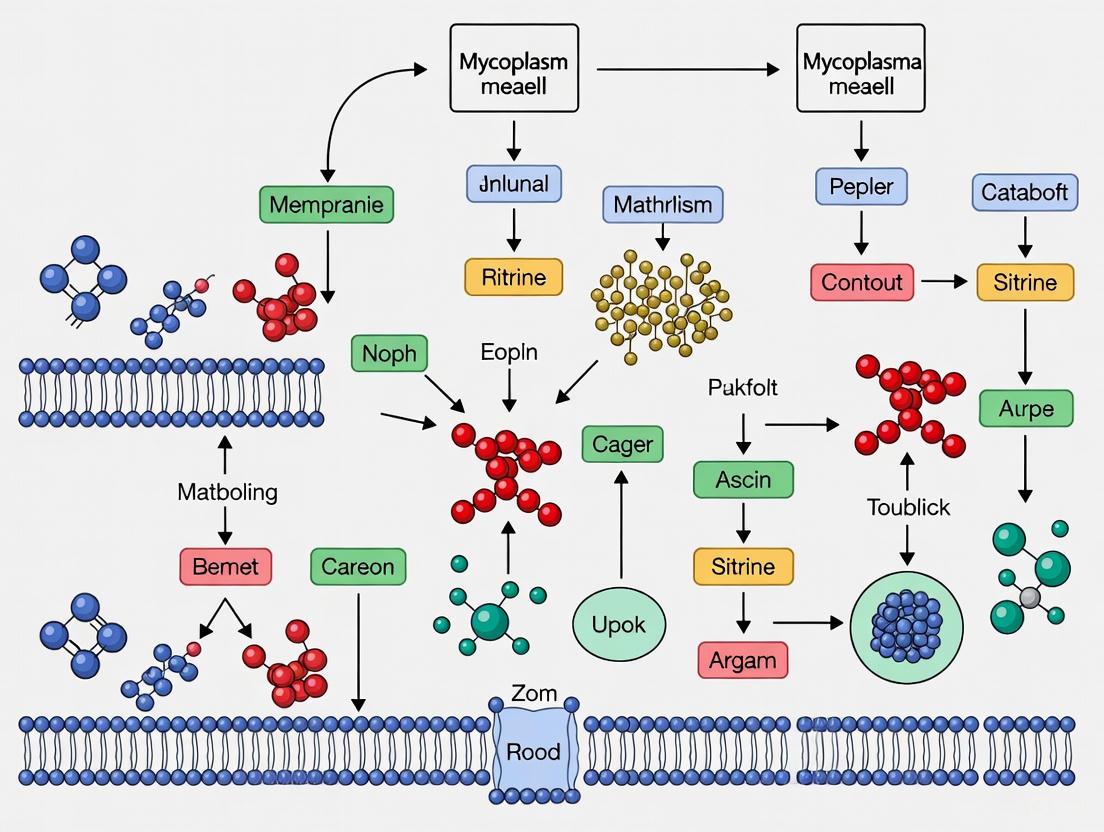
This article provides a comprehensive analysis of how Mycoplasma infection reprograms host cell metabolism, a critical concern for researchers, scientists, and drug development professionals.
Mycoplasma and Cell Metabolism: From Foundational Mechanisms to Therapeutic Applications
Abstract
This article provides a comprehensive analysis of how Mycoplasma infection reprograms host cell metabolism, a critical concern for researchers, scientists, and drug development professionals. We explore the foundational mechanisms by which Mycoplasma, as a nutrient-dependent parasite, induces significant metabolic shifts in host cells, including perturbations in arginine, purine, and energy metabolism. The piece delves into advanced methodological approaches like metabolomics and machine learning for detecting these changes and screening for biomarkers. It further addresses the critical challenge of Mycoplasma contamination in cell cultures, offering troubleshooting and optimization strategies for eradication and prevention. Finally, we examine the validation of these metabolic insights in novel applications, such as engineering Mycoplasma for biofilm disruption, synthesizing key takeaways and future directions for biomedical research.
The Parasitic Strategy: How Mycoplasma Reprograms Host Cell Metabolism
Mycoplasmas are the smallest and simplest self-replicating prokaryotes, characterized by their reduced genomes and lack of a cell wall [1]. This genomic simplification is the result of a reductive evolutionary process, where these organisms have lost many biosynthetic pathways essential for autonomous survival, making them obligate parasites that depend entirely on their host for a wide range of essential nutrients [2] [1]. With genome sizes ranging from less than 600 kb to 1.36 Mb, mycoplasmas lack the genetic capacity to synthesize numerous fundamental building blocks of life, including amino acids, nucleobases, and fatty acids [3] [4]. This metabolic austerity forces them to rely on their host environment for precursors and energy, fundamentally shaping their parasitic lifestyle and their interactions with host cells [2] [4]. The study of these host-pathogen metabolic interactions is crucial for cell metabolism research, as mycoplasma infections can significantly alter cellular pathways and confound experimental results.
Mechanisms of Host Nutrient Acquisition
Adhesion and Colonization
The initial step in mycoplasma pathogenesis involves firm attachment to host cells, which is a prerequisite for accessing host-derived nutrients. Mycoplasma pneumoniae utilizes a specialized terminal organelle, a polar membrane protrusion that orchestrates both cytoadherence to host epithelia and gliding motility [5]. This adhesion machinery comprises four evolutionarily conserved surface proteins: P1 (MPN141), P90/P40, and P30 (MPN453) [5]. These adhesins interact with sialylated oligosaccharides (SOS) on host cell surfaces in a "lock-and-key" pattern, with particularly high affinity for α-2,3-sialyllactose structures [5]. This specific recognition mechanism allows mycoplasmas to establish colonization footholds in nutrient-rich environments.
Beyond dedicated adhesion structures, other mycoplasma species employ various surface proteins to facilitate attachment. Mycoplasma agalactiae utilizes proteins such as P40 and MAG_6130 as adhesins, which bind to eukaryotic cells and extracellular matrix (ECM) components including fibrinogen, fibronectin, and lactoferrin [6]. This interaction with ECM proteins potentially supports host colonization, tissue migration, and nutrient access [6].
Nutrient Scavenging and Utilization
With their limited biosynthetic capabilities, mycoplasmas have evolved efficient mechanisms to scavenge essential nutrients directly from their host environment:
Nucleic Acid Precursors: Mycoplasmas depend on external sources of nucleic acid precursors. Extracellular DNA (eDNA) serves as a crucial nutritional source for Mycoplasma bovis, promoting bacterial proliferation and inducing cytotoxicity through hydrogen peroxide production [7].
Amino Acids and Fatty Acids: Mycoplasmas require an enriched growth media supplemented with fatty acids, amino acids, and cholesterol in laboratory conditions, reflecting their dependencies during infection [8] [4]. They are incapable of synthesizing these macromolecules de novo [4].
Energy Sources: Mycoplasmas are classified as fermentative or non-fermentative based on their ability to process energy sources. They utilize glucose and arginine as primary energy substrates, producing lactate anaerobically or acetate and CO₂ aerobically [8]. Mycoplasma pneumoniae relies exclusively on organic acid fermentation for ATP generation due to the absence of a TCA cycle and functional respiratory chain [4].
Table 1: Essential Nutrient Requirements of Mycoplasmas and Their Host Sources
| Nutrient Category | Specific Requirements | Acquisition from Host |
|---|---|---|
| Nucleic Acid Precursors | Purines, pyrimidines | Scavenged from host cells or extracellular DNA [7] |
| Amino Acids | All essential amino acids | Taken directly from host cellular pools [8] |
| Lipids & Sterols | Fatty acids, cholesterol | Incorporated from host cell membranes [8] [4] |
| Energy Sources | Glucose, arginine | Derived from host metabolic substrates [8] |
| Cofactors & Vitamins | NAD, FAD, folate | Acquired from host cellular metabolism [4] |
Impact on Host Cell Metabolism and Signaling
Metabolic Reprogramming and Nutrient Depletion
Mycoplasma infection significantly impacts host cell metabolism through various mechanisms:
Nutrient Competition: Mycoplasmas compete with host cells for essential nutrients, potentially depleting key metabolites from the host environment. NMR metabolomics reveals clear differences in metabolite composition between mycoplasma biofilm and planktonic states, indicating active consumption of host resources [8].
Biofilm Formation: Mycoplasma biofilms exhibit differing metabolic activities compared to their planktonic counterparts due to physiochemical conditions and physiological characteristics, enhancing their resistance to environmental stresses and host immune responses [8].
Energy Parasitism: Mycoplasma pneumoniae dedicates most of its ATP to cellular homeostasis rather than growth, a reversal of priorities compared to many other bacteria, which may contribute to its persistent parasitic lifestyle [4].
Modulation of Host Cell Signaling Pathways
Mycoplasmas actively manipulate host cell signaling pathways to create a favorable environment for their survival:
Inflammatory Pathway Activation: Mycoplasma membrane lipoproteins (LAMPs) and lipopeptides (e.g., MALP-2) activate host Toll-like receptors (TLRs), particularly TLR2/6, leading to NF-κB activation and subsequent pro-inflammatory cytokine production [2] [1]. This includes increased secretion of TNF-α, IL-6, MIP-1β, and MCP-1 [2].
Transcription Factor Modulation: Mycoplasmas often activate NF-κB inflammatory response while concomitantly inhibiting p53-mediated responses, which normally trigger cell cycle arrest and apoptosis [2] [1]. This dual manipulation may contribute to cellular transformation and cancer-associated pathologies.
Anti-inflammatory Responses: Some mycoplasmas can modulate anti-inflammatory responses via nuclear translocation and activation of Nrf2, inducing cytoprotective factors like heme oxygenase-1 (HO-1) [2]. This creates a balance in inflammatory signaling that may facilitate persistent infection.
The following diagram illustrates the key host signaling pathways modulated by mycoplasma infection:
Methodologies for Studying Mycoplasma-Host Metabolic Interactions
Metabolic Profiling Using Nuclear Magnetic Resonance (NMR) Spectroscopy
Nuclear Magnetic Resonance (NMR) spectroscopy provides a powerful approach for characterizing metabolic changes in mycoplasmas under different growth conditions:
Sample Preparation: Mycoplasma strains are grown in appropriate broth medium (e.g., Eaton's broth) for both planktonic (3-7 days) and biofilm states. Biofilms are acquired using cell scrapers and aliquoted for processing [8].
1D 1H NMR Analysis: Spectra are acquired using a high-field NMR spectrometer (e.g., Bruker Avance III 600 MHz) with pre-saturation of the water signal. Metabolite identification and quantification use specialized software (e.g., Chenomx NMR Suite) [8].
Diffusion Ordered Spectroscopy (DOSY): This technique provides size and structural information about molecules in samples through the application of pulsed field gradients (PFG), enabling discrimination between biofilm and planktonic metabolic profiles [8].
Data Analysis: Principal Component Analysis (PCA) of NMR spectral data enables characterization of metabolic changes distinguishing different growth states and identification of key metabolic differences [8].
Table 2: Key Metabolic Differences Between Planktonic and Biofilm States of Mycoplasma fermentans and M. pneumoniae
| Metabolic Feature | Planktonic State | Biofilm State | Analytical Method |
|---|---|---|---|
| Global Metabolite Profile | Distinct composition | Significantly different composition | 1D 1H NMR + PCA [8] |
| Molecular Mobility | Higher diffusion coefficients | Restricted diffusion | DOSY NMR [8] |
| Environmental Resistance | More susceptible | Enhanced resistance to immune response & antibiotics | Functional assessment [8] |
| Metabolic Activity | Adapted to free-living | Adapted to surface community | NMR metabolomics [8] |
Genetic Approaches for Identifying Virulence Factors
Genetic screening methods help identify mycoplasma genes essential for host interaction and nutrient acquisition:
Transposon Mutagenesis: Generation of transposon knockout mutant libraries enables identification of genes critical for cytotoxicity and metabolic functions. In M. bovis, this approach identified genomic regions essential for H₂O₂ production and eDNA-mediated cytotoxicity [7].
Gene Expression Analysis: Quantitative assessment of host cell gene expression after mycoplasma infection or exposure to specific mycoplasma proteins reveals affected pathways. Studies show upregulation of DNA damage response genes (ATRX, BAX, CDC25A, XPA) in host cells exposed to M. agalactiae proteins [6].
Essentiality Testing: In silico gene essentiality predictions combined with experimental validation identify metabolic pathways indispensable for mycoplasma survival. For M. pneumoniae, this approach achieved 95% prediction accuracy [4].
Flux Balance Analysis and Metabolic Modeling
Constraint-based modeling approaches provide insights into mycoplasma metabolic capabilities:
Model Reconstruction: Construction of genome-scale metabolic models (e.g., iJW145 for M. pneumoniae) integrating genomic, transcriptomic, and proteomic data [4].
Flux Balance Analysis (FBA): Mathematical determination of metabolic fluxes within constraint-based models, optimizing for biomass production or energy generation for a given set of available nutrients [4].
Experimental Validation: Isotopic labeling experiments (e.g., using ¹³C₆-glucose) validate model predictions and assess carbon flux through different metabolic pathways [4].
The following diagram outlines a representative workflow for studying mycoplasma-host metabolic interactions:
The Scientist's Toolkit: Essential Research Reagents and Methods
Table 3: Key Research Reagents and Methods for Studying Mycoplasma-Host Interactions
| Reagent/Method | Specific Example | Research Application | Key References |
|---|---|---|---|
| Specialized Growth Media | Eaton's broth; SP4 medium | Supports fastidious mycoplasma growth with required nutrients | [8] [7] |
| NMR Spectroscopy | 1D 1H NMR; DOSY NMR | Global metabolome analysis; molecular size/structure determination | [8] |
| Cell Culture Models | EBL (bovine lung) cells; HeLa cells; primary stromal cells | Study host-pathogen interactions and cytotoxicity | [6] [7] |
| Genetic Tools | Transposon mutagenesis; gene knockout | Identify essential virulence and metabolic genes | [7] [4] |
| Pathway Analysis | RNA sequencing; PCR arrays | Assess host cell signaling and metabolic pathway alterations | [2] [6] |
| Metabolic Modeling | Flux Balance Analysis (FBA) | Predict metabolic capabilities and gene essentiality | [4] |
| Cytotoxicity Assays | Crystal violet; AlamarBlue | Quantify mycoplasma-induced host cell damage | [6] [7] |
Implications for Experimental Research and Therapeutic Development
The obligate parasitic nature of mycoplasmas and their profound impact on host cell metabolism have significant implications for biomedical research:
Research Model Confounding: Mycoplasma contamination of cell cultures represents a significant source of experimental artifact, as infections can alter host cell metabolism, gene expression, and signaling pathways without obvious signs of contamination [2] [1]. This necessitates rigorous screening for mycoplasma contamination in cell culture systems.
Therapeutic Targeting: Essential nutrient dependencies represent promising therapeutic targets. Disrupting mycoplasma adhesion mechanisms, nutrient import systems, or essential salvage pathways could provide species-specific antibacterial approaches [5] [6].
Antibiotic Resistance Management: The minimal genomes of mycoplasmas render them particularly susceptible to antibiotic pressure, contributing to the rapid development of resistance. Understanding their metabolic dependencies provides alternative approaches to combat resistant strains like macrolide-resistant M. pneumoniae (MRMP) [5].
Vaccine Development: Targeting surface adhesins and nutrient acquisition proteins represents a promising vaccine strategy. For instance, the terminal organelle proteins of M. pneumoniae (P1, P30, P90/P40) are potential candidates for adhesion-blocking vaccines [5] [6].
In conclusion, mycoplasmas exemplify the evolutionary extremes of parasitic adaptation through genomic reduction and metabolic dependence. Their study not only provides insights into minimal cellular requirements for life but also highlights the complex metabolic interplay between pathogens and their hosts. Understanding these relationships is essential for both accurate biological research and the development of novel antimicrobial strategies.
Within the complex landscape of host-pathogen interactions, metabolic reprogramming represents a fundamental mechanism through which infections alter cellular function. Mycoplasma species, as minimalist pathogens, lack many biosynthetic pathways and are thus adept at scavenging nutrients from their host environments, leading to significant disruption of core metabolic processes. This technical review examines how Mycoplasma infections and related research models disrupt two critical metabolic pathways—arginine and purine metabolism—that are essential for cellular homeostasis, immune function, and pathogen persistence. Understanding these disruptions provides crucial insights for therapeutic development against mycoplasmal infections and other pathologies involving metabolic dysregulation.
Arginine Metabolism: Pathways and Disruption
Core Arginine Metabolic Pathways
Arginine serves as a metabolic precursor for a diverse range of biologically critical compounds through multiple enzymatic pathways. The metabolism of arginine is primarily governed by five enzyme systems that direct its conversion into various products with distinct biological functions [9].
The nitric oxide synthase (NOS) pathway converts arginine to nitric oxide (NO) and citrulline. NO functions as a vital signaling molecule in vascular regulation, neural transmission, and antimicrobial defense [10] [9]. The arginase pathway represents the second major route, hydrolyzing arginine to ornithine and urea. Ornithine subsequently serves as precursor for polyamine synthesis (via ornithine decarboxylase) and proline production, both critical for cell proliferation and collagen synthesis [10] [9]. Mammals express two arginase isoforms: arginase I (cytosolic) and arginase II (mitochondrial), products of distinct genes with differential regulation across tissues and cell types [9].
Additional metabolic fates include conversion to creatine (via L-arginine:glycine amidinotransferase), incorporation into proteins, and charging of tRNAArg for protein degradation targeting via the N-end rule pathway [9]. The complexity of arginine metabolism is further enhanced by the compartmentalization of enzymes, competition for substrates, and cell-specific expression patterns of metabolic enzymes.
Table 1: Major Arginine Metabolic Pathways and Functional Outputs
| Metabolic Pathway | Key Enzymes | Primary Products | Biological Functions |
|---|---|---|---|
| Nitric Oxide Synthesis | NOS isoforms (eNOS, iNOS, nNOS) | Nitric Oxide, Citrulline | Vasodilation, neurotransmission, antimicrobial defense |
| Arginase | Arginase I, II | Ornithine, Urea | Polyamine synthesis, proline production, urea excretion |
| Polyamine Synthesis | Ornithine Decarboxylase | Putrescine, Spermidine, Spermine | Cell proliferation, growth, gene expression regulation |
| Creatine Synthesis | GATM, GAMT | Creatine, Ornithine | Cellular energy storage and transfer |
| Protein Incorporation | tRNA synthetases | Proteins | Structural and enzymatic functions |
Mechanisms of Arginine Metabolic Disruption
Infection and inflammation significantly reprogram arginine metabolism, particularly in immune cells. Myeloid cells, including macrophages, demonstrate remarkable metabolic flexibility in their arginine utilization, shifting between different pathways based on environmental cues [10]. During bacterial infection or following lipopolysaccharide (LPS) stimulation, macrophages upregulate inducible nitric oxide synthase (iNOS), shunting arginine toward NO production for antimicrobial activity [10]. This inflammatory activation also induces expression of cationic amino acid transporters (CAT-1 and CAT-2B), particularly CAT-2B with its high affinity for arginine, to increase substrate availability [10].
The competition between enzymatic pathways for arginine pools creates critical regulatory nodes. The Km and Vmax values for NOS and arginases allow arginases to effectively compete with NOS for available arginine under physiological conditions [9]. This competition becomes particularly significant in disease states where arginase expression is elevated, potentially limiting NO production and driving alternative metabolic fates. In vascular smooth muscle cells, for instance, elevated arginase expression enhances polyamine and proline synthesis, promoting cell proliferation and collagen deposition—processes relevant to vascular hyperplasia and stiffness [9].
In macrophage polarization states, classical activation (M1) with LPS and IFNγ strongly induces iNOS expression, while alternative activation (M2) with IL-4 and IL-13 upregulates ARG1 [10]. This divergence creates functionally distinct arginine metabolic programs: M1 macrophages produce NO for microbial killing, while M2 macrophages generate ornithine derivatives for tissue repair and polyamine synthesis. The dynamic balance between these pathways shapes immune responses and tissue outcomes in infection and inflammation.
Diagram 1: Arginine metabolic reprogramming in macrophage polarization. M1 activation promotes iNOS-mediated NO production for microbial killing, while M2 activation upregulates ARG1 driving ornithine conversion to polyamines and proline for tissue repair.
Research Models and Mycoplasma Connections
Research into arginine metabolism disruptions has leveraged various experimental models. LPS-induced inflammation models demonstrate how acute immune activation reprograms arginine metabolism. In endothelial cells, LPS alone or in combination with TNFα induces arginase expression [9], creating competition for arginine pools that may limit NO production and contribute to vascular dysfunction.
In the context of mycoplasma research, while direct studies of arginine metabolism are limited in the available literature, mycoplasmas are known to lack de novo arginine synthesis pathways and thus depend on host arginine pools. Mycoplasma infections potentially exacerbate arginine depletion through multiple mechanisms, including direct consumption and induction of host arginine-catabolizing enzymes. This arginine auxotrophy mirrors patterns observed in cancer metabolism, where certain tumors display arginine auxotrophy and upregulation of arginine transporters to sustain proliferation [11].
The consequences of arginine depletion extend beyond substrate limitation to include secondary effects on protein expression. Reduced arginine availability can increase expression of the cationic amino acid transporter CAT-1 while decreasing expression of iNOS [9], creating a complex feedback system that further modifies the metabolic and immune landscape during infection.
Purine Metabolism: Pathways and Disruption
Core Purine Biosynthetic Pathways
Purine metabolism encompasses both de novo synthesis and salvage pathways that maintain cellular purine nucleotide pools essential for DNA/RNA synthesis, energy transfer, and signaling processes. The de novo purine biosynthetic pathway is a highly conserved, energy-intensive process that generates inosine 5'-monophosphate (IMP) from phosphoribosyl pyrophosphate (PRPP) through ten enzymatic steps [12].
This pathway requires substantial resource investment: for each IMP molecule synthesized, the cell consumes five ATP molecules, two glutamine molecules, two formate molecules, one glycine molecule, one aspartate molecule, and one CO₂ molecule [12]. The de novo pathway is organized through a multi-enzyme complex termed the "purinosome," which forms under conditions of high purine demand to enhance metabolic flux through substrate channeling and intermediate stabilization [12].
The salvage pathway recycles purine bases (hypoxanthine, guanine, adenine) from nucleic acid degradation or extracellular sources, converting them back to nucleotides using PRPP. Hypoxanthine-guanine phosphoribosyltransferase (HPRT) converts hypoxanthine and guanine to IMP and GMP, respectively, while adenine phosphoribosyltransferase (APRT) salvages adenine to AMP [12]. Under normal physiological conditions, the salvage pathway maintains most of the cellular purine pool, but the de novo pathway becomes critical when cellular demand exceeds salvage capacity [12].
Table 2: Key Enzymes in De Novo Purine Biosynthesis
| Step | Enzyme | Abbreviation | Function | Key Cofactors/Substrates |
|---|---|---|---|---|
| 1 | PRPP amidotransferase | PPAT | Converts PRPP to PRA | Glutamine, ATP (inhibited by AMP, GMP) |
| 2, 3, 5 | Trifunctional GART | GART | Converts PRA to AIR | Glycine, Formyl-THF |
| 4 | Phosphoribosyl formylglycinamidine synthase | FGAMS | Converts FGAR to FGAM | Glutamine, ATP |
| 6, 7 | Bifunctional PAICS | PAICS | Converts AIR to SAICAR | CO₂, Aspartate, ATP |
| 8 | Adenylosuccinate lyase | ADSL | Converts SAICAR to AICAR | - |
| 9, 10 | Bifunctional ATIC | ATIC | Converts AICAR to IMP | Formyl-THF |
Purine Metabolism in Infection and Antibiotic Resistance
Purine metabolism plays a crucial role in bacterial pathogenesis and antibiotic responses. Recent research has revealed that modulation of purine metabolism represents a common, clinically relevant contributor to antibiotic tolerance, persistence, and resistance [13]. The relationship between cellular ATP levels and antibiotic efficacy is particularly significant, as bactericidal antibiotics often target active metabolic processes and induce cell death by accelerating respiration [13].
Multiple studies have demonstrated an inverse correlation between cellular ATP levels and bacterial survival during antibiotic exposure. In Escherichia coli and Staphylococcus aureus, inhibition of ATP synthesis promotes persister formation and enhances antibiotic survival, while increasing ATP levels by glucose supplementation accelerates killing [13]. This relationship has clinical relevance, as isolates from persistent S. aureus bacteremia demonstrate lower ATP levels and higher antibiotic survival compared to isolates from resolving infections [13].
The molecular mechanisms linking purine metabolism to antibiotic efficacy involve several pathways. Mutations in purine synthesis enzymes, including Prs (PRPP synthetase), PurR (purine regulon repressor), and PurF (first enzyme in de novo pathway), can confer antibiotic tolerance and persistence phenotypes [13]. Additionally, purine-derived signaling molecules, particularly the "alarmones" (p)ppGpp that mediate the stringent response, play key roles in regulating purine metabolism and promoting antibiotic tolerance under stress conditions [13].
Diagram 2: Purine metabolism regulation of antibiotic efficacy. Antibiotic exposure induces changes in purine metabolism through mutations in purine enzymes or activation of the stringent response, altering ATP levels and cellular respiration, ultimately promoting tolerance and persistence.
Research Models and Neuroinflammatory Connections
Multi-omics approaches have revealed significant purine metabolism disturbances in neuroinflammatory conditions. In a pioneering LPS-induced depression model, integrated proteomic, metabolomic, and PCR microarray analysis identified purine metabolism as one of the most significantly altered molecular pathways in the hippocampus [14]. This study detected 81 differential proteins, 44 differential metabolites, and 4 differential mRNAs in LPS-treated mice compared to controls, with integrated analysis revealing coordinated disruption of purine and glutamate metabolic pathways [14].
The experimental timeline for such neuroinflammatory studies typically involves LPS administration followed by behavioral testing within 24-28 hours to assess the acute phase of neuroinflammation, with sucrose preference tests measuring anhedonia, forced swim tests assessing depressive-like behavior, and open field tests evaluating locomotor activity and anxiety-like behaviors [14]. These behavioral assessments correlate with molecular changes identified through multi-omics approaches, providing integrated behavioral and metabolic profiling.
In the context of mycoplasma research, while direct purine metabolism studies are limited in the available literature, mycoplasmas depend on host purine sources due to their limited biosynthetic capabilities. This dependence likely contributes to purine pathway disruptions during infection, potentially mirroring patterns observed in other infectious and inflammatory models where purine metabolism reprogramming influences disease outcomes and treatment efficacy.
Methodologies for Metabolic Disruption Analysis
Multi-Omics Integration Approaches
Comprehensive analysis of metabolic disruptions requires integrated multi-omics approaches that capture molecular changes across multiple layers. A representative methodology for studying inflammation-induced metabolic alterations involves several coordinated techniques [14]:
Proteomic profiling using two-dimensional gel electrophoresis (2-DE) separates complex protein mixtures by isoelectric point and molecular weight, enabling identification of differential protein expression. In LPS-induced depression models, this approach has identified 81 differentially expressed hippocampal proteins [14].
Metabolomic analysis employing liquid chromatography-mass spectrometry (LC-MS) provides quantitative profiling of small molecule metabolites, revealing pathway alterations. This technique identified 44 differential metabolites in the hippocampus of LPS-treated mice, with purine and glutamate metabolites prominently represented [14].
Transcriptomic profiling using real-time PCR microarrays measures gene expression changes of targeted pathways, complementing proteomic and metabolomic data. In neuroinflammatory models, this approach detected 4 differential mRNAs that integrated with protein and metabolite changes [14].
Data integration across these platforms enables construction of compound-reaction-enzyme-gene regulatory networks that provide systems-level insights into metabolic pathway disruptions. This integrated multi-omics strategy represents a powerful approach for elucidating complex metabolic reprogramming in infection and inflammation.
Diagram 3: Multi-omics experimental workflow for metabolic disruption analysis. LPS-induced inflammation models coupled with proteomic, metabolomic, and transcriptomic profiling enable integrated analysis of pathway disruptions through network construction.
The Scientist's Toolkit: Essential Research Reagents
Table 3: Key Research Reagents for Metabolic Pathway Analysis
| Reagent/Category | Specific Examples | Research Applications | Key Functions |
|---|---|---|---|
| Inducers & Inhibitors | Lipopolysaccharide (LPS), Interleukin-4 (IL-4), Interferon-γ (IFNγ) | Immune cell polarization, inflammation models | Induce specific metabolic programs (iNOS vs ARG1) |
| Enzyme Inhibitors | Nor-NOHA, BEC (arginase inhibitors); L-NAME (NOS inhibitor) | Pathway perturbation studies | Dissect specific enzyme contributions to metabolism |
| Metabolic Analytes | AICAR, SAICAR, IMP, ATP, NAD+ | Metabolomic profiling, signaling studies | Measure pathway intermediates, energy status, cofactors |
| Antibodies & Detection | Anti-ARG1, Anti-iNOS, Anti-CAT-2B antibodies | Protein expression analysis | Quantify metabolic enzyme expression across conditions |
| Molecular Tools | PCR arrays (purine/arginine pathway genes), siRNA/shRNA | Gene expression analysis, knockdown studies | Measure transcript levels, validate gene functions |
| Animal Models | LPS-induced inflammation, Slc7a2−/− (CAT-2B knockout) mice | In vivo pathway validation | Study metabolic disruptions in physiological contexts |
Implications for Mycoplasma Research and Therapeutic Development
The metabolic disruptions in arginine and purine pathways observed across various disease models have significant implications for mycoplasma research. Mycoplasmas, with their reduced genomes and limited biosynthetic capabilities, are highly dependent on host metabolic pathways, making them particularly likely to induce the types of disruptions documented in other systems.
In arginine metabolism, mycoplasmas may compete with host cells for arginine pools or induce host arginine-catabolizing enzymes, potentially creating localized arginine depletion that alters immune function and tissue homeostasis. Similarly, mycoplasma dependence on host purines likely drives purine metabolic reprogramming with consequences for host cell function and antibiotic susceptibility.
The experimental approaches detailed in this review—including multi-omics integration, targeted metabolic profiling, and pathway-specific reagent use—provide robust methodologies for investigating mycoplasma-induced metabolic disruptions. These approaches can identify potential therapeutic targets, such as critical nodes in arginine or purine metabolism whose modulation might ameliorate infection outcomes.
Furthermore, the documented connections between purine metabolism and antibiotic efficacy [13] suggest that understanding mycoplasma-induced purine disruptions could inform more effective treatment strategies, potentially identifying adjuvant approaches that counter metabolic adaptations contributing to antibiotic tolerance. Similarly, targeting arginine metabolic pathways might modulate immune responses to favor mycoplasma clearance.
As research continues to elucidate the specific metabolic interactions between mycoplasmas and their hosts, the frameworks and methodologies outlined here will facilitate deeper understanding of these minimalist pathogens and their disproportionate impact on host metabolism.
Induction of Oxidative Stress and Genotoxic Damage
Induction of Oxidative Stress and Genotoxic Damage represents a significant challenge in biomedical research, particularly when investigating the effects of microbial pathogens on host cellular functions. The study of Mycoplasma infection provides a compelling model for understanding how bacterial pathogens disrupt core metabolic processes and genomic integrity. These minimal, cell wall-deficient bacteria have evolved sophisticated mechanisms to interact with host cells, leading to profound metabolic alterations that extend to oxidative stress and DNA damage pathways. Within the context of cell metabolism research, understanding these interactions is paramount, as sustained oxidative stress not only compromises cellular function but also creates a permissive environment for accumulating genetic alterations that can drive disease pathogenesis. This technical guide synthesizes current evidence on the molecular mechanisms through which Mycoplasma infections induce these deleterious effects, providing researchers with methodologies and conceptual frameworks for investigating this critical intersection of microbiology, metabolism, and genetics.
Quantitative Evidence of Mycoplasma-Induced Cellular Damage
Research demonstrates that Mycoplasma infection directly induces measurable oxidative stress and DNA damage in host cells. Studies using dopaminergic neuronal cells (BE-M17) as a model system have provided quantifiable data on these effects [15] [16].
Table 1: Mycoplasma-Induced Oxidative Stress and DNA Damage Parameters
| Parameter Measured | Experimental Finding | Significance |
|---|---|---|
| DNA Strand Breaks/Alkali-Labile Sites (SB/ALS) | 1.5-fold increase in infected vs. uninfected cells [15] | Indicates direct DNA damage |
| Oxidised Purines | Markedly increased levels in infected cells [15] | Reflects oxidative damage to DNA bases |
| Reactive Oxygen Species (ROS) | Increased generation and/or attenuated cellular antioxidant capacity [15] | Source of oxidative stress |
| Antioxidant Defenses | Reduced catalase, SOD, GSH-Px activity, and GSH content [17] | Compromised cellular protection against oxidation |
| Lipid Peroxidation | Increased MDA content [17] | Marker of oxidative damage to cellular membranes |
The metabolic consequences of infection extend beyond direct oxidative damage to fundamental energy production pathways. In chicken lungs infected with Mycoplasma gallisepticum, significant disruptions to energy metabolism enzymes were observed [17].
Table 2: Effect on Energy Metabolism Enzymes in Mycoplasma-Infected Tissues
| Enzyme | Function in Metabolism | Change Post-Infection |
|---|---|---|
| Hexokinase (HK1, HK2) | Glucose phosphorylation | Significant reduction [17] |
| Phosphofructokinase (PFK) | Glycolytic regulation | Significant reduction [17] |
| Aconitase-2 (ACO2) | TCA cycle function | Significant reduction [17] |
| Pyruvate Kinase (PK) | ATP generation in glycolysis | Significant reduction [17] |
| Succinate Dehydrogenase (SHDB) | Mitochondrial electron transport | Significant reduction [17] |
| ATPase | ATP hydrolysis for cellular work | Reduced activity [17] |
Mechanisms of Mycoplasma-Induced Oxidative Stress and Genotoxicity
Adhesion and Initial Host-Pathogen Interaction
The pathogenic mechanism of Mycoplasma begins with firm adhesion to host epithelial cells through a specialized polarized terminal attachment organelle [18]. This structure contains key proteins including P1 adhesin, P30, P40, and P90 that mediate binding to sialylated and sulfated oligosaccharides on host cell surfaces [18]. The type and density of these host receptors significantly influence infection outcomes [18]. This initial attachment triggers cytoskeletal rearrangements in host cells and alterations in intracellular metabolism, including inhibited uptake of orotic acid and amino acids with concomitant suppression of RNA and protein synthesis [18].
Generation of Oxidative Stress
Once attached, Mycoplasma induces oxidative stress within respiratory tract epithelial cells through multiple mechanisms. The bacteria adhere to host cells and release hydrogen peroxide and superoxide radicals [18]. A critical factor exacerbating this oxidative burden is the bacterial absence of superoxide dismutase and catalase [18], which allows Mycoplasma to hinder host cell catalase activity, resulting in reduced breakdown of peroxides and accumulation of reactive oxygen species [18]. This oxidative stress enhances host cell vulnerability to oxygen-induced damage, creating a self-perpetuating cycle of cellular injury.
Figure 1: Mechanism of Mycoplasma-Induced Oxidative Stress and Genotoxic Damage. This diagram illustrates the pathway from initial bacterial adhesion to genomic instability, highlighting key molecular events.
DNA Damage and Repair Attenuation
The oxidative stress induced by Mycoplasma infection directly translates to genomic instability through several demonstrated mechanisms. Infected cells show markedly increased levels of DNA strand breaks/alkali-labile sites (SB/ALS) and oxidised purines compared to uninfected cells [15]. Perhaps more significantly, Mycoplasma infection attenuates the cell's ability to repair this damage by decreasing base excision repair (BER) efficiency [15] [16]. While uninfected cells completely repair oxidised purines within 24 hours after H₂O₂ challenge, infected cells fail to fully repair these lesions even after 30 hours [15] [16]. This combination of increased DNA damage and compromised repair capacity creates a perfect storm for the accumulation of genetic alterations.
Research Methodologies for Detection and Analysis
Detecting Mycoplasma Contamination
Before investigating mycoplasma-induced effects, researchers must first confirm contamination status. PCR-based methods represent the most popular and definitive approach for detecting mycoplasma contamination [15]. The protocol involves:
- Collecting 4 mL of cell culture medium from suspected infected cells
- Using specific primers that produce a band at 500 bp when mycoplasma is present
- Comparing band intensities with positive controls (e.g., HepG1 DNA) to determine infection levels [15]
During single cell gel electrophoresis (comet assay), mycoplasma infection can be visualized as small, PI-stained DNA-containing particles in the gel background surrounding comets, which are absent in uninfected cells [15].
Assessing DNA Damage and Repair Kinetics
The alkaline and enzyme-modified comet assays provide robust methodologies for quantifying DNA damage and repair capacity in mycoplasma-infected cells [15]:
Table 3: Comet Assay Protocol for Detecting DNA Damage
| Step | Procedure | Purpose |
|---|---|---|
| Cell Preparation | Trypsinize, centrifuge (7000 x g for 5 min), resuspend in PBS [15] | Single cell suspension |
| Embedding | Mix with 0.6% low melting agarose, solidify on chilled slides [15] | Immobilize cells for analysis |
| Lysis | Incubate in lysis buffer (100 mM Na₂EDTA, 2.5 M NaCl, 10 mM Tris-HCl, pH 10) with 1% triton X at 4°C overnight [15] | Remove cellular proteins/membranes |
| Enzyme Treatment | Incubate with hOGG1 (3.2 U/mL) in ERB for 1h at 37°C [15] | Detect specific DNA lesions (oxidized purines) |
| Electrophoresis | Alkaline conditions (300 mM NaOH, 1 mM Na₂EDTA, pH ≥13), 1.19 V/cm for 20 min [15] | Separate damaged DNA |
| Analysis | Stain with propidium iodide (2.5 μg/mL), image with Comet IV software [15] | Quantify DNA damage |
For comprehensive genotoxicity assessment, high-content, high-throughput image-based in vitro micronucleus (IVM) assays have been developed that simultaneously detect micronuclei, cytotoxicity, cell-cycle profiles, γH2AX foci (DNA damage marker), and kinetochore labeling (aneugenicity) [19]. This multiplexed approach enables complex genotoxicity safety assessments with improved efficiency.
Advanced Techniques for Studying DNA Damage Responses
TurboID-based proximity labeling represents an advanced method for capturing protein-protein interactions within native cellular environments during DNA damage response [20]. The protocol involves:
- Fusing proliferating cell nuclear antigen (PCNA) to TurboID and generating stable cell lines via lentiviral transduction
- Cell synchronization and DNA damage induction (e.g., with H₂O₂)
- Proximity labeling with biotin, followed by fractionation and affinity purification
- Mass spectrometry to identify biotinylated proteins interacting with PCNA during DNA damage response [20]
This approach preserves transient and context-specific interactions that might be disrupted by conventional co-immunoprecipitation methods.
Figure 2: Experimental Workflow for Studying Mycoplasma-Induced Damage. This diagram outlines the sequential methodology for comprehensive investigation of mycoplasma effects on cellular health.
The Scientist's Toolkit: Essential Research Reagents and Solutions
Table 4: Key Research Reagents for Studying Mycoplasma-Induced Oxidative Stress and Genotoxicity
| Reagent/Assay | Specific Example | Research Application |
|---|---|---|
| Cell Lines | BE-M17 dopaminergic neuroblastoma cells [15] | In vitro model for studying mycoplasma-induced DNA damage and repair |
| Detection Methods | PCR with specific mycoplasma primers [15] | Confirm contamination status before experiments |
| DNA Damage Assays | Alkaline comet assay [15] | Detect DNA strand breaks and alkali-labile sites |
| Oxidative DNA Lesion Detection | Enzyme-modified comet assay with hOGG1 [15] | Specifically detect oxidized purines |
| Genotoxicity Screening | High-content in vitro micronucleus assay [19] | Multiplexed assessment of micronuclei, γH2AX foci, and kinetochores |
| DNA Repair Studies | TurboID-PCNA proximity labeling [20] | Capture protein interactions at DNA replication/repair sites |
| Metabolomic Analysis | UPLC-MS/MS with Hypesil Gold column [21] | Comprehensive profiling of metabolic alterations |
| Oxidative Stress Markers | MDA, CAT, SOD, GSH-Px assays [17] | Quantify lipid peroxidation and antioxidant capacity |
Mycoplasma infection represents a significant confounding variable in cell metabolism research that can profoundly impact experimental outcomes through its effects on oxidative stress and genomic integrity. The mechanisms involve direct bacterial production of reactive oxygen species, disruption of host antioxidant defenses, induction of DNA damage, and attenuation of DNA repair capacity—particularly the base excision repair pathway. These effects have practical implications for experimental design and interpretation across diverse research domains. Researchers working with cell cultures should implement regular mycoplasma screening using PCR-based methods and consider the potential impact of subclinical infections on metabolic and genotoxicity endpoints. The methodologies outlined in this guide—from basic comet assays to advanced proximity labeling techniques—provide robust tools for investigating these phenomena. As research advances, further elucidation of the precise molecular mechanisms connecting mycoplasma-induced oxidative stress to genotoxic damage will undoubtedly reveal new insights into host-pathogen interactions and their broader implications for cellular metabolism and genomic stability.
Activation of Host Inflammatory Signaling (NF-κB) and Inhibition of Tumor Suppressors (p53)
Mycoplasma contamination represents a critical, yet often overlooked, confounder in cell metabolism research. These diminutive bacteria systematically manipulate host cell signaling pathways, particularly through concurrent activation of NF-κB-driven inflammatory responses and inhibition of p53 tumor suppressor activity. This orchestrated reprogramming creates a cellular environment that fundamentally alters metabolic processes, gene expression profiles, and phenotypic stability. This technical review delineates the molecular mechanisms underlying this pathogenic subversion, provides validated experimental methodologies for its detection, and offers a framework for interpreting metabolic data within the context of potential mycoplasmal interference. Recognizing this relationship is paramount for ensuring data integrity and experimental reproducibility in cell-based research and drug development.
Mycoplasmas are the smallest self-replicating organisms, characterized by their minimal genomes and lack of a cell wall. Their obligatory parasitic nature forces a deep metabolic dependence on the host, necessitating sophisticated mechanisms to hijack cellular processes [2]. It is estimated that over 10% of all cell cultures are contaminated with mycoplasma, often without causing turbidity in the medium, making it a "silent" threat [22]. Common contaminating species include M. arginini, M. fermentans, M. hominis, M. hyorhinis, M. orale, and Acholeplasma laidlawii [2]. The profound impact of mycoplasma on host cell signaling, specifically the coordinated activation of NF-κB and suppression of p53, can directly compromise studies investigating metabolic pathways, inflammatory responses, and oncogenic transformation, leading to erroneous conclusions and costly experimental dead ends.
Core Signaling Pathways Targeted by Mycoplasma
The NF-κB Signaling Pathway
Nuclear Factor-kappa B (NF-κB) is a family of transcription factors that act as master regulators of immunity, inflammation, and cell survival. The mammalian NF-κB family includes five members: RelA (p65), RelB, c-Rel, NF-κB1 (p105/p50), and NF-κB2 (p100/p52) [23]. These proteins function as various homo- and heterodimers. The canonical NF-κB pathway is typically activated by microbial products and cytokines, leading to the activation of the IκB kinase (IKK) complex, composed of IKKα, IKKβ, and the regulatory subunit NEMO (IKKγ) [24] [25].
- Mechanism of Activation: In unstimulated cells, NF-κB dimers (most commonly the p50-RelA heterodimer) are sequestered in the cytoplasm by inhibitory proteins of the IκB family. Upon cellular stimulation, the IKK complex phosphorylates IκBα, targeting it for ubiquitination and proteasomal degradation. This liberates the NF-κB dimer, allowing its translocation to the nucleus where it binds κB enhancer elements and induces the transcription of a vast array of pro-inflammatory genes [25] [23].
- Mycoplasmal Activation: Mycoplasmas activate NF-κB primarily through their membrane-associated lipoproteins (LAMPs) and lipopeptides (e.g., MALP-2 from M. fermentans). These pathogen-associated molecular patterns (PAMPs) are recognized by Toll-like receptors (TLRs), particularly TLR2/6 heterodimers, on the host cell surface [2]. This receptor engagement initiates a downstream signaling cascade that converges on the IKK complex, triggering the canonical NF-κB activation pathway.
The p53 Tumor Suppressor Pathway
The p53 protein is a critical tumor suppressor, often dubbed the "guardian of the genome." It functions primarily as a transcription factor that is activated in response to diverse cellular stresses, including DNA damage, oncogene activation, and hypoxia [26]. Its activation can lead to cell-cycle arrest, senescence, or apoptosis, thereby preventing the propagation of damaged cells.
- Mechanism of Activation: Under normal conditions, p53 levels and activity are kept low through its continuous ubiquitination and degradation by the E3 ubiquitin ligase MDM2. A key event in p53 activation is the disruption of this p53-MDM2 interaction. For instance, DNA damage triggers kinases like ATM and ATR to phosphorylate p53, preventing MDM2 binding and leading to p53 stabilization. The stabilized p53 protein then accumulates, binds to specific DNA sequences, and transactivates target genes like the cyclin-dependent kinase inhibitor
p21Waf1/Cip1[26]. - Mycoplasmal Inhibition: Mycoplasmas have developed strategies to inhibit the p53-mediated stress response. This inhibition is a multi-faceted process that facilitates the long-term survival of the pathogen within the host cell.
Integrated Crosstalk and Mycoplasmal Manipulation
NF-κB and p53 engage in extensive crosstalk, and mycoplasmas exploit this interaction to rewire the host cell. The two transcription factors can act as functional antagonists; while NF-κB promotes cell survival and proliferation, p53 often induces growth arrest and apoptosis [27] [28]. Mycoplasmas tilt this balance in favor of their own survival by concurrently activating NF-κB and inhibiting p53.
The following diagram illustrates the core signaling pathways and how mycoplasma infection disrupts their balance:
Diagram 1: Mycoplasma-Induced Crosstalk between NF-κB and p53 Pathways. Mycoplasma lipoproteins activate NF-κB via TLR receptors, leading to pro-inflammatory gene expression. Concurrently, mycoplasma infection promotes p53 inhibition through multiple mechanisms, including competition for coactivators (p300/CBP) and MDM2-mediated regulation. This signaling imbalance suppresses apoptosis and favors a pro-survival state beneficial to the pathogen.
Quantitative Data on Mycoplasma-Induced Signaling Effects
The impact of mycoplasma contamination on host cell signaling can be quantified through various molecular readouts. The tables below summarize key experimental observations and the specific mycoplasma factors involved.
Table 1: Quantitative Effects of Mycoplasma Contamination on Host Cell Signaling
| Signaling Pathway / Readout | Observed Effect | Reported Magnitude of Change | Cellular Consequence |
|---|---|---|---|
| NF-κB Activation | Nuclear translocation & DNA binding | Significant increase (e.g., >5-fold in EMSA) [2] | Chronic inflammation; cytokine storm |
| Pro-inflammatory Cytokines | Transcriptional upregulation | Strong induction of TNF-α, IL-6, IL-1β, MIP-1β [2] | Altered tissue microenvironment |
| p53 Protein Level/Activity | Stabilization & transactivation inhibited | Significant decrease in p53 target gene expression (e.g., p21) [2] | Loss of cell cycle checkpoints |
| Apoptosis | Inhibition of p53-mediated apoptosis | Enhanced cell survival in stress conditions [24] | Increased genomic instability |
| Reactive Oxygen Species (ROS) | Increased generation | Elevated oxidative stress [2] | DNA damage; activation of stress kinases |
Table 2: Mycoplasma-Derived Molecular Patterns and Their Targets
| Mycoplasma Factor | Source Species | Host Target (Receptor) | Primary Signaling Outcome |
|---|---|---|---|
| LAMPs (Lipid-Associated Membrane Proteins) | M. pneumoniae, M. genitalium | TLR2/1, TLR2/6 | NF-κB activation; pro-inflammatory gene expression [2] |
| MALP-2 (Macrophage-Activating Lipopeptide-2) | M. fermentans | TLR2/6 | NF-κB activation; induction of HO-1 via Nrf2 [2] |
| Unidentified Soluble Factors | Multiple species | p53-MDM2 interaction | Inhibition of p53 transcriptional activity [2] |
Detailed Experimental Protocols for Detection and Validation
To ensure the integrity of cell metabolism research, it is crucial to implement rigorous protocols for detecting mycoplasma contamination and validating its impact on signaling pathways.
Protocol 1: Detection of Mycoplasma Contamination
Principle: Leverage PCR-based methods for high sensitivity and specificity in identifying mycoplasma-specific DNA sequences, surpassing the limitations of traditional culture methods [29].
Methodology:
- Sample Collection: Collect 200 µL of cell culture supernatant from a test culture grown without antibiotics for at least 3 days.
- DNA Extraction: Use a commercial DNA extraction kit to isolate total nucleic acids. Include a positive control (e.g., DNA from a known mycoplasma species) and a negative control (nuclease-free water).
- PCR Amplification:
- Primers: Use universal primers targeting the 16S rRNA gene of Mycoplasmataceae. Example: Forward 5'-TGCACCATCTGTCACTCTGTTAACCTC-3', Reverse 5'-GGCATCCACCAAAAACTCC-3'.
- Reaction Mix: 25 µL total volume: 2.5 µL 10X PCR buffer, 1.5 µL MgCl₂ (25 mM), 0.5 µL dNTPs (10 mM), 0.5 µL each primer (10 µM), 0.2 µL Taq polymerase (5 U/µL), 2 µL template DNA, 17.3 µL nuclease-free water.
- Cycling Conditions: Initial denaturation: 95°C for 5 min; 35 cycles of: 95°C for 30s, 55°C for 30s, 72°C for 1 min; final extension: 72°C for 7 min.
- Analysis: Resolve PCR products on a 1.5% agarose gel. A band of the expected size (~500 bp) indicates contamination.
Troubleshooting: For quantitative results, implement a qPCR assay with a TaqMan probe, which can detect less than 10 colony-forming units (CFU) and provides results in under 24 hours [29].
Protocol 2: Validating NF-κB Pathway Activation
Principle: Monitor the degradation of IκBα and the nuclear translocation of RelA (p65) as definitive markers of canonical NF-κB activation.
Methodology:
- Cell Stimulation: Infect cells with a defined mycoplasma species (e.g., M. fermentans) or treat with purified MALP-2 (e.g., 10-100 ng/mL) for time points ranging from 15 minutes to 2 hours. Include a positive control (e.g., TNF-α at 20 ng/mL for 15 min) and an uninfected control.
- Western Blot Analysis for IκBα:
- Cell Lysis: Lyse cells in RIPA buffer containing protease and phosphatase inhibitors.
- Electrophoresis & Transfer: Separate 20-30 µg of total protein on a 4-12% Bis-Tris gel and transfer to a PVDF membrane.
- Immunoblotting: Probe the membrane with anti-IκBα antibody (e.g., Santa Cruz Biotechnology, sc-1643) and an anti-β-actin loading control. A rapid decrease in IκBα protein levels post-infection indicates pathway activation.
- Immunofluorescence for RelA Localization:
- Fixation & Staining: Culture cells on glass coverslips. After infection/treatment, fix with 4% paraformaldehyde, permeabilize with 0.1% Triton X-100, and stain with anti-RelA antibody (e.g., Santa Cruz Biotechnology, sc-8008) followed by a fluorescent secondary antibody. Counterstain nuclei with DAPI.
- Imaging: Visualize using a fluorescence microscope. A shift from diffuse cytoplasmic staining to bright, punctate nuclear staining indicates NF-κB activation.
Protocol 3: Assessing p53 Pathway Inhibition
Principle: Evaluate the functional output of the p53 pathway by measuring the expression of its key target genes and the interaction between p53 and its negative regulator, MDM2.
Methodology:
- Cell Stimulation & Lysis: Infect cells with mycoplasma. To assess p53 functionality, include a set of cells treated with a DNA-damaging agent like 1 µM Doxorubicin for 24 hours to serve as a positive control for p53 activation.
- qRT-PCR for p53 Target Genes:
- RNA Extraction: Isolate total RNA using a commercial kit. Synthesize cDNA.
- qPCR: Perform qPCR using primers for
p21Waf1/Cip1andPUMA. UseGAPDHorHPRTas a housekeeping gene. A blunted induction of these genes in infected cells compared to the positive control indicates p53 pathway inhibition.
- Co-Immunoprecipitation (Co-IP) of p53-MDM2 Complex:
- Preparation: Lyse cells in a mild NP-40 lysis buffer.
- Immunoprecipitation: Incubate 500 µg of total protein with 2 µg of anti-p53 antibody (e.g., DO-1) overnight at 4°C. Capture immune complexes with Protein A/G beads.
- Analysis: Wash beads, elute proteins, and analyze by Western blotting. Probe with anti-MDM2 antibody (e.g., SMP14). Mycoplasma infection may alter the stability or abundance of this complex, reflecting dysregulated p53 control.
The following diagram outlines the key experimental workflow for systematically investigating mycoplasma's impact:
Diagram 2: Experimental Workflow for Investigating Mycoplasma's Impact. A multi-pronged approach is recommended, starting with controlled cell infection, followed by parallel assays to detect the contaminant and quantify its effects on key signaling pathways, culminating in integrated data analysis.
The Scientist's Toolkit: Essential Research Reagents
Table 3: Key Reagents for Studying Mycoplasma-NF-κB-p53 Axis
| Reagent / Tool | Function / Specificity | Example Application |
|---|---|---|
| MALP-2 (Synthetic) | Purified TLR2/6 agonist from M. fermentans | Specific stimulation of NF-κB pathway without whole bacteria [2]. |
| Anti-phospho-IκBα (Ser32/36) Antibody | Detects activated, phosphorylated IκBα | Early marker of canonical NF-κB activation by Western blot. |
| Anti-p65/RelA Antibody | Recognizes NF-κB subunit p65 | Immunofluorescence for nuclear translocation; Western blot. |
| Anti-p53 Antibody (DO-1) | Immunoprecipitation and detection of human p53 | Co-IP with MDM2; monitoring p53 protein levels. |
| Anti-MDM2 Antibody (SMP14) | Detects human MDM2 protein | Assessing MDM2-p53 interactions and MDM2 expression. |
| p21Waf1/Cip1 Promoter Reporter Plasmid | Luciferase construct under p53-responsive promoter | Functional assay for p53 transcriptional activity. |
| Universal Mycoplasma 16S rRNA Primer Set | Amplifies conserved mycoplasma sequence | Standardized PCR detection of contamination [29]. |
| Mycoplasma Detection Kit (qPCR-based) | Validated primers/probes for multiple species | Highly sensitive and quantitative contamination screening [29]. |
| Small Molecule MDM2 Inhibitor (e.g., Nutlin-3) | Disrupts p53-MDM2 interaction | Positive control for p53 pathway activation in inhibition studies [28]. |
The mycoplasma-induced signaling imbalance has profound, downstream consequences that directly confound research in cell metabolism:
- Metabolic Competition: Mycoplasmas are auxotrophic for nucleotides, amino acids, lipids, and other precursors. They actively deplete these metabolites from the culture medium, directly competing with host cells and skewing metabolic profiling studies [22] [2].
- Inflammation-Driven Metabolism: The sustained NF-κB activation establishes a chronic inflammatory state. This reprograms cellular metabolism, shifting it towards aerobic glycolysis (a Warburg-like effect) and promoting biosynthetic pathways to support the expression of inflammatory mediators [25].
- Genomic Instability: The suppression of p53 function cripples the cell's primary defense against genomic instability. This can lead to the accumulation of mutations and chromosomal aberrations, potentially altering the metabolic phenotype of the cell line over time [26] [2].
In conclusion, mycoplasma contamination is not merely a issue of impurity but an active manipulator of core cellular signaling. The documented activation of NF-κB and concurrent inhibition of p53 creates a cellular context that fundamentally alters the metabolic and functional state of the host. For researchers in cell metabolism and drug development, routine, sensitive screening for mycoplasma is non-negotiable. Data derived from contaminated cultures should be interpreted with extreme caution, as the observed metabolic phenomena may reflect a pathological host-parasite relationship rather than the intrinsic biology of the cell type under investigation.
Modulation of Anti-Inflammatory Responses via the Nrf2/HO-1 Axis
The nuclear factor erythroid 2-related factor 2/heme oxygenase-1 (Nrf2/HO-1) signaling pathway represents a crucial endogenous defense mechanism that orchestrates cellular protection against oxidative stress and inflammation. This axis has emerged as a pivotal regulator in various disease contexts, from chemotherapeutic agent toxicities to neurodegenerative disorders [30] [31]. Within the specific research domain of mycoplasma pathogenesis, understanding this pathway offers valuable insights into host-pathogen interactions, particularly how these minimalist bacteria manipulate host cell metabolism and inflammatory responses to establish persistent infections.
The Nrf2/HO-1 axis operates as a master regulator of redox homeostasis, with Nrf2 serving as a transcription factor that controls the expression of numerous antioxidant and cytoprotective genes, including HO-1 [30]. Under basal conditions, Nrf2 is sequestered in the cytoplasm by its inhibitor, Keap1 (Kelch-like ECH-associated protein 1), and targeted for proteasomal degradation [31] [32]. However, upon exposure to oxidative stress or electrophilic stimuli, this repression is alleviated, allowing Nrf2 to translocate to the nucleus, bind to antioxidant response elements (AREs), and activate the transcription of cytoprotective genes [32] [33].
The interplay between this antioxidant pathway and mycoplasma infections presents a fascinating research paradigm. Mycoplasma species, with their reduced genomes and parasitic lifestyle, have evolved sophisticated mechanisms to adhere to host cells and subvert host metabolic and immune functions [34] [35]. The resulting host-cell perturbations, including oxidative stress and inflammatory activation, inevitably engage the Nrf2/HO-1 axis, making it a critical focal point for understanding mycoplasma pathogenesis and developing novel therapeutic interventions.
Molecular Mechanisms of the Nrf2/HO-1 Signaling Pathway
Structural and Functional Regulation of Nrf2 and Keap1
The molecular architecture of the Nrf2-Keap1 complex reveals a sophisticated regulatory system designed for rapid stress response. Nrf2 is a multidomain transcription factor containing seven highly conserved Neh (Nrf2-ECH homology) domains that govern its stability, interaction with Keap1, and transcriptional activity [31]. The Neh2 domain is particularly critical as it contains the ETGE and DLG motifs responsible for Keap1 binding, which ultimately leads to Nrf2 ubiquitination and degradation under quiescent conditions [31] [32].
Keap1 functions as a substrate adaptor for the Cullin-3 (Cul3) ubiquitin E3 ligase complex and possesses a Broad Complex Tram track and Bric-a-brac (BTB) domain for dimerization, an intervening region (IVR) containing redox-sensitive cysteine residues, and a Kelch domain that binds directly to Nrf2 [31]. The "hinge and latch" mechanism facilitated by the dual binding sites allows Keap1 to efficiently target Nrf2 for proteasomal degradation under basal conditions, maintaining low cellular levels of Nrf2 [31].
The activation mechanism centers on critical cysteine residues within Keap1 (Cys151, Cys273, and Cys288) that serve as molecular sensors for oxidative and electrophilic stress [32]. Modification of these cysteine residues by reactive oxygen species (ROS) or electrophilic compounds induces conformational changes in Keap1, disrupting its ability to facilitate Nrf2 ubiquitination. Consequently, newly synthesized Nrf2 escapes degradation, accumulates in the cytoplasm, and translocates to the nucleus [31] [32].
Downstream Gene Activation and Functional Consequences
Upon nuclear translocation, Nrf2 forms a heterodimer with small Maf proteins and binds to AREs in the promoter regions of target genes [32]. This binding initiates the transcription of a extensive network of cytoprotective genes, including those encoding antioxidant proteins, phase II detoxifying enzymes, and proteins involved in glutathione synthesis and utilization [32] [33].
HO-1, encoded by the HMOX1 gene, represents one of the most critically induced targets of Nrf2 [30] [36]. This enzyme catalyzes the rate-limiting step in heme degradation, converting heme into biliverdin (later converted to bilirubin), carbon monoxide (CO), and free iron [36]. These breakdown products exert potent anti-inflammatory, antioxidant, and cytoprotective effects:
- Biliverdin and Bilirubin: These molecules exhibit significant antioxidant properties, effectively scavenging peroxyl radicals and inhibiting lipid peroxidation [36].
- Carbon Monoxide (CO): This gaseous molecule modulates inflammatory responses by suppressing the expression of pro-inflammatory cytokines and possesses anti-apoptotic properties [36].
- Iron Regulation: HO-1 facilitates the release of free iron, which subsequently induces ferritin expression, thereby sequestering iron and preventing its participation in Fenton chemistry that generates highly reactive hydroxyl radicals [36].
The activation of the Nrf2/HO-1 axis therefore establishes a robust cellular defense program that counteracts oxidative damage and suppresses excessive inflammatory responses, making it particularly relevant in the context of microbial infections, including those caused by mycoplasma species.
The Nrf2/HO-1 Axis in Experimental Models: Methodologies and Applications
Experimental Models for Pathway Investigation
Research investigating the Nrf2/HO-1 pathway employs diverse experimental models, from in vitro cell cultures to in vivo animal studies. In cardiovascular and metabolic research, models often involve human umbilical vein endothelial cells (HUVECs) exposed to high glucose conditions to simulate diabetic stress [37]. Similarly, leukemic cell lines such as K-562 cells provide valuable models for studying the pathway's role in hemolytic disorders and cancer [33].
In vivo studies frequently utilize rodent models to investigate organ toxicity induced by chemotherapeutic agents. For instance, studies on cyclophosphamide (CP)-induced cardiotoxicity and 5-fluorouracil (5-FU)-induced nephrotoxicity in Wistar rats have provided crucial insights into the protective capacities of Nrf2/HO-1 activation [30] [38]. These models typically involve administering the toxic agent with or without potential therapeutic compounds, followed by comprehensive biochemical, histological, and molecular analyses of target tissues.
Assessment Techniques and Methodological Approaches
Evaluating Nrf2/HO-1 pathway activation requires a multifaceted methodological approach that spans biochemical assays, gene and protein expression analysis, and functional assessments:
Table 1: Key Methodologies for Assessing Nrf2/HO-1 Pathway Activity
| Method Category | Specific Techniques | Measured Parameters | Research Application |
|---|---|---|---|
| Oxidative Stress Biomarkers | Thiobarbituric acid reactive substances (TBARS) assay, Lipid peroxidation (LPO) measurement | Malondialdehyde (MDA) levels, Lipid peroxidation products | Quantification of oxidative damage to cellular membranes [30] [38] [37] |
| Antioxidant Defense Assessment | Spectrophotometric assays, ELISA | Glutathione (GSH), Superoxide dismutase (SOD), Catalase (CAT) activities | Evaluation of endogenous antioxidant capacity [30] [38] [37] |
| Gene Expression Analysis | RT-qPCR, Western Blot | Nrf2, HO-1, NQO1, GCLC mRNA and protein levels | Direct measurement of pathway activation and target gene expression [37] [33] |
| Functional Assays | Caspase-3 activity, Flow cytometry, Histopathology | Apoptosis rates, Cellular viability, Tissue morphology | Assessment of cytoprotective effects and tissue integrity [30] [37] [33] |
| Molecular Interaction Studies | Molecular docking, Co-immunoprecipitation | Protein-protein interactions, Binding affinity | Elucidation of compound mechanisms of action [30] |
Experimental protocols typically follow standardized procedures. For gene expression analysis via RT-qPCR, RNA is extracted from cells or tissues using reagents such as TRIzol, followed by cDNA synthesis and quantitative PCR using specific primers for target genes (Nrf2, HO-1, NQO1, GCLC) and reference genes for normalization [33]. Western blot analysis involves protein extraction, separation by SDS-PAGE, transfer to membranes, and immunodetection using specific primary antibodies against proteins of interest and corresponding secondary antibodies [37].
Pharmacological Modulation of the Pathway
Numerous natural and synthetic compounds have been identified as potent activators of the Nrf2/HO-1 pathway. Research on natural product extracts has revealed several promising candidates, including Thymus vulgaris (thyme), Rhodiola rosea (roseroot), Moringa oleifera, and Withania somnifera (ashwagandha), which significantly upregulate Nrf2 target genes including HO-1, NQO1, and GCLC [33].
Additionally, specific phytochemicals such as thymoquinone (from Nigella sativa), ambroxol, sulforaphane, and curcumin have demonstrated efficacy in activating the Nrf2/HO-1 axis and mitigating oxidative stress and inflammation in various disease models [30] [38]. These compounds typically function by modifying critical cysteine residues in Keap1, thereby stabilizing Nrf2 and enhancing its transcriptional activity.
The Nrf2/HO-1 Pathway in Mycoplasma Research: Current Understanding and Applications
Mycoplasma Pathogenesis and Host Cell Interactions
Mycoplasma species represent minimalist bacteria characterized by significantly reduced genomes (500-2000 kb) and the absence of a cell wall [34] [35]. These pathogens have evolved sophisticated adhesion mechanisms to colonize host epithelial surfaces, primarily mediated through specialized terminal organelles that facilitate attachment to host cells [34]. This adhesion triggers a cascade of host cell responses, including the release of cytotoxic metabolites such as hydrogen peroxide (H₂O₂) and community-acquired respiratory distress syndrome (CARDS) toxin, which promote oxidative stress and inflammatory injury [34].
The ability of mycoplasma to form robust biofilms further enhances their pathogenicity and resistance to antimicrobial agents [35]. These structured microbial communities, embedded in an extracellular polymeric substance (EPS), provide physical protection against antibiotics and host immune responses, contributing to the chronicity and recurrence of mycoplasma infections [35].
Integration Points for Nrf2/HO-1 Research in Mycoplasmology
While direct research linking mycoplasma infections to Nrf2/HO-1 pathway modulation remains limited, several compelling theoretical and experimental connections justify this emerging research focus:
Oxidative Stress Induction: Mycoplasma infections generate significant oxidative stress in host tissues through multiple mechanisms, including direct production of H₂O₂, activation of host NADPH oxidases, and mitochondrial dysfunction [34]. This oxidative burden represents a potent activator of the Nrf2/HO-1 pathway, suggesting that pathway activation may serve as a host protective response against mycoplasma-induced damage.
Inflammatory Signaling Cross-Talk: Mycoplasma adhesion triggers robust inflammatory responses characterized by NF-κB activation and subsequent production of pro-inflammatory cytokines (TNF-α, IL-1β, IL-6) [34]. The Nrf2/HO-1 axis exhibits well-documented anti-inflammatory properties, particularly through its ability to suppress NF-κB signaling and NLRP3 inflammasome activation [30] [31]. This creates a potential regulatory cross-talk where Nrf2 activation could modulate mycoplasma-induced inflammation.
Metabolic Reprogramming: Mycoplasmas depend entirely on host metabolic precursors for survival, leading to significant alterations in host cell metabolism [34]. The Nrf2 pathway plays important roles in regulating cellular metabolism, including glucose metabolism, lipid homeostasis, and nucleotide synthesis [33]. Therefore, Nrf2 activation might represent a host strategy to restrict nutrient availability to intracellular mycoplasmas or compensate for metabolic perturbations caused by infection.
Biofilm Formation and Persistence: The biofilm lifestyle adopted by many mycoplasma species contributes significantly to their antibiotic resistance and persistence [35]. As oxidative stress influences biofilm formation in many bacterial species, the antioxidant and anti-inflammatory effects of Nrf2/HO-1 activation might indirectly affect mycoplasma biofilm development and stability.
Experimental Evidence and Research Gaps
Current understanding of Nrf2/HO-1 pathway activation in mycoplasma infections remains largely inferential, drawn from studies of other inflammatory and infectious conditions. For instance, research demonstrating that Nrf2 activators like ambroxol and thymoquinone mitigate oxidative stress and inflammation in various organ toxicity models provides a theoretical foundation for exploring similar approaches in mycoplasmology [30] [38].
However, significant knowledge gaps persist. Limited research has directly examined whether mycoplasma infections activate the Nrf2/HO-1 pathway in host cells or how such activation might influence infection outcomes. Furthermore, the potential of Nrf2-targeting therapeutics as adjunctive therapies for mycoplasma infections remains largely unexplored.
Research Reagents and Methodological Toolkit
Investigating the Nrf2/HO-1 pathway in the context of mycoplasma research requires a comprehensive set of research tools and reagents:
Table 2: Essential Research Reagents for Investigating Nrf2/HO-1 in Mycoplasma Models
| Reagent/Cell Line | Specific Examples | Research Application | Function/Utility |
|---|---|---|---|
| Cell Lines | Human umbilical vein endothelial cells (HUVECs), K-562 leukemic cells | In vitro modeling of host-pathogen interactions | Study cellular responses to mycoplasma infection and Nrf2 pathway modulation [37] [33] |
| Mycoplasma Strains | M. pneumoniae, M. genitalium, M. hyopneumoniae | Pathogen-specific investigations | Species-dependent pathogenesis, adhesion mechanisms, and host response studies [34] [35] |
| Nrf2 Activators | Thymoquinone, Ambroxol, Sulforaphane, Natural extracts (T. vulgaris, R. rosea) | Experimental therapeutic intervention | Activate Nrf2/HO-1 pathway to assess protective effects against mycoplasma-induced damage [30] [38] [33] |
| Antibodies | Anti-Nrf2, Anti-HO-1, Anti-NQO1, Anti-Keap1 | Protein detection and pathway analysis | Western blot, immunohistochemistry, and immunofluorescence for pathway component visualization [37] |
| Molecular Biology Reagents | siRNA against Nrf2, Keap1 expression plasmids | Genetic manipulation of pathway components | Loss-of-function and gain-of-function studies to establish mechanistic relationships [37] |
| Oxidative Stress Assays | DCFH-DA, Lipid peroxidation kits, GSH/GSSG assay kits | Quantification of redox status | Measure mycoplasma-induced oxidative stress and antioxidant therapeutic effects [30] [38] [33] |
| Biofilm Assessment Tools | Crystal violet, Polysaccharide staining reagents | Mycoplasma biofilm characterization | Evaluate biofilm formation and disruption under different experimental conditions [35] |
Signaling Pathway Visualization
This diagram illustrates the molecular interplay between mycoplasma infection and the Nrf2/HO-1 signaling pathway. Mycoplasma organisms induce oxidative stress through hydrogen peroxide production and metabolic alterations, while simultaneously triggering inflammatory signaling via NF-κB and NLRP3 inflammasome activation. These stimuli disrupt the Keap1-Nrf2 complex, allowing Nrf2 translocation to the nucleus where it binds to antioxidant response elements (AREs) and initiates HO-1 transcription. The enzymatic products of HO-1 activity subsequently exert anti-inflammatory and antioxidant effects that can counterbalance mycoplasma-induced cellular damage.
The Nrf2/HO-1 signaling axis represents a promising focal point for advancing our understanding of host-mycoplasma interactions. While direct evidence linking this pathway to mycoplasma pathogenesis remains limited, substantial research in related fields suggests its potential significance in modulating host responses to infection. The pathway's dual capacity to mitigate oxidative stress and suppress inflammatory signaling positions it as a potential key player in determining infection outcomes and persistence.
Future research should prioritize elucidating whether specific mycoplasma species directly activate or subvert the Nrf2/HO-1 pathway during infection. Additionally, exploring the therapeutic potential of Nrf2 activators as adjunctive treatments for mycoplasma infections represents a promising avenue for investigation, particularly in addressing the challenges of biofilm-associated persistent infections and antimicrobial resistance. Integrating studies of mycoplasma metabolism with Nrf2 pathway biology may reveal novel host-directed therapeutic strategies that complement conventional antimicrobial approaches.
Advanced Detection and Analysis: Metabolomics and Biomarker Discovery
Liquid Chromatography-Mass Spectrometry (LC-MS) for Metabolomic Profiling
Liquid Chromatography-Mass Spectrometry (LC-MS) has become a cornerstone analytical platform for metabolomic investigations, enabling comprehensive identification and quantification of small molecule metabolites within biological systems. Metabolomics aims to provide a quantitative assessment of low molecular weight analytes (<1800 Da) that define the metabolic status of a biological system, complementing other omics technologies such as transcriptomics and proteomics. The technique offers particularly high value in microbiology for studying host-pathogen interactions, as it can reveal how infectious agents such as mycoplasma reprogram cellular metabolic pathways. LC-MS provides the broadest coverage of metabolites due to its compatibility with different column chemistries and ability to analyze compounds without requiring derivatization [39] [40].
The application of LC-MS-based metabolomics to mycoplasma research has yielded critical insights into how these minimalistic pathogens alter host cell metabolism. Mycoplasmas, possessing reduced genomes with limited biosynthetic capabilities, exist as obligatory parasites that depend heavily on host-derived nutrients. This dependency creates a unique metabolic relationship that LC-MS technologies are particularly well-suited to investigate. Recent studies have demonstrated that mycoplasma infection induces significant metabolic perturbations in host cells, affecting pathways ranging from amino acid metabolism to energy production and lipid signaling [41] [2]. These metabolic alterations represent a crucial aspect of mycoplasma pathogenesis and provide potential biomarkers for disease detection and monitoring.
Technical Foundations of LC-MS Metabolomics
Core LC-MS Components and Configurations
The LC-MS platform integrates two complementary technologies: liquid chromatography for compound separation and mass spectrometry for detection and identification. The liquid chromatography system typically utilizes reversed-phase (RPLC) or hydrophilic interaction (HILIC) columns, with RPLC preferred for non-polar to moderately polar metabolites and HILIC for ionic and polar compounds not retained by RPLC [40]. The mass spectrometer consists of three fundamental components: an ion source that converts sample molecules into ions, a mass analyzer that resolves these ions, and a detector that measures them [39].
Table 1: Common Ionization Techniques in LC-MS Metabolomics
| Technique | Principle | Optimal Application | Mycoplasma Research Example |
|---|---|---|---|
| Electrospray Ionization (ESI) | Charge exchange in solution forming intact molecular ions | Semipolar and polar compounds; broad metabolome coverage | Analysis of urine metabolites in pediatric Mycoplasma pneumoniae pneumonia [21] |
| Atmospheric Pressure Chemical Ionization (APCI) | Gas-phase chemical ionization using corona discharge | Neutral or less polar compounds; lipid analyses | Complementary analysis for comprehensive metabolite coverage [39] |
| Atmospheric Pressure Photoionization (APPI) | Gas-phase ionization using photon emission | Non-polar and thermally stable compounds | Specialized applications in lipidomics [39] |
For mass analyzers, several options are available with varying resolution and mass accuracy characteristics. High-resolution accurate mass (HRAM) systems such as Orbitrap, time-of-flight (TOF), and Fourier transform ion cyclotron (FTICR) mass spectrometers provide the precise mass measurements necessary for confident metabolite identification. Modern hybrid or tandem mass spectrometers combine multiple analyzers (e.g., Q-TOF, Orbitrap Fusion) to enable both precursor and fragment ion analysis with high resolution [39].
Untargeted versus Targeted Metabolomic Approaches
LC-MS metabolomics employs two complementary methodological paradigms: untargeted and targeted analysis. Untargeted metabolomics aims to comprehensively measure (ideally) all detectable metabolites in a biological system without prior selection, making it hypothesis-generating in nature. This approach is particularly valuable in mycoplasma research for discovering novel metabolic interactions between pathogen and host. In contrast, targeted metabolomics focuses on identifying and quantifying predetermined metabolites or metabolite classes, typically employing optimized sample preparation and detection parameters for enhanced sensitivity and specificity [39].
The selection between these approaches depends on research objectives. For initial investigations of mycoplasma-induced metabolic alterations, untargeted profiling provides a broad perspective, while targeted analyses enable precise quantification of specific pathway metabolites. Many studies now employ sequential strategies, beginning with untargeted discovery followed by targeted validation [42].
LC-MS Metabolomics Workflow
The typical LC-MS metabolomic workflow encompasses multiple experimental and computational steps, from study design through biological interpretation. Adherence to standardized protocols at each stage is critical for generating reproducible and biologically meaningful data.
Experimental Design and Sample Preparation
Proper experimental design establishes the foundation for successful metabolomic studies. For mycoplasma research, this includes considerations of infection time course, multiplicity of infection, appropriate control groups (uninfected cells or tissues), and biological replication. A minimum of three biological replicates is required, with five replicates preferred to ensure adequate statistical power [39]. Sample collection and handling procedures must minimize metabolic perturbations, with immediate quenching of metabolic activity and storage at -80°C or in liquid nitrogen to prevent metabolite degradation [39].
Metabolite extraction represents a critical step that significantly impacts metabolome coverage. The chemical diversity of metabolites necessitates extraction protocols that balance comprehensive recovery with minimal matrix interference. Common approaches include liquid-liquid extraction (LLE), solid-liquid extraction (SLE), and solid-phase extraction (SPE), with solvent selection tailored to metabolite chemical properties [39]. For mycoplasma-infected cell cultures, a typical protocol involves lysing cells with pre-cooled extraction buffer (methanol:acetonitrile:water, 2:2:1, v/v/v) followed by vortexing, sonication in an ice bath, and protein precipitation at -20°C [42]. The supernatant is then separated by centrifugation, dried under vacuum, and reconstituted in appropriate solvent for LC-MS analysis.
Liquid Chromatography Separation
Chromatographic separation precedes mass spectrometric detection to reduce sample complexity and mitigate ion suppression effects. For untargeted metabolomics, reversed-phase chromatography with C18 columns using water and organic modifiers (acetonitrile or methanol) with acidic additives (formic acid or ammonium acetate) represents the most common approach [21] [40]. The specific gradient conditions must be optimized for the metabolite classes of interest.
For mycoplasma metabolomics, the chromatography conditions vary based on the biological matrix and research focus. In urine metabolomic studies of pediatric Mycoplasma pneumoniae pneumonia, researchers employed a Hypesil Gold column (100 × 2.1 mm, 1.9 μm) with a mobile phase consisting of 0.1% formic acid in water (A) and 0.1% formic acid in acetonitrile (B) [21]. The elution program ramped from 5% to 60% B over 3 minutes, then to 90% B over 22 minutes, followed by washing and re-equilibration steps, with a total run time of 40 minutes [21].
Mass Spectrometric Analysis
Following chromatographic separation, metabolites undergo ionization, mass analysis, and detection. Electrospray ionization (ESI) represents the most widely applied ionization technique in LC-MS metabolomics due to its "soft ionization" characteristics that typically produce intact molecular ions [39]. Both positive and negative ionization modes are generally employed to maximize metabolome coverage, as different metabolites ionize preferentially in different modes.
Data acquisition strategies include full-scan MS for untargeted analysis, data-dependent acquisition (DDA) for obtaining MS/MS spectra of the most abundant ions, and data-independent acquisition (DIA) such as SWATH-MS for comprehensive fragmentation data [43]. In mycoplasma metabolomics, high-resolution instruments such as Q-Exactive HF/X or TripleTOF systems are frequently employed, providing the mass accuracy (<5 ppm) necessary for confident metabolite identification [21] [42].
Table 2: Representative MS Instrument Parameters in Mycoplasma Metabolomics
| Parameter | Typical Settings | Application Context |
|---|---|---|
| Mass Resolution | 70,000-140,000 FWHM | High-resolution accurate mass measurement for untargeted profiling [21] |
| Mass Range | m/z 50-1500 | Broad coverage of metabolite masses [42] |
| Scan Rate | 1-10 Hz | Sufficient data points across chromatographic peaks |
| Collision Energies | 15, 30, 45 eV | Stepped collision energy for comprehensive fragmentation [41] |
| Source Temperature | 300-350°C | Optimal desolvation for metabolite ions [21] |
Metabolomic Data Processing and Analysis
Data Processing and Metabolite Identification
Raw LC-MS data processing involves multiple steps including peak detection, alignment, normalization, and metabolite annotation. Software tools such as Compound Discoverer, XCMS, MS-DIAL, and MZmine enable automated processing of untargeted LC-MS data [21] [43]. The recently developed MetaboAnalystR 4.0 provides a unified workflow encompassing raw spectra processing, compound identification, statistical analysis, and functional interpretation [43].
Metabolite identification represents a significant challenge in untargeted metabolomics. Unlike GC-MS, LC-MS lacks comprehensive spectral libraries, though databases such as METLIN, HMDB, mzCloud, and LipidMaps are increasingly extensive [40]. Confident identification typically requires matching multiple parameters including accurate mass, retention time, isotopic pattern, and MS/MS fragmentation spectrum against authentic standards [39]. For mycoplasma studies, metabolite annotation frequently leverages the Kyoto Encyclopedia of Genes and Genomes (KEGG) database for pathway contextualization [21].
Statistical Analysis and Pathway Integration
Multivariate statistical methods including principal component analysis (PCA) and partial least squares-discriminant analysis (PLS-DA) are routinely applied to identify metabolic differences between sample groups (e.g., infected vs. uninfected) [21] [44]. Univariate statistics (t-tests, ANOVA) with appropriate multiple testing corrections complement multivariate approaches. Machine learning algorithms, particularly random forest, have demonstrated utility for selecting potential metabolic biomarkers in mycoplasma research [21] [44].
Differentially abundant metabolites are subsequently mapped to biochemical pathways using enrichment analysis and pathway topology tools. KEGG pathway analysis is commonly employed to identify metabolic pathways significantly altered in mycoplasma infection [21]. For functional interpretation, recent approaches leverage pattern recognition from putative identifications based on m/z and retention time, sometimes supplemented with MS2 spectral data for improved accuracy [43].
Applications to Mycoplasma Research
Mycoplasma-Induced Metabolic Alterations
LC-MS metabolomics has revealed profound metabolic perturbations induced by mycoplasma infection across multiple biological systems. In human pancreatic carcinoma cells (PANC-1), mycoplasma contamination significantly altered 23 metabolites involved in arginine and purine metabolism and cellular energy supply [41]. Similarly, in pediatric Mycoplasma pneumoniae pneumonia, urine metabolomics identified 136 significantly differential metabolites between severe and general cases, with 68 metabolites upregulated and 68 downregulated, predominantly belonging to amino acid groups [21].
Several key metabolic pathways consistently emerge as targets of mycoplasma-induced reprogramming:
Amino Acid Metabolism: Mycoplasmas depend on host amino acids due to their limited biosynthetic capabilities. Urine metabolomics revealed significant disturbances in cysteine and methionine metabolism, glycine, serine and threonine metabolism, and arginine biosynthesis in children with severe M. pneumoniae pneumonia [21].
Lipid Metabolism: Plasma metabolomic profiling of M. pneumoniae-infected children demonstrated marked alterations in glycerophospholipids, sphingolipids, and fatty acyls, suggesting membrane damage and immune activation [44]. BALF lipidomics further identified specific lipid species (DG(34:4e), PC(36:5), SM(d38:3)) as potential biomarkers for refractory disease [45].
Energy Metabolism: Mycoplasmas utilize host energy sources, leading to reprogramming of carbohydrate and energy metabolism. Comparative metabolomics of Mycoplasma capricolum subspecies revealed differences in glucose metabolism, with faster-growing strains showing higher abundance of fructose 1,6-bisphosphate, ADP, and pyruvate [42].
Biomarker Discovery and Diagnostic Applications
LC-MS metabolomics has identified potential biomarkers for distinguishing mycoplasma infection severity and progression. Through random forest machine learning analysis, three urinary metabolites—3-Hydroxyanthranilic acid (3-HAA), L-Kynurenine, and 16(R)-HETE—were identified as potential biomarkers for severe M. pneumoniae pneumonia, with the three-metabolite panel achieving an area under the ROC curve (AUC) of 0.9142 [21]. Another study identified three plasma metabolites (m/z 568.5661, 459.3493, and 411.3208) with high diagnostic value for distinguishing M. pneumoniae pneumonia from healthy controls and other infectious diseases [44].
The integration of metabolomic biomarkers with clinical parameters enhances their utility. In refractory M. pneumoniae pneumonia, specific lipid biomarkers (DG(34:4e) and SM(d38:3)) showed positive correlation with clinical markers of tissue damage and cardiovascular stress including hydroxybutyrate dehydrogenase (HBDH), lactate dehydrogenase (LDH), creatine kinase (CK), D-Dimer, and fibrin degradation products (FDP) [45].
Research Reagent Solutions
Table 3: Essential Research Reagents for LC-MS Mycoplasma Metabolomics
| Reagent/Category | Specific Examples | Function in Workflow |
|---|---|---|
| Chromatography Columns | Hypesil Gold C18 (100 × 2.1 mm, 1.9 μm); ACQUITY UPLC BEH Amide; Atlantis Silica HILIC | Metabolite separation by chemical properties [21] [41] [42] |
| Mass Spectrometers | Q Exactive HF/X; TripleTOF 5600; Orbitrap-based systems | High-resolution accurate mass measurement [21] [44] [42] |
| Extraction Solvents | Methanol, acetonitrile, chloroform, water in optimized ratios | Metabolite extraction and protein precipitation [21] [42] [45] |
| Mobile Phase Additives | Formic acid, ammonium acetate, ammonium formate, ammonia hydroxide | Ion pair formation and chromatography optimization [21] [41] [42] |
| Metabolite Databases | HMDB, KEGG, METLIN, mzCloud, LipidMaps | Metabolite identification and pathway mapping [21] [39] [43] |
| Data Processing Software | Compound Discoverer, XCMS, MS-DIAL, MetaboAnalystR | Peak detection, alignment, and statistical analysis [21] [43] |
LC-MS-based metabolomics provides a powerful analytical platform for investigating mycoplasma-induced metabolic alterations, offering insights into host-pathogen interactions, identifying diagnostic and prognostic biomarkers, and revealing potential therapeutic targets. The comprehensive workflow—spanning experimental design, sample preparation, chromatographic separation, mass spectrometric analysis, and advanced data processing—enables researchers to decipher the complex metabolic reprogramming that occurs during mycoplasma infection. As LC-MS technologies continue to advance with improved sensitivity, resolution, and computational tools, their applications in mycoplasma research will undoubtedly expand, potentially leading to novel clinical interventions for mycoplasma-related diseases.
Identifying Metabolic Biomarkers in Patient Urine and Cell Cultures
The integrity of cell culture systems is paramount for generating reliable research data, particularly in the field of metabolic studies. Mycoplasma contamination represents a pervasive and often undetected threat to this integrity, capable of drastically altering cellular metabolism and compromising experimental outcomes. As the smallest self-replicating organisms, mycoplasma lack a cell wall and are resistant to common antibiotics like penicillin, allowing them to persist covertly in cell cultures [46]. It is estimated that 15–35% of continuous cell lines are affected by mycoplasma contamination, often unbeknownst to researchers [46]. These organisms are parasitic in nature, relying on host cells for their metabolic needs. Upon infecting a culture, they attach to host cell membranes and can replicate to outnumber the host cells by a thousand-fold, leading to profound changes in cell metabolism, gene expression, and viability [46]. Understanding and detecting these metabolic disruptions through biomarker analysis is therefore not merely a technical exercise but a fundamental necessity for ensuring the validity of research in drug development and basic biological science.
Mycoplasma-Induced Metabolic Disruption in Cell Cultures
Mechanisms of Metabolic Alteration
Mycoplasma contamination exerts its effects on host cell metabolism through several interconnected mechanisms. The primary impact stems from the fact that mycoplasma are nutrient scavengers, depleting essential culture medium components to support their own replication. Studies have shown that mycoplasma can significantly alter amino acid, nucleotide, and lipid metabolism in infected host cells [47]. For instance, mycoplasma infection induces a substantial upregulation of glycerophospholipids, sphingolipids, and fatty acyls, indicating profound disruption of lipid metabolic pathways [44]. These lipids serve as ubiquitous building blocks of eukaryotic cell membranes, and their dysregulation points to damage of the cellular membrane and activation of immune responses in infected cultures [44]. Furthermore, the adhesion of mycoplasma to host cells triggers cytotoxic effects through the release of hydrogen peroxide and specific toxins, further promoting metabolic dysfunction and inflammatory responses [34].
Consequences for Research Integrity
The metabolic changes induced by mycoplasma contamination have far-reaching implications for research quality and reproducibility. Contamination can lead to:
- Altered Cell Growth and Proliferation: Mycoplasma-compromised cells often exhibit reduced growth rates and viability [46].
- Changes in Gene Expression and Metabolism: Fundamental cellular processes are rewired, affecting experimental outcomes [46] [47].
- Reduced Transfection Efficiency: Genetic manipulation becomes less efficient in contaminated cultures [46].
- Impaired Virus Production: Biotechnology applications involving viral vector production are compromised [46].
These effects are particularly problematic because mycoplasma contamination is frequently not visible through routine microscopic examination and does not cause turbidity in growth media, allowing it to remain undetected without specific testing [46]. Consequently, researchers may unknowingly attribute the observed metabolic alterations to their experimental variables, leading to erroneous conclusions and wasted resources.
Table 1: Key Metabolic Pathways Affected by Mycoplasma Infection
| Metabolic Pathway | Nature of Disruption | Research Implications |
|---|---|---|
| Amino Acid Metabolism | Significant alterations in arginine, glycine, serine, and threonine metabolism [48] | Affects protein synthesis, cell signaling, and proliferation studies |
| Lipid Metabolism | Increased glycerophospholipids, sphingolipids, and fatty acyls [44] | Compromises membrane biology, signaling, and lipidomics research |
| Nucleotide Metabolism | Disruption of purine and pyrimidine metabolic pathways [47] | Impacts DNA/RNA synthesis, cell cycle, and genomic stability studies |
| Energy Metabolism | Changes in carbohydrate utilization and oxidative phosphorylation | Alters fundamental cellular energetics and metabolic flux analyses |
Identifying Metabolic Biomarkers in Patient Urine
Analytical Workflows for Urine Metabolomics
The identification of metabolic biomarkers in urine employs sophisticated analytical technologies, primarily liquid chromatography-mass spectrometry (LC-MS). The standard workflow begins with careful sample collection and preparation, typically involving morning urine collection from fasted subjects, centrifugation to remove debris, and storage at -80°C until analysis [48] [49]. For analysis, samples are thawed and processed with protein precipitation using cold organic solvents such as methanol or acetonitrile [44] [49]. The supernatant is then dried, reconstituted, and subjected to LC-MS analysis.
Ultra-high-performance liquid chromatography (UPLC) systems coupled with high-resolution mass spectrometers (e.g., Q-Exactive HF/X or TripleTOF) are the gold standard platforms [48] [44]. Chromatographic separation typically utilizes reverse-phase columns (e.g., Hypesil Gold C18 or BEH Amide) with mobile phases consisting of water with volatile additives (formic acid or ammonium acetate) and organic solvents (acetonitrile or methanol) [48] [49]. Mass spectrometry is performed in both positive and negative ionization modes to capture a broad range of metabolites, with data acquisition covering a mass range of 50-1500 m/z [48] [44].
Key Urinary Biomarkers in Disease States
Urinary metabolomics has revealed specific biomarkers for various disease states, providing non-invasive diagnostic opportunities. In infectious diseases, recent research has identified distinct metabolic signatures. For severe Mycoplasma pneumoniae pneumonia (SMPP), a panel of three metabolites—3-Hydroxyanthranilic acid (3-HAA), L-Kynurenine, and 16(R)-HETE—has been identified as a potential biomarker, achieving an area under the receiver operating characteristic curve (AUC) of 0.9142 for distinguishing severe from general cases [48]. These biomarkers were discovered through random forest machine learning algorithms applied to urine metabolomics data from 48 children with SMPP and 85 with general MPP [48].
For urinary tract infections (UTIs), recent studies have identified agmatine and N6-methyladenine as robust diagnostic biomarkers. Agmatine is particularly effective for detecting UTIs caused by Enterobacterales species (including E. coli), achieving an AUC of 0.99, while N6-methyladenine performs well for non-Enterobacterales infections [50]. These microbial metabolites are produced directly by uropathogens in the urinary tract and can be detected rapidly via targeted LC-MS assays [50].
Table 2: Experimentally Validated Urinary Metabolic Biomarkers
| Disease/Condition | Key Biomarkers | AUC Value | Biological Significance |
|---|---|---|---|
| Severe M. pneumoniae Pneumonia | 3-Hydroxyanthranilic acid, L-Kynurenine, 16(R)-HETE [48] | 0.9142 [48] | Involved in tryptophan metabolism and inflammatory response |
| Urinary Tract Infection (Enterobacterales) | Agmatine [50] | 0.99 [50] | Microbial arginine metabolism product |
| Urinary Tract Infection (Non-Enterobacterales) | N6-methyladenine [50] | 0.80-0.89 [50] | Microbial nucleic acid modification |
| Vogt-Koyanagi-Harada Disease | Acetylglycine, gamma-glutamylalanine [49] | 0.808 [49] | Disrupted amino acid metabolism |
Experimental Protocols for Biomarker Discovery
Protocol 1: Untargeted Urine Metabolomics for Biomarker Discovery
Sample Preparation:
- Collect morning urine samples after an overnight fast.
- Centrifuge at 5,000 × g for 30 minutes at 4°C to remove debris [49].
- Aliquot supernatant and store at -80°C until analysis.
- Thaw samples at 4°C and vortex mix.
- Combine 100 μL urine with 400 μL of cold extraction solvent (methanol:acetonitrile, 1:1) [49].
- Vortex for 30 seconds, sonicate for 5 minutes, and incubate at -20°C for 1 hour.
- Centrifuge at 12,000-15,000 rpm for 15-20 minutes at 4°C [48] [49].
- Transfer supernatant to new tubes and dry in a vacuum concentrator without heating.
- Reconstitute dried extracts in 100-150 μL of reconstitution solvent (water:acetonitrile, 1:1 or methanol:water, 1:1) [44] [49].
- Centrifuge again at 12,000-15,000 rpm for 15 minutes at 4°C before LC-MS analysis.
LC-MS Analysis:
- Utilize a UHPLC system equipped with a C18 or amide column (e.g., Hypesil Gold column, 100 × 2.1 mm, 1.9 μm) maintained at 30-45°C [48] [44].
- Employ mobile phase A: 0.1% formic acid in water; mobile phase B: 0.1% formic acid in acetonitrile.
- Use gradient elution: 0-3 min (5-60% B), 3-25 min (60-90% B), 25-30 min (90-100% B), 30-40 min (100% B) at flow rate 0.3-0.5 mL/min [48] [44].
- Set injection volume to 10 μL.
- Operate mass spectrometer in both positive and negative ionization modes with spray voltage 4000V (positive) and 3500V (negative) [48].
- Set mass acquisition range to 50-1500 m/z.
- Include quality control samples prepared by pooling equal volumes from all samples throughout the sequence.
Protocol 2: Detecting Mycoplasma Contamination in Cell Cultures
PCR-Based Detection:
- Extract DNA from cell culture supernatant or cell pellets using commercial DNA extraction kits.
- Use mycoplasma-specific primers targeting 16S rRNA genes. For general mycoplasma detection: forward 5'-GGGAGCAAACAGGATTAGATACCCT-3', reverse 5'-TGCACCATCTGTCACTCTGTTAACCTC-3' [46].
- Prepare PCR reaction mix: 12.5 μL 2× PCR master mix, 1 μL forward primer (10 μM), 1 μL reverse primer (10 μM), 2 μL template DNA, and nuclease-free water to 25 μL.
- Run PCR: initial denaturation at 95°C for 5 min; 35 cycles of 95°C for 30s, 55-60°C for 30s, 72°C for 45s; final extension at 72°C for 7 min.
- Analyze PCR products by gel electrophoresis (1.5-2% agarose). Positive samples show bands at expected sizes (~500 bp for general mycoplasma detection).
Microbiological Culture Method (EMA Gold Standard):
- Inoculate 10 mL of liquid mycoplasma medium (e.g., Frey medium with 10% porcine serum, arginine, cysteine, and NAD) with 0.5-1 mL of cell culture supernatant [47].
- Incubate at 37°C for 5-14 days, observing daily for color change indicating metabolic activity.
- Subculture onto solid mycoplasma agar plates and incubate anaerobically at 37°C for 14-21 days.
- Examine plates periodically for characteristic "fried egg" colony morphology.
- Confirm identity by DNA staining or PCR.
The Researcher's Toolkit: Essential Reagents and Materials
Table 3: Essential Research Reagents for Metabolic Biomarker Studies
| Reagent/Equipment | Specific Examples | Application & Function |
|---|---|---|
| LC-MS Grade Solvents | Methanol, Acetonitrile, Water (Merck); Formic Acid (Thermo Fisher) [48] | Mobile phase preparation; minimal background interference |
| Chromatography Columns | Hypesil Gold C18 (100 × 2.1 mm, 1.9 μm); BEH Amide [48] [49] | Metabolite separation prior to mass spectrometry |
| Mass Spectrometers | Q-Exactive HF/X; TripleTOF 5600+ [48] [44] | High-resolution metabolite detection and identification |
| Mycoplasma Detection Kits | Commercial PCR-based kits; Microbiological culture media [46] [51] | Detection and identification of mycoplasma contamination |
| Metabolite Databases | HMDB; mzCloud; KEGG; LIPIDMaps [48] [44] | Metabolite identification and pathway analysis |
| Sample Preparation | Cryogenic centrifuges; vacuum concentrators; syringe filters (0.22 μm) [48] | Sample cleanup and preparation for analysis |
| Statistical Software | metaX; MetaboAnalyst 4.0; SIMCA; R packages [48] [44] | Multivariate data analysis and biomarker discovery |
Metabolic Pathways and Signaling Networks in Mycoplasma Infection
Mycoplasma infection triggers significant reprogramming of host metabolic pathways, which can be detected through urine metabolomics. The most consistently altered pathways across studies include amino acid metabolism (particularly glycine, serine, threonine, and arginine biosynthesis), galactose metabolism, pantothenate and CoA biosynthesis, and cysteine and methionine metabolism [48]. These pathway alterations reflect the mycoplasma's dependence on host nutrients and the host's inflammatory response to infection.
In severe Mycoplasma pneumoniae pneumonia, pathway enrichment analysis has revealed significant disturbances in six key metabolic pathways: galactose metabolism, pantothenate and CoA biosynthesis, cysteine and methionine metabolism, biotin metabolism, glycine, serine and threonine metabolism, and arginine biosynthesis [48]. The disruption of arginine biosynthesis is particularly significant as arginine is a precursor for agmatine, which has been identified as a biomarker in other infectious contexts [50].
The identification of metabolic biomarkers in urine and cell cultures represents a powerful approach for disease diagnosis and research quality control. For researchers investigating cell metabolism, routine mycoplasma testing is not optional but essential, as contamination significantly alters the metabolome and compromises data integrity. The protocols outlined herein for urine metabolomics and mycoplasma detection provide robust methodologies that can be implemented in research and diagnostic settings. As metabolomics technologies continue to advance, with faster LC-MS methods and more sophisticated machine learning algorithms for data analysis, the detection of metabolic biomarkers will become increasingly sensitive and specific. By integrating these approaches, researchers can both advance our understanding of disease mechanisms through biomarker discovery and protect the integrity of their experimental systems through vigilant monitoring of cell culture contaminants.
Integrating Machine Learning for Early Severity Prediction (e.g., SMPP vs. GMPP)
Mycoplasma pneumoniae (MP) is a significant pathogen causing community-acquired pneumonia, particularly in children, with increasing incidence globally [52]. This minimalist bacterium, possessing one of the smallest genomes among free-living organisms, has evolved a parasitic relationship with host cells, creating a fundamental dependency that directly impacts cellular metabolism [34]. Unlike traditional bacteria, MP lacks a rigid cell wall and relies on essential nutrients from its host, effectively making it a "metabolic parasite" [46] [34].
The interaction between MP and host cells triggers substantial metabolic reprogramming, which recent research has leveraged to distinguish between general MP pneumonia (GMPP) and its severe form (SMPP). The integration of machine learning (ML) with metabolomic data and clinical parameters represents a transformative approach for early severity prediction, enabling timely intervention and personalized treatment strategies [48] [53]. This technical guide explores the current methodologies and biomarkers at the intersection of mycoplasma-induced metabolic alterations and predictive analytics.
Metabolic Dysregulation in Mycoplasma Infection
Key Mechanisms of Metabolic Disruption
Mycoplasma infection induces significant metabolic changes in host cells through several interconnected mechanisms:
- Nutrient Depletion: As parasitic organisms, mycoplasma rob essential nutrients from host cells, including nucleic acid precursors, amino acids, and lipids, thereby disrupting normal cellular metabolism [46] [34].
- Toxin-Mediated Damage: MP releases hydrogen peroxide and the Community-Acquired Respiratory Distress Syndrome (CARDS) toxin, which directly damage host cell membranes and mitochondria, further altering metabolic functions [34].
- Inflammatory Activation: Adhesion of MP to respiratory epithelium triggers excessive inflammatory responses, characterized by cytokine release that shifts cellular metabolism toward inflammatory pathways [34].
Urine Metabolomics Reveals Distinct Signatures
Non-targeted metabolomics of urine samples has identified significant metabolic differences between SMPP and GMPP patients. A 2025 study analyzing 48 children with SMPP and 85 with GMPP found 136 significantly differential metabolites, with 68 upregulated and 68 downregulated in SMPP patients [48]. These metabolites predominantly belonged to amino acid groups, indicating substantial disruption in nitrogen metabolism.
Table 1: Significant Metabolic Pathways Altered in SMPP
| Metabolic Pathway | Key Metabolites Involved | Biological Significance |
|---|---|---|
| Galactose metabolism | Not specified | Energy metabolism disruption |
| Pantothenate and CoA biosynthesis | Not specified | Central metabolic cofactor deficiency |
| Cysteine and methionine metabolism | Not specified | Antioxidant system impairment |
| Biotin metabolism | Not specified | Carboxylation enzyme cofactor deficiency |
| Glycine, serine, and threonine metabolism | Not specified | One-carbon metabolism disruption |
| Arginine biosynthesis | Not specified | Immune and vascular function alteration |
Machine learning algorithms, particularly random forest, identified three key metabolites as potential biomarkers for early SMPP detection: 3-Hydroxyanthranilic acid (3-HAA), L-Kynurenine, and 16(R)-HETE [48]. The panel of these three metabolites demonstrated exceptional predictive capability with an area under the receiver operating characteristic curve (AUC) of 0.9142, indicating high diagnostic accuracy.
Machine Learning Approaches for Severity Prediction
Predictive Models and Performance Metrics
Multiple ML algorithms have been employed to predict SMPP progression, with varying performance characteristics. A 2025 study comparing eight ML models with 483 school-aged children found that the CatBoost model exhibited superior predictive performance with an AUC of 0.934 and accuracy of 0.9175 [53]. The model identified the top six risk factors as: fever duration, D-dimer, platelet count (PLT), C-reactive protein (CRP), lactate dehydrogenase (LDH), and neutrophil-to-lymphocyte ratio (NLR) [53].
Table 2: Machine Learning Model Performance for SMPP Prediction
| Model Type | AUC | Accuracy | Key Predictors | Sample Size |
|---|---|---|---|---|
| CatBoost | 0.934 | 0.918 | Fever days, D-dimer, PLT, CRP, LDH, NLR | 483 patients [53] |
| Random Forest (Metabolomics) | 0.914 | Not specified | 3-HAA, L-Kynurenine, 16(R)-HETE | 133 patients [48] |
| Dynamic Nomogram | 0.867 | Not specified | Age, AGR, NLR, CRP, ESR, MPV, coinfection, pleural effusion | 526 patients [54] |
| Lung Ultrasound Score | Not specified | Not specified | LUS score >8, fever >5 days, PCT >0.09 ng/ml | 203 patients [52] |
Model Interpretation and Clinical Implementation
The "black box" problem of complex ML models has been addressed through interpretability frameworks like SHapley Additive exPlanations (SHAP). This approach quantifies the contribution of each feature to individual predictions, enhancing clinical trust and usability [53] [55]. For instance, SHAP analysis revealed that fever duration exceeding 7 days was the most significant predictor of SMPP, followed by elevated D-dimer levels and platelet counts [53].
Experimental Protocols and Methodologies
Urine Metabolomics Protocol
Sample Preparation and Analysis [48]:
- Collection: Obtain 5 mL of fasting morning urine from MPP patients on the second day of hospitalization
- Storage: Immediately store samples at -80°C until analysis
- Preparation: Thaw samples at 4°C, aliquot 100 µL, add 400 µL of 80% methanol water solution
- Processing: Vortex, shake, and let stand in ice bath for 5 minutes
- Centrifugation: Centrifuge at 15,000 rpm at 4°C for 20 minutes
- Dilution: Dilute supernatant with mass spectrometry-grade water to 53% methanol content
- Second Centrifugation: Repeat centrifugation at 15,000 rpm at 4°C for 20 minutes
- Analysis: Collect supernatant for LC-MS analysis
UPLC-MS/MS Detection Parameters [48]:
- Mobile Phase: A = 0.1% formic acid water, B = 0.1% formic acid acetonitrile
- Elution Gradient: 0-3 min (5-60% B), 3-25 min (60-90% B), 25-30 min (90-100% B), 30-40 min (100% B)
- Injection Volume: 10 µL
- Column Temperature: 30°C
- Flow Rate: 0.3 mL/min
- Mass Acquisition Range: 0.05-1.5 kDa for both anion and cation modes
Lung Ultrasound Scoring Protocol
Examination Methodology [52]:
- Patient Positioning: Examine children in supine, lateral, or prone positions as needed
- Lung Division: Divide each lung into anterior, lateral, and posterior regions using anterior and posterior axillary lines
- Further Segmentation: Separate each region into upper and lower parts, creating 12 lung areas
- Scoring System:
- 0 points: Normal lung pattern with A-lines or fewer than three B-lines
- 1 point: Significant B-lines (≥3) indicating interstitial syndrome
- 2 points: Coalescent B-lines or small subpleural consolidations
- 3 points: Lobular consolidation with tissue-like pattern
- Total Score Calculation: Sum scores from all 12 areas (maximum score: 36 points)
Interpretation: LUS score >8 indicates high risk of progression to SMPP when combined with fever duration >5 days and serum procalcitonin >0.09 ng/ml [52].
The Scientist's Toolkit: Essential Research Reagents and Materials
Table 3: Essential Research Reagents for Mycoplasma Metabolism and ML Prediction Studies
| Reagent/Equipment | Function/Application | Specifications | Source/Reference |
|---|---|---|---|
| UPLC-MS/MS System | Metabolite separation and quantification | Thermo Fisher Vanquish UHPLC with Q Exactive HF/HF-X | [48] |
| Hypesil Gold Column | Chromatographic separation of metabolites | 100 × 2.1 mm, 1.9 µm particle size | [48] |
| Mycoplasma Detection PCR Kits | Confirm MP infection and exclude contamination | Commercial kits targeting MP DNA/RNA | [52] [53] |
| Lung Ultrasound System | Pulmonary involvement assessment and scoring | Portable ultrasound with high-frequency linear probe | [52] |
| Specific Metabolite Standards | Biomarker identification and validation | 3-HAA, L-Kynurenine, 16(R)-HETE | [48] |
| Cell Culture Mycoplasma Tests | Ensure research integrity by detecting contamination | PCR-based assays, DNA staining, or culture methods | [46] [51] |
Integrated Metabolic Pathways in SMPP Pathogenesis
The pathogenesis of severe Mycoplasma pneumoniae pneumonia involves interconnected metabolic disruptions that create a vicious cycle of inflammation and tissue damage. The adhesion of MP to respiratory epithelium through its terminal organelle initiates a cascade of events that directly impact host cell metabolism [34].
The integration of machine learning with metabolic profiling represents a paradigm shift in predicting Mycoplasma pneumoniae pneumonia severity. By leveraging the fundamental relationship between MP infection and host cell metabolic disruption, researchers have identified specific biomarkers and clinical parameters that enable accurate distinction between GMPP and SMPP. The CatBoost model, with its superior performance (AUC 0.934) and interpretability through SHAP analysis, offers a robust framework for clinical decision support [53].
Future research directions should focus on:
- Multi-omics integration combining metabolomics with transcriptomic and proteomic data
- Prospective validation of ML models across diverse populations and healthcare settings
- Development of real-time prediction tools integrated into electronic health record systems
- Exploration of metabolic targeted therapies to prevent progression to severe disease
The convergence of mycoplasma metabolism research and artificial intelligence continues to provide innovative solutions for one of pediatric respiratory medicine's most challenging clinical dilemmas, ultimately leading to improved patient outcomes through early intervention and personalized treatment approaches.
Bioinformatics Analysis of Mycoplasma's Minimal Metabolic Network
Mycoplasmas, possessing some of the smallest genomes among self-replicating organisms, have become cornerstone models for studying the essential principles of life. Their drastically reduced metabolic networks provide a unique window into the core requirements for cellular metabolism. This whitepaper examines how bioinformatics analyses of Mycoplasma's minimal metabolism have advanced our understanding of fundamental biological processes, guided the construction of synthetic minimal cells, and informed drug discovery strategies. Through constraint-based modeling, comparative genomics, and experimental validation, researchers have delineated the essential metabolic functions that support cellular life while identifying numerous genes of unknown function that represent potential new biological mechanisms. The systematic investigation of Mycoplasma metabolism continues to reveal fundamental insights with broad implications for synthetic biology, systems biology, and antimicrobial development.
Mycoplasmas are parasitic bacteria of the class Mollicutes that have evolved through extensive genome reduction from Gram-positive ancestors, resulting in remarkably small genomes ranging from 580 to 1350 kilobase pairs (kbp) [56]. This reductive evolution has eliminated many metabolic capabilities, forcing mycoplasmas to become efficient scavengers of nutrients and pre-formed cellular building blocks from their host environments. The human pathogen Mycoplasma genitalium, with a genome of approximately 580 kbp encoding only 482 protein-coding genes, represents one of the smallest genomes of any autonomously replicating organism found in nature and has been considered a close approximation of a minimal genome [56] [57].
The creation of synthetic minimal cells, particularly JCVI-syn3.0 and its improved derivative JCVI-syn3A, has further advanced mycoplasmas as model systems for understanding minimal metabolic requirements. JCVI-syn3A contains a 543 kbp genome with 493 genes, providing a versatile platform to study the basics of life [56]. Interestingly, approximately 31% of the genes in this minimal genome could not be assigned a specific biological function at the time of publication, suggesting the existence of unknown biological mechanisms essential for cellular life [56]. Bioinformatics approaches have been instrumental in mapping, analyzing, and understanding the metabolic networks of these minimal organisms, providing insights that extend beyond mycoplasmas to fundamental aspects of cellular function and evolution.
Metabolic Network Characteristics and Reductive Evolution
Structural Properties of Minimal Metabolic Networks
The metabolic networks of mycoplasmas exhibit distinct structural characteristics resulting from reductive evolution. Comparative analyses of metabolic networks between free-living organisms and parasites have revealed that while parasitic networks contain fewer nodes (metabolites) and edges (reactions), they maintain similar network diameters and average connectivity compared to their free-living counterparts [58]. This preservation of network integrity despite reduction suggests that metabolic network organization is subject to selective constraints that maintain efficient connectivity between essential metabolites.
In contrast to free-living bacteria with highly interconnected metabolic networks, mycoplasma metabolism is characterized by predominantly linear pathway modules with limited cross-talk between core metabolic routes [4]. This linearity simplifies analysis and enables direct correlation between extracellular metabolite measurements and intracellular metabolic fluxes. The exception to this modularity occurs with ubiquitous cofactors such as ATP, NAD+/NADH, and H2O, which serve as the primary connectors between different metabolic modules [4].
Table 1: Genomic and Metabolic Network Characteristics of Selected Mycoplasma Species
| Organism | Genome Size (kbp) | Protein-Coding Genes | Metabolic Reactions in Model | Metabolic Genes in Model | Notable Metabolic Features |
|---|---|---|---|---|---|
| Mycoplasma genitalium | ~580 | 482 | 262 | 189 | Limited biosynthetic capabilities; requires cholesterol and multiple nutrients |
| Mycoplasma pneumoniae | 816 | 689 | Not specified | 145 | Lacks TCA cycle and respiratory chain; relies on organic acid fermentation |
| JCVI-syn3A (Minimal Cell) | 543 | 493 | Not specified | Not specified | 98% of enzymatic reactions supported by annotation or experiment |
Functional Consequences of Metabolic Reduction
The reductive evolution of mycoplasma metabolism has resulted in several functional adaptations:
- Scavenging Lifestyle: Mycoplasmas have lost most biosynthetic pathways for amino acids, nucleotides, fatty acids, and other cellular building blocks, developing sophisticated import systems to acquire these compounds from their host environment [4] [58].
- Energy Metabolism Simplification: Most mycoplasmas lack a functional tricarboxylic acid (TCA) cycle and respiratory chain, relying primarily on substrate-level phosphorylation through glycolysis and organic acid fermentation for ATP generation [4].
- Membrane Lipid Dependency: Mycoplasmas have limited capacity for lipid biosynthesis and must acquire most membrane lipids, including cholesterol, directly from their hosts [59] [60].
Bioinformatics analyses have revealed that the reductive evolution of parasite metabolism has not been random. Studies comparing metabolic networks of parasites and free-living organisms show that ATP-requiring reactions are preferentially retained in parasite networks, while NADH- or NADPH-requiring reactions are more frequently lost [58]. This conservation pattern suggests strategic retention of energy-transforming reactions critical for maintaining cellular energy status despite extensive metabolic simplification.
Computational Methodologies for Metabolic Network Analysis
Constraint-Based Modeling and Flux Balance Analysis
Flux Balance Analysis (FBA) has emerged as a cornerstone mathematical approach for analyzing minimal metabolic networks. FBA determines metabolic fluxes within constraint-based models that fulfill steady-state conditions, optimizing flux distribution toward objective functions such as energy production or biomass production for a given set of available nutrients [4]. This method has been successfully applied to mycoplasma metabolism to predict essential genes, identify network gaps, and simulate metabolic behavior under different nutrient conditions.
The construction of genome-scale metabolic models typically follows a systematic pipeline:
- Gene Annotation and Reaction Identification: Initial metabolic reconstructions are generated through automated homology searches and curated using experimental data.
- Network Assembly and Compartmentalization: Reactions are assembled into stoichiometric models with appropriate compartmentalization.
- Connectivity Analysis and Gap Filling: Computational tools like GapFind and GapFill identify disconnected metabolites and propose reactions to restore connectivity.
- Integration of Experimental Data: Models are refined using gene essentiality data, metabolite measurements, and physiological constraints.
Table 2: Evolution of M. genitalium Metabolic Model (iPS189) During Reconstruction
| Model Component | Auto-generated Model | After Manual Curation | After GapFill | Final Model (iPS189) |
|---|---|---|---|---|
| Included Genes | 150 (31%) | 187 (39%) | 193 (40%) | 189 (39%) |
| Total Reactions | 167 | 179 | 265 | 262 |
| Metabolic Reactions | 127 | 138 | 181 | 178 |
| Transport Reactions | 40 | 41 | 84 | 84 |
| Metabolites | 249 | 263 | 275 | 274 |
Network Minimization Algorithms
Recent advances have introduced sophisticated computational pipelines for defining minimal metabolic networks (MMNs) [61]. These algorithms systematically remove genes encoding enzymes and transporters from genome-scale metabolic models while ensuring the resulting minimal gene set maintains viability and near-wild-type growth rates. The approach employs evolutionary algorithms that iteratively select gene deletions, promoting solutions with greater Hamming distance from others to maximize population diversity.
Application of these minimization algorithms to Saccharomyces cerevisiae has identified a class of genes termed Network Efficiency Determinants (NEDs) [61]. These genes, while not strictly essential, are rarely eliminated during network minimization because their removal significantly reduces global metabolic efficiency. NED genes typically encode enzymes that participate in multiple pathways, catalyze multiple reactions, or are components of multiprotein complexes. This concept likely extends to mycoplasma metabolism, where certain genes may be conserved due to their critical role in maintaining network efficiency rather than being absolutely essential for survival.
Key Metabolic Features and Essential Functions
Energy and Carbon Metabolism
Mycoplasmas exhibit specialized energy metabolism adaptations. Mycoplasma pneumoniae relies exclusively on organic acid fermentation for ATP generation due to the absence of both the TCA cycle and a functional respiratory chain [4]. This metabolic simplification extends to carbon metabolism, with most mycoplasmas possessing a reduced set of glycolytic enzymes and limited capacity for carbohydrate utilization beyond glucose and glycerol.
A distinctive characteristic revealed through metabolic modeling is the energy allocation pattern in Mycoplasma pneumoniae. Unlike many bacteria that dedicate most energy to growth, M. pneumoniae uses the majority of its ATP for maintenance tasks, a possible adaptation to its parasitic lifestyle and minimal genome [4]. This finding challenges conventional assumptions about bacterial energy budgeting and highlights how minimal cells balance different energy demands.
Diagram 1: Simplified Energy Metabolism in Mycoplasma
Lipid Acquisition and Membrane Composition
Mycoplasmas have lost most fatty acid and phospholipid biosynthesis pathways, necessitating sophisticated systems for acquiring lipids from their host environment. Recent research has identified specialized machinery for lipid scavenging, such as the essential protein P116 in Mycoplasma pneumoniae, which transports lipids between membranes independently and without ATP consumption [60]. This protein contains a large hydrophobic cavity that accommodates lipid cargo, with membrane binding regulated by cargo occupancy.
Groundbreaking experiments with Mycoplasma mycoides and JCVI-Syn3A have demonstrated that a minimal lipidome consisting of only two lipid species plus cholesterol can support cellular life [59]. Systematic reintroduction of phospholipids with different features revealed that acyl chain diversity is more critical for growth than head group diversity. Furthermore, studies of lipid chirality in these minimal membranes have provided insights into the evolutionary divide between Archaea and other life forms, suggesting that ancestral lipidomes could have been heterochiral, though heterochirality in modern minimal cells leads to impaired cellular fitness [59].
Nucleotide and Cofactor Metabolism
Consistent with their reductive evolution, mycoplasmas lack complete pathways for purine and pyrimidine de novo synthesis and must salvage pre-formed nucleobases from their environment [58]. This metabolic dependency has been exploited for antimicrobial development, with purine antimetabolites showing efficacy against certain parasitic infections [58].
Bioinformatic analyses have also revealed interesting patterns in cofactor utilization. The metabolic networks of parasites contain a lower percentage of NAD-requiring reactions compared to free-living organisms, while ATP-dependent reactions are preferentially retained [58]. This conservation pattern reflects the central role of ATP as the primary energy currency and the relative dispensability of certain NAD-dependent reactions in nutrient-rich host environments.
Experimental Validation and Integration
Gene Essentiality Studies
Transposon mutagenesis has been instrumental in validating computational predictions of gene essentiality in mycoplasmas. Early studies in M. genitalium suggested 382 of 482 protein-coding genes to be essential under laboratory conditions [56]. The creation of minimal cells has further refined our understanding of essential functions, with JCVI-syn3A containing a combination of essential and quasi-essential genes that collectively support robust growth.
The accuracy of metabolic models in predicting gene essentiality has improved significantly through iterative refinement. The M. genitalium model iPS189 achieved 87% accuracy in recapitulating in vivo gene essentiality results, while the M. pneumoniae model predicted gene essentiality with 95% accuracy and 98% specificity [4] [57]. These high validation rates demonstrate the predictive power of well-curated metabolic models.
Multi-Omics Integration
Advanced bioinformatics approaches now integrate multiple data types to refine metabolic models and generate novel insights. The MycoWiki database for M. pneumoniae organizes genomic, proteomic, structural, and protein-protein interaction data in a unified resource [62]. This integration has facilitated functional annotation of previously uncharacterized proteins through guilt-by-association approaches, where unknown proteins are linked to established pathways based on their interaction partners.
Integrated multi-omics analyses of Mycoplasma bovis have revealed how genetic variation drives phenotypic adaptation through metabolic optimization [63]. These studies demonstrate how mycoplasma strains evolve altered membrane composition and nucleotide metabolism to enhance environmental adaptability and antibiotic resistance, providing insights into the evolutionary trajectories of minimal genomes under selective pressure.
Diagram 2: Metabolic Model Reconstruction and Validation Workflow
Several specialized databases and computational tools have been developed specifically for mycoplasma research:
- MycoWiki: A comprehensive database for M. pneumoniae that integrates gene annotations, protein structures (including AlphaFold predictions), protein-protein interactions, and metabolic pathway information [62].
- KEGG Mycoplasma Pathways: Curated metabolic pathways for various mycoplasma species within the Kyoto Encyclopedia of Genes and Genomes [64] [58].
- Constraint-Based Modeling Tools: Software platforms such as COBRA and OptFlux that enable flux balance analysis and metabolic network simulation [4] [57].
Table 3: Essential Research Reagents and Resources for Mycoplasma Metabolic Studies
| Resource Category | Specific Examples | Function/Application |
|---|---|---|
| Defined Culture Media | SP-4 medium for M. pneumoniae, Modified Thiaucourt's Medium for M. bovis | Controlled nutrient availability for metabolic studies and lipidome manipulation |
| Lipid Supplements | Cholesterol, phosphatidylglycerol (PG), cardiolipin (CL), palmitate (C16:0), oleate (C18:1) | Membrane composition studies and minimal lipidome experiments |
| Genetic Tools | Transposon mutagenesis systems, CRISPR-Cas adapted for mycoplasmas, M. mycoides transplantation protocol | Gene essentiality studies and genome engineering |
| Analytical Methods | 13C isotope tracing, lipidomics, GC-MS for fatty acid profiling, flux determination | Experimental validation of metabolic models |
Implications for Broader Cell Metabolism Research
The bioinformatics analysis of mycoplasma minimal metabolic networks has provided fundamental insights with broad implications for cellular metabolism research:
- Defining Essential Cellular Functions: Studies of minimal cells have helped distinguish core essential functions from taxon-specific adaptations, informing our understanding of the universal requirements for cellular life [56] [61].
- Network Robustness Principles: The analysis of reduced metabolic networks in mycoplasmas has revealed design principles of metabolic networks, including the importance of network efficiency determinants and the balance between redundancy and linearity [58] [61].
- Evolutionary Trajectories: Comparative analyses of mycoplasma metabolism have illuminated the evolutionary processes of genome reduction and metabolic simplification, showing how networks maintain functionality while losing components [58].
- Therapeutic Target Identification: The essential metabolic functions identified in mycoplasmas represent potential targets for antimicrobial development, particularly those functions absent from host metabolism [64] [58].
The continued investigation of mycoplasma minimal metabolism, particularly the 30 essential genes with unclear function in JCVI-syn3A [56], promises to reveal new biological mechanisms beyond those currently understood. As bioinformatics tools become more sophisticated and integrated with experimental validation, mycoplasmas will continue to serve as powerful model systems for understanding the fundamental principles of cellular metabolism and the minimal requirements for life.
Pancreatic ductal adenocarcinoma (PDAC) remains one of the most challenging malignancies, with a five-year survival rate of approximately 8% and characteristic metabolic reprogramming that fuels its aggressive phenotype [65] [66]. The human pancreatic cancer cell line PANC-1 serves as a vital in vitro model for investigating these metabolic adaptations, particularly the shifts that enable cancer cells to survive in harsh microenvironments, invade through extracellular matrices, and develop resistance to therapies. This case study examines the specific metabolic alterations identified in PANC-1 cells, with particular emphasis on how mycoplasma contamination—a common cell culture problem—can critically confound research outcomes by significantly altering the cellular metabolome [67] [41]. Understanding both the inherent metabolic properties of PANC-1 cells and the external factors that affect their metabolism is crucial for generating reproducible, clinically relevant research.
Core Metabolic Profile of PANC-1 Cells
PANC-1 cells exhibit a classic glycolytic phenotype, a hallmark of many cancers known as the Warburg effect. This metabolic reprogramming supports their high biosynthetic demands and ability to thrive in hypoxic tumor microenvironments.
Energy Metabolism Pathways
- Enhanced Glycolysis: PANC-1 cells demonstrate significantly increased glucose uptake, lactic acid production, and glucose oxidation compared to healthy primary human pancreatic epithelial cells (hPEC) [68]. This glycolytic flux provides both energy and precursor molecules for rapid proliferation.
- Altered Lipid Metabolism: PANC-1 cells show lower oleic acid oxidation capacity compared to normal pancreatic cells, while maintaining higher uptake, suggesting lipid accumulation for membrane biosynthesis rather than energy production [68]. This impaired fatty acid oxidation also reduces the mitochondrial reserve capacity in PANC-1 cells.
- Metabolic Heterogeneity and Plasticity: Research reveals that PANC-1 cells can shift their metabolic strategy based on differentiation status. Progressively de-differentiated, stem-like PANC-1 cells transition from glycolytic metabolism toward oxidative metabolism and enter a quiescent state with higher chemoresistance and metastatic potential [69]. This plasticity represents a significant challenge for therapeutic targeting.
Table 1: Key Metabolic Characteristics of PANC-1 Cells Compared to Normal Pancreatic Cells
| Metabolic Parameter | PANC-1 Cells | Normal Pancreatic Epithelial Cells | Functional Significance |
|---|---|---|---|
| Glucose Uptake | Increased [68] | Lower | Fuels glycolytic flux and biosynthesis |
| Lactate Production | Increased [68] | Lower | Indicator of aerobic glycolysis (Warburg effect) |
| Oleic Acid Oxidation | Reduced [68] | Higher | Suggests lipid channeling to biomass rather than energy |
| Mitochondrial Reserve Capacity | Lower [68] | Higher | Reduced flexibility under energy stress |
| Metabolic Phenotype | Glycolytic [68] | More oxidative | Adaptation to hypoxic tumor microenvironment |
| Metabolic Plasticity | Can shift to oxidative metabolism in stem-like state [69] | Limited plasticity | Supports survival in varying conditions |
Metabolic Features of Invasive PANC-1 Subpopulations
A particularly informative approach involves comparing the general PANC-1 population with the small subpopulation (approximately 0.4%) capable of invading through extracellular matrix in transwell assays. This invasive subpopulation displays unique metabolic characteristics that may underlie their enhanced aggressiveness [70].
Metabolome analysis using capillary electrophoresis time-of-flight mass spectrometry (CE-TOFMS) revealed that invaded PANC-1 cells are characterized by:
- Reduced amino acids and TCA cycle intermediates
- Altered intermediates in glycolysis and nucleic acid metabolism
- Decreased adenosine and guanosine energy charge, indicating high consumption of ATP and GTP
- Lower GSH/GSSG ratio (indicating oxidative stress) yet paradoxically higher resistance to hydrogen peroxide-induced cell death [70]
Notably, experimental reduction of intracellular glutathione (GSH) content inhibited PANC-1 invasiveness, demonstrating the functional importance of redox metabolism in the invasive capability of these cells [70].
Methodologies for Metabolic Analysis in PANC-1 Cells
Core Experimental Protocols
Transwell Invasion Assay for Metabolic Characterization
The Boyden chamber transwell invasion assay enables the isolation and metabolic analysis of the invasive PANC-1 subpopulation [70]:
- Cell Preparation: Seed 1×10⁶ PANC-1 cells suspended in serum-free DMEM containing 0.35% BSA into the upper well of a matrigel-coated transwell chamber (8 μm pore size).
- Chemoattraction: Add DMEM supplemented with 10% fetal bovine serum to the lower well as a chemoattractant.
- Incubation: Maintain cells for 24 hours in a humidified atmosphere with 5% CO₂ at 37°C.
- Cell Collection: Remove non-invasive cells from the upper surface with a cotton swab. Collect invaded cells from the undersurface using accutase incubation for 30 minutes at room temperature.
- Metabolite Extraction: Wash collected cells twice with 5% mannitol solution. Treat with methanol to inactivate enzymes. Process cell extract with milliQ water containing internal standards. Centrifuge and filter through a 5-kDa cutoff filter.
- Analysis: Resuspend concentrated filtrate in 50 μL milliQ for CE-TOFMS analysis [70].
LC/MS-Based Metabolomics for Mycoplasma Detection
Liquid chromatography mass spectrometry (LC/MS) provides a comprehensive approach for detecting mycoplasma-induced metabolic shifts:
- Cell Culture: Grow PANC-1 cells in DMEM with 10% FBS and antibiotics. For mycoplasma removal, treat infected cells with Plasmocin (25 μg/mL) for 14 days.
- Sample Preparation: Harvest cells at approximately 90% confluence. Quench metabolism with liquid nitrogen. Add chilled methanol to cell suspension, vortex, and centrifuge to precipitate proteins.
- Metabolite Extraction: Transfer supernatant, dry under nitrogen flow, and resuspend in 70% ACN/water.
- Chromatography: Use hydrophilic interaction liquid chromatography (HILIC) with an Atlantis Silica HILIC column. Implement a binary gradient from 100% mobile phase A (5% water in acetonitrile with 10 mM ammonium formate and 0.1% formic acid) to 100% mobile phase B (50% water in acetonitrile with 10 mM ammonium formate and 0.1% formic acid) over 20 minutes.
- Mass Spectrometry: Operate Q Exactive Orbitrap mass spectrometer in ESI positive and negative modes at 70,000 FWHM resolution for full scan (80-900 m/z) followed by data-dependent MS/MS at 17,500 FWHM resolution.
- Data Analysis: Process using SIEVE 2.2 and SIMCA-P 13.0 software. Apply multivariate principal component analysis and volcano plot filtering (fold change >2 or <−2, P<0.05) to identify significantly altered metabolites [41].
Diagram 1: Experimental workflow for LC/MS-based metabolomics and mycoplasma detection in PANC-1 cells.
The Scientist's Toolkit: Essential Research Reagents
Table 2: Key Research Reagents for Metabolic Studies in PANC-1 Cells
| Reagent/Equipment | Specific Example | Function in Research |
|---|---|---|
| Cell Culture Medium | DMEM with 10% FBS | Standard growth conditions for PANC-1 maintenance |
| Stem Cell Culture Medium | DMEM/F-12 without glucose + B27 + EGF/FGF | Induces and maintains stem-like de-differentiated state [69] |
| Invasion Assay Substrate | Matrigel (3 mg/mL) | Extracellular matrix barrier for invasion studies [70] |
| Metabolite Extraction Solvent | Chilled methanol | Quenches metabolism and extracts intracellular metabolites |
| Chromatography System | HILIC-UHPLC (Atlantis Silica column) | Separates polar metabolites prior to mass spectrometry [41] |
| Mass Spectrometer | Q Exactive Orbitrap MS | Provides high-resolution mass data for metabolite identification [41] |
| Mycoplasma Treatment | Plasmocin (25 μg/mL) | Eliminates mycoplasma contamination from cultures [41] |
| Mycoplasma Detection | Hoechst 33258 DNA staining | Visualizes mycoplasma DNA contamination [41] |
| GSH Biosynthesis Inhibitor | L-buthionine-sulfoximine (BSO) | Reduces intracellular glutathione to study redox metabolism [70] |
The Confounding Factor: Mycoplasma Contamination in Metabolism Research
Metabolic Consequences of Mycoplasma Infection
Mycoplasma contamination represents a critical, often overlooked confounder in cancer metabolism studies. LC/MS-based metabolomics reveals that mycoplasma-infected PANC-1 cells undergo significant metabolic perturbations, particularly in arginine and purine metabolism pathways essential for cellular energy systems [67] [41]. Principal component analysis demonstrates clear separation between mycoplasma-infected and mycoplasma-free PANC-1 cells, confirming global metabolome alterations [41].
Table 3: Mycoplasma-Induced Metabolic Alterations in PANC-1 Cells
| Affected Pathway | Specific Metabolite Changes | Functional Consequences |
|---|---|---|
| Arginine Metabolism | Multiple significantly altered metabolites [41] | Impacts nitric oxide signaling and polyamine synthesis |
| Purine Metabolism | Multiple significantly altered metabolites [41] | Alters ATP/GTP pools and energy charge |
| Energy Supply Pathways | Disrupted metabolic intermediates [41] | Compromises cellular energy homeostasis |
| Global Metabolome | 23 identified differential metabolites [41] | Fundamentally shifts biochemical phenotype |
| Research Outcomes | Masks true cellular metabolism | Generates misleading conclusions |
Mechanisms of Mycoplasma Interference
Mycoplasma species, as minimalistic parasites, lack many biosynthetic pathways and therefore scavenge nutrients from host cells. This nutrient competition directly alters the host cell's metabolic profile by depleting specific metabolites, particularly arginine, which mycoplasma rapidly consumes [41]. The adherence of mycoplasma to host cell surfaces can also trigger cellular stress responses that secondarily modify metabolism, potentially activating pathways similar to those studied in cancer metabolism [41].
Diagram 2: Impact mechanisms of mycoplasma contamination on PANC-1 cell metabolism research.
Discussion: Integrating Findings and Research Implications
Synthesis of PANC-1 Metabolic Characteristics
The metabolic landscape of PANC-1 cells reveals remarkable adaptability that supports their aggressive phenotype. The predominant glycolytic metabolism [68], coupled with reduced fatty acid oxidation [68], provides both rapid ATP generation and biosynthetic precursors for proliferation. Meanwhile, the subpopulation of invasive cells demonstrates that redox adaptations, particularly glutathione metabolism, contribute significantly to metastatic potential [70]. Most intriguing is the metabolic plasticity observed in de-differentiated, stem-like PANC-1 cells, which transition toward oxidative metabolism and quiescence [69]—a strategy that may enhance therapy resistance and enable metastatic dormancy and reactivation.
Critical Importance of Mycoplasma Screening
The profound metabolic alterations induced by mycoplasma contamination [67] [41] necessitate rigorous quality control in cancer metabolism research. The 23 significantly altered metabolites identified in contaminated PANC-1 cells [41] affect central pathways commonly studied in cancer metabolism, meaning that undetected contamination could lead to fundamentally flawed conclusions about pancreatic cancer cell biology. This is particularly problematic for studies of arginine metabolism, purine biosynthesis, and energy charge—all pathways known to be altered in PDAC.
Recommendations for Robust Experimental Design
Based on these findings, researchers investigating PANC-1 metabolism should implement:
- Routine Mycoplasma Screening: Monthly testing using DNA staining or PCR-based methods, especially before metabolomics experiments [41].
- Metabolic Validation: Include positive controls with known metabolic profiles to detect potential contamination.
- Clear Reporting: Explicitly state mycoplasma status in methodology sections to enhance reproducibility.
- Targeted Therapeutic Approaches: Consider mycoplasma-specific treatments like Plasmocin when contamination is detected, followed by metabolic re-profiling to confirm recovery of authentic cancer cell metabolism [41].
This case study elucidates the complex metabolic shifts in PANC-1 pancreatic carcinoma cells, highlighting their adaptive glycolytic phenotype, redox adaptations in invasive subpopulations, and remarkable metabolic plasticity in stem-like states. Critically, the research demonstrates that mycoplasma contamination induces profound metabolic alterations that can compromise data interpretation and research validity. As metabolic targeting emerges as a promising therapeutic strategy for pancreatic cancer, ensuring that preclinical models accurately represent authentic cancer cell metabolism—free from confounding factors like mycoplasma—becomes paramount for translating basic research findings into effective clinical interventions.
Safeguarding Research: Preventing and Eliminating Mycoplasma Contamination
The Pervasive Challenge of Contamination in Cell Cultures
Cell culture contamination represents one of the most persistent and costly challenges in biomedical research and biopharmaceutical production. Among the various contaminants, mycoplasma species pose a particularly insidious threat due to their small size and lack of a cell wall, allowing them to escape routine detection while significantly altering cellular physiology [46]. These bacteria, measuring only 0.2–0.3 microns, can grow to concentrations of 10⁷–10⁸ organisms/mL in mammalian cell cultures while remaining invisible under standard light microscopy [71]. The pervasiveness of mycoplasma contamination is staggering, with estimates suggesting that 15-35% of continuous cell lines are contaminated, potentially skewing scientific data and compromising research integrity on a global scale [46] [72].
This technical guide examines mycoplasma contamination within the specific context of its impact on cell metabolism research. Unlike overt contaminants that cause rapid culture demise, mycoplasma often establishes chronic, cryptic infections that directly interfere with metabolic pathways, nucleic acid synthesis, and energy homeostasis in host cells [41] [72]. By understanding the biological basis of contamination, implementing robust detection methodologies, and adopting preventive strategies, researchers can safeguard the integrity of their metabolic studies and ensure the reliability of resulting data.
The Biology of Mycoplasma Contamination
Characteristics and Prevalence
Mycoplasma represents the smallest self-replicating organisms known to science, belonging to the class Mollicutes ("soft skin") characterized by their lack of a rigid cell wall [46]. This fundamental biological characteristic explains both their resistance to common antibiotics like penicillin and streptomycin that target cell wall synthesis, and their ability to pass through standard sterilization filters (0.2 μm) used in cell culture media preparation [46]. Mycoplasma species are parasitic by nature, relying on host cells for their metabolic needs by scavenging nutrients including nucleotides, amino acids, and cholesterol [46] [72].
The prevalence of mycoplasma contamination in cell culture laboratories remains alarmingly high despite advances in detection technology. Current estimates suggest that 15-35% of continuous cell lines harbor these contaminants, with primary cultures and early passage cells showing lower but still significant contamination rates of 1-5% [72]. The most common species found in contaminated cultures include M. hyorhinis, M. arginini, M. orale, M. fermentans, and Acholeplasma laidlawii, with human sources accounting for the largest percentage of contamination events [46].
Mechanisms of Host Cell Interaction
Mycoplasma parasitizes host cells through a multi-step process that begins with attachment to the cell membrane [73] [46]. Early in contamination, mycoplasma cells adhere to surface receptors on host cells, eventually fusing with the plasma membrane [46]. As the infection progresses, the parasites replicate extensively until they can outnumber host cells by 1000-fold, creating an immense metabolic burden on the culture system [46].
The intimate association between mycoplasma and host cells enables multiple interference mechanisms. Mycoplasma can compete for essential nutrients in the culture medium, secrete metabolic waste products, and even release nucleases that degrade host DNA [72]. Some species produce arginine deiminase, which depletes this crucial amino acid from the medium, while others preferentially consume nucleic acid precursors, fundamentally altering the host cell's metabolic landscape [72] [71].
Table 1: Major Mycoplasma Species in Cell Culture and Their Metabolic Impacts
| Mycoplasma Species | Primary Source | Key Metabolic Effects |
|---|---|---|
| M. hyorhinis | Porcine (trypsin) | Alters L-arginine metabolism; induces cytopathic effects |
| M. arginini | Bovine (serum) | Depletes arginine via arginine deiminase pathway |
| M. orale | Human | Competes for nucleic acid precursors; inhibits cell growth |
| M. fermentans | Human | Stimulates prostaglandin E₂ production; degrades amyloid-beta |
| A. laidlawii | Bovine (serum) | Consumes cholesterol; alters membrane properties |
Impact of Mycoplasma Contamination on Cell Metabolism
Direct Metabolic Interference
Mycoplasma contamination induces significant perturbations in host cell metabolism through multiple direct mechanisms. These bacteria lack many biosynthetic pathways and therefore scavenge essential nutrients from their environment, directly competing with host cells for precursors of protein, nucleic acid, and energy metabolism [72]. Liquid chromatography mass spectrometry (LC/MS)-based metabolomics studies comparing mycoplasma-contaminated and clean PANC-1 cell cultures have identified 23 significantly altered metabolites involved primarily in arginine and purine metabolism pathways [41].
The arginine depletion phenomenon represents one of the most characterized metabolic effects of mycoplasma contamination. Several mycoplasma species utilize the arginine deiminase pathway to convert arginine to citrulline, generating ATP in the process [72]. This arginine depletion has cascading effects on host cells, including reduced histone production due to arginine's essential role in protein synthesis, potentially leading to chromosomal aberrations and altered gene expression patterns [72]. Additionally, evidence suggests that arginine deiminase can directly modulate the host cell cycle, arresting progression at both G1 and G2 phases and potentially inducing apoptosis [72].
Consequences for Research Data Integrity
The metabolic alterations induced by mycoplasma contamination have profound implications for research validity, particularly in studies examining cellular metabolism. Mycoplasma contamination can decrease transfection efficiency, alter gene expression profiles, and modulate virus production in infected cultures, potentially leading to misinterpretation of experimental results [46]. Research has demonstrated that contaminated cells can develop up to a 15-fold resistance to chemotherapeutic agents like doxorubicin, vincristine, and etoposide in tetrazolium-based MTT assays, fundamentally compromising drug screening data [41].
Perhaps most concerning for metabolism-focused research is mycoplasma's ability to secret nucleases that degrade host DNA [72]. These enzymes can cleave chromatin within cell nuclei, potentially triggering apoptosis and complicating studies of programmed cell death. The prevalence of mycoplasma contamination has led to suggestions that many apoptotic nucleases previously attributed to eukaryotic cells may actually be of mycoplasmal origin [72]. Furthermore, mycoplasma contamination stimulates prostaglandin E₂ production in some cell types and efficiently degrades extracellular amyloid-beta peptide in neuronal models, potentially skewing research in immunology and neuroscience [41].
Diagram 1: Metabolic Research Impact of Mycoplasma Contamination. This pathway illustrates how mycoplasma contamination disrupts host cell metabolism and compromises research integrity.
Detection Methods and Experimental Protocols
Established Detection Methodologies
Several methodologies exist for detecting mycoplasma contamination in cell cultures, each with distinct advantages and limitations. The European Medicines Agency (EMA) recognizes multiple approaches, with the microbiological culture method considered the gold standard [46]. This method involves inoculating a liquid medium with the test sample and subsequently growing any contaminants on specialized mycoplasma agar plates, though it can require up to 4 weeks for conclusive results [46].
DNA staining with fluorochromes such as Hoechst 33258 represents another common approach, revealing mycoplasma DNA as characteristic extranuclear fluorescence when visualized under ultraviolet microscopy [41]. However, recent research demonstrates that cellular DNA interference can produce false positive results, prompting the development of improved staining protocols that combine DNA dyes with membrane stains like WGA to specifically identify mycoplasma colocalized with the host cell membrane [73]. Polymerase chain reaction (PCR)-based methods have gained prominence due to their sensitivity, specificity, and rapid turnaround time, with numerous commercial kits available that can detect low levels of mycoplasma DNA in just hours [46] [74].
Table 2: Comparison of Major Mycoplasma Detection Methods
| Method | Principle | Time Required | Sensitivity | Advantages | Limitations |
|---|---|---|---|---|---|
| Microbiological Culture | Growth on selective agar | 4 weeks | 10-100 CFU/mL | Gold standard; specific | Slow; some species not culturable |
| DNA Staining (Hoechst) | Fluorescent DNA binding | 3-5 days | 10⁴-10⁵ CFU/mL | Visual confirmation | Subjective; false positives possible |
| PCR-Based Assays | DNA amplification | 4-6 hours | 10-100 CFU/mL | Rapid; highly sensitive | Does not distinguish viability |
| Enzymatic Methods | Biochemical activity | 1-2 days | 10³-10⁴ CFU/mL | Quantitative | Less sensitive than PCR |
| Co-localization Staining | Membrane + DNA labeling | 3-5 days | 10⁴-10⁵ CFU/mL | Reduces false positives | Requires specialized analysis |
Detailed Experimental Protocol: LC/MS Metabolomics Approach
Liquid chromatography mass spectrometry (LC/MS)-based metabolomics provides a powerful approach for detecting mycoplasma-induced metabolic perturbations while simultaneously confirming contamination. The following protocol adapts methodology from published research on mycoplasma-contaminated PANC-1 cells [41]:
Sample Preparation
- Culture test cells under standard conditions in antibiotic-free medium to approximately 90% confluence.
- Quench cellular metabolism rapidly using liquid nitrogen.
- Harvest cells by scraping and suspend in 300 μL of appropriate buffer.
- Add 900 μL of chilled methanol (-20°C) to 300 μL of cell suspension to precipitate proteins.
- Vortex vigorously and centrifuge at 14,000×g for 15 minutes at 4°C.
- Transfer 1 mL of supernatant to a clean tube and dry under nitrogen flow at room temperature.
- Reconstitute residuals in 200 μL of 70% acetonitrile/water and centrifuge at 14,000×g for 5 minutes at 4°C.
LC/MS Analysis
- Perform hydrophilic interaction liquid chromatography (HILIC) separation using an Atlantis Silica HILIC column (3 μm, 2.1 × 100 mm) maintained at 40°C.
- Employ binary mobile phases: (A) 5% water in acetonitrile with 10 mM ammonium formate and 0.1% formic acid; (B) 50% water in acetonitrile with 10 mM ammonium formate and 0.1% formic acid.
- Implement linear gradient: 0-1.0 min holding at 100% A, linearly increasing to 100% B at 20 min, column washing for 4.9 min, and equilibration until 30 min.
- Operate mass spectrometer with heated ESI source in both positive and negative modes with spray voltages of 3.5 kV (+) and 2.8 kV (-).
- Acquire data in full scan mode (80-900 m/z) at 70,000 FWHM resolution followed by data-dependent MS/MS at 17,500 FWHM resolution.
Data Processing and Analysis
- Process raw data using bioinformatics software such as Thermo Scientific SIEVE 2.2 or similar.
- Perform background noise subtraction, automated peak detection and integration, and peak alignment.
- Conduct multivariate principal component analysis (PCA) to visualize group separation.
- Generate volcano plots to identify metabolites with both significant fold changes (>2 or <-2) and statistical significance (p<0.05).
- Identify significantly altered metabolites by searching databases (HMDB, KEGG, METLIN) using accurate mass match (±5 ppm) and fragmentation pattern matching.
Diagram 2: LC/MS Metabolomics Workflow for Mycoplasma Detection. This experimental workflow identifies mycoplasma contamination through characteristic metabolic signatures.
Prevention, Control, and Eradication Strategies
Proactive Prevention Protocols
Preventing mycoplasma contamination requires a multi-faceted approach addressing the most common contamination sources. Laboratory personnel represent the primary contamination vector, generating aerosols through talking, coughing, or pipetting that can introduce mycoplasma into cultures [46]. Implementing strict aseptic technique and requiring proper personal protective equipment (gloves, lab coats, masks) during all cell culture procedures forms the foundation of contamination prevention [46] [75].
All incoming cell lines should be quarantined and thoroughly tested before incorporation into mainstream culture systems, with maintenance of verified clean seed stocks for fallback in case of contamination [46]. The International Society for Stem Cell Research (ISSCR) recommends demonstrating and documenting that cell lines are free of microbial contamination, with daily monitoring for visible contamination signs and robust microbiological testing of master cell banks [76]. Routine quality control of reagents and equipment, including sera, media, and incubators, further minimizes contamination risk [46]. Importantly, researchers should avoid the indiscriminate use of standard antibiotics like penicillin-streptomycin, which merely mask mycoplasma contamination by eliminating competing bacteria while allowing resistant mycoplasma to proliferate undetected [46].
Decontamination Protocols
When contamination occurs in irreplaceable cell lines, several eradication approaches may be attempted, though success rates vary. Antibiotic treatments specifically targeting mycoplasma include macrolides, tetracyclines, and quinolones, which inhibit protein synthesis or DNA replication in these bacteria [46]. Commercial products like Plasmocin (25 μg/mL) administered for 14 consecutive days have proven effective, though treatment success generally remains below 80-85% [41] [71].
The decontamination process should begin with determining potential antibiotic toxicity through dose-response testing before treating cultures at concentrations one- to two-fold lower than the toxic level for two to three passages [77]. Following treatment, cells should be cultured in antibiotic-free medium for 4-6 passages to confirm eradication, as antibiotics may temporarily suppress contamination below detection limits without complete elimination [77]. Physical methods like autoclaving and chemical approaches represent alternative eradication strategies, though these typically necessitate complete culture destruction [46]. Most guidelines recommend discarding contaminated cultures whenever possible, as even successfully "cured" lines may retain persistent metabolic or genetic alterations from the contamination event [46] [76].
The Scientist's Toolkit: Essential Research Reagents
Table 3: Essential Reagents for Mycoplasma Detection and Metabolism Research
| Reagent/Category | Specific Examples | Research Function | Considerations |
|---|---|---|---|
| PCR Detection Kits | Commercial PCR kits, Real-Time PCR Kits [74] | Rapid, sensitive molecular detection | Target conserved 16S rRNA regions; some kits quantify contamination |
| Fluorescent Stains | Hoechst 33258, DAPI [41] [46] | DNA staining for microscopic visualization | Combine with membrane stains (WGA) to reduce false positives [73] |
| Metabolomics Standards | Reference metabolites for LC/MS [41] | Compound identification and quantification | Use isotope-labeled internal standards for precise quantification |
| Antibiotics for Eradication | Plasmocin, ciprofloxacin, B-M Cyclin [41] [71] | Treatment of contaminated cultures | Test for cell line toxicity; treatment duration typically 14-21 days |
| Cell Culture Reagents | Mycoplasma-tested sera, media [75] | Prevention of contamination | Source from reputable suppliers with certification; avoid antibiotics in routine culture |
| HILIC Columns | Atlantis Silica HILIC [41] | Metabolite separation for LC/MS | Suitable for polar metabolites; alternative: C18 for non-polar compounds |
Mycoplasma contamination remains a pervasive challenge in cell culture laboratories worldwide, with particularly serious implications for metabolism research. The stealthy nature of these contaminants, combined with their profound ability to alter host cell metabolic pathways, necessitates vigilant monitoring and robust prevention strategies. Through implementation of regular testing protocols utilizing sensitive detection methods, adherence to strict aseptic techniques, and cautious approach to antibiotic usage, researchers can protect the integrity of their cellular models and ensure the reliability of metabolic studies. As the field advances, emerging technologies in metabolomics and molecular detection offer increasingly sophisticated approaches to identifying contamination before it compromises valuable research, ultimately strengthening the foundation of cell-based science.
Best Practices in Sterile Technique to Prevent Cross-Contamination
Mycoplasma contamination represents one of the most serious and prevalent challenges in cell culture, with particular significance for research focused on cellular metabolism. These wall-less bacteria can persistently infect cell cultures while remaining undetectable by routine microscopy, making them a silent threat to research integrity [78] [71]. Studies indicate that 15-35% of cell lines worldwide are contaminated with mycoplasma, with rates reaching 65-80% in some laboratories [78] [79]. The profound impact of mycoplasma on cellular physiology can compromise nearly every aspect of cell metabolism, leading to erroneous conclusions in metabolic studies [78] [80].
Mycoplasmas lack many biosynthetic pathways and therefore depend on their host cells for essential nutrients, including amino acids, nucleotides, and lipids [78]. This parasitic relationship allows them to extensively manipulate host cell metabolism and physiology. Research has demonstrated that mycoplasma contamination can alter the expression of hundreds of mammalian genes, including those encoding ion channels, growth factors, and metabolic enzymes [80]. For scientists studying cellular metabolism, these unrecognized contaminants can skew data on nutrient uptake, energy production, and metabolic flux, ultimately jeopardizing research reproducibility and validity [78] [80].
Understanding Mycoplasma and Its Impact on Cell Metabolism
Fundamental Characteristics of Mycoplasma
Mycoplasmas represent the smallest known free-living microorganisms, measuring only 0.15-0.3 μm in diameter [78]. Their minute size and plastic morphology, resulting from the absence of a rigid cell wall, enable them to pass through standard 0.2 μm sterilization filters used for cell culture media [78]. These organisms can grow to extremely high concentrations (10⁷-10⁸ organisms/mL) in cell culture without causing turbidity in the medium, allowing contamination to persist undetected without specific testing [71].
The most prevalent mycoplasma species in cell culture include M. orale, M. fermentans, M. hyorhinis, M. arginini, and A. laidlawii [78]. Each species has distinct metabolic characteristics and host preferences, with human oral flora, bovine serum, and porcine trypsin representing primary original sources [78].
Specific Effects on Cellular Metabolic Pathways
Mycoplasma contamination exerts multifaceted effects on host cell metabolism through several mechanisms:
Nutrient Depletion: Mycoplasmas compete with host cells for essential nutrients, particularly arginine, glutamine, glucose, and nucleic acid precursors [78]. This competition can dramatically alter the metabolic landscape of the culture system.
Metabolic Pathway Interference: By depleting specific amino acids and energy sources, mycoplasmas can induce stress responses and adaptive metabolic shifts in host cells that misinterpreted as inherent cellular properties [78] [80].
Gene Expression Alterations: Microarray analyses have revealed that mycoplasma contamination affects expression of hundreds of host genes involved in metabolic regulation, including those encoding ion channels, receptors, and metabolic enzymes [80].
Table 1: Documented Effects of Mycoplasma Contamination on Research Outcomes
| Research Area | Impact of Mycoplasma | Consequence |
|---|---|---|
| Cancer Drug Screening | Altered chemosensitivity to cisplatin, gemcitabine, and mitoxantrone [80] | False positives/negatives in compound screening |
| Metabolic Studies | Depletion of arginine, glutamine, and nucleic acid precursors [78] | Skewed nutrient utilization data |
| Gene Expression Analysis | Changed expression of hundreds of genes including metabolic regulators [80] | Misinterpretation of transcriptional regulation |
| Cell Proliferation Assays | Induction or inhibition of cell growth depending on species [78] | Invalid conclusions about growth regulation |
Understanding contamination sources is fundamental to prevention. Current evidence indicates that the primary source of mycoplasma contamination is cross-contamination from infected cultures rather than contaminated reagents [81]. Laboratory personnel serve as vectors through microscopic aerosol generation during routine procedures such as pipetting, tube opening, and culture manipulation [78].
A revealing study demonstrated that mycoplasma can spread extensively within a laminar flow hood during routine subculturing. After intentional inoculation of a single culture, live mycoplasmas were recovered from multiple surfaces including the technician's gloves, outside of flasks, hemocytometers, pipettors, and the discard pan [78]. Remarkably, viable mycoplasmas persisted on laminar flow hood surfaces for 4-6 days, and clean cultures processed in the same hood became contaminated within 6 weeks [78].
Other potential contamination sources include:
- Non-sterile supplies and improperly sterilized media [78]
- Contaminated reagents (particularly animal-derived components historically) [78]
- Laboratory personnel through respiratory droplets during speaking or breathing near cultures [80]
Comprehensive Sterile Technique Protocols
Aseptic Work Area Establishment and Maintenance
Maintaining a sterile work environment requires systematic attention to equipment, workspace organization, and cleaning protocols:
Biosafety Cabinet Management: Position laminar flow hoods in low-traffic areas away from doors, windows, and ventilation sources to minimize air turbulence [82]. Run cabinets continuously, turning them off only during extended non-use periods. Avoid using Bunsen burners within biosafety cabinets as they disrupt laminar airflow patterns [82].
Surface Decontamination: Thoroughly disinfect all work surfaces with 70% ethanol before and during work sessions, with particular attention after any spillage [82]. Wipe all items entering the hood including gloves, media bottles, pipettors, and instruments with 70% ethanol [82].
Ultraviolet Light Sterilization: Use ultraviolet light to sterilize the air and exposed work surfaces in cell culture hoods between uses, particularly when multiple users share equipment [82].
Work Area Organization: Maintain an uncluttered work surface containing only items required for the immediate procedure. The biosafety cabinet should not be used as a storage area for supplies [82].
Personal Protective Equipment and Hygiene
Laboratory personnel represent both a contamination source and protection barrier:
Appropriate Attire: Wear dedicated laboratory coats, gloves, and appropriate eye protection. Secure long hair tied back to minimize shedding into cultures [82].
Glove Hygiene: Change gloves when contaminated and always wipe gloved hands with 70% ethanol before beginning work. Dispose of used gloves with contaminated laboratory waste rather than wearing them outside culture areas [82].
Behavioral Protocols: Avoid talking, singing, or whistling when performing sterile procedures to minimize aerosol generation from oral flora [82]. Refrain from handling contact lenses, applying cosmetics, or storing food in laboratory areas [82].
Sterile Handling Techniques for Reagents and Cultures
Proper handling of culture components forms the cornerstone of contamination prevention:
Media and Reagent Handling: Always sterilize reagents and media prepared in-house using validated sterilization protocols. Wipe outside containers with 70% ethanol before introducing them to the sterile work area [82]. Avoid pouring media directly from bottles or flasks; instead, use sterile pipettes for all liquid transfers [82].
Container Management: Maintain caps on bottles and flasks whenever not in active use. If caps must be placed down, position them with opening faces down on the disinfected work surface [82]. Store culture plates in resealable sterile bags when not in use [82].
Single-Use Policy: Use sterile glass or disposable plastic pipettes only once to prevent cross-contamination between cultures [82]. Never unwrap sterile pipettes until immediately before use [82].
Culture Handling Sequence: Always handle confirmed uncontaminated cultures first, followed by untested or questionable cultures, with known contaminated cultures processed last during a work session [71]. Designate separate media bottles for each cell line rather than sharing bottles between lines [81].
Procedural Controls for Cross-Contamination Prevention
Specific workflow practices significantly reduce contamination risk:
Single Cell Line Policy: Process only one cell line at a time within a biosafety cabinet to eliminate the possibility of cross-contamination between cultures [81].
Work Pace and Precision: Perform procedures deliberately and rapidly to minimize exposure time of cultures and reagents to the environment [82].
Equipment Dedication: Use autoclavable instruments dedicated to specific cell lines where possible. When equipment must be shared, implement rigorous decontamination protocols between uses [81].
Spatial Separation: Maintain physical separation between different cell lines within incubators using designated shelves or spaces. Implement dedicated water baths for thawing frozen cells, with regular cleaning and disinfection schedules [82].
Mycoplasma Detection Methodologies
Routine Testing Protocols
Regular mycoplasma testing represents an essential component of quality control in cell culture. The NCATS implementation experience provides a validated model for systematic testing [80]:
Testing Frequency: Test all cell lines upon receipt, immediately prior to critical experiments (such as high-throughput screening), and at least monthly during routine culture [80].
Sample Collection: Collect samples of expended culture media after cells have been growing for several days without antibiotic treatment to enhance detection sensitivity [80].
Response Protocols: Establish clear response procedures for positive results, including immediate destruction of contaminated cultures whenever possible [80].
Table 2: Mycoplasma Detection Methods Comparison
| Method | Principle | Time to Result | Sensitivity | Advantages/Limitations |
|---|---|---|---|---|
| Culture-Based Assay | Growth on specialized agar plates [79] | Up to 28 days [79] | 10-100 CFU/mL [79] | Gold standard but extremely slow; detects only cultivable species |
| PCR-Based Methods | DNA amplification with species-specific primers [79] [81] | Several hours [79] | <10 CFU/mL [79] | Rapid, sensitive, species-specific; cannot distinguish live/dead organisms |
| Fluorochrome Staining | DNA-binding dyes with indicator cells [78] | 1-3 days [78] | 10⁴-10⁵ CFU/mL [78] | Broad detection range but lower sensitivity than molecular methods |
| Enzymatic Assay (MycoAlert) | Detection of mycoplasma-specific enzyme activity [80] | ~1 hour [80] | Variable by species [80] | Extremely rapid but limited to detectable species |
Experimental Protocol: PCR-Based Mycoplasma Detection
For laboratories implementing in-house mycoplasma testing, PCR-based methods offer an optimal balance of sensitivity, specificity, and speed:
Materials Required:
- DNA extraction kit suitable for bacterial DNA
- Mycoplasma-specific primers (commercially available kits recommended)
- PCR amplification system
- Positive control DNA (from reference strains)
- Gel electrophoresis equipment or real-time PCR detection system
Procedure:
- Collect 200 μL of cell culture supernatant after 3-5 days of cell growth without antibiotics.
- Extract DNA according to kit instructions, ensuring inclusion of appropriate positive and negative controls.
- Prepare PCR reaction mix according to manufacturer specifications.
- Amplify using the following cycling parameters:
- Initial denaturation: 95°C for 5 minutes
- 35-40 cycles of:
- Denaturation: 95°C for 30 seconds
- Annealing: 55-60°C for 30 seconds (temperature primer-dependent)
- Extension: 72°C for 45 seconds
- Final extension: 72°C for 7 minutes
- Analyze products by gel electrophoresis (expected band size depends on primer set) or real-time detection.
Validation:
- Include a known positive control (diluted mycoplasma DNA) and negative control (nuclease-free water) in each run.
- Verify primer specificity against a panel of mycoplasma species common in cell culture.
- Establish detection limit for the assay using serial dilutions of positive control DNA.
The Scientist's Toolkit: Essential Research Reagent Solutions
Table 3: Essential Reagents for Mycoplasma Prevention and Detection
| Reagent/Category | Specific Examples | Function and Application |
|---|---|---|
| Detection Kits | Universal Mycoplasma Detection Kit (ATCC) [83], MycoAlert (Lonza) [80], Mycoplasma Rapid Detection Kit (ACROBiosystems) [79] | Routine screening with validated protocols and controls |
| Decontamination Agents | 70% Ethanol [82], Plasmocin [80], BM-Cyclin [71], Ciprofloxacin [71] | Surface disinfection and mycoplasma eradication from valuable cultures |
| Culture Media Components | DMEM, RPMI-1640 [84], Qualified fetal bovine serum [78] | Nutrient support with certified mycoplasma-free status |
| Antibiotics (Limited Use) | Gentamicin, Kanamycin, Tylosin [71] | Emergency contamination control (not recommended for routine use) |
| Filtration Systems | 0.1 μm pore size filters [78] | Sterilization of media and reagents (superior to 0.2 μm for mycoplasma) |
Preventing mycoplasma contamination requires unwavering commitment to comprehensive sterile technique combined with systematic quality control monitoring. The profound effects of mycoplasma on cellular metabolism necessitate particular vigilance in metabolic research, where subtle alterations in nutrient utilization and energy production can lead to fundamentally flawed conclusions. By implementing the structured protocols outlined in this guide—including rigorous aseptic techniques, workflow controls, regular monitoring, and prompt response to contamination—researchers can protect the integrity of their cell cultures and ensure the reliability of their metabolic studies. In an era of increasing focus on research reproducibility, such disciplined approach to cell culture management is not merely advisable but essential for scientific progress.
Mycoplasma contamination represents a pervasive and critical challenge in cell culture research, with profound implications for studying cellular metabolism. These prokaryotes, possessing some of the smallest genomes, exhibit remarkable genetic variability and environmental adaptability [63]. Their impact on metabolic research is particularly significant because mycoplasmas lack cell walls and depend on host systems for essential nutrients, thereby directly interfering with host cell metabolic pathways [63]. The genetic evolution of pathogenic microorganisms like mycoplasma is a critical strategy allowing adaptation to various environmental stressors, including antibiotic pressure, through mechanisms such as gene mutations, horizontal gene transfer, and metabolic reprogramming [63]. Understanding these interactions is essential for maintaining research integrity, particularly in drug development where metabolic endpoints are crucial.
The selection of appropriate eradication methods—whether conventional antibiotics or emerging biophysical approaches like surfactin-based treatments—requires careful consideration of efficacy, mechanism of action, and impact on experimental systems. This review provides a technical comparison of these approaches within the context of mycoplasma's disruptive effects on cell metabolism research.
Mycoplasma's Impact on Host Cell Metabolism: A Research Integrity Concern
Mycoplasmas significantly alter host cell function through diverse mechanisms that directly compromise metabolic research outcomes. Table 1 summarizes the primary metabolic interference mechanisms employed by mycoplasmas.
Table 1: Mycoplasma Metabolic Interference Mechanisms Relevant to Cell Culture Research
| Interference Mechanism | Impact on Host Cell Metabolism | Consequences for Research |
|---|---|---|
| Nutrient Competition | Depletion of nucleotides, amino acids, lipids, and carbon sources from culture medium [63] | Altered metabolic flux analysis; skewed nutrient utilization studies |
| Membrane Composition Modulation | Remodeling of membrane fluidity and phospholipid composition for environmental adaptation [63] | Disrupted membrane transport studies; altered signal transduction pathways |
| Metabolic Pathway Reprogramming | Optimization of nucleotide metabolism and lipid modulation to drive growth [63] | Compromised investigations of endogenous cellular metabolism |
| Genetic Variation-Driven Adaptation | Rapid evolution through gene mutations and horizontal gene transfer [63] | Variable experimental conditions across passages; irreproducible metabolic phenotypes |
Mycoplasma bovis exemplifies these adaptive capabilities, where evolutionary optimization of membrane characteristics and metabolic processes enables the pathogen to balance environmental adaptability and antibiotic resistance [63]. Through integrated multi-omics analyses, researchers have observed that mycoplasma genotypic variants can exhibit different growth rates and stress resistance profiles, directly impacting how they manipulate host cell environments [63]. These metabolic disruptions are particularly problematic for drug development research, where subtle changes in metabolic flux can significantly alter compound efficacy and toxicity assessments.
Conventional Antibiotic Approaches: Mechanisms and Limitations
Antibiotic eradication represents the traditional approach to mycoplasma contamination, utilizing compounds that target essential bacterial processes. Table 2 compares common anti-mycoplasma antibiotics and their characteristics.
Table 2: Conventional Antibiotics for Mycoplasma Eradication
| Antibiotic Class | Primary Mechanism of Action | Common Applications | Key Limitations |
|---|---|---|---|
| Macrolides | Target bacterial 50S ribosomal subunit, inhibiting protein synthesis [85] | Laboratory mycoplasma eradication; clinical treatment | Rapid resistance development; documented macrolide-resistant epidemic clones [63] |
| Tetracyclines | Bind to 30S ribosomal subunit, preventing aminoacyl-tRNA attachment [85] | Broad-spectrum anti-mycoplasma treatment | Static rather than cidal activity; permits persistence |
| Fluoroquinolones | Inhibit DNA gyrase and topoisomerase IV, causing DNA fragmentation [85] | Emergency decontamination of valuable cultures | High toxicity to eukaryotic cells at effective concentrations |
The fundamental challenge with antibiotic approaches lies in the complex relationship between bacterial metabolism and antibiotic treatment. Antibiotics leverage cell metabolism to function, while the metabolic state of the cell conversely impacts all aspects of antibiotic biology, from drug efficacy to the evolution of antimicrobial resistance (AMR) [85]. This bidirectional relationship creates vulnerabilities that mycoplasmas exploit through several mechanisms:
Metabolic Basis of Antibiotic Resistance
Bactericidal antibiotics induce cell death by inhibiting essential cellular targets and disrupting metabolic homeostasis [85]. However, mycoplasmas can enter metabolically inactive persister states characterized by ATP depletion and suppressed biosynthesis, enabling survival during antibiotic exposure [85] [63]. This tolerance is further enhanced by mycoplasma's genetic evolution capabilities, which allow optimization of membrane characteristics and metabolic processes in response to selective pressure [63].
Clinical and Research Limitations
The development of new antibiotics faces significant economic challenges, with most large pharmaceutical companies having exited antibiotic research due to unfavorable economics [86]. The direct net present value of a new antibiotic is接近零, despite their immense societal value in supporting modern medicine [86]. This innovation gap is particularly concerning given that mycoplasma resistance to 16-membered macrolides like tylosin and tilmicosin has been documented [63], highlighting the perpetual arms race between drug development and bacterial evolution.
Surfactin-Based Biophysical Approaches: Mechanism and Efficacy
Surfactin, a cyclic lipopeptide biosurfactant produced by Bacillus subtilis, represents an emerging biophysical approach to microbial eradication with distinct advantages for metabolic research applications [87] [88]. Its unique mechanism of action centers on direct membrane disruption rather than metabolic interference, offering an alternative to conventional antibiotics.
Molecular Structure and Membrane Interaction
Surfactin's structure features a cyclic peptide chain with 7 amino acids and a 13-16 carbon atom hydroxy fatty acid chain that creates a cyclic lactone ring structure [87]. This amphiphilic nature enables potent membrane-perturbing activity, with the molecular arrangement governed by the srfA operon, Sfp gene, and quorum sensing systems [89]. The antibacterial activity of surfactin is closely related to its ability to destabilize membranes and disrupt their integrity through several concurrent mechanisms [87]:
- Insertion into lipid bilayers through hydrophobic interactions
- Chelation of monovalent and divalent cations (Na+, K+, Ca2+)
- Modification of membrane permeability by forming transmembrane channels
The interaction process begins with surfactin penetrating the membrane through hydrophobic interactions, affecting the arrangement of hydrocarbon chains and membrane thickness [87]. The surfactin peptide cycle then undergoes structural changes following this initial collision, contributing to the interaction process [87]. Cation chelation plays a particularly important role, with Ca2+ enabling deeper membrane penetration through neutralization of surfactin and lipid charges via formation of a 1:1 surfactin-calcium complex [87].
Structure-Activity Relationship and Homologue Optimization
Recent research has revealed that surfactin's functional capability strongly associates with the fatty acid chain length connected to the peptide [88]. Different surfactin homologues demonstrate distinct biological activities suited for specific applications:
- C14-rich surfactin shows significantly enhanced emulsification activity (EI24 exceeding 60% against hexadecane) while demonstrating reduced hemolytic activity [88]
- C15-rich surfactin exhibits increased hemolytic and antibacterial activities [88]
This structure-activity relationship enables targeted production of surfactin products with customized biological activities through genetic and fermentation approaches. Exogenous valine and 2-methylbutyric acid supplementation significantly facilitates production of C14-C15 surfactin proportions (up to 75% or more), with a positive correlation between homologue proportion and fortified concentration [88]. Transcriptome analysis has further identified the branched-chain amino acid degradation pathway and glutamate synthesis pathway as critical regulators of C14-C15 surfactin synthesis [88].
Surfactin Mechanism of Action
Direct Comparative Analysis: Efficacy and Research Compatibility
When evaluating eradication methods for metabolic research applications, direct comparison of key parameters reveals significant differences between antibiotic and surfactin-based approaches. Table 3 provides a quantitative comparison based on available experimental data.
Table 3: Quantitative Comparison of Eradication Method Characteristics
| Parameter | Antibiotic Approach | Surfactin-Based Approach |
|---|---|---|
| Primary Mechanism | Metabolic inhibition [85] | Physical membrane disruption [87] |
| Speed of Action | Hours to days (metabolism-dependent) [85] | Minutes to hours (concentration-dependent) [87] |
| Resistance Development | High (genetic and phenotypic) [85] [63] | Low (physical mechanism) [87] |
| Eukaryotic Cell Toxicity | Variable (class-dependent) | Concentration-dependent [88] |
| Impact on Metabolism Studies | High (multiple interference mechanisms) [85] | Low (non-metabolic mechanism) |
| Environmental Persistence | Variable degradation | Biodegradable [87] |
| Cost Considerations | High (development and resistance management) [86] | Moderate (fermentation production) [87] |
The critical distinction lies in surfactin's non-metabolic mechanism of action, which circumvents many research complications associated with antibiotics. Whereas bactericidal antibiotics induce complex metabolic dysregulation including TCA cycle disruption, NADH depletion, and altered central carbon metabolism [85], surfactin acts through direct physicochemical membrane interactions. This fundamental difference makes surfactin particularly valuable for metabolic research applications where preserving authentic metabolic phenotypes is essential.
Experimental Implementation and Methodological Guidelines
Surfactin Production and Purification Protocol
Advanced surfactin production employs Bacillus subtilis strains optimized through metabolic engineering:
Strain Development: Overexpression of genes bkdAB (branched-chain amino acid degradation) and glnA (glutamine synthetase) increases C14 surfactin production 1.4-fold and 1.3-fold, respectively [88]. Genetic modifications target the pps operon (lipopeptide plipastatin synthetase knockout) and native PsrfA promoter replacement to enhance surfactin yield [88].
Fermentation Conditions: Cultivation in modified fermentation medium (70 g/L brown sugar, 3 g/L yeast extract, 17 g/L NaNO3, 0.15 g/L MgSO4·7H2O, 0.006 g/L FeSO4·7H2O, 0.006 g/L MnSO4·H2O, 23.4 g/L Na2HPO4, 3.4 g/L citric acid) at 37°C with agitation [88]. Homologue composition controlled through exogenous valine and 2-methylbutyric acid supplementation [88].
Purification Methodology: 1. Cell separation by centrifugation at 5000 × g for 10 minutes 2. Supernatant treatment with equal volume ethanol, pH adjustment to 6.0-7.0 for protein removal 3. Ethanol separation by spin distillation at 40 hPa, 30°C 4. Acid precipitation at pH 2.0 using 6 mol/L HCl 5. Pellet collection by centrifugation at 5000 × g for 10 minutes 6. Neutralization to pH 7.0 using 5 mol/L NaOH 7. Final product obtained by freeze-drying [88]
Analysis and Characterization: Surfactin concentration determined by HPLC with C18 column using acetonitrile/water mobile phase with 1‰ trifluoroacetic acid [88]. Component analysis by UPLC-MS with BEH C18 column using acetonitrile/water gradient with 0.1% formic acid [88].
Mycoplasma Eradication Experimental Workflow
Mycoplasma Eradication Workflow
Research Reagent Solutions for Eradication Studies
Table 4: Essential Research Reagents for Mycoplasma Eradication Studies
| Reagent/Category | Specific Examples | Research Application | Technical Considerations |
|---|---|---|---|
| Detection Kits | PCR-based detection kits; DNA fluorochromes | Initial contamination screening; treatment efficacy validation | Ensure coverage of common laboratory mycoplasma species |
| Antibiotic Reagents | Macrolides (e.g., tylosin); Tetracyclines; Fluoroquinolones | Conventional eradication; resistance studies | Monitor eukaryotic cytotoxicity; validate concentration efficacy |
| Biophysical Agents | C14-rich surfactin; C15-rich surfactin [88] | Membrane disruption studies; metabolic research applications | Homologue selection based on research goals (C14 for reduced cytotoxicity) |
| Culture Media Components | Valine; 2-methylbutyric acid [88] | Surfactin homologue production; metabolic pathway modulation | Concentration optimization required for specific bacterial strains |
| Analytical Standards | HPLC-grade surfactin standards [88] | Quality control; quantification | Establish calibration curves for accurate quantification |
| Genetic Engineering Tools | pHT01-P43 expression vectors; bkdAB/glnA genes [88] | Strain optimization for surfactin production | Promoter selection critical for expression levels |
The comparison between antibiotic and surfactin-based eradication methods reveals a compelling case for biophysical approaches in metabolic research contexts. While antibiotics remain valuable for clinical applications, their metabolic interference mechanisms and tendency to induce resistance create significant limitations for research applications. Surfactin's membrane-targeting mechanism offers distinct advantages for preserving metabolic integrity in cell culture systems, particularly with homologue optimization enabling customization of biological activity.
The emergence of biophysical eradication methods aligns with broader trends in antimicrobial development, where non-traditional approaches including bacteriophages, antimicrobial peptides, and nanoparticles address limitations of conventional antibiotics [90] [91]. For metabolic research specifically, surfactin-based approaches provide a valuable tool for addressing mycoplasma contamination while minimizing compromise to metabolic endpoints. Future methodology development should focus on further optimizing homologue specificity, delivery mechanisms, and compatibility with specialized culture systems to advance research integrity in cellular metabolism studies.
Protocols for Decontaminating Valuable Cell Lines and Viral Stocks
Mycoplasma contamination represents a pervasive and insidious threat in cell culture laboratories, with profound implications for research into cellular metabolism. These bacteria, the smallest self-replicating organisms, lack cell walls and possess minimal genomes, forcing them to become metabolic parasites that depend on host cells for essential nutrients [41] [22]. This dependency directly compromises metabolic research by altering the very biochemical pathways under investigation. Studies demonstrate that mycoplasma contamination induces significant metabolic perturbations in host cells, particularly affecting arginine and purine metabolism and cellular energy supply mechanisms [41]. By consuming critical nutrients and excreting waste products, mycoplasma fundamentally reshapes the host cell's metabolome, potentially rendering research data unreliable unless adequate decontamination protocols are implemented.
The challenge is magnified by the fact that mycoplasma contamination often persists undetected by routine microscopy, as the organisms do not cause media turbidity and are too small to be visualized without specialized techniques [92] [71]. With estimates suggesting that 10-35% of cell cultures in continuous use harbor mycoplasma contamination, the research community faces a substantial challenge in maintaining data integrity, particularly in sensitive fields like metabolomics [41] [22]. This technical guide provides comprehensive, actionable protocols for detecting and decontaminating valuable cell lines and viral stocks, with particular emphasis on preserving the fidelity of metabolism-focused research.
Detection and Identification of Mycoplasma Contamination
Effective decontamination begins with reliable detection. Mycoplasma contamination rarely presents obvious signs, necessitating systematic testing protocols implemented at regular intervals.
Signs and Symptoms of Contamination
While often covert, mycoplasma contamination can manifest through subtle indicators that alert researchers to potential problems:
- Unexplained shifts in cellular metabolism: Sudden changes in nutrient utilization patterns or metabolic byproduct accumulation without clear cause [41].
- Altered growth characteristics: Cells may exhibit reduced proliferation rates or reach lower saturation densities despite normal media conditions [71].
- Increased experimental variability: Contamination can cause greater sample-to-sample variation in metabolic assays, as evidenced by larger scatter in PCA plots of metabolomic data [41].
- Chronic deterioration of cell health: Progressive development of cellular abnormalities over time without identifiable source [93].
Methodologies for Detection
Table 1: Mycoplasma Detection Method Comparison
| Method | Principle | Sensitivity | Time Required | Key Applications |
|---|---|---|---|---|
| Hoechst DNA Staining | Fluorescent dye binding to extracellular mycoplasma DNA | ~10^6 CFU/mL | 1-2 days | Routine screening, visual confirmation |
| PCR-Based Assays | Amplification of mycoplasma-specific DNA sequences | ~10^3-10^4 CFU/mL | Several hours | High-throughput testing, species identification |
| Microbiological Culture | Growth on specialized agar/media | ~10^2-10^3 CFU/mL | 2-4 weeks | Gold standard, regulatory requirements |
| Metabolomic Profiling | LC-MS detection of metabolic shifts in contaminated cells | Varies with extent | 1-2 days | Research on metabolic impacts |
Hoechst 33258 Staining Protocol
The Hoechst staining method remains a widely adopted biochemical approach for mycoplasma detection due to its reliability and relatively straightforward implementation [93].
Materials Required:
- Hoechst 33258 stain solution
- Fixed cell specimens on coverslips
- Fluorescence microscope with appropriate filters
- Mounting medium
- Positive control slides (known contaminated cells)
Procedure:
- Grow test cells on sterile coverslips until approximately 60-70% confluent.
- Fix cells with fresh Carnoy's fixative (methanol:acetic acid, 3:1) for 10 minutes.
- Air dry fixed cells completely.
- Prepare Hoechst 33258 working solution at 0.05-0.1 μg/mL in distilled water.
- Apply stain to fixed cells and incubate for 30 minutes in the dark.
- Rinse briefly with distilled water and mount on slides.
- Examine under fluorescence microscopy at 500X magnification.
Interpretation: Mycoplasma-positive cells show characteristic particulate or filamentous fluorescence in extranuclear and extracellular areas, distinguishing it from the clean, nuclear-only staining pattern of uncontaminated cells [93].
Metabolomic Detection via LC-MS
Liquid chromatography mass spectrometry (LC/MS)-based metabolomics has emerged as a powerful tool for identifying mycoplasma contamination through detection of metabolic perturbations [41].
Materials Required:
- LC-MS system with HILIC column capability
- Methanol (chilled to -20°C)
- Acetonitrile
- Ammonium formate
- Formic acid
- Centrifuge capable of 14,000×g at 4°C
Procedure:
- Harvest cells at approximately 90% confluence using scraping after quenching with liquid nitrogen.
- Add 900 μL chilled methanol to 300 μL cell suspension.
- Vortex vigorously and centrifuge at 14,000×g for 15 minutes at 4°C.
- Transfer supernatant to clean tube and dry under nitrogen flow.
- Resuspend residuals in 200 μL 70% ACN/water.
- Centrifuge again at 14,000×g for 5 minutes at 4°C.
- Inject 5 μL supernatant for UHPLC–ESI–MS analysis.
Chromatography Conditions:
- Column: Atlantis Silica HILIC column (3 μm, 2.1 mm i.d. × 100 mm)
- Mobile phase A: 5% water in acetonitrile with 10 mM ammonium formate and 0.1% formic acid
- Mobile phase B: 50% water in acetonitrile with 10 mM ammonium formate and 0.1% formic acid
- Gradient: 0-1.0 min at 100% A, linear increase to 100% B at 20 min
- Flow rate: 300 μL/min, column temperature: 40°C [41]
Data Analysis: Multivariate principal component analysis (PCA) typically shows clear separation between mycoplasma-infected and uncontaminated cells, with volcano plots revealing significantly altered metabolites (fold change >2 or <-2, P<0.05) [41].
Mycoplasma Decontamination Protocols
Once contamination is confirmed, selection of an appropriate decontamination strategy depends on the value and replaceability of the biological material, with antibiotic treatment representing the most common approach for irreplaceable cell lines.
Antibiotic Treatment Strategies
Table 2: Antibiotic Efficacy Against Mycoplasma
| Antibiotic | Mechanism of Action | Typical Working Concentration | Treatment Duration | Efficacy Notes |
|---|---|---|---|---|
| Plasmocin | Targets protein synthesis | 25 μg/mL | 14 consecutive days | High success rate; used in published studies [41] |
| B-M Cyclin | Inhibits protein synthesis | Varies by formulation | 7-14 days | Considered highly effective [71] |
| Ciprofloxacin | DNA gyrase inhibition | 10-100 μg/mL | 10-21 days | Broad anti-mycoplasma activity |
| Tylosin Tartrate | Protein synthesis inhibition | Varies | 7-14 days | Moderate efficacy |
Comprehensive Plasmocin Treatment Protocol
Plasmocin has demonstrated effectiveness in eliminating mycoplasma from contaminated cultures, including pancreatic carcinoma cells (PANC-1) as validated by metabolomic profiling [41].
Materials Required:
- Plasmocin (25 mg/mL stock solution)
- Mycoplasma-free culture medium
- Appropriate cell culture vessels
- Mycoplasma testing materials for confirmation
Procedure:
- Confirm mycoplasma contamination using reliable detection methods before treatment.
- Prepare complete medium containing 25 μg/mL Plasmocin.
- Replace existing medium with Plasmocin-containing medium.
- Continue culture with complete medium changes every 3-4 days with fresh Plasmocin-containing medium.
- Maintain treatment for 14 consecutive days without interruption.
- After treatment period, passage cells into antibiotic-free medium.
- Confirm mycoplasma elimination using at least two different detection methods after 3-5 passages in antibiotic-free conditions.
Critical Considerations:
- Treatment should begin as soon as contamination is confirmed to prevent establishment of persistent infection.
- Cells should be monitored daily for potential antibiotic toxicity, including sloughing, vacuolization, decreased confluency, and rounding [92].
- Post-treatment validation should occur after several passages in antibiotic-free medium to ensure complete eradication rather than temporary suppression.
Antibiotic Toxicity Determination Protocol
Before treating irreplaceable cell lines with antibiotics, determining the maximum tolerated concentration is essential to avoid losing valuable material to antibiotic toxicity.
Materials Required:
- Test antibiotic at various concentrations
- Multi-well culture plates
- Cell counting equipment
- Microscopy for morphological assessment
Procedure:
- Dissociate, count, and dilute cells in antibiotic-free medium to standard passage concentration.
- Dispense cell suspension into multi-well culture plates.
- Add the selected antibiotic to each well in a range of concentrations (e.g., 0.5x, 1x, 2x, 5x recommended concentration).
- Observe cells daily for signs of toxicity over 5-7 days.
- Note the lowest concentration that produces observable toxic effects.
- Select a working concentration one- to two-fold lower than the toxic level for decontamination attempts [92].
Non-Antibiotic Approaches
For valuable viral stocks or cells that cannot tolerate antibiotic treatment, alternative strategies may be employed.
Detergent-Based Viral Clearance
While not a direct mycoplasma treatment, detergent lysis represents a crucial strategy for decontaminating viral stocks produced in potentially contaminated systems.
Materials Required:
- Detergent-based lysis buffer (e.g., containing Tween 20, Triton X-100, or Deviron C16)
- Temperature-controlled incubation chamber
Procedure:
- Spike pre-lysed culture harvest with model enveloped virus (e.g., XMuLV) for validation.
- Treat with lysis-buffer-containing detergent.
- Hold at 37.0 ± 1.0°C for 120 minutes with periodic sampling.
- Quantitate virus titers at each timepoint to demonstrate inactivation kinetics [94].
Efficacy: This method effectively inactivates enveloped viruses and may impact mycoplasma membrane integrity, though efficacy against mycoplasma requires specific validation.
Mycoplasma's Impact on Host Cell Signaling and Metabolism
Understanding the profound metabolic disruptions caused by mycoplasma contamination provides critical context for why rigorous decontamination protocols are essential for metabolism research.
Diagram 1: Mycoplasma Impact on Host Signaling and Metabolism
Mycoplasma contamination activates complex host cell signaling pathways that directly impact metabolic research. Through membrane lipoproteins (LAMPs) and lipopeptides like MALP-2, mycoplasma activates Toll-like receptors (TLR2/6) on host cells, triggering NF-κB-mediated inflammatory responses [2]. This activation induces production of pro-inflammatory cytokines including TNF-α, IL-6, and various chemokines, creating an inflammatory microenvironment that fundamentally alters cellular metabolism [2].
Concurrently, mycoplasma's nutrient scavenging behavior directly depletes essential metabolites from the culture system. Metabolomic studies reveal that mycoplasma contamination significantly alters 23 key metabolites involved in arginine and purine metabolism, effectively hijacking the host cell's metabolic machinery for bacterial replication [41]. The competition for arginine is particularly significant as this amino acid serves as a precursor for nitric oxide synthesis and polyamine production, both critical to cellular regulatory processes.
The host cell mounts a compensatory anti-inflammatory response through Nrf2 activation, which induces cytoprotective factors like heme oxygenase-1 (HO-1) [2]. However, this response creates additional metabolic demands and further complicates the metabolic landscape. The resulting interplay between pro-inflammatory NF-κB signaling and anti-inflammatory Nrf2 pathways generates a complex metabolic phenotype that bears little resemblance to uncontaminated cells, fundamentally compromising metabolism-focused research.
Prevention and Quality Control Framework
Implementing robust preventive measures represents the most effective strategy for managing mycoplasma contamination and preserving the integrity of metabolic research.
Aseptic Technique and Laboratory Practice
Meticulous aseptic technique forms the foundation of contamination prevention:
- Work Directionality: Always handle confirmed uncontaminated cells first, unknown or untested cells next, and known contaminated cells last during any work session [71].
- Antibiotic Restriction: Avoid routine antibiotic use in culture media, as this practice can mask low-level contamination and promote development of resistant strains [92].
- Single-Use Materials: Employ single-use closed systems where possible to prevent batch-to-batch carryover of potential contaminants [94].
- Regular Equipment Maintenance: Clean incubators and laminar flow hoods regularly with appropriate disinfectants, with periodic HEPA filter validation [92].
Routine Quality Control Monitoring
Implementing systematic testing protocols provides early detection of contamination events:
- Comprehensive Cell Banking: Create master and working cell banks from low-passage, authenticated cells, and replace working stocks regularly to prevent genetic drift [93] [95].
- Scheduled Testing Intervals: Test all incoming cell lines for mycoplasma before experimentation and conduct routine testing of actively cultured cells every 4-6 weeks [93].
- Methodological Verification: Employ at least two different detection methods (e.g., PCR and Hoechst staining) for conclusive mycoplasma status confirmation [71].
- Comprehensive Authentication: Perform STR profiling for human cell lines and species verification for non-human lines upon acquisition and at regular intervals during continuous culture [93] [96].
The Scientist's Toolkit: Essential Research Reagents
Table 3: Key Research Reagents for Mycoplasma Management
| Reagent/Category | Specific Examples | Function/Application | Technical Notes |
|---|---|---|---|
| Detection Reagents | Hoechst 33258 stain | DNA staining for fluorescent mycoplasma detection | Requires fluorescence microscopy; reveals characteristic extracellular patterns [93] |
| Treatment Antibiotics | Plasmocin, B-M Cyclin, Ciprofloxacin | Mycoplasma eradication from contaminated cultures | Determine toxicity thresholds before use on irreplaceable cells [41] [71] |
| Cell Culture Additives | Gentamicin sulfate, Kanamycin sulfate | Limited mycoplasma inhibition | Primarily inhibitive rather than cidal; not recommended for routine use [71] |
| Chromatography Materials | HILIC columns, Ammonium formate | LC-MS metabolomic detection of contamination | Enables identification of metabolic shifts indicative of contamination [41] |
| Disinfectants | Sodium hypochlorite, Glutaraldehyde | Surface and equipment decontamination | 0.5% sodium hypochlorite effective for AAV-related disinfection [97] |
Mycoplasma contamination poses a significant threat to cellular metabolism research by fundamentally altering the host cell's metabolic profile through nutrient scavenging and induction of inflammatory signaling pathways. The implementation of robust detection, decontamination, and prevention protocols outlined in this guide provides researchers with a comprehensive framework for protecting valuable cell lines and viral stocks. By integrating regular metabolomic profiling with traditional detection methods and maintaining strict aseptic technique, research laboratories can significantly reduce the risk of mycoplasma-compromised data and ensure the reliability of metabolism-focused investigations. The profound impact of mycoplasma on arginine and purine metabolism specifically underscores the critical importance of these protocols for research integrity in metabolic studies.
Mycoplasma contamination represents a pervasive and insidious threat to cell culture-based research, with the potential to significantly alter fundamental cellular metabolism and compromise experimental integrity. This technical guide details the essential protocols for confirming a mycoplasma-free status following decontamination procedures, with particular emphasis on the metabolic consequences of contamination that are critical for researchers in basic science and drug development. Achieving and validating mycoplasma-free conditions requires a multifaceted approach combining direct detection methods with metabolic profiling to ensure the complete eradication of these minimalistic but impactful organisms. The guidance presented herein is framed within the critical context of understanding how mycoplasma contamination alters host cell metabolomics, thereby enabling researchers to produce more reliable and reproducible data in metabolism-focused studies.
The Metabolic Impact of Mycoplasma Contamination on Host Cells
Mycoplasma contamination exerts profound effects on host cell biology, particularly through the alteration of core metabolic pathways. As parasitic bacteria with reduced genomes, mycoplasmas lack many biosynthetic capabilities and consequently depend on host cells for nutrients including nucleotides, amino acids, cholesterol, and other essential metabolites [2]. This dependency creates a scenario where mycoplasmas effectively hijack and rewire host cell metabolism to support their own survival and replication.
The metabolic consequences of mycoplasma contamination are extensive and can fundamentally change the phenotypic state of the host cell:
Arginine and Purine Metabolism Alterations: Liquid chromatography mass spectrometry (LC/MS)-based metabolomics has demonstrated that mycoplasma contamination induces significant changes in 23 key metabolites, with particularly pronounced effects on arginine and purine metabolism pathways [41]. These changes directly impact the host cell's energy status and biosynthetic capabilities.
Energy Metabolism Disruption: Mycoplasmas compete with host cells for energy substrates, leading to depleted nutrient pools and altered energy production. The consumption of critical nutrients like glucose and arginine by mycoplasmas can starve host cells of essential energy sources, forcing metabolic reprogramming [8].
Oxidative Stress Induction: Mycoplasma infection can generate reactive oxygen species (ROS), triggering oxidative stress responses that subsequently alter metabolic flux through various pathways, including the pentose phosphate pathway and glutathione-mediated antioxidant systems [2].
Signaling Pathway Activation: Mycoplasmas activate host inflammatory responses through transcription factors such as NF-κB while concomitantly inhibiting p53-mediated pathways, creating a cellular environment that promotes survival and proliferation rather than normal function [2].
Table 1: Key Metabolic Pathways Affected by Mycoplasma Contamination
| Metabolic Pathway | Specific Alterations | Functional Consequences |
|---|---|---|
| Arginine Metabolism | Depletion of arginine pools; altered flux through arginase/nitric oxide synthase pathways | Disrupted nitric oxide signaling; altered polyamine synthesis |
| Purine Metabolism | Changes in ATP, ADP, and AMP levels; altered purine salvage pathway activity | Dysregulated energy charge and nucleotide biosynthesis |
| Glucose Metabolism | Enhanced glucose consumption; altered lactate production | Modified glycolytic flux and energy production |
| Lipid Metabolism | Changes in cholesterol uptake and phospholipid composition | Membrane fluidity alterations; signaling disruption |
| Antioxidant Systems | Glutathione depletion; increased oxidative stress markers | Redox imbalance; potential macromolecular damage |
These metabolic alterations are particularly problematic for research focused on cellular metabolism, as they introduce confounding variables that can lead to misinterpretation of experimental results. For instance, observed metabolic changes attributed to experimental manipulations may actually stem from undetected mycoplasma contamination rather than the intended intervention.
Essential Methodologies for Post-Elimination Validation
Direct Detection Methods
DNA Staining with Fluorescent Dyes
The Hoechst 33258 DNA staining method represents a widely accessible approach for mycoplasma detection that can be implemented in most laboratory settings.
Experimental Protocol:
- Grow cells on sterile glass coverslips to approximately 50-70% confluence
- Fix cells with fresh Carnoy's fixative (ethanol:glacial acetic acid, 3:1) for 5 minutes
- Air dry completely before staining
- Prepare Hoechst 33258 stain at 0.05-0.1 μg/mL in balanced salt solution
- Apply stain to fixed cells and incubate for 15-30 minutes in the dark
- Rinse gently with distilled water and mount for fluorescence microscopy
- Examine using a fluorescence microscope with DAPI filter set
Interpretation: Uninfected cells show nuclear staining only, while mycoplasma-contaminated cells exhibit particulate or filamentous extranuclear staining in the cytoplasm and surrounding the cell membrane.
PCR-Based Detection
PCR provides a highly sensitive method for detecting mycoplasma-specific DNA sequences, with numerous commercial kits available targeting conserved genomic regions.
Experimental Protocol:
- Extract DNA from both cell culture supernatant and cell pellets
- Use primers targeting mycoplasma 16S rRNA genes or other conserved sequences
- Include appropriate positive and negative controls in each run
- Perform amplification with 35-40 cycles to enhance sensitivity
- Analyze products by gel electrophoresis or real-time detection
Advantages: High sensitivity (capable of detecting <10 CFU/mL); species identification possible through sequencing; rapid results (within hours).
Metabolic and Biomolecular Profiling Methods
LC/MS-Based Metabolomics
Liquid chromatography mass spectrometry provides a comprehensive approach to detect mycoplasma-induced metabolic perturbations in host cells, serving as both a detection method and a means to assess functional impact.
Experimental Protocol [41]:
- Culture mycoplasma-treated and control cells to approximately 90% confluence
- Quench metabolism rapidly using liquid nitrogen
- Harvest cells by scraping and extract metabolites with chilled methanol (-20°C)
- Centrifuge at 14,000×g for 15 minutes at 4°C to precipitate proteins
- Transfer supernatant and dry under nitrogen flow at room temperature
- Resuspend residuals in 70% acetonitrile/water
- Perform UHPLC-ESI-MS analysis using HILIC chromatography with the following parameters:
- Column: Atlantis Silica HILIC (3 μm, 2.1 × 100 mm)
- Mobile phase: A) 5% water in acetonitrile with 10 mM ammonium formate and 0.1% formic acid; B) 50% water in acetonitrile with 10 mM ammonium formate and 0.1% formic acid
- Gradient: 0-1.0 min at 100% A, linear increase to 100% B at 20 min
- MS: Full scan mode (80-900 m/z) at 70,000 FWHM resolution followed by data-dependent MS/MS
Data Analysis [41]:
- Process data using software such as SIEVE 2.2 or SIMCA-P
- Perform principal component analysis (PCA) to identify metabolic profile differences
- Identify significantly altered metabolites (fold change >2 or <-2, p<0.05)
- Confirm metabolite identities through accurate mass matching (±5 ppm) and fragmentation pattern matching against databases (HMDB, KEGG, METLIN)
NMR-Based Metabolomics
Nuclear magnetic resonance spectroscopy offers a non-destructive method for monitoring global metabolic changes in response to mycoplasma contamination.
Experimental Protocol [8]:
- Grow planktonic mycoplasma cells or biofilm samples in appropriate media
- Prepare samples by diluting 700 μL culture with 300 μL D₂O for locking
- Acquire ¹H NMR spectra at 600 MHz using:
- 65,536 complex data points over 20.57 ppm sweep width
- Pre-saturation of water signal at 4.7 ppm
- Relaxation delay of 10 seconds
- 256 transients for adequate signal-to-noise
- For diffusion studies, employ DOSY NMR with:
- Longitudinal eddy current delay bipolar pulsed field gradient sequence
- Diffusion time (Δ) = 125 ms
- Gradient pulse duration (δ) = 4.6 ms
- 64 linear gradient steps from 2% to 95% gradient intensity
Data Analysis [8]:
- Process 1D datasets using Chenomx NMR Suite for metabolite identification
- Normalize all data points using constant weighting and cross-validation
- For DOSY data, employ spectral binning (515 bins with 0.02 ppm increments)
- Calculate diffusion coefficients for each bin using curve-fitting algorithms
- Perform principal component analysis on diffusion coefficients to distinguish metabolic states
Integrated Validation Workflow
A comprehensive post-elimination validation strategy should integrate multiple complementary approaches to ensure accurate assessment of mycoplasma status. The following workflow provides a systematic framework for confirmation:
Diagram 1: Mycoplasma validation workflow
This integrated approach leverages the complementary strengths of each method: DNA-based detection offers high sensitivity for direct contamination assessment, while metabolomic profiling provides functional validation of normal cellular metabolism restoration.
Metabolic Pathway Alterations by Mycoplasma
The impact of mycoplasma contamination on host cell signaling and metabolic pathways is multifaceted, involving complex interactions between bacterial factors and host regulatory systems:
Diagram 2: Mycoplasma impact on host signaling
Mycoplasmas activate host inflammatory responses through pattern recognition receptors while concurrently inhibiting tumor suppressor pathways, creating a cellular environment conducive to mycoplasma survival but disruptive to normal host cell function. These signaling alterations directly impact metabolic regulation, leading to the observed changes in metabolite levels.
Research Reagent Solutions for Mycoplasma Detection
Table 2: Essential Research Reagents for Mycoplasma Detection and Validation
| Reagent/Category | Specific Examples | Function & Application |
|---|---|---|
| DNA Staining Kits | Hoechst 33258 staining kits | Fluorescent detection of extranuclear mycoplasma DNA |
| PCR Detection Kits | Commercial mycoplasma detection kits (e.g., VenorGeM, MycoAlert) | Amplification of mycoplasma-specific DNA sequences |
| Metabolomics Standards | Reference metabolite standards (arginine, purines, energy metabolites) | Quantification of metabolic changes via LC-MS |
| Cell Culture Media | Eaton's broth medium, specialized serum-free formulations | Support mycoplasma growth in positive controls |
| Antibiotics for Controls | Plasmocin (25 μg/mL), other anti-mycoplasma agents | Decontamination treatment and control establishment |
| NMR Reagents | D₂O for locking, internal standards (TSP) | Sample preparation for NMR-based metabolomics |
| Chromatography Supplies | HILIC columns (e.g., Atlantis Silica), LC solvents | Metabolite separation for LC-MS analysis |
Quality Assurance and Documentation
Establishing a robust quality assurance system is essential for maintaining mycoplasma-free cell cultures long-term. This includes:
Routine Monitoring Schedule: Implement regular testing at 2-4 week intervals for actively growing cultures, with mandatory testing before freezing cells and after recovery from storage.
Positive Controls: Maintain defined positive control samples (heat-killed mycoplasma cultures or synthetic DNA sequences) to validate testing procedures without risking laboratory contamination.
Comprehensive Documentation: Record all testing dates, methods, results, and any decontamination procedures performed. This documentation is critical for demonstrating cell line integrity in publications and regulatory submissions.
Personnel Training: Ensure consistent technique through standardized training on aseptic culture methods and recognition of potential contamination signs.
The integration of metabolic profiling with direct detection methods provides a more comprehensive validation approach that confirms both the absence of mycoplasma organisms and the restoration of normal host cell metabolism. This dual confirmation is particularly valuable for research programs focused on metabolic studies where subtle alterations in metabolic flux could significantly impact research outcomes and conclusions.
From Pathogen to Tool: Validating Metabolic Insights in Novel Applications
Engineering Attenuated Mycoplasma as a Therapeutic Platform
The field of synthetic biology is increasingly leveraging minimal microorganisms as foundational platforms for therapeutic development. Among these, Mycoplasma species, characterized by their exceptionally reduced genomes and lack of a cell wall, present a unique opportunity for engineering live attenuated vectors for vaccines and targeted drug delivery [98]. Their genomic simplicity provides a tractable system for sophisticated engineering, while their obligate parasitic lifestyle offers inherent tissue tropism that can be exploited for therapeutic targeting [99] [5]. This technical guide delineates the core principles, methodologies, and applications of engineering attenuated Mycoplasma strains, framing this emerging technology within the broader context of mycoplasma's impact on cell metabolism research. The adaptation of Mycoplasma as a therapeutic chassis represents a paradigm shift in how we approach persistent challenges in antimicrobial resistance and chronic infection treatment.
Fundamental Mycoplasma Biology and Rationale for Engineering
Genomic and Structural Characteristics
Mycoplasmas are minimal, self-replicating bacteria belonging to the class Mollicutes. They possess several distinctive biological features that make them attractive as engineering platforms:
Genomic Reduction: Mycoplasma species have undergone significant genomic reduction, with genomes ranging from 0.54 to 1.3 Mb, making them among the smallest of any free-living organisms [99]. Mycoplasma pneumoniae, for instance, has a genome of approximately 816 kilobase pairs [5].
Absence of Cell Wall: Unlike most bacteria, Mycoplasmas lack a cell wall, conferring intrinsic resistance to β-lactam antibiotics and other cell wall-targeting antimicrobials [5]. This characteristic also facilitates membrane protein display and simplifies secretion systems.
Metabolic Simplification: Their streamlined genomes encode limited biosynthetic capabilities, making them dependent on host organisms for essential nutrients [98]. This auxotrophy can be exploited for containment strategies.
Adhesion and Host Interaction Mechanisms
The pathogenicity of Mycoplasma is intimately linked to its adhesion machinery, primarily mediated by a specialized terminal organelle. This structure orchestrates cytoadherence to host epithelia and gliding motility, which are essential for tissue colonization and dissemination [5]. The adhesion machinery comprises four evolutionarily conserved surface proteins: P1 (MPN141), P90/P40 (encoded by MPN142), and P30 (MPN453), which form a complex at the apical tip of the organelle [5]. This sophisticated adhesion system enables Mycoplasma to establish persistent infections by evading host mucociliary clearance mechanisms, a capability that can be redirected for therapeutic tissue targeting.
Attenuation Strategies and Genetic Engineering
Principles of Attenuation
Attenuation of Mycoplasma strains involves targeted modification of virulence factors to reduce pathogenicity while maintaining immunogenicity and colonization capacity. Several strategic approaches have been successfully employed:
Virulence Gene Deletion: Targeted removal of loci encoding established virulence factors. In Mycoplasma feriruminatoris, deletion of glycerol transport and metabolism systems (GtsABCD and GlpOKF) eliminates hydrogen peroxide production, a key cytotoxic metabolite [99].
Temperature-Sensitive (TS+) Mutations: Engineering essential genes to create temperature-dependent growth phenotypes. Introduction of multiple mutations in the essential GTPase-encoding obg gene of Mycoplasma mycoides subsp. capri resulted in mutants with strongly impaired growth at temperatures ≥40°C [100].
Immunoglobulin Cleavage System Removal: Deletion of the Mycoplasma Ig binding protein-Mycoplasma Ig protease (MIB-MIP) system, which is involved in evasion of host immune responses by immunoglobulin sequestration and cleavage [99].
Advanced Genetic Toolkits
The development of sophisticated genetic tools has dramatically expanded Mycoplasma engineering capabilities:
In-Yeast Genome Engineering: Whole mycoplasma genomes can be cloned in Saccharomyces cerevisiae, modified using powerful yeast genetic systems, and then transplanted back into recipient cells [99] [100]. This approach provides access to diverse genetic tools not normally available in mycoplasmas.
CRISPR-Cas9-Mediated Editing: Implementation of CRISPR-Cas9 systems enables precise, iterative genome modifications. This technology has been successfully applied for targeted deletion of virulence loci in Mycoplasma feriruminatoris [99].
Inducible Expression Systems: Engineering of orthogonal gene regulation systems adapted for Mycoplasma, including TetR, LacI, AraR, and CI systems from phage lambda [98]. These systems enable precise temporal control of therapeutic transgene expression.
Synthetic Gene Switches: Implementation of genetic circuits for biosafety containment, including theophylline-dependent riboswitches and kill-switches that limit Mycoplasma growth to specific controlled environments [98].
Table 1: Genetic Toolkits for Mycoplasma Engineering
| Tool Category | Specific Systems | Function | Applications |
|---|---|---|---|
| Inducible Promoters | TetR, LacI, AraR, CI | Regulatable gene expression | Controlled therapeutic protein production |
| Reporter Systems | mCherry, luciferase | Gene expression monitoring | Promoter characterization, circuit validation |
| Genome Editing | CRISPR-Cas9, TREC-IN | Targeted genome modification | Gene knockouts, insertions |
| Biosafety Circuits | Theophylline riboswitches | Growth containment | Environmental restriction |
Experimental Protocols for Mycoplasma Engineering
Genome Cloning and Engineering in Yeast
The following protocol outlines the process for cloning and engineering mycoplasma genomes in yeast, adapted from established methods [99] [100]:
Genome Isolation and Preparation: Extract intact genomic DNA from the donor Mycoplasma strain using gentle lysis conditions to preserve high molecular weight DNA.
Yeast Transformation: Co-transform the mycoplasma genomic DNA with a yeast artificial chromosome (YAC) vector containing yeast selection markers and essential elements for genome maintenance in Saccharomyces cerevisiae.
Clonal Selection: Select for yeast clones that have successfully incorporated the entire mycoplasma genome using appropriate auxotrophic selection (e.g., uracil dropout medium for URA3 selection).
Genome Modification: Implement desired genetic modifications using:
- CRISPR-Cas9: Design guide RNAs targeting specific genomic loci for deletion or insertion.
- Homologous Recombination: Utilize yeast's highly efficient homologous recombination system with transformation cassettes containing 500-1000 bp homology arms.
- CReasPy-Cloning: Employ this method for seamless genome engineering [99].
Modification Verification: Confirm successful engineering through:
- PCR amplification across modification junctions
- Southern blot analysis for larger deletions
- Sequencing of modified regions
Genome Transplantation
After engineering in yeast, the modified genome must be transplanted back into a recipient mycoplasma cell [99] [100]:
Recipient Cell Preparation: Grow recipient Mycoplasma capricolum subsp. capricolum cells to mid-exponential phase (approximately 10^8 CFU/mL) in appropriate medium.
Yeast Spheroplast Formation: Treat engineered yeast clones with zymolyase enzyme to generate spheroplasts, releasing the engineered mycoplasma genomes.
Polyethylene Glycol-Mediated Fusion: Incubate recipient mycoplasma cells with yeast spheroplasts containing the engineered genome in the presence of 30% polyethylene glycol (PEG) 8000 to facilitate membrane fusion and genome uptake.
Recovery and Selection: Plate the fusion mixture on selective medium containing appropriate antibiotics to select for transplanted clones. Incubate at permissive temperatures (typically 32-37°C) for 2-3 weeks until colonies appear.
Phenotypic Validation: Verify the engineered phenotype through:
- Growth curves at permissive and restrictive temperatures for TS+ mutants
- Biochemical assays for deleted enzymes (e.g., H₂O₂ production assays)
- Western blot analysis for protein expression changes
- Proteomic profiling to confirm attenuation markers
Therapeutic Strain Engineering Protocol
For engineering therapeutic strains such as biofilm-targeting Mycoplasma [101]:
Transposon Mutagenesis: Introduce genes encoding therapeutic proteins (e.g., biofilm-degrading enzymes) into the attenuated M. pneumoniae CV8 strain via transposon mutagenesis.
Secretion Signal Optimization: Fuse therapeutic proteins with optimized secretion signals (e.g., MPN142_OPT) to enable efficient secretion into the supernatant.
Expression Validation: Confirm protein expression and secretion through:
- Western blot analysis of both cell lysates and supernatant fractions
- Enzymatic activity assays against specific substrates
- Growth curve analysis to ensure payload expression doesn't impair viability
Functional Testing: Assess therapeutic efficacy through:
- Crystal violet biofilm degradation assays
- Colony forming unit (CFU) reduction measurements
- In vivo efficacy models (e.g., Galleria mellonella larvae or murine models)
Mycoplasma Engineering Workflow
Quantitative Assessment of Engineered Strains
Efficacy Metrics for Therapeutic Applications
Rigorous quantitative assessment is essential for characterizing engineered Mycoplasma strains. The following performance metrics have been reported for various therapeutic applications:
Table 2: Therapeutic Efficacy of Engineered Mycoplasma Strains
| Strain/Application | Target | Model System | Efficacy Metric | Result |
|---|---|---|---|---|
| CV8_HAD [101] | S. aureus biofilm | In vitro | Biomass degradation | 90% reduction |
| CV8_HAD [101] | P. aeruginosa biofilm | In vitro | Biomass degradation | 63% reduction |
| CV8_HAD [101] | Mixed-species biofilm | In vitro | Biomass degradation | 68-93% reduction |
| CV8_HAD [101] | S. aureus in mixed biofilm | In vitro | CFU reduction | >2 logs reduction |
| obg mutant [100] | Caprine septicemia | Goat model | Survival rate | 7/8 vs 3/8 (mutant vs wild-type) |
| CV8_HAD [101] | P. aeruginosa infection | G. mellonella | Survival rate | Significant increase |
Attenuation Validation Metrics
Comprehensive characterization of attenuated strains requires multiple validation approaches:
Table 3: Attenuation Validation Parameters
| Parameter | Assessment Method | Acceptance Criteria | Reference Strain |
|---|---|---|---|
| Growth Kinetics | Growth curve analysis | Comparable doubling time at permissive conditions | Parental wild-type strain |
| Temperature Sensitivity | Plating efficiency at restrictive temperature | ≥3-log reduction at 40°C | [100] |
| Cytotoxicity | H₂O₂ production assay | Significant reduction in cytotoxic metabolites | [99] |
| Immunoglobulin Cleavage | IgG degradation assay | Loss of immunoglobulin protease activity | [99] |
| Host Cell Invasion | Adhesion/invasion assays | Reduced cellular invasion capacity | [5] |
| In Vivo Virulence | Animal challenge model | Significant reduction in pathology and mortality | [100] |
The Scientist's Toolkit: Essential Research Reagents
Successful engineering of attenuated Mycoplasma requires specialized reagents and tools. The following table catalogues essential components for developing therapeutic Mycoplasma platforms:
Table 4: Essential Research Reagents for Mycoplasma Engineering
| Reagent/Category | Specific Examples | Function/Application | Key Characteristics |
|---|---|---|---|
| Engineering Strains | M. pneumoniae CV8 [101], M. feriruminatoris [99] | Attenuated backbone chassis | Defined virulence deletions, genetic tractability |
| Genetic Toolkits | CReasPy-cloning [99], TREC-IN [100] | Genome modification | Yeast-based engineering, seamless edits |
| Selection Systems | Tetracycline, puromycin resistance markers | Selection of recombinant clones | Mycoplasma-compatible promoters |
| Inducible Systems | TetR, LacI, AraR, CI [98] | Regulatable transgene expression | Orthogonal, dose-responsive |
| Secretion Signals | MPN142_OPT [101] | Therapeutic protein secretion | Enhanced secretion efficiency |
| Therapeutic Payloads | PelAh, PslGh, A1-II', Dispersin B [101] | Biofilm degradation, antigen display | Targeted enzymatic activities |
| Detection Assays | Mycoplasma Rapid Detection Kit (qPCR) [79] | Contamination screening | 10 CFU/mL sensitivity, 250+ species coverage |
| Culture Media | PPLO Broth, SP-4 Medium [102] | Mycoplasma propagation | Complex nutritional requirements |
Biosafety Considerations and Containment Strategies
The development of live engineered microorganisms necessitates robust biosafety measures. Several containment strategies have been successfully implemented in Mycoplasma systems:
Active Kill-Switches: Engineered genetic circuits that induce cell death upon exposure to specific environmental cues or in the absence of chemical inducers [98]. These systems typically leverage toxin-antitoxin pairs or essential gene disruption.
Nutrient Auxotrophy: Deletion of genes essential for metabolic pathways that are unavailable in target environments but supplied during production. This creates biologically contained strains that cannot proliferate outside controlled conditions.
Temperature-Sensitive Phenotypes: Engineering of essential genes to create mutants with restricted temperature ranges for replication [100]. The obg mutants in Mycoplasma mycoides subsp. capri exemplify this approach, showing significantly impaired growth at host body temperatures [100].
Genetic Isolation: Implementation of multiple redundant containment strategies and exploitation of Mycoplasma's fastidious growth requirements to prevent environmental persistence.
Long-term stability studies of synthetic gene circuits in Mycoplasma chassis have demonstrated maintained functionality over extended propagation, indicating the robustness of these biosafety systems in minimal cells [98].
Biosafety Containment Approach
The engineering of attenuated Mycoplasma as a therapeutic platform represents a convergence of synthetic biology, microbiology, and immunology. The streamlined genomes of Mycoplasma species provide uniquely tractable systems for implementing sophisticated genetic circuits while their host adaptation mechanisms offer novel targeting opportunities. Current research has established proof-of-concept for diverse applications including biofilm disruption, vaccine delivery, and potentially live biotherapeutic vectors.
Future development will likely focus on expanding the therapeutic payload capacity, enhancing tissue-specific targeting, and implementing more sophisticated regulatory circuits for precise temporal and spatial control. As genetic toolkits become more advanced and our understanding of Mycoplasma biology deepens, this platform promises to address persistent challenges in infectious disease treatment, particularly in the era of escalating antimicrobial resistance. The continued refinement of biosafety systems will be paramount to translating these engineered strains into clinical applications, ensuring both efficacy and environmental containment.
Targeting Polymicrobial Biofilms in Respiratory Infections
Polymicrobial infections (PMIs), particularly those involving bacterial biofilms, represent a profound challenge in clinical management, accounting for an estimated 20–50% of severe clinical infection cases [103]. In hospitalized patients, biofilm-associated and device-related infections reach 60–80%, contributing significantly to morbidity, mortality, and healthcare costs [103]. In respiratory diseases, Staphylococcus aureus and Pseudomonas aeruginosa frequently coexist as dual-species biofilms, which are strongly associated with ventilator-associated pneumonia (VAP), cystic fibrosis (CF), chronic obstructive pulmonary disease (COPD), and bronchiectasis [101]. These structured microbial communities, encased in a self-produced polymeric matrix, exhibit intrinsic resistance to antibiotics at concentrations 10 to 1000 times higher than those required to kill their planktonic counterparts, leading to persistent and chronic infections that are difficult to eradicate [104] [105].
The global impact of antimicrobial resistance (AMR) further exacerbates this crisis, with recent studies foreseeing up to 8.22 million deaths globally by 2050 attributable to AMR [101]. Among the primary bacterial pathogens driving resistance-related mortality, several are renowned biofilm-formers commonly found in respiratory infections, including S. aureus, K. pneumoniae, S. pneumoniae, A. baumannii, and P. aeruginosa [101]. When these pathogens coexist in polymicrobial biofilms, their interaction often enhances colonization and decreases susceptibility to clinically relevant antibiotics, ultimately leading to worse clinical outcomes compared to monomicrobial infections [101]. This review examines the current strategies for targeting polymicrobial biofilms in respiratory infections, with particular emphasis on how mycoplasma biology informs both pathogenic mechanisms and innovative therapeutic approaches.
Mycoplasma Biology and Host Cell Metabolic Interactions
Mycoplasmas, the smallest free-living organisms, have significantly reduced genomes that constrain their ability to live autonomously, making them highly dependent on nutrients produced by host cells [2]. This dependency has driven the evolution of sophisticated mechanisms to manipulate host cell signaling pathways and metabolic processes. While several Mycoplasma species are associated with human pathology, their unique biological characteristics have also positioned them as vehicles for novel therapeutic strategies against biofilm-related respiratory infections.
Metabolic Dependencies and Evolutionary Adaptations
The minimal genomes of mycoplasmas have led to remarkable metabolic specializations. Recent multi-omics research on Mycoplasma bovis reveals that through evolutionary optimization of membrane characteristics and metabolic processes, mycoplasmas skillfully balance environmental adaptability and antibiotic resistance [63]. These adaptations include:
- Nucleotide metabolism reprogramming to support rapid growth under host conditions
- Lipid modulation mechanisms that regulate membrane fluidity and host interactions
- Phosphotransferase systems that optimize nutrient uptake from the host environment
These metabolic adaptations are not merely survival strategies but represent fundamental relationships between minimal genome organisms and their hosts that can be exploited therapeutically. The glycerol metabolism pathway in Mycoplasma pneumoniae, for instance, has been identified as crucial for cytotoxicity and host interaction [63], suggesting potential targets for either antibacterial interventions or therapeutic engineering.
Modulation of Host Signaling Pathways
Mycoplasmas significantly impact host cell signaling, particularly through interactions with key transcriptional factors that regulate inflammation, oxidative stress responses, and cellular homeostasis. The interaction between mycoplasmas and host cells is multifaceted, activating inflammatory responses while simultaneously modulating anti-inflammatory pathways [2]:
Table 1: Mycoplasma Effects on Host Signaling Pathways
| Transcriptional Factor | Effect of Mycoplasma Interaction | Cellular Consequences |
|---|---|---|
| NF-κB | Activation via lipoprotein binding to TLRs 1, 2, 4, 6 | Production of pro-inflammatory cytokines (TNF-α, IL-6, MIP-1β) |
| p53 | Inhibition of p53-mediated response | Disruption of normal cell cycle control and apoptosis |
| Nrf2 | Nuclear translocation and activation | Induction of anti-inflammatory, cytoprotective factors including HO-1 |
This nuanced modulation of host signaling creates an environment that can either promote mycoplasma survival or be harnessed for therapeutic benefit. The activation of Nrf2, for instance, suppresses pro-inflammatory cytokine-induced expression of adhesins in endothelial cells, potentially limiting inflammatory damage during infection [2].
Figure 1: Mycoplasma Modulation of Host Cell Signaling Pathways
Innovative Strategies for Targeting Polymicrobial Biofilms
Engineered Mycoplasma as Biofilm-Disrupting Vectors
A groundbreaking approach to combating polymicrobial biofilms involves the strategic engineering of attenuated mycoplasma strains as targeted delivery vehicles for biofilm-disrupting enzymes. This approach capitalizes on several unique characteristics of mycoplasmas: their natural tropism for respiratory surfaces, their minimal genome that facilitates genetic manipulation, and their lack of a cell wall that allows concomitant administration with cell wall-targeting antibiotics [101].
Recently, researchers developed an attenuated Mycoplasma pneumoniae strain, CV8_HAD, engineered to secrete a combination of biofilm-disrupting enzymes [101]. The rational design of this therapeutic strain involved:
- Selection of an attenuated chassis: The CV8 strain of M. pneumoniae served as the foundation, providing respiratory tract tropism without pathogenicity.
- Integration of multiple hydrolytic enzymes: Four genes encoding biofilm-degrading enzymes were introduced via transposon mutagenesis.
- Optimization of secretion: Enzymes were fused to the optimized secretion signal MPN142_OPT to enable efficient release into the supernatant.
The engineered strain simultaneously produces PelAh and PslGh (glycoside hydrolase domains targeting Pel and Psl exopolysaccharides of P. aeruginosa), A1-II′ (alginate lyase targeting alginate polymers), and Dispersin B (glycoside hydrolase targeting PNAG exopolysaccharide of S. aureus) [101]. This multi-enzyme approach ensures broad activity against the diverse matrix components found in polymicrobial biofilms.
Table 2: Engineered Mycoplasma pneumoniae CV8_HAD Biofilm-Targeting Payloads
| Enzyme Payload | Target Biofilm Component | Source Organism | Primary Target Pathogen |
|---|---|---|---|
| PelAh | Pel exopolysaccharide | P. aeruginosa | P. aeruginosa |
| PslGh | Psl exopolysaccharide | P. aeruginosa | P. aeruginosa |
| A1-II' | Alginate homo- and heteropolymers | Sphingomonas sp. | P. aeruginosa |
| Dispersin B | PNAG exopolysaccharide | Aggregatibacter actinomycetemcomitans | S. aureus |
Validation of Anti-Biofilm Efficacy
The CV8HAD strain demonstrated significant efficacy against both single-species and mixed-species biofilms. *In vitro* quantification using crystal violet staining revealed that the strain achieved 90% degradation of *S. aureus* biofilms and 63% degradation of *P. aeruginosa* biofilms compared to control strains [101]. More importantly, in dual-species biofilm models using clinical co-isolates, CV8HAD supernatant achieved 93% degradation of mixed biofilms (PAO1 + Sa15981) and 68% degradation of clinical co-isolates (PAR10471 + SAR10471) [101]. This degradation was accompanied by a reduction of more than 2 logs in S. aureus CFU in the mixed biofilm, demonstrating not only matrix disruption but also enhanced antimicrobial susceptibility of the newly exposed cells [101].
The efficacy of this approach was further validated in vivo using a Galleria mellonella larvae infection model, which offers an ethically advantageous and cost-effective alternative to mammalian models while maintaining physiological relevance. In this model, CV8_HAD treatment significantly increased survival rates of larvae infected with P. aeruginosa alone or in combination with S. aureus [101]. This successful demonstration in an in vivo setting highlights the translational potential of engineered mycoplasmas as therapeutic agents against polymicrobial respiratory infections.
Advanced Methodologies for Biofilm Research and Targeting
Experimental Models for Polymicrobial Biofilm Infections
1In VitroBiofilm Models and Quantification Methods
The accurate assessment of antibiofilm efficacy requires robust and standardized methodologies. The crystal violet (CV) staining method, originally described by O'Toole and Kolter in 1998, remains the "gold standard" for quantifying biofilms in microtitre dishes due to its low cost and applicability to both Gram-positive and Gram-negative organisms [106]. However, this method has limitations, including non-specific binding to anionic molecules and inability to distinguish between live and dead bacterial populations [106].
Protocol: Crystal Violet Biofilm Assay for Antibiofilm Compound Screening [106] [107]
Biofilm Formation: Dilute a bacterial suspension in appropriate growth medium (e.g., LB broth for E. coli, TSB for S. aureus). Add 150-200μL per well to a 96-well microtiter plate. Incubate for 24-48 hours at 37°C to allow biofilm development.
Treatment Application: Remove planktonic cells by washing wells twice with sterile PBS. Add the test compound (e.g., bacteriophages, enzymes, antibiotics) in fresh medium and incubate for an additional 24 hours at 37°C.
Staining and Quantification: Wash wells to remove non-adherent cells. Add 0.1% crystal violet solution (200μL/well) and incubate for 15 minutes. Rinse thoroughly with distilled water to remove unbound dye. Solubilize bound dye with 30% acetic acid (200μL/well). Measure absorbance at 595 nm using a microplate reader.
Data Analysis: Calculate relative biomass by normalizing to untreated control wells. Include media-only wells as negative controls.
For enhanced mechanistic insight, metabolic dyes such as tetrazolium-based compounds or resazurin can provide information on bacterial viability within biofilms [106]. Furthermore, the development of the Instantaneous Clearing of Biofilm (iCBiofilm) method enables high-resolution imaging of thick biofilms by using refractive index-matching media (e.g., iohexol) to render opaque biofilms transparent, allowing visualization of the complete 3D structure at single-cell resolution [108].
Advanced Infection Models with Physiological Relevance
Significant efforts have been made to develop physiologically relevant models that recapitulate key aspects of the airway microenvironment. These advanced models bridge the translational gap between standard in vitro methods and in vivo infections:
Air-Liquid Interface (ALI) Cultures: Differentiated respiratory epithelial cells cultured at ALI conditions develop functional cilia and mucus production, mimicking the native airway epithelium. These models have been used to study biofilm formation of Nontypeable Haemophilus influenzae (NTHi), Moraxella catarrhalis, and P. aeruginosa on respiratory surfaces [109].
Lung-on-a-Chip Platforms: Microfluidic devices that simulate the dynamic mechanical forces of the lung, including breathing motions and fluid flow. These systems allow real-time observation of host-pathogen interactions and more accurate assessment of therapeutic efficacy [109].
Ex Vivo Lung Models: Precision-cut lung slices or whole explanted lungs that maintain the complex architecture and cellular diversity of native lung tissue. These models provide perhaps the most physiologically relevant platform for studying biofilm infections before moving to in vivo studies [109].
These advanced models have revealed critical differences in biofilm formation and antibiotic susceptibility compared to traditional abiotic systems. For instance, S. aureus biofilms grown on human plasma-conditioned surfaces under shear flow were significantly more susceptible to rifampicin and vancomycin than biofilms grown on polystyrene in standard bacteriological medium [105], highlighting the importance of physiologically relevant conditions for therapeutic testing.
Molecular Imaging Techniques for Biofilm Analysis
Advanced molecular imaging techniques enable detailed characterization of biofilm composition, structure, and response to therapeutic interventions. These methods move beyond basic biomass quantification to provide spatial information about molecular distributions within biofilms:
Mass Spectrometry Imaging (MSI): Enables visualization of metabolite distributions, quorum-sensing molecules, and lipids within biofilms, providing insight into chemical communication and metabolic heterogeneity [104].
Raman Spectroscopy: Provides label-free analysis of biofilm composition through molecular vibration signatures, allowing monitoring of biochemical changes in response to antimicrobial treatments [104].
Confocal Laser Scanning Microscopy (CLSM) with Fluorescent Probes: When combined with tissue clearing methods like iCBiofilm, CLSM allows detailed 3D reconstruction of biofilm architecture at single-cell resolution, including distributions of live/dead bacteria and specific matrix components [104] [108].
These molecular imaging approaches have revealed the complex spatial organization of polymicrobial biofilms, including metabolic cooperation between species, gradients of nutrients and signaling molecules, and heterogeneous responses to antimicrobial agents—insights that are critical for developing effective anti-biofilm strategies.
Figure 2: Experimental Workflow for Polymicrobial Biofilm Research
The Scientist's Toolkit: Essential Research Reagents and Methodologies
Table 3: Key Research Reagents and Experimental Solutions for Biofilm Studies
| Reagent/Technology | Function/Application | Key Characteristics |
|---|---|---|
| Crystal Violet | Stain for adherent biofilm biomass | Binds to negatively charged surface molecules and polysaccharides; requires solubilization with acetic acid for quantification [106] [107] |
| Tetrazolium Salts (XTT, MTT) | Metabolic activity assessment in biofilms | Converted to colored formazan products by metabolically active cells; indicates viability [106] |
| Iohexol-based iCBiofilm Solution | Refractive index-matching medium for biofilm clearing | Enables whole-biofilm imaging at single-cell resolution by reducing light scattering [108] |
| LIVE/DEAD BacLight Bacterial Viability Kit | Differentiation of live/dead cells in biofilms | Utilizes SYTO9 (green, membrane-permeant) and propidium iodide (red, membrane-impermeant) stains [107] |
| Artificial Sputum Medium | In vitro culture medium mimicking CF lung conditions | Contains mucin, DNA, amino acids, and salts to simulate in vivo biofilm growth conditions [109] |
| Transposon Mutagenesis System | Genetic engineering of mycoplasma strains | Enables stable integration of heterologous genes (e.g., biofilm-degrading enzymes) into mycoplasma genome [101] |
| Optimized Secretion Signals (MPN142_OPT) | Enhanced protein secretion in engineered mycoplasmas | Genetic fusion that improves release of recombinant enzymes into supernatant [101] |
The escalating crisis of antimicrobial resistance demands innovative approaches to combat polymicrobial biofilm infections. The engineering of attenuated mycoplasma strains as targeted delivery vehicles for biofilm-disrupting enzymes represents a paradigm shift in our therapeutic strategy, moving from simply killing bacteria to actively dismantling their protective communities. The CV8_HAD strain, with its ability to simultaneously target multiple matrix components of both S. aureus and P. aeruginosa, demonstrates the considerable potential of this approach, showing efficacy in both in vitro and initial in vivo models [101].
Future developments in this field will likely focus on several key areas:
Expanding the repertoire of biofilm-disrupting enzymes to target a broader spectrum of pathogens and matrix components, particularly for fungi which frequently co-colonize respiratory surfaces in immunocompromised patients.
Enhancing the targeting specificity of engineered strains through surface modifications that improve binding to specific respiratory niches or pathogen microenvironments.
Integrating controlled release mechanisms that regulate enzyme production in response to specific environmental cues, such as quorum-sensing molecules or metabolic products abundant in biofilms.
Combining biofilm disruption with conventional antibiotics in timed treatment regimens that capitalize on the increased susceptibility of dispersed cells to antimicrobial killing.
The continued development and refinement of physiologically relevant infection models will be crucial for advancing these innovative therapies from bench to bedside. As our understanding of polymicrobial interactions and mycoplasma biology deepens, so too will our ability to harness these insights for developing effective interventions against some of the most challenging infections in respiratory medicine.
The Minimal Cell (JCVI-syn3.0) as a Model for Fundamental Metabolic Studies
The pursuit of a minimal cell represents a fundamental endeavor in synthetic biology, aiming to define the core requirements for cellular life. JCVI-syn3.0, with a genome reduced to only 473 genes and 531,000 base pairs, stands as a landmark achievement in this field, providing a streamlined platform for studying basic biological processes [110]. This whitepaper details how JCVI-syn3.0 serves as a powerful model for fundamental metabolic studies, enabling a systems-level understanding of core metabolism with minimal complexity. Framed within the context of mycoplasma research—as the minimal cell is derived from Mycoplasma mycoides—this document also addresses the critical challenge of mycoplasma contamination in conventional cell culture. Such contamination significantly alters host cell metabolomics, underscoring the value of a controlled, minimal system like JCVI-syn3.0 for producing clean, interpretable metabolic data [41] [2].
A primary goal in synthetic biology is the predictable design and construction of a cell with novel biological functions [110]. A major step toward this goal is understanding the gene content of a minimal cell—a cell possessing only the machinery necessary for independent life [110]. The creation of JCVI-syn3.0 was a watershed moment, providing a functional organism with the smallest genome of any self-replicating cell known [110]. This minimal genome provides an unprecedented opportunity to map and model a core metabolic network.
Notably, JCVI-syn3.0 is derived from a mycoplasma species, a group of bacteria known for their small genomes and parasitic lifestyles. While JCVI-syn3.0 is a designed and controlled model, wild-type mycoplasmas are a common and pernicious problem in research settings. Mycoplasmas are the smallest self-replicating organisms and have limited biosynthetic capabilities, making them highly dependent on scavenging nutrients from their host environment [2]. This dependency is the root cause of their profound impact on host cell metabolism, a critical consideration for all metabolic research that utilizes cell cultures [41] [72].
The JCVI-syn3.0 Platform: A Streamlined Metabolic Model
Design and Construction of a Minimal Genome
JCVI-syn3.0 was developed through a design, build, and test (DBT) process using genes from its precursor, Mycoplasma mycoides JCVI-syn1.0 (synthesized in 2010) [110]. The minimization process was guided by transposon mutagenesis studies to identify both essential and quasi-essential genes—those whose disruption causes a significant growth disadvantage [56]. The result is a cell viewed as a "working approximation to a minimal cell" [56].
Key Genomic and Metabolic Features of JCVI-syn3.0 and Related Organisms
| Feature | JCVI-syn1.0 | JCVI-syn3.0 (Minimal Cell) | JCVI-syn3A (Refined Minimal Cell) | Mesoplasma florum (Near-Mimal Model) |
|---|---|---|---|---|
| Genome Size | 1,079 kbp [56] | 531 kbp [110] | 543 kbp [56] | ~ 790 kbp [111] |
| Total Genes | Not specified | 473 genes [110] | 493 genes [56] | ~ 680 genes [111] |
| Protein-Coding Genes | Not specified | 438 genes [56] | Not specified | 676 predicted proteins [111] |
| Genes of Unknown Function | Not specified | 149 genes (31% of genome) [56] | 91 proteins [111] | 116 proteins (high confidence) [111] |
| Metabolic Model Genes | Not applicable | 155 genes (32.8% of genome) [111] | Not specified | 208 genes (iJL208 model) [111] |
Metabolic Network Reconstruction and Modeling
A significant outcome of the minimal cell project has been the reconstruction of a near-complete metabolic network. For the refined JCVI-syn3A strain, researchers assembled a metabolic model comprising 338 reactions, accounting for approximately 33% of its protein-coding genes [56] [111]. This model agrees well with experimental essentiality data, demonstrating its predictive power [56].
The minimal metabolism of JCVI-syn3.0 reveals a heavy reliance on nucleoside and amino acid uptake from the culture medium, reflecting the extensive genome reduction that eliminated many biosynthetic pathways [56]. This streamlined network is computationally tractable, enabling detailed modeling. For instance, fundamental behaviors of the minimal cell, including the metabolism of its proteome and the coupling between metabolism and genetics, have been successfully simulated in silico [110]. Such whole-cell computer simulations provide robust tools for exploring the first principles of life [110].
Experimental Protocols for Minimal Cell Metabolic Analysis
Genome-Scale Metabolic Modeling (GEM) Workflow
The construction and validation of a genome-scale metabolic model (GEM) is a cornerstone of minimal cell research. The following workflow, applied to organisms like Mesoplasma florum, provides a template for analyzing JCVI-syn3.0 metabolism [111].
Metabolomic Analysis of Infected versus Uninfected Cells
To study the metabolic impact of an external factor like mycoplasma contamination, a liquid chromatography-mass spectrometry (LC/MS)-based metabolomics workflow can be employed [41]. This protocol is directly applicable for contrasting the minimal cell with its non-minimal relatives.
Detailed Methodology:
- Cell Culture and Sample Preparation: Grow mycoplasma-infected and mycoplasma-free cell cultures to ~90% confluence. Quench metabolism with liquid nitrogen and harvest cells. Extract metabolites using chilled methanol, followed by vigorous vortexing and centrifugation to precipitate proteins [41].
- LC-MS Analysis: Perform hydrophilic interaction liquid chromatography (HILIC) separation. Analyze samples using a high-resolution Orbitrap mass spectrometer in both ESI positive and negative modes. Data is acquired in full scan mode followed by data-dependent MS/MS for compound identification [41].
- Data Processing and Analysis: Process raw data using bioinformatics software for peak detection, integration, and alignment. Use multivariate statistical methods like Principal Component Analysis (PCA) to visualize group separation. Employ volcano plots to filter metabolites with significant fold changes (>2 or <-2) and statistical significance (p<0.05) [41].
- Metabolite Identification and Pathway Analysis: Putatively identify significant metabolites by matching accurate mass (±5 ppm) and fragmentation patterns against databases (HMDB, KEGG, METLIN). Use pathway analysis tools to map metabolites onto biochemical pathways and identify those most affected [41].
The Mycoplasma Contamination Problem: A Contrasting Research Challenge
While JCVI-syn3.0 is a controlled model, unintended mycoplasma contamination in standard cell cultures poses a severe threat to metabolic research integrity. Mycoplasmas alter key metabolic pathways in host cells, leading to unreliable data.
Key Metabolic Perturbations Caused by Mycoplasma Contamination
| Affected Pathway/Process | Specific Alteration | Functional Impact on Host Cell |
|---|---|---|
| Arginine Metabolism | Depletion of arginine via the arginine deiminase pathway [72] | Reduced cell viability, growth abnormalities, cellular granulation, and induction of apoptosis [72] |
| Purine Metabolism & Nucleotide Precursors | Significant changes in purine metabolite levels [41] | Disruption of nucleic acid synthesis, chromosomal aberrations, and DNA damage [72] |
| Energy Metabolism | Fermentation of simple sugars producing acidic metabolites; altered energy supply pathways [41] [72] | Cytopathic effects, altered cell function, and culture acidification [72] |
| Global Metabolomic Profile | Significant shifts in 23+ identified metabolites [41] | Widespread, unpredictable effects on cellular biochemistry and function, confounding experimental results [41] |
Mycoplasma contamination also activates host cell signaling pathways that further modulate metabolism. Mycoplasma membrane lipoproteins activate Toll-like receptors (TLR2/6), triggering the NF-κB pathway and inducing a pro-inflammatory response [2]. This inflammation generates reactive oxygen species (ROS), causing oxidative stress. Concurrently, some mycoplasmas can activate the Nrf2 anti-oxidant pathway, creating a complex interplay that reprograms host cell metabolism and complicates data interpretation [2].
Essential Research Reagents and Tools
Research Reagent Solutions for Minimal Cell and Metabolomics Studies
| Reagent / Tool Category | Specific Examples | Function and Application |
|---|---|---|
| Synthetic Genomics Tools | SGI-DNA commercial tools; Semi-automated genome synthesis [110] | Design, synthesis, and assembly of minimal genomes from oligonucleotides to whole chromosomes. |
| Metabolomics Analysis Software | MetaboAnalyst web platform [112] | Comprehensive statistical, functional, and pathway analysis of metabolomics data. |
| Mycoplasma Detection Kits | Hoechst 33258 DNA staining [41] | Fluorescent staining to detect mycoplasma contamination in cell cultures. |
| Mycoplasma Eradication Reagents | Plasmocin; B-M Cyclin; ciprofloxacin [41] [71] | Antibiotic treatments used to eliminate mycoplasma infections from cell cultures. |
| Defined Growth Media | Custom semi-defined media [111] | Enables quantification of substrate uptake and secretion rates for constraining metabolic models. |
| Genome-Scale Metabolic Modeling | COBRA Toolbox; OptStrain; QHEPath algorithm [113] | Algorithms and software for reconstructing metabolic networks and predicting flux states. |
JCVI-syn3.0 provides a revolutionary, simplified platform for dissecting the core principles of cellular metabolism. Its minimized and well-defined genome allows for the construction of highly accurate metabolic models, enabling researchers to probe fundamental biological questions with minimal confounding variables. This stands in stark contrast to the challenges posed by wild-type mycoplasma contamination, which introduces massive, uncontrolled metabolic perturbations in host cells. The study of the minimal cell, therefore, serves a dual purpose: it advances our understanding of life's basic requirements while also highlighting the critical importance of rigorous experimental controls, including mycoplasma-free cultures, in all cell metabolism research. The continued development of minimal cells and their models promises to accelerate progress in synthetic biology, biotechnology, and fundamental life sciences.
Comparative Analysis of Metabolic Effects Across Different Mycoplasma Species
Mycoplasma species, characterized by their reduced genomes and host-dependent lifestyle, exhibit significant metabolic diversity that influences their pathogenicity and host interactions. This technical review synthesizes recent metabolomic findings from comparative studies across multiple Mycoplasma species, highlighting species-specific adaptations in energy metabolism, nutrient acquisition, and host-pathogen interactions. The analysis reveals that despite their genomic reduction, mycoplasmas have evolved distinct metabolic strategies that contribute to their persistence and virulence in various hosts. These metabolic signatures not only provide insights into mycoplasma pathogenesis but also offer potential targets for diagnostic and therapeutic development. The following sections present structured data on metabolic variations, detailed experimental methodologies, and essential research tools for investigating mycoplasma metabolism.
Mycoplasmas represent a unique group of bacteria with massively reduced genomes and limited metabolic capabilities, making them dependent on their hosts for many nutrients. Despite their genomic simplicity, they have successfully adapted to diverse hosts and ecological niches, suggesting significant metabolic specialization [114] [115]. The class Mollicutes, to which mycoplasmas belong, comprises some of the smallest self-replicating organisms, with genome sizes varying from 0.58 to 2.2 Mbp [115]. This genomic reduction is associated with a concomitant loss of metabolic pathways, resulting in increased dependency on host organisms for essential nutrients including amino acids, fatty acids, nucleic acid precursors, and cholesterol [42] [8].
The metabolic capabilities of mycoplasmas are closely linked to their pathogenicity and virulence mechanisms [42]. Different species exhibit marked differences in carbon source utilization, energy generation, and metabolic byproduct formation, which likely reflect adaptations to their specific host environments [114]. Understanding these metabolic differences is crucial for elucidating the pathogenesis of mycoplasma infections and developing targeted interventions. Recent advances in metabolomic technologies have enabled detailed characterization of mycoplasma metabolic networks, revealing both shared and species-specific metabolic traits [114] [116].
Comparative Metabolic Profiles Across Species
Energy Metabolism Variations
Mycoplasma species employ diverse strategies for energy generation, with significant differences observed in carbohydrate utilization and fermentation pathways:
Table 1: Comparative Energy Metabolism Across Mycoplasma Species
| Species | Primary Carbon Sources | Key Metabolic Intermediates | Energy Generation Pathways | Special Features |
|---|---|---|---|---|
| M. capricolum subsp. capricolum (Mcc) | Glucose | High fructose 1,6-bisphosphate, ADP, pyruvate | Glycolysis | Faster growth rate, higher growth titer [42] |
| M. capricolum subsp. capripneumoniae (Mccp) | Glucose | Upregulated lactate | Glycolysis with lactate production | Slow-growing, lactate accumulation [42] |
| M. gallisepticum (poultry) | Glucose | Elevated glycolytic intermediates | Glycolysis | High glucose uptake and utilization [114] |
| M. bovis (cattle) | Multiple | Accumulated free sugars (glucose, fructose) | Limited glycolysis | Decreased glucose uptake compared to M. gallisepticum [114] |
| M. pneumoniae (human) | Glucose | Lactate, acetate, CO₂ | Fermentative metabolism | Biofilm-planktonic differences [8] |
Nucleotide and Amino Acid Metabolism
Significant interspecies differences exist in purine, pyrimidine, and amino acid metabolism:
Table 2: Nucleotide and Amino Acid Metabolic Variations
| Metabolic Category | M. gallisepticum | M. bovis | M. capricolum subspecies | M. synoviae (Poultry) |
|---|---|---|---|---|
| Purine Metabolism | Elevated AMP, ADP, ATP | Higher adenine, adenosine | Differential purine metabolites in growth phases | Host nucleotide metabolism disruption [114] [42] [47] |
| Pyrimidine Metabolism | - | Elevated GMP, CMP, UMP, dCMP, dUMP | Differential pyrimidine metabolites | Host pyrimidine metabolism disruption [114] [42] [47] |
| Amino Acid Metabolism | Arginine deiminase pathway intermediates | Elevated O-phospho-L-serine, pyroglutamate | 33+ metabolites differing in logarithmic growth | Significant host amino acid metabolism disruption [114] [42] [47] |
Experimental Methodologies in Mycoplasma Metabolomics
Sample Preparation and Metabolite Extraction
Standardized protocols for mycoplasma metabolomics involve careful sample preparation to maintain metabolic integrity:
Culture Conditions: Mycoplasma strains are typically grown in specialized media such as Modified Thiaucourt's Medium (MTB) for caprine strains or PPLO broth for M. bovis at 37°C under aerobic conditions [42] [116]. The protein content of cultured mycoplasma cells is quantified using assays like the Pierce BCA Protein Assay Kit.
Sample Collection: Cells are harvested during specific growth phases (middle and late logarithmic phase) by centrifugation at 4°C, 12,000 × g for 30 minutes, followed by washing in ice-cold phosphate-buffered saline (PBS, pH 7.4) [42]. Cell pellets are rapidly frozen in liquid nitrogen and stored at -80°C until analysis.
Metabolite Extraction: Metabolites are extracted using pre-cooled extraction buffer (methanol:acetonitrile:water, 2:2:1, v/v/v) with vortexing followed by sonication at 53 kHz, 350 W for 60 minutes in an ice-bath [42]. Proteins are precipitated at -20°C for 1 hour, followed by centrifugation at 14,000 × g for 20 minutes at 4°C. The supernatant is vacuum-dried and reconstituted in 100 μL acetonitrile water solution (1:1, v/v) for LC-MS/MS analysis.
Analytical Platforms and Parameters
Multiple analytical platforms are employed for comprehensive metabolomic profiling:
Liquid Chromatography-Mass Spectrometry (LC-MS/MS):
- System: Agilent 1290 infinity LC UHPLC with ACQUITY UPLC BEH Amide column (1.7 μm, 2.1 mm × 100 mm) [42]
- Mobile Phase: A) 25 mM ammonium acetate and 25 mM ammonia hydroxide in water; B) acetonitrile
- Gradient: 95% B to 65% B in 6.5 min, to 40% B in 2 min, held for 1 min, return to 95% B in 1.1 min [42]
- Injection Volume: 5 μL with flow rate of 0.3 mL/min and column temperature of 25°C
- Mass Spectrometry: Triple-TOF 5600 mass spectrometer with ESI positive/negative modes
- Parameters: Ion source gas 1: 60, gas 2: 60, curtain gas: 30, source temperature: 600°C, ion spray voltage floating: ±5,500 V [42]
Nuclear Magnetic Resonance (NMR) Spectroscopy:
- System: Bruker Avance III 600 MHz NMR spectrometer with 5 mm TXI Probe [8]
- Experiments: 1D 1H NMR, TOCSY, and DOSY (Diffusion Ordered Spectroscopy)
- Parameters: 65,536 complex data points over sweep width of 20.57 ppm for 1H spectra
- DOSY: Longitudinal eddy current delay bipolar pulsed field gradient with 2 spoil gradients [8]
Data Processing and Multivariate Analysis
Metabolomics data processing involves multiple steps for accurate metabolite identification and quantification:
Raw Data Processing: MS data are aligned, retention time-corrected, and extracted using software such as MS-DIAL [116]. Metabolite identification employs precision mass (mass tolerance < 10 ppm) and MS/MS data compared to HMDB, MassBank, and other public databases.
Multivariate Analysis: Principal Component Analysis (PCA), Partial Least Squares-Discriminant Analysis (PLS-DA), and Orthogonal Projections to Latent Structures-Discriminant Analysis (OPLS-DA) are performed using R packages [116]. Models are validated using permutation testing to prevent overfitting.
Pathway Analysis: Differential metabolites are mapped to KEGG pathways for enrichment analysis using databases like the Kyoto Encyclopedia of Genes and Genomes [21] [116].
Metabolic Workflow and Pathway Diagram
Host Metabolic Perturbations During Infection
Mycoplasma infections induce significant metabolic alterations in host organisms, which vary depending on the infecting species and strain virulence:
Respiratory Pathogens in Human Hosts
In children with severe M. pneumoniae pneumonia, urine metabolomics reveals distinct metabolic signatures characterized by alterations in:
- Amino Acid Metabolism: Significant disturbances in cysteine, methionine, glycine, serine, threonine, and arginine biosynthesis pathways [21]
- Energy Cofactors: Disruptions in pantothenate and CoA biosynthesis, biotin metabolism [21]
- Carbohydrate Metabolism: Abnormal galactose metabolism [21]
Machine learning approaches have identified three key metabolites - 3-Hydroxyanthranilic acid (3-HAA), L-Kynurenine, and 16(R)-HETE - as potential biomarkers for severe M. pneumoniae pneumonia, with an area under the ROC curve of 0.9142 [21].
Avian Pathogens in Poultry Hosts
M. synoviae infection in SPF chickens induces virulence-dependent metabolic alterations:
- High-Virulence Strain ZX313: 699 significantly differentially abundant metabolites in plasma, with 95 group-specific metabolites [47]
- Low-Virulence Strain SD2: 720 significantly differentially abundant metabolites, with 116 group-specific metabolites [47]
- Affected Pathways: Amino acid, nucleotide, and lipid metabolism show significant disturbances, with the extent of alteration correlating with disease severity [47]
A panel of 20 plasma metabolites demonstrated a strong correlation with disease severity (AUC = 0.986), highlighting the potential of metabolic biomarkers for disease prognosis [47].
Research Reagent Solutions Toolkit
Table 3: Essential Research Reagents for Mycoplasma Metabolomics
| Reagent/Category | Specific Examples | Function/Application | References |
|---|---|---|---|
| Culture Media | Modified Thiaucourt's Medium (MTB), PPLO Broth, Eaton's Broth | Species-specific mycoplasma growth | [42] [8] [116] |
| Metabolite Extraction | Methanol:Acetonitrile:Water (2:2:1), Cold bath sonication | Metabolite quenching and extraction | [42] [116] [47] |
| Chromatography Columns | ACQUITY UPLC BEH Amide, Waters ACQUITY UPLC BEH C18 | Metabolite separation | [42] [47] |
| Mass Spectrometry | Triple-TOF 5600, Q Exactive HF/X | Metabolite detection and quantification | [42] [21] [47] |
| NMR Spectroscopy | Bruker Avance III 600 MHz | Metabolic activity assessment, biofilm studies | [8] |
| Protein Assays | Pierce BCA Protein Assay Kit | Biomass quantification | [42] |
| Stable Isotopes | ¹³C-glucose, ¹³C-glycerol, ¹³C-pyruvate | Metabolic flux analysis | [114] |
| Data Analysis Software | Chenomx NMR Suite, MS-DIAL, metaX, R packages | Metabolite identification and statistical analysis | [8] [116] |
The comparative analysis of metabolic effects across different Mycoplasma species reveals significant diversity in metabolic capabilities and host adaptations despite their genomic reduction. These metabolic differences influence growth characteristics, virulence, and host interactions, contributing to species-specific pathogenicity. The metabolic signatures identified through advanced metabolomic approaches provide valuable insights for developing diagnostic biomarkers, understanding pathogenesis, and identifying potential therapeutic targets.
Future research directions should focus on integrating metabolomic data with genomic and transcriptomic analyses to build comprehensive metabolic network models. Additionally, exploring metabolic interactions between mycoplasmas and their hosts at the cellular level will enhance our understanding of the role metabolism plays in persistent infections and chronic diseases caused by these minimal organisms. The experimental methodologies and research tools outlined in this review provide a foundation for standardized approaches in mycoplasma metabolomics, enabling more consistent cross-species comparisons and advancing our understanding of these unique pathogens.
Mycoplasma infection represents a significant challenge in both clinical medicine and biopharmaceutical manufacturing, with its impact on host cell metabolism serving as a critical determinant of disease progression and treatment response. This technical guide explores the clinical validation of metabolic findings in Mycoplasma pneumoniae (M. pneumoniae) infection, focusing on correlations with patient outcomes and therapeutic efficacy. The intricate relationship between pathogen and host metabolism not only illuminates disease pathogenesis but also provides a foundation for developing novel diagnostic and therapeutic strategies. As macrolide-resistant M. pneumoniae (MRMP) strains become increasingly prevalent, understanding these metabolic relationships becomes paramount for advancing patient care and drug development.
Metabolic Dysregulation in Mycoplasma Infection: Pathways and Clinical Impact
Fundamental Mechanisms of Metabolic Disruption
Mycoplasma species, being minimal, wall-less bacteria, lack complete metabolic pathways and rely entirely on their host for nutritional requirements. This dependency initiates complex host-pathogen interactions that significantly alter cellular metabolism. In vitro studies using human lung fibroblasts have demonstrated that M. pneumoniae infection closely correlates with increased thymidine and uridine incorporation, indicating enhanced nucleic acid synthesis in metabolically active cells [117]. The cytopathic effect (CPE) development is most pronounced when host cell nucleic acid metabolism is elevated, with the first 2 hours post-infection identified as critical for determining whether CPE will develop [117].
Clinically Relevant Metabolic Pathways
Recent clinical metabolomic studies have identified several key metabolic pathways consistently altered in M. pneumoniae pneumonia (MPP) patients, with significant implications for disease severity and treatment outcomes:
Amino Acid Metabolism: Tryptophan and kynurenine pathways show significant alterations, with direct correlations to inflammatory responses [118]. Urine metabolomics of pediatric patients revealed substantial disturbances in glycine, serine, threonine, cysteine, methionine, and arginine biosynthesis [48].
Glycerophospholipid Metabolism: Respiratory microbiome studies associate dysregulated inflammatory glycerophospholipid-related metabolites with disease severity and the need for doxycycline treatment in children with MRMP-mediated pneumonia [119] [120]. Specific metabolites including LysoPE(18:1(9Z)/0:0) and LysoPC(18:1(9Z)) demonstrate significant alterations in severe cases.
Fatty Acid and Energy Metabolism: Disruptions in pantothenate and CoA biosynthesis, galactose metabolism, and biotin metabolism have been documented in severe MPP cases, reflecting fundamental alterations in cellular energy production [48].
Table 1: Key Metabolic Pathways Altered in M. pneumoniae Infection and Their Clinical Correlations
| Metabolic Pathway | Specific Metabolites Altered | Clinical Correlation |
|---|---|---|
| Tryptophan/Kynurenine Metabolism | 3-Hydroxyanthranilic acid, L-Kynurenine | Association with inflammatory response; potential biomarkers for severe disease [48] [118] |
| Glycerophospholipid Metabolism | LysoPE(18:1(9Z)/0:0), LysoPC(18:1(9Z)), Platelet-activating factor | Correlated with disease severity and need for second-line antibiotics [119] [120] |
| Amino Acid Metabolism | Multiple urinary amino acids and derivatives | Differential expression in severe vs. general MPP; machine learning-based biomarkers [48] |
| Fatty Acid Metabolism | 16(R)-HETE | Identified as potential biomarker for severe MPP [48] |
Methodologies for Metabolic Analysis in Clinical Validation
Sample Collection and Processing Protocols
Standardized sample collection is crucial for reproducible metabolomic analysis. The following protocols are recommended based on validated clinical studies:
Respiratory Sample Collection: Oropharyngeal samplings should be collected within 48 hours after admission using standardized swabs (e.g., FLOQSwabs) [119] [120]. Samples must be immediately processed or stored at -80°C to prevent metabolite degradation.
Blood Collection and Processing: Fasting venous blood should be collected within 24 hours of admission [121]. Plasma separation via centrifugation at 3000 rpm for 10 minutes at 4°C is recommended, with aliquots stored at -80°C until analysis.
Urine Sample Processing: First-morning urine collections (5 mL) should be centrifuged at 15,000 rpm for 20 minutes at 4°C following addition of 80% methanol water solution [48]. The supernatant must be diluted to 53% methanol content and recentrifuged before analysis.
Analytical Platforms for Metabolomic Profiling
Liquid Chromatography-Mass Spectrometry (LC-MS): Ultra-high performance liquid chromatography-tandem mass spectrometry (UPLC-MS/MS) using Hypesil Gold columns (100 × 2.1 mm, 1.9 μm) provides comprehensive metabolomic coverage [48]. Mobile phases typically consist of 0.1% formic acid in water (A) and 0.1% formic acid in acetonitrile (B) with gradient elution.
16S rRNA Sequencing for Microbiome-Metabolome Integration: Respiratory microbiome analysis using Illumina MiSeq platforms with DADA2 pipeline for amplicon sequence variant (ASV) classification enables correlation of microbial communities with metabolic alterations [119] [120].
The experimental workflow for integrating these analyses is detailed below:
Clinical Validation of Metabolic Biomarkers
Correlations with Disease Severity
Substantial clinical evidence now validates specific metabolic biomarkers as indicators of M. pneumoniae infection severity:
Urinary Metabolic Signatures: A 2025 study identified 136 significantly differential metabolites in urine samples from children with severe MPP (SMPP) compared to general MPP (GMPP) [48]. A three-metabolite panel comprising 3-Hydroxyanthranilic acid (3-HAA), L-Kynurenine, and 16(R)-HETE demonstrated exceptional discriminatory power with an AUC of 0.9142 in receiver operating characteristic analysis.
Respiratory Microbiome-Metabolome Interactions: Analysis of oropharyngeal samples from 92 children with MRMP-mediated pneumonia revealed that specific anaerobic bacteria including Fusobacterium, Haemophilus, Gemella, Oribacterium, and their metabolites were inversely correlated with disease severity [119] [120]. Notably, F. periodonticum abundance was negatively associated with platelet-activating factor, a key inflammatory metabolite.
Serum Protein and Metabolic Biomarkers: Machine learning approaches analyzing 21 serum indicators identified S100A8/A9, retinol-binding protein (RBP), platelet larger cell ratio (P-LCR), and CD4+CD25+Treg cell counts as significant predictors of SMPP [121]. The resulting SCRPT diagnostic model exhibited AUC > 0.8 for severe disease identification.
Table 2: Clinically Validated Metabolic Biomarkers in M. pneumoniae Infection
| Biomarker Category | Specific Biomarkers | Clinical Validation | Performance Metrics |
|---|---|---|---|
| Urinary Metabolites | 3-HAA, L-Kynurenine, 16(R)-HETE | Differentiation of severe vs. general MPP in pediatric patients [48] | AUC: 0.9142 |
| Serum Proteins | S100A8/A9, RBP, P-LCR, CD4+CD25+Treg | Early prediction of severe MPP course [121] | AUC: >0.8 in validation cohort |
| Respiratory Microbiome | Fusobacterium, Haemophilus, Gemella, Oribacterium | Association with reduced disease severity and treatment escalation [119] [120] | Inverse correlation with doxycycline requirement |
| Inflammatory Metabolites | Platelet-activating factor, LysoPC(18:1(9Z)) | Correlation with prolonged fever and severe disease [119] | Positive association with disease severity scores |
Metabolic Predictors of Treatment Response
Metabolic profiling demonstrates significant utility in predicting treatment efficacy, particularly in the context of rising macrolide resistance:
Doxycycline Treatment Prediction: Respiratory microbiome diversity and specific metabolic profiles at admission significantly differ between patients who subsequently require doxycycline treatment (DT) versus those who recover without doxycycline (WDT) [119] [120]. WDT patients exhibit significantly higher microbial diversity and distinct metabolic patterns characterized by reduced inflammatory glycerophospholipid metabolites.
Treatment Response Monitoring: Sequential metabolomic analysis reveals that effective treatment normalizes tryptophan metabolism pathways and reduces inflammatory lipid mediators, providing objective measures of therapeutic efficacy [119] [118].
The relationship between metabolic pathways and clinical outcomes is illustrated below:
The Scientist's Toolkit: Essential Research Reagents and Materials
Table 3: Essential Research Reagents for Mycoplasma Metabolism Studies
| Reagent/Kit | Manufacturer/Supplier | Primary Function | Application Notes |
|---|---|---|---|
| Mycoplasma Rapid Detection Kit (qPCR) | ACROBiosystems (Cat. No. OPA-S102) | Rapid, sensitive detection of mycoplasma contamination [79] | Detects >250 species; complies with EP/USP standards; sensitivity: 10 CFU/mL |
| Mycoplasma DNA Sample Preparation Kit | ACROBiosystems (Cat. No. OPA-E101) | Sample preparation for mycoplasma detection [79] | Compatible with various sample types; optimized for qPCR |
| FilmArray Respiratory Panel 2.1 | BioFire | Multiplex pathogen detection from respiratory samples [119] [120] | Identifies co-infections; essential for patient stratification |
| Hypesil Gold Column UHPLC | Thermo Fisher | Metabolite separation for LC-MS analysis [48] | 100 × 2.1 mm, 1.9 μm; optimal for polar metabolite separation |
| SILVA Database | Release 138.1 | 16S rRNA sequence classification and taxonomic assignment [120] | Essential for respiratory microbiome analysis |
| Compound Discoverer 3.3 | Thermo Fisher | Metabolomics data processing and analysis [48] | Comprehensive platform for untargeted metabolomics |
Clinical validation of metabolic findings in M. pneumoniae infection has established robust correlations between specific metabolic perturbations and patient outcomes. The integration of metabolomic data with microbiome analysis and machine learning algorithms provides powerful tools for predicting disease severity and treatment response. These advances enable more personalized therapeutic approaches and identify potential targets for novel interventions. As validation methodologies continue to evolve, metabolic profiling promises to play an increasingly central role in clinical management of mycoplasma infections and the development of more effective treatments, particularly against drug-resistant strains.
Conclusion
The interplay between Mycoplasma and host cell metabolism is multifaceted, involving direct nutrient scavenging, induction of oxidative stress, and profound reprogramming of central carbon and nitrogen metabolism. These foundational insights, validated through advanced metabolomics and bioinformatics, are no longer just a concern for basic research but a gateway to innovation. The ability to detect metabolic biomarkers of disease severity and the groundbreaking repurposing of engineered Mycoplasma to combat biofilms exemplify the translational potential of this knowledge. Future research must focus on elucidating the role of moonlighting proteins in minimal cells, developing more sophisticated in vivo models to study metabolic interactions, and harnessing these discoveries to design next-generation antimicrobials and cell culture safeguards, ultimately ensuring both the integrity of scientific data and the advancement of novel therapeutic strategies.
References
- 1. Mycoplasmas–Host Interaction: Mechanisms of Inflammation ... [https://pmc.ncbi.nlm.nih.gov/articles/PMC7565387/]
- 2. Effects of Mycoplasmas on the Host Cell Signaling Pathways [https://pmc.ncbi.nlm.nih.gov/articles/PMC7238135/]
- 3. Molecular mechanisms of gene expression regulation in ... [https://www.sciencedirect.com/science/article/abs/pii/S0378111925004986]
- 4. Dissecting the energy metabolism in Mycoplasma ... [https://pmc.ncbi.nlm.nih.gov/articles/PMC3658275/]
- 5. Advances in adhesion-related pathogenesis in Mycoplasma ... [https://pmc.ncbi.nlm.nih.gov/articles/PMC12325244/]
- 6. Host cell interactions of novel antigenic membrane proteins of ... [https://bmcmicrobiol.biomedcentral.com/articles/10.1186/s12866-022-02512-2]
- 7. Extracellular DNA: A Nutritional Trigger of Mycoplasma ... [https://www.frontiersin.org/journals/microbiology/articles/10.3389/fmicb.2019.02753/full]
- 8. Determination of metabolic activity in planktonic and biofilm ... [https://www.nature.com/articles/s41598-021-84326-2]
- 9. Recent advances in arginine metabolism: roles and regulation ... [https://pmc.ncbi.nlm.nih.gov/articles/PMC2737650/]
- 10. Arginine metabolism in myeloid cells in health and disease [https://pmc.ncbi.nlm.nih.gov/articles/PMC11762783/]
- 11. Emerging roles of arginine metabolism in skeletal health ... [https://www.sciencedirect.com/science/article/abs/pii/S0026049525003208]
- 12. A New View into the Regulation of Purine Metabolism [https://pmc.ncbi.nlm.nih.gov/articles/PMC5272809/]
- 13. The impact of bacterial purine metabolism on antibiotic ... [https://www.nature.com/articles/s44259-025-00139-7]
- 14. Multi‐Omics Analysis Reveals Disturbances of Purine ... - PMC [https://pmc.ncbi.nlm.nih.gov/articles/PMC12066810/]
- 15. Mycoplasma infection of cultured cells induces oxidative ... [https://pmc.ncbi.nlm.nih.gov/articles/PMC6768088/]
- 16. Mycoplasma infection of cultured cells induces oxidative ... [https://pubmed.ncbi.nlm.nih.gov/31561888/]
- 17. The effect of Mycoplasma gallisepticum infection on energy ... [https://www.sciencedirect.com/science/article/abs/pii/S0882401019312471]
- 18. Exploring the pathogenetic mechanisms of Mycoplasma ... [https://www.spandidos-publications.com/10.3892/etm.2024.12559]
- 19. applying statistical learning to a high throughput, multi end ... [https://www.nature.com/articles/s41598-021-82115-5]
- 20. Protocol for identifying DNA damage responders through ... [https://pmc.ncbi.nlm.nih.gov/articles/PMC12547706/]
- 21. Metabolomics and machine learning identify urine ... [https://www.nature.com/articles/s41598-025-01895-2]
- 22. How Does Mycoplasma Contamination Affect Cell Culture? [https://www.eppendorf.com/us-en/lab-academy/life-science/cell-biology/how-does-mycoplasma-contamination-affect-cell-culture/]
- 23. NF-κB [https://en.wikipedia.org/wiki/NF-%CE%BAB]
- 24. Modulation of NF-κB signalling by microbial pathogens - PMC [https://pmc.ncbi.nlm.nih.gov/articles/PMC3611960/]
- 25. NF-κB signaling in inflammation [https://www.nature.com/articles/sigtrans201723]
- 26. Tumor Suppressive Functions of p53 - PMC [https://pmc.ncbi.nlm.nih.gov/articles/PMC2773645/]
- 27. Transcriptional Cross Talk between NF-κB and p53 - PMC [https://pmc.ncbi.nlm.nih.gov/articles/PMC84141/]
- 28. A novel mechanism of crosstalk between the p53 and NFκB ... [https://pmc.ncbi.nlm.nih.gov/articles/PMC3841326/]
- 29. Mycoplasma Contamination in Cell Culture [https://www.nature.com/research-intelligence/nri-topic-summaries/mycoplasma-contamination-in-cell-culture-micro-1211272]
- 30. Modulation of NF-κB/NLRP3 inflammasome axis, Nrf2/HO ... [https://www.sciencedirect.com/science/article/abs/pii/S0006291X2500957X]
- 31. Nrf2–Keap1 Pathway and NLRP3 Inflammasome in ... [https://pmc.ncbi.nlm.nih.gov/articles/PMC12630317/]
- 32. Advances of Nrf2 in Chemoprevention of Cancer - PMC [https://pmc.ncbi.nlm.nih.gov/articles/PMC6000273/]
- 33. Natural Nrf2 activators modulate antioxidant gene ... [https://link.springer.com/article/10.1007/s12032-025-02946-4]
- 34. Advances in adhesion-related pathogenesis ... [https://www.frontiersin.org/journals/microbiology/articles/10.3389/fmicb.2025.1613760/full]
- 35. Mycoplasma Biofilms: Characteristics and Control Strategies [https://www.mdpi.com/2076-2607/13/8/1850]
- 36. 核因子E2相关因子2/血红素加氧酶-1(Nrf2/HO-1)信号通路在 ... [https://lcgdbzz.com/cn/article/doi/10.3969/j.issn.1001-5256.2023.07.028]
- 37. FGF19通过激活Nrf2/HO-1信号通路减轻血管内皮细胞炎症 ... [http://www.zgddek.com/CN/10.7499/j.issn.1008-8830.2411076]
- 38. Impact of thymoquinone on the Nrf2/HO-1 and MAPK/NF ... [https://www.frontiersin.org/journals/oncology/articles/10.3389/fonc.2025.1572095/full]
- 39. LC-MS-based metabolomics - PMC [https://pmc.ncbi.nlm.nih.gov/articles/PMC3699692/]
- 40. LC-MS Metabolomics Analysis [https://www.thermofisher.com/us/en/home/industrial/mass-spectrometry/mass-spectrometry-learning-center/mass-spectrometry-applications-area/metabolomics-mass-spectrometry/practical-guide-metabolomics/lc-ms-metabolomics-analysis.html]
- 41. Metabolomics reveals mycoplasma contamination ... [https://pmc.ncbi.nlm.nih.gov/articles/PMC6300981/]
- 42. Comparative untargeted and targeted metabonomics ... [https://www.frontiersin.org/journals/microbiology/articles/10.3389/fmicb.2023.1294055/full]
- 43. MetaboAnalystR 4.0: a unified LC-MS workflow for global ... [https://www.nature.com/articles/s41467-024-48009-6]
- 44. Metabolomic analysis reveals potential biomarkers and the ... [https://pmc.ncbi.nlm.nih.gov/articles/PMC8865114/]
- 45. Lipidomics changes in bronchoalveolar lavage fluid of ... [https://pmc.ncbi.nlm.nih.gov/articles/PMC12512669/]
- 46. Mycoplasma Contamination in Cell Culture | Detection & ... [https://www.capricorn-scientific.com/knowledge-center/mycoplasma-contamination-cell-culture]
- 47. Potential Biomarkers and Underlying Pathogenesis of ... [https://www.mdpi.com/2076-2607/13/11/2427]
- 48. Metabolomics and machine learning identify urine metabolic ... [https://pmc.ncbi.nlm.nih.gov/articles/PMC12084370/]
- 49. Identification of Urine Metabolic Biomarkers for Vogt ... [https://www.frontiersin.org/journals/cell-and-developmental-biology/articles/10.3389/fcell.2021.637489/full]
- 50. Metabolomics strategy for diagnosing urinary tract infections [https://www.nature.com/articles/s41467-025-57765-y]
- 51. The Importance of Mycoplasma Testing in Cell Culture [https://cellculturecompany.com/the-importance-of-mycoplasma-testing-in-cell-culture/]
- 52. Lung ultrasound score: a strong predictor of severe ... [https://www.sciencedirect.com/science/article/abs/pii/S0954611125005608]
- 53. A machine learning model for predicting severe mycoplasma ... [https://pmc.ncbi.nlm.nih.gov/articles/PMC12013137/]
- 54. A new dynamic nomogram for predicting the risk of severe ... [https://www.nature.com/articles/s41598-024-58784-3]
- 55. The Use of Machine Learning for Analyzing Real-World Data ... [https://medinform.jmir.org/2025/1/e68898]
- 56. Essential metabolism for a minimal cell - PMC - PubMed Central [https://pmc.ncbi.nlm.nih.gov/articles/PMC6609329/]
- 57. A Genome-Scale Metabolic Reconstruction of Mycoplasma ... [https://pmc.ncbi.nlm.nih.gov/articles/PMC2633051/]
- 58. Comparative genomics of metabolic networks of free-living ... [https://bmcgenomics.biomedcentral.com/articles/10.1186/1471-2164-11-217]
- 59. A tuneable minimal cell membrane reveals that two lipid ... [https://www.nature.com/articles/s41467-024-53975-y]
- 60. How does Mycoplasma pneumoniae scavenge lipids from ... [https://pubmed.ncbi.nlm.nih.gov/41032592/]
- 61. Minimisation of metabolic networks defines a new ... [https://www.nature.com/articles/s41467-024-52816-2]
- 62. MycoWiki: Functional annotation of the minimal model ... [https://www.frontiersin.org/journals/microbiology/articles/10.3389/fmicb.2022.935066/full]
- 63. Metabolic adaptations underlying evolution of Mycoplasma [https://www.sciencedirect.com/science/article/abs/pii/S0944501325002496]
- 64. Bioinformatics analysis of mycoplasma metabolism [https://www.sciencedirect.com/science/article/abs/pii/S0010482505000508]
- 65. Metabolic Alterations in Pancreatic Cancer Progression - PMC [https://pmc.ncbi.nlm.nih.gov/articles/PMC7016676/]
- 66. Emerging mechanisms and promising approaches in ... [https://www.nature.com/articles/s41419-024-06930-0]
- 67. Metabolomics Reveals Mycoplasma Contamination Interferes ... [https://pubmed.ncbi.nlm.nih.gov/27074779/]
- 68. Pancreatic cancer cells show lower oleic acid oxidation ... [https://www.sciencedirect.com/science/article/pii/S1424390320301435]
- 69. Progressively De-Differentiated Pancreatic Cancer Cells ... [https://www.mdpi.com/2073-4409/9/7/1572]
- 70. Metabolic characterization of invaded cells of the ... [https://pmc.ncbi.nlm.nih.gov/articles/PMC5448609/]
- 71. Mycoplasma [https://unclineberger.org/tissueculture/contaminant/mycoplasmacontam/]
- 72. Effects of Mycoplasma Contamination on Research [https://www.news-medical.net/life-sciences/Effects-of-Mycoplasma-Contamination-on-Research.aspx]
- 73. A new method for detecting mycoplasma in cell cultures ... [https://www.sciencedirect.com/science/article/pii/S2405580825002201]
- 74. Global Perspectives on PCR Mycoplasma Detection Kit ... [https://www.datainsightsmarket.com/reports/pcr-mycoplasma-detection-kit-204201]
- 75. Cell culture challenges: Contamination & prevention [https://greenelephantbiotech.com/blog/cell-culture-challenges-contamination-prevention/]
- 76. Appendix 3: Cell Culture Hygiene Practices [https://www.isscr.org/basic-research-standards/appendix-3]
- 77. Cell Culture Contamination | Thermo Fisher Scientific - TR [https://www.thermofisher.com/tr/en/home/references/gibco-cell-culture-basics/biological-contamination.html]
- 78. Prevention and Detection of Mycoplasma Contamination in ... [https://pmc.ncbi.nlm.nih.gov/articles/PMC3584481/]
- 79. Biopharma release and mycoplasma testing [https://www.news-medical.net/whitepaper/20251024/Biopharma-release-and-mycoplasma-testing.aspx]
- 80. Keeping it clean: the cell culture quality control experience at ... [https://pmc.ncbi.nlm.nih.gov/articles/PMC8506661/]
- 81. On the frontline of the fight against cell culture contamination [https://www.nature.com/articles/d42473-019-00306-1]
- 82. Aseptic Laboratory Techniques and Safety in Cell Culture [https://www.thermofisher.com/us/en/home/references/gibco-cell-culture-basics/aseptic-technique.html]
- 83. Mycoplasma Testing for Quality Control [https://www.atcc.org/microbe-products/applications/quality-control/mycoplasma-testing]
- 84. A Beginner's Guide to Cell Culture: Practical Advice for ... [https://pmc.ncbi.nlm.nih.gov/articles/PMC10000895/]
- 85. The role of bacterial metabolism in antimicrobial resistance [https://pmc.ncbi.nlm.nih.gov/articles/PMC12173792/]
- 86. Antibiotics re-booted—time to kick back against drug ... [https://www.nature.com/articles/s44259-025-00096-1]
- 87. Chemical structure, properties and potential applications of ... [https://pmc.ncbi.nlm.nih.gov/articles/PMC10113169/]
- 88. Regulation mechanism and bioactivity characteristic of ... [https://microbialcellfactories.biomedcentral.com/articles/10.1186/s12934-024-02373-6]
- 89. Molecular genetics of surfactin and its effects on different ... [https://www.sciencedirect.com/science/article/pii/S2215017X21001028]
- 90. Beyond antibiotics: exploring multifaceted approaches to ... [https://www.frontiersin.org/journals/cellular-and-infection-microbiology/articles/10.3389/fcimb.2025.1493915/full]
- 91. Current approaches and tools for combating antibiotic ... [https://link.springer.com/article/10.1007/s42452-025-07108-9]
- 92. Cell Culture Contamination | Thermo Fisher Scientific - US [https://www.thermofisher.com/us/en/home/references/gibco-cell-culture-basics/biological-contamination.html]
- 93. Cell Line Authentication Test Recommendations [https://www.atcc.org/resources/technical-documents/cell-line-authentication-test-recommendations]
- 94. Viral Clearance of AAV Products by Detergent Lysis and ... [https://www.bioprocessintl.com/viral-clearance/exploring-viral-clearance-for-aav-products-a-study-of-detergent-lysis-and-chromatography-steps]
- 95. Guidelines for the use of cell lines in biomedical research [https://www.nature.com/articles/bjc2014166]
- 96. Antibody & Cell Line Validation - Biology (New York/ ... [https://guides.nyu.edu/biology/validation]
- 97. Recombinant adeno-associated virus safety and handling [https://vnl.princeton.edu/safety-and-handling]
- 98. A genetic toolkit and gene switches to limit Mycoplasma ... [https://www.nature.com/articles/s41467-022-29574-0]
- 99. Genome Engineering of the Fast-Growing Mycoplasma ... [https://pmc.ncbi.nlm.nih.gov/articles/PMC9128628/]
- 100. Attenuation of a Pathogenic Mycoplasma Strain by ... [https://pmc.ncbi.nlm.nih.gov/articles/PMC6531878/]
- 101. Engineered Mycoplasma pneumoniae targeting dual ... [https://www.nature.com/articles/s41522-025-00835-2]
- 102. Development and validation of universal PCR, basic ERA ... [https://www.sciencedirect.com/science/article/abs/pii/S0882401025003948]
- 103. Polymicrobial Infections: A Comprehensive Review on ... [https://www.mdpi.com/2813-9054/70/4/39]
- 104. Molecular imaging of bacterial biofilms—a systematic review [https://pmc.ncbi.nlm.nih.gov/articles/PMC11523921/]
- 105. Mechanisms of antimicrobial resistance in biofilms [https://www.nature.com/articles/s44259-024-00046-3]
- 106. Critical Assessment of Methods to Quantify Biofilm Growth ... [https://pmc.ncbi.nlm.nih.gov/articles/PMC6022921/]
- 107. Biofilm testing for antibacterial bacteriophage [https://www.bmglabtech.com/en/application-notes/testing-novel-bacteriophages-for-antibacterial-properties-with-a-crystal-violet-biofilm-quantification-assay/]
- 108. Instantaneous Clearing of Biofilm (iCBiofilm): an optical ... [https://www.nature.com/articles/s42003-022-04396-4]
- 109. Recreating chronic respiratory infections in vitro using ... [https://pmc.ncbi.nlm.nih.gov/articles/PMC11322828/]
- 110. First Minimal Synthetic Bacterial Cell [https://www.jcvi.org/research/first-minimal-synthetic-bacterial-cell]
- 111. Genome‐scale metabolic modeling reveals key features of a ... [https://pmc.ncbi.nlm.nih.gov/articles/PMC8290834/]
- 112. MetaboAnalyst [https://www.metaboanalyst.ca/]
- 113. Unveiling Metabolic Engineering Strategies by Quantitative ... [https://pmc.ncbi.nlm.nih.gov/articles/PMC11615770/]
- 114. Comparative Metabolomics of Mycoplasma bovis and ... [https://pmc.ncbi.nlm.nih.gov/articles/PMC5634790/]
- 115. A sweeping view of avian mycoplasmas biology drawn from ... [https://bmcgenomics.biomedcentral.com/articles/10.1186/s12864-024-11201-5]
- 116. UHPLC/MS-Based Untargeted Metabolomics Reveals ... [https://www.mdpi.com/2076-2607/11/10/2602]
- 117. Role of host cell metabolism in the pathogenesis ... [https://pmc.ncbi.nlm.nih.gov/articles/PMC351767/]
- 118. Multi-omics analysis of human plasma reveals ... [https://www.sciencedirect.com/science/article/pii/S0163445325001197]
- 119. Respiratory microbiome and metabolome features ... [https://pubmed.ncbi.nlm.nih.gov/40792100/]
- 120. Respiratory microbiome and metabolome features ... [https://www.frontiersin.org/journals/cellular-and-infection-microbiology/articles/10.3389/fcimb.2025.1537182/full]
- 121. Development and validation of an early diagnosis model ... [https://pmc.ncbi.nlm.nih.gov/articles/PMC12070602/]