Optimizing Clustering Resolution for Single-Cell RNA-Seq Annotation: A Guide for Robust Biological Discovery and Drug Development
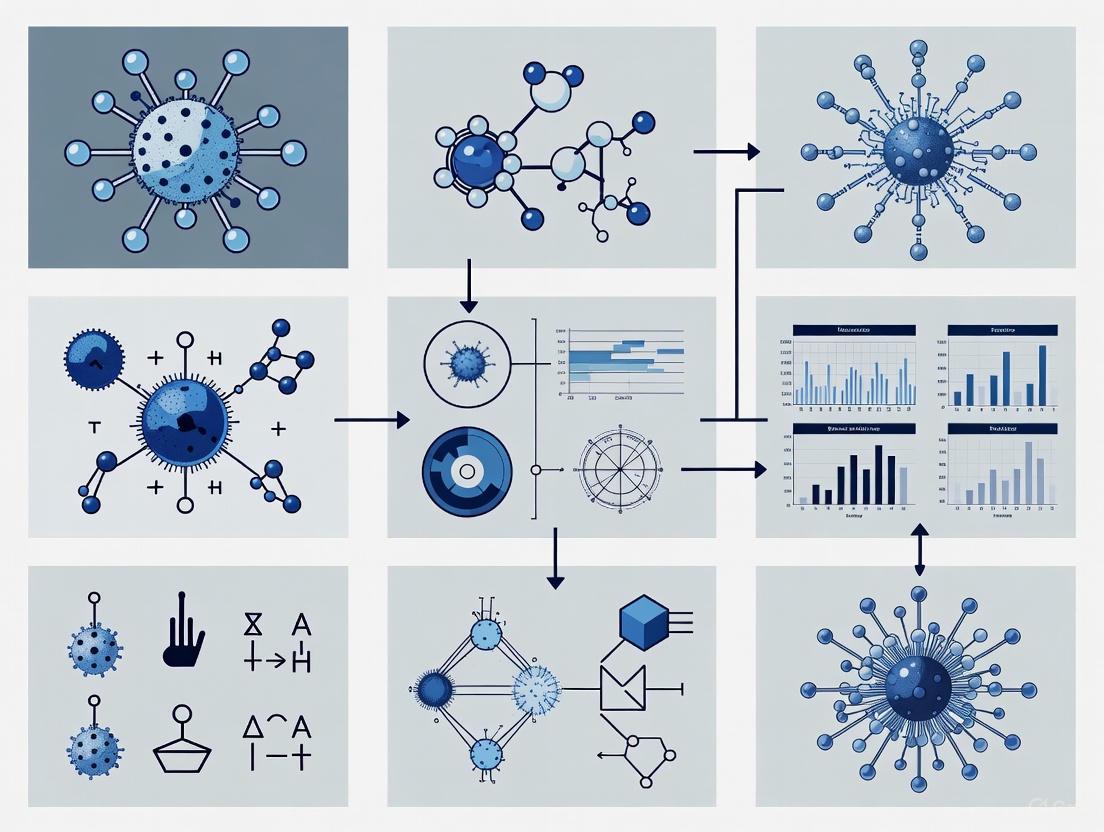
Accurate cell type annotation is a critical step in single-cell RNA sequencing (scRNA-seq) analysis, directly impacting downstream biological interpretation and therapeutic discovery.
Optimizing Clustering Resolution for Single-Cell RNA-Seq Annotation: A Guide for Robust Biological Discovery and Drug Development
Abstract
Accurate cell type annotation is a critical step in single-cell RNA sequencing (scRNA-seq) analysis, directly impacting downstream biological interpretation and therapeutic discovery. This article provides a comprehensive guide for researchers and drug development professionals on optimizing clustering resolution—a key parameter governing the granularity of cell population identification. We cover foundational concepts on why resolution matters, methodological approaches for parameter selection and application, troubleshooting for common inconsistency issues, and a comparative analysis of validation techniques and computational tools. By integrating current best practices and benchmarking studies, this guide aims to empower users to generate more reliable, reproducible, and biologically meaningful clustering results, thereby enhancing the discovery of novel cell states and potential drug targets.
Why Resolution Matters: The Foundation of Accurate Cell Identity
Defining Clustering Resolution and Its Direct Impact on Annotation Granularity
Core Concepts: Clustering Resolution and Annotation
What is clustering resolution?
Clustering resolution is a key parameter in single-cell RNA sequencing (scRNA-seq) analysis that controls the granularity of the clusters identified by algorithms such as Leiden or Louvain [1]. It determines the number of discrete groups of cells with similar expression profiles that will be empirically defined. In practice, a low clustering resolution will yield a smaller number of broad clusters, while a high clustering resolution will generate a larger number of finer, more specific clusters [1].
How does resolution directly impact cluster annotation?
The clustering result serves as a digestible summary of complex data and acts as a proxy for biological concepts after annotation based on marker genes [1]. The choice of resolution therefore directly dictates the level of biological detail you can capture:
- Low Resolution: Clusters may represent major cell types (e.g., T-cells, B-cells, monocytes) [2].
- High Resolution: Clusters may represent subtypes or states within a major type (e.g., T-regulatory cells, Th cells, cytotoxic T-cells) [1] [2].
It is critical to understand that there is no single "correct" resolution. The optimal setting is context-dependent and defined by your biological question—whether you aim to resolve major cell types or investigate heterogeneity within them [1].
Experimental Protocols for Resolution Optimization
A Standard Workflow for Multi-Resolution Clustering
A robust approach to selecting a clustering resolution involves evaluating a range of values. The following workflow, implemented in tools like Seurat or Scanpy, is considered a best practice [2]:
- Parameter Sweep: Cluster your data across a spectrum of resolution values (e.g., from 0.1 to 1.0, though the range can be adjusted based on dataset complexity) [2].
- Visual Inspection: For each resolution, visualize the resulting clusters using UMAP or t-SNE to observe how they split and merge [2] [3].
- Tree Visualization: Use the clustree tool to plot a clustering tree, which visualizes how clusters evolve and relate to each other across increasing resolutions [4] [2].
- Biological Validation: Generate diagnostic plots (heatmaps, dot plots, feature plots) of known marker genes for the clusters at different resolutions. The "best" resolution is one where the resulting clusters are both stable and make biological sense based on these markers [2].
Interpreting a Clustering Tree
The clustree diagram illustrates the relationships between clusters across multiple resolutions, helping to identify stable clusters and overclustering.
Advanced Method: The CHOIR Algorithm for Principled Clustering
CHOIR is a newer algorithm designed to mitigate overclustering by providing a statistical foundation for cluster definitions [5]. Its workflow is more complex and involves:
- Hierarchical Over-clustering: The data is iteratively clustered at increasingly higher resolutions to create a hierarchical tree of many potential subclusters [5].
- Classifier Training: For every pair of sibling clusters in the tree, a random forest classifier is trained to distinguish them based on gene expression [5].
- Significance Testing: The classifier's performance is compared against a null distribution generated from randomized cluster labels. If it does not significantly outperform the null (p ≥ 0.05 after multiple-testing correction), the clusters are merged [5].
- Tree Pruning: This testing process continues until only statistically robust clusters remain [5].
Troubleshooting Common Issues
FAQ: Resolving Annotation Challenges
| Question | Problem Description | Recommended Solution |
|---|---|---|
| How do I know if my resolution is too high (overclustering)? | Clusters lack biological meaning; marker genes for known cell types are split across multiple clusters without justification; no known markers identify the new, tiny clusters. | Use the clustree plot: overclustering is indicated when new clusters form from multiple existing ones and many samples switch between branches, resulting in low in-proportion edges [4]. Validate with marker gene expression. |
| How do I know if my resolution is too low (underclustering)? | A single cluster expresses mutually exclusive marker genes (e.g., a cluster that contains both CD4+ and CD8+ T-cells) [6]. | Increase the resolution incrementally. Check if biologically distinct populations, validated by known markers, merge in a UMAP visualization and in the clustree [4] [2]. |
| My clusters are unstable and change drastically with slight parameter adjustments. What should I do? | The clustering result is not reproducible, making biological interpretation unreliable. | Ensure your analysis is based on a robustly pre-processed dataset (appropriate normalization, HVG selection, and batch correction if needed) [7]. Consider using CHOIR to establish statistically supported clusters [5]. |
| I cannot find a resolution that cleanly separates all known cell types. Why? | Biological processes can create continuous transitions between states, and technical noise can obscure clear separation. | Accept that some populations exist on a continuum. Use alternative methods like supervised annotation or protein-based annotation (e.g., from CITE-seq) to validate and refine clusters [6]. |
Key Parameters and Their Interactive Effects
Clustering resolution does not act in isolation. The table below summarizes other critical parameters and how they interact with resolution, based on a systematic analysis [7].
| Parameter | Impact on Clustering | Interaction with Resolution |
|---|---|---|
Number of Nearest Neighbors (k) |
Controls how many neighbors are used to build the cell-cell graph. A lower k captures finer local structure but is noisier. |
High resolution + Low k: Can lead to severe overclustering. The impact of high resolution is accentuated by a low number of neighbors, which creates sparser graphs [7]. |
| Number of Principal Components | Determines the amount of information (and noise) used for graph construction. | This parameter is highly dependent on data complexity. Testing different numbers of PCs is recommended, as insufficient PCs can mask real clusters at any resolution [7]. |
| Dimensionality Reduction Method | (e.g., PCA, Harmony, UMAP) Affects the distance relationships between cells. | Using UMAP for neighborhood graph generation was found to have a beneficial impact on accuracy compared to other methods [7]. |
Research Reagent Solutions
The following software tools and metrics are essential for optimizing clustering resolution.
| Tool / Metric | Function | Use Case in Resolution Optimization |
|---|---|---|
| clustree R Package [4] | Visualizes the relationships between clusters across multiple resolutions. | Diagnostic: To identify stable clusters and pinpoint where overclustering begins by tracking how samples move as resolution increases. |
| CHOIR R Package [5] | Implements a significance-based clustering algorithm to reduce over/underclustering. | Resolution Selection: To determine a statistically grounded set of clusters without relying solely on manual resolution tuning. |
| Intrinsic Metrics (e.g., Within-cluster dispersion, Banfield-Raftery index) [7] | Evaluates cluster quality based only on the data's internal structure, without ground truth. | Parameter Screening: To rapidly compare many parameter configurations (resolution, k, PCs) and shortlist the most promising ones based on quantitative scores. |
| Silhouette Width / SC3 Stability Index [4] [3] | Measures how similar a cell is to its own cluster compared to other clusters. | Cluster Validation: To assess the compactness and separation of clusters at a given resolution, complementing biological validation. |
Troubleshooting Guides
Guide 1: Resolving Poor Clustering Resolution in Single-Cell RNA-seq Data
User Question: "My single-cell data shows poorly separated clusters, making cell type annotation difficult. What are the main causes and solutions?"
Answer: Poor clustering resolution often stems from high technical noise or failure to account for cellular heterogeneity. The table below summarizes common issues and validated solutions.
Table 1: Troubleshooting Poor Clustering Resolution
| Problem | Root Cause | Solution | Validated Outcome |
|---|---|---|---|
| Indistinct Cluster Boundaries | High dropout rate, excessive ambient RNA | Apply enhanced preprocessing: SCTransform normalization, doublet detection, and batch correction [8] | Clear separation of major immune cell lineages (T-cells, B-cells, monocytes) |
| Over-clustering (Too Many Subpopulations) | Over-interpretation of technical variation | Optimize resolution parameter iteratively; validate with marker gene expression [8] | Biologically relevant subsets (e.g., naive vs. memory T-cells) without artifactual splits |
| Under-clustering (Merging Distinct Types) | Insufficient feature selection or high variance | Implement AI-powered cell type annotation tools; use transformer-based models for robust classification [8] | Identification of rare cell populations (<2% abundance) with clinical significance |
Experimental Protocol: For optimal clustering:
- Preprocessing: Begin with rigorous quality control (mitochondrial percentage <20%, feature count between 2000-7500)
- Integration: Use Harmony or SCVI for batch effect correction across multiple donors
- Clustering: Apply the Leiden algorithm across resolution parameters (0.4-1.2)
- Validation: Confirm cluster identity through known marker gene expression and differential expression testing
Guide 2: Addressing False Positives in Perturbation Screening
User Question: "My CRISPR or compound screening yields high false positive rates in identifying disease-relevant targets. How can I improve specificity?"
Answer: False positives in perturbation studies often arise from off-target effects or context-specific responses. Implementing computational validation frameworks can significantly improve reliability.
Table 2: Troubleshooting False Positives in Perturbation Screening
| Problem | Detection Method | Resolution Approach | Expected Improvement |
|---|---|---|---|
| Off-target CRISPR Effects | Mismatch analysis in guide RNA sequences | Apply machine learning models (e.g., CRISTA) for off-target prediction; use multiple guides per gene [9] | Reduction in false positives by 60-80% in validation studies |
| Compound Toxicity Masquerading as Efficacy | Dose-response curve anomalies | Integrate transcriptomic profiling with cell viability assays; apply mechanism of action analysis [10] [9] | Clear distinction between cytotoxic and target-specific effects |
| Context-specific Perturbation Effects | Cross-cell line validation disparities | Employ Large Perturbation Models (LPMs) to disentangle context-specific effects [9] | Identification of robust, pan-context targets vs. cell line-specific artifacts |
Experimental Protocol: For reliable perturbation screening:
- Experimental Design: Include multiple negative controls (non-targeting guides, DMSO) and positive controls
- Multi-modal Readouts: Combine transcriptomic (RNA-seq) with phenotypic (cell viability, imaging) assessments
- Computational Integration: Apply LPM frameworks to integrate heterogeneous perturbation data across contexts [9]
- Triangulation: Cross-reference hits with genetic association data (GWAS) and protein-protein interaction networks
Frequently Asked Questions (FAQs)
FAQ 1: How does disease heterogeneity impact drug target discovery?
Disease heterogeneity, particularly at the single-cell level, creates both challenges and opportunities for drug target discovery. Cellular subpopulations within diseased tissues can exhibit differential treatment responses, leading to therapeutic resistance. Advanced computational approaches now enable systematic navigation of this complexity:
- Multi-omics Integration: AI methods can integrate genomics, transcriptomics, and proteomics to identify master regulators driving disease subtypes [8]
- Perturbation Modeling: Large Perturbation Models (LPMs) simulate interventions across diverse cellular contexts, predicting which targets will have broad efficacy versus subtype-specific effects [9]
- Clinical Translation: Targets identified through heterogeneity-aware discovery show 3-5x higher clinical success rates in early trials by addressing resistant subpopulations upfront
FAQ 2: What computational tools best handle cellular heterogeneity in target identification?
The field has evolved from bulk analysis to sophisticated single-cell and perturbation-aware tools:
- AI-Powered Single-Cell Analysis: Tools like transformer-based deep learning models (e.g., scBERT) provide superior cell type annotation and gene regulatory network inference in heterogeneous samples [8]
- Large Perturbation Models (LPMs): These decoder-only architectures disentangle perturbation, readout, and context dimensions, enabling accurate prediction of perturbation outcomes across diverse cellular environments [9]
- Multimodal Integration Platforms: Systems that combine structural biology (AlphaFold2 predictions) with single-cell omics offer atomic-level insights into targetability within specific cellular subpopulations [8]
FAQ 3: How can I validate that my clustering resolution is biologically meaningful?
Cluster validation requires multi-factorial assessment beyond statistical metrics:
- Marker Gene Concordance: Ensure clusters align with established cell type markers (e.g., CD3E for T-cells, CD19 for B-cells)
- Functional Enrichment: Perform pathway analysis to verify clusters represent biologically distinct states (cell cycle, metabolic activity)
- Perturbation Response: Test whether clusters respond differentially to relevant perturbations (drug treatments, CRISPR knockouts)
- Cross-Modality Validation: Integrate with protein expression (CITE-seq) or chromatin accessibility (multiome) data to confirm transcriptional clusters have corresponding proteomic or epigenetic distinctions
Experimental Protocols
Protocol 1: Multi-omics Integration for Target Prioritization in Heterogeneous Diseases
Purpose: Systematically identify druggable targets across disease subtypes defined by single-cell profiling.
Workflow Diagram:
Step-by-Step Methodology:
- Sample Processing: Generate single-cell RNA-seq libraries from patient biopsies (n=10-20 per disease stage)
- Cluster Optimization: Apply iterative clustering across resolution parameters (0.2-2.0) to define cellular subtypes
- Multi-omics Alignment: Integrate with proteomic (mass cytometry) and epigenetic (ATAC-seq) data where available
- Differential Analysis: Identify subtype-specific pathway activations using AUCell and Vision algorithms
- Computational Perturbation: Apply LPM frameworks to predict subtype-specific vulnerability to genetic and chemical perturbations [9]
- Target Prioritization: Rank candidates by druggability, subtype-specificity, and safety profile using databases like DrugBank and ChEMBL
Protocol 2: AI-Guided Perturbation Validation for Novel Target Confirmation
Purpose: Experimentally validate computational predictions of novel drug targets in disease-relevant cellular contexts.
Workflow Diagram:
Step-by-Step Methodology:
- Target Selection: Input computational predictions from LPM or multimodal AI systems [9]
- Perturbation Design:
- Genetic: Design 3-5 sgRNAs per target using CRISPick or similar tools
- Chemical: Select compounds from focused libraries (e.g., Selleckchem) or fragment-based collections
- Experimental Setup:
- Use disease-relevant cell models (primary cells preferred over cell lines)
- Include appropriate controls (non-targeting guides, vehicle treatments)
- Implement multiple biological replicates (n≥4)
- Multi-modal Profiling:
- Transcriptomic: Bulk or single-cell RNA-seq
- Phenotypic: High-content imaging for morphological changes
- Functional: Cell viability, apoptosis, or disease-relevant functional assays
- Data Integration: Apply the same LPM framework used for prediction to assess concordance between predicted and observed effects [9]
The Scientist's Toolkit: Research Reagent Solutions
Table 3: Essential Research Reagents for Heterogeneity-Driven Target Discovery
| Reagent/Category | Function | Example Products/Platforms | Application Notes |
|---|---|---|---|
| Single-Cell RNA-seq Kits | Comprehensive transcriptome profiling of heterogeneous samples | 10x Genomics Chromium, Parse Biosciences | Enables decomposition of cellular heterogeneity; critical for defining disease subtypes |
| CRISPR Perturbation Libraries | High-throughput gene perturbation screening | Brunello library (whole genome), Subpooled (focused gene sets) | Optimized for minimal off-target effects; enables functional validation of computational predictions |
| DNA-Encoded Libraries (DELs) | Massive-scale compound screening against diverse targets | X-Chem, HitGen DEL platforms | Particularly valuable for RNA-targeted small molecule discovery [10] |
| Perturbation-seq Platforms | Combined genetic perturbation with single-cell readouts | CROP-seq, Perturb-seq | Enables direct mapping of gene regulatory networks in disease contexts |
| AI-Ready Databases | Structured biological data for model training | DepMap, LINCS, CellXGene | Curated perturbation-response data essential for training LPMs and other AI models [9] |
| Fragment-Based Screening Libraries | Targeting challenging biomolecules (e.g., RNA structures) | Various academic and commercial collections | Effective starting point for RNA-targeted small molecule discovery [10] |
Troubleshooting Guides
How do I diagnose over-clustering or under-clustering in my dataset?
| Symptom | Potential Cause | Diagnostic Method | Citation |
|---|---|---|---|
| A known cell type is split into multiple clusters that lack distinct marker genes. | Over-clustering | Check cluster stability with tools like scICE; inspect clustering trees to see if clusters are unstable or frequently split/merge. |
[11] [12] |
| Biologically distinct cell types are grouped into a single cluster. | Under-clustering | Validate with known marker genes; use differential expression to see if the cluster contains sub-groups with statistically different expression profiles. | [13] [12] |
| Clustering results change drastically with different random seeds. | Over-clustering & General Instability | Calculate the Inconsistency Coefficient (IC) using the scICE method. An IC >> 1 indicates high inconsistency. |
[11] |
| Downstream differential expression analysis produces many false positive marker genes. | Over-clustering (Double-dipping) | Apply the recall method with artificial null variables to calibrate differential expression testing. |
[13] |
What are the standard methods to correct poor clustering resolution?
For Correcting Over-Clustering
- Use Significance Testing: Apply statistical frameworks like sc-SHC (single-cell Significance of Hierarchical Clustering) to test whether a proposed split of cells into two clusters could have arisen by chance from a single population. This formally controls the family-wise error rate (FWER) [12].
- Employ Calibrated Clustering: Use the
recallalgorithm, which adds artificial null variables to the dataset. If differential expression tests cannot distinguish real genes from these null features between two clusters, the clusters are merged, protecting against over-clustering [13]. - Lower Resolution Parameter: In graph-based clustering (e.g., in Seurat or Scanpy), decrease the
resolutionparameter. This directly reduces the number of clusters output by the algorithm [1]. - Increase the Number of Nearest Neighbors (
k): Using a higherkvalue when building the nearest-neighbor graph creates broader, more interconnected clusters [1].
For Correcting Under-Clustering
- Increase Resolution Parameter: This is the most direct adjustment. A higher
resolutionvalue increases the number of clusters found [7] [1]. - Decrease the Number of Nearest Neighbors (
k): A lowerkvalue creates a sparser graph that is more sensitive to local structure, potentially revealing finer subpopulations [7] [1]. - Perform Iterative Sub-clustering: Take a broad, under-clustered population, subset the data to only those cells, and re-run the entire clustering workflow (including re-computing PCA and neighbors). This can help resolve finer substructure [14].
- Re-evaluate Dimensionality Reduction: Test different numbers of Principal Components (PCs), as this parameter is highly affected by data complexity and can influence the perception of cell-cell distances [7].
Frequently Asked Questions (FAQs)
What are the concrete biological consequences of over-clustering?
Over-clustering can lead to the false discovery of novel cell types or states [12]. When a single population is incorrectly split, subsequent differential expression analysis is biased ("double-dipping"), producing inflated p-values and false marker genes [13] [12]. This can misdirect experimental validation efforts, wasting resources and potentially leading to incorrect biological conclusions [13].
What are the concrete biological consequences of under-clustering?
Under-clustering masks true biological heterogeneity by merging distinct cell types into a single group [12]. This causes you to miss rare cell subtypes [11] and fail to identify unique marker genes for the obscured populations. The resulting analysis provides an oversimplified and inaccurate view of the cellular ecosystem, hindering the discovery of biologically relevant subpopulations [7].
My clustering seems stable, so is it correct?
Not necessarily. Stability does not guarantee correctness. A clustering algorithm can stably over-cluster a dataset, especially in regions of high cell density where it may consistently find substructure, even when none exists biologically [1] [12]. Statistical validation is required to confirm that stable clusters represent distinct populations.
How can I systematically choose the right resolution?
Instead of picking a single resolution, a robust strategy is to analyze your data across a range of resolutions and use visualization and metrics to guide your choice.
- Use Clustering Trees: The
clustreeR package visualizes how clusters evolve and relate to each other as resolution increases. This helps identify stable branches and unstable clusters that split frequently with small changes in resolution [4]. - Leverage Intrinsic Metrics: Calculate metrics like the within-cluster dispersion or the Banfield-Raftery index, which can act as proxies for accuracy when ground truth is unknown [7].
- Evaluate Consistency with
scICE: RunscICEto identify clustering results (across different resolution parameters) that are consistent across multiple algorithm runs, narrowing down the set of reliable candidate clusters to explore [11].
Experimental Protocols
Protocol 1: Evaluating Clustering Consistency with scICE
Purpose: To efficiently identify reliable clustering results by evaluating their consistency across multiple runs with different random seeds [11].
Workflow:
- Input: A quality-controlled scRNA-seq dataset (count matrix).
- Dimensionality Reduction: Reduce the data dimensionality using a method like
scLENSfor automatic signal selection [11]. - Graph Construction: Build a nearest-neighbor graph based on distances between cells in the reduced space.
- Parallel Clustering: Distribute the graph to multiple computing cores. On each core, run the Leiden clustering algorithm with the same resolution parameter but a different random seed.
- Similarity Calculation: For the multiple cluster labels generated, compute a similarity matrix using Element-Centric Similarity (ECS), which compares the cluster membership of all cells across pairs of labels [11].
- Consistency Evaluation: Calculate the Inconsistency Coefficient (IC) from the similarity matrix. An IC close to 1 indicates highly consistent labels, while a higher IC indicates inconsistency [11].
- Output: A set of consistent cluster labels for a given resolution, or a profile of IC values across multiple resolutions to guide parameter selection.
Protocol 2: Controlling for Over-clustering with RECALL
Purpose: To protect against over-clustering by using artificial null variables to calibrate differential expression tests and guide cluster merging [13].
Workflow:
- Input: A scRNA-seq count matrix
X. - Generate Artificial Nulls: For each gene in
X, generate a matching artificial null gene~Xwith no biological signal (e.g., from a Zero-Inflated Poisson distribution). Combine them into a null matrix~X[13]. - Augment and Cluster: Combine the real and null matrices into an augmented matrix
X* = [X; ~X]. Preprocess (normalize, scale)X*and cluster the cells (e.g., using Louvain/Leiden) [13]. - Differential Expression with Contrast: For each pair of clusters, perform differential expression (DE) testing for all genes (both real and null). For each gene
j, compute a contrast score:W_j = -log(p_real_j) - [-log(p_null_j)][13]. - Calibrated Threshold: Compute a data-dependent threshold
τusing the knockoff+ method to control the False Discovery Rate (FDR) [13]. - Decision and Iterate:
- If
τ = ∞for any pair of clusters, it indicates no detectable true differences. The clusters should be merged, and the algorithm returns to Step 3 with a smaller target cluster numberK. - If
τ < ∞for all pairs, clustering is considered calibrated, and the final clusters are returned [13].
- If
Research Reagent Solutions
| Tool / Method | Function | Use Case |
|---|---|---|
clustree [4] |
Visualizes relationships between clusters across multiple resolutions. | Exploring the entire landscape of clusterings to identify stable resolutions and understand splitting/merging patterns. |
scICE [11] |
Efficiently evaluates clustering consistency using the Inconsistency Coefficient (IC). | Rapidly identifying reliable clustering results on large datasets (>10,000 cells). |
recall [13] |
Protects against over-clustering using artificial null variables to calibrate DE tests. | Statistically validating cluster distinctions and obtaining a corrected number of clusters. |
| sc-SHC [12] | Performs model-based significance testing within hierarchical clustering. | Formally testing whether cluster splits represent distinct populations, controlling the FWER. |
| Leiden/Louvain Algorithm [1] | Standard graph-based clustering methods used in tools like Seurat and Scanpy. | The primary workflow for identifying cell populations in scRNA-seq data. Requires parameter tuning. |
Table of Contents
- Core Parameter Definitions
- FAQ: Parameter Impact & Troubleshooting
- Experimental Protocol for Parameter Optimization
- The Scientist's Toolkit: Essential Reagents & Software
- Visualizing Parameter Relationships
Core Parameter Definitions
The quality and biological relevance of cell clusters identified from scRNA-seq data are directly governed by a few key computational parameters. Understanding these is the first step toward optimization.
Table 1: Key Clustering Parameters and Their Functions
| Parameter | Function | Directly Affects |
|---|---|---|
| Resolution | Controls the granularity of clustering; higher values lead to more, finer clusters. | The number of distinct cell populations identified. |
| Number of Nearest Neighbors (k-NN) | Determines how many neighboring cells are used to compute the initial graph structure. | The local connectivity and the robustness of the graph to noise. |
FAQ: Parameter Impact & Troubleshooting
This section addresses common experimental challenges related to clustering parameters.
FAQ 1: How does the 'Resolution' parameter fundamentally change my cluster graph?
The resolution parameter directly controls the partitioning algorithm's sensitivity. A low resolution forces the algorithm to merge cell communities, resulting in a graph with fewer, larger clusters. This is useful for identifying broad cell types (e.g., T-cells vs. B-cells). Conversely, a high resolution instructs the algorithm to split communities, yielding a graph with more, smaller clusters, which can help identify rare cell types or subtypes (e.g., cytotoxic T-cells vs. helper T-cells) [15].
- Symptom: My clusters are too broad and may be merging distinct cell populations.
- Solution: Systematically increase the resolution parameter in small increments (e.g., from 0.4 to 0.8 to 1.2) and re-run the clustering. Validate the new, finer clusters with known cell-type markers.
FAQ 2: What is the functional role of 'Nearest Neighbors' in graph construction, and how should I choose this value?
The k-NN value defines the local neighborhood size for each cell when constructing the initial cell-cell similarity graph. A low k-value creates a sparse graph that may break up continuous cell states but can better capture very rare populations. A high k-value creates a denser, more interconnected graph that is more robust to technical noise but may obscure the boundaries between rare populations and their neighbors [15].
- Symptom: The cluster graph structure is unstable or appears overly fragmented.
- Solution: The optimal k-NN is dataset-dependent. For larger datasets (>>10,000 cells), a higher k (e.g., 30-50) is typically suitable. For smaller datasets, a lower k (e.g., 10-20) may be preferable. Assess stability by slightly varying k and observing if core cluster identities remain consistent.
FAQ 3: How do Resolution and Nearest Neighbors interact to shape the final clustering outcome?
These parameters operate sequentially. The k-NN parameter is used first to build the fundamental graph structure—the network of cells and their connections. The resolution parameter is applied second to partition this pre-built graph into clusters. Therefore, an improperly chosen k-NN (e.g., too low for a large dataset) can create a poor-quality graph that no resolution value can partition effectively.
- Symptom: Adjusting the resolution parameter does not yield the expected change in cluster number or granularity.
- Solution: Revisit the k-NN value and the initial steps of the analysis (normalization, highly variable gene selection, dimensionality reduction) as the underlying graph structure itself may be suboptimal.
FAQ 4: What quantitative and biological metrics should I use to determine the 'optimal' parameters?
There is no single "correct" parameter set; the goal is to find a biologically plausible and analytically robust result.
- Symptom: Uncertainty in which clustering result to use for downstream annotation.
- Solution:
- Internal Metrics: Use metrics like silhouette score (cluster compactness and separation).
- External Metrics: If a partial annotation exists, use metrics like Adjusted Rand Index (ARI) to compare clustering results to a ground truth [15].
- Biological Validation: The most critical step is to inspect the expression of well-established marker genes across the clusters. Optimal parameters should yield clusters with distinct and biologically interpretable marker expression profiles.
Experimental Protocol for Parameter Optimization
Below is a detailed, step-by-step methodology for systematically evaluating clustering parameters, as derived from evaluated literature [15].
Aim: To identify a set of clustering parameters (Resolution and k-Nearest Neighbors) that yield a biologically meaningful and robust cell-type classification from an scRNA-seq count matrix.
Procedure:
- Data Pre-processing: Normalize the raw count matrix (e.g., using SCTransform or log-normalization) and identify a set of highly variable genes (HVGs) that will be used for downstream analysis.
- Dimensionality Reduction: Perform PCA on the scaled expression data of the HVGs. Determine the number of significant principal components (PCs) to retain using an elbow plot or JackStraw plot.
- Graph Construction & Clustering: a. Construct a k-Nearest Neighbor graph in the PC space. b. Apply a community detection algorithm (e.g., the smart local moving algorithm in Seurat) to partition the graph into clusters, using a specified resolution parameter [15].
- Systematic Parameter Grid Test: a. Define a grid of values for k-NN (e.g., k=15, 20, 30, 50) and resolution (e.g., res=0.2, 0.4, 0.8, 1.2, 1.6). b. Iterate the clustering process (Step 3) for each combination of k-NN and resolution.
- Evaluation and Comparison: a. For each resulting clustering, calculate internal validation metrics (e.g., average silhouette width). b. Visualize all results using UMAP or t-SNE, colored by the cluster labels. c. For each cluster in each result, find the differentially expressed genes (DEGs) compared to all other cells.
- Biological Interpretation: a. Annotate the clusters from different parameter sets using canonical cell-type markers from the DEG analysis. b. Select the parameter set that produces clusters which are both stable (high internal metrics) and biologically interpretable (distinct, meaningful marker expression).
The Scientist's Toolkit: Essential Reagents & Software
Table 2: Key Research Reagents and Computational Tools for scRNA-seq Clustering
| Item | Function in Clustering Analysis |
|---|---|
| Seurat (v4.3.0+) | A comprehensive R toolkit for single-cell genomics that provides a complete workflow for clustering, including graph construction and resolution-based partitioning [15]. |
| Scanpy | A Python-based toolkit comparable to Seurat, offering scalable and efficient functions for clustering and analysis of large-scale scRNA-seq data. |
| Biclustering Methods (e.g., QUBIC2, runibic) | Advanced algorithms that cluster cells and genes simultaneously, useful for identifying local gene-expression patterns that might be missed by standard clustering [15]. |
| Clustering Validation Metrics (ARI, Silhouette Score) | Quantitative measures used to compare the performance and quality of different clustering results against a ground truth or based on internal structure [15]. |
| Canonical Cell Marker Genes | Well-established genes known to be specifically expressed in certain cell types; the biological "ground truth" for validating that computationally derived clusters correspond to real cell populations. |
Visualizing Parameter Relationships
The following diagram illustrates the logical workflow and decision-making process involved in optimizing clustering parameters for cell annotation. The path leads from raw data to a validated, biologically annotated cluster graph.
Clustering Parameter Optimization Workflow
From Theory to Practice: Methods for Determining Optimal Clustering Resolution
Frequently Asked Questions (FAQs)
Q1: What is the core challenge in selecting clustering resolution for scRNA-seq data? The fundamental challenge is that clustering algorithms require user-defined parameters (like resolution), and the optimal values are dataset-specific. Without foreknowledge of cell types, it is difficult to assess cluster quality and avoid under-clustering (masking biological structure) or over-clustering (creating non-biological subdivisions) [16]. Automated methods provide data-driven, objective ways to determine these parameters.
Q2: How does the Average Silhouette Width help in choosing the number of clusters? The Silhouette Width measures how similar a cell is to its own cluster compared to other clusters. Values range from -1 to 1, where values near +1 indicate well-separated clusters. The average silhouette score across all cells for a given clustering result (e.g., for a specific resolution or k) provides a single metric to compare different parameter sets. The parameter set that maximizes the average silhouette width is often considered a good candidate for the optimal cluster number [17] [18].
Q3: What is a "robustness score" in the context of clustering, and how is it different from silhouette width?
A robustness score, such as the one generated by the chooseR framework, quantifies the stability of a cluster across multiple iterations of clustering performed on subsampled data. It indicates how often cells are consistently assigned to the same cluster across these iterations [16]. While silhouette width assesses cluster separation based on distances in expression space, the robustness score assesses cluster stability against data perturbations.
Q4: My dataset is very large (>10,000 cells). Are these automated methods still practical?
Computational time is a significant concern for large datasets. Conventional consensus methods like multiK and chooseR can be slow due to repeated clustering and building consensus matrices [11]. However, newer tools like scICE use a more efficient metric (the Inconsistency Coefficient) and parallel processing, achieving up to a 30-fold speed improvement, making them suitable for larger datasets [11].
Q5: The automated tool suggested a resolution, but one cluster has a low robustness score. What should I do? This is a common scenario. A globally optimal parameter does not guarantee all clusters are equally well-resolved [16]. The recommended strategy is to take the cells from the low-robustness cluster and perform a re-clustering in isolation. This allows you to better subdivide these cells without the influence of other, more distinct populations, potentially revealing more robust sub-structures [16] [11].
Troubleshooting Guides
Issue 1: Unstable Clustering Results Across Different Random Seeds
Problem: Cluster labels change significantly every time you run the clustering algorithm with a different random seed, undermining the reliability of your results [11].
Diagnosis: This is a known issue with stochastic clustering algorithms like Louvain and Leiden. The inconsistency suggests that the cluster structure at your chosen resolution is not stable.
Solutions:
- Implement a consistency evaluation framework: Use a tool like
scICE(Single-cell Inconsistency Clustering Estimator) to calculate the Inconsistency Coefficient (IC) for your clustering results. An IC close to 1 indicates highly consistent labels across random seeds, while a higher IC indicates inconsistency [11]. - Adopt a consensus approach: Use a method like
chooseRormultiK, which run clustering many times on subsampled data. They identify parameter values that produce clusters where cells are consistently co-clustered together across iterations [16] [19].
Issue 2: Choosing Between Multiple "Good" Resolution Parameters
Problem: The average silhouette width or another metric is high for several different resolution values, and you are unsure which one to select for your biological interpretation.
Diagnosis: Biological systems often have a multi-scale organization, meaning different "correct" cluster numbers can exist for different cell type hierarchies [19].
Solutions:
- Use multi-resolution diagnostic tools: Tools like
MultiKare explicitly designed to identify multiple insightful numbers of clusters (K). It provides diagnostic plots showing several candidate Ks, which may correspond to major cell types (low K) and finer subtypes (high K) [19]. - Analyze the silhouette width distribution: Instead of just the average, look at the distribution of silhouette widths per cluster for each candidate resolution. A good clustering should have most clusters with high average silhouette scores and no clusters with many negative scores [17] [18].
- Inspect with Clustree: Visualize how cells move between clusters as the resolution increases. A stable cluster tree with clear branching points can help you select a resolution that captures the main biological states without excessive fragmentation [16].
Issue 3: Poor Silhouette or Robustness Scores for Specific Clusters
Problem: The global clustering metrics are acceptable, but a few specific clusters show low silhouette widths or robustness scores.
Diagnosis: This indicates that these specific cell populations are not well-separated from their neighbors or have internal heterogeneity.
Solutions:
- Focus on the problematic clusters: Isolate the cells from the low-scoring clusters and re-run your entire clustering workflow (including dimensionality reduction) on this subset of cells. This "sub-clustering" approach often reveals finer, more robust substructure that was masked in the global analysis [16] [11].
- Check cluster purity: Calculate the purity for each cell, defined as the proportion of its neighboring cells (in expression space) that belong to the same cluster. A low median purity for a cluster confirms it is highly intermixed with another cluster [18].
- Investigate biology: Use differential expression analysis on the poorly separated clusters to determine if the distinction is biologically meaningful. If no strong marker genes are found, merging the clusters might be justified.
Comparison of Automated Clustering Selection Methods
The table below summarizes key automated methods for selecting clustering resolution or cluster number.
| Method Name | Core Approach | Key Metric(s) | Primary Output | Notable Features |
|---|---|---|---|---|
| chooseR [16] | Subsampling and bootstrapped iterative clustering | Robustness score, co-clustering frequency | Near-optimal parameter value & per-cluster robustness | Flexible across workflows (Seurat, scVI); identifies less robust clusters |
| Silhouette Analysis [17] | Cluster separation distance | Silhouette width (per cell and average) | Optimal number of clusters (k) | Intuitive measure of cluster cohesion and separation |
| MultiK [19] | Consensus clustering across multiple resolutions | Relative Proportion of Ambiguous Clustering (rPAC), frequency of K | Multiple optimal cluster numbers (K) | Provides a multi-resolution perspective; finds both classes and subclasses |
| scICE [11] | Parallel clustering with random seed variation | Inconsistency Coefficient (IC) | Set of consistent cluster labels | High speed for large datasets; does not require a consensus matrix |
Key Metrics for Cluster Validation
The table below defines and compares the primary metrics used to evaluate clustering quality.
| Metric | Definition | Interpretation | Strengths | Weaknesses |
|---|---|---|---|---|
| Average Silhouette Width [17] [18] | Measures how similar a cell is to its own cluster vs. other clusters. Based on distances in a low-dimensional space (e.g., PCA). | Values close to +1: excellent separation. ~0: indifferent. Negative: poor separation. | Intuitive; captures both over- and under-clustering. | Can be computationally heavy for very large datasets without approximation. |
| Robustness Score (chooseR) [16] | The frequency with which cells are co-clustered together across multiple subsampling iterations. | High score: stable, reproducible cluster. Low score: unstable cluster. | Directly measures stability to data perturbation; provides a per-cluster score. | Computationally intensive as it requires many clustering runs. |
| Inconsistency Coefficient (IC) (scICE) [11] | Derived from the similarity of cluster labels generated across multiple random seeds. | IC close to 1: high consistency. IC > 1: increasing inconsistency. | Fast to compute; does not require a distance matrix or subsampling. | A newer metric that may be less familiar to researchers. |
| Cluster Purity [18] | The proportion of a cell's neighbors that belong to the same cluster. | High median purity: well-separated clusters. Low purity: intermingled clusters. | Easy to understand; directly measures neighborhood mixing. | Sensitive to the definition of "neighbors" (e.g., k in k-NN graph). |
Experimental Protocol: Implementing chooseR for Robustness Scoring
This protocol outlines the steps to implement the chooseR framework for selecting clustering parameters and assessing cluster robustness [16].
1. Define Parameter Range and Setup:
- Choose the clustering parameter to optimize (e.g., resolution for Seurat or scVI).
- Define a logical range of values to test (e.g., resolution from 0.1 to 3.0).
- Set the number of bootstrap iterations (e.g., 100) and the subsampling proportion (e.g., 80% of cells).
2. Iterative Subsampling and Clustering:
- For each parameter value in the range:
- For each bootstrap iteration:
- Randomly subsample the defined proportion of cells from the full dataset.
- Run the entire clustering workflow (dimensionality reduction, graph construction, clustering) on the subsampled data using the current parameter value.
- Record the cluster labels for the subsampled cells.
- For each bootstrap iteration:
3. Build Co-clustering Matrices:
- For each parameter value, create a co-clustering matrix. This matrix records, for each pair of cells, how many times they were assigned to the same cluster across all bootstrap iterations where both cells were selected.
4. Calculate Robustness Metrics:
- Global Robustness: Identify the parameter value that produces the highest number of robust clusters. This is often determined by analyzing the distribution of median silhouette scores derived from the co-clustering matrices, selecting the value with the highest confidence-interval bound [16].
- Per-cluster Robustness Score: For the chosen optimal parameter, calculate a robustness score for each cluster. This can be the average within-cluster co-clustering frequency or the cluster's silhouette score based on the co-clustering matrix [16].
5. Downstream Analysis:
- Use the cluster labels generated with the optimal parameter for all downstream biological interpretation.
- Use the per-cluster robustness scores to flag less reliable clusters for further investigation or sub-clustering.
Workflow Visualization
The following diagram illustrates the generic workflow for automated resolution selection using subsampling and robustness metrics, as implemented in tools like chooseR.
The Scientist's Toolkit: Essential Research Reagents & Computational Solutions
| Item / Tool | Function / Purpose | Example / Notes |
|---|---|---|
| Seurat [16] [20] | A comprehensive R toolkit for single-cell genomics. Used for QC, normalization, dimensionality reduction, clustering, and differential expression. | The FindClusters function is used for graph-based clustering with a tunable resolution parameter. |
| Scanpy [16] | A scalable Python toolkit for analyzing single-cell gene expression data. Analogous to Seurat. | Can be integrated with scVI for dimensionality reduction and clustering. |
| chooseR [16] | An R framework that wraps around clustering workflows (e.g., Seurat, scVI) to guide parameter selection via subsampling and robustness metrics. | Provides both a near-optimal resolution and a per-cluster robustness score. |
| scICE [11] | A Python tool for fast evaluation of clustering consistency using the Inconsistency Coefficient (IC) and parallel processing. | Recommended for large datasets (>10,000 cells) due to its computational efficiency. |
| MultiK [19] | An R tool for objective, multi-resolution estimation of cluster numbers (K) using consensus clustering. | Outputs multiple candidate Ks, corresponding to different hierarchical levels (e.g., cell types vs. subtypes). |
| Silhouette Analysis [17] [18] | A classic cluster validation method implemented in scikit-learn (Python) and cluster package (R). |
The silhouette_score function can be used to compute the average silhouette width for a clustering result. |
| Ground Truth Annotations [7] | Manually curated cell labels from reliable methods (e.g., FACS sorting). Serves as a benchmark for validating clustering accuracy. | Sourced from databases like the CellTypist organ atlas to avoid bias from algorithm-derived labels. |
In the context of optimizing clustering resolution for annotation research, intrinsic goodness metrics provide a powerful, unsupervised method for evaluating the quality of clustering results when ground truth labels are unavailable. These metrics assess cluster quality based solely on the data's inherent structure and the quality of the partition, focusing on the fundamental trade-off between intra-cluster cohesion (how similar data points are within a cluster) and inter-cluster separation (how distinct different clusters are) [21]. For researchers and scientists, particularly in drug development, leveraging these metrics is crucial for validating computational models and ensuring biological findings are robust and reproducible.
Two particularly effective intrinsic metrics are:
- Within-Cluster Dispersion: Measures the compactness or cohesiveness of data points within a single cluster. A lower dispersion indicates a tighter, more well-defined cluster.
- Banfield-Raftery (B-R) Index: A statistical index that helps determine the optimal number of clusters by balancing within-cluster similarity against between-cluster differences.
Recent research on single-cell RNA sequencing (scRNA-seq) data has demonstrated that these two metrics can be effectively used as proxies for clustering accuracy, allowing for the immediate comparison of different clustering parameter configurations [22]. This is especially valuable in biological research where true cell-type labels are often unknown and must be inferred.
Frequently Asked Questions for Experimental Troubleshooting
1. Why should I use intrinsic metrics instead of just comparing known cell types?
Using known cell types for validation (extrinsic metrics) is not always possible, especially when investigating novel or rare cell populations. Intrinsic metrics do not require any external information and assess the goodness of clusters based solely on the initial data [22]. This prevents circular reasoning, where a clustering method is evaluated against labels it helped create, and allows for the discovery of previously unknown biological structures [22] [6].
2. My clustering results change every time I run the algorithm. How can intrinsic metrics help?
Variability in clustering results due to stochastic algorithms is a major challenge that undermines reliability [11]. Intrinsic metrics provide an objective standard for comparison. By calculating metrics like the Within-Cluster Dispersion and Banfield-Raftery Index across multiple algorithm runs, you can identify the most stable and consistent clustering configuration, moving beyond a single, potentially random, result [11].
3. The Banfield-Raftery Index suggests a different number of clusters than the Silhouette Index. Which one should I trust?
Different cluster validity indices have different mathematical models and can exhibit varying characteristics [21]. It is common for metrics to suggest different optimal numbers. The best practice is not to rely on a single index but to use a consensus approach.
- Generate multiple clusterings across a range of parameters (e.g., resolution, number of nearest neighbors).
- Calculate several intrinsic metrics (e.g., B-R Index, Within-Cluster Dispersion, Silhouette Index, Calinski-Harabasz Index) for each configuration.
- Compare the results and look for a configuration that is consistently highly ranked across multiple metrics. This multi-metric approach increases confidence in the final selection.
4. What are the most common pitfalls when using Within-Cluster Dispersion?
The primary pitfall is that minimizing within-cluster dispersion alone can lead to overfitting. An algorithm can achieve zero dispersion by assigning each data point to its own cluster, which is not a meaningful result. Therefore, Within-Cluster Dispersion must always be used in conjunction with a metric that also accounts for the number of clusters and the separation between them, which is precisely what the Banfield-Raftery Index does [23].
Experimental Protocol: Validating Clustering Parameters with Intrinsic Metrics
This protocol outlines a systematic approach for using Within-Cluster Dispersion and the Banfield-Raftery Index to optimize clustering parameters, based on methodologies from recent single-cell RNA sequencing studies [22].
1. Data Preprocessing and Subsampling
- Begin with a normalized count matrix (e.g., from scRNA-seq).
- To ensure robustness and computational efficiency, perform stratified subsampling, taking 20% of cells 100 times while respecting the original dataset's proportions [22].
- For each subsample, perform standard preprocessing, including quality control, normalization, and dimensionality reduction (e.g., using PCA or UMAP) [22].
2. Parameter Space Exploration
- Choose a clustering algorithm (e.g., Leiden, K-means).
- Define a grid of key parameters to test. For graph-based algorithms like Leiden, this typically includes:
- Resolution Parameter: Controls the granularity of clustering; higher values lead to more clusters.
- Number of Nearest Neighbors (k): Affects the construction of the neighborhood graph.
- Number of Principal Components (PCs): Influences the distance calculation between cells by determining the dimensionality of the input space [22].
3. Metric Calculation and Analysis
- For each combination of parameters in your grid, run the clustering algorithm.
- For each resulting clustering, calculate:
- The Within-Cluster Dispersion.
- The Banfield-Raftery Index.
- The number of clusters (
k) generated.
- A lower B-R index generally indicates a better cluster configuration. The goal is to find the parameter set that minimizes this index.
4. Results Interpretation
- Research indicates that using UMAP for graph generation and increasing the resolution parameter generally has a beneficial impact on accuracy [22].
- The positive effect of resolution is accentuated when using a reduced number of nearest neighbors, which creates sparser, more locally sensitive graphs [22].
- The optimal number of principal components is highly dependent on data complexity and should be tested thoroughly [22].
The workflow can be summarized as follows:
The following table synthesizes key experimental findings on how clustering parameters impact accuracy, based on a robust linear mixed regression model analysis [22].
| Parameter | Impact on Accuracy | Key Interaction & Finding |
|---|---|---|
| Resolution | Beneficial (increased accuracy with higher values) | Impact is stronger with a reduced number of nearest neighbors, which preserves fine-grained cellular relationships [22]. |
| UMAP for Neighborhood Graph | Beneficial | Using UMAP for graph generation has a positive impact on clustering accuracy [22]. |
| Number of Principal Components (PCs) | Variable | Highly dependent on data complexity; requires systematic testing [22]. |
| Within-Cluster Dispersion & B-R Index | Predictive | Can be used as effective proxies for accuracy to compare parameter configurations [22]. |
The Scientist's Toolkit: Essential Research Reagents & Solutions
The following table details key computational tools and metrics essential for experiments in clustering optimization.
| Item | Function & Application |
|---|---|
| Cluster Validity Indices (CVIs) | A category of metrics, including Within-Cluster Dispersion and the Banfield-Raftery Index, used as fitness functions to automatically evaluate the quality of candidate clustering solutions in metaheuristic-based algorithms [21]. |
| Intrinsic Goodness Metrics | Metrics that evaluate cluster quality without external labels, based solely on the data's structure and the partition's cohesion and separation [22]. |
| Stratified Subsampling | A data sampling technique that preserves the original proportion of cell types in subsets, used to ensure robust and unbiased validation of clustering parameters [22]. |
| Element-Centric Similarity (ECS) | A similarity metric used to compare multiple clustering results, which is more intuitive and unbiased than other label similarity metrics. It is used in frameworks like scICE to evaluate clustering consistency [11]. |
| Inconsistency Coefficient (IC) | A metric derived from multiple clustering runs that quantifies the reliability of cluster labels. An IC close to 1 indicates highly consistent and reliable results [11]. |
Troubleshooting Guides and FAQs
Frequently Asked Questions
FAQ 1: What is the most critical parameter to optimize in single-cell RNA-seq clustering, and why? The resolution parameter is often one of the most critical. It directly controls the granularity of the clustering, determining whether you over-merge distinct cell populations or over-split homogeneous ones. Research shows that increasing the resolution parameter generally has a beneficial impact on clustering accuracy, particularly when used in conjunction with UMAP for neighborhood graph generation and a reduced number of nearest neighbors, which creates sparser, more locally sensitive graphs [7].
FAQ 2: How can I evaluate my clustering results when there is no ground truth or prior biological knowledge? In the absence of ground truth, you should rely on intrinsic goodness metrics. Studies demonstrate that metrics like within-cluster dispersion and the Banfield-Raftery index can effectively serve as proxies for clustering accuracy. These metrics allow for a direct comparison of different parameter configurations without requiring external labels, helping to prevent the misuse of clustering parameters when cell type information is unavailable [7].
FAQ 3: My computational analysis is too slow for large-scale cytometry data. What strategies can help? For large datasets, such as those in cytometry containing millions of cells, consider an aggregation-based approach. Tools like SuperCellCyto can group highly similar cells into "supercells" or "metacells," reducing dataset size by 10 to 50 times. This significantly lowers computational demands for downstream tasks like clustering and dimensionality reduction while striving to preserve biological heterogeneity, including rare cell subsets that might be lost through simple random subsampling [24].
FAQ 4: Unsupervised clustering of T-cells is not cleanly separating CD4+ and CD8+ populations. What is wrong? This is a common and validated issue. The assumption that unsupervised clustering will always reflect core T-cell biology like CD4/CD8 lineage can be flawed. Analyses show that clustering is often driven by other factors like cellular metabolism (e.g., glucose metabolism), T-cell receptor (TCR) transcripts, or immunoglobulin genes rather than standard phenotypic markers [6]. For accurate T-cell annotation, prefer semi-supervised approaches that incorporate prior knowledge or, ideally, use paired protein-based data (CITE-seq) or TCR sequencing information to guide or validate clustering [6].
FAQ 5: How can I visualize the relationships between clusters across multiple resolutions?
Use a clustering tree visualization (e.g., from the clustree R package). This tool plots clusters at successively higher resolutions, showing how samples move between clusters as the number of clusters increases. It helps identify stable clusters, reveals which clusters split from others, and shows areas of instability potentially caused by over-clustering, thereby informing the choice of an appropriate resolution [4].
Troubleshooting Common Problems
Problem: Inconsistent clustering results between algorithm runs or with slight parameter changes.
- Potential Cause: The inherent stochasticity in some algorithms or high sensitivity to parameters like the number of nearest neighbors or principal components.
- Solution: Use algorithms with deterministic modes if available. For key parameters like the number of PCs, perform a sensitivity analysis as this parameter is highly affected by data complexity [7]. Employ stability measures and clustering trees to identify robust parameter ranges [4].
Problem: Clustering appears driven by technical artifacts or batch effects instead of biology.
- Potential Cause: The data contains strong technical variations (e.g., batch effects, sequencing depth differences) that overshadow biological signal.
- Solution: Implement robust data integration and batch correction methods before clustering. When using a tool like SuperCellCyto, ensure supercells are created within samples to prevent aggregating cells across different batches or samples [24].
Problem: Failure to identify rare cell populations.
- Potential Cause: The clustering resolution is too low, or the algorithm is biased toward major populations. Standard subsampling to handle large datasets can exclude rare cells.
- Solution: Increase the clustering resolution parameter systematically. Avoid simple random subsampling; use methods like SuperCellCyto that aim to preserve rare cell types during data compression [24].
Experimental Protocols & Data Presentation
Detailed Methodology for Clustering Parameter Optimization
This protocol is adapted from research on optimizing clustering parameters for single-cell RNA-seq analysis using intrinsic metrics [7].
1. Data Acquisition and Preprocessing:
- Obtain datasets with reliable, manually curated ground truth annotations from sources like the CellTypist organ atlas. Using annotations derived from biologically reliable methods (e.g., FACS sorting) is crucial to avoid bias.
- Perform standard scRNA-seq preprocessing: quality control, normalization, and filtering. The use of datasets from different anatomical districts enhances the robustness of the parameter analysis.
2. Parameter Sweep and Clustering:
- Select clustering algorithms to test (e.g., Leiden, DESC).
- Define a grid of key parameters to sweep. Essential parameters often include:
- Resolution: Test a range (e.g., 0.1 to 2.0) to control cluster granularity.
- Number of Principal Components (PCs): Test various values (e.g., 10, 20, 50).
- Number of Nearest Neighbors (k): Test different values (e.g., 15, 30, 50) for graph-based methods.
- Dimensionality Reduction Method: Compare UMAP, t-SNE, etc.
- Run the clustering algorithm for each combination of parameters in the sweep.
3. Performance Evaluation:
- With Ground Truth: Compare cluster labels to ground truth annotations using metrics like Adjusted Rand Index (ARI) or clustering accuracy.
- Without Ground Truth (Intrinsic Validation): Calculate a suite of intrinsic metrics for each clustering result. The study identified 15 such metrics, with within-cluster dispersion and the Banfield-Raftery index being particularly informative proxies for accuracy [7].
4. Model Training and Prediction (Optional):
- Use the computed intrinsic metrics as features to train a regression model (e.g., ElasticNet).
- The goal is to predict the clustering accuracy based solely on intrinsic metrics, which is especially valuable for new datasets lacking ground truth.
5. Analysis and Interpretation:
- Use a linear model to analyze the main effects and interactions of parameters on accuracy. For example, the study found that using UMAP and a higher resolution is beneficial, and this effect is stronger with a lower number of nearest neighbors [7].
- Visualize the results using tools like clustering trees to understand cluster stability and relationships across resolutions [4].
Table 1: Impact of Clustering Parameters on Accuracy. Based on a linear mixed model analysis of parameter interactions in scRNA-seq clustering [7].
| Parameter | Main Effect on Accuracy | Notable Interaction |
|---|---|---|
| Resolution | Positive (Increase is generally beneficial) | Effect is accentuated with a reduced number of nearest neighbors. [7] |
| Nearest Neighbors (k) | Negative (Lower k can be better) | Lower k leads to sparser graphs, preserving fine-grained relationships. Impact is data-dependent. [7] |
| Dimensionality Reduction (UMAP) | Positive | Using UMAP for neighborhood graph generation has a beneficial impact. [7] |
| Number of PCs | Context-dependent / Complex | Effect is highly dependent on data complexity. Requires testing a range of values. [7] |
Table 2: Key Intrinsic Metrics for Clustering Validation. These metrics can predict clustering accuracy in the absence of ground truth labels [7].
| Intrinsic Metric | Description | Utility as Accuracy Proxy |
|---|---|---|
| Within-Cluster Dispersion | Measures the compactness of clusters by calculating the sum of squared distances from points to their cluster centroid. | Effective for immediate comparison of parameter configurations. [7] |
| Banfield-Raftery Index | A likelihood-based metric that balances within-cluster similarity and between-cluster separation. | Effective for immediate comparison of parameter configurations. [7] |
| Silhouette Coefficient | Measures how similar an object is to its own cluster compared to other clusters. | Commonly used, but not highlighted as a top proxy in the cited study. [4] |
Mandatory Visualizations
Diagram 1: Parameter Sweep Workflow
Diagram 2: Clustering Tree of Resolutions
The Scientist's Toolkit
Table 3: Essential Research Reagents and Computational Tools for Parameter Optimization
| Item / Resource | Function / Purpose |
|---|---|
| CellTypist Organ Atlas | A source of well-annotated scRNA-seq datasets with manually curated ground truth labels, essential for validating clustering parameters against reliable biological annotations. [7] |
clustree R Package |
Generates clustering tree visualizations to explore relationships between clusters across multiple resolutions, helping to identify stable clusters and appropriate resolution levels. [4] |
| SuperCellCyto R Package | Groups highly similar cells into "supercells" to dramatically reduce the size of large datasets (e.g., from cytometry), enabling faster downstream clustering and analysis without losing rare cell types. [24] |
| Leiden Algorithm | A widely used graph-based clustering algorithm common in single-cell analysis. Its output is strongly influenced by the resolution parameter. [7] |
| DESC Algorithm | A deep learning-based method (Deep Embedding for Single-cell Clustering) known for superior performance in clustering specific cell types and capturing heterogeneity. [7] |
| Word2Vec Embeddings | An NLP-based technique that can be applied to biological sequences (e.g., TCR CDR3 regions) to create vector representations for subsequent clustering and analysis. [25] |
| Intrinsic Goodness Metrics | A set of statistics (e.g., within-cluster dispersion, Banfield-Raftery index) calculated from the data and cluster labels alone to evaluate clustering quality without ground truth. [7] |
Frequently Asked Questions (FAQs)
1. How does clustering resolution directly impact my differential expression (DE) results? Clustering resolution determines the granularity at which cell populations are separated. Using too low a resolution (too few clusters) can merge biologically distinct cell types, causing DE analysis to identify markers for heterogeneous mixtures rather than pure populations. This leads to diluted or misleading gene signatures. Conversely, an excessively high resolution can split homogeneous populations into artificial, over-fitted subgroups, causing DE to identify statistically significant but biologically irrelevant markers based on technical noise rather than true transcriptionic differences [7].
2. Why do my functional enrichment results seem inconsistent when I re-run my clustering? This inconsistency often stems from clustering stochasticity. Graph-based clustering algorithms like Leiden have an inherent random component, meaning different random seeds can produce varying cluster labels for the same resolution parameter. When these labels change, the cell composition of each cluster shifts, leading to different sets of differentially expressed genes being passed to the enrichment analysis. This ultimately results in different functional terms (e.g., GO, KEGG pathways) being reported [11].
3. What is a "consistent" clustering result and how do I find it? A consistent clustering result is one that is stable and reproducible across multiple runs of the algorithm with different random seeds. A cluster is considered highly consistent if its labels remain nearly identical every time the clustering is repeated. You can identify these using metrics like the Inconsistency Coefficient (IC), where an IC close to 1 indicates high label consistency. Focusing on resolutions that yield consistent clusters prevents downstream analysis from being built on unstable, arbitrary partitions [11].
4. Which parameters most significantly affect clustering accuracy and integration? The choice of algorithm, the method for generating the neighborhood graph (e.g., UMAP), the number of nearest neighbors, and the resolution parameter are critical. Using UMAP for graph generation and a higher resolution parameter generally improves accuracy, particularly when the number of nearest neighbors is reduced, creating a sparser graph that is more sensitive to fine-grained local relationships. The optimal number of principal components is also highly dependent on your dataset's specific complexity [7].
Troubleshooting Guide
Common Integration Issues and Solutions
| Problem | Symptom | Underlying Cause | Solution |
|---|---|---|---|
| Vanishing Clusters | A cell cluster appears at one resolution but disappears at another or when the random seed is changed [11]. | The cluster is not a robust, consistent population and is highly sensitive to clustering parameters. | Use a tool like scICE to evaluate clustering consistency across seeds. Focus on resolutions that yield stable, high-consistency clusters (IC ≈ 1) [11]. |
| Uninterpretable Enrichment | Functional enrichment analysis returns vague, generic, or biologically implausible pathways. | Clustering resolution is too low, merging distinct cell types and forcing DE to find markers for an artificial, mixed population. | Incrementally increase the resolution parameter and re-cluster. Validate clusters using known marker genes to ensure they represent pure populations before DE [7]. |
| Proliferation of Rare Clusters | High resolution leads to many tiny clusters with no strong marker genes. | Over-clustering; the resolution parameter is too high, splitting true populations and fitting to technical noise. | Use intrinsic metrics like within-cluster dispersion or the Banfield-Raftery index to guide parameter selection. Lower the resolution and merge clusters post-hoc if supported by biology [7]. |
| Unstable DE Gene Lists | The list of differentially expressed genes for a cluster changes dramatically between analysis runs. | Underlying cluster labels are inconsistent due to algorithm stochasticity, not a change in biology [11]. | Employ a consensus clustering approach or use a tool like scICE to find stable cluster labels before performing DE. Run clustering multiple times to assess variability. |
Essential Experimental Protocol for Reliable Integration
Objective: To establish a robust workflow that connects stable clustering results to trustworthy differential expression and functional enrichment.
Step 1: Data Preprocessing and Dimensionality Reduction
- Perform standard quality control (filtering low-quality cells/genes).
- Normalize the data and scale it.
- Perform linear dimensionality reduction via Principal Component Analysis (PCA).
- Use a method like
scLENSfor automatic signal selection to determine the number of meaningful PCs [11].
Step 2: Systematic Clustering and Consistency Evaluation
- Construct a neighborhood graph (e.g., using UMAP).
- For a range of resolution parameters, run the Leiden algorithm multiple times (e.g., 50-100) with different random seeds.
- For each resolution, calculate the Inconsistency Coefficient (IC) to evaluate the stability of the resulting cluster labels [11].
- Key Metric: The IC is calculated from a similarity matrix of all cluster label pairs. An IC close to 1.0 indicates high consistency, while a higher IC indicates label instability [11].
- Select for downstream analysis only those resolution parameters that yield a low IC (i.e., stable clusters).
Step 3: Differential Expression and Functional Enrichment
- Using the stable cluster labels from Step 2, perform differential expression analysis between clusters of interest and all other cells.
- Take the resulting list of significant DE genes (e.g., top 100-200 upregulated genes) and input it into a functional enrichment tool (e.g., for Gene Ontology or KEGG pathways).
- The resulting enriched terms are now based on a stable, reproducible cellular grouping, giving greater confidence in the biological interpretation.
The Scientist's Toolkit: Research Reagent Solutions
| Item | Function in Workflow |
|---|---|
| Leiden Algorithm [7] [11] | A graph-based clustering algorithm widely used in single-cell analysis for its speed and ability to uncover fine-grained community structure in cellular data. |
| scICE [11] | A tool that efficiently evaluates clustering consistency by calculating the Inconsistency Coefficient, helping to identify reliable cluster labels and narrow down the number of clusters to explore. |
| Intrinsic Goodness Metrics [7] | Metrics like within-cluster dispersion and the Banfield-Raftery index that serve as proxies for clustering accuracy in the absence of ground truth, allowing for quick comparison of parameter configurations. |
| Element-Centric Similarity [11] | A similarity metric used to compare two different cluster labels in a more intuitive and unbiased way, forming the basis for calculating the inconsistency coefficient in scICE. |
| UMAP [7] | A dimensionality reduction technique often used for generating the neighborhood graph in clustering, noted for having a beneficial impact on clustering accuracy. |
Workflow for Robust Integrated Analysis
The following diagram illustrates the recommended pathway for connecting stable clustering to downstream interpretation.
Quantitative Impact of Clustering Parameters
This table summarizes how key parameters influence clustering outcomes based on empirical findings [7].
| Parameter | Primary Effect | Impact on Downstream Analysis | Recommended Strategy |
|---|---|---|---|
| Resolution | Controls cluster number & granularity. | High resolution can split true populations; low resolution can merge them, directly affecting DE gene lists. | Test a wide range; use consistency metrics (IC) and known markers to select. |
| Number of Nearest Neighbors (k) | Influences graph connectivity. | A lower k creates a sparser graph, which can improve preservation of fine-grained relationships when combined with higher resolution [7]. | Balance k and resolution; lower k can accentuate the beneficial effect of increased resolution. |
| Dimensionality Reduction Method | Alters cell-to-cell distances. | UMAP for graph generation has been shown to have a beneficial impact on accuracy compared to other methods [7]. | Prefer UMAP for neighborhood graph generation. |
| Random Seed | Impacts stochastic optimization. | Causes label variability for the same resolution, leading to instability in DE and enrichment [11]. | Run multiple iterations (e.g., with scICE) to assess consistency, not just one seed. |
Single-cell RNA sequencing (scRNA-seq) has revolutionized our ability to study cellular heterogeneity, with clustering analysis serving as a fundamental step for cell type identification and characterization. The emergence of advanced deep learning approaches has significantly enhanced our capacity to resolve subtle cellular differences, yet researchers frequently encounter challenges in achieving optimal clustering resolution for annotation research. This technical support center addresses the specific experimental difficulties faced when implementing tools like scDCC and scAIDE, which represent the cutting edge in deep learning-based clustering methodologies. Within the broader thesis context of optimizing clustering resolution, these tools offer promising pathways to overcome limitations of traditional methods, particularly when dealing with high-dimensional, sparse, and noisy single-cell data. The following sections provide comprehensive troubleshooting guidance, methodological details, and performance comparisons to support researchers in leveraging these advanced approaches effectively.
Understanding the Computational Landscape
Performance Benchmarking of Clustering Algorithms
Recent comprehensive benchmarking studies evaluating 28 computational algorithms on 10 paired transcriptomic and proteomic datasets provide critical insights for method selection. The evaluation assessed performance across multiple metrics including Adjusted Rand Index (ARI), Normalized Mutual Information (NMI), Clustering Accuracy (CA), Purity, Peak Memory, and Running Time [26].
Table 1: Top-Performing Clustering Algorithms Across Omics Modalities
| Algorithm | Transcriptomics Ranking | Proteomics Ranking | Key Strengths | Computational Profile |
|---|---|---|---|---|
| scAIDE | 2nd | 1st | Superior performance on proteomic data | Balanced performance |
| scDCC | 1st | 2nd | Excellent for transcriptomic data | Memory efficient |
| FlowSOM | 3rd | 3rd | Strong robustness | Excellent robustness |
| CarDEC | 4th | 16th | Transcriptomics specialization | Moderate efficiency |
| PARC | 5th | 18th | Graph-based approach | Variable performance |
The benchmarking revealed that scDCC, scAIDE, and FlowSOM consistently demonstrated top performance across both transcriptomic and proteomic data, suggesting strong generalization capabilities across different omics modalities [26]. Interestingly, while some methods like CarDEC performed excellently in transcriptomics (4th rank), their performance dropped significantly in proteomics (16th rank), highlighting the importance of modality-specific method selection [26].
Key Research Reagent Solutions
Table 2: Essential Computational Tools for Advanced Clustering
| Tool/Category | Specific Examples | Primary Function | Application Context |
|---|---|---|---|
| Deep Clustering Algorithms | scDCC, scAIDE, scDeepCluster, DESC | Cell population identification | Handling high-dimensional, sparse scRNA-seq data |
| Graph-Based Methods | scGNN, scGAE, scTAG, scDSC | Capturing cell-cell relationships | Incorporating structural information |
| Integration Frameworks | moETM, sciPENN, scMDC, totalVI | Multi-omics data integration | Paired transcriptomic and proteomic data |
| Evaluation Metrics | ARI, NMI, Clustering Accuracy | Performance quantification | Benchmarking clustering quality |
| Visualization Tools | t-SNE, UMAP, SC3 | Result interpretation | Biological validation of clusters |
Technical Framework and Workflows
Core Architecture of Advanced Clustering Methods
Comparative Methodologies: scDCC vs. scAIDE
scDCC (Single-Cell Deep Constrained Clustering) employs a principled approach that integrates domain knowledge into the clustering process through pairwise constraints, addressing the challenge of biologically interpretable clusters in high-dimensional data with pervasive dropout events [27]. The method utilizes:
- Must-link and cannot-link constraints: Guided by prior biological knowledge
- Deep embedding learning: Creates optimized representation spaces
- Constraint-weighted loss function: Balances clustering and constraint satisfaction
Key parameters include --n_clusters (number of clusters), --gamma (weight of clustering loss), --ml_weight (weight of must-link loss), and --cl_weight (weight of cannot-link loss) [27].
scAIDE represents a more recent advancement with enhanced architecture specifically optimized for cross-modal performance, achieving top rankings in both transcriptomic and proteomic data benchmarking [26]. While detailed architectural specifications are not fully disclosed in the available literature, its consistent performance across modalities suggests robust feature extraction capabilities.
Emerging hybrid approaches like scASDC (Attention-Enhanced Structural Deep Clustering) integrate multiple advanced modules including graph convolutional networks (GCNs) to capture high-order structural relationships between cells and ZINB-based autoencoders to address data sparsity [28]. These methods employ attention fusion mechanisms to effectively combine gene expression and structural information, significantly improving clustering accuracy and robustness.
Troubleshooting Guides and FAQs
Implementation Challenges and Solutions
Q: The clustering results between different runs are inconsistent, even with the same parameters. How can I improve reproducibility?
A: This is a common challenge due to stochastic processes in clustering algorithms. We recommend:
- Implement scICE framework: The single-cell Inconsistency Clustering Estimator (scICE) evaluates clustering consistency using the inconsistency coefficient (IC) metric, achieving up to 30-fold speed improvement compared to conventional consensus clustering-based methods [11].
- Fixed random seeds: Establish a standardized seeding protocol across experiments
- Multiple initialization strategy: Run algorithms with multiple initializations and select the most consistent result
- Employ ensemble methods: Combine results from multiple runs to generate consensus clusters
Q: How do I select the appropriate number of clusters for my scRNA-seq data?
A: The optimal cluster number is data-dependent and requires careful consideration:
- Leverage biological knowledge: When using scDCC, incorporate domain expertise through must-link and cannot-link constraints to guide cluster formation [27]
- Systematic resolution testing: Apply clustering across a range of resolution parameters and evaluate biological relevance
- Statistical validation: Use metrics such as silhouette scores to assess cluster compactness and separation
- Iterative refinement: Begin with broad clustering followed by subclustering of heterogeneous populations
Q: My clustering algorithm performs poorly on single-cell proteomic data compared to transcriptomic data. What strategies can improve performance?
A: This performance discrepancy stems from fundamental differences in data distribution and feature dimensionality between modalities [26]. To address this:
- Select cross-modal algorithms: Implement methods specifically validated for both modalities, such as scAIDE, scDCC, or FlowSOM [26]
- Modality-specific preprocessing: Adapt normalization and feature selection strategies to proteomic data characteristics
- Integrated analysis: For paired data, utilize integration methods (moETM, sciPENN, scMDC) before clustering [26]
- Parameter adjustment: Optimize algorithm parameters specifically for proteomic data properties
Performance and Scalability Issues
Q: The clustering process is computationally intensive and doesn't scale to my large dataset. What optimization strategies are available?
A: Computational efficiency varies significantly between methods:
- Select efficient algorithms: For time efficiency, consider TSCAN, SHARP, and MarkovHC; for memory efficiency, scDCC and scDeepCluster are recommended [26]
- Dimensionality reduction: Implement robust feature selection (highly variable genes) to reduce computational complexity [26]
- Subsampling strategies: For initial exploratory analysis, use representative subsets followed by full-dataset application
- Hardware utilization: Leverage GPU acceleration for deep learning methods where supported
Q: How can I assess whether my clustering results are biologically meaningful rather than technical artifacts?
A: Validation is crucial for biological interpretation:
- Benchmark against known markers: Evaluate cluster-specific expression of established cell type markers
- Cross-reference with public atlases: Compare clusters with annotated cell types in similar tissues/systems
- Utilize spatial validation: For technologies with spatial context, verify cluster organization against anatomical expectations
- Functional enrichment analysis: Perform pathway analysis to assess biological coherence of cluster-specific genes
Q: What should I do when my clusters don't align with expected cell type populations?
A: Discrepancies between computational clustering and biological expectations require systematic investigation:
- Review data quality: Assess sequencing depth, dropout rates, and batch effects that might obscure biological signals
- Adjust constraint weights: In scDCC, modify must-link and cannot-link weights to balance domain knowledge with data-driven structure [27]
- Explore granularity levels: Cell types exist in hierarchies - experiment with different resolution parameters
- Consider novel biology: Clusters may reveal previously uncharacterized cell states worthy of further investigation
Advanced Integration and Future Directions
Multi-Omics Integration Workflow
Emerging Methodologies and Applications
The field of single-cell clustering continues to evolve rapidly, with several promising directions emerging:
Spatial transcriptomics integration: Methods like STAMapper demonstrate enhanced performance for transferring cell-type labels from scRNA-seq data to single-cell spatial transcriptomics (scST) data, achieving superior accuracy on 75 out of 81 benchmark datasets [29]. This approach enables precise cell subtype annotations and unknown cell-type detection in spatial data.
Large-scale benchmarking insights: Comprehensive evaluations reveal that method performance is context-dependent, influenced by factors such as data quality, cell type granularity, and modality-specific characteristics [26]. This underscores the importance of method selection tailored to specific experimental contexts.
Automated consistency evaluation: Tools like scICE address the critical challenge of clustering inconsistency by providing efficient assessment of result reliability, substantially narrowing the exploration space for cluster number selection and enhancing analytical robustness [11].
As single-cell technologies continue to advance, producing increasingly complex and multimodal datasets, the optimization of clustering resolution remains a dynamic research frontier. The tools and troubleshooting approaches outlined here provide a foundation for navigating current challenges while highlighting pathways for future methodological development.
Solving Instability and Enhancing Reliability in Clustering Outcomes
Diagnosing and Resolving Clustering Inconsistency with the Inconsistency Coefficient (IC)
Frequently Asked Questions
What is the Inconsistency Coefficient (IC) and why is it important for my clustering analysis? The Inconsistency Coefficient (IC) is a metric that quantifies the reliability of clusters generated by algorithms, which often produce different results across runs due to their inherent random processes. A value close to 1.0 indicates highly consistent and reliable clusters, whereas values progressively greater than 1.0 signal higher inconsistency, making the results less trustworthy. This is crucial for ensuring the biological conclusions you draw from your single-cell RNA sequencing (scRNA-seq) data annotation are robust and reproducible [11].
I use the Leiden algorithm for clustering and get different results each time. How can the IC help? The Leiden algorithm, like other graph-based methods, is stochastic, meaning cluster labels can change depending on the random seed used. The IC helps by systematically evaluating the similarity of multiple clustering results (generated by simply varying the random seed) and providing a single, quantifiable measure of their stability. This allows you to identify and select only the cluster resolutions that yield consistent cellular annotations for your research [11].
What is an acceptable threshold for the IC to consider my clusters stable? While a universal threshold can be context-dependent, the IC provides a clear scale for interpretation. An IC of exactly 1.0 indicates perfect consistency across all clustering runs. The scICE tool notes that when approximately 0.5%, 1%, or 2% of cells show inconsistent cluster membership across runs, the IC rises to about 1.01, 1.02, and 1.04, respectively [11]. As a best practice, you should aim for the lowest possible IC value (closest to 1.0) among your candidate cluster resolutions.
How can I efficiently calculate the IC for my large scRNA-seq dataset? Traditional consensus methods are computationally expensive for datasets with over 10,000 cells. The scICE framework achieves a significant speed-up (up to 30-fold) by combining parallel processing with a calculation that avoids building a large consensus matrix. The key steps involve standard quality control, dimensionality reduction (e.g., with scLENS for automatic signal selection), building a graph, distributing it across multiple cores, and running the Leiden algorithm simultaneously on each process [11].
Troubleshooting Guide: Resolving High Inconsistency
Problem: High IC at a desired cluster resolution
Diagnosis: Your chosen resolution parameter leads to unstable clustering, where small changes in the algorithm's random initialization cause major shifts in cell assignments.
Solutions:
- Explore Adjacent Resolutions: Slightly increase or decrease your resolution parameter. A high IC often occurs at specific, unstable "tipping points." For example, a resolution yielding 7 clusters might have a high IC (e.g., 1.11), while a resolution yielding 6 or 15 clusters might be much more stable (IC of 1.0 or 1.01) [11].
- Increase Iterations: When running multiple clustering trials to calculate the IC, ensure you use a sufficiently large number of iterations (e.g., 100 or more) to get a reliable estimate of the variance.
- Check Data Preprocessing: Revisit your quality control and normalization steps. High technical noise or batch effects can artificially inflate clustering inconsistency.
Problem: Consistently high IC across many resolutions
Diagnosis: The biological signal in your dataset may be weak or continuous, without clearly separated cell populations.
Solutions:
- Review Dimensionality Reduction: The choice of features and method for dimensionality reduction (PCA, UMAP) can profoundly impact downstream clustering. Experiment with different numbers of principal components or alternative reduction techniques.
- Investigate Dataset Biology: Your cell population might exist on a continuous differentiation trajectory rather than in discrete clusters. Consider using trajectory inference or pseudotime analysis methods instead of or in addition to clustering.
- Utilize Sub-clustering: Perform a broad, stable clustering first (with a low resolution and low IC), and then re-cluster a specific population of interest independently to identify more consistent sub-structures [11].
Quantitative Data on Clustering Performance
Table 1: Interpretation Guide for Inconsistency Coefficient Values
| IC Value | Interpretation | Recommended Action |
|---|---|---|
| 1.0 - 1.01 | High Consistency - Clusters are highly stable and reproducible. | Results are reliable for downstream analysis and biological interpretation. |
| 1.02 - 1.05 | Moderate Inconsistency - Minor variations in cluster assignments. | Proceed with caution. Consider if the biological story is strong across multiple runs with this resolution. |
| > 1.05 | High Inconsistency - Major variations in clusters across different runs. | Avoid using this clustering resolution. Explore adjacent resolution parameters or review data preprocessing steps. |
Table 2: Example IC Values Across Different Cluster Resolutions (Mouse Brain Data)
| Resolution Parameter | Resulting Number of Clusters (k) | Inconsistency Coefficient (IC) | Interpretation |
|---|---|---|---|
| Low | 6 | 1.00 | Perfectly consistent and reliable clustering. |
| Medium | 7 | 1.11 | Highly inconsistent; this 'k' is unstable and should be avoided. |
| High | 15 | 1.01 | Consistent; a reliable clustering for annotation. |
Experimental Protocol: Evaluating Clustering Consistency with scICE
This protocol is adapted from the scICE tool for evaluating clustering consistency in scRNA-seq data [11].
Objective: To determine the most stable and reliable cluster resolutions for cell type annotation in scRNA-seq data.
Workflow Overview:
Step-by-Step Methodology:
Data Preprocessing:
- Perform standard quality control to filter out low-quality cells and genes.
- Apply a dimensionality reduction method. The scICE method recommends using scLENS for its ability to perform automatic signal selection, which reduces data size and computational load [11].
Graph Construction and Parallel Clustering:
- Construct a graph (e.g., a k-Nearest Neighbor graph) based on cell distances in the reduced dimension space.
- Distribute this graph to multiple computational processes running in parallel.
- On each process, run the Leiden clustering algorithm with a fixed resolution parameter,
R, but a different random seed. Repeat this processNtimes (e.g.,N=100) to generateNsets of cluster labels for the given resolution [11].
Calculate the Inconsistency Coefficient:
- For the
Ncluster labels generated for resolutionR, calculate the pairwise similarity between every two sets of labels (Label_A,Label_B). The scICE framework uses Element-Centric Similarity (ECS), which provides an intuitive and unbiased comparison of cluster outcomes [11]. - Construct a similarity matrix,
S, where each elementS_ijis the ECS between thei-thandj-thclustering. - Compute the IC from this similarity matrix. The formula is based on the inverse of
p * S * p^T, wherepis a vector containing the probability (frequency) of each unique cluster label type [11].
- For the
Iterate and Interpret:
- Repeat steps 2 and 3 for a range of resolution parameters (e.g., from 0.1 to 2.0 in increments of 0.1).
- For each resolution, you will have a calculated
k(number of clusters) and a corresponding IC value. - Use the data in Table 2 as a guide to select resolution parameters that yield a low IC (close to 1.0), indicating stable clusters suitable for reliable cell annotation.
The Scientist's Toolkit: Key Research Reagents & Solutions
Table 3: Essential Computational Tools for Clustering Consistency Analysis
| Tool / Resource Name | Function in Experiment | Relevance to Clustering Consistency |
|---|---|---|
| scICE (Single-cell Inconsistency Clustering Estimator) | A specialized framework for evaluating clustering consistency in scRNA-seq data. | Directly implements the IC calculation with high computational efficiency, enabling analysis of large datasets (>10,000 cells) [11]. |
| Leiden Algorithm | A graph-based clustering algorithm widely used in single-cell analysis (e.g., in Scanpy). | The primary clustering method whose stochasticity is being evaluated. The IC measures the consistency of its outputs [11]. |
| Element-Centric Similarity (ECS) | A similarity metric for comparing two different clusterings. | Used internally by scICE to compute the similarity matrix for IC calculation, providing an unbiased comparison [11]. |
| scLENS | A dimensionality reduction method with automatic signal selection. | Used in the scICE workflow to reduce data size and improve computational efficiency prior to clustering [11]. |
| Inconsistency Coefficient (IC) in MATLAB | A function (inconsistent) that calculates the inconsistency coefficient for links in a hierarchical cluster tree (different from the scICE IC). |
Highlights the broader concept of using inconsistency metrics for cluster validation in other computational environments [30]. |
This technical support center provides troubleshooting guides and FAQs for researchers using the scICE Framework in the context of optimizing clustering resolution for cell annotation.
Frequently Asked Questions (FAQs)
Q1: What is the primary function of the scICE Framework? The scICE Framework is designed to rapidly evaluate the consistency of cell-type labels across multiple clustering runs. It helps researchers in annotation research by identifying robust clustering parameters that yield stable biological interpretations, preventing the misuse of parameters in the absence of definitive prior knowledge about cell types [22].
Q2: My clustering results are inconsistent every time I run the analysis, even with the same parameters. What should I check? This often points to an issue with algorithm initialization. If you are using a k-means-based method, it is inherently susceptible to local minima due to the sensitivity of centroid estimation to initialization [22]. We recommend using algorithms that address this, like SC3, which runs k-means repeatedly and aggregates the results, or switching to more stable graph-based methods like Leiden [22].
Q3: How can I use scICE to determine the optimal number of clusters (k) for my dataset? The scICE Framework leverages intrinsic metrics to evaluate clustering quality without the need for ground truth. Key metrics to use as proxies for accuracy include the within-cluster dispersion and the Banfield-Raftery index [22]. You should run the clustering across a range of k values and select the value where these metrics indicate the best, most stable cluster structure.
Q4: What does a low Label Consistency Score in my scICE output indicate? A low score suggests that the cell-type labels assigned to your data are highly unstable across different clustering runs or parameter sets. This is often caused by suboptimal clustering parameters [22]. We recommend using scICE's diagnostic tables to adjust key parameters, particularly the resolution and the number of nearest neighbors used in graph construction [22].
Q5: Which clustering algorithms are best supported by the scICE evaluation metrics? The framework is designed to be algorithm-agnostic. The referenced research indicates that the Leiden algorithm and the Deep Embedding for Single-cell Clustering (DESC) method have demonstrated superior performance in specific contexts, and the evaluation metrics can be effectively applied to them [22]. The principles also apply to Louvain and k-means-based methods.
Troubleshooting Guides
Guide 1: Resolving Suboptimal Clustering Resolution
Symptoms: Clusters are too coarse (under-clustered) or too fragmented (over-clustered), leading to biologically implausible cell-type labels.
| Probable Cause | Diagnostic Check | Recommended Action |
|---|---|---|
| Resolution parameter too low | Check if known rare cell populations are not being separated. | Gradually increase the resolution parameter in small increments [22]. |
| Resolution parameter too high | Check if biologically homogeneous populations are split into multiple clusters with no meaningful marker genes. | Gradually decrease the resolution parameter [22]. |
| Incorrect number of nearest neighbors (k) | A high k can oversmooth the graph, masking small populations. | Reduce the number of nearest neighbors to create sparser, more locally sensitive graphs [22]. |
Guide 2: Addressing High Computational Time in scICE Evaluation
Symptoms: The evaluation process of multiple parameter sets is prohibitively slow.
| Probable Cause | Diagnostic Check | Recommended Action |
|---|---|---|
| Large, unfiltered dataset | Review the number of cells and genes in your input matrix. | Apply more stringent pre-filtering to remove low-quality cells and genes. |
| Testing too many parameters | Review the parameter grid being tested. | Reduce the parameter search space by using scICE results from a smaller, stratified subsample to guide the full analysis [22]. |
| Inefficient algorithm choice | Check if you are using a method not optimized for large data. | Consider switching to algorithms like Leiden or DESC, which are designed for scalability with single-cell data [22]. |
Experimental Protocol: Parameter Optimization with scICE
This protocol outlines the methodology for using the scICE Framework to optimize clustering parameters, based on established single-cell analysis practices [22].
- Data Subsampling: Start with a stratified subsample (e.g., 20% of cells) that respects the original dataset's population proportions. Repeat this process multiple times (e.g., 100x) to ensure robustness [22].
- Parameter Grid Setup: Define a grid of key clustering parameters to test. The most influential parameters are typically:
- Resolution: A range of values (e.g., from 0.1 to 2.0) to control the granularity of clustering.
- Number of Nearest Neighbors: A range of values (e.g., 5 to 50) to control the graph's connectivity.
- Number of Principal Components: A range of PCs (e.g., 10 to 50) as this parameter is highly affected by data complexity [22].
- Clustering Execution: For each subsample and each parameter combination in the grid, perform the clustering (e.g., using the Leiden or DESC algorithm).
- Intrinsic Metric Calculation: For each resulting clustering, calculate a set of intrinsic metrics. Key metrics identified for predicting accuracy include:
- Within-cluster dispersion
- Banfield-Raftery index [22]
- Label Consistency Evaluation: The scICE Framework calculates a consistency score by comparing the cluster labels across the multiple subsampling runs for each parameter set.
- Modeling and Selection: Use a regression model (e.g., ElasticNet) to predict clustering accuracy based on the intrinsic metrics. Select the parameter set that is predicted to yield the highest accuracy and most consistent labels [22].
Workflow Visualization
The Scientist's Toolkit: Research Reagent Solutions
The following table details key computational tools and their functions in the clustering optimization workflow.
| Item Name | Function in Experiment |
|---|---|
| Scanpy Toolkit | A comprehensive Python-based toolkit used for the standard preprocessing and analysis of single-cell data, including clustering [22]. |
| Leiden Algorithm | A graph-based clustering algorithm that identifies densely connected modules of cells in a neighborhood graph. It is widely used for single-cell data [22]. |
| DESC (Deep Embedding) | A deep learning-based algorithm that demonstrates superior performance in clustering specific cell types and capturing heterogeneity by iteratively clustering and optimizing [22]. |
| Intrinsic Metrics | Metrics like Within-cluster Dispersion and the Banfield-Raftery Index that evaluate clustering goodness without external labels, serving as proxies for accuracy [22]. |
| ElasticNet Regression | A linear regression model used to predict clustering accuracy based on intrinsic metrics, helping to identify the most reliable parameter set [22]. |
Troubleshooting Guides
Guide 1: Resolving Inconsistent Cluster Labels Across Algorithm Runs
Problem Statement Researchers observe that running the same clustering algorithm (e.g., Leiden, Louvain) on the same single-cell RNA sequencing (scRNA-seq) dataset yields different cluster labels each time, compromising the reliability of downstream analysis and cell-type annotation [11].
Root Cause Analysis The primary cause is the inherent stochasticity in popular graph-based clustering algorithms.
- Random Seed Dependency: Algorithms like Leiden and Louvain search for optimal partitions by processing cells in a random order. Changing the random seed initializes this process differently, leading to variations in the final cluster assignments [11].
- Sensitivity to Initial Conditions: The algorithms are sensitive to the initial state of the graph, causing the same underlying data to converge to different local optima [31].
Step-by-Step Resolution Protocol
- Identify the Problem: Run your clustering algorithm multiple times (e.g., 10-50 runs) using different random seeds while keeping all other parameters constant.
- Quantify Inconsistency: Calculate an inconsistency metric, such as the Inconsistency Coefficient (IC), to evaluate the variability in the resulting cluster labels across these runs [11].
- Employ a Stabilization Framework: Implement a tool like the single-cell Inconsistency Clustering Estimator (scICE) [11].
- Procedure: Use scICE to perform multiple clustering runs in parallel, compute the similarity between all resulting labels, and derive the IC.
- Interpretation: An IC value close to 1.0 indicates highly consistent labels. Values progressively higher than 1 indicate greater inconsistency, helping you identify unreliable clustering results [11].
- Select Stable Parameters: Use this evaluation across a range of resolution parameters to identify the number of clusters (
k) or resolution values that produce stable, consistent results, thereby narrowing the candidate clusters for exploration [11].
Guide 2: Selecting and Validating a Robust Number of Clusters (k)
Problem Statement
It is challenging to determine the correct or most stable number of clusters (k) in a dataset, as erroneous choices can create artificial groupings or obscure true biological subgroups [31].
Root Cause Analysis
- Algorithmic Artifacts: Clustering algorithms will partition data into
kgroups even if no natural clusters exist [31]. - Parameter Sensitivity: Methods like K-means require
kto be pre-specified, and the optimal value is often not known a priori [31].
Step-by-Step Resolution Protocol
- Consensus-Based Partitioning:
- Perform multiple clustering runs (varying initializations or sub-sampled data) for a range of
kvalues. - Build a consensus model to find partitions that are stable and reproducible across these runs, increasing confidence that they reflect true data structure rather than random partitions [31].
- Perform multiple clustering runs (varying initializations or sub-sampled data) for a range of
- Classifier-Based Corroboration:
- Treat the clusters identified for a given
kas class labels. - Train a supervised classifier (e.g., Support Vector Machine) on a subset of the data and test its ability to predict cluster labels on a held-out test set.
- High classification accuracy quantitatively affirms that the clusters are well-separated and meaningful [31].
- Treat the clusters identified for a given
- Confound Assessment:
- Test whether the identified clusters are simply correlated with technical confounds (e.g., batch effects, sequencing depth) or demographic variables (e.g., age, sex) rather than biological signals of interest [31].
Frequently Asked Questions (FAQs)
Why do my cluster labels change every time I run the analysis, even with the same input data?
Cluster labels change due to the stochastic processes embedded in clustering algorithms. Methods like Leiden, Louvain, and K-means rely on random initialization or process nodes in random orders. Each run with a different random seed can follow a different path to a solution, resulting in variable cluster assignments. This highlights the importance of assessing stability rather than relying on a single run [11] [31].
How can I measure the reliability of my clustering results?
You can measure reliability using clustering consistency evaluation:
- Inconsistency Coefficient (IC): A metric where values near 1 indicate high consistency across multiple runs. It is calculated from a similarity matrix of multiple clustering results and does not require hyperparameters [11].
- Consensus Clustering: Methods like those implemented in
multiKorchooseRevaluate how often pairs of cells are grouped together across many iterations. However, these can be computationally expensive for large datasets [11]. - Validation Framework: A combination of consensus clustering, classifier-based corroboration, and confound assessment provides a robust strategy for neuroimaging and other complex data [31].
What is the difference between stochasticity causing label changes and the clusters themselves being of poor quality?
This distinction is crucial:
- Label Change (Stochasticity): Refers to the variability in cluster assignments for the same
kacross different runs of the same algorithm, addressed by stability measures like the IC [11]. - Poor Cluster Quality: Means the identified groups do not represent biologically distinct populations, regardless of stability. This is assessed through biological validation (e.g., marker gene expression, functional enrichment) and quantitative measures like classifier separability [31].
Are some clustering algorithms less stochastic than others?
Yes, the degree of stochasticity varies:
- High Stochasticity: Algorithms like Leiden/Louvain (due to random processing orders) and K-means (due to random centroid initialization) are inherently stochastic [11] [31].
- Lower Stochasticity: Hierarchical clustering creates a deterministic dendrogram, though the choice of where to cut the tree introduces subjectivity. The key is to use consistency evaluation frameworks regardless of the algorithm to ensure the results are reliable [31].
Experimental Protocols & Methodologies
Protocol 1: Evaluating Clustering Consistency with scICE
This protocol uses the scICE tool to efficiently assess the consistency of cluster labels [11].
- Input: A pre-processed scRNA-seq count matrix.
- Dimensionality Reduction: Apply a dimensionality reduction method (e.g., scLENS) to the data to reduce computational load and noise [11].
- Graph Construction: Build a k-nearest neighbor (k-NN) graph from the reduced data.
- Parallel Clustering: Distribute the graph to multiple processor cores. On each core, run the Leiden clustering algorithm with a fixed resolution parameter but a different random seed [11].
- Similarity Calculation: For all pairs of generated cluster labels, compute the Element-Centric Similarity (ECS) to create a similarity matrix [11].
- Inconsistency Coefficient (IC) Calculation: Derive the IC from the similarity matrix and the frequency of each unique cluster label set. IC ≈ 1 indicates high consistency [11].
Protocol 2: A General Framework for Robust Cluster Validation
This protocol outlines a broader strategy to establish confidence in any clustering result [31].
- Consensus-Based Partitioning:
- Generate multiple partitions by repeating the clustering on sub-sampled datasets or with different initializations.
- Construct a consensus matrix indicating the co-clustering frequency for each cell pair.
- Identify stable clusters that persist across these iterations.
- Classifier-Based Corroboration:
- Use the cluster labels from a stable partition to train a supervised classifier (e.g., SVM) on a training subset of the data.
- Assess the classifier's accuracy on a held-out test set. High accuracy indicates the clusters are separable and well-defined.
- Confound Assessment:
- Statistically test for associations between the identified clusters and potential experimental confounds (e.g., batch, donor, sex).
- Ensure the clusters represent biological signals rather than technical artifacts.
Signaling Pathways & Workflows
Table 1: Performance Comparison of Clustering Consistency Methods
| Method | Key Metric | Computational Efficiency | Key Advantage |
|---|---|---|---|
| scICE [11] | Inconsistency Coefficient (IC) | Up to 30x faster than consensus methods | High speed, efficient for large datasets (>10,000 cells), no need for consensus matrix |
Conventional Consensus Methods (e.g., multiK, chooseR) [11] |
Consensus Matrix / Proportion of Ambiguous Clustering | Computationally expensive for large datasets | Provides a consensus clustering result |
| General Validation Framework [31] | Classifier Accuracy, Confound Association | Varies with chosen methods | Provides multi-faceted validation beyond just stability |
Table 2: Interpretation of the Inconsistency Coefficient (IC)
| IC Value | Interpretation | Implication for Reliability |
|---|---|---|
| ≈ 1.0 | High Consistency | Labels are stable and reliable across runs [11] |
| > 1.0 (e.g., 1.11) | Detectable Inconsistency | Labels are unstable; results at this resolution are unreliable [11] |
| Increasing above 1.0 | Higher Inconsistency | Greater proportion of cells with inconsistent cluster membership [11] |
The Scientist's Toolkit
Table 3: Essential Research Reagents & Computational Tools
| Item | Function / Purpose |
|---|---|
| scICE (single-cell Inconsistency Clustering Estimator) | Software to evaluate clustering consistency and identify reliable cluster labels efficiently [11]. |
| Leiden Algorithm | A graph-based clustering algorithm commonly used in single-cell analysis; its stochastic nature necessitates stability checks [11]. |
| Element-Centric Similarity (ECS) | A similarity metric for comparing cluster labels, which is more intuitive and unbiased than some alternatives [11]. |
| Consensus Clustering | A general approach that aggregates multiple clustering runs to produce a stable, consensus partition [31]. |
| Supervised Classifier (e.g., SVM) | Used to corroborate cluster separability and quality by training on cluster labels and testing on held-out data [31]. |
In the data-intensive field of modern bioinformatics, researchers and drug development professionals are increasingly confronted with a fundamental challenge: how to extract meaningful biological insights from ever-growing single-cell RNA sequencing (scRNA-seq) datasets without being thwarted by computational limitations. The accuracy of identifying cell subpopulations through clustering is crucial for downstream analysis, yet it is highly sensitive to the parameter configurations chosen by the user [7]. Without a clear strategy, researchers can easily encounter memory overflow, processing bottlenecks, or inaccurate results that misrepresent the underlying biology. This technical support guide provides targeted FAQs and troubleshooting protocols to help you navigate these challenges, enabling robust, efficient, and accurate computational analysis.
FAQs and Troubleshooting Guides
FAQ: My clustering of large single-cell datasets runs out of memory. What are my options?
Answer: Running out of memory (OOM) is a common hurdle. The solution involves strategies that reduce the data's memory footprint or process data without fully loading it into RAM.
Solution 1: Convert to Efficient File Formats The first step is to move away from plain text formats like CSV. Converting your data to columnar formats like Parquet can significantly decrease storage requirements and increase read speed from your hard drive [32].
Solution 2: Use Chunked Processing Instead of loading the entire dataset, process it in manageable chunks. In R, the
arrowpackage can open a dataset and allows you tofilterandselectcolumns before loading the relevant subset into memory. This is often combined withduckdbfor efficient calculation [32].Solution 3: Leverage GPU Acceleration For suitable operations, GPU-accelerated DataFrame libraries like NVIDIA cuDF can offer dramatic speedups. A key feature is Unified Virtual Memory (UVM), which allows you to process datasets larger than your GPU's dedicated VRAM by intelligently paging data between system RAM and GPU memory [33].
Solution 4: Optimize Algorithm Settings In the context of scRNA-seq clustering, parameters like the number of nearest neighbors (
k) and the number of principal components used for graph construction directly impact memory usage. A reducedkcreates a sparser graph, consuming less memory [7].
FAQ: My data processing workflows are too slow. How can I accelerate them?
Answer: Slow workflows often stem from inefficient data handling or underutilized hardware.
Solution 1: Adopt a Unified Batch and Streaming Architecture Frameworks like the Lambda architecture merge real-time and batch processing. This allows you to get quick insights from fresh data while using batch processing for deeper, historical analysis, ensuring both agility and reliability [34].
Solution 2: Enable GPU Acceleration As mentioned for memory, GPUs can also be a primary tool for speed. Common pandas operations like
groupby().agg()and calculating rolling windows can be up to 20x faster on a GPU. Operations on large string fields and real-time filtering for dashboards also see massive performance gains [33].Solution 3: Utilize Query Optimization with Lazy Loading Libraries like
polarsuse lazy loading, which only scans the data schema initially. When you execute your code, a query optimizer determines the most efficient way to run the operations (e.g., applying filters before sorts), loading only the necessary data into memory and often enabling built-in parallel execution [32].
FAQ: How can I predict clustering accuracy without known ground truth labels?
Answer: In the absence of validated cell type labels (ground truth), you must rely on intrinsic metrics to evaluate clustering quality.
- Solution: Use Intrinsic Goodness Metrics A 2025 study demonstrated that intrinsic metrics can effectively predict the Adjusted Rand Index (ARI), a common accuracy measure. The research identified that within-cluster dispersion and the Banfield-Raftery index are particularly effective as proxies for accuracy. By calculating these metrics for different parameter configurations, you can quickly compare and select the setup that yields the most coherent and accurate clusters without prior biological knowledge [7].
FAQ: What are the key parameters for optimizing scRNA-seq clustering?
Answer: The clustering output is highly dependent on several parameters. A robust linear mixed regression model analysis reveals their impact [7]:
- Resolution: Increasing the resolution parameter generally has a beneficial impact on accuracy, as it allows the algorithm to identify more fine-grained clusters.
- Number of Nearest Neighbors (
k): The impact of resolution is accentuated by a reducedk. A lowerkvalue results in sparser, more locally sensitive graphs that can better preserve subtle cellular relationships. - Dimensionality Reduction Method: Using UMAP for neighborhood graph generation was found to be beneficial for accuracy compared to other methods.
- Number of Principal Components: This parameter is highly affected by data complexity, and it is advisable to test different values to find the optimum for your specific dataset.
Table 1: Impact of Clustering Parameters on Accuracy
| Parameter | Recommended Starting Value/Range | Effect on Accuracy | Effect on Memory/Speed |
|---|---|---|---|
| Resolution | 0.4 - 1.2 | Higher values can improve accuracy by finding finer clusters [7]. | Higher values may increase computation time and memory. |
Nearest Neighbors (k) |
5 - 20 | Lower k with high resolution can improve local structure accuracy [7]. |
Lower k reduces memory needed for the graph [7]. |
| PCA Components | 10 - 50 | Data-dependent; testing is required [7]. | More components increase memory and computation time. |
| Algorithm | Leiden | More accurate than older algorithms like Louvain [7]. | Comparable performance to other modern graph-based algorithms. |
Experimental Protocols & Methodologies
Protocol 1: A Method for Predicting Clustering Accuracy Using Intrinsic Metrics
This protocol is based on research from Frontiers in Bioinformatics (2025) that aimed to predict the accuracy of clustering methods when varying parameters, using intrinsic metrics alone [7].
1. Data Collection and Preprocessing
- Data Source: Obtain datasets with reliable, manually curated ground truth annotations. The study used datasets from the CellTypist organ atlas (e.g., Liver, Skeletal Muscle, Kidney) to ensure high-quality labels independent of algorithmic annotation [7].
- Preprocessing: Perform standard scRNA-seq preprocessing: quality control, normalization, and log-transformation. The datasets were subsampled to test various scenarios [7].
2. Parameter Variation and Clustering
- Clustering Algorithms: Apply clustering algorithms such as Leiden and DESC.
- Parameter Space: Systematically vary key parameters:
- Number of principal components (e.g., 10, 20, 30)
- Number of nearest neighbors (e.g., 10, 20, 30)
- Resolution parameter (e.g., across a range from 0.2 to 1.2)
- Dimensionality reduction method (UMAP, t-SNE) [7].
3. Accuracy and Intrinsic Metric Calculation
- Accuracy Metric: For each parameter set, compare the resulting clusters to the ground truth using an external metric like the Adjusted Rand Index (ARI).
- Intrinsic Metrics: For the same cluster results, calculate a suite of 15 intrinsic metrics. These assess cluster goodness without external labels, including [7]:
- Within-cluster sum of squares
- Banfield-Raftery index
- Silhouette index
- Calinski-Harabasz index
4. Model Training and Prediction
- Use a linear model (e.g., ElasticNet regression) to predict the ARI based on the calculated intrinsic metrics.
- Train the model in both intra-dataset and cross-dataset approaches to evaluate its generalizability [7].
- The study found that a model using within-cluster dispersion and the Banfield-Raftery index could effectively serve as a proxy for ARI [7].
Predicting Accuracy with Intrinsic Metrics
Protocol 2: Optimizing Memory for Large Language Model Fine-Tuning
While focused on LLMs, the principles of this protocol from Microsoft Research are highly applicable to managing memory in any large-scale model training scenario, including in bioinformatics [35].
1. Precision Format Selection
- Objective: Reduce the memory footprint of model weights.
- Methodology: Compare memory usage and potential performance trade-offs across precision formats.
- Implementation:
- Float32: Baseline, highest memory usage.
- BFloat16/Float16: Cuts memory usage by nearly half.
- 8-bit Quantization (INT8): Further reduces memory.
- 4-bit Quantization (INT4): Most aggressive, reduces memory by ~80% and is often essential for fitting large models on limited hardware [35].
2. Adapter-Based Fine-Tuning
- Objective: Drastically reduce the number of trainable parameters.
- Methodology: Use Low-Rank Adaptation (LoRA) or its quantized version (QLoRA).
- Implementation:
- LoRA: Freezes the pre-trained model weights and injects trainable rank decomposition matrices into transformer layers. This is faster but memory-heavy.
- QLoRA: Stores the frozen weights in 4-bit precision and uses a 16-bit brainfloat for the trainable LoRA components. It is slightly slower but far more memory-efficient, reducing usage by ~75% and enabling longer sequence fine-tuning [35].
3. Batch Size and LoRA Rank Optimization
- Batch Size: Contrary to intuition, a larger batch size (e.g., 2-4) can be more memory-efficient per total tokens processed and reduce fine-tuning time by 2-3 times [35].
- LoRA Rank: The rank parameter (
r) determines the size of adapter layers. Start with low ranks (8-64), as they often provide comparable quality to higher ranks with significantly lower resource cost [35].
Table 2: Memory Optimization Techniques for Model Training
| Technique | Mechanism | Relative Memory Saving | Trade-offs |
|---|---|---|---|
| 4-bit Quantization (INT4) | Stores model weights in very low precision [35]. | ~80% [35] | Potential minor loss in model performance; quantization overhead. |
| QLoRA | Combines quantization with adapter-based fine-tuning [35]. | ~75% vs. 16-bit [35] | Slower processing speed than standard LoRA. |
| LoRA (Low-Rank Adaptation) | Only trains a small number of added parameters [35]. | High (only ~0.04-0.12% params trained) [35] | Less adaptable than full fine-tuning. |
| Increased Batch Size | Improves parallelism and memory efficiency per token [35]. | Varies | Requires more VRAM upfront but finishes faster. |
| PyTorch Expandable Segments | Reduces memory fragmentation [35]. | Varies (prevents OOM errors) | No performance trade-off. Recommended. |
The Scientist's Toolkit: Essential Research Reagents & Computational Solutions
Table 3: Key Computational Tools for Large-Scale Data Analysis
| Tool / Solution Name | Primary Function | Key Benefit / Use-Case |
|---|---|---|
| Apache Iceberg | Open Table Format (OTF) for data lakes [36]. | ACID transactions on object storage; prevents vendor lock-in [36]. |
| AWS Glue | Data catalog for metadata management [36]. | Serves as a neutral catalog enabling read/write operations across platforms [36]. |
| NVIDIA cuDF | GPU-accelerated DataFrame library [33]. | Dramatically speeds up pandas-like workflows on large datasets [33]. |
| Arrow/DuckDB | Columnar in-memory format & embedded database [32]. | Efficiently query larger-than-memory datasets using dplyr syntax [32]. |
| Polars | DataFrame library implemented in Rust [32]. | Fast, with lazy execution and query optimization for large data [32]. |
| Leiden Algorithm | Graph-based clustering algorithm [7]. | State-of-the-art for accurate identification of cell subpopulations in scRNA-seq [7]. |
| KAITO (QLoRA) | Open-source framework for fine-tuning LLMs on Kubernetes [35]. | Applies memory-saving techniques (QLoRA) for model training on limited hardware [35]. |
A Strategic Workflow for Computational Optimization
Best Practices for Sub-clustering to Reliably Identify Rare Cell Subpopulations
In single-cell RNA sequencing (scRNA-seq) analysis, rare cell types—such as stem cells, circulating tumor cells, or unique immune subtypes—are often biologically critical but difficult to detect. Standard clustering workflows may inadvertently mask these populations because they are optimized for identifying major cell groups. This FAQ guide addresses specific experimental and computational challenges in reliably identifying rare cell subpopulations through sub-clustering, framed within the broader thesis of optimizing clustering resolution for precise cellular annotation.
► Frequently Asked Questions & Troubleshooting Guides
FAQ 1: Why are rare cell types often missed during initial clustering, and how can I improve their detection?
Issue: Rare cell populations can be overlooked during standard clustering due to their low abundance and the technical limitations of clustering algorithms.
Explanation:
- Most standard clustering methods (e.g., default Louvain or Leiden in Seurat) are designed to identify major cell populations. Rare cell types may not form distinct, separate clusters and can be grouped within larger clusters due to shared expression patterns with more abundant cells [37].
- The inherent high dimensionality and sparsity of scRNA-seq data can cause rare cells to be "hidden" within larger clusters, especially when using global gene expression for a one-time clustering step [37] [38].
Solutions:
- Employ Iterative Sub-clustering: After identifying broad cell types, perform a second round of clustering (sub-clustering) on specific clusters of interest. This increases resolution and allows separation of rare subtypes from dominant populations [39] [37].
- Use Rare-Cell-Specific Algorithms: Dedicated algorithms like scCAD and scSID use iterative cluster decomposition and analyze intercellular similarity differences to effectively separate rare cell types that are challenging to differentiate in initial clustering [37] [38].
- Adjust Clustering Parameters: Increase the clustering resolution parameter and use a reduced number of nearest neighbors (k-NN) when generating the neighborhood graph. This creates sparser, more locally sensitive graphs that better preserve fine-grained cellular relationships and rare populations [7].
FAQ 2: How do I determine the optimal clustering resolution and parameters to reveal rare populations without over-clustering?
Issue: Inappropriate clustering parameters can either merge rare cells with abundant populations (under-clustering) or create artifactual, spurious clusters (over-clustering).
Explanation: The choice of parameters like resolution and the number of principal components (PCs) significantly impacts cluster granularity [40] [7]. Higher resolution values generally lead to more clusters, which can be beneficial for detecting rare cell types [40].
Solutions & Best Practices:
- Systematic Parameter Testing: Generate multiple clusterings by varying key parameters. A combination of a higher number of PCs and a higher resolution parameter often yields more partitions, which helps in rare cell detection [40].
- Leverage Intrinsic Clustering Metrics: Use metrics calculated from the data itself to compare different clustering outcomes without needing ground truth labels [7].
- Evaluate with Multiple Clusterings: There is no single "best" clustering. Start with a well-defined clustering (high Silhouette and Purity scores) to understand broad structure, then integrate insights from higher-resolution clusterings (with more partitions and higher RMSD) to pinpoint rare subpopulations [40].
Table 1: Key Parameters and Their Influence on Rare Cell Detection
| Parameter | Effect on Clustering | Recommendation for Rare Cells |
|---|---|---|
| Resolution | Controls granularity; higher values create more clusters [40]. | Use higher values (e.g., >0.8) to increase cluster number [7]. |
| Number of PCs | Amount of data variance used for clustering [40]. | Test a range (e.g., 10-50); sufficient PCs are needed to capture subtle signals [7]. |
| Number of Nearest Neighbors (k-NN) | Influences graph connectivity; lower values create sparser graphs [7]. | Reduce k-NN to increase local sensitivity and preserve rare populations [7]. |
FAQ 3: What are the critical quality control (QC) considerations when performing sub-clustering for rare cells?
Issue: Standard QC thresholds might inadvertently filter out rare cell types, and technical artifacts like doublets or ambient RNA can be mistaken for rare populations.
Explanation: Rare cells can exhibit unusual QC metrics. For instance, they might be smaller (low UMI counts) or have different metabolic states (affecting mitochondrial percentage), leading to their mistaken removal [39] [41]. Furthermore, technical artifacts like doublets (two cells captured as one) can appear as unique, rare clusters [39] [42].
Solutions & Best Practices:
- Apply QC Judiciously: Be cautious with strict gene count and mitochondrial threshold filters. It is often better to be more permissive during initial filtering to avoid losing valuable biological signal, including rare populations [41].
- Actively Remove Technical Artifacts:
- Doublet Detection: Use specialized tools like DoubletFinder (which has high detection accuracy) or Scrublet to identify and remove doublets before clustering [39] [42].
- Ambient RNA Correction: Correct for contaminating cell-free mRNA using tools like SoupX, which is crucial in droplet-based scRNA-seq experiments [39] [43].
- Re-assess QC after Sub-clustering: A population that looks like an outlier in the context of the entire dataset may have normal QC metrics within its specific cell type lineage after sub-clustering.
FAQ 4: Which computational methods are most effective for specifically identifying rare cell types?
Issue: General-purpose clustering tools may lack the sensitivity for rare populations.
Explanation: Several algorithms are specifically designed to overcome the limitations of standard clustering in detecting rare cells. They approach the problem from different angles: feature selection, cluster decomposition, and similarity analysis [37].
Solutions: Benchmarking studies on real-world scRNA-seq datasets have demonstrated the performance of various specialized methods.
Table 2: Comparison of Specialized Rare Cell Identification Methods
| Method | Underlying Approach | Key Strength |
|---|---|---|
| scCAD [37] | Iterative cluster decomposition based on differential signals. | Highest reported F1-score (0.4172); effective preservation of rare cell gene signals [37]. |
| scSID [38] | Analysis of inter-cluster and intra-cluster similarity differences. | Exceptional scalability and ability to identify rare populations in large datasets [38]. |
| CellSIUS [37] | Identifies sub-clusters based on genes with bimodal expression within a cluster. | Effective for finding rare subpopulations within larger clusters [37]. |
| DoubletFinder [39] | Detection of cell doublets that can be misidentified as rare cells. | High doublet detection accuracy, critical for reliable rare cell identification [39]. |
FAQ 5: How can I validate that a subpopulation I've found is a real rare cell type and not a technical artifact?
Issue: It can be challenging to distinguish a biologically relevant rare cell type from an artifact of the experiment or analysis.
Explanation: Validation requires a multi-faceted approach combining bioinformatic evidence with biological knowledge.
Solutions & Best Practices:
- Inspect Marker Genes: Check the putative rare cluster for the expression of known, biologically plausible marker genes. Be aware that chemical exposure or other perturbations can alter the expression of typical marker genes, so it is advisable to investigate multiple markers for a cell type [39]. Use curated databases like PanglaoDB for marker gene lists [39].
- Perform Differential Expression (DE) Analysis: Conduct DE testing between the potential rare cluster and all other cells (or its parent cluster). A true rare cell type should have a distinct set of significantly up-regulated genes that are not just highly variable genes of a major population [39] [37].
- Check Cluster Independence: Methods like scCAD calculate an "independence score" by assessing the overlap between highly abnormal cells and those within a cluster. A high independence score indicates a distinct population [37].
- Leverage Biological Replicates: If possible, confirm that the same rare population can be identified across multiple biological replicates.
► The Scientist's Toolkit: Essential Research Reagents & Computational Tools
Table 3: Key Resources for Rare Cell Identification Experiments
| Tool / Resource | Function | Use-Case |
|---|---|---|
| Seurat [44] [45] | A comprehensive R toolkit for single-cell genomics. | Standard pre-processing, clustering, and visualization; the foundation for most workflows. |
| Scanorama [39] | Batch effect correction tool for data integration. | Essential when combining multiple samples from different batches to increase cell numbers for power. |
| SoupX [39] [43] | Corrects for ambient RNA contamination. | Critical for droplet-based datasets to prevent misinterpreting background noise as a rare cell signal. |
| PanglaoDB [39] | A compendium of curated cell type marker genes. | A reference for manual cell type annotation during sub-clustering. |
| bluster R package [40] | Computes intrinsic clustering metrics (e.g., Silhouette, Purity). | For quantitatively comparing different clustering outcomes to guide parameter selection. |
► Experimental Protocol: A Standard Workflow for Sub-clustering
This protocol outlines a typical workflow for sub-clustering to identify rare cell populations, based on established best practices [39] [44] [41].
- Initial Processing and QC: Begin with standard Seurat preprocessing. Filter out low-quality cells (e.g., nFeature_RNA < 200 or > 2500, percent.mt > 5%), but apply thresholds per sample and be mindful of being too restrictive [44] [41]. Normalize data using
LogNormalizeorSCTransformand identify highly variable genes. - Integration and Batch Correction: If multiple samples are present, integrate them using a method like Scanorama or scVI to remove batch effects while preserving biological variation [39].
- Broad Clustering: Perform an initial round of clustering at a moderate resolution to identify major cell types. Use linear dimensional reduction (PCA) followed by graph-based clustering (e.g., Leiden) and non-linear visualization (UMAP) [39] [44].
- Cluster Annotation: Manually annotate the broad clusters using known marker genes from resources like PanglaoDB [39].
- Sub-clustering: Select a cluster of interest for deeper investigation. Extract the cells belonging to this cluster and create a new Seurat object. Repeat the entire analysis workflow (steps 1-3) on this subset of cells: re-perform variable feature selection, normalization, scaling, PCA, and clustering, this time using a higher resolution parameter [40] [7].
- Rare Population Identification: In the sub-clustering result, look for small, distinct clusters. Validate them using differential expression analysis against other cells in the sub-cluster and inspection of specific marker genes.
- Validation and Interpretation: Use specialized algorithms like scCAD or scSID to confirm findings. Interpret the biological role of the identified rare population in the context of the system being studied.
► Visual Guide: Sub-clustering Workflow for Rare Cell Identification
The following diagram illustrates the logical workflow and decision points for reliably identifying rare cell subpopulations through sub-clustering.
Benchmarking, Validation, and Selecting the Right Tool for Your Data
Frequently Asked Questions (FAQs) on Clustering Evaluation Metrics
1. What is the fundamental difference between internal and external clustering evaluation metrics?
External evaluation metrics, such as Adjusted Rand Index (ARI), Normalized Mutual Information (NMI), and Purity, require ground truth labels to compare against the clustering results [46]. They answer the question: "How well does my clustering match the true, known groupings?" In contrast, internal evaluation metrics, like the Silhouette Coefficient or Davies-Bouldin Index, do not require ground truth labels and assess the quality of the clusters based only on the intrinsic properties of the data itself, such as intra-cluster compactness and inter-cluster separation [46] [47].
2. My clustering has a high Purity score. Does this mean it is the best possible model?
Not necessarily. While a high Purity score indicates that most clusters are dominated by a single class, it has a significant limitation: it increases with the number of clusters [46] [48]. A model that assigns each data point to its own cluster will achieve a perfect Purity of 1.0, but this is a meaningless result. Therefore, Purity should not be used in isolation to trade off clustering quality against the number of clusters and is best used alongside other metrics like ARI or NMI [46].
3. When should I use ARI over NMI, and vice versa?
Both ARI and NMI are excellent metrics for comparing clustering results to ground truth, and they are often used together in benchmarking studies [49] [50].
- Use ARI when you want a metric that is adjusted for chance. It measures the similarity between two clusterings, accounting for the fact that some agreement happens randomly. Its values range from -1 to 1, where 1 indicates perfect agreement, 0 indicates random labeling, and negative values indicate worse-than-random agreement [47] [51].
- Use NMI to understand how much the uncertainty about the true labels is reduced by knowing the cluster labels. It is based on information theory and is normalized to a 0 (no mutual information) to 1 (perfect correlation) scale [46] [48]. Both are robust for comparing clusterings with different numbers of groups.
4. In the context of optimizing clustering resolution, what is a common pitfall when relying only on internal metrics?
A major pitfall is that internal metrics, which don't use external labels, can be misleading about the biological or scientific relevance of the clusters. As noted in benchmarking literature, "clustering finds patterns in data—whether they are there or not" [31]. A clustering result might score well on an internal metric by creating compact, well-separated groups that, however, do not correspond to any biologically meaningful annotation. It is crucial to corroborate internal metrics with external validation where possible, or through classifier-based corroboration and consensus clustering to ensure robustness [31].
Troubleshooting Common Experimental Issues
Problem: Inconsistent metric scores when varying clustering parameters. Solution: This is a common challenge in parameter tuning. To reliably identify the optimal setting:
- Use Multiple Metrics: Never rely on a single metric. Run your clustering algorithm with different parameters (e.g., resolution, number of nearest neighbors) and evaluate the results using a suite of metrics (e.g., ARI, NMI, Silhouette Coefficient) simultaneously [22].
- Create a Summary Table: Track parameters and their resulting scores in a table. The best parameter set is often the one that performs consistently well across multiple metrics.
- Leverage Intrinsic Metrics: If ground truth is unavailable, use internal metrics like the Silhouette Score or Davies-Bouldin Index as proxies for accuracy to guide parameter selection [22]. Studies have shown that within-cluster dispersion can be an effective indicator.
Problem: Clustering results are unstable and change with different algorithm initializations. Solution: Implement a consensus-based clustering framework [31].
- Run the clustering algorithm multiple times on your data with different random seeds.
- Build a consensus matrix that records how often each pair of data points is grouped together across all runs.
- Perform a final clustering on this consensus matrix. This approach increases confidence that the identified clusters reflect stable partitions in the data and are not mere artifacts of a single, random initialization [31].
Problem: Interpreting the values of different metrics and determining what constitutes a "good" score. Solution: Use the following table as a guideline for interpreting scores in the context of your clustering results. Note that these are general interpretations and can be domain-dependent.
Table 1: Interpretation Guide for Key Clustering Metrics
| Metric | Score Range | Poor / Random | Fair / Good | Excellent | Interpretation Focus |
|---|---|---|---|---|---|
| Adjusted Rand Index (ARI) | -1 to 1 | ≤ 0 | 0.1 - 0.7 | > 0.7 | Agreement with truth, adjusted for chance [47] [51]. |
| Normalized Mutual Info (NMI) | 0 to 1 | ~0 | 0.1 - 0.7 | > 0.7 | Shared information between cluster and truth labels [46] [47]. |
| Purity | 0 to 1 | Low | 0.7 - 0.9 | > 0.9 | Extent to which clusters contain a single class [46] [48]. |
| Silhouette Coefficient | -1 to 1 | ≤ 0 | 0.1 - 0.7 | > 0.7 | Intra-cluster compactness and inter-cluster separation [46] [51]. |
| Davies-Bouldin Index | 0 to ∞ | High | Moderate | Low | Average similarity between a cluster and its most similar one (lower is better) [46] [47]. |
Experimental Protocols for Metric Evaluation
Protocol 1: Benchmarking Clustering Algorithms on a Annotated Dataset
This protocol outlines a standard procedure for comparing the performance of different clustering algorithms using external validation metrics, as commonly employed in benchmarking studies [49] [50].
1. Objective: To quantitatively compare the performance of multiple clustering algorithms (e.g., Leiden, K-means, scDCC) on a dataset with known ground truth annotations.
2. Materials:
- Annotated dataset (e.g., single-cell RNA-seq data from CellTypist organ atlas, human DLPFC spatial transcriptomics data) [22] [50].
- Clustering algorithms to be tested.
- Computing environment (e.g., Python with scikit-learn).
3. Procedure:
- Step 1: Data Preprocessing. Perform standard preprocessing on the dataset, including normalization, filtering, and dimensionality reduction (e.g., PCA).
- Step 2: Clustering Execution. Apply each clustering algorithm to the preprocessed data. For algorithms requiring parameters (e.g., resolution, number of clusters), run multiple configurations.
- Step 3: Metric Calculation. For each algorithm and parameter set, calculate a suite of external validation metrics by comparing the cluster labels to the ground truth labels. Essential metrics include Adjusted Rand Index (ARI) and Normalized Mutual Information (NMI). Supplementary metrics can include Purity and Clustering Accuracy (CA) [49].
- Step 4: Result Aggregation. Rank the algorithms based on their performance across the different metrics to identify the top-performing methods for your specific data type [49].
4. Expected Output: A table or ranking of clustering algorithms based on ARI, NMI, and other scores, providing evidence for selecting the optimal method.
Protocol 2: Systematically Tuning Clustering Resolution with Intrinsic Metrics
This protocol is designed for scenarios where ground truth is unavailable, guiding the selection of key parameters like clustering resolution using intrinsic metrics [22].
1. Objective: To determine the optimal clustering resolution parameter that yields robust and meaningful clusters without using ground truth labels.
2. Materials:
- Dataset without ground truth labels.
- A clustering algorithm that uses a resolution parameter (e.g., Leiden community detection).
- Computing environment for calculating intrinsic metrics.
3. Procedure:
- Step 1: Parameter Sweep. Run the clustering algorithm across a wide range of resolution values.
- Step 2: Intrinsic Metric Calculation. For each resulting clustering, calculate internal metrics such as the Silhouette Score, Davies-Bouldin Index (DBI), and Calinski-Harabasz Index (CHI) [22] [47].
- Step 3: Identify Optimal Range. Plot the metric scores against the resolution parameter. The goal is to find a resolution that:
- Maximizes the Silhouette Score and Calinski-Harabasz Index.
- Minimizes the Davies-Bouldin Index.
- Often, a stable "plateau" region in these plots indicates a good parameter range [22].
- Step 4: Biological Validation. The final clustering result from the chosen resolution should be validated based on biological knowledge, such as the expression of known marker genes.
4. Expected Output: A plot of intrinsic metrics vs. resolution, identifying one or more stable, optimal parameter values for downstream biological annotation.
Workflow and Relationship Diagrams
Research Reagent Solutions
Table 2: Essential Computational Tools for Clustering Benchmarking
| Tool / Resource | Type | Primary Function | Application in Benchmarking |
|---|---|---|---|
| scikit-learn (Python) | Software Library | Provides implementations for clustering algorithms (K-means) and evaluation metrics (ARI, NMI, Silhouette Score) [51]. | The primary tool for calculating metrics and implementing basic clustering algorithms in a benchmarking pipeline. |
| Scanpy (Python) | Software Toolkit | A comprehensive library for single-cell data analysis. Includes popular clustering algorithms like Leiden and Louvain [22]. | Used for preprocessing single-cell data and performing graph-based clustering, commonly benchmarked in studies [49] [22]. |
| Annotated Benchmark Datasets (e.g., DLPFC, CellTypist) | Data | Publicly available datasets with reliable, manually curated ground truth cell annotations [22] [50]. | Serve as the gold standard for externally validating clustering performance and conducting benchmark studies. |
| Benchmarking Frameworks | Code/Protocol | Custom scripts (e.g., in R or Python) to automate clustering runs, metric calculation, and result aggregation across multiple algorithms and parameters [49] [50]. | Essential for ensuring a fair, reproducible, and comprehensive comparison of methods, as described in published benchmark studies. |
Accurate cell population identification through clustering is a fundamental step in single-cell RNA sequencing (scRNA-seq) analysis, yet it remains a significant challenge due to its dependence on both the data characteristics and the parameters selected for the clustering process [7]. The optimization of clustering resolution is particularly crucial for annotation research, as it directly impacts the discovery of biologically relevant cell types and states. Recent comprehensive benchmarking has revealed that among 28 computational algorithms evaluated across 10 paired transcriptomic and proteomic datasets, three methods consistently demonstrated top performance: scAIDE, scDCC, and FlowSOM [49]. This technical support guide provides a detailed comparative analysis of these top-performing algorithms, offering troubleshooting guidance and experimental protocols to help researchers optimize their clustering workflows across different omics modalities.
Comprehensive benchmarking across multiple omics datasets reveals distinct performance patterns for each algorithm. The table below summarizes the key performance metrics for scAIDE, scDCC, and FlowSOM based on recent large-scale evaluations.
Table 1: Overall Performance Comparison Across Omics Modalities
| Algorithm | Transcriptomics Rank | Proteomics Rank | Key Strength | Computational Efficiency |
|---|---|---|---|---|
| scAIDE | 2nd | 1st | Overall accuracy | Moderate |
| scDCC | 1st | 2nd | Memory efficiency | High (memory) |
| FlowSOM | 3rd | 3rd | Robustness | High (time) |
According to the benchmarking study that evaluated algorithms using Adjusted Rand Index (ARI) and Normalized Mutual Information (NMI) as primary metrics, these three methods demonstrated consistent top-tier performance for both single-cell transcriptomic and proteomic data [49]. The same study found that FlowSOM offers excellent robustness, scDCC provides superior memory efficiency, while scAIDE achieves the highest overall performance for proteomic data.
Table 2: Performance Metrics by Data Modality
| Algorithm | Transcriptomics ARI | Proteomics ARI | NMI | Purity | Clustering Accuracy |
|---|---|---|---|---|---|
| scAIDE | High | Highest | High | High | High |
| scDCC | Highest | High | High | High | High |
| FlowSOM | High | High | High | High | High |
Troubleshooting Guide: Frequently Asked Questions
FAQ #1: Why does my clustering result in too many or too few cell populations, and how can I resolve this?
Issue: Inappropriate clustering resolution leading to over-clustering or under-clustering.
Solution:
- For scAIDE: Adjust the resolution parameter incrementally. Start with values between 0.6-1.2 for standard cell type separation. Use the intrinsic metrics like within-cluster dispersion and Banfield-Raftery index to evaluate resolution quality [7].
- For scDCC: Modify the cluster number initialization and fine-tune the deep clustering loss weights. Implement the clustering tree visualization approach to examine relationships between clusters at multiple resolutions [4].
- For FlowSOM: Adjust the xdim and ydim parameters that control the grid size. A larger grid (e.g., 10x10 versus 5x5) will result in more meta-clusters. Use the "Clustering Tree" visualization to observe how samples move as the number of clusters increases [4].
Preventive Measure: Always validate your clustering resolution using biological markers and intrinsic metrics before proceeding to downstream analysis.
FAQ #2: How can I handle high technical variability or batch effects in my data with these algorithms?
Issue: Batch effects confounding biological signal and leading to inaccurate clustering.
Solution:
- Pre-processing Strategy: Apply batch correction methods such as Harmony, Combat, or Scanorama before clustering [52]. Ensure proper quality control measures including filtering cells with aberrantly high counts and those with high mitochondrial percentages [53].
- Algorithm-Specific Settings:
- For scDCC: Utilize its inherent batch correction capability by enabling the integration mode.
- For scAIDE: Implement the multi-batch training option with appropriate weight regularization.
- For FlowSOM: Process batches separately then integrate results using consensus clustering.
- Validation: Check if similar cell types from different batches cluster together in UMAP visualizations.
FAQ #3: What are the best practices for optimizing parameters when working with rare cell populations?
Issue: Rare cell populations being obscured or merged with abundant populations.
Solution:
- Parameter Tuning:
- Increase clustering resolution specifically for scAIDE and scDCC to enhance sensitivity to small populations.
- For FlowSOM, increase the grid size and decrease the merging threshold for meta-clusters.
- Feature Selection: Use highly variable genes (HVGs) selected specifically for detecting rare populations. Consider including known markers for rare populations in the feature set [49].
- Downsampling Avoidance: Do not downsample your dataset when searching for rare populations, as this further reduces their already limited representation.
- Validation: Use synthetic rare populations spiked into your data to validate detection sensitivity [52].
FAQ #4: How can I improve clustering performance on single-cell proteomic data specifically?
Issue: Suboptimal performance when applying clustering algorithms to proteomic data.
Solution:
- Data Characteristics Awareness: Recognize that single-cell proteomic data often exhibits markedly different data distributions and feature dimensionalities compared to transcriptomic data [49].
- Algorithm Selection: Prioritize scAIDE, which demonstrated the highest performance for proteomic data in benchmarking studies [49].
- Pre-processing Adaptation:
- Use protein-specific quality control metrics rather than transcriptomic thresholds.
- Adjust normalization methods to account for the different distribution characteristics of protein abundance data.
- Implement specialized transformation methods suitable for antibody-derived tag data.
FAQ #5: Why is my clustering unstable across multiple runs, and how can I increase reproducibility?
Issue: Non-deterministic clustering results affecting reproducibility.
Solution:
- Random Seed Fixing: Set random seeds at the beginning of your analysis pipeline for all algorithms.
- scDCC-Specific: Increase the pre-training epochs and use the deterministic mode if available.
- FlowSOM-Specific: This algorithm generally provides excellent robustness across runs [49], so instability may indicate issues with data preprocessing.
- Consensus Approach: Run each algorithm multiple times with different seeds and apply consensus clustering to generate stable final clusters.
- Stability Assessment: Use the SC3 stability index or clustering tree visualization to assess cluster stability across multiple resolutions [4].
Experimental Protocols and Workflows
Standardized Benchmarking Workflow
Standardized benchmarking workflow following the methodology used in comprehensive algorithm evaluations [49].
Clustering Resolution Optimization Protocol
Systematic approach for optimizing clustering resolution using multiple validation strategies [4] [7].
Table 3: Key Research Reagent Solutions for Single-Cell Multi-Omics Experiments
| Item | Function | Example Applications |
|---|---|---|
| CITE-seq Antibodies | Simultaneous protein surface marker detection | Paired transcriptomic and proteomic profiling [49] |
| Cell Hashing Reagents | Sample multiplexing and doublet detection | Batch effect reduction in multi-sample experiments [52] |
| Viability Staining Dyes | Identification of dead/dying cells | Quality control during cell preparation [53] |
| UMI Barcodes | Unique molecular identifiers for quantification | Reduction of amplification bias in scRNA-seq [52] |
| spike-in RNA Controls | Technical variance monitoring | Normalization and quality assessment [52] |
Table 4: Computational Resources and Tools
| Tool/Resource | Purpose | Relevance to Algorithms |
|---|---|---|
| CellTypist Organ Atlas | Ground truth annotations | Validation dataset source with curated cell labels [7] |
| SPDB Database | Single-cell proteomic data access | Benchmarking datasets for proteomic performance [49] |
| clustree R Package | Multi-resolution clustering visualization | Resolution optimization for all three algorithms [4] |
| Doublet Detection Tools | Doublet/multiplet identification | Data quality control pre-clustering [53] |
| Intrinsic Metric Calculators | Cluster quality assessment without ground truth | Resolution selection guidance [7] |
The comparative analysis of scAIDE, scDCC, and FlowSOM demonstrates that each algorithm offers distinct advantages for different single-cell omics applications. scAIDE achieves the highest overall performance for proteomic data, scDCC provides superior memory efficiency, and FlowSOM excels in robustness and time efficiency [49]. As single-cell technologies continue to evolve toward multimodal integration, these clustering methods will need to adapt to increasingly complex data structures. Future developments will likely incorporate foundation models like scGPT and multimodal integration approaches [54], potentially enhancing clustering performance across diverse omics modalities. By following the troubleshooting guides, experimental protocols, and optimization strategies outlined in this technical support document, researchers can effectively leverage these top-performing algorithms to advance their annotation research and overcome the persistent challenges in clustering resolution optimization.
Why is it crucial to evaluate the robustness of my clustering results?
It is crucial because clustering algorithms will find patterns in your data—whether genuine clusters truly exist or not [31]. Without proper validation, you risk building your annotation research on unstable, irreproducible groupings that are artifacts of the algorithm or sensitive to specific parameters, rather than reflections of the underlying biology. Evaluating robustness helps you determine if your clusters are stable and meaningful, or if they are significantly influenced by noise, data subsampling, or the inherent randomness of the clustering process itself [55] [56] [11].
How can I use simulated data to test clustering robustness?
Simulated data provides a controlled environment where the ground truth is known, allowing you to systematically stress-test your clustering pipeline. The core strategy involves repeatedly running your clustering algorithm on data that has been intentionally altered and measuring the stability of the results.
- Testing Against Noise: A robust clustering algorithm should maintain coherent output even as noise levels increase [57] [58]. You can simulate this by adding varying levels of random noise (e.g., Gaussian noise) to your original dataset and observing how the cluster solutions change.
- Testing Against Dataset Size: To assess how your clustering performs with different sample sizes, you can repeatedly subsample your data at various fractions (e.g., 80%, 60%, 40% of the original data) and re-run the clustering. A robust solution will show consistent partitions across these different subsamples [55].
A powerful method to quantify this is the perturbation approach, where the cluster assignment from your original matrix is compared against assignments obtained by randomly perturbing the data or its graph representation. Stable solutions should not demonstrate large changes from small perturbations [55]. For a quantitative measure, you can calculate a robustness metric (R) [56]. This metric assesses the propensity of an algorithm to keep pairs of objects together over a range of parameter settings. It is defined as: R = t / (d × r) Where:
t= total number of (not necessarily distinct) pairs of objects that appear together in a cluster, summed over all runs.d= number of distinct pairs of objects that appear together in a cluster in at least one run.r= number of times the clustering algorithm was run with different parameters or on perturbed data.
An R value close to 1 indicates high stability across runs, meaning the algorithm's output is not highly sensitive to parameter changes or minor data variations [56].
What is a detailed protocol for a robustness evaluation experiment?
The following workflow provides a step-by-step guide for a comprehensive robustness assessment. The diagram below outlines the key stages of this process.
Phase 1: Data and Parameter Variation
- Baseline Clustering: Perform clustering on your original, unaltered dataset to establish a baseline solution.
- Introduce Noise: Create multiple perturbed versions of your dataset by injecting Gaussian noise. For example, generate datasets with 5%, 10%, and 15% noise levels. For scRNA-seq data, this could also involve down-sampling counts to simulate technical dropout [58].
- Subsample Data: Create multiple subsampled datasets by randomly selecting, for instance, 50%, 70%, and 90% of your data points without replacement. Repeat this process multiple times (e.g., 10x) for each fraction to account for randomness [55].
- Vary Clustering Parameters: Run the clustering algorithm across a range of its key parameters. For K-means, this would be different values of
k. For graph-based methods like Leiden, vary theresolutionparameter [7] [11].
Phase 2: Stability Analysis
- Run Clustering: Execute your chosen clustering algorithm on every dataset generated in Phase 1.
- Compute Robustness Metric (R): For a fixed parameter set (e.g., a specific
korresolution), calculate the robustness metricRacross all noise-injected or subsampled datasets to see how stable the solution is to data perturbations [56]. - Calculate Inconsistency Coefficient (IC): To evaluate stability against algorithmic randomness, run the clustering multiple times with different random seeds and calculate the IC. An IC close to 1 indicates high consistency, while a value significantly above 1 suggests the results are unstable and should not be trusted [11].
- Compare to Null Models: Generate random matrices with the same properties as your original data and cluster them. Compare the quality scores (e.g., modularity) of your real data clusters against this null distribution to ensure your results are better than chance [55].
What are common issues and their solutions when evaluating robustness?
- Problem: The scRNA-seq clustering results (e.g., from Leiden algorithm) change drastically every time I run it with a different random seed.
- Solution: This indicates high clustering inconsistency. Use tools like scICE (Single-cell Inconsistency Clustering Estimator) to efficiently evaluate label consistency across multiple runs. Focus your downstream analysis only on cluster numbers that demonstrate a low Inconsistency Coefficient (IC), indicating stable and reliable groupings [11].
- Problem: My clustering algorithm perfectly separates the data in simulations but fails to capture known biological groups (e.g., CD4+ and CD8+ T cells) in real data.
- Solution: This is a known pitfall where clustering can be driven by technical artifacts or non-biological signals (e.g., metabolism, TCR reads) rather than cell identity. Do not rely solely on unsupervised clustering. Validate clusters with known marker genes or, preferably, use a semi-supervised approach or protein-based annotations (e.g., from CITE-seq) to guide and verify your clusters [6].
- Problem: I don't know which parameters to vary for my specific clustering algorithm.
- Solution: Refer to the algorithm's documentation, but common parameters include:
- K-means: The number of clusters
k. - Graph-based (Louvain/Leiden): The
resolutionparameter and the number ofnearest neighborsused to build the graph [7]. - Density-based (DBSCAN/DENCLUE): The epsilon neighborhood (
eps) and minimum points (min_samples) parameters. Using automated optimization frameworks like DE-DENCLUE can help find robust parameters [58].
- K-means: The number of clusters
- Solution: Refer to the algorithm's documentation, but common parameters include:
Quantitative Robustness Metrics for Comparison
The table below summarizes key metrics to quantify the robustness of your clustering.
| Metric | Formula/Description | Interpretation | Use Case |
|---|---|---|---|
| Robustness (R) [56] | R = t / (d × r)(See definition above) |
Closer to 1.0 indicates higher stability across parameter settings. | General purpose; measures stability over multiple runs with different parameters. |
| Inconsistency Coefficient (IC) [11] | Derived from element-centric similarity of labels across multiple random seeds. | Closer to 1.0 indicates higher consistency. Values >1 indicate instability. | Ideal for evaluating stochastic algorithms (e.g., Leiden). |
| Perturbation Stability [55] | Compare cluster assignments before and after randomly adding/removing edges in a graph or perturbing data points. | Stable cluster solutions do not change dramatically with small perturbations. | Best for graph-based clustering or data with a known similarity matrix. |
The Scientist's Toolkit: Essential Reagents & Computational Tools
| Item | Function in Experiment |
|---|---|
| scICE Tool [11] | Efficiently evaluates clustering consistency in scRNA-seq data by calculating the Inconsistency Coefficient (IC). |
| perturbR R Package [55] | Automates the process of evaluating cluster robustness through random perturbation of sparse count matrices. |
| Word2Vec (Gensim) [25] | Generates vector embeddings for sequence data (e.g., CDR3), allowing for clustering based on semantic similarity. |
| DE-DENCLUE [58] | A density-based clustering algorithm with optimized parameters for robust performance on noisy data. |
| Simulated Datasets [31] [11] | Provide ground truth for validating robustness metrics and methodologies. |
| ElasticNet Regression [7] | Can be used to model and predict clustering accuracy based on intrinsic metrics, helping to optimize parameters. |
FAQs on Core Concepts and Challenges
Q1: Why is integrating transcriptomic and proteomic data particularly challenging for clustering? Integrating these data types is complex due to the inherently low correlation between mRNA transcript levels and protein expressions. This discrepancy arises from biological factors like different half-lives of molecules and post-transcriptional regulation, as well as technical noise from diverse measurement platforms [59]. Effective cross-modal clustering must overcome these challenges to find the true underlying biological signals.
Q2: What is the primary goal of the Deep Correlated Information Bottleneck (DCIB) method in cross-modal clustering? The DCIB method treats clustering as a two-stage data compression procedure. Its primary goal is to extract essential correlation information between different data modalities (e.g., transcriptomics and proteomics) while simultaneously filtering out meaningless modality-private information that can dominate and interfere with the clustering process. This results in a more accurate shared representation across modalities [60].
Q3: How can I determine the optimal clustering resolution in the absence of ground truth cell labels? In the absence of prior knowledge, you can use intrinsic goodness metrics to evaluate clustering quality. A robust approach involves using a linear regression model to analyze parameter impacts. Studies suggest that metrics like within-cluster dispersion and the Banfield-Raftery index can serve as effective proxies for accuracy, allowing for a comparison of different parameter configurations without predefined labels [7].
Q4: What are common data pre-processing challenges when preparing multi-omics data for clustering? Key challenges include [61]:
- Data Heterogeneity: Variations in data formats, scales, and units due to different experimental protocols and technologies.
- Normalization and Scaling: Difficulty in bringing datasets to a common reference due to different data distributions and dynamic ranges.
- Missing Data: Incomplete datasets resulting from technical limitations, which require imputation techniques.
Troubleshooting Guides
Poor Correlation Between Modalities
Problem: After integration, the correlation between the discovered transcriptomic and proteomic clusters is low, suggesting failed cross-modal validation.
| Potential Cause | Diagnostic Check | Solution |
|---|---|---|
| High Modality-Private Noise | Check if clusters are dominated by technical artifacts or biological noise specific to one modality. | Employ a method like the Deep Correlated Information Bottleneck (DCIB), which is designed to compress and eliminate modality-private information [60]. |
| Incorrect Data Alignment | Verify that samples (cells) are correctly paired between the transcriptomic and proteomic datasets. | Revisit sample metadata and preparation logs to ensure correct matching. Implement strict unique identifier matching. |
| Unaddressed Technical Variability | Perform Principal Component Analysis (PCA) on each dataset separately; check if early components correlate with batch rather than biology. | Apply robust batch-effect correction tools (e.g., Harmony, ComBat) after proper normalization of each dataset individually [61]. |
Suboptimal Clustering Resolution
Problem: The clustering algorithm consistently returns too many (over-clustering) or too few (under-clustering) cell populations, making biological interpretation difficult.
| Potential Cause | Diagnostic Check | Solution |
|---|---|---|
| Poorly Chosen Parameters | Systematically vary parameters like resolution and the number of nearest neighbors to see if the output stabilizes. | Use a grid search of key parameters combined with intrinsic metrics (e.g., Banfield-Raftery index) to select the optimal configuration [7]. |
| Incorrect Neighborhood Graph | The graph structure used for clustering (e.g., by Leiden algorithm) does not reflect true cellular relationships. | Test different dimensionality reduction methods (e.g., UMAP, PCA) for graph generation. Using UMAP with a reduced number of nearest neighbors can create sparser graphs that preserve fine-grained relationships [7]. |
| High Data Sparsity | Inspect the distribution of gene counts per cell; high sparsity is common in scRNA-seq data. | Consider using deep learning-based clustering methods like DESC (Deep Embedding for Single-cell Clustering), which are designed to handle sparsity and high dimensionality more effectively [7]. |
Key Experiments & Methodologies
Deep Correlated Information Bottleneck (DCIB) for CMC
Objective: To sufficiently capture correlations across modalities while eliminating interfering modality-private information in an end-to-end manner [60].
Experimental Protocol:
- Input: Paired transcriptomic and proteomic data matrices.
- Feature Encoding: Each modality is passed through separate deep neural networks to obtain non-linear representations.
- Information Bottleneck: The encoded representations undergo a two-stage compression:
- Stage 1: Information irrelevant for predicting the shared representation across modalities is discarded.
- Stage 2: Further compression removes information not relevant for the final clustering assignment.
- Loss Optimization: The model is trained by minimizing an objective function based on mutual information, which jointly preserves cross-modal correlations at the feature distribution and cluster assignment levels. A variational optimization approach ensures convergence.
- Output: A unified cluster assignment for each cell, leveraging the correlated information from both modalities.
Key Reagent Solutions:
| Item | Function in Experiment |
|---|---|
| DCIB Algorithm | The core method that formulates cross-modal clustering as an information compression problem [60]. |
| Mutual Information Estimator | Quantifies the amount of information shared between the different modal representations and the cluster assignments [60]. |
| Variational Optimization Framework | Ensures the training process converges stably to a meaningful solution [60]. |
Intrinsic Metric-Guided Parameter Optimization
Objective: To predict clustering accuracy and optimize parameters (e.g., resolution, nearest neighbors) without relying on ground truth labels [7].
Experimental Protocol:
- Data Collection: Obtain scRNA-seq datasets with manually curated, biologically reliable ground truth annotations (e.g., from CellTypist organ atlas).
- Parameter Grid Search: Perform clustering (using algorithms like Leiden or DESC) while systematically varying key parameters:
- Number of Principal Components (PCs)
- Resolution
- Number of Nearest Neighbors
- Dimensionality Reduction Method (e.g., UMAP, t-SNE)
- Accuracy Calculation: For each parameter set, compare results to ground truth to compute a reference accuracy score.
- Intrinsic Metric Calculation: For the same parameter sets, calculate multiple intrinsic metrics (e.g., Silhouette index, Calinski-Harabasz index, within-cluster dispersion, Banfield-Raftery index) that do not use ground truth.
- Model Training: Train a regression model (e.g., ElasticNet) to predict the reference accuracy score based on the calculated intrinsic metrics.
- Validation: Apply the trained model to new datasets to recommend parameter sets that maximize predicted accuracy.
Summary of Key Intrinsic Metrics and Their Utility:
| Intrinsic Metric | Role in Parameter Optimization |
|---|---|
| Within-Cluster Dispersion | Measures the compactness of clusters; lower values generally indicate better clustering. Can be used as a direct proxy for accuracy [7]. |
| Banfield-Raftery Index | Another highly predictive metric for clustering accuracy, as identified through regression modeling [7]. |
| Silhouette Index | Evaluates how similar an object is to its own cluster compared to other clusters. Used in tools like scLCA [7]. |
| Calinski-Harabasz Index | Ratio of between-cluster dispersion to within-cluster dispersion. Used in tools like CIRD [7]. |
The Scientist's Toolkit
Essential Research Reagent Solutions
| Item | Function | Application Note |
|---|---|---|
| DCIB Algorithm | Provides an end-to-end framework for cross-modal clustering by extracting correlated information and discarding private noise [60]. | Best suited for tasks where the primary goal is to find a unified cluster structure from two complementary data modalities. |
| DESC (Deep Embedding for Single-cell Clustering) | A deep learning algorithm that outperforms classical methods in capturing cell-type heterogeneity and identifying specific cell types [7]. | Use when analyzing complex or highly heterogeneous cell populations where classical methods like Leiden or K-means prove inefficient. |
| Leiden Clustering Algorithm | A widely used graph-based clustering method that identifies densely connected modules of cells as communities [7]. | The default or baseline method in many pipelines. Performance is highly dependent on the quality of the input neighborhood graph and parameters. |
| Intrinsic Goodness Metrics | A set of measures (e.g., within-cluster dispersion, Banfield-Raftery index) to evaluate cluster quality without ground truth [7]. | Essential for optimizing clustering parameters (resolution, nearest neighbors) in datasets lacking validated annotations. |
| Polly Omics Data Platform | A cloud platform that assists with data harmonization, normalization, and scaling of heterogeneous omics datasets [61]. | Use at the pre-processing stage to mitigate challenges of data heterogeneity, missing data, and biological variability when integrating public or proprietary data. |
The Role of Ground Truth and Manually Curated Annotations in Validating Cluster Quality
Troubleshooting Guides
Guide 1: Resolving Discrepancies Between Cluster Results and Biological Expectations
Problem: Clustered cell populations do not align with known biological structures or expected cell types, making results biologically implausible.
Diagnosis Steps:
- Verify Ground Truth Source: Confirm your ground truth annotations come from biologically reliable methods like FACS sorting or are meticulously manually curated, independent of the clustering algorithms you are validating [7].
- Check Parameter Sensitivity: Recognize that parameters like resolution and the number of nearest neighbors significantly impact cluster results. Test a range of values [7].
- Validate with Intrinsic Metrics: Calculate intrinsic metrics like the within-cluster dispersion or the Banfield-Raftery index. These can serve as proxies for accuracy when ground truth is uncertain [7].
Solution:
- If the ground truth source is unreliable, switch to a benchmark dataset with FACS-sorted or expertly curated labels, such as those from the CellTypist organ atlas [7].
- Perform a parameter sweep. Use the following table as a starting point for key parameters and utilize intrinsic metrics to guide the selection of the most biologically plausible outcome [7].
| Parameter | Biological Impact | Recommended Adjustment |
|---|---|---|
| Resolution | Controls cluster granularity; higher values find more, finer clusters [7]. | Increase if over-merging is suspected; decrease if over-splitting [7]. |
| Number of Nearest Neighbors | Influences graph structure; lower values create sparser graphs that may capture local relationships better [7]. | Decrease to improve sensitivity to small populations [7]. |
| Dimensionality Reduction (PCA components) | Affects the signal-to-noise ratio in the data used for clustering [7]. | Test different numbers of components; this parameter is highly dependent on data complexity [7]. |
Guide 2: Handling the Absence of Ground Truth in Novel Experiments
Problem: When analyzing data from a novel or less-studied tissue, no reliable ground truth annotations exist to validate clustering quality.
Diagnosis Steps:
- Identify Knowledge Gaps: Acknowledge that the absence of known cell types can lead to underestimation of rare or novel populations [7].
- Audit Intrinsic Metrics: Rely on a suite of intrinsic metrics to evaluate cluster robustness without external labels [7].
- Leverage Pan-Tissue Markers: Check if general cell type markers from pan-tissue databases can provide partial guidance [62].
Solution: Implement a two-stage validation protocol using the workflow below. This approach leverages intrinsic metrics and knowledge-based tools to compensate for the lack of ground truth.
Frequently Asked Questions (FAQs)
FAQ 1: What is the critical difference between manually curated annotations and algorithmically generated labels for ground truth?
Manually curated annotations are considered the "gold standard" because they are derived through biologically reliable methods (e.g., FACS sorting) and involve expert knowledge to correctly identify cell types, even uncovering potential new states [7] [62]. In contrast, algorithmically generated labels from scRNA-seq clustering can be biased towards the method that produced them. Using these algorithmic labels as ground truth for validating another method creates circular logic and does not constitute a truly independent benchmark [7].
FAQ 2: Which intrinsic metrics are most effective for predicting clustering accuracy when ground truth is unavailable?
Research indicates that within-cluster dispersion and the Banfield-Raftery index are particularly effective intrinsic metrics that can act as reliable proxies for clustering accuracy. These metrics, which evaluate the compactness and separation of clusters without external labels, have been shown to correlate well with actual accuracy scores, allowing researchers to compare different parameter configurations confidently [7].
FAQ 3: How can I use the ACT web server to assist with cell type annotation after clustering?
The Annotation of Cell Types (ACT) server uses a manually curated marker map and a weighted gene set enrichment method (WISE) [62].
- Input: Provide ACT with a list of upregulated genes from your cell clusters [62].
- Processing: ACT's WISE method evaluates your gene list against its hierarchical marker map, weighting frequently used canonical markers more heavily [62].
- Output: The server returns interactive hierarchy maps, charts, and statistical information to help you accurately assign cell identities, making the results comparable to expert manual annotation but much faster [62].
FAQ 4: What is the impact of the 'resolution' parameter in graph-based clustering algorithms like Leiden?
The resolution parameter directly controls the granularity of the clustering. A higher resolution value leads to the identification of a larger number of finer, more specific clusters. Studies have shown that increasing resolution generally has a beneficial impact on accuracy, particularly when the number of nearest neighbors is reduced, which creates a sparser graph that is more sensitive to local structures [7].
Experimental Protocols and Data
Table 1: Key Intrinsic Metrics for Cluster Validation
| Metric Name | Formula / Principle | Interpretation | Use Case |
|---|---|---|---|
| Within-Cluster Dispersion | Sum of squared distances of data points to their cluster centroid [7]. | Lower values indicate tighter, more compact clusters. | Primary proxy for accuracy; compare configurations [7]. |
| Banfield-Raftery Index | Based on likelihood and cluster covariance [7]. | Higher values indicate better cluster separation. | Primary proxy for accuracy; compare configurations [7]. |
| Silhouette Index | Measures how similar an object is to its own cluster compared to other clusters. | Ranges from -1 to 1; values near 1 indicate well-matched objects. | Used in tools like scLCA for general quality [7]. |
| Calinski-Harabasz Index | Ratio of between-cluster dispersion to within-cluster dispersion. | Higher scores indicate better defined clusters. | Used in tools like CIRD for validation [7]. |
Protocol: Workflow for Validating Clustering Parameters Using Ground Truth
This protocol outlines the method for analyzing how clustering parameters affect accuracy, as derived from benchmark studies [7].
1. Data Acquisition:
- Obtain a publicly available dataset with manually curated, biologically validated cell annotations. Recommended sources include the CellTypist organ atlas (e.g., Liver organ from MacParland model, Skeletal muscle from De Micheli model) [7].
2. Data Preprocessing and Subsampling:
- Follow standard scRNA-seq preprocessing: normalization, and highly variable gene selection.
- Subsample the data to run multiple clustering iterations efficiently.
3. Systematic Clustering:
- Apply clustering algorithms (e.g., Leiden, DESC) while systematically varying key parameters:
- Resolution (e.g., a range from 0.1 to 2.0)
- Number of Nearest Neighbors (e.g., 5, 10, 20, 50)
- Number of Principal Components (e.g., 10, 20, 50)
- Dimensionality Reduction Method (e.g., PCA, UMAP)
4. Accuracy Calculation:
- For each resulting clustering, compare the algorithm's labels to the ground truth labels.
- Calculate a quantitative accuracy metric (e.g., Adjusted Rand Index) to evaluate the agreement.
5. Data Analysis:
- Use a linear regression model to analyze the individual and interactive effects of each parameter on the accuracy score [7].
- Train a predictive model (e.g., ElasticNet regression) using the calculated intrinsic metrics from the clusters to predict the accuracy [7].
The Scientist's Toolkit
Table 2: Essential Research Reagent Solutions
| Item | Function in Validation |
|---|---|
| CellTypist Organ Atlas Datasets | Provides access to benchmark scRNA-seq datasets with expertly curated, biologically validated ground truth annotations for reliable method validation [7]. |
| ACT (Annotation of Cell Types) Web Server | A knowledge-based tool that uses a hierarchically organized marker map and enrichment method to assist in accurate, rapid cell type annotation post-clustering [62]. |
| Manually Curated Hierarchical Marker Map | A resource of canonical markers and differentially expressed genes organized by tissue and cell type, essential for interpreting cluster identities and biological plausibility [62]. |
| Intrinsic Goodness Metrics (e.g., Within-cluster dispersion) | A set of calculable metrics that provide an unbiased assessment of cluster quality (compactness, separation) in the absence of ground truth labels [7]. |
Conclusion
Optimizing clustering resolution is not a mere technical step but a fundamental process that dictates the biological fidelity of single-cell RNA-seq analysis. A methodical approach—combining foundational understanding, automated and intrinsic methodological checks, proactive troubleshooting for consistency, and rigorous comparative validation—is essential for generating robust and reproducible cell annotations. The convergence of these practices directly empowers translational research, enabling the precise identification of disease-associated cell subpopulations and accelerating the discovery of novel therapeutic targets. Future directions will likely involve the deeper integration of multi-omics data for clustering, the development of more efficient and stable algorithms for massive datasets, and the establishment of standardized benchmarking frameworks to further bridge computational biology with clinical application in personalized medicine.
References
- 1. Chapter 5 Clustering | Basics of Single-Cell Analysis with ... [https://bioconductor.org/books/3.15/OSCA.basic/clustering.html]
- 2. Clustering resolution for scRNA-seq [https://www.biostars.org/p/9489313/]
- 3. Choosing a Clustering Resolution - scanpy [https://discourse.scverse.org/t/choosing-a-clustering-resolution/1132]
- 4. a visualization for evaluating clusterings at multiple resolutions [https://pmc.ncbi.nlm.nih.gov/articles/PMC6057528/]
- 5. CHOIR: A principled approach to clustering single-cell data [https://tomsing1.github.io/blog/posts/choir/]
- 6. The misuse of unsupervised clustering for T-cell annotation [https://www.sciencedirect.com/science/article/pii/S2667119025000163]
- 7. Optimization of clustering parameters for single-cell RNA ... [https://www.frontiersin.org/journals/bioinformatics/articles/10.3389/fbinf.2025.1562410/full]
- 8. Artificial intelligence for drug target identification [https://www.sciencedirect.com/science/article/pii/S0065774325000028]
- 9. In silico biological discovery with large perturbation models [https://www.nature.com/articles/s43588-025-00870-1]
- 10. Discovery of RNA‐Targeting Small Molecules - PubMed Central [https://pmc.ncbi.nlm.nih.gov/articles/PMC12375692/]
- 11. scICE: enhancing clustering reliability and efficiency of ... [https://www.nature.com/articles/s41467-025-60702-8]
- 12. Significance analysis for clustering with single-cell RNA- ... [https://pmc.ncbi.nlm.nih.gov/articles/PMC11282907/]
- 13. Artificial variables help to avoid over-clustering in single- ... [https://pmc.ncbi.nlm.nih.gov/articles/PMC12081238/]
- 14. oveclustering vs underclustering approaches · Issue #93 [https://github.com/satijalab/seurat/issues/93]
- 15. A survey of biclustering and clustering methods in ... [https://pmc.ncbi.nlm.nih.gov/articles/PMC12342763/]
- 16. Selecting single cell clustering parameter values using ... [https://bmcbioinformatics.biomedcentral.com/articles/10.1186/s12859-021-03957-4]
- 17. Selecting the number of clusters with silhouette analysis on ... [https://scikit-learn.org/stable/auto_examples/cluster/plot_kmeans_silhouette_analysis.html]
- 18. Chapter 5 Clustering, redux | Advanced Single-Cell ... [https://bioconductor.org/books/3.14/OSCA.advanced/clustering-redux.html]
- 19. MultiK: an automated tool to determine optimal cluster ... [https://pmc.ncbi.nlm.nih.gov/articles/PMC8375188/]
- 20. Choose clustering resolution from seurat v3 object by ... [https://gist.github.com/BenjaminDoran/a4c8939b2f180b5ddf7e9179697d07ba]
- 21. Cluster validity indices for automatic clustering [https://www.sciencedirect.com/science/article/pii/S2405844025003330]
- 22. Optimization of clustering parameters for single-cell RNA ... [https://pmc.ncbi.nlm.nih.gov/articles/PMC12187673/]
- 23. Comprehensive Guide to Cluster Analysis [https://www.displayr.com/understanding-cluster-analysis-a-comprehensive-guide/]
- 24. SuperCellCyto: enabling efficient analysis of large scale cytometry datasets | Genome Biology | Full Text [https://genomebiology.biomedcentral.com/articles/10.1186/s13059-024-03229-3]
- 25. Optimizing clustering of CDR3 sequences using natural ... [https://pmc.ncbi.nlm.nih.gov/articles/PMC12528129/]
- 26. Comparative benchmarking of single-cell clustering ... [https://genomebiology.biomedcentral.com/articles/10.1186/s13059-025-03719-y]
- 27. ttgump/scDCC - Single Cell Deep Constrained Clustering [https://github.com/ttgump/scDCC]
- 28. scASDC: Attention Enhanced Structural Deep Clustering ... [https://arxiv.org/html/2408.05258]
- 29. High-precision cell-type mapping and annotation of single ... [https://pmc.ncbi.nlm.nih.gov/articles/PMC12502291/]
- 30. inconsistent - Inconsistency coefficient - MATLAB [https://www.mathworks.com/help/stats/inconsistent.html]
- 31. A Practical Guide to Identifying Robust Clusters in ... [https://pmc.ncbi.nlm.nih.gov/articles/PMC12406288/]
- 32. What's your usual workflow working with VERY large ... [https://stackoverflow.com/beta/discussions/77102184/whats-your-usual-workflow-working-with-very-large-datasets-with-limited-memory]
- 33. 3 pandas Workflows That Slowed to a Crawl on Large ... [https://developer.nvidia.com/blog/3-pandas-workflows-that-slowed-to-a-crawl-on-large-datasets-until-we-turned-on-gpus/]
- 34. Top Big Data Trends in 2025 [https://xenoss.io/blog/big-data-trends]
- 35. Optimizing memory usage in large language models fine- ... [https://opensource.microsoft.com/blog/2025/07/07/optimizing-memory-usage-in-large-language-models-fine-tuning-with-kaito-best-practices-from-phi-3]
- 36. The State of Data and AI Engineering 2025 [https://lakefs.io/blog/the-state-of-data-ai-engineering-2025/]
- 37. scCAD: Cluster decomposition-based anomaly detection ... [https://www.nature.com/articles/s41467-024-51891-9]
- 38. scSID: A lightweight algorithm for identifying rare cell types ... [https://www.sciencedirect.com/science/article/pii/S2001037023005184]
- 39. Unique challenges and best practices for single cell ... [https://pmc.ncbi.nlm.nih.gov/articles/PMC11027889/]
- 40. The Influence of Clustering Quality on Cell Type Accuraccy [https://www.biobam.com/the-influence-of-clustering-quality-on-cell-type-prediction-accuracy/]
- 41. Getting Started with Seurat: QC to Clustering - Bioinformatics [https://bioinformatics.ccr.cancer.gov/docs/getting-started-with-scrna-seq/Seurat_QC_to_Clustering/]
- 42. Review of single-cell RNA-seq data clustering for cell-type ... [https://pmc.ncbi.nlm.nih.gov/articles/PMC10158997/]
- 43. 8 Single cell RNA-seq analysis using Seurat [https://www.singlecellcourse.org/single-cell-rna-seq-analysis-using-seurat.html]
- 44. Seurat - Guided Clustering Tutorial [https://satijalab.org/seurat/articles/pbmc3k_tutorial.html]
- 45. Seurat - Guided Clustering Tutorial [https://satijalab.org/seurat/archive/v4.3/pbmc3k_tutorial]
- 46. Evaluation Metrics for Machine Learning Models [https://blog.paperspace.com/ml-evaluation-metrics-part-2/]
- 47. Performance Metrics for Clustering | by Sunil Kumawat [https://medium.com/@Sunil_Kumawat/performance-metrics-for-clustering-9badee0b7db8]
- 48. Evaluation Metrics for Clustering Models [https://towardsdatascience.com/evaluation-metrics-for-clustering-models-5dde821dd6cd/]
- 49. Comparative benchmarking of single-cell clustering ... [https://pmc.ncbi.nlm.nih.gov/articles/PMC12406447/]
- 50. Benchmarking clustering, alignment, and integration methods ... [https://genomebiology.biomedcentral.com/articles/10.1186/s13059-024-03361-0]
- 51. Clustering Metrics in Machine Learning [https://www.geeksforgeeks.org/machine-learning/clustering-metrics/]
- 52. Challenges in Single-Cell RNA Seq Data Analysis & ... [https://www.elucidata.io/blog/challenges-and-solutions-in-single-cell-rna-seq-data-analysis]
- 53. FAQs And Tips To Avoid Pitfalls | ScRNA-Seq Analysis 101 [https://www.pythiabio.com/post/scrna-seq-analysis-faqs-and-tips-to-avoid-common-pitfalls-part-1-quality-control]
- 54. Transformative advances in single-cell omics - PubMed Central [https://pmc.ncbi.nlm.nih.gov/articles/PMC12560279/]
- 55. Assessing the Robustness of Cluster Solutions Obtained ... [https://pmc.ncbi.nlm.nih.gov/articles/PMC6689462/]
- 56. A robustness metric for biological data clustering algorithms [https://bmcbioinformatics.biomedcentral.com/articles/10.1186/s12859-019-3089-6]
- 57. A robust clustering algorithm based on weighted ... [https://www.sciencedirect.com/science/article/abs/pii/S0165011425003148]
- 58. Robust Parameter Optimisation of Noise-Tolerant ... [https://www.mdpi.com/2227-7390/12/21/3367]
- 59. Integrated Analysis of Transcriptomic and Proteomic Data - PMC [https://pmc.ncbi.nlm.nih.gov/articles/PMC3637682/]
- 60. - Cross With Deep Correlated Information Bottleneck... Modal Clustering [https://pubmed.ncbi.nlm.nih.gov/37220062/]
- 61. Integrating Proteomics and Transcriptomics Data [https://www.elucidata.io/blog/uniting-the-omics-integrating-proteomics-and-transcriptomics-data]
- 62. Annotation of cell types (ACT): a convenient web server for ... [https://pmc.ncbi.nlm.nih.gov/articles/PMC10623726/]