Organoids in Biomedicine: Revolutionizing Disease Modeling, Drug Discovery, and Personalized Medicine
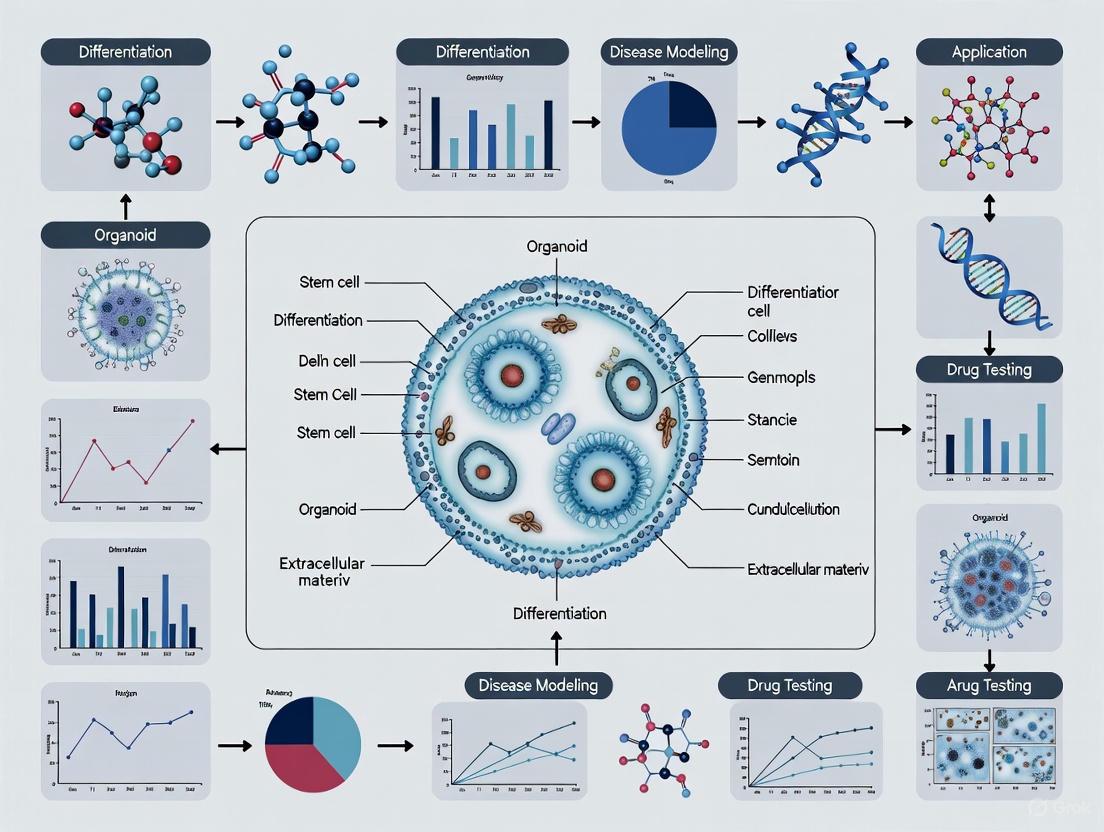
Organoids, three-dimensional stem cell-derived cultures that mimic human organ architecture and function, are revolutionizing biomedical research.
Organoids in Biomedicine: Revolutionizing Disease Modeling, Drug Discovery, and Personalized Medicine
Abstract
Organoids, three-dimensional stem cell-derived cultures that mimic human organ architecture and function, are revolutionizing biomedical research. This article explores the transformative applications of organoid technology for researchers, scientists, and drug development professionals. It covers the foundational principles of organoid biology, their diverse methodological applications in disease modeling and high-throughput drug screening, current challenges and optimization strategies, and a comparative analysis with traditional models. As the FDA pushes to phase out animal testing, organoids emerge as a pivotal, human-relevant platform for advancing precision medicine, improving drug safety, and accelerating therapeutic discovery.
What Are Organoids? Understanding the Core Technology and Its Origins
Organoids represent a groundbreaking advancement in biomedical research, defined as three-dimensional (3D) multi-cellular, microtissues derived from stem cells that are designed to closely mimic the complex structure and functionality of human organs [1]. These miniature in vitro versions of organs possess significant potential for studying human diseases and elucidating their underlying mechanisms, bridging critical gaps between conventional two-dimensional cell cultures and animal models [2]. The development of organoid technology has transformed them into essential resources for a broad spectrum of biological research, surpassing conventional two-dimensional cell culture methods by closely replicating the natural architecture and organization of cells found in living organisms [2].
Three distinct criteria differentiate true organoids from other 3D culture systems: they must be 3D biological microtissues containing several cell types, represent the complexity, organization, and structure of native tissue, and resemble at least some aspects of a tissue's functionality [1]. This unique combination of characteristics enables researchers to model human development and disease with unprecedented fidelity, facilitating exploration of disease mechanisms and evaluation of new drugs and therapeutic approaches [2].
Table 1: Core Characteristics of Organoids
| Characteristic | Description | Research Significance |
|---|---|---|
| 3D Architecture | Multi-cellular microtissues with spatial organization | Better represents in vivo physiology compared to 2D cultures [1] |
| Self-Organization | Innate cellular capacity to form complex structures without external scaffolding | Recapitulates developmental processes [3] |
| Multi-cellular Composition | Contains multiple cell types found in native organs | Enables study of cell-cell interactions and tissue complexity [1] |
| Functional Capacity | Mimics at least some aspects of organ functionality | Allows for drug screening, disease modeling, and toxicity testing [1] [4] |
| Stem Cell Origin | Derived from pluripotent or adult stem cells | Provides self-renewal capability and differentiation potential [1] [4] |
The Fundamental Principle: Self-Organization
At the core of organoid formation lies the powerful biological phenomenon of self-organization—an innate cellular capability to choreograph their own assembly and differentiation, subsequently creating tissues and organs with high fidelity [3]. This process can be achieved through three distinct but interconnected mechanisms: self-assembly, where cells change positions over time; self-patterning, where a homogeneous population of cells becomes heterogeneous in response to spatial and temporal cues; and self-driven morphogenesis, where cells change shape using intrinsic mechanics and cues [3].
The power of self-organization is evident throughout biological systems, from the crystallization of salt solutions to the flocking of birds. In developmental biology, this principle is spectacularly demonstrated by the formation of our complete bodily tissues and organs from a simple zygote [3]. Organoid technology harnesses this innate potential by recapitulating developmental processes in vitro, where progenitor cells sourced from an organ's adult stem cells or induced pluripotent stem cells undergo differentiation and organization into structures that resemble organ function and structure, mirroring the natural organ development process [2].
Seminal discoveries in the field, such as the finding that Lgr5+ cells could self-organize after induction to form cystic structures resembling the intestinal crypt villus, paved the way for organoid development across many other tissues [3]. This capacity for self-organization means that a single progenitor cell can reconstruct complex structures through processes resembling natural branching morphogenesis, as demonstrated in renal ureteric bud development [3]. However, while self-organization is a powerful innate process, some inductive cues are almost always needed in vitro to guide differentiation toward mature phenotypes, particularly for complex organs like the kidney, liver, or heart [3].
Diagram 1: The self-organization process in organoid formation, showing how stem cells differentiate and organize through three interconnected mechanisms under the guidance of external cues.
Organoid Culture: Methodologies and Workflows
Core Culture Techniques
The general workflow for organoid culturing follows a systematic progression from initial cell isolation to mature microtissues. Organoids are typically derived from either primary cells (from intestine, lung, or kidney) or induced pluripotent stem cells (iPSCs), which possess the ability to differentiate and self-assemble into a variety of tissue-specific organoids [1]. In standard embedded 3D culture systems, cells are premixed with Matrigel (an Engelbreth-Holm-Swarm murine sarcoma extracellular matrix) and dispensed as droplets onto culture plates [1] [5]. These droplets form solid dome structures after incubation, which are then overlaid with specialized media containing tissue-specific growth factors and supplements to promote cell growth and differentiation over seven or more days [1].
The culture process is typically lengthy and may involve several steps with different media formulations, during which cell health must be regularly monitored [1]. For routine handling, organoids can be initiated from cryopreserved material, with cryovials rapidly thawed, washed to remove cryopreservation medium, and resuspended in liquid ECM for dome formation [5]. Organoids are propagated and expanded by removal of the ECM followed by enzymatic and/or mechanical dissociation, with the dissociated organoids then returned to 3D culture conditions to continue expansion and re-develop into organoids [5].
Table 2: Essential Research Reagents for Organoid Culture
| Reagent Category | Specific Examples | Function in Organoid Culture |
|---|---|---|
| Extracellular Matrix | Matrigel, Cell Basement Membrane [5] | Provides 3D scaffold for growth and structural support |
| Base Media | Advanced DMEM/F12 [5] | Nutrient foundation for cell survival and proliferation |
| Growth Factors | Noggin, EGF, FGF-10, FGF-7, R-spondin1 [5] | Directs stem cell differentiation and tissue patterning |
| Specialized Supplements | B-27, N-Acetyl cysteine, Nicotinamide [5] | Enhances cell viability and supports specific lineages |
| Small Molecule Inhibitors/Activators | A83-01, SB202190, Y-27632 [5] | Modulates key signaling pathways for differentiation |
Tissue-Specific Media Formulations
The successful development of organoids requires precise, tissue-specific media formulations. These complex medium compositions include small molecules, recombinant proteins, and other supplements tailored to direct differentiation toward specific organ lineages [5]. For example, colon organoid medium typically contains Noggin (100 ng/ml), N-Acetyl cysteine (1 mM), B-27 supplement (1×), EGF (50 ng/ml), A83-01 (500 nM), and R-spondin1 conditioned medium (20%), while mammary organoid medium includes heregulin-beta (5 nM) and lower EGF concentrations (5 ng/ml) [5]. These precise formulations activate or inhibit key developmental signaling pathways—such as Wnt, BMP, TGF-β, and FGF—to recapitulate the signaling environments that guide tissue development in vivo.
Advanced Imaging and Analysis for Organoids
Imaging Challenges and Solutions
Live imaging techniques play a crucial role in organoid research, contributing to elucidating the complex structure and dynamic biological phenomena of organoids [2]. However, live, unlabeled high-resolution imaging of native organoids presents significant challenges, primarily owing to the complexities of sample handling and optical scattering inherent in 3D structures [2]. Conventional imaging methods often fail to capture the real-time dynamic processes of growing organoids, creating a need for advanced imaging modalities that can provide high-resolution images, deep tissue penetration, and real-time observations of dynamic cellular changes without requiring time-consuming sample preparation, labeling, and imaging [2].
Several advanced imaging technologies have been developed to address these challenges. Low-coherence holotomography has emerged as an advanced, label-free, quantitative imaging modality that captures high-resolution morphological details and dynamic activities within organoids at subcellular resolution [2]. This technique employs a quantitative phase imaging approach that enables real-time capture of cellular dynamics without phototoxicity or photobleaching, allowing for sustained, label-free monitoring of organoids over extended periods (up to 120 hours) [2]. Similarly, dynamic contrast optical coherence tomography utilizes fluctuation patterns in OCT signals to enhance contrast, thereby enabling non-invasive label-free volumetric live cell imaging [6]. This method highlights cell clusters or individual cells to enhance the contrast of conventional OCT images, revealing cellular morphology and dynamic information by analyzing temporal signal fluctuations that correspond to variations in optical back-scattering properties [6].
Analytical Approaches for Organoid Characterization
Before experiments are conducted, organoids need to be monitored and characterized to ensure they have the appropriate tissue structure and differentiation [1]. High-content imaging allows for monitoring and visualizing the growth and differentiation of organoids, 3D reconstruction of the structures, complex analysis of organoid structure, cell morphology and viability, and expression of different cell markers [1]. Confocal imaging and 3D analysis of organoids enable visualization and quantitation of the organoids and their constituent cells, with characterization of multiple quantitative descriptors that can be used for studying disease phenotypes and compound effects [1].
Automated imaging and analysis of organoids are particularly important for the quantitative assessment of phenotypic changes, as well as for increasing the throughput of experiments and screens [1]. Analytical workflows can extract parameters such as organoid diameter, volume, shape, intensity of specific markers, or distance to other objects [1]. Furthermore, individual cells, nuclei, or organelles can be defined and measured within each organoid, allowing count of live and dead cells, or cells with a specific marker while defining volumes and distances between objects [1].
Diagram 2: Advanced imaging modalities for organoid analysis and their key advantages for quantitative assessment.
For drug screening applications, detailed assessment of organoids at different length scales provides complementary information. Research comparing cell-level and organoid-level analysis of patient-derived tumor organoids (PDTOs) has demonstrated that high-resolution imaging of labeled organoids with vital dyes permits tracking of cellular changes, such as cell birth and death events, in individual organoids [7]. From the same images, morphological features of the 3D objects—including volume, sphericity, and ellipticity—can be measured and used to evaluate intra- and interpatient tumor organoid heterogeneity [7]. Linear growth rate calculations based on volume or live cell counts can determine differential responses to therapeutic interventions and detect different types of drug effects (cytotoxic vs. cytostatic) in PDTO cultures [7].
Quantitative Assessment of Organoid Quality
As organoid technologies advance toward clinical and pharmaceutical applications, robust quality assessment methods have become increasingly critical. To address the limitations of qualitative assessments, researchers have developed computational approaches for quantitative evaluation of organoid quality. One such innovation is the Web-based Similarity Analytics System, which calculates organ-specific similarity scores based on organ-specific gene expression panels using public transcriptome databases [8].
This quantitative calculation system utilizes a three-step analytical process: initial gene selection through comparative statistical testing (t-tests) to identify differentially expressed genes; confidence interval filtering to identify genes specifically highly expressed in particular tissues; and quantile comparison to eliminate false-positive results [8]. The result is organ-specific gene expression panels that can be used to calculate similarity percentages between hPSC-derived organoids and corresponding human organs [8]. This approach provides researchers with valuable information for the quality control of hPSC-derived organoids and cells, addressing critical limitations of current organoid technology, including immature characteristics, variation in quality, and regional specificity [8].
Table 3: Quantitative Metrics for Organoid Characterization and Their Applications
| Metric Category | Specific Parameters | Research/Clinical Utility |
|---|---|---|
| Morphological Metrics | Diameter, volume, sphericity, ellipticity [7] | Assessing growth patterns and structural development |
| Cell Composition | Live/dead cell ratios, specific marker expression [1] | Evaluating viability and differentiation status |
| Molecular Similarity | Organ-specific gene expression scores [8] | Quantifying fidelity to native human tissues |
| Dynamic Processes | Growth rates, response kinetics [7] | Screening for therapeutic efficacy and toxicity |
| Structural Integrity | 3D architecture, lumen formation [1] [2] | Ensuring physiological relevance for disease modeling |
Applications in Biomedical Research and Therapeutics
Disease Modeling and Drug Development
Organoids have unlocked new avenues for studying complex diseases, from developmental disorders to cancer [4]. Patient-derived organoids have emerged as powerful tools for personalized medicine, enabling researchers to replicate genetic profiles and test drug responses in vitro [4]. Studies have demonstrated that ovarian cancer patient-derived organoids faithfully capture tumor histology, mutation profiles, and drug sensitivity, highlighting their utility in predicting patient-specific therapeutic outcomes [4]. Similarly, colorectal cancer patient-derived organoids have shown significant promise in guiding chemotherapy and targeted therapy decisions, potentially reducing adverse effects and resistance [4].
The pharmaceutical industry is increasingly adopting organoid technologies, particularly as regulatory shifts encourage leveraging organoids alongside computational models to predict drug toxicity and efficacy [4]. The U.S. Food and Drug Administration's 2025 plan to phase out animal testing for monoclonal antibodies and other drugs further emphasizes the urgency of adopting human-relevant models like organoids [4]. These innovations not only align with ethical imperatives but also promise to enhance drug safety, reduce costs, and accelerate therapeutic discovery [4]. For instance, liver organoids can detect hepatotoxic effects that might be missed in animal trials, while cardiac organoids enable arrhythmia risk assessment, providing systems that are not only more physiologically relevant but also scalable for high-throughput screening [4].
Regenerative Medicine and Future Directions
Organoids are paving the way for breakthroughs in regenerative medicine, with research demonstrating promising applications across multiple tissue types. Studies on endometrial regeneration have shown that multi-lineage organoids seeded on acellular amniotic membranes can restore uterine function in animal models, offering hope for treating conditions like Asherman's syndrome [4]. Similarly, advances in retinal organoids have accelerated therapies for inherited retinopathies, with bibliometric analyses revealing exponential growth in this field [4]. In bone tissue engineering, researchers have developed spatiotemporal BMP-2 delivery strategies using organoid-based scaffolds to enhance bone regeneration while minimizing side effects [4].
Despite their considerable promise, organoid systems face technical and logistical hurdles that must be addressed to realize their full potential. Variability in culture conditions, limited vascularization, and high costs remain barriers to widespread adoption [4]. The lack of tissue-specific regenerative capacity, tissue complexity, and 3D connections with other tissues could limit self-organization [3]. For example, self-organization of the multilayered epithelium of the skin in vitro happens spontaneously by self-assembly, but the self-organization of the pancreas or the retina in vitro is typically limited to the formation of immature beta cells or the optic cup [3]. Future research directions focus on standardizing protocols, integrating organoid-microenvironment interactions (e.g., immune cells, vasculature), and enhancing maturation to improve clinical relevance [4].
Organoids represent a paradigm shift in biomedical research, offering unprecedented opportunities to model human development, disease mechanisms, and therapeutic interventions. These self-organizing 3D micro-tissues, derived from stem cells, closely mimic the complex structure and functionality of human organs, bridging critical gaps between conventional cell cultures and animal models. As the scientific community continues to refine organoid technologies—addressing challenges in vascularization, maturation, standardization, and scalability—their integration into regulatory and clinical frameworks marks a pivotal step toward human-centric drug development and regenerative medicine. By harnessing the innate self-organizing capacity of cells while leveraging advanced bioengineering approaches, organoid technology stands poised to drive safer, faster, and more ethical therapeutic breakthroughs in the coming years.
The discovery of Leucine-rich repeat-containing G-protein coupled receptor 5 (Lgr5) as a specific marker of active intestinal stem cells (ISCs) fundamentally transformed biomedical research, paving the way for today's sophisticated organoid technologies [9]. Prior to this breakthrough, studies of intestinal biology were hampered by the inability to maintain functional epithelial tissues in vitro. The identification of Lgr5+ crypt base columnar cells as rapidly cycling stem cells capable of generating all intestinal epithelial lineages provided the foundational knowledge needed to recreate intestinal tissue outside the body [10]. This breakthrough, achieved in 2009, enabled researchers for the first time to culture self-organizing three-dimensional structures termed "intestinal organoids" from single Lgr5+ ISCs, mimicking the crypt-villus architecture and cellular diversity of the native intestine [9].
The emergence of organoid technology represents one of the most significant revolutions in biomedical science over the past decade, named one of "Science's Top Ten Breakthroughs" in 2013 [9]. These three-dimensional micro-organs cultured in vitro exhibit structure highly similar to native tissues and organs, providing unprecedented opportunities for studying human development, disease mechanisms, and therapeutic interventions [4]. This technical guide traces the scientific journey from the foundational discovery of Lgr5+ intestinal stem cells to the cutting-edge multi-organ models that are now shaping the future of precision medicine and drug development.
The Foundation: Lgr5+ Intestinal Stem Cells and Organoid Culture
Discovery and Significance of Lgr5+ Stem Cells
The intestinal epithelium represents the most rapidly self-renewing tissue in adult mammals, completely turning over every 3-5 days through the continuous activity of intestinal stem cells (ISCs) [10]. Before 2007, the identity of the cells driving this remarkable regenerative capacity remained elusive. The seminal discovery came when Lgr5 was identified as a marker of active intestinal stem cells located at the base of intestinal crypts [9]. These Lgr5+ crypt base columnar cells (CBCs) were shown to maintain lineage development and self-renewal with rapid cycling, making them highly sensitive to intestinal injury but also ideal candidates for in vitro culture [10].
Research subsequently revealed the existence of both active and quiescent ISC populations. While Lgr5+ cells represent the actively cycling stem cells, a population of quiescent ISCs at the "+4" crypt position (marked as Lgr5lowKi67+, Bmi1+ or Lrig1+) contributes to regeneration, particularly during recovery from injury [10]. These quiescent stem cells can be reactivated to become Lgr5hi ISCs, demonstrating remarkable plasticity during lineage regeneration. Under homeostatic conditions, ISCs asymmetrically divide to produce one new stem cell and one transient amplifying (TA) cell, maintaining perfect balance between self-renewal and differentiation [10].
Fundamental Organoid Culture Methodology
The groundbreaking methodology for establishing intestinal organoids from Lgr5+ stem cells was first reported by Hans Clevers and colleagues in 2009 [9]. This protocol leverages the self-organizing capacity of ISCs when provided with appropriate environmental cues and three-dimensional support. The following detailed methodology has been refined over years of optimization:
Isolation and Sorting of Lgr5+ Intestinal Stem Cells
- Source Tissue: The protocol utilizes intestinal tissue from Lgr5-EGFP-IRES-creERT2 reporter mice, where Lgr5+ cells express GFP, enabling visual identification and sorting [10].
- Crypt Isolation: Following euthanasia, the intestine is dissected, flushed with ice-cold DPBS, and inverted. Tissue fragments of approximately 2×2 mm² are incubated in 5 mmol/L EDTA on ice for 20 minutes with periodic pipetting to release crypts [10].
- Crypt Release: Tissues are manually shaken (approximately two cycles per second) for 4-8 minutes while monitoring crypt release under fluorescence microscopy. The process is stopped when approximately 70% of crypts are released, with timing varying by intestinal segment (jejunum: ~4 minutes; ileum or colon: 10-15 minutes) [10].
- Cell Dissociation: Released crypts are filtered through 70-100 μm strainers (depending on tissue type), centrifuged at 250 g for 10 minutes at 4°C, then dissociated to single cells using a G26 needle [10].
- FACS Sorting: Dissociated cells are passed through a 20 μm strainer and Lgr5 GFPhi cells are isolated using fluorescence-activated cell sorting (FACS) with gating by forward scatter, side scatter, and pulse-width parameters [10].
3D Organoid Culture Protocol
- Matrix Preparation: Thawed Matrigel is kept at 4°C (all tubes and tips pre-cooled) and mixed with sorted Lgr5+ cells (approximately 2,500 cells in 50 μL Matrigel) [10].
- Critical Growth Factors: The Matrigel-cell mixture must contain essential signaling molecules: R-spondin 1 (1 μg/mL), Noggin (100 ng/mL), EGF (50 ng/mL), and Wnt-3a (2.5 ng/mL) [10].
- Plating Technique: The cell-Matrigel mixture is slowly placed in the center of pre-warmed culture plates, then incubated at 37°C, 5% CO₂ for 20 minutes to allow solidification [10].
- Culture Maintenance: After solidification, Matrigel droplets are overlaid with 500 μL organoid growth medium containing Y-27632 (10 μmol/L) to enhance cell survival. Medium is replaced with fresh complete "minigut" medium every 4 days [10].
- Morphological Monitoring: Organoid formation and growth are monitored daily by microscopy, with enteroids derived from small intestine and colonoids from colon exhibiting characteristic crypt-like structures within days [10].
Table 1: Essential Reagents for Lgr5+ Intestinal Organoid Culture
| Reagent/Category | Specific Examples | Function in Organoid Culture |
|---|---|---|
| Stem Cell Source | Lgr5-EGFP-IRES-creERT2 mouse intestine [10] | Provides traceable Lgr5+ ISCs for organoid formation |
| 3D Matrix | Matrigel [10] | Provides basement membrane components for 3D growth and polarization |
| Essential Growth Factors | R-spondin 1 (Wnt agonist) [10], Noggin (BMP inhibitor) [10], EGF (proliferation signal) [10], Wnt-3a (stem cell maintenance) [10] | Activates signaling pathways critical for ISC self-renewal and differentiation |
| Culture Media Supplements | Y-27632 (ROCK inhibitor) [10] | Enhances survival of dissociated single stem cells |
| Dissociation Reagents | EDTA [10] | Chelating agent that facilitates crypt release from intestinal tissue |
Figure 1: Experimental workflow for generating intestinal organoids from Lgr5+ stem cells
Characterization and Functional Validation
Proper characterization of intestinal organoids is essential to confirm they recapitulate native intestinal epithelium. The following methodologies enable comprehensive validation:
Immunofluorescence Staining for Lineage Identification
- Fixation: Remove medium and add 500 μL freshly prepared 4% paraformaldehyde (PFA) to each well, incubating overnight at 4°C [10].
- Processing: Break the Matrigel with a pipette tip, collect organoids in a microcentrifuge tube, and centrifuge at 200 g for 10 minutes at 4°C [10].
- Staining: Add 10 μL 2% methylene blue for 20 minutes at room temperature to visualize organoids during embedding [10].
- Sectioning: Embed organoids in OCT compound, section into 4-5 μm slices, and mount on slides [10].
- Antigen Retrieval: Heat slides in microwave submersed in 10 mmol/L sodium citrate buffer (pH 6.0) until boiling, then maintain at sub-boiling temperature for 15 minutes [10].
- Immunostaining: Permeabilize with 0.1% Triton X-100 for 30 minutes, block with appropriate serum, then incubate with primary antibodies overnight at 4°C [10].
Key Lineage Markers for Identification
- Paneth Cells: Lysozyme antibody (4 μg/mL) [10]
- Tuft Cells: DCLK1 antibody (1 μg/mL) [10]
- Enteroendocrine Cells: Chromogranin A antibody (10 μg/mL) [10]
- Epithelial Structure: E-cadherin antibody (5 μg/mL) [10]
Evolution of Organoid Technology: Beyond the Intestine
From Intestinal to Multi-Tissue Organoids
The success of intestinal organoid technology catalyzed the development of organoid models for diverse tissues and organs. Researchers quickly adapted similar principles to generate organoids from pluripotent stem cells (PSCs), embryonic stem cells (ESCs), and induced pluripotent stem cells (iPSCs) [9]. In 2011, Spence et al. reported the formation of human intestinal organoids from PSCs, followed by successful generation from mouse and human iPSCs by Miura and Suzuki in 2017 [9]. While these PSC-derived organoids contain various intestinal epithelial cell types, they typically exhibit less mature differentiation compared to ISC-derived organoids and may show some genetic and epigenetic variations from in vivo epithelium [9].
The technology platform has expanded dramatically to include organoids representing virtually every major organ system:
- Cardiac Organoids: Three-dimensional structures derived from induced differentiation of stem cells that replicate autonomous beating and essential electrophysiological properties of the heart [11].
- Neural Organoids: Models that recapitulate aspects of brain development and function, enabling study of neurological disorders [12].
- Retinal Organoids: Advanced models accelerating therapies for inherited retinopathies [4].
- Endometrial Organoids: Multi-lineage organoids seeded on acellular amniotic membranes showing promise for restoring uterine function [4].
- Tumor Organoids: Patient-derived cancer models that recapitulate tumor histology, mutation profiles, and drug sensitivity for personalized therapy screening [4].
Advanced Model Systems: Assembloids and Organ-on-Chip
To better mimic tissue complexity and inter-organ interactions, researchers have developed increasingly sophisticated model systems:
Assembloids Assembloids involve fusing organoids representing different brain regions or tissue types to model complex interactions. This approach has been particularly valuable for studying neuronal connectivity and heart-organ interactions, enabling research into neuro-cardiac communication and immune-cardiac crosstalk [13].
Organ-on-Chip Systems Organ-on-chip technology integrates microfluidic devices with organoid culture to create more physiologically relevant microenvironments [13]. These systems:
- Provide precise control over fluid flow, mechanical forces, and tissue-tissue interfaces [12]
- Enable co-culture of multiple organoid types to study systemic responses [14]
- Permit application of mechanical stimuli (e.g., stretch, fluid shear stress) important for tissue maturation [13]
- Allow real-time monitoring of metabolic and functional responses [14]
Organoid-on-Chip Platforms Recent advances combine organoids with microfluidic MPS (microphysiological systems) to create highly predictive in vitro models for drug absorption, metabolism, and toxicity studies [15]. These integrated systems can model the linkage and crosstalk between intestine and liver, providing powerful tools for predicting human efficacy and toxicity [15].
Table 2: Evolution of Organoid Model Systems and Their Applications
| Model Type | Key Features | Research Applications | Limitations |
|---|---|---|---|
| 2D Cell Cultures (Caco-2, HT-29, T84) [9] | Monolayer culture, simple setup, high-throughput compatible | Basic absorption studies, preliminary toxicity screening | Limited physiological relevance, abnormal differentiation, no tissue structure [9] |
| 3D Intestinal Organoids (Lgr5+ derived) [9] [10] | Crypt-villus architecture, multiple cell types, physiological function | Disease modeling (IBD, cancer), host-pathogen interactions, regeneration studies | Lack of microenvironment components (immune, nervous, vascular systems) [9] |
| Multi-Organ Assembloids [13] | Multiple tissue types interacting, enhanced physiological relevance | Studying inter-organ communication, systemic disease modeling, developmental biology | Technical complexity, variable reproducibility, high resource requirements [13] |
| Organ-on-Chip/MPS [14] [15] | Controlled microenvironments, fluid flow, mechanical stimuli, multi-tissue integration | ADME-Tox studies, disease modeling, personalized medicine | Specialized equipment needed, standardization challenges, limited throughput [14] |
Figure 2: Historical evolution of organoid model systems from simple 2D cultures to advanced multi-organ platforms
Applications in Biomedical Research and Drug Development
Disease Modeling and Pathophysiological Studies
Organoid technology has revolutionized disease modeling by providing human-relevant systems that recapitulate patient-specific pathophysiology. Key applications include:
Inflammatory Bowel Disease (IBD) Modeling Intestinal organoids have become invaluable tools for studying IBD molecular pathophysiology [9]. Derived from patients with IBD using induced pluripotent stem cells (iPSCs), these organoids model the intestinal epithelial barrier dysfunction characteristic of IBD, enabling studies of epithelial integrity, cytokine responses, and potential regenerative therapies [9].
Cancer Modeling and Personalized Therapy Patient-derived tumor organoids (PDOs) have emerged as powerful tools for personalized cancer medicine [4]. Colorectal cancer organoids developed from patient tumor tissues retain histopathological features and mutation profiles of the original tumors, enabling drug sensitivity testing that can inform personalized treatment plans [4]. Similarly, ovarian cancer PDOs faithfully capture tumor histology, mutation profiles, and drug sensitivity, predicting patient-specific therapeutic outcomes [4].
Genetic Disease Modeling When combined with gene-editing technologies like CRISPR-Cas9, organoids provide versatile platforms for modeling genetic disorders such as cystic fibrosis, neurodegenerative diseases, and various monogenic intestinal disorders [12]. These models allow investigation of disease mechanisms and high-throughput screening of potential therapeutics.
Drug Development and Toxicity Testing
Organoids are transforming drug development pipelines through more predictive preclinical models:
High-Throughput Compound Screening Organoids provide a physiologically relevant platform for drug screening that bridges the gap between traditional 2D cell cultures and animal models [12]. Their self-organizing 3D structure better mimics human tissue architecture, enabling more accurate assessment of compound efficacy, toxicity, and metabolism [12].
Toxicology and Safety Assessment Liver organoids can detect hepatotoxic effects potentially missed in animal trials, while cardiac organoids enable arrhythmia risk assessment [4]. Engineered skin organoids serve as robust platforms for cosmetic toxicity testing, replacing traditional methods with higher sensitivity and ethical compliance [4].
Regulatory Shifts and Validation The FDA's 2025 plan to phase out mandatory animal testing for monoclonal antibodies and other drugs when validated alternatives are available underscores the growing importance of human-relevant models like organoids [4] [16]. This regulatory shift is accelerating the adoption of organoid technologies in preclinical safety assessment.
Regenerative Medicine Applications
Organoids hold tremendous promise for regenerative applications:
Epithelial Repair and Transplantation Intestinal organoids have been successfully transplanted into intestinal mucosa, demonstrating repairing effects on damaged intestinal epithelium [9]. This approach offers potential treatments for conditions like ulcerative colitis, radiation enteritis, and short bowel syndrome [9].
Tissue Engineering and Replacement Advances in organoid technology are paving the way for generating functional tissue replacements. Research on endometrial regeneration has demonstrated that multi-lineage organoids seeded on acellular amniotic membranes can restore uterine function in animal models, offering hope for treating conditions like Asherman's syndrome [4]. Similarly, progress in bone tissue engineering includes spatiotemporal BMP-2 delivery strategies using organoid-based scaffolds to enhance bone regeneration while minimizing side effects [4].
Current Challenges and Future Directions
Technical Limitations and Optimization Needs
Despite rapid advances, organoid technology faces several significant challenges that require addressing:
Standardization and Reproducibility Organoid culture protocols remain highly variable between laboratories, leading to issues with reproducibility and data interpretation [9] [4]. There is an urgent need to technically standardize laboratory procedures for organoid generation, culture, and characterization to enable more widespread adoption and reliable comparisons across studies [9].
Vascularization and Microenvironment Complexity Most current organoid models lack functional vascular networks, limiting nutrient exchange, organoid size, and maturation [4]. The absence of integrated immune, nervous, and stromal components further reduces physiological relevance [4]. Ongoing research focuses on incorporating endothelial cells to create perfusable vascular systems and co-culturing with immune cells to better model inflammatory processes [13].
Maturation and Functional Validation Many organoid systems exhibit fetal or neonatal characteristics rather than fully adult phenotypes [9]. Enhancing organoid maturation through prolonged culture, mechanical stimulation, hormonal signaling, and metabolic manipulation represents an active area of investigation. Similarly, developing standardized functional assessment parameters beyond morphological characterization remains crucial for validation [11].
Emerging Technologies and Future Prospects
Several emerging technologies promise to address current limitations and expand organoid applications:
Multi-Omics Integration Advanced analytical approaches including single-cell RNA sequencing, spatial transcriptomics, and proteomic profiling are enabling unprecedented resolution of organoid composition, heterogeneity, and development [13]. These technologies facilitate rigorous quality control and detailed characterization of organoid models.
Organoid Biobanking and Personalized Medicine Large-scale efforts to establish biobanks of patient-derived organoids are accelerating drug discovery and personalized therapy selection [4]. These resources enable high-throughput screening across diverse genetic backgrounds and correlation of drug responses with specific genomic alterations.
Advanced Engineering Approaches 3D bioprinting, microfluidic integration, and smart biomaterials are being combined with organoid technology to create more reproducible and complex tissue models [9] [14]. These engineering approaches enable precise control over cellular organization, microenvironmental cues, and physiological stimulation.
Human-Relevant Disease Modeling As regulatory agencies increasingly accept human-relevant models for drug safety assessment, organoid technologies are poised to reduce reliance on animal models while improving predictive accuracy for human responses [4] [16]. This shift aligns with both ethical imperatives and scientific opportunities to better model human-specific biology and disease processes.
The Scientist's Toolkit: Essential Research Reagents and Materials
Table 3: Essential Research Reagent Solutions for Intestinal Organoid Research
| Reagent Category | Specific Examples | Function/Application | Technical Notes |
|---|---|---|---|
| Stem Cell Sources | Lgr5-EGFP-IRES-creERT2 mice [10], Human intestinal crypt-derived stem cells [9], iPSCs from patients [9] | Provide stem cells for organoid generation | Lgr5 reporter mice enable FACS sorting; human cells require ethical approvals |
| 3D Matrices | Matrigel [10], Synthetic hydrogels, Collagen-based matrices | Provide scaffold for 3D growth and polarization | Matrigel lot variability requires optimization; synthetic alternatives offer standardization |
| Critical Growth Factors | R-spondin 1 (Wnt signaling enhancement) [10], Noggin (BMP inhibition) [10], EGF (epithelial proliferation) [10] | Maintain stem cell niche signaling | Concentration optimization essential; recombinant human proteins preferred for clinical applications |
| Culture Media Components | Advanced DMEM/F-12, B27 supplement, N2 supplement, N-acetylcysteine [10] | Provide nutritional support and redox balance | Serum-free formulations reduce variability; antioxidants improve viability |
| Cell Survival Enhancers | Y-27632 (ROCK inhibitor) [10] | Improves survival of dissociated single cells | Particularly critical during initial plating after passaging |
| Characterization Tools | Anti-lysozyme, Anti-DCLK1, Anti-chromogranin A, Anti-E-cadherin antibodies [10] | Identification of specific cell lineages | Validation for organoid immunohistochemistry essential |
| Functional Assay Systems | EVOM TEER measurement systems [12], Calcium imaging setups, Metabolic assay kits | Assess barrier integrity, electrophysiology, and metabolism | TEER measurements possible with organoid-derived monolayers |
The journey from the seminal discovery of Lgr5+ intestinal stem cells to today's sophisticated multi-organ models represents a paradigm shift in biomedical research. Organoid technology has evolved from a specialized tool for studying intestinal biology to a versatile platform transforming disease modeling, drug development, and regenerative medicine. As standardization improves and technological innovations address current limitations, organoids are poised to become increasingly central to biomedical research and clinical applications. The continued refinement of these human-relevant models promises to accelerate the development of more effective, personalized therapies while reducing reliance on traditional animal models. With regulatory agencies increasingly recognizing the value of organoid-based testing, this technology platform stands to fundamentally reshape how we study human biology, model disease processes, and develop new therapeutics.
This whitepaper provides a comparative analysis of three principal stem cell sources—Adult Stem Cells (ASCs), Induced Pluripotent Stem Cells (iPSCs), and Embryonic Stem Cells (ESCs)—within the context of modern biomedical research and organoid technology. As the field pivots towards more human-relevant models, driven in part by regulatory shifts like the FDA's move to phase out mandatory animal testing for some drugs, understanding the distinct properties and applications of each stem cell type becomes crucial [4] [16]. Organoids, three-dimensional in vitro structures that mimic organ architecture and function, are at the forefront of this transition, enabling advanced disease modeling, drug screening, and regenerative medicine strategies [4] [17]. This document details the biological characteristics, technical protocols, and specific utilities of ASCs, iPSCs, and ESCs, providing researchers with the foundational knowledge needed to select the appropriate cell source for their organoid-based research and therapeutic development.
The selection of a stem cell source is foundational to experimental design and dictates the potential applications of the resulting organoids. The following table summarizes the key defining characteristics of ASCs, iPSCs, and ESCs.
Table 1: Core Characteristics of Major Stem Cell Sources
| Feature | Adult Stem Cells (ASCs) | Induced Pluripotent Stem Cells (iPSCs) | Embryonic Stem Cells (ESCs) |
|---|---|---|---|
| Origin | Various adult tissues (e.g., bone marrow, adipose tissue, umbilical cord) [18] | Reprogrammed adult somatic cells (e.g., skin fibroblasts) [19] | Inner cell mass of a blastocyst-stage embryo [18] |
| Differentiation Potential | Multipotent (limited to cell types of their tissue of origin) [20] | Pluripotent (can differentiate into all three germ layers) [19] | Pluripotent (can differentiate into all three germ layers) [18] |
| Key Markers | Varies by tissue source; often positive for CD44, CD73, CD90, CD105 [21] | Pluripotency factors: OCT4, SOX2, NANOG [18] [19] | Pluripotency factors: OCT4, SOX2, NANOG [18] |
| Ethical Considerations | Minimal ethical concerns [18] | Minimal ethical concerns [18] [19] | Significant ethical concerns due to embryo destruction [18] [22] |
| Major Advantages | Readily available, autologous potential, low tumorigenicity, immunomodulatory properties [18] [21] | Pluripotency without ethical issues, patient-specific models, unlimited self-renewal [18] [19] | Gold standard for pluripotency, robust differentiation protocols [19] |
| Major Challenges | Limited expansion and differentiation potential, heterogeneity [19] | Tumorigenicity risk, genetic instability, incomplete reprogramming [20] [19] | Ethical and legal restrictions, risk of immune rejection [18] [19] |
Experimental Protocols for Stem Cell Culture and Organoid Generation
Isolation and Culture of Mesenchymal Stem/Stromal Cells (MSCs)
MSCs, a prominent type of ASC, are commonly isolated from tissues like the umbilical cord. The explant method is a standard, enzyme-free technique for isolating MSCs [20].
- Procedure:
- Tissue Collection: Obtain ~10-15 cm of fresh umbilical cord from a consenting donor following health screening.
- Processing: Minced the tissue into small pieces (explants).
- Culture: Place explants in a culture dish with a specialized medium, such as α-MEM supplemented with increasing concentrations of Human Platelet Lysate (HPL).
- Maintenance: Replace the medium three times weekly. Allow adherent, fibroblast-like cells to grow to 80-85% confluency.
- Passaging: Detach cells using biophysical methods (e.g., cold temperature shock or a soft brush) to avoid enzymatic damage. Cells at passage 7 (P7) are typically harvested for experimentation or storage [20].
Generation and Differentiation of Induced Pluripotent Stem Cells (iPSCs)
The creation of iPSCs involves reprogramming somatic cells back to a pluripotent state.
- Reprogramming:
- Method: Introduce a set of transcription factors, known as Yamanaka factors (OCT4, SOX2, KLF4, c-MYC), into somatic cells (e.g., skin fibroblasts) [19]. This can be achieved using viral vectors, mRNA, or proteins.
- Outcome: Successful reprogramming yields colonies with embryonic stem cell-like morphology, expressing pluripotency markers like OCT4 and NANOG.
- Organoid Generation:
- Principles: iPSCs are directed to form specific organoids through a series of differentiation steps that mimic embryonic development. This involves:
- Initial Commitment: Using specific growth factors and small molecules to guide iPSCs towards a particular germ layer (e.g., endoderm, mesoderm, ectoderm).
- 3D Culture: Embedding the differentiating cells in an extracellular matrix (ECM) scaffold, such as Matrigel, to support three-dimensional growth.
- Maturation: Culturing the developing organoids in media containing tissue-specific morphogens and growth factors to promote self-organization and functional maturation [4] [23].
- Principles: iPSCs are directed to form specific organoids through a series of differentiation steps that mimic embryonic development. This involves:
Isolation and Culture of Human Embryonic Stem Cells (hESCs)
- Procedure:
- Derivation: The inner cell mass is isolated from a donated blastocyst embryo produced via in vitro fertilization (IVF), typically done 5 days post-fertilization [18] [19].
- Culture: The cells are placed on a layer of feeder cells (like mouse embryonic fibroblasts) or in a feeder-free system with an appropriate ECM coating.
- Maintenance: hESCs are cultured in a specific medium that maintains pluripotency (e.g., containing bFGF). They are passaged regularly using enzymatic (e.g., collagenase) or mechanical dissection to prevent spontaneous differentiation [19].
Application in Organoid Research: A Comparative Workflow
Organoid generation from different stem cell sources follows a generalized workflow but requires specific initial inputs and differentiation signals. The diagram below illustrates this comparative pipeline.
Figure 1: Generalized Workflow for Organoid Generation from Different Stem Cell Sources. The path from ASCs is often more direct, while iPSCs and ESCs require an initial, multi-step differentiation phase.
Utility in Organoid Models
- ASCs (e.g., MSCs, Intestinal Stem Cells): Ideal for generating organoids that recapitulate specific tissues, such as intestinal, gastric, or hepatic organoids, where resident stem cells are known and accessible. Patient-derived ASC organoids are powerful tools for personalized disease modeling and drug testing [4] [23].
- iPSCs: Uniquely suited for modeling genetic diseases, neurodevelopmental disorders, and for generating complex multi-tissue organoids (e.g., brain, kidney) that are not accessible from adult tissues. They enable the study of patient-specific disease mechanisms and drug responses in a human genetic background [4] [19].
- ESCs: Serve as a robust and well-characterized starting point for organoids requiring extensive self-organization, such as retinal, cerebral, or thyroid organoids. They are often used to establish fundamental protocols for organoid generation [4].
The Scientist's Toolkit: Essential Reagents and Materials
Successful organoid research relies on a suite of specialized reagents and tools. The following table details key components of the research toolkit.
Table 2: Essential Research Reagents and Materials for Organoid Research
| Reagent/Material | Function | Example Application in Organoid Research |
|---|---|---|
| Human Platelet Lysate (HPL) | Serum-free supplement for cell culture media; promotes MSC expansion [20]. | Used as a critical media component for the isolation and expansion of MSCs from umbilical cord or other tissues prior to organoid formation. |
| Matrigel / Basement Membrane Extract | A solubilized extracellular matrix (ECM) preparation that gels at 37°C. | Serves as the 3D scaffold for embedding stem cells and supporting the self-organization and structural development of organoids [23]. |
| Yamanaka Factors (OSKM) | A cocktail of transcription factors (OCT4, SOX2, KLF4, c-MYC) for cellular reprogramming. | Ectopic expression in somatic cells (e.g., fibroblasts) to generate induced pluripotent stem cells (iPSCs) [19]. |
| Growth Factors & Small Molecules | Signaling molecules that direct cell fate (e.g., BMP, Wnt, FGF, TGF-β inhibitors). | Used in precise combinations and sequences to differentiate pluripotent stem cells (iPSCs/ESCs) into specific lineages during organoid formation [4]. |
| Transepithelial Electrical Resistance (TEER) Equipment | Instrumentation (e.g., EVOM) for measuring electrical resistance across a cellular layer. | Provides a functional, quantitative readout of barrier integrity in organoid models, such as colon or placental organoids [23]. |
| Microfluidic Systems | Devices that allow for precise fluid control at a small scale. | Used to create more complex "organ-on-a-chip" systems that can link multiple organoids and introduce fluid flow, mimicking physiological interactions [23]. |
The choice between ASCs, iPSCs, and ESCs is not a matter of identifying a single superior source, but rather of selecting the most appropriate tool for a specific research question. ASCs, particularly MSCs, offer a clinically relevant and safer profile for immunomodulatory applications and tissue-specific modeling. iPSCs provide an unparalleled platform for personalized medicine and the modeling of complex genetic diseases, despite ongoing challenges with tumorigenicity. ESCs remain the gold standard for pluripotency and foundational developmental studies. Within the rapidly evolving landscape of biomedical research, organoid technology serves as a powerful unifying application for all three cell sources, bridging the gap between traditional 2D culture and in vivo models. As the field advances, further standardization of protocols, improved vascularization of organoids, and the integration of multi-omics data will be critical to fully harnessing the potential of each stem cell type for revolutionizing disease modeling, drug discovery, and regenerative medicine [4] [23].
Organoids, three-dimensional (3D) in vitro multicellular structures derived from stem cells, have emerged as transformative models in biomedical research by recapitulating the complex architecture and functionality of human organs. These miniaturized organ-like tissues conserve parental gene expression and mutation characteristics, enabling long-term maintenance of biological functions in vitro. This technical guide details the core characteristics of organoids, including their self-organization capacity, cellular heterogeneity, and structural fidelity to in vivo counterparts. We examine fundamental protocols for organoid generation from diverse stem cell sources and explore advanced technological integrations. Within the broader context of biomedical applications, organoid technology provides unprecedented opportunities for disease modeling, drug screening, and regenerative medicine, bridging critical gaps between traditional two-dimensional cultures and in vivo models.
Organoids are defined as 3D miniaturized versions of organs or tissues derived from cells with stem potential that can self-organize and differentiate into 3D cell masses, recapitulating the morphology and functions of their in vivo counterparts [24]. Unlike traditional two-dimensional (2D) culture systems where cells gradually lose their original morphology and hierarchical structure, organoids maintain genetic stability and chromatin heterogeneity while preserving the cellular interactions and signaling networks found in native tissues [24]. The development of organoid technology represents a convergence of stem cell biology and 3D culture techniques, enabling researchers to create physiologically relevant human tissue models for investigative and therapeutic applications.
The historical foundation of organoid research dates back to early experiments in cell culture and self-organization, with significant milestones including the establishment of intestinal organoids from adult stem cells in 2009 [24] [25]. This breakthrough demonstrated that stem cells could differentiate into spatial structures similar to in vivo organs when provided with appropriate niche factors. Subsequent advances have enabled generation of organoids mimicking diverse organs including brain, lung, heart, liver, kidney, and gastrointestinal tissues [24] [25]. The rapid evolution of 3D culture technologies has been instrumental in overcoming limitations of 2D systems, particularly their inability to maintain normal cell morphology, cell-cell interactions, and tissue-specific functionality [24].
Organoids can be generated from different stem cell populations, each offering distinct advantages and limitations for specific research applications. The choice of stem cell source determines fundamental characteristics including developmental stage representation, cellular complexity, and experimental utility.
Table 1: Comparison of Stem Cell Sources for Organoid Generation
| Stem Cell Source | Key Features | Differentiation Process | Cellular Complexity | Primary Applications |
|---|---|---|---|---|
| Pluripotent Stem Cells (PSCs) [24] [25] | Embryonic stem cells (ESCs) and induced pluripotent stem cells (iPSCs); pluripotent capacity | Directed differentiation via specific germ layer formation induced by growth factors and signaling molecules | Contain mesenchymal, epithelial, and endothelial cells; richer cellular fraction | Modeling early organogenesis, developmental biology, hereditary diseases |
| Adult Stem Cells (ASCs) [24] [25] | Tissue-resident stem cells (e.g., Lgr5+ intestinal stem cells); multipotent capacity | Simpler protocol requiring identification of proper ASC types and niche factors | Primarily epithelial cells; simpler cellular composition | Disease modeling, regenerative medicine, toxicology studies |
| Tumor Cells [24] [26] | Derived from patient tumor tissues via digestion and dissociation | Based on ASC protocols but adapted for tumor cell requirements | Maintains tumor heterogeneity and microenvironment elements | Cancer research, drug resistance studies, personalized medicine |
Pluripotent Stem Cell-Derived Organoids
PSC-derived organoids, including those from embryonic stem cells (ESCs) and induced pluripotent stem cells (iPSCs), leverage the pluripotency of these cells to generate complex tissues containing multiple cell types [24]. The establishment of PSC-derived organoids depends on directed differentiation that recapitulates developmental processes, requiring sequential activation of specific signaling pathways to first form definitive germ layers (endoderm, mesoderm, or ectoderm) and subsequently promote tissue-specific maturation [24]. iPSC-derived organoids have proven particularly valuable for modeling various hereditary diseases in vitro, especially when combined with genome editing technologies [24]. However, PSC-derived organoids often resemble fetal tissues rather than fully mature adult organs and may lack important interactions with co-developing cell types [24]. Additionally, ethical considerations surrounding ESC derivation limit their use in some research contexts [24].
Adult Stem Cell-Derived Organoids
Adult stem cell (ASC)-derived organoids are generated directly from tissue-specific stem cells isolated from juvenile or adult organs [24] [25]. The landmark demonstration of this approach involved culture of intestinal Lgr5+ stem cells in 3D matrices supplemented with stem cell niche factors including EGF, Noggin, and R-spondin [25]. Unlike PSC-derived organoids, ASC-derived models typically exhibit greater maturity and more closely resemble adult tissues [25]. Their protocols are generally simpler, shorter, and more reproducible, making them ideal for regenerative medicine applications and disease modeling where adult tissue function is essential [24]. The primary limitation of ASC-derived organoids is their relatively simple cellular composition, predominantly consisting of epithelial cells without the mesenchymal and endothelial components found in PSC-derived organoids [24]. Additionally, prior knowledge of specific niche factors required for different tissue types can be a limiting factor for expanding this technology to new organ systems.
Key Characteristics of Organoids
Structural Recapitulation of Native Tissues
Organoids replicate the microscopic architecture of native organs through self-organization processes that mirror developmental biology. This structural fidelity encompasses multiple levels of organization, including polarized epithelia, crypt-villi structures in intestinal organoids, stratified layers in cerebral organoids, and functional units in hepatic and renal organoids [24] [25]. The 3D spatial arrangement enables establishment of physiologically relevant cell-cell and cell-matrix interactions that are absent in 2D culture systems [24]. For example, cerebral organoids develop distinct zones resembling ventricular and cortical regions [25], while intestinal organoids form crypt-like domains containing stem cells and adjacent differentiated regions [24]. This structural complexity arises from self-organization principles inherent to stem cells when provided with appropriate environmental cues.
Functional Properties of Organoids
Beyond structural mimicry, organoids demonstrate functional characteristics of their native counterparts, including metabolic activity, electrophysiological responses, secretory functions, and barrier properties. For instance, hepatic organoids exhibit albumin production and cytochrome P450 activity [24], cerebral organoids show synchronized neural activity [25], and intestinal organoids maintain digestive enzyme secretion and nutrient absorption capabilities [24]. These functional attributes make organoids particularly valuable for modeling tissue-specific responses to pharmacological compounds, pathogens, and genetic perturbations. The preservation of parental gene expression and mutation patterns in patient-derived organoids enables clinically relevant modeling of disease processes and drug responses [24]. Tumor organoids (tumoroids) maintain the histological structure, molecular genetic characteristics, and heterogeneity of the original tumors, providing powerful models for cancer research and personalized drug testing [24] [26].
Table 2: Functional Characteristics of Selected Organoid Types
| Organoid Type | Key Functional Attributes | Research Applications |
|---|---|---|
| Cerebral Organoids [25] | Neural network activity, neurotransmitter release, response to neuroactive compounds | Modeling neurodevelopmental disorders, neurodegenerative diseases, drug neurotoxicity |
| Hepatic Organoids [24] | Albumin production, urea synthesis, cytochrome P450 metabolism, bile acid transport | Drug metabolism and toxicity studies, modeling metabolic liver diseases |
| Intestinal Organoids [24] [25] | Nutrient absorption, mucus secretion, enteroendocrine hormone release, barrier function | Studying host-pathogen interactions, inflammatory bowel disease, nutrient absorption |
| Renal Organoids [24] | Selective filtration, transporter activity, response to nephrotoxic agents | Modeling genetic kidney disorders, drug-induced nephrotoxicity |
| Tumor Organoids [24] [26] | Drug response profiling, invasion capacity, cancer stem cell functionality | Personalized medicine, drug resistance mechanisms, high-throughput anticancer drug screening |
Genetic and Cellular Heterogeneity
Organoids maintain the genetic heterogeneity of their tissue of origin, preserving the genomic landscape and mutation profile of primary tissues even during extended culture [24] [26]. This characteristic is particularly valuable for tumor organoids, which capture the clonal diversity and subpopulation architecture of original tumors, enabling studies of tumor evolution and heterogeneous drug responses [26]. The 3D environment supports maintenance of multiple cell types found in native tissues, including stem/progenitor cells and their differentiated progeny, recapitulating the cellular hierarchy essential for tissue homeostasis and repair [24]. This preservation of cellular heterogeneity represents a significant advantage over traditional 2D cell lines, which often undergo selective pressure and genetic drift during long-term culture, resulting in models that poorly represent original tissue diversity [24] [26].
Experimental Protocols for Organoid Generation
Core Methodology for Organoid Culture
The generation of organoids follows a systematic workflow that varies depending on stem cell source and target tissue but shares fundamental principles across different organoid types. The following protocol outlines key steps for establishing organoid cultures, with specific modifications required for different tissue origins.
Step 1: Cell Source Preparation
- PSC-derived organoids: Begin with established PSC cultures maintained under defined conditions. Initiate differentiation by forming embryoid bodies through aggregation in low-attachment plates [25].
- ASC-derived organoids: Isolate tissue fragments from surgical specimens or biopsies. Dissociate tissues mechanically and enzymatically using collagenase/hyaluronidase and TrypLE Express enzymes to obtain single cells or small cell clusters [26]. Filter through 70-100μm strainers to achieve appropriate cell cluster size [26].
- Tumor-derived organoids: Process tumor tissues obtained surgically or through non-surgical methods (e.g., malignant effusions, urine, blood). Include 10μM ROCK inhibitor during digestion to improve viability [26].
Step 2: 3D Matrix Embedding
- Resuspend cell pellets in extracellular matrix (ECM) solution such as Matrigel, basement membrane extract (BME), or Geltrex [27] [26]. These matrices provide crucial biochemical and biophysical cues for 3D organization.
- Plate cell-ECM mixture as hemispherical droplets in culture plates (typically 10-20μL per drop in 24-48 well plates) [26].
- Incubate at 37°C for 15-30 minutes to allow matrix polymerization [26].
Step 3: Culture Medium Formulation
- Overlay polymerized matrix drops with organoid culture medium containing tissue-specific growth factors and signaling molecules [24] [27].
- For intestinal organoids: Include EGF, Noggin, and R-spondin to replicate intestinal stem cell niche [25].
- For cerebral organoids: Sequential addition of patterning factors including BMP/TGF-β inhibitors, followed by BDNF, GDNF, and cAMP for maturation [25].
- Refresh media every 2-4 days depending on organoid type and metabolic rate [27].
Step 4: Maintenance and Passaging
- Monitor organoid growth and morphology regularly using brightfield microscopy.
- Passage organoids every 1-4 weeks by mechanical disruption or enzymatic digestion (e.g., accutase or dispase) followed by re-embedding in fresh matrix [26].
- For long-term storage, cryopreserve organoids in freezing medium containing DMSO and recover using standard protocols [26].
The Scientist's Toolkit: Essential Research Reagents
Table 3: Essential Reagents for Organoid Culture and Analysis
| Reagent Category | Specific Examples | Function and Application |
|---|---|---|
| Extracellular Matrices [27] [26] | Matrigel, Geltrex, BME (Basement Membrane Extract) | Provides 3D scaffold with physiological adhesion sites and biochemical cues for self-organization |
| Digestion Enzymes [26] | Collagenase/Hyaluronidase, TrypLE Express, Accutase | Tissue dissociation and organoid passaging while maintaining cell viability |
| Growth Factors & Cytokines [24] [27] | EGF, Noggin, R-spondin, FGF, Wnt agonists | Regulation of stem cell maintenance, differentiation, and tissue patterning |
| Small Molecule Inhibitors [25] [26] | ROCK inhibitor (Y-27632), BMP/TGF-β inhibitors, Wnt pathway modulators | Enhanced cell survival after passaging and directed differentiation through pathway modulation |
| Culture Media Supplements [27] | B27, N2, N-acetylcysteine, Gastrin | Tissue-specific media formulation to support growth and maturation |
| Analysis Reagents [27] [1] | CytoVista 3D Clearing Agent, ProLong Glass Antifade Mountant, Cell viability dyes | Enable imaging and characterization of 3D structures through optical clarification and fluorescence preservation |
Advanced Technological Integration
Organoids-on-Chip and Microfluidic Systems
Microfluidic technology addresses key limitations in conventional organoid culture by providing dynamic control over the microenvironment, enhancing organoid maturation and functionality [28]. Organoids-on-chip platforms incorporate perfusable microfluidic networks that mimic vascular function, enabling efficient nutrient delivery and waste removal that supports larger organoid structures and reduces necrotic core formation [28]. These systems permit application of biomechanical stimuli including fluid shear stress and cyclic strain, which are essential for full functional maturation in many tissue types [28]. The integration of multiple organoid types in connected microfluidic circuits enables modeling of organ-organ interactions and systemic responses, creating powerful platforms for studying pharmacokinetics and toxicology [28]. Automated microfluidic systems also enhance experimental reproducibility by reducing batch-to-batch variability through precise control of culture parameters [28].
Computational and Modeling Approaches
Advanced computational methods are being integrated with organoid technology to quantify and predict organoid development and behavior. Agent-based models simulate emergent behavior in multicellular systems from cell-cell interactions, while continuum-based approaches describe spatiotemporal dynamics of biophysical parameters [29]. Hybrid mechanistic data-driven approaches combine physics-based models with machine learning techniques to improve predictive capability while reducing computational burden [29]. These computational tools enable rigorous quantification of organoid features, including morphology, cellular composition, and functional outputs, facilitating standardized characterization across different laboratories and platforms [29]. Bayesian calibration methods and cross-validation approaches provide frameworks for model verification and refinement using experimental data [29].
Organoids represent a significant advancement in experimental model systems by recapitulating key aspects of organ architecture and function through self-organization of stem cells in 3D cultures. Their structural fidelity to native tissues, preservation of genetic and cellular heterogeneity, and demonstration of tissue-specific functionality make them invaluable tools for biomedical research. Continued refinement of organoid culture protocols, integration with engineered microsystems, and development of computational analysis frameworks will further enhance their physiological relevance and experimental utility. As these technologies mature, organoids are poised to accelerate discovery in basic biology, disease modeling, drug development, and personalized medicine, providing human-relevant insights that bridge the gap between traditional cell culture and in vivo studies.
From Bench to Bedside: Key Applications in Disease Modeling and Drug Development
Patient-derived tumor organoids (PDTOs or PDOs) are three-dimensional (3D) in vitro micro-physiological structures grown from patient tumor samples that recapitulate the histopathological architecture, cellular heterogeneity, and molecular profiles of their corresponding parental tumors [30] [31]. This technology represents a significant advancement over conventional two-dimensional (2D) cell cultures and animal models, which often fail to accurately mimic the complex in vivo tumor microenvironment (TME) and patient-specific variability [32] [33]. Over the past decade, PDOs have emerged as transformative tools in precision oncology, enabling more accurate prediction of therapeutic responses and facilitating personalized treatment strategies [34] [31].
The transition toward human-relevant disease modeling was significantly accelerated in April 2025 when the U.S. Food and Drug Administration (FDA) announced plans to phase out traditional animal testing in favor of organoids and organ-on-a-chip (OoC) systems for drug safety evaluation [35]. This regulatory shift underscores the growing recognition of PDOs as physiologically relevant preclinical platforms that can bridge the translational gap between experimental therapeutics and clinical application, ultimately addressing the high failure rate of oncology drugs in clinical trials, which exceeds 90% [32] [33].
Scientific Foundation: The Biological Basis of PDOs
Origin and Establishment of PDO Cultures
PDOs are generated through the 3D culture of tumor cells derived from various patient sources, including surgical specimens, biopsies, or biological fluids such as ascites and blood [31]. The establishment process typically involves mechanical and/or enzymatic dissociation of tumor tissue into isolated cells or small aggregates, which are then embedded within an extracellular matrix (ECM) dome and cultured in specialized media formulations containing specific growth factors and signaling pathway modulators [31]. The most critical signaling pathways supporting PDO growth include:
- Wnt pathway: Essential for maintaining cancer stem cells, typically activated through supplementation with R-Spondin and Wnt3a [31]
- EGFR pathway: Promotes cancer cell proliferation through epidermal growth factor (EGF) supplementation [31]
- TGF-β inhibition: Prevents differentiation and supports stemness through inhibitors such as A83-01 or SB202190 [31]
Notably, tumors with specific mutations may have altered growth factor requirements. For instance, colorectal cancers with activating mutations in the Wnt pathway can be cultured without exogenous Wnt and R-Spondin supplementation, while tumors with EGFR pathway mutations may not require EGF [31] [35].
Preservation of Tumor Characteristics
Extensive multi-omic analyses have demonstrated that PDOs faithfully preserve key characteristics of their parental tumors, including histopathological architecture, genetic alterations, gene expression patterns, and drug response profiles [34] [31]. This conservation extends to intratumoral heterogeneity, with PDOs maintaining the subclonal diversity present in the original tumor, making them particularly valuable for studying tumor evolution and heterogeneous drug responses [35] [34]. The remarkable similarity between PDOs and their corresponding tumors has been validated across multiple cancer types, including colorectal, pancreatic, breast, ovarian, and prostate cancers [31].
Table 1: Key Characteristics of PDOs Compared to Traditional Preclinical Models
| Feature | 2D Cell Cultures | Animal Models | Patient-Derived Organoids (PDOs) |
|---|---|---|---|
| Tumor Architecture | Monolayer; no structural organization | Preserved but in animal context | 3D structure mimicking original tumor |
| Cellular Heterogeneity | Limited; often clonal | Preserved but with murine stroma | Recapitulates patient tumor heterogeneity |
| Molecular Fidelity | Genetic drift over time | Human tumor in animal environment | High genetic/phenotypic fidelity to original tumor |
| Tumor Microenvironment | Lacks TME components | Contains mouse stromal/immune cells | Can be reconstituted with human components |
| Throughput | High | Low | Moderate to high |
| Establishment Timeline | Weeks to months | Months | 1-3 weeks |
| Clinical Correlation | Poor | Moderate | Strong correlation demonstrated |
Technical Methodology: Establishing and Utilizing PDO Platforms
Core Protocol for PDO Generation
The standard workflow for generating and utilizing PDOs in therapy selection involves multiple critical steps that require careful optimization [31]:
Sample Acquisition and Processing: Collect tumor tissue from surgical resections or biopsies under appropriate ethical guidelines and informed consent. Mechanically dissociate the tissue into small fragments (0.5-2 mm³) followed by enzymatic digestion using collagenase or dispase to generate single-cell suspensions or small cell aggregates.
3D Culture Initiation: Resuspend the cell suspension in an extracellular matrix hydrogel, typically Matrigel or other basement membrane extracts, and plate as domes in culture dishes. Allow the matrix to polymerize before adding specialized culture media.
Expansion and Biobanking: Culture cells at 37°C with medium changes every 2-3 days. Once organoids reach 100-500 μm in diameter (typically within 1-3 weeks), passage by mechanical or enzymatic dissociation. Cryopreserve aliquots in liquid nitrogen for long-term biobanking.
Drug Screening: Plate dissociated PDOs in 96- or 384-well plates for high-throughput screening. After 3-7 days of growth, treat with therapeutic compounds across a concentration range (typically 8-10 points in half-log dilutions) for 5-7 days.
Response Assessment: Quantify viability using metabolic assays (CellTiter-Glo, MTS, CCK-8), high-content imaging, or size distribution analysis. Calculate IC50 values and establish response thresholds based on clinical correlation studies.
Data Integration and Clinical Decision Support: Integrate drug response data with molecular profiling information (genomic, transcriptomic) to generate personalized therapeutic recommendations.
The following diagram illustrates the complete workflow from patient tumor sample to therapy selection:
Essential Research Reagents and Materials
Table 2: Key Research Reagents for PDO Culture and Drug Screening
| Reagent Category | Specific Examples | Function | Considerations |
|---|---|---|---|
| Extracellular Matrix | Matrigel, BME, synthetic PEG hydrogels | Provides 3D scaffold for growth; mechanical and biochemical cues | Batch variability in natural matrices; defined composition in synthetic systems [36] [31] |
| Base Media | Advanced DMEM/F12, RPMI-1640 | Nutritional foundation | Must be supplemented with specific growth factors [31] |
| Growth Factors | EGF, R-Spondin, Noggin, FGF10, Wnt3a | Activate signaling pathways for proliferation and survival | Requirements vary by cancer type; mutated pathways may eliminate needs [31] |
| Pathway Inhibitors | A83-01 (TGF-β inhibitor), Y-27632 (ROCK inhibitor) | Prevent differentiation and apoptosis | Especially important during initial establishment [31] |
| Dissociation Reagents | Trypsin-EDTA, Accutase, collagenase | Break down organoids for passaging and screening | Optimization required for different organoid types [31] |
| Viability Assays | CellTiter-Glo, CTG 3D, Calcein AM/propidium iodide | Quantify drug response and viability | 3D-optimized assays provide more accurate results [31] |
Current Applications in Precision Oncology
Therapy Response Prediction and Clinical Validation
Multiple retrospective and prospective studies have demonstrated strong correlations between PDO drug responses and patient clinical outcomes across various cancer types [34]. This predictive capacity extends to conventional chemotherapy, targeted therapies, and emerging immunotherapies:
- Conventional Chemotherapy: PDOs have successfully predicted responses to standard-of-care chemotherapies in colorectal, pancreatic, and gastric cancers, with reported accuracies ranging from 80-100% in retrospective studies [37] [34].
- Targeted Therapies: PDO models accurately recapitulate drug sensitivity to molecularly targeted agents based on specific genetic alterations, such as HER2-targeting in breast and gastric cancers, and EGFR inhibition in colorectal cancer [32] [34].
- Immunotherapy: Through co-culture systems with autologous immune cells, PDOs can model response to immune checkpoint inhibitors (anti-PD-1/PD-L1, anti-CTLA-4) and other immunotherapies, although this application remains technically challenging [37] [30].
The following diagram illustrates the integration of PDOs in the clinical decision-making process for personalized therapy selection:
Biomarker Discovery and Drug Development
Beyond direct therapy selection, PDOs serve as powerful platforms for identifying novel predictive biomarkers and accelerating drug development:
- Biomarker Discovery: High-throughput screening of large PDO panels enables correlation of drug sensitivity with molecular features, facilitating the identification of novel predictive biomarkers for treatment response [32] [30].
- Preclinical Drug Development: Pharmaceutical companies increasingly utilize PDO platforms for target validation, compound screening, and prioritization of lead candidates for clinical development [38] [36]. The establishment of large-scale PDO biobanks representing diverse cancer subtypes and molecular profiles enhances the translational relevance of these preclinical studies [35] [31].
- Clinical Trial Optimization: PDO-based in vitro clinical trials conducted on biobanked organoids can help stratify patients, identify responsive populations, and improve the design of subsequent clinical trials [34].
Table 3: Quantitative Evidence for PDO Clinical Predictive Value
| Cancer Type | Therapeutic Class | Clinical Correlation | Study Type |
|---|---|---|---|
| Colorectal Cancer | Chemotherapy (FOLFOX, FOLFIRI) | 88-100% sensitivity; 80-100% specificity | Retrospective cohort [34] [31] |
| Gastrointestinal Cancers | Targeted therapies | 82-90% accuracy | Prospective study [34] |
| Pancreatic Cancer | Chemotherapy (gemcitabine, FOLFIRINOX) | 85% positive predictive value; 85% negative predictive value | Retrospective analysis [34] |
| Breast Cancer | Endocrine therapy, CDK4/6 inhibitors | 85-90% accuracy | Retrospective validation [34] |
| Multiple Solid Tumors | Various standard therapies | 80-85% overall accuracy | Meta-analysis [34] |
Technological Innovations and Advanced Methodologies
The "Organoid Plus and Minus" Framework
Recent advances in PDO technology have focused on addressing limitations related to standardization, microenvironment complexity, and scalability through an integrated "Organoid Plus and Minus" framework [35]:
- "Minus" Approach: Strategic simplification through reduction of exogenous growth factors and development of defined culture conditions to enhance physiological relevance and reproducibility. Studies have demonstrated that colorectal cancer organoids can be maintained in media without R-spondin, Wnt3A, and EGF while preserving intratumoral heterogeneity and improving predictive validity [35].
- "Plus" Approach: Functional enhancement through integration with advanced engineering technologies, including microfluidic organ-on-chip platforms, vascularization strategies, and immune cell co-culture systems to reconstruct critical elements of the tumor microenvironment [35] [36].
Integration with Multi-omics and Artificial Intelligence
The combination of PDO platforms with multi-omics technologies (genomics, transcriptomics, proteomics) and artificial intelligence represents a powerful paradigm for advancing precision oncology:
- Multi-omics Profiling: Comprehensive molecular characterization of PDOs enables correlation of drug response patterns with specific molecular features, facilitating biomarker discovery and mechanistic studies of drug resistance [35] [30].
- AI and Machine Learning: Computational analysis of high-content screening data from PDO drug sensitivity assays can identify complex response patterns and predictive signatures beyond conventional biomarkers [35]. These approaches enhance the predictive power of PDO platforms and enable more accurate therapy selection.
Microfluidic and Organ-on-Chip Platforms
The integration of PDOs with microfluidic organ-on-chip (OoC) technologies addresses critical limitations related to nutrient diffusion, physiological relevance, and microenvironmental control [32] [36]. These advanced platforms enable:
- Vascularization: Creation of perfusable vascular networks that improve nutrient delivery and mimic blood flow dynamics, enhancing organoid viability and functionality [36].
- Multi-tissue Interactions: Connection of different organoid types to model systemic drug responses, including on-target efficacy and off-target toxicity [35].
- Real-time Monitoring: Continuous, non-invasive assessment of organoid responses to therapeutic interventions through embedded sensors and imaging capabilities [35] [36].
Clinical Translation and Commercial Landscape
Market Growth and Adoption Trends
The organoids market has experienced exponential growth, reflecting increasing adoption in research and clinical applications. The global organoids market size was valued at $3.98 billion in 2024 and is projected to reach $10.76 billion by 2029, growing at a compound annual growth rate (CAGR) of 22.2% [38]. Another estimate values the market at $544.81 million in 2024, projected to reach $2.07 billion by 2033, growing at a CAGR of 23.11% [36]. This growth is driven by:
- Increasing prevalence of chronic diseases requiring personalized treatment approaches [38]
- Rising demand for physiologically relevant models in drug development [36]
- Growing applications in precision medicine and biomarker discovery [38] [36]
- Expanding biobanking initiatives and commercial availability of PDO panels [35]
Implementation Challenges and Limitations
Despite the considerable promise of PDO technology, several challenges remain for widespread clinical implementation:
- Success Rates and Turnaround Time: Establishment success rates vary by cancer type (typically 50-90%), and the process requires 2-8 weeks from biopsy to results, which may limit applicability for rapidly progressive diseases [34] [31].
- Standardization and Reproducibility: Batch-to-batch variability in ECM components and inter-laboratory protocol differences complicate result interpretation and validation [35] [36].
- Tumor Microenvironment Representation: Early PDO models largely lacked stromal and immune components, though advanced co-culture systems are addressing this limitation [35] [31].
- Cost and Infrastructure Requirements: Establishing and maintaining PDO platforms requires specialized expertise, equipment, and significant financial investment, potentially limiting accessibility [34].
Patient-derived tumor organoids represent a transformative technology in precision oncology, offering unprecedented opportunities for personalized therapy selection and drug development. The strong correlation between PDO drug responses and clinical outcomes, combined with advances in standardization, microenvironment modeling, and computational integration, positions PDO platforms as essential tools for advancing cancer care.
Future developments will likely focus on reducing turnaround times through process automation, enhancing immune microenvironment recapitulation, expanding biobanking initiatives to capture rare cancer subtypes, and strengthening the regulatory framework for clinical utilization. As these technologies mature and validation in large prospective clinical trials accumulates, PDO-guided therapy selection is poised to become an integral component of precision oncology, ultimately improving outcomes for cancer patients through more personalized and effective treatment strategies.
The field of biomedical research is undergoing a significant paradigm shift, moving away from traditional two-dimensional (2D) cell cultures and animal models toward more physiologically relevant human-based systems. Organoids—three-dimensional, self-organized structures derived from pluripotent or adult stem cells—have emerged as powerful tools that meticulously mimic human organ architecture and function [4]. These sophisticated models are revolutionizing disease modeling, drug development, and regenerative medicine by providing unprecedented insights into human physiology and pathology in a controlled laboratory setting.
This transformation is further accelerated by evolving regulatory landscapes. Notably, the U.S. Food and Drug Administration (FDA) has announced plans to phase out mandatory animal testing for monoclonal antibodies and other drugs when validated alternatives are available [16] [39]. This regulatory shift underscores the growing significance of human-relevant models like organoids in generating reliable safety and efficacy data for preclinical drug evaluation, aligning both ethical imperatives with scientific advancement [4].
Within this context, liver and kidney organoids hold particular promise for drug screening and toxicology. These organs are primary sites for drug metabolism, detoxification, and excretion, making them critical for predicting compound safety and efficacy. This whitepaper provides an in-depth technical examination of current advancements, methodologies, and applications of liver and kidney organoids in preclinical assessment, serving as a comprehensive resource for researchers and drug development professionals.
Liver Organoids for Predictive Toxicology
Advanced Model Systems for Immune-Mediated Toxicity
Conventional toxicity models often fail to predict idiosyncratic drug-induced liver injury (iDILI)—a rare but serious immune-related adverse reaction that can lead to severe illness or drug withdrawal [40]. These limitations stem from an inability to recapitulate complex, patient-specific immune mechanisms. A groundbreaking advancement from Cincinnati Children's Hospital Medical Center, developed in collaboration with Roche, addresses this critical gap through a novel human liver organoid microarray platform [40] [41].
This system is a fully human, immune-competent model that combines induced pluripotent stem cell (iPSC)-derived liver organoids with a patient's own autologous CD8⁺ T cells—the immune cells responsible for attacking infected or damaged tissue [40]. This co-culture setup creates a platform that mirrors the genetic and immune diversity of real patients, enabling researchers to investigate why certain drugs cause liver injury only in a small subset of individuals.
As a proof of concept, the research team successfully recreated the liver injury triggered by the antibiotic flucloxacillin, which occurs exclusively in carriers of the HLA-B*57:01 risk gene [40] [41]. The model reproduced hallmark signs of immune-mediated liver toxicity, including T cell activation, cytokine secretion, and hepatocyte damage, closely matching the pathological events observed in susceptible patients. This demonstrates the platform's potential for predicting patient-specific adverse drug reactions before clinical trials.
Technical Workflow and Protocol
The methodology for establishing this advanced liver organoid system builds upon foundational work pioneered by Takebe et al. for generating human liver organoids from iPSCs [40]. The following optimized protocol details the key steps:
- iPSC Differentiation: Differentiate human iPSCs into hepatic lineage cells using a staged protocol mimicking in vivo liver development. Begin with definitive endoderm induction using Activin A, followed by hepatic specification with BMP-4 and FGF-2, and finally hepatic maturation using HGF and Oncostatin M.
- 3D Organoid Formation: Seed the differentiated hepatocytes into a matrix-free microarray system to facilitate self-organization into three-dimensional structures. This format enhances cell-cell interactions and promotes polarization, critical for physiological function.
- Immune Cell Integration: Isolate CD8⁺ T cells from the same donor's blood using magnetic-activated cell sorting (MACS) or fluorescence-activated cell sorting (FACS). Co-culture these autologous immune cells with the mature liver organoids at a defined ratio in a specialized medium supporting both cell types.
- Challenge and Assessment: Expose the co-culture to the test compound (e.g., flucloxacillin) for predetermined intervals. Monitor for evidence of immune-mediated toxicity through T cell activation markers (CD69, CD25), cytokine release (IFN-γ, TNF-α), and hepatocyte damage (albumin secretion, CYP450 activity).
Table 1: Key Metrics of Advanced Liver Organoid Platform
| Parameter | Specification | Significance |
|---|---|---|
| System Foundation | iPSC-derived liver organoids + autologous CD8⁺ T cells | Recapitulates patient-specific genetics and immune responses |
| Toxicity Model | Idiosyncratic drug-induced liver injury (iDILI) | Addresses a major challenge in drug safety assessment |
| Proof of Concept | Flucloxacillin toxicity in HLA-B*57:01 carriers | Validates platform's ability to model genetic-dependent toxicity |
| Measured Endpoints | T cell activation, cytokine secretion, hepatocyte damage | Provides multifaceted assessment of immune-mediated toxicity |
| Scalability | Miniaturized microarray format | Enables higher-throughput screening across diverse populations |
Figure 1: Workflow for Establishing Immune-Competent Liver Organoids for Toxicity Screening
Kidney Organoids for Nephrotoxicity Screening
Modeling Drug-Induced Kidney Injury
The kidney is another critical organ vulnerable to drug-induced toxicity, as it is responsible for filtering blood and excreting compounds, often concentrating toxins in the process. Kidney organoids derived from human induced pluripotent stem cells (iPSCs) have emerged as valuable tools for predicting nephrotoxicity during drug development. These organoids exhibit both renal tubular and glomerular structures and express specific kidney markers, providing a physiologically relevant model for screening compound safety [39].
Research by Shen et al. demonstrates the application of iPSC-derived kidney organoids for assessing the protective effects of compounds against drug-induced kidney injury. Specifically, they developed a prediction system to evaluate how celastrol protects against cisplatin-induced nephrotoxicity [39]. Cisplatin, a commonly used chemotherapy drug, has dose-limiting nephrotoxic effects, and the ability to screen for protective agents in a human-relevant system represents a significant advancement.
Technical Workflow and Protocol
The generation of kidney organoids capable of recapitulating nephrotoxicity involves a directed differentiation approach:
- iPSC Differentiation to Nephron Progenitors: Induce iPSCs to differentiate into nephron progenitor cells through sequential activation of key developmental signaling pathways. Begin with WNT activation using CHIR99021, followed by FGF9 and Activin A treatment to promote metanephric mesoderm formation.
- 3D Kidney Organoid Culture: Aggregate the progenitor cells in low-attachment plates to promote self-organization. Culture in a defined medium that supports kidney morphogenesis, typically containing Matrigel or other extracellular matrix components to provide structural support and biochemical cues.
- Characterization and Quality Control: Verify the presence of key renal structures (tubules, glomeruli) and cell types (podocytes, proximal tubule cells, distal tubule cells) through immunohistochemistry for markers like PODXL (podocytes), LTL (proximal tubules), and E-Cadherin (distal tubules).
- Nephrotoxicity Screening: Expose mature kidney organoids to the test compound alone or in combination with potential protective agents (e.g., cisplatin ± celastrol). Assess toxicity through multiple endpoints, including cell viability (ATP content), apoptosis (caspase activation), functional markers (KIM-1, NGAL), and histological damage.
Table 2: Key Applications of Kidney Organoids in Toxicity Screening
| Application Area | Model Specifics | Measured Outcomes |
|---|---|---|
| Nephrotoxicity Screening | iPSC-derived kidney organoids with tubular and glomerular structures | Cell viability, Apoptosis markers, Histological damage |
| Protective Agent Testing | Assessment of celastrol against cisplatin-induced injury | Reduction in toxicity biomarkers, Improved functional markers |
| Disease Modeling | Alport syndrome, Polycystic kidney disease, Diabetic nephropathy | Disease-specific pathological features, Drug efficacy evaluation |
| Drug Excretion Studies | Proximal tubule functionality | Transporter activity, Clearance rates, Compound accumulation |
Quantitative Assessment of Organoid Quality
Standardizing Organoid Similarity to Human Tissues
A significant challenge in organoid research has been the quantitative assessment of how closely these in vitro models resemble native human tissues. To address this, researchers have developed computational approaches to evaluate organoid quality objectively. A notable advancement is the Web-based Similarity Analytics System (W-SAS), which provides a quantitative calculation system to assess organ-specific similarity based on organ-specific gene expression panels (Organ-GEP) [8].
This system uses RNA-seq data from organoids and calculates their similarity to human reference organs (liver, lung, stomach, and heart) as a percentage, enabling direct comparison and quality control. The algorithm is based on carefully selected organ-specific genes identified through a multi-step analysis of the GTEx database (8,555 samples, 53 tissues) [8]. For liver and kidney organoids, this provides an invaluable tool for standardizing quality across different laboratories and differentiation protocols.
Organoid Transcriptome Databases
Complementing these analytical tools, comprehensive databases have been established to organize the growing amount of transcriptomic data from organoid studies. OrganoidDB serves as a centralized resource, containing curated bulk and single-cell transcriptome profiles of 16,218 organoid samples from both human and mouse [42]. This database enables researchers to compare gene expression across different organoid types, between organoids from different sources or protocols, and between organoids and primary tissues.
The integration of these computational resources with experimental workflows creates a powerful framework for validating organoid models before their application in drug screening and toxicology studies. This is particularly important for ensuring that results generated in organoid systems have meaningful translational relevance to human physiology and pathology.
Table 3: Quantitative Tools for Organoid Quality Assessment
| Tool Name | Type | Primary Function | Applicable Organoids |
|---|---|---|---|
| W-SAS | Web-based analytical system | Calculates percentage similarity to human organs | Liver, Lung, Stomach, Heart |
| OrganoidDB | Transcriptome database | Enables multi-perspective exploration of organoid transcriptomes | Multiple human and mouse organoids |
| LiGEP | Liver-specific gene panel | Quantitative assessment of liver similarity | Liver organoids, Hepatocytes |
| Organ-GEP | Organ-specific gene panels | Assessment of heart, lung, stomach similarity | Corresponding organoids |
The Scientist's Toolkit: Essential Research Reagents and Materials
Successful establishment and application of liver and kidney organoids for drug screening requires specific reagents, materials, and equipment. The following table summarizes key components of the research toolkit based on current methodologies and applications.
Table 4: Essential Research Reagents and Materials for Organoid Research
| Item | Function/Application | Examples/Specifications |
|---|---|---|
| Human iPSCs | Starting material for generating patient-specific organoids | Commercially available lines or patient-derived |
| Specialized Media | Support differentiation and maintenance of organoids | Organ-specific formulations with growth factors |
| Extracellular Matrix | Provides 3D structural support for organoid formation | Matrigel, Collagen, Synthetic hydrogels |
| Differentiation Factors | Direct lineage-specific differentiation | Activin A, BMP-4, FGF-2, HGF, CHIR99021 |
| Cell Culture Inserts | Enable polarization and barrier function studies | Millicell ERS-2, Transwell inserts |
| TEER Instrumentation | Measures barrier integrity and functionality | EVOM systems with electrodes |
| Microfluidic Systems | Create more physiologically relevant microenvironments | Organ-on-a-chip devices with fluid flow |
| Single-Cell RNA-seq Kits | Characterize cellular heterogeneity in organoids | 10X Genomics, Smart-seq2 protocols |
Emerging Trends and Addressing Current Limitations
Despite their significant promise, organoid systems still face technical challenges that represent active areas of innovation. Current limitations include variable culture conditions, limited vascularization, innervation, and immune component integration in many standard organoid models [4] [43] [44]. The absence of these crucial elements can restrict the physiological relevance and long-term maturation of organoids.
Future developments are focusing on several key areas:
- Enhanced Complexity: Integrating multiple cell types, including immune cells, endothelial cells for vascularization, and neural cells to create more physiologically complete models [39]. The immune-competent liver organoid platform represents a significant step in this direction [40].
- Standardization and Scaling: Developing automated, high-throughput systems to increase reproducibility and scalability for drug screening applications. The CuSTOM Accelerator team, for instance, is working to automate organoid assays and enable screening across large, genetically diverse donor populations [40].
- Integration with AI and Computational Models: Combining organoid data with artificial intelligence and machine learning to analyze complex datasets, predict drug responses, and design novel therapeutic compounds [39].
- Personalized Medicine Applications: Expanding the use of patient-derived organoids (PDOs) to create avatars for individualized therapy selection, particularly in oncology and rare genetic diseases [4] [16].
Figure 2: Evolution from Current Organoid Models to Next-Generation Systems
Liver and kidney organoids represent a transformative technological advancement in drug screening and toxicology assessment. By bridging the gap between traditional 2D cell cultures and animal models, these human-relevant systems offer enhanced physiological accuracy for predicting drug safety and efficacy. The development of immune-competent liver organoids that can model idiosyncratic drug-induced liver injury and sophisticated kidney organoids for nephrotoxicity screening exemplify the rapid progress in this field.
As regulatory agencies increasingly embrace human-relevant models for preclinical testing, and as technologies for organoid generation mature and standardize, these systems are poised to become central components of the drug development pipeline. The integration of organoids with computational approaches, microphysiological systems, and personalized medicine initiatives will further enhance their predictive power and translational value. Through continued innovation and collaboration between academia, industry, and regulatory bodies, organoid technologies will play an instrumental role in developing safer, more effective therapeutics while reducing reliance on traditional animal testing.
Organoid technology represents a paradigm shift in biomedical research, offering unprecedented physiological relevance for modeling human biology and disease. This technical guide details the application of three-dimensional, self-organizing organoid cultures in two critical fields: infectious disease and environmental toxicology. Framed within the broader thesis of organoids' transformative role in biomedicine, this review provides researchers and drug development professionals with current methodologies, applications, and limitations. The adoption of these human-relevant models is accelerating due to regulatory shifts, such as the FDA's 2025 plan to phase out mandatory animal testing for certain drugs when validated alternatives exist [16] [4]. Organoids bridge the gap between simplistic 2D cell cultures and complex, often non-predictive, animal models, enabling more accurate study of host-pathogen dynamics and contaminant mode of action, ultimately supporting safer and more effective therapeutic and regulatory outcomes.
Organoids are three-dimensional, miniature models of organs and tissues grown in vitro from stem cells, including pluripotent stem cells (PSCs) or adult tissue-specific stem cells (ASCs) [45] [46]. These structures closely mimic the architecture, cellular diversity, and function of human organs, making them invaluable tools for studying human development, disease modeling, drug discovery, and personalized medicine [45]. Their derivation dictates their characteristics: PSC-derived organoids can mimic embryonic development and contain multiple cell lineages, including epithelial and mesenchymal cells, while ASC-derived organoids typically generate pure epithelial cultures with high expansion potential and genetic stability [46]. Organoids are cultured in extracellular matrix (ECM) scaffolds, such as Matrigel or synthetic hydrogels, and are provided with specific cocktails of growth factors and morphogens that mimic the stem cell niche of the target organ [47] [48]. This ability to recapitulate human tissue physiology more faithfully than previous models positions organoid technology as a cornerstone of modern, human-relevant biomedical research.
Organoids in Infectious Disease Research
The study of host-pathogen interactions requires models that can replicate the complex interplay between human tissues and microorganisms. Organoids fill a critical gap between monotypic cell lines and whole animal models, providing a human-derived system with inherent architectural complexity [46].
Applications and Key Pathogens Studied
Organoids have been successfully employed to model a wide range of infectious diseases, offering insights into pathogenesis, host response, and therapeutic efficacy. They are excellent platforms to discover measures against emerging pathogens [47]. The table below summarizes key pathogens modeled using organoid systems.
Table 1: Key Infectious Pathogens Modeled in Organoid Systems
| Organ/Tissue | Pathogen Type | Example Pathogens | Key Findings/Applications |
|---|---|---|---|
| Intestine/Colon | Bacterial | C. difficile, S. typhi, E. coli, H. pylori | Study of toxin effects, NF-κB activation, cytokine signaling, and bacterial contribution to carcinogenesis [47] [46]. |
| Viral | Norovirus, Rotavirus, Enteric adenovirus | Investigation of viral entry and replication mechanisms in human enterocytes [47] [48]. | |
| Parasitic | Cryptosporidium [47] [48] | Modeling of the entire life cycle and host-parasite interactions. | |
| Brain | Viral | Zika Virus, Herpes Simplex Virus, Cytomegalovirus | Modeling of Zika virus association with microcephaly and other neurodevelopmental defects [47] [46] [48]. |
| Stomach | Bacterial | Helicobacter pylori [47] [46] | Precise dissection of pathogenesis and host-epithelial response. |
| Lung | Viral | Influenza, Parainfluenza, Respiratory Syncytial Virus [48] | Modeling of pathology and assessment of infectivity of emerging respiratory viruses. |
| Liver | Viral | Hepatitis B Virus [48] | Study of infection and related tumorigenesis. |
| Kidney | Viral | BK Virus [48] | Modeling of viral infection in human kidney tubuloids. |
Experimental Protocols for Host-Pathogen Studies
The choice of experimental method is critical and depends on the pathogen's natural site of interaction and target cells. Researchers must consider whether the pathogen interacts with the apical or basolateral side of the epithelium and its specific cell-type tropism [46]. The following workflow outlines the primary methods used for infecting organoids.
Figure 1: Experimental Workflow for Infecting Organoids. The workflow outlines three main methods for establishing host-pathogen co-cultures, each suited to different research questions regarding the route of infection. Adapted from methods described in [47] [46].
1. Microinjection into the Organoid Lumen: This technique is ideal for gastrointestinal pathogens that naturally interact with the apical epithelium from the gut lumen. Organoids are grown as 3D structures with a sealed lumen. Using a microinjection system, a small volume containing the pathogen (e.g., bacteria, virus, parasite) is directly injected into the lumen. This method has been used to study bacteria like H. pylori and C. difficile, and allows for the study of luminal content and the host response from the apical side [47] [46]. A technical consideration is that a well-trained researcher can microinject approximately 100-200 human gastrointestinal organoids in 5-10 minutes, typically targeting the 30-50 largest organoids per well in a 4-well plate [46]. Computer-vision aided platforms are being developed to increase this throughput to ~90 organoids per hour [46].
2. Co-culture with "Apical-Out" Organoids or in Modified Matrices: Some organoid cultures can be manipulated to reverse their polarity, exposing the apical surface to the culture medium. Alternatively, pathogens can be introduced to the culture medium when the organoids are embedded in a matrix that allows access to the basolateral side. This setup is useful for studying pathogens that invade from the basolateral side or for administering soluble pathogen products [46].
3. Monolayer Culture from Dissociated Organoids: For higher-throughput applications, 3D organoids can be dissociated into single cells and seeded on Transwell-like filters to form a polarized 2D monolayer. This exposes the apical surface directly, allowing easy introduction of pathogens to the medium. This method was used to study the effects of high acetate concentrations on barrier integrity in organoid-based monolayer cultures from ulcerative colitis patients, with Transepithelial Electrical Resistance (TEER) measurements providing a functional readout [45]. A limitation is the inability to assess basolateral-specific effects when pathogens are added apically.
Organoids in Environmental Toxicology
The global rise of environmental contaminants (ECs)—including microplastics, heavy metals, pesticides, and drugs—poses an urgent threat to human health. Organoid models represent a breakthrough in environmental health research by offering a human-specific system for toxicity assessment and mechanistic studies, aligning with the push for New Approach Methodologies (NAMs) [49] [50] [51].
Applications and Toxicological Insights
Organoids are being used as excellent alternative models for the health risk assessment of environmental pollutants, overcoming the limitations of traditional models that often fail to replicate human-specific responses [49] [50] [51]. The current applications and findings are summarized below.
Table 2: Applications of Organoids in Environmental Toxicology
| Toxicity Type | Key Contaminants Studied | Organoid Models Used | Key Mechanistic Insights |
|---|---|---|---|
| Systemic Toxicity | Drugs (most studied) [49] | Liver, Cardiac, Kidney Organoids | Detection of hepatotoxic effects, arrhythmia risk assessment; more physiologically relevant than animal trials [4]. |
| Understudied Areas | Perfluorinated compounds, Solvents, Dietary toxicants [49] [50] | Various | Identified as major gaps in current research requiring further investigation. |
| Molecular Pathways | Various ECs | Various | ECs disrupt key signaling pathways (Wnt/β-catenin, MAPK, Notch, BMP, p53), inducing altered differentiation, inflammation, and apoptosis [49] [50]. |
Experimental Protocols for Toxicity Assessment
The standard approach for toxicity testing involves exposing organoids to contaminants and assessing a range of morphological, functional, and molecular endpoints.
1. Exposure Regimens: A major shortcoming in current studies is the overreliance on acute, high-dose exposure models that fail to mimic real-world situations. Thus, incorporating chronic, low-dose exposures is essential for ecological and regulatory relevance [49] [50]. Contaminants are typically dissolved in the culture medium, and organoids are exposed for defined periods.
2. Endpoint Analysis: The effects of ECs are evaluated using multiple assays:
- Functional Assays: TEER measurements are a non-invasive method to measure barrier integrity in organoids derived from intestinal, pulmonary, or other barrier tissues [45].
- Viability and Cytotoxicity Assays: Conventional assays (e.g., MTT, ATP-based assays) measure cell death and metabolic activity.
- Advanced Molecular Analyses: The field is moving beyond conventional assays. Advanced multi-omics (transcriptomics, proteomics) and AI-driven analyses hold promise for uncovering deeper mechanistic insights in environmental toxicology, though they remain underexploited [49] [50].
- Histological and Imaging Analysis: Microscopy is used to detect structural changes, apoptosis, and specific cell differentiation patterns within the 3D organoid structure.
The molecular pathways disrupted by ECs can be complex. The following diagram illustrates the key signaling pathways identified as targets.
Figure 2: Key Signaling Pathways Disrupted by Environmental Contaminants. ECs have been shown to disrupt core signaling pathways, leading to adverse cellular outcomes. Future efforts require integrating multi-omics and AI-driven analyses to better capture these responses [49] [50].
The Scientist's Toolkit: Essential Research Reagents
Successful organoid culture and experimentation rely on a suite of specialized reagents and instruments. The following table details key solutions used in the field.
Table 3: Essential Reagents and Tools for Organoid Research
| Item | Function/Application | Examples & Notes |
|---|---|---|
| Extracellular Matrix (ECM) | Provides a 3D scaffold that mimics the native stem cell niche, supporting self-organization. | Matrigel or Basement Membrane Extract (BME) are commonly used. Designer synthetic matrices are being developed to improve reproducibility and applicability [47] [52]. |
| Stem Cell Source | The biological starting material for generating organoids. | Induced Pluripotent Stem Cells (iPSCs), Adult Stem Cells (ASCs), or Patient-Derived Cells. iPSCs are most used in toxicology; ASCs are underutilized despite clinical potential [49] [46] [50]. |
| Specialized Media | Provides specific growth factors, morphogens, and nutrients to direct growth and differentiation. | Formulations are organ-specific and often require a base medium supplemented with a cocktail of factors (e.g., EGF, Noggin, R-spondin for intestine) [47] [46]. |
| TEER Measurement System | Non-invasive functional assessment of barrier integrity in epithelial organoids and monolayers. | WPI's EVOM technology is widely used. It provides a quantitative readout for quality control and studying the effects of pathogens or toxins on barrier function [45]. |
| Microinjection System | Precisely introduces pathogens, toxins, or other agents into the lumen of 3D organoids. | Essential for modeling apical infections in sealed organoid structures (e.g., for C. difficile or H. pylori studies) [47] [46]. |
| Organ-on-Chip/Microfluidics | Integrates organoids with dynamic fluid flow and mechanical cues, enhancing physiological relevance. | Used to combine organoids with other cell types (immune cells) and to create more complex, interconnected tissue models [45] [52]. |
Current Challenges and Future Directions
Despite their promise, organoid systems face several technical and logistical hurdles that must be addressed to unlock their full potential.
- Standardization and Reproducibility: A significant challenge is the lack of standardization in culture protocols, leading to batch-to-batch variability in organoid architecture, cellular diversity, and function [45] [52]. This limits broad application and data comparability. Future efforts are focused on developing automated, AI-driven solutions for organoid generation and characterization to reduce human bias and improve consistency [52].
- Enhancing Complexity: Current organoids often lack key physiological components. A major limitation is the absence of vascularization, which restricts nutrient diffusion, limits organoid size, and prevents the study of systemic drug delivery [4] [52]. Future work will focus on co-culturing with endothelial cells to create vascularized models. Integrating immune cells, fibroblasts, and a microbiome will also create more holistic models [45] [52].
- Scalability and Throughput: Organoids can be more challenging and expensive to establish than standard cell cultures [45]. Scaling up production for high-throughput drug screening remains a challenge. The use of stirred bioreactors and other dynamic culture systems is being explored to overcome diffusion limits and enable larger-scale production [52].
- Maturity and Phenotype: Organoids, particularly those derived from iPSCs, can exhibit a fetal-like phenotype, which is not always appropriate for modeling adult diseases [52]. Extending culture times to promote maturation and using patient-derived adult stem cells are strategies to address this limitation.
The future of organoids lies in integrating them with other advanced technologies. Combining organoids with organ-on-chip systems incorporates fluid flow and mechanical forces, enhancing cellular differentiation and tissue functionality [45] [52]. Furthermore, the creation of multi-organoid platforms, or "body-on-a-chip" systems, will allow researchers to study systemic responses to drugs, pathogens, or environmental contaminants across different tissue types [49] [52]. As these technologies converge and evolve, they will undoubtedly solidify the role of organoids as indispensable tools in biomedical research and regulatory science.
Organoids, three-dimensional (3D) multicellular structures derived from pluripotent or adult stem cells, are revolutionizing biomedical research by meticulously mimicking human organ architecture and function in vitro [4]. These miniature, self-organizing tissue cultures provide a physiologically relevant platform for studying disease mechanisms, screening drug efficacy and toxicity, and developing regenerative therapies [4] [53]. The rapid evolution of this technology aligns with significant regulatory shifts, including the U.S. Food and Drug Administration's (FDA) 2025 plan to phase out animal testing for certain drugs, underscoring the urgency of adopting human-relevant models like organoids [4]. This whitepaper examines the transformative application of organoid technology across three specialized domains: endometrial, retinal, and bone/cartilage repair, highlighting pioneering approaches that promise to redefine regenerative medicine.
Retinal Organoids: Modeling and Treating Visual Impairment
Retinal organoids (ROs) are 3D multicellular structures derived from stem cells that replicate the layered architecture and functionality of the human retina [54] [55]. These systems typically originate from human pluripotent stem cells (hPSCs), including induced pluripotent stem cells (iPSCs), which are directed through a stepwise differentiation process mimicking in vivo retinogenesis [56]. The protocol recapitulates the formation of optic vesicles, which subsequently fold to form optic cup structures containing major retinal cell types, including photoreceptors (rods and cones), retinal ganglion cells (RGCs), bipolar cells, horizontal cells, and Müller glia [56]. The differentiation process spans approximately 180 days, progressing through distinct developmental stages marked by the sequential appearance of different retinal cell types and the establishment of stratified layers [56].
Table 1: Key Stages in Retinal Organoid Differentiation
| Time Period | Developmental Stage | Key Cellular Events |
|---|---|---|
| Days 0-30 | Neural Induction | Formation of neuroepithelium and retinal progenitor cells |
| Days 30-50 | Early Differentiation | Emergence of retinal ganglion cells (RGCs) |
| Days 80-120 | Photoreceptor Genesis | Appearance of cone and rod photoreceptor precursors |
| Days 120-180 | Maturation | Photoreceptor outer segment development and synaptogenesis |
Applications in Disease Modeling and Transplantation
ROs have become indispensable tools for modeling inherited retinal diseases (IRDs) such as retinitis pigmentosa (RP), Leber congenital amaurosis (LCA), and X-linked juvenile retinoschisis (XLRS) [56]. These patient-specific organoids faithfully reproduce disease phenotypes, enabling investigation of pathological mechanisms and high-throughput drug screening. In regenerative medicine, ROs serve as a cell source for transplantation. Studies demonstrate that injections of RGCs derived from retinal organoids into mice with optic neuropathy improved visual function, with transplanted cells surviving up to one month [54]. For conditions like age-related macular degeneration (AMD), researchers have developed RPE patches—monolayers of RPE cells derived from stem cells cultured on synthetic scaffolds—which have shown promise in early-phase clinical trials for both wet and dry AMD [57]. Notably, the London Project to Cure Blindness reported improved visual acuity in patients receiving hESC-derived RPE patches, with adequate integration and no rejection or tumor formation at 12 months [57].
Experimental Protocol: Retinal Organoid Differentiation from iPSCs
Materials:
- Human iPSCs maintained in mTeSR1 medium
- Growth factor-reduced Matrigel or similar ECM
- Neural induction medium (NIM): DMEM/F12 with 1% N-2 supplement
- Retinal differentiation medium (RDM): DMEM/F12 with 2% B-27 supplement
- Maturation medium: RDM supplemented with 10% FBS, 100µM taurine, 1µM retinoic acid
- Small molecules: BMP4, DAPT (γ-secretase inhibitor), CHIR99021 (WNT activator)
Method:
- iPSC Pre-culture: Maintain iPSCs in mTeSR1 on Matrigel-coated plates until 80% confluent.
- Neural Induction: Dissociate iPSCs and transfer to low-attachment plates in NIM supplemented with 10µM Y-27632 (ROCK inhibitor). Form embryoid bodies for 7 days.
- Retinal Specification: On day 7, switch to RDM supplemented with 1µM BMP4 and 3µM CHIR99021. Culture for 14 days with medium changes every other day.
- Optic Vesicle Formation: Between days 21-30, manually select and isolate optic vesicle-like structures.
- Photoreceptor Differentiation: From day 30, culture in RDM supplemented with 100nM DAPT and 1µM retinoic acid to promote photoreceptor genesis.
- Maturation: From day 120, transfer organoids to maturation medium with periodic medium changes every 3-4 days until day 180.
Validation: Assess organoid structure by immunohistochemistry for retinal markers (OTX2, CRX, recoverin, rhodopsin) and functionality by electrophysiology to measure phototransduction responses [56].
Diagram 1: Retinal organoid differentiation workflow from iPSCs.
Bone and Cartilage Organoids: Engineering the Musculoskeletal System
Construction Strategies and Cellular Microenvironment
Bone and cartilage organoids represent emerging technologies for modeling musculoskeletal disorders and developing regenerative therapies. Unlike traditional 2D culture systems, these 3D models better replicate the complex cellular interactions and extracellular matrix composition of native tissues [58]. Construction typically involves mesenchymal stem cells (MSCs) derived from bone marrow (BMSCs) or umbilical cord (hUC-MSCs), or induced pluripotent stem cell-derived MSCs (iPSC-MSCs) [59]. These cells are embedded in biomimetic scaffolds such as collagen hydrogels, polyethylene glycol (PEG) hydrogels, or specialized matrix gels that provide mechanical support and biochemical cues [58] [59]. The differentiation process is guided by specific cytokines and mechanical stimulation—bone morphogenetic protein-2 (BMP-2) for osteogenesis and transforming growth factor-β3 (TGF-β3) for chondrogenesis [59].
Table 2: Cell Sources for Osteochondral Organoids
| Cell Type | Advantages | Limitations | Differentiation Potential |
|---|---|---|---|
| Bone Marrow MSCs (BMSCs) | Clinically accessible, strong osteogenic potential | Donor-dependent variability, tendency toward hypertrophic differentiation | Osteogenic, chondrogenic, adipogenic |
| Umbilical Cord MSCs (hUC-MSCs) | High proliferation rate, superior chondrogenic potential | Limited by neonatal source availability | Enhanced chondrogenesis, lower hypertrophy risk |
| iPSC-derived MSCs (iPSC-MSCs) | Unlimited expansion, reproducible, patient-specific | Requires rigorous quality control for genomic stability | Multilineage differentiation capacity |
Applications in Osteoarthritis and Bone Defect Repair
Osteochondral organoids have significant applications in modeling osteoarthritis (OA), a prevalent degenerative joint disorder affecting approximately 35% of individuals over 60 years worldwide [59]. These organoids recapitulate key aspects of OA pathogenesis, including cartilage degradation, synovitis, and aberrant subchondral bone remodeling, providing a human-relevant platform for drug screening and mechanism studies [59]. In regenerative medicine, bone organoids combined with spatiotemporal BMP-2 delivery strategies show promise for enhancing bone regeneration while minimizing side effects [4]. For cartilage repair, MSC-derived organoids generate extracellular matrix rich in type II collagen and proteoglycans, essential components for functional cartilage [59]. These engineered tissues offer potential alternatives to traditional surgical interventions for addressing bone defects and cartilage damage.
Experimental Protocol: Osteochondral Organoid Construction
Materials:
- Mesenchymal stem cells (BMSCs or hUC-MSCs)
- Basement membrane extract (BME) or collagen type I hydrogel
- Chondrogenic medium: DMEM high glucose with 1% ITS+ premix, 100nM dexamethasone, 50µg/mL ascorbate-2-phosphate, 40µg/mL L-proline, 10ng/mL TGF-β3
- Osteogenic medium: DMEM low glucose with 10% FBS, 10mM β-glycerophosphate, 50µg/mL ascorbate-2-phosphate, 100nM dexamethasone, 10ng/mL BMP-2
- 3D culture plates or bioreactor systems
Method:
- Cell Preparation: Expand MSCs in growth medium until 80-90% confluent.
- Hydrogel Encapsulation: Mix cells with BME or collagen hydrogel at 5-10×10^6 cells/mL concentration.
- Organoid Formation: Plate cell-hydrogel mixture in 3D culture plates and incubate at 37°C for 30 minutes to solidify.
- Dual Differentiation:
- For chondrogenic differentiation: Add chondrogenic medium with TGF-β3 for 21-28 days.
- For osteogenic differentiation: Add osteogenic medium with BMP-2 for 21-28 days.
- For osteochondral organoids: Use layered induction approaches or gradient hydrogels.
- Maturation: Culture organoids for an additional 14-21 days, with medium changes every 2-3 days.
- Mechanical Stimulation: Apply controlled mechanical loading (cyclic compression) for 1 hour daily to enhance matrix organization.
Validation: Analyze osteogenic markers (alkaline phosphatase activity, osteocalcin immunostaining, calcium deposition) and chondrogenic markers (collagen type II, aggrecan, sulfated glycosaminoglycan content) [58] [59].
Diagram 2: Osteochondral organoid construction strategy.
Endometrial Organoids: Restoring Uterine Function
Technology for Thin Endometrium Repair
Thin endometrium, characterized by endometrial thickness <7 mm during the mid-menstrual cycle, affects 15-25% of infertile women and is a leading cause of repeated implantation failure [60]. Traditional treatments using high-dose estrogen or granulocyte colony-stimulating factor (G-CSF) show limited efficacy and side effects [60]. Endometrial organoids engineered on biocompatible scaffolds offer a revolutionary approach for regenerating damaged uterine tissue. These 3D structures are typically derived from primary endometrial epithelial or stromal cells cultured in synthetic or decellularized ECM-based hydrogels that mimic the native endometrial microenvironment [61]. Multi-lineage human endometrial organoids seeded on acellular amniotic membranes have demonstrated potential for restoring uterine function in animal models, offering hope for treating conditions like Asherman's syndrome [4].
Construction and Therapeutic Application
The construction of endometrial organoids involves isolating endometrial stem cells from patient tissues and embedding them in natural polymer scaffolds such as collagen, gelatin, alginate, or hyaluronic acid [61]. These biomaterials provide structural support and biological cues that direct cell proliferation and differentiation. Studies show that collagen-based scaffolds significantly enhance the regenerative potential of human umbilical cord mesenchymal stem cells (hUCMSCs) in rat models of intrauterine adhesion (IUA), improving endometrial thickness, glandular density, and vascularization while reducing fibrosis [61]. The integration of organoids with advanced biofabrication technologies like 3D bioprinting enables the creation of multi-layered structures resembling native endometrial basal, stromal, and luminal layers [61]. These bioengineered tissues exhibit hormone responsiveness and have supported successful embryo implantation in preclinical models.
Experimental Protocol: Endometrial Organoid Construction
Materials:
- Endometrial tissue biopsy (with ethical approval and patient consent)
- Collagenase type IV digestion solution
- Natural polymer hydrogel (collagen, gelatin, or hyaluronic acid-based)
- Endometrial organoid medium: Advanced DMEM/F12 with 1% N-acetylcysteine, 1% B-27 supplement, 50ng/mL EGF, 100ng/mL Noggin, 500nM A83-01 (TGF-β inhibitor)
- 24-well low-attachment plates
- Matrigel or similar ECM matrix
Method:
- Tissue Processing: Wash endometrial tissue thoroughly and mince into 0.5mm³ pieces.
- Enzymatic Digestion: Digest tissue fragments in collagenase type IV solution (1-2mg/mL) for 60-90 minutes at 37°C with agitation.
- Cell Isolation: Filter digested tissue through 70µm strainer and centrifuge to collect epithelial and stromal cells.
- Matrix Embedding: Resuspend cell pellet in Matrigel (50-100µL drops) and plate in 24-well plates. Incubate at 37°C for 20 minutes to solidify.
- Organoid Culture: Overlay matrix-embedded cells with endometrial organoid medium.
- Differentiation: Culture for 14-21 days, changing medium every 3-4 days.
- Hormonal Stimulation: For maturation, add 1nM β-estradiol and 1µM progesterone for 7-10 days to mimic secretory phase.
Validation: Assess organoid morphology by histology (H&E staining), hormone responsiveness by immunostaining for estrogen receptor (ER) and progesterone receptor (PR), and functionality by expression of receptivity markers (integrin β3, LIF) [53] [61].
The Scientist's Toolkit: Essential Research Reagents
Table 3: Essential Research Reagents for Organoid Culture Systems
| Reagent Category | Specific Examples | Function | Application Across Systems |
|---|---|---|---|
| Stem Cell Sources | iPSCs, BMSCs, hUC-MSCs, Endometrial stem cells | Self-renewal and differentiation capacity | Retinal (iPSCs), Bone/Cartilage (BMSCs), Endometrial (tissue-derived) |
| Matrix Materials | Matrigel, Collagen hydrogels, PEG hydrogels, Alginate | 3D structural support, biomechanical cues | Universal across all organoid systems |
| Growth Factors | TGF-β3, BMP-2, EGF, FGF, R-spondin-1 | Direct lineage specification and differentiation | Retinal (FGF), Bone (BMP-2), Cartilage (TGF-β3), Endometrial (EGF) |
| Small Molecule Inhibitors | DAPT (γ-secretase), CHIR99021 (WNT), A83-01 (TGF-β) | Modulate key signaling pathways | Retinal (DAPT), Endometrial (A83-01) |
| Hormones/Steroids | β-estradiol, Progesterone, Dexamethasone | Regulate tissue-specific maturation and function | Endometrial (estradiol/progesterone), Bone (dexamethasone) |
| Media Supplements | N-2, B-27, N-acetylcysteine, KnockOut Serum Replacement | Provide essential nutrients and survival factors | Universal across all organoid systems |
Organoid technologies represent a paradigm shift in regenerative medicine, offering unprecedented opportunities for modeling human diseases and developing personalized therapeutic interventions. In retinal disorders, 3D organoids enable both disease modeling and cell replacement strategies for conditions like AMD and RP. For musculoskeletal applications, osteochondral organoids provide human-relevant platforms for studying osteoarthritis and testing regenerative approaches. In reproductive medicine, endometrial organoids bioengineered on biomaterial scaffolds show remarkable potential for restoring uterine function in thin endometrium and intrauterine adhesions. Despite persistent challenges in vascularization, standardization, and clinical translation, the convergence of organoid technology with bioengineering, 3D bioprinting, and AI-assisted monitoring heralds a new era in regenerative medicine. As these technologies mature, they promise to transform patient-specific therapeutic interventions and lead the way in personalized regenerative medicine.
Overcoming Technical Hurdles: Standardization, Vascularization, and Scalability
Organoids, which are three-dimensional, self-organized structures derived from stem cells that mimic the architecture and function of human organs, have quickly become indispensable tools in biomedical research [16]. Their applications span regenerative medicine, disease modeling, and drug development, offering a more physiologically relevant platform compared to traditional two-dimensional cell cultures and animal models [62] [4]. However, a fundamental limitation constrains their utility: the absence of intrinsic vasculature.
Unlike living tissue in the body, organoids lack a blood vessel system that delivers oxygen and nutrients to every cell and removes waste products [63] [64]. This deficiency imposes a strict physical constraint—the diffusion limit—whereby oxygen and nutrients can only passively diffuse approximately 100-200 micrometers from the culture environment [65]. Consequently, organoids cannot grow beyond a critical size, typically 3 millimeters in diameter, before the core begins to undergo necrosis due to hypoxia and nutrient deprivation [63] [64]. This vascularization challenge represents a major bottleneck, restricting not only the size and longevity of organoids but also their maturation, complexity, and ultimately their translational potential for therapeutic applications [63] [62] [4].
This technical guide examines the most advanced strategies being developed to overcome the vascularization challenge, framing them within the broader context of organoid applications in biomedical research. We provide a detailed analysis of methodological approaches, quantitative performance data, and standardized protocols to equip researchers with the tools needed to advance the field.
Core Strategies for Engineering Vascularized Organoids
Optimized Differentiation Protocols for Self-Assembling Vasculature
Concept Overview: This strategy involves optimizing the chemical microenvironment to guide pluripotent stem cells to spontaneously self-organize into organoids containing their own robust, branched vascular networks. Rather than engineering vessels separately, this method co-differentiates all necessary cell types—including cardiomyocytes, endothelial cells, and smooth muscle cells—within a single, integrated system [63] [64].
Experimental Protocol:
- Initial Cell Source: Human pluripotent stem cells (iPSCs) are used as the starting material [63].
- Key Process: Researchers systematically test numerous differentiation protocols by combining established methods for generating cardiomyocytes, endothelial cells, and smooth muscle cells into different "recipes." These recipes specify which growth factors to use, their concentrations, and the precise timing of their addition [63] [64].
- Optimization Technique: Stem cells are modified to fluoresce in different colors when they differentiate into the three target cell types (e.g., red for cardiomyocytes, green for endothelial cells, blue for smooth muscle cells). This allows for visual identification of the most effective protocol [63].
- Identification of Optimal Condition: From 34 tested conditions, "Condition 32" was identified as optimal, producing the most vibrant and diverse cell population. After approximately two weeks of culture, this condition yielded doughnut-shaped organoids with cardiomyocytes and smooth muscle cells inside and an outer layer of endothelial cells that formed branched, tubular vessels resembling capillaries [63].
- Validation: Single-cell RNA sequencing of the resulting organoids confirmed the presence of 15-17 different cell types, comparable to the cellular diversity of a six-week-old embryonic heart [63].
Figure 1: Workflow for generating self-assembling vascularized organoids through optimized differentiation protocols.
Transcription Factor-Driven Co-Differentiation
Concept Overview: This approach uses precise genetic engineering to simultaneously activate transcription factors that drive the coordinated differentiation of both endothelial cells and perivascular mural cells, the two essential components of functional blood vessels [66].
Experimental Protocol:
- Genetic Engineering: Engineered human iPSC lines are created with doxycycline (Dox)-inducible or modified mRNA (modRNA) technology for two key transcription factors: ETV2 (for endothelial cell fate) and NKX3.1 (for mural cell fate) [66].
- Mesoderm Priming: These engineered iPSCs are first differentiated into mesoderm progenitor cells (MePCs) over two days using GSK-3β inhibition [66].
- 3D Aggregation and Induction: MePCs are combined in specific ratios and aggregated into 3D structures. Simultaneous induction of both ETV2 and NKX3.1 is initiated using doxycycline or modRNA delivery [66].
- Rapid Vascularization: This method generates uniformly sized vascular organoids within just 5 days, featuring lumenized vessels with apical-basal polarity and diverse, mature vascular cell populations [66].
- Functional Validation: When transplanted into mouse models of hindlimb ischemia, these vascular organoids formed perfused human vasculature and significantly improved tissue perfusion [66].
Mesodermal Progenitor Cell Incorporation
Concept Overview: This method incorporates mesodermal progenitor cells (MPCs) into developing organoids, providing a source of both endothelial and stromal components that self-organize to form complex vascular networks within the tissue [67].
Experimental Protocol:
- MPC Generation: Human iPSCs are differentiated into Brachyury+ mesodermal progenitor cells (MPCs) over three days using the GSK3β-inhibitor Chir99021 and BMP4 to direct toward lateral plate mesodermal fate [67].
- MPC Validation: The resulting MPC population should show approximately 80% Brachyury positivity by day 2. These cells should demonstrate potential to differentiate into smooth muscle cells (with PDGF treatment) or endothelial cells (with VEGF treatment) [67].
- Organoid Assembly: For tumor organoids, MPCs are mixed in a 1:1 ratio with tumor cells and cultured in suspension. For neural organoids, pre-formed Sox1+ neural spheres are co-cultured with spheres formed by Brachyury+ MPCs [67].
- Hypoxic Conditioning: Culture under 2% O₂ promotes uniform distribution of the vascular network throughout the organoid, compared to clustering at one side under normoxic conditions [67].
- In Vivo Validation: Transplanted organoids can connect to host vasculature, as demonstrated by the presence of host blood cells within human vessels of organoids transplanted onto the chicken chorioallantoic membrane (CAM) [67].
Scaffold-Free Pre-Vascularized Tissue Modules
Concept Overview: This bioengineering approach creates modular, scaffold-free tissue units containing both parenchymal and vascular cells that can be assembled into larger structures with pre-formed vascular networks [65].
Experimental Protocol:
- Cell Source Preparation: Human adipose-derived mesenchymal stem cells (hADMSCs) and GFP-labeled human umbilical vein endothelial cells (HUVECs) are expanded in their respective media [65].
- Microblock (MiB) Fabrication: Cell suspensions are seeded into AggreWell plates to form uniformly sized cellular aggregates. Different compositions are tested, including hADMSC-only MiBs and Angio-MiBs containing hADMSCs with 1% HUVECs [65].
- TGF-β Inhibition: Suppression of TGF-β signaling leads to a 2.5-fold increase in vessel length density, substantially enhancing angiogenic potential [65].
- Module Assembly: Individual MiBs are assembled into larger Angio-Organoid Tissue Modules (Angio-TMs) that support intrinsic oxygen and nutrient diffusion while enabling scalable production of vascularized tissues [65].
- Functional Assessment: The platform demonstrates guided angiogenic migration and early vascular integration, establishing a highly effective system for engineered angiogenesis with clinical translation potential [65].
Quantitative Analysis of Vascularization Strategies
Table 1: Performance Comparison of Vascularization Approaches
| Strategy | Time to Vasculature | Key Cell Types Generated | Vessel Characteristics | Functional Validation | Reported Limitations |
|---|---|---|---|---|---|
| Optimized Differentiation [63] [64] | ~14 days | Cardiomyocytes, endothelial cells, smooth muscle cells, fibroblasts (15-17 total cell types) | Branched, tubular capillaries (10-100 μm diameter); doughnut-shaped organoids | Response to fentanyl (increased angiogenesis); potential for host vasculature connection | Not yet tested in transplantation models |
| Transcription Factor Activation [66] | 5 days | Endothelial cells, perivascular mural cells | Lumenized vessels with apical-basal polarity; uniform organoid size | Improved perfusion in hindlimb ischemia model; in vivo perfusion | Requires genetic modification of iPSCs |
| MPC Incorporation [67] | 7-10 days | Endothelial cells, smooth muscle cells, pericytes, Iba1+ microglia-like cells | Hierarchical organization with basement membrane; responsive to oxygen levels | Connection to chicken CAM vasculature; host blood cells in human vessels | Variable network distribution under normoxia |
| Scaffold-Free Tissue Modules [65] | 7-14 days | hADMSCs, HUVECs | Pre-vascular networks; guided angiogenic outgrowth | 2.5-fold increase in vessel density with TGF-β inhibition | Requires assembly step; scalability challenges |
Table 2: Quantitative Assessment of Vascularized Organoid Maturity and Function
| Assessment Metric | Optimized Differentiation [63] | Transcription Factor [66] | MPC Incorporation [67] | Scaffold-Free Modules [65] |
|---|---|---|---|---|
| Cellular Diversity | 15-17 cell types (embryonic heart level) | Focused vascular cell types | Endothelial, mural, and tissue-specific cells | Vascular and mesenchymal components |
| Vessel Maturation | Capillary-like networks | Lumenized, polarized vessels | Basement membrane, cell-cell junctions | Guided angiogenic sprouts |
| Size Achievement | Potential to overcome 3mm limit | Uniform size control | Grows to ~500μm diameter | Modular scalability |
| Therapeutic Efficacy | Not tested | Improved limb perfusion | Host vessel connection | Not tested |
| Drug Response | Altered vessel formation with fentanyl | Not specified | Response to Sorafenib, 17-AAG | Enhanced angiogenesis with TGF-β inhibition |
The Scientist's Toolkit: Essential Research Reagents and Materials
Table 3: Key Reagents for Vascularized Organoid Research
| Reagent/Category | Specific Examples | Function in Vascularization | Representative Applications |
|---|---|---|---|
| Stem Cell Sources | Human pluripotent stem cells (iPSCs), Induced pluripotent stem cells | Foundation for generating all organoid cell types | All described strategies [63] [66] [67] |
| Induction Factors | GSK-3β inhibitors (Chir99021), BMP4, VEGF, PDGF | Direct differentiation toward mesodermal and vascular lineages | MPC generation [67]; TF differentiation [66] |
| Genetic Tools | Doxycycline-inducible systems, Modified mRNA (modRNA) | Precise temporal control of transcription factor expression | ETV2 and NKX3.1 activation [66] |
| Matrix Materials | Matrigel, Collagen type I, Synthetic hydrogels | Provide 3D structural support and biochemical cues | Organoid embedding and transplantation [62] [67] |
| Cell Markers | CD31 (PECAM-1), α-SMA, Brachyury, Sox1 | Identification and validation of specific cell populations | Tracking differentiation efficiency [63] [67] |
| Signaling Modulators | TGF-β inhibitors, Sorafenib, 17-AAG | Manipulate angiogenic signaling pathways | Enhance vessel maturation and network formation [65] [67] |
| Culture Systems | AggreWell plates, Rocking bioreactors | Control organoid size and enhance nutrient exchange | Uniform spheroid formation [65]; long-term culture [67] |
Advanced Imaging and Analysis for Vascular Network Validation
Characterizing the complex 3D architecture of vascularized organoids requires sophisticated imaging and computational approaches. Recent advances have addressed the challenges of analyzing vascular networks within dense 3D tissues [68] [69].
Critical Imaging Technologies:
- Light Sheet Fluorescence Microscopy (LSFM): Enables rapid imaging of large samples with high signal-to-noise ratio, ideal for long-term imaging of living vascularized organoids [68].
- Multiphoton Microscopy: Provides stronger penetration (hundreds of micrometers) with low phototoxicity, suitable for tracking vascular dynamics deep within organoids [68].
- Optical Coherence Tomography (OCT): Allows non-invasive, long-term tracking of individual organoids without sample processing, though with lower resolution than fluorescence methods [68].
- AI-Based Segmentation Pipelines: Tools like 3DCellScope enable high-speed 3D analysis of organoid structures using multilevel segmentation and cellular topology, providing quantitative descriptors of vascular network morphology [69].
Figure 2: Advanced imaging and analysis workflow for quantifying vascular networks in organoids.
The development of robust vascularization strategies marks a pivotal advancement in organoid technology, potentially overcoming the fundamental diffusion limit that has constrained the size, complexity, and maturity of these models. The four core strategies examined—optimized differentiation protocols, transcription factor-driven co-differentiation, mesodermal progenitor incorporation, and scaffold-free tissue modules—each offer distinct advantages for different research applications.
As these vascularization techniques mature, they align with significant regulatory shifts in biomedical research, including the U.S. Food and Drug Administration's 2025 plan to phase out mandatory animal testing for monoclonal antibodies and other drugs when validated alternatives are available [4] [16]. Vascularized organoids represent precisely the type of human-relevant model system that can fulfill this need, particularly for drug safety and efficacy testing.
The future trajectory of vascularized organoid research will likely focus on enhancing organ-specific vascular specialization, incorporating immune cell components, and achieving greater scalability for high-throughput applications. As these challenges are addressed, vascularized organoids will increasingly bridge the gap between in vitro modeling and in vivo physiology, accelerating the development of personalized regenerative therapies and transforming the landscape of drug development and disease modeling.
Within the broader thesis of applying organoids in biomedical research, the transition from a promising research tool to a validated platform for drug discovery and personalized medicine hinges on overcoming a single, critical challenge: batch variability. Organoids, which are three-dimensional, lab-grown tissue models that replicate the structure and function of human organs, offer a powerful middle ground between simplistic 2D cell cultures and less predictive animal models [70]. However, their potential is currently hampered by a lack of reproducibility. Most existing protocols are developed independently in individual labs, leading to inconsistent results that slow progress and diminish the utility of organoid models across different research settings [71]. This fragmentation makes it difficult to compare results across studies, build systematically on previous research, or use organoids for critical regulatory purposes like drug testing [70].
The establishment of the Standardized Organoid Modeling (SOM) Center by the National Institutes of Health (NIH), backed by an $87 million investment, underscores the severity of this issue and marks a pivotal shift in the field [71] [70]. This initiative recognizes that standardization is not merely an incremental improvement but a foundational step required to unlock the full potential of organoids in biomedical research. By treating organoid production as an engineering problem requiring systematic optimization, the field aims to move beyond intuition-based methods and toward data-driven, reproducible protocols [70]. This guide details the specific sources of variability and provides a technical roadmap for implementing standardized protocols, thereby enabling researchers to produce consistent, high-quality organoids that can reliably accelerate drug discovery and translational science.
To effectively reduce batch variability, it is essential to first understand its root causes. Variability in organoid cultures can be attributed to several factors, which can be broadly categorized as follows:
Complex Medium Formulations: Organoid culture media are complex cocktails containing small molecules, recombinant proteins, and other supplements that are often tissue-specific [5]. As shown in Table 1, the concentrations of components like Noggin, growth factors (e.g., FGF, EGF), and other supplements can vary significantly between different organoid types. Batch-to-batch differences in these reagents, particularly in undefined components like conditioned media (e.g., Wnt-3A CM, R-spondin1 CM), are a major source of inconsistency [5].
Extracellular Matrix (ECM) Differences: The ECM, commonly derived from Engelbreth-Holm-Swarm (EHS) murine sarcoma, provides the critical 3D scaffold for organoid growth [5]. However, this natural product is subject to considerable batch-to-batch variation. Furthermore, the physical properties of the ECM, such as matrix stiffness, have been shown to significantly influence organoid behavior. For example, the optimal stiffness is around 4 kPa for pancreatic carcinoma but 20–30 kPa for lung solid tumors, and variations from this can alter drug delivery and cancer progression pathways [72].
Manual Culture Techniques: Reliance on manual processes for passaging, embedding, and feeding organoids introduces significant operator-dependent variability. Steps such as the mechanical and/or enzymatic dissociation of organoids and their re-embedding in ECM domes are particularly sensitive to technique [5].
Cell Source Heterogeneity: The genetic diversity of the starting material, whether from different patients or different tissue samples, inherently contributes to variability. Standardized protocols must be robust enough to account for this biological diversity rather than compounding it with technical noise [70].
The following workflow contrasts the traditional, variable approach to organoid culture with an idealized standardized process, highlighting key control points:
Standardized Workflows and Key Methodologies
Implementing standardized protocols requires a meticulous approach from the initiation of culture. The following basic protocol for establishing embedded 3D cultures, adapted from ATCC guidelines, serves as a foundation that can be refined with tighter controls [5].
Basic Protocol: Initiation of Organoid Culture from Cryopreserved Material
Materials:
- Cryopreserved organoids
- Organoid-specific complete medium (see Table 1)
- Engelbreth-Holm-Swarm (EHS) murine sarcoma extracellular matrix (e.g., ATCC ACS-3035)
- ROCK inhibitor Y-27632 (optional, for improved cell survival)
- Pre-warmed 6-well tissue culture plates
- 15-ml conical tubes
Procedure:
- Preparation: Warm basal medium and complete culture medium to room temperature. Thaw the required volume of ECM on ice or at 4°C. Critical: Avoid freezing and re-thawing ECM, and use diluted ECM immediately. Pre-warm culture vessels in a 37°C incubator for at least 60 minutes [5].
- Thawing: Rapidly thaw a cryovial of organoids and transfer the contents to a conical tube containing room temperature basal medium. Centrifuge to generate a cell pellet and carefully aspirate the supernatant to remove cryopreservation medium [5].
- Embedding: Resuspend the cell pellet in a small volume of liquid ECM. Keeping the tube on ice, dispense the cell-ECM suspension as small droplets onto the surface of the pre-warmed culture vessel. Incubate the plate at 37°C for at least 20 minutes to allow the ECM to solidify into a gel "dome" [5].
- Culture Initiation: Gently overlay each ECM dome with pre-warmed complete culture medium. Return the plate to a humidified 37°C, 5% CO2 incubator [5].
- Maintenance: Refresh the culture medium every 2-3 days, monitoring organoid growth and development under a microscope.
Advanced Standardization: The NIH SOM Center Framework
The NIH SOM Center is pioneering a systematic, engineering-based approach to overcome the limitations of manual protocols. Its strategy is built on three core pillars [71] [70]:
- AI-Driven Optimization: Machine learning algorithms analyze vast datasets of culture conditions to identify which parameters (e.g., growth factor concentrations, timing) are most critical and what combinations produce consistent results. This replaces trial-and-error with data-driven protocol design.
- Robotic Automation: Automated liquid handling and culture systems execute protocols with a level of precision and consistency impossible to achieve manually, drastically reducing batch-to-batch variation.
- Diverse Cell Sources and Open Access: The center uses cells from varied genetic backgrounds to develop robust protocols and provides the resulting validated organoids, open protocols, and quality benchmarks to the research community as a national resource.
This integrated approach ensures that standardized protocols are not only reproducible but also clinically relevant and accessible.
The Scientist's Toolkit: Essential Reagents and Materials
The following table details key reagents used in standardized organoid culture and their critical functions in ensuring reproducibility.
Table 1: Key Research Reagent Solutions for Organoid Culture
| Reagent/Material | Function | Standardization Consideration |
|---|---|---|
| Extracellular Matrix (ECM) | Provides a 3D scaffold that supports cell organization and signaling [5]. | Use large, QC-tested lots; consider defined, synthetic hydrogels to replace variable natural products [72]. |
| Basal Medium (e.g., Advanced DMEM/F12) | Serves as the nutrient base for the culture medium [5]. | Source from single, large lots; pre-formulate and aliquot to minimize preparation variability. |
| Growth Factors & Small Molecules (e.g., EGF, Noggin, A83-01) | Direct stem cell fate, survival, and lineage specification [5]. | Use recombinant proteins from reliable vendors; establish strict concentration thresholds (see Table 2). |
| Conditioned Media (e.g., R-spondin1, Wnt-3A) | Provides essential, hard-to-recombinant signaling molecules [5]. | A major source of variability; replace with recombinant proteins where possible or use centrally produced, validated batches. |
| ROCK Inhibitor (Y-27632) | Improves cell survival after passaging and thawing [5]. | Include in standard protocols for initiation and passage to enhance reproducibility of cell survival rates. |
Quantitative Benchmarks and Data Comparison
Establishing quantitative benchmarks is fundamental for assessing the success of standardization efforts. The following tables provide examples of target values and performance metrics.
Table 2: Example Medium Formulations for Cancer Organoids (Final Concentrations) [5]
| Component | Colon | Pancreatic | Mammary |
|---|---|---|---|
| Noggin | 100 ng/ml | 100 ng/ml | 100 ng/ml |
| EGF | 50 ng/ml | 50 ng/ml | 5 ng/ml |
| N-Acetylcysteine | 1 mM | 1.25 mM | 1.25 mM |
| A83-01 | 500 nM | 500 nM | 500 nM |
| Wnt-3A CM | Not included | 50% | Not included |
| R-spondin1 CM | 20% | 10% | 10% |
Table 3: Key Parameters for Standardization and Quality Control
| Parameter | Traditional Approach | Standardized Target | Measurement Technique |
|---|---|---|---|
| Genetic Stability | Checked intermittently | >90% of original tumor mutations maintained over long-term culture [72] | Whole genome/exome sequencing |
| Organoid Size Distribution | High variance within and between batches | Defined coefficient of variation (e.g., <15%) | High-content imaging analysis |
| Drug Response (IC50) | Highly variable between labs | Consistent IC50 values across labs and batches (e.g., CV <20%) | High-throughput screening assays |
| Matrix Stiffness | Uncontrolled | Tissue-specific optimization (e.g., 4 kPa for pancreas, 20-30 kPa for lung) [72] | Rheometry |
The relationship between controlled inputs and reproducible outputs in a standardized system can be visualized as a logical pathway where controlling key parameters leads to predictable and high-quality results.
The journey toward standardized, reproducible organoid research is no longer a theoretical pursuit but an active and necessary transformation. By adopting systematic protocols, leveraging engineering principles like AI and robotics, and utilizing quality-controlled reagents, researchers can overcome the critical challenge of batch variability. This rigor transforms organoids from a fascinating research tool into a robust engine for discovery, capable of accelerating drug development, advancing personalized medicine, and fulfilling their promise as a cornerstone of modern biomedical research.
The convergence of 3D bioprinting, artificial intelligence (AI), and microfluidic chip technologies is revolutionizing biomedical research, particularly in the development and application of organoids. This integration enables the precise fabrication of complex, patient-specific tissue models that closely mimic human physiology, addressing critical limitations of traditional 2D cultures and animal models. By combining the structural fidelity of bioprinting, the dynamic control of microfluidics, and the predictive power of AI, researchers can create highly reproducible, scalable, and physiologically relevant systems for disease modeling, drug screening, and regenerative medicine. This whitepaper details the technical specifications, experimental protocols, and synergistic potential of these technologies, providing a comprehensive guide for researchers and drug development professionals working within the expanding field of organoid-based biomedical research.
Organoid technology has emerged as a transformative tool for studying human development, disease progression, and therapeutic responses. These three-dimensional, self-organizing cellular structures derived from stem cells replicate the structural and functional complexity of human organs more accurately than traditional two-dimensional models [73]. However, conventional organoid culture methods face significant challenges, including limited reproducibility, structural heterogeneity, and lack of physiological maturation [28]. The integration of advanced technologies is essential to overcome these limitations and unlock the full potential of organoids in biomedical research.
The synergy between 3D bioprinting, AI, and microfluidic chips creates a powerful framework for advancing organoid research. Bioprinting enables precise spatial control over cell placement and tissue architecture; microfluidics introduces dynamic perfusion and physiological cues; and AI provides intelligent design, process optimization, and data analysis capabilities [74] [75] [76]. This integrated approach facilitates the creation of standardized, high-fidelity organoid models with enhanced predictive capacity for human responses, aligning with recent regulatory shifts toward human-relevant testing platforms [75] [77].
Technological Foundations
3D Bioprinting for Organoid Engineering
3D bioprinting employs additive manufacturing principles to deposit cell-laden bioinks in precise spatial patterns, enabling the fabrication of complex, biomimetic tissue structures. Several bioprinting techniques have been adapted for organoid generation, each with distinct advantages and limitations [74] [78].
Table 1: Comparison of Major 3D Bioprinting Techniques for Organoid Research
| Technique | Resolution | Cell Viability | Speed | Suitable Bioinks | Key Applications in Organoid Research |
|---|---|---|---|---|---|
| Extrusion-Based | 100-500 μm | Moderate (shear stress-dependent) | Medium | High-viscosity polymers (alginate, gelatin, hyaluronic acid) | Large, dense tissue constructs; bone/cartilage organoids [74] [78] |
| Inkjet | 100-500 μm | High (>85%) | Fast | Low-viscosity bioinks | High-throughput patterning; detailed cell-rich constructs [74] |
| Laser-Assisted | <10 μm | High (>95%) | Slow | Low-viscosity bioinks with energy-absorbing layer | High-precision cell placement; single-cell patterning [74] |
| Stereolithography (SLA) | ~10-50 μm | 70-90% (light exposure-dependent) | Fast | Photopolymerizable hydrogels (PEGDA, GelMA) | High-resolution vascular networks; complex architectures [74] |
| Volumetric Bioprinting (VBP) | <50 μm | High (non-layered approach) | Very fast (seconds) | Photopolymerizable bioinks | Rapid fabrication of complex structures; enhanced resolution [74] |
Bioink Development represents a critical frontier in bioprinting for organoids. Advanced bioinks incorporate printable polymer-based hydrogels, decellularized extracellular matrix (dECM) components, and tissue-specific factors to better replicate native microenvironments [74]. For bone and cartilage organoids, bioinks often combine mesenchymal stem cells (MSCs) with osteoconductive materials like mineralized collagen and hydroxyapatite to enhance osteogenic differentiation and mineralization [78] [79].
Microfluidic Platforms for Organoid Maturation and Analysis
Microfluidic technology, often referred to as "organ-on-a-chip," provides precise control over the cellular microenvironment through microscale fluid manipulation, addressing key limitations of conventional organoid culture [28] [77]. These systems enable:
- Continuous perfusion that mimics vascular function, enhancing nutrient delivery and waste removal to support larger organoid structures and prevent necrotic core formation [28].
- Biomechanical stimulation through controlled fluid flow and pressure application, promoting tissue maturation and physiological function [28].
- High-throughput screening capabilities with parallel culture chambers for efficient drug testing and toxicity assessment [79] [80].
- Real-time monitoring integrated with sensors for non-invasive analysis of metabolic activity and tissue responses [74] [80].
The OrganoidChip+ platform exemplifies these advantages, featuring a 550μm-high culture chamber, side perfusion channels, and immobilization chambers that enable transferless culturing, staining, and high-resolution imaging of adult stem cell-derived organoids [80]. Such integrated systems facilitate longitudinal studies of individual organoids while maintaining physiological relevance.
AI-Driven Optimization and Analysis
Artificial intelligence enhances multiple aspects of organoid research through machine learning algorithms and computer vision techniques [75] [76]. Key applications include:
- Process Control: AI-integrated bioprinting systems use real-time imaging and analysis to identify print defects (over-/under-deposition) and automatically optimize printing parameters, improving reproducibility and reducing material waste [76].
- Quality Assessment: Machine learning algorithms analyze brightfield and fluorescence images to assess organoid viability, growth rates, and morphological features without manual intervention [75] [80].
- Predictive Modeling: AI analyzes high-content screening data from organoid-based drug tests to identify response patterns and predict clinical efficacy [75] [77].
- Image Segmentation: Deep learning enables automated 3D reconstruction of organoid structures from microscopy data, quantifying complex morphological parameters [75].
Integrated Experimental Workflows
Protocol: High-Throughput Drug Screening Using Bioprinted Organoids on Chip
This integrated protocol demonstrates the synergy of bioprinting, microfluidics, and AI for pharmaceutical applications [79] [80] [77].
Phase 1: Organoid Bioprinting and On-Chip Culture
Bioink Preparation:
- Combine patient-derived tumor organoid (PDO) cells (1-5×10^6 cells/mL) with growth factor-reduced Basement Membrane Extract (BME) and 1% (w/v) alginate.
- Add 2mM calcium sulfate (CaSO₄) as crosslinker immediately before printing.
Microfluidic Chip Preparation:
- Sterilize polydimethylsiloxane (PDMS) chips by UV exposure (30 minutes).
- Pre-coat culture chambers with 5% (w/v) BME in PBS and incubate (37°C, 1 hour) to enhance cell adhesion.
Extrusion Bioprinting Parameters:
- Nozzle diameter: 200-400μm
- Printing pressure: 10-25kPa
- Print speed: 5-10mm/s
- Stage temperature: 20°C
- Crosslinking bath: 100mM calcium chloride (CaCl₂)
On-Chip Culture:
- Connect chip to pneumatic or syringe pump system.
- Set flow rate to 50-100μL/hour with organoid-specific medium.
- Maintain at 37°C, 5% CO₂ with daily medium exchange.
Phase 2: Drug Treatment and Response Monitoring
Compound Administration:
- Prepare drug solutions in culture medium at 10× final concentration.
- Introduce compounds through microfluidic inlet ports using gradient generators for dose-response studies.
- Maintain flow during treatment (24-72 hours) to simulate systemic circulation.
Viability Assessment:
- Perfuse 4μM Calcein-AM and 2μM propidium iodide through the system (37°C, 45 minutes).
- Image using automated high-content imaging system with 10× objective.
- Apply AI-based segmentation algorithm to quantify live/dead cell ratios.
Phase 3: High-Content Analysis and AI-Based Prediction
Immunofluorescence Staining:
- Stop flow and perfuse 4% paraformaldehyde (PFA) for fixation (15 minutes).
- Permeabilize with 0.1% Triton X-100 (10 minutes).
- Block with 3% BSA (1 hour), then introduce primary antibodies (diluted in 1% BSA, overnight at 4°C).
- Apply fluorescent secondary antibodies (2 hours, room temperature).
Confocal Imaging:
- Acquire z-stacks at 5μm intervals using high-NA water immersion objectives.
- Use 405nm, 488nm, 561nm, and 640nm laser lines for multi-channel detection.
Machine Learning Analysis:
- Input features: Organoid size, circularity, fluorescence intensity, texture features.
- Training data: Historical drug response data from PDO clinical correlations.
- Output: Prediction of patient-specific drug sensitivity with probability scores.
Diagram 1: High-throughput drug screening workflow.
Protocol: Vascularized Bone Organoid Generation via Multi-Material Bioprinting
This protocol details the creation of vascularized bone organoids for orthopedic research and drug testing [78] [79].
Phase 1: Seed Cell Preparation and Bioink Formulation
Cell Culture:
- Expand human bone marrow mesenchymal stem cells (hBMSCs) in α-MEM with 10% FBS, 1% penicillin/streptomycin.
- Culture human umbilical vein endothelial cells (HUVECs) in endothelial growth medium-2.
- Harvest cells at 80-90% confluence using trypsin/EDTA.
Multi-Component Bioink Preparation:
- Osteogenic Bioink: Combine hBMSCs (10×10^6 cells/mL) with 3% (w/v) alginate, 2% (w/v) gelatin, 5mg/mL mineralized collagen (MC), and 10mM β-glycerophosphate.
- Vascular Bioink: Mix HUVECs (15×10^6 cells/mL) with 5mg/mL fibrinogen, 2% (w/v) gelatin, and 1% (w/v) hyaluronic acid.
- Prepare crosslinking solution: 2% (w/v) calcium chloride with 2U/mL thrombin.
Phase 2: Coaxial Bioprinting of Vascularized Constructs
Printing Setup:
- Use coaxial printhead with inner nozzle (22G) for vascular bioink and outer nozzle (16G) for osteogenic bioink.
- Set printing parameters: Pressureinner=15kPa, Pressureouter=12kPa, Print_speed=8mm/s.
- Collect printed structures in crosslinking solution (15 minutes).
Post-Printing Maturation:
- Transfer constructs to osteogenic medium (DMEM with 10% FBS, 10mM β-glycerophosphate, 50μg/mL ascorbic acid, 10nM dexamethasone).
- Culture under perfusion in microfluidic bioreactor (flow rate: 100μL/minute) for 21-28 days.
Phase 3: Functional Analysis and Characterization
Histological Assessment:
- Fix constructs in 4% PFA (24 hours), decalcify in 10% EDTA (7 days).
- Process for paraffin embedding, section at 5μm thickness.
- Stain with Hematoxylin & Eosin, Alizarin Red (mineralization), and immunohistochemistry for OCN, COL-1, RUNX2.
Vascular Network Quantification:
- Perfuse 50μg/mL FITC-labeled lectin through microfluidic channels (1 hour, 37°C).
- Image using confocal microscopy and quantify vessel length, diameter, and branching points with AI-based analysis.
Diagram 2: Vascularized bone organoid fabrication.
The Scientist's Toolkit: Essential Research Reagents and Materials
Table 2: Key Research Reagent Solutions for Integrated Organoid Research
| Category | Specific Reagents/Materials | Function and Application | Key Considerations |
|---|---|---|---|
| Stem Cell Sources | Induced Pluripotent Stem Cells (iPSCs); Mesenchymal Stem Cells (MSCs); Adult Stem Cells (ASCs) | Foundation for organoid generation; patient-specific modeling; differentiation into multiple lineages | iPSCs: Patient-specific, ethical advantages, but potential tumorigenic risk [78] [73] |
| Bioink Polymers | Alginate; Gelatin Methacryloyl (GelMA); Hyaluronic Acid; Fibrin; Decellularized ECM (dECM) | Provide structural support; mimic native extracellular matrix; influence cell behavior and differentiation | Mechanical properties must match target tissue; composition affects bioactivity and printability [74] [78] |
| Microfluidic Chip Materials | Polydimethylsiloxane (PDMS); Polymethylmethacrylate (PMMA); Glass | Create perfusable microenvironments; enable high-resolution imaging; facilitate medium exchange and drug dosing | PDMS: Gas permeable, but can absorb small molecules; PMMA: Better chemical resistance [80] [28] |
| Signaling Molecules | Wnt Agonists (CHIR99021); ROCK Inhibitors (Y-27632); Tissue-Specific Growth Factors (BMP-2, VEGF) | Direct stem cell differentiation; maintain organoid viability; promote tissue maturation and vascularization | Concentration and timing critical for proper differentiation; often used in combination [78] [28] |
| Analysis Reagents | Calcein-AM/Propidium Iodide; CellTiter-Glo 3D; Antibody Panels (OCN, COL-1, RUNX2 for bone) | Assess viability, metabolic activity, and tissue-specific markers; enable functional characterization | 3D-optimized assays required for penetration; validation needed for organoid models [79] [80] |
Current Challenges and Future Directions
Despite significant advances, several challenges remain in fully integrating bioprinting, AI, and microfluidic technologies for organoid research. Standardization and reproducibility across different platforms and laboratories require continued development of validated protocols and quality control measures [75]. Scalability for high-throughput applications needs improvement through automated systems like the CellXpress.ai platform, which can generate millions of uniform organoids in single batches [75]. Regulatory frameworks are still evolving, though the FDA Modernization Act 2.0 has created pathways for implementing these technologies in drug development pipelines [75] [77].
Future directions include the development of 4D bioprinting systems that create dynamic structures evolving over time in response to environmental cues [74]. Multi-organoid systems on chip platforms will enable the study of complex organ-organ interactions and systemic drug effects [74] [28]. Enhanced AI-integration will facilitate closed-loop design optimization where machine learning algorithms use performance data to refine subsequent bioprinting parameters and culture conditions [76]. These advances will further establish integrated organoid technologies as indispensable tools for predictive biomedical research, precision medicine, and therapeutic development.
The strategic integration of 3D bioprinting, microfluidic chips, and artificial intelligence represents a paradigm shift in organoid research and applications. This technological synergy enables unprecedented control over tissue architecture, microenvironmental cues, and functional assessment, producing organoid models with enhanced physiological relevance and predictive capacity. As these platforms continue to evolve through interdisciplinary collaboration, they will accelerate the transition toward more human-relevant, ethical, and efficient biomedical research paradigms. The protocols, workflows, and technical specifications outlined in this whitepaper provide a foundation for researchers to implement and advance these integrated technologies in their organoid-based research programs.
Organoid technology has revolutionized biomedical research by providing three-dimensional, stem-cell-derived structures that mimic the architectural and functional characteristics of human organs [4]. These models have become indispensable tools for studying human development, disease modeling, drug screening, and personalized medicine [52] [81]. However, conventional organoid culture systems primarily rely on spontaneous self-organization within biomimetic matrices such as Matrigel, which lack precise control over critical physiological elements—specifically, integrated cellular communities and biomechanical cues [82]. This limitation hinders the full maturation and functional complexity of organoids, restricting their translational potential.
The in vivo microenvironment is a tightly regulated niche where biochemical and biomechanical signals orchestrate tissue development and homeostasis [82]. Cells continuously interact with a complex extracellular matrix (ECM) and experience organ-specific mechanical forces, while coexisting with diverse cell types including immune, stromal, and vascular components [83]. Recreating this dynamic environment in vitro is essential for generating organoids that truly represent human physiology. This technical guide examines advanced strategies for incorporating co-culture systems and biomechanical cues to enhance organoid maturity and complexity, providing researchers with practical methodologies to bridge the gap between simplistic models and physiologically relevant systems.
The Role of Biomechanical Cues in Organoid Development
Fundamental Principles of Mechanobiology in Organogenesis
Biomechanical forces are integral to embryonic development and tissue morphogenesis. During embryogenesis, cells experience dynamic biomechanical cues from the ECM and surrounding tissue that direct proliferation, differentiation, migration, and morphogenesis [82]. For instance, mesodermal stiffening beneath the neural crest during gastrulation triggers epithelial-to-mesenchymal transition (EMT) and collective cell migration [82]. In the intestine, compressive stress from the mesenchyme and smooth muscle drives villus folding, while differential actomyosin contractility regulates crypt morphogenesis [82].
At the cellular level, cells interpret ECM-derived mechanical cues through mechanotransduction—the conversion of physical signals into biochemical responses. Transmembrane receptors such as integrins and syndecans link the ECM to the cytoskeleton, initiating focal adhesion assembly via adaptor proteins (talin, vinculin) [82]. These complexes facilitate cytoskeletal remodeling and force transmission through the linker of the nucleoskeleton and cytoskeleton (LINC) complex, ultimately influencing nuclear structure and gene expression. Downstream activation of mechanosensitive signaling pathways, including YAP/TAZ, Wnt-β-catenin, and MAPK/ERK, regulates key cellular processes such as proliferation, differentiation, and migration [82].
Table 1: Key Mechanotransduction Pathways in Organoid Development
| Pathway | Mechanical Stimulus | Cellular Response | Organoid Application |
|---|---|---|---|
| YAP/TAZ | Matrix stiffness, Shear stress | Proliferation, Stemness | Liver organoid expansion, Intestinal crypt formation |
| Wnt/β-catenin | Stiffness, Compression | Differentiation, Patterning | Brain regionalization, Intestinal crypt-villus axis |
| MAPK/ERK | Strain, Adhesion ligand density | Migration, Growth | Cancer invasion models, Tubulogenesis |
| Hippo | Geometric confinement, Cell density | Apoptosis, Growth control | Organoid size regulation, Lumen formation |
Engineering Biomechanical Cues in Organoid Culture
Traditional organoid culture matrices like Matrigel exhibit limited mechanical tunability with a narrow stiffness range (∼20–450 Pa), failing to recapitulate the diverse mechanical environments of native tissues [82]. Advanced engineering strategies now enable precise control over biomechanical properties:
Synthetic Hydrogel Systems: Polyethylene glycol (PEG)-based hydrogels allow dynamic presentation of adhesion ligands and tunable stiffness, providing a defined microenvironment for organoid culture [82]. These systems permit independent manipulation of individual matrix parameters to decipher their specific effects on organoid development.
Viscoelastic Matrices: Alginate- and DNA-based hydrogels with programmable viscoelasticity better mimic the time-dependent mechanical response of native tissues, influencing how cells extend protrusions, generate traction forces, and regulate volume [82].
Photoresponsive Hydrogels: Light-activated matrix systems enable spatiotemporal control of mechanical properties, allowing researchers to apply dynamic mechanical stimuli at specific developmental timepoints [82].
Decellularized ECM (dECM): Organ-derived dECMs retain tissue-specific biochemical composition and mechanical properties more akin to native tissues than tumor-derived Matrigel [82]. For example, brain-derived dECMs contain approximately 90 brain-specific matrisome proteins, over 94% of which are also found in normal human brain tissue [82].
Diagram 1: Mechanotransduction pathways from ECM to organoid responses. The process begins with ECM properties being sensed by cellular mechanisms, activating specific signaling pathways that ultimately direct organoid development.
Co-culture Strategies for Enhanced Organoid Complexity
Recapitulating the Tumor Microenvironment
Cancer organoids initially lacked the complete spectrum of immune, stromal, and vascular components, limiting their ability to fully recapitulate the native tumor microenvironment (TME) [83]. Advanced co-culture strategies now enable more holistic modeling:
Reconstitution Approaches: In submerged Matrigel cultures, epithelial-dominated organoids are embedded in a dome or flat gel with growth factors, after which exogenous immune cells or cancer-associated fibroblasts are introduced to reconstruct the TME for immunotherapy studies [83]. This method allows controlled incorporation of specific cell types to dissect their individual contributions.
Holistic Preservation Methods: These approaches maintain small, intact fragments of tumor tissue to preserve native cell-cell interactions. The air-liquid interface (ALI) culture method maintains native tumor-immune interactions without reconstitution [83]. In this system, minced primary tissue mixed with collagen is placed on a prepared gel, with media supplied through a permeable membrane while the top layer remains exposed to air, ensuring efficient oxygenation and preserving native cellular interactions.
Microfluidic 3D Culture: Tumor spheroids are encapsulated within a collagen matrix in microfluidic devices after tissue dissociation and filtration [83]. The S2 fraction (40-100 μm), enriched with spheroids, is collected, mixed with collagen, and introduced into a microfluidic device, preserving native microenvironments and endogenous components including lymphoid and myeloid cells.
Table 2: Comparison of Co-culture Strategies for Tumor Organoids
| Method | Key Features | Cell Types Maintained | Applications | Limitations |
|---|---|---|---|---|
| Reconstitution Approach | Sequential addition of specific cell types | Immune cells, Cancer-associated fibroblasts | Immunotherapy screening, Stromal-epithelial interactions | May not fully recreate native organization |
| Air-Liquid Interface (ALI) | Preserves tissue architecture, Efficient oxygenation | Tumor cells, Native immune populations, Stromal cells | Drug response studies, Tumor immunity | Throughput limitations |
| Microfluidic 3D Culture | Dynamic flow, Spatiotemporal control | Lymphoid cells, Myeloid cells, Stromal cells | Cancer progression, Metastasis, Drug transport | Technical complexity, Specialized equipment |
Vascularization Strategies for Enhanced Maturity
The lack of integrated vasculature limits organoid size and functional maturity due to diffusion constraints, leading to necrotic cores when organoids exceed ~500 μm in diameter [52] [28]. Vascularization strategies include:
Endothelial Co-culture: Direct incorporation of endothelial cells during organoid formation promotes the development of vessel-like structures [52]. For example, in brain organoids, endothelial cells self-organize into tubule structures that enhance nutrient delivery and mimic the blood-brain barrier.
Organ-on-Chip Integration: Microfluidic platforms with perfusable channels enable vascular perfusion, overcoming diffusion limitations [28]. These systems apply flow-induced shear stress that promotes endothelial differentiation and organization while improving nutrient/waste exchange.
In Vivo Transplantation: Implanting organoids into animal models enables host-derived vascularization, enhancing maturation through connection to the host circulatory system [52].
Integrated Experimental Platforms: Organoids-on-Chip
Microfluidic Technology for Enhanced Organoid Culture
Organ-on-chip technology uses engineered micro- or millisystems to recreate functional tissue units in vitro [28]. These fabricated devices consist of individually accessible, perfusable chambers of (sub-)millimeter dimensions that enable the incorporation and culture of different cell types with dynamic environmental control. The integration of organoids with chip technology addresses several limitations of conventional culture:
Perfusion Systems: Microfluidic perfusable networks mimic in vivo vasculature-based nutrient transfer, addressing diffusion limitations that restrict extended organoid growth [28]. Medium flow through these channels enhances nutrient delivery and waste removal, preventing necrotic core formation.
Biomechanical Stimulation: Chip platforms recapitulate in vivo biomechanical factors through application of flow and pressure, promoting organoid maturation [28]. Fluid shear stress enhances epithelial polarization and functional differentiation in various organoid types.
Automated High-Throughput Culture: Advanced automated platforms allow precise control of microgeometries and medium refreshment, reducing inconsistencies from manual manipulation and enabling scalable organoid production [28].
Multi-Organoid Systems for Organ-Organ Interactions
Microfluidic technology enables the co-culture of different organoid types in connected chambers, capturing essential aspects of in vivo organ-organ communication [28]. For instance, liver-intestine organoid systems model first-pass metabolism, while brain-liver platforms study neurotoxicant metabolism. These multi-organoid systems provide insights into systemic drug responses and disease mechanisms that cannot be studied with isolated organoids.
The Scientist's Toolkit: Essential Reagents and Technologies
Table 3: Research Reagent Solutions for Advanced Organoid Culture
| Category | Specific Product/Technology | Function | Application Example |
|---|---|---|---|
| Advanced Matrices | PEG-based hydrogels | Tunable stiffness, Defined adhesion ligands | Controlled mechanotransduction studies |
| Decellularized ECM (dECM) | Tissue-specific biochemical and mechanical cues | Enhanced organoid maturation | |
| Alginate/DNA viscoelastic hydrogels | Programmable stress relaxation | Modeling tissue viscoelasticity | |
| Microfluidic Systems | Perfusable chip devices | Vascular mimicry, Mechanical stimulation | Enhanced nutrient delivery, Shear stress responses |
| Multi-organoid chips | Organ-organ interaction studies | Systemic toxicity, Metabolic pathway analysis | |
| Characterization Tools | EVOM TEER measurement | Barrier integrity assessment | Epithelial functionality in intestinal organoids |
| Single-cell RNA sequencing | Cell diversity profiling | Protocol validation, Cell atlas generation | |
| Culture Additives | R-spondin, EGF, Noggin, Wnt3A | Stem cell maintenance, Differentiation guidance | Intestinal, hepatic organoid cultures |
| Y-27632 (Rho-kinase inhibitor) | Enhanced cell survival during passage | Improved subculture efficiency |
Detailed Experimental Protocols
Protocol: Microfluidic 3D Culture for Tumor Organoids with Native Microenvironment
This protocol, adapted from current methodologies, enables preservation of native tumor-immune interactions [83]:
Tissue Processing:
- Mechanically and enzymatically dissociate fresh tumor tissue using collagenase/hyaluronidase solution (1-2 mg/mL) at 37°C for 30-60 minutes with gentle agitation.
- Filter the cell suspension through 100 μm and 40 μm strainers sequentially.
- Collect the S2 fraction (40-100 μm) which contains spheroid structures with preserved native cellular components.
Chip Seeding:
- Prepare collagen solution (2-4 mg/mL) in neutralization buffer on ice.
- Mix the S2 fraction with collagen solution at 1:3 ratio (cell suspension:collagen).
- Immediately load the cell-collagen mixture into the microfluidic device chambers (50-100 μL per chamber).
- Incubate at 37°C for 30 minutes for gel polymerization.
Perfusion Culture:
- Connect the microfluidic device to a perfusion system with flow rates of 50-100 μL/hour initially.
- Use specialized medium supplemented with Y-27632 (10 μM) for the first 48 hours to enhance viability.
- Maintain culture under continuous flow for up to 4 weeks, monitoring organoid growth daily.
Analysis:
- For real-time monitoring, image organoids directly on chip using phase-contrast or fluorescence microscopy.
- For endpoint analysis, recover organoids by collagenase digestion (1 mg/mL, 30 minutes) followed by gentle pipetting.
Protocol: Engineered Hydrogel System for Controlled Mechanobiological Studies
This protocol enables systematic investigation of mechanical cues on organoid development [82]:
Hydrogel Preparation:
- Prepare PEG-based hydrogel precursor solution with tunable stiffness (1-20 kPa range) by varying crosslinker density.
- Incorporate adhesion ligands (RGD peptide, 0.5-2 mM) and matrix metalloproteinase (MMP)-sensitive degradation sites.
- For viscoelastic hydrogels, incorporate alginate (1-3% w/v) with controlled ionic crosslinking.
Organoid Encapsulation:
- Suspend dissociated stem cells (iPSCs or adult stem cells) in hydrogel precursor solution at 1-5 × 10^6 cells/mL.
- Pipette 20-50 μL drops onto hydrophobic culture surfaces or into microfluidic chambers.
- Crosslink according to specific hydrogel system requirements (UV exposure for photopolymerizable systems, ionic solution for alginate systems).
Dynamic Mechanical Stimulation:
- For static stiffness studies, maintain organoids in prepared hydrogels with standard culture conditions.
- For dynamic mechanical conditioning, use strain-applying devices to apply cyclic strain (5-15%, 0.5-1 Hz) or gradually stiffen hydrogels through secondary crosslinking.
- Culture for 7-28 days with medium changes every 2-3 days.
Assessment:
- Analyze morphological changes via immunostaining for tissue-specific markers and cytoskeletal organization.
- Evaluate mechanotransduction pathway activation through YAP/TAZ localization and phosphorylation status.
- Assess functional maturation through organ-specific assays (barrier function, metabolic activity, electrophysiology).
Diagram 2: Experimental workflow for complex organoid culture. The diagram outlines key decision points in establishing advanced organoid models, from selecting matrix and cell sources to choosing culture platforms and validation methods.
The integration of co-culture systems and biomechanical cues represents a paradigm shift in organoid technology, moving from self-organized structures to engineered tissues with enhanced physiological relevance. These advanced approaches address critical limitations in organoid maturation, complexity, and reproducibility, enabling more accurate modeling of human development and disease. As the field progresses, several emerging trends will further enhance organoid utility:
Standardization and Scalability: Automation and AI-driven approaches are being integrated into organoid development workflows to reduce variability and enable high-throughput production [52]. Automated platforms standardize protocols and remove human bias from decision-making, ensuring consistent organoid maturation.
Multi-Omic Characterization: Routine automated multi-omic characterization of hundreds to thousands of organoids will provide comprehensive datasets linking culture conditions to functional outcomes [52]. Single-cell RNA sequencing and spatial transcriptomics enable detailed assessment of cell-type representation and organization.
Clinical Translation: Patient-derived organoids are increasingly used for personalized medicine applications, enabling therapy selection based on individual drug responses [4] [81]. The FDA's Modernization Act 2.0 acknowledges the value of these human-relevant models, potentially accelerating their integration into regulatory science.
The continued refinement of co-culture and biomechanical engineering strategies will further narrow the gap between in vitro models and human physiology, ultimately enhancing drug discovery, disease modeling, and regenerative medicine applications.
How Organoids Compare: Validating Against Traditional Models and Clinical Data
In biomedical research, the choice of experimental model fundamentally dictates the translational relevance of the findings. For decades, two-dimensional (2D) cell culture has been a standard workhorse, growing cells in a single layer on flat plastic surfaces. However, this method fails to replicate the complex three-dimensional (3D) architecture and cellular heterogeneity of human tissues, often leading to misleading results in drug discovery and disease modeling [84]. The promising cancer therapy that shows efficacy in 2D culture but fails dramatically in human trials is a stark example of this limitation [84]. This realization has catalyzed a paradigm shift toward three-dimensional (3D) cell culture systems, particularly organoids [17]. Organoids are defined as tiny, stem cell-derived 3D in vitro cell culture systems that mimic the structural and functional aspects of corresponding human organs [17] [85]. These mini-organs provide a powerful means to study complex biophysiological processes in both normal and disease states, offering a more physiologically relevant platform for therapeutic screening and personalized medicine [17]. This technical guide explores the critical differences between these models, with a focus on how organoids preserve tissue architecture and heterogeneity, thereby enabling more accurate biomedical research within the broader context of organoid applications.
Fundamental Differences Between 2D and 3D Culture Systems
The 2D Cell Culture Paradigm
Traditional 2D cell culture involves growing cells in a monolayer on flat, rigid surfaces such as Petri dishes, flasks, or multi-well plates. This approach has been widely adopted due to its low cost, ease of handling, and compatibility with high-throughput screening (HTS) [84]. It has powered breakthroughs in antibiotics, vaccines, and basic cancer biology. However, its limitations are increasingly apparent in modern, precision-driven research and development. Cells grown in 2D exhibit:
- Limited cell-cell interaction and no native spatial organization [84].
- Altered cell morphology and polarity, as they are forced to spread unnaturally on plastic [84].
- Poor mimicry of human tissue response, often leading to drug efficacy overestimation [84].
- Loss of native differentiation and gene expression profiles [86].
The 3D Organoid Model
In contrast, organoids are 3D structures that arise from the self-organization of stem cells—pluripotent stem cells (PSCs) or adult stem cells (ASCs)—in a supportive 3D environment [86] [87]. They are not simple cell aggregates; they are complex, self-organizing structures that recapitulate key aspects of organ development and physiology in vitro [85]. The term "organoid" was precisely defined in 2014 as "collections of organ-specific cell types derived from stem cells or progenitors, which self-organize through cell sequencing and spatially restricted lineage differentiation" [87]. The foundational breakthrough came in 2009 when Sato et al. successfully cultured intestinal organoids from a single Lgr5+ intestinal stem cell without a mesenchymal niche, heralding a new era for the field [88] [87]. Key characteristics of organoids include:
- Self-assembly and complex extracellular matrix (ECM) interaction [84].
- Layered cell organization with varying proliferation rates, creating natural oxygen gradients, pH gradients, and nutrient gradients [84] [86].
- Gene expression profiles and drug resistance behavior that closely resemble in vivo conditions [84] [86].
- Preservation of the donor's genetic, epigenetic, and phenotypic features, making them invaluable for personalized medicine [89].
The following tables provide a structured, data-driven comparison of 2D cultures, 3D organoids, and other common models, highlighting the technical advantages of organoids in preserving tissue architecture and heterogeneity.
Table 1: Core Feature Comparison of Preclinical Research Models [84] [86]
| Feature | 2D Cell Culture | 3D Organoid Culture | Patient-Derived Xenograft (PDX) Models |
|---|---|---|---|
| Spatial Architecture | Single, flat cell layer | Mimics in vivo 3D structure | Fully mimics tumor features in vivo |
| Cellular Heterogeneity | Low (often clonal) | Moderate to High | High |
| Tumor Microenvironment (TME) Fidelity | Poor | Moderate to High | High |
| Genetic/Pathological Stability | Low (genetic drift) | High (long-term culture possible) | High |
| Success Rate / Scalability | High | High to Very High | Low |
| Cost | Low | Moderate | High |
| Time Required | Short (days) | Moderate (weeks) | Long (months) |
| Clinical Relevance | Low | Moderate to High | Moderate |
Table 2: Functional Output and Application Suitability [84] [86] [89]
| Parameter | 2D Cell Culture | 3D Organoid Culture |
|---|---|---|
| Cell-Cell & Cell-ECM Interactions | Limited, unnatural | Authentic, dynamic |
| Gene Expression Profile | Does not resemble in vivo | Closely resembles in vivo |
| Drug Penetration & Response | Uniform, often overestimated | Models physiological barriers & resistance |
| High-Throughput Screening (HTS) | Excellent, inexpensive | Good, becoming more standardized |
| Personalized Therapy Testing | Not suitable | Excellent (via Patient-Derived Organoids, PDOs) |
| Disease Modeling | Limited (e.g., monogenic diseases) | Excellent (e.g., cancer, complex diseases) |
| Typical Readouts | Cytotoxicity, proliferation | Viability, morphology, differentiation, functionality (e.g., TEER) |
The Scientific Rationale: How Organoids Preserve Architecture and Heterogeneity
Recapitulating the Stem Cell Niche and Self-Organization
The ability of organoids to preserve tissue-specific architecture and cellular diversity hinges on their foundation in stem cell biology. Organoids are initiated from cells that possess the inherent, genetically encoded program to build an organ. When provided with a proper 3D niche that mimics the in vivo* environment, these cells can execute this program [87]. The niche is engineered using a basement membrane extract (BME) like Matrigel, which provides a complex 3D scaffold of ECM proteins [86]. The culture medium is then supplemented with a precise combination of growth factors and signaling molecules that mimic the key pathways active during organ development and stem cell maintenance, such as:
- R-spondins: Act as Wnt signaling agonists crucial for stem and progenitor cell function [86].
- Noggin: A BMP pathway inhibitor that prevents unwanted differentiation [86].
- Epidermal Growth Factor (EGF): Supports proliferation [86]. Under these conditions, the stem cells undergo self-renewal and spontaneous differentiation, self-organizing into a structure that exhibits a remarkable semblance to the native organ, complete with multiple, correctly positioned cell types [85].
Modeling the Tumor Microenvironment (TME) and Drug Resistance
In oncology, patient-derived tumor organoids (PDTOs) have proven particularly transformative. Unlike 2D cultures derived from tumors, which lose their native structure, PDTOs preserve the histopathology, genetic mutations, and intratumoral heterogeneity of the original patient tumor [86]. This allows them to accurately model critical TME features. They develop gradients of oxygen, nutrients, and metabolic waste due to their 3D mass [84] [86]. This leads to the formation of a hypoxic core in larger organoids, a key feature of many solid tumors that drives aggressiveness and therapy resistance [84]. Furthermore, the dense 3D structure creates a drug penetration barrier, mimicking one of the major clinical challenges in oncology [86]. Consequently, organoids demonstrate more accurate chemoresistance profiles, providing a superior platform for predicting patient-specific drug responses [86].
Experimental Workflow and Key Methodologies
The following diagram and table outline the general workflow for establishing organoids and the essential reagents required, providing a practical guide for researchers.
Diagram 1: General workflow for organoid establishment and culture. Key steps include sample acquisition, 3D culture setup with a supportive matrix and specialized media, and long-term expansion for various applications. ESCs: Embryonic Stem Cells; iPSCs: induced Pluripotent Stem Cells; BME: Basement Membrane Extract.
Table 3: Research Reagent Solutions for Organoid Culture
| Reagent / Material | Function in Protocol | Specific Examples & Notes |
|---|---|---|
| Basement Membrane Extract (BME) | Provides a 3D scaffold mimicking the in vivo extracellular matrix (ECM). Essential for cell polarization and organization. | Matrigel is the gold standard but has batch-to-batch variability. Synthetic hydrogels are emerging as alternatives [86] [88]. |
| Growth Factors & Cytokines | Direct stem cell fate, proliferation, and differentiation by activating specific signaling pathways. | R-spondin-1 (Wnt agonist), Noggin (BMP inhibitor), EGF (Epidermal Growth Factor). Recipes are tissue-specific [86] [87]. |
| Small Molecule Inhibitors | Inhibit signaling pathways to guide differentiation and maintain stemness. | A83-01 (TGF-β/Activin inhibitor) used in colonic organoid culture [86]. |
| Tissue-Specific Media Base | Provides essential nutrients, vitamins, and hormones to support metabolic needs of the growing organoid. | Advanced DMEM/F12 is commonly used as a base and supplemented [86]. |
| Antibiotics/Antimycotics | Prevents microbial contamination in culture. | Commonly added to the media, especially during initial establishment from primary tissue. |
| Passaging Reagents | Enzymatically or mechanically dissociates organoids for sub-culture and expansion. | Accutase, Dispase, or mechanical disruption. Required every 1-2 weeks [86]. |
The transition from 2D cell cultures to 3D organoids represents a fundamental evolution in biomedical research, moving from "flat biology" to models that capture the intricate depth and complexity of human tissues [84]. The capacity of organoids to preserve tissue architecture and cellular heterogeneity makes them unparalleled tools for bridging the gap between traditional preclinical models and human clinical trials. This is particularly critical in fields like precision oncology and drug development, where the failure of 2D-tested compounds highlights the cost of biologically irrelevant models [84]. While challenges in standardization, vascularization, and cost remain active areas of development [88] [89], the integration of organoids with advanced technologies like bioprinting, microfluidics (organs-on-chip), and artificial intelligence is rapidly advancing their fidelity and scalability [88] [89]. For researchers and drug development professionals, the strategic adoption of organoid technology is no longer a speculative venture but a necessary step toward achieving more predictive, human-relevant, and ultimately successful biomedical outcomes.
The historical reliance on animal models in biomedical research has created a significant "species gap," where physiological and genetic differences between animals and humans limit the translational potential of research findings. This is starkly illustrated by the fact that over 90% of drugs that appear effective and safe in animal trials fail during human clinical phases, largely due to lack of efficacy or unanticipated toxicity profiles [90]. This staggering attrition rate, combined with growing ethical concerns regarding animal use, has accelerated the development of human-derived organoids as transformative tools that can generate human-relevant data.
Organoids are three-dimensional, self-organizing multicellular structures grown in vitro from stem cells that recapitulate the architecture and functionality of human organs [91] [92]. These "mini-organs" bridge the gap between traditional two-dimensional cell cultures and whole-animal models, offering a platform that combines the human biological relevance of clinical studies with the experimental controllability of in vitro systems. The technology has evolved rapidly since its inception, with seminal advances including the first development of intestinal organoids in 2009 and brain organoids in 2013 [91]. Recent regulatory shifts, including the U.S. FDA Modernization Act 2.0 in 2022 and 2025 guidance from both the FDA and NIH phasing out mandatory animal testing for certain drug classes, have further cemented the role of organoids in the future of biomedical research [16] [93] [75].
Comparative Analysis: Organoids Versus Animal Models
Fundamental Differences and Their Implications
Table 1: Fundamental Comparison Between Organoids and Animal Models
| Feature | Organoids | Animal Models |
|---|---|---|
| Biological Species | Human-derived cells | Typically non-human (mice, rats, primates) |
| Complexity | Replicates organ-specific microstructure and multiple cell types | Replicates whole-organism systemic physiology |
| Experimental Throughput | High-throughput screening possible (weeks) | Lower throughput, longer timelines (months to years) |
| Human Relevance | High - preserves patient-specific genetics and phenotypes | Limited by interspecies differences |
| Vascularization | Generally absent without advanced engineering | Intact native vascular system |
| Immune System | Typically lacking unless co-cultured with immune cells | Fully functional native immune system |
| Ethical Considerations | Minimal (stem cell sources) | Significant animal welfare concerns |
| Cost and Scalability | Moderate cost, highly scalable with automation | High cost, limited scalability |
| Regulatory Status | Emerging acceptance for drug applications | Long-established regulatory acceptance |
Advantages of Organoid Technology
Organoids provide several distinct advantages over animal models. Their human-specific biological context avoids the interspecies variability that frequently compromises translational research [90] [75]. For example, brain organoids revealed that the Zika virus preferentially targets neural progenitor cells - a finding not observed in initial murine studies where the virus had to be injected directly into fetal brain tissue to cause microcephaly [90]. This human-specific response was critical for understanding the mechanism of congenital Zika syndrome.
The experimental controllability of organoid systems enables researchers to dissect complex biological processes in a simplified yet physiologically relevant environment. Organoids allow precise manipulation of genetic and environmental factors while maintaining human genomic and cellular contexts [91]. Furthermore, the technology supports high-throughput screening approaches that would be prohibitively expensive or ethically challenging in animal models [75]. Automated systems can now generate millions of organoids in single batches, providing unprecedented consistency and scalability for drug screening applications [75].
From a personalized medicine perspective, patient-derived organoids retain the individual's genetic makeup and disease characteristics, creating opportunities for tailored therapeutic testing. In oncology, patient-derived tumor organoids preserve the molecular and histological profiles of original tumors, enabling clinicians to test multiple therapeutic regimens ex vivo before administering them to patients [90]. Similarly, intestinal organoids from cystic fibrosis patients have proven effective in predicting individual responses to CFTR modulator therapies, including for rare mutations [90].
Limitations and Complementarity with Animal Models
Despite their advantages, organoids have notable limitations. Most organoid systems lack vascularization, limiting nutrient diffusion and mimicking the blood-tissue barriers present in vivo [90]. They also generally lack integrated immune systems, restricting their utility for studying immunology, immunotherapy, and inflammatory processes [90]. The absence of systemic interactions between organs makes them unsuitable for studying whole-body pharmacokinetics, metabolic pathways, and complex endocrine signaling [90].
Additionally, organoids typically represent developmental or fetal stages rather than mature adult tissues, which may limit their applicability for modeling late-onset diseases [91]. Current organoid cultures also face challenges with standardization and reproducibility, with batch-to-batch variability remaining a significant hurdle for regulatory acceptance [90] [75].
These limitations highlight that organoids are not yet ready to completely replace animal models but rather serve as complementary tools. The most promising research approaches strategically integrate both systems - using organoids for initial human-relevant screening and mechanism studies, followed by animal models for validation of systemic effects and complex physiological responses.
Technical Approaches: Organoid Generation and Analysis
Organoid Derivation and Culture Protocols
Table 2: Research Reagent Solutions for Organoid Generation
| Reagent Category | Specific Examples | Function in Organoid Culture |
|---|---|---|
| Stem Cell Sources | Induced Pluripotent Stem Cells (iPSCs), Adult Stem Cells (ASCs), Embryonic Stem Cells (ESCs) | Foundation cells with self-renewal and differentiation capacity |
| Extracellular Matrix | Matrigel, Collagen, Synthetic hydrogels | Provides 3D scaffold mimicking native tissue environment |
| Growth Factors | EGF, Noggin, R-spondin, Wnt agonists, FGF | Directs differentiation toward specific lineages |
| Culture Media | Organoid-specific defined media | Maintains stemness or promotes differentiation |
| Differentiation Agents | Retinoic acid, BMP, Notch inhibitors | Induces specific cell fate decisions |
| Biochemical Assays | Cell viability, metabolic activity, gene expression kits | Assesses organoid functionality and response |
Organoid generation begins with the isolation of appropriate stem cell populations. Two primary stem cell sources are used: pluripotent stem cells (PSCs), including embryonic stem cells (ESCs) and induced pluripotent stem cells (iPSCs); and tissue-specific adult stem cells (ASCs) [91] [92]. PSC-derived organoids recapitulate developmental processes and can generate complex tissues containing multiple lineage derivatives, while ASC-derived organoids more faithfully maintain their tissue of origin's regional identities and functional characteristics [92].
The general workflow for organoid generation involves embedding stem cells in an extracellular matrix substitute (most commonly Matrigel) and providing a defined cocktail of growth factors and small molecules that mimic the signaling environment of the target organ's niche [91]. For example, intestinal organoid culture requires activation of Wnt and Notch signaling pathways along with epidermal growth factor (EGF), while cerebral organoids require minimal extrinsic patterning factors to allow self-directed neuroectodermal differentiation [91].
Diagram 1: Organoid Generation Workflow. The process begins with stem cell isolation and progresses through matrix embedding, growth factor stimulation, self-organization, and maturation before final analysis.
Advanced Analytical Approaches for Organoids
The complex three-dimensional nature of organoids presents unique challenges for analysis. Traditional two-dimensional imaging and quantification methods are often inadequate for capturing the spatial relationships and cellular heterogeneity within organoids. Recent advances in artificial intelligence and machine learning have enabled sophisticated analytical pipelines that can segment and quantify complex 3D structures [94].
One such integrated pipeline, described in a 2025 Nature Methods publication, employs a multi-level segmentation approach using a specialized 3D convolutional neural network called DeepStar3D [94]. This system performs hierarchical analysis at three levels: (1) cell nuclei identification via DNA staining, (2) cellular boundaries demarcation using membrane markers and watershed algorithms, and (3) whole-organoid contouring through threshold-based segmentation [94]. This approach extracts hundreds of morphometric and topologic descriptors, including volume, elongation, roundness, and spatial distribution patterns of cells within the organoid structure.
Diagram 2: Organoid Analysis Pipeline. Advanced AI-driven workflow transforms raw 3D image data into quantitative digital twin models through multi-level segmentation.
These analytical capabilities enable researchers to detect subtle structural changes in response to experimental manipulations. For instance, in osmotic stress experiments, this pipeline quantitatively demonstrated that hypertonic conditions increase cell roundness by approximately 15%, shift nuclear positioning toward organoid cores by 21%, and elevate chromatin compaction as measured by DAPI intensity variation by 30% [94]. Such precise quantification surpasses what is achievable through visual assessment alone.
Automation plays a crucial role in enhancing organoid analysis reproducibility. Systems like the CellXpress.ai Automated Cell Culture System enable continuous monitoring and maintenance of organoid cultures, significantly reducing manual labor while improving consistency [75]. Integrated workstations combine automated liquid handling, incubation, and high-content imaging to streamline the entire workflow from culture to analysis [95].
Applications in Disease Modeling and Drug Development
Disease Modeling with Organoids
Organoids have demonstrated particular utility in modeling human-specific disease processes that are difficult to recapitulate in animal models. In infectious diseases, organoids provide human-relevant platforms for studying host-pathogen interactions. During the COVID-19 pandemic, intestinal and airway organoids were instrumental in elucidating SARS-CoV-2 tropism and replication mechanisms [93]. Similarly, veterinary researchers have developed porcine intestinal organoids to study pathogens like porcine epidemic diarrhea virus (PEDV) and transmissible gastroenteritis virus (TGEV) [92].
In neurodevelopmental disorders, brain organoids have provided unprecedented insights into human-specific processes. Cerebral organoids derived from patients with microcephaly recapitulate the reduced size and impaired neuronal expansion characteristic of the condition, enabling mechanistic studies of neurodevelopmental pathogenesis [91]. Brain organoids have also revealed human-specific vulnerabilities to Zika virus infection that were not apparent in mouse models [90].
For cancer research, patient-derived tumor organoids (PDOs) maintain the genetic heterogeneity and histopathological architecture of original tumors, creating personalized models for drug testing and biomarker discovery [90]. In one application, matched pairs of normal and tumor-derived intestinal organoids from patients with familial adenomatous polyposis (FAP) and MUTYH-associated polyposis (MAP) have been used to study tumorigenesis and screen potential therapeutic interventions [95].
Drug Development and Toxicity Testing
The pharmaceutical industry is increasingly adopting organoid technologies to improve the efficiency and predictive power of drug development pipelines. Organoids serve multiple roles throughout the drug discovery process, from target identification and validation to preclinical efficacy and toxicity assessment [93].
In target discovery, organoids enable researchers to study disease mechanisms in a human-relevant context. For example, genetically engineered human kidney organoids have been used to model tuberous sclerosis complex, revealing how TSC1/TSC2 gene loss drives developmental abnormalities [93]. Similarly, liver organoids have identified ERK pathway inhibitors as potential therapeutic targets for specific liver cancer subtypes [90].
For toxicity testing, organoids provide human-relevant platforms for identifying organ-specific adverse effects. Hepatocyte organoids demonstrate metabolic competence and can predict drug-induced liver injury more accurately than traditional hepatocyte cultures [91]. Cardiac organoids are being developed to assess cardiotoxicity risks earlier in the drug development process [93]. Automated systems now enable high-throughput toxicity screening using organoid models, with AI-powered image analysis detecting subtle phenotypic changes indicative of cytotoxic effects [95].
The regulatory landscape for organoid use in drug development is evolving rapidly. The FDA Modernization Act 2.0 (2022) removed the requirement for animal testing before human clinical trials, opening the door for alternative platforms like organoids [90]. In 2025, the FDA announced plans to phase out animal testing requirements specifically for monoclonal antibodies and other select drug categories [16] [75]. Similarly, China's NMPA now permits organoid data as supporting evidence for rare disease drug development [93]. These regulatory shifts reflect growing confidence in organoid-based testing systems.
Future Perspectives and Challenges
Despite rapid progress, organoid technology faces several challenges that must be addressed to realize its full potential. Standardization remains a critical hurdle, with variability in culture protocols, extracellular matrix compositions, and stem cell sources contributing to batch-to-batch differences that complicate reproducibility and regulatory acceptance [75]. Initiatives like NIST's efforts to establish definitions and standards for organoid research aim to address these challenges [75].
Several technological innovations are poised to advance organoid capabilities. Vascularization strategies, including the incorporation of endothelial cells and fluidic systems using organ-on-chip platforms, will enhance nutrient delivery and enable the study of systemic drug distribution [96] [90]. Immunization through co-culture with immune cells will create more complete models for studying immunotherapy, inflammatory diseases, and host-microbe interactions [96]. Multi-organ systems that link different organoids via microfluidic circuits will enable the investigation of inter-organ signaling and ADME (absorption, distribution, metabolism, and excretion) processes [96] [93].
From a practical implementation perspective, automation and AI will be crucial for scaling organoid production and analysis. Automated culture systems ensure consistent feeding and monitoring while reducing labor-intensive manual processes [75]. Machine learning algorithms enhance image analysis capabilities, extracting subtle phenotypic features that might be missed by human observers [94] [75]. These technological advances will make organoid platforms more accessible and reproducible for widespread adoption in research and drug development.
The ultimate goal is not necessarily the complete replacement of animal models but rather the development of integrated approaches that leverage the respective strengths of each system. Organoids provide human-relevant data for initial screening and mechanistic studies, while animal models remain valuable for validating systemic effects and complex physiological responses. As organoid technology continues to mature, it will increasingly bridge the species gap, providing more predictive, human-relevant data throughout the biomedical research pipeline.
Organoid technology represents a paradigm shift in biomedical research, offering unprecedented opportunities to study human biology and disease in experimentally controllable systems. By bridging the species gap that has long limited the translational potential of animal studies, organoids enable researchers to generate human-relevant data at scale. While challenges remain in standardization, vascularization, and immune system integration, rapid advances in stem cell biology, bioengineering, and computational analysis are steadily addressing these limitations. The recent regulatory acceptance of organoid data for drug development applications underscores the growing confidence in these systems. As the technology continues to evolve, organoids are poised to dramatically reshape the biomedical research landscape, accelerating drug discovery and paving the way for truly personalized medicine approaches.
Within the paradigm of precision medicine, the ability to accurately predict an individual patient's response to a therapeutic intervention remains a central challenge. Traditional two-dimensional (2D) cell cultures and animal models often fall short in recapitulating human physiology and disease heterogeneity, creating a translational gap between preclinical findings and clinical outcomes [24] [25]. Organoid technology has emerged as a transformative platform that bridges this gap. These three-dimensional (3D) miniaturized structures, derived from patient-specific stem cells, self-organize to mimic the architecture and functionality of human organs [97] [25]. This whitepaper delves into the robust clinical validation of organoids, presenting compelling case studies from oncology and monogenic diseases, specifically colorectal cancer (CRC) and cystic fibrosis (CF). The data synthesized herein demonstrate that patient-derived organoids (PDOs) serve as high-fidelity avatars, offering unprecedented predictive power for tailoring therapeutic strategies, thereby advancing the core objectives of personalized medicine.
Organoid Technology: A Primer for Clinical Translation
Organoids are generated through the in vitro differentiation of pluripotent stem cells (PSCs) or adult stem cells (ASCs) embedded in a 3D extracellular matrix (ECM). This process, guided by specific signaling pathways and niche factors, results in self-organizing structures that conserve the genetic, phenotypic, and functional characteristics of their tissue of origin [24] [25]. The two primary cell sources offer complementary advantages: PSC-derived organoids can model early organogenesis and a wider cellular diversity, while ASC-derived organoids, typically of epithelial lineage, more closely resemble adult tissue and are directly derived from patient biopsies, making them particularly suited for personalized drug testing and disease modeling [24] [25].
A key advantage of organoids in predictive biomarker discovery is their ability to preserve the genetic and transcriptomic landscape of the original patient tissue. This fidelity is crucial for identifying gene-expression signatures correlated with drug response, as demonstrated in CRC, where organoid-based biomarkers have shown utility in stratifying patients for chemotherapy [98]. Furthermore, co-culture technologies now enable the incorporation of immune cells, fibroblasts, and even microbiota into organoid models, creating a more physiologically relevant tumor microenvironment (TME) or tissue context for evaluating therapy efficacy, especially for immunotherapies [97] [99].
The Scientist's Toolkit: Essential Reagents for Organoid Research
The successful establishment and utilization of organoid models rely on a suite of specialized reagents and materials. The following table details key components of the organoid research toolkit.
Table 1: Key Research Reagent Solutions for Organoid Culture and Assays
| Reagent/Material | Function & Application | Examples |
|---|---|---|
| Extracellular Matrix (ECM) | Provides a 3D scaffold that mimics the native basement membrane, supporting cell polarization, organization, and survival. | Matrigel, Geltrex, synthetic hydrogels [24] [100] |
| Growth Factors & Niche Signals | Directs stem cell maintenance, lineage specification, and organoid differentiation by activating specific signaling pathways. | EGF, Noggin, R-spondin, WNT agonists [97] [25] |
| Culture Medium | A chemically defined mixture of nutrients, vitamins, and hormones tailored to support the growth of specific organoid types. | Advanced DMEM/F12, supplemented with organ-specific factor cocktails [97] [98] |
| Dissociation Reagents | Used to break down tissue samples into single cells or small clusters for initial organoid establishment and for passaging. | TrypLE, collagenase, dispase [98] |
| CFTR Modulators | Small molecule drugs used in CF research to correct (e.g., Lumacaftor) or potentiate (e.g., Ivacaftor) defective CFTR protein function. | VX-770 (Ivacaftor), VX-809 (Lumacaftor) [101] [102] |
| Assay-Specific Compounds | Pharmacological tools to probe specific physiological functions in functional assays. | Forskolin (activates cAMP/CFTR), CFTRinh-172 (CFTR inhibitor) [103] [101] |
Case Study I: Colorectal Cancer (CRC) - Predicting Chemotherapy Response
Clinical Challenge and Organoid Solution
CRC is a leading cause of cancer-related mortality globally, characterized by significant inter-patient heterogeneity in treatment response [97] [104]. Standard-of-care chemotherapies like 5-fluorouracil (5-FU), oxaliplatin, and irinotecan exhibit variable efficacy, and reliable biomarkers to guide their selection are scarce [104] [98]. Patient-derived tumor organoids (PDOs) have been established as a powerful ex vivo model to address this challenge. CRC PDOs retain the histological architecture, genetic mutations, and gene expression profiles of the original tumors from which they are derived, creating an ideal platform for drug screening [97] [99].
Quantitative Evidence of Predictive Power
A growing body of literature has systematically quantified the correlation between PDO drug response and patient clinical outcomes. A seminal systematic review and meta-analysis published in Scientific Reports aggregated data from multiple studies where PDOs were exposed to the same therapies that patients subsequently received [104]. The analysis yielded compelling evidence for the predictive validity of organoids.
Table 2: Predictive Performance of CRC PDOs for Therapy Response
| Metric | Aggregate Value | Clinical Interpretation |
|---|---|---|
| Positive Predictive Value (PPV) | 68% | A positive test (organoid sensitivity) predicts a 68% chance the patient will respond to the therapy. |
| Negative Predictive Value (NPV) | 78% | A negative test (organoid resistance) predicts a 78% chance the patient will not respond to the therapy. |
| Established from Metastatic Tissue | High Success Rate | PDOs can be cultivated from CRC liver metastases and used to guide therapy for refractory patients [99]. |
| Comparison to Standard Care | Outperforms Empirical Selection | The predictive accuracy of PDOs surpasses that of treatment selection based on clinical guidelines alone [104]. |
This predictive performance underscores the potential of PDOs to function as a diagnostic tool. By correctly identifying non-responders78% of the time, PDO-guided therapy could spare a significant number of patients the toxicity of ineffective treatments.
Detailed Experimental Protocol: CRC PDO Drug Screening
The standard workflow for validating PDO predictive power in CRC involves a multi-step process that tightly integrates clinical care with laboratory analysis [104] [98].
- Biobanking and Expansion: Fresh tumor tissue is obtained via surgical resection or biopsy. The tissue is digested enzymatically and/or mechanically, and the resulting cell suspensions are embedded in an ECM droplet (e.g., Matrigel). Organoids are cultured in a specialized medium containing growth factors (e.g., EGF, Noggin, R-spondin) that support the growth of intestinal stem cells and CRC cells. The organoids are expanded over 1-2 weeks to generate sufficient biomass for high-throughput screening [104] [99].
- Drug Exposure and Viability Assay: Expanded organoids are dissociated and re-seeded into 96- or 384-well plates. After re-formation, they are exposed to a panel of chemotherapeutic drugs (e.g., 5-FU, oxaliplatin, SN-38) across a range of concentrations, including clinically relevant doses. Drug exposure typically lasts 5-7 days to capture both acute and delayed effects [98].
- Response Readout: Cell viability is the primary endpoint, measured using assays like CellTiter-Glo (ATP quantification). Dose-response curves are generated, and the area under the curve (AUC) or half-maximal inhibitory concentration (IC50) is calculated to quantify sensitivity [98] [99].
- Data Correlation and Clinical Validation: The organoid's sensitivity profile is compared to the clinical response of the patient from whom it was derived. Clinical response is often assessed via radiographic imaging (e.g., RECIST criteria) for metastatic disease or pathological regression in neoadjuvant settings. A robust correlation between in vitro organoid killing and patient tumor regression confirms predictive power [104].
Diagram 1: CRC PDO Drug Screening Workflow
Case Study II: Cystic Fibrosis (CF) - Personalizing CFTR Modulator Therapy
Clinical Challenge and Organoid Solution
CF is a life-shortening monogenic disease caused by mutations in the Cystic Fibrosis Transmembrane Conductance Regulator (CFTR) gene, leading to defective ion transport across epithelia [103]. The disease presents with a wide spectrum of clinical severity, compounded by the existence of over 2,000 CFTR mutations, many of which are ultra-rare or of uncertain significance [103] [101]. This complexity makes it exceptionally difficult to predict which patients will respond to the growing class of highly effective but expensive CFTR modulator drugs (correctors and potentiators). Patient-derived intestinal organoids (PDIOs) have emerged as a transformative diagnostic tool to overcome this challenge.
Functional Validation in Organoids
The predictive power in CF is measured not by tumor cell kill, but by the restoration of CFTR protein function. The forskolin-induced swelling (FIS) assay is the gold-standard functional test in intestinal organoids [103] [101]. In this assay, forskolin elevates intracellular cAMP, triggering the opening of functional CFTR channels. This leads to chloride and fluid secretion into the organoid lumen, causing it to swell. The degree of swelling, quantified by live-cell imaging, is a direct measure of CFTR function.
Table 3: PDIO-Based Assays for CFTR Function and Drug Response
| Assay | Principle | Application in Predictive Diagnostics |
|---|---|---|
| Forskolin-Induced Swelling (FIS) | Measures CFTR-dependent fluid secretion upon cAMP activation. | Stratifies patients by disease severity and predicts efficacy of CFTR potentiators (e.g., Ivacaftor) [103] [101]. |
| Steady-State Lumen Area (SLA) | Quantifies baseline fluid-filled lumen area without forskolin stimulation. | Discriminates between severe and mild CF phenotypes; useful for assessing residual function and corrector drug efficacy [103]. |
| Rectal Organoid Morphology Analysis (ROMA) | Uses automated image analysis of organoid morphology (circularity, intensity). | Serves as a diagnostic and classification tool, complementing functional assays [103]. |
Clinical studies have demonstrated a strong correlation between the FIS response in organoids and key patient outcomes. A higher FIS response is associated with a significantly reduced risk of developing severe CF phenotypes, including pancreatic insufficiency and severe lung function decline [103]. This establishes organoids as a biomarker for disease prognosis.
Detailed Experimental Protocol: FIS Assay in CF Organoids
The protocol for validating modulator efficacy using PDIOs is a paradigm for personalized functional diagnostics [103] [102] [101].
- Organoid Generation: Rectal biopsies are obtained from CF patients via a minimally invasive procedure. Intestinal crypts containing stem cells are isolated and embedded in Matrigel. They are cultured in a medium containing WNT agonists, R-spondin, Noggin, and EGF to promote the growth of 3D structures that recapitulate the intestinal epithelium [103].
- Drug Pre-treatment (for Correctors): Organoids are incubated with CFTR corrector molecules (e.g., VX-809, VX-661) for 24-48 hours. These drugs facilitate the processing and trafficking of mutant CFTR protein (e.g., F508del) to the cell membrane.
- Live-Cell Imaging and FIS Assay: Organoids are transferred to a confocal live-cell imaging chamber. They are stained with a fluorescent viability dye (e.g., Calcein-AM) to visualize the lumen. Baseline images are captured. Forskolin (and a potentiator like VX-770 if testing a combination therapy) is added, and images are taken every 10-15 minutes for up to 60-90 minutes.
- Quantitative Image Analysis: The change in organoid size (luminal area) over time is quantified using specialized software. The response is typically expressed as a "Swelling Index" (e.g., area at time t / area at t=0) or the area under the swelling curve.
- Clinical Correlation and Treatment Guidance: The magnitude of FIS response in the presence of modulators is correlated with the patient's subsequent clinical improvement upon receiving the drug, as measured by sweat chloride reduction or lung function (FEV1) improvement [103] [101]. For ultra-rare mutations, this assay provides the only functional evidence to justify treatment.
Diagram 2: CF Organoid Functional Testing Workflow
The case studies presented in this whitepaper provide robust and quantifiable evidence for the clinical predictive power of organoid technology. In colorectal cancer, PDOs demonstrate a high negative predictive value, accurately identifying patients who will not benefit from specific chemotherapies, thereby preventing unnecessary toxicity. In cystic fibrosis, functional assays in PDIOs, such as the FIS, directly measure the physiological rescue of CFTR function by modulators, enabling highly personalized therapy for patients with even the rarest mutations. These validated applications firmly position organoids as indispensable tools for advancing personalized medicine. They serve not only as predictive avatars for clinical decision-making but also as sophisticated experimental platforms for drug discovery, biomarker identification, and the fundamental study of human disease biology, thereby narrowing the critical translational gap between the laboratory and the clinic.
The U.S. Food and Drug Administration (FDA) announced in April 2025 a groundbreaking plan to phase out mandatory animal testing for monoclonal antibodies and other drugs, marking a transformative moment in regulatory science [105] [106]. This strategic shift responds to growing recognition that animal models often prove poor predictors of human safety, particularly for biologics like monoclonal antibodies [106]. The FDA's roadmap encourages drug sponsors to embrace New Approach Methodologies (NAMs), including laboratory-cultured organoids, organ-on-a-chip systems, and AI-based computational models, for drug safety evaluation [105] [107]. This policy change builds upon the FDA Modernization Act 2.0 passed by Congress in 2022, which removed the statutory requirement for animal testing in biosimilar biologics applications [106] [107]. The initiative aims to accelerate drug development, reduce research and development costs, and ultimately lower drug prices while providing a more ethical approach to toxicity testing [105].
This regulatory evolution aligns with a broader transition toward human-relevant testing systems in biomedical research. The FDA's commitment extends beyond monoclonal antibodies to include other biologics and small molecules in a phased implementation [106]. Commissioner Martin A. Makary emphasized that this "paradigm shift in drug evaluation" holds promise to "accelerate cures and meaningful treatments for Americans while reducing animal use" [105]. The timeline below outlines the key milestones in this regulatory transition:
Table: Timeline of Key Regulatory Milestones for Animal Testing Alternatives
| Date | Regulatory Action | Key Impact |
|---|---|---|
| 2022 | FDA Modernization Act 2.0 | Removed statutory requirement for animal testing of biosimilar biologics [107] |
| April 2025 | FDA announces new roadmap | Plan to phase out animal testing for monoclonal antibodies and other drugs [105] [106] |
| 2025 onward | Pilot program for monoclonal antibody developers | Allows primarily non-animal-based testing strategy under FDA consultation [105] |
| Within 3-5 years | Full implementation | Goal for animal testing to become "the exception rather than the norm" [106] |
The Scientific Foundation: Organoids as Biomedical Models
What Are Organoids?
Organoids are three-dimensional (3D), self-organizing, multicellular structures derived from pluripotent stem cells, adult stem cells, or tissue-specific progenitors [4] [108]. These sophisticated in vitro models meticulously mimic the architecture and function of human organs, revolutionizing biomedical research by providing unprecedented opportunities to model human development, disease mechanisms, and therapeutic interventions [4]. Unlike traditional two-dimensional (2D) cell cultures, organoids maintain the architectural integrity, in vivo-like microenvironmental cues, and essential cellular heterogeneity of parental tissues, making them critically valuable for modeling tumor behavior and therapeutic responses [35].
The structural and metabolic similarities between organoids and native tissues make them highly effective preclinical tools for evaluating drug toxicity and safety [35]. Their rapid generation and scalability further enhance their utility in drug repurposing studies [35]. Patient-derived organoids (PDOs) have emerged as particularly powerful tools for personalized medicine, enabling researchers to replicate individual genetic profiles and test drug responses in vitro [4]. Studies have demonstrated that PDOs faithfully capture tumor histology, mutation profiles, and drug sensitivity, highlighting their utility in predicting patient-specific therapeutic outcomes [4].
Advantages Over Traditional Models
Organoids offer significant advantages across multiple dimensions compared to conventional research models:
Table: Comparison of Organoids with Traditional Research Models
| Model Type | Key Advantages of Organoids | Limitations of Organoids |
|---|---|---|
| Standard 2D Cell Culture | More physiologically relevant; replicates tissue complexity and architecture; better recapitulates disease phenotypes and drug responses [109] | More challenging to establish and maintain; less established protocols; requires specialized expertise [109] |
| Animal Models | Ethical and lower-cost alternative; derived from human cells; enables patient-specific research [109] | Cannot fully recapitulate systemic interactions and whole-body complexity; limited for studying drug delivery, dosing, and clinical procedures [109] |
| Organ-on-Chip Systems | Mimics a single tissue or organ with multiple cell types in a physically combined structure [109] | Less precise control over microenvironment; cannot model multi-organ interactions as effectively [109] |
FDA's 2025 Roadmap: Implementation Framework
Core Components of the New Approach
The FDA's 2025 roadmap establishes a comprehensive framework for replacing traditional animal testing with human-relevant methods. The strategy encompasses several key technological approaches:
Advanced Computer Simulations: The roadmap encourages developers to leverage computer modeling and artificial intelligence to predict a drug's behavior. Software models can simulate how a monoclonal antibody distributes through the human body and reliably predict side effects based on distribution patterns and molecular composition [105].
Human-Based Lab Models: The FDA will promote using lab-grown human organoids and organ-on-a-chip systems that mimic human organs (liver, heart, immune organs) to test drug safety. These experiments can reveal toxic effects that might go undetected in animals, providing a more direct window into human responses [105].
Regulatory Incentives: The agency will update its guidelines to allow consideration of data from these new methods. Companies that submit strong safety data from non-animal tests may receive streamlined review as the need for certain animal studies is eliminated, incentivizing investment in modernized testing platforms [105].
Real-World Evidence: To make determinations of efficacy, the agency will also begin using pre-existing, real-world safety data from other countries with comparable regulatory standards where the drug has already been studied in humans [105].
The following diagram illustrates the integrated approach of the FDA's new framework:
Qualification Process for Alternative Methods
A critical component of the FDA's framework is the qualification process for New Approach Methodologies. The agency's New Alternative Methods Program aims to spur the adoption of alternative methods for regulatory use that can replace, reduce, and refine animal testing (the 3Rs) [110]. Qualification allows for evaluating an alternative method in advance for a specific context of use, defining the boundaries within which available data adequately justify using the tool [110]. This concept is similar to a drug or medical device's indications for use.
Current qualification programs at FDA include:
- Drug Development Tool (DDT) Qualification Programs: For drugs and biologics evaluation [110]
- Innovative Science and Technology Approaches for New Drugs (ISTAND) Program: Designed to expand drug development tool types, including microphysiological systems to assess safety or efficacy questions [110]
- Medical Device Development Tools (MDDT): Includes nonclinical assessment models that can reduce or replace animal testing [110]
The FDA also accepts alternative methods from Organisation for Economic Cooperation and Development (OECD) guidelines for some product types, such as reconstructed human cornea-like epithelium models that replace rabbit tests for eye irritation [110].
Organoids in Action: Applications and Methodologies
Disease Modeling and Personalized Medicine
Organoid technology has unlocked new avenues for studying complex diseases, from developmental disorders to cancer [4]. Patient-derived organoids (PDOs) have emerged as particularly powerful tools for personalized medicine in oncology. For instance:
- Ovarian Cancer: Studies demonstrate that ovarian cancer PDOs faithfully capture tumor histology, mutation profiles, and drug sensitivity, highlighting their utility in predicting patient-specific therapeutic outcomes [4].
- Colorectal Cancer: Research emphasizes the role of colorectal cancer PDOs in guiding chemotherapy and targeted therapy decisions, reducing adverse effects and resistance [4].
- Drug Resistance Mechanisms: Researchers have utilized ovarian cancer organoids to investigate poly-ADP ribose polymerase (PARP) inhibitor resistance, identifying early apoptosis and DNA repair pathways as key mechanisms [4].
These models provide a platform to dissect disease pathways and evaluate novel therapies in a human-specific context, enabling the development of personalized treatment strategies based on individual patient responses [4] [35].
Drug Screening and Toxicity Testing
Organoids provide a transformative platform for drug screening and toxicity testing that more closely resembles human physiology compared to traditional models [109]. The ability to screen through large numbers of organoids in the laboratory can be leveraged to effectively identify potential therapeutic agents, assess toxicity and efficacy, and predict drug responses more accurately and efficiently [109].
Specific applications include:
- Liver Toxicity: Liver organoids can detect hepatotoxic effects that might be missed in animal trials [4].
- Cardiac Safety: Cardiac organoids enable arrhythmia risk assessment [4].
- Cosmetic Testing: Engineered skin organoids serve as robust platforms for cosmetic toxicity testing, replacing traditional methods with higher sensitivity and ethical compliance [4].
- Respiratory Diseases: Lung organoids, particularly airway-liquid interface (ALI) models, screen drugs for respiratory diseases [4].
The workflow for organoid-based drug screening typically follows a standardized process:
The "Organoid Plus and Minus" Framework
To address limitations and enhance screening accuracy, throughput, and physiological relevance, researchers have developed the "Organoid Plus and Minus" framework [35]. This integrated research strategy combines technological augmentation with culture system refinement:
The "Minus" Strategy:
- Reduced Growth Factors: Studies on colorectal cancer organoids (CRCOs) demonstrate that activation of the Wnt and EGF signaling pathways and inhibition of BMP signaling are not essential for the survival of most CRCOs [35].
- Defined Biomaterials: Application of defined and tunable biomaterials, micropatterning techniques, and 3D bioprinting methods reduces dependence on diffusible growth factors [35].
- Novel Culture Systems: Organ-on-chip and microfluidic platforms provide fine-tuned control of the culture microenvironment, decreasing reliance on supraphysiological concentrations of exogenous supplements [35].
The "Plus" Strategy:
- Advanced Technologies: Integration of artificial intelligence (AI), automated biomanufacturing, multi-omics analytics, and vascularization strategies [35].
- Microenvironment Enhancement: Incorporation of stromal and immune components to better reflect patient-specific biology [16].
- Functional Assessment: Implementation of technologies like transepithelial electrical resistance (TEER) measurements to assess barrier integrity and provide functional readouts of organoids [109].
Research Reagent Solutions for Organoid Studies
Successful implementation of organoid technologies requires specific research reagents and tools. The following table details essential materials and their applications in organoid research:
Table: Essential Research Reagents and Tools for Organoid Studies
| Reagent/Tool | Function | Example Applications |
|---|---|---|
| Stem Cells (PSCs/aSCs) | Starting material for organoid generation | Pluripotent stem cells (PSCs) for developmental models; adult stem cells (aSCs) for tissue-specific organoids [4] [35] |
| Defined Matrices/Scaffolds | Provide 3D structural support for organoid growth | Engineered biomaterials to replace conventional Matrigel for better control of microenvironment [35] |
| Specialized Culture Media | Support growth, differentiation, and maintenance | Low-growth factor media for colorectal cancer organoids; conditioned media as cost-effective supplements [35] |
| Microfluidic Systems | Enable precise control of culture conditions | Organ-on-chip platforms for reducing growth factor requirements and enhancing physiological relevance [35] [109] |
| TEER Measurement Systems | Assess barrier integrity and functionality | EVOM technology for evaluating colon, placental, and intestinal organoid models [109] |
| CRISPR-Cas9 Systems | Enable genome editing for disease modeling | Introducing disease-associated mutations; functional genomics studies [108] |
Challenges and Future Directions
Current Limitations
Despite their substantial potential, traditional organoid models face significant technical and logistical hurdles:
- Variability and Standardization: Variability in culture conditions, limited vascularization, and high costs remain barriers to widespread adoption [4] [35]. The absence of standardized protocols across laboratories results in inter-batch variability, compromising experimental consistency and reproducibility [35].
- Microenvironment Complexity: A key concern is the inadequate replication of the tumor microenvironment (TME) in organoids, particularly regarding stromal and immune co-culture systems [35]. While vascularization has been observed in transplanted organoids, modeling dynamic stromal intercellular communication and inducing functional angiogenesis within organoid systems remain unresolved challenges [35].
- Scalability and Clinical Translation: Clinical translation is constrained by small sample sizes and insufficient validation across diverse cohorts, primarily due to limited biopsy availability and inconsistent culture conditions [35].
Converging Technologies for Enhanced Applications
Future advancements in organoid technology hinge on the integration of multiple complementary technologies:
Table: Emerging Technologies Enhancing Organoid Applications
| Technology | Application | Impact |
|---|---|---|
| Artificial Intelligence | Predictive modeling of drug responses; optimization of culture conditions | Improves screening accuracy and reduces variability through data-driven protocols [35] [107] |
| Single-Cell & Spatial Omics | Cellular and molecular profiling of organoids | Reveals heterogeneity and tissue organization; provides high-resolution data for AI integration [107] |
| 3D Bioprinting | Fabrication of complex organoid structures | Enables precise spatial control; mitigates organoid necrosis; supports stable growth [35] [108] |
| Advanced Imaging | Characterization of organoid composition and maturation | Enables functional characterization and high-content screening [107] |
| Vascularization Strategies | Enhancement of nutrient delivery and maturation | Addresses critical limitation of necrosis in larger organoids; improves physiological relevance [4] [108] |
The FDA's 2025 roadmap represents a watershed moment in regulatory science, accelerating the transition from animal models to human-relevant testing systems. Organoids stand at the forefront of this transformation, offering unprecedented opportunities to model human diseases, predict drug responses, and personalize therapeutic interventions. While challenges remain in standardization, scalability, and microenvironment complexity, emerging technologies and frameworks like the "Organoid Plus and Minus" approach are rapidly addressing these limitations.
As regulatory agencies, research institutions, and pharmaceutical companies continue to align around human-relevant testing models, organoid technology is poised to become a cornerstone of biomedical research and drug development. This convergence of regulatory evolution and scientific innovation marks the dawn of a new era in biomedicine—one where patient-specific models drive safer, faster, and more ethical therapeutic breakthroughs.
Conclusion
Organoid technology represents a paradigm shift in biomedical research, offering an unprecedented human-relevant platform that bridges the gap between traditional cell culture, animal models, and clinical application. By faithfully modeling human diseases, predicting individual drug responses, and providing a scalable system for toxicology, organoids are accelerating the path to safer, more effective therapies. While challenges in standardization, vascularization, and complexity remain, the integration of bioengineering, AI, and advanced culturing techniques is rapidly overcoming these hurdles. As regulatory frameworks evolve to embrace these models, organoids are poised to become the cornerstone of precision medicine, fundamentally transforming drug discovery, disease modeling, and regenerative therapies in the coming decade.
References
- 1. Organoids, 3D Organoid Research [https://www.moleculardevices.com/applications/3d-cell-models/organoids]
- 2. Long-term three-dimensional high-resolution imaging of ... [https://www.nature.com/articles/s12276-024-01312-0]
- 3. Building Complex Life Through Self-Organization - PMC [https://pmc.ncbi.nlm.nih.gov/articles/PMC6784492/]
- 4. Organoids in biomedicine: Bridging innovation, disease ... [https://pmc.ncbi.nlm.nih.gov/articles/PMC12559660/]
- 5. ATCC Organoid Culture Guide [https://www.atcc.org/resources/culture-guides/organoid-culture-guide]
- 6. Dynamic contrast optical coherence tomography (DyC ... [https://pmc.ncbi.nlm.nih.gov/articles/PMC10918170/]
- 7. Comparison of Cell and Organoid-Level Analysis of Patient ... [https://www.sciencedirect.com/science/article/pii/S2472555222066059]
- 8. Development of a quantitative prediction algorithm for ... [https://www.nature.com/articles/s41467-021-24746-w]
- 9. Stem cell-derived intestinal organoids: a novel modality for ... [https://www.nature.com/articles/s41420-023-01556-1]
- 10. Lgr5+ intestinal stem cell sorting and organoid culture - PMC [https://pmc.ncbi.nlm.nih.gov/articles/PMC6600610/]
- 11. Advances in cardiac organoid research: implications for ... [https://pubmed.ncbi.nlm.nih.gov/39827092/]
- 12. Organoids in Biomedical Research: Opportunities and ... [https://www.wpiinc.com/blog/post/organoids-in-biomedical-research-opportunities-and-challenges?srsltid=AfmBOopJLMUfJL8omxSYqwnNtvv4bPcqwj12PdFF-PmzPZKgY64LGuh5]
- 13. Advances in humanoid organoid-based research on inter ... [https://translational-medicine.biomedcentral.com/articles/10.1186/s12967-025-06381-x]
- 14. Advances and applications of organoid-on-a-chip in disease ... [https://pubs.rsc.org/en/content/articlehtml/2025/an/d5an00514k]
- 15. Review Development of intestinal organoids and ... [https://www.sciencedirect.com/science/article/pii/S134743672400051X]
- 16. How organoids could shape biomedical research [https://www.nature.com/articles/d42473-025-00067-0]
- 17. Organoid: Biomedical application, biobanking, and ... [https://www.sciencedirect.com/science/article/pii/S2405844025014094]
- 18. Stem cell derived exosome trilogy: an epic comparison of ... [https://stemcellres.biomedcentral.com/articles/10.1186/s13287-025-04440-0]
- 19. Stem cell therapy: a revolutionary cure or a pandora's box - PMC [https://pmc.ncbi.nlm.nih.gov/articles/PMC12096755/]
- 20. Natural vs. Induced Pluripotent Stem Cell Therapies [https://esmed.org/natural-vs-induced-pluripotent-stem-cell-therapies/]
- 21. From “stem” to “stromal”: Reframing the nomenclature of ... [https://pmc.ncbi.nlm.nih.gov/articles/PMC12553919/]
- 22. Guidelines — International Society for Stem Cell Research [https://www.isscr.org/guidelines]
- 23. Organoids in Biomedical Research: Opportunities and ... [https://www.wpiinc.com/blog/post/organoids-in-biomedical-research-opportunities-and-challenges?srsltid=AfmBOoq8alo828Jn4GbqWxcUIEatMcw0qWnP1fsMfWmxEgwhC-R3Ms1i]
- 24. Organoids: The current status and biomedical applications [https://pmc.ncbi.nlm.nih.gov/articles/PMC10192887/]
- 25. Human organoids in basic research and clinical applications [https://www.nature.com/articles/s41392-022-01024-9]
- 26. Modeling methods of different tumor organoids and their ... [https://www.oaepublish.com/articles/cdr.2025.34]
- 27. 5 steps to creating 3D cell culture models [https://www.thermofisher.com/us/en/home/life-science/cell-culture/organoids-spheroids-3d-cell-culture/5-steps-creating-3d-cell-models.html]
- 28. Organoids-on-a-chip: microfluidic technology enables ... [https://www.frontiersin.org/journals/bioengineering-and-biotechnology/articles/10.3389/fbioe.2025.1515340/full]
- 29. Editorial: Integrating computational modeling and organoid ... [https://www.frontiersin.org/journals/bioengineering-and-biotechnology/articles/10.3389/fbioe.2025.1670630/full]
- 30. Patient-derived organoids in precision cancer medicine [https://www.sciencedirect.com/science/article/pii/S266663402400343X]
- 31. Patient-derived tumor organoids: a new avenue for ... [https://www.nature.com/articles/s12276-024-01272-5]
- 32. Advances in precision oncology using patient-derived ... [https://pmc.ncbi.nlm.nih.gov/articles/PMC12518345/]
- 33. Advances in precision oncology using patient-derived ... [https://www.frontiersin.org/journals/cell-and-developmental-biology/articles/10.3389/fcell.2025.1670328/full]
- 34. Review The future of tumor organoids in precision therapy [https://www.sciencedirect.com/science/article/pii/S2405803325000731]
- 35. Iteration of Tumor Organoids in Drug Development [https://pmc.ncbi.nlm.nih.gov/articles/PMC12566727/]
- 36. Organoids Market Size & Outlook, 2025-2033 [https://straitsresearch.com/report/organoids-market]
- 37. Organoid models in oncology: advancing precision cancer ... [https://www.cancerbiomed.org/content/early/2025/07/24/j.issn.2095-3941.2025.0127]
- 38. Organoids Global Market Report 2025 [https://www.thebusinessresearchcompany.com/report/organoids-global-market-report]
- 39. Editorial: Innovative models of organoids for drug discovery [https://www.frontiersin.org/journals/pharmacology/articles/10.3389/fphar.2025.1732060/full]
- 40. New Human Liver Organoid Platform Predicts Immune ... [https://scienceblog.cincinnatichildrens.org/new-human-liver-organoid-platform-predicts-immune-mediated-drug-toxicity/]
- 41. Scientists grow mini human livers that predict toxic drug ... [https://www.sciencedaily.com/releases/2025/10/251015032259.htm]
- 42. OrganoidDB: a comprehensive organoid database for the ... [https://pmc.ncbi.nlm.nih.gov/articles/PMC9825539/]
- 43. Novel emerging cell and organoid systems for the study of ... [https://pubmed.ncbi.nlm.nih.gov/41252796/]
- 44. Novel emerging cell and organoid systems for the study of ... [https://www.sciencedirect.com/science/article/pii/S0090955625094978]
- 45. Organoids in Biomedical Research: Opportunities and ... [https://www.wpiinc.com/blog/post/organoids-in-biomedical-research-opportunities-and-challenges?srsltid=AfmBOorQoDfWN6zN80w6If6moi4JtxGq7cOw6qyJnFU4atjDCmnl0H18]
- 46. Organoids as host models for infection biology – a review ... [https://www.nature.com/articles/s12276-021-00629-4]
- 47. Organoid culture systems to study host–pathogen interactions [https://pmc.ncbi.nlm.nih.gov/articles/PMC7126332/]
- 48. Organoids – New Models for Host–Helminth Interactions - PMC [https://pmc.ncbi.nlm.nih.gov/articles/PMC7106373/]
- 49. Human organoids to assess environmental contaminants ... [https://www.sciencedirect.com/science/article/pii/S0304389425024811]
- 50. Human organoids to assess environmental contaminants ... [https://pubmed.ncbi.nlm.nih.gov/40840045/]
- 51. The application of organoids in toxicity test ... [https://www.sciopen.com/article/10.26599/CO.2024.9410002]
- 52. 2025 Trends: Organoids [https://www.genengnews.com/topics/genome-editing/2025-trends-organoids/]
- 53. Development and Applications of Organoids in ... [https://link.springer.com/article/10.1007/s12015-024-10833-0]
- 54. Three‐dimensional tissue engineering and organoid ... [https://pmc.ncbi.nlm.nih.gov/articles/PMC12617557/]
- 55. Review The application of retinal organoids in ophthalmic ... [https://www.sciencedirect.com/science/article/pii/S2352320424001202]
- 56. Progress of iPSC-derived retinal organoids in the study of ... [https://ojrd.biomedcentral.com/articles/10.1186/s13023-025-04059-7]
- 57. Stem Cell Therapies for Retinal Degenerations [https://www.retinalphysician.com/issues/2025/may/stem-cell-therapies-for-retinal-degenerations/]
- 58. Engineering bone/cartilage organoids: strategy, progress, ... [https://www.nature.com/articles/s41413-024-00376-y]
- 59. Applications in osteochondral organoids for osteoarthritis ... [https://www.frontiersin.org/journals/bioengineering-and-biotechnology/articles/10.3389/fbioe.2025.1629608/full]
- 60. Advances in Using Biomaterials for Repairing Thin ... [https://www.frontiersin.org/journals/bioengineering-and-biotechnology/articles/10.3389/fbioe.2025.1697669/full]
- 61. From biomaterials and stem cells to organoids and organ- ... [https://www.thno.org/v16p0736.htm]
- 62. Vascular organoids: unveiling advantages, applications ... [https://pmc.ncbi.nlm.nih.gov/articles/PMC10566155/]
- 63. Creation of vascularized mini-organs marks ... - Stanford Report [https://news.stanford.edu/stories/2025/06/heart-liver-organoids-research-regenerative-therapy]
- 64. Advance in creating organoids could aid research, lead to ... [https://med.stanford.edu/news/all-news/2025/06/heart-organoid.html]
- 65. Angiogenesis induction using organoid-tissue modules [https://pmc.ncbi.nlm.nih.gov/articles/PMC12536209/]
- 66. Rapid generation of functional vascular organoids via ... [https://www.sciencedirect.com/science/article/abs/pii/S1934590925002218]
- 67. Generation of complex human organoid models including ... [https://www.nature.com/articles/s41598-019-52204-7]
- 68. Present Application and Perspectives of Organoid Imaging ... [https://pmc.ncbi.nlm.nih.gov/articles/PMC8945799/]
- 69. Digitalized organoids: integrated pipeline for high-speed ... [https://www.nature.com/articles/s41592-025-02685-4]
- 70. NIH Invests $87M in Organoid Standardization [https://www.4dcell.com/post/nih-invests-87m-in-organoid-standardization-what-it-means-for-biomedical-research]
- 71. NIH Unveils SOM Center: Pioneering Standardized Organoid ... [https://joshuaberkowitz.us/blog/news-1/nih-unveils-som-center-pioneering-standardized-organoid-research-1254]
- 72. Harnessing Organoid Platforms for Nanoparticle Drug ... [https://pmc.ncbi.nlm.nih.gov/articles/PMC12282546/]
- 73. Bioprinted Organoids: An Innovative Engine in Biomedicine [https://pmc.ncbi.nlm.nih.gov/articles/PMC12412588/]
- 74. Advances in 3D Bioprinting and Microfluidics for Organ-on- ... [https://www.mdpi.com/2073-4360/17/22/3078]
- 75. Building reliable organoid models for human-relevant drug ... [https://www.drugtargetreview.com/article/189707/building-reliable-organoid-models-for-human-relevant-drug-discovery/]
- 76. New 3D bioprinting technique may improve production of ... [https://news.mit.edu/2025/new-3d-bioprinting-technique-may-improve-production-engineered-tissue-0917]
- 77. Revolutionizing Drug Testing: Microfluidic Organoid Models [https://www.news-medical.net/life-sciences/Microfluidic-3D-Organoid-Platforms-for-Drug-Screening-and-Toxicology.aspx]
- 78. 3D bioprinting bone/cartilage organoids - PubMed Central - NIH [https://pmc.ncbi.nlm.nih.gov/articles/PMC12451290/]
- 79. High-Throughput Microfluidic Generation of Self ... [https://www.sciencedirect.com/science/article/pii/S266683192500133X]
- 80. A microfluidic platform for culturing and high-content ... [https://www.nature.com/articles/s41598-025-23883-2]
- 81. Organoids in Biomedical Research: Opportunities and ... [https://www.wpiinc.com/blog/post/organoids-in-biomedical-research-opportunities-and-challenges?srsltid=AfmBOorByhe3leeyFWq2nxjS-xNwGljg5Ii3ujsQNMgD_BvjRa-7dNHQ]
- 82. Mechanobiological engineering strategies for organoid culture [https://pmc.ncbi.nlm.nih.gov/articles/PMC12276045/]
- 83. Reproducible extracellular matrices for tumor organoid culture [https://translational-medicine.biomedcentral.com/articles/10.1186/s12967-025-06349-x]
- 84. 3D vs 2D Cell Culture: Which Model Suits Your Lab in 2025? [https://www.pharmanow.live/knowledge-hub/research/3d-vs-2d-cell-culture-comparison]
- 85. Organoids | Nature Reviews Methods Primers [https://www.nature.com/articles/s43586-022-00174-y]
- 86. Tumor organoids: A review of culture methods, applications in ... [https://pmc.ncbi.nlm.nih.gov/articles/PMC12574996/]
- 87. Advances in the Development and Application of Human ... [https://pmc.ncbi.nlm.nih.gov/articles/PMC11775963/]
- 88. Innovative strategies for bone organoid - PubMed Central - NIH [https://pmc.ncbi.nlm.nih.gov/articles/PMC12362404/]
- 89. Stem Cells and Organoids: A Paradigm Shift in Preclinical ... [https://pmc.ncbi.nlm.nih.gov/articles/PMC12299584/]
- 90. Could Organoids Make Animal Models Obsolete in Research? [https://www.news-medical.net/health/Can-Organoids-Replace-Animal-Models-in-Human-Disease-Research.aspx]
- 91. Human organoids: model systems for human biology and medicine | Nature Reviews Molecular Cell Biology [https://www.nature.com/articles/s41580-020-0259-3]
- 92. Advances in organoid technology for veterinary disease ... [https://pmc.ncbi.nlm.nih.gov/articles/PMC10618422/]
- 93. 三优生物类器官产学研联盟启航 - ByDrug [https://bydrug.pharmcube.com/news/detail/4f5677a36a65b5e889d55de05fd7bea8]
- 94. 解锁类器官“数字孪生”!高速、精准的3D分析新范式 [https://news.bioon.com/article/c82a8e824096.html]
- 95. 肠类器官- 3D 细胞模型 [https://www.moleculardevices.com.cn/applications/3d-cell-models/organoids/intestinal-organoids]
- 96. 何为类器官?为何被誉为“颠覆性技术”?一文带你了解 ... [https://news.bioon.com/article/2f128936541c.html]
- 97. The Role of Organoids in Advancing Colorectal Cancer ... [https://pmc.ncbi.nlm.nih.gov/articles/PMC12248773/]
- 98. Predicting patient outcomes with gene-expression ... [https://www.frontiersin.org/journals/molecular-biosciences/articles/10.3389/fmolb.2025.1531175/full]
- 99. Challenges in validation of combination treatment strategies ... [https://jeccr.biomedcentral.com/articles/10.1186/s13046-024-03173-x]
- 100. Engineered organoids for biomedical applications [https://www.sciencedirect.com/science/article/pii/S0169409X2300457X]
- 101. Validation of nasospheroids to assay CFTR functionality ... [https://www.nature.com/articles/s41598-021-94798-x]
- 102. The case of S955P and 1717-2A>G [https://www.sciencedirect.com/science/article/pii/S0925443920302532]
- 103. The Promising Role of Intestinal Organoids in the Diagnostic ... [https://pmc.ncbi.nlm.nih.gov/articles/PMC12286166/]
- 104. predictive value of organoids in colorectal cancer [https://www.nature.com/articles/s41598-023-45297-8]
- 105. FDA Announces Plan to Phase Out Animal Testing ... [https://www.fda.gov/news-events/press-announcements/fda-announces-plan-phase-out-animal-testing-requirement-monoclonal-antibodies-and-other-drugs]
- 106. FDA pushes to replace animal testing [https://www.nature.com/articles/s41587-025-02690-0]
- 107. Investing in 3D Culture and AI-Ready Data for Researchers [https://news.biobuzz.io/2025/10/07/organoids-ai-integrated-biology-are-driving-demand-for-new-skills/]
- 108. Advancements, Strategies, and Challenges in Organoid ... [https://www.sciencedirect.com/science/article/pii/S2095809925006083]
- 109. Organoids in Biomedical Research: Opportunities and ... [https://www.wpiinc.com/blog/post/organoids-in-biomedical-research-opportunities-and-challenges?srsltid=AfmBOooX5_nUwX7n3qebnYRjBJ1nN9GBxVQ3yu0CIagv6raNud1guLDl]
- 110. Implementing Alternative Methods [https://www.fda.gov/science-research/advancing-alternative-methods-fda/implementing-alternative-methods]