PCR vs. DNA Staining: A Modern Guide to Accurate and Rapid Mycoplasma Detection for Researchers
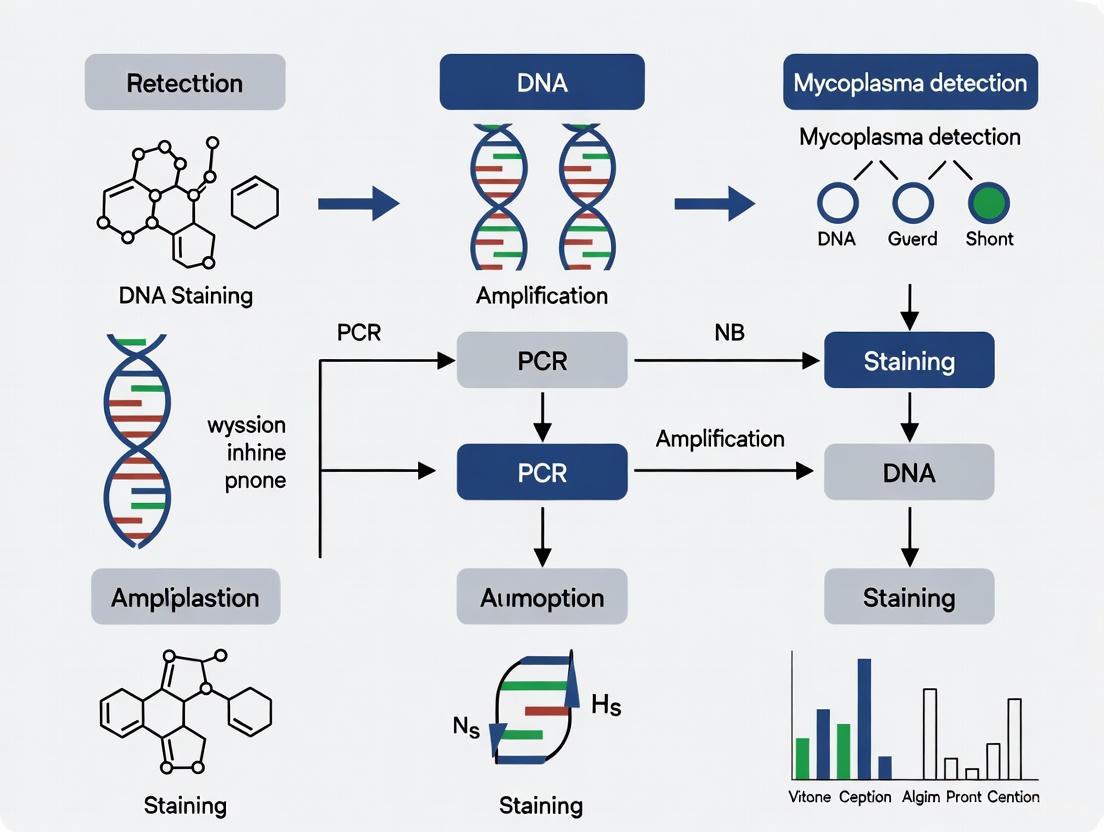
Mycoplasma contamination poses a persistent and covert threat to cell cultures, compromising research integrity and biopharmaceutical product safety.
PCR vs. DNA Staining: A Modern Guide to Accurate and Rapid Mycoplasma Detection for Researchers
Abstract
Mycoplasma contamination poses a persistent and covert threat to cell cultures, compromising research integrity and biopharmaceutical product safety. This article provides a comprehensive comparative analysis for researchers and drug development professionals on the two primary detection methodologies: traditional DNA staining and modern PCR-based techniques. We explore the foundational principles, delve into advanced applications including qPCR and dPCR, address critical troubleshooting and optimization strategies, and present a rigorous validation framework. By synthesizing the latest evidence, this guide empowers scientists to select and implement the most effective, sensitive, and time-efficient mycoplasma detection strategy for their specific quality control needs.
The Invisible Threat: Understanding Mycoplasma Contamination and Detection Fundamentals
Why Mycoplasma is a Stealthy Contaminant in Cell Cultures and Biologics
Mycoplasma contamination represents a pervasive and covert threat to the integrity of cell culture systems and biologics manufacturing. These minute, cell wall-deficient bacteria evade conventional detection methods while profoundly altering host cell physiology, compromising experimental reproducibility and product safety. This application note examines the biological mechanisms underpinning mycoplasma's stealth characteristics and provides validated protocols for its detection and eradication, with a specific focus on the comparative analysis of PCR and DNA staining methodologies. Within the context of a broader thesis on detection techniques, we present structured quantitative data, detailed experimental workflows, and essential reagent solutions to support research and quality control in biomedical science and drug development.
The Stealth Phenotype: Biological Basis of Mycoplasma Contamination
Mycoplasmas are among the smallest known self-replicating organisms (0.2-0.8 µm in diameter) and possess several unique biological properties that facilitate their covert contamination of cell cultures [1] [2].
Critical Biological Attributes
- Lack of a Cell Wall: The absence of a rigid cell wall renders mycoplasmas resistant to beta-lactam antibiotics (e.g., penicillin) commonly used in cell culture media and enables them to pass through standard 0.2µm sterilization filters [1] [3].
- Covert Proliferation: Mycoplasmas can reach high concentrations (10^8 cells/mL) in culture media without causing visible turbidity or dramatic pH shifts, allowing contamination to progress unnoticed [3].
- Host Cell Association: These organisms predominantly parasitize the surface of host cells, intimately associating with the plasma membrane [4] [5]. Some species, including M. penetrans, M. pneumoniae, and M. genitalium, can invade non-phagocytic eukaryotic cells, residing within the cytoplasm and perinuclear sites, thus evading immune detection and extracellular elimination strategies [2] [5].
- Metabolic Dependence: With reduced genomes (500-1000 genes) and limited biosynthetic capabilities, mycoplasmas are metabolic scavengers, utilizing nutrients from host cells and altering key metabolic pathways [1] [2].
Consequences of Contamination
The presence of mycoplasma induces a range of detrimental effects on cell cultures, including altered cell metabolism and gene expression, suppressed proliferation, disrupted protein synthesis, and compromised viability [6] [3]. These changes invalidate experimental results and compromise the quality and safety of biologics. Epidemiological studies estimate that 15-35% of continuous cell lines worldwide are contaminated with mycoplasma, with some reports suggesting rates as high as 80% in specific research settings [6] [7].
Quantitative Comparison of Mycoplasma Detection Methods
The selection of an appropriate detection method is critical for accurate mycoplasma identification. The table below summarizes the performance characteristics of major detection methodologies.
Table 1: Comparison of Mycoplasma Detection Methods
| Method | Principle | Time to Result | Sensitivity (Approx.) | Key Advantages | Key Limitations |
|---|---|---|---|---|---|
| Culture Method | Growth on enriched agar media forming "fried egg" colonies [1] | 28+ days [1] [3] | High (for cultivable species) | Considered historical gold standard; high specificity [3] | Fails to detect fastidious species; prolonged incubation [3] |
| DNA Staining (e.g., Hoechst) | Fluorescent dye binding to A-T rich DNA regions [8] | 30 minutes - 4 days [8] | ≥10^6 CFU/mL [3] [8] | Rapid; visual result; cost-effective | Lower sensitivity; subjective interpretation; false positives from cellular DNA [4] [8] |
| PCR-Based Methods | Amplification of mycoplasma-specific DNA sequences (e.g., 16S rRNA) [1] [7] | 2-5 hours [1] [7] | <5 genomes/µL [7] | High sensitivity and specificity; rapid; broad species coverage | Requires specialized equipment; potential for false positives without proper controls [1] |
| Enhanced Staining (Colocalization) | Combined DNA (Hoechst) and cell membrane (WGA) staining [9] [4] | Several hours (including incubation) | Improved over DNA staining alone | Differentiates true membrane-associated mycoplasma from cytoplasmic DNA debris [9] [4] | Still requires fluorescence microscopy; not a standardized method |
Table 2: Prevalence of Major Mycoplasma Contaminants in Cell Culture
| Mycoplasma Species | Approximate Prevalence | Primary Source |
|---|---|---|
| Mycoplasma orale | Very Common [3] | Human oral flora [1] |
| Mycoplasma arginini | Very Common [3] | Bovine serum [1] |
| Acholeplasma laidlawii | Very Common [3] | Bovine serum [1] |
| Mycoplasma hyorhinis | Common [3] | Porcine-derived materials |
| Mycoplasma fermentans | Common [3] | Human origin |
Experimental Protocols for Detection and Elimination
Protocol: Enhanced DNA Staining with Colocalization
This protocol enhances traditional Hoechst staining by incorporating membrane staining to reduce false positives from cytoplasmic DNA [4].
Principle: Simultaneous staining with Hoechst 33342 (binds DNA) and Wheat Germ Agglutinin (WGA) Oregon Green 488 (binds cell membrane) allows differentiation of membrane-associated mycoplasma from other cytoplasmic DNA artifacts [9] [4].
Materials:
- Hoechst 33342 solution
- WGA Oregon Green 488 conjugate
- Phosphate-Buffered Saline (PBS)
- Fixed cell samples on confocal dishes
- Fluorescence or confocal microscope with DAPI and FITC filter sets
Procedure:
- Cell Preparation: Grow test cells on sterile confocal dishes until 60-70% confluent. Include a known mycoplasma-positive control culture.
- Membrane Staining: Aspirate culture medium and rinse cells gently with pre-warmed PBS.
- Incubate with WGA Oregon Green 488 conjugate (diluted according to manufacturer's instructions) for 15 minutes at 37°C in the dark.
- DNA Staining: Without washing, add Hoechst 33342 solution (final concentration 1 µg/mL) and incubate for an additional 15 minutes at 37°C in the dark.
- Washing: Gently rinse cells twice with PBS to remove unbound dye.
- Visualization: Observe under fluorescence microscope using appropriate filters.
- Interpretation: True mycoplasma contamination appears as bright blue (Hoechst) spots that colocalize with the green (WGA) cell membrane outline. Cytoplasmic DNA fragments will not show this membrane association.
Protocol: PCR-Based Detection Targeting 16S rRNA Gene
PCR provides a highly sensitive and specific method for detecting a broad spectrum of mycoplasma species [1] [7] [3].
Principle: Universal primers targeting conserved regions of the 16S rRNA gene in the mycoplasma genome enable amplification of a specific 500bp product visible on agarose gel electrophoresis [7] [3].
Materials:
- DNA extraction kit
- PCR master mix (including Taq polymerase, dNTPs, buffer)
- Forward primer: 5'-ACACCATGGGAGCTGGTAAT-3'
- Reverse primer: 5'-CTTCATCGACTTTCAGACCCAAGGCAT-3'
- Thermal cycler
- Agarose gel electrophoresis equipment
- Positive control (mycoplasma DNA)
- Negative control (nuclease-free water)
Procedure:
- Sample Collection: Collect 500 µL of cell culture supernatant or cell pellet.
- DNA Extraction: Extract genomic DNA using a commercial kit according to manufacturer's instructions.
- PCR Setup: Prepare 25 µL reaction mixture containing:
- 12.5 µL PCR master mix
- 1 µL forward primer (10 µM)
- 1 µL reverse primer (10 µM)
- 2 µL template DNA
- 8.5 µL nuclease-free water
- PCR Amplification: Run the following thermal cycling protocol:
- Initial denaturation: 94°C for 4 minutes
- 35 cycles of:
- Denaturation: 94°C for 30 seconds
- Annealing: 54°C for 30 seconds
- Extension: 72°C for 30 seconds
- Final extension: 72°C for 5 minutes
- Analysis: Separate PCR products on 1.5% agarose gel. A distinct band at approximately 500bp indicates mycoplasma contamination.
Protocol: Mycoplasma Elimination Using Mynox
For valuable, irreplaceable cell lines, eradication of mycoplasma may be attempted using specialized reagents [6].
Principle: Mynox contains surfactin, a cyclic lipopeptide that selectively integrates into the mycoplasma membrane, compromising its integrity and leading to osmotic influx and disintegration [6].
Materials:
- Mynox reagent
- Mycoplasma-free cell culture medium
- Appropriate antibiotics (e.g., ciprofloxacin for Mynox Gold)
Procedure:
- Identification: Confirm mycoplasma contamination using a reliable detection method.
- Treatment: Add Mynox reagent directly to the contaminated culture according to manufacturer's recommended dosage.
- Incubation: Incubate cells for the prescribed treatment period (typically 6 days for Mynox).
- Monitoring: Observe cells for potential cytotoxic effects during treatment.
- Recovery: After treatment, replace with fresh culture medium without elimination reagent.
- Confirmation: Test cultures for mycoplasma contamination after 3-5 passages to verify eradication success.
Mycoplasma Immune Evasion and Contamination Mechanisms
Mycoplasmas employ sophisticated strategies to evade host immune responses and establish persistent infections, which directly impacts their ability to contaminate cell cultures covertly [2] [5].
Key Immune Evasion Strategies:
- Biofilm Formation: Enhanced resistance to antibiotics and immune effectors [2] [5].
- Antigenic Variation: Surface lipoproteins undergo rapid variation, avoiding immune recognition [2] [5].
- Molecular Mimicry: Structural similarity between mycoplasma antigens and host molecules reduces immunogenicity [2] [5].
- Inhibition of Immune Cell Function: Suppression of macrophage and neutrophil activity, including degradation of neutrophil extracellular traps (NETs) [5].
- Intracellular Invasion: As illustrated below, mycoplasmas can enter non-phagocytic cells via various endocytic pathways, evading extracellular immune molecules and detection methods [2] [5].
The Scientist's Toolkit: Essential Reagent Solutions
Table 3: Key Research Reagents for Mycoplasma Management
| Reagent/Kit | Primary Function | Key Features | Example Applications |
|---|---|---|---|
| Mynox / Mynox Gold | Mycoplasma elimination [6] | Biophysical mechanism (surfactin); Mynox Gold combines surfactin with ciprofloxacin [6] | Rescue of valuable contaminated cell lines; >90% success rate [6] |
| MycoSensor RT-PCR Assay | Mycoplasma detection [1] | Real-time PCR; detects 8 most common species; results in <2 hours [1] | Routine screening of cell cultures; quality control of biologics |
| MycoSEQ Detection System | Mycoplasma detection [1] | PCR-based; detects up to 90 species; 4-hour processing [1] | Industrial process control; regulatory compliance testing |
| MycoScope PCR Kit | Mycoplasma detection [7] | Detects <5 genomes/µL; targets 16S rRNA; direct supernatant testing possible [7] | High-sensitivity research applications; screening of primary cells |
| Hoechst 33342 Staining | DNA staining for mycoplasma [4] [8] | Fluorescent DNA binding; rapid results (30 min); cost-effective [8] | Initial screening; laboratories without PCR capabilities |
Mycoplasma contamination remains a significant challenge in cell culture and biologics production due to the organism's inherent stealth characteristics, including small size, lack of cell wall, and sophisticated immune evasion mechanisms. Effective management requires a comprehensive strategy combining regular monitoring with appropriate detection technologies. While DNA staining methods offer rapid, cost-effective screening, PCR-based methods provide superior sensitivity and specificity for definitive detection. The enhanced colocalization staining method addresses certain limitations of traditional DNA staining by reducing false positives. For irreplaceable cell lines, elimination reagents like Mynox offer a viable decontamination strategy. Implementation of rigorous testing protocols and adherence to good cell culture practice are essential for maintaining mycoplasma-free cultures and ensuring the integrity of research and biopharmaceutical products.
Mycoplasma contamination represents a critical and persistent challenge in cell culture laboratories. As the smallest known self-replicating organisms, mycoplasmas belong to the class Mollicutes and are characterized by their lack of a cell wall and exceptionally small genome size ranging from 0.5 to 2.2 megabase pairs [10]. These bacteria can surreptitiously contaminate cell cultures, often parasitizing the cell surface without causing visible turbidity in the growth medium or being detectable under standard light microscopy [9] [11]. The concentration of mycoplasma in infected cultures can reach as high as 10⁷ colony-forming units per milliliter, significantly altering cellular responses including cell growth rate, morphological characteristics, and even mimicking virus infection [12].
The implications of undetected mycoplasma contamination are profound for both research integrity and biopharmaceutical manufacturing. Experimental data derived from contaminated cell lines is likely to be invalid, as mycoplasmas can induce morphological changes, cell transformation, and disrupt countless cellular and molecular parameters [12]. In biopharmaceutical production and advanced therapy medicinal products (ATMPs), mycoplasma contamination can necessitate the discard of entire production batches and halt manufacturing operations, representing substantial economic losses and potential patient risks [13] [10]. It is estimated that mycoplasma are responsible for up to 60% of cell culture contamination, making routine detection essential for any cell culture laboratory [14].
Fundamental Principles of Detection Methods
DNA Staining: Visualizing Contaminant DNA
DNA staining methods, including the use of fluorescent dyes such as DAPI (4',6-diamidino-2-phenylindole) and Hoechst, operate on the principle of direct DNA intercalation. These dyes bind strongly to the minor groove of DNA, particularly in adenine-thymine (A-T) rich regions, and become fluorescent upon binding when viewed under ultraviolet excitation at approximately 460 nm [15] [11]. In a mycoplasma-free cell culture, only the cell nuclei are labeled, appearing as distinct, organized fluorescent structures. When mycoplasma contamination is present, the bacterial DNA is also labeled, typically appearing as a diffuse veil or punctate spots of fluorescence surrounding the host cells or in the intercellular spaces [11].
A significant limitation of conventional DNA staining is the potential for false positives caused by cytoplasmic DNA or other fluorescent artifacts. A recent methodological advancement addresses this challenge through a colocalization approach that combines DNA staining with a cell membrane fluorescent dye. This technique allows researchers to determine whether the detected DNA specifically colocalizes with the plasma membrane surface, where mycoplasmas typically reside. This refinement minimizes interference from cytoplasmic DNA components and greatly improves the accuracy of mycoplasma detection compared to using DNA staining alone [9].
PCR-Based Methods: Amplifying Microbial Signatures
Polymerase chain reaction (PCR)-based methods for mycoplasma detection rely on the enzymatic amplification of specific target sequences within the mycoplasma genome. These techniques typically target the highly conserved 16S ribosomal RNA (rRNA) coding region, which contains sequences unique to mycoplasma species while being sufficiently variable to allow for broad detection across different species [14] [16]. The process involves extracting genetic material from a cell culture sample, designing specific primers that flank the target region, and performing thermal cycling to exponentially amplify the target DNA sequence [15].
Real-time PCR (qPCR) represents a significant advancement in this field, incorporating fluorescent probes such as TaqMan that hybridize specifically to the amplified products. This allows for real-time monitoring of the amplification process and provides quantitative capabilities [14]. The exceptional sensitivity of PCR-based methods enables detection of less than 10 colony-forming units per milliliter, making it possible to identify mycoplasma contamination in its earliest stages, far before it would be detectable by most other methods [14] [13]. The technique can comprehensively detect over 160 mycoplasma species, including the most common contaminants such as M. orale, M. arginini, and A. laidlawii [14].
Comparative Performance Analysis
Side-by-Side Method Comparison
Table 1: Comprehensive comparison of mycoplasma detection methods
| Parameter | DNA Staining (DAPI/Hoechst) | PCR-Based Methods | Culture Method (Gold Standard) |
|---|---|---|---|
| Principle | Direct DNA intercalation with fluorescent dyes | Amplification of species-specific DNA sequences (16S rRNA) | Microbial growth in specialized media |
| Sensitivity | Low to moderate (may not detect low-level contamination) | High (detection limit <10 CFU/mL) [14] [13] | High (detection limit <10 CFU/mL) [13] |
| Time to Result | Rapid (<1 day) | Very rapid (3 hours to 1 day) [14] [17] | Very slow (28 days) [11] |
| Species Coverage | Limited, detects all DNA nonspecifically | Broad (>160 species) [14] | Limited to culturable species |
| Ease of Interpretation | Challenging, requires experience [11] | Straightforward, objective results | Straightforward, colony identification |
| Regulatory Acceptance | Not recommended as standalone compendial method [10] | Accepted by EP, USP, JP for product release [13] | Compendial method required by EP, USP, JP |
| Hands-on Time | Minimal | Moderate | Extensive |
| Equipment Needs | Fluorescence microscope | PCR thermocycler, real-time detection system | CO₂ incubators, anaerobic chambers |
| Approximate Cost | Low | Moderate | High |
| Key Limitations | Difficult to interpret low-level contamination; false positives from host DNA [9] [11] | Requires DNA extraction; potential PCR inhibition | Lengthy process; cannot detect non-culturable species |
Performance Data from Comparative Studies
Empirical evidence from controlled studies demonstrates the superior performance of PCR-based methods. A comprehensive comparative study evaluating thirty cell lines found notable differences in detection capability: real-time PCR detected mycoplasma contamination in 60% of samples, conventional PCR in 56.66%, enzymatic methods in 53.33%, DNA staining (DAPI) in 46.66%, and microbial culture in only 33.33% of samples [16]. The same study calculated performance metrics for real-time PCR at 100% sensitivity, specificity, and accuracy, while conventional PCR showed 94.44% sensitivity, 100% specificity, and 96.77% accuracy [16].
These performance characteristics highlight why regulatory authorities have increasingly accepted nucleic acid amplification techniques (NAT) as equivalent to culture-based methods. The European Pharmacopoeia chapter 2.6.7 revision (version 12.2) now recognizes NAT methods as equivalent to culture-based approaches, harmonizing requirements with the Japanese Pharmacopoeia (JP 18 G3) and United States Pharmacopoeia (USP <63> and USP <77> draft) [13]. This regulatory framework specifies that NAT methods must demonstrate a limit of detection of ≤ 10 CFU/mL or < 100 genomic copies/mL when replacing culture methods [13].
Detailed Experimental Protocols
Protocol for DNA Staining with DAPI/Hoechst
Principle: This protocol utilizes the fluorescent DNA-binding dyes DAPI or Hoechst to visualize mycoplasma DNA associated with infected cell cultures. The improved colocalization method incorporates a membrane stain to confirm mycoplasma localization on the cell surface, reducing false positives from cytoplasmic DNA fragments [9].
Materials Required:
- Cell culture sample (grown without antibiotics for at least 4-5 days)
- Sterile coverslips placed in culture dishes
- Phosphate-buffered saline (PBS), pH 7.4
- Fixative solution (e.g., 3:1 methanol:acetic acid or 4% paraformaldehyde)
- DNA staining solution (DAPI or Hoechst dissolved in PBS or mounting medium)
- Cell membrane fluorescent dye (e.g., WGA conjugated to a different fluorophore)
- Antifade mounting medium
- Fluorescence microscope with appropriate filter sets
Procedure:
- Cell Preparation: Plate cells onto sterile coverslips in culture dishes and incubate until 60-70% confluent. Ensure cells have been cultured without antibiotics for at least 4-5 days to avoid suppression of mycoplasma growth.
- Fixation: Aspirate culture medium and gently wash cells twice with pre-warmed PBS. Add fixative solution and incubate for 10-15 minutes at room temperature. For methanol:acetic acid fixation, incubate for 15 minutes; for paraformaldehyde, incubate for 10 minutes.
- Washing: Remove fixative and wash cells three times with PBS, 5 minutes per wash.
- Membrane Staining (Colocalization Method): Incubate cells with cell membrane dye (e.g., WGA conjugated to Alexa Fluor 555) diluted in PBS for 10 minutes at room temperature, protected from light.
- DNA Staining: Prepare DNA stain working solution (e.g., 1 μg/mL DAPI or 5 μg/mL Hoechst in PBS). Apply sufficient stain to cover the cells and incubate for 10-15 minutes at room temperature, protected from light.
- Final Wash: Rinse cells briefly with PBS to remove excess stain.
- Mounting: Mount coverslips onto glass slides using antifade mounting medium. Seal edges with clear nail polish if necessary for long-term storage.
- Microscopy: Examine slides using a fluorescence microscope with appropriate filter sets. For DAPI/Hoechst, use UV excitation (~460 nm emission); for membrane stains, use the appropriate excitation/emission wavelengths.
Interpretation of Results:
- Negative Sample: Fluorescence is confined to the cell nuclei, appearing as discrete, well-defined structures. No extranuclear fluorescence is observed, or minimal background staining.
- Positive Sample: In conventional staining, mycoplasma contamination appears as a fine particulate or filamentous fluorescence in the extranuclear areas and between cells. The characteristic "veil" formation may be visible at high contamination levels.
- Colocalization Method: True mycoplasma contamination is confirmed when DNA staining colocalizes with the membrane stain at the cell surface, appearing as distinct fluorescent signals on the plasma membrane.
Troubleshooting Notes:
- Excessive background fluorescence may result from insufficient washing or overly concentrated staining solutions.
- Autofluorescence from cell culture components can sometimes mimic mycoplasma signals; include proper negative controls.
- Poor cell attachment may occur with certain fixation methods; optimize fixation for delicate cell types.
- Experienced interpretation is crucial, as degraded host cell DNA can produce fluorescent spots that resemble mycoplasma [11].
Protocol for PCR-Based Detection
Principle: This protocol utilizes polymerase chain reaction (PCR) to amplify mycoplasma-specific DNA sequences, typically from the highly conserved 16S rRNA region. The method can be adapted for conventional PCR with gel electrophoresis detection or real-time quantitative PCR (qPCR) with fluorescent probe detection [14] [16].
Materials Required:
- Cell culture supernatant and/or cell pellet (recommended to test both)
- DNA extraction kit (commercial silica-membrane columns recommended)
- PCR master mix containing DNA polymerase, dNTPs, and buffer
- Species-specific primers and probes (commercially available kits recommended)
- Nuclease-free water
- PCR tubes or plates compatible with thermocycler
- Positive control (mycoplasma DNA)
- Internal control (to detect PCR inhibition)
- Negative control (nuclease-free water)
- Agarose gel electrophoresis equipment (for conventional PCR)
- Real-time PCR instrument (for qPCR)
Procedure:
- Sample Collection: Collect approximately 1-2 mL of cell culture supernatant. Alternatively, collect cell pellet from trypsinized cells. For comprehensive detection, test both cells and supernatant as mycoplasmas can adhere to or reside within cells [13].
- DNA Extraction: Follow manufacturer's instructions for DNA extraction kit. Typically, this involves: a. Enzymatic lysis or mechanical disruption of cells b. Binding of DNA to silica membrane in the presence of chaotropic salts c. Washing with ethanol-based buffers d. Elution of purified DNA in nuclease-free water or TE buffer
- Quality Assessment: Measure DNA concentration and purity using spectrophotometry (A260/A280 ratio ~1.8-2.0).
- PCR Reaction Setup: Prepare master mix according to kit instructions or as follows: a. 10-12.5 μL of 2× PCR master mix b. 1-2 μL of each primer (final concentration 0.1-0.5 μM) c. 0.5-1 μL of probe (final concentration 0.1-0.2 μM) for qPCR d. 1-2 μL of internal control DNA e. 2-5 μL of template DNA f. Nuclease-free water to total volume of 20-25 μL
- Thermal Cycling: Program thermocycler according to these typical conditions: a. Initial denaturation: 95°C for 2-5 minutes b. 35-45 cycles of: - Denaturation: 95°C for 15-30 seconds - Annealing: 55-60°C for 30-60 seconds - Extension: 72°C for 30-60 seconds c. Final extension: 72°C for 5-10 minutes (for conventional PCR)
- Detection:
- For conventional PCR: Analyze PCR products by agarose gel electrophoresis (1.5-2% gel) with ethidium bromide or SYBR Safe staining. Visualize under UV light.
- For real-time PCR: Monitor fluorescence accumulation during cycling. Analyze amplification curves and set threshold for Ct (cycle threshold) values.
Interpretation of Results:
- Positive Result: For conventional PCR, bands of expected size (e.g., 425 bp for some 16S rRNA targets) on agarose gel. For real-time PCR, amplification curve crossing threshold within defined cycle number (typically <35-40 cycles).
- Negative Result: No amplification band (conventional PCR) or no amplification curve (real-time PCR).
- Internal Control: Must amplify correctly in all samples to rule out PCR inhibition.
- Positive Control: Must amplify correctly to demonstrate assay functionality.
- Negative Control: Must show no amplification to rule out contamination.
Validation and Quality Control:
- Include a sensitivity control using 10 CFU/mL mycoplasma standard to ensure detection limit compliance [13].
- Test for inhibitory substances by spiking sample with known mycoplasma DNA.
- For regulated environments, validate method according to EP 2.6.7, USP <63>, or JP G3 requirements [13].
- Maintain strict separation of pre- and post-PCR areas to prevent contamination.
Visualizing Method Workflows
Figure 1: Comparative workflows for DNA staining and PCR-based detection methods highlighting the significant time advantage of molecular approaches.
Essential Research Reagent Solutions
Table 2: Key reagents and materials for mycoplasma detection
| Reagent/Material | Function | Application Notes |
|---|---|---|
| DAPI Stain (4',6-diamidino-2-phenylindole) | Binds A-T rich regions in DNA minor groove | Excitation ~358 nm, Emission ~461 nm; working concentration 1 μg/mL [11] |
| Hoechst Stains (33258, 33342) | Cell-permeable DNA binding dyes | Preferable for live-cell imaging; more expensive than DAPI [11] |
| WGA (Wheat Germ Agglutinin) conjugated to fluorescent dyes | Cell membrane staining for colocalization | Different fluorophore than DNA stain (e.g., Alexa Fluor 555); confirms surface localization [9] |
| Mycoplasma 16S rRNA Primers/Probes | Species-specific amplification | Target conserved 16S rRNA region; detect >160 species including all common contaminants [14] [16] |
| DNA Extraction Kits (silica membrane columns) | Nucleic acid purification and concentration | Essential for PCR sensitivity; removes PCR inhibitors from cell culture samples |
| Internal Control DNA | Detection of PCR inhibition | Amplified in parallel with target; crucial for validating negative results [14] [13] |
| Mycoplasma Standard (10 CFU/mL) | Sensitivity verification | Required for regulatory compliance; verifies detection limit of ≤10 CFU/mL [13] |
| Antifade Mounting Medium | Preserves fluorescence | Reduces photobleaching; essential for microscopy and image documentation |
The selection between DNA staining and PCR-based methods for mycoplasma detection depends largely on the specific application requirements, available resources, and regulatory considerations. DNA staining methods offer rapid, cost-effective screening suitable for routine monitoring in research laboratories where immediate visual confirmation is valuable. However, their limitations in sensitivity and subjective interpretation make them unsuitable as standalone methods for biopharmaceutical manufacturing or regulatory compliance [11] [10].
PCR-based methods, particularly real-time qPCR, provide superior sensitivity, specificity, and objective results that align with regulatory requirements for product release testing. The ability to detect below 10 CFU/mL across a broad spectrum of mycoplasma species, combined with rapid turnaround times of approximately 3 hours, makes these methods indispensable for biopharmaceutical quality control and advanced therapy medicinal products with short shelf lives [14] [13] [17].
For comprehensive mycoplasma monitoring, a tiered approach is recommended: implement routine DNA staining for day-to-day cell culture assessment, complemented by regular PCR-based testing for validation and confirmation. In regulated environments requiring compliance with European Pharmacopoeia (2.6.7), United States Pharmacopeia (<63>), or Japanese Pharmacopoeia (G3) standards, validated PCR methods with appropriate controls represent the current gold standard for detection sensitivity, speed, and reliability [13].
Mycoplasma contamination represents a significant and persistent challenge in cell culture and biopharmaceutical manufacturing, with studies indicating that 15 to 35% of cell lines may be contaminated, rising to 85% in certain laboratories [18]. These wall-less, pleomorphic microorganisms can profoundly impact cellular physiology, leading to chromosomal abnormalities, interference with nucleic acid synthesis, induction of apoptosis, and ultimately, compromised research data or unsafe biopharmaceutical products [18]. The evolution of detection methods from traditional culture-based approaches to sophisticated molecular assays has been driven by the critical need for sensitivity, specificity, and speed in quality control processes, particularly for clinical-grade cell therapies like mesenchymal stromal cells (MSCs) and CAR-T cells where contamination poses direct risks to patient safety [18].
This application note details the progression of mycoplasma detection technologies, providing structured comparative data and detailed protocols to support researchers, scientists, and drug development professionals in implementing robust contamination screening strategies that meet rigorous regulatory standards.
The Paradigm Shift in Detection Methodologies
The transition from traditional to modern detection methods represents a fundamental evolution in capability, speed, and reliability for mycoplasma screening.
Table 1: Comparative Analysis of Mycoplasma Detection Methods
| Method Category | Specific Method | Time to Result | Sensitivity | Key Advantages | Key Limitations |
|---|---|---|---|---|---|
| Culture-Based | Broth/Agar Culture | 28 days [18] | Variable [18] | Historical gold standard [19] | Long incubation; cannot detect non-cultivable species [18] |
| DNA Staining | Hoechst Staining | ~1-2 days | Moderate | Fast visual readout [19] | Subjective interpretation; difficult results [19] |
| Molecular Assays | Conventional PCR | Several hours | High [19] | High sensitivity and specificity [19] | Endpoint reaction only [20] |
| Molecular Assays | Quantitative PCR (qPCR) | Several hours | 10 CFU/mL [18] | Quantitative results; kinetic monitoring [20] | Cannot differentiate live/dead mycoplasma [18] |
| Molecular Assays | Digital PCR | Several hours | Absolute quantitation [20] | Absolute quantification without standard curve [20] | Requires specialized equipment [20] |
The limitations of conventional techniques are particularly problematic in biopharmaceutical sectors where accelerated product release is crucial. Culture-based assays may require up to 28 days to yield results, creating significant bottlenecks in manufacturing workflows [18]. While DNA staining with Hoechst dye provides faster visual readouts, interpreting these results is often challenging and subjective [19]. The emergence of rapid nucleic acid amplification technologies, particularly quantitative PCR (qPCR), has provided powerful alternatives that deliver precise identification within substantially shorter timeframes while offering elevated sensitivity, specificity, and affordability [18].
Detailed Experimental Protocols
Protocol 1: Universal PCR-Based Mycoplasma Detection
This established PCR method utilizes ultra-conserved eukaryotic and mycoplasma sequence primers covering approximately 92% of all species across the six orders of the class Mollicutes [19].
Sample Preparation
- Harvest cell culture supernatant or lyse adherent cells directly in culture vessel.
- Include both test samples and controls (known positive, negative, and no-template).
- Utilize eukaryotic cell extracts to include an internal control for PCR amplification [19].
DNA Extraction
- Extract genomic DNA using commercial kits (e.g., QIAamp DNA Blood Mini Kit) [19] or Chelex-100 method [19].
- For cell cultures, use eukaryotic cell extracts to increase detection likelihood [19].
- Quantify DNA concentration using spectrophotometry.
Primer Design and Properties
- Target highly conserved 16S rRNA mycoplasma-specific regions [19].
- Primer pair matches 198 out of 216 mycoplasma species (92% coverage) [19].
- Utilize a four-primer PCR approach with Myco-primer pairs and Uc48-primer pairs as positive control [19].
- Amplification products: 166-191 bp (mycoplasma DNA) and 105 bp (eukaryotic positive control) [19].
PCR Amplification Conditions
- Prepare reaction mix with DNA polymerase, magnesium, nucleotides, primers, and DNA template.
- Use hot-start DNA polymerase to prevent non-specific amplification [20].
- Cycling parameters:
- Initial denaturation: 95°C for 2-5 minutes
- 35-40 cycles of:
- Denaturation: 95°C for 30 seconds
- Annealing: 55-65°C for 30 seconds (optimize based on primer set)
- Extension: 72°C for 1 minute per kb
- Final extension: 72°C for 5-7 minutes
Product Analysis
- Analyze amplified products by agarose gel electrophoresis [20] [19].
- Visualize using ethidium bromide or SYBR Safe staining.
- Confirm product size against DNA molecular weight marker.
Protocol 2: Rapid qPCR Detection Method
This method enables precise quantification within shorter timeframes while providing elevated sensitivity and specificity [18].
Sample Preparation and DNA Extraction
- Use the Mycoplasma DNA Sample Preparation Kit (ACROBiosystems, Cat. No. OPA-E101) [18].
- Process samples, positive controls, and negative controls in parallel.
- For quantitative analysis, include standard curve samples.
qPCR Reaction Setup
- Use the Mycoplasma Rapid Detection Kit (ACROBiosystems, Cat. No. OPA-S102) [18].
- Primer-probe designs encompass over 250 species of mycoplasma and related organisms [18].
- Reaction components:
- DNA template
- Master mix with hot-start DNA polymerase
- Species-specific primers
- Hydrolysis probe with fluorophore and quencher
- ROX reference dye (if required by instrument)
qPCR Amplification and Data Analysis
- Cycling parameters:
- Initial denaturation: 95°C for 2-10 minutes
- 40-45 cycles of:
- Denaturation: 95°C for 15 seconds
- Annealing/Extension: 60°C for 1 minute (with fluorescence acquisition)
- Data analysis:
- Set threshold line in exponential phase of amplification
- Determine Cq values for each sample
- Quantify against standard curve or use comparative Cq method
Performance Characteristics
- Sensitivity: 10 CFU/mL, meeting regulatory standards [18].
- Validation: Verified by third-party assessment (Eurofins) [18].
- Compliance: Meets pharmacopeial standards in Europe and United States [18].
Research Reagent Solutions
Table 2: Essential Research Reagents for Mycoplasma Detection
| Reagent/Category | Specific Examples | Function & Application | Key Features |
|---|---|---|---|
| DNA Polymerases | AMPIGENE HS Taq DNA Polymerase [20] | Standard PCR amplification | Hot-start capability prevents non-specific amplification |
| PCR Master Mixes | AMPIGENE qPCR 1-Step Probe Kit [20] | Quantitative real-time PCR | Includes all components except primers and template |
| dNTPs | AMPIGENE dNTP Mix [20] | PCR nucleotide source | High-purity deoxynucleotides for efficient amplification |
| Commercial Detection Kits | Mycoplasma Rapid Detection Kit (qPCR) [18] | Rapid, sensitive detection | Detects >250 species; meets regulatory standards |
| Sample Preparation Kits | Mycoplasma DNA Sample Preparation Kit [18] | Nucleic acid extraction | Optimized for mycoplasma DNA recovery |
| Proofreading Enzymes | Pfu Polymerase [20] | High-fidelity amplification | 3' to 5' exonuclease activity reduces errors |
Workflow Visualization
Diagram 1: Evolution of mycoplasma detection methodologies showing transition from traditional to molecular methods with key characteristics.
Diagram 2: qPCR workflow for rapid mycoplasma detection highlighting sensitivity and regulatory compliance.
The evolution from culture-based methods to molecular assays for mycoplasma detection represents a significant advancement in biotechnology and pharmaceutical quality control. While traditional methods like culture and DNA staining established the foundation for contamination screening, their limitations in speed, sensitivity, and objectivity have been addressed by PCR-based technologies [19]. The development of qPCR assays capable of detecting 10 CFU/mL with coverage of over 250 mycoplasma species meets the rigorous demands of modern biopharmaceutical manufacturing and cell therapy production [18].
These molecular methods provide the sensitivity, specificity, and rapid turnaround times essential for ensuring product safety and efficacy, particularly for clinical applications where mycoplasma contamination poses direct risks to patient health. As molecular technologies continue to advance, with methods like digital PCR offering absolute quantification and isothermal amplification reducing equipment requirements, the capability to ensure mycoplasma-free bioproduction will continue to improve, supporting the development of safer and more effective therapeutic products.
Mycoplasma contamination represents a critical, yet often undetected, challenge in cell culture laboratories. These bacteria, belonging to the class Mollicutes, are the smallest self-replicating organisms and lack a cell wall, making them resistant to many common antibiotics like penicillin [21] [1]. Their fastidious growth requirements, minimal visibility under standard microscopy, and profound impact on host cell physiology collectively contribute to their persistence and the potential for compromised research data and biopharmaceutical products. It is estimated that 10% to 35% of cell cultures are contaminated with mycoplasma, with some studies suggesting rates as high as 80% in some research settings [19] [1] [22]. This application note delineates these core challenges and provides detailed protocols for reliable detection, framed within a comparative analysis of PCR and DNA staining methods.
The Core Challenges in Mycoplasma Detection
Fastidious Growth and Culture Difficulties
Mycoplasmas possess extremely small genomes (500-1000 genes) and consequently lack many essential metabolic pathways, making them dependent on their host for nutrients [19] [1]. This fastidious nature complicates their detection through cultural methods.
- Complex Media Requirements: Culturing mycoplasmas requires specialized, serum-enriched media to provide essential growth factors like sterols [21] [1].
- Prolonged Incubation Time: Mycoplasmas grow slowly, and cultural methods, considered a gold standard by some regulatory bodies, require a minimum of 28 days to confirm a negative result. This timeline is impractical for rapid screening [1] [22].
- Viability Concerns: Sample collection and transport must be meticulously handled to maintain mycoplasma viability for culture, which is often not feasible in routine lab workflows [1].
Low Visibility and Detection Obstacles
The physical characteristics of mycoplasmas make them virtually invisible in routine cell culture checks.
- Small Size (0.3 - 0.8 µm): Their diminutive size allows them to pass through standard 0.2 µm sterilization filters [22].
- Lack of Turbidity: Mycoplasma contamination can reach high titers (10^8 CFU/mL) in cell culture media without causing turbidity or noticeable changes in pH [1].
- Elusive Nature: They can thrive extracellularly in the culture medium, adhere to the cell membrane, or, in the case of species like Mycoplasmopsis fermentans, actively invade the eukaryotic cell cytoplasm, evading detection [19] [23].
Profound Impact on Host Cells
Despite being inconspicuous, mycoplasma contamination exerts a significant and multifaceted impact on infected cell cultures, leading to unreliable and non-reproducible experimental data.
- Altered Host Cell Physiology: Mycoplasmas can deplete nutrients from the culture medium, compete for nucleic acid precursors, and alter the metabolism, growth rate, and viability of the host cells [19] [22].
- Genetic and Biochemical Interference: They can induce chromosomal aberrations, affect gene expression profiles, and interfere with signal transduction pathways [19].
- Promotion of Cellular Transformation: Some mycoplasma species have been reported to inhibit TP53 tumor suppressor function, potentially promoting malignant transformation [19].
Table 1: Documented Effects of Mycoplasma Contamination on Eukaryotic Cells
| Affected Cellular Parameter | Specific Impact | Consequence for Research |
|---|---|---|
| Metabolism & Viability | Depletion of amino acids and ATP pools [22] | Skewed results from metabolic assays. |
| Gene Expression | Alteration of host cell transcription [19] | Misleading data in gene expression studies. |
| Cell Morphology & Growth | Changes in growth rate and cellular appearance [19] | Inconsistent cell culture behavior. |
| Genomic Stability | Induction of chromosomal alterations [19] | Compromised genetic studies and cell line integrity. |
Comparative Detection Methodologies
Two primary techniques are widely employed for mycoplasma screening: DNA staining with fluorescent dyes and polymerase chain reaction (PCR). The following protocols outline their implementation, highlighting key differences in workflow, capability, and data interpretation.
Protocol: DNA Staining with Hoechst
This method relies on the direct binding of fluorescent dyes to DNA, allowing visualization of mycoplasma DNA under a fluorescence microscope.
Principle: The Hoechst dye binds preferentially to A-T rich regions in DNA, forming a fluorescent complex. In contaminated cultures, this reveals mycoplasma DNA as small, fluorescent spots on the cell surface or in the intercellular spaces [9] [1].
Detailed Methodology:
- Sample Preparation: Grow cells on a sterile glass coverslip (e.g., 22 mm²) until 50-70% confluent.
- Fixation: Aspirate the culture medium and wash the cells twice with phosphate-buffered saline (PBS). Fix the cells with 4% formaldehyde solution in PBS for 10 minutes at room temperature.
- Staining: Prepare a working solution of Hoechst 33258 or 33342 dye in PBS. Incubate the fixed cells with the staining solution for 15 minutes in the dark.
- Washing and Mounting: Wash the coverslip twice with PBS to remove unbound dye. Mount the coverslip onto a glass slide using a mounting medium (e.g., 90% glycerol, 10% PBS).
- Visualization: Examine the slide using a fluorescence microscope with a DAPI filter set. Mycoplasma contamination appears as fine, particulate, or filamentous blue-white fluorescence outside the nucleus, typically associated with the cell membrane [9] [24].
Critical Considerations:
- False Positives: Degraded host cell DNA or cytoplasmic DNA fragments can produce similar fluorescent spots, leading to false-positive interpretations [9].
- Sensitivity Limitation: This method is most reliable for detecting heavy contamination and may miss low-level infections [9].
- Protocol Enhancement: To improve accuracy, a co-staining protocol with a cell membrane dye (e.g., WGA) can be used. Colocalization of the DNA stain with the plasma membrane confirms mycoplasma contamination and mitigates interference from cytoplasmic DNA [9].
Protocol: Polymerase Chain Reaction (PCR)
PCR is a molecular technique that amplifies specific DNA sequences, offering high sensitivity and specificity for detecting mycoplasma genetic material.
Principle: Primers are designed to target highly conserved regions of the mycoplasma 16S rRNA gene. Amplification of this target sequence confirms the presence of mycoplasma DNA in the sample [19] [22].
Detailed Methodology:
- Sample Collection: Collect 500 µL of cell culture supernatant. Alternatively, use cell lysates.
- DNA Extraction (Optional): While many commercial kits allow the use of crude supernatant, DNA extraction can improve consistency. For a simplified preparation, the supernatant can be heated at 95°C for 10 minutes, followed by a brief centrifugation to pellet debris [22].
- PCR Setup: Prepare the PCR master mix containing Taq polymerase, dNTPs, reaction buffer, and specific primers. Universal primer sets can be designed to cover >90% of all known mycoplasma species, including common contaminants like M. orale, M. hyorhinis, and A. laidlawii [19].
- Amplification: Transfer the prepared samples to a PCR machine and run under the following typical conditions: initial denaturation at 95°C for 2-5 minutes; followed by 35-40 cycles of denaturation (95°C, 30s), annealing (55-60°C, 30s), and extension (72°C, 30-60s).
- Analysis: Analyze the PCR products using gel electrophoresis. A positive result is indicated by a band of the expected size (e.g., 166-191 bp). Real-time PCR (qPCR) provides a quantitative result without the need for gel electrophoresis and is more sensitive [19] [22]. Innovative colorimetric PCR kits (Visual-PCR) allow results to be read by a color change from purple to blue, visible to the naked eye [25].
Critical Considerations:
- Inhibition: PCR inhibitors in the sample can lead to false-negative results. The use of an internal control is recommended [19].
- Primer Design: The primer set must be carefully selected to ensure broad coverage of mycoplasma species while avoiding cross-reaction with eukaryotic DNA [19] [22].
- Speed and Throughput: PCR can deliver results in 2-5 hours, making it vastly superior to culture methods for rapid screening [1].
Diagram: Workflow comparison of PCR and DNA staining methods for mycoplasma detection.
Application Note: Method Comparison and Data Analysis
Quantitative Comparison of Detection Methods
The following table summarizes the key characteristics of the primary mycoplasma detection methods, underscoring the performance differentials critical for method selection.
Table 2: Comparative Analysis of Mycoplasma Detection Methods
| Method | Principle | Time to Result | Sensitivity | Key Advantage | Key Limitation |
|---|---|---|---|---|---|
| Microbial Culture | Growth on enriched agar/broth [1] | 28 days [1] [22] | Variable; only detects cultivable strains | Considered a regulatory "gold standard" for viable organisms [1] | Extremely slow; fastidious growth requirements [21] [22] |
| DNA Staining (Hoechst) | Fluorescent binding to DNA [9] | 1-2 days | Low; reliable only for heavy contamination [9] | Direct visualization; relatively low cost | Subjective interpretation; high false-positive rate from host DNA [9] |
| PCR / qPCR | Amplification of 16S rRNA gene [19] | 2-5 hours [1] | Very High (e.g., 10 copies/reaction) [19] [25] | High sensitivity, specificity, and speed; broad species coverage [19] | Requires specialized equipment; risk of false positives from contamination [15] |
Experimental Data from Comparative Studies
Recent studies have quantitatively demonstrated the superior performance of advanced PCR techniques.
- A 2023 qPCR assay demonstrated 100% sensitivity and specificity in detecting common contaminating species, identifying Mycoplasma in 24.4% (11/45) of tested supernatants. This same study noted that a leading commercial kit failed to detect one of these positive samples [22].
- A universal PCR protocol published in 2023 achieved a designed coverage of 92% of all species in the class Mollicutes. The assay demonstrated a detection limit of 6.3 pg of genomic M. orale DNA, equivalent to approximately 8.2x10³ genomic copies [19].
- Visual-PCR kits that allow for colorimetric readout have shown sensitivity as low as 10 copies per reaction, providing a rapid and equipment-light option for routine screening [25].
The Scientist's Toolkit: Essential Research Reagents
The following table lists key reagents and their applications for effective mycoplasma detection and research.
Table 3: Essential Reagents for Mycoplasma Detection and Research
| Reagent / Kit | Function | Application Note |
|---|---|---|
| Hoechst 33258/33342 Dye | Fluorescent DNA stain for microscopic visualization. | Used in direct staining protocols. Critical for "Indicator Cell Culture" tests per pharmacopeia [1]. Co-localization with membrane dyes improves accuracy [9]. |
| Universal 16S rRNA Primers | PCR primers targeting conserved bacterial rRNA genes. | Enables broad-range detection of Mycoplasma species. Designed bioinformatically to cover >90% of Mollicutes [19]. |
| Propidium Iodide | Fluorescent stain for DNA in non-viable cells and biofilms. | Used in confocal laser scanning microscopy (CLSM) to visualize and quantify 3D biofilm structures [24]. |
| Mycoplasma Sensitivity Standards | Inactive DNA from multiple Mycoplasma species. | Serves as a positive control for validating PCR assay sensitivity and specificity (e.g., 10 CFU/mL standards) [22]. |
| Visual-PCR Kits | PCR kits with colorimetric readout. | Allows for rapid, equipment-free visual determination of results, turning positive reactions blue [25]. |
The challenges posed by mycoplasma—fastidious growth, low visibility, and significant host cell impact—necessitate robust and reliable detection strategies. While DNA staining offers a direct visualization method, its limitations in sensitivity and susceptibility to false positives make it less suitable for definitive screening. PCR-based methods, particularly qPCR and newer universal protocols, provide the speed, sensitivity, and specificity required to safeguard the integrity of cell cultures in both research and biopharmaceutical production. The implementation of a rigorous, PCR-based testing protocol is strongly recommended as a standard practice to ensure data reliability and product quality.
From Theory to Bench: Protocols for DNA Staining and Advanced PCR Techniques
Within the framework of mycoplasma detection methods research, comparing DNA staining techniques with PCR-based assays is critical for evaluating sensitivity, specificity, and practicality in pharmaceutical development. Mycoplasma contamination poses a significant risk to cell cultures, potentially compromising experimental results and drug safety. While polymerase chain reaction (PCR) offers high sensitivity and specificity, fluorescent DNA staining methods provide a rapid, cost-effective alternative for detecting these prokaryotic contaminants. This application note details the practical application of Hoechst staining, a sensitive fluorescent technique for mycoplasma screening, providing researchers and drug development professionals with optimized protocols and analytical frameworks for reliable implementation. The core advantage of Hoechst staining lies in its ability to visually detect extranuclear mycoplasma DNA attached to cell surfaces, enabling differentiation from host cell nuclei.
The Scientist's Toolkit: Essential Reagents and Materials
Successful Hoechst staining requires specific reagents and equipment to ensure reproducible and high-quality results. The following table details essential solutions and materials referenced in the subsequent protocols.
Table 1: Key Research Reagent Solutions for Hoechst Staining
| Item | Function/Description | Example Formulation/Notes |
|---|---|---|
| Hoechst 33342 | Cell-permeant nuclear stain; preferred for live-cell staining due to higher permeability [26] [27] | Prepare 10 mg/mL stock in DMSO or water; store at ≤ -20°C [28] [26] |
| Hoechst 33258 | Cell-permeant nuclear stain; less cell-permeant than Hoechst 33342; useful for fixed cells [26] [27] | Prepare 10 mg/mL stock in water; store at 2–8°C [29] [30] |
| Phosphate-Buffered Saline (PBS) | Isotonic buffer for washing cells and dye dilution; maintains pH and osmolarity [28] | Standard formulation, pH 7.4 |
| Fixative | Preserves cellular architecture; required for staining fixed cells [26] | 4% Paraformaldehyde (PFA) in PBS |
| Mounting Medium | Preserves fluorescence and supports coverslip imaging [27] | Use antifade medium; can include DAPI for fixed cells |
| Dimethyl Sulfoxide (DMSO) | Polar aprotic solvent for preparing dye stock solutions [26] | High-quality, sterile grade |
Hoechst Staining Protocols
The choice between live and fixed-cell staining depends on experimental goals. Live-cell staining allows for real-time observation but requires the more permeable Hoechst 33342, while fixed-cell staining offers greater morphological stability and is compatible with both Hoechst dyes.
Staining Protocol for Live Cells
Hoechst 33342 is the preferred dye for live-cell staining due to its superior cell permeability, which is attributed to a lipophilic ethyl group absent in Hoechst 33258 [26]. The following workflow and detailed protocol are designed for optimal results.
Diagram 1: Live cell staining workflow for Hoechst 33342.
Preparation of Hoechst 33342 Working Solution:
Staining Procedure (Two Methods):
- Method A: Medium Exchange
- Aspirate and discard the existing culture medium from the cells.
- Add a sufficient volume of the pre-warmed Hoechst working solution to cover the cells.
- Proceed to Step 3.
- Method B: Direct Addition
- Prepare a 10X intermediate dilution of the dye in medium (e.g., 10 µg/mL) [27].
- Without removing the culture medium, add 1/10 volume of the 10X dye directly to the well.
- Immediately mix thoroughly by gently pipetting the medium up and down or swirling the plate to ensure even distribution and avoid localized high dye concentration [27].
- Method A: Medium Exchange
Incubation:
Imaging:
- For live-cell imaging, the staining solution may be replaced with fresh medium, but a wash is not strictly necessary as unbound dye exhibits minimal fluorescence [27]. Image the cells immediately using a fluorescence microscope equipped with a DAPI filter set.
Staining Protocol for Fixed Cells
Fixed-cell staining is compatible with both Hoechst 33258 and Hoechst 33342 and is often used in conjunction with immunostaining.
Diagram 2: Fixed cell staining workflow for Hoechst dyes.
Cell Fixation:
Staining Procedure:
- Prepare the Hoechst staining solution by diluting either Hoechst 33258 or Hoechst 33342 in PBS to a final concentration of 1 µg/mL [27].
- Add sufficient staining solution to cover the fixed cells.
- Incubate for 10-30 minutes at room temperature, protected from light [28] [26].
- Remove the staining solution and wash the cells three times with PBS to reduce background signal [28].
Mounting and Imaging:
- For long-term preservation, add a drop of antifade mounting medium and apply a coverslip. DAPI can be included directly in the mounting medium for a one-step process [27].
- Image the cells using a fluorescence microscope with a DAPI filter set. Slides can be stored at 4°C.
Microscopy Analysis and Technical Considerations
Fluorescence Microscopy Setup
Hoechst dyes bound to DNA have specific spectral properties that guide microscope configuration.
Table 2: Spectral Properties of DNA-Bound Hoechst Dyes [28] [30] [27]
| Dye | Excitation Maximum (nm) | Emission Maximum (nm) | Standard Microscope Filter Set |
|---|---|---|---|
| Hoechst 33342 | 350 | 461 | DAPI |
| Hoechst 33258 | 352 | 461 | DAPI |
| DAPI | 358 | 461 | DAPI |
Critical Analysis for Mycoplasma Detection
Mycoplasma detection relies on identifying characteristic extranuclear fluorescence. Stained samples should be examined under high magnification (e.g., 60x or 100x oil objective). Healthy, uncontaminated mammalian cells will display only bright, discrete nuclear staining. Mycoplasma contamination appears as punctate or filamentous spots of fluorescence scattered across the cytoplasm and cell surface, often in a "peppered" pattern. It is crucial to focus through the entire cell layer, as mycoplasma can reside at different focal planes.
Troubleshooting and Technical Notes
- High Background/Green Haze: Unbound Hoechst dye has a broad emission spectrum and can appear green (510-540 nm). This indicates excessive dye concentration or insufficient washing after staining [28] [30]. Optimize dye concentration and include PBS washes.
- Photoconversion: Upon prolonged UV exposure, Hoechst 33258 can undergo photoconversion to a form that is excited by blue light and emits green fluorescence [31]. This can cause bleed-through into other channels (e.g., FITC/GFP). To mitigate this, image the green channel before the blue Hoechst channel, or use hard-set mounting media to reduce the effect [27].
- Mutagenicity: Hoechst dyes are known mutagens. Handle with care using appropriate personal protective equipment (PPE) and dispose of waste according to institutional safety regulations [28].
- Signal Quenching: The fluorescence of Hoechst dyes is quenched by bromodeoxyuridine (BrdU), a thymidine analog used to detect dividing cells. This property can be exploited for cell cycle studies but is a confounding factor in co-labeling experiments [28] [30].
Comparative Workflow: Hoechst Staining vs. qPCR for Mycoplasma Detection
Placing Hoechst staining within the context of a broader mycoplasma detection strategy, particularly in comparison to the PCR method referenced in the thesis, is essential for method selection.
Diagram 3: Comparative workflow for mycoplasma detection methods.
Table 3: Method Comparison for Mycoplasma Detection
| Parameter | Hoechst Staining | qPCR (as per MLV Study [32]) |
|---|---|---|
| Principle | Fluorescent staining of extranuclear DNA | Amplification of species-specific DNA sequences (e.g., invA for Salmonella) [32] |
| Time to Result | ~1-3 hours (including staining and analysis) | ~24 hours (including pre-enrichment and DNA extraction) [32] |
| Sensitivity | Lower sensitivity; may miss low-level contamination | Highly sensitive; can detect 1 CFU per test portion [32] |
| Specificity | Low; stains any bound extracellular DNA, requires expert interpretation | High; specific to target organism's DNA sequence [32] |
| Throughput | Low to moderate, suitable for small-scale screening | High, especially with automated DNA extraction [32] |
| Cost | Low cost per sample | Higher cost due to reagents, enzymes, and equipment |
| Key Application | Rapid, initial screening of cell cultures | High-sensitivity screening and confirmatory testing [32] |
In the field of molecular biology, particularly for critical applications like mycoplasma detection in cell cultures, the polymerase chain reaction (PCR) is a cornerstone technology [12]. Contamination by mycoplasma can significantly alter cell growth, morphology, and experimental outcomes, rendering research data invalid [12]. Routine testing is therefore essential, and PCR-based methods offer a powerful solution. This application note details the assay design and workflow for two primary PCR variants: conventional (end-point) PCR and quantitative real-time PCR (qPCR). It provides a structured comparison and detailed protocols to guide researchers and drug development professionals in selecting and implementing the appropriate method for sensitive and reliable mycoplasma detection.
Fundamental Principles
Conventional PCR, also known as end-point PCR, is the original method for amplifying specific DNA sequences. It involves repeated thermal cycles of denaturation, annealing, and extension to exponentially copy a target region [33] [34]. The amplified product (amplicon) is detected only after all cycles are completed, typically using gel electrophoresis, which provides qualitative or semi-quantitative results [34] [35].
Real-Time PCR (qPCR), in contrast, enables the monitoring of DNA amplification as it occurs. By incorporating fluorescent dyes or probes, the accumulation of PCR product is measured in real-time after each cycle [36] [33]. This allows for the quantification of the initial amount of target DNA, making it a truly quantitative technique [35].
Comparative Analysis
The table below summarizes the core differences between these two techniques to aid in method selection.
Table 1: Key Differences Between Conventional PCR and Quantitative Real-Time PCR
| Parameter | Conventional PCR | Real-Time PCR (qPCR) |
|---|---|---|
| Quantification | Qualitative or semi-quantitative [34] [35] | Fully quantitative [34] [35] |
| Detection Method | Gel electrophoresis post-amplification [34] | Fluorescence detection during amplification [33] |
| Output Data | Presence/absence of a band on a gel [34] | Quantification Cycle (Cq) value; amplification plot [33] [37] |
| Throughput & Speed | Lower throughput; slower due to post-processing [34] | Higher throughput; faster with no post-amplification steps [36] [35] |
| Sensitivity | High sensitivity [33] | Very high sensitivity; can detect low-abundance targets [36] [34] |
| Specificity | Determined by primers and gel analysis [33] | Enhanced specificity with sequence-specific probes [37] |
| Application in Mycoplasma Detection | Basic detection of contamination [12] | Quantification of mycoplasma load; higher precision [12] |
The following workflow diagram illustrates the distinct processes for conventional PCR and qPCR.
Core PCR Assay Design
Proper assay design is critical for the success and specificity of any PCR experiment.
Primer Design Guidelines
Primers are short, single-stranded DNA sequences that define the region to be amplified. Key design considerations include [38]:
- Length: 18–30 nucleotides.
- Melting Temperature (Tm): Optimal Tm of 60–64°C. The Tm for both primers should not differ by more than 2°C.
- GC Content: Ideal range of 35–65%, with 50% being optimal. Avoid stretches of four or more consecutive G residues.
- Specificity: Avoid self-complementarity (hairpins) and complementarity between primers (primer-dimer). Use tools like NCBI BLAST to ensure sequence uniqueness [38].
- Amplicon Length: Typically 70–150 base pairs for qPCR, allowing for efficient amplification [38].
qPCR Probe Design (TaqMan Assay)
For probe-based qPCR, hydrolysis probes (TaqMan) provide an additional layer of specificity [37].
- Location: The probe should bind close to a primer but must not overlap the primer-binding site.
- Melting Temperature (Tm): The probe should have a Tm 5–10°C higher than the primers.
- Structure: A 5' fluorescent reporter dye and a 3' quencher dye. The quencher absorbs the reporter's fluorescence until the probe is cleaved by the polymerase's 5' nuclease activity during amplification [37].
- Double-Quenched Probes: Using an internal quencher (e.g., ZEN or TAO) is recommended to lower background fluorescence and increase signal-to-noise ratio [38].
The following diagram illustrates the mechanism of a TaqMan probe-based qPCR assay.
PCR Cycling Parameters
A standard PCR cycle consists of three core steps, with specific parameters requiring optimization [39]:
- Denaturation: Typically performed at 94–98°C for 0.5–2 minutes to separate double-stranded DNA.
- Annealing: Temperature is critical and is typically set 3–5°C below the primer Tm (often 55–72°C) for 0.5–2 minutes.
- Extension: Performed at 70–75°C (optimal for many thermostable polymerases). The duration depends on the polymerase and amplicon length (e.g., 1 minute/kb for Taq polymerase).
An initial denaturation (94–98°C for 1–3 minutes) is performed at the start to fully separate complex DNA, and a final extension (5–15 minutes) is often added to ensure all amplicons are fully extended [39]. The total number of cycles is usually 25–40, with higher cycle numbers used for low-copy targets [39].
Detailed Experimental Protocols
Protocol: Conventional PCR for Mycoplasma Detection
This protocol outlines the steps for detecting mycoplasma using conventional PCR and gel electrophoresis.
- Sample Preparation and DNA Extraction: Begin by extracting DNA from the cell culture sample under test. Boiling methods (e.g., with Chelex-100 resin) are rapid and cost-effective, though purity may be lower. Column-based silica kits (e.g., QIAamp DNA mini kit) provide higher purity and are widely used [12] [40]. Include appropriate controls: a known mycoplasma-positive DNA control and a nuclease-free water negative control.
- PCR Reaction Setup: Prepare a master mix on ice to minimize variation. A typical 25 µL reaction may contain:
- 1X PCR Buffer
- 1.5–3.0 mM MgCl₂
- 200 µM of each dNTP
- 0.2–0.5 µM of each forward and reverse primer (designed against a mycoplasma-specific gene)
- 0.5–1.25 U of DNA Polymerase (e.g., Taq)
- 2–5 µL of template DNA
- Nuclease-free water to volume
- PCR Amplification: Program a thermal cycler with the following profile:
- Initial Denaturation: 95°C for 3–5 minutes.
- 35–40 Cycles of:
- Denaturation: 95°C for 30 seconds.
- Annealing: [Primer-specific Tm -5°C] for 30 seconds.
- Extension: 72°C for 1 minute per kilobase of amplicon.
- Final Extension: 72°C for 5–10 minutes.
- Hold: 4–10°C.
- End-Point Analysis by Gel Electrophoresis:
- Prepare a 1–2% agarose gel in 1X TAE or TBE buffer, adding a DNA intercalating dye like ethidium bromide.
- Mix a portion of the PCR product (e.g., 5 µL) with a DNA loading dye and load into the gel wells. Include a DNA molecular weight ladder.
- Run the gel at 5–10 V/cm until bands are sufficiently separated.
- Visualize the gel under UV light. The presence of a band at the expected size indicates a positive mycoplasma detection.
Protocol: Quantitative Real-Time PCR (qPCR) for Mycoplasma Detection
This protocol enables the quantification of mycoplasma load, for example, to monitor the severity of contamination.
- qPCR Reaction Setup: The setup is similar to conventional PCR but includes a fluorescent component. For a 20 µL TaqMan reaction:
- 1X qPCR Master Mix (containing buffer, dNTPs, and hot-start Taq polymerase)
- 3–5 mM MgCl₂ (if not included in master mix)
- 0.2–0.5 µM of each forward and reverse primer
- 0.1–0.2 µM of TaqMan probe
- 2–5 µL of template DNA
- Nuclease-free water to volume
- qPCR Amplification and Data Collection: Place the reaction plate in a real-time PCR instrument and set the cycling conditions, which are often a two-step protocol for TaqMan assays:
- Initial Denaturation/Enzyme Activation: 95°C for 2–10 minutes.
- 40–45 Cycles of:
- Denaturation: 95°C for 15 seconds.
- Annealing/Extension: 60°C for 1 minute (data acquisition occurs at this step).
- Data Analysis:
- The instrument software generates an amplification plot for each reaction.
- The Quantification Cycle (Cq), the cycle number at which the fluorescence crosses a predetermined threshold, is determined [37].
- For absolute quantification, create a standard curve using serial dilutions of a known concentration of target DNA. The Cq values of unknown samples are interpolated from this curve to determine the starting quantity [37].
- For relative quantification (e.g., comparing contamination levels across different cell lines), the ΔΔCq method can be used, normalizing the target gene Cq to a reference gene [37].
The Scientist's Toolkit: Essential Reagents and Materials
Table 2: Key Research Reagent Solutions for PCR Assays
| Item | Function / Description | Example Products / Notes |
|---|---|---|
| DNA Polymerase | Enzyme that synthesizes new DNA strands. Thermostable enzymes are essential. | Taq Polymerase (standard), Platinum II Taq (hot-start for specificity) [39]. |
| PCR Primers | Short DNA sequences that define the start and end of the target amplicon. | Designed to be target-specific; synthetically produced [38]. |
| qPCR Probes | Target-specific oligonucleotides with a reporter and quencher dye for detection. | TaqMan Probes (hydrolysis probes), double-quenched probes for lower background [38] [37]. |
| Fluorescent Dyes | Intercalating dyes that bind to double-stranded DNA for detection in qPCR. | SYBR Green I; cost-effective but binds any dsDNA, requiring melt curve analysis [37]. |
| Nucleotides (dNTPs) | Building blocks (dATP, dCTP, dGTP, dTTP) for synthesizing new DNA strands. | Provided in PCR buffer or added separately. |
| PCR Buffer | Provides optimal chemical environment (pH, salts) for polymerase activity. | Often includes MgCl₂, which is a critical cofactor for polymerase activity [39]. |
| DNA Extraction Kits | For isolating pure, amplifiable genomic DNA from complex samples like cell cultures. | Column-based kits (e.g., QIAamp, High Pure) or boiling methods (Chelex-100) [40]. |
| Standard Curves | Samples with known target concentrations for absolute quantification in qPCR. | Essential for converting Cq values into absolute copy numbers; serial dilutions of a standard [37]. |
Both conventional PCR and qPCR are highly effective for the detection of mycoplasma in cell cultures. The choice between them depends on the specific research requirements. Conventional PCR remains a robust, accessible, and cost-effective method for qualitative detection. In contrast, qPCR offers superior quantification, speed, and specificity, making it indispensable for applications requiring precise measurement of mycoplasma load, such as in rigorous biopharmaceutical development and advanced research. By adhering to the detailed guidelines for assay design, optimization, and workflow execution outlined in this document, researchers can ensure reliable and reproducible results, thereby safeguarding the integrity of their cell-based experiments and products.
The accurate detection of Mycoplasma pneumoniae (MP) is critical in both clinical diagnostics and biopharmaceutical research, where mycoplasma contamination remains a significant concern for cell culture integrity. Traditional methods, including culture-based techniques, serological tests, and conventional PCR, present limitations such as prolonged turnaround times, requirements for specialized equipment, and insufficient sensitivity for low-level contamination [41] [42] [15]. Digital PCR (dPCR) and CRISPR-Cas12a systems represent a transformative evolution in nucleic acid detection technologies. These methods offer superior sensitivity, specificity, and quantification capabilities, enabling researchers and clinicians to achieve precise and reliable detection of mycoplasma, which is essential for timely therapeutic intervention and ensuring the safety of biopharmaceutical products [43].
Digital PCR (dPCR): Absolute Quantification through Partitioning
dPCR is a refined approach to nucleic acid detection that enables absolute quantification without the need for a standard curve. The core principle involves partitioning a single PCR reaction into thousands of nanoliter-sized individual reactions, so that each partition contains either zero or one or a few target DNA molecules. Following endpoint amplification, each partition is analyzed to determine the fraction of positive reactions. Using Poisson statistics, the absolute concentration of the target nucleic acid in the original sample is calculated [43].
The CLEAR-time dPCR (Cleavage and Lesion Evaluation via Absolute Real-time dPCR) platform exemplifies a advanced application. It is an ensemble of multiplexed dPCR assays designed to quantify genome integrity at targeted sites, providing an absolute assessment of the frequency of desired and undesired genetic alterations. This method can track active double-strand breaks (DSBs), small insertions and deletions (indels), large deletions, and other aberrations, achieving quantification of up to 90% of loci [43].
Key advantages of dPCR include:
- Absolute Quantification: Eliminates the need for external standard curves.
- High Sensitivity and Precision: Capable of detecting single-copy nucleic acid targets and small fold changes in concentration, making it ideal for identifying low-level mycoplasma contamination.
- Tolerance to Inhibitors: The partitioning process dilutes PCR inhibitors present in the sample, enhancing robustness [43].
CRISPR-Cas12a System: Programmable and Visual Detection
The CRISPR-Cas12a system is a powerful tool for nucleic acid detection that leverages the programmability and collateral activity of the Cas12a enzyme. Upon recognition of its specific target DNA sequence, which must be adjacent to a protospacer adjacent motif (PAM), the Cas12a enzyme becomes activated and exhibits non-specific trans-cleavage activity, indiscriminately degrading nearby single-stranded DNA (ssDNA) reporters [41] [44].
This property is harnessed for detection by introducing a fluorescent or lateral flow biosensor-quenched ssDNA reporter. Target recognition triggers Cas12a's trans-cleavage activity, cleaving the reporter and generating a fluorescent signal or a visible line on a lateral flow strip, thereby indicating a positive result [41] [44].
Key advantages of the CRISPR-Cas12a system include:
- High Specificity and Sensitivity: The requirement for both a specific crRNA sequence and a PAM sequence ensures high specificity, while the collateral cleavage activity provides signal amplification, enabling single-copy sensitivity [41].
- Rapid Results and Visual Detection: The reaction is fast, and results can be read by the naked eye under blue light or via a lateral flow biosensor, eliminating the need for sophisticated instruments [41] [42].
- Simplicity and Portability: The system is operationally simple and suitable for point-of-care testing or resource-limited settings [45].
dot Clear-time dPCR Workflow Diagram
Diagram 1: CLEAR-time dPCR workflow for absolute quantification of nucleic acids and genetic alterations.
Application Notes for Mycoplasma pneumoniae Detection
Performance Comparison of Detection Methods
The table below summarizes the key performance metrics of next-generation detection methods compared to traditional techniques for Mycoplasma pneumoniae detection.
Table 1: Performance Comparison of Mycoplasma pneumoniae Detection Methods
| Method | Sensitivity | Specificity | Time-to-Result | Key Advantage | Key Limitation |
|---|---|---|---|---|---|
| CRISPR-Cas12a (RPA-coupled) | 99.1% [41] | 100% [41] | < 60 minutes [41] | Rapid, instrument-free visual readout | Requires pre-amplification step |
| Digital PCR (CLEAR-time) | Quantifies single-copy targets [43] | High (multiplexed target-specific probes) [43] | ~ 1.5 - 2 hours (including analysis) [43] | Absolute quantification without standard curve; detects large deletions | Requires specialized dPCR instrumentation |
| Real-time PCR (qPCR) | ~96.2% (oropharyngeal swabs) [46] | ~100% (oropharyngeal swabs) [46] | ~ 1 - 2 hours [47] | High-throughput; established gold standard | Relative quantification requires standard curve |
| Multiplex FMCA-PCR | LOD: 4.94-14.03 copies/µL [47] | No cross-reactivity [47] | ~ 1.5 hours [47] | Cost-effective ($5/sample); detects 6 pathogens simultaneously | Less sensitive than dPCR |
| ELISA | Variable; lower for low-level contamination [15] | Variable; depends on antibody specificity [15] | Several hours (incubation steps) [15] | Does not require specialized molecular biology equipment | Cannot detect all mycoplasma species with equal efficiency |
| DAPI Staining | Low; may not detect low-level contamination [15] | Moderate; can have background fluorescence [15] | ~ 1 hour (including staining) [15] | Direct visualization of contamination | Requires fluorescence microscopy; subjective interpretation |
Impact of Sample Type on Detection Sensitivity
The choice of sample type significantly impacts the sensitivity of molecular detection methods. A recent 2025 comparative study on PCR sensitivity for Mycoplasma pneumoniae demonstrated that oropharyngeal swabs are a superior sample type compared to nasopharyngeal swabs [46]. With real-time PCR as a reference, the sensitivity of detection was 96.2% for oropharyngeal samples versus 74.9% for nasopharyngeal samples [46]. This finding is crucial for guiding sampling protocols in both clinical and research settings to ensure accurate diagnosis and contamination screening.
dot CRISPR-Cas12a Nucleic Acid Detection Mechanism
Diagram 2: The CRISPR-Cas12a detection mechanism, showing sequence-specific target binding and subsequent non-specific collateral cleavage that generates a detectable signal.
Experimental Protocols
Detailed Protocol: RPA-CRISPR/Cas12a for MP Detection
This protocol describes a rapid, efficient, and instrument-free method for detecting Mycoplasma pneumoniae, adapted from established clinical assays [41] [42].
4.1.1 Research Reagent Solutions
Table 2: Essential Reagents for RPA-CRISPR/Cas12a Assay
| Reagent / Material | Function | Example / Note |
|---|---|---|
| DNA Extraction Kit | Purifies genomic DNA from clinical samples (e.g., throat swabs, BALF, sputum) or cell culture supernatants. | QIAamp DNA Mini Kits [41] |
| RPA Primer Pair | Specifically amplifies the target MP P1 gene under isothermal conditions. | Designed from conserved MP P1 gene region [41] |
| RPA Reaction Kit | Provides enzymes and reagents for isothermal amplification at 39°C. | Lesunbio or AmpFuture RPA kits [41] [42] |
| Lba Cas12a Enzyme | RNA-guided endonuclease; core component of the detection system. | EnGen Lba Cas12a (Cpf1) [41] |
| crRNA | Guides Cas12a to the specific target sequence within the RPA amplicon. | Designed complementary to the target MP P1 gene sequence [41] [42] |
| ssDNA Fluorescent Reporter | A quenched ssDNA probe; cleavage generates a fluorescent signal. | FAM-TTATT-BHQ1 or FAM-TTATT-Biotin [41] [42] |
| NEBuffer r2.1 | Optimal reaction buffer for Cas12a activity. | Provides ideal pH and salt conditions [41] |
| Lateral Flow Strips (Optional) | For visual readout without a blue light transilluminator. | Use with FAM-Biotin labeled reporter [42] |
4.1.2 Step-by-Step Procedure
Sample DNA Extraction (25 min)
- Extract genomic DNA from respiratory samples (e.g., oropharyngeal swabs, bronchoalveolar lavage fluid, sputum) or cell culture media using a commercial DNA extraction kit, following the manufacturer's instructions. Elute DNA in nuclease-free water or elution buffer. Store extracted DNA at -20°C if not used immediately.
Recombinase Polymerase Amplification (RPA) (15-20 min)
- Prepare the RPA reaction mix on ice according to the kit protocol. A typical 50 µL reaction contains:
- 25 µL of 2x Reaction Buffer
- 2.5 µL of Forward Primer (10 µM)
- 2.5 µL of Reverse Primer (10 µM)
- 5 µL of DNA template
- Nuclease-free water up to 49.5 µL
- 0.5 µL of Magnesium Acetate (280 mM)
- Incubate the reaction tube at 39°C for 15-20 minutes. No thermal cycler is required; a heat block or water bath is sufficient.
- Prepare the RPA reaction mix on ice according to the kit protocol. A typical 50 µL reaction contains:
CRISPR/Cas12a Detection (10 min)
- Prepare the Cas12a detection mix during the RPA amplification step. A typical 20 µL reaction contains:
- 1 µL of EnGen Lba Cas12a (10 µM)
- 2 µL of crRNA (10 µM)
- 1 µL of ssDNA Fluorescent Reporter (10 µM)
- 2 µL of NEBuffer r2.1
- 14 µL of Nuclease-free water
- Add 2 µL of the RPA amplification product directly to the Cas12a detection mix.
- Mix thoroughly by pipetting and incubate the reaction at 37°C for 10 minutes.
- Prepare the Cas12a detection mix during the RPA amplification step. A typical 20 µL reaction contains:
Result Visualization (2 min)
- Fluorescence Readout: Observe the tube under a blue light transilluminator. A bright green fluorescent signal indicates a positive result for MP. No fluorescence indicates a negative result.
- Lateral Flow Readout (Alternative): If using a FAM-Biotin reporter, apply the reaction mixture to a lateral flow strip. The appearance of both test and control lines indicates a positive result.
Detailed Protocol: CLEAR-time dPCR for Genetic Alteration Analysis
This protocol outlines the procedure for using CLEAR-time dPCR to quantify on-target genome integrity, a method that can be adapted for highly sensitive detection and characterization of mycoplasma DNA [43].
4.2.1 Research Reagent Solutions
Table 3: Essential Reagents for CLEAR-time dPCR
| Reagent / Material | Function | Example / Note |
|---|---|---|
| dPCR Supermix | A reagent mix optimized for digital PCR partitioning and amplification. | ddPCR Supermix for Probes (Bio-Rad) or equivalent. |
| Primer/Probe Sets (Multiplexed) | Amplify and detect specific target loci. "Edge," "Flanking," and "Reference" assays are used. | "Edge Assay": FAM/HEX probes flanking target site. "Flanking Assay": Two amplicons with probes 5' and 3' of the target site [43]. |
| Droplet Generator / Chip | Partitions the PCR reaction into thousands of individual reactions. | QX200 Droplet Generator (Bio-Rad) or equivalent chip-based system. |
| Thermal Cycler | Performs PCR amplification on the partitioned samples. | Standard thermal cycler with a deep-well block. |
| Droplet Reader / Chip Imager | Reads the fluorescence signal from each partition post-amplification. | QX200 Droplet Reader (Bio-Rad) or equivalent. |
| Analysis Software | Analyzes fluorescence data and performs absolute quantification using Poisson statistics. | QuantaSoft (Bio-Rad) or manufacturer-specific software. |
4.2.2 Step-by-Step Procedure
Assay Design
- Design a multiplexed ensemble of dPCR assays as described in [43]:
- Edge Assay: A single pair of primers with two fluorescent probes (e.g., FAM and HEX) placed close together across the target region to detect wild-type sequences and small indels.
- Flanking Assay: Two separate amplicons with probes (e.g., FAM, HEX) upstream and downstream of the target site to quantify DSBs, large deletions, and loss of linkage.
- Reference Assay: A primer/probe set targeting a stable, non-targeted genomic region for copy number normalization and quality control.
- Design a multiplexed ensemble of dPCR assays as described in [43]:
Reaction Setup and Partitioning
- Prepare the dPCR reaction mix in a final volume of 20-22 µL, containing:
- 10 µL of 2x dPCR Supermix
- 1.8 µL of each primer/probe set (Edge, Flanking, Reference)
- ~100 ng of genomic DNA template (extracted from samples)
- Nuclease-free water to volume.
- Load the reaction mix into the droplet generator or microfluidic chip to create ~20,000 nanoliter-sized droplets per sample according to the manufacturer's instructions.
- Prepare the dPCR reaction mix in a final volume of 20-22 µL, containing:
PCR Amplification
- Transfer the droplets or chip to a thermal cycler and run the following standard PCR protocol:
- Enzyme activation: 95°C for 10 minutes.
- 40 cycles of: Denaturation: 94°C for 30 seconds, Annealing/Extension: 55-60°C for 1 minute.
- Enzyme deactivation: 98°C for 10 minutes.
- Hold at 4°C.
- Transfer the droplets or chip to a thermal cycler and run the following standard PCR protocol:
Droplet Reading and Data Analysis
- Read the droplets/chip using the droplet reader/chip imager to measure the fluorescence (FAM and HEX) in each partition.
- Use the associated analysis software to:
- Classify droplets as positive or negative for each fluorescence channel.
- Apply Poisson statistics to calculate the absolute concentration (copies/µL) of the target sequences.
- For CLEAR-time analysis, use the data from the multiplexed assays to calculate the fractions of wildtype, indels, DSBs, and large deletions relative to the reference assay [43].
Digital PCR and CRISPR-Cas12a systems are powerful technologies that are reshaping the landscape of Mycoplasma pneumoniae detection and genetic analysis. CRISPR-Cas12a offers an unparalleled combination of speed, sensitivity, and operational simplicity, making it ideal for rapid point-of-care diagnostics and routine screening in resource-limited settings [41] [45]. In contrast, dPCR provides the gold standard for sensitivity and absolute quantification, making it indispensable for applications requiring the detection of low-level contamination and precise characterization of nucleic acid integrity, as demonstrated by the CLEAR-time dPCR method [43]. The choice between these technologies depends on the specific application requirements, such as the need for quantification, available infrastructure, and required turnaround time. Together, they represent a significant leap forward from traditional methods like PCR, ELISA, and DAPI staining, offering researchers and clinicians more robust tools to ensure diagnostic accuracy and biopharmaceutical product safety.
Mycoplasma contamination represents a significant and persistent risk to the safety, efficacy, and quality of cell and gene therapy (CGT) products. These small, cell wall-less bacteria can surreptitiously infect cell cultures without causing visible turbidity or distinct morphological changes, often escaping routine microscopic detection [14] [4]. For regenerative medicine advanced therapies (RMATs) governed by stringent regulatory frameworks, undetected mycoplasma contamination can compromise product quality, patient safety, and ultimately, regulatory approval [48] [49].
The U.S. Food and Drug Administration (FDA) has emphasized the importance of robust testing protocols through recent draft guidance titled "Expedited Programs for Regenerative Medicine Therapies for Serious Conditions," which underscores the unique safety considerations of regenerative medicine therapies that "would benefit from long-term safety monitoring" [48]. This regulatory landscape, combined with the short shelf life of many advanced therapy medicinal products (ATMPs), creates an imperative for rapid, sensitive, and reliable mycoplasma detection methods that can deliver results within compressed timelines [14].
This application note examines rapid mycoplasma detection methodologies within the context of CGT manufacturing and release testing, focusing specifically on the technical and regulatory considerations for implementing PCR-based detection and advanced DNA staining techniques.
Detection Methodologies: Technical Comparison
PCR-Based Detection
Polymerase Chain Reaction (PCR) methods have emerged as the predominant approach for mycoplasma testing in CGT applications due to their exceptional sensitivity, specificity, and rapid turnaround times. Modern PCR protocols can detect a broad spectrum of mycoplasma species with high precision, making them particularly suitable for release testing where time-to-result is critical.
Table 1: Performance Comparison of Mycoplasma Detection Methods
| Method | Principle | Time to Result | Sensitivity | Key Advantages | Key Limitations |
|---|---|---|---|---|---|
| PCR-Based | Amplification of mycoplasma-specific DNA sequences | < 3 hours to 4 hours [14] | 6.3 pg DNA or 8.21×10³ genomic copies for in-house methods [19]; <10 CFU/ml for commercial kits [14] | High sensitivity and specificity; broad species coverage; regulatory compliance [19] [14] | Requires specialized equipment; potential for PCR inhibition |
| Advanced DNA Staining (Hoechst/WGA) | Fluorescent staining of DNA with membrane colocalization | Several hours [4] | Limited by microscopy resolution; improved accuracy over staining alone [4] | Visual confirmation; distinguishes localization; relatively simple workflow | Subjective interpretation; lower sensitivity than PCR; requires fluorescence microscopy |
| Microbiological Culture | Growth on specialized media | 1-2 weeks [19] | Variable; some strains not culturable [19] | Historical gold standard; viable organisms | Prolonged incubation; missed contaminants; slower than molecular methods |
Advanced PCR methodologies leverage conserved regions in the mycoplasma genome to achieve comprehensive detection coverage. One recently described protocol utilizes ultra-conserved eukaryotic and mycoplasma sequence primers that cover approximately 92% of all species in the six orders of the class Mollicutes within the phylum Mycoplasmatota [19]. This four-primer PCR approach simultaneously amplifies a 105 bp product from eukaryotic DNA as an internal control and a 166-191 bp product from mycoplasma DNA, verifying both sample integrity and contamination status in a single reaction [19].
Commercial PCR kits have been developed to meet pharmacopeial requirements. For instance, the Venor mycoplasma detection kit employs TaqMan probes targeting the 16S rRNA coding region to detect over 160 mycoplasma species, including prevalent contaminants like M. orale, M. arginini, and A. laidlawii, with a sensitivity of less than 10 CFU/ml and a time-to-result of approximately three hours [14].
Advanced DNA Staining Techniques
While conventional DNA staining with Hoechst 33342 has long been used for mycoplasma detection, interpretation challenges and false positives have limited its utility for critical release testing [4]. A novel colocalization approach addresses these limitations by combining Hoechst 33342 with wheat germ agglutinin (WGA), a cell membrane stain [4].
This methodological enhancement significantly improves detection accuracy by exploiting the fact that mycoplasma predominantly parasitizes the extracellular surface of host cell plasma membranes [4]. The simultaneous staining of DNA (blue fluorescence) and cell membranes (green fluorescence) allows for precise differentiation between true membrane-associated mycoplasma contamination and cytoplasmic DNA artifacts such as micronuclei or apoptotic fragments [4].
Diagram: Enhanced staining workflow for mycoplasma detection. The colocalization of Hoechst (DNA) and WGA (membrane) signals distinguishes true mycoplasma contamination from cytoplasmic DNA artifacts.
Experimental Protocols
Comprehensive PCR Detection Protocol
Sample Preparation:
- Collect 200 μL of cell culture supernatant or lysed cell suspension.
- For eukaryotic cell samples, include an internal control to verify PCR efficiency.
- Include both positive (known mycoplasma DNA) and negative (mycoplasma-free DNA) controls with each run [19] [14].
DNA Extraction:
- Extract DNA using automated systems such as KingFisher Flex or Maxwell 16.
- Use proteinase K pre-digestion (20 μL proteinase K in 180 μL ATL lysis buffer) at 55°C for 3 hours.
- Employ semi-automated extraction with magnetic bead-based technology.
- Elute DNA in 90-100 μL elution buffer [50].
PCR Setup:
- Prepare reaction mix according to manufacturer's instructions for commercial kits.
- For in-house assays, use primers targeting conserved 16S rRNA regions:
- Forward: 5'-GAACGGGATGTAGCAATACATT-3'
- Reverse: 5'-TTTTAAGTGAAGCTGTGAAGCT-3' [4]
- Alternatively, employ ultra-conserved primer pairs covering Mycoplasmatota species [19].
- Add internal amplification control to detect PCR inhibition.
Amplification Parameters:
- Initial denaturation: 94°C for 4 minutes
- 35 cycles of:
- Denaturation: 94°C for 30 seconds
- Annealing: 54°C for 30 seconds
- Extension: 72°C for 30 seconds
- Final extension: 72°C for 5 minutes [4]
- For real-time PCR: Use appropriate probe-based detection systems [14].
Result Interpretation:
- Analyze amplification curves and Cq values.
- Verify internal control amplification in all samples.
- Compare with standard curve for quantification if required.
- Confirm specificity through melt curve analysis for SYBR Green-based assays.
Enhanced Staining Protocol for Mycoplasma Detection
Sample Preparation:
- Grow cells on confocal dishes to 60-70% confluence.
- Include known mycoplasma-positive and negative controls.
Staining Procedure:
- Stain cells with WGA Oregon Green 488 conjugate (5 μg/mL) for 15 minutes at 37°C.
- Wash twice with 1× PBS.
- Stain with Hoechst 33342 (1 μg/mL) for 15 minutes at 37°C.
- Wash twice with 1× PBS.
- Add fresh medium or PBS for imaging [4].
Microscopy and Analysis:
- Image using confocal microscope with 60× oil-immersion objective.
- Capture multiple fields to ensure representative sampling.
- Use appropriate filter sets for Hoechst (blue) and WGA (green) signals.
- Process images using ImageJ or similar software.
- Calculate the proportion of cells with membrane-associated extranuclear spots [4].
Interpretation Criteria:
- Positive: Distinct blue (Hoechst) fluorescence colocalized with green (WGA) membrane staining.
- Negative: No extranuclear blue fluorescence, or fluorescence not associated with membrane.
- Inconclusive: Repeat testing or confirm with alternative method.
Regulatory Considerations for Cell and Gene Therapies
The regulatory landscape for CGT products continues to evolve, with recent FDA draft guidances emphasizing accelerated development pathways while maintaining rigorous safety standards. The September 2025 draft guidance "Expedited Programs for Regenerative Medicine Therapies for Serious Conditions" highlights the importance of robust manufacturing controls and safety testing for products designated as Regenerative Medicine Advanced Therapies (RMATs) [48] [51].
Table 2: Key Regulatory Considerations for Mycoplasma Testing in CGT Products
| Regulatory Aspect | Requirement | Relevance to Mycoplasma Testing |
|---|---|---|
| RMAT Designation | Expedited development pathway for serious conditions [48] | Testing must align with accelerated timelines while maintaining quality |
| Chemistry, Manufacturing, and Controls (CMC) | Comprehensive product quality information [48] | Mycoplasma testing protocols must be validated and included in CMC documentation |
| Post-Approval Monitoring | Long-term safety and efficacy data collection [52] [51] | May include ongoing mycoplasma testing of manufacturing batches |
| Real-World Evidence (RWE) | Use of RWE to support confirmatory evidence [48] | Testing data from clinical use may inform safety profiles |
| Pharmacopeial Compliance | Adherence to EP 2.6.7, USP <1071>, JP G3 [14] | Validation must demonstrate compliance with relevant pharmacopeia |
For CGT sponsors, early engagement with FDA's Office of Therapeutic Products (OTP) is recommended to align mycoplasma testing strategies with regulatory expectations throughout product development [48] [53]. The FDA has specifically noted that manufacturing changes during development may impact RMAT designation if comparability cannot be established, underscoring the importance of consistent testing protocols [48].
The Scientist's Toolkit: Essential Research Reagents
Table 3: Key Research Reagent Solutions for Mycoplasma Detection
| Reagent/Kit | Function | Application Notes |
|---|---|---|
| Venor Mycoplasma Detection Kits | PCR-based detection | Compliant with EP, USP, JP; detection of >160 species; <3 hour workflow [14] |
| Hoechst 33342 | DNA-specific fluorescent stain | Binds A-T rich regions; requires fluorescence microscopy; used at 1 μg/mL [4] |
| WGA Oregon Green 488 | Cell membrane stain | Labels plasma membrane; enables colocalization analysis with DNA stains [4] |
| MagMAX CORE Nucleic Acid Purification Kit | DNA extraction from complex samples | Compatible with KingFisher systems; suitable for cell culture supernatants [50] |
| Maxwell Blood DNA Purification Kit | Automated nucleic acid extraction | Compatible with Maxwell 16 system; includes proteinase K pre-digestion [50] |
| Mycoplasma Sensitivity Standards | Assay validation | Irreversibly inactivated mycoplasma; 10-100 CFU sensitivity verification [14] |
Rapid mycoplasma detection represents a critical quality control checkpoint in the manufacturing of cell and gene therapies. PCR-based methods offer the sensitivity, specificity, and speed required for release testing of advanced therapies with limited shelf lives, while enhanced staining techniques provide valuable orthogonal methods for contamination investigation. As regulatory frameworks for CGT products continue to evolve, implementing robust, validated mycoplasma testing protocols remains essential for ensuring product safety and regulatory compliance.
The integration of these detection methods into comprehensive quality systems—coupled with early regulatory engagement—provides sponsors with the confidence to advance promising therapies through expedited pathways while maintaining appropriate safety standards. Future directions in mycoplasma detection will likely leverage emerging technologies such as digital PCR and advanced molecular methods to further enhance detection capabilities for these critical contaminants.
Enhancing Accuracy: Overcoming Pitfalls and Optimizing Your Detection Assay
Within the critical field of cell culture research, particularly in drug development and biopharmaceutical production, the integrity of experimental results is paramount. Mycoplasma contamination represents a significant threat, with studies indicating it affects up to 35% of cell cultures, leading to altered cellular parameters and unreliable data [22]. The detection of these contaminants often relies on DNA staining and amplification techniques, but these methods are not infallible. Researchers frequently encounter two major challenges: the accurate identification of cytoplasmic DNA, which can be a sign of pathogenic infection or cellular stress, and the occurrence of false-positive results that can compromise diagnostic conclusions. This application note details standardized protocols to overcome these obstacles, ensuring robust and reliable mycoplasma and nucleic acid detection.
Section 1: Detecting Cytosolic DNA in Cardiomyocytes
The presence of DNA in the cytosol can be an indicator of cellular stress, pathogen infection, or specific disease states, such as cardiomyopathy. The following protocol, adapted from research on desmoplakin cardiomyopathy models, provides a method for visualizing and confirming the presence of cytosolic nuclear self-DNA (nDNA) and mitochondrial DNA (mtDNA) [54].
Experimental Protocol: Immunofluorescence Staining for Cytosolic DNA
Key Materials:
- Cell Line: Cardiomyocytes from desired model (e.g., Myh6-MerCreMerTam Dspfl/fl mice and WT controls).
- Fixative: 4% Paraformaldehyde (PFA) in PBS.
- Permeabilization Buffer: 0.1% Triton X-100 in PBS.
- Blocking Buffer: 3% Bovine Serum Albumin (BSA) in PBS.
- Primary Antibodies: Mouse anti-Phospho-Histone H2A.X (Ser139) (p-H2AFX) and Rabbit anti-TP53BP1.
- Mitochondrial Marker: Mouse anti-ATP synthase F1 subunit alpha (ATP5F1A).
- DNA Stain: SYBR Green (1:1000 dilution in PBS).
- Secondary Antibodies: Alexa Fluor 488-conjugated anti-mouse and Alexa Fluor 594-conjugated anti-rabbit.
- Mounting Medium: Antifade mounting medium with DAPI (optional).
Methodology:
- Cell Culture and Preparation: Plate cardiomyocytes on glass coverslips in a culture dish and incubate until 70-80% confluency. Subject the cells to the required experimental conditions (e.g., induction of cardiomyopathy model).
- Fixation: Aspirate the culture medium and gently wash the cells twice with 1x PBS. Add 4% PFA to cover the coverslips and incubate for 15 minutes at room temperature.
- Permeabilization: Remove the PFA and wash the cells three times with PBS for 5 minutes each. Apply 0.1% Triton X-100 in PBS for 10 minutes at room temperature.
- Blocking: Remove the permeabilization buffer and wash once with PBS. Apply 3% BSA in PBS for 1 hour at room temperature to block non-specific binding.
- Primary Antibody Incubation: Prepare the primary antibody cocktail (e.g., anti-p-H2AFX and anti-ATP5F1A) diluted in blocking buffer. Apply the cocktail to the coverslips and incubate overnight at 4°C in a humidified chamber.
- Secondary Antibody and DNA Stain Incubation: The next day, wash the coverslips three times with PBS for 5 minutes each. Prepare a mixture of the appropriate fluorescent secondary antibodies and SYBR Green DNA stain in blocking buffer. Apply this mixture to the coverslips and incubate for 1 hour at room temperature in the dark.
- Mounting and Imaging: Wash the coverslips three final times with PBS. Mount the coverslips onto glass slides using an antifade mounting medium. Seal the edges with nail polish. Image the cells using a confocal or high-resolution fluorescence microscope. Cytosolic nDNA will appear as SYBR Green-positive foci that are also positive for p-H2AFX or TP53BP1 but are distinct from the DAPI-stained nucleus. Cytosolic mtDNA will appear as SYBR Green-positive signals that are not co-localized with the mitochondrial marker ATP5F1A [54].
Workflow Diagram: Cytosolic DNA Detection
The following diagram visualizes the experimental and analytical workflow for detecting cytosolic DNA, leading to the activation of associated DNA sensing pathways.
Research Reagent Solutions
Table: Key reagents for cytosolic DNA detection via immunofluorescence.
| Reagent | Function | Example |
|---|---|---|
| SYBR Green | Fluorescent dye that binds to double-stranded DNA, highlighting its location within the cell. | SYBR Green I Nucleic Acid Gel Stain [54] |
| Anti-p-H2AFX | Primary antibody that specifically binds to histone H2A.X phosphorylated at Ser139, a marker of DNA double-strand breaks often associated with damaged nuclear DNA in the cytosol. | Phospho-Histone H2A.X (Ser139) Antibody [54] |
| Anti-TP53BP1 | Primary antibody that binds to tumor protein p53 binding protein 1, another key protein that accumulates at sites of DNA double-strand breaks. | TP53BP1 Antibody [54] |
| Anti-ATP5F1A | Primary antibody used as a mitochondrial marker to distinguish intact mitochondria from free cytosolic mitochondrial DNA. | ATP synthase F1 subunit alpha Antibody [54] |
| Fluorophore-conjugated Secondary Antibodies | Allow for the visualization of the primary antibodies under a fluorescence microscope. | Alexa Fluor 488/594-conjugated anti-mouse/rabbit IgG [54] |
Section 2: Preventing and Confirming False Positives in LAMP Assays
Loop-mediated isothermal amplification (LAMP) is a powerful, rapid DNA amplification technique, but it is prone to false-positive results primarily due to primer-dimer formation and amplicon contamination [55]. The following sections outline methods to reduce and confirm these false positives.
Experimental Protocol: Quenched Fluorescent Primer LAMP
This protocol utilizes LAMP primers labeled with a 5' fluorophore. During amplification, the fluorophore is incorporated into the amplicon and quenched due to proximity to guanine bases or complex structural formation, providing a highly specific detection signal [56].
Key Materials:
- Bst DNA Polymerase: Strand-displacing DNA polymerase (e.g., Bst 2.0 or 3.0).
- LAMP Primers: A set of primers (F3, B3, FIP, BIP, LF, LB) targeting the desired sequence. The FIP or LF primer should be synthesized with a 5' modification (e.g., FAM, JOE).
- Reaction Buffer: Isothermal amplification buffer, typically supplied with the polymerase.
- Additives: Betaine (0.8 M) and DMSO (1%) can be added to improve specificity and efficiency [55].
- Template DNA: Extracted and purified sample DNA.
- Equipment: Real-time fluorometer or water bath/heat block maintained at 60-65°C.
Methodology:
- Primer Design and Labeling: Design LAMP primers using standard software (e.g., PrimerExplorer). Order the FIP or Loop primer with a selected fluorophore (e.g., JOE) attached to the 5' end.
- Reaction Setup: Prepare a master mix on ice with the following components per 25 µL reaction:
- 1.25 µL of each FIP and BIP primer (0.4-0.8 µM JOE-FIP optimal [56])
- 0.625 µL of each F3 and B3 primer (0.2 µM)
- 0.625 µL of each LF and LB primer (0.2 µM)
- Isothermal Amplification Buffer (1X)
- Betaine (0.8 M)
- DMSO (1%)
- dNTPs (1.4 mM each)
- MgSO4 (6 mM)
- Bst DNA Polymerase (8 units)
- Nuclease-free water to volume
- Aliquot and Add Template: Aliquot the master mix into individual reaction tubes. Add the template DNA to test reactions. Include a no-template control (NTC) containing water instead of DNA.
- Amplification and Detection: Place the reactions in a real-time fluorometer or heat block at 65°C for 60 minutes. Monitor the fluorescence of the JOE channel continuously or at 1-minute intervals.
- Data Interpretation: A positive reaction is indicated by a decrease in fluorescence over time (quenching). The time of quenching is inversely proportional to the starting template concentration. The NTC should show no significant change in fluorescence, indicating the absence of false-positive amplification [56].
Quantitative Data on False-Positive Reduction Methods
Table: Comparison of methods to address false positives in nucleic acid amplification.
| Method | Mechanism of Action | Key Advantage | Quantitative Finding |
|---|---|---|---|
| Quenched Fluorescent Primers [56] | Fluorophore on primer is quenched upon incorporation into amplicon. | Highly specific, real-time detection, can be multiplexed. | Detected down to single DNA copies; NTCs remained stable (0% false positives in study). |
| Organic Additives (DMSO, Betaine) [55] | Disrupts secondary structures, inhibits mispriming. | Easy to implement, low cost. | DMSO at 1-3% v/v effectively reduced nonspecific amplification. |
| Uracil-DNA-Glycosylase (UNG) [55] [57] | Enzymatically degrades dU-containing prior amplicons, preventing re-amplification. | Highly effective against "carry-over" contamination. | A common component in commercial master mixes. |
| Gold Nanoparticles (AuNPs) [55] | Inhibit nonspecific amplification by interacting with DNA polymerase or primers. | Colorimetric readout potential, suitable for POCT. | Improved visual detection specificity for HPV 16/18. |
| Hot-Start Polymerase [57] | Polymerase is inactive until high temperature is reached, preventing primer-dimer formation at room temperature. | Reduces pre-amplification artifacts. | A standard technique in both PCR and isothermal amplification. |
Workflow Diagram: Differentiating LAMP Detection Methods
The diagram below contrasts the mechanism of a standard intercalating dye assay with the quenched fluorescent primer method, highlighting the source of false positives and the path to specific detection.
The reliability of mycoplasma detection and nucleic acid analysis hinges on robust methods that mitigate common pitfalls. The protocols detailed here—for the definitive identification of cytosolic DNA and for the implementation of a false-positive-resistant LAMP assay—provide researchers with actionable tools to enhance the rigor and reproducibility of their work. By integrating these validated techniques, scientists in research and drug development can better safeguard their cell cultures, ensure the accuracy of their diagnostic data, and advance the development of safe and effective therapeutic products.
In the context of mycoplasma detection for biopharmaceutical and advanced therapy medicinal products (ATMPs), the quality of nucleic acid extraction is a critical determinant of assay success. The revised European Pharmacopoeia chapter 2.6.7 (version 12.2) now formally recognizes nucleic acid amplification techniques (NAT) as equivalent to traditional culture methods for mycoplasma testing, with defined sensitivity requirements of ≤ 10 CFU/ml or < 100 genomic copies/mL [13]. This regulatory evolution underscores the necessity for optimized DNA extraction protocols that deliver high yield and purity from complex samples, ensuring reliable downstream results in both PCR and DNA staining applications. Effective extraction must overcome challenges including inhibitor removal, preservation of nucleic acid integrity, and efficient recovery from low-biomass samples, all while maintaining compliance with pharmacopoeial standards [13] [58].
Critical Factors Affecting DNA Extraction Efficiency
Strategic Approach to Sample Lysis and Homogenization
The initial lysis step fundamentally determines the maximum potential DNA yield. Mechanical homogenization methods, particularly bead-based systems, provide significant advantages for challenging samples. For tough matrices like bone, a combination approach using chemical agents (e.g., EDTA for demineralization) with powerful mechanical homogenization has proven effective [59]. However, this requires careful optimization as EDTA can inhibit downstream PCR if not properly balanced. Modern bead homogenizers like the Bead Ruptor Elite offer precise control over parameters including speed, cycle duration, and temperature, enabling efficient lysis while minimizing DNA shearing and thermal degradation [59].
The mode of bead mixing dramatically impacts binding efficiency. Recent studies demonstrate that a pipette "tip-based" method, where the binding mix is aspirated and dispensed repeatedly, achieved ~85% DNA binding within 1 minute compared to only ~61% with conventional orbital shaking for 100 ng input DNA [60]. This rapid exposure of beads to the lysis binding buffer significantly enhances binding kinetics, particularly valuable for high-throughput applications.
Optimization of Binding and Elution Parameters
pH control during the binding phase substantially influences DNA recovery. Research shows that lower pH (4.1) promotes significantly better DNA binding to silica beads compared to higher pH (8.6), with 98.2% of input DNA bound within 10 minutes at pH 4.1 versus 84.3% at 15 minutes at pH 8.6 [60]. This enhancement occurs because reduced pH decreases the negative charge on silica beads, minimizing electrostatic repulsion with negatively charged DNA molecules [60].
Elution efficiency can be optimized through temperature, time, and buffer composition. While many standard protocols use brief room-temperature elution, elevated temperatures (62-72°C) and extended incubation periods (5-10 minutes) can significantly improve DNA recovery from silica matrices. Multiple elution steps may be necessary for maximum recovery, particularly for low-concentration samples where a single elution may leave substantial DNA bound to the matrix [60].
Table 1: Optimization Parameters for DNA Extraction from Complex Samples
| Parameter | Optimal Condition | Impact on Yield/Purity | Application Note |
|---|---|---|---|
| Lysis Method | Chemical + mechanical combination | Increases DNA accessibility by 30-50% | Essential for tough samples (bone, tissue) [59] |
| Binding pH | 4.1 | 98.2% binding efficiency vs 84.3% at pH 8.6 | Critical for silica-based methods [60] |
| Binding Time | 1-2 minutes (tip-based) | ~85% binding in 1 minute vs ~61% with orbital shaking | Reduces processing time by 70% [60] |
| Bead Quantity | 30-50 μL for high inputs | 92-96% binding efficiency for 1000 ng DNA | Scalable for different sample types [60] |
| Elution Temperature | 62-72°C | 20-30% yield improvement | Maintains DNA integrity [60] |
Protocols for Challenging Sample Types
Rapid High-Yield Extraction Using SHIFT-SP Method
The SHIFT-SP (Silica bead based HIgh yield Fast Tip based Sample Prep) method represents a significant advancement in extraction technology, completing the process in 6-7 minutes while extracting nearly all nucleic acid from samples [60]. This protocol is particularly valuable for mycoplasma testing where speed and sensitivity are essential for timely product release.
Protocol Steps:
- Sample Lysis: Combine sample with Lysis Binding Buffer (LBB) at pH 4.1 containing guanidine salts and Triton X-100
- Tip-Based Binding: Add 30-50 μL magnetic silica beads and perform tip-based mixing by aspirating and dispensing repeatedly for 1-2 minutes at 62°C
- Washing: Apply magnetic separation and wash twice with wash buffer containing 250 μL C5 solution, incubating on ice for 5 minutes between washes
- Elution: Add elution buffer (50 μL) and incubate at 62°C for 5 minutes with tip-based mixing
- Recovery: Recover eluate containing extracted DNA
This method has demonstrated superior performance compared to commercial kits, with approximately double the DNA yield of column-based methods and equivalent yield to bead-based methods in less than one-quarter of the time [60]. The compatibility of SHIFT-SP with both DNA and RNA extraction makes it particularly valuable for comprehensive microbial detection applications.
Optimized Extraction from Complex Environmental Matrices
For complex samples like piggery wastewater—relevant for environmental monitoring in biopharmaceutical manufacturing—the optimized QIAamp PowerFecal Pro protocol has demonstrated superior performance [61]. This method effectively removes PCR inhibitors while maintaining DNA integrity, crucial for downstream detection applications.
Modified Protocol:
- Sample Preparation: Centrifuge 10-40 mL wastewater at 46 g for 1 minute, then centrifuge supernatant at 4,550 g for 30 minutes
- Pellet Processing: Resuspend pellet in 500 μL Milli-Q water and use 0.3 g homogenate for extraction
- Lysis Modification: Use 500 μL (instead of 800 μL) CD1 lysis buffer with mechanical lysing using Vortex-Genie 2 at maximum speed for 10 minutes
- Wash Optimization: Perform wash step with C5 solution in two steps of 250 μL each, followed by incubation on ice for 5 minutes and centrifugation at 13,000 g
- Ethanol Removal: Leave spin column lids open for 10 minutes after final wash to ensure complete ethanol evaporation
- Elution: Elute DNA in 50 μL volume [61]
This optimized method recovered high-quality bacterial DNA suitable for nanopore sequencing, demonstrating its effectiveness for pathogen surveillance in complex matrices [61].
Quantitative Comparison of Extraction Method Performance
Table 2: Performance Metrics of DNA Extraction Methods Across Sample Types
| Extraction Method | Processing Time | DNA Yield | Purity (A260/A280) | Application Success |
|---|---|---|---|---|
| SHIFT-SP [60] | 6-7 minutes | 96% (1000 ng input) | ~1.8-2.0 | PCR, sequencing, mycoplasma detection |
| Bead-Based Commercial [60] | ~40 minutes | Similar to SHIFT-SP | ~1.8-2.0 | Broad-range applications |
| Column-Based Commercial [60] | ~25 minutes | 50% of SHIFT-SP | ~1.7-1.9 | Routine samples |
| Optimized PowerFecal Pro [61] | ~60 minutes | High (complex samples) | ~1.8-2.0 | Environmental/wastewater samples |
| Bone Extraction Protocol [59] | 2-3 hours | Variable (sample-dependent) | ~1.7-1.9 | Forensic, ancient DNA |
The data reveal that optimized methods like SHIFT-SP provide significant time savings while maintaining or improving yield compared to conventional approaches. For the most challenging samples, method customization—such as the optimized PowerFecal Pro protocol for wastewater—delivers superior results despite longer processing times [60] [61].
Research Reagent Solutions for DNA Extraction
Table 3: Essential Reagents and Kits for Optimized DNA Extraction
| Reagent/Kit | Primary Function | Application Context | Performance Notes |
|---|---|---|---|
| Magnetic Silica Beads [60] | Nucleic acid binding | SHIFT-SP method | Enable rapid tip-based binding |
| Lysis Binding Buffer (pH 4.1) [60] | Facilitate DNA binding to silica | Low-pH binding methods | 98.2% binding efficiency |
| Venor Mycoplasma qPCR [13] | Mycoplasma detection | Quality control testing | Compliant with EP 2.6.7, detects >130 species |
| QIAamp PowerFecal Pro [61] | Inhibitor removal | Complex environmental samples | Optimal for wastewater with modifications |
| SYBR Green I [62] | DNA staining | Gel visualization, quantification | Enables visual detection with NBT |
| Nitro Blue Tetrazolium [62] | Formazan precipitation | Visual DNA detection | Purple precipitate with SYBR Green under light |
| Mechanical Homogenizer [59] | Tissue disruption | Tough samples (bone, tissue) | Bead Ruptor Elite minimizes DNA shearing |
Integrated Workflow for Optimal DNA Extraction
The following workflow diagram illustrates the optimized path for DNA extraction from complex samples, integrating the critical optimization points discussed:
Diagram 1: Optimized DNA extraction workflow with critical control points. The pathway highlights five key optimization strategies that significantly enhance yield and purity from complex samples.
Optimized DNA extraction methodologies form the foundation for reliable mycoplasma detection in biopharmaceutical quality control. The SHIFT-SP protocol demonstrates that dramatic improvements in processing time (6-7 minutes) and yield (up to 96% efficiency) are achievable through strategic optimization of binding pH, mixing methodology, and elution conditions [60]. For complex environmental samples like wastewater, customized modifications to commercial kits effectively remove inhibitors while preserving DNA integrity [61]. As regulatory standards evolve to incorporate nucleic acid amplification techniques alongside traditional culture methods [13], these optimized extraction protocols ensure the sensitivity, specificity, and reproducibility required for compliant mycoplasma testing in drug development and manufacturing.
Primer and Probe Design for Broad-Species Coverage and High Specificity
Mycoplasma contamination represents a significant challenge in biopharmaceutical manufacturing and cell culture research. Traditional DNA staining methods, while rapid, often lack the sensitivity and specificity required for reliable detection of low-level contamination. Polymerase Chain Reaction (PCR) and quantitative PCR (qPCR) have emerged as powerful alternatives, offering superior detection capabilities. However, their effectiveness hinges on the careful design of primers and probes that can simultaneously achieve broad coverage across diverse Mycoplasma species while maintaining high specificity to avoid false positives. This application note provides detailed methodologies and protocols for designing such robust detection assays, framed within the context of mycoplasma detection research.
Core Principles for Broad-Species Coverage
Target Selection and Conservation Analysis
For broad-species detection of mycoplasma, target selection is paramount. The 16S ribosomal RNA (rRNA) gene serves as an ideal target due to its presence in all prokaryotes with both conserved regions for broad priming and variable regions for potential species differentiation [63]. To design pan-specific primers:
- Begin with comprehensive sequence collection: Gather all available mycoplasma 16S rRNA gene sequences from databases such as NCBI RefSeq, ensuring representation across phylogenetic diversity.
- Generate multiple sequence alignment (MSA): Use alignment tools such as MAFFT with the FFT-NS-2 progressive algorithm to create an MSA of collected sequences [64].
- Identify conserved regions: Analyze the MSA to locate regions with high sequence conservation across target species, which will serve as candidate binding sites for broad-coverage primers.
For organisms with high genetic diversity, specialized tools like varVAMP can identify primer binding sites that remain conserved across genotypes despite significant sequence variation [64].
Primer Design Parameters
The thermodynamic properties of primers significantly impact assay performance. Adhere to the following quantitative specifications summarized in Table 1:
Table 1: Optimal Primer Design Parameters for Broad-Coverage Mycoplasma Detection
| Parameter | Optimal Range | Ideal Value | Technical Rationale |
|---|---|---|---|
| Primer Length | 18-30 bases | 20-24 bases | Balances specificity and binding efficiency [38] [65] |
| Melting Temperature (Tm) | 58-64°C | 60°C | Compatible with standard cycling conditions [38] [66] |
| Tm Difference Between Primers | ≤ 2°C | 0°C | Ensures simultaneous binding [38] [65] |
| GC Content | 35-65% | 50% | Provides sequence complexity while minimizing secondary structures [38] [65] |
| Maximum Poly-X | < 4 identical consecutive bases | Avoid completely | Prefers non-repetitive sequences [38] [66] |
| Amplicon Length | 70-150 bp (qPCR) | 80-120 bp | Optimizes amplification efficiency [38] [67] |
Special Considerations for Mycoplasma Detection
When designing mycoplasma detection assays:
- Account for AT-rich genomes: Mycoplasma species typically have AT-rich genomes, which may require adjustment of typical GC content targets while maintaining specificity.
- Address genetic diversity: The Mycoplasma genus contains over 100 species with varying degrees of genetic relatedness, necessitating careful conservation analysis.
- Consider background DNA: Assays should not amplify eukaryotic DNA from host cell lines to prevent false positives.
Strategies for Ensuring Specificity
Thermodynamic Specificity Assessment
Traditional specificity checks based solely on sequence similarity can be misleading. Advanced methods incorporate thermodynamic analysis to more accurately predict binding behavior [68]. As demonstrated in recent research, oligonucleotides with fewer mismatches do not always have higher binding affinity than those with more mismatches due to the positional impact of mismatches and local sequence context [68]. Implement these approaches:
- Calculate binding affinities: Use tools that compute free energy (ΔG) of hybridization between primers and potential off-target sequences.
- Evaluate mismatch impact: Consider both the number and position of mismatches, with particular attention to the 3' end where extension efficiency is most affected.
- Employ multi-parameter assessment: Combine thermodynamic analysis with sequence similarity measures for comprehensive specificity evaluation.
Experimental Design for Specificity
- Exon-exon junction spanning: For RNA-based detection, design primers to span exon-exon junctions when possible to prevent amplification of genomic DNA [69] [65] [67].
- Database screening: Always check primer specificity using NCBI Primer-BLAST or similar tools against comprehensive databases, restricting to relevant organisms where possible [69] [70].
- Secondary structure analysis: Screen for self-dimers, heterodimers, and hairpins using tools like OligoAnalyzer, rejecting designs with ΔG < -9.0 kcal/mol [38].
Probe Design for Quantitative Detection
TaqMan Probe Design Parameters
For hydrolysis (TaqMan) probe-based qPCR detection of mycoplasma:
- Positioning: Place probe in close proximity to but not overlapping primer binding sites, preferably on the same strand as the forward primer [38].
- Length: 20-30 bases for standard probes; 20-25 bases for MGB probes [38] [67].
- Melting temperature: 5-10°C higher than primers [38] [67].
- GC content: 35-65%, similar to primers [38].
- 5' end modification: Avoid guanine at the 5' end as it can quench fluorophore fluorescence [65].
- Quencher selection: Consider double-quenched probes with internal ZEN or TAO quenchers for lower background and higher signal-to-noise ratios [38].
Table 2: Probe Design Specifications for Mycoplasma qPCR Detection
| Parameter | Standard Probes | MGB Probes | Double-Quenched Probes |
|---|---|---|---|
| Length | 20-30 bases [38] | 20-25 bases [67] | Can be longer [38] |
| Tm Relative to Primers | 5-10°C higher [38] | ~10°C higher [67] | 5-10°C higher [38] |
| 5' End Base | Avoid G [65] | Avoid G [65] | Avoid G [65] |
| Quenching Mechanism | Single quencher | MGB moiety increases Tm [67] | Additional internal quencher [38] |
| Key Advantage | Standard implementation | Enhanced specificity | Reduced background [38] |
Computational Workflow and Experimental Validation
Integrated Design Pipeline
The following workflow diagram illustrates a comprehensive primer and probe design strategy for mycoplasma detection:
Experimental Validation Protocol
After computational design, experimental validation is essential:
Step 1: Primer and Probe Preparation
- Synthesize primers and probes with recommended purification methods.
- Resuspend oligonucleotides to create 100 µM stock solutions in TE buffer or nuclease-free water.
- Verify concentrations by spectrophotometric measurement at 260 nm.
- Prepare working stock solutions: primers at 10-100 µM, probes at 2-10 µM [67].
Step 2: Initial Specificity Testing
- Test assay against a panel of mycoplasma species representing phylogenetic diversity.
- Include negative controls containing non-target bacteria and eukaryotic DNA.
- Use the following reaction conditions:
- 1X PCR buffer
- 3-5 mM MgCl₂
- 0.8 mM dNTPs
- 0.2-0.5 µM each primer
- 0.1-0.3 µM probe
- 0.5-1.0 U DNA polymerase
- 5 µL template DNA
- Adjust to final volume of 25 µL with nuclease-free water
Step 3: Thermal Cycling Conditions
- Initial denaturation: 95°C for 2-5 minutes
- 40-45 cycles of:
- Denaturation: 95°C for 15-30 seconds
- Annealing/Extension: 60°C for 30-60 seconds (acquire fluorescence)
- Adjust annealing temperature based on actual primer Tm values.
Step 4: Assay Optimization
- Perform temperature gradient PCR (55-65°C) to determine optimal annealing temperature.
- Conduct primer concentration titration (0.1-0.9 µM) to maximize signal-to-noise ratio.
- Evaluate reaction efficiency using standard curves with known copy numbers.
Research Reagent Solutions
Table 3: Essential Reagents for Mycoplasma PCR Detection Assays
| Reagent Category | Specific Examples | Function in Assay | Implementation Notes |
|---|---|---|---|
| Polymerase Enzymes | ZymoTaq DNA Polymerase [65], Hot-start enzymes | DNA amplification with high fidelity | Hot-start enzymes reduce primer-dimers [65] |
| Probe Technologies | TaqMan MGB probes [67], Double-quenched probes with ZEN/TAO [38] | Sequence-specific detection | MGB probes increase Tm; double-quenched reduce background [38] [67] |
| Nucleic Acid Purification | Quick-DNA Kits [65], DNase I treatment | Sample preparation | High-purity DNA essential; DNase treats gDNA contamination [67] |
| Design Tools | NCBI Primer-BLAST [69] [70], OligoAnalyzer [38], varVAMP [64] | In silico design and validation | Primer-BLAST checks specificity; varVAMP for divergent targets [69] [64] |
| Reverse Transcription | ZymoScript RT PreMix Kit [65] | cDNA synthesis for RNA targets | Essential for RNA-based detection methods |
Troubleshooting Common Issues
- Poor amplification efficiency: Verify amplicon length is between 70-150 bp; check for secondary structures; optimize Mg²⁺ concentration [38] [67].
- Non-specific amplification: Increase annealing temperature; verify primer specificity using BLAST; implement hot-start polymerase [65] [67].
- Low signal intensity: Check probe integrity; verify fluorophore compatibility with detection system; optimize probe concentration [67].
- False positives in negative controls: Include DNase treatment step; design primers spanning exon junctions where applicable; use uracil-N-glycosylase (UNG) carryover prevention [67].
Effective primer and probe design for mycoplasma detection requires a balanced approach that prioritizes both broad species coverage and high specificity. By leveraging conserved regions within the 16S rRNA gene, applying rigorous thermodynamic principles, and implementing comprehensive experimental validation, researchers can develop robust detection assays that significantly outperform traditional DNA staining methods. The protocols and parameters outlined in this application note provide a roadmap for developing PCR-based mycoplasma detection assays with optimal performance characteristics for pharmaceutical manufacturing and cell culture quality control.
Mycoplasma contamination remains a significant challenge in cell culture-based research and biopharmaceutical production, potentially compromising experimental integrity and product safety [15] [1]. These wall-less bacteria can proliferate to high concentrations without visible turbidity or pH changes in culture media, often escaping routine detection until substantial alterations in host cell metabolism, proliferation, and viability have occurred [3]. Establishing a robust quality control (QC) system with standardized sample preparation and detection processes is therefore critical for maintaining contamination-free cell cultures. This application note provides detailed protocols and comparative data for integrating PCR and DNA staining methods within a comprehensive mycoplasma detection framework, specifically designed for researchers, scientists, and drug development professionals.
Method Comparison and Selection
Selecting an appropriate detection method requires careful consideration of performance characteristics, regulatory requirements, and practical laboratory constraints. The following table summarizes key parameters for the primary mycoplasma detection techniques:
Table 1: Comparative Analysis of Mycoplasma Detection Methods
| Method | Principle | Detection Limit | Time to Result | Key Advantages | Key Limitations |
|---|---|---|---|---|---|
| PCR-based Methods | Amplification of mycoplasma-specific DNA sequences [15] | 6.3 pg DNA (~8.2×10³ genomic copies) for universal PCR [19] | 1.5 - 5 hours [15] [1] | High sensitivity and specificity; broad species coverage (up to 92% of known species); rapid results [19] | Requires specialized equipment; potential for false positives from contamination [71] |
| DNA Staining (DAPI/Hoechst) | Fluorescent staining of AT-rich DNA regions [15] [72] | ≥10⁶ CFU/mL [3] | 1 - 2 days (including indicator cell culture) [1] | Direct visualization; relatively inexpensive; simple protocol [15] | Lower sensitivity; subjective interpretation; requires fluorescence microscopy [15] [73] |
| Culture Method | Growth on specialized agar/broth media [3] | Varies by species and medium formulation | 28 days for definitive negative result [1] | Considered historical "gold standard"; high specificity [71] | Lengthy process; detects only cultivable species (misses fastidious strains) [3] |
| Enzymatic Labeling (Immunofluorescence) | Enzymatic incorporation of modified nucleotides into mycoplasma DNA nicks [72] | Higher sensitivity than conventional DNA staining [72] | Approximately 1 day | Does not intensely stain nuclear DNA; strain-independent; clearer interpretation [72] | More complex procedure than basic DNA staining; requires antibody detection [72] |
Standardized Sample Preparation Protocols
Sample Collection Considerations
The accuracy of mycoplasma detection is profoundly influenced by sample quality and collection procedures. For cell culture monitoring, collect samples at least 72-96 hours after the last passage or medium change to allow potential contaminants to proliferate to detectable levels [1]. For PCR-based methods, sample type significantly impacts sensitivity, with oropharyngeal swabs demonstrating superior detection sensitivity (96.2%) compared to nasopharyngeal samples (74.9%) for Mycoplasma pneumoniae [74].
Universal PCR Sample Preparation Protocol
Principle: This protocol utilizes ultra-conserved eukaryotic and mycoplasma sequence primers covering approximately 92% of all species in the class Mollicutes [19]. The four-primer approach simultaneously amplifies a 105 bp eukaryotic control product and a 166-191 bp mycoplasma-specific product, providing an internal control for PCR efficiency [19].
Materials:
- Lysis buffer (e.g., 10 mM Tris-HCl, 1 mM EDTA, 0.1% Triton X-100, pH 8.0)
- Proteinase K (20 mg/mL stock solution)
- PCR reagents: dNTPs, reaction buffer, DNA polymerase
- Primer mix:
- Myco-forward: 5'-GGCGAATGGGTGAGTAACACG-3'
- Myco-reverse: 5'-CGGATAACGCTTGCGACCTATG-3'
- UC48-forward: 5'-CTGCGGCAGGTCCTACC-3'
- UC48-reverse: 5'-GCGCTCGCCTCCCAAAG-3'
- Thermal cycler
- Electrophoresis equipment or real-time PCR detection system
Procedure:
- Cell Collection: Harvest 1 mL of cell culture suspension (approximately 10⁵-10⁶ cells) by centrifugation at 300 × g for 5 minutes.
- DNA Extraction:
- Resuspend cell pellet in 200 μL lysis buffer containing 2 μL proteinase K.
- Incubate at 56°C for 60 minutes, followed by 95°C for 10 minutes to inactivate proteinase K.
- Centrifuge at 12,000 × g for 5 minutes and transfer supernatant to a clean tube.
- PCR Setup:
- Prepare 25 μL reaction mixtures containing:
- 1× PCR buffer
- 2.5 mM MgCl₂
- 0.2 mM dNTPs
- 0.4 μM of each primer
- 1.25 U DNA polymerase
- 5 μL template DNA
- For real-time PCR applications, include appropriate fluorescent probes or DNA-binding dyes.
- Prepare 25 μL reaction mixtures containing:
- Amplification Conditions:
- Initial denaturation: 95°C for 5 minutes
- 35 cycles of:
- Denaturation: 95°C for 30 seconds
- Annealing: 60°C for 30 seconds
- Extension: 72°C for 45 seconds
- Final extension: 72°C for 7 minutes
- Analysis:
- For endpoint PCR: Analyze 10 μL of PCR product by 2% agarose gel electrophoresis.
- For real-time PCR: Analyze amplification curves and melting temperatures for specific product identification.
Quality Control:
- Include a positive control (mycoplasma DNA) and negative control (nuclease-free water) in each run.
- The eukaryotic control band (105 bp) must be present in all samples to validate PCR efficiency and DNA quality.
- A sample is considered positive for mycoplasma contamination if the mycoplasma-specific band (166-191 bp) is detected.
DNA Staining with Colocalization Protocol
Principle: This enhanced staining method combines DNA fluorescent dyes with membrane staining to accurately distinguish mycoplasma contamination from background fluorescent signals or cytoplasmic DNA components [73]. The colocalization of DNA signals with the cell membrane surface improves detection accuracy compared to conventional DNA staining alone.
Materials:
- Sterile glass coverslips (12 mm diameter)
- Phosphate-buffered saline (PBS), pH 7.4
- Fixation solution: Freshly prepared 3:1 methanol:acetic acid
- DNA stain: DAPI (1 μg/mL) or Hoechst 33258 (0.5 μg/mL)
- Membrane stain: DiI or FM 1-43FX (5 μM in PBS)
- Mounting medium (anti-fade)
- Fluorescence microscope with appropriate filters
Procedure:
- Cell Culture:
- Grow test cells on sterile glass coverslips in Petri dishes for 24-48 hours to achieve 60-70% confluence.
- Include known mycoplasma-positive and negative control cells.
- Fixation:
- Carefully remove culture medium and wash cells twice with pre-warmed PBS.
- Fix cells with 3:1 methanol:acetic acid for 10 minutes at room temperature.
- Wash twice with PBS to remove residual fixative.
- Staining:
- Apply membrane stain (5 μM in PBS) and incubate for 10 minutes at 37°C.
- Wash twice with PBS to remove unbound stain.
- Apply DNA stain (DAPI or Hoechst) for 15 minutes at room temperature in the dark.
- Wash twice with PBS to remove excess dye.
- Mounting:
- Air dry coverslips briefly and mount on glass slides using anti-fade mounting medium.
- Seal edges with clear nail polish to prevent drying.
- Microscopy:
- Examine slides using a fluorescence microscope with appropriate filter sets.
- Use 40× or 60× oil immersion objectives for detailed observation.
- Capture images of the same field under different fluorescence channels.
Interpretation:
- Mycoplasma contamination is confirmed by the presence of punctate extracellular DNA staining that colocalizes with the plasma membrane stain [73].
- The absence of colocalization suggests artifacts or non-specific staining.
- Score samples as positive when distinctive mycoplasma DNA patterns are observed in association with cell membranes in multiple fields.
Process Standardization and Workflow
Implementing a standardized workflow ensures consistent detection and reliable results across different operators and laboratory settings. The following diagram illustrates the integrated QC system for mycoplasma detection:
Integrated QC Workflow for Mycoplasma Detection
Research Reagent Solutions
The following essential materials and reagents form the foundation of a robust mycoplasma detection system:
Table 2: Essential Research Reagents for Mycoplasma Detection
| Reagent/Category | Specific Examples | Function & Application Notes |
|---|---|---|
| Primer Sets | Universal mycoplasma primers targeting 16S-23S rRNA ISR [3] | Enables broad species coverage (validated across 143 species); adaptable for PCR, ERA, and qPCR workflows |
| DNA Stains | DAPI (4',6-diamidino-2-phenylindole), Hoechst 33258 [15] [72] | Fluorescent DNA binding for direct visualization; preferentially stains AT-rich regions of mycoplasma DNA |
| Membrane Stains | DiI, FM 1-43FX [73] | Plasma membrane labeling enabling colocalization analysis; improves specificity of DNA staining methods |
| Enzymatic Detection Kits | Nick translation assays with modified nucleotides [72] | Enzymatic incorporation of labeled nucleotides into mycoplasma DNA; offers higher sensitivity than direct staining |
| Commercial PCR Kits | ATCC Universal Mycoplasma Detection Kit, MycoSEQ Detection System [1] | Validated detection systems with standardized protocols; often include internal controls and optimized reagents |
| Nucleic Acid Extraction Kits | QIAamp DNA Mini Kit [74] | High-quality DNA purification; critical for PCR sensitivity and reproducibility |
| Positive Controls | Genomic DNA from M. orale, M. hyorhinis [19] | Verification of assay performance; should represent common contaminant species |
Implementing a robust QC system with standardized sample preparation and detection processes is essential for reliable mycoplasma detection in cell culture systems. While PCR-based methods offer superior sensitivity, speed, and species coverage, DNA staining techniques provide valuable complementary approaches through direct visualization. The integration of both methods within a standardized workflow, coupled with appropriate reagent selection and rigorous quality control measures, provides a comprehensive defense against mycoplasma contamination, ultimately safeguarding research integrity and biopharmaceutical product quality.
Data-Driven Decisions: A Head-to-Head Comparison of Sensitivity, Speed, and Specificity
This application note provides a detailed comparative analysis of two primary mycoplasma detection methodologies: PCR-based assays and DNA staining techniques. Mycoplasma contamination poses a significant risk to cell cultures in biopharmaceutical production and research, potentially compromising experimental data and product safety. This document presents standardized protocols, performance data, and implementation guidelines to assist researchers, scientists, and drug development professionals in selecting and validating appropriate detection methods for their specific quality control requirements. The data demonstrates a substantial sensitivity advantage of PCR-based methods, capable of detecting as low as 10 colony forming units (CFU)/mL, compared to DNA staining's typical sensitivity of 10^6 CFU/mL.
Performance Comparison & Technical Specifications
Table 1: Comprehensive Method Comparison for Mycoplasma Detection
| Parameter | PCR-Based Methods | DNA Staining Methods |
|---|---|---|
| Detection Sensitivity | 10 CFU/mL (genomic equivalent) [75] | ~10^6 CFU/mL (visual detection limit) [19] |
| Time to Result | ≤5 hours [75] | A few hours (rapid readout) [19] |
| Key Advantage | High sensitivity, specificity, and quantitative potential | Rapid visual readout |
| Primary Limitation | Requires specific equipment and technical expertise | Low sensitivity; subjective interpretation [19] |
| Throughput Capability | High (compatible with multi-well formats) | Low to medium (microscopy-dependent) |
| Regulatory Acceptance | Yes (e.g., MycoSEQ assay with FDA Drug Master File) [75] | Limited for standalone release testing |
Detailed Experimental Protocols
qPCR-Based Mycoplasma Detection Protocol
This protocol utilizes probe-based quantitative PCR (qPCR) for highly sensitive and specific detection of mycoplasma contaminants, meeting regulatory sensitivity requirements of 10 CFU/mL [75].
Workflow Overview:
Materials & Equipment:
- MycoSEQ Plus Mycoplasma Detection Kit (Thermo Fisher Scientific) or equivalent [75]
- KingFisher Flex Purification System or comparable nucleic acid extraction platform [76]
- QuantStudio 12K Flex Real-Time PCR System or equivalent thermal cycler with detection capabilities [76]
- Microcentrifuges, pipettes, and sterile, aerosol-resistant tips
- Nuclease-free water and sterile microcentrifuge tubes
Step-by-Step Procedure:
- Sample Collection: Aseptically collect 1 mL of cell culture supernatant. For adherent cells, allow at least 3 days post-confluence before sampling to maximize potential mycoplasma load.
- DNA Extraction:
- Centrifuge the sample at 10,000 × g for 10 minutes to pellet any cells and potential contaminants [76].
- Decant the supernatant completely.
- Resuspend the pellet in 200 µL of a molecular transport medium (e.g., PrimeStore) [76].
- Extract total nucleic acid using the KingFisher Flex system according to the manufacturer's protocol, eluting into 50 µL of elution buffer [76].
- qPCR Reaction Setup:
- Prepare the master mix according to the kit instructions. A typical 25 µL reaction contains:
- 12.5 µL of 2× TaqMan Universal PCR Master Mix
- 1.0 µL of each primer/probe mix (specific for mycoplasma 16S rRNA targets)
- 2.0 µL of Internal Positive Control (IPC) to monitor PCR inhibition
- Nuclease-free water to volume
- Aliquot 23 µL of master mix into each well of a 96-well PCR plate.
- Add 2 µL of extracted DNA template to respective wells. Include the following controls in each run:
- Negative Control: Nuclease-free water.
- Positive Control: Kit-provided discriminatory positive control [75].
- Prepare the master mix according to the kit instructions. A typical 25 µL reaction contains:
- PCR Amplification:
- Seal the plate and centrifuge briefly to collect contents at the bottom of the wells.
- Run the plate on the real-time PCR instrument with the following cycling conditions [76]:
- Enzyme Activation: 95°C for 10 minutes (1 cycle)
- Amplification: 95°C for 15 seconds → 60°C for 60 seconds (40 cycles)
- Fluorescence data collection during the 60°C annealing/extension step.
- Data Interpretation:
- Analyze the amplification curves. A sample is considered positive if the quantification cycle (Cq) value is below the validated threshold (e.g., Cq < 40 for the MycoSEQ assay).
- The IPC must amplify in all samples to confirm the absence of PCR inhibitors.
- The positive control should yield the expected Cq, and the negative control should show no amplification.
DNA Staining (Hoechst) Detection Protocol
This protocol uses Hoechst 33258, a bis-benzimide dye that binds preferentially to AT-rich regions of DNA, to visualize mycoplasma DNA under a fluorescence microscope [19].
Workflow Overview:
Materials & Equipment:
- Hoechst 33258 stain stock solution (e.g., 1 mg/mL in water)
- Sterile glass coverslips or chamber slides
- Methanol and glacial acetic acid (for fixative preparation)
- PBS (phosphate-buffered saline), pH 7.4
- Fluorescence microscope equipped with a UV excitation filter set (DAPI filter)
- Mounting medium (e.g., glycerol-based anti-fade medium)
Step-by-Step Procedure:
- Sample Preparation:
- Grow indicator cells (e.g., Vero or 3T6 cells) known to be susceptible to mycoplasma infection on sterile glass coverslips placed in a culture dish.
- Inoculate the test sample onto the indicator cells and incubate for 3-5 days to allow mycoplasma proliferation.
- Cell Fixation:
- Carefully remove the coverslip from the culture dish and rinse gently with PBS to remove serum and debris.
- Air-dry the coverslip slightly.
- Fix the cells by immersing the coverslip in freshly prepared Carnoy's fixative (3:1 methanol:glacial acetic acid) for 5 minutes at room temperature.
- Air-dry the fixed cells completely.
- Staining:
- Prepare a working solution of Hoechst 33258 stain (e.g., 0.5 µg/mL in PBS or distilled water).
- Apply the stain solution to cover the fixed cells on the coverslip and incubate for 15-30 minutes in the dark at room temperature.
- Rinse the coverslip gently with distilled water to remove excess stain and air-dry in the dark.
- Microscopy and Analysis:
- Mount the coverslip, cell-side down, onto a glass slide using a drop of mounting medium.
- Examine the slides under a fluorescence microscope using UV excitation.
- Interpretation: Uninfected mammalian cells will show only nuclear fluorescence. Mycoplasma-contaminated cells will show extranuclear fluorescence—small, bright dots or filaments associated with the cell membrane or in the intercellular spaces, representing mycoplasma organisms attached to the host cell membrane. The low sensitivity (~10^6 CFU/mL) means this particulate fluorescence is only visible at high levels of contamination [19].
The Scientist's Toolkit: Research Reagent Solutions
Table 2: Essential Reagents and Kits for Mycoplasma Detection
| Item | Function/Description | Example Product |
|---|---|---|
| qPCR Detection Kit | Probe-based assay for sensitive, specific detection of >200 mycoplasma species. | MycoSEQ Plus Mycoplasma Detection Kit [75] |
| Nucleic Acid Extraction System | Automated purification of DNA from samples for downstream PCR analysis. | KingFisher Flex System [76] |
| DNA Stain | Fluorescent dye for visualizing bacterial and mammalian DNA in staining methods. | Hoechst 33258 [19] |
| Positive Control | Confirms assay performance; discriminatory controls differentiate from true positives. | Included in MycoSEQ Kits [75] |
| Molecular Transport Medium | Stabilizes nucleic acids in samples during transport and storage. | PrimeStore MTM [76] |
Validation & Quality Control Parameters
Ensuring the reliability of mycoplasma detection, particularly PCR assays, requires rigorous validation. Key parameters include:
- Specificity (Exclusivity): The assay must not cross-react with genetically similar non-targets. This is validated by testing against a panel of closely related non-mycoplasma bacteria [77] [75].
- Analytical Sensitivity (Limit of Detection - LOD): The lowest concentration of the target that can be reliably detected. For mycoplasma PCR, this must be demonstrated to be at least 10 CFU/mL, typically through testing serial dilutions of mycoplasma stocks [75].
- Linear Dynamic Range: The range of template concentrations over which the PCR signal is directly proportional to the input. This is assessed using a seven 10-fold dilution series of a DNA standard, with an acceptable linearity (R²) value of ≥ 0.980 [77].
- Primer/Probe Validation: In-house or commercial primers must be checked for specificity, the absence of primer-dimer formation, and optimal annealing temperature to ensure efficient and specific amplification [78].
Implementation Guide
- For Product Lot Release Testing: PCR-based methods are mandatory due to their high sensitivity and regulatory acceptance [75].
- For Rapid, Non-GMP Screening: DNA staining can serve as an initial, quick check but should never be relied upon as the sole method for final decision-making due to its low sensitivity and subjectivity [19].
- Troubleshooting Common Issues:
Mycoplasma contamination poses a significant risk to the integrity of cell cultures in biopharmaceutical manufacturing and research, potentially compromising product quality, safety, and experimental data [80] [1]. These bacteria, characterized by the absence of a cell wall and remarkably small genomes, can pass through standard 0.22 μm filters and are resistant to many common antibiotics, making them particularly difficult to control [80] [1]. For decades, the biopharmaceutical industry has relied on culture-based methods as the gold standard for mycoplasma detection, despite requiring incubation periods of up to 28 days [81] [1]. This extended turnaround time creates significant bottlenecks, especially for products with short shelf lives such as cellular therapies, where compendial tests may be entirely unsuitable [81] [82].
The evolution of mycoplasma detection methodologies represents a paradigm shift from prolonged cultural observances to rapid molecular identification. This application note analyzes the quantitative turnaround times across different detection platforms, provides detailed experimental protocols for key rapid methods, and contextualizes these advancements within a broader research framework on PCR versus DNA staining methodologies. The data and procedures presented herein are designed to equip researchers, scientists, and drug development professionals with the practical knowledge to implement modern mycoplasma detection strategies that align with Process Analytical Technology (PAT) initiatives and quality-by-design (QbD) principles [80] [81].
Comparative Analysis of Mycoplasma Detection Methods
The timeline of mycoplasma detection has compressed dramatically with technological advancements. Table 1 summarizes the key performance metrics, including turnaround time, for the primary detection methodologies used in industry and clinical settings.
Table 1: Comparison of Mycoplasma Detection Methods
| Method Category | Specific Method | Typical Turnaround Time | Approximate Sensitivity | Key Advantages | Key Limitations |
|---|---|---|---|---|---|
| Culture-Based | Broth/Agar Culture [81] [1] | 28 days | High for cultivable strains | Considered gold standard; high sensitivity for detectable species | Lengthy process; misses non-culturable species |
| Staining-Based | Hoechst/DAPI Staining [1] | 3-5 days | Lower than molecular methods | Direct visualization; faster than culture | Subjective interpretation; lower sensitivity |
| Molecular (NATs) | Conventional PCR/qPCR [19] [1] | 2.5 - 5 hours | ~8.2x10³ genomic copies [19] | Broad detection; significantly faster than culture | Requires skilled operators; dedicated lab space |
| Molecular (NATs) | Multiplex PCR (e.g., for pneumonia) [83] | 4 - 5 hours | High (96-99% agreement with culture) [83] | High-throughput; detects multiple targets | Designed for specific clinical pathogens |
| Molecular (NATs) | Automated PCR (BIOFIRE) [81] [82] | ~1 hour | 1-10 CFU/mL [81] | Fully automated; minimal hands-on time (<5 mins) | Closed system; specific pouch required |
| Molecular (NATs) | RPA-CRISPR/Cas12a [80] | ~40 minutes | Comparable to qPCR | Equipment-free potential; visual readout | Emerging technology; requires validation |
The data reveals a clear trajectory toward faster, more efficient testing. The most significant time savings are achieved by moving from culture-based methods to Nucleic Acid Amplification Techniques (NATs), with the latter reducing detection time from weeks to hours or even minutes [80] [81]. Furthermore, recent advancements like fully automated systems and isothermal amplification methods are pushing the boundaries toward at-line or near-real-time quality control [80] [81].
Detailed Experimental Protocols
Protocol 1: Rapid RPA-CRISPR/Cas12a Fluorescence Detection
This protocol describes a rapid, equipment-free method for mycoplasma detection, ideal for rapid screening [80].
- Principle: The method combines isothermal Recombinase Polymerase Amplification (RPA) with CRISPR/Cas12a-based detection. RPA amplifies target mycoplasma DNA sequences isothermally, after which the Cas12a/gRNA complex binds to the amplicon, activating its collateral cleavage activity to degrade a fluorescent reporter, generating a detectable signal [80].
- Workflow Diagram:
Materials & Reagents:
- Template DNA: Extracted from cell culture supernatant or other samples.
- RPA Primers: Designed against conserved 16S rRNA regions (e.g., producing a ~470 bp amplicon) [80].
- RPA Reaction Kit: Commercial RPA basic kit (e.g., TwistAmp) [80].
- Cas12a Enzyme: LbCas12a protein.
- crRNA: Designed to complement the target RPA amplicon.
- ssDNA Reporter: Fluorescently quenched ssDNA probe.
- Nuclease-Free Water.
- Water bath or heat block (capable of maintaining 37-42°C).
- Blue-violet light source for visual readout.
Procedure:
- RPA Amplification:
- Prepare the RPA reaction mix on ice according to the manufacturer's instructions, including primers and template DNA.
- Incubate the reaction at 37-42°C for 20 minutes.
- CRISPR/Cas12a Detection:
- Prepare the detection mix containing Cas12a protein, crRNA, and the fluorescent ssDNA reporter.
- Transfer the RPA amplification product into the detection mix.
- Incubate at room temperature for 20 minutes.
- Result Interpretation:
- Observe the reaction tube under a blue-violet light. A bright fluorescent signal indicates the presence of mycoplasma contamination. A lack of fluorescence indicates a negative result.
- RPA Amplification:
Protocol 2: Automated PCR-Based Detection (BIOFIRE System)
This protocol outlines the use of a fully automated, closed-system PCR platform, suitable for GMP environments and rapid in-process testing [81] [82].
- Principle: The system uses a nested multiplex PCR within a self-contained pouch. The pouch automates all steps from cell lysis and nucleic acid extraction to amplification and detection, targeting multiple conserved genomic regions across the Mollicutes class [81].
- Workflow Diagram:
Materials & Reagents:
- BIOFIRE Mycoplasma Pouch: A disposable, closed cartridge containing all necessary reagents for extraction, amplification, and detection [81].
- FILMARRAY 2.0 Instrument: The compact instrument that controls and runs the pouch.
- Sample: Cell culture supernatant or other in-process samples (0.2 mL to 10 mL, with centrifugation for larger volumes) [81].
- Pipettes and sterile tips.
Procedure:
- Sample Preparation:
- For a 10 mL sample, pre-process by centrifugation to concentrate the mycoplasma cells. For a 0.2 mL sample, testing can be performed directly [81].
- Pouch Hydration and Loading:
- Hydrate the pouch according to the manufacturer's instructions.
- Pipette the prepared sample into the sample chamber of the pouch.
- Instrument Operation:
- Insert the pouch into the FILMARRAY 2.0 instrument.
- Use the barcode reader to scan pouch and sample information.
- Start the run. The process is fully automated and takes approximately 45 minutes.
- Result Interpretation:
- The system software generates an automated test report stating "Mycoplasma Detected" or "Mycoplasma Not Detected." The report also includes internal control results to ensure test validity [81].
- Sample Preparation:
The Scientist's Toolkit: Research Reagent Solutions
Successful implementation of modern mycoplasma detection methods relies on specific reagents and tools. The following table details essential components for establishing these protocols.
Table 2: Key Research Reagents and Materials for Mycoplasma Detection
| Reagent/Material | Function | Example Application/Note |
|---|---|---|
| Universal RPA Primers | Targets conserved 16S rRNA sequences for isothermal amplification of a wide range of mycoplasma species [80]. | Designed to produce a ~470 bp amplicon; crucial for the RPA-CRISPR protocol [80]. |
| LbCas12a Protein | CRISPR-associated enzyme that binds to target amplicon and exhibits collateral cleavage activity upon recognition [80]. | Cleaves a fluorescent ssDNA reporter, generating the detectable signal in the RPA-CRISPR assay [80]. |
| crRNA (gRNA) | Guides the Cas12a protein to the specific target sequence within the RPA amplicon [80]. | Specificity of the RPA-CRISPR assay is determined by the crRNA design. |
| Fluorescent ssDNA Reporter | A quenched ssDNA probe that is cleaved by activated Cas12a, resulting in fluorescence [80]. | Enables visual or fluorescent readout of the assay results. |
| BIOFIRE Mycoplasma Pouch | A self-contained, disposable "lab in a pouch" that integrates all reagents for automated NAT testing [81]. | Contains 14 different PCR assays to cover the genetic diversity of Mollicutes; includes internal controls [81]. |
| Hoechst 33258 Dye | A fluorescent DNA-binding stain used to visualize mycoplasma DNA associated with infected indicator cells [1]. | Used in cytological staining methods; requires fluorescence microscopy and expert interpretation [1]. |
The evolution of mycoplasma detection from a 28-day protracted culture process to rapid tests delivering results in under an hour marks a transformative advancement for biopharmaceutical manufacturing and biomedical research. This turnaround time analysis demonstrates that methods like automated PCR and novel molecular techniques like RPA-CRISPR address critical bottlenecks, enabling in-process control and enhancing contamination management strategies [80] [81]. The provided protocols and reagent toolkit offer practical pathways for scientists to adopt these rapid methods, which are increasingly recognized by regulatory authorities as valid alternatives to compendial methods [82]. Integrating these rapid, sensitive, and specific detection platforms aligns with the modern paradigms of PAT and QbD, ultimately safeguarding product quality and accelerating the development of biopharmaceuticals.
Mycoplasma contamination represents a significant threat to the integrity of cell-based research and the safety of biopharmaceutical products. The diminutive size of mycoplasma (0.2-0.8 μm), lack of a cell wall, and covert contamination profile that often presents without turbidity or pH changes in culture medium make detection particularly challenging [84] [85]. While multiple detection methodologies exist, their practical utility hinges on a critical performance characteristic: the ability to distinguish target mycoplasma species from non-target organisms, including host cell DNA and closely related bacterial species. This application note examines the specificity and cross-reactivity profiles of polymerase chain reaction (PCR) and DNA staining methods within the context of mycoplasma detection, providing experimental protocols and comparative data to guide method selection and validation.
The fundamental challenge in mycoplasma detection lies in achieving sufficient specificity to avoid false positives while maintaining broad detection capabilities across diverse mycoplasma species. DNA staining methods, while rapid, are notoriously susceptible to interference from cytoplasmic DNA fragments and apoptotic bodies [9]. PCR-based methods offer greater specificity but require careful primer design and validation to ensure they detect the wide spectrum of contaminating mycoplasma species without cross-reacting with non-target organisms [86] [87].
Specificity Profiles of Detection Methods
PCR-Based Methods
PCR technologies have become the cornerstone of modern mycoplasma detection due to their superior specificity and sensitivity profiles. The performance of these methods is fundamentally tied to the strategic selection of target genetic sequences, with the 16S ribosomal RNA (rRNA) gene emerging as the predominant target due to its presence across all mycoplasma species with conserved regions suitable for broad detection [84] [19] [87].
Table 1: Specificity Performance of PCR-Based Mycoplasma Detection Methods
| Method Type | Genetic Target | Specificity Range | Cross-Reactivity Profile | Reference |
|---|---|---|---|---|
| Conventional PCR (16S rRNA) | 16S ribosomal RNA | 97% of mycoplasma species (198/204) | 3% off-target detection (7/233 strains) | [19] |
| Real-time PCR (van Kuppeveld) | 16S rRNA | 100% specificity in mollicutes testing | No cross-reactivity with 21 non-mollicutes | [87] |
| Real-time PCR (Botes) | 16S rRNA | 100% specificity in mollicutes testing | Detects phytoplasmas; no cross-reactivity with non-mollicutes | [87] |
| Multiplex PCR-dipstick | Species-specific sequences | 100% for M. pneumoniae and C. pneumoniae | No cross-reactivity between targets | [88] |
| qPCR with novel primers | 16S rDNA | 100% for common contaminant species | No cross-reactivity with eukaryotic DNA or non-target bacteria | [22] |
Advanced PCR implementations have demonstrated remarkable specificity through optimized primer design. A 2023 study established a four-primer PCR system targeting ultra-conserved eukaryotic and mycoplasma sequences, achieving 92% coverage across all species in the six orders of the class Mollicutes [19]. This method strategically utilizes eukaryotic primers as an internal control, confirming DNA extraction quality and PCR efficiency while simultaneously detecting mycoplasma contamination in a single reaction, thereby reducing false negatives from failed amplification [19].
The detection limit of PCR methods is critically dependent on minimizing cross-reactivity. The best-performing assays demonstrate limits of detection between 10-100 genome copies, equivalent to 10-100 CFU/mL, meeting the regulatory requirements outlined in the European Pharmacopoeia Chapter 2.6.7 [88] [87]. This sensitivity is achievable only when primer design effectively excludes amplification of non-target DNA while maintaining efficient binding to target sequences across diverse mycoplasma species.
DNA Staining Methods
DNA staining methods, particularly those using fluorescent dyes like Hoechst or 4',6-diamidino-2-phenylindole (DAPI), provide rapid results but suffer from significant specificity limitations. These methods operate on the principle of DNA intercalation, where fluorescent dyes bind preferentially to adenine-thymine rich regions in both eukaryotic and prokaryotic DNA, creating characteristic fluorescent foci when visualized under microscopy [84] [9].
The fundamental specificity challenge with DNA staining stems from its inability to distinguish between mycoplasma DNA and other sources of DNA, including:
- Apoptotic bodies and cellular debris containing fragmented host DNA
- Nuclear material from lysed eukaryotic cells
- Intracytoplasmic DNA granules and inclusions
- Other bacterial contaminants with similar DNA characteristics [9]
A novel approach to enhance specificity in DNA staining employs co-localization strategies using multiple fluorescent markers. This method combines DNA stains with membrane-specific fluorescent dyes, enabling differentiation between mycoplasma (which colocalize with the plasma membrane) and cytoplasmic DNA fragments (which do not) [9]. While this refinement improves accuracy, it does not achieve the species discrimination or exclusion of non-mycoplasma bacterial contaminants possible with PCR-based methods.
Table 2: Specificity Limitations of DNA Staining Methods
| Interference Source | Impact on Specificity | Resulting Artifact |
|---|---|---|
| Cytoplasmic DNA fragments | High | Discrete fluorescent foci mimicking mycoplasma |
| Apoptotic bodies | High | Irregular staining patterns resembling contamination |
| Nuclear material from lysed cells | Moderate | Diffuse background fluorescence |
| Non-mycoplasma bacteria | Variable (depends on species) | False positive results |
| Host cell membrane irregularities | Moderate | Atypical staining patterns |
Experimental Protocols for Specificity Assessment
Protocol 1: Comprehensive Specificity Testing for PCR Methods
Principle: Evaluate PCR assay specificity against a panel of target mycoplasma species and non-target organisms to determine cross-reactivity potential.
Materials:
- Mycoplasma Sensitivity Standards (10 CFU/mL) for representative species: A. laidlawii, M. arginini, M. fermentans, M. hyorhinis, M. orale [85] [22]
- Non-target bacterial strains: Streptococcus pneumoniae, Lactobacillus acidophilus, Staphylococcus epidermidis, Bacillus subtilis [85] [87]
- Eukaryotic DNA from relevant cell lines (e.g., CHO, HEK293, Vero) [19] [22]
- PCR reagents: primer sets, dNTPs, polymerase, reaction buffer
- DNA extraction kit (e.g., Magen HiPure bacterial DNA kit) [88]
- Real-time PCR instrument or conventional thermocycler with electrophoresis equipment
Procedure:
- Nucleic Acid Extraction:
- Extract DNA from all target and non-target organisms using standardized protocols [88]
- Quantify DNA concentration using spectrophotometry and normalize to 10 ng/μL for testing
- Verify DNA quality through A260/A280 ratios (acceptable range: 1.8-2.0)
PCR Amplification:
- Prepare master mix according to the following formulation:
- For real-time PCR applications, include appropriate probes at manufacturer-recommended concentrations
- Perform amplification using the following cycling conditions:
- Initial denaturation: 95°C for 3 minutes
- 40 cycles of:
- Denaturation: 95°C for 5 seconds
- Annealing/extension: 60°C for 20 seconds [88]
Specificity Assessment:
- For conventional PCR: Analyze amplification products by agarose gel electrophoresis (2% gel, 100V, 45 minutes)
- For real-time PCR: Analyze amplification curves and melting temperatures for species discrimination [87] [22]
- For dipstick assays: Apply PCR products to test strips and interpret visual bands after 10 minutes incubation [88]
Interpretation:
- Positive result: Specific amplification of target mycoplasma species
- False positive: Amplification from non-target organisms
- False negative: No amplification from target mycoplasma species
- Acceptable performance: 100% detection of target species with no cross-reactivity with non-target organisms [85] [87]
Protocol 2: Enhanced Specificity DNA Staining with Co-localization
Principle: Utilize dual staining with DNA-binding dyes and membrane markers to distinguish true mycoplasma contamination from cytoplasmic DNA artifacts.
Materials:
- Cell cultures with known mycoplasma contamination status (positive and negative controls)
- DNA staining solution: Hoechst 33342 (1 μg/mL in methanol) or DAPI (1 μg/mL in methanol) [84] [9]
- Membrane staining solution: Wheat Germ Agglutinin (WGA) conjugated to fluorescent markers
- Fixation solution: 4% paraformaldehyde in PBS
- Permeabilization solution: 0.1% Triton X-100 in PBS (if required)
- Mounting medium with anti-fade agents
- Fluorescence microscope with appropriate filter sets
Procedure:
- Cell Culture Preparation:
- Grow test cells on sterile cover slips in antibiotic-free medium for at least 4 days without medium exchange to enhance mycoplasma detection [84]
- Include known mycoplasma-positive and negative controls in each experiment
Dual Staining Procedure:
- Rinse cells gently with PBS to remove debris
- Fix cells with 4% paraformaldehyde for 15 minutes at room temperature
- Apply membrane stain (WGA conjugate) and incubate for 15 minutes at 37°C
- Rinse with PBS to remove unbound stain
- Apply DNA stain (Hoechst or DAPI) and incubate for 15 minutes at 37°C protected from light [9]
- Rinse with methanol to remove excess dye
- Mount cover slips on glass slides using anti-fade mounting medium
Microscopy and Interpretation:
- Visualize using fluorescence microscopy with appropriate excitation/emission filters
- Use DAPI/Hoechst filter set (excitation 340/380 nm) for DNA staining
- Use TRITC/FITC filter set for membrane staining
- Capture images of the same field using different filter sets
- Analyze for co-localization of DNA signal with membrane staining [9]
Interpretation Criteria:
- Positive mycoplasma contamination: Discrete DNA staining co-localized with membrane staining at cell periphery
- Negative result: No discrete DNA staining at membrane, or membrane staining without associated DNA
- Non-specific staining: DNA staining not associated with membrane (indicative of cytoplasmic DNA) [9]
Research Reagent Solutions
Table 3: Essential Reagents for Mycoplasma Specificity Testing
| Reagent/Category | Specific Function | Specificity Consideration |
|---|---|---|
| Primer Sets (16S rRNA) | Amplification of conserved mycoplasma sequences | Designed to target 92% of Mollicutes species while excluding non-target bacteria [19] |
| Mycoplasma Sensitivity Standards | Positive controls for detection limits | Contains 9 common contaminating species at 10 CFU/mL for comprehensive validation [22] |
| DNA Extraction Kits | Nucleic acid purification from complex matrices | Minimizes inhibitor carryover that could cause false negatives in PCR [88] |
| Fluorescent DNA Dyes (Hoechst/DAPI) | DNA intercalation and visualization | Binds AT-rich regions; requires co-localization for specificity enhancement [84] [9] |
| Membrane Stains (WGA conjugates) | Plasma membrane labeling | Enables differentiation between membrane-associated mycoplasma and cytoplasmic DNA [9] |
| Dipstick Test Strips | Lateral flow detection of amplified products | Contains immobilized probes for specific hybridation; internal control line validates result [88] |
The data presented demonstrate a significant specificity advantage of PCR-based methods over DNA staining techniques for mycoplasma detection. Well-designed PCR assays can achieve 100% specificity against non-target organisms while maintaining broad detection capabilities across diverse mycoplasma species [87] [22]. This performance stems from strategic primer design targeting conserved regions of the 16S rRNA gene and rigorous validation against panels of both target and non-target organisms.
DNA staining methods, while valuable for rapid preliminary assessment, exhibit fundamental limitations in specificity due to their inability to distinguish between mycoplasma DNA and other DNA sources. The co-localization approach with membrane stains provides a partial solution but still falls short of the discriminatory power of nucleic acid amplification techniques [9]. This specificity gap becomes particularly critical in regulated environments where false positive results can trigger costly investigations and product rejection.
For researchers and biopharmaceutical professionals implementing mycoplasma testing, the following considerations emerge:
- PCR methods should be the primary approach when high specificity is required, particularly for product release testing
- DNA staining may serve as a rapid screening tool when followed by confirmatory PCR testing
- Specificity validation must include comprehensive testing against both target mycoplasma species and relevant non-target organisms
- Method selection should align with regulatory expectations, with EP 2.6.7 providing specific guidance for NAT-based method validation [86] [89]
The evolving landscape of mycoplasma detection continues to emphasize specificity as a paramount concern, with advanced PCR implementations and emerging technologies offering increasingly sophisticated solutions to the challenge of cross-reactivity. As cell-based therapies and biopharmaceutical products advance, robust specificity validation will remain essential for ensuring both product safety and research integrity.
Mycoplasma contamination represents a significant risk to the quality, safety, and efficacy of biopharmaceuticals and cell and gene therapies. Regulatory bodies worldwide, including the European Pharmacopoeia (EP), United States Pharmacopeia (USP), and others, have established stringent standards for mycoplasma testing to ensure product safety. With the recent adoption of revised regulatory chapters and an increasing shift toward rapid, nucleic acid-based testing methods, laboratories require a clear validation framework to demonstrate regulatory compliance. This application note provides a detailed protocol for validating mycoplasma detection methods within the current global regulatory landscape, specifically addressing the requirements of the updated EP 2.6.7, USP ‹63›, and other relevant guidelines to ensure robust, sensitive, and compliant testing protocols.
Regulatory Landscape and Key Requirements
Navigating the global regulatory requirements for mycoplasma testing is fundamental to designing an appropriate validation strategy. The table below summarizes the core requirements and recent updates from major pharmacopoeias.
Table 1: Key Regulatory Requirements for Mycoplasma Testing
| Pharmacopoeia | Core Chapter | Recent Updates & Key Focus Areas | Acceptance Criteria for NAT Methods |
|---|---|---|---|
| European Pharmacopoeia (EP) | 2.6.7 Mycoplasmas | Revised chapter (Edition 12.2, Oct 2025) effective 1 April 2026. Embraces a more flexible, risk-based approach for NAT [90]. | GC/CFU ratio of reference standards should be <10 [91]. Detection limit must be ≤10 CFU/mL to replace culture methods [92]. |
| United States Pharmacopeia (USP) | ‹63› Mycoplasma Tests | Does not provide detailed guidance on NAT validation [93]. More stringent than EP for nutritive properties and inhibitory substance testing [93]. | Methods must be validated and shown "comparable" to culture-based methods [93]. |
| Japanese Pharmacopoeia (JP) | General Chapter G3 | Includes NAT methods with validation requirements largely consistent with EP [92]. | Specificity must cover required mycoplasma species; detection limit of ≤10 CFU/mL [92]. |
| Chinese Pharmacopoeia (ChP) | Part III | As of 2020, has not formally included NAT but allows for "other methods recognized by the authority" [92]. | The 2022 Technical Guidelines for Immune Cell Therapy allow for novel methods when sample volume is limited or rapid release is needed [92]. |
The revised EP 2.6.7, which becomes mandatory in 2026, introduces critical changes. It extensively revises the NAT section and introduces a newly defined sensitivity acceptance criterion for reference preparations, specifically the GC/CFU ratio, which should be less than 10 unless otherwise justified [91] [90]. This ratio, where CFU represents the total number of viable mycoplasma cells in colony-forming units and GC represents the total number of genome copies, is vital for accurately correlating results from NAT methods with those from traditional culture methods. A low GC/CFU ratio (ideally 1-2, characteristic of the exponential growth phase) ensures that the limit of detection determined by NAT (in GC/mL) can be fairly compared to the culture-based requirement of 10 CFU/mL [91].
Validation Parameters for Nucleic Acid Amplification Techniques (NAT)
For a NAT-based mycoplasma detection method to be deemed compliant and suitable for lot release testing, it must undergo a rigorous validation process. The following parameters must be systematically addressed.
Specificity
Specificity confirms that the assay accurately detects the target mycoplasma species without cross-reacting with non-target organisms.
- Procedure: Test the method against a panel of relevant mycoplasma species and closely related bacterial species. The EP emphasizes checking for cross-reactivity with phylogenetically related Gram-positive bacteria like Clostridium, Lactobacillus, and Streptococcus [92]. The assay must also not cross-react with the host cell DNA (e.g., human, rodent, avian) used in the production process [92].
- Acceptance Criterion: The method must generate a positive signal for all required mycoplasma species and show no signal for non-target species and host cell DNA.
Detection Limit (LoD)
The LoD is the lowest concentration of mycoplasma that can be reliably detected in a sample. It is a cornerstone of the validation, proving the method is at least as sensitive as the compendial culture method.
- Procedure: The EP recommends a statistically robust approach. For each mycoplasma species, perform multiple independent 10-fold serial dilutions on different days. For each dilution, conduct several replicates (e.g., 24 data points per dilution, achieved via 3 independent dilutions with 8 replicates each, or 4 dilutions with 6 replicates each) [92]. The mycoplasma reference standards used for spiking must have a confirmed GC/CFU ratio of less than 10 to ensure an accurate correlation between genomic copies and viable counts [91].
- Acceptance Criterion: The dilution level at which a detection positivity rate of >95% is achieved is considered the LoD. To replace the culture method, the LoD must be demonstrated at ≤10 CFU/mL [92].
Robustness
Robustness evaluates the method's reliability when subjected to small, deliberate variations in procedural parameters.
- Procedure: Assess the method's performance by varying key parameters within a plausible range. This includes changes in reagent concentrations (e.g., MgCl2, primers, dNTPs), using different nucleic acid extraction kits or protocols, and employing different thermocycler models [92].
- Acceptance Criterion: The method should consistently meet the pre-defined LoD and specificity criteria despite these minor variations, proving its resilience for use in routine testing.
Experimental Protocol: Method Suitability and Comparability
This section provides a detailed workflow for establishing that a NAT method is suitable for its intended purpose and comparable to the compendial method.
Materials and Reagents
Table 2: Essential Research Reagent Solutions for Mycoplasma NAT Validation
| Item | Function/Description | Key Regulatory Considerations |
|---|---|---|
| Mycoplasma Reference Standards | Ready-to-use, CFU-calibrated cell suspensions of regulatory-relevant species (e.g., M. arginini, M. orale). | Must be from the exponential growth phase with a confirmed GC/CFU ratio < 10 (e.g., Mycosafe standards) [91]. |
| Validated NAT Detection Kit | A commercially available qPCR kit (e.g., MycAway, BIOFIRE) for detecting mycoplasma DNA. | Kit should be validated to cover >160 mycoplasma sequences and comply with EP 2.6.7 and JP requirements [92] [17]. |
| Nucleic Acid Extraction Kit | For purifying mycoplasma DNA from the sample matrix while removing inhibitors. | Robustness of the extraction step must be confirmed during method validation [92]. |
| Product Matrix | The actual biopharmaceutical product or a representative mock matrix. | Used to evaluate the presence of inhibitory substances and determine the method's LoD in the relevant sample background [93]. |
Detailed Procedural Steps
- Sample Preparation and Spiking: Use a low-passage, exponentially growing culture of the appropriate mycoplasma reference standards. Dilute the standards to the target CFU/mL based on the calibrated titer. Spike a known volume of the diluted standard (e.g., ≤100 CFU) into the product matrix or a suitable placebo. Include unspiked controls for both the matrix and the standards.
- Nucleic Acid Extraction: Extract DNA from the spiked samples and controls using the validated extraction method. This step is critical for removing potential PCR inhibitors present in the product matrix. Automated nucleic acid extractors can be used to improve reproducibility and throughput [92].
- qPCR Amplification and Detection: Prepare the qPCR reaction mix according to the kit instructions, using probes and primers specific for mycoplasma detection. Load the extracted DNA and run the qPCR protocol on a calibrated instrument. The assay should include internal controls to monitor for inhibition and ensure reaction validity.
- Data Analysis for LoD: For each mycoplasma species, plot the positivity rate (%) against the spiked CFU/mL concentration. The LoD is the lowest concentration where the detection rate is ≥95%.
- Comparability Assessment: To claim equivalence to the pharmacopoeial culture method, demonstrate that the NAT method's LoD is ≤10 CFU/mL. This can be achieved through direct, synchronous testing against the culture method using the same validated standards or by comparing validation data to historical culture method performance, provided the quality of the standards is well-documented [92].
Implementation Strategy for Compliance
Successfully implementing a validated NAT method requires strategic planning aligned with regulatory expectations.
- Review and Update SOPs: With the new EP 2.6.7 chapter becoming effective in 2026, laboratories must review and update their Standard Operating Procedures to align with the revised requirements, particularly the focus on risk-based approaches and NAT validation criteria [90].
- Leverage Ready-to-Use Standards: Utilizing commercial, ready-to-use mycoplasma reference standards with a defined low GC/CFU ratio significantly reduces the validation burden. These standards, which are flash-frozen during the exponential growth phase, provide a scientifically sound and reproducible means for LoD determination [91].
- Conduct Risk Assessments: For laboratories with already established NAT methods, a complete revalidation is generally not required. Instead, a risk assessment should be performed to confirm that the current method meets the new regulatory requirements, keeping the additional effort manageable [90].
- Adopt Innovative Technologies: Consider implementing fully automated, closed-system NAT solutions (e.g., BIOFIRE Mycoplasma Test). These systems minimize hands-on time, reduce operator-dependent variability, and deliver results in about one hour, which is crucial for products with short shelf-lives [17]. The validation of such systems should follow the same core principles of specificity, LoD, and robustness.
The regulatory framework for mycoplasma testing is evolving to accommodate advanced NAT methods while ensuring uncompromised product safety. A successful validation strategy hinges on a deep understanding of the specific, and sometimes differing, requirements of the EP, USP, and other pharmacopoeias. By focusing on the critical parameters of specificity, detection limit using low-GC/CFU standards, and robustness, and by following a structured experimental protocol for comparability, laboratories can implement rapid, reliable, and fully compliant mycoplasma testing methods. This not only streamlines biopharmaceutical manufacturing and release processes but also firmly safeguards the quality of innovative therapies, including cell and gene treatments.
Conclusion
The comparative analysis unequivocally establishes PCR-based methods as the superior choice for modern mycoplasma detection, offering unparalleled sensitivity, specificity, and speed over traditional DNA staining. For researchers and drug developers, this translates to more reliable quality control, faster product release, and enhanced protection for both scientific data and patient safety. The future of mycoplasma detection lies in the continued innovation of molecular techniques, such as dPCR and CRISPR-based assays, which promise even greater integration into automated, high-throughput workflows. Adopting these advanced, validated methods is no longer just an option but a necessity for advancing robust biomedical research and clinical applications.
References
- 1. Mycoplasma Detection in Cell Cultures [https://www.rapidmicrobiology.com/test-method/rapid-detection-of-mycoplasmas]
- 2. Unveiling the stealthy tactics: mycoplasma's immune ... [https://www.frontiersin.org/journals/cellular-and-infection-microbiology/articles/10.3389/fcimb.2023.1247182/full]
- 3. Development and validation of universal PCR, basic ERA ... [https://www.sciencedirect.com/science/article/abs/pii/S0882401025003948]
- 4. A new method for detecting mycoplasma in cell cultures ... [https://pmc.ncbi.nlm.nih.gov/articles/PMC12270630/]
- 5. Unveiling the stealthy tactics: mycoplasma's immune evasion ... [https://pmc.ncbi.nlm.nih.gov/articles/PMC10502178/]
- 6. How to Eliminate a Mycoplasma Contamination? [https://news.minerva-biolabs.com/informative-articles/2025/08]
- 7. Sensitive Detection of Cell Culture Mycoplasma Infection [https://www.rapidmicrobiology.com/news/sensitive-detection-of-cell-culture-mycoplasma-infection]
- 8. MycoFluor™ Mycoplasma Detection Kit - FAQs [https://www.thermofisher.com/store/v3/products/faqs/M7006]
- 9. A new method for detecting mycoplasma in cell cultures ... [https://www.sciencedirect.com/science/article/pii/S2405580825002201]
- 10. Understanding mycoplasma testing [https://custombiotech.roche.com/global/en/post-listing/learning-center-mycoplasma-testing.html]
- 11. How to Detect a Mycoplasma Contamination? [https://news.minerva-biolabs.com/informative-articles/2024/05]
- 12. Mycoplasma detection in cell cultures: a comparison of four ... [https://pubmed.ncbi.nlm.nih.gov/11204859/]
- 13. New EP 2.6.7 Revision: Compliant Mycoplasma Testing [https://www.rapidmicrobiology.com/news/ep-2-6-7-revision-compliant-mycoplasma-testing-for-biopharma-and-atmps]
- 14. rapid and reliable mycoplasma detection based on PCR [https://www.rapidmicrobiology.com/news/unexplained-cell-culture-results-hidden-mycoplasma-contamination-could-be-the-cause]
- 15. Mycoplasma Detection Kits Compared: PCR vs. ELISA ... [https://synapse.patsnap.com/article/mycoplasma-detection-kits-compared-pcr-vs-elisa-vs-dapi-staining]
- 16. Real-time PCR assay is superior to other methods for the ... [https://pmc.ncbi.nlm.nih.gov/articles/PMC4960155/]
- 17. STRATEGY FOR VALIDATION OF NEW MYCOPLASMA ... [https://pubmed.ncbi.nlm.nih.gov/40962418/]
- 18. Biopharma release and mycoplasma testing [https://www.news-medical.net/whitepaper/20251024/Biopharma-release-and-mycoplasma-testing.aspx]
- 19. A PCR protocol to establish standards for routine mycoplasma ... [https://pmc.ncbi.nlm.nih.gov/articles/PMC10192841/]
- 20. An overview of the different PCR - LubioScience methods [https://www.lubio.ch/blog/what-are-the-differences-between-pcr-rt-pcr-qpcr-and-rt-qpcr]
- 21. Mycoplasma Pneumonia - StatPearls - NCBI Bookshelf - NIH [https://www.ncbi.nlm.nih.gov/books/NBK430780/]
- 22. Development and Evaluation of a New qPCR Assay for the ... [https://www.mdpi.com/1467-3045/45/8/435]
- 23. Mycoplasmas as Host Pantropic and Specific Pathogens [https://www.frontiersin.org/journals/cellular-and-infection-microbiology/articles/10.3389/fcimb.2022.855731/full]
- 24. Visualisation and biovolume quantification in the ... [https://www.nature.com/articles/s41598-021-90455-5]
- 25. Visual-PCR Mycoplasma Detection Kit [https://www.gmbiosciences.com/products_Mycoplasma.htm]
- 26. Hoechst Stain: Definition and Application [https://www.bocsci.com/resources/hoechst-stain-definition-and-application.html?srsltid=AfmBOooOBi4SncFShqV6hv-bfZipUWYuYiHquJGhLiwfWGmh_syb1ijf]
- 27. Cell Staining with Hoechst or DAPI Nuclear Stains [https://biotium.com/tech-tips-protocols/protocol-staining-cells-with-hoechst-or-dapi-nuclear-stains/]
- 28. Hoechst 33342 Protocol for Imaging [https://www.thermofisher.com/us/en/home/references/protocols/cell-and-tissue-analysis/protocols/hoechst-33342-imaging-protocol.html]
- 29. bisBenzimide H 33258 for fluorescence, = 98.0 HPLC ... [https://www.sigmaaldrich.com/US/en/product/sigma/14530?srsltid=AfmBOoos3r1u1_098LN5hpkLKptKMX-kZT3KLz6BrCy6hcUbUfYvgI1N]
- 30. Hoechst 33258, blue fluorescent nucleic acid stain [https://www.lumiprobe.com/p/hoechst-33258]
- 31. UV-induced Spectral Shift and Protonation of DNA ... [https://pmc.ncbi.nlm.nih.gov/articles/PMC4246133/]
- 32. Multi-laboratory validation study of a real-time PCR method ... [https://www.sciencedirect.com/science/article/abs/pii/S0740002025000930]
- 33. Polymerase Chain Reaction (PCR) - StatPearls - NCBI - NIH [https://www.ncbi.nlm.nih.gov/books/NBK589663/]
- 34. What Is the Difference Between Conventional PCR and ... [https://synapse.patsnap.com/article/what-is-the-difference-between-conventional-pcr-and-real-time-pcr]
- 35. dPCR vs qPCR vs end-point PCR [https://www.qiagen.com/us/knowledge-and-support/knowledge-hub/bench-guide/pcr/digital-pcr/digital-pcr-vs-quantitative-pcr-vs-end-point-pcr]
- 36. Digital PCR (dPCR) vs Real-Time PCR (qPCR) [https://firalismolecularprecision.com/2025/04/09/dpcr-qpcr-differences/]
- 37. How qPCR works: SYBR Green vs TaqMan | INTEGRA [https://www.integra-biosciences.com/united-states/en/blog/article/how-qpcr-works-sybrr-green-vs-taqmanr]
- 38. Rules and Tips for PCR & qPCR Primer Design | IDT [https://www.idtdna.com/page/support-and-education/decoded-plus/how-to-design-primers-and-probes-for-pcr-and-qpcr/]
- 39. PCR Cycling Parameters—Six Key Considerations for ... [https://www.thermofisher.com/us/en/home/life-science/cloning/cloning-learning-center/invitrogen-school-of-molecular-biology/pcr-education/pcr-reagents-enzymes/pcr-cycling-considerations.html]
- 40. Comparison and Optimization of DNA Extraction Methods ... [https://www.mdpi.com/2036-7503/17/2/30]
- 41. Development of a Rapid and Efficient RPA-CRISPR/Cas12a ... [https://pmc.ncbi.nlm.nih.gov/articles/PMC8965353/]
- 42. Establishment of a rapid detection method for Mycoplasma ... [https://www.sciencedirect.com/science/article/abs/pii/S0009898124021594]
- 43. Unveiling the cut-and-repair cycle of designer nucleases in ... [https://www.nature.com/articles/s41467-025-65182-4]
- 44. CRISPR/Cas12a-Based Biosensing - PubMed Central - NIH [https://pmc.ncbi.nlm.nih.gov/articles/PMC12190445/]
- 45. Recent developments and future directions in point-of-care ... [https://pmc.ncbi.nlm.nih.gov/articles/PMC11717804/]
- 46. PCR sensitivity for Mycoplasma pneumoniae detection in ... [https://pubmed.ncbi.nlm.nih.gov/40608326/]
- 47. Development and clinical validation of a novel multiplex ... [https://www.nature.com/articles/s41598-025-16434-2]
- 48. FDA Publishes New Draft Guidance on Regenerative ... [https://www.hklaw.com/en/insights/publications/2025/10/fda-publishes-new-draft-guidance-on-regenerative-medicine-therapies]
- 49. Cellular & Gene Therapy Guidances [https://www.fda.gov/vaccines-blood-biologics/biologics-guidances/cellular-gene-therapy-guidances]
- 50. of Comparison extraction procedures for DNA of... detection [https://bmcvetres.biomedcentral.com/articles/10.1186/s12917-024-04333-z]
- 51. Cell & gene therapy clinical trials, development promoted ... [https://www.hoganlovells.com/en/publications/cell-gene-therapy-clinical-trials-development-promoted-in-three-new-fda-guidance-documents]
- 52. From the Editors — Cell Therapy Regulation in 2025 [https://www.isctglobal.org/telegrafthub/blogs/isct-head-office1/2025/10/07/from-the-editors-cell-therapy-regulation-in-2025-a]
- 53. Understanding FDA Cell and Gene Therapy Guidance [https://www.synthego.com/blog/fda-cell-and-gene-therapy-guidance/]
- 54. Cardiomyocyte cytosolic nuclear self-DNA contributes to the ... [https://pmc.ncbi.nlm.nih.gov/articles/PMC12406735/]
- 55. Diverse methods of reducing and confirming false-positive ... [https://www.sciencedirect.com/science/article/abs/pii/S0003267023009145]
- 56. Reduced False Positives and Improved Reporting of Loop ... [https://www.nature.com/articles/s41598-019-43817-z]
- 57. Preventing False Positive and False Negative PCR Results [https://www.clinicallab.com/preventing-false-positive-and-false-negative-pcr-results-26261]
- 58. Simple, specific, rapid, and pharmacopoeia-compliant ... [https://pmc.ncbi.nlm.nih.gov/articles/PMC12441703/]
- 59. How to Work with Challenging or Limited Genomic ... [https://blog.omni-inc.com/blog/how-to-work-with-challenging-or-limited-genomic-samples-updated-for-2025]
- 60. A rapid and high-yield method for nucleic acid extraction [https://www.nature.com/articles/s41598-025-95226-0]
- 61. Optimization of DNA extraction methods from pig farm ... [https://pmc.ncbi.nlm.nih.gov/articles/PMC12551764/]
- 62. DNA Staining Method Based on Formazan Precipitation ... [https://pmc.ncbi.nlm.nih.gov/articles/PMC5912235/]
- 63. Species-specific primer design for environmental ... [https://www.sciencedirect.com/science/chapter/bookseries/abs/pii/S0580951725000169]
- 64. Primer and primer scheme design for pan-specific ... [https://training.galaxyproject.org/training-material/topics/sequence-analysis/tutorials/viral_primer_design/tutorial.html]
- 65. How to Design Primers for PCR Experiments [https://www.zymoresearch.com/blogs/blog/how-to-design-primers-for-pcr-experiments?srsltid=AfmBOor99bevIurXH8zk2sv84LuwMQ83Zed_2vW4RmGQ79V2ZWPqPYJs]
- 66. PCR/qPCR/dPCR Assay Design [https://www.sigmaaldrich.com/US/en/technical-documents/protocol/genomics/pcr/pcr-qpcr-dpcr-assay-design?srsltid=AfmBOorr-SCWrIobRaN-0xElCakWcoEbw5eV7vWqcPn4ls9RMyl7FYgR]
- 67. Top Ten Pitfalls in Quantitative Real-time PCR Primer ... [https://www.thermofisher.com/us/en/home/references/ambion-tech-support/rtpcr-analysis/general-articles/top-ten-pitfalls-in-quantitative-real-time-pcr-primer.html]
- 68. Effective primer design for genotype and subtype detection of ... [https://bmcbioinformatics.biomedcentral.com/articles/10.1186/s12859-025-06251-9]
- 69. Primer designing tool - NCBI - NIH [https://www.ncbi.nlm.nih.gov/tools/primer-blast/]
- 70. Design PCR primers and check them for specificity - NCBI - NIH [https://www.ncbi.nlm.nih.gov/guide/howto/design-pcr-primers]
- 71. and Prevention in Cell Cultures Mycoplasma Detection [https://www.news-medical.net/life-sciences/Mycoplasma-Detection-and-Prevention-in-Cell-Cultures.aspx]
- 72. A New Sensitive Method for the Detection of Mycoplasmas ... [https://www.mdpi.com/2073-4409/8/12/1510]
- 73. A new method for detecting mycoplasma in cell cultures ... [https://pubmed.ncbi.nlm.nih.gov/40678803/]
- 74. PCR sensitivity for Mycoplasma pneumoniae detection in ... [https://pmc.ncbi.nlm.nih.gov/articles/PMC12345179/]
- 75. Mycoplasma Detection Assays [https://www.thermofisher.com/us/en/home/life-science/bioproduction/contaminant-and-impurity-testing/mycoplasma-detection/assay-kits.html]
- 76. Clinical Relevance of PCR Versus Culture in Urinary Tract ... [https://www.mdpi.com/2075-4418/15/15/1939]
- 77. Quantitative PCR validation for research scientists: Part 1 of 2 [https://virologyresearchservices.com/2023/01/13/quantitative-pcr-validation-part-1-of-2/]
- 78. PCR Assay Optimization and Validation [https://www.sigmaaldrich.com/US/en/technical-documents/technical-article/genomics/pcr/assay-optimization-and-validation?srsltid=AfmBOoo3Ih_alltKVN77my5cFU7a0hw5Tr-Lyg8ElZdXSSpQOm_dVSN3]
- 79. Validating Real-Time Polymerase Chain Reaction (PCR) Assays [https://pmc.ncbi.nlm.nih.gov/articles/PMC7834634/]
- 80. Rapid and sensitive Mycoplasma detection in antibody ... [https://www.sciencedirect.com/science/article/abs/pii/S0731708525002456]
- 81. A Rapid, Fully Automated Mycoplasma Detection System [https://www.biomerieux.com/us/en/education/resource-hub/white-papers/pharmaceutical-qc-white-papers/biofire-mycoplasma-solution.html]
- 82. STRATEGY FOR VALIDATION OF NEW MYCOPLASMA ... [https://journal.pda.org/content/early/2025/09/27/pdajpst.2025-000023.1]
- 83. Development of a Rapid and High-Throughput Multiplex ... [https://www.sciencedirect.com/science/article/pii/S1525157823001952]
- 84. Sensitivity of biochemical test in comparison with other ... [https://pmc.ncbi.nlm.nih.gov/articles/PMC4158010/]
- 85. Mycoplasma Detection: A Critical Defense for Ensuring ... [https://www.acrobiosystems.com/insights/2795?srsltid=AfmBOopsw8U-ukS4Zz_rY5ejX3NZqvkotmL6jLU-DF42s_rm54u4qeiH]
- 86. Top Ten Validation Considerations when Implementing a ... [https://www.americanpharmaceuticalreview.com/Featured-Articles/112516-Top-Ten-Validation-Considerations-when-Implementing-a-Rapid-Mycoplasma-Test/]
- 87. Comparison of different NAT assays for the detection ... [https://pmc.ncbi.nlm.nih.gov/articles/PMC5483278/]
- 88. Establishment and Performance Evaluation of Multiplex ... [https://pmc.ncbi.nlm.nih.gov/articles/PMC10555492/]
- 89. Evaluating Validating And Implementing NAT-Based ... [https://www.bioprocessonline.com/doc/evaluating-validating-and-implementing-nat-based-mycoplasma-detection-methods-0001]
- 90. Contamination Control Compass Edition #08/2025 [https://news.minerva-biolabs.com/newsletter/2025/08/]
- 91. CFU-Calibrated, Low-GC/CFU Mycoplasma Standards ... [https://www.rapidmicrobiology.com/news/the-advantages-of-ready-to-use-calibrated-mycoplasma-strains-for-microbial-qc]
- 92. Mycoplasma qPCR detection and method validation ... - Yeasen [https://www.yeasenbio.com/blogs/hcd-hcp/mycoplasma-qpcr-detection-kit]
- 93. USP <63> Mycoplasma Tests: A New Regulation for ... [https://www.biopharminternational.com/view/usp-mycoplasma-tests-new-regulation-mycoplasma-testing]