Salvaging Science: A Strategic Guide to Treating Mycoplasma Contamination in Valuable Cell Cultures
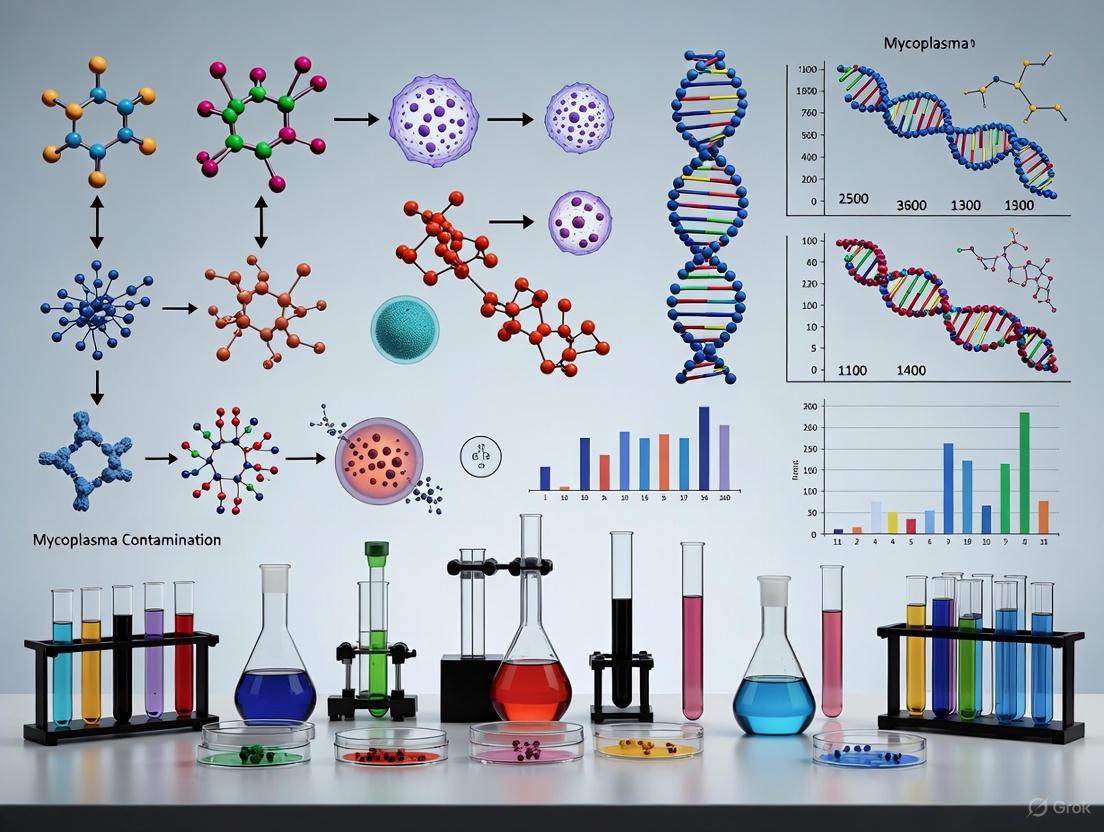
Mycoplasma contamination poses a persistent and costly threat to cell-based research and biomanufacturing, jeopardizing experimental data and unique, irreplaceable cell lines.
Salvaging Science: A Strategic Guide to Treating Mycoplasma Contamination in Valuable Cell Cultures
Abstract
Mycoplasma contamination poses a persistent and costly threat to cell-based research and biomanufacturing, jeopardizing experimental data and unique, irreplaceable cell lines. This article provides a comprehensive, current guide for researchers and drug development professionals on decontaminating valuable cultures. We cover foundational knowledge on mycoplasma biology and contamination sources, explore advanced detection and antibiotic eradication methodologies, offer troubleshooting for persistent cases, and outline validation strategies to confirm successful clearance and ensure data integrity post-treatment.
Understanding the Invisible Threat: Mycoplasma Biology and Contamination Sources
What Are Mycoplasmas? Defining the Minimalist Pathogen Lacking a Cell Wall
Frequently Asked Questions (FAQs)
Q1: What are mycoplasmas and why are they a problem in cell culture? Mycoplasmas are the smallest and simplest self-replicating bacteria, belonging to the class Mollicutes. A key defining feature is their lack of a rigid cell wall [1] [2]. This makes them naturally resistant to common antibiotics like penicillin and other beta-lactams that target cell wall synthesis [3] [4]. In cell culture, they are a major contaminant, affecting 15-35% of continuous cell lines [5] [6]. Because they are submicroscopic (0.15-0.3 µm) and do not cause turbidity in media, their contamination is often undetected without specific testing [5]. They can profoundly alter cell physiology, leading to unreliable experimental data by causing chromosomal aberrations, disrupting cell metabolism, and changing gene expression profiles [6].
Q2: What are the most common sources of mycoplasma contamination in a laboratory? The primary sources of contamination are other infected cell cultures, laboratory personnel, and contaminated reagents.
- Infected Cultures: The most frequent source is cross-contamination from an already infected cell line introduced into the laboratory [5].
- Laboratory Personnel: Technicians are a major source of human-sourced species like M. orale, M. fermentans, and M. hominis, which can be spread via droplets [5] [6].
- Reagents: While less common with certified suppliers, animal-derived products like fetal bovine serum (a source of M. arginini and A. laidlawii) and trypsin (a source of M. hyorhinis) can be sources of contamination [5] [6].
Q3: How can I detect mycoplasma contamination in my cell cultures? There are three principal methods for mycoplasma detection, each with different timeframes and requirements.
Table 1: Comparison of Mycoplasma Detection Methods
| Method | Principle | Duration | Key Advantage | Key Disadvantage |
|---|---|---|---|---|
| Direct Culture | Growth on agar to form "fried-egg" colonies [1] [6] | 4-5 weeks [6] | Gold standard, highly specific | Very slow, requires specialized culture conditions |
| Indirect Culture (DNA Stain) | Staining DNA with a fluorescent dye (e.g., Hoechst) on indicator cells [5] [6] | ~1 week | Broader detection than direct culture | Requires indicator cells, subjective interpretation |
| PCR-Based Method | Amplification of mycoplasma-specific 16S rRNA gene sequences [1] [6] | 1-2 days | Rapid, highly sensitive, can detect non-cultivatable species | Does not distinguish between viable and non-viable organisms |
Q4: My most valuable cell line is contaminated. Can it be saved? Yes, valuable cultures can often be cured of mycoplasma contamination. Several methods are available, but each carries risks.
- Antibiotic Treatment: Specific antibiotics effective against mycoplasmas, such as tetracyclines, fluoroquinolones, and macrolides, can be used [1] [3]. However, mycoplasmas can rapidly develop resistance to these drugs [3]. Treatment should be a last resort and the cured line must be thoroughly re-tested and its performance validated, as the contamination and/or treatment may have permanently altered the cell line's characteristics.
- Other Methods: Techniques like passage through mice, heat treatment, or macrophage phagocytosis can be effective but are less practical for most cell culture labs [5]. The surest method to protect your research is to discard the contaminated stock and revert to an earlier, uncontaminated stock from your seed bank, underscoring the importance of good cell banking practices [6].
Q5: Why are mycoplasmas resistant to many commonly used cell culture antibiotics? Mycoplasmas are inherently resistant to all beta-lactam antibiotics (e.g., penicillin, streptomycin) because these drugs inhibit cell wall synthesis, and mycoplasmas completely lack a cell wall [3] [4]. Furthermore, they are generally resistant to the concentrations of other common antibiotics like gentamicin used in standard cell culture media cocktails [6]. Relying on routine antibiotics is not a substitute for good aseptic technique and can provide a false sense of security.
Troubleshooting Guide: Preventing and Managing Contamination
Problem: Suspected Widespread Contamination in the Lab
Diagnosis: Multiple cell lines are testing positive for mycoplasma, suggesting a systemic issue.
Solution:
- Quarantine: Immediately stop all work with non-essential cell lines. Designate separate areas and equipment for handling any cultures that must be maintained.
- Identify Source: Test all cell lines, media, sera, and reagents to identify the scope of contamination. Review laboratory practices; a single contaminated culture can easily spread via aerosols, shared reagents, or contaminated surfaces in the laminar flow hood [5].
- Decontaminate: Autoclave all contaminated cultures that are not irreplaceable. Thoroughly disinfect all work surfaces, incubators, and water baths with a sporicidal agent. Discard all shared media and reagent stocks.
- Restart: Only reintroduce cell lines from certified contamination-free sources (e.g., your original seed stock or a reputable cell bank) once the lab is fully decontaminated.
Problem: Inconsistent or Failed Mycoplasma Detection via PCR
Diagnosis: The internal control in your PCR assay is failing, or you are getting variable results.
Solution:
- Check Sample Integrity: Ensure you are testing cells from a culture that has been without effective antibiotics (e.g., penicillin, streptomycin) for at least one week, as these can suppress but not eliminate mycoplasmas, leading to false negatives.
- Validate Technique: Confirm that you are using a sufficiently large sample volume and that the DNA extraction is performed correctly. Use a kit or protocol that includes an internal control to monitor for PCR inhibitors, which are common in cell culture samples [7].
- Use Multiple Methods: If PCR results are suspect, confirm with a different method, such as a DNA fluorescence stain, which can serve as a good orthogonal test [6].
Problem: Antibiotic Treatment is Ineffective
Diagnosis: Mycoplasma contamination persists after a course of anti-mycoplasma antibiotics.
Solution:
- Confirm Resistance: The mycoplasma strain may have developed resistance. This is a known issue, particularly for macrolides [3] [8]. The mechanisms often involve point mutations in the 23S rRNA gene or other target sites [3].
- Switch Antibiotic Class: If you were using a macrolide (e.g., erythromycin), switch to a tetracycline (e.g., doxycycline) or a fluoroquinolone (e.g., ciprofloxacin), as these have different molecular targets [3]. Be aware of the potential cytotoxicity of these antibiotics for your specific cell line.
- Combine with Other Measures: Antibiotic treatment is more effective when combined with physical methods. Consider performing the treatment while the cells are at a low density and use a high antibiotic concentration for a defined, limited period.
The Scientist's Toolkit: Essential Reagents for Mycoplasma Management
Table 2: Key Research Reagents and Materials
| Item | Function/Benefit | Key Consideration |
|---|---|---|
| Mycoplasma Detection Kit (PCR-based) | Rapid, sensitive, and specific detection of a broad range of mycoplasma species [6]. | Choose a kit that targets the 16S rRNA gene and includes an internal control to prevent false negatives. |
| Hoechst 33258 Stain | Fluorescent DNA dye for indirect detection of mycoplasmas via staining of indicator cells [6]. | Reveals characteristic filamentous or speckled cytoplasmic DNA patterns when viewed under a fluorescence microscope. |
| Anti-Mycoplasma Antibiotics | Used to eliminate contamination from valuable cultures. Includes macrolides, tetracyclines, and fluoroquinolones [3]. | Use selectively to avoid inducing resistance. Always confirm eradication post-treatment with a validated detection method. |
| Mycoplasma-Free Fetal Bovine Serum (FBS) | Critical reagent to prevent introduction of bovine-sourced mycoplasmas (e.g., M. arginini) [5]. | Source from reputable suppliers who provide certification of testing for mycoplasma and other adventitious agents. |
| 0.1µm Pore Size Filter | For sterilizing solutions that may contain high levels of mycoplasma, as their small, flexible size allows them to sometimes pass through 0.2µm filters [5]. | Use with low pressure differential (5-10 psi) to minimize forcing mycoplasmas through the membrane. |
Experimental Workflow: From Detection to Elimination
The following diagram outlines a logical pathway for diagnosing and addressing mycoplasma contamination in a research setting.
Why is mycoplasma contamination considered a "stealth" contaminant?
Mycoplasma contamination is notoriously difficult to detect in cell cultures through routine methods, earning it the name "stealth contaminant." Unlike bacterial or fungal contaminants, mycoplasma do not cause visible turbidity in the culture medium [5] [9]. They are the smallest self-replicating organisms (0.15–0.3 µm) and lack a rigid cell wall, allowing them to pass through standard sterile filtration systems (0.2 µm) used for media and reagents [5] [9]. Furthermore, because they are resistant to common cell culture antibiotics like penicillin and streptomycin that target cell wall synthesis, their growth is not inhibited by these standard treatments [9]. Mycoplasmas attach to host cells and can alter cell metabolism, growth, and gene expression without causing immediate cell death, meaning contamination can persist for extended periods without obvious cell damage [5] [9].
What are the consequences of undetected mycoplasma contamination?
Undetected mycoplasma contamination can comprehensively compromise cell physiology and lead to unreliable experimental data [5]. The effects are diverse and can impact nearly every aspect of cell function.
Table 1: Effects of Mycoplasma Contamination on Cell Cultures
| Affected Area | Specific Consequences |
|---|---|
| Cell Metabolism & Physiology | Drastic changes in cell metabolism; altered gene expression and virus production; faulty synthesis of nucleic acids [5] [9]. |
| Cell Growth & Viability | Negative impact on cell growth and proliferation; decreased transfection rate; cell death [5] [9]. |
| Genetic Integrity | Chromosomal aberrations [9]. |
| Research & Production | Erroneous or irreproducible results; contamination of final biopharmaceutical products (e.g., vaccines), leading to batch loss [5]. |
How can I detect mycoplasma contamination in my cell cultures?
Several methods are available for mycoplasma detection, each with its own advantages and limitations. The European Medicines Agency (EMA) recognizes several techniques [9].
Table 2: Common Mycoplasma Detection Methods
| Method | Principle | Duration | Key Advantage | Key Limitation |
|---|---|---|---|---|
| Microbiological Culture | Inoculating a liquid medium with sample, then growing on Mycoplasma agar plates [9]. | Up to 28 days [10]. | Considered the gold standard by regulatory bodies [9]. | Long turnaround time; cannot detect non-cultivable species [10]. |
| DNA Staining (e.g., DAPI, Hoechst) | Staining fixed indicator cells with a fluorochrome to visualize mycoplasma DNA under a fluorescence microscope [5] [9]. | A few hours. | Relatively fast and inexpensive. | Results can be tricky to interpret, especially if cells are in poor condition; risk of false positives/negatives [9]. |
| Polymerase Chain Reaction (PCR) | Amplifying mycoplasma-specific DNA sequences [9]. | A few hours [10]. | Highly sensitive, rapid, and specific; can detect a broad range of species [9] [10]. | Potential for false positives/negatives; does not distinguish between viable and non-viable organisms [10]. |
| Rapid qPCR Kits | Using optimized primer-probe sets and qPCR for highly sensitive, quantitative detection [10]. | A few hours. | Fast (hours), highly sensitive (can meet the 10 CFU/mL regulatory standard), and validated for broad species coverage (>200 Mycoplasma species) [10]. | Requires specific kits and equipment. |
The general workflow for testing, particularly using molecular methods, follows a logical progression from sample preparation to result interpretation, as outlined below.
Mycoplasma contamination primarily originates from three major sources: laboratory personnel, contaminated biological materials, and cross-contamination from other infected cultures [5] [9].
Table 3: Primary Sources of Mycoplasma Contamination
| Source | Common Mycoplasma Species | Notes |
|---|---|---|
| Laboratory Personnel | M. orale, M. fermentans, M. hominis, M. salivarium [5]. | These species account for over half of all infections and originate from the human oropharyngeal tract. Contamination occurs via aerosols from talking, coughing, or improper aseptic technique [5] [9]. |
| Contaminated Sera (Bovine) | M. arginini, A. laidlawii [5]. | While quality control has improved, raw animal-derived sera remain a potential risk and should be from reputable, certified suppliers [5]. |
| Contaminated Reagents (Porcine Trypsin) | M. hyorhinis [5]. | Sourcing from trustworthy suppliers is critical. |
| Cross-Contamination | Any species [9]. | An infected culture is a major contamination source. Live mycoplasma can be recovered from hood surfaces days after working with a positive culture and can spread to clean cultures in the same incubator [5]. |
How can I prevent mycoplasma contamination?
Prevention is the most effective strategy for managing mycoplasma contamination and hinges on rigorous lab practices [5] [9] [11].
- Quarantine and Test Incoming Cell Lines: Always quarantine new cell lines from external sources for a few weeks and test them for mycoplasma before integrating them into your main culture facility [9].
- Employ Strict Aseptic Technique: Use proper personal protective equipment (PPE), maintain a clean workspace and equipment. Avoid talking or coughing over open vessels [5] [11].
- Avoid Indiscriminate Antibiotic Use: Standard antibiotics like penicillin/streptomycin will not prevent mycoplasma growth and can mask bacterial contamination, allowing mycoplasma to thrive undetected [9].
- Use Certified Reagents: Source sera, media, and reagents (like trypsin) from reputable suppliers that provide certification that products are mycoplasma-free [5] [11].
- Implement Routine Testing: Schedule regular mycoplasma testing as part of your lab's standard quality control protocol, for example, when creating new master cell banks or before starting critical experiments [11] [12].
- Maintain Equipment: Ensure laminar flow hoods, incubators, and other equipment undergo regular inspection, validation, and decontamination [9] [11].
What should I do if I have a contaminated but valuable culture?
While discarding contaminated cultures is generally recommended, valuable or irreplaceable cultures can sometimes be treated to eliminate mycoplasma [5] [9]. This process requires careful execution.
- Confirm Contamination: Use a reliable method (e.g., PCR) to confirm the presence and ideally the species of mycoplasma.
- Immediate Quarantine: Move the contaminated culture to a quarantined incubator and dedicate separate equipment (pipettes, media) for it to prevent spread [9].
- Antibiotic Treatment: Several antibiotics are effective against mycoplasma, as they target processes other than cell wall synthesis.
- Commonly Used Antibiotics: Macrolides, tetracyclines, and quinolones are the three main groups used [9].
- Treatment Protocol: Treatment must be done with sufficient duration and concentration. Commercial mycoplasma eradication kits are available and can be effective. It is crucial to follow the manufacturer's instructions closely [9].
- Post-Treatment Validation: After completing the antibiotic treatment, passage the cells for several weeks in antibiotic-free medium. Then, retest the culture thoroughly to ensure the contamination has been fully eradicated, as it might have fallen below detectable levels temporarily [9].
The Scientist's Toolkit: Key Reagent Solutions
Table 4: Essential Reagents for Mycoplasma Detection and Eradication
| Reagent / Kit | Function | Example Use Case |
|---|---|---|
| Validated qPCR Detection Kit | Detects mycoplasma DNA with high sensitivity and specificity. | Routine screening of cell banks and culture samples. Kits like ACROBiosystems' are validated to detect over 250 species and meet regulatory sensitivity standards (10 CFU/mL) [10]. |
| DNA Fluorescence Stain (e.g., DAPI, Hoechst) | Binds to DNA, allowing visualization of mycoplasma on the surface of indicator cells. | A fast, initial screening method when a fluorescence microscope is available [5] [9]. |
| Mycoplasma Eradication Antibiotics | Eliminates mycoplasma from contaminated cultures using antibiotics like quinolones or macrolides. | Treating a valuable, irreplaceable cell line that has tested positive for mycoplasma [9]. |
| Sample Preparation Kit | Optimized buffers for lysing mycoplasma and extracting nucleic acids. | Used prior to PCR/qPCR to ensure high DNA recovery and remove inhibitors, improving assay consistency and reliability [10]. |
| Mycoplasma Agar and Broth | Supports the growth of cultivable mycoplasma species. | Used in the microbiological culture method, the gold standard for regulatory compliance [9]. |
A proactive defense is the most effective strategy for protecting valuable cell cultures.
Mycoplasma contamination poses a significant and persistent threat to the integrity of cell-based research, potentially compromising years of valuable work. This technical support center provides clear, actionable guidance to help researchers, scientists, and drug development professionals identify, prevent, and address these contaminants, safeguarding their experimental results and ensuring the reliability of their data.
This section addresses the most common questions regarding the origins and spread of mycoplasma in the laboratory environment.
Q1: What are the most common original sources of mycoplasma contamination in a cell culture lab?
The primary sources can be categorized into three main areas:
- Laboratory Personnel: Human-derived species such as M. orale, M. fermentans, and M. hominis are introduced via droplets generated during speaking, coughing, or improper pipetting techniques. These species account for over half of all mycoplasma infections in cell cultures [5].
- Contaminated Reagents: Fetal bovine serum (FBS) is a classic source of bovine-derived species like M. arginini and A. laidlawii. Similarly, porcine-derived trypsin can be a source of M. hyorhinis [5] [6].
- Cross-Contamination from Infected Cultures: The most frequent source is the introduction of an already-infected cell line from another laboratory. Once present, mycoplasma can spread rapidly via microscopic aerosols created during pipetting, affecting other cultures handled in the same biosafety cabinet [13] [14].
Q2: How can mycoplasma spread from a single contaminated culture to others in my lab?
Mycoplasma spreads with remarkable efficiency through microscopic airborne droplets [13] [14]. An experiment modeling a routine subculturing procedure demonstrated that after trypsinizing an infected culture in a laminar flow hood, live mycoplasmas were found on the technician, the outside of flasks, pipettors, and the hood surface. A previously clean culture handled in the same hood weeks later tested positive, confirming that a single contaminated culture can lead to widespread laboratory infection [5].
Q3: Why doesn't the standard antibiotic cocktail in my culture media prevent mycoplasma contamination?
Most routine cell culture antibiotics, like penicillin, target bacterial cell wall synthesis. Mycoplasmas lack a cell wall, rendering these agents entirely ineffective. While some antibiotics like gentamicin or tylosin may be somewhat inhibitive for some strains, they are not reliably mycoplasmacidal and should not be relied upon for prevention [13] [6].
Q4: I don't see turbidity in my culture media. Can I rule out mycoplasma contamination?
No. The absence of turbidity is a hallmark of mycoplasma contamination. Due to their very small size (0.2 – 0.3 µm) and lack of a rigid wall, mycoplasmas can grow to very high concentrations (10^7 – 10^8 organisms/mL) without causing any cloudiness in the medium, making them invisible to the naked eye [13] [6].
Troubleshooting Guides
Guide 1: Identifying the Source of Contamination
If you have confirmed mycoplasma contamination, use this guide to trace its origin.
| Observation | Possible Source | Recommended Action |
|---|---|---|
| Detection of M. orale, M. fermentans, M. hominis | Human origin/Lab personnel [5] | Review and reinforce aseptic technique. Audit use of Personal Protective Equipment (PPE). Minimize talking in BSC. |
| Detection of M. arginini or A. laidlawii | Bovine serum/FBS [5] | Review Certificate of Analysis for serum batches. Re-test frozen stock reagents. Use 0.1µm filtered sera. |
| Detection of M. hyorhinis | Porcine-derived trypsin [5] | Review Certificate of Analysis for trypsin batches. Re-test frozen stock reagents. Use 0.1µm filtered trypsin. |
| Sudden, multi-culture contamination across different projects | Cross-contamination from a single infected line or shared contaminated reagent [13] | Immediately quarantine all affected cultures. Audit culture handling order ("clean-to-dirty"). Check integrity of BSC. |
| Persistent re-contamination after decontamination | Persistent environmental reservoir (e.g., water baths, incubators, equipment surfaces) [5] | Perform comprehensive lab-wide decontamination. Use professional services for fogging/fumigation (e.g., ionized Hydrogen Peroxide) [15]. |
Guide 2: High Background in Mycoplasma Detection Assays
This guide addresses a common issue encountered during specific mycoplasma testing.
| Observation | Problem | Corrective Action |
|---|---|---|
| High background signal in enzymatic detection kits | Insufficient washing or contamination with the detection enzyme (e.g., alkaline phosphatase) [16] | Adhere strictly to washing protocol, ensuring all buffer is removed from wells. Keep work area clean and free of enzyme contaminants. |
| Poor precision between replicates | Pipetting error or RNase contamination (in RNA-based assays) [16] | Use a new pipette tip for every pipetting step and ensure proper pipetting technique. Employ RNase-free techniques and consumables. |
| No signal for positive control | RNase contamination or a component/step was omitted [16] | Use RNase-free technique. Carefully re-read the protocol before repeating the assay. |
Experimental Protocols for Detection
Routine testing is the cornerstone of mycoplasma contamination control. The following validated methods are critical for any lab handling valuable cell lines.
Protocol 1: DNA Staining Method (Indirect Detection)
This method uses a fluorescent dye to detect mycoplasma DNA associated with your cell culture.
- Principle: The cell culture is stained with a DNA-binding fluorescent dye (e.g., Hoechst 33258 or DAPI). While mammalian DNA is confined to the nucleus, mycoplasma DNA appears as extranuclear, filamentous, or punctate staining in the cytoplasm [6].
- Workflow:
- Grow the test cells on a sterile coverslip in a culture dish until sub-confluent.
- Fix the cells with a fixative (e.g., Carnoy's fixative: methanol:acetic acid 3:1) for 5 minutes.
- Stain with Hoechst 33258 solution (e.g., 0.05 - 0.1 µg/mL in PBS) for 15-30 minutes in the dark.
- Mount the coverslip on a microscope slide and examine under a fluorescence microscope.
- Interpretation: A positive result is indicated by the presence of bright, extranuclear specks or filaments. Negative controls (known mycoplasma-free cells) and positive controls (known mycoplasma-infected cells) must be run in parallel.
Protocol 2: PCR-Based Detection
This is a rapid, sensitive, and specific method for routine screening.
- Principle: PCR primers, often targeting the highly conserved 16S rRNA gene of mycoplasma, are used to amplify mycoplasma-specific DNA sequences from culture supernatants [6]. Real-time PCR (qPCR) provides faster results and can be quantitative.
- Workflow:
- Sample Collection: Centrifuge cell culture supernatant to pellet any mycoplasma cells.
- DNA Extraction: Extract DNA from the pellet using a standard commercial kit.
- PCR Setup: Prepare the PCR master mix containing a thermostable DNA polymerase, dNTPs, and universal mycoplasma primers. A touchdown PCR protocol can increase sensitivity [6].
- Amplification: Run the PCR in a thermal cycler. For a standard 16S rRNA target, a typical program might be: 95°C for 5 min; 40 cycles of 95°C for 30s, 55-60°C for 30s, 72°C for 1 min; final extension 72°C for 7 min.
- Analysis: Analyze PCR products by gel electrophoresis. A band of the expected size indicates contamination. For qPCR, a cycle threshold (Ct) value below a defined cut-off indicates a positive result.
- Note: This method meets the standards of the European Pharmacopoeia 2.6.7 guidelines when properly validated [6] [17].
Protocol 3: Culture Method (Direct Detection)
This is the traditional "gold standard" method but is time-consuming.
- Principle: The sample is inoculated onto specialized agar and broth media that support the growth of fastidious mycoplasma. After incubation, plates are examined for characteristic "fried-egg" colonies [6] [18].
- Workflow:
- Inoculation: Inoculate a sample of cell culture supernatant into specialized mycoplasma broth and onto agar plates.
- Incubation: Incubate the plates and broth anaerobically at 36°C for up to 4-5 weeks.
- Observation: Examine the agar plates weekly under 100x magnification for the appearance of characteristic colonies [6].
- Limitations: The method is slow (can take several weeks) and will only detect culturable species [18] [17].
The Scientist's Toolkit
Table: Key research reagents for mycoplasma prevention, detection, and elimination.
| Item | Function & Application |
|---|---|
| Mycoplasma Detection Kit (PCR-based) | Provides optimized primers, controls, and protocols for rapid, sensitive detection of a wide range of mycoplasma species via nucleic acid amplification [6]. |
| Hoechst 33258 / DAPI Stain | Fluorescent DNA-binding dyes used in the indirect detection method to visualize extranuclear mycoplasma DNA under a fluorescence microscope [6]. |
| Mycoplasma Elimination Reagents (e.g., B-M Cyclin, Mynox) | Specialized antibiotic formulations (e.g., combinations of pleuromutilins, tetracyclines) designed to eradicate persistent mycoplasma infections in valuable cell lines [13] [17]. |
| 0.1µm Pore Size Filters | Used for filtering sensitive media and reagent components. More effective than standard 0.2µm filters at retaining small, pliable mycoplasma cells [5]. |
| Specialized Mycoplasma Media | Agar and broth formulations enriched with peptone, yeast extract, and serum to support the growth of fastidious mycoplasma for the culture-based detection method [18]. |
Contamination Control Workflow
The following diagram outlines the logical relationship between key stages in managing mycoplasma risk, from prevention to response.
Contamination Control Workflow: This diagram visualizes the continuous cycle of prevention, detection, and response required for effective mycoplasma management.
Mycoplasma contamination represents one of the most significant yet insidious challenges in cell culture laboratories worldwide. These minute bacteria, which lack cell walls, persistently infect 15-35% of continuous cell cultures, jeopardizing research integrity, biopharmaceutical production, and experimental reproducibility [6] [19]. Unlike overt bacterial contaminations that cause media turbidity, mycoplasma contamination typically progresses silently, evading visual detection while fundamentally altering cell physiology and function. This technical support center provides comprehensive troubleshooting guides and FAQs to help researchers identify, address, and prevent mycoplasma contamination, preserving the validity of your scientific data and protecting valuable cell resources.
FAQ: Understanding Mycoplasma Contamination
What are mycoplasmas and why are they problematic for cell culture?
Mycoplasmas are the smallest self-replicating organisms known, measuring less than 300 nm in diameter [20]. They belong to the class Mollicutes and are distinguished from other bacteria by their complete lack of a cell wall [5]. This morphological characteristic makes them resistant to common cell culture antibiotics like penicillin that target cell wall synthesis [21] [6]. Their small size and plasticity allow them to pass through standard sterilizing filters (0.2 µm) and evade visual detection under routine light microscopy [5] [22].
How common is mycoplasma contamination in research laboratories?
Mycoplasma contamination remains prevalent in research laboratories worldwide. Current estimates indicate that 15-35% of continuous cell cultures are contaminated, while primary cell cultures show approximately 1% contamination rates [6] [19]. A comprehensive analysis of genomic data from 884 series in the NCBI Sequence Read Archive found that 11% of datasets showed evidence of mycoplasma contamination [21]. Although contamination rates have declined over recent decades due to improved quality control measures, mycoplasma remains a persistent and significant threat to research integrity [23].
Contemporary contamination typically originates from laboratory personnel or cross-contamination from infected cell cultures rather than commercial reagents [5].
Table: Common Mycoplasma Species in Cell Culture and Their Sources
| Mycoplasma Species | Primary Source | Prevalence |
|---|---|---|
| M. orale | Human oropharyngeal tract | High |
| M. fermentans | Human | High |
| M. hominis | Human | High |
| M. arginini | Bovine serum | Moderate |
| A. laidlawii | Bovine serum | Moderate |
| M. hyorhinis | Porcine trypsin | Moderate |
| M. salivarium | Human | Less common |
| M. pirum | Human | Less common |
Laboratory personnel are considered a major source of human-sourced mycoplasma species, which account for over half of all contaminations [5]. Cross-contamination spreads rapidly within laboratories when infected and clean cultures are handled in close proximity or with shared equipment. One demonstrated that after handling contaminated cultures in a laminar flow hood, live mycoplasmas could be recovered from various surfaces, and clean cultures became infected within six weeks of being handled in the same hood [5].
What are the telltale signs that my cell cultures might be contaminated with mycoplasma?
Mycoplasma contamination is notoriously difficult to detect visually, but several subtle indicators may suggest contamination:
- Unexplained changes in cell growth rates including reduced proliferation or confluence despite regular passaging [6]
- Persistent cellular deterioration including increased apoptosis or abnormal morphology [19]
- Unexplained experimental results particularly in studies of gene expression, metabolism, or apoptosis [21] [19]
- Resistance to standard antibiotics in culture media without obvious explanation [6]
- Changes in media pH more rapid than expected due to mycoplasma metabolic activity [19]
Unlike bacterial or fungal contaminations, mycoplasma-contaminated media typically do not become turbid [21] [22], making visual detection nearly impossible without specialized testing.
Troubleshooting Guide: Detection and Identification
Reliable Methods for Mycoplasma Detection
Several validated methods exist for detecting mycoplasma contamination, each with distinct advantages and limitations:
Table: Comparison of Mycoplasma Detection Methods
| Method | Principle | Duration | Sensitivity | Regulatory Status |
|---|---|---|---|---|
| Direct Culture | Growth on agar plates with characteristic "fried egg" colonies | 4-5 weeks | High (10-100 CFU/ml) | USP, EP, JP |
| Indirect Culture (Hoechst Staining) | DNA-binding fluorescent dye staining followed by fluorescence microscopy | 3-5 days | Moderate | USP, EP, JP |
| PCR-Based Methods | Amplification of mycoplasma-specific 16S rRNA sequences | 3 hours to 1 day | High (10-100 CFU/ml) | EP, JP (with validation) |
| Enzymatic Methods | Detection of mycoplasma-specific enzymatic activities | 1-2 days | Moderate | Not standard |
PCR-based methods have become increasingly popular due to their rapid turnaround time and comprehensive detection capabilities. Modern commercial PCR kits can detect over 60 species of Mycoplasma, Acholeplasma, Spiroplasma, and Ureaplasma, including the eight species responsible for approximately 95% of all contaminations [6] [24]. These methods typically target the conserved 16S rRNA region in the mycoplasma genome and can provide results in as little as three hours, making them particularly valuable for testing products with short shelf lives like advanced therapy medicinal products (ATMPs) [24].
Step-by-Step Protocol: PCR-Based Mycoplasma Detection
For laboratories implementing in-house mycoplasma testing, the following protocol provides a reliable framework:
Sample Collection:
- Collect supernatant from test cultures grown for at least 3 days without antibiotics
- Include appropriate controls: known negative, known positive, and no-template controls
- Process samples immediately or store at -80°C until analysis
DNA Extraction:
- Extract nucleic acids using a commercial DNA extraction kit suitable for bacterial DNA
- Ensure final elution volume is appropriate for PCR sensitivity requirements
PCR Setup:
- Prepare reaction mix containing:
- Universal primers targeting mycoplasma 16S rRNA gene
- TaqMan probe for specific detection
- Thermostable DNA polymerase
- dNTPs
- Reaction buffer
- Add template DNA to reaction mix
PCR Amplification:
- Use touchdown PCR protocol to enhance specificity
- Typical cycling conditions:
- Initial denaturation: 95°C for 5 minutes
- 40 cycles of:
- Denaturation: 95°C for 30 seconds
- Annealing: 60°C for 30 seconds (with incremental decrease in early cycles)
- Extension: 72°C for 30 seconds
Result Interpretation:
- Analyze amplification curves for specific signal
- Compare to positive and negative controls
- Validate assay sensitivity with 10 CFU/ml reference standard [24]
This method meets the sensitivity requirements of the European Pharmacopoeia (EP 2.6.7) when properly validated [6].
The Impact of Mycoplasma Contamination on Cell Physiology
How Mycoplasma Contamination Alters Cellular Function
Mycoplasma contamination exerts profound effects on host cell biology through multiple mechanisms that can compromise virtually all aspects of cellular physiology:
Metabolic Competition and Nutrient Depletion: With extremely reduced genomes, mycoplasmas lack many biosynthetic pathways and must scavenge essential nutrients from their environment [20] [21]. They compete with host cells for crucial nutrients including:
- Amino acids (particularly arginine)
- Sugars
- Nucleic acid precursors
- Fatty acids
- Choline [20]
This competition depletes culture media of essential components, leading to host cell nutrient starvation. The arginine depletion is especially detrimental as it impairs histone production, potentially causing chromosomal aberrations in host cells [19].
Generation of Metabolic Byproducts: Mycoplasmas generate acidic metabolic byproducts through fermentation pathways, altering media pH and creating suboptimal growth conditions for host cells [19]. Some species utilize the arginine deiminase pathway, which not only depletes this essential amino acid but also produces ammonia as a potentially cytotoxic byproduct [19].
Direct Interference with Host Cell Functions: Mycoplasmas can directly damage host cells through various mechanisms:
- Secretion of nucleases that degrade host cell DNA [21] [19]
- Membrane fusion between mycoplasma and host cells, enabling exchange of membrane and cytoplasmic components [5]
- Adhesion to host cells via specialized tip structures containing high concentrations of adhesins [5]
Alteration of Host Gene Expression: Global analysis of gene expression in contaminated cells reveals that mycoplasma infection can disregulate hundreds of host genes [21]. One study examining a single-cell RNA-seq dataset found 61 host genes were significantly associated with mycoplasma-mapped read counts [21].
Consequences for Research Data Integrity
The physiological impacts of mycoplasma contamination translate directly into compromised research data across multiple experimental domains:
Table: Research Areas Compromised by Mycoplasma Contamination
| Research Area | Specific Compromises | Underlying Mechanism |
|---|---|---|
| Cell Metabolism Studies | Altered nutrient utilization profiles; Changed metabolic byproducts | Nutrient competition; Mycoplasma metabolic activity |
| Gene Expression Analysis | Global changes in transcriptome; False identification of differentially expressed genes | Host cell response to infection; Artifacts in sequencing data |
| Apoptosis Research | False positive apoptosis signals; Misidentification of apoptotic nucleases | Mycoplasma endonucleases; Arginine depletion-induced apoptosis |
| Drug Screening | Altered compound efficacy; False toxicity signals | Changed cell viability and metabolism |
| Virus Production | Reduced viral yields; Altered viral characteristics | Competition for cellular resources |
| Membrane Biology | Changed antigen expression; Altered receptor availability | Membrane fusion and modification |
The extent of data compromise is substantial enough that some researchers have suggested many reported apoptotic nucleases from cell culture lines may actually be of mycoplasma origin rather than eukaryotic origin [19].
Research Reagent Solutions for Mycoplasma Management
Table: Essential Reagents for Mycoplasma Prevention, Detection and Elimination
| Reagent/Category | Specific Examples | Function/Application |
|---|---|---|
| Detection Kits | VenorGeM Mycoplasma Detection (PCR-based) | Rapid detection of >160 mycoplasma species |
| Hoechst 33258 Staining Kit | DNA staining for indirect detection | |
| Elimination Reagents | Plasmocin (25 µg/mL) | Antibiotic treatment for contaminated cultures |
| BM-Cyclin | Sequential antibiotic treatment | |
| Prevention Tools | Mycoplasma-Free Sera (Certified) | Prevention of bovine-derived contamination |
| 0.1µm Pore Size Filters | Sterile filtration of media/solutions | |
| Validation Standards | 10CFU Sensitivity Standards | Validation of detection assay sensitivity |
| Personal Protective Equipment | Clean Lab Coats, Gloves | Reduction of human-sourced contamination |
Prevention and Decontamination Protocols
Best Practices for Preventing Mycoplasma Contamination
Implementing rigorous aseptic technique and laboratory protocols represents the most effective strategy for preventing mycoplasma contamination:
Laboratory Hygiene:
- Wear proper PPE (gloves, clean lab coats) at all times in cell culture areas [22] [6]
- Change lab coats at least once per week [22]
- Restrict access to cell culture facilities to trained personnel only
Aseptic Technique:
- Maintain uncluttered biosafety cabinets to ensure proper airflow [22]
- Thoroughly disinfect all items with 70% ethanol before introducing to cabinet [22]
- Avoid working directly over open vessels or media bottles
- Never reuse pipette tips or other disposable supplies [6]
Cell Culture Management:
- Quarantine all new cell lines in a separate incubator until mycoplasma status is confirmed [22] [6]
- Maintain a seed stock system to preserve uncontaminated early-passage cells [6]
- Implement routine mycoplasma testing schedules (e.g., quarterly or with each freeze-down)
- Clean incubators regularly with appropriate disinfectants (e.g., dilute bleach) [22]
Reagent Quality Control:
- Source animal sera from reputable suppliers that provide mycoplasma testing certification
- Use 0.1µm filters rather than standard 0.2µm filters for critical solutions [5]
- Avoid unnecessary use of antibiotics in routine culture, as this can mask low-level contamination [6]
Protocol for Mycoplasma Decontamination
When valuable cultures test positive for mycoplasma, the following decontamination protocol may salvage these critical resources:
Step 1: Immediate Quarantine
- Immediately move contaminated cultures to a dedicated quarantine incubator
- Designate separate media, reagents, and equipment for these cultures
- Alert all laboratory personnel to implement enhanced containment procedures
Step 2: Antibiotic Treatment
- Add Plasmocin at 25 μg/mL to culture media [22]
- Maintain cultures with antibiotic for 1-2 weeks with regular passaging
- Alternatively, use other mycoplasma-specific antibiotics according to manufacturer protocols
Step 3: Post-Treatment Validation
- Culture treated cells for 1-2 weeks in antibiotic-free media [22]
- Perform mycoplasma testing using a validated method (preferably PCR-based)
- Confirm negative status with testing at multiple time points
Step 4: Decision Point
- If treatment successful: Expand culture and create new frozen stocks
- If treatment unsuccessful: Consider second treatment cycle with alternative antibiotic or evaluate whether culture value justifies continued effort
For irreplaceable cultures that resist antibiotic treatment, some laboratories may consider limiting dilution cloning combined with rigorous testing to isolate mycoplasma-free subclones.
Mycoplasma contamination remains a significant threat to research integrity, affecting a substantial proportion of cell cultures worldwide. The insidious nature of these contaminants—with their ability to evade visual detection while profoundly altering cell physiology—makes them particularly dangerous to scientific data quality. Through implementation of rigorous detection protocols, adherence to strict aseptic techniques, and maintaining vigilant monitoring programs, researchers can protect their valuable cell resources and ensure the reliability of their experimental results. The protocols and guidelines presented in this technical support center provide a comprehensive framework for managing the risks associated with mycoplasma contamination, ultimately safeguarding research investments and scientific credibility.
Detection and Eradication: Modern Protocols for Mycoplasma Clearance
Mycoplasma contamination is a pervasive and serious problem in cell culture, affecting a substantial proportion of cell lines worldwide and jeopardizing the integrity of biological research and biopharmaceutical production [5]. These bacteria, which lack a cell wall, can alter virtually every aspect of cell physiology and metabolism without causing obvious turbidity in the culture medium, often going undetected by routine microscopy [25] [26] [5]. For researchers working with valuable or irreplaceable cultures, selecting the appropriate detection method is the critical first step in any decontamination strategy. This guide compares three core detection techniques—PCR, DNA staining (like Hoechst), and microbial culture—to help you make an informed decision for safeguarding your research.
Comparison of Core Detection Methods
The table below summarizes the key characteristics of the three primary mycoplasma detection methods to aid in your selection.
| Method | Principle | Time to Result | Sensitivity & Specificity | Key Advantages | Key Limitations |
|---|---|---|---|---|---|
| Microbial Culture | Growth of mycoplasma on specialized agar or in broth [27]. | 1 to 4 weeks [27] [28]. | Lower sensitivity; detects only cultivable species (approx. 65% of contaminants) [29]. | Considered a historical "gold standard"; provides visual confirmation via colonies [29] [30]. | Very slow; cannot detect non-cultivable species; requires separate culture expertise [29]. |
| DNA Staining (Hoechst/DAPI) | Fluorescent dyes bind to AT-rich regions of mycoplasma DNA, visualized by microscopy [27] [30]. | 1-3 days (often includes an enrichment step) [28]. | Moderate sensitivity; can produce false positives from other bacteria or background signals [27]. | Relatively fast and cost-effective; reveals the spatial distribution of contamination [27]. | Subjective interpretation; requires experience; lower sensitivity; intensive staining can mask results [27]. |
| PCR (Conventional & Real-Time) | Amplification of mycoplasma-specific DNA sequences (e.g., 16S rRNA) [31] [29]. | Several hours to a single day [28]. | Very High. One study showed 100% sensitivity and specificity for real-time PCR [31]. | High speed, sensitivity, and specificity; can detect a broad range of species; amenable to high-throughput [31] [29] [32]. | Requires a thermal cycler; risk of amplicon contamination; does not distinguish between viable and non-viable organisms. |
Experimental Protocols for Key Methods
1. Protocol for Detection by Hoechst Staining [27] [28] [30]
This protocol uses indicator cells (e.g., Vero cells) to enrich for mycoplasmas, increasing the likelihood of detection.
- Sample Preparation: Seed indicator cells on a sterile coverslip in a culture dish. Incubate the test cell culture (without antibiotics) for at least one week without changing the medium. Inoculate the indicator cells with the supernatant from the test culture or a cell lysate and incubate for at least 3 days.
- Fixing and Staining: Discard the medium and wash the indicator cells carefully with PBS. Fix the cells with a fixative such as formaldehyde. Stain the fixed cells with a Hoechst 33258 or DAPI staining solution (e.g., 1 µg/mL) for 20-30 minutes, protected from light.
- Microscopy and Analysis: Wash the coverslip to remove excess dye and mount it on a microscope slide. Using a fluorescence microscope with a UV filter, examine the cells. The nuclei of the eukaryotic cells will appear bright, large, and oval. A positive mycoplasma contamination is indicated by the presence of small, bright, punctate, or filamentous extranuclear fluorescence on the cell surface or in the spaces between cells.
2. Protocol for PCR-Based Detection [31] [29] [28]
- Sample Collection and DNA Extraction: Collect a sample from a cell culture that has been grown for at least one week in antibiotic-free medium. This can be a supernatant sample or a cell lysate. Boil the sample for 5-10 minutes to lyse any mycoplasma and release DNA, then centrifuge briefly to pellet debris. Alternatively, use a commercial DNA extraction kit for higher purity.
- PCR Amplification: Prepare a PCR master mix containing primers, dNTPs, polymerase, and buffer. Use primers designed to target highly conserved regions of the mycoplasma 16S rRNA gene to ensure broad species coverage [29]. A common conventional PCR target product size is around 425 bp [31]. It is crucial to include appropriate controls: a known mycoplasma-positive control, a mycoplasma-negative (clean cell) control, and a no-template (water) control.
- Analysis: For conventional PCR, analyze the PCR products by agarose gel electrophoresis. The presence of a band at the expected size indicates mycoplasma contamination. Real-time PCR (qPCR) provides a result based on the amplification curve crossing a threshold cycle (Ct) value, which can also be quantitated.
The following workflow diagram illustrates the key steps and decision points for these two common detection methods:
Research Reagent Solutions
A variety of commercial kits are available to facilitate mycoplasma detection. The selection below includes options suitable for both research and more stringent environments.
| Product Name | Supplier | Detection Method | Key Features | Relevance to Valuable Cultures |
|---|---|---|---|---|
| MycoAlert / MycoAlert PLUS | Lonza [27] | Enzymatic (Bioluminescence) | Detects enzymatic activity not found in eukaryotic cells; rapid results. | Useful for frequent, rapid screening to catch contamination early before it spreads. |
| MycoProbe | R&D Systems [33] [28] | Hybridization-ELISA | Microplate-based high-throughput assay; results in ~4.5 hours. | Enables efficient screening of large numbers of frozen or fresh samples from a cell bank. |
| VenorGeM Advance | Minerva Biolabs [28] | Conventional PCR (Gel-based) | Lyophilized reagents for simplified pipetting; detects a wide range of species. | High specificity helps avoid false positives when deciding the fate of a valuable culture. |
| LookOut | Sigma-Aldrich [28] | Conventional PCR (Gel-based) | Claims high sensitivity; lyophilized reagents for ease of use. | Sensitive detection is critical for identifying low-level, persistent contaminants. |
| MycoTool | Roche [28] | PCR (Gel-based) | Validated for GMP use; primers designed to detect all known mycoplasma species. | Essential for work intended for regulatory submission where assay validation is required. |
Frequently Asked Questions (FAQs)
1. My culture is unique and irreplaceable. Which single detection method is the most reliable? For the highest level of confidence when dealing with a precious culture, real-time PCR is generally recommended. Studies have directly compared methods and found real-time PCR to have superior sensitivity and specificity (100% for both in one study) compared to other techniques like microbial culture or enzymatic assays [31]. Its ability to detect a very low level of a wide range of mycoplasma species quickly makes it the best tool for a definitive diagnosis [29].
2. Why might I get a negative result with Hoechst staining but a positive result with PCR? This discrepancy is most often due to the difference in sensitivity between the two methods. PCR is an amplification technique that can detect very small amounts of mycoplasma DNA. In contrast, Hoechst staining relies on visual detection of stained DNA, which requires a higher level of contamination to be clearly visible above the background signal from the host cell's nucleus [27]. A low-level contamination can easily be missed by staining but caught by PCR.
3. How should I prepare my cell culture for mycoplasma testing to ensure accurate results? Proper sample preparation is critical. The culture should be grown for at least one week (and up to two weeks) in the absence of any antibiotics [30]. Furthermore, the culture medium should not be changed for at least 2-3 days before you take the sample for testing [30]. This enrichment period allows any present mycoplasmas to proliferate to detectable levels.
4. We only use filtered media and practice sterile technique. Is regular mycoplasma testing really necessary? Yes, absolutely. Mycoplasmas can pass through standard 0.22 µm filters due to their small size and flexible membrane [25] [5]. The primary source of contamination in modern labs is no longer serum but cross-contamination from other infected cell lines or laboratory personnel [29] [5]. Because contamination can persist without obvious signs and can significantly impact your research results, routine testing is considered an essential best practice in cell culture maintenance [25] [5].
Mycoplasma contamination represents a significant and persistent challenge in cell culture laboratories, with estimates suggesting it affects between 15-35% of continuous cell cultures [6] [34]. These wall-less bacteria can profoundly alter cellular characteristics, leading to chromosomal abnormalities, disruption of nucleic acid synthesis, and changes in gene expression profiles, ultimately compromising research integrity and biopharmaceutical safety [29] [6]. For researchers working with valuable cultures that cannot be easily replaced, establishing robust detection methods is paramount before considering eradication protocols. Among available techniques, PCR-based detection has emerged as the method of choice due to its superior sensitivity, specificity, and speed compared to traditional culture methods [29] [35]. This technical guide focuses on the critical aspect of primer design to achieve universal mycoplasma detection, providing detailed protocols and troubleshooting advice to safeguard precious research materials.
Primer Design Fundamentals
Effective primer design is the cornerstone of reliable mycoplasma detection. The fundamental principle involves targeting highly conserved genomic regions across diverse mycoplasma species while ensuring minimal cross-reactivity with eukaryotic DNA or other bacterial contaminants.
Target Selection
The 16S ribosomal RNA (rRNA) gene is the predominant target for universal mycoplasma detection due to:
- High conservation: Essential functional role maintains sequence stability across species
- Species discrimination: Contains both conserved and variable regions suitable for broad detection
- Multi-copy nature: Enhances detection sensitivity through gene amplification [36] [34]
Advanced bioinformatics analyses of databases such as the NCBI Bacterial 16S Ribosomal RNA RefSeq Targeted Loci Project (Accession PRJNA33175) enable identification of ultra-conserved regions. One recently developed protocol utilizing this approach demonstrated coverage of 198 out of 216 mycoplasma species (92%) from all six orders of the class Mollicutes [29].
Design Strategies
Successful primer design incorporates multiple strategies to maximize detection capability:
- Universal degenerate primers: Slight sequence variations accommodate genetic diversity while maintaining binding efficiency
- Multi-primer approaches: Four-primer systems simultaneously amplify mycoplasma targets (166-191 bp) and eukaryotic controls (105 bp) to verify PCR functionality [29]
- Touchdown PCR protocols: High initial annealing temperatures that gradually decrease enhance specificity while reducing non-specific amplification [36]
Table 1: Mycoplasma Species Coverage of Designed Primer Pairs
| Genus | Matched Species/All Species | Coverage Percentage (%) |
|---|---|---|
| Metamycoplasma | 22/22 | 100 |
| Mesomycoplasma | 13/13 | 100 |
| Mesoplasma | 11/11 | 100 |
| Ureaplasma | 9/9 | 100 |
| Mycoplasma | 39/41 | 95 |
| Mycoplasmopsis | 43/44 | 98 |
| Acholeplasma | 8/9 | 89 |
| Spiroplasma | 34/38 | 89 |
| Malacoplasma | 1/4 | 25 |
Experimental Protocols
DNA Extraction and Sample Preparation
Proper sample preparation is critical for detection sensitivity:
- Sample Collection: Collect 1mL of cell culture supernatant or use cell pellets [35]
- Centrifugation: Centrifuge at 13,000 × g for 6 minutes to concentrate potential mycoplasma cells
- DNA Extraction:
- Resuspend pellet in 100μL PBS
- Incubate at 95°C for 15 minutes for cell lysis
- Use commercial DNA clean-up systems (e.g., Wizard DNA Clean-Up System) following manufacturer protocols [35]
- Alternative Rapid Protocol: For quicker screening, incubate 500μL supernatant at 95°C for 10 minutes, followed by brief centrifugation before using 2μL directly in PCR reactions [34]
PCR Amplification Protocol
The following protocol adapts published methods for universal mycoplasma detection [29] [34]:
Reaction Setup:
- Template DNA: 1-2μL extracted DNA
- PCR Buffer: 1X concentration (including MgCl₂ at 1.5mM final concentration)
- dNTPs: 100μM each
- Primers: 0.1μM of each forward and reverse primer
- DNA Polymerase: 1.25 U of hot-start Taq polymerase
- Internal Control: Include competitive internal control DNA when possible [35]
Thermal Cycling Conditions:
- Initial denaturation: 96°C for 2 minutes
- 35 cycles of:
- Denaturation: 94°C for 4 seconds
- Annealing: 65°C for 8 seconds (temperature may vary based on primer design)
- Extension: 72°C for 16 seconds (with 2-second increment per cycle)
- Final extension: 72°C for 5 minutes
Detection and Analysis:
- Electrophorese 10μL PCR product on 1.4-2% agarose gel
- Visualize with ethidium bromide or SYBR Safe intercalating dye
- Expected amplicon sizes: 166-191bp for mycoplasma detection; 105bp for eukaryotic internal control [29]
Sensitivity Determination
Establishing detection limits is essential for protocol validation:
- Prepare serial dilutions of known mycoplasma DNA (e.g., M. orale) in mycoplasma-free eukaryotic cell DNA
- Determine the limit of detection (LOD) as the lowest concentration yielding consistent amplification
- Recent protocols demonstrate detection sensitivity of 6.3 pg mycoplasma DNA or approximately 8.21×10³ genomic copies [29]
Table 2: Performance Metrics of Advanced PCR Detection Methods
| Parameter | Performance Value | Experimental Conditions |
|---|---|---|
| Detection Limit | 6.3 pg DNA or 8.21×10³ copies | Genomic M. orale DNA in eukaryotic DNA background [29] |
| Species Coverage | 92% (198/216 species) | All six orders of Mollicutes class [29] |
| Time to Result | 4-6 hours | From sample collection to analysis [29] |
| Common Species Detected | M. arginini, M. fermentans, M. hominis, M. hyorhinis, M. orale, A. laidlawii | Accounts for ~95% of contaminations [36] [6] |
Troubleshooting Guide
Common Experimental Issues
Problem: No amplification in positive control
- Potential cause: PCR inhibition or reagent degradation
- Solution: Verify reagent integrity, include internal control, check thermal cycler calibration [29] [34]
Problem: Faint or inconsistent bands
- Potential cause: Low copy number contamination or suboptimal primer annealing
- Solution: Concentrate sample by centrifugation, optimize annealing temperature, increase cycle number (up to 35 cycles) [29]
Problem: Non-specific amplification
- Potential cause: Primer dimers or mispriming
- Solution: Implement touchdown PCR, optimize MgCl₂ concentration, use hot-start polymerase [36] [34]
Problem: Inconsistent results between samples
- Potential cause: Variable DNA extraction efficiency
- Solution: Standardize extraction protocol, include eukaryotic internal control to monitor sample quality [29]
Sensitivity and Specificity Optimization
Enhancing Detection Sensitivity:
- Concentrate samples by centrifuging larger volumes (up to 50mL) and resuspending in smaller buffers [35]
- Use nested PCR approaches for very low-level contaminations
- Incorporate real-time PCR with fluorescent probes for quantitative detection [34]
Ensuring Specificity:
- Validate primer specificity against genomic databases using BLAST analysis
- Test against common eukaryotic cell lines to exclude cross-reactivity
- Include multiple negative controls across different cell types [29]
Research Reagent Solutions
Table 3: Essential Reagents for Mycoplasma Detection PCR
| Reagent/Category | Specific Examples | Function/Purpose |
|---|---|---|
| DNA Polymerase | Hot Start Taq Polymerase | Reduces non-specific amplification during reaction setup [35] |
| Primer Sets | Universal 16S rRNA targets (e.g., Myco-primers, Uc48-primers) | Broad-spectrum detection of mycoplasma species [29] |
| Positive Controls | Genomic M. orale DNA, M. fermentans DNA standard | Validation of assay performance and sensitivity [29] [34] |
| DNA Extraction Kits | Wizard DNA Clean-Up System, VenorGeM Sample Preparation Kit | Efficient isolation of microbial DNA from complex samples [35] [34] |
| Detection Kits | Universal Mycoplasma Detection Kit (ATCC 30-1012K), LookOut Mycoplasma PCR Detection Kit | Standardized commercial protocols with quality-controlled reagents [37] [36] |
Frequently Asked Questions
How frequently should I test for mycoplasma contamination? Regular testing is crucial, particularly when working with valuable cultures. Implement testing:
- Upon receipt of new cell lines
- Before freezing down stocks
- Every 1-2 months for actively growing cultures
- Before any critical experiments or publication-related work [6]
Can I rely on commercial detection kits? Commercial kits provide standardized protocols and consistent reagents. However, researchers should:
- Verify the species coverage of the kit matches their needs
- Validate kit performance against in-house methods
- Ensure sensitivity meets requirements for their specific application [36] [34]
What are the limitations of PCR-based detection? While highly sensitive, PCR methods have limitations:
- Cannot distinguish between viable and non-viable organisms
- May yield false positives without proper controls
- Requires validation against alternative methods when uncertain results occur [34]
How do I handle potentially contaminated valuable cultures? When contamination is detected in irreplaceable cultures:
- Immediately isolate the culture to prevent spread
- Confirm results with an alternative testing method
- Consider antibiotic treatment (e.g., Plasmocin, BM-Cyclin) with caution due to potential cellular stress [37] [35]
- For organoid cultures, in vivo passage through mouse xenografts has shown 100% efficacy in decontamination [37]
What are the most critical controls to include? Essential controls for reliable detection:
- Known positive mycoplasma DNA control
- Negative template control (water)
- Eukaryotic DNA control to monitor PCR inhibition
- Cell culture medium control
- Previously tested negative cell line [29] [34]
Robust PCR detection of mycoplasma contamination requires careful primer design targeting conserved 16S rRNA regions, optimized amplification conditions, and comprehensive validation. The protocols outlined here provide a foundation for implementing reliable detection methods that can achieve 92% species coverage with sensitivity down to 6.3 pg of mycoplasma DNA. For researchers working with valuable cultures, establishing these detection protocols represents the critical first step in managing contamination risks before pursuing eradication strategies. Regular monitoring combined with proper experimental technique remains the most effective approach to safeguard research integrity and ensure the reliability of experimental data derived from cell culture systems.
Mycoplasma contamination represents a significant and persistent challenge in cell culture laboratories, capable of compromising experimental integrity and leading to unreliable research data. These bacteria, lacking cell walls, are resistant to many common antibiotics and can chronically infect cultures, often without causing visible turbidity. The selection of an appropriate decontamination strategy is therefore critical for preserving valuable cell lines and ensuring the validity of scientific findings. This guide focuses on the efficacy and application of three antibiotics—Plasmocin, Daptomycin, and Clindamycin—for combating mycoplasma contamination within the broader context of research on treating contaminated valuable cultures. We provide troubleshooting guides, detailed protocols, and comparative data to support researchers, scientists, and drug development professionals in making informed decisions for their specific experimental needs.
Troubleshooting Guides and FAQs
Frequently Asked Questions
Q1: My cell culture is contaminated with mycoplasma. Should I immediately discard these valuable cells? A1: Not necessarily. For valuable or irreplaceable cell lines, antibiotic treatment is a viable first step. The best practice is to immediately quarantine the contaminated culture away from other cell lines and initiate a targeted antibiotic treatment regimen. Simultaneously, freeze down aliquots of the contaminated cells for security before starting treatment. Success rates for eradication vary; one study on the antibiotic Plasmocin reported an overall cure rate of 84% after one or two treatment rounds [35].
Q2: What is the primary clinical use of Daptomycin and Clindamycin, and how does it relate to their efficacy against mycoplasma? A2: Their different clinical applications inform their potential use in cell culture.
- Daptomycin is a prescription antibiotic used for serious Gram-positive infections, including methicillin-resistant Staphylococcus aureus (MRSA) skin infections, bacteremia, and endocardia [38]. It is a lipopeptide that disrupts bacterial cell membranes [39].
- Clindamycin is typically reserved for anaerobic infections and serious Gram-positive infections in penicillin-allergic individuals [38]. It is a lincosamide antibiotic that inhibits protein synthesis by binding to the 50S ribosomal subunit [39].
- Relevance to Mycoplasma: Mycoplasmas lack a cell wall, making antibiotics that target cell walls (like penicillins) ineffective. Daptomycin's membrane-targeting mechanism and Clindamycin's protein synthesis inhibition are active against these organisms, which is why they have shown success in clearing mycoplasma from contaminated cultures, including those containing other intracellular bacteria like Rickettsia and Ehrlichia [39].
Q3: I've treated my cells with Plasmocin for two weeks, but a post-treatment test is still positive. What should I do next? A3: A single treatment round is not always sufficient. You have several options:
- Extended Treatment: Treat the cells again for a longer interval [22].
- Alternative Antibiotics: Switch to a different antimycoplasma agent. Studies have successfully used a combination of Daptomycin and Clindamycin to clear common contaminants like M. arginini and M. orale [39]. Other effective commercial reagents include Baytril, BM-Cyclin, Ciprobay, MRA, or MycoZap [35].
- Cost-Benefit Analysis: Consider the value of the cells, the cost of extended treatment, and the risk to other lab cultures. If the contamination persists after a second attempt with a different antibiotic, discarding the cells may be the safest option to protect the rest of your lab [22].
Q4: How can I prevent mycoplasma contamination from happening again? A4: Prevention is always better than cure. Key practices include:
- Rigorous Aseptic Technique: Always wear proper PPE (gloves, clean lab coat), spray all items with 70% ethanol before introducing them into the hood, and avoid waving hands over uncovered vessels [22].
- Quarantine New Lines: Keep any new or untested cell lines in a separate incubator until they are confirmed to be mycoplasma-free [22].
- Regular Testing: Implement a schedule for periodic mycoplasma testing for all active cultures. Testing is recommended each time you freeze down a new bank of cells [22].
- Incubator Hygiene: Maintain a strict cleaning schedule for incubators, including changing the water pan weekly and cleaning with bleach to prevent microbial growth [22].
Antibiotic Efficacy and Protocol Comparison
The table below summarizes key efficacy data and standard treatment protocols for Plasmocin, Daptomycin, and Clindamycin based on published studies.
Table 1: Comparative Analysis of Antibiotics for Mycoplasma Decontamination
| Antibiotic | Reported Efficacy (Study Context) | Mechanism of Action | Standard Treatment Protocol (for cell culture) | Key Considerations |
|---|---|---|---|---|
| Plasmocin | 84% cure rate (45/58 cell lines cured in first round; 4 more in second round) [35] | Dual-action compound; targets essential bacterial processes. | Add to culture media at 25 µg/mL for 1 to 2 weeks [22]. | A first-line treatment for general cell culture decontamination. Requires a post-treatment "off-antibiotic" culture period before re-testing [22]. |
| Daptomycin & Clindamycin Combination | Successful decontamination of M. arginini, M. orale, and co-infections from multiple Rickettsia and Ehrlichia cultures [39]. | Daptomycin: Disrupts cell membrane [39].Clindamycin: Inhibits protein synthesis [39]. | Specific concentrations for this combination in standard cell lines are not detailed in the results; however, the approach is validated for intracellular bacterial cultures. Refer to [39] for methodology. | Effective against common mycoplasma species. Particularly useful for decontaminating cultures of obligate intracellular bacteria where other antibiotics (e.g., tetracyclines) cannot be used [39]. The cost of daptomycin can be a factor [39]. |
| Clindamycin (monotherapy) | Shown to be efficacious in reducing bacterial counts in an in vivo osteomyelitis model [40]. | Inhibits protein synthesis by binding to the 50S ribosomal subunit [39]. | Not specifically defined for mycoplasma decontamination in the provided results. | Based on its clinical profile, its systemic use can be associated with C. difficile infections [38]. |
Experimental Workflow for Mycoplasma Decontamination
The following diagram illustrates the critical decision-making pathway for handling a suspected or confirmed mycoplasma contamination, from initial detection to post-treatment validation.
Diagram Title: Mycoplasma Decontamination Decision Workflow
The Scientist's Toolkit: Essential Research Reagents
This table lists key reagents and materials essential for the prevention, detection, and treatment of mycoplasma contamination, as discussed in the provided research.
Table 2: Key Research Reagents for Mycoplasma Management
| Reagent / Material | Function / Application | Brief Description / Rationale |
|---|---|---|
| Plasmocin | Antibiotic Treatment | A common and effective first-line antibiotic compound used to cleanse chronically infected cell lines [35] [22]. |
| Daptomycin | Antibiotic Treatment | A lipopeptide antibiotic that targets bacterial cell membranes. Used in combination with clindamycin to clear mycoplasmas from cultures of intracellular bacteria [39]. |
| Clindamycin | Antibiotic Treatment | A lincosamide antibiotic that inhibits protein synthesis. Effective against mycoplasma and used in combination with daptomycin for decontamination [39]. |
| PCR Assays | Mycoplasma Detection | The most sensitive and specific method for detecting mycoplasma contamination. Can be designed to identify specific species [35] [39] [41]. |
| ATCC Universal Mycoplasma Detection Kit | Mycoplasma Detection | A commercial kit used for the qualitative screening of mycoplasma contamination in cell cultures [39]. |
| 70% Ethanol | Contamination Prevention | Used as a disinfectant to spray on all items before introducing them into the cell culture hood to maintain aseptic conditions [22]. |
| Mycoplasma-Free Fetal Bovine Serum (FBS) | Contamination Prevention | A critical culture medium supplement that is certified to be free of mycoplasma and other contaminants to prevent introducing contamination [35]. |
Step-by-Step Guide to Antibiotic Treatment and Decontamination Cycles
FAQs: Managing Mycoplasma Contamination in Cell Culture
What is the most effective first-line antibiotic treatment for mycoplasma contamination?
For a standard first attempt at decontamination, a two-week treatment with Plasmocin is highly effective. The typical protocol involves adding Plasmocin to your culture medium at a concentration of 25 µg/mL for 14 days [22] [42]. This treatment is a single, ready-to-use formulation that combines a macrolide and a quinolone antibiotic, attacking mycoplasma through two different mechanisms (protein synthesis inhibition and DNA replication blockade) to improve efficacy and reduce the chance of resistance [42]. One study reported a 78% success rate in curing contaminated cell lines using this approach [35].
My cells are still contaminated after a Plasmocin cycle. What should I do next?
Persistent contamination can often be overcome with a second-line strategy. The recommended steps are:
- Re-treat with an alternative antibiotic: If the first Plasmocin treatment fails, you can attempt a second round using cryopreserved backup cells from the original stock [35]. For contaminants resistant to Plasmocin, a different antibiotic formulation like Plasmocure is designed to be effective. It uses antibiotics with mechanisms of action different from those in Plasmocin, though it may cause temporary, moderate cytotoxicity [42].
- Try a different antibiotic class: If a second attempt with Plasmocin fails, other antibiotics have proven effective. Research shows that all cell lines can eventually be cured by using alternative compounds such as Baytril, BM-Cyclin, Ciprobay, or MRA if Plasmocin is unsuccessful [35]. BM-Cyclin, for instance, requires a three-week, cyclic treatment with its two components (a macrolide and a tetracycline) [42].
What is the critical post-treatment verification protocol?
After completing the antibiotic treatment, a rigorous testing phase is essential to confirm decontamination success.
- Culture without antibiotics: Following the treatment regimen, you must culture the cells in antibiotic-free medium for 1-2 weeks [22]. This passage without selective pressure allows any lingering, non-eradicated mycoplasmas to proliferate to detectable levels.
- Perform a sensitive detection test: After this antibiotic-free period, test the culture for mycoplasma using a highly sensitive method, such as PCR [35] [22]. A successful decontamination is confirmed only if the culture tests negative for mycoplasma at this point (e.g., at day 14 post-treatment and at later time points) [35].
How can I optimize culture conditions during antibiotic treatment?
To maximize cell health and improve the chances of successful decontamination, consider these adjustments during the treatment period [35]:
- Maintain higher cell densities than you normally would.
- Use culture medium supplemented with a higher concentration of Fetal Bovine Serum (FBS)—typically 5-10% higher than standard.
- Break up cell clusters and clumps during passaging to ensure antibiotics have physical access to all mycoplasma cells, which often attach to eukaryotic cell membranes.
Key Reagents for Mycoplasma Decontamination
The table below summarizes standard antibiotics used to treat mycoplasma contamination in cell culture.
Table 1: Common Antibiotic Reagents for Mycoplasma Decontamination
| Product Name | Key Antibiotic Classes | Standard Treatment Duration | Key Considerations |
|---|---|---|---|
| Plasmocin | Macrolide & Quinolone [42] | 14 days [22] [42] | Single ready-to-use product; common first-choice treatment [42]. |
| BM-Cyclin | Macrolide & Tetracycline [42] | 21 days (cyclic use) [42] | Two antibiotics must be used sequentially and cyclically [42]. |
| Plasmocure | Alternative mechanisms to Plasmocin [42] | 14 days [42] | For resistant contaminants; can cause moderate temporary toxicity [42]. |
| Ciprobay | Quinolone [35] [42] | 12-20 days [42] | — |
| MRA | Quinolone [35] [42] | 1-2 weeks [42] | — |
Experimental Workflow for Mycoplasma Decontamination
The following diagram illustrates the decision-making process for diagnosing and treating mycoplasma contamination, from initial detection to post-treatment verification.
Mycoplasma contamination poses a significant and persistent threat to the integrity of cell culture research. These minimalistic prokaryotes, lacking a cell wall, can profoundly alter host cell physiology, compromising experimental data and the reliability of research outcomes [43] [44]. Due to their small size (typically 0.1–0.3 µm) and resistance to common antibiotics like penicillin, mycoplasmas present unique challenges for control [43] [45]. Within the context of treating contamination in valuable cultures, a multi-pronged strategy is essential. This guide details the critical roles of two key physical methods—heat treatment and filtration—in inactivating and removing mycoplasma to safeguard your research.
Frequently Asked Questions (FAQs)
1. Why are standard 0.22 µm filters ineffective against mycoplasma, and what should be used instead? Mycoplasma cells, measuring 0.1–0.3 µm in diameter, are smaller than the pore size of standard 0.22 µm sterilizing-grade filters [43] [44]. Consequently, they can easily permeate these filters. For effective removal, you should use 0.1 µm-rated membrane filters [46] [45]. However, it is crucial to note that retention efficiency varies based on mycoplasma species, process parameters, and filter type, so process validation is recommended [46].
2. Can I heat-inactivate mycoplasma in my cell culture without harming my cells? Yes, but this method requires caution. Mycoplasma can be inactivated by raising the culture temperature to 41°C for 5-18 hours [43]. However, this is a stressor for most mammalian cells, which are typically cultured at 37°C. The sensitivity to heat stress varies significantly between cell lines; some may tolerate the treatment while others could experience reduced viability or other adverse effects. This method should be validated for your specific valuable cell line before implementation.
3. Is heat inactivation necessary for Fetal Bovine Serum (FBS) to prevent mycoplasma contamination? Historically, heat inactivation (56°C for 30 minutes) was used to destroy complement proteins and reduce the risk of contaminants, including mycoplasma [47]. However, modern serum collection and filtration processes now typically use 0.1 µm or even 0.04 µm porosity membranes, which have essentially eliminated mycoplasma from commercially available serum [47]. Since heat inactivation can also degrade growth factors and amino acids, it is often unnecessary and may be detrimental to the serum's growth-promoting properties. Its use should be experimentally justified.
4. What is the most reliable way to confirm that mycoplasma has been eradicated after treatment? Following any eradication attempt, it is critical to confirm success using a validated detection method. qPCR is a highly sensitive and rapid method ideal for post-treatment confirmation [43]. DNA fluorochrome staining (e.g., using Hoechst stain) is another recommended technique [43] [46]. Testing should be performed after the cells have been passaged several times in antibiotic-free media to ensure the contamination has been fully cleared and is not merely suppressed.
Troubleshooting Guides
Problem: Recurring Mycoplasma Contamination Despite Using Filtration
Potential Cause and Solution:
- Cause: Inadequate Filter Pore Size. Relying on standard 0.22 µm filters for sterilizing media or reagents is insufficient for mycoplasma removal.
- Solution: Switch to 0.1 µm-rated membrane filters for all final filtration of culture media, sera, and other critical reagents [46] [45].
- Cause: Variable Filter Retention. Not all 0.1 µm filters are equally effective. Their retention capability can be influenced by the specific mycoplasma species, differential pressure during filtration, and fluid properties [46].
- Solution:
- Consult filter manufacturers' data for validated performance against relevant mycoplasma species.
- Avoid high differential pressures during filtration, as this can force deformable mycoplasma cells through the membrane [46].
- Implement process validation with your specific fluid to confirm the filter's effectiveness.
Problem: Cell Death or Poor Health Following Heat Treatment
Potential Cause and Solution:
- Cause: Excessive Heat Exposure. The 41°C treatment window is close to the thermal tolerance limit for many mammalian cells. Prolonged exposure can induce cellular stress and death.
- Solution:
- Optimize the protocol: Start with the minimum effective duration (e.g., 5-10 hours at 41°C) and monitor cell viability closely [43].
- Test compatibility: Validate the heat treatment protocol on a small, non-critical batch of your valuable cell line before applying it to your main cultures.
- Consider alternatives: If your cells are too sensitive, explore antibiotic treatments or commercial eradication reagents, which may be less stressful [43].
Experimental Protocols & Data
Detailed Methodology: Validating Mycoplasma Removal by 0.1 µm Filtration
This protocol is designed to test the efficacy of a 0.1 µm filter for removing mycoplasma from a process fluid.
1. Principle: A challenge test is performed by spiking the process fluid with a high titer of mycoplasma and passing it through the candidate filter. The filtrate is then assessed for the presence of viable mycoplasma to determine the filter's log reduction value (LRV).
2. Reagents and Equipment:
- Test fluid (e.g., culture media)
- High-titer stock of a relevant mycoplasma species (e.g., Acholeplasma laidlawii, Mycoplasma orale)
- 0.1 µm-rated filter cartridge and housing
- Peristaltic pump or pressure source
- Sterile collection vessels
- Materials for mycoplasma culture or qPCR detection
3. Procedure:
- Step 1: Spike the test fluid with a known concentration of mycoplasma. The challenge level should be sufficiently high, ideally ≥10^7 CFU/mL, to demonstrate robust retention.
- Step 2: Filter the spiked fluid through the 0.1 µm filter under defined process conditions (e.g., constant pressure, specified volume filtered).
- Step 3: Collect the filtrate in a sterile vessel.
- Step 4: Assay the filtrate and the pre-filtration spiked fluid for mycoplasma content using a quantitative method like culture (CFU assay) or qPCR.
- Step 5: Calculate the Log Reduction Value (LRV) using the formula:
- LRV = Log₁₀(Concentration of mycoplasma in challenge fluid) - Log₁₀(Concentration of mycoplasma in filtrate)
A well-performing 0.1 µm filter should demonstrate a high LRV (e.g., >7 log10 per cartridge under ideal conditions) [46].
Quantitative Data on Inactivation and Removal
Table 1: Heat Inactivation Parameters for Mycoplasma
| Agent / Method | Temperature | Time | Context / Notes | Source |
|---|---|---|---|---|
| Heat (Culture) | 41°C | 5-10 hours (max 18h) | Can be detrimental to some cell lines. | [43] |
| Heat (Fluid) | 60°C | 10 minutes | Effective for inactivating mycoplasma in liquids. | [46] |
| Heat (General) | 60°C | Not specified | Found to inactivate multiple Mycoplasma species. | [48] |
Table 2: Filtration Performance for Mycoplasma Removal
| Filter Pore Size | Mycoplasma Species | Reported Retention Efficiency | Key Influencing Factors | Source |
|---|---|---|---|---|
| 0.1 µm | Acholeplasma laidlawii | >7 log10 reduction per cartridge | Differential pressure, filter type, species. | [46] |
| 0.1 µm | Mycoplasma pneumoniae | Lower retention than A. laidlawii | Highlights species-specific variability. | [46] |
| 0.22 µm | Most species | Ineffective | Mycoplasma (0.1-0.3 µm) can pass through. | [44] |
The Scientist's Toolkit: Essential Research Reagents & Materials
Table 3: Key Reagents and Materials for Mycoplasma Management
| Item | Function / Application | Example / Specification |
|---|---|---|
| 0.1 µm Membrane Filter | Removal of mycoplasma from media, sera, and process fluids. | Must be validated for the specific process. |
| Mycoplasma Detection Kit (qPCR) | Rapid, sensitive, and specific detection of mycoplasma contamination. | Ideal for post-treatment confirmation. |
| Mycoplasma Detection Kit (DNA Stain) | Fluorescent staining (e.g., Hoechst) to visualize mycoplasma DNA on indicator cells. | Recommended by pharmacopoeias. |
| Anti-Mycoplasma Reagent | Commercial antibiotic mixtures for treating contaminated cultures. | e.g., Pricella Anti-Mycoplasma Treatment Reagent [43] |
| Heat-Shock Responsive Reagents | Study of mycoplasma stress response; research tool for understanding pathogenicity. | Used in proteomic/metabolic studies [49]. |
Workflow and Pathway Visualizations
Mycoplasma Decontamination Workflow
Mycoplasma Heat Shock Response
Overcoming Treatment Failures and Managing Persistent Contamination
Frequently Asked Questions (FAQs)
1. Why do my cell cultures still show signs of mycoplasma contamination after antibiotic treatment? Treatment failure often occurs due to the development of genetically encoded antibiotic resistance. Mycoplasmas can acquire point mutations in their 23S rRNA gene (particularly at positions 2063, 2064, 2067, and 2617), which is the binding site for macrolide antibiotics [3] [50]. These mutations alter the drug target, preventing the antibiotic from inhibiting protein synthesis effectively. Furthermore, mycoplasmas lack a cell wall, rendering all beta-lactam antibiotics (such as penicillin) inherently ineffective from the outset [3] [6].
2. Beyond genetic resistance, what other factors can lead to antibiotic failure? Antibiotic failure can happen even in the absence of classic genetic resistance. A primary reason is the formation of biofilms. Bacteria within biofilms exhibit adaptive, multi-drug resistance, making them up to 10- to 1,000-fold more tolerant to most antibiotics [51]. Other contributing factors include a dysfunctional host immune response (as seen in sepsis) or working with immunocompromised cell models, where the immune system cannot assist in clearing the infection [51].
3. How can I rapidly confirm if my mycoplasma contamination is resistant to macrolides? Conventional antimicrobial susceptibility testing is slow due to the fastidious growth of mycoplasma [50]. Instead, molecular methods are recommended for rapid detection. These include:
- Real-time PCR with high-resolution melt analysis
- Cycleave PCR
- PCR-restriction fragment length polymorphism (RFLP)
- Single nucleotide polymorphism (SNP)-PCR These techniques are designed to detect the specific point mutations in the 23S rRNA gene that confer macrolide resistance [50].
4. What are the best practices to prevent mycoplasma contamination and the subsequent need for antibiotics? Prevention is the most effective strategy. Key practices include [5] [6]:
- Routine Testing: Implement a schedule for testing all cell cultures using PCR-based, direct culture, or indirect fluorescence methods.
- Aseptic Technique: Always work in a certified laminar flow hood and use proper personal protective equipment (PPE).
- Quarantine New Lines: Isolate and test new cell lines before introducing them to your main laboratory space.
- Use Certified Reagents: Source sera, media, and reagents from suppliers that certify them as mycoplasma-free.
- Avoid Routine Antibiotics: Using common antibiotics like penicillin-streptomycin in culture media can mask contamination and promote the development of resistance [6].
Troubleshooting Guide: Addressing Antibiotic Failure
Problem: Persistent mycoplasma contamination in irreplaceable cell cultures after macrolide treatment.
Step 1: Confirm and Identify the Contamination
- Action: Perform a PCR-based detection assay to confirm mycoplasma presence and identify the species [6]. This method is rapid, sensitive, and can detect over 60 species.
- Rationale: Knowing the exact species can help trace the contamination source (e.g., M. orale from human origin, M. hyorhinis from porcine trypsin) [5].
Step 2: Test for Macrolide Resistance
- Action: If mycoplasma is confirmed, use a real-time PCR assay with melting curve analysis targeting domain V of the 23S rRNA gene [50].
- Rationale: This will identify the most common mutations (A2063G, A2064G) that cause high-level macrolide resistance, informing you that further macrolide use is futile [3] [50].
Step 3: Implement a Second-Line Treatment Strategy
- Action: Based on resistance profiling, switch to a non-macrolide antibiotic.
- Rationale: Mycoplasmas resistant to macrolides often remain susceptible to other classes due to a lack of cross-resistance [50].
Table: Alternative Antibiotics for Macrolide-Resistant Mycoplasma
| Antibiotic Class | Example | Mechanism of Action | Key Considerations |
|---|---|---|---|
| Tetracyclines | Doxycycline | Inhibits protein synthesis by binding to the 30S ribosomal subunit [3]. | A proven alternative for macrolide-resistant M. pneumoniae; check institutional policies for use in non-clinical cell culture [50]. |
| Fluoroquinolones | Ciprofloxacin, Levofloxacin | Inhibits DNA synthesis by targeting DNA gyrase and topoisomerase IV [3]. | Resistance can develop via mutations in gyrA, gyrB, parC, and parE genes; use judiciously [3]. |
| Deformylase Inhibitors | (Under investigation) | A new class of bacteriostatics active against urogenital mycoplasmas [3]. | Not yet widely available; requires further clinical trials [3]. |
Step 4: Consider Adjunctive Therapies for Refractory Cases
- Action: For contamination that persists despite antibiotic switches, consider physical decontamination methods.
- Rationale: These methods bypass biochemical resistance mechanisms entirely.
- Protocol - Antibiotic Elimination with Complementary Agents:
- Passage cells in antibiotic-free media for 24 hours.
- Treat with a combination of a second-line antibiotic (e.g., a tetracycline) and a non-antibiotic agent like 1:20 BM-Cyclin (a combination of tiamulin and minocycline) for 14 days.
- Passage the cells and maintain for a further 14 days in antibiotic-free media.
- Thoroughly test for mycoplasma post-treatment before declaring the culture clean [5].
Experimental Protocols for Detection and Resistance Profiling
Protocol 1: Routine PCR-Based Mycoplasma Detection
This method provides results within a few hours, unlike culture which can take weeks [6].
- Sample Collection: Collect 100-200 µL of cell culture supernatant.
- DNA Extraction: Use a commercial DNA extraction kit to purify nucleic acids.
- PCR Setup: Use universal primers targeting the 16S rRNA gene of Mycoplasma, Acholeplasma, and Ureaplasma species.
- Amplification: Perform touchdown PCR to increase sensitivity and specificity.
- Analysis: Run PCR products on an agarose gel. A positive band indicates contamination.
Protocol 2: Detecting Macrolide Resistance Mutations via PCR and Sequencing
This protocol identifies the specific mutations causing treatment failure [50].
- DNA Extraction: As in Protocol 1.
- Targeted Amplification: Perform PCR using primers specific for the region of the 23S rRNA gene encompassing domain V.
- Purification: Purify the PCR amplicon.
- Sanger Sequencing: Sequence the purified DNA fragment.
- Sequence Analysis: Align the sequence with a wild-type reference. Look for nucleotide substitutions at positions A2063, A2064, A2067, and C2617.
Diagnostic and Treatment Workflow
The following diagram outlines the logical process for diagnosing and addressing suspected antibiotic treatment failure in cell culture.
Research Reagent Solutions
Table: Essential Materials for Mycoplasma Management
| Reagent / Material | Function | Example / Note |
|---|---|---|
| Universal Mycoplasma PCR Kit | Rapid, sensitive detection of over 60 species in cell culture samples. | Kits often include controls for the top 8 contaminating species [6]. |
| Hoechst 33258 Stain | DNA-binding dye for indirect fluorescence detection of mycoplasma. | Used in indicator cell cultures (e.g., Vero cells). Filamentous cytoplasmic staining is positive [5] [6]. |
| Second-Line Antibiotics | Treatment of macrolide-resistant strains. | Tetracyclines (Doxycycline) and Fluoroquinolones (Ciprofloxacin). Use based on resistance profiling [3] [50]. |
| Certified Mycoplasma-Free FBS | Prevents introduction of contamination via culture reagents. | Sera from bovine origin can be a source of M. arginini and A. laidlawii [5]. |
| BM-Cyclin | A specialized combination kit for eradicating stubborn mycoplasma contamination. | Contains tiamulin and minocycline; used in a sequential treatment protocol [5]. |
Mycoplasma contamination is a pervasive challenge in biomedical research, with estimates suggesting it affects up to 35% of continuous cell lines [39]. Among the numerous Mycoplasma species, M. arginini and M. orale are two of the most common contaminants encountered in laboratory settings [39]. Their physiological differences, particularly in arginine metabolism, necessitate species-specific decontamination approaches, especially when dealing with valuable or irreplaceable cultures. This guide provides targeted troubleshooting and FAQs to help researchers effectively eradicate these persistent contaminants.
FAQ: Understanding the Contaminants
1. What makes M. arginini and M. orale particularly problematic for cell cultures?
Both species are prolific contaminants that can persist in cell lines indefinitely without treatment [39]. They adhere to eukaryotic cells and can alter cellular characteristics and functions, potentially leading to experimental artefacts [35] [39]. A key issue is that M. orale has been found to inhibit host cell growth by outcompeting the host for arginine, an essential amino acid [52].
2. Why can't I use standard antibiotics like penicillin to treat these contaminants?
Mycoplasmas, including M. arginini and M. orale, belong to the class Mollicutes, which lack a cell wall [53] [54]. Antibiotics like penicillin and other β-lactams that target cell wall synthesis are therefore intrinsically ineffective [39] [55]. Treatment requires antibiotics that target other bacterial structures or functions, such as protein synthesis or the cell membrane.
3. How do I know if my culture is contaminated with M. arginini or M. orale specifically?
Accurate species identification requires molecular methods. While general mycoplasma detection kits are available [56], specific identification can be achieved through PCR assays designed to target unique genetic sequences of each species [39]. For example, one study developed a multiplex TaqMan assay targeting the 16S rRNA gene to distinguish between M. arginini and M. orale in co-contaminated cultures [39].
Troubleshooting Guide: Treatment Failures and Solutions
| Challenge | Potential Reason | Recommended Solution |
|---|---|---|
| Treatment Ineffectiveness | Antibiotic resistance; species-specific tolerance to a particular antibiotic. | Switch to an alternative antibiotic with a different mechanism of action. A combination of daptomycin and clindamycin has shown success [39]. |
| Recurrence after Treatment | Incomplete eradication; hidden reservoirs within cell clusters. | Break up cell clusters and clumps thoroughly during treatment to ensure antibiotics reach all mycoplasmas. Perform a second round of treatment and verify cure with post-treatment monitoring [35]. |
| Toxicity to Host Cells | High antibiotic concentration is harmful to the eukaryotic cells. | During treatment, maintain cultures at higher cell densities and use media supplemented with 5-10% higher concentration of fetal bovine serum to support cell health [35]. |
| Co-contamination with Intracellular Bacteria | Standard anti-mycoplasma antibiotics (e.g., tetracyclines) may inhibit growth of desired intracellular bacteria like Rickettsia [39]. | Use antibiotics with high minimum inhibitory concentrations for the desired bacteria. Daptomycin and clindamycin have been used to decontaminate Rickettsia and Ehrlichia cultures without affecting their growth [39]. |
Experimental Protocols for Decontamination
Protocol 1: Antibiotic Treatment with Plasmocin
This protocol is adapted from a study that successfully cured a high percentage of mycoplasma-positive cell lines [35].
- Preparation: Replace spent culture medium with fresh growth medium.
- Antibiotic Addition: Add the Plasmocin antibiotic directly to the culture medium according to the manufacturer's instructions. Prepare antibiotic dilutions fresh for each treatment cycle.
- Culture Conditions: Maintain cultures at higher cell densities than usual. Supplement the medium with a 5-10% higher concentration of fetal bovine serum to counter potential antibiotic toxicity and support eukaryotic cell proliferation.
- Thorough Mixing: Ensure cultures are thoroughly mixed at each passage to break up cell clusters. This prevents mycoplasmas from being trapped in clumps, ensuring physical access for the antibiotics.
- Treatment Duration: Follow the recommended treatment period (typically 1-2 weeks).
- Post-treatment Verification: Confirm successful decontamination using a sensitive detection method like PCR at day +14 post-treatment and at later time points to ensure permanent eradication [35].
Protocol 2: Antibiotic Treatment with Daptomycin and Clindamycin for Specialized Cultures
This protocol is specifically for decontaminating cultures of intracellular bacteria (e.g., Rickettsia, Ehrlichia) where standard tetracyclines cannot be used [39].
- Identification: Confirm contamination with M. arginini and/or M. orale using a specific multiplex PCR assay [39].
- Antibiotic Regimen: Treat the contaminated cultures with a combination of daptomycin and clindamycin.
- Monitoring: Use species-specific PCR to monitor the clearance of the mycoplasma contaminants. This approach has successfully decontaminated multiple cultures of intracellular bacteria without affecting their viability [39].
Research Reagent Solutions
The following reagents are essential for the detection and treatment of M. arginini and M. orale.
| Reagent | Function | Example Product / Specification |
|---|---|---|
| MycoAlert Detection Kit [56] | A biochemical assay to detect mycoplasma contamination by measuring the activity of mycoplasmal enzymes in cell culture supernatant. Results are available in less than 20 minutes. | MycoAlert Mycoplasma Detection Kit (LT07-318) |
| SP4-Z Medium [52] | A specialized culture medium for growing fastidious mycoplasma species like M. orale. It contains arginine as a carbon source. | DSMZ Medium 1076b (SP4-Z MEDIUM) |
| Plasmocin [35] | An antibiotic combination proven to be effective against a broad range of mycoplasmas, including M. arginini and M. orale. | Plasmocin (commercially available) |
| Daptomycin & Clindamycin [39] | A combination of antibiotics used to clear M. arginini and M. orale from cultures where tetracyclines are contraindicated (e.g., Rickettsia cultures). | Pharmaceutical grade |
| Species-Specific PCR Primers/Probes [39] | For precise identification of contaminating species. A multiplex assay can distinguish between M. arginini and M. orale in a single reaction. | M. arginini probe: CalRd610-TGTTATAGGGAAGAA... [39] |
Workflow Visualization
Molecular Identification and Treatment Logic
Troubleshooting Guide for Mycoplasma Eradication
| Problem | Potential Cause | Solution |
|---|---|---|
| Treatment Failure & Contamination Persistence | Development of antibiotic resistance; physical inaccessibility of antibiotic to mycoplasma trapped in cell clumps [35]. | Treat with a different class of antimycoplasma antibiotic (e.g., switch from Plasmocin to Baytril or BM-Cyclin) [35]. Break up cell clusters during passaging and ensure culture vessels are thoroughly mixed during treatment [35]. |
| Poor Cell Health or Death During Treatment | Cytotoxic effects of the antibiotics on the eukaryotic cells [43]. | During treatment, maintain cultures at higher cell densities and use growth media supplemented with 5-10% higher concentration of fetal bovine serum (FBS) to support cell viability [35]. |
| Contamination Reoccurs After Apparent Clearance | Incomplete eradication or false-negative test results immediately post-treatment [35]. | Always confirm eradication by testing cultures at least 14 days after the antibiotic treatment period has ended using a sensitive method like PCR [35]. |
Frequently Asked Questions (FAQs)
What are the most effective antibiotics for treating mycoplasma contamination?
Several classes of antibiotics have proven effective. Specific reagents include Plasmocin, BM-Cyclin, Baytril, Ciprobay, and MycoZap [35]. The effectiveness can vary, and a combination of different reagents may be required to overcome resistance and achieve a complete cure [35].
How long should the antibiotic treatment last?
A typical treatment course involves passaging cells several times in media containing the antibiotics [43]. For the reagent Plasmocin, a standard protocol involves a 14-day treatment period [35]. Always follow the specific instructions provided with the elimination reagent and confirm success with post-treatment testing.
My cells are struggling during treatment. What can I do?
Antibiotics can be toxic to cells. To mitigate this:
- Increase Serum Concentration: Use growth media supplemented with a 5-10% higher concentration of FBS to provide additional nutrients and growth factors [35].
- Maintain High Cell Density: Keep cultures at a higher cell density than usual to help cells support each other and withstand the stress of treatment [35].
How can I be sure the contamination is truly gone?
Rely on post-treatment confirmation. The most reliable method is to test the cultures at least 14 days after the last antibiotic application using a highly sensitive detection method like PCR. This waiting period is crucial to avoid false negatives caused by residual antibiotics or a low, undetectable bioburden that may regrow [35].
Key Experimental Protocol: Eradicating Mycoplasma with Antibiotics
The following workflow details a standard methodology for decontaminating chronically infected cell cultures using antibiotic treatment, based on established procedures [35].
Workflow Diagram
Materials and Reagents
- Mycoplasma-infected cell line
- Appropriate basal growth medium (e.g., DMEM, RPMI-1640)
- Heat-inactivated Fetal Bovine Serum (FBS), confirmed mycoplasma-free
- Selected antimycoplasma antibiotic (e.g., Plasmocin, BM-Cyclin)
- Cell culture plasticware (flasks, plates)
- Phosphate-buffered saline (PBS)
- Trypsin-EDTA or other dissociation reagent
Step-by-Step Procedure
- Pre-treatment Confirmation: Verify mycoplasma contamination using a highly sensitive and specific method, such as polymerase chain reaction (PCR), which is considered the method of choice [35].
- Initiate Treatment: Passage the contaminated cells. Completely remove the spent medium and replace it with fresh growth medium containing the selected antimycoplasma antibiotic. Ensure the reagent is thoroughly mixed into the medium for even distribution [35].
- Treatment Duration: Culture the cells continuously in the antibiotic-supplemented medium for a defined period. A common treatment course is 14 days, as used in studies with Plasmocin [35].
- Support Cell Viability: During the treatment period, maintain the cultures at a higher cell density than usual and use growth medium supplemented with a 5-10% higher concentration of FBS. This helps counteract potential cytotoxic effects of the antibiotics [35].
- Physical Disruption: During each passage, ensure any cell clusters or clumps are thoroughly broken up. This is critical, as mycoplasmas can be trapped in these clumps, shielding them from the antibiotic [35].
- Post-treatment Culture and Confirmation: After the treatment period, passage the cells into standard, antibiotic-free growth medium. The successful elimination of mycoplasma must be confirmed by testing the cultures at least 14 days after the last antibiotic application. Re-test using PCR to ensure no residual or regrowing contamination is present [35].
Research Reagent Solutions
| Reagent | Function / Mechanism |
|---|---|
| Plasmocin | A commercial antibiotic combination designed to specifically target and eradicate mycoplasma from cell cultures [35]. |
| BM-Cyclin | A combination of two antibiotics (tiamulin and minocycline) that inhibits protein synthesis, effective against a broad range of mycoplasma species [35]. |
| Baytril (Enrofloxacin) | A fluoroquinolone antibiotic that inhibits bacterial DNA gyrase, effective against many mycoplasma species [35]. |
| PCR Detection Kits | Provide high sensitivity and specificity for identifying mycoplasma contamination, which is crucial for both initial diagnosis and post-treatment confirmation [35]. |
Mycoplasma contamination represents a significant challenge in biomedical research, capable of altering host cell metabolism, gene expression, and phenotype, thereby compromising experimental data. While numerous in vitro antibiotic treatments exist, certain valuable or irreplaceable cultures—particularly those contaminated with persistent or intracellular mycoplasma species—may prove refractory to conventional decontamination methods. In these critical cases, in vivo passage through animal models serves as a last-resort clearance strategy. This approach leverages the biological tropism of mycoplasmas for epithelial cells and the immune system's capacity to clear infection from specific niches, allowing researchers to rescue contaminated cultures of critical research or commercial value.
FAQs on In Vivo Clearance
1. What is the scientific principle behind using animal models to clear mycoplasma contamination?
The method capitalizes on fundamental differences in tissue tropism between the contaminating mycoplasma and the cultured cells of interest. Mycoplasmas are primarily parasites of epithelial surfaces, whereas many cultured cells, such as those used for propagating intracellular bacteria like Rickettsia, are of endothelial origin [39]. When a contaminated culture is inoculated into a live animal, mycoplasmas infect their preferred epithelial cells, which are centralized to relatively few sites in organs like the brain. In contrast, the desired cells (e.g., rickettsiae) infect vascular endothelial cells throughout the body. Subsequent re-isolation from endothelial-rich tissues like brain tissue can yield a mycoplasma-free culture [39]. Furthermore, some mycoplasma species, such as Mycoplasma agalactiae, have demonstrated the ability to invade and persist inside host cells, which may explain their resistance to antibiotic treatments in vitro [57]. The host's immune response within the animal model can help clear these intracellular reservoirs, a feat difficult to achieve in a culture dish.
2. For which types of cultures is this method most appropriate?
This protocol is reserved for critical cultures that cannot be replaced and have failed to respond to in vitro antibiotic treatments. It has been historically and effectively used for:
- Valuable intracellular bacterial cultures: Especially those in the order Rickettsiales (e.g., Rickettsia, Ehrlichia), which require eukaryotic cells for propagation [39].
- Precious hybridoma or tumor cell lines: These can be inoculated into immunocompromised animal models like nude mice. The desired cells proliferate in vivo, while the host's immune system helps clear the mycoplasma contamination. The cells are then harvested from the animal, and macrophages are removed to recover the culture [58].
3. What are the primary limitations and ethical considerations?
- Animal Use: The method necessitates the sacrifice of live animals, which carries significant ethical weight and involves increasingly complex regulatory requirements [39].
- Variable Efficacy: Success is not guaranteed. It depends on the mycoplasma species and the ability of the cultured cells of interest to establish a patent infection in the specific animal model. Mildly pathogenic or non-pathogenic rickettsial species, for example, may not infect the brain endothelium effectively, preventing successful re-isolation [39].
- Technical Complexity: The procedure requires specialized skills in animal handling, inoculation, and aseptic tissue harvesting.
4. What evidence supports the effectiveness of this method for persistent infections?
Research on Mycoplasma agalactiae, a pathogen of small ruminants, provides a scientific basis for why in vivo passage can be effective. This mycoplasma can invade eukaryotic host cells in vitro, survive intracellularly, and later exit the cell in a viable state to repopulate the environment [57]. This intracellular lifestyle is a key mechanism for persisting despite long-term antibiotic treatment and for disseminating to distant host niches. An in vivo environment provides the complex immune factors needed to combat such sophisticated persistence strategies.
Experimental Protocol: Mouse Inoculation for Clearing Rickettsial Cultures
The following protocol, adapted from established practices, details the steps for clearing mycoplasma contamination from a valuable rickettsial culture using a mouse model [39].
The diagram below outlines the key stages of the in vivo clearance protocol.
Materials and Reagents
Table: Essential Research Reagents and Materials for In Vivo Clearance
| Item | Function/Description | Example/Note |
|---|---|---|
| Animal Model | Provides the in vivo environment for biological separation. | Specific-pathogen-free (SPF) mice; strain depends on pathogen tropism [39]. |
| Mycoplasma Detection Kit | To confirm initial contamination and verify final clearance. | ATCC Universal Mycoplasma Detection Kit or specific PCR assays [39]. |
| Cell Culture Medium | For preparing inoculum and culturing re-isolated cells. | MEM or SP4 medium, often supplemented with FBS [57] [59]. |
| Sterile Syringes & Filters | For preparing and administering the contaminant-free inoculum. | 0.22 µm syringe filters to remove bacterial contaminants [59]. |
| Mammalian Cell Line | Required for in vitro propagation of re-isolated intracellular bacteria. | e.g., Vero, L929, or Hep-2 cells, certified mycoplasma-free [57] [59]. |
| DNA Extraction Kit | For extracting nucleic acids to perform diagnostic PCR. | e.g., QIAamp DNA Micro Kit [59]. |
| PCR Reagents | For specific identification of the mycoplasma contaminant and target culture. | Primers for mycoplasma 16S rRNA and species-specific virulence factors [39] [59]. |
Step-by-Step Methodology
Confirmation of Contamination: Begin by unequivocally confirming mycoplasma contamination in the critical culture using a validated method, such as PCR with universal mycoplasma primers (e.g., GPO-3 and MGSO) or a commercial detection kit [39]. If possible, identify the mycoplasma species, as this can inform the expected efficacy of the procedure.
Preparation of Inoculum: Harvest the contaminated culture. For intracellular bacteria, this may involve lysing the host cells to release the pathogens. Clarify the suspension by low-speed centrifugation if necessary, and filter it through a 0.22 µm syringe filter to remove any bacterial or fungal contaminants while allowing the smaller mycoplasmas and rickettsiae to pass through [59].
Animal Inoculation: Anesthetize the mouse according to your institution's animal care and use protocol. Inoculate the prepared suspension intravenously (IV) or intraperitoneally (IP). The IV route is often preferred for rickettsial species due to their tropism for vascular endothelium [39].
In Vivo Incubation: House the inoculated mouse under appropriate biosafety conditions for 5-7 days. This period allows the rickettsiae to establish an infection in the brain endothelial cells while the mycoplasmas infect their preferred epithelial niches.
Harvesting of Tissue: Euthanize the mouse at the end of the incubation period using an approved method. Perform a necropsy under sterile conditions. Aseptically remove the brain and place it in a sterile tissue homogenizer containing a small volume of cold cell culture medium.
Homogenate Preparation and Co-culture: Gently homogenize the brain tissue to create a single-cell suspension. Centrifuge the homogenate briefly at low speed to pellet large debris. Inoculate the supernatant onto a confluent monolayer of clean, mycoplasma-free mammalian cells (e.g., Vero cells) in a T25 flask. Allow for adsorption before adding fresh medium.
Confirmation of Clearance: Incubate the co-culture for several days, monitoring for the growth of the desired cells (e.g., cytopathic effects for rickettsiae). Subsequently, passage the culture and rigorously test the new stock for mycoplasma using both PCR and culture methods to confirm successful decontamination [39].
Troubleshooting Guide
Table: Common Problems and Solutions in In Vivo Clearance
| Problem | Potential Cause | Solution |
|---|---|---|
| Mycoplasma is still detected after re-isolation. | Incomplete clearance from source tissue; mycoplasma load was too high. | Use a lower passage number of the contaminated culture for inoculation. Consider using a different tissue for re-isolation (e.g., spleen). |
| The target organism fails to grow after re-isolation. | The target cells did not establish a sufficient infection in vivo; the animal's immune system cleared them. | Optimize the incubation time post-inoculation. Verify the viability and infectivity of the original culture. |
| The harvested brain tissue is contaminated with bacteria. | Non-sterile technique during inoculation or tissue harvesting. | Review and practice strict aseptic techniques. Include antibiotics in the homogenate wash steps that are effective against common contaminants but not against the target cells. |
The in vivo clearance of mycoplasma contamination is a powerful but ethically significant technique reserved for salvaging irreplaceable cultures. Its success is rooted in the distinct biological properties of the contaminant and the cultured cells of interest. While the development of effective in vitro antibiotic regimens, such as those using daptomycin and clindamycin, provides a valuable alternative that avoids animal use [39], the in vivo method remains a crucial last resort in the scientist's toolkit for managing persistent contamination in critical biological resources.
FAQs: Mycoplasma Containment Strategies
1. What makes mycoplasma contamination so difficult to contain in a laboratory setting? Mycoplasma are particularly challenging to contain due to their small size (0.15-0.3 µm) and lack of a cell wall, allowing them to pass through standard sterile filters and resist common antibiotics like penicillin [5] [9]. They do not cause media turbidity and are invisible to the naked eye, meaning contamination can go undetected for long periods [5] [60]. Furthermore, mycoplasmas spread efficiently via aerosols and cross-contamination during routine procedures like pipetting or trypsinization. A single contaminated culture can lead to the infection of other cultures in the same laminar flow hood within weeks [5].
2. What is the first step I should take upon suspecting a mycoplasma contamination? Immediately quarantine the suspected culture [22]. Move the contaminated plates or flasks to a designated, separate incubator to prevent spread to other cell lines. Notify all lab members of a potential contamination event and ensure that all work with the affected culture is performed last, using dedicated equipment and reagents [61] [62].
3. How should new cell lines be handled to prevent the introduction of mycoplasma? All new cell lines, whether obtained from commercial suppliers or other laboratories, should be quarantined upon arrival [22] [61] [9]. They must be cultured in a separate incubator and undergo mycoplasma testing before being introduced into the main laboratory cell stock. It is also critical to screen both fresh and frozen cells, as mycoplasma can survive in liquid nitrogen [29] [62].
4. Besides discarding the culture, what are the options for eliminating mycoplasma from a valuable cell line? For irreplaceable cultures, several antibiotic treatments are available. These include specific formulations that disrupt mycoplasma membranes, such as macrolides, tetracyclines, and quinolones (e.g., Plasmocin) [63] [9]. Treatment typically involves adding the antibiotic to the culture media for 1-2 weeks, followed by a 1-2 week culture period without antibiotics before re-testing to confirm eradication [22]. It is important to note that efficacy can vary by mycoplasma species, and contamination may recur if the treatment is not fully effective [63].
Troubleshooting Guide: Mycoplasma Containment Workflow
The following diagram outlines the key decision points and actions for containing a potential mycoplasma contamination event.
Containment and Decontamination Workflow
Critical Prevention Protocols
Personnel and Aseptic Technique
- Personal Protective Equipment (PPE): Always wear a dedicated lab coat, gloves, and consider a mask when working outside of a hood [63] [61]. Lab coats should be changed and cleaned at least once a week [22].
- Aseptic Practices: Avoid talking, coughing, or sneezing over open cultures [63] [9]. Work in an uncluttered biosafety cabinet to maintain proper airflow, and spray all items with 70% ethanol before introducing them into the hood [22]. Keep media bottles and culture dishes covered when not in immediate use [61] [62].
Laboratory Management and Workflow
- Single-Task Workflow: Work with only one cell line at a time in the biosafety cabinet to minimize the risk of cross-contamination [61] [62].
- Hood Maintenance: Do not use the biosafety cabinet for storage, as extra items can block airflow and compromise sterility [61] [62].
- Equipment Hygiene: Implement a strict schedule for cleaning incubators, water baths, and work surfaces. Water pans in CO₂ incubators should be cleaned weekly and can be treated with antifungal agents like copper sulfate [22] [64].
Reagent and Cell Line Quality Control
- Responsible Antibiotic Use: Avoid the routine use of standard antibiotics (e.g., penicillin-streptomycin) in cell culture, as this can mask low-level bacterial contamination and has no effect on mycoplasma, potentially creating a false sense of security [61] [62] [9].
- Source Verification: Purchase cell culture reagents, especially sera, from reputable suppliers that certify their products as mycoplasma-free [5] [9].
Mycoplasma Detection Methodologies
Routine screening is the cornerstone of containment. The table below compares the primary detection methods.
| Method | Key Principle | Time to Result | Advantages | Disadvantages |
|---|---|---|---|---|
| Direct Culture [60] | Growth on specialized agar and in broth. | 28 days [60] [10] | High sensitivity for viable organisms; considered a regulatory "gold standard" [60]. | Slow; laborious; not all species are culturable [29] [60]. |
| DNA Staining (e.g., Hoechst) [29] [60] | Fluorescent dye binds to mycoplasma DNA. | A few hours [60] | Rapid; cost-effective; detects non-culturable species [60]. | Can be difficult to interpret; not specific to mycoplasma (general DNA stain) [29] [60]. |
| PCR-Based Testing [29] [60] | Amplification of mycoplasma-specific DNA sequences (e.g., 16S rRNA). | A few hours to 1 day [60] [10] | Rapid; highly sensitive and specific; can detect a broad range of species [29] [60]. | Cannot distinguish between viable and non-viable cells [60]. |
The experimental workflow for a robust, PCR-based detection protocol is summarized below.
PCR-Based Mycoplasma Testing Workflow
The Scientist's Toolkit: Key Research Reagent Solutions
| Reagent / Kit | Primary Function | Application Notes |
|---|---|---|
| MycoGenie Rapid Detection Kit [63] | Visual detection of mycoplasma from cell culture supernatant. | Provides results in ~1 hour; does not require PCR or electrophoresis; detects 28 species [63]. |
| PCR-Based Detection Kits [29] [10] | Amplifies mycoplasma DNA using conserved 16S rRNA primers. | Highly sensitive and specific; validated kits can detect over 250 species of mollicutes [10]. |
| MycoGenie MycoPlasma Elimination Kit [63] | Eliminates contamination by disrupting mycoplasma membranes. | Effective against antibiotic-resistant strains; non-toxic to cells; treatment lasts 3-7 days [63]. |
| Plasmocin [22] | Antibiotic treatment for contaminated cultures. | A commonly used antibiotic; typically administered at 25 μg/mL for 1-2 weeks [22]. |
| Mycoplasma DNA Reference Materials [60] | Positive controls for validating in-house PCR assays. | Essential for establishing detection limits and ensuring test accuracy [60]. |
Confirming Success and Comparing Decontamination Strategies
For researchers working with valuable cultures, successfully treating a mycoplasma contamination is only half the battle. The crucial follow-up is rigorous post-treatment validation to ensure the contamination has been fully eradicated. Without confirmation, lingering or resurgent mycoplasma can continue to distort cell physiology, metabolism, and gene expression, leading to irreproducible results and compromised data integrity [65] [5]. This guide outlines the essential steps and methodologies to confirm mycoplasma clearance, ensuring your valuable cell lines are truly clean and your research findings are reliable.
Core Concepts: Understanding Clearance and Validation
What is Mycoplasma Clearance? This refers to the complete eradication of viable mycoplasma organisms from a cell culture following a treatment regimen. It is not merely the absence of detectable mycoplasma DNA but the elimination of living, metabolically active contaminants that can replicate and re-establish an infection [65] [66].
Why is Post-Treatment Validation Non-Negotiable? Mycoplasma infections can persist at low levels even after apparent treatment. The consequences of incomplete clearance include:
- Altered Cell Physiology: Mycoplasma can affect virtually every cellular parameter, including cell growth, metabolism, and gene expression profiles [65] [6].
- Irreproducible Data: Contamination is a major source of erroneous and non-replicable results in molecular biology and drug development studies [65] [22].
- Loss of Unique Cell Lines: For irreplaceable cultures, failure to fully eradicate mycoplasma can lead to the eventual loss of the entire cell line [5].
Essential Steps for the Validation Workflow
The following diagram illustrates the critical path for validating mycoplasma clearance after treatment.
Detailed Methodologies for Confirmatory Testing
After completing treatment and a wash-out period, you must use reliable detection methods to confirm success. The most common and trusted techniques are summarized below.
| Method | Principle | Time to Result | Key Advantage | Key Limitation |
|---|---|---|---|---|
| PCR-Based (e.g., qPCR) [67] [6] | Detects mycoplasma-specific DNA sequences (e.g., 16S rRNA) | Hours to 1 day [68] | High speed, high specificity, detects non-cultivable species | Cannot distinguish between viable and non-viable DNA [66] |
| Microbiological Culture [69] [6] | Grows mycoplasma on specialized agar and in broth media | Up to 28 days [67] [69] | Gold standard; confirms viability; required by regulators | Very slow; requires handling live mycoplasma |
| Indicator Cell Culture (Hoechst Staining) [5] [6] | Stains DNA in indicator cells (e.g., Vero) to reveal cytoplasmic mycoplasma | 1-2 weeks [69] | Detects low-level and non-cultivable contaminants | Subjective; requires fluorescence microscopy |
| Enzymatic Assay (e.g., MycoAlert) [65] | Measures mycoplasma enzyme activity that converts ADP to ATP | < 30 minutes | Very rapid; can indicate metabolic activity | May have lower sensitivity than NAT methods |
Protocol: Post-Treatment Validation via qPCR
1. Sample Collection:
- After the antibiotic-free culture period, collect cell culture supernatant. Centrifuge at high speed to pellet any mycoplasma cells and resuspend in a small volume of PBS [65].
2. DNA Extraction:
- Use a commercial DNA extraction kit. For maximum sensitivity and reproducibility in regulated environments, automated systems like the MycoSEQ system that use magnetic bead-based extraction are recommended [67] [66].
3. qPCR Setup and Execution:
- Utilize a validated kit, such as the MycoSEQ Mycoplasma Detection Kit, which uses SYBR Green dye [67].
- Universal primers targeting the 16S rRNA gene can detect over 60 species of mycoplasma [6].
- Include appropriate controls: a no-template control (NTC), a positive DNA control, and an internal positive control (IPC) to rule out PCR inhibition [67] [70].
4. Data Analysis:
- A sample is considered negative if the cycle threshold (Ct) value is above the validated limit of detection or if there is no amplification curve [67].
Troubleshooting Common Validation Issues
FAQ 1: My culture tested negative immediately after treatment but positive a few weeks later. What happened? This is a classic sign of incomplete clearance. The treatment may have suppressed the mycoplasma to undetectable levels but failed to eradicate all viable organisms. After the selective pressure of the antibiotic is removed, the surviving population can regrow [65].
- Solution: Extend the treatment duration and ensure you are using an effective elimination agent. After a second treatment course, maintain the culture for a longer observation period (e.g., 2-3 weeks) post-treatment before final validation testing [65] [22].
FAQ 2: How long should I wait after treatment before testing for clearance? It is critical to wait after the treatment regimen is complete.
- Solution: Culture your cells in antibiotic-free medium for at least one to two weeks after the last dose of the eradication agent [65] [22]. This "wash-out" period allows any suppressed but viable mycoplasma to proliferate to detectable levels, preventing false negatives.
FAQ 3: The PCR test is positive, but the culture test is negative. Are my cells clean? Not necessarily. A positive PCR result with a negative culture can indicate the presence of non-viable mycoplasma DNA fragments, which are not a threat. However, it could also indicate a low-level infection that the less-sensitive culture method missed [66].
- Solution: Re-test the culture using an indicator cell method (like Hoechst staining), which can be more sensitive for detecting low-level infections than direct culture [69] [6]. If possible, use a NAT method that targets RNA (like the BioFire test) to confirm the presence of viable organisms [70] [66].
FAQ 4: What is the best way to prevent reinfection after successful clearance? Reinfection is a major risk, often stemming from cross-contamination within the lab.
- Solution: Implement strict aseptic techniques [22] [6]. Always work with validated, clean cell lines in a dedicated biosafety cabinet. Quarantine new cell lines until they are tested and confirmed to be mycoplasma-free. Regularly disinfect incubators and work surfaces with EPA-approved agents [65]. Maintain a master cell bank and use a seed stock system to ensure you can always return to a clean stock if working cells become contaminated [6].
The Scientist's Toolkit: Key Reagent Solutions
| Reagent / Kit | Primary Function | Key Features |
|---|---|---|
| MycoX Removal Mix [65] | Eradicates mycoplasma from contaminated cultures | Non-cytotoxic; works in 5-7 days; compatible with mammalian, insect, and avian cells. |
| MycoSEQ Detection System [67] [66] | Detects mycoplasma DNA via qPCR | Regulatory track record; results in hours; compliant with Ph. Eur., USP, and JP. |
| BIOFIRE Mycoplasma Test [70] [66] | Detects mycoplasma via automated NAT | "Lab in a pouch"; minimal hands-on time; results in ~1 hour; targets RNA for viability data. |
| Plasmocin [22] | Antibiotic treatment for mycoplasma | Commonly used at 25 μg/mL for 1-2 weeks to purge contamination. |
| Hoechst 33258 Stain [5] [6] | DNA-binding dye for indicator cell culture | Reveals filamentous mycoplasma DNA in the cell cytoplasm via fluorescence microscopy. |
Validating mycoplasma clearance is a critical, non-negotiable step in rescuing valuable cell cultures. By following a structured workflow—completing treatment, observing a wash-out period, and confirming clearance with a sensitive detection method—researchers can restore the integrity of their cell systems and ensure the reliability of their scientific data. Consistent monitoring and strict aseptic practices are the final safeguards against the costly and disruptive cycle of contamination.
Mycoplasma contamination represents a critical challenge in research laboratories and biopharmaceutical development, with estimates suggesting that 15% to 35% of continuous cell lines are affected by these stealthy contaminants [5] [9]. These minimal bacteria lack cell walls and can persistently infect cultures without causing turbidity, often remaining undetected while significantly altering host cell physiology, metabolism, and experimental outcomes [39] [22] [26]. For researchers working with valuable, irreplaceable cultures—including patient-derived organoids, archival isolates, and specialized cell lines—effective decontamination is essential to preserve research integrity and biological resources.
This technical guide provides a comparative analysis of mycoplasma eradication methods, focusing on the balance between efficacy, practicality, and cellular impact. We specifically examine antibiotic treatments against alternative biological methods, providing troubleshooting guidance and experimental protocols for researchers facing this pervasive problem.
Detection and Diagnosis: Identifying the Contaminant
Before selecting an eradication strategy, accurate detection and species identification are crucial, as antibiotic susceptibility varies considerably among mycoplasma species and even between strains [39].
Common Detection Methods
- PCR-Based Detection: Highly sensitive and specific molecular methods can identify mycoplasma DNA in culture supernatants. Multiplex assays can simultaneously detect common contaminants like M. arginini and M. orale [39]. Commercial kits are available that test for up to 19 different mycoplasma species [37].
- DNA Staining with Fluorescent Dyes: Methods using dyes like Hoechst or DAPI can visualize mycoplasma DNA attached to cell membranes. A recent approach combining DNA and cell membrane fluorescent dyes improves accuracy by confirming mycoplasma colocalization with the plasma membrane, reducing false positives from cytoplasmic DNA [71].
- Microbiological Culture: Considered the historical "gold standard," this method involves inoculating broth and subsequently plating on specialized agar media to cultivate mycoplasma colonies, though it is time-consuming [35] [9].
- Enzymatic and Biochemical Assays: Commercial kits are available that detect mycoplasma enzyme activity, providing an alternative to molecular methods.
Troubleshooting Detection
- Problem: Inconsistent or ambiguous staining results with fluorescent dyes.
- Solution: Implement the colocalization method using both DNA and cell membrane dyes to distinguish true mycoplasma contamination from host cell DNA artifacts [71].
- Problem: Suspected contamination but PCR tests are negative.
- Solution: Test multiple time points as mycoplasma levels can fluctuate. Concentrate culture supernatant by centrifugation before DNA extraction to increase detection sensitivity. Consider using multiple detection methods in parallel.
- Problem: Need for species identification to guide antibiotic selection.
Antibiotic Treatment Approaches
Antibiotic treatment represents the most practical and widely used approach for mycoplasma decontamination, offering the advantage of in vitro application without requiring animal facilities.
Mechanism of Action and Common Reagents
Antimycoplasma antibiotics typically target protein synthesis or membrane integrity, exploiting fundamental differences between mycoplasma and eukaryotic cells.
Key Antibiotic Treatment Protocols
Combination Therapy for Intracellular Bacteria Cultures
For decontaminating cultures of intracellular bacteria like Rickettsia and Ehrlichia species, where standard tetracyclines cannot be used, a combination approach has proven effective:
- Antibiotics: Daptomycin and clindamycin [39]
- Rationale: Daptomycin targets the bacterial cell membrane while clindamycin inhibits protein synthesis via binding to the 50S ribosomal subunit [39]. This combination leverages dual mechanisms effective against common contaminants like M. arginini and M. orale.
- Application: Successful for decontaminating multiple Rickettsia and Ehrlichia cultures, including co-contaminations with both mycoplasma species [39].
Standard Commercial Antibiotic Protocols
- Plasmocin Treatment:
- Concentration: 25 μg/mL added directly to culture media [35] [22]
- Duration: 1-2 weeks of continuous treatment [35] [22]
- Success Rate: 78% cure rate in initial treatment, increasing to 84% with a second attempt using back-up cryopreserved cells [35]
- Post-Treatment: Culture cells without antibiotics for 1-2 weeks then retest for mycoplasma [22]
Comprehensive Antibiotic Sequencing
For resistant contaminants, sequential treatment with different antibiotics can be effective:
- Begin with Plasmocin treatment for 14 days
- If contamination persists, treat with alternative antibiotics including Baytril, BM-Cyclin, Ciprobay, MRA, or MycoZap [35]
- Maintain cultures at higher cell densities and with increased serum concentration (5-10% higher than normal) to counter potential antibiotic toxicity [35]
Research Reagent Solutions for Antibiotic Treatment
Table: Essential Reagents for Mycoplasma Eradication via Antibiotics
| Reagent Category | Specific Examples | Function & Application | Considerations |
|---|---|---|---|
| Protein Synthesis Inhibitors | Clindamycin [39], BM-Cyclin [35] | Targets bacterial 50S ribosomal subunit; effective against many mycoplasma species | Avoid in cultures sensitive to protein synthesis inhibition |
| Membrane-Targeting Antibiotics | Daptomycin [39] | Disrupts bacterial cell membrane integrity; useful for intracellular bacterial co-cultures | Higher cost can be prohibitive for large-scale use [39] |
| DNA Synthesis Inhibitors | Quinolones (Baytril, Ciprobay, Plasmocin) [35] | Inhibits bacterial DNA gyrase; broad efficacy against mycoplasma species | Potential for developing resistance with improper use |
| Combination Formulations | Plasmocin, Plasmocure [35] [37] | Pre-optimized antibiotic combinations targeting multiple bacterial mechanisms | Commercial formulations ensure compatibility and stability |
| Mycoplasma Detection Kits | ATCC Universal Detection Kit [39], Sigma LookOut PCR Kit [37] | Confirm contamination pre-treatment and validate eradication post-treatment | Essential for documenting successful decontamination |
Non-Antibiotic Eradication Methods
When antibiotics fail or are unsuitable for specific cell types, several alternative methods can eliminate mycoplasma contamination, though they often require more specialized resources.
In Vivo Passage in Mouse Models
Passaging contaminated cells through immunocompetent mice leverages the natural biological clearance mechanisms of a living host system.
Optimized Mouse Passage Protocol
- Mouse Strain: BALB/c mice are commonly used [72] [37]
- Pre-treatment: Intraperitoneal injection of 0.5 mL paraffin oil one week before cell injection enhances ascites formation and reduces procedure duration [72]
- Cell Injection: Contaminated cells (5-10 × 10⁶ cells) injected intraperitoneally [72]
- Monitoring: Ascites typically form within 14 days (compared to 20-54 days in traditional protocols) [72]
- Recovery: Hepatocyte colonies extracted from ascites were consistently mycoplasma-free with no cross-contamination with mouse cells or xenotropic murine leukemia virus-related virus (XMRV) infection detected [72]
- Validation: Successful for decontaminating human hepatocyte C3A cells and patient-derived organoids with 100% efficacy in colorectal cancer PDOs (n=9) [72] [37]
Physical and Mechanical Methods
- Trypsinization: For mycoplasma species that primarily attach to cell surfaces, trypsinization can effectively remove contamination. Studies with Plasmodium falciparum cultures contaminated with M. orale showed successful decontamination using trypsin-EDTA treatment without specialized antibiotics beyond routine gentamicin [73].
- Filter Sterilization: While not applicable to cell recovery, 0.1μm filters can remove mycoplasma from solutions and media more effectively than standard 0.2μm filters, particularly under low pressure differential (5-10 psi) conditions [5].
Comparative Analysis and Decision Framework
Selecting the appropriate decontamination strategy requires careful consideration of multiple factors, including cell type, mycoplasma species, available resources, and research objectives.
Quantitative Comparison of Eradication Methods
Table: Efficacy and Practicality Comparison of Mycoplasma Eradication Methods
| Method | Reported Efficacy | Time Required | Technical Complexity | Key Advantages | Key Limitations |
|---|---|---|---|---|---|
| Antibiotic Treatment (Single) | 78-84% [35] | 1-3 weeks | Low | Simple, inexpensive, practical; no special equipment | Resistance development; potential cytotoxicity to some cell types |
| Antibiotic Treatment (Sequential) | Up to 100% [35] | 3-6 weeks | Low to Moderate | Overcomes resistance; comprehensive eradication | Extended treatment may affect cell characteristics |
| In Vivo Mouse Passage | 100% for specific models [72] [37] | 2-8 weeks | High | Highly effective for challenging contaminants; works where antibiotics fail | Requires animal facility; ethical considerations; potential for cross-species contamination |
| Macrophage Co-culture | Limited data | 2-4 weeks | Moderate | Biological approach; may preserve delicate cells | Difficult to standardize; expensive; limited availability of macrophages |
| Trypsinization | Effective for surface contaminants [73] | Days | Low | Simple, no special reagents | Only effective for extracellular mycoplasma; limited efficacy for established infections |
Decision Framework for Method Selection
FAQs: Troubleshooting Common Scenarios
Q1: My valuable cell culture remains contaminated after two weeks of Plasmocin treatment. What should I do next?
- Consider sequential antibiotic treatment using a different class of antimycoplasma antibiotic (e.g., switch to Baytril or BM-Cyclin) [35]. For persistent contamination, evaluate in vivo passage if the cells are suitable for mouse injection and animal facilities are available [72] [37].
Q2: Are there specific cell types that respond poorly to antibiotic treatment?
- Yes, certain cell types including some primary cells, stem cells, and intracellular bacterial co-cultures (e.g., Rickettsia, Ehrlichia) may be sensitive to standard antimycoplasma antibiotics. In these cases, alternative approaches like daptomycin/clindamycin combinations or in vivo passage may be required [39] [72].
Q3: How can I prevent mycoplasma contamination in the first place?
- Implement strict aseptic techniques, quarantine and test all incoming cell lines, avoid using antibiotics routinely in culture media (which can mask contamination), wear proper PPE, and maintain regular cleaning schedules for incubators and work areas [5] [22] [9].
Q4: What are the indicators that my decontamination attempt has been successful?
- Successful eradication should be confirmed by multiple negative mycoplasma tests conducted 1-2 weeks after treatment completion while culturing without antibiotics [22]. Additional validation through morphological observation, growth rate monitoring, and functional assays can confirm recovery of normal cellular characteristics [72].
Q5: Can I freeze contaminated cells while I decide on a treatment approach?
- Yes, freezing contaminated cells can preserve the option for future decontamination attempts. However, clearly label these stocks as contaminated and store them separately from clean stocks to prevent accidental cross-contamination [22].
FAQs on Mycoplasma Contamination and Functional Assays
Q1: Why is it insufficient to only confirm that mycoplasma is gone after treatment? Why do I need to run functional assays? Mycoplasma contamination has profound effects on host cell biology, altering global gene expression, cellular metabolism, and cell growth [21]. Simply confirming the absence of mycoplasma DNA post-treatment does not guarantee that the cells' native physiology has been restored. Functional assays are required to verify that key cellular processes have returned to a normal, uncontaminated baseline, ensuring the reliability of your future experimental data [21].
Q2: What are the most common cellular functions disrupted by mycoplasma, and which assays should I use to check them? Mycoplasma contamination is known to disrupt several core cellular functions. The table below outlines the key areas to investigate and the corresponding assays.
Table 1: Key Cellular Functions to Assess Post-Mycoplasma Treatment
| Affected Function | Recommended Functional Assays | What the Assay Measures |
|---|---|---|
| Cell Proliferation & Viability | ATP-based assays (e.g., ATPlite), Colony-Forming Unit (CFU) assays [74] | Intracellular ATP as a proxy for cell number; long-term clonogenic potential [74]. |
| Cell Death (Apoptosis) | Caspase-3/7 activity assays, Annexin V / Propidium Iodide staining [74] | Activation of executioner caspases; translocation of phosphatidylserine to the outer membrane [74]. |
| Metabolic Activity | Metabolite analysis via LC-MS, fluorescent assays for specific pathways (e.g., NFK Green for tryptophan metabolism) [74] | Quantitative changes in substrates and metabolites in cell culture supernatants [74]. |
| Signal Transduction | Phospho-specific flow cytometry or Western blot, Reporter Gene Assays [74] | Phosphorylation of key signaling proteins (e.g., ERK, AKT); activation of specific transcriptional pathways [74]. |
Q3: My lab uses Hoechst staining to detect mycoplasma. Is this sufficient for post-treatment validation? While Hoechst staining is a common initial screening tool, it has limitations for confirmation post-treatment. It can yield equivocal results and is difficult to interpret in cases where degraded host cell DNA produces fluorescent spots that mimic mycoplasma [71]. For a more definitive confirmation that the contamination has been cleared, a highly sensitive method like qPCR is recommended [75]. One validated qPCR method targets a 1.5 kb fragment of the 16S rDNA of the Mollicute class, offering high sensitivity and the ability to identify the specific contaminating prokaryote via sequencing [75].
Q4: How can I be sure that my functional assay results are reliable and not skewed by residual dead cells from the treatment? The inadvertent inclusion of dead cells in analysis can dramatically affect outcomes, especially in flow cytometry-based assays [76]. It is critical to use a viability stain to exclude dead cells from your analysis. Membrane integrity dyes like the SYTOX series or LIVE/DEAD Fixable Dead Cell Stains are excellent for this purpose. These dyes are excluded from live cells but penetrate dead cells with compromised membranes, allowing you to "gate" on and analyze only the live cell population during flow cytometry, thus eliminating staining artifacts [76].
Troubleshooting Guides
Issue 1: Inconsistent Proliferation Data After Mycoplasma Eradication
Problem: After treating a contaminated culture and confirming mycoplasma removal via PCR, cell proliferation rates remain erratic and unreproducible across subsequent passages.
Investigation and Solution:
- Confirm Eradication: First, re-test the cells using a highly sensitive method like the m16S_qPCR assay to rule out a low-level, persistent infection that might be below the detection limit of your initial test [75].
- Assess Long-Term Proliferative Capacity: A standard ATP-based viability assay only gives a snapshot in time. Implement a Colony-Forming Unit (CFU) Assay, which is more sensitive for detecting long-term damage. Cells are seeded at low density and treated over a longer period. If the treatment has caused irreversible damage, the cells will fail to form colonies, indicating a fundamental loss of proliferative health that may require thawing a new, uncontaminated stock [74].
- Check Cell Cycle Status: Use a DNA content stain like the Vybrant DyeCycle dyes or FxCycle stains in combination with a viability stain. Analyze the cell cycle profile of the live cell population. Mycoplasma and its treatment can induce cell cycle arrest. An abnormal distribution of cells in G0/G1, S, or G2/M phases can explain the inconsistent proliferation [76].
Issue 2: Unstable Gene Expression Data in "Cured" Cells
Problem: Transcriptomic or proteomic data from your treated cells shows high variability, with unexpected expression levels of genes involved in your study, even though the cells appear healthy.
Investigation and Solution:
- Verify Specific Signaling Pathways: Mycoplasmas are known to pervert host cell signaling. Design Reporter Gene Assays or use phospho-specific antibodies to test the activity of signaling pathways relevant to your research (e.g., MAPK/ERK, JAK/STAT) [74] [77]. Compare the pathway activity in your treated cells to both a known uncontaminated control and the original contaminated cells. This will confirm if key regulatory mechanisms have normalized.
- Profile a Panel of Metabolic Markers: Mycoplasmas drastically alter host cell metabolism by competing for nutrients [21]. Use targeted metabolite analysis (e.g., LC-MS) or high-throughput fluorescent assays to measure the levels of critical metabolites like arginine or tryptophan in the culture supernatant [74]. The metabolic profile of the treated cells should resemble that of a clean control, indicating a return to metabolic homeostasis.
Experimental Protocols for Validation
Protocol 1: Highly Sensitive qPCR for Confirmatory Mycoplasma Testing
This protocol is based on the m16S_qPCR method, which uses universal degenerate U1/U8 primers to target a 1.5 kb fragment of the mycoplasma 16S rDNA [75].
Key Materials:
- Primers: Universal degenerate U1 and U8 primers.
- Probe: A DNA loading probe to monitor DNA extraction and the absence of PCR inhibitors.
- Control: A traceable mycoplasma 16S rDNA reference sample.
- qPCR Instrument.
Methodology:
- Sample Preparation: Harvest cell-free supernatant from your culture and clear cell debris by centrifugation (e.g., 200 g for 5 minutes).
- DNA Extraction: Extract DNA from the supernatant using your standard method.
- qPCR Setup:
- Include the DNA loading probe in each sample to ensure DNA extraction was successful and the sample is free of PCR inhibitors.
- Include the traceable positive reference DNA as a control.
- Perform real-time PCR amplification using the U1/U8 primer set.
- Analysis:
- Examine the melting curve and confirm the size of the PCR amplicon (should be ~1.5 kb).
- Quantify the number of 16S rDNA copies in the sample. The assay has a reported lower limit of 19 copies [75].
- If contamination is detected, the amplicon can be sequenced for species identification.
Protocol 2: Functional Cell Viability and Proliferation Assay (ATP-based)
This is a robust, high-throughput method to quantitatively assess cell health post-treatment [74].
Key Materials:
- Reagent: ATPlite or similar ATP quantification kit.
- Cells: Treated cells and a known uncontaminated control cell line.
- Equipment: Luminometer or plate reader capable of measuring luminescence.
Methodology:
- Seed Cells: Plate cells in a 96-well or 384-well microtiter plate at a density that ensures they will be in log-phase growth at the end of the assay.
- Treatment: The assay can be run with or without your experimental compounds. For baseline health checks, culture cells in standard media.
- Lysis and Detection:
- After an appropriate incubation period (e.g., 24-72 hours), add the ATPlite reagent to lyse the cells and release ATP.
- The reagent system uses luciferase to produce light in the presence of ATP. The intensity of the luminescent signal is proportional to the ATP concentration, which is itself proportional to the number of viable cells.
- Data Analysis: Measure luminescence. Compare the signal from your treated cells to the uncontaminated control. A normalized luminescence value close to the control indicates restored metabolic health and viability.
The Scientist's Toolkit: Research Reagent Solutions
Table 2: Essential Reagents for Post-Treatment Validation
| Reagent / Kit Name | Function / Application | Key Feature |
|---|---|---|
| MycoAlert PLUS Kit [78] | Detects mycoplasma-specific enzymatic activity in cell culture supernatants. | Biochemical, luminescence-based assay; provides a positive/negative ratio. |
| m16S_qPCR Primers & Probes [75] | Confirmatory mycoplasma detection via qPCR targeting 16S rDNA. | High sensitivity (≤19 copies), universal detection, and allows for sequencing. |
| ATPlite [74] | Quantifies intracellular ATP to determine cell viability and proliferation. | High-throughput, sensitive luminescent readout. |
| LIVE/DEAD Fixable Dead Cell Stains [76] | Flow cytometry-based discrimination of live and dead cells by membrane integrity. | Dyes are covalent, allowing for subsequent cell fixation and permeabilization. |
| Click-iT EdU Flow Cytometry Assay Kit [76] | Measures DNA synthesis and cell proliferation by incorporating a nucleoside analog. | No need for DNA denaturation; simpler and more reliable than traditional BrdU assays. |
| CellEvent Caspase-3/7 Green Flow Cytometry Assay Kit [76] | Detects activation of executioner caspases, a key marker of apoptosis. | Specific fluorescent signal upon cleavage by active caspases. |
| CellTrace CFSE Cell Proliferation Kit [76] | Tracks multiple cell divisions by dye dilution in daughter cells. | Allows for monitoring up to 8-10 successive generations. |
Experimental Workflow Diagrams
Diagram 1: This workflow outlines the critical steps for verifying successful mycoplasma clearance, from initial treatment to functional confirmation of restored cell physiology.
Diagram 2: This diagram illustrates the logical relationship between the known effects of mycoplasma contamination on cells and the specific functional assays required to test for the restoration of normal function in each area.
FAQs: Addressing Mycoplasma Contamination
What is the immediate cost of ignoring a mycoplasma contamination? Mycoplasma contamination competes with your cells for nutrients and exposes them to unwanted metabolites, which can hinder cell growth and proliferation [79]. This alters fundamental cellular processes like protein, RNA, and DNA synthesis, and can lead to mutations and chromosomal changes, compromising months or years of research data and rendering your results unreliable [79] [22].
Should I discard or treat a contaminated valuable culture? The decision involves a cost-benefit analysis. Treatment involves the direct cost of antibiotics or elimination kits and the labor cost of weeks of monitoring. A 2025 analysis of elimination methods in production herds estimated a payback period of just 2 to 7 months after implementation, with an annual benefit of over $877,000 per farm due to improved downstream performance [80]. For a unique, irreplaceable research culture, this cost is often justified. For more common cell lines, discarding and restarting from a clean stock may be more time- and cost-effective [22].
What are the hidden costs of decontamination? Beyond reagent costs, decontamination requires significant labor for treatment, monitoring, and validation testing. The process can take 3 to 7 days for initial treatment, followed by a 1 to 2-week antibiotic-free culture period before re-testing to confirm success [79] [22]. During this time, you cannot use the culture for experiments, causing project delays. There is also the risk of treatment failure, which would mean losing all the invested resources.
How does prevention compare financially to treatment or loss? Prevention is overwhelmingly the most cost-effective strategy. The market for mycoplasma testing is growing rapidly, projected to reach $1.9 billion by 2029, reflecting its recognized value in the biopharmaceutical industry [81]. The cost of routine testing and strict aseptic technique is negligible compared to the cost of a widespread lab contamination, which can halt all cell-based research, waste precious reagents and time, and invalidate findings, potentially leading to retraction of publications [22].
What is the most cost-effective testing method for a routine schedule? While PCR is a highly accurate and common method, newer rapid detection kits can provide results in about 1 hour from 1 µL of supernatant by visual determination, eliminating the need for specialized equipment like PCR machines [79]. These kits offer a favorable balance of speed, cost, and sensitivity for frequent, routine screening in a research lab setting.
Quantitative Data: Comparing Mycoplasma Management Strategies
The tables below summarize key cost and performance data for different aspects of mycoplasma management to inform your resource allocation decisions.
Table 1: Cost-Benefit Analysis of Mycoplasma Elimination in a Production Herd (5,000 Sows)
| Metric | Herd Closure Protocol | Whole-Herd Medication Protocol |
|---|---|---|
| Total Implementation Cost | $112,100 [80] | $185,700 [80] |
| Probability of Success | 83% [80] | 58% [80] |
| Project Value After 1 Year | $616,121 [80] | $323,177 [80] |
| Payback Period | 2 months [80] | 7 months [80] |
| Annual Benefit per Farm | $877,375 (or $7.00 per pig marketed) [80] | $877,375 (or $7.00 per pig marketed) [80] |
Table 2: Comparison of Mycoplasma Detection Methods
| Method | Key Principle | Time to Result | Relative Cost & Complexity |
|---|---|---|---|
| PCR | Detects mycoplasma DNA using specific primers [81] | Several hours | Higher (requires specialized equipment) [79] |
| Rapid Detection Kit | Visual detection, often via lateral flow [79] | ~1 hour [79] | Lower (no special equipment needed) [79] |
| Direct Culture | Grows mycoplasma in enriched media [79] | ~28 days [79] | High (lengthy process) [79] |
| Enzymatic Methods | Detects mycoplasmal enzymes (e.g., converting ADP to ATP) [81] | Several hours | Moderate [81] |
| DNA Staining | Uses fluorescent dyes to stain mycoplasma DNA [81] | Several hours | Moderate [45] |
Table 3: Economic Impact of Mycoplasma Contamination on Cell Culture
| Impact Area | Consequence | Financial Implication |
|---|---|---|
| Research Integrity | Altered gene expression, cell signaling, and morphology [79] | Invalidated experiments, wasted research funds, potential retractions |
| Cell Resources | Decreased rate of cell proliferation and reduced saturation density [45] | Loss of unique/valuable cell lines, increased time and cost to re-establish cultures |
| Project Timeline | Time required for decontamination or re-acquiring cells | Significant delays in project milestones and reporting |
| Operational Costs | Need for comprehensive testing and decontamination protocols | Increased spending on testing kits, antibiotics, and laboratory labor |
Experimental Protocols
Protocol 1: Mycoplasma Eradication from Contaminated Cultures
Principle: This protocol uses membrane-disrupting agents to eliminate both intracellular and extracellular mycoplasma, effective even against antibiotic-resistant strains [79].
Materials:
- MycoGenie Mycoplasma Elimination Kit (or equivalent membrane-disrupting agent) [79]
- Infected cell culture
- Appropriate cell culture medium and reagents
Methodology:
- Confirm Contamination: Use a PCR-based test or a rapid detection kit to confirm and quantify mycoplasma presence [79] [22].
- Initiate Treatment: Add the elimination agent (e.g., at the recommended concentration of 25 µg/mL for Plasmocin) directly to the cell culture medium [22].
- Maintain Treatment: Culture the cells continuously in the presence of the antibiotic for 3 to 7 days [79].
- Post-Treatment Culture: Remove the antibiotic and culture the cells in standard medium for 1 to 2 weeks [22].
- Validation Testing: Re-test the culture for mycoplasma using a highly sensitive method like PCR to confirm successful eradication [22]. If positive, repeat the treatment cycle or consider discarding the culture.
Protocol 2: Checkerboard Synergy Assay for Antibiotic Combinations
Principle: This method determines the synergistic effects of two antibiotics against mycoplasma, which can be crucial for tackling resilient biofilm-associated infections [82].
Materials:
- Test antibiotics (e.g., Erythromycin, Moxifloxacin, Doxycycline) [82]
- SP-4 broth medium [82]
- 96-well microtiter plates
- Late-log phase culture of Mycoplasma pneumoniae [82]
Methodology:
- Prepare Antibiotic Stocks: Create stock solutions of the antibiotics and dilute in SP-4 broth to start at twice the Minimum Inhibitory Concentration (MIC) for each [82].
- Setup Checkerboard: In a 96-well plate, add decreasing concentrations of antibiotic A along the rows and decreasing concentrations of antibiotic B along the columns. The last row and column should contain only one antibiotic each, with a growth control well containing no antibiotics [82].
- Inoculate and Incubate: Inoculate all wells with a standardized inoculum of M. pneumoniae (e.g., 1.0 x 10^4 CFU/mL). Incubate the plate until the growth control shows a color change [82].
- Calculate FICI: Determine the MIC of each drug alone and in combination. Calculate the Fractional Inhibitory Concentration Index (FICI) as follows: FICI = (MIC of drug A in combination / MIC of drug A alone) + (MIC of drug B in combination / MIC of drug B alone) [82] An FICI of <0.5 indicates synergy, which can dramatically improve eradication efficacy against biofilms [82].
Workflow and Decision Diagrams
Decision workflow for managing a suspected mycoplasma contamination, from initial testing to final resolution.
Framework for analyzing the costs of mycoplasma contamination against the benefits of prevention and eradication strategies.
The Scientist's Toolkit: Research Reagent Solutions
Table 4: Essential Reagents for Mycoplasma Management
| Research Reagent | Function | Example Application |
|---|---|---|
| Rapid Mycoplasma Detection Kit | Enables visual, equipment-free detection of mycoplasma in cell culture supernatant in about 1 hour [79]. | Routine, scheduled screening of cell cultures to enable early detection. |
| PCR-Based Detection Kit | Provides highly sensitive and specific detection of mycoplasma DNA through polymerase chain reaction [81]. | Definitive confirmation of contamination and validation of eradication post-treatment. |
| Membrane-Disruption Elimination Kit | Eliminates mycoplasma by disrupting cell membrane structure, effective against antibiotic-resistant strains [79]. | Treatment of contaminated high-value cultures where standard antibiotics have failed. |
| Synergistic Antibiotic Combinations (e.g., Moxifloxacin + Doxycycline) | Pairs of antibiotics that act together to more effectively kill mycoplasma, especially in biofilms, than either alone [82]. | Eradication of persistent, biofilm-forming mycoplasma species from research cultures. |
| SP-4 Broth Medium | A complex, enriched culture medium specifically formulated for the growth of fastidious mycoplasma species [82]. | Culturing mycoplasma for research purposes or for use in sensitivity and synergy testing. |
Mycoplasma contamination represents one of the most significant and insidious threats to cell culture integrity in research and drug development. With an estimated 15-35% of continuous cell lines worldwide affected by mycoplasma contamination, the establishment of a prevention-first culture is not merely advisable but essential for research validity [83] [9]. Unlike bacterial or fungal contaminants that present obvious signs, mycoplasma operates stealthily, altering cell metabolism, gene expression, and growth patterns without visible turbidity in media [9]. This technical support center provides comprehensive guidance for researchers and scientists tasked with maintaining the integrity of valuable cultures, with a specific focus on integrating routine screening protocols with meticulous aseptic technique to create a robust defense against mycoplasma contamination.
FAQs: Understanding Mycoplasma Contamination
Q: What makes mycoplasma contamination particularly problematic in cell culture? A: Mycoplasma are the smallest self-replicating organisms (0.2-0.3μm) and lack a cell wall, which creates a dual challenge: they can pass through standard sterile filtration systems (0.2μm filters) and are resistant to common antibiotics like penicillin and streptomycin that target cell wall synthesis [5] [9]. They grow to very high concentrations (10⁷-10⁸ organisms/mL) while remaining invisible under regular light microscopy, and can extensively affect cell physiology and metabolism without obvious signs [5] [13].
Q: What are the primary sources of mycoplasma contamination in a laboratory setting? A: The major sources include:
- Laboratory personnel: Human oropharyngeal tract species like M. orale, M. fermentans, and M. hominis account for more than half of all mycoplasma infections through aerosols generated by talking, coughing, or sneezing [5] [9].
- Cross-contamination from infected cultures: This is the most common route, typically via airborne microscopic aerosolization during pipetting or transfer of medium/cells [13].
- Contaminated reagents: While less common with reputable suppliers today, fetal bovine serum and trypsin were historically significant sources [5].
- Nonsterile supplies and equipment: Improperly sterilized or stored supplies can introduce contamination [5].
Q: Why is routine screening necessary when we practice good aseptic technique? A: While aseptic technique creates barriers to contamination, mycoplasma's small size and stealth characteristics mean it can bypass these defenses undetected. Routine screening provides the verification necessary to catch contamination early before it compromises experimental results or spreads to other cultures. Research shows mycoplasma can survive on surfaces for 4-6 days and spread rapidly to clean cultures within weeks when handled in the same hood [5].
Q: What are the consequences of mycoplasma contamination on research outcomes? A: Mycoplasma contamination can cause:
- Altered cell growth patterns and proliferation rates
- Chromosomal aberrations and disruption of nucleic acid synthesis
- Changes in cell membrane antigenicity and gene expression
- Inhibition of cell metabolism and virus susceptability
- Decreased transduction and transfection efficiency
- Ultimately, unreliable data and compromised research validity [13] [9]
Troubleshooting Guides
Guide 1: Suspecting Mycoplasma Contamination
Problem: Your cells are exhibiting subtle changes in growth rate, morphology, or transfection efficiency, but the media remains clear without visible turbidity.
Step-by-Step Resolution:
- Immediate Action: Quarantine the suspected culture and any reagents used with it. Move it to a separate incubator if possible, and handle it only after all other cell work is complete [13] [9].
- Document Symptoms: Record specific observations - reduced proliferation rate, unusual morphology changes, decreased transfection efficiency, or any minor pH shifts in the medium [13].
- Initiate Testing: Select an appropriate detection method based on your lab's capabilities and needs (see Detection Methods table below).
- Review Recent Changes: Identify any new reagents, cell lines, or changes in protocol that coincided with the observed changes.
- Communicate Findings: Alert all laboratory members about the potential contamination to increase vigilance and prevent further spread.
Guide 2: Responding to Confirmed Mycoplasma Contamination
Problem: Your mycoplasma test results have returned positive.
Step-by-Step Resolution:
- Containment: Immediately isolate all confirmed contaminated cultures. Review which other cultures share incubator space, hood space, or common reagents [9].
- Assessment: Determine the value of the contaminated culture. For replaceable cell lines, discarding is the safest option. For irreplaceable valuable cultures, proceed to elimination protocols [83] [9].
- Decontamination: Decontaminate all equipment and surfaces that may have been exposed. Thoroughly clean biosafety cabinets, incubators, and any shared equipment with appropriate disinfectants [84].
- Eradication: For valuable cultures requiring preservation, select and implement an appropriate elimination method (see Elimination Methods table below).
- Verification: After treatment, conduct rigorous retesting to confirm complete eradication before returning the culture to general use [9].
Detection and Elimination Methodologies
Mycoplasma Detection Methods
| Method | Principle | Time Required | Sensitivity | Advantages | Limitations |
|---|---|---|---|---|---|
| Microbiological Culture | Inoculation into liquid medium followed by plating on specialized agar | 14-28 days [46] | High for cultivable species | Considered gold standard by EMA; can detect multiple species [9] | Lengthy process; detects only cultivable species (~50% of contaminants) [5] |
| DNA Staining (Hoechst, DAPI) | Fluorescent dyes bind to DNA on indicator cells | 3-5 days after sample preparation [46] | Moderate | Relatively simple; visual confirmation | Subjective interpretation; host cell DNA can cause false positives [71] [5] |
| PCR-Based Methods | Amplification of mycoplasma-specific DNA sequences | 5-8 hours [46] | High (as low as 1 CFU/mL) [46] | Rapid; highly sensitive; can detect multiple species | Cannot distinguish between viable and dead cells [46] |
| Colocalization Method (New Approach) | Combination of DNA dye and cell membrane dye to identify mycoplasma on plasma membrane | 7-10 days for culture [85] | High | Minimizes interference from cytoplasmic DNA; improved accuracy over DNA staining alone [71] | Requires specialized staining and analysis |
Experimental Protocol: Enhanced Detection via Colocalization Method
This protocol is adapted from recent research demonstrating improved accuracy for mycoplasma detection [71] [85].
Principle: The combination of DNA staining (Hoechst) with a cell membrane dye allows specific identification of mycoplasma colocalized with the host cell membrane, effectively mitigating false positives caused by cytoplasmic DNA components.
Materials:
- HEp-2 cells or other susceptible cell line
- DNA fluorescent dye (Hoechst 33258 or DAPI)
- Cell membrane fluorescent dye (e.g., WGA)
- Phosphate buffered saline (PBS), pH 7.4
- Fixative solution (methanol:acetic acid, 3:1)
- Microscope slides and coverslips
- Fluorescence microscope with appropriate filters
Procedure:
- Culture HEp-2 cells on sterile coverslips in a 6-well plate until 60-70% confluent.
- Inoculate with test sample and incubate for 24-48 hours at 37°C with 5% CO₂.
- Aspirate medium and wash cells gently with pre-warmed PBS.
- Fix cells with methanol:acetic acid solution (3:1) for 10 minutes at room temperature.
- Apply cell membrane dye and incubate for 10 minutes according to manufacturer's specifications.
- Counterstain with DNA dye (Hoechst) for 5 minutes.
- Wash with PBS and mount coverslips on slides.
- Examine under fluorescence microscope using appropriate filter sets.
- Identify positive contamination by determining colocalization of DNA staining with the plasma membrane surface.
Interpretation: True mycoplasma contamination appears as fluorescent staining colocalized with the cell membrane, while cytoplasmic DNA fragments appear as random fluorescence not associated with membranes.
Mycoplasma Elimination Methods
| Method | Principle | Success Rate | Treatment Duration | Advantages | Limitations |
|---|---|---|---|---|---|
| Antibiotic Treatment (BM-Cyclin, Ciprofloxacin) | Sequential use of different antibiotics targeting protein synthesis and DNA replication | ~80-85% [13] | 1-3 weeks | Well-established; relatively simple implementation | Potential development of resistance; may only be inhibitive rather than mycoplasmacidal [13] |
| Mynox | Surfactin-based biophysical mechanism compromises mycoplasma membrane integrity | >90% [83] | 6 days (single passage) [83] | Antibiotic-free; biophysical action prevents resistance; works on permanent cell lines | Can affect some eukaryotic cells; requires selective rescue of healthy cells [83] |
| Mynox Gold | Combination of ciprofloxacin antibiotic with surfactin | >90% [83] | 4 passages | High efficacy; virtual elimination of resistance; suitable for sensitive/primary cells | Longer treatment duration; contains antibiotic component [83] |
| Physical Methods (Autoclave, Heat) | High temperature destroys mycoplasma membrane | 100% for complete sterilization | Varies | Complete elimination; no chemical residues | Not applicable to living cultures; can damage media components [46] |
Research Reagent Solutions
| Reagent/Equipment | Function | Application Notes |
|---|---|---|
| Mynox / Mynox Gold | Mycoplasma elimination via membrane disruption | Mynox for standard cell lines; Mynox Gold for sensitive/primary cells [83] |
| BM-Cyclin | Sequential antibiotic treatment | Effective against most mycoplasma species; 2-week treatment protocol [13] |
| Ciprofloxacin | Antibiotic targeting DNA gyrase | Single antibiotic approach; less effective than combination treatments [13] |
| Hoechst 33258/DAPI | DNA-binding fluorescent dyes | For detection methods; requires experience for accurate interpretation [46] [9] |
| HEp-2 Cell Line | Susceptible indicator cells | For enhanced detection methods and mycoplasma isolation [85] |
| 0.1μm Membrane Filters | Removal of mycoplasma from solutions | More effective than standard 0.2μm filters for mycoplasma removal [5] [46] |
| 70% Ethanol Solution | Surface disinfection | Critical for maintaining sterile work area; effective against most contaminants [84] [86] |
Workflow Visualization
Mycoplasma Prevention and Management Workflow
Mycoplasma Detection Decision Pathway
Building a prevention-first culture requires systematic integration of routine screening with uncompromising aseptic technique. The most effective strategy employs multiple orthogonal approaches: rigorous testing of incoming cell lines, consistent application of aseptic protocols, regular environmental monitoring, and prompt intervention when contamination is detected. For researchers working with valuable cultures, this integrated approach provides the highest probability of maintaining mycoplasma-free conditions and ensuring research integrity. While elimination methods exist for contaminated cultures, prevention through vigilant practices and routine screening remains vastly more efficient and reliable than remediation after contamination has occurred.
Conclusion
Effectively treating mycoplasma contamination in valuable cultures is a critical, multi-stage process that extends beyond simple antibiotic application. Success hinges on a deep understanding of the contaminant, employing sensitive and specific detection methods, applying targeted eradication protocols, and rigorously validating the return to a mycoplasma-free state. For the research and biopharmaceutical industries, adopting a proactive, prevention-first mindset—supported by regular screening and strict aseptic technique—is the most powerful strategy. However, when contamination occurs, the systematic approach outlined here provides a reliable pathway to salvage priceless biological materials, protect research investments, and ensure the generation of robust, reproducible scientific data. Future directions will likely see increased reliance on rapid molecular diagnostics and the development of next-generation, resistance-proof antimicrobial agents to safeguard cell cultures.
References
- 1. Mycoplasmas - Medical Microbiology - NCBI Bookshelf - NIH [https://www.ncbi.nlm.nih.gov/books/NBK7637/]
- 2. Mycoplasma [https://en.wikipedia.org/wiki/Mycoplasma]
- 3. Mycoplasmas and Their Antibiotic Resistance - PubMed Central [https://pmc.ncbi.nlm.nih.gov/articles/PMC4947986/]
- 4. Clinical Care of Mycoplasma pneumoniae Infection [https://www.cdc.gov/mycoplasma/hcp/clinical-care/index.html]
- 5. Prevention and Detection of Mycoplasma Contamination in ... [https://pmc.ncbi.nlm.nih.gov/articles/PMC3584481/]
- 6. Mycoplasma Contamination [https://www.atcc.org/the-science/authentication/mycoplasma-contamination]
- 7. Evaluation of non-invasive diagnostic tests for Mycoplasma ... [https://pmc.ncbi.nlm.nih.gov/articles/PMC12518258/]
- 8. Mycoplasma pneumoniae: evolving diagnostic methods for ... [https://www.sciencedirect.com/science/article/abs/pii/S0031302525001205]
- 9. Mycoplasma Contamination in Cell Culture | Detection & ... [https://www.capricorn-scientific.com/knowledge-center/mycoplasma-contamination-cell-culture]
- 10. and accurate rapid release testing Mycoplasma detection [https://www.news-medical.net/whitepaper/20250922/Mycoplasma-detection-and-the-need-for-accurate-rapid-release-testing.aspx]
- 11. Troubleshooting Common Cell Culture Contamination Issues [https://cellculturecompany.com/troubleshooting-common-cell-culture-contamination-issues/]
- 12. Keeping It Clean: The Cell Culture Quality Control ... [https://www.sciencedirect.com/science/article/pii/S2472555222065649]
- 13. Mycoplasma [https://unclineberger.org/tissueculture/contaminant/mycoplasmacontam/]
- 14. Mycoplasma Contamination Why It ... [https://hardydiagnostics.com/media/wysiwyg/MICRObits/Pharma/2025/06-June/microbits-pharma-june-2025-newsletter.html]
- 15. Preventing & Managing Mycoplasma Contamination in Labs [https://www.marathonls.com/mycoplasma-contamination-how-to-stop-current-outbreaks-and-prevent-future-ones/?srsltid=AfmBOoqrnBmx3ZjANn595ssk9fXAtMmMIMbeOYW8PxZ1rj8eRa3nCI7f]
- 16. Troubleshooting Guide: MycoProbe Mycoplasma Detection ... [https://www.rndsystems.com/resources/technical/troubleshooting-guide-mycoprobe-mycoplasma-detection-kit]
- 17. Contamination Control Compass Edition #08/2025 [https://news.minerva-biolabs.com/newsletter/2025/08/]
- 18. Laboratory Testing for Mycoplasma pneumoniae [https://www.cdc.gov/mycoplasma/php/laboratories/index.html]
- 19. Effects of Mycoplasma Contamination on Research [https://www.news-medical.net/life-sciences/Effects-of-Mycoplasma-Contamination-on-Research.aspx]
- 20. How Does Mycoplasma Contamination Affect Cell Culture? [https://www.eppendorf.com/us-en/lab-academy/life-science/cell-biology/how-does-mycoplasma-contamination-affect-cell-culture/]
- 21. Assessing the prevalence of mycoplasma contamination in ... [https://pmc.ncbi.nlm.nih.gov/articles/PMC4357728/]
- 22. Mycoplasma Contamination: Prevention, Testing & Treatment [https://blog.cellsignal.com/mycoplasma-contamination]
- 23. The scope of mycoplasma contamination within ... [https://www.sciencedirect.com/science/article/abs/pii/S1045105610000783]
- 24. rapid and reliable mycoplasma detection based on PCR [https://www.rapidmicrobiology.com/news/unexplained-cell-culture-results-hidden-mycoplasma-contamination-could-be-the-cause]
- 25. Cell Culture Contamination Troubleshooting [https://www.sigmaaldrich.com/US/en/technical-documents/technical-article/cell-culture-and-cell-culture-analysis/mammalian-cell-culture/cell-culture-troubleshooting-contamination?srsltid=AfmBOoqVlK-JHvkaM46YiwwR5n1EUsYGdmQiYq3hTLcqfiyxnEM-RNix]
- 26. Mycoplasma contamination of cell cultures [https://bioscience.lonza.com/lonza_bs/CH/en/mycoplasma-contamination-in-cell-culture]
- 27. A New Sensitive Method for the Detection of Mycoplasmas ... [https://pmc.ncbi.nlm.nih.gov/articles/PMC6952905/]
- 28. Comparison Mycoplasma test kits for cell culture (research to ... [https://incelligence.de/en/cell-culture/cell-culture-contamination/mycoplasma-test-kits]
- 29. A PCR protocol to establish standards for routine mycoplasma ... [https://pmc.ncbi.nlm.nih.gov/articles/PMC10192841/]
- 30. Mycoplasma Contamination: Where Does It Come From ... [https://blog.addgene.org/mycoplasma-contamination-where-does-it-come-from-and-how-to-prevent-it]
- 31. Real-time PCR assay is superior to other methods for the ... [https://pmc.ncbi.nlm.nih.gov/articles/PMC4960155/]
- 32. How Pure is Your Cell Culture Broth? Comparing ... [https://bitesizebio.com/9071/how-pure-is-your-cell-culture-broth-comparing-mycoplasma-detection-kits/]
- 33. Technical Notes: MycoProbe® Mycoplasma Detection [https://www.rndsystems.com/resources/technical/technical-notes-mycoprobe-mycoplasma-detection]
- 34. Development and Evaluation of a New qPCR Assay for the ... [https://www.mdpi.com/1467-3045/45/8/435]
- 35. Treatment of Mycoplasma Contamination in Cell Cultures ... [https://pmc.ncbi.nlm.nih.gov/articles/PMC3470117/]
- 36. Universal Mycoplasma Detection Kit [https://www.atcc.org/resources/application-notes/universal-mycoplasma-detection-kit]
- 37. Effects and Eradication of Mycoplasma Contamination on ... [https://pmc.ncbi.nlm.nih.gov/articles/PMC10530407/]
- 38. Clindamycin vs Daptomycin Comparison [https://drugs.com/compare/clindamycin-vs-daptomycin]
- 39. Molecular identification and antibiotic clearance of ... [https://pmc.ncbi.nlm.nih.gov/articles/PMC11792515/]
- 40. Comparing the efficacy of different antibiotic regimens on ... [https://www.frontiersin.org/journals/medicine/articles/10.3389/fmed.2022.975666/full]
- 41. Article A PCR protocol to establish standards for routine ... [https://www.sciencedirect.com/science/article/pii/S2589004223008015]
- 42. Mycoplasma Elimination in Cell Cultures | Review [https://www.invivogen.com/review-plasmocin]
- 43. The Guide to Mycoplasma Contamination Treatment [https://www.procellsystem.com/resources/cell-culture-academy/the-guide-to-mycoplasma-contamination-treatment-2100]
- 44. Prevention, Diagnosis and Eradication of Mycoplasma ... [https://pmc.ncbi.nlm.nih.gov/articles/PMC10668599/]
- 45. Mycoplasma Contamination | Thermo Fisher Scientific - US [https://www.thermofisher.com/us/en/home/references/gibco-cell-culture-basics/biological-contamination/mycoplasma-contamination.html]
- 46. The Reoccurrence of Mycoplasma Contamination [https://www.bioprocessintl.com/filtration/the-reoccurrence-of-mycoplasma-contamination-prevention-strategies]
- 47. Technical Tips 1 – Heat Inactivation of Fetal Bovine Serum [https://unclineberger.org/tissueculture/technicaltips/]
- 48. Inactivation of Mycoplasma species involved in contagious ... [https://pubmed.ncbi.nlm.nih.gov/14964115/]
- 49. Response induced in Mycoplasma gallisepticum under ... [https://www.nature.com/articles/s41598-017-09237-7]
- 50. Mechanism of resistance acquisition and treatment of ... [https://pmc.ncbi.nlm.nih.gov/articles/PMC5500384/]
- 51. Addressing Antibiotic Failure—Beyond Genetically ... [https://www.frontiersin.org/journals/drug-discovery/articles/10.3389/fddsv.2022.892975/full]
- 52. Mycoplasma orale [https://en.wikipedia.org/wiki/Mycoplasma_orale]
- 53. Molecular Biology and Pathogenicity of Mycoplasmas - PMC [https://pmc.ncbi.nlm.nih.gov/articles/PMC98941/]
- 54. Mycoplasma arginini Cellulitis, Tenosynovitis, and Arthritis ... [https://wwwnc.cdc.gov/eid/article/31/6/25-0149_article]
- 55. Osteomyelitis of the femur caused by Metamycoplasma ... [https://pmc.ncbi.nlm.nih.gov/articles/PMC10998140/]
- 56. MycoAlert® Mycoplasma Detection Kit (100 tests) [https://bioscience.lonza.com/lonza_bs/CH/en/Cell-analysis/p/000000000000186472/MycoAlert-Mycoplasma-Detection-Kit-%28100-Tests%29]
- 57. In vitro and in vivo cell invasion and systemic spreading of ... [https://pmc.ncbi.nlm.nih.gov/articles/PMC4282308/]
- 58. FAQs on Mycoplasma Elimination - Yeasen [https://www.yeasenbio.com/blogs/cell/faqs-on-mycoplasma-elimination]
- 59. Innovative exploration of Hep-2 cell culture in the isolation ... [https://pmc.ncbi.nlm.nih.gov/articles/PMC12076762/]
- 60. Mycoplasma quality control of cell substrates and ... [https://www.atcc.org/resources/white-papers/mycoplasma-quality-control-of-cell-substrates-and-biopharmaceuticals]
- 61. 10 Tips for Preventing Mycoplasma Contamination [https://www.regmednet.com/10-tips-for-preventing-mycoplasma-contamination/]
- 62. 10 tips for preventing mycoplasma contamination [https://captivatebio.com/tips-for-preventing-mycoplasma-contamination/]
- 63. Mycoplasma Troubleshooting Tips & FAQ [https://www.assaygenie.com/mycoplasma-troubleshooting-tips?srsltid=AfmBOoqjx7jiMHMxl1gYST9VM1kj2MBZ1cFbmYub5vZVxXwdrkikY4rc]
- 64. Troubleshooting Cell Culture Contamination: A Practical ... [https://www.yeasenbio.com/blogs/cell/troubleshooting-cell-culture-contamination-a-practical-solution-guide]
- 65. MycoX™ Removal Mix — Advanced Mycoplasma Clearance ... [https://daekitech.com/mycox-removal-mix-advanced-mycoplasma-clearance-system-for-contaminated-cell-cultures/]
- 66. Mycoplasma Testing [https://www.eurofins.com/biopharma-services/product-testing/services/biopharma-product-testing-services/microbiology/mycoplasma-testing/]
- 67. Mycoplasma Testing Implementation and Validation [https://www.thermofisher.com/us/en/home/life-science/bioproduction/contaminant-and-impurity-testing/mycoplasma-detection/compliance.html]
- 68. Mycoplasma Testing Of Biopharmaceuticals And ATMP [https://www.cellandgene.com/doc/mycoplasma-testing-of-biopharmaceuticals-and-atmp-current-regulations-challenges-and-trends-0001]
- 69. Biosafety Testing of Biologicals for Mycoplasma ... [https://www.bioprocessintl.com/analytical/biosafety-testing-of-biologicals-for-mycoplasma-contamination]
- 70. STRATEGY FOR VALIDATION OF NEW MYCOPLASMA ... [https://pubmed.ncbi.nlm.nih.gov/40962418/]
- 71. A new method for detecting mycoplasma in cell cultures ... [https://www.sciencedirect.com/science/article/pii/S2405580825002201]
- 72. Elimination of Mycoplasma Contamination from Infected ... [https://www.frontiersin.org/journals/cellular-and-infection-microbiology/articles/10.3389/fcimb.2017.00440/full]
- 73. Management of mycoplasma contamination in in vitro ... [https://www.sciencedirect.com/science/article/pii/S0923250812002173]
- 74. Cell-Based Functional Assays [https://www.oncolines.com/mechanistic-cell-biology/functional-cell-based-assays/]
- 75. Assessing mycoplasma contamination of cell cultures by ... [https://journals.plos.org/plosone/article?id=10.1371/journal.pone.0172358]
- 76. Cell health assays for flow cytometry [https://www.thermofisher.com/us/en/home/references/newsletters-and-journals/bioprobes-journal-of-cell-biology-applications/bioprobes-69/cell-health-assays-flow-cytometry.html]
- 77. Role of Functional Assays in Antibody-Based Drug ... [https://precisionantibody.com/the-role-of-functional-assays-in-antibody-based-drug-development/]
- 78. Detection of mycoplasma in contaminated mammalian cell ... [https://link.springer.com/article/10.1007/s00216-018-0987-9]
- 79. Mycoplasma Troubleshooting Tips & FAQ [https://www.assaygenie.com/mycoplasma-troubleshooting-tips?srsltid=AfmBOoqK6YaSCwe6rDjZGIIC-ZnZj2LjKyH6RgSnoBoBfYQ20CwmTK85]
- 80. Benefit-cost analysis to estimate the payback time and ... [https://pubmed.ncbi.nlm.nih.gov/31097130/]
- 81. Mycoplasma Testing Market Report 2025 -2034 | Trends [https://www.thebusinessresearchcompany.com/report/mycoplasma-testing-global-market-report]
- 82. Eradication of Mycoplasma pneumoniae biofilm towers by ... [https://pmc.ncbi.nlm.nih.gov/articles/PMC12393767/]
- 83. How to Eliminate a Mycoplasma Contamination? [https://news.minerva-biolabs.com/informative-articles/2025/08]
- 84. Aseptic Laboratory Techniques and Safety in Cell Culture [https://www.thermofisher.com/us/en/home/references/gibco-cell-culture-basics/aseptic-technique.html]
- 85. Innovative exploration of Hep-2 cell culture in the isolation ... [https://pubmed.ncbi.nlm.nih.gov/40370497/]
- 86. Mastering Aseptic Technique: The Foundation of ... [https://www.labmanager.com/mastering-aseptic-technique-the-foundation-of-successful-cell-culture-34208]