Scaffold Materials for Organoid Engineering: A Comprehensive Guide from Matrices to Microphysiological Systems
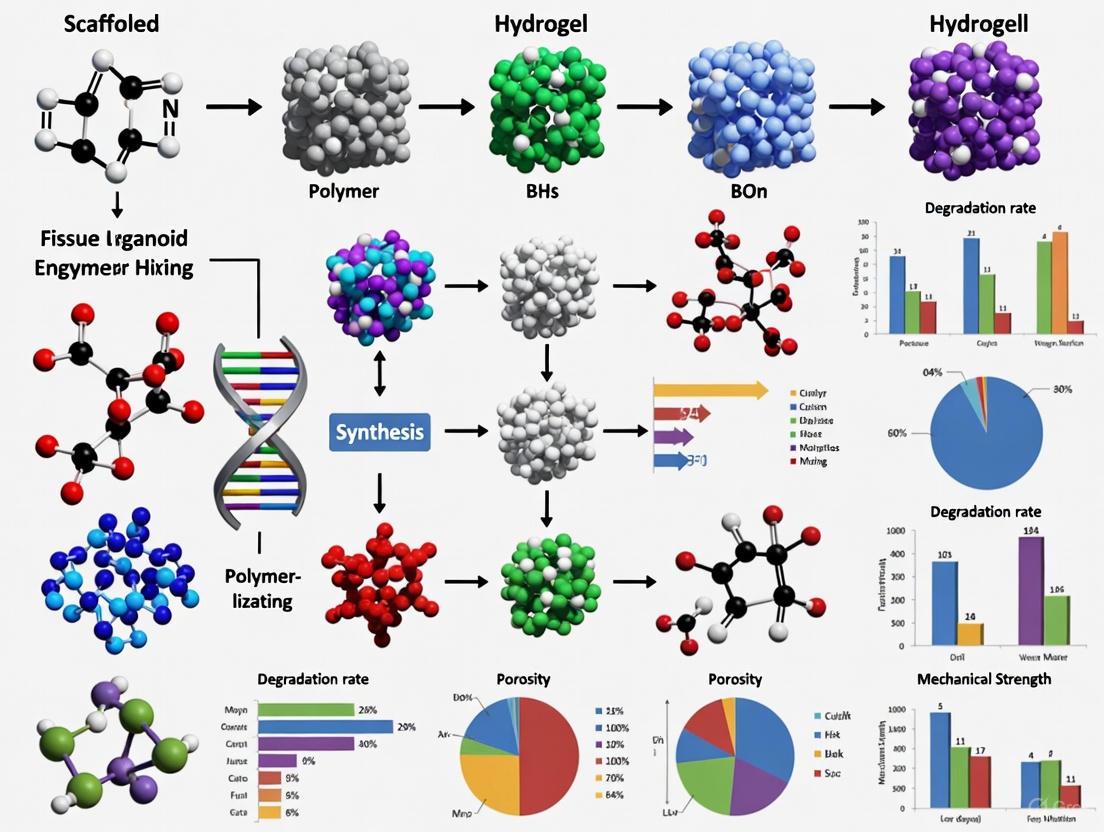
Organoid technology has revolutionized biomedical research by providing three-dimensional models that mimic human organ physiology.
Scaffold Materials for Organoid Engineering: A Comprehensive Guide from Matrices to Microphysiological Systems
Abstract
Organoid technology has revolutionized biomedical research by providing three-dimensional models that mimic human organ physiology. The scaffold, a critical component of the organoid microenvironment, provides essential structural and biochemical cues that guide stem cell differentiation, self-organization, and maturation. This article provides a comprehensive analysis of the latest scaffold materials, from traditional Matrigel to advanced synthetic and decellularized extracellular matrix (dECM) hydrogels. We explore their foundational principles, methodological applications across diverse tissues, strategies for troubleshooting key challenges like reproducibility and scalability, and a comparative evaluation of material performance. Tailored for researchers, scientists, and drug development professionals, this review synthesizes current knowledge to guide the selection and optimization of scaffold materials for enhanced organoid fidelity in disease modeling, drug screening, and regenerative medicine.
The Organoid Microenvironment: How Scaffold Mechanics and Biochemistry Guide Morphogenesis
Organoids are three-dimensional (3D) structures derived from pluripotent or adult stem cells that self-organize to recapitulate aspects of native tissue architecture and function in vitro [1]. The external environment required for organoid growth consists primarily of culture medium and scaffold materials. While the medium provides essential nutrients, organoid scaffolds mimic the mechanical and biochemical properties of native tissues, providing a suitable microenvironment that ensures the normal progression of key biological activities [2] [3]. These scaffolds serve as fundamental architectural frameworks that play a pivotal role in facilitating 3D tissue morphogenesis by delivering crucial biochemical and mechanical signals during in vitro organoid development [2].
The organoid niche represents a complex microenvironment where scaffolds provide both physical scaffolding and essential signaling cues. This dual functionality is critical for supporting stem cell self-renewal, differentiation, and overall tissue organization [1]. Scaffolds achieve this by mimicking the native extracellular matrix (ECM), thereby providing not only structural support but also the necessary biological signals that guide cellular behavior and tissue development [2] [3]. Understanding this dual role of scaffolds is essential for advancing organoid technology and its applications in disease modeling, drug development, and regenerative medicine.
Classification and Characteristics of Scaffold Materials
Classification by Stimulus Responsiveness
Organoid scaffolds can be systematically categorized based on their responsiveness to external stimuli, which enables precise control over their mechanical and biochemical properties during organoid culture.
Table 1: Classification of Organoid Scaffolds by Stimulus Responsiveness
| Scaffold Type | Responsive Mechanism | Key Examples | Phase Transition Triggers |
|---|---|---|---|
| Thermosensitive | Lower Critical Solution Temperature (LCST) | Matrigel, Mogengel, BME, dECM hydrogels | Sol at 4°C; Gel at 22-37°C [2] [3] |
| pH-Sensitive | Ionization state changes in weak acidic/basic groups | PEG-based hydrogels, Hyaluronic Acid hydrogels, Self-assembling peptide hydrogels | Swelling/contraction in response to pH changes [2] [3] |
| Photosensitive | Photochemical reactions in chromophores | Allyl sulfide hydrogels, Patterned hyaluronic acid matrices | Structural changes under specific wavelength light [2] |
Essential Characteristics of Scaffold Materials
Organoid scaffolds possess both mechanical and biochemical properties that collectively define their functionality. The mechanical properties provide structural support and include characteristics such as stiffness, viscoelasticity, and porosity, which can be dynamically adjusted through external stimuli [2]. The biochemical properties enable the delivery of bioactive substances required for organoid development, including controlled release of growth factors, drugs, and other signaling molecules [2] [3].
The interplay between these properties is crucial for creating an optimal organoid niche. For instance, thermosensitive hydrogels can precisely control mechanical properties through temperature-responsive polymer chains that undergo reversible hydrophilic-hydrophobic phase transitions, while simultaneously acting as intelligent delivery carriers for biochemical factors through temperature-responsive swelling and contraction behaviors [2].
The Mechanical Support Function of Scaffolds
Structural Framework for 3D Organization
The primary mechanical function of organoid scaffolds is to provide a 3D structural framework that supports cell attachment, proliferation, and organization. Unlike traditional two-dimensional culture systems, scaffolds enable the formation of complex tissue architectures that more closely resemble in vivo conditions [4]. This 3D environment is essential for proper cell-cell and cell-matrix interactions, which are critical for organoid development and functionality [1].
The mechanical properties of scaffolds, including their stiffness, porosity, and viscoelasticity, significantly influence organoid morphology and development. These physical parameters affect critical cellular processes such as differentiation, migration, and overall tissue organization [5]. For example, in brain organoids, tissue biomechanics profoundly influence interkinetic nuclear migration and the orientation of the plane of cell division, processes that significantly contribute to cortical growth and folding [5].
Dynamic Mechanical Regulation
Advanced scaffold systems allow for dynamic regulation of mechanical properties in response to external stimuli. Thermosensitive hydrogels modulate their viscoelasticity and porosity through temperature-dependent phase transitions [2]. Photosensitive hydrogels enable precise spatiotemporal control over crosslinking density and network structure through ultraviolet or visible light irradiation [2]. pH-sensitive systems undergo volumetric changes in response to environmental pH variations, altering their mechanical characteristics to support different stages of organoid development [2] [3].
Table 2: Mechanical Properties and Their Biological Impact in Organoid Culture
| Mechanical Property | Definition | Impact on Organoid Development | Measurement Techniques |
|---|---|---|---|
| Stiffness/Elasticity | Resistance to deformation | Influences stem cell fate specification, tissue patterning [5] | Atomic Force Microscopy (AFM) [5] |
| Porosity | Pore size and interconnectivity | Affects nutrient diffusion, cell migration, and vascularization [2] | Scanning Electron Microscopy |
| Viscoelasticity | Combination of viscous and elastic properties | Impacts cell migration, morphogenesis, and mechanical signaling [2] | Rheometry |
| Degradation Rate | Time-dependent breakdown of scaffold | Influences tissue remodeling and long-term stability [2] | Mass loss measurements |
Biochemical Signaling in the Organoid Niche
Controlled Delivery of Bioactive Molecules
Scaffolds serve as reservoirs for the controlled delivery of bioactive molecules that guide organoid development. This includes growth factors, cytokines, chemokines, and other signaling molecules essential for stem cell differentiation and tissue patterning [2] [1]. The release kinetics of these factors can be precisely engineered through various mechanisms:
- Thermo-responsive release from thermosensitive hydrogels utilizes temperature-dependent swelling and contraction behaviors to achieve sustained release profiles, avoiding burst release effects [2].
- pH-dependent release systems leverage changes in ionization state to control the delivery of bioactive substances in response to local environmental pH [2].
- Light-triggered release mechanisms employ photolabile groups that undergo cleavage upon specific wavelength irradiation, enabling spatiotemporal control over factor delivery [2].
Cell-Matrix Signaling Interactions
Beyond soluble factor delivery, scaffolds provide immobilized signaling cues through integrin-binding sites and other ECM-derived motifs that direct cell fate decisions. The biochemical composition of scaffolds influences gene expression profiles, cellular differentiation, and overall tissue function [1] [4]. For instance, synthetic matrices have been designed to present specific adhesive ligands at controlled densities to regulate stem cell behavior and organoid patterning [5].
The biochemical properties of scaffolds also modulate key developmental signaling pathways, including Wnt, Notch, and BMP, which are crucial for proper organoid development [1] [6]. By engineering scaffolds with defined biochemical compositions, researchers can create optimized microenvironments for specific organoid types, reducing variability and improving reproducibility.
Scaffold Functions in Organoid Development
Experimental Protocols for Scaffold-Based Organoid Culture
Standard Submerged Culture Protocol Using Thermosensitive Hydrogels
The submerged culture technique represents one of the most widely used methods for organoid culture [6]. This protocol utilizes thermosensitive hydrogel scaffolds to support 3D organoid development:
Materials Required:
- Corning Matrigel Matrix or similar thermosensitive hydrogel [7]
- Organoid culture medium (Advanced DMEM/F12 base supplemented with necessary factors) [6]
- Growth factor cocktails (tissue-specific)
- 24-well or 48-well cell culture plates
- Refrigerated centrifuge
- Sterile pipettes and tips
Procedure:
- Hydrogel Preparation: Thaw Matrigel matrix on ice overnight at 4°C. Keep all tubes and tips pre-cooled to prevent premature gelation.
- Cell Suspension: Harvest stem cells or progenitor cells and resuspend in appropriate medium. Centrifuge at 300 × g for 5 minutes and discard supernatant.
- Cell-Hydrogel Mixing: Resuspend cell pellet in cold Matrigel at a density of 1-5 × 10^4 cells per 50 μL of hydrogel. Gently mix without introducing air bubbles.
- Plating: Pipette 20-50 μL drops of the cell-hydrogel mixture into pre-warmed culture plates. Avoid bubbles and ensure even distribution.
- Gelation: Incubate plates at 37°C for 20-30 minutes to allow complete hydrogel polymerization.
- Medium Addition: Carefully add pre-warmed organoid culture medium to each well, completely covering the hydrogel domes.
- Culture Maintenance: Change medium every 2-3 days, monitoring organoid development under microscopy.
- Passaging: For long-term culture, harvest organoids after 7-14 days by mechanically disrupting hydrogel and digesting with cell recovery solution or enzymes as needed.
Critical Considerations:
- Maintain sterility throughout the procedure
- Control hydrogel concentration (typically 5-10 mg/mL protein concentration)
- Optimize growth factor combinations for specific organoid types
- Monitor pH and osmolality of culture medium regularly
Air-Liquid Interface (ALI) Culture Protocol
The Air-Liquid Interface technique provides enhanced oxygen supply to cell aggregates and is particularly useful for gastrointestinal and respiratory organoids [6]:
Materials Required:
- Collagen matrix (e.g., Corning Collagen Type I) [7]
- ALI culture vessels or Transwell inserts
- Tissue-specific culture medium
- Isolation enzymes (collagenase, dispase)
Procedure:
- Matrix Preparation: Prepare collagen solution according to manufacturer's instructions, maintaining neutral pH.
- Tissue Isolation: Isolate tissue fragments or dissociated cells from source material using appropriate enzymatic digestion.
- Embedding: Mix tissue/cells with collagen solution and plate in ALI culture inserts.
- Gelation: Incubate at 37°C for 1 hour to allow collagen polymerization.
- Medium Addition: Add medium to the outer well, ensuring contact only with the base of the collagen matrix.
- Culture Maintenance: Change medium every 2-3 days, monitoring organoid development.
The Scientist's Toolkit: Essential Research Reagents and Materials
Table 3: Essential Research Reagents for Scaffold-Based Organoid Culture
| Category | Specific Products | Function/Application | Key Features |
|---|---|---|---|
| Natural Hydrogels | Corning Matrigel Matrix, Corning Collagen Type I [7] | Provides basement membrane ligands for cell attachment; supports 3D growth and differentiation | Mimics mechanical and chemical properties of in vivo ECM; contains signaling cues |
| Synthetic Hydrogels | Corning PuraMatrix Peptide Hydrogel [7] | Creates defined 3D environment without bioactive interference | Synthetic peptide composition; controllable mechanical properties |
| Culture Vessels | Corning Spheroid Microplates, Ultra-Low Attachment Plates [7] | Enables spheroid/organoid formation and analysis without transfer | Specialized design for 3D culture; minimal cell attachment |
| Soluble Factors | B27 supplement, N2 supplement, EGF, FGF, R-spondin, Noggin [6] | Regulates stem cell self-renewal and differentiation | Tissue-specific formulations available; essential for niche reconstitution |
| Characterization Tools | 3D Clear Tissue Clearing reagent [7] | Enables deep imaging of 3D structures | Compatible with high-throughput processing; preserves structure |
Advanced Applications and Future Directions
Disease Modeling and Drug Screening
Organoid technology has revolutionized disease modeling and drug screening approaches. Patient-derived organoids (PDOs) retain the original tumor's histological, molecular, and heterogeneous characteristics, making them valuable preclinical cancer models [6]. These models have been successfully applied to study various conditions, including:
- Neurological Disorders: Brain organoids have been used to model Alzheimer's disease, recapitulating pathological features such as amyloid aggregation and tau hyperphosphorylation [5].
- Infectious Diseases: Organoid models have provided insights into host-pathogen interactions, notably during the Zika virus outbreak where brain organoids revealed virus-induced impairment of neural progenitor cells [5].
- Cancer Research: Tumor organoids enable the study of cancer cell invasion, therapy response, and resistance mechanisms in a physiologically relevant context [4].
Emerging Technologies and Methodologies
Several advanced technologies are enhancing the capabilities of scaffold-based organoid culture:
- Organoids-on-Chips: Microfluidic systems that precisely control the cellular environment, simulating tissue and organ interactions while enabling efficient nutrient delivery and waste removal [6].
- 3D Bioprinting: Technologies that allow precise positioning of cells and biomaterials to create complex organoid structures with reproducible architecture [8].
- Rotating Bioreactor Culture: Systems that maintain cells in suspended state through balanced centrifugal forces and gravity, simulating microgravity conditions that enhance cell growth and differentiation [6].
Organoid Culture Workflow
Organoid scaffolds play an indispensable dual role in providing both mechanical support and biochemical signaling essential for proper organoid development. Through their mechanical properties, scaffolds establish the 3D architectural framework that guides tissue organization and morphogenesis. Simultaneously, their biochemical properties enable the precise delivery of signaling molecules that direct cell fate decisions and functional maturation.
The continuing advancement of scaffold design—incorporating tunable mechanical properties, defined biochemical compositions, and responsive characteristics—promises to enhance the physiological relevance and reproducibility of organoid models. These improvements will further establish organoids as powerful tools for understanding human development, disease mechanisms, and therapeutic interventions. As the field progresses, the integration of novel biomaterials with advanced biofabrication technologies will undoubtedly expand the applications and capabilities of organoid systems in biomedical research and regenerative medicine.
In organoid engineering, the scaffold provides the essential three-dimensional (3D) architectural framework that mimics the native extracellular matrix (ECM). While biochemical cues have long been recognized as critical for organoid development, the mechanical properties of the scaffold—specifically its stiffness, porosity, and viscoelasticity—are now understood to be equally vital. These physical parameters directly influence fundamental cellular processes including stem cell differentiation, tissue morphogenesis, and disease progression [9]. The traditional gold standard, Matrigel, suffers from undefined composition and batch-to-batch variability, limiting its utility for studying specific mechanobiological effects [9]. This has driven the development of advanced hydrogel systems with precisely tunable mechanical properties that enable researchers to dissect the role of physical cues in organoid development with unprecedented precision. This Application Note provides a structured overview of these key tunable properties, summarizes quantitative data, and details experimental protocols for their application in organoid research, framing this within the broader thesis of designing next-generation scaffold materials for organoid engineering.
Core Material Properties and Their Tunability
Stiffness (Elastic Modulus)
Stiffness, typically quantified as the Young's modulus (E), measures a material's resistance to deformation. In biological contexts, tissues possess characteristic stiffness ranges, and replicating these is crucial for faithful organoid development.
- Tunability Mechanisms: Stiffness in hydrogels is primarily controlled by adjusting the crosslinking density and polymer concentration [9]. For chemical hydrogels (e.g., GelMA), parameters like UV light exposure time and the concentration of the photoinitiator and crosslinker directly determine the final stiffness. In physical hydrogels, parameters such as pH, ionic strength, and temperature can modulate the density of reversible physical crosslinks.
- Biological Impact: Stiffness directs stem cell lineage commitment; for instance, stiffer substrates promote osteogenic differentiation, while softer substrates favor neurogenesis [9]. In tumor organoids, increased matrix stiffness has been shown to drive malignancy through pathways like epithelial-mesenchymal transition (EMT) and confer drug resistance [9].
Porosity
Porosity refers to the fraction of void space within a scaffold and is critical for nutrient diffusion, gas exchange, and metabolic waste removal. It also defines the physical space available for cell migration and 3D organization.
- Tunability Mechanisms: Porosity is engineered through fabrication techniques such as gas foaming, freeze-drying (lyophilization), and porogen leaching [10]. In systems like GelMA, porosity is intrinsically linked to polymer concentration and crosslinking time, with higher crosslinking density typically reducing pore size [11].
- Biological Impact: High porosity is generally associated with enhanced cell infiltration and proliferation. However, an optimal balance is required, as it inversely affects the scaffold's mechanical strength. Studies on bone marrow mesenchymal stem cells (BMSCs) in GelMA hydrogels have demonstrated that high porosity and low Young's modulus are conducive to maintaining stemness, while low porosity and high Young's modulus drive osteogenic differentiation [11].
Viscoelasticity
Viscoelasticity describes materials that exhibit both solid-like (elastic) and liquid-like (viscous) mechanical behavior. Native tissues are viscoelastic, meaning they can dissipate energy and relax stress over time, a property that static, purely elastic hydrogels cannot replicate.
- Tunability Mechanisms: Viscoelasticity is engineered through the incorporation of dynamic, reversible bonds (e.g., ionic, host-guest interactions, hydrogen bonds) within the polymer network [9]. These bonds can break and re-form, allowing for stress relaxation. The molecular weight of polymers (e.g., alginate) and the use of decellularized ECM (dECM) are also effective strategies to tailor viscoelastic properties [12] [9].
- Biological Impact: Viscoelastic hydrogels have been shown to enhance the maturation and functionality of various organoids, including cartilage and cerebellar models [12]. They more accurately mimic the dynamic mechanical environment that cells experience in living tissues.
Table 1: Quantitative Ranges of Key Mechanical Properties in Native Tissues and Engineered Hydrogels
| Tissue/Hydrogel Type | Stiffness (Young's Modulus) | Porosity | Key Viscoelastic Properties |
|---|---|---|---|
| Brain Tissue | 0.1 - 1 kPa | - | Highly viscoelastic |
| Muscle Tissue | 8 - 17 kPa | - | Viscoelastic |
| Bone Tissue | 15 - 30 GPa | - | - |
| Polyacrylamide (PAA) Hydrogels [9] | 2 Pa - 55 kPa | Adjustable via fabrication | Tunable via crosslink type |
| GelMA Hydrogels [11] | ~6 - 22.5 kPa | ~56 - 93% | - |
| Matrigel | ~0.1 - 0.5 kPa | High, but undefined | Viscoelastic |
Table 2: Hydrogel Classification by Source and Crosslinking for Property Tuning
| Hydrogel Class | Examples | Key Tunable Properties | Advantages | Limitations |
|---|---|---|---|---|
| Natural | Collagen, Alginate, HA [9] | Stiffness, Viscoelasticity | High bioactivity, biocompatibility | Poor mechanical strength, uncontrolled degradation |
| Synthetic | PAA, PEG [9] | Stiffness, Porosity, Viscoelasticity | High tunability, reproducibility, defined composition | Lack of cell-adhesive motifs (requires functionalization) |
| Hybrid/Composite | GelMA, PEG-RGD [9] | All three properties | Combines tunability with bioactivity | More complex synthesis |
| Physical Crosslinking [9] | Ionic (Alginate), Thermo-sensitive | Stiffness, Viscoelasticity | Reversible, injectable, dynamic | Mechanically weaker, sensitive to environment |
| Chemical Crosslinking [9] | Photo-crosslinked (GelMA) | Stiffness, Porosity | Mechanically stable, permanent | Can be brittle, less dynamic |
Experimental Protocols for Property Tuning and Analysis
Protocol 3.1: Fabricating GelMA Hydrogels with Tunable Stiffness and Porosity
This protocol describes the synthesis of GelMA hydrogels, a widely used photosensitive biomaterial, and how to vary crosslinking parameters to achieve a range of stiffness and porosity values for organoid culture [11] [9].
Research Reagent Solutions:
- GelMA Macromer: Methacryloyl-modified gelatin; provides the backbone polymer that can be crosslinked by light.
- Photoinitiator (e.g., Irgacure 2959 or LAP): A compound that generates free radicals upon UV or blue light exposure to initiate the crosslinking reaction between GelMA chains.
- Phosphate Buffered Saline (PBS): Aqueous solvent for preparing GelMA and photoinitiator solutions to maintain physiological pH and osmolarity.
Methodology:
- Solution Preparation: Dissribute the required mass of GelMA macromer in PBS at 4°C to prepare two stock solutions: 50 g/L (low concentration) and 150 g/L (high concentration). Gently agitate until fully dissolved. Separately, prepare a stock solution of the photoinitiator in PBS.
- Sample Preparation: For each experimental group, mix the GelMA stock solution with the photoinitiator stock solution to achieve a final photoinitiator concentration of 0.5% (w/v). Keep the solutions on ice to prevent premature gelation.
- Photo-crosslinking: Pipette the GelMA-photoinitiator solution into a mold (e.g., a silicone gasket between glass slides). Expose the mold to UV light (e.g., 365 nm wavelength).
- Group 1 (Low-concentration, short-time): 50 g/L GelMA, 30 s UV exposure.
- Group 2 (Low-concentration, long-time): 50 g/L GelMA, 60 s UV exposure.
- Group 3 (High-concentration, short-time): 150 g/L GelMA, 30 s UV exposure.
- Group 4 (High-concentration, long-time): 150 g/L GelMA, 60 s UV exposure [11].
- Post-processing: After crosslinking, wash the hydrogels three times with sterile PBS to remove any unreacted components. The hydrogels are now ready for mechanical testing, porosity measurement, or cell seeding.
Protocol 3.2: Measuring Stiffness and Porosity of Synthesized Hydrogels
Research Reagent Solutions:
- Synthesized Hydrogels (from Protocol 3.1)
- Liquid Nitrogen: Used for rapid freezing of hydrogel samples prior to freeze-drying to preserve the porous structure.
- PBS or DMEM: For hydrating samples and conducting mechanical tests in physiologically relevant conditions.
Methodology:
- A. Young's Modulus Measurement:
- Use a commercial mechanical tester (e.g., uniaxial compression/tension tester) equipped with a calibrated load cell.
- Hydrate the synthesized hydrogel disks in PBS for at least 2 hours to reach equilibrium swelling.
- Subject the hydrogel to a compressive strain rate of, for example, 1 mm/min.
- Record the resulting stress (force per unit area) and generate a stress-strain curve.
- Calculate the Young's Modulus (E) as the slope of the initial linear (elastic) region of the stress-strain curve. Report the average and standard deviation from at least n=3 samples per group [11].
- B. Porosity Measurement via Image Analysis:
- Rapidly freeze the synthesized hydrogels in liquid nitrogen and subsequently lyophilize (freeze-dry) them for 48 hours to remove all water while preserving the porous architecture.
- Image the cross-section of the lyophilized hydrogels using Scanning Electron Microscopy (SEM).
- Import the SEM images into image analysis software (e.g., ImageJ, FIJI).
- Convert the image to binary and use the "Analyze Particles" function to threshold and quantify the area of the void spaces (pores) relative to the total area of the image.
- Calculate the porosity as a percentage:
Porosity (%) = (Area of Pores / Total Image Area) * 100[11] [10].
Signaling Pathways and Mechanotransduction
The mechanical properties of scaffolds are not passive; they are actively sensed by cells and transduced into biochemical signals that regulate gene expression and cell fate—a process known as mechanotransduction. Key molecular players in this process include the YAP/TAZ pathway and the Notch signaling pathway [12] [9]. The diagram below illustrates the logical flow of how scaffold properties influence organoid fate through these pathways.
Scaffold Properties Activate Key Signaling Pathways
The Scientist's Toolkit: Essential Reagents for Mechanistic Studies
Table 3: Key Research Reagent Solutions for Hydrogel-Based Organoid Culture
| Reagent / Material | Function / Role in Experiment | Application Example |
|---|---|---|
| GelMA (Gelatin Methacryloyl) [11] [9] | A photopolymerizable, hybrid hydrogel backbone derived from gelatin; allows precise control over stiffness and porosity via UV crosslinking. | Used as a definable scaffold for intestinal, neural, and bone organoid models to study stiffness-dependent morphogenesis. |
| Photoinitiator (Irgacure, LAP) [9] | Generates free radicals upon light exposure to initiate the crosslinking of polymers like GelMA or PEGDA. | Essential for the photo-polymerization process in Protocol 3.1 to create stable 3D hydrogel networks. |
| RGD Peptide [9] | A tripeptide (Arg-Gly-Asp) sequence that is a primary ligand for cell surface integrins; promotes cell adhesion to synthetic scaffolds. | Functionalized onto polyacrylamide (PAA) or PEG hydrogels to provide essential cell-adhesion motifs. |
| Decellularized ECM (dECM) [2] [12] | Hydrogel derived from native tissues; retains tissue-specific biochemical composition and inherent viscoelasticity. | Used to create a more biomimetic microenvironment for liver and cartilage organoids, enhancing maturation. |
| Polyethylene Glycol (PEG) [2] [9] | A synthetic, biologically inert polymer; can be functionalized and crosslinked to create hydrogels with highly tunable mechanical properties. | Serves as a blank-slate scaffold for studying the pure effects of mechanics, often modified with RGD or MMP-sensitive peptides. |
The precise tuning of stiffness, porosity, and viscoelasticity in scaffold materials is no longer an ancillary consideration but a central tenet of modern organoid engineering. As detailed in these Application Notes, the move towards defined, tunable hydrogel systems like GelMA, functionalized PEG, and viscoelastic dECM hydrogels is crucial for advancing our understanding of mechanobiology in organoid development and disease modeling. By employing the standardized protocols and reagents outlined herein, researchers can systematically dissect how specific mechanical cues influence signaling pathways and cellular decision-making. This rigorous, mechanics-first approach is foundational to the broader thesis of scaffold design, paving the way for the next generation of physiologically relevant organoids that will revolutionize drug screening, disease modeling, and regenerative medicine.
Within the field of organoid engineering, the three-dimensional (3D) scaffold is a fundamental component that provides the necessary architectural and biochemical support for stem cell self-organization and morphogenesis. These scaffolds mimic the native extracellular matrix (ECM), delivering crucial mechanical and biochemical signals that guide organoid development [2] [12]. Traditional culture systems, particularly those reliant on ill-defined, animal-derived matrices like Matrigel, are plagued by batch-to-batch variability and compositional uncertainty, which hinder experimental reproducibility and clinical translation [13] [14] [15]. This has driven the innovation of engineered hydrogels—highly hydrated polymer networks—whose properties can be precisely tailored. Based on their origin and composition, these scaffold systems are broadly classified into natural, synthetic, and hybrid hydrogels. This document provides a detailed classification, application protocols, and experimental considerations for these scaffold systems, serving as a practical guide for researchers in organoid engineering.
Hydrogel Classification and Characteristics
The selection of an appropriate hydrogel is paramount, as its properties directly influence critical cellular processes such as adhesion, proliferation, differentiation, and overall organoid functionality [12] [14]. The following table summarizes the core characteristics of the three main hydrogel classes.
Table 1: Classification and Key Characteristics of Hydrogels for Organoid Culture
| Hydrogel Class | Key Components & Examples | Advantages | Disadvantages |
|---|---|---|---|
| Natural Polymers [16] | Alginate, Chitosan, Hyaluronic Acid, Collagen, Matrigel, Decellularized ECM (dECM) [2] [15] | Excellent biocompatibility and biodegradability; inherent bioactivity; contain natural cell-adhesion motifs [16] [17] | Poor mechanical strength and stability; rapid degradation; batch-to-batch variability (for non-defined materials) [16] [14] |
| Synthetic Polymers [16] | Poly(ethylene glycol) (PEG), Poly(acrylamide) (PAM), Polyisocyanopeptides (PIC), Poly(vinyl alcohol) (PVA) [2] [16] | Highly tunable and defined chemistry; superior and reproducible mechanical properties; long-term stability [16] [17] | Often lack intrinsic bioactivity; may produce toxic degradation products; require functionalization to support cell adhesion [16] [14] |
| Hybrid/Biohybrid Hydrogels [16] [17] | Combinations such as PVA/SA/HA, PEG-RGD, Alginate-Gelatin, Chitosan-g-NIPAAm [16] [17] | Balanced properties; customizable bioactivity and mechanics; can incorporate stimuli-responsive elements [17] | More complex fabrication process; potential for undefined interactions between components [17] |
The relationship between these hydrogel classes and their key tuning parameters can be visualized as a decision pathway, as illustrated in the following diagram.
Experimental Protocols for Hydrogel Preparation and Use
Protocol: Formulating a Defined Synthetic PEG-based Hydrogel for Intestinal Organoid Culture
This protocol outlines the creation of a biofunctionalized, synthetic hydrogel designed to support the growth and differentiation of intestinal organoids, providing a reproducible alternative to Matrigel [14].
Research Reagent Solutions:
- PEG-Norbornene (PEG-NB) macromer: (e.g., 4-arm, 20 kDa) serves as the primary scaffold building block.
- RGD-SH cell adhesion peptide: Contains the Arg-Gly-Asp sequence to facilitate integrin-mediated cell adhesion.
- MMP-sensitive crosslinker peptide: (e.g., KCGPQG↓IWGQCK) allows for cell-driven hydrogel remodeling and invasion.
- Lithium phenyl-2,4,6-trimethylbenzoylphosphinate (LAP) photoinitiator: Enables rapid crosslinking under cytocompatible UV/violet light (365-405 nm).
- Wnt-3a protein: Critical growth factor for intestinal stem cell maintenance and proliferation.
- Adhesive ligand (e.g., IKVAV or YIGSR): Optional peptides to enhance specific cellular interactions.
Procedure:
- Solution Preparation: Dissolve PEG-NB macromer in a sterile, chilled organoid culture medium (e.g., IntestiCult) at a final concentration of 5-10 mM (w/v). Keep the solution on ice and protected from light.
- Biofunctionalization: To the PEG-NB solution, add the following components sequentially with gentle mixing:
- RGD-SH peptide to a final concentration of 1-2 mM.
- MMP-sensitive crosslinker peptide at a 1:1 molar ratio to PEG-NB.
- LAP photoinitiator to a final concentration of 1 mM.
- Wnt-3a protein to a recommended final concentration (e.g., 50-100 ng/mL).
- Cell Encapsulation: Gently mix a single-cell suspension or small organoid fragments with the prepared hydrogel precursor solution. A cell density of 1-5 million cells/mL is typically used.
- Crosslinking: Pipet 20-50 µL drops of the cell-hydrogel mixture onto the surface of a pre-warmed cell culture dish. Expose the droplets to 365-405 nm light at an intensity of 5-10 mW/cm² for 30-60 seconds to initiate the thiol-ene "click" crosslinking reaction, forming a stable gel.
- Culture Maintenance: After gelation, carefully overlay the hydrogel constructs with complete intestinal organoid culture medium. Change the medium every 2-3 days and monitor organoid formation and growth under a microscope.
Protocol: Preparing a Natural dECM Hydrogel from Porcine Liver
This protocol describes the generation of a tissue-specific hydrogel from decellularized liver ECM, which preserves native biochemical cues to support hepatobiliary organoid culture [15].
Research Reagent Solutions:
- Decellularized Liver ECM powder: Prepared from porcine or human liver tissue via perfusion or immersion with detergents (e.g., SDS, Triton X-100) and enzymes, followed by lyophilization and milling.
- Pepsin solution: (0.1 M HCl containing 1 mg/mL pepsin) for digesting the ECM.
- Sterile Phosphate-Buffered Saline (PBS) 10X.
- Sodium hydroxide (NaOH) 1M for neutralization.
Procedure:
- Digestion: Suspend the liver dECM powder at a concentration of 10-30 mg/mL in the pepsin solution. Incubate under constant agitation at room temperature for 48-72 hours until the solution becomes viscous and homogeneous.
- Neutralization: Chill the digested ECM solution on ice. Slowly add pre-chilled 10X PBS and 1M NaOH to neutralize the solution to a physiological pH of 7.2-7.4. The final concentration of salts should be 1X. The neutralized solution is the "pre-gel".
- Critical Note: The pre-gel must be kept on ice to prevent premature gelation.
- Cell Mixing and Gelation: Mix the organoid cells or fragments with the cold pre-gel. Pipet the mixture into the desired cultureware. Incubate at 37°C for 20-60 minutes to induce thermal gelation, forming a soft, 3D hydrogel.
- Culture Initiation: After firm gelation, gently add the appropriate culture medium. For biliary organoids, this may involve a specific differentiation cocktail containing retinoic acid and FGF10 after an initial expansion phase [18].
Biochemical and Biophysical Signaling in Hydrogel Design
A critical function of the hydrogel scaffold is to present the correct biochemical and biophysical signals to guide organoid development. The following table and diagram outline key design parameters and their biological impacts.
Table 2: Key Signaling Cues and Their Implementation in Hydrogel Design
| Signaling Cue | Description | Implementation Strategy in Hydrogels | Biological Impact on Organoids |
|---|---|---|---|
| Biochemical Cues | |||
| Cell Adhesion Motifs [14] | Short peptide sequences (e.g., RGD, IKVAV) that bind integrins. | Chemically conjugated to synthetic polymers (e.g., PEG). Naturally present in natural/ dECM hydrogels. | Promotes cell survival, prevents anoikis, and supports mechanotransduction. |
| Signaling Pathway Modulation [14] | Growth factors and morphogens (e.g., Wnt, BMP, TGF-β). | Physically entrapped or covalently bound to the polymer network for sustained release. | Directs stem cell fate decisions, differentiation, and tissue patterning (e.g., Wnt for intestinal crypts). |
| Matrix Degradation Sites [14] | Sequences (e.g., MMP-sensitive) cleaved by cell-secreted enzymes. | Incorporated into the crosslinking peptides of synthetic hydrogels. | Enables cell proliferation, migration, and remodeling of the surrounding matrix. |
| Biophysical Cues | |||
| Stiffness (Elastic Modulus) [12] [14] | The resistance of a material to deformation. | Controlled by polymer concentration, molecular weight, and crosslinking density. | Influences lineage specification; stiff matrices can promote osteogenesis, while soft matrices favor neurogenesis. |
| Viscoelasticity [12] | A material's time-dependent response to stress (combination of solid and liquid properties). | Engineered using dynamic or reversible crosslinks (e.g., in alginate or PEG-based hydrogels). | Affects cell spreading, migration, and organoid growth; viscoelastic materials better mimic most native tissues. |
| Microarchitecture & Porosity [2] | The 3D structure and pore size of the hydrogel network. | Determined by fabrication method (e.g., freeze-drying, porogen leaching) and crosslinking. | Governs nutrient/waste diffusion, cell-cell contact, and overall organoid size and morphology. |
The integration of these cues to guide organoid fate is a multi-faceted process, as summarized below.
The Scientist's Toolkit: Essential Research Reagents
Table 3: Essential Reagents for Hydrogel-based Organoid Culture
| Reagent Category | Specific Examples | Primary Function in Organoid Culture |
|---|---|---|
| Natural Polymer Bases | Matrigel/BME, Alginate, Chitosan, Collagen I, Hyaluronic Acid, dECM Powders [2] [16] [15] | Provide a biologically recognized, base scaffold structure. dECM offers tissue-specific biochemical cues. |
| Synthetic Polymer Bases | PEG-Norbornene (PEG-NB), PEG-Acrylate (PEG-DA), Polyisocyanopeptides (PIC), Poly(acrylamide) (PAM) [2] [16] | Serve as highly defined and tunable "blank slate" scaffolds with reproducible mechanical properties. |
| Biofunctionalization Agents | RGD Peptide, IKVAV Peptide, MMP-sensitive Peptide Crosslinkers [14] | Engineer cell-adhesive and cell-remodelable properties into synthetic hydrogels. |
| Crosslinking Initiators | LAP Photoinitiator, Ammonium Persulfate (APS) / Tetramethylethylenediamine (TEMED) [17] [14] | Trigger the chemical or physical reaction that transforms a liquid polymer solution into a solid hydrogel. |
| Signaling Molecules | Wnt-3a, R-spondin, Noggin, FGF10, Retinoic Acid, BMP2 [14] [18] | Soluble factors added to culture medium or tethered to the hydrogel to direct organoid growth and differentiation. |
Within organoid engineering, the extracellular matrix (ECM) provides not only structural support but also essential biochemical and mechanical cues that guide cell fate. Conventional scaffold materials, such as Matrigel, often lack the dynamic control required to precisely direct organoid morphogenesis and maturation [2] [12]. Stimuli-responsive smart materials have emerged as transformative tools to overcome this limitation, enabling real-time, spatiotemporal manipulation of the organoid microenvironment [2]. By responding to specific triggers such as temperature, pH, and light, these advanced scaffolds enable researchers to mimic the dynamic nature of in vivo development and disease processes, thereby enhancing the physiological relevance of organoid models [3] [19]. This article details the application of these material classes, providing structured data and actionable protocols for their implementation in organoid research.
Material Classes and Responsive Mechanisms
Smart materials for organoid scaffolds are engineered to undergo predictable physical or chemical changes upon exposure to specific stimuli. The most strategically valuable for organoid engineering are temperature, pH, and light responsiveness.
Temperature-Responsive Materials
Temperature-sensitive hydrogels are among the most widely used scaffolds in organoid culture. Their functionality is governed by a lower critical solution temperature (LCST), below which the polymer chains are hydrated and soluble, and above which they undergo hydrophobic collapse and form a gel [2] [3].
Table 1: Characteristics of Common Thermosensitive Scaffold Materials
| Material Name | Core Composition | Phase Transition Temperature | Key Mechanism | Example Application in Organoids |
|---|---|---|---|---|
| Matrigel | Laminin, Collagen IV, Entactin | 22-35 °C [2] | LCST-based gelation | Basement membrane model; widely used for epithelial organoids |
| dECM Hydrogels | Tissue-specific proteins, collagens | ~37 °C [2] [20] | LCST-based gelation | Provides tissue-specific biochemical cues for enhanced maturation |
| Polyisocyanate (PIC) | Synthetic polyisocyanate polymers | ~18 °C [2] | LCST-based gelation | Synthetic alternative with tunable mechanical properties |
| pNIPAM | Poly(N-isopropylacrylamide) | ~33 °C [19] | Reversible swelling/contraction | Used for controlled cell sheet release and drug delivery |
These materials allow for gentle cell encapsulation by mixing with cells in a soluble state at lower temperatures and then triggering gelation by elevating the temperature to 37°C [2]. Beyond providing structural support, thermosensitive hydrogels can act as intelligent delivery systems, using temperature-dependent swelling to achieve controlled release of growth factors and other bioactive compounds [3].
pH-Responsive Materials
pH-responsive hydrogels contain weakly acidic or basic functional groups that accept or release protons in response to environmental pH changes, leading to volumetric transitions such as swelling or de-swelling [2] [21]. This property is particularly valuable for modeling the tumor microenvironment (TME), which is often characterized by mild acidity (pH ~6.5-6.8) due to the Warburg effect [21].
Key material systems include:
- Polyethylene Glycol (PEG)-based Hydrogels: Can be functionalized with pH-labile linkers for controlled drug release [2] [3].
- Hyaluronic Acid (HA) Hydrogels: Naturally derived and can be modified to enhance pH-sensitive behavior [2].
- Self-Assembling Peptide Hydrogels (SAPHs): Designed to form stable nanofibers and networks under specific pH conditions [2].
In the context of the acidic TME, these materials can be designed to release chemotherapeutic agents specifically within tumor organoids, enhancing therapeutic efficacy and reducing off-target effects [21].
Light-Responsive Materials
Photosensitive hydrogels offer unparalleled spatiotemporal control over scaffold properties through the incorporation of photoreactive groups, such as methacrylates, thiol-enes, and phenols [20]. Crosslinking is typically initiated by light exposure in the presence of a photoinitiator.
Mechanisms of light responsiveness include:
- Photothermal Effect: Light energy is converted to heat, inducing a thermal phase transition in the material [2].
- Ionic Cleavage: Light triggers the cleavage of ionic species, altering the osmotic balance and causing swelling/deswelling [2].
- Photocrosslinking: The most common mechanism, where light activation of a photoinitiator generates radicals that drive the covalent crosslinking of polymer chains (e.g., in methacrylated dECM) [20]. This technique significantly improves the mechanical robustness and printability of naturally soft materials like dECM [20].
Light-responsive systems enable the precise patterning of biochemical cues, such as nerve growth factors in a hyaluronic acid matrix to guide axon development in neural organoids [2].
Experimental Protocols
Protocol 1: Fabrication and Photocrosslinking of a dECM Bioink
This protocol describes the processing of decellularized extracellular matrix (dECM) into a photo-crosslinkable bioink suitable for creating mechanically robust, biomimetic organoid scaffolds [20].
Workflow Overview:
Materials:
- Native Tissue Source (e.g., liver, heart)
- Decellularization reagents (e.g., Triton X-100, SDS, DNase/RNase enzymes)
- Methacrylic anhydride (MA)
- Photoinitiator: Lithium phenyl-2,4,6-trimethylbenzoylphosphinate (LAP)
- UV Light Source (365 nm wavelength)
- Dialysis tubing (MWCO 12-14 kDa)
- Lyophilizer
Step-by-Step Procedure:
- Tissue Decellularization:
- Rinse the native tissue thoroughly in PBS.
- Agitate the tissue in 1% (w/v) SDS solution for 24-48 hours to lyse cells and remove content.
- Wash extensively with deionized water and treat with DNase/RNase solutions (200 U/mL in 1M NaCl) for 6 hours to remove residual nucleic acids.
- Perform histological analysis (e.g., H&E, DAPI staining) and DNA quantification to confirm complete cell removal.
dECM Solubilization and Functionalization:
- Mince the decellularized tissue and digest in a 0.1% (w/v) pepsin solution in 0.1M HCl under constant stirring for 48-72 hours until fully dissolved.
- To functionalize, adjust the pH of the dECM solution to 7.4-8.0 using 1M NaOH. Slowly add methacrylic anhydride (0.1 mL per gram of dECM) under constant stirring on an ice bath. React for 24 hours.
- Terminate the reaction and dialyze the resulting methacrylated dECM (dECM-MA) against distilled water for 3-5 days to remove unreacted monomers. Lyophilize and store at -20°C.
Bioink Preparation and Crosslinking:
- Reconstitute the dECM-MA powder on ice in culture medium at the desired concentration (e.g., 3-5% w/v).
- Add the LAP photoinitiator to a final concentration of 0.1% (w/v) and mix thoroughly. Gently incorporate the organoid progenitor cells into the bioink, keeping it on ice to prevent premature gelation.
- For 3D bioprinting, load the bioink into a syringe and extrude into the desired construct. For cast gels, pipette the mixture into a mold.
- Expose the structure to UV light (365 nm, 5-10 mW/cm²) for 30-120 seconds to initiate crosslinking. The optimal exposure time depends on the construct's thickness and must be determined empirically to ensure cell viability.
Validation: Confirm successful crosslinking by rheology (increased storage modulus G') and performing a live/dead assay on encapsulated cells after 24 hours of culture.
Protocol 2: Evaluating pH-Responsive Nanoparticle Uptake in Tumor Organoids
This protocol utilizes pH-sensitive nanoparticles to demonstrate targeted drug delivery within the acidic tumor organoid microenvironment [22] [23] [21].
Workflow Overview:
Materials:
- pH-Sensitive Nanoparticles: e.g., SAPSp-lipo or other charge-converting liposomes [23].
- Patient-Derived Tumor Organoids (PDOs): e.g., pancreatic, breast, or glioblastoma models [22].
- Matrigel or similar basement membrane matrix.
- Advanced 3D Culture Medium (tailored to the tumor type).
- Confocal Microscope
- Flow Cytometer with tissue dissociation kit.
- Cell Viability Assay: e.g., ATP-based luminescence assay.
Step-by-Step Procedure:
- Preparation of PDOs:
- Embed patient-derived tumor cells in Matrigel droplets and culture in advanced 3D medium supplemented with necessary growth factors (e.g., EGF, Noggin, R-spondin for intestinal organoids) for 7-14 days to form mature organoids [22].
pH-Responsive Treatment:
- Pre-incubate organoids in two different culture conditions for 4-6 hours: a) standard pH medium (pH 7.4) and b) acidic pH medium (pH 6.5-6.8) mimicking the TME.
- Add fluorescently labeled pH-sensitive nanoparticles (e.g., SAPSp-lipo) to both organoid cultures. Include a control with non-pH-sensitive nanoparticles.
- Incubate for 12-48 hours.
Analysis of Uptake and Penetration:
- Confocal Microscopy: Fix a subset of organoids with 4% PFA, stain with phalloidin (for F-actin) and DAPI (for nuclei). Image using a confocal microscope to create Z-stacks and analyze nanoparticle penetration depth and distribution.
- Flow Cytometry: Dissociate another subset of organoids into single cells using a gentle dissociation reagent. Analyze the cell suspension via flow cytometry to quantify the mean fluorescence intensity, representing nanoparticle uptake per cell.
Therapeutic Efficacy Assessment:
- To evaluate functional outcomes, repeat the treatment using nanoparticles loaded with an anticancer drug (e.g., doxorubicin) or siRNA.
- After 72-96 hours of treatment, measure organoid viability using a 3D cell viability assay. Normalize the luminescence readings to untreated control organoids to calculate the percentage viability.
Troubleshooting: If nanoparticle penetration is poor, consider pre-treating organoids with an ECM-degrading enzyme (e.g., collagenase) at a low concentration or utilizing nanoparticles co-modified with tissue-penetrating peptides like iRGD [23].
The Scientist's Toolkit: Essential Research Reagents
Table 2: Key Reagents for Stimuli-Responsive Organoid Research
| Reagent Category | Specific Example | Function & Rationale |
|---|---|---|
| Thermosensitive Hydrogels | Matrigel, Cultrex BME, dECM Hydrogels | Provides a biomimetic, temperature-gelled 3D environment for organoid initiation and growth [2] [22]. |
| Photoinitiators | Lithium Phenyl-2,4,6-trimethylbenzoylphosphinate (LAP), Irgacure 2959 | Enables gentle, visible/UV light-initiated crosslinking of hydrogels with superior cytocompatibility compared to traditional initiators [20]. |
| pH-Sensitive Probes | SAPSp-modified Liposomes, LysoTracker Dyes | Reports on the acidic compartments (e.g., endosomes, lysosomes) and the extracellular tumor microenvironment, validating pH-responsive material function [23] [21]. |
| Mechanosensing Reporters | YAP/TAZ Antibodies, Rhodamine Phalloidin (F-actin) | Critical for visualizing how dynamic changes in scaffold mechanics (e.g., stiffening) are transduced into biochemical signals by the organoid cells [12]. |
| Tissue-Penetrating Peptides | iRGD peptide | Enhances the distribution and uptake of co-administered drugs or nanoparticles within dense organoid and tumor models [23]. |
The integration of stimuli-responsive smart materials into organoid engineering represents a paradigm shift from static scaffolds to dynamic, biomimetic microenvironments. The application notes and detailed protocols provided here for temperature, pH, and light-responsive systems offer a practical framework for researchers to implement these technologies. By enabling precise, spatiotemporal control over biochemical and biophysical cues, these materials are poised to significantly advance the physiological relevance of organoid models, thereby accelerating discoveries in developmental biology, disease modeling, and drug development.
From Bench to Organoid: A Practical Guide to Scaffold Selection and Application
Organoids are three-dimensional, in vitro tissue cultures derived from embryonic or adult stem cells that exhibit histological characteristics and physiological functions similar to human organs [24]. These sophisticated models recapitulate key aspects of in vivo tissue architecture and function, providing unprecedented platforms for studying human development, disease mechanisms, drug screening, and regenerative medicine [2] [24]. The successful generation and maintenance of organoids rely on the precise integration of three fundamental components: appropriate cell sources, a supportive scaffold that mimics the native extracellular matrix (ECM), and specific soluble factors that direct cellular differentiation and morphogenesis [2] [24].
The scaffold serves as the foundational architectural framework, providing not only physical support for three-dimensional tissue formation but also delivering crucial biochemical and mechanical signals that guide organoid development [2]. Simultaneously, the orchestrated presentation of soluble factors—including growth factors, cytokines, and small molecules—works in concert with the scaffold to recapitulate the stem cell niche and direct developmental processes [24]. This protocol details the systematic integration of these components to establish robust, physiologically relevant organoid cultures.
Scaffold Materials: Properties and Preparation
Organoid scaffolds are typically composed of hydrogel-based materials that mimic the mechanical and biochemical properties of native tissues. These scaffolds can be categorized based on their source and composition, each with distinct advantages and applications [2].
Classification and Properties of Scaffold Materials
Table 1: Comparison of Primary Scaffold Materials Used in Organoid Culture
| Scaffold Type | Composition | Gelation Mechanism | Key Advantages | Common Applications |
|---|---|---|---|---|
| Matrigel/BME [2] | Basement membrane extract from EHS mouse sarcoma | Thermo-reversible (4°C: solution; 22-35°C: gel) | Rich in natural ECM components; supports diverse organoid types | Intestinal, cerebral, and mammary organoids |
| Decellularized ECM (dECM) [2] [25] | Tissue-specific ECM components | Thermo-reversible (4-8°C: solution; 37°C: gel) | Tissue-specific biochemical cues; enhances physiological relevance | Liver, pancreas, and patient-derived tumor organoids |
| Recombinant Protein & Peptide Hydrogels [2] | Engineered peptides or proteins (e.g., self-assembling peptides) | pH-sensitive or ionic crosslinking | Defined composition; tunable mechanical properties | Neural, intestinal, and cardiac organoids |
| Synthetic Hydrogels [2] | Polymers like PEG (Polyethylene Glycol) | Photo-crosslinking or chemical crosslinking | High reproducibility; precise control over properties | Customized organoid models for drug screening |
Scaffold Preparation Protocols
Thermosensitive Hydrogels (Matrigel, BME, dECM)
Principle: These hydrogels undergo phase transition from solution to gel state upon temperature increase, facilitated by dynamic intramolecular and intermolecular interactions between hydrophilic and hydrophobic functional groups [2].
Protocol:
- Thawing: Place scaffold material (e.g., Matrigel, dECM powder) at 4°C overnight or on ice for 2-4 hours until completely liquefied.
- Pre-cooling: Pre-cool all tubes, tips, and culture plates to 4°C before handling.
- Mixing with Cells: Gently mix the cell suspension with the liquefied scaffold material at a 1:1 to 1:3 ratio (v/v) in ice-cold conditions.
- Plating: Dispense the cell-scaffold mixture onto pre-chilled culture plates (30-50 µL droplets for dome formation or cover entire well surface).
- Gelation: Transfer plates to a 37°C, 5% CO₂ incubator for 20-30 minutes to facilitate complete polymerization.
- Media Overlay: Carefully add pre-warmed culture medium without disturbing the polymerized hydrogel.
Critical Parameters:
- Maintain temperature below 10°C during handling to prevent premature gelation [2].
- Optimize cell density per dome/well based on organoid type (typically 1×10⁴ to 1×10⁵ cells/mL).
- Gelation time varies by product batch and thickness—validate for each application.
pH-Responsive Hydrogels
Principle: These hydrogels contain weakly acidic or basic groups that ionize in response to environmental pH changes, leading to hydrogen bond formation/disruption and consequent swelling or contraction [2].
Protocol:
- Preparation: Dissolve hydrogel polymers (e.g., HA, PEG-based) in appropriate buffer at neutral pH.
- Cell Incorporation: Mix cell suspension with polymer solution at room temperature.
- Gelation Initiation: Adjust pH using sterile CO₂ exposure or addition of minimal volume of crosslinking agent.
- Culture: Transfer to incubator and overlay with medium after gelation complete.
Photosensitive Hydrogels
Principle: These hydrogels contain photoreactive groups that undergo physical or chemical changes upon light exposure, enabling spatiotemporal control over scaffold properties [2].
Protocol:
- Mixing: Combine cell suspension with polymer solution containing photoinitiators.
- Molding: Transfer mixture to culture vessel.
- Crosslinking: Expose to specific wavelength light (UV or visible) at controlled intensity and duration.
- Culture: Add culture medium after photopolymerization.
The choice of cell source is critical for organoid generation, with different sources offering distinct advantages for specific applications.
Table 2: Cell Sources for Organoid Generation
| Cell Source | Isolation Principle | Organoid Potential | Key Applications |
|---|---|---|---|
| Pluripotent Stem Cells (PSCs) [24] | Derived from embryonic tissues or reprogrammed somatic cells | Multilineage differentiation; recapitulates embryonic development | Cerebral, retinal, and liver organoids for developmental studies |
| Adult Stem Cells (ASCs) [2] [24] | Isolated from adult tissues (e.g., intestinal crypts, liver biopsies) | Tissue-specific regeneration; maintains regional identity | Intestinal, hepatic, and pancreatic organoids for disease modeling |
| Patient-Derived Tumor Cells [24] | Obtained from tumor biopsies or surgical specimens | Preserves tumor heterogeneity and drug response | Personalized cancer organoids for drug discovery and precision medicine |
Protocol: Isolation of Adult Stem Cells for Intestinal Organoids
Principle: Intestinal stem cells expressing Lgr5 reside at the base of crypts and can generate all intestinal epithelial cell types when provided with appropriate niche signals [24].
Materials:
- Intestinal tissue samples (biopsy or surgical specimen)
- Cold chelation buffer (PBS with 2% FBS, 5 mM EDTA)
- Digestion medium (Advanced DMEM/F12 with 1 mg/mL collagenase)
- Cell strainers (70 µm and 40 µm)
- Centrifuge tubes
Procedure:
- Tissue Processing: Wash tissue samples in cold PBS containing antibiotics.
- Crypt Isolation: Incubate tissue in cold chelation buffer with gentle shaking for 30-45 minutes at 4°C.
- Crypt Release: Vigorously shake tissue fragments to release crypts—visualize under microscope for hollow, vase-shaped structures.
- Digestion: Collect released crypts by centrifugation (500 × g, 5 minutes) and incubate in digestion medium at 37°C for 10-15 minutes.
- Single-Cell Isolation: Dissociate crypt fragments to single cells by pipetting and filter through 40 µm cell strainer.
- Cell Counting: Count viable cells using trypan blue exclusion and prepare for embedding in scaffold.
Integration of Soluble Factors
Soluble factors—including growth factors, cytokines, and small molecules—provide essential signals that direct stem cell self-renewal, differentiation, and tissue patterning in organoid cultures.
Essential Soluble Factors by Organoid Type
Table 3: Core Soluble Factors for Organoid Culture
| Signaling Pathway | Key Factors | Primary Function | Representative Organoids |
|---|---|---|---|
| Wnt/β-catenin [24] | R-spondin-1, Wnt3a | Stem cell self-renewal; proliferation | Intestinal, gastric, hepatic |
| BMP/TGF-β [24] | Noggin, BMP inhibitors | Differentiation regulation; patterning | Cerebral, intestinal |
| Notch [24] | Jagged-1, DLL4 | Cell fate decisions; progenitor maintenance | Intestinal, cerebral, renal |
| FGF [24] | FGF2, FGF10 | Proliferation; morphogenesis | Hepatic, pancreatic, pulmonary |
| EGF [24] | Epidermal Growth Factor | Epithelial growth and survival | Virtually all epithelial organoids |
Medium Formulation Protocol
Base Medium Preparation:
- Start with Advanced DMEM/F12 supplemented with:
- 10 mM HEPES
- 2 mM GlutaMAX
- 1× N2 supplement
- 1× B27 supplement
- 1 mM N-acetylcysteine
- 10 µM Y-27632 (ROCK inhibitor, for first 2-3 days only)
Factor Addition (Intestinal Organoid Example):
- Add growth factors to base medium:
- 100 ng/mL Noggin
- 500 ng/mL R-spondin-1
- 50 ng/mL EGF
- Filter sterilize using 0.22 µm filter
- Store at 4°C for up to 2 weeks
Medium Refreshment Schedule:
- Days 1-3: Replace 50% of medium every day
- Days 4-7: Replace full medium every other day
- Beyond week 1: Replace full medium every 2-3 days
Comprehensive Workflow Integration
The successful integration of scaffolds, cell sources, and soluble factors requires precise timing and quality control at each step. The following workflow diagram illustrates the complete process for establishing organoid cultures.
The Scientist's Toolkit: Essential Research Reagents
Table 4: Essential Reagents for Organoid Culture
| Reagent Category | Specific Examples | Function | Key Considerations |
|---|---|---|---|
| Basal Media [24] | Advanced DMEM/F12 | Nutrient foundation | Optimized for low-serum conditions |
| Stem Cell Maintenance Factors [24] | R-spondin-1, Noggin, EGF | Maintain stemness and proliferation | Concentration critical for balance |
| Differentiation Cues [24] | BMP, FGF, Retinoic Acid | Direct lineage specification | Timing and duration are crucial |
| Scaffold Materials [2] | Matrigel, BME, Synthetic PEG | 3D structural support | Batch variability in natural products |
| Passaging Reagents | Trypsin, Accutase, Collagenase | Dissociate organoids for passaging | Enzymatic activity must be optimized |
| Cryopreservation Media | DMSO, FBS, Culture Medium | Long-term storage | Standardized protocols enhance viability |
Troubleshooting and Quality Control
Common Challenges and Solutions
Poor Organoid Formation:
- Cause: Suboptimal scaffold stiffness or composition
- Solution: Titrate scaffold concentration; validate gelation efficiency; consider alternative scaffolds
Unwanted Differentiation:
- Cause: Imbalance of soluble factors or outdated medium
- Solution: Prepare fresh growth factors weekly; validate factor activity; optimize concentration ratios
Microbial Contamination:
- Cause: Improper sterile technique during scaffold handling
- Solution: Use antibiotic/antimycotic during initial steps; implement strict sterile technique
Quality Assessment Parameters
- Morphological Analysis: Regularly image organoids to assess 3D structure, lumen formation, and cellular organization
- Viability Assessment: Perform live/dead staining at passage intervals
- Lineage Validation: Confirm cell type composition via immunostaining for tissue-specific markers
- Functional Assays: Implement tissue-specific functional tests (e.g., albumin secretion for hepatic organoids, electrical activity for neural organoids)
Advanced Applications and Future Directions
The integrated workflow described enables generation of organoids for diverse applications including disease modeling, drug screening, and personalized medicine. Recent advances incorporate additional engineering strategies such as microfluidic devices for enhanced nutrient exchange [24], nanoparticles for controlled factor delivery [25], and biofabrication approaches for scale-up production. The continued refinement of scaffold materials with precisely controlled mechanical and biochemical properties will further enhance the physiological relevance and reproducibility of organoid cultures, accelerating their translation to clinical and pharmaceutical applications.
Within organoid engineering, scaffolds are not merely passive structural supports; they are dynamic, bioactive frameworks that mimic the native extracellular matrix (ECM). They provide crucial biochemical and mechanical signals that guide three-dimensional tissue morphogenesis, cell differentiation, and functional maturation in vitro [2] [3]. The selection of an appropriate scaffold is therefore a fundamental determinant of success in organoid culture, influencing everything from cellular viability and organization to the accurate modeling of organ-specific functions. The ideal scaffold must recapitulate the complex microenvironment of the target tissue, providing not only physical support but also the necessary cues to direct developmental processes and maintain physiological relevance. This guide provides a detailed, application-oriented overview of scaffold selection and utilization for engineering liver, brain, intestinal, and cartilage organoids, complete with standardized protocols to facilitate implementation in research and drug development.
Scaffold Classification and Fundamental Properties
Organoid scaffolds can be systematically categorized based on their material composition and responsiveness to external stimuli. Understanding these core classifications is essential for informed selection.
Classification by Material Origin: Scaffolds are primarily divided into natural and synthetic hydrogels. Natural hydrogels, such as Matrigel, decellularized ECM (dECM), and collagen, are derived from biological sources. They offer innate bioactivity and cellular recognition sites, which often promote excellent cell adhesion and survival. However, they can suffer from batch-to-batch variability, complex composition, and limited tunability [2] [3]. In contrast, synthetic hydrogels, including polyethylene glycol (PEG)-based and polyisocyanate (PIC)-based hydrogels, are engineered materials. Their advantages include high reproducibility, precise control over mechanical and biochemical properties, and the ability to be functionalized with specific bioactive peptides [2].
Classification by Stimulus Response: "Smart" scaffolds are engineered to respond to specific environmental triggers, allowing dynamic control over the culture environment.
- Thermosensitive Scaffolds: These undergo sol-gel transitions at critical temperatures. Ubiquitous examples like Matrigel and various dECM hydrogels are liquid at 4°C and form a gel at 37°C, facilitating easy cell embedding [2] [3].
- pH-Sensitive Scaffolds: Composed of polymers with ionizable groups, these hydrogels swell or contract in response to pH changes. Materials like hyaluronic acid (HA) hydrogels and self-assembling peptides fall into this category [2].
- Photosensitive Scaffolds: These incorporate photoreactive groups that enable precise, light-mediated control over properties like stiffness or the presentation of biochemical cues. Allyl sulfide and modified HA hydrogels are used for applications requiring spatiotemporal patterning, such as guiding neuronal axons in brain organoids [2].
The following diagram illustrates the logical decision-making process for selecting a scaffold based on organ-specific requirements and research objectives.
Application-Specific Scaffold Selection Guides
The optimal scaffold material varies significantly depending on the organ system being modeled, as each has unique structural, mechanical, and biochemical demands.
Comparative Analysis of Scaffold Types by Organoid Application
Table 1: Scaffold Recommendations for Different Organoid Types
| Organoid Type | Recommended Scaffold Types | Key Scaffold Properties | Rationale for Selection |
|---|---|---|---|
| Liver | • Matrigel• Decellularized Liver ECM• Recombinant Protein Hydrogels | • Biochemically complex• Supports hepatocyte polarization• Promotes mature function (albumin, drug metabolism) | Provides the complex laminin-rich environment necessary for hepatocyte function and bile canaliculi formation [26]. |
| Brain | • Matrigel (for initial embedding)• Hyaluronic Acid (HA) Hydrogels• Photosensitive Hydrogels | • Soft mechanics (0.1-1 kPa)• Permissive for neurite outgrowth• Spatially patternable | HA is a major component of the brain's ECM. Photosensitive materials allow guided axonal growth and region-specific patterning [2] [27]. |
| Intestinal | • Matrigel• Collagen-I• Synthetic PEG-based Hydrogels | • Supports crypt-villus architecture• Enables epithelial barrier function• Tunable stiffness | Matrigel and Collagen-I provide the foundation for self-organizing epithelial structures with stem cell niches [26]. |
| Cartilage | • PEG-based Hydrogels• Hyaluronic Acid Hydrogels• Peptide Hydrogels | • High mechanical strength• Supports chondrogenic differentiation• Cell-adhesive (e.g., via RGD peptides) | Synthetic hydrogels provide the high compressive modulus needed, can be functionalized with chondrogenic cues, and facilitate nutrient diffusion in avascular tissue [28] [29] [8]. |
Advanced Scaffold Systems for Bone/Cartilage Organoids
For musculoskelet al tissues, 3D bioprinting has emerged as a powerful technology that integrates scaffolds with cells to create organoids with enhanced structural fidelity. This approach uses bioinks—composite materials typically consisting of living cells suspended in hydrogel carriers such as alginate, gelatin-methacryloyl (GelMA), or hyaluronic acid derivatives [28]. The primary advantage of 3D bioprinting is the ability to create intricate, multilayered microstructures that better simulate the native osseous and chondral tissues. Furthermore, this technology offers high precision, potential for automation, and enhanced reproducibility, addressing key challenges in bone/cartilage organoid engineering [28]. The selection of the bioink component is critical, as it must provide both printability and a supportive microenvironment for chondrogenic or osteogenic differentiation.
Detailed Experimental Protocols
Standard Protocol for Culturing Organoids in Matrigel
Matrigel remains a widely used scaffold for initiating various organoid cultures due to its rich composition of basement membrane proteins.
- Principle: This protocol leverages the thermosensitive properties of Matrigel to create a 3D ECM scaffold that supports cell aggregation, polarization, and self-organization into organoids.
- Materials:
- Growth Factor-Reduced Matrigel (or other suitable type)
- 1.5 mL or 15 mL sterile tubes, pre-chilled
- 10-100 µL pre-chilled pipette tips
- 24-well or 48-well cell culture plate
- 37°C, 5% CO₂ humidified incubator
- Workflow:
- Thawing: Slowly thaw a vial of Matrigel overnight on ice at 4°C. Ensure it is completely liquid and homogenous before use. Keep all tubes and tips on ice.
- Cell Preparation: Harvest and count your stem cells (e.g., intestinal crypts, iPSCs). Keep the cell pellet on ice.
- Mixing: Gently resuspend the cell pellet in the appropriate volume of cold Matrigel to achieve the desired cell density. Avoid introducing air bubbles.
- Plating: Using a pre-chilled pipette tip, quickly pipette 20-50 µL drops of the cell-Matrigel mixture into the center of each well of a pre-warmed multi-well plate.
- Polymerization: Incubate the plate at 37°C for 20-30 minutes to allow the Matrigel drops to solidify into a gel.
- Overlaying Medium: After polymerization, carefully add pre-warmed organoid culture medium to each well, ensuring it fully covers the gel dome.
- Culture and Maintenance: Place the plate in the incubator. Refresh the culture medium every 2-4 days, depending on the specific organoid protocol.
Protocol for 3D Bioprinting of Cartilage Organoids
This protocol outlines the process for creating cartilage organoids using extrusion-based 3D bioprinting, which allows for precise spatial control.
- Principle: Mesenchymal stem cells (MSCs) are combined with a bioink to create a cell-laden material that is printed layer-by-layer into a 3D structure. The construct is then cultured in chondrogenic medium to promote differentiation into cartilage-like tissue.
- Materials:
- Bioink (e.g., GelMA, Hyaluronic Acid-MA, or Alginate-Gelatin blends)
- Human Adipose-derived MSCs (ADMSCs) or Bone Marrow-derived MSCs
- 3D Bioprinter with temperature-controlled printhead and stage
- Sterile printing cartridge and nozzle (e.g., 22G-27G)
- Chondrogenic Differentiation Medium (with TGF-β3, ascorbic acid, etc.)
- Multi-well culture plates or perfusion bioreactors
- Workflow:
- Bioink Preparation: Sterilize the bioink polymer and prepare it according to manufacturer's instructions. Mix it thoroughly with ADMSCs at a high density (e.g., 5-20 x 10^6 cells/mL) to create the cell-laden bioink. Keep it sterile and on ice until printing.
- Printer Setup: Load the bioink into a sterile printing cartridge. Install the cartridge into the temperature-controlled printhead. Calibrate the printer stage and set the printing parameters (pressure, speed, temperature) optimized for your bioink.
- CAD Model Design: Design a simple 3D model (e.g., a grid or solid disc) using computer-aided design (CAD) software to serve as the printing blueprint.
- Bioprinting: Execute the print job in a sterile environment. The printer will deposit the bioink in a layer-by-layer fashion based on the CAD model to form the 3D construct.
- Crosslinking: After printing, immediately crosslink the construct using the appropriate method (e.g., UV light for GelMA, calcium chloride for alginate).
- Chondrogenic Induction: Transfer the crosslinked constructs to a culture plate or bioreactor. Culture them in chondrogenic differentiation medium.
- Long-term Culture: Maintain the cultures for 3-5 weeks, refreshing the chondrogenic medium every 2-3 days. The organoids can be assessed for cartilage-specific markers like Collagen Type II and aggrecan.
The Scientist's Toolkit: Essential Research Reagents
Table 2: Key Reagents and Materials for Organoid Scaffold Engineering
| Reagent/Material | Function/Application | Notes |
|---|---|---|
| Matrigel / BME | Basement membrane extract; gold-standard for initiating intestinal, liver, and brain organoid cultures. | Complex, undefined composition; thermosensitive (gels at 37°C); batch variability can be an issue [2] [3]. |
| Collagen-I | Natural fibrillar protein; widely used for intestinal and bone/cartilage organoid models. | Defined composition; mechanical properties can be tuned via concentration; supports epithelial morphogenesis [26]. |
| Hyaluronic Acid (HA) | Major glycosaminoglycan in native ECM; used in brain and cartilage organoid scaffolds. | Can be modified (e.g., methacrylated) for crosslinking; promotes chondrogenesis; component of neural tissue [2] [29]. |
| Polyethylene Glycol (PEG) | Synthetic, inert polymer; backbone for highly tunable synthetic hydrogels. | "Blank slate" that can be functionalized with peptides (e.g., RGD); highly reproducible; allows precise mechanical control [2] [30]. |
| Alginate | Natural polymer from seaweed; commonly used as a bioink for 3D bioprinting. | Ionically crosslinked (e.g., with Ca²⁺); gentle gelation process; often blended with other materials to improve bioactivity [28]. |
| Decellularized ECM (dECM) | Tissue-specific ECM scaffold; provides the most biologically relevant biochemical cues. | Retains complex tissue-specific composition; requires specialized preparation; used for advanced maturation [2] [3]. |
| Polydimethylsiloxane (PDMS) | Silicone-based polymer; primary material for Organ-on-a-Chip (OoC) devices. | Gas permeable, optically clear, elastomeric; ideal for microfluidic culture systems [30]. |
The convergence of decellularized extracellular matrix (dECM) bioinks, 3D bioprinting, and microfluidic technologies represents a transformative approach in tissue engineering and organoid research. This integration enables the creation of highly biomimetic three-dimensional tissue constructs that closely replicate the native tissue microenvironment. Unlike traditional synthetic biomaterials or animal-derived matrices, dECM bioinks provide tissue-specific biochemical and mechanical cues that are essential for proper cell differentiation, proliferation, and functional tissue development [15]. The emerging capability to fabricate precise, complex tissue architectures through 3D bioprinting, combined with the dynamic control offered by microfluidic systems, addresses critical limitations in conventional organoid culture methods, particularly in achieving vascularization, maturation, and high-throughput analysis [31].
The significance of these advanced fabrication techniques lies in their potential to overcome the challenges of in vitro tissue modeling. Traditional 2D culture systems fail to recapitulate the complex architecture and cell-ECM interactions found in native tissues, while animal models suffer from interspecies differences that limit their predictive value for human physiology and drug responses [31]. dECM-based approaches provide a foundational solution by preserving the natural composition of the extracellular matrix – including collagens, glycosaminoglycans (GAGs), glycoproteins, and growth factors – which collectively guide tissue-specific cellular behavior and organization [32] [15]. When processed into bioinks, these decellularized matrices create an optimal microenvironment for organoid development that more accurately mimics in vivo conditions compared to conventional scaffolds like Matrigel [15].
The Extracellular Matrix and dECM Bioink Fundamentals
Composition and Biological Functions of Native ECM
The native extracellular matrix is a complex, dynamic network of structural and functional proteins that provides both physical scaffolding and biochemical signaling essential for cellular function. The ECM's primary components include:
- Collagen: The most abundant protein in the ECM, collagen provides structural integrity and tensile strength to tissues [32].
- Elastin: A highly elastic protein that allows tissues to resume their shape after stretching or contracting [32].
- Fibronectin: A large glycoprotein that mediates cell adhesion to the ECM through specific binding sites [32].
- Laminin: A key component of basement membranes that influences cell differentiation, migration, and adhesion [32].
- Glycosaminoglycans (GAGs) and Proteoglycans: Polysaccharide chains that provide hydration, compressibility, and serve as reservoirs for growth factors [32].
These components work in concert to create a tissue-specific microenvironment that regulates critical cellular processes including survival, proliferation, migration, and differentiation [32]. The ECM's role extends beyond passive structural support to active participation in cell signaling, mechanotransduction, and tissue homeostasis [15].
dECM Bioink Preparation and Processing
The production of dECM bioinks involves a multi-step process designed to remove cellular material while preserving the native ECM's biochemical and structural integrity:
Decellularization Methods:
- Physical Methods: Freeze-thaw cycles, high hydrostatic pressure, and supercritical CO₂ extraction disrupt cell membranes but may require complementary treatments for complete cellular removal [33].
- Chemical Methods: Ionic, non-ionic, and zwitterionic detergents solubilize lipid membranes, while acidic/alkaline treatments degrade nucleic acids [33].
- Enzymatic Methods: Trypsin cleaves peptide bonds, and nucleases (DNase, RNase) hydrolyze nucleic acids, though these may damage ECM components if not carefully controlled [33].
Post-processing Steps: Following decellularization, tissues are typically lyophilized and milled into powder, then digested using pepsin in an acidic environment to create a solubilized hydrogel [33]. The solution is neutralized to physiological pH (7.4) to deactivate pepsin and allow spontaneous reformation of intramolecular bonds, creating a gel-like substance suitable for bioprinting [33]. Sterilization using methods such as gamma irradiation, peracetic acid treatment, or ethylene oxide exposure is critical before biomedical application [33].
Table 1: Quantitative Comparison of Decellularization Methods
| Method Type | Specific Techniques | Effectiveness in Cell Removal | ECM Preservation | Common Applications |
|---|---|---|---|---|
| Physical | Freeze-thaw cycles, High hydrostatic pressure, Supercritical CO₂ | Moderate | High preservation of ultrastructure | Dense tissues, Organs with complex architecture |
| Chemical | Ionic detergents (SDS), Non-ionic detergents (Triton X-100), Acidic/Alkaline treatments | High | Variable - may damage collagen structure and GAG content | Thin tissues, Whole organ perfusion |
| Enzymatic | Trypsin, Nucleases (DNase, RNase) | Moderate to High | May reduce GAG content and damage ultrastructure | Complementary treatment, Removal of residual nucleic acids |
3D Bioprinting Techniques for dECM Bioinks
Bioprinting Technologies
Multiple 3D bioprinting technologies have been adapted for use with dECM bioinks, each offering distinct advantages and limitations:
Extrusion-Based Bioprinting: This most widely used technique employs pneumatic or mechanical (piston/screw) systems to continuously deposit bioink through a nozzle. It accommodates high-viscosity materials and enables fabrication of large-scale constructs with resolutions typically ranging from 100-500 μm [34]. However, shear stress during extrusion can impact cell viability, requiring careful optimization of parameters such as nozzle diameter, pressure, and printing speed [34]. Temperature-controlled printheads are particularly valuable for dECM bioinks, which often exhibit thermosensitive gelation properties [34].
Stereolithography (SLA): This light-based technique uses a focused laser or digital light projection to crosslink photopolymerizable bioinks layer-by-layer, achieving high resolutions (down to 10 μm) and smooth surface finishes [34]. Recent innovations include the use of iodixanol as a refractive index-matching compound to mitigate light scattering in cell-laden bioinks, improving resolution by approximately 10-fold even at cell densities of 0.1 billion cells per milliliter [34].
Inkjet Bioprinting: Utilizing thermal or piezoelectric actuators to deposit bioink droplets, this method offers high cell viability and moderate resolution (100-500 μm) but is limited to low-viscosity bioinks and less suitable for creating large, mechanically robust structures [34].
Laser-Assisted Bioprinting: This nozzle-free technique uses focused laser energy to transfer bioink onto a substrate, achieving exceptional resolution (below 10 μm) and high cell viability (>95%), though it presents higher complexity and cost considerations [34].
Enhancing dECM Printability
A significant challenge in dECM bioink application is their inherent poor mechanical properties and printability. Native dECM hydrogels typically exhibit low viscosity and mechanical instability, requiring strategic modifications to achieve suitable printing fidelity [33]. Several approaches have been developed to address these limitations:
Composite Bioink Formulation: Blending dECM with complementary natural or synthetic polymers enhances mechanical properties without compromising bioactivity. Common additives include:
- Gelatin: Provides thermo-reversible gelation and improves structural integrity during printing [33].
- Alginate: Enables rapid ionic crosslinking for immediate shape fidelity post-deposition [33].
- Hyaluronic Acid: Contributes to viscoelastic properties and mimics native ECM composition [33].
- Synthetic Polymers (e.g., PEG, Pluronic F127): Offer tunable mechanical properties and enhanced printability [33].
Crosslinking Strategies: Implementing physical, chemical, or enzymatic crosslinking methods improves structural stability of printed constructs:
- Physical Crosslinking: Utilizing temperature-sensitive gelation (for thermoresponsive dECM bioinks) or ionic interactions [2].
- Chemical Crosslinking: Employing genipin, glutaraldehyde, or EDAC/NHS chemistry to create covalent bonds between ECM components [33].
- Photo-crosslinking: Incorporating light-sensitive groups (e.g., methacrylate) into dECM hydrogels enables spatiotemporally controlled curing using visible or UV light [35] [2].
Support Bath Bioprinting: Embedding dECM bioink deposition within a yield-stress support material (e.g., Carbopol, gelatin microparticles) prevents structural collapse during printing and enhances resolution for complex, soft tissue architectures [36].
Table 2: dECM Bioink Modification Strategies and Their Effects
| Modification Approach | Specific Methods | Impact on Printability | Impact on Biological Function | Tissue Applications |
|---|---|---|---|---|
| Composite Formulation | Blending with polymers (gelatin, alginate, HA, PEG) | Significantly improved viscosity and shape fidelity | Maintains bioactivity while enhancing mechanical properties | Cartilage, Bone, Vascularized tissues |
| Crosslinking | Physical (thermal), Chemical (genipin), Photo-crosslinking | Enhanced mechanical strength and structural stability | May affect bioactivity if crosslinking is excessive | All tissue types, with method tailored to sensitivity |
| Concentration Optimization | Increasing dECM solid content | Improves viscosity and mechanical properties | May increase stiffness beyond physiological range | Tissues requiring high mechanical strength |
| Support Bath | Printing in Carbopol, gelatin slurry | Enables freeform fabrication of low-viscosity bioinks | Minimal effect on bioactivity | Soft tissues, complex vascular networks |
Microfluidics Integration in 3D Bioprinted Constructs
Microfluidic Principles and Advantages
Microfluidic technology enables precise manipulation of fluids at sub-millimeter scales, typically within channels tens to hundreds of micrometers in diameter [34]. When integrated with 3D bioprinted dECM constructs, microfluidics provides critical capabilities that significantly enhance tissue model functionality:
Dynamic Perfusion: Microfluidic systems facilitate continuous nutrient delivery and waste removal, addressing diffusion limitations in larger 3D constructs and promoting enhanced cell viability and tissue maturation [31]. This is particularly crucial for modeling metabolically active tissues and achieving long-term culture stability [34].
Physiological Mimicry: The technology enables replication of vascular shear stresses, tissue-specific mechanical forces (e.g., lung alveolar breathing motions, intestinal peristalsis), and biochemical gradients that direct cell behavior and tissue organization [31]. These parameters are essential for creating physiologically relevant microenvironments that accurately predict in vivo responses.
Multi-tissue Integration: Microfluidic platforms allow interconnection of multiple bioprinted tissue constructs, enabling study of inter-organ communication, systemic drug responses, and metabolic coupling between different tissue types [34] [31]. This capability is invaluable for modeling complex physiological processes and disease states that involve multiple organ systems.
Integration Methodologies
Several strategic approaches have been developed for integrating microfluidics with 3D bioprinted dECM constructs:
Sequential Fabrication: Bioprinting tissue constructs within pre-fabricated microfluidic devices, often using sacrificial bioinks to create perfusable channels that are subsequently evacuated and endothelialized [34]. This approach leverages the strengths of both technologies while minimizing compatibility issues between fabrication processes.
Direct Bioprinting of Microfluidic Features: Advanced bioprinting systems capable of multi-material deposition can simultaneously print both tissue constructs and embedded microfluidic networks [31]. This integrated fabrication approach streamlines device production and ensures optimal interface between tissue and fluidic components.
Modular Design: Creating separate, interconnectable tissue and microfluidic modules that can be assembled post-fabrication [31]. This strategy enhances experimental flexibility, enables individual optimization of tissue culture parameters, and facilitates high-throughput screening applications.
The following diagram illustrates a representative workflow for creating microfluidics-perfused tissue constructs:
Diagram 1: Integrated Workflow for Microfluidic-Perfused dECM Constructs. This workflow illustrates the sequential process from tissue decellularization to functional analysis of perfused constructs.
Application Notes and Experimental Protocols
Protocol: Liver Tissue Model Fabrication Using dECM Bioink and Microfluidic Perfusion
Objective: Create a vascularized liver organoid model with physiological functionality for drug metabolism studies.
Materials and Equipment:
- Liver dECM Bioink: Prepared from decellularized porcine or human liver tissue
- Primary Human Hepatocytes and HUVECs (Human Umbilical Vein Endothelial Cells)
- Gelatin (for composite bioink formulation)
- Microfluidic Bioprinter with temperature-controlled printhead (e.g., BIO X with microfluidic unit)
- PDMS Microfluidic Chips with 2 parallel channels (1mm diameter)
- Perfusion Bioreactor System with programmable flow control
- Culture Medium: Hepatocyte maintenance medium with growth factors
Methodology:
Step 1: Liver dECM Bioink Preparation
- Decellularize liver tissue using perfusion with 0.1% SDS followed by DNase/RNase treatment [15].
- Validate decellularization by DAPI staining (<50 ng DNA/mg dry weight) and H&E staining (no visible nuclear material) [33].
- Lyophilize, mill into powder, and digest with pepsin (1 mg/ml in 0.1 M HCl) at 4°C for 48 hours with continuous stirring [33].
- Neutralize to pH 7.4 with 0.1 M NaOH and mix with gelatin solution (final concentration: 3% dECM, 5% gelatin) [33].
- Sterilize using 0.22 μm filtration and maintain at 4°C until use.
Step 2: Microfluidic Chip Preparation
- Fabricate PDMS chips using soft lithography with two parallel channels (1mm diameter) separated by 500 μm gaps [31].
- Treat channel surfaces with oxygen plasma and coat with fibronectin (50 μg/ml) to enhance cell adhesion.
- Sterilize chips using UV irradiation for 30 minutes per side.
Step 3: 3D Bioprinting Process
- Mix liver dECM-gelatin bioink with primary human hepatocytes (10×10⁶ cells/ml) and keep at 15°C to maintain viscosity.
- Load bioink into temperature-controlled printhead cartridge (22G nozzle) and maintain at 15°C.
- Print hexagonal tissue constructs (10×10×2 mm) within microfluidic chip chambers using the following parameters:
- After printing, incubate constructs at 37°C for 30 minutes to complete thermal gelation.
Step 4: Perfusion Culture and Maturation
- Connect microfluidic chips to perfusion bioreactor system.
- Initiate medium flow at 0.5 μl/min for 24 hours, gradually increasing to 5 μl/min over 7 days.
- Introduce HUVECs (2×10⁶ cells/ml) in endothelial growth medium through vascular channels on day 3 to form endothelial lining.
- Maintain culture under continuous perfusion for 14-21 days, monitoring albumin secretion, urea synthesis, and cytochrome P450 activity weekly [15].
Quality Control Assessment:
- Cell Viability: >85% via Live/Dead staining on days 1, 7, and 14
- Hepatic Function: Albumin secretion >50 ng/h/10⁶ cells, urea production >200 μg/h/10⁶ cells
- Metabolic Competence: CYP3A4 activity measured using luciferin-IPA assay
- Histological Analysis: H&E staining for structural organization, immunohistochemistry for hepatocyte markers (albumin, HNF4α) and endothelial markers (CD31)
Protocol: Skin Tissue Engineering with dECM Bioinks
Objective: Fabricate multi-layered, vascularized skin equivalents for wound healing applications.
Materials:
- Skin dECM Bioink: Derived from decellularized human dermis
- Human Keratinocytes, Fibroblasts, and Melanocytes
- Fibrinogen and Thrombin solutions for composite bioink
- Extrusion Bioprinter with multi-cartridge system
- Collagen Type I as support scaffold
Methodology:
Step 1: Skin-Specific dECM Bioink Formulation
- Decellularize human skin tissue using sequential Triton X-100 and SDS treatments [37].
- Process into bioink as described in Protocol 5.1, steps 3-5.
- Prepare composite bioink by mixing dECM (3%), fibrinogen (2%), and fibroblasts (5×10⁶ cells/ml) for dermal layer.
- Prepare epidermal bioink with dECM (2%), keratinocytes (8×10⁶ cells/ml), and melanocytes (0.5×10⁶ cells/ml).
Step 2: Multi-layered Bioprinting
- Print dermal layer using composite bioink (22G nozzle, 20 kPa, 10 mm/s) in circular pattern (15mm diameter, 1.5mm thickness).
- Crosslink with thrombin solution (10 U/ml) for 5 minutes.
- Print epidermal layer directly onto dermal layer (25G nozzle, 15 kPa, 8 mm/s) with 500 μm thickness.
- Culture at air-liquid interface for 7-14 days to promote epidermal stratification [37].
Step 3: Maturation and Analysis
- Maintain constructs for 21 days with regular medium changes.
- Assess barrier function by transepithelial electrical resistance (TEER) measurements.
- Analyze histological sections for presence of stratified epidermis, basement membrane components (collagen IV, laminin), and pigmentation.
The Scientist's Toolkit: Essential Research Reagents and Materials
Table 3: Key Research Reagent Solutions for dECM Bioprinting and Microfluidics
| Reagent/Material | Function/Application | Specific Examples | Considerations for Use |
|---|---|---|---|
| dECM Bioinks | Tissue-specific ECM microenvironment replication | Liver dECM, Heart dECM, Skin dECM, Neural dECM | Batch-to-batch variability requires biochemical characterization; Optimal concentration varies by tissue type (typically 3-10 mg/ml) |
| Composite Polymers | Enhance mechanical properties and printability | Gelatin, Alginate, Hyaluronic Acid, Fibrin, PEG | Concentration must balance printability with bioactivity; Crosslinking method compatibility critical |
| Crosslinking Agents | Improve structural integrity post-printing | Genipin, Glutaraldehyde, EDAC/NHS, Calcium Chloride (for alginate), UV Light (for methacrylated formulations) | Cytotoxicity concerns with chemical crosslinkers; Photoinitiator concentration critical for cell viability in light-based crosslinking |
| Cell Types | Tissue-specific functionality and vascularization | Primary cells (hepatocytes, keratinocytes), Stem cells (iPSCs, MSCs), Endothelial cells (HUVECs) | Cell density optimization essential (typically 1-20×10⁶ cells/ml depending on tissue and bioprinting method) |
| Microfluidic Components | Perfusion and physiological mimicry | PDMS chips, Peristaltic pumps, Oxygen sensors, Bubble traps | Chip surface treatment often required for cell adhesion; Flow rates must be optimized for specific tissue metabolic needs |
| Characterization Tools | Quality assessment and functional validation | Histology (H&E, IHC), ELISA (secretory function), PCR (gene expression), TEER (barrier function) | Multiple assessment time points recommended to track tissue maturation |
Current Challenges and Future Perspectives
Despite significant advances, several challenges remain in the full implementation of 3D bioprinting with dECM bioinks and microfluidics integration. Standardization of decellularization protocols and dECM bioink characterization is crucial for improving reproducibility across laboratories [33] [15]. The inherent batch-to-batch variability of biological materials necessitates robust quality control measures, including detailed proteomic analysis of dECM composition [15]. From a technical perspective, achieving vascularization in thick tissue constructs remains a hurdle, though emerging approaches like sacrificial bioink writing and endothelial cell self-assembly show promise [28] [31].
Future development directions include:
- 4D Bioprinting: Creating dynamic constructs that evolve over time in response to environmental cues or programmed stimuli [34] [31].
- Multi-material Bioprinting: Simultaneously depositing dECM bioinks from different tissues to create organ boundary regions or disease models [34].
- AI-Driven Process Optimization: Utilizing machine learning algorithms to optimize bioprinting parameters and predict tissue maturation outcomes [36].
- Integrated Sensor Systems: Incorporating real-time monitoring capabilities within microfluidic platforms to track tissue function and metabolic activity [31].
The convergence of dECM bioinks, advanced bioprinting technologies, and microfluidic systems represents a powerful platform for creating physiologically relevant tissue models that will transform drug development, disease modeling, and ultimately regenerative medicine applications.
Within the field of organoid engineering, scaffold materials are widely recognized as fundamental architectural frameworks that provide essential biochemical and mechanical signals for three-dimensional tissue morphogenesis [2]. However, the reliance on tumor-derived matrices, such as Matrigel, presents significant challenges for clinical translation, including batch-to-batch variability, immunogenicity, and a composition that is ill-defined for specific tissues [38] [39]. This case study details an innovative scaffold-free strategy that circumvents these limitations by employing self-assembled Organoid-Tissue Modules (Organoid-TMs) for chondrogenic regeneration. This approach leverages a controlled self-assembly process of cellular microblocks to generate a structured, scaffold-free tissue construct, offering a promising alternative to traditional scaffold-dependent methods [40].
The "divide-and-conquer" strategy embodied by this technology utilizes multiple, discrete organoid units to rapidly bridge large tissue defects, facilitating enhanced nutrient diffusion and overcoming a major hurdle in scalable tissue engineering [41]. This protocol outlines the methodology for generating these unique cup-shaped, millimeter-scale Organoid-TMs from adipose-derived mesenchymal stem cells (ADMSCs), their in vitro characterization, and their subsequent application in repairing cartilage defects in animal models, providing a robust platform for regenerative medicine applications [40].
Experimental Design and Workflow
The fabrication of scaffold-free Organoid-TMs is a multi-stage process that transforms two-dimensional ADMSC cultures into three-dimensional, functionally potent microtissues. The core innovation lies in the scaffold-free self-assembly of microblocks (MiBs), which are cellular building blocks that fuse to form a larger, architecturally complex organoid. The key parameters controlling successful Organoid-TM formation are the density of MiBs and the controlled mixing ratio of large and small MiBs [40]. The following workflow delineates the entire procedure from cell isolation to in vivo implantation.
Workflow Diagram
The diagram below illustrates the key stages of the Organoid-TM fabrication process.
Materials and Reagents
Research Reagent Solutions
The following table catalogs the essential materials and reagents required for the successful execution of this protocol.
Table 1: Essential Research Reagents and Materials
| Item | Function/Application in Protocol | Specific Example/Note |
|---|---|---|
| Adipose-Derived MSCs (ADMSCs) | Primary cell source for generating Microblocks (MiBs) and subsequent Organoid-TMs. Possess multi-lineage differentiation potential. | Isolated from human or animal adipose tissue; confirmed for stem cell markers and differentiation potential [40]. |
| Microblock (MiB) Generation Solution | Enzymatic dissociation of 2D ADMSC culture to create cellular aggregates for self-assembly. | Trypsin/EDTA or alternative cell dissociation enzyme [40]. |
| Chondrogenic Induction Medium | Drives differentiation of Organoid-TMs toward cartilage-producing chondrocytes. | Contains TGF-β3 (e.g., 10 ng/mL), BMP-2 (e.g., 50-100 ng/mL), ascorbate-2-phosphate, dexamethasone, ITS+ supplement, and proline [41] [42]. |
| Non-Adherent Culture Plates | Provides an environment that facilitates the scaffold-free self-assembly of MiBs into Organoid-TMs. | U-bottom or V-bottom multi-well plates coated with anti-adhesion polymers [40]. |
| Animal Model | In vivo system for evaluating the regenerative capacity of Organoid-TMs in a cartilage defect. | Rabbit or pig model with surgically created critical-sized cartilage defect [40]. |
Step-by-Step Protocol
Generation of ADMSC Microblocks (MiBs)
- Cell Culture: Expand ADMSCs in standard culture flasks using growth medium (e.g., DMEM supplemented with 10% FBS and 1% penicillin/streptomycin) until 80-90% confluency is achieved. Use cells at low passage number (e.g., P3-P5) to ensure robust differentiation potential.
- Harvesting and MiB Formation: Wash the cell monolayer with PBS and dissociate using a trypsin/EDTA solution. Neutralize the enzyme with complete medium and centrifuge to obtain a cell pellet.
- Resuspension and Aggregation: Resuspend the cell pellet at a high density (e.g., 5-10 million cells/mL) in chondrogenic medium. Pipette the cell suspension up and down gently to encourage the formation of small, irregular cellular aggregates, which are the nascent MiBs.
- Size Control: Transfer the cell suspension containing the MiBs to a non-adherent petri dish and place on an orbital shaker set to a low speed (e.g., 60-80 rpm) for 24 hours. This allows the MiBs to round up and stabilize.
Fabrication of Organoid-TMs via Controlled Self-Assembly
- MiB Size-Sorting: After the initial aggregation, sieve the MiBs using cell strainers with defined pore sizes (e.g., 100 µm and 40 µm) to separate them into populations of "large MiBs" and "small MiBs."
- Optimized Mixing: Combine the large and small MiBs at a pre-optimized ratio. The mixing ratio is a critical parameter for achieving the distinctive cup-shaped morphology. A specific ratio (e.g., 70:30 large-to-small) must be determined empirically for each cell source and desired outcome [40].
- Self-Assembly: Transfer the mixed MiB population to a non-adherent, round-bottom 96-well plate, ensuring a consistent number of MiBs per well (e.g., 1000-2000 MiBs/well, depending on size).
- Centrifugation and Culture: Centrifuge the plate at low speed (e.g., 500 x g for 5 minutes) to pellet the MiBs together at the bottom of each well. Incubate the plate at 37°C with 5% CO₂ for 24-48 hours. During this period, the MiBs will fuse into a single, cohesive Organoid-TM per well.
In Vitro Chondrogenic Induction
- Medium Formulation: Replace the medium in each well with a defined chondrogenic induction medium. The core components are Transforming Growth Factor-beta 3 (TGF-β3, e.g., 10 ng/mL) and Bone Morphogenetic Protein-2 (BMP-2, e.g., 50-100 ng/mL), which are pivotal for driving chondrocyte differentiation and matrix production [42].
- Extended Culture: Culture the Organoid-TMs for 14-28 days, refreshing the chondrogenic medium every 2-3 days.
- Quality Control: Monitor the Organoid-TMs for the development of their characteristic cup-shaped morphology, which enhances nutrient and oxygen diffusion and helps prevent core necrosis, a common issue in larger spheroids [40].
Data Analysis and Characterization
Rigorous characterization is essential to validate the phenotype and functional capacity of the engineered Organoid-TMs. The following quantitative data and signaling pathways should be assessed.
Key Characterization Data
Table 2: Quantitative Characterization of Organoid-TMs
| Assay Type | Target/Marker | Key Findings in Organoid-TMs | Significance |
|---|---|---|---|
| Gene Expression (qPCR) | SOX9, ACAN, COL2A1 | Significant upregulation compared to undifferentiated controls. | Confirms chondrogenic lineage commitment and matrix gene activity [40]. |
| Histology | Safranin-O / Toluidine Blue | Strong proteoglycan staining in the extracellular matrix. | Visual confirmation of cartilage-specific matrix deposition [42]. |
| Immuno-fluorescence | Collagen Type II | Positive staining throughout the Organoid-TM structure. | Verifies production of the primary collagen type in hyaline cartilage [40]. |
| Functional Assay | Stemness Maintenance | Expression of stem cell markers (e.g., CD73, CD90, CD105) retained during fabrication. | Ensures cells retain multipotency necessary for in vivo regeneration [40]. |
Signaling Pathways in Chondrogenic Differentiation
The differentiation of ADMSCs within the Organoid-TMs is directed by key signaling molecules. The following diagram illustrates the core pathways involved.
Application in Cartilage Regeneration
The application of Organoid-TMs in repairing cartilage defects involves direct implantation into the injury site.
- Defect Creation: In an approved animal model (e.g., rabbit or pig), a critical-sized osteochondral defect is surgically created in the weight-bearing area of the knee joint, a model that cannot heal spontaneously.
- Implantation: The pre-differentiated or undifferentiated Organoid-TMs are directly transplanted into the defect site. The study confirmed that "Organoid-TMs receiving chondrogenic cues during fabrication were transplanted into cartilage defect sites in animal models, demonstrating cartilage regeneration efficacy in a scaffold-independent and xeno-free manner" [40].
- Regeneration Mechanism: The Organoid-TMs act as a living, bioactive unit that integrates with the host tissue. Their open, cup-shaped structure facilitates vascular invasion and host cell recruitment, leading to the formation of successive ossification center-like bone ossicles across the defect in a "divide-and-conquer" manner, as observed in similar organoid strategies for bone repair [41]. This process results in the regeneration of hyaline-like cartilage and subchondral bone, restoring the osteochondral unit.
This protocol demonstrates a robust and reproducible method for generating scalable, scaffold-free Organoid-Tissue Modules for chondrogenic regeneration. By leveraging a controlled self-assembly process of ADMSC-derived microblocks, this approach effectively addresses key limitations of scaffold-based organoid culture, such as batch variability, immunogenicity, and poor nutrient diffusion in large constructs. The resultant Organoid-TMs represent a promising, xeno-free therapeutic strategy for cartilage repair and a powerful in vitro platform for modeling osteoarthritis and screening potential therapeutics.
Solving the Reproducibility Crisis: Strategies for Optimizing and Standardizing Organoid Scaffolds
The foundational role of Engelbreth-Holm-Swarm (EHS) mouse sarcoma-derived Matrigel in organoid culture is increasingly challenged by its inherent limitations, which introduce significant experimental uncertainty. As a complex, ill-defined basement membrane matrix, Matrigel exhibits substantial batch-to-batch variation in its mechanical and biochemical properties, compromising experimental reproducibility and reliability [43] [44]. This variability stems from its tumor-derived origin, resulting in a composition that includes not only structural proteins (laminin-111 ~60%, collagen IV ~30%, entactin ~8%, perlecan ~2-3%) but also residual growth factors and enzymes that differ between production lots [44]. The presence of xenogenic pathogens and its tumor-derived nature further limit its applicability for clinical translation and drug development [45]. These critical shortcomings have catalyzed the development of defined matrices that offer precise control over biochemical and mechanical properties, enabling more reproducible and physiologically relevant organoid models for disease modeling, drug screening, and regenerative medicine [43].
Quantitative Assessment of Matrix Variability and Performance
The transition to defined matrices requires systematic comparison of their performance against traditional Matrigel. The table below summarizes key quantitative findings from comparative studies evaluating alternative matrices for gastrointestinal organoid culture.
Table 1: Performance Comparison of Matrigel and Alternative Matrices in GI Organoid Culture
| Matrix Type | Key Compositional Features | Organoid Development | Functional Performance | Proteomic Similarity to Native Tissue |
|---|---|---|---|---|
| Matrigel | >96% glycoproteins; 0.4% collagen; 1% proteoglycans; tumor-derived ECM | Reference standard | Reference standard | Limited similarity to native GI matrisome |
| Stomach ECM (SEM) | 67% collagens; 13% proteoglycans; 17% glycoproteins; tissue-specific | Comparable or superior to Matrigel | Supports long-term subculture and transplantation | Contains 5 stomach-specific non-matrisome proteins |
| Intestine ECM (IEM) | 51% collagens; 26% proteoglycans; 19% glycoproteins; tissue-specific | Comparable or superior to Matrigel | Supports long-term subculture and transplantation | Contains 5 matrisome + 22 intestine-specific non-matrisome proteins |
Data adapted from Giobbe et al. demonstrating that gastrointestinal tissue-derived extracellular matrix hydrogels are suitable substitutes for Matrigel in gastrointestinal organoid culture [45]. The decellularized ECM hydrogels derived from stomach (SEM) and intestinal (IEM) tissues preserved tissue-specific matrisome components distinct from Matrigel, with collagen subtypes and proteoglycans constituting the majority of matrisome proteins in SEM (~67% and ~13%) and IEM (~51% and ~26%), whereas Matrigel was predominantly composed of glycoproteins (>96%) [45].
Beyond compositional differences, matrix mechanical properties significantly influence organoid development. The elastic modulus (storage modulus) of gastrointestinal ECM hydrogels prepared using optimized decellularization protocols demonstrated 1.6-3.3-fold higher values compared to those prepared with ionic detergents, indicating superior ECM preservation and mechanical stability more suitable for organoid formation and maintenance [45]. Synthetic hydrogel systems offer even greater tunability, with storage moduli precisely adjustable through crosslinking density and polymer concentration to mimic specific tissue mechanical niches [12].
Defined Matrix Platforms: Composition and Applications
Decellularized Extracellular Matrix (dECM) Hydrogels
Decellularized ECM hydrogels derived from native tissues provide tissue-specific biochemical cues that closely mimic the native cellular microenvironment. The decellularization process removes cellular components while preserving the complex architecture and bioactive composition of the original tissue ECM, including tissue-specific collagen isoforms, proteoglycans, and retained growth factors [45]. These hydrogels undergo sol-gel transition at physiological temperature (37°C), forming nanofibrous structures with interconnected ECM fibrils similar to native tissue [45]. Proteomic analysis confirms that dECM hydrogels contain substantially more core matrisome and matrisome-associated proteins compared to Matrigel, with tissue-specific signatures that support enhanced organoid maturation and function [45] [39]. Safety assessments demonstrate endotoxin levels well below FDA limits for implantable devices (SEM: 0.344 ± 0.007 EU/ml; IEM: 0.225 ± 0.016 EU/ml) and minimal immunogenicity, confirming their potential for clinical translation [45].
Synthetic and Engineered Hydrogel Systems
Synthetic hydrogels offer chemically defined, xenogenic-free alternatives with precisely tunable mechanical and biochemical properties. These systems typically utilize polyethylene glycol (PEG), polyacrylamide (PAM), or other synthetic polymers functionalized with bioactive peptides (e.g., RGD for cell adhesion, MMP-sensitive sequences for degradability) to create highly reproducible microenvironments [44]. The classification and properties of these tunable hydrogel systems are summarized in the table below.
Table 2: Classification and Properties of Stimuli-Responsive Hydrogels for Organoid Culture
| Hydrogel Type | Response Mechanism | Key Material Examples | Mechanical Property Control | Biochemical Property Control |
|---|---|---|---|---|
| Temperature-sensitive | Lower Critical Solution Temperature (LCST) phase transition | Matrigel, Mogengel, BME, dECM, PIC | Viscoelasticity, porosity through hydrophilic-hydrophobic balance | Temperature-dependent release of bioactive factors |
| pH-sensitive | Ionization state changes in response to pH | PEG-based, Hyaluronic Acid, Self-assembling Peptides | Stiffness, swelling via electrostatic repulsion adjustment | pH-dependent surface charge modulation and ligand presentation |
| Photosensitive | Photocleavage or photopolymerization | Allyl Sulfide, Hyaluronic Acid with two-photon patterning | Crosslinking density, viscoelasticity via light-controlled reactions | Spatiotemporally controlled bioactive factor release |
Synthetic hydrogel design incorporates specific crosslinking paradigms (physical vs. chemical) and dynamic bond engineering to permit real-time modulation of mechanical cues [12]. These materials demonstrate stiffness-dependent morphogenesis in developmental organoids (intestinal, hepatic, renal, neural) through mechanosensitive pathways such as YAP/Notch signaling, and replicate matrix stiffening effects that drive malignancy in tumor organoid models [12]. Importantly, synthetic matrices eliminate the batch-to-batch variability inherent to Matrigel, providing reproducible scaffolds for long-term organoid culture and expansion while supporting equivalent or superior organoid development and function [44].
Experimental Protocols for Matrix Evaluation and Implementation
Protocol: Assessment of Batch-to-Batch Variability in Kidney Organoids
The following protocol, adapted from Kumar et al., provides a systematic approach for evaluating transcriptional variation in kidney organoids across different experimental batches [46].
Table 3: Key Reagents for Kidney Organoid Variability Assessment
| Reagent | Function | Specifications |
|---|---|---|
| Human iPSCs | Starting cell population | CRL1502-C32 line or patient-specific |
| Matrigel | 3D support matrix | Growth Factor Reduced (GFR) |
| CHIR99021 | Wnt pathway activator | 3-8 μM concentration in APEL media |
| Recombinant FGF9 | Intermediate mesoderm patterning | Proper concentration in APEL media |
| Transwell Filters | Organoid culture platform | 0.4 μm pore size |
Day -1: iPSC Thawing and Plating
- Thaw one vial of single-cell-adapted human iPSCs and plate onto Matrigel-coated 6-well plate.
- Culture in mTeSR or equivalent iPSC maintenance medium.
Day 0: Differentiation Initiation
- Commence differentiation in APEL medium with CHIR99021 (3-8 μM concentration optimized for each cell line).
- Confirm primitive streak induction via canonical Wnt signaling activation.
Day 4: Intermediate Mesoderm Patterning
- Replace medium with APEL containing recombinant FGF9.
- Continue culture as a monolayer.
Day 7: 3D Organoid Formation
- Enzymatically dissociate all cells and count.
- Pellet individual organoids of 5 × 10^5 cells each.
- Transfer to Transwell filters (10-30 organoids per filter) for 3D culture.
Days 7-25: Organoid Maturation
- Maintain in 3D culture with regular medium changes.
- Remove all growth factors and inhibitors on Day 12.
Day 18: Sample Collection for Variability Assessment
- Collect triplicate RNA samples from individual organoids for transcriptional analysis.
- Process for bulk RNA-seq or single-cell RNA-seq.
- Analyze using multidimensional scaling (MDS) and random effects models to estimate variance components (batch-to-batch, vial-to-vial, organoid-to-organoid).
This protocol enables quantitative assessment of transcriptional variability, with high correlation typically observed between organoids differentiated simultaneously (Spearman ρ > 0.997) and identifiable batch effects primarily associated with differences in maturation rates [46].
Protocol: Implementation of GI Tissue-Derived ECM Hydrogels
This protocol, adapted from Giobbe et al., details the preparation and application of decellularized gastrointestinal ECM hydrogels as alternatives to Matrigel [45].
Part A: Decellularization of GI Tissues
- Obtain porcine stomach and intestinal tissues from approved sources.
- Optimize decellularization using non-ionic detergent (Triton X-100) rather than ionic detergents to preserve ECM composition.
- Confirm complete cellular removal via DNA quantification and histological analysis.
- Verify preservation of glycosaminoglycans (GAG) and other ECM components.
Part B: ECM Hydrogel Preparation
- Lyophilize decellularized stomach-derived ECM (SEM) and intestine-derived ECM (IEM).
- Solubilize ECM materials using enzymatic or chemical digestion.
- Induce 3D hydrogel formation at physiological pH and temperature (37°C) via collagen fibril assembly kinetics.
- Characterize nanofibrous ultrastructure and mechanical properties (storage modulus).
Part C: Organoid Culture in ECM Hydrogels
- Mix gastric or intestinal stem cells with SEM or IEM hydrogel precursors.
- Plate cell-hydrogel mixture and incubate at 37°C for gelation.
- Culture with appropriate growth factors (R-spondin, EGF, Wnt3A, Noggin).
- Monitor organoid development and function compared to Matrigel controls.
- Assess long-term subculture capacity and transplantation efficiency.
This approach demonstrates that development and function of GI organoids in tissue-specific ECM hydrogels is comparable or superior to Matrigel, with the additional advantage of providing tissue-mimetic microenvironments that support enhanced maturation and functionality [45].
The Scientist's Toolkit: Essential Research Reagents
Table 4: Research Reagent Solutions for Defined Organoid Matrices
| Reagent Category | Specific Examples | Function in Organoid Culture |
|---|---|---|
| Natural Matrices | Matrigel, Collagen I | Benchmark controls for comparison studies |
| Decellularized ECM | Stomach ECM (SEM), Intestine ECM (IEM) | Tissue-specific biochemical and mechanical cues |
| Synthetic Polymers | PEG, PAM, Alginate | Chemically defined, tunable scaffold base |
| Bioactive Peptides | RGD, IKVAV, YIGSR | Cell adhesion and signaling motifs |
| Protease-Sensitive Linkers | MMP-degradable peptides | Cell-mediated remodeling capacity |
| Crosslinking Systems | Physical, chemical, enzymatic | Mechanical property control |
Signaling Pathways and Experimental Workflows
Matrix Properties Determine Organoid Development and Variability
Kidney Organoid Variability Assessment Workflow
The transition from tumor-derived Matrigel to defined matrices represents a critical evolution in organoid engineering, addressing the fundamental challenge of batch-to-batch variability that has plagued reproducible research outcomes. Defined matrices—including tissue-specific dECM hydrogels and synthetically engineered platforms—provide precise control over biochemical composition, mechanical properties, and structural features, enabling more physiologically relevant and reproducible organoid models [45] [44]. These advanced matrices support enhanced organoid maturation, functionality, and translational potential while eliminating the variability and safety concerns associated with Matrigel [43]. Future developments will likely focus on integrating these defined matrix systems with complementary technologies such as bioprinting, organ-on-a-chip platforms, and vascularization strategies to further enhance organoid complexity and utility [12]. As these defined matrices become increasingly sophisticated and accessible, they will accelerate the adoption of organoid technologies in drug discovery, disease modeling, and regenerative medicine applications where reproducibility and physiological relevance are paramount.
::: {.callout-note}
This protocol details the implementation of a middle-out tissue engineering strategy for advanced intestinal organoid culture. This hybrid approach synergizes the macroscale control of top-down scaffold design with the microscale precision of bottom-up modular engineering to achieve deterministic control over organoid morphogenesis and function. The methodology is particularly valuable for generating highly reproducible, complex tissue models for drug screening and disease modeling. :::
Organoid technology has emerged as a powerful tool for modeling human development and disease in vitro. However, traditional culture methods, which predominantly rely on stochastic self-organization within ill-defined matrices like Matrigel, often result in high heterogeneity and limited spatiotemporal control over morphogenesis [47]. To address these limitations, two contrasting engineering paradigms have evolved:
- Top-Down Strategies: These involve seeding cells into a bulk 3D scaffold that mimics the overall size and morphology of the target tissue. While this approach supports self-organization and provides macro-scale architectural control, it offers limited spatiotemporal regulation of the cellular microenvironment [47] [48].
- Bottom-Up Strategies: These focus on assembling tissue building blocks (e.g., individual cells or microtissues) with defined micro-scale organization. This approach maximizes precision but often at the cost of reducing the capacity for emergent self-organization [47].
The middle-out strategy synthesizes these paradigms. It utilizes a defined, synthetic top-down scaffold that supports robust proliferation and self-organization, while incorporating bottom-up, modular engineered interventions to guide this process, thereby limiting stochasticity and enhancing reproducibility [47]. This Application Note provides a detailed protocol for implementing this strategy, combining a tunable synthetic hydrogel scaffold with microfluidic integration for superior organoid culture.
Experimental Protocols
Protocol 1: Fabrication of a Tunable PEG-Based Hydrogel Scaffold
This protocol describes the synthesis of a poly(ethylene glycol) (PEG)-based hydrogel, a cornerstone of the top-down component of the middle-out strategy. PEG hydrogels provide a chemically defined and mechanically tunable alternative to Matrigel, allowing for precise control over the biochemical and mechanical niche [2] [3].
- Objective: To create a synthetic hydrogel scaffold with customizable mechanical properties and biofunctionalization for intestinal organoid culture.
Materials:
- 8-arm PEG-NHS Ester (20 kDa)
- Peptide crosslinker (e.g., KCGPQG~IWGQ~CK, MMP-degradable)
- Adhesive peptide ligand (e.g., GCGY~RGD~SPG)
- Triethanolamine (TEOA) Buffer (0.3 M, pH 8.0)
- Dulbecco's Phosphate Buffered Saline (DPBS)
Procedure:
- Precursor Solution Preparation: Dissolve 8-arm PEG-NHS ester in TEOA buffer to a final concentration of 5% (w/v).
- Peptide Solution Preparation: Separately, dissolve the MMP-degradable crosslinker peptide and the RGD-adhesive peptide in DPBS. The molar ratio of PEG:Crosslinker should be 1:1 to form the base network.
- Mixing and Gelation: Combine the PEG and peptide solutions swiftly and mix thoroughly via pipetting. The NHS ester group will react with the amine terminus of the lysine (K) residues on the peptide, forming a stable amide bond.
- Crosslinking: Immediately transfer the solution to the desired culture vessel (e.g., a microfluidic chip chamber or multi-well plate). Gelation occurs within 5-15 minutes at 37°C.
- Equilibration: After gelation, equilibrate the hydrogel with intestinal organoid culture medium for at least 1 hour before cell seeding.
Technical Notes:
- The storage modulus (G') of the hydrogel can be tuned by varying the total polymer concentration. A range of 0.5-1 kPa is recommended for intestinal organoids to mimic the native stiffness [47].
- Biofunctionalization can be customized by incorporating different peptide motifs (e.g., laminin-derived peptides) alongside or in place of RGD.
- This hydrogel is pH-sensitive, allowing for dynamic swelling/deswelling behavior in response to environmental changes, which can be leveraged for controlled biomolecule release [2] [3].
Protocol 2: Microfluidic Integration for Dynamic Middle-Out Culture (OrganoidChip+)
This protocol outlines the use of the OrganoidChip+, a microfluidic platform that enables the dynamic perfusion and high-content imaging required for the modular, bottom-up intervention in the middle-out strategy [49] [50].
- Objective: To culture intestinal organoids within a microfluidic device that provides perfusable nutrient delivery, biomechanical cues, and enables high-resolution imaging without sample transfer.
Materials:
- OrganoidChip+ device (or equivalent microfluidic chip with a culture chamber and perfusion channels)
- Programmable syringe pump
- Intestinal organoid suspension in PEG hydrogel precursor solution (from Protocol 1)
- Intestinal organoid culture medium
Procedure:
- Chip Priming: Flush all channels of the OrganoidChip+ with DPBS to remove air bubbles and prime the system.
- Cell Seeding:
- Mix the intestinal organoid fragments (or single cells) with the liquid PEG precursor solution from Protocol 1 immediately before crosslinking.
- Carefully inject ~5 µL of the cell-hydrogel suspension into the main culture chamber of the chip via the inlet port.
- Allow the hydrogel to polymerize completely at 37°C for 15-30 minutes.
- Perfusion Culture:
- Connect the chip's inlet and outlet to a syringe pump system.
- Initiate continuous perfusion of intestinal organoid culture medium at a low flow rate (e.g., 0.1-1 µL/min) to provide nutrients and generate mild fluid shear stress.
- Culture the organoids for 7-14 days, refreshing the medium reservoir as needed.
- On-Chip Analysis (Optional):
- For live imaging, organoids can be monitored directly through the chip's glass substrate.
- For endpoint staining, Matrigel (if used in a composite) can be digested on-chip, and organoids can be immobilized in dedicated trapping areas for high-resolution immunofluorescence or viability assays without transfer [50].
Technical Notes:
- The restricted height (e.g., 550 µm) of the culture chamber ensures organoids grow close to the imaging substrate, facilitating high-resolution microscopy [50].
- Perfusion overcomes diffusion limits, supporting the growth of larger, more complex organoids and reducing the formation of hypoxic cores [49].
- The system allows for the spatiotemporal introduction of biochemical cues via the perfusion lines, enabling precise patterning of differentiation factors.
The Scientist's Toolkit
Table 1: Essential Research Reagent Solutions for Middle-Out Organoid Engineering
| Item Name | Function/Application | Key Characteristics |
|---|---|---|
| Synthetic PEG Hydrogel | Defined 3D scaffold for organoid growth | Chemically defined, tunable mechanics (elasticity, porosity), incorporatable adhesive & degradable peptides [47] [2]. |
| MMP-Degradable Peptide | Enables cell-mediated remodeling | Crosslinker for hydrogel; contains sequence cleavable by matrix metalloproteinases (MMPs) secreted by cells [2]. |
| RGD Adhesive Peptide | Promotes cell adhesion | Incorporated into hydrogel to provide integrin-binding sites for cell attachment and survival [2]. |
| Microfluidic Chip (OrganoidChip+) | Dynamic culture & high-content imaging | Provides perfusion, biomechanical cues, and enables immobilization & high-resolution imaging without sample transfer [49] [50]. |
| Recombinant Growth Factors | Directing morphogenesis (e.g., EGF, Noggin, R-spondin) | Can be loaded into the hydrogel or delivered via perfusion for spatiotemporally controlled presentation [47]. |
Data Presentation and Analysis
Table 2: Quantitative Parameters for Middle-Out vs. Traditional Organoid Culture
| Parameter | Traditional Matrigel Culture | Middle-Out Engineered Culture | Measurement Technique |
|---|---|---|---|
| Size Heterogeneity | High (Coefficient of variation > 40%) | Low (Coefficient of variation < 20%) | Brightfield image analysis; diameter measurement [47] [50]. |
| Spatial Patterning Reproducibility | Stochastic, low | Directed, high | Immunofluorescence for region-specific markers (e.g., crypt/villus markers in gut) [47]. |
| Scalability for HCI | Low (manual handling, random positioning) | High (on-chip immobilization, predetermined locations) | Automated microscopy analysis [50]. |
| Diffusion Limit | ~100-200 µm, leads to necrotic cores | Overcome by perfusion, supports larger structures | Viability staining (e.g., Calcein-AM/EthD-1); redox ratio imaging [49] [50]. |
Signaling Pathways and Workflow Visualization
Middle-Out Strategy Conceptual Workflow
The following diagram illustrates the core logic of the middle-out strategy, integrating top-down and bottom-up approaches to achieve deterministic organoid formation.
Diagram 1: The Middle-Out Synthesis Workflow. This logic flow illustrates how the middle-out strategy integrates the macro-scale design of top-down scaffolds with the micro-scale precision of bottom-up assembly to guide self-organization and achieve deterministic organoid outcomes [47].
Microfluidic-Enhanced Organoid Culture Pathway
This diagram details the experimental workflow and signaling interactions within the OrganoidChip+ platform, a key tool for implementing the middle-out strategy.
Diagram 2: Microfluidic Control of the Organoid Niche. This pathway shows how a microfluidic platform delivers key biochemical and biomechanical cues in a spatially and temporally controlled manner, directly addressing the limitations of traditional culture and guiding organoid development toward more physiologically relevant structures [47] [49].
In the field of organoid engineering, the transition from simple, microscopic aggregates to large, complex three-dimensional (3D) tissues is hampered by a critical physical limitation: nutrient and oxygen diffusion. In the absence of a functional vascular system, the central regions of large organoids become starved of essential nutrients, leading to necrotic core formation and compromising their viability and physiological relevance [51]. This application note, framed within a broader thesis on scaffold materials for organoid research, details how the strategic design of scaffold-based culture systems can overcome this diffusion barrier. We present protocols and data demonstrating how engineered scaffolds enhance mass transport, thereby supporting the development of larger, more physiologically accurate organoids for advanced research and drug development applications.
Background and Scientific Rationale
The Diffusion Limitation in 3D Tissues
The growth and viability of 3D tissue constructs are governed by the physical laws of diffusion. Metabolically active cells consume oxygen and nutrients, creating a concentration gradient from the construct's surface to its core. As the construct size or cell density increases, the core concentration can fall below a critical threshold, leading to necrotic cell death [51].
Analytical models of this phenomenon provide a quantitative framework. In a spherical organoid, the steady-state oxygen concentration ( C(r) ) at a radial distance ( r ) from the center can be described by the solution to Fick's law of diffusion with a constant metabolic consumption rate ( M ):
[ C(r) = C_s + \frac{M}{6D}(r^2 - R^2) ]
Where ( C_s ) is the surface concentration, ( D ) is the diffusivity, and ( R ) is the organoid radius. This model predicts that the maximum viable radius is limited by the point where ( C(0) \leq 0 ) [51].
Scaffold Materials as a Key Engineering Solution
Organoid scaffolds are not merely passive structural supports; they are active, tunable microenvironments that can be designed to mitigate diffusion limitations. By manipulating the scaffold's architectural, mechanical, and biochemical properties, researchers can guide tissue morphogenesis in a way that inherently improves nutrient perfusion or even directly influences cell survival pathways [2] [52]. Advanced "middle-out" tissue engineering strategies combine top-down scaffold design with bottom-up modular assembly to achieve this spatial control [52].
Quantitative Analysis of Diffusion Limits
The table below summarizes key metabolic parameters and calculated diffusion limits for different cell types, based on analytic models of oxygen diffusion and metabolism [51].
Table 1: Metabolic Parameters and Theoretical Diffusion Limits for Various Cell Types
| Cell / Tissue Type | Oxygen Consumption Rate (M) | Maximum Diffusion Distance (μm) | Critical Radius for Necrosis (μm) | Notes |
|---|---|---|---|---|
| General Cell Culture | ~0.2 – 2.0 µmol/mL/hr | 150 – 500 | ~200 – 500 | Depends on cell density and metabolism. |
| Cerebral Organoids | ~0.15 µmol/10^6 cells/hr | ~300 (in static culture) | ~200 – 400 | Localization of metabolically active cells to an outer layer overcomes this limit. |
| Hepatocytes | High | ~100 – 200 | ~100 – 150 | Highly metabolically active. |
| Cartilage (Chondrocytes) | Low | Up to 1 mm | >500 | Low metabolic rate permits larger avascular tissues. |
These values underscore a fundamental challenge: organoids grown beyond a radius of approximately 200-500 µm in static culture are highly susceptible to developing a necrotic core. The following sections outline strategies to push beyond these boundaries.
Scaffold-Based Strategies to Prevent Necrosis
Architectural Guidance for Enhanced Perfusion
Scaffolds can be designed with specific geometries that guide the self-organization of tissues into shapes that maximize surface-area-to-volume ratios or create internal perfusable lumens.
- Microfibrous Grid Scaffolds: Melt electrospinning writing (MEW) can produce highly tuneable polycaprolactone (PCL) grid scaffolds. These scaffolds guide the formation of embryoid bodies (EBs) at the grid intersections. The concave curvature of these intersections promotes the spontaneous formation of polarized lumens, which are the first step in creating fluid-filled cavities that can enhance nutrient distribution [53]. This geometry-driven lumenogenesis is a key mechanism to prevent necrosis.
- Self-Assembled Organoid-Tissue Modules (Organoid-TMs): A scaffold-free approach involves the modular assembly of multiple smaller spheroids, termed "Micro-tissue Building Blocks (MiBs)." These MiBs can be designed to fuse and condense into a larger, cup-shaped "Organoid-TM" structure. This unique morphology features a central cavity and a porous structure that significantly enhances oxygen and nutrient exchange, allowing the construct to scale up to several millimeters without a necrotic core [8].
Stimuli-Responsive Hydrogels for Spatiotemporal Control
The scaffold itself can be engineered to dynamically regulate its properties in response to external cues, allowing for precise control over the delivery of biochemical factors.
Table 2: Stimuli-Responsive Hydrogels for Organoid Culture
| Stimulus Type | Example Materials | Mechanism of Action | Application in Nutrient Diffusion |
|---|---|---|---|
| Temperature-Sensitive | Matrigel, Mogengel, dECM, PIC | Polymer solution-to-gel transition upon temperature shift (e.g., 4°C to 37°C). | Provides a 3D environment for initial growth; mechanical properties can be tuned to influence porosity. |
| pH-Sensitive | PEG-based hydrogels, Hyaluronic Acid (HA), Self-assembling Peptides | Swelling/contraction in response to pH changes due to ionization of functional groups. | Can be designed to release nutrients or growth factors in response to metabolic acidosis (low pH) in necrotic areas. |
| Photosensitive | Allyl sulfide hydrogels, HA with photopatterning | Light-triggered crosslinking, cleavage, or ion release changes hydrogel structure. | Enables high-precision spatial patterning of growth factors (e.g., nerve growth factor) to guide organized tissue growth and vascularization [2]. |
These smart materials allow researchers to move from a static culture environment to a dynamic one where the scaffold actively participates in maintaining tissue homeostasis [2].
Biochemical Functionalization to Mitigate Cell Death
Beyond physical transport, scaffolds can be functionalized with bioactive molecules that directly modulate apoptotic and necrotic pathways. In cerebral organoids and models of ischemic injury, inhibition of caspases (e.g., with z-VAD.FMK) or interleukin-1 (IL-1) receptor antagonism has been shown to reduce cell death [54]. Incorporating such anti-apoptotic agents into the scaffold matrix for localized, sustained release presents a promising strategy to enhance cell survival in the nutrient-starved core regions of developing organoids.
Detailed Experimental Protocols
Protocol 1: Generating High-Throughput Luminal Organoids using MEW Grid Scaffolds
This protocol describes the use of melt electrospinning writing (MEW) to fabricate microfibrous scaffolds that guide the formation of arrays of uniform, lumen-containing embryoid bodies, enhancing reproducibility and scalability while reducing necrosis [53].
The Scientist's Toolkit:
- Polycaprolactone (PCL): A biocompatible, slow-degrading thermoplastic polymer used for MEW.
- Melt Electrospinning Writer: A high-resolution 3D printing system for producing microfibrous scaffolds.
- hPSCs: Human pluripotent stem cells (ESCs or iPSCs) as the starting cell source.
- Matrigel: Basement membrane extract used to coat scaffolds and promote cell adhesion.
- Cell Crown: A custom holder to keep scaffolds suspended in media during culture.
Workflow Diagram:
Step-by-Step Procedure:
- Scaffold Fabrication: Fabricate a 10-layer, 4x4 cm PCL grid scaffold using MEW. The microfibers should have a diameter of ≈5 µm, with grid geometries (square, rhombus, triangle) tailored to the desired EB size and lumen formation.
- Scaffold Preparation: Assemble the scaffold in a cell crown and sterilize under UV light for 30 minutes. Coat the scaffold with Matrigel basement membrane extract to enhance cell attachment.
- Cell Seeding: Seed a single-cell suspension of 7.0 × 10^5 hPSCs onto the scaffold. Ensure even distribution by tilting the plate gently.
- Cell Adhesion: Incubate the seeded scaffold for 12 hours at 37°C to allow for initial cell attachment.
- Suspended Culture: Carefully raise the scaffold within the cell crown to suspend it in the culture medium, preventing further contact with the dish surface and promoting 3D growth.
- EB Formation and Lumenogenesis: Culture for 5 days, refreshing media as required. Monitor the formation of thick, lumen-containing EB tissues preferentially at the concave scaffold intersections.
- Organoid Differentiation: Transfer the scaffold with the patterned EBs to cerebral organoid differentiation media for further maturation, following established protocols [53].
Protocol 2: Engineering Scalable Organoid-Tissue Modules (Organoid-TMs)
This protocol outlines a scaffold-free method to create large, millimeter-sized organoid constructs with an inherent architecture that prevents necrotic core formation [8].
The Scientist's Toolkit:
- ADMSCs: Human adipose-derived mesenchymal stem cells as a readily accessible cell source.
- AggreWell Plates (or similar): Microwell plates for the standardized production of spheroids (MiBs).
- Chondrogenic Differentiation Media: Contains TGF-β3, insulin, dexamethasone, and ascorbate to direct cartilage formation.
Workflow Diagram:
Step-by-Step Procedure:
- Cell Source Preparation: Isolate and expand human adipose-derived mesenchymal stem cells (ADMSCs) from donor tissue, verifying multipotency.
- MiB Formation: Create a single-cell suspension of ADMSCs and seed them into an AggreWell plate (e.g., 400-600 µm microwells) at a density of 1.2 × 10^6 cells per well. Centrifuge to aggregate cells and culture for 3 days to form compact, uniform MiBs.
- MiB Harvesting: Gently flush the MiBs from the AggreWell plate and collect them.
- Modular Assembly: Transfer a defined number of MiBs (e.g., ~50) into a non-adhesive, round-bottom well plate to confine them in a single aggregate.
- Fusion and Self-Organization: Culture the assembled MiBs for 3-5 days. During this time, they will spontaneously fuse and condense via a self-organizing process into a single, millimeter-sized, cup-shaped Organoid-TM.
- Differentiation: Transfer the mature Organoid-TM to chondrogenic differentiation media for 4-6 weeks to generate functional cartilage tissue, demonstrating the viability of the large-scale construct.
Discussion and Future Perspectives
The protocols and data presented herein demonstrate that rational scaffold design is paramount for scaling up organoid technology. By engineering scaffolds that guide tissue architecture, respond to dynamic environmental cues, and deliver pro-survival signals, we can directly address the fundamental challenge of nutrient diffusion. The future of organoid engineering lies in the continued development of these "middle-out" strategies, which combine the self-organizing potential of stem cells with precise engineering interventions to create organoids of unprecedented size, complexity, and fidelity [52]. This will inevitably involve the integration of vascular networks, an area where patterned, bioactive scaffolds will play a crucial role.
The fidelity of organoid models is fundamentally constrained by the authenticity of their engineered microenvironment. While traditional scaffolds like Matrigel have enabled groundbreaking advances, they fall short of providing the tissue-specific biochemical and mechanical cues essential for true physiological mimicry [15]. The integration of decellularized extracellular matrix (dECM) hydrogels and sustained-release growth factor technologies represents a paradigm shift in organoid technology. dECM hydrogels provide a biological blueprint of the native tissue, preserving a complex milieu of structural proteins, proteoglycans, and tissue-specific signaling molecules [15] [55]. Concurrently, advanced delivery systems address the critical limitation of bolus growth factor administration—their short half-lives and rapid clearance—which fails to mimic the sustained, spatiotemporal presentation of morphogens found in vivo [56] [57]. This Application Note details standardized protocols for the fabrication of tissue-specific dECM hydrogels and their integration with controlled-release platforms, providing a comprehensive framework for enhancing organoid maturation, complexity, and physiological relevance for research and drug development.
Theoretical Foundation: dECM and Growth Factor Dynamics
The Composition and Function of Native ECM
The native extracellular matrix is a dynamic, tissue-specific 3D network that provides far more than structural support. Its composition, which includes collagens, elastin, laminin, fibronectin, proteoglycans, and glycosaminoglycans, varies between tissues to provide specialized biochemical and biophysical instruction [55]. Crucially, the ECM acts as a reservoir for growth factors and cytokines—such as FGF, VEGF, TGF-β, and BMPs—sequestering them and regulating their bioavailability through controlled release and presentation to cells [55]. This intricate interplay is essential for guiding cell fate, including proliferation, survival, differentiation, and migration, during both development and tissue homeostasis [15] [55].
Limitations of Conventional Growth Factor Delivery
Direct soluble supplementation of growth factors in culture media is suboptimal for recapitulating the in vivo niche. These proteins exhibit intrinsically low stability and short half-lives; for instance, VEGF has a half-life of approximately 50 minutes, and bFGF is degraded within minutes in vivo [57]. This necessitates frequent, high-dose supplementation, leading to costly reagent use and non-physiological concentration peaks and troughs that can cause aberrant signaling, reduced differentiation efficiency, and failure to form complex structures [56] [57] [58]. Controlled delivery systems are therefore required to maintain therapeutic local concentrations and provide sustained signaling.
Research Reagent Solutions: A Toolkit for Niche Engineering
Table 1: Essential Reagents for Incorporating dECM and Controlled-Release Systems.
| Reagent Category | Specific Examples | Key Function in Organoid Culture |
|---|---|---|
| dECM Hydrogels | Porcine liver, small intestinal, or neural dECM [15] [39] | Provides tissue-specific structural and biochemical cues; enhances functional maturation. |
| Controlled-Release Systems | PODS (Polyhedrin Delivery System) [58], GF-encapsulated NPs (e.g., PLGA) [57] [39] | Enables sustained, localized delivery of growth factors; improves signaling stability. |
| Soluble Growth Factors | EGF, FGF, Wnt-3a, R-spondin, Noggin, BMP-2 [56] [59] | Directs stem cell fate and organoid patterning; essential for lineage specification. |
| Synthetic Hydrogel Components | Polyethylene glycol (PEG), self-assembling peptides [2] [59] | Offers a definable, tunable scaffold base; can be modified with bioactive motifs. |
| Decellularization Agents | Sodium dodecyl sulfate (SDS), Triton X-100, DNase/RNase [15] [55] | Removes cellular material from native tissues while preserving ECM integrity. |
Comparative Analysis of Growth Factor Delivery Modalities
Table 2: Performance Comparison of Growth Factor Delivery Systems.
| Delivery System | Mechanism of Release | Release Kinetics | Key Advantages | Key Limitations |
|---|---|---|---|---|
| Bolus Delivery (Soluble) | Direct diffusion into media | Rapid, transient (peak/trough) | Simple administration, immediate availability | Short half-life, poor cost-effectiveness, non-physiological signaling [57] [58] |
| Physical Encapsulation | Diffusion from polymer matrix (e.g., PLGA) | Often biphasic (initial burst, then slow release) | Protects protein, enables sustained release | Potential for denaturation during encapsulation, unpredictable release profiles [57] |
| Affinity-Based Systems | Competitive displacement (e.g., heparin-alginate sulfate) | Sustained, sequential release possible | Mimics native GF-ECM interactions, high bioactivity retention | Complexity in scaffold design and tuning [57] |
| PODS Technology | Protease-dependent degradation of crystal lattice | Near zero-order, sustained over weeks | Excellent stability, steady concentration, spatiotemporal control [58] | Cargo loading limited to crystal formation compatibility |
Application Notes and Protocols
Protocol 1: Preparation and Validation of Tissue-Specific dECM Hydrogels
This protocol describes the process for creating a bioactive dECM hydrogel from native tissue, suitable for establishing a physiologically relevant organoid culture scaffold [15] [55].
Reagents and Equipment
- Fresh or frozen tissue sample (e.g., porcine liver, intestine)
- Decellularization agents: 0.1% (w/v) Sodium Dodecyl Sulfate (SDS), 1% (v/v) Triton X-100, DNase/RNase solutions
- Sterile PBS (pH 7.4)
- Pepsin (1 mg/mL in 0.1 M HCl)
- Neutralization solution: 0.1 M NaOH and 10x PBS
- Equipment: Peristaltic pump (for perfusion decellularization), biological safety cabinet, orbital shaker, centrifuge, -80°C freezer, lyophilizer
Step-by-Step Procedure
- Tissue Decellularization:
- Perfusion Method (for whole organs): Cannulate the main vessel and perfuse with deionized water for 24 hours, followed by 0.1% SDS for 3-5 days, and finally 1% Triton X-100 for 24 hours. Follow with extensive washing using PBS [55].
- Immersion Method (for tissue chunks): Agitate tissue samples sequentially in: a) 0.1% SDS for 48-72 hours, b) 1% Triton X-100 for 24 hours, and c) DNase/RNase solution (50 U/mL in PBS) for 6 hours at room temperature. Perform PBS washes between each step and after the final step until the solution is clear [15] [55].
- Verification of Decellularization:
- Histology: Process the decellularized tissue for H&E staining to confirm the absence of nuclear material. DAPI staining can be used for further confirmation.
- Biochemical Assay: Quantify double-stranded DNA content. A successful decellularization yields less than 50 ng dsDNA per mg of dry ECM weight [55].
- dECM Hydrogel Formation:
- Mince the decellularized tissue and digest in a pepsin solution (1 mg/mL in 0.1 M HCl) under constant agitation for 48-72 hours until the solution becomes viscous.
- Neutralize the pre-gel solution to a physiological pH and salt concentration using 0.1 M NaOH and 10x PBS. The final protein concentration should be adjusted to 10-20 mg/mL using PBS.
- Incubate at 37°C for 30-60 minutes to induce gelation. The resulting hydrogel is ready for organoid culture [15].
Quality Control and Validation
- Proteomic Analysis: Utilize mass spectrometry to characterize the protein composition of the dECM hydrogel and verify the retention of key ECM components (e.g., Collagen I, IV, Laminin, Fibronectin) [15].
- Mechanical Testing: Perform rheology to measure the storage (G') and loss (G'') moduli, ensuring the mechanical properties are within the range reported for the native tissue.
Protocol 2: Integration of Controlled-Release Systems within dECM Hydrogels
This protocol outlines the procedure for embedding PODS technology, a sustained-release growth factor platform, into a dECM hydrogel to create a finely tuned organoid niche [58].
Reagents and Equipment
- Tissue-specific dECM pre-gel solution (from Protocol 1.2, Step 3)
- PODS crystals containing the growth factor of interest (e.g., BMP-2, VEGF)
- Cell suspension (appropriate stem/progenitor cells for the organoid type)
- Standard organoid culture media
Step-by-Step Procedure
- Preparation of PODS-dECM Composite:
- Thaw the neutralized dECM pre-gel solution on ice.
- Resuspend the desired quantity of PODS crystals in a small volume of sterile PBS.
- Gently mix the PODS suspension into the dECM pre-gel solution on ice to achieve a homogeneous distribution. Avoid introducing air bubbles.
- Organoid Seeding and Culture:
- Mix the target cell suspension with the PODS-dECM composite solution. A typical seeding density is 1-5 x 10^5 cells/mL of hydrogel.
- Pipette 20-50 µL drops of the cell-laden composite onto a pre-warmed culture plate and incubate at 37°C for 30 minutes to solidify.
- Carefully overlay the polymerized hydrogel domes with pre-warmed organoid culture media.
- Culture the organoids as per standard protocol for the specific tissue type, noting that media changes may be less frequent due to sustained growth factor release from the PODS crystals.
Functional Validation
- Release Kinetics: Quantify growth factor release into the culture supernatant over time using ELISA. Expect a near linear (zero-order) release profile for PODS over several weeks [58].
- Efficacy Assessment: Compare organoid growth, morphology, and marker gene expression (via qPCR or immunofluorescence) against controls using soluble growth factors or blank PODS to confirm enhanced maturation and functionality.
Workflow and Signaling Pathways
The following diagram illustrates the integrated experimental workflow for creating and validating a tailored organoid niche.
The strategic combination of tissue-specific dECM hydrogels and controlled-release growth factor systems represents a significant leap forward in organoid engineering. This approach directly addresses the core limitations of conventional matrices and soluble factor supplementation, enabling the construction of in vitro models that more faithfully emulate the structural complexity, biochemical signaling, and functional properties of native tissues [15] [39] [58]. The protocols outlined herein provide a robust foundation for researchers to implement these advanced technologies.
Future developments in this field will likely focus on increasing scalability and precision. The integration of dECM-based bio-inks with 3D bioprinting technologies will allow for the fabrication of organoids with predefined and complex spatial architectures [15] [55]. Furthermore, the development of multi-cargo controlled-release systems capable of delivering several growth factors with distinct, pre-programmed release kinetics will permit the precise recapitulation of the sequential signaling cascades that govern organogenesis in vivo [57]. By continuing to refine these tailored niches, researchers will unlock new possibilities in disease modeling, drug screening, and the development of regenerative therapies.
Benchmarking Biomaterials: A Comparative Analysis of Scaffold Performance and Functional Outcomes
The pursuit of physiologically relevant in vitro models has positioned organoid technology at the forefront of biomedical research, drug development, and regenerative medicine. Central to this technology is the scaffold material that constitutes the three-dimensional microenvironment, providing both structural support and biochemical cues that guide organoid development and maturation. For decades, Matrigel, a basement membrane extract derived from Engelbreth-Holm-Swarm (EHS) mouse sarcoma, has been the predominant scaffold in organoid research due to its complex composition of extracellular matrix (ECM) proteins and growth factors. However, its tumor-derived origin, ill-defined composition, and significant batch-to-batch variability introduce substantial experimental uncertainty and limit reproducibility [44] [60]. These limitations have catalyzed the development of defined alternatives, primarily falling into two categories: synthetic hydrogels like polyethylene glycol diacrylate (PEGDA) and plant-based natural polymer hydrogels such as alginate and nanocellulose.
This application note provides a structured comparison of these three scaffold classes—Matrigel, synthetic PEGDA, and plant-based scaffolds—framed within the context of organoid engineering research. We present quantitative data comparisons, detailed experimental protocols for implementing synthetic and plant-based alternatives, and analytical frameworks for selecting appropriate matrices based on specific research applications. By offering standardized methodologies and comparative performance metrics, we aim to support researchers in transitioning toward more reproducible, defined, and tunable culture systems that enhance experimental fidelity and translational potential.
Comparative Analysis of Scaffold Properties
The selection of an appropriate scaffold material requires careful consideration of its inherent properties and their alignment with research objectives. The table below provides a systematic comparison of key characteristics across the three scaffold classes.
Table 1: Comprehensive Comparison of Scaffold Properties for Organoid Culture
| Property | Matrigel | Synthetic PEGDA | Plant-Based Scaffolds |
|---|---|---|---|
| Composition | Complex, ill-defined mixture of laminin (~60%), collagen IV (~30%), entactin (~8%), perlecan (~3%), and growth factors (e.g., TGF-β, FGF) [44] | Chemically defined, polyethylene glycol diacrylate network [61] [62] | Defined natural polymers; common examples include alginate (from brown seaweed) and nanocellulose [39] [63] |
| Origin | Mouse sarcoma (EHS tumor) [44] | Synthetic, laboratory-synthesized | Plant-derived (e.g., algae, wood pulp) [63] |
| Batch-to-Batch Variability | High, significant challenge for reproducibility [44] [60] | Low, high reproducibility due to chemical definition [44] [61] | Moderate, depends on source and processing [63] |
| Mechanical Tunability | Limited, mechanically soft and limited tunability [44] | Highly tunable (elastic modulus from ~0.1 kPa to >100 kPa) via molecular weight, concentration, and crosslinking density [61] [62] | Tunable, often requires blending or modification; alginate stiffness controlled by crosslinking ion concentration [63] |
| Biochemical Tunability | Limited, comes with pre-loaded bioactive factors | Highly tunable; bio-inert backbone can be functionalized with adhesive peptides (e.g., RGD, IKVAV) and protease-sensitive crosslinkers [44] [61] | Moderate; can be modified with bioactive peptides, but may have inherent bioactivity [63] |
| Immunogenicity Risk | Present due to animal/tumor origin and xenogenic contaminants [44] [60] | Low, if purified and biocompatible crosslinkers are used | Generally low, but requires purification to remove plant antigens [63] |
| Typical Crosslinking Mechanism | Thermosensitive (gels at 22-37°C) [2] [44] | Primarily photopolymerization (UV light with photoinitiator) [61] [62] | Ionic (e.g., alginate with Ca²⁺), physical, or chemical crosslinking [63] |
| Key Advantages | High bioactivity; supports a wide range of organoid types; ease of use [44] | High reproducibility, definability, and tunability; suitable for micropatterning and bioprinting [44] [61] | Biocompatibility, sustainability, and often inherent porosity for nutrient waste diffusion [39] [63] |
| Primary Limitations | Undefined composition, high variability, animal-derived, limited mechanical control [44] [60] | Inherently bio-inert and requires functionalization to support cell adhesion [61] [62] | Can have limited mechanical strength and unpredictable degradation rates [63] |
Decision Framework for Scaffold Selection
Navigating the choice between scaffold types is a critical step in experimental design. The following decision pathway provides a logical framework for researchers to select the most appropriate scaffold based on their specific project goals and constraints.
Pathway for Scaffold Selection: This framework assists in navigating the critical decision points when choosing a scaffold. The path favoring Synthetic PEGDA is prioritized when the primary need is for standardization and high tunability. Plant-Based Scaffolds are recommended when sustainability and biocompatibility are key, or when working with well-understood cell systems not requiring Matrigel's complex bioactivity. Matrigel remains an option for exploring complex or poorly understood biological systems where its inherent bioactivity is necessary for initial growth. Finally, Composite Hydrogels represent an advanced strategy, combining the strengths of different materials to achieve tailored properties [44] [63].
Detailed Experimental Protocols
Protocol 1: Fabrication of PEGDA Micropatterned Substrates for Organoid Culture
PEGDA's synthetic nature allows for precise microfabrication, enabling the study of how physical topography influences organoid development. This protocol details the creation of micropatterned PEGDA hydrogels using soft lithography [61] [62].
Workflow Overview: The process begins with digital design creation, followed by the fabrication of a negative mold using Polydimethylsiloxane (PDMS). The PEGDA precursor is then cast onto the PDMS mold and crosslinked via UV light. The resulting micropatterned hydrogel is subsequently functionalized with fibronectin to promote cell adhesion.
Reagents and Materials
- Polyethylene Glycol Diacrylate (PEGDA), MW = 700 Da (Sigma-Aldrich, cat. no. 455008)
- PLPP gel photoinitiator (Alvéole)
- Polydimethylsiloxane (PDMS) Sylgard 184 kit (VWR, cat. no. 634165S)
- Fibronectin (Sigma-Aldrich, cat. no. F1141)
- Poly(L-lysine) (PLL) (Biosynth, cat. no. FP14985)
- Silane A174 (3-(Trimethoxysilyl) propyl methacrylate) (Sigma-Aldrich, cat. no. 440159)
Procedure
Design and Fabricate PDMS Mold:
- Design the desired micropatterns (e.g., grooves, pillars) using graphical software like QCAD.
- Use standard photolithography to create a silicon master wafer with the positive relief of these patterns.
- Mix the PDMS base and curing agent at a 10:1 ratio, pour onto the silicon master, and cure at 60°C for at least 2 hours to create a negative mold.
- Peel off the cured PDMS mold and treat the patterned surface with Silane A174 to facilitate subsequent release of the PEGDA hydrogel [61] [62].
Prepare PEGDA Precursor Solution:
- Prepare the hydrogel precursor solution by mixing:
- 200 µL of PEGDA mix solution (concentration 150-350 mg/mL, tuned for desired stiffness).
- 200 µL of PLL mix solution (100 mg/mL).
- 20 µL of PLPP gel photoinitiator (5%).
- Vortex the mixture thoroughly to ensure homogeneity [62].
- Prepare the hydrogel precursor solution by mixing:
Cast and Crosslink PEGDA:
- Pipette the PEGDA precursor solution onto the patterned surface of the silanized PDMS mold.
- Carefully place a glass coverslip on top to create a uniform layer and exclude air bubbles.
- Expose the assembly to UV light (e.g., 365 nm wavelength) for 30-60 seconds to initiate crosslinking and form a solid hydrogel.
- Gently peel the micropatterned PEGDA hydrogel from the PDMS mold and transfer to a cell culture plate [61] [62].
Surface Functionalization and Cell Seeding:
- Incubate the PEGDA hydrogel with a solution of fibronectin (10 µg/mL in PBS) for at least 1 hour at 37°C. PEGDA is inherently resistant to protein adsorption, so this step is critical to provide bioadhesive cues.
- Rinse with PBS to remove unbound fibronectin.
- Seed the cell suspension (e.g., single stem cells or pre-aggregated spheroids) onto the functionalized, micropatterned surface for organoid culture [61].
Protocol 2: Biofabrication of Advanced Organoids using Alginate/Gelatin Composite Hydrogels
Plant-based hydrogels like alginate are excellent for 3D bioprinting and encapsulation. This protocol describes the creation of a magnetically-enhanced cartilage organoid using an alginate/gelatin composite hydrogel loaded with engineered cells [64].
Workflow Overview: The protocol starts with the preparation of magnetically responsive cells. These cells are then mixed with an alginate/gelatin bioink and bioprinted or molded into 3D constructs. The constructs are crosslinked in a calcium chloride bath to form stable hydrogel organoids ready for long-term culture.
Reagents and Materials
- Sodium Alginate (from brown algae)
- Gelatin (from porcine or bovine skin)
- Calcium Chloride (CaCl₂) solution (e.g., 100 mM)
- Magnetic Nanoparticles (MNPs), e.g., Fe₃O₄
- Bone Marrow Mesenchymal Stem Cells (BMSCs)
Procedure
Prepare Engineered MNPs-BMSCs:
- Incubate BMSCs with Magnetic Nanoparticles (MNPs, e.g., Fe₃O₄) according to manufacturer's protocols to create magnetically responsive MNPs-BMSCs. This enhances cell aggregation and chondrogenic differentiation under magnetic influence [64].
Prepare Alginate/Gelatin Bioink:
- Sterilize sodium alginate powder under UV light for 30 minutes.
- Dissolve the sterile sodium alginate in cell culture-grade water or PBS at a concentration of 3-4% (w/v) to create a stock solution.
- Separately, dissolve gelatin in PBS at 37°C to create a 5-10% (w/v) solution.
- Mix the alginate and gelatin solutions at a ratio of 1:1 to form the composite bioink. Gently mix and keep at 37°C to prevent gelation [64].
Formulate Cell-Laden Bioink and Crosslink:
- Gently mix the prepared MNPs-BMSCs with the alginate/gelatin bioink to a final density of 5-20 × 10⁶ cells/mL.
- For bioprinting: Load the cell-bioink mixture into a syringe and extrude through a micronozzle using a 3D bioprinter into a predefined construct.
- For simpler molding: Pipette the mixture into desired mold shapes.
- Immerse the printed or molded construct in a sterile 100 mM CaCl₂ solution for 10-15 minutes to allow for ionic crosslinking of the alginate, forming a stable hydrogel.
- Rinse the crosslinked organoid constructs with culture medium to remove excess CaCl₂ [64].
Culture and Differentiation:
- Transfer the organoids to cell culture plates and maintain in chondrogenic differentiation medium.
- Change the medium every 2-3 days. The alginate/gelatin hydrogel provides a supportive 3D environment for the maturation of functional cartilage organoids, which can be maintained for several weeks [64].
The Scientist's Toolkit: Essential Research Reagents
Successful implementation of the protocols above relies on a set of key reagents. The following table outlines these essential materials, their functions, and considerations for use.
Table 2: Key Research Reagent Solutions for Scaffold Fabrication and Functionalization
| Reagent | Function/Application | Key Considerations |
|---|---|---|
| PEGDA (MW 700) | Primary polymer for forming synthetic hydrogel networks; offers tunable mechanical properties [61] [62]. | Lower molecular weight (e.g., 700 Da) allows for higher crosslinking density and stiffness. Sterilize by UV exposure or filtration. |
| PLPP Photoinitiator | Initiates radical polymerization of PEGDA upon exposure to UV light, leading to hydrogel crosslinking [62]. | Use at low concentrations (e.g., 0.5-1% w/v) to ensure cytocompatibility, especially for cell-laden gelation. |
| Fibronectin | Critical for functionalizing bio-inert PEGDA hydrogels; provides cell adhesion ligands (e.g., RGD sequences) [61] [62]. | Coating concentration typically 10-50 µg/mL. Can be replaced with other ECM peptides like RGD or IKVAV for specific interactions [44]. |
| Sodium Alginate | Natural polysaccharide polymer derived from seaweed; forms hydrogels via ionic crosslinking with divalent cations (e.g., Ca²⁺) [64] [63]. | Source and molecular weight affect viscosity and gelation kinetics. Prioritize high-purity, pharmaceutical-grade material for reproducibility. |
| Gelatin | Denatured collagen; provides natural cell adhesion motifs (e.g., RGD) and thermo-reversible gelling properties, enhancing bioactivity of composite hydrogels [64] [63]. | Often used in combination with alginate to improve cell adhesion. Can be chemically modified (e.g., GelMA) for photopolymerization. |
| Calcium Chloride (CaCl₂) | Crosslinking agent for alginate hydrogels; calcium ions form ionic bridges between guluronic acid residues in the alginate polymer chains [64]. | Crosslinking time and concentration (e.g., 100-200 mM) control the initial hydrogel stiffness and integrity. |
| Magnetic Nanoparticles (MNPs) | Used to engineer responsive cells; can enhance cell aggregation, differentiation, and enable spatial manipulation under magnetic fields [64]. | Fe₃O₄ is common. Critical parameters: concentration, coating, and incubation time with cells to ensure efficiency and minimize toxicity. |
The evolution of organoid technology is inextricably linked to the development of advanced scaffold materials. While Matrigel has served as a foundational tool, its inherent limitations are driving the field toward more defined and tunable systems. Synthetic scaffolds like PEGDA offer unparalleled control over mechanical and biochemical properties, making them ideal for reductionist studies and applications requiring high reproducibility, such as drug screening and disease modeling. Plant-based scaffolds, particularly alginate and nanocellulose, provide compelling advantages in terms of biocompatibility, sustainability, and suitability for 3D bioprinting complex structures.
The future of organoid engineering lies not in a single superior material, but in the strategic selection and combination of these scaffolds. Composite hydrogels that merge the definability of synthetic polymers with the bioactivity of natural components represent a powerful next-generation approach [63]. Furthermore, the integration of decellularized extracellular matrix (dECM) from specific tissues into synthetic or plant-based networks promises to create scaffolds with unmatched biomimetic fidelity [15] [39]. As these technologies mature, the focus will shift toward standardizing these protocols for clinical translation and industrial application, ultimately enabling the creation of more predictive and personalized in vitro models.
Within the rapidly advancing field of organoid engineering, the development of sophisticated scaffold materials has outpaced the standardization of quality assessment protocols. As organoids transition from simple three-dimensional structures to complex tissue models, robust functional readouts become indispensable for evaluating their physiological relevance. The architectural and biochemical support provided by scaffolds—ranging from natural matrices like Matrigel to synthetic hydrogels and decellularized extracellular matrices—creates a microenvironment that directs organoid development [2]. However, without systematic assessment of viability, complexity, maturation, and transcriptomic fidelity, the functional equivalence of these engineered tissues to their in vivo counterparts remains uncertain. This application note provides detailed protocols for comprehensive organoid characterization, enabling researchers to quantitatively benchmark model quality and optimize scaffold parameters for specific applications in disease modeling, drug screening, and regenerative medicine.
Viability and Cytotoxicity Assessment
High-Throughput Fluorescence-Based Viability Assay
Principle: This protocol utilizes the Z-stack imaging technique combined with fluorescent viability dyes to accurately quantify three-dimensional organoid viability and growth after experimental perturbations such as drug treatments, radiation, or toxin exposure.
Materials:
- Calcein-AM stock solution: Prepare 50 μg Calcein-AM powder in 10μL DMSO, store at -20°C [65]
- Working solution: Dilute Calcein-AM stock 1:1000 in PBS; add 0.1 mM CuSO₄ to reduce Matrigel autofluorescence [65]
- Propidium Iodide (PI) working solution: Dilute commercial stock 1:10 in PBS for dead cell identification [65]
- Culture plates: 96-well or 48-well plates optimized for imaging
- Confocal microscope or high-content imaging system with Z-stack capability
Procedure:
- Organoid Culture: Seed intestinal or tumor organoids in Matrigel (80-100 organoids per 4μL for 96-well format) and culture until desired size (typically 100-500μm) [65].
- Treatment Application: Apply experimental treatments (e.g., chemotherapeutics, toxins) in appropriate concentrations and durations for your assay.
- Staining:
- Gently wash organoids twice with PBS to remove residual culture medium.
- Incubate with Calcein-AM working solution at 37°C for 30-60 minutes.
- For dead cell counterstaining, incubate with PI working solution for 8 minutes.
- Wash twice with PBS to remove excess dye.
- Image Acquisition:
- Utilize Z-stack imaging to capture entire organoid volumes.
- Set appropriate step size (typically 5-20μm based on organoid size).
- Merge Z-stack images using maximum intensity projection algorithms.
- Analysis:
- Use ImageJ or similar software to quantify Calcein-AM positive area (viable cells) and PI-positive area (necrotic cells).
- Calculate viability percentage: (Viable Area / Total Area) × 100.
- Normalize values to untreated control organoids.
Troubleshooting:
- High background fluorescence: Increase CuSO₄ concentration or washing steps.
- Incomplete Z-stack coverage: Adjust step size and total Z-range to encompass full organoid height.
- Size-dependent viability effects: Stratify analysis by organoid diameter to identify differential susceptibility.
Table 1: Viability Staining Dyes and Applications
| Dye | Target | Excitation/Emission (nm) | Application | Compatibility |
|---|---|---|---|---|
| Calcein-AM | Viable cells (esterase activity) | 494/517 | Viability quantification | Compatible with 3D imaging |
| Propidium Iodide | Dead cells (compromised membranes) | 535/617 | Necrosis identification | Counterstain with Calcein-AM |
| Hoechst 33342 | All nuclei (DNA binding) | 350/461 | Total cell counting | Compatible with live imaging |
| CFDA SE | Cytoplasm (protein labeling) | 492/517 | Cell proliferation tracking | Long-term tracing |
Structural and Functional Complexity Assessment
Multiparameter Structural Maturation Index
Principle: This protocol establishes a quantitative framework for evaluating organoid structural complexity through integration of multiple imaging modalities, providing a maturation score that correlates with physiological functionality.
Materials:
- Fixation solution: 4% paraformaldehyde in PBS
- Permeabilization/blocking solution: 0.3% Triton X-100 with 5% normal serum in PBS
- Primary antibodies: Cell type-specific markers (see Table 2)
- Secondary antibodies: Fluorophore-conjugated with minimal spectral overlap
- Mounting medium: Anti-fade medium for preservation
- Confocal microscope with 3D reconstruction capabilities
- Image analysis software: Imaris, ImageJ, or equivalent
Procedure:
- Sample Preparation:
- Fix organoids in 4% PFA for 30-60 minutes at room temperature.
- Permeabilize and block with 0.3% Triton X-100/5% serum for 2 hours.
- Incubate with primary antibodies (see Table 2) diluted in blocking solution overnight at 4°C.
- Wash 3× with PBS (15 minutes each).
- Incubate with secondary antibodies for 2 hours at room temperature.
- Wash 3× with PBS and mount with anti-fade medium.
- Image Acquisition:
- Acquire high-resolution Z-stacks with confocal microscopy.
- Maintain consistent laser power and gain settings across samples.
- Image multiple organoids per condition (minimum n=10-15).
- Quantitative Analysis:
- Cellular diversity: Calculate percentage of total cells positive for each cell-type specific marker.
- Structural organization: Assess presence and organization of tissue-specific structures (crypt-like structures in intestine, rosettes in neural organoids).
- Polarization: Measure asymmetric distribution of markers (e.g., basal vs apical).
- Morphometric parameters: Quantify organoid size, circularity, and lumen formation.
Table 2: Key Structural Markers for Organoid Complexity Assessment
| Organ Type | Cell Type Marker | Antigen Target | Functional Significance |
|---|---|---|---|
| Brain | Neurons | βIII-tubulin (TUBB3) | Neuronal differentiation and maturation |
| Brain | Astrocytes | GFAP, S100β | Glial support and barrier function |
| Brain | Mature neurons | MAP2 | Neuronal maturity and connectivity |
| Brain | Oligodendrocytes | MBP, O4 | Myelination capacity |
| Brain | Neural progenitors | SOX2 | Stem/progenitor population maintenance |
| Intestine | Paneth cells | Lysozyme (LYZ1) | Antimicrobial function and niche support |
| Intestine | Enteroendocrine cells | Chromogranin A | Hormone secretion capacity |
| Intestine | Enterocytes | Sucrase-isomaltase | Digestive function |
| Intestine | Stem cells | LGR5+ | Self-renewal capacity |
| General | Proliferating cells | Ki-67 | Growth and expansion potential |
Maturation and Functional Assessment
Electrophysiological Functional Maturation Protocol
Principle: Functional maturation of organoids, particularly neural types, requires assessment of electrophysiological activity using multielectrode arrays (MEAs) to quantify network-level functionality and developmental progression.
Materials:
- Multielectrode array systems: 48- or 96-well MEA plates
- Culture medium: Organoid-specific medium compatible with electrophysiology
- Data acquisition software: MEA controller with temperature and CO₂ control
- Analysis software: Custom or commercial spike sorting and burst detection algorithms
- Positive controls: GABA receptor antagonists (Bicuculline), glutamate receptor agonists (NMDA)
Procedure:
- Organoid Preparation:
- Transfer mature organoids to MEA plates coated with appropriate adhesion factors.
- Allow 24-48 hours for attachment before recording.
- Maintain standard culture conditions during recovery.
- Baseline Recording:
- Record spontaneous activity for 10-20 minutes at 37°C and 5% CO₂.
- Use sampling rate ≥10 kHz to capture spike morphology.
- Maintain consistent environmental conditions across recordings.
- Pharmacological Challenge:
- Apply receptor-specific modulators to validate physiological responses.
- Include GABAergic (Bicuculline 10μM) and glutamatergic (NMDA 50μM) agents.
- Record activity for 10 minutes pre- and post-administration.
- Data Analysis:
- Spike detection: Apply amplitude threshold (typically 5× standard deviation of noise).
- Burst identification: Use interval detection algorithms (max inter-spike interval 100ms).
- Network synchronization: Calculate correlation coefficients between electrode pairs.
- Metrics quantification: Compute mean firing rate, burst frequency, and network burst duration.
Interpretation:
- Immature networks display random, uncoordinated spiking.
- Intermediate maturation shows coordinated bursting within localized regions.
- Advanced maturation demonstrates synchronized network bursts with stereotypic propagation.
Table 3: Electrophysiological Maturation Metrics for Neural Organoids
| Parameter | Measurement | Immature | Mature | Significance |
|---|---|---|---|---|
| Mean Firing Rate | Spikes per second | <0.1 Hz | >1 Hz | General excitability |
| Burst Frequency | Bursts per minute | <0.5 | >2 | Network coordination |
| Network Burst Duration | Seconds | <1s | >5s | Sustained synchronization |
| Synchronization Index | Correlation (0-1) | <0.3 | >0.6 | Functional connectivity |
| Pharmacological Response | % Change from baseline | <50% | >100% | Receptor maturity |
Calcium Imaging for Functional Network Analysis
Principle: This protocol utilizes calcium-sensitive dyes or genetically encoded indicators to visualize and quantify coordinated network activity in organoids, particularly applicable to neural, cardiac, and secretory organoid models.
Materials:
- Calcium indicators: Calcein-AM, Fluo-4 AM, or Fura-2 AM
- Imaging setup: Confocal or spinning disk microscope with environmental control
- Analysis software: ImageJ with Time Series Analyzer plugin or custom MATLAB scripts
- Perfusion system: For compound application during imaging
Procedure:
- Loading:
- Incubate organoids with 2-5μM calcium-sensitive dye in culture medium for 30-60 minutes at 37°C.
- Wash 3× with fresh medium to remove extracellular dye.
- Allow 15-30 minutes for complete de-esterification.
- Image Acquisition:
- Acquire time-lapse images at 2-10 frames per second.
- Maintain focus using autofocus systems during extended recordings.
- Record baseline activity for 5 minutes before interventions.
- Stimulation:
- Apply depolarizing agents (KCl 30-50mM) to validate calcium responsiveness.
- Test neurotransmitter application (glutamate 100μM, GABA 50μM) for receptor validation.
- Analysis:
- Define regions of interest (ROIs) corresponding to individual cells.
- Extract fluorescence intensity (F) over time for each ROI.
- Calculate ΔF/F₀ where F₀ is baseline fluorescence.
- Identify calcium transients and quantify frequency, amplitude, and propagation.
Transcriptomic Fidelity Assessment
scRNA-seq Benchmarking Against In Vivo Counterparts
Principle: Single-cell RNA sequencing enables direct comparison between organoid and in vivo transcriptional profiles, identifying fidelity gaps and guiding scaffold optimization to enhance physiological relevance.
Materials:
- Single-cell suspension reagents: Enzymatic dissociation kits optimized for organoids
- Viability dye: Propidium iodide or DAPI for dead cell exclusion
- Single-cell RNA-seq platform: 10X Genomics, Drop-seq, or Seq-Well
- Bioinformatics tools: Cellranger, Seurat, Scanpy, or equivalent pipelines
- Reference datasets: Publicly available in vivo single-cell atlases (e.g., Human Cell Atlas)
Procedure:
- Sample Preparation:
- Dissociate organoids to single cells using enzyme cocktails (e.g., Accutase, TrypLE).
- Filter through 30-40μm strainers to remove aggregates.
- Assess viability (>80% required) using flow cytometry with PI exclusion.
- Adjust concentration to platform-specific requirements (typically 1000 cells/μL).
- Library Preparation:
- Follow established protocols for selected platform (10X Genomics recommended for novices).
- Include unique molecular identifiers (UMIs) to correct for amplification bias.
- Sequence to minimum depth of 50,000 reads per cell.
- Computational Analysis:
- Process raw data using Cellranger or equivalent to generate feature-barcode matrices.
- Perform quality control: Remove cells with <500 genes or >10% mitochondrial reads.
- Normalize data using SCTransform or similar variance-stabilizing methods.
- Integrate with reference in vivo data using CCA, Harmony, or Scanorama.
- Identify cluster-specific markers and assign cell type identities.
- Fidelity Assessment:
- Calculate correlation coefficients between organoid and in vivo cell types.
- Identify differentially expressed genes in key functional pathways.
- Assess presence/absence of rare cell populations.
- Evaluate developmental trajectory alignment.
Application Example: Paneth Cell Fidelity Enhancement
Case Study: Systematic comparison revealed conventional intestinal organoids lacked mature Paneth cell phenotypes, with deficient antimicrobial peptide expression despite appropriate marker expression [66].
Intervention: Identification of specific signaling pathway deficiencies guided targeted supplementation:
- Deficiency Identification: scRNA-seq revealed reduced WNT and Notch signaling in organoid Paneth cells compared to in vivo counterparts.
- Pathway Augmentation: Supplementation with CHIR99021 (WNT enhancement) and valproic acid (Notch modulation) during differentiation.
- Validation: Treated organoids showed significantly improved expression of defensins (DEFAs), lysozyme (LYZ), and phospholipase A2 (PLA2G1B).
- Functional Confirmation: Enhanced antimicrobial activity and stem cell niche support function confirmed improved physiological fidelity.
The Scientist's Toolkit: Essential Research Reagents
Table 4: Key Reagents for Organoid Functional Assessment
| Category | Reagent/Solution | Function | Example Applications |
|---|---|---|---|
| Viability Assessment | Calcein-AM | Fluorescent viability staining | High-throughput toxicity screening [65] |
| Viability Assessment | Propidium Iodide | Necrotic cell identification | Cell death quantification post-treatment |
| Extracellular Matrix | Matrigel | Basement membrane matrix | Standard organoid scaffold [2] [65] |
| Extracellular Matrix | Synthetic PEG hydrogels | Defined scaffold material | Tunable mechanical properties [2] |
| Extracellular Matrix | Decellularized ECM (dECM) | Tissue-specific biochemical cues | Enhanced maturation [2] |
| Functional Imaging | Calcium-sensitive dyes (Fluo-4) | Network activity monitoring | Functional connectivity assessment |
| Functional Imaging | Hoechst 33342 | Nuclear counterstaining | Cellular density quantification |
| Molecular Biology | Single-cell RNA-seq kits | Transcriptomic profiling | Fidelity assessment [66] |
| Electrophysiology | Multielectrode arrays (MEAs) | Network activity recording | Functional maturation quantification [67] |
| Antibodies | Cell-type specific markers | Phenotypic characterization | Structural complexity analysis [67] |
Comprehensive assessment of organoid viability, complexity, maturation, and transcriptomic fidelity provides an essential framework for evaluating scaffold efficacy and optimizing culture parameters. The integrated protocols presented enable quantitative benchmarking of organoid quality, bridging the gap between structural development and functional competence. As organoid technology continues to advance, standardized assessment methodologies will become increasingly critical for validating model systems in drug development, disease modeling, and regenerative medicine applications. Through systematic implementation of these functional readouts, researchers can establish quality metrics that correlate organoid characteristics with predictive validity, ultimately enhancing the translational potential of organoid-based research.
Within the field of organoid engineering and regenerative medicine, the three-dimensional microenvironment is a critical determinant of cellular behavior. Scaffold materials provide not only structural support but also essential biochemical and mechanical cues that guide stem cell fate [2]. Among these materials, Gelatin Methacryloyl (GelMA) has emerged as a particularly versatile hydrogel platform due to its tunable physical properties and inherent bioactivity. This Application Note examines how systematic modulation of GelMA stiffness directs the lineage specification of Adipose-Derived Stem Cells (ADSCs) toward osteogenic and chondrogenic pathways, providing detailed protocols for researchers pursuing cartilage and bone tissue engineering.
The differentiation potential of ADSCs makes them a valuable cell source for regenerative therapies [68]. These cells can be isolated from subcutaneous adipose tissue through minimally invasive procedures and possess the capacity to differentiate into multiple cell lineages, including osteoblasts and chondrocytes [69] [70]. However, successful differentiation requires precise control over the cellular microenvironment, where matrix stiffness serves as a fundamental mechanical cue that influences stem cell fate decisions alongside biochemical inductors.
GelMA Hydrogel Fabrication and Stiffness Tuning
Synthesis and Characterization
GelMA Synthesis Protocol:
- Dissolve gelatin from cold-water fish skin in phosphate-buffered saline (PBS) at 100 mg/mL concentration at 50°C [71].
- Add methacrylic anhydride (MA) dropwise (0.5 mL/min) at 20% (w/v) to the gelatin solution under continuous stirring [71].
- React for 3 hours at 50°C before terminating with excess warm PBS [71].
- Dialyze the GelMA solution against deionized water for 7 days at 40°C to remove residual reactants [71].
- Lyophilize the purified GelMA and store at -20°C for future use [71].
Degree of Functionalization (DoF) Control: The DoF, which significantly impacts final hydrogel stiffness, can be controlled by varying the reaction time, MA concentration, or reaction temperature [72]. Higher DoF (e.g., 70-95%) typically yields hydrogels with greater mechanical strength due to increased crosslinking density.
Hydrogel Formulation and Stiffness Modulation
Preparation of GelMA Pre-polymer Solution:
- Dissolve lyophilized GelMA in photoinitiator solution (0.1% w/v Irgacure 2959 in PBS) at 50 mg/mL concentration [71].
- For enhanced mechanical properties, consider incorporating PAMAM-MA (20 mg/mL final concentration) to create composite hydrogels [71].
- For improved bioactivity, supplement GelMA with Human Platelet Lysate (hPL) at 2.5%, 5%, or 10% (v/v) concentrations [72].
Photocrosslinking for Stiffness Control:
- Expose GelMA pre-polymer solution to 365 nm ultraviolet light at 20 mW/cm² intensity [72].
- Vary UV exposure time (15-60 seconds) to control crosslinking density [71].
- Adjust GelMA concentration (3-10% w/v) to further modulate stiffness [72].
Table 1: GelMA Stiffness Modulation Parameters
| Parameter | Low Stiffness Range | Intermediate Stiffness Range | High Stiffness Range |
|---|---|---|---|
| GelMA Concentration | 3-5% (w/v) | 5-7% (w/v) | 7-10% (w/v) |
| UV Exposure Time | 15-30 seconds | 30-45 seconds | 45-60 seconds |
| Degree of Functionalization | 50-70% | 70-85% | 85-95% |
| Additives for Enhancement | - | PAMAM-MA (10-20 mg/mL) [71] | PAMAM-MA (20 mg/mL), hPL (5-10%) [72] |
| Expected Storage Modulus | 1-5 kPa | 5-15 kPa | 15-25 kPa [72] |
Mechanical Properties and Swelling Characteristics
The relationship between GelMA formulation and its physical properties is crucial for creating microenvironments that mimic target tissues.
Table 2: Mechanical and Physical Properties of GelMA Hydrogels
| GelMA Formulation | Storage Modulus (G') | Swelling Ratio | Degradation Profile | Application Relevance |
|---|---|---|---|---|
| Low Stiffness (5% GelMA) | ~1.5 kPa | High (~25) [72] | Rapid (50% in 2-4 days) | Chondrogenesis (early stage) |
| Medium Stiffness (5% GelMA + hPL) | ~5 kPa [72] | Moderate (~20) [72] | Intermediate | Chondrogenesis, Osteogenesis |
| High Stiffness (5% GelMA + PAMAM-MA) | ~10-15 kPa [71] | Low (~15) [71] | Slow (20% in 7 days) [71] | Osteogenesis |
| Commercial Matrigel | ~0.5 kPa | Not reported | Enzyme-dependent | Organoid growth reference [2] |
The following diagram illustrates the decision-making workflow for selecting GelMA parameters based on target differentiation outcomes:
ADSC Isolation, Encapsulation, and Culture
ADSC Harvesting and Isolation
Tissue Harvesting:
- Obtain adipose tissue via aspiration, liposuction, or direct excision [68].
- Note that excision typically yields higher ADSC concentrations compared to liposuction [68].
Enzymatic Isolation Protocol:
- Mince adipose tissue thoroughly and wash with PBS [8].
- Digest with 0.075% collagenase type I in Hanks' Balanced Salt Solution (HBSS) for 30-60 minutes at 37°C with agitation [68] [8].
- Neutralize enzyme activity with complete culture medium and centrifuge at 1200-1500 × g for 5-10 minutes [68].
- Resuspend the resulting stromal vascular fraction (SVF) pellet and culture in growth medium (α-MEM with 10% human serum or FBS) [68] [8].
Cell Characterization:
- Verify ADSC identity through flow cytometry analysis for surface markers (CD73+, CD90+, CD105+, CD14-, CD34-, CD45-) [68] [73].
- Confirm multipotency through tri-lineage differentiation potential (osteogenic, chondrogenic, adipogenic) [8].
ADSC Encapsulation in GelMA Hydrogels
Cell Encapsulation Protocol:
- Trypsinize and count passage 2-8 ADSCs at a concentration of 1.0 × 10^6 cells/mL [72].
- Mix cell suspension with GelMA pre-polymer solution to achieve final cell density of 1-5 × 10^6 cells/mL [71] [72].
- Pipet cell-laden GelMA solution into appropriate molds (e.g., 5 mm diameter × 2 mm thickness for mechanical testing) [71].
- Photocrosslink as described in Section 2.2.
- Transfer resulting constructs to culture plates and add appropriate differentiation medium [71].
Differentiation Protocols and Analysis
Osteogenic Differentiation
Osteogenic Induction Medium:
- Dulbecco's Modified Eagle Medium (DMEM) supplemented with:
Culture Conditions:
- Maintain constructs for 2-4 weeks with medium changes every 2-3 days [69].
- For enhanced osteogenesis, consider preconditioning GelMA with human Platelet Lysate (5-10% v/v) [72].
Osteogenic Analysis Methods:
- Histochemical Staining:
- Gene Expression Analysis (RT-qPCR):
- Analyze osteogenic markers: Osteopontin (OPN), Osteocalcin (OCN), ALP [69].
- Normalize to housekeeping genes (GAPDH, β-actin).
- Compare expression levels to undifferentiated controls.
Chondrogenic Differentiation
Chondrogenic Induction Medium:
- Dulbecco's Modified Eagle Medium (DMEM) supplemented with:
Culture Conditions:
- Maintain constructs for 2-4 weeks with medium changes every 2-3 days [69].
- For pellet culture, centrifuge 2.5 × 10^5 ADSCs in conical tubes to form micromass [73].
Chondrogenic Analysis Methods:
- Histochemical Staining:
- Gene Expression Analysis (RT-qPCR):
- Analyze chondrogenic markers: Aggrecan (ACAN), Collagen Type II (COL2A1), SOX9 [69].
- Normalize to housekeeping genes (GAPDH, β-actin).
- Compare expression levels to undifferentiated controls.
The following diagram illustrates the mechanotransduction pathways through which GelMA stiffness influences ADSC differentiation:
The Scientist's Toolkit: Research Reagent Solutions
Table 3: Essential Research Reagents for GelMA-ADSC Differentiation Studies
| Reagent/Category | Specific Examples | Function/Application | Notes |
|---|---|---|---|
| GelMA Synthesis | Gelatin (cold-water fish skin), Methacrylic anhydride, PBS | Hydrogel matrix formation | Degree of functionalization critical for stiffness control [71] |
| Photoinitiator | Irgacure 2959 | UV-induced crosslinking | Use at 0.1% (w/v) in PBS; filter sterilize [71] [72] |
| Mechanical Enhancers | PAMAM-MA, Human Platelet Lysate (hPL) | Increase hydrogel stiffness and bioactivity | hPL at 5-10% enhances cell spreading and differentiation [71] [72] |
| Osteogenic Inducers | Dexamethasone, β-glycerophosphate, Ascorbate-2-phosphate | Promote osteogenic differentiation | Standard supplements for osteogenesis [69] [70] |
| Chondrogenic Inducers | TGF-β1, ITS, Proline, Dexamethasone | Promote chondrogenic differentiation | TGF-β1 essential for chondrogenesis [69] [70] |
| ADSC Markers | CD73, CD90, CD105, CD14, CD34, CD45 | Cell characterization by flow cytometry | Positive for CD73, CD90, CD105; negative for CD14, CD34, CD45 [68] |
| Characterization Tools | Rheometer, SEM, RT-qPCR, Histological stains | Assess hydrogel properties and differentiation outcomes | Storage modulus (G') key stiffness parameter [71] [72] |
The strategic modulation of GelMA stiffness provides a powerful methodology for directing ADSC fate toward osteogenic or chondrogenic lineages, offering critical insights for organoid engineering and regenerative medicine applications. By systematically controlling parameters including GelMA concentration, degree of functionalization, crosslinking conditions, and bioactive additives, researchers can create biomimetic microenvironments that recapitulate the mechanical properties of native target tissues.
The protocols and data presented herein establish a framework for exploiting mechanotransduction principles in tissue engineering, highlighting how three-dimensional culture systems can overcome the limitations of traditional two-dimensional approaches. As the field advances, the integration of stiffness-tuned GelMA hydrogels with emerging organoid technologies promises to enable more physiologically relevant models for drug screening and regenerative therapies, particularly for musculoskeletal applications requiring precise control over bone and cartilage development.
Within the broader thesis on scaffold materials for organoid engineering, this document provides critical application notes and protocols for evaluating the clinical potential of novel scaffolds. For translational applications, moving beyond traditional matrices like Matrigel is paramount due to its ill-defined composition, batch-to-batch variability, and tumor-derived origin, which pose significant clinical risks [60] [38] [74]. This document outlines standardized evaluation criteria and detailed experimental methodologies to assess the biocompatibility, immunogenicity, and scalability of next-generation scaffold materials, thereby facilitating their path from research to clinical application.
Quantitative Evaluation of Scaffold Properties
A critical step in scaffold evaluation is the quantitative assessment of its physical and biochemical properties. The following parameters must be characterized to ensure clinical relevance.
Table 1: Key Quantitative Properties for Scaffold Evaluation
| Property Category | Specific Parameter | Target Range/Value for Clinical Translation | Measurement Technique |
|---|---|---|---|
| Mechanical Properties | Elastic Modulus (Stiffness) | Tissue-specific (e.g., ~0.5-1 kPa for brain, ~10-50 kPa for cartilage) [75] | Rheometry, Atomic Force Microscopy (AFM) |
| Stress Relaxation | Rapid relaxation often preferred for organoids [74] | Rheometry (Creep/Relaxation testing) | |
| Structural Properties | Porosity & Pore Size | 150-800 µm for nutrient transport [75] | Scanning Electron Microscopy (SEM) |
| Swelling Ratio | Dependent on polymer concentration & crosslinking | Gravimetric Analysis | |
| Biochemical Properties | Composition | Defined, xeno-free components [38] [74] | Mass Spectrometry, ELISA |
| Growth Factor Loading | Controllable, sustainable release profiles [2] | ELISA, Bioassays | |
| Degradation | Degradation Rate | Match rate of new tissue formation (e.g., 12-24 months for bone) [75] | Gravimetric Analysis, SEM |
Table 2: Clinical Potential Scoring Matrix for Scaffold Materials
| Evaluation Criterion | High Potential (3 Points) | Medium Potential (2 Points) | Low Potential (1 Point) | Weighting Factor |
|---|---|---|---|---|
| Biocompatibility | >95% cell viability; No chronic toxicity; Supports functional maturation [75] | 80-95% viability; Mild transient inflammation | <80% viability; Significant cytotoxic response | 4 |
| Immunogenicity | No detectable immune cell activation; Xeno-free composition [38] | Low, transient immune response | Significant innate/adaptive immune activation | 4 |
| Scalability & Reproducibility | GMP-compatible synthesis; Batch-to-batch consistency >98% [60] | Moderate scalability; 90-98% consistency | Laboratory-scale only; High variability (<90%) | 3 |
| Functional Support | Recapitulates native tissue function & complexity [76] | Partial function & complexity achieved | Minimal tissue-specific function | 3 |
| Manufacturing Cost | Low-cost, abundant raw materials | Moderate cost | Prohibitively high cost | 2 |
Experimental Protocols for Clinical Potential Assessment
Protocol: In Vitro Biocompatibility and Cytotoxicity Assessment
Objective: To quantitatively evaluate the cytotoxicity and biocompatibility of scaffold materials or their leachables using direct and indirect contact methods with relevant cell lines.
Materials:
- Test Scaffold: Sterile, crosslinked hydrogel (e.g., Alginate/Gelatin [64], PEG-based [2], or dECM hydrogel [15])
- Control Materials: Matrigel (positive control for function), Tissue Culture Plastic (TCP, negative control)
- Cell Line: Human mesenchymal stem cells (hMSCs) [75] or relevant primary cells.
- Culture Medium: Appropriate complete medium for selected cell line.
- Reagents: AlamarBlue or MTT reagent, Calcein-AM/Ethidium Homodimer-1 Live/Dead stain, LDH Cytotoxicity Assay Kit.
Methodology:
- Extract Preparation:
- Incubate sterile scaffold material (1 cm³) in cell culture medium (5 mL) at 37°C for 24 hours under agitation to create a conditioned extract.
- Filter-sterilize the extract using a 0.22 µm filter.
Indirect Cytotoxicity Testing (ISO 10993-5):
- Seed cells in a 96-well plate at a density of 1x10⁴ cells/well and culture for 24 hours.
- Replace the medium with 100 µL of the scaffold extract. Use fresh medium as a negative control and medium with 1% Triton X-100 as a positive control.
- Incubate for 24-72 hours.
- Assess cell viability using AlamarBlue (incubate with 10% v/v reagent for 4 hours, measure fluorescence at Ex/Em 560/590 nm) or MTT assay.
Direct Biocompatibility and Live/Dead Staining:
- Encapsulate cells within the 3D scaffold at a density of 5x10⁶ cells/mL.
- Culture the cell-scaffold construct for 1, 3, and 7 days.
- At each time point, incubate constructs with Calcein-AM (2 µM, labels live cells) and Ethidium Homodimer-1 (4 µM, labels dead cells) for 45 minutes at 37°C.
- Image using a confocal microscope. Viability is calculated as: (Live Cells / (Live + Dead Cells)) * 100%.
Functional Biocompatibility:
Data Analysis: A scaffold is considered non-cytotoxic if cell viability is >80% relative to the negative control in indirect tests. For direct 3D culture, viability should exceed >90% with clear evidence of proliferation and functional maturation over time.
Protocol: In Vivo Immunogenicity and Host Response
Objective: To evaluate the acute and chronic immune response to a scaffold material upon implantation in a relevant animal model.
Materials:
- Test Scaffold: Sterile, acellular scaffold (e.g., 3D bioprinted construct [64] or dECM hydrogel [15]).
- Animal Model: Immunocompetent mouse or rat (e.g., C57BL/6).
- Reagents: Paraformaldehyde (4%), Primary antibodies for immune cell markers (e.g., CD45 for leukocytes, CD68 for macrophages, CD3 for T-cells), Hematoxylin and Eosin (H&E).
Methodology:
- Implantation:
- Anesthetize the animal and perform a subcutaneous implantation of the test scaffold (e.g., 5 mm diameter x 2 mm thick disc) on one flank. Implant a clinically approved collagen scaffold as a control on the contralateral flank.
- Use a minimum of n=5 animals per group per time point.
Explantation and Analysis:
- Euthanize animals at predetermined time points (e.g., 1, 4, and 12 weeks post-implantation).
- Carefully explant the scaffold and surrounding tissue.
Histopathological Evaluation:
- Fix the explant in 4% PFA for 24 hours, process, and embed in paraffin.
- Section tissues (5 µm thickness) and stain with H&E.
- Score the host response based on:
- Fibrous Capsule Thickness: Measure at multiple points around the implant.
- Immune Cell Infiltration: Quantify the density of neutrophils, lymphocytes, and macrophages within the capsule and scaffold.
Immunohistochemical (IHC) Analysis:
- Perform IHC staining for specific immune cell markers (CD45, CD68, CD3).
- Use image analysis software to quantify the number of positive cells per area.
- Classify macrophage polarization: iNOS⁺ (M1, pro-inflammatory) vs. CD206⁺ (M2, pro-healing) [75].
Data Analysis: A scaffold with low immunogenicity will show a thin, non-inflamed fibrous capsule (<50-100 µm), minimal infiltration of neutrophils and lymphocytes, and a shift from M1 to M2 macrophage phenotype over time, comparable to or better than the control scaffold.
Protocol: Scalability and Batch-to-Batch Consistency
Objective: To assess the reproducibility and scalability of scaffold synthesis, ensuring mechanical and biochemical consistency across production batches.
Materials:
- Raw Materials: Multiple lots of primary polymers (e.g., Alginate, Gelatin [64], PEG [2]).
- Equipment: Rheometer, SDS-PAGE system, BCA/ELISA kits.
Methodology:
- Scaled Synthesis:
- Synthesize the scaffold material in three batch sizes: Small (10 mL), Medium (100 mL), and Large (1 L), following a standardized protocol (e.g., crosslinking time, temperature, pH).
- Use consistent sources for raw materials.
Mechanical Consistency Testing:
- From each batch, prepare standardized discs (n=5) for rheological analysis.
- Perform oscillatory frequency sweeps (0.1-10 Hz) at a constant strain to determine the complex modulus (G*).
- Report the mean and standard deviation for each batch size.
Biochemical Consistency Testing:
- If the scaffold contains bioactive components (e.g., adhesion peptides, growth factors), quantify their concentration per unit mass of scaffold using ELISA or a BCA assay for total protein.
- Analyze the composition of dECM hydrogels [15] via SDS-PAGE and densitometry for major components (Collagen I, Laminin, etc.).
Data Analysis: Calculate the coefficient of variation (CV = Standard Deviation / Mean * 100%) for the complex modulus and biochemical component concentration across batches. A CV of less than 5% for mechanical properties and less than 10% for biochemical components indicates excellent batch-to-batch consistency suitable for scaling [60].
The Scientist's Toolkit: Research Reagent Solutions
Table 3: Essential Reagents for Scaffold Evaluation Experiments
| Reagent/Material | Function/Application | Example & Key Characteristics |
|---|---|---|
| Alginate/Gelatin Bioink | A natural polymer blend for 3D bioprinting; provides a biocompatible and printable matrix [64]. | Used in cartilage organoid bioprinting; crosslinkable with Ca²⁺ for tunable stiffness. |
| Decellularized ECM (dECM) Hydrogel | Provides a tissue-specific microenvironment; enhances organoid maturation and function [15]. | Derived from porcine liver/intestinal tissue; preserves native ECM composition and signaling. |
| Polyethylene Glycol (PEG) Hydrogel | A synthetic, chemically defined hydrogel; allows precise control over mechanical and biochemical cues [2] [60]. | Functionalizable with RGD peptides; enables systematic study of individual matrix effects. |
| Recombinant Protein Hydrogels | Defined alternatives to Matrigel; composed of engineered proteins like elastin-like polypeptides [74]. | Offer consistency and are free from animal-derived components, reducing immunogenicity risks. |
| AlamarBlue / MTT Reagent | Cell viability and proliferation assays; measures metabolic activity as a proxy for cell health [75]. | Used for indirect cytotoxicity testing (ISO 10993-5) and monitoring 3D culture viability over time. |
| Calcein-AM / Ethidium Homodimer-1 | Live/Dead fluorescent staining; directly visualizes viable and non-viable cells within 3D constructs. | Critical for assessing direct biocompatibility and cell distribution in scaffolds via confocal microscopy. |
Workflow and Decision Pathways
The following diagram illustrates the integrated workflow for evaluating the clinical potential of a novel scaffold material, from initial screening to advanced functional assessment.
The subsequent diagram outlines the logical decision-making process for selecting an appropriate scaffold material based on the target clinical or research application, balancing key properties.
The transition of organoid technology from a research tool to a clinical reality hinges on the development of advanced scaffold materials that are biocompatible, non-immunogenic, and scalable. The application notes and standardized protocols detailed herein provide a rigorous framework for evaluating these critical parameters. By systematically assessing materials against the defined quantitative metrics and following the structured experimental workflows, researchers can effectively prioritize the most promising scaffolds for therapeutic development, regenerative medicine, and personalized drug screening applications.
Conclusion
The evolution of scaffold materials is pivotal for advancing organoid technology from a promising research tool to a robust platform for translational medicine. The key takeaways underscore a definitive shift from ill-defined, animal-derived matrices like Matrigel toward precisely engineered, tunable biomaterials. These include synthetic hydrogels for unmatched reproducibility, dECM hydrogels for tissue-specific biochemical cues, and composite systems that offer the best of both worlds. Future progress hinges on developing dynamic scaffolds that can spatially and temporally manipulate the stem cell niche to guide organoid maturation and complexity, ultimately enabling the creation of vascularized and innervated organoids. The integration of these advanced scaffolds with biofabrication technologies like 3D bioprinting and organ-on-a-chip systems will be crucial for building predictive human disease models and functional tissues for regenerative therapy, thereby accelerating drug discovery and personalized medicine.
References
- 1. Recent advances in organoid engineering [https://pmc.ncbi.nlm.nih.gov/articles/PMC10804911/]
- 2. Organoid scaffold materials: research and application [https://www.frontiersin.org/journals/bioengineering-and-biotechnology/articles/10.3389/fbioe.2025.1637456/full]
- 3. Organoid scaffold materials: research and application - PMC [https://pmc.ncbi.nlm.nih.gov/articles/PMC12314432/]
- 4. Scaffold-based 3D cell culture models in cancer research [https://jbiomedsci.biomedcentral.com/articles/10.1186/s12929-024-00994-y]
- 5. Review: Synthetic scaffolds to control the biochemical ... [https://pmc.ncbi.nlm.nih.gov/articles/PMC6481728/]
- 6. Organoid Culture: Definition, Sources, Methods, and ... [https://www.sinobiological.com/resource/organoid-review/organoid-culture]
- 7. 3D Organoid Culture Models [https://www.corning.com/worldwide/en/products/life-sciences/applications/cell-culture/3D-cell-culture/organoid-models.html]
- 8. Self-assembled organoid-tissue modules for scalable ... [https://www.sciencedirect.com/science/article/abs/pii/S1742706125002016]
- 9. Effects of hydrogel stiffness and viscoelasticity on organoid ... [https://molmed.biomedcentral.com/articles/10.1186/s10020-025-01131-7]
- 10. 84、组织工程支架与聚丙烯复合材料的研究进展原创 [https://blog.csdn.net/moon9/article/details/151943969]
- 11. [Influence of porosity and Young's modulus of gelatin ... [https://pubmed.ncbi.nlm.nih.gov/41188049/?utm_source=FeedFetcher&utm_medium=rss&utm_campaign=None&utm_content=1rmqmrY0qppY3YEBjLZ5_mGrcXHOBDndg7zSfkMPBLICu2Okm&fc=None&ff=20251105030238&v=2.18.0.post22+67771e2]
- 12. Dynamic hydrogel mechanics in organoid engineering [https://www.sciencedirect.com/science/article/pii/S2452199X2500427X]
- 13. Hydrogel innovations for 3D organoid culture [https://pubmed.ncbi.nlm.nih.gov/40359965/]
- 14. Recent advances in defined hydrogels in organoid research [https://pmc.ncbi.nlm.nih.gov/articles/PMC10273284/]
- 15. Enhancing organoid culture: harnessing the potential of ... [https://jbiomedsci.biomedcentral.com/articles/10.1186/s12929-024-01086-7]
- 16. Bibliometric and visualized analysis of hydrogels in organoids ... [https://pmc.ncbi.nlm.nih.gov/articles/PMC10905953/]
- 17. Advances in the application of natural/synthetic hybrid ... [https://www.sciencedirect.com/science/article/abs/pii/S0378517325001590]
- 18. Next-Generation Hydrogels for Biliary Organoid Engineering [https://www.mdpi.com/1424-8247/18/12/1781]
- 19. Harnessing the potential of hydrogels for advanced ... [https://www.nature.com/articles/s41392-024-01852-x]
- 20. Light-activated decellularized extracellular matrix-based ... [https://pmc.ncbi.nlm.nih.gov/articles/PMC12144526/]
- 21. Design of pH-Responsive Nanomaterials Based on the ... [https://www.dovepress.com/design-of-ph-responsive-nanomaterials-based-on-the-tumor-microenvironm-peer-reviewed-fulltext-article-IJN]
- 22. Harnessing Organoid Platforms for Nanoparticle Drug ... [https://pmc.ncbi.nlm.nih.gov/articles/PMC12282546/]
- 23. Development of Tumor Microenvironment-Responsive ... [https://www.mdpi.com/2079-4991/15/22/1695]
- 24. Organoids | Nature Reviews Methods Primers [https://www.nature.com/articles/s43586-022-00174-y]
- 25. Recent advances in applications of nanoparticles and ... [https://www.sciencedirect.com/science/article/pii/S2590006425008440]
- 26. From gut to liver: organoids as platforms for next-generation ... [https://pmc.ncbi.nlm.nih.gov/articles/PMC11948905/]
- 27. Modeling neurodegenerative diseases with brain organoids [https://www.frontiersin.org/journals/cell-and-developmental-biology/articles/10.3389/fcell.2025.1663286/full]
- 28. 3D bioprinting bone/cartilage organoids - PubMed Central - NIH [https://pmc.ncbi.nlm.nih.gov/articles/PMC12451290/]
- 29. Human cartilage organoids and beyond - PMC [https://pmc.ncbi.nlm.nih.gov/articles/PMC11764193/]
- 30. Advancing Organ-on-a-Chip Systems: The Role of Scaffold ... [https://www.mdpi.com/2073-4360/17/9/1263]
- 31. Integrated applications of microfluidics, organoids, and 3D ... [https://accscience.com/journal/IJB/11/3/10.36922/IJB025130110]
- 32. Three-Dimensional Bioprinting of Decellularized ... [https://pmc.ncbi.nlm.nih.gov/articles/PMC9182049/]
- 33. Strategies for improving the 3 printability of decellularized... D [https://pmc.ncbi.nlm.nih.gov/articles/PMC10196833/]
- 34. Advances in 3D Bioprinting and Microfluidics for Organ-on- ... [https://www.mdpi.com/2073-4360/17/22/3078]
- 35. Light-activated decellularized extracellular matrix-based ... [https://www.sciencedirect.com/science/article/pii/S2590006425004193]
- 36. New 3D bioprinting technique may improve production of ... [https://news.mit.edu/2025/new-3d-bioprinting-technique-may-improve-production-engineered-tissue-0917]
- 37. Decellularized extracellular matrix bioinks and their ... [https://www.sciencedirect.com/science/article/abs/pii/S2405886620300221]
- 38. Current advances and prospects in biomaterials-guided ... [https://www.sciencedirect.com/science/article/pii/S2666138125000131]
- 39. Recent advances in applications of nanoparticles and ... [https://pmc.ncbi.nlm.nih.gov/articles/PMC12451373/]
- 40. Self-assembled organoid-tissue modules for scalable ... [https://pubmed.ncbi.nlm.nih.gov/40097127/]
- 41. Divide-and-conquer strategy with engineered ossification ... [https://www.nature.com/articles/s41467-025-61619-y]
- 42. Applications in osteochondral organoids for osteoarthritis ... [https://www.frontiersin.org/journals/bioengineering-and-biotechnology/articles/10.3389/fbioe.2025.1629608/full]
- 43. Reproducible extracellular matrices for tumor organoid culture [https://translational-medicine.biomedcentral.com/articles/10.1186/s12967-025-06349-x]
- 44. Synthetic alternatives to Matrigel - PMC - PubMed Central [https://pmc.ncbi.nlm.nih.gov/articles/PMC7500703/]
- 45. Tissue extracellular matrix hydrogels as alternatives to ... [https://www.nature.com/articles/s41467-022-29279-4]
- 46. Evaluation of variability in human kidney organoids - PMC [https://pmc.ncbi.nlm.nih.gov/articles/PMC6634992/]
- 47. Middle-out methods for spatiotemporal tissue engineering ... [https://pmc.ncbi.nlm.nih.gov/articles/PMC10010248/]
- 48. A Paradigm Shift in Tissue Engineering: From a Top–Down ... [https://www.mdpi.com/2227-9717/9/6/935]
- 49. Organoids-on-a-chip: microfluidic technology enables ... [https://www.frontiersin.org/journals/bioengineering-and-biotechnology/articles/10.3389/fbioe.2025.1515340/full]
- 50. OrganoidChip+: a Microfluidic Platform for Culturing, Staining ... [https://pmc.ncbi.nlm.nih.gov/articles/PMC12157677/]
- 51. Analytic Models of Oxygen and Nutrient Diffusion, Metabolism ... [https://pmc.ncbi.nlm.nih.gov/articles/PMC5029285/]
- 52. Middle-out methods for spatiotemporal tissue engineering of organoids | Nature Reviews Bioengineering [https://www.nature.com/articles/s44222-023-00039-3]
- 53. Microfibrous Scaffolds Guide Stem Cell Lumenogenesis and ... [https://pmc.ncbi.nlm.nih.gov/articles/PMC7617127/]
- 54. Neuroprotective strategies targeting apoptotic and necrotic ... [https://pmc.ncbi.nlm.nih.gov/articles/PMC2745337/]
- 55. Design and Applications of Extracellular Matrix Scaffolds in ... [https://www.mdpi.com/2073-4409/14/14/1076]
- 56. Strategies for Controlled Delivery of Growth Factors and ... [https://pmc.ncbi.nlm.nih.gov/articles/PMC3358582/]
- 57. Novel biomaterial strategies for controlled growth factor ... [https://www.nature.com/articles/am2017171]
- 58. The PODS® revolution of growth factor delivery [https://www.cellgs.com/blog/the-podsandreg--revolution-of-growth-factor-delivery.html]
- 59. Recent Advances in Organoid Development and Applications ... [https://pmc.ncbi.nlm.nih.gov/articles/PMC8068668/]
- 60. Research progress and potential of organoids based on ... [https://www.sciencedirect.com/science/article/abs/pii/S0927776525006757]
- 61. Development of Polyethylene Glycol Diacrylate-Based ... [https://pmc.ncbi.nlm.nih.gov/articles/PMC12104878/]
- 62. Development of Polyethylene Glycol Diacrylate-Based ... [https://bio-protocol.org/en/bpdetail?id=5323&type=0]
- 63. Natural Polymer-Based Hydrogel Platforms for Organoid ... [https://www.mdpi.com/2073-4360/17/15/2109]
- 64. 3D bioprinted advanced cartilage organoids with ... [https://www.sciopen.com/article/10.26599/NR.2025.94907084]
- 65. Assay establishment and validation of a high-throughput ... [https://pmc.ncbi.nlm.nih.gov/articles/PMC9137096/]
- 66. Harnessing single-cell genomics to improve the physiological ... [https://bmcbiol.biomedcentral.com/articles/10.1186/s12915-018-0527-2]
- 67. Navigating Brain Organoid Maturation: From Benchmarking ... [https://pmc.ncbi.nlm.nih.gov/articles/PMC12383812/]
- 68. Adipose-Derived Stem Cells: Current Applications and Future ... [https://pmc.ncbi.nlm.nih.gov/articles/PMC7787857/]
- 69. Osteogenic and chondrogenic differentiation by adipose-derived stem cells harvested from GFP transgenic mice - PubMed [https://pubmed.ncbi.nlm.nih.gov/14706623/]
- 70. Chondrogenic and osteogenic differentiation of adipose-derived stem cells isolated from GFP transgenic mice - PubMed [https://pubmed.ncbi.nlm.nih.gov/15329483/]
- 71. Dendrimer-modified gelatin methacrylate hydrogels carrying adipose-derived stromal/stem cells promote cartilage regeneration | Stem Cell Research & Therapy | Full Text [https://stemcellres.biomedcentral.com/articles/10.1186/s13287-022-02705-6]
- 72. Gelatin-Methacryloyl (GelMA) Formulated with Human ... [https://www.mdpi.com/2306-5354/6/3/76]
- 73. Distinct stem cells subpopulations isolated from human adipose tissue exhibit different chondrogenic and osteogenic differentiation potential - PubMed [https://pubmed.ncbi.nlm.nih.gov/20396979/]
- 74. Towards organoid culture without Matrigel [https://www.nature.com/articles/s42003-021-02910-8]
- 75. unveiling the Real challenges in clinical translation of 3D ... [https://pmc.ncbi.nlm.nih.gov/articles/PMC11337604/]
- 76. A Concise Review of Organoid Tissue Engineering [https://www.mdpi.com/2674-1172/4/3/16]