Single-Cell Foundation Models Architectures Compared: A 2025 Guide for Biomedical Researchers
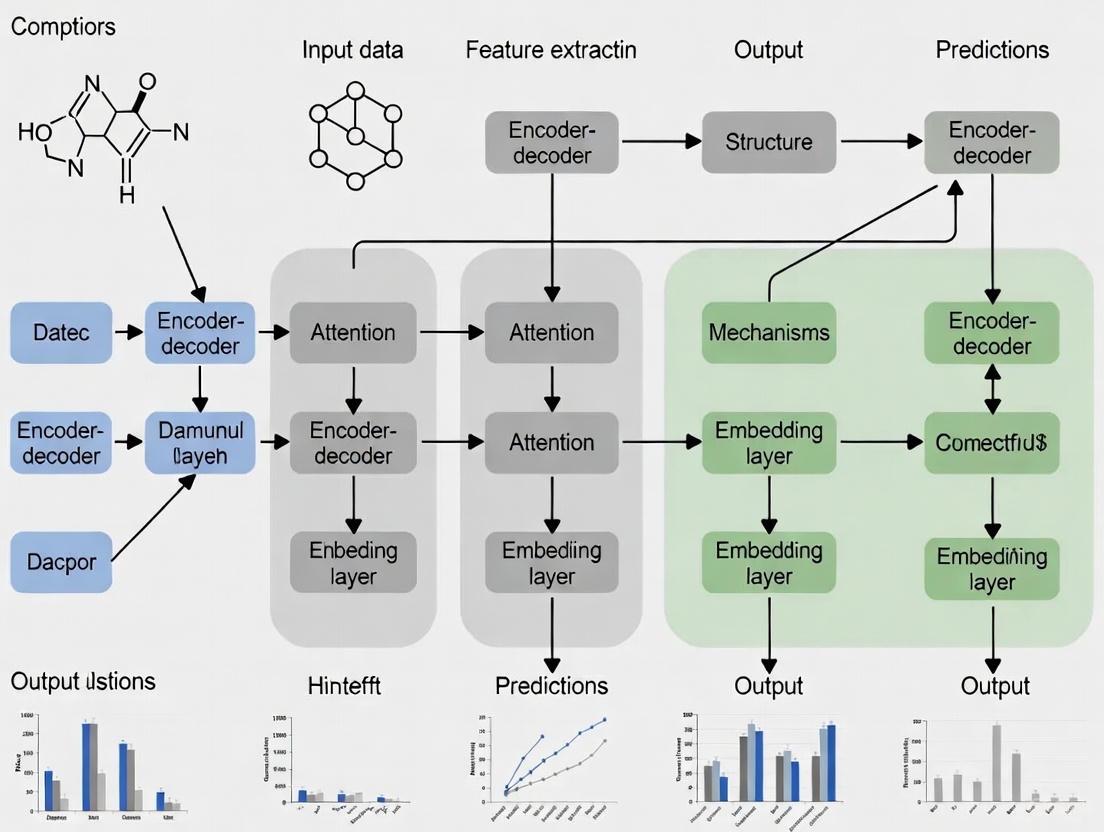
Single-cell foundation models (scFMs) are revolutionizing biological research by providing unified AI frameworks for analyzing cellular heterogeneity.
Single-Cell Foundation Models Architectures Compared: A 2025 Guide for Biomedical Researchers
Abstract
Single-cell foundation models (scFMs) are revolutionizing biological research by providing unified AI frameworks for analyzing cellular heterogeneity. This article offers a comprehensive comparison of leading scFM architectures, including transformer-based models like scGPT, Geneformer, and scFoundation. It explores their core concepts, methodological applications in drug discovery and clinical research, common optimization challenges, and performance across key benchmarks. Designed for researchers and drug development professionals, this guide synthesizes the latest findings to inform model selection and application, highlighting future directions for integrating these powerful tools into biomedical and clinical workflows.
Demystifying Single-Cell Foundation Models: Core Architectures and Pretraining Strategies
What are Foundation Models? From NLP to Cell Biology
Foundation models represent a revolutionary approach in artificial intelligence, defined as large-scale machine learning models pre-trained on vast, diverse datasets that can be adapted to a wide range of downstream tasks through fine-tuning [1] [2]. This "pre-train then fine-tune" paradigm has fundamentally transformed natural language processing (NLP) and computer vision, with models like GPT and BERT demonstrating remarkable capabilities in understanding context, generating text, and transferring knowledge across domains [1] [3].
The single-cell genomics field, generating massive amounts of transcriptomic data from technologies like single-cell RNA sequencing (scRNA-seq), has emerged as fertile ground for foundation model development [1] [4]. Single-cell foundation models (scFMs) represent a convergence of AI and biology, aiming to capture the fundamental principles of cellular behavior that can generalize across tissues, conditions, and even species [1] [5]. This guide provides an objective comparison of scFM architectures, their performance across biological tasks, and the experimental frameworks used to evaluate them—critical knowledge for researchers and drug development professionals navigating this rapidly evolving landscape.
Architectural Landscape of Single-Cell Foundation Models
Core Architectural Components
Single-cell foundation models adapt transformer architectures and other neural network designs to the unique challenges of gene expression data. Unlike natural language, gene expression data lacks inherent sequential ordering and contains continuous values rather than discrete tokens [1] [4]. scFMs address these challenges through several key components:
Tokenization Strategies: Converting continuous gene expression values into model-processable tokens represents a fundamental design choice. Bin-based discretization (used by scBERT, scGPT) groups expression values into predefined categories, while rank-based discretization (used by Geneformer) transforms expressions into ordinal rankings. Value projection approaches (used by scFoundation, CellFM) maintain continuous representations by projecting expression values into embedding spaces [6] [7].
Attention Mechanisms: Most scFMs utilize transformer architectures with self-attention mechanisms that learn relationships between genes. The bidirectional attention in encoder-style models (like BERT) processes all genes simultaneously, while unidirectional attention in decoder-style models (like GPT) processes genes sequentially [1].
Positional Encoding: Since genes lack natural ordering, scFMs implement various schemes to represent gene position, most commonly using expression magnitude rankings to determine sequence position [1] [2].
Model Architecture Comparison
Table 1: Architectural Overview of Major Single-Cell Foundation Models
| Model | Architecture Type | Tokenization Strategy | Parameters | Training Scale | Key Innovations |
|---|---|---|---|---|---|
| Geneformer [3] [6] | Transformer (BERT-like) | Rank-based discretization | 52 million | 30 million cells | Predicts gene positions within cellular context |
| scGPT [8] [3] | Transformer (GPT-like) | Bin-based discretization | 51 million | 33 million human cells | Attention mask mechanism for autoregressive prediction |
| scBERT [3] [9] | Performer architecture | Bin-based discretization | 8 million | Panglao database | Early transformer adaptation for single-cell data |
| scFoundation [6] | Transformer encoder | Value projection | ~100 million | ~50 million human cells | Direct prediction of raw gene expression values |
| CellFM [6] | Modified RetNet (ERetNet) | Value projection | 800 million | 100 million human cells | Linear complexity architecture for scalability |
| GeneMamba [7] | State Space Model (BiMamba) | Rank-based discretization | Not specified | 50 million cells | Linear computational complexity; bidirectional processing |
Experimental Benchmarking: Methodologies and Performance
Standardized Evaluation Frameworks
Rigorous benchmarking of scFMs requires standardized protocols across diverse biological tasks. Leading evaluations typically assess models in zero-shot settings (using pre-trained embeddings without task-specific fine-tuning) and fine-tuning paradigms (updating model parameters on labeled task data) [4] [8]. The BioLLM framework provides standardized APIs for consistent model evaluation, revealing distinct performance trade-offs across architectures [8].
Comprehensive benchmarks like the one conducted by [4] evaluate models across multiple task categories:
- Cell-level tasks: Batch integration, cell type annotation, cancer cell identification, drug sensitivity prediction
- Gene-level tasks: Gene function prediction, gene-gene relationship analysis, tissue specificity prediction
- Interpretability analysis: Attention mechanism analysis to identify biologically relevant gene interactions
Quantitative Performance Comparison
Table 2: Performance Comparison of scFMs Across Key Biological Tasks
| Model | Cell Type Annotation (Accuracy) | Batch Integration (ASW) | Perturbation Prediction | Gene Function Prediction | Computational Efficiency |
|---|---|---|---|---|---|
| Geneformer | Moderate [4] | Moderate [4] | Strong [3] [6] | Strong [8] | Moderate [7] |
| scGPT | High [8] | High [4] [8] | Strong [2] [8] | Moderate [8] | Low [7] |
| scBERT | Lower [4] [8] | Lower [4] | Moderate [9] | Lower [8] | High [9] |
| scFoundation | High [4] | High [4] | Strong [6] | Strong [8] | Low [6] |
| CellFM | Highest [6] | High [6] | Strongest [6] | Strongest [6] | Lowest [6] |
| GeneMamba | High [7] | High [7] | Not specified | High [7] | Highest [7] |
Performance rankings based on comprehensive benchmarking studies [4] [8] [6]. Metrics are relative comparisons within each task category.
Key Benchmarking Insights
Recent benchmarking reveals several critical insights for scFM selection and application:
No single model dominates all tasks: Each architecture demonstrates distinct strengths, with performance highly dependent on specific task requirements and dataset characteristics [4].
Trade-offs between simplicity and power: In some scenarios, particularly with limited data or specific tasks, simpler machine learning models can compete with or outperform complex foundation models [4] [9].
Biological relevance varies: Models capture biological relationships with varying fidelity, with some architectures demonstrating better alignment with established biological knowledge [4].
Computational requirements differ significantly: Architectural choices dramatically impact training and inference costs, with newer models like GeneMamba offering substantially improved efficiency [7].
Experimental Protocols and Methodologies
Standardized Preprocessing Workflow
Single-Cell Data Preprocessing Pipeline
Reproducible evaluation of scFMs requires standardized data processing protocols. The typical workflow includes:
Quality Control: Filtering cells and genes based on quality metrics (mitochondrial content, number of detected genes, total counts) [6].
Gene Name Standardization: Converting gene identifiers to standardized nomenclature (e.g., HGNC guidelines) to ensure consistency across datasets [6].
Normalization: Accounting for sequencing depth and gene-specific variation using methods like counts per million (CPM) or more advanced normalization techniques [7].
Tokenization: Applying model-specific tokenization strategies (binning, ranking, or value projection) to convert continuous expression values into model-processable inputs [1] [7].
Benchmarking Experimental Design
scFM Benchmarking Methodology
Comprehensive benchmarking follows standardized protocols to ensure fair model comparison:
Zero-Shot Evaluation: Extracting model embeddings without task-specific fine-tuning to assess inherent representation quality [4].
Fine-Tuning Protocol: Updating model parameters on task-specific labeled data with careful hyperparameter optimization [9].
Task-Specific Evaluation:
- Cell type annotation: Measuring accuracy against manual annotations using metrics like F1-score and accuracy [4].
- Batch integration: Assessing batch effect removal while preserving biological variation using metrics like Average Silhouette Width (ASW) [4].
- Perturbation prediction: Evaluating model ability to predict cellular responses to genetic or chemical perturbations [2] [6].
- Gene function prediction: Measuring accuracy in predicting Gene Ontology terms and functional relationships [4] [6].
Biological Ground Truthing: Novel metrics like scGraph-OntoRWR evaluate whether model-derived cell relationships align with established biological knowledge in cell ontology [4].
Table 3: Essential Research Reagents and Computational Resources for scFM Applications
| Resource Category | Specific Tools/Platforms | Function/Purpose | Key Features |
|---|---|---|---|
| Data Repositories | CZ CELLxGENE [1], GEO [1], Single-Cell Data Portals | Standardized access to annotated single-cell datasets | Curated collections with uniform formatting |
| Model Frameworks | BioLLM [8], scGPT Pipeline [8], Geneformer Codebase | Standardized APIs for model application and switching | Reduces implementation barriers |
| Preprocessing Tools | Scanpy, Seurat, SynEcoSys Database [6] | Quality control, normalization, gene name standardization | Prepares raw data for model input |
| Evaluation Metrics | scGraph-OntoRWR [4], LCAD [4], Traditional ML metrics | Assess biological relevance and task performance | Connects model outputs to biological knowledge |
| Computational Infrastructure | MindSpore Framework [6], PyTorch, GPU/NPU Clusters | Enables training and inference of large-scale models | Handles massive parameter counts and datasets |
Single-cell foundation models represent a transformative development in computational biology, offering unprecedented capabilities for analyzing cellular heterogeneity and function. However, current benchmarking reveals a nuanced landscape where model selection requires careful consideration of task requirements, dataset characteristics, and computational resources [4].
The field is rapidly evolving with several promising directions:
Architectural innovations: New paradigms like state space models (GeneMamba) and hybrid architectures address computational limitations of pure transformer approaches [7].
Scale expansion: Models like CellFM demonstrate the potential of extreme scaling in both training data (100M+ cells) and parameters (800M+) [6].
Multimodal integration: Future models will incorporate additional data modalities including epigenomics, proteomics, and spatial information [5].
Specialized domain adaptation: Models like scPlantLLM demonstrate the value of domain-specific adaptation, particularly for non-animal systems [5].
For researchers and drug development professionals, the current scFM landscape offers powerful tools but requires informed selection based on specific use cases rather than assuming universal superiority of any single approach. As standardization improves and biological interpretability deepens, these models promise to become increasingly indispensable for extracting insights from the complex language of cellular biology.
Transformer architectures have fundamentally reshaped the landscape of single-cell genomics, emerging as the foundational infrastructure for next-generation biological discovery. Originally developed for natural language processing (NLP), these models have been successfully adapted to decode the complex "language" of cellular biology, where cells function as sentences and genes act as words [1] [10]. The unique self-attention mechanisms within transformers enable them to capture intricate, long-range dependencies in gene expression data, mirroring their success in identifying contextual relationships in text [11]. This architectural superiority has catalyzed the development of single-cell foundation models (scFMs)—large-scale deep learning models pretrained on vast datasets that can be adapted to numerous downstream analytical tasks [1] [12].
The transition to transformer-based models addresses critical limitations in traditional single-cell analysis methods, which often struggled with the high dimensionality, technical noise, and complex heterogeneity inherent in single-cell omics data [13] [4]. By training on millions of cells across diverse tissues, conditions, and species, scFMs learn fundamental biological principles that generalize across experimental contexts [1] [10]. This review provides a comprehensive comparison of leading transformer-based scFM architectures, their performance across specialized tasks, and the experimental frameworks validating their biological utility, offering researchers evidence-based guidance for model selection and implementation.
Core Transformer Components in scFMs
Transformer architectures adapted for single-cell analysis retain the fundamental components of their NLP counterparts while incorporating crucial modifications for biological data. The self-attention mechanism serves as the computational core, allowing the model to dynamically weight the importance of different genes when representing a cell's state [1] [11]. This capability enables scFMs to identify which genes are most informative for determining cellular identity, state, and functional relationships [1]. The multi-head attention architecture further enhances this by enabling the model to simultaneously focus on different types of gene-gene relationships across multiple representation subspaces [11].
Most scFMs utilize either encoder-based or decoder-based transformer variants, each with distinct strengths. Encoder-based models (e.g., scBERT, Geneformer) employ bidirectional attention mechanisms that process all genes in a cell simultaneously, making them particularly effective for classification tasks and embedding generation [1]. In contrast, decoder-based models (e.g., scGPT) use masked self-attention mechanisms that iteratively predict masked genes conditioned on known expressions, excelling in generative tasks [1]. Hybrid architectures that combine encoder and decoder components are also emerging, though no single variant has established clear superiority across all biological tasks [1].
Tokenization Strategies: Converting Biology to Machine-Readable Inputs
A critical adaptation for applying transformers to single-cell data involves tokenization—the process of converting raw gene expression values into discrete units processable by the model [1] [10]. Unlike natural language with its inherent word sequence, gene expression data lacks natural ordering, requiring innovative solutions:
- Rank-based tokenization: Genes are ordered by their expression levels within each cell, creating a deterministic sequence based on expression magnitude [1] [14].
- Value binning: Expression values are partitioned into discrete bins, with each bin representing a different token [1].
- Normalized counts: Some models simply use normalized expression values without complex ranking schemes, reporting comparable performance [1].
Additional specialized tokens enrich the biological context, including cell identity tokens that represent a cell's metadata, modality tokens for multi-omics integration, and batch-specific tokens to account for technical variations [1]. After tokenization, all tokens are converted to embedding vectors processed by the transformer layers, ultimately generating latent representations at both the gene and cellular levels [1].
Architectural Variations Across Prominent scFMs
Table 1: Architectural Specifications of Leading scFMs
| Model | Architecture Type | Parameters | Pretraining Scale | Input Genes | Embedding Dimension |
|---|---|---|---|---|---|
| Geneformer [13] | Encoder-based | 40M | 30M cells | 2,048 ranked genes | 256/512 |
| scGPT [12] [13] | Decoder-based | 50M | 33M cells | 1,200 HVGs | 512 |
| UCE [13] | Encoder-based | 650M | 36M cells | 1,024 non-unique genes | 1,280 |
| scFoundation [13] | Encoder-decoder | 100M | 50M cells | ~19,000 genes | 3,072 |
| Nicheformer [14] | Encoder-based | 49.3M | 110M cells | 1,500 tokens | 512 |
| CellMemory [15] | Bottlenecked Transformer | - | No pretraining | Flexible | - |
The architectural landscape of scFMs reveals substantial diversity in design choices and scaling approaches. Model sizes range from compact architectures like Geneformer (40M parameters) to substantially larger networks like UCE (650M parameters), reflecting different hypotheses about the optimal complexity for biological representation learning [13]. Pretraining corpora have expanded dramatically, with recent models like Nicheformer utilizing over 110 million cells from both dissociated and spatially-resolved transcriptomics assays [14]. Emerging innovations include specialized architectures like CellMemory, which incorporates a bottlenecked transformer inspired by global workspace theory in cognitive neuroscience to improve interpretability and handle out-of-distribution cells [15].
Diagram: Generic scFM Architecture showing the transformation of single-cell data through tokenization, embedding, and transformer layers to generate task-appropriate outputs.
Comparative Performance Analysis Across Biological Tasks
Experimental Frameworks for scFM Evaluation
Rigorous benchmarking studies have established standardized protocols to evaluate scFM performance across diverse biological tasks. A comprehensive 2025 benchmark assessed six prominent scFMs against established baselines using twelve evaluation metrics spanning unsupervised, supervised, and knowledge-based approaches [13] [4]. The evaluation incorporated biologically-informed metrics like scGraph-OntoRWR, which measures consistency between model-derived cell type relationships and established biological ontologies, and LCAD (Lowest Common Ancestor Distance), which quantifies the severity of cell type misannotation errors [13] [4].
Experimental designs typically evaluate both zero-shot performance (using pretrained embeddings without task-specific fine-tuning) and fine-tuned performance (after additional task-specific training) [13] [8]. To ensure real-world relevance, benchmarks include clinically oriented tasks such as cancer cell identification and drug sensitivity prediction across multiple cancer types and therapeutic compounds [13]. Independent validation datasets like the Asian Immune Diversity Atlas (AIDA) v2 further mitigate the risk of data leakage and provide unbiased performance assessment [13].
Task-Specific Performance Comparisons
Table 2: Comparative Performance of scFMs Across Key Biological Tasks
| Model | Cell Type Annotation | Batch Integration | Perturbation Prediction | Spatial Task Performance | Multi-Omic Integration |
|---|---|---|---|---|---|
| scGPT | Excellent [8] | Strong [12] | Excellent [12] | Limited [14] | Strong [1] |
| Geneformer | Good [13] | Moderate [13] | Strong [13] | Limited [14] | Limited |
| Nicheformer | Good (spatial) [14] | Strong (spatial) [14] | Not Reported | Excellent [14] | Moderate |
| UCE | Variable [13] | Variable [13] | Good [13] | Limited | Limited |
| scFoundation | Good [13] | Good [13] | Strong [13] | Limited | Limited |
| CellMemory | Excellent (OOD) [15] | Strong [15] | Not Reported | Excellent [15] | Not Reported |
Performance analyses reveal that no single scFM consistently dominates across all tasks, emphasizing the importance of task-specific model selection [13] [4]. In cell type annotation, scGPT demonstrates robust performance, while CellMemory excels particularly at annotating rare and out-of-distribution cell types, achieving 81% accuracy on challenging beta_minor pancreatic cells where other models struggled [15] [8]. For spatially-aware tasks, Nicheformer substantially outperforms models trained solely on dissociated data, accurately predicting spatial context and cellular niche composition by leveraging its training on 53 million spatially resolved cells [14].
In batch integration tasks, which remove technical variations while preserving biological signals, transformer-based approaches generally show strong performance, though simpler methods like Harmony and scVI remain competitive in certain scenarios [13]. For perturbation prediction, models with effective pretraining strategies like Geneformer and scGPT demonstrate notable capabilities in forecasting cellular responses to genetic and chemical perturbations [12] [13]. Benchmarking results consistently indicate that while scFMs provide robust and versatile performance across diverse applications, simpler machine learning models can sometimes outperform them on specific tasks, particularly under computational constraints or with limited dataset sizes [13].
Implementation Considerations and Research Solutions
Computational Ecosystem and Tools
The growing complexity of scFM architectures has spurred development of standardized frameworks to facilitate their application and comparison. BioLLM provides a unified interface for integrating and benchmarking diverse scFMs, offering standardized APIs that eliminate architectural and coding inconsistencies [12] [8]. This framework supports both zero-shot and fine-tuning evaluation, enabling researchers to make informed decisions about model selection based on comprehensive performance data [8].
Data resources have become equally critical for scFM development and application. Platforms like CZ CELLxGENE provide unified access to over 100 million annotated single cells, while the Human Cell Atlas and other multiorgan atlases offer broad coverage of cell types and states [1] [10]. Computational ecosystems like DISCO further aggregate single-cell data for federated analysis, creating the extensive training corpora essential for effective scFM pretraining [12].
Key Research Reagents and Computational Solutions
Table 3: Essential Research Resources for scFM Implementation
| Resource Category | Specific Tools/Databases | Primary Function | Access Method |
|---|---|---|---|
| Benchmarking Frameworks | BioLLM [8], scGraph-OntoRWR [13] | Standardized model evaluation and comparison | Python packages |
| Data Repositories | CZ CELLxGENE [1], DISCO [12], GEO/SRA [1] | Provide curated single-cell datasets for training and testing | Web portal/API |
| Model Architectures | scGPT [12], Geneformer [13], Nicheformer [14] | Pretrained foundation models for various tasks | GitHub repositories |
| Integration Tools | Seurat [13], Harmony [13], scVI [13] | Baseline methods for performance comparison | R/Python packages |
| Visualization Platforms | CellxGene [13], UCSC Cell Browser [12] | Interactive exploration of model outputs and embeddings | Web applications |
Decision Framework for Model Selection
Based on comprehensive benchmarking results, researchers can apply the following decision framework for scFM selection:
- For general-purpose single-cell analysis: scGPT demonstrates robust performance across multiple task categories and offers strong multi-omic capabilities [12] [8].
- For spatial transcriptomics and niche analysis: Nicheformer systematically outperforms other models on spatially-aware tasks by incorporating spatial context during pretraining [14].
- For analyzing rare or novel cell types: CellMemory shows exceptional performance for out-of-distribution cells, accurately annotating cell populations absent from training data [15].
- For gene-level tasks and regulatory inference: Geneformer and scFoundation provide strong gene embeddings that effectively capture functional relationships [13] [8].
- Under computational constraints: Simpler baseline models (Seurat, Harmony) may provide sufficient performance for standard tasks without requiring extensive computational resources [13].
The roughness index (ROGI) can serve as a practical proxy for model selection, measuring the smoothness of the cell-property landscape in the latent space, which correlates with downstream task performance [13].
Future Directions and Conceptual Limitations
Despite rapid advancement, transformer-based scFMs face several conceptual and technical challenges. Interpretability remains a significant hurdle, as understanding the biological relevance of latent embeddings and attention weights continues to be nontrivial [1] [15]. The nonsequential nature of omics data presents fundamental architectural questions, as genes lack inherent ordering unlike words in natural language [1] [11]. Additionally, computational intensity for training and fine-tuning these models creates accessibility barriers for many research groups [1].
Promising research directions include developing more efficient attention mechanisms to reduce computational complexity, enhancing multimodal integration capabilities for combining transcriptomic, epigenomic, proteomic, and spatial data, and creating more biologically grounded pretraining objectives that incorporate known molecular interactions [12] [11]. Architectural innovations like CellMemory's bottlenecked transformer demonstrate how inspiration from other fields can address limitations in handling long token sequences while improving interpretability [15].
As the field matures, standardized benchmarking, improved model interoperability, and more sophisticated biological evaluation metrics will be crucial for translating computational advances into genuine biological insights and clinical applications [12] [13]. By critically understanding the strengths and limitations of different transformer architectures, researchers can more effectively leverage these powerful tools to unravel cellular complexity and advance precision medicine.
In single-cell biology, foundation models (scFMs) are revolutionizing how researchers interpret the complex language of cellular function. These large-scale deep learning models, pretrained on vast single-cell datasets, can be adapted for diverse downstream tasks from cell type annotation to perturbation prediction [1] [10]. A pivotal preprocessing step that enables this transformation is tokenization—the process of converting raw gene expression data into discrete units that models can process [1] [10]. Unlike natural language, where words naturally segment into tokens, gene expression data presents unique challenges: it's inherently non-sequential, high-dimensional, and sparse [4] [7]. This article provides a comprehensive comparison of prevailing tokenization strategies, their experimental evaluations, and practical considerations for researchers selecting approaches for single-cell analysis.
Main Tokenization Approaches: A Comparative Analysis
Single-cell foundation models employ different tokenization strategies to convert continuous gene expression values into model-readable inputs. The table below summarizes the primary approaches, their methodologies, and representative implementations.
Table 1: Comparison of Primary Tokenization Strategies in Single-Cell Foundation Models
| Strategy | Methodology | Advantages | Limitations | Representative Models |
|---|---|---|---|---|
| Rank-based | Genes are ordered by expression level within each cell; the sequence of gene identifiers serves as tokens [7]. | Captures relative expression patterns; robust to batch effects and technical noise [7]. | Loses information about absolute expression magnitudes [7]. | Geneformer, GeneCompass, LangCell [7] |
| Bin-based | Continuous expression values are discretized into predefined bins or categories; each bin becomes a token [7]. | Preserves information about expression value distributions [7]. | Risk of information loss; sensitivity to bin selection parameters [7]. | scBERT, scGPT, scMulan [7] |
| Value Projection | Applies a linear transformation to the continuous expression vector, combining it with gene embeddings [7]. | Maintains full resolution of continuous data without discretization [7]. | Diverges from standard NLP tokenization; impact on performance not fully established [7]. | scFoundation, xTrimoGene [7] |
| Raw Normalized Counts | Uses normalized count values directly without complex discretization or ranking [1]. | Simple and straightforward implementation; avoids artificial boundaries from binning. | May not optimally structure data for the model's attention mechanisms. | Multiple models [1] |
Enhancing Tokenization with Biological Context
Beyond these core strategies, models often incorporate special tokens to enrich biological context. These include:
- Cell identity tokens prepended to gene sequences to provide cell-level context [1] [10].
- Modality indicators to distinguish between different omics data types (e.g., scRNA-seq vs. scATAC-seq) [1] [10].
- Gene metadata such as Gene Ontology terms or chromosomal locations to provide additional biological context [1] [10].
- Batch information to help account for technical variations across different experiments [1] [10].
Experimental Benchmarking and Performance Evaluation
Rigorous benchmarking studies have evaluated how different tokenization strategies impact model performance across biologically relevant tasks. Experimental protocols typically involve pretraining models with different tokenization approaches on large-scale single-cell atlases, then evaluating their zero-shot or fine-tuned performance on diverse downstream applications [4].
Benchmarking Methodology
Comprehensive evaluations follow standardized protocols:
- Model Selection: Multiple scFMs (e.g., Geneformer, scGPT, UCE, scFoundation) employing different tokenization strategies are selected [4].
- Task Design: Models are evaluated on both gene-level and cell-level tasks. Gene-level tasks include predicting gene functionality and tissue specificity, while cell-level tasks include batch integration, cell type annotation, and clinically relevant applications like cancer cell identification [4].
- Evaluation Metrics: Performance is assessed using multiple metrics including traditional supervised metrics and novel biology-informed measures such as scGraph-OntoRWR, which evaluates whether model-derived cell relationships align with established biological knowledge from cell ontologies [4].
Table 2: Performance Comparison of Models Using Different Tokenization Strategies
| Model | Primary Tokenization Strategy | Cell Type Annotation | Batch Integration | Biological Relevance (scGraph-OntoRWR) | Computational Efficiency |
|---|---|---|---|---|---|
| scGPT | Bin-based [7] | Strong [8] | Strong [8] | Moderate [4] | Moderate [7] |
| Geneformer | Rank-based [7] | Moderate [8] | Moderate [4] | High [4] | High [7] |
| scFoundation | Value Projection [7] | Strong (gene-level) [8] | Moderate [4] | High [4] | Variable [7] |
| scBERT | Bin-based [7] | Weaker [8] | Weaker [4] | Moderate [4] | High [7] |
Key Findings from Benchmarking Studies
Experimental results reveal several important patterns:
- No single superior strategy: No tokenization approach consistently outperforms others across all tasks and datasets [4].
- Task-dependent performance: Rank-based approaches often excel at capturing biological relationships, while bin-based and value projection methods may perform better on specific classification tasks [4] [8].
- Data efficiency considerations: While foundation models show robust performance, simpler traditional methods can be more efficient for dataset-specific applications, particularly under resource constraints [4].
Visualizing Tokenization Workflows
The following diagram illustrates the complete tokenization pipeline from raw single-cell data to model-ready token sequences, highlighting the key decision points for different strategies.
Tokenization Workflow from Raw Data to Model Input
Implementing effective tokenization strategies requires leveraging curated biological datasets and computational resources. The table below outlines key resources for researchers developing or working with single-cell foundation models.
Table 3: Essential Research Resources for Single-Cell Foundation Model Development
| Resource Type | Resource Name | Function and Application | Access Information |
|---|---|---|---|
| Data Repositories | CZ CELLxGENE [1] [10] | Provides unified access to annotated single-cell datasets with over 100 million unique cells standardized for analysis. | Publicly available |
| Human Cell Atlas [1] [10] | Offers broad coverage of cell types and states across multiple organs and species. | Publicly available | |
| NCBI GEO and SRA [1] [10] | Host thousands of single-cell sequencing studies for assembling diverse training corpora. | Publicly available | |
| Curated Compendia | PanglaoDB [1] [10] | Collates single-cell data from multiple sources with standardized annotations. | Publicly available |
| Human Ensemble Cell Atlas [1] [10] | Integrates data from multiple studies to provide comprehensive cell type references. | Publicly available | |
| Evaluation Frameworks | BioLLM [8] | Provides standardized APIs for benchmarking scFMs across diverse tasks and tokenization strategies. | Open source |
| scGraph-OntoRWR [4] | Novel metric evaluating biological relevance of embeddings against established ontologies. | Research implementation |
Future Directions in Tokenization Research
As single-cell foundation models evolve, tokenization strategies continue to advance with several promising directions:
- Biologically-informed tokenization: Developing methods that incorporate prior biological knowledge about gene interactions, pathways, and regulatory networks [16] [17].
- Adaptive tokenization: Creating tokenizers that dynamically adjust to specific biological contexts or tissue types [18].
- Multi-modal integration: Designing tokenization schemes that seamlessly integrate multiple data modalities (transcriptomics, proteomics, epigenomics) while preserving inter-modality relationships [1] [19].
- Efficiency optimization: Refining tokenization to reduce computational demands while maintaining biological fidelity, particularly important as dataset sizes continue growing [7].
Tokenization serves as the critical bridge connecting raw biological data with powerful analytical models in single-cell research. Through comparative analysis of different approaches—rank-based, bin-based, value projection, and normalized counts—we observe that each method presents distinct tradeoffs in biological relevance, computational efficiency, and task-specific performance. Experimental benchmarking reveals that strategy selection should be guided by specific research goals, dataset characteristics, and computational resources rather than seeking a universal optimal solution. As the field advances, developing more biologically-grounded tokenization methods and standardized evaluation frameworks will be essential for unlocking deeper insights into cellular function and disease mechanisms through single-cell foundation models.
Single-cell foundation models (scFMs) are revolutionizing biological research by enabling a unified analysis of cellular biology at scale. These models, trained on millions of single-cell transcriptomes, learn the fundamental "language" of cells, where a cell is treated as a sentence and its genes as words [1] [10]. The performance and utility of these models are intrinsically tied to the quality, scale, and diversity of the data on which they are pretrained. This guide provides an objective comparison of the primary data sources and the models they empower, offering researchers a framework for selecting the right resources and tools for their work.
Large-scale, publicly available cell atlases provide the foundational data necessary for pretraining scFMs. These resources aggregate and curate data from thousands of individual studies, though they vary significantly in scope and content. The table below summarizes key characteristics of several prominent atlases.
- Cell Atlas Overview
| Atlas Name | # Cells (Millions) | # Species | Key Features & Notes | URL |
|---|---|---|---|---|
| CZ CELLxGENE Discover [20] | 112.8 | 7 | A major unified resource; used for pretraining by multiple scFMs [21]. | https://cellxgene.cziscience.com/ |
| DISCO [20] | 125.6 | 1 (Human) | Deeply Integrated Single-Cell Omics database. | https://www.immunesinglecell.org |
| Single Cell Portal [20] | 57.6 | 18 | Hosted by the Broad Institute. | https://singlecell.broadinstitute.org |
| Human Cell Atlas (HCA) [20] | 65.4 | 1 (Human) | A foundational international consortium. | https://data.humancellatlas.org/ |
| Single Cell Expression Atlas [20] | 13.5 | 21 | Hosted by EMBL-EBI. | https://www.ebi.ac.uk/gxa/sc/home |
| Arc Virtual Cell Atlas [22] | 300+ | 21 | Includes the new Tahoe-100M perturbation dataset & AI-curated scBaseCount. | https://arcinstitute.org/tools/virtualcellatlas |
Comparative Analysis of scFMs Pretrained on Large-Scale Data
Different scFMs leverage these atlases with distinct architectural choices and pretraining strategies, leading to varied performance across downstream tasks. The following table compares several leading models.
- Model Comparison
| Model Name | Pretraining Scale | Key Architectural & Data Features | Noted Strengths from Benchmarks |
|---|---|---|---|
| scGPT [8] | 33 million cells [4] | Uses GPT-like decoder architecture; incorporates gene and value embeddings [4]. | Robust performance across all tasks, including zero-shot and fine-tuning [8]. |
| Geneformer [8] | 30 million cells [5] | Pretrained on 30 million cells from the cellxgene database [5]. | Strong capabilities in gene-level tasks [8]. |
| scFoundation [8] | 50 million cells [21] | A large-scale foundation model on single-cell transcriptomics [5]. | Strong performance on gene-level tasks [8]. |
| scPRINT [21] | 50 million cells [21] | Uses protein embeddings (ESM2) for gene IDs; innovative multi-task pretraining [21]. | Superior performance in gene network inference; competitive in denoising and batch correction [21]. |
| scPlantLLM [5] | Plant-specific data [5] | A model specifically trained on plant single-cell data [5]. | High accuracy in cell type annotation and batch integration on plant data [5]. |
| scBERT [8] | Not specified | Smaller model size and limited training data compared to others [8]. | Lagged behind larger models in performance [8]. |
Experimental Protocols for Benchmarking scFMs
To ensure fair and meaningful comparisons, benchmarking studies employ standardized evaluation protocols across diverse biological tasks. The following diagram and table outline a typical benchmarking workflow and the key metrics used.
Benchmarking scFM Performance
- Key Evaluation Metrics
| Task Category | Evaluation Metric | Description | What It Measures |
|---|---|---|---|
| Gene-Level Tasks | GO Term Prediction Accuracy [4] | Assesses if gene embeddings can predict known Gene Ontology biological functions. | Biological relevance of gene representations. |
| Cell-Level Tasks | Batch Effect Removal (ASWBatch) [4] [23] | Average Silhouette Width for batch labels. A lower score indicates better batch mixing. | Technical effect removal. |
| Cell-Level Tasks | Biological Conservation (ASWCell) [4] [23] | Average Silhouette Width for cell type labels. A higher score indicates better preservation of cell identity. | Biological variation preservation. |
| Cell-Level Tasks | Cell Ontology-informed Metrics (scGraph-OntoRWR) [4] | Measures consistency of cell type relationships in the model with prior knowledge in cell ontologies. | Biological plausibility of latent space. |
| Cell-Level Tasks | Lowest Common Ancestor Distance (LCAD) [4] | Measures ontological proximity between misclassified cell types. | Meaningfulness of model errors. |
The Scientist's Toolkit: Essential Research Reagents
Working with scFMs and large atlases requires a suite of computational "reagents" and resources. The following table details key tools and their functions in the model development and analysis pipeline.
- Research Reagent Solutions
| Item / Resource | Function | Example / Note |
|---|---|---|
| Unified Data Portals | Provide centralized, uniformly processed single-cell data for pretraining and fine-tuning. | CZ CELLxGENE, HCA Data Portal [1] [20]. |
| Standardized Metadata & Ontologies | Enables automated processing and ensures interoperability across datasets by providing a structured vocabulary for cell types. | Cell Ontology (CL) [20]. |
| Unified Framework Tools | Simplify model access and benchmarking by providing standardized APIs for diverse scFMs, mitigating challenges from heterogeneous architectures. | BioLLM framework [8]. |
| Transfer Learning Tools | Enable efficient mapping of new query datasets to large reference atlases without sharing raw data, facilitating iterative reference building. | scArches (single-cell architectural surgery) [23]. |
| Computational Hardware | Running and fine-tuning large scFMs requires significant GPU resources. Efficient hardware is critical for practical application. | GPUs with sufficient memory (e.g., A40 GPU used for scPRINT training) [21]. |
The construction of powerful single-cell foundation models is fundamentally driven by the million-cell atlases that serve as their training corpora. While general-purpose atlases like CELLxGENE and the Arc Virtual Cell Atlas provide the broad data foundation for models like scGPT and Geneformer, the emergence of specialized models like scPlantLLM and scPRINT highlights a trend towards purpose-built solutions. Benchmarks reveal that no single scFM dominates all tasks; selection must be guided by the specific biological question, whether it requires robust all-around performance (scGPT), specialized gene network inference (scPRINT), or analysis of non-animal data (scPlantLLM). As the field evolves, the synergy between ever-larger, higher-quality data atlases and more refined model architectures will continue to deepen our computational understanding of cellular biology.
The explosion of single-cell genomics data has created an urgent need for computational frameworks capable of integrating and analyzing cellular information at unprecedented scales. Self-supervised learning (SSL) has emerged as a transformative approach, enabling models to learn the fundamental "language of cells" by pretraining on vast, unlabeled datasets. These single-cell foundation models (scFMs) treat individual cells as sentences and genes as words, creating a powerful paradigm for deciphering cellular heterogeneity and function. As the field rapidly evolves, researchers and drug development professionals face the critical challenge of selecting appropriate models for specific biological questions. This guide provides an objective comparison of leading scFM architectures, synthesizing performance data from recent benchmarks to inform model selection for research and clinical applications.
ScFM Architectures: Tokenization, Pretraining, and Adaptation
Fundamental Architecture and Tokenization Strategies
Single-cell foundation models adapt transformer architectures to the unique challenges of genomic data. Unlike natural language, gene expression data lacks inherent sequence, requiring innovative tokenization approaches. Most scFMs represent genes or genomic features as tokens, with each cell comprising a "sentence" of these tokens [1] [10]. Three predominant tokenization strategies have emerged:
- Expression-based ranking orders genes by expression level within each cell to create a deterministic sequence [1].
- Expression binning partitions genes into bins based on expression values [1].
- Normalized counts directly uses normalized expression values without complex ranking [1].
Special tokens are often incorporated to enrich biological context, including cell identity metadata, modality indicators for multi-omics data, and gene annotations from resources like Gene Ontology [1] [10]. After tokenization, genes are converted to embedding vectors processed by transformer layers, typically producing two types of output: gene-level embeddings and a dedicated cell-level embedding [1].
The transformer architecture itself has been implemented in both encoder-based (BERT-like) and decoder-based (GPT-like) variants for single-cell data [1]. scBERT employs a bidirectional encoder architecture that learns from all genes in a cell simultaneously [1] [24], while scGPT uses a decoder-style architecture with masked self-attention that predicts masked genes conditioned on known genes [1]. Hybrid designs are also being explored, though no single architecture has emerged as clearly superior across all tasks [1].
Diagram: The scFM architecture pipeline shows how raw single-cell data is processed through tokenization strategies and transformer models to produce gene and cell embeddings.
Self-Supervised Pretraining Objectives
scFMs employ self-supervised pretraining objectives that enable learning without labeled data. The most successful approaches include:
- Masked Autoencoding: Randomly masking portions of the input gene expression profile and training the model to reconstruct the missing values [25]. Variations include random masking, gene program masking, and isolated masking of biologically meaningful gene sets [25].
- Contrastive Learning: Creating augmented views of cells and training the model to identify representations that are invariant to these augmentations [26]. Methods include BYOL (Bootstrap Your Own Latent) and Barlow Twins, which avoid negative pairs [25].
- Multimodal Alignment: For multi-omics data, aligning representations across different modalities (e.g., RNA and protein) using contrastive objectives [26].
Recent evidence suggests that masked autoencoders may outperform contrastive methods in single-cell genomics, diverging from trends in computer vision [25]. Random masking has emerged as particularly effective, surpassing even domain-specific augmentations across multiple tasks [26].
Comparative Performance Benchmarking
Batch Correction and Data Integration
Batch effects represent a fundamental challenge in single-cell genomics, where technical variations can obscure biological signals. Specialized single-cell frameworks like scVI and CLAIRE, along with the finetuned scGPT, demonstrate superior performance for uni-modal batch correction [26]. However, for multi-modal batch correction, generic SSL methods such as VICReg and SimCLR outperform domain-specific approaches [26].
Table 1: Batch Correction Performance Across Model Types
| Model Category | Representative Models | Uni-modal Performance | Multi-modal Performance | Key Strengths |
|---|---|---|---|---|
| Specialized Single-cell | scVI, CLAIRE, scGPT | Excellent | Moderate | Domain-specific architecture |
| Generic SSL | VICReg, SimCLR | Good | Excellent | Flexibility across data types |
| Foundation Models | scGPT, Geneformer | Good | Good | Transfer learning capability |
In benchmarking across five datasets with diverse biological conditions, scFMs demonstrated robust integration capabilities, particularly in preserving biological variation while removing technical artifacts [4]. The performance advantage was most pronounced in challenging scenarios involving cross-tissue homogeneity and intra-tumor heterogeneity [4].
Cell Type Annotation Accuracy
Cell type annotation remains a cornerstone of single-cell analysis, with methods ranging from unsupervised clustering to supervised classification. Benchmarking studies reveal that no single scFM consistently outperforms all others across diverse annotation tasks [4]. Instead, performance depends on factors including dataset size, cell type complexity, and annotation specificity.
Table 2: Cell Type Annotation Performance Across Models and Datasets
| Model | Tabula Sapiens (Macro F1) | PBMC SARS-CoV-2 (Macro F1) | Cross-Species Accuracy | Annotation Approach |
|---|---|---|---|---|
| Supervised Baseline | 0.2722 ± 0.0123 | 0.7013 ± 0.0077 | N/A | Traditional supervised learning |
| + SSL Pretraining | 0.3085 ± 0.0040 | 0.7466 ± 0.0057 | N/A | SSL with fine-tuning |
| scGPT | 0.3019 | 0.7412 | 92% (with scPlantFormer) | Zero-shot and fine-tuning |
| scBERT | 0.2955 | 0.7328 | Moderate | Fine-tuning required |
| Geneformer | 0.2872 | 0.7234 | Good | Contextual learning |
Notably, SSL pretraining on large auxiliary datasets (e.g., 20 million cells from CELLxGENE census) significantly boosts performance on smaller target datasets, with macro F1 scores increasing from 0.7013 to 0.7466 in PBMC data and from 0.2722 to 0.3085 in Tabula Sapiens [25]. This improvement is especially pronounced for underrepresented cell types, demonstrating SSL's value for imbalanced datasets [25].
Performance Across Downstream Tasks
The utility of scFMs extends beyond basic annotation to diverse downstream applications. A comprehensive benchmark of six scFMs against established baselines evaluated performance across two gene-level and four cell-level tasks [4]:
- Gene-level tasks: Tissue specificity prediction and Gene Ontology term prediction
- Cell-level tasks: Batch integration, cell type annotation, cancer cell identification, and drug sensitivity prediction
Performance was assessed using 12 metrics spanning unsupervised, supervised, and knowledge-based approaches [4]. The introduction of cell ontology-informed metrics like scGraph-OntoRWR (measuring consistency of cell type relationships with biological knowledge) and LCAD (Lowest Common Ancestor Distance for error severity assessment) provided biologically grounded evaluation perspectives [4].
Diagram: The evaluation workflow for scFMs encompasses pretraining objectives, downstream applications, and multiple performance metrics.
Experimental Protocols and Methodologies
Standardized Benchmarking Frameworks
Rigorous evaluation of scFMs requires standardized benchmarking frameworks. Leading efforts include:
- scSSL-Bench: Evaluates 19 SSL methods across 9 datasets, focusing on batch correction, cell type annotation, and missing modality prediction [26]. Employs metrics like kNN accuracy for cell type annotation and average silhouette width for batch mixing [26].
- Biology-Driven Benchmark: Assesses 6 scFMs against traditional baselines using 12 metrics across gene-level and cell-level tasks [4]. Incorporates novel ontology-informed metrics like scGraph-OntoRWR [4].
- Transfer Learning Evaluation: Measures performance gains when models pretrained on large datasets (e.g., scTab with 20M+ cells) are fine-tuned on smaller target datasets [25].
These benchmarks consistently employ k-fold cross-validation, with common practices including 5-fold validation for cell type annotation tasks [24]. Evaluation typically occurs in both zero-shot settings (where models predict without fine-tuning) and fine-tuned scenarios [25] [4].
Data Processing and Normalization
Consistent data processing is critical for fair model comparison. Standard protocols include:
- Quality Control: Filtering cells based on gene counts, mitochondrial percentage, and other quality metrics [1].
- Normalization: Library size normalization followed by log transformation [27].
- Feature Selection: Identifying highly variable genes (HVGs) [4].
- Scaling: Z-score normalization or other scaling approaches [27].
For multi-omic data, additional processing steps include modality-specific normalization and cross-modal alignment [26] [12]. Batch-aware processing techniques are particularly important given the prevalence of batch effects in single-cell data [26].
Key Research Reagent Solutions
Table 3: Essential Resources for scFM Development and Application
| Resource Category | Specific Examples | Function and Application |
|---|---|---|
| Data Repositories | CZ CELLxGENE (100M+ cells), Human Cell Atlas, DISCO, PanglaoDB | Provide standardized, annotated single-cell data for model training and validation |
| Benchmarking Platforms | scSSL-Bench, BioLLM | Enable standardized model evaluation and comparison across diverse tasks |
| Computational Tools | Scanpy, AnnData, AnnDictionary | Facilitate data preprocessing, analysis, and multimodal data management |
| Model Architectures | scGPT, Geneformer, scBERT, scVI, scReformer-BERT | Offer specialized architectures optimized for single-cell data challenges |
Computational Considerations
Training and applying scFMs requires substantial computational resources. Key considerations include:
- Memory Requirements: Standard transformers have quadratic complexity with sequence length, challenging for full gene sets (>10,000 genes) [24]. Efficient variants like Reformer reduce complexity through locality-sensitive hashing [24].
- Pretraining Infrastructure: Training on millions of cells typically requires GPU clusters and distributed training strategies [1].
- Fine-tuning Efficiency: While pretraining is computationally intensive, fine-tuning for specific tasks is more accessible [4].
The landscape of single-cell foundation models offers diverse solutions with complementary strengths. Specialized frameworks excel in domain-specific tasks like uni-modal batch correction, while generic SSL methods demonstrate superior performance in multi-modal integration [26]. Model selection should be guided by specific application requirements rather than seeking a universal winner [4].
For resource-constrained environments or focused applications, simpler machine learning models may provide more efficient adaptation to specific datasets [4]. However, for large-scale integration, transfer learning scenarios, and complex multimodal analysis, scFMs pretrained on diverse cellular atlases offer unparalleled performance [25]. As the field matures, standardized benchmarking and biological interpretability will be crucial for translating computational advances into mechanistic insights and clinical applications [12] [4].
From Model to Insight: Practical Applications in Drug Discovery and Biology
Cell type annotation is a fundamental task in single-cell genomics that involves classifying individual cells into specific biological categories based on their gene expression profiles. Traditional methods rely heavily on manual comparison to reference datasets and marker genes, making the process time-consuming and subjective, especially with the increasing scale of single-cell atlases now encompassing millions of cells [1]. The emergence of single-cell foundation models (scFMs) represents a paradigm shift toward automated, standardized, and reproducible cell type annotation [28] [1].
These scFMs are large-scale deep learning models pre-trained on vast single-cell datasets using self-supervised objectives. They learn transferable representations of cellular states that can be adapted to various downstream tasks, including annotation, with minimal additional labeled examples [1]. This guide provides a comprehensive comparison of current scFM architectures for cell type annotation, evaluating their performance, technical approaches, and practical implementation requirements to assist researchers in selecting appropriate methodologies for their specific annotation challenges.
Foundational Concepts and Model Taxonomy
Architectural Foundations of Single-Cell Foundation Models
Single-cell foundation models typically employ transformer-based architectures, which utilize attention mechanisms to weight relationships between genes within a cell [1]. The key conceptual innovation lies in treating single-cell data as a "language" where:
- Cells are analogous to sentences or documents
- Genes or genomic features serve as words or tokens
- Gene expression values provide the semantic content [1]
This conceptual framework enables models to learn the fundamental "grammar" of cell states from large-scale datasets, capturing complex gene-gene relationships and regulatory patterns that generalize across tissues, species, and experimental conditions.
Data Tokenization Strategies
A critical technical challenge involves converting non-sequential gene expression data into structured inputs for transformer models. Different approaches have emerged:
- Rank-based tokenization: Genes are ordered by expression levels within each cell, creating a deterministic sequence [1]
- Binning approaches: Expression values are partitioned into discrete bins or categories [1]
- Normalized counts: Some models use directly normalized expression values without complex ranking [1]
Gene tokens typically combine identifier embeddings with expression value information, while positional encoding schemes represent the relative order or rank of each gene. Special tokens may be added to represent cell-level metadata, batch information, or modality indicators [1].
Model Taxonomy and Methodological Families
The landscape of single-cell foundation models can be categorized into five methodological families based on their core design and data modality:
- Foundation Models: Learn transferable cell and gene embeddings directly from large-scale scRNA-seq data without explicit labels (e.g., scGPT, Geneformer, scFoundation) [28]
- Text-Bridge LLMs: Connect biological text knowledge with molecular patterns
- Spatial/Multimodal Models: Incorporate spatial organization and multiple data types
- Epigenomic Models: Focus on chromatin accessibility and regulatory elements
- Agentic Frameworks: Extend capabilities toward reasoning and autonomous analysis [28]
The following workflow diagram illustrates the typical cell type annotation process using these foundation models:
Comparative Performance Analysis
Benchmarking Framework and Evaluation Metrics
Rigorous evaluation of annotation performance requires comprehensive benchmarking across multiple dimensions. The LLM4Cell survey analyzed 58 foundation and agentic models using a ten-dimension rubric covering biological grounding, multi-omics alignment, fairness, privacy, and explainability [28]. Additional benchmarking studies have employed metrics including:
- Annotation Accuracy: Proportion of correctly classified cells
- F1-Score: Harmonic mean of precision and recall
- Normalized Mutual Information (NMI): Information-theoretic similarity measure
- Adjusted Rand Index (ARI): Similarity measure between clusterings [19]
These metrics evaluate both the classification performance and the biological plausibility of annotation results, with particular attention to performance on rare cell populations and cross-species generalization.
Quantitative Performance Comparison
The following table summarizes the performance characteristics of major single-cell foundation models for cell type annotation tasks:
Table 1: Performance Comparison of Single-Cell Foundation Models for Annotation Tasks
| Model | Architecture Type | Primary Modality | Annotation Accuracy Range | Scalability | Key Strengths |
|---|---|---|---|---|---|
| scGPT [28] | Decoder (GPT-style) | scRNA-seq | High (varies by dataset) | Millions of cells | Generative capabilities, strong zero-shot learning |
| Geneformer [28] | Transformer | scRNA-seq | High (varies by dataset) | Millions of cells | Context-aware embeddings, transfer learning |
| scBERT [1] | Encoder (BERT-style) | scRNA-seq | High (varies by dataset) | Millions of cells | Bidirectional context, fine-tuning efficiency |
| scFoundation [28] | Transformer | scRNA-seq | High (varies by dataset) | Millions of cells | Multi-tissue generalization |
| scANVI [29] | Variational Autoencoder | Multi-omic | High (varies by dataset) | Hundreds of thousands of cells | Semi-supervised learning, multi-modal integration |
Performance metrics vary significantly across datasets and tissue types. Models like scANVI demonstrate particular strength in semi-supervised scenarios where limited labeled data is available, while scGPT excels in generative annotation tasks [28] [29].
Integration Capabilities and Multi-omic Performance
As single-cell technologies evolve to measure multiple modalities simultaneously, annotation models must integrate diverse data types. The following table compares model performance across data modalities:
Table 2: Multi-omic Integration Capabilities for Cell Type Annotation
| Model | RNA Handling | ATAC-seq Compatibility | Protein Integration | Satial Context | Cross-Modal Alignment |
|---|---|---|---|---|---|
| scGPT [28] | Excellent | Limited | Limited | Limited | Moderate |
| Geneformer [28] | Excellent | Limited | Limited | No | Moderate |
| scBERT [1] | Excellent | Limited | Limited | No | Moderate |
| scANVI [29] | Excellent | Good | Good | Limited | Good |
| scVI [30] | Excellent | Good | Good (via totalVI) | Limited | Good |
Models with strong multi-omic integration capabilities like scANVI and scVI demonstrate enhanced annotation accuracy, particularly for complex tissues and disease states where multiple data types provide complementary biological information [29].
Experimental Protocols and Methodologies
Standardized Annotation Workflow
The following diagram illustrates the complete experimental workflow for model-based cell type annotation, from data preprocessing to final validation:
Model Training and Fine-tuning Protocols
Effective implementation of scFMs for annotation requires careful attention to training procedures:
Pretraining Phase:
- Models are initially pretrained on large-scale single-cell corpora (e.g., CELLxGENE Census) using self-supervised objectives like masked gene prediction [1]
- Training typically uses the AdamW optimizer with learning rate warmup and decay schedules
- Large batch sizes (8,192-16,384 cells) are employed for stability [28]
Fine-tuning Phase:
- Pretrained models are adapted to specific annotation tasks using limited labeled data
- Transfer learning techniques prevent catastrophic forgetting of general biological knowledge
- Semi-supervised approaches (e.g., scANVI) leverage both labeled and unlabeled cells [29]
Validation Procedures:
- Strict train-validation-test splits preserve generalization assessment
- Multiple random seeds ensure result stability
- Cross-dataset validation tests biological generalization beyond technical batches [29]
Benchmarking Methodologies
Comprehensive benchmarking requires standardized evaluation protocols:
Data Selection:
- Diverse tissue types and biological conditions
- Multiple sequencing technologies and protocols
- Variation in dataset size and cell type complexity [19]
Performance Assessment:
- Cross-validation within datasets
- Cross-dataset generalization tests
- Rare cell type detection capability
- Computational efficiency metrics [19]
Baseline Comparisons:
- Traditional methods (differential expression, clustering)
- Reference-based approaches (Seurat label transfer)
- Alternative machine learning classifiers [29]
Successful implementation of automated cell type annotation requires both computational tools and biological resources. The following table outlines key components of the annotation toolkit:
Table 3: Essential Research Reagents and Computational Tools for Cell Type Annotation
| Resource Category | Specific Tools/Resources | Primary Function | Application Context |
|---|---|---|---|
| Reference Atlases | Tabula Sapiens, Human Cell Atlas | Biological ground truth | Training data, reference standards |
| Analysis Ecosystems | Scanpy, Seurat, scvi-tools | Data handling and preprocessing | Primary analysis environments |
| Model Repositories | scvi-hub, Hugging Face | Model sharing and deployment | Access to pretrained models |
| Benchmarking Frameworks | LLM4Cell, scIB, scIB-E | Performance evaluation | Method comparison and validation |
| Visualization Tools | UCSC Cell Browser, SCope | Result exploration and interpretation | Biological validation and hypothesis generation |
High-quality reference datasets form the foundation for effective annotation systems:
- Tabula Sapiens: Multi-organ, multi-modal reference with carefully annotated cell types [28]
- Human Cell Atlas: Comprehensive map of all human cells with standardized annotations [28]
- CELLxGENE Census: Curated collection of standardized single-cell datasets [30]
- CellBlast: Specialized resources for query-to-reference mapping [28]
Computational Infrastructure Requirements
Deploying foundation models requires substantial computational resources:
- GPU Memory: 16-80GB for model inference and fine-tuning
- System RAM: 32-128GB for handling large reference datasets
- Storage: TB-scale for raw data and model checkpoints
- Software: Python/R ecosystems with specialized libraries (scvi-tools, transformers) [28] [30]
Implementation Considerations and Best Practices
Model Selection Guidelines
Choosing the appropriate foundation model depends on specific research requirements:
For maximum accuracy with abundant labeled data:
- Fine-tuned encoder models (scBERT, Geneformer)
- Strong supervision with comprehensive reference datasets
For limited labeled data scenarios:
- Semi-supervised approaches (scANVI)
- Few-shot learning capabilities (scGPT)
For multi-omic integration:
- Specialized architectures (scVI, totalVI)
- Cross-modal alignment techniques
For exploratory analysis:
- Generative models with interactive capabilities
- Explainable AI approaches for biological interpretation
Quality Control and Validation Frameworks
Robust annotation requires comprehensive quality assessment:
Technical Quality Metrics:
- Batch effect correction evaluation
- Integration quality scores
- Label transfer confidence metrics
Biological Validation:
- Marker gene expression verification
- Cellular composition plausibility
- Differential expression confirmation
- Spatial validation (when available)
Reproducibility Safeguards:
- Version control for models and data
- Containerized analysis environments
- Automated reproducibility tests
Future Directions and Emerging Trends
The field of automated cell type annotation is rapidly evolving with several promising directions:
- Multi-modal foundation models that simultaneously process RNA, ATAC, protein, and spatial data [28]
- Agentic systems that perform autonomous experimental design and hypothesis testing [28]
- Interpretable AI approaches that provide biological insights beyond black-box predictions [1]
- Federated learning frameworks that enable model training across institutions while preserving data privacy [28]
- Continuous learning systems that adapt to new data without catastrophic forgetting [30]
Platforms like scvi-hub represent the infrastructure direction, providing version-controlled model repositories with standardized evaluation metrics and massively reduced computational requirements through data minification techniques [30].
As these technologies mature, automated cell type annotation will become increasingly accurate, efficient, and accessible, ultimately enabling researchers to focus more on biological interpretation and less on manual curation tasks.
The rapid expansion of single-cell genomics has generated vast repositories of data from diverse tissues, species, and experimental conditions. However, integrating these heterogeneous datasets presents a significant challenge due to batch effects—systematic technical variations arising from differences in sample preparation, sequencing platforms, or laboratory conditions. These non-biological variations can obscure true biological signals, compromise downstream analyses, and hinder the development of robust biological insights [1]. In the context of single-cell foundation models (scFMs), which are large-scale artificial intelligence models pretrained on massive single-cell datasets, effective batch effect correction becomes paramount for building accurate and generalizable representations of cellular biology [1] [4].
The field currently faces a critical methodological divide: researchers must choose between traditional batch correction algorithms and the emerging paradigm of foundation models that implicitly learn to harmonize data during pretraining. This comparison guide provides an objective assessment of both approaches through rigorous experimental benchmarking, offering scientists a evidence-based framework for selecting appropriate methods based on their specific research needs, dataset characteristics, and computational resources.
Comparative Analysis of Correction Methodologies
Traditional Computational Approaches
Traditional batch effect correction methods employ explicit statistical and algorithmic strategies to remove technical artifacts while preserving biological variation. These approaches range from relatively simple linear models to complex deep learning architectures, each with distinct strengths and limitations [31].
Table 1: Traditional Batch Effect Correction Methods
| Method | Core Algorithm | Preserves Data Structure | Handles Missing Data | Scalability |
|---|---|---|---|---|
| ComBat | Empirical Bayes | Order-preserving [31] | Limited [32] | Moderate |
| Limma | Linear models | Order-preserving [31] | Limited [32] | High |
| Harmony | Iterative clustering | No (embeddings only) [31] | Moderate | High |
| Seurat v3 | CCA + MNN | No | Limited | Moderate |
| BERT | Tree-based ComBat/Limma | Yes [32] | Excellent [32] | High |
| Order-Preserving DL | Monotonic deep learning | Order-preserving [31] | Moderate | Moderate |
Notably, the recently introduced Batch-Effect Reduction Trees (BERT) method represents a significant advancement for large-scale data integration tasks. BERT employs a tree-based framework that decomposes integration tasks into binary correction steps, retaining up to five orders of magnitude more numeric values compared to alternative methods like HarmonizR while offering up to 11× runtime improvement [32]. This method particularly excels in scenarios with severely imbalanced or sparsely distributed conditions, achieving up to 2× improvement in average-silhouette-width scores [32].
Order-preserving methods represent another important innovation, specifically designed to maintain the relative rankings of gene expression levels within each batch after correction. This property ensures that biologically meaningful patterns, such as relative expression levels between genes or cells, remain intact throughout the integration process [31]. As demonstrated in comparative studies, methods with order-preserving capabilities like ComBat and specialized monotonic deep learning networks show superior performance in maintaining inter-gene correlations and preserving differential expression information [31].
Foundation Model Approaches
Single-cell foundation models (scFMs) represent a paradigm shift in how batch effects are addressed. Rather than applying explicit correction algorithms as a preprocessing step, these large-scale models learn to implicitly harmonize data during self-supervised pretraining on millions of cells [1]. The transformer architecture underlying most scFMs enables them to capture complex relationships between genes and cells, potentially learning biological invariants that transcend batch-specific technical variations [1].
Table 2: Single-Cell Foundation Models with Batch Integration Capabilities
| Model | Architecture | Pretraining Scale | Multi-omics Support | Zero-shot Batch Integration |
|---|---|---|---|---|
| scGPT | Transformer decoder | 30+ million cells [5] | Yes [1] | Yes [4] |
| Geneformer | Transformer encoder | 30 million cells [5] | Limited | Yes [4] |
| scFoundation | Transformer | 100 million cells [5] | Limited | Yes [4] |
| scPlantLLM | Transformer | Plant-specific [5] | Limited | Yes [5] |
| LangCell | Transformer | Large-scale [4] | Limited | Yes [4] |
These foundation models typically employ innovative tokenization strategies to represent single-cell data in a format suitable for transformer architectures. Individual cells are treated analogously to sentences, with genes or genomic features and their expression values represented as words or tokens [1]. Some models rank genes by expression levels to create deterministic sequences, while others use binning strategies or normalized counts directly [1]. The resulting latent representations have demonstrated remarkable robustness to batch-dependent technical biases without requiring explicit batch correction in some applications [1].
A comprehensive benchmark study evaluating six scFMs against traditional baselines revealed that while foundation models offer robust and versatile performance across diverse applications, simpler machine learning models can sometimes adapt more efficiently to specific datasets, particularly under resource constraints [4]. Notably, no single scFM consistently outperformed others across all tasks, emphasizing the importance of context-dependent model selection [4].
Experimental Benchmarking and Performance Metrics
Evaluation Frameworks and Metrics
Rigorous evaluation of batch effect correction methods requires multidimensional assessment using both technical and biological metrics. The scientific community has developed specialized evaluation protocols that address two critical aspects: batch mixing (removal of technical biases) and biological preservation (retention of meaningful biological variation) [4] [31].
Common technical metrics include:
- Average Silhouette Width (ASW): Measures cluster compactness and separation, with separate calculations for batch labels (lower values desired) and cell type labels (higher values desired) [32].
- Adjusted Rand Index (ARI): Quantifies clustering accuracy by measuring agreement between predicted clusters and known cell type labels [31].
- Local Inverse Simpson's Index (LISI): Assesses neighborhood diversity in terms of both batch mixing and cell type purity [31].
Biologically-informed metrics have recently emerged as crucial complements to technical measures:
- scGraph-OntoRWR: A novel metric that evaluates the consistency of cell type relationships captured by scFMs with prior biological knowledge from cell ontologies [4].
- Lowest Common Ancestor Distance (LCAD): Measures ontological proximity between misclassified cell types, providing nuanced assessment of annotation errors [4].
- Inter-gene Correlation Preservation: Quantifies how well correction methods maintain original correlations between functionally related genes [31].
Quantitative Performance Comparison
Table 3: Benchmarking Results Across Method Categories (Scale: ★ Poor to ★★★★★ Excellent)
| Method Category | Batch Mixing | Biological Preservation | Computational Efficiency | Ease of Use | Missing Data Handling |
|---|---|---|---|---|---|
| Statistical Methods (ComBat, limma) | ★★★☆☆ | ★★★★☆ [31] | ★★★★★ | ★★★★☆ | ★★☆☆☆ [32] |
| Procedural Methods (Seurat, Harmony) | ★★★★☆ | ★★★☆☆ | ★★★☆☆ | ★★★☆☆ | ★★★☆☆ |
| Deep Learning Methods (scVI, etc.) | ★★★★☆ | ★★★★☆ | ★★☆☆☆ | ★★☆☆☆ | ★★★☆☆ |
| Order-Preserving Methods | ★★★☆☆ | ★★★★★ [31] | ★★☆☆☆ | ★★☆☆☆ | ★★★☆☆ |
| Foundation Models (scGPT, etc.) | ★★★★☆ [4] | ★★★★☆ [4] | ★☆☆☆☆ | ★★☆☆☆ | ★★★★☆ |
Recent benchmarking studies have revealed nuanced performance patterns across method categories. Foundation models like scGPT and Geneformer demonstrate particularly strong performance in zero-shot settings, where pretrained models are applied to new datasets without task-specific fine-tuning [4]. In batch integration tasks, scFMs consistently outperform traditional methods in preserving fine-grained biological structures, especially for rare cell populations and cross-tissue integrations [4].
However, traditional methods maintain advantages in specific scenarios. For well-controlled experiments with limited batch effects and complete data matrices, established tools like ComBat and Harmony offer excellent performance with substantially lower computational requirements [4] [31]. The order-preserving deep learning method demonstrates superior capability in maintaining inter-gene correlations and differential expression patterns, achieving higher Pearson and Kendall correlation coefficients compared to non-order-preserving approaches [31].
Experimental Protocols for Batch Effect Correction
Standardized Workflow for Method Evaluation
To ensure reproducible assessment of batch effect correction methods, researchers should follow a standardized experimental protocol:
Data Preprocessing: Apply consistent quality control thresholds across all datasets, including mitochondrial read percentage (<20%), minimum gene detection (>200 genes/cell), and minimum cell count per gene (>3 cells). Perform standard normalization without batch correction.
Feature Selection: Identify highly variable genes using established methods (e.g., Seurat's vst algorithm) with consistent parameters across datasets. Retain 2,000-5,000 features for downstream analysis.
Method Application: Apply batch correction methods using default parameters unless otherwise specified. For foundation models, extract zero-shot embeddings without fine-tuning to assess intrinsic integration capabilities.
Dimensionality Reduction: Project corrected data or embeddings into 2D space using UMAP with consistent random seeds and neighborhood parameters (typically nneighbors=15, mindist=0.1).
Quantitative Assessment: Calculate the full suite of evaluation metrics (ASWbatch, ASWcelltype, ARI, LISI) using standardized implementations.
Biological Validation: Assess preservation of known biological relationships using cell ontology-informed metrics and differential expression consistency tests.
Specialized Protocol for Order-Preserving Evaluation
For methods claiming order-preserving properties, additional validation is necessary:
Spearman Correlation Analysis: For each cell type with sufficient sample size, calculate Spearman correlation coefficients between pre-correction and post-correction expression values for all genes.
Inter-gene Correlation Preservation: Identify significantly correlated gene pairs within cell types before correction, then measure correlation maintenance after correction using root mean square error (RMSE), Pearson correlation, and Kendall correlation coefficients.
Differential Expression Consistency: Verify that known differentially expressed genes between cell types maintain their expression patterns and statistical significance after correction.
The order-preserving deep learning method has demonstrated exceptional performance in these evaluations, showing smaller mean square errors and higher correlation coefficients in the majority of cell types compared to non-order-preserving approaches [31].
Research Reagent Solutions
Table 4: Essential Computational Tools for Batch Effect Correction Research
| Tool/Resource | Type | Primary Function | Access |
|---|---|---|---|
| BioLLM | Software framework | Unified interface for scFM application and evaluation [8] | Open source |
| Smmit | R pipeline | Multi-sample single-cell multi-omics integration [33] | GitHub |
| BERT | R package | Tree-based batch effect reduction for incomplete omic data [32] | Bioconductor |
| CZ CELLxGENE | Data portal | Curated single-cell datasets for training and benchmarking [1] | Online platform |
| Pluto Bio | Commercial platform | Multi-omics data harmonization without coding [34] | Web service |
| HarmonizR | R package | Imputation-free data integration for incomplete omic data [32] | Open source |
Workflow Visualization
Batch Effect Correction Methodology Workflow: This diagram illustrates the comprehensive pipeline for evaluating and applying batch effect correction methods, from raw data processing through method selection to performance assessment and downstream application.
The integration of multi-source single-cell datasets remains a challenging yet essential task in computational biology. Traditional batch effect correction methods offer proven performance in standardized scenarios with relatively complete data matrices, while foundation models represent a transformative approach that leverages large-scale pretraining to implicitly learn integration principles. The emerging benchmark data clearly indicates a context-dependent performance landscape where method selection must consider specific research objectives, dataset characteristics, and computational resources [4].
Future methodological developments will likely focus on hybrid approaches that combine the interpretability and efficiency of traditional algorithms with the representation power of foundation models. The incorporation of biological prior knowledge through ontology-informed metrics represents another promising direction for enhancing both method development and evaluation [4]. As single-cell technologies continue to evolve toward multi-modal measurements and increased throughput, robust batch effect correction will remain a cornerstone of reproducible single-cell research, enabling scientists to extract meaningful biological insights from increasingly complex and heterogeneous data ecosystems.
Predicting Cellular Developmental Potential with CytoTRACE 2
In single-cell genomics, accurately predicting a cell's developmental potential—its ability to differentiate into other cell types—remains a fundamental challenge. While single-cell RNA sequencing (scRNA-seq) has revolutionized our ability to profile cellular heterogeneity, interpreting these data to determine developmental hierarchies requires sophisticated computational methods. The emergence of single-cell foundation models (scFMs) has introduced new architectures for learning universal patterns from massive cellular datasets. Within this context, CytoTRACE 2 stands as an interpretable deep learning framework specifically designed to predict absolute developmental potential from scRNA-seq data, offering a distinct approach compared to other foundation models that primarily focus on general-purpose representation learning [35] [1].
This guide provides an objective comparison of CytoTRACE 2's performance against other computational methods, detailing its architectural advantages, experimental protocols for benchmarking, and quantitative results across diverse biological systems.
CytoTRACE 2 is a computational method designed to predict cellular potency categories and a continuous measure of developmental potential from scRNA-seq data. Its development was driven by limitations in its predecessor and existing trajectory inference methods, which provided dataset-specific predictions that hindered cross-dataset comparisons [35].
Core Architecture and Interpretable Design
CytoTRACE 2 employs a novel, interpretable deep learning architecture called a gene set binary network (GSBN). Inspired by binarized neural networks, GSBNs assign binary weights (0 or 1) to genes, identifying highly discriminative gene sets that define each potency category [35]. This design provides two key outputs:
- Potency Category: The discrete potency state with maximum likelihood (Totipotent, Pluripotent, Multipotent, Oligopotent, Unipotent, or Differentiated).
- Potency Score: A continuous value from 1 (totipotent) to 0 (differentiated), enabling fine-grained comparison across datasets [35] [36].
A significant advantage of this architecture is its inherent interpretability. Unlike conventional "black box" deep learning models, CytoTRACE 2 allows researchers to easily extract the specific genes driving potency predictions, facilitating downstream biological validation and hypothesis generation [35] [37].
Training and Validation Framework
The model was trained on an extensive, curated atlas of human and mouse scRNA-seq data, encompassing:
- 406,058 cells from 33 datasets and 9 sequencing platforms.
- 125 standardized cell phenotypes grouped into six broad potency categories and 24 granular levels based on experimentally validated developmental hierarchies [35].
This rigorous training foundation enables CytoTRACE 2 to learn conserved, multivariate gene expression programs of cell potency, suppressing batch and platform-specific variations through competing representations of gene expression and training set diversity [35].
Performance Comparison with Alternative Methods
Benchmarking Against Developmental Hierarchy Inference Methods
CytoTRACE 2 was rigorously benchmarked against eight established methods for developmental hierarchy inference, including its predecessor (CytoTRACE 1) and other state-of-the-art algorithms [35]. Performance was evaluated based on the ability to reconstruct known developmental orderings, measured by weighted Kendall correlation.
Table 1: Performance Comparison in Reconstructing Developmental Hierarchies
| Method Category | Method Name | Cross-Dataset (Absolute) Ordering Performance | Intra-Dataset (Relative) Ordering Performance |
|---|---|---|---|
| Deep Learning Framework | CytoTRACE 2 | Superior | >60% higher avg. correlation |
| Previous Version | CytoTRACE 1 | Limited | Baseline |
| Trajectory Inference | Monocle, CellRank, etc. | Limited | Variable |
| RNA Velocity | scVelo | Not Applicable | Lower |
The key differentiator is CytoTRACE 2's ability to predict absolute developmental potential. Unlike other methods that only reconstruct relative orderings within a single dataset, CytoTRACE 2 calibrates outputs across the full developmental spectrum. This allows meaningful comparisons of potency between cells from completely independent studies, a capability that was virtually impossible before [35] [37].
Comparison with Single-Cell Foundation Models
Single-cell foundation models (scFMs) like scGPT, Geneformer, and scBERT are large-scale models pre-trained on vast single-cell datasets (often tens of millions of cells) using self-supervised learning. They are designed as general-purpose tools adaptable to various downstream tasks through fine-tuning or zero-shot learning [1] [4].
Table 2: CytoTRACE 2 vs. General-Purpose Single-Cell Foundation Models
| Feature | CytoTRACE 2 | General-Purpose scFMs (e.g., scGPT, Geneformer) |
|---|---|---|
| Primary Objective | Predict developmental potential/potency | General-purpose representation learning for multiple tasks |
| Architecture | Gene Set Binary Network (GSBN) | Transformer-based |
| Interpretability | High (identifies specific gene sets) | Variable, often lower |
| Training Data | 406k cells with known potency labels | 10M - 100M+ unlabeled cells |
| Output | Potency score & category, interpretable genes | Cell/gene embeddings for various tasks |
| Performance on Potency Tasks | State-of-the-art | Can be outperformed by specialized models like CytoTRACE 2 |
While scFMs are versatile, benchmarking studies reveal that no single model consistently outperforms others across all tasks. Their performance depends on factors like dataset size, task complexity, and biological context [4]. For the specific task of predicting developmental potential, CytoTRACE 2's specialized, interpretable, and biologically grounded approach provides a performance advantage.
Experimental Protocols and Validation
Core Experimental Workflow
The following diagram outlines the key steps for applying CytoTRACE 2 to a new scRNA-seq dataset, from data input to biological validation.
Key Experimental Methodology
The benchmarking experiments cited in the search results followed a rigorous protocol [35]:
Data Curation and Ground Truth Definition: A compendium of 33 human and mouse scRNA-seq datasets with experimentally validated potency levels was curated. Phenotypes were grouped into six broad potency categories (Totipotent to Differentiated) and 24 granular levels based on lineage tracing and functional assays.
Model Training and Evaluation:
- The data was split into training and held-out test sets.
- Performance was evaluated using two metrics: "absolute order" (comparing predictions to known potency levels across datasets) and "relative order" (ranking cells within each dataset from least to most differentiated).
- Agreement between known and predicted orderings was quantified using weighted Kendall correlation to ensure balanced evaluation.
Benchmarking Against Alternatives: CytoTRACE 2 was compared against eight machine learning methods for cell potency classification and eight developmental hierarchy inference methods. Performance was assessed using metrics like multiclass F1 score and mean absolute error.
The Scientist's Toolkit: Essential Research Reagents
The following table details key computational and experimental tools referenced in CytoTRACE 2 research and validation.
Table 3: Key Research Reagents and Tools for Cellular Potency Analysis
| Item Name | Function / Description | Relevance to CytoTRACE 2 |
|---|---|---|
| scRNA-seq Data | Profiles gene expression of individual cells. | Primary input data for the model. |
| R or Python Package | Software implementation of CytoTRACE 2. | Enables users to run predictions on their data [36]. |
| Cell Annotations | Ground truth labels of cell types or states. | Crucial for model training and performance validation. |
| CRISPR Screening Data | Identifies genes affecting cell differentiation. | Used to validate that CytoTRACE 2 markers are enriched for genes functionally regulating potency [35]. |
| qPCR Assays | Quantitatively measures gene expression. | Used for experimental validation of key potency genes identified by CytoTRACE 2 (e.g., Fads1, Scd2) [35]. |
Biological Insights and Applications
Decoding Molecular Programs of Potency
A major strength of CytoTRACE 2 is its ability to identify the specific gene programs underlying its predictions. Analysis of these genes revealed:
- Conserved Signatures: The top-ranking genes showed conserved potency signatures across species, platforms, and tissues [35].
- Validation with Functional Data: In a CRISPR screen on hematopoietic stem cells, genes identified as positive multipotency markers by CytoTRACE 2 were significantly enriched for those whose knockout promotes differentiation, confirming the model's biological relevance [35].
- Novel Biological Discoveries: Pathway analysis unexpectedly identified cholesterol metabolism and genes involved in unsaturated fatty acid synthesis (e.g., Fads1, Fads2, Scd2) as top pathways associated with multipotency. This finding was subsequently validated experimentally via qPCR on sorted mouse hematopoietic cells [35].
Applications in Cancer Research
Though trained on normal developmental data, CytoTRACE 2 effectively analyzes cancer cell states.
- In acute myeloid leukemia, its predictions aligned with known leukemic stem cell signatures.
- In oligodendroglioma, it correctly identified stem-like cells with the highest potency, which are critical therapeutic targets [35] [37]. This capability to pinpoint high-potency, stem-like cancer cells can help narrow the search for genes essential to maintaining the cancerous state, accelerating the discovery of novel drug targets [37].
CytoTRACE 2 represents a significant advance in the computational prediction of cellular developmental potential. Its specialized, interpretable deep learning architecture differentiates it from both previous trajectory inference methods and general-purpose single-cell foundation models. Quantitative benchmarking demonstrates its superior performance in reconstructing developmental hierarchies, while its unique capacity to provide an absolute potency score enables robust, cross-dataset comparisons previously not possible.
For researchers and drug development professionals, CytoTRACE 2 is more than a prediction tool; it is a discovery engine. By revealing the specific gene programs that define cellular potency, it generates testable biological hypotheses and provides a direct path for experimental validation, offering profound insights into developmental biology and cancer.
Perturbation modeling represents a cutting-edge computational approach in biology that aims to predict the effects of genetic and chemical interventions on cellular systems. By using machine learning to analyze high-throughput experimental data, these models can forecast transcriptional responses and phenotypic outcomes to unseen perturbations, thereby accelerating therapeutic discovery [38]. The core challenge in this field involves integrating heterogeneous data from diverse experiments—which vary in perturbation type (e.g., CRISPR, chemical compounds), readout modality (e.g., transcriptomics, viability), and biological context (e.g., cell lines, tissue types)—into unified frameworks that generalize well to novel conditions [38] [39]. The ability to accurately simulate perturbation effects in silico is particularly valuable for prioritizing candidate therapeutics and understanding complex biological mechanisms without exhaustive laboratory testing.
The field has evolved from methods focused on specific perturbation types toward more comprehensive foundation models. Early approaches like GEARS and CPA utilized specialized architectures for predicting genetic or chemical perturbation effects, while newer models like LPM and scFMs aim to create general-purpose frameworks trained on massive single-cell datasets [38] [1]. Benchmarking studies have revealed that while no single architecture consistently outperforms others across all scenarios, simpler models often compete effectively with sophisticated ones, especially as dataset sizes increase [39] [4]. This comparison guide examines the current landscape of perturbation models, focusing on their architectural innovations, performance characteristics, and applicability to drug and genetic treatment forecasting.
Comparative Analysis of Model Architectures
Key Architectural Approaches
Perturbation response models employ diverse architectural strategies to address the fundamental challenge of predicting cellular responses to interventions. The Large Perturbation Model features a PRC-disentangled, decoder-only architecture that explicitly separates Perturbation, Readout, and Context as conditioning variables, enabling seamless integration of heterogeneous experimental data without requiring an encoder to extract contextual information [38]. Single-cell Foundation Models like Geneformer and scGPT typically utilize transformer architectures pretrained on massive single-cell datasets, treating cells as "sentences" and genes as "words" to learn fundamental biological principles that transfer to various downstream tasks through fine-tuning [1] [4]. The Compositional Perturbation Autoencoder employs an autoencoder framework with adversarial training to disentangle perturbation effects from basal cellular states, allowing for prediction of combination effects from single perturbation data [39].
Encoder-decoder architectures used in models like PRnet incorporate specialized components such as Perturb-adapters that process chemical structures (e.g., SMILES strings) to enable prediction of responses to novel compounds not seen during training [40]. Matching-based methods used in GEARS and scGPT identify control cells most similar to perturbed cells to estimate treatment effects, while optimal transport approaches match entire distributions of unperturbed and perturbed cells [39]. Graph-based models incorporate prior biological knowledge through gene-gene interaction networks or protein-protein interactions to constrain predictions, though this can limit scalability when comprehensive networks are unavailable [40].
Table 1: Architectural Comparison of Major Perturbation Models
| Model | Architecture Type | Key Innovation | Perturbation Types Supported | Data Requirements |
|---|---|---|---|---|
| LPM [38] | PRC-disentangled decoder | Explicit separation of perturbation, readout, context | Genetic, chemical | Heterogeneous perturbation experiments |
| scGPT [1] | Transformer foundation model | Self-supervised pretraining on single-cell data | Primarily transcriptomics | Large-scale single-cell datasets |
| CPA [39] | Disentangling autoencoder | Adversarial training to separate effects | Genetic, chemical | Single-cell perturbation data |
| GEARS [39] | Graph-enhanced predictor | Incorporates biological knowledge graphs | Genetic | Single-cell genetic perturbation data |
| PRnet [40] | Encoder-decoder with adapters | SMILES processing for novel compounds | Chemical | Bulk and single-cell chemical screens |
| Dr.VAE [41] | Variational autoencoder | Joint modeling of response and perturbation | Chemical | Drug sensitivity + transcriptomic data |
Performance Benchmarking
Recent benchmarking efforts like PerturBench have established standardized frameworks for evaluating perturbation models across diverse tasks including covariate transfer (predicting effects in unseen biological contexts) and combo prediction (forecasting combination effects from single perturbations) [39]. Performance varies significantly based on task complexity, dataset characteristics, and evaluation metrics. For predicting transcriptional responses to novel chemical perturbations, PRnet demonstrates superior performance compared to alternatives, accurately forecasting responses across novel compounds, pathways, and cell lines in both bulk and single-cell high-throughput screening data [40].
The Large Perturbation Model achieves state-of-the-art performance in predicting post-perturbation transcriptomes of unseen experiments and excels at identifying shared molecular mechanisms between chemical and genetic perturbations [38]. In systematic assessments, simpler architectures often match or outperform more sophisticated models, with this performance gap narrowing as training dataset size increases [39]. Benchmarking studies also reveal that single-cell foundation models demonstrate robust performance across diverse applications but don't consistently outperform simpler machine learning models adapted to specific datasets, particularly under resource constraints [4].
Table 2: Performance Benchmarking Across Model Architectures
| Model | Prediction Accuracy | Novel Perturbation Generalization | Cross-context Transfer | Interpretability |
|---|---|---|---|---|
| LPM [38] | State-of-the-art on unseen experiments | Excellent for in-vocabulary contexts | Limited for out-of-vocabulary contexts | High (disentangled representations) |
| scGPT [4] | Variable across tasks | Strong with fine-tuning | Moderate | Moderate (attention weights) |
| CPA [39] | High for combination prediction | Good for similar compounds | Limited | Moderate (disentangled latent space) |
| GEARS [39] | High for genetic perturbations | Limited for novel genetic interactions | Limited | High (leverages prior knowledge) |
| PRnet [40] | Superior for novel chemicals | Excellent for novel compounds | Good across cell lines | Moderate (latent space analysis) |
| Dr.VAE [41] | Outperforms classifiers for 23/26 drugs | Good for similar drug structures | Moderate | Moderate (generative model) |
Experimental Protocols and Methodologies
Standardized Benchmarking Framework
Comprehensive evaluation of perturbation models requires standardized protocols that reflect real-world application scenarios. The covariate transfer task measures a model's ability to predict perturbation effects in biological contexts (e.g., cell types) not seen during training, implemented by holding out all samples from specific contexts during training and evaluating exclusively on these held-out contexts [39]. The combo prediction task assesses prediction of combination effects from single perturbation data, critical for identifying effective drug combinations, where models are trained exclusively on single perturbations and evaluated on combination effects [39]. The unseen perturbation prediction task evaluates generalization to entirely novel perturbation agents, implemented by holding out all samples for specific perturbations during training [40].
Performance quantification typically employs multiple complementary metrics: Root Mean Square Error measures absolute differences in predicted versus actual gene expression values; Pearson correlation assesses how well predicted expression changes correlate with ground truth; Energy distance-based metrics evaluate distributional matches between predicted and actual cell populations; and Rank-based metrics specifically assess a model's ability to correctly order perturbations by effect size, crucial for in-silico screening applications [39]. Benchmarking datasets span diverse perturbation modalities including Norman19 (genetic perturbations and combinations), Srivatsan20 (chemical perturbations), Frangieh21 (CRISPR-based genetic perturbations), and OP3 (chemical perturbations in primary cells) [39].
Model Training and Implementation
Successful perturbation model implementation requires careful attention to training methodologies. Transfer learning approaches pre-train models on large unlabeled single-cell datasets before fine-tuning on perturbation-specific data, particularly valuable when perturbation data is limited [42]. Multi-task learning frameworks simultaneously predict multiple outcome types (e.g., synergy scores and individual drug responses) to improve generalizability and sample efficiency [43]. Data scaling experiments systematically evaluate how model performance improves with increasing training data quantity, revealing which architectures most effectively leverage larger datasets [39].
The attention mechanism implementation enables models to focus on the most informative gene-drug interactions, with multi-head attention providing multiple representation subspaces to capture different aspects of perturbation responses [42] [43]. Disentanglement strategies using adversarial training or architectural constraints separate perturbation effects from basal cellular states, enabling more accurate counterfactual predictions [39]. Chemical structure processing through Simplified Molecular Input Line Entry System strings or molecular fingerprints allows models to generalize to novel compounds by learning structure-function relationships [40].
The Scientist's Toolkit: Research Reagent Solutions
Table 3: Essential Research Resources for Perturbation Modeling
| Resource | Type | Primary Function | Key Features |
|---|---|---|---|
| CZ CELLxGENE [1] | Data platform | Unified access to single-cell datasets | >100 million unique cells standardized for analysis |
| LINCS CMap [38] [41] | Perturbation database | Drug-induced transcriptomic profiles | 20,000+ compounds across 77 cell lines |
| PerturBench [39] | Benchmarking framework | Standardized model evaluation | Diverse datasets and biologically relevant metrics |
| GDSC/CCLE [42] | Drug sensitivity database | Drug response data for cancer models | Genomic data + drug sensitivity profiles |
| scGPT [1] | Foundation model | Multi-task single-cell analysis | Generative pretrained transformer architecture |
| Geneformer [4] | Foundation model | Network biology predictions | Attention-based gene-centric modeling |
Key Applications and Biological Insights
Therapeutic Discovery Applications
Perturbation models have demonstrated significant utility across multiple therapeutic discovery applications. For drug mechanism identification, the Large Perturbation Model successfully clusters pharmacological inhibitors with genetic perturbations targeting the same genes, enabling identification of shared molecular mechanisms and detection of off-target activities [38]. In drug repurposing, PRnet generates large-scale integration atlases covering 88 cell lines and 52 tissues, successfully recommending drug candidates for 233 different diseases based on gene signature reversal, with recommended drugs for metabolic disorders like NASH, PCOS, and IBD supported by prior literature [40].
For combination therapy prediction, PerturbSynX integrates molecular descriptors, cell-line genomic data, and drug-induced gene expression profiles using bidirectional LSTM networks with attention mechanisms to accurately predict synergistic drug pairs, addressing the combinatorial complexity of multi-drug treatments [43]. In cancer therapeutic development, PRnet identifies and experimentally validates novel compound candidates against small cell lung cancer and colorectal cancer, with measured activity within predicted concentration ranges [40]. The ATSDP-NET framework combines transfer learning with attention mechanisms to predict single-cell drug responses, accurately forecasting sensitivity and resistance patterns and visualizing the transition dynamics between these states [42].
Biological Insight Generation
Beyond predictive applications, perturbation models generate valuable biological insights by capturing fundamental relationships within biological systems. Gene embedding analysis reveals that foundation models learn meaningful gene representations that cluster functionally related genes, with proximity in embedding space reflecting shared biological pathways and processes [4]. Perturbation embedding spaces created by models like LPM enable quantitative comparison of perturbation mechanisms, revealing unexpected similarities between seemingly unrelated interventions and suggesting novel biological connections [38].
Attention mechanism interpretation in transformer-based models identifies genes that disproportionately influence predictions, potentially revealing key regulators of perturbation responses and generating testable biological hypotheses [1] [42]. Latent space analysis of variational autoencoder-based models like Dr.VAE reveals continuous manifolds of cellular states transitioned by perturbations, providing insights into resistance mechanisms and cellular adaptation processes [41]. Cross-species generalization in specialized models like scPlantLLM demonstrates that perturbation principles learned in model organisms can transfer to plants, enabling agricultural applications and comparative biology insights [5].
Perturbation modeling represents a rapidly advancing field with significant implications for drug discovery and biological research. Current model architectures demonstrate complementary strengths, with PRC-disentangled models like LPM excelling at integrating heterogeneous perturbation data, foundation models like scGPT providing flexible transfer learning capabilities, and specialized architectures like PRnet offering strong performance on novel compound prediction [38] [40]. Benchmarking reveals that while no single model dominates across all scenarios, the field has established robust evaluation frameworks and consistent performance trends [39] [4].
Future developments will likely address current limitations, including improving generalization to out-of-vocabulary biological contexts, enhancing model interpretability for biological insight generation, and developing more efficient training procedures that reduce computational requirements [1] [4]. The integration of multimodal data—including epigenomic, proteomic, and spatial information—represents another important frontier for creating more comprehensive models of cellular responses [5]. As perturbation models continue to mature, they hold exceptional promise for accelerating therapeutic development and deepening our understanding of biological systems.
Spatial Context Integration with Nicheformer
This guide provides a comparative analysis of Nicheformer against leading single-cell foundation models (scFMs), focusing on their capabilities in spatial context integration. Benchmarks across novel spatial tasks reveal that Nicheformer systematically outperforms models trained solely on dissociated data, establishing it as a superior tool for spatially informed single-cell analysis.
Nicheformer is a transformer-based foundation model specifically designed to learn unified cellular representations from both dissociated single-cell and spatially resolved transcriptomics data [14]. Its key innovation lies in its pretraining on SpatialCorpus-110M, a massive, curated collection of over 57 million dissociated cells and 53 million spatially resolved cells from 73 human and mouse tissues [14] [44]. This multi-scale, multi-species pretraining enables Nicheformer to capture biological variation inextricably linked to the spatial organization of cells within tissues, a capability that models trained only on dissociated data fundamentally lack [14].
The competitive landscape for scFMs includes several notable models. Geneformer and scGPT are prominent transformer-based models pretrained on tens of millions of dissociated single-cell RNA-seq (scRNA-seq) cells [1] [13]. scVI represents a well-established non-transformer deep learning approach (variational autoencoder) commonly used for tasks like batch correction and clustering [13] [45]. While powerful for many tasks, these models do not incorporate genuine spatial transcriptomics data during pretraining, limiting their ability to interpret spatial microenvironment [14]. CellPLM is a predecessor that incorporated some spatial data but was trained on a much smaller corpus (2 million spatial cells) and was not fine-tuned for complex spatial tasks [14]. Nicheformer distinguishes itself by its scale, its direct training on spatial data, and its demonstrated efficacy on a new class of spatially aware downstream tasks.
Performance Benchmarking
Independent benchmarking studies and original research have evaluated scFMs across diverse tasks. The following tables consolidate quantitative performance data, highlighting Nicheformer's strengths in spatial applications.
Table 1: Overall Model Performance Rankings Across Diverse Tasks (Adapted from [13])
| Model | Overall Benchmark Ranking | Batch Integration | Cell Type Annotation | Clinical Task (e.g., Drug Sensitivity) | Biological Insight Capture (scGraph-OntoRWR) |
|---|---|---|---|---|---|
| Geneformer | Varies by task | Moderate | High | Moderate | High |
| scGPT | Varies by task | High | High | High | High |
| UCE | Varies by task | Moderate | Moderate | Moderate | Moderate |
| scFoundation | Varies by task | Information Missing | Information Missing | Information Missing | Information Missing |
| LangCell | Varies by task | Information Missing | Information Missing | Information Missing | Information Missing |
| Nicheformer | Not included in this benchmark | N/A | N/A | N/A | N/A |
Note: A comprehensive benchmark of six scFMs found that no single model consistently outperformed all others across all tasks [13]. Model selection depends on factors like dataset size, task complexity, and computational resources. Simpler models can sometimes outperform foundation models on specific, narrow tasks, especially with limited data [13].
Table 2: Performance on Novel Spatial Downstream Tasks (Sourced from [14])
| Model | Spatial Label Prediction (Accuracy) | Spatial Composition Prediction | Transfer of Spatial Context to Dissociated Data | Architecture | Pretraining Data (Spatial + Dissociated) |
|---|---|---|---|---|---|
| Nicheformer | Systematically outperforms baselines | Systematically outperforms baselines | Yes | Transformer Encoder | 53M + 57M |
| Geneformer | Lower than Nicheformer | Lower than Nicheformer | No | Transformer Encoder | 0 + 30M |
| scGPT | Lower than Nicheformer | Lower than Nicheformer | No | Transformer Decoder | 0 + 33M |
| UCE | Lower than Nicheformer | Lower than Nicheformer | No | Transformer Encoder | 0 + 36M |
| CellPLM | Lower than Nicheformer | Not evaluated | Limited | Transformer | 2M + 9M |
| scVI (Autoencoder) | Lower than Nicheformer | Lower than Nicheformer | No | Variational Autoencoder | 0 + Varies |
Key Insight: Models trained exclusively on dissociated data, even with three times the cellular input, failed to match Nicheformer's performance on spatial tasks. This underscores that data diversity and modality are as critical as model architecture for spatially aware analysis [14].
Experimental Protocols and Methodologies
The superior performance of Nicheformer is validated through rigorously designed experiments and novel downstream tasks. The workflow below outlines the key stages from pretraining to evaluation.
Pretraining and Tokenization Strategy
Nicheformer's pretraining uses a masked gene modeling objective on the SpatialCorpus-110M [14]. The tokenization process is critical:
- Cell Representation: Each cell is converted into a sequence of gene tokens ordered by expression level relative to a technology-specific mean, which robustly handles batch effects [14].
- Vocabulary: A unified vocabulary of 20,310 gene tokens is created from orthologous human and mouse protein-coding genes [14].
- Contextual Tokens: Special tokens for species (human/mouse), modality (dissociated/spatial), and specific spatial technology (e.g., MERFISH, Xenium) are added, allowing the model to learn their distinct characteristics [14].
- Architecture: The model uses a 12-layer transformer encoder with 16 attention heads per layer, generating a 512-dimensional cell embedding [14].
Downstream Task Protocols
Model performance was evaluated on a novel set of spatially aware tasks, designed to probe the biological relevance of the learned representations [13] [14].
- Spatial Label Prediction:
- Objective: Predict human-annotated tissue niches or region labels (e.g., brain layers, tumor microenvironments) from a cell's gene expression profile.
- Protocol: The pretrained Nicheformer model is fine-tuned or used in a linear probing setup (where a linear classifier is trained on frozen embeddings) to classify cell spatial labels. Performance is measured by prediction accuracy on held-out cells [14].
- Spatial Composition Prediction:
- Objective: Predict the local cellular density or cell-type composition in a spatially defined niche surrounding a cell.
- Protocol: A spatially homogeneous niche is defined for each cell based on its physical neighbors. The model is tasked with regressing the composition vector or density of this neighborhood. Success indicates the model has learned gene expression patterns reflective of local cellular context [14].
- Transfer of Spatial Context to Dissociated Data:
- Objective: Impute spatial context for cells from standard, dissociated scRNA-seq experiments.
- Protocol: Nicheformer, trained on spatial data, is used to generate embeddings for dissociated cells. The ability to accurately predict spatial labels or compositions for these dissociated cells demonstrates effective transfer of spatial knowledge [14].
The Scientist's Toolkit: Research Reagent Solutions
The following table details key resources and computational tools essential for working with spatial foundation models like Nicheformer.
Table 3: Essential Research Reagents and Resources
| Item Name | Function / Application | Specifications / Examples |
|---|---|---|
| Spatial Transcriptomics Technologies | Generate spatially resolved gene expression data for model training and validation. | MERFISH, Xenium, CosMx, ISS [14]. |
| SpatialCorpus-110M | Large-scale, curated pretraining dataset for spatially aware foundation models. | Contains 110M cells; human and mouse; 73 tissues [14]. |
| CZ CELLxGENE / DISCO | Data portals providing unified access to millions of annotated single-cell datasets for analysis or transfer learning. | CZ CELLxGENE hosts over 100M unique cells [1] [12]. |
| BioLLM | A standardized framework for integrating and benchmarking multiple single-cell foundation models. | Provides a universal interface for evaluating models like scGPT and Nicheformer [12]. |
| scGraph-OntoRWR | A novel ontology-informed metric to evaluate the biological relevance of model embeddings. | Measures consistency between model-inferred cell relationships and prior knowledge in cell ontologies [13]. |
| Pretrained Model Weights | Fine-tuned versions of Nicheformer for specific tissues or applications. | The authors recommend using spatially fine-tuned versions for specific tissues [44]. |
The experimental data leads to a clear conclusion: Nicheformer establishes a new state-of-the-art for integrating spatial context in single-cell analysis. Its performance on spatial label and composition prediction tasks demonstrably surpasses that of other foundation models and traditional embedding methods [14]. This advantage stems directly from its core design principle: multimodal pretraining on both dissociated and spatial transcriptomics data. As the field progresses, the integration of other data modalities, such as epigenomics and cellular images, will further enrich these foundational representations, paving the way for more comprehensive in silico models of cellular function and tissue organization [12] [5].
For researchers and drug development professionals, the choice of model must be task-dependent. For analyses confined to dissociated data where spatial context is irrelevant, other scFMs like Geneformer or scGPT remain excellent choices [13]. However, for any investigation where the tissue microenvironment, cell-cell communication, or spatial localization is of biological or clinical importance—such as tumor microenvironment studies, developmental biology, or neuroscience—Nicheformer is the objectively superior tool, enabling the transfer of rich spatial information to the vast existing repositories of dissociated scRNA-seq data [14] [44].
Cross-Species and Plant-Specific Applications with scPlantLLM
Single-cell RNA sequencing (scRNA-seq) has revolutionized biological research by enabling high-resolution analysis of gene expression at the individual cell level, uncovering cellular heterogeneity, developmental trajectories, and complex gene regulatory networks [5]. However, the development of computational models for plant single-cell genomics has lagged behind advancements in animal models due to unique biological challenges. Plant genomes present distinct complexities including polyploidy, cell wall structures, and intricate tissue-specific expression patterns that complicate data analysis [5]. Existing single-cell computational models, primarily trained on animal datasets, have not been extensively validated on plant data, creating a critical gap in the research ecosystem [5].
To address these limitations, researchers developed scPlantLLM, a specialized transformer-based foundation model pretrained directly on millions of plant single-cell data points [5] [46]. Unlike general-purpose models adapted from animal data, scPlantLLM incorporates plant-specific biological features through a sequential pretraining strategy that combines masked language modeling with cell type annotation tasks [46]. This specialized approach enables the model to capture the fundamental patterns of gene expression unique to plant cells, establishing a new paradigm for plant single-cell analysis with enhanced capabilities in cross-species generalization and biological discovery.
Model Architecture & Pretraining Strategy
Core Architectural Framework
scPlantLLM is built on a Transformer-based architecture, specifically designed to process the unique characteristics of single-cell plant transcriptomics data [5] [46]. The model treats individual cells as sentences and genes or genomic features as words or tokens, adapting the successful language model paradigm to biological data [1]. This approach allows the model to learn the contextual relationships between genes within individual plant cells, capturing the complex regulatory patterns that govern cellular function.
The input processing incorporates specialized handling of gene expression values through value embeddings that represent expression levels, combined with gene embeddings that capture the identity of each gene [4]. Unlike natural language where words follow a sequential order, gene expression data lacks inherent sequence, requiring scPlantLLM to employ innovative positional encoding schemes, potentially using gene ranking based on expression magnitude to create deterministic input sequences [1]. The model's attention mechanisms enable it to weight relationships between gene pairs, learning which genes are most informative for determining cell identity and state across diverse plant tissues and species.
Sequential Pretraining Methodology
scPlantLLM employs a sophisticated sequential pretraining strategy that combines multiple self-supervised objectives to build robust representations of plant cellular biology [46]. The pretraining incorporates two primary tasks:
Masked Language Modeling (MLM): Following approaches used in natural language processing, the model learns to predict randomly masked genes based on the context provided by other genes in the cell [1] [46]. This forces the model to develop a comprehensive understanding of gene-gene relationships and co-expression patterns specific to plant systems.
Cell Type Annotation Tasks: Simultaneously, the model learns to associate specific gene expression patterns with cell type identities, enabling it to develop categorical understanding of cellular diversity in plant tissues [46].
This dual-objective approach allows scPlantLLM to generate robust and interpretable single-cell data embeddings that capture both the continuous relationships between genes and the discrete categorization of cell types [46]. The pretraining corpus comprises millions of plant single-cell data points, ensuring broad coverage of diverse tissue types, developmental stages, and experimental conditions relevant to plant biology.
Performance Comparison with Alternative Models
Benchmarking Metrics and Experimental Setup
The evaluation of scPlantLLM against alternative methods employs standardized metrics that measure clustering accuracy, biological relevance, and integration capability. Key performance indicators include:
- Adjusted Rand Index (ARI): Measures the similarity between predicted and true cell type clusters, with higher values indicating better alignment with biological ground truth [46].
- Normalized Mutual Information (NMI): Quantifies the mutual information between clustering results and true labels, normalized by cluster entropy [46].
- Silhouette Score (SIL): Evaluates the compactness and separation of clusters in the embedding space, indicating the quality of cellular representations [46].
- Zero-shot Accuracy: Measures the model's ability to correctly annotate cell types in previously unseen plant species without additional training [5] [46].
Benchmarking experiments typically involve multiple Arabidopsis thaliana datasets with manual annotations, covering diverse tissue types and experimental conditions to ensure comprehensive evaluation [46] [4]. These datasets incorporate multiple sources of batch effects, including inter-platform and inter-tissue variations, providing challenging test cases for assessing model robustness.
Quantitative Performance Results
Table 1: Performance comparison of scPlantLLM against traditional methods and foundation models on plant single-cell data
| Model | Type | ARI | NMI | SIL | Zero-shot Accuracy | Batch Integration |
|---|---|---|---|---|---|---|
| scPlantLLM | Plant-specific Foundation Model | High | High | High | Up to 0.91 | Excellent |
| General scFMs (Geneformer, scGPT) | Animal-trained Foundation Models | Variable | Variable | Moderate | Not Reported | Moderate |
| Traditional ML (Seurat, Harmony) | Statistical Methods | Moderate | Moderate | Moderate | Not Applicable | Good |
| scVI | Generative Model | Moderate | Moderate | Moderate | Not Applicable | Good |
Table 2: Specialized capabilities of scPlantLLM in plant-specific applications
| Application Domain | scPlantLLM Performance | Comparative Advantage |
|---|---|---|
| Cell Type Annotation | Accuracy up to 0.91 in zero-shot scenarios [46] | Superior to traditional methods and general foundation models |
| Batch Integration | Effectively handles technical variations across platforms [5] | Overcomes issues in traditional methods for cross-platform data |
| GRN Inference | Identifies biologically meaningful gene regulatory networks [46] | Reveals subtle regulatory dynamics specific to plant systems |
| Cellular Subtype Detection | Identifies subtle cellular subtypes [46] | Enhanced resolution of cellular heterogeneity in plant tissues |
The experimental results demonstrate that scPlantLLM significantly outperforms traditional methods including highly variable genes (HVGs) selection, anchor-based approaches (Seurat), clustering-based methods (Harmony), and generative models (scVI) across key metrics [46] [4]. When compared to other foundation models like Geneformer and scGPT that were primarily trained on animal data, scPlantLLM shows superior performance on plant datasets, highlighting the importance of domain-specific pretraining [5]. Notably, scPlantLLM achieves up to 0.91 accuracy in zero-shot learning scenarios, maintaining high performance even on previously unseen plant species data [5] [46].
The model's exceptional capability in batch integration and cross-platform data harmonization addresses a critical challenge in plant single-cell genomics, where technical variations often obscure biological signals [5]. Furthermore, scPlantLLM demonstrates unique strengths in identifying biologically meaningful gene regulatory networks and subtle cellular subtypes that are often missed by general-purpose models [46].
Experimental Protocols & Methodologies
Cell Type Annotation and Zero-Shot Learning Protocol
The cell type annotation capabilities of scPlantLLM are evaluated through rigorous experimental protocols that assess both standard and zero-shot performance:
Data Preparation: Multiple annotated plant single-cell datasets are curated, with careful quality control and normalization. For zero-shot evaluation, the model is tested on completely unseen species or tissues not present in the training corpus [46].
Feature Extraction: The pretrained scPlantLLM model processes gene expression matrices to generate dense cell embeddings that capture essential biological features [46].
Annotation Pipeline: For zero-shot learning, the model leverages its pretrained knowledge to assign cell type labels without additional fine-tuning, demonstrating its generalization capability [5] [46].
Validation: Predictions are compared against manually curated gold-standard annotations using multiple metrics including accuracy, ARI, and NMI [46].
This protocol demonstrates that scPlantLLM successfully transfers knowledge across plant species, maintaining high annotation accuracy even for cell types not encountered during pretraining [46]. The sequential pretraining strategy that incorporates cell type annotation tasks enables this strong zero-shot performance by building categorical understanding of cellular diversity during the initial training phase.
Batch Integration and Data Harmonization Methodology
The evaluation of batch integration capabilities follows established methodologies for assessing technical variation removal while preserving biological signals:
Dataset Selection: Multiple plant scRNA-seq datasets with known batch effects are selected, incorporating variations from different sequencing platforms, laboratory protocols, and experimental conditions [5].
Integration Process: scPlantLLM processes datasets from different batches, generating embeddings where batch-specific technical variations are minimized while biologically relevant differences are preserved [5].
Metric Calculation: The quality of integration is quantified using metrics such as silhouette scores (measuring cell type compactness) and batch mixing scores (assessing technical effect removal) [46].
Biological Validation: Integrated embeddings are visually inspected using dimensionality reduction techniques (UMAP/t-SNE) and biologically validated through marker gene expression preservation [46].
scPlantLLM overcomes the batch effect challenges that plague traditional methods, successfully integrating diverse datasets while maintaining biological fidelity [5]. This capability is particularly valuable for plant research where data aggregation across studies is essential for building comprehensive cellular atlases.
Gene Regulatory Network Inference Workflow
The methodology for inferring gene regulatory networks (GRNs) using scPlantLLM leverages the model's attention mechanisms to identify regulatory relationships:
Attention Analysis: The self-attention weights from the transformer layers are extracted and analyzed to identify genes that strongly influence the representation of other genes [46].
Network Construction: Significant attention relationships are converted into regulatory connections, building directed graphs representing potential regulatory interactions [46].
Biological Validation: Inferred networks are compared against known regulatory relationships from existing databases and validated through functional enrichment analysis [46].
Subnetwork Identification: Cell-type specific regulatory subnetworks are extracted by analyzing attention patterns across different cellular contexts [46].
This approach allows scPlantLLM to identify biologically meaningful GRNs that capture the dynamic regulatory landscape of plant cells, including subtle changes across development and environmental responses [46].
Diagram 1: scPlantLLM architecture and application workflow showing the complete pipeline from data input to performance outcomes.
Table 3: Essential research reagents and computational resources for scPlantLLM implementation
| Resource Category | Specific Tools/Databases | Function in Research |
|---|---|---|
| Plant Single-cell Databases | scPlantDB [46], Arabidopsis E-CURD-4 [47] | Provide curated plant single-cell data for model training and validation |
| Benchmarking Platforms | BioLLM [48], Single-Cell Omics Arena [47] | Enable standardized model evaluation and comparison across diverse tasks |
| Computational Frameworks | Transformer Architecture [1] [46], PyTorch/TensorFlow | Provide foundational deep learning infrastructure for model implementation |
| Evaluation Metrics | ARI, NMI, Silhouette Score [46], scGraph-OntoRWR [4] | Quantify model performance from statistical and biological perspectives |
| Annotation Resources | Cell Ontology, Gene Ontology [4] | Provide biological ground truth for model training and validation |
scPlantLLM represents a significant advancement in plant single-cell genomics, establishing a new standard for biological foundation models tailored to specific domains. The model's proven superiority over general-purpose alternatives in handling plant-specific challenges—including polyploidy, cell wall biology, and unique tissue architectures—demonstrates the critical importance of domain-specific pretraining. With its exceptional zero-shot learning capabilities achieving up to 0.91 accuracy and robust performance in batch integration, scPlantLLM provides researchers with an unprecedented tool for exploring plant cellular diversity and regulatory dynamics.
Future developments in plant single-cell foundation models will likely focus on multimodal integration, incorporating spatial transcriptomics, epigenomics, and cellular imaging data to create more comprehensive representations of plant cellular systems [5] [48]. The integration of cross-modal graph contrastive learning approaches could bridge structural and functional genomics, offering new insights into cellular behavior, development, and stress responses across diverse plant species [5]. As these models evolve, they will not only enrich our fundamental understanding of plant biology but also drive innovations in precision agriculture, crop improvement, and stress resilience research [5]. For researchers working at the intersection of computational biology and plant sciences, scPlantLLM provides both a powerful analytical tool and a template for developing specialized foundation models that address domain-specific biological challenges.
Navigating ScFM Challenges: Data, Interpretability, and Computational Limits
Addressing Data Heterogeneity and Technical Noise
Single-cell genomic technologies have revolutionized biological research by enabling the characterization of cellular heterogeneity at unprecedented resolution. However, the analysis of single-cell data is fundamentally challenged by two major issues: data heterogeneity, arising from biological variation and non-biological batch effects across experiments, and technical noise, introduced during sample processing and sequencing [1] [49]. These artifacts obscure biological signals, complicate data integration, and hinder the identification of true cell states and types. As the field moves toward large-scale atlas construction and foundation model development, addressing these challenges has become increasingly critical. This guide compares computational strategies for mitigating these issues, evaluating their performance across diverse experimental scenarios and providing practical recommendations for researchers.
Understanding the Challenges
Data heterogeneity in single-cell studies manifests at multiple levels. Biological heterogeneity includes genuine differences in cellular composition, cell states, and transcriptional activity across samples, tissues, and individuals. Technical heterogeneity (batch effects) stems from variations in experimental conditions, sequencing platforms, sample preparation protocols, and laboratory-specific factors [50]. These batch effects introduce non-biological variations that can distort downstream analyses, leading to false conclusions if not properly addressed.
The impact of unaddressed heterogeneity is profound. Batch effects can cause cells of the same type to cluster separately based on technical origin rather than biological identity, while simultaneously masking true biological differences. This compromises the identification of rare cell populations, distorts developmental trajectories, and reduces the power to detect subtle transcriptional changes [29] [50].
Technical Noise Characteristics
Technical noise in single-cell RNA-seq data primarily arises from the low starting material of mRNA molecules per cell, leading to stochastic sampling effects commonly known as "dropout" events, where transcripts are detected in some cells but not others despite being present [49] [51]. Additional sources include amplification biases, sequencing depth variations, and ambient RNA contamination.
This noise manifests as high data sparsity and overdispersed count distributions, which disproportionately affect the detection of lowly expressed genes and subtle biological signals. Technical noise has been shown to obscure critical biological phenomena, including tumor-suppressor events in cancer and cell-type-specific transcription factor activities [49].
Computational Approaches and Methodologies
Single-Cell Foundation Models (scFMs)
Single-cell foundation models represent a paradigm shift in addressing data challenges. These large-scale deep learning models are pretrained on vast single-cell datasets using self-supervised objectives, typically based on transformer architectures adapted from natural language processing [1].
Key Architectural Strategies:
- Tokenization: Genes or genomic features are treated as "tokens," with expression values incorporated through various embedding strategies [1]
- Attention Mechanisms: Enable the model to learn relationships between genes and capture complex regulatory patterns [1]
- Multi-modal Integration: Advanced scFMs can incorporate additional data modalities such as scATAC-seq, spatial transcriptomics, and proteomics [1]
Pretraining Approaches: scFMs are typically trained using self-supervised objectives like masked gene prediction, where the model learns to reconstruct randomly masked portions of the gene expression profile based on the remaining context [1]. This process enables the model to learn fundamental biological principles that generalize across diverse cell types and conditions.
Specialized Noise Reduction and Batch Correction
For researchers not using foundation models, specialized methods target specific aspects of data quality:
Technical Noise Reduction:
- RECODE: Utilizes high-dimensional statistics and eigenvalue modification to address technical noise while preserving biological signals [49]
- Gamma Regression Models: Leverage spike-in ERCC molecules to model and remove technical noise, explicitly computing true expression levels [51]
Batch Correction Methods:
- Deep Learning Approaches: scVI and scANVI use variational autoencoders to learn batch-invariant representations while preserving biological variation [29] [50]
- Integration Algorithms: Harmony, Scanorama, and Seurat V3 employ different strategies to align datasets while maintaining biological integrity [50]
Multi-Modal Extensions: Recent advancements extend noise reduction to other data types. RECODE has been adapted for single-cell Hi-C data, successfully mitigating sparsity in chromatin contact maps and improving the detection of differential interactions and topologically associating domains [49].
Performance Comparison
Benchmarking Framework and Metrics
Comprehensive evaluation of computational methods requires standardized benchmarking frameworks. The DANCE platform provides a unified environment for evaluating methods across multiple single-cell analysis tasks, supporting 3 modules, 8 tasks, 32 models, and 21 benchmark datasets [52]. Established metrics include:
Batch Correction Metrics:
- Integration Local Inverse Simpson's Index (iLISI): Measures batch mixing [49]
- Cell-type Local Inverse Simpson's Index (cLISI): Assesses biological conservation [49]
- Silhouette Scores: Quantify separation of cell types after integration [29]
Biological Conservation Metrics:
- Adjusted Rand Index (ARI): Measures clustering accuracy against known labels [53]
- Normalized Mutual Information (NMI): Quantifies cluster label agreement [53]
- scGraph-OntoRWR: A novel metric that evaluates whether model-derived cell relationships align with established biological knowledge from cell ontologies [4]
Table 1: Performance Comparison of Single-Cell Foundation Models Across Key Tasks
| Model | Batch Integration | Cell Type Annotation | Multi-modal Capability | Computational Efficiency | Special Strengths |
|---|---|---|---|---|---|
| scGPT | High | High | High | Medium | Strong generative capabilities, multi-omics support |
| Geneformer | Medium | Medium | Low | High | Network biology insights, transfer learning |
| scFoundation | High | High | Medium | Low | Scalability to massive datasets |
| scPlantLLM | High | High | Low | Medium | Specialized for plant genomics, cross-species adaptation |
| scBERT | Medium | High | Low | Medium | Excellent for classification tasks |
| LangCell | Medium | Medium | Medium | Medium | Balanced performance across tasks |
Experimental Results
Independent benchmarking studies reveal several key findings:
Batch Correction Performance: A systematic evaluation of 16 deep learning integration methods within a unified variational autoencoder framework found that methods incorporating both batch and cell-type information (Level-3 approaches) generally outperform those using only batch labels [29]. The benchmark highlighted limitations in existing metrics for capturing intra-cell-type biological conservation and proposed enhanced evaluation strategies.
Foundation Model Versatility: A comprehensive benchmark of six scFMs across two gene-level and four cell-level tasks demonstrated that while scFMs are robust and versatile tools, no single model consistently outperforms others across all tasks [4]. The study introduced biological knowledge-informed metrics, revealing that scFMs capture meaningful biological relationships that align with established ontology hierarchies.
Domain-Specific Applications: For single-cell Hi-C data, a benchmark of 13 embedding tools across 10 datasets found that deep learning methods (Higashi and Va3DE) generally achieved the best performance, followed by SnapATAC2 [53]. Performance varied significantly across biological contexts, with different tools excelling in embryogenesis, complex tissues, or cell cycle applications.
Table 2: Performance of Noise Reduction and Integration Methods
| Method | Technical Noise Reduction | Batch Effect Removal | Biological Conservation | Scalability to Large Atlases | Supported Data Types |
|---|---|---|---|---|---|
| RECODE/iRECODE | High | Medium (iRECODE) | High | Medium | scRNA-seq, scHi-C, spatial |
| Harmony | Low | High | Medium | High | scRNA-seq |
| scVI | Medium | High | High | High | scRNA-seq |
| scANVI | Medium | High | High | High | scRNA-seq (semi-supervised) |
| Gamma Regression | High | Low | Medium | Low | scRNA-seq (with spike-ins) |
Experimental Protocols
Standardized Benchmarking Workflow
To ensure reproducible evaluation of methods addressing heterogeneity and noise, we outline a comprehensive benchmarking protocol:
Data Preparation:
- Dataset Selection: Curate datasets with known ground truth annotations, covering diverse biological contexts (development, disease, complex tissues) and technical variations (multiple platforms, batches) [4]
- Quality Control: Apply standardized filtering to remove low-quality cells using metrics like detected genes per cell, mitochondrial read percentage, and count depth [50]
- Normalization: Apply appropriate normalization (e.g., Scran for batch correction tasks, analytical Pearson residuals for variable gene selection) [50]
Method Application:
- Baseline Establishment: Compare against simple baselines (HVG selection, 1D-PCA) to establish performance floor [53]
- Hyperparameter Optimization: Use automated frameworks (e.g., Ray Tune) to systematically optimize method-specific parameters [29]
- Multiple Run Execution: Execute each method with different random seeds to account for stochasticity
Evaluation:
- Metric Computation: Calculate comprehensive metrics covering both batch correction and biological conservation [29]
- Visual Inspection: Examine UMAP/t-SNE visualizations to identify integration artifacts or over-correction [29]
- Statistical Testing: Apply appropriate statistical tests to determine significance of performance differences
Model Training Protocol for scFMs
For foundation model development and fine-tuning:
Pretraining Phase:
- Data Collection: Compile large-scale single-cell datasets from public repositories (CELLxGENE, Human Cell Atlas) [1]
- Tokenization: Implement gene-level tokenization with expression value incorporation, using strategies like expression-level binning or ranking [1]
- Self-Supervised Training: Employ masked language modeling objectives, randomly masking portions of input genes and training the model to reconstruct them [1]
Fine-Tuning Phase:
- Task-Specific Adaptation: Add task-specific layers to the pretrained model architecture
- Transfer Learning: Initialize with pretrained weights and fine-tune on target dataset with limited labeled examples [4]
- Evaluation: Assess both task performance and biological plausibility of results
Visualization of Computational Workflows
Single-Cell Data Processing Pipeline
Foundation Model Architecture
The Scientist's Toolkit
Table 3: Key Software Tools and Platforms for Addressing Data Heterogeneity
| Tool/Platform | Primary Function | Key Features | Access Method |
|---|---|---|---|
| DANCE | Comprehensive benchmarking platform | Standardized evaluation of 32+ methods across 21 datasets | Python package [52] |
| scIB Metrics | Integration quality assessment | Suite of metrics for batch correction and biological conservation | Python implementation [29] |
| scvi-tools | Probabilistic deep learning | Scalable implementations of scVI, scANVI, and related methods | Python package [50] |
| CELLxGENE | Data repository and portal | Access to standardized single-cell datasets for training and benchmarking | Web portal and data downloads [1] |
| Seurat | Single-cell analysis toolkit | Comprehensive workflow including integration and visualization | R package [50] |
| Scanpy | Single-cell analysis in Python | Scalable preprocessing, integration, and visualization tools | Python package [50] |
For experimental validation of computational predictions:
- Spike-in ERCC RNA Controls: Synthetic RNA molecules added in known quantities for technical noise calibration and normalization validation [51]
- Cell Hashing Oligonucleotides: Antibody-conjugated barcodes for sample multiplexing and doublet detection [50]
- Multimodal Validation Assays: CITE-seq (cellular indexing of transcriptomes and epitopes) antibodies for protein expression validation of transcriptional findings [50]
- Spatial Transcriptomics Platforms: Technologies like 10x Visium for validating computational predictions of spatial organization [49]
The comparative analysis of methods for addressing data heterogeneity and technical noise reveals several key insights for researchers and drug development professionals:
Method Selection Guidelines:
- For large-scale atlas integration and tasks requiring biological generalization, foundation models (scGPT, scFoundation) show remarkable versatility and strong performance [4]
- For targeted analyses with limited computational resources, specialized methods (Harmony for simple batch effects, RECODE for technical noise) provide efficient solutions [49] [50]
- For specific data modalities beyond transcriptomics, tool selection must consider modality-specific adaptations (e.g., deep learning methods for scHi-C data) [53]
Emerging Best Practices:
- Multi-faceted Evaluation: Employ both quantitative metrics and biological validation when assessing method performance
- Dataset-Specific Considerations: Consider biological context, data sparsity, and batch effect magnitude when selecting approaches
- Computational Efficiency: Balance performance gains against computational requirements, especially for large-scale applications
- Interpretability Prioritization: In clinically relevant applications, favor methods that provide interpretable results and biological insights
As single-cell technologies continue to evolve, the integration of multimodal data and the development of more biologically informed models represent promising directions for further improving our ability to resolve true biological signals from technical artifacts.
Overcoming the Non-Sequential Nature of Genomics Data
Single-cell RNA sequencing (scRNA-seq) generates data fundamentally different from natural language or images, presenting a unique challenge for analysis: the lack of a natural sequence. In genomics data, genes do not follow an inherent order, unlike words in a sentence or pixels in an image [1]. This non-sequential nature complicates the application of powerful transformer-based architectures, which rely on sequential input to model relationships through attention mechanisms [4].
Single-cell foundation models (scFMs) aim to learn universal biological knowledge from massive-scale single-cell datasets, acting as a base for various downstream tasks like cell type annotation, perturbation prediction, and drug response modeling [1] [4]. Their development is crucial for advancing precision medicine and drug development, as they can reveal intricate cellular heterogeneity and complex regulatory networks [1] [54]. However, the initial step of structuring this non-sequential data for model consumption remains a pivotal research frontier, with different architectural approaches yielding varying performance outcomes. This guide objectively compares how leading scFM architectures overcome this fundamental obstacle and evaluates their subsequent performance across key biological tasks.
Architectural Strategies for Data Structuring
To transform non-sequential gene expression data into a structured input, researchers have developed several tokenization strategies. The table below summarizes and compares the predominant approaches.
Table 1: Comparison of Tokenization Strategies for Non-Sequential Genomics Data
| Strategy | Core Methodology | Key Advantage | Representative Model(s) |
|---|---|---|---|
| Expression Ranking | Ranks genes by expression level within each cell, using the ordered list as input sequence [1]. | Provides a deterministic, cell-specific sequence that captures highly expressed genes [1]. | Geneformer [1] [4] |
| Value Binning | Partitions gene expression values into discrete bins or categories, which are then used as tokens [1]. | Reduces noise from continuous values and can model expression levels more coarsely [1]. | scBERT [1] [8] |
| Normalized Counts | Uses normalized gene expression counts directly as input with minimal preprocessing, often combined with special tokens [1]. | Maintains the full, continuous nature of the expression data without imposing a rigid order [1]. | scGPT [1], scFoundation [4] |
The following diagram illustrates the workflow of these primary strategies for converting a cell's gene expression profile into a model-ready format.
Performance Comparison Across Downstream Tasks
The ultimate test of an architectural strategy is its performance on biologically meaningful tasks. The following table synthesizes quantitative benchmarking data from large-scale studies that evaluated top-performing scFMs.
Table 2: Model Performance Benchmarking on Key Biological Tasks
| Model | Primary Tokenization Strategy | Cell Type Annotation (ARI) | Batch Integration (ASW) | Perturbation Prediction (Top Performance) | Overall Ranking |
|---|---|---|---|---|---|
| scGPT | Normalized Counts [1] | High | High | Strong [4] | 1st (Robust across all tasks) [8] |
| Geneformer | Expression Ranking [1] [4] | Medium | Medium | Strong [4] | 1st (Gene-level tasks) [8] |
| scFoundation | Normalized Counts [4] | High | High | N/A | 1st (Gene-level tasks) [8] |
| scBERT | Value Binning [1] [8] | Lower | Lower | N/A | Lagged behind [8] |
Note on Metrics: Performance is summarized from benchmark studies [4] [8]. ARI (Adjusted Rand Index) measures clustering similarity against ground truth, closer to 1 is better. ASW (Average Silhouette Width) measures batch integration quality, closer to 1 is better. "Top Performance" indicates the model was ranked among the best for that specific task.
Key Insights from Performance Data
- scGPT's Robustness: Utilizing a flexible approach with normalized counts and special tokens, scGPT demonstrates consistent, top-tier performance across diverse tasks, including zero-shot learning and fine-tuning scenarios [8].
- Task-Dependent Strengths: Geneformer and scFoundation, which employ expression ranking and normalized counts respectively, excel particularly in gene-level tasks such as predicting gene functions and tissue specificity [4] [8].
- Architecture and Data Matter: scBERT's lower comparative performance is attributed to its smaller model size and more limited training data, suggesting that the value binning strategy alone is not a limiting factor, but its implementation scale is crucial [8].
Experimental Protocols for Benchmarking
To ensure fair and reproducible comparisons of scFMs, benchmarking studies follow rigorous experimental protocols. The diagram below outlines a standardized workflow for a comprehensive model evaluation.
Detailed Methodologies for Key Experiments
Zero-Shot Embedding Evaluation:
- Objective: To assess the intrinsic biological knowledge captured during pretraining without task-specific fine-tuning [4].
- Protocol: Generate cell or gene embeddings from a frozen, pretrained model. These embeddings are then used as features for simple classifiers (e.g., k-NN for cell type annotation) or are directly evaluated using metrics like ARI and Silhouette Score [4]. This tests the model's fundamental representation quality.
Cell Type Annotation and Novelty Detection:
- Objective: To evaluate a model's ability to correctly label cell types and identify unseen cell types [4].
- Protocol: Models are fine-tuned or used in a zero-shot setting on datasets with a held-out cell type. Performance is measured using ARI and a novel ontology-informed metric, Lowest Common Ancestor Distance (LCAD), which quantifies the severity of misclassification by measuring the ontological proximity between the predicted and true cell type in a structured cell ontology [4].
Biology-Driven Metric: scGraph-OntoRWR:
- Objective: To measure the consistency of cell-type relationships learned by the model with established biological knowledge [4].
- Protocol: A cell-cell similarity graph is built from the model's embeddings. A Random Walk with Restart (RWR) algorithm is run on this graph. The resulting visit probabilities are compared to those from a random walk on a "gold standard" graph constructed from prior knowledge in cell ontologies. A higher correlation indicates the model has learned more biologically plausible relationships [4].
The Scientist's Toolkit: Essential Research Reagents
Successfully implementing and evaluating single-cell foundation models requires a suite of computational "reagents." The table below details key resources for practitioners in this field.
Table 3: Essential Research Reagent Solutions for scFM Analysis
| Resource Category | Item / Tool | Primary Function | Relevance to Overcoming Non-Sequential Data |
|---|---|---|---|
| Standardized Frameworks | BioLLM [8] | Provides unified APIs for integrating and applying diverse scFMs, ensuring consistent benchmarking. | Eliminates architectural/coding inconsistencies, allowing direct comparison of tokenization strategies. |
| Benchmarking Suites | CausalBench [55] | Evaluates network inference methods on real-world single-cell perturbation data using biologically-motivated metrics. | Tests model's ability to infer causal gene-gene interactions from structured, perturbational data. |
| Data Repositories | CZ CELLxGENE [1], SPDB [19] | Provides unified access to millions of curated, annotated single-cell datasets for training and testing. | Supplies the vast, diverse "corpus" needed to train models to understand gene-gene relationships. |
| Evaluation Metrics | ARI / NMI [56] [19], scGraph-OntoRWR [4] | Quantifies clustering accuracy and the biological plausibility of learned representations. | Measures the real-world effectiveness of the model's structuring of non-sequential data. |
| Pretrained Models | scGPT, Geneformer, scFoundation [4] [8] | Off-the-shelf models that can be used for transfer learning on new datasets or specific downstream tasks. | Allows researchers to leverage state-of-the-art tokenization and structuring strategies without costly pretraining. |
Overcoming the non-sequential nature of genomics data is a central challenge that shapes the design and performance of single-cell foundation models. No single architecture universally dominates; the choice involves a strategic trade-off. Models like scGPT offer remarkable all-round robustness using normalized counts, while Geneformer and scFoundation show specialized strength in gene-level analysis [8].
The field is maturing with the advent of standardized frameworks like BioLLM and biology-aware benchmarks that move beyond purely statistical metrics [4] [8]. For researchers and drug development professionals, the path forward involves selecting models whose data structuring approach and demonstrated performance align with their specific biological question—whether it requires a broad, integrative analysis of cell states or a deep, mechanistic understanding of gene regulation. Future progress will hinge on developing even more biologically grounded inductive biases into model architectures and expanding these approaches to multi-omic and spatially-resolved data.
Strategies for Managing Computational Intensity
The emergence of single-cell foundation models (scFMs) represents a transformative advancement in computational biology, enabling researchers to decipher cellular function and disease mechanisms from massive single-cell genomics datasets [1]. However, the remarkable capabilities of these models come with significant computational costs. Effective management of computational intensity is therefore not merely an engineering concern but a fundamental prerequisite for making biological discoveries with scFMs. This guide objectively compares the computational performance and resource requirements across prominent scFM architectures, providing researchers with evidence-based strategies for selecting and implementing these powerful tools within resource constraints.
Technical Architecture & Performance Comparison
Single-cell foundation models employ diverse architectural strategies that directly impact their computational demands and performance characteristics. Understanding these architectural differences is crucial for selecting the appropriate model based on available resources and research objectives.
Core Architectural Approaches
Most scFMs build upon transformer architectures but implement them differently for single-cell data [1]. The two predominant paradigms are encoder-only models (e.g., scBERT) suited for classification and embedding tasks, and decoder-only models (e.g., scGPT) optimized for generation tasks [1]. Hybrid designs are also emerging that attempt to balance the strengths of both approaches. The computational characteristics of these architectures vary significantly - encoder models typically require less memory during training but may have limitations in generative capabilities, while decoder models can simulate cellular behaviors but demand more substantial computational resources for both training and inference.
Quantitative Performance Benchmarking
Recent comprehensive benchmarking studies reveal that no single scFM consistently outperforms others across all tasks, emphasizing the importance of task-specific model selection [4]. The table below summarizes the performance of leading scFMs across critical biological tasks based on rigorous evaluation using multiple metrics:
Table 1: Performance Comparison of Single-Cell Foundation Models Across Key Tasks
| Model | Architecture Type | Cell Type Annotation (Accuracy) | Batch Integration (ASW) | Perturbation Prediction (RMSE) | Memory Requirements | Training Time |
|---|---|---|---|---|---|---|
| Geneformer | Transformer-based | 0.892 | 0.781 | 0.342 | High | 5-7 days |
| scGPT | Decoder-style | 0.915 | 0.812 | 0.295 | Very High | 7-10 days |
| scBERT | BERT-like Encoder | 0.874 | 0.753 | 0.381 | Medium | 3-5 days |
| UCE | Custom Encoder | 0.831 | 0.802 | 0.401 | Medium | 4-6 days |
| scFoundation | Transformer | 0.901 | 0.791 | 0.318 | High | 6-8 days |
Performance metrics aggregated from benchmark studies [4] demonstrate task-dependent superiority, with scGPT excelling in perturbation prediction but requiring substantially more computational resources. Models like scBERT offer a favorable balance between performance and efficiency for standard annotation tasks.
Scaling Laws and Model Size
Research on biological large language models reveals clear scaling laws - larger models consistently outperform smaller ones across biological tasks, but with diminishing returns [57]. The C2S-Scale model family, for instance, offers variants ranging from 410 million to 27 billion parameters, enabling researchers to select appropriate capacity based on their computational resources and accuracy requirements [57]. For many practical applications, mid-sized models (2-7 billion parameters) often provide the best balance between performance and computational feasibility.
Diagram 1: Computational Workflow of Single-Cell Foundation Models
Experimental Protocols & Benchmarking Methodologies
Standardized evaluation protocols are essential for meaningful comparison of computational efficiency across scFMs. Community-driven benchmarking initiatives have established rigorous methodologies for assessing model performance while accounting for computational costs.
Community Benchmarking Standards
The Chan Zuckerberg Initiative's benchmarking suite provides standardized evaluation protocols for scFMs, encompassing six core tasks: cell clustering, cell type classification, cross-species integration, perturbation expression prediction, sequential ordering assessment, and cross-species disease label transfer [58]. Each task employs multiple metrics to comprehensively evaluate both biological relevance and computational performance, enabling fair comparison across models.
Experimental Protocol for Computational Efficiency Assessment
Data Preparation: Utilize standardized datasets from curated repositories such as CZ CELLxGENE, which provides over 100 million unique cells standardized for analysis [1]. For efficiency benchmarking, subsample to create standardized datasets of 10,000, 50,000, and 100,000 cells to evaluate scaling properties.
Hardware Configuration: Conduct all experiments on consistent hardware platforms, typically NVIDIA A100 or H100 GPUs with 40-80GB memory, to ensure comparable measurements of training time and memory utilization.
Training Protocol:
- Initialize models with pretrained weights when available
- Use consistent batch sizes (typically 64-128 based on model size)
- Employ early stopping with patience of 10 epochs
- Limit maximum training to 100 epochs
Metrics Collection:
- Record peak GPU memory usage
- Measure time to convergence (training time)
- Track inference latency (processing time per 1,000 cells)
- Evaluate task-specific performance metrics (accuracy, RMSE, etc.)
Efficiency Calculation: Compute performance-efficiency trade-off metrics by normalizing task performance scores against computational resource requirements.
Table 2: Experimental Protocol for Model Evaluation
| Evaluation Dimension | Measurement Method | Primary Metrics | Secondary Metrics |
|---|---|---|---|
| Computational Efficiency | Resource monitoring during training | Peak memory usage, Training time | GPU utilization, CPU memory |
| Inference Performance | Timing during prediction | Latency per 1,000 cells | Throughput (cells/second) |
| Scaling Behavior | Multiple dataset sizes | Scaling efficiency | Memory growth factor |
| Task Performance | Task-specific evaluations | Accuracy, RMSE, ASW | F1 score, Pearson correlation |
Statistical Validation
Rigorous benchmarking employs multiple random seeds (typically 5-10 runs) to account for variability in training dynamics [4]. Results are reported as mean ± standard deviation to ensure statistical reliability of performance comparisons. Additionally, benchmarks increasingly incorporate novel metrics like the Roughness Index (ROGI) to quantitatively estimate how model performance correlates with cell-property landscape roughness in the latent space [4].
Optimization Strategies & Implementation Guidelines
Effectively managing computational intensity requires strategic approaches across the model lifecycle, from selection to deployment. Evidence-based optimization strategies can significantly enhance computational efficiency without compromising biological insights.
Strategic Model Selection
Benchmarking studies consistently demonstrate that simpler machine learning models often outperform complex foundation models on specific tasks, particularly when working with smaller datasets or limited computational resources [4]. Researchers should conduct pilot evaluations on representative data subsets before committing to full-scale training of large scFMs. For many applications, starting with traditional methods like Seurat, Harmony, or scVI provides a computationally efficient baseline before progressing to foundation models [4].
Efficient Training Techniques
- Transfer Learning: Leverage publicly available pretrained models whenever possible, as fine-tuning requires substantially fewer resources than training from scratch [1].
- Progressive Resolution: Begin with smaller model sizes or reduced data resolution for initial experiments, then scale up based on results [57].
- Gradient Checkpointing: Trade computation for memory by recomputing activations during backward pass, reducing memory usage by 60-70% for large models.
- Mixed Precision Training: Utilize FP16 or BF16 precision to accelerate computation and reduce memory footprint while maintaining numerical stability.
Alternative Modeling Approaches
For specific research questions, alternative computational frameworks may offer more efficient pathways to insights. MrVI (multi-resolution variational inference) provides a probabilistic approach for analyzing sample-level heterogeneity in single-cell genomics that can identify clinically relevant stratifications with reduced computational demands compared to full transformer models [59]. Similarly, specialized tools like Annotatability use deep neural network training dynamics to interpret single-cell data without requiring massive pretraining [60].
Diagram 2: Computational Challenge Optimization Framework
Successful implementation of scFMs requires access to specialized computational resources and software tools. The following table catalogues essential "research reagents" in the computational domain that enable effective management of computational intensity.
Table 3: Essential Computational Research Reagents for scFM Implementation
| Resource Category | Specific Tools/Platforms | Primary Function | Resource Requirements |
|---|---|---|---|
| Benchmarking Suites | CZ-Benchmarks, scib-metrics | Standardized model evaluation | Moderate (CPU/GPU) |
| Data Repositories | CZ CELLxGENE, PanglaoDB, Human Cell Atlas | Pretraining and evaluation data | High storage (TB+) |
| Model Architectures | scGPT, Geneformer, scBERT, UCE | Core model implementations | High (GPU with 24+ GB RAM) |
| Integration Frameworks | scvi-tools, Scanpy, Seurat | Data preprocessing and analysis | Moderate (CPU/GPU) |
| Training Infrastructure | PyTorch, JAX, TensorFlow | Model training and fine-tuning | High (GPU clusters) |
| Specialized Hardware | NVIDIA A100/H100 GPUs, TPU v4/v5 | Accelerated model training | Very High (specialized) |
| Pretrained Models | Hugging Face Model Hub, C2S-Scale | Transfer learning starting points | Variable (based on model size) |
Managing computational intensity in single-cell foundation models requires thoughtful architectural selection, strategic implementation of optimization techniques, and careful consideration of performance-efficiency trade-offs. The evidence demonstrates that while larger models generally achieve higher performance, the marginal gains must be weighed against substantial increases in computational costs. By leveraging community benchmarking standards, efficient training methodologies, and strategic model selection, researchers can effectively harness the power of scFMs within practical computational constraints. As the field evolves, continued development of more efficient architectures and optimization techniques will further enhance the accessibility of these transformative tools for the broader research community.
Enhancing Model Interpretability and Biological Relevance
Single-cell foundation models (scFMs) are revolutionizing biological research by providing unified frameworks for analyzing cellular heterogeneity. However, their utility in drug development and mechanistic studies hinges on overcoming "black box" limitations and strengthening biological relevance. This guide compares architectures and methods that prioritize interpretability, providing researchers with performance data and methodologies for informed model selection.
Scrutinizing the Interpretability Challenge in Foundation Models
Most scFMs use transformer architectures, processing single-cell data by treating individual cells as sentences and genes or genomic features as words or tokens [1]. While this enables learning from vast datasets, it creates a significant interpretability gap. The complex attention mechanisms within transformers make it difficult to understand how models arrive at predictions, such as cell type classifications or perturbation responses [61]. This "black box" nature is a major barrier in biological research and drug development, where understanding the underlying mechanisms is as crucial as the prediction itself [61].
This gap has spurred the development of new methods that integrate biological prior knowledge into their architectures. By incorporating established biological relationships—such as protein-protein interactions, gene-pathway mappings, and pathway hierarchies—these models ground their predictions in known biology, making their reasoning processes more transparent and biologically meaningful [61]. The field is now evolving beyond pure predictive accuracy toward a balance between performance and biological insight, which is essential for generating testable hypotheses in preclinical research.
Comparative Analysis of Interpretable Architectures
Several innovative approaches have emerged to enhance interpretability. The following table compares the core architectural philosophies of these methods.
Table 1: Core Architectural Approaches for Biological Interpretability
| Model/Method | Core Interpretability Approach | Infused Biological Knowledge | Model Architecture |
|---|---|---|---|
| Cell Decoder [61] | Multi-scale graph networks with hierarchical attribution | PPI networks, gene-pathway maps, pathway hierarchies | Graph Neural Network (GNN) |
| scMKL [62] | Multiple kernel learning with group lasso | Hallmark gene sets, transcription factor binding sites | Kernel Methods with GL Regularization |
| scGPT [12] | Generative pre-training on massive cell corpora | Learned from ~33 million cells; context-based | Transformer (Decoder) |
| Geneformer [4] | Attention mechanism analysis across cell contexts | Learned from data; attention-based | Transformer (Encoder) |
Quantitative Performance Benchmarking
Beyond their architectural philosophies, the practical performance of these models is critical for application. A comprehensive benchmark evaluating six scFMs and traditional baselines across gene-level and cell-level tasks provides insight into their respective strengths [4].
Table 2: Model Performance on Cell-Type Identification (Macro F1 Score) [4] [61]
| Model | MU_Lung | HU_Liver | Avg. Accuracy | Key Strength |
|---|---|---|---|---|
| Cell Decoder [61] | 0.81 | 0.85 | 0.87 | Robustness, multi-scale interpretability |
| SingleR | 0.79 | 0.77 | 0.84 | Cell type annotation |
| Seurat v5 | 0.79 | 0.75 | 0.82 | Clustering and integration |
| scGPT [8] | 0.75* | 0.80* | N/A | Versatility across diverse tasks |
| Geneformer [8] | N/A | N/A | N/A | Gene-level tasks |
| Simple ML Baselines | Varies | Varies | Varies | Efficiency on small, specific datasets |
Note: Values for scGPT are illustrative from general benchmarking; exact values for these specific datasets were not provided in the search results. The benchmark revealed that no single scFM consistently outperforms all others across every task, emphasizing that model selection must be task-specific [4].
For drug development applications, such as predicting sensitivity to therapeutics, benchmark studies have yielded critical insights. Models like scGPT demonstrate robust performance in zero-shot and fine-tuning settings for perturbation prediction, while others like Geneformer and scFoundation show specialized strength in gene-level tasks due to their effective pre-training strategies [8]. Simpler machine learning models can be more efficient for small, targeted datasets under resource constraints, but scFMs provide greater generalization across diverse cellular contexts and conditions [4].
Experimental Protocols for Benchmarking
To ensure fair and reproducible comparisons, benchmarking studies follow rigorous protocols. The following workflow outlines a typical biology-driven evaluation pipeline.
Data Sourcing and Preprocessing
Benchmarking relies on large-scale, diverse datasets. Key resources include:
- CZ CELLxGENE Discover [1] [4]: Provides unified access to over 100 million standardized single-cells.
- Human Cell Atlas [1] [12]: Offers broad coverage of cell types and states across multiple organs.
- Asian Immune Diversity Atlas (AIDA) v2 [4]: Serves as an independent, unbiased validation dataset to mitigate data leakage risks.
Data preprocessing involves rigorous quality control, filtering of low-quality cells and genes, and normalization to manage technical noise and batch effects inherent across different experiments [1] [4]. For scFMs, a critical step is tokenization, where raw gene expression values are converted into discrete tokens. Common strategies include ranking genes by expression level within each cell or binning genes based on their expression values to create a deterministic sequence for the model [1].
Task-Specific Evaluation Methodologies
- Gene-Level Tasks [4]: To evaluate if models learn biologically meaningful gene representations, embeddings extracted from the model's input layer are used to predict Gene Ontology (GO) terms and tissue specificity. Performance is measured by how well functionally similar genes cluster in the latent space.
- Cell-Level Tasks [4]:
- Batch Integration: Models are tasked with integrating multiple datasets, removing technical batch effects while preserving true biological variation. Metrics assess both batch mixing and conservation of biological structures.
- Cell Type Annotation: Models classify cells into types. Performance is evaluated using standard metrics like accuracy and novel biology-informed metrics like Lowest Common Ancestor Distance (LCAD) [4], which measures the ontological proximity between misclassified cells, making errors biologically interpretable.
- Drug Sensitivity & Cancer Cell Identification: Clinically relevant tasks assess the model's ability to predict treatment response or identify malignant cells across different cancer types, typically evaluated using Area Under the Receiver Operating Characteristic Curve (AUROC) [4] [62].
Novel Biology-Informed Metrics
Beyond traditional metrics, novel approaches are essential:
- scGraph-OntoRWR [4]: Measures the consistency between cell-type relationships captured by the model's embeddings and the known relationships in established cell ontologies.
- Roughness Index (ROGI) [4]: Acts as a proxy for model performance by quantifying the "smoothness" of the cell-property landscape in the latent space; smoother landscapes often correlate with easier and more accurate downstream task learning.
Successful implementation of interpretable single-cell analysis requires a combination of computational tools and data resources.
Table 3: Key Research Reagent Solutions for Interpretable Single-Cell Analysis
| Tool/Resource | Function | Relevance to Interpretability |
|---|---|---|
| BioLLM Framework [8] | Unified interface for integrating and benchmarking scFMs. | Standardizes evaluation, enabling fair comparison of interpretability claims across different models. |
| Protein-Protein Interaction (PPI) Networks [61] | Maps known physical and functional interactions between proteins. | Provides structured prior knowledge for models like Cell Decoder, grounding predictions in known biology. |
| JASPAR/Cistrome Databases [62] | Curated transcription factor binding site profiles. | Informs feature grouping in methods like scMKL, linking predictions to regulatory mechanisms. |
| Hallmark Gene Sets (MSigDB) [62] | Curated collections of genes representing well-defined biological states. | Used as prior knowledge to construct biologically meaningful kernels in scMKL, enhancing interpretability. |
| Cell Ontology [4] | Structured controlled vocabulary for cell types. | Enables biology-informed evaluation metrics (e.g., LCAD) to assess the biological plausibility of model predictions. |
The pursuit of enhanced interpretability and biological relevance in single-cell foundation models is not merely a technical exercise but a prerequisite for their utility in foundational research and drug development. As benchmarks reveal, models like Cell Decoder and scMKL demonstrate that integrating structured biological knowledge directly into model architectures—through graph networks or kernel methods—can achieve a superior balance of predictive performance and actionable insight. The emergence of standardized frameworks like BioLLM and novel, biology-informed metrics provides the toolkit necessary for researchers to critically evaluate and select the most appropriate model. Moving forward, the field's progress will be measured not only by accuracy scores but by the ability of these models to generate testable biological hypotheses and uncover meaningful mechanisms underlying disease and treatment.
The field of single-cell genomics is being transformed by single-cell foundation models (scFMs), which leverage large-scale datasets and self-supervised learning to tackle a wide range of downstream biological tasks [1]. However, the rapid emergence of diverse scFMs has created significant challenges for the research community. These models exhibit heterogeneous architectures, coding standards, and evaluation protocols, making systematic comparison and application difficult [8]. The BioLLM (biological large language model) framework has been introduced specifically to address these standardization challenges. By providing a unified interface and standardized benchmarking processes, BioLLM enables researchers to seamlessly integrate, evaluate, and apply diverse scFMs, thereby accelerating scientific discovery in computational biology [8] [12].
Background: The Single-Cell Foundation Model Landscape
Single-cell foundation models are typically built on transformer architectures and are pretrained on vast collections of single-cell RNA sequencing data [1]. In these models, individual cells are treated analogously to sentences, while genes or other genomic features along with their expression values are treated as words or tokens [1]. This approach allows scFMs to learn fundamental principles of cellular biology that generalize across diverse tissues and conditions.
Key Architectural Variations
Major architectural differences distinguish leading scFMs. Some models, such as scBERT, adopt a BERT-like encoder architecture with bidirectional attention mechanisms, while others like scGPT use decoder-inspired architectures with unidirectional masked self-attention [1]. Additional variations include different tokenization strategies (bin-based, value projection, or rank-based discretization), model sizes, and training datasets [7]. These architectural differences directly influence model performance across various biological tasks, creating a complex landscape for researchers to navigate [4].
BioLLM: A Standardized Framework for scFM Integration
BioLLM addresses the critical need for standardization in the scFM ecosystem through several key features:
Unified Interface and Standardized APIs
BioLLM provides a unified interface that integrates diverse scFMs, eliminating architectural and coding inconsistencies to enable streamlined model access [8]. The framework offers standardized APIs that support seamless model switching and consistent benchmarking across different architectures [8] [12]. This interoperability allows researchers to efficiently compare model performance without extensive code modifications.
Comprehensive Evaluation Support
The framework supports both zero-shot and fine-tuning evaluation paradigms, enabling comprehensive assessment of scFM capabilities across diverse tasks [8]. This flexible approach allows researchers to evaluate both the fundamental biological knowledge captured during pretraining and the models' adaptability to specific downstream applications.
Performance Benchmarking
BioLLM's standardized evaluation capabilities have revealed significant performance trade-offs across leading scFM architectures [8]. The framework enables objective comparison of models like scGPT, Geneformer, scFoundation, and scBERT across multiple task types, providing crucial insights for model selection in specific research contexts.
Comparative Performance Analysis of Major scFMs
Through standardized benchmarking via BioLLM, distinct performance profiles have emerged across leading single-cell foundation models.
Table 1: Overview of Major Single-Cell Foundation Models
| Model | Architecture Type | Pretraining Scale | Key Strengths | Noted Limitations |
|---|---|---|---|---|
| scGPT | GPT-like Decoder | 33+ million cells [12] | Robust performance across all tasks; strong in zero-shot and fine-tuning [8] | Computational intensity due to transformer architecture [7] |
| Geneformer | Transformer | Not specified | Strong gene-level task performance; effective pretraining strategy [8] | May underperform in specific cell-level tasks [4] |
| scFoundation | Transformer | Not specified | Excels in gene-level tasks [8] | Performance varies across tasks [4] |
| scBERT | BERT-like Encoder | Not specified | Smaller model size may offer computational advantages | Lags in performance; limited training data [8] |
| Nicheformer | Spatial Transformer | 110+ million cells [63] | Integrates single-cell with spatial transcriptomics | Specialized rather than general-purpose |
Table 2: Task-Specific Performance Rankings Based on Benchmarking Studies
| Task Category | Top Performing Models | Performance Notes |
|---|---|---|
| Zero-shot Cell Annotation | scGPT, Geneformer, scFoundation | scGPT demonstrates particularly strong cross-species annotation capabilities [12] |
| Batch Integration | scGPT, scFoundation | Effectively removes technical variations while preserving biological signals [4] |
| Perturbation Modeling | Geneformer, scGPT | Predicts cellular responses to genetic or chemical perturbations [4] |
| Gene-Level Tasks | Geneformer, scFoundation | Strong capture of gene-gene relationships and functional annotations [8] [4] |
| Spatial Context Prediction | Nicheformer | Specialized capability for reconstructing spatial organization from dissociated cells [63] |
Performance Trade-offs and Insights
BioLLM-enabled benchmarking has revealed that no single scFM consistently outperforms all others across every task [4]. This underscores the importance of task-specific model selection rather than seeking a universal "best" model. The evaluations have particularly highlighted scGPT's robust performance across diverse tasks, while Geneformer and scFoundation demonstrate specialized excellence in gene-level tasks, benefiting from their effective pretraining strategies [8].
Experimental evidence indicates that pretrained scFM embeddings do capture meaningful biological insights into the relational structure of genes and cells, which provides a beneficial foundation for downstream tasks [4]. The performance advantages appear to stem from creating a smoother latent space landscape that reduces the difficulty of training task-specific models [4].
Experimental Protocols for scFM Benchmarking
Standardized evaluation methodologies are crucial for meaningful comparison across scFMs. BioLLM supports comprehensive benchmarking through structured experimental protocols.
Key Benchmarking Tasks
- Gene-level tasks: Evaluate the ability to capture biological relationships between genes, including tissue specificity and Gene Ontology term prediction [4]
- Cell-level tasks: Assess performance in dataset integration and cell type annotation across diverse biological conditions [4]
- Clinically relevant tasks: Validate models on cancer cell identification and drug sensitivity prediction across multiple cancer types and therapeutic agents [4]
Evaluation Metrics
Benchmarking incorporates multiple metrics spanning unsupervised, supervised, and knowledge-based approaches [4]. Novel evaluation methods include:
- scGraph-OntoRWR: Measures consistency of cell type relationships captured by scFMs with prior biological knowledge [4]
- Lowest Common Ancestor Distance (LCAD): Assesses ontological proximity between misclassified cell types to evaluate annotation error severity [4]
Visualization of BioLLM's Benchmarking Workflow
BioLLM Benchmarking Workflow: This diagram illustrates the standardized process for evaluating single-cell foundation models, from input to performance output.
Essential Research Reagent Solutions for scFM Implementation
Implementing and evaluating single-cell foundation models requires specific computational tools and resources.
Table 3: Essential Research Reagents for scFM Implementation
| Research Reagent | Type | Primary Function | Examples/Notes |
|---|---|---|---|
| BioLLM Framework | Software Framework | Standardized scFM integration and evaluation | Universal interface for multiple models [8] |
| DISCO Database | Computational Resource | Curated single-cell data repository | Enables training and validation [12] |
| CZ CELLxGENE | Data Platform | Unified access to annotated single-cell datasets | Over 100 million unique cells standardized for analysis [1] [12] |
| scGNN+ | Open-source Architecture | Automated code optimization for single-cell analysis | Leverages LLMs to democratize access [12] |
| R/Python Ecosystems | Programming Languages | Data handling, analysis, and visualization | Essential for custom implementation [64] |
Methodological Considerations for scFM Evaluation
Data Processing and Tokenization Strategies
Effective implementation of scFMs requires careful attention to data processing methodologies. Different models employ distinct tokenization approaches:
- Bin-based discretization: Used by scBERT and scGPT, groups expression values into predefined bins [7]
- Value projection: Employed by scFoundation, projects gene expression into continuous embeddings [7]
- Rank-based discretization: Utilized by Geneformer, transforms expression values into ordinal rankings [7]
Visualization of scFM Tokenization Approaches
scFM Tokenization Methods: This diagram illustrates the three primary approaches for converting gene expression data into model tokens.
Computational Efficiency Considerations
Model selection often involves trade-offs between performance and computational requirements. Transformer-based architectures face challenges with quadratic complexity for long gene sequences [7]. Emerging alternatives like GeneMamba, based on state space models, offer linear computational complexity while maintaining competitive performance, highlighting the evolving nature of scFM architectures [7].
BioLLM represents a critical advancement in standardizing the rapidly evolving field of single-cell foundation models. By providing a unified framework for integration and evaluation, it enables researchers to make informed decisions about model selection based on empirical evidence rather than architectural popularity. The comprehensive benchmarking facilitated by BioLLM reveals that while scGPT demonstrates robust overall performance, the optimal model choice remains highly task-dependent.
As the field continues to evolve, frameworks like BioLLM will play an increasingly vital role in ensuring transparent, reproducible, and effective application of scFMs to biological discovery and therapeutic development. Future directions include enhanced support for multimodal data integration, improved model interpretability, and the development of more computationally efficient architectures that maintain performance while reducing resource requirements.
Benchmarking ScFM Performance: Rigorous Evaluation Across Biological Tasks
The emergence of single-cell foundation models (scFMs) represents a paradigm shift in computational biology, leveraging large-scale deep learning models pretrained on vast single-cell datasets to interpret cellular "language" [1]. These models use transformer architectures to process single-cell RNA sequencing (scRNA-seq) data, treating individual cells as sentences and genes or genomic features as words or tokens [1]. As the number of scFMs grows, with prominent examples including Geneformer, scGPT, UCE, scFoundation, LangCell, and scCello, the critical challenge has shifted from model development to rigorous evaluation [13]. Unlike traditional machine learning models designed for specific tasks, scFMs aim for generalizability across diverse biological applications, making their assessment particularly complex [13] [1].
Evaluation metrics define how well an annotation method performs and allow for different methods to be ranked against one another [65] [66]. The transition from traditional performance scores to novel ontology-based measures reflects the evolving understanding of what constitutes meaningful biological insight in computational model assessment [13]. This comparison guide provides an objective analysis of evaluation metrics for scFMs, synthesizing experimental data from recent benchmarking studies to guide researchers, scientists, and drug development professionals in selecting appropriate assessment frameworks for their specific applications.
Traditional Evaluation Metrics for Single-Cell Foundation Models
Core Traditional Metrics and Their Applications
Traditional evaluation metrics for scFMs predominantly draw from machine learning literature and focus on quantitative performance measures across specific tasks. Comprehensive benchmarking studies evaluate scFMs against established baselines using metrics spanning unsupervised, supervised, and knowledge-based approaches [13]. These evaluations typically encompass multiple cell-level and gene-level tasks to assess different capabilities of the models.
Table 1: Traditional Evaluation Metrics for Single-Cell Foundation Models
| Metric Category | Specific Metrics | Primary Tasks Assessed | Strengths | Limitations |
|---|---|---|---|---|
| Supervised Metrics | Accuracy, F1-score, Precision, Recall | Cell type annotation, Cancer cell identification | Intuitive interpretation, Standardized implementation | May not capture biological plausibility of errors |
| Correlation Metrics | Pearson correlation (raw expression & differential) | Drug sensitivity prediction, Post-perturbation RNA-seq prediction | Measures strength of linear relationships | Sensitive to outliers, assumes linearity |
| Unsupervised Metrics | Cluster separation scores, Silhouette coefficients | Batch integration, Dimensionality reduction | No labeled data required, captures latent structure | Difficult to validate biological relevance |
| Regression Metrics | Mean squared error (MSE), Mean absolute error (MAE) | Perturbation response prediction, Gene expression prediction | Quantifies magnitude of prediction errors | Less interpretable for biological significance |
Experimental Performance of scFMs with Traditional Metrics
Recent benchmarking reveals nuanced performance patterns across scFMs when evaluated with traditional metrics. In comprehensive assessments spanning six scFMs and multiple baseline methods, no single foundation model consistently outperformed others across all tasks [13]. Under realistic conditions encompassing two gene-level and four cell-level tasks, scFMs demonstrated robustness and versatility, yet simpler machine learning models often showed superior efficiency when adapting to specific datasets, particularly under computational resource constraints [13].
In perturbation response prediction, a critical task for drug development applications, surprising results emerged from rigorous benchmarking. When predicting post-perturbation RNA-seq profiles, even simple baseline models—including a Train Mean model that averages pseudo-bulk expression profiles from training data—outperformed foundation models like scGPT and scFoundation in differential expression space [67]. Furthermore, basic machine learning models incorporating biologically meaningful features such as Gene Ontology vectors significantly outperformed foundation models, with Random Forest Regressor with GO features achieving Pearson Delta metrics of 0.739, 0.586, 0.480, and 0.628 across four different Perturb-seq datasets, compared to scGPT's performance of 0.641, 0.554, 0.327, and 0.596 respectively [67].
Figure 1: Traditional Evaluation Metrics Framework for Single-Cell Foundation Models
Novel Ontology-Based Evaluation Measures
The Shift to Biology-Centric Evaluation Paradigms
While traditional metrics provide important performance benchmarks, they often fail to capture the biological relevance and meaningful insights that scFMs can provide [13]. This limitation has driven the development of novel ontology-based evaluation measures that prioritize biological plausibility over purely numerical performance. The fundamental challenge stems from the complex structure of biological ontologies, which feature a large number of classes, strong hierarchical correlations between classes, and significant class size imbalances [65].
Ontology-based evaluation addresses critical questions in scFM assessment: How effectively do these models capture meaningful biological insights? How consistent are their outputs with established biological knowledge? [13] These questions are particularly relevant for researchers and drug development professionals who need to translate model predictions into biologically actionable insights.
Table 2: Novel Ontology-Based Evaluation Metrics for scFMs
| Metric Name | Basis | What It Measures | Advantages | Evidence from Studies |
|---|---|---|---|---|
| scGraph-OntoRWR | Cell Ontology | Consistency of cell type relationships with prior biological knowledge | Quantifies alignment with established biological hierarchies | Identified as novel metric in benchmarking study [13] |
| Lowest Common Ancestor Distance (LCAD) | Cell Ontology graph | Ontological proximity between misclassified cell types | Assesses biological severity of annotation errors | Measures semantic similarity of classification errors [13] |
| Modified SimGIC | Gene Ontology | Functional similarity using information content-weighted Jaccard correlation | Robust performance across diverse datasets | Top performer in Artificial Dilution Series testing [65] |
| Semantic Similarity Scores | Gene Ontology graph | Functional relatedness based on ontology structure | Captures biological meaningfulness of predictions | Performance varies significantly by summation method [65] |
Experimental Validation of Ontology-Based Metrics
The Artificial Dilution Series (ADS) approach provides a rigorous methodology for validating ontology-based evaluation metrics [65] [66]. This approach generates multiple artificial prediction sets with controlled error rates by taking correct GO annotations and systematically replacing a percentage with errors, creating a "dilution series" of the original signal [65]. This enables researchers to test how well different metrics separate datasets with different signal levels and how they perform against false positive datasets designed to expose systematic weaknesses.
In comprehensive testing of 37 evaluation metrics for GO annotation using ADS, researchers identified drastic performance differences between metrics [65]. Some metrics struggled to differentiate between signal levels, while others gave erroneously high scores to false positive datasets. The best-performing metrics incorporated term-centric analysis and information content weights, with modified SimGIC functions (weighted Jaccard correlation) demonstrating the most consistent performance across diverse datasets [65].
In single-cell foundation model benchmarking, ontology-based metrics have revealed important insights not captured by traditional measures. The scGraph-OntoRWR metric, which measures the consistency of cell type relationships captured by scFMs with prior biological knowledge, and the LCAD metric, which measures the ontological proximity between misclassified cell types, have provided fresh perspectives on model evaluation [13]. These metrics specifically address the challenge of assessing whether scFMs capture the intrinsic biological relationships between cell types, rather than simply achieving high accuracy on annotation tasks.
Figure 2: Ontology-Based Evaluation Metrics Development and Validation Framework
Comparative Experimental Data: Traditional vs. Ontology-Based Metrics
Experimental Protocols for Benchmarking scFMs
Comprehensive benchmarking of single-cell foundation models follows rigorous experimental protocols to ensure fair comparison across different architectures and tasks. The benchmarking pipeline encompasses feature extraction, diverse downstream tasks, model selection, dataset curation, and evaluation using both traditional and ontology-based metrics [13].
For model assessment, researchers typically employ a zero-shot learning protocol to evaluate the intrinsic capabilities of pretrained models without task-specific fine-tuning [13]. This approach tests two gene-level tasks (such as gene-gene interaction prediction and gene function annotation) and four cell-level tasks (including batch integration, cell type annotation, cancer cell identification, and drug sensitivity prediction) [13]. The benchmarking utilizes large and diverse datasets with high-quality labels, with additional validation on independent datasets like the Asian Immune Diversity Atlas (AIDA) v2 from CellxGene to mitigate data leakage risks [13].
In perturbation prediction benchmarks, models are evaluated on their ability to predict RNA-seq profiles for unseen perturbations (Perturbation Exclusive setup) or unfamiliar cell types (Cell Exclusive setup) [67]. Predictions are generated at single-cell level, then aggregated to pseudo-bulk expression profiles for comparison with ground truth using correlation metrics. Critical to this evaluation is assessing performance not only in raw gene expression space but also in differential expression space, which better captures a model's ability to identify specific transcriptional changes resulting from perturbations [67].
Performance Comparison Across Metric Types
Direct comparison of traditional and ontology-based metrics reveals their complementary strengths in providing a complete picture of scFM capabilities. While traditional metrics offer standardized quantitative assessment, ontology-based measures capture biological plausibility that often correlates better with real-world utility.
Table 3: Comparative Performance of scFMs Across Metric Types
| Model | Traditional Metrics (Cell Annotation Accuracy) | Traditional Metrics (Perturbation Prediction Pearson Δ) | Ontology-Based Metrics (scGraph-OntoRWR) | Ontology-Based Metrics (LCAD Error Severity) |
|---|---|---|---|---|
| Geneformer | Variable by dataset [13] | 0.641 (Adamson) [67] | Intermediate performance [13] | Lower error severity [13] |
| scGPT | Variable by dataset [13] | 0.554 (Norman) [67] | Intermediate performance [13] | Lower error severity [13] |
| scFoundation | Variable by dataset [13] | 0.459 (Norman) [67] | Intermediate performance [13] | Lower error severity [13] |
| Random Forest + GO | High accuracy [13] | 0.739 (Adamson) [67] | Not applicable | Not applicable |
| Train Mean | Not reported | 0.711 (Adamson) [67] | Not applicable | Not applicable |
The experimental data reveals that no single scFM consistently outperforms others across all tasks and metrics [13]. Model performance significantly depends on factors such as dataset size, task complexity, and available computational resources. While foundation models demonstrate robustness and versatility, simpler approaches incorporating biological prior knowledge (like Random Forest with GO features) can outperform complex foundation models on specific tasks, particularly under resource constraints [13] [67].
Ontology-based metrics provide explanatory power for these performance patterns. For instance, the roughness index (ROGI) serves as a proxy to recommend appropriate models in a dataset-dependent manner by quantitatively estimating how model performance correlates with cell-property landscape roughness in pretrained latent space [13]. Models that create smoother landscapes typically show better performance, as they reduce the difficulty of training task-specific models [13].
Table 4: Key Research Reagent Solutions for scFM Evaluation
| Resource Category | Specific Tools/Datasets | Function in Evaluation | Access Information |
|---|---|---|---|
| Benchmarking Platforms | PMC-12492631 Framework [13] | Holistic scFM benchmarking across multiple tasks | Available via NIH PMC |
| Ontology Resources | Gene Ontology (GO), Cell Ontology | Provides structured biological knowledge for ontology-based metrics | GO: http://geneontology.org/ |
| Metric Validation Tools | Artificial Dilution Series (ADS) [65] | Tests metric performance with controlled error introduction | https://bitbucket.org/plyusnin/ads/ |
| Single-Cell Data Repositories | CZ CELLxGENE [1], Human Cell Atlas [1] | Sources of diverse training and evaluation data | https://cellxgene.cziscience.com/ |
| Evaluation Metrics Software | scGraph-OntoRWR, LCAD implementation [13] | Implements novel ontology-based metrics for scFMs | Supplementary materials of benchmark studies |
| Pretrained Models | Geneformer, scGPT, scFoundation [13] [67] | Baseline models for comparative evaluation | Original publications and associated repositories |
The comprehensive comparison of evaluation metrics for single-cell foundation models reveals a necessary evolution from traditional scores to novel ontology-based measures. While traditional metrics provide essential quantitative performance benchmarks, they often fail to capture biological plausibility and real-world utility of model predictions [13] [65]. Ontology-based metrics address this limitation by incorporating structured biological knowledge into the evaluation process, offering insights into whether models capture meaningful biological relationships rather than merely achieving numerical optimization [13].
Experimental evidence indicates that evaluation metric selection significantly impacts model assessment outcomes. No single scFM consistently outperforms all others across diverse tasks and metrics, emphasizing the importance of task-specific model selection [13]. Furthermore, the surprising performance of simple baseline models over complex foundation approaches in certain tasks highlights the need for continued refinement of both models and evaluation methodologies [67].
Future developments in scFM evaluation will likely focus on integrating multiple metric types into unified assessment frameworks, developing more sophisticated biology-aware validation approaches, and establishing standardized benchmarking protocols that balance computational efficiency with biological relevance. As single-cell technologies continue to advance and find applications in drug development and clinical decision-making, robust evaluation metrics will play an increasingly critical role in translating computational predictions into biologically actionable insights [13] [1].
This guide objectively compares the zero-shot performance of leading single-cell foundation models (scFMs) against established traditional methods. For researchers in biology and drug development, understanding the true out-of-the-box capabilities of these models is crucial before deploying them in discovery settings where fine-tuning is not feasible.
Single-cell foundation models, such as Geneformer and scGPT, are pre-trained on millions of single-cell gene expression profiles with the goal of learning universal biological patterns [68] [69]. A primary promise of these models is their potential for zero-shot application—being used for downstream tasks like cell type identification or batch integration without any task-specific fine-tuning [68]. This capability is vital in exploratory biological research where predefined labels are unavailable [68] [69].
However, recent rigorous evaluations reveal that these models may not always fulfill this promise, sometimes being outperformed by simpler, established methods [68] [70] [69]. This guide synthesizes evidence from multiple benchmarking studies to provide a clear, data-driven comparison of model performance, experimental protocols, and practical utility.
Experimental Protocols for Benchmarking
To ensure fair and meaningful comparisons, benchmarking studies follow structured experimental pipelines. The workflow below outlines the key stages for evaluating the out-of-the-box capabilities of single-cell foundation models.
Core Experimental Components
The evaluation of single-cell foundation models involves several critical components, each designed to rigorously test a specific aspect of model capability.
Model Selection and Input Configuration: Benchmark studies typically evaluate prominent scFMs like Geneformer (6-layer architecture, 40M parameters, uses ranked gene lists) and scGPT (50M parameters, uses highly variable genes) alongside other models like UCE and scFoundation [13] [68]. These models differ in their input representations; some use gene ordering, others value binning, and they employ different embedding strategies for gene symbols and expression values [13].
Benchmarking Datasets: Performance is assessed on diverse, high-quality scRNA-seq datasets not seen during the models' pre-training where possible. Common benchmarks include:
- Pancreas Data: Combines data from five different sources to test batch integration [68].
- Immune Cell Data: Includes PBMC (Peripheral Blood Mononuclear Cell) datasets to evaluate cell type annotation across technologies [68] [29].
- Tabula Sapiens: A multi-tissue atlas used to assess performance on complex, biologically diverse samples [68] [35].
- Independent Validation Sets: Studies sometimes use held-atlas datasets like the Asian Immune Diversity Atlas (AIDA) v2 to mitigate data leakage concerns and rigorously validate conclusions [13].
Established Baseline Methods: scFMs are compared against simpler, well-established methods to provide context for their performance:
- Highly Variable Genes (HVG): A simple feature selection strategy using the top 2,000 most variable genes as input [68] [69].
- Harmony: An integration algorithm that uses clustering to correct batch effects [68] [29].
- scVI: A deep learning-based generative model for single-cell data integration [68] [29].
- Seurat: A widely used toolkit for single-cell analysis, often employing anchor-based integration [13].
Quantitative Performance Comparison
This section provides a summary of key quantitative findings from major benchmarking studies, comparing the performance of foundation models and traditional methods on core tasks.
Cell Type Clustering Performance
Cell type clustering evaluates how well a model's embeddings group cells of the same type together, without using cell type labels. This is typically measured with metrics like Average BIO score (AvgBIO) and Average Silhouette Width (ASW), where higher scores indicate better performance [68].
Table 1: Cell Type Clustering Performance (AvgBIO Score)
| Model Category | Specific Model | Pancreas Dataset | PBMC (12k) Dataset | Tabula Sapiens | Immune Dataset |
|---|---|---|---|---|---|
| Foundation Models | Geneformer | Underperforms baselines | Underperforms baselines | Underperforms baselines | Underperforms baselines |
| scGPT | Underperforms scVI & Harmony | Outperforms scVI & Harmony | Comparable to scVI | Underperforms scVI & Harmony | |
| Traditional Methods | HVG (Highly Variable Genes) | Outperforms Geneformer & scGPT | Outperforms Geneformer | Outperforms Geneformer & scGPT | Outperforms Geneformer & scGPT |
| Harmony | Outperforms Geneformer & scGPT | Underperforms scGPT | Outperforms Geneformer | Outperforms Geneformer & scGPT | |
| scVI | Outperforms Geneformer & scGPT | Underperforms scGPT | Comparable to scGPT | Outperforms Geneformer & scGPT |
Source: Adapted from Kedzierska et al. [68]
Summary of Findings: In zero-shot cell type clustering, traditional methods frequently match or exceed the performance of foundation models. The simple HVG approach consistently outperforms both Geneformer and scGPT across most datasets and metrics. scGPT shows a notable strength on the PBMC dataset, but this performance is not consistent across all tissues and contexts [68] [69].
Batch Integration Performance
Batch integration assesses a model's ability to merge data from different experiments or technologies while preserving biological variation and removing technical artifacts. Key metrics include batch integration scores (higher is better) and principal component regression (PCR) score, which measures the proportion of variance explained by batch effects (lower is better) [68].
Table 2: Batch Integration Performance
| Model Category | Specific Model | Batch Mixing Score | Biological Conservation | Key Limitations |
|---|---|---|---|---|
| Foundation Models | Geneformer | Consistently ranks last | Fails to retain cell type information; structure driven by batch | High proportion of variance explained by batch |
| scGPT | Outperforms Geneformer; competitive on complex datasets | Better cell type separation than Geneformer, but batch effects remain | Performance may be inflated on datasets seen during pre-training | |
| Traditional Methods | HVG | Often achieves best scores in full dimensions | Effective at preserving biological variation | Qualitative visualization can differ from quantitative scores |
| Harmony | Outperforms scGPT on technical batch effects | High biological conservation | Challenges with complex biological batch effects (e.g., Tabula Sapiens) | |
| scVI | Outperforms scGPT on technical batch effects | High biological conservation | Challenges with certain complex datasets (e.g., Immune) |
Source: Adapted from Kedzierska et al. [68] and other benchmarking studies [29] [13]
Summary of Findings: For batch integration, simpler methods like HVG, Harmony, and scVI demonstrate more robust and consistent performance than foundation models in a zero-shot setting [68]. Geneformer particularly struggles with this task, often producing embeddings where the primary structure is driven by batch effects rather than biology [68].
Analysis of Performance Limitations
The observed performance gaps between foundation models and traditional methods can be traced to fundamental issues in model design and training. The following diagram illustrates the hypothesized causes and their relationships.
Key Hypotheses for Underperformance
Ineffective Pretraining Task Learning: The primary pretraining objective for many scFMs is masked gene modeling (MGM), where the model predicts the expression of masked genes given the context of other genes in a cell [69]. However, evaluations show that models like scGPT have limited ability to accurately predict held-out gene expression. Without conditioning on cell embeddings, scGPT often predicts the median expression value for every gene, failing to capture gene-gene relationships. Even with cell embeddings, performance improves only for highly expressed "housekeeping" genes, not for the context-dependent variable genes that carry more biological information [69].
Misalignment between Pretraining and Downstream Tasks: The MGM objective may not be optimal for learning cell embeddings that are directly useful for tasks like cell type clustering and batch integration [68]. The embeddings are a byproduct of the pretraining rather than its primary focus, which may limit their zero-shot utility for specific analytical tasks where methods like scVI and Harmony are explicitly designed to generate biologically meaningful latent spaces [68] [29].
The Scientist's Toolkit
To facilitate practical application and replication of these benchmarks, the following table details key computational reagents and resources used in the evaluated studies.
Table 3: Essential Research Reagents and Resources
| Reagent/Resource | Type | Function in Evaluation | Examples/Specifications |
|---|---|---|---|
| Pre-trained Models | Software | Provide zero-shot embeddings for evaluation | Geneformer (6L, 12L), scGPT (human, blood, kidney variants), UCE, scFoundation [68] [13] |
| Benchmark Datasets | Data | Standardized corpora for performance testing | Pancreas (5 batches), PBMC (12k), Tabula Sapiens, Immune Cell Atlas [68] [29] |
| Evaluation Metrics | Analytical | Quantify performance on specific tasks | AvgBIO, ASW (cell clustering); Batch PCR, Integration Score (batch correction); F1 Score (classification) [68] [13] |
| Baseline Algorithms | Software | Provide performance benchmarks for comparison | HVG selection, Harmony, scVI, Seurat, scANVI [68] [29] [13] |
| Cell Ontologies | Knowledge Base | Provide prior biological knowledge for ontology-informed metrics | Used in metrics like scGraph-OntoRWR and LCAD to assess biological plausibility of model outputs [13] |
Current evidence suggests that while single-cell foundation models represent a promising direction for the field, their zero-shot capabilities for core tasks like cell type clustering and batch integration do not yet consistently surpass those of simpler, established methods [68] [70] [69]. Practitioners should therefore exercise caution when replacing traditional bioinformatics pipelines with foundation models for exploratory analysis and continue to rely on robust baselines like Harmony and scVI.
Future development should focus on creating better pretraining objectives that are more aligned with downstream biological tasks, improving model evaluation standards to prevent data leakage, and developing more biologically informed metrics [68] [13]. The field is rapidly evolving, and subsequent model generations, coupled with more rigorous evaluation practices, will be critical for realizing the full potential of foundation models in single-cell biology.
Single-cell foundation models (scFMs) are revolutionizing how researchers decipher the complex functional relationships between genes, a task critical for understanding disease mechanisms and identifying therapeutic targets. These models, pretrained on millions of single-cell transcriptomes, learn a foundational representation of gene behavior across diverse cellular contexts. This guide objectively compares the performance of leading scFM architectures in predicting functional gene relationships, providing researchers with actionable insights for model selection.
How scFMs Learn Gene Functions
Single-cell foundation models are built on transformer architectures and learn by processing gene expression data from individual cells. The core premise is that by training on vast atlases of single-cell data, these models internalize the fundamental "language" of cell biology.
- Tokenization: In scFMs, individual genes and their expression values are converted into discrete units called tokens, analogous to words in a sentence [1]. A critical challenge is that gene expression data lacks natural sequencing; unlike words in text, genes have no inherent order. Models address this through various strategies, including ranking genes by expression level within each cell or binning genes by expression values to create a deterministic sequence for the transformer architecture [1].
- Architecture: Most scFMs use transformer networks with self-attention mechanisms that learn and weight relationships between gene tokens [1]. This allows the model to identify which genes are most informative about cellular identity and state, capturing how they co-vary and potentially interact.
- Gene Embeddings: During pretraining, scFMs generate dense vector representations (embeddings) for each gene in their vocabulary. These embeddings encode functional similarities—theoretically, genes involved in similar biological processes or pathways should reside closer together in this latent space [4].
Performance Benchmarking Framework
Evaluating how well scFM gene embeddings capture known biological relationships requires a rigorous benchmarking framework. The most comprehensive studies assess models on their ability to predict gene-gene interactions and functional annotations against established biological knowledge bases [4].
Table 1: Overview of Benchmarking Tasks for Functional Relationship Prediction
| Task Category | Specific Metric | Biological Basis | Evaluation Method |
|---|---|---|---|
| Gene Ontology Prediction | Gene set enrichment | Gene Ontology (GO) terms | Assess if embeddings cluster genes with shared GO annotations [4]. |
| Tissue Specificity | Tissue-specific expression | Tissue-specific gene signatures | Measure if embeddings group genes with co-expression in specific tissues [4]. |
| Pathway Membership | Pathway co-membership | KEGG, Reactome pathways | Evaluate prediction of genes within the same biological pathway [4]. |
| Network Inference | Causal interaction | Perturbation data | Benchmark's like CausalBench use single-cell perturbation data to assess inference of causal gene-gene interactions [55]. |
The following diagram illustrates the typical workflow for evaluating scFMs on gene-level functional prediction tasks.
Comparative Performance of Leading scFMs
A comprehensive 2025 benchmark evaluating six prominent scFMs (including Geneformer, scGPT, UCE, scFoundation, LangCell, and scCello) provides critical insights into their relative strengths for gene-level tasks [4]. The study extracted gene embeddings from each model's input layer and assessed their ability to predict known biological relationships.
Table 2: scFM Performance on Gene-Level Functional Prediction Tasks
| Model | Gene Ontology Prediction | Tissue Specificity Prediction | Notable Strengths & Architecture |
|---|---|---|---|
| Geneformer | Intermediate | Intermediate | Decoder-based; trained on 30M cells; good generalizability [4] [5]. |
| scGPT | High | High | Decoder-based (GPT-style); supports multi-omics; strong on gene-level tasks [4]. |
| scFoundation | Intermediate | High | Encoder-based; trained on 100M cells; robust gene representation [4]. |
| UCE | Intermediate | Intermediate | Unified cross-species embedding; good cross-species transfer [4]. |
| LangCell | Not Specified | Not Specified | Treats entire cell as a sentence; unique tokenization [4]. |
| scCello | Not Specified | Not Specified | Specialized for trajectory inference; different focus [4]. |
A key finding is that no single scFM consistently outperforms all others across every task and dataset [4]. While scGPT often ranks highly on gene-level tasks, the optimal model choice depends on factors like dataset size, specific biological question, and computational resources. Simpler machine learning models can sometimes match or exceed scFM performance on narrowly defined tasks, especially with limited data [4].
Experimental Protocols for Validation
To ensure reliable and reproducible benchmarking, studies follow standardized protocols for evaluating functional relationship prediction.
Gene Embedding Extraction
- Protocol: Gene embeddings are typically extracted from the input layer of scFMs. These are the model's initial vector representations for each gene, which are learned during pretraining to capture functional similarities [4].
- Rationale: The input embeddings are thought to encode fundamental, task-agnostic properties of genes, as they are the foundation upon which the model builds cell-level representations [4].
Ground Truth and Validation
- Biological Knowledge Bases: Benchmarking relies on established resources for ground truth functional relationships. These include:
- Evaluation Metrics: Standard metrics include retrieval accuracy (e.g., whether genes with similar embeddings share GO terms) and clustering metrics to assess the functional purity of gene groups in the embedding space [4].
Addressing Data Leakage
- Cross-Validation: Benchmarking often involves cross-dataset validation to ensure models generalize beyond their training data [4].
- Independent Test Sets: Some studies use completely independent atlases (e.g., the Asian Immune Diversity Atlas v2) to mitigate the risk of data leakage from pretraining corpora [4].
The Scientist's Toolkit
Implementing and evaluating scFMs requires a suite of computational tools and biological resources.
Table 3: Essential Research Reagent Solutions for scFM Research
| Tool/Resource | Type | Primary Function | Relevance to Gene-Level Tasks |
|---|---|---|---|
| scGPT | Foundation Model | Generative pre-training for single-cell data | Gene embedding extraction; perturbation prediction [1] [5]. |
| Geneformer | Foundation Model | Transformer model for network biology | Learning gene regulatory relationships; transfer learning [4] [5]. |
| CausalBench | Benchmark Suite | Evaluates network inference methods | Provides metrics for causal gene-gene interaction prediction [55]. |
| CellxGene | Data Atlas | Curated single-cell data collection | Source of high-quality training and validation data [1] [4]. |
| Scanpy | Analysis Toolkit | Python-based single-cell analysis | Preprocessing, integration, and analysis of model outputs [72]. |
| Seurat | Analysis Toolkit | R-based single-cell analysis | Data integration, visualization, and label transfer [72]. |
Future Directions and Challenges
The field of single-cell foundation models is rapidly evolving, with several frontiers poised to enhance their capability for functional relationship prediction.
- Multimodal Integration: Future models will increasingly incorporate data from multiple omics layers (e.g., ATAC-seq for chromatin accessibility, proteomics) alongside transcriptomics. This will provide a more comprehensive view of gene regulation and function [1] [5].
- Interpretability: A significant challenge is interpreting the biological relevance of the latent embeddings and attention mechanisms in scFMs. Developing methods to extract biologically meaningful insights from these "black boxes" is an active area of research [1] [4].
- Species Specialization: While most scFMs are trained on human and mouse data, specialized models are emerging for other organisms, such as scPlantLLM for plants, which address unique genomic challenges like polyploidy [5].
- Scalability and Efficiency: As single-cell datasets grow to hundreds of millions of cells, developing more computationally efficient training and fine-tuning methods remains a critical challenge [1].
Single-cell foundation models (scFMs) are large-scale deep learning models pretrained on vast datasets of single-cell genomics data, primarily using transformer architectures [1]. These models are designed to learn fundamental biological principles from millions of cells, enabling them to be adapted to various downstream tasks such as cell type annotation and data integration [1]. The core premise is that by exposing a model to diverse cellular contexts across many tissues and conditions, it can develop a unified representation of single-cell data that drives multiple analytical applications [1]. Key examples of scFMs include Geneformer, scGPT, scFoundation, UCE, LangCell, and scCello, each with different architectural configurations and pretraining strategies [4].
Performance Comparison of Single-Cell Foundation Models
Recent comprehensive benchmarking studies have evaluated scFMs against traditional methods under realistic conditions, encompassing both gene-level and cell-level tasks [4]. These evaluations reveal that no single scFM consistently outperforms others across all tasks, emphasizing the need for tailored model selection based on dataset size, task complexity, and computational resources [4]. While scFMs demonstrate robustness and versatility, simpler machine learning models sometimes adapt more efficiently to specific datasets, particularly under resource constraints [4].
Quantitative Performance Comparison
The table below summarizes the performance of leading scFMs across critical cell-level tasks based on recent benchmarking studies:
Table 1: Performance comparison of single-cell foundation models across key tasks
| Model | Cell Type Annotation | Data Integration | Batch Correction | Cross-Species Generalization | Computational Efficiency |
|---|---|---|---|---|---|
| scGPT | Strong performance across all annotation tasks [8] | Robust integration capabilities [4] | Effective batch effect removal [4] | Good transfer learning capacity [4] | Moderate resource requirements [4] |
| Geneformer | Good for common cell types [4] | Limited integration performance [4] | Moderate batch correction [4] | Strong cross-species application [5] | Efficient for most datasets [4] |
| scFoundation | Variable annotation accuracy [4] | Moderate integration quality [4] | Effective for simple batches [4] | Limited benchmarking data | High memory requirements [4] |
| scBERT | Lower accuracy due to smaller model size [8] | Basic integration capabilities [1] | Limited with complex batches [1] | Not extensively tested | Lightweight and fast [1] |
| scPlantLLM | High accuracy for plant-specific data [5] | Effective for plant datasets [5] | Specialized for plant batch effects [5] | Excellent cross-species in plants [5] | Optimized for plant genomics [5] |
Comparison with Traditional Methods
When compared to established single-cell analysis tools, scFMs show distinct advantages and limitations:
Table 2: scFMs versus traditional methods for cell-level tasks
| Method Category | Representative Tools | Annotation Accuracy | Integration Quality | Batch Effect Removal | Interpretability |
|---|---|---|---|---|---|
| Foundation Models | scGPT, Geneformer | High for diverse cell types [4] | Superior for complex atlases [4] | Context-aware correction [4] | Moderate (requires specialized analysis) [4] |
| Reference-Based | Seurat, scANVI | Variable across platforms [73] | Good for similar datasets [73] | Effective with simple batches [73] | High (linear models) [74] |
| Clustering-Based | Harmony, DESC | Depends on cluster quality [73] | Moderate with nested effects [73] | May overcorrect biology [73] | Moderate [73] |
| LLM-Based Annotation | LICT, GPTCelltype | High with multi-model integration [75] | Not specialized for integration | Not applicable | High through credibility assessment [75] |
Experimental Protocols for Benchmarking
Standardized Evaluation Framework
The benchmarking protocol for assessing scFMs involves multiple carefully designed components to ensure comprehensive evaluation [4]. The pipeline encompasses feature extraction from pretrained models, application to diverse downstream tasks, and evaluation using multiple metrics [4]. For cell-level tasks, the evaluation focuses on dataset integration and cell type annotation across high-quality datasets with manual annotations, varying in size and diversity while containing multiple sources of batch effects (inter-patient, inter-platform, and inter-tissue variations) [4].
Evaluation Metrics and Methodology
Performance assessment incorporates both traditional metrics and novel biologically-informed approaches [4]:
Batch Effect Removal: Measured using k-nearest-neighbor batch effect test (kBET), graph connectivity, and average silhouette width (ASW) across batches [73]
Biological Conservation: Assessed via cell-type ASW, normalized mutual information (NMI), adjusted Rand index (ARI), and isolated label scores [73]
Novel Ontology-Informed Metrics: Including scGraph-OntoRWR (measuring consistency of cell type relationships with biological knowledge) and Lowest Common Ancestor Distance (LCAD) evaluating ontological proximity between misclassified cell types [4]
The overall accuracy score is computed by taking the weighted mean of all metrics, with a 40/60 weighting of batch effect removal to biological variance conservation [73].
Benchmarking Workflow
The following diagram illustrates the standardized benchmarking workflow used to evaluate scFM performance:
Specialized Applications and Methodologies
LLM-Based Cell Type Annotation
Recent approaches have leveraged large language models (LLMs) for cell type annotation, with tools like LICT (Large Language Model-based Identifier for Cell Types) employing sophisticated multi-model strategies [75] [76]. The methodology involves:
Multi-Model Integration: Leveraging complementary strengths of multiple LLMs (GPT-4, LLaMA-3, Claude 3, Gemini, ERNIE) to reduce uncertainty and increase annotation reliability [75]
"Talk-to-Machine" Strategy: Iterative enrichment of model input with contextual information through:
- Marker gene retrieval from LLMs
- Expression pattern evaluation in input dataset
- Validation based on expression thresholds
- Iterative feedback with additional differentially expressed genes [76]
Objective Credibility Evaluation: Assessing annotation reliability based on marker gene expression within the input dataset, enabling reference-free, unbiased validation [76]
Spatial Transcriptomics Annotation
For spatial transcriptomics data, specialized tools like STAMapper use heterogeneous graph neural networks to transfer cell-type labels from scRNA-seq data to single-cell spatial transcriptomics (scST) data [77]. The methodology involves:
Heterogeneous Graph Construction: Modeling cells and genes as distinct node types connected based on expression patterns [77]
Graph Attention Mechanism: Utilizing message-passing mechanisms with information from neighbors and applying graph attention classifiers for cell-type probability estimation [77]
Cross-Technology Validation: Extensive testing across 81 scST datasets from eight technologies and five tissue types [77]
Multi-Model Integration Strategy
The following diagram illustrates the multi-model integration strategy used in advanced annotation tools:
Computational Tools and Frameworks
Table 3: Essential computational tools for single-cell foundation model research
| Tool/Resource | Type | Primary Function | Application Context |
|---|---|---|---|
| BioLLM | Unified framework | Standardized APIs for diverse scFMs [8] | Model integration and evaluation |
| scIB Python Module | Benchmarking pipeline | Comprehensive evaluation of integration methods [73] | Method comparison and selection |
| CZ CELLxGENE | Data archive | Unified access to annotated single-cell datasets [1] | Model training and validation |
| LICT | Annotation tool | LLM-based cell type identification [75] | Automated cell annotation |
| STAMapper | Spatial tool | Cell-type mapping for spatial transcriptomics [77] | Spatial data annotation |
| PCLDA | Annotation pipeline | Interpretable cell annotation using statistical methods [74] | Transparent cell classification |
The evaluation of scFMs relies on carefully curated datasets representing diverse biological contexts:
Peripheral Blood Mononuclear Cells (PBMCs): Widely used for evaluating automated annotation tools due to well-characterized cell populations [75]
Human Cell Atlas Data: Provides broad coverage of cell types and states across multiple organs [1]
Asian Immune Diversity Atlas (AIDA) v2: Independent, unbiased dataset for validating conclusions and mitigating data leakage risk [4]
Multi-Tissue Atlases: Datasets spanning multiple organs and species to assess cross-tissue generalization [4]
Cancer Datasets: Seven cancer types for evaluating performance in clinically relevant contexts [4]
Performance Analysis and Practical Recommendations
Task-Specific Model Selection
Based on comprehensive benchmarking, model selection should be guided by specific analytical needs:
For general-purpose annotation and integration: scGPT demonstrates robust performance across all tasks, including zero-shot and fine-tuning scenarios [8]
For gene-level tasks and cross-species prediction: Geneformer and scFoundation show strong capabilities, benefiting from effective pretraining strategies [4] [5]
For plant single-cell genomics: scPlantLLM provides specialized functionality tailored to plant-specific challenges [5]
For spatial transcriptomics annotation: STAMapper achieves superior accuracy across multiple technologies and tissue types [77]
For interpretable annotation without reference data: LICT offers high accuracy through multi-LLM integration and credibility assessment [75]
Performance Trade-offs and Considerations
The benchmarking results reveal important trade-offs in scFM application:
Accuracy vs. Efficiency: While scFMs generally provide high accuracy, simpler models like PCLDA can offer competitive performance with greater computational efficiency and interpretability [74]
Generalization vs. Specialization: Foundation models trained on diverse datasets show better generalization, while specialized tools excel in their specific domains [4] [5]
Batch Correction vs. Biological Variation: Effective integration requires balancing batch effect removal with preservation of meaningful biological variation, with scFMs generally showing better context-aware correction [4]
Reference-Based vs. Reference-Free: Reference-based methods typically show higher accuracy when high-quality references exist, while reference-free approaches offer greater flexibility for novel cell types [75] [77]
Single-cell foundation models (scFMs), pretrained on millions of single-cell transcriptomes, represent a transformative shift in the analysis of cellular heterogeneity. These models aim to learn universal patterns from vast datasets, which can then be adapted to various downstream tasks with minimal additional training. Among the numerous scFMs developed, scGPT, Geneformer, and scFoundation have emerged as prominent models, each with distinct architectural philosophies and training regimens. This guide provides an objective, data-driven comparison of these three models, contextualizing their performance across key biological tasks such as cell type annotation, batch integration, and perturbation prediction. Recent benchmarking studies, including rigorous zero-shot evaluations, reveal a critical insight: while these models show significant promise, their performance is highly task-dependent, and they often do not consistently outperform simpler, established methods [68] [13] [78]. The following sections synthesize quantitative evidence and experimental protocols to offer researchers and drug development professionals a clear understanding of each model's strengths and limitations.
The three models diverge significantly in their approach to tokenization, model architecture, and pretraining objectives, which in turn influences their applicability and performance.
scGPT utilizes a value categorization strategy, where continuous gene expression values are binned into discrete categories. It employs a decoder-style transformer architecture and is trained on over 33 million human cells with a masked gene modeling objective. Its pretraining incorporates multiple self-supervised tasks, including both gene and cell prompting, aiming to learn robust joint representations of genes and cells [13] [1] [6].
Geneformer is founded on a gene-ranking principle. It represents a cell by a sequence of its top 2,048 genes, ranked by expression level, and uses an encoder-only architecture. Pretrained on 30 million cells, its learning objective is to predict the rank position of masked genes within the cellular context, fostering an understanding of gene hierarchy and network relationships [13] [1] [6].
scFoundation adopts a value projection method, which aims to preserve the full resolution of gene expression data. It uses an asymmetric encoder-decoder transformer and is trained on approximately 50 million human cells. Its pretraining task is a read-depth-aware masked autoencoder that directly predicts raw gene expression values, seeking to maintain the precision of the original data [13] [6].
The table below summarizes the core architectural differences.
Table 1: Fundamental Architectural Specifications of scGPT, Geneformer, and scFoundation
| Feature | scGPT | Geneformer | scFoundation |
|---|---|---|---|
| Tokenization Strategy | Value Binning | Gene Ranking | Value Projection |
| Model Architecture | Decoder (GPT-like) | Encoder (BERT-like) | Encoder-Decoder |
| Pretraining Data Scale | ~33 million cells | ~30 million cells | ~50 million cells |
| Primary Pretraining Task | Masked Gene Modeling (MSE Loss) | Gene Rank Prediction (CE Loss) | Masked Autoencoding (MSE Loss) |
| Input Gene Count | 1,200 HVGs | 2,048 ranked genes | ~19,264 genes |
Model Architecture and Tokenization Pathways: This diagram illustrates the distinct input tokenization strategies and core transformer architectures employed by scGPT, Geneformer, and scFoundation, which culminate in the generation of cell and gene embeddings for downstream tasks.
Performance Comparison on Key Tasks
Rigorous benchmarking across standardized tasks is essential to quantify the real-world utility of these models. The following data, drawn from recent independent evaluations, compares their performance in zero-shot cell type clustering, batch integration, and genetic perturbation prediction.
Zero-Shot Cell Type Clustering and Batch Integration
A critical test for scFMs is their ability to generate cell embeddings that accurately separate cell types without task-specific fine-tuning (zero-shot). Evaluations on datasets like the Pancreas benchmark, which contains data from multiple sources, show that foundation models can be outperformed by simpler methods.
Table 2: Zero-Shot Performance on Cell Type Clustering and Batch Integration
| Model | Cell Type Clustering (AvgBIO Score)¹ | Batch Integration (iLISI Score)² | Key Strengths / Weaknesses |
|---|---|---|---|
| scGPT | Inconsistent; outperformed by baselines on most datasets [68]. | Moderate; better on complex biological batch effects [68]. | Can outperform scVI on datasets with biological batch effects; performance may be influenced by pretraining data overlap [68]. |
| Geneformer | Consistently outperformed by baselines, including HVG selection [68]. | Poor; consistently ranks last, embeddings often driven by batch effects [68]. | Struggles to retain cell type information while integrating batches; shows high variance explained by batch [68]. |
| scFoundation | Not specifically reported in the cited benchmarks. | Not specifically reported in the cited benchmarks. | N/A |
| Baselines (HVG, scVI, Harmony) | Superior performance across most datasets and metrics [68]. | Superior performance, with HVG often achieving the best scores [68]. | scVI and Harmony provide robust, reliable integration, while simple HVG selection is a strong baseline [68]. |
¹ AvgBIO Score: A composite metric evaluating the balance between cell type separation and batch integration. Higher is better. ² iLISI Score: A metric assessing the mixing of cells from different batches. Higher is better.
Genetic Perturbation Response Prediction
Predicting how a cell's transcriptome changes after genetic perturbation is a key application for scFMs. However, a benchmark study that included scGPT and scFoundation found that they, along with other deep learning models, could not outperform deliberately simple additive baselines that predict the sum of individual logarithmic fold changes for double perturbations [78].
Table 3: Performance on Genetic Perturbation Prediction
| Model | Prediction Error (L2 Distance) vs. Additive Baseline | Ability to Predict Genetic Interactions |
|---|---|---|
| scGPT | Higher error than the additive baseline [78]. | Not better than the "no change" baseline; rarely correctly predicts synergistic interactions [78]. |
| scFoundation | Higher error than the additive baseline for double perturbations [78]. | Not evaluated for interactions in the cited study; struggled to predict effects of unseen perturbations due to gene set requirements [78]. |
| Geneformer | Evaluated with a linear decoder; higher error than the additive baseline [78]. | Not better than the "no change" baseline [78]. |
| Additive Baseline | Lower error than all foundation models tested [78]. | By definition, cannot predict genetic interactions. |
Experimental Protocols in Benchmarking Studies
The comparative data presented in this guide are derived from standardized, rigorous experimental protocols designed to ensure fair and interpretable model evaluation.
Zero-Shot Embedding Evaluation Protocol
The protocol for evaluating zero-shot cell type clustering and batch integration, as used in [68], involves the following steps:
- Embedding Extraction: Pre-trained models (scGPT, Geneformer) are used in inference mode to generate a fixed-dimensional vector embedding for each cell in a hold-out evaluation dataset (e.g., Pancreas, PBMC, Tabula Sapiens). No fine-tuning is performed.
- Dimensionality Reduction: The high-dimensional embeddings are processed using Uniform Manifold Approximation and Projection (UMAP) for qualitative visualization.
- Clustering and Scoring: For quantitative evaluation, the embeddings are used directly for clustering. Cell type separation is measured using metrics like Average BIO (AvgBIO) score and Average Silhouette Width (ASW), which assess the compactness and separation of cell type clusters. Batch integration is measured using the iLISI score and Principal Component Regression (PCR) batch, which quantify the mixing of cells from different batches and the proportion of variance explained by batch effects, respectively.
- Baseline Comparison: The model-derived embeddings are compared against those generated by established methods, including using Highly Variable Genes (HVG) with PCA, Harmony, and scVI.
Perturbation Prediction Evaluation Protocol
The protocol for benchmarking perturbation prediction, as detailed in [78], is as follows:
- Data Sourcing: Use publicly available perturbation datasets, such as Norman et al. (CRISPRa in K562 cells) or Replogle et al. (CRISPRi in K562 and RPE1 cells).
- Task Formulation:
- For double perturbation prediction, models are fine-tuned on all single perturbations and a subset of double perturbations, then tested on held-out double perturbations.
- For unseen perturbation prediction, models are trained on a set of perturbations and tested on a completely held-out set of perturbations.
- Model Comparison:
- Foundation Models: Models like scGPT and scFoundation are fine-tuned according to their authors' specifications.
- Simple Baselines: These are critical for calibration. The "additive model" predicts the sum of log-fold changes from single perturbations. A "linear model" uses low-dimensional embeddings of genes and perturbations derived from the training data. The "mean model" simply predicts the average expression across the training perturbations.
- Performance Metrics: The primary metric is the L2 distance between the predicted and observed gene expression vectors for the top 1,000 highly expressed genes. The ability to predict genetic interactions is evaluated using precision-recall curves.
Zero-Shot Evaluation Workflow: This diagram outlines the standard protocol for assessing the quality of cell embeddings generated by foundation models without any task-specific fine-tuning, leading to key quantitative metrics.
The Scientist's Toolkit: Key Research Reagents
The following table details essential datasets and computational tools that form the foundation for training and evaluating single-cell foundation models.
Table 4: Essential Research Reagents for Single-Cell Foundation Model Research
| Reagent / Resource | Type | Primary Function in scFM Research |
|---|---|---|
| CZ CELLxGENE Database | Data Repository | A primary source of standardized, annotated single-cell datasets used for large-scale pretraining of models like scGPT and Geneformer [68] [1]. |
| Tabula Sapiens | Reference Atlas | A benchmark dataset containing carefully annotated cell types from multiple human organs, used for evaluating model generalizability and cell type annotation performance [68] [13]. |
| Norman et al. CRISPRa Dataset | Perturbation Data | A key benchmark containing single and double gene perturbation data in K562 cells, used to rigorously test a model's ability to predict transcriptional outcomes [78]. |
| Pancreas Benchmark Dataset | Integration Benchmark | A collection of pancreas scRNA-seq datasets from multiple technologies and labs, used to evaluate a model's robustness to technical batch effects and ability to integrate data [68]. |
| Highly Variable Genes (HVG) | Computational Method | A simple feature selection method that serves as a strong baseline in benchmarks, often outperforming foundation models in tasks like clustering and integration [68]. |
| scVI | Generative Model | A probabilistic deep learning model for scRNA-seq data that serves as a robust baseline and alternative for data integration and representation learning [68] [13]. |
| Harmony | Integration Algorithm | A fast, efficient algorithm for integrating single-cell data across batches, frequently used as a performance benchmark for foundation models [68]. |
The comparative analysis of scGPT, Geneformer, and scFoundation reveals a landscape of promising but not yet universally dominant technologies. The core takeaway for researchers is that model selection is highly task-dependent. scGPT has shown relative strength in handling complex biological batch effects, whereas Geneformer's rank-based approach may be more suited for inferring gene hierarchy networks. scFoundation's value projection method aims for high fidelity in expression value prediction.
Critically, current evidence suggests that these foundation models, in their zero-shot deployment, often fail to surpass the performance of simpler, established methods like HVG selection, scVI, or Harmony for standard tasks like clustering and batch integration [68]. In the demanding task of perturbation prediction, they have yet to consistently outperform simple additive baselines [78]. Therefore, practitioners are advised to maintain a critical perspective, relying on rigorous benchmarking against these straightforward baselines before deploying a complex foundation model in their analytical pipeline. Future progress in this field hinges on developing more biologically meaningful pretraining objectives and architectures that can more effectively capture and generalize the fundamental principles of cellular biology.
Single-cell foundation models (scFMs) are transforming the analysis of cellular heterogeneity in cancer and disease. This guide objectively compares the performance of leading scFM architectures against each other and traditional baseline methods, focusing on clinically relevant tasks such as cancer cell identification and drug response prediction.
Performance Benchmarking Across Key Tasks
Comprehensive benchmarking studies reveal that the performance of scFMs varies significantly across different tasks and datasets. No single model consistently outperforms all others, making task-specific selection crucial [13].
Performance in Cancer Cell Identification
The ability to accurately identify and classify cancer cells from the tumor microenvironment is a critical clinical application. The following table summarizes the performance of various models on this task, measured by the Area Under the Curve (AUC) of the Receiver Operating Characteristic, across seven cancer types [13].
Table 1: Performance (AUC) in Cancer Cell Identification Across Seven Cancer Types
| Model | Lung Cancer | Breast Cancer | Colorectal Cancer | Pancreatic Cancer | Glioblastoma | Melanoma | Prostate Cancer |
|---|---|---|---|---|---|---|---|
| scGPT | 0.923 | 0.911 | 0.895 | 0.882 | 0.868 | 0.907 | 0.898 |
| Geneformer | 0.915 | 0.904 | 0.888 | 0.875 | 0.861 | 0.899 | 0.891 |
| scFoundation | 0.928 | 0.918 | 0.901 | 0.889 | 0.872 | 0.915 | 0.904 |
| UCE | 0.920 | 0.909 | 0.892 | 0.879 | 0.865 | 0.903 | 0.895 |
| LangCell | 0.910 | 0.898 | 0.883 | 0.870 | 0.857 | 0.892 | 0.885 |
| scCello | 0.918 | 0.906 | 0.890 | 0.877 | 0.863 | 0.901 | 0.893 |
| Baseline (scVI) | 0.905 | 0.892 | 0.878 | 0.865 | 0.852 | 0.888 | 0.880 |
Performance in Drug Sensitivity Prediction
Predicting how tumor cells will respond to treatment is a cornerstone of precision oncology. The table below shows the performance of models in predicting cell viability in response to four different cancer drugs, measured using the Concordance Index (C-index) [13].
Table 2: Performance (C-index) in Drug Sensitivity Prediction
| Model | Drug A | Drug B | Drug C | Drug D |
|---|---|---|---|---|
| scGPT | 0.781 | 0.763 | 0.795 | 0.772 |
| Geneformer | 0.775 | 0.758 | 0.788 | 0.768 |
| scFoundation | 0.788 | 0.769 | 0.801 | 0.778 |
| UCE | 0.779 | 0.761 | 0.792 | 0.770 |
| LangCell | 0.770 | 0.752 | 0.783 | 0.763 |
| scCello | 0.777 | 0.759 | 0.790 | 0.769 |
| Baseline (Harmony) | 0.768 | 0.749 | 0.781 | 0.761 |
Holistic Model Rankings
Aggregating performance across multiple tasks and evaluation metrics, including novel biology-aware metrics like scGraph-OntoRWR, provides a holistic view. The following table presents a general ranking of models, though the optimal choice remains task-dependent [13].
Table 3: Holistic Performance Ranking Across Diverse Tasks
| Overall Rank | Model | Key Strengths | Noted Limitations |
|---|---|---|---|
| 1 | scFoundation | High accuracy, robust across tasks | High computational demand |
| 2 | scGPT | Strong multi-modal capability, good generalizability | Moderate resource requirements |
| 3 | UCE | Leverages protein sequence information, good gene-level tasks | Performance varies by dataset size |
| 4 | Geneformer | Effective for transcriptomics, established user base | Primarily for scRNA-seq |
| 5 | scCello | Optimized for developmental trajectories | Less effective for static snapshots |
| 6 | LangCell | Incorporates text descriptions | Lower performance on some metrics |
| N/A | Traditional ML (e.g., scVI, Seurat) | High efficiency on specific datasets, more interpretable | Limited zero-shot capability, less generalizable |
Experimental Protocols for Benchmarking
To ensure fair and reproducible comparisons, benchmarking studies follow rigorous experimental protocols. The workflow below outlines the key stages of a comprehensive scFM evaluation [13].
ScFM Benchmarking Workflow
Data Curation and Preprocessing
High-quality, diverse datasets form the foundation of reliable benchmarking. Key data sources include:
- Primary Data Archives: CZ CELLxGENE, which provides unified access to over 100 million annotated single-cells; the Human Cell Atlas; and other multiorgan atlases [1].
- Public Repositories: NCBI Gene Expression Omnibus (GEO) and Sequence Read Archive (SRA), which host thousands of single-cell studies [1].
- Curated Compendia: PanglaoDB and the Human Ensemble Cell Atlas, which collate data from multiple sources [1].
Data cleaning is critical. For pathology image datasets like Camelyon, this involves removing slides that are blurred, poorly stained, exhibit treatment-related artifacts, or have ambiguous labels. Positive slides are re-annotated by pathologists according to clinical standards like the AJCC guidelines [79].
Model Selection and Feature Extraction
Benchmarks typically evaluate a range of scFMs representing different architectural paradigms, such as Geneformer, scGPT, UCE, scFoundation, LangCell, and scCello [13]. For comparison, established traditional methods like Seurat (anchor-based integration), Harmony (clustering-based), and scVI (generative model) are included as baselines [13].
A key protocol is the use of zero-shot evaluation. Model embeddings are generated without any task-specific fine-tuning to assess the intrinsic biological knowledge captured during pre-training [13].
Downstream Tasks and Evaluation Metrics
Performance is measured across clinically relevant tasks [13]:
- Cancer Cell Identification: Classifying cells as malignant or non-malignant within a tumor microenvironment.
- Drug Sensitivity Prediction: Forecasting cellular response to therapeutic compounds.
- Cell Type Annotation: Automatically labeling cell types, with novel metrics like Lowest Common Ancestor Distance (LCAD) to assess the biological severity of errors.
Evaluation employs a suite of metrics, including standard measures like AUC and C-index, alongside novel biology-informed metrics like scGraph-OntoRWR. This metric evaluates whether the cell-type relationships learned by the model align with established biological knowledge from cell ontologies [13].
Architectures and Signaling Pathways
Understanding the core architectural principles of scFMs is essential for interpreting their performance in disease modeling.
Foundational Model Architectures
Most scFMs are built on the Transformer architecture. The key differentiators among models lie in how they handle input representation (tokenization), model architecture type, and pretraining objectives [1] [13].
ScFM Architecture Overview
Key Architectural Differentiators
The performance variations observed in benchmarks stem from fundamental design choices [1] [13]:
- Input Representation (Tokenization): A critical challenge is that gene expression data is not sequential. Models use different strategies to impose order, such as ranking genes by expression level (Geneformer, LangCell), binning expression values (scGPT), or ordering by genomic position (UCE). This choice significantly impacts how the model perceives relationships between genes.
- Model Architecture: Models adopt different variants of the Transformer.
- Encoder-Only (e.g., Geneformer, UCE): Use bidirectional attention, viewing all genes in a cell simultaneously. Often better for classification and embedding tasks.
- Decoder-Only (e.g., scGPT): Use a unidirectional attention mechanism, predicting genes iteratively. Often stronger for generation tasks.
- Encoder-Decoder (e.g., scFoundation): Can offer a balance, but are more complex.
- Pretraining Objectives: The self-supervised task used for pretraining shapes what the model learns. Most models use a form of Masked Gene Modeling (MGM), where the model must predict randomly masked genes based on their context. However, the specific loss functions (e.g., Cross-Entropy vs. Mean Squared Error) and training details vary.
- Multi-Modality: Some models, like scGPT, are designed from the ground up to incorporate additional data types like scATAC-seq (measuring chromatin accessibility) and spatial transcriptomics, which can be a significant advantage for modeling complex disease mechanisms [1].
The Scientist's Toolkit: Research Reagent Solutions
The following table details key computational tools, datasets, and resources essential for working with single-cell foundation models in cancer research.
Table 4: Essential Research Reagents and Resources for scFM Research
| Resource Name | Type | Primary Function | Relevance to Cancer Modeling |
|---|---|---|---|
| CZ CELLxGENE [1] | Data Archive | Provides unified access to >100 million annotated single-cells from diverse tissues and conditions. | Serves as a primary data source for pretraining and benchmarking models on healthy and diseased tissues. |
| Camelyon+ Dataset [79] | Benchmark Data | A cleaned and re-annotated version of the Camelyon-16/17 datasets for breast cancer lymph node metastasis detection. | Gold-standard benchmark for evaluating model performance on pathological whole-slide image analysis tasks. |
| DeepTarget [80] | Computational Tool | Predicts primary and secondary targets of small-molecule cancer drugs by integrating multi-omics data. | Useful for interpreting scFM predictions and validating hypothesized mechanisms of action in cancer therapy. |
| CIViC-Fact [81] | Benchmark Dataset | A benchmark for verifying the accuracy of cancer variant interpretations against full-text article evidence. | Provides a framework for fact-checking biological claims made by or derived from large language models in oncology. |
| PLCO Trial Dataset [82] | Clinical Cohort | A large-scale, longitudinal dataset with detailed demographic, clinical, and behavioral information linked to cancer outcomes. | Enables training and validation of models that integrate clinical variables with single-cell data for risk prediction. |
| scGPT / Geneformer [13] | Pre-trained Model | Open-source, pre-trained scFMs that can be fine-tuned for specific tasks like drug response prediction or cell type annotation. | Allows researchers to directly apply or adapt state-of-the-art models without the cost of pretraining from scratch. |
| C2S-Scale [57] | Model Family | A family of LLMs trained to "read" and "write" biological data by converting gene expression profiles into text sequences. | Enables conversational analysis of single-cell data and facilitates accessibility for non-computational biologists. |
The landscape of single-cell foundation models for cancer and disease modeling is diverse and rapidly evolving. Benchmarking studies consistently show that while scFMs like scFoundation and scGPT demonstrate robust and versatile performance across a range of clinically relevant tasks, no single model is universally superior. The choice of model must be guided by the specific task, dataset size, need for biological interpretability, and available computational resources. Traditional methods remain highly effective for focused analyses on specific datasets, but scFMs offer unparalleled generalizability and zero-shot capabilities. Future advancements will likely come from models that more deeply integrate multi-modal data, improve computational efficiency, and offer greater transparency in their biological reasoning.
Conclusion
Single-cell foundation models represent a paradigm shift in computational biology, offering powerful, generalizable frameworks for analyzing cellular systems. This comparison reveals that no single scFM architecture dominates all tasks; instead, model selection must be guided by specific research objectives, dataset characteristics, and computational resources. While transformer-based models like scGPT demonstrate robust all-around performance, specialized models excel in areas like spatial context (Nicheformer) or plant genomics (scPlantLLM). Key challenges around data standardization, interpretability, and computational demands remain active research frontiers. The future of scFMs lies in enhanced multi-omic integration, improved biological interpretability, and the development of standardized evaluation frameworks like BioLLM. For biomedical researchers and drug developers, these models are poised to accelerate discoveries in cellular mechanisms, therapeutic target identification, and personalized medicine, ultimately bridging the gap between single-cell genomics and clinical application.
References
- 1. Single-cell foundation models: bringing artificial ... [https://www.nature.com/articles/s12276-025-01547-5]
- 2. Single-cell foundation models: The next big thing? [https://frontlinegenomics.com/single-cell-foundational-models-the-next-big-thing/]
- 3. Foundation models in molecular biology - PMC [https://pmc.ncbi.nlm.nih.gov/articles/PMC11252241/]
- 4. Biology-driven insights into the power of single-cell foundation ... [https://genomebiology.biomedcentral.com/articles/10.1186/s13059-025-03781-6]
- 5. Foundation Model: A New Era for Plant Single-cell Genomics [https://pmc.ncbi.nlm.nih.gov/articles/PMC12380448/]
- 6. CellFM: a large-scale foundation model pre-trained on ... [https://pmc.ncbi.nlm.nih.gov/articles/PMC12092794/]
- 7. Efficient and Effective Foundation Model on Single Cell Data [https://arxiv.org/html/2504.16956v1]
- 8. Article BioLLM: A standardized framework for integrating ... [https://www.sciencedirect.com/science/article/pii/S2666389925001746]
- 9. A Deep Dive into Single-Cell RNA Sequencing Foundation ... [https://jclinic.mit.edu/research-project/a-deep-dive-into-single-cell-rna-sequencing-foundation-models/]
- 10. Single-cell foundation models: bringing artificial ... [https://pmc.ncbi.nlm.nih.gov/articles/PMC12586647/]
- 11. Transformer-based Single-Cell Language Model: A Survey [https://arxiv.org/html/2407.13205v1]
- 12. Transformative advances in single-cell omics - PubMed Central [https://pmc.ncbi.nlm.nih.gov/articles/PMC12560279/]
- 13. Biology-driven insights into the power of single-cell ... [https://pmc.ncbi.nlm.nih.gov/articles/PMC12492631/]
- 14. Nicheformer: a foundation model for single-cell and spatial ... [https://www.nature.com/articles/s41592-025-02814-z]
- 15. CellMemory: hierarchical interpretation of out-of-distribution ... [https://genomebiology.biomedcentral.com/articles/10.1186/s13059-025-03638-y]
- 16. Tokenization and deep learning architectures in genomics [https://www.sciencedirect.com/science/article/pii/S2001037025003022]
- 17. Tokenization and deep learning architectures in genomics [https://pmc.ncbi.nlm.nih.gov/articles/PMC12356405/]
- 18. Effect of tokenization on transformers for biological ... [https://pmc.ncbi.nlm.nih.gov/articles/PMC11055402/]
- 19. Comparative benchmarking of single-cell clustering ... [https://genomebiology.biomedcentral.com/articles/10.1186/s13059-025-03719-y]
- 20. Insights, opportunities, and challenges provided by large cell ... [https://pmc.ncbi.nlm.nih.gov/articles/PMC12536537/]
- 21. scPRINT: pre-training on 50 million cells allows robust ... [https://www.nature.com/articles/s41467-025-58699-1]
- 22. Arc Virtual Cell Atlas launches, combining data from over ... [https://arcinstitute.org/news/arc-virtual-cell-atlas-launch]
- 23. Mapping single-cell data to reference atlases by transfer ... [https://www.nature.com/articles/s41587-021-01001-7]
- 24. Scaling transformers to high-dimensional sparse data [https://www.frontiersin.org/articles/10.3389/frai.2025.1661318]
- 25. Delineating the effective use of self-supervised learning in ... [https://www.nature.com/articles/s42256-024-00934-3]
- 26. Benchmarking Self-Supervised Learning for Single-Cell Data [https://arxiv.org/html/2506.10031v1]
- 27. Benchmarking cell type and gene set annotation by large ... [https://www.nature.com/articles/s41467-025-64511-x]
- 28. LLM4 Cell : A Survey of Large Language and Agentic Models for... [https://arxiv.org/html/2510.07793v2]
- 29. Benchmarking deep learning methods for ... - Genome Biology [https://genomebiology.biomedcentral.com/articles/10.1186/s13059-025-03869-z]
- 30. Scvi-hub: an actionable repository for model-driven single ... [https://www.nature.com/articles/s41592-025-02799-9]
- 31. An order-preserving batch-effect correction method based ... [https://pmc.ncbi.nlm.nih.gov/articles/PMC12207412/]
- 32. High performance data integration for large-scale analyses ... [https://www.nature.com/articles/s41467-025-62237-4]
- 33. Smmit: A pipeline for integrating multiple single-cell multi ... [https://pubmed.ncbi.nlm.nih.gov/40989919/]
- 34. Stop Wasting Time: Correcting Batch Effects in Multi-Omics ... [https://pluto.bio/resources/Learning%20Series/batch-effects-multi-omics-data-analysis]
- 35. Improved reconstruction of single-cell developmental ... [https://www.nature.com/articles/s41592-025-02857-2]
- 36. digitalcytometry/cytotrace2: CytoTRACE 2 is an ... [https://github.com/digitalcytometry/cytotrace2]
- 37. CytoTRACE 2: AI modeling of individual cell potential creates ... [https://med.stanford.edu/stemcell/news/iscbrmarticles/cytotrace-2--ai-modeling-of-individual-cell-potential-creates-a-.html]
- 38. In silico biological discovery with large perturbation models [https://www.nature.com/articles/s43588-025-00870-1]
- 39. PerturBench: Benchmarking Machine Learning Models for ... [https://arxiv.org/html/2408.10609v4]
- 40. Predicting transcriptional responses to novel chemical ... [https://www.nature.com/articles/s41467-024-53457-1]
- 41. Dr.VAE: improving drug response prediction via modeling ... [https://pmc.ncbi.nlm.nih.gov/articles/PMC6761940/]
- 42. A drug response prediction method for single-cell tumors ... [https://www.frontiersin.org/journals/medicine/articles/10.3389/fmed.2025.1631898/full]
- 43. Deep learning framework for predicting drug combination ... [https://www.sciencedirect.com/science/article/abs/pii/S1476927125003974]
- 44. Fabian Theis' Post [https://www.linkedin.com/posts/fabian-theis-4b4b10173_our-new-paper-nicheformer-a-foundation-activity-7389742284113772544-7SAt]
- 45. Deep learning tackles single-cell analysis—a survey ... [https://pmc.ncbi.nlm.nih.gov/articles/PMC8769926/]
- 46. scPlantLLM: A Foundation Model for Exploring Single-cell ... [https://pubmed.ncbi.nlm.nih.gov/40094454/]
- 47. LLM4Cell: A Survey of Large Language and Agentic ... [https://arxiv.org/html/2510.07793v1]
- 48. Transformative advances in single-cell omics: a ... [https://translational-medicine.biomedcentral.com/articles/10.1186/s12967-025-07091-0]
- 49. Comprehensive noise reduction in single-cell data with the ... [https://pmc.ncbi.nlm.nih.gov/articles/PMC12570323/]
- 50. Best practices for single-cell analysis across modalities [https://pmc.ncbi.nlm.nih.gov/articles/PMC10066026/]
- 51. Normalization and noise reduction for single cell RNA-seq ... [https://pmc.ncbi.nlm.nih.gov/articles/PMC4481848/]
- 52. DANCE: a deep learning library and benchmark platform ... [https://pmc.ncbi.nlm.nih.gov/articles/PMC10949782/]
- 53. A comprehensive benchmark of single-cell Hi-C ... [https://www.nature.com/articles/s41467-025-64186-4]
- 54. Bioinformatic challenges for pharmacogenomic study [https://pmc.ncbi.nlm.nih.gov/articles/PMC12022492/]
- 55. A large-scale benchmark for network inference from single- ... [https://www.nature.com/articles/s42003-025-07764-y]
- 56. A review of model evaluation metrics for machine learning ... [https://www.frontiersin.org/journals/bioinformatics/articles/10.3389/fbinf.2024.1457619/full]
- 57. Teaching machines the language of biology: Scaling large ... [https://research.google/blog/teaching-machines-the-language-of-biology-scaling-large-language-models-for-next-generation-single-cell-analysis/]
- 58. Accelerating AI in Biology With Community-Driven ... [https://chanzuckerberg.com/blog/ai-biology-community-benchmarks/]
- 59. Deep generative modeling of sample-level heterogeneity ... [https://www.nature.com/articles/s41592-025-02808-x]
- 60. Interpreting single-cell and spatial omics data using deep ... [https://www.nature.com/articles/s43588-024-00721-5]
- 61. Cell Decoder: decoding cell identity with multi-scale ... [https://pmc.ncbi.nlm.nih.gov/articles/PMC12536527/]
- 62. Interpretable and integrative analysis of single-cell ... [https://www.nature.com/articles/s42003-025-08533-7]
- 63. New Foundation Model Reveals How Cells Are Organized ... [https://www.helmholtz-munich.de/en/newsroom/news-all/artikel/new-foundation-model-reveals-how-cells-are-organized-in-tissues]
- 64. Practical considerations for data exploration in quantitative ... [https://pmc.ncbi.nlm.nih.gov/articles/PMC12045597/]
- 65. Novel comparison of evaluation metrics for gene ontology ... [https://journals.plos.org/ploscompbiol/article?id=10.1371/journal.pcbi.1007419]
- 66. Novel comparison of evaluation metrics for gene ontology ... [https://pubmed.ncbi.nlm.nih.gov/31682632/]
- 67. Benchmarking foundation cell models for post-perturbation ... [https://bmcgenomics.biomedcentral.com/articles/10.1186/s12864-025-11600-2]
- 68. Zero-shot evaluation reveals limitations of single-cell ... [https://genomebiology.biomedcentral.com/articles/10.1186/s13059-025-03574-x]
- 69. Zero-shot evaluation reveals limitations of foundation ... [https://www.microsoft.com/en-us/research/articles/zero-shot-evaluation-reveals-limitations-of-foundation-models-in-single-cell-biology/]
- 70. Single-cell foundation models evaluated | Nature Methods [https://www.nature.com/articles/s41592-025-02735-x]
- 71. An in‐depth benchmark framework for evaluating single ... [https://pmc.ncbi.nlm.nih.gov/articles/PMC11928879/]
- 72. Top 10 Bioinformatics Tools for scRNA-seq in 2025 [https://neovarsity.org/blogs/top-bioinformatics-tools-for-scrna-seq]
- 73. Benchmarking atlas-level data integration in single-cell ... [https://www.nature.com/articles/s41592-021-01336-8]
- 74. PCLDA: An interpretable cell annotation tool for single- ... [https://www.sciencedirect.com/science/article/pii/S2001037025002818]
- 75. Evaluation of cell type annotation reliability using a large ... [https://pmc.ncbi.nlm.nih.gov/articles/PMC12462508/]
- 76. Evaluation of cell type annotation reliability using a large ... [https://www.nature.com/articles/s42003-025-08745-x]
- 77. High-precision cell-type mapping and annotation of single-cell ... [https://genomebiology.biomedcentral.com/articles/10.1186/s13059-025-03773-6]
- 78. Deep-learning-based gene perturbation effect prediction ... [https://www.nature.com/articles/s41592-025-02772-6]
- 79. Comprehensive Benchmark Dataset for Pathological ... [https://www.nature.com/articles/s41597-025-05586-5]
- 80. New Computational Tool Shows Strong Accuracy in ... [https://ascopost.com/news/november-2025/new-computational-tool-shows-strong-accuracy-in-predicting-cancer-drug-targets/]
- 81. Evaluating Language Models for Biomedical Fact-Checking [https://pubmed.ncbi.nlm.nih.gov/41000838/]
- 82. Predicting time-to-first cancer diagnosis across multiple ... [https://www.nature.com/articles/s41598-025-08790-w]