Research Articles
Optimizing Cell Recovery After Accutase Dissociation: A Complete Guide for Robust and Reproducible Results
This guide provides researchers, scientists, and drug development professionals with a comprehensive framework to significantly improve cell viability, functionality, and experimental reproducibility after Accutase-mediated cell dissociation.
Trypsin vs. Accutase: A Critical Guide to Surface Marker Preservation in Cell-Based Research
Choosing the appropriate cell dissociation method is a critical, yet often overlooked, step in experimental design that directly impacts data integrity, particularly in flow cytometry and functional assays.
Low Cell Viability After Passaging: Causes, Troubleshooting, and Strategies for Robust Cultures
Low cell viability following passaging is a critical challenge that compromises experimental reproducibility and efficiency in biomedical research.
Optimizing Trypsinization Time: A Comprehensive Guide for Enhanced Cell Culture and Proteomic Reproducibility
This article provides a systematic guide for researchers and drug development professionals on optimizing trypsinization time, a critical parameter that directly impacts cell viability, yield, and experimental reproducibility in both...
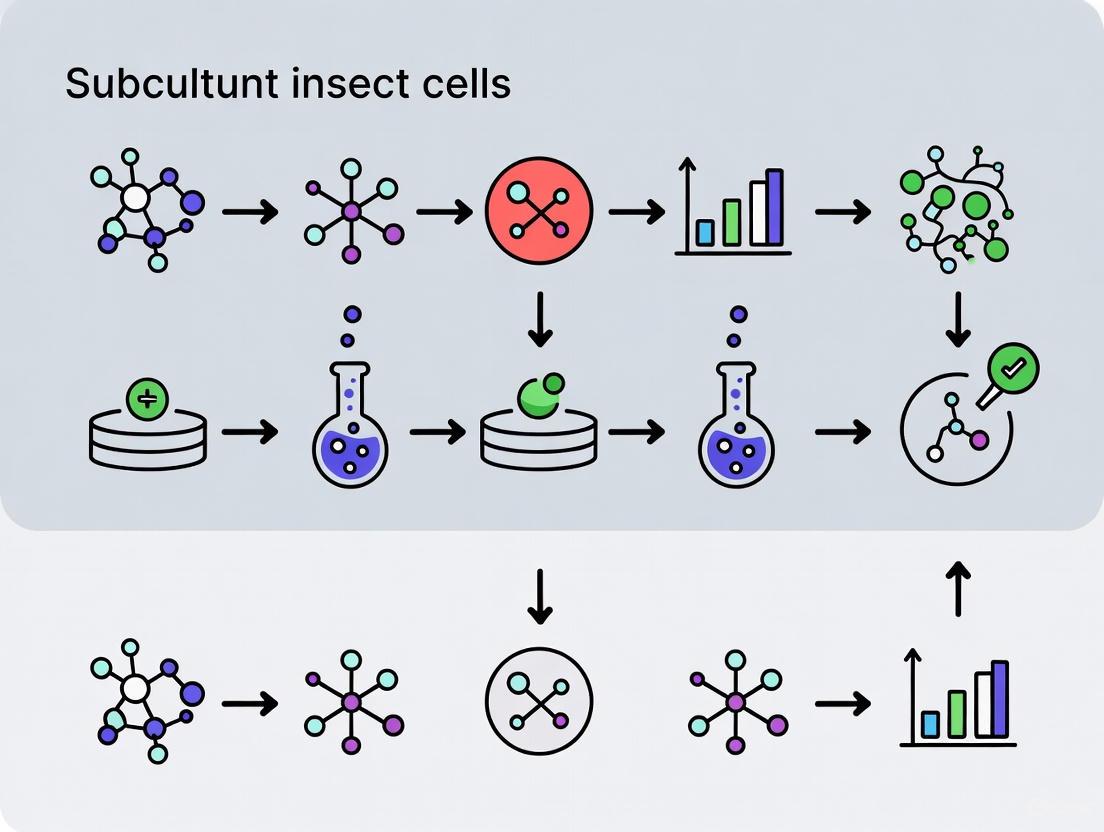
A Complete Guide to Subculturing Adherent Insect Cells: Protocols, Troubleshooting, and Best Practices
This article provides a comprehensive guide for researchers and drug development professionals on the subculture of adherent insect cells, a critical technique for recombinant protein production and biotherapeutics.
Bubble-Driven Cell Detachment: A Novel Enzyme-Free Technique for High-Viability Cell Harvesting
This article explores bubble-driven cell detachment, an emerging physical method that uses electrochemically or acoustically generated bubbles to gently lift adherent cells from surfaces.
Thermoresponsive Substrates for Cell Detachment: Principles, Methods, and Advanced Applications in Biomedical Research
This article provides a comprehensive overview of thermoresponsive substrates for enzyme-free cell detachment, a key technology in tissue engineering and regenerative medicine.
Cell Scraping Method: A Comprehensive Guide for Robust Cell Harvesting in Biomedical Research
This article provides a complete resource on the cell scraping method, a fundamental mechanical technique for harvesting adherent cells.
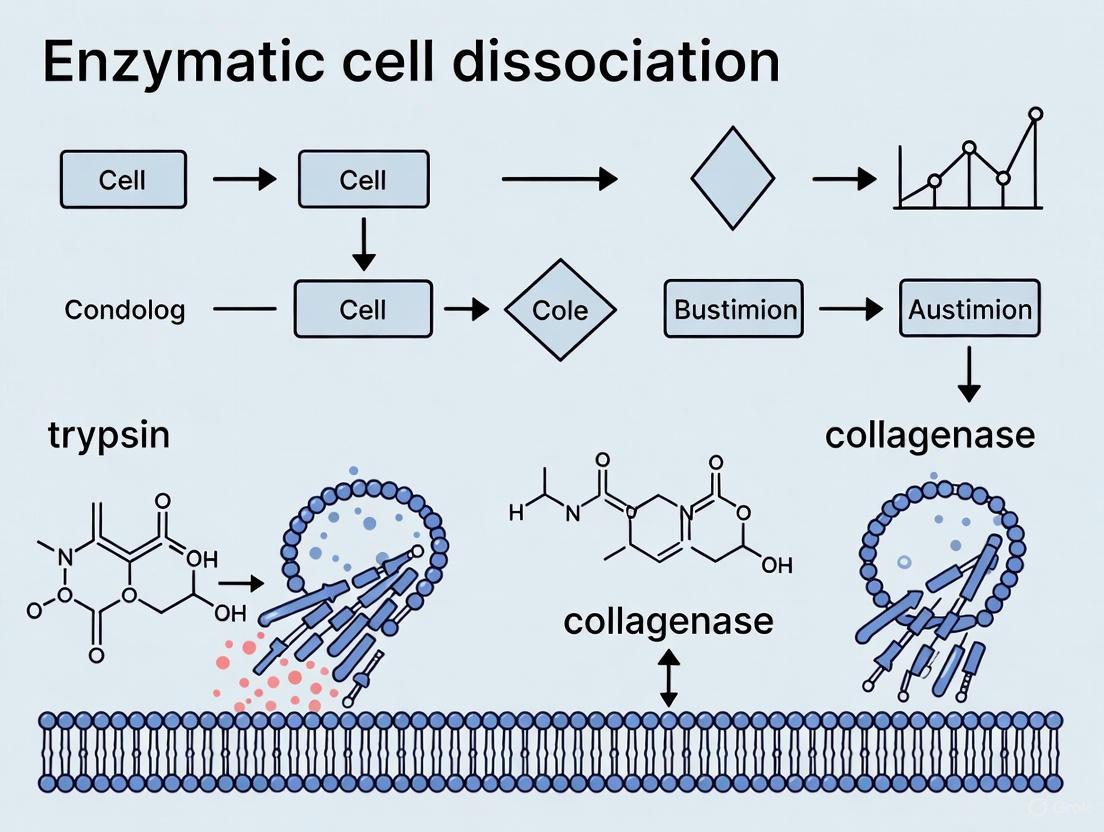
Enzymatic Cell Dissociation: Principles, Protocols, and Optimization for Modern Research
This article provides a comprehensive guide to enzymatic cell dissociation, detailing the fundamental principles and advanced methodologies essential for researchers, scientists, and drug development professionals.
Cell Adhesion and Detachment: Molecular Mechanisms, Advanced Methods, and Therapeutic Applications
This article provides a comprehensive review of the dynamic processes of cell adhesion and detachment, crucial for tissue integrity, immune function, and disease progression.