Research Articles
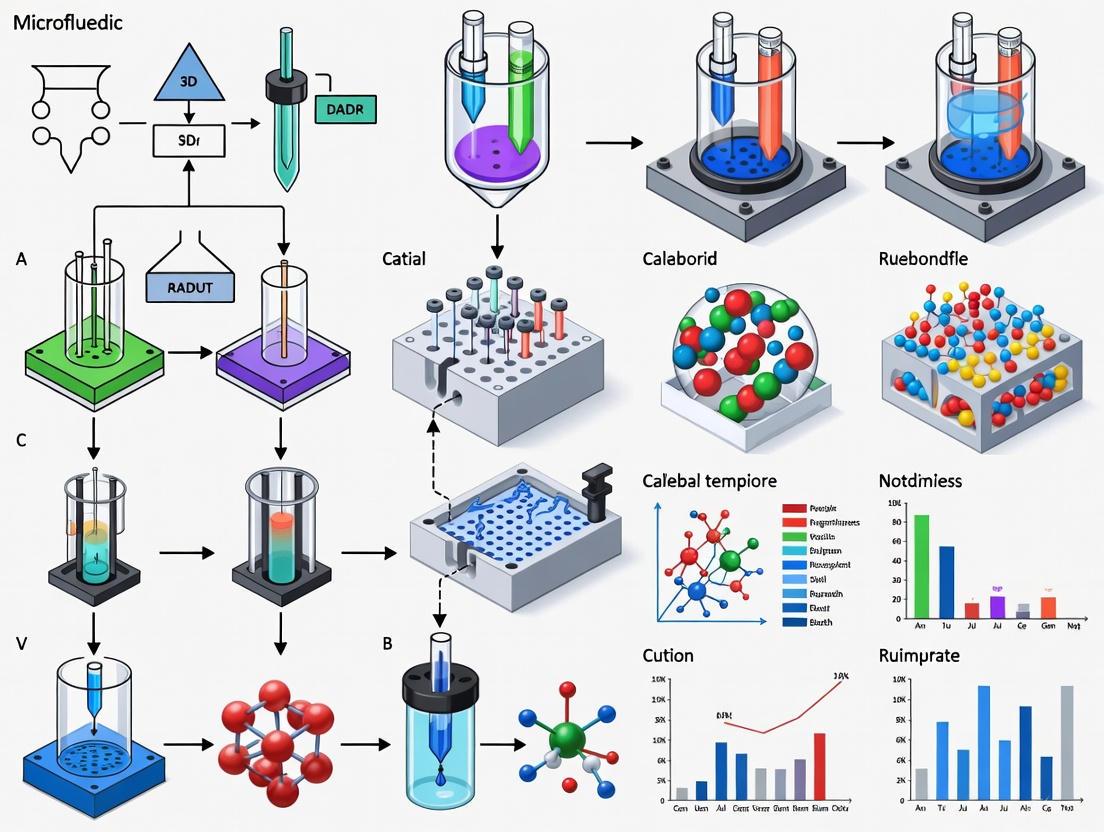
Microfluidic 3D Cell Culture: Techniques, Applications, and Future Directions in Biomedical Research
This article provides a comprehensive overview of microfluidic 3D cell culture techniques, a transformative technology bridging the gap between traditional 2D cultures and in vivo models.
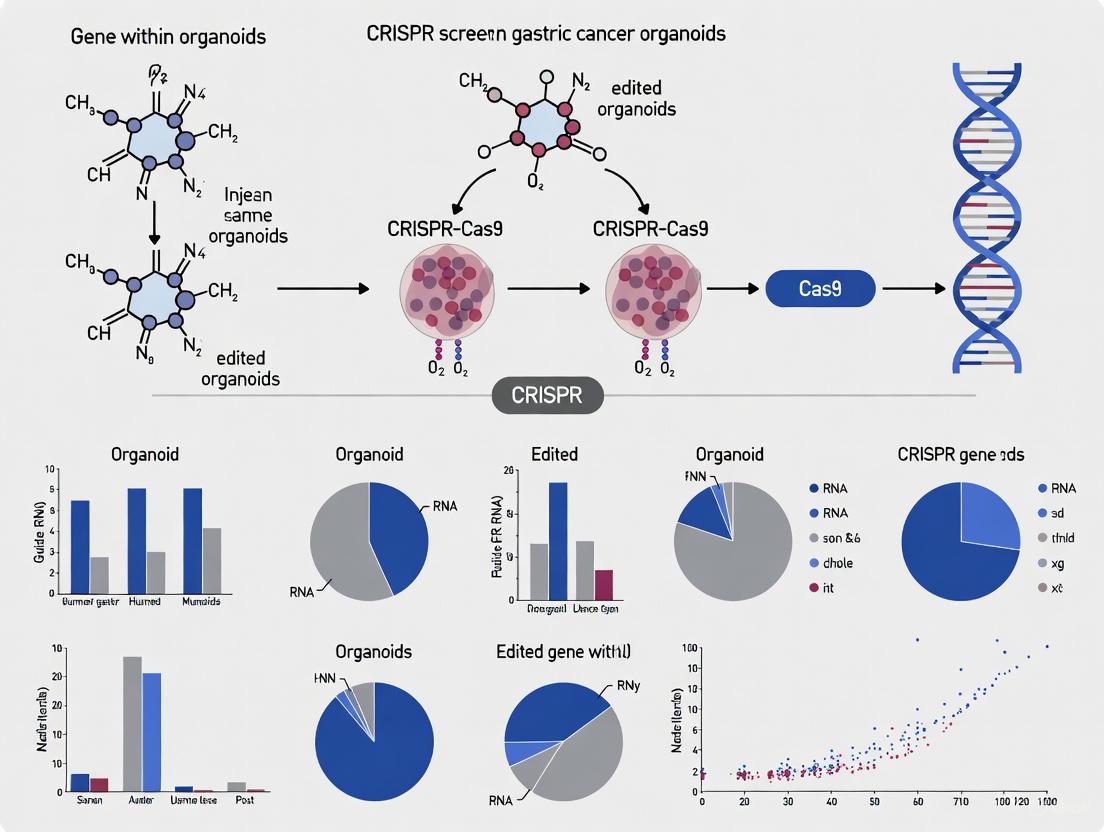
CRISPR Screening in Human Gastric Cancer Organoids: A New Paradigm for Personalized Therapy
This article explores the transformative integration of CRISPR-based genetic screens with primary human gastric organoids, a physiologically relevant 3D model that recapitulates tumor complexity and heterogeneity.
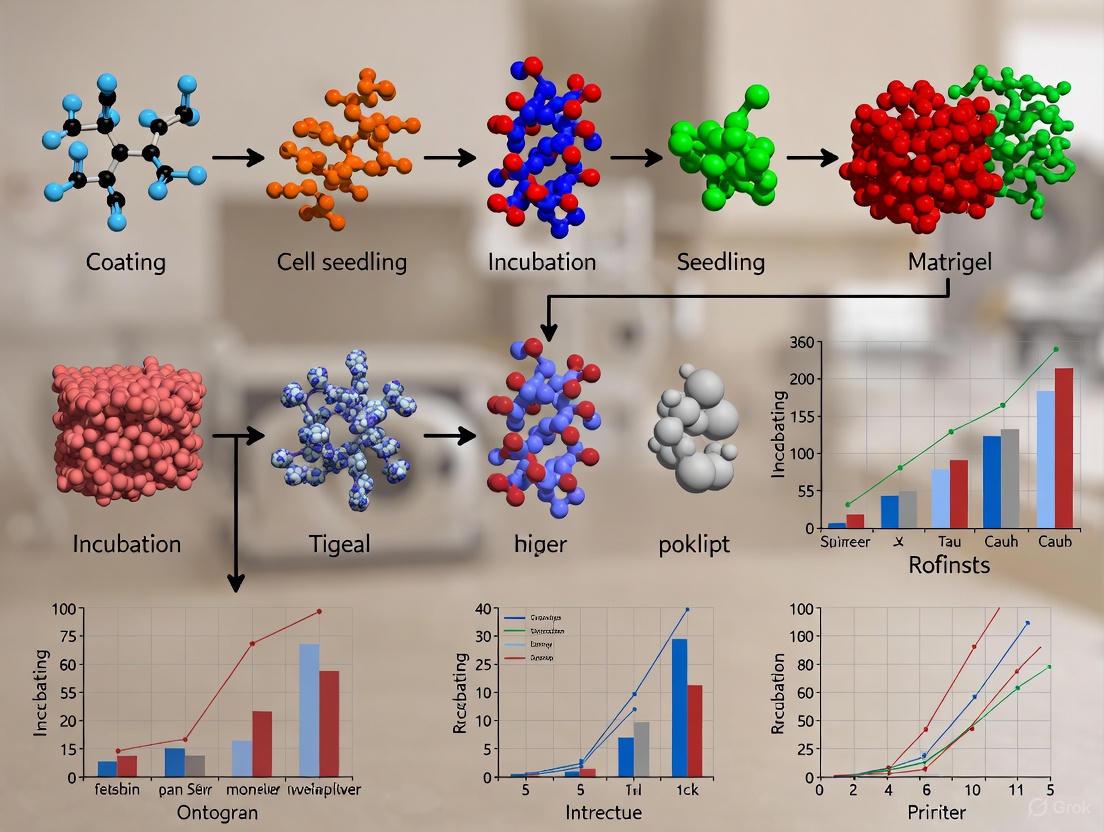
Mastering Matrigel for 3D Cell Culture: A Complete Protocol Guide for Predictive In Vitro Models
This comprehensive guide details the use of Matrigel for establishing physiologically relevant 3D cell culture models, essential for advanced cancer research, stem cell studies, and drug development.
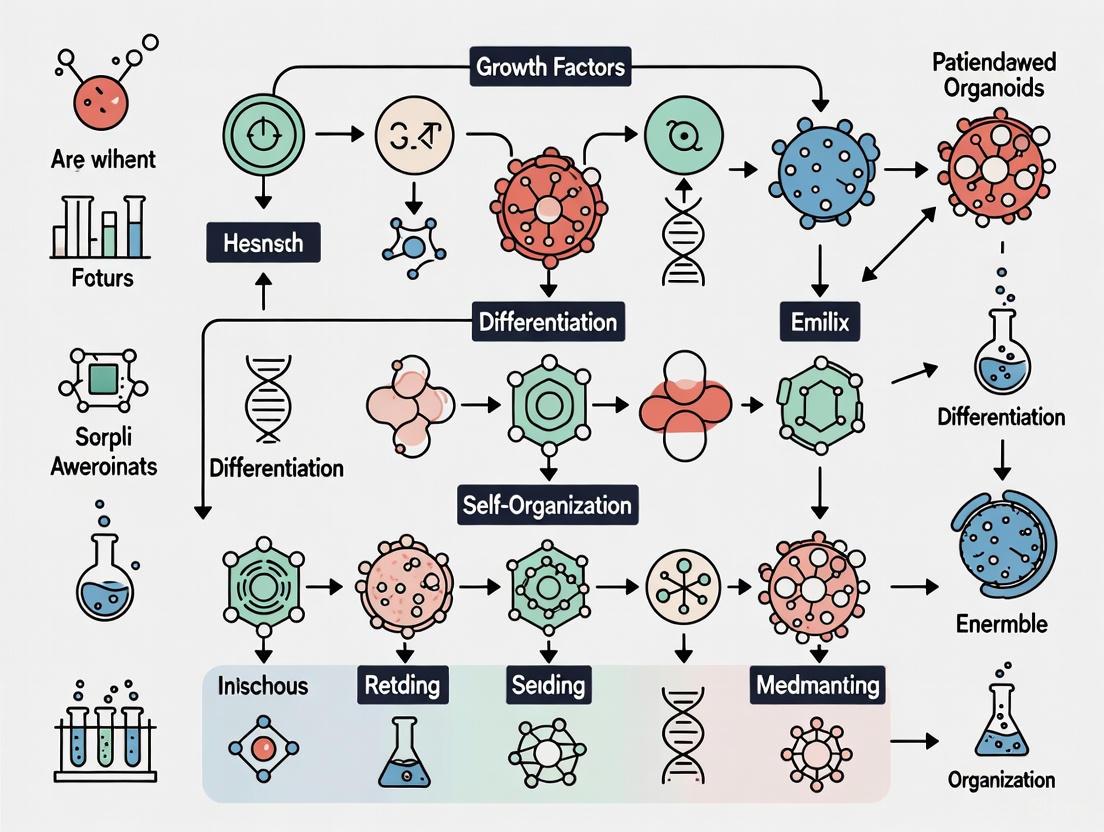
A Comprehensive Protocol for Patient-Derived Organoids (PDOs): From Establishment to Clinical Application
Patient-derived organoids (PDOs) are three-dimensional self-organizing structures that preserve the genetic, proteomic, and morphological characteristics of original tumors, offering a physiologically relevant platform for cancer research and personalized medicine.

3D Cell Culture: Revolutionizing Drug Discovery with Predictive Preclinical Models
This article provides a comprehensive overview of how 3D cell culture technologies are transforming the drug discovery pipeline.
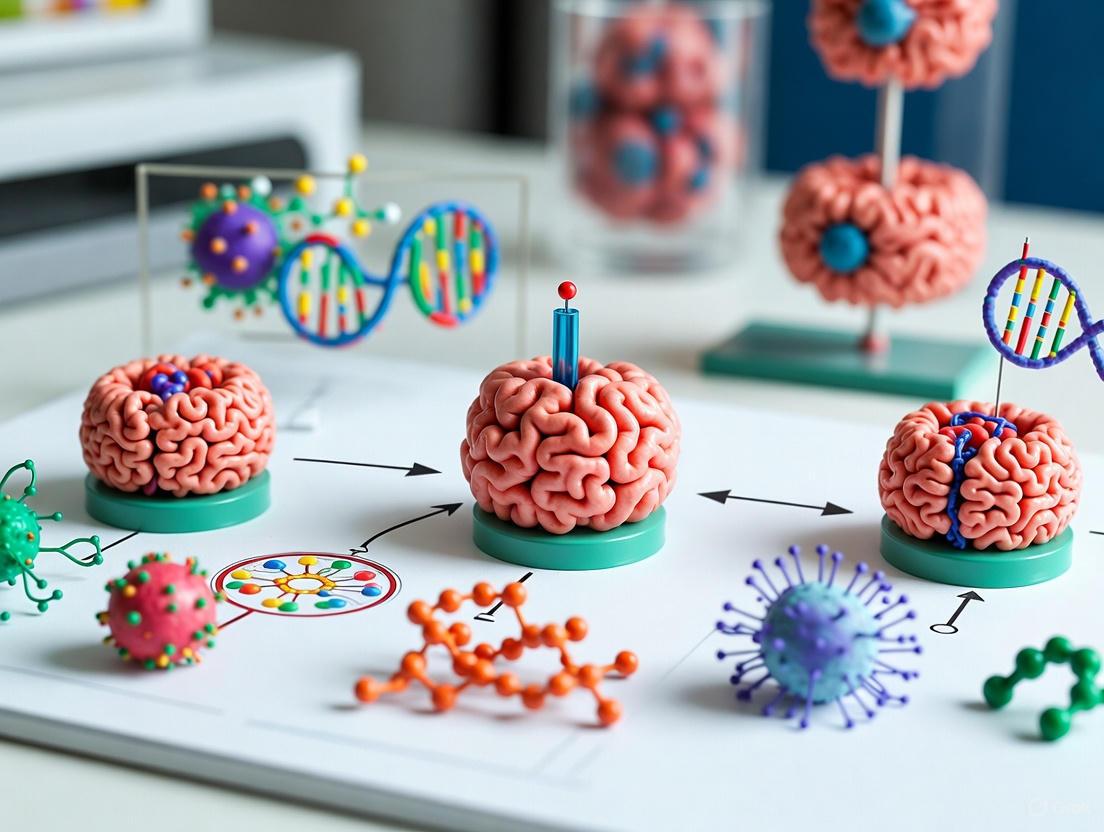
3D Tumor Models in Cancer Research: Bridging the Gap Between Lab Bench and Patient Bedside
This article provides a comprehensive overview of the transformative role of three-dimensional (3D) tumor models in modern cancer research and drug development.
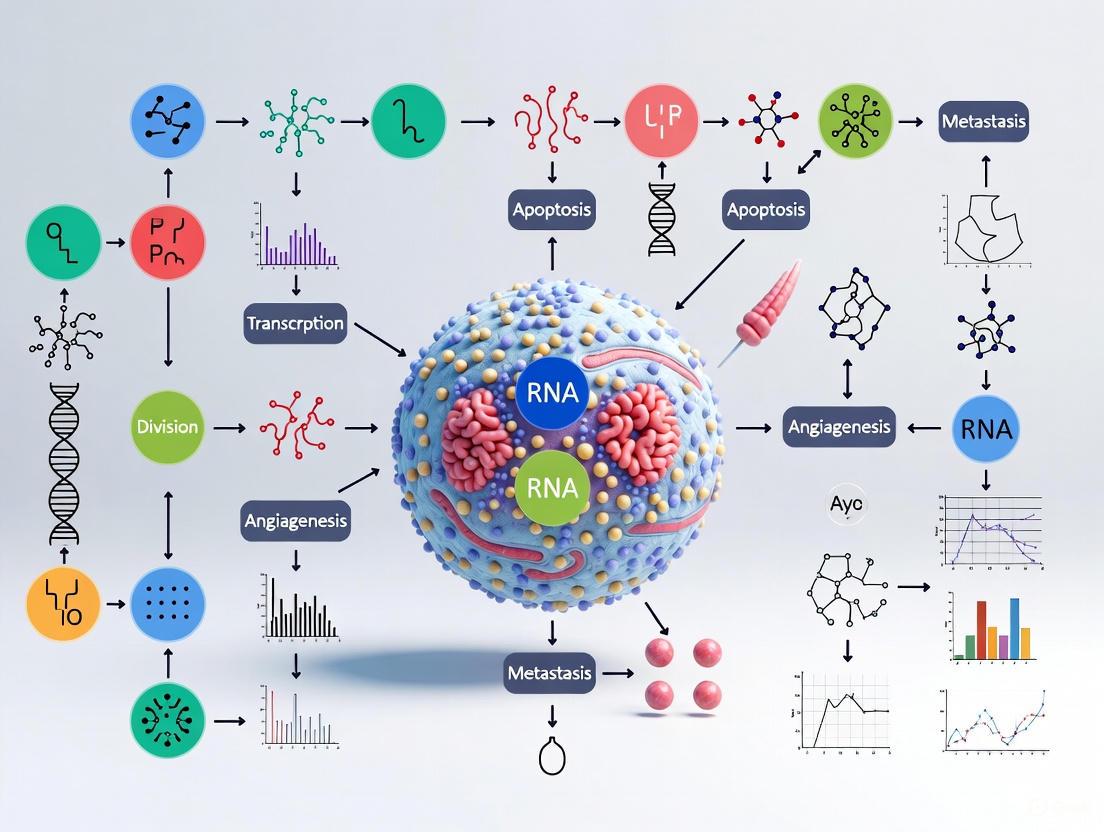
Multicellular Tumor Spheroids (MCTS): A Comprehensive 3D Model for Advancing Cancer Research and Drug Development
Multicellular Tumor Spheroids (MCTS) have emerged as an indispensable three-dimensional (3D) in vitro model that bridges the gap between traditional 2D cell cultures and in vivo animal models.
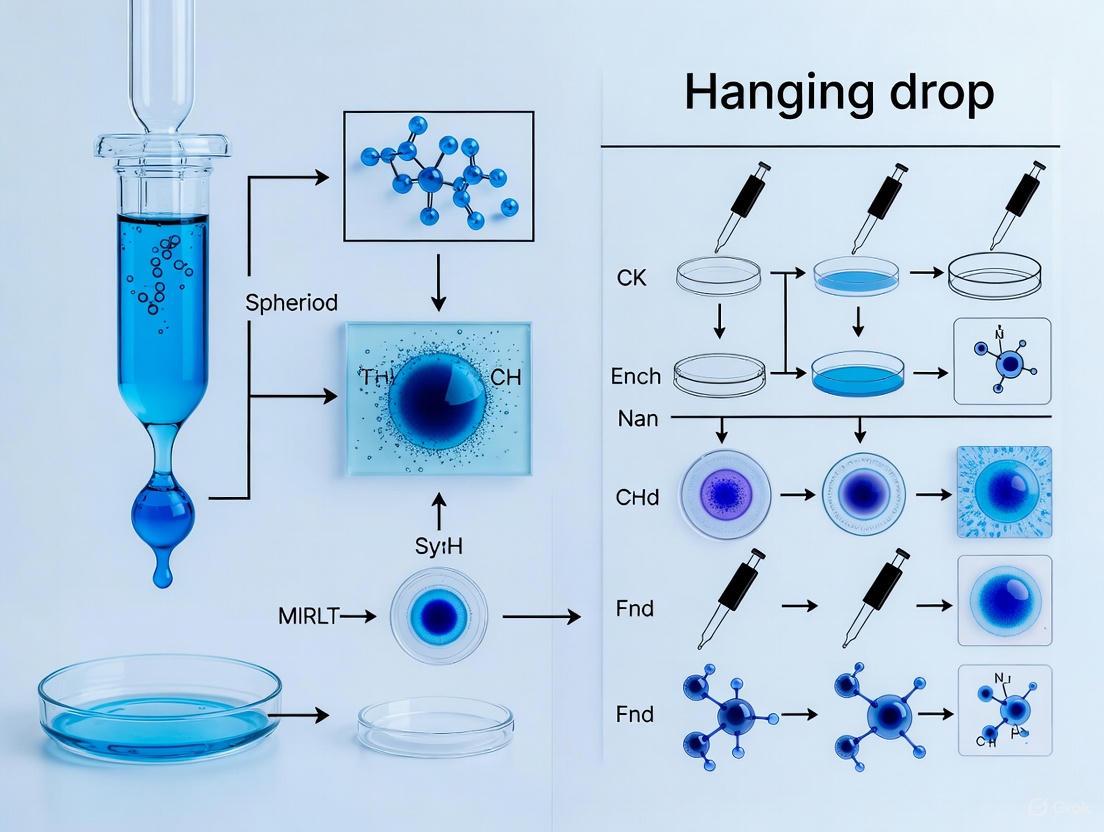
The Hanging Drop Method for Spheroid Formation: A Complete Guide from Principles to Advanced Applications
This article provides a comprehensive resource on the hanging drop method, a foundational scaffold-free technique for generating three-dimensional (3D) multicellular spheroids.
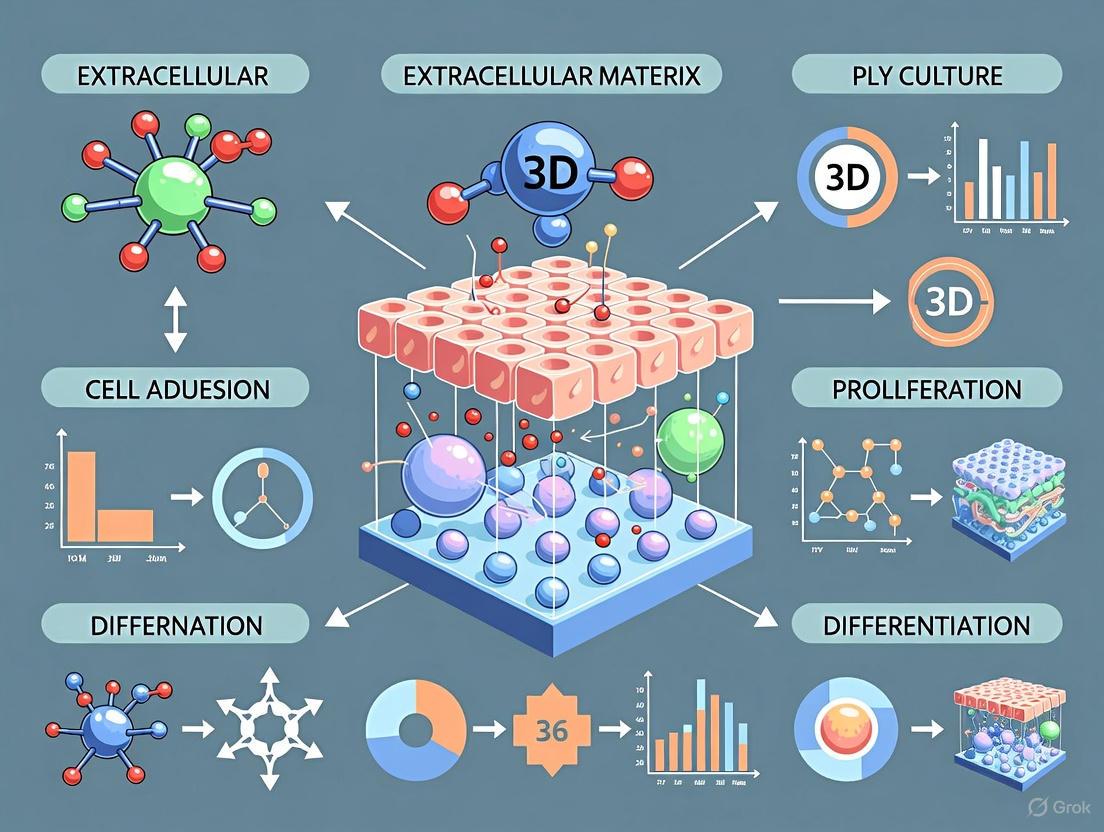
The Extracellular Matrix in 3D Cell Culture: From Silent Scaffold to Active Director of Cell Behavior
This article explores the pivotal role of the extracellular matrix (ECM) in advancing three-dimensional (3D) cell culture technologies for biomedical research and drug discovery.

3D Cell Culture in Regenerative Medicine: Building the Future of Tissue Repair and Organ Regeneration
This article explores the transformative role of 3D cell culture in advancing regenerative medicine.